BIRCHWOOD REHABILITATION & HEALTHCARE CENTER
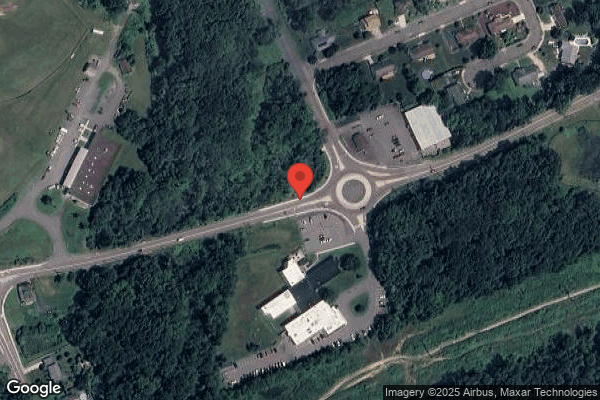
395 MIDDLE ROAD, NANTICOKE, PA 18634 (570) 735-2973
For profit - Corporation 121 Beds CENTURY HEALTHCARE Data: November 2025
Trust Grade
15/100
#533 of 653 in PA
Last Inspection: April 2025

Within standard 12-15 month inspection cycle. Federal law requires annual inspections.

Overview

Birchwood Rehabilitation & Healthcare Center has received a Trust Grade of F, indicating significant concerns about the quality of care. With a state rank of #533 out of 653 facilities in Pennsylvania, they are in the bottom half and #17 out of 22 in Luzerne County, meaning there are better options available locally. The facility's trend is stable, with 17 reported issues each year in 2024 and 2025, and it has incurred $151,473 in fines, which is concerning and higher than 93% of Pennsylvania facilities. Staffing is rated at 2 out of 5 stars, with a turnover rate of 54%, which is average but suggests instability. Additionally, there are serious incidents noted, including a failure to investigate resident falls leading to serious injuries, and the lack of a qualified dietary supervisor, raising further red flags about the facility's oversight and ability to provide safe care.

Trust Score
F
15/100
In Pennsylvania
#533/653
Bottom 19%
Safety Record
High Risk
Review needed
Inspections
Holding Steady
17 → 17 violations
Staff Stability
⚠ Watch
54% turnover. Above average. Higher turnover means staff may not know residents' routines.
Penalties
○ Average
$151,473 in fines. Higher than 56% of Pennsylvania facilities. Some compliance issues.
Skilled Nurses
⚠ Watch
Each resident gets only 28 minutes of Registered Nurse (RN) attention daily — below average for Pennsylvania. Fewer RN minutes means fewer trained eyes watching for problems.
Violations
⚠ Watch
55 deficiencies on record. Higher than average. Multiple issues found across inspections.
★☆☆☆☆
1.0
Overall Rating
★★☆☆☆
2.0
Staff Levels
★★★★☆
4.0
Care Quality
★☆☆☆☆
1.0
Inspection Score
Stable
2024: 17 issues
2025: 17 issues

The Good

  • 4-Star Quality Measures · Strong clinical quality outcomes
  • Full Sprinkler Coverage · Fire safety systems throughout facility
  • No fines on record

Facility shows strength in quality measures, fire safety.

The Bad

1-Star Overall Rating

Below Pennsylvania average (3.0)

Significant quality concerns identified by CMS

Staff Turnover: 54%

Near Pennsylvania avg (46%)

Higher turnover may affect care consistency

Federal Fines: $151,473

Well above median ($33,413)

Significant penalties indicating serious issues

Chain: CENTURY HEALTHCARE

Part of a multi-facility chain

Ask about local staffing decisions and management

The Ugly 55 deficiencies on record

2 actual harm
Sept 2025 3 deficiencies 1 Harm
SERIOUS (G) 📢 Someone Reported This

A family member, employee, or ombudsman was alarmed enough to file a formal complaint

Actual Harm - a resident was hurt due to facility failures

Accident Prevention (Tag F0689)

A resident was harmed · This affected 1 resident

**NOTE- TERMS IN BRACKETS HAVE BEEN EDITED TO PROTECT CONFIDENTIALITY** Based on review of clinical records, facility investigative reports, and staff interviews, it was determined the facility failed...

Read full inspector narrative →
**NOTE- TERMS IN BRACKETS HAVE BEEN EDITED TO PROTECT CONFIDENTIALITY** Based on review of clinical records, facility investigative reports, and staff interviews, it was determined the facility failed to adequately investigate resident falls and timely develop and implement effective safety interventions to prevent falls for residents with a known history of falls and unsafe behaviors. This deficient practice resulted in repeated falls for one resident (Resident 3) and a serious injury (fracture of knee) requiring hospitalization for another resident (Resident 1), affecting two of the seven sampled residents.Findings include: A review of Resident 3's clinical record revealed admission to the facility on May 7, 2025, with a diagnosis to include hemiplegia (paralysis of one side of the body) and hemiparesis (weakness on one side of the body) following a cerebral infarction (stroke), legal blindness, and end stage heart disease (advanced and irreversible stage of heart failure, where the heart is severely weakened and unable to pump blood effectively). The resident expired on September 5, 2025. A review of a quarterly MDS (Minimum Data Set- a federally mandated standardized assessment conducted at specific intervals to plan resident care) dated August 15, 2025, revealed Resident 3 was moderately cognitively impaired with a BIMS score of 11 (BIMS-Brief Interview for Mental Status is a tool to screen and identify the cognitive condition of long-term care residents. A score of 8-12 represents moderate cognitive impairment). Resident 3 required substantial to maximal assistance of staff for activities of daily living. A review of the plan of care initiated May 12, 2025, identified Resident 3 was at risk for falls due to decreased strength, endurance, generalized weakness, and hemiplegia. Planned interventions included: educate the resident and family to call for assistance before transferring, keep call light, food/fluids and personal belongings within reach, keep bed in low position (not the lowest), keep environment free of clutter, provide activities that promote exercise and strength, and therapy evaluation. Nursing documentation revealed the resident exhibited increased anxiousness, self-ambulation, physical and verbal aggression toward staff, disruptive behaviors such as turning off roommate's air mattress, pushing roommate's belongings onto the floor, yelling obscenities and racial slurs, and removing oxygen tubing. Nursing documentation and facility investigative documentation from August 2, 2025, to September 3, 2025, revealed Resident 3 experienced ten falls: 7 unwitnessed falls and 3 witnessed falls. The incidents were as follows: August 2, 2025, at 1:15 PM: Resident 3 was found sitting on floor in his room with bruising and raised area to the left side of his head. The resident stated he slipped when going to the bathroom. Neurological checks (at a minimum assessment of pulse, respiration, and blood pressure measurements; assessment of pupil size and reactivity; and equality of hand grip strength following a head injury) were initiated. August 7, 2025, at 10:00 AM: Resident 3 was found sitting on the left side of bed on his buttocks. The housekeeper witnessed the fall. Resident 3 reported he was sitting on the side of the bed and tried reaching for his soda on the floor and fell forward onto his knees. Incontinence care provided. August 8, 2025, at 2:10 AM: Resident 3 attempted to self-ambulate and his legs gave out. The resident reported he had a cramp in his leg and tried to walk it off. He stated his legs gave out and he fell. Neurological checks initiated. August 12, 2025, at 1:56 AM: Resident 3 was found sitting on the floor at the foot of his bed. Neurological checks initiated. The care plan revised to provide tap bell. August 24, 2025, at 7:30 AM: Resident 3 was found sitting on the floor in front of the nightstand. Noticeable red marks on his mid to upper right side of his back. Skin tears noted to the right lower extremity from scab removal from fall. Neurological checks initiated and treatment to right lower extremity provided. August 25, 2025, at 1:30 AM: Resident 3 was found sitting on the floor near his closet with both legs extended in front of him. The bedside table was knocked over. The resident reported that he did not want to wait. Neurological checks initiated. Resident encouraged and reminded to activate call bell for assistance. August 29, 2025, at 9:15 PM: Resident 3 found lying on the floor on the left side of the bed with his blanket covering him and holding his pillow. The resident reported he rolled out of bed. August 30, 2025, at 9:50 AM: Resident 3 attempted to stand near the wall/corner of hallway and fell on his right side. Small abrasion on his forehead. Neurological checks initiated. Care plan revised to offer toileting after meals. September 1, 2025, at 8:00 AM: Resident 3 heard yelling out and was found lying on the floor on his left side with his head towards the foot of the bed. The resident reported he slid out of bed. September 3, 2025, at 7:00 PM: Resident 3 observed throwing arms and legs over wheelchair armrest, fell as staff approached. The care plan revised September 3 to add fall mats while in bed; revised again September 4 to provide mattress on floor when agitated and unable to remain seated. Despite documented interventions, the facility failed to identify root causes or implement adequate enhanced supervision or individualized interventions. Resident 3 experienced repeated falls with injuries including bruising, abrasions, and skin tears.During an interview on September 17, 2025, at 3:45 PM, the Assistant Director of Nursing (ADON) confirmed that Resident 3 had multiple witnessed and unwitnessed falls and acknowledged that the facility's interventions were ineffective in preventing repeated falls. Clinical record review revealed that Resident 1 was admitted to the facility on [DATE], with diagnosis to include dementia, diabetes, and hypertension. A quarterly Minimum Data Set assessment dated [DATE], revealed a BIMS score of 9 (A score of 8 to 12 indicates moderate cognitive impairment). Resident 1 required two staff for transfers and toileting, was non-ambulatory, and used a wheelchair for mobility. A review of a plan of care for at risk for falling initiated March 21, 2025, revealed that staff were to keep the call bell within reach, keeping personal belongings within reach, implementing preventative fall interventions/devices, and a bariatric bed bolster overlay to the bed. A review of a care plan for ADL (activities of daily living) self-care performance deficit dated March 21, 2025, revealed the resident was an assist of two staff for bed mobility, toileting and a mechanical lift with assistance of two staff for transfers. Resident 1 was noted as non-ambulatory and utilized a wheelchair for ambulation. A review of facility investigation documentation and nursing documentation indicated between July 18, 2025, and September 2, 2025, Resident 1 sustained four falls:July 18, 2025, at 5:45 PM Resident 1 had an unwitnessed fall in his room. He was found on the floor next to his bed on his knees. He was assessed by nursing with no injury noted. He had nonskid socks on. The noted intervention to prevent future falls was to place a fall mat to the right side of the bed. There were no witness statements available at the time of the survey regarding the July 18, 2025, fall incident. There was no root cause analysis for this fall to determine the possible cause of the fall and to determine interventions to prevent future falls. August 4, 2025, at 4:05 AM Resident 1 had an unwitnessed fall from bed. He was found sitting on the floor leaning against the bed. He was on the left side of the bed. It appeared that he slid off the bed into a sitting position. The resident stated, I was going to shower. The resident was incontinent and was observed with dried BM (bowel movement). There was no documentation of the last time care was provided to this resident prior to the fall.Further review of the clinical record revealed no indication as to how this resident was toileted. The care plan-initiated March 21, 2025, for ADL care indicated that Resident 1 required the assistance of two staff for toileting, however, the plan did not include how often staff were to provide toileting care. There was no evidence that nursing assessed the resident for bowel and bladder continence and formulated a plan for toileting for this resident despite dependency on two staff for assistance.August 28, 2025, at 8:19 PM a review of facility investigative documentation and nursing documentation revealed Resident 1 had an unwitnessed fall from bed. He was observed lying on his back on the fall mat. The call bell was not activated. The head of the bed was noted to be at a 90-degree angle. Nursing assessed the resident. No injury was noted. There were no witness statements available at the time of the survey regarding the August 28, 2025, fall incident. There was no root cause analysis for this fall to determine the possible cause of the fall and to determine interventions to prevent future falls. A review of the care plan for at risk for falls revealed a new intervention dated August 29, 2025, to encourage Resident 1 to keep the head of the bed at 45 degrees or below at hour of sleep.On September 2, 2025, at 7:25 AM, facility investigative documentation and nursing documentation revealed the resident had another unwitnessed fall from bed. He was found naked on the right-side floormat. Nursing assessed him and noted he winced with pain upon minimal movement, though no signs of leg shortening or external rotation (potential signs and symptoms of possible hip fracture) were present. The physician was notified and ordered an X-ray of the left hip and pelvis. Documentation did not indicate if the resident was incontinent or the last time care had been provided. At 8:44 AM the resident complained of pain and staff administered Acetaminophen 650 mg. On September 3, 2025, at 1:32 PM, documentation noted an X-ray was to be obtained due to continued pain. At the time of this fall, interventions in place included a bed bolster overlay, a fall mat to the right side of the bed and keeping the head of the bed lower than 90 degrees when not eating. A new intervention was added to provide a stuffed animal for comfort.A review of a witness statement dated September 2, 2025, revealed Employee 12 (housekeeping) saw the resident on the floor while walking by the room and alerted the nurse. No additional witness statements were available. A review of the X-ray obtained September 2, 2025, indicated no fracture of the left hip. Documentation revealed the resident did not get out of bed again until September 6, 2025, at 8:39 PM. On September 5, 2025, at 5:15 PM, nursing documentation revealed the resident complained of leg pain during repositioning. The physician was contacted and ordered an X-ray of the left leg. Acetaminophen 650 mg was administered. On September 6, 2025, at 8:39 PM, documentation revealed the resident continued to complain of increasing pain. An X-ray of the left knee revealed an acute comminuted distal femoral fracture (a fracture in which the bone is broken into multiple pieces at the end of the femur near the knee). The physician was notified, and the resident was transferred to the hospital. Hospital documentation revealed the resident was evaluated with CT scans and X-rays that confirmed a left periprosthetic femur fracture. He was transferred to the trauma unit, admitted , and treated with pain management and therapy. The fracture was determined to be non-operative. The resident was discharged and readmitted to the facility on [DATE], at 4:31 PM. There was no evidence that Resident 1's falls were adequately investigated or that individualized fall prevention interventions, including ADL care needs, were developed and implemented to prevent falls. One of these falls resulted in a serious injury requiring hospitalization. During an interview on September 17, 2025, at 3:00 PM, the corporate nurse consultant, was unable to provide evidence that Resident 1's falls had been adequately investigated or that individualized fall interventions were implemented to prevent a fall with serious injury. 28 Pa Code 211.12 (d)(3)(5) Nursing services.
CONCERN (D) 📢 Someone Reported This

A family member, employee, or ombudsman was alarmed enough to file a formal complaint

Potential for Harm - no one hurt, but risky conditions existed

Abuse Prevention Policies (Tag F0607)

Could have caused harm · This affected 1 resident

Based on review of the facility's abuse prohibition policy and procedures, report of alleged abuse, clinical record review, and staff interviews, it was determined the facility failed to fully impleme...

Read full inspector narrative →
Based on review of the facility's abuse prohibition policy and procedures, report of alleged abuse, clinical record review, and staff interviews, it was determined the facility failed to fully implement its abuse prohibition procedures to identify potential sexual abuse, ensure timely notification of administration and the State Survey Agency, notify the resident's representative and physician, and promptly investigate an allegation of sexual abuse for one of seven sampled residents (Resident 2).Findings include: A review of the facility policy titled Abuse Policy last reviewed by the facility on August 14, 2025, revealed all allegations of abuse must be reported immediately to the Director of Nursing (DON). In the absence of the Director of Nursing such reports may be made to the Nurse Supervisor on duty. The Nursing Home Administrator (NHA) or Director of Nursing must be immediately notified of suspected abuse or incidents of abuse. If such incidents occur or are discovered after hours, the NHA and DON must be called at home or must be paged and informed. The facility's abuse policy defines sexual abuse as non-consensual sexual harassment, sexual coercion, contact or sexual assault. Further review of the policy revealed that any covered individual, which means the owner, operator, employee, manager, agent or contractor must report to the state survey agency and one or more law enforcement entities for the political subdivision in which the facility is located. Any alleged violations must be reported 1. Immediately but not later than 2 hours if the alleged violation involves abuse or results in serious bodily injury. 2. Not later than 24 hours if the alleged violation involves neglect, exploitation, mistreatment or misappropriation of resident property and does not result in serious bodily injury. Review of a report of an allegation of abuse dated September 2, 2025, revealed the alleged incident occurred on August 26, 2025, at 11:30 AM involving Resident 2 and Resident 2's visitor. Review of a witness statement provided by Employee 1 NA (nurse aide) dated August 28, 2025, (no time indicated) revealed that the alleged incident occurred on August 26, 2025, at 11:30 AM. Employee 1 reported she heard what sounded like a kissing noise in Resident 2's room. The curtain was pulled. Employee 1 stated she did not see anything, just heard the noise and reported it to Employee 3 LPN (licensed practical nurse). Review of a witness statement provided by Employee 2 (nurse aide) dated August 28, 2025, (no time indicated) revealed on August 26, 2025, she heard talk about sexual abuse to a resident and reported it to Employee 3 LPN. Review of a witness statement provided by Employee 3 LPN dated August 28, 2025, (no time indicated) revealed Employee 1 the nurse aide reported to him that she walked into Resident 2's room and heard moaning noises. Employee 3, LPN indicated he reported it to the RN Supervisor (Employee 4). The exact date of the incident on Employee 3's witness statement was illegible. Review of a witness statement provided by Employee 4 (RN Supervisor) dated August 28, 2025, (no time indicated) revealed that she was notified on August 28, 2025, by Employee 3 that he was told the day before by the nurse aide that she heard inappropriate noises coming from Resident 2's room while her visitor was in the room. Employee 4 reported it to the NHA. A review of Resident 2's clinical record revealed no documentation of the alleged sexual abuse had occurred. There was no documentation the facility NHA, DON, attending physician, or the resident's responsible party were made aware of the alleged sexual abuse at the time of the incident. Review of the facility's internal investigation revealed the facility did not initiate an investigation until August 28, 2025, two days after the alleged incident. Review of reports submitted to the State Survey Agency revealed the facility failed to notify the agency within the required two-hour timeframe following the allegation of sexual abuse. During an interview with the Assistant Director of Nursing on September 17, 2025, at 10:15 AM, it was confirmed that Employee 3 did not report the allegation of abuse in accordance with facility policy, resulting in delayed identification, notification, and investigation. The facility failed to implement its abuse prohibition procedures by not promptly identifying the alleged sexual abuse of Resident 2, not ensuring timely notification of administration, physician, responsible party, and State Survey Agency, and by delaying the initiation of an investigation into the allegation. 28 Pa. Code 201.18 (e)(1) Management. 28 Pa. Code 201.29 (a)(c) Resident Rights. 28 Pa. Code 201.14(a)(c) Responsibility of Licensee. 28 Pa. Code: 211.12 (c)(d)(1)(3)(5) Nursing Services. 28 Pa. Code: 211.10 (c)(d) Resident care policies.
CONCERN (D) 📢 Someone Reported This

A family member, employee, or ombudsman was alarmed enough to file a formal complaint

Potential for Harm - no one hurt, but risky conditions existed

Deficiency F0744 (Tag F0744)

Could have caused harm · This affected 1 resident

**NOTE- TERMS IN BRACKETS HAVE BEEN EDITED TO PROTECT CONFIDENTIALITY** Based on review of clinical records, select facility policy, and staff interviews, it was determined that the facility failed to...

Read full inspector narrative →
**NOTE- TERMS IN BRACKETS HAVE BEEN EDITED TO PROTECT CONFIDENTIALITY** Based on review of clinical records, select facility policy, and staff interviews, it was determined that the facility failed to implement individualized, person-centered interventions identified in the care plan to address dementia-related behaviors for one of seven sampled residents (Resident 4). Findings include: A review of a facility policy for Dementia-Clinical Protocols, reviewed August 2025 revealed, for residents with a confirmed dementia diagnosis, the interdisciplinary team will develop and implement a resident-centered care plan designed to maximize remaining function and quality of life. Clinical record review revealed that Resident 4 was admitted to the facility on [DATE], with diagnosis to include dementia (a condition in which a person loses the ability to think, remember, learn, make decisions, and solve problems). A quarterly Minimum Data Set assessment (MDS a federally mandated standardized assessment conducted at specific intervals to plan resident care) dated September 3, 2025, revealed Resident 4 to be severely, cognitively impaired with a BIMS score of 3 (brief interview for mental status, is a cognitive screening tool that helps nursing staff measure how well residents can remember, process and recall information. A score of 0 to 7 indicates severe cognitive impairment) and required assistance of staff for activities of daily living.A care plan addressing behaviors, including yelling out and resistance with care, initiated July 24, 2024, directed staff to approach the resident in a calm manner to avoid frustration and escalation of behaviors. The care plan further instructed that if the resident became agitated and showed signs of escalation, staff were to stop the activity and re-approach the resident later to complete care when she was calmer. Review of facility investigative documentation and nursing notes dated August 30, 2025, at 7:30 PM, revealed Employee 5 (nurse aide) reported to Employee 6 (RN Supervisor) that she heard a noise from Resident 4's room that sounded like a muffled human voice. Employee 5 stated she suspected staff inside the room were holding their hand over Resident 4's mouth to prevent her from yelling. Employees 7 and 8 (nurse aides) were providing care to Resident 4 at the time. Both staff members were suspended and sent home pending the outcome of a facility investigation. A review of a witness statement dated August 30, 2025, revealed Employee 8 (nurse aide) stated, I did not cover Resident 4's mouth at any point. I understand the seriousness of this allegation, but it is not true. At the time of me changing Resident 4, she was very combative, screaming, and she was angry. A review of a witness statement dated August 30, 2025, from Employee 7 (nurse aide) indicated, I walked into Resident 4's room to assist Employee 8 (nurse aide) to put Resident 4 in her chair. At no time did either of us cover Resident 4's mouth. The resident was combative and screaming. At no point did anyone stop her from screaming. Although the facility's investigation did not substantiate abuse, there was no evidence that staff implemented the care-planned dementia interventions when Resident 4 became agitated. Specifically, there was no documentation or evidence that staff stopped the care and re-approached the resident at a later time as directed by the care plan. During an interview conducted on September 17, 2025, at 3:00 PM, the Assistant Director of Nursing and the Corporate Nurse Consultant confirmed that the individualized dementia care plan interventions were not implemented for Resident 4. 28 Pa Code 211.12 (d)(5) Nursing services.
Jun 2025 1 deficiency
CONCERN (D) 📢 Someone Reported This

A family member, employee, or ombudsman was alarmed enough to file a formal complaint

Potential for Harm - no one hurt, but risky conditions existed

Deficiency F0692 (Tag F0692)

Could have caused harm · This affected 1 resident

**NOTE- TERMS IN BRACKETS HAVE BEEN EDITED TO PROTECT CONFIDENTIALITY** Based on review of clinical records, select facility policy, and staff interview it was determined the facility failed to evalua...

Read full inspector narrative →
**NOTE- TERMS IN BRACKETS HAVE BEEN EDITED TO PROTECT CONFIDENTIALITY** Based on review of clinical records, select facility policy, and staff interview it was determined the facility failed to evaluate nutrition and hydration requirements to ensure acceptable parameters of nutritional status and hydration status to the extent possible for one resident out of 12 sampled (Resident A1). Findings include: Review of the facility Nutritional Assessment Policy last reviewed March 13, 2025, a nutritional assessment, including current nutritional status and risk factors for impaired nutrition, shall be conducted for each resident. The dietitian, in conjunction with the nursing staff and healthcare practitioners, will conduct a nutritional assessment for each resident upon admission (within current baseline assessment timeframes) and as indicated by a change in condition that places the resident at risk for impaired nutrition. The nutritional assessment will be conducted by the multidisciplinary team and shall identify at least the following components: usual body weight, current weight and height, description of the resident's usual intake and appetite, current clinical conditions and recent events that may have affected a resident's nutritional status and risk factors, current laboratory results related to fluid and electrolyte status, an estimate of calorie, protein, nutrient and fluid needs, and whether the resident's current intake is adequate to meet his or her nutritional needs. Review of the facility Resident Hydration and Prevention of Dehydration Policy last reviewed March 13, 2025, the facility will strive to provide adequate hydration and to prevent and treat dehydration. The dietitian will assess all residents for hydration as part of the comprehensive assessment, at least quarterly, and more often as necessary per resident need. Minimum fluid needs will be calculated and documented on initial, annual, and significant change assessments, using current standards of practice. The dietitian and nursing staff will educate the resident and family regarding hydration and preventing dehydration. Nurses will assess for signs and symptoms of dehydration during daily care. Nurses' aides will provide and encourage intake of bedside, snack, and meal fluids, on a daily and routine basis as part of daily care. Intake will be documented in the medical records. Aides will report intake of less than 1200 ml/day to nursing staff. If potential inadequate intake and/or signs and symptoms of dehydration are observed, intake and output monitoring will be initiated and incorporated into the care plan. The physician will be notified. Orders for medications that may exacerbate dehydration (e.g. diuretics) will be reviewed and held if medically appropriate. If laboratory results are consistent with actual dehydration, the physician may initiate IV (intravenous- administered into a vein) hydration. Hospitalization will be recommended, as necessary. A review of the clinical record revealed that Resident A1 was admitted to the facility on [DATE], with diagnoses which included dementia (a condition characterized by progressive or persistent loss of intellectual functioning, especially with impairment of memory and abstract thinking, and often with personality change, resulting from disease of the brain) and chronic obstructive pulmonary disease (COPD- group of lung diseases that block airflow and make it difficult to breathe). Further review of the clinical record at the time of the survey ending June 17, 2025, revealed no documented evidence that a complete nutritional assessment was completed by the registered dietitian to evaluate the nutritional and hydration needs and nutritional risk for Resident A1 who was admitted to the facility on [DATE]. Review of a physician order dated May 2, 2025, noted an order for Lasix (a diuretic or known as water pill) 20 mg one tablet by mouth once daily for edema (collection of fluid in the tissues of the body). Review of the resident's May Medication Administration Record revealed the prescribed Lasix 20 mg was administered from May 2, 2025, through May 16, 2025. A lab report dated May 15, 2025, documented a BUN level of 59 mg/dL (normal range 6-20 mg/dL) and a Creatinine level of 1.9 mg/dL (normal range 0.50-1.10 mg/dL), both of which may be elevated in cases of dehydration. Review of the resident's fluid intake from May 13, 2025, through May 15, 2025, indicated the following: May 13, 2025: 240 cc's total for all meals May 14, 2025: 660 cc's total for all meals May 15, 2025: 600 cc's total for all meals There was no documented evidence that the nurses' aides notified nursing of the resident's low fluid intake. A nursing progress note dated May 16, 2025, at 7:30 PM, indicated the resident's representative requested hospital transfer due to change in mental status. The certified registered nurse practitioner (CRNP) was notified and gave an order to transfer the resident to the emergency department of the hospital. The hospital report dated May 17, 2025, documented a diagnosis of acute kidney injury with dehydration, and noted physician orders to hold Lasix and initiate IV (intravenous/administered into a vein) fluids. The resident was readmitted to the facility on [DATE]. During an interview with the Director of Nursing on June 17, 2025, at 1:40 PM, the DON confirmed a comprehensive nutritional and hydration assessment was not completed by the registered dietitian for Resident A1, and that nutritional interventions were not established to meet the resident's needs to the extent possible. 28 Pa. Code 211.5 (f) (ii) (ix) Medical Records. 28 Pa. Code 211.12 (c)(d)(1)(3)(5) Nursing services.
Apr 2025 11 deficiencies
CONCERN (D)

Potential for Harm - no one hurt, but risky conditions existed

MDS Data Transmission (Tag F0640)

Could have caused harm · This affected 1 resident

**NOTE- TERMS IN BRACKETS HAVE BEEN EDITED TO PROTECT CONFIDENTIALITY** Based on a review of the Resident Assessment Instrument (RAI) Manual, clinical record review, and staff interviews, it was deter...

Read full inspector narrative →
**NOTE- TERMS IN BRACKETS HAVE BEEN EDITED TO PROTECT CONFIDENTIALITY** Based on a review of the Resident Assessment Instrument (RAI) Manual, clinical record review, and staff interviews, it was determined that the facility failed to ensure Minimum Data Set (MDS) assessments were submitted to the Centers for Medicare & Medicaid Services (CMS) Quality Improvement and Evaluation System (QIES) Assessment Submission and Processing (ASAP) system within the required 14-day timeframe for 2 of 23 residents reviewed (Residents 41 and 45). Findings include: According to the Long-Term Care Facility Resident Assessment Instrument (RAI) User's Manual, version dated October 2019, federally mandated MDS assessments (mandated assessments of a resident's abilities and care needs) must be submitted within 14 calendar days after the MDS Completion Date (Section Z0500B + 14 days). Additionally, discharge tracking records must be completed and transmitted within 14 calendar days following the Event Date (Section A2000 + 14 days). A review of Resident 41's clinical record revealed a quarterly MDS assessment with an Assessment Reference Date (ARD) of January 2, 2024. This MDS was submitted with identified errors in Section A (Identification Information) and Section C (Cognitive Patterns). The MDS assessment was not corrected and resubmitted to the QIES ASAP system within 14 days of the MDS Completion Date, as required. A review of Resident 45's clinical record revealed that she was admitted to the facility on [DATE], and discharged from the facility on March 7, 2025. A review of Resident 45's clinical record revealed the resident was admitted to the facility on [DATE], and discharged on March 7, 2025. A Discharge - Return Not Anticipated MDS assessment was scheduled for March 7, 2025. However, this MDS assessment was in progress and had not been completed or submitted within 14 days of the MDS Completion Date (Section Z0500B + 14 days). The MDS remained unsubmitted until it was identified and completed during the on-site survey conducted April 1-4, 2025. During an interview conducted on April 3, 2025, at 10:00 AM, the facility's Registered Nurse Assessment Coordinator (RNAC) confirmed that the MDS assessments for Residents 41 and 45 were not submitted to the QIES ASAP system within the required 14-day timeframe. 28 Pa. Code 201.14(a) Responsibility of licensee 28 Pa. Code 201.18(b)(3) Management 28 Pa. Code 211.12(d)(1)(3)(5) Nursing services
CONCERN (D)

Potential for Harm - no one hurt, but risky conditions existed

Assessment Accuracy (Tag F0641)

Could have caused harm · This affected 1 resident

**NOTE- TERMS IN BRACKETS HAVE BEEN EDITED TO PROTECT CONFIDENTIALITY** Based on a review of clinical records and staff interview, it was determined the facility failed to ensure the Minimum Data Set ...

Read full inspector narrative →
**NOTE- TERMS IN BRACKETS HAVE BEEN EDITED TO PROTECT CONFIDENTIALITY** Based on a review of clinical records and staff interview, it was determined the facility failed to ensure the Minimum Data Set Assessment (MDS a federally mandated standardized assessment conducted at specific intervals to plan resident care) accurately reflected the status of one out of 23 residents sampled (Resident 49). Findings included: A review of Resident 49's clinical record revealed the resident was admitted to the facility on [DATE], with diagnoses that included end stage kidney disease (is a condition where the kidney reaches advanced state of loss of function that causes changes in urination, fatigue, swelling of feet, high blood pressure, and loss of appetite) and required hemodialysis (a machine filters wastes, salts and fluid from the blood when the kidneys are no longer healthy enough to do this work adequately and used to treat advanced kidney failure) three times per week. A review of Resident 49's quarterly review MDS assessment dated [DATE], revealed in Section O - O0011.0 Special Treatments, Procedures, and Programs J1. Dialysis was coded No and indicated that the resident was not receiving dialysis treatments. However, a review of the resident's clinical record revealed that she received dialysis treatments three times per week to manage kidney disease. Interview with the Nursing Home Administrator on April 3, 2025, at 1:20 PM, revealed that Resident 49 attended dialysis three times per week and confirmed the facility failed to code the February 2, 2025, quarterly MDS to reflect dialysis as a special treatment. 28 Pa. Code 211.5 (f)(iv) Medical records. 28 Pa. Code 211.12(d)(2)(3) Nursing services.
CONCERN (D)

Potential for Harm - no one hurt, but risky conditions existed

Deficiency F0655 (Tag F0655)

Could have caused harm · This affected 1 resident

**NOTE- TERMS IN BRACKETS HAVE BEEN EDITED TO PROTECT CONFIDENTIALITY** Based on clinical record review and staff interview, it was determined the facility failed to develop and implement a baseline c...

Read full inspector narrative →
**NOTE- TERMS IN BRACKETS HAVE BEEN EDITED TO PROTECT CONFIDENTIALITY** Based on clinical record review and staff interview, it was determined the facility failed to develop and implement a baseline care plan that included the minimum healthcare information necessary to address the resident's immediate care and safety needs upon admission for one of 23 residents reviewed (Resident 318). Findings: A review of Resident 318's clinical record revealed the resident was admitted to the facility on [DATE], with diagnoses including osteomyelitis (an infection in a bone) and diabetes mellitus (a metabolic disorder in which the body has elevated blood sugar levels for prolonged periods of time). A review of a social services progress note dated March 30, 2025, at 5:15 PM, indicated that Resident 318 did not speak English very well. Further review of Resident 318's baseline care plan revealed it failed to identify English as a second language as part of the resident's communication needs. Additionally, the baseline care plan failed to include measurable goals, objectives, or interventions to address the resident's communication barrier or outline strategies to ensure staff could effectively communicate with the resident to meet his immediate care and safety needs. During an interview on April 3, 2025, at approximately 2:00 PM, the Director of Nursing confirmed that Resident 318's baseline care plan did not include the resident's communication needs or any interventions to address the language barrier. The Director of Nursing acknowledged the baseline care plan failed to reflect the minimum necessary information to ensure staff were provided with clear instructions to meet the resident's immediate care needs upon admission. 28 Pa Code 211.12 (d)(1)(2)(3)(5) Nursing Services.
CONCERN (D)

Potential for Harm - no one hurt, but risky conditions existed

Quality of Care (Tag F0684)

Could have caused harm · This affected 1 resident

**NOTE- TERMS IN BRACKETS HAVE BEEN EDITED TO PROTECT CONFIDENTIALITY** Based on select facility policy, a review of clinical records and resident and staff interviews it was determined that the facil...

Read full inspector narrative →
**NOTE- TERMS IN BRACKETS HAVE BEEN EDITED TO PROTECT CONFIDENTIALITY** Based on select facility policy, a review of clinical records and resident and staff interviews it was determined that the facility failed to provide nursing services consistent with professional standards of quality by failing to ensure that licensed nurses timely administered a resident's medications for one resident of 23 reviewed (Resident 56). Findings included: According to the Pennsylvania Code, Title 49, Professional and Vocational Standards, State Board of Nursing, 21.11 (a)(1)(2)(4) indicates that the registered nurse was to carry out nursing care actions that promote, maintain, and restore the well-being of individuals. The Pennsylvania Code, Title 49, Professional and Vocational Standards, State Board of Nursing, 21.145 Functions of the Licensed Practical Nurse (LPN) (a) The LPN is prepared to function as a member of the health-care team by exercising sound judgement based on preparation, knowledge, skills, understandings and past experiences in nursing situations. The LPN participates in the planning, implementation, and evaluation of nursing care in settings where nursing takes place. 21.148 Standards of nursing conduct (a) A licensed practical nurse shall: (5) Document and maintain accurate records. According to the American Nurses Association Principles for Nursing Documentation, nurses document their work and outcomes and provide an integrated, real-time method of informing the health care team about the patient status. Timely documentation of the following types of information should be made and maintained in a patient's EHR (electronic health record) to support the ability of the health care team to ensure informed decisions and high-quality care in the continuity of patient care including Medication Records. A review of facility policy titled: Administering Medications last reviewed by the facility on March 3, 2025, indicated that medications are administered within one hour of their prescribed times, unless otherwise specified. Review of Resident 56's clinical record revealed the resident was admitted to the facility on [DATE], with diagnoses to include pulmonary hypertension (a type of high blood pressure that affects arteries in the lungs and in the right side of the heart), heart failure (chronic, progressive condition in which the heart muscle is unable to pump enough blood to meet the body's needs for blood and oxygen), and osteoarthritis (a degenerative joint disease that occurs when tissues that cushion the ends of bones within the joints break down). During an interview with Resident 56 on April 1, 2025, at 11:00 AM she expressed frustration regarding delays in the administration of her medications. She reported that her physician prescribed morphine (an opioid pain-relieving medication used to treat moderate to severe pain) was often given late. As a result, the delayed administration caused an increase in her pain and led to extreme discomfort. A review of Resident 56's Medication Administration Record for March 2025, revealed that the resident was prescribed and scheduled to receive the following medications: Gas-X Extra Strength tablet by mouth at 9:00 AM Artificial tears solution, two drops in both eyes at 9:00 AM Zyprexa 5 MG tablet (atypical antipsychotic) by mouth at 9:00 AM Detrol 2 MG tablet (antispasmodic)by mouth at 9:00 AM Acidophilus capsule (probiotic)by mouth at 9:00 AM Metoprolol 50 MG (antihypertensive) tablet my mouth at 9:00 AM Colace 100 MG capsules (stool softener) by mouth at 9:00 AM MS Contin (morphine sulfate narcotic pain medication) 60 MG tablet by mouth at 9:00 AM Acetaminophen 500 MG tablet by mouth at 9:00 AM Review of the facility's Medication Administration Audit Report for March 21, 2025, through March 24, 2025, revealed the following: On March 23, 2025, Resident 56's medications scheduled for 9:00 AM were not administered until 10:35 AM, 1 hour and 35 minutes after the scheduled time. On March 24, 2025, Resident 56's medications scheduled for 9:00 AM were not administered until 10:58 AM, 1 hour and 58 minutes after the scheduled time Interview with the Nursing Home Administrator on April 3, 2025, at approximately 1:30 PM confirmed medications should be administered timely in accordance with physician orders and professional standards of practice. 28 Pa. Code 211.12 (c)(d)(1)(3)(5) Nursing Services
CONCERN (D)

Potential for Harm - no one hurt, but risky conditions existed

Pressure Ulcer Prevention (Tag F0686)

Could have caused harm · This affected 1 resident

**NOTE- TERMS IN BRACKETS HAVE BEEN EDITED TO PROTECT CONFIDENTIALITY** Based on clinical record review, facility policy review, and staff interviews, it was determined the facility failed to ensure a...

Read full inspector narrative →
**NOTE- TERMS IN BRACKETS HAVE BEEN EDITED TO PROTECT CONFIDENTIALITY** Based on clinical record review, facility policy review, and staff interviews, it was determined the facility failed to ensure a timely and thorough assessment of pressure ulcers/injuries upon admission for one of 23 sampled residents (Resident 39). Findings included: According to the US Department of Health and Human Services, Agency for Healthcare Research & Quality, the pressure ulcer best practice bundle incorporates three critical components in preventing pressure ulcers: Comprehensive skin assessment, Standardized pressure ulcer risk assessment and care planning and implementation to address the areas of risk. The American College of Physicians (ACP) is a national organization of internists, who specialize in the diagnosis, treatment, and care of adults. The largest medical-specialty organization and second-largest physician group in the United States) Clinical Practice Guidelines indicate that the treatment of pressure ulcers should involve multiple tactics aimed at alleviating the conditions contributing to ulcer development (i.e. support surfaces, repositioning and nutritional support); protecting the wound from contamination and creating and maintaining a clean wound environment; promoting tissue healing via local wound applications, debridement and wound cleansing; using adjunctive therapies; and considering possible surgical repair. A review of a facility policy entitled Pressure Injuries Overview last reviewed by the facility on March 3, 2025, indicated that a pressure ulcer/injury (PU/PI) refers to localized damage to the skin and/or underlying soft tissue usually cover a bony prominence or related to a medical or other device. A pressure ulcer will present as an open ulcer, the appearance of which will vary depending on the stage and may be painful. Pressure ulcers/injuries occur as a result of intense and/or prolonged pressure or pressure in combination with shear. The tolerance of soft tissue for pressure and shear may also be affected by skin temperature, moisture, nutrition, perfusion, co-morbidities, and conditions of the soft tissue. A review of Resident 39's clinical record revealed the resident was admitted to the facility on [DATE], with diagnoses that included malignant neoplasm of the bladder (another term for bladder cancer, is a common type of cancer that begins in the cells of the bladder), malnutrition (condition that develops when the body is deprived of vitamins, minerals and other nutrients it needs), colostomy (surgical procedure that creates an opening in the abdominal wall to drain stool from the colon and can be temporary or permanent, depending on the condition of the bowel), abscess of the vulva (collection of pus that forms in the tissues of the vulva, which is the outer part of the female genitalia and is a condition that can be caused by a bacterial infection that enters the skin through a cut or a hair follicle), and cutaneous abscess of the perineum (painful, pus-filled bump near the anus or rectum. It occurs when an anal gland gets clogged and infected). A review of the resident's admission/readmission evaluation - v2 completed by Employee 6, a Registered Nurse (RN), dated January 30, 2025, at 5:09 PM, revealed the resident was observed with skin impairments that included pressure and other skin impairments that included an abscess of the perineum and vulva and excoriation (scratching or rubbing the skin, leading to abrasions or erosions) of the colostomy peristomal (area of skin around the colostomy). Employee 6 completed an admission body audit form dated January 30, 2025, that revealed that Resident 39 had a stage III pressure ulcer ( pressure injury characterized by full-thickness skin loss where the ulcer has broken through the top two layers of skin and into the fatty tissue below, resembling a hole or crater with potential for a foul odor) to the sacrum (triangular-shaped bone that connects the spine with the hip and supports the pelvic organs). However, there was no documented evidence that Employee 6 completed a thorough wound assessment of the pressure ulcer/injury, as required, to include specific measurements (length, width, depth, and surface area) or a detailed description of the wound characteristics. A review of a skin and wound note completed by the facility's contracted wound care specialist CRNP (Certified Registered Nurse Practitioner) dated February 3, 2025, at 9:01 PM (four days after admission), identified wound number two (#2) as a stage IV pressure ulcer/injury full-thickness tissue loss with exposed bone, tendon or muscle. Slough or eschar (dead tissue) may be present on some parts of the wound bed. (to the right gluteal fold that was present on admission. Current size at 5.0 centimeters (cm) in length by 3.0 in width cm by 0.5 cm in depth and calculated area was 15 square centimeters (sq cm) with 100% granulation (is new connective tissue and microscopic blood vessels that form on the surfaces of a wound during the healing process) present at the wound base and moderate amount of serosanguineous exudate (is a type of wound drainage secreted by an open wound in response to tissue damage). The facility was unable to provide documentation to demonstrate that a timely and thorough assessment of Resident 39's pressure ulcer/injury was completed by an RN upon admission to include measurements and a detailed wound description. During an interview with the Director of Nursing (DON) on April 3, 2025, at 1:30 PM, the DON stated that it is the expectation that upon admission, the RN is to complete a thorough wound assessment that includes measurements and wound description, which should be documented in the resident's clinical record. An interview with the Director of Nursing (DON) on April 3, 2025, at 1:30 PM, stated that it is the expectation that upon admission to the facility the RN is to complete a thorough wound assessment that includes measurements and wound description, which should be documented in the resident's clinical record. During a follow-up interview with the DON on April 4, 2025, at 10:15 AM, the DON confirmed that the facility failed to ensure a timely and thorough wound assessment of Resident 39's pressure ulcer/injury was completed upon admission, including measurements and description of the wound by an RN. 8 Pa. Code 211.10(d) Resident care policies. 28 Pa. Code 211.12(c)(d)(1)(3)(5) Nursing services.
CONCERN (D)

Potential for Harm - no one hurt, but risky conditions existed

Tube Feeding (Tag F0693)

Could have caused harm · This affected 1 resident

**NOTE- TERMS IN BRACKETS HAVE BEEN EDITED TO PROTECT CONFIDENTIALITY** Based on observations, select policy review, a review of clinical records, and staff interview it was determined the facility fa...

Read full inspector narrative →
**NOTE- TERMS IN BRACKETS HAVE BEEN EDITED TO PROTECT CONFIDENTIALITY** Based on observations, select policy review, a review of clinical records, and staff interview it was determined the facility failed to provide care and services designed to prevent potential complications associated with tube feedings for one resident receiving an enteral feeding out of 23 residents sampled (Resident 58). Findings include: Review of a facility policy titled Enteral Feedings - Safety Precautions last reviewed by the facility on March 3, 2025, indicated that all personnel responsible for preparing , storing and administering enteral nutrition (tube inserted through the abdomen directly into the stomach, used to deliver nutrition, fluids, and medications when a person cannot eat or drink safely or consume enough calories orally) formulas will be trained, qualified and competent and that the facility will remain current in and follow accepted best practices in enteral nutrition. Further it indicated that to prevent aspiration (occurs when food or liquid enters the lungs instead of the stomach, which can lead to serious health problems) elevate the head of the bed at least 30 degrees during tube feeding and at least 1 hour after feeding. Review of Resident 58's clinical record revealed the resident was admitted to the facility on [DATE], with diagnoses to include dysphagia (difficulty swallowing) and functional quadriplegia (complete immobility due to severe disability or facility, stemming from a medical condition without brain or spinal cord injury). Resident 58 required a PEG tube (Percutaneous endoscopic gastrostomy- an endoscopic medical procedure in which a tube is passed into the patient's stomach through the abdominal wall, most commonly to provide a means of feeding when oral intake is not adequate) for enteral feeding (enteral nutrition generally refers to any method of feeding that uses the gastrointestinal (GI) tract to deliver part or all of a person's caloric requirements). A review of the Resident 58's plan of care for PEG tube dated September 4, 2023, revealed an intervention to elevate the head of the bed 30 degrees during feeding and medication administration. Review of the plan of care for activities of daily living revealed an intervention to keep the head of bed elevated at all times. A review of resident 58's current physician's order dated April 2, 2024, revealed an order to elevate the head of the bed 30 degrees or higher during and 1 hour post feeding. Another current physician's order dated May 9, 2024, revealed on order for enteral feed (a method of providing nutrition directly into the GI tract through a tube), elevate the head of the bed at least 30 degrees during feeding, any medication administration, and for 30 minutes after feeding. Another current physician's order dated August 28, 2024, revealed an order to elevate the head of the bed at least 30 degrees during feeding and any mediation administration. An observation on April 1, 2025, at 12:15 PM revealed Resident 58's enteral tube feeding was actively infusing. The resident was awake and lying in bed. The head of the bed was not elevated, and the resident was lying flat on her back on the bed while the enteral tube feed was infusing. Interview with Employee 1 (licensed practical nurse) on April 1, 2025, at 12:20 PM confirmed that Resident 58's tube feeding was actively infusing, and the head of the bed was not elevated. Interview with the Director of Nursing on April 4, 2025, at approximately 2:15 PM, confirmed the facility failed to provide care and services designed to prevent potential complications associated with tube feedings. 28 Pa. Code 211.12 (c)(d)(1)(5) Nursing services.
CONCERN (D)

Potential for Harm - no one hurt, but risky conditions existed

Deficiency F0697 (Tag F0697)

Could have caused harm · This affected 1 resident

**NOTE- TERMS IN BRACKETS HAVE BEEN EDITED TO PROTECT CONFIDENTIALITY** Based on clinical record and select facility policy review and staff interview, it was determined that the facility failed to pr...

Read full inspector narrative →
**NOTE- TERMS IN BRACKETS HAVE BEEN EDITED TO PROTECT CONFIDENTIALITY** Based on clinical record and select facility policy review and staff interview, it was determined that the facility failed to provide effective pain management and administer pain medication as prescribed by the physician and failed to attempt non-pharmacological interventions to alleviate pain prior to the administration of a narcotic pain medication prescribed on an as needed basis for one resident out of four residents sampled for pain (Resident 114). Findings include: Review of the facility policy titled Pain Assessment and Management, last reviewed by the facility on March 3, 2025, revealed non-pharmacological interventions may be appropriate alone or in conjunction with medications to manage pain. Examples of non-pharmacological interventions included environmental adjustments (such as adjusting room temperature or providing pressure-reducing surfaces), physical interventions (such as ice packs or warm compresses), exercise (such as range of motion exercises), and cognitive or behavioral strategies (such as relaxation techniques, music, or diversional activities). The policy indicated that while pharmacological interventions (such as analgesics) may be prescribed to manage pain, they do not usually address the underlying cause of the pain and can have adverse effects on the resident, including drowsiness, increased risk of falling, and loss of appetite. A review of Resident 114's clinical record revealed that the resident was admitted to the facility on [DATE], with diagnoses that included displaced bimalleolar fracture (severe injury that affects the ankle joint and the bones of the lower leg and occurs when both the medial malleolus (inner ankle bone) and the lateral malleolus (outer ankle bone) are fractured and displaced from their normal position) of left lower leg and repeated falls. Review of physician's orders dated February 25, 2025, revealed an order for Tramadol HCl 25 mg by mouth every 4 hours as needed for severe pain (pain rating 7-10), and an updated order dated February 27, 2025, for Tramadol HCl 25 mg every 4 hours as needed for moderate (pain rating 4-6) or severe pain (pain rating 7-10). A review the resident's MAR dated February 25, 2025, through March 31, 2025, revealed that Tramadol HCL Oral Tablet 25 MG, give 1 tablet by mouth every 4 hours as needed (PRN) for pain - Moderate (4-6) or Severe (7-10) was administered without documented attempts of nonpharmacological interventions and/or outside of the prescribed physician orders on the following dates as follows. February 26, 2025, at 4:10 AM, administered an opioid PRN pain medication for a reported pain level at 7 (severe pain) and without attempted nonpharmacological interventions. February 26, 2025, at 8:25 AM, administered an opioid PRN pain medication for a reported pain level at 7 (severe pain) and without attempted nonpharmacological interventions. February 26, 2025, at 12:29 PM, administered an opioid PRN pain medication for a reported pain level at 7 (severe pain) and without attempted nonpharmacological interventions. February 26, 2025, at 4:31 PM, administered an opioid PRN pain medication for a reported pain level at 7 (severe pain) and without attempted nonpharmacological interventions. February 26, 2025, at 10:57 PM, administered an opioid PRN pain medication for a reported pain level at 7 (severe pain) and without attempted nonpharmacological interventions. February 27, 2025, at 4:59 AM, administered an opioid PRN pain medication for a reported pain level at 7 (severe pain) and without attempted nonpharmacological interventions. March 1, 2025, at 5:19 AM, administered an opioid PRN pain medication for a reported pain level at 7 (severe pain) and without attempted nonpharmacological interventions. March 1, 2025, at 1:24 PM, administered an opioid PRN pain medication for a reported pain level at 7 (severe pain) and without attempted nonpharmacological interventions. March 1, 2025, at 8:42 PM, administered an opioid PRN pain medication for a reported pain level at 8 (severe pain) and without attempted nonpharmacological interventions. March 2, 2025, at 9:12 AM, administered an opioid PRN pain medication for a reported pain level at 4 (moderate pain) and without attempted nonpharmacological interventions. March 2, 2025, at 5:45 PM, administered an opioid PRN pain medication for a reported pain level at 6 (moderate pain) and without attempted nonpharmacological interventions. March 3, 2025, at 1:37 AM, administered an opioid PRN pain medication for a reported pain level at 7 (severe pain) and without attempted nonpharmacological interventions. March 3, 2025, at 7:46 AM, administered an opioid PRN pain medication for a reported pain level at 7 (severe pain) and without attempted nonpharmacological interventions. March 3, 2025, at 12:14 PM, administered an opioid PRN pain medication for a reported pain level at 7 (severe pain) and without attempted nonpharmacological interventions. March 3, 2025, at 4:37 PM, administered an opioid PRN pain medication for a reported pain level at 4 (moderate pain) and without attempted nonpharmacological interventions. March 4, 2025, at 7:00 AM, administered an opioid PRN pain medication for a reported pain level at 6 (moderate pain) and without attempted nonpharmacological interventions. Further review of physician's orders revealed orders dated March 4, 2025, at 2:15 PM, for Tramadol HCl Oral Tablet 50 MG, give 50 mg by mouth every 4 hours as needed (PRN) for pain rated 4-10 for 14 days and was reordered on March 19, 2025, at 8:00 AM, Tramadol HCL tablet 50 mg, give 1 tablet every 4 hours for moderate pain (no numeric pain scale specified in orders). A review the resident's MAR dated March 4, 2025, through March 31, 2025, revealed that Tramadol HCl Oral Tablet 50 MG, give 50 mg by mouth every 4 hours as needed (PRN) for pain rating of 4-10 for 14 days was administered without documented attempts of nonpharmacological interventions and/or outside of the prescribed physician orders on the following dates as follows. March 4, 2025, at 10:25 PM, administered an opioid PRN pain medication for a reported pain level at 5 and without attempted nonpharmacological interventions. March 5, 2025, at 7:47 AM, administered an opioid PRN pain medication for a reported pain level at 8 and without attempted nonpharmacological interventions. March 5, 2025, at 12:26 PM, administered an opioid PRN pain medication for a reported pain level at 8 and without attempted nonpharmacological interventions. March 5, 2025, at 4:30 PM, administered an opioid PRN pain medication for a reported pain level at 7 and without attempted nonpharmacological interventions. March 5, 2025, at 8:32 PM, administered an opioid PRN pain medication for a reported pain level at 7 and without attempted nonpharmacological interventions. March 6, 2025, at 8:06 AM, administered an opioid PRN pain medication for a reported pain level at 7 and without attempted nonpharmacological interventions. March 6, 2025, at 4:38 PM, administered an opioid PRN pain medication for a reported pain level at 7 and without attempted nonpharmacological interventions. March 7, 2025, at 8:30 AM, administered an opioid PRN pain medication for a reported pain level at 4 and without attempted nonpharmacological interventions. March 7, 2025, at 12:50 PM, administered an opioid PRN pain medication for a reported pain level at 4 and without attempted nonpharmacological interventions. March 7, 2025, at 5:32 PM, administered an opioid PRN pain medication for a reported pain level at 6 and without attempted nonpharmacological interventions. March 8, 2025, at 10:33 PM, administered an opioid PRN pain medication for a reported pain level at 7 and without attempted nonpharmacological interventions. March 9, 2025, at 3:45 AM, administered an opioid PRN pain medication for a reported pain level at 7 and without attempted nonpharmacological interventions. March 10, 2025, at 6:05 AM, administered an opioid PRN pain medication for a reported pain level at 6 and without attempted nonpharmacological interventions. March 10, 2025, at 8:33 PM, administered an opioid PRN pain medication for a reported pain level at 7 and without attempted nonpharmacological interventions. March 11, 2025, at 6:28 PM, administered an opioid PRN pain medication for a reported pain level at 7 and without attempted nonpharmacological interventions. March 12, 2025, at 7:36 AM, administered an opioid PRN pain medication for a reported pain level at 7 and without attempted nonpharmacological interventions. March 12, 2025, at 6:14 AM, administered an opioid PRN pain medication for a reported pain level at 7 and without attempted nonpharmacological interventions. March 13, 2025, at 4:45 AM, administered an opioid PRN pain medication for a reported pain level at 7 and without attempted nonpharmacological interventions. March 13, 2025, at 12:43 PM, administered an opioid PRN pain medication for a reported pain level at 7 and without attempted nonpharmacological interventions. March 13, 2025, at 5:00 PM, administered an opioid PRN pain medication for a reported pain level at 7 and without attempted nonpharmacological interventions. March 14, 2025, at 1:48 AM, administered an opioid PRN pain medication for a reported pain level at 7 and without attempted nonpharmacological interventions. March 14, 2025, at 9:20 AM, administered an opioid PRN pain medication for a reported pain level at 8 and without attempted nonpharmacological interventions. March 14, 2025, at 8:00 PM, administered an opioid PRN pain medication for a reported pain level at 6 and without attempted nonpharmacological interventions. March 15, 2025, at 5:35 AM, administered an opioid PRN pain medication for a reported pain level at 7 and without attempted nonpharmacological interventions. March 16, 2025, at 8:02 AM, administered an opioid PRN pain medication for a reported pain level at 8 and without attempted nonpharmacological interventions. March 16, 2025, at 8:17 PM, administered an opioid PRN pain medication for a reported pain level at 8 and without attempted nonpharmacological interventions. March 17, 2025, at 1:23 AM, administered an opioid PRN pain medication for a reported pain level at 5 and without attempted nonpharmacological interventions. March 17, 2025, at 4:59 PM, administered an opioid PRN pain medication for a reported pain level at 6 and without attempted nonpharmacological interventions. March 19, 2025, at 5:05 PM, administered an opioid PRN pain medication for a reported pain level at 5 and without attempted nonpharmacological interventions. March 20, 2025, at 11:26 PM, administered an opioid PRN pain medication for a reported pain level at 7 and without attempted nonpharmacological interventions. March 21, 2025, at 12:08 AM, administered an opioid PRN pain medication for a reported pain level at 7 and without attempted nonpharmacological interventions. March 22, 2025, at 12:02 AM, administered an opioid PRN pain medication for a reported pain level at 7 and without attempted nonpharmacological interventions. March 29, 2025, at 10:08 PM, administered an opioid PRN pain medication for a reported pain level at 7 and without attempted nonpharmacological interventions. Further review of the MAR revealed the opioid pain medication continued to be administered throughout March 2025 without documentation that non-pharmacological interventions were attempted prior to administration, despite the facility's policy requiring such interventions. An interview with the Director of Nursing (DON) on April 4, 2025, at 10:30 AM, confirmed that there was no documented evidence that non-pharmacological interventions were attempted prior to the administration of opioid pain medication to Resident 114. 28 Pa. Code 211.5(f) Medical records 28 Pa. Code 211.12 (c)(d)(1)(5) Nursing Services
CONCERN (D)

Potential for Harm - no one hurt, but risky conditions existed

Deficiency F0741 (Tag F0741)

Could have caused harm · This affected 1 resident

**NOTE- TERMS IN BRACKETS HAVE BEEN EDITED TO PROTECT CONFIDENTIALITY** Based on observations, a review of clinical records, resident and staff interviews, it was determined the facility failed to pro...

Read full inspector narrative →
**NOTE- TERMS IN BRACKETS HAVE BEEN EDITED TO PROTECT CONFIDENTIALITY** Based on observations, a review of clinical records, resident and staff interviews, it was determined the facility failed to provide sufficient staff who provide direct services to residents with the appropriate competencies and skills sets to provide nursing and related services to assure resident safety and attain or maintain the highest practicable physical, mental, and psychosocial well-being of each resident as evidenced by one resident out of 21 sampled (Resident 97). Findings include: Review of the facility policy titled Behavioral Assessment, Intervention, and Monitoring last reviewed March 3, 2025, indicated the facility will provide and residents will receive behavioral health services as needed to attain or maintain the highest practicable physical, mental and psychosocial well-being in accordance with the comprehensive assessment and plan of care. Furthermore, if the resident is being treated for altered behavior or mood, the interdisciplinary team will seek and document any improvements or worsening in the individual's behavior, mood, and function. An interview with Resident 97 on April 2, 2025 at 8:30 AM revealed the resident was experiencing increased anxiety over the past several weeks. The resident reported the nurse practitioner would not increase her anti-anxiety medication since the nursing documentation did not reflect any increase in symptoms. Review of Resident 97's clinical record revealed that the resident was admitted to the facility on [DATE], with diagnoses to include bipolar disorder (a condition characterized by mood swings), generalized anxiety disorder, and depression. A quarterly Minimum Data Set Assessment (MDS a federally mandated standardized assessment conducted at specific intervals to plan resident care) for Resident 97 dated February 22, 2025, indicated the resident was cognitively intact with a BIMS score of 15 (brief interview for mental status, a tool to assess the residents' attention, orientation, and ability to register and recall new information, a score of 13-15 indicates cognition is intact). Review of Resident 97's care plan initially dated September 17, 2024, and revised on December 9, 2024, revealed the resident has an impaired psychiatric/mood status related to anxiety, bipolar disorder, and depression. Clinical record revealed on November 29, 2024, the physician, ordered Clonazepam 0.5 MG (anti anxiety medication) 1 tablet by mouth two times a day related to generalized anxiety disorder and antianxiety behavior tracking (documenting number of signs and symptoms of anxiety each shift based on individual observation of patient and discussion with other care team members). Review of the Medication Administration Record (MAR) dated from March 1, 2025, through March 31, 2025 indicated the following anxiety behavior chart codes: NB (no behaviors noted), OBI (observed individual), [NAME] (group observed all), and 7 (sleeping). The March MAR revealed only 11 incidences whereby anxiety behavior codes were documented for the corresponding shift. There were an additional 5 shifts (March 24 evening, March 26 -27 nights, March 29 nights and March 31 days) whereby behavioral status was addressed in the progress note as opposed to the MAR. The majority of shifts (77) for the month did not document anxiety behavior tracking in the MAR nor progress notes. A psychiatry note dated March 25, 2025 at 6:30 AM indicated that Resident 97 reported that anxiety continues and now it is affecting her sleep at night as well as some depression overall, staff and progress notes do not note any anxiety but resident does ambulate in a wheelchair throughout the facility and reports she is constantly worried about everything. Recommendations included continuing to monitor resident and document any changes in mood or behaviors in the electronic health record to assist with medication management. A review of the Medication Administration Record dated from April 1, 2025 through April 4, 2025 revealed no shift documentation of behaviors on the MAR but 3 progress notes that addressed anxiety symptoms. An interview with the Director of Nursing (DON) on April 4, 2025, at approximately 8:45 AM, confirmed anxiety behaviors were not documented per the physician orders. The facility failed to provide documented evidence the facility employed sufficient staff with the necessary competencies and skills sets to provide nursing and related services to assure resident safety and attain or maintain the highest practicable physical, mental, and psychosocial well-being of residents. 28 Pa. Code 211.12 (d)(3)(4)(5) Nursing services 28 Pa. Code 201.18 (e)(1)(3) Management
CONCERN (D)

Potential for Harm - no one hurt, but risky conditions existed

Medication Errors (Tag F0758)

Could have caused harm · This affected 1 resident

**NOTE- TERMS IN BRACKETS HAVE BEEN EDITED TO PROTECT CONFIDENTIALITY** Based on record review and staff interview, the facility failed to ensure that a PRN (as-needed) psychotropic medication was lim...

Read full inspector narrative →
**NOTE- TERMS IN BRACKETS HAVE BEEN EDITED TO PROTECT CONFIDENTIALITY** Based on record review and staff interview, the facility failed to ensure that a PRN (as-needed) psychotropic medication was limited to 14 days without a documented physician rationale for extension and failed to document the use of non-pharmacological interventions prior to administering a PRN antianxiety medication, for Resident #39. Findings include: A review of Resident 39's clinical record revealed that the resident was admitted to the facility on [DATE], with diagnoses that included malignant neoplasm of the bladder (another term for bladder cancer, is a common type of cancer that begins in the cells of the bladder), malnutrition (is the condition that develops when the body is deprived of vitamins, minerals and other nutrients it needs), and anxiety disorder (a mental health conditions that cause excessive fear and worry in response to situations). A review of Resident 39's physician orders revealed an order dated February 6, 2025, at 11:50 AM, for Ativan (lorazepam a benzodiazepine that work by enhancing the activity of certain neurotransmitters in the brain and used to treat anxiety disorders) oral tablet 0.5 MG, give 0.5 mg by mouth every 8 hours as needed (PRN) for anxiety. Review of Resident 39's electronic medication administration record (eMAR technology that automates data entry for the administration of medication to patients in healthcare settings and the digital records contain details about the prescribed medication regimen, dosage, timing, and administering staff) dated February 6, 2025, through March 26, 2025, revealed that Lorazepam was administered prior to licensed nursing staff attempting and documenting that non-pharmacological interventions were attempted prior to administering the antianxiety medication. The following dates and times PRN Ativan was administered with no documentation found in the clinical record indicating that non-pharmacological interventions (such as redirection, reassurance, or other calming techniques) were attempted prior to each administration of the PRN Ativan during this period. February 9, 2025, at 11:55 PM February 10, 2025, at 12:07 AM February 12, 2025, at 3:55 PM February 13, 2025, at 2:21 PM February 14, 2025, at 7:32 PM February 15, 2025, at 11:56 AM February 15, 2025, at 8:08 PM February 16, 2025, at 11:48 AM February 16, 2025, at 8:13 PM February 17, 2025, at 12:26 AM February 18, 2025, at 9:38 PM February 19, 2025, at 2:56 PM February 20, 2025, at 8:48 AM February 20, 2025, at 5:40 PM February 21, 2025, at 2:07 PM February 22, 2025, at 7:19 AM February 22, 2025, at 5:37 PM February 23, 2025, at 11:00 AM February 23, 2025, at 7:48 PM February 24, 2025, at 1:00 PM February 25, 2025, at 2:22 PM February 25, 2025, at 11:00 PM February 27, 2025, at 8:26 AM February 27, 2025, at 5:35 PM February 28, 2025, at 6:56 PM March 1, 2025, at 1:58 PM March 2, 2025, at 1:23 PM March 3, 2025, at 1:03 PM March 4, 2025, at 8:57 AM March 5, 2025, at 3:54 AM March 5, 2025, at 12:33 PM March 5, 2025, at 8:34 PM March 6, 2025, at 8:47 AM March 6, 2025, at 7:17 PM March 7, 2025, at 8:07 PM March 8, 2025, at 1:19 PM March 8, 2025, at 9:25 PM March 9, 2025, at 9:51 PM March 10, 2025, at 5:55 AM March 11, 2025, at 10:01 AM March 11, 2025, at 5:07 PM March 12, 2025, at 7:10 PM March 13, 2025, at 5:40 AM March 13, 2025, at 1:59 PM March 13, 2025, at 10:00 PM March 15, 2025, at 1:59 PM March 16, 2025, at 10:48 PM March 17, 2025, at 4:51 PM March 18, 2025, at 9:01 AM March 19, 2025, at 1:06 PM Mach 19, 2025, at 9:00 PM March 20, 2025, at 12:29 AM March 20, 2025, at 9:24 PM March 21, 2025, at 6:08 PM March 22, 2025, at 10:29 PM March 24, 2025, at 1:14 AM March 24, 2024, at 1:41 PM March 25, 2025, at 3:49 PM Record review also showed that the PRN Ativan order dated February 6. 2025 remained active and in use beyond 14 days from its initiation without a documented rationale from the attending physician to justify extending the order Additionally, the facility failed to provide documented evidence that non-pharmacological interventions were attempted prior to administration of the PRN anxiety medication. Interview with the Director of Nursing (DON) on April 4, 2025, at 2:00 PM confirmed that Resident 39 had a PRN order for Ativan that remained in effect longer than 14 days without the attending physician documenting a rationale for its continued use. The DON could not provide evidence of documentation of any non-pharmacological interventions attempted prior to administering the PRN Ativan for Resident 39's episodes of anxiety. She stated that it was the facility's expectation to utilize and document non-pharmacological approaches (such as diversion or comfort measures) before giving a PRN antianxiety medication and verified that in this case no such documentation was present in the resident's record. The lack of documented physician justification for extending the PRN psychotropic medication order beyond 14 days, combined with the absence of documented alternative interventions before each PRN dose, did not meet the required standard of practice and regulatory requirements for PRN psychotropic medication use. 28 Pa. Code 211.12 (c)(d)(1)(3)(5) Nursing Services 28 Pa. Code 211.9(a) (1) Pharmacy Services 28 Pa. Code 211.2(3) Medical Director
CONCERN (D)

Potential for Harm - no one hurt, but risky conditions existed

Deficiency F0761 (Tag F0761)

Could have caused harm · This affected 1 resident

**NOTE- TERMS IN BRACKETS HAVE BEEN EDITED TO PROTECT CONFIDENTIALITY** Based on review of the facility's Medication Storage and Labeling policy, observations, manufacturer's instructions, and staff i...

Read full inspector narrative →
**NOTE- TERMS IN BRACKETS HAVE BEEN EDITED TO PROTECT CONFIDENTIALITY** Based on review of the facility's Medication Storage and Labeling policy, observations, manufacturer's instructions, and staff interviews, it was determined that the facility failed to ensure medications and biologicals were stored and labeled in accordance with professional standards and manufacturer recommendations. Specifically, the facility failed to ensure that opened multi-dose medication vials were labeled with an open date and failed to ensure that expired intravenous (IV) supplies were not available for resident use on two of two nursing areas (First Floor Nursing Unit and First Floor Medication Room). Findings include: Review of the facility Medication Storage and Labeling policy last reviewed [DATE], indicated that medications and biologicals (medications that come from living organisms) are stored safely, securely, and properly following manufacturer's recommendations or those of the supplier. Multi dose vials which have been opened or accessed (e.g., needle puncture) should be dated and discarded withing 28 days unless the manufacturer specifies a different (longer or shorter) date for that opened vial. Observation of the medication refrigerator located in the nurse's station on the First Floor Nursing Unit on [DATE], at 9:11 AM, in the presence of Employee 5 LPN (Licensed Practical Nurse), revealed one vial of Acetylcysteine Solution 10% (a solution used via nebulizer to help loosen thick, sticky mucus) that had been opened but was not labeled with an open date. An interview with Employee 1LPN at the time of the observation confirmed the Acetylcyst Solution 10% stored in the medication refrigerator was opened and not dated. Review of the manufacturer's storage instructions for Acetylcysteine Solution 10% indicated the solution should be refrigerated after opening and discarded after 96 hours (4 days). An interview with the Director of Nursing (DON) on [DATE], at approximately 2:00 PM confirmed that the vial of Acetylcysteine Solution 10% stored in the medication refrigerator had been opened and was not dated. A second observation of the medication room located on the First Floor Nursing Unit on [DATE], at 9:11 AM, in the presence of Employee 5 LPN, revealed the following expired intravenous (IV) supplies available for use: Two (2) Intravenous Winged Infusion Sets 20 Gauge (a device specialized for venipuncture for either blood draws or intravenous injection) with an expiration date of [DATE]; and One (1) BD Safety IV Catheter Insertion Kit (used for intravenous infusion therapy) with an expiration date of [DATE]. An interview with the Director of Nursing (DON)) on [DATE], at approximately 2:00 PM confirmed the intravenous supplies stored in the medication room located on the First floor Nursing unit were expired. 28 Pa. Code 211.9 (a)(1)(k) Pharmacy Services 28 Pa. Code 211.12 (c)(d)(3)(5) Nursing services
CONCERN (E)

Potential for Harm - no one hurt, but risky conditions existed

Respiratory Care (Tag F0695)

Could have caused harm · This affected multiple residents

**NOTE- TERMS IN BRACKETS HAVE BEEN EDITED TO PROTECT CONFIDENTIALITY** Based on review of clinical records, select facility policy, observation, and staff interview, it was determined the facility fa...

Read full inspector narrative →
**NOTE- TERMS IN BRACKETS HAVE BEEN EDITED TO PROTECT CONFIDENTIALITY** Based on review of clinical records, select facility policy, observation, and staff interview, it was determined the facility failed to obtain physician orders for oxygen therapy and failed to maintain oxygen equipment in a functional and sanitary manner for four residents out of 23 sampled (Residents 6, 56, 60 and 68). Findings include: Review of the facility policy titled Departmental (Respiratory Therapy)-Prevention of Infection last reviewed by the facility on March 3, 2025, revealed that the oxygen cannula (flexible plastic tubing with small prongs inserted into the nostrils to deliver supplemental oxygen) and tubing are to be changed every seven days, or as needed. The oxygen cannula and tubing used PRN (as needed) are to be kept in a plastic bag when not in use. The oxygen concentrator (bedside machine that concentrates ambient air to supply an oxygen-rich gas stream) filters are to be washed every seven days with soap and water, then rinsed and squeezed dry. Review of Resident 56's clinical record revealed the resident was admitted to the facility on [DATE], with diagnoses to include pulmonary hypertension (a type of high blood pressure that affects arteries in the lungs and in the right side of the heart), and obstructive sleep apnea (intermittent airflow blockage during sleep). The resident had a current physician's order dated February 4, 2025, for the following: (1) provide oxygen therapy at 3.0 liters/minute via nasal cannula (pronged tubing plaed in the nostrils to deliver oxygen) every shift; (2) change the oxygen tubing and canister every Sunday during the night shift; and (3) clean the oxygen concentrator filter (on the oxygen concentrator- a bedside machine that concentrates ambient air to supply an oxygen-rich gas stream) every Sunday during the night shift. An observation conducted on April 1, 2025, at 11:00 AM revealed that Resident 56 was awake and sitting upright in bed with supplemental oxygen in place via an oxygen concentrator with the liter flow set at 3.0 liters per minute. The resident's oxygen tubing was not dated, and the resident's oxygen concentrator filter was missing. A second observation on April 2, 2025, at 2:15 PM in the presence of Employee 2 (licensed practical nurse) revealed Resident 56's oxygen tubing was not dated, and the oxygen concentrator filter was missing. Interview with Employee 2, at the time of the observation, confirmed that Resident 56's oxygen tubing was not dated and that the filter for the oxygen concentrator was missing. Review of Resident 68's clinical record revealed the resident was admitted to the facility on [DATE], with diagnoses to include chronic obstructive pulmonary disease (COPD- lung disease that blocks airflow and makes it difficult to breathe), and respiratory failure with hypoxia (not enough oxygen passes from the lungs to the blood, making it difficult to breath). The resident had a current physician's order dated December 18, 2024, for the following: (1) oxygen therapy at 2.0 liters via nasal cannula every shift; (2) change the oxygen tubing and canister every Sunday during the night shift; and (3) clean the oxygen concentrator filter every Sunday during the night shift. An observation conducted on April 1, 2025, at 12:17 PM revealed that Resident 68 was awake and sitting upright in bed with supplemental oxygen in place via an oxygen concentrator with the liter flow set at 2.0 liters per minute. The resident's oxygen concentrator filter was visibly covered in dust. Review of Resident 6's clinical record revealed the resident was admitted to the facility on [DATE], with diagnoses to include chronic obstructive pulmonary disease, and cor pulmonale (right-sided heart failure that occurs when a lung condition causes the right ventricle of the heart to enlarge and thicken) The resident had a current physician's order dated March 3, 2025, for the following: (1) change the oxygen tubing and canister every Sunday during the night shift for 14 days; and (2) clean the oxygen concentrator filter every Sunday during the night shift for 14 days. An observation conducted on April 1, 2025, at 12:26 PM revealed that Resident 6 was awake and sitting upright in bed with supplemental oxygen in place via an oxygen concentrator with the liter flow set at 2.0 liters per minute. The resident's oxygen concentrator filter was visibly covered in dust. A second observation of Resident 68 and 6's oxygen therapy administration was made on April 2, 2025, at 2:10 PM in the presence of Employee 3 (nurse aide). Employee 3 confirmed that Resident 68 and 6's oxygen concentrator filters were covered in dust. She reported that night shift is responsible for changing the oxygen tubing and cleaning the concentrator filters. Further review of Resident 6's physician orders failed to reveal a current physician's order for supplemental oxygen. There were no physician orders to indicate the amount of oxygen Resident 6 was to receive or the frequency (continuous, as needed) she was to receive it. Interview with Employee 1 (licensed practical nurse) on April 3, 2025, at 10:48 AM confirmed that Resident 6 did not have a current physician's order for oxygen. Employee 1 reported that Resident 6 had been receiving oxygen therapy since March for a decline in respiratory status. Interview with the Director of Nursing on April 3, 2025, at 1:45 PM confirmed the facility failed to obtain a physician's order for the administration of oxygen and the condition of the oxygen concentrators was not consistent with facility policy for maintenance of oxygen delivery equipment. A review of facility policy entitled Departmental (Respiratory Therapy) Prevention of Infection last reviewed on March 3,2025, revealed a nebulizer (a piece of medical equipment that a person with asthma or other respiratory conditions use to administer medication directly and quickly to the lungs) mask and tubing should be stored in a plastic bag with the date and the residents name between uses. Additionally, the policy states that the nebulizer set up (mask and tubing) should be discarded every 7 days. A review of Resident 60's clinical record revealed the resident was admitted to the facility on December31,2024, with diagnoses which included Respiratory failure (a condition in which the lungs have trouble loading the blood with oxygen or removing carbon dioxide) A review of the resident's clinical record revealed a physician's order dated March 23,2025, for Albuterol Sulfate Nebulizer solution (2.5mg/3 ml.) 0.083%, one inhalation orally via nebulizer every four hours as needed for shortness of breath. An observation on April 2,2025, at approximately 11;10 AM revealed a nebulizer machine in the resident's room. The bag containing the nebulizer mask and tubing was dated January 2, 2025 An observation on April 3, 2025, at 9:29 AM, revealed the bag containing the mask and tubing dated January 2, 2025. An interview with Employee 4 (nurse aide) on April 3,2025, at 9:30 confirmed the bag containing the nebulizer mask and tubing was dated for January 2, 2025. An interview with the Director of Nursing (DON) on April 3, 2025, at approximately 1:45 PM revealed the nebulizer mask and tubing should be changed every 7 days. The DON acknowledged the nebulizer mask and tubing for Resident 60 had not been replaced per facility policy and confirmed the facility's failure to maintain the resident's nebulizer equipment. 28 Pa. Code 211.12 (c)(d)(1)(3)(5) Nursing services 28 Pa. Code 211.10 (a)(c) Resident Care Policies
Jan 2025 2 deficiencies
CONCERN (D) 📢 Someone Reported This

A family member, employee, or ombudsman was alarmed enough to file a formal complaint

Potential for Harm - no one hurt, but risky conditions existed

ADL Care (Tag F0677)

Could have caused harm · This affected 1 resident

**NOTE- TERMS IN BRACKETS HAVE BEEN EDITED TO PROTECT CONFIDENTIALITY** Based on clinical record reviews and staff interviews, it was determined the facility failed to ensure that a dependent resident...

Read full inspector narrative →
**NOTE- TERMS IN BRACKETS HAVE BEEN EDITED TO PROTECT CONFIDENTIALITY** Based on clinical record reviews and staff interviews, it was determined the facility failed to ensure that a dependent resident was provided with the necessary services to maintain personal hygiene by failing to provide showers as scheduled for one of six residents sampled (Resident CR1). Findings include: A review of the clinical record revealed that Resident CR1 was admitted to the facility on [DATE], and had diagnoses, which included dementia (the loss of thinking, remembering, and reasoning to such an extent that it interferes with a person's daily life and activities) and a fracture of the right foot. The resident was discharged from the facility to home on December 16, 2024. A review of the resident's shower record revealed the resident was to be showered on Tuesdays and Fridays on the 3:00 PM to 11:00 PM shift. A review of the resident's shower schedule for the dates of November 26, 2024, through December 16, 2024, revealed the resident received a bed bath on November 26, November 29, December 3, December 6, December 10, and December 13, 2024. There was no documented evidence in the resident's clinical record or care plan of any resident refusals or reasons for providing a bed bath and not showering this resident as scheduled and as requested. Interview with the Nursing Home Administrator on January 2, 2025, at approximately 12:00 PM confirmed the facility failed to provide adequate services for personal hygiene to meet the residents' needs and preferences. 28 Pa Code 211.12 (d)(5) Nursing services.
CONCERN (D) 📢 Someone Reported This

A family member, employee, or ombudsman was alarmed enough to file a formal complaint

Potential for Harm - no one hurt, but risky conditions existed

Deficiency F0692 (Tag F0692)

Could have caused harm · This affected 1 resident

Based on review of select facility policy and clinical records, and staff interview it was determined the facility failed to timely monitor the nutritional parameters of a resident with an identified ...

Read full inspector narrative →
Based on review of select facility policy and clinical records, and staff interview it was determined the facility failed to timely monitor the nutritional parameters of a resident with an identified significant weight loss for one of six residents sampled (Resident CR1). Findings include: Review of the facility Weight Assessment and Intervention Policy last reviewed March 4, 2024, indicated that residents are monitored for undesirable or unintended weight loss or weight gain. Residents are weighed upon admission and at intervals established by the interdisciplinary team. Weights are recorded in each unit's weight record chart and in the individual's medical record. Any weight change of 5% or more since the last weight assessment is retaken the next day for confirmation. If the weight is verified, nursing will immediately notify the dietitian in writing. Unless notified of significant weight change, the dietitian will review the unit weight record monthly to follow individual weight trends over time. The threshold for significant unplanned and undesired weight loss will be based on the following criteria: 1 month- 5% weight loss is significant; greater than 5% is severe; 3 months- 7.5% weight loss is significant, greater than 7.5% is severe; 6 months- 10% weight loss is significant, greater than 10% is severe. If the weight change is desirable, this is documented. A review of Resident CR1's clinical record revealed admission to the facility on November 25, 2024, with diagnoses to include dementia (the loss of thinking, remembering, and reasoning to such an extent that it interferes with a person's daily life and activities) and fracture of the right foot. A review of the resident's weights noted the following: November 25, 2024- 165 pounds November 26, 2024- 165 pounds December 2, 2024- 152.2 pounds December 3, 3024- 152.2 pounds indicating a 12.8 pound weight loss or 7.8 % loss of body weight within eight days. Review of a dietary note dated December 12, 2024 (nine days after the weight loss occurred), noted the resident was at the facility for short-term rehabilitation. The note indicate the resident had a significant weight loss for one month which was unplanned and unfavorable. However, the note questioned the validity of the resident's initial weight. The note further indicated weight loss may be related to adjustment to facility and recent hospitalization. Physician, interdisciplinary team, and resident representative aware of weight change. The note recommended to continue weekly weights to monitor trend and add fortified foods to optimize PO (by mouth) intakes. Further review of the clinical record revealed no documented evidence that a weekly weight was obtained following the weight obtained on December 3, 2024. The resident was discharged from the facility to home on December 16, 2024. Interview with the Registered Dietitian on January 2, 2025, at approximately 11:30 AM confirmed the resident's weight loss was not timely addressed, a weekly weight was not obtained following the weight loss on December 3, 2024, and failed to provide documented evidence the resident's physician and resident representative were timely notified of the significant weight loss. 28 Pa Code 211.5(f)(ix) Medical records 28 Pa. Code 211.12 (c)(d)(3)(5) Nursing services
Dec 2024 1 deficiency
CONCERN (D) 📢 Someone Reported This

A family member, employee, or ombudsman was alarmed enough to file a formal complaint

Potential for Harm - no one hurt, but risky conditions existed

Accident Prevention (Tag F0689)

Could have caused harm · This affected 1 resident

**NOTE- TERMS IN BRACKETS HAVE BEEN EDITED TO PROTECT CONFIDENTIALITY** Based on a review of clinical records, select facility policy, observations and staff interview it was determined the facility f...

Read full inspector narrative →
**NOTE- TERMS IN BRACKETS HAVE BEEN EDITED TO PROTECT CONFIDENTIALITY** Based on a review of clinical records, select facility policy, observations and staff interview it was determined the facility failed to ensure the resident environment was free from potential accident hazards for two out of two nursing units observed (100 and 200 halls). Findings included: A review of facility policy titled Self-Administration of Medications, last revised February 2021, revealed residents have the right to self-administer medication if the interdisciplinary team has determined that it is clinically appropriate and safe for the resident to do so. The policy indicates that if it is deemed safe and appropriate for a resident to self-administer medications, this is documented in the medical record and the care plan. A clinical record review revealed Resident 1 was admitted to the facility on [DATE], with diagnoses that included diabetes (a chronic disease that occurs either when the pancreas does not produce enough insulin or when the body cannot effectively use the insulin it produces). During an observation on December 10, 2024, at 8:53 AM, in resident room [ROOM NUMBER], a white plastic cup was observed with one white tablet on Resident 1's bedside table. Resident 1 was observed sitting near the table eating breakfast. A clinical record review revealed Resident 4 was admitted to the facility on [DATE], with diagnoses that include cirrhosis (a chronic liver disease that occurs when healthy liver tissue is replaced by scar tissue, making it difficult for the liver to function). During an observation on December 10, 2024, at 9:16 AM, in resident room [ROOM NUMBER], a white plastic cup was observed with 5 different colored pills on Resident 4's bedside table. Resident 4 was observed standing near the bedside table talking on her phone. A clinical record review revealed no documented evidence that Resident 1 or Resident 4 were assessed or deemed safe and/or appropriate to self-administer medication. During an interview on December 10, 2024, at approximately 12:30 PM, the Director of Nursing (DON) confirmed there was no documented evidence that Residents 1 and 4 were assessed or deemed safe and/or appropriate to self-administer medication. The DON confirmed that Residents 1 and 4's medication should not have been left at their bedside tables as licensed nurse were to administer medications and was an accident hazard. The DON confirmed that it is the facility's responsibility to ensure the environment is free from potential accident hazards. The facility failed to maintain the residents' environment free of potential accident hazards by leaving medications accessible to residents at their bedside which allows accidental consumption to other residents. 28 Pa. Code 201.18 (b)(1) Management. 28 Pa. Code 211.10 (c) Resident care policies. 28 Pa. Code 211.12 (c)(d)(1)(5) Nursing services.
Oct 2024 2 deficiencies 1 Harm
SERIOUS (G) 📢 Someone Reported This

A family member, employee, or ombudsman was alarmed enough to file a formal complaint

Actual Harm - a resident was hurt due to facility failures

Accident Prevention (Tag F0689)

A resident was harmed · This affected 1 resident

**NOTE- TERMS IN BRACKETS HAVE BEEN EDITED TO PROTECT CONFIDENTIALITY** Based on clinical record review, review of a facility investigation, and staff interview, it was determined the facility failed ...

Read full inspector narrative →
**NOTE- TERMS IN BRACKETS HAVE BEEN EDITED TO PROTECT CONFIDENTIALITY** Based on clinical record review, review of a facility investigation, and staff interview, it was determined the facility failed to implement planned interventions to prevent a fall with injury, resulting in a facial fracture for one resident (Resident 1) out of 5 reviewed. Findings include: Clinical record review revealed that Resident 1 was admitted to the facility on [DATE], with diagnosis to include critical illness myopathy (a common neuro-muscular complication of intensive care treatment associated with increased morbidity and mortality), chronic respiratory failure (a condition in which your blood doesn't have enough oxygen), and Langerhans Cell Histiocytosis (a rare disorder that can damage tissue or cause lesions to form in one or more places in the body). A quarterly MDS assessment (Minimum Data Set - a federally mandated standardized assessment conducted at specific intervals to plan resident care) dated September 23, 2024, revealed the resident was severely cognitively impaired and required maximum assistance for activities of daily living. A review of the resident's plan of care initially dated June 25, 2024, revealed the resident was at risk for falls. A review of interventions initiated on July 7, 2024, indicated staff were to monitor and report for new signs and symptoms of pain, bruising, change in mental status, new onset of confusion, sleepiness, inability to maintain posture, and agitation. A review of the resident's plan of care initially dated June 25, 2024, revealed a care plan for ADL (activities of daily living) self-care performance deficit related to generalized weakness and impaired mobility. A review of interventions initiated on August 9, 2024, indicated the resident was to have a mechanical lift (device used to assist with transfers and movement of individuals who require support for mobility beyond the manual support provided by caregivers alone) used for transfers with assist of two staff members and the resident required two person total assistance with toileting. A review of a facility investigation report and nursing documentation dated October 1, 2024, at 7:30 AM, revealed Resident 1 was assisted to the toilet with the assistance of two staff members and the apex lift (a sit to stand lift, assists a resident from a sitting to standing position). While on the toilet, the resident started to lean. The nurse aide (Employee 1) yelled for assistance. At that time no staff answered the nurse aide's calls. The nurse aide stuck her head out of the door to call the nurse, and then she heard Resident 1 fall to the floor. A review of a nursing note dated October 1, 2024, at 07:45 AM, revealed, the resident was found on the floor in front of the toilet with her head facing sink and feet facing the toilet, her slipper socks, brief and pants were on at her knees. The resident had complaints of pain to her nose and a small amount of bleeding. The physician was notified a new order was noted for facial X-ray. A review of the resident's clinical record revealed the resident was not sent to the hospital to be evaluated after the fall. A review of a facial bones x-ray result dated October 2, 2024, revealed a fixator seen along the right temporal bone extending up to zygomatic-temporal arch with nondisplaced fracture (facial bone fracture). A review of a witness statement dated October 1, 2024, (no time indicated) revealed Employee 1 NA (nurse aide) stated Resident 1 was transferred with the APEX lift by Employee 2 LPN (license practical nurse) and herself. The Employee 1 indicated the nurse, Employee 2 LPN then left the bathroom. Employee 1 stated while the resident was on the toilet, she seemed unsteady and was leaning off the toilet. Employee 1 indicated she called for help but could not find anyone to answer. The employee stated at that time she peeked her head out of the resident's room to call for help and heard the resident fall. There was no witness statement from Employee 2 LPN available at the time of the survey. During an interview October 24, 2024, at 2:30 PM, Employee 1 NA stated that she and Employee 2 LPN transferred Resident 1 with the sit to stand lift from the bed to the toilet. Employee 1 stated Employee 2 then left the bathroom. Employee 1 indicated she saw the resident start to lean off the toilet. She stated that the resident looked bad. Employee 1 stated when the resident started to lean off the toilet, she panicked, left the bathroom, stepped outside of the resident's room, and yelled for help. Employee 1 indicated during that time the resident fell to the floor. Employee 1 stated that she was aware that Resident 1 was an assist of two staff for toileting and should not have left the resident alone in the bathroom. During an interview October 24, 2024, at 2:35 PM, Employee 2 LPN stated that she assisted Employee 1 to transfer the resident with the sit to stand to the toilet. Employee 2 stated she left the resident on the toilet with Employee 1 and left the resident's room. Employee 2 stated that she was aware that Resident 1 was an assist of two for toileting and should not have left the resident and Employee 1 in the bathroom alone prior to the fall. During an interview October 24, 2024 at 2:45 PM, the Director of Nursing confirmed staff failed to provide the proper supervision with toileting as indicated in the resident's plan of care resulting in a fall with a facial fracture. 28 Pa Code 211.12 (c)(d)(1)(3)(5) Nursing Services
CONCERN (D) 📢 Someone Reported This

A family member, employee, or ombudsman was alarmed enough to file a formal complaint

Potential for Harm - no one hurt, but risky conditions existed

Safe Environment (Tag F0584)

Could have caused harm · This affected 1 resident

**NOTE- TERMS IN BRACKETS HAVE BEEN EDITED TO PROTECT CONFIDENTIALITY** Based on observations and resident and staff interviews, it was determined that the facility failed to provide housekeeping and ...

Read full inspector narrative →
**NOTE- TERMS IN BRACKETS HAVE BEEN EDITED TO PROTECT CONFIDENTIALITY** Based on observations and resident and staff interviews, it was determined that the facility failed to provide housekeeping and maintenance services to maintain a clean and orderly environment in one of the two nursing halls (First floor nursing unit). Findings include: An observation on October 24, 2024, at 11:00 AM, in room [ROOM NUMBER] revealed food, dirt, and debris on the floor around and under the resident's bed. The floor was noted to be sticky. During an interview on October 24, 2024, at the time of the observation Resident 2 was asked how often her floor is swept and mopped. The resident replied, not too often, once in a blue moon. An observation on October 24, 2024, at 11:10 AM, in room [ROOM NUMBER] revealed the floor was dirty with dirt and paper debris. Further it was noted the garbage can overflowing with trash. An observation on October 24, 2024, at 11:15 AM, in room [ROOM NUMBER] revealed the floor was dirty with dirt and paper debris. The tube feeding pole in the room had dried tube feeding solution on the bottom of the pole. The wall under the wall mounted television was gouged and had multiple black marks on it. An observation on October 24, 2024, at 11:20 AM, in room [ROOM NUMBER] revealed the floor was dirty with dirt and paper debris. An observation on October 24, 2024, at 11:25 AM, in room [ROOM NUMBER] revealed the garbage can to be overflowing with trash. The floor was noted to have dirt and paper debris. The fall mat on the floor beside the right side of the bed was dirty with food and dried liquid stains. An observation on October 24, 2024, at 11:30 AM, in room [ROOM NUMBER] revealed the floor was dirty with dirt and paper debris. The heating unit located under the window had a protective grate which was broken and approximately 6 inches of the grate was missing, exposing the inner unit. The overbed unit was dirty with food and liquid stains. An observation on October 24, 2024, at 11:35 AM, in the hallway outside room [ROOM NUMBER] revealed a wheelchair with a chair pad which was dirty with food and liquid stains. An additional chair pad was also noted to be dirty with food and liquid stains. The arms of the chair and chair pad were ripped. There was no resident identification on the wheelchair at the time of the survey. An observation on October 24, 2024, at 11:40 AM, in room [ROOM NUMBER] revealed the floor was dirty with dirt and paper debris. An observation on October 24, 2024, at 11:45 AM, in room [ROOM NUMBER] revealed the floor was dirty with dirt and paper debris. The floor under the tube feeding pole was noted to have dried up tube feeding solution on it. During an interview on October 24, 2024, at approximately 2:00 PM, the Nursing Home Administrator (NHA) confirmed that the facility is to be maintained in a manner that supports the resident's right to a clean and orderly environment. 28 Pa. Code 201.18 (e)(1)(2.1) Management 28 Pa. Code 201.29 (a) Resident Rights
Jun 2024 5 deficiencies
CONCERN (D)

Potential for Harm - no one hurt, but risky conditions existed

Tube Feeding (Tag F0693)

Could have caused harm · This affected 1 resident

**NOTE- TERMS IN BRACKETS HAVE BEEN EDITED TO PROTECT CONFIDENTIALITY** Based on clinical record and select policy review, and staff interview it was determined that the facility failed to provide car...

Read full inspector narrative →
**NOTE- TERMS IN BRACKETS HAVE BEEN EDITED TO PROTECT CONFIDENTIALITY** Based on clinical record and select policy review, and staff interview it was determined that the facility failed to provide care and services designed to prevent potential complications with enteral tube feedings for one resident receiving an enteral feeding out of 19 residents sampled (Resident 56). Findings include: Review of a facility policy entitled Enteral Feeding provided by the facility on June 6, 2024, indicated that the facility will provide adequate nutritional support through enteral nutrition as ordered. According to the policy, staff caring for resident with feeding tubes are trained on how to recognize and report complications associated with the insertion and/or use of a feeding tube, such clogging of the tube. Review of Resident 56's clinical record revealed that the resident was admitted to the facility on [DATE], with diagnoses, which included dysphagia (difficulty swallowing), epilepsy (neurological condition involving the brain that makes people more susceptible to having recurrent unprovoked seizures), and quadriplegia (paralysis of the arms and legs). Resident 56 required a PEG tube [Percutaneous endoscopic gastrostomy (PEG) is an endoscopic medical procedure in which a tube (PEG tube) is passed into the patient's stomach through the abdominal wall, most commonly to provide a means of feeding when oral intake is not adequate [for example, because of dysphagia] for enteral feeding [enteral nutrition generally refers to any method of feeding that uses the gastrointestinal (GI) tract to deliver part or all of a person's caloric requirements]. Review of Resident 56's plan of care, initiated on September 4, 2023, revealed a focus area related to the need for tube feeding/ potential for complications of feeding tube use related to dysphagia. Interventions planned were to administer medication and/or vitamin supplements as ordered, the tube feeding formula, hydration, and flushes as order. The care plan failed to identify the type and size of the PEG tube the resident required. The resident had a physician order, dated February 16, 2024, for continuous tube feeding of Jevity 1.5 at 55 ml (milliliters) an hour, up at 4 PM and down at 12 PM until total volume of 1100 mL have been infused. An additional order dated February 15, 2024, was noted for an 83 mL water flush every 2 hours for a total of 996 mL every 24 hours (excludes medication flushes), and and an order dated July 24, 2023, to verify proper tube feed placement before medication administration, feeding and flushes, four times a day. The resident's physician orders failed to specify the type and size of PEG tube the resident required, and the amount of water flushes required before and after administration of medication. Review of clinical record revealed documentation dated February 27, 2024, at 12:04 PM that the physician was notified that the resident's feeding tube was clogged. New orders were received to send the resident out of facility for feeding tube replacement. The resident's clinical documentation revealed that on February 27, 2024, the resident returned to the facility without having her feeding tube replaced. According to the documentation, the resident arrived to the appointment late and the office was closed when she arrived. The appointment needed to be rescheduled. Nursing documentation dated March 1, 2024, at 7:53 AM indicated that the resident left the facility to have her feeding tube replaced, 3 days from initial date the tube was noted to be blocked. Review of Medication Administration Records dated February 2024 and March 2024 revealed that all ordered medications, feedings, and water flushes were administered via the feeding tube, despite documentation the nursing documentation on February 27, 2024, indicating that the resident's feeding tube was blocked and required replacement on February 27, 2024, through March 1, 2024. Interview with Employee 2, licensed practical nurse on June 6, 2024, at 9:45 AM indicated that Resident 56's feeding tube was only sluggish and not fully blocked. According to Employee 2, medications, water flushes, and enteral feedings were able to be administered as ordered while awaiting for the feeding tube to be changed. Interview with the Assistant Director of Nursing and Employee 2 on June 6, 2024, at 9:50 AM confirmed that there was no documentation that the resident's feeding tube continued to be functioning despite being blocked. There was no evidence that the physician or the resident's representative were made aware that there was a delay in having the resident's feeding tube replaced due to late arrival for the resident's appointment on February 27, 2024. Interview with the Nursing Home Administrator and Director of Nursing on June 7, 2024, at approximately 2:00 PM, confirmed that the facility failed to provide care and services designed to prevent potential complications associated with tube feedings and that the physician and RP were notified of changes accordingly. 28 Pa. Code 211.12 (d)(3)(5) Nursing services. 28 Pa. Code 211.10 (c)(d) Resident care policies
CONCERN (D)

Potential for Harm - no one hurt, but risky conditions existed

Drug Regimen Review (Tag F0756)

Could have caused harm · This affected 1 resident

**NOTE- TERMS IN BRACKETS HAVE BEEN EDITED TO PROTECT CONFIDENTIALITY** Based on a review of clinical records and staff interview, it was determined that the attending physician failed to act upon pha...

Read full inspector narrative →
**NOTE- TERMS IN BRACKETS HAVE BEEN EDITED TO PROTECT CONFIDENTIALITY** Based on a review of clinical records and staff interview, it was determined that the attending physician failed to act upon pharmacist identified irregularities in the medication regimen of one of 19 residents sampled (Resident 46). Findings include: A review of the clinical record revealed Resident 46 was admitted to the facility on [DATE], and had diagnoses that included dementia (a chronic or persistent disorder of the mental processes caused by brain disease or injury and marked by memory disorders, personality changes, and impaired reasoning), and bipolar disorder. A review of February 2024 monthly pharmacy reviews revealed that the consultant pharmacist noted that the resident was prescribed as needed Ativan .5 mg for anxiety. Noting that per CMS guidelines all PRN psychotropic agents must be limited to a 14-day duration. This resident currently has an active PRN order for Lorazepam that requires change to meet these regulations. The facility failed to provide written documentation of the attending physician's response to the drug irregularity and there was no documentation that the resident's physician acknowledged this identified pharmacy report. The Director of Nursing on June 7, 2024, at approximately 10:00 AM and confirmed that the attending physician had not acted upon the pharmacy irregularity. 28 Pa. Code 211.9 (k) Pharmacy services. 28 Pa Code 211.5 (f) Medical records 28 Pa. Code 211.2 (d)(7) Medical director
CONCERN (D)

Potential for Harm - no one hurt, but risky conditions existed

Deficiency F0761 (Tag F0761)

Could have caused harm · This affected 1 resident

Based on observation, a review of temperature logs and staff interview it was determined that the facility failed to store drugs and pharmacy supplies under proper temperatures (2nd Floor Medication R...

Read full inspector narrative →
Based on observation, a review of temperature logs and staff interview it was determined that the facility failed to store drugs and pharmacy supplies under proper temperatures (2nd Floor Medication Room) and adhere to expiration/use by dates in one medication storage rooms out of two medication storage rooms. Findings include: Review of facility provided document entitled Temperature Log for Refrigerator indicated that medications and vaccines requiring refrigeration storage should be stored at a temperature range of 35 degrees Fahrenheit to 46 degrees Fahrenheit. An observation of the 2nd Floor Medication Storage Room sink on June 6, 2024, at 8:52 a.m., revealed that there was a white putty-like substance smeared inside. Observation of the 2nd Floor Medication Storage Room refrigerator revealed that the initial temperature reading on June 6, 2024, at 8:56 a.m., was at 28 degrees Fahrenheit and was below the acceptable temperature range 36 - 46 degrees Fahrenheit for medication storage. The freezer compartment had an accumulation of ice crystals covering the surface. Observations of the 2nd Floor Medication Stock Medication cabinet, contained over the counter (OTC) medications and supplements, on June 6, 2024, at 11:55 a.m., revealed that the following medications were present in the cabinet and outdated: • Glucosamine and Chondroitin Triple Strength [nutritional supplement that may manage chronic joint pain and arthritis] 120 tablets had a manufacture's expiration date of February 2024 • Ferrous Gluconate [iron supplement] 240 milligrams (mg) 100 tablets that had a manufacturer's best by date of October 2022 • Sodium Bicarbonate [an antacid] 650 mg 1000 tablets that had a manufacture's expiration date of May 2024 Further observations on June 6, 2024, at 12:06 p.m., revealed that the 2nd Floor Medication Room refrigerator temperature was 28-degrees Fahrenheit and remained below the acceptable temperature range and the sink still had a white putty-like substance inside. An interview with the Director of Nursing (DON) on June 7, 2024, at 11:38 a.m., confirmed that the 2nd Floor Medication Storage Room refrigerator was within proper temperatures, the med room area was not kept in a sanitary manner, and medications were kept beyond the expiration/use by date. 28 Pa. Code 211.9 (a)(1)(k) Pharmacy Services 28 Pa. Code 211.12 (d)(3)(5) Nursing services
CONCERN (E)

Potential for Harm - no one hurt, but risky conditions existed

Pressure Ulcer Prevention (Tag F0686)

Could have caused harm · This affected multiple residents

**NOTE- TERMS IN BRACKETS HAVE BEEN EDITED TO PROTECT CONFIDENTIALITY** Based on a review of clinical records, observations and staff and resident interviews it was determined that the facility failed...

Read full inspector narrative →
**NOTE- TERMS IN BRACKETS HAVE BEEN EDITED TO PROTECT CONFIDENTIALITY** Based on a review of clinical records, observations and staff and resident interviews it was determined that the facility failed to provide planned care and services, consistent with professional standards of practice to treat pressure sores and prevent worsening for one resident out of 19 sampled (Resident 32). Findings included: A review of Resident 32's clinical record revealed that the resident was initially admitted to the facility on [DATE], with diagnoses to have included a cerebral infarction [occurs when the blood supply to part of the brain is blocked or reduced, which prevents brain tissue from getting oxygen and nutrients that result in brain cells dying], vascular dementia [is a general term describing problems with reasoning, planning, judgment, memory and other thought processes caused by brain damage from impaired blood flow to your brain], congestive heart failure [(CHF) is a long-term condition that happens when the heart can't pump blood well enough to give the body a normal supply that results in blood and fluids building-up in the lungs and legs over time], and chronic pressure ulcer to the right outer foot. A review of Resident 32's plan of care for skin impairment initiated on July 24, 2023, indicated that he was at risk for impaired skin integrity related hemiplegia with right sided weakness, incontinence, decreased mobility, use of a molded ankle-foot orthosis [(MAFO) is an orthotic device used to control foot and ankle alignment and compensate for muscle weakness that should be worn based on a wearing schedule to prevent skin irritation and breakdown] splint to right lower extremity. According to the resident's care plan on September 16, 2024, the resident had a calloused blister to his right foot. Planned interventions included skin checks every shift to the right foot related to use of a MAFO splint, administer medication(s) and apply treatment(s) as per physician/nurse practitioner/physician assistant, skin checks every seven days, and if resident refuses interventions, encourage compliance to minimize risk for skin impairments. A review of a podiatry consultation in Resident 32's clinical record dated February 12, 2024, revealed that the resident was seen due to chronic pain in his right foot and indicated that the pain was related to a pressure ulcer. The podiatrist's recommendations included to cleanse the area with saline and apply Betadine and cover with a dry sterile dressing BID (twice per day) and to hold the use/wearing of the resident's MAFO for two weeks. A review of the resident's Treatment Administration Record [(TAR, or eTAR for electronic versions), commonly referred to as a treatment chart, is the report that serves as a legal record of physician ordered treatments applied at a facility by a health care professional. The TAR is a part of a patient's permanent record on their medical chart. The health care professional signs off on the record at the time that the treatment or device is administered] dated February 2024, revealed that the treatment to cleanse the area (right outer foot) with saline and apply Betadine and cover with a dry sterile dressing BID (twice per day) was not applied as prescribed by the podiatrist from February 13, 2024, through March 7, 2024. At the time of the survey ending June 7, 2024, the facility was unable to provide documented evidence that staff applied the treatment as prescribed for 24 days, with the resident missing 48 treatments. During an interview with the facility's wound care nurse on June 6, 2024, at 12:29 p.m., the nurse stated that the facility's licensed nursing staff erroneously entered the treatment application schedule for the right outer foot area into the eTAR and confirmed that the resident missed 24 days of treatments. The wound care nurse reported that when staff noticed that the treatments were not recorded in the eTAR that the order was reinitiated. Further review of the clinical record revealed that the resident was admitted to the hospital on [DATE], due to a change in condition, with coffee ground emesis [is vomit that looks like coffee grounds and is dark brown or black in color with a lumpy texture, which the appearance comes from old and coagulated blood in your gastrointestinal tract] and was readmitted to the facility on [DATE]. A review of Resident 32's readmission wound assessment that was completed by a registered nurse (RN), dated March 28, 2024, at 2:15 p.m., revealed that the resident had a blood blister the right outer foot that measured 4.0 cm in length by 2.0 cm in width and no depth and orders to consult wound care specialists. A review of the resident's TAR dated from March 28, 2024, to April 15, 2024, failed to reveal that treatments were applied to Resident 32's right outer foot blister. The wound care specialist's initial wound evaluation dated April 15, 2024, revealed that Resident 32 had a stage 3 pressure ulcer [involve full-thickness skin loss potentially extending into the subcutaneous tissue layer] to the right outer foot that measured 3.0 cm in length by 3.0 cm in width by 0.20 cm in depth with no epithelial tissue, 25-49% granulation, 50-74% slough, with a moderate amount of serosanguinous exudate, and no odor present. Further interview with the facility's wound care nurse on June 6, 2024, at 2:00 p.m., confirmed that there was no documented evidence that a treatment was applied to the resident's blistered area to the right foot upon readmission and that there was no documented evidence of weekly wound tracking completed by the facility until the wound care specialist assessed the area at a stage 3 pressure sore. 28 Pa. Code: 211.12 (c)(d)(1)(3)(5) Nursing Services
MINOR (B)

Minor Issue - procedural, no safety impact

Transfer Notice (Tag F0623)

Minor procedural issue · This affected multiple residents

**NOTE- TERMS IN BRACKETS HAVE BEEN EDITED TO PROTECT CONFIDENTIALITY** Based on review of clinical records and facility-initiated transfer notices and a staff interview, it was determined that the fa...

Read full inspector narrative →
**NOTE- TERMS IN BRACKETS HAVE BEEN EDITED TO PROTECT CONFIDENTIALITY** Based on review of clinical records and facility-initiated transfer notices and a staff interview, it was determined that the facility failed to provide written notices of facility-initiated hospital transfers of residents, prepared in a language and manner that could be easily understood to three out of 19 residents reviewed (Resident 32, 56, and 87). Findings include: Regulatory requirements indicate that before a facility transfers or discharges a resident, the facility must notify the resident and the resident's representative(s) of the transfer or discharge and the reasons for the move in writing and in a language and manner they understand. A review of the clinical record revealed that Resident 32 required to be transferred to the hospital on March 25, 2024, and was readmitted to the facility on [DATE]. A review of the facility provided Facility Initiated Notice of Transfer or Discharge revealed that the resident required an immediate transfer/discharge to an acute care facility on March 25, 2024, because the resident's urgent medical needs cannot be met in the facility due to (reason for transfer/discharge in terms understood by the resident and resident representative) hematemesis (vomiting blood). The facility failed to use language that could be easily understood by the resident or resident representative. A review of the clinical record revealed that Resident 56 was transferred to the hospital on February 25, 2024, and returned to the facility that same day. A review of the facility provided Facility Initiated Notice of Transfer or Discharge revealed that the resident required an immediate transfer/discharge to an acute care facility on February 25, 2024, because the resident's urgent medical needs cannot be met in the facility due to (reason for transfer/discharge in terms understood by the resident and resident representative) eval and treat. A review of the clinical record revealed that Resident 87 was transferred to the hospital on March 5, 2024 and later returned to the facility. A review of the facility provided Facility Initiated Notice of Transfer or Discharge revealed that the resident required an immediate transfer/discharge to an acute care facility on March 5, 2024, because the resident's urgent medical needs cannot be met in the facility due to (reason for transfer/discharge in terms understood by the resident and resident representative) abnormal vitals. Interview with the Nursing Home Administrator on June 7, 2024, at approximately 1:30 PM confirmed that the facility failed to provide transfer information in a language that could be understood by both the resident and/or resident representative. 28 Pa. Code 201.29 (a)(c.3)(2) Resident rights
May 2024 3 deficiencies
CONCERN (D) 📢 Someone Reported This

A family member, employee, or ombudsman was alarmed enough to file a formal complaint

Potential for Harm - no one hurt, but risky conditions existed

Free from Abuse/Neglect (Tag F0600)

Could have caused harm · This affected 1 resident

**NOTE- TERMS IN BRACKETS HAVE BEEN EDITED TO PROTECT CONFIDENTIALITY** Based on a review of facility's abuse prohibition policy, clinical records, information submitted by the facility, and select in...

Read full inspector narrative →
**NOTE- TERMS IN BRACKETS HAVE BEEN EDITED TO PROTECT CONFIDENTIALITY** Based on a review of facility's abuse prohibition policy, clinical records, information submitted by the facility, and select investigative reports and staff interview it was determined that the facility failed to assure that one resident (Resident B2) out of four sampled was free from physical abuse perpetrated by another resident (Resident B1). Findings included: A review of the current facility policy titled Abuse Policy, provide by the facility on May 17, 2024, revealed it is the policy of the facility that the residents have the right to be free from abuse, neglect, misappropriation of resident property, corporal punishment and involuntary seclusion. Abuse is defined as the willful infliction of injury, unreasonable confinement, intimidation, or punishment with resulting physical harm, pain or mental anguish. As part of the resident abuse prevention program, the administration will protect the residents from abuse by anyone including, but not necessarily limited to facility staff, other residents, consultants, volunteers, staff from other agencies, family members, legal representatives, friends, visitors, or any other individual. A review of Resident B2's clinical record revealed admission to the facility on April 25, 2023,with diagnoses to include Type 2 diabetes (failure of the body to produce insulin), and shortness of breath. An annual Minimum Data Set assessment (MDS-standardized assessment completed at specific intervals to identify specific resident care needs) dated March 28, 2024, indicated that the resident was moderately cognitively impaired with a BIMS (brief interview to assess cognitive status) score of 8 (8-12 represents moderate cognitive impairment). A review of Resident B1's clinical record revealed admission to the facility on March 18, 2024, with diagnoses to include cerebral infarction (brain damage that results from a lack of blood), vascular dementia (a decline in thinking skills caused by conditions that block or reduce blood flow to parts of the brain, depriving them of oxygen and nutrients), and cognitive communication deficit. An admission MDS dated [DATE], indicated that the resident was severely cognitively impaired with a BIMS score of 3 (0-7 represents severe cognitive impairment). Resident B1's care plan dated March 18, 2024, indicated that the resident exhibited the following behaviors due to vascular dementia: resistant to care, sexually inappropriate behaviors and comments, makes nonsensical comments, tearful, then begins to laugh, difficulty completing thoughts, curses at staff, wandering, refuses showers at times, aggressive behaviors toward others, and easily agitated. Interventions planned were to approach the resident in a calm manner, attempt distractions and redirection, sit beside other male residents and keep within arm's length of female residents, document episodes of inappropriate behaviors and notify MD when behaviors persist, and remove from area when other residents are experiencing loud outburst. A review of ACT-13 Mandatory Abuse Report dated March 19, 2024, at 1:45 PM revealed Resident B1 was sitting in the hall when he reached over and touched a female resident's face with his right hand while putting his lips on her lips. The residents were separated and Resident B1 was placed on one-to-one supervision (1:1). Review of the facility protocol titled 1:1 Supervision Process provided by the facility during the survey of May 17, 2024, indicated that when a staff member is assigned to supervise a resident placed on 1:1 supervision, the staff member is required to remain with eyes on that resident at all times. The supervisor will assign the staff member responsible for monitoring the resident and document this on the assignment sheet. The staff member is to document on the 1:1 form the following: date, time, location of resident, activity of resident, and staff members signature. Review of nursing notes from April 2, 2024, though May 12, 2024, indicated that Resident B1 remained on one-to-one supervision. Review of a nursing note dated May 12, 2024, at 7:30 PM reported that Resident B1 was seated at the nurses station with 3 other nurse aides prior to an altercation with another resident. The LPN went down the hall to provide care to another resident and when she returned to the hallway, she witnessed Resident B1 wheeling up to Resident B2 and telling him to shut up. She witnessed Resident B1 grab B2's right arm and hold it down. Resident B1 then started closed fist hitting Resident B2 in the chest. Resident B2 then started hitting Resident B1 with his left closed fist. She separated the residents and Resident B1 went to his room with his 1:1. Review of facility provided documentation titled Birchwood Summary no date or time revealed that at approximately 7:28 PM on May 12, 2024, Resident B2 was sitting in his recliner near the nurses station, yelling out that he was uncomfortable and attempted to self-ambulate. Staff responded and repositioned for comfort. At approximately 7:30 PM, the nurse was exiting a resident's room and observed Resident B1 roll his wheelchair over to Resident B2's chair telling him to shut up. As the nurse was running toward the residents and instructing them to stop, Resident B1 held Resident B2's right arm down and struck him in the torso. Resident B2 responded with his left arm and struck back at Resident B1. Residents were immediately separated. Skin checks performed on both residents with no injuries noted. MD and RP notified. The report stated that prior to the incident, Resident B1 was last observed sitting in his wheelchair near the nurses station and calmly talking with another resident at approximately 7:29 PM. His mood had been pleasant thus allowing his supervision level to be decreased. However, there was no evidence at the time of the survey ending May 17, 2024, that Resident B1 was removed from 1:1 supervision on May 12, 2024, prior to him physically abusing Resident B2, as noted on the above summary Interview with the Director of Nursing (DON) on May 17, 2024, at 1:05 PM confirmed that Resident B1 should have remained 1:1 during the shift of May 12. 2024, and that the facility failed to prevent the physical abuse of Resident B2 perpetrated by Resident B1, during which Resident B1 was punching Resident B2 in the chest. The facility was aware of the physically aggressive behavior of Resident B2 but failed to demonstrate sufficient supervisory measures of this resident to monitor his activities and whereabouts to prevent the physical abuse of another resident. 28 Pa. Code 201.14(a) Responsibility of licensee 28 Pa. Code 201.18 (e)(1) Management 28 Pa. Code 201.29 (c) Resident rights 28 Pa. Code 211.10(d) Resident care policies 28 Pa. Code 211.12 (d)(5) Nursing services
CONCERN (D) 📢 Someone Reported This

A family member, employee, or ombudsman was alarmed enough to file a formal complaint

Potential for Harm - no one hurt, but risky conditions existed

Comprehensive Care Plan (Tag F0656)

Could have caused harm · This affected 1 resident

**NOTE- TERMS IN BRACKETS HAVE BEEN EDITED TO PROTECT CONFIDENTIALITY** Based on review of clinical records and staff interview it was determined that the facility failed to develop a person-centered ...

Read full inspector narrative →
**NOTE- TERMS IN BRACKETS HAVE BEEN EDITED TO PROTECT CONFIDENTIALITY** Based on review of clinical records and staff interview it was determined that the facility failed to develop a person-centered comprehensive plan of care to meet the specific supervision needs of one resident out of 12 sampled (Resident B1). Findings included: A review of Resident B1's clinical record revealed admission to the facility on March 18, 2024, with diagnoses to include cerebral infarction (brain damage that results from a lack of blood), vascular dementia (a decline in thinking skills caused by conditions that block or reduce blood flow to parts of the brain, depriving them of oxygen and nutrients), and cognitive communication deficit. An admission MDS dated [DATE], indicated that the resident was severely cognitively impaired with a BIMS score of 3 (0-7 represents severe cognitive impairment). A review of ACT-13 Mandatory Abuse Report dated March 19, 2024, at 1:45 PM revealed Resident B1 was sitting in the hall when he reached over and touched a female resident's face with his right hand while putting his lips on her lips. The residents were separated and Resident B1 was placed on one-to-one supervision (1:1) Review of nursing notes from April 2, 2024, though May 12, 2024, indicated that Resident B1 remained on one-to-one supervision. Review of a nursing note dated May 12, 2024, at 7:30 PM reported that Resident B1 was seated at the nurses station with 3 other nurse aides prior to an altercation with another resident. The LPN went down the hall to provide care to another resident and when she returned to the hallway, she witnessed Resident B1 wheeling up to Resident B2 and telling him to shut up. She witnessed Resident B1 grab B2's right arm and hold it down. Resident B1 then started closed fist hitting Resident B2 in the chest. Resident B2 then started hitting Resident B1 with his left closed fist. She separated the residents and Resident B1 went to his room with his 1:1. Review of Resident B1's care plan dated March 18, 2024, and revised May 17, 2024, indicated that the resident exhibited the following behaviors due to vascular dementia: resistant to care, sexually inappropriate behaviors and comments, makes nonsensical comments, tearful, then begins to laugh, difficulty completing thoughts, curses at staff, wandering, refuses showers at times, aggressive behaviors toward others, and easily agitated. Interventions planned were to approach the resident in a calm manner, attempt distractions and redirection, sit beside other male residents and keep within arm's length of female residents, document episodes of inappropriate behaviors and notify MD when behaviors persist, and remove from area when other residents are experiencing loud outburst. Resident B1's care plan failed to identify Resident B1's need for the one-to-one (1:1) supervision and criteria for re-evaluation for the level and degree of supervision necessary to maintain resident safety. An interview with the Director of Nursing on May 17, 2024, at approximately 1:00 PM confirmed that the resident received 1:1 supervision and that facility failed to fully develop and implement the comprehensive care plan to include Resident B1's 1:1 supervision requirement. Refer F600 28 Pa. Code 211.12 (d)(3)(5) Nursing services
CONCERN (D) 📢 Someone Reported This

A family member, employee, or ombudsman was alarmed enough to file a formal complaint

Potential for Harm - no one hurt, but risky conditions existed

Deficiency F0865 (Tag F0865)

Could have caused harm · This affected 1 resident

**NOTE- TERMS IN BRACKETS HAVE BEEN EDITED TO PROTECT CONFIDENTIALITY** Based on review of select facility policy, clinical records and documentation and staff interviews, it was determined that the f...

Read full inspector narrative →
**NOTE- TERMS IN BRACKETS HAVE BEEN EDITED TO PROTECT CONFIDENTIALITY** Based on review of select facility policy, clinical records and documentation and staff interviews, it was determined that the facility failed to demonstrate the implementation of ongoing QAPI programs, to include the use of systems for investigating and analyzing the root cause of adverse events as evidenced by one resident out of 12 sampled (Resident A1). Findings include: Review of the facility policy entitled Quality Assurance/Performance Improvement last reviewed March 1, 2024 revealed, the facility shall develop, implement and maintain an ongoing, facility wide data driven QAPI program that is focused on indicators of the outcomes of care and quality of life for our residents. The objectives of the QAPI program are to: 1. provide a means to measure current and potential indicators for outcomes of care and quality of life. 2. provides a means to establish and implement performance improvement projects to correct identified negative and problematic indicators. 3. reinforce and buildup effective systems and processes related to the delivery of quality care and services. 4. establish systems through which to monitor and evaluate corrective actions. Clinical record review revealed that Resident A1 was admitted to the facility on [DATE], with diagnosis to include, Dementia, cerebral infarction (stroke) and atrial fibrillation. A review of a significant change minimum data set assessment (MDS - a federally mandated standardized assessment conducted at specific intervals to plan resident care) dated March 31, 2024, revealed that the resident had a BIMS score of 12, indicating that the resident was moderately cognitively impaired, required set-up assistance for meals and staff assistance for activities of daily living including ambulation, transfers and toileting. The resident's care plan, initiated July 24, 2023, revealed that Resident A1 had impaired cognitive function related to Vascular Dementia, Bipolar Disorder and Cerebral Infarction (stroke) with moderate, cognitive function. According to the resident's care plan the resident was at risk for altered nutritional status related to a history of aspiration (aspiration occurs when contents such as food, drink, saliva or vomit enters the lungs. The lungs are guarded by protective reflexes such as coughing and swallowing. This condition occurs if these reflexes are diminished) and chewing difficulty requiring modified texture diet. Planned interventions were to provide a Mechanically soft diet, ground texture and provide feeding/dining assistance as needed. The resident had a physician order dated March 28, 2024, for a regular diet, mechanical soft, ground meat texture, with thin liquids. A review of the facility menu for May 11, 2024, dinner meal revealed that mechanically soft diets were to receive a ground breaded chicken patty on a bun, canned diced tomatoes, cheese puffs and chopped pear halves with whipped topping. A review of the resident's meal tray ticket dated May 11, 2024, for the dinner meal indicated that the resident was to be served a dental soft (mechanical soft ) texture foods. A review of a change in condition note dated May 11, 2024 at 5:52 P.M. revealed Called to {Resident A1's} room by staff, noted resident sitting on toilet, color pale, clammy, foaming at the mouth, and sweaty. Resident unresponsive to stimuli. Resident assisted onto chair then into the bed. oxygen applied, resident mouth was suctioned . Vital signs as followed, Blood pressure 158/58, pulse 82, Respirations 34, o2 sat 97% (out of one hundred) with o2 on. 911(emergency response) called and Physician called and made aware of resident's status order received to transfer resident to the emergency room. By the time 911 arrived resident is awake alert and oriented x 3. A nurses note dated May 12, 2024 at 02:30 A.M. revealed {Resident A1} returned from ER diagnosis, syncope ( fainting or passing out, is a loss of consciousness and muscle strength characterized by a fast onset, short duration, and spontaneous recovery) via ambulance without incident. Transferred to bed, incontinent care delivered. RN Supervisor notified. Resident requested drink, had difficulty swallowing with coughing spell at that time. Liquid consistency downgraded to nectar, food texture to puree until evaluated by speech. An interview conducted on May 17, 2024, at 12 P.M. revealed that Employee 1 (LPN) stated that on Saturday May 11, 2024, during the 3 PM to 11 PM shift she was on duty on the first floor. At the time of Resident A1's incident she was seated at the nurses station, watching the residents seated in their wheelchairs. She called 911 for the ambulance. She stated that she did not go into the resident's room. An interview May 17, 2024 at 12:10 P.M., Employee 2, nurse aide, stated that she was working Saturday May 11, 2024, 3 PM to 11 PM on the first floor at the time of the incident. She stated that she and Employee 3, nurse aide, passed dinner trays on the west hall. Employee 3 served Resident A1's dinner tray to him in his room. Employee 2 stated that we finished passing trays on that hallway and began passing trays on the east hallway. Resident A1's call bell was going off. The employee stated I went to {Resident A1's} room, he was choking on a sandwich. He got the wrong sandwich, it should have been ground up. Employee 3 had her finger in the resident's mouth, trying to get the food out. He bit down on her finger, trying to get food out of Resident A1's mouth. Resident A1 was blue and gurgling. Resident A1 bit Employee 3's finger and it was bleeding. We called for the crash cart and began CPR on the resident. By the time the ambulance got to the facility, the resident woke up. All the staff on the floor new what was going on. Multiple attempts were made to contact Employee 3 at the time of the survey ending May 17, 2024, but the employee did not answer or return the telephone calls. A telephone interview May 17, 2024 at 11:30 AM Employee 4 (agency RN Supervisor) stated that she was the facility RN supervisor on Saturday May 11, 2024 3 PM to 11 PM shift. She stated that she was on the second floor and was called to the first floor in response to Resident A1's incident. She stated that nursing had called her due to an unresponsive resident (Resident A1). Further stating that the resident was on the toilet, skin gray and clammy, foaming from the mouth, unresponsive. She stated that this resident had a habit of attempting self-transfers in the past and probably self transferred to the toilet. Employee 4 (agency RN) stated that the resident had responded when staff transferred him back to bed and was awake when emergency services arrived at the facility. She stated that the crash cart was taken to the resident room, but not used. She stated that she did not know anything about Resident A1 receiving the wrong texture diet, staff ordering an additional tray that evening meal from dietary or this resident receiving CPR. She stated that she did not call the Director of Nursing (DON) after the event to inform her as didn't think it was necessary to call the DON. A telephone interview May 17, 2024 at 12:30 P.M. with a staff member who wished to remain anonymous due to retaliation stated that on May 11, 2024 at around 5:30 PM, {Resident A1} was served the wrong consistency dinner tray, a regular consistency dinner tray to include a whole chicken breast sandwich (instead of a chopped meat sandwich). She stated that Employee 3, nurse aide, served him the tray in his room. He began to eat the sandwich before Employee 3 realized that it was the wrong consistency. She put her finger in his mouth in an attempt to remove the food. The resident bit down on her finger, causing it to bleed. The resident began to choke and became unconscious. A code was called. Nursing staff brought the crash cart into the room and CPR was initiated. This staff member stated that the resident was then placed onto the toilet. She stated that he was blue and gurgling from the mouth.+ The interview continued with the anonymous facility employee stating that nursing staff on duty that evening were very upset over the event and not informing the DON. She stated that the Nursing Home Administrator (NHA) was in the building at that time and several nursing staff members confronted her in the nursing supervisors office concerning the event. The employee stated that the NHA called the DON at that time and neither was concerned about the event. An interview May 17, 2024 at 9:30 A.M, the Certified Dietary Manager stated that nursing staff had contacted the kitchen during the dinner meal on May 11, 2024, to ask for a new tray for Resident A1. She was unable to state why the new tray was requested and she was not in the building at that time. During an interview May 17, 2024 at approximately 2:30 P.M., the NHA stated that she was in the building on Saturday May 11, 2024 at approximately 5:45 P.M. She stated that she was making a spot check of the facility. She stated that she was not on the first floor but in her office and the nursing supervisor's office. She stated that she was aware of some kind of incident involving Resident A1, however stated that she does not get involved in medical issues with residents. She stated that staff were in the office concerning Resident A1's incident and she did call the DON at that time. During an interview May 17, 2024 at 2:45 P.M. the DON stated that neither nursing staff nor the NHA called her on May 11, 2024, 3 PM to 11 PM shift regarding Resident A1 and his need to go out to the hospital. At the time of the survey ending May 17, 2024, the facility had not investigated this adverse event, and Resident A1's possible choking incident as the result of being served the wrong consistency diet. There was no evidence that the facility had identified the underlying cause or contributing factors to this incident and was able to provide the surveyor with a factual and accurate representation of the events surrounding Resident A1's potential choking incident, change in condition necessitating hospital transfer. There was no evidence at the time of the survey that the facility demonstrated an effective QAPI program to include outcomes of quality of care and quality of life by investigating alleged incidents and thorough documentation to support their analysis of the data collected and any corrective actions developed and implemented. 28 Pa. Code 201.18 (b)(1)(3)(e)(1)(4) Management 28 Pa. Code 211.12(c) Nursing Services
Mar 2024 6 deficiencies
CONCERN (D) 📢 Someone Reported This

A family member, employee, or ombudsman was alarmed enough to file a formal complaint

Potential for Harm - no one hurt, but risky conditions existed

Accident Prevention (Tag F0689)

Could have caused harm · This affected 1 resident

**NOTE- TERMS IN BRACKETS HAVE BEEN EDITED TO PROTECT CONFIDENTIALITY** Based on review of clinical records, information submitted by the facility, and select facility reports and staff interviews, it...

Read full inspector narrative →
**NOTE- TERMS IN BRACKETS HAVE BEEN EDITED TO PROTECT CONFIDENTIALITY** Based on review of clinical records, information submitted by the facility, and select facility reports and staff interviews, it was determined that the facility failed to provide necessary supervision and effective safety measures to monitor the whereabouts and activities of one resident at risk for elopement (Resident 2) and failed to implement appropriate interventions based on individual needs of a resident at increased risk for falls to promote resident safety and prevent falls for one resident (Resident 3) out of 20 sampled. Findings include: A review of the clinical record revealed that Resident 2 was originally admitted to the facility on [DATE], with diagnoses of Dementia (a group of symptoms that affects memory, thinking, and interferes with daily life). Review of Resident 2's plan of care, dated as initiated June 7, 2023, revealed that the resident was identified as a high risk for elopement due to exit seeking behavior with planned interventions to calmly redirect an divert resident's attention, promptly check when alarm system goes off to ensure resident is safe in the facility, wanderguard/alarming bracelet on wheelchair, monitor placement/function, and distract resident when wandering/insistent on leaving facility by offering pleasant diversion, structured activities, food, conversation, television, books, etc. A review of facility event investigation entitled Elopement dated February 22, 2024, at 8:41 AM, revealed that on February 20, 2024, at 6:15 PM, an LPN brought Resident 2 was brought to the nursing station. According to the nurse, she was in her car, when she saw a wheelchair coming out of the front door of the facility. She got out of her car because she thought it was a resident who usually went outside. When she looked closely, she observed that it was Resident 2. The nurse escorted Resident 2 back into the building and the resident was assessed with no injuries identified. According to the investigation, Resident 2 was placed on checks/observations every 15-minute. Review of the elopement by the interdisciplinary team determined that Resident 2 was within view of a facility employee when exiting the facility until returned into the building by the LPN who was outside the building in her car. The resident's wanderguard was checked and functioning. All wanderguard alarms were checked by the facility's maintenance department. The facility investigation did not include information leading up to Resident 2 being observed exiting the facility to the parking lot in her wheelchair. No additional witness statements were available for review at the time of the survey ending March 28, 2024. No information was available at the time of the survey, regarding Resident 2's behavior and activites prior to the elopement or staff observation of the resident prior to 6:15 PM on February 20, 2024. The Nursing Home Administrator (NHA) on March 28, 2024, stated during interview at approximately 1:10 PM, that Resident 2 was not without facility staff observation, despite exiting the facility. The NHA further confirmed that had staff not been in the parking lot, there was no evidence facility staff were aware that Resident 2 had exited the facility unsupervised. A review of clinical record revealed that Resident 3 was admitted to the facility on [DATE], with diagnoses to include encephalopathy (disease that affects the brain structure or function and causes altered mental status), unsteadiness on feet, muscle weakness, lack of coordination, other abnormalities of gait (manner or style of walking) and mobility and need for assistance with personal care. A significant change Minimum Data Set Assessment (MDS - a federally mandated standardized assessment conducted at specific intervals to plan resident care) of Resident 3 dated March 12, 2024, indicated that the resident required extensive assistance from staff with activities of daily living (ADL). The resident had severe cognitive impairment with a BIMS (brief interview for mental status, a tool to assess the residents' attention, orientation, and ability to register and recall new information, a score of 13-15 indicates the resident is cognitive intact) score of two. A review of clinical record titled Admission/readmission Evaluation dated January 5, 2024, at 11:20 AM revealed that the resident was at moderate risk for falling. A review of the resident's care plan dated January 5, 2024, revealed a goal to minimize risk for fall related injuries through next review with planned interventions including activity/group program, maintain a call light within reach and educate the resident to use it, maintain needed items within reach and every hour safety checks. A review of the clinical record revealed that the resident had falls on January 8, 26, 28, 29 and 31, 2024. A review of clinical record titled Fall Occurrence Note dated January 8, 2024, at 6:00 PM revealed that the resident had an unwitnessed fall and was observed on the floor laying on her left side, in front of her broad chair without injuries. The interventions that were in place at this time related to the resident's fall risk included an activity program group. There was no indication of the activity program group scheduled or occurring at that time, at 6 PM. There was no documentation that any other preventative interventions were initiated or implemented. A review of a facility incident report dated January 8, 2024, at 6:00 PM revealed the resident was found in the hallway by dietary staff lying on her left side in front of her wheelchair. The resident was assessed to have no injuries. A broad chair was then implemented, and a sensor alarm was to continue. The resident often bends forward to pick up things she sees on the floor, broad chairs are closer to the ground she will be able to do this without falling forward. The resident was unable to give a description of the event due to baseline confusion. A review of an employee witness statement January 8, 2024, 6:00 PM revealed, that Employee 2, Licensed Practical Nurse (LPN) stated the last time the resident was toileted was at 5:00 PM. The resident had a chair alarm and non-skid socks in place at the time of the incident. However, the chair alarm was not sounding at the time of the incident to alert staff to the resident's unsafe acts. A review of a progress note dated January 8, 2024, at 8:28 PM revealed that staff asked the resident if she hit her head and the resident stated no. The resident's alarm did not sound but when staff touched the alarm, it sounded. When the alarm was checked again it did not sound, it was replaced and was now functioning according to the entry. The physician and power of attorney (POA) were made aware. A review of clinical record titled Fall Occurrence Note dated January 26, 2024, at 4:45 AM revealed that the resident had an unwitnessed fall and was observed kneeling on the floor next to her bed without injuries. The interventions that were in place at this time related to the resident's fall risk included activity program group, despite the fall occurring at 4:45 AM and activities programming was not scheduled at that time. There was no documentation that any other preventative interventions were initiated or implemented. A review of a facility incident report dated January 26, 2024, at 4:45 AM revealed that the resident was observed to be kneeling on the floor with upper body on the side of the bed. When asked to explain what happened, the resident verbalized unintelligible sentences, usual confusion noted. The resident's call bell was not activated and bed was in the lowest position. The resident had no injuries or complaints, vital signs and neurological checks were within normal limits and the physician and resident representative were notified. The new intervention implemented was to have therapy screen the resident. The resident has a baseline of confusion, incontinence, impaired memory, gait imbalance and weakness. A review of an employee witness statement January 26, 2024, 4:45 AM revealed, that Employee 1 Certified Nurse Aide (CNA) stated that the resident was last seen at 4:30 AM sleeping, the call bell was within reach and was not activated. The resident was continent and last toileted on the evening (3:00 PM to 11:00 PM) shift. The resident had a bed and chair alarm in place and the alarms were not sounding at the time of the incident. Further review of the record revealed on January 26, 2024, the intervention of every hour safety checks was discontinued. A review of clinical record titled Fall Occurrence Note dated January 28, 2024, at 5:30 AM revealed that the resident had an unwitnessed fall and was observed to be lying on the floor beside bed on her left side. The interventions that were in place at this time related to the resident's fall risk included activity program group (despite the early AM hour) and fall mat to floor next to bed when occupied. There was no documentation that any other preventative interventions were initiated or implemented. A progress note dated January 28, 2024, at 5:33 AM revealed that the resident had removed her non-skid socks and the care plan was updated to include fall mat beside bed while occupied. A review of a facility incident report dated January 28, 2024, at 6:15 AM revealed that the resident was observed to be lying on the floor beside bed on left side. Vital signs and neurological checks were within normal limits there were no open areas or bruising noted and the resident did not have any complaints. Predisposing factors were that the resident had baseline confusion, gait imbalance and impaired memory. She was ambulating without assistance during a transfer. A review of a facility incident report dated January 29, 2024, at 7:21 PM revealed that the resident fell on the floor and hit her head. Staff heard the alarm sound and turned to observe the resident sitting in an upright position and slid to the floor. The resident was alert no signs of injury or discomfort. The resident was assisted from the floor to her chair. Vital signs and neurological checks were within normal limits. The physician and representative were made aware. A review of clinical record titled Fall Occurrence Note dated January 29, 2024, at 7:21 PM revealed that the resident had a witnessed fall, chair alarm was under the resident and activated. The resident was near the nurse's station and the chair was in a low position. The interventions that were in place at this time related to the resident's fall risk again included activity program group, fall mat to floor next to bed when occupied, chair and bed alarm. There was no documentation that any other preventative interventions were initiated or implemented. A review of clinical record titled Fall Occurrence Note dated January 31, 2024, at 2:30 AM revealed that the resident had an unwitnessed fall she was found lying on her left side on the floor next to her bed. The resident stated that she was trying to turn the television on. Vital signs were within normal limits and no injury was observed. The interventions that were in place at this time related to the resident's fall risk included activity program group (fall at 2:30 AM), fall mat to floor next to bed when occupied, chair and bed alarm. There was no documentation that any other preventative interventions were initiated or implemented. A review of the Documentation Survey Report for January 2024 revealed no evidence that facility staff were completing the tasks of checking bed and chair alarms for proper placement and function, transfers, placement of fall mats on both sides of the bed, and ensuring that resident cannot be left alone in bathroom while toileting were performed. On January 29, 2024, checks for proper placement and function of the bed and chair alarms and placement of the floor mats were initiated, after the resident had four falls. Further review of the record revealed that on February 1, 2024, Dycem (helps stabilize objects, hold objects firmly in place, or to provide a better grip) for chair and to keep the remote in easy reach was initiated after most recent fall on January 29, 2024. A review of the Documentation Survey Report for February 2024 and March 2024 revealed no evidence that staff were completing the task of checking bed and chair alarms for proper placement and function, transfers, placement of fall mats on both sides of the bed, scheduled toileting every two hours, and resident cannot be left alone in bathroom while toileting. A review of the clinical record revealed that the resident had falls on February 22, 26, 27 and 28, 2024. After the resident's fall on February 26, 2024, the resident's care plan was updated to include toileting every two hours. A review of care plan revised February 28, 2024, revealed that the resident was at risk for falls related to decreased mobility, poor safety awareness and confusion and planned interventions included maintain call light in reach, implement preventative fall interventions, toilet every two hours, mat to floor next to bed on both sides when occupied and bed and chair alarms. The resident's care plan for fall risk did not address the resident's need for staff supervision. A review of a facility incident report dated March 7, 2024, at 7:00 AM revealed that the resident was found on the floor mat lying on her right side next to her bed with an injury to the top of her scalp. The predisposing factors to this incident were that the resident was incontinent, confused, gait imbalance and impaired memory. Vital signs and neurological checks were within normal limits. Reviewed by the interdisciplinary team (IDT) the patient is confused and unable to focus. The current interventions in place are bed alarm, fall mats, bed to floor position and bolsters. Bolsters were changed to roll control bolster that strap under the mattress. After the resident's fall on March 7, 2024, the resident's care plan was updated to include bolsters and to always remain with the resident in the bathroom (which had previously been noted on the resident's documentation survey report as planned tasks). The facility failed to ensure that the facility timely evaluated the effectiveness of the resident's fall prevention plans, based on the resident's individual risk factors, pattern of falls and unsafe behaviors, to prevent repeated falls increasing the risk for serious injuries. The resident fell on January 8, 26, 28, 29 and 31, 2024, February 22, 26, 27 and 28, 2024 and March 7, 2024, and the facility failed to evaluate those fall prevention measures that were ineffective, revise planned measures based on the resident's risk factors and needs and to ensure the inclusion of necessary staff supervision, at the level and frequency required, to prevent repeated falls. During an interview at the time of the survey ending February 7, 2024, the Director of Nursing (DON) and the Nursing Home Administrator (NHA) confirmed the facility failed to implement effective fall and safety measures for this resident with a known risk of falls and failed to provide adequate supervisory and monitoring interventions to prevent repeated falls. 28 Pa. Code 211.12 (d)(3)(5) Nursing services
CONCERN (D) 📢 Someone Reported This

A family member, employee, or ombudsman was alarmed enough to file a formal complaint

Potential for Harm - no one hurt, but risky conditions existed

Infection Control (Tag F0880)

Could have caused harm · This affected 1 resident

Based on observations and staff interview, it was determined that the facility failed to maintain infection control practices to prevent spread of infection for one of 20 sampled residents. (Resident ...

Read full inspector narrative →
Based on observations and staff interview, it was determined that the facility failed to maintain infection control practices to prevent spread of infection for one of 20 sampled residents. (Resident 5) Findings include: Observation of Resident 5's room on March 28, 2024, at approximately 8:30 AM revealed that there were several unopened sterile 4 x 4 gauze packages on the resident's nightstand. An opened 1000 mL bottle of Sterile water and an uncovered 60 mL piston syringe used for irrigation, were also on the nightstand. Approximately 200 mL was remaining in the bottle and was not dated. Additional observation of Resident 5's room revealed an opened tube of silver antibacterial wound gel between the foot of the mattress and the footboard of the bed. During observation, Resident 5 stated that the nurse must have left it there after doing my leg. Resident 5's indwelling urinary catheter drainage bag was also observed hanging on the side of the bed, yet the catheter bag drainage tube was resting directly on the floor. During an interview with the Nursing Home Administrator and Director of Nursing on March 28, 2024, at 2 PM, it was confirmed that infection control practices were not followed for resident wound care supplies. The DON further confirmed that Resident 5's indwelling catheter was not maintained in a manner to prevent potential contamination. 28 Pa. Code 211.10 (a)(d) Resident care policies 28 Pa. Code 211.12 (c)(d)(1)(5) Nursing Services.
CONCERN (E) 📢 Someone Reported This

A family member, employee, or ombudsman was alarmed enough to file a formal complaint

Potential for Harm - no one hurt, but risky conditions existed

Deficiency F0565 (Tag F0565)

Could have caused harm · This affected multiple residents

Based on a review of select facility policy, the minutes from Resident Council meetings, and grievances lodged with the facility, and resident and staff interviews, it was determined that the facility...

Read full inspector narrative →
Based on a review of select facility policy, the minutes from Resident Council meetings, and grievances lodged with the facility, and resident and staff interviews, it was determined that the facility failed to demonstrate sufficient efforts to respond and resolve resident and/or family complaints that includes concerns expressed during Resident council, including those voiced by eight residents. (Resident 1, 8, 13, 14, 15, 16, CR2 and CR6) The findings include: A review of facility policy entitled Grievance Policy last updated by the facility April 30, 2023, revealed that all grievances, complaints or recommendations stemming from resident or family groups concerning issues of resident care in the facility will be considered. Actions on such issues will be responded to in writing, including a rationale for the response. Upon receipt of a grievance and/or complaint, the grievance officer will review and investigate the allegations and submit a written report of such findings to the administrator within (5) working days or receiving the grievance and/or complaint. The resident, or person filing the grievance and/or complaint on behalf of the resident, will be informed (verbally and in writing) of the findings of the investigation and the actions that will be taken to correct any identified problems. A review of a concern submitted by the Resident Council dated February 7, 2024, revealed that there were concerns expressed by Residents 14, 15, and 16, that the meals are being served cold more than half the time. At the time of the survey ending March 28, 2024, there was no evidence that the facility had responded to the residents' the concerns expressed during resident council regarding meal temperatures and there was no resolution to the concern that the food was being served cold more than half the time. A review of concern submitted by Resident CR6 on February 7, 2024, indicated that the resident rang the call bell to request staff assistance to go to the bathroom and didn't receive staff assistance for approximately 1 hour. There was no evidence that the facility evaluated the resident's concern with call bell response and lack of timely toileting assistance and of their efforts to resolve the resident's concerns regarding untimely staff assistance and staff's failure to respond to the resident's request timely. A review of resident concern submitted by Resident CR2 dated February 16, 2024, revealed that the resident complained that staff on the 3 PM to 11 PM shift were not answering her call bell when she rang for assistance with her oxygen, assistance with a basin when she was vomiting, and that staff on the both the 3 PM to 11 PM and 11 PM to 7 AM shift wouldn't clean her up of vomit until she asked. The facility's plan to resolve concern/grievance indicated that the concerns would be investigated when the resident returned, however, the resident was discharged from the facility on February 20, 2024, prior to resolution of her complaint. A grievance submitted by Resident 8 on February 17, 2024, indicated that he had concerns about his hand, a wound being monitored and treated, and wanted to see the doctor, and he stated that the staff were ignoring him. Resident 8 further expressed concern that a particular nurse aide was rude to him, and that his room was not being cleaned. There was no evidence that the facility followed up on the resident's complaints, and no evidence of the actions taken to resolve the resident's complaint that staff were rude and/or ignoring his concerns. Review of resident concern submitted by family of Resident 13 on February 28, 2024, indicated that the resident's call bell was not within reach and when the resident wanted a drink, nothing was within the resident's reach. According to the concern, staff told the resident she could get it (a drink). The facility conducted staff interviews and according to one statement, staff did identify that at 7 AM on February 28, 2024, the resident's call bell was on the floor in front of the nightstand, there were no tissues, and her water was not in reach. Review of the facility plan to resolve concern revealed that as per staff statements, items were within reach and knocked away by resident. There was no evidence that the facility discussed findings with the resident and/or family to ascertain their satisfaction with the facility's efforts to resolve their complaints. A review a concern/grievance form lodged with the facility dated March 6, 2024, at 12:30 PM, filed on behalf of Resident 1 by a family/representative revealed concerns were expressed about the resident's treatment, care and violation of rights. It was noted that On this date a staff member received a call from the resident's family member stating that Resident 1 is being harassed by a certified nurse aide (CNA) and the resident has been crying and telling her how horrible she is being treated and that they don't take care of her. It was said that the CNA was verbally abusing the resident. This grievance was given to the Nursing Home Administrator (NHA). The plan to resolve this concern was to interview the staff member involved. The results of actions taken was the staff member was suspended pending the investigation and report to the State Survey Agency, Department of Health (DOH) and noted that the concern was resolved. Documentation of is the complainant satisfied with the resolution was not identified. Complainant remarks revealed that a PB22 was filed, investigation completed, and the resident changed rooms to a different floor. The investigation results were reported to family and the resident, but failed to identify by what means (written or verbal) or the family and resident's response to the facility's action to resolve the complaint. The resident and NHA signed this document, as completed, on March 8, 2024. On March 7, 2024, at 10:00 AM a Report Form for Investigation of Alleged Abuse, Neglect, Misappropriation of Property (PB-22 was filed related to accusations of staff mentally abusing Resident 3 that includes refusing to answer call lights and telling other staff not to answer as well. The resident is care planned for two people care. A credible witness gave a statement related to this accusation made. The area office on aging and local police were notified of this incident. The conclusion of this investigation was that the resident was being cared for, however, it causes her anxiety that she must have two people in the room for her care due to her tendency to mistrust. The resident has been moved to a different floor; employees have been in serviced to be reassuring with residents to make them feel less anxious. An interview with a cognitively intact Resident 1 on March 28, 2024, at 12:17 PM revealed that she had an issue with a staff member that was occurring for quite some time, and she had reported it to the administration with no results until recently having her room changed to a different floor. The resident stated that this staff member would scream and flail her arms at her and the resident, on several occasions, would refuse to provide care and assist her. The resident believes that staff on her new floor are upset with her due to this incident because she still must wait for assistance for up to three hours, this occurs on a regular basis. The evening before this interview (on March 27, 2024) the resident stated that she needed her foley catheter flushed and she rang her call bell, staff came in and did not even listen to what she had to say, just replied we are busy we will be back. The resident stated that was having pain related to this and rang the bell again with no answer. She then called the nurses station on the previous floor to have them connect her to someone on her new floor and they hung up on her twice. Finally, she called a family member to contact a supervisor for assistance, which was three hours after initially requesting staff assistance. The resident went on to explain that she requires two staff members to assist her as she is paralyzed from the waist down and cannot do much for herself, she began to cry as she stated that she has a hard time getting one staff member to assist her, let alone two. She was fearful that this was going to continue to keep happening. The facility was unable to provide evidence at the time of the survey ending March 28, 2024, that the facility determined if the residents' felt that their complaints or grievances had been investigated and resolved through any efforts taken by the facility in response to the residents' concerns with untimely call bell response times, staff behavior and treatment of residents. Interview with the Nursing Home Administrator (NHA) and Director of Nursing (DON) on March 28, 2024, at approximately 2:15 PM was unable to provide evidence of the facility's efforts to ascertain resident awareness and/or satisfaction with any actions taken by the facility to resolve or respond to the complaints and concerns raised by residents and family members. 28 Pa. Code 201.18 (e)(1)(2) Management 28 Pa. Code 201.29 (c) Resident rights
CONCERN (E) 📢 Someone Reported This

A family member, employee, or ombudsman was alarmed enough to file a formal complaint

Potential for Harm - no one hurt, but risky conditions existed

Deficiency F0574 (Tag F0574)

Could have caused harm · This affected multiple residents

**NOTE- TERMS IN BRACKETS HAVE BEEN EDITED TO PROTECT CONFIDENTIALITY** Based on a review of clinical records and facility documentation, and staff, resident and family interview, it was determined th...

Read full inspector narrative →
**NOTE- TERMS IN BRACKETS HAVE BEEN EDITED TO PROTECT CONFIDENTIALITY** Based on a review of clinical records and facility documentation, and staff, resident and family interview, it was determined the facility failed to develop operational policies and procedures, and follow CMS (Center for Medicare and Medicaid Services) guidance to protect the resident from unacceptable practices of disenrolling residents from the Medicare Advantage Plans by ensuring all risks of disenrolling are explained and the residents are competent in making the informed decision for nine of 20 reviewed (Resident 9, 10, 11, 12, CR3, CR4, CR5, CR6, and CR7). Finding include: A review of a CMS guidance entitled Memo to Long Term Care (LTC) Facilities on Medicare Health Plan Enrollment dated October 2021 revealed CMS continues to hear reports of the unacceptable practice of nursing facilities or skilled nursing facilities (collectively, long-term care or LTC facilities) disenrolling beneficiaries from Medicare health plans (Medicare Advantage plans with and without Part D, Medicare-Medicaid plans, or Programs of All-Inclusive Care for the Elderly (PACE)) without the beneficiary's or the beneficiary's representative's request, consent, knowledge, and/or complete understanding. Only a Medicare beneficiary, the beneficiary's authorized or designated representative, or the party authorized to act on behalf of the beneficiary under state law can request enrollment in or voluntary disenrollment from a Medicare health or drug plan. Further it is indicated changes in a beneficiary's health care coverage generally must be initiated by the beneficiary or their representative. If a beneficiary or their legal representative requests assistance from the LTC facility in changing the beneficiary's health care coverage, the LTC facility should take the following steps to help ensure changes to a beneficiary's health care coverage comply with regulations regarding enrollment/disenrollment and resident rights: 1) Explain orally and in writing the impact to the beneficiary if they change coverage (e.g., to a stand-alone prescription drug plan (PDP) and Original Medicare, or to a different Medicare health plan). 2) 2) Develop written policies and procedures regarding the process of assisting beneficiaries with changing their health care coverage. At a minimum, information should include the circumstances under which the facility can assist a beneficiary with a plan change. The need to obtain a document signed by the beneficiary or representative that acknowledges that the specific information regarding the impact of a change in coverage was provided to them orally and in writing, and that that the beneficiary and/or the representative understand the information. The need to obtain an attestation signed by the facility staff member that assisted with the change in enrollment, attesting that the beneficiary or representative requested the change and that the beneficiary or representative (as applicable) received and understood the minimum required information listed above. In cases where beneficiaries request disenrollment from PACE, LTC facilities that are contracted with PACE organizations should work directly with the PACE organization and the participant's interdisciplinary team to ensure the PACE participant receives the information required under the PACE regulations and to coordinate the transition of care, including as specified in their contract requirements. It is indicted if a LTC facility cannot provide documentation of a beneficiary's request to change enrollment, this may suggest that the enrollment action was not initiated by the beneficiary or their legal representative and therefore was not legally valid. Lastly If the facility has the beneficiary sign documentation regarding their understanding of an enrollment change, CMS will expect to find that the beneficiary's assessed cognitive function also supports an ability to understand this type of information. If CMS becomes aware of enrollment actions that the beneficiary alleges were taken without their request, consent, knowledge, and/or complete understanding, CMS will expect the facility to provide the above noted documentation to support that it appropriately assisted the beneficiary with their choice to change coverage, including that the beneficiary's cognitive function supports such decision-making. A review of Resident 9's clinical record revealed the resident was admitted to the facility on [DATE], with diagnoses which included hemiplegia (paralysis of one side of the body) following cerebrovascular disease (condition that affect blood flow and the blood vessels in the brain) affecting the right dominate side and cognitive communication deficit. An admission Minimum Data Set assessment (MDS - a federally mandated standardized assessment process conducted at specific intervals to plan resident care) dated October 9, 2023, revealed that the resident was moderately cognitively impaired with a BIMS score of 9 (Brief Interview for Mental Status - a tool to assess cognitive function - a score of 8-12 indicates moderately cognitively impaired). Upon admission the resident's primary insurance payer was noted to be Blue Cross Medicare Advantage Plan. On January 1, 2024, the resident's primary insurance payer was changed to traditional Medicare. A review of a facility form entitled Medicare Advantage Disenrollment Form dated December 29, 2023, revealed a request to disenroll the resident from the resident's Medicare Advantage plan so that the resident may be covered under original Medicare benefits. Further review revealed the facility had the resident, who was moderately cognitively impaired, sign the form to disenroll. Next to the resident's signature it was written his responsible party (RP) was present when the resident signed but the resident is his own RP. A review of Resident 9's clinical record revealed no documented evidence of the date or time the resident initiated the want or desire to disenroll from his Blue Cross Medicare Advantage Plan. Further there was no documentation that the facility had assessed his cognitive function prior to explaining this change, and having the resident sign the disenrollment form to identify the resident's ability to understand this type of information and the effect it may have on the resident's Medicare health insurance, presently and in the future. A review of Resident 10's clinical record revealed the resident was admitted to the facility on [DATE], with diagnoses which included rhabdomyolysis (breakdown of muscle tissue. It results in the release of a protein, called myoglobin, into the blood) and heart failure. An admission Minimum Data Set assessment dated [DATE], revealed that the resident was moderately cognitively impaired with a BIMS score of 11. A review of the resident's primary insurance payer revealed [NAME] Gold Medicare Advantage Plan was the resident's insurance plan on admission. On February 1, 2024, the resident's Medicare Advantage plan was changed to traditional Medicare. A review of a facility form entitled Medicare Advantage Disenrollment Form dated January 31, 2024, revealed a request to disenroll the resident from the resident's Medicare Advantage plan so that the resident may be covered under original Medicare benefits. The form was sign by the resident despite being moderately cognitively impaired. A review of Resident 10's clinical record revealed no documented evidence of the date or time the resident or his responsible party initiated a request, or expressed the desire, to disenroll from his Medicare Advantage Plan. There was no documentation the facility had assessed his cognitive function timely, prior to having the resident sign the disenrollment form to identify the resident's ability to understand this type of information. As indicated above the resident was moderately cognitively impaired and there was no documentation that the resident's responsible party was made aware of this disenrollment and was explained the risks of disenrollment and agreed to the change in the resident's Medicare plan. A review of Resident 11's clinical record revealed the resident was admitted to the facility on [DATE], with diagnoses which included Parkinson's Disorder (A disorder of the central nervous system that affects movement, often including tremor). A Quarterly Minimum Data Set assessment dated [DATE], revealed that the resident was cognitively intact with a BIMS score of 15 (Brief Interview for Mental Status - a tool to assess cognitive function - a score of 13- 15 indicates cognitively intact). A review of the resident's primary insurance payer revealed Aetna Medicare Advantage Plan was the resident's insurance plan in February 2024. On March 1, 2024, the resident's Medicare Advantage plan was changed to traditional Medicare. A review of a facility form entitled Medicare Advantage Disenrollment Form dated February 22, 2024, revealed a request to disenroll the resident from the resident's Medicare Advantage plan so that the resident may be covered under original Medicare benefits. Further review of the form revealed no evidence that the the facility explained the disenrollment to the resident, who was cognitively intact. The facility instead, had the resident's RP sign the form for disenrollment. A review of Resident 11's clinical record revealed no documented evidence of the date or time the resident or his RP initiated the want or desire to disenroll from his Medicare Advantage Plan. A review of Resident 12's clinical record was admitted to the facility on [DATE], with diagnoses which included muscle weakness and cirrhosis of the liver (a type of liver damage where healthy cells are replaced by scar tissue). A Quarterly Minimum Data Set assessment dated [DATE], revealed that the resident was moderately cognitively intact with a BIMS score of 13. A review of the resident's insurance payer revealed Blue Cross Blue Shield Medicare Advantage Plan. On March 1, 2024, the resident's Medicare Advantage plan was changed to traditional Medicare. A review of a facility form entitled Medicare Advantage Disenrollment Form dated February 22, 2024, revealed a request to disenroll the resident from her Medicare Advantage plan so that the resident may be covered under original Medicare benefits. Further review of the form revealed the facility did not explain the disenrollment to the resident who was cognitively intact, but instead had the resident's RP sign the form for disenrollment. A review of Resident 12's clinical record revealed no documented evidence of the date or time the resident or his RP requested or expressed their desire to disenroll from her Medicare Advantage Plan. A review of Resident CR3's clinical record revealed the resident was admitted to the facility on [DATE], with diagnoses which included Parkinson's Disease and muscle wasting. An admission Minimum Data Set assessment dated [DATE], revealed that the resident was moderately cognitively impaired with a BIMS score of 8. A review of the resident's primary insurance payer revealed [NAME] Gold Medicare Advantage Plan was the resident's insurance plan on admission. On January 1, 2024, the resident's Medicare Advantage plan was changed to traditional Medicare. A review of a facility form entitled Medicare Advantage Disenrollment Form dated December 29, 2023, revealed a request to disenroll the resident from the resident's Medicare Advantage plan so that the resident may be covered under original Medicare benefits. The form was sign by the resident's RP. A review of Resident CR3's clinical record revealed no documented evidence of the date or time the resident or his responsible party requested a change, or expressed a desire to disenroll from his Medicare Advantage Plan. A review of Resident CR4's clinical record revealed the resident was admitted to the facility on [DATE], with diagnoses which dementia (a condition characterized by progressive or persistent loss of intellectual functioning, especially with impairment of memory and abstract thinking, and often with personality change, resulting from organic disease of the brain). A Significant Change MDS Minimum Data Set assessment dated [DATE], revealed that the resident was moderately cognitively impaired with a BIMS score of 12. A review of the resident's primary insurance payer revealed [NAME] Gold Medicare Advantage Plan was the resident's insurance plan on admission. On January 1, 2024, the resident's Medicare Advantage plan was changed to traditional Medicare. A review of a facility form entitled Medicare Advantage Disenrollment Form dated December 29, 2023, revealed a request to disenroll the resident from the resident's Medicare Advantage plan so that the resident may be covered under original Medicare benefits. The form was signed with the resident's name, but indicated it was signed by the resident's responsible party. However, the resident's clinical record states the resident is her own RP. A review of Resident CR4's clinical record revealed no documented evidence of the date or time the resident expressed their desire to disenroll from her Medicare Advantage Plan. Further there was no documentation the facility had assessed her cognitive function prior to having the resident sign the disenrollment form to identify the resident's ability to understand this type of information. As indicated above the resident was moderately cognitively impaired and there was no documentation that the resident's emergency contact was made aware of this disenrollment and was explained the risks of disenrollment and agreed to the change in the resident's Medicare plan. A review of Resident CR5's clinical record revealed the resident was admitted to the facility on [DATE], with diagnoses which included atrial fibrillation (An irregular, often rapid heart rate that commonly causes poor blood flow) and diabetes. An admission Minimum Data Set assessment dated [DATE], revealed that the resident was moderately cognitively impaired with a BIMS score of 9. A review of the resident's primary insurance payer revealed Aetna Medicare Advantage Plan was the resident's insurance plan on admission. On February 1, 2024, the resident's Medicare Advantage plan was changed to traditional Medicare. A review of a facility form entitled Medicare Advantage Disenrollment Form dated January 31, 2024, revealed a request to disenroll the resident from the resident's Medicare Advantage plan so that the resident may be covered under original Medicare benefits. The form was sign by the resident despite being moderately cognitively disabled. A review of Resident CR5's clinical record revealed no documented evidence of the date or time the resident or his responsible party requested to be disenrolled from his Medicare Advantage Plan. Further there was no documentation the facility had assessed his cognitive function prior to having the resident sign the disenrollment form to identify the resident's ability to understand this type of information. As indicated above the resident was moderately cognitively impaired and there was no documentation that the resident's responsible party was made aware of this disenrollment and was explained the risks of disenrollment and agreed to the change in the resident's Medicare plan. A review of Resident CR6's clinical record revealed the resident was admitted to the facility on [DATE], with diagnoses which included muscle weakness and diabetes. An admission Minimum Data Set assessment dated [DATE], revealed that the resident was cognitively intact with a BIMS score of 15. A review of the resident's primary insurance payer revealed [NAME] Gold Medicare Advantage Plan was the resident's insurance plan upon admission. On February 1, 2024, the resident's Medicare Advantage plan was changed to traditional Medicare. A review of a facility form entitled Medicare Advantage Disenrollment Form dated January 31, 2024, revealed a request to disenroll the resident from the resident's Medicare Advantage plan so that the resident may be covered under original Medicare benefits. A review of Resident CR6's clinical record revealed no documented evidence of the date or time the resident or his RP expressed their wish to disenroll from his Medicare Advantage Plan. A review of Resident CR7's clinical record revealed the resident was admitted to the facility on [DATE], with diagnoses which included respiratory failure and muscle weakness. An admission Minimum Data Set assessment dated [DATE], revealed that the resident was moderately cognitively impaired with a BIMS score of 11. A review of the resident's primary insurance payer revealed [NAME] Gold Medicare Advantage Plan was the resident's insurance plan on admission. On February 1, 2024, the resident's Medicare Advantage plan was changed to traditional Medicare. A review of a facility form entitled Medicare Advantage Disenrollment Form dated January 31, 2024, revealed a request to disenroll the resident from the resident's Medicare Advantage plan so that the resident may be covered under original Medicare benefits. The form was not signed but instead the name of the resident's power of attorney (POA) was written in and indicated the POA gave verbal consent to make the change. A review of Resident CR7's clinical record revealed no documented evidence of the date or time the resident or his POA initiated their request to disenroll from his Medicare Advantage Plan. An interview with Employee 3 Business Office Manager on March 28, 2024, at 8:40 AM revealed that she initiates the conversations with the residents and their families about switching their Medicare advantage plans to straight traditional Medicare. A telephone interview was completed with Resident CR6's responsible party on March 28, 2024, at 9:25 AM. The resident's RP stated that he received a phone call from the facility telling him they need to switch his sister's insurance plan so she can have more days covered by therapy. The RP stated neither he nor Resident CR6 was concerned with her existing Medicare insurance or wanted to change plans prior to receiving the phone call from the facility telling them they needed to switch Medicare health plans. The RP stated that the facility did not explain the risks or potential that make affect his sister's ability to re-enroll into her original Medicare advantage plan or that her copays or available benefits and covered services might change. He stated that his sister was upset when they were working on her discharge with home health services because, as a result of the change to traditional Medicare, from her prior [NAME] Gold Medicare Advantage plan, she might have to pay more than before. The RP stated that the facility presented the change, in a manner, that made it seem like the resident had to switch her insurance plan to traditional Medicare to continue receive services in the facility. A telephone interview with Resident CR6 on March 28, 2024, at 9:34 AM revealed that the facility staff approached her during her stay and asked her to change her insurance coverage. The resident stated that she told the facility that she was happy with her [NAME] Medicare Advantage Plan. The resident stated the facility told her she would not get as much with her insurance as she would with traditional Medicare. The resident stated that the facility did not inform her that she might not be able to re-enroll back into her [NAME] Medicare advantage plan or that her copays might change, and her coverage, benefits and services might change. A telephone with Resident CR7's POA was conducted on March 28, 2024, at 9:49 AM. The resident's POA stated that it was a hectic time when his father was admitted into the facility. He stated that the facility staff approached him about changing his father's Medicare advantage plan to traditional Medicare. The resident's POA stated he was confused by all the talk, and they never had a concern with his father's Medicare Advantage insurance plan. The POA stated the facility had a two minute conversation with him about switching insurances and was told this (making the change to traditional Medicare) is what will be best. The POA stated he never saw a form for disenrollment. The conversation between he and the facility staff happened over the phone. The POA further stated that the risks were not explained to him, and he was unaware that his father may not be able to re-enroll into his original Medicare advantage plan or that his copays and coverage might change. An interview with the Director of Nursing (DON) on March 28, 2024, at approximately 10:00 AM revealed that the facility does not have a policy on disenrolling residents from their Medicare Advantage plans but just followed the CMS guidance and handed this surveyor the CMS Medicare Disenrollment Memo. A telephone interview with Resident 12's RP on March 28, 2024, at 10:30 AM revealed that Employee 3, the facility's business office manager, initiated a conversation with her, about changing her grandmother's Medicare Advantage plan to traditional Medicare. The RP stated that the facility told her that traditional Medicare would be better for the resident. The RP stated they had no concerns with the resident's Medicare advantage plan prior to the facility approaching her about changing it to traditional Medicare. The RP stated the facility did not explain the risks of changing the plan and was not informed that the resident may not be able to re-enroll in her original Medicare advantage plan or that copays and coverage might change. A telephone interview was completed with Resident 11's RP on March 28, 2024, at 10:48 AM. The RP stated the facility approached her about changing her brother's Medicare advantage plan to traditional Medicare because it would be better for him. The RP stated they never had a problem with the resident's Medicare advantage plan. The RP stated that the facility told her that her brother would be able to re-enroll into his original Medicare advantage plan, but did not explain any risks, such as enrollment periods, potential penalties, or changes in benefits, services and copays. The RP stated she doesn't really understand much about it but the facility kept telling her that it would be better for the resident. An interview was conducted with the Nursing Home Administrator on March 28, 2024, at approximately 2:15 PM confirmed that the facility was unable to demonstrate that the facility had protected residents from unacceptable practices of disenrolling residents from the Medicare Advantage Plans, which were initiated by the facility, and not the residents or their representatives, and done without assesment of residents' cognitive abilities and full explanations of the potential risks of making these changes to their Medicare health plans. 28 Pa. Code 201.29 (a)(c) Resident rights 28 Pa. Code 201.14 (a) Responsibility of licensee 28 Pa. Code 201.18 (b)(2)(3)(e)(1) Management
CONCERN (E) 📢 Someone Reported This

A family member, employee, or ombudsman was alarmed enough to file a formal complaint

Potential for Harm - no one hurt, but risky conditions existed

Safe Environment (Tag F0584)

Could have caused harm · This affected multiple residents

**NOTE- TERMS IN BRACKETS HAVE BEEN EDITED TO PROTECT CONFIDENTIALITY** Based on observations and staff interview, it was determined that the facility failed to maintain a clean and orderly environmen...

Read full inspector narrative →
**NOTE- TERMS IN BRACKETS HAVE BEEN EDITED TO PROTECT CONFIDENTIALITY** Based on observations and staff interview, it was determined that the facility failed to maintain a clean and orderly environment in resident areas on one of two resident care units. (first floor) Findings included: An observation on March 28, 2024, at approximately 8:30 AM of the first floor revealed peeling/chipped paint on the windowsills at the end of each hallway. Missing and peeling paint was observed on the multiple resident room doors on this unit. At end of the hallway on the first floor unit, floor tiles were missing and broken and a large area of molding was missing, exposing the drywall. An observation of resident room [ROOM NUMBER] revealed stained ceiling tiles. In resident room [ROOM NUMBER], laminate was missing on the surfaces of the drawers by the sink. Soiled linens were observed on the floor and draped over the wheelchair, in Resident room [ROOM NUMBER] Interview with the Director of Nursing on March 28, 2024, at approximately 1:45 PM confirmed that the facility is required to provide housekeeping and maintenance services to maintain a clean and orderly environment for its residents. 28 Pa. Code 201.18 (e)(2.1) Management
CONCERN (E) 📢 Someone Reported This

A family member, employee, or ombudsman was alarmed enough to file a formal complaint

Potential for Harm - no one hurt, but risky conditions existed

ADL Care (Tag F0677)

Could have caused harm · This affected multiple residents

**NOTE- TERMS IN BRACKETS HAVE BEEN EDITED TO PROTECT CONFIDENTIALITY** Based on clinical record reviews and staff interviews, it was determined that the facility failed to ensure that dependent resid...

Read full inspector narrative →
**NOTE- TERMS IN BRACKETS HAVE BEEN EDITED TO PROTECT CONFIDENTIALITY** Based on clinical record reviews and staff interviews, it was determined that the facility failed to ensure that dependent residents were provided with the necessary services to maintain good personal hygiene, by failing to provide showers as scheduled for two of 20 residents sampled (Residents 3 and 12). Findings include: A review of the clinical record revealed that Resident 3 was admitted to the facility on [DATE], and had diagnoses, which included a need for assistance with personal care and other abnormalities of gait and mobility. A review of the resident's shower record revealed that the resident was to be showered on Tuesdays and Thursdays on the 7:00 AM to 3:00 PM shift. A review of the resident's shower schedule for the month of January 2024 and February 2024 revealed that the resident was showered once in two months and given a bed bath twice in these two months. There was no documented evidence in the resident's clinical record or care plan of any resident refusals or reasons for not showering this resident as scheduled. A review of Resident 12's clinical record was admitted to the facility on [DATE], with diagnoses which included muscle weakness and cirrhosis of the liver (a type of liver damage where healthy cells are replaced by scar tissue). A review of the resident's clinical record revealed the resident is supposed to receive a shower on 7 AM to 3 PM shift. A review of the resident's bathing record for February 2024 revealed the resident had only received one shower during the month on February 2, 2024. A review of the resident's bathing record for March 2024 revealed the resident had only received only one shower during the month on March 14, 2024. Interview with the Nursing Home Administrator on March 28, 2024, at approximately 2:15 PM confirmed the facility failed to provide adequate services for personal hygiene to meet the residents' needs. 28 Pa Code 211.12 (d)(5) Nursing services.
Aug 2023 4 deficiencies
CONCERN (D) 📢 Someone Reported This

A family member, employee, or ombudsman was alarmed enough to file a formal complaint

Potential for Harm - no one hurt, but risky conditions existed

Deficiency F0697 (Tag F0697)

Could have caused harm · This affected 1 resident

**NOTE- TERMS IN BRACKETS HAVE BEEN EDITED TO PROTECT CONFIDENTIALITY** Based on clinical record review, select facility review and staff and resident interview, it was determined that the failed to r...

Read full inspector narrative →
**NOTE- TERMS IN BRACKETS HAVE BEEN EDITED TO PROTECT CONFIDENTIALITY** Based on clinical record review, select facility review and staff and resident interview, it was determined that the failed to reassess a resident's pain and repeated daily use of opioid pain medication prescribed on an as needed basis to ensure effective individualized pain management plans are developed and implemented for one of 8 residents sampled (Resident 1). Findings include: Clinical record revealed that Resident 1 was admitted to the facility on [DATE] with diagnosis to include multiple sclerosis (a progressive neurological disease) muscle spasms and chronic pain. Resident 1 had current physician orders dated May 31, 2023, for Oxycodone (a narcotic opioid pain medication) 5 mg Tablet, via the peg tube ( a rubber tube surgically inserted into the stomach ) every 4 hours, as needed for moderate pain. A review of an annual Minimum Data Set assessment (Minimum Data Set - a federally mandated standardized assessment conducted at specific intervals to plan resident care) dated July 13, 2023, revealed Resident 1 was cognitively intact, required staff assistance for activities of daily living and had daily pain that was relieved by pain medication. A review the resident's initial care plan for pain management dated July 31, 2022, revealed that staff were to administer pain medication as ordered and notify physician if the resident's pain frequency/intensity is worsening or if the current analgesia regimen becomes ineffective. A review of narcotic medication reconciliation records and medication administration records dated June 2023, July 2023 and August 2023 revealed staff administered the prn opioid drug, Oxycodone 5 mg, 51 doses in June 2023, 58 in July 2023 and 10 doses of as needed Oxycodone 5 mg during August 2023 as of the time of the survey ending August 8, 2023. A review of a resident evaluation dated March 10, 2023 revealed Resident 1 stated that she had pain and received as needed pain medication. The pain was rated as 8 the worst (on a scale of of 0-10 with 0 being no pain and 10 being the most severe). During an interview August 8, 2023 at 2 P.M., the Director of Nursing (DON) stated that the facility does not have a Pain management policy. She stated that resident pain assessments are conducted with MDS assessments. She further confirmed that Resident 1 requested and received multiple daily doses of as needed oxycodone with no further assessment for the resident's continued daily use of the prn opioid pain medication. There was no evidence at the time of the survey that a comprehensive evaluation of the resident's pain had been conducted in response to the resident's excessive use of the prn opioid drug to include evaluating the existing pain and the causes and developing and implementing a pain management regimen to prevent pain, consistent with the comprehensive assessment and plan of care, current professional standards of practice, and the resident's goals and preferences. 28 Pa Code 211.12 (c)(d)(1)(3)(5) Nursing services
CONCERN (E) 📢 Someone Reported This

A family member, employee, or ombudsman was alarmed enough to file a formal complaint

Potential for Harm - no one hurt, but risky conditions existed

Tube Feeding (Tag F0693)

Could have caused harm · This affected multiple residents

**NOTE- TERMS IN BRACKETS HAVE BEEN EDITED TO PROTECT CONFIDENTIALITY** Based on clinical record review and staff and resident interview, it was determined that the facility failed to provide an enter...

Read full inspector narrative →
**NOTE- TERMS IN BRACKETS HAVE BEEN EDITED TO PROTECT CONFIDENTIALITY** Based on clinical record review and staff and resident interview, it was determined that the facility failed to provide an enteral feeding formula prescribed for one resident out of two sampled (Resident 1). Findings include: Clinical record revealed that Resident 1 was admitted to the facility on [DATE], with diagnoses to include multiple sclerosis ( a progressive neurological disease). A review of an annual Minimum Data Set assessment (Minimum Data Set - a federally mandated standardized assessment conducted at specific intervals to plan resident care) dated July 13, 2023, revealed Resident 1 was cognitively intact, required staff assistance for activities of daily living, and received nutrition through a gastric tube (g-tube, a rubber tube surgically inserted into the stomach for receiving liquid nutrition as well as liquefied medication). The resident had a current current physicians order initially dated September 26, 2022 for Vital (an enteral feeding) 1.5, 237 mls 5 times a day via the peg tube. During an interview August 8, 2023 at 12 PM, Resident 1 stated that she administers her own enteral feeding. She stated that for the past several months her mother has purchased her Vital 1.5 enteral feeding, which the physician had prescribed for her nutritional feeding. She stated that there has been no Registered Dietitian in the facility and dietary staff told her that this prescribed product was not ordered because it was not on the facility order forms. She stated that she has a few containers left for her use and her mother would have to buy it and bring another case into the facility. An observation at the time of the survey, revealed 6, single use containers of the Vital 1.5 on the resident's overbed table. There was no supervisory dietary staff or RD available at the time of the survey to interview regarding the failure to provide the resident's prescribed feeding formula or if the facility had an existing feeding Formulary to identify the comparable product. A tour of the facility's kitchen dry storage area revealed no Vital 1.5 enteral feeding. The Director of Nursing confirmed the observation at the time of the tour. During an interview August 8, 2023 at approximately 3 P.M., Nursing Home Administrator confirmed that there was no Vital 1.5 enteral feeding formula in the facility at the time of the survey. She stated that the central supply employee ordered enteral feedings for the facility. She was unable to provide ordering forms or receiving delivery documents related the Vital 1.5 enteral feeding. She stated that the facility's full time dietitian resigned several months ago and the dietary manager was not certified so there was no qualified staff running the food and nutritional services department. The NHA was unable to state when Resident 1's Physician ordered enteral feeding was last available in the facility for provision of the resident's prescribed enteral feeding formula. 28 Pa. Code 205.75 Supplies
CONCERN (E) 📢 Someone Reported This

A family member, employee, or ombudsman was alarmed enough to file a formal complaint

Potential for Harm - no one hurt, but risky conditions existed

Pharmacy Services (Tag F0755)

Could have caused harm · This affected multiple residents

Based on review of controlled drug records and select facility policy and staff interview, it was determined that the facility failed to implement procedures to promote accurate controlled medication ...

Read full inspector narrative →
Based on review of controlled drug records and select facility policy and staff interview, it was determined that the facility failed to implement procedures to promote accurate controlled medication records and failed to ensure medication availability for one of 8 residents sampled (Resident 1) . Finding include: A review of the clinical record revealed that Resident 1 had a current physician orders dated May 31, 2023, for Oxycodone (a narcotic opioid pain medication) 5 mg Tablet, via the peg tube ( a rubber tube surgically inserted into the stomach ) every 4 hours, as needed for moderate pain. A review of the controlled substance record accounting for the above narcotic medication revealed that on: June 2, 2023 at 10:30 P.M. June 4, 2023 at 10:30 P.M, June 5, 2023 at 2 P.M, June 5, 2023 at 10 P.M., June 8, 2023 at 10 P.M., June 9, 2023 at 2 P.M., June 10, 2023 at 2 P.M. June 13, 2023 at 10 P.M., June 15, 2023 at 1:45 P.M., June 15, 2023 at 10:30 P.M., June 16, 2023 at 10:30 P.M. June 17, 2023 at 9 P.M., June 18, 2023 at 9 P.M., June 19, 2023 at 10:30 P.M. June 20, 2023 at 10:30 P.M., June 23, 2023 at 10:30 P.M. June 25, 2023 at 2:37 P.M., July 2, 2023 at 2 P.M., July 3, 2023 at 1 P.M., July 7, 2023 at 8 P.M., July 18, 2023 at 2 P.M. July 21, 2023 at 9 P.M., July 22, 2023 at 10 P.M., July 23, 2023 at 1:45 P.M., July 27, 2023 at 10 P.M. July 28, 2023 at 1 P.M., July 28, 2023 at 10:30 P.M., July 29, 2023 at 2 P.M. July 30, 2023 at 2 P.M., July 31, 2023 at 2 P.M. July 25, 2023 at 2:37 P.M., August 1, 2023 at 1 P.M., August 1, 2023 at 10 P.M. August 2, 2023 at 10 P.M. August 7, 2023 no time indicated August 7, 2023 no time indicated, nursing staff signed out a dose of the resident's supply of Oxycodone 5 mg . However, the administration of the controlled drug to the resident was not recorded on the resident's Medication Administration Record on those dates and times. During an interview with Resident 1 on August 8, 2023 at 12 P.M., she stated that on Saturday August 5, Sunday August 6 and Monday morning August 7, 2023 she requested the Oxycodone 5 mg multiple times. She stated that nursing staff told her that the narcotic pain medication was not available for the resident. During an interview, August 8, 2023 at approximately 3 PM the Director of Nursing confirmed the inconsistencies in the accounting and administration of the opioid pain medications for the above resident and confirmed the missing signatures on the shift change narcotic sign sheets. The DON confirmed that nursing staff did not timely reorder Resident 1's narcotic pain medication and the medication was not available until the afternoon of Monday August 7, 2023. 28 Pa Code 211.12 (d)(1)(3)(5) Nursing services. 28 Pa Code 211.9(a)(1)Pharmacy services. 28 Pa Code 211.5(f) Clinical records
CONCERN (F) 📢 Someone Reported This

A family member, employee, or ombudsman was alarmed enough to file a formal complaint

Potential for Harm - no one hurt, but risky conditions existed

Deficiency F0801 (Tag F0801)

Could have caused harm · This affected most or all residents

Based on staff interview and a review of employee credentials, it was determined that the facility failed to employ a full-time qualified dietary services supervisor in the absence of a full-time qual...

Read full inspector narrative →
Based on staff interview and a review of employee credentials, it was determined that the facility failed to employ a full-time qualified dietary services supervisor in the absence of a full-time qualified dietitian. Findings include: Interview with the facility's Nursing Home Administrator on August 8, 2023, at approximately 3 PM, revealed that Employee 1 became the dietary supervisor on January 13, 2023. The NHA also verified that Employee 1 was not possess the regulatory required qualifications, and was not a CDM (certified dietary manager), but was in the process of completing the CDM program. The NHA confirmed that Employee 1 (dietary manager) was enrolled in a CDM program, however was unable to state when the program would be completed and when she would test obtain certification. The NHA also stated that the full time Registered dietitian resigned the position on June 30, 2023. She confirmed that the facility did not have an in house Dietitian since the former RD resigned. She stated that all the dietary documentation from June 30, 2023 to the date of the survey was completed remotely by the corporate dietitian. Interview with the Nursing Home Administrator (NHA) on March 22, 2022, at 1:15 PM, confirmed that the facility's the current dietary supervisor does not possess the regulatory requirements for a qualified dietary services supervisor/manager and required oversight of a qualified full-time dietitian. Additionally, the NHA confirmed that the facility does not provide the services of a full-time qualified dietitian and that the RD's services are mostly performed offsite and does not provide onsite supervisory oversight of the operations of food and nutritional services department, including training of staff, observation of residents for comprehensive nutritional assessment and observations of meal service. 28 Pa Code 201.18 (e)(1)(6) Management.
Jun 2023 1 deficiency
CONCERN (D) 📢 Someone Reported This

A family member, employee, or ombudsman was alarmed enough to file a formal complaint

Potential for Harm - no one hurt, but risky conditions existed

Deficiency F0559 (Tag F0559)

Could have caused harm · This affected 1 resident

**NOTE- TERMS IN BRACKETS HAVE BEEN EDITED TO PROTECT CONFIDENTIALITY** Based on clinical record review and resident interview and staff interview, it was determined the facility failed to ensure that...

Read full inspector narrative →
**NOTE- TERMS IN BRACKETS HAVE BEEN EDITED TO PROTECT CONFIDENTIALITY** Based on clinical record review and resident interview and staff interview, it was determined the facility failed to ensure that in preparation for room change or roommate change, each resident/resident representative received written notice, including the reason for the change, before the resident's room/roommate was changed for two of 10 residents reviewed (Resident 1 and 2). Findings Include: Federal regulatory guidelines note that moving to a new room or changing roommates is challenging for residents. A resident's preferences should be taken into account when considering such changes. When a resident is being moved at the request of facility staff, the resident, family, and/or resident representative must receive an explanation in writing of why the move is required. The resident should be provided the opportunity to see the new location, meet the new roommate, and ask questions about the move. A resident receiving a new roommate should be given as much advance notice as possible. Review of the clinical record of Resident 1 revealed that the resident was admitted to the facility on [DATE], and had diagnoses, which included dementia (group of symptoms affecting intellectual and social abilities severely enough to interfere with daily functioning). Resident 1 had been residing in room [ROOM NUMBER]-d (door bed), and was moved to room [ROOM NUMBER]-w on May 23, 2023. Review of Resident 1's clinical record revealed no evidence that written notice, including reason for the room change had been provided to Resident 1 and/or Resident 1's interested representative due to the resident's cognitive impairment. Interview with Resident 1 on June 8, 2023 at 10:30 AM revealed he was not sure why his room was changed, but the facility had informed him that it was in his best interest. Review of the clinical record of Resident 2 revealed that the resident was admitted to the facility on [DATE], and had diagnosis which included dementia (group of symptoms affecting intellectual and social abilities severely enough to interfere with daily functioning). The resident resided in room [ROOM NUMBER]-d, and received Resident 2 as a new roommate on May 23, 2023. Review of Resident 2's clinical record revealed no evidence that written notice had been provided to Resident 2 and the resident's representative that he would be receiving a new roommate. Interview with the director of nursing on June 8, 2023 at 3:00 PM confirmed that no written notice, including the reason for the facility initiated room changes and receiving a new roommate, had been provided to these residents and their representatives. 28 Pa. Code 201.29(j) Resident rights. 28 Pa. Code 211.16 (a) Social Services
May 2023 8 deficiencies
CONCERN (D)

Potential for Harm - no one hurt, but risky conditions existed

Assessment Accuracy (Tag F0641)

Could have caused harm · This affected 1 resident

**NOTE- TERMS IN BRACKETS HAVE BEEN EDITED TO PROTECT CONFIDENTIALITY** Based on a review of clinical records and the Resident Assessment Instrument and staff interviews, it was determined the facilit...

Read full inspector narrative →
**NOTE- TERMS IN BRACKETS HAVE BEEN EDITED TO PROTECT CONFIDENTIALITY** Based on a review of clinical records and the Resident Assessment Instrument and staff interviews, it was determined the facility failed to ensure the Minimum Data Set Assessments (MDS - a federally mandated standardized assessment conducted at specific intervals to plan resident care) accurately reflected the status of two residents out of 19 sampled (Resident 3, and 80). Findings include: A review of Resident 3's annual MDS assessment dated [DATE], indicated in Section N0410 Medications Received that an antipsychotic medication was received seven times in the last seven days. Review of the Resident 3's March 2023 Medication Administration Record (MAR) revealed that the resident did not receive any antipsychotic medications during the 7 day look back period. A review of Resident 80's quarterly MDS assessment dated [DATE], revealed in Section N0410, Medications Received, that Resident 80 received one anticoagulant medication during the 7 days of the lookback period. However, a review of the Medication Administration Record (MAR) for January 2023 and February 2023 indicated that Resident 80 did not receive an anticoagulant medication during the entire 7 days of the lookback period. During an interview with the nursing home administrator (NHA) on May 3, 2023, at approximately 9:15 a.m., the NHA confirmed that Resident 3 and Resident 80 MDS assessments were inaccurate with respect to medications received. 28 Pa. Code 211.5(g)(h) Clinical records 28 Pa. Code 211.12(c)(d)(1)(5) Nursing services
CONCERN (D)

Potential for Harm - no one hurt, but risky conditions existed

PASARR Coordination (Tag F0644)

Could have caused harm · This affected 1 resident

Based on clinical record review and staff interview, it was determined that the facility failed to incorporate the recommendations from the Pre-admission Screening and Resident Review (PASARR) level I...

Read full inspector narrative →
Based on clinical record review and staff interview, it was determined that the facility failed to incorporate the recommendations from the Pre-admission Screening and Resident Review (PASARR) level II determination and the PASRR evaluation report into a resident's assessment, care planning, and transitions of care for one of three residents reviewed (Resident 29). Findings include: Review of clinical record of Resident 29 revealed diagnoses to include Bipolar disorder (a mental health condition that causes extreme mood swings that include emotional highs [mania or hypomania] and lows [depression]). Further review of Resident 29's clinical record revealed a PASARR Level I (federally required assessment to help ensure that all individuals with serious mental disorders and/or intellectual disabilities are not inappropriately placed in nursing homes for long term care) dated August 11, 2022, with the following outcome: Individual has a positive screen for Serious Mental Illness, Intellectual Disability, and/or Other Related Condition; requires further evaluation (Level II). A PASARR Level II determination letter dated August 15, 2022, indicated that you do not meet the mental health criteria for further review from our office. We will be forwarding your information to the offices of Developmental Programs and Long Term Living for further evaluation in regards to your intellectual disability and related condition. A PASARR Level II determination letter dated August 16, 2022, indicated that you have been determined eligible for the level of services provided by a nursing facility and services for an individual with Intellectual Disability (ID). Additional ID specialized services are available for individuals who reside in a nursing facility. These services can include training, treatments, therapies and related services to help people function as independently as possible. Review of Resident 29's current care plan conducted during the survey ending May 5, 2023, revealed no care plan developed in relationship to the PASARR II determination. The care plan failed to identify the individual and specific services recommended and/or provided to the resident as the result of the resident's Intellectual Disability and PASARR II. An interview with the Director of Nursing on May 5, 2023 at 10:00 a.m. confirmed that the PA-PASARR-ID II form completed had identified Resident 29 as a target resident and were unable to provide evidence of coordination of specific specialized services and inclusion on the resident's care plan There was no evidence at the time of the survey that the facility had timely identified and coordinated the provision of specialized services for Resident 29 based on the results of the PASARR. 28 Pa. Code 211.16(a)(b) Social Services 28 Pa. Code 211.11 (d)(e) Resident care plan 28 Pa. Code 211.12 (c)(d)(3)(5) Nursing services 28 Pa. Code 211.5(f) Clinical Records
CONCERN (D)

Potential for Harm - no one hurt, but risky conditions existed

Deficiency F0699 (Tag F0699)

Could have caused harm · This affected 1 resident

**NOTE- TERMS IN BRACKETS HAVE BEEN EDITED TO PROTECT CONFIDENTIALITY** Based on a review of clinical records and staff interviews, it was determined that the facility failed to develop and implement ...

Read full inspector narrative →
**NOTE- TERMS IN BRACKETS HAVE BEEN EDITED TO PROTECT CONFIDENTIALITY** Based on a review of clinical records and staff interviews, it was determined that the facility failed to develop and implement an individualized trauma-informed care plan that accounted for the 19 residents sampled (Resident 34). Findings include: A clinical record review revealed that Resident 34 was admitted to the facility on [DATE], with diagnoses that included dementia (a chronic or persistent disorder of the mental processes caused by brain disease or injury and marked by memory disorders, personality changes, and impaired reasoning), major depressive disorder, generalized anxiety disorder, and psychotic disorder (severe mental disorders that cause abnormal thinking and perceptions). Review of the most recent quarterly Minimum Data Set assessment (MDS-a federally mandated standardized assessment tool conducted at specific intervals to plan a resident's care) dated February 3, 2023, indicated that the resident is severely cognitively impaired with BIMS score of 3 (Brief Interview for Mental Status, 0-7 indicates severe cognitive impairment). Resident 34 has a physician's order, active since July 14, 2020, to receive psychological evaluation and treatment as needed by Supportive Care (psych service provider). A Psychological Services Psychosocial Evaluation for Supportive Care and Comprehensive Trauma Screening conducted on December 1, 2022, revealed that Resident 34 had witnessed a traumatic situation, has a history of trauma, and has the cognitive ability and verbal capacity to participate in and benefit from psychotherapy. Specifically, the consultation recommended individual psychotherapy to reduce emotional symptoms. Resident 34's care plan, subsequent to the December 1, 2022, psychological evaluation, through the time of the survey ending on May 5, 2023, revealed no evidence that the facility incorporated the resident's history of trauma into the resident's care plan or that the facility identified potential triggers associated with the resident's past traumatic experiences. Also, there was no evidence that the facility developed specific interventions for staff to provide individualized trauma-informed care for Resident 34. An interview with the Nursing Home Administrator and employee 9 (social services) on May 3, 2023, at approximately 1:00 p.m. confirmed the facility was unable to provide evidence of the development and implementation of an individualized person-centered plan to provide individualized trauma-informed care. 28 Pa Code 211.12 (a)(c)(d)(1)(3)(5) Nursing services. 28 Pa Code 211.11(d) Resident care plan.
CONCERN (D)

Potential for Harm - no one hurt, but risky conditions existed

Deficiency F0849 (Tag F0849)

Could have caused harm · This affected 1 resident

**NOTE- TERMS IN BRACKETS HAVE BEEN EDITED TO PROTECT CONFIDENTIALITY** Based on clinical record review and staff interview, it was determined that the facility failed to ensure coordination of Hospic...

Read full inspector narrative →
**NOTE- TERMS IN BRACKETS HAVE BEEN EDITED TO PROTECT CONFIDENTIALITY** Based on clinical record review and staff interview, it was determined that the facility failed to ensure coordination of Hospice services with facility services to meet the resident's needs on a daily basis for one out of one resident reviewed receiving hospice services (Resident 24). Findings include: A review of the clinical record revealed that Resident 24 was admitted to the facility on [DATE], with diagnoses of diabetes and depression. The resident was admitted to hospice services on February 23, 2023 for Dementia (senile degeneration of the brain). Review of Resident 24's plan of care conducted during the survey ending May 5, 2023, revealed the plan of care was not integrated with hospice services and measures planned to assure that nursing home staff monitor the delivery of care in order to assure that the hospice provides services to the resident meets the resident's needs. There was no evidence that the hospice and the nursing home collaborated in the development of a coordinated plan of care for each resident receiving hospice services to identify the provider responsible for performing each or any specific services/functions that have been agreed upon and the location of the necessary plans. Interiew with the Director of Nursing on May 3, 2023, at 10:30 a.m. she confirmed that hospice care plans were not integrated with the facility plans of care. 28 Pa. Code 211.11 (d) Resident care plan 28 Pa. Code 211.12 (d)(3)(5) Nursing services
CONCERN (E)

Potential for Harm - no one hurt, but risky conditions existed

Deficiency F0688 (Tag F0688)

Could have caused harm · This affected multiple residents

**NOTE- TERMS IN BRACKETS HAVE BEEN EDITED TO PROTECT CONFIDENTIALITY** Based on clinical record review, resident, family and staff interview, it was determined that the facility failed to provide res...

Read full inspector narrative →
**NOTE- TERMS IN BRACKETS HAVE BEEN EDITED TO PROTECT CONFIDENTIALITY** Based on clinical record review, resident, family and staff interview, it was determined that the facility failed to provide restorative nursing services planned to maintain the functional abilities of two of five sampled residents (Residents 24 and 87). Findings include: A review of the clinical revealed that Resident 24 was admitted to the facility on [DATE], with diagnoses of paraplegia (paralysis of all or part of your trunk, legs, and pelvic organs), diabetes and depression. A significant change Minimum Data Set assessment (MDS- a federally mandated standardized assessment process conducted at specific intervals to plan resident care) dated February 26, 2023, indicated that Resident 24 was severely cognitively impaired, and the resident required extensive staff assistance of two staff members for all Activities of Daily Living (ADLs). Physical therapy Discharge summary dated [DATE], indicated that Resident 24 was to receive Restorative Nursing services. A Restorative Nursing Program (RNP) was to be established for passive range of motion (PROM) to the lower extremities upon the resident's discharge from skilled physical therapy. There was no documented evidence that the above RNP planned for PROM to the resident's lower extremities at the time of discharge from skilled therapies on June 14, 2022, through the time of the survey ending May 5, 2023, had been implemented. Interview with the Resident 24's wife on May 2, 2023 at 11:30 a.m. revealed that she had never observed facility staff performing passive range of motion exercises on the resident during her frequent visits to the facility. A review of the clinical record revealed that Resident 87 was admitted to the facility on [DATE], with diagnoses that have included diabetes, chronic obstructive pulmonary disease (COPD), ulcerative colitis, right hemiplegia/hemiparesis (condition that causes weakness or paralysis on one side of the body), and right lower leg muscle contracture. A quarterly MDS dated [DATE], indicated that Resident 87 was cognitively intact with a BIMS (brief interview mental screener completed to assess cognitive function) score of 14 (a score of 13-15 indicates cognitively intact), and the resident required extensive staff assistance, 2 staff members, for bed mobility, transfer, and toileting, and 1 staff member for dressing, and personal hygiene. A review of Resident 87's care plan initiated April 21, 2022, indicated that the resident was at risk for activities of daily living (ADL) self - care deficit related to physical limitations hemiplegia, hemiparesis. Care planned interventions/tasks to assist/prevent declines in ADL abilities were to provide a restorative nursing program (RNP), range of motion: active range of motion (AROM) to left upper extremity (LUE) / left lower extremity (LLE), and passive range of motion (PROM) to right upper extremity (RUE) and right lower extremity (RLE) as tolerated. A physical therapy Discharge summary dated [DATE], indicated that upon discharge from skilled rehab services, Resident 87 was to receive Restorative Nursing services. A Restorative Nursing Program (RNP) was to be established for RLE, AROM into all planes of motion for 2 x 10 reps to prevent further contracture. Staff to provide gentle stretching to have RLE into proper alignment before AROM. Knee flexion contracture noted on RLE. A review of restorative nursing document entitled, documentation survey report, dated for April 2023, indicated nursing rehab included the following tasks for Resident 87: AROM LUE/LLE, PROM RUE/RLE as tolerated. However, nursing entered several entries of NA, RR, and multiple several blank spaces, when recording the provision of those services to Resident 87 as planned. A continued review of the resident's clinical record and care plan, failed to identify his refusal of care, services, or the planned restorative nursing program. Interview with Director of Rehabilitation on May 4, 2023, at approximately 11:10 AM, confirmed that NA indicated not applicable, RR indicated resident refusal, and that blank spaces indicated that either the task was not completed or not documented. She acknowledged that the documentation survey report did not include the number of repetitions for each exercise (2 x 10 reps) or the task for staff to provide gentle stretching to have RLE into proper alignment before AROM, as indicated on the Physical Therapy (PT) discharge summary. The Director of Rehab confirmed that the PT Discharge summary dated [DATE], did not include the exercises to left upper or lower extremity. A review of the documentation survey report of the provision of the RNP to Resident 87 during the month of April 2023, indicated that staff failed to document the provision of the services, or noted that the resident refused the program or that the task was not applicable on April 1, 2, 8, 9, 22, 23, and 26, 2023. Interview with alert and oriented Resident 87, on May 2, 2023, at approximately 11:15 AM, and on May 4, 2023, at 11:01 AM, revealed that the resident stated that nursing staff is not providing him the restorative nursing program and that he does not refuse to be exercised. Interview with the Nursing Home Administrator (NHA), on May 4, 2023, at approximately 11:25 AM, confirmed the above findings, and acknowledged the facility failed to provide restorative nursing services as planned. 28 Pa. Code: 211.5(f) Clinical records 28 Pa Code 211.12 (a)(c)(d)(3)(5) Nursing services
CONCERN (E) 📢 Someone Reported This

A family member, employee, or ombudsman was alarmed enough to file a formal complaint

Potential for Harm - no one hurt, but risky conditions existed

Deficiency F0745 (Tag F0745)

Could have caused harm · This affected multiple residents

**NOTE- TERMS IN BRACKETS HAVE BEEN EDITED TO PROTECT CONFIDENTIALITY** Based on a review of clinical records and resident and staff interviews, it was determined that the facility failed to provide m...

Read full inspector narrative →
**NOTE- TERMS IN BRACKETS HAVE BEEN EDITED TO PROTECT CONFIDENTIALITY** Based on a review of clinical records and resident and staff interviews, it was determined that the facility failed to provide medically-related social services to attain or maintain the highest practicable mental and psychosocial well-being of three of the 19 residents reviewed (Residents 34, Resident 60, Resident 87 and Resident 16). Findings include: Clinical record review revealed that Resident 34 was admitted to the facility on [DATE], with diagnoses that included dementia (a chronic or persistent disorder of the mental processes caused by brain disease or injury and marked by memory disorders, personality changes, and impaired reasoning), major depressive disorder, generalized anxiety disorder, and psychotic disorder (severe mental disorders that cause abnormal thinking and perceptions). A quarterly Minimum Data Set assessment (MDS-a federally mandated standardized assessment tool conducted at specific intervals to plan a resident's care) dated February 3, 2023, revealed that the resident was severely cognitively impaired with a BIMS score of 3 (Brief Interview for Mental Status, a score of 0-7 indicates severe cognitive impairment). Resident 34 has a current physician's order, initially dated July 14, 2020, to receive psychological evaluation and treatment as needed by Supportive Care (psych service provider). A review of Resident 34's clinical record revealed a Psychological Services Psychosocial Evaluation for Supportive Care and Comprehensive Trauma Screening conducted on December 1, 2022. The assessment indicated that Resident 34 has the cognitive ability and verbal capacity to participate in and benefit from psychotherapy, that treatment is justified based on Resident 34's ability to perform in therapy, and that Resident 34's condition would deteriorate if the patient did not participate in psychotherapy or if treatment was discontinued. Additionally, the consultation recommended individual psychotherapy to reduce emotional symptoms. The session summary indicated that the next psychotherapy session is in 1 week, frequency 1-5 x monthly. A review of Resident 34's clinical record following the December 1, 2022, Psychological Evaluation for Supportive Care through the time of the survey ending on May 5, 2023, revealed no documented evidence of additional coordination of mental and psychosocial counseling services for Resident 34. Interviews with the Nursing Home Administrator and employee 9 (social services) on May 3, 2023, at approximately 1:00 p.m. confirmed the facility was unable to provide evidence of providing or arranging mental and psychosocial counseling services to attain or maintain Resident 34's psychosocial well-being following the December 1, 2022, Psychological Evaluation for Supportive Care. Clinical record review revealed that Resident 60 was admitted to the facility on [DATE], with diagnoses which included dementia. Review of Resident 60's admission MDS dated [DATE], indicated that the resident's BIMS score was 4 indicating severe cognitive impairment, required one person physical assistance for mobility and transfers, and ambulated with supervision. The resident participated in the assessment and expected to be discharged to the community. The assessment noted that active discharge planning was in place, and a referral was not needed to local contact agency. Review of the resident's care plan, initially dated March 23, 2023, indicated that the resident's need for discharge planning, for a discharge to the most appropriate level of care, was resolved on April 10, 2023. On April 10, 2023, the resident's care plan was revised to indicate that the resident does not show potential for discharge to the community due to physical care needs and indicated care needs will continue to be met at the facility. Interventions planned were to provide support to the resident, family and/or representative as needed. Review of a social services note dated March 30, 2023, indicated that Resident 60's relative would be stepping away from everything and noted that a request to start the Guardianship process (representative appointed by the state law to act on the resident's behalf) based on the resident's cognitive status and the resident's relative's inability to make decisions for the resident was made by the resident's relative. A social services note dated April 6, 2023 indicated that completed documents to initiate Guardianship for Resident 60 were forwarded to the appropriate agency. Interview with Resident 60 on May 4, 2023, at 10:30 AM revealed that the resident was confused, but was able to answer questions regarding his care and preferences. Resident 60 stated that his family lived away and had their own health issues. Resident 60 stated that he was a veteran and would be interested in any services he would be entitled to as a veteran. He stated that he was satisfied at the facility currently, but did make reference to his apartment in the community during the conversation. Further review of the clinical record failed to provide documented evidence of individualized medically related social services to provide support to Resident 60 including the resident's change in discharge plans and family involvement due to his family's wishes for a legal guardian to be appointed. There was no documented evidence that based on the resident's veteran status that the facility had explored potential services to which the resident may be entitled. Interview with the employee 8 (social services) on May 5, 2023, at approximately 11:30 AM failed to provide documented evidence of individualized medically-related social services provided to Resident 60 to address the resident's psychosocial needs regarding the need for long term placement at the facility and a legal Guardian to assist with decision making. A review of the clinical record revealed that Resident 87 was admitted to the facility on [DATE], with diagnoses that have included diabetes, chronic obstructive pulmonary disease (COPD), ulcerative colitis, right hemiplegia/hemiparesis (condition that causes weakness or paralysis on one side of the body), and right lower leg muscle contracture. A quarterly Minimum Data Set assessment (MDS- a federally mandated standardized assessment process conducted at specific intervals to plan resident care) dated February 17, 2023, indicated that Resident 87 was cognitively intact with a BIMS (brief interview mental screener completed to assess cognitive function) score of 14 (a score of 13-15 indicates cognitively intact). A review of the clinical record revealed an entry dated March 24, 2023, at 11:33 AM, revealed that the resident refused blood work. The resident, whose payor source is Medical Assistance, stated that he was billed $1000 last time he had blood work done. An entry dated March 25, 2023, at 12:24 AM, revealed that the resident repeatedly refused his Lipid panel, LFT's, Hgb A1c, Vitamin D level Q 3 months, which are ordered every shift every 3 month(s) starting on the 23rd for 3 day(s) for medication monitoring. An entry dated March 26, 2023, at 1:08 PM, revealed that the resident refuses to let them take bloodwork due to billing issues with the previous times he had blood work. Interview with the Business Office Manager (BOM), on May 3, 2023, at approximately 9:25 AM, revealed that she not made aware of the resident's concern, billing and verified that Resident 87 payor source was Medical Assistance (MA) and shouldn't have been billed. Interview with alert and oriented Resident 87, on May 4, 2023, at approximately 11:01 AM, revealed that no one from the facility, including Social Services, and or the Business Office addressed this billing issue, nor spoke with him about this. He further stated he resolved the billing issue on his own. A review of the clinical record revealed that Resident 16 was most recently admitted to the facility on [DATE], with diagnoses to have include protein - calorie malnutrition, dementia, anxiety, and depression. A quarterly Minimum Data Set assessment (MDS- a federally mandated standardized assessment process conducted at specific intervals to plan a resident's care) dated January 18, 2023, revealed that the resident was severely cognitively impaired with a BIMS (brief interview mental screener completed to assess cognitive function) score of 3 (a score of 0-7 indicates severe cognitive impairment) and required extensive staff assistance, with 1 staff member, for transfers, dressing, toilet use, and personal hygiene, and limited staff assistance, with 1 staff member for bed mobility. Nursing documentation dated February 1, 2023, at 9:20 AM revealed that the resident unable to bear weight on right lower extremity (RLE), keeping heel up off floor. An order was received for an x-ray of the resident's right lower extremity. Nursing noted on February 3, 2023, at 2:20 PM, that the resident was transported to an orthopedic appointment. However, additional nursing documentation dated February 3, 2023, at 3:15 PM, indicated that that transport staff returned to the facility with resident at this time. Nursing noted that orthopedist refused to see the resident today because no facility staff member or family member was present with the resident. The resident's appointment was rescheduled for Monday February 6, 2023. There was no documented evidence that medically related social services had been provided in coordinating the resident's need for outside orthopedic services to ensure that the facility was aware of the need that facility staff or family were required to accompany the resident to the appointment resulting in a delay in the resident's appointment and requiring the resident to be transported again to the rescheduled appointment on February 6, 2023. Nursing noted on February 9, 2023, at 2:44 PM, that the resident returned from the orthopedic appointment accompanied by EMS. Nursing noted that the family will discuss if they want her to have a surgical intervention, but at this time, they believe she is not in significant pain, and if her pain does increase, and she is uncomfortable, they will decide to have the procedure performed. Interview with the Director of Nursing (DON) on May 3, 2023, at approximately 10:30 AM, confirmed that the resident was returned from the orthopedic appointment without being seen on February 3, 2023, thus causing a delay in services and requiring another transport, the following Monday. The DON confirmed that Resident 16 is severely cognitively impaired, and required extensive staff assistance with transfers, dressing, and toilet use, which are activities of daily living, which may be required while at the doctor's appointment and the facility had failed to assure that staff or interested family had accompanied the resident. 28 Pa. Code 211.5(f)(g)(h) Clinical Records 28 Pa. Code 211.16 (a) Social Services. 28 Pa. Code 211.12 (c)(d)(3)(5) Nursing services 28 Pa. Code 201.29 (j) Resident Rights
CONCERN (E)

Potential for Harm - no one hurt, but risky conditions existed

Deficiency F0806 (Tag F0806)

Could have caused harm · This affected multiple residents

Based on observation, a review of facility's planned menus and resident and staff interview it was determined that the facility failed to consider individual food preferences, to the extent possible, ...

Read full inspector narrative →
Based on observation, a review of facility's planned menus and resident and staff interview it was determined that the facility failed to consider individual food preferences, to the extent possible, to increase resident satisfaction with meals for residents which included Residents 67 and 57. Findings include: During an individual interview on May 3, 2023, at 1:00 p.m. with Resident 67 the resident stated that at times, she does not receive foods that she would like or the foods identified to be served noted on her meal tray ticket. Review of the resident's meal tray ticket for breakfast served on April 26, 2023, revealed that the meal ticket noted that the resident was to receive orange juice, cheese omelet, wheat toast, margarine, oatmeal, skim milk, coffee, and creamer. The resident stated that she did not receive the orange juice, margarine, skim milk, or creamer. She also stated that white toast was substituted for wheat toast and cream of wheat was substituted for oatmeal without prior notification from the resident. The resident also stated that skim milk was missing from her breakfast tray and when she requested the missing beverage, she received whole milk instead of skim milk. Review of her meal tray ticket for the breakfast served on April 30, 2023, revealed that the meal ticket noted that the resident was to receive assorted cold cereal and skim milk. The resident stated that she was not served any cold cereal and was provided whole milk on her tray, instead of her preferred skim milk. Review of her meal tray ticket for lunch meal on April 30, 2023, revealed that the resident's meal ticket noted that the resident was to receive turkey breast, savory bread dressing, a dinner roll, margarine, and blueberry pie. The resident stated that she did not receive the savory bread dressing, dinner roll, margarine, and blueberry pie. She stated that she received mashed potatoes (which were not on the menu) and a hardened chocolate chip cookie for dessert. Review of her meal tray ticket for lunch on May 1, 2023, revealed that the resident was to receive meatloaf, garlic mashed potatoes, broiled tomato half, dinner roll, margarine, chocolate chip brownie bar, and fresh fruit. The resident stated she did not receive the broiled tomato half, dinner roll, margarine, and fresh fruit. She stated that she was served rice instead of garlic mashed potatoes and a chocolate chip brownie bar instead of fresh fruit. The resident stated that she did not receive prior notice of these substitutions. Review of her meal tray ticket for the lunch meal on May 2, 2023, revealed that she was to receive a crab cake, baked potato, dinner roll, margarine, apple crisp, and tarter sauce. The resident stated that she did not receive the dinner roll, margarine, and apple crisp. Additionally, the resident stated that the baked potato was very hard and not baked long enough. Interview with the Administrator on May 4, 2023 at 11:15 a.m. revealed that the NHA was unable to explain why Resident 67 did not receive preferred foods and the foods and beverages noted on her meal tray ticket. Observation on May 2, 2023 at 12:20 PM revealed that Resident 57 was served lunch in his room as per his preference. Interview with the resident at this time revealed that he received a crab cake for his entrée. The resident stated that he told them (the facility) in the past that he does not like fish or seafood. Observation of the resident's meal ticket revealed that he should have received a crispy pork chop instead of a crab cake. Interview with the registered dietitian on May 3, 2023 at approximately 1:30 PM confirmed that Resident 57's meal ticket should have been followed to ensure the resident was provided food items based on his preferences. 28 Pa. Code 211.6 (a)(c)(d) Dietary services 28 Pa. Code 201.29 (j) Resident rights
CONCERN (F)

Potential for Harm - no one hurt, but risky conditions existed

Food Safety (Tag F0812)

Could have caused harm · This affected most or all residents

Based on observation and staff interview, it was determined that the facility failed to maintain acceptable practices for the storage and service of food to prevent the potential for contamination and...

Read full inspector narrative →
Based on observation and staff interview, it was determined that the facility failed to maintain acceptable practices for the storage and service of food to prevent the potential for contamination and microbial growth in food, which increased the risk of food-borne illness in the food and nutrition services department and two of two resident pantry areas. Findings include: Food safety and inspection standards for safe food handling indicate that everything that comes in contact with food must be kept clean and food that is mishandled can lead to foodborne illness. Safe steps in food handling, cooking, and storage are essential in preventing foodborne illness. You cannot always see, smell, or taste harmful bacteria that may cause illness according to the USDA (The United States Department of Agriculture, also known as the Agriculture Department, is the U.S. federal executive department responsible for developing and executing federal laws related to food). Initial tour of the food and nutrition services department in the presence of the registered dietitian on May 2, 2023, at 8:40 AM, revealed the following sanitation concerns with the potential to introduce contaminants into food and increase the potential for food-borne illness: Observation of the walk-in freezer revealed that there were cases of frozen food stacked in a column with a case of frozen spinach in direct contact with the floor. The registered dietitian confirmed the food was just delivered and needed to be place on the shelves. There was an approximate seven-inch crack in the plastic cover of the bulk sugar container. There was an ice scoop and wet soiled cleaning rag laying on top of the ice machine. There was an opened container of honey thickened iced tea with a date of April 13 written on the container on the shelf in the walk-in cooler. The manufacturer label on the container noted the beverage was to be used within 10 days of opening. There was a pitcher of cranberry juice on the shelf in the walk-in cooler which was not dated. The floors of the perimeter of the kitchen were visibly soiled and in need of cleaning. There was a garbage can, which contained garbage without a lid in the food production area of the kitchen. Observation of the second-floor resident pantry on May 4, 2023, at 12:50 PM revealed a pitcher of a red colored beverage, which was labeled apple juice. There was a sticky label residue adhered to the surface of the pitcher. Observation of the first-floor resident pantry on May 4, 2023 at 1:00 PM revealed there were two peanut butter and jelly sandwiches on the shelf in the refrigerator which were not dated. There were 15 four-ounce containers of Healthshakes (a nutritional beverage) on the shelf in the refrigerator which were not dated with a discard dated. The manufacturer label noted the Healthshakes should be discarded after 14 days of thawing. Interview with the registered dietitian on May 4, 2023 at approximately 1:45 PM confirmed that acceptable practices for food storage were to be followed and all food storage areas were to be maintained in a sanitary manner. 28 Pa. Code 211.6 (c) Dietary services. 28 Pa. Code 207.2(a) Administrator's responsibility.
Mar 2023 5 deficiencies
CONCERN (D) 📢 Someone Reported This

A family member, employee, or ombudsman was alarmed enough to file a formal complaint

Potential for Harm - no one hurt, but risky conditions existed

Deficiency F0685 (Tag F0685)

Could have caused harm · This affected 1 resident

**NOTE- TERMS IN BRACKETS HAVE BEEN EDITED TO PROTECT CONFIDENTIALITY** Based on review of clinical records and staff and resident interview, it was determined that the facility failed to demonstrate ...

Read full inspector narrative →
**NOTE- TERMS IN BRACKETS HAVE BEEN EDITED TO PROTECT CONFIDENTIALITY** Based on review of clinical records and staff and resident interview, it was determined that the facility failed to demonstrate that timely and necessary vision care and treatment was provided to one resident out of eight sampled (Resident 72). Findings include: A review of the clinical record revealed that Resident 72 was admitted to the facility on [DATE], with diagnoses, that included hypertension and anxiety. Interview with the resident on March 28, 2023, at approximately 10 AM revealed that the resident expressed questions, concerns and fears regarding cataract surgery, which she reportedly required along with scheduling difficulties that occurred for the procedure. The resident also stated that there were issues encountered with arranging an eye appointment stating I must go by wheelchair van, but I need a gurney because of my severe rheumatoid arthritis. I can't sit in a wheelchair because of the pain. Nurses notes dated September 21, 2022 at 1:33 p.m. indicated the resident had an appointment scheduled for cataract evaluation on October 5, 2022 at 10:00 a.m. at outside local area health care provider. There was no further nursing documentation in the resident's clinical record, from October 5, 2022 to October 13, 2022, that the resident had attended the scheduled cataract evaluation or that the appointment had been cancelled or rescheduled. Upon surveyor inquiry during the survey ending March 28, 2023, the facility provided documentation to indicate the resident's transport to the outside appointment was cancelled on October 5, 2022, and also October 11, 2022. However, there was no documentation in the resident's clinical record regarding this appointment cancellation or rescheduling of the cataract evaluation. Interview with the Director of Nursing on March 28, 2022 at 12:45 p.m. revealed that the DON stated that the resident reportedly cancelled the October 5, 2022, eye appointment and another eye appointment was scheduled for October 11, 2022, which the resident had reportedly also cancelled. The Director of Nursing verified that there was no documentation in Resident 72's clinical record from October 5, 2022 to October 13, 2022, of any vision appointments the resident attended or cancelled for the cataract evaluation to ensure the resident received timely and necessary treatment for cataracts. 28 Pa. Code: 211.5(f) Clinical records 28 Pa Code 211.12 (a)(c)(d)(5) Nursing services
CONCERN (E) 📢 Someone Reported This

A family member, employee, or ombudsman was alarmed enough to file a formal complaint

Potential for Harm - no one hurt, but risky conditions existed

Safe Environment (Tag F0584)

Could have caused harm · This affected multiple residents

**NOTE- TERMS IN BRACKETS HAVE BEEN EDITED TO PROTECT CONFIDENTIALITY** Based on observation and staff interview, it was determined that the facility failed to maintain a clean, sanitary, and orderly ...

Read full inspector narrative →
**NOTE- TERMS IN BRACKETS HAVE BEEN EDITED TO PROTECT CONFIDENTIALITY** Based on observation and staff interview, it was determined that the facility failed to maintain a clean, sanitary, and orderly environment in resident common areas and in resident rooms. Findings include: Observations of 2nd floor on March 28, 2023, at 8:55 AM, revealed paper debris, an alcohol swab, and a glucose test strip on the floor around the nurse's station. Observation on March 28, 2023, at 8:55 AM revealed that outside of resident room [ROOM NUMBER], at the end of the hallway, there was an open metal rack containing meal dirty meal trays. An additional observation at 9:20 AM, revealed that the rack of dirty meal trays remained and were not yet returned to the dietary department. At the exit door (across from room [ROOM NUMBER]) there were brown stains observed on the floor. Observations of first floor on March 28, 2023, at 9:10 AM, revealed that outside of resident room [ROOM NUMBER] there was a strong malodorous urine-like smell that permeated the hallway. Observations of the second floor resident unit on March 28, 2023, at 1:20 PM revealed a strong offensive urine-like smell in the bathroom of resident room [ROOM NUMBER]. The floor in front of the toilet was dirty and the entire floor surface was sticky. The garbage can was overflowing with trash and a urinal, on the back of the toilet, was observed to be soiled. A strong offensive urine-like odor was present in the resident bathrooms of resident rooms [ROOM NUMBER]. Observation revealed that the floor in the bathroom of resident room [ROOM NUMBER] was sticky and visibly dirty. A large brown ring was observed within the toilet bowl and a brown fecal-like substance adhered to the surfaces of the interior sides of the toilet bowl. Interview with the Assistant Director of Nursing (ADON) on March 28, 2023, at 2:30 PM, confirmed that the above areas were not maintained in a clean and sanitary manner and that offensive odors lingered in the noted areas. 28 Pa Code 207.2(a) Administrator's responsibility
CONCERN (E) 📢 Someone Reported This

A family member, employee, or ombudsman was alarmed enough to file a formal complaint

Potential for Harm - no one hurt, but risky conditions existed

Accident Prevention (Tag F0689)

Could have caused harm · This affected multiple residents

**NOTE- TERMS IN BRACKETS HAVE BEEN EDITED TO PROTECT CONFIDENTIALITY** Based on observations, resident and staff interviews, and a review of the minutes from Residents' Council meetings it was determ...

Read full inspector narrative →
**NOTE- TERMS IN BRACKETS HAVE BEEN EDITED TO PROTECT CONFIDENTIALITY** Based on observations, resident and staff interviews, and a review of the minutes from Residents' Council meetings it was determined that the facility failed to maintain an environment free of potential accident hazards. Findings include: Review of minutes from the Residents Council meeting that had been conducted on December 12, 2022, revealed that Resident 80 voiced concerns that staff leave equipment that block access to her bathroom. Review of the minutes from the Resident Council meeting that had been conducted on January 14, 2023, revealed that residents in attendance at this meeting voiced complaints that dirty meal trays were left on carts in the hallways and that confused residents were seen taking items from the dirty meal trays. Review of the minutes from the Residents' Council meeting that was conducted on February 7, 2023, revealed that Resident 15 and Resident 80 reported that all the hallways of the resident units were cluttered with bedside tables, chairs, and garbage bags. A review of the minutes from the Residents' Council meeting held on March 14, 2023, revealed that Resident 15 reported that staff continued to not clear the eaten food trays and that the dirty trays are left in the halls and in dining rooms and that confused residents were eating from the dirty meal trays. A tour of the facility on March 28, 2023, at 9:00 AM, revealed that in the hall outside of resident room [ROOM NUMBER] an open cart filled with dirty breakfast trays was observed at that time and again when observed at 9:30 AM, the cart of dirty breakfast trays remained in the same area. Observation in the second floor dining room on March 28, 2023, at 9:35 AM revealed a pushcart with dirty food trays and partially eaten food from the breakfast meal. At that time, a resident was observed to self-propel to the cart and removed an opened beverage container and began to self-propel away from the cart with the opened beverage. Three mechanical Hoyer lifts were observed to be stored in the residents' dining room. Observations on March 28, 2023, of the second floor unit at 9:45 AM revealed bins, lifts, wheelchairs and overbed tables observed in the hallways of the resident units, some of which obstructed free and continued access to the handrails in the corridor. Observations of the first floor resident unit on March 28, 2023, at 10:00 AM, revealed that along the corridor, outside of the resident activity room that there were six wheelchairs, one overbed trapeze, and a stack of four plastic chairs that obstructed the handrail on that side of the hallway. Some of this resident care equipment was observed to obstruct free and continued access to the handrails in the corridor. Two medication carts were observed to be stored inside resident activity room. Interview with the Assistant Director of Nursing (ADON) on March 28, 2023, at 2:30 PM, revealed that for convenience, staff store the mechanical lifts, medication carts, and other resident care equipment in the hallways and resident dining and activity rooms. The ADON also verified that the residents areas should be free from potential accident hazards created by this equipment, which was blocking access/continued access to hand rails, creating environmental clutter, and the dirty meal trays, from which residents were removing food and beverages from partially eaten meal trays. 28 Pa. Code 207.2 (a) Administrator's responsibility 28 Pa. Code 211.12 (c) Nursing services
CONCERN (E) 📢 Someone Reported This

A family member, employee, or ombudsman was alarmed enough to file a formal complaint

Potential for Harm - no one hurt, but risky conditions existed

Deficiency F0804 (Tag F0804)

Could have caused harm · This affected multiple residents

Based on observation, resident and staff interview, test tray results, and a review of the minutes from Residents' Council and Food Committee meetings it was determined that the facility failed to ser...

Read full inspector narrative →
Based on observation, resident and staff interview, test tray results, and a review of the minutes from Residents' Council and Food Committee meetings it was determined that the facility failed to serve meals at safe and palatable temperatures. Findings include: Review of a facility policy entitled Food Preparation and Service indicated that the danger zone for food temperatures is above 41 degrees Fahrenheit and below 135 degrees Fahrenheit. Proper hot and cold temperatures are maintained during food distribution and service. Review of Food Committee Meeting minutes dated December 12, 2022, revealed that residents in attendance reported that the temperatures of food intended to be served hot at meals was served cold and was not satisfactory to the residents at the temperatures served. Review of Resident Council Meeting minutes dated March 14, 2023, revealed that Resident 15 reported that hot meals continued to be served cold and that the cold meal temperatures were due to the plate warmer in the dietary department being broken. An interview with Resident 72 on March 28, 2023, at 10:15 AM, revealed some of her meals were served late and the hot meals were served ice cold and unpalatable. During observations of lunch meal service, and the meal trays being prepared for residents who eat in their rooms, revealed that the meal trays were being assembled on March 28, 2023, at 11:25 AM. Further observation revealed that the mobile plate warmer was positioned against the wall and plugged in and functioning at that time. Continued observation, however, revealed that staff moved the mobile plate warmer over to the steam table to begin tray service but failed to plug it in to keep the plates warm to assist in maintaining meal temperatures and food palatability. Temperatures of the meal on the tray line, prior to plating the food were as follows: chili was at 181 degrees Fahrenheit, white rice temperature 191 degrees Fahrenheit, corn 179 degrees Fahrenheit, juice was at 32 degrees Fahrenheit, and milk was at 32 degrees Fahrenheit. A test tray was performed on the east unit on March 28, 2023. Observation revealed that the lunch cart arrived on the unit at 11:40 AM and nursing staff began passing lunch trays at 11:42 AM. The final tray was passed at 11:50 AM, and the last tray that remained on the cart was pulled from the cart to be assessed as a test tray to ascertain if the hot foods were >/= 135 degrees Fahrenheit and cold food </= 41 degrees Fahrenheit and palatable at the temperatures served. Food temperatures were obtained, in the presence of the facility's RD, with results as follows: chili was at 107 degrees Fahrenheit, white rice was at 102.4 degrees Fahrenheit, corn was at 109 degrees Fahrenheit, juice was at 51.5 degrees Fahrenheit, and milk was at 44 degrees Fahrenheit. The sour cream served was 60 degrees Fahrenheit. The hot food was luke warm not palatable at the temperatures served and the cold food was not sufficiently chilled and tasted warm and was unpalatable. Continued observation revealed that the plate was cold to touch and that the lid covering the entrée had an opening on top that allows heat to escape. Interview with the RD on March 28, 2023, at 12:00 PM, confirmed that the above food and beverage temperatures were not acceptable and palatable. 28 Pa. Code 201.29(j) Resident rights. 28 Pa. Code 211.6(c) Dietary services.
CONCERN (E) 📢 Someone Reported This

A family member, employee, or ombudsman was alarmed enough to file a formal complaint

Potential for Harm - no one hurt, but risky conditions existed

Deficiency F0809 (Tag F0809)

Could have caused harm · This affected multiple residents

Based on observations, review of select facility policies and the minutes from Residents Council and Food Committee meetings and interview with residents and staff, it was determined the facility fail...

Read full inspector narrative →
Based on observations, review of select facility policies and the minutes from Residents Council and Food Committee meetings and interview with residents and staff, it was determined the facility failed to serve meals within the established time frames, consistent with community norm, or the needs, preferences or plans of care of residents. Findings include: A review of the facility's meal delivery times revealed that lunch tray service was scheduled for delivery to 1 east at 11:30 AM, 1 west at 11:40 AM, 2 North at 11:50 AM, 2 east 12:00 PM, 1 north at 12:05 PM, 2 west at 12:15 PM, and 2nd floor dining room service was at 12:15 PM. Dinner tray service was scheduled for delivery to 1 east at 5:10 PM, 1 west at 5:20 PM, 2 North at 5:30 PM, 2 east 5:40 PM, 1 north at 5:45 PM, 2 west at 5:55 PM, and 2nd floor dining room service was at 6:00 PM. Review of Food Committee meeting minutes dated December 12, 2023, revealed that Resident 67 reported that staff were not delivering meals to residents in a timely manner. During a Resident Council meeting that was held on March 14, 2023, Resident 15 and Resident 80 reported that meals were never served at a consistent time. Additionally, Resident 67 reported that on March 12, 2023, his lunch was not served until 1 PM (approximately one-hour late). During interview with Resident 72 on March 28, 2023, at 10:15 AM, the resident stated that in the past she was served her breakfast between 8:00 and 8:30 AM, but over the past month or so, her breakfast is not served until 9 AM. Resident 72 stated that typically in the past, she was served her lunch at 12:00 PM, but recently on some days her lunch is not served until 1 PM. The resident further relayed that dinner was served at 5 PM in the past, but now, on some days her dinner is not served until almost 7 PM. Resident 72 stated that the late meal service occurs mostly on the weekend and at the evening meal during the 3 PM to 11 PM shift during the week. The resident stated that dietary staff deliver the meal carts to the resident units in a timely manner, but nursing staff does not distribute them to residents in a timely manner, which results in her meals (intended to be served hot) being served ice cold. Interview with the Assistant Director of Nursing (ADON) on March 28, 2023, at 2:00 PM, confirmed that nursing staff were not consistently passing meal trays to residents promptly after dietary delivers the meal carts to the resident units. 28 Pa. Code: 211.6 (b)(c) Dietary Services 28 Pa. Code 201.29 (i) Resident Rights.
Nov 2022 3 deficiencies
CONCERN (D) 📢 Someone Reported This

A family member, employee, or ombudsman was alarmed enough to file a formal complaint

Potential for Harm - no one hurt, but risky conditions existed

Deficiency F0558 (Tag F0558)

Could have caused harm · This affected 1 resident

Based on a review of clinical records and COVID-19 tracking and resident and staff interviews it was determined that the facility failed to provide services with reasonable accommodation of resident n...

Read full inspector narrative →
Based on a review of clinical records and COVID-19 tracking and resident and staff interviews it was determined that the facility failed to provide services with reasonable accommodation of resident needs and preferences for activities and socialization by confining these residents to their rooms due to their roommates need for isolation precautions for three residents out of seven sampled (Residents 45, 49 and 76). Findings include: Review of facility documentation indicated that Resident 44, Resident 48, and Resident 75 were Covid -19 positive and were under isolation precautions in their rooms. Residents 45, 49 and 76 were the roommates of these COVID positive residents. The facility failed to cohort the COVID positive residents and allowed the COVID negative residents to shelter in place in the same room with Residents 44, 48 and 75. As a result of the facility's failure to cohort residents by infection status, Residents 45, 49, and 76 were unable to leave their rooms because they continued to reside with COVID-19 positive residents during their isolation period. Interview with Resident 49 on November 10, 2022 at 12:35 p.m. revealed that the resident stated that she has been stuck in her room and not able to leave her room to socialize with other residents, eat meals in the dining room or attend any activities. She stated indicated that this has been going on for about 7 days now if not a little longer. Review of Resident 48's clinical record indicated the resident became Covid-19 positive on October 28, 2022. Resident 49 has been confined to her room since October 28, 2022, and not able to leave the room, attend activities, or socialize with other residents since that date due to the facility's failure to cohort residents. During interview with the Administrator on November 10, 2022 at 3:00 p.m. she confirmed that there were currently three COVID positive residents in the facility and the facility sheltered both the COVID positive residents and their COVID negative roommates in place in their shared rooms while the residents were under isolation. The roommates of the COVID positive residents, who were negative for COVID-19, were confined to their rooms and kept in isolation for the duration of the isolation period. Refer F880 28 Pa. Code 201.29 (c)(j) Resident rights.
CONCERN (E) 📢 Someone Reported This

A family member, employee, or ombudsman was alarmed enough to file a formal complaint

Potential for Harm - no one hurt, but risky conditions existed

Resident Rights (Tag F0550)

Could have caused harm · This affected multiple residents

Based on residents and staff interviews it was determined that the facility failed to provide care in an environment, which promotes each resident's quality of life by failing to respond timely to res...

Read full inspector narrative →
Based on residents and staff interviews it was determined that the facility failed to provide care in an environment, which promotes each resident's quality of life by failing to respond timely to residents' request for assistance as reported by seven residents out of 10 interviewed (Residents 18, 21, 33, 49, 64, 96, and 98). Findings include: During interview with Resident 49 on November 10, 2022 at 12:35 p.m. the resident stated that she feels the facility could use more help. The resident stated that she waits at least 30 minutes, and at times up to one hour, for staff to answer her call bell and provide needed care. She stated that these delays in staff responding to her requests for assistance occur on all shifts of duty. Interview with Resident 21 on November 10, 2022 at 12:45 p.m. revealed that the resident relayed that he feels that staff in the facility is a concern for him because he waits from 45 minutes to up to two hours for staff answer his call bell and provide needed care. He stated that these long waits for staff to respond to his requests for assistance happen on all shifts of nursing duty. Interview with Resident 18 on November 10, 2022, at 12:55 p.m. the resident stated that that the staffing in the facility, on all shifts is not sufficient to meet her needs for timely care. The resident stated that she waits 20 minutes or longer for staff to answer her call bell and provide requested care. The resident stated that these long waits occur on all three shifts. During an interview with Resident 33 on November 10, 2022, at 1:10 p.m. the resident reported her impression that facility needs more help because she waits 20 minutes or more for staff to answer her call bell and provide her care. She stated that the long waits happens on first shift, but it's worse on second shift of nursing duty. Interview with Resident 64 on November 10, 2022, at 1:25 p.m. the resident explained that she waits a minimum of 20 minutes for staff to answer her call bell and provide her care. The resident stated that she believe it's mostly with call offs (when staff call off and do not report for duty for the shift) in the facility. Resident 64 feels that the facility could use more staff. Interview with Resident 98 on November 10, 2022 at 1:35 p.m. the resident stated that he waits 30 minutes or more for staff to answer his call bell and provide his care because the facility is short staffed. Interview with Resident 96 on November 10, 2022 at 1:45 p.m. the resident stated that he waits 30 minutes or longer for staff to respond to his call bell and provide needed assistance. The resident explained that his experience in the facility is that the facility could use more staff. Interview with the Administrator on November 10, 2022 at 3:00 p.m. revealed that she was unaware of residents' concerns with delayed staff response to their requests for assistance and the negative effect the untimely staff response to their call bells and meeting their care needs is having on their quality of life in the facility. 28 Pa. Code 211.12 (a)(c)(d)(4)(5) Nursing Services 28 Pa. Code 201.29 (i)(j) Resident rights 28 Pa. Code 201.18 (e)(1)(6) Management
CONCERN (E) 📢 Someone Reported This

A family member, employee, or ombudsman was alarmed enough to file a formal complaint

Potential for Harm - no one hurt, but risky conditions existed

Infection Control (Tag F0880)

Could have caused harm · This affected multiple residents

Based on a review of clinical records, select facility policy, current CDC (Centers for Disease Control and Prevention) and PAHAN (Pennsylvania Health Alert Network) infection control guidance, observ...

Read full inspector narrative →
Based on a review of clinical records, select facility policy, current CDC (Centers for Disease Control and Prevention) and PAHAN (Pennsylvania Health Alert Network) infection control guidance, observations and staff interview, it was determined that the facility failed to consistently implement infection control precautions necessary to deter the spread of the COVID-19 virus in the facility as evidenced by three residents out of three residents requiring transmission based precautions (Residents 44, 48, and 75). Findings include: A review of the Pennsylvania Department of Health 2022 - PAHAN - 663 - 10-04-UPD dated October 4, 2022, subject: UPDATE: Interim Infection Prevention and Control. Recommendations for Healthcare Settings during the COVID-19 Pandemic. This HAN Update provides comprehensive information regarding infection prevention and control for COVID-19 in healthcare settings based on changes made by CDC on September 23, 2022. Isolation for residents: The term isolations refer to the implementation of measures for a resident with COVID-19 infection during their infectious period, to prevent transmission to other residents, health care professionals, or visitors. Isolation in long term care facility residents includes the use of standard and transmission- based precautions for COVID-19 and a private room with a private bathroom or another resident with laboratory confirmed COVID-19, preferably in a COVID Care Unit and restrict the resident to their room with the door closed. (In some circumstances keeping the door closed may pose resident safety risks and the door might need to remain open. If the door remains open, work with facility engineers to implement strategies to minimize airflow into the hallway). An outbreak is considered one or more COVID-19 cases in a facility. If residents develop signs and symptoms of COVID-19 perform viral testing, implement isolation while tests are pending and place unvaccinated roommate(s) under quarantine immediately. Do not place a person with suspected COVID-19 into a COVID care unit prior to confirmation of infection by positive test result. Managing residents with exposure: to include use of standard and transmission- based precautions for COVID-19 and always maintain source control while around others; and be placed in a single room. If limited single rooms are available or if numerous residents are simultaneously identified to have known to have SARS-CoV-2 exposures or symptoms concerning for COVID-19, residents should shelter- in-place at their current location while being monitored for evidence of SARS-CoV-2; and restrict the resident to their room; and Quarantine for residents should extend 10 days from the date of the last exposure, regardless of the results of testing, unless the resident should become symptomatic or positive for SARS-CoV-2 during that period. A review of the facility policy entitled SARS-CoV-2 Management dated October 5, 2022, revealed that the facility is to place a resident with suspected or confirmed SARS-CoV-2 infection in a single-person room. The door should be kept closed (if safe to do so). The patient should have a dedicated bathroom. If cohorting, only patients with the same respiratory pathogen should be housed in the same room. Multidrug-resistant organism (MDRO) colonization status and/or presence of other communicable disease should also be taken into consideration during the cohorting process. o Facilities could consider designating entire units within the facility, with dedicated HCP, to care for patients with SARS-CoV-2 infection when the number of patients with SARS-CoV-2 infection is high. Dedicated means that HCP are assigned to care only for these patients during their shifts. Dedicated units and/or HCP might not be feasible due to staffing crises or a small number of patients with SARS-CoV-2 infection. Review of the facility's COVID-19 tracking revealed that Resident 48 tested positive on October 26, 2022, Residents 44 and 75 tested positive on November 2, 2022. A tour of the facility during the survey ending November 10, 2022, revealed that the facility has a licensed/certified bed capacity of 121 beds. The census on October 26, 2022 was 111, with 12 remaining available beds. The census on November 2, 2022 was 105 with 16 remaining available beds. During an interview with the Director of Nursing and Infection Preventionist on November 10, 2022, at approximately 9:50 a.m., the Director of Nursing stated that the facility did not move (cohort) those residents who tested positive for COVID-19 to a designated isolation area during this current outbreak. The Director of Nursing also stated that those COVID positive residents remained in their assigned rooms with their COVID negative roommates. The roommates were tested day 1, 3, 5 and seven and all did test negative. The facility failed to implement guidelines provided by the Pennsylvania Department of Health for timely isolation and cohorting. Interview with the Nursing Home Administrator, Director of Nursing and Infection Preventionist on November 10, 2022, at 2:30 p.m. confirmed that the facility failed to timely implement proper infection control practices in order to prevent the potential spread of COVID-19. 28 Pa. Code 211.12 (a)(c)(d)(1)(5) Nursing services 28 Pa. Code 201.18 (e)(1) Management 28 Pa. Code 211.10(a)(c)(d) Resident care policies
Understanding Severity Codes (click to expand)
Life-Threatening (Immediate Jeopardy)
J - Isolated K - Pattern L - Widespread
Actual Harm
G - Isolated H - Pattern I - Widespread
Potential for Harm
D - Isolated E - Pattern F - Widespread
No Harm (Minor)
A - Isolated B - Pattern C - Widespread

Questions to Ask on Your Visit

  • "Can I speak with families of current residents?"
  • "What's your RN coverage like on weekends and overnight?"

Our Honest Assessment

Strengths
  • • Licensed and certified facility. Meets minimum state requirements.
Concerns
  • • Multiple safety concerns identified: 2 harm violation(s), $151,473 in fines. Review inspection reports carefully.
  • • 55 deficiencies on record, including 2 serious (caused harm) violations. Ask about corrective actions taken.
  • • $151,473 in fines. Extremely high, among the most fined facilities in Pennsylvania. Major compliance failures.
  • • Grade F (15/100). Below average facility with significant concerns.
Bottom line: Trust Score of 15/100 indicates significant concerns. Thoroughly evaluate alternatives.

About This Facility

What is Birchwood Rehabilitation & Healthcare Center's CMS Rating?

CMS assigns BIRCHWOOD REHABILITATION & HEALTHCARE CENTER an overall rating of 1 out of 5 stars, which is considered much below average nationally. Within Pennsylvania, this rating places the facility higher than 0% of the state's 100 nursing homes. A rating at this level reflects concerns identified through health inspections, staffing assessments, or quality measures that families should carefully consider.
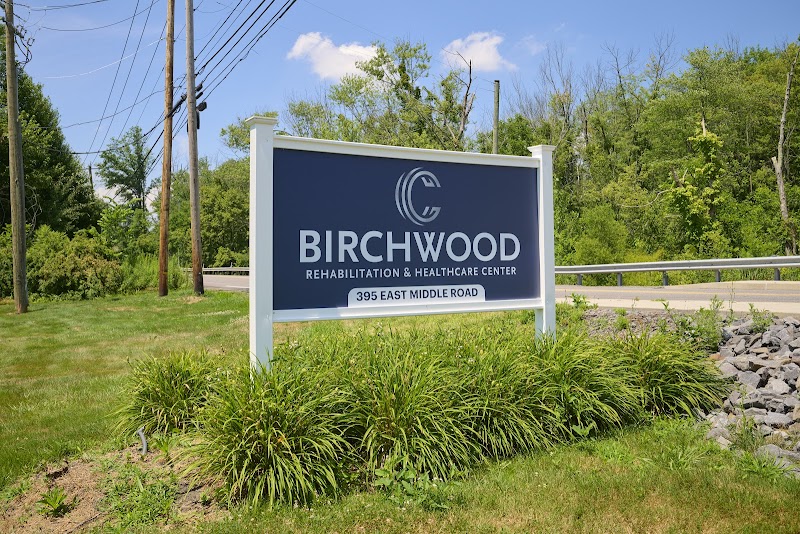
How is Birchwood Rehabilitation & Healthcare Center Staffed?

CMS rates BIRCHWOOD REHABILITATION & HEALTHCARE CENTER's staffing level at 2 out of 5 stars, which is below average compared to other nursing homes. Staff turnover is 54%, compared to the Pennsylvania average of 46%. RN turnover specifically is 83%, which is notably high. RNs provide skilled clinical oversight, so turnover in this role can affect medical care quality.

What Have Inspectors Found at Birchwood Rehabilitation & Healthcare Center?

State health inspectors documented 55 deficiencies at BIRCHWOOD REHABILITATION & HEALTHCARE CENTER during 2022 to 2025. These included: 2 that caused actual resident harm, 52 with potential for harm, and 1 minor or isolated issues. Deficiencies causing actual harm indicate documented cases where residents experienced negative health consequences.
Who Owns and Operates Birchwood Rehabilitation & Healthcare Center?

BIRCHWOOD REHABILITATION & HEALTHCARE CENTER is owned by a for-profit company. For-profit facilities operate as businesses with obligations to shareholders or private owners. The facility is operated by CENTURY HEALTHCARE, a chain that manages multiple nursing homes. With 121 certified beds and approximately 112 residents (about 93% occupancy), it is a mid-sized facility located in NANTICOKE, Pennsylvania.
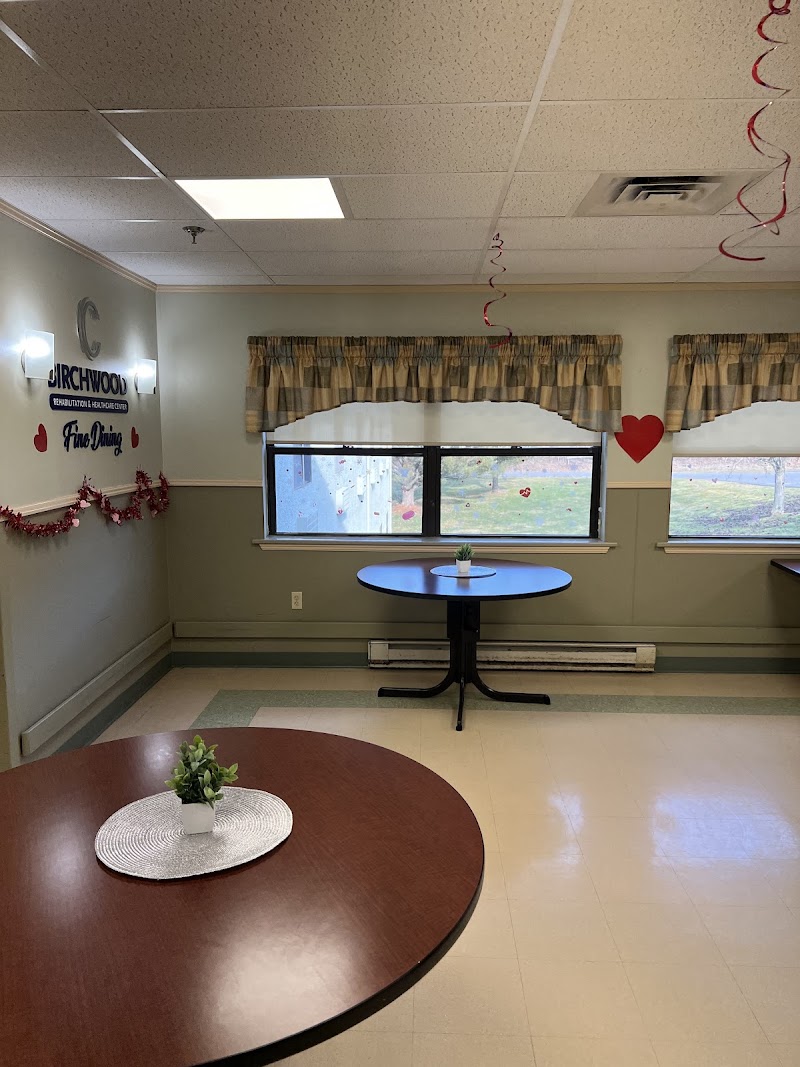
How Does Birchwood Rehabilitation & Healthcare Center Compare to Other Pennsylvania Nursing Homes?

Compared to the 100 nursing homes in Pennsylvania, BIRCHWOOD REHABILITATION & HEALTHCARE CENTER's overall rating (1 stars) is below the state average of 3.0, staff turnover (54%) is near the state average of 46%, and health inspection rating (1 stars) is much below the national benchmark.

What Should Families Ask When Visiting Birchwood Rehabilitation & Healthcare Center?

Based on this facility's data, families visiting should ask: "Can you walk me through typical staffing levels on day, evening, and night shifts?" "Can I visit during a mealtime to observe dining assistance and food quality?" "How do you handle medical emergencies, and what is your hospital transfer rate?" "Can I speak with family members of current residents about their experience?" These questions are particularly relevant given the below-average staffing rating.

Is Birchwood Rehabilitation & Healthcare Center Safe?

Based on CMS inspection data, BIRCHWOOD REHABILITATION & HEALTHCARE CENTER has a clean safety record: no substantiated abuse findings (meaning no confirmed cases of resident harm), no Immediate Jeopardy citations (the most serious violation level indicating risk of serious injury or death), and is not on the Special Focus Facility watch list (a federal program monitoring the lowest-performing 1% of nursing homes). The facility has a 1-star overall rating and ranks #100 of 100 nursing homes in Pennsylvania. While no facility is perfect, families should still ask about staff-to-resident ratios and recent inspection results during their visit.

Do Nurses at Birchwood Rehabilitation & Healthcare Center Stick Around?

BIRCHWOOD REHABILITATION & HEALTHCARE CENTER has a staff turnover rate of 54%, which is 8 percentage points above the Pennsylvania average of 46%. Moderate turnover is common in nursing homes, but families should still ask about staff tenure and how the facility maintains care continuity when employees leave.

Was Birchwood Rehabilitation & Healthcare Center Ever Fined?

BIRCHWOOD REHABILITATION & HEALTHCARE CENTER has been fined $151,473 across 2 penalty actions. This is 4.4x the Pennsylvania average of $34,594. Fines at this level are uncommon and typically indicate a pattern of serious deficiencies, repeated violations, or failure to correct problems promptly. CMS reserves penalties of this magnitude for facilities that pose significant, documented risk to resident health or safety. Families should request specific documentation of what issues led to these fines and what systemic changes have been implemented.

Is Birchwood Rehabilitation & Healthcare Center on Any Federal Watch List?

BIRCHWOOD REHABILITATION & HEALTHCARE CENTER is not on any federal watch list. The most significant is the Special Focus Facility (SFF) program, which identifies the bottom 1% of nursing homes nationally based on persistent, serious quality problems. Not being on this list means the facility has avoided the pattern of deficiencies that triggers enhanced federal oversight. This is a positive indicator, though families should still review the facility's inspection history directly.