LAKEWOOD REHABILITATION & HEALTHCARE CENTER
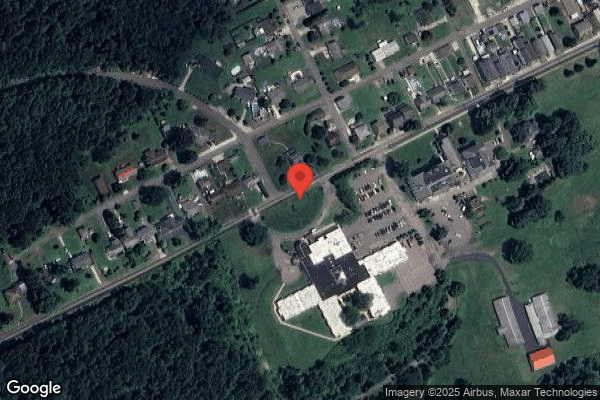
147 OLD NEWPORT STREET, NANTICOKE, PA 18634 (570) 735-7300
For profit - Corporation 110 Beds CENTURY HEALTHCARE Data: November 2025
Trust Grade
0/100
#594 of 653 in PA
Last Inspection: June 2025

Inspected within the last 6 months. Data reflects current conditions.

Overview

Lakewood Rehabilitation & Healthcare Center has received a Trust Grade of F, indicating significant concerns about the quality of care provided. Ranking #594 out of 653 facilities in Pennsylvania places it in the bottom half, and #20 out of 22 in Luzerne County means there are only two local options with worse ratings. While the facility's performance has improved recently, dropping from 61 issues in 2024 to 15 in 2025, there are still serious concerns, including a high staff turnover rate of 59%, which is above the state average. Additionally, the facility has accumulated $261,356 in fines, suggesting ongoing compliance problems. Specific incidents include a failure to provide adequate supervision for residents at risk of falls, resulting in serious injuries, and instances of unaddressed pain management, which indicates a lack of attention to residents' needs. Overall, while there are some signs of improvement, families should be cautious due to these significant weaknesses.

Trust Score
F
0/100
In Pennsylvania
#594/653
Bottom 10%
Safety Record
High Risk
Review needed
Inspections
Getting Better
61 → 15 violations
Staff Stability
⚠ Watch
59% turnover. Above average. Higher turnover means staff may not know residents' routines.
Penalties
✓ Good
$261,356 in fines. Lower than most Pennsylvania facilities. Relatively clean record.
Skilled Nurses
○ Average
Each resident gets 31 minutes of Registered Nurse (RN) attention daily — about average for Pennsylvania. RNs are the most trained staff who monitor for health changes.
Violations
⚠ Watch
88 deficiencies on record. Higher than average. Multiple issues found across inspections.
★☆☆☆☆
1.0
Overall Rating
★★☆☆☆
2.0
Staff Levels
★★★☆☆
3.0
Care Quality
★☆☆☆☆
1.0
Inspection Score
Stable
2024: 61 issues
2025: 15 issues

The Good

  • Full Sprinkler Coverage · Fire safety systems throughout facility
  • No fines on record

Facility shows strength in fire safety.

The Bad

1-Star Overall Rating

Below Pennsylvania average (3.0)

Significant quality concerns identified by CMS

Staff Turnover: 59%

13pts above Pennsylvania avg (46%)

Frequent staff changes - ask about care continuity

Federal Fines: $261,356

Well above median ($33,413)

Significant penalties indicating serious issues

Chain: CENTURY HEALTHCARE

Part of a multi-facility chain

Ask about local staffing decisions and management

Staff turnover is elevated (59%)

11 points above Pennsylvania average of 48%

The Ugly 88 deficiencies on record

4 actual harm
Jun 2025 12 deficiencies
CONCERN (D)

Potential for Harm - no one hurt, but risky conditions existed

Resident Rights (Tag F0550)

Could have caused harm · This affected 1 resident

**NOTE- TERMS IN BRACKETS HAVE BEEN EDITED TO PROTECT CONFIDENTIALITY** Based clinical record review and interview with staff, it was determined the facility failed to provide the right to communicati...

Read full inspector narrative →
**NOTE- TERMS IN BRACKETS HAVE BEEN EDITED TO PROTECT CONFIDENTIALITY** Based clinical record review and interview with staff, it was determined the facility failed to provide the right to communication with and access to persons and services outside the facility for one resident out of 20 sampled (Resident 51). Findings Include: A clinical record review revealed Resident 51 was admitted to the facility on [DATE], with diagnosis to include a hereditary ataxia (a group of genetic disorders characterized by progressive problems with coordination and balance (ataxia) that are inherited from one generation to the next. These conditions affect the nervous system, particularly the parts of the brain responsible for motor control, such as the cerebellum, spinal cord, and peripheral nerves) and muscle weakness. A review of the quarterly Minimum Data Set Assessment ( MDS - a federally mandated standardized assessment conducted at specific intervals to plan resident care) dated May 14, 2025, revealed the resident was moderately cognitively impaired with a BIMS score of 12 (Brief Interview for Mental Status, a tool within the Cognitive Section of the MDS that is used to assess the resident's attention, orientation, and ability to register and recall new information; a score of 8-12 indicates moderate cognitive impairment). A review of a letter from the Pennsylvania Department of Human Services dated May 9, 2025, regarding Resident 51's request for a fair hearing appeal from a decision made by the Office of Income Maintenance, revealed that a telephone hearing with an Administrative Law Judge was scheduled for May 28, 2025, between 9:00 AM and 12:00 PM. The letter stated the Judge would place the call during that window and that if the resident was not available, the case could be dismissed. It further stated that if the resident or a representative was unavailable and failed to provide a valid reason before the hearing, the hearing would not be postponed, and the appeal would be denied. A postage-paid acknowledgement card was enclosed to confirm attendance. Review of the acknowledgement card dated May 9, 2025, revealed confirmation the resident would be present on May 28, 2025, at 9:00 AM for the telephone hearing. The acknowledgement form was signed by Employee 2 (former Business Office Manager) on May 19, 2025. Review of a letter from the PA Department of Human Services dated May 29, 2025, revealed Resident 51 did not attend nor provide good cause for not being available for the hearing scheduled for May 28, 2025, at 9:00 AM. As a result, Resident 51's appeal was dismissed. An interview with the Nursing Home Administrator (NHA) on June 12, 2025, at 9:45 AM confirmed the facility failed to ensure Resident 51 had access to services outside the facility. The NHA stated that Employee 2 resigned abruptly on May 21, 2025, and failed to inform other facility staff that Resident 51 had a scheduled hearing on May 28, 2025. The NHA further stated that the Regional Business Office Manager was attempting to appeal the dismissal and reschedule the hearing on behalf of the resident. 28 Pa. Code 201.18 (e)(1) Management. 28 Pa. Code 201.29 (a) Resident rights.
CONCERN (D) 📢 Someone Reported This

A family member, employee, or ombudsman was alarmed enough to file a formal complaint

Potential for Harm - no one hurt, but risky conditions existed

Deficiency F0628 (Tag F0628)

Could have caused harm · This affected 1 resident

**NOTE- TERMS IN BRACKETS HAVE BEEN EDITED TO PROTECT CONFIDENTIALITY** Based on clinical record review, review of facility policy, and staff interviews, it was determined that the facility failed to ...

Read full inspector narrative →
**NOTE- TERMS IN BRACKETS HAVE BEEN EDITED TO PROTECT CONFIDENTIALITY** Based on clinical record review, review of facility policy, and staff interviews, it was determined that the facility failed to provide prescriptions for physician-ordered medications at the time of discharge to ensure a safe and orderly transition to home for one resident out of four closed records reviewed (Resident 146). Findings include: Review of the facility Discharge Summary and Plan Policy last reviewed May 1, 2025, indicated that when a resident's discharge is anticipated, a discharge summary and post-discharge plan is developed to assist the resident with discharge. The discharge summary includes a recapitulation of the resident's stay at the facility and a final summary of the resident's status at the time of the discharge in accordance with established regulations governing release of resident information and as permitted by the resident. The discharge summary shall include a description of the resident's current diagnosis, medical history, course of illness, treatment and/or therapy since entering the facility, and medication therapy (all prescriptions and over-the-counter medication taken by the resident including dosage, frequency of administration, and recognition of side effects that would be most likely to occur in the resident). Every resident is evaluated for his or her discharge needs and has an individualized post-discharge plan. The post-discharge plan is developed by the care planning/interdisciplinary team with the assistance of the resident and his or her family and includes arrangements that have been made for follow-up care and services, the degree of caregiver/support person availability, capacity and capability to perform required care, and how the IDT (interdisciplinary team- group of healthcare professionals from various disciplines who work together to provide comprehensive and coordinated care for residents) will support the resident or representative in the transition to post-discharge care. A member of the IDT reviews the final post-discharge plan with the resident and family at least twenty-four hours before the discharge is to take place. Review of the clinical record revealed that Resident 146 was admitted to the facility on [DATE], with diagnosis to include paraplegia (paralysis of the legs and lower body). The resident was discharged from the facility to home on May 12, 2025. Review of the Discharge Plan of Care dated May 8, 2025, indicated that the resident was scheduled to discharge on [DATE]; a follow-up appointment was scheduled with the primary care provider for May 19, 2025; home health services were arranged; and written prescriptions were to be provided to the resident or resident representative. A nurse's note dated May 12, 2025, documented that the resident was discharged to home with transportation via family. The resident was alert to person, place, and time at discharge. Discharge instructions were reviewed with the resident, and belongings and medications were sent with the resident. However, a facility Follow-Up Discharge Call note dated May 13, 2025, documented that the resident needed prescriptions for medications. Further review of the clinical record revealed no documented evidence that the facility followed up on the identified concern that the resident had not received prescriptions at the time of discharge. An email dated May 16, 2025, from the home health agency to the facility documented the resident had not been discharged with an adequate supply of medication to last until her scheduled follow-up appointment with her primary provider on May 19, 2025. The email requested instructions for obtaining the necessary prescriptions. During an interview with the Assistant Director of Nursing (ADON) on June 13, 2025, at 10:40 AM, the ADON stated she was made aware on May 16, 2025 (three days after the facility was made aware that the resident did not have prescriptions), the resident required prescriptions. She contacted the resident's community physician to review the discharge medication list so that prescriptions could be provided. The ADON confirmed the resident did not receive enough medications upon discharge to last until the follow-up appointment with the physician on May 19, 2025. During an interview with the Nursing Home Administrator on June 13, 2025, at approximately 11:00 AM, the administrator confirmed that the Discharge Summary incorrectly indicated that prescriptions were provided. The administrator confirmed that prescriptions should have been given to the resident at the time of discharge and acknowledged this did not occur. 28 Pa. Code: 201.29 (a) Resident rights. 28 Pa. Code 211.5 (d) Medical Records.
CONCERN (D)

Potential for Harm - no one hurt, but risky conditions existed

Assessment Accuracy (Tag F0641)

Could have caused harm · This affected 1 resident

**NOTE- TERMS IN BRACKETS HAVE BEEN EDITED TO PROTECT CONFIDENTIALITY** Based on a review of clinical records and the Resident Assessment Instrument (RAI) and staff interview, it was determined the fa...

Read full inspector narrative →
**NOTE- TERMS IN BRACKETS HAVE BEEN EDITED TO PROTECT CONFIDENTIALITY** Based on a review of clinical records and the Resident Assessment Instrument (RAI) and staff interview, it was determined the facility failed to ensure the Minimum Data Set Assessments (MDS - a federally mandated standardized assessment conducted at specific intervals to plan resident care) accurately reflected the status of one resident out of 20 sampled (Resident 19). Findings included: A review of Resident 19's clinical record revealed the resident was admitted to the facility on [DATE], with diagnoses which included dementia (a condition characterized by progressive or persistent loss of intellectual functioning, especially with impairment of memory and abstract thinking, and often with personality change, resulting from disease of the brain). A review of Resident 19's quarterly MDS assessment dated [DATE], revealed in Section P0100, Physical Restraints, Resident 19 required a limb restraint used in chair or out of bed documented as Code 1 indicating the device was used less than daily. A review of physician's orders for Resident 19 failed to identify any orders for the resident to have a physical restraint. An interview with the Regional Nurse Consultant on June 11, 2025, at approximately 11:00 AM confirmed the resident has never had any type of physical restraint while residing in the facility. 28 Pa. Code 201.18(e)(1) Management. 28 Pa. Code 211.12(c)(d)(1)(5) Nursing services.
CONCERN (D)

Potential for Harm - no one hurt, but risky conditions existed

Comprehensive Care Plan (Tag F0656)

Could have caused harm · This affected 1 resident

**NOTE- TERMS IN BRACKETS HAVE BEEN EDITED TO PROTECT CONFIDENTIALITY** Based on a review of clinical records, select facility policy, observation, and staff interviews, it was determined the facility...

Read full inspector narrative →
**NOTE- TERMS IN BRACKETS HAVE BEEN EDITED TO PROTECT CONFIDENTIALITY** Based on a review of clinical records, select facility policy, observation, and staff interviews, it was determined the facility failed to follow the comprehensive care plan by not ensuring the consistent application of preventative measures for fall safety for one of 20 residents sampled (Resident 50). Findings include: A review of the facility policy titled Falls-Clinical Protocol, last reviewed by the facility on May 1, 2025, revealed that based on the fall assessment for the resident, the staff and physician will identify pertinent interventions to try to prevent subsequent falls to address risks of serious consequences of falling. A review of the clinical record revealed Resident 50 was admitted to the facility on [DATE], with diagnoses to include liver cancer (a disease in which abnormal cells divide uncontrollably and destroy body tissue) and major depressive disorder (a mental health disorder characterized by a persistently low or depressed mood, decreased interest in pleasurable activities, feelings of worthlessness, lack of energy, poor concentration, appetite changes, sleep disturbances, or suicidal thoughts). A quarterly Minimum Data Set Assessment (MDS-a federally mandated standardized assessment conducted at specific intervals to plan resident care) of Resident 50, dated April 11, 2025, revealed the resident was severely cognitively impaired with a BIMS score of 05 (Brief Interview for Mental Status, a tool to assess the residents' attention, orientation, and ability to register and recall new information; a score of 0-7 indicates severe cognitive impairment). Review of the resident's comprehensive care plan, in effect through the survey end date of June 13, 2025, revealed the resident was at risk for falls, had a history of falls with the most recent documented on April 2, 2025, and had planned fall prevention interventions in place. These included the use of a bolster (a long pillow or cushion used for support) to the right side of the bed and a beveled fall mat to the left side of the bed. A fall risk evaluation dated April 3, 2025, confirmed that Resident 50 was identified as being at high risk for falls. Observation of Resident 50 in his room on June 12, 2025, at 1:45 PM revealed the resident lying in bed. At the time of the observation, there was no bolster present to the right side of the bed and no beveled fall mat present to the left side of the bed, as required by the resident's care plan. This was confirmed by Employee 1, Licensed Practical Nurse. An interview with the Nursing Home Administrator on June 12, 2025, at approximately 2:00 PM confirmed that staff had not consistently followed the comprehensive centered care plan for application of a bolster to the right side of the bed and a beveled fall mat to the left side of the bed for safety for Resident 50. 28 Pa. Code 211.12 (d)(1)(3)(5) Nursing services.
CONCERN (D)

Potential for Harm - no one hurt, but risky conditions existed

Deficiency F0658 (Tag F0658)

Could have caused harm · This affected 1 resident

**NOTE- TERMS IN BRACKETS HAVE BEEN EDITED TO PROTECT CONFIDENTIALITY** Based on a review of clinical records, facility documentation and select facility policies and procedures and staff interview, i...

Read full inspector narrative →
**NOTE- TERMS IN BRACKETS HAVE BEEN EDITED TO PROTECT CONFIDENTIALITY** Based on a review of clinical records, facility documentation and select facility policies and procedures and staff interview, it was determined that the facility failed to provide nursing services, which met professional standards of quality according to Title 49, Professional and Vocational Standards Chapter 21 State Board of Nursing during medication transcription and medication administration resulting in a medication error for one of 22 residents reviewed. (Resident 3)Findings include: According to Title 49, Professional and Vocational Standards, Department of State, Chapter 21 State Board of Nursing Subsection 21.11 (a) The register nurse assesses human responses and plans, implements and evaluates nursing care for individuals or families for whom the nurse is responsible. In carrying out this responsibility, the nurse performs all the following functions: (4) Carries out nursing care actions which promote, maintain and restore the well-being of individuals (6)(b) The registered nurse is fully responsible for all actions as a licensed nurse and is accountable to clients for the quality of care delivered and Subsection 21.14. (a) A licensed registered nurse may administer a drug ordered for a patient in the dosage and manner prescribed. According to the Title 49, Professional and Vocational Standards, Department of State, Chapter 21 State Board of Nursing Subsection 21.145. (a) The licensed practical nurse (LPN) is prepared to function as a member of a health-care team by exercising sound nursing judgement based on preparation, knowledge, skills, understanding and past experiences in nursing situations. The LPN participates in the planning, implementation and evaluation of nursing care in settings where nursing takes place and (b) the LPN administers medication and carries out the therapeutic treatment ordered for the patient. A review of the facility policy and procedures for, Medication Administration, no revision date available at the time of the survey, revealed, Medications are administered as prescribed in accordance with good nursing principles and practices and only by persons legally authorized to do so. Personnel authorized to administer medications do so only after they have familiarized themselves with the medications. A review of the clinical record revealed that Resident 3 was admitted to the facility on [DATE] with diagnosis to include, cancer of the rectum and lung and atrial fibrillation (a rapid, irregular, heartbeat).An admission MDS dated [DATE] revealed the resident to be cognitively intact (BIMS of 15, a score of 13 to 15 indicates cognitively intact). Nursing documentation revealed Resident 3 was hospitalized on [DATE], and readmitted on [DATE]. A physician's order dated June 13, 2025, directed administration of Eliquis (apixaban, an anticoagulant or blood thinner) 5 mg by mouth twice daily. This order was not discontinued, and the medication was not removed from the medication cart when the resident was discharged to the hospital on June 27, 2025. Upon readmission on [DATE], the admission physician's orders included apixaban 2.5 mg (Eliquis, a blood thinning medication) by mouth every morning and evening for anticoagulation. Employee 2 (RN) completed both the discharge process on June 27, 2025, and the admission process on July 3, 2025, including transcription of the admission orders. The original 5 mg apixaban order remained active on the July 2025 MAR (medication administration record). Employee 3 (RN) failed to ensure that the resident's physicians orders were correct to prevent a potential medication error. On July 3, 2025, at 9:00 AM, the MAR documented that Employee 1 (agency LPN) administered both apixaban 5 mg and apixaban 2.5 mg for a total of 7.5 mg. This constituted a significant medication error by exceeding the prescribed anticoagulant dos resulting in a medication error. A facility Medication Error report dated July 4, 2025, confirmed that the previous apixaban 5 mg order had not been discontinued upon hospital discharge and the medication remained in the medication cart. The report also noted the absence of employee witness statements. During an interview with the Director of Nursing (DON) on July 29, 2025, at approximately 1:00 PM, the DON confirmed she did not obtain witness statements at the time of the incident. She further stated that Employee 2 (RN) was disciplined following the incident, and Employee 1 (LPN) remained employed but had not completed any medication administration competencies because of the error. The DON acknowledged that professional nursing standards were not followed to prevent a medication error. 28 Pa. Code 211.10 (c) Resident care policies.28 Pa. Code 211.12(d)(1)(2)(5) Nursing Services
CONCERN (D) 📢 Someone Reported This

A family member, employee, or ombudsman was alarmed enough to file a formal complaint

Potential for Harm - no one hurt, but risky conditions existed

ADL Care (Tag F0677)

Could have caused harm · This affected 1 resident

**NOTE- TERMS IN BRACKETS HAVE BEEN EDITED TO PROTECT CONFIDENTIALITY** Based on a review of clinical records and resident and staff interviews, it was determined that the facility failed to ensure on...

Read full inspector narrative →
**NOTE- TERMS IN BRACKETS HAVE BEEN EDITED TO PROTECT CONFIDENTIALITY** Based on a review of clinical records and resident and staff interviews, it was determined that the facility failed to ensure one resident dependent on staff for assistance with activities of daily living (ADLs) consistently received showers as planned to maintain personal hygiene for one of 20 sampled residents (Resident 85). Findings include: A review of Resident 85's clinical record revealed the resident was admitted to the facility on [DATE], with diagnoses to include spinal cord compression (pressure on the spinal cord causing numbness, pain, weakness and loss of bowel and bladder control), muscle weakness, and need for assistance with personal care. A quarterly Minimum Data Set Assessment (MDS - a federally mandated standardized assessment conducted at specific intervals to plan resident care) dated May 14, 2025, indicated the resident required substantial/maximal assistance from staff for showering/bathing. The resident was cognitively intact with a BIMS score of 15 (brief interview for mental status, a tool to assess the residents' attention, orientation, and ability to register and recall new information, a score of 13-15 indicates the resident is cognitively intact). During an interview with Resident 85 on June 10, 2025, at 2:00 PM, she reported that staff are not consistent with providing her a shower on her scheduled shower days. She stated, Tuesday and Saturdays are my shower days. This morning (Tuesday), I missed my shower because staff got me up late and I had to go to therapy. I asked for a shower after I came back from therapy and the aide told me she won't have time. It's not my fault she got me up late. I asked to be up by 9:00 AM and she got me up at 10:30 AM. She continued, they marked me down as refusing a shower but I'm not refusing, I just don't want to miss therapy. She stated this situation happened recently on a Saturday while her son was visiting. She stated she told staff her young son was visiting at 10:00 AM and that she needed to up be early. Staff did not get her up early enough to bathe her. During the visit with her son, staff interrupted the visit and asked if she wanted her shower. She stated she declined the shower at that moment because she needed to spend time with her son. Staff did not return to offer the shower after her son left the facility, which was around 11:00 AM. A review of the resident's electronic Kardex (a quick-reference summary for staff to guide delivery of care) documented that Resident 85 was scheduled to receive showers on Tuesdays and Saturdays during the day shift. Review of the April 2025 shower logs for Resident 85 revealed that she did not receive a shower during the entire month. Bed baths were documented instead on Saturday, April 12; Tuesday, April 15; Saturday, April 19; Tuesday, April 22; Saturday, April 26; and Tuesday, April 29, 2025. There was no documentation to indicate that the resident refused a shower or had requested a bed bath in lieu of a shower. Similarly, a review of the May 2025 shower logs revealed that the resident did not receive showers on Saturday, May 3, and Tuesday, May 13, 2025. Bed baths were documented on Tuesday, May 6; Saturday, May 10; and Saturday, May 17, 2025. Again, there was no documentation to reflect that the resident refused a shower or had expressed a preference for bed baths. There was no documented evidence that the facility provided showers to the resident two times per week as scheduled and no documentation to explain why showers were omitted. During an interview conducted with the Nursing Home Administrator (NHA) on June 12, 2025, at approximately 1:00 PM, the NHA confirmed that Resident 85 was scheduled to receive showers on Tuesdays and Saturdays and acknowledged that showers should have been provided as scheduled. The NHA was unable to explain why showers were not consistently provided. 28 Pa. Code 211.12 (c)(d)(5) Nursing services.
CONCERN (D)

Potential for Harm - no one hurt, but risky conditions existed

Deficiency F0688 (Tag F0688)

Could have caused harm · This affected 1 resident

**NOTE- TERMS IN BRACKETS HAVE BEEN EDITED TO PROTECT CONFIDENTIALITY** Based on a review of clinical records, select facility policy, and staff interviews, it was determined the facility failed to co...

Read full inspector narrative →
**NOTE- TERMS IN BRACKETS HAVE BEEN EDITED TO PROTECT CONFIDENTIALITY** Based on a review of clinical records, select facility policy, and staff interviews, it was determined the facility failed to consistently provide restorative nursing services as planned to maintain mobility for one resident out of 20 residents sampled (Resident 8). Findings include: Review of the facility Restorative Nursing Services Policy, last reviewed May 1, 2025, revealed that residents will receive restorative nursing care as needed to help promote optimal safety and independence. Further review of the policy revealed that the resident's restorative goals and objectives are individualized and resident-centered and are outlined in the resident's plan of care. A review of the clinical record for Resident 8 revealed the resident was admitted to the facility on [DATE], with diagnoses that included Alzheimer's disease (a brain disorder that slowly destroys memory and thinking skills and, eventually, the ability to carry out the simplest tasks) and generalized muscle weakness. A quarterly Minimum Data Set Assessment (MDS - a federally mandated standardized assessment conducted at specific intervals to plan resident care) of Resident 8, dated April 24, 2025, revealed the resident was severely cognitively impaired with a BIMS score of 07 (Brief Interview for Mental Status, a tool to assess the residents' attention, orientation, and ability to register and recall new information; a score of 0-7 indicates severe cognitive impairment) and that the resident required substantial/maximal assistance for ambulation. Review of the clinical record indicated that physical therapy services were provided to Resident 8 from April 18, 2025, through May 9, 2025. Review of the resident's physical therapy Discharge summary dated [DATE], indicated at the time of discharge the resident could ambulate 150 feet with the assistance of one person with a front-wheeled walker. The prognosis to maintain the current level of functioning was described as excellent with participation in RNP (Restorative Nursing Program). Discharge recommendations included an assistance device for safe functional mobility, assistance with activities of daily living, and RNP/FMP (Functional Maintenance Program). RNP/FMP recommendations were to facilitate the resident maintaining their current level of performance and to prevent decline, and that development and instruction in the following RNPs had been completed with the IDT (Interdisciplinary Team) for ambulation of 150 feet with front-wheeled walker with the assistance of one to increase functional mobility. A review of the resident's care plan in effect through the survey end date of June 13, 2025, identified that the resident had an ADL self-care performance deficit related to generalized weakness and required extensive assistance. However, there was no documented evidence that the RNP for ambulation had been incorporated into the care plan, despite being recommended at discharge from therapy. A review of Resident 8's electronic task report (a summary of scheduled and completed resident-centered care tasks) and the Documentation Survey Report v2 for the months of May and June 2025 revealed no documented evidence that the restorative ambulation program had been implemented. Additionally, there was no documentation indicating that licensed staff were aware the resident's ambulation program was not being implemented as planned to ensure the resident's ambulation goal was met to the extent possible. An interview with the Assistant Director of Nursing (ADON) on June 13, 2025, at approximately 11:30 AM, confirmed the facility failed to consistently implement the planned restorative nursing program for Resident 8 as recommended by physical therapy, to maintain the resident's functional abilities and deter declines to the extent possible and to ensure the resident's goals for ambulation were met. 28 Pa Code 211.12(c)(d)(5) Nursing services.
CONCERN (D)

Potential for Harm - no one hurt, but risky conditions existed

Respiratory Care (Tag F0695)

Could have caused harm · This affected 1 resident

**NOTE- TERMS IN BRACKETS HAVE BEEN EDITED TO PROTECT CONFIDENTIALITY** Based on a review of clinical records, select facility policy, observation, and staff interviews, it was determined the facility...

Read full inspector narrative →
**NOTE- TERMS IN BRACKETS HAVE BEEN EDITED TO PROTECT CONFIDENTIALITY** Based on a review of clinical records, select facility policy, observation, and staff interviews, it was determined the facility failed to ensure oxygen therapy was administered per physician's orders for one resident out of 20 sampled (Resident 16). Findings include: A review of the facility Oxygen Administration Policy last reviewed May 1, 2025, revealed the purpose of the facility policy is to provide guidelines for safe oxygen administration. The policy indicates to verify there is a physician's order for oxygen administration and document the rate of oxygen flow, route, and rationale. A clinical record review revealed that Resident 16 was admitted to the facility on [DATE], with diagnosis to include respiratory failure (serious condition that makes it difficult to breathe). A physician order dated May 7, 2025, noted an order for oxygen 4 liters/minute via nasal cannula every shift for a diagnosis of COPD (chronic obstructive pulmonary disease- a group of lung diseases that cause airflow obstruction and breathing problems). An observation on June 10, 2025, at 11:25 AM revealed the resident was sitting upright in bed with supplemental oxygen in place via nasal cannula with the liter flow set at 3.0 liters/minute on the oxygen concentrator. An observation on June 11, 2025, at 12:45 PM revealed the resident was sitting in his wheelchair with supplemental oxygen in place via nasal cannula with the liter flow set at 3.0 liters/minute on the oxygen concentrator. Interview with employee 3 (LPN) during the observation confirmed that the resident's oxygen liter flow was set at 3 liters/minute not at 4 liters as prescribed. During an interview on June 11, 2025, at approximately 1:00 PM, the Corporate Regional Nurse confirmed it is the facility's responsibility to ensure oxygen therapy is administered per physician's orders. 28 Pa. Code 211.10 (c) Resident care policies. 28 Pa. Code 211.12 (c)(d)(1)(3)(5) Nursing services.
CONCERN (D)

Potential for Harm - no one hurt, but risky conditions existed

Deficiency F0883 (Tag F0883)

Could have caused harm · This affected 1 resident

**NOTE- TERMS IN BRACKETS HAVE BEEN EDITED TO PROTECT CONFIDENTIALITY** Based on review of select facility policy, clinical records, and staff interview, it was determined the facility failed to ensur...

Read full inspector narrative →
**NOTE- TERMS IN BRACKETS HAVE BEEN EDITED TO PROTECT CONFIDENTIALITY** Based on review of select facility policy, clinical records, and staff interview, it was determined the facility failed to ensure pneumococcal and influenza immunizations were offered and/or provided, unless medically contraindicated or previously administered, for one of five residents reviewed (Resident 6). Findings include: A review of facility policy titled Pneumococcal Vaccine last reviewed May 1, 2025, revealed prior to or upon admission, residents will be assessed for eligibility to receive the pneumococcal vaccine. When indicated, the vaccine will be offered and be administered within 30 days of admission. Assessments of pneumococcal vaccination status are conducted within five working days of the resident's admission if not conducted prior to admission. A review of facility policy titled Influenza Vaccine last reviewed May 1, 2025, revealed that all residents and employees who have no medical contraindications to the vaccine will be offered the influenza vaccine annually to encourage and promote the benefits associated with vaccination against influenza. The facility shall provide pertinent information about the significant risks and benefits of vaccines to staff and residents or resident representatives. Between October 1st and March 31 each year, the influenza vaccine will be offered to residents and employees, unless the vaccine is medically contraindicated, or the resident or employee has already been immunized. A resident's refusal of the vaccine shall be documented on the informed consent for the influenza vaccine and placed in the resident's medical record. A review of the clinical record revealed that Resident 6 was admitted to the facility on [DATE], with diagnosis to include multiple sclerosis (disease in which the immune system eats away at the protective covering of nerves). Review of the Pneumococcal Vaccination Informed Consent Form scanned into Resident 6's electronic clinical record on January 9, 2025, did not indicate whether the resident accepted or declined the pneumococcal vaccine. Review of the Influenza Vaccination Informed Consent/Declination Form scanned into Resident 6's electronic clinical record on January 9, 2025, also failed to indicate whether the resident accepted or declined the influenza vaccine. Further review of the clinical record revealed no documented evidence that the facility identified the incomplete vaccination consent forms or reapproached the resident to determine their immunization preference. There was no documentation verifying that the vaccines were administered, declined, previously received, or medically contraindicated. An interview with the regional nurse consultant on June 13, 2025, at approximately 10:40 AM confirmed that the facility failed to offer and/or provide pneumococcal and influenza vaccinations to Resident 6 in accordance with facility policy 28 Pa. Code 201.14(a) Responsibility of licensee. 28 Pa. Code 201.18(b)(1) Management. 28 Pa Code 211.5 (f)(iv) Medical records. 28 Pa. Code 211.10(a)(d) Resident care policies. 28 Pa code 211.12 (c)(d)(1)(5) Nursing Services.
CONCERN (E)

Potential for Harm - no one hurt, but risky conditions existed

Deficiency F0553 (Tag F0553)

Could have caused harm · This affected multiple residents

**NOTE- TERMS IN BRACKETS HAVE BEEN EDITED TO PROTECT CONFIDENTIALITY** Based on clinical record review, facility policy, and interviews with residents and staff, it was determined the facility failed...

Read full inspector narrative →
**NOTE- TERMS IN BRACKETS HAVE BEEN EDITED TO PROTECT CONFIDENTIALITY** Based on clinical record review, facility policy, and interviews with residents and staff, it was determined the facility failed to conduct care plan conferences and failed to ensure that residents were invited to participate in the care planning process for three of 20 residents reviewed (Residents 16, 51, and 85). Findings include: Review of the facility Care Planning- Interdisciplinary Team Policy last reviewed May 1, 2025, indicated the interdisciplinary team (IDT) is responsible for resident care plans. The IDT includes but is not limited to the resident's attending physician, a registered nurse with responsibility for the resident, a nursing assistant with responsibility for the resident, a member of the food and nutrition staff, to the extent practicable the resident and/or the resident's representative, and other staff as necessary to meet the needs of the resident, or as requested by the resident. Care plan meetings are scheduled at the best time of the day for the resident and family when possible. If it is determined that participation of the resident or representative is not practicable for the development of the care plan, an explanation is documented in the medical record. Social services director, therapy (if on case load), nursing, and activities are to attend meetings. During an interview conducted on June 10, 2025, at 10:30 AM, Resident 16 stated that he had not been invited to participate in the care planning process and had not attended any care plan meetings with facility staff. He expressed interest in meeting with staff to discuss his care. A review of the clinical record revealed that Resident 16 was admitted to the facility on [DATE], transferred to the hospital on December 27, 2024, and readmitted on [DATE]. He was hospitalized again on January 31, 2025, and subsequently readmitted to the facility on [DATE], with diagnoses including respiratory failure (a serious condition that makes it difficult to breathe) and Parkinson's disease (a movement disorder of the nervous system that worsens over time). Review of Resident 16's admission Minimum Data Set assessment (MDS - a federally mandated standardized assessment conducted at specific intervals to plan resident care) dated February 13, 2025, revealed the resident was cognitively intact with a BIMS score of 15 (Brief Interview for Mental Status, a tool within the Cognitive Section of the MDS that is used to assess the resident's attention, orientation, and ability to register and recall new information; a score of 13-15 indicates cognitively intact). Review of the clinical record revealed no documented evidence that a care plan meeting had been conducted for Resident 16 following the February 13, 2025, admission MDS or that the resident had been invited to participate in the development or review of his comprehensive care plan. Review of Resident 16's quarterly MDS dated [DATE], revealed the resident remained cognitively intact with a BIMS score of 15. Review of a Care Plan Report dated April 29, 2025, indicated that a care plan meeting was held between the resident and the facility's social worker. A corresponding social services progress note, also dated April 29, 2025, documented that the resident's code status, Resident Representative/POA (power of attorney), weight, oxygen use, blood pressure, discharge from therapy, and wounds were reviewed during this meeting. The note indicated that the resident would remain in the facility for long-term care and that assistance would be provided as needed. However, there was no documented evidence that required members of the interdisciplinary team (IDT), including representatives from nursing and activities, participated in the April 29, 2025, care plan meeting, as outlined in the facility's Care Planning policy. During an interview conducted with the Nursing Home Administrator (NHA) on June 12, 2025, at approximately 12:40 PM, the NHA was unable to provide documentation confirming that a care plan conference with IDT members was held following Resident 16's February 13, 2025, admission MDS or the April 21, 2025, quarterly MDS. There was no evidence that the resident's comprehensive care plan was reviewed by the full IDT to ensure development and discussion of the resident's goals, needs, and preferences in all areas of care. A clinical record review revealed Resident 85's was admitted to the facility on [DATE], with diagnoses to include spinal cord compression (pressure on the spinal cord causing numbness, pain, weakness and loss of bowel and bladder control), muscle weakness, and need for assistance with personal care. A review of the quarterly Minimum Data Set Assessment (MDS - a federally mandated standardized assessment conducted at specific intervals to plan resident care) dated May 14, 2025, revealed the resident was cognitively intact with a BIMS score of 15 (Brief Interview for Mental Status, a tool within the Cognitive Section of the MDS that is used to assess the resident's attention, orientation, and ability to register and recall new information; a score of 13-15 indicates the resident is cognitively intact). During an interview on June 10, 2025, at 2:00 PM, Resident 85 stated that she had not been invited to participate in the care planning process or any care plan meeting since admission. A review of the clinical record revealed no documentation of a care plan conference or invitation to participate in the development or review of her comprehensive person-centered care plan. A clinical record review revealed Resident 51 was admitted to the facility on [DATE], with diagnosis to include a hereditary ataxia (a group of genetic disorders characterized by progressive problems with coordination and balance (ataxia) that are inherited from one generation to the next. These conditions affect the nervous system, particularly the parts of the brain responsible for motor control, such as the cerebellum, spinal cord, and peripheral nerves) and muscle weakness. A review of the quarterly MDS dated [DATE], revealed that Resident 51 was moderately cognitively impaired with a BIMS score of 12 (a score of 8-12 indicates moderate cognitive impairment). Review of the clinical record revealed no documented evidence that a care plan conference had been conducted for Resident 51 or that the resident and resident's Responsible Party had been invited to participate in the development or review of his comprehensive care plan. During an interview with the Nursing Home Administrator (NHA) on June 12, 2025, at 11:30 AM, the NHA confirmed there was no documentation to show that a care plan conference had been held for Resident 85 or 51 or that the resident and/or Responsible Party had been invited to participate in the care planning process. 28 Pa. Code 201.29 (a) Resident rights. 28 Pa. Code 211.12(d)(3) Nursing services.
CONCERN (E)

Potential for Harm - no one hurt, but risky conditions existed

Pharmacy Services (Tag F0755)

Could have caused harm · This affected multiple residents

**NOTE- TERMS IN BRACKETS HAVE BEEN EDITED TO PROTECT CONFIDENTIALITY** Based on a review of clinical records, facility policy, and staff interviews, it was determined that the facility failed to impl...

Read full inspector narrative →
**NOTE- TERMS IN BRACKETS HAVE BEEN EDITED TO PROTECT CONFIDENTIALITY** Based on a review of clinical records, facility policy, and staff interviews, it was determined that the facility failed to implement procedures to ensure the timely acquisition and administration of prescribed medications for three of 20 sampled residents (Residents 49, 78, and 82). Findings include: A review of facility policy labeled Medication Process- Medications Unavailable last reviewed May 1, 2025, revealed the Licensed nurse is to check the Med Cubex (a pharmacy inventory management system) Inventory on Hand first. If a medication is identified as not being available in the Cubex, the Licensed nurse is to call the pharmacy to determine the medication deliver status. Following the information received from the pharmacy, the licensed nurse is to call the physician with the information on the medication delivery status and request a new order for medication administration if the medication will not be available to be administered. An interview with the Director of Nursing (DON) and the clinical nurse consultant on June 12, 2025, at approximately 11:32 AM revealed that to obtain a controlled medication (a medication with potential for abuse), a licensed nurse must contact the pharmacy to receive a code to retrieve the medication from the Med Cubex. A review of Resident 49's clinical record revealed the resident was admitted to the facility on [DATE], with diagnoses which included Dementia (the loss of cognitive functioning that affects a person's ability to perform everyday activities). A review of physician's orders dated May 16, 2025, revealed the physician prescribed Xanax 0.25 mg (medication used to treat anxiety) one tablet by mouth every eight hours for anxiety beginning on May 16,2025. A review of the May 2025 medication administration record (MAR) showed that the Xanax was not administered on May 27 at 10:00 PM, May 28 at 6:00 AM and 2:00 PM. The MAR was coded 9 to indicate see nurses' notes. A nursing progress note dated May 27, 2025, at 9:36 PM documented the dose was not given because the nurse was waiting on pharmacy, med unavailable. Additional record review indicated the medication had not been received because a new prescription was required. A nursing progress note dated May 28,2025 at 5:05 AM indicated the morning dose of Xanax was not given because the medication was unavailable. Further record review revealed the facility had not received the Xanax from the pharmacy because Resident 49 needed a new prescription. Continued review of the record revealed a nursing progress note dated for May 28, 2025, at 1:01 PM revealed the medication was unable to be pulled from the Cubex and was awaiting a return call from the physician. Further review of the MAR revealed no signature on May 29,2025, at 6:00 AM to indicate the medication was administered at the ordered time. A clinical record review of Resident 78 revealed they were admitted to the facility on [DATE], with diagnoses to include atrial fibrillation (a condition that causes the heart to beat irregularly, sometimes faster than normal) and diabetes (a chronic disease that occurs either when the pancreas does not produce enough insulin or when the body cannot effectively use the insulin it produces). A physician's order dated May 16, 2025, directed Macrobid 100 mg, one tablet by mouth twice daily for three days for infection. The May 2025 MAR for Resident 78 showed that the May 17, 2025, 9:00 AM dose was not administered, with the record again coded 9. An electronic MAR note dated May 17, 2025, at 11:14 AM documented that the Macrobid was unavailable from the pharmacy and that the facility was unable to provide a reason for the unavailability. A review of Resident 82's clinical record revealed the resident was admitted to the facility February 29,2024, with diagnoses which included Unspecified Dementia (the loss of cognitive functioning that affects a person's ability to perform everyday activities). A physician's order dated May 6, 2024, prescribed Oxycodone HCL 5 mg (an opioid analgesic used to treat pain), by mouth every eight hours for shoulder pain. A review of Resident 82's MAR (medication administration record) showed that the 6:00 AM dose on May 9, 2025, was not administered and was marked with a 9. A nursing note dated May 9, 2025, at 6:07 AM documented that the medication was unavailable. Further documentation revealed the facility had not received the medication due to a need for a new prescription. The record showed that multiple attempts were made to contact the pharmacy to obtain a release code, but no return call was received. An interview with the Director of Nursing (DON) on June 13, 2025, at approximately 8:55 AM acknowledged the facility did not have adequate procedures in place to ensure medications were obtained and administered in a timely manner for Residents 49, 78 and 82. 28 Pa. Code 211.12 (d)(1)(3)(5) Nursing services. 28 Pa. Code 211.9 (f)(2) Pharmacy services.
CONCERN (E)

Potential for Harm - no one hurt, but risky conditions existed

Deficiency F0807 (Tag F0807)

Could have caused harm · This affected multiple residents

Based on a review of select facility policy and resident and staff interviews, it was determined the facility failed to ensure that fresh drinking water was consistently readily accessible to resident...

Read full inspector narrative →
Based on a review of select facility policy and resident and staff interviews, it was determined the facility failed to ensure that fresh drinking water was consistently readily accessible to residents to promote adequate hydration, meet resident preferences, and maintain their comfort for five of 20 residents reviewed (Residents 22, 5, 196, 76, and 83). Findings include: A review of the facility policy titled Serving Drinking Water last reviewed by the facility on May 1, 2025, indicated the facility will provide a fresh supply of drinking water. During a resident group interview on June 11, 2025, at 10:00 AM, five of five alert and oriented residents in attendance (Residents 22, 5, 196, 76, and 83) voiced concerns that fresh ice water was only consistently provided during the overnight shift (11:00 PM to 7:00 AM) and not during the day or evening shifts unless residents specifically requested it. Resident 22 stated that she enjoys drinking fresh ice water but is not provided with fresh water during the day or evening unless she asks staff to provide it. Resident 5 stated that staff provide fresh ice water late at night while she is sleeping. By the time she wakes up, the ice has melted, and the water is at room temperature. She stated she prefers her water cold, but staff do not refill the water until the next night shift. Resident 196 stated staff provide fresh ice water during the third shift only. She reported she is awakened when staff bring in fresh ice water in the middle of the night, she stated that while staff will refill the cup during the day, it only occurs if the resident asks. Residents 76 and 83 confirmed that staff provide fresh ice water overnight but not during the day or evening shifts unless requested by the resident. An interview with the Nursing Home Administrator (NHA) on June 12, 2025, at 9:50 AM, confirmed that facility protocol requires residents to receive a new water cup daily with fresh ice water during the 11:00 PM to 7:00 AM shift, and that cups are to be refilled each shift and as needed. The NHA acknowledged that the facility did not ensure fresh ice water was consistently accessible to residents during all shifts as outlined in policy and as preferred by residents. 28 Pa. Code 211.12 (d)(3)(5) Nursing services. 28 Pa. Code 211.10 (a)(d) Resident care policies.
Apr 2025 1 deficiency
CONCERN (D) 📢 Someone Reported This

A family member, employee, or ombudsman was alarmed enough to file a formal complaint

Potential for Harm - no one hurt, but risky conditions existed

Investigate Abuse (Tag F0610)

Could have caused harm · This affected 1 resident

**NOTE- TERMS IN BRACKETS HAVE BEEN EDITED TO PROTECT CONFIDENTIALITY** Based on a review of select facility policy, clinical records, information submitted by the facility, select investigative repor...

Read full inspector narrative →
**NOTE- TERMS IN BRACKETS HAVE BEEN EDITED TO PROTECT CONFIDENTIALITY** Based on a review of select facility policy, clinical records, information submitted by the facility, select investigative reports, and staff interviews, it was determined the facility failed to conduct a thorough investigation into allegations of potential resident-to-resident abuse for one resident out of 12 sampled (Resident 2) perpetrated by another resident (Resident CR1). Findings include: A review of facility policy titled Abuse, Neglect, Exploitation, and Misappropriation Prevention Program, last reviewed by the facility on July 21, 2024, revealed it is the facility policy that residents have the right to be free from abuse, neglect, and exploitation. The policy indicates this includes but is not limited to freedom from corporal punishment, involuntary seclusion, and verbal, mental, sexual, or physical abuse. The policy indicates the abuse prevention program consists of a facility-wide commitment to protect residents from abuse, neglect, and exploitation by anyone, including other residents. Further review of the facility policy revealed the facility will develop and implement policies and protocols to prevent and identify abuse or mistreatment of residents and identify and investigate all possible incidents of abuse, neglect, and mistreatment. A clinical record review revealed Resident 2 was admitted to the facility on [DATE], with diagnoses that include dementia (a condition characterized by the loss of cognitive functioning, such as thinking, remembering, and reasoning, to such an extent that it interferes with a person's daily life and activities). A review of an annual Minimum Data Set assessment (MDS-a federally mandated standardized assessment process conducted periodically to plan resident care) dated February 7, 2025, revealed that Resident 2 is severely cognitively impaired with a BIMS score of 00 (Brief Interview for Mental Status- a tool within the Cognitive Section of the MDS that is used to assess the resident's attention, orientation, and ability to register and recall new information; a score of 00-07 indicates severe cognitive impairment). A clinical record review revealed Resident CR1 was admitted to the facility on [DATE], with diagnoses that include hemiplegia (paralysis on one side of the body) and cerebral infarction (brain damage that results from a lack of blood). Further clinical record review revealed a Pennsylvania State Police Megan's Law Public Report dated June 20, 2023, which identified Resident CR1 as having a history of a sexual offense conviction(s) record in the Pennsylvania Sexual Offender Registry (the Pennsylvania Sex Offender Registry, established under Megan's Law, is a public database managed by the Pennsylvania State Police that lists individuals convicted of certain sexual offenses, with the aim of protecting communities by making this information accessible). The document indicated Resident CR1 has a sexual offense conviction for involuntary deviate sexual intercourse (involuntary deviate sexual intercourse in Pennsylvania law involves engaging in oral, anal, or object penetration with another person without their voluntary consent due to force, threat of force, unconsciousness, unawareness, impairment by drugs or alcohol, mental disability, or the age difference in certain non-marital situations) on May 12, 2006. The care plan for Resident CR1, initiated on August 8, 2023, identified a focus area that the resident was a registered sex offender. The goal was for the resident to display no evidence of sexual advances toward staff or visitors. Interventions implemented to support this goal included providing non-judgmental support, offering psychological or psychiatric services as needed, and ensuring that no staff or visitors under the age of 18 entered Resident CR1's room unless accompanied by an adult. Additionally, the care plan dated August 8, 2023, identified that Resident CR1 exhibited inappropriate sexual behaviors toward staff and residents, including exposing his genitals in public areas and masturbating in hallways. The goal was for the resident to display no evidence of behavior problems through the next review period. Interventions in place to assist the resident in meeting this goal included 1:1 supervision while awake, 15-minute safety checks while asleep, staff using calm approaches, redirecting and distracting the resident during behavioral episodes, providing non-judgmental support, and documenting all episodes of inappropriate behavior. A review of a quarterly MDS assessment dated [DATE], revealed that Resident CR1 is cognitively intact with a BIMS score of 13 (a score of 13-15 indicates cognition is intact). A progress note dated January 27, 2025, at 5:43 AM, revealed Resident CR1 to remain on 1:1 watch while awake and out of bed and 15-minute checks when the resident is in bed sleeping secondary to allegations of inappropriate touching of another resident on January 17, 2025. A progress note dated February 22, 2025, at 9:27 PM revealed Resident CR1 was noted by staff earlier today to be masturbating while out of bed in the room doorway within direct view of staff and other residents. The resident was redirected and informed that the behavior was unacceptable. The note indicated that these behaviors continued for a few minutes as staff walked across the hall to dispose of trash or get soiled laundry in proper receptacles. Documentation showed that on February 22, 2025, at 9:27 PM Resident CR1 was observed earlier masturbating in the doorway of his room, while out of bed, which is across the hall from Resident 2's room, visible to staff and other residents. This behavior persisted for a few minutes, despite redirection as staff walked across the hall to dispose of trash or get soiled laundry in proper receptacles. A progress note dated February 23, 2025, at 1:06 PM revealed Employee 2, social services director, was made aware Resident CR1 was seen masturbating in the hall. The note indicated Employee 2, the social services director, explained to Resident CR1 the behavior is not acceptable in the hall. Employee 2 explained that Resident CR1 would need to masturbate in the privacy of his room. Resident CR1's care plan was updated to include offering resident redirection to room for self-sexual gratification with privacy sign in place initiated on February 27, 2025. A progress note dated March 17, 2025, at 5:59 PM indicated Resident CR1 was discharged into the custody of his parole officer. During an interview on April 2, 2025, at 10:05 AM, Employee 2, the social services director, indicated she met with Resident CR1 on February 23, 2025, to provide education regarding his inappropriate behaviors, such as exposing himself and masturbating. Employee 2, the social services director, indicated she was unaware of any other residents who were involved in the incident that occurred on February 22, 2025. During an interview on April 2, 2025, at approximately 2:24 PM, Employee 1, Licensed Practical Nurse (LPN), indicated Resident CR1was standing in his bedroom doorway masturbating on February 22, 2025. Employee 1, LPN, recalled another staff member yelling, Pick your pants up. However, Employee 1 was not able to remember the other staff member's name. She explained Resident CR1 masturbated while looking at Resident 2 in her bedroom. Employee 1, LPN, indicated she redirected Resident CR1 from his doorway into his room and told him that behavior is not acceptable. Employee 1, LPN, indicated Resident 2 was unable to describe the event due to her cognitive status. During the interview on April 2, 2025, Employee 1, LPN, indicated she reported that Resident CR1 was masturbating in view of other residents in report and documented the information in Resident CR1's clinical record. Employee 1, LPN, explained the facility never asked her for more information regarding the incident. Employee 1, LPN, indicated that she believed the Nursing Home Administrator (NHA) was informed about the incident but did not indicate that she personally informed the NHA. A review of the facility floor plan revealed Resident CR1's room was across the hall from Resident 2's room at the time of the alleged incident. During an interview on April 2, 2025, at approximately 1:30 PM, the Nursing Home Administrator (NHA) confirmed there was no documented evidence the facility investigated the allegations that Resident CR1 masturbated in view of other residents, including Resident 2. Although Resident 2 was unable to describe the event due to her cognitive impairment and the facility could not determine whether she perceived or was emotionally affected by the incident the nature of the behavior warranted a thorough investigation. The NHA confirmed it is the facility's responsibility to conduct a thorough investigation into allegations of abuse to ensure all residents are protected from abuse. 28 Pa. Code 201.14 (a) Responsibility of licensee 28 Pa. Code 201.18(e)(1) Management 28 Pa. Code 201.29(a) Resident Rights 28 Pa. Code 211.12(c) Nursing Services cmazz
Feb 2025 1 deficiency
CONCERN (D) 📢 Someone Reported This

A family member, employee, or ombudsman was alarmed enough to file a formal complaint

Potential for Harm - no one hurt, but risky conditions existed

Pharmacy Services (Tag F0755)

Could have caused harm · This affected 1 resident

**NOTE- TERMS IN BRACKETS HAVE BEEN EDITED TO PROTECT CONFIDENTIALITY** Based on a review of clinical records and resident and staff interviews, it was determined the facility failed to provide pharma...

Read full inspector narrative →
**NOTE- TERMS IN BRACKETS HAVE BEEN EDITED TO PROTECT CONFIDENTIALITY** Based on a review of clinical records and resident and staff interviews, it was determined the facility failed to provide pharmaceutical services for acquiring medication to meet the needs of two of the five residents sampled (Residents 1 and 2) and failed to implement procedures to promote accurate accounting of narcotic medications for one of the five residents sampled (Resident 1). Findings include: A clinical record review revealed Resident 1 was admitted to the facility on [DATE], with diagnoses that included osteoarthritis (a chronic joint disease that causes the breakdown of cartilage). A review of an admission Minimum Data Set assessment (MDS-a federally mandated standardized assessment process conducted periodically to plan resident care) dated January 16, 2025, revealed Resident 1 is cognitively intact with a BIMS score of 15 (Brief Interview for Mental Status- a tool within the Cognitive Section of the MDS that is used to assess the resident's attention, orientation, and ability to register and recall new information; a score of 13-15 indicates cognition is intact). A review of community hospital paperwork revealed Resident 1 was admitted to the facility with a prescription for oxycodone-acetaminophen (Percocet) 5/325 mg oral tablets with direction to take every six hours as needed for severe pain 7 through 10 dated January 9, 2025. A progress note dated January 9, 2025, at 11:30 AM revealed Resident 1 arrived at the facility on January 9, 2025, at 11:31 AM. The note indicated Resident 1 has a history of pain, complaints of left knee pain, and was experiencing a pain scale rating of 8 out of 10 (a score of 8-10 indicates severe pain). A physician's order for Resident 1 to receive oxycodone-acetaminophen (Percocet) 5/325 mg oral tablets with instructions to give two tablets by mouth every six hours as needed for pain rating 7 through 10 was initiated on January 9, 2025, at 2:09 PM. A medication administration record dated January 2025 revealed Resident 1 received oxycodone-acetaminophen (Percocet) 5/325 mg on January 10, 2024, at 12:51 AM. During an interview on February 5, 2025, at 9:25 AM, Resident 1 reported experiencing delays in receiving prescribed medications, including upon admission, and stated that the facility cited pharmacy delivery issues as the reason. The resident expressed concerns about repeated delays in medication availability. During an interview on February 5, 2025, at approximately 12:30 PM, the Nursing Home Administrator (NHA) and Corporate Nurse Consultant (CNC) indicated the pharmacy drops off medications for the facility at approximately 1:00 AM and 1:00 PM Monday through Friday. The CNC explained that medication needs to be ordered prior to 9:30 AM and 10:00 PM to be available for the respective pharmacy medication delivery times. The CNC confirmed Resident 1's oxycodone-acetaminophen (Percocet) 5/325 mg would not have been delivered until the scheduled 1:00 AM drop-off time. The NHA and CNC indicated that oxycodone-acetaminophen (Percocet) 5/325 mg is available in an emergency supply but could not provide documented evidence explaining why Resident 1 did not receive the medication with a reported pain level of 8 out of 10. The DON and CNC confirmed it is the facility's responsibility to ensure pharmaceutical services are in place to meet resident's needs. A review of Resident 1's controlled substance record for oxycodone-acetaminophen (Percocet) 5/325 mg showed that two tablets were signed out by nursing staff on January 11, 2025, at 8:30 PM and January 13, 2025, at 5:00 PM. However, there was no corresponding documentation on the MAR confirming administration of the medication to the resident at those times. A review of Resident 1's controlled substance record for oxycodone-acetaminophen (Percocet) 5/325 mg revealed 2 tablets of oxycodone-acetaminophen (Percocet) 5/325 mg showed that two tablets were signed out by nursing staff on January 11, 2025, at 8:30 PM and January 13, 2025, at 5:00 PM. However, there was no corresponding documentation on the Medication Administration Record confirming administration of the medication to the resident at those times. During an interview on February 5, 2025, at approximately 12:30 PM, the NHA and CNC confirmed the facility failed to ensure procedures were implemented to promote accurate accounting of narcotic medications. A clinical record review revealed Resident 2 was admitted to the facility on [DATE], with diagnoses that included anxiety disorder (a condition in which excessive worry causes clinically significant distress or impairment in social, occupational, or other areas of functioning) and spondylosis (a degenerative condition of the spine that affects the joints and discs). A review of an admission MDS assessment dated [DATE], revealed that Resident 2 was cognitively intact with a BIMS score of 14 (a score of 13-15 indicates cognition is intact). A progress note dated January 28, 2025, revealed Resident 2 was admitted to the facility on [DATE], at 4:00 PM. A review of the community hospital discharge instructions dated January 28, 2025, indicated Resident 2 was prescribed Effexor 300 mg daily. However, a review of the physician's orders showed Effexor 300 mg was not ordered until February 4, 2025, with a start date of February 5, 2025. There was no documentation explaining the delay in ordering the medication, and Resident 2 did not receive Effexor from January 28, 2025, through February 4, 2025. A review of Resident 2's clinical record revealed a physician's orders for the following: trazodone 100 mg (a medication used to treat depression and aid in sleep), clonazepam 0.5 mg (a medication used to treat anxiety), and lamotrigine 200 mg (a medication used to prevent seizures) to begin on January 28, 2025, at 9:00 PM. A review of Resident 2's January 2025 MAR indicated these medications were not administered on January 28, 2025, at 9:00 PM, and there was no documentation explaining why they were held. During an interview on February 5, 2025, at 9:25 AM, Resident 2 reported experiencing delays in receiving prescribed medications upon admission. The resident specifically mentioned delays in receiving Effexor and her nighttime medications. During an interview on February 5, 2025, at approximately 12:30 PM, the NHA and CNC confirmed the facility failed to ensure the timely acquisition and administration of medications necessary to meet residents' needs. The facility failed to ensure pharmaceutical services were provided to meet the needs of residents, resulting in delays in medication administration and improper accounting of controlled substances. 28 Pa Code 211.9 (k) Pharmacy services. 28 Pa Code 211.10 (c) Resident care policies. 28 Pa Code 211.12 (d)(3) Nursing services.
Jan 2025 1 deficiency
CONCERN (D) 📢 Someone Reported This

A family member, employee, or ombudsman was alarmed enough to file a formal complaint

Potential for Harm - no one hurt, but risky conditions existed

Quality of Care (Tag F0684)

Could have caused harm · This affected 1 resident

**NOTE- TERMS IN BRACKETS HAVE BEEN EDITED TO PROTECT CONFIDENTIALITY** Based on clinical record review, staff interviews, and review of facility documentation, the facility failed to provide quality ...

Read full inspector narrative →
**NOTE- TERMS IN BRACKETS HAVE BEEN EDITED TO PROTECT CONFIDENTIALITY** Based on clinical record review, staff interviews, and review of facility documentation, the facility failed to provide quality care by not timely responding to Resident 1's change in condition, including the failure to implement appropriate interventions or timely transfer the resident to a higher level of care for one of 5 residents reviewed. (Resident 1). Findings include: Clinical record review revealed Resident 1 was admitted to the facility on [DATE], with diagnoses including muscle weakness and hypertension. The resident was her own responsible party, as documented on admission, with no designated representative or power of attorney. A Quarterly Minimum Data Set assessment (Minimum Data Set - a federally mandated standardized assessment conducted at specific intervals to plan resident care) dated [DATE], revealed a BIMS score of 10 (Brief Interview for Mental Status (BIMS) calculator checks the resident cognitive impairment, a score of 8-12 indicates moderate, cognitive impairment) and required assistance with activities of daily living. On [DATE], at 10:15 P.M., nursing documentation noted that the resident had not urinated since 2:00 P.M., had poor oral intake, a blood pressure of 81/47 mmHg, a heart rate of 113, and oxygen saturation of 94%. A call was placed to the attending physician; however, no interventions were documented at that time. Laboratory results on [DATE], revealed significant abnormalities, including: Elevated BUN (24 mg/dL; normal 6-20) Elevated creatinine (1.9 mg/dL; normal 0.5-1.0) Low estimated glomerular filtration rate (28 mL/min; normal ?60) Hyponatremia (sodium 132 mmol/L; normal 135-146) Hyperkalemia (potassium 5.8 mmol/L; normal 3.5-5.1) Low CO2 levels (19 mmol/L; normal 22-32). These results indicated acute kidney injury and metabolic abnormalities, warranting immediate intervention. Despite a documented change in condition, the facility failed to conduct timely or frequent monitoring of the resident's vital signs and symptoms. Vital sign documentation was limited to: [DATE]: BP 132/72 mmHg (baseline) [DATE]: BP 81/47 mmHg [DATE]: BP 96/72 mmHg at 8:45 A.M.; unable to obtain BP at 8:44 P.M. and 11:49 P.M. On [DATE], at 9:03 P.M., documentation revealed the interim Director of Nursing initiated intravenous fluids following a physician's order. The resident's emergency contact expressed a preference to avoid hospitalization unless necessary, but there was no documentation indicating the resident's input as the resident was her own responsible party. On [DATE], at 11:49 P.M., the resident was lethargic, diaphoretic, pale, and exhibited continued poor oral intake. No blood pressure could be obtained, yet there was no documented escalation of care or transfer to the hospital. On [DATE], at 12:59 A.M., the resident was found unresponsive without breath. A code was called, and emergency services-initiated CPR, but the resident was pronounced deceased at 1:34 A.M. An interview with the corporate nurse on [DATE], confirmed the facility was aware of the resident's change in condition but failed to explain why the resident was not sent to the hospital for evaluation and treatment. The facility failed to implement effective interventions or escalate care in response to Resident 1's documented change in condition. This failure to provide timely and appropriate care resulted in a missed opportunity to address the resident's acute medical needs. 28 Pa Code 211.12 (1)(3)(5) Nursing Services
Dec 2024 3 deficiencies
CONCERN (D) 📢 Someone Reported This

A family member, employee, or ombudsman was alarmed enough to file a formal complaint

Potential for Harm - no one hurt, but risky conditions existed

Transfer Notice (Tag F0623)

Could have caused harm · This affected 1 resident

Based on clinical record reviews and staff interviews, it was determined the facility failed to ensure provision of a written notice for a facility-initiated transfer to the hospital. Specifically, th...

Read full inspector narrative →
Based on clinical record reviews and staff interviews, it was determined the facility failed to ensure provision of a written notice for a facility-initiated transfer to the hospital. Specifically, the facility failed to provide a written notice regarding the reason for the transfer to the resident and the resident's representative in a language and manner easily understood, for one resident out of 6 residents sampled (Resident 2). Findings include: A review of the clinical record revealed that Resident 2 was transferred to the hospital on December 29, 2024, due to a change in mental status and had not returned to the facility as of the conclusion of the survey on December 30, 2024. Documentation related to the transfer indicated that the transfer was facility-initiated; however, there was no evidence that a written notice was provided to the resident or the resident's representative explaining the reason for the transfer in a language and manner that was easily understood. During an interview with the Nursing Home Administrator (NHA) on December 30, 2024, at approximately 2:00 PM, the NHA confirmed that no written notice was provided to the resident or the resident's representative regarding the facility-initiated transfer on December 29, 2024. This failure to provide the required written notice deprived the resident and their representative of critical information and the opportunity to understand and respond to the facility-initiated transfer to the hospital. 28 Pa. Code 201.14(a) Responsibility of license. 28 Pa. Code 201.29 (a) Resident Rights.
CONCERN (D) 📢 Someone Reported This

A family member, employee, or ombudsman was alarmed enough to file a formal complaint

Potential for Harm - no one hurt, but risky conditions existed

Deficiency F0625 (Tag F0625)

Could have caused harm · This affected 1 resident

Based on a review of clinical records, the facility's bed-hold policy, and staff and family interviews, it was determined the facility failed to provide written notice of the specifics of the facility...

Read full inspector narrative →
Based on a review of clinical records, the facility's bed-hold policy, and staff and family interviews, it was determined the facility failed to provide written notice of the specifics of the facility's bed-hold policy, including the duration and reserve bed payment policy, to a resident's representative upon the resident's transfer to the hospital for one of six sampled residents (Resident 2). Findings include: A review Resident 2's clinical record revealed admission to the facility on December 14, 2024. The resident was cognitively intact with a BIMS score of 15 (brief interview for mental status, a tool to assess the resident's attention, orientation, and ability to register and recall new information a score of 13-15 equates to being cognitively intact) and a diagnosed intellectual disability. Resident 2 was transferred to the hospital on December 29, 2024. Interview with the resident's representative on December 30, 2024, revealed that while a copy of the facility's bed-hold policy was provided at admission, no written notification or explanation of the bed-hold policy, including the duration, reserve bed payment requirements, or procedures for the resident's return, was provided at the time of the hospital transfer. There was no documented evidence that the facility provided the resident or the representative of the resident written information about the facility's bed-hold policy (an agreement for the facility to hold a bed for an agreed upon rate during a hospitalization) at the time of transfer, or within 24 hours, detailing the duration of bed-hold, if any, and the reserve bed payment policy and addressing permitting the return of residents to the next available bed. The Business Office Manager (BOM), interviewed on December 30, 2024, at 2:15 PM, stated that she provides written bed-hold notifications to residents or their representatives during business hours. She indicated that nursing staff is responsible for providing the notifications when she is unavailable. However, she acknowledged no documentation existed to confirm this process was completed for Resident 2. The Nursing Home Administrator (NHA), interviewed on December 30, 2024, at approximately 3:00 PM, confirmed the facility failed to provide the required written notice of the bed-hold policy to Resident 2 or the resident's representative upon transfer to the hospital. The NHA stated it is the facility's standard practice to send a copy of the bed-hold policy with the resident during transfers but admitted this practice was not documented in this instance. The failure had the potential to affect the resident's right to understand the bed-hold process, secure their bed during hospitalization, and plan for their return to the facility, potentially compromising the resident's rights and ability to plan for continuity of care. 28 Pa. Code 201.14(a) Responsibility of licensee 28 Pa Code 201.29 (a)Resident rights
CONCERN (D) 📢 Someone Reported This

A family member, employee, or ombudsman was alarmed enough to file a formal complaint

Potential for Harm - no one hurt, but risky conditions existed

Laboratory Services (Tag F0770)

Could have caused harm · This affected 1 resident

**NOTE- TERMS IN BRACKETS HAVE BEEN EDITED TO PROTECT CONFIDENTIALITY** Based on clinical record review and staff interview, it was determined the facility failed to ensure timely completion of prescr...

Read full inspector narrative →
**NOTE- TERMS IN BRACKETS HAVE BEEN EDITED TO PROTECT CONFIDENTIALITY** Based on clinical record review and staff interview, it was determined the facility failed to ensure timely completion of prescribed laboratory services for one resident out of six sampled (Resident 1). This failure resulted in a delay in the monitoring and management of the resident's elevated potassium levels as ordered by the prescribing practitioner. Findings included: Clinical record revealed that Resident 1 was admitted to the facility on [DATE], with diagnoses to include diabetes, heart failure and morbid obesity. The resident's potassium levels (K+ normal range: 3.5-5.1 mmol/L Potassium is a mineral found in the foods you eat. It ' s also an electrolyte. Electrolytes conduct electrical impulses throughout the body. They assist in a range of essential body functions, including blood pressure, normal water balance, muscle contractions, nerve impulses, digestion, and heart rhythm) were documented as follows: November 15, 2024: 5.4 mmol/L (elevated) November 19, 2024: 5.4 mmol/L (elevated) November 20, 2024: 5.5 mmol/L (elevated) On November 20, 2024, at 1:31 PM, nursing documentation revealed the facility's physician assistant reviewed the lab results and noted the elevated potassium level of 5.5 mmol/L. New orders were written for Kayexalate ( a medication used to treat a high level of potassium in the blood) to treat hyperkalemia (high potassium) and to repeat a BMP (Basic Metabolic Panel a laboratory test that measures several important aspects of the blood, like electrolytes and blood sugar) on November 22, 2024. A review of Resident 1's clinical record revealed no evidence the ordered BMP was collected on November 22, 2024, as prescribed. During an interview on December 30, 2024, at 2:00 PM, the corporate nurse confirmed that she contacted the hospital lab and verified that the BMP lab test was not drawn. She was unable to provide an explanation as to why the nursing staff did not follow up to ensure the BMP was completed or why there was no notification to the prescribing practitioner regarding the missed laboratory study. There was no documented evidence that facility staff attempted to reobtain the BMP after the lab test was missed or that the prescribing practitioner was notified of the failure to complete the ordered diagnostic testing in a timely manner. The failure to monitor and address elevated potassium levels in a timely manner poses significant risks, including the potential for cardiac arrhythmias or other complications related to hyperkalemia. The facility failed to adhere to physician orders for prescribed laboratory testing and did not implement appropriate follow-up actions to ensure the resident's care needs were met. 28 Pa. Code 211.12 (c)(d)(3)(5) Nursing services
Aug 2024 25 deficiencies 2 Harm
SERIOUS (G) 📢 Someone Reported This

A family member, employee, or ombudsman was alarmed enough to file a formal complaint

Actual Harm - a resident was hurt due to facility failures

Accident Prevention (Tag F0689)

A resident was harmed · This affected 1 resident

**NOTE- TERMS IN BRACKETS HAVE BEEN EDITED TO PROTECT CONFIDENTIALITY** Based on a review of clinical records, select facility incident/accident reports, and staff interview it was determined the faci...

Read full inspector narrative →
**NOTE- TERMS IN BRACKETS HAVE BEEN EDITED TO PROTECT CONFIDENTIALITY** Based on a review of clinical records, select facility incident/accident reports, and staff interview it was determined the facility failed to timely implement effective safety interventions, including necessary staff supervision, at the level and frequency required, for a resident with known unsafe behaviors to prevent falls, including a fall with hip fracture for one resident out of the 24 sampled (Resident 91) and multiple falls for one out of the 24 sampled reviewed (Resident 33). Findings include: A review of the clinical record for Resident 91 revealed admission to the facility on July 24, 2024, with a diagnosis to include dementia (a chronic or persistent disorder of the mental processes caused by brain disease or injury and marked by memory disorders, personality changes, and impaired reasoning), and abnormalities of gait and mobility (difficulty walking). A review of an admission MDS (Minimum Data Set - a federally mandated standardized assessment conducted at specific intervals to plan resident care) dated July 29, 2024, revealed Resident 91 was severely cognitively impaired with a BIMS score of 0 (BIMS- Brief Interview for Mental Status is a tool to screen and identify the cognitive condition of long-term care residents). A score of 0-7 represents severe cognitive impairment), and she required substantial/maximal assistance of staff for activities of daily living. A review of a care plan dated July 25, 2024, revealed Resident 91 was at risk for falls related to impaired cognition with decreased safety awareness. Planned interventions included: alarm to bed and wheelchair, fall mats when in bed, implement preventative fall interventions/devices, maintain call light within reach, educate resident to use call light, maintain needed items within reach, and monitor for changes in mobility. A review of nursing documentation dated July 24, 2024, at 5:54 PM revealed Resident 91 was not cooperative with staff on the day of admission, not allowing staff to complete a body audit and clinging to the transport person, refusing to let him go. She was noted to be walking up the hallway without assistance, grabbing onto the side rails. Safety alarms were added to her wheelchair that sounded to alert staff of any unsafe movements. Nursing documentation dated July 26, 2024, at 7:29 AM revealed the resident pulled out her Foley catheter (a thin flexible tube inserted into the bladder that then drains the urine into a collection bag) and that she was trying to exit the building via doors and windows. The resident was placed on 1:1 (one-to-one supervision - one staff member is assigned to provide observation and assistance to one resident who is not to be left unattended at any time). Nursing documentation dated July 26, 2024, at 6:05 PM indicated Resident 91 continued to exhibit exit seeking behaviors with agitation and attempts at physical aggression. The physician was contacted, and the resident remained on 1:1 supervision while she remained awake. A physician's order dated July 26, 2024, revealed an order for 1:1 supervision while awake, every shift due to her exit seeking behaviors. Nursing documentation dated July 31, 2024, at 5:53 AM revealed Resident 91's bed alarm was sounding, and Resident 91 was observed sitting on the floor in her room across from the bathroom door. She was noted to be incontinent of urine at that time. The planned intervention was to continue watching the resident on 1:1 while she was awake. The resident was brought to the nurses station for close supervision. The resident made multiple attempts to stand up from her wheelchair and it was noted she was difficult to redirect. The resident assisted to bed at 5:30 AM after she utilized the bathroom. Nursing documentation dated August 2, 2024, at 5:39 AM revealed Resident 91 was on the floor of her bathroom, lying on her right side. Her bed alarm was sounding at the time of the fall. The resident stated, I got up to go to the bathroom. The resident was noted to have a 6 cm x 5 cm bruise to the right upper arm and a 2 cm x 3 cm bruise to her right inner wrist. The nurse assessed the resident, and the physician was notified. The resident was placed near the nurses station for close observation. Nursing documentation dated August 4, 2024, at 5:00 AM revealed Resident 91 was awake most of the night and remained at the nurse's station for close supervision. As noted she continues to attempt to stand and self-transfer and staff were unable to redirect her to ensure her safety. Nursing documentation dated August 7, 2024, at 3:00 AM indicated Resident 91 was found on the floor on the right side of her bed. A planned intervention to place fall mats next to her bed was put into place to prevent injury from future falls from her bed. Nursing documentation dated August 7, 2024, at 4:45 PM noted the resident stood up from her wheelchair and fell to the ground. She did not sustain any injuries at that time. A physician's order dated August 7, 2024, revealed the 1:1 supervision order had been discontinued. Nursing documentation August 8, 2024, at 8:25 AM revealed that Resident 91 was continually roaming the building (in her wheelchair), exit seeking, self-transferring, and unable to be redirected. She was found lying on the bench outside of the facility chapel (located in the front of the facility away from resident areas). She was returned to the nurses station. Nursing documentation dated August 13, 2024, at 11:00 AM revealed Resident 91 was observed lying on her back on the floor in room [ROOM NUMBER] (Resident 91 resides in room [ROOM NUMBER]-A). A full body assessment was completed. The resident was complaining of right hip pain. The physician was contacted, and an X-ray of the pelvis was ordered. A review of the X-ray report dated on August 13, 2024, revealed an acute right intertrochanteric hip fracture (fracture of the right hip). The resident was admitted to the hospital on [DATE], and had surgical repair of her right hip on August 15, 2024. At the time of the survey ending August 30, 2024, the facility was unable to provide documented evidence that physician ordered 1:1 supervision was provided to Resident 91 as planned. The timeframe for 1:1 supervision was July 26, 2024 to August 7, 2024. The facility failed to repeatedly provide effective safety interventions and sufficient and timely staff supervision, at the level and frequency required, to prevent multiple falls for a resident at risk for falls, with known unsafe behaviors and a history of falls, resulting in a fall with major injury. An interview with the Nursing Home Administrator on August 30, 2024, at 8:00 AM confirmed the facility failed to provide effective safety interventions and sufficient and timely staff supervision to Resident 91 to prevent repeated falls with a major injury. A clinical record review revealed Resident 33 was admitted to the facility on [DATE], with diagnoses that include dementia (a condition characterized by the loss of cognitive functioning such as thinking, remembering, and reasoning, to such an extent that it interferes with a person's daily life and activities). A review of an admission MDS assessment dated [DATE], revealed that Resident 33 is severely cognitively impaired with a BIMS score of 03 (a score of 01-07 indicates severe impairment). A review of Resident 33's care plan, initiated on June 25, 2024, revealed she was at risk for falls due to a history of falls and impaired cognition with decreased safety awareness. Interventions to reduce this risk included a bed alarm, bed in the lowest position, wheelchair alarm, and non-skid footwear. A review of facility incident reports from June 25, 2024, to August 26, 2024 revealed Resident 33 sustained 9 unwitnessed falls. The incidents were as follows; June 25, 2024, at 6:30 PM: Resident 33 was found on the floor; no injuries were noted. Planned interventions indicated bed and chair alarms were added for resident safety. July 2, 2024, at 12:25 PM: The resident was found crawling out of her bedroom; no injuries were noted. New interventions: neurological checks, therapy screening, psychiatric care consult, care plan review. July 8, 2024, at 8:26 AM: Resident found on the floor, on hands and knees; no injuries were noted. New interventions: neurological checks, therapy screen, resident education, nursing interventions, care plan review. July 8, 2024, at 10:03 PM: Resident found on the floor with a skin tear on her knees. Pain level two out of 10 (minimal pain). Physician notified, and treatment ordered. New interventions: psychiatric care consult, monitoring for infection, care plan review. July 15, 2024, at 11:14 AM: Resident found sitting on the floor next to her wheelchair with the alarm sounding; no injuries were noted. The resident reported she had left cheek and shoulder pain. July 17, 2024, at 1:30 PM: Resident found lying on the floor in the east long hall; no injuries were noted. New interventions: neurological checks, therapy screen, social service support, care plan review. August 5, 2024, at 2:23 PM: Resident found on the floor; no injuries noted. New interventions: neurological checks, therapy screen, social service support, psychiatric care consult, care plan review. August 14, 2024, at 3:46 PM: Resident found sitting on buttocks with alarm sounding; no injuries noted. New interventions: neurological checks, therapy screen, social service support, psychiatric care consult, care plan review. August 26, 2024, at 3:31 PM: Resident found sitting on the floor with open purpura (small blood vessels leak blood under the skin) noted. Physician and resident representative notified. New interventions: treatment as ordered, neurological checks, therapy screen, social service support, psychiatric care consult, care plan review. The resident's care planned interventions proved ineffective in preventing multiple falls. The interventions were not changed to prevent falls, the facility's planned interventions implemented were in response to the falls such as neurological checks, therapy screens a review of care plans. The facility did not develop and implement measures to increase staff supervision and staff monitoring of the resident and the resident's activities to determine the cause of the falls and plans to prevent falls. During an interview on August 30, 2024, at approximately 11:30 AM, the Director of Nursing (DON) confirmed that Resident 33 had multiple unwitnessed falls and the facility's interventions and supervision have not been effective. The DON acknowledged the facility is responsible for providing adequate supervision to prevent resident falls. 28 Pa Code 211.12 (d)(3)(5) Nursing services
SERIOUS (G)

Actual Harm - a resident was hurt due to facility failures

Deficiency F0697 (Tag F0697)

A resident was harmed · This affected 1 resident

**NOTE- TERMS IN BRACKETS HAVE BEEN EDITED TO PROTECT CONFIDENTIALITY** Based on a review of clinical records, observations, select facility policy, and staff, resident, and resident family interviews...

Read full inspector narrative →
**NOTE- TERMS IN BRACKETS HAVE BEEN EDITED TO PROTECT CONFIDENTIALITY** Based on a review of clinical records, observations, select facility policy, and staff, resident, and resident family interviews, it was determined the facility failed to implement pain management interventions and failed to recognize when the resident suffered pain without relief for one resident out of 24 sampled (Resident 260). Findings include: A review of the facility policy entitled Pain Assessment and Management, last reviewed by the facility on July 21, 2024, revealed the facility's pain management program is based on a facility-wide commitment to appropriate assessment and treatment of pain, based on professional standards of practice, the comprehensive care plan, and the resident's choices related to pain management. The policy indicates that pain management is a multidisciplinary care process that includes assessing the potential for pain, recognizing the presence of pain, developing and implementing approaches to pain management, and monitoring for the effectiveness of interventions. Also, the policy indicates that acute pain or significant worsening of chronic pain should be assessed every 30 to 60 minutes after the onset and reassessed as indicated until relief is obtained. A clinical record review revealed Resident 260 was admitted to the facility on [DATE], with diagnoses that included aftercare following digestive tract surgery and pressure injuries (skin and underlying soft tissue damage occurring from prolonged pressure). A progress note dated August 21, 2024, at 3:34 PM revealed that Resident 260 was admitted with an unstageable pressure ulcer to sacrum, 6.0 cm by 3.5 cm by 0.0 cm with wound base covered with 100% black eschar (dead tissue that forms over healthy skin and then, over time, falls off). The resident was admitted with a stage 3 pressure ulcer (pressure ulcers that have progressed to the third stage have broken completely through the top two layers of the skin and into the fatty tissue below) to the left ischial tuberosity, which is the bony part of the buttocks on the left side, just under the hip. The wound base was 80% covered with a thin beige drainage, leaving 20% of pink tissue exposed. According to The Merck Manual Professional Version, 2024, Pressure injuries can cause significant pain. Pain should be monitored regularly using a pain scale. Primary treatment of pain is treatment of the injury itself, but a nonsteroidal anti-inflammatory drug (NSAID) or acetaminophen is useful for mild-to-moderate pain. Opioids should be avoided, if possible, because sedation promotes immobility. However, opioids or topical non-opioid preparations such as mixtures of local anesthetics may be necessary during dressing changes and debridement. In cognitively impaired patients, changes in vital signs can be used as indicators of pain. A care plan dated August 21, 2024, indicated that Resident 260 has the potential for pain related to her stage IV sacrum pressure ulcer (a stage IV pressure ulcer may extend through the skin into the muscle, tendons, and joints). Interventions in place to assist Resident 260 with her pain included: Administering medication per physician's orders. Monitor for changes in behavior that may be indicators of pain (e.g., screaming, babbling, cursing, repetitive questions, pacing, kicking, scratching, or refusals for treatments). Monitor for changes in mood that may be indicators of pain (e.g., increased agitation). A physician's order for Resident 260 to receive Ultram oral tablet 50 mg (Tramadol HCI) by mouth every 8 hours as needed for moderate to severe pain 7-10 initiated on August 22, 2024. A progress note dated August 22, 2024, at 4:58 AM revealed that Resident 260 was very agitated, yelling out and unable to be redirected. Care was provided, and the resident was repositioned for comfort without success. There was no documented evidence to determine if the resident's behavior was related to pain. A physical therapy evaluation and treatment plan dated August 22, 2024, revealed the resident verbally reported her pain level. The assessment revealed the resident experiences a pain intensity of 5/10 (moderate pain) during movement, occurring intermittently. The pain is localized in her spine and is described as aching, chronic, and shooting. According to the physical therapy note, this pain significantly impairs the resident's ability to sit and change positions. The note further states the resident experiences pain relief when remaining still or changing body positions. There was no documented evidence that Resident 260 received any pharmacological or non-pharmacological interventions to manage her pain following the physical therapy evaluation on August 22, 2024. A clinical record review revealed that on August 25, 2024, at 2:42 AM, Resident 260 experienced pain of 2 out of 10 (mild pain). There was no documented evidence that Resident 260 received any pharmacological or non-pharmacological interventions to manage her pain at this time. A nursing progress note dated August 26, 2024, at 9:25 PM revealed the resident's family member requested the nurse to call the physician regarding pain medication. The physician ordered Ultram 100 mg via G-tube every 6 hours, for pain level 7-10 (moderate to severe pain) complete a pain assessment every shift for 24 hours. May provide non pharmacological interventions for pain such as repositioning, back rub, music, warm/cool compress or diversional activities. There was no documented evidence that Resident 260 received any pharmacological or non-pharmacological interventions to manage her pain on August 26, 2024 at 9:25 PM. A clinical record review revealed that on August 26, 2024, at 1:11 AM, Resident 260 experienced pain of 5 out of 10 (moderate pain). There was no documented evidence that Resident 260 received any pharmacological or non-pharmacological interventions to manage her pain at this time even though there was an order to administer Ultram. A physician's order for Resident 260 to receive Norco oral tablet 5-325 mg (Hydrocodone-acetaminophen) every 4 hours as needed for moderate to severe pain 4-10 was initiated on August 27, 2024. A physician's order for Resident 260 to receive acetaminophen tablet 325 mg every 6 hours as needed for pain was initiated on August 27, 2024. An occupational therapy treatment note dated August 27, 2024, recorded that the resident was able to tolerate sitting for approximately 30 minutes but reported pain associated with a sacral wound. The nurse was promptly informed. During an interview on August 29, 2024, at approximately 11:30 AM, Employee 2, Certified Occupational Therapy Aide, confirmed she worked with the resident between 10:00 AM and 11:30 AM on August 27, 2024. She indicated that Resident 260 was experiencing pain that interfered with the resident's ability to participate in her therapy session. During an interview on August 27, 2024, at 11:45 AM, Resident 260's husband indicated his wife has been in pain since the previous night and has not received anything to help her with her pain. He explained she has a pressure injury on her sacrum that is hurting her. Resident 260's husband indicated he is frustrated because his family has been trying to get the facility to do something for his wife's pain since last night (August 26, 2024) at 6:30 PM, but nothing has been done. He explained his wife was acting out last night because of her pain. He indicated the facility reported they were not able to provide his wife pain medication because the physician did not send a prescription to the pharmacy. Resident 260's husband indicated he arrived at the facility this morning at 8:00 AM and still nothing has been done. A progress note dated August 27, 2024, at 12:05 PM revealed that Resident 260 has pain level 3 out of 10 when at rest related to an unstageable pressure wound on her right buttock. There was no assessment regarding Resident 260's pain when moving or shifting positions. During an interview on August 27, 2024, at 12:20 PM, Resident 260 was lying in her bed and described her pain as lousy. The resident did not respond when asked what her pain level was, on a scale of 1 to 10. During an interview on August 27, 2024, at 12:25 PM, Employee 1, Licensed Practical Nurse, indicated she is aware that Resident 260's family is indicating that Resident 260 has been in pain, but explained that she was unable to obtain the resident's pain medication from the facility's medication system. During an interview on August 27, 2024, at 12:30 PM, Employee 3, Corporate Nurse Consultant, explained that Resident 260 was not provided pain medication because the pharmacy indicated they never received a prescription from the physician. An order was implemented, but the pharmacy did not release the medication because they never received the prescription. Employee 3, Corporate Nurse Consultant, was not able to provide documented evidence that Resident 260 received non-pharmacological interventions or other medication interventions for pain from 6:30 PM on August 26, 2024, until August 27, 2024, at 12:35 PM. Employee 3, Corporate Nurse Consultant, was unable to provide documented evidence that Resident 260 had any pharmacological interventions available for use until August 27, 2024, at 12:35 PM. A review of the medication administration record revealed that Resident 260 was administered Norco Oral Tablet 5-325 (hydrocodone-acetaminophen) for severe pain level 8 out of 10 (severe pain) on August 27, 2024, at 12:40 PM. A follow-up evaluation of the resident's pain revealed that her pain was 5 out of 10. During an interview on August 30, 2024, at approximately 9:30 AM, the Corporate Administrator was not able to explain why Resident 260's did not receive any interventions for her severe pain from August 26, 2024, at 6:30 PM until August 27, 2024, at 12:40 PM. The Corporate Administrator was not able to explain why the facility failed to ensure pain medications were available to relieve Resident 260's pain. The Corporate Administrator confirmed it is the facility's responsibility to ensure that pain management is provided timely to residents who are experiencing pain. Refer F710 28 Pa. Code 211.2 (d)(9)(10) Medical director. 28 Pa. Code 211.12 (d)(1)(3)(5) Nursing services.
CONCERN (D) 📢 Someone Reported This

A family member, employee, or ombudsman was alarmed enough to file a formal complaint

Potential for Harm - no one hurt, but risky conditions existed

Deficiency F0558 (Tag F0558)

Could have caused harm · This affected 1 resident

**NOTE- TERMS IN BRACKETS HAVE BEEN EDITED TO PROTECT CONFIDENTIALITY** Based on observations, review of clinical records, and resident and staff interview, it was determined the facility failed to pr...

Read full inspector narrative →
**NOTE- TERMS IN BRACKETS HAVE BEEN EDITED TO PROTECT CONFIDENTIALITY** Based on observations, review of clinical records, and resident and staff interview, it was determined the facility failed to provide reasonable accommodation of the needs of a resident with sensitive skin for one of 24 residents reviewed (Resident 94). Findings include: A review of the clinical record revealed that Resident 94 was admitted to the facility on [DATE], with diagnoses to include Crohn's disease (chronic inflammatory bowel disease that affects the lining of the digestive tract which can result in diarrhea and bloody stool). During an interview with Resident 94, a cognitively intact resident, on August 29, 2024, at 9:10 AM, the resident stated she has a problem with diaper rash and that her skin is easily irritated due to her diagnosis of Crohn's disease. Resident 94 further stated she does have episodes of fecal incontinence and when staff are cleaning her with a washcloth after a bowel movement it feels like her skin is ripping. Resident 94 stated that disposable cloths are so much nicer, cleaner, and more helpful to her but the facility does not provide them. The resident expressed she would be willing to purchase the disposable hygeine wipes to aide in her comfort however the facility does not want them to be used in the facility. Observation of the linen closet on the East Nursing Unit on August 29, 2024, at 9:15 AM revealed that the washcloths on the shelf were stiff and not soft to the touch. During an interview with the Nursing Home Administrator (NHA) on August 29, 2024, at 1:00 PM the NHA confirmed the facility does not use disposable hygiene wipes. The NHA noted that in the past (greater than a year ago) when wipes were being used the facility septic system became clogged and the decision was made to no longer use disposable hygiene wipes. At the time of the conclusion of the survey on August 30, 2024, the facility was unable to provide a resolution for Resident 94's request to have disposable hygiene wipes or at least soft washcloths to ensure the resident did not experience discomfort when being changed after incontinent episodes and during perineal (practice of washing the genital and rectal areas to prevent infection, irritation, and odors) care. 28 Pa. Code 204.14 Supplies
CONCERN (D)

Potential for Harm - no one hurt, but risky conditions existed

Notification of Changes (Tag F0580)

Could have caused harm · This affected 1 resident

**NOTE- TERMS IN BRACKETS HAVE BEEN EDITED TO PROTECT CONFIDENTIALITY** Based on review of clinical records and staff interviews, it was determined the facility failed to timely consult with the resid...

Read full inspector narrative →
**NOTE- TERMS IN BRACKETS HAVE BEEN EDITED TO PROTECT CONFIDENTIALITY** Based on review of clinical records and staff interviews, it was determined the facility failed to timely consult with the resident's physician regarding the need to initiate a new treatment for one resident out of 24 sampled (Resident 72). Findings include: A review of Resident 72's clinical record revealed the resident was admitted to the facility on [DATE], with diagnoses to include complete traumatic amputation at the knee level of the left lower leg, and abnormalities of gait and mobility. The resident had a physician order dated July 17, 2024, for nursing staff to cleanse his left BKA (below the knee amputation) with NSS (normal saline solution), pat dry, apply TAO (triple antibiotic ointment) to the open wound followed by application of a 4x4 (gauze pad), kerlix (gauze roll), and ace bandage every evening shift for wound care. A review of the resident's Report of Consultation form dated August 12, 2024, signed by the CRNP (certified registered nurse practitioner) from the Vascular Surgeon's office stated that resident 72's left BKA wound was improving and to continue wound care. Refer to the Prosthetic company (company that provides prosthetic [artificial leg] devices), ok for stump shrinker (a compression garment that is used to reduce the amount of fluid or swelling in the limb and shape the residual limb after an amputation so that it becomes a more ideal shape and size to fit into a prosthesis). A review of the resident's Report of Consultation form dated August 21, 2024, signed by the CPO (certified prosthetist/orthotist) from the Prosthetic Clinic stated the resident was fitted with a left stump shrinker to be worn as tolerated. The device can be removed at night if needed. Goal is to wear the shrinker 23 hours per day. Resident was to return in 2 weeks for possible casting. Will only proceed with casting if the wound is healed. Further review of Resident 72's physician orders revealed the resident did not have an order to wear the stump shrinker as recommended by the prosthetist on August 21, 2024, in order to reduce the edema and shape of the left lower extremity so it will properly fit into a prosthesis. Interview with the Employee 5 (Physician Assistant) on August 29, 2024, at 9:50 AM revealed she was unable to recall if the facility notified her of Resident 72's results from his appointment with the the Prosthetic Clinic. She confirmed there was no physician's order for the resident to wear a stump shrinker as recommended by the prosthetist on August 21, 2024. There was no documented evidence the physician was timely notified of the resident's consultation with the prosthetist at the Clinic on August 21, 2024, and the recommendations to wear the stump shrinker up to 23 hours per day in preparation to be fitted for a prosthesis. Interview with the Director of Nursing on August 29, 2024, at approximately 10:00 AM confirmed the facility failed to timely notify the physician of the prosthetist recommendation for the application and wear schedule of Resident 72's stump shrinker. 28 Pa Code 211.12 (d)(3)(5) Nursing services
CONCERN (D)

Potential for Harm - no one hurt, but risky conditions existed

Tube Feeding (Tag F0693)

Could have caused harm · This affected 1 resident

**NOTE- TERMS IN BRACKETS HAVE BEEN EDITED TO PROTECT CONFIDENTIALITY** Based on observation, clinical record, and staff interview it was determined the facility failed to ensure the resident received...

Read full inspector narrative →
**NOTE- TERMS IN BRACKETS HAVE BEEN EDITED TO PROTECT CONFIDENTIALITY** Based on observation, clinical record, and staff interview it was determined the facility failed to ensure the resident received enteral feedings as prescribed for one resident receiving an enteral feeding out of two residents sampled (Resident 31). Findings include: Review of Resident 31's clinical record revealed the resident was admitted to the facility on [DATE], with diagnoses to include cerebral infarction (stroke) and dysphagia (difficulty swallowing). Resident 31 required a percutaneous endoscopic gastrostomy (PEG tube) also known as G-tube (gastrostomy tube is a medical procedure in which a tube is passed into the patient's stomach through the abdominal wall, most commonly to provide a means of feeding when oral intake is not adequate for enteral feeding [enteral nutrition generally refers to any method of feeding that uses the gastrointestinal (GI) tract to deliver part or all of a person's caloric requirements). Current physician orders initially dated July 12, 2024, noted an order for Glucerna 1.5, 50 cc/hour continuous until 1000 cc's infused (12:00 PM to 8:00 AM). Observations of the resident's tube feeding pump on August 29, 2024, at 8:55 AM, 9:15 AM, and 10:25 AM revealed the resident's tubefeeding pump was turned off. There was approximately 200 cc's of Glucerna 1.5 tubefeeding still remaining in the 1000 cc pre-filled container. Interview with employee 11 (LPN) on August 29, 2024, at approximately 10:30 AM confirmed she had turned off Resident 31's tubefeeding at 8:00 AM as per the direction on the resident's Medication Administration Record to turn the feeding off at 8:00 AM (despite approximately 200 cc's of tubefeeding remaining in the container). Interview with the registered dietitian (RD) on August 29, 2024, at approximately 11:00 AM confirmed the resident was to receive 1000 cc' s of Glucerna 1.5 tubefeeding daily between the hours of 12:00 PM and 8:00 AM. The RD confirmed that if for any reason the feeding is turned off or started late, the feeding should continue until 1000 cc's of tubefeeding is received to ensure the resident's nutritional needs are met and the physician order is followed. Interview with the corporate chief nursing officer on August 29, 2024, at approximately 1:30 PM failed to provide documented evidence that Resident 31's tubefeeding was administered as per physician order to ensure that 1000 cc's of tubefeeding was infused before the feeding pump was turned off on the morning of August 29, 2024. 28 Pa. Code 211.12 (d)(1)(5) Nursing services.
CONCERN (D)

Potential for Harm - no one hurt, but risky conditions existed

Deficiency F0711 (Tag F0711)

Could have caused harm · This affected 1 resident

**NOTE- TERMS IN BRACKETS HAVE BEEN EDITED TO PROTECT CONFIDENTIALITY** Based on clinical record review and staff interview, it was determined the facility failed to ensure the physician wrote a progr...

Read full inspector narrative →
**NOTE- TERMS IN BRACKETS HAVE BEEN EDITED TO PROTECT CONFIDENTIALITY** Based on clinical record review and staff interview, it was determined the facility failed to ensure the physician wrote a progress note with each visit for one of 24 sampled residents (Resident 27). Findings include: According to regulatory guidance at 483.30 (b) the physician must write, sign, and date progress notes at each visit. A review of the clinical record revealed that Resident 27 was admitted to the facility on [DATE], with diagnoses which included dementia (chronic or persistent disorder of the mental processes caused by brain disease or injury and marked by memory disorders, personality changes, and impaired reasoning) and diabetes. Resident 27's clinical record revealed on August 6, 2024, the attending physician was in the facility on this date to see this resident. However, there was no physician progress note in the resident's clinical record to correspond with the noted physician visit on August 6, 2024. Interview with the regional nurse consultant on August 30, 2024, at 10:00 AM failed to provide documented evidence that a physician progress note for the visit on August 6, 2024, was documented in the resident's clinical record. 28 Pa. Code 211.2 (d)(8) Medical director 28 Pa. Code 211.5(f) Medical records.
CONCERN (D)

Potential for Harm - no one hurt, but risky conditions existed

Deficiency F0712 (Tag F0712)

Could have caused harm · This affected 1 resident

**NOTE- TERMS IN BRACKETS HAVE BEEN EDITED TO PROTECT CONFIDENTIALITY** Based on clinical record review and staff interview, it was determined the facility failed to ensure that one resident of 24 sam...

Read full inspector narrative →
**NOTE- TERMS IN BRACKETS HAVE BEEN EDITED TO PROTECT CONFIDENTIALITY** Based on clinical record review and staff interview, it was determined the facility failed to ensure that one resident of 24 sampled was seen timely by a physician for the initial comprehensive visit (Resident 91). Findings include: A review of the clinical record for Resident 91 revealed admission to the facility on July 24, 2024 with diagnosis to include dementia (a chronic or persistent disorder of the mental processes caused by brain disease or injury and marked by memory disorders, personality changes, and impaired reasoning), and abnormalities of gait and mobility. A review of nursing notes from July 24, 2024 through August 13, 2024, revealed Resident 91 exhibited agitation and physical aggression toward staff, wandering and exit seeking behaviors, Foley catheter self-removal (Foley catheter is a plastic tube inserted into the bladder and draining into a collection bag), a medication error, and five falls with the last fall on August 13, 2024, resulting in a left hip fracture. On August 14, 2024, resident 91 was admitted to the hospital for treatment of the hip fracture and readmitted to the facility on [DATE]. There was no documented evidence at time of the survey ending August 30, 2024, the physician visited the resident to conduct an initial comprehensive assessment within 30 days of the resident's initial admission to the facility. Interview with Employee 6 (Chief Nursing Officer) on August 30, 2024 at approximately 10:00 AM confirmed that the physician did not complete the initial visit for Resident 91 within 30 days of the resident's initial admission as required. 28 Pa. Code 201.18 (e)(3) Management 28 Pa Code 211.2(d)(3)(9)(10) Medical Director
CONCERN (D) 📢 Someone Reported This

A family member, employee, or ombudsman was alarmed enough to file a formal complaint

Potential for Harm - no one hurt, but risky conditions existed

Deficiency F0757 (Tag F0757)

Could have caused harm · This affected 1 resident

**NOTE- TERMS IN BRACKETS HAVE BEEN EDITED TO PROTECT CONFIDENTIALITY** Based on a review of clinical records and staff interview, it was determined the facility failed to ensure the resident's drug r...

Read full inspector narrative →
**NOTE- TERMS IN BRACKETS HAVE BEEN EDITED TO PROTECT CONFIDENTIALITY** Based on a review of clinical records and staff interview, it was determined the facility failed to ensure the resident's drug regimen was free of unnecessary antibiotic medication for one out of 24 residents sampled (Residents 77). Findings included: A clinical record review revealed Resident 77 was admitted to the facility on [DATE], with diagnoses that included diabetes mellitus (a chronic disease that occurs either when the pancreas does not produce enough insulin or when the body cannot effectively use the insulin it produces). A review of Resident 77's care plan revealed he uses an indwelling urinary catheter related to neuromuscular dysfunction of the bladder initiated on February 14, 2023. A community hospital emergency department document dated August 27, 2024, at 12:33 AM indicated Resident 77 was evaluated with no evidence of continued hematuria (blood in urine). Resident 77 was to be discharged back to the facility with a urology follow-up and prescribed Keflex 500 mg oral capsule for dysuria (pain or discomfort when urinating) and penile pain. The document indicated to follow up with the physician in one to two days. A progress note dated August 27, 2024, at 8:30 AM revealed Resident 77 returned from the community emergency department with a diagnosis of a urinary tract infection and a new order of Keflex (Cephalexin- an antibiotic medication). A progress note dated August 27, 2024, at 8:30 AM revealed Resident 77 ' s orders were being reviewed by the Registered Nurse Supervisor. A physician ' s order for Resident 77 to receive Keflex Oral Capsule 500 MG (Cephalexin) with instructions to give 1 capsule by mouth every 8 hours for mild pain related to urinary tract infection initiated on August 28, 2024. A progress note dated August 28, 2024, at 5:53 PM revealed the resident's Foley catheter was examined and intact. The note indicated the resident ' s urine is light yellow, and he denied pain or discomfort. There was no documented evidence the resident had experienced any further symptoms of a urinary tract infection, such as fever, chills, mental changes/confusion, fatigue, nausea/vomiting, pressure in the lower part of the pelvis, or an increase in urination. A review of Resident 77 ' s Medication Administration Record for August 2024 revealed that Resident 77 received Keflex Oral Capsule 500 mg (Cephalexin) on August 27, 2024, at 7:00 PM and on August 27, 2024, at 11:00 PM A review of Resident 77 ' s Medication Administration Record for August 2024 revealed that Resident 77 received six doses of Keflex Oral Capsule 500 mg (Cephalexin) for mild pain related to urinary tract infection on August 28, 2024, at 6:00 AM ans 10:00PM, on August 29, 2024, at 6:00 AM, 2:00 PM and 10:00 PM and on August 30, 2024, at 6:00 AM. During an interview on August 29, 2024, at approximately 1:15 PM, Employee 9, Infection Preventionist (IP), indicated that Resident 77 returned from the community hospital on August 27, 2024, and was receiving Keflex Oral Capsule 500 mg. Employee 9, IP, indicated that she did not have a culture and sensitivity report (a urine culture is a method to grow and identify bacteria that may be in the urine. The sensitivity test helps select the best medicine to treat the infection) from the community provider to ensure that the antibiotic medication was a necessary medication. Employee 9 indicated that the facility physician is able to access the community provider laboratory services report information. Employee 9, IP, indicated that she communicated to the facility physician earlier today but did not receive a response. During the survey, the Director of Nursing contacted the lab and confirmed that the lab never completed Resident 1's culture and sensitivity in response to the abnormal urinalysis dated August 16, 2023, and the CRNP should have waited for the C & S report prior to ordering the antibiotic to ensure its efficacy in the treating the identified infectious organism. A community provider laboratory services bacteriology report indicated that Resident 77 ' s urine culture was collected on August 27, 2024, and reported on August 28, 2024, at 8:39 AM. The report indicated that Resident 77 ' s urine test showed a low level of less than 10,000 colonies per ml (a urine culture of less than 10,000 units per milliliter of gram-negative rods is considered normal and not indicative of an infection). Resident 77 received five doses of Keflex Oral Capsule 500 mg (Cephalexin) after the community provider laboratory services bacteriology report on August 28, 2024, at 8:39 AM. During an interview on August 30, 2024, at approximately 11:30 AM, the Director of Nursing confirmed that Resident 77 ' s laboratory services bacteriology report indicated that the resident did not have a urinary tract infection and the administration of Keflex Oral Capsule 500 mg (Cephalexin) was not clinically justified. The DON was not able to explain the delay in communication with the facility physician and Employee 9, infection Preventionist. Refer 710 28 Pa. Code 211.2 (d)(3) Medical Director 28 Pa. Code 211.9 (k) Pharmacy Services 28 Pa. Code 211.12 (d)(3) Nursing Services
CONCERN (D)

Potential for Harm - no one hurt, but risky conditions existed

Deficiency F0761 (Tag F0761)

Could have caused harm · This affected 1 resident

Based on observation, review of select facility policy and clinical records, and staff interviews, it was determined the facility failed to adhere to acceptable storage and use by dates for multi-dose...

Read full inspector narrative →
Based on observation, review of select facility policy and clinical records, and staff interviews, it was determined the facility failed to adhere to acceptable storage and use by dates for multi-dose medications in one of two medication storage rooms observed (West medication storage room). Findings include: Review of the facility policy titled Medication labeling and Storage last reviewed by the facility July 1, 2024, indicated that multi-use vials that have been opened or accessed (e.g. needle punctured) are dated and discarded within 28 days unless the manufacturer specifies a shorter or longer date for the open vial. Observation of the medication room on the [NAME] Wing on August 29, 2024, at 11:05 AM, in the presence of Employee 7 (Licensed Practical Nurse) of medication stored in the medication refrigerator, revealed two (2) multi-dose vials of Aplisol (solution used for screening for tuberculosis) that had been opened and available for use, but not dated when initially opened. A review of the manufacturer dosage and administration for Aplisol revealed that vials in use for more than 30 days should be discarded in order to prevent the potential contamination of the medication contained in the vial from frequent needle punctures. Further observation of medication refrigerator revealed one (1) Insulin Lispro Injection KwikPen (medication used for diabetes), belonging to Resident 6, was observed to be opened and available for use and dated July 27, 2024, when initially opened with a discard date of August 25, 2024, 4 days beyond the discard date. Employee 7 confirmed the medication belonged to Resident 6, and the insulin was beyond the manufacturer recommended use by date (28 days) and had not been discarded within 28 days of opening. Employee 3 also confirmed that the Aplisol vials were opened and not dated. Interview with the Nursing Home Administrator (NHA) on August 30, 2024, at approximately 8:00 AM, confirmed that the facility failed to adhere to acceptable storage and use by dates for multi-dose medications. 28 Pa. Code 211.9(a)(1)(k) Pharmacy services 28 Pa. Code 211.12(c)(d)(1)(5) Nursing services
CONCERN (D)

Potential for Harm - no one hurt, but risky conditions existed

Dental Services (Tag F0791)

Could have caused harm · This affected 1 resident

Based on review of clinical records and staff interview, it was determined the facility failed to offer routine annual dental services for one resident with a Medicaid payor source out of 24 residents...

Read full inspector narrative →
Based on review of clinical records and staff interview, it was determined the facility failed to offer routine annual dental services for one resident with a Medicaid payor source out of 24 residents sampled (Resident 80). Findings include: Review of Resident 23's clinical record revealed admission to the facility on December 8, 2022, and the resident's current payor source was Medicaid. There was no documented evidence at the time of the survey ending August 30, 2024, the resident had been offered dental services in the past year. Interview with the Nursing Home Administrator on August 29, 2024, at 12:35 PM confirmed the facility had not offered Resident 80 routine dental services in the past year. 28 Pa. Code 211.12 (c)(d)(3)(5) Nursing services
CONCERN (E)

Potential for Harm - no one hurt, but risky conditions existed

Deficiency F0583 (Tag F0583)

Could have caused harm · This affected multiple residents

Based on observations and staff interviews, it was determined the facility failed to maintain residents right to privacy and confidentiality during a physician visit for 7 residents and failed to ensu...

Read full inspector narrative →
Based on observations and staff interviews, it was determined the facility failed to maintain residents right to privacy and confidentiality during a physician visit for 7 residents and failed to ensure personal privacy for one resident (Resident 78) by placing health care instructions in a place compromising the resident's privacy. Findings include: During an observation August 27, 2024 at 10 AM, seven residents were seated in wheelchairs in the resident lounge (located in the hallway between the 2 nurses stations) and one resident seated a wheelchair in the hallway, outside of the lounge. The contracted eye doctor was examining an additional resident at a table in the room. There was no screen or partition separating the Physician and the resident being examined from being seen by the residents in the room waiting to be seen or the residents, staff and visitors in the hallway outside of the activity room. The doors to the room were open and the walls were glass, allowing the activities inside the room to be viewed from the hallway. There was no activity at the time of the observation for the residents to participate in while waiting for their eye examinations due to the physician visit in this activity room. An interview at the time of the observation with the Nursing Home Administrator (NHA) confirmed the residents' dignity was compromised by allowing the residents to be viewed by others while being examined by the physician. The physician failed to ensure residents personal privacy was maintained during the visit. An observation August 30, 2024 at approximately 12 PM revealed a sign posted on the wall of Resident 78's room located across from her bed which revealed instructions from the therapy department regarding the use of assistive devices to be utilized by the resident to be used while the resident was in bed. During an interview August 29, 2024 at 2 PM, the interim DON (director of nursing) confirmed that Resident 78's therapy instructions should not be posted on her wall. During an interview on August 29, 2024, at 2 PM the nursing home administrator (NHA) confirmed the facility staff is responsible for addressing the needs of residents in a manner that promotes each resident's quality of life and assures that each residents privacy is protected. The NHA confirmed that Physician examinations are to be conducted in private. 28 Pa. Code 201.29(a) Resident Rights 28 Pa. Code 201.18 (e)(1) Management 28 Pa. Code 211.2 (d)(6) Medical director 28 Pa. Code 211.12 (c)(d)(1)(3) Nursing services
CONCERN (E) 📢 Someone Reported This

A family member, employee, or ombudsman was alarmed enough to file a formal complaint

Potential for Harm - no one hurt, but risky conditions existed

Comprehensive Care Plan (Tag F0656)

Could have caused harm · This affected multiple residents

**NOTE- TERMS IN BRACKETS HAVE BEEN EDITED TO PROTECT CONFIDENTIALITY** Based on clinical record review and staff interview it was determined the facility failed to develop a comprehensive person-cent...

Read full inspector narrative →
**NOTE- TERMS IN BRACKETS HAVE BEEN EDITED TO PROTECT CONFIDENTIALITY** Based on clinical record review and staff interview it was determined the facility failed to develop a comprehensive person-centered plan of care to meet the individualized needs of one resident out 24 sampled (Resident 72). Findings include: Review of Resident 72's clinical record revealed the resident was admitted to the facility on [DATE], with diagnoses to include the presence of an automatic implantable cardiac defibrillator (AICD- is a microcomputer that is implanted under the skin of the upper chest area. It monitors heart rate and delivers therapy in the form of small electrical pulses. An AICD is a permanent device inserted into the right ventricle and typically placed near the collarbone under the skin of the chest) and complete traumatic amputation at the knee level of the left lower leg. A review of Resident 72's current comprehensive plan of care, conducted during the survey ending August 30, 2024, revealed there was no documented evidence the facility identified and addressed the resident's care needs related to the AICD device as an area of focus with interventions to provide AICD checks as ordered or to monitor for signs and symptoms of AICD complications. The facility failed to address the emergency care of the AICD device and actions to be taken if the AICD was activated (i.e., consulting the physician, obtaining vital signs [clinical measurements, specifically pulse rate, temperature, respiration rate, and blood pressure, that indicate the state of a patient's essential body functions] and keeping the resident and staff safe from the electrical shock. The resident should notify staff if a shock is felt, and staff should be aware not to touch resident is being shocked since the shock can be felt). Interview with Director of Nursing on August 29, 2024, at 9:50 AM confirmed the facility failed to fully address the care and management of Resident 72's AICD on the resident's person-centered plan of care. 28 Pa. Code 211.12 (c)(d)(3)(5) Nursing services.
CONCERN (E) 📢 Someone Reported This

A family member, employee, or ombudsman was alarmed enough to file a formal complaint

Potential for Harm - no one hurt, but risky conditions existed

Incontinence Care (Tag F0690)

Could have caused harm · This affected multiple residents

**NOTE- TERMS IN BRACKETS HAVE BEEN EDITED TO PROTECT CONFIDENTIALITY** Based on review of select facility policy and clinical records, and staff interview, it was determined the facility failed to co...

Read full inspector narrative →
**NOTE- TERMS IN BRACKETS HAVE BEEN EDITED TO PROTECT CONFIDENTIALITY** Based on review of select facility policy and clinical records, and staff interview, it was determined the facility failed to conduct a timely bladder assessment and develop and implement an individualized plan to meet the resident's toileting needs, including timely staff assistance with toileting and incontinence management and justification for the continued use of an indwelling catheter for two residents out of 24 sampled residents (Resident 91 and 32). Findings include: A review of the facility policy titled Urinary Continence and Incontinence - Assessment and Management last reviewed by the facility on July 1, 2024, revealed the staff and practitioner will appropriately screen for, and manage, individuals with urinary incontinence, manage incontinence following relevant clinical guidelines, provide appropriate services and treatment to help residents restore or improve bladder function, and prevent urinary tract infections to the extent possible. Residents will be assessed for information related to urinary incontinence with staff defining each individual's level of continence, referring to the criteria in the Minimum Data Set (MDS). Nursing staff will seek and document details related to continence to include: voiding patterns, associated pain or discomfort, and types of incontinence (stress, urge, mixed, overflow, transient and functional). If the individual remains incontinent despite treating transient causes of incontinence, the staff will initiate a toileting plan. Staff will document the result of the toileting trail in the resident's medical record. If the resident responds well, the toileting program will be continued. If the resident does not respond and does not try to toilet, staff will use a check and change strategy. A check and change strategy involves checking the resident's continence status at regular intervals and using incontinence devices or garments. The primary goals are to maintain dignity and comfort and to protect the skin. A review of the clinical record for Resident 91 revealed admission to the facility on July 24, 2024, with diagnosis to include dementia (a chronic or persistent disorder of the mental processes caused by brain disease or injury and marked by memory disorders, personality changes, and impaired reasoning), urinary tract infection, abnormalities of gait and mobility (difficulty walking), and need for assistance with personal care. Review of Resident 91's Admission/readmission Evaluation dated July 24, 2024, revealed the resident was admitted to the facility with a Foley catheter (a thin flexible tube inserted into the bladder which then drains the urine into a collection bag) and that she was at a high risk for falling. A review of nursing documentation dated July 26, 2024, at 7:29 AM revealed the resident pulled out her Foley catheter and she was trying to exit the building via doors and windows. Resident placed on 1:1 (one-to-one supervision - one staff member is assigned to provide observation and assistance to one resident who is not to be left unattended at any time). A nurses note dated July 26, 2024, at 11:40 PM revealed the physician was aware the resident pulled out her foley and the physician said it needed to be placed back in. A nurses note dated July 28, 2024, at 1:23 PM revealed the physician was made aware that Resident 91 was combative when attempted to reinsert the foley catheter. Physician made aware the resident was voiding QS (quantity sufficient) on each shift and without difficulty. Per physician note/order- ok to discontinue Foley catheter as long as the resident is voiding without difficulty. Will continue to monitor output every shift. A review of an admission MDS (Minimum Data Set - a federally mandated standardized assessment conducted at specific intervals to plan resident care) dated July 29, 2024, revealed Resident 91 was severely cognitively impaired with a BIMS score of 0 (BIMS- Brief Interview for Mental Status is a tool to screen and identify the cognitive condition of long-term care residents. A score of 0-7 represents severe cognitive impairment). Continued review revealed she required substantial/maximal assistance of staff for toileting, toilet transfers, was frequently incontinent of urine, and was not on a toileting program. Nursing documentation dated July 31, 2024, at 5:53 AM, revealed Resident 91's bed alarm was sounding, and Resident 91 was observed sitting on the floor in her room across from the bathroom door. She was noted to be incontinent of urine at that time. Documention further indicated continue on 1:1 while resident is awake. Brought to nurses station for close supervision with multiple attempts to stand, difficulty at times to redirect. Resident assisted to bed at 5:30 AM after she utilized the bathroom. A nurses note dated August 2, 2024, at 5:39 AM, revealed that Resident 91 was on the floor of her bathroom, lying on her right side. Her bed alarm was sounding at the time of the fall. The resident stated, I got up to go to the bathroom. The resident was noted to have a 6 cm x 5 cm bruise to the right upper arm and a 2 cm x 3 cm bruise to the right inner wrist. The nurse assessed the resident, and the physician was notified. The resident was placed near the nurses station. A review of a care plan dated August 2, 2024, revealed Resident 91 had episodes of bladder and bowel incontinence due to diuretic use and urinary tract infection (UTI) with interventions to include: assist with toileting needs, monitor for signs/symptoms of UTI, monitor peri-area for redness/irritation, provide peri-care after each incontinent episode, apply house barrier cream, and report if no urine output. The care plan failed to identify an incontinence management schedule or a scheduled toileting program to manage Resident 91's incontinence. Further review of Resident 91's clinical record revealed that it was not until August 4, 2024, 9 days after the self-removal of the foley catheter, that the facility performed a bowel and bladder assessment on Resident 91. There was no evidence at the time of the survey ending August 30, 2024, that a bladder assessment was completed timely after the self-removal of the Foley catheter on July 26, 2024, and that a scheduled toileting program was developed and implemented in an attempt to maintain bladder function as an intervention for this resident with repeated falls attempting to use the bathroom. Clinical record review revealed Resident 32 was admitted to the facility on [DATE] with diagnosis to include, aftercare, therapy services post surgical repair of right hip. An admission MDS assessment dated [DATE] revealed the resident to be cognitively intact with a BIMS score of 13 (12 to 15 indicates cognitively intact) required staff assistance for activities of daily living and had an indwelling Foley catheter. A review of a care plan dated July 30, 2024 reveled, Resident 32 is at risk for impaired skin integrity related to pain, uses devices that can cause pressure: indwelling catheter tubing. There were no noted interventions related to the residents indwelling Foley catheter on the residents care plan. There was no mention of the Foley catheter use or care and services related to the device in the resident's care plan. A nursing Note dated August 19, 2024 1:59 P.M. revealed, Per the Physician, may discontinue the resident's Foley catheter for a voiding trial. Obtain a bladder scan (an ultrasound is a test that uses sound waves, a test is used for bladder issues, the amount of urine remaining in the bladder after voiding) every shift for three days. Re-insert foley catheter for greater than 400 cc's post residual volume (amount of urine left in the bladder after voiding). A nursing Note August 20, 2024 at 1:46 PM the resident's bladder scan revealed 60 cc's of urine in the bladder after the Foley catheter was removed. The resident was incontinent of urine twice during the shift. There was no additional documentation at the time of the survey regarding any additional bladder scanning. Nursing documentation revealed that a bladder assessment was completed on August 24, 2024 noting that Resident 32 was a potential candidate for scheduled toileting. There was no additional documentation regarding the bladder assessment including a voiding trial, identification of the type of incontinence or the implementation of a toileting plan. There was no justification for the use of the Foley catheter upon admission to the facility and no justification for the delay in removal of same and the delay in urinary assessment for Resident 32. Interview with the Nursing Home Administrator on August 30, 2024, at 8:00 AM was unable to provide evidence the facility conducted a timely bladder assessment of Resident 91 and the facility had developed and implemented a plan to address the resident's toileting needs after the self-removal of the foley catheter. She further confirmed there was no documented justification for the use of the Foley catheter, delay in removal or lack of a thorough assessment for Resident 32. 28 Pa. Code 211.12 (d)(1)(3)(5) Nursing services 28 Pa. Code 211.10(a)(d) Resident care policies
CONCERN (E)

Potential for Harm - no one hurt, but risky conditions existed

Deficiency F0692 (Tag F0692)

Could have caused harm · This affected multiple residents

**NOTE- TERMS IN BRACKETS HAVE BEEN EDITED TO PROTECT CONFIDENTIALITY** Based on clinical record and select facility policy review, and staff interview it was revealed the facility failed to monitor w...

Read full inspector narrative →
**NOTE- TERMS IN BRACKETS HAVE BEEN EDITED TO PROTECT CONFIDENTIALITY** Based on clinical record and select facility policy review, and staff interview it was revealed the facility failed to monitor weight as planned to ensure acceptable parameters of nutritional status are maintained to the extent possible for two of 24 residents sampled (Residents 27 and 78) and failed to ensure a physician ordered fluid restriction was maintained for one of 24 sampled residents (Resident 25). Findings include: Review of facility policy entitled Weight Assessment and Intervention, last reviewed by the facility on July 1, 2024, indicated that resident weights are monitored for undesirable or unintended weight loss or gain. Residents are weighed upon admission and at intervals established by the interdisciplinary team. Any weight change of 5-percent or more since the last weight assessment is obtained the next day for confirmation. If the weight is verified, nursing will immediately notify the dietitian in writing. Unless notified of significant weight change, the dietitian will review the weight record monthly to follow individual weight trends over time. The threshold for significant unplanned and undesired weight loss will be based on the following criteria as follows; 1 month (30 days) - 5% weight loss, 3 months (90 days) - 7.5% weight loss, and 6 months (180 days) - 10% weight loss. Undesirable weight change is evaluated by the treatment team whether or not the criteria for significant weight change has been met. The physician and the multidisciplinary team identify conditions and medications that may be causing anorexia, weight loss, or increasing the risk of weight loss. Care planning for weight loss shall address, to the extent possible, the identified causes of weights loss, goals and benchmark for improvement, and time frames and parameters for monitoring and reassessment. A review of the clinical record revealed that Resident 27 was admitted to the facility on [DATE], with diagnoses which included dementia (chronic or persistent disorder of the mental processes caused by brain disease or injury and marked by memory disorders, personality changes, and impaired reasoning) and diabetes. Resident 27's weight record revealed: February 9, 2024 129 pounds March 14, 2024 139 pounds April 18, 2024 132.6 pounds May 6, 2024 140.8 pounds June 17, 2024 127.2 pounds July 2, 2024 129.4 pounds July 9, 2024 129 pounds August 4, 2024 118.6 pounds (indicative of an 8% weight loss in 26 days) A nutrition note dated June 27, 2024, noted reviewed weights. Previously acknowledged weight change. Weight loss noted. Resident with a significant weight loss of 20 pounds or 13.7% in 90 days. Questioning accuracy of current weight. Recommend weekly weights times four weeks to monitor for accuracy and further significant change. Resident with history of weight fluctuations noted. Goal is weight stability or gradual weight gain. Further review of the clinical record revealed the weekly weight was obtained on July 2 and July 9, 2024. However, further review of the clinical record revealed no documented evidence the weekly weight for July 16, 2024 or July 23, 2024, was completed. The next documented weight was 118.6 pounds on August 4, 2024, which was indicative of an 8% weight loss in 26 days. A significant change nutrition noted dated August, 5, 2024, noted the Resident continues on a regular diet, regular texture, thin consistency of fluids. She continues with 26-100% meal intake and typically accept snacks. Most recent weight reflects a significant loss of 10.0 lbs or 7.8% in 30 days. The resident has normal BMI (body mass index-measure of weight relative to height used as a screening method to determine if a resident is underweight, overweight or obese) of 19.7 but underweight for age group. Resident admitted to hospice care on July 22, 2024, with dx of senile degeneration of brain (dementia). Recommend to discontinue weights for comfort measures. No edema. Nutrition interventions in place including nutritious juice twice daily, liquid protein once daily, and fortified mashed potatoes for additional nutritional support. Weight loss and decreased intake anticipated and unavoidable with end of life process. No reports of chewing or swallowing difficulty with current diet. Continue nutrition plan as ordered. Interview with the registered dietitian (RD) on August 29, 2024, at approximately 11:30 AM confirmed the intervention recommended on June 27, 2024, for weekly weights times four weeks was only completed for two weeks verses the recommended four weeks. The RD confirmed the facility failed to identify that the weekly weights were not completed as recommended to ensure that Resident 27's weight was timely monitored as recommended on June 27, 2024. Clinical record review revealed that Resident 78 was admitted to the facility on [DATE] with diagnosis to include dementia, muscle weakness, dysphagia (difficulty swallowing) and protein/calorie malnutrition. An annual MDS (Minimum Data Set - a federally mandated standardized assessment conducted at specific intervals to plan resident care) dated June 2, 2024 revealed the resident to be severly, cognitively impaired with a BIMS score of 2 (over 7 indicates severe cognitive impairment, BIMS stands for Brief Interview for Mental Status. The BIMS test is used to get a quick snapshot of how well you are functioning cognitively at the moment) A review of a care plan initiated June 12, 2023 and revised May 28, 2024 for at risk for altered nutritional status related to dementia, depression and a history of desirable planned weight gain expect weight gain fluctuations related to fluid status changes, edema. Interventions to include, · Monitor meal percentage intake for changes in eating habits · Periodically obtain resident's weight, evaluate, and report to RD, physician, and family of significant weight changes · Provide nutritional supplement(s) as ordered by physician. A review of Resident 78's weights revealed; June 11, 2024 138.4 Lb July 3, 2024 136.0 Lbs August 4, 2024 114.7 Lbs The resident lost 21.3 pounds or 15.66% in 32 days. A review of a Nutrition Note dated August 13, 2024 at 10:51 AM revealed, Monthly weight obtained August 4, 2024, 114.7 lbs a 21 lb weight loss or 15.4% in 30 days. Prior weight history: June 11, 2024, 138.4 lbs, July 3, 2024, 136.0 lbs. The note further indicated Resident 78 has a significant weight loss due to poor/varied food intakes. Questioning validity of current weight. Recommend reweights to determine accuracy and obtain new baseline. Resident receiving regular diet, with 26-100% intake. Healthshake twice a day in place. Recommend increase healthshake three times a day. Registered Dietitian (RD) to follow up upon reweights obtained. Nutrition plan of correction reviewed. The prior nutrition note was dated June 25, 2024 at 10:56 AM indicating that Resident 78 had a small non significant weight gain at that time. The significant weight loss was noted on August 4, 2024. There was no evidence that nursing staff informed the RD or the Physician of the significant weight loss at the time of the weight. During an interview August 28, 2024 at approximately 11 AM, the RD stated she reviews the electronic clinical record for weight alerts for residents. She could not state why she was unaware of Resident 78's 21 pound weight loss on August 4, 2024. She stated that it could have been an inaccurate weight, however a reweights was never completed by nursing staff. A review of a facility policy for Encouraging and Restricting Fluids reviewed July 2024 revealed, The purpose of this procedure is to provide the resident with the amount of fluids necessary to maintain optimum health. This may include encouraging or restricting fluids. The procedure to include, Record the amount of fluid consumed on the intake side of the intake and output record. Record the intake in mls (milliliters). The procedure stated the amount of fluids consumed by the resident during the shift should be documented. The reporting to include, Report other information in accordance with facility policy and professional standards of practice. Clinical record review revealed that Resident 25 was admitted to the facility on [DATE] with diagnosis to include diabetes and chronic kidney disease requiring dialysis. An annual MDS assessment dated [DATE] revealed Resident 25 to be severly cognitively impaired with a BIMS score of 7 (0 to 7 indicating severe cognitive impairment), received dialysis treatment and required assistance of staff for activities of daily living. A review of current Physicians orders initiated April 20, 2024 revealed a 1000cc fluid restriction: Nursing to provide: 120 cc's 7AM to 3 PM shift 120 cc' 3 PM to 11 PM shift 40 c's 11 PM to 7 AM shift Dietary to provide: 240 cc's breakfast 240 cc's lunch 240 cc's dinner meals A review of an August 2024 resident daily fluid intake, provided by nursing and on the resident meal trays (dietary intake) , revealed the following. The resident exceeded his allotment of fluids (1000 cc) for nursing and dietary department on the following dates: dietary intake nursing intake daily total August 18, 2024 800 cc's 840 cc's 1640 cc's August 19, 2024 1100 cc's 680 cc's 1780 cc's August 21, 2024 1000 cc's 360 cc's 1360 cc's August 22, 2024 100cc's 280 cc's 1330 cc's August 23, 2024 1100 cc's 240 cc's 1340 cc's August 24, 2024 800 cc's 360 cc's 1160 cc's August 25, 2025 900 cc's 360 cc's 1260 cc's August 26, 2024 850 cc's 280 cc's 1130 cc's August 27, 2024 1500 cc's 240 cc's 1740 cc's August 28, 2024 1000cc's 280 cc's 1280 cc's There was no evidence at the time of the survey that daily fluid totals were completed prior to the end of the survey and that the Registered Dietitian and the Physician were notified in regards to his fluid restriction. An interview August 29, 2024 at approximately 1 PM, the facility Registered Dietitian confirmed that Resident 25's fluid restriction was not calculated and she was unsure if he met or exceeded his fluid restrictions. She could not state of the resident's daily fluids were calculated. 28 Pa. Code 211.5 (f) Medical Records. 28 Pa. Code 211.12 (c)(d)(1)(3)(5) Nursing services.
CONCERN (E)

Potential for Harm - no one hurt, but risky conditions existed

Deficiency F0710 (Tag F0710)

Could have caused harm · This affected multiple residents

**NOTE- TERMS IN BRACKETS HAVE BEEN EDITED TO PROTECT CONFIDENTIALITY** Based on a review of clinical records, select facility policy, and staff, resident and resident family interviews, it was determ...

Read full inspector narrative →
**NOTE- TERMS IN BRACKETS HAVE BEEN EDITED TO PROTECT CONFIDENTIALITY** Based on a review of clinical records, select facility policy, and staff, resident and resident family interviews, it was determined the facility failed to ensure the physician provided services that met the resident's immediate care and needs for two out of 24 residents reviewed (Residents 77 and 260). Findings include: A review of policy titled Medication Orders: Prescriber Medication Orders, last reviewed by the facility on July 21, 2024, revealed that medication is administered only upon the clear, complete, and signed order of a person lawfully authorized to prescribe. A review of policy titled Medication Ordering and Receiving from Pharmacy : Ordering and Receiving Controlled Medications, last reviewed by the facility on July 21, 2024, revealed that medications included in the Drug Enforcement Administration (DEA) classification as controlled substances and medications classified as controlled substances by state law, are subject to special ordering, receipt, and recordkeeping requirements in the facility, in accordance with federal and state laws and regulations. The policy indicates scheduled II controlled medication prescribed for a specific resident is delivered to the facility only if a faxed or original written prescription has been received by the pharmacy. A clinical record review revealed Resident 260 was admitted to the facility on [DATE], with diagnoses that included aftercare following digestive tract surgery and pressure injuries (skin and underlying soft tissue damage occurring from prolonged pressure). A clinical record review revealed Resident 260 experienced untreated pain related to prescriptions not being sent by to the facility pharmacy. A progress note dated August 26, 2024, at 9:25 PM revealed that notification was received from Resident 260's family member to call the physician again due to pain medication order changes and telephone verbal order received from physician. During an interview on August 27, 2024, at 11:45 AM, Resident 260's husband indicated that his wife has been in pain since the previous night and has not received anything to help her with her pain. He explained that she has a pressure injury on her sacrum that is hurting her. Resident 260's husband indicated that he is frustrated because his family has been trying to get the facility to do something for his wife's pain since last night (August 26, 2024) at 6:30 PM, but nothing has been done. He explained that his wife was acting out last night because of her pain. He indicated the facility reported they were not able to provide his wife pain medication because the physician did not send a prescription to the pharmacy. Resident 260's husband indicated that he arrived at the facility this morning at 8:00 AM and still nothing has been done to relieve the resident's pain During an interview on August 27, 2024, at 12:25 PM, Employee 1, Licensed Practical Nurse, indicated that she is aware that Resident 260's family is indicating that Resident 260 has been in pain, but explained that she was unable to obtain the resident's pain medication from the facility's medication storage system. During an interview on August 27, 2024, at 12:30 PM, Employee 3, Corporate Nurse Consultant, explained that Resident 260 was not provided pain medication because the pharmacy indicated they never received a prescription from the physician. An order was implemented, but the pharmacy did not release the medication because they never received the prescription. Employee 3, Corporate Nurse Consultant, was not able to provide documented evidence that Resident 260 received non-pharmacological interventions or other medication interventions for pain from 6:30 PM on August 26, 2024, until August 27, 2024, at 12:35 PM. Employee 3, Corporate Nurse Consultant, was unable to provide documented evidence that Resident 260 had any pharmacological interventions available for use until August 27, 2024, at 12:35 PM. During an interview on August 30, 2024, at approximately 9:30 AM, the Corporate Administrator was not able to explain why Resident 260 did not receive any interventions for her severe pain from August 26, 2024, at 6:30 PM until August 27, 2024, at 12:40 PM. The Corporate Administrator was not able to explain why the facility failed to ensure the physician sent a prescription to the pharmacy to release medication to treat Resident 260's pain. The Corporate Administrator confirmed that it is the facility's responsibility to ensure physician services are provided that meet residents' immediate needs. A clinical record review revealed Resident 77 was admitted to the facility on [DATE], with diagnoses that included diabetes mellitus (a chronic disease that occurs either when the pancreas does not produce enough insulin or when the body cannot effectively use the insulin it produces). A review of Resident 77's care plan revealed he uses an indwelling urinary catheter related to neuromuscular dysfunction of the bladder initiated on February 14, 2023. A community hospital emergency department discharge document dated August 27, 2024, at 12:33 AM indicated Resident 77 was evaluated with no evidence of continued hematuria (blood in urine). Resident 77 was to be discharged back to the facility with a urology follow-up appointment scheduled and prescribed Keflex 500 mg oral capsule for dysuria (pain or discomfort when urinating) 1 capsule by mouth two times a day at 6:00 PM and 11:00 PM and penile pain. The document indicated to follow up with the resident's physician in one to two days. A physician's order for Resident 77 to receive Keflex Oral Capsule 500 MG (Cephalexin) with instructions to give 1 capsule by mouth every 8 hours for mild pain related to urinary tract infection initiated on August 28, 2024. During an interview on August 29, 2024, at approximately 1:15 PM, Employee 9, Infection Preventionist (IP), indicated that Resident 77 returned from the community hospital on August 27, 2024, and was receiving Keflex Oral Capsule 500 mg. Employee 9, IP, indicated she did not have a laboratory services report to ensure the antibiotic medication was a necessary medication. Employee 9 indicated the facility physician is able to access the community provider laboratory services report information. Employee 9, IP, indicated she communicated to the facility physician earlier today but did not receive a response regarding the antibiotic medication and laboratory results for Resident 77. Employee 9, IP, was unable to explain the delay in communication. A community provider laboratory services bacteriology report indicated that Resident 77's urine culture was collected on August 27, 2024, and reported on August 28, 2024, at 8:39 AM. The report indicated that Resident 77's urine test showed a low level of less than 10,000 colonies per ml (a urine culture of less than 10,000 units per milliliter of gram-negative rods is considered normal and is not an indicator of an infection) therefore not requiring the use of an antibiotic medication. A clinical record review revealed Resident 77 received five doses of Keflex Oral Capsule 500 mg (Cephalexin) after the community provider laboratory services bacteriology report on August 28, 2024, at 8:39 AM. During an interview on August 30, 2024, at approximately 11:30 AM, the Director of Nursing (DON) was not able to explain the delay in communication with the facility physician and Employee 9, infection Preventionist. The DON confirmed that Resident 77 received five doses of Keflex Oral Capsule 500 mg after the bacteriology report indicated Resident 77 did not have an infection. The DON confirmed it is the facility's responsibility to ensure physician services are provided that meet residents' immediate needs. Refer F697 and F757 28 Pa. Code 211.2 (d)(3)(5) Medical Director 28 Pa. Code 211.12 (d)(3) Nursing Services
CONCERN (E) 📢 Someone Reported This

A family member, employee, or ombudsman was alarmed enough to file a formal complaint

Potential for Harm - no one hurt, but risky conditions existed

Deficiency F0725 (Tag F0725)

Could have caused harm · This affected multiple residents

Based on observation, a review of clinical records, and resident and staff interviews it was determined that the facility failed to provide sufficient nursing staff to consistently provide timely qual...

Read full inspector narrative →
Based on observation, a review of clinical records, and resident and staff interviews it was determined that the facility failed to provide sufficient nursing staff to consistently provide timely quality of care, services, and supervision necessary to maintain the physical and mental well-being of the residents for two of two nursing units including care, service, and supervision provided to Residents 41, 39, and 77. Finding include: During interview on August 27, 2024, at 11:00 AM Resident 41, a cognitively intact resident, noted that she wishes communication between regular and agency staff was better. Resident 41 stated that approximately three weeks ago on third shift she waited approximately two hours for her call bell to be answered and offered the bed pan. During an interview on August 27, 2024, at 11:15 AM, Resident 77, a cognitively intact resident, indicated he is worried his blood sugar is high because of the way he feels. He explained he was in the community hospital this morning and returned to the facility at 8:30 AM, but he hasn't received his morning insulin medication. Resident 77 indicated he knows he needs coverage for high blood sugar, because he doesn't feel well right now. During an observation and interview on August 27, 2024, at 11:35 AM, Employee 1, Licensed Practical Nurse, indicated she was late administering Resident 77's insulin medication because she was overwhelmed with her workload. Employee 1, LPN, indicated she needed to assist other residents and there was not any other staff available to cover her medication administration duties. She explained she is now behind on medication administration. As a result, Resident 77 received the following Insulin medications outside of physician's orders for administration times: A review of Resident 77 Medication Administration Record for August 2024 revealed: August 27, 2024: Administration time for Novolog Injection Solution 100 unit/ml (Insulin Aspart) was 11:31 AM (1 hour and 31 minutes late). August 27, 2024: Administration time for Novolog Injection Solution 100 unit/ml (Insulin Aspart) sliding scale was 11:31 AM (1 hour and 31 minutes late). August 27, 2024: Administration time for Toujeo Solostar subcutaneous solution pen-injector 300 unit/ml (Insulin Glargine) was 11:31 AM (2 hours and 31 minutes late). Observation on the East Nursing Unit Long Hall unit on August 29, 2024, at 8:40 AM revealed only Employee 11 (agency LPN) on the unit passing medications there were no nurse aides observed at this time. During the observation, Resident 39 was yelling from his room for help with breakfast and stating I'm hungry. This surveyor entered Resident 39's room and observed the resident's breakfast tray was on his over-the bed table next to him. The cover was still on the plated food and the tray was not yet set-up for the resident to consume. Resident 39 also stated that he needed to be repositioned before he could eat. Following this surveyor's entry into Resident 39's room, Employee 9 (nurse aide) and Employee 10 (nurse aide) entered the room to reposition the resident. Employee 9 noted that she had just placed the resident's tray down shortly before and had to assist other residents. Employee 10 (nurse aide) and Employee 9 (nurse aide) confirmed that Resident 39 requires the assistance of two staff members for repositioning. Interview with employee 10 (nurse aide) on August 29, 2024, at approximately 9:00 AM confirmed that it was a difficult day due to a call off and noted that having only two aides on the hall prolonged resident wait times. Employee 10 confirmed she was assigned 14 residents and there were multiple residents on the East Long Hall who require the assistance of two staff members for bed mobility and transfers. Employee 10 stated that there were also three residents who were dependent on staff to be fed their meals. Observation on the East Nursing Unit Long Hall on August 30, 2024, at 8:20 AM revealed that again there were two nurse aides and one LPN assigned to the East Nursing Unit Long Hall. Interview with employee 12 (LPN) at this time revealed that staffing at the facility is a concern and staff call-offs make it difficult to timely meet the residents' needs. Interview with the regional staffing coordinator on August 30, 2024, at 8:30 AM revealed two nurse aides and the registered nurse supervisor had called off for the dayshift. The regional staffing coordinator noted that currently the director of nursing was filling in as the dayshift registered nurse supervisor due to a replacement not being found for the dayshift registered nurse supervisor. Interview with the administrator on August 30, 2024, 2024, at approximately 10:00 AM, was unable to provide documented evidence the facility was staffing adequately and deploying staff in a manner to ensure residents' needs are timely met. 28 Pa. Code 211.12(c)(d)(1)(3)(4)(5) Nursing services 28 Pa. Code 201.18(e)(1)(3)(6) Management
CONCERN (E) 📢 Someone Reported This

A family member, employee, or ombudsman was alarmed enough to file a formal complaint

Potential for Harm - no one hurt, but risky conditions existed

Pharmacy Services (Tag F0755)

Could have caused harm · This affected multiple residents

**NOTE- TERMS IN BRACKETS HAVE BEEN EDITED TO PROTECT CONFIDENTIALITY** Based on observation, and staff interviews it was determined that the facility failed to store drugs and pharmacy supplies in a ...

Read full inspector narrative →
**NOTE- TERMS IN BRACKETS HAVE BEEN EDITED TO PROTECT CONFIDENTIALITY** Based on observation, and staff interviews it was determined that the facility failed to store drugs and pharmacy supplies in a safe manner in one medication storage room out of two medication storage rooms and failed to remove medications awaiting final disposition in a timely manner and failed to document the accounting and disposition of residents' medications in the clinical record upon discharge of two of two sampled residents (Residents 108 and 107) and failed to ensure accurate narcotic accountability for one of 6 residents sampled (Resident 84). Findings include: Observation of the East Wing medication storage room conducted on [DATE], at approximately 11:50 AM, in the presence of Employee 8 (Registered Nurse Supervisor), revealed a large paper bag on top of a filing cabinet, filled with 12 discontinued resident medication blister cards, 75 plastic medication sleeves, and 8 boxes of resident breathing treatments that were left unsecured. Interview with Employee 8 at the time of the observation, confirmed the medications were all discontinued resident medications that were removed from the medication carts and brought into the medication storage room to be returned to the pharmacy. Employee 8 indicated the pharmacy makes deliveries on a daily basis, and it was his understanding the medications should be picked up by pharmacy personnel. He was uncertain of the timeframe which the pharmacy picks up discontinued medication. Employee 8 confirmed the discontinued medications should have been returned to pharmacy in a timely manner and the medications should have been stored in a secured manner to prevent unauthorized access and the potential for a drug diversion (illegal redirection or misuse of prescription medications). During an interview with Employee 6 (Chief Nursing Officer) on [DATE], at approximately 1:00 PM, she stated that discontinued resident medications are not returned to the pharmacy but instead destroyed at the facility. Employee 6 indicated that nursing staff should have destroyed the medication at the time of discontinuation or discharge. Employee 6 confirmed the medications were not destroyed in a timely manner which could lead to a potential drug diversion. A clinical record review revealed Resident 108 was admitted to the facility on [DATE], and discharged on [DATE]. There was no documented evidence in the resident's clinical record of an accounting of the resident's medications upon discharge. A clinical record review revealed Resident 107 was admitted to the facility on [DATE], and expired at the facility on [DATE]. There was no documented evidence in the resident's clinical record of an accounting of the resident's medications upon discharge. Clinical review revealed that Resident 84 was admitted to the facility on [DATE] with diagnosis to include, anxiety. A physicians order dated [DATE] revealed Klonopin 0.5 mg (an antianxiety medication) give 0.5 mg by mouth every 8 hours for agitation. This Physicians order was discontinued [DATE]. A physicians order dated [DATE] revealed Klonopin 1 mg every 8 hours by mouth for agitation. A review of the [DATE] MAR (medication administration record) indicated that all the doses of the Klonopin 0.5 mg every 8 hours ( Physician ordered from [DATE] through [DATE])and the Klonopin 1 mg every 8 hours (currently Physician ordered from [DATE]) were given to the resident as ordered. A review of the controlled substance record for Klonopin 0.5 mg tabs revealed that 27 tablets were received by the pharmacy on [DATE]. The administration instructions on the card were covered with a sticker stating directions changed, refer to chart. Hand written on the form was give 2 tablets. Further review of the narcotic sign out form indicated that on [DATE] at 9:42 PM, 2 of the Klonopin 0.5 mg tabs were administered to the resident. The next entry on the form was dated [DATE] at 2:16 PM, 2 Klonopin 0.5 mg tablets administered to the resident. This entry, date and time is noted to be prior to the above entry. There was no explantation given by nursing administration for this. The narcotic administration form indicated that [DATE] at 6 A.M. and at 2 P.M., one 0.5 mg Klonopin tablet were administered to the resident (should have been 2 Klonopin 0.5 tablets, totaling 1 mg with each administration). The facility failed to ensure accurate narcotic administration and accounting for this resident. During an interview on [DATE], at approximately 10:30 AM, the Nursing Home Administrator confirmed that the quantity and disposition of medications upon Resident 108 and Resident 107's discharge from the facility was not documented on the residents' records. Further confirming accurate narcotic accounting for Resident 84. 28 Pa Code 211.12 (c)(d)(1)(3)(5) Nursing services. 28 Pa Code 211.9 (a)(1)(d)(j.1)(1)(2)(3)(4)(5)(k) Pharmacy services
CONCERN (E) 📢 Someone Reported This

A family member, employee, or ombudsman was alarmed enough to file a formal complaint

Potential for Harm - no one hurt, but risky conditions existed

Unnecessary Medications (Tag F0759)

Could have caused harm · This affected multiple residents

**NOTE- TERMS IN BRACKETS HAVE BEEN EDITED TO PROTECT CONFIDENTIALITY** Based on clinical record review, observation and staff interview, it was determined the facility failed to ensure a medication e...

Read full inspector narrative →
**NOTE- TERMS IN BRACKETS HAVE BEEN EDITED TO PROTECT CONFIDENTIALITY** Based on clinical record review, observation and staff interview, it was determined the facility failed to ensure a medication error rate of less than 5% for one of 4 residents (Residents 6 ) observed. Findings include: A review of the clinical record revealed that Resident 6 was admitted to the facility on [DATE], and had diagnoses that included psychosis, diabetes. A quarterly MDS assessment dated [DATE], indicated the resident was cognitively intact with a BIMS score of 15 (Brief Interview for Mental Status a tool used to assess the residents attention, orientation and ability to register and recall new information, a score of 13-15 equates to being cognitively intact) and the resident required limited staff assistance for activities of daily living. A review of current Physicians orders, initiated November 14, 2019 revealed Lactase Tablet(an enzyme ro complete digestion of whole milk), 3000 units by mouth before meals for lactose intolerance to be give at 8:00 AM prior to breakfast, as per residents request. An order dated for May 11, 2023, indicated give 2 tablespoons (30 cc's) of Fiber Powder by mouth one time a day for constipation and mix in 8 ounces or more of a liquid (water). Observation of the medication administration pass on August 29, 2024, at 9:00 AM after the resident consumed her breakfast. revealed Employee 7 placed 2 teaspoons (approximately 10 cc's) of the fiber powder in a plastic cup with approximately 100 cc's of water and administered it to the resident. Employee 7 did not administer the correct amount of fiber powder as ordered by the physician. At the same time Employee 7, agency LPN also administered the lactase tablet to the resident which was after the resident consumed her breakfast and not prior to her breakfast as ordered. The facility's medication error rate was 6.67% based on 30 medication opportunities with two medication errors. Interview with the Director of Nursing on August 29, 2024, at 2 p.m. confirmed te medications were not administered as ordered resulting in a medication error of greater than 5%. 28 Pa. Code 211.12(d)(1)(5) Nursing services
CONCERN (E) 📢 Someone Reported This

A family member, employee, or ombudsman was alarmed enough to file a formal complaint

Potential for Harm - no one hurt, but risky conditions existed

Deficiency F0760 (Tag F0760)

Could have caused harm · This affected multiple residents

**NOTE- TERMS IN BRACKETS HAVE BEEN EDITED TO PROTECT CONFIDENTIALITY** Based on review of clinical records and staff interview it was determined the facility failed to assure that two residents out o...

Read full inspector narrative →
**NOTE- TERMS IN BRACKETS HAVE BEEN EDITED TO PROTECT CONFIDENTIALITY** Based on review of clinical records and staff interview it was determined the facility failed to assure that two residents out of 24 sampled were free of a significant medication error (Resident 5 and 77). Findings include: A review of the clinical record revealed that Resident 5 was admitted to the facility on [DATE], with diagnoses to include congestive heart failure (weakness of the heart that leads to build-up of fluid in the lungs and surrounding body tissues), and atrial fibrillation (an irregular, often rapid heart rate that commonly causes poor blood flow). Resident 5 had a physician order dated August 12, 2024, for Coumadin or Warfarin Sodium tablet 3 MG (anticoagulant or blood thinner to prevent blood clots) to give one tablet by mouth in the evening every Mon, Wed, Fri, Sun for treating/preventing blood clots related to unspecified atrial fibrillation (abnormal heart rhythm). A review of the Medication Administration Record (MAR) for August 2024, revealed Resident 5's Warfarin was scheduled for 9:00 PM. Nursing staff failed to administer the medication to the resident on August 12, 2024, as the medication was not signed out but instead, the code 9 was entered in the MAR for August 12, 2024. Code 9 on the MAR indicated other/see nurse notes. Review of nursing documentation on August 12, 2024, at 10:05 PM revealed the nurse documented pending pharmacy disposition. Review of the facility investigation report dated August 13, 2024, at 9:00 PM indicated that Resident 5's new order for Coumadin (Warfarin) 3 MG was not received timely and the resident missed one dose. The physician was made aware of this omission and physician indicated to continue with the Coumadin as previously ordered to no negative outcome. Interview with the Nursing Home Administrator on August 30, 2024, at 8:38 AM confirmed that Resident 5 missed a dose of her prescribed Warfarin 3 MG on August 12, 2024, and revealed the pharmacy had not timely delivered the Warfarin 3 MG as ordered, resulting in a significant medication error. A clinical record review revealed Resident 77 was admitted to the facility on [DATE], with diagnoses that included diabetes mellitus (a chronic disease that occurs either when the pancreas does not produce enough insulin or when the body cannot effectively use the insulin it produces). A physician's order initiated on August 7, 2024, for Resident 77 to receive Novolog Injection Solution 100 units/mL (Insulin Aspart) with directions to inject 50 units subcutaneously before meals for diabetes mellitus. A physician's order initiated on July 30, 2024 for Resident 77 to receive Novolog Injection Solution 100 unit/ml (Insulin Aspart) with directions to inject per sliding scale if blood sugar levels were as follows: 151-200 mg/dl = 4 units, 201-250 mg/dl= 6 units, 251-300 mg/dl = 8 units, 301-350 mg/dl= 10 units, 351-400 mg/dl= 12 units, [PHONE NUMBER]= 14 units and call physician for further orders, subcutaneously before meals at bedtime for diabetes mellitus. A physician's order initiated on August 8, 2024 for Resident 77 to receive Toujeo Solostar subcutaneous solution pen-injector 300 units/ml (Insulin Glargine) with directions to inject 70 units subcutaneously two times a day for diabetes mellitus. During an interview on August 27, 2024, at 11:15 AM, Resident 77 expressed concern that his blood sugar might be elevated based on how he was feeling. He explained that earlier that morning, he had been at the community hospital and returned to the facility at 8:30 AM, but had not yet received his morning insulin. Resident 77 indicated that he felt he needed insulin coverage for high blood sugar, as he was not feeling well. During an observation on August 27, 2024, at 11:30 AM, Employee 1, a Licensed Practical Nurse (LPN), administered Resident 77 the following medications: -Toujeo Solostar subcutaneous solution pen-injector 300 units/mL (Insulin Glargine) 9:00 AM dose. -Novolog Injection Solution 100 units/mL (Insulin Aspart) 10:00 AM dose. -Novolog Injection Solution 100 units/mL Sliding Scale (Insulin Aspart) 10:00 AM dose. A review of Resident 77's Medication Administration Record (MAR) showed that Resident 77's blood sugar was recorded as 519 mg/dL on August 27, 2024, at 10:00 AM. Resident 77's MAR revealed he received the following insulin medications late on August 27, 2024: -9:00 AM dose of Toujeo Solostar subcutaneous solution pen-injector 300 units/mL (Insulin Glargine) was administered at 11:31 AM (2 hours and 31 minutes late). -10:00 AM dose of Novolog Injection Solution 100 units/mL (Insulin Aspart) was administered at 11:31 AM (1 hour and 31 minutes late). -10:00 AM sliding scale dose of Novolog Injection Solution 100 units/mL (Insulin Aspart), 14 units of coverage, was administered at 11:31 AM (1 hour and 31 minutes late). During an interview on August 27, 2024, at 11:35 AM, Employee 1, a Licensed Practical Nurse (LPN), acknowledged that she was late in administering Resident 77 ' s insulin. She explained that she had been overwhelmed with her workload and was behind on medication administration after assisting other residents thus administering multiple Insulins at the same time not according to physician orders During a medication administration observation of the aformentioned Resident 77 on August 28, 2024 at 8:44 AM, the day after the above observation and clinical record review, Employee 7 (agency LPN) completed a blood glucose fingerstick (blood sugar monitoring . The recommended ranges are for most people with diabetes, target range may be before meals: 80 to 130 mg/dL) which resulted in a blood glucose level of 345 mg/dl. Employee 7(agency LPN) administered 10 units of Novolog Injection Solution 100 unit/ml (Insulin Aspart) at that time. Both the blood glucose check and the insulin injection were preformed while the resident was eating breakfast not prior to eating the meal as per the Physician's order. During an interview on August 28, 2024, at approximately 1:30 PM, the Director of Nursing confirmed that licensed and professional nursing staff failed to ensure the timely administration of medication to manage Resident 77's diabetes mellitus. Refer F725 28 Pa. Code 211.10(c) Resident care policies. 28 Pa. Code 211.12 (c)(d)(1)(3)(5) Nursing Services. 28 Pa. Code 211.9 (a)(1)(k)(l)(2) Pharmacy Services.
CONCERN (E) 📢 Someone Reported This

A family member, employee, or ombudsman was alarmed enough to file a formal complaint

Potential for Harm - no one hurt, but risky conditions existed

QAPI Program (Tag F0867)

Could have caused harm · This affected multiple residents

**NOTE- TERMS IN BRACKETS HAVE BEEN EDITED TO PROTECT CONFIDENTIALITY** Based on select facility policy, facility provided documentation, clinical records and staff interview, it was determined the fa...

Read full inspector narrative →
**NOTE- TERMS IN BRACKETS HAVE BEEN EDITED TO PROTECT CONFIDENTIALITY** Based on select facility policy, facility provided documentation, clinical records and staff interview, it was determined the facility's Quality Assurance Performance Improvement (QAPI) committee failed demonstrate effective and thorough adverse event monitoring and response and use of the monitoring data to prevent similar adverse events in the facility in response to residents with repeated falls for 2 of 24 sampled residents (Resident 91 and 33) and implement any applicable performance improvement activities. Findings include: A review of a facility policy for Quality Assurance Performance Improvement reviewed July 2024 revealed, This facility shall develop, implement and maintain an ongoing, facility wide, data driven QAPI program that is focused on indicators of the outcomes of care and quality of life for our residents. The objectives of the QAPI program are to: 1. provide a means to measure current and potential indicators for outcomes of care and quality of life. 2. provide a means to establish and implemnt performance improvement projects to correct identified negative or problematic indicators. 3. reinforce and build upon effective systems and processes related to the delivery of quality care and services. 4. establish systems through which to monitor and evaluate corrective actions. The QAPI plan describes the process for identifying and correcting quality deficiencies. Key components of this process include: 1. tracking and measuring performance 2. establishing goals and thresholds for performance measurement 3. identifying and prioritizing quality deficiencies 4. systematically analyzing underlying causes of systemic quality deficiencies 5. developing and implementing corrective action or performance improvement activities and 6. monitoring or evaluating the effectiveness of corrective action/performance improvement activities and revising as needed. The committee meets monthly to review reports, evaluate data and monitor QAPI-related activities and make adjustments to the plan. A review of a 2024 facility incident log revealed monthly resident fall totals as: January- 7 falls February - 11 falls March- 17 falls April- 11 falls May- 15 falls June- 21 falls July- 26 falls August-19 falls Total 127 falls in 8 months. There was no evidence at the time of the survey the increased number falls was identified as a systemic issue and analyzed underlying causes to develop and implement corrective action to prevent future falls. A review of the clinical record for Resident 91 revealed admission to the facility on July 24, 2024, with a diagnosis to include dementia (a chronic or persistent disorder of the mental processes caused by brain disease or injury and marked by memory disorders, personality changes, and impaired reasoning), and abnormalities of gait and mobility (difficulty walking). A review of an admission MDS (Minimum Data Set - a federally mandated standardized assessment conducted at specific intervals to plan resident care) dated July 29, 2024, revealed Resident 91 was severely cognitively impaired with a BIMS score of 0 (BIMS- Brief Interview for Mental Status is a tool to screen and identify the cognitive condition of long-term care residents. A score of 0-7 represents severe cognitive impairment), and she required substantial/maximal assistance of staff for activities of daily living. A review of the care plan dated July 25, 2024, revealed Resident 91 was at risk for falls related to impaired cognition with decreased safety awareness. Interventions included: alarm to bed and wheelchair to alert staff of unsafe transfers, fall mats when in bed, implement preventative fall interventions/devices, maintain call light within reach, educate resident to use call light, maintain needed items within reach, and monitor for changes in mobility. A review of nursing documentation dated July 24, 2024, at 5:54 PM revealed resident 91 was not cooperative with staff on the day of admission, not allowing staff to complete a body audit and clinging to the transport person, refusing to let him go. She was noted to be walking up the hallway without assistance, grabbing onto the side rails. Safety alarms were added to her wheelchair. Nursing documentation dated July 26, 2024, at 7:29 AM indicated the resident pulled out her Foley catheter (a thin flexible tube inserted into the bladder that then drains the urine into a collection bag) and she was trying to exit the building via doors and windows. Resident placed on 1:1 (one-to-one supervision - one staff member is assigned to provide observation and assistance to one resident who is not to be left unattended at any time). A nurses note dated July 26, 2024, at 6:05 PM stated Resident 91 continued to exhibit exit seeking behaviors with agitation and attempts at physical aggression. The physician was contacted, and the resident remained on 1:1 supervision while she is awake. Nursing documentation dated July 31, 2024, at 5:53 AM revealed Resident 91's bed alarm was sounding, and Resident 91 was observed sitting on the floor in her room across from the bathroom door. She was noted to be incontinent of urine at that time. Continue on 1:1 while awake. Brought to the nurses station for close supervision with multiple attempts to stand and difficulty at times to redirect. Resident assisted to bed at 5:30 AM after bathroom use. A nurses note dated August 2, 2024, at 5:39 AM revealed that Resident 91 was on the floor of her bathroom, lying on her right side. Her bed alarm was sounding at the time of the fall. The resident stated, I got up to go to the bathroom. The resident was noted to have a 6 cm x 5 cm bruise to the right upper arm and a 2 cm x 3 cm bruise to the right inner wrist. The nurse assessed the resident, and the physician was notified. The resident was placed near the nurses station. A nurses note dated August 4, 2024, at 5:00 AM stated that Resident 91 was awake most of the night and at the nurses station for close supervision. Continues to attempt to stand and self-transfer. Unable to redirect. A nurses note dated August 7, 2024, at 3:00 AM stated that Resident 91 was found on the floor on the right side of her bed. Fall mats next to the bed were put into place as the intervention to prevent future injuries from falls. A nurses note dated August 7, 2024, at 4:45 PM stated the resident stood up from her wheelchair and fell to the ground. She did not sustain any injuries at that time. A physician's order dated August 7, 2024, revealed the 1:1 supervision order had been discontinued. A nurse note dated August 8, 2024, at 8:25 AM revealed that Resident 91 was continually roaming the building (in her wheelchair), exit seeking, self-transferring, and unable to be redirected. She was found lying on the bench outside of the facility chapel (located in the front of the facility away from resident areas). She was returned to the nurses station. A nurse note dated August 13, 2024, at 11:00 AM revealed that Resident 91 was observed lying on her back on the floor in room [ROOM NUMBER] (Resident 91 resides in room [ROOM NUMBER]-A). A full body assessment was completed. The resident was complaining of right hip pain. The physician was contacted, and an X-ray of the pelvis was ordered. A review of the X-ray report dated on August 13, 2024, revealed an acute right intertrochanteric hip fracture (fracture of the right hip). The resident was admitted to the hospital on [DATE], and had surgical repair of her right hip on August 15, 2024. At the time of the survey ending August 30, 2024, the facility was unable to provide documented evidence that the physician ordered 1:1 supervision to be provided to Resident 91 during the timeframe it was ordered as an intervention. The facility failed to provide effective safety interventions and sufficient and timely staff supervision, at the level and frequency required, to prevent multiple falls for a resident at risk for falls, with known unsafe behaviors and a history of falls, resulting in a fall with major injury. An interview with the Nursing Home Administrator on August 30, 2024, at 8:00 AM confirmed that the facility failed to provide effective safety interventions and sufficient and timely staff supervision to Resident 91 to prevent repeated falls and injuries. A clinical record review revealed Resident 33 was admitted to the facility on [DATE], with diagnoses that include dementia (a condition characterized by the loss of cognitive functioning such as thinking, remembering, and reasoning, to such an extent that it interferes with a person's daily life and activities). A review of an admission MDS assessment dated [DATE], revealed that Resident 33 is severely cognitively impaired with a BIMS score of 03 (a score of 01-07 indicates severe impairment). A review of Resident 33's care plan, initiated on June 25, 2024, revealed that she was at risk for falls due to a history of falls and impaired cognition with decreased safety awareness. Interventions to reduce this risk included a bed alarm, bed in the lowest position, wheelchair alarm, and non-skid footwear. A review of facility incident reports revealed from June 25, 2024, to August 26, 2024, Resident 33 sustained 9 unwitnessed falls June 25, 2024 at 6:30 PM, July 2, 2024, at 12:25 PM, July 8, 2024, at 8:26 AM, July 8, 2024, at 10:03 PM, July 15, 2024, at 11:14 AM, July 17, 2024, at 1:30 PM, August 5, 2024, at 2:23 PM, August 14, 2024, at 3:46 PM, and August 26, 2024, at 3:31 PM. Each fall found the resident on the floor in various areas of the facility. The facility did not provide any increased supervison for this specific resident to prevent additional falls. Interview with the NHA (Nursing Home Administrator) on July 29, 2024 at 2 PM confirmed that the facility failed to provide evidence of an effective QAPI program in regards to falls in the facility and took no internal action to attempt to prevent resident falls cross refer F689 28 Pa. Code 201.18 (e)(3)(4) Management.
CONCERN (E)

Potential for Harm - no one hurt, but risky conditions existed

Deficiency F0883 (Tag F0883)

Could have caused harm · This affected multiple residents

**NOTE- TERMS IN BRACKETS HAVE BEEN EDITED TO PROTECT CONFIDENTIALITY** Based on review of select facility policy and clinical records, and staff interview, it was determined the facility failed to of...

Read full inspector narrative →
**NOTE- TERMS IN BRACKETS HAVE BEEN EDITED TO PROTECT CONFIDENTIALITY** Based on review of select facility policy and clinical records, and staff interview, it was determined the facility failed to offer and/or provide the pneumococcal immunization, unless the immunization was medically contraindicated or the resident has already been immunized, to 3 of five residents reviewed (Residents 31, 27 and 91). Findings include: A review of facility policy titled Pneumococcal Vaccine last reviewed July 1, 2024, revealed prior to or upon admission, residents will be assessed for eligibility to receive the pneumococcal vaccine. When indicated, the vaccine will be offered and be administered within 30 days of admission. Assessments of pneumococcal vaccination status are conducted within five working days of the resident's admission if not conducted prior to admission. A review of the clinical record revealed that Resident 31 was admitted to the facility on [DATE], with diagnoses to include cerebral infarction (stroke) and COPD (chronic obstructive pulmonary disease- a group of lung diseases that block airflow and make it difficult to breathe). Review of Resident 31's Pneumococcal and Vaccination Informed Consent signed by Resident 31's resident representative on July 12, 2024, indicated permission for the facility to administer the pneumococcal vaccine. Further review of the clinical record revealed no documented evidence the facility administered the pneumococcal vaccine as requested per the signed consent. A review of the clinical record revealed that Resident 27 was admitted to the facility on [DATE], with diagnoses to include dementia (chronic or persistent disorder of the mental processes caused by brain disease or injury and marked by memory disorders, personality changes, and impaired reasoning) and diabetes. Further review of the resident's clinical record revealed no documented evidence that Resident 27 received the pneumococcal vaccine prior to admission to the facility. The facility was unable to provide documented evidence the pneumococcal vaccine was offered/provided to Resident 27 upon admission as per facility policy or that Resident 27 had previously received the vaccine or that the vaccine was clinically contraindicated. A review of the clinical record for Resident 91 revealed admission to the facility on July 24, 2024, with diagnosis to include dementia (a chronic or persistent disorder of the mental processes caused by brain disease or injury and marked by memory disorders, personality changes, and impaired reasoning), and abnormalities of gait and mobility (difficulty walking). Further review of the resident's clinical record revealed no documented evidence that Resident 91 received the pneumococcal vaccine prior to admission to the facility. The facility was unable to provide documented evidence that the pneumococcal vaccine was offered/provided to Resident 91 upon admission as per facility policy or that Resident 91 had previously received the vaccine or that the vaccine was clinically contraindicated Interview with the regional nurse consultant on August 30, 2024, at approximately 9:30 AM confirmed the facility failed to offer and/or provide pneumococcal immunizations to Residents 31, 27, and 91. 28 Pa. Code 201.14(a) Responsibility of licensee. 28 Pa. Code 201.18(b)(1) Management. 28 Pa Code 211.5 (f)(i) Medical records 28 Pa. Code 211.10(a)(d) Resident care policies 28 Pa code 211.12 (c)(d)(1)(5) Nursing Services
CONCERN (E)

Potential for Harm - no one hurt, but risky conditions existed

Deficiency F0943 (Tag F0943)

Could have caused harm · This affected multiple residents

Based on staff interviews and a review of employee personnel records it was determined the facility failed to provide abuse prevention training to two employees out of two reviewed. (Employee 7 and 15...

Read full inspector narrative →
Based on staff interviews and a review of employee personnel records it was determined the facility failed to provide abuse prevention training to two employees out of two reviewed. (Employee 7 and 15 ). Findings include: During an interview with Employee 7 (agency LPN) on August 29, 2024 at 9:45 a.m she stated she had worked a couple of shifts at the facility since July 2024. Employee 7 stated she was never trained on the facility's abuse prohibition policy prior to assuming her duties today. There was no documentation that Employee 7(agency LPN) was trained on the facility's abuse prohibition policies and procedures as part of staff orientation and training on the prohibition of all forms of abuse, neglect, and exploitation prohibition. During an interview with Employee 15 (agency RN supervisor) on August 30, 2024 at 11 a.m she stated this was her first day working at the facility. Employee 15 stated she was never trained on the facility's abuse prohibition policy prior to assuming her duties today. There was no documentation that Employee 15 (agency RN Supervisor) was trained on the facility's abuse prohibition policies and procedures as part of staff orientation and training on the prohibition of all forms of abuse, neglect, and exploitation prohibition. Interview with the interim Director of Nursing on March 30, 2024 at 11:15 a.m., confirmed the facility had no written records to show that Employee's 7 and 15 were trained on the facility's policy and procedures on as part of staff orientation and training before assuming job duties. 28 Pa. Code 201.20 (b) Staff development 28 Pa. Code 201.19 (7) Personnel policies and procedures
CONCERN (F)

Potential for Harm - no one hurt, but risky conditions existed

Infection Control (Tag F0880)

Could have caused harm · This affected most or all residents

Based on observation, review of the facility's infection control tracking logs, facility policy, and staff interviews it was determined the facility failed to maintain a comprehensive program to monit...

Read full inspector narrative →
Based on observation, review of the facility's infection control tracking logs, facility policy, and staff interviews it was determined the facility failed to maintain a comprehensive program to monitor the development and spread of infections within the facility and plan preventative measures accordingly and failed to ensure the consistent implementation of infection control procedures designed to prevent the potential for the spread of infection during ice storage for one of two resident pantries (East Nursing), medication administration and multi resident use blood glucose monitors for one of 3 residents sampled (Resident 77). Findings include: A review of the facility's infection control data conducted during the survey ending August 30, 2024, revealed the facility's infection control tracking did not reflect evidence of a functional tracking system to monitor and investigate causes of infection and manner of spread. There was no documented evidence of a functional system, which enabled the facility to analyze clusters, changes in prevalent organisms, or increases in the rate of infection in a timely manner. Further review of infection control data revealed the following infections were tracked: January 2024: 3- urinary tract infections (UTI) February 2024: 3-UTI March 2024: 4-UTI April 2024: 3-UTI May 2024: 2-UTI June 2024: incomplete documented infections July 2024: incomplete documented infections Associated tracking documents do not coincide with the tracking documents. It was noted on the tracking documents dated January, February, March, April and May 2024, the urinary tract infections occurred on the same hallways. There was no indication that the limited data that was compiled was then evaluated to determine what could be done to prevent the spread or recurrence of infection. The facility provided staff education dated January and February regarding infection control practices including interventions regarding bladder incontinence. However, there was no evidence that the above noted UTI infections were investigated for a possible cause and associated infection related interventions to prevent urinary tract infections in the facility. Observation of a medication pass August 29, 2024 at 8:44 AM Employee 7 (agency LPN) was preparing medications in the [NAME] hallway for Resident 77's. With gloved hands she poured the following over the counter medications from multi resident use bottles: -Aspirin 81 mg -Calcium 500 mg/Vitamin D2oo units/Vitamin K90mg/tablet -Lactobacilli oral tab 1 cap -Magnesium Oxide oral tab 400mg -Senna 8.8 mg tab -Vitamin C 500 mg An interview with the facility Infection Preventionist (IP) stated that she has been the IP since August 1, 2024. She stated that because of facility staffing issues, she is required to work on the resident floors, being pulled away from her IP duties. She stated that she could not comment about infection control practices prior to taking the IP position August 1, 2024. Employee 7 (agency LPN) dropped the Magnesium Oxide tablet on the mediation cart, picked the pill up with the same gloved hands and put the pill back into the medication cup. Touching the surface of the medication cart and not changing her gloves. Employee 7(agency LPN) with the same gloved hands then took the medication cup, a drink cup with water and a blood glucose monitor, lancet and a test strip into the resident room and placed all on the resident's bedside table, never cleaning the area. With the same gloved hands, the nurse completed the blood glucose monitoring which consisted of obtaining a small blood sample from the resident's finger and then administered the medications to the resident. The nurse then returned to the medication cart, placed the blood glucose monitor back into the medication cart. She did not clean the machine after use. Employee 7(agency LPN) with the same gloved hands drew up the residents insulin and returned to his bedside and administered the insulin. Employee 7 never changed her gloves between multiple tasks after making contact with items that may have been soiled which could potentially spread infection. The nurse again returned to the medication cart. She changed her gloves and started preparing the next residents medications. She never washed her hands or utilized hand sanitizer between residents. During an interview at the time of the observation, Employee 7 (agency LPN) stated she was told that she had to wear gloves to prepare and administer medications to residents. She could not state why she did not wash or sanitize her hands between resident administration of medications. She stated that she did not know she had to clean the blood glucose monitoring machine between resident use to prevent the potential spread of infection. Observation of the East Nursing Unit Pantry on August 30, 2024, at approximately 8:20 AM revealed a portable ice chest on a cart. There was an ice scoop resting on the ice in the cooler with the handle in direct contact with the ice. Interview with the regional nurse consultant on August 30, 2024, at approximately 10:00 AM confirmed that the ice scoop should be stored separately from the ice chest and the handle should not be in direct contact with the ice. The facility failed to maintian ice in a clean and sanitary manner to prevent contamination. 28 Pa. Code 211.10 (a)(d) Resident care policies 28 Pa. Code 211.12 (c)(d)(1)(5) Nursing Services
CONCERN (F) 📢 Someone Reported This

A family member, employee, or ombudsman was alarmed enough to file a formal complaint

Potential for Harm - no one hurt, but risky conditions existed

Deficiency F0925 (Tag F0925)

Could have caused harm · This affected most or all residents

**NOTE- TERMS IN BRACKETS HAVE BEEN EDITED TO PROTECT CONFIDENTIALITY** Based on observations, a review of facility provided documents, and resident and staff interview, it was determined the facility...

Read full inspector narrative →
**NOTE- TERMS IN BRACKETS HAVE BEEN EDITED TO PROTECT CONFIDENTIALITY** Based on observations, a review of facility provided documents, and resident and staff interview, it was determined the facility failed to maintain an effective pest control program, including observations made on two of the two nursing units (East and West) and experiences reported by two residents out of 24 sampled. (Residents 77 and 90). Findings include: A review of a pest management detailed report dated August 16, 2024, revealed the following summary of recommendations to effectively manage pest and rodent activity at the facility: Recommendations made on May 10, 2024, included all {damaged} exterior grates under windows along the exterior that need to be replaced, which can allow rodents access to the interior. Recommendations made on June 22, 2024, included repairing door gaps that allow pest entrance. Recommendations made on July 10, 2024, included the facility exterior grates needed repairs. Holes leading into air-conditioning units allow rodent travel, fill in gaps between pipes and walls to prevent pest entry into buildings, and repair window gaps or damage that allow pest access. Recommendations made on July 19, 2024, ensuring pedestrian doors remain close to prevent rodent entry. An observation on August 27, 2024, at 11:01 AM in resident room [ROOM NUMBER] revealed brown/black feces like pellets near the window side wall. An observation on August 27, 2024, at 11:05 AM in resident room [ROOM NUMBER] revealed brown/black feces like pellets adjacent to gray tote near the window side wall. An observation on August 27, 2024, at 11:10 AM in resident room [ROOM NUMBER] revealed brown/black feces like pellets under the window side bed near the headboard. During an interview on August 27, 2024, at 11:15 AM, Resident 77 indicated that he saw two mice running through his room earlier this week. During an interview on August 28, 2024, at 10:00 AM, Resident 90 indicated he saw a mouse this week and last week in his room. During a facility tour and interview on August 28, 2024, at approximately 11:30 AM, Employee 4, Maintenance Assistant, confirmed the following observations: The facility's main entry door was ajar, leaving a small gap and rodent access point. Resident room [ROOM NUMBER] exterior vent screen was observed to be loose, allowing a pest entry point into the facility. Resident room [ROOM NUMBER] was observed with a hole in the window screen and an open window allowing for pest or rodent access into the building. Resident room [ROOM NUMBER] was observed with a hole in the window screen allowing for pest or rodent access into the building. Resident room [ROOM NUMBER] exterior vent screen was observed to be pulled away from the vent, allowing for pest or rodent access into the building. A two-inch gap was observed between the wall and air conditioning unit electrical conduit wire entrance point into the building, allowing for pest or rodent access into the building. Resident rooms #101 through #115 were observed to have six exterior grates/vents not covered with protective screen, allowing for rodent and pest entry into the building. Garage exterior pedestrian entrance was observed without a door sweep, allowing for rodent and pest entry into the building. Garage vehicle entrance was observed with a 1 inch gap at the corner of the door when closed, allowing for rodent and pest entry. During an interview on August 28, 2024, at approximately 1:30 PM, the Nursing Home Administrator (NHA) and Director of Nursing (DON) failed to provide evidence the facility addressed recommendations made by the external pest management company to prevent rodent and pest access into the building. The NHA confirmed that its current pest control program failed to effectively manage the rodent activity in the facility. 28 Pa. Code 201.18 (e)(2.1) Management
MINOR (B) 📢 Someone Reported This

A family member, employee, or ombudsman was alarmed enough to file a formal complaint

Minor Issue - procedural, no safety impact

Staffing Information (Tag F0732)

Minor procedural issue · This affected multiple residents

Based on observation and staff interview, it was determined the facility failed to accurately post daily nurse staffing information by failing to reflect staff absences due to call-outs and illness. ...

Read full inspector narrative →
Based on observation and staff interview, it was determined the facility failed to accurately post daily nurse staffing information by failing to reflect staff absences due to call-outs and illness. Findings include: Observation of facility posted nursing time on August 30, 2024, at 10:00 AM revealed the posted day shift nurse aide staff did not reflect a facility call-off and listed one more nurse aide than was present for the dayshift. During an interview on August 30, 2024, at approximately 10:30 AM, the regional nurse consultant confirmed that the posted nursing time was not timely updated to reflect the call-off. 28 Pa. Code: 211.12 (c)(d)(4) Nursing Services
Jul 2024 8 deficiencies 1 Harm
SERIOUS (G) 📢 Someone Reported This

A family member, employee, or ombudsman was alarmed enough to file a formal complaint

Actual Harm - a resident was hurt due to facility failures

Free from Abuse/Neglect (Tag F0600)

A resident was harmed · This affected 1 resident

**NOTE- TERMS IN BRACKETS HAVE BEEN EDITED TO PROTECT CONFIDENTIALITY** Based on observation, a review of clinical records and resident and staff interviews, it was determined that the facility failed...

Read full inspector narrative →
**NOTE- TERMS IN BRACKETS HAVE BEEN EDITED TO PROTECT CONFIDENTIALITY** Based on observation, a review of clinical records and resident and staff interviews, it was determined that the facility failed to ensure that one resident (Resident A2) was free from verbal and mental abuse, which resulted emotional upset and mental anguish and failed to implement sufficient measures necessary to protect other residents from verbal and mental abuse perpetrated by one resident (Resident A1) out of 10 sampled residents. Findings include: Review of Resident A1's clinical record revealed admission to the facility on May 27, 2024, with diagnoses, which included Alzheimer's disease, adjustment disorder with anxiety, and major depression. The resident was significantly cognitively impaired with a BIMS (Brief Interview for Mental Status a tool to assess cognitive function) score of 2. Resident A1's care plan, initiated May 27, 2024, identified that the resident had impaired cognitive function related to Alzheimer disease as evidenced by, confusion, long and short term memory problem and poor safety awareness. Planned interventions were to administer medication as per physician orders, allow time for the resident to respond, approach in a calm manner, and to provide activities. The resident's care plan did not identify that Resident A1 displayed any physically or verbally abusive behaviors towards other residents and staff. A review of clinical record documention dated June 8, 2024 at 10:38 AM, revealed that Resident A1 displayed behaviors during this shift of nursing duty. The resident was making sexually inappropriate comments to staff. A nurses note dated June 18, 2024 at 2:23 PM, revealed that the resident continue to make sexually inappropriate comments towards staff. A nursing note dated June 19, 2024 at 11:37 AM revealed that a nurse aide informed the nurse that the resident made inappropriate sexual comments, as well as derogatory comments regarding a nurse aide's ethnicity, while these nurse aides were showering the resident on June 18, 2024. In response to these inappropriate behaviors, a psychiatric nurse practitioner ordered June 18, 2024, to start Buspirone 5 mg PO (anti-anxiety medication) as needed every 8 hours for anxiety x 14 days Nursing documentation dated June 20, 2024 at 6:29 PM and June 21, 2024 at 2:58 PM revealed that the resident continued to make inappropriate sexual comments towards staff and had inappropriately touched a therapist and a nurse. Redirection was noted to be unsuccessful and the resident became agitated with redirecting. The resident's inappropriate sexual comments as well as derogatory comments, such as calling nursing staff a b*tch, continued to occur according to nursing documentation dated June 24, 20240 at 8:13 AM and June 24, 2024 at 2:26 PM. Staff reminded the resident that this inappropriate conversation cannot happen as other residents appear to be agitated by Resident A1's comments. Resident A1 was also interjecting himself into the conversation another resident was having, agitating that resident. Resident A1 asked another resident what the hell is wrong with your hands? (referencing the physical appearance of the resident's hands) Staff asked Resident A1 not bother this other resident, but he continued to do so. The nurse then removed the other resident from area due to Resident A1 continuing to ridicule the resident's physical condition. A nursing note June 24, 2024 at 2:47 PM noted that Resident A1 was continuing to agitate another male resident, pulling the resident's chair alarm from his wheelchair causing it to sound the alarm. Upon staff arrival, Resident A1 accused the nurse of stealing my toy. Resident A1 refused to given alarm back to the nurse or any other staff stating I had two of them. The nurse also advised the resident to stop reaching for another female resident's arm, which agitated Resident A1. Resident A1 then pursued another female resident and reached out stroking her arm, and the female resident became agitated. A nursing note June 28, 2024 at 1:37 PM, indicated that the psychiatric nurse practitioner wrote an order, in response to the resident's recent behavior, for depakote ( A seizure medication sometimes used for behavior control) 125 mg daily BID for dementia with behaviors. Nursing noted on July 3, 2024 11:00 A.M that Resident A1 continued to make lewd sexual comments to a female resident and attempts to redirect Resident A1 were unsuccessful. Nursing noted on July 3, 2024, at 1:40 PM that psych services saw the resident and increased the resident's buspirone to 10 mg TID (three times a day). A nursing note July 3,2024 11:24 P.M. revealed that Resident A1 threatened Resident A2, stating Wait till I get you alone later. The things I'm going to do to you. Resident A2 became fearful and started crying at which point the police were called to intervene due to Resident A1's physical aggression, assault and verbal/sexual remarks, comments and threats toward multiple staff at this time. A nurse' note dated July 3, 2024, at 11:43 PM Resident A1 smiled, winked and then waved at Resident A2 who was seated in her wheelchair in front of nurses station. He then yelled out to her stating, I'm looking forward to seeing you later when no-one is around. Winking again. Resident A2 began to cry, shake and tremble. She was immediately taken behind nurses station and other staff attempted to intervene while Resident A1 continued to advance down hallway in Resident A2's direction after stopping to curse, yell out loud and threaten the supervisor and the nurse once again for asking him to please do not come down this hallway. You are making this resident (Resident A2) scared and very uncomfortable. Several staff members attempted to redirect him without success and began to yell, and threaten staff and the police and emergency services/transport were called. A review of the clinical record revealed that Resident A2 was admitted to the facility on [DATE], with diagnoses to include orthostatic hypotension. A quarterly MDS assessment dated [DATE], indicated that she was moderately cognitively impaired with a BIMs score of 11 (a score of 8 to 12 indicated moderate, cognitive impairment). A review of Resident A2's clinical record conducted during the survey ending July 21, 2024, revealed no reference to the above incident of verbal and mental abuse and the resident's emotional distress. There was no documented evidence that the facility had provided therapeutic psychosocial interventions to Resident A2 to address the psychosocial harm suffered by the resident as the result of being verbally and mentally abused by Resident A1. During an interview conducted on July 21, 2024, at approximately 12 PM, Resident A2 stated that she did not want to discuss Resident A1 with this surveyor, only stating that she did not want him near her. A nursing note dated July 3, 2024, at 11:48 PM revealed that local police and EMS (emergency medical services) arrived at the facility and removed Resident A1 from the facility. The resident returned to the facility July 4, 2024, at 4:31 AM A nursing note dated July 7, 2024 at 10:18 AM revealed that Resident A1 continued to display inappropriate sexual behaviors, despite re-direction attempts. Resident A1 became agitated with re-direction. He sat across the hall from a female resident stating the things I would do to you. Staff again attempted to redirect Resident A1 with with no effect noted. Resident A1 then went and sat in the doorway of another resident's room, taunting the other resident by shouting at her causing her to become distressed and needing to be consoled. Resident A1 then began reaching towards a female resident's arm, and told staff You can't tell me not to touch her. At the time of the survey ending July 21, 2024, the facility was unable to identify these female residents. A nursing note dated July 7, 2024 at 6:42 PM revealed that due to the resident's behaviors, and the risk to the safety of staff and other residents, he was sent to emergency room for evaluation and behaviors and will be placed on one on one upon return. The resident was transferred to the hospital at 7:52 PM and returned to the facility on July 10, 2024, at 6:47 P.M. A nursing note dated July 13, 2024 at 2:07 PM revealed that staff removed Resident A1 from the activity room because he initiated an argument with another resident, which was witnessed by several witnesses within the activity room. A nursing note dated July 13,2024 3:00 PM revealed that Resident A1 was overheard asking another resident, the age of the female resident's daughter, stating well if she needs a man I can be your son-in-law. Staff asked Resident A 1 to please keep conversation appropriate as the female resident did not seem to welcome this conversation A nursing note dated July 13, 2024, at 3:21 PM revealed that nursing responded to the sound of a female resident shouting. Nursing noted that the female resident shouted at Resident A1 You're a pain in the a*s you know that. You just won't shut up. Another female resident shouted to Resident A1 oh no buddy you, have the wrong one. Both (unidentified) female residents reported to nursing staff that Resident A1 will not leave them alone nor do they like his conversation. Resident A1 stated to one female resident I'm keeping my eye on you so you know. The female resident stated I really don't give a sh*t what you do. The RN and another nurse attempted to return Resident A1 to his room however he has refused. Nursing noted resident remains under close supervision by this nurse due to complaints of female residents near by and {Resident A1} refusing to leave area. A nursing note dated July 13, 2024, at 3:43 P.M. revealed that Resident A1 was at the nurse's station and began to self-transfer. Another female resident in the area, who was ambulatory told Resident A1 to sit before you fall. Resident A1 told the female resident well come fix my pants, baby, that's what you're supposed to do. A nursing note dated July 15, 2024 at 1:59 PM revealed that Resident A1 was insulting other female residents this morning regarding their appearances, such as hairstyle. Resident A1 was attempting to enter other residents' rooms and when redirected jumps up defensively and becomes aggressive with staff. A nursing note dated July 17, 2024, at 2:19 P.M. revealed that Resident A1 with was asking female resident to remove her panties and making derogatory racial comments to another resident. A nursing note dated July 17, 2024, at 3:51 P.M. revealed that Resident A1 was placed on 1:1 supervision due to safety issues. Interview with the Nursing Home Administrator and Director of Nursing on July 21, 2024, at 1 PM failed to protect residents from verbal and mental abuse perpetrated by Resident A1, a resident with known verbally abusive behaviors, which resulted in psychosocial harm to Resident A2. Refer F609 28 Pa. Code 201.18 (e)(1) Management 28 Pa. Code 201.29 (a) Resident Rights 28 Pa. Code 211.12 (d)(5) Nursing Services
CONCERN (D) 📢 Someone Reported This

A family member, employee, or ombudsman was alarmed enough to file a formal complaint

Potential for Harm - no one hurt, but risky conditions existed

Resident Rights (Tag F0550)

Could have caused harm · This affected 1 resident

Based on resident and staff interviews, it was determined that the facility failed to provide care in a manner and environment that promotes each resident's quality of life and assures that each resid...

Read full inspector narrative →
Based on resident and staff interviews, it was determined that the facility failed to provide care in a manner and environment that promotes each resident's quality of life and assures that each resident is treated with dignity by failing to respond timely to residents' requests for assistance, as evidenced by experiences reported by two of four residents sampled (Residents B1 and B3). Findings include: During interview with Resident B1, a cognitively intact resident, on July 21, 2024, at 9:00 AM the resident stated that he often waits an extended period, greater than 15 minutes and at times more than one hour, for staff to answer the call bell. Resident B1 stated that when he rings the call bell it is often for toileting assistance or assistance to be placed back in bed after sitting on the side of the bed for exercise. During interview on July 21, 2024, at approximately 1:00 PM Resident B3, a cognitively intact resident, stated that in the morning before lunch she often waits an hour for staff to answer her call bell. Resident B3 stated that she will ring the call bell to request staff assistance to be changed and often staff do not come in for an hour. Resident B3 stated that she feels there are not enough staff to timely meet the needs of the residents. During an interview on July 21, 2024, at 1:30 PM the nursing home administrator (NHA) confirmed that the facility staff is responsible for addressing the needs of residents in a manner that promotes each resident's quality of life and assures that each resident is treated with dignity. The NHA confirmed that call bells were to be timely answered. 28 Pa. Code 201.29(a) Resident Rights 28 Pa. Code 201.18 (e)(1) Management 28 Pa. Code 211.12 (c)(d)(4)(5) Nursing services
CONCERN (D) 📢 Someone Reported This

A family member, employee, or ombudsman was alarmed enough to file a formal complaint

Potential for Harm - no one hurt, but risky conditions existed

Deficiency F0655 (Tag F0655)

Could have caused harm · This affected 1 resident

**NOTE- TERMS IN BRACKETS HAVE BEEN EDITED TO PROTECT CONFIDENTIALITY** Based on clinical record review and staff interview it was determined that the baseline care plan of one of 10. residents sample...

Read full inspector narrative →
**NOTE- TERMS IN BRACKETS HAVE BEEN EDITED TO PROTECT CONFIDENTIALITY** Based on clinical record review and staff interview it was determined that the baseline care plan of one of 10. residents sampled (Resident B2) failed to fully address the resident's individual needs upon admission. Findings: A review of Resident B2's clinical record revealed that the resident was admitted to the facility on [DATE], with diagnoses that included acute ischemic heart disease (disease or damage in the heart's major blood vessels). An admission physician order dated July 5, 2024, was noted for the resident to wear a life vest (a wearable defibrillator that can stop an abnormal heart rhythm without anyone's help) for sudden cardiac arrest. A review of the resident's baseline care plan failed to identify that the resident had a life vest and specific interventions to address the care of the resident while utilizing the life vest. An interview with the director of nursing on July 21, 2024, at approximately 11:00 AM confirmed the facility to ensure that this resident's baseline care plan included the minimum healthcare information necessary to properly care for each resident immediately upon their admission, which would address resident-specific health and treatment needs. 28 Pa. Code 211.12 (c)(d)(1)(3)(5) Nursing Services.
CONCERN (D) 📢 Someone Reported This

A family member, employee, or ombudsman was alarmed enough to file a formal complaint

Potential for Harm - no one hurt, but risky conditions existed

Deficiency F0687 (Tag F0687)

Could have caused harm · This affected 1 resident

**NOTE- TERMS IN BRACKETS HAVE BEEN EDITED TO PROTECT CONFIDENTIALITY** Based on observation, review of clinical records, and staff and resident interview, it was determined the facility failed to con...

Read full inspector narrative →
**NOTE- TERMS IN BRACKETS HAVE BEEN EDITED TO PROTECT CONFIDENTIALITY** Based on observation, review of clinical records, and staff and resident interview, it was determined the facility failed to consistently provide timely and necessary foot care for one of 10 residents sampled (Residents B1). Findings include: Review of Resident B1's clinical record revealed that the resident was admitted to the facility on [DATE], with diagnoses, which included diabetes and chronic peripheral venous insufficiency (leg veins do not allow blood to flow back up to the heart). Observation on July 21, 2024, at 9:00 AM revealed that Resident B1's toenails, on both feet, were thickened, yellowed, and extended past the tips of his toes. Resident B1 stated during interview at that time, that he had diabetes and was concerned that he was not routinely being seen by a podiatrist for foot care. Further review of the clinical record revealed that Resident B1's last podiatry visit was on January 8, 2024. Interview with the Director of Nursing on July 21, 2024, at approximately 1:00 PM, confirmed that Resident B1 was not provided routine podiatry and timely foot care. 28 Pa. Code 211.12 (d)(3)(5) Nursing Services
CONCERN (D) 📢 Someone Reported This

A family member, employee, or ombudsman was alarmed enough to file a formal complaint

Potential for Harm - no one hurt, but risky conditions existed

Respiratory Care (Tag F0695)

Could have caused harm · This affected 1 resident

**NOTE- TERMS IN BRACKETS HAVE BEEN EDITED TO PROTECT CONFIDENTIALITY** Based on clinical record review and staff interview it was determined that the facility failed to timely obtain and provide nece...

Read full inspector narrative →
**NOTE- TERMS IN BRACKETS HAVE BEEN EDITED TO PROTECT CONFIDENTIALITY** Based on clinical record review and staff interview it was determined that the facility failed to timely obtain and provide necessary respiratory care supplies and equipment required by one one of 10 sampled residents (Resident A3). Findings include: Clinical record review revealed that Resident A3 was admitted to the facility on [DATE] with diagnoses of acute respiratory failure with hypoxia, dyspnea, sleep apnea and anxiety. The resident had a tracheostomy surgically placed during her recent hospital stay prior to admission to the facility. A review of a 5-day admission Minimum Data Set assessment (Minimum Data Set - a federally mandated standardized assessment conducted at specific intervals to plan resident care) dated June 21, 2024, revealed that Resident A3 was cognitively intact and required staff assistance for activities of daily living. The resident had a physician order, dated June 21, 2024, to change disposable inner cannula, (4DIC) two times a day. When reviewed during the survey ending July 21, 2024, the resident's current care plan that was initiated June 21, 2024, did not include the type of tracheostomy the resident had in place, inner cannula or any care, and emergency care for this tracheostomy. A nurses note dated June 22, 2024 at 3:03 P.M. revealed that Resident A3 complained of shortness of breath. The resident's oxygen saturation level was 88 via trach collar. Staff suctioned thick, blood tinged mucus. Breathing treatment was given. Nursing noted that the resident was declining and 911 was called. Nursing noted that the resident was sent out to the hospital via ambulance due to respiratory distress and admitted to ICU (intensive care unit) for Hypoxia (lack of oxygen) and Acute Respiratory Distress Syndrome. A nursing note dated July 8, 2024, at 5 PM revealed that the facility employed respiratory therapist, upon the resident's readmission to the facility following the resident's hospital stay, the facility did not have the correct supplies for the resident's trach. It was noted that the hospital was supposed to send the correct supplies to the facility and did not. The attending physician was made aware and a new order written to send the resident back to the hospital for eval and tx. Nursing noted that the resident was not currently in any respiratory distress. Emergency medical services (EMS) then called to see if the hospital staff could bring supplies to facility, but they stated they didn't have them. The hospital also stated they would refuse the resident if brought to emergency department (ED) as they do not have an obese bed in ED available at this time. The physician made aware and indicated that it was OK to send the resident to a different hospital for evaluation and treatment. The resident was admitted to the second hospital emergency department and returned to the facility with trach supplies, which were received from the hospital and returned to the facility on July 9, 2024, at 3 AM During an interview July 21, 2024, at approximately 11 AM the respiratory therapist confirmed that the facility did not have the necessary respiratory care supplies that the resident required upon readmission to the facility on July 8, 2024. She stated that the hospital was supposed to send the required supplies with the resident upon discharge from the hospital. She stated that the facility attempted to get the hospital to deliver respiratory supplies to the facility. When the hospital refused the facility's request, the facility attempted to send the resident back to the hospital. The hospital told the facility that they would refuse to see the resident in the ED. The facility then sent the resident out to a different hospital for treatment and supplies. The respiratory therapist confirmed that the facility did not obtain the necessary supplies the resident required prior to the resident's readmission to the facility on July 8, 2024, to assure their availability and did not maintain those supplies in the facility to prevent the resident's unnecessary transfers to hospital emergency departments to secure the supplies needed for the resident's respiratory care in the long term care facility. 28 Pa. Code 211.12 (c)(d)(3)(5) Nursing services 28 Pa. Code 211.10 (c) Resident care policies
CONCERN (D) 📢 Someone Reported This

A family member, employee, or ombudsman was alarmed enough to file a formal complaint

Potential for Harm - no one hurt, but risky conditions existed

Pharmacy Services (Tag F0755)

Could have caused harm · This affected 1 resident

**NOTE- TERMS IN BRACKETS HAVE BEEN EDITED TO PROTECT CONFIDENTIALITY** Based on clinical record review and staff interview, it was determined that the facility failed to provide pharmacy services to ...

Read full inspector narrative →
**NOTE- TERMS IN BRACKETS HAVE BEEN EDITED TO PROTECT CONFIDENTIALITY** Based on clinical record review and staff interview, it was determined that the facility failed to provide pharmacy services to assure timely acquiring of physician ordered medications for one of 10 residents sampled. (Resident A3). Findings include: A review of the clinical record revealed that Resident A3 was admitted to the facility on [DATE], with diagnosis to include narcolepsy (Narcolepsy is a chronic neurological disorder that impairs the ability to regulate sleep-wake cycles, and specifically impacts REM sleep). A physician order dated July 10, 2024, was noted for Modafinil 200 mg, one tablet via the PEG tube (a plastic tube inserted into the stomach for liquid nutrition when a person can not eat by mouth) one time a day for anti-narcolepsy. A review of the resident's July 2024 medication administration record (MAR) revealed that the resident did not receive the prescribed medication from July 10, 2024, 2024, through July 20, 2024. The MAR indicated that the resident received the first dose of the medication July 21, 2024. An interview July 21, 2024 at approximately 2 P.M., the Director of Nursing confirmed that the medication was not available in the facility for administration to the resident, and its administration was delayed 11 days. 28 Pa. Code 211.9 (a)(1) Pharmacy services
CONCERN (E) 📢 Someone Reported This

A family member, employee, or ombudsman was alarmed enough to file a formal complaint

Potential for Harm - no one hurt, but risky conditions existed

Report Alleged Abuse (Tag F0609)

Could have caused harm · This affected multiple residents

**NOTE- TERMS IN BRACKETS HAVE BEEN EDITED TO PROTECT CONFIDENTIALITY** Based on a review of clinical records, information submitted by the facility and the facility's abuse prohibition policy and sta...

Read full inspector narrative →
**NOTE- TERMS IN BRACKETS HAVE BEEN EDITED TO PROTECT CONFIDENTIALITY** Based on a review of clinical records, information submitted by the facility and the facility's abuse prohibition policy and staff interviews, it was revealed the facility failed to timely report multiple instances of verbal and mental abuse perpetrated by one resident out of 10 sampled (Resident A1) to the State Survey Agency and local Area Agency on Aging. Findings include: A review of the facility's abuse prohibition policy, dated as reviewed by the facility May 1, 2024 revealed revealed that residents residents have the right to be free from abuse, neglect, misappropriation of property, corporal punishment and involuntary seclusion. Verbal abuse is defined as any use of oral, written or gestured language that willfully includes disparaging and derogatory terms to residents or their families or within their hearing distance to describe residents, regardless of their age, ability to comprehend or disability. According to long term care regulatory requirements under §483.12 Freedom from Abuse, Neglect, and Exploitation Mental and Verbal Abuse are defined as: Mental abuse is the use of verbal or nonverbal conduct which causes or has the potential to cause the resident to experience humiliation, intimidation, fear, shame, agitation, or degradation. Verbal abuse may be considered to be a type of mental abuse. Verbal abuse includes the use of oral, written, or gestured communication, or sounds, to residents within hearing distance, regardless of age, ability to comprehend, or disability. Examples of mental and verbal abuse include, but are not limited to: o Harassing a resident; o Mocking, insulting, ridiculing; o Yelling or hovering over a resident, with the intent to intimidate; o Threatening residents, including but limited to, depriving a resident of care or withholding a resident from contact with family and friends; and o Isolating a resident from social interaction or activities. Review of Resident A1's clinical record revealed admission to the facility on May 27, 2024, with diagnoses, which included Alzheimer's disease, adjustment disorder with anxiety, and major depression. The resident was significantly cognitively impaired with a BIMS (Brief Interview for Mental Status a tool to assess cognitive function) score of 2. Resident A1's care plan, initiated May 27, 2024, identified that the resident had impaired cognitive function related to Alzheimer disease as evidenced by, confusion, long and short term memory problem and poor safety awareness. Planned interventions were to administer medication as per physician orders, allow time for the resident to respond, approach in a calm manner, and to provide activities. The resident's care plan did not identify that Resident A1 displayed any physically or verbally abusive behaviors towards other residents and staff. A review of clinical record documention dated June 8, 2024 at 10:38 AM, revealed that Resident A1 displayed behaviors during this shift of nursing duty. The resident was making sexually inappropriate comments to staff. A nurses note dated June 18, 2024 at 2:23 PM, revealed that the resident continue to make sexually inappropriate comments towards staff. A nursing note dated June 19, 2024 at 11:37 AM revealed that a nurse aide informed the nurse that the resident made inappropriate sexual comments, as well as derogatory comments regarding a nurse aide's ethnicity, while these nurse aides were showering the resident on June 18, 2024. In response to these inappropriate behaviors, a psychiatric nurse practitioner ordered June 18, 2024, to start Buspirone 5 mg PO (anti-anxiety medication) as needed every 8 hours for anxiety x 14 days Nursing documentation dated June 20, 2024 at 6:29 PM and June 21, 2024 at 2:58 PM revealed that the resident continued to make inappropriate sexual comments towards staff and had inappropriately touched a therapist and a nurse. Redirection was noted to be unsuccessful and the resident became agitated with redirecting. The resident's inappropriate sexual comments as well as derogatory comments, such as calling nursing staff a b*tch, continued to occur according to nursing documentation dated June 24, 20240 at 8:13 AM and June 24, 2024 at 2:26 PM. Staff reminded the resident that this inappropriate conversation cannot happen as other residents appear to be agitated by Resident A1's comments. Resident A1 was also interjecting himself into the conversation another resident was having, agitating that resident. Resident A1 asked another resident what the hell is wrong with your hands? (referencing the physical appearance of the resident's hands) Staff asked Resident A1 not bother this other resident, but he continued to do so. The nurse then removed the other resident from area due to Resident A1 continuing to ridicule the resident's physical condition. A nursing note June 24, 2024 at 2:47 PM noted that Resident A1 was continuing to agitate another male resident, pulling the resident's chair alarm from his wheelchair causing it to sound the alarm. Upon staff arrival, Resident A1 accused the nurse of stealing my toy. Resident A1 refused to given alarm back to the nurse or any other staff stating I had two of them. The nurse also advised the resident to stop reaching for another female resident's arm, which agitated Resident A1. Resident A1 then pursued another female resident and reached out stroking her arm, and the female resident became agitated. A nursing note June 28, 2024 at 1:37 PM, indicated that the psychiatric nurse practitioner wrote an order, in response to the resident's recent behavior, for depakote ( A seizure medication sometimes used for behavior control) 125 mg daily BID for dementia with behaviors. Nursing noted on July 3, 2024 11:00 A.M that Resident A1 continued to make lewd sexual comments to a female resident and attempts to redirect Resident A1 were unsuccessful. Nursing noted on July 3, 2024, at 1:40 PM that psych services saw the resident and increased the resident's buspirone to 10 mg TID (three times a day). A nursing note July 3,2024 11:24 P.M. revealed that Resident A1 threatened Resident A2, stating Wait till I get you alone later. The things I'm going to do to you. Resident A2 became fearful and started crying at which point the police were called to intervene due to Resident A1's physical aggression, assault and verbal/sexual remarks, comments and threats toward multiple staff at this time. A nurse' note dated July 3, 2024, at 11:43 PM Resident A1 smiled, winked and then waved at Resident A2 who was seated in her wheelchair in front of nurses station. He then yelled out to her stating, I'm looking forward to seeing you later when no-one is around. Winking again. Resident A2 began to cry, shake and tremble. She was immediately taken behind nurses station and other staff attempted to intervene while Resident A1 continued to advance down hallway in Resident A2's direction after stopping to curse, yell out loud and threaten the supervisor and the nurse once again for asking him to please do not come down this hallway. You are making this resident (Resident A2) scared and very uncomfortable. Several staff members attempted to redirect him without success and began to yell, and threaten staff and the police and emergency services/transport were called. A review of the clinical record revealed that Resident A2 was admitted to the facility on [DATE], with diagnoses to include orthostatic hypotension. A quarterly MDS assessment dated [DATE], indicated that she was moderately cognitively impaired with a BIMs score of 11 (a score of 8 to 12 indicated moderate, cognitive impairment). A review of Resident A2's clinical record conducted during the survey ending July 21, 2024, revealed no reference to the above incident of verbal and mental abuse and the resident's emotional distress. There was no documented evidence that the facility had provided therapeutic psychosocial interventions to Resident A2 to address the psychosocial harm suffered by the resident as the result of being verbally and mentally abused by Resident A1. During an interview conducted on July 21, 2024, at approximately 12 PM, Resident A2 stated that she did not want to discuss Resident A1 with this surveyor, only stating that she did not want him near her. A nursing note dated July 3, 2024, at 11:48 PM revealed that local police and EMS (emergency medical services) arrived at the facility and removed Resident A1 from the facility. The resident returned to the facility July 4, 2024, at 4:31 AM A nursing note dated July 7, 2024 at 10:18 AM revealed that Resident A1 continued to display inappropriate sexual behaviors, despite re-direction attempts. Resident A1 became agitated with re-direction. He sat across the hall from a female resident stating the things I would do to you. Staff again attempted to redirect Resident A1 with with no effect noted. Resident A1 then went and sat in the doorway of another resident's room, taunting the other resident by shouting at her causing her to become distressed and needing to be consoled. Resident A1 then began reaching towards a female resident's arm, and told staff You can't tell me not to touch her. At the time of the survey ending July 21, 2024, the facility was unable to identify these female residents. A nursing note dated July 7, 2024 at 6:42 PM revealed that due to the resident's behaviors, and the risk to the safety of staff and other residents, he was sent to emergency room for evaluation and behaviors and will be placed on one on one upon return. The resident was transferred to the hospital at 7:52 PM and returned to the facility on July 10, 2024, at 6:47 P.M. A nursing note dated July 13, 2024 at 2:07 PM revealed that staff removed Resident A1 from the activity room because he initiated an argument with another resident, which was witnessed by several witnesses within the activity room. A nursing note dated July 13,2024 3:00 PM revealed that Resident A1 was overheard asking another resident, the age of the female resident's daughter, stating well if she needs a man I can be your son-in-law. Staff asked Resident A 1 to please keep conversation appropriate as the female resident did not seem to welcome this conversation A nursing note dated July 13, 2024, at 3:21 PM revealed that nursing responded to the sound of a female resident shouting. Nursing noted that the female resident shouted at Resident A1 You're a pain in the a*s you know that. You just won't shut up. Another female resident shouted to Resident A1 oh no buddy you, have the wrong one. Both (unidentified) female residents reported to nursing staff that Resident A1 will not leave them alone nor do they like his conversation. Resident A1 stated to one female resident I'm keeping my eye on you so you know. The female resident stated I really don't give a sh*t what you do. The RN and another nurse attempted to return Resident A1 to his room however he has refused. Nursing noted resident remains under close supervision by this nurse due to complaints of female residents near by and {Resident A1} refusing to leave area. A nursing note dated July 13, 2024, at 3:43 P.M. revealed that Resident A1 was at the nurse's station and began to self-transfer. Another female resident in the area, who was ambulatory told Resident A1 to sit before you fall. Resident A1 told the female resident well come fix my pants, baby, that's what you're supposed to do. A nursing note dated July 15, 2024 at 1:59 PM revealed that Resident A1 was insulting other female residents this morning regarding their appearances, such as hairstyle. Resident A1 was attempting to enter other residents' rooms and when redirected jumps up defensively and becomes aggressive with staff. A nursing note dated July 17, 2024, at 2:19 P.M. revealed that Resident A1 with was asking female resident to remove her panties and making derogatory racial comments to another resident. A nursing note dated July 17, 2024, at 3:51 P.M. revealed that Resident A1 was placed on 1:1 supervision due to safety issues. There was no facility incident investigation for this event at the time of the survey. During an interview July 21, 2024 at approximately 2 PM the Director of Nursing that the facility did not report these instances of verbal and mental abuse to the State Survey Agency and local Area Agency on Aging. Refer F600 28 Pa Code 201.14(a) Responsibility of Licensee 28 Pa. Code 201.18(e)(1) Management 28 Pa. Code 201.29(a) Resident Rights
CONCERN (E) 📢 Someone Reported This

A family member, employee, or ombudsman was alarmed enough to file a formal complaint

Potential for Harm - no one hurt, but risky conditions existed

Quality of Care (Tag F0684)

Could have caused harm · This affected multiple residents

**NOTE- TERMS IN BRACKETS HAVE BEEN EDITED TO PROTECT CONFIDENTIALITY** Based on a review of clinical records and resident and staff interview, it was determined that the facility failed to provide pe...

Read full inspector narrative →
**NOTE- TERMS IN BRACKETS HAVE BEEN EDITED TO PROTECT CONFIDENTIALITY** Based on a review of clinical records and resident and staff interview, it was determined that the facility failed to provide person centered care by failing to follow physician's orders for the consistent application of a prescribed therapeutic measure, Ace wraps (elastic bandage), and further failed to provide nursing services consistent with professional standards of practice by failing to follow physician orders for diabetes management for one resident (Resident B1) of out of 10 sampled. Findings include: Review of the clinical record revealed that Resident B1 was admitted to the facility on [DATE], with diagnoses which included diabetes and chronic peripheral venous insufficiency (leg veins do not allow blood to flow back up to the heart). A review of Resident B1's clinical record revealed a physician's order dated June 10, 2024, to apply Ace wraps in the AM and remove at HS (at bedtime); may remove for care and hygiene; and to place back on until HS and remove every evening and night for edema. Interview with Resident B1 on July 21, 2024, at 9:00 AM revealed that the resident was in bed and his Ace wraps were applied. The resident stated that the Ace wraps are to be applied in the morning but that staff inform the resident that they do not have time to apply the Ace wraps. Review of Resident B1's Treatment Administration Record (TAR) dated June 10, 2024, through June 30, 2024, and July 1, 2024, through July 21, 2024, revealed that the TAR did no include the physician order to apply the Ace Wraps in the morning (AM). The TARs noted solely that the Ace wraps were off in the evening and on at night. On July 9, 2024, and July 16, 2024, nursing staff signed the TAR indicating that the Ace wraps were off in the evening but there was no documentation that the Ace wraps were applied on those dates. During an interview on July 21, 2024, at approximately 1:30 PM, the Director of Nursing failed to provide documented evidence that Resident B1's Ace wraps were being consistently applied and removed as per physician orders. Further review of Resident B1's clinical record revealed a physician order initially dated April 23, 2024, for the administration of Novolog Flex Pen Subcutaneous Solution Pen Injector 100 units/milliliter (Insulin), with instructions for the dose to be based on a sliding scale, depending on the resident's blood sugar reading; inject as per the sliding scale: if the resident's blood sugar was between 0-150 0 units; if 151-200, administer 4 units; if 201-250, administer 6 units; if 251-300 administer 8 units; if 301-350 administer 10 units; if 351-400, administer 12 units; if [PHONE NUMBER], administer 14 units. If more than 401 call physician for further orders. Subcutaneously before meals and at bedtime. During interview with Resident B1 on July 21, 2024, at 9:00 AM the resident stated that he was concerned because his blood sugars and insulin coverage were being completed after meals instead of before meals. Review of Resident B1's Medication Administration Record (MAR) dated July 1, 2024, through July 20, 2024, revealed that staff were to check the resident's blood sugars before meals at 8:00 AM, 11:30 AM, 4:30 PM, and bedtime at 9:00 PM. The July 2024 MAR indicated that on 13 occasions nursing staff checked the resident's blood sugars and administered insulin after meals instead of before meals as ordered on the following dates and times: July 1, 2024 - administration time was 9:05 AM (after breakfast) July 1, 2024 - administration time was 1:18 PM (after lunch) July 2, 2024 - administration time was 5:40 PM (after supper) July 3, 2024 - administration time was 5:36 PM (after supper) July 5, 2024 - administration time was 9:55 AM (after breakfast) July 6, 2024 - administration time was 9:34 Am (after breakfast) July 6, 2024 - administration time was 1:05 PM (after lunch) July 7, 2024 - administration time was 1:00 PM (after lunch) July 8, 2024 - administration time was 12:56 PM (after lunch) July 10, 2024 - administration time was 2:51 PM (after lunch) July 16, 2024 - administration time was 1:25 PM (after lunch) July 17, 2024 - administration time was 9:01 AM (after breakfast) July 20, 2024 - administration time was 1:17 PM (after lunch) During an interview on July 21, 2024, at approximately 1:30 PM the Director of Nursing confirmed that licensed and professional nursing staff failed to follow physican orders for diabetes management to include blood sugar monitoring and physician orders. 28 Pa. Code 211.5(f) Medical records 28 Pa. Code 211.12(c)(d)(1)(3)(5) Nursing Services
Apr 2024 2 deficiencies
CONCERN (D) 📢 Someone Reported This

A family member, employee, or ombudsman was alarmed enough to file a formal complaint

Potential for Harm - no one hurt, but risky conditions existed

Laboratory Services (Tag F0770)

Could have caused harm · This affected 1 resident

**NOTE- TERMS IN BRACKETS HAVE BEEN EDITED TO PROTECT CONFIDENTIALITY** Based on clinical record review and staff interview it was determined that the facility failed to timely obtain prescribed labor...

Read full inspector narrative →
**NOTE- TERMS IN BRACKETS HAVE BEEN EDITED TO PROTECT CONFIDENTIALITY** Based on clinical record review and staff interview it was determined that the facility failed to timely obtain prescribed laboratory services for one resident out of 10 sampled (Resident CR1). Findings included: Clinical record revealed that Resident CR1 was admitted to the facility on [DATE], with diagnoses to include chronic obstructive pulmonary disease and a history of pulmonary embolus (a blood clot in the lungs). A review of nursing documentation dated April 8, 2024, at 11:42 AM revealed that the physician assistant saw the resident and ordered Robitussin (cough medicine) 10 ml at bedtime for 7 days. A nurses note dated April 10, 2024 at 11:37 AM revealed that the physician's assistant noted an order to obtain a full respiratory panel swab due to the resident's chronic cough not relieved with cough syrup. A nurses note dated April 11, 2024 at 3:28 P.M revealed that the respiratory panel swab was collected and sent to the lab. When the resident's record was reviewed at the time of the survey ending April 23, 2024, there was no evidence of the results of the respiratory panel sent to the lab on April 11, 2024. There was no further nursing documentation regarding the respiratory panel or any results, or that the physician/physician extender was aware of the results. A nurses note dated April 13, 2024 10:30 AM revealed Resident CR1 was sitting in her wheelchair and displaying a harsh cough and complained of upper chest pain with cough. On that date, nursing noted that the physician was contacted and the resident sent to the hospital. Nursing noted that the resident was admitted with a diagnosis to include influenza B (flu) virus and residual PE (pulmonary embolus). The hospital preformed the laboratory respiratory testing regarding the resident's influenza B diagnosis. During an interview April 23, 2024 at 2:30 PM, the Director of Nursing (DON) stated that she (just prior to this interview) contacted the lab and confirmed that the respiratory panel that was collected on April 11, 2024 was mislabeled and upon receipt at the lab, the sample was discarded. She was unable to state why nursing staff at the facility did not follow up and recollect the respiratory panel to fulfill the prescriber's order and confirmed that the lab study were not completed timely as ordered. There was no documented evidence that the facility staff had attempted to reobtain the respiratory panel to complete the prescribed lab studies or had notified the prescribing practitioner that the lab study was not obtained to complete the required diagnostic testing promptly. 28 Pa. Code 211.12 (d)(3)(5) Nursing services
CONCERN (E) 📢 Someone Reported This

A family member, employee, or ombudsman was alarmed enough to file a formal complaint

Potential for Harm - no one hurt, but risky conditions existed

Infection Control (Tag F0880)

Could have caused harm · This affected multiple residents

**NOTE- TERMS IN BRACKETS HAVE BEEN EDITED TO PROTECT CONFIDENTIALITY** Based on observation, clinical record review, and staff interviews it was determined that the facility failed to ensure the cons...

Read full inspector narrative →
**NOTE- TERMS IN BRACKETS HAVE BEEN EDITED TO PROTECT CONFIDENTIALITY** Based on observation, clinical record review, and staff interviews it was determined that the facility failed to ensure the consistent implementation of infection control procedures designed to prevent the spread of infection in the facility. Findings include: An observation April 23, 2024 at 12 PM revealed Employee 1 (RN ) dropped multiple pills and medication capsules from a plastic bag container onto the top of the medication cart, Employee 1 was then observed to pick the medications up with her bare hands and then place them into the plastic container (utilized to crush the pills). The crushed medications were then placed into a medication cup, applesauce added, and administered to the resident. An interview at the time of the observation, Employee 1 (RN) stated that she had just washed her hands prior to handling the medications, which had not been observed by the surveyor. An observation on April 23, 2024 at 2 PM in the bathroom of resident room [ROOM NUMBER] revealed an uncovered speci-hat ( a urine/feces plastic collection container that is placed on the toilet to collect specimens) container. In the bathroom or resident room [ROOM NUMBER], there were 2 uncovered bed pans on the floor. Clinical record revealed that Resident CR1 was admitted to the facility on [DATE] with diagnosis to include chronic obstructive pulmonary disease and a history of pulmonary embolus (a blood clot in the lungs). A review of nursing documentation dated April 8, 2024, at 11:42 AM revealed that Resident CR1 was prescribed Robitussin (cough medicine) 10 ml at bedtime for 7 days. A nurses note dated April 10, 2024 at 11:37 AM revealed that the physician assistant ordered a a full respiratory panel swab due to the resident's chronic cough not relieved with cough syrup. A nurses note dated April 13, 2024 10:30 AM revealed Resident CR1 had a harsh cough and complained of upper chest pain with cough. The physician was contacted and the resident sent to the hospital and admitted with a diagnosis to include influenza B (flu) virus and residual PE (pulmonary embolus). A review of facility April 2024 infection logs, conducted during the survey ending April 23, 2024, revealed that Resident CR1's respiratory symptoms, treatment with cough medication as well as her Influenza B diagnosis were not documented on the facility's infection log. During an interview with the facility Infection Preventionist April 23, 2024 at 2:30 PM, she stated that she became the infection Preventionist a few weeks ago. The IP stated that she completed the April 2024 facility infection log, and confirmed that she did not include Resident CR1's respiratory illness or the Influenza B diagnosis. Interview with the Director of Nursing (DON) on April 23, 2024, at approximately 2:45 P.M., confirmed the facility failed to ensure the consistent implementation of infection control procedures designed to prevent the spread of infection in the facility. Refer F770 28 Pa. Code 211.12 (c)(d)(1)(3)(5) Nursing services
Mar 2024 10 deficiencies
CONCERN (D) 📢 Someone Reported This

A family member, employee, or ombudsman was alarmed enough to file a formal complaint

Potential for Harm - no one hurt, but risky conditions existed

Deficiency F0574 (Tag F0574)

Could have caused harm · This affected 1 resident

Based on a review of guidance issued by the Centers for Medicare and Medicaid Services, select facility policy, and staff interview, it was determined that the facility failed to fully develop and imp...

Read full inspector narrative →
Based on a review of guidance issued by the Centers for Medicare and Medicaid Services, select facility policy, and staff interview, it was determined that the facility failed to fully develop and implement operational policies and procedures designed to protect residents from unacceptable practices of disenrolling residents from their Medicare health plans. Finding include: During an abbreviated complaint survey conducted at the facility on February 29, 2024, deficient facililty practice was cited related to the facility's practice of initiating changes in residents' Medicare insurance plans, without the resident or their representatives having requested these changes, assessment of the resident's cognitive capabilities for understanding the changes and in the absences of operational policies and procedures consistent with CMS guidance for disenrollment. The facility's plan of correction for this deficient practice, to be completed by March 19, 2024, revealed that the facility had developed a policy to allow residents or their representatives to request assistance from the facility in changing their health care coverage. Residents requesting assistance from the facility will have their cognitive ability evaluated prior to any change and the responsible party notified if it is determined the resident is not cognitively intact. The NHA, Admissions staff and Business office manager will be educated on this policy. However, at the time of this revisit survey, the facility had failed to develop an operational policy that addressed all required elements of the CMS guidance for disenrollment to protect resident rights when changing their Medicare health plans. At time of the survey, the facility provided a generic template policy, lacking the facility name, and any operational role specificity for its employees to implement the procedures. The policy included the language from the CMS memo, but was not written in a manner to identify which employees were responsible for each step and procedures to ensure consistent and accurate implementation. A review of a CMS guidance entitled Memo to Long Term Care (LTC) Facilities on Medicare Health Plan Enrollment dated October 2021 revealed that CMS continues to hear reports of the unacceptable practice of nursing facilities or skilled nursing facilities (collectively, long-term care or LTC facilities) disenrolling beneficiaries from Medicare health plans (Medicare Advantage plans with and without Part D, Medicare-Medicaid plans, or Programs of All-Inclusive Care for the Elderly {PACE}) without the beneficiary's or the beneficiary's representative's request, consent, knowledge, and/or complete understanding. CMS guidance noted that Only a Medicare beneficiary, the beneficiary's authorized or designated representative, or the party authorized to act on behalf of the beneficiary under state law can request enrollment in or voluntary disenrollment from a Medicare health or drug plan. Changes in a beneficiary's health care coverage generally must be initiated by the beneficiary or their representative. If a beneficiary or their legal representative requests assistance from the LTC facility in changing the beneficiary's health care coverage, the LTC facility should take the following steps to help ensure changes to a beneficiary's health care coverage comply with regulations regarding enrollment/disenrollment and resident rights: 1) Explain orally and in writing the impact to the beneficiary if they change coverage (e.g., to a stand-alone prescription drug plan (PDP) and Original Medicare, or to a different Medicare health plan). 2) Develop written policies and procedures regarding the process of assisting beneficiaries with changing their health care coverage. At a minimum, information should include the circumstances under which the facility can assist a beneficiary with a plan change. The need to obtain a document signed by the beneficiary or representative that acknowledges that the specific information regarding the impact of a change in coverage was provided to them orally and in writing, and that that the beneficiary and/or the representative understand the information. The need to obtain an attestation signed by the facility staff member that assisted with the change in enrollment, attesting that the beneficiary or representative requested the change and that the beneficiary or representative (as applicable) received and understood the minimum required information listed above. In cases where beneficiaries request disenrollment from PACE, LTC facilities that are contracted with PACE organizations should work directly with the PACE organization and the participant's interdisciplinary team to ensure the PACE participant receives the information required under the PACE regulations and to coordinate the transition of care, including as specified in their contract requirements. If a LTC facility cannot provide documentation of a beneficiary's request to change enrollment, this may suggest that the enrollment action was not initiated by the beneficiary or their legal representative and therefore was not legally valid. Lastly If the facility has the beneficiary sign documentation regarding their understanding of an enrollment change, CMS will expect to find that the beneficiary's assessed cognitive function also supports an ability to understand this type of information. If CMS becomes aware of enrollment actions that the beneficiary alleges were taken without their request, consent, knowledge, and/or complete understanding, CMS will expect the facility to provide the above noted documentation to support that it appropriately assisted the beneficiary with their choice to change coverage, including that the beneficiary's cognitive function supports such decision-making. A review of the facility provided facility policy during the revisit survey ending March 21, 2024, entitled Medicare Health Plan Enrollment Policy and Procedure, revealed that it was a a template for a facility as evidenced by [FACILITY NAME] not included, typed on top of the first page, policy; it is the policy of [FACILITY NAME] (the Facility), that all enrollment or disenrollment of the beneficiary in the health care plan or original Medicare Medicaid, shall be accompanied by a minimally sufficient explanation of change of coverage in accordance with applicable state, federal, or local laws, including but not limited to Medicare or Medicaid rights and/or benefits, as well as resident rights. A review of the Disenrollment Checklist, dated December 14, 2022, revealed that in order to facilitate a disenrollment for a Medicare managed care plan, several steps are required by CMS. Please make sure that the facility takes the following steps prior to disenrolling a resident. This checklist included four steps: step 1. Affirmative request is initiated by the resident or the resident's representative (assuming they have legal authority), step 2. Explain orally and in writing the impact to the beneficiary if they change coverage, step 3. Develop written policies and procedures regarding the process of assisting beneficiaries with changing their health care coverage, and step 4. Ensure that the representative possesses the legal authority (standing) to make the necessary decisions. The checklist did not identify the employees responsible for completing each step of this checklist. The facility policy failed to identify circumstances under which the facility can assist a beneficiary with a plan change, nor provided the attestation forms to ensure that facility staff attest that the change was requested by the resident and or representative, nor was an attestation form that the resident and or representative understood the change. Interview with the Director of Nursing (DON), on March 21, 2024, at approximately 3:00 PM, failed to provide any additional information at the time the survey ended and that what was provided to the survey team was the facility's policy to fulfill the requirement. Refer F 867 28 Pa. Code 201.29 (a)(c) Resident rights
CONCERN (D) 📢 Someone Reported This

A family member, employee, or ombudsman was alarmed enough to file a formal complaint

Potential for Harm - no one hurt, but risky conditions existed

Quality of Care (Tag F0684)

Could have caused harm · This affected 1 resident

**NOTE- TERMS IN BRACKETS HAVE BEEN EDITED TO PROTECT CONFIDENTIALITY** Based on review of clinical records and interviews with staff, it was determined the facility failed to provide nursing services...

Read full inspector narrative →
**NOTE- TERMS IN BRACKETS HAVE BEEN EDITED TO PROTECT CONFIDENTIALITY** Based on review of clinical records and interviews with staff, it was determined the facility failed to provide nursing services consistent with professional standards of practice by failing to demonstrate prompt and thorough assessment of a resident displaying signs and symptoms of a change in condition to ensure the resident received timely and necessary treatment for one resident out of 10 sampled (Resident CR1), which resulted in the facility's failure to timely identify signs of digoxin toxicity. Findings include: The Pennsylvania Code, Title 49, Professional and Vocational Standards, State Board of Nursing, 21.11 (a)(1)(2)(4) indicates that the registered nurse was to collect complete and ongoing data to determine nursing care needs, analyze the health status of individuals and compare the data with the norm when determining nursing care needs, and carry out nursing care actions that promote, maintain and restore the well-being of individuals. The Pennsylvania Code, Title 49, Professional and Vocational Standards, State Board of Nursing, 21.145 Functions of the LPN (licensed practical nurse) (a) The LPN is prepared to function as a member of the health-care team by exercising sound judgement based on preparation, knowledge, skills, understandings, and past experiences in nursing situations. The LPN participates in the planning, implementation, and evaluation of nursing care in settings where nursing takes place. A review of the clinical record revealed that Resident CR1 was admitted to the facility on [DATE], from the hospital with diagnoses of chronic atrial fibrillation (a disease of the heart characterized by irregular and often faster heartbeat), chronic obstructive pulmonary disease and a history of peptic ulcer disease. An admission Minimum Data Set Assessment (MDS - a federally mandated assessment of a resident's abilities and care needs) of Resident CR1, dated January 29, 2024, revealed that the resident was cognitively intact and required extensive assistance from staff with activities of daily living (bed mobility, dressing, and transfers). Hospital discharge instructions dated dated January 23, 2024, at 9:56 AM, revealed that future medications the resident was to be prescribed at the skilled nursing facility included digoxin (Lanoxin - used to treat a-fib) 125 micrograms (mcg) at bedtime, which staff were to hold for a heart rate of less than 60 beats per minute and notify {physician} service if dose is held. A physician order dated January 23, 2024, at 10:26 PM, was noted for digoxin 125 mcg by mouth in the evening for heart rate. However, this order did not include the any parameters or heart rate monitoring, as noted in the hospital discharge instructions to hold for a heart rate of less than 60 beats per minute and notify {physician} service if dose is held. Following the resident's admission to the skilled nursing facility, there was no physician order to obtain digoxin laboratory levels for monitoring the resident's blood levels of digoxin or to obtain the resident's heart rate in relationship to the resident's daily administration of digoxin. (Digoxin has a narrow therapeutic window, meaning there is a small margin between the benefit of its effects and toxicity; therefore, monitoring is an important part of its use. Monitoring of serum digoxin is usually carried out after any dose changes, suspected signs and symptoms of toxicity, or changes in therapy). A review of progress notes entitled Change in Condition Evaluation dated March 1, 2024, at 4:28 PM, revealed that Employee 2, RN, Assistant Director of Nursing (ADON) noted that the resident was complaining of chest pain that started in the afternoon, and no vital signs were able to be obtained according to the nursing entry. The RN did not indicate why vital signs, including the resident's heart rate, could not be obtained in the progress note. Nursing staff instead, referenced the resident's vitals obtained earlier that morning, on March 1, 2024, and the day prior on February 29, 2024, and also on February 25, 2025, failing to provide a current assessment of the resident's status and change in condition. The vital signs that were documented, from these past occassions were blood pressure (BP) 122/74 dated March 1, 2024 at 8:43 AM, heart rate (HR) 76 dated February 29, 2024 at 5:58 PM, respiration rate (RR) 18 dated February 25, 2024 at 1:53 PM, temperature 98 degrees Fahrenheit dated February 25, 2024 at 1:53 PM, pulse oximetry ([SPO2] peripheral oxygen saturation, measures the amount of oxygen bound to hemoglobin in tour red blood cells - normal ranges fall between 92%-100%) 88% on room air (RA) dated March 1, 2024 at 4:29 PM, blood glucose (BG) 128 dated March 1, 2024 at 11:38 AM. Nursing noted on March 1, 2024, at 4:28 PM that the resident's family was requesting that the resident be seen in the emergency department (ED) for a cardiac evaluation. However, the physician assistant (PA) was aware of this request and present, and noted in progress notes, that the PA did not believe that a transfer to the ER, as the family requested, was warranted. Nursing documentation dated March 1, 2024, at 4:29 PM noted that the resident's oxygen saturation on March 1, 2024, at 9:12 AM was 95 % on room air, and at 4:29 PM the resident's SPO2 was 88% on room air. The resident's described symptoms reported are chest pain and tightness. Nursing did not document any further assessment, including the resident's heart rate, or intervention, and noted unable to determine or not applicable (N/A) in documentation. Nursing noted that it was unknown if this (change in condition) had occurred in the past, the resident had no distress all day, but the resident's family arrived, and the resident complained of chest tightness. Family demanded the resident to be transferred to the ED and the PA was present and aware at 4:18 PM. Nursing noted on March 1, 2024, at 4:34 PM that emergency medical services (EMS) arrived and transported the resident to the ED. A review of progress notes dated March 1, 2024, at 9:54 PM revealed that the resident was admitted to the hospital for digoxin toxicity (occurs when there is an excessive amount of the medication digoxin in the blood stream). Hospital documentation dated March 1, 2024, from the ED revealed that the resident presented with nausea, vomiting and dizziness when he tried to ambulate (walk). At 7:30 PM the resident received Digifab (an antidote to treat a life-threatening overdose of digoxin) 120 milligrams (mg) intravenously (IV) for digoxin toxicity a level of 3.0 ng/ml (normal range 0.5-1.1 ng/ml The resident's heart rate was in the 50s (normal HR range is 60-100) in the ED. On March 6, 2024, at 12:50 PM a surgical note revealed that the resident had a new DDD pacemaker (a type of dual-chamber pacemaker that senses and paces both atrial and ventricular events) implanted surgically. An interview with the DON on March 21, 2024, at approximately 1:20 PM, she was unable to explain why nursing staff failed to obtain the resident's vital signs when the resident voiced complaints of chest pain. The DON also failed to explain why nursing staff did not timely consult with the physician regarding the initial order for digoxin lacking parameters for heart rate monitoring as noted in the hospital discharge summary. An interview with Employee 2, RN ADON on March 21, 2024, at approximately 3:18 PM confirmed that the resident's vital signs were not obtained prior to the resident being transferred to the ED. When asked why they were not obtained to fully assess the resident's change in condition, Employee 2 ADON stated that she just started the paperwork that day, she was not the nurse taking care of the resident. Employee 2 stated that she was the supervisor of the licensed practical nurse (LPN) taking care of this resident, and she documented the Change of Condition progress note on March 1, 2024, at 4:28 PM stating vital signs were unable to be obtained, because EMS was already there to transport the resident to the ED. An interview with the Nursing Home Administrator (NHA) and DON on March 21, 2024, at approximately 1:00 PM failed to provide evidence that the facility's licensed and professional nursing staff had timely consulted with the physician regarding the resident's digoxin order as it compared to the hospital discharge instructions and failed to demonstrate prompt and thorough assessment of the resident's status in response to a change in condition to ensure timely treatment. Refer F756 28 Pa. Code 211.12 (c)(d)(1)(3)(5) Nursing services 28 Pa. Code 211.5 (f) Medical records.
CONCERN (D) 📢 Someone Reported This

A family member, employee, or ombudsman was alarmed enough to file a formal complaint

Potential for Harm - no one hurt, but risky conditions existed

Respiratory Care (Tag F0695)

Could have caused harm · This affected 1 resident

**NOTE- TERMS IN BRACKETS HAVE BEEN EDITED TO PROTECT CONFIDENTIALITY** Based on observation, clinical record review and staff interview it was determined that the facility failed to consistently prov...

Read full inspector narrative →
**NOTE- TERMS IN BRACKETS HAVE BEEN EDITED TO PROTECT CONFIDENTIALITY** Based on observation, clinical record review and staff interview it was determined that the facility failed to consistently provide respiratory care in manner to promote safe and optimal functioning for two residents out of 10 sampled (Residents 7, and 29). Findings included: A review of Resident 7's clinical record revealed admission to the facility March 25, 2023, with diagnoses to include chronic obstructive pulmonary disease (COPD), acute and chronic respiratory failure with hypoxia and asthma. A current physician order dated February 14, 2024, was noted for Ipratropium - Albuterol Solution 0.5 - 2.5 (3) mg/3 ml, take 3 ml inhale orally every 6 hours as needed for shortness of breath (SOB) or cough via nebulizer. An observation conducted on March 21, 2024, at approximately 12:05 PM, revealed Resident 7 in his room. A nebulizer machine and tubing and mask was observed on a metal folding chair. The tubing and mask were in a clear plastic bag, dated February 29, 2024, which was confirmed by Employee 1 (LPN) at the time of the observation. A review of Resident 29's clinical record revealed that she was admitted to the facility on [DATE], with diagnoses to include chronic obstructive pulmonary disease (COPD) and pneumonia (infection of the air sacs in one or both lungs that can be characterized by severe cough with fever, chills and difficulty breathing). A current physician order dated March 10, 2024, was noted for Ipratropium - Albuterol Solution 0.5 - 2.5 (3) mg/3 ml, take 3 ml inhale orally every 6 hours as needed via nebulizer for pneumonia and continuous oxygen therapy at three liters per minute via nasal cannula, every shift for pneumonia. An observation conducted on March 21, 2024, at approximately 11:39 PM, revealed Resident 29 was in her room. A nebulizer machine, tubing and inspiratory valve were on the resident's bedside table. The tubing and valve were placed on the table top, and not covered or dated. The oxygen tubing was also not observed to be dated. Interview with the Director of Nursing (DON) on March 21, 2024, at approximately 2:00 PM, indicated her expectation is the oxygen equipment is to be kept clean, and that the tubing and bag are to be changed weekly and the above observations were not consistent with that expectation. Refer F867 28 Pa. Code 211.12 (d)(5) Nursing services
CONCERN (D) 📢 Someone Reported This

A family member, employee, or ombudsman was alarmed enough to file a formal complaint

Potential for Harm - no one hurt, but risky conditions existed

Deficiency F0697 (Tag F0697)

Could have caused harm · This affected 1 resident

**NOTE- TERMS IN BRACKETS HAVE BEEN EDITED TO PROTECT CONFIDENTIALITY** Based on a review of clinical records and resident and staff interview, it was determined that the facility failed to provide pe...

Read full inspector narrative →
**NOTE- TERMS IN BRACKETS HAVE BEEN EDITED TO PROTECT CONFIDENTIALITY** Based on a review of clinical records and resident and staff interview, it was determined that the facility failed to provide person-centered pain management consistent with professional standards of practice for one resident out of ten sampled (Resident 76). The findings include: According to the US Department of Health and Human Services, Interagency Task Force, Executive Summary Final Report May 6, 2021, for Pain Management Best Practices the development of an effective pain treatment plan after proper evaluation to establish a diagnosis with measurable outcomes that focus on improvements including quality of life (QOL), improved functionality, and Activities of Daily Living (ADLs). Achieving excellence in acute and chronic pain care depends on the following: -An emphasis on an individualized patient-centered approach for diagnosis and treatment of pain is essential to establishing a therapeutic alliance between patient and clinician. -Acute pain can be caused by a variety of different conditions such as trauma, burn, musculoskeletal injury, neural injury, as well as pain due to surgery/procedures in the perioperative period. A multi-modal approach that includes medications, nerve blocks, physical therapy and other modalities should be considered for acute pain conditions. -A multidisciplinary approach for chronic pain across various disciplines, utilizing one or more treatment modalities, is encouraged when clinically indicated to improve outcomes. These include the following five broad treatment categories. -Medications: Various classes of medications, including non-opioids and opioids, should be considered for use. The choice of medication should be based on the pain diagnosis, the mechanisms of pain, and related co-morbidities following a thorough history, physical exam, other relevant diagnostic procedures and a risk-benefit assessment that demonstrates the benefits of a medication outweighs the risks. The goal is to limit adverse outcomes while ensuring that patients have access to medication-based treatment that can enable a better quality of life and function. Ensuring safe medication storage and appropriate disposal of excess medications is important to ensure best clinical outcomes and to protect the public health. -Restorative Therapies including those implemented by physical therapists and occupational therapists (e.g., physiotherapy, therapeutic exercise, and other movement modalities) are valuable components of multidisciplinary, multimodal acute and chronic pain care. -Interventional Approaches including image-guided and minimally invasive procedures are available as diagnostic and therapeutic treatment modalities for acute, acute on chronic, and chronic pain when clinically indicated. A list of various types of procedures including trigger point injections, radiofrequency ablation, cryoneuroablation, neuromodulation and other procedures are reviewed. -Behavioral Health Approaches for psychological, cognitive, emotional, behavioral, and social aspects of pain can have a significant impact on treatment outcomes. Patients with pain and behavioral health comorbidities face challenges that can exacerbate painful conditions as well as function, QOL, and ADLs. -Complementary and Integrative Health, including treatment modalities such as acupuncture, massage, movement therapies (e.g., yoga, tai chi), spirituality, among others, should be considered when clinically indicated. -Effective multidisciplinary management of the potentially complex aspects of acute and chronic pain should be based A review of the clinical record revealed Resident 76 was admitted to the facility on [DATE], with diagnoses to include malignant neoplasm of cerebellum, neoplasm of parts of nervous system, and neoplasm related acute, and chronic pain. An Annual Minimum Data Set assessment (MDS-standardized assessment completed at specific intervals to identify specific resident care needs) dated February 2, 2024, revealed that the resident was cognitively intact with a Brief Interview for Mental Status (BIMS section of the MDS which assesses cognition, a tool to assess the resident's attention, orientation, and ability to register and recall new information, a score of 13-15 equates to being Cognitively Intact) score of 13. The MDS Section J, Pain Management, question J0300, indicated that the resident has had pain and or was hurting within the last 5 days, question J0600 pain intensity, rate pain (0 to 10), 0 being no pain and 10 as the worst pain you can imagine, she responded as a 10, for the most severe pain. The resident had physician orders for Acetaminophen Tablet 325 mg give 650 mg by mouth every 6 hours as needed for generalized Pain 1-3, Non-Pharmacological Interventions 1. Reposition, 2. Back rub, 3. Music, 4. Warm/cool compress, 5. Diversional activity, 6. Other (progress note). May 30, 2023, discontinued February 8, 2024. Acetaminophen Tablet 500 mg give 2 tablet by mouth every 6 hours as needed for Moderate pain 4-6 related to malignant neoplasm of cerebellum, neoplasm of unspecified behavior of brain, Non-Pharmacological Interventions 1. Reposition, 2. Back rub, 3. Music, 4. Warm/cool compress, 5. Diversional activity, 6. Other (progress note), order date May 29, 2023, and discontinued February 8, 2024. Resident 76 had a physician orders dated June 19, 2023, for Oxycodone (a narcotic opioid pain medication) 10 milligrams (mg) tablet, give 1 tablet by mouth in the afternoon (1:00 PM), and 1 tablet by mouth at bedtime (9:00 PM) for cancer pain, discontinued on February 8, 2024. Resident 76 had a physician orders dated December 26, 2023, for Oxycodone 10 mg tablet every 6 hours, as needed, for breakthrough pain for 14 days, (start date December 27, 2023, end on - duration January 9, 2024). 1. Reposition, 2. Back rub, 3. Music, 4. Warm/cool compress, 5. Diversional activity, 6. Other (progress note). Resident 76 had a physician order dated January 10, 2024, for Oxycodone 10 mg tablet every 6 hours, as needed, for breakthrough pain for 14 days, (start date January 11, 2024, end on - duration January 24, 2024). 1. Reposition, 2. Back rub, 3. Music, 4. Warm/cool compress, 5. Diversional activity, 6. Other (progress note). The resident had a physcian order dated February 11, 2024, for Oxycodone 10 mg tablet every 4 hours, as needed, for moderate to severe pain, (start date February 11, 2024, end on - duration indefinite) non-pharmacological interventions 1. Reposition, 2. Back rub, 3. Music, 4. Warm/cool compress, 5. Diversional activity. Nursing noted on February 6, 2024, at 10:24 PM that the resident was admitted to the hospital with hypotension secondary to neuroblastoma, and returned to the facility on February 11, 2024, at 1:11 PM, Interview Resident 76 on March 21, 2024, at approximately 10:15 AM revealed that the resident stated that she experiences pain mostly during the awakening hours, in the mid back, rated at an 8 on a scale of 0-10. She further stated, she does not feel the facility is managing her pain well. During interview with the Director of Nursing (DON) on March 21, 2024, at approximately 1:20 PM, she confirmed that Resident 76 is seen by oncology for cancer treatment. The DON confirmed that prior to the resident's hospital stay on February 6, 2024, through February 11, 2024, the resident had orders for Acetaminophen Tablet 325, mg and 500 mg, as needed, and a straight dose of Oxycodone 10 mg twice daily, and as needed dose, but upon return from the hospital, the resident currently had orders for only for Acetaminophen and Oxycodone on a as needed basis with straight dose. Interview with the Director of Nursing (DON) on March 21, 2024, at approximately 2:00 PM, confirmed that Resident 76 continued to have pain and that the resident's current pain management regimen was not effective. 28 Pa. Code 211.12 (d)(3)(5) Nursing Services
CONCERN (D) 📢 Someone Reported This

A family member, employee, or ombudsman was alarmed enough to file a formal complaint

Potential for Harm - no one hurt, but risky conditions existed

Drug Regimen Review (Tag F0756)

Could have caused harm · This affected 1 resident

**NOTE- TERMS IN BRACKETS HAVE BEEN EDITED TO PROTECT CONFIDENTIALITY** Based on clinical record review and staff interviews, it was determined that the pharmacist failed to identify drug irregulariti...

Read full inspector narrative →
**NOTE- TERMS IN BRACKETS HAVE BEEN EDITED TO PROTECT CONFIDENTIALITY** Based on clinical record review and staff interviews, it was determined that the pharmacist failed to identify drug irregularities in the drug regimen of one of 10 sampled residents (Resident CR1). Findings included: A review of the clinical record revealed that Resident CR1 was admitted to the facility on [DATE], with diagnoses of chronic atrial fibrillation (a disease of the heart characterized by irregular and often faster heartbeat), chronic obstructive pulmonary disease ([COPD] a disease characterized by persistent respiratory symptoms like progressive breathlessness and cough), and a history of peptic ulcer disease ([PUD] an illness characterized by open sores called ulcers in the stomach). Hospital discharge instructions dated dated January 23, 2024, at 9:56 AM, revealed that future medications the resident was to be prescribed at the skilled nursing facility included digoxin (Lanoxin - used to treat a-fib) 125 micrograms (mcg) at bedtime, which staff were to hold for a heart rate of less than 60 beats per minute and notify {physician} service if dose is held. A physician order dated January 23, 2024, at 10:26 PM, was noted for digoxin 125 mcg by mouth in the evening for heart rate. However, this order did not include the any parameters or heart rate monitoring, as noted in the hospital discharge instructions to hold for a heart rate of less than 60 beats per minute and notify {physician} service if dose is held. Following the resident's admission to the skilled nursing facility, there was no physician order to obtain digoxin laboratory levels for monitoring the resident's blood levels of digoxin or to obtain the resident's heart rate in relationship to the resident's daily administration of digoxin. A review of a Medication Regimen Review dated February 1, 2024, through February 29, 2024, revealed that the pharmacist reviewed Resident CR1's medication regimen and identified no irregularities, including the lack of heart rate monitoring or digoxin blood levels in relationship to the resident's use of digoxin. An interview with the Director of Nursing (DON) and NHA on March 21, 2024, at approximately 1:20 PM, confirmed that the pharmacist had not identified the lack parameters or heart rate monitoring, or laboratory blood level monitoring for this resident's use of digoxin. Refer F684 28 Pa. Code 211.9 (k) Pharmacy services.
CONCERN (D) 📢 Someone Reported This

A family member, employee, or ombudsman was alarmed enough to file a formal complaint

Potential for Harm - no one hurt, but risky conditions existed

Medical Records (Tag F0842)

Could have caused harm · This affected 1 resident

**NOTE- TERMS IN BRACKETS HAVE BEEN EDITED TO PROTECT CONFIDENTIALITY** Based on review of clinical records, facility provided documents, and staff interviews, it was determined that the facility fail...

Read full inspector narrative →
**NOTE- TERMS IN BRACKETS HAVE BEEN EDITED TO PROTECT CONFIDENTIALITY** Based on review of clinical records, facility provided documents, and staff interviews, it was determined that the facility failed to maintain complete clinical records, according to professional standards of nursing practice by failing to document assessment of changes in a residents condition for one of 10 residents sampled (Resident CR1). Findings include: According to the American Nurses Association Principles for Nursing Documentation, nurses document their work and outcomes and provide an integrated, real-time method of informing the health care team about the patient status. Timely documentation of the following types of information should be made and maintained in a patient record to support the ability of the health care team to ensure informed decisions and high-quality care in the continuity of patient care: Assessments, Clinical problems, Communications with other health care professionals regarding the patient, Communication with and education of the patient, family, and the patient's designated support person and other third parties. A review of the clinical record revealed that Resident CR1 was admitted to the facility on [DATE], from the hospital with diagnoses of chronic atrial fibrillation (a disease of the heart characterized by irregular and often faster heartbeat), chronic obstructive pulmonary disease and a history of peptic ulcer disease. An admission Minimum Data Set Assessment (MDS - a federally mandated assessment of a resident's abilities and care needs) of Resident CR1, dated January 29, 2024, revealed that the resident was cognitively intact and required extensive assistance from staff with activities of daily living (bed mobility, dressing, and transfers). Hospital discharge instructions dated dated January 23, 2024, at 9:56 AM, revealed that future medications the resident was to be prescribed at the skilled nursing facility included digoxin (Lanoxin - used to treat a-fib) 125 micrograms (mcg) at bedtime, which staff were to hold for a heart rate of less than 60 beats per minute and notify {physician} service if dose is held. A physician order dated January 23, 2024, at 10:26 PM, was noted for digoxin 125 mcg by mouth in the evening for heart rate. However, this order did not include the any parameters or heart rate monitoring, as noted in the hospital discharge instructions to hold for a heart rate of less than 60 beats per minute and notify {physician} service if dose is held. Following the resident's admission to the skilled nursing facility, there was no physician order to obtain digoxin laboratory levels for monitoring the resident's blood levels of digoxin or to obtain the resident's heart rate in relationship to the resident's daily administration of digoxin. (Digoxin has a narrow therapeutic window, meaning there is a small margin between the benefit of its effects and toxicity; therefore, monitoring is an important part of its use. Monitoring of serum digoxin is usually carried out after any dose changes, suspected signs and symptoms of toxicity, or changes in therapy). A review of progress notes entitled Change in Condition Evaluation dated March 1, 2024, at 4:28 PM, revealed that Employee 2, RN, Assistant Director of Nursing (ADON) noted that the resident was complaining of chest pain that started in the afternoon, and no vital signs were able to be obtained according to the nursing entry. The RN did not indicate why vital signs, including the resident's heart rate, could not be obtained in the progress note. Nursing staff instead, referenced the resident's vitals obtained earlier that morning, on March 1, 2024, and the day prior on February 29, 2024, and also on February 25, 2025, failing to provide a current assessment of the resident's status and change in condition. The vital signs that were documented, from these past occassions were blood pressure (BP) 122/74 dated March 1, 2024 at 8:43 AM, heart rate (HR) 76 dated February 29, 2024 at 5:58 PM, respiration rate (RR) 18 dated February 25, 2024 at 1:53 PM, temperature 98 degrees Fahrenheit dated February 25, 2024 at 1:53 PM, pulse oximetry ([SPO2] peripheral oxygen saturation, measures the amount of oxygen bound to hemoglobin in tour red blood cells - normal ranges fall between 92%-100%) 88% on room air (RA) dated March 1, 2024 at 4:29 PM, blood glucose (BG) 128 dated March 1, 2024 at 11:38 AM. Nursing noted on March 1, 2024, at 4:28 PM that the resident's family was requesting that the resident be seen in the emergency department (ED) for a cardiac evaluation. However, the physician assistant (PA) was aware of this request and present, and noted in progress notes, that the PA did not believe that a transfer to the ER, as the family requested, was warranted. Nursing documentation dated March 1, 2024, at 4:29 PM noted that the resident's oxygen saturation on March 1, 2024, at 9:12 AM was 95 % on room air, and at 4:29 PM the resident's SPO2 was 88% on room air. The resident's described symptoms reported are chest pain and tightness. Nursing did not document any further assessment, including the resident's heart rate, or intervention, and noted unable to determine or not applicable (N/A) in documentation. Nursing noted that it was unknown if this (change in condition) had occurred in the past, the resident had no distress all day, but the resident's family arrived, and the resident complained of chest tightness. Family demanded the resident to be transferred to the ED and the PA was present and aware at 4:18 PM. Nursing noted on March 1, 2024, at 4:34 PM that emergency medical services (EMS) arrived and transported the resident to the ED. A review of progress notes dated March 1, 2024, at 9:54 PM revealed that the resident was admitted to the hospital for digoxin toxicity (occurs when there is an excessive amount of the medication digoxin in the blood stream). Hospital documentation dated March 1, 2024, from the ED revealed that the resident presented with nausea, vomiting and dizziness when he tried to ambulate (walk). At 7:30 PM the resident received Digifab (an antidote to treat a life-threatening overdose of digoxin) 120 milligrams (mg) intravenously (IV) for digoxin toxicity a level of 3.0 ng/ml (normal range 0.5-1.1 ng/ml The resident's heart rate was in the 50s (normal HR range is 60-100) in the ED. On March 6, 2024, at 12:50 PM a surgical note revealed that the resident had a new DDD pacemaker (a type of dual-chamber pacemaker that senses and paces both atrial and ventricular events) implanted surgically. During interview with Employee 2, RN ADON on March 21, 2024, at approximately 3:18 PM regarding the absence of a documented nursing assessment of the resident, including vital signs, Employee 2 ADON stated that she just started the paperwork that day, she was not the nurse taking care of the resident. Employee 2 stated that she was the supervisor of the licensed practical nurse (LPN) taking care of this resident, and she documented the Change of Condition progress note on March 1, 2024, at 4:28 PM stating vital signs were unable to be obtained, because EMS was already there to transport the resident to the ED. The ADON confirmed that the reported reason the resident's vitals were unable to be obtained was not documented in the resident's clinical record. An interview with the Nursing Home Administrator (NHA) and DON on March 21, 2024, at approximately 1:00 PM confirmed that the facility failed to demonstrate that its licensed and professional nursing staff had accurately and completely documented this resident's change in condition in the resident's clinical record, whereas the record did not contain an accurate representation of the actual experiences of the resident and include enough information to provide a picture of the resident's change in condition, lacking current vital signs, including the resident's heart rate. 28 Pa. Code 211.5 (f) Medical records. 28 Pa. Code 211.12 (c)(d)(1)(5) Nursing services.
CONCERN (E) 📢 Someone Reported This

A family member, employee, or ombudsman was alarmed enough to file a formal complaint

Potential for Harm - no one hurt, but risky conditions existed

Deficiency F0745 (Tag F0745)

Could have caused harm · This affected multiple residents

**NOTE- TERMS IN BRACKETS HAVE BEEN EDITED TO PROTECT CONFIDENTIALITY** Based on review of clinical records and resident and staff interview, it was revealed that the facility failed to provide therap...

Read full inspector narrative →
**NOTE- TERMS IN BRACKETS HAVE BEEN EDITED TO PROTECT CONFIDENTIALITY** Based on review of clinical records and resident and staff interview, it was revealed that the facility failed to provide therapeutic social services to promote the mental and psychosocial well-being of one resident out of sampled(Resident B1) Findings include: A review of the clinical record revealed that Resident B1 was admitted to the facility on [DATE], with diagnoses to include schizoaffective disorder (is a mental health disorder that is marked by a combination of schizophrenia symptoms, such as hallucinations or delusions, and mood disorder symptoms, such as depression or mania), cognitive decline and prior to admission resided in a group home. The resident is noted as his own responsible party as well as his own representative payee (responsible for his funds). A review of a quarterly Minimum Data Set assessment (MDS - a federally mandated standardized assessment process conducted periodically to plan resident care) datedv March 6, 2024 reveled him to be severly cognitively impaired with a BIMS score of 7 ( (Brief Interview for Mental Status) is a mandatory tool used to screen and identify the cognitive condition of residents upon admission into a long-term care facility, 0 to 7 indicates severe cognitive impairment) and required assistance for activities of daily living. 3/6/2022 12:49 *Social Services Note Note Text: SSD paid the resident a supportive visit following noted behaviors. Resident was approached in a calm and unhurried manner. Resident was found in his bed resting quietly. Resident has his O2 on. Resident presented alert with confusion noted. He scored a 3/15 on BIMS. Discussed with the resident his recent refusals, Verbal outburst towards staff and ambulating outside of isolation hallway. Resident denies any of this occurred. SSD provided risk vs benefits of complying with medical regimen. Reviewed current COVID-19 isolation policy per GECC. Discussed prober ways of channeling anger to avoid verbal outbursts. SSD attempted to conducted SS Hx assessment and D/c planning form. Resident presents as a poor historian providing very limited info of his social history Assessment of this resident who was admitted to the hospital on [DATE]. His placement is long term care. Prior to his admission he was residing in a group home. He is dx with a Schizophrenia and Psychosis. 3/7/2022 14:43 *Social Services Note Note Text: Information gather for assessment was collected from phone calls from Larisa from Step by Step, brother-Mark and his sister-[NAME]. SSD visited the resident today. Assessment of this resident finds a 67 y/o divorced male who was admitted to GECC on 3/4/22.He is receiving skilled services covered by MC. His placement is LTC. He presents alert with confusion noted. He is dx with a Schizophrenia and Psychosis. He is prescribed Clozapine. PASRR Level 2 was completed and it was determined that he is not a target. PASRR and OBRA letter uploaded in PCC. Prior to his admission he was residing in a group home called Step by Step since 2015. He was ambulating independently. He was mostly independent with his ADLs but did require verbal cuing for bathing. His IADLs were handled by the group home. He was receiving MH services through Northeast Counseling ACT Team and his CM was [NAME]. His PCP was Dr. [NAME] Spring. The resident does not have a medical POA or Living Will. He may require guardianship. He has 2 brothers name [NAME] and [NAME] and a sister name [NAME]. They are listed as his emergency contacts. Code status (Full Code). Baseline Care plan provided to resident. 3/8/2022 09:18 *Social Services Note Note Text: SSD paid the resident a supportive visit today following wandering behaviors and him requesting his wallet. Resident asking for his wallet back. Explained to the resident the amount of money he has in his wallet and that it would be safer to keep in the safe due to his confusion. Resident adamant about still wanting to hold on to his wallet. SSD reviewed with him that GECC is not responsible for any money he could lose while keeping his wallet on him unless he checks it in with the business office. The resident verbalized an understanding and still would like to have his wallet on him. SSD provided him with his wallet that has $341. Also discussed the residents wandering out of isolation hallway. SSD educated the resident on the isolation policy and that if he choses to wander the hallways he can only wander within the isolation hallway. Her verbalized an understanding. CP updated on his wandering behaviors. SS to f/u as needed. 3/29/2022 12:48 *Social Services Note Note Text: SS met with Act team staff, [NAME], regarding resident's behaviors and if resident was able to go back to Step by Step. [NAME] thought that resident would remain here permanently. [NAME] felt that it would be difficult for resident to go to another group home do to his oxygen tank and finances would be an issue for him. SS stated that resident is not appropriate for this type of care. [NAME] stated that [NAME] from the Act team would be contacting SS about the situation. 6/10/2022 15:34 *Social Services Note Note Text: SS completed BIM, Mood and MDS. [NAME] was able to say 3 words and recall them with cues. He was not able to recall the year, month & day. During mood completion [NAME] stated that he is having trouble with sleep and his concentration. He feels that he is moving slowly and speaking slowly. 10/27/2022 13:57 *Social Services Note Note Text: Quarterly day review/MDS assessment [NAME] Severcol has cognitive loss and is his own RP. He does have rep payee. He can make his needs known. He does have caseworkers as next of kin. BIMS completed on 10/27/2022 and he scored a 6. He could repeat all 3 words. He could not state year, month but could state day of the week. He could not recall blue, sock and bed with cuing. He is alert and oriented times 3 name, nursing home, room, and staff/family faces disoriented to season. BOM spoke with him to review. He will remain a Full Code and declined advanced directives information and declined. No eye, or hearing appointments are requested. He is seen by dental. Clozapine is ordered. DX of schizophrenia and psychosis are noted. He is OMBRA target and sees psych as needed. Per staff interview and chart review he is noted to refuse care and hx of same. He can be pleasant and cooperative with care and staff. Elopement risk noted. No wandering noted but per staff. BOm spoke with him to complete a mood interview.He answered no to all questions asked in regards to depression. He scored a 0 and no S/S of depression or delirium are noted. He has his meals in his room. He stated that he sleeps well and does not have a roommate. He does have family and caseworkers who visit. He receives therapy. Question has been asked and no referral requested. His discharge plan is to remain long term. This level of best meets his needs. BOM will assist as needed. 1/11/2023 12:46 *Social Services Note Note Text: SSD spoke to resident after being alerted by nursing that he was asking to speak with his family, on residents profile no family member is listed, no note is in to explain why family was taken off list. SSD explained to resident that she did not know why family was taken off profile but would investigate. Resident told SSD that his family said to him that he has to be independent, his brother [NAME] was angry with him and punched the wall while resident was loa. SSD will assist as needed. 2/27/2024 18:29 *Nursing Note Note Text: This nurse called to west to talk to [NAME] about his roommate. [NAME] said he doesn't want to be in the room with him anymore, [NAME] stated that he doesn't want to get in trouble and his roommate doesn't follow the rules. When asked what rules, [NAME] said he's always by the window when [NAME] is sleeping and he won't let the door be open. [NAME] showed a different room and introduced him to the other resident. [NAME] very happy with same. Staff moving [NAME] into new room. Nursing Y Y view 2/27/2024 15:12 *Social Services Note Note Text: SS spoke with [NAME] to follow up after smoking event. He does not recall smoking. He wants to smoke. SS explained Lakewood is a non smoking facility. He became upset with SS and rolled away. Will assist as needed. 2/24/2024 16:26 *Nursing Note Note Text: Resident noted to be sitting outside in courtyard with roommate; while roommate was smoking a cigarette. Resident was wearing oxygen at this time. Removed from scene and resident educated on non smoking policy, and the dangers of oxygen/smoking. Resident very upset with this nurse and is currently sitting at nurses station stating I know people, and this will be taken care of. All needs met for resident. Resident was placed on 30 minute checks. 3/3/2024 04:44 *Nursing Note Note Text: Resident at nursing station using racial slurs directed at the staff. Calling the facility a sewer hole very nasty and disrespectful. Refusing to wear his o2 stating I don't need it it is all a lie my lungs are fine my nose is only blocked. Requested phone numbers of his family which I gave him he wants to get his money and leave. Unable to redirect just let him rant Nursing Y Y view 3/3/2024 04:29 *Nursing Note Note Text: Resident was acting disrespectful to CNA and I making racial slurs. He insisted we are taking his money and does not want to be here anymore. Nursing Y Y view 3/1/2024 19:44 eMar - General Note Note Text: resident arguing with roommate over T.V. he wants to watchbigTV roommates tv explained that that is NOT his tv.keeps arguing with roommate over tv. Nursing N N view 3/1/2024 19:38 eMar - General Note Note Text: resident continuously talking nonsense. Does not make sense just rambling on and on about nothing. Could use a psych consult. 3/7/2024 12:24 *Social Services Note Note Text: Annual- Resident's annual MDS completed reflecting ARD 3/6/24. He remains a full code and will remain under long term care. No significant changes this review. He is alert, but his cognition is severely impaired with a BIM score of 07 r/t short term memory loss. Mood interview completed with no s/s this interview. He does have schizophrenia and is followed by supportive care CRNP psych services. He does have behavioral issues of verbal aggression towards staff of racial slurs, refusing care- oxygen, showers. Not a new occurrence. Care plan reflecting same. He is aware of risks v benefits, but continues to be noncompliant. Has family. Receives dental and vision services. No issues or concerns at this time. Care plan reviewed and up to date. 3/15/2024 13:31 *Nursing Note Late Entry: Note Text: Late Entry: Risk Meeting held on 3.15.24. IDT members in attendance for Psychotropic and Anti Anxiety medication use. Chart also reviewed for aggressive behaviors and appropriate Interventions. Resident has a Behavior of asking about his money repeatedlyand has anxiety related to Paranoia that people took his items before he was admitted to facility. [NAME] loves Pepsi and is often asking for money for a soda, because agitated and anxious if he doesn't have money to buy same. when he does have money he buys several bottles of soda and drinks them rapidly, often causing concern for SOB. SS and this Author visited with [NAME] prior to Risk meeting. SS Director brought him a Pepsi, which he was very appreciative of, and was smiling and cooperative with care. Facility provides other brands of soda that [NAME] also drinks each day upon request. No Behaviors noted at this time. Facility purchased several bottles of Pepsi for [NAME], and will provide him with them with the understanding that he can't drink them too fast and must limit intake r/t it causing SOB. [NAME] verbalized understanding and remains appreciative. No further needs identified during risk. Care plan updated to reflect Individualized intervention. IDT will follow and assist as needed There was no documentation in Resident 91's clinical record indicating that therapeutic Social Services were provided to the resident in response to the incident on May 28, 2023, and his roommate's death. There was no evidence that social services had assessed the resident's mental and psychosocial status after Resident 91 had witnessed his roommate choke on the food he had provided to him and the subsequent loss of his roommate. Interview with Resident 91, on June 22, 2023, at approximately 3:55 PM revealed that Resident 91 stated that to date, no one at the facility had spoken to him regarding the incident with his former roommate on May 28, 2023. Interview with the DON on June 22, 2023, at approximately 3:10 PM, confirmed that there was no documented evidence of the provision of therapeutic social services provided to Resident 91 following his roommate's choking incident and death. 28 Pa. Code 211.16 (a) Social Services 28 Pa. Code 201.29 (a)(d) Resident rights
CONCERN (E) 📢 Someone Reported This

A family member, employee, or ombudsman was alarmed enough to file a formal complaint

Potential for Harm - no one hurt, but risky conditions existed

QAPI Program (Tag F0867)

Could have caused harm · This affected multiple residents

Based on a review clinical records, the facility's plan of correction from the surveys ending February 29, 2024, and February 1, 2024, and the outcome of the activities of the facility's quality assur...

Read full inspector narrative →
Based on a review clinical records, the facility's plan of correction from the surveys ending February 29, 2024, and February 1, 2024, and the outcome of the activities of the facility's quality assurance committee it was determined that the facility failed to develop and implement a quality assurance plan, which was able to identify and correct ongoing quality deficiencies related to fully developing and implementing operational policies and procedures designed to protect residents from unacceptable practices of facility initiated disenrollment of residents from their Medicare health plans, the implementation of pharmacy procedures to promote accurate controlled drug records and administration, the pharmacist's identification of irregularities in residents' drug regimens and respiratory care. Findings include: During the survey ending February 29, 2024, deficient facility practice was identified related to the facility's failure to develop policies and procedures in accordance with CMS (Center for Medicare and Medicaid Services) guidance to protect the resident from unacceptable practices of disenrolling residents from the Medicare Health Plans to ensure all risks of disenrolling are fully explained, both verbally and in writing, and that residents are assessed as competent at the time to make informed health care decisions for one resident of five reviewed. The facility developed a plan of correction that was to be completed by March 19, 2024, that included the following systemic change: The facility has developed a policy to allow residents or their representatives to request assistance from the facility in changing their health care coverage. Residents requesting assistance from the facility will have their cognitive ability evaluated prior to any change and the responsible party notified if it is determined the resident is not cognitively intact. The NHA, Admissions staff and Business office manager will be educated on this policy. However, at the time of this current revisit survey ending March 21, 2024, it was determined that the facility failed to fully develop and implement operational policies and procedures designed to protect residents from unacceptable practices of disenrolling residents from their Medicare health plans. The facility had failed to develop an operational policy that addressed all required elements of the CMS guidance for disenrollment to protect resident rights when changing their Medicare health plans. At time of the survey, the facility provided a generic template policy, lacking the facility name, and any operational role specificity for its employees to implement the procedures. The policy included the language from the CMS memo, but was not written in a manner to identify which employees were responsible for each step and procedures to ensure consistent and accurate implementation. During the survey ending February 29, 2024, it was identified that the facility failed to implement pharmacy procedures for accounting for controlled drugs on one of four medication carts. Continued deficient practice was identified under this same requirement at the time of this revisit survey ending March 21, 2024, whereas the facility failed to implement pharmacy procedures to promote accurate accounting and administration of controlled medications for two of 10 residents sampled (Resident 40 and Resident 76). During the survey ending February 29, 2024, deficient facility practice was identified related to the failure of the facility's pharmacist to identify irregularities in a resident's drug regimen. Continued deficient practice was identified under this same requirement at the time of this revisit survey ending March 21, 2024, whereas the pharmacist failed to identy irregularities in the drug regimen of Resident CR1. During the survey ending February 1, 2024, deficient facility practice was identified related to the facility's failure to provide respiratory care, supplemental oxygen, as ordered by the physician. Deficient facility practice under this same quality of care requirement for respiratory care was identified during this revisit survey ending March 21, 2024, whereas observations revealed that the facility failed to ensure that respiratory care, neubulizer treatments, were provided in a sanitary manner for Residents 7 and 29. The facility's quality assurance monitoring plans designed to ensure solutions were sustained, failed to identify the continuing deficient practice with these quality requirements and prevent recurrence of similar deficient practice as cited during the surveys of February 29, 2024, and February 1, 2024. Refer F574, F695, F755, F756 28 Pa. Code 211.12 (c)(d)(3) Nursing services 28 Pa. Code 201.18(e)(1) Management.
CONCERN (F) 📢 Someone Reported This

A family member, employee, or ombudsman was alarmed enough to file a formal complaint

Potential for Harm - no one hurt, but risky conditions existed

Pharmacy Services (Tag F0755)

Could have caused harm · This affected most or all residents

**NOTE- TERMS IN BRACKETS HAVE BEEN EDITED TO PROTECT CONFIDENTIALITY** Based on a review of clinical records and controlled drug records and staff interview, it was determined that the facility faile...

Read full inspector narrative →
**NOTE- TERMS IN BRACKETS HAVE BEEN EDITED TO PROTECT CONFIDENTIALITY** Based on a review of clinical records and controlled drug records and staff interview, it was determined that the facility failed to implement pharmacy procedures to promote accurate accounting and administration of controlled medications for two of 10 residents sampled (Resident 40 and Resident 76). Findings include: A review of the clinical record revealed Resident 40 was admitted to the facility on [DATE], with diagnoses to include alcoholic cirrhosis of the liver, end stage renal disease and acute respiratory failure with hypoxia. The resident had physician orders dated March 20, 2024, for Oxycodone 5 mg tablet, give 1 tablet by mouth every 6 hours as needed, which may be taken with Benadryl 25 mg by mouth (po) every 6 hours as needed, and discontinued on March 21, 2024. The resident also had physician orders dated March 21, 2024, for Oxycodone 5 mg tablet, give 5 mg by mouth every 4 hours as needed, may take with Benadryl 25 mg by mouth (po) every 6 hours as needed. Hold for sedation. The physician order did not identify the reason for the administration of the Oxycodone 5 mg tablets prescribed as needed every 6 hours, which may be taken with Benadryl, whereas only asterisk were noted as the reason for drug administration. A review of the facility's controlled substance record, accounting for Resident 40's Oxycodone 5 mg tablets, one every six hours prn for moderate pain (not noted on the physician order), revealed that on March 21, 2024, the time a dose was removed, was illegible, and written over numerous times. On the side of the record, 0250, dose given 1, amount remaining 27, signed by Employee 3, Registered Nurse (RN), as identified by the Director of Nursing during the survey ending March 21, 2024. A review of the resident's March 2024 MAR (Medication administration record) revealed that the resident was experiencing severe pain (10), and was administered the 5 mg Oxycodone, noted for moderate pain on the controlled drug record . The controlled substance record, for the resident's supply of Oxycodone 5 mg, also revealed on March 21, 2024, at time illegible, dose given 1, amount remaining 26, signed by Employee 3, Registered Nurse (RN). A review of the clinical record revealed Resident 76 was admitted to the facility on [DATE], with diagnoses to include malignant neoplasm of cerebellum, neoplasm of parts of nervous system, and neoplasm related acute, and chronic pain. Resident 76 had a physician order dated June 19, 2023, for Oxycodone (a narcotic opioid pain medication) 10 milligrams (mg) tablet, give 1 tablet by mouth in the afternoon (1:00 PM), and 1 tablet by mouth at bedtime (9:00 PM) for cancer pain, discontinued on February 8, 2024; orders dated December 26, 2023, for Oxycodone 10 mg tablet every 6 hours, as needed, for breakthrough pain for 14 days, (start date December 27, 2023, end on - duration January 9, 2024); and a physician order dated January 10, 2024, for Oxycodone 10 mg tablet every 6 hours, as needed, for breakthrough pain for 14 days, (start date January 11, 2024, end on - duration January 24, 2024). Current physician orders dated February 11, 2024, were noted as Oxycodone 10 mg tablet every 4 hours, as needed, for moderate to severe pain, (start date February 11, 2024, end on - duration indefinite). A review of facility provided document, controlled substance record, accounting for Resident 76's Oxycodone, stated Oxycodone 10 mg tablet, take 1 tablet by mouth twice daily, take 1 tablet by mouth every 4 hours, as needed, for severe pain, date filled December 22, 2023. A review of the controlled substance record, for the Oxycodone 10 mg, revealed on January 4, 2024, at 2204 (10:04 PM), one dose was given, with the amount of tablets remaining 29. A review of the controlled substance record, for the Oxycodone 10 mg, revealed on January 5, 2024, at 0715 (7:15 AM), dose given 1, amount remaining 28. However, the administration of the controlled drug to the resident was not recorded on the resident's Medication Administration Record (MAR) on that date and time, as signed by Employee 3, Registered Nurse (RN), (as identified by the Director of Nursing). A review of the controlled substance record, for the Oxycodone 10 mg, revealed on January 5, 2024, at 0715 (7:15 AM), dose given 1, amount remaining 27. However, the administration of the controlled drug to the resident was not recorded on the resident's Medication Administration Record (MAR) on that date and time, and in addition, is a duplicate drug administration with the same date, and time, signed by Employee 3, Registered Nurse (RN), (as identified by the Director of Nursing). The controlled substance record, for the Oxycodone 10 mg, revealed on January 5, 2024, at 2001 (8:01 PM), dose given 1, amount remaining 25. The controlled substance record, for the Oxycodone 10 mg, revealed on January 6, 2024, at 0137 (1:37 PM), dose given 1, amount remaining 24, signed by Employee 3, Registered Nurse (RN), (as identified by the Director of Nursing). However, the administration of the controlled drug to the resident was not recorded on the resident's Medication Administration Record (MAR) on that date and time. The controlled substance record, for the Oxycodone 10 mg, revealed on January 6, 2024, at 0650 (6:50 AM), words written error not given, initialed, amount remaining was illegible, signed by Employee 3, Registered Nurse (RN), (as identified by the Director of Nursing). A continued review of the controlled substance record, for the Oxycodone 10 mg, revealed on January 6, 2024, at (blank - no time documented), words written error not given, amount remaining 22. However, no initial or signature documented. The controlled substance record, for the Oxycodone 10 mg, revealed on January 8, 2024, at 0600 (6:00 AM), dose given 1, amount remaining 17, signed by Employee 3, Registered Nurse (RN), (as identified by the Director of Nursing). However, the administration of the controlled drug to the resident was not recorded on the resident's Medication Administration Record (MAR) on that date and time. The controlled substance record, for the Oxycodone 10 mg, revealed on January 9, 2024, at 0600 (6:00 AM), dose given 1, amount remaining 14, signed by Employee 3, Registered Nurse (RN), (as identified by the Director of Nursing). However, the administration of the controlled drug to the resident was not recorded on the resident's Medication Administration Record (MAR) on that date and time. The controlled substance record, for the Oxycodone 10 mg, revealed on January 10, 2024, at 0730 (7:30 AM), dose given 1, amount remaining 11, signed by Employee 3, Registered Nurse (RN), (as identified by the Director of Nursing). However, the administration of the controlled drug to the resident was not recorded on the resident's Medication Administration Record (MAR) on that date and time. The controlled substance record, for the Oxycodone 10 mg, revealed on January 10, 2024, at 0110 (1:10 AM), dose given 1, amount remaining 10. However, the administration of the controlled drug to the resident was not recorded on the resident's Medication Administration Record (MAR) on that date and time, and in sequence with the prior drug administration (January 10, 2024, at 0730) is out of sequence. A further review of the January 2024, MAR, revealed the Oxycodone 10 mg, was administered on January 18, at 0132 (1:32 AM), January 21, at 0042 (12:42 AM), and 0648 (6:48 AM), and January 22, 2024, at 0035 (12:35 AM), and 0648 (6:48 AM). However, at the time the survey ended March 21, 2024, the administration of the controlled drug to the resident was not recorded on the resident's-controlled substance record. Interview with the DON on March 21, 2024, at approximately 2:00 PM, confirmed the above controlled substance record, and stated that her expectation is that the controlled substance record be documented clearly and accurately documented. 28 Pa. Code 211.19(a)(1)(k) Pharmacy services 28 Pa. Code 211.5 (f) Medical records 28 Pa. Code 211.12 (d)(3)(5) Nursing services
CONCERN (F) 📢 Someone Reported This

A family member, employee, or ombudsman was alarmed enough to file a formal complaint

Potential for Harm - no one hurt, but risky conditions existed

Deficiency F0761 (Tag F0761)

Could have caused harm · This affected most or all residents

**NOTE- TERMS IN BRACKETS HAVE BEEN EDITED TO PROTECT CONFIDENTIALITY** Based on observation, clinical record review, and staff interview, it was determined that the facility failed to ensure that med...

Read full inspector narrative →
**NOTE- TERMS IN BRACKETS HAVE BEEN EDITED TO PROTECT CONFIDENTIALITY** Based on observation, clinical record review, and staff interview, it was determined that the facility failed to ensure that medications were labeled according to accepted labeling requirements for two of 10 residents sampled (Resident 40, and 76). Findings include: Labeling for prescription medicines is FDA ' s primary tool for communicating drug information to healthcare professionals, and patients and their caregivers. Labeling for prescription medicines includes: Prescribing Information (labeling for healthcare professionals); Carton and container labeling (cartons and containers are outside packaging that contain information about prescription medicines), and; Labeling for patients or caregivers (e.g., Medication Guides, Patient Package Inserts, and Instructions for Use). A review of the clinical record revealed Resident 40 was admitted to the facility on [DATE], with diagnoses to include alcoholic cirrhosis of the liver, end stage renal disease and acute respiratory failure with hypoxia. The resident had a physician order dated March 20, 2024, which read Oxycodone 5 mg tablet, give 1 tablet by mouth every 6 hours as needed for ** May take with Benadryl 25 mg by mouth (po) every 6 hours as needed. Non-pharmacological interventions which was discontinued on March 21, 2024, and a physician order dated March 21, 2024, which read Oxycodone 5 mg tablet, give 5 mg by mouth every 4 hours as needed for ** May take with Benadryl 25 mg by mouth (po) every 6 hours as needed. Hold for sedation. The facility's controlled substance record, accounting for Resident 40's supply of Oxycodone 5 mg read Oxycodone 5 mg tablet, take 1 tablet by mouth every 6 hours, as needed for moderate pain, which did not match the physician order. During an interview with the Director of Nursing (DON) on March 21, 2024, at approximately 1:20 PM, she was unable to explain Resident 40's physician orders dated March 21, 2024, for Oxycodone 5 mg tablet, give 5 mg by mouth every 4 hours as needed for **, (as documented in the physician orders). Furthermore, she was unable to provide the documented evidence to support the label on the controlled drug record which included the directions to take as needed for moderate pain. A review of the clinical record revealed Resident 76 was admitted to the facility on [DATE], with diagnoses to include malignant neoplasm of cerebellum, neoplasm of parts of nervous system, and neoplasm related acute, and chronic pain. Resident 76 had a physician order dated June 19, 2023, for Oxycodone (a narcotic opioid pain medication) 10 milligrams (mg) tablet, give 1 tablet by mouth in the afternoon (1:00 PM), and 1 tablet by mouth at bedtime (9:00 PM) for cancer pain, discontinued on February 8, 2024; an order dated December 26, 2023, for Oxycodone 10 mg tablet every 6 hours, as needed, for breakthrough pain for 14 days, (start date December 27, 2023, end on - duration January 9, 2024); and a physician order dated January 10, 2024, for Oxycodone 10 mg tablet every 6 hours, as needed, for breakthrough pain for 14 days, (start date January 11, 2024, end on - duration January 24, 2024). Current physician orders dated February 11, 2024, were noted as Oxycodone 10 mg tablet every 4 hours, as needed, for moderate to severe pain, (start date February 11, 2024, end on - duration indefinite)/ A review of facility provided document, controlled substance record, accounting for Resident 76's supply of Oxycodone, read Oxycodone 10 mg tablet, take 1 tablet by mouth twice daily, take 1 tablet by mouth every 4 hours, as needed, for severe pain, date filled December 22, 2023. During an interview with the DON on March 21, 2024, at approximately 1:20 PM, the DON confirmed that the label on Resident 76's controlled substance record, Oxycodone 10 mg, was incorrect whereas the physician order for the time frame December 26, 2023, through January 24, 2024 was to take 1 tablet by mouth every 6 hours (not 4 hours) as needed. Interview with the DON, on March 21, 2024, at approximately 2:00 PM, also confirmed that the label on the controlled substance record for Resident 40, oxycodone 5 mg, did not match the current physician order, to give 5 mg by mouth every 4 hours as needed for **. She also confirmed the physician order for Resident 76's Oxycodone 10 mg, take 1 tablet by mouth every 6 hours was in effect for 28 days (December 26, 2023, through January 24, 2024), and the label on the controlled substance record did not reflect the correct physician order during that time. 28 Pa Code 211.12 (d)(3)(5) Nursing services 28 Pa. Code 211.9 (a)(1)(k) Pharmacy Services
Feb 2024 7 deficiencies 1 Harm
SERIOUS (G) 📢 Someone Reported This

A family member, employee, or ombudsman was alarmed enough to file a formal complaint

Actual Harm - a resident was hurt due to facility failures

Free from Abuse/Neglect (Tag F0600)

A resident was harmed · This affected 1 resident

**NOTE- TERMS IN BRACKETS HAVE BEEN EDITED TO PROTECT CONFIDENTIALITY** Based on a review of clinical records, the facility's abuse prohibition policy, and select incident reports and staff interview,...

Read full inspector narrative →
**NOTE- TERMS IN BRACKETS HAVE BEEN EDITED TO PROTECT CONFIDENTIALITY** Based on a review of clinical records, the facility's abuse prohibition policy, and select incident reports and staff interview, it was determined that the facility failed to ensure that one resident was free from physical abuse perpetrated by another resident, (Resident 13), which resulted in physical distress to the resident victim, (Resident 14) out of 18 residents sampled. Findings include: The facility's policy entitled Abuse Policy dated as reviewed by the facility on May 3, 2023, revealed that Abuse is defined as the willful infliction of injury, unreasonable confinement, intimidation, or punishment with resulting physical harm, pain or mental anguish. Abuse also includes the deprivation by an individual, including a caretaker, of goods or services that are necessary to attain or maintain physical, mental, and psychosocial well-being. Willful, as used in this definition of abuse, means the individual must have acted deliberately, not that the individual must have intended to inflict injury or harm. A review of the clinical record revealed that Resident 13 was admitted to the facility on [DATE], with diagnoses, which included bipolar disorder. A quarterly MDS (Minimum Data Set - a federally mandated standardized assessment process conducted periodically to plan resident care) assessment dated [DATE], revealed that the resident was cognitively intact, and required staff assistance with activities of daily living. A review of the clinical record revealed that Resident 14 was admitted to the facility on [DATE], with diagnoses, which included muscle wasting. An annual MDS assessment dated [DATE], revealed that the resident was severely cognitively impaired, the resident's primary language was Spanish and required staff assistance with activities of daily living. A review of a nurse's note dated January 1, 2024, clinical record revealed that Resident 13's room was changed due to issues Resident 13 had with her roommate. Resident 13 was moved into room with Resident 14. On that same date January 1, 2024, nursing noted that Resident 13 was yelling at her new roommate, Resident 14, telling her to speak English. There was no documented evidence of the measures planned at that time to resolve the potential conflict between Resident 13 and her new roommate Resident 14. A nurses note in Resident 13's clinical record dated January 9, 2024, at 6:45 PM revealed that {Resident 13} initiated physical aggression towards roommate. {Resident 14} moved to another room for roommate's safety. Head to toe assessment completed. MD made aware and psych to consult tomorrow (1/10/24) and resident placed on q15 minute checks. Resident spoke with police. IR (incident report) completed. Resident's {Resident 13}sister, was made aware of incident and verbalized understanding and appreciation for psych consult. A review of a facility investigation report dated January 9, 2024, at 6:45 P.M. revealed that Resident 14 had asked Resident 13 to turn her TV off at night because she {Resident 14}couldn't sleep. Resident 14 turned away from Resident 13. Resident 13 was then seen standing behind Resident 14 with her hands on her neck shaking her. The residents were separated and Resident 13 was moved to a new room and placed on 15-minute checks. Resident 14 was then observed vomiting and had increased blood pressure. Resident 14 was prescribed Zofran and Clonidine to address those symptoms. A review of an undated employee witness statement from Employee 1 (LPN) revealed that the employee stated I was giving {Resident 14} her meds and she was telling me her roommate keeps her TV on all night and loud. I asked {Resident 13} if she could shut the TV off when she goes to sleep. {Resident 13} said 'I stay up all night watching it.' I asked if she could at least turn it down for her roommate {Resident 14}. I gave {Resident 13} her meds and both residents snacks. As I was walking out of room across the hall I could see into their room . {Resident 13} had her arms around {Resident 14} from the back and was shaking her so hard I could see {Resident 14's} body going back and forth. I ran into the room trying to get {Resident 13's} hands off {Resident 14}. {Resident 13} stopped and jumped into the bed. I took {Resident 14} to the entrance of the room and called for help. {Resident 14} started vomiting from the force Resident 13 gave her. Employee 1 further states that she never saw anything like it, was in shock, and it was like a movie. Stating that {Resident 13} seemed out of her mind. Resident 14 was seen by the physician who was in the building at time of incident on January 9, 2024. Resident 14's blood pressure was high, and the resident was vomiting. The physician prescribed Zofran for vomiting and Clonidine for high blood pressure. Resident 14's witness statement dated January 10, 2024, revealed that Resident 14 stated she asked Resident 13 to shut her fan off, and after, she asked her to shut off her fan Resident 13 yelled at her, jumped at her and hit her. An interview was attempted with Resident 14 on February 29, 2024, but the resident could not recall the incident at the time of the survey. Interview with the administrator on February 29, 2024, at 3:00 PM failed to provide evidence that the Resident 14 was free from physical abuse perpetrated by Resident 13. 28 Pa. Code 201.18 (e)(1)(3) Management. 28 Pa. Code 201.29 (a)(c) Resident Rights.
CONCERN (D) 📢 Someone Reported This

A family member, employee, or ombudsman was alarmed enough to file a formal complaint

Potential for Harm - no one hurt, but risky conditions existed

Deficiency F0574 (Tag F0574)

Could have caused harm · This affected 1 resident

**NOTE- TERMS IN BRACKETS HAVE BEEN EDITED TO PROTECT CONFIDENTIALITY** Based on a review of clinical records, CMS guidance and facility documentation, and staff and resident interviews, it was determ...

Read full inspector narrative →
**NOTE- TERMS IN BRACKETS HAVE BEEN EDITED TO PROTECT CONFIDENTIALITY** Based on a review of clinical records, CMS guidance and facility documentation, and staff and resident interviews, it was determined the facility failed to develop policies and procedures in accordance with CMS (Center for Medicare and Medicaid Services) guidance to protect the resident from unacceptable practices of disenrolling residents from the Medicare Health Plans to ensure all risks of disenrolling are fully explained, both verbally and in writing, and that residents are assessed as competent at the time to make informed health care decisions for one resident of five reviewed (Resident 11). Finding include: A review of a CMS guidance titled Memo to Long Term Care (LTC) Facilities on Medicare Health Plan Enrollment dated October 2021 revealed CMS continues to hear reports of the unacceptable practice of nursing facilities or skilled nursing facilities (collectively, long-term care or LTC facilities) disenrolling beneficiaries from Medicare health plans (Medicare Advantage plans with and without Part D, Medicare-Medicaid plans, or Programs of All-Inclusive Care for the Elderly (PACE) without the beneficiary's or the beneficiary's representative's request, consent, knowledge, and/or complete understanding. Only a Medicare beneficiary, the beneficiary's authorized or designated representative, or the party authorized to act on behalf of the beneficiary under state law can request enrollment in or voluntary disenrollment from a Medicare health or drug plan. Further it is indicated changes in a beneficiary's health care coverage generally must be initiated by the beneficiary or their representative. If a beneficiary or their legal representative requests assistance from the LTC facility in changing the beneficiary's health care coverage, the LTC facility should take the following steps to help ensure changes to a beneficiary's health care coverage comply with regulations regarding enrollment/disenrollment and resident rights: 1) Explain orally and in writing the impact to the beneficiary if they change coverage (e.g., to a stand-alone prescription drug plan (PDP) and Original Medicare, or to a different Medicare health plan). 2) Develop written policies and procedures regarding the process of assisting beneficiaries with changing their health care coverage. At a minimum, information should include the circumstances under which the facility can assist a beneficiary with a plan change. The need to obtain a document signed by the beneficiary or representative that acknowledges that the specific information regarding the impact of a change in coverage was provided to them orally and in writing, and that that the beneficiary and/or the representative understand the information. The need to obtain an attestation signed by the facility staff member that assisted with the change in enrollment, attesting that the beneficiary or representative requested the change and that the beneficiary or representative (as applicable) received and understood the minimum required information listed above. In cases where beneficiaries request disenrollment from PACE, LTC facilities that are contracted with PACE organizations should work directly with the PACE organization and the participant's interdisciplinary team to ensure the PACE participant receives the information required under the PACE regulations and to coordinate the transition of care, including as specified in their contract requirements. According to the CMS memo if a LTC facility cannot provide documentation of a beneficiary's request to change enrollment, this may suggest that the enrollment action was not initiated by the beneficiary or their legal representative and therefore was not legally valid. Lastly, If the facility has the beneficiary sign documentation regarding their understanding of an enrollment change, CMS will expect to find that the beneficiary's assessed cognitive function also supports an ability to understand this type of information. If CMS becomes aware of enrollment actions that the beneficiary alleges were taken without their request, consent, knowledge, and/or complete understanding, CMS will expect the facility to provide the above noted documentation to support that it appropriately assisted the beneficiary with their choice to change coverage, including that the beneficiary's cognitive function supports such decision-making. Clinical record review revealed that Resident 11 was admitted to the facility on [DATE], with diagnoses to include infection following a surgical procedure and orthopedic aftercare for a laminectomy wound (wound acquired after undergoing surgery to remove part or all the vertebral bone in the spine). An admission Minimum Data Set assessment (MDS - a federally mandated standardized assessment process conducted at specific intervals to plan resident care) dated January 19, 2024, revealed that the resident was cognitively intact with a BIMS score of 15 (Brief Interview for Mental Status - a tool to assess cognitive function - a score of 13-15 indicates cognitively intact). Upon admission, the resident's primary insurance payer was noted to be [NAME] Quality Options, a Medicare Advantage plan. On February 1, 2024, the primary insurance payer was changed to traditional Medicare. During an interview with Resident 11 on February 29, 2024, at 12:30 PM, she reported that a woman from the facility's business office told her that my [NAME] Gold was running out of time for my insurance to carry me and that I would need to go onto Medicare. Resident 11 continued to state that She was in here two times, and I didn't understand what she was saying to me. The Administrator came in and explained it and I understood a little more. A review of a facility form titled Medicare Advantage Disenrollment Form dated January 31, 2024, revealed a request to disenroll the resident from the resident's Medicare Advantage plan so that the resident may be covered under original Medicare benefits. A review of Resident 11's clinical record revealed no documented evidence of the date or time the resident initiated the wish or desire to disenroll from her Medicare Advantage Plan. Further, there was no documentation that the facility had assessed her cognitive function immediately prior to explaining the change in Medicare health plans and having the resident sign the disenrollment form to identify the resident's ability to understand this type of information at the present time. Interview with Employee 4 (Business Office Manager) on February 29, 2024, at 1:18 PM revealed that she and the Nursing Home Administrator go around to the residents to discuss their Medicare Advantage Plans and explain that straight Medicare might cover more skilled services, such as therapy, if the resident should need it. When asked why they are asking residents if they would like to switch without the residents initiating these requests for information or health insurance changes, Employee 4 stated that they let the residents know it is open enrollment and if they would like to review their insurance at that time. She confirmed that the request form to change the resident's insurance was signed by the Resident 11 after a conversation with the resident about her Medicare Advantage health insurance plan coverage ending. Interview with the facility's Chief Operations Officer on February 29, 2024, at approximately 2:45 PM confirmed that facility did not have any policies and procedures in place that outline the process of assisting beneficiaries and their representatives with changing their Medicare health care coverage. Further, he confirmed that the facility failed to ensure the resident's cognition was addressed immediately prior to signing the document to disenroll in the resident's Medicare Advantage health plan to ensure she had complete knowledge and understanding about disenrolling from her Medicare Advantage Plan to make a proper informed decision. 28 Pa. Code 201.29 (a)(c) Resident rights 28 Pa. Code 201.18 (b)(2)(c)(e)(1)(2) Management
CONCERN (D) 📢 Someone Reported This

A family member, employee, or ombudsman was alarmed enough to file a formal complaint

Potential for Harm - no one hurt, but risky conditions existed

Deficiency F0740 (Tag F0740)

Could have caused harm · This affected 1 resident

**NOTE- TERMS IN BRACKETS HAVE BEEN EDITED TO PROTECT CONFIDENTIALITY** Based on review of clinical records and staff interview it was determined that the facility failed to provide the necessary beha...

Read full inspector narrative →
**NOTE- TERMS IN BRACKETS HAVE BEEN EDITED TO PROTECT CONFIDENTIALITY** Based on review of clinical records and staff interview it was determined that the facility failed to provide the necessary behavioral health care and services to meet the behavioral health needs and promote the highest level of physical, mental and psychosocial well-being of one of 18 sampled residents (Resident 4). Findings include: Review of clinical record of Resident 4 revealed that the resident was admitted to the facility on [DATE], with diagnoses including intellectual disabilities, intermittent explosive disorder, anxiety, and schizophrenia. Prior to admission to the nursing home, the resident had been living in a group home for approximately forty years. A 5-Day/admission Minimum Data Set assessment (MDS- a federally mandated standardized assessment process completed at specific intervals to plan resident care) dated February 17, 2023, indicated that Resident 4 was severely cognitively impaired with had a BIMS (brief screener that aids in detecting cognitive impairment) score of 0. Further review of Resident 4's clinical record revealed that the resident was deemed a level II PASRR due to his intellectual disability. At the time of the survey ending February 29, 2024, there was no evidence that specialized services were provided to resident while the resident was in the facility. Clinical record reviewed revealed that Resident 4 exhibited multiple behaviors, including attempting to hit staff, agitation, rocking back and forth, and refusing medications documented beginning February 15, 2024, and continuing daily throughout his stay in facility through the survey ending February 28, 2024. Review of Resident 4's clinical record revealed an increase in behaviors specifically agitation, culminating in multiple falls, February 23, 2024, February 25, 2024, and two falls on February 26, 2024. Review of Resident 4's current care plan, revealed a problem area of behavioral concerns. The interventions planned, however, were not personalized and inconsistent with the resident's intellectual disability and severe cognitive impairment, such as Encourage resident to ask questions when concerned with their medical condition to reduce anxiety, Attempt distraction during behavioral episodes of (not specified) by offering (not specified), Encourage resident to participate in care. Explain the potential adverse effects of refusals of care; offer alternatives when possible. According to Resident 4's clinical record, staff were to track the resident's behaviors on the resident's Medication Administration Record (MAR). A review of the resident's February 2024 MAR, which staff completed for Resident 4 from February 14, 2024, through February 28, 2024, revealed that staff were not consistently tracking the resident's specific behaviors targeted for monitoring. There were no interventions identified for staff to use when the resident displayed any specific targeted behaviors that were to be monitored and tracked. There was no documented evidence of the use of interventions or tracking of resident behaviors to identify any patterns (such as time of day, environmental stimuli, etc.), trends (frequency of similar behaviors) or other potential triggers to develop and implement behavior management or modification plans for the resident. There was no evidence that the facility had developed and implemented plans to provide meaningful activities, which promote resident engagement based on the resident's customary routines, interests, preferences, to enhance the resident's mental health and well-being. An interview with the Director of Nursing (DON) on February 29, 2024, at 1:35 PM, unable to provide evidence that the facility had developed individualized behavior management interventions to meet the resident's needs and that the facility had provided or obtained the necessary services to meet the resident's behavioral health needs and specialized services noted on the PASARR. Refer F689 28 Pa. Code 211.12 (d)(3)(5) Nursing services
CONCERN (D) 📢 Someone Reported This

A family member, employee, or ombudsman was alarmed enough to file a formal complaint

Potential for Harm - no one hurt, but risky conditions existed

Drug Regimen Review (Tag F0756)

Could have caused harm · This affected 1 resident

**NOTE- TERMS IN BRACKETS HAVE BEEN EDITED TO PROTECT CONFIDENTIALITY** Based on clinical record review and staff interviews, it was determined that the pharmacist failed to identify drug irregulariti...

Read full inspector narrative →
**NOTE- TERMS IN BRACKETS HAVE BEEN EDITED TO PROTECT CONFIDENTIALITY** Based on clinical record review and staff interviews, it was determined that the pharmacist failed to identify drug irregularities in the drug regimen of one of 18 sampled residents (Resident 7). Findings included: A review of Resident 7's clinical record revealed the resident was admitted to the facility on [DATE], with diagnoses which included Parkinson's disease (a progressive, neurological disorder) and Type 2 Diabetes. A physician order dated October 5, 2023, at 3:50 PM, was noted for Acetaminophen 500 milligrams (mg) ([Tylenol] a non-steroidal pain and fever reducer) by mouth every four hours as needed for pain. A physician order dated October 5, 2023, at 3:50 PM was noted for Acetaminophen 650 mg suppository rectally every four hours as needed for temperature greater than 100.4 degrees, do not exceed 3000 mg in a 24-hour period. A physician order dated October 5, 2023, at 3:50 PM was noted for Acetaminophen 325 mg give two tablets by mouth totaling 650 mg every four hours as needed for temperature greater than 100.4 degrees, do not exceed 3000 mg in a 24-hour period. A physician order dated October 5, 2023, at 3:50 PM was noted for Acetaminophen 500 mg give two tablets by mouth totaling 1000 mg every four hours as needed for pain. A physician order dated February 8, 2024, at 11:29 AM revealed that the resident was to receive Tylenol Extra Strength 500 mg give two tablets by mouth three times a day for pain management of Parkinson's totaling 3000 mg in a 24-hour period reaching the maximum dose of use. A review of the monthly drug regimen reviews completed by the pharmacist for Resident 7 from October 2023 to February 2024 revealed that the resident's drug regimen was reviewed, and the pharmacist noted no irregularities. There was no indication that the pharmacist identified of the potential excessive does of Acetaminophen medication, that may exceed recommended daily dosage totals. During an interview on February 29, 2024, at 1:45 PM, the Director of Nursing (DON) and Nursing Home Administrator (NHA) confirmed that the pharmacist failed to identify Resident 7's multiple daily as needed orders for Acetaminophen (excess use can lead to liver toxicity) totaling over the daily dose of 3000 mg. 28 Pa. Code 211.9 (k) Pharmacy services. 28 Pa. Code 211.12 (c) Nursing services.
CONCERN (D) 📢 Someone Reported This

A family member, employee, or ombudsman was alarmed enough to file a formal complaint

Potential for Harm - no one hurt, but risky conditions existed

Deficiency F0757 (Tag F0757)

Could have caused harm · This affected 1 resident

Based on a review of select facility policy, clinical records and staff interviews it was determined that the facility failed to ensure that one resident's drug regimen was free of unnecessary antibio...

Read full inspector narrative →
Based on a review of select facility policy, clinical records and staff interviews it was determined that the facility failed to ensure that one resident's drug regimen was free of unnecessary antibiotic drugs for one out of 18 residents sampled (Resident 11). Findings included: Review of a facility policy entitled Antibiotic Stewardship indicated that the purpose of the antibiotic stewardship program was to monitor the use of antibiotics in their residents. When a nurse calls a physician/prescriber to communicate a suspected infection, they will have information available to include, signs and symptoms, when they were first observed, hydration status, medication list, allergies, infection type, laboratory results and the time of the last antibiotic dose. A review of the clinical record revealed that Resident 11 was admitted into the facility on January 12, 2024, with diagnoses including methicillin resistant staphylococcus aureus (MRSA) infection (infection caused by bacteria that are resistant to commonly used antibiotics that can cause headache, pain, fever, shortness of breath and rashes), infection following a procedure to surgical site, and candidiasis (fungal infection caused by a yeast, some types of antibiotics can lead to this infection). A review of progress notes dated February 22, 2024, at 3:36 AM revealed that there were new orders for a urinalysis ([UA] is an analysis that includes various tests to examine the urine contents for any abnormalities that indicate a disease condition or infection), culture and sensitivity ([C & S] identifies the organisms create infections and illnesses. Sensitivity tests to identify the most effective medications to treat the illnesses or infections), be obtained status post fall. A review of a laboratory results report for a urinalysis dated February 22, 2024, at 9:38 PM revealed that the results were abnormal with the color to be noted as brown, a large amount of blood, protein, esterase, red blood cells, white blood cells and bacteria in the sample. A review of progress notes dated February 23, 2024, at 7:52 PM revealed a new order to check PVR (post void residual) bladder scan, place a foley catheter if PVR is greater than 250 milliliters (ml). Resident complains of hesitancy and urgency. New orders to begin Rocephin (antibiotic medication) one gram (gm) intramuscularly (IM) times one time now, and then start Cefdinir (antibiotic medication) 300 milligrams (mg) twice daily on February 24, 2024, for six days for UTI (urinary tract infection). The antibiotic therapy was initiated although the lab results were inconclusive, and there was no physician documentation to support the clinical necessity of initiating antibiotic therapy prior to receiving the results of the urine culture. A review of the resident's medication administration record (MAR) for the month of February 2024, revealed that the resident received one dose of Rocephin one gm intramuscularly received on February 23, 2024, at 8:46 PM and Cefdinir 300 mg by mouth twice daily for six days starting on February 24, 2024 (12 doses). A review of laboratory test results for urine C&S dated February 24, 2024, at 7:47 AM, revealed multiple flora suggesting contamination or colonization. Further review of progress notes dated February 24, 2024, at 1:06 AM revealed that staff was unable to find the probe for the PVR bladder scanner and that the physician was made aware. A review of record titled Antibiotic Stewardship Evaluation Note dated February 26, 2024, at 9:04 AM revealed that the infection does not meet McGeer's criteria. The physician's response for the use of antibiotics were related to the results of the UA, and that laboratory results of WBCs ([white blood cells] components of the immune system that circulate in the blood stream) and CRP ([c-reactive protein] a protein made by the liver that increases when there is inflammation in the body) were trending up. It was also noted that this patient has had multiple infections since admission including MRSA at the time of these results. A review of progress notes dated February 27, 2024, at 6:49 AM revealed that a repeat UA and C&S was ordered to collect the specimen via straight catheter. At 11:35 AM the specimen was collected. A review of a laboratory report for a urinalysis dated February 27, 2024, at 6:11 PM revealed the results as abnormal with cloudy clarity, a moderate amount of blood and protein, a large amount of esterase, red blood cells, white blood cells and bacteria in the sample. A review of laboratory test results for urine C&S dated February 28, 2024, at 12:59 PM, revealed multiple flora suggesting contamination or colonization. There was no corresponding physician documentation to indicate the clinical necessity of initiating antibiotic treatment to treat the resident's suspected urinary tract infection prior to receiving accurate results of a repeat culture and sensitivity test. At the time of the survey ending February 29, 2024, there was no evidence that PVR bladder scan was completed or accurate results from a repeat C&S. Interview with the Infection Preventionist on February 29, 2024, at 1:29 PM, confirmed that the administration of antibiotics were not clinically justified for treatment of Resident 11's urinary tract infection and agreed that due to the resident's history of infection and resistance to antibiotic therapy, the results from the C&S should have been obtained prior to starting treatment. 28 Pa. Code 211.2(d)(3)(5) Medical Director 28 Pa. Code 211.12 (d)(1)(3) Nursing Services 28 Pa. Code 211.5 (f) Medical records
CONCERN (E) 📢 Someone Reported This

A family member, employee, or ombudsman was alarmed enough to file a formal complaint

Potential for Harm - no one hurt, but risky conditions existed

Accident Prevention (Tag F0689)

Could have caused harm · This affected multiple residents

**NOTE- TERMS IN BRACKETS HAVE BEEN EDITED TO PROTECT CONFIDENTIALITY** Based on review of select facility policies, clinical records and select resident incident/accident reports and staff interview,...

Read full inspector narrative →
**NOTE- TERMS IN BRACKETS HAVE BEEN EDITED TO PROTECT CONFIDENTIALITY** Based on review of select facility policies, clinical records and select resident incident/accident reports and staff interview, it was determined that the facility failed to consistently implement planned, and functional safety interventions based on individual resident needs to promote resident safety and prevent repeated falls for one of 18 sampled residents (Resident 4) Findings include: A review of the clinical record revealed that Resident 4 was admitted to the facility on [DATE], with diagnoses to include intermittent explosive disorder and intellectual disability. A 5-Day/admission Minimum Data Set assessment (MDS- a federally mandated standardized assessment process completed at specific intervals to plan resident care) dated February 17, 2023, indicated that Resident 4 was severely cognitively impaired with a BIMS (brief screener that aids in detecting cognitive impairment) score of 0. Nursing progress notes in the resident's clinical record dated between February 14, 2024 through February 23, 2024, revealed that the resident displayed increased agitation and behavioral outbursts. Nursing progress notes dated February 23, 2024, at 10:48 AM, revealed that staff found the resident on the floor of his room, with his head against the closet door. A review of an incident report dated February 23, 2024, indicated that the resident was found on the floor with his head against the closet door. The resident had a .1 cm x .1 cm hematoma. According to the incident report a bed alarm and chair alarm were to be implemented. A nursing note dated February 25, 2024, 2:45 p.m., revealed the resident was rocking back and forth in his wheelchair in the hallway and ejecting himself out of his chair onto the floor before nursing could catch him. An incident report dated February 25, 2024, indicated that staff found the resident lying on the floor in front of his wheelchair. The resident had hit his head and sustained a laceration on his head. The new interventions planned were for the bed in lowest position. A review of a nursing note dated February 26, 2024, 12:10 p.m., revealed the resident was found laying on his back next to his bed. It was noted that the resident's alarm was on, but not sounding. Review of the incident report dated February 26, 2024, indicated the resident was lying on the floor by his bed. Resident had no injury noted. Resident alarms were not functioning properly at time of fall. A review of a nursing note dated February 26, 2024, 10:15 p.m., revealed the resident was found laying on the floor in front of his wheelchair. It was noted that the resident had been making continuous attempts to self transfer during the night of February 26, 2024. Review of the incident report dated February 26, 2024, indicated the resident was lying on the floor by his bed in front of his wheelchair. Resident had no injury noted. An interview with the Director of Nursing on February 28, 2024, at approximately 11:30 AM, was unable to provide evidence that the facility implemented effective safety and supervisory interventions as planned, including functioning alarms to alert staff of the resident's unsafe acts. 28 Pa. Code 211.12 (a)(c)(d)(1)(3)(5) Nursing services.
CONCERN (F) 📢 Someone Reported This

A family member, employee, or ombudsman was alarmed enough to file a formal complaint

Potential for Harm - no one hurt, but risky conditions existed

Pharmacy Services (Tag F0755)

Could have caused harm · This affected most or all residents

**NOTE- TERMS IN BRACKETS HAVE BEEN EDITED TO PROTECT CONFIDENTIALITY** Based on a review of clinical records, select facility policy, and medication records, and resident and staff interviews it was ...

Read full inspector narrative →
**NOTE- TERMS IN BRACKETS HAVE BEEN EDITED TO PROTECT CONFIDENTIALITY** Based on a review of clinical records, select facility policy, and medication records, and resident and staff interviews it was determined that the facility failed to provide pharmacy services, routine drugs and pharmaceuticals, to ensure timely medication administration as prescribed for one resident out of 14 sampled (Resident CR1) and failed to implement pharmacy procedures for accounting for controlled drugs on one of four medication carts. Findings included: A review of the clinical record revealed that Resident CR1 was admitted to the facility on [DATE], with diagnoses, of end stage kidney disease, pain, and end of life care with hospice services. The resident arrived at the facility at approximately 1 PM and was accompanied by family and hospice nurse. A review of the resident's February 2024 Medication Administration Record (MAR) revealed that the resident was prescribed Lorazepam oral concentrate 2 mg/mL give 0.25 ml by mouth every 6 hours for anxiety/terminal agitation and was scheduled for 12 AM, 6 AM, 12 PM, and 6 PM. The resident was also prescribed Morphine Sulfate solution 20 mg/ml give 0.5 ml by mouth every 6 hours for terminal, all levels of pain or shortness of breath and was scheduled for 12 AM, 6 AM, 12 PM, and 6 AM. However, there was no evidence that either medication was administered on February 8, 2024, or February 9, 2024. The February 2024 MAR noted to see progress notes. Review of progress note dated February 9, 2024, at 12:57 AM revealed that prescribed medications, Lorazapem oral concentrate 2 mg/ml and morphine sulfate solution 20 mg/ml were unavailable from pharmacy at this time, and unable to pull from Pyxis (facility emergency medication supply). Documentation dated February 9, 2024, at 1:04 PM indicated that the pharmacy required clarification of lorazepam and morphine prescriptions so they will not allow pull from cubix [Pyxis]. Resident CR1 had not received end of life medications for terminal agitation, pain, or shortness of breath as ordered by the physician for 24 hours after admission due to unavailability in the facility. A review of the facility's policy entitled Controlled Substances provided by the facility on February 29, 2024, revealed that the director of nursing services identifies staff members who are authorized to handle controlled substances. Controlled substances are counted upon delivery. The nurse receiving the medication, along with the person delivering the medication, must count the controlled substances together. Both individuals sign the designated controlled substance record. Controlled substance inventory is monitored and reconciled to identify loss or potential diversion in a manner that minimizes the time between loss/diversion and detection/ follow-up. The system of reconciling the receipt, dispensing and disposition of controlled substances includes the following: records of personnel access and usage, medication administration records, declining inventory records, and destruction, waste, and return to pharmacy records. A review of the facility's Change of Shift Controlled Substances Count Sheet revealed that the signature of nurse arriving on duty and nurse departing from duty indicates that all items (including refrigerated items) are accounted for and that visual verification of placement of patches has been confirmed by both responsible parties. The columns on the count sheet include date, time, nurse departing duty, nurse arriving on duty, count (number of packages with corresponding blue count sheets), additions (medication packages and/or blue sheets added during shift and reason for addition), additions must indicate prescription number and reason for addition, subtractions (medications packages and/or blue sheets removed during shift and reason for removal), subtractions must indicate prescription number and reason for removal. However, there was no way to determine to which resident, the additions and/or subtractions of controlled substances belonged. Interview conducted with Employee 5, licensed practical nurse, on February 29, 2024, at approximately 1 PM, revealed that when a full prescription of narcotics is discontinued due to resident discharge and/or discontinuation, the medication is removed from the cart by the registered nurse supervisor and taken to the Director of Nursing (DON) for destruction. Interview with the Assistant Director of Nursing (ADON) on February 29, 2024, at approximately 1:20 PM, regarding destruction of discontinued narcotics, revealed that some [staff] say that medications go to the Director of Nursing. The ADON further stated that she does not take discontinued controlled substances to the DON but destroys them according to policy. Further review of the facility's Controlled Substances policy revealed that the policy refers to an additional policy pertaining to disposing of controlled substances entitled Discarding and Destroying Medications policy. The facility was unable to provide the surveyor with this policy at the time of the survey ending February 29, 2024. Interview with the Director of Nursing and Regional Clinical Nurse Consultant on February 29, 2024, at approximately 2:30 PM confirmed that the facility failed to implement procedures for accurately accounting of controlled drugs dispensed for each resident, to include addition, subtraction, and medications awaiting destruction. 28 Pa. Code 211.12 (d)(1)(2)(3)(5) Nursing Services 28 Pa. Code 211.9 (d)(j.1)(1)(2)(3)(5) Pharmacy services 28 Pa. Code 211.10 (a)(c)(d) Resident care policies
Feb 2024 6 deficiencies
CONCERN (D) 📢 Someone Reported This

A family member, employee, or ombudsman was alarmed enough to file a formal complaint

Potential for Harm - no one hurt, but risky conditions existed

Deficiency F0687 (Tag F0687)

Could have caused harm · This affected 1 resident

**NOTE- TERMS IN BRACKETS HAVE BEEN EDITED TO PROTECT CONFIDENTIALITY** Based on observation, review of clinical records, and staff and resident interview, it was determined the facility failed to con...

Read full inspector narrative →
**NOTE- TERMS IN BRACKETS HAVE BEEN EDITED TO PROTECT CONFIDENTIALITY** Based on observation, review of clinical records, and staff and resident interview, it was determined the facility failed to consistently provide timely and necessary foot care for two of 11 residents sampled (Residents 4 and 9 ). Findings include: Review of Resident 4's clinical record revealed that the resident was admitted to the facility on [DATE], with diagnoses, which included hemiplegia (inability to use one side of the body(. Observation on February 1, 2024 at 12:30 PM revealed that Resident 4's toenails, on both feet, were thickened, yellowed, and extended past the tips of his toes. Resident 4 stated during interview at that time, that he was not seen by a podiatrist at the facility. Further review of the clinical record revealed that this resident had not been seen by podiatry during his stay in the facility. Review of Resident 9's clinical record revealed that the resident was admitted to the facility on [DATE], with diagnoses, which included cerebral palsy ( a progressive, neurological disease). Observation on February 1, 2024 at 12:40 PM revealed that Resident 9's toenails, on both feet, were thickened, yellowed, and extended past the tips of his toes. Resident 9 stated during interview at that time, that he could not recall the last time he was seen by a podiatrist at the facility. Further review of the clinical record revealed that this resident had not been seen by podiatry in the facility in the past year. Interview with the Director of Nursing (DON) on February 1, 2024, at approximately 2 PM, confirmed that the above noted residents had not been provided routine podiatry and foot care. 28 Pa. Code 211.12 (d)(3)(5) Nursing Services
CONCERN (D) 📢 Someone Reported This

A family member, employee, or ombudsman was alarmed enough to file a formal complaint

Potential for Harm - no one hurt, but risky conditions existed

Respiratory Care (Tag F0695)

Could have caused harm · This affected 1 resident

**NOTE- TERMS IN BRACKETS HAVE BEEN EDITED TO PROTECT CONFIDENTIALITY** Based on clinical record review and staff interview it was determined that the facility failed to consistently provide respirato...

Read full inspector narrative →
**NOTE- TERMS IN BRACKETS HAVE BEEN EDITED TO PROTECT CONFIDENTIALITY** Based on clinical record review and staff interview it was determined that the facility failed to consistently provide respiratory care, supplemental oxygen, as ordered by the physician for one resident out of 11 sampled (Resident 1). Findings included: A review of Resident 1's clinical record revealed that she was admitted to the facility on [DATE], with diagnoses to include chronic respiratory failure with hypoxia and chronic obstructive pulmonary disease (a chronic respiratory illness). A quarterly MDS (minimum data set- a federally mandated standardized assessment conducted at specific intervals to plan resident care) dated January 21, 2024, indicated that the resident required staff assistance with activities of daily living. The resident was severely cognitively impaired with a BIMS score of 6 (brief interview for mental status, a tool to assess the residents attention, orientation and ability to register and recall new information, a score of 0-7 equates to being severly cognitively impaired). The resident had a current recapped physician order for the month of February 2024 for Oxygen 2 liters via nasal canula continuously. An observation conducted on Feburary 1, 2024 at 9 AM, Resident 1 was seated in his wheelchair at the nurses station. The resident's nasal canula was laying on the floor behind the resident and the oxygen tank, located on the back of the wheelchair, was observed to be empty, which was confirmed by Employee 1 (LPN) at the time of the observation Refer F725 28 Pa. Code 211.12 (d)(5) Nursing services
CONCERN (E) 📢 Someone Reported This

A family member, employee, or ombudsman was alarmed enough to file a formal complaint

Potential for Harm - no one hurt, but risky conditions existed

Deficiency F0565 (Tag F0565)

Could have caused harm · This affected multiple residents

Based on a review of the minutes from Residents' Council meetings and grievances lodged with the facility and staff and resident interviews it was determined that the facility failed to demonstrate ef...

Read full inspector narrative →
Based on a review of the minutes from Residents' Council meetings and grievances lodged with the facility and staff and resident interviews it was determined that the facility failed to demonstrate efforts to respond and resolve resident complaints raised at resident group meetings including those voiced by Residents 2, 3, 4, 5, and 6. Findings include: A review of the minutes from the Resident Council meeting dated December 28, 2023, revealed no reference to any concerns raised by the residents during the meeting regarding staff's response to their requests for assistance via the nurse call bell system. A review a concern/grievance form lodged with the facility, however, dated December 28, 2023, filed on behalf of residents in attendance at the December 28, 2023, Resident Council meetings, revealed that Residents 2, 3, 4, 5 and 6 stated that staff on the 3 PM to 11 PM shift are turning off their call bells, telling the residents that they will come back to meet their needs, but then do not return to provided the needed care to the residents. The residents stated that this is a frequent occurrence. The facility's noted plan to resolve the concern/grievance was to hold a meeting for all nurse aides and LPNs in the building. There was no indication noted as to why the registered nurses were not included. However, there was no documented evidence at the time of the survey ending February 1, 2024, that this meeting was held as planned in response to the residents' complaints. There were no additional measures noted at the time of the survey designed to resolve the residents' complaints regarding staff response to their call bells. An interview conducted on February 1, 2024 at 12 PM rvealed that Resident 3 stated that nursing staff are still responding to the call bell, but then turning it off and telling the resident that they will return to provide the requested care but then they don't come back. The resident stated that this remains a problem and that she waits 30 minutes to an hour for staff assistance to meet her needs when requested. During an interview on Feburary 1, 2024 at 1:30 PM Resident 4 stated that he still waits an hour for staff to respond to his call bell and meet his needs for assistance. He stated that this problem has been going on for months and that the residents have raised their complaints at the Residents Council meetings his call bell to be answered. He stated that the issue has been occuring for months. During an interview February 1, 2024 at 1:40 P.M., Resident 7 stated that she waits 30 minutes to 1 hour for staff to respond to her call bell and meet her needs for assistance. A review of the minutes from the Residents' Council dated January 18, 2024, again failed to reflect any reference to the residents' issues with untimely staff response to call bells or any follow-up to the complaints raised about staff response and practices, during the meeting on on December 28, 2023. The facility failed to demonstrate accurate completion of resident group meeting minutes to ensure that residents' complaints are identified at the meeting during which they are discussed and to ensure follow-up for resolution at the next group meeting. Interview with the Nursing Home Administrator on February 1, 2024, at approximately 2 PM was unable to provide evidence of the facility's efforts to ascertain resident awareness and/or satisfaction with any actions taken by the facility to resolve or respond to the complaints and concerns raised by residents during resident group meetings. Refer F725 28 Pa. Code 201.29 (a) Resident Rights 28 Pa. Code 201.18 (e)(1) Management
CONCERN (E) 📢 Someone Reported This

A family member, employee, or ombudsman was alarmed enough to file a formal complaint

Potential for Harm - no one hurt, but risky conditions existed

ADL Care (Tag F0677)

Could have caused harm · This affected multiple residents

**NOTE- TERMS IN BRACKETS HAVE BEEN EDITED TO PROTECT CONFIDENTIALITY** Based on a review of clinical records and staff interview it was determined that the facility failed to ensure that residents de...

Read full inspector narrative →
**NOTE- TERMS IN BRACKETS HAVE BEEN EDITED TO PROTECT CONFIDENTIALITY** Based on a review of clinical records and staff interview it was determined that the facility failed to ensure that residents dependent on staff for assistance with activities of daily living consistently received showers as planned to maintain good personal hygiene for two of 11 residents sampled (Resident 9 and 10). Findings include: A review of Resident 9's clinical record revealed that the resident was admitted to the facility on [DATE], with diagnoses that included dementia cerebral palsy ( a progressive neurological disease). A quarterly Minimum Data Set Assessment (MDS - a federally mandated standardized assessment conducted at specific intervals to plan resident care) of Resident 9 dated November 6, 2023, indicated that the resident was totally dependent on staff for bathing/showers. The resident was cognitively intact with a BIMS score of 15 (brief interview for mental status, a tool to assess the residents' attention, orientation, and ability to register and recall new information, a score of 15 indicates the resident is cognitively intact. A review of the January 2024 Task Documentation Report (care tasks completed for the resident) revealed that the resident was scheduled to be showered on Tuesdays and Saturdays, and as needed, on the 3 PM to 11 PM shift. Further review of the Task Documentation report dated from January 6, 2024, through January 30, 2024, revealed that Resident 9 received a bed bath on January 6, January 16, January 20, January 23, and January 30, 2024. The resident received a shower on January 9, 2024, January 13, 2024 and January 27, 2024. There was no documentation of any shower refusals by the resident. There was no documented evidence that the facility showered the resident twice each week as planned. There was no documented evidence that the resident preferred a bed bath instead of a shower. A review of Resident 10's clinical record revealed that the resident was admitted to the facility on [DATE], with diagnoses that included cerebral infarction (stroke). and hemiplegia (the inability to move one side of the body) A quarterly Minimum Data Set Assessment of Resident 10 dated December 12, 2023, indicated that the resident was totally dependent on staff for bathing/showers. The resident was severely cognitively impaired. A review of the January 2024 Task Documentation Report (care tasks completed for the resident) revealed that the resident was to be showered on Wednesdays and Saturdays, and as needed, on the 3 PM to 11 PM shift. Further review of the Task Documentation report dated from January 3, 2024, through January 31, 2024, revealed that Resident 10 received a bed bath on January 3, January 6, January 13, January 24, January 27, 2024 and January 31. The resident was not showered during the month of January 2024. There was no documentation that the resident refused a shower. There was no documented evidence that the facility showered the resident twice each week as planned. There was no documented evidence that the resident preferred a bed bath instead of a shower. During interview with the director of nursing (DON) on February 1, 2024 at approximately 2 PM the DON confirmed that Residents 9 and 10 should have been showered as scheduled. Refer F725 28 Pa. Code 211.12 (d)(5) Nursing services.
CONCERN (E) 📢 Someone Reported This

A family member, employee, or ombudsman was alarmed enough to file a formal complaint

Potential for Harm - no one hurt, but risky conditions existed

Deficiency F0725 (Tag F0725)

Could have caused harm · This affected multiple residents

**NOTE- TERMS IN BRACKETS HAVE BEEN EDITED TO PROTECT CONFIDENTIALITY** Based on a review of nursing staffing hours and ratios, resident census, clinical records, and grievances lodged with the facili...

Read full inspector narrative →
**NOTE- TERMS IN BRACKETS HAVE BEEN EDITED TO PROTECT CONFIDENTIALITY** Based on a review of nursing staffing hours and ratios, resident census, clinical records, and grievances lodged with the facility observations, resident and staff interviews it was determined that the facility failed to provide sufficient nursing staff to consistently provide timely quality of care, services, and supervision necessary to maintain the physical and mental well-being of the residents. Findings include: A review a concern/grievance form lodged with the facility, however, dated December 28, 2023, filed on behalf of residents in attendance at the December 28, 2023, Resident Council meetings, revealed that Residents 2, 3, 4, 5 and 6 stated that staff on the 3 PM to 11 PM shift are turning off their call bells, telling the residents that they will come back to meet their needs, but then do not return to provided the needed care to the residents. The residents stated that this is a frequent occurrence. The facility's noted plan to resolve the concern/grievance was to hold a meeting for all nurse aides and LPNs in the building. There was no indication noted as to why the registered nurses were not included. However, there was no documented evidence at the time of the survey ending February 1, 2024, that this meeting was held as planned in response to the residents' complaints. There were no additional measures noted at the time of the survey designed to resolve the residents' complaints regarding staff response to their call bells. An interview conducted on February 1, 2024 at 12 PM rvealed that Resident 3 stated that nursing staff are still responding to the call bell, but then turning it off and telling the resident that they will return to provide the requested care but then they don't come back. The resident stated that this remains a problem and that she waits 30 minutes to an hour for staff assistance to meet her needs when requested. During an interview on Feburary 1, 2024 at 1:30 PM Resident 4 stated that he still waits an hour for staff to respond to his call bell and meet his needs for assistance. He stated that this problem has been going on for months and that the residents have raised their complaints at the Residents Council meetings his call bell to be answered. He stated that the issue has been occuring for months. During an interview February 1, 2024 at 1:40 P.M., Resident 7 stated that she waits 30 minutes to 1 hour for staff to respond to her call bell and meet her needs for assistance. A review of the clinical record revealed that Resident 1 had a current recapped physician order for the month of February 2024 for Oxygen 2 liters via nasal canula continuously. An observation conducted on Feburary 1, 2024 at 9 AM, Resident 1 was seated in his wheelchair at the nurses station. The resident's nasal canula was laying on the floor behind the resident and the oxygen tank, located on the back of the wheelchair, was observed to be empty, which was confirmed by Employee 1 (LPN) at the time of the observation. A review of Resident 9's clinical record revealed that the resident was admitted to the facility on [DATE], with diagnoses that included dementia cerebral palsy ( a progressive neurological disease). A quarterly Minimum Data Set Assessment (MDS - a federally mandated standardized assessment conducted at specific intervals to plan resident care) of Resident 9 dated November 6, 2023, indicated that the resident was totally dependent on staff for bathing/showers. The resident was cognitively intact with a BIMS score of 15 (brief interview for mental status, a tool to assess the residents' attention, orientation, and ability to register and recall new information, a score of 15 indicates the resident is cognitively intact. A review of the January 2024 Task Documentation Report (care tasks completed for the resident) revealed that the resident was scheulded to be showered on Tuesdays and Saturdays, and as needed, on the 3 PM to 11 PM shift. Further review of the Task Documentation report dated from January 6, 2024, through January 30, 2024, revealed that Resident 9 received a bed bath on January 6, January 16, January 20, January 23, and January 30, 2024. The resident received a shower on January 9, 2024, January 13, 2024 and January 27, 2024. There was no documentation of any shower refusals by the resident. There was no documented evidence that the facility showered the resident twice each week as planned. There was no documented evidence that the resident preferred a bed bath instead of a shower. A review of Resident 10's clinical record revealed that the resident was admitted to the facility on [DATE], with diagnoses that included cerebral infarction (stroke). and hemiplegia (the inability to move one side of the body) A quarterly Minimum Data Set Assessment of Resident 10 dated December 12, 2023, indicated that the resident was totally dependent on staff for bathing/showers. The resident was severely cognitively impaired. A review of the January 2024 Task Documentation Report (care tasks completed for the resident) revealed that the resident was to be showered on Wednesdays and Saturdays, and as needed, on the 3 PM to 11 PM shift. Further review of the Task Documentation report dated from January 3, 2024, through January 31, 2024, revealed that Resident 10 received a bed bath on January 3, January 6, January 13, January 24, January 27, 2024 and January 31. The resident was not showered during the month of January 2024. There was no documentation that the resident refused a shower. There was no documented evidence that the facility showered the resident twice each week as planned. There was no documented evidence that the resident preferred a bed bath instead of a shower. During interview with the director of nursing (DON) on February 1, 2024 at approximately 2 PM the DON confirmed that Residents 9 and 10 should have been showered as scheduled. A review of nursing time schedules and resident census and staff interviews, it was determined that the facility failed to provide minimum nurse aide staffing according to the 28 PA Code Commonwealth of Pennsylvania Long Term Care Licensure Regulations, failing to provide a minimum of one nurse aide per 12 residents during the evening shifts, and one nurse aide per 20 residents during the night shift on three of seven days reviewed (January 18, 2024, January 20, 2024, January 21, 2024). Review of facility census data indicated that on January 18, 2024, the facility census was 97, which required 8.08 nurse aides during the evening shift. Review of the nursing time schedules and time punch documentation revealed 7.84 nurse aides worked on the evening shift on January 18, 2024. No additional excess higher-level staff were available to compensate this deficiency. Review of facility census data indicated that on January 20, 2024, the facility census was 94, which required 7.83 nurse aides during the day shift. Review of the nursing time schedules and time punch documentation revealed 7.53 nurse aides worked on the day shift on January 20, 2024. No additional excess higher-level staff were available to compensate this deficiency. Review of facility census data indicated that on January 20, 2024, the facility census was 94, which required 7.83 nurse aides during the evening shift. Review of the nursing time schedules and time punch documentation revealed 7.56 nurse aides worked on the evening shift on January 20, 2024. No additional excess higher-level staff were available to compensate this deficiency. Review of facility census data indicated that on January 21, 2024, the facility census was 94, which required 7.83 nurse aides during the day shift. Review of the nursing time schedules and time punch documentation revealed 7.72 nurse aides worked on the day shift on January 21, 2024. No additional excess higher-level staff were available to compensate this deficiency. Review of facility census data indicated that on January 21, 2024, the facility census was 94, which required 7.83 nurse aides during the evening shift. Review of the nursing time schedules and time punch documentation revealed 7.59 nurse aides worked on the evening shift on January 21, 2024. No additional excess higher-level staff were available to compensate this deficiency. Review of facility census data indicated that on January 21, 2024, the facility census was 94, which required 4.70 nurse aides during the night shift. Review of the nursing time schedules and time punch documentation revealed 3.97 nurse aides worked on the night shift on January 21, 2024. No additional excess higher-level staff were available to compensate this deficiency. An interview February 1, 2024, at 2 P.M., the Director of Nursing confirmed that the facility did not meet minimum state licensure staffing ratios for nurse aides on the above shifts. A review of nursing time schedules and staff interviews, it was determined that the facility failed to provide the minimum licensed practical nurse staffing of one licensed practical nurse (LPN) per 25 residents during the day shift, 1 LPN per 30 residents on the evening shifts on 5 of 7 days ( January 19, 2024, January 20, 2024, January 21, 2024, January 22, 2024, January 23, 2024) according to the 28 PA Code Commonwealth of Pennsylvania Long Term Care Licensure Regulations Review of facility census data indicated that on January 19, 2023, the facility census was 96, which required 3.84 LPNs during the day shift. Review of the nursing time schedules and time punch card documentation revealed 2.5 LPNs provided care on the day shift on January 19, 2024. No additional excess higher-level staff were available to compensate this deficiency. Review of facility census data indicated that on January 19, 2023, the facility census was 96, which required 3.20 LPNs during the evening shift. Review of the nursing time schedules and time punch card documentation revealed 1.97 LPNs provided care on the evening shift on January 19, 2024. No additional excess higher-level staff were available to compensate this deficiency. Review of facility census data indicated that on January 19, 2023, the facility census was 96, which required 2.4 LPNs during the night shift. Review of the nursing time schedules and time punch card documentation revealed only 2 LPNs provided care on the night shift on January 19, 2024. No additional excess higher-level staff were available to compensate this deficiency. Review of facility census data indicated that on January 20, 2024, the facility census was 94, which required 3.76 LPNs during day shift. Review of the nursing time schedules and time punch documentation revealed 2.91 LPNs worked the day shift on January 20, 2024. No additional excess higher-level staff were available to compensate this deficiency. Review of facility census data indicated that on January 20, 2024, the facility census was 94, which required 3.13 LPNs during the evening shift. Review of the nursing time schedules and time punch card documentation revealed 1.72 LPNs provided care on the evening shift on January 20, 2024. No additional excess higher-level staff were available to compensate this deficiency. Review of facility census data indicated that on January 21, 2024, the facility census was 94, which required 3.76 LPNs during the day shift. Review of the nursing time schedules and time punch card documentation revealed 2.94 LPNs provided care on the day shift on January 21, 2024. Review of facility census data indicated that on January 22, 2024, the facility census was 94, which required 3.72 LPNs during the day shift. Review of the nursing time schedules and time punch card documentation revealed 2.63 LPNs provided care on the day shift on January 22, 2024. No additional excess higher-level staff were available to compensate this deficiency. Review of facility census data indicated that on January 22, 2024, the facility census was 94, which required 2.33 LPNs during the night shift. Review of the nursing time schedules and time punch card documentation revealed 2 LPNs provided care on the night shift on January 22, 2024. No additional excess higher-level staff were available to compensate this deficiency. Review of facility census data indicated that on January 23, 2024, the facility census was 93, which required 2.33 LPNs during the night shift. Review of the nursing time schedules and time punch card documentation revealed 1 LPNs provided care on the night shift on January 23, 2024. No additional excess higher-level staff were available to compensate this deficiency. An interview February 1, 2024, at 1 PM the Director of Nursing and Nursing Home Administrator confirmed that the facility did not meet the minimum nursing staff ratios for LPNs A review of nurse staffing and resident census and staff interview, it was determined that the facility failed to consistently provide minimum general nursing care hours to each resident daily as required by PA state licensure regulations. A review of the facility's weekly staffing records revealed that on the following dates the facility failed to provide the state minimum nurse staffing of 2.87 hours of general nursing care to each resident: A review of the facility's calculated total nursing care hours per resident day for January 20, 2024, was at 264.25 total hours for a maximum resident census of 94 and the facility required 269.78 total hours for a maximum resident census of 94. Further review of PPD for January 20, 2024, revealed that the facility provided only 2.81 hours of direct nursing care to each resident and failed to provide the minimum of 2.87 hours of direct nursing care daily to each resident daily. A review of the facility's calculated total nursing care hours per resident day for January 21, 2024, was at 265.25 total hours for a maximum resident census of 94 and the facility required 269.78 total hours for a maximum resident census of 94. Further review of PPD for Janaury 21, 2024, revealed that the facility had 2.82 hours of direct nursing care and failed to provide the minimum of 2.87 hours of direct nursing care daily An interview with the Nursing Home Administrator (NHA) on February 1, 2024, at 2:35 PM, confirmed that the facility failed to provide the minimum of 2.87 hours of direct nursing care daily for each resident. Refer F565, F677 and F695 28 Pa. Code 211.12 (c)(d)(1)(3)(4)(5)(f.1)(2)(4) Nursing services 28 Pa. Code 201.18 (e)(1)(2)(3)(6) Management
CONCERN (E) 📢 Someone Reported This

A family member, employee, or ombudsman was alarmed enough to file a formal complaint

Potential for Harm - no one hurt, but risky conditions existed

Safe Environment (Tag F0921)

Could have caused harm · This affected multiple residents

Based on observations and staff interviews, it was determined the facility failed to maintain sanitary conditions in the facility's central supply area. Findings included: An observation February 1,...

Read full inspector narrative →
Based on observations and staff interviews, it was determined the facility failed to maintain sanitary conditions in the facility's central supply area. Findings included: An observation February 1, 2024 at approximately 10 AM in the facility's central supply area revealed that the the floors were soiled with dried liquid stains and littered with paper and plastic debris. Clean resident care products and equipment were observed directly on the floor. There were multiple dirty uncovered oxygen concentrators, multiple dirty uncovered tube feeding poles with the tube feeding pumps attached. Observation of the tube fed pumps revealed dried tube feeding solution adhered to the pumps. There were several boxes of disposable gloves on the floor. There were several opened boxes of unwrapped dressing supplies on the shelves. Multiple boxes of resident care supplies were observed directly on the floor. Therapy supplies, both dirty and clean, were located stored together on the shelves and observed directly on the floor. There was an uncovered resident commode chair on which several opened plastic bags of residents personal belongings had been placed, and residents' personal belongings were observed on the floor. An interview February 1, 2024 at approximately 10:15 A.M., the Nursing Home Administrator confirmed that the central supply room was not clean at the time of the observation and the contents not stored in a sanitary manner. 28 Pa. Code 201.18 (e)(2.1) Management
Oct 2023 3 deficiencies
CONCERN (D)

Potential for Harm - no one hurt, but risky conditions existed

Deficiency F0658 (Tag F0658)

Could have caused harm · This affected 1 resident

**NOTE- TERMS IN BRACKETS HAVE BEEN EDITED TO PROTECT CONFIDENTIALITY** Based on review of clinical records and staff interview it was determined that the facility failed to provide care and services ...

Read full inspector narrative →
**NOTE- TERMS IN BRACKETS HAVE BEEN EDITED TO PROTECT CONFIDENTIALITY** Based on review of clinical records and staff interview it was determined that the facility failed to provide care and services according to accepted standards of clinical practice in the identification of a resident's diagnosis of schizophrenia for one resident (Resident 28) out of 19 residents sampled. Findings include: According to the American Psychiatric Association, Diagnostic and Statistical Manual of Mental Disorders (DSM-5), Fifth Edition, Schizophrenia, Diagnostic Criteria includes, but is not limited to: A. Two (or more) of the following, each present for a significant portion of time during a 1- month period (or less is successfully treated). At least one of these must be (1), (2), or (3): 1. Delusions 2. Hallucinations 3. Disorganized Speech ( e.g., Frequent derailment or incoherence) 4. Grossly disorganized or catatonic behavior. 5. Negative symptoms (i.e., diminished emotional expression or avolition) A review of the Resident 28's clinical record revealed that the resident was admitted to the facility on [DATE], with two psychiatric/mood disorders: major depressive disorder and post traumatic stress disorder. A review of Resident 28's resident's medical diagnosis list revealed a diagnosis of Schizophrenia was added on June 20, 2023. A review of consult from the facility's Psychological Service provider dated September 5, 2023, revealed that the psychological service provider did not believe the resident met criteria for schizophrenia. Per chart review and pt assessment, DSM-5 dx criteria for schizophrenia and bipolar dx are not met and dx clarification is more indicative of behavioral disturbances of dementia. dx clarification: MDD with behavioral disturbances of dementia. A review of Resident 28's comprehensive plan of care from the time of the resident's admission through the survey ending October 5, 2023, revealed that the diagnosis of Schizophrenia was not addressed on the resident's plan of care. There was no documented evidence in the resident's clinical record to demonstrate that a clinical practitioner had diagnosed the resident with schizoaffective disorder with documented supporting clinical findings in the resident's clinical record from the time of the resident's admission to the facility on May 03, 2022, through the current survey which ended on October 5, 2023 Interview with the Nursing Home Administrator on October 5, 2023, at approximately 10:00 a.m. confirmed the facility did not have documented evidence of a practitioner diagnosing the resident with schizophrenia according to professional standards. 28 Pa. Code 211.2 (d)(3) Medical Director 28 Pa. Code 211.5 (f)(iv)(v)Clinical records
CONCERN (D)

Potential for Harm - no one hurt, but risky conditions existed

Incontinence Care (Tag F0690)

Could have caused harm · This affected 1 resident

**NOTE- TERMS IN BRACKETS HAVE BEEN EDITED TO PROTECT CONFIDENTIALITY** Based on review of clinical records, and staff interview, it was determined that the facility failed to implement individualized...

Read full inspector narrative →
**NOTE- TERMS IN BRACKETS HAVE BEEN EDITED TO PROTECT CONFIDENTIALITY** Based on review of clinical records, and staff interview, it was determined that the facility failed to implement individualized approaches to restore normal bladder function and provide maintenance care to the extent possible for one out of 19 sampled residents (Resident 24). Findings include: A review of Resident 24's clinical record revealed the resident was admitted to the facility on [DATE], with diagnoses which included seizure disorder, PTSD, and hypertension. A review of Resident 24's Bowel and Bladder assessment dated [DATE], revealed the resident was assessed to be a candidate for bowel and bladder retraining. However, continued review of the resident's clinical record and plan of care, conducted during the survey ending October 5, 2023, revealed no documented evidence the facility had developed and initiated a bowel and bladder retraining program for Resident 24. Interview with the Director of Nursing on October 5, 2023, at approximately 11:00 AM confirmed that the facility failed to develop and implement an individualized retraining program for Resident 24 following the July 3, 2023, assessment. 28 Pa. Code 211.12 (c)(d)(5) Nursing services
CONCERN (E) 📢 Someone Reported This

A family member, employee, or ombudsman was alarmed enough to file a formal complaint

Potential for Harm - no one hurt, but risky conditions existed

Pharmacy Services (Tag F0755)

Could have caused harm · This affected multiple residents

**NOTE- TERMS IN BRACKETS HAVE BEEN EDITED TO PROTECT CONFIDENTIALITY** Based on clinical record review, and staff interview, it was determined that the facility failed to implement procedures to prom...

Read full inspector narrative →
**NOTE- TERMS IN BRACKETS HAVE BEEN EDITED TO PROTECT CONFIDENTIALITY** Based on clinical record review, and staff interview, it was determined that the facility failed to implement procedures to promote accurate controlled medication records for two residents (Residents 11, and 140) and for acquiring resident medications to ensure physician-ordered medications were available in a timely manner for one resident out of 19 residents reviewed (Resident 13). Finding include: A review of the clinical record revealed that Resident 11 was admitted to the facility on [DATE], with diagnoses of Fibromyalgia (a medical condition defined by the presence of chronic widespread pain, and fatigue) and chronic pain. The resident had physicians orders dated June 26, 2023 to July 17, 2023 for Ultram (Tramadol- an opioid pain medication) 50 milligrams (mg) by mouth every 8 hours as needed for moderate pain; an physician order was noted August 24, 2023 for Tramadol 50 mg by mouth every 6 hours as needed for moderate pain, and orders dated September 13, 2023 until September 22, 2023 for Norco (Hydrocodone-Acetaminophen- used to relieve moderate to severe pain) 5-325 mg every 6 hours as needed for bulging lumbar intervertebral disc. Review of the Controlled Drug Record accounting for Resident 11's supply of Ultram indicated that staff removed a dose on July 5, 2023 at 3:30 p.m. July 9, 2023 at 2:00 a.m. and August 26, 2023 at 1:17 p.m. but the resident's Medication Administration Record (MAR) for July 2023 and August 2023 revealed no documented evidence that the drug was administered to the resident on those dates and times. Review of the Controlled Drug Record accounting for the resident's supply of Norco revealed that dose was removed for administration on September 19, 2023 at 6:00 a.m. but the resident's MAR for September 2023, revealed no evidence that staff administered the drug on that date and time. A review of the clinical record revealed that Resident 140 was admitted to the facility on [DATE], with a diagnosis of sepsis (An infection of the blood stream) and cerebral infarction (stroke- is a brain lesion in which a cluster of brain cells die when they don't get enough blood). The resident had a physician orders dated September 29, 2023 for Oxycodone-Acetaminophen (Percocet- an opioid pain medication) 5-325 mg every 4 hours as needed for moderate to severe pain. Review of the Controlled Drug Record for Oxycodone-Acetaminophen accounting for Resident 140's supply of the opioid drug indicated that staff removed a dose for administration on September 29, 2023 at 7:05 a.m. October 1, 2023 at 8:05 a.m. and October 1, 2023 at 12:20 p.m. but the resident's MAR for September 2023 and October 2023, revealed no indication the controlled drug was administered on those dates and times. Interview with the Administrator on October 4, 2023 at 1:45 p.m. confirmed that the Controlled Drug Record did not match the MAR for administration and accounting of the controlled drugs for Resident 11 and 140. A review of the clinical record revealed that Resident 13 was admitted to the facility on [DATE], with diagnoses of hypothyroidism [occurs when the thyroid gland doesn't make enough thyroid hormone] and a history of cerebral infarctions [(stroke) occurs when the blood supply to part of the brain is interrupted or reduced, preventing brain tissue from getting oxygen and nutrients that result in brain cells dying]. A physician order was noted on November 24, 2021, at 6:50 PM, for Levothyroxine Sodium [(Synthroid) used to treat an underactive thyroid (hypothyroidism)] Tablet 88 MCG (micrograms), give 88 mcg by mouth in the morning for hypothyroidism. A nurse progress note dated August 10, 2023, at 5:51 AM, revealed that the physician ordered Levothyroxine dosage was unavailable from the facility's Cubex [an automatic medication administration system that stores medications for availability to prevent delays in administration of medications] and that a call was placed to pharmacy to notify that the medication was not available and that pill pack(s) were not sent or received for this week. A review of Resident 13's Medication Administration Record dated August 2023, revealed that there was no documented evidence that the scheduled 6:00 AM dose of Levothyroxine was administered to the resident on August 27, 2023. During an interview with the Nursing Home Administrator (NHA) on October 4, 2023, at 1:50 PM, the NHA stated that the facility's Cubex system should have commonly prescribed medications, such as Levothyroxine 88 mcg tablet, available for the licensed nursing staff to pull to prevent missed medication administration. The NHA confirmed that Resident 13 missed her 6:00 AM Levothyroxine dose and indicated that if the medication was not present in the resident's pill pack that licensed nursing staff should have obtained the medication from the facility's Cubex. 28 Pa Code 211.12 (c)(d)(1)(3)(5) Nursing services. 28 Pa Code 211.9(a)(1)(k) Pharmacy services.
Jul 2023 4 deficiencies
CONCERN (D) 📢 Someone Reported This

A family member, employee, or ombudsman was alarmed enough to file a formal complaint

Potential for Harm - no one hurt, but risky conditions existed

Deficiency F0561 (Tag F0561)

Could have caused harm · This affected 1 resident

**NOTE- TERMS IN BRACKETS HAVE BEEN EDITED TO PROTECT CONFIDENTIALITY** Based on review of clinical records, resident and staff interviews it was determined that the facility failed to afford resident...

Read full inspector narrative →
**NOTE- TERMS IN BRACKETS HAVE BEEN EDITED TO PROTECT CONFIDENTIALITY** Based on review of clinical records, resident and staff interviews it was determined that the facility failed to afford resident the right to make choices regarding their preferences for daily routines and schedules as evidenced by two residents out of two sampled (Resident 18 and 26). Findings include: A review of Resident 18's clinical record revealed the resident was admitted to the facility on [DATE], with diagnoses to include diabetes, morbid (severe) obesity due to excess calories, gastro-esophageal reflux disease (GERD), pressure ulcer left heel, and non-pressure ulcer right heel and midfoot. A review of a Quarterly Minimum Data Set assessment (MDS - a federally mandated standardized assessment process conducted periodically to plan resident care) dated April 10, 2023, revealed that the resident was cognitively intact with a BIMS score of 15 (Brief Interview for Mental Status - a tool to assess cognitive function; a score of 13-15 indicates cognition is intact), required extensive staff assistance of two staff members for bed mobility and transfer s(how the resident moves between surfaces including to or from bed, chair, wheelchair). A physician order was also noted February 14, 2023, that the resident is to be transferred using a mechanical lift with the assist of two staff members. Review of Resident 18's care plan dated as initiated February 14, 2023, for the problem/need of activity of daily living (ADL) self - care deficit related to physical limitations revealed tat staff were to provide the 2 staff with ADLs and use the mechanical lift with two staff members for all transfers initiated February 15, 2023, and two staff for all care, initiated June 30, 2023. Interview with Resident 18 on July 12, 2023, at approximately 12:20 PM revealed that the resident was lying in bed. The resident stated that he would like to be out of bed at this time of day. The resident stated that staff informed him that my time to be out of bed is 2:30 PM to 7:30 PM,, as that is when they are able to get him out of bed. The resident also stated that often the mechanical lift battery is not charged enough to use, mostly on weekends, and then he is stuck in bed. The resident stated that he has made his preference to be out of bed earlier in the day known to facility staff on more than one occasion. The resident further stated that it his impression that not all nursing staff are comfortable or capable enough to use the mechanical lift and safely transfer him out of bed. The resident's Documentation Survey Report v2 (report of direct care daily nursing tasks performed for the resident) for the months of May 2023, June 2023 and July 2023 revealed that the resident was to be transferred with the mechanical lift and assist of two staff initiated May 12, 2023. These documentation survey reporting forms of the nursing tasks and ADL care provided to the resident revealed numerous entries that were noted as NA (Not applicable), RR (Resident Refused), and blanks, indicating the task was not completed, or not documented. Interview with the Director of Nursing (DON) on July 12, 2023, at approximately 1:40 PM, confirmed that NA indicated that the task was not applicable and not performed, RR indicated resident refusal, and that blanks indicated not completed, and or not documented. Further review of Resident 18's plan of care during the survey ending July 12, 2023, revealed that the resident's care plan did not address his preferred schedule/time for getting out of bed daily. The resident's documentation survey report noted that the resident refused to be transferred out of bed on multiple occassions over the past three months prior to the survey, but this habit of refusing to get out of bed was also not noted on the resident's plan of care. At the time of the survey ending July 12, 2023, the facility was unable to demonstrate that Resident 18 was consistently transferred out of bed daily at the preferred time of day using the mechanical lift and the assistance of two staff. A review of Resident 26's clinical record revealed that the resident was most recently admitted to the facility on [DATE], with diagnoses to include paraplegia, diabetes, and morbid (severe) obesity due to excess calories. The resident had a physician orders dated October 11, 2022, for transfers with a Hoyer lift and assist of 2 staff members for transfers. Interview with alert and oriented Resident 26, on July 12, 2023, at approximately 12:45 PM, revealed that the resident was observed in her room, out of bed in her wheelchair. The resident stated that she is mostly a later morning get-up and sleeps in till later morning, but at times, the (mechanical) lifts are not functioning properly because the batteries die, which delays staff in getting her out of bed at her preferred time of day. Interview with the Nursing Home Administrator (NHA) on July 12, 2023, at approximately 3:10 PM, confirmed that residents should be afforded the opportunity to choose their daily schedules for getting out of bed daily and staff should honor those preferences when providing assistance with activites of daily living. 28 Pa. Code 201.29 (a) Resident rights
CONCERN (D) 📢 Someone Reported This

A family member, employee, or ombudsman was alarmed enough to file a formal complaint

Potential for Harm - no one hurt, but risky conditions existed

Deficiency F0655 (Tag F0655)

Could have caused harm · This affected 1 resident

**NOTE- TERMS IN BRACKETS HAVE BEEN EDITED TO PROTECT CONFIDENTIALITY** Based on clinical record review and staff interview, it was determined that the facility failed to ensure that a resident's base...

Read full inspector narrative →
**NOTE- TERMS IN BRACKETS HAVE BEEN EDITED TO PROTECT CONFIDENTIALITY** Based on clinical record review and staff interview, it was determined that the facility failed to ensure that a resident's baseline care plan fully addressed and identified necessary precautions to safeguard others based on the resident's relevant background and personal history for one resident out of two sampled (Resident 55). Findings include: Review of clinical record of Resident 55 revealed that the resident was admitted to the facility on [DATE], with diagnoses including diabetes, cerebral infarction (stroke), gastro-esophageal reflux disease (GERD), and left sided hemiplegia (paralysis of one side of the body), and hemiparesis (weakness or partial weakness or the inability to move on one side of the body). During entrance conference, on July 12, 2023, at approximately 9:05 AM, the Nursing Home Administrator (NHA), confirmed that Resident 55 is listed on both the National and State registry as a Sex Offender (Megan's Law). A review of facility provided document date created June 20, 2023, entitled Pennsylvania State Police, Megan's Law Public Report, indicated the offense (Involuntary Deviate Sexual Intercourse) date as August 22, 2005, and a conviction date of May 12, 2006. Review of Resident 55's baseline care plan revealed the focused area that Resident 55 was a registered sex offender dated June 26, 2023, with planned interventions to administer medications per physician orders, approach resident in a calm manner to avoid frustration and behavior escalation, encourage resident to participate in care, give non-judgmental support, observe and report any changes in mental status, offer psychologist/psychiatrist services as needed, and that staff 18 years and younger must be accompanied by an adult when entering residents room, date initiated June 26, 2023. However, Resident 55's initial care plan did not include measures to safeguard for others such as minor visitors, students and volunteers. Interview with the NHA on July 12, 2023, at approximately 3:10 PM, confirmed the facility failed to include planned safeguards for other potential minors who may be present in the facility such as visitors, students and volunteers, in Resident 55's baseline care plan. 28 Pa. Code 201.14 (a) Responsibility of Licensee 28 Pa. Code 201.18 (b)(1)(e) Management
CONCERN (D) 📢 Someone Reported This

A family member, employee, or ombudsman was alarmed enough to file a formal complaint

Potential for Harm - no one hurt, but risky conditions existed

Comprehensive Care Plan (Tag F0656)

Could have caused harm · This affected 1 resident

**NOTE- TERMS IN BRACKETS HAVE BEEN EDITED TO PROTECT CONFIDENTIALITY** Based on a review of clinical records and grievances lodged with the facility, resident, and staff interviews, it was determined...

Read full inspector narrative →
**NOTE- TERMS IN BRACKETS HAVE BEEN EDITED TO PROTECT CONFIDENTIALITY** Based on a review of clinical records and grievances lodged with the facility, resident, and staff interviews, it was determined that the facility failed to develop a person-centered plan to address the use, care and security of the resident's dentures for one resident out of three sampled (Resident 6). Findings include A review of Resident 6's clinical record revealed he was admitted to the facility on [DATE], with diagnoses including chronic obstructive pulmonary disease (COPD), protein - calorie malnutrition, gastro-esophageal reflux disease (GERD), and malignant neoplasm of left bronchus or lung. The resident's admission Minimum Data Set assessment dated [DATE], Section L, oral - dental status, question LO200 Dental, question B, ask no natural teeth or tooth fragment(s) (edentulous), was answered yes. The resident's Admission/readmission Evaluation dated August 29, 2022, at 2:38 PM, indicated that the resident had a full upper denture plate and a full lower denture plate. It was noted that the resident prefers dentures to only be removed at night. The resident had no natural teeth or tooth fragments according to this evaluation. Resident Evaluations in the resident's clinical record dated September 2, and December 3, 2022, indicated that the resident had a full upper denture plate and a full lower denture plate. These evaluations also noted that the resident prefers dentures to only be removed at night and had no natural teeth or tooth fragments However, an Admission/readmission Evaluation dated December 29, 2022, at 3:21 PM, indicated that the resident only had a full upper denture plate and now preferred to wear dentures full time. A Resident Evaluation, dated March 25, 2023, at 9:33 PM, indicated that the resident at that time had a full upper denture plate and a partial lower denture plate. This evaluation noted that the resident prefers to wear dentures full time. These Resident Evaluations varied with respect to the resident's dentures, whether he had both upper and lower dentures or partial plates and the frequency that the resident preferred to wear the dentures. A review of the facility grievance log, date reported July 6, 2023, indicated a concern which remained unresolved at the time of the survey ending July 11, 2023, that was filed on behalf of Resident 6, by a family member. The grievance pertained to the loss of the resident's dentures, the resident's diet requiring a downgrade and length of time for the replacement dentures to be completed. Interview with alert and oriented Resident 6 on July 12, 2023, at approximately 1:21 PM, revealed that the resident stated that he has 2 natural teeth, which he showed the surveyor. Two natural teeth on the resident's lower right were observed. Resident 6 was unable to clearly recall if he had lower dentures or a partial. Review of Resident 6's care plan for the need of of activity of daily living (ADL) self - care deficit related to decreased mobility, date-initiated August 30, 2022, revealed planned interventions to address the resident's dentures, full upper, and full lower, date-initiated August 30, 2022. At the time of the survey ending July 12, 2023, Resident 6's comprehensive plan of care did not address the care of the resident's dentures, storage location, responsibility of cleaning, and who is responsible for the placement of the dentures in Resident 6's mouth. Interview with the Director of Nursing (DON), on July 12, 2023, at approximately 1:40 PM, confirmed that the resident wears dentures, and that the resident's comprehensive care plan had failed to address care and security of the dentures. The DON also confirmed that the admission MDS, dated [DATE], Section L, oral - dental status, question LO200 Dental was inaccurate as Resident 6 does have two natural teeth. An interview with the Nursing Home Administrator (NHA), on July 12, 2023, at approximately 3:10 PM, confirmed that the facility failed to develop an individualized comprehensive person-centered plan to address the resident's use, care and security of his dentures. 28 Pa. Code 211.12 (d)(3)(5) Nursing services
CONCERN (D) 📢 Someone Reported This

A family member, employee, or ombudsman was alarmed enough to file a formal complaint

Potential for Harm - no one hurt, but risky conditions existed

Pharmacy Services (Tag F0755)

Could have caused harm · This affected 1 resident

**NOTE- TERMS IN BRACKETS HAVE BEEN EDITED TO PROTECT CONFIDENTIALITY** Based on review of clinical records and controlled substance count records, and staff interview, it was determined that the faci...

Read full inspector narrative →
**NOTE- TERMS IN BRACKETS HAVE BEEN EDITED TO PROTECT CONFIDENTIALITY** Based on review of clinical records and controlled substance count records, and staff interview, it was determined that the facility failed to implement procedures to promote accurate accounting and administration of controlled drugs and to deter potential drug diversion for one of four residents sampled (Resident CR 1). Findings include: A review of Resident CR1's clinical record revealed he was admitted to the facility on [DATE], with diagnoses of gastro-esophageal reflux disease (GERD), peripheral vascular disease (PVD), and acquired absence of right leg above the knee. A Medicare 5 - day Minimum Data Set assessment (MDS - a federally mandated standardized assessment process conducted periodically to plan resident care) dated June 18, 2023, revealed that the resident was cognitively intact with a BIMS score of 15 (Brief Interview for Mental Status - a tool to assess cognitive function; a score of 13-15 indicates cognition is intact). Resident CR1 was admitted to the facility on [DATE], and was transferred to local hospital ER for evaluation of pain on June 18, 2023, and was admitted . The resident was admitted to the facility on [DATE]. On July 11, 2023, Resident CR1 out of the facility was transferred out for scheduled surgery and remained out of the facility at time of survey ending July 12, 2023. A physician order dated June 13, 2023, was noted for Oxycontin oral tablet ER 12 hour abuse deterrent 10 mg (Oxycodone HCL), give 1 tablet by mouth 2 times a day for pain management, which was discontinued June 23, 2023. A physician order dated June 13, 2023, was noted for Oxycodone HCL tablet 15 mg, give 1 tablet by mouth every 4 hours as needed for breakthrough pain for 14 days, and discontinued June 23, 2023. A physician order dated June 12, 2023, for Lyrica Oral capsule 150 mg (Pregabalin), give 150 mg by mouth every morning and at bedtime for nerve pain, which was discontinued June 23, 2023. A physician order dated June 23, 2023, was noted for Oxycodone HCL ER 12 hour abuse - deterrent 10 mg, give 1 tablet by mouth every 12 hours for moderate to severe pain, which was discontinued on June 26, 2023. A physician order dated June 23, 2023, was noted for Oxycodone HCL tablet 15 mg, give 1 tablet by mouth every 4 hours as needed for breakthrough pain for 14 days for severe pain, which was discontinued July 7, 2023 A physician order dated June 23, 2023, was noted for Lyrica Oral capsule 150 mg (pregabalin), give 150 mg by mouth every morning and at bedtime for nerve pain. A physician order dated June 26, 2023, was also noted for Oxycodone HCL ER 12 hour abuse - deterrent 10 mg, give 1 tablet by mouth every 12 hours for moderate pain. The resident had a physician order dated July 8, 2023, for Oxycodone (an opioid pain medication) HCL tablet 15 mg, give 1 tablet by mouth every 4 hours as needed for breakthrough pain for 14 days for severe pain. Resident CR1's Controlled Substance Record, indicated that the Pregabalin (Lyrica) 150 mg, take 1 capsule by mouth twice daily revealed that staff noted removal and administration of doses of the drug allotted for the resident's use that were not consistent with the physician order (June 29 8:50 -only one administration documented, June 30, 8 PM, June 30 8:36, June 30, 2103 hrs (9:03 PM), (3 administrations documented on June 30), July 7 8:22, July 7 2052 hrs (8:52 PM), July 7, 0842 hrs (8:42 AM), (3 administrations documented on July 7, and the medication prescribed only a twice day), July 8, 8:00 (only one administration documented on July 8 and ordered twice daily). The controlled drug record form for the resident's Oxycodone tab 15 mg, take 1 tablet by mouth every 4 hours as needed for severe pain also revealed that on July 8, 0958, amount used 1, amount remaining 39, July 8, 1358 hrs (1:58 PM), amount used 1, amount remaining 38, July 8, 6:07, amount used 1, amount remaining 37, July 8, 2250 hrs (10:50 PM), amount used 1, and now the amount remaining was 35. Between July 8, 6:07 (37 pills remaining), and July 8, 2250 hrs (10:50 PM) (35 pills remaining), found what appeared to be a 3rd staff signature (illegible) squeezed between the other signatures and a number 36 written with a circle around it. However, there was indication as to the administration time of this amount remaining # 36 pills. The resident's Controlled Substance Record, indicated that Oxycodone 10 mg, ER tab, take 1 tablet by mouth twice daily (morning and bedtime) on July 7, 8:22, amount used 1, amount remaining 1, July 7, 2051 hrs (8:51 PM), amount used 1, amount remaining 0. July 7, 0842 hrs (8:42 AM), amount used 1, amount remaining now 27 and three administrations documented on July 7, 2023, and the physician order noted administration only twice daily. Interview with the Director of Nursing (DON), on July 12, 2023, at approximately 1:40 PM, confirmed that the controlled substance records should be accurately documented to account for the quantity and administration of controlled medications. An interview with the Nursing Home Administrator (NHA), on July 12, 2023, at approximately 3:10 PM, confirmed that the controlled drug records should reflect accurate information. 28 Pa. Code 211.19(a)(1)(k) Pharmacy services 28 Pa. Code 211.12 (d)(3)(5) Nursing services
May 2023 4 deficiencies
CONCERN (D) 📢 Someone Reported This

A family member, employee, or ombudsman was alarmed enough to file a formal complaint

Potential for Harm - no one hurt, but risky conditions existed

Pharmacy Services (Tag F0755)

Could have caused harm · This affected 1 resident

**NOTE- TERMS IN BRACKETS HAVE BEEN EDITED TO PROTECT CONFIDENTIALITY** Based on a review of select facility policy, controlled drug usage records, medication administration records and clinical recor...

Read full inspector narrative →
**NOTE- TERMS IN BRACKETS HAVE BEEN EDITED TO PROTECT CONFIDENTIALITY** Based on a review of select facility policy, controlled drug usage records, medication administration records and clinical records and staff interviews it was determined that the facility failed to implement procedures to promote accurate medication administration, and accurate medication records for two residents out of eight sampled (Residents 49 and 83). Findings include: The facility policy entitled Controlled Substances, last reviewed by the facility, May 1, 2023, indicated that upon administration, the nurse administering the medication is responsible for recording time of administration. A review of Resident 49's clinical record revealed admission to the facility on May 20, 2023. Hospital Discharge documentation dated May 20, 2023, indicated that Resident 49 was to receive Spironolactone (a medication used to treat high blood pressure and heart failure) 25 mg for fluid/blood pressure. Take 0.5 (half) tablet by mouth in the morning. (1/2 tablet, 12.5 mg) following discharge. An admission physician order dated May 20, 2023, was noted for Spironolactone 25 mg, take 1 tablet by mouth in the morning for hypertension, which was double the dose noted on the hospital discharge summary. Following pharmacy notification to nursing on May 23, 2023, the physician order was clarified and an order noted on May 23, 2023, for Spironolactone 25 mg, give 0.5 (half) tablet by mouth in the morning for hypertension, give 12.5 mg. A review of the resident's May 2023, Medication Administration Record (MAR), revealed that Resident 49 received two incorrect doses of Spironolactone 25 mg on May 21st and May 22, 2023, as a result of the transcription error. Interview with the DON on May 25, 2023, at approximately 2:05 PM, confirmed that nursing inaccurately transcribed the admission order for Spironolactone and as a result the resident received double the dosage of the medication prescribed on May 21st and May 22nd. A review of Resident 83's was admitted to the facility on [DATE]. The resident had a physician order dated April 24, 2023, for Diazepam (Valium) 2 mg, give 1 tablet by mouth two times a day, may hold for lethargy, related to anxiety. Observation on May 25, 2023, at approximately 10:40 AM, of the [NAME] long medication cart, in the presence of Employee 4, Licensed Practical Nurse (LPN), revealed a controlled substance record form for the supply of Diazepam tab 2 mg for administration to Resident 83. The form revealed that on May 23, 1400 hours (2:00 PM), amount used 1, amount remaining 59, May 24, 0900 hours, amount used 1, amount remaining 58, May 24, 0900 hours, amount used 1, amount remaining 57, and May 25, 0900 hours, amount used 1, amount remaining 56. The medication blister pack was noted to contain the correct count of the remaining 56 pills when observed. The controlled drug record indicated that two doses were administered to the resident at 9 AM on May 24, 2023. However, according to the resident's May 2023 Medication Administration Record (MAR), staff administered Diazepam (Valium) 2 mg, 1 tablet by mouth to Resident 83 at 9:00 AM and 1400 hours (2:00 PM) on May 24, 2023. Following surveyor inquiry regarding real time drug administration record for the date of May 24, 2023, documentation was provided to indicate that staff administered Diazepam (Valium) 2 mg, at 10:06 AM, and 1:51 PM on May 24, 2023, which was not consistent with the controlled drug record. Interview with the DON on May 25, 2023, at approximately 2:05 PM, confirmed the inaccuracies on the controlled drug record regarding administration to the resident on May 24, 2023. 28 Pa. Code 211.5(f)(g) Clinical records 28 Pa. Code 211.12(a)(c)(d)(1)(3)(5) Nursing Services 28 Pa Code 211.9(a)(1)(k) Pharmacy services.
CONCERN (E) 📢 Someone Reported This

A family member, employee, or ombudsman was alarmed enough to file a formal complaint

Potential for Harm - no one hurt, but risky conditions existed

Deficiency F0697 (Tag F0697)

Could have caused harm · This affected multiple residents

Based on a review of clinical records and select facility policy and staff interviews it was revealed that the facility failed to administer pain medications in accordance with physician orders and fa...

Read full inspector narrative →
Based on a review of clinical records and select facility policy and staff interviews it was revealed that the facility failed to administer pain medications in accordance with physician orders and failed to consistently attempt non-pharmacological interventions to reduce/alleviate pain prior to the administration of opioid pain medications prescribed on an as needed basis for pain management for one resident out of eight sampled (Resident 60). Findings included: A review of facility policy entitled Pain - Clinical Protocol, last reviewed by the facility, May 1, 2023, indicated that the physician will order appropriate non-pharmacologic and medication interventions to address the individuals pain. Staff will provide the elements of a comforting environment and appropriate physical and complementary interventions, for example, local heat, or ice, repositioning, and massage. If the physician determines that opioid medication is an appropriate option for managing acute, or in some cases chronic, pain in the resident, the lowest possible effective dose is prescribed for the shortest time possible with ongoing staff monitoring for effectiveness and adverse effects. A review of Resident 60's clinical record revealed that the resident had diagnoses including malignant neoplasm of cerebellum, morbid (sever) obesity due to excess calories, major depression, lack of coordination, muscle weakness, and abnormality of gait and mobility. Resident 60's care plan initiated November 22, 2022, included a problem of potential for pain, related to over-active bladder, restless leg syndrome, and GERD with planned measures, to achieve the goal of pain management, to administer pain medications per physician orders. A review of Resident 60's clinical record, revealed physician orders dated February 6, 2023, for Oxycodone (an opioid pain medication) HCL, oral tablet 10 mg, give 1 tablet by mouth at bedtime for pain, and give 1 tablet by mouth every 4 hours as needed (PRN) for pain for severe pain 7 - 10. The resident also had a physician order dated February 8, 2023, for Oxycodone (an opioid pain medication) HCL, oral tablet 5 mg, give 1 tablet by mouth every 4 hours as needed (PRN) for pain for 14 days, moderate pain 4 - 6 pain scale. A review of the resident's February 2023 Medication Administration Record (MAR), revealed that nursing administered the PRN opioid pain medication, Oxycodone 10 mg, to the resident for pain rated as a 6 on February 26, 2023, and February 28, 2023. Oxycodone 10 mg was ordered for severe pain rated from 7-10. There was also no evidence that non-pharmacological interventions were attempted and proved ineffective The order for Oxycodone (an opioid pain medication) HCL, oral tablet 10 mg, give 1 tablet by mouth at bedtime for pain, and give 1 tablet by mouth every 4 hours as needed (PRN) for pain for severe pain 7 - 10 were discontinued on March 13, 2023. On March 13, the physician revised the order and now ordered Oxycodone HCL 10 mg, give 1 tablet by mouth at bedtime for pain, and give 1 tablet by mouth every 4 hours PRN for pain for moderate to severe pain 4 - 10, non-pharmacological interventions (NPI): 1 reposition, 2 back rub, 3 music, 4 cool/warm compress, 5 diversional activity, 6 other (progress note). A review of the resident's March 2023, Medication Administration Record (MAR), revealed that nursing administered Oxycodone 10 mg to the resident on March 1, 2023, for a pain level of 0 and on March 11, 2023, for a pain level of 6. There was no evidence of attempts to reduce or alleviate the resident's pain with non-pharmacological interventions prior to the administration of the opioid pain medication. The administration of Oxycodone 10 mg for pain rated at 0 was not consistent with the physician order. A review of the resident's April 2023, Medication Administration Record (MAR), revealed that nursing administered Oxycodone 10 mg prn to the resident on April 11, 2023, for a pain level of 1, and on April 27, 2023, for a pain level of 0. The non-pharmacological interventions attempted were noted as 1-6, on both dates, but were not noted in nursing progress notes according to the guide whereas 6 (other intervention) indicates to see progress note. A review of the resident's May 2023, Medication Administration Record (MAR), revealed that nursing administered the PRN opioid pain medication, Oxycodone 10 mg, to the resident on May 14, 2023, for a pain level of 2, and on May 25, 2023, for a pain level of 0. Non-pharmacological interventions were noted as both reposition (#1) and other on May 14, and repositioning and other on May 25, 2023, but the others attempted were not noted in nursing progress notes. Interview with the Director of Nursing (DON) on May 25, 2023, at approximately 2:05 PM, confirmed the facility failed to consistently attempt non-pharmacological interventions or accurately record those attempted to plan individualized pain management for the resident and also confirmed that nursing staff administered the prn opioid pain medication, Oxycodone 10 mg for pain levels of 0. The DON confirmed that the physician order to administer Oxycodone 10 mg give 1 tablet by mouth every 4 hours PRN for pain for both moderate to severe pain rated on a scale of 4 - 10, with the same dosage for pain rated from moderate to severe was not consistent with standards of practice for pain management. 28 Pa. Code 211.2(a) Physician Services 28 Pa. Code 211.5(f)(g) Clinical records 28 Pa. Code 211.12(a)(c)(d)(1)(3)(5) Nursing Services 28 Pa Code 211.9(a)(1)(k) Pharmacy services.
CONCERN (E) 📢 Someone Reported This

A family member, employee, or ombudsman was alarmed enough to file a formal complaint

Potential for Harm - no one hurt, but risky conditions existed

Infection Control (Tag F0880)

Could have caused harm · This affected multiple residents

**NOTE- TERMS IN BRACKETS HAVE BEEN EDITED TO PROTECT CONFIDENTIALITY** Based on observation, a review of select facility policy and staff interviews it was determined that the facility failed to main...

Read full inspector narrative →
**NOTE- TERMS IN BRACKETS HAVE BEEN EDITED TO PROTECT CONFIDENTIALITY** Based on observation, a review of select facility policy and staff interviews it was determined that the facility failed to maintain infection control practices during medication administration on two out of four medication carts (West Short, and East Short) and disposal of used personal protective equipment in out of eight resident rooms sampled (room [ROOM NUMBER]). Findings include: A review of facility policy entitled Administering Medications, last reviewed by the facility, May 1, 2023, indicated that medications are administered in a safe and timely manner, and as prescribed. Staff will follow established facility infection control procedures for the administration of medications. Observation of medication administration pass, on May 25, 2023, at approximately 9:00 AM, revealed Employee 1, Licensed Practical Nurse (LPN), on the [NAME] Short hall medication cart. During this observation it was revealed that a cell phone was on the top, left side of the medication cart. Interview with Employee 1, an agency LPN, on May 25, 2023, at approximately 9:02 AM, confirmed the observation, and that the observed phone was her own personal cell phone which she keeps readily available to communicate with her nurse staffing agency if needed. Employee 1, LPN, confirmed she had not adhered to infection control procedures during this medication pass by placing her personal cell phone on the medication cart. Observation of medication administration pass, on May 25, 2023, at approximately 9:11 AM, revealed Employee 2, Licensed Practical Nurse (LPN), on the East Short hall medication cart. Observation revealed a cell phone on top of the medication cart at this time. Also there was a bluish/white hoody observed draped over the medication cart on the right side along with a clear plastic travel beverage bottle, containing a clear liquid, on the top of the medication cart. Interview with Employee 2, LPN, on May 25, 2023, at approximately 9:15 AM, confirmed the observation of the cell phone, hoody and beverage on the med cart. Employee 2 stated that these were her personal items, her own personal cell phone, water bottle, and hoody. Employee 2, LPN, confirmed she had not adhered to infection control procedures during this medication pass by placing her personal items and clothing on the med cart. Observation on May 25, 2023, at approximately 9:58 AM, upon entering resident room [ROOM NUMBER] a used single, clear, disposable glove, observed inside - out, used, was placed on the floor near the heating/cooling unit. A small remnant of brownish-black fecal like substance was observed on the glove. Interview with Employee 3, LPN, on May 25, 2023, at approximately 10:02 AM, while in resident room [ROOM NUMBER], confirmed the observation, and stated that the brownish-black substance on the glove may in fact be remnants of feces. Employee 3, LPN, confirmed this observation of unsanitary practice. Interview with the Nursing Home Administrator (NHA) on May 25, 2023, at approximately 10:15 A.M., confirmed the facility failed to ensure the consistent implementation of infection control procedures designed to prevent the spread of infection in the facility. 28 Pa. Code 211.12 (a)(c)(d)(1)(5) Nursing services 28 Pa. Code 211.10(a)(d) Resident care policies
CONCERN (E) 📢 Someone Reported This

A family member, employee, or ombudsman was alarmed enough to file a formal complaint

Potential for Harm - no one hurt, but risky conditions existed

Deficiency F0925 (Tag F0925)

Could have caused harm · This affected multiple residents

**NOTE- TERMS IN BRACKETS HAVE BEEN EDITED TO PROTECT CONFIDENTIALITY** Based on observations and a review of pest control service records and resident and staff interviews it was determined that the ...

Read full inspector narrative →
**NOTE- TERMS IN BRACKETS HAVE BEEN EDITED TO PROTECT CONFIDENTIALITY** Based on observations and a review of pest control service records and resident and staff interviews it was determined that the facility failed to maintain an effective pest control program. Findings include: Observations during an initial tour of the facility on May 25, 2023, at approximately 8:45 AM revealed in resident room [ROOM NUMBER], small insects were observed crawling on the floor and flying around the room between the foot of the bed (Resident 21) and window. A second observation on May 25, 2023, at approximately 9:35 AM of resident room [ROOM NUMBER], insects were again observed both crawling on the floor and flying around between the foot of the bed (Resident 21) and window. During an interview with alert and oriented Resident 21, on May 25, 2023, at approximately 9:35 AM, the resident stated that she has observed similar flying insects in her room in the recent past. An observation on May 25, 2023, at approximately 9:40 AM of resident room [ROOM NUMBER], revealed a large cobweb on the bottom left side of the heating unit with dead insects within the web. Observation on May 25, 2023, at approximately 9:42 AM in the hallway of [NAME] Short revealed the same small flying insects flying about the corridor. Interview with Employee 1, Licensed Practical Nurse (LPN), on May 25, 2023, at approximately 9:45 AM, confirmed the observations in resident room [ROOM NUMBER], 220, and the [NAME] Short hallway, and stated, they look like ants with wings. Employee 1 further stated she saw the flying insects in resident room [ROOM NUMBER] last week as well this week. Continued tour of the facility on May 25, 2023, at approximately 10:00 AM, revealed in resident room [ROOM NUMBER] on East Long, two black plastic circular canisters, with a yellow and red covering with d-CON, printed on the top. Printed on the yellow and red covering was No View, No Touch® Mouse Trap. One these black plastic canisters was observed on the bottom left side of the heating unit, and the second was observed below a white porcelain sink located in the corner of the resident's room. The observation of the 2nd black plastic canister (beneath the sink) revealed what appeared to be numerous mice droppings and dead insects around the trap. Interview with Employee 3, LPN, on May 25, 2023, at approximately 10:02 AM, confirmed the observation of the two black plastic circular mouse traps and the presence of insects and rodent droppings in resident room [ROOM NUMBER]. A review of the facility's monthly pest management service records revealed the following: Recommendations: on December 16, 2022, January 9, February 8, March 9, April 5, and May 5, 2023 - dumpster/compactor lid was not secure creating debris accumulation. The pest control company advised the facility to Please secure lid and remove debris to prevent unsanitary conditions and attraction by pests. February 8, 2023, Treatment notes: visual inspection and treatment of non-critical areas listed for crawling insects. April 5, 2023, Treatment notes: visual inspection and treatment of areas listed, treated interior perimeter of areas listed for crawling insects. May 5, 2023, Treatment notes: visual inspection and treatment of areas listed. Treated interior perimeter of room [ROOM NUMBER] for ant activity. Treated interior perimeter of other areas for ant activity. Interview with the Nursing Home Administrator (NHA) on May 25, 2023, at approximately 10:45 AM, confirmed that the facility's current pest control management program and monitoring failed to eliminate the insect and rodent activity observed within the facility. 28 Pa. Code 207.2 (a) Administrator's responsibility
Apr 2023 1 deficiency
CONCERN (D) 📢 Someone Reported This

A family member, employee, or ombudsman was alarmed enough to file a formal complaint

Potential for Harm - no one hurt, but risky conditions existed

Deficiency F0688 (Tag F0688)

Could have caused harm · This affected 1 resident

**NOTE- TERMS IN BRACKETS HAVE BEEN EDITED TO PROTECT CONFIDENTIALITY** Based on clinical record review and staff interview, it was determined that the facility failed to provide nursing services to m...

Read full inspector narrative →
**NOTE- TERMS IN BRACKETS HAVE BEEN EDITED TO PROTECT CONFIDENTIALITY** Based on clinical record review and staff interview, it was determined that the facility failed to provide nursing services to maintain one resident's range of motion and functional ability out of four sampled residents (Resident CR 1). Findings include: A review of the clinical record revealed that Resident CR 1 was admitted to the facility on [DATE], with diagnoses that included diabetes, gastrointestinal hemorrhage, dysphagia, respiratory failure, gastro-esophageal reflux disease (GERD), and metabolic encephalopathy. An admission Minimum Data Set assessment (MDS- a federally mandated standardized assessment process conducted at specific intervals to plan resident care) dated November 28, 2022, indicated that the resident's cognition was intact. The resident required extensive staff of two staff members for bed mobility, transfer, dressing, personal hygiene, and toilet use. A review of Resident CR 1's care plan initiated, November 23, 2022, indicated that the resident was at risk for activities of daily living (ADL) self - care deficit related to impaired mobility. The planned interventions/tasks were to provide Passive range of motion (PROM): Resident to receive PROM to each lower extremity (LE), 1 set 10 reps- hip and knee flexion and extension hip adduction and abduction; and ankle plantarflexion and dorsiflexion to prevent decline in PROM. A Physical Therapy Discharge Summary dated February 3, 2023, indicated that upon there resident's discharge from skilled rehab, the discharge recommendation for the resident's continued maintenance care was to provide for Passive range of motion (PROM): Resident to receive PROM to each lower extremity (LE), 1 set 10 reps- hip and knee flexion and extension hip adduction and abduction; and ankle plantarflexion and dorsiflexion to prevent decline. An Occupational Therapy Discharge Summary dated February 3, 2023, noted that the resident's discharge recommendation was for nursing to provide Passive range of motion, PROM with self care tasks and out of bed to gerichair with pillows. Interview with Employee 1 (Therapy Director) on April 6, 2023, at approximately 12:15 PM, confirmed that upon discharges from skilled rehab therapy both OT and PT recommended that Resident CR 1 be provided Restorative Nursing Services (RNP). Employee 1 was unable to clarify the specific plan to provide the PROM with self-care tasks to include the joint/body part involved in the service, the number of sets and repetitions, and during which self-care tasks. Employee 1 stated I don't know, this (referring to the OT/PT discharge summary recommendations) is not written clearly. At the time of the survey ending April 6, 2023, there was no documented evidence that the facility had provided Resident CR1 with the recommended maintenance and restorative nursing services recommended upon the resident's discharge from skilled rehab therapies. Interview with the Nursing Home Administrator (NHA), on April 6, 2023, at approximately 1:45 PM, confirmed the above findings and was unable to provide any documented evidence that the Restorative Nursing Program (RNP) had been provided to Resident CR1. 28 Pa. Code: 211.5 (f)(h) Clinical records 28 Pa Code 211.12 (a)(c)(d)(3)(5) Nursing services
Understanding Severity Codes (click to expand)
Life-Threatening (Immediate Jeopardy)
J - Isolated K - Pattern L - Widespread
Actual Harm
G - Isolated H - Pattern I - Widespread
Potential for Harm
D - Isolated E - Pattern F - Widespread
No Harm (Minor)
A - Isolated B - Pattern C - Widespread

Questions to Ask on Your Visit

  • "Why is there high staff turnover? How do you retain staff?"
  • "Can I speak with families of current residents?"
  • "What's your RN coverage like on weekends and overnight?"

Our Honest Assessment

Strengths
  • • Licensed and certified facility. Meets minimum state requirements.
Concerns
  • • Multiple safety concerns identified: 4 harm violation(s), $261,356 in fines. Review inspection reports carefully.
  • • 88 deficiencies on record, including 4 serious (caused harm) violations. Ask about corrective actions taken.
  • • $261,356 in fines. Extremely high, among the most fined facilities in Pennsylvania. Major compliance failures.
  • • Grade F (0/100). Below average facility with significant concerns.
Bottom line: Trust Score of 0/100 indicates significant concerns. Thoroughly evaluate alternatives.

About This Facility

What is Lakewood Rehabilitation & Healthcare Center's CMS Rating?

CMS assigns LAKEWOOD REHABILITATION & HEALTHCARE CENTER an overall rating of 1 out of 5 stars, which is considered much below average nationally. Within Pennsylvania, this rating places the facility higher than 0% of the state's 100 nursing homes. A rating at this level reflects concerns identified through health inspections, staffing assessments, or quality measures that families should carefully consider.

How is Lakewood Rehabilitation & Healthcare Center Staffed?

CMS rates LAKEWOOD REHABILITATION & HEALTHCARE CENTER's staffing level at 2 out of 5 stars, which is below average compared to other nursing homes. Staff turnover is 59%, which is 13 percentage points above the Pennsylvania average of 46%. High turnover can affect care consistency as new staff learn residents' individual needs. RN turnover specifically is 76%, which is notably high. RNs provide skilled clinical oversight, so turnover in this role can affect medical care quality.

What Have Inspectors Found at Lakewood Rehabilitation & Healthcare Center?

State health inspectors documented 88 deficiencies at LAKEWOOD REHABILITATION & HEALTHCARE CENTER during 2023 to 2025. These included: 4 that caused actual resident harm, 83 with potential for harm, and 1 minor or isolated issues. Deficiencies causing actual harm indicate documented cases where residents experienced negative health consequences.
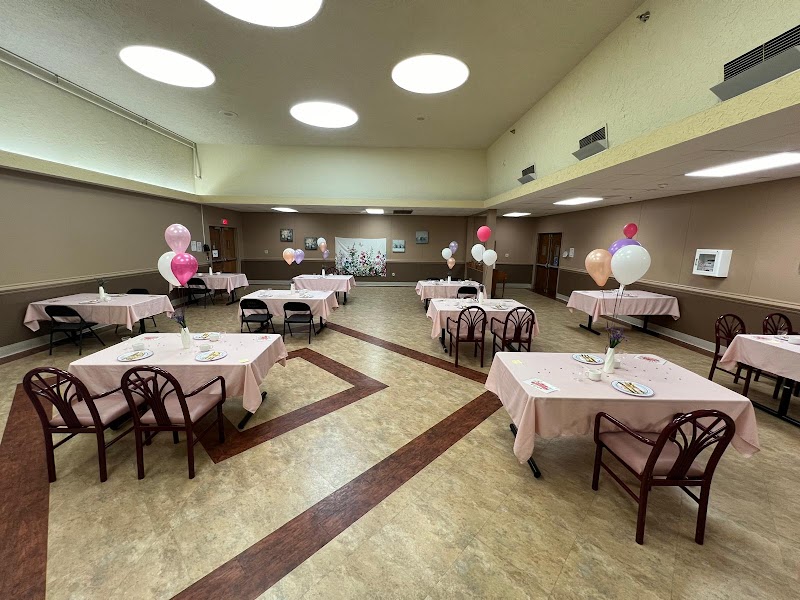
Who Owns and Operates Lakewood Rehabilitation & Healthcare Center?

LAKEWOOD REHABILITATION & HEALTHCARE CENTER is owned by a for-profit company. For-profit facilities operate as businesses with obligations to shareholders or private owners. The facility is operated by CENTURY HEALTHCARE, a chain that manages multiple nursing homes. With 110 certified beds and approximately 90 residents (about 82% occupancy), it is a mid-sized facility located in NANTICOKE, Pennsylvania.

How Does Lakewood Rehabilitation & Healthcare Center Compare to Other Pennsylvania Nursing Homes?

Compared to the 100 nursing homes in Pennsylvania, LAKEWOOD REHABILITATION & HEALTHCARE CENTER's overall rating (1 stars) is below the state average of 3.0, staff turnover (59%) is significantly higher than the state average of 46%, and health inspection rating (1 stars) is much below the national benchmark.

What Should Families Ask When Visiting Lakewood Rehabilitation & Healthcare Center?

Based on this facility's data, families visiting should ask: "How do you ensure continuity of care given staff turnover, and what is your staff retention strategy?" "Can you walk me through typical staffing levels on day, evening, and night shifts?" "Can I visit during a mealtime to observe dining assistance and food quality?" "How do you handle medical emergencies, and what is your hospital transfer rate?" These questions are particularly relevant given the facility's high staff turnover rate and the below-average staffing rating.

Is Lakewood Rehabilitation & Healthcare Center Safe?

Based on CMS inspection data, LAKEWOOD REHABILITATION & HEALTHCARE CENTER has a clean safety record: no substantiated abuse findings (meaning no confirmed cases of resident harm), no Immediate Jeopardy citations (the most serious violation level indicating risk of serious injury or death), and is not on the Special Focus Facility watch list (a federal program monitoring the lowest-performing 1% of nursing homes). The facility has a 1-star overall rating and ranks #100 of 100 nursing homes in Pennsylvania. While no facility is perfect, families should still ask about staff-to-resident ratios and recent inspection results during their visit.

Do Nurses at Lakewood Rehabilitation & Healthcare Center Stick Around?

Staff turnover at LAKEWOOD REHABILITATION & HEALTHCARE CENTER is high. At 59%, the facility is 13 percentage points above the Pennsylvania average of 46%. Registered Nurse turnover is particularly concerning at 76%. RNs handle complex medical decisions and coordinate care — frequent RN changes can directly impact care quality. High turnover means new staff may not know residents' individual needs, medications, or preferences. It can also be disorienting for residents, especially those with dementia who rely on familiar faces. Families should ask: What is causing the turnover? What retention programs are in place? How do you ensure care continuity during staff transitions?

Was Lakewood Rehabilitation & Healthcare Center Ever Fined?

LAKEWOOD REHABILITATION & HEALTHCARE CENTER has been fined $261,356 across 3 penalty actions. This is 7.3x the Pennsylvania average of $35,692. Fines at this level are uncommon and typically indicate a pattern of serious deficiencies, repeated violations, or failure to correct problems promptly. CMS reserves penalties of this magnitude for facilities that pose significant, documented risk to resident health or safety. Families should request specific documentation of what issues led to these fines and what systemic changes have been implemented.

Is Lakewood Rehabilitation & Healthcare Center on Any Federal Watch List?

LAKEWOOD REHABILITATION & HEALTHCARE CENTER is not on any federal watch list. The most significant is the Special Focus Facility (SFF) program, which identifies the bottom 1% of nursing homes nationally based on persistent, serious quality problems. Not being on this list means the facility has avoided the pattern of deficiencies that triggers enhanced federal oversight. This is a positive indicator, though families should still review the facility's inspection history directly.