PREMIER AT PERRY VILLAGE FOR NURSING AND REHAB, LL
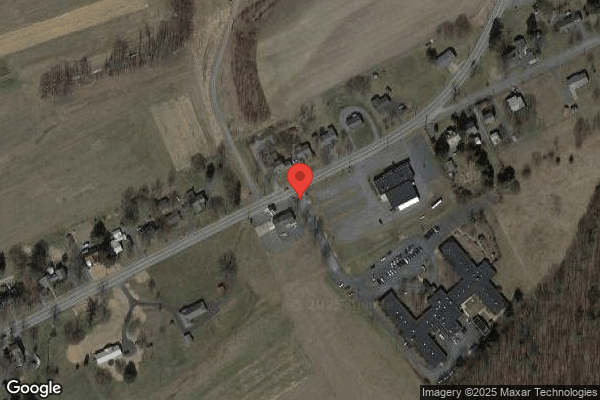
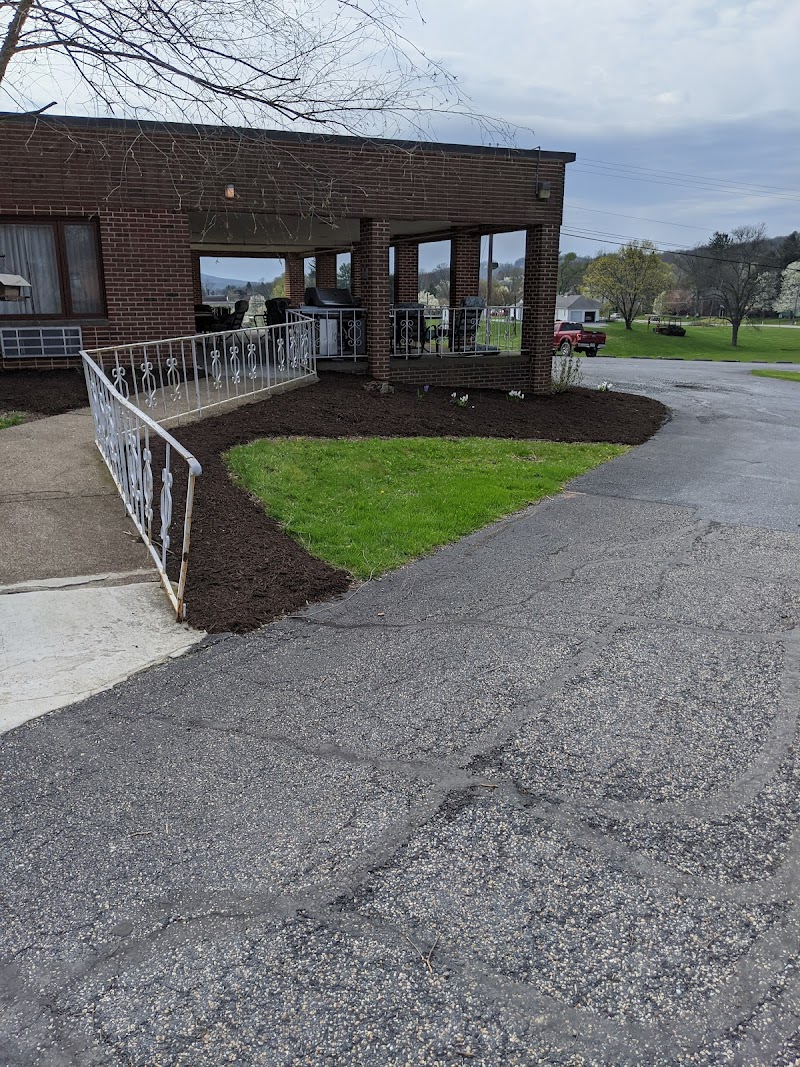
213 EAST MAIN STREET, NEW BLOOMFIELD, PA 17068 (717) 582-4346
For profit - Corporation 118 Beds EPHRAM LAHASKY Data: November 2025
Trust Grade
53/100
#336 of 653 in PA
Last Inspection: December 2024

Within standard 12-15 month inspection cycle. Federal law requires annual inspections.

Overview

Premier at Perry Village for Nursing and Rehab has a Trust Grade of C, which means it is average and sits in the middle of the pack among nursing homes. It ranks #336 out of 653 facilities in Pennsylvania, placing it in the bottom half, but it is #2 out of 3 in Perry County, indicating only one local option is better. The facility is showing improvement, as the number of issues has decreased significantly from 17 in 2024 to just 1 in 2025. Staffing is average with a rating of 3 out of 5 stars and a turnover rate of 54%, which is on par with the state average. However, there have been some concerning incidents, including a serious case where inadequate supervision led to injuries for a resident, and a failure to prevent urinary tract infections for another resident using a catheter. Overall, while there are strengths in staff retention and a trend toward improvement, families should be aware of the issues that have been identified.

Trust Score
C
53/100
In Pennsylvania
#336/653
Bottom 49%
Safety Record
Moderate
Needs review
Inspections
Getting Better
17 → 1 violations
Staff Stability
⚠ Watch
54% turnover. Above average. Higher turnover means staff may not know residents' routines.
Penalties
✓ Good
$8,018 in fines. Lower than most Pennsylvania facilities. Relatively clean record.
Skilled Nurses
○ Average
Each resident gets 38 minutes of Registered Nurse (RN) attention daily — about average for Pennsylvania. RNs are the most trained staff who monitor for health changes.
Violations
⚠ Watch
22 deficiencies on record. Higher than average. Multiple issues found across inspections.
★★★☆☆
3.0
Overall Rating
★★★☆☆
3.0
Staff Levels
★★☆☆☆
2.0
Care Quality
★★★☆☆
3.0
Inspection Score
Stable
2024: 17 issues
2025: 1 issues

The Good

  • Full Sprinkler Coverage · Fire safety systems throughout facility
  • No fines on record

Facility shows strength in fire safety.

The Bad

3-Star Overall Rating

Near Pennsylvania average (3.0)

Meets federal standards, typical of most facilities

Staff Turnover: 54%

Near Pennsylvania avg (46%)

Higher turnover may affect care consistency

Federal Fines: $8,018

Below median ($33,413)

Minor penalties assessed

Chain: EPHRAM LAHASKY

Part of a multi-facility chain

Ask about local staffing decisions and management

The Ugly 22 deficiencies on record

1 actual harm
Sept 2025 1 deficiency
CONCERN (D) 📢 Someone Reported This

A family member, employee, or ombudsman was alarmed enough to file a formal complaint

Potential for Harm - no one hurt, but risky conditions existed

Deficiency F0627 (Tag F0627)

Could have caused harm · This affected 1 resident

Based on facility policy review, clinical record review, and staff interviews, it was determined that the facility failed to provide and document sufficient preparation to residents to ensure a safe a...

Read full inspector narrative →
Based on facility policy review, clinical record review, and staff interviews, it was determined that the facility failed to provide and document sufficient preparation to residents to ensure a safe and orderly discharge from the facility; and failed to provide a discharge summary that included a post-discharge plan of care, including post-discharge services, for one of five discharged residents reviewed (Resident 1). Findings Include:Review of facility policy, titled Discharging the Resident, dated December 2016, revealed If the resident is being discharged home, ensure that resident and/or responsible party receive teaching and discharge instructions.Review of Resident 1's clinical record revealed diagnoses that included congestive heart failure (CHF-a chronic condition in which the heart doesn't pump blood as well as it should) and gastroesophageal reflux disease (GERD-acid reflux). Further review of Resident 1's clinical record revealed that she was discharged to home on July 18, 2025. Review of Resident 1's physician orders revealed an order, dated July 18, 2025, for Home Health with physical therapy, occupational therapy and skilled nursing. Review of Resident 1's progress notes revealed a note, dated July 16, 2025, that a referral was made to a home health agency, but the agency was unable to accept the Resident. Review of Resident 1's progress note on July 17, 2025, revealed that a second referral was made to a different home health agency, but the agency was unable to accept the Resident. Review of Resident 1's progress note on July 18, 2025, at 9:12 AM, revealed that a third referral was made to a home health agency and the facility is waiting to hear back if they will accept the Resident or not. Review of Resident 1's progress note on July 18, 2025, at 10:47 AM, revealed that the Resident was discharged to home. Review of Resident 1's progress note on July 18, 2025, at 11:11 AM, revealed that the third home health agency notified the facility that they were unable to accept the Resident. Review of Resident 1's clinical record revealed no evidence that the physician was made aware that home health services were not set up prior to Resident 1's discharge from the facility and no evidence that any additional referrals were made. Review of Employee 1's (Social Services) witness statement, dated August 14, 2025, revealed that on July 30, 2025, another referral was sent on behalf of Resident 1 to a fourth home health agency.Review of that referral revealed that since the Resident's discharge was greater than 48 hours, the home health agency would likely need to get a new referral from the Resident's primary care physician in the community. During an interview with the Director of Nursing (DON) on September 4, 2025, at 10:45 AM, she stated that it is a struggle to find home health agencies that will service the rural county where Resident 1 resided. She stated that Resident 1's responsible party was insistent on taking Resident 1 home on July 18, 2025, even though home health services had not yet been set up. During a follow up interview with the DON on September 4, 2025, at 2:24 PM, she stated that the Resident and her family were aware that home care might not be an option in their area, but they were insistent on being discharged . She further stated that the physician would not have postponed the Resident's discharge based on lack of home health services being set up. Review of Resident 1's clinical record revealed she had an indwelling Foley catheter, as of July 18, 2025, and there was no evidence that it was discontinued prior to her discharge from the facility. Further review also revealed Resident 1 was receiving oxygen while at the facility.Review of Resident 1's discharge summary revealed no mention of the Foley catheter and no evidence that Resident 1 received education on the management of the Foley catheter upon discharge. The discharge summary also failed to mention for Resident to follow up with any outside providers for the management of her Foley and no mention of Resident 1 requiring oxygen at discharge. Further review of Resident 1's discharge summary revealed no mention of the home health referrals. During an interview with the DON on September 4, 2025, at 1:48 PM, she stated that an audit was done after Resident 1's discharge and the facility found issues with Resident 1's discharge summary. The DON provided education that was given to Employee 1 and Employee 2 (Registered Nurse). The education included ensuring the discharge summary is completed in its entirety and that copies of any education provided needs to be retained, including but not limited to, education on Foley catheters. 28 Pa. Code 201.14(a) Responsibility of licensee28 Pa. Code 201.18(b)(1) Management28 Pa. Code 211.12(d)(1)(3)(5) Nursing services
Dec 2024 8 deficiencies
CONCERN (D)

Potential for Harm - no one hurt, but risky conditions existed

Notification of Changes (Tag F0580)

Could have caused harm · This affected 1 resident

Based on facility policy review, clinical record reviews, facility document reviews, and staff interviews, it was determined that the facility failed to timely notify a resident's physician of an inci...

Read full inspector narrative →
Based on facility policy review, clinical record reviews, facility document reviews, and staff interviews, it was determined that the facility failed to timely notify a resident's physician of an incident that had the potential to result in a negative outcome for one of 21 residents reviewed (Resident 44). Findings Include: Review of facility policy, titled Change in a Resident's Condition or Status, with a last review date of October 24, 2024, revealed, in part, facility shall promptly notify the resident, his or her Attending Physician, and representative (sponsor) of changes in the resident's medical/mental condition and/or status; and The nurse will notify the resident's Attending Physician or physician on call when there has been a(an): accident or incident involving the resident. Review of Resident 44's clinical record revealed diagnoses that included metabolic encephalopathy (a change in how your brain works due to an underlying condition that can cause confusion, memory loss and loss of consciousness), anxiety disorder (a mental health disorder characterized by feelings of worry, anxiety, or fear that are strong enough to interfere with one's daily activities), depression, and low back pain. Review of Resident 44's clinical record revealed a nursing progress note written by Employee 2 (Registered Nurse) dated November 7, 2024, at 11:30 AM, that indicated a staff member quickly came out of the Resident's room stating, He has a bag of pills, and he just took a handful of them telling me that they were candy. Amount unknown. This nurse went directly into the room and saw the Resident hurriedly putting the bag in his bedside drawer. When asked what he was eating, he nonchalantly turned his head towards this nurse and stated Candy. The note further indicated that staff were able to retrieve the bag and that the medication was all of one kind and was determined to be 500 mg Tylenol. Review of Resident 44's clinical record revealed a nursing progress note written by Employee 3 (Registered Nurse) dated November 8, 2024, at 4:53 AM, that indicated the incident occurred at 23:30 [11:30 PM] and not 11:30 [AM]as originally documented. This nurse placed the bag of pills in the DON [Director of Nursing] office. Review of Resident 44's clinical record revealed a nursing progress note written by Employee 3 dated November 8, 2024, at 6:25 AM, that indicated it was a late entry and that the nurse had checked on Resident 44 throughout the night to monitor for any signs and symptoms of Tylenol toxicity d/t [due to] unknown amount of Tylenol taken by resident from his baggy that was found of OTC [over the counter] Tylenol from the CNA [certified nurse aide] at the beginning of nightshift. The note further indicated that Resident 44 had not exhibited any signs or symptoms and was acting his normal self. Review of Resident 44's clinical record revealed a nursing progress note written by Employee 4 (Registered Nurse) dated November 8, 2024, at 7:00 AM, that indicated Dayshift RN [Registered Nurse] updated to possible ingestion of OTC ES [extra strength] Tylenol and in to assess the resident. Resident placed on alert charting to monitor for any s/s [signs and symptoms] of discoloration/yellow hue to skin, any c/o [complaints of] N(ausea) & V(omiting) or not feeling well, any c/o abdominal pain, or new onset of confusion. RN called MD and awaiting response for possible need of blood work to determine what acetaminophen level is or other orders at this time. Review of Resident 44's clinical record revealed a nursing progress note written by Employee 5 (Registered Nurse) dated November 8, 2024, at 7:34 AM, that indicated MD made aware of possible OTC medication ingestion and that staff are uncertain how much medication was taken. He was also made aware that resident does not have any visible symptoms of toxicity at this time. See new orders to send resident to ED for Toxicity workup. The note further indicated that Employee 5 had a discussion with Resident 44 about the over-the-counter medications in his room, the physician's order to send him to the hospital for an evaluation, and that he agreed to go after discussion. Review of Resident 44's facility provided incident report dated November 7, 2024, at 11:30 PM, completed by Employee 4 indicated that it was prepared based on staff interviews, revealed that a nurse aide had reported to the 3-11 RN Supervisor that Resident 44 had a bag of pills on him and that the nurse aide had witnessed him take a handful of them. It further indicated that Resident 44 told the nurse aide that they were candy and that when the RN arrived in Resident 44's room, the RN witnessed Resident 44 attempting to place the plastic bag of pills in the bedside drawer. The incident report further indicated that the DON was notified on November 8, 2024, at 4:53 AM, and that Resident 44's physician was notified on November 8, 2024, at 7:42 AM. During a staff interview with the Nursing Home Administrator (NHA) and DON on December 5, 2024, at 9:45 AM, the DON indicated that staff had reached out to her about the incident and that staff had monitored him throughout the night and he had no negative outcomes nor any signs or symptoms of toxicity noted. The DON further indicated that the dayshift RN came in and did her due diligence and notified the MD of the occurrence and that was when orders were received to send out to be evaluated. The DON indicated that Resident 44 was sent to the hospital and all testing was negative and he was sent back to the facility with no new orders. The NHA indicated that they have no proof that he in fact took the Tylenol since he called it candy. She said that the daughter did admit that she brought him in Tylenol as well as Tic Tacs. NHA indicated that she met with Resident 44's family because they were upset that the over-the-counter medication was taken away from him. The NHA said she explained the safety/process of self-administering medications when in a facility. During a staff interview with Employee 6 (Registered Nurse) on December 5, 2024, at 11:41 AM, Employee 6 indicated that they were working the morning of November 8, 2024, and that they had received report on Resident 44 from Employee 3 regarding the medication incident. Employee 6 indicated that they could not recall if Employee 3 said they had notified Resident 44's physician of the possible ingestion of an unknown amount of Tylenol. Employee 6 said that they felt inclined to let Resident 44's physician know about what had happened. Employee 6 said that it was discussed with the physician about having labs drawn at the facility, but the physician was concerned regarding the amount of time it would take to get the results back and, therefore, the physician ordered Resident 44 to be sent to the emergency department for an evaluation. Employee 6 indicated that Employee 5 (Registered Nurse) was also present that morning. During a staff interview with Employee 5 on December 5, 2024, at 11:50 AM, Employee 5 indicated that Employee 3 confirmed during shift report that they had not notified Resident 44's physician of the possible medication ingestion of an unknown amount of Tylenol and that Employee 3 gave no rationale as to why they did not call Resident 44's physician at the time of the incident. Employee 5 indicated that as soon as they were made aware of the incident in shift report they along with Employee 6 immediately notified Resident 44's physician. During a staff interview with the NHA on December 5, 2024, at 11:59 AM, the NHA indicated that, according to their facility policy, they have 24 hours to notify the physician and that Resident 44's physician was notified within that timeframe. The NHA indicated that Resident 44 was monitored and no significant change in his condition. The NHA indicated that she felt that there was no urgent situation to report as they could not confirm that Resident 44 actually took the medication. The concern was discussed that Employees 5 and 6 (Registered Nurses) indicated that both felt the physician should have been notified at the time of the occurrence and that Employees 2 and 3 (Registered Nurses) had not reported it to Resident 44's physician. In addition, the concern was shared that when Resident 44's physician was finally made aware of the incident approximately 8 hours after it had occurred, he ordered Resident 44 to be sent to the emergency department for evaluation. 201.14(a) Responsibility of licensee 201.18(b)(1) Management 211.12(d)(1)(2)(3)(5) Nursing service
CONCERN (D)

Potential for Harm - no one hurt, but risky conditions existed

Assessment Accuracy (Tag F0641)

Could have caused harm · This affected 1 resident

**NOTE- TERMS IN BRACKETS HAVE BEEN EDITED TO PROTECT CONFIDENTIALITY** Based on clinical record review and staff interviews, it was determined that the facility failed to ensure that the resident ass...

Read full inspector narrative →
**NOTE- TERMS IN BRACKETS HAVE BEEN EDITED TO PROTECT CONFIDENTIALITY** Based on clinical record review and staff interviews, it was determined that the facility failed to ensure that the resident assessment accurately reflected the resident's status for two of 21 residents reviewed (Residents 8 and 60). Findings Include: Review of Resident 8's clinical record revealed diagnoses that included hypertension (high blood pressure) and anxiety (a feeling of worry, nervousness, or unease). Review of Resident 8's clinical record revealed a physician's order for Oxygen via nasal cannula to maintain saturation above 91 as needed for shortness of breath, with an active date of November 6, 2024. Review of Resident 8's clinical record revealed Resident 8 was administered oxygen via nasal cannula on November 6, 7, 8, and 9, 2024. Review of Resident 8's MDS (Minimum Data Set is part of the federally mandated process for clinical assessment of all Medicare and Medicaid certified nursing homes) dated November 11, 2024, revealed that Section O0110. C1. Oxygen therapy was marked No. During an interview with the Nursing Home Administrator (NHA) on December 4, 2024, at 6:08 PM, revealed Resident 8's MDS dated [DATE], has been modified to reflect oxygen use. Review of Resident 60's clinical record revealed diagnoses that included major depressive disorder (a serious mental illness that can affect how a person feels, thinks, and acts) and dementia (a chronic condition that causes a decline in cognitive abilities, such as thinking, memory, and reasoning, that interferes with daily life). Review of Resident 60's clinical record revealed a physician's order for Bed alarm, with an active date of November 14, 2024. Review of Resident 60's MDS dated [DATE], revealed that Section P0200. A. Bed Alarm was marked No. During an interview with the NHA on December 4, 2024, at 12:31 PM, revealed that the MDS dated [DATE], should have reflected Resident 60's bed alarm use, and a modification will be made. 28 Pa. Code 211.5(f) Medical records 28 Pa Code 211.12(d)(3)(5) Nursing services
CONCERN (D)

Potential for Harm - no one hurt, but risky conditions existed

Comprehensive Care Plan (Tag F0656)

Could have caused harm · This affected 1 resident

**NOTE- TERMS IN BRACKETS HAVE BEEN EDITED TO PROTECT CONFIDENTIALITY** Based on clinical record review and resident and staff interviews, it was determined that the facility failed to develop a compr...

Read full inspector narrative →
**NOTE- TERMS IN BRACKETS HAVE BEEN EDITED TO PROTECT CONFIDENTIALITY** Based on clinical record review and resident and staff interviews, it was determined that the facility failed to develop a comprehensive person-centered care plan to address the resident's medical, physical, mental, and psychosocial needs for three of 21 records reviewed (Residents 10, 60, and 75). Findings include: Review of Resident 10's clinical record revealed diagnoses that included major depressive disorder (a mental health disorder characterized by persistently depressed mood or loss of interest in activities, causing significant impairment in daily life) and hypertension (elevated blood pressure). During an interview with Resident 10 on December 2, 2024, at 12:38 PM, she stated that she is a smoker with staff supervision. Review of Resident 10's clinical record revealed a smoking contract was signed by Resident 10 on August 27, 2024, and the most recent smoking evaluation was completed on November 12, 2024, which revealed Resident 10 could smoke with supervision. Review of Resident 10's current care plan failed to reveal a smoking care plan. On December 4, 2024, at 10:58 AM, the Nursing Home Administrator (NHA) stated that a smoking care plan has been added for Resident 10 and provided the smoking care plan, with an initiation date of December 4, 2024. During a follow-up interview with the NHA on December 4, 2024, at 2:00 PM, she confirmed that a smoking care plan was not in place prior to December 4, 2024. Review of Resident 60's clinical record revealed diagnoses that included major depressive disorder (a serious mental illness that can affect how a person feels, thinks, and acts) and dementia (a chronic condition that causes a decline in cognitive abilities, such as thinking, memory, and reasoning, that interferes with daily life). Review of Resident 60's clinical record revealed they were admitted to the facility on [DATE], with a diagnosis of Alzheimer's disease as well as Dementia. Review of Resident 60's current care plan failed to reveal a dementia care plan. On December 4, 2024, at 12:31 PM, the NHA revealed a dementia care plan was added to Resident 60's care plan, with a focus area to include the Resident has impaired cognitive function/dementia or impaired thought process, with a revision date of December 4, 2024. During an additional interview with the NHA on December 4, 2024, at 2:08 PM, revealed she would have expected Resident 60's care plan to include a dementia focus area upon admission. Review of Resident 75's clinical record revealed diagnoses that included urinary retention (a condition in which you are unable to empty all the urine from your bladder) and cancer. During an interview with Resident 75 on December 2, 2024, at 10:08 AM, Resident 75 indicated that the Resident is a smoker and that residents who smoke must do so outside and that staff must supervise them. Review of Resident 75's clinical record revealed that the Resident had a smoking evaluation completed on June 21, 2024 (which indicated Resident 75 was a smoker); September 15, 2024 (which indicated Resident 75 was a non-smoker); and November 7, 2024 (which indicated that Resident 75 was a smoker). Review of Resident 75's clinical record revealed that the Resident had signed the facility's Smoking Contract on August 27, 2024. Review of Resident 75's care plan failed to reveal that the Resident was a smoker. Email communication received from the NHA on December 4, 2024, at 6:55 PM, indicated that Resident 75's care plan was updated to reflect their desire to smoke. During a staff interview with the NHA and Director of Nursing on December 5, 2024, at 9:33 AM, the NHA confirmed that Resident 75's care plan should have included their desire to smoke prior to yesterday. 28 Pa. Code 211.12(d)(1)(2)(5) Nursing services
CONCERN (D)

Potential for Harm - no one hurt, but risky conditions existed

Deficiency F0657 (Tag F0657)

Could have caused harm · This affected 1 resident

Based on clinical record review and staff interviews, it was determined that the facility failed to ensure the care plan was reviewed and revised for three of 21 residents reviewed (Residents 1, 11, a...

Read full inspector narrative →
Based on clinical record review and staff interviews, it was determined that the facility failed to ensure the care plan was reviewed and revised for three of 21 residents reviewed (Residents 1, 11, and 60). Findings Include: Review of Resident 1's clinical record revealed diagnoses that included epilepsy (a brain condition causing recurring seizures) and multiple sclerosis (a chronic autoimmune disease that affects the central nervous system). Review of Resident 1's care plan on December 2, 2024, revealed a care plan with a focus area of, Resident has an alteration in neurological function, with an intervention of IM (intramuscular) Ativan (benzodiazepine medication) as needed for seizure activity, with a date initiated of July 3, 2024. Review of Resident 1's physician orders on December 2, 2024, failed to reveal an order for Ativan for Resident 1. Interview with the Nursing Home Administrator (NHA) on December 4, 2024, at 5:47 PM, revealed that Resident 1's Ativan was discounted in May 2024 and the care plan should have been updated at that time. Review of Resident 11's clinical record revealed diagnoses that included chronic kidney disease (a disease characterized by progressive damage and loss of function of the kidneys) and diabetes (a disease that affects how the body utilizes blood glucose). Review of Resident 11's physician orders on December 2, 2024, revealed an order for, CCHO (consistent, controlled carbohydrate), liberal renal diet with dysphagia advanced texture, and thin consistency. Review of Resident 11's care plan on December 2, 2024, revealed a care plan with a focus area of, Diet: CCHO, dysphagia advanced, thin liquids, no salt packet, with a revision date of June 27, 2023. Interview with the NHA on December 4, 2024, at 5:47 PM, revealed that Resident 11's care plan should have been updated so that it would match Resident 11's current physician's orders. Review of Resident 60's clinical record revealed diagnoses that included major depressive disorder (a serious mental illness that can affect how a person feels, thinks, and acts) and dementia (a chronic condition that causes a decline in cognitive abilities, such as thinking, memory, and reasoning, that interferes with daily life). Review of Resident 60's current physician orders revealed a diet order for regular diet, regular texture, thin consistency, with an active date of November 10, 2024. Review of Resident 60's care plan revealed a focus area which included the Resident may experience weight changes due to ordered therapeutic altered diet related to diabetes, with an initiation date of November 8, 2024. During an interview with the NHA on December 5, 2024, revealed Resident 60's care plan is incorrect as the Resident is not on a therapeutic diet, and that it should have been updated to reflect their current diet. 28 Pa. Code 211.12(d)(5) Nursing services
CONCERN (D)

Potential for Harm - no one hurt, but risky conditions existed

Respiratory Care (Tag F0695)

Could have caused harm · This affected 1 resident

Based on review of facility policy, clinical record review, observations, and staff interview, it was determined that the facility failed to provide respiratory care/oxygen services consistent with pr...

Read full inspector narrative →
Based on review of facility policy, clinical record review, observations, and staff interview, it was determined that the facility failed to provide respiratory care/oxygen services consistent with professional standards of practice for one of four residents reviewed (Resident 44). Findings include: Review of facility policy, titled Continuous Positive Airway Pressure, with a last review date of October 24, 2024, indicated that Continuous Positive Airway Pressure or CPAP is a medical device which uses compressed air to keep the air passage open so breathing continues normally and that CPAP must be ordered by a physician. Review of Resident 44's clinical record revealed diagnoses that included obstructive sleep apnea (intermittent airflow blockage during sleep) and asthma (condition in which a person's airways become inflamed, narrow, and swell, and produce extra mucus which makes it difficult to breathe). Observations of Resident 44 on December 2, 2024, at 10:48 AM, and December 4, 2024, at 11:14 AM, revealed the presence of a CPAP (continuous positive airway pressure which is a type of ventilator that uses mild air pressure to keep breathing airways open while one sleeps) or BiPAP (bi-level positive airway pressure which is a type of ventilator used to treat sleep apnea) machine sitting at the Resident's bedside. Review of Resident's 44's current physician orders failed to reveal an order for CPAP or BiPAP. Review of Resident 44's physician order history revealed that there was no order for CPAP or BiPAP since their admission to the facility on October 29, 2024. Review of Resident 44's nursing progress notes revealed that the Resident was documented as using CPAP on October 30 and 31, 2024; November 6, 7, 10, 11, and 12, 2024; and December 1 and 2, 2024. In addition, Resident 44 was documented as using a BiPAP on November 5, 2024. Review of Resident 44's care plan revealed that the Resident was care planned for CPAP at HS [bedtime] per order, dated October 30, 2024. Email communication received from the Nursing Home Administrator (NHA) on December 4, 2024, at 6:33 PM, indicated that Resident 44 uses BiPAP not CPAP. During a staff interview with the NHA on December 5, 2024, at 11:33 AM, the NHA confirmed that Resident 44 did not have a physician order for their BiPAP prior to yesterday and that an order should have been obtained when Resident 44's BiPAP machine was brought into the facility. 28 Pa code 211.12(d)(1)(2)(5) Nursing services
CONCERN (D)

Potential for Harm - no one hurt, but risky conditions existed

Deficiency F0810 (Tag F0810)

Could have caused harm · This affected 1 resident

Based on observations, policy review, clinical record review, and staff interview, it was determined that the facility failed to provide adaptive feeding devices for one of 21 residents reviewed (Resi...

Read full inspector narrative →
Based on observations, policy review, clinical record review, and staff interview, it was determined that the facility failed to provide adaptive feeding devices for one of 21 residents reviewed (Resident 53). Findings include: Review of facility policy, titled Assistance with Meals, last reviewed October 2024, read, in part, adaptive devices (special eating equipment and utensils) will be provided for residents who need them. These may include devices such as silverware with enlarged/padded handles, plate guards, and/or specialized cups. Review of Resident 53's clinical record revealed diagnoses that included diabetes mellitus (the body's ability to produce or respond to the hormone insulin is impaired, resulting in abnormal metabolism of carbohydrates and elevated levels of glucose in the blood and urine) and anxiety (a feeling of worry, nervousness, or unease). Review of Resident 53's current active physician orders included: Equipment: lip plate, and Kennedy cup with meals, with an active date of September 10, 2024. Review of Resident 53's care plan included a focus area for nutrition risk, initiated date April 28, 2022, and revised May 26, 2022; with focus areas that included Equipment: lip plate and Kennedy cup with meals, initiated date November 3, 2023. Observation on December 2, 2024, at 12:18 PM, revealed Resident 53 was delivered lunch in his room that contained a lipped plate, however, did not include a Kennedy cup. Observation on December 3, 2024, at 12:31 PM, revealed Resident 53 was delivered lunch in his room that contained a lipped plate, however, did not include a Kennedy cup. Observation on December 4, 2024, at 12:33 PM, revealed Resident 53 was delivered lunch in his room that contained a lipped plate, however, did not include a Kennedy cup. Interview with the Nursing Home Administrator on December 4, 2024, at 6:08 PM, revealed she would have expected Resident 53 to have been served a Kennedy cup with his meals. 28 Pa code 211.6(a) - Dietary Services
CONCERN (D)

Potential for Harm - no one hurt, but risky conditions existed

Food Safety (Tag F0812)

Could have caused harm · This affected 1 resident

Based on observations and staff interview, it was determined that the facility failed to serve food in a sanitary manner during one of one tray line observations in the kitchen. Findings include: Obs...

Read full inspector narrative →
Based on observations and staff interview, it was determined that the facility failed to serve food in a sanitary manner during one of one tray line observations in the kitchen. Findings include: Observation of food service tray line on December 4, 2024, at 11:54 AM, revealed that Employee 1 (Cook) was wearing gloves on both hands. Employee 1 was observed to pick up a resident tray ticket from the top of a cart next to the food service line and lay it on a resident tray. Employee 1 was then observed to open a package of hamburger buns by ripping a hole in the bag. Employee 1 was then observed to removing a hamburger bun from the package using their same gloved hands which had touched the tray ticket and the hamburger bun packaging. Employee 1 was then observed reaching into a bin, removing lettuce and tomato, and placing them on a resident plate using their same gloved hands. Observation of Employee 1 revealed that the Employee was continuing to touch tray tickets, hamburger buns, lettuce, and tomato with the same gloved hands for three additional resident trays observed. During a staff interview with the Nursing Home Administrator (NHA) and Director of Nursing on December 4, 2024, at 2:26 PM, the NHA confirmed that she would expect dietary staff not to have direct contact with resident food items after having direct contact with non-food items such as tray tickets and food packaging. 28 Pa. Code 211.6(f) Dietary services 28 Pa. Code 201.18(b)(1) Management
CONCERN (D)

Potential for Harm - no one hurt, but risky conditions existed

Deficiency F0868 (Tag F0868)

Could have caused harm · This affected 1 resident

Based on facility document review and staff interviews, it was determined that the facility failed to provide evidence that Quality Assurance Committee meetings were held at least quarterly for one of...

Read full inspector narrative →
Based on facility document review and staff interviews, it was determined that the facility failed to provide evidence that Quality Assurance Committee meetings were held at least quarterly for one of four quarters reviewed (First Quarter of 2024). Findings include: Review of all available documentation submitted by the facility revealed no evidence that the facility conducted a Quality Assurance (QA) Committee meeting during the first quarter of 2024 (January, February, March). During an interview with the Nursing Home Administrator (NHA) on December 2, 2024, at 9:41 AM, she stated that the first quarter QA meeting was held with the prior administration at the facility and that the prior administration did not provide her with the sign in sheet for the first quarter QA meeting upon their exit from the facility. In a follow-up interview with the NHA on December 5, 2024, at 10:09 AM, she again confirmed she was unable to provide evidence that the QA meeting was held during the first quarter of 2024, under the prior administration. 28 Pa code 201.18(b)(3) Management
May 2024 1 deficiency 1 Harm
SERIOUS (G) 📢 Someone Reported This

A family member, employee, or ombudsman was alarmed enough to file a formal complaint

Actual Harm - a resident was hurt due to facility failures

Accident Prevention (Tag F0689)

A resident was harmed · This affected 1 resident

Based on facility job description, clinical record review, review of facility investigation and documentation, and staff interviews, it was determined that the facility displayed past non-compliance i...

Read full inspector narrative →
Based on facility job description, clinical record review, review of facility investigation and documentation, and staff interviews, it was determined that the facility displayed past non-compliance in its failure to provide adequate supervision and assistive devices to prevent accidents, which resulted in harm, as evidenced by a scalp laceration and a leg injury for one of two residents reviewed (Resident 1). Findings include: Review of the facility's job description for a Transportation Driver, revealed [in part] must have knowledge of equipment used in long term care; and transports residents safely. Review of Employee 1's personnel file revealed that they were hired to be the Transportation Driver on January 30, 2024. Employee 1 signed the job description on January 30, 2024, and completed the self-evaluation portion of the job description. It was noted under section titled Specific Job Functions, Employee 1 had checked the self-evaluation column for Transports residents safely and in a timely manner to all appointments. The column on the job description titled Competency Testing Needed was noted to be blank. Further review of Employee 1's personnel file failed to reveal any education or competencies for equipment use or transportation safety measures to follow prior to April 25, 2024. Review of Resident 1's clinical record revealed diagnoses that included Alzheimer's disease (a chronic disorder of the mental processes caused by brain disease, and marked by memory disorders, personality changes, and impaired reasoning), unspecified lack of coordination, and generalized muscle weakness. Review of Resident 1's clinical record revealed a progress note dated April 23, 2024, at 9:15 AM, that indicated [in part] This RN called to facility van to assess resident after fall from litter chair while in van. Assessment was completed .Resident back to litter chair and returned to facility. Assessment completed with laceration to right side of head (12cm-centimeters) and edematous [swollen] left knee. MD notified, see new orders to send resident to ED [Emergency Department] for evaluation and treatment. RP [Responsible Party] made aware of fall, injury and hospital transport. Review of Resident 1's hospital records dated April 23, 2024, revealed Resident 1 had a scalp laceration that measured 3 centimeters long and 5 centimeters deep which was repaired with adhesive and a fracture of the distal femur (large bone located in the upper leg) with regions of periosteal reaction (a non-specific x-ray finding that indicates new bone formation in reaction to abnormal stimulants) which may represent a chronic fracture; lucency (transparency-ability to see through) along the proximal tibia (small bone located in the lower leg) with regions of sclerosis (hardening) that may represent a chronic fracture; and moderate knee effusion with diffuse (scattered) soft tissue edema (swelling). X-ray report indicated that it was compared to an x-ray report from October 8, 2010. It was also noted that the report indicated further studies should be considered. Resident 1 returned to the facility on April 23, 2024, at 9:00 PM, with orders that included a left knee brace to be worn at all times expect for bed bath and bed rest for two months. Further review of Resident 1's clinical record failed to reveal any documentation of swelling to the left knee prior to the incident or that Resident 1 had a history of a left femur or tibia fracture. During an interview with the Nursing Home Administrator (NHA) on May 8, 2024, at 11:40 AM, the NHA indicated that nurse aides put Resident 1 on the litter chair and covered the Resident with a blanket in preparation for the transport to an appointment. Employee 1 (transportation driver) proceeded to load the Resident into the facility transport van. The NHA said that when Employee 1 turned the first curve in the parking lot, Resident 1 rolled off the litter chair and Employee 1 stopped immediately and called for assistance. The NHA indicated that she was among the staff that responded to the call for assistance. The NHA said that the litter chair was secured to the vehicle, the small rails on the litter chair were in the upright position, but the safety belt on the litter chair had not been strapped around Resident 1. She also confirmed that Employee 1 told her that the Resident was not checked to make sure Resident 1 was secured onto the litter chair. Employee 1 indicated to the NHA that she did not see the belt hanging from under the covers so she assumed it was buckled. NHA said that 911 was called and Resident 1 was transported to the hospital. NHA indicated that they have had no other litter chair transports since this incident occurred. She said that they do not use the litter chair very often as most all residents can be transported in a regular wheelchair. Review of the facility investigation revealed a witness statement from Employee 1 that stated that Resident 1 was wheeled to the back door and given to them to place into the van. Employee 1 indicated that they secured the litter chair into the lift and that once inside the van they secured the litter chair with the two front and two rear tension belts and put all four brakes on the litter chair. Employee 1 indicated that she pulled back and forth on the litter chair to ensure the litter chair did not move. Employee 1 then said that as she was turning out of the parking lot, she heard a noise and looked back and noted that Resident 1 was not on the litter chair. Resident 1 had fallen sideways off the litter chair. Employee 1 indicated that she stopped the van and called the facility immediately for assistance. Employee 1 indicated that after the fall, she realized that the seat belt for the litter chair was found stuck under the adjustable head section of the litter chair. Employee 1 also indicated that Resident 1 had two blankets on when she received her from nursing staff and that she could not see if the seat belt on the litter chair was on but that the seat belt was not visualized to be hanging down. Further review of facility investigation revealed a witness statement from Employee 2 (Nurse Aide) that indicated that they got Resident 1 on the litter chair for an appointment. During an ongoing interview with the NHA on May 8, 2024, at approximately 11:50 AM, the NHA indicated that after the incident occurred with Resident 1 she reviewed Employee 1's personnel file and found no competency completed for the use of the litter chair. The NHA further indicated that she also checked the files for the back-up drivers as well and found that they had no competency completed either. She said that she then arranged for the company's transportation hub director to come to facility and complete training and competency with all of the facility drivers. The NHA also stated that she could not find a written procedure/process for staff to follow for the use of the litter chair. The NHA stated that the facility also completed education with nursing staff regarding the proper process to follow for the use of the litter chair. Review of facility provided documentation revealed that they had developed a Four Point Plan to correct the identified issue. This plan was as follows: 1) Cannot correct the past occurrence; resident evaluated and being treated for laceration and fracture; 2) Residents being transported from facility to outside appointments will be secured appropriately; 3) Education was completed with nursing staff on securing residents to the litter chair and with transportation driver on second verification that residents are secured to the litter chair. Staff who are able to drive transport van will be educated and provided competency on transportation of residents via litter chair; and 4) The facility will be in substantial compliance by April 25, 2024. Review of facility provided documentation revealed that the Transportation Drivers, Employees 1, 3, and 4, received training and completed a competency on April 25, 2024. Review of the education sign in sheet revealed that Employee 2 signed the form on April 23, 2024 confirming education was received. Review of facility provided documentation revealed that On-the-Spot education was completed with nursing staff regarding the litter chair and proper procedures. The On-the-Spot sign in sheet had 35 nursing staff signatures which included Registered Nurses, Licensed Practical Nurses, and Nurse Aides. The education indicated the following: 1) Seat belt on litter chair should be securely strapped and buckled; 2) Seat belt should be buckled over any blankets that are in place; 3) TWO staff members should ensure that resident is securely strapped in litter chair prior to loading resident in van; and 4) Both siderails on litter chair should be engaged/raised prior to loading resident in van. During an interview with the NHA and Employee 3 on May 8, 2024, at 1:45 PM, Employee 3 indicated that they were the back-up transportation driver. They indicated that they had been employed at the facility since 2003, and that they had received training back when the facility obtained the van. Employee 3 confirmed that they received training after the recent incident and was able to recall steps in the process such as double checking that the resident is secured on the litter chair, how to load and unload the litter chair, and properly securing the litter chair into the vehicle. During an interview with Employee 4 on May 8, 2024, at 1:54 PM, Employee 4 indicated that they are the primary back-up driver. Employee 4 confirmed that they had received training after the incident occurred and indicated that the training included securing resident to the litter chair, safely loading and unloading the resident on the litter chair into and from the van, and how to secure the litter chair in the van. Interview with Employee 7 (Nurse Aide) on May 8, 2024, at 2:45 PM, indicated that they received training right after the incident happened. Employee 7 indicated that they only work two days a week and had never used the litter chair During a final interview with the NHA on May 8, 2024, at 3:00 PM, she indicated that Resident 1's RP did not want any further testing completed. She confirmed that Resident 1 was not properly secured the resident to the litter chair and that the transport driver failed to ensure that the resident was properly secured to the litter chair prior to pulling out for the transport. She confirmed that these actions resulted in actual harm to Resident 1. She indicated that the facility identified the issue, established a process to follow, and completed education and competencies on the process. She again confirmed that they had not had any other litter chair transports since this incident occurred. During the abbreviated survey, staff education and competencies were reviewed. Staff interviews, Resident record reviews and observations revealed no concerns with the safety of transportation of residents. 201.4(a) Responsibility of Licensee. 201.18(b)(1) Management. 201.20(b) Staff Development. 211.10(d) Resident Care Policies. 211.12(d)(1)(2)(3) Nursing Services.
Jan 2024 8 deficiencies
CONCERN (D)

Potential for Harm - no one hurt, but risky conditions existed

Deficiency F0637 (Tag F0637)

Could have caused harm · This affected 1 resident

Based on clinical record review and staff interview, it was determined the facility failed to complete a comprehensive assessment after a significant change in condition of one of 19 residents reviewe...

Read full inspector narrative →
Based on clinical record review and staff interview, it was determined the facility failed to complete a comprehensive assessment after a significant change in condition of one of 19 residents reviewed (Resident 68). Findings include: Review of Resident 68's clinical record revealed diagnoses that included osteomyelitis (infection of the bone) of vertebra, sacral, and sacrococcygeal region; and unspecified severe protein-calorie malnutrition (reduced nutrient intake causing muscle and fat wasting). Further review of Resident 68's clinical record revealed that she was admitted to hospice services on December 22, 2023. Review of the Minimum Data Set (MDS - an assessment tool) revealed that there was not a significant change MDS completed when Resident 68 was admitted to hospice. During a staff interview on January 10, 2024 at 12:05 PM, the Nursing Home Administrator and Director of Nursing both confirmed that a significant change MDS was missed and not completed after Resident 68 was admitted to hospice. 28 Pa Code 211.12(d)(1)(3)(5) Nursing services
CONCERN (D)

Potential for Harm - no one hurt, but risky conditions existed

Assessment Accuracy (Tag F0641)

Could have caused harm · This affected 1 resident

**NOTE- TERMS IN BRACKETS HAVE BEEN EDITED TO PROTECT CONFIDENTIALITY** Based on clinical record review and staff interviews, it was determined that the facility failed to ensure that the resident ass...

Read full inspector narrative →
**NOTE- TERMS IN BRACKETS HAVE BEEN EDITED TO PROTECT CONFIDENTIALITY** Based on clinical record review and staff interviews, it was determined that the facility failed to ensure that the resident assessment accurately reflected the resident's status for one of 19 residents reviewed (Resident 54). Findings include: Review of Resident 54's clinical record revealed diagnoses that included palliative care, severe protein-calorie malnutrition (the state of inadequate food intake), and hemiplegia (paralysis of one side of body) and hemiparesis (muscle weakness on one side of the body) following a cerebral infarction (a stroke-damage to the brain from interruption of its blood supply) affecting right dominant side. Review of Resident 54's Quarterly MDS (Minimum Data Set - an assessment tool to review all care areas specific to the resident such as a resident's physical, mental or psychosocial needs) with the assessment reference date (last day of the assessment period) of September 26, 2023, revealed in Section K. Swallowing/ Nutritional Status at question K.0300 Weight Loss- Loss of 5% or more in the last month or 10% or more in the last 6 Months that the Resident was coded as 1. Yes, on a physician-prescribed weight loss regimen. Further review of Resident 54's clinical record failed to reveal any documentation or order of a physician-prescribed weight loss regimen. During an interview with Nursing Home Administrator (NHA) and Director of Nursing (DON) on January 9, 2024, at 2:00 PM, the aforementioned coding concern was shared for follow-up. During a follow-up interview with the DON on January 10, 2024, at 11:10 AM, she confirmed that the MDS was coded in error. The Resident had experienced a weight loss, but was not on a physician-prescribed weight loss regimen. She further indicated that a modification to the assessment was completed. Further review of Resident 54's clinical record revealed a progress note dated October 27, 2023, at 11:55 AM, which indicated that they had been enrolled in hospice services last evening. Review of Resident 54's current physician orders revealed an order for [NAME] Hospice, dated October 27, 2023. Review of Resident 54's Significant Change MDS with the assessment reference date of October 30, 2023, revealed in Section O. Special Treatments, Procedures, and Programs at question K1. Hospice care that Resident 53 was coded No. During an interview with the DON on January 10, 2024, at 11:10 AM, the aforementioned MDS hospice coding concern was shared for further follow-up. During a follow-up interview with the DON on January 10, 2023, at 02:00 PM, she confirmed that the MDS was coded in error for the hospice and that a modification would be completed. 28 Pa. Code 211.5(f) Clinical records
CONCERN (D)

Potential for Harm - no one hurt, but risky conditions existed

Deficiency F0658 (Tag F0658)

Could have caused harm · This affected 1 resident

Based on facility policy review, observation, clinical record review, and resident and staff interviews, it was determined that the facility failed to ensure care and services were provided in accorda...

Read full inspector narrative →
Based on facility policy review, observation, clinical record review, and resident and staff interviews, it was determined that the facility failed to ensure care and services were provided in accordance with professional standards for one of 19 residents reviewed (Resident 53). Findings Include: Review of facility policy, titled IIA2: Medication Administration General Guidelines, undated, with a last review date of July 3, 2023, revealed, in part: 11) Residents are allowed to self-administer medications when specifically authorized by the attending physician and in accordance with procedures for self-administration of medications; 14) For residents not in their rooms or otherwise unavailable to receive medication on the pass, the MAR [medication administration record] is 'flagged' with appropriate tags. After completing the medication pass, the nurse returns to the missed resident to administer the medication; and 15) The resident is always observed after administration to ensure that the dose was completely ingested. If only a partial dose is ingested, this is noted on the MAR, and action is taken as appropriate. Review of Resident 53's clinical record revealed diagnoses that included personality disorder (a mental health disorder characterized by unstable moods, behavior, and relationships), anxiety disorder (mental health disorder characterized by feelings of worry, anxiety, or fear that are strong enough to interfere with one's daily activities), and major depressive disorder (a mood disorder that causes a persistent feeling of sadness and loss of interest in things). Observation of Resident 53 in their room on January 7, 2024, at 12:13 PM, revealed a clear plastic medicine cup with two small white colored capsules, two round orange colored tablets, and one round pink colored round tab. During an immediate interview with Resident 53 indicated that they knew the importance of their medications and always take them. Resident 53 also indicated that usually they [staff] do not leave them. Review of Resident 53's current physician orders failed to reveal an order that they could self-administer any of their medications. During a follow-up interview with Resident 53 on January 7, 2024, at 2:06 PM, the medicine cup of pills was no longer present. She further indicated that Employee 1 came back to see if the medications had been taken after the surveyor left room. During an interview with Nursing Home Administrator (NHA) and Director of Nursing (DON) on January 9, 2024, at 2:00 PM, the aforementioned observation was shared. The DON confirmed that the medications should not have been left at the bedside. She also indicated that she would not consider this Resident safe for self-administration of medications. During a follow-up interview with the NHA and DON on January 10, 2024, at 12:00 PM, the DON indicated she would not consider Resident 53 safe for self-administration of medications because their mental capacity varies throughout the day and, therefore, not always competent. The DON also shared that the there are days when Resident 53 does remember clearly. 28 Pa. Code 201.18(b)(1) Management 28 Pa. Code 211.12(d)(1)(2)(5) Nursing services
CONCERN (D)

Potential for Harm - no one hurt, but risky conditions existed

Deficiency F0688 (Tag F0688)

Could have caused harm · This affected 1 resident

Based on observations, clinical record review, and staff interviews, it was determined that the facility failed to ensure residents with limited mobility received appropriate services, equipment, and ...

Read full inspector narrative →
Based on observations, clinical record review, and staff interviews, it was determined that the facility failed to ensure residents with limited mobility received appropriate services, equipment, and assistance to maintain or improve mobility for one of two residents reviewed for mobility (Resident 17). Findings Include: Review of Resident 17's clinical record revealed diagnoses that included Multiple Sclerosis (MS-a disease in which the immune system eats away at the protective covering of nerves) and contractures of the right and left hands and right and left elbows. Review of Resident 17's current physician orders revealed an order dated December 17, 2023, for bilateral elbow extension splints, on with AM care and off with PM care. Review of Resident 17's current care plan, revealed an intervention dated March 10, 2023, for bilateral elbow extension splints, on with AM care and off with PM care. Observation of Resident 17 on January 7, 2024, at 11:47 AM, revealed Resident 17 in her room, dressed, and out of bed to her chair. Further observation revealed Resident 17 was not wearing the bilateral elbow extension splints. Additional observation of Resident 17 on January 7, 2024, at 12:25 PM, revealed Resident 17 in the hallway with her Responsible Party. Resident 17 was not wearing the bilateral elbow extension splints. On January 9, 2024, at 2:09 PM, the Nursing Home Adminstrator (NHA) and Director of Nursing (DON) were made aware of the observations of Resident 17 not wearing her splints on January 7, 2024. In a follow-up interview with the NHA and DON on January 10, 2024, at 12:03 PM, they stated that they have been unable to follow-up with the staff who was responsible for Resident 17 on January 7, 2024, as to why the splints were not in place. The NHA and DON were asked if the splints should have been in place, per order, and the DON stated that the order is for the splints to be placed after AM care. Surveyor stated that, at the time of the observation, it appeared that AM care had been done, as Resident 17 was dressed for the day and out of bed. No additional information was provided. 28 Pa. Code 211.12(d)(1)(3)(5) Nursing services
CONCERN (E)

Potential for Harm - no one hurt, but risky conditions existed

Incontinence Care (Tag F0690)

Could have caused harm · This affected multiple residents

Based on clinical record review and staff interview, it was determined that the facility failed to ensure residents received appropriate treatment and services to prevent urinary tract infections and ...

Read full inspector narrative →
Based on clinical record review and staff interview, it was determined that the facility failed to ensure residents received appropriate treatment and services to prevent urinary tract infections and complications related to the use of a foley catheter (small, flexible tube that can be inserted through the urethra and into the bladder, allowing urine to drain) for one of two residents reviewed for use of a catheter (Resident 42). Findings Include: Review of Resident 42's clinical record revealed diagnoses that included paraplegia (impairment in motor or sensory function of the lower extremities) and neuromuscular dysfunction of the bladder (urinary bladder problems due to disease or injury of the central nervous system or peripheral nerves involved in the control of urination). Review of Resident 42's physician orders revealed an order dated October 20, 2023, for a foley catheter for neuromuscular dysfunction of the bladder. Review of Resident 61's current care plan revealed that catheter care was to be done every shift. Review of available clinical documentation for the past 30 days failed to reveal evidence that catheter care was completed each shift. During an interview with the Director of Nursing on January 10, 2024, at 12:08 PM, she confirmed that there was not an order created for routine catheter care, therefore, she was not able to provide documentation that catheter care was completed. 28 Pa. Code 211.12(d)(1)(5) Nursing services
CONCERN (E)

Potential for Harm - no one hurt, but risky conditions existed

Deficiency F0692 (Tag F0692)

Could have caused harm · This affected multiple residents

Based on clinical record review and staff interview, it was determined that the facility failed to ensure that assessed nutritional interventions were provided to maintain acceptable nutritional param...

Read full inspector narrative →
Based on clinical record review and staff interview, it was determined that the facility failed to ensure that assessed nutritional interventions were provided to maintain acceptable nutritional parameters for one of 19 residents reviewed (Resident 20). Findings: Review of Resident 20's clinical record revealed diagnoses that included Alzheimer's disease (a type of dementia that affects memory, thinking, and behavior) and acute kidney failure (when your kidneys become unable to filter waste products from your blood). Review of Resident 20's clinical record revealed a progress note entered by dietary on February 12, 2023, that indicated Resident 20 had a 17.3% weight loss within 180 days. Progress note indicated that the facility will monitor weekly weight and tolerance tube feeding for additional recommendations as needed. Review of Resident 20's clinical record revealed a progress note entered by dietary on March 20, 2023, indicating Resident 20's 17/3% weight loss within 180 days. Progress note stated that weekly weight monitoring continues. Review of Resident 20's clinical record revealed that Resident 20 weighed 145 pounds on October 5, 2023, and 129 pounds on January 7, 2024, indicating Resident 20 has had an 11.3% weight loss in that time frame. Review of Resident 20's current physician orders revealed an order to weigh patient weekly, document in point click care, with an active date of January 12, 2023. Review of Resident 20's clinical record under the weights and vitals section revealed Resident 20 was not weighed during the following weeks: February 19 and 26, 2023; March 12, 19, and 26, 2023; April 9, 16, and 23, 2023; May 14 and 21, 2023; June 11, 18, and 25, 2023; July 16 and 23, 2023; August 13, 20, and 27, 2023; September 17 and 24, 2023; October 15 and 22, 2023; November 19 and 26, 2023; and December 10, 17, and 24, 2023. Review of Resident 20's current comprehensive person-centered care plan revealed a focus area indicating Resident 20 may be nutritionally at risk, with an initiation date of March 15, 2022. Resident 20's intervention under that area indicated to complete weights as ordered, with an initiation date of March 15, 2022. During an interview with the Director of Nursing (DON) on January 10, 2024, at 1:11 PM, revealed that weekly weights were not being completed on Resident 20 due to it not being added as a task. DON revealed that the order for weekly weights was not added as a task on Resident 20's Medication administration record (MAR), therefore, it was not scheduled for anyone to do, it was just sitting in Resident 20's orders. DON revealed they would have expected weekly weights to have been completed on Resident 20 if it was added as a task in the MAR. 28 Pa. Code 211.12(d)(1)(3)(5) Nursing services
CONCERN (E)

Potential for Harm - no one hurt, but risky conditions existed

Medication Errors (Tag F0758)

Could have caused harm · This affected multiple residents

Based on Food and Drug Administration (FDA) information review, facility policy review, clinical record review, and staff interviews, it was determined that the facility failed to ensure that resident...

Read full inspector narrative →
Based on Food and Drug Administration (FDA) information review, facility policy review, clinical record review, and staff interviews, it was determined that the facility failed to ensure that residents were free of unnecessary psychotropic medications for one of five residents reviewed (Resident 35). Findings include: Review of the FDA drug safety information revealed a black box warning for quetiapine (Seroquel) (antipsychotic medication) for increased mortality in elderly patients with dementia-related psychosis. Elderly patients with dementia-related psychosis treated with antipsychotic drugs are at an increased risk of death. Seroquel is not approved for elderly patients with Dementia-Related Psychoses. Review of facility policy, titled Antipsychotic Medication Use, with a last revised date of December 2016, and a last review date of July 3, 2023, revealed, in part, the following: Policy Statement: Antipsychotic medications may be considered for residents with dementia but only after medical, physical, functional, psychological, emotional, psychiatric, social, and environmental causes of behavioral symptoms have been identified and addressed; 1. Residents will only receive antipsychotic medications when necessary to treat specific conditions for which they are indicated and effective; 2. The Attending Physician and other staff will gather and document information to clarify a resident's behavior, mood, function, medical condition, specific symptoms, and risks to the resident or others; 3. The Attending Physician will identify, evaluate and document, with input from other disciplines and consultants as needed, symptoms that may warrant the use of antipsychotic medications; and 11. Antipsychotic medications will not be used if the only symptoms are one or more of the following: a. wandering; b. poor self-care; c. restlessness; d. impaired memory; e. mild anxiety; f. insomnia; g. inattention or indifference to surroundings; h. sadness or crying alone that is not related to depression or other psychiatric disorders; i. fidgeting; j. nervousness; or k. uncooperativeness. Review of Resident 35's clinical record revealed diagnoses that included Alzheimer's Dementia (a chronic disorder of the mental processes caused by brain disease, and marked by memory disorders, personality changes, and impaired reasoning) and dementia in other diseases with unspecified severity and without behavioral disturbance, psychotic disturbance, mood disturbance, and anxiety. Review of Resident 35's physician order history revealed an order for quetiapine fumarate (Seroquel) give 12.5 milligrams by mouth at bedtime related to dementia in other diseases classified elsewhere, unspecified severity, without behavioral disturbance, psychotic disturbance, mood disturbance, and anxiety for two weeks, then discontinue. Review of Resident 35's September Medication Administration Record revealed the Resident received their last dose of quetiapine fumarate (Seroquel) on September 11, 2023. Review of Resident 35's care plan revealed a care plan focus for using drugs that have an altering effect on the mind characterized by problems with cardiac, neuromuscular, gastrointestinal systems as evidenced by a diagnosis of dementia with psychosis, hallucinations, delusions, with an initiated date of March 27, 2023, and a revision date of October 24, 2023. Review of Resident 35's clinical record failed to reveal a diagnosis of dementia with psychosis, hallucinations, or delusions. Review of Resident 35's clinical record failed to reveal any other documentation of any episodes or psychosis, hallucinations or delusions exhibited by Resident 35 between September 11, 2023, and October 20, 2023. Review of Resident 35's clinical record progress notes revealed a physician's progress note dated October 23, 2023, at 6:09 PM, which indicated Patient with increased behaviors, wandering and agitation since dc [discontinuation] of Seroquel; alert combative; SDAT [Senile Dementia Alzheimer's Type] with agitation resume Seroquel 25 mg HS; Failed GDR [gradual dose reduction]. Review of Resident 35's current physician orders revealed an order for quetiapine fumarate (Seroquel) 25 milligrams (an antipsychotic medication) give one tablet by mouth at bedtime related to dementia in other diseases classified elsewhere, unspecified severity, without behavioral disturbance, psychotic disturbance, mood disturbance, and anxiety, dated October 23, 2023. Further review of Resident 35's clinical record and care plan failed to reveal that Resident 35's target behaviors to monitor for were not identified, and that there was no documentation that behaviors were being monitored and documented since the quetiapine fumarate (Seroquel) was ordered on October 23, 2023. Email communication received from DON on January 10, 2023, at 10:17 AM, indicated that, during Resident 35's tapering of the quetiapine fumarate (Seroquel), the Resident was noted to be refusing meds and scratching at self. She also indicated that Resident 35 began with increased agitation and exit seeking. Physician reviewed and recommended the restart of Seroquel d/t [due to] failed GDR [gradual dose reduction]. She further indicated that after 6 days of restart [Resident 35] was still noted to have behaviors including uncooperative with care. Review of Resident 35's September 2023 Point of Care documentation revealed no documentation that care was refused other than locomotion. Review of Resident 35's October 2023 Medication Administration Record revealed no documentation that medications were refused. Review of Resident 35's October 2023 Point of Care documentation revealed no documentation that care was refused. During an interview with the DON and the Regional Director of Clinical Services on January 10, 2024, at 11:10 AM, the findings of Resident 35's Point of Care documentation and Medication Administration for September 2023 and October 2023 were reviewed. During a follow-up interview with the NHA, DON, and Regional Director of Clinical Services on January 10, 2024, at 12:05 PM, the following concerns were shared: documentation indicated that Seroquel was restarted after one documented episode of wandering that was addressed with an assessment and a wanderguard being placed; there were no target behaviors identified for the use of the antipsychotic at the time it was restarted and that, as of time of meeting, there were still no target behaviors identified; review of point of care documentation and progress notes failed to reveal any documentation of any behaviors being exhibited by Resident 35 between September 11, 2023, and present; refusals of care and/or medications would not warrant the use of an antipsychotic medication; and all residents have the right to refuse medications and/or care. The Regional Director of Clinical Services indicated that Resident 35 did had behavior monitoring of sadness, withdrawn, insomnia, and somnolence in place. Surveyor shared that these had been in place since February 17, 2020, and were associated with Resident 35's antidepressant medication. It was also discussed that these are not typical behaviors to support the use of an antipsychotic. She confirmed that these are not typical behaviors for the use if an antipsychotic. Follow-up review of Resident 35's physician orders on January 10, 2023, at 1:03 PM, revealed an order dated January 10, 2024, for Behavior Monitoring: (yelling out, agitation, exit seeking) every shift. During a final interview with the DON on January 10, 2024, at 1:11 PM, the DON indicated that Resident 35's physician orders were revised for target behaviors and that she had no additional information to provide regarding target behaviors or the resumption of the quetiapine fumarate (Seroquel). She confirmed that the Resident's target behaviors should have been identified at the time the medication was ordered. She further indicated that she had no documentation to show that there were any behaviors that warranted the use of an antipsychotic occurring prior to the resumption of the quetiapine fumarate (Seroquel) on October 23, 2023. 28 Pa. Code 211.12(d)(1)(2)(3)(5) Nursing services
CONCERN (E)

Potential for Harm - no one hurt, but risky conditions existed

Deficiency F0790 (Tag F0790)

Could have caused harm · This affected multiple residents

Based on observation, staff and resident interviews, grievance review, and record review, it was determined that the facility failed to offer and/or provide dental services for one of 19 resident reco...

Read full inspector narrative →
Based on observation, staff and resident interviews, grievance review, and record review, it was determined that the facility failed to offer and/or provide dental services for one of 19 resident records reviewed (Resident 16). Findings: Review of Resident 16's clinical record revealed diagnoses that included Parkinson's disease (a progressive disorder that affects the nervous system and the parts of the body controlled by nerves) and hypertension (high blood pressure). During an interview with Resident 16 on January 7, 2024, at 12:36 PM, Resident 16 revealed they lost their lower partial denture about six weeks ago, and it was reported to the facility. Resident 16 revealed they were not in pain, but it is hard to chew. Observation of Resident 16 on January 7, 2024, at 12:37 PM, revealed they were missing their lower partial denture and did not have it in their mouth. Review of Resident 16's comprehensive person-centered care plan revealed an intervention to complete denture care every morning and hour of sleep, with an initiation date of November 2, 2023. Review of the facilities November 2023 grievance log revealed a grievance was filed by Resident 16 on November 13, 2023, with the nature of concern being missing upper plate and lower denture. Disposition/resolution on the grievance log revealed Resident 16's room was searched and family was aware they are responsible, with a date of November 14, 2023. Review of the grievance that was filed on November 13, 2023, on behalf of Resident 16, revealed Resident 16's son called into the facility to inform that Resident 16's dentures have been missing since November 11, 2023. Steps taken to investigate the grievance indicated Resident 16's room was searched, and their empty denture cup was sitting on top of their dresser. Laundry and dietary was notified of missing denture. Review of the summary of pertinent findings revealed the family is aware if they want to replace upper plate and lower partial, they are responsible for doing so. Corrective action taken indicated the family knows they are responsible to pay for the dentures. Resolution date for the grievance was dated November 15, 2023. Review of Resident 16's clinical record revealed a progress note entered on December 15, 2023, that stated dentures have been missing for a few weeks, son wanted the facility to pay for a replacement set, the dentures were not damaged by the facility and will not be paid to replace, and son will let facility know which dentist he would like to use to replace Resident 16's dentures. Review of Resident 16's progress notes fail to include any documentation prior to December 15, 2023, regarding setting up an appointment to replace their missing dentures. During an interview with the Nursing Home Administrator (NHA) on January 9, 2024, at 1:53 PM, revealed they are still waiting to hear back from Resident 16's son on which dentist he wants Resident 16 to use. NHA revealed they did not notify or make a referral to dental within three days the dentures were reported to be missing, and they did not have an assessment completed on the Resident to determine if Resident 16 was still able to eat or drink adequately. Review of Resident 16's current physician orders reveal an order to consult dental, podiatry, optometry, dietary - evaluate and treat as needed, with an active date of December 4, 2023. During an interview with the NHA on January 10, 2024, at 11:59 AM, revealed the facility uses Healthdrive dental group as their dentist, and that the facility does not have a policy relating to lost or missing dentures. Pa Code 211.15(a) - Dental Services
Feb 2023 4 deficiencies
CONCERN (D)

Potential for Harm - no one hurt, but risky conditions existed

Safe Environment (Tag F0584)

Could have caused harm · This affected 1 resident

Based on observations, clinical record review, and resident and staff interviews, it was determined that the facility failed to maintain a safe, clean, and home-like environment for two of 53 resident...

Read full inspector narrative →
Based on observations, clinical record review, and resident and staff interviews, it was determined that the facility failed to maintain a safe, clean, and home-like environment for two of 53 resident rooms (Rooms of Residents 38 and 46). Findings include: Observation on January 30, 2023, at 12:56 PM, Resident 38 was in her room sitting in her wheelchair. The left wheelchair arm rest had a one inch (unit of measure) by half inch area where the blue vinyl coating was off and foam is exposed. Observation on January 31, 2023, at 1:29 PM, with Employee 1, in Resident 38's room, revealed that the blue vinyl coating was removed with the foam exposed on the front of the left wheelchair arm rest. During an immediate interview with Employee 1, revealed that the left arm rest on Resident 38's wheel chair should be replaced and that a work order would be submitted. Observation in Resident 46's room on January 30, 2023, at 12:20 PM, Resident 46 was sitting in her wheelchair eating lunch, and on the wall to the left of the headboard there was a patch of dry wall that was removed/scrapped away in an area three inches by six inches. Immediate interview with Resident 46 revealed that she thought the Resident who resided in the room before her had a reclining chair that had scrapped the wall. The Resident acknowledged that the facility is aware of it. Review of Resident 46's clinical record revealed Resident 46 had resided in that room since December 7, 2022. Interview with Employee 1 on January 31, 2023, at 1:32 PM, revealed that the bed was located in the corner, it was a differed bed that would move towards the wall when it was raised or lowered. Employee 1 stated that a work order would be submitted to repair the wall. Review of maintenance request forms for December 1, 2022, through January 30, 2023, failed to reveal work orders for Resident 36's wheelchair arm rest or Resident 46's wall. Interview with the Nursing Home Administrator on February 1, 2023, at 12:54 PM, revealed that the repair to Resident 36's wheelchair arm rest and Resident 46's wall and had been completed. 28 Pa. Code 207.2(a) Administration responsibility
CONCERN (D)

Potential for Harm - no one hurt, but risky conditions existed

Deficiency F0658 (Tag F0658)

Could have caused harm · This affected 1 resident

Based on surveyor observation, facility policy review, clinical record review, and staff interview, it was determined that the facility failed to ensure care and services were provided in accordance w...

Read full inspector narrative →
Based on surveyor observation, facility policy review, clinical record review, and staff interview, it was determined that the facility failed to ensure care and services were provided in accordance with professional standards for one of 18 residents reviewed (Resident 6). Findings include Review of facility policy, titled, Medication Administration-General Guidelines, last reviewed December, 2022, revealed it stated, Medications are administered as prescribed in accordance with good nursing principles and practices and only by persons legally authorized to do so . Review of the aforementioned policy's procedure section revealed that subsection 10 stated, Residents are allowed to self-administer medications when specifically authorized by the attending physician and in accordance with procedures for self-administration of medications. Subsection 15 stated, The resident is always observed after administration to ensure that the dose was completely ingested . Review of Resident 6's clinical record on January 30, 2023, at approximately 1:30 PM, revealed diagnoses including diabetes mellitus type II (disease which decreases the ability of the body to utilize insulin for the transport of glucose from the blood stream into the cells for nourishment) and hypertension (elevated/high blood pressure). During observations of Resident 6's room on January 31, 2023, at approximately 9:30 AM, it was observed that a medicine cup with multiple pills and capsules and multi-dose inhaler were on Resident 6's bedside table. Further review of Resident 6's clinical record on January 31, 2023, at approximately 1:00 PM, revealed no physician's order for self-administration of medications, no assessment, and no care plan indicating that Resident 6 was able to self-administer medications. During a staff inteview on February 2, 2023, at approximately 10:05 AM, Nursing Home Administrator (NHA) confirmed that Resident 6 was not assessed for self-administration of medications. During the interview, the NHA confirmed that medications should not have been left on Resident 6's bedside table. 28 Pa. Code 211.12(d)(1)(5) Nursing services
CONCERN (D)

Potential for Harm - no one hurt, but risky conditions existed

ADL Care (Tag F0677)

Could have caused harm · This affected 1 resident

Based on clinical record review, observations, and resident and staff interviews, it was determined that the facility failed to maintain adequate personal hygiene and grooming of residents dependent o...

Read full inspector narrative →
Based on clinical record review, observations, and resident and staff interviews, it was determined that the facility failed to maintain adequate personal hygiene and grooming of residents dependent on staff for assistance with these activities of daily living for one of 16 residents reviewed (Resident 61). Findings include: Review of Resident 61's clinical record documented diagnoses that included: dementia (a chronic disorder of mental processes caused by brain disease, marked by memory disorders personality changes and impaired reasoning), impaired visual function, blepharitis (inflammation of the eyelid that affects the eyelashes or tar production), anxiety (a feeling of worry, nervousness, or unease), and depression (feelings of sever despondency and dejection). Observation on January 30, 2023, at 12:42 PM, Resident was 61 was in her room eating lunch, and was observed to have a brown substance under her finger nails. Interview with Resident 61 on January 30, 2023, at 12:42 PM, it was revealed that she receives the appropriate assistance she needs for activities of daily living care, however, she was unsure who trims and cleans her finger nails. Observation on January 31, 2023, at 1:08 PM, Resident 61 was resting in her chair, finger nails were noted to have a brown substance underneath them. Review of Resident 61's care plan documented a focus area for activities of daily living ( how resident maintains personal hygiene, including combing hair, brushing teeth, shaving, applying makeup, washing/drying face, and hands) /self-care deficit related to dementia, weakness, impaired vision, initiated June 22, 2022, revised July 7, 2022. Interventions included Resident 61 requires staff participation with bathing/shower, initiated June 22, 2022; and requires staff participation with personal hygiene and oral care, initiated June 22, 2022. Further clinical review, a quarterly Minimum Data Set (MDS- periodic assessment of resident needs) dated December 14, 2022, documented extensive assistance (resident involvement in activity with staff weight bearing assistance) with one person physical assistance for activities of daily living, and total dependence with one person physical assistance for bathing. Review of Resident 61's bathing task sheet documented showers were provided on January 2023: 5th, 9th, 13th, 17th, 20th, 24th, 27th, and 31st, on day shift. Interview with Employee 2 on January 31, 2023, at 1:15 PM, revealed that residents are provided showers at least twice a week. It was also revealed that Resident 61 requires some assist and verbal cueing for activities of daily living. Observation with Employee 1 on January 31, 2023, at 1:23 PM, Resident 61 was in her room sitting in her chair, and underneath her nails on both hands was a brown substance. Interview with Employee 1 on January 31, 2023, 1:23 PM, reveled that Resident 61's nails need to be cleaned. It was also revealed that Resident 61 is compliant with care and enjoys her showers; however, the Resident does require cueing and some assistance with care. Interview with the Director Of Nursing on February 1, 2023, at 12:52 PM, it was revealed that she observed Resident 61's finger nails on January 31, 2023, and a staff member was in the process of cleaning and filing Resident 61's finger nails. 28 Pa code 211.12.(a)(c)(1)(3)(4)(5) Nursing services
CONCERN (E)

Potential for Harm - no one hurt, but risky conditions existed

Deficiency F0660 (Tag F0660)

Could have caused harm · This affected multiple residents

Based on resident interview, clinical record review, and resident and staff interviews, it was determined that the facility failed to develop and implement care plans identifying a resident's discharg...

Read full inspector narrative →
Based on resident interview, clinical record review, and resident and staff interviews, it was determined that the facility failed to develop and implement care plans identifying a resident's discharge potential for three of 18 residents reviewed (Resident 6, 54, and 62). Findings include: Review of Resident 6's clinical record on January 30, 2023, at approximately 1:30 PM, revealed diagnoses including diabetes mellitus type II (disease which decreases the ability of the body to utilize insulin for the transport of glucose from the blood stream into the cells for nourishment) and hypertension (elevated/high blood pressure). Review of Resident 6's comprehensive plan of care on January 31, 2023, revealed that Resident 6 did not have a care plan with a focus of Resident 6's discharge plan or potential. Review of Resident 54's clinical record on January 30, 2023, at approximately 1:30 PM, revealed diagnoses including peripheral vascular disease (disease that results in decreased ability of the body to circulate blood through the extremities) and hypertension. During a Resident interview on January 30, 2023, at approximately 10:30 AM, Resident 54 expressed that the Resident was awaiting discharge to a private residence. Further, Resident 54 stated that the facility's social services had contacted outside resources for an apartment. Review of Resident 54's comprehensive plan of care revealed that Resident 54 did not have a care plan developed for discharge potential. During a staff interview on February 1, 2023, Nursing Home Administrator (NHA) revealed that Resident 54 was not in the process of discharge planning, and that Resident 54 was not appropriate for discharge due to long-term care needs. Review of Resident 62's clinical record on January 30, 2023, at approximately 2:00 PM, revealed diagnoses including anxiety disorder (mental health disorder characterized by excessive worry and/or fear) and peripheral vascular disease. Review of Resident 62's comprehensive plan of care on February 1, 2023 revealed that Resident 62 did not have a care plan with a focus of Resident 62's discharge plan or potential. During a Resident interview on January 30, 2023, at approximately 11:00 AM, Resident 62 voiced concerns and fear that the facility was planning on discharging the Resident. Review of Resident 62's comprehensive plan of care revealed no care plan with a focus of Resident 62's discharge potential. During a staff interview on February 1, 2023, at approximately 12:30, NHA revealed that no discharge care plans were developed for residents who were long-term residents; however, the lack of discharge potential was discussed in quarterly care meetings and documented in the interdisciplinary progress notes. 28 Pa. Code 201.25 Discharge policy 28 Pa. Code 211.11 (d) (e) Resident care plan
Understanding Severity Codes (click to expand)
Life-Threatening (Immediate Jeopardy)
J - Isolated K - Pattern L - Widespread
Actual Harm
G - Isolated H - Pattern I - Widespread
Potential for Harm
D - Isolated E - Pattern F - Widespread
No Harm (Minor)
A - Isolated B - Pattern C - Widespread

Questions to Ask on Your Visit

  • "Can I speak with families of current residents?"
  • "What's your RN coverage like on weekends and overnight?"

Our Honest Assessment

Strengths
  • • Licensed and certified facility. Meets minimum state requirements.
Concerns
  • • 22 deficiencies on record, including 1 serious (caused harm) violation. Ask about corrective actions taken.
  • • Grade C (53/100). Below average facility with significant concerns.
Bottom line: Mixed indicators with Trust Score of 53/100. Visit in person and ask pointed questions.

About This Facility

What is Premier At Perry Village For Nursing And Rehab, Ll's CMS Rating?

CMS assigns PREMIER AT PERRY VILLAGE FOR NURSING AND REHAB, LL an overall rating of 3 out of 5 stars, which is considered average nationally. Within Pennsylvania, this rating places the facility higher than 0% of the state's 100 nursing homes. This mid-range rating indicates the facility meets federal standards but may have areas for improvement.

How is Premier At Perry Village For Nursing And Rehab, Ll Staffed?

CMS rates PREMIER AT PERRY VILLAGE FOR NURSING AND REHAB, LL's staffing level at 3 out of 5 stars, which is average compared to other nursing homes. Staff turnover is 54%, compared to the Pennsylvania average of 46%. RN turnover specifically is 56%, which is notably high. RNs provide skilled clinical oversight, so turnover in this role can affect medical care quality.

What Have Inspectors Found at Premier At Perry Village For Nursing And Rehab, Ll?

State health inspectors documented 22 deficiencies at PREMIER AT PERRY VILLAGE FOR NURSING AND REHAB, LL during 2023 to 2025. These included: 1 that caused actual resident harm and 21 with potential for harm. Deficiencies causing actual harm indicate documented cases where residents experienced negative health consequences.
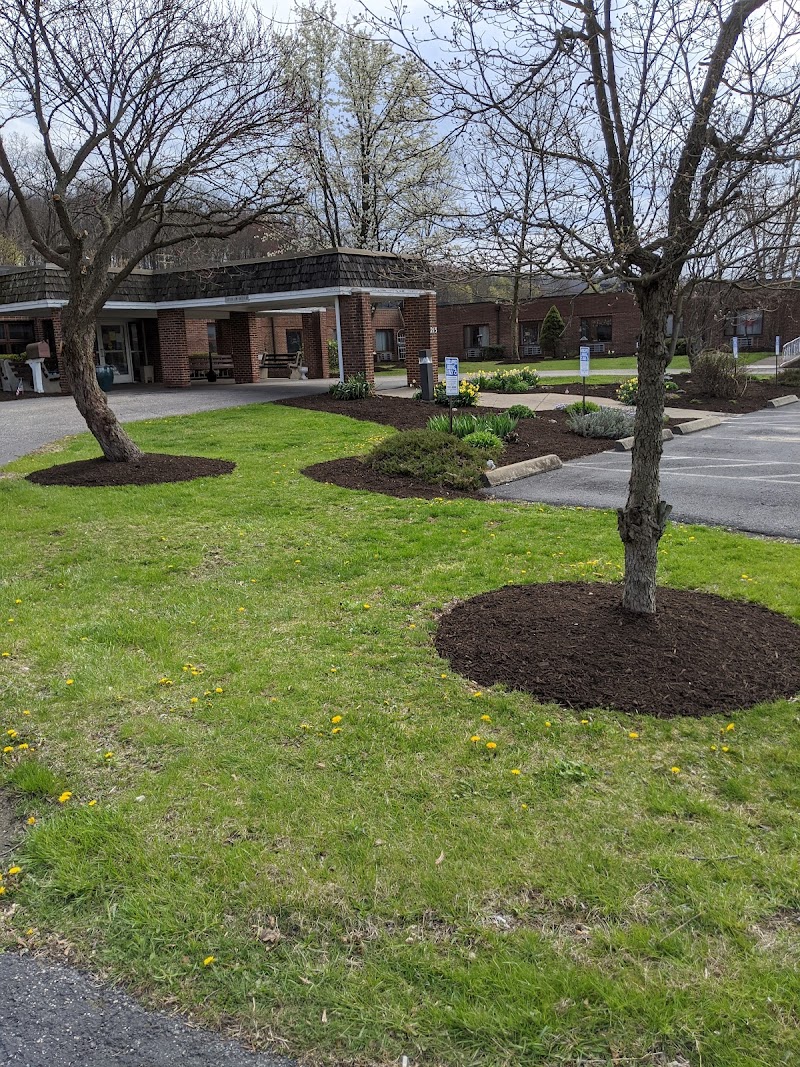
Who Owns and Operates Premier At Perry Village For Nursing And Rehab, Ll?

PREMIER AT PERRY VILLAGE FOR NURSING AND REHAB, LL is owned by a for-profit company. For-profit facilities operate as businesses with obligations to shareholders or private owners. The facility is operated by EPHRAM LAHASKY, a chain that manages multiple nursing homes. With 118 certified beds and approximately 90 residents (about 76% occupancy), it is a mid-sized facility located in NEW BLOOMFIELD, Pennsylvania.
How Does Premier At Perry Village For Nursing And Rehab, Ll Compare to Other Pennsylvania Nursing Homes?

Compared to the 100 nursing homes in Pennsylvania, PREMIER AT PERRY VILLAGE FOR NURSING AND REHAB, LL's overall rating (3 stars) matches the state average, staff turnover (54%) is near the state average of 46%, and health inspection rating (3 stars) is at the national benchmark.

What Should Families Ask When Visiting Premier At Perry Village For Nursing And Rehab, Ll?

Based on this facility's data, families visiting should ask: "Can I visit during a mealtime to observe dining assistance and food quality?" "How do you handle medical emergencies, and what is your hospital transfer rate?" "Can I speak with family members of current residents about their experience?"

Is Premier At Perry Village For Nursing And Rehab, Ll Safe?

Based on CMS inspection data, PREMIER AT PERRY VILLAGE FOR NURSING AND REHAB, LL has a clean safety record: no substantiated abuse findings (meaning no confirmed cases of resident harm), no Immediate Jeopardy citations (the most serious violation level indicating risk of serious injury or death), and is not on the Special Focus Facility watch list (a federal program monitoring the lowest-performing 1% of nursing homes). The facility has a 3-star overall rating and ranks #1 of 100 nursing homes in Pennsylvania. While no facility is perfect, families should still ask about staff-to-resident ratios and recent inspection results during their visit.

Do Nurses at Premier At Perry Village For Nursing And Rehab, Ll Stick Around?

PREMIER AT PERRY VILLAGE FOR NURSING AND REHAB, LL has a staff turnover rate of 54%, which is 8 percentage points above the Pennsylvania average of 46%. Moderate turnover is common in nursing homes, but families should still ask about staff tenure and how the facility maintains care continuity when employees leave.

Was Premier At Perry Village For Nursing And Rehab, Ll Ever Fined?

PREMIER AT PERRY VILLAGE FOR NURSING AND REHAB, LL has been fined $8,018 across 1 penalty action. This is below the Pennsylvania average of $33,159. While any fine indicates a compliance issue, fines under $50,000 are relatively common and typically reflect isolated problems that were subsequently corrected. Families should ask what specific issues led to these fines and confirm they've been resolved.

Is Premier At Perry Village For Nursing And Rehab, Ll on Any Federal Watch List?

PREMIER AT PERRY VILLAGE FOR NURSING AND REHAB, LL is not on any federal watch list. The most significant is the Special Focus Facility (SFF) program, which identifies the bottom 1% of nursing homes nationally based on persistent, serious quality problems. Not being on this list means the facility has avoided the pattern of deficiencies that triggers enhanced federal oversight. This is a positive indicator, though families should still review the facility's inspection history directly.