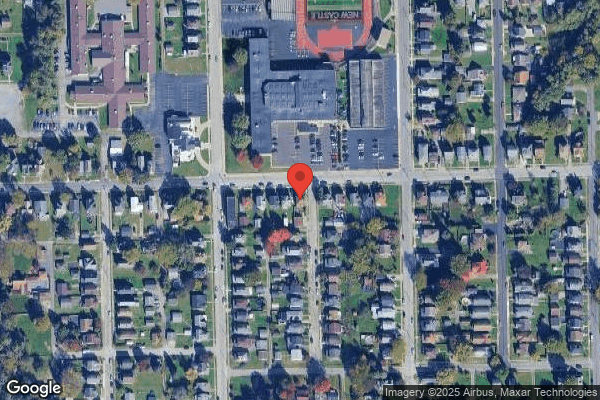
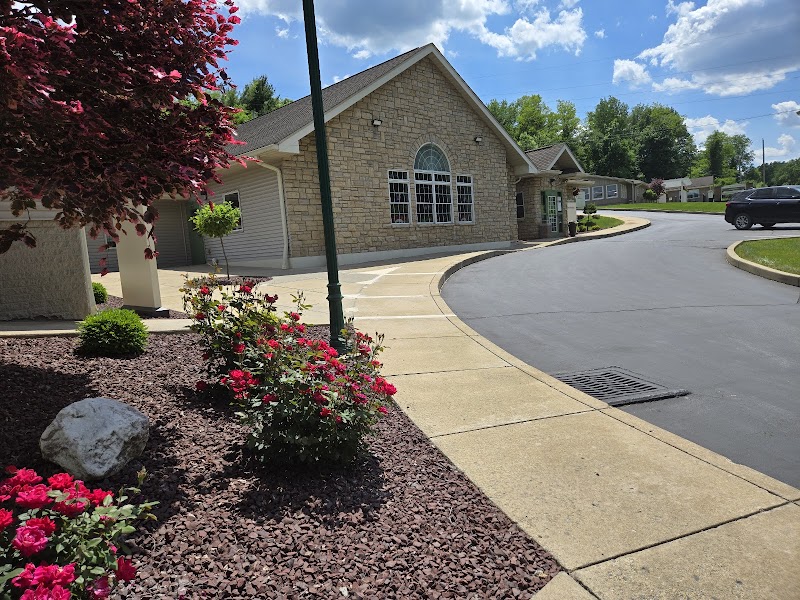
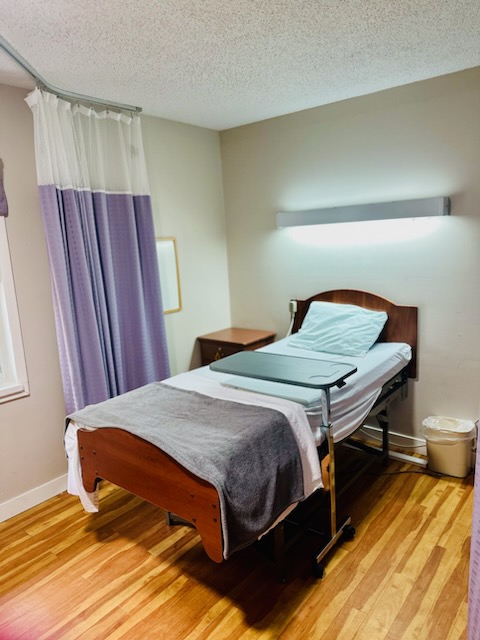


AVALON CARE CENTER

3410 W. PITTSBURGH RD, NEW CASTLE, PA 16101 (724) 658-4781
For profit - Limited Liability company 84 Beds WECARE CENTERS Data: November 2025 1 Immediate Jeopardy citation
Trust Grade
16/100
#527 of 653 in PA
Last Inspection: June 2025

Inspected within the last 6 months. Data reflects current conditions.

Overview

Avalon Care Center in New Castle, Pennsylvania, has received a Trust Grade of F, indicating poor performance and significant concerns about the care provided. With a state rank of #527 out of 653, they are in the bottom half of facilities in Pennsylvania, and they rank #7 out of 8 in Lawrence County, meaning there is only one local option that is better. The facility is worsening, with issues increasing from 8 in 2024 to 9 in 2025. Staffing is a critical concern, with a 77% turnover rate that is significantly higher than the state average of 46%, and they received fines totaling $19,696, which is higher than 77% of Pennsylvania facilities. On the positive side, they have average RN coverage, which is important for catching potential problems. However, specific incidents reveal alarming issues, such as a resident eloping from the facility due to inadequate supervision, and complaints from residents about insufficient nursing staff to meet their physical and mental well-being needs. Additionally, there were concerns about food safety practices, including improperly stored food and lack of labeling, which could lead to health risks for residents. Families should weigh these factors carefully when considering this facility for their loved ones.

Trust Score
F
16/100
In Pennsylvania
#527/653
Bottom 20%
Safety Record
High Risk
Review needed
Inspections
Getting Worse
8 → 9 violations
Staff Stability
⚠ Watch
77% turnover. Very high, 29 points above average. Constant new faces learning your loved one's needs.
Penalties
⚠ Watch
$19,696 in fines. Higher than 91% of Pennsylvania facilities. Major compliance failures.
Skilled Nurses
○ Average
Each resident gets 40 minutes of Registered Nurse (RN) attention daily — about average for Pennsylvania. RNs are the most trained staff who monitor for health changes.
Violations
⚠ Watch
23 deficiencies on record. Higher than average. Multiple issues found across inspections.
★☆☆☆☆
1.0
Overall Rating
★★☆☆☆
2.0
Staff Levels
★☆☆☆☆
1.0
Care Quality
★★☆☆☆
2.0
Inspection Score
Stable
2024: 8 issues
2025: 9 issues

The Good

  • Full Sprinkler Coverage · Fire safety systems throughout facility
  • No fines on record

Facility shows strength in fire safety.

The Bad

1-Star Overall Rating

Below Pennsylvania average (3.0)

Significant quality concerns identified by CMS

Staff Turnover: 77%

31pts above Pennsylvania avg (46%)

Frequent staff changes - ask about care continuity

Federal Fines: $19,696

Below median ($33,413)

Minor penalties assessed

Chain: WECARE CENTERS

Part of a multi-facility chain

Ask about local staffing decisions and management

Staff turnover is very high (77%)

29 points above Pennsylvania average of 48%

The Ugly 23 deficiencies on record

1 life-threatening
Jun 2025 6 deficiencies
CONCERN (D) 📢 Someone Reported This

A family member, employee, or ombudsman was alarmed enough to file a formal complaint

Potential for Harm - no one hurt, but risky conditions existed

Safe Environment (Tag F0584)

Could have caused harm · This affected 1 resident

Based on review of facility policy and clinical records, observations, and interviews with residents, family members, and staff, it was determined that the facility failed to maintain a sanitary, orde...

Read full inspector narrative →
Based on review of facility policy and clinical records, observations, and interviews with residents, family members, and staff, it was determined that the facility failed to maintain a sanitary, orderly, and comfortable interior/homelike environment for two of 22 residents observed (Residents R9 and R32). Findings include: A facility policy entitled, Homelike Environment dated 1/20/25, revealed Residents are to be provided with a safe, clean, and comfortable environment and encouraged to use their personal belongings to the extent as possible. Resident R9's clinical record revealed an admission date of 11/04/24, with diagnoses that included fracture of left femur (large bone above the knee), post cholecystectomy syndrome (abdominal symptoms that persist after having the gallbladder removed), high blood pressure, and atrial fibrillation (an irregular, often rapid heart rate that causes poor blood flow). Resident R32's clinical record revealed an admission date of 4/20/25, with diagnoses that included cerebral infarction (when blood flow is interrupted and blocked in the brain causing tissue to die), high blood pressure, chronic obstructive pulmonary disease (a group of conditions that block airflow and make it difficult to breathe), and diabetes mellitus (a group of diseases that result in too much sugar in the blood). Observations on 6/23/25, at 4:15 p.m. of Resident R9's and R32's room revealed broken closet doors for both residents, peeled and chipped paint behind Resident R9's bed and chair, and an exposed soiled toilet plunger in their shared bathroom that was resting on a clear wet bag with a brown substance on bottom of plunger and bag. Interviews with Resident R9 and his/her family member, and Resident R32 on 6/23/25, at 4:15 p.m. revealed the closet doors have been broken for quite some time, the peeled-chipped paint has been a concern since Resident R9 was admitted , and the toilet plunger in the shared bathroom has always been there uncovered and exposed, due to the toilet has concerns with being plugged often. An interview on 6/24/25, at 3:00 p.m. with the Infection Control Nurse confirmed that Resident R9 and R32's closet doors were broken, the wall behind Resident R9's bed and chair was observed with peeled and chipped paint, and an exposed unsanitary toilet plunger was in Resident R9 and R32's shared bathroom. The Infection Control Nurse further confirmed that the facility failed to provide a sanitary and homelike environment for Residents R9 and R32. 28 Pa. Code 201.14(a) Responsibility of licensee 28 Pa. Code 201.18 (b)(1)(3) Management
CONCERN (D)

Potential for Harm - no one hurt, but risky conditions existed

Deficiency F0628 (Tag F0628)

Could have caused harm · This affected 1 resident

Based on review of facility policy and clinical records, and staff interview, it was determined that the facility failed to ensure that the necessary resident information was communicated to the recei...

Read full inspector narrative →
Based on review of facility policy and clinical records, and staff interview, it was determined that the facility failed to ensure that the necessary resident information was communicated to the receiving health care provider for two of three residents reviewed with facility-initiated transfers (Resident R12 and Closed Record Resident CR75). Findings include: A facility policy entitled Transfer or Discharge, Emergency dated 1/20/25, revealed should it become necessary to make an emergency transfer or discharge to a hospital or other related institution, our facility will implement the following procedures.Prepare a transfer form to send with the resident. Resident R12's clinical record revealed an admission date of 6/23/21, with diagnoses that included high blood pressure, diabetes (a health condition caused by the body's inability to produce enough insulin), and dementia (loss of cognitive functioning affecting a persons memory and behaviors). Resident R12 was transferred to the hospital on 2/6/25. Resident CR75's clinical record revealed an admission date of 3/19/25, with diagnoses that included muscle wasting and atrophy (wasting away of muscle tissue), muscle weakness, dysphagia (difficulty swallowing), and difficulty walking. Resident CR75 was transferred to the hospital on 3/25/25. Residents R12 and CR75's clinical records revealed no documented evidence that the facility had communicated specific information to the receiving health care provider for the residents transferred and expected to return, to include the resident's care plan goals, advanced directive information, specific instructions for ongoing care, resident representative information, and all information necessary to meet the resident's specific needs at the receiving facility. An interview with the Corporate Compliance Registered Nurse on 6/26/25, at 1:30 p.m. confirmed Resident R12 and CR75's clinical record did not contain the required information prior to transferring to the hospital. 28 Pa. Code 201.29 (a)(c.3)(2) Resident rights
CONCERN (D)

Potential for Harm - no one hurt, but risky conditions existed

Deficiency F0868 (Tag F0868)

Could have caused harm · This affected 1 resident

Based on review of facility policy and Quality Assurance meeting attendance records, and staff interviews, it was determined that the facility failed to conduct Quality Assurance and Performance Impro...

Read full inspector narrative →
Based on review of facility policy and Quality Assurance meeting attendance records, and staff interviews, it was determined that the facility failed to conduct Quality Assurance and Performance Improvement (QAPI) meetings at least quarterly with all required committee members for two of four quarters (October 2024 and January 2025). Findings include: Review of facility policy entitled, Quality Assurance and Performance Improvement (QAPI) Program - Governance and Leadership dated 1/20/25, indicated the quality assurance and performance program is overseen and implemented by the QAPI committee, which reports its findings, actions, and results to the administrator and governing body. The following individuals serve on the committee: Administrator, or a designee who is in a leadership role, Director of Nursing Services, Medical Director, Infection Oreventionist (nurse certified in Infection Control and Prevention), and Representatives of the following departments, as requested by the administrator: Pharmacy, Social Services, Activity Services, Human Resources, and Medical Records. The committee meets at least quarterly (or more often as necessary). Review of facility's QAPI Committee Meeting Attendance Records from July 2024, to June 2025, revealed the facility failed to have an Infection Preventionist in attendance for the October 2024, and the January 2025, meetings as required to attend at least quarterly. The Corporate Nursing Home Administrator confirmed on 6/27/25, at 2:41 p.m. that there was no evidence the Infection Preventionist attended the October 2024, and January 2025, QAPI meeting. The facility failed to have all the required QAPI committee members present at least quarterly as required. 28 Pa. Code 201.18 (e)(1)(2) Management
CONCERN (D)

Potential for Harm - no one hurt, but risky conditions existed

Deficiency F0919 (Tag F0919)

Could have caused harm · This affected 1 resident

Based on review of facility policy, observations, and staff interview, it was determined that the facility failed to ensure that all residents had access to a call bell for assistance from staff for o...

Read full inspector narrative →
Based on review of facility policy, observations, and staff interview, it was determined that the facility failed to ensure that all residents had access to a call bell for assistance from staff for one of 22 residents observed. (Resident R44) Findings include: Review of the facility policy entitled, Call system, Residents with a policy review date of 1/20/25 , revealed that residents are provided with a means to call staff directly for assistance from his/her bed, from toileting/bathing facilities and from the floor. Each resident is provided with a means to call staff directly for assistance from his/her bed, from toileting/bathing facilities and from the floor. Observation of building two during medication pass on 6/23/25, at approximately 5:30 p.m. revealed Resident R44 was sitting in a bedside chair with no call bell to alert staff for assistance if necessary. Upon checking the room for the call bell cord, it was observed that there was no call bell plugged into the wall for Resident R44's bed and no call bell observed in the room. During an interview with Licensed Practical Nurse Employee E1, at the time of the observation, it was confirmed that there was no call bell for Resident R1 and no way for Resident R1 to alert staff for assistance. 28 Pa. Code 201.14 (a) Responsibility of licensee 28 Pa. Code 201.18 (b)(1) Management
CONCERN (E)

Potential for Harm - no one hurt, but risky conditions existed

Deficiency F0725 (Tag F0725)

Could have caused harm · This affected multiple residents

**NOTE- TERMS IN BRACKETS HAVE BEEN EDITED TO PROTECT CONFIDENTIALITY** Based on review of facility policy, job descriptions, resident council minutes and grievances, and resident, family, and staff i...

Read full inspector narrative →
**NOTE- TERMS IN BRACKETS HAVE BEEN EDITED TO PROTECT CONFIDENTIALITY** Based on review of facility policy, job descriptions, resident council minutes and grievances, and resident, family, and staff interviews, it was determined that the facility failed to provide sufficient nursing staff and services to promote the physical and mental well-being and meet the needs for eight of eight residents interviewed (Residents R9, R32, R35, R37, R48, R49, R60, and R63). Findings include: Review of facility policy entitled, Answering the Call Light dated 1/20/25, indicated, The purpose of this procedure is to ensure timely responses to the resident's requests and needs. Steps in the Procedure - 1 Answer the resident call system immediately. When answering an auditory request for assistance, identify yourself and politely respond to the resident by his/her name (e.g., This is Mrs. [NAME]. Mr. [NAME], how may I help you?). If the resident needs assistance, indicate the approximate time it will take for you to respond. If the resident's request requires another staff member, notify the individual. If the resident's request is something you can fulfill, complete the task within five minutes if possible. If you are uncertain as to whether or not a request can be fulfilled, or if you cannot fulfill the resident's request, ask the nurse supervisor for assistance. 2 If assistance is needed when you enter the room, summon help by using the call signal. 3 When answering a visual request for assistance (light above the room door), knock on the room door. When the resident responds, address the resident by his/her name (e.g., How may I help you, Mr. [NAME]?). Review of facility job descriptions for a Certified Nursing Assistant (CNA) indicated, The purpose of Your Job Position - To provide each of your assigned residents with routine daily nursing care and services in accordance with the resident's assessment and care plan and as may be directed by your supervisor in accordance with the requirements of the policies and procedures of this facility in accordance with current federal, state, and local standards governing the facility. Customer Service & Resident Rights - Ensures that call lights are answered by all employees of the facility regardless of department. If you are not trained to assist with request/need then inform resident that you will seek appropriate personnel immediately, then do so. During an interview on 6/23/25, at 4:15 p.m. Resident R9's family member indicated that his/her family member's call bell can be on for an hour at a time, and when he/she visited on the weekend, he/she counted 13 call bells on down the hallway, and no staff were observed answering them or available to answer them. Interviews during the resident council meeting on 6/24/25, between 11:00 a.m. and 12:00 p.m., revealed resident concerns with staff not responding to their call bells timely. Eight of eight alert and oriented residents in attendance indicated that it takes 45 minutes to over an hour for call bell response, further indicating it is worse on the weekends. Resident R35 stated they answer his/her call bell and they say they will come back and they never do or they will tell him/her that they are not their aide and they will get his/her aide for them and they never do. Resident R49 stated when someone answers their call bell they must shut it off and not tell anyone because they say they will send an aide in and no one ever shows up. Resident R60 stated it is not uncommon to have to wait a hour to an hour and a half to get a response. The other residents in attendance agreed with statements made by Residents R35, R49, and R60. Review of resident council minutes from April, May, and June of 2025, revealed the following: April 2025 resident council minutes revealed residents stated when they need assistance the aide stated that they are not their aide for the day and do not help them. May 2025 resident council minutes revealed aides are walking past resident rooms when being flagged down by the resident and when residents' need help, the aides will state they are not their aide. Review of the grievance logs from January, February, March, April, May, and June of 2025 revealed grievances related to call bell response time: January 2025-waiting 30 minutes for call bell response. February 2025-waiting two hours to have call bell answered and waiting a long period of time on the toilet for staff to respond. March 2025-waiting one hour for morning aide. April 2025-aides telling residents they are not their aide and call bells not being answered June 2025-waiting one and a half hours to be put to bed, staff answering call bell and stating they will be back and not returning During an interview with the Corporate Nursing Home Administrator, Corporate Registered Nurse, and Director of Nursing on June 26, 2025, at 2:30 p.m. they confirmed that the resident council minutes and grievance log revealed call bell concerns and had no further information to provide that addressed the above staffing related concerns. 28 Pa. Code 201.18(b)(1) Management 28 Pa. Code 211.12(d)(4)(5) Nursing services
CONCERN (E)

Potential for Harm - no one hurt, but risky conditions existed

Food Safety (Tag F0812)

Could have caused harm · This affected multiple residents

**NOTE- TERMS IN BRACKETS HAVE BEEN EDITED TO PROTECT CONFIDENTIALITY** Based on review of facility policy, observations, and staff interview, it was determined that the facility failed to ensure that...

Read full inspector narrative →
**NOTE- TERMS IN BRACKETS HAVE BEEN EDITED TO PROTECT CONFIDENTIALITY** Based on review of facility policy, observations, and staff interview, it was determined that the facility failed to ensure that food was stored in accordance with standards for food safety, failed to label food brought into the facility with the resident's name and use by date, and failed to maintain sanitary conditions in one of two resident refrigerators (Building 1). Findings include: Review of facility policy entitled Foods Brought by Family / Visitors, dated 1/20/25, revealed that Perishable foods are stored in re-sealable containers with tightly fitting lids in a refrigerator. Containers are labeled with the resident's name, the item, and the use by date, Nursing staff will discard perishable foods on or before the use by date, The nursing and/or food service staff will discard any foods prepared for the resident that show obvious signs of potential foodborne danger (for example, mold growth, foul odor, past due package expiration dates). Observation on 6/26/25, at 10:15 a.m. of resident freezer in Building 1 revealed the following: Stouffers Spaghetti with staff name and no date; [NAME] pie crust with no name and expiration date of 12/24/24; and bag of frozen carrots and peas, 20 ounce bottle of Pepsi, ice cream cake, salmon, and individual cheese and pepperoni pizza with no name and no date. Observation on 6/26/25, at 10:19 a.m. of resident refrigerator door in Building 1 revealed the following: Plastic cup tipped over that appeared to have a creamy white liquid that spilled in the door, with soaked paper towel noted under the cup, and dried sticky creamy white liquid on the shelf; container of grapefruit with no name and expiration date of 4/20/25; two individual containers of jello with no name and expiration dates of 2/25/25, and 6/3/25; and a container of yogurt with no name and expiration date of 6/7/25. Observation on 6/26/25, at 10:22 a.m. of resident refrigerator shelves in Building 1 revealed the following: three individual containers of jello with no name and expiration date of 5/30/25; a container of gelatin with no name and expiration date of 6/6/25; five individual containers of guacamole with no name and expiration date of 4/27/25; container of pineapple, container of cheesecake, container of a half piece of cheesecake with strawberries, four cartons of eggs, container of crackers and cheese, two packages of string cheese, and a half bag of shredded mozzarella cheese all with no name or date; container of fresh fruit, container of strawberries, container of watermelon, container of potato soup, container of pasta salad, container of mixed fruit, and a takeout container with steak, onions, and french fries all with no date. During an interview on 6/26/25, at 10:27 a.m. Medical Records / Admissions Coordinator confirmed resident freezer/refrigerator in Building 1 was dirty, contained numerous items that were not labeled as required, and/or items that were expired. 28 Pa. Code 201.14(a) Responsibility of licensee 28 Pa. Code 201.18(e)(2.1) Management
May 2025 2 deficiencies 1 IJ
CRITICAL (J) 📢 Someone Reported This

A family member, employee, or ombudsman was alarmed enough to file a formal complaint

Immediate Jeopardy (IJ) - the most serious Medicare violation

Accident Prevention (Tag F0689)

Someone could have died · This affected 1 resident

Based on review of clinical records, facility policy and documentation, and staff and resident interviews, it was determined that the facility failed to implement sufficient monitoring interventions a...

Read full inspector narrative →
Based on review of clinical records, facility policy and documentation, and staff and resident interviews, it was determined that the facility failed to implement sufficient monitoring interventions and supervision to prevent elopement (unauthorized leave from the facility). This failure placed residents at the facility in an Immediate Jeopardy situation for one of one residents reviewed who eloped from the facility (Resident R1). Findings include: Review of the facility policy entitled, Safety and supervision of residents, with a policy review date of 1/20/2025, revealed, Our facility strives to make the environment as free from accident hazards as possible. Resident safety and supervision and assistance to prevent accidents are facility-wide priorities. Our facility-oriented approach to safety address risks for groups of residents. Safety risks and environmental hazards are identified on an ongoing basis through a combination of employee training, employee monitoring and reporting process. Resident R1's clinical record revealed an admission date of 2/28/2025, with diagnoses that included traumatic subdural hemorrhage without loss of consciousness (Bleeding between the brain and its outermost covering), mild cognitive impairment (confusion), chronic obstructive pulmonary disease (a group of lung diseases that block air flow and make it difficult to breathe), type 2 diabetes (condition in which the body has difficulty controlling blood sugar and using it for energy), repeated falls, anxiety, depression, and nicotine dependence. A Minimum Data Set (MDS-a periodic assessment of resident care needs) dated 4/22/2025, identified Resident R1 with a Brief Interview for Mental Status (BIMS-a type of test to determine one's level of cognition) score of 14 and cognitively intact. During an initial interview on 4/29/2025, at 10:45 a.m. the Director of Nursing (DON) and the Nursing Home Administrator (NHA), confirmed that on Friday 4/25/2025 at approximately 7:30 p.m. Resident R1 exited the facility without staff awareness by unlocking the door and leaving the front porch and leaving the facility property. Resident R1 traveled down the street with assistance of a walker. The DON referenced that Resident R1 was alert and oriented and goes out on the front porch sitting area often. He/she was out of cigarettes and therefore left the facility to go to the store and buy a pack of cigarettes. Upon request, the facility was unable to provide a smoking policy. It was then confirmed by the NHA and DON that the facility is a tobacco free and non-smoking facility. Review of progress notes revealed the following documentation: On 4/19/25, at 11:53 a.m. Activities came and made this nurse aware that she caught resident smoking in the hall by the back door. This nurse went in and made resident aware that he is not allowed to smoke in the facility due to the oxygen and this being a non-smoking facility. Resident verbalized understanding and stated, 'well if you guys would allow me outside to smoke, I'd just have one.' This writer made him aware that upon admission he had to sign a paper agreeing to this being a non-smoking facility. This writer was able to get lighter and cigarettes from resident. They are in med cart. Spouse made aware. She stated 'She will pick them up just don't know when' she was also made aware that this facility is a non-smoking facility and she is to not bring any tobacco products. She apologized and verbalized understanding. Resident is very upset in room, continuing to self-transfer. On 4/23/2025 at 1:10 a.m. Resident out at Nurses station C/o [complains of] not being able to smoke and was told it was facilities rule that it is a non-smoking building. He also stated that on 3-11 shift he had asked for Tylenol and had to wait a half an hour to receive it but refused when it was brought to him because it had taken too long. After explaining the smoking policy to him he said that the topic was not over yet and that he was told this a.m. that he could smoke a cigarette but then the nurse who gave it to him could not find a lighter and the cigarette was taken back from him for this reason. He also said that someone had told him that the administrator was coming to see him but did not show up. When I first informed him of the policy he said he was going to stand in front of it all night. To try and calm him down I offered him a cup of coffee and a CNA [certified nurse aide] got his w/c [wheelchair] from his room so he could have a seat and he sat and just generally conversed about all different things to get his mind off of what he was upset about and after awhile stated 'Well I am not going to take it out on you people just doing your job' and then went to bed. Review of Resident R1's MDS Section E Behaviors dated 4/22/2025, revealed under section E0900 wandering presence and frequency- Has the resident wandered? with response of 0-Behavior not exhibited. An interview was conducted with Resident R1 on 4/29/2025, at 11:25 a.m. Resident R1 was in the lobby sitting in a wheelchair with a pack of cigarettes and a lighter on his lap, waiting to go outside on the front porch. During the interview, Resident R1 identified that he did leave the building on April 25, 2025, at approximately 7:30 p.m. Resident R1 stated that he was out of cigarettes, and needed to smoke, he could not get a cigarette from anybody. He knew where the door button was under the nurse's station desk, he leaned over the desk, pushed the button to open the door and went outside with his walker opened the gate on the front porch and went down the street to find a store to buy cigarettes. He stated that an employee noticed him standing by the side of the road who gave him a ride back to the facility. He stated that the facility lets him outside to smoke and keeps his cigarettes and lighter locked in the medication cart. When he needs a cigarette he asks, they give him his lighter and cigarettes and let him out to smoke on the porch. He stated he knew where the button to unlock the door was because he had seen it done before. Resident R1 stated he had never tried to leave the facility property without somebody knowing before. He stated that the DON did speak with him about not leaving the facility, and safety issues and the facility non-smoking policy. When asked if he would try to leave again, Resident R1 stated, If I need a cigarette I will. I am an adult, they cannot hold me here against my will. There was no evidence that Resident R1 had any safety interventions in place regarding smoking habits until after the elopement had occurred on 4/25/2025. There was no evidence that the facility completed a safe smoking assessment to provide safety and prevent injury to Resident R1. Review of progress notes lacked any documentation on 4/25/2025, regarding the elopement until the investigation on 4/29/2025. Review of care plans revealed no updates to care plans regarding elopement risk or smoking safety from the date of the elopement on 4/25/2025, to investigation on 4/29/2025. At the time of investigation on 4/29/2025, there were no elopement prevention interventions in place for Resident R1 An interview with Licensed Practical Nurse (LPN) Employee E1 on 4/29/2025, at 11:35 a.m. revealed that Resident R1's lighter and cigarettes were kept in the medication cart in the locked drawer. When he wants a cigarette, he asks and was given his cigarettes to go out and smoke. A telephone interview on 4/29/2025, at approximately 11:50 a.m. with the Registered Nurse (RN) Supervisor who had been on duty the evening of the elopement on 4/25/2025, revealed that Resident R1 was in the lobby and upset that he had no cigarettes. There was nobody at the desk at the time the resident left due to performing resident care in another area of the facility. It was unknown that Resident R1 left the building and went down the street until they were informed by one of the staff that had left after their shift was done and recognized him standing by the road with his walker. He was then brought back to the facility. An Immediate Jeopardy (IJ) situation was identified to the NHA and DON on 4/29/2025, at 2:03 p.m. and the IJ template was provided to the NHA, related to Resident R1's elopement from the facility and smoking safety. The NHA and DON were made aware that Immediate Jeopardy existed for the facility's failure to ensure implementation of all supervision and safety measures to prevent elopement for residents in the facility and an immediate action plan was requested. On 4/29/2025, at 6:15 p.m. an acceptable immediate action plan was approved which included the following interventions: 1. Resident will have a smoking assessment completed 4/29/2025. Resident will have supervised smoking three times per day until discharged to a smoking facility, or until discharged to his residence. 2. All residents will be assessed for elopement risk by the director of nursing or designee by the end of the day on 4/29/2025. 3. All care plans for residents identified with elopement risks will be reviewed and updated if needed with interventions to prevent elopement by the end of the day on 4/29/2025, by the Director of Nursing or designee. 4. Facility is a non-smoking facility and currently all other residents are compliant. 5. A facility care feed message will be sent to families reminding them that the facility is a non-smoking facility and resident smoking is prohibited. 6. Education will be completed by all staff on elopement risks, assessments, and supervision of residents by the director of nursing or designee. 7. Education will be provided to all staff on facility smoking policy. Facility is a non-smoking facility for residents. 8. Elopement books with identified resident photos will be placed on all nurses stations in addition to the current one at the receptionist's desk by the Administrator or designee by 4/29/2025 9. A protective device will be placed over the exit door button to prevent residents from access. 10. Audits will be implemented to ensure residents are adhering to the facility smoking policy daily for two weeks, weekly for two weeks, and monthly for two months by the Director of nursing or designee. 11. New admissions will be audited for elopement and smoking risks at morning stand up meeting by the director of nursing or designee to ensure appropriate interventions are in place as needed. 12. An Ad Hoc Quality Assurance and Process Improvement Meeting will be held by the Administrator or designee on 4/29/2025. 13. This part of correction will be monitored at the Quality Assurance and Process Improvement meeting until such time consistent substantial compliance has been met. After review of facility documentation, observations, and staff interviews, the implementation of the above stated action plan was confirmed on 4/30/2025, at 1:44 p.m. and the NHA was informed that the Immediate Jeopardy situation was removed. 28 Pa. Code 201.14(a) Responsibility of Licensee 28 Pa. Code 201.18(b)(1) Management 28 Pa. Code 201.18(e)(1) Management 28 Pa. Code 211.10(d) Resident care policies 28 Pa. Code 211.12(d)(5) Nursing Services
CONCERN (D) 📢 Someone Reported This

A family member, employee, or ombudsman was alarmed enough to file a formal complaint

Potential for Harm - no one hurt, but risky conditions existed

Administration (Tag F0835)

Could have caused harm · This affected 1 resident

Based on review of facility records and job descriptions, and staff interviews, it was determined that the Nursing Home Administrator (NHA) and the Director of Nursing (DON) failed to effectively mana...

Read full inspector narrative →
Based on review of facility records and job descriptions, and staff interviews, it was determined that the Nursing Home Administrator (NHA) and the Director of Nursing (DON) failed to effectively manage the facility to make certain that proper supervision and elopement prevention and safe smoking interventions were effectively implemented in the facility. Findings include: The job description for the NHA revealed that the primary purpose of the job position is to manage the Facility in accordance with current applicable federal, state, and local standards, guidelines, and regulations that govern long-term care facilities. To follow all facility policies and apply them uniformly to all employees. To ensure the highest degree of quality care is provided to our residents at all times. The job description for the DON specified to plan, organize, develop and direct the overall operation of the Nursing Service Department in accordance with current federal, state, and local standards, guidelines, and regulations that govern the facility, and as may be directed by the Administrator and the Medical Director, to ensure that the highest degree of quality care is maintained at all times. Based on the findings in this report that identified the facility failed to consistently supervise and maintain all safety interventions to prevent elopement for their residents, the NHA and the DON failed to fulfill their essential job duties to ensure that the Federal and State guidelines and Regulations were followed. Refer to F689 28 Pa. Code 201.14(a) Responsibility of Licensee 28 Pa. Code 201.18(b)(1)(3) Management 28 Pa. Code 201.18(e)(1) Management 28 Pa. Code 211.10(d) Resident care policies 28 Pa. Code 211.12(c) Nursing Services 28 Pa. Code 211.12(d)(1)(5) Nursing Services
Apr 2025 1 deficiency
CONCERN (D) 📢 Someone Reported This

A family member, employee, or ombudsman was alarmed enough to file a formal complaint

Potential for Harm - no one hurt, but risky conditions existed

Quality of Care (Tag F0684)

Could have caused harm · This affected 1 resident

Based on review of clinical records and facility documents, and staff interviews, it was determined that the facility failed to follow physician's orders for medication administration for two of six r...

Read full inspector narrative →
Based on review of clinical records and facility documents, and staff interviews, it was determined that the facility failed to follow physician's orders for medication administration for two of six residents reviewed (Residents R1 and R2). Findings include: Resident R1's clinical record revealed an admission date of 3/27/25, with diagnoses that included broken right lower leg, stroke, dementia, and muscle wasting. A departmental progress note dated 4/07/25, revealed that Resident R1 was transported to the hospital for evaluation and treatment of rectal bleeding. Upon return to the facility a physician's order dated 4/07/25, identified to administer Azithromycin (antibiotic) 250 milligrams by mouth daily for four days for treatment of Respiratory Syncytial Virus (RSV- seasonal, highly contagious respiratory virus that often feels like a common cold). Review of Resident R1's April 2025 Medication Administration Record (MAR) revealed that he/she did not start receiving the ordered antibiotic until 4/10/25, (three days late). Resident R2's clinical record revealed an admission date of 6/23/24, with diagnoses that included congestive heart failure (CHF- long-term condition that happens when your heart can't pump blood well enough to give your body a normal supply), kidney disease, heart disease, and respiratory failure. Review of a Complaint/Grievance Form provided by the facility on 4/24/25, and dated 3/31/25, revealed a concern that Resident R2 hadn't received a new medication on 3/28/25, through 3/31/25, (four days). Resident R2's departmental progress note dated 3/27/25, revealed that the facility was made aware that a medication as ordered by an outside provider and that the medication would be sent either tomorrow (3/28/25), or Saturday (3/29/25). Review of Resident R2's April 2025 MAR revealed that he/she did not receive the medication until 4/01/25, (four days late). During an interview on 4/24/25, at 1:20 p.m. the Director of Nursing confirmed that Resident R1 and Resident R2's medications were not administered according to physician's orders and were given late. 28 Pa. Code 211.12(d)(5) Nursing services
Oct 2024 2 deficiencies
CONCERN (D) 📢 Someone Reported This

A family member, employee, or ombudsman was alarmed enough to file a formal complaint

Potential for Harm - no one hurt, but risky conditions existed

Notification of Changes (Tag F0580)

Could have caused harm · This affected 1 resident

Based on review of facility policy and clinical records and resident, resident representative, and staff interviews, it was determined that the facility failed to assess and notify the resident's phys...

Read full inspector narrative →
Based on review of facility policy and clinical records and resident, resident representative, and staff interviews, it was determined that the facility failed to assess and notify the resident's physician timely of a change in condition for one of four residents reviewed (Resident R1). Findings include: The facility policy entitled Acute Condition Changes - Clinical Protocol dated 4/24/24, revealed Before contacting a physician about someone with an acute change of condition, the nursing staff will collect pertinent details to report to the physician, for example, the history of present illness and previous and recent test results for comparison. Phone calls to attending or on-call physicians should be made by an adequately prepared nurse who has collected and organized pertinent information, including the resident/patient's current symptoms and status. The nursing staff will contact the physician based on the urgency of the situation. For emergencies, they will call or page the physician and request a prompt response (within approximately one-half hour or less). The attending physician (or a practitioner providing backup coverage) will respond in a timely manner to notification of problems or changes in conditions and status. The nursing staff will contact the medical director for additional guidance and consultation if they do not receive a timely or appropriate response. Resident R1 was admitted to facility on 9/20/24, with diagnoses that included muscle wasting and atrophy (decrease of muscles throughout the body), dysphagia (difficulty swallowing), lack of coordination, and cognitive communication deficit (having difficulty paying attention to conversation, staying on topic, and following directions). Resident R1's clinical record revealed the following progress notes dated: 10/06/24, Robitussin Cough Chest Cong DM Oral Liquid 20-200 MG/20 ML Give 10 ml [milliliters] by mouth every 4 hours as needed for cough chest congestion no more than 6 admins in 24 hours. 10/09/24, Resident c/o harsh moist productive cough x 3 days, Robitussin is ineffective, and cough seems to be worsening. Faxed Dr. for further orders, awaiting reply. 10/10/24, resident c/o cough and congestion stated, its been going for 4 days now, and the cough medicine is not working, supervisor made aware. 10/15/24, pt [patient] complaint of ongoing cough. prn cough agent given to relieve symptoms. vs [vital signs] obtained and stable lungs sounds rhonchi [wheezing sounds] and productive cough noted. 10/16/24, Refaxed Dr. regarding productive cough and scattered wheezes early this AM. Message left for follow up at this time, awaiting response. 10/16/24, Resident alert and oriented, able to make needs known. Respirations easy, nonlabored. No s/s of respiratory distress noted. Lung sounds have scattered wheezes. VSS-97.7-84-135/64-22 SpO2 96% on RA. Resident states had a sinus CT previously that was negative. N.O. [new order] received per Dr.: CXR and albuterol BRTX every 6 hours as needed. Resident aware. 10/16/24, N.O. received per Dr.: rapid covid test, if negative PCR test. Rapid covid test completed, and negative. To obtain PCR. 10/20/24, Dr. into see patient this evening. Patient still has productive moist cough. Patient currently receiving ABX [antibiotics] treatment with Doxycycline d/t cough/wheezing. New orders for sputum C & S. New orders to call Lincare tomorrow 10/21/2024 to have CPAP evaluated and order new pieces/masks. 10/20/24, CXR showed RLL [right lower lobe] pneumonitis. Plan: Cont. doxycycline, prednisone as scheduled - Sputum C & S. (Chest x-ray (CXR), Sputum culture and sensitivity (Sputum C & S)). During an interview with Resident R1 and R1's family member on 10/15/24, at approximately 2:00 p.m., Resident R1's family member indicated the resident has been suffering with a harsh, moist, cough for approximately a week and a half. Resident R1 stated, I have this terrible cough and at times feel pretty awful and weak. There is no sense of urgency, and the doctor has not been into see me as promised several times, but I have seen him walking past my room a couple of times when he was in the building. I'm not sure if he has even been told how I have been feeling. Resident R1's clinical record lacked evidence that an acute condition change and/or a respiratory assessment was completed timely on 10/06/24, and followed by an appropriate physician notification and prompt response until 10/16/24. Resident R1's clinical record indicated the CXR ordered on 10/16/24, revealed findings of right lower lobe pneumonitis. During an interview on 10/16/24, at 1:10 p.m. the Regional Clinical Director confirmed the facility lacked evidence of an acute condition change and/or a respiratory assessment followed by prompt physician notification until 10/16/24, ten days after Resident R1's harsh, moist, productive cough started on 10/06/24. 28 Pa. Code 201.14(a) Responsibility of licensee 28 Pa. Code 201.18(b)(1) Management 28 Pa. Code 211.2 (d)(3)(5) Medical director 28 Pa. Code 211.12 (d)(1)(5) Nursing services
CONCERN (E) 📢 Someone Reported This

A family member, employee, or ombudsman was alarmed enough to file a formal complaint

Potential for Harm - no one hurt, but risky conditions existed

Deficiency F0725 (Tag F0725)

Could have caused harm · This affected multiple residents

**NOTE- TERMS IN BRACKETS HAVE BEEN EDITED TO PROTECT CONFIDENTIALITY** Based on review of facility policy, clinical records, facility documentation, and the Long Term Care Facility Resident Assessmen...

Read full inspector narrative →
**NOTE- TERMS IN BRACKETS HAVE BEEN EDITED TO PROTECT CONFIDENTIALITY** Based on review of facility policy, clinical records, facility documentation, and the Long Term Care Facility Resident Assessment Instrument 3.0 User's Manual 2019 (RAI-assessment guide used to plan the provision of care for residents), observations, and resident and staff interviews, it was determined that the facility failed to ensure sufficient nursing staff to assure residents attain or maintain the highest practicable physical, mental, and psychosocial well-being for seven of 44 residents reviewed (Residents R1, R2, R3, R4, R5, R6, and R7). Findings include: A facility policy entitled, Activities of Daily Living (ADL), Supporting dated 4/24/24, revealed Appropriate care and services will be provided for residents who are unable to carry out ADL's independently, with the consent of the resident and in accordance with the plan of care, including appropriate support and assistance with: hygiene (bathing, dressing, grooming, and oral care), mobility (transfer and ambulation, including walking), elimination (toileting), dining (meals and snacks), and communication (speech, language, and any functional communication systems). Review of the RAI manual instructions for Section C0500 Brief Interview for Mental Status (BIMS) revealed that a score of 13-15 identified a resident as cognitively intact and a score of 8-12 identified a resident as moderately impaired, and a score of 0-7 as severely impaired. appropriate response. Resident R2's clinical record revealed being admitted to facility on 8/11/23, with diagnoses that included muscle wasting and atrophy (decrease of muscles throughout the body), acute respiratory with hypoxia (a condition where there are dangerously low oxygen levels in the blood and lungs), diabetes mellitus (a condition in which the body has trouble controlling blood sugar and using it for energy), and hypothyroidism (a condition which the thyroid gland does not produce enough thyroid hormone). Resident R2's Minimum Data Set (MDS - a periodic assessment of care needs) Assessment Section C - Cognitive Patterns Section C0500 dated 10/11/24, revealed Resident R2 with a BIMS score of 15/15. Resident R2 's MDS 3.0 Section G dated 10/17/24, - Functional Status (Transfer-how resident moves between surfaces including to or from: bed, chair, wheelchair, standing position (excludes to/from bath/toilet) revealed Resident R2 was an extensive assistance with two or more persons physical assist for transfer. During an interview on 10/15/24, at 11:45 a.m., Resident R2 and his/her family member indicated that he/she is often awakened at 3 a.m. to get a shower. Resident R2 stated, I tell them, are you half crazy? I am not getting a shower now .it's the middle of the night. Resident R2's family member stated hospice staff typically give Resident R2 his/her shower thankfully, and the facility staff mark him/her as a refusal due to him/her telling them no since it is at 3 a.m Resident R2's family member further indicated that due to lack of staff, the midnight staff do showers/baths on midnight shift to help the day and afternoon staff. Resident R2 further indicated that he/she now stays in bed throughout the day, due to numerous times of getting out of bed and staying in his/her chair for long periods of time with increasing pain. Resident R2 further indicated he/she is not transferred back into bed from his/her chair timely per his/her desire due to lack of staff. Resident R1's clinical record revealed being admitted to facility on 9/20/2024, with diagnoses that included muscle wasting and atrophy, dysphagia (difficulty swallowing), lack of coordination, and cognitive communication deficit (having difficulty paying attention to conversation, staying on topic, and following directions). Resident R1's MDS Section C - Cognitive Patterns Section C0500 dated 9/23/24, revealed Resident R1 with a BIMS score of 15/15. During an interview on 10/15/24, at approximately 2:00 p.m. Resident R1 indicated that his/her roommate (Resident R7) sometimes waits two hours for his/her call bell to be responded to. At times, Resident R1 indicated he/she will have to go to the nurse's station and get someone to come help his/her roommate due to nobody coming into help him/her. Resident R1 further indicated that his/her roommate cannot get out of his/her bed or chair by himself/herself and needs assistance from staff. Resident R1 also indicated that due to lack of staffing, he/she sometimes must wait until 10 p.m. for a shower, after he/she has already fallen asleep and is then awakened late to get a shower. Resident R7's clinical record revealed being admitted to facility on 8/29/24, with diagnoses that included muscle wasting and atrophy. Resident R7's MDS Section C - Cognitive Patterns Section C0500 dated 9/25/24, revealed Resident R7 with a BIMS score of 15/15. During an interview with Resident R7 (roommate to Resident R1) on 10/15/24, at approximately 2:05 p.m., he/she confirmed Resident R1 (as previously noted in above notation) often goes out of their room to retrieve nursing staff to assist him/her to the bathroom and/or to get in/out of chair or bed. Resident R7 confirmed he/she often waits one to two hours to get assistance when he/she puts his/her call bell on. Resident R7 stated, Waiting two hours to go to the bathroom is just way too long. I just end up peeing in my pants. Resident R3's clinical record revealed being admitted to facility on 9/14/21, with diagnoses that included Alzheimer's disease (a disease of the brain affecting mood, decision making, and behavior), dislocation of left hip, high blood pressure, and protein calorie malnutrition (a nutritional status in which reduced availability of nutrients leads to changes in body). Resident R3's MDS Section C - Cognitive Patterns Section C0500 dated 8/12/24, revealed Resident R3 with a BIMS score of 99 due to resident is rarely/never understood and unable to complete interview. Resident R3's MDS 3.0 Section G dated 8/13/24, - Functional Status (Transfer-how resident moves between surfaces including to or from: bed, chair, wheelchair, standing position (excludes to/from bath/toilet) revealed Resident R3 was an extensive assistance with a two or more persons physical assist for transfer. Resident R3's physician orders dated 6/04/24, revealed resident to be out of bed to broda chair (type of positioning chair) for lunch and dinner. Observations on 10/15/24, at 11:28 a.m., 12:10 p.m. and 3:15 p.m. revealed Resident R3 laying in bed on his/her left side. Resident R3 was not observed out of bed for lunch on 10/15/24. Resident R4's clinical record revealed being admitted to facility on 9/09/24, with diagnoses that included muscle wasting and atrophy, hemiplegia (partial or total paralysis on one side of body) and hemiparesis (muscle weakness or partial paralysis of one side of the body) following cerebrovascular disease affecting left non-dominant side, open wound of lower back and pelvis, and mild cognitive impairment. Resident R4's MDS Section C - Cognitive Patterns Section C0500 dated 10/18/24, revealed Resident R4 with a BIMS score of 15/15, cognitively intact. Resident R4's MDS 3.0 Section G dated 10/17/24, - Functional Status (Transfer-how resident moves between surfaces including to or from: bed, chair, wheelchair, standing position (excludes to/from bath/toilet) revealed Resident R4 was an extensive assistance with a two or more persons physical assist for transfer. Observations on 10/15/24, at 11:35 a.m., 12:20 p.m. and 2:40 p.m. revealed Resident R4 laying in bed on his/her back. Resident R5's clinical record revealed being admitted to the facility on [DATE], with diagnoses that included muscle wasting and atrophy, diabetes mellitus, ulcerative colitis (a chronic inflammatory bowel disease), and depression. Resident R5's MDS Section C - Cognitive Patterns Section C0500 dated 8/07/24, revealed Resident R5 with a BIMS score of 13/15. Resident R5 's MDS 3.0 Section G dated 8/08/24, - Functional Status (Transfer-how resident moves between surfaces including to or from: bed, chair, wheelchair, standing position (excludes to/from bath/toilet) revealed Resident R5 was an extensive assistance with a two or more persons physical assist for transfer. Observations on 10/15/24, at 11:30 a.m., 12:15 p.m. and 3:20 p.m. revealed Resident R5 laying in bed on his/her back. Resident R6's clinical record revealed being admitted to facility on 11/17/23, with diagnoses that included kidney disease, high blood pressure, adult failure to thrive (a gradual decline in a person's physical and mental health), and atrial fibrillation (an irregular, often rapid heart rate that causes poor blood flow). Resident R6's MDS Section C - Cognitive Patterns Section C0500 dated 8/22/24, revealed Resident R6 with a BIMS score of 15/15, cognitively intact. Resident R6's MDS 3.0 Section G dated 8/27/24, - Functional Status (Transfer-how resident moves between surfaces including to or from: bed, chair, wheelchair, standing position (excludes to/from bath/toilet) revealed Resident R6 was an extensive assistance with a two or more persons physical assist for transfer. Observations on 10/15/24, at 11:28 a.m., 12:55 p.m. and approximately 3:30 p.m., revealed Resident R6 in bed laying on his/her back. An interview with Resident R6 on 10/15/24, at 2:15 p.m. indicated that he/she is reluctant to get out of bed due to sometimes he/she must sit in his/her chair for long periods of time, due to staff being too busy to get him/her back in bed. Resident R6 further indicated that he/she cannot sit in chair for long periods of time due to severe back pain, but enjoys getting out of bed if it is not for extended periods of time. During an interview on 10/15/24, at approximately 3:40 p.m. the Interim Director of Nursing (DON) confirmed Residents R3, R4, R5, and R6 were in bed laying as noted above, as they were observed earlier throughout day. The DON confirmed that residents should be turned/repositioned often and offered to get out of bed. 28 Pa. Code 211.12 (d)(4)(5) Nursing services 28 Pa. Code 201.14(a) Responsibility of licensee 28 Pa. Code 201.18(a)(3) Management
Jul 2024 6 deficiencies
CONCERN (D)

Potential for Harm - no one hurt, but risky conditions existed

Deficiency F0655 (Tag F0655)

Could have caused harm · This affected 1 resident

Based on review of facility policy and clinical records, and staff interview, it was determined that the facility failed to ensure that a baseline care plan was developed and that a written summary of...

Read full inspector narrative →
Based on review of facility policy and clinical records, and staff interview, it was determined that the facility failed to ensure that a baseline care plan was developed and that a written summary of the baseline care plan was provided to the resident and/or the resident's representative for two of 21 residents (Residents R62 and R126). Findings include: A facility policy entitled Care Plans-Baseline dated 4/24/24, indicated a baseline plan of care to meet the resident's immediate health and safety need is developed for each resident within 48 hours of admission, and the resident and/or representative are provided a written summary of the baseline care plan in a language that the resident and/or representative can understand. Resident R62's clinical record revealed an admission date of 12/06/23, with diagnoses including muscle wasting, high blood pressure, Type 2 Diabetes (impaired ability for the body to regulate and use sugar as a fuel), pancytopenia (overall decrease in all types of blood cells), and heart disease. Resident R62's clinical record lacked evidence that a baseline care plan was developed within 48 hours of admission and that a written summary was provided to the resident and/or representative. Resident R126's clinical record revealed an admission date of 6/12/24, with diagnoses including Type 2 Diabetes, stroke, heart disease, kidney disease, and dementia. Residents R126's clinical record lacked evidence that a baseline care plan was developed within 48 hours of admission and that a written summary was provided to the resident and/or representative. During an interview on 7/02/24, at 2:48 p.m. the Nursing Home Administrator confirmed that there was no evidence that a baseline care plan was developed, and a written summary provided to Residents R62, and R126 and/or their representatives. 28 Pa Code 211.12(d)(5) Nursing services
CONCERN (D) 📢 Someone Reported This

A family member, employee, or ombudsman was alarmed enough to file a formal complaint

Potential for Harm - no one hurt, but risky conditions existed

Quality of Care (Tag F0684)

Could have caused harm · This affected 1 resident

Based on review of facility policy and clinical records, and resident representative and staff interviews, it was determined that the facility failed to follow professional standards of care by a lack...

Read full inspector narrative →
Based on review of facility policy and clinical records, and resident representative and staff interviews, it was determined that the facility failed to follow professional standards of care by a lack of timely physician notification for one of 21 residents reviewed (Resident R41). Findings include: Review of facility policy, Radiology, dated 4/24/24, stated The facility will ensure all x-ray/diagnostic testing will to done and reported to the medical provider in a timely manner. All positive x-ray/diagnostic results will have immediate MD/NP notification. Resident R41's clinical record revealed an admission date of 2/23/20, with diagnoses of anxiety, depression, muscle wasting and atrophy (a decrease in size of muscle tissue and mass), and pneumonia. Review of Resident R41's physician orders dated 6/25/24, revealed an order to obtain a follow-up chest x-ray (PA and Lateral) (a diagnostic study of images of the inside of your body). Clinical records for Resident R41 dated 6/25/24, revealed a chest x-ray for follow-up of pneumonia and dyspnea with findings of Only limited improvement with residual small to modest left basilar pleural effusion (buildup of fluid between tissues that line the lungs and chest), compared to 8 days earlier. Physician documentation noted on the x-ray report dated 6/27/24, revealed order for pt - Ct Chest No IV dye. An interview with Resident R41's resident representative on 6/30/24, at approximately 11:15 a.m. revealed Resident R41 received a chest x-ray per physician order for pneumonia on 6/25/24, but the physician was not notified for several days later. An interview with Registered Nurse Employee E2 on 7/02/24, at 11:15 a.m. confirmed the x-ray findings as noted above was not relayed to Resident R41's physician until 6/27/24, but was ordered and obtained on 6/25/24. During an interview on 7/02/24, at 11:20 a.m. the Nursing Home Administrator confirmed the facility nursing staff were unaware the chest x-ray as noted above was not relayed to the physician until 6/27/24, and that Resident R41's physician should have been notified on 6/25/24. 28 Pa. Code 211.12(d)(1)(5) Nursing services
CONCERN (D)

Potential for Harm - no one hurt, but risky conditions existed

Incontinence Care (Tag F0690)

Could have caused harm · This affected 1 resident

Based on review of facility policy and clinical records, observations, and staff interview, it was determined that the facility failed to provide appropriate urinary catheter (a tubing inserted into t...

Read full inspector narrative →
Based on review of facility policy and clinical records, observations, and staff interview, it was determined that the facility failed to provide appropriate urinary catheter (a tubing inserted into the bladder to drain urine into a bag) care for one of 21 residents reviewed (Resident R14). Findings include: Review of facility policy, Catheter Care, Urinary, dated 4/24/24, revealed Maintaining Unobstructed Urine Flow 1. Check the resident frequently to be sure he or she is not lying on the catheter and to keep the catheter and tubing free of kinks. 2. Unless specifically ordered, do not apply a clamp to the catheter. 3. Position the drainage bag lower than the bladder at all times to prevent urine from flowing back into the urinary bladder. Resident R14's clinical record revealed an admission date of 3/27/24, with diagnoses of depression, BPH (benign prostatic hyperplasia is an enlarged prostate and cause problems with urination in a man), CKD (chronic kidney disease is a longstanding disease of the kidneys), and need for a suprapubic catheter (a surgically created connection between the urinary bladder and the skin used to drain urine from the bladder in individuals with obstruction of normal urinary flow). Resident R14's physician orders dated 5/29/24, revealed Resident R14 was to have a Foley Catheter (18) French, (10) CC (cubic centimeters) balloon, change every 30 days, Suprapubic catheter/Changed by urology, and ensure Foley Catheter Care was done every shift and catheter is secured to leg. Observations on 7/01/24, at 10:30 a.m. revealed Resident R14 laying in bed on his/her back with the catheter bag in bed near the resident's feet entangled with the bed linen. Further observations on 7/01/24, at 1:00 p.m., 2:05 p.m. and 3:00 p.m. revealed the same as noted prior. An interview with Registered Nurse Employee E2 on 7/01/24, at 2:05 p.m. confirmed Resident R14's catheter was laying in bed near Resident R14's feet and was not positioned safely below Resident R14's bladder to prevent urine from flowing back into the urinary bladder. A further interview on 7/01/24, at 3:15 p.m. with the Regional Clinical Director confirmed Resident R14's catheter bag was unsafely placed as noted prior above. 28 Pa. Code 211.12(d)(1)(5) Nursing services
CONCERN (E) 📢 Someone Reported This

A family member, employee, or ombudsman was alarmed enough to file a formal complaint

Potential for Harm - no one hurt, but risky conditions existed

Deficiency F0725 (Tag F0725)

Could have caused harm · This affected multiple residents

Based on review of facility policy, clinical records, facility documentation, and the Long Term Care Facility Resident Assessment Instrument 3.0 User's Manual 2019 (RAI-assessment guide used to plan t...

Read full inspector narrative →
Based on review of facility policy, clinical records, facility documentation, and the Long Term Care Facility Resident Assessment Instrument 3.0 User's Manual 2019 (RAI-assessment guide used to plan the provision of care for residents), observations, and resident and staff interviews, it was determined that the facility failed to ensure sufficient nursing staff to assure residents attain or maintain the highest practicable physical, mental, and psychosocial well-being for 10 of 21 residents reviewed (Residents R14, R20, R61, R9, R19, R29, R36, R43, R57 and R177). Findings include: Review of a facility policy entitled Activities of Daily Living (ADL), Supporting with a revision date of March 2018, and a policy review date of 4/24/24, revealed Appropriate care and services will be provided for residents who are unable to carry out ADL's independently, with the consent of the resident and in accordance with the plan of care, including appropriate support and assistance with: hygiene (bathing, dressing, grooming, and oral care), mobility (Transfer and ambulation, including walking), elimination (toileting), Dining (Meals and snacks), and communication (speech, language, and any functional communication systems). Review of the RAI manual instructions for Section C0500 Brief Interview for Mental Status (BIMS) revealed that a score of 13-15 identified a resident as cognitively intact and a score of 8-12 identified a resident as moderately impaired, and a score of 0-7 as severly impaired. Resident R20's clinical record revealed an admission date of 9/14/21, with diagnoses of cognitive communication deficit (trouble participating in conversations), parkinsons (disorder of the central nervous system that affects movement, often including tremors), protein- calorie malnutrition (overall lack of calories and protein deficiency the body needs to function), and dementia (disease of the brain that affects mood, behavior, and decision making). Resident R20's Minimum Data Set (MDS- a periodic assessment of care needs) Section C - Cognitive Patterns Section C0500 dated 6/20/24, revealed Resident R20 with a BIMS score of 99 due to resident is rarely/never understood and unable to complete interview. Resident R20's MDS 3.0 Section G dated 6/20/24, - Functional Status (Transfer-how resident moves between surfaces including to or from: bed, chair, wheelchair, standing position (excludes to/from bath/toilet) revealed Resident R20 as an extensive assistance with a two or more persons physical assist for transfer. Resident R20's physician orders dated 6/04/24, revealed resident to be out of bed to broda chair (type of positioning chair) for lunch and dinner. Observations on 6/30/24, at 11:10 a.m., 12:35 p.m. and 3:45 p.m. revealed Resident R20 laying in bed on his/her right side. Further observations on 7/01/24, at 10:00 a.m. and 12:15 p.m revealed Resident R20 laying on his/her back in bed. On 7/02/24, at 10:05 a.m, 11:20 a.m. and 12:40 p.m. revealed Resident R20 laying in bed on right side. Resident R20 was not observed out of bed for meals on 6/30/24, 7/01/24, or 7/02/24. Resident R61's MDS Section C - Cognitive Patterns Section C0500 dated 6/20/24, revealed Resident R61 with a BIMS score of 15/15, cognitively intact. Resident R61's MDS 3.0 Section G dated 6/20/24, - Functional Status (Transfer-how resident moves between surfaces including to or from: bed, chair, wheelchair, standing position (excludes to/from bath/toilet) revealed Resident R61 as an extensive assistance with a two or more persons physical assist for transfer. Observations on 6/30/24, at 11:05 a.m., 12:55 p.m. and 3:40 p.m., revealed Resident R61 in bed laying on his/her back with a hospital gown on. Observations on 7/02/24, at 10:00 a.m., 11:20 a.m. and 12:45 p.m. revealed Resident R61 laying in bed in same position on his/her back. An interview with Resident R61 on 7/02/24, at 12:45 p.m. indicated he/she is reluctant to get out of bed due to sometimes he/she has to sit in his/her chair for long periods of time, due to staff being too busy to get him/her back in bed. Resident R61 further indicated that he/she cannot sit in chair for long periods of time due to severe back pain but enjoys getting out of bed. Resident R61 stated, I love to get out of bed, but just want to get back into bed when my back starts to hurt. An interview with the Director of Nursing (DON) on 7/02/24, at 12:50 p.m. confirmed Residents R20 and R61 were in bed laying as noted above, as they were observed throughout morning and afternoon hours. The DON confirmed that Resident R20 and R61 should be turned/repositioned often and offered to get out of bed. Resident R14's clinical record revealed an admission date of 3/27/24, with diagnoses of depression, BPH (benign prostatic hyperplasia is an enlarged prostate and cause problems with urination in a man), CKD (chronic kidney disease is a longstanding disease of the kidneys), and need for a suprapubic catheter (a surgically created connection between the urinary bladder and the skin used to drain urine from the bladder in individuals with obstruction of normal urinary flow). Resident R14's MDS Section C - Cognitive Patterns Section C0500 dated 6/20/24, revealed Resident R14 with a BIMS score of 9, moderately impaired. Resident R14's MDS 3.0 Section G - Functional Status (Transfer-how resident moves between surfaces including to or from: bed, chair, wheelchair, standing position (excludes to/from bath/toilet) revealed Resident R14 as an extensive assistance with a two or more persons physical assist for transfer. Resident R14's physician orders dated 5/29/24, revealed Resident R14 was to be out of bed for all meals. Observations on 7/01/24, at 10:30 a.m. revealed Resident R14 laying in bed on his back with the catheter bag (collection bag for urine) in bed near the resident's feet entangled with the bed linen. Further observations on 7/01/24, at 1:00 p.m., 2:05 p.m. and 3:00 p.m. revealed the same as noted prior. Resident was not observed out of bed for meals on 7/01/24, and 7/02/24. An interview with Registered Nurse (RN) Employee E2 on 7/01/24, at 2:05 p.m. confirmed Resident R14 was laying in bed on his/her back with the catheter bag near his/her feet entangled with the bed linen. A further interview on 7/01/24, at 3:15 p.m. with the Regional Clinical Director confirmed Resident R14 should be repositioned often throughout day including the safe positioning of the catheter bag. During a resident interview on 6/30/2024, at 2:12 p.m. Resident R29 voiced concerns that there are frequently long waits for call bell responses. Particularly about two nights prior, Resident R29 called to get assistance to use the restroom and waited over an hour with no assistance. Staff try to do their best, but they need more help to assist residents and provide care. Resident R29 also stated that newer staff members are not trained properly and have to work too fast. They don't clean residents up properly. Resident R29 revealed this has been a problem in the last month since the facility was taken over by new management. During a resident interview on 6/30/2024, at 2:22 p.m. Resident R57 voiced concerns that the facility does not have enough nursing staff. Resident R57 revealed that about two nights ago there was only one nurse aide on duty and there was a one or two hour wait to get assistance for incontinence care resulting in Resident R57 laying in urine for long periods of time. There are frequently long waits for assistance and care due to not enough staff. Resident R57 revealed that breakfast meals are frequently cold by the time they get to the residents because there are not enough staff to deliver the food trays to residents. During a resident interview on 6/30/2024, at 2:33 p.m. Resident R177 voiced concerns that there are frequent waits for staff assistance when calling on the call bell. In particular, at nights and weekends. Resident R177 revealed that about two nights prior there was very low staffing overnight and waited two hours for assistance when calling on the call bell. During a resident interview on 6/30/2024, at 2:40 p.m. Resident R43 voiced concerns that there is not enough staff to accommodate resident needs and frequently wait over an hour when calling for assistance depending on how many staff are working. During a Resident Council meeting on 7/1/2024, from 10:30 a.m. through 11:30 a.m. Residents R9, R19, R29, R36, R43, and R57 voiced concerns with insufficient nursing staff, elicited complaints of extended wait times for call lights to be answered and untimely assistance with toileting/personal care and general assistance. Review of Resident Council minutes for April, May, and June of 2024, revealed resident concerns that there are long wait times to get assistance from staff when ringing the call bells, or staff answering the bells, and turning them off then come back when they are done working with other residents due to not enough staffing. 28 Pa. Code 211.12 (d)(4) Nursing services 28 Pa. Code 201.14(a) Responsibility of licensee 28 Pa. Code 201.18(a)(3) Management
CONCERN (E)

Potential for Harm - no one hurt, but risky conditions existed

Deficiency F0761 (Tag F0761)

Could have caused harm · This affected multiple residents

Based on review of facility policy, manufacturer's instructions, observations and staff interview, it was determined that the facility failed to label one multi-dose vial of Tubersol tuberculin purifi...

Read full inspector narrative →
Based on review of facility policy, manufacturer's instructions, observations and staff interview, it was determined that the facility failed to label one multi-dose vial of Tubersol tuberculin purified protein derivative (PPD-testing solution for tuberculosis) injection, and three pens of insulin with the date it was opened in one of two medication storage rooms and two of two medication carts observed (Building One medication storage and medication cart one Building One and [NAME] Cart Building Two). Findings include: Review of manufacturer's instructions for Tubersol-tuberculin PPD Vials revealed A vial of Tubersol which has been entered and in use for 30 days should be discarded. Do not use after expiration date. Review of manufacturer's instructions for Lantus insulin glargine injection pens revealed in use opened 3 ml (milliliter) single-patient-use SoloStar prefilled pen 28 days room temperature only (Do not refrigerate). Review of facility policy entitled Storage of Medications, with a policy review date of 4/24/2024, revealed that The facility stores all drugs and biologicals in a safe, secure, and orderly manner. Drug containers that have missing, incomplete, improper, or incorrect labels are returned to the pharmacy for proper labeling before storing. Discontinued, outdated, ore deteriorated drugs or biologicals are returned to the dispensing pharmacy or destroyed. Review of facility policy entitled Labeling of Medication Containers, with a policy review date of 4/24/2024, revealed that All medications maintained in the facility are properly labeled in accordance with current state and federal guidelines and regulations. Observations of the Building Two [NAME] Hall medication cart on 7/2/24, at approximately 11:00 a.m. revealed that one pen of insulin Lispro was opened and was currently in use, but not labeled with the opened date. During the time of observation it was confirmed by Licensed Practical Nurse (LPN) Employee E3 that one pen of insulin Lispro was opened for use with no opened or use-by date. There was no way of knowing if the pen was within the proper time frame for use. Observations of the Building One medication cart one on 7/2/24, at approximately 11:30 a.m. revealed that two pens of insulin Lantus were opened and currently in use, but not labeled with the opened date or use by. During the time of observation it was confirmed by Registered Nurse (RN) Employee E4 that two pens of insulin Lantus was opened for use with no opened or use-by date. There was no way of knowing if the pens were within the proper time frame for use. Observations of the Building One medication storage room refrigerator on 7/2/24, at approximately 11:45 a.m. revealed that one vial of Tubersol-tuberculin PPD Vials was opened and currently in use, but not labeled with the opened date or use by. During the time of observation it was confirmed by Director of Nursing (DON) that vial of Tubersol-tuberculin PPD was opened for use with no opened or use-by date. There was no way of knowing if the vial was within the proper time frame for use. At the time of the observation, the Director of Nursing confirmed that the one undated multi-dose vial of Tubersol, and three pens of insulin were opened, in use daily, and should have been labeled with the date opened and use-by dates for safe administration. 28 Pa. Code 211.10(c)(d) Resident care policies 28 Pa. Code 211.12(d)(1)(3) Nursing services
CONCERN (E)

Potential for Harm - no one hurt, but risky conditions existed

Garbage Disposal (Tag F0814)

Could have caused harm · This affected multiple residents

Based on a review of facility policy, observations, and staff interview, it was determined that the facility did not ensure the garbage and refuse was disposed of properly. Findings include: Review of...

Read full inspector narrative →
Based on a review of facility policy, observations, and staff interview, it was determined that the facility did not ensure the garbage and refuse was disposed of properly. Findings include: Review of facility policy, Disposal of Garbage and Refuse, dated 4/24/24, revealed The facility shall properly dispose of kitchen garbage and refuse. Refuse containers and dumpsters kept outside the facility shall be designed and constructed to have tightly fitting lids, doors, or covers. Containers and dumpsters shall be kept covered when not being loaded. Surrounding area shall be kept clean so that accumulation of debris and insect/rodent attractions are minimized. Observations on 6/30/24, at 9:45 a.m. revealed three outside dumpsters with lids open and damaged. Garbage was observed hanging over dumpster and on ground. Further observations on 7/01/24, at 1:30 p.m. revealed dumpster lids open and damaged allowing dumpster not to be covered. Garbage was observed on ground. An interview with the Dietary Manager on 7/01/24, at 1:30 p.m. confirmed that the dumpster lids should always be closed, and tightly fitted and surrounding area should be free from garbage to prevent insect/rodents to be attracted to area. 28 Pa. Code 201.18(b)(3) Management
Aug 2023 5 deficiencies
CONCERN (D)

Potential for Harm - no one hurt, but risky conditions existed

Deficiency F0583 (Tag F0583)

Could have caused harm · This affected 1 resident

Based on review of facility policy, observations, and staff interviews, it was determined the facility failed to maintain privacy of confidential information during medication administration for one o...

Read full inspector narrative →
Based on review of facility policy, observations, and staff interviews, it was determined the facility failed to maintain privacy of confidential information during medication administration for one of two resident units (100 unit). Findings include: Review of a facility policy entitled, Resident Records dated 5/12/23, indicated that all information in the resident record is privileged and confidential. Observation on 8/21/23, at 3:45 p.m. revealed Licensed Practical Nurse (LPN) Employee E3 performing resident medication administration and left the medication cart and the computer screen open with resident information visible to anyone passing by in the corridor. During an interview at the time of the observation, LPN Employee E3 acknowledged the lack of privacy with resident information on the computer screen. Observation on 8/22/23, at 9:52 a.m. revealed LPN Employee E2 performing resident medication administration and left the medication cart and the computer screen open with resident information visible to anyone passing by in the corridor. During an interview at the time of the observation, LPN Employee E2 acknowledged the lack of privacy with resident information on the computer screen. During an interview on 8/22/23, at 1:45 p.m. the Nursing Home Administrator and Director of Nursing confirmed that staff are to secure the computer screen to ensure that resident's personal health information is protected. 28 Pa. Code 211.5(b) Medical records
CONCERN (D)

Potential for Harm - no one hurt, but risky conditions existed

Comprehensive Care Plan (Tag F0656)

Could have caused harm · This affected 1 resident

Based on review of facility policy and clinical records, and staff interview it was determined that the facility failed to implement person-centered care plans that include and support dialysis care f...

Read full inspector narrative →
Based on review of facility policy and clinical records, and staff interview it was determined that the facility failed to implement person-centered care plans that include and support dialysis care for one of 19 residents reviewed (Resident R7). Findings include: Review of a facility policy entitled, Resident Centered Care Plan dated 5/12/23, indicated that the care plan is tailored to the resident's specific wishes and clinical care needs, will be individualized for each resident, and completed within 21 days after admission. Review of Resident R7's clinical record revealed an admission date of 4/21/23, with diagnoses that included dialysis dependence, broken left collar bone, heart failure, Type 2 Diabetes (condition that affects how the body uses sugar [glucose]), and long-term kidney disease (end stage). Review of a physician's order dated 4/21/23, identified for Resident R7 to receive dialysis Monday, Wednesday, and Friday at 10:45 a.m. Review of Resident R7's clinical record lacked evidence of a resident specific care plan to address the need to attend dialysis three times per week. During an interview on 8/23/23, at 1:40 p.m. the Director of Nursing confirmed that Resident R7's clinical record lacked evidence of a dialysis care plan and that he/she should have one. 28 Pa. Code 211.12 (c)(d)(1)(3)(5) Nursing services
CONCERN (D)

Potential for Harm - no one hurt, but risky conditions existed

Deficiency F0698 (Tag F0698)

Could have caused harm · This affected 1 resident

Based on review of facility policy, clinical records, and resident and staff interviews it was determined that the facility failed to assure that residents on dialysis (mechanical process to cleanse t...

Read full inspector narrative →
Based on review of facility policy, clinical records, and resident and staff interviews it was determined that the facility failed to assure that residents on dialysis (mechanical process to cleanse the body of toxins) received their medications on their dialysis days when they are out of the facility for one of 19 residents reviewed (Resident R7). Findings include: Review of a facility policy entitled, Medication Administration: general guidelines dated 5/12/23, indicated that if medications are refused by resident, attempt to administer again later, and if the resident continues to refuse to take the medication, note the reason and notify the physician. Review of Resident R7's clinical record revealed an admission date of 4/21/23, with diagnoses that included dialysis dependence, broken left collar bone, heart failure, Type 2 Diabetes (condition that affects how the body uses sugar [glucose]), long-term kidney disease (end stage) Review of a physician's order dated 4/21/23, identified that Resident R7 was to receive dialysis Monday, Wednesday, and Friday at 10:45 a.m. Resident R7's physician's orders included to administer calcium acetate (medication used to treat elevated phosphate levels in the blood) used in patients with end stage kidney disease who are on dialysis, three times daily with meals (6:30 a.m., 11:30 a.m., and 4:30 p.m.), and Trelegy (inhaled steroid medication used to treat a lung disease) once daily in the morning. Review of Resident R7's Medication Administration Record (MAR) indicated that he/she did not receive the prescribed calcium acetate on: 7/20/23, 7/21/23, 7/31/23, 8/07/23, and 8/08/23, in the morning (five of 53 days reviewed); 7/05/23, 7/07/23, 7/14/23, 7/24/23, 7/26/23, 7/28/23, 8/07/23, 8/11/23, 8/14/23, 8/16/23, 8/18/23, and 8/21/23, with lunch (12 of 53 days reviewed), and that the medication was documented as refused or LOA- leave of absence (not in the facility). Review of Resident R7's MAR indicated that he/she did not receive the prescribed Trelegy inhaler on: 7/01/23, - 7/03/23, 7/05/23, 7/07/23 - 7/14/23, 7/16/23 - 8/02/23, 8/04/23 - 8/10/23, 8/12/23 - 8/23/23, in the morning and that the medication was documented as refused or LOA, (48 of 53 days reviewed). During an interview on 8/21/23, at 2:33 p.m. Resident R7 confirmed that he/she is supposed to take his/her calcium with meals and doesn't like to take it when he/she gets back from dialysis at 2:00 p.m. because it's too close to the supper dose. During an interview on 8/23/23, at 2:05 p.m. the Director of Nursing confirmed that when residents refuse their medications the staff should contact the physician to determine how the medication administration should be altered to meet the resident's needs. 28 Pa. Code 211.12(d)(1)(3)(5) Nursing services
CONCERN (D)

Potential for Harm - no one hurt, but risky conditions existed

Deficiency F0761 (Tag F0761)

Could have caused harm · This affected 1 resident

Based on review of facility policy, observations, and staff interviews, it was determined that the facility failed to safely secure medications on one of four nursing unit medication carts (Medication...

Read full inspector narrative →
Based on review of facility policy, observations, and staff interviews, it was determined that the facility failed to safely secure medications on one of four nursing unit medication carts (Medication Cart 1), failed to appropriately discard outdated medications on one for four medication carts (Medication Cart 1) and in one of two medication rooms (100 Hall). Findings include: Review of a facility policy entitled, Medication Administration: General guidelines dated 5/12/23, indicated that staff are to lock the medication cart whenever the cart is not immediately nearby. Observation on 8/21/23, at 1:27 p.m. revealed that Medication Cart 1 was unsecured and unattended. During an interview on 8/21/23, at 1:26 p.m. Registered Nurse Employee E1 confirmed the medication cart should be locked when not in view. Observation of medication administration on 8/21/23, at 3:45 p.m. revealed Medication Cart 1 was left unlocked and unattended. During an interview on 8/21/23, at 4:01 p.m. Licensed Practical Nurse (LPN) Employee E3 confirmed the medication cart should be locked when not in view. Observation of medication administration on 8/22/23, at 9:52 a.m. revealed Medication Cart 1 was left unsecured and unattended. During an interview on 8/22/23, at 9:54 a.m. LPN Employee E2 confirmed the medication cart should be locked when not in view. During an interview on 8/22/23, at 1:45 p.m. the Nursing Home Administrator and Director of Nursing confirmed that medication carts should be locked when unattended. Observation on 8/23/23, at 2:25 p.m. revealed Medication Cart 1 contained an opened multidose vial of Novolog (fast acting) insulin labeled with expiration date of 8/22/23. During an interview at the time of the observation, LPN Employee E2 confirmed that the opened multidose vial of Novolog insulin should have been discarded. Observation on 8/23/23, at 2:31 p.m. revealed a 3/4 full opened multidose bottle of Firvano (form of vancomycin antibiotic used to treat a certain intestinal condition [colitis] caused by bacteria) was labeled with an expiration date of 7/26/23. During an interview at the time of the observation, LPN Employee E2 confirmed that the opened multidose bottle of Firvano should have been discarded when the resident discharged from the facility. 28 Pa. Code 201.18(b)(1) Management 28 Pa. Code 211.9(a)(1) Pharmacy services 28 Pa. Code 211.12(d)(1)(5) Nursing services
CONCERN (E)

Potential for Harm - no one hurt, but risky conditions existed

Respiratory Care (Tag F0695)

Could have caused harm · This affected multiple residents

Based on review of facility policies and clinical records, observations, and staff interview, it was determined that the facility failed to maintain respiratory equipment in proper care for three of f...

Read full inspector narrative →
Based on review of facility policies and clinical records, observations, and staff interview, it was determined that the facility failed to maintain respiratory equipment in proper care for three of four residents reviewed (Residents R7, R40, and R41). Findings include: Review of a facility policy dated 5/12/23, entitled, Oxygen Concentrator (a device that extracts and purifies oxygen from the surrounding air for a resident to breathe) indicated Check air inlet filter pad to be sure it is clean and in place. Do not run concentrator without a filter or with a dusty filter and to Remove, rinse, and pat dry intake filter weekly or more often if needed to keep clean and free from dust. Review of Resident R7's clinical record revealed an admission date of 4/21/23, with diagnoses that included dialysis (mechanical process to cleanse toxins from the blood) dependence, broken left collar bone, heart failure, Type 2 Diabetes (condition that affects how the body uses sugar [glucose]), long-term kidney disease (end stage). Review of a physician's order dated 4/21/23, for Resident R7, revealed to titrate oxygen to maintain oxygen saturations greater than 90 percent. Observation on 8/22/23, at 9:55 a.m. revealed Resident R7 in bed with his/her supplemental oxygen in place and the oxygen concentrator filter contained a build-up of a fine, white, and fuzzy substance. Review of Resident R40's clinical record revealed an initial admission date of 2/21/22, with diagnoses that included congestive heart failure (condition where the heart cannot pump enough blood to meet your needs often times resulting in difficulty breathing, tiredness, or swelling), chronic obstructive pulmonary disease (COPD- chronic inflammatory lung disease that causes obstructed airflow from the lungs), and pneumonia. Review of a physician's order dated 12/6/2022, for Resident R40, revealed to titrate oxygen to maintain oxygen saturations greater than 90 percent, only up to six liters per minute (LPM) - if needs any higher than six LPM, call physician. Observations on 8/21/23, at 10:01 a.m. and 8/22/23, at 11:35 a.m. revealed Resident R40's oxygen concentrator filter contained a build-up of a white, dusty, and fuzzy substance Review of Resident R41's clinical record revealed and admission date of 6/14/23, with diagnoses that included COPD, abnormal heartbeat, high blood pressure, heart disease, and sudden, recent respiratory failure. Review of a physician's order dated 6/27/23, for Resident R41, revealed to titrate oxygen to maintain oxygen saturations, with oxygen at two LPM at rest and hour of sleep, and four LPM with ambulation (walking). Observation on 8/22/23, at 9:59 a.m. revealed Resident R41 in bed with his/her supplemental oxygen in place and the oxygen concentrator filter contained a build-up of a fine, white, and fuzzy substance. During an interview on 8/22/23, at 11:39 a.m. Registered Nurse Employee E4 confirmed that the oxygen concentrator filters for Residents R7, R40, and R41 contained build-up of a fine, white, dusty, and fuzzy substance. 28 Pa. Code 211.12(d)(1)(5) Nursing services
Jun 2023 1 deficiency
MINOR (C) 📢 Someone Reported This

A family member, employee, or ombudsman was alarmed enough to file a formal complaint

Minor Issue - procedural, no safety impact

Staffing Information (Tag F0732)

Minor procedural issue · This affected most or all residents

Based on observations and staff interviews, it was determined that the facility failed to ensure that the required nurse staffing information was posted daily as required in a visible area for residen...

Read full inspector narrative →
Based on observations and staff interviews, it was determined that the facility failed to ensure that the required nurse staffing information was posted daily as required in a visible area for residents and visitors. Findings include: Observations on June 24, 2023, at 9:30 a.m. with the Nursing Home Administrator (NHA) revealed that the daily nurse staffing information posting for June 24, 2023, was located in the nursing staff break room and not visible/accessible to residents and visitors. During an interview at that time, the NHA confirmed that the nurse staffing information was not posted in a readily accessible area for residents and visitors. 28 Pa. Code 211.12 (c) Nursing services
Understanding Severity Codes (click to expand)
Life-Threatening (Immediate Jeopardy)
J - Isolated K - Pattern L - Widespread
Actual Harm
G - Isolated H - Pattern I - Widespread
Potential for Harm
D - Isolated E - Pattern F - Widespread
No Harm (Minor)
A - Isolated B - Pattern C - Widespread

Questions to Ask on Your Visit

  • "What changes have you made since the serious inspection findings?"
  • "Why is there high staff turnover? How do you retain staff?"
  • "Can I speak with families of current residents?"
  • "What's your RN coverage like on weekends and overnight?"

Our Honest Assessment

Strengths
  • • Licensed and certified facility. Meets minimum state requirements.
Concerns
  • • Multiple safety concerns identified: 1 life-threatening violation(s). Review inspection reports carefully.
  • • 23 deficiencies on record, including 1 critical (life-threatening) violation. These warrant careful review before choosing this facility.
  • • $19,696 in fines. Above average for Pennsylvania. Some compliance problems on record.
  • • Grade F (16/100). Below average facility with significant concerns.
Bottom line: Trust Score of 16/100 indicates significant concerns. Thoroughly evaluate alternatives.

About This Facility

What is Avalon's CMS Rating?

CMS assigns AVALON CARE CENTER an overall rating of 1 out of 5 stars, which is considered much below average nationally. Within Pennsylvania, this rating places the facility higher than 0% of the state's 100 nursing homes. A rating at this level reflects concerns identified through health inspections, staffing assessments, or quality measures that families should carefully consider.

How is Avalon Staffed?

CMS rates AVALON CARE CENTER's staffing level at 2 out of 5 stars, which is below average compared to other nursing homes. Staff turnover is 77%, which is 31 percentage points above the Pennsylvania average of 46%. High turnover can affect care consistency as new staff learn residents' individual needs. RN turnover specifically is 88%, which is notably high. RNs provide skilled clinical oversight, so turnover in this role can affect medical care quality.

What Have Inspectors Found at Avalon?

State health inspectors documented 23 deficiencies at AVALON CARE CENTER during 2023 to 2025. These included: 1 Immediate Jeopardy (the most serious level, indicating potential for serious harm or death), 21 with potential for harm, and 1 minor or isolated issues. Immediate Jeopardy findings are rare and represent the most serious regulatory concerns. They require immediate corrective action.

Who Owns and Operates Avalon?

AVALON CARE CENTER is owned by a for-profit company. For-profit facilities operate as businesses with obligations to shareholders or private owners. The facility is operated by WECARE CENTERS, a chain that manages multiple nursing homes. With 84 certified beds and approximately 75 residents (about 89% occupancy), it is a smaller facility located in NEW CASTLE, Pennsylvania.

How Does Avalon Compare to Other Pennsylvania Nursing Homes?

Compared to the 100 nursing homes in Pennsylvania, AVALON CARE CENTER's overall rating (1 stars) is below the state average of 3.0, staff turnover (77%) is significantly higher than the state average of 46%, and health inspection rating (2 stars) is below the national benchmark.

What Should Families Ask When Visiting Avalon?

Based on this facility's data, families visiting should ask: "What changes have been made since the serious inspection findings, and how are you preventing similar issues?" "How do you ensure continuity of care given staff turnover, and what is your staff retention strategy?" "Can you walk me through typical staffing levels on day, evening, and night shifts?" "Can I visit during a mealtime to observe dining assistance and food quality?" These questions are particularly relevant given the facility's Immediate Jeopardy citations, the facility's high staff turnover rate, and the below-average staffing rating.

Is Avalon Safe?

Based on CMS inspection data, AVALON CARE CENTER has documented safety concerns. Inspectors have issued 1 Immediate Jeopardy citation (the most serious violation level indicating risk of serious injury or death). The facility has a 1-star overall rating and ranks #100 of 100 nursing homes in Pennsylvania. Families considering this facility should ask detailed questions about what corrective actions have been taken since these incidents.

Do Nurses at Avalon Stick Around?

Staff turnover at AVALON CARE CENTER is high. At 77%, the facility is 31 percentage points above the Pennsylvania average of 46%. Registered Nurse turnover is particularly concerning at 88%. RNs handle complex medical decisions and coordinate care — frequent RN changes can directly impact care quality. High turnover means new staff may not know residents' individual needs, medications, or preferences. It can also be disorienting for residents, especially those with dementia who rely on familiar faces. Families should ask: What is causing the turnover? What retention programs are in place? How do you ensure care continuity during staff transitions?

Was Avalon Ever Fined?

AVALON CARE CENTER has been fined $19,696 across 2 penalty actions. This is below the Pennsylvania average of $33,276. While any fine indicates a compliance issue, fines under $50,000 are relatively common and typically reflect isolated problems that were subsequently corrected. Families should ask what specific issues led to these fines and confirm they've been resolved.

Is Avalon on Any Federal Watch List?

AVALON CARE CENTER is not on any federal watch list. The most significant is the Special Focus Facility (SFF) program, which identifies the bottom 1% of nursing homes nationally based on persistent, serious quality problems. Not being on this list means the facility has avoided the pattern of deficiencies that triggers enhanced federal oversight. This is a positive indicator, though families should still review the facility's inspection history directly.