EDISON MANOR NURSING & REHABILITATION CENTER
222 WEST EDISON AVENUE, NEW CASTLE, PA 16101 (724) 652-6340
For profit - Corporation 118 Beds SABER HEALTHCARE GROUP Data: November 2025
Trust Grade
35/100
#554 of 653 in PA
Last Inspection: January 2025

Within standard 12-15 month inspection cycle. Federal law requires annual inspections.

Overview

Edison Manor Nursing & Rehabilitation Center has a Trust Grade of F, indicating significant concerns about the quality of care provided. With a state rank of #554 out of 653 facilities in Pennsylvania, they fall in the bottom half, and they are the lowest-ranked facility in Lawrence County. Although the facility is improving, with issues decreasing from 17 in 2024 to 9 in 2025, there are still serious concerns, including high staff turnover at 65%, which is significantly above the state average of 46%. While they have no fines on record, which is a positive sign, specific incidents noted by inspectors include poor sanitation practices in food service and laundry, with dirty linens and contaminated clothing observed in laundry areas, raising potential health risks. Overall, families should weigh these strengths and weaknesses carefully when considering Edison Manor for their loved ones.

Trust Score
F
35/100
In Pennsylvania
#554/653
Bottom 16%
Safety Record
Low Risk
No red flags
Inspections
Getting Better
17 → 9 violations
Staff Stability
⚠ Watch
65% turnover. Above average. Higher turnover means staff may not know residents' routines.
Penalties
✓ Good
No fines on record. Clean compliance history, better than most Pennsylvania facilities.
Skilled Nurses
⚠ Watch
Each resident gets only 29 minutes of Registered Nurse (RN) attention daily — below average for Pennsylvania. Fewer RN minutes means fewer trained eyes watching for problems.
Violations
⚠ Watch
32 deficiencies on record. Higher than average. Multiple issues found across inspections.
★☆☆☆☆
1.0
Overall Rating
★☆☆☆☆
1.0
Staff Levels
★★☆☆☆
2.0
Care Quality
★★☆☆☆
2.0
Inspection Score
Stable
2024: 17 issues
2025: 9 issues

The Good

  • Full Sprinkler Coverage · Fire safety systems throughout facility
  • No fines on record

Facility shows strength in fire safety.

The Bad

1-Star Overall Rating

Below Pennsylvania average (3.0)

Significant quality concerns identified by CMS

Staff Turnover: 65%

19pts above Pennsylvania avg (46%)

Frequent staff changes - ask about care continuity

Chain: SABER HEALTHCARE GROUP

Part of a multi-facility chain

Ask about local staffing decisions and management

Staff turnover is elevated (65%)

17 points above Pennsylvania average of 48%

The Ugly 32 deficiencies on record

Jun 2025 1 deficiency
CONCERN (D) 📢 Someone Reported This

A family member, employee, or ombudsman was alarmed enough to file a formal complaint

Potential for Harm - no one hurt, but risky conditions existed

Pharmacy Services (Tag F0755)

Could have caused harm · This affected 1 resident

**NOTE- TERMS IN BRACKETS HAVE BEEN EDITED TO PROTECT CONFIDENTIALITY** Based on review of facility policy, pharmacy contract/agreement, clinical records, and facility documents and staff interviews, ...

Read full inspector narrative →
**NOTE- TERMS IN BRACKETS HAVE BEEN EDITED TO PROTECT CONFIDENTIALITY** Based on review of facility policy, pharmacy contract/agreement, clinical records, and facility documents and staff interviews, it was determined that the facility failed to obtain ordered medications in a timely manner for two of four residents reviewed (Residents R3 and R4). Findings include: A facility policy entitled New Admission/readmission Process revised on 3/19/25, revealed the process included review of orders; physician verification of orders noted, transmitted to pharmacy, and transcribed to the electronic medication administration record/treatment administration record (eMAR/eTAR). Pharmacy contract/agreement effective 7/01/24, included: all controlled substance orders should be communicated to the pharmacy as follows: If the medication is needed before the next scheduled delivery, facility staff should indicate the exact time by which the medication is needed; If the controlled substance is needed before the pharmacy can make arrangements for a timely delivery, the facility should fax a request to remove a controlled substance from the emergency medication supply to the pharmacy. Resident R3's clinical record reviewed an admission date of 5/15/25, with diagnoses that included Type 2 Diabetes (chronic condition where the body either doesn't produce enough insulin or can't properly use the insulin it produces, leading to high blood sugar levels), lumbago with sciatica (irritation, inflammation, pinching or compression affect one or more nerves that run down your lower back and into your legs), depression, and difficulty walking. Resident R3's eMAR revealed: -Bupropion (antidepressant) missed dose on 5/16/25, due to drug not available. -CoQ-10 (supplement helps with migraines, heart failure and high blood pressure) missed doses on 5/19/25, 5/20/25, 5/22/25, 5/24/25, and 5/27/25, due to drug not available. -Prednisone (steroid) missed dose on 5/16/25, due to drug not available. -Tresiba (anti-diabetic) missed dose on 5/16/25, due to drug not available. -Adult multivitamin gummies missed doses on 5/16/25, 5/19/25, 5/20/25, 5/22/25, 5/24/25, and 5/27/25, due to drug not available. -Baclofen (muscle relaxant) missed dose on 5/22/25, due to drug not available. Resident R4's clinical record revealed an original admission date of 1/29/25, with diagnoses that included respiratory failure, persistent vegetative state (condition in which a person is awake but lacks awareness of themselves or their surroundings), tracheostomy (surgical hole through the neck and into the windpipe to help air/oxygen reach the lungs), paranoid schizophrenia (subtype of schizophrenia [a chronic mental health disorder characterized by significant disturbances in thought, perception, and behavior] that includes intense delusions, and hallucinations, particularly auditory ones, where individuals may hear voices that aren't real), and gastrostomy (tube inserted through the wall of the abdomen directly into the stomach). Resident R4's eMAR revealed: -Atropine sulfate (drug used to block nerve stimulation of muscles and glands to reduce excessive saliva production or tracheal/bronchial secretions, especially when a person has difficulty swallowing) missed dose on 5/15/25, due to drug not available. -Cipro (antibiotic) missed dose on 5/07/25, due to drug not available. -Cefepime (antibiotic) missed dose on 5/04/25, due to drug not available. -Diazepam (treats anxiety, seizures, muscle spasms or twitches) missed doses on 5/22/25 (twice), 5/23/25, 5/28/25 (twice), due to drug not available. During an interview on 6/18/25, at 4:00 p.m. the Nursing Home Administrator (NHA) confirmed that when Resident R3 was admitted to the facility on [DATE], at approximately 7:00 p.m. staff sent the medication orders to the pharmacy at 10:21 p.m. (too late for the routine nighttime delivery on 5/16/25, 11-7 shift); the pharmacy processed the orders on 5/16/25, at 8:37 a.m. (too late for the routine afternoon delivery on 5/16/25, 7-3 shift), therefore Resident R3's medications were not delivered to the facility until the routine nighttime delivery on 5/17/25, 11-7 shift. Interview on 6/18/25, at 4:00 p.m. the NHA confirmed that there was a delay in receiving the above medications for Residents R3 and R4 from the pharmacy due to a lack of instruction in the pharmacy policy/contract for staff and obtaining non-controlled medications before the routine pharmacy delivery time, and that staff failed to request (from the pharmacy) access to the controlled emergency medication supply in the facility. The NHA also confirmed there is no listed alternate pharmacy for the facility to obtain medications needed in an urgent situation. 28 Pa. Code 201.14(a) Responsibility of licensee 28 Pa. Code 201.18(b)(1)(3) Management 28 Pa. Code 211.9(a)(1)(4) Pharmacy services 28 Pa. Code 211.12(d)(1)(3)(5) Nursing services
Mar 2025 1 deficiency
CONCERN (E) 📢 Someone Reported This

A family member, employee, or ombudsman was alarmed enough to file a formal complaint

Potential for Harm - no one hurt, but risky conditions existed

Quality of Care (Tag F0684)

Could have caused harm · This affected multiple residents

Based on review of clinical records and facility documents, and staff interview, it was determined that the facility failed to follow physician's orders for eight of 13 residents reviewed (Residents R...

Read full inspector narrative →
Based on review of clinical records and facility documents, and staff interview, it was determined that the facility failed to follow physician's orders for eight of 13 residents reviewed (Residents R1, R2, R3, R5, R10, R11, R12 and Resident R17). Findings include: During wound dressing observations on 3/26/25, from 8:45 a.m. through 9:30 a.m. with Licensed Nurse Employee E1, the daily wound dressings for Residents R1, R2, R3, R5, R10 and R12 were noted to be absent. During this time, Licensed Nurse Employee E1 confirmed the absence of the wound dressings and that the dressings were to be changed and reapplied daily. A review of these resident's clinical records revealed each had physician's orders to change and apply a new wound dressing daily. Additionally, review of R17's clinical record revealed that the resident was cognitively intact and physician's orders for daily wound dressing changes were present. Resident R17 also verified that staff failed to complete daily wound dressing changes as physician ordered. During interviews on 3/26/25, from 8:45 a.m. through 11:35 a.m. cognitively intact Residents R2, R3, R10, and R12 verified that they were to have wound dressings changed daily, but that the staff rarely changed the dressings daily. 28 Pa. Code 211.12(d)(1)(3)(5) Nursing services
Jan 2025 7 deficiencies
CONCERN (D)

Potential for Harm - no one hurt, but risky conditions existed

Pressure Ulcer Prevention (Tag F0686)

Could have caused harm · This affected 1 resident

Based on review of facility policy and clinical records, and staff interview, it was determined that the facility failed to comprehensively assess pressure ulcers/injuries (injury to skin and underlyi...

Read full inspector narrative →
Based on review of facility policy and clinical records, and staff interview, it was determined that the facility failed to comprehensively assess pressure ulcers/injuries (injury to skin and underlying tissue resulting from prolonged pressure on the skin) for one of 21 residents reviewed (Resident R42). Findings include: A facility policy Pressure Injury Prevention and Treatment Policy dated 9/2024, revealed Residents admitted with existing pressure injuries will receive necessary treatment and services, consistent with professional standards of practice, to promote healing and prevent infection. New pressure injuries will not develop unless the individual's clinical condition demonstrates that they were unavoidable. Pressure injuries identified will be assessed initially and at least weekly thereafter, until closed. All assessments will include the following elements: Location and stage [Stage one-nonblanchable redness of an area. Stage Two-shallow open ulcer with a red or pink wound bed without slough or bruising. Stage Three-full thickness tissue loss, subcutaneous fat may be visible but bone, tendon, or muscle is not exposed and slough (yellow, white, or gray material that can be dry or moist and is a result of dead cells and bacteria accumulating in a wound) may be present but does not hide the depth of tissue loss. Stage 4-full thickness loss with exposed bone, tendon, or muscle. Unstageable-slough and/or eschar (dead tissue that eventually will fall off from the skin), pressure ulcer known but not stageable due to coverage of wound bed by slough and/or eschar]. (if pressure injury), Size (perpendicular measurements of the greatest extent of length and width of the ulceration) depth and the presence, location and extent of any undermining of tunneling/sinus tract, Exudate if present: type (such as purulent/serous), color, odor and appropriate amount, Pain, if present: nature and frequency (e.g., whether episodic or continuous), Wound bed: Color and type of tissue/character including evidence of healing (e.g., granulation [new tissue that forms in the body during the healing process of wounds] tissue, maceration [process of softening or breaking down]) as appropriate, Any evidence of infection. Resident R42's clinical record revealed an admission date of 6/05/24, with diagnoses that included osteomyelitis of left ankle (inflammation of ankle bone caused by infection), gangrene (dead tissue caused by an infection or lack of blood flow), bacteremia (bloodstream infection), and urinary tract infection. Resident R42's hospital records dated 5/28/24, revealed Resident R2 had a stage three pressure injury to the coccyx (a small triangular bone at the base of the spinal column) with assessment documented as 2 cm diam [centimeter diameter], 0.2 cm deep with areas of scattered moist yellow and tan slough on red base small amt serous [clear or slightly yellow fluid] tan drainage, wound located with in bright red macerated, weeping skin, solid redness with macules [a flat, distinct discolored area of skin less than 1 cm wide] and papules [a small, raised, solid pimple or swelling] around the edges. Resident R42's clinical record for the day of admission to the facility, 6/05/24, revealed Resident R42's pressure injury to the coccyx assessment documented as Stage 2 to Coccyx 1.5 cm x 0.5 cm. Resident R42's clinical record dated 6/11/24, by a Certified Registered Nurse Practitioner (CRNP) revealed Resident R42's pressure injury to the coccyx/sacrum assessment documented as Stage/Severity: Unstageable, Wound Status: Present on Admission, Odor Post Cleansing: None, Size: 7 cm x 7 cm x 0.1 cm. Calculated area is 49 sq cm. Wound Base: 50-74% granulation, 50-74% eschar, Wound Edges: Attached, Periwound: Macerated, Exudate: Moderate amount of Serosanguineous [drainage containing blood and serum, the clear liquid part of blood]. During an interview on 1/09/25, at 10:40 a.m. the Infection Control Licensed Practical Nurse (ICLPN) confirmed the facility failed to accurately assess and document Resident R42's coccyx on admission to the facility 6/05/24. The ICLPN further confirmed Resident R42's coccyx wound was inaccurately documented as a stage two pressure ulcer, and lacked a comprehensive assessment of the pressure injury as noted prior, Stage 2 to Coccyx 1.5 cm x 0.5 cm, due to the resident was documented with a stage three coccyx pressure ulcer with macerated, weeping skin and macules, papules around the edges at the hospital prior to admission. 28 Pa. Code 211.5 (f)(ii)(iii)(ix) Medical records 28 Pa. Code 211.10(d) Resident care policies 28 Pa. Code 211.12(d)(1)(5) Nursing services
CONCERN (D)

Potential for Harm - no one hurt, but risky conditions existed

Deficiency F0761 (Tag F0761)

Could have caused harm · This affected 1 resident

Based on review of clinical records and facility policy, observations, and staff interviews, it was determined that the facility failed to properly reorder and store medications for two of eight resid...

Read full inspector narrative →
Based on review of clinical records and facility policy, observations, and staff interviews, it was determined that the facility failed to properly reorder and store medications for two of eight residents reviewed during medication pass observations (Residents R72 and R73). Findings include: Review of the facility policy entitled Medication Shortages/Unavailable Medications last revised 8/01/2024, revealed that upon discovery that facility has an inadequate supply of a medication to administer to a resident, facility staff should immediately initiate action to obtain the medication form the pharmacy. If the medication shortage is discovered at the time of medication administration, facility staff should immediately notify the pharmacy. Resident R72's clinical record revealed an admission date of 7/23/24, with diagnoses that included history of falls, fracture of the left femur, and aftercare for joint replacement therapy. R72 had a physician's order for Oxycodone (pain medication) 5 milligrams (mg) every 6 hours as needed for pain with a start date of 10/14/24, and last administered 11/04/24. Observation of medication administration on 1/06/25, at 3:55 p.m. revealed that Licensed Practical Nurse (LPN) Employee E2 attempted to obtain oxycodone for Resident R72 for pain upon resident request. Upon attempting to administer oxycodone per order, there was no medication card in the cart to fulfill the order. During an interview at that time, LPN Employee E2 confirmed that there was no medication card, the medication would have to be obtained through the Omnicell machine. The last time the medication was administered per record was 11/04/24, and the order was not resubmitted to the pharmacy for use. Resident R73's clinical record revealed an admission date of 8/13/22, with diagnoses that included Type 2 Diabetes (a long term condition in which the body has trouble controlling blood sugar levels due to the pancreas not making enough insulin), depression, heart failure, and history of a cerebral infarction (blocked blood flow to the brain causing brain tissue to die). R73 had a physician's order for Furosemide (medication to help excrete fluids) 20 mg by mouth daily. Observation of medication administration on 1/07/25, at 9:15 a.m. revealed that Registered Nurse (RN) Employee E3 attempted to administer Furosemide 20 mg per physician's order during morning routine medication pass. The medication cart did not contain Furosemide for resident use and the medication was not reordered from the pharmacy after the last medication was administered. During an interview at that time, RN Employee E3 confirmed that there was no medication card for Furosemide because it was not reordered from the pharmacy after the last pill was given from the card. The medication would have to be obtained through the Omnicell machine. During an interview on 1/08/25, at approximately 1:30 p.m. the Director of Nursing, and Nurse Supervisor confirmed that the medications were not reordered from the pharmacy as they should have been and were not available for use as required in the medication carts for Residents R72 and R73. 28 Pa. Code 201.18(b)(1) Management 28 Pa. Code 211.9(a)(1) Pharmacy services 28 Pa. Code 211.12(d)(1)(3)(5) Nursing services
CONCERN (E)

Potential for Harm - no one hurt, but risky conditions existed

Deficiency F0565 (Tag F0565)

Could have caused harm · This affected multiple residents

Based on review of facility policy and documents, and resident and staff interviews, it was determined that the facility failed to ensure that the residents are able to voice their concerns at the mee...

Read full inspector narrative →
Based on review of facility policy and documents, and resident and staff interviews, it was determined that the facility failed to ensure that the residents are able to voice their concerns at the meetings, and that the meeting concerns are recorded for timely follow-up and resolutions to resident concerns for seven of seven Resident Council attendants (Residents R9, R14, R56, R62, R67, R73, and R85). Findings include: Review of a facility policy entitled Resident Council Policy dated 9/2024, indicated that the Life Enrichment Director or designee may attend the Resident Council Meeting to act as a liaison between the group and the facility if requested by the Council. Any additional facility personnel will attend the meeting upon request of the residents. The Activity Director will attempt to accommodate the resident recommendations to the extent practicable and provide follow-up to the Resident Council. Resident Council will document minutes of each meeting along with attendance on the Resident Council Meeting Minutes Form. Resident issues or concerns will be documented on the Resident/Family Concern Form and forwarded to the facility Administrator for the appropriate follow-up. If a particular resident is voicing a concern versus a group concern, the resident may or may not include their name. Once the respective department has addressed the Resident/Family Concern and document the outcome, the form is returned to the Life Enrichment Director to file with the Resident Council Minutes. Resident Council minutes from 10/28/24, revealed no concerns with administration, nursing, dining services, maintenance, laundry, social services, therapy, business office, life enrichment. Food committee-residents stated they would like to have different snacks available. We now have more option for snack now *Nutri grain bars *Fig bars. Resident Council minutes from 11/25/24, revealed resolutions old business-Review of Previous Meeting, Outstanding Issues and Resident Council Departmental Response Forms Resolutions from last meeting (from the concern forms): Administration issue/concern: No issues. Resolution: No concern. Nursing issue/concern: Cellphones in hallways. Resolution: No issues, residents stated they have not been seeing staff on their phones. Dining Services issue/concern: Resolution: No issues residents stated they enjoy eating in the dining room. Maintenance issue/concern: No issues. Laundry issue/concern: Resolution: No issues. New Business Administration-Residents stated the administrator is great. Nursing-No concerns. Residents stated staffing is better, aids should knock before entering rooms stated residents. Most aids do knock on the doors. Dining Services-Residents stated they enjoy eating in dining room. Maintenance-Residents stated he is great, doing a great job, no complaints. Laundry-no concerns resident stated there not missing any items this month. Social Services-no concerns. Therapy-Residents stated therapy is good at what they do. Business office-No concerns. Food Committee-residents stated they're happy to now get chef salads as a substitute. Resident Council minutes from 12/30/24, revealed resolutions old business-Review of Previous Meeting, Outstanding Issues and Resident Council Departmental Response Forms Resolutions from last meeting (from the concern forms): Administration issue/concern: No issues. Nursing issue/concern: Cellphones use in hallways. Resolution: No cell phone use in hallways. Dining Services issue/concern: Residents stated they want more residents to eat in the dining area. Resolution: We have more residents eating in dining area at this current time. Maintenance issue/concern: No issues. Laundry issue/concern: No issues. New Business Administration-No concerns. Residents stated the administrator is doing great. Nursing-No concerns. Residents stated staffing is better. Call lights are getting better. Resident did state there is some use of cell phones in hallways staff mostly agency aids. Dining Services-no concerns residents enjoy eating in dining room. Residents stated there are more residents that come down to dining area feels like family eating together. Maintenance-No concerns. Residents are sad to see him leave. Laundry-No concerns. Residents stated laundry is not an issue this month. Social Services-No concerns. Therapy-No concerns. Residents state therapy is great. Business office-No concerns. Life Enrichment-Residents would like to change evening bingo times. Life enrichment director will work on doing that. Food Committee-No complaints for food committee residents stated food is good. During a Resident Council meeting on 1/07/25, between 1:00 p.m. and 1:35 p.m., seven resident council attendants (Residents R9, R14, R56, R62, R67, R73, and R85) elicited concerns that their Resident Council monthly meeting concerns are not followed up by each department. Residents further indicated they never hear back from the facility and/or see any positive resolution from their concerns. Residents revealed in the past three months (October, November, and December of 2024) concerns for call bell response times (times revealed by residents ranged between 30 minutes and one hour time period for staff to respond to a call bell), snack availability (residents revealed that snacks are not available often, either the dietary department does not supply them to the floors and/or staff state there are none available and will not bring any to the residents' rooms), food quality, palatability, and temperature of resident meals, linen and resident care supplies availability (residents revealed wash cloths, towels, sheets, paper towels, soap, and incontinence products are not available daily) and housekeeping do not clean their rooms often enough due to lack of staff, .were voiced each month and not addressed by the facility and/or resolutions communicated back to the Resident Council residents. During an interview on 1/07/25, at 3:00 p.m. the Activity Director revealed that no concerns, other than some dietary issues, were ever mentioned by the residents in the past three months of Resident Council (October, November, and December of 2024). During an interview on 1/08/25, at 3:00 p.m. the Social Services Director revealed that no concerns from Resident Council were provided to him/her to follow up with each department for the past three months (October, November, and December of 2024). The Nursing Home Administrator indicated on 1/08/25, at 2:10 p.m. that the Social Services Director would be the facility person to follow up on Resident Council concerns. Review of Resident Council meeting notes from October, November, and December 2024, revealed a lack of evidence of resident contribution and/or participation in the Resident Council meetings and evidence regarding how the facility responded to any resident concerns. 28 Pa. Code 201.14 (a) Responsibility of licensee 28 Pa. Code 201.18 (e)(1)(4) Management
CONCERN (E) 📢 Someone Reported This

A family member, employee, or ombudsman was alarmed enough to file a formal complaint

Potential for Harm - no one hurt, but risky conditions existed

Safe Environment (Tag F0584)

Could have caused harm · This affected multiple residents

**NOTE- TERMS IN BRACKETS HAVE BEEN EDITED TO PROTECT CONFIDENTIALITY** Based on review of facility policy, staff and resident interviews and observations, it was determined that the facility failed t...

Read full inspector narrative →
**NOTE- TERMS IN BRACKETS HAVE BEEN EDITED TO PROTECT CONFIDENTIALITY** Based on review of facility policy, staff and resident interviews and observations, it was determined that the facility failed to provide adequate housekeeping services to maintain a clean and sanitary environment for 14 of 94 resident rooms (Rooms 207, 209, 210, 217, 220, 223, 224, 226, 303, 307, 310, 319, 321, and 325 ), and for one of two dining rooms. Findings include: Facility policy, General/Routine Environmental Cleaning and Disinfection Policy dated 9/2024, revealed proper cleaning and disinfecting of environmental surfaces is necessary to break the chain of infection. Cleaning refers to the removal of visible soil from surfaces through the physical action of scrubbing with detergents/surfactants and rinsing with water. Process for Environmental cleaning and disinfection includes: working from clean to dirty; working from top to bottom. Cleaning and disinfection of environmental surfaces immediately if surface(s) are visibly soiled. Daily cleaning and disinfection for high touch surfaces in resident rooms. Household surfaces should be cleaned on a regular basis, when spills occur, and when surfaces are visibly soiled (floors, tabletops, resident care areas, dining rooms, common areas, shared shower rooms and bathrooms, hair salons, activities, etc). Horizontal surfaces with infrequent hand contact (e.g., windowsills and hard-surface flooring) in routine patient care areas require cleaning on a regular basis, when soiling or spills occur, and when a patient is discharged from the facility. Cleaning of walls, blinds, and window curtains is recommended when they are visibly soiled. Interviews with Residents R9, R56, R62, R67, R73, and R85 on 1/07/25, at 1:00 p.m revealed the residents feel the facility and their rooms are unsanitary and not cleaned sufficiently and/or often enough. Observations on 1/06/25, from 11:25 a.m. through 2:30 p.m. of resident rooms revealed the following: Rooms 220, 223, 224 and 226: the floors were dirty with dried stains, debris, trash and what appeared to be food particles. The bathroom of room [ROOM NUMBER] was noted to be without toilet paper. Observations on 1/06/25, 1/07/25, and 1/08/25, at approximately 11:30 a.m of room [ROOM NUMBER] revealed a lancet (a small medical device that releases a needle to prick the skin and obtain a blood sample), medication cup, used band-aid, gauze with blood stain, and a wound vac strap laying on the floor under and near the window bed. A dried brown liquid was also observed on the wall and floor near the window bed. Observations of room [ROOM NUMBER], on same dates as noted above, revealed brown stains on the privacy curtain, and room [ROOM NUMBER] with a lancet, nebulizer, and a yellowish-brown dried liquid under the resident's bed by the door. The Nursing Home Administrator (NHA) confirmed the above observations in rooms [ROOM NUMBER] on 1/08/25, at 11:55 a.m. that were unsanitary, and the rooms were not cleaned sufficiently. Review of housekeeping form entitled housekeeping resident room checklist, which all housekeeping staff fill out ensuring all rooms get cleaned and stocked completely, revealed that housekeeping staff should refill paper towels and soap dispensers. Observations on the second floor east hall resident care area on 1/06/25, at about 4:15 p.m. revealed that 2 east hallway hand sanitizer dispensers were empty. Observation of room [ROOM NUMBER] restroom revealed no paper towels or toilet paper, room [ROOM NUMBER] had no soap in the soap dispenser, room [ROOM NUMBER] had no paper towels or toilet paper, and room [ROOM NUMBER] had no paper towels. During an interview with Licensed Practical Nurse Employee E2, at the time of the observations, it was confirmed that the restrooms observed and hallway hand sanitizer were not stocked with the supplies for resident use. Observations of the 3rd floor east hall resident care area on 1/07/25, at about 9:30 a.m., revealed that the 3 east hallway hand sanitizer dispensers were empty. Observation of room [ROOM NUMBER] restroom revealed no paper towels in the dispenser, room [ROOM NUMBER] had no toilet paper or paper towels, and room [ROOM NUMBER] had no paper towels. During an interview with Registered Nurse Employee E3 at the time of observations, it was confirmed that the restrooms observed and hallway hand sanitizer dispensers were not stocked with the supplies for resident use. An interview conducted with the NHA 1/08/25, at approximately 2:30 p.m. revealed that supplies should be stocked for resident use in resident rooms, restrooms, and resident care areas. 28 Pa. Code 201.18(b)(1)(3) Management 28 Pa. Code 201.18(e)(2.1) Management
CONCERN (E) 📢 Someone Reported This

A family member, employee, or ombudsman was alarmed enough to file a formal complaint

Potential for Harm - no one hurt, but risky conditions existed

Deficiency F0725 (Tag F0725)

Could have caused harm · This affected multiple residents

Based on resident interviews and observations, it was determined that the facility failed to provide sufficient nursing staff to promote the physical and mental well-being and meet the needs of nine o...

Read full inspector narrative →
Based on resident interviews and observations, it was determined that the facility failed to provide sufficient nursing staff to promote the physical and mental well-being and meet the needs of nine of 24 residents interviewed (Residents R149, R19, R226, R9, R56, R67, R62, R73, and R85). Findings include: During interviews on 1/06/25, from 10:05 a.m. through 1:00 p.m. revealed that Residents R149, R19 and R226 expressed concerns of poor call bell response times, indicating that they often had to wait nearly an hour after activating the call bell, to have their needs met. Obervations on 1/06/25, at 2:17 p.m. revealed an activated call light for Resident R226. The call light remained unaddressed until 2:30 p.m. During interview at 2:25 p.m., Resident R226 stated they activated the call light as they had been left on a bedpan which was causing considerable discomfort while waiting for assistance. At this time, staff members were observed seated at the nursing station where the call bell system was alarming audibly and visually lighted. Interviews during the Resident Council meeting on 1/07/25, between 1:00 p.m. and 1:30 p.m., revealed six out of seven alert and oriented residents in attendance with concerns related to staff not responding to their call bells timely. Resident R62 indicated that it could take 45 minutes for his/her call bell to be answered and, staff are typically outside or near his/her door due to he/she can hear them. Resident R9 indicated that he/she will wait for 30 minutes to receive incontinence care after placing his/her call bell on. Resident R9 further indicated if he/she does not get his/her call bell answered by the end of dayshift, it could take longer due to the new shift coming on. Residents R56, R67, R73, and R85 indicated they wait 30 minutes when their call bell is placed on to be responded to by staff. 28 Pa. Code 201.18(b)(1) Management 28 Pa. Code 211.12(d)(4)(5) Nursing services
CONCERN (E)

Potential for Harm - no one hurt, but risky conditions existed

Infection Control (Tag F0880)

Could have caused harm · This affected multiple residents

**NOTE- TERMS IN BRACKETS HAVE BEEN EDITED TO PROTECT CONFIDENTIALITY** Based on review of facility policy, observations, and staff interviews, it was determined that the facility failed to follow acc...

Read full inspector narrative →
**NOTE- TERMS IN BRACKETS HAVE BEEN EDITED TO PROTECT CONFIDENTIALITY** Based on review of facility policy, observations, and staff interviews, it was determined that the facility failed to follow acceptable infection control practices regarding enhanced barrier precautions (EBP) for two of two resident units (200 and 300 units). Findings include: A facility policy, Transmission-Based Precautions and Isolation Policy, dated 9/2024, revealed Enhanced Barrier Precautions (EBP) - EBP are intended to prevent transmission of multi-drug resistant organisms (MDROs) via contaminated hands and clothing of healthcare workers to high risk residents. EBP are indicated for high contact care activities for residents with chronic wounds and indwelling devices (such as central lines, urinary catheters, and trachs) and for all those colonized or infected with a MDRO currently targeted by the CDC. Other MDROs may be included at the discretion of the facility Infection Control Committee unless required by state guidance. Observations on 1/07/25, at 12:05 p.m. revealed Certified Registered Nurse Practitioner (CRNP) completing a wound assessment in Resident R42's room without donning (putting on) a gown. An interview with the Infection Control Licensed Practical Nurse (LPN) confirmed the CRNP should have donned the appropriate Personal Protective Equipment (PPE), gowns and gloves, prior to entering Resident R42's room to provide the assessment and care due to Resident R42 being in EBP for having a chronic stage four (full thickness loss of skin and bone exposed) coccyx pressure ulcer and foley catheter (tubing entering the bladder to drain urine). Observations on 1/06/25, at 12:45 p.m. and 1/07/25, at 12:00 p.m., revealed no PPE available at the doorway or in the hallways for EBP for room [ROOM NUMBER] (resident with a foley catheter and chronic wound), room [ROOM NUMBER] (resident with colostomy-artificial opening from the colon that permits passage of intestinal contents), room [ROOM NUMBER] (resident with foley catheter), 324 (resident with foley catheter). An interview on 1/07/25, at 12:10 p.m. with Nursing Assistant Employee E2 confirmed the facility did not have PPE readily available for staff to utilize for residents that are in EBP. During an interview on 1/07/25, at 2:10 p.m. the Director of Nursing confirmed that employees should be wearing appropriate PPE, such as gloves and gowns, when providing care for residents who are in EBP, and the PPE should be readily available. 28 Pa. Code 211.10(c) Resident care policies 28 Pa. Code 211.12(d)(1)(5) Nursing services
MINOR (B) 📢 Someone Reported This

A family member, employee, or ombudsman was alarmed enough to file a formal complaint

Minor Issue - procedural, no safety impact

Deficiency F0809 (Tag F0809)

Minor procedural issue · This affected multiple residents

Based on review of facility policy, observations, and resident and staff interviews, it was determined that the facility failed to routinely offer nutritious snacks as desired for six of seven residen...

Read full inspector narrative →
Based on review of facility policy, observations, and resident and staff interviews, it was determined that the facility failed to routinely offer nutritious snacks as desired for six of seven residents interviewed about snacks (Residents R9, R14, R56, R67, R73, and R85). Findings include: A facility policy, Meal Times and Frequency Policy, dated 9/2024, revealed there will be no more than 14 hours between a substantial evening meal (dinner) and breakfast the following day, except when a nourishing snack is served at bedtime, up to 16 hours may elapse between a substantial evening meal (dinner) and breakfast the following day if a resident group agrees to this meal span. A nourishing snack means items from the basic food groups, either singly or in combination with each other. Adequacy of the snack will be determined both by individuals in the group and evaluating the overall nutritional status of those in the facility. Interviews with alert and oriented Residents R9, R14, R56, R67, R73, and R85 on 1/07/25, at 1:00 p.m. revealed that snacks are not routinely offered in the evening, and they would like to receive an evening nutritious snack. Observations on 1/07/25, at 9:45 a.m. revealed one fruit bar, five oatmeal cookies, one single serve applesauce container, and one can of chicken soup in the third-floor cupboard at the nurses station. Nursing Assistant Employee E1 confirmed that these were the snacks available for the 54 residents who reside on the third floor for the past midnight shift and current day shift. 28 Pa. Code 211.12 (d)(1) Nursing services
Aug 2024 1 deficiency
CONCERN (E) 📢 Someone Reported This

A family member, employee, or ombudsman was alarmed enough to file a formal complaint

Potential for Harm - no one hurt, but risky conditions existed

Safe Environment (Tag F0584)

Could have caused harm · This affected multiple residents

Based on observations and staff and resident interviews, it was determined that the facility failed to provide a homelike environment for residents for two of two nursing care units (Second and Third ...

Read full inspector narrative →
Based on observations and staff and resident interviews, it was determined that the facility failed to provide a homelike environment for residents for two of two nursing care units (Second and Third floor nursing care units). Findings include: Observations on 8/20/2024, between 1:00 p.m. and 1:30 p.m. of the Second and Third floor nursing care units with the Director of Laundry and Housekeeping Services revealed the following: Stock of clean linen on the Second floor nursing care unit revealed four wash cloths and six towels on the clean linen carts and storage closet. Stock of clean linen on the Third floor nursing care unit revealed zero wash cloths and towels on the linen carts and storage closet. Soiled linen rooms on the Second and Third floor nursing care units revealed bagged soiled linens that were stored from the morning and had not been sent to the laundry room for washing. Laundry room revealed clean linen that was ready to be sent back to the nursing care units for the second shift. The stock of towels and wash cloths did not appear to be enough to supply the census of 91 residents within the facility. During an interview on 8/20/2024, at 1:30 p.m. the Director of Laundry and Housekeeping Services revealed that the nursing staff was to send the soiled linen down to be washed and re-stocked and had not yet done so that day. It was also confirmed that what was currently clean and available was not enough for all resident care. During an interview with the Director of Nursing (DON) and the Director of Laundry and Housekeeping Services 8/20/2024, at 1:45 p.m. it was confirmed that staff members were recently inserviced to send laundry back to the laundry room to be washed and cleaned and to not throw away wash cloths and towels after they are used or soiled due to reduced stock and cost of supplies. Interviews with Residents R1 and R2 on 8/20/2024, at 12:30 p.m. revealed that the facility does not have enough wash cloths and towels for use and recently had not stocked toilet paper in the bathrooms. Interview with Resident R3 and their family member on 8/20/2024, at 1:50 p.m revealed that the facility was constantly short on wash cloths and towels and have used blankets to dry residents after bathing due to lack of towels. The family member stated he/she purchases wash cloths for the resident to ensure they have them available for use. Observations of resident restrooms on 8/20/2024, revealed that there were no back up rolls of toilet paper in resident restrooms and most rolls were halfway used. Observation of the kitchen area on 8/20/2024, revealed that the paper towel dispenser was empty and there were no paper towels to dry hands at the sink. During an interview on 8/20/2024, at 3:00 p.m. a housekeeping employee confirmed that the facility recently had no stock of paper towels or toilet paper and they were waiting for the supply order to arrive. During an interview with the Central Supply Manager, on 8/20/2024 at 3:20 p.m. it was confirmed that the facility currently had no back up supply of toilet paper or paper towels and that supplies were recently ordered on 8/14/2024, and were waiting on the shipment to arrive. During an interview on 8/20/2024, at 5:00 p.m. the DON confirmed the observations that the stock of wash cloths, towels, paper towels, and toilet paper were not sufficient for the current residents care needs. 28 Pa. Code 201.14(a) Responsibility of licensee 28 Pa. Code 201.18(e)(2.1) Management 28 Pa. Code 211.12(d)(3) Nursing services
Jul 2024 1 deficiency
CONCERN (E) 📢 Someone Reported This

A family member, employee, or ombudsman was alarmed enough to file a formal complaint

Potential for Harm - no one hurt, but risky conditions existed

Deficiency F0804 (Tag F0804)

Could have caused harm · This affected multiple residents

Based on resident interviews, it was determined that the facility failed to serve food that was palatable for taste and temperature on two of two units for 17 of 18 residents interviewed (Residents R1...

Read full inspector narrative →
Based on resident interviews, it was determined that the facility failed to serve food that was palatable for taste and temperature on two of two units for 17 of 18 residents interviewed (Residents R1 through R13, R15, and R24 through R27). Findings include: Upon request, there was no policy provided regarding the expectations/requirements during meal service for timeliness of meal delivery and the palatability of food served to residents. During resident interviews on 7/9/24, during the lunch meal service, 17 of 18 alert and oriented residents interviewed, elicited complaints regarding their meals. Residents R1 through R13, R15, and R24 through R27 expressed frustration that their meals were not palatable because the food was usually cold when delivered by staff, due to the trays sitting in the hall for long periods of time until they are delivered. Additionally, they reported that the food overall was of poor quality and tasted terrible. 28 Pa. Code 201.14(a) Responsibility of licensee
Feb 2024 9 deficiencies
CONCERN (D)

Potential for Harm - no one hurt, but risky conditions existed

Deficiency F0661 (Tag F0661)

Could have caused harm · This affected 1 resident

Based on review of facility policy, clinical record review and staff interview, it was determined that the facility failed to complete a discharge summary, which includes a recapitulation of the resid...

Read full inspector narrative →
Based on review of facility policy, clinical record review and staff interview, it was determined that the facility failed to complete a discharge summary, which includes a recapitulation of the resident's stay, the resident's discharge status, reconciliation of all medications, and post-discharge plan for two of three closed records reviewed (Resident CR108 and Resident CR159). Findings include: Review of a facility policy dated 1/17/24, entitled Discharge Planning Policy indicated that when a discharge is anticipated, the facility will develop a Discharge Summary that includes summaries of the resident's stay, the resident's status at discharge, medication reconciliation, and summary of the resident's post-discharge plan of care. Resident CR108's closed clinical record revealed an admission date of 11/17/23, with diagnoses that included diabetes (condition related to inadequate insulin and high blood sugars), Chronic Obstructive Pulmonary Disease (COPD - a condition that obstructs air flow in the lungs with symptoms of difficulty breathing, coughing and shortness of breath), and muscle weakness. Resident CR108's clinical record revealed the resident was discharged from the facility against medical advice on 12/3/23. Further review of Resident CR108's clinical record lacked evidence of a discharge summary being completed. Resident CR159's closed clinical record revealed an admission date of 6/30/23, with diagnoses that included repeated falls, anxiety, and muscle weakness. Resident CR159's clinical record revealed the resident was discharged from the facility against medical advice on 10/31/23. Further review of Resident CR159's clinical record lacked evidence of a discharge summary being completed. An interview on 2/8/24, at 12:37 p.m. with the Regional Director of Clinical Services, confirmed that Resident CR108 and CR159's closed clinical records lacked evidence of a discharge summary being completed. 28 Pa. Code 211.5(d)(f)(xi) Medical records
CONCERN (D) 📢 Someone Reported This

A family member, employee, or ombudsman was alarmed enough to file a formal complaint

Potential for Harm - no one hurt, but risky conditions existed

ADL Care (Tag F0677)

Could have caused harm · This affected 1 resident

Based on a review of facility documents and clinical records, and the Long-Term Care Facility Resident Assessment Instrument 3.0 User's Manual 2019 (RAI-assessment guide use to plan the provision of c...

Read full inspector narrative →
Based on a review of facility documents and clinical records, and the Long-Term Care Facility Resident Assessment Instrument 3.0 User's Manual 2019 (RAI-assessment guide use to plan the provision of care for residents), observations, and staff interviews, it was determined the facility failed to ensure dependent residents are assisted with meals for two of 24 residents reviewed (Residents R40 and R105). Findings include: No policy was provided regarding the facility's responsibility to ensure a dependent resident receives care/treatment. Review of the Resident Rights Inservice, provided by the Regional Director on 2/07/24, approximately 11:00 a.m. revealed The Residents' [NAME] of Rights, The Nursing Home Reform Act established the following rights for nursing home residents: Receive adequate and appropriate care, Right to Dignity, Respect, and Freedom; and to be treated with consideration, respect, and dignity. Resident R40's clinical record revealed an admission date of 5/02/22, with diagnoses that included acute respiratory failure with hypoxia (caused by a disease or injury that affects your breathing), metabolic encephalopathy (a problem in the brain caused by a chemical imbalance in the blood), severe protein-calorie malnutrition (a condition that happens when the nutrients the body receives don't meet its needs, tissues are broken down and functions are shut down), and down syndrome (a genetic chromosome disorder causing developmental and intellectual delays). Review of the RAI manual instructions for Section C0500 Brief Interview for Mental Status (BIMS) revealed that a score of 13-15 identified a resident as cognitively intact and a score of 8-12 identified a resident as moderately impaired, and a score of 0-7 as severely impaired. Review of the Minimum Data Set (MDS-a periodic assessment of resident care needs) Section C0500 dated 1/23/24, revealed that Resident R40 was severely impaired with a BIMS score of 0/15. Resident R40's Section GG0130 dated 1/23/24, Self-Care: indicated Resident R40 was dependent on staff for eating (helper does all the effort and resident does none). During an observation on 2/05/24, at 12:15 p.m. Resident R40's lunch tray was observed sitting on his/her bedside tray with him/her resting in bed. Further observations on 2/05/24, at 12: 55 p.m. revealed staff picking of second-floor resident lunch trays and Resident R40's lunch tray still sitting on his/her bedside table untouched with him/her resting in bed. During an interview at 2/05/24, at 12:55 p.m. with Registered Nurse (RN) Supervisor Employee E9 revealed that staff did not assist Resident R40 with his/her lunch and that Resident R40 was dependent on staff for assistance with meals. During an interview on 2/07/24, at 12:20 p.m. the RN Regional Director confirmed that Resident R40 should have been assisted with his/her lunch meal immediately when it was brought to his/her room, and it was too long of a wait to consume the meal. Resident R105's clinical record revealed an admission date of 1/23/24, with diagnoses that included acute kidney failure (a condition when the kidneys cannot suddenly filter waste from the blood), history of falling, anemia (a condition when the blood does not have enough healthy red blood cells and hemoglobin (a protein) to carry oxygen though the blood), and muscle weakness. Review of the MDS Section C0500 dated 1/26/24, revealed that Resident R105 is severely impaired with a BIMS score of 5/15. Resident R105's Section GG0130 dated 1/26/24, Self-Care: indicated Resident R105 is setup or clean-up assistance by staff for eating (helper sets up or cleans up; resident completes activity. Helper assists only prior to or following the activity). During an observation with the Director of Nursing (DON) on 2/08/24, at 12:45 p.m. the DON confirmed that Resident R105 could not open his/her milk carton on the lunch tray sitting at Resident 105's bedside. Resident R105 was observed reaching for an old milk carton full of milk and a glass half full of a liquid that appeared to be a juice or tea. The older beverage containers were observed to have fruit flies on them. The DON confirmed Resident R105's lunch tray was left at his/her bedside and that Resident R105 did need staff assistance to consume his/her meal, but it was not provided. The DON further confirmed that Resident R105 was attempting to drink from old beverages left from an earlier time in the morning with fruit flies surrounding them and staff did not discard when delivering the new lunch tray. 28 Pa. Code 211.12(d)(1)(2)(5) Nursing Services
CONCERN (D)

Potential for Harm - no one hurt, but risky conditions existed

Pharmacy Services (Tag F0755)

Could have caused harm · This affected 1 resident

Based on review of facility policy, clinical records, and the Long-Term Care Facility Resident Assessment Instrument 3.0 User's Manual 2019 (RAI-assessment guide used to plan the provision of care for...

Read full inspector narrative →
Based on review of facility policy, clinical records, and the Long-Term Care Facility Resident Assessment Instrument 3.0 User's Manual 2019 (RAI-assessment guide used to plan the provision of care for residents), observations, and resident and staff interviews, it was determined that the facility failed to ensure medications were administered in accordance with professional standards for one of 24 residents reviewed (Resident R78). Findings include: Review of facility policy, General Dose Preparation and Medication Administration, dated 1/17/24, revealed 1. Facility staff should comply with Facility policy, Applicable Law and the State Operations Manual when administering medications. 3. Dose Preparation: Facility should take all measures required by Facility policy and Applicable Law, including but not limited to the following: 3.10 Facility staff should not leave medications or chemicals unattended. 5. During medication administration, Facility staff should take all measures required by Facility policy and Applicable Law, including, but not limited to the following: 5.10 Observe the resident's consumption of the medications (s). Review of Resident R78's clinical record revealed an admission date of 9/12/22, with diagnoses that included urinary tract infection, sepsis (a life-threatening complication of an infection), diabetes mellitus (a group of diseases that result in too much sugar in the blood), and gastro-esophageal reflux disease (a digestive disease in which the stomach acid irritates the food pipe lining.) Review of the RAI manual instructions for Section C0500 Brief Interview for Mental Status (BIMS) revealed that a score of 13-15 identified a resident as cognitively intact and a score of 8-12 identified a resident as moderately impaired, and a score of 0-7 as severely impaired. The Minimum Data Set (MDS-a periodic assessment of resident care needs) Section C0500 dated 1/23/24, indicated Resident R78 with a BIMS score of 12. Review of Resident R78's MAR (Medication Administration Record) for February 2024 revealed that on February 5, 2024, 07:00 - 11:45 the following medications were documented as given: Ascorbic acid 1000 milligrams (mg) tablet oral, Cholecalciferol (Vitamin D3) 50 micrograms (mcg) (2,000 unit) tablet oral, Effexor XR (venlafaxine-medication to treat depression) capsule extended release 24 hr 75 mg oral, Metformin (medication to treat diabetes) tablet extended release 24 hr 500 mg oral. Observation of the second-floor unit on 2/05/24, at 11:35 a.m. revealed Resident R78 asleep in bed with medications in a cup on his/her bedside table. Further observations revealed Resident R78 waking up to view the medications in the cup in front of him/her and stating, Oh I guess these are my medications. An interview on 2/05/24, at 11:40 a.m. with the second-floor nurse, Registered Nurse (RN) Employee E7 confirmed the medications, as noted above, were delivered to Resident R78 earlier in the morning. RN Employee E7 confirmed the medications were left unattended and not consumed by Resident R78. RN Employee E7 confirmed the medications should not be left unattended by the nurse responsible for the medication administration. An interview with the Nursing Home Administrator on 2/06/24, at 12:50 p.m. confirmed medications should be observed consumed by a resident when administered and not left unattended by nursing staff. 28 Pa. Code 211.9(a)(1) Pharmacy services 28 Pa. Code 211.10(c) Resident care policies 28 Pa. Code 211.12 (d)(1) Nursing services
CONCERN (D)

Potential for Harm - no one hurt, but risky conditions existed

Deficiency F0761 (Tag F0761)

Could have caused harm · This affected 1 resident

Based on review of facility policy, observations and staff interview, it was determined that the facility failed to label multi-dose containers of tuberculin solution (used to test for the disease tub...

Read full inspector narrative →
Based on review of facility policy, observations and staff interview, it was determined that the facility failed to label multi-dose containers of tuberculin solution (used to test for the disease tuberculosis) with the date they were opened in one of two medication storage rooms (Third Floor medication room). Findings include: Review of a facility policy entitled, Storage and Expiration dating of Medication, Biologicals dated January 2022, indicated that staff should record the date opened on the primary medication container when the medication has a shortened expiration date once opened. The packaging for the tuberculin solution indicated that any unused solution was to be discarded after 28 days once opened. Observation on 2/05/24, at 12:32 p.m. of the Third Floor medication room refrigerator revealed an opened multi-dose vial of tuberculin solution without a date when it was opened. At that time, Licensed Practical Nurse (LPN) Employee E6 confirmed that the multi-dose vial of tuberculin solution did not identify an open date. The LPN was able to confirm at that time that the date was not on the open multi dose vial of tuberculin solution. 28 Pa. Code 211.9(a)(1) Pharmacy services
CONCERN (D) 📢 Someone Reported This

A family member, employee, or ombudsman was alarmed enough to file a formal complaint

Potential for Harm - no one hurt, but risky conditions existed

Deficiency F0840 (Tag F0840)

Could have caused harm · This affected 1 resident

**NOTE- TERMS IN BRACKETS HAVE BEEN EDITED TO PROTECT CONFIDENTIALITY** Based on clinical record review and resident and staff interview, it was determined that the facility failed to schedule an appo...

Read full inspector narrative →
**NOTE- TERMS IN BRACKETS HAVE BEEN EDITED TO PROTECT CONFIDENTIALITY** Based on clinical record review and resident and staff interview, it was determined that the facility failed to schedule an appointment for outside services for one of 24 residents reviewed in a timely manner (Resident R99). Findings include: Resident R99's clinical record revealed an admission date of 10/27/2023, with diagnoses that inlcuded cervical (neck) spinal problems, difficulty walking, muscle weakness, cervical spinal fusion and pain disorder. During an interview on 2/6/2024, at 1:55 p.m. Resident R99 revealed that facility staff were to schedule an appointment within one week of admission with an orthopedic surgeon (medical doctor that focuses on bones, muscles, joints, and nerves) specializing in spinal care, but that they failed to make the appointment until nearly a month after admission, prolonging their stay at the facility. Resident R99's clinical record also contained hospital discharge/admission orders which directed the facility to make an appointment with an orthopedic surgeon specializing in spinal care within one week of admission [DATE]). A nursing progress note dated 11/22/23, documented that an appointment for Resident R99 with the orthopedic surgeon specializing in spinal care was not made until 11/22/23, a period of 26 days after admission. During interview on 2/7/24, at 2:48 p.m., Registered Nurse Supervisor Employee R10 confirmed that the appointment for Resident R99 with the orthopedic surgeon was not made until 11/22/23, more than three weeks after admission to the facility. 28 Pa. Code 211.12(d)(3) Nursing services
CONCERN (E) 📢 Someone Reported This

A family member, employee, or ombudsman was alarmed enough to file a formal complaint

Potential for Harm - no one hurt, but risky conditions existed

Resident Rights (Tag F0550)

Could have caused harm · This affected multiple residents

Based on review of facility records and policy, review of clinical records, and the Long-Term Care Facility Resident Assessment Instrument 3.0 User's Manual 2019 (RAI-assessment guide use to plan the ...

Read full inspector narrative →
Based on review of facility records and policy, review of clinical records, and the Long-Term Care Facility Resident Assessment Instrument 3.0 User's Manual 2019 (RAI-assessment guide use to plan the provision of care for residents), observations, and resident and staff interviews, it was determined that the facility failed to ensure that a resident's dignity was maintained for nine of 24 residents reviewed (Residents R1, R11, R13, R26, R36, R44, R48, R66, and R78). Findings include: Review of Resident Rights Inservice provided by the Registered Nurse (RN) Regional Director on 2/07/24, at approximately 11:00 a.m. revealed The Residents' [NAME] of Rights, The Nursing Home Reform Act established the following rights for nursing home residents: The right to be treated with dignity; The right to exercise self-determination; The right to communicate freely; Receive adequate and appropriate care; To be treated with consideration, respect, and dignity; and Participate in community activities, both inside and outside the nursing home. Review of the facility policy, Resident Communication System and Call Light Policy dated 1/17/24, revealed It is the policy of the facility to provide residents with a means of communicating with staff. A call system is installed in each resident room and toilet/bath areas. The facility responds to resident needs and requests. Procedure: 3. Staff will respond to call lights promptly. Answering Call Lights - General Guidelines: 1. Upon entering a resident room, turn off the call light. 6. Some residents may not be able to use their call light. Staff will check these residents more frequently. 8. Answer the resident's call light as soon as possible. 9. Be courteous when answering call lights. Steps in Procedure: 1. Turn off the call light. 2. Identify yourself and call the resident by his/her name (use Mr. or Mrs.) and ask 'how may I help you?' 3. Listen to the resident's request. 4. Do what the resident requests, if capable/allowed. Otherwise seek assistance of charge nurse or someone who can assist. If you have promised the resident you will return with an item or information, do so promptly. Resident R78's clinical record revealed an admission date of 9/12/22, with diagnoses that included urinary tract infection, sepsis (a life-threatening complication of an infection), diabetes mellitus (a group of diseases that result in too much sugar in the blood), and gastro-esophageal reflux disease (a digestive disease in which the stomach acid irritates the food pipe lining.) Review of the RAI manual instructions for Section C0500 Brief Interview for Mental Status (BIMS) revealed that a score of 13-15 identified a resident as cognitively intact and a score of 8-12 identified a resident as moderately impaired, and a score of 0-7 as severely impaired. Revies of the Minimum Data Set (MDS-a periodic assessment of resident care needs) Section C0500 dated 1/23/24, revealed Resident R78 with a BIMS score of 12. Resident R78's Section GG0170 dated 1/23/24, Functional Abilities and Goals for Mobility, indicated that Resident R78's ability to transfer to and from a bed to a chair/wheelchair is independent (resident completes the activity by themselves with no assistance from a helper). During an interview on 2/05/24, at 11:45 a.m. Resident R78 indicated he/she is frustrated over the way staff talk to him/her. Resident R78 verbalized, When I do need help with something, the staff are very rude to me. They tell me I am selfish. During an interview on 2/05/24, at 1:30 p.m., Resident R1 revealed that when staff respond to call light activation and the resident requests assistance, the responding staff act very irritated and make the resident feel as though they are a nuisance. During an interview on 2/05/24, at 2:20 p.m., Resident R11 revealed that they don't like to use their call bell or ask for assistance because the staff talk down to them and belittle them for interrupting them. Interviews during a Resident Council meeting on 2/06/24, at 10:30 a.m. revealed four of five residents (R13, R48, R66, and R78) in attendance with concerns of when they put their call bells on, staff will come into their room, turn the call bell off and not return. The residents further indicated after they turn their call bells back on, it could take an hour for staff to respond. Resident R36's clinical record revealed an admission date of 7/12/23, with diagnoses that included diabetes mellitus, interstitial cystitis (a chronic painful bladder condition), unsteadiness on feet, and muscle weakness. The MDS Section C0500 dated 11/08/23, indicated Resident R36 is alert and oriented with a BIMS score of 15. The Point of Care ADL Category Report (MDS 3.0) dated 2/07/24, indicated that Resident R36 for Transfers and Toilet use, was identified as limited assistance (one-person physical assist) and eating as supervision (set up assistance). During an interview on 2/06/24, at 12:10 p.m. Resident R36 indicated that staff are rude and do not answer his/her call bell timely. Resident R36 further indicated his/her roommate will often have to go get staff to assist in his/her needs due to being blind. On 2/08/24, at 10:45 a.m. Resident R36 verbalized, it took an hour for someone to answer my call bell last night. Resident R26's clinical record revealed an admission date of 11/29/23, with diagnoses that included end stage renal disease (kidneys are not functioning properly), anemia (deficiency of healthy red blood cells), and muscle weakness. The MDS Section C0500 dated 1/14/24, indicated Resident R26 is alert and oriented with a BIMS score of 15. Resident R26's Section GG0130 dated 1/14/24, Functional Abilities and Goals for Self-Care indicated Resident R26's ability to shower/bathe self requires partial/moderate assistance. During a interview on 2/07/24, at approximately 12:00 p.m. Resident R26 indicated that he/she was placed in the shower room and the Nursing Assistant (NA) threw a washcloth at him/her and said, wash yourself. The NA then left him/her unassisted in the shower room for an extended period of time. Resident R44's clinical record revealed an admission date of 2/26/23, with diagnoses that included intestinal obstruction, anxiety, malignant neoplasm of the bronchus or lung (cancer), and hyperlipidemia (high cholesterol). The MDS Section C0500 dated 11/15/23, indicated Resident R44 is alert and oriented with a BIMS score of 15. The Point of Care ADL Category Report (MDS 3.0) dated 11/15/23, indicated that Resident R44 for Transfers and Toilet hygiene was identified as dependent (helper does all of the effort. Resident does none of the effort to complete the activity). During an interview on 2/06/24, at 9:45 a.m. Resident R44 indicated he/she placed his/her call bell on at 9:00 a.m. due to being incontinent of stool. Resident R44 verbalized, They just came in and turned my call bell off and left. They do this all the time. They call me selfish and that I think I am a princess. They told me they are going to teach me to be patient. Resident R44 turned his/her call bell back on at 9:50 a.m. awaiting staff to return to his/her room. A further interview and observation at 10:10 a.m. revealed Resident R44 resting in bed still incontinent of stool. Resident R44 indicated staff came back into his/her room and turned the call bell off and left. During an interview with RN Supervisor Employee E7 on 2/06/24, at 10:15 a.m. Resident R44 revealed to the RN Supervisor that staff were turning his/her call bell off for the past hour and he/she needed incontinence care. RN Supervisor Employee E7 further confirmed that Resident R44's call bell was not on and Resident 44's needs were not addressed in a dignified timely manner. Observations on 2/07/24, at approximately 10:45 a.m. revealed Licensed Practical Nurse (LPN) Employee E8 speaking loudly with a harsh tone to Resident R44 regarding care being provided during a meal. LPN Employee E8 was overheard speaking loudly to Resident R44 stating, It is a state regulation that care cannot be provided during a meal. The Infection Control RN interrupted LPN Employee E8 and requested him/her to step out of Resident R44's room and stop talking. The Infection Control RN further confirmed that LPN Employee E8 was not speaking to Resident R44 in a dignified manner. An interview with the RN Regional Director on 12/07/24, at 12:20 p.m. confirmed that staff should always respond to resident call bells and needs in a dignified and timely manner. 28 Pa. Code 201.29(a) Resident Rights
CONCERN (F) 📢 Someone Reported This

A family member, employee, or ombudsman was alarmed enough to file a formal complaint

Potential for Harm - no one hurt, but risky conditions existed

Food Safety (Tag F0812)

Could have caused harm · This affected most or all residents

Based on review of facility policies, observations, and staff interviews, it was determined that the facility failed to maintain sanitary food service operations for one of one kitchens. Findings incl...

Read full inspector narrative →
Based on review of facility policies, observations, and staff interviews, it was determined that the facility failed to maintain sanitary food service operations for one of one kitchens. Findings include: Review of facility policy entitled, Dish Machine Use, last reviewed 1/17/2024, revealed Prior to use, verify temperature and/or chemical sanitizer concentration are within specifications provided by the dish machine manufacturer (see note). If requirements are not met, immediately discontinue use of the dish machine and notify the person in charge. Review of facility policy entitled, Storage of refrigerated foods, last reviewed 1/17/2024, revealed All refrigerated items must be stored at least six inches above the floor and eighteen inches from the refrigerator ceiling and sprinkler heads. Store all food/leftovers in covered, approved, food grade containers. Refrigerated, TCS foods, prepared and held for more than 24 hours will be marked to indicate the date the food will be consumed or discarded. Prepared TCS foods will be held a maximum of seven days with the day of preparation counted as day one. Review of facility policy entitled, Storage of dry food, last reviewed 1/17/2024, revealed Dry storage rooms will be neat and orderly. when original packaging is opened, food must be stored in containers intended for food that are durable, leak proof, that can be sealed or covered. Except when holding food that can be unmistakably recognized such as dry pasta, these containers will be identified with the common name of the food item and date opened. During an initial tour of the facility's kitchen on 2/5/2024, at 11:30 a.m., with the facility's Registered Dietitian (RD), the following was identified: While checking the walk-in refrigerator, there was a bag of cooked beef on the second shelf with a date of 1/22/2024; a pan of cooked vegetables covered with a date of 1/28/2024; and a bag of pureed food stored in a bag with a date of 1/31/2024; a full crate of chocolate milk for use with an expiration date of 2/3/2024. Upon observation of the walk-in freezer it was revealed that there were food items stored in boxes sitting on the floor of the freezer. It was also observed that there were food items and debris on the floor of the freezer. Upon observation of the dry food storage area, it was revealed that there were food wrappers, containers of juice, crumbs of food, saltine crackers, and graham crackers on the floor. Upon checking the food items on the shelves, it was observed that a box of taco shells were sitting on the top shelf unsealed and open to air with no opened or use by date. During an interview with the RD on 2/5/2024 at the time of the observations, it was confirmed that the food items were stored past the use-by date or expiration date and should have been thrown away, the food items needed to be stored off of the floors, and the floors of food storage areas need to be swept and cleaned of food crumbs and debris to create a sanitary environment. Upon observation of the dish machine on 2/7/2024, at 12:45 p.m., it was confirmed that the dish machine was a low temp machine requiring sanitizer. Upon checking the temperature, while staff members were washing dishes, it was confirmed that the wash temperature was 124 degrees Farenheit (F), and the rinse temperature was 136 degrees F. Upon checking the sanitizer with chlorine strips, it was confirmed that there was no reading on the strips after multiple checks, and the sanitizer pump was not pumping sanitizer. Upon checking the verification sheet which staff documents prior to use, it was confirmed it was not filled out and not checked by the staff. Upon interview, on 2/7/2024, at 12:55 p.m. it was confirmed by the Regional RD and the Interim Dietary Manager, that the sanitizer to the low temp washing machine was not working properly, and the staff did not check the machine prior to washing dishes. 28 Pa. Code 211.6(f) Dietary services
CONCERN (F) 📢 Someone Reported This

A family member, employee, or ombudsman was alarmed enough to file a formal complaint

Potential for Harm - no one hurt, but risky conditions existed

Infection Control (Tag F0880)

Could have caused harm · This affected most or all residents

Based on review of facility policy, observations, and staff interviews, it was determined the facility failed to maintain infection control and prevention measures related to laundry services. Findin...

Read full inspector narrative →
Based on review of facility policy, observations, and staff interviews, it was determined the facility failed to maintain infection control and prevention measures related to laundry services. Findings include: Review of facility policy entitled, General Linen Handling Policy, dated 1/17/24, revealed The facility will handle all used linen as potentially contaminated and will employ standard precautions in handling such linen. Linen will be handled in a manner which reduces the likelihood of contamination. Contaminated laundry/linens will be bagged or contained at the point of use or collection. Leak resistant bags or containers will be used for any linens contaminated with blood or body substances. Observations in the laundry area on 2/07/24, at 10:20 a.m. revealed dirty linen and clothing covered with feces in a large laundry cart that was utilized for a collection device from bags delivered via the laundry chute. Soiled wash cloths and towels with large amounts of feces were observed in a garbage bag to be discarded related to the large amount of feces on them. An interview with the Laundry Manager on 2/07/24, at 10:20 a.m. revealed that staff send down soiled clothing, linen and even depends (incontinence products) that are covered with large amounts of feces and mixed in with all resident clothing and linen; clothing and linen are also delivered blood covered. The Laundry Manager indicated that when the laundry is observed with large of amounts of feces, the items are discarded due to it cannot be placed in a washer safely. The Laundry Manager further indicated the laundry at times is delivered in open bags allowing the soiled laundry to scatter easily at the bottom of the laundry chute, and that no resident clothing or linen is delivered in red bags to signify special precautions for infection control and prevention measures. The Laundry Manager indicated that numerous staff educations have been provided regarding the safe and proper way to deliver linen and resident clothing via the laundry chute to laundry services, however, no positive resolution has occurred. An interview with the Infection Control Registered Nurse on 2/07/24, at 10:30 a.m. revealed transmission-based precautions are maintained for five residents and that red bags should be utilized for their linen and clothing. He/She further indicated that the linen/clothing should be delivered to laundry services in closed bags without concern of large amount of feces and/or blood for proper infection control and prevention measures. An interview with the Director of Nursing on 2/07/24, at approximately 11:00 a.m. confirmed that resident linen/clothing should not be delivered to laundry services with large amounts of feces and/or blood. 28 Pa. Code 201.14(a) Responsibility of Licensee 28 Pa. Code 211.10(d) Resident care policies 28 Pa. Code 211.12(d)(5) Nursing Services 28 Pa. Code 205.26(c) Laundry
MINOR (C) 📢 Someone Reported This

A family member, employee, or ombudsman was alarmed enough to file a formal complaint

Minor Issue - procedural, no safety impact

Garbage Disposal (Tag F0814)

Minor procedural issue · This affected most or all residents

Based on observations and staff interview, it was determined that the facility failed to properly store and contain refuse. Findings include: Initial observation of the dumpster located at the side o...

Read full inspector narrative →
Based on observations and staff interview, it was determined that the facility failed to properly store and contain refuse. Findings include: Initial observation of the dumpster located at the side of the facility by the parking lot on February 5, 2024, at 11:45 a.m., revealed that the dumpster was full of garbage bags with flies flying around the dumpster bags. The dumpsters do not have a privacy fence around the dumpsters exposing them to the parking lot. The sliding doors on both sides of the dumpster were observed to be open exposing the waste to visitors or employee parking. Open waste bins also expose the facility to possible pest and rodent issues. During an interview with the Registered Dietitian on February 5, 2024, at 11:50 a.m., it was confirmed that the dumpster doors were open exposing the garbage to the facility parking lot, and possible pest infestation. During an observation of the dumpster on February 6, 2024, at 8:45 a.m., it was observed that the dumpster doors were again left open exposing garbage to the parking lot area and potential pests. 28 Pa. Code 201.14(a) Responsibility of licensee
Jan 2024 6 deficiencies
CONCERN (D) 📢 Someone Reported This

A family member, employee, or ombudsman was alarmed enough to file a formal complaint

Potential for Harm - no one hurt, but risky conditions existed

Quality of Care (Tag F0684)

Could have caused harm · This affected 1 resident

Based on review of clinical records, observations, and staff interviews, it was determined that the facility failed to follow physician orders for one of four residents reviewed (Resident R3). Finding...

Read full inspector narrative →
Based on review of clinical records, observations, and staff interviews, it was determined that the facility failed to follow physician orders for one of four residents reviewed (Resident R3). Findings include: Resident's R3's clinical record revealed an admission date of 5/17/23, with diagnoses that included urinary tract infection, neuromuscular dysfunction of the bladder (a urinary condition involving bladder control due to a brain, spinal cord or nerve problem), diabetes mellitus (a disease that affects how blood sugar is regulated in the blood), and chronic obstructive pulmonary disease (a group of lung diseases that block airflow and make it difficult to breathe). Review of Resident R3's Medication Administration Record (MAR) revealed a physician order with start date of 5/18/23, for Anoro Ellipta (umeclidinium-vilanterol--medicines to treat Chronic Obstructive Pulmonary Disease [COPD-progressive lung disease]) blister with device; 62.5-25 microgram (mcg)/actuation one puff, inhale orally one time a day for wheezing. Observation of the 2 [NAME] Medication Cart on 1/09/24, at 12:15 p.m. revealed there not any Anoro Ellipta inhalers for Resident R3. At the time of this observation, Licensed Practical Nurse (LPN) Employee E1 confirmed Resident R3 did not receive his/her Anoro Ellipta inhaler on 1/08/24, and 1/09/24, per physician order due to the medication was not available. During an interview on 1/10/24, at 2:50 p.m. LPN Employee E1 further confirmed that he/she documented in error on Resident R3's MAR for 1/08/24, that the inhaler was administered to Resident R3. LPN Employee E1 confirmed he/she placed the medication on hold 1/09/24, but did not communicate to the physician that the inhaler could not be administered per Resident R3's physician order due to not being available. During an interview on 1/10/24, at 1:57 p.m. the Director of Nursing confirmed the medication, Anoro Ellipta inhaler, was not administered per physician order for Resident R3 on 1/08/24 and 1/09/24. 28 Pa. Code 211.12(d)(1) Nursing services 28 Pa. Code 211.12(d)(5) Nursing services
CONCERN (D) 📢 Someone Reported This

A family member, employee, or ombudsman was alarmed enough to file a formal complaint

Potential for Harm - no one hurt, but risky conditions existed

Deficiency F0726 (Tag F0726)

Could have caused harm · This affected 1 resident

Based on review of facility records, observations, and staff interviews, it was determined that the facility failed to ensure nursing staff possessed the training to properly care for resident's needs...

Read full inspector narrative →
Based on review of facility records, observations, and staff interviews, it was determined that the facility failed to ensure nursing staff possessed the training to properly care for resident's needs for one of 21 days reviewed (12/29/23). Findings include: Review of the Job Description for Charge Nurse RN/LPNLVN, dated 11/25/23, for RN Employee E4, and 11/27/23, for RN Employee E5 indicated the primary purpose of your job position is to provide direct nursing care to the residents, and to supervise the day-day nursing activities performed by nursing assistants. Such supervision must be in accordance with current federal, state, and local standards, guidelines, and regulations that govern our facility, and as may be required by the Director of Nursing Services or Nurse Supervisor to ensure that the highest degree of quality care is maintained at all times. As Charge Nurse you are delegated the administrative authority, responsibility, and accountability necessary for carrying out your assigned duties. You are responsible for the independent supervision of the delivery of care to a group of residents within a nursing unit. Review of the Job Description for RN Supervisor, dated 4/28/11, for RN Supervisor E3 indicated the primary purpose of your job position is to supervise the day-to-day nursing activities of the facility during your tour of duty. Such supervision must be in accordance with current federal, state, and local standards, guidelines, and regulations that govern our facility, and as may be required by the Director of Nursing Services, to ensure that the highest degree of quality care is maintained at all times. As Nurse Supervisor you are delegated the administrative authority, responsibility, and accountability necessary for carrying out your assigned duties. Responsible for the independent supervision of the delivery of care by all nursing staff within the facility and those who deliver services to the residents. Review of the daily deployment sheet for 12/29/23, revealed RN Supervisor Employee E3 scheduled for 7:00 a.m. to 7:00 p.m. shift, then RN Med Nurse Employee E4 scheduled at 7:00 p.m. to 3:00 a.m., and RN Med Nurse Employee E5 scheduled at 11:00 p.m. to 7:00 a.m. The facility lacked evidence that an RN Supervisor was scheduled for the time period 7:00 p.m. to 7:00 a.m. on 12/29/23 into 12/30/23. Review of daily Employee Punch Reports for 12/29/23 and 12/30/23, revealed RN Supervisor Employee E3 did not punch in/out for 7:00 a.m. to 7:00 p.m. shift as indicated on the 12/29/23, deployment sheet. RN Supervisor Employee E6 was scheduled and reported to work at 7:30 a.m. on 12/30/23 as identified in the 12/30/23 Employee Punch Report. Furthermore, the facility lacked an RN Supervisor for 12/29/23, 7:00 a.m. to 7:30 a.m. 12/30/23. Observations of the nursing staff on 1/09/24, and 1/10/24, revealed an RN Supervisor and four med nurses RN/LPN on medication carts. The RN Supervisor was communicating with physician providers, completing an admission, transferring a resident to the hospital, reconciling narcotic medications to ensure availability on each medication cart throughout the facility and supervising RNs, Licensed Practical Nurses (LPN), and Nurse Aides (NA). The RN/LPN med nurses were observed administering medications and completing treatments to their group of residents within the nursing unit. An interview on 1/09/24, at 2:00 p.m. with RN Med Nurse Employee E2 confirmed that specific training with specific keys to areas of the facility, specific passwords to access resident information, reports and complete reports is provided for the RN Supervisor's job duties and he/she did not receive that training and is only responsible for being a Med Nurse. RN Med Nurse Employee E2 indicated he/she would not feel comfortable, nor safe, doing the RN Supervisor position due to lack of training relating to the responsibilities and importance of the RN Supervisor. RN Med Nurse Employee E2 indicated he/she has no desire to be in the RN Supervisor role and was only hired to be a Med Nurse. An interview with the Interim Director of Nursing on 1/12/24, at 3:50 p.m. confirmed the facility lacked an RN Supervisor on 12/29/23, and an RN Med Nurse was expected to complete the RN Supervisor responsibilities but lacked the training as a RN Supervisor; furthermore, the facility failed to ensure that nursing staff possessed the training to properly care for residents' needs. 28 Pa. Code 201.20 (b) Staff development
CONCERN (D) 📢 Someone Reported This

A family member, employee, or ombudsman was alarmed enough to file a formal complaint

Potential for Harm - no one hurt, but risky conditions existed

Medical Records (Tag F0842)

Could have caused harm · This affected 1 resident

Based on review of clinical records, observations, and staff interviews, it was determined that the facility failed to ensure medical records on each resident were accurately documented for one of fou...

Read full inspector narrative →
Based on review of clinical records, observations, and staff interviews, it was determined that the facility failed to ensure medical records on each resident were accurately documented for one of four residents reviewed (Resident R3). Findings include: Resident's R3's clinical record revealed an admission date of 5/17/23, with diagnoses that included urinary tract infection, neuromuscular dysfunction of the bladder (a urinary condition involving bladder control due to a brain, spinal cord or nerve problem), diabetes mellitus (a disease that affects how blood sugar is regulated in the blood), and chronic obstructive pulmonary disease (a group of lung diseases that block airflow and make it difficult to breathe). Review of Resident R3's Medication Administration Record (MAR) revealed a physician order with start date of 5/18/23, for Anoro Ellipta (umeclidinium-vilanterol--medicines to treat Chronic Obstructive Pulmonary Disease [COPD-progressive lung disease]) blister with device; 62.5-25 microgram (mcg)/actuation one puff, inhale orally one time a day for wheezing. Observation of the 2 [NAME] Medication Cart on 1/09/24, at 12:15 p.m. revealed there were no Anoro Ellipta inhalers for Resident R3. At the time of this observation, Licensed Practical Nurse (LPN) Employee E1 confirmed Resident R3 did not receive his/her Anoro Ellipta inhaler on 1/08/24, and 1/09/24, per physician order due to the medication not available. During an interview on 1/10/24, at 2:50 p.m. LPN Employee E1 confirmed that he/she documented in error on Resident R3's Medication Administration Record 1/08/24, that the inhaler was administered to Resident R3 when it was not. During an interview on 1/10/24, at 1:57 p.m. the Director of Nursing confirmed Resident R3's medication, Anoro Ellipta inhaler, was not administered per physician order on 1/08/24, and was documented in error by the nurse that it was administered. 28 Pa. Code 211.12(d)(1) Nursing services 28 Pa. Code 211.12(d)(5) Nursing services
CONCERN (E) 📢 Someone Reported This

A family member, employee, or ombudsman was alarmed enough to file a formal complaint

Potential for Harm - no one hurt, but risky conditions existed

Deficiency F0561 (Tag F0561)

Could have caused harm · This affected multiple residents

Based on a review of facility policy and clinical records, and review of the Long Term Care Facility Resident Assessment Instrument 3.0 User's Manual 2019 (RAI-assessment guide used to plan the provis...

Read full inspector narrative →
Based on a review of facility policy and clinical records, and review of the Long Term Care Facility Resident Assessment Instrument 3.0 User's Manual 2019 (RAI-assessment guide used to plan the provision of care for residents), and resident and staff interviews, it was determined that the facility failed to provide a bath/shower as resident preference for six of six residents reviewed (Residents R1, R2, R4, R5, R6, and R7). Findings include: Review of facility policy, Resident Bath Showering/Scheduling Policy dated 1/17/23, revealed Residents will be bathed or showered according to their preferences in order to maintain healthy hygiene and skin condition. Staff who have demonstrated competence may bathe the resident via shower, tub bath, whirlpool bath, or bed bath. Bed linens will be changed on baths days and as needed, but minimally once weekly. (A) Each resident will be asked about his/her bathing preferences upon admission (type of bath, preferred days and times). (B) Each resident will be scheduled to receive bathing a minimum of two times per week unless they prefer less frequent baths or state regulation requires more frequent bathing. (C) The facility will develop and maintain a bathing/shower schedule for each unit. (D) At the beginning of each shift, the Charge Nurse will review the bathing schedule for that day and shift with the nursing assistants. (E) When the bath or shower is complete, the nursing assistant will document the activity on the shower sheet or in Point of Care section of the electronic record. (F)The nursing assistant will look at all areas of the resident's skin and indicate abnormalities or changes by marking the shower sheet body diagram the location and description of the skin condition. If bathing activity is documented in the electronic health record, the nursing assistant will verbally notify the charge nurse of any abnormalities or changes. (G) The nurse will address any findings in the clinical record and appropriate interventions will be initiated. (H) If the bath/shower cannot be given or the resident refuses, the nursing assistant will promptly report this to the Charge Nurse. (I) The Charge Nurse will speak with the resident who refuses to ascertain why they are refusing and to determine if alternative arrangements that suit the resident can be made. If the resident continues to refuse the Charge Nurse document the resident's refusal in the medical record. (J) If used, Shower Sheets will be submitted to the DON/Designee. Review of the RAI manual instructions for Section C0500 Brief Interview for Mental Status (BIMS) revealed that a score of 13-15 identified a resident as cognitively intact and a score of 8-12 identified a resident as moderately impaired, and a score of 0-7 as severely impaired. Resident R1 was alert and oriented with a BIMS score of 13/15. Resident R1's Section GG0130 dated 11/24/23, for Functional Abilities and Goals and Shower/bathe self: The ability to bathe self, including washing, rinsing, and drying self (excludes washing of back and hair). Does not include transferring in/out of tub shower revealed that Resident R1 needs substantial/maximal assistance - Helper does more than half the effort; Helper lifts or holds trunk or limbs and provides more than half the effort. Review of Resident R1's clinical record revealed an admission date of 9/24/20, with diagnoses that included Chronic Congestive Heart Failure (a chronic condition in which the heart doesn't pump blood as well as it should), Type 2 Diabetes Mellitus (a chronic condition that affects the way the body processes blood sugar resulting in too much sugar in the blood), Muscle Weakness, and Unsteadiness on Feet. Review of Resident R1's bath/shower records from 11/01/23, through 1/10/24, revealed a bed bath was provided on 12/05/23, 12/26/23, 12/29/23, and 1/01/24. During an interview on 1/10/24, at 2:00 p.m., Resident R1 indicated he/she hardly ever received a bath/shower, but staff would say that he/she refused, when he/she was never asked. Resident R2 was alert and oriented with a BIMS score of 15/15. Resident R2's Section GG0130 Self-Care dated 11/04/23, for Functional Abilities and Goals and Shower/bathe self: The ability to bathe self, including washing, rinsing, and drying self (excludes washing of back and hair). Does not include transferring in/out of tub shower revealed that Resident R1 needs partial/moderate assistance - Helper does less than half the effort; Helper lifts, holds, or supports trunk or limbs, but provides less than half the effort. Review of Resident R2's clinical record revealed an admission date of 9/28/21, with diagnoses that included presence of left artificial elbow joint, history of falling, muscle weakness, and other reduced mobility. Review of Resident R2's bath/shower records from 11/01/23, through 1/10/24, revealed a shower was provided on 11/29/23, 12/02/23, 12/09/23, 12/16/23, 12/27/23, 1/01/24, and 1/03/24. During an interview on 1/10/24, at 11:45 a.m., Resident R2 indicated he/she does not receive a shower as often as he/she prefers. Review of Resident R4's clinical record revealed an admission date of 12/22/22, with diagnoses that included Pneumonia, Syncope (fainting or passing out), Hyperlipidemia (high cholesterol in the blood), and High Blood Pressure. Resident R4 was alert and oriented with a BIMS score of 15/15. Review of Resident R4's bath/shower records from 11/01/23, through 1/10/24, revealed a shower provided on 12/26/23, 12/29/23. During an interview on 1/09/24, at 1:15 p.m. Resident R4 indicated he/she receives a shower only when everyone shows up, referring to staff. Resident R5 was alert and oriented with a BIMS score of 13/15. Resident R5's Section GG0130 dated 11/05/23, for Functional Abilities and Goals for Shower/bathe self: The ability to bathe self, including washing, rinsing, and drying self (excludes washing of back and hair). Does not include transferring in/out of tub shower revealed Resident R1 needs substantial/maximal assistance - Helper does more than half the effort. Helper lifts or holds trunk or limbs and provides more than half the effort. Review of Resident R5's clinical record revealed an admission date of 3/29/22, with diagnoses that included Parkinson's Disease (a disorder of the central nervous system that affects movement, often including tremors), Post Menopausal Bleeding (vaginal bleeding that occurs a year or more after your last menstrual period), History of Falling, and High Blood Pressure. Review of Resident R5's bath/shower records from 11/01/23, through 1/10/24, revealed a tub bath provided on 11/25/23, shower 11/30/23, bed bath 12/07/23, shower 12/28/23, and bed bath 1/02/24. Resident R6's BIMS indicated a severely impaired cognition status. Resident R1's Section GG0130 dated 11/10/23, for Functional Abilities and Goals for Shower/bathe self: The ability to bathe self, including washing, rinsing, and drying self (excludes washing of back and hair). Does not include transferring in/out of tub shower revealed Resident R1 needs maximal assistance - Helper does all the effort; Resident does none of the effort to complete the activity; Or the assistance of two or more helpers is required for resident to complete the activity. Review of Resident R6's clinical record revealed an admission date of 9/24/15, with diagnoses that included Convulsions (rapid involuntary muscle contractions that cause uncontrollable shaking and limb movement), Human Immunodeficiency Virus (HIV - a virus that attacks cells that help the body fight infection), History of Falling, and Muscle Weakness. Review of Resident R6's bath/shower records from 11/01/23, through 1/10/24, revealed a shower provided on 12/15/23, bed bath refused 12/26/23, shower 12/29/23, and shower 1/05/24. Resident R7 was alert and oriented with a BIMS score of 15/15. Resident R7's Section GG0130 Self-Care dated 12/15/23, for Functional Abilities and Goals for Shower/bathe self: The ability to bathe self, including washing, rinsing, and drying self (excludes washing of back and hair). Does not include transferring in/out of tub shower revealed that Resident R1 needs assistance for setup or clean up - Helper sets up or cleans up; resident completes activity. Helper assists only prior to or following activity. Review of Resident R7's clinical record revealed an admission date of 10/27/23, with diagnoses that included Central Cord Syndrome (a traumatic injury to the cervical spinal cord that includes disproportionate impairment of the upper extremity motor function compared to the lower extremities), Congestive Heart Failure (a chronic condition in which the heart doesn't pump blood as well as it should), Difficulty in Walking, and Muscle Weakness. Review of Resident R7's bath/shower records from 11/01/23, through 1/11/24, revealed one bed bath for 1/11/24. During an interview on 1/12/24, at approximately 3:00 p.m. the Interim Nursing Home Administrator confirmed there was no evidence to indicate Resident R1, Resident R2, Resident R4, Resident R5, Resident R6, and Resident R7 received a bath/shower twice a week as resident preference and facility policy. 28 Pa. Code 211.12 (d)(1)(3)(5) Nursing services
CONCERN (E) 📢 Someone Reported This

A family member, employee, or ombudsman was alarmed enough to file a formal complaint

Potential for Harm - no one hurt, but risky conditions existed

Deficiency F0675 (Tag F0675)

Could have caused harm · This affected multiple residents

Based on a review of clinical records, resident and staff interviews, and observations, it was determined that the facility failed to ensure residents receive the necessary care and services to attain...

Read full inspector narrative →
Based on a review of clinical records, resident and staff interviews, and observations, it was determined that the facility failed to ensure residents receive the necessary care and services to attain or maintain the highest practicable physical, mental, and psychosocial well-being, for two of two resident bathing rooms observed (Floors 2 and 3). Findings include: No water temperature policy for bathing was provided by the facility. Review of Resident R2's clinical record revealed an admission date of 9/28/21, with diagnoses that included presence of left artificial elbow joint, history of falling, muscle weakness, and other reduced mobility. During an interview on 1/10/24, at 11:45 a.m. Resident R2 indicated he/she does not receive showers often, but when he/she does, the water is hot, then cold, making the shower a horrible experience. Resident R2 indicated he/she received a shower earlier in the day and the water temperature went from hot to cold and stayed cold for the rest of the shower. Resident R2 indicated he/she told staff to stop and give him/her a bed bath, because he/she could not stand the cold water. Observations with the Maintenance Director on 1/10/24, at approximately 3:00 p.m. revealed water temperatures in the Second Floor Bathing/Shower Room reached a maximum of 73 degrees and water temperatures of the Third Floor Bathing/Shower Room reached a maximum of 94 degrees after a minimum of 10 minutes allowing the water temperature to rise. The Third Floor Bathing/Shower Room water temperature stayed at 94 degrees only for a brief period then fluctuated to lower temperatures. During an interview on 1/10/24, at approximately 3:00 p.m. the Maintenance Director indicated that the water temperatures have been a consistent problem and continue to fluctuate with the residents receiving cold showers often. During an interview on 1/12/24, at 11:10 a.m. the Nursing Home Administrator confirmed the water temperatures are too low for comfortable bathing experiences for residents, and the facility failed to ensure residents receive the necessary care and services to attain the highest practicable physical, mental, and psychosocial well-being related to bathing. 28 Pa. Code 205.37(e) Equipment for bathrooms 28 Pa. Code 211.10(a) Resident care policies 28 Pa. Code 211.10(d) Resident care policies
CONCERN (E) 📢 Someone Reported This

A family member, employee, or ombudsman was alarmed enough to file a formal complaint

Potential for Harm - no one hurt, but risky conditions existed

Deficiency F0745 (Tag F0745)

Could have caused harm · This affected multiple residents

Based on review of facility records and policy, review of clinical record, and resident representative and staff interviews, it was determined the facility failed to provide residents with medically r...

Read full inspector narrative →
Based on review of facility records and policy, review of clinical record, and resident representative and staff interviews, it was determined the facility failed to provide residents with medically related social services related to the grievance process, and psychosocial services for one of ten residents interviewed (Resident representative R1). Findings include: Review of facility documentation Job Description for a Social Worker on 1/11/24, revealed that the primary purpose of the job position is to assist in planning, organizing, implementing, evaluating, and directing the overall operation of our facility's Social Services Department in accordance with current federal, state, and local standards, guidelines and regulations, our established policies and procedures, and as may be directed by the Director of Social Services and/or Administrator, to assure that the medically related emotional and social needs of the resident are met/maintained on an individual basis. Essential function, duties, and responsibilities include: participate in discharge planning, development and implementation of social care plans and resident assessments. Interview resident/families to obtain social history. Work with emotional problems including assisting resident/family with anxieties and stress caused by illness and admission to the facility, difficulties in coping with residual physical disabilities, fears related to helplessness and death, and the need for institutional and specialized care. Review departmental complaints and grievances from personnel and make written reports to the Administrator of action(s) taken. Follow facility's established procedures. Review of facility policy entitled, Resident Grievances and Concerns Policy, Department: Social Services dated 1/17/23, revealed The Facility recognizes that residents have the right to voice grievances to the facility or other agencies or entities that hear grievances, without discrimination or reprisal and without fear of discrimination or reprisal. Such grievances include those with respect to care and treatment that has been furnished, the behavior of staff and other residents and any other concern regarding the resident's stay. Definitions - Grievance Official. The person designated by the Administrator to receive all grievances to be investigated by the Grievance Committee. Procedure - Prevent Ongoing Violations. Upon receipt of an oral, written or anonymous grievance submitted by a resident, the Grievance Official will take immediate action to prevent further potential violations of any resident right while the alleged violation is being investigated, if indicated. Grievance Decision - Upon completion of the review, the Grievance Official will complete a written grievance decision that includes the following: (a) The date the grievance was received. (b) A summary of the statement of the resident's grievance. (c) The steps taken to investigate the grievance. (d) A summary of the pertinent findings or conclusions regarding the resident's concern(s). (e) A statement as to whether the grievance was confirmed or not confirmed. (f) Whether any corrective action was or will be taken. (g) If corrective action was or will be taken, a summary of the corrective action. If corrective action will not be taken, then an explanation of why such action is not necessary. (h) The date the written decision was issued. Resident Notification - The Grievance Official will meet the resident and inform the resident the results of the investigation and how the resident's grievance was resolved or will be resolved, if applicable. A copy of the written grievance decision will be provided to the resident, upon request. Administrator Notification - If the Grievance Committee determines that a resident's rights have been violated, the Grievance Official shall notify the Administrator. During an interview on 1/09/24, at approximately 11:30 a.m. the Nursing Home Adminstrator (NHA) and Director of Nursing (DON) confirmed that the facility currently does not have a licensed Social Worker and the Registered Nurse Assessment Coordinators (RNACs) were performing the responsibilities of the Social Worker position. A review of Grievances for the facility dated 5/31/23, through 1/10/24, revealed only nine of 36 grievances with involvement by the RNAC-Social Services designee displaying the facility failed to provide medically related social services to residents. During an interview with the NHA on 1/10/24, at approximately 2:00 p.m. he/she indicated that the Grievance Officer for the facility is the Social Worker. The NHA further indicated that he/she attempts to fill the void of the absence of a Social Worker by increased involvement in the grievance process, but his/her last day is 1/12/24, and also verified the facility failed to provide medically related services consistently to residents. Review of Resident R1's clinical record revealed an admission date of 9/24/20, with diagnoses that included Chronic Congestive Heart Failure (a chronic condition in which the heart doesn't pump blood as well as it should), Type 2 Diabetes Mellitus (a chronic condition that affects the way the body processes blood sugar resulting in too much sugar in the blood), Muscle Weakness, and Unsteadiness on Feet. During an interview with Resident R1's representative on 1/10/24, at approximately 7:00 p.m., it was revealed that he/she had a history of very aggressive behaviors related to the care of Resident R1. Resident R1's representative indicated he/she was not allowed to enter the nearby hospital when Resident R1 was admitted there related to Resident R1's representative's extreme aggressive behavior. The NHA was in attendance during the interview with Resident R1's representative and confirmed that the facility was aware of Resident R1's representative's aggressive behavior and was witness to the negative behavior on several occasions regarding the facility's care of Resident R1. Review of Resident R1's progress notes dated 9/25/23, 11:52 a.m. revealed that the NHA had spoken to an RN at a local hospital regarding Resident R1 and Resident R1's representative being trespassed from the hospital. The note further revealed that the NHA explained that if Resident R1 were to decline that they permit him/her to accompany Resident R1's representative into see Resident R1 so that Resident R1 would not be alone at his/her time of passing; NHA had provided cell number to be reached if something happened and it was after hours. The note also identified that the hospital RN stated that Resident R1's representative had been banned since February of 2023. The facility lacked evidence of social, psychological, and emotional consultations to community social, health and welfare agencies to meet the needs of the Resident R1's representative. No evidence of a facility plan was provided to protect the facility resident population and/or facility staff of a person with aggressive behavior, Resident R1's representative. During an interview on 1/17/24, at 10:17 a.m. the Interim NHA confirmed that no evidence of medically related social services were provided to Resident R1 and Resident R1's representative related to the pattern of aggressive behavior and psychosocial needs. 28 Pa. Code 201.29(a) Resident Rights
Nov 2023 1 deficiency
CONCERN (F) 📢 Someone Reported This

A family member, employee, or ombudsman was alarmed enough to file a formal complaint

Potential for Harm - no one hurt, but risky conditions existed

Food Safety (Tag F0812)

Could have caused harm · This affected most or all residents

Based on review of facility policies, observations, and staff interviews, it was determined that the facility failed to follow proper sanitation procedures for the dish machine operation and maintaini...

Read full inspector narrative →
Based on review of facility policies, observations, and staff interviews, it was determined that the facility failed to follow proper sanitation procedures for the dish machine operation and maintaining kitchen equipment and failed to ensure all staff wore proper hair restraints in one of one main kitchens. Findings include: Review of the facility policy entitled, Dish Machine Use dated 1/17/23 revealed Prior to use verify temperature and/or chemical sanitizer concentration are within specifications provided by the dish machine manufacturer . The chemical sanitizer concentration testing results were to be within a range of 10-200 parts per million (ppm). Review of the facility policy entitled, Employee Sanitary Practices dated 1/17/23, revealed Food Nutritional Service staff are required to wear hair restraints .should cover all hair on the head and/or face while in the food preparation area. Observations on 11/13/23, 9:35 a.m. revealed the following in the main kitchen: Observation of the dish machine operation area revealed that there were two large stand up fans with dust and debris on the fans that were blowing in the direction of both the clean and dirty sides of the dish machine area. There was a tray of multiple eating utensils sitting on the clean side of the dish machine area with food debris observed on some of the eating utensils. During an observation on 11/13/23, at 9:45 a.m. Dishwasher Employee E1 was starting to test the dish machine with a chlorine testing strip. Employee E1 stated that the eating utensils had been run through the dish machine twice and were identified as clean. Observation to test the dish machine for proper sanitation, revealed that the chlorine strip read zero ppm. Another strip was utilized and tested zero ppm again. Employee E1 stated that the eating utensils had been run through the dish machine without testing the sanitization level of the dish machine first with the chlorine test strips. Employee E1 also verified the two fans facing the clean dishes in dish machine area had dust and debris on them. Observation in the main kitchen on 11/13/23, at 10:05 a.m. revealed the Food Service Director with a beard and was not wearing a beard restraint. During an interview at the time of the observation, the Food Service Director confirmed they were not wearing a beard restraint and also confirmed that the dish machine should be tested for proper sanitization levels first prior to running the dishes through the machine. During an interview on 11/13/23, at 11:15 a.m. Resident R1 stated one time they had a cup of coffee and while drinking the coffee observed an unknown particle stuck on the inside of their cup. 28 Pa. Code 201.14(a) Responsibility of licensee 28 Pa. Code 211.6(f) Dietary services
Aug 2023 2 deficiencies
CONCERN (D) 📢 Someone Reported This

A family member, employee, or ombudsman was alarmed enough to file a formal complaint

Potential for Harm - no one hurt, but risky conditions existed

Safe Environment (Tag F0584)

Could have caused harm · This affected 1 resident

Based on observations and staff interview, it was determined that the facility failed to provide a clean and homelike resident environment on one of two resident care nursing units observed (Second Fl...

Read full inspector narrative →
Based on observations and staff interview, it was determined that the facility failed to provide a clean and homelike resident environment on one of two resident care nursing units observed (Second Floor). Findings include: Observations on 8/16/2023, at approximately 12:30 p.m. and 2:30 p.m. of the Long Hall corridor on the Second Floor nursing care unit revealed a soiled linen hamper with linen in the hamper with no lid or cover on the hamper. Interview with the Nursing Home Administrator and the Director of Maintenance and Housekeeping on 8/16/2023, at about 3:00 p.m. confirmed that all soiled linen hampers were to be covered when not in use in the corridors. 28 Pa. Code 201.18(b)(3) Management
CONCERN (E) 📢 Someone Reported This

A family member, employee, or ombudsman was alarmed enough to file a formal complaint

Potential for Harm - no one hurt, but risky conditions existed

Deficiency F0804 (Tag F0804)

Could have caused harm · This affected multiple residents

Based on observations and interviews with residents and staff, it was determined that the facility failed to serve food that was palatable and at proper temperatures. Findings include: Observations on...

Read full inspector narrative →
Based on observations and interviews with residents and staff, it was determined that the facility failed to serve food that was palatable and at proper temperatures. Findings include: Observations on 8/16/2023, at 11:40 a.m. of the lunch meal service revealed the meal was pizza and green beans. Observations also revealed that the meal trays were prepared and placed on the service racks to be transported to the nursing care units for distribution. The plates had lids on the tops covering the food, but the thermal plate warmer bases were not being used. During an interview with the Kitchen Manager/Cook on 8/16/2023, at 11:50 a.m. it was confirmed that the thermal plate warmer bases were not used because they were understaffed in the kitchen and forgot to turn on the warmer, it takes about 25 minutes to heat up the bases for use. During an interview on 8/16/2023, at 12:15 p.m. the Regional Dietary Manager confirmed that the thermal plate warmer bases should be used for the meals to be kept warm until distribution to the residents on the nursing care units. During interviews with residents on 8/16/2023, after the lunch meal on the second and third floor nursing care units, multiple residents indicated that their lunch was cold and most meals served in the facility were not warm when they arrive and not palatable. During an interview with the Nursing Home Administrator on 8/16/2023, at 12:45 a.m. it was confirmed that the thermal plate warmer bases should be used to keep food warm during the tray line serving process until distributed and served on the nursing care units. 28 Pa. Code 201.18(b)(3) Management
Apr 2023 1 deficiency
CONCERN (D) 📢 Someone Reported This

A family member, employee, or ombudsman was alarmed enough to file a formal complaint

Potential for Harm - no one hurt, but risky conditions existed

Quality of Care (Tag F0684)

Could have caused harm · This affected 1 resident

Based on review of facility policy and clinical records and staff interviews, it was determined that the facility failed to complete neurological assessments following a known head injury for one of n...

Read full inspector narrative →
Based on review of facility policy and clinical records and staff interviews, it was determined that the facility failed to complete neurological assessments following a known head injury for one of nine residents reviewed (Resident R1). Findings include: Review of facility policy entitled, Neurological Checks dated 3/21/2023, identified that an initial neurological (neuro) check (assessment to make sure an individual's neurological functions aren't impaired or non-responsive after an injury) would be performed for all residents who have sustained a witnessed, unwitnessed, alleged, reported, or suspected head trauma and also unless otherwise ordered by the physician, the frequency of the neurological assessments will be: every 15 minutes x 4; then every 30 minutes x 4; then every hour x 4; then every 4 hours x 4; then every 8 hours x 7. Review of Resident R1's clinical record revealed an admission date of 4/05/23, with diagnoses that included hemiplegia/hemiparesis (paralysis of one side of the body) following cerebral infarction (stroke) affecting the left side, high blood pressure, Type 2 diabetes mellitus (condition of high level of sugar in the blood) and depression. Resident R1's clinical record revealed that on 4/10/23, at 9:00 p.m. he/she fell to the floor from a bedside commode. Witness statements revealed that the resident reported hitting his/her head when they fell to the floor. Review of a Neurological Flow Sheet dated 4/10/23, revealed that neuro checks began at 9:15 p.m. and continued every 15 minutes for one hour and then began every half hour for one hour. There was no evidence that the neuro checks were continued further, or any other assessment was recorded in Resident R1's clinical record. The resident was not assessed again until the day shift nurse arrived at 8:00 a.m. and it was determined that the resident would be sent to the hospital ER for an evaluation of pain. During an interview on 4/18/23, at 11:40 a.m. the Director of Nursing confirmed that neuro checks should have been continued into the next shift. 28 Pa. Code 211.5(f) Clinical Records 28 Pa. Code 211.12(d)(1)(5) Nursing Services
Mar 2023 2 deficiencies
CONCERN (D)

Potential for Harm - no one hurt, but risky conditions existed

Resident Rights (Tag F0550)

Could have caused harm · This affected 1 resident

**NOTE- TERMS IN BRACKETS HAVE BEEN EDITED TO PROTECT CONFIDENTIALITY** Based on a review of facility and clinical records, staff and resident interviews, and observations it was determined that the f...

Read full inspector narrative →
**NOTE- TERMS IN BRACKETS HAVE BEEN EDITED TO PROTECT CONFIDENTIALITY** Based on a review of facility and clinical records, staff and resident interviews, and observations it was determined that the facility failed to provide care of each resident in an environment that promotes maintenance or enhancement of his/her quality of life for two of 22 residents reviewed (Residents R13 and R40). Findings include: A Review of the Skilled Nursing Resident Handbook provided on resident admission to the facility revealed the resident has a right to personal privacy and confidentiality of his or her personal and medical records. Scope of Personal Privacy includes accommodations, medical treatment, written and telephone communications, personal care, visits, and meetings of family and resident groups, but this does not require the facility to provide a private room for each resident. The Handbook also revealed the resident has a right to a safe, clean, comfortable, and homelike environment, allowing the resident to use his or her personal belongings to the extent possible. This includes ensuring that the resident can receive care and services safely and that the physical layout of the facility maximizes resident independence and does not pose a safety risk. Review of Resident R13's clinical record revealed an admission date of 1/27/23, with diagnoses that included Chronic Obstructive Pulmonary Disease with exacerbation (a group of diseases that block airflow and makes it difficult to breathe), Muscle Weakness, Transient Ischemic attack (a brief stoke-like attack), and Hyperlipidemia (high cholesterol in the blood). Review of a Minimum Data Set (MDS- standardized assessment tool that measures health status in nursing home residents) assessment dated [DATE], under Section C0500, indicated that Resident R13's Brief Interview of Mental Status (BIMS- test used to get a quick snapshot of how well you are functioning cognitively) was 10/15 (moderately impaired cognition). Resident R13's clinical record lacked evidence of informed consent/acknowledgement of shared bathrooms with the opposite gender. Verification of Receipt of Resident 13's Resident Handbook was dated and signed by resident on 1/30/23. During an interview on 3/07/23, at 4:05 p.m. Resident R13 indicated he/she shared a bathroom with an adjoining room with residents of a different gender, and the bathroom door lacked a functioning lock to ensure privacy and dignity. Review of Resident R40's clinical record revealed an admission date of 12/29/22, with diagnoses that include Bacterial Infections of unspecified site, Morbid Obesity, Osteoarthritis (a type of arthritis that occurs when flexible tissue at the ends of bones wears down), and Sleep Apnea (a sleep disorder in which breathing repeatedly stops and starts). Review of a Quarterly MDS dated [DATE], Section C0500, indicated that Resident R40's BIMS was 15/15 (intact cognition). Resident R40's clinical record lacked evidence of informed consent/acknowledgement of shared bathrooms with the opposite gender. Verification of Receipt of Resident 40's Resident Handbook was dated and signed by resident on 1/04/22. During an interview on 3/07/23, at 4:07 p.m. Resident R40 indicated he/she shared a bathroom with an adjoining room. Residents of a different gender resided in the adjoining room and the bathroom door lacked a functioning lock to ensure privacy and dignity. Resident R40 indicated the residents from the adjoining room entered into his/her room during all times of day and night through the bathroom. Observations of Residents R13 and R40's (roommates) bathroom on 3/07/23, 3/08/23, and 3/09/23 revealed that the bathroom door was without a functioning lock to secure the door into the bathroom from the adjoining room where residents of opposite gender resided. No privacy sign was observed on the door to inform all persons to knock before entering. During an interview on 3/09/23, at 2:30 p.m. the Nursing Home Administrator (NHA) confirmed the lock on the door to Resident R13 and R40's bathroom was not functioning which allowed the residents of opposite gender in the adjoining room to enter readily not allowing privacy for Residents R13 and R40. The NHA confirmed there was no policy or information in admission process on sharing bathrooms with opposite gender. 28 Pa. Code 201.18(a)(2)(3)(d) Management 28 Pa. Code 201.29 (a)(b)(i)(j) Resident rights 28 Pa. Code 211.10 (a)(d) Resident care policies
CONCERN (E)

Potential for Harm - no one hurt, but risky conditions existed

Quality of Care (Tag F0684)

Could have caused harm · This affected multiple residents

**NOTE- TERMS IN BRACKETS HAVE BEEN EDITED TO PROTECT CONFIDENTIALITY** Based on review of facility policies and clinical records, observations, and resident and staff interviews, it was determined th...

Read full inspector narrative →
**NOTE- TERMS IN BRACKETS HAVE BEEN EDITED TO PROTECT CONFIDENTIALITY** Based on review of facility policies and clinical records, observations, and resident and staff interviews, it was determined that the facility failed to provide care by not getting residents out of bed to a chair and dressed in appropriate clothing for the time of day, for five of 23 residents reviewed (Residents R36, R65, R66, R261, and R262). Findings include: Review of the facility policy entitled, Morning Care/AM Care dated 1/17/23, revealed residents are to be dressed in clean clothing, appropriate to the time of day, season of the year, and activity. No policy was provided regarding resident rights being out of their bed to a chair. Resident R36's clinical record revealed the resident was admitted on [DATE], with diagnoses of Pneumonia, Metabolic Encephalopathy (brain function is disturbed by an illness and not by structural abnormalities), Sepsis (the body's response to infection that can lead to tissue damage, organ failure, and death), and Severe Protein-Calorie Malnutrition (a form of malnutrition). Review of the Minimum Data Set (MDS-periodic review of resident care needs) assessment dated [DATE], under Section C- Cognitive Patterns, indicated that Resident R36's Brief Interview for Mental Status (BIMS) was not conducted due to resident was severely impaired and rarely/never understood. Resident R65's clinical record revealed the resident was admitted on [DATE], with diagnoses that included Depressive episodes, Anxiety, Alzheimer's disease (a disease of the brain that affects mood, behaviors and decision making), and kidney stones. Review of the MDS assessment dated [DATE], under Section C- Cognitive Patterns, indicated that Resident R65's BIMS score was 3/15 which indicated severe cognitive impact. Review of Resident R66's clinical record revealed the MDS assessment dated [DATE], under Section C- Cognitive Patterns, that Resident R66's BIMS score was 15/15 which indicated cognitively intact. Resident R66's MDS Section G - Functional Status dated 1/17/23, indicated resident needs extensive assistance for bed mobility and limited assistance for transfers. During an interview with Resident R66 on 3/10/23, at 10:50 a.m., revealed that he/she would like to get out of bed occasionally and use his/her electric wheelchair, and he/she would like to wear regular clothes and not always a hospital gown. He/she indicated that they have only been out of bed for an eye appointment in the past months. Resident R261's clinical record revealed the MDS assessmet dated 3/01/23, under Section C - Cognitive Patterns, that Resident 261's BIMS score was 15/15 which indicated cognitively intact. During an interview on 3/07/23, at 3:40 p.m. Resident R261 indicated he/she would like to get out of bed occasionally but needs staff assistance. Resident R261 was observed in a hospital gown and verbalized that he/she would like to be dressed in something different than a hospital gown. Resident R262's clinical record revealed the resident was admitted on [DATE], with diagnoses of Adult Failure to Thrive, Gastro-esophageal Reflux Disease (chronic disease in which the stomach content regularly flows up into the esophagus), Sleep Apnea (a sleep disorder in which breathing repeatedly stops and starts), and Pancreatitis (inflammation of the organ lying behind the lower part of the stomach). Review of the assessment dated [DATE], under Section C - Cognitive Patterns, revealed that Resident 262's BIMS score was 10/15 which indicated moderate impairment. During observations on 3/07/23, between 3:15 p.m. and 4:20 p.m., 3/08/23 between 10:00 a.m. and 2:45 p.m., 3/09/23, between 9:15 a.m. and 3:00 p.m., and 3/10/23, at 10:30 a.m., Residents R36, R65, R66, R261, and R262 were observed wearing a hospital gown in bed and not in a chair. An interview with the Nursing Home Administrator (NHA) on 3/10/23, at 1:45 p.m. revealed the NHA was unaware of any clinical reason for Residents' R36, R65, R66, R261, and R262 to not get out of bed. The NHA confirmed that there was no evidence in the clinical plan of care to indicate Residents R36, R65, R66, R261, and R262 refusals to get out of bed to a chair. 28 Pa. Code 201.4 (a) Responsibility of licensee 28 Pa. Code 211.5 (f) Clinical records 28 Pa. Code 211.11 (d)(e) Resident care plan
Understanding Severity Codes (click to expand)
Life-Threatening (Immediate Jeopardy)
J - Isolated K - Pattern L - Widespread
Actual Harm
G - Isolated H - Pattern I - Widespread
Potential for Harm
D - Isolated E - Pattern F - Widespread
No Harm (Minor)
A - Isolated B - Pattern C - Widespread

Questions to Ask on Your Visit

  • "Why is there high staff turnover? How do you retain staff?"
  • "Can I speak with families of current residents?"
  • "What's your RN coverage like on weekends and overnight?"

Our Honest Assessment

Strengths
  • • No major safety red flags. No abuse findings, life-threatening violations, or SFF status.
  • • No fines on record. Clean compliance history, better than most Pennsylvania facilities.
Concerns
  • • 32 deficiencies on record. Higher than average. Multiple issues found across inspections.
  • • Grade F (35/100). Below average facility with significant concerns.
  • • 65% turnover. Above average. Higher turnover means staff may not know residents' routines.
Bottom line: Trust Score of 35/100 indicates significant concerns. Thoroughly evaluate alternatives.

About This Facility

What is Edison Manor Nursing & Rehabilitation Center's CMS Rating?

CMS assigns EDISON MANOR NURSING & REHABILITATION CENTER an overall rating of 1 out of 5 stars, which is considered much below average nationally. Within Pennsylvania, this rating places the facility higher than 0% of the state's 100 nursing homes. A rating at this level reflects concerns identified through health inspections, staffing assessments, or quality measures that families should carefully consider.
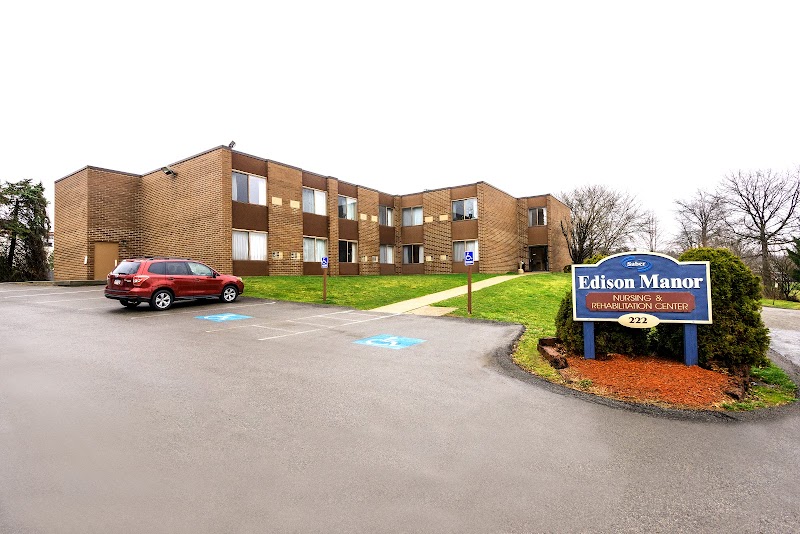
How is Edison Manor Nursing & Rehabilitation Center Staffed?

CMS rates EDISON MANOR NURSING & REHABILITATION CENTER's staffing level at 1 out of 5 stars, which is much below average compared to other nursing homes. Staff turnover is 65%, which is 19 percentage points above the Pennsylvania average of 46%. High turnover can affect care consistency as new staff learn residents' individual needs. RN turnover specifically is 81%, which is notably high. RNs provide skilled clinical oversight, so turnover in this role can affect medical care quality.

What Have Inspectors Found at Edison Manor Nursing & Rehabilitation Center?

State health inspectors documented 32 deficiencies at EDISON MANOR NURSING & REHABILITATION CENTER during 2023 to 2025. These included: 30 with potential for harm and 2 minor or isolated issues.
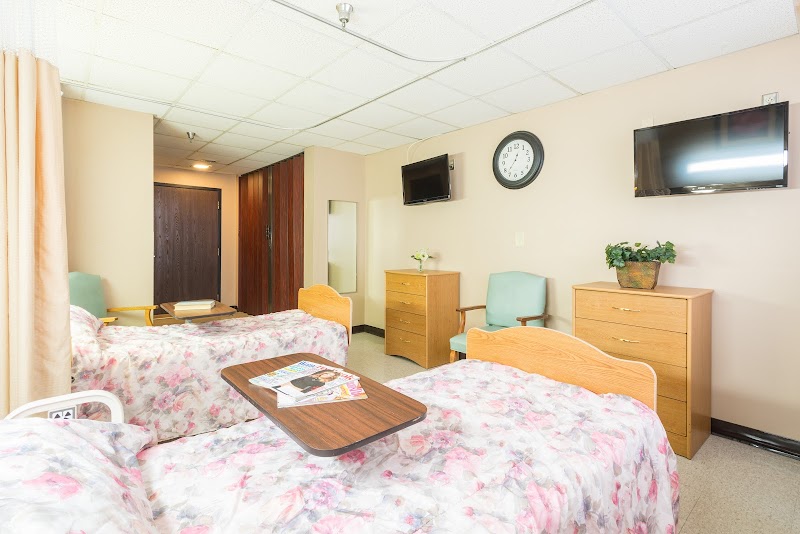
Who Owns and Operates Edison Manor Nursing & Rehabilitation Center?

EDISON MANOR NURSING & REHABILITATION CENTER is owned by a for-profit company. For-profit facilities operate as businesses with obligations to shareholders or private owners. The facility is operated by SABER HEALTHCARE GROUP, a chain that manages multiple nursing homes. With 118 certified beds and approximately 94 residents (about 80% occupancy), it is a mid-sized facility located in NEW CASTLE, Pennsylvania.

How Does Edison Manor Nursing & Rehabilitation Center Compare to Other Pennsylvania Nursing Homes?

Compared to the 100 nursing homes in Pennsylvania, EDISON MANOR NURSING & REHABILITATION CENTER's overall rating (1 stars) is below the state average of 3.0, staff turnover (65%) is significantly higher than the state average of 46%, and health inspection rating (2 stars) is below the national benchmark.

What Should Families Ask When Visiting Edison Manor Nursing & Rehabilitation Center?

Based on this facility's data, families visiting should ask: "How do you ensure continuity of care given staff turnover, and what is your staff retention strategy?" "Can you walk me through typical staffing levels on day, evening, and night shifts?" "Can I visit during a mealtime to observe dining assistance and food quality?" "How do you handle medical emergencies, and what is your hospital transfer rate?" These questions are particularly relevant given the facility's high staff turnover rate and the below-average staffing rating.

Is Edison Manor Nursing & Rehabilitation Center Safe?

Based on CMS inspection data, EDISON MANOR NURSING & REHABILITATION CENTER has a clean safety record: no substantiated abuse findings (meaning no confirmed cases of resident harm), no Immediate Jeopardy citations (the most serious violation level indicating risk of serious injury or death), and is not on the Special Focus Facility watch list (a federal program monitoring the lowest-performing 1% of nursing homes). The facility has a 1-star overall rating and ranks #100 of 100 nursing homes in Pennsylvania. While no facility is perfect, families should still ask about staff-to-resident ratios and recent inspection results during their visit.

Do Nurses at Edison Manor Nursing & Rehabilitation Center Stick Around?

Staff turnover at EDISON MANOR NURSING & REHABILITATION CENTER is high. At 65%, the facility is 19 percentage points above the Pennsylvania average of 46%. Registered Nurse turnover is particularly concerning at 81%. RNs handle complex medical decisions and coordinate care — frequent RN changes can directly impact care quality. High turnover means new staff may not know residents' individual needs, medications, or preferences. It can also be disorienting for residents, especially those with dementia who rely on familiar faces. Families should ask: What is causing the turnover? What retention programs are in place? How do you ensure care continuity during staff transitions?

Was Edison Manor Nursing & Rehabilitation Center Ever Fined?

EDISON MANOR NURSING & REHABILITATION CENTER has no federal fines on record. CMS issues fines when nursing homes fail to meet care standards or don't correct problems found during inspections. The absence of fines suggests the facility has either maintained compliance or corrected any issues before penalties were assessed. This is a positive indicator, though families should still review recent inspection reports for the full picture.

Is Edison Manor Nursing & Rehabilitation Center on Any Federal Watch List?

EDISON MANOR NURSING & REHABILITATION CENTER is not on any federal watch list. The most significant is the Special Focus Facility (SFF) program, which identifies the bottom 1% of nursing homes nationally based on persistent, serious quality problems. Not being on this list means the facility has avoided the pattern of deficiencies that triggers enhanced federal oversight. This is a positive indicator, though families should still review the facility's inspection history directly.