QUALITY LIFE SERVICES - NEW CASTLE
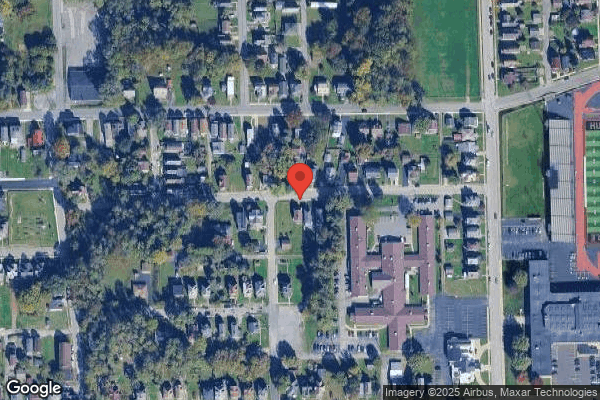
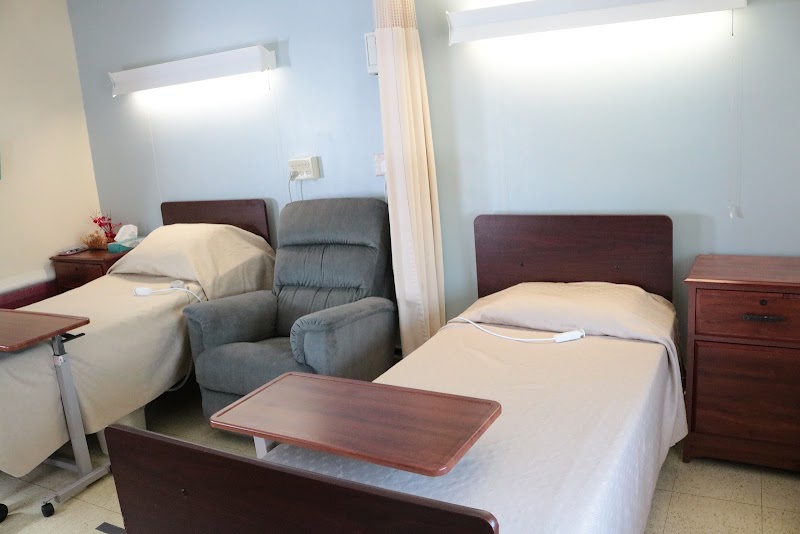
520 FRIENDSHIP STREET, NEW CASTLE, PA 16101 (412) 654-7791
For profit - Limited Liability company 204 Beds QUALITY LIFE SERVICES Data: November 2025
Trust Grade
65/100
#340 of 653 in PA
Last Inspection: May 2025

Inspected within the last 6 months. Data reflects current conditions.

Overview

Quality Life Services in New Castle has a Trust Grade of C+, indicating that it is slightly above average but not particularly strong. It ranks #340 out of 653 facilities in Pennsylvania, placing it in the bottom half of the state, and #6 out of 8 in Lawrence County, meaning only two local options are better. Unfortunately, the facility is worsening, with the number of reported issues increasing from 3 in 2024 to 9 in 2025. Staffing is a relative strength, with a turnover rate of 42%, which is below the state average, but the RN coverage is average. While there have been no fines, which is a positive aspect, the facility has faced concerns, such as inadequate maintenance of kitchen equipment and unsafe storage conditions for ice, which raise flags about hygiene and safety.

Trust Score
C+
65/100
In Pennsylvania
#340/653
Bottom 48%
Safety Record
Low Risk
No red flags
Inspections
Getting Worse
3 → 9 violations
Staff Stability
○ Average
42% turnover. Near Pennsylvania's 48% average. Typical for the industry.
Penalties
✓ Good
No fines on record. Clean compliance history, better than most Pennsylvania facilities.
Skilled Nurses
○ Average
Each resident gets 35 minutes of Registered Nurse (RN) attention daily — about average for Pennsylvania. RNs are the most trained staff who monitor for health changes.
Violations
⚠ Watch
15 deficiencies on record. Higher than average. Multiple issues found across inspections.
★★★☆☆
3.0
Overall Rating
★★★☆☆
3.0
Staff Levels
★★★☆☆
3.0
Care Quality
★★★☆☆
3.0
Inspection Score
Stable
2024: 3 issues
2025: 9 issues

The Good

  • Full Sprinkler Coverage · Fire safety systems throughout facility
  • No fines on record
  • Staff turnover below average (42%)

    6 points below Pennsylvania average of 48%

Facility shows strength in fire safety.

The Bad

3-Star Overall Rating

Near Pennsylvania average (3.0)

Meets federal standards, typical of most facilities

Staff Turnover: 42%

Near Pennsylvania avg (46%)

Typical for the industry

Chain: QUALITY LIFE SERVICES

Part of a multi-facility chain

Ask about local staffing decisions and management

The Ugly 15 deficiencies on record

May 2025 9 deficiencies
CONCERN (D)

Potential for Harm - no one hurt, but risky conditions existed

Resident Rights (Tag F0550)

Could have caused harm · This affected 1 resident

Based on review of facility policy and clinical records, observations, and staff and resident interview, it was determined that the facility failed to ensure the privacy and dignity of residents with ...

Read full inspector narrative →
Based on review of facility policy and clinical records, observations, and staff and resident interview, it was determined that the facility failed to ensure the privacy and dignity of residents with an indwelling foley catheter (tubing inserted into the bladder to drain urine) for two of three residents reviewed for catheters (Residents R129 and R383). Findings include: Review of facility policy entitled Indwelling Urinary Catheter dated 1/8/25, revealed If the bed is placed in a low position, the catheter bag can be placed in a basin to prevent it from touching the floor, and The catheter bag should have a privacy cover applied at all times. Resident R129's clinical record revealed an admission date of 4/8/25, with diagnoses that included kidney failure (condition where the kidneys are no longer able to work therefore cannot filter waste and toxins from the blood), cellulitis of right toe (bacterial infection of the skin and underlying tissues), and high blood pressure. Resident R129's clinical record revealed a physician's order dated 4/11/25, for an indwelling foley catheter. Observations on 5/5/25, at 12:39 p.m. and again at 3:37 p.m. revealed Resident R129 sitting in his/her wheelchair with the catheter bag secured under the seat lacking a privacy cover and was visible from the corridor. Interview with Resident R129 on 5/5/25 at 12:39 p.m. revealed that he/she would like to have a privacy cover. Resident R383's clinical record revealed an admission date of 5/02/25, with diagnoses that included amputation of left foot (the surgical removal of a body part due to severe injury, infection, or disease) diabetes (a health condition caused by the body's inability to produce enough insulin), and high blood pressure. Resident R383's admission documentation revealed an indwelling foley catheter was present upon his/her entry into the facility. Observations on 5/5/25, at 12:42 p.m. and again at 3:37 p.m. revealed that Resident R383 was laying in his/her bed with his/her urinary catheter drainage bag on the floor, visible from the corridor and lacked a privacy cover. During an interview on 5/5/25, at 3:37 p.m. the Director of Nursing confirmed that Residents R129 and R383's urinary catheter bags should have a privacy cover in place. 28 Pa. Code 201.29(a) Resident rights 28 Pa. Code 211.12(d)(1)(5) Nursing services
CONCERN (D) 📢 Someone Reported This

A family member, employee, or ombudsman was alarmed enough to file a formal complaint

Potential for Harm - no one hurt, but risky conditions existed

Notification of Changes (Tag F0580)

Could have caused harm · This affected 1 resident

Based on review of the Long-Term Care Facility Resident Assessment Instrument 3.0 User's Manual October 2024 (RAI-assessment guide used to plan the provision of care for residents), clinical records a...

Read full inspector narrative →
Based on review of the Long-Term Care Facility Resident Assessment Instrument 3.0 User's Manual October 2024 (RAI-assessment guide used to plan the provision of care for residents), clinical records and facility policy, and resident and staff interviews, it was determined that the facility failed to notify the resident's representative of a change in condition and/or treatment for one of six residents reviewed (Resident R22). Findings include: Review of the RAI manual instructions for Section C0500 Brief Interview for Mental Status (BIMS-a test to help determine resident cognitive status) revealed that a score of 13-15 identified a resident as cognitively intact and a score of 8-12 identified a resident as moderately impaired, and a score of 0-7 as severely impaired. Facility policy entitled Communication of Health Status / Notification of Family dated 1/8/25, revealed that residents and/or residents' family are to be provided with information regarding the resident's total health status and that residents family and/or responsible party will be notified of a residents change in condition or health status. The policy further revealed that communication will be documented in the resident's clinical record and would include who was informed, what they were informed of and their response. Resident R22's clinical record revealed an admission date of 6/19/21, with diagnoses that included Chronic Obstructive Pulmonary Disease (COPD - a condition that prevents airflow to the lungs resulting in difficulty breathing), respiratory failure (a condition where you don't get enough oxygen or you get too much carbon dioxide in your body), and obesity. Resident R22's BIMS revealed a score of 8/15 indicating moderate cognitive impairment. Resident R22's clinical record revealed a progress note dated 3/17/25, at 1:42 p.m. indicating Resident R22 remained shaky in appearance with flushed cheeks and dusky fingers. Pulse ox (SPO2-a medical device that measures the oxygen saturation of blood) is currently 83-84% on oxygen at 3 liters per minute (LPM) via nasal cannula (N/C - a thin tube with two prongs that fit in a person's nostrils to deliver oxygen). His/her heart rate is very irregular and fluctuating anywhere from low 100 to 140. Waiting on Chest X-Ray (CXR) results at this time. Further review of the clinical record progress note dated 3/17/25, at 3:25 p.m. revealed Resident R22 was examined by his/her medical provider. Medical Provider progress notes indicated Resident R22 was seen for an Acute Episodic Visit. It further stated that the facility reported Resident R22 was short of breath and hypoxic (a lack of oxygen). It did appear at first that there was an issue with the oxygen coming unplugged. Nail beds were purple. SPO2 came up and then dropped again. Breathing treatment was given. Resident continued to report shortness of breath. Bumex (a diuretic that treats fluid retention in individuals with heart, liver, or kidney problems) 1 milligram (mg) intramuscular (IM - injection into the muscle) x1 and Solumedrol (steroid used to treat various conditions) 40 mg IM x 1 was given with improvement noted. Provider's note further stated that Resident R22 is high-risk and has had a significant change in condition. Resident R22's clinical record revealed physician orders dated 3/17/25, for Levaquin (antibiotic used to treat bacterial infections) 750 mg every evening for pneumonia (lung infection) for 7 days and Prednisone (steroid) 40 mg daily for 3 days, then 30 mg daily for 3 days, then 20 mg daily for 3 days, and then 10 mg daily for 3 days. Further review revealed another physician's order dated 3/18/25, for Acetazolamide (a carbonic anhydrase) 250 mg twice a day for two days for Hypercapnia (too much carbon dioxide in the blood) The clinical record lacked evidence that Resident R22's representative was notified of Resident R22's change in condition/treatments. During an interview on 5/8/25, at 10:20 a.m. Nursing Home Administrator (NHA) and Director of Nursing (DON) revealed that Resident R22 will tell staff that he/she does not want his/her family notified of changes. During an interview on 5/8/25, at 10:26 a.m. Resident R22 stated that he/she wants his/her family to be notified of everything. During an interview on 5/8/25, at 10:35 a.m. NHA and DON confirmed there was no documented evidence that Resident R22 instructed staff not to notify his/her family or that staff attempted to notify Resident R22's family of the above changes in condition and treatments. 28 Pa. Code 201.14(a) Responsibility of licensee 28 Pa. Code 211.12 (d)(1)(5) Nursing services 28 Pa. Code 201.18(b)(1) Management
CONCERN (D)

Potential for Harm - no one hurt, but risky conditions existed

Incontinence Care (Tag F0690)

Could have caused harm · This affected 1 resident

Based on review facility policy and clinical records, observations, and staff interview, it was determined that the facility failed to ensure adequate physician orders were in place for an indwelling ...

Read full inspector narrative →
Based on review facility policy and clinical records, observations, and staff interview, it was determined that the facility failed to ensure adequate physician orders were in place for an indwelling urinary catheter (a medical device that helps drain urine from the bladder) and failed to provide appropriate care for one of three residents reviewed for catheters (Resident R383). Findings include: Review of facility policy entitled Indwelling Urinary Catheter dated 1/8/25, revealed If the bed is placed in a low position, the catheter bag can be placed in a basin to prevent it from touching the floor, and The catheter bag should have a privacy cover applied at all times. Review of facility policy entitled Catheter: Care of Indwelling Urinary dated 1/8/25 revealed verify physician order, and secure catheter tubing to keep the drainage bag below the level of the resident's bladder and off the floor. Resident R383's clinical record revealed an admission date of 5/02/25, with diagnoses that included amputation of left foot (the surgical removal of a body part due to severe injury, infection, or disease) diabetes (a health condition caused by the body's inability to produce enough insulin), and high blood pressure. Resident R383's admission documentation revealed an indwelling foley catheter was present upon his/her entry into the facility. Review of R383's order summary lacked evidence that physician orders were in place for a urinary catheter and related care orders. Observations on 5/5/25, at 12:42 p.m. and again at 3:37 p.m. revealed that Resident R383 was laying in his/her bed and the urinary drainage bag was on the floor and was visible from the corridor and lacking a privacy cover. During an interview on 5/5/25, at 3:37 p.m. the Director of Nursing confirmed that Resident R383's urinary catheter bag should not be on the floor and a privacy cover should be in place. During an interview on 5/6/25, at 3:10 p.m. the Director of Nursing confirmed that physician orders were not in place regarding the indwelling foley catheter or related care for Resident R383. 28 Pa. Code 201.14(a) Responsibility of licensee 28 Pa. Code 211.12(d)(1)(5) Nursing services
CONCERN (D)

Potential for Harm - no one hurt, but risky conditions existed

Respiratory Care (Tag F0695)

Could have caused harm · This affected 1 resident

Based on review of facility policy and clinical records, observations, and staff interview, it was determined that the facility failed to promote cleanliness and help prevent the spread of infection r...

Read full inspector narrative →
Based on review of facility policy and clinical records, observations, and staff interview, it was determined that the facility failed to promote cleanliness and help prevent the spread of infection regarding respiratory care equipment for three of three residents reviewed (Residents R1, R22, and R28). Findings include: A facility policy entitled, Oxygen Concentrator (device that takes air from your surroundings, extracts oxygen and filters it into purified oxygen to breathe) dated 1/8/25, revealed do not run concentrator without a filter or with a dusty filter, and remove, rinse and pat dry air intake filter weekly or more often if needed to keep clean and free of dust. Resident R1's clinical record revealed an admission date of 10/18/22, with diagnoses that included obstructive sleep apnea (a disorder that makes you stop breathing repeatedly during sleep), End Stage Renal Disease (ESRD-a condition in which the kidneys lose the ability to remove waste and balance fluids), and high blood pressure. Resident R1's clinical record revealed a physician's order dated 2/15/25, for oxygen at 2 liters per min (lpm) via nasal cannula (a thin tube with two prongs that fit in a resident's nostrils to deliver oxygen) every evening and night shift, and a physician's order dated 2/10/25 for oxygen at 2 liters per minute via nasal cannula as needed for difficulty breathing. Observations on 5/5/25, at 3:30 p.m. revealed Resident R1 lying on his/her bed with the oxygen concentrator at the bedside with the oxygen tubing and nasal cannula lying on the floor. Further observation of the filter on the oxygen concentrator revealed a large amount of a gray fluffy substance covering the entire filter. Resident R22's clinical record revealed an admission date of 6/19/21, with diagnoses that included Chronic Obstructive Pulmonary Disease (COPD - a condition that prevents airflow to the lungs resulting in difficulty breathing), respiratory failure (a condition where you don't get enough oxygen or you get too much carbon dioxide in your body), and obesity. Resident R22's clinical record revealed a physician's order dated 11/13/23, for oxygen at 3 lpm via nasal cannula continuous every shift. Observation on 5/05/25, at 3:00 p.m. revealed Resident R22 lying on his/her bed with supplemental oxygen in place and the oxygen concentrator liter flow set at 3 lpm. Further observation of the concentrator filter on the oxygen concentrator revealed a large amount of a gray fluffy substance covering the filter. Resident R28's clinical record revealed an admission date of 12/31/24, with diagnoses that included sleep apnea, ESRD, and high blood pressure. Resident 28's clinical record revealed a physician's order dated 2/18/25, for supplemental oxygen at 3 lpm continuous every evening and night shift. Observations on 5/5/25, at 3:30 p.m. revealed Resident R28 sitting in his/her wheelchair with the oxygen concentrator at the bedside with the oxygen tubing and nasal cannula lying on the floor. Further observation of the filter on the oxygen concentrator revealed a large amount of a gray fluffy substance covering the entire filter. During an interview on 5/5/25, at 3:30 p.m. Resident R28 revealed that every morning when they take off my oxygen, they just throw it on the floor. During an interview on 5/5/25, at 3:39 p.m. the Director of Nursing confirmed that Residents R1, R22, and R28's oxygen concentrator filter contained a large amount of gray fluffy substance and should be cleaned and that Residents R1 and R28's oxygen tubing and nasal cannula should not be touching the floor. 28 Pa. Code 211.10(c) Resident care policies 28 Pa. Code 211.12(d)(1)(5) Nursing services
CONCERN (D)

Potential for Harm - no one hurt, but risky conditions existed

Deficiency F0698 (Tag F0698)

Could have caused harm · This affected 1 resident

Based on review of the facility documents and clinical records, and resident and staff interview, it was determined that the facility failed to maintain complete and accurate records relating to dialy...

Read full inspector narrative →
Based on review of the facility documents and clinical records, and resident and staff interview, it was determined that the facility failed to maintain complete and accurate records relating to dialysis (a medical procedure that filters blood when the kidneys are not functioning properly) communication for one of three residents reviewed for dialysis (Resident R28). Findings include: Review of the Long Term Care Facility Dialysis Services Agreement signed on 7/25/19, revealed that the facility agrees to provide to the Dialysis Center all medical and administrative information relating to the resident's condition. This information includes but is not limited to the resident's history of renal illness, record of laboratory and x-ray findings, and current treatment including medications. The agreement further stated that the Dialysis Center will provide to the facility appropriate information and guidance regarding the renal condition of the resident including but not limited to medications, directions for handling medical and non-medical emergencies, and care of the shunts and fistulas. Resident R28's clinical record revealed an admission date of 12/31/24, with diagnoses that included End Stage Renal Disease (a condition in which the kidneys lose the ability to remove waste and balance fluids), dependence on renal dialysis and high blood pressure. Resident R28's clinical record revealed a physician's order dated 12/31/24, for Dialysis-Every Monday, Wednesday, and Friday. During an interview on 5/7/25, at 2:30 p.m. Resident R28 revealed that the dialysis clinic checks his/her weights at every visit and was told that he/she has had weight loss. Resident R28 stated that he/she has a dialysis communication binder that is usually kept in his/her wheelchair, but did not know where it is currently. During an interview on 5/7/25, at 2:15 p.m. and again 5/8/25, at 10:00 a.m. the Director of Nursing confirmed that Resident R28's dialysis communication binder was not readily available in the facility for review. During an interview on 5/8/25, at 1:30 p.m. the Nursing Home Administrator confirmed that Resident R28's dialysis communication binder was not readily available in the facility for review. 28 Pa. Code 201.14(a) Responsibility of licensee 28 Pa. Code 201.18 (b)(1) Management 28 Pa. Code 201.18(e)(1) Management 28 Pa. Code 211.5(f)(viii) Medical records 28 Pa. Code 211.12(d)(1)(3)(5) Nursing services
CONCERN (D)

Potential for Harm - no one hurt, but risky conditions existed

Deficiency F0761 (Tag F0761)

Could have caused harm · This affected 1 resident

**NOTE- TERMS IN BRACKETS HAVE BEEN EDITED TO PROTECT CONFIDENTIALITY** Based on review of facility policy, observations, and staff interview, it was determined that the facility failed to label a mul...

Read full inspector narrative →
**NOTE- TERMS IN BRACKETS HAVE BEEN EDITED TO PROTECT CONFIDENTIALITY** Based on review of facility policy, observations, and staff interview, it was determined that the facility failed to label a multi-dose insulin (medication to treat elevated blood sugar levels) vials with the date it was opened, in two of three medication carts (Cart 1 and Cart 2). Findings include: A facility policy entitled Vials and Ampules of Injectable Medications last reviewed [DATE], directed staff to place a date opened sticker on a vial or container when opened and to enter the date the container or vial was opened along with the expiration date of the medication. Observations on [DATE], from 10:45 a.m. through 10:55 a.m., revealed three opened undated multi-dose insulin vials in Medication Cart 1 and two opened undated multi-dose insulin vials in Medication Cart 2, therefore staff were not able to determine how long the vials were able to be used. The manufacturer's directions for these multi-dose insulin vials indicated that the insulin expired 28 days after opening and should be thrown away 28 days after opening, even if it still has insulin in it. During interview at the time of the above observations, Registered Nurse Employee E11 confirmed that multi-dose vials/containers of insulin were not dated upon opening as required. 28 Pa. Code 201.18(b)(1) Management 28 Pa. Code 211.12(d)(1) Nursing services
CONCERN (D)

Potential for Harm - no one hurt, but risky conditions existed

Infection Control (Tag F0880)

Could have caused harm · This affected 1 resident

Based on review of facility policy, observations, and staff interviews, it was determined that the facility failed to implement enhanced barrier precautions for one of four residents reviewed related ...

Read full inspector narrative →
Based on review of facility policy, observations, and staff interviews, it was determined that the facility failed to implement enhanced barrier precautions for one of four residents reviewed related to infection control (Resident R383). Findings include: Facility policy entitled Enhanced Barrier Precautions dated 1/8/25, indicated that Enhanced Barrier Precautions (EBP) are utilized to prevent the spread of MDRO's (Multidrug Resistant Organisms - a germ resistant to many antibiotics), and EBP's are used as an infection prevention and control intervention to reduce the spread of MDRO's to residents. The policy further stated examples of high-contact resident care activities requiring the use of EBP 's included the following: Device care or use for urinary catheters and wound care. The Center for Disease Control and Prevention (CDC) defines Enhanced Barrier Precautions as an infection control intervention designed to reduce transmission of MDRO's using an approach of isolation gown and gloves during high-contact resident care activities including catheter care and wound care. CDC further indicated that facilities should post clear signage indicating EBP requirements. Resident R383's clinical record revealed an admission date of 5/02/25, with diagnoses that included amputation of left foot (the surgical removal of a body part due to severe injury, infection, or disease), diabetes (a health condition caused by the body's inability to produce enough insulin), and high blood pressure. Resident R383's admission documentation revealed an indwelling foley catheter was present upon his/her entry into the facility and that Resident R383 was receiving wound care due to amputation of left foot and a coccyx (small bone at the base of the spine) wound. Observations on 5/5/25, at 12:42 p.m. and 3:37 p.m. revealed that Resident R383 was laying in his/her bed with an indwelling catheter present. Further observation of Resident R383's room revealed that there was no signage alerting persons entering the room of EBP for infection control. During an interview on 5/5/25, at 3:37 p.m. the Director of Nursing (DON) confirmed that Resident R383's room lacked signage of EBP. During an interview on 5/6/25, at 3:10 p.m. the DON confirmed that Resident R383 had an indwelling catheter, and wound care to his/her left foot amputation site and coccyx that required EBP. The DON further confirmed that Resident R383's clinical record lacked physician orders for EBP. 28 Pa. Code 211.10(c)(d) Resident care policies 28 Pa. Code 211.12(d)(1)(5) Nursing services
CONCERN (E)

Potential for Harm - no one hurt, but risky conditions existed

Deficiency F0655 (Tag F0655)

Could have caused harm · This affected multiple residents

Based on review of the Long Term Care Facility Resident Assessment Instrument 3.0 User's Manual October 2024 (RAI-assessment guide used to plan the provision of care for residents), and clinical recor...

Read full inspector narrative →
Based on review of the Long Term Care Facility Resident Assessment Instrument 3.0 User's Manual October 2024 (RAI-assessment guide used to plan the provision of care for residents), and clinical record review, and staff interview, it was determined that the facility failed to initiate a baseline care plan and provide a written summary of the baseline care plan and order summary to the resident and/or representative for four of 13 residents reviewed (Resident R119, R28, R129, and R383). Findings include: No policy provided by facility. Review of the RAI manual instructions for Section C0500 Brief Interview for Mental Status (BIMS-a test to help determine a resident's cognitive status) revealed that a score of 13-15 identified a resident as cognitively intact and a score of 8-12 identified a resident as moderately impaired, and a score of 0-7 as severely impaired. Resident R119 's clinical record revealed an admission date of 12/27/24, with diagnoses that included dementia (a disease of the brain that affects behavior, moods and decision making), protein-calorie malnutrition (a condition that involves a deficiency in protein and calories with oral intake), pneumonia (inflammation of the lungs typically caused by infection), and malignant neoplasm of prostate (a cancer in a man's prostrate). Resident R119's BIMS revealed a score of 3/15 indicating severe cognitive impairment. R119's clinical record lacked evidence that a baseline care plan was initiated for Resident R119, and/or a summary of the baseline care plan and order summary were provided to the resident representative. During an interview on 5/08/25, at 1:42 p.m. the Nursing Home Administrator (NHA) confirmed that the clinical record of Resident R119 lacked evidence that a baseline care plan was initiated, and/or a summary of the baseline care plan and order summary were provided to the resident representative. Resident R28's clinical record revealed an admission date of 12/31/24, with diagnoses that included sleep apnea (a disorder that makes you stop breathing repeatedly during sleep), End Stage Renal Disease (a condition in which the kidneys lose the ability to remove waste and balance fluids), and high blood pressure. R28's clinical record lacked evidence that a baseline care plan was initiated for Resident R28, and/or a summary of the baseline care plan and order summary were provided to the resident and/or his/her representative. Resident R129's clinical record revealed an admission date of 4/08/25, with diagnoses that included kidney failure (kidneys are no longer able to work therefore cannot filter waste and toxins from the blood), diabetes (a health condition caused by the body's inability to produce enough insulin), and high blood pressure. R129's clinical record lacked evidence that a baseline care plan was initiated for Resident R129, and/or a summary of the baseline care plan and order summary were provided to the resident and/or his/her representative. Resident R383's clinical record revealed an admission date of 5/02/25, with diagnoses that included Amputation of left foot (the surgical removal of a body part due to severe injury, infection, or disease, diabetes, and high blood pressure. R383's clinical record lacked evidence that a baseline care plan was initiated for Resident R383, and/or a summary of the baseline care plan and order summary were provided to the resident and/or his/her representative. During an interview on 5/08/25, at 10:15 a.m. the NHA confirmed that the clinical record of Residents R28, R129, and R383 lacked evidence that a baseline care plan was initiated, and/or a summary of the baseline care plan and order summary were provided to the resident and/or his/her representative. 28 Pa. Code 201.18 (b)(1) Management 28 Pa. Code 211.10(c) Resident Care Plan 28 Pa. Code 211.12(d)(1) Nursing services
CONCERN (E)

Potential for Harm - no one hurt, but risky conditions existed

Food Safety (Tag F0812)

Could have caused harm · This affected multiple residents

Based on a review of facility records, observations, and staff interview, it was determined the facility failed to maintain safe storage of ice for residents for one of one ice machines located in the...

Read full inspector narrative →
Based on a review of facility records, observations, and staff interview, it was determined the facility failed to maintain safe storage of ice for residents for one of one ice machines located in the kitchen. Findings include: Review of the manufacturer guidelines for the Manitowoc S Model Ice Machine, dated 8/25/03, revealed Do not trap drain line, leave air gap between drain tube and drain. Observations in the kitchen on 5/05/25, at 11:15 a.m., revealed the ice machine hose drain resting on a floor drain and lacked a vertical air gap between the end of the hose drain and floor drain. The floor drain and surrounding floor were observed rusty in color and unclean. An interview with the Maintenance Director on 5/05/25, at 12:15 p.m. confirmed the ice machine's hose drain and floor drain lacked an air gap, allowing the ice machine hose drain to rest on the unclean floor drain creating unsafe storage for ice. 28 Pa. Code 201.14(a) Responsibility of licensee
Oct 2024 2 deficiencies
CONCERN (D) 📢 Someone Reported This

A family member, employee, or ombudsman was alarmed enough to file a formal complaint

Potential for Harm - no one hurt, but risky conditions existed

Notification of Changes (Tag F0580)

Could have caused harm · This affected 1 resident

Based on review of facility policy and closed clinical records and staff interview, it was determined that the facility failed to notify a medical provider of a need to alter treatment due to resident...

Read full inspector narrative →
Based on review of facility policy and closed clinical records and staff interview, it was determined that the facility failed to notify a medical provider of a need to alter treatment due to resident symptoms and/or complaints for one of seven residents reviewed (Closed Record Resident CR1). Findings include: Facility policy entitled Physician Notification dated 6/27/24, revealed that staff are to communicate change in resident's condition to the physician and initiate interventions as needed / ordered. Further review of the policy revealed that staff are to document physician notification and response. Resident CR1's clinical record revealed an admission date of 6/5/24, with diagnoses that included depression, high blood pressure, and anxiety. Review of Resident CR1's clinical record revealed nursing progress notes dated 6/25/24, at 5:52 a.m. where Resident CR1 was demanding Benadryl (medication to help address allergies and symptoms) for complaint of itch and was informed he/she currently did not have a physician's order and it was early in the morning. Another progress noted dated 7/02/24, at 12:28 a.m. revealed Resident CR1 was requesting Benadryl for itchiness and was once again educated related to no physician's order for Benadryl. Resident CR1's clinical record contained a typed note to his/her physician uploaded into the electronic record on 6/18/24. The note indicated that Resident CR1 was asking for Benadryl for itching. Benadryl was circled by an unidentified/unknown source and below it was written 25 milligrams (mg) po (by mouth) every six hours as needed. The typed note and handwritten response also lacked a date and time. Resident CR1's clinical record lacked evidence that a progress note was completed that correlated with the typed note and/or response. Further review of Resident CR1's clinical record lacked any evidence that a medical provider was notified of his/her complaints and request for Benadryl on 6/25/24, or 7/02/24. During an interview on 10/25/24, at 11:41 a.m. DON confirmed the clinical record lacked evidence that Resident CR1's medical provider was notified of his/her complaints and their request for Benadryl on 6/25/24, or 7/02/24. 28 Pa. Code 211.5(f)(i)(iii) Clinical Records 28 Pa. Code 211.12(d)(1)(5) Nursing services
CONCERN (F) 📢 Someone Reported This

A family member, employee, or ombudsman was alarmed enough to file a formal complaint

Potential for Harm - no one hurt, but risky conditions existed

Food Safety (Tag F0812)

Could have caused harm · This affected most or all residents

Based on review of facility policies, observations, and staff interviews, it was determined that the facility failed to properly maintain kitchen equipment and maintain sanitary operations in the main...

Read full inspector narrative →
Based on review of facility policies, observations, and staff interviews, it was determined that the facility failed to properly maintain kitchen equipment and maintain sanitary operations in the main kitchen. Findings include: Review of a facility policy entitled Dietary Oven and Stove Cleaning Schedule dated 6/27/24, revealed that on a daily basis the ovens and stovetops must be wiped down and staff are to wipe up spills and excess food that is left. The policy also revealed that on a monthly basis the ovens and stoves must be deep cleaned including all interior and exterior walls, oven racks, oven trays, stovetop burners, stove interior, and stove exterior. Review of a facility policy entitled Employee Sanitary Practices, dated 6/27/24, revealed that all employees shall wear hair restraints (hairnet, hat, and/or beard restraint) to prevent hair from contacting exposed food. Observation on 10/23/24, at 11:02 a.m. revealed two stove tops with gas burners containing a large amount of dried food and debris, the front of the three oven doors contained what appeared to be dried liquid down the front of the outside of the doors, and the inside of the ovens contained dried food and debris including numerous small pieces of aluminum foil. Review of a facility document entitled Oven and Stove Monthly Cleaning revealed that the oven was to be cleaned on week two of each month and the stove was to be cleaned on week four of the month. The document also revealed that for 2024, the oven was cleaned on 4/09/24, and not again until 8/13/24, and the stove was cleaned on 4/25/24, and not again until 8/29/24. During an interview on 10/23/24, at the time of observation, the Dietary Manager confirmed that the stove tops and ovens were dirty and contained dried spills / food and large amount of debris. The Dietary Manager also confirmed that the oven had not been cleaned eight of the last ten months, and the stove had not been cleaned seven of the last nine months. Observation of tray line on 10/23/24, between 12:10 p.m. and 12:30 p.m. revealed Dietary Aide (DA) Employee E1 standing at tray line making coffee and filling resident's coffee cups without a beard restraint. During an interview on 10/23/24, at 12:31 p.m. Dietary Manager confirmed that DA Employee E1 should have been wearing a beard restraint due to the length of his/her beard. 28 Pa. Code 211.6(f) Dietary services
Jun 2024 1 deficiency
CONCERN (D)

Potential for Harm - no one hurt, but risky conditions existed

Deficiency F0761 (Tag F0761)

Could have caused harm · This affected 1 resident

Based on review of facility policy and manufacturer's instructions, observations and staff interview, it was determined that the facility failed to label one multi-dose vial of Aplisol-tuberculin puri...

Read full inspector narrative →
Based on review of facility policy and manufacturer's instructions, observations and staff interview, it was determined that the facility failed to label one multi-dose vial of Aplisol-tuberculin purified protein derivative (PPD-testing solution for tuberculosis) injection with the date it was opened in one of three medication storage rooms observed (Two East Hall). Findings include: Review of manufacturer's instructions for Aplisol- tuberculin PPD Vials revealed Vials in use more than 30 days should be discarded due to possible oxidation and degradation which may affect potency. Review of facility policy entitled Storage of Medications, last reviewed 6/27/23, revealed that Medications and biologicals are stored safely, securely, and properly, following manufacturer's recommendations or those of the supplier. Observations of the Two East Hall medication room on 6/14/24, at approximately 10:30 a.m. revealed that one multi-dose vial of Aplisol-Tuberculin PPD was opened and was currently in use, but not labeled with the opened date. At the time of the observation, the Director of Nursing confirmed that the one undated multi-dose vial of Aplisol was opened, in use daily, and should have been labeled with the date opened. 28 Pa. Code 211.10(c)(d) Resident care policies 28 Pa. Code 211.12(d)(1)(3) Nursing services
Oct 2023 1 deficiency
CONCERN (E) 📢 Someone Reported This

A family member, employee, or ombudsman was alarmed enough to file a formal complaint

Potential for Harm - no one hurt, but risky conditions existed

Infection Control (Tag F0880)

Could have caused harm · This affected multiple residents

Based on observations, review of facility policies, review of the Pennsylvania Department of Health 2023-PAHAN-694-05-11-UPD, Update: Interim Infection Prevention and Control Recommendations for COVID...

Read full inspector narrative →
Based on observations, review of facility policies, review of the Pennsylvania Department of Health 2023-PAHAN-694-05-11-UPD, Update: Interim Infection Prevention and Control Recommendations for COVID-19 in Healthcare Settings and staff interviews, it was determined that the facility failed to follow infection control measures to prevent possible cross contamination on one of two units (2-West). Findings include: Review of the Pennsylvania Department of Health 2023-PAHAN-694-05-11-UPD, Update: Interim Infection Prevention and Control Recommendations for COVID-19 in Healthcare Settings states As SARS-COV-2 transmission in the community increases, the potential for encountering asymptomatic or pre-symptomatic patients with SARS-COV-2 infection also likely increases. In these circumstances, healthcare facilities should consider implementing broader use of respirators and eye protection by Healthcare Provider (HCP) during patient care encounters as described below: .NIOSH approved particulate respirators with N-95 filters or higher can also be used by HCP working in other situations where additional risk factors for transmission are present such as the patient is unable to use source control (masks) and the area is poorly ventilated .To simplify implementation, facilities in counties with higher levels of SARS-COV-2 transmission may consider implementing universal use of NIOSH-approved particulate respirators with N-95 filters or higher for HCP during all patient care encounters or in specific units or areas of the facility at higher risk for SARS-COV-2 transmission .Eye protection (i.e., goggles or face shield that covers the front and sides of the face) worn during all patient care encounters. Review of the COVID-19: Identification and Care of Resident with Suspected or Confirmed Virus policy, dated 6/27/23, revealed the facility will monitor residents for signs/symptoms of respiratory infection (cough, fever, sore throat) upon admission/readmission and daily during their stay in the facility during an outbreak. If positive for fever or symptoms, implement recommended Infection Control Practices. Interview with the Director of Nursing (DON) and Nursing Home Administrator (NHA) on 10/11/23, at 10:45 a.m. revealed that as of 10/11/23, a total of five residents from the 2-West unit had tested positive for COVID and had been moved to the South Unit. Observations conducted on 10/11/23, between 11:05 a.m. and 11:40 a.m. on 2-West unit with the DON revealed the following: Housekeeping Staff Employee E1 cleaning inside a resident room with a surgical mask on their face and isolation gown. Nurse Aide (NA) Employee E2 entering a resident room to answer a call bell with only a surgical mask on the face. NA Employee E4 was observed in a room at a resident bedside assisting the resident with care with only a surgical mask on their face. The DON confirmed that the staff should be wearing a surgical mask with a face shield or an N-95 mask with goggles or face shield at the time of each observation as indicated above. Staff later obtained the face shields from the closet during the observations. During an interview on 10/11/23, at 1:58 p.m. the NHA confirmed that the facility follows the Pennsylvania Department of Health 2023-PAHAN-694-05-11-UPD, and the staff on 2-West should be wearing N-95 masks and face shields or goggles unless they are not fit tested (specified testing to wear an N-95 mask). If not fit tested for an N-95 mask, the staff should have on a surgical mask and face shield until the staff are fit tested for an N-95 mask. 28 Pa. Code 201.14(a) Responsibility of licensee 28 Pa Code 201.18(b)(1) Management 28 Pa Code 211.12(1)(3) Nursing services
Jun 2023 2 deficiencies
CONCERN (E)

Potential for Harm - no one hurt, but risky conditions existed

Safe Environment (Tag F0584)

Could have caused harm · This affected multiple residents

**NOTE- TERMS IN BRACKETS HAVE BEEN EDITED TO PROTECT CONFIDENTIALITY** Based on observations and resident and staff interviews, it was determined that the facility failed to maintain a clean and home...

Read full inspector narrative →
**NOTE- TERMS IN BRACKETS HAVE BEEN EDITED TO PROTECT CONFIDENTIALITY** Based on observations and resident and staff interviews, it was determined that the facility failed to maintain a clean and homelike environment for two of three resident units (2 [NAME] and East). Findings include: Observations on 6/27/23, at 3:53 p.m., 6/28/23, at 2:28 p.m. and 6/29/23, at 11:30 a.m. revealed room [ROOM NUMBER] had a box fan sitting on the corner of the bedside stand with a black fuzzy substance on the fan blades and the front grill of the fan. During interview on 6/27/23, at 3:53 p.m. Resident R103 stated the fan was not theirs and was sitting there when they were admitted to the facility on [DATE]. During an interview on 6/29/23, at 11:30 a.m. Housekeeping Employee E1 confirmed he/she had just finished cleaning room [ROOM NUMBER]. Employee E1 confirmed housekeeping is responsible for cleaning the fans and that the box fan on the bedside table of room [ROOM NUMBER] was dirty and should have been cleaned by housekeeping. During an interview on 6/29/23, at 11:34 a.m. the Environmental Services Manager confirmed the box fan was dirty and should have been cleaned. Observations on 6/27/23, at approximately 2:00 p.m., on 6/28/23, at 9:15 a.m. and on 6/29/23, at 1:30 p.m. revealed room [ROOM NUMBER] had a pull cord string to the overhead bed light that was tied up and out of resident reach. During interview on 6/27/23, at 2:00 p.m. with Resident R10, he/she stated, It would be nice if I could have my light turned on, could you please turn it on for me? Resident R10 could not reach the light pull cord to turn her light on. During an interview and observation on 6/29/23, at approximately 2:00 p.m. with the Nursing Home Administrator it was confirmed that the pull cords in room [ROOM NUMBER] were rolled up and out of reach for the residents and the only way to turn the lights on and off was at the entrance door by a switch. It was also confirmed upon observation that Rooms 102, 103, 106, and 110 also did not have pull cords maintained in a homelike environment that residents could access and use independently. 28 Pa. Code 201.14(a) Responsibility of licensee 28 Pa. Code 201.18(b)(1) Management
MINOR (B)

Minor Issue - procedural, no safety impact

Transfer Notice (Tag F0623)

Minor procedural issue · This affected multiple residents

Based on clinical record review and staff interviews, it was determined that the facility failed to ensure a copy of the notice of transfer or discharge of residents was provided to a representative o...

Read full inspector narrative →
Based on clinical record review and staff interviews, it was determined that the facility failed to ensure a copy of the notice of transfer or discharge of residents was provided to a representative of the Office of the State Long-Term Care (LTC) Ombudsman for each resident upon transfer or discharge from the facility for two of 22 residents reviewed (Residents R65 and R79). Findings include: Review of Resident R65s clinical record revealed an initial admission date of October 18, 2017, with diagnoses that included chronic obstructive pulmonary disease (a group of lung diseases that block airflow and make it difficult to breathe), chronic respiratory failure, and chronic kidney disease. Further review of Resident R65's clinical record revealed that Resident R65 was transferred to a hospital on May 17, 2023, and returned on May 19, 2023. Review of Resident R79's clinical record revealed an initial admission date of November 20, 2020, with diagnoses that included left leg above knee amputation (surgical removal of the leg), chronic respiratory failure, pulmonary embolism (a condition in which one or more arteries in the lungs become blocked by a blood clot). Further review of Resident R79's clinical record revealed that Resident R79 was transferred to a hospital on April 27, 2023, and returned on May 1, 2023. Review of Resident R65 and Resident R79's clinical records lacked evidence that the Office of the State LTC Ombudsman was notified of their transfers out of the facility to the hospital. During an interview on June 29, 2023, at approximately 1:30 p.m. the Social Worker, confirmed that there was no written documentation the Office of the State LTC Ombudsman Office was notified of the transfers out of the facility for Residents R65 and R79. 28 Pa. Code 201.14 (a) Responsibility of licensee 28 Pa. Code 201.18 (b)(3) Management
Understanding Severity Codes (click to expand)
Life-Threatening (Immediate Jeopardy)
J - Isolated K - Pattern L - Widespread
Actual Harm
G - Isolated H - Pattern I - Widespread
Potential for Harm
D - Isolated E - Pattern F - Widespread
No Harm (Minor)
A - Isolated B - Pattern C - Widespread

Questions to Ask on Your Visit

  • "Can I speak with families of current residents?"
  • "What's your RN coverage like on weekends and overnight?"

Our Honest Assessment

Strengths
  • • No major safety red flags. No abuse findings, life-threatening violations, or SFF status.
  • • No fines on record. Clean compliance history, better than most Pennsylvania facilities.
  • • 42% turnover. Below Pennsylvania's 48% average. Good staff retention means consistent care.
Concerns
  • • 15 deficiencies on record. Higher than average. Multiple issues found across inspections.
Bottom line: Mixed indicators with Trust Score of 65/100. Visit in person and ask pointed questions.

About This Facility

What is Quality Life Services - New Castle's CMS Rating?

CMS assigns QUALITY LIFE SERVICES - NEW CASTLE an overall rating of 3 out of 5 stars, which is considered average nationally. Within Pennsylvania, this rating places the facility higher than 0% of the state's 100 nursing homes. This mid-range rating indicates the facility meets federal standards but may have areas for improvement.
How is Quality Life Services - New Castle Staffed?

CMS rates QUALITY LIFE SERVICES - NEW CASTLE's staffing level at 3 out of 5 stars, which is average compared to other nursing homes. Staff turnover is 42%, compared to the Pennsylvania average of 46%. This relatively stable workforce can support continuity of care.

What Have Inspectors Found at Quality Life Services - New Castle?

State health inspectors documented 15 deficiencies at QUALITY LIFE SERVICES - NEW CASTLE during 2023 to 2025. These included: 14 with potential for harm and 1 minor or isolated issues.

Who Owns and Operates Quality Life Services - New Castle?

QUALITY LIFE SERVICES - NEW CASTLE is owned by a for-profit company. For-profit facilities operate as businesses with obligations to shareholders or private owners. The facility is operated by QUALITY LIFE SERVICES, a chain that manages multiple nursing homes. With 204 certified beds and approximately 137 residents (about 67% occupancy), it is a large facility located in NEW CASTLE, Pennsylvania.
How Does Quality Life Services - New Castle Compare to Other Pennsylvania Nursing Homes?

Compared to the 100 nursing homes in Pennsylvania, QUALITY LIFE SERVICES - NEW CASTLE's overall rating (3 stars) matches the state average, staff turnover (42%) is near the state average of 46%, and health inspection rating (3 stars) is at the national benchmark.

What Should Families Ask When Visiting Quality Life Services - New Castle?

Based on this facility's data, families visiting should ask: "Can I visit during a mealtime to observe dining assistance and food quality?" "How do you handle medical emergencies, and what is your hospital transfer rate?" "Can I speak with family members of current residents about their experience?"

Is Quality Life Services - New Castle Safe?

Based on CMS inspection data, QUALITY LIFE SERVICES - NEW CASTLE has a clean safety record: no substantiated abuse findings (meaning no confirmed cases of resident harm), no Immediate Jeopardy citations (the most serious violation level indicating risk of serious injury or death), and is not on the Special Focus Facility watch list (a federal program monitoring the lowest-performing 1% of nursing homes). The facility has a 3-star overall rating and ranks #1 of 100 nursing homes in Pennsylvania. While no facility is perfect, families should still ask about staff-to-resident ratios and recent inspection results during their visit.

Do Nurses at Quality Life Services - New Castle Stick Around?

QUALITY LIFE SERVICES - NEW CASTLE has a staff turnover rate of 42%, which is about average for Pennsylvania nursing homes (state average: 46%). Moderate turnover is common in nursing homes, but families should still ask about staff tenure and how the facility maintains care continuity when employees leave.

Was Quality Life Services - New Castle Ever Fined?

QUALITY LIFE SERVICES - NEW CASTLE has no federal fines on record. CMS issues fines when nursing homes fail to meet care standards or don't correct problems found during inspections. The absence of fines suggests the facility has either maintained compliance or corrected any issues before penalties were assessed. This is a positive indicator, though families should still review recent inspection reports for the full picture.

Is Quality Life Services - New Castle on Any Federal Watch List?

QUALITY LIFE SERVICES - NEW CASTLE is not on any federal watch list. The most significant is the Special Focus Facility (SFF) program, which identifies the bottom 1% of nursing homes nationally based on persistent, serious quality problems. Not being on this list means the facility has avoided the pattern of deficiencies that triggers enhanced federal oversight. This is a positive indicator, though families should still review the facility's inspection history directly.