EMBASSY OF WOODLAND PARK
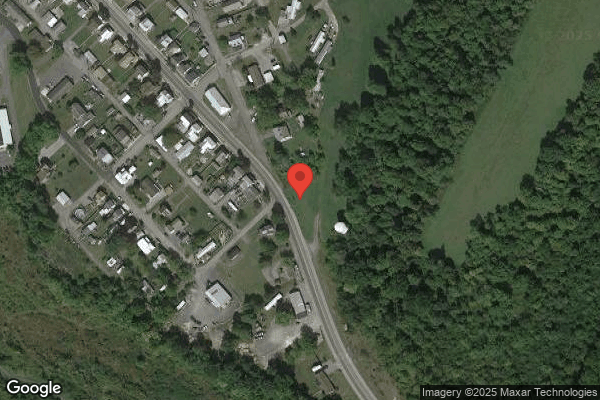
18889 CROGHAN PIKE, ORBISONIA, PA 17243 (814) 447-0300
For profit - Corporation 125 Beds EMBASSY HEALTHCARE Data: November 2025
Trust Grade
63/100
#283 of 653 in PA
Last Inspection: October 2024

Within standard 12-15 month inspection cycle. Federal law requires annual inspections.

Overview

Embassy of Woodland Park has a Trust Grade of C+, indicating it is slightly above average but still has room for improvement. It ranks #283 out of 653 facilities in Pennsylvania, placing it in the top half, and is the best option among the three nursing homes in Huntingdon County. The facility is showing improvement, with the number of issues decreasing from 14 in 2024 to 4 in 2025, although it still reported 53 issues overall, mostly concerning potential harm. Staffing is a strength, with a turnover rate of 25%, which is well below the state average, but it has concerning RN coverage that is less than 98% of other facilities, potentially impacting care quality. Families should be aware of some specific incidents, such as the kitchen not always following the planned menu and failing to store food safely, as well as a medication administration issue where a resident's physician orders were not properly followed. Overall, while there are notable strengths, these concerns warrant careful consideration.

Trust Score
C+
63/100
In Pennsylvania
#283/653
Top 43%
Safety Record
Low Risk
No red flags
Inspections
Getting Better
14 → 4 violations
Staff Stability
✓ Good
25% annual turnover. Excellent stability, 23 points below Pennsylvania's 48% average. Staff who stay learn residents' needs.
Penalties
○ Average
$11,488 in fines. Higher than 60% of Pennsylvania facilities. Some compliance issues.
Skilled Nurses
⚠ Watch
Each resident gets only 19 minutes of Registered Nurse (RN) attention daily — below average for Pennsylvania. Fewer RN minutes means fewer trained eyes watching for problems.
Violations
⚠ Watch
53 deficiencies on record. Higher than average. Multiple issues found across inspections.
★★★☆☆
3.0
Overall Rating
★★★☆☆
3.0
Staff Levels
★★★★★
5.0
Care Quality
★★☆☆☆
2.0
Inspection Score
Stable
2024: 14 issues
2025: 4 issues

The Good

  • 5-Star Quality Measures · Strong clinical quality outcomes
  • Low Staff Turnover (25%) · Staff stability means consistent care
  • Full Sprinkler Coverage · Fire safety systems throughout facility
  • No fines on record
  • Staff turnover is low (25%)

    23 points below Pennsylvania average of 48%

Facility shows strength in quality measures, staff retention, fire safety.

The Bad

3-Star Overall Rating

Near Pennsylvania average (3.0)

Meets federal standards, typical of most facilities

Federal Fines: $11,488

Below median ($33,413)

Minor penalties assessed

Chain: EMBASSY HEALTHCARE

Part of a multi-facility chain

Ask about local staffing decisions and management

The Ugly 53 deficiencies on record

Aug 2025 1 deficiency
CONCERN (D) 📢 Someone Reported This

A family member, employee, or ombudsman was alarmed enough to file a formal complaint

Potential for Harm - no one hurt, but risky conditions existed

Deficiency F0804 (Tag F0804)

Could have caused harm · This affected 1 resident

Based on review of facility policies and observations, as well as staff interviews, it was determined that the facility failed to serve food items at appetizing temperatures.The facility's current pol...

Read full inspector narrative →
Based on review of facility policies and observations, as well as staff interviews, it was determined that the facility failed to serve food items at appetizing temperatures.The facility's current policy regarding food temperatures, dated March 13, 2025, indicated that the serving temperature of hot food at point of service should have a temperature of greater than or equal to 120 degrees Fahrenheit (F).The menu for Monday, August 19, 2025, revealed that the lunch meal included baked fish, broccoli rice casserole, seasoned broccoli, and frosted cake. Observations in the main kitchen service area on August 19, 2025, revealed that the food cart to the 100 unit left the main kitchen at 11:54 a.m. and arrived on the 100 unit at 11:55 a.m. Trays were passed to the residents in their rooms and the last resident was served at 12:08 p.m. At 12:08 p.m. the temperature of the seasoned broccoli was 111.0 degrees F. The broccoli was lukewarm and did not taste appetizing. Interview with the Dietary Manager on August 19, 2025 at the time of the observation confirmed that the broccoli should have been hotter. 28 Pa. Code 211.6(b) Dietary Services.
Jul 2025 1 deficiency
CONCERN (D) 📢 Someone Reported This

A family member, employee, or ombudsman was alarmed enough to file a formal complaint

Potential for Harm - no one hurt, but risky conditions existed

Notification of Changes (Tag F0580)

Could have caused harm · This affected 1 resident

Based on a review of clinical records, as well as staff interviews, it was determined that the facility failed to ensure that the resident's representative was notified about a change in condition for...

Read full inspector narrative →
Based on a review of clinical records, as well as staff interviews, it was determined that the facility failed to ensure that the resident's representative was notified about a change in condition for one of three residents reviewed (Resident 3).Findings include: An admission Minimum Data Set (MDS) assessment (a mandated assessment of a resident's abilities and care needs) for Resident 3, dated May 28, 2025, revealed that the resident was cognitively intact, required maximum assistance from staff for daily care needs, and had a diagnosis of a stroke.A nursing note for Resident 3, dated May 26, 2025, at 5:47 a.m., revealed that the resident was found on the floor in front of her wheelchair and was attempting to get herself off of the floor. There was no documented evidence in Resident 3's clinical record to indicate that her emergency contact was notified of the fall until May 29, 2025, at 8:54 a.m. (three days later).Interview with the Director of Nursing on July 7, 2025, at 10:26 a.m. confirmed that Resident 3's emergency contact was not notified until three days after the fall but should have been notified immediately28 Pa. Code 211.12(d)(3)(5) Nursing Services.
Apr 2025 2 deficiencies
CONCERN (D) 📢 Someone Reported This

A family member, employee, or ombudsman was alarmed enough to file a formal complaint

Potential for Harm - no one hurt, but risky conditions existed

Quality of Care (Tag F0684)

Could have caused harm · This affected 1 resident

Based on review of facility policy and clinical records, as well as staff interviews, it was determined that the facility failed to ensure that residents received care and treatment in accordance with...

Read full inspector narrative →
Based on review of facility policy and clinical records, as well as staff interviews, it was determined that the facility failed to ensure that residents received care and treatment in accordance with professional standards of practice, by failing to ensure that physician's orders were followed for one of five residents reviewed (Resident 4). Findings include: The facility's policy regarding medication administration, dated March 13, 2025, indicated that medications are to be administered by licensed nurses in accordance with professional standards. Staff are to compare the medication source (bubble pack, vial, etc) with the Medication Administration Record (MAR) to verify the resident name, medication name, form, dose, route, and time. The staff are to observe resident consumption of the medication. A quarterly Minimum Data Set (MDS) assessment (a mandated assessment of a resident's abilities and care needs) for Resident 4, dated February 2, 2025, indicated that the resident was cognitively impaired, required assistance from staff for daily care needs, and had constipation and dementia. A care plan for Resident 4, dated April 29, 2024, revealed that the resident was at risk for constipation and complained of gas pains at times. Staff were to administer medications as ordered by the physician. Physician's orders for Resident 4, dated September 10, 2024, included an order for the resident to receive 8.6-50 milligrams of senna-docusate sodium (stool softening medication) with instructions to give three tablets by mouth once time a day for constipation at 8:00 p.m. Observations of Resident 4 on April 4, 2025, at 4:24 p.m., revealed that she was lying down in bed, and there was a medication cup with three red pills and a cup of water on the over-bed table. Resident 4 sat up and took the pills. Interview with Licensed Practical Nurse 1 on March 1, 2025, at 4:47 p.m. confirmed that she left the medication at bed side, and it was to be administered in the evening. She identified the medication as senna-docusate. Interview with the Director of Nursing on April 1, 2025, at 5:17 p.m. confirmed that licensed staff responsible for medication administration should administer the medication at the physician-ordered time. 28 Pa. Code 211.12(d)(1)(5) Nursing Services.
CONCERN (D) 📢 Someone Reported This

A family member, employee, or ombudsman was alarmed enough to file a formal complaint

Potential for Harm - no one hurt, but risky conditions existed

Deficiency F0761 (Tag F0761)

Could have caused harm · This affected 1 resident

**NOTE- TERMS IN BRACKETS HAVE BEEN EDITED TO PROTECT CONFIDENTIALITY** Based on review of facility policies and clinical records, as well as observations and staff interviews, it was determined that ...

Read full inspector narrative →
**NOTE- TERMS IN BRACKETS HAVE BEEN EDITED TO PROTECT CONFIDENTIALITY** Based on review of facility policies and clinical records, as well as observations and staff interviews, it was determined that the facility failed to store medication appropriately for one of five residents reviewed (Resident 4). Findings include: The facility's policy regarding medication administration, dated March 13, 2025, indicated that medications are to be administered by licensed nurses in accordance with professional standards. Staff are to compare the medication source (bubble pack, vial, etc) with the Medication Administration Record (MAR) to verify the resident name, medication name, form, dose, route, and time. The staff are to observe resident consumption of the medication. A quarterly Minimum Data Set (MDS) assessment (a mandated assessment of a resident's abilities and care needs) for Resident 4, dated February 2, 2025, indicated that the resident was cognitively impaired, required assistance from staff for daily care needs, and had constipation and dementia. A care plan for Resident 4, dated April 29, 2024, revealed that the resident was at risk for constipation and complained of gas pains at times. Staff were to administer medications as ordered by the physician. Physician's orders for Resident 4, dated September 10, 2024, included an order for the resident to receive 8.6-50 milligrams of senna-docusate sodium (stool softening medication) with instructions to give three tablets by mouth once time a day for constipation at 8:00 p.m. Observations of Resident 4 on April 4, 2025, at 4:24 p.m. revealed that she in room [ROOM NUMBER] bed A on the locked memory unit of the facility. She was lying down in bed, and there was a medication cup with three red, round tablets and a cup of water on the over-bed table. Resident 4 sat up and took the pills. Interview with Licensed Practical Nurse 1 on March 1, 2025, at 4:47 p.m. confirmed that she left the medication at bed side and she should not have. Interview with the Director of Nursing on April 1, 2025, at 5:07 p.m. confirmed that licensed staff responsible for medication administration should remain with the resident and observe the resident ingest the medication, and not leave it at bedside. 28 Pa. Code 211.9(a)(1) Pharmacy Services. 28 Pa. Code 211.12(d)(1) Nursing Services.
Oct 2024 13 deficiencies
CONCERN (D)

Potential for Harm - no one hurt, but risky conditions existed

Safe Environment (Tag F0584)

Could have caused harm · This affected 1 resident

Based on review of policies, as well as observations and staff interviews, it was determined that the facility failed to maintain a clean and homelike environment for two of 38 residents reviewed (Res...

Read full inspector narrative →
Based on review of policies, as well as observations and staff interviews, it was determined that the facility failed to maintain a clean and homelike environment for two of 38 residents reviewed (Residents 1, 39). Findings include: The facility's policy regarding cleaning and disinfecting, dated March 15, 2024, indicated that the facility was to provide a safe, comfortable, homelike environment. A quarterly Minimum data Set (MDS) assessment (a mandated assessment of a resident's abilities and care needs) for Resident 1, dated September 3, 2024, revealed that the resident was cognitively intact, required staff assistance for care needs, used a wheelchair, and had diagnoses that included cerebral palsy (CP - neurological disorder that affects a person's ability to move, balance, and maintain posture.) Observations on September 30, 2024, at 1:24 p.m. revealed that the resident was sitting in his electric wheelchair in his room. The carpet in his room was black and worn. An interview with the resident at the time revealed that he felt that the carpet was very dirty, and that the facility was planning on replacing the carpet with a different kind of flooring. Observations and interview with Resident 1 on October 1, 2024, at 3:30 p.m. revealed that the carpet in his room was still black and worn and that staff had attempted to clean the carpet but it had not changed the condition of it. Interview with the Director of Maintenance on October 2, 2024, at 9:01 a.m. revealed that the carpet in Resident 1's room was very dirty and had been shampooed multiple times, but due to the current condition of the carpet, the ground-in dirt could not be removed. The Director of Maintenance also stated that the facility has discussed replacing the floor with a vinyl type of flooring, but there was no discussed timeline, no estimates, or planned work schedules. An annual MDS assessment for Resident 39, dated September 24, 2024, revealed that the resident was cognitively intact and had diagnoses that included congestive obstructive pulmonary disease (a lung disease that makes it difficult to breath) and a history of congestive heart failure (a condition when the heart cannot pump enough blood to meet the body's needs). The resident was receiving continuous oxygen via nasal cannula (tubes that deliver oxygen into the nostrils). Observations on October 2, 2024, at 10:45 a.m., 11:50 a.m., and 2:30 p.m. revealed that Resident 39 was lying in her bed with a stand-up fan blowing directly on her. The fan was noted to have a moderate amount of visible dirt and debris accumulated on the blade cover. Interview with the Director of Maintenance on October 2, 2024, at 3:00 p.m. revealed that cleaning fans used by residents was not on their scheduled work list; however, if they are made aware of a dirty fan, they would then clean it. Interview with the Director of Housekeeping on October 2, 2024, at 3:25 p.m. revealed that the fan belonged to Resident 39. She remarked that cleaning resident fans is not on their list of duties; however, if they are made aware of a dirty fan, they would then clean it. She confirmed that the fan was blowing directly on the resident with a moderate amount of dirt and debris accumulated on the blade cover, and that it should have been clean and it was not. Interview with Director of Nursing on October 3, 2024, at 9:00 a.m. confirmed that Resident 39's fan cover should be clean, and it was not. 28 Pa. Code 201.29(j) Resident Rights. 28 Pa. Code 207.2(a) Administrator's Responsibility.
CONCERN (D)

Potential for Harm - no one hurt, but risky conditions existed

Abuse Prevention Policies (Tag F0607)

Could have caused harm · This affected 1 resident

Based on review of policies and personnel files, as well as staff interviews, it was determined that the facility failed to ensure that the status of nursing licenses were checked with the State Board...

Read full inspector narrative →
Based on review of policies and personnel files, as well as staff interviews, it was determined that the facility failed to ensure that the status of nursing licenses were checked with the State Board of Nursing for two of two nurses reviewed (Registered Nurse 1, Licensed Practical Nurse 2) and failed to complete a Nurse Aide Registry verification for one of three nurse aides reviewed (Nurse Aide 3). Findings include: The facility's policy regarding abuse prevention, dated March 15, 2024, indicated that the facility conducted background checks and will not knowingly employ or otherwise engage any individual who has disciplinary action in effect against his or her professional license by a state licensure board or registry as a result of a finding of abuse, neglect, exploitation, mistreatment of residents, or misappropriation of resident property. The personnel file for Registered Nurse 1 revealed a start date of April 21, 2024. However, there was no documented evidence until October 2, 2024, that his license was verified with the State Board prior to him working. The personnel file for Licensed Practical Nurse 2 revealed a start date of July 14, 2024. However, there was no documented evidence until October 2, 2024, that her license was verified with the State Board prior to her working. The personnel file for Nurse Aide 3 revealed a start date of July 10, 2024. However, there was no documented evidence until October 2, 2024, that her standing on the Pennsylvania Nurse Aide Registry was verified. Interview with the Human Resources Director on October 2, 2024, at 2:20 p.m. confirmed that Registered Nurse 1 had a start date of April, 21, 2024, and Licensed Practical Nurse 2 had a start date of July 14, 2024, and there was no evidence that their licenses were verified with the State Board of Nursing until October 2, 2024. She also confirmed that Nurse Aide 3 had a start date of July 10, 2024, and there was no evidence that a registry verification was completed prior to her start date. 28 Pa. Code 201.14(a) Responsibility of Licensee. 28 Pa. Code 201.18(e)(1) Management.
CONCERN (D)

Potential for Harm - no one hurt, but risky conditions existed

Comprehensive Care Plan (Tag F0656)

Could have caused harm · This affected 1 resident

Based on review of policies and clinical records, as well as observations and staff interviews, it was determined that the facility failed to develop care plans for one of 38 residents reviewed (Resid...

Read full inspector narrative →
Based on review of policies and clinical records, as well as observations and staff interviews, it was determined that the facility failed to develop care plans for one of 38 residents reviewed (Resident 61). Findings include: The facility's policy regarding the development of care plans, dated March 15, 2024, indicated that the facility will develop and implement a baseline care plan for each resident that includes the instructions needed to provide effective person-centered care of the residents and meet professional standards of quality care. A significant change Minimum Data Set (MDS) assessment (a mandated assessment of a resident's abilities and care needs) for Resident 61, dated September 6, 2024, indicated that the resident was cognitively intact, required assistance from staff for her daily care needs, and was frequently incontinent (two or more episodes of bowel incontinence, but at least one continent bowel movement) of bowel. Task records for the month of September 2024 were reviewed and indicated that Resident 61 did have two or more bowel incontinence episode weekly. There was no documented evidence that a care plan was developed to address Resident 61's care needs related to bowel incontinence. Interview with the Director of Nursing on October 3, 2024, at 10:03 a.m. confirmed that Resident 61 should have had a care plan developed for bowel incontinence and she did not. 28 Pa. Code 201.24(e)(4) admission Policy.
CONCERN (D)

Potential for Harm - no one hurt, but risky conditions existed

Deficiency F0657 (Tag F0657)

Could have caused harm · This affected 1 resident

Based on review of facility policies and clinical records, as well as observations and staff interviews, it was determined that the facility failed to revise/update care plans for two of 38 residents ...

Read full inspector narrative →
Based on review of facility policies and clinical records, as well as observations and staff interviews, it was determined that the facility failed to revise/update care plans for two of 38 residents reviewed (Residents 39, 61). Findings include: The facility's policy regarding care plans, dated March 15, 2024, indicated that nurses and interdisciplinary team members were responsible for updating the resident's care plan to reflect changes in the resident's status. A significant change Minimum Data Set (MDS) assessment (a mandated assessment of a resident's abilities and care needs) for Resident 39, dated September 24, 2024, indicated that the resident was cognitively intact, required assistance from staff for her daily care needs, and had diagnoses that included, heart failure, and chronic pain. Physician's orders for Resident 39, dated March 11, 2024, included an order for morphine sulfate solution (20 mg/ml), give one ml by mouth every eight hours for chronic pain. Physician's orders for Resident 39, dated May 1, 2024, included an order for morphine sulfate solution (20 mg/ml), give one ml by mouth every two hours as needed for pain. Physician's orders for Resident 39, dated June 12, 2024, included an order for a fentanyl transdermal (on the skin) pain patch 75 micrograms per hour, to be changed every three days, for chronic pain. There was no documented evidence in Resident 39's clinical record to indicate that the care plan was updated to include multiple medications for pain management. A significant change MDS assessment for Resident 61, dated September 6, 2024, indicated that the resident was cognitively intact, required assistance from staff for her daily care needs, and had diagnoses that included heart failure and non-traumatic brain dysfunction (a complex medical condition that impacts brain function and daily life). A physician's order for Resident 61, dated August 30, 2024, included an order for a urinary catheter related to urinary retention. However, the resident's current care plan, dated February 20, 2020, included a care plan for bladder incontinence and the use of pantiliners (a thin pad worn to protect undergarments from stains). Interview with the Director of Nursing on October 3, 2024, at 10:03 a.m. confirmed that Resident 39's care plan should have been updated to reflect that she was on multiple pain medications, and that Resident 61's care plan should have been updated to reflect that she did not have bladder incontinence and did not use pantiliners, and they were not. 28 Pa. Code 201.24(e)(4) admission Policy.
CONCERN (D)

Potential for Harm - no one hurt, but risky conditions existed

Accident Prevention (Tag F0689)

Could have caused harm · This affected 1 resident

Based on review of clinical records and facility investigation reports, as well as staff interviews, it was determined that the facility failed to ensure that the residents' environment remained free ...

Read full inspector narrative →
Based on review of clinical records and facility investigation reports, as well as staff interviews, it was determined that the facility failed to ensure that the residents' environment remained free of accident hazards for residents for one of 38 residents reviewed (Resident 55). Findings include: A quarterly Minimum Data Set (MDS) assessment (a mandated assessment of a resident's abilities and care needs) for Resident 55, dated August 9, 2024, revealed that the resident was cognitively intact. An elopement risk for the resident, dated August 10, 2024, revealed that the resident was an elopement risk and that she required a Wanderguard bracelet (an electronic device that alarms when near the exit door). A nursing note for Resident 55, dated December 12, 2023, at 3:18 p.m. revealed that the resident was visualized exiting the building. She had a history of verbalizing her desire to go home. Wanderguards had been attempted in the past; however, she usually removes them. A nursing note for Resident 55, dated July 19, 2024, revealed that the resident was found outside the facility sitting on a bench. The resident's Wanderguard was not on her person and, therefore, did not sound to alert the staff that she was exiting the building. There was no documented evidence that the facility attempted to prevent Resident 55 from exiting the building in any way other than the Wanderguard, which they were aware she was removing herself. Interview with the Director of Nursing on October 3, 2024, at 12:54 p.m. confirmed that they were aware Resident 55 was removing her Wanderguard and that she was not happy residing at the facility; however, there were no further interventions in place to prevent her from leaving the building. 28 Pa. Code 211.12(d)(1)(5) Nursing Services.
CONCERN (D)

Potential for Harm - no one hurt, but risky conditions existed

Deficiency F0729 (Tag F0729)

Could have caused harm · This affected 1 resident

Based on review of personnel files, as well as staff interviews, it was determined that the facility failed to verify registry verification prior to allowing individuals to work as a nurse aide for on...

Read full inspector narrative →
Based on review of personnel files, as well as staff interviews, it was determined that the facility failed to verify registry verification prior to allowing individuals to work as a nurse aide for one of three newly hired nurse aides reviewed (Nurse Aide 3). Findings include: The personnel file for Nurse Aide 3 revealed that she was hired by the facility on July 10, 2024. However, there was no documented evidence that the facility verified the nurse aide's standing with the state nurse aide registry until October 2, 2024. Interview with the Human Resources Director October 2, 2024, at 2:20 p.m. confirmed that Nurse Aide 3 did not have a nurse aide registry check completed prior to her start date and that she should have. 28 Pa. Code 201.29 Personnel Policies and Procedures.
CONCERN (D)

Potential for Harm - no one hurt, but risky conditions existed

Deficiency F0744 (Tag F0744)

Could have caused harm · This affected 1 resident

Based on clinical record reviews and staff interviews, it was determined that the facility failed to provide appropriate treatment and services for one of 38 residents reviewed (Resident 40) who had d...

Read full inspector narrative →
Based on clinical record reviews and staff interviews, it was determined that the facility failed to provide appropriate treatment and services for one of 38 residents reviewed (Resident 40) who had dementia. Findings include: A quarterly Minimum Data Set (MDS) assessment (a mandated assessment of a resident's abilities and care needs) for Resident 40, dated July 16, 2024, revealed that the resident was understood, could understand others, had no behaviors, and had diagnosis that included cerebrovascular accident/stroke and anxiety. A care plan for the resident, dated June 17, 2022, revealed that the resident has behaviors including screaming, yelling, refusal of care, throwing items, and being demanding of staff. Observations of Resident 40 on September 30, 2024, at 11:48 a.m. during and after incontinence care provided by Nurse Aides 4 and 5 revealed that she saw snakes on her comforter and dinosaurs outside of her window. Both Nurse Aides 4 and 5 assured the resident that the snakes were not harmful and would be helpful during care and this was a good day for Resident 40 in regard to her behaviors as she was cooperative with care. Observations of Resident 40 on October 1, 2024, at 3:40 p.m. revealed that she was in her bed, calling out for a nurse, and crying. She said that her husband was outside stuck on the fence and he needed help inside. Interview with Licensed Practical Nurse 7 on October 1, 2024, at 3:44 p.m. indicated this was Resident 40's baseline, she frequently calls out, cries, and looks for her family. A care task record for Resident 40 from September 19, 2024 through October 2, 2024, was to be documented with any behavioral symptoms. There was no documented evidence that Resident 40's delusions or hallucinations were reported or any interventions were put in place. On October 1, 2024, at 4:31 p.m. it was documented that the resent was yelling. There was no documented evidence that any new interventions were attempted to address Resident 40's anxiety, anxiousness, confusion, and new hallucinations. Interview with the Nursing Home Administrator on October 2, 2024, at 11:53 a.m. revealed that she spoke to the physician, and the physician felt that the resident's behaviors were dementia related and does not need outside psychological services, as the behaviors are up and down. The Nursing Home Administrator confirmed that the facility staff were following the plan of care, but there was no documented interventions that staff attempted to assist the resident. 28 Pa. Code 211.12(d)(5) Nursing Services.
CONCERN (D)

Potential for Harm - no one hurt, but risky conditions existed

Pharmacy Services (Tag F0755)

Could have caused harm · This affected 1 resident

Based on facility policies and clinical records, as well as staff interviews, it was determined that the facility failed to maintain accountability for controlled medications (drugs with the potential...

Read full inspector narrative →
Based on facility policies and clinical records, as well as staff interviews, it was determined that the facility failed to maintain accountability for controlled medications (drugs with the potential to be abused) for one of 38 residents reviewed (Resident 12). Findings include: The facility's policy for storage of controlled medications, dated March 15, 2024, revealed that when administering a controlled medication, the controlled drug record form must be signed when the medication is removed from the narcotic box, and the Medication Administration Record (MAR) must be signed after the medication is administered. Both documents must be signed. A significant change Minimum Data Set (MDS) assessment (a mandated assessment of a resident's abilities and care needs) for Resident 12, dated July 26, 2024, revealed that the resident was understood and able to understand, was moderately cognitively impaired, had pain management, had a Stage IV pressure ulcer (wound caused by pressure with bone or tendon exposure), was receiving an opioid (controlled drug), and received hospice care (end of life comfort care). Interview with the Resident 12's spouse on September 30, 2024, at 1:01 p.m. revealed that he visits daily and that the resident has an open area on her buttocks and has received pain medication prior to dressing changes because she would cry and yell out during wound care. Physician's orders for Resident 12, dated September 9, 2024, included an order for the resident to receive 0.5 milliliter (20 mg/1 ml) of Morphine Sulfate solution (a narcotic pain medication) every two hours as needed for wound care, shortness of breath, pain, and discomfort. Review of Resident 12's controlled drug record (a form that accounts for each tablet/pill/dose of a controlled drug), dated August and September 2024, revealed that 0.5 ml of morphine (20 mg/1 ml) was signed out on the controlled drug record on September 6, 2024, at 1:30 p.m.; September 7, 2024, at 3:25 p.m.; and September 12, 2024, at 9:08 a.m.; however, they were not signed as administered on the MAR. Interview with the Director of Nursing on October 3, 2024, at 2:09 p.m. confirmed that there was no documented evidence in the clinical records to indicate that the signed-out doses of controlled medications mentioned above were administered to Resident 12. 28 Pa. Code 211.9(h) Pharmacy Services. 28 Pa. Code 211.12(d)(1)(5) Nursing Services.
CONCERN (D)

Potential for Harm - no one hurt, but risky conditions existed

Deficiency F0761 (Tag F0761)

Could have caused harm · This affected 1 resident

Based on a review of facility policies and clinical records, as well as observations and staff interviews, it was determined that the facility failed to store medications properly for one of 38 reside...

Read full inspector narrative →
Based on a review of facility policies and clinical records, as well as observations and staff interviews, it was determined that the facility failed to store medications properly for one of 38 residents (Resident 53) and failed to label multi-dose insulin pens with the date they were opened in one of one medication cart observed (300 Long). Findings include: The facility's policy regarding medication labeling and storage, dated March 15, 2024, revealed that multi-dose medications that have been opened or accessed are to be dated and discarded within 28 days unless the manufacturer specifies a shorter or longer date for the open medication. In addition staff are to prepare and observe the resident taking their medications. A diagnosis record for Resident 53 revealed diagnoses that included cancer of the prostate, high blood pressure, and heart disease. Observations on September 30, 2024, at 11:15 a.m. revealed that the resident was sleeping in his bed and he had a medicine cup full of pills on his bedside table. The medications included one large, white, round tablet; one small, cream, oval tablet; one large, brownish-tan, oval capsule; one red, oval tablet; three orange-colored, round tablets; one large, off-white capsule; and one small, white, round tablet; and one very small, round, white tablet. A review of Resident 53's clinical record did not reveal that he was cleared to administer his own medications. Interview with Licensed Practical Nurse 8 on September 30, 2024, at 11:15 a.m. revealed that she had poured them earlier in the shift and set them on his table because he likes to take them with his lunch. She stated she should not have left the medications at his bedside. Observations of the 300 Long medication cart on October 2, 2024, at 1:00 p.m. revealed that there was a glargine insulin pen, a Basaglar insulin pen, and a Toujeo SoloStar insulin pen that were opened and not dated with the date they were opened. The Basaglar and glargine insulins were to be discarded after 28 days, and the Toujeo SoloStar insulin pen was to be discarded after 56 days. Interview with Licensed Practical Nurse 9 on June 10, 2024, at 12:15 p.m. confirmed that the insulin pens should have been dated with the date they were opened. Interview with the Nursing Home Administrator on October 3, 2024, at 9:00 a.m. confirmed that Resident 53's medications should not have been poured and left at his bedside, and that the insulin pens should have been dated with the date they were opened. 28 Pa. Code 211.9(a)(1) Pharmacy Services. 28 Pa. Code 211.12(d)(1) Nursing Services.
CONCERN (D)

Potential for Harm - no one hurt, but risky conditions existed

QAPI Program (Tag F0867)

Could have caused harm · This affected 1 resident

Based on review of the facility's plans of correction and the results of the current survey, it was determined that the facility's Quality Assurance Performance Improvement (QAPI) committee failed to ...

Read full inspector narrative →
Based on review of the facility's plans of correction and the results of the current survey, it was determined that the facility's Quality Assurance Performance Improvement (QAPI) committee failed to correct quality deficiencies and ensure that plans to improve the delivery of care and services effectively addressed recurring deficiencies. Findings include: The facility's deficiencies and plans of corrections for State Survey and Certification (Department of Health) surveys ending November 30, 2023; January 29, 2024; April 30, 2024; and July 10, 2024, revealed that the facility developed plans of correction that included quality assurance systems to ensure that the facility maintained compliance with cited nursing home regulations. The results of the current survey, ending October 3, 2024, identified repeated deficiencies related to failure to prove a safe, clean, homelike environment; failure to develop and implement abuse and neglect policies; failure to develop resident care plans; failure to be free from accident hazards; failure to maintain a complete and accurate account of controlled medications; failure to label and store drugs and biologicals; failure to provide menus prepared in advance and menus followed to meet residents' needs; and failure to store, prepare, and serve food in a sanitary manner. The facility's plan of correction for a deficiency regarding a safe, clean, comfortable, homelike environment, cited during the surveys ending November 30, 2023, and January 29, 2024, revealed that the facility developed a plan of correction that included completing audits and reporting the results of the audits to the QAPI committee for review. The results of the current survey, cited under F584, revealed that the facility's QAPI committee failed to maintain compliance with the regulation regarding a safe, clean, comfortable, homelike environment. The facility's plan of correction for a deficiency regarding the developing and implementing abuse and neglect polices, cited during the survey ending November 30, 2023, revealed that the facility would complete audits and report the results of the audits to the QAPI committee for review. The results of the current survey, cited under F607, revealed that the facility's QAPI committee was ineffective in maintaining compliance with the regulation regarding the development and implementation abuse and neglect polices. The facility's plans of correction for deficiencies regarding developing and implementing comprehensive care plans, cited during the surveys ending November 30 2023, and April 30, 2024, revealed that the facility would complete audits and report the results of the audits to the QAPI committee for review. The results of the current survey, cited under F656, revealed that the facility's QAPI committee failed to successfully implement their plan to ensure ongoing compliance with the regulation regarding developing and implementing comprehensive care plans. The facility's plan of correction for a deficiency regarding being free of accident hazards, cited during the surveys ending November 30, 2023, and July 10, 2024, revealed that the facility would complete audits and report the results of the audits to the QAPI committee for review. The results of the current survey, cited under F689, revealed that the facility's QAPI committee was ineffective in maintaining compliance with the regulation regarding being free of accident hazards. The facility's plan of correction for a deficiency regarding failure to maintain a complete and accurate accounting of controlled medications, cited during the survey ending November 30, 2023, revealed that the facility developed a plan of correction that included completing audits and reporting the results of the audits to the QAPI committee for review. The results of the current survey, cited under F755, revealed that the facility's QAPI committee failed to maintain compliance with the regulation regarding maintaining a complete and accurate accounting of controlled medications. The facility's plan of correction for a deficiency regarding the labeling and storage of drugs and biologicals, cited during the survey ending November 30, 2023, revealed that the facility developed a plan of correction that included completing audits and reporting the results of the audits to the QAPI committee for review. The results of the current survey, cited under F761, revealed that the facility's QAPI committee failed to maintain compliance with the regulation regarding the labeling and storage of drugs ands biologicals. The facility's plan of correction for a deficiency regarding menus being prepared in advance and followed to meet residents' needs, cited during the survey ending November 30, 2023, revealed that the facility developed a plan of correction that included completing audits and reporting the results of the audits to the QAPI committee for review. The results of the current survey, cited under F803, revealed that the facility's QAPI committee failed to maintain compliance with the regulation regarding menus being prepared in advance and followed to meet residents' needs. The facility's plan of correction for a deficiency regarding food storage, preparation, and serve in a sanitary manner, cited during the survey ending November 30, 2023, revealed that the facility developed a plan of correction that included completing audits and reporting the results of the audits to the QAPI committee for review. The results of the current survey, cited under F812, revealed that the facility's QAPI committee failed to maintain compliance with the regulation regarding food storage, preparation, and serve in a sanitary manner. Refer to F584, F607, F656, F689, F755, F761, F803, F812. 28 Pa. Code 201.14(a) Responsibility of Licensee. 28 Pa. Code 201.18(e)(1) Management.
CONCERN (E)

Potential for Harm - no one hurt, but risky conditions existed

Menu Adequacy (Tag F0803)

Could have caused harm · This affected multiple residents

**NOTE- TERMS IN BRACKETS HAVE BEEN EDITED TO PROTECT CONFIDENTIALITY** Based on a review of facility policy and the facility's written menus, as well as observations and staff and resident interviews...

Read full inspector narrative →
**NOTE- TERMS IN BRACKETS HAVE BEEN EDITED TO PROTECT CONFIDENTIALITY** Based on a review of facility policy and the facility's written menus, as well as observations and staff and resident interviews, it was determined that the facility failed to follow their planned menu. Findings include: A facility policy, dated March 15, 2024, indicated that menus shall be written in advance and followed. Any menu substitutions shall be made in an emergency situation only and recorded on the substitution log. An interview with a group of residents on October 1, 2024, indicated that the kitchen does not always serve what is on the menu. Observations of the kitchen on September 30, 2024, at 9:58 a.m. revealed that staff were preparing meatloaf, mashed potatoes, mixed vegetables (carrots, green beans, and wax beans), and vanilla cake for lunch. The facility's written and printed menu for the lunch meal on September 30, 2024, revealed that the residents were to receive meatloaf, mashed potatoes, Brussels sprouts, berry-topped yellow cake, coffee/tea, dinner roll, and margarine. Observations of the lunch meal in the dining room on September 30, 2024, at 12:14 p.m. revealed that the facility prepared and served Prince [NAME] veggie blend (green beans, wax beans, and carrots). Interview with [NAME] 6 on September 30, 2024, at 12:14 p.m. confirmed that she was unsure what was to be on the menu, but she did not have Brussels sprouts to serve for lunch. The only vegetable she had was a carrot, green bean, and wax bean mix. Interview with the Dietary Manager on September 30, 2024, at 12:17 p.m. confirmed that she forgot to order Brussels sprouts and substituted with the Prince [NAME] mix. She did not inform residents or the resident council president of the menu change. The facility's recipe for chicken breast citrus glazed (ground), undated, indicated that two fluid ounces of citrus wing sauce was to be served with one scoop of ground chicken. Observations of tray line on October 1, 2024, at 12:08 p.m., revealed that the regular texture trays had a chicken breast dipped in a liquid glaze, but the scoop of ground chicken breast had poultry gravy added on top of the serving and not the citrus glaze. A test tray on October 1, 2024, at 12:25 p.m. revealed that the chicken breast with citrus glaze of ground texture did not taste the same as the regular texture chicken breast. The ground chicken did not have a citrus glaze and had a poultry gravy flavor. Interview with the Dietary Director on October 1, 2024, at 12:32 p.m. confirmed that the ground chicken did not have the citrus glaze and should have.
CONCERN (E)

Potential for Harm - no one hurt, but risky conditions existed

Food Safety (Tag F0812)

Could have caused harm · This affected multiple residents

Based on review of facility policy, observations, and staff interviews, it was determined that the facility failed to prepare and store food in accordance with professional standards for food service ...

Read full inspector narrative →
Based on review of facility policy, observations, and staff interviews, it was determined that the facility failed to prepare and store food in accordance with professional standards for food service safety. Findings include: A facility policy for food storage, dated March 15, 2024, revealed that all items being stored in the freezer must be labeled, dated, and sealed in the same manner and may be stored for the period of time per Hazardous Analysis Critical Control Point (HACCP - a systematic approach to the identification, evaluation, and control of food safety hazards) guidelines. Dry storage items must be six inches off the floor. Observations of the main kitchen during the initial tour on September 30, 2024, at 9:55 a.m. revealed that there were two cardboard boxes of coffee on the floor stacked one on top of the other. Observations in the three-door freezer on September 30, 2024, at 9:58 a.m. revealed a box with approximately two thirds of a chocolate cake that was not dated, labeled, or sealed. Interview with Dietary Director on September 30, 2024, at 10:08 a.m. confirmed that the coffee should not be stored directly on the floor and that the chocolate cake in the freezer should be dated, labeled, and sealed. 28 Pa. Code 211.6(f) Dietary Services.
MINOR (B)

Minor Issue - procedural, no safety impact

Deficiency F0582 (Tag F0582)

Minor procedural issue · This affected multiple residents

Based on clinical record reviews and staff interviews, it was determined that the facility failed to provide the required notice to the resident or the resident's representative following the end of t...

Read full inspector narrative →
Based on clinical record reviews and staff interviews, it was determined that the facility failed to provide the required notice to the resident or the resident's representative following the end of their Medicare coverage for two of two residents reviewed (Residents 62, 95) who remained in the facility for long-term care. Findings include: A Skilled Nursing Facility (SNF) Beneficiary Protection Notification Review form, completed by the facility and dated July 30, 2024, revealed that Medicare coverage for Resident 62 started on July 11, 2024, and that her last covered day was July 30, 2024. The form indicated that the facility initiated discontinuation from Medicare Part A coverage and that the resident's benefit days were not exhausted. The SNF Beneficiary Protection Notification Review form was not issued at least 48 hours in advance. The Advanced Beneficiary Notice of Non-coverage for Resident 62 was not issued. A SNF Beneficiary Protection Notification Review form, completed by the facility and dated July 8, 2024, revealed that Medicare coverage for Resident 95 started on June 19, 2024, and that her last covered day was July 10, 2024. The form indicated that the facility initiated discontinuation from Medicare Part A coverage and that the resident's benefit days were not exhausted. The Advanced Beneficiary Notice of Non-coverage for Resident 95 was not issued. Interview with the Admissions Director on October 1, 2024, at 10:55 a.m. revealed that Resident 62's SNF Beneficiary Protection Notice was not issued timely and that she was unaware that the ABN was required when the resident remained in the facility. 28 Pa. Code 201.18(e)(1) Management.
Jan 2024 1 deficiency
CONCERN (D) 📢 Someone Reported This

A family member, employee, or ombudsman was alarmed enough to file a formal complaint

Potential for Harm - no one hurt, but risky conditions existed

Safe Environment (Tag F0584)

Could have caused harm · This affected 1 resident

Based on observations and staff interviews, it was determined that the facility failed to ensure that residents had a clean and homelike environment by failing to ensure that three medication carts an...

Read full inspector narrative →
Based on observations and staff interviews, it was determined that the facility failed to ensure that residents had a clean and homelike environment by failing to ensure that three medication carts and two mechanical lift machines were free of dirt and debris. Findings include: Observations on January 29, 2024, at 10:00 a.m. revealed that there was one stand-up lift machine parked in the hall that had a large accumulation of dirt, dust, debris, and food on the base of the machine. Observations of the full-body lift in the shower room at that time revealed that there was an accumulation of dirt, dust, and debris on the base of the lift. Interview with Nurse Aide 1 on January 29, 2024, at 10:11 a.m. revealed that she was not sure who was supposed to clean the mechanical lift machines. She stated she just uses them and did not notice the dirt or debris on the bases. Observations on January 29, 2024, at 10:18 a.m. revealed that one medication cart on the 300 hall had a large accumulation of hair, dirt, and debris on both of the rear casters. Interview with Licensed Practical Nurse 2 on January 29, 2024, at 10:18 a.m. revealed that she wipes her cart down at the start of her shift and at the end of her shift, but she does not routinely check the wheels of the carts. She stated the rear wheels do need cleaned and should not have a large build up of hair, dirt, and debris. Observations on January 29, 2024, at 10:20 a.m. revealed that both medication carts on the 200 hall had a large accumulation of hair, dirt, and debris. Interview with Licensed Practical Nurse 3 on January 29, 2024, at 10:20 a.m. revealed that there used to be a housekeeper that would take care of everything, including the wheels on the medication carts; however, she has since retired. He said he had not thought to check the wheels on the carts but that they did need cleaned. Interview with the Maintenance Director on January 29, 2024, at 11:12 a.m. revealed that he does check the equipment, such as the mechanical lifts, for functionality and safety, but he does not clean them. He said that if he notices hair build-up around the casters he takes it off, but he does not routinely clean them. Interview with the Director of Nursing on January 29, 2024, at 12:12 p.m. revealed that the nurses are responsible for maintaining their medication carts and that staff were recently given cleaning schedules in order to maintain the equipment. 28 Pa. Code 201.29(j) Resident Rights. 28 Pa. Code 207.2(a) Administrator's Responsibility.
Nov 2023 18 deficiencies
CONCERN (D)

Potential for Harm - no one hurt, but risky conditions existed

Resident Rights (Tag F0550)

Could have caused harm · This affected 1 resident

Based on review of facility policy, observations, clinical record reviews, and staff interviews, it was determined that the facility failed to enhance each resident's dignity by failing to provide pri...

Read full inspector narrative →
Based on review of facility policy, observations, clinical record reviews, and staff interviews, it was determined that the facility failed to enhance each resident's dignity by failing to provide privacy during wound care for one of 39 residents reviewed (Resident 55). Findings include: Facility policy regarding resident privacy, dated February 16, 2023, indicated that staff would provide care and treatment in such a way to maintain dignity and privacy. A quarterly Minimum Data Set (MDS) assessment (a mandated assessment of a resident's abilities and care needs) for Resident 55, dated September 5, 2023, indicated that the resident was alert and oriented, cognitively intact, required substantial assistance, and had unstageable pressure ulcers (wounds caused by pressure). Observations of wound care on November 11, 2023, at 3:35 p.m. revealed that Licenced Practical Nurse (LPN) 1 changed Resident 55's dressing on the left lower leg. LPN 1 did not close the door or arrange the curtain to provide privacy. Resident 55's roommate was in the other bed and there was another resident in the hall outside of the room. Interview with LPN 1 on November 11, 2023, at 3:46 p.m. confirmed that the door should have been closed and the curtain positioned to provide privacy during wound care. Interview with the Assisstant of Nursing on November 30, 2023, at 9:36 a.m. confirmed that Resident 55 should have had privacy during her wound care by having the door closed and the curtain pulled. 28 Pa. Code 201.29 (j) Resident rights.
CONCERN (D)

Potential for Harm - no one hurt, but risky conditions existed

Abuse Prevention Policies (Tag F0607)

Could have caused harm · This affected 1 resident

Based on review of policies and personnel files, as well as staff interviews, it was determined that the facility failed to complete work-related reference checks upon hire for five of five staff revi...

Read full inspector narrative →
Based on review of policies and personnel files, as well as staff interviews, it was determined that the facility failed to complete work-related reference checks upon hire for five of five staff reviewed (Nurse Aide 11 and 12, Licensed Practical Nurse (LPN) 13, Registered Nurse (RN) 14, and Dietary Aide 15). Findings include: The facility's policy regarding abuse and screening potential employees, dated February 16, 2023, revealed that the purpose of the policy was to ensure that the facility will screen employees for a history of abuse, neglect or mistreating residents by attempting to obtain information from previous employers and /or current employers. The purpose is to ensure that the facility is doing all that is within its control to prevent occurrences. The personnel file for Nurse Aide 11 revealed that she was hired on October 23, 2023. As of November 30, 2023, there was no documented evidence that the work-related reference checks were completed. The personnel file for Nurse Aide 12 revealed that she was hired on August 15, 2023. As of November 30, 2023, there was no documented evidence that the work-related reference checks were completed. The personnel file for LPN 13 revealed that she was hired on August 28, 2023. As of November 30, 2023, there was no documented evidence that the work-related reference checks were completed. The personnel file for RN 14 revealed that she was hired on September 18, 2023. As of November 30, 2023, there was no documented evidence that the work-related reference checks were completed. The personnel file for Dietary Aide 15 revealed that she was hired on August 18, 2023. As of November 30, 2023, there was no documented evidence that the work-related reference checks were completed. Interview with the Director of Social Services and the Nursing Home Administrator on November 30, 2023, at 10:30 a.m. confirmed that there was no documented evidence of work-related reference checks being completed as required for Nurse Aides 11 and 12, LPN 13, RN 14 and Dietary Aide 15. 28 Pa. Code 201.14(a) Responsibility of licensee. 28 Pa. Code 201.18(e)(1) Management.
CONCERN (D)

Potential for Harm - no one hurt, but risky conditions existed

Comprehensive Care Plan (Tag F0656)

Could have caused harm · This affected 1 resident

Based on review of facility policies and clinical records, as well as staff interviews, it was determined that the facility failed to develop and implement comprehensive care plans that included speci...

Read full inspector narrative →
Based on review of facility policies and clinical records, as well as staff interviews, it was determined that the facility failed to develop and implement comprehensive care plans that included specific and individualized interventions to address specific care needs for two of 39 residents reviewed (Residents 3, 34). Findings include: The facility's policy regarding care plans, dated February 16, 2023, indicated that individualized, comprehensive, person-centered care plans would be developed and implemented based on the resident's rights, including measurable objectives and timeframes to meet a resident's medical, nursing, mental, and psychosocial needs identified in the resident's comprehensive assessment. A quarterly Minimum Data Set (MDS) assessment (a mandated assessment of a resident's care needs and abilities) for Resident 3, dated September 3, 2023, indicated that the resident was cognitively impaired, required extensive assistance with personal care needs, and had diagnoses that included dementia. Nurse's notes for Resident 3, dated February 23, 2023, revealed that the resident had an empty tube of denture adhesive in her sweater and denture adhesive in her mouth. A nurse's note, dated April 2, 2023, revealed that the resident was observed drinking hand sanitizer. There was no documented evidence that a care plan was developed to address Resident 3's individual care and treatment needs related to ingesting inedible items at the time the incidents occurred. Interview with the Director of Nursing on November 29, 2023, at 11:07 a.m. confirmed that a care plan was not developed for Resident 3 regarding care needs related to eating or attempting to eat inedible objects until August 29, 2023, and a care plan should have been developed sooner. An admissions MDS assessment for Resident 34, dated October 24, 2023, revealed that the resident was cognitively intact, was understood, and understood others. A physician's progress note, dated November 15, 2023, revealed that Resident 34 was exhibiting behaviors including inappropriate sexual remarks, verbal yelling, and physical aggression. Documentation on daily tasks revealed that Resident 34 had inappropriate sexual behaviors on November 3, 2023, at 5:53 p.m.; November 6, 2023, at 7:08 p.m.; November 8, 2023, at 8:30 p.m.; verbal aggression on November 3, 2023, at 5:53 p.m.; November 6, 2023, at 7:08 p.m.; and November 8, 2023, at 8:30 p.m.; and had displayed physical aggression including hitting, punching, grabbing, kicking, and sexual abuse on November 3, 2023 at 5:53 p.m., and November 8, 2023, at 8:30 p.m. A monthly admission assessment note, completed on November 28, 2023, revealed that Resident 34 demonstrated verbal behaviors including yelling and screaming and also other behaviors including sexually inappropriate behaviors. There was no documented evidence in Resident 34's clinical record that a comprehensive care plan was developed that included behaviors to address the resident's care needs. Interview with the Director of Nursing on November 30, at 8:42 a.m. confirmed that a care plan to address Resident 34's specialized care needs related to behaviors should have been developed. 28 Pa. Code 211.12(d)(1) Nursing services.
CONCERN (D) 📢 Someone Reported This

A family member, employee, or ombudsman was alarmed enough to file a formal complaint

Potential for Harm - no one hurt, but risky conditions existed

Deficiency F0658 (Tag F0658)

Could have caused harm · This affected 1 resident

Based on review of the Pennsylvania Nursing Practice Act, clinical records, and the facility's investigative documents, as well as staff interviews, it was determined that the facility failed to ensur...

Read full inspector narrative →
Based on review of the Pennsylvania Nursing Practice Act, clinical records, and the facility's investigative documents, as well as staff interviews, it was determined that the facility failed to ensure that a professional (registered) nurse completed a timely assessment when changes in condition occurred for one of 39 residents reviewed (Resident 95). Findings include: The Pennsylvania Code, Title 49, Professional and Vocational Standards, State Board of Nursing, 21.11 (a)(1)(2)(4) indicated that the registered nurse was to collect complete and ongoing data to determine nursing care needs, analyze the health status of individuals and compare the data with the norm when determining nursing care needs, and carry out nursing care actions that promote, maintain and restore the well-being of individuals. A quarterly Minimum Data Set (MDS) assessment (a mandated assessment of a resident's abilities and care needs) for Resident 95, dated August 21, 2023, revealed that the resident was cognitively intact and required extensive assistance from staff for daily care. A diagnosis list for the resident indicated that he had a traumatic spinal cord injury. A nursing note for Resident 95, dated July 2, 2023 revealed that the resident's scrotum was purple and that this was not normal for the resident. There was no documented evidence that a registered nurse assessed Resident 95's change in condition when his scrotum was purple. Interview with the Director of Nursing on November 30, 2023, at 10:36 a.m. confirmed that Resident 95's change in condition should have been assessed by a registered nurse and the assessment should have been documented in the resident's medical record. 28 Pa. Code 211.12(d)(1)(3)(5) Nursing services.
CONCERN (D)

Potential for Harm - no one hurt, but risky conditions existed

Accident Prevention (Tag F0689)

Could have caused harm · This affected 1 resident

Based on a review of facility policies and clinical records, as well as observations and staff interviews, it was determined that the facility failed to ensure that residents were transported in a saf...

Read full inspector narrative →
Based on a review of facility policies and clinical records, as well as observations and staff interviews, it was determined that the facility failed to ensure that residents were transported in a safe manner for one of 39 residents reviewed (Resident 67). Findings include: The facility's policy regarding leg rests, dated February 16, 2023, revealed that for residents who self propel, the use of leg rests would be limited to when being transported by staff. An annual Minimum Data Set (MDS) assessment (a mandated assessment of a resident's abilities and care needs) for Resident 67, dated November 2, 2023, revealed that the resident had moderately cognitive impairment, was sometimes understood, and could sometimes understand. A care plan for the resident, dated November 7, 2019, revealed that the resident had a self-care deficit related to arthritis and deconditioning, was not ambulatory, and had a broda chair with foam cushions and bilateral leg rests. Observations on November 27, 2023, at 12:13 p.m. revealed that Nurse Aide 2 pushed Resident 67 in a broda chair without foot rests from mid hallway to Resident 67's room at the end of the hall. Interview with Nurse Aide 2 at the time of the observation revealed that she would only put the leg rests on for long distances, such as leaving the hall, because Resident 67 was able to self propel. Interview with the Director of Nursing on November 30, 2023, at 8:57 a.m. confirmed that leg rests should be utilized when a resident is being transported by staff for any distance. 28 Pa. Code 211.10(a) Resident care policies. 28 Pa. Code 211.12(d)(3)(5) Nursing services.
CONCERN (D)

Potential for Harm - no one hurt, but risky conditions existed

Deficiency F0694 (Tag F0694)

Could have caused harm · This affected 1 resident

**NOTE- TERMS IN BRACKETS HAVE BEEN EDITED TO PROTECT CONFIDENTIALITY** Based on facility policies, clinical record reviews, and staff interviews, it was determined that the facility failed to change ...

Read full inspector narrative →
**NOTE- TERMS IN BRACKETS HAVE BEEN EDITED TO PROTECT CONFIDENTIALITY** Based on facility policies, clinical record reviews, and staff interviews, it was determined that the facility failed to change an intravenous line dressing and caps (caps that disinfect IV ports) as ordered by the physician for one of 39 residents reviewed (Resident 109). Findings include: The facility's policy, dated February 16, 2023, indicated that central line (a tube placed in the neck, chest or arm to deliver medications) dressing changes are performed at established intervals to minimize site complications, and immediately when the integrity of the dressing is compromised. An admission Minimum Data Set (MDS) assessment (a mandated assessment of a resident's abilities and care needs) for Resident 109, dated October 17, 2023, indicated that the resident was alert and oriented, had diagnoses that included septicemia (a serious infection in the bloodstream), and received intravenous medications (IV therapy - medications administered directly into a vein). Physician's orders, dated October 22, 2023, indicated that the resident had a [NAME] central catheter (a type of IV access placed in the chest wall that can be used long-term) and was to receive 13.5 grams of piperacillin-tazobactam (an antibiotic) intravenously continuously. The central line dressing and caps were to be changed weekly on Wednesday. Resident 109's Treatment Administration Records (TAR's) revealed that the central line dressing was changed on Wednesday, November 29, 2023. However, observations on November 30, 2023, revealed that the dressing was dated as being last changed on November 22, 2023. It was noted that the right corner of the dressing was peeling up and there was blood at the insertion site. Interview with Licensed Practical Nurse 3 on November 30, 2023, at 12:30 p.m. confirmed that the resident has multiple treatments and that she inadvertently documented it was done. Licensed Practical Nurse 3 confirmed that the dressing was not changed on Wednesday, November 29, 2023, as ordered. Interview with the Director of Nursing on November 30, 2023, at 12:35 p.m. confirmed that Resident 109's [NAME] central line dressing and caps were not changed as ordered and should have been. 28 Pa. Code 211.12(d)(5) Nursing services.
CONCERN (D)

Potential for Harm - no one hurt, but risky conditions existed

Deficiency F0698 (Tag F0698)

Could have caused harm · This affected 1 resident

Based on clinical record reviews, as well as observations and staff interviews, it was determined that the facility failed to ensure that a dialysis emergency kit containing appropriate equipment in o...

Read full inspector narrative →
Based on clinical record reviews, as well as observations and staff interviews, it was determined that the facility failed to ensure that a dialysis emergency kit containing appropriate equipment in order to stop bleeding was at the resident's bedside per physician's orders and care plans for one of 39 residents reviewed (Resident 72). Findings include: The facility's policy regarding dialysis care, dated February 16, 2023, indicated that the facility would ensure that residents undergoing dialysis treatments were assessed and safe, and that the facility, in collaboration with the dialysis unit, would meet the needs of the resident. An annual Minimum Data Set (MDS) assessment (a mandated assessment of a resident's abilities and care needs) for Resident 72, dated November 9, 2023, indicated that the resident was cognitively intact and required hemodialysis (a process of cleaning the blood of toxins and returning it into the body). A care plan for the resident, dated March 17, 2023, revealed that the resident had dialysis related to end-stage renal disease and required an emergency kit at bedside. Observation of Resident 72 on November 27, 2023, at 12:37 p.m. revealed that she was sitting up in her wheelchair with a dialysis access catheter present in her right upper arm. There was no emergency equipment at her bed side. Observation of Resident 72 on November 27, 2023, at 3:27 p.m. revealed the resident was in bed and there was no emergency equipment at her bed side. Observations of Resident 72's room on November 30, 2023, at 10:48 a.m. revealed that there was no dialysis emergency equipment at her bedside. Interview with Licenced Practical Nurse 4 on November 30, 2023, at 10:48 a.m. revealed that if the emergency equipment was in the room it would be taped on the headboard, and she confirmed that the equipment was not in place. Interview with the Director of Nursing on November 30, 2023, at 8:57 a.m. confirmed that there should be a dialysis emergency kit at Resident 72's bedside. 28 Pa. Code 211.12(d)(5) Nursing services.
CONCERN (D)

Potential for Harm - no one hurt, but risky conditions existed

Pharmacy Services (Tag F0755)

Could have caused harm · This affected 1 resident

Based on facility policies and clinical records, as well as staff interviews, it was determined that the facility failed to maintain accountability for controlled medications (drugs with the potential...

Read full inspector narrative →
Based on facility policies and clinical records, as well as staff interviews, it was determined that the facility failed to maintain accountability for controlled medications (drugs with the potential to be abused) for one of 39 residents reviewed (Resident 50). Findings include: The facility's policy for medication administration, dated February 16, 2023, revealed that the nurse responsible for administering the medication was responsible for charting the drug. The medication shall be charted as soon after the medication administration as possible. Each dose of a medication shall be initialed on the Medication Administration Record (MAR). An admission Minimum Data Set (MDS) assessment (a mandated assessment of a resident's abilities and care needs) for Resident 50, dated October 2, 2023, revealed that the resident was understood and able to understand, had a diagnosis of Chronic Obstructive Pulmonary Disease (COPD - a group of diseases that cause airflow blockage and breathing-related problems), depression, chronic pain syndrome, and anxiety. Physician's orders for Resident 50, dated September 26, 2023, included an order for the resident to receive 30 mg of Morphine Sulfate ER Tablet (narcotic pain medication) every eight hours. Physician's orders for Resident 50, dated September 26, 2023, included an order for the resident to receive 15 mg Morphine Sulfate, take 0.5 tablet every 4 hours as needed for pain. Physician's orders for Resident 50, dated September 29, 2023, included an order for the resident to receive 0.5 milligrams (mg) of clonazepam (an anti-seizure medication) twice a day as needed for anxiety. Physician's orders for Resident 50, dated November 2, 2023, included an order for the resident to receive 15 mg of 20 mg/1 milliliter (mL) Morphine Sulfate (Concentrate) Solution every four hours for pain or shortness of breath. Review of Resident 50's controlled drug record (a form that accounts for each tablet/pill/dose of a controlled drug), dated October, 2023, revealed that a 15 mg tablet of morphine was signed out on the controlled drug record on October 4, 2023, at 12:45 p.m.; however, it was not signed as administered on the MAR. A 0.5 mg tablet of clonazepam was signed out on the controlled drug record on October 8, 2023, at 2:40 p.m.; however, it was not signed as administered on the resident's MAR. One mL of morphine (20 mg/1 ml) was signed out on the controlled drug record on November 10, 2023, at 9:07 a.m. and again at 12:16 p.m.; however, they were not signed as administered on the MAR. Interview with the Nursing Home Administrator on November 30, 2023, at 1:57 p.m. confirmed that there was no documented evidence in the clinical records to indicate that the signed-out doses of controlled medications mentioned above were administered to Resident 50. 28 Pa. Code 211.9(h) Pharmacy services. 28 Pa. Code 211.12(d)(1)(5) Nursing services.
CONCERN (D)

Potential for Harm - no one hurt, but risky conditions existed

Deficiency F0761 (Tag F0761)

Could have caused harm · This affected 1 resident

Based on review of facility policies and medication package inserts, as well as observations and staff interviews, it was determined that the facility failed to label medication with the date it was o...

Read full inspector narrative →
Based on review of facility policies and medication package inserts, as well as observations and staff interviews, it was determined that the facility failed to label medication with the date it was opened in one of two medication rooms reviewed (300 hall), and failed to ensure that controlled medications were stored in a separately-locked, permanently-affixed compartment in two of two medication refrigerators reviewed (200 and 300 Hall). Findings include: The facility's policies regarding medication administration and medication storage, dated February 16, 2023, revealed that once opened, a multi-dose vial was to have the date it was opened recorded on the container, and that controlled medications were stored in a separately-locked, permanently-affixed compartment in the medication refrigerator. Observations in the 300 hall medication room refrigerator on November 30, 2023, at 8:10 a.m. revealed that an opened vial of Tubersol (a medication used to test for tuberculosis - a bacterial infection) was not labeled with the date it was opened. Further observations revealed that the label on the Tubersol vial indicated to discard 30 days after first use and an undated package insert for Tubersol revealed that once entered/opened, the vial was to be discarded after 30 days. Observations in the refrigerator also revealed that there was a narcotic storage box containing Ativan (a controlled medication used to treat anxiety) and the box was not permanently affixed inside the refrigerator. An interview with Licensed Practical Nurse 3 on November 30, 2023, at 8:12 a.m. confirmed that the opened vial of Tubersol was not properly labeled with the date it was opened, and the narcotic storage box in the 300 hall medication room containing Ativan was not permanently affixed inside the refrigerator. Observations in the 200 Hall medication refrigerator on November 30, 2023, at 8:35 am. revealed that there was a narcotic storage box containing Ativan (a controlled medication used to treat anxiety) and the box was not permanently affixed inside the refrigerator. An interview with Registered Nurse 5 on November 30, 2023, at 8:35 a.m. confirmed that the narcotic storage box containing Ativan was not permanently affixed inside hall 200's medication room refrigerator. Interview with the Director of Nursing on November 30, 2023, at 8:40 a.m. confirmed that the opened vial of Tubersol was not properly labeled with the date it was opened, and the narcotic storage boxes containing Ativan were not permanently affixed inside the refrigerators, and they should have been. 28 Pa. Code 211.9(a)(1) Pharmacy services.
CONCERN (D)

Potential for Harm - no one hurt, but risky conditions existed

Menu Adequacy (Tag F0803)

Could have caused harm · This affected 1 resident

Based on review of clinical records and observations, as well as resident and staff interviews, it was determined that the facility failed to honor food preference for one of 39 residents reviewed (Re...

Read full inspector narrative →
Based on review of clinical records and observations, as well as resident and staff interviews, it was determined that the facility failed to honor food preference for one of 39 residents reviewed (Resident 50). Findings include: A policy for resident food preferences, dated February 16, 2023, revealed that upon admission (or within twenty-four hours after admission), the dietitian or nursing staff will identify a resident's food preferences. Nursing staff will document the preferences in the care plan. An admission Minimum Data Set (MDS) assessment (a mandated assessment of a resident's abilities and care needs) for Resident 50, dated October 2, 2023, revealed that the resident was understood, could usually understand, and required supervision from staff for eating. Observations during the lunch meal on November 27, 2023, at 12:24 p.m. revealed that Resident 50 received her tray in her room. The meal slip for Resident 50 indicated that she was to have mashed potatoes and gravy with every lunch meal. The lunch tray for Resident 50 did not have mashed potatoes and gravy on it upon arrival. Interview with Resident 50 on November 27, 2023, at 12:24 p.m. revealed that the resident requested mashed potatoes and gravy with every lunch meal. Interview with Nursing Assistant 6 on November 27, 2023, at 12:25 p.m. confirmed that Resident 50 is to have mashed potatoes and gravy with lunch per her meal slip. Interview with Dietary Aide 7 on November 27, 2023, at 12:27 p.m. confirmed that the kitchen had mashed potatoes and gravy available and brought some to Resident 50. She also confirmed that mashed potatoes and gravy were to be on every lunch meal for Resident 50. Interview with the Registered Dietician on November 29, 2023, at 8:24 a.m. confirmed that the mashed potatoes and gravy were a matter of preference for Resident 50, and that they should have been on her tray. Interview with the Director of Nursing on November 27, 2023, at 1:38 p.m. confirmed that Resident 50 should have had mashed potatoes and gravy on her lunch tray. 28 Pa. Code 211.6(a) Dietary services.
CONCERN (D)

Potential for Harm - no one hurt, but risky conditions existed

Medical Records (Tag F0842)

Could have caused harm · This affected 1 resident

Based on review of clinical records and staff interviews, it was determined that the facility failed to maintain clinical records that were complete and accurately documented for two of 39 residents r...

Read full inspector narrative →
Based on review of clinical records and staff interviews, it was determined that the facility failed to maintain clinical records that were complete and accurately documented for two of 39 residents reviewed (Residents 1, 95). Findings include: A quarterly Minimum Data Set (MDS) assessment (a mandated assessment of a resident's abilities and care needs) for Resident 1, dated September 14, 2023, revealed that the resident had diagnoses that included chronic ischemic heart disease and cerebral palsy, required extensive assistance for care, was independent with locomotion, and required oxygen at bedtime. A care plan for the resident indicated that he had recovered from COVID pneumonia, had chronic bronchitis and asthma with intermittent shortness of breath, and used nebulizer treatments as needed. Physician's orders for Resident 1, dated March 29, 2022, included an order to change the nebulizer mask and tubing weekly on Thursday night shift and place in a dated plastic bag when not in use. Observations in Resident 1's room on November 28, 2023, at 1:47 p.m. revealed a date on the nebulizer tubing of October 27, 2023. The tubing was not in a dated plastic bag and was open to air. Review of the clinical record revealed that the tubing was changed on November 16, 2023. Interview with Licensed Practical Nurse (LPN) 10 on November 28, 2023, at 2:05 p.m. indicated that nebulizer tubing is changed on Thursdays on the night shift. She confirmed that the date on Resident 1's tubing was October 27, 2023, and not November 16, 2023, as documented in the clinical record. LPN 10 stated that it looked like it had been documented and not done. Interview with the Director of Nursing on November 28, 2023, at 3:18 p.m. revealed that she would not confirm that the tubing was not changed; however, she did state that the facts were hard to dispute. A quarterly Minimum Data Set (MDS) assessment (a mandated assessment of a resident's abilities and care needs) for Resident 95, dated August 21, 2023, revealed that the resident was cognitively intact and required extensive assistance from staff for daily care. A diagnosis list for the resident indicated that he had a traumatic spinal cord injury. Physician's orders for Resident 95, dated November 16, 2023, included an order for the resident to attempt to urinate every 90 minutes beginning on November 20, 2023. Nursing notes for Resident 95, dated November 20, 2023, revealed that the resident's urinary catheter (tube inserted directly into the bladder to drain urine) was placed at 1:45 p.m on that day. The resident was incontinent of a small amount of urine and a bladder scan revealed 317 cc of residual urine (remaining in the bladder after urination). There was no documented evidence in Resident 95's clinical record to indicate that the resident attempted to void every 90 minutes as ordered. Interview with the Director of Nursing on November 29, 2023, at 12:42 p.m. confirmed that Resident 95 did not have any documented evidence that a toileting trial of urinating every 90 minutes was attempted and that it should have been. 28 Pa Code 211.5(f) Clinical records. 28 Pa. Code 211.12(d)(5) Nursing services.
CONCERN (D)

Potential for Harm - no one hurt, but risky conditions existed

QAPI Program (Tag F0867)

Could have caused harm · This affected 1 resident

Based on review of the facility's plans of correction and the results of the current survey, it was determined that the facility's Quality Assurance Performance Improvement (QAPI) committee failed to ...

Read full inspector narrative →
Based on review of the facility's plans of correction and the results of the current survey, it was determined that the facility's Quality Assurance Performance Improvement (QAPI) committee failed to correct quality deficiencies and ensure that plans to improve the delivery of care and services effectively addressed recurring deficiencies. Findings include: The facility's deficiencies and plans of corrections for State Survey and Certification (Department of Health) survey ending January 11, 2023, revealed that the facility developed plans of correction that included quality assurance systems to ensure that the facility maintained compliance with cited nursing home regulations. The results of the current survey, ending November 30, 2023, identified repeated deficiencies related to failure to comply with abuse policies, failure to develop resident care plans, failure to meet professional standards of care, failure to provide quality care, failure to provide an environment free of accidents or hazards, failure to keep complete and accurate medical records, and failure to follow infection control policies. The facility's plan of correction for a deficiency regarding abuse policies, cited during the survey ending November 30, 2023, revealed that the facility would complete audits and report the results of the audits to the QAPI committee for review. The results of the current survey, cited under F607, revealed that the facility's QAPI committee failed to successfully implement their plan to ensure ongoing compliance with regulations regarding following abuse policies. The facility's plan of correction for a deficiency regarding the development of care plans, cited during the survey ending November 30, 2023, revealed that the facility developed a plan of correction that included completing audits and reporting the results of the audits to the QAPI committee for review. The results of the current survey, cited under F656, revealed that the QAPI committee was ineffective in correcting deficient practices related to developing care plans. The facility's plan of correction for a deficiency regarding standards of care, cited during the survey ending November 30, 2023, revealed that the facility would complete audits and report the results of the audits to the QAPI committee for review. The results of the current survey, cited under F658, revealed that the facility's QAPI committee was ineffective in maintaining compliance with the regulation regarding standards of care. The facility's plan of correction for a deficiency for quality of care, cited during the survey ending November 30, 2023, revealed that the facility developed a plan of correction that included completing audits and reporting the results of the audits to the QAPI committee for review. The results of the current survey, cited under F684, revealed that the facility's QAPI committee failed to maintain compliance with the regulation regarding quality of care. The facility's plan of correction for a deficiency regarding accidents and hazards, cited during the survey ending November 30, 2023, revealed that the facility developed a plan of correction that included completing audits and reporting the results of the audits to the QAPI committee for review. The results of the current survey, cited under F689, revealed that the QAPI committee was ineffective in correcting deficient practices related to accidents and hazards. The facility's plan of correction for a deficiency regarding complete and accurate medical records, cited during the survey ending November 30, 2023, revealed that the facility developed a plan of correction that included completing audits and reporting the results of the audits to the QAPI committee for review. The results of the current survey, cited under F842, revealed that the QAPI committee was ineffective in correcting deficient practices related to complete and accurate medical records. The facility's plan of correction for a deficiency regarding infection control, cited during the survey ending November 30, 2023, revealed that the facility developed a plan of correction that included completing audits and reporting the results of the audits to the QAPI committee for review. The results of the current survey, cited under F880, revealed that the QAPI committee was ineffective in correcting deficient practices related to infection control. Refer to F607, F656, F568, F684, F689, F842, F880. 28 Pa. Code 201.14(a) Responsibility of licensee. 28 Pa. Code 201.18(e)(1) Management.
CONCERN (D)

Potential for Harm - no one hurt, but risky conditions existed

Infection Control (Tag F0880)

Could have caused harm · This affected 1 resident

Based on review of policies and clinical records, as well as observations and staff interviews, it was determined that the facility failed to ensure that proper hand washing/hand hygiene was completed...

Read full inspector narrative →
Based on review of policies and clinical records, as well as observations and staff interviews, it was determined that the facility failed to ensure that proper hand washing/hand hygiene was completed during wound care for two of 39 residents reviewed (Residents 39, 55). Findings include: The facility's policy regarding wound care and hand washing/hand hygiene, dated February 16, 2023, revealed that staff were to provide wound care in a manner to decrease potential for infection and/or cross-contamination. In addition, gloves should be removed and hand hygiene done prior to moving from a dirty to clean task. A comprehensive Minimum Data Set (MDS) assessment (a mandated assessment of a resident's abilities and care needs) for Resident 39, dated November 2, 2023, indicated that the resident was severely cognitively impaired, required extensive assistance from staff for care tasks, had diagnoses that included diabetes and peripheral vascular disease (a circulation disorder in the blood vessels), and had a Stage 3 pressure ulcer (skin breakdown from pressure that exposes fat under the skin). Physician's orders, dated October 17, 2023, included an order to wash (the pressure ulcer) on the right buttocks with normal saline (medicinal salt water), apply xeroform (a type of dressing used to promote healing and protect a wound) and cover with a bordered gauze (dressing with an adhesive border) daily. Observations of Resident 39's wound care on November 29, 2023, at 10:17 a.m. revealed that Licensed Practical Nurse (LPN) 9 washed her hands and put on gloves prior to cleaning the wound on the resident's right buttocks with normal saline solution, she then cleaned the right buttock wound with normal saline, applied xeroform using a large Q-tip to press the dressing into the wound, and covered the wound with bordered gauze. LPN 9 then put on the resident's sock and Draco shoe (a type of squared-toe shoe that protects the foot) on the resident. LPN 9 did not remove her gloves and wash her hands after providing wound care and before putting on Resident's 39's sock and Draco shoe. Interview with LPN 9 on November 23, 2023, at 10:53 a.m. confirmed that she did not remove her gloves and wash her hands after Resident 39's wound care and prior to putting on the resident's sock and Draco shoe. Interview with the Director of Nursing on November 23, 2023, at 1:35 p.m. confirmed that LPN 9 should have removed her gloves and washed her hands prior to putting on the resident's sock and shoe, as that was considered moving from a dirty to a clean task. A quarterly Minimum Data Set (MDS) assessment (a mandated assessment of a resident's abilities and care needs) for Resident 55, dated September 5, 2023, indicated that the resident was alert and oriented, cognitively intact, required substantial assistance, and had unstageable pressure ulcers (wounds caused by pressure). Physician's orders for Resident 55, dated November 29, 2023, included an order to cleanse (the pressure ulcer) on the left leg with normal saline (medicinal salt water), apply xeroform (a type of dressing used to promote healing and protect a wound), and secure loosely with rolled gauze every other day and as needed. Observations of wound care on November 11, 2023, at 3:35 p.m. revealed that Licenced Practical Nurse 1 changed Resident 55's dressing on the left lower leg. LPN 1 put on gloves and removed the old dressing. LPN 1 put on clean gloves and sprayed the wound with wound spray and used sterile gauze to dry the wound, then removed gloves. Then she removed her gloves and went out to the cart in the hallway to get scissors to cut the xeroform. Finally, LPN 1 put on new gloves, cut a piece of xeroform, applied it to the wound, lightly wrapped the gauze roll, secured with tape, and removed gloves Interview with LPN 1 on November 29, 2023, at 3:39 p.m. confirmed that she did not perform hand hygiene before and after glove changes during Resident 55's wound care. Interview with the Assistant Director of Nursing on November 30, 2023, at 9:36 a.m. confirmed that hand hygiene should be completed before and after glove changes. 28 Pa. Code 211.12(d)(1)(5) Nursing services.
CONCERN (D)

Potential for Harm - no one hurt, but risky conditions existed

Deficiency F0919 (Tag F0919)

Could have caused harm · This affected 1 resident

Based on review of policies and clinical records, as well as observations and resident and staff interviews, it was determined that the facility failed to ensure that the call bell system was adequate...

Read full inspector narrative →
Based on review of policies and clinical records, as well as observations and resident and staff interviews, it was determined that the facility failed to ensure that the call bell system was adequately equipped to allow residents to call for staff assistance, by failing to ensure that the resident's call bell was in working order for one of 39 residents reviewed (Resident 64). Findings include: The facility's policy regarding call lights: accessibility and timely response, dated February 16, 2023, revealed that the facility is to be adequately equipped with a call light at each resident's bedside, toilet, and bathing facility to allow residents to call for assistance. A quarterly Minimum Data Set (MDS) assessment (a mandated assessment of a resident's abilities and care needs) for Resident 64, dated August 15, 2023, indicated that the resident was confused and that she was independent for her daily care needs. The resident's care plan, dated October 24, 2021, indicated that she was at risk for falls, her call light was to be within reach, and that staff were to respond promptly. Observations of Resident 64 on November 27, 2023, at 12:22 p.m. revealed that the resident was sitting up in her bed and there was no call bell in sight. The box on the wall where the call bell was to be plugged into had nothing plugged into it. The call bell was not sounding and there was no call light on. An interview with the resident at that time revealed that she did not have a call bell or any way to call for staff assistance. She indicated that they took it from her and she has not had one in a long time. She stated that she had no way to call for help, other than to yell out. Interview with Nurse Aide 16 on November 27, 2023, at 12:24 p.m. revealed that she did not know where Resident 64's call bell was at, that she thought it was in the room but she could not locate it. She was not sure why the call bell was not sounding since there was nothing plugged into the wall and that she thought it should be alarming. Interview with the Director of Nursing on November 27, 2023, at 2:58 p.m. revealed that Resident 64's call bell was not in her room and that the alarm should have been sounding since there was no call bell plugged into it. She thought there may be something broke off in the wall. She indicated that the Maintenance Director found a piece of the call bell broken inside the wall jack at that time and that he replaced it. She stated that the staff should have noticed that the call bell was not in the room and should have reported it to maintenance. 28 Pa. Code 207.2(a) Administrator's responsibility. 28 Pa. Code 211.12(d)(5) Nursing services.
CONCERN (E)

Potential for Harm - no one hurt, but risky conditions existed

Quality of Care (Tag F0684)

Could have caused harm · This affected multiple residents

Based on clinical record reviews and staff interviews, it was determined that the facility failed to ensure that physician's orders regarding medication administration were followed for one of 39 resi...

Read full inspector narrative →
Based on clinical record reviews and staff interviews, it was determined that the facility failed to ensure that physician's orders regarding medication administration were followed for one of 39 residents reviewed (Resident 46). Findings include: A quarterly Minimum Data Set (MDS) assessment (a mandated assessment of a resident's abilities and care needs) for Resident 46, dated October 10, 2023, revealed that the resident was cognitively intact, required extensive assistance with daily care needs, had diagnoses that included kidney failure, and required dialysis (process of removing excess water, solutes, and toxins from the blood in people whose kidneys can no longer perform these functions naturally). Physician's orders for Resident 46, dated July 5, 2023, included an order for the resident to receive a 5 milligram (mg) tablet of Buspirone (anti-psychotic) three times per day every Monday, Wednesday, and Friday; an order dated July 5, 2023, for the resident to recive 0.4-0.3 percent Lubricant eye drops, one drop in both eyes four times a day every Monday, Wednesday, and Friday; and an order, dated July 5, 2023, for the resident to receive 2 tablets of 1 gram (gm) Auryxia (iron) three times a day every Monday, Wednesday, and Friday. A review of Resident 46's Medication Administration Record (MAR), dated October and November 2023, revealed that most Mondays, Wednesdays, and Fridays the resident was at dialysis at 12:00 p.m. and she did not receive the 12:00 p.m. dose of Buspirone, Auryxia or Lubricant eye drops as ordered by the physician. Interview with the Assistant Director of Nursing on November 29, 2023, at 1:57 p.m. confirmed that Resident 46 was not receiving her medications on her dialysis days and that the physician would need to be made aware in order to change the times of those orders so that she can receive the when she returns from dialysis. 28 Pa. Code 211.12(d)(1)(5) Nursing services.
CONCERN (E) 📢 Someone Reported This

A family member, employee, or ombudsman was alarmed enough to file a formal complaint

Potential for Harm - no one hurt, but risky conditions existed

Pressure Ulcer Prevention (Tag F0686)

Could have caused harm · This affected multiple residents

Based on review of facility policy, clinical records, as well as staff interviews, it was determined that the facility failed to ensure that pressure ulcers were monitored and treated for two of 39 re...

Read full inspector narrative →
Based on review of facility policy, clinical records, as well as staff interviews, it was determined that the facility failed to ensure that pressure ulcers were monitored and treated for two of 39 residents reviewed (Residents 34, 52). Findings include: A quarterly Minimum Data Set (MDS) assessment (a mandated assessment of a resident's abilities and care needs) for Resident 52, dated September 7, 2023, revealed that the resident was cognitively intact, required extensive assistance with daily care needs, and had pressure ulcers. A nursing note for Resident 52, dated June 5, 2023, revealed that the registered nurse assessed the resident and found her to have an open area on her right buttock and that she was receiving treatment for the area. A Certified Registered Nurse Practioner (CRNP - an advanced practice registered nurse that can work independent of a physician) wound nurse note for Resident 52, dated June 13, 2023 revealed that she assessed the resident that morning and found a new open area on the resident's right buttock and that she ordered a wound treatment for the area. A review of Resident 52's Treatment Administration Record (TAR) for June 2023 revealed no documented evidence that any treatment was completed on the resident's right buttock between June 6, 2023, when the registered nurse found the wound, and June 13, 2023, when the CRNP saw the wound. An interview with the Assistant Director of Nursing on November 30, 2023, at 11:15 a.m. confirmed that Resident 52's right buttock wound was not treated from June 6, 2023, when the registered nurse identified the area, until June 13, 2023, when the CRNP assessed the resident. The facility's policy change in condition, dated February 16, 2023, stated that the nurse will notify the resident's attending physician or physician on call where there has been a need to alter the resident's medical treatment and where there was no treatment or medication two or more times. An admissions Minimum Data Set (MDS) assessment (a mandated assessment of a resident's abilities and care needs) for Resident 34, dated October 24, 2023, revealed that the resident was cognitively intact, was understood and understood others, and had no unhealed pressure ulcers. A wound progress note from November 14, 2023, revealed Resident 34 was seen by provider for wound of left ischium (hip bone area) and orders were changed to apply 10 percent zinc oxide to the area twice a day. A nursing note from November 14, 2023, for Resident 34 revealed that the physician's order for calmoseptine was changed to 10 percent zinc oxide twice a day. A review of Resident 34's Treatment Administration Record (TAR), dated November 2023, revealed that there was no documented evidence that the treatment was applied on November 15, 2023, at 1:02 p.m. and 4:12 p.m.; November 16, 2023, at 3:51 p.m.; November 17, 2023, at 4:47 p.m. and 10:27 p.m.; and November 18, 2023, 1:26 p.m. and 5:07 p.m. Interview with Director of Nursing on November 29, 2023, at 3:29 p.m. confirmed that the physician was not called for Resident 34 and that the resident did not receive his treatment in a timely manner. 28 Pa. Code 211.12(d)(3)(5) Nursing services.
CONCERN (E)

Potential for Harm - no one hurt, but risky conditions existed

Deficiency F0760 (Tag F0760)

Could have caused harm · This affected multiple residents

Based on review of manufacturer's instructions, facility policies, and residents' clinical records, as well as observations and staff interviews, it was determined that the facility failed to ensure t...

Read full inspector narrative →
Based on review of manufacturer's instructions, facility policies, and residents' clinical records, as well as observations and staff interviews, it was determined that the facility failed to ensure that residents were free from significant medication errors, by failing to ensure that insulin was administered as ordered by the physician for two of 39 residents reviewed (Residents 46, 55). Findings include: A quarterly Minimum Data Set (MDS) assessment (a mandated assessment of a resident's abilities and care needs) for Resident 46, dated October 10, 2023, revealed that the resident was cognitively intact, required extensive assistance with daily care needs, had diagnoses that included kidney failure, and required dialysis (process of removing excess water, solutes, and toxins from the blood in people whose kidneys can no longer perform these functions naturally). Physician's orders for Resident 46, dated August 1, 2023, included an order for the resident to receive 14 units of Novolog Insulin at 12:00 p.m. everyday. A review of Resident 46's Medication Administration Record (MAR), dated October and November 2023, revealed that most Mondays, Wednesdays, and Fridays she was at dialysis at 12:00 p.m. and she did not receive the 12:00 p.m. dose of Novolog as ordered by the physician. Interview with the Assistant Director of Nursing on November 29, 2023 at 1:57 p.m. confirmed that Resident 46 was not receiving her medications on her dialysis days and that the physician would need to be made aware in order to change the times of those orders so that she can receive the when she returns from dialysis. A quarterly MDS assessment for Resident 55, dated September 5, 2023, indicated that the resident was alert and oriented, cognitively intact, required substantial assistance, and received insulin. Physician's orders for Resident 55, dated September 20, 2023, and November 18, 2023, included an order for the resident to receive 10 units of insulin aspart (fast acting) at 5:00 p.m., with instructions to hold when the blood sugar was less than 100 milligrams per deciliter (mg/dL). Physician's orders for Resident 55, dated November 4, 2023, included an order for the resident to receive 35 units of Lantus insulin (long acting) at 8:00 a.m., with instructions to hold when the blood sugar was less than 100 milligrams per deciliter (mg/dL). A review of the Medication Administration Records (MAR's) for Resident 55, dated November, 2023, revealed that on November 9 at 5:00 p.m. the resident's blood sugar was 78 mg/dl and the resident was administered 10 units of insulin aspart; on November 10 at 8:00 a.m. the resident's blood sugar was 94 and the resident was administered 35 units of Lantus insulin; on November 22 at 8:00 a.m. the resident's blood sugar was 87 and the resident was administered 35 units of Lantus insulin. Interview with the Assistant Director of Nursing on November 30, 2023, at 2:25 p.m. confirmed that insulin aspart and Lantus were administered to Resident 55 on the above-mentioned dates and times and it should have been held. 28 Pa. Code 211.9(a)(1)(h) Pharmacy services. 28 Pa. Code 211.12(d)(1)(5) Nursing services.
CONCERN (E)

Potential for Harm - no one hurt, but risky conditions existed

Food Safety (Tag F0812)

Could have caused harm · This affected multiple residents

Based on review of policies, as well as observations and staff interviews, it was determined that the facility failed to store and prepare food under sanitary conditions in the kitchen and in one of t...

Read full inspector narrative →
Based on review of policies, as well as observations and staff interviews, it was determined that the facility failed to store and prepare food under sanitary conditions in the kitchen and in one of two resident pantries. Findings include: The facility's policy regarding dating and labeling food, dated February 12, 2023, indicated that all food that requires time and temperature control should be labeled with the name, the date the food was made, and the use by date. The guidelines established by the United States Department of Agriculture (USDA) for determining the length of time that the shelf-stable item can be maintained in dry storage would be used. The marking system shall consist of a color-coded label, the day/date of opening, and the day/date the item must be consumed or discarded. The facility's policy regarding storage of food brought in by family or visitors, dated February 12, 2023, indicated that the facility may refrigerate labeled and dated prepared items in the nourishment refrigerator. Observations in the kitchen's dry storage on November 27, 2023, at 10:12 a.m. revealed that there were four 6-pound cans of mandarin oranges with an expiration date of December 29, 2021. There was a large bag of potato chips that was open, not sealed, or dated. Observations in the walk in cooler at 10:23 a.m. revealed that there were eight prepared ham sandwiches that were not labeled. Observations of the large flour bin at 10:31 a.m. revealed that the plastic scoop was in the flour and not stored separately. Interview with the Dietary Director at the time of the observations revealed that she relied on the delivery staff to provide canned food that was not expired, the chips and ham sandwiches should have a label that contains the date opened or prepared and use by date, and the flour scoop should not be in the flour bin. Observations in the memory unit's pantry refrigerator on November 29, 2023, at 12:13 p.m. revealed that there was a sign posted that read no ice packs or non-food items allowed in the freezer. There were ice packs with the wraps in the freezer next to residents' personal food items. Interview with Nurse Aide 9 at 1:34 p.m. confirmed that there were ice packs in the freezer. Interview with the Dietary Director on November 29, 2023, at 1:56 p.m. confirmed that food brought in from home should not be stored in the refrigerator with non-food items and also confirmed with the supplier that the can goods containing mandarin oranges were expired. 28 Pa. Code 211.6(a) Dietary services.
Jan 2023 15 deficiencies
CONCERN (D)

Potential for Harm - no one hurt, but risky conditions existed

Deficiency F0658 (Tag F0658)

Could have caused harm · This affected 1 resident

Based on review of Pennsylvania's Nursing Practice Act, facility policies, and clinical records, as well as staff interviews, it was determined that the facility failed to ensure that a professional (...

Read full inspector narrative →
Based on review of Pennsylvania's Nursing Practice Act, facility policies, and clinical records, as well as staff interviews, it was determined that the facility failed to ensure that a professional (registered) nurse assessed a resident after a change in condition for one of 37 residents reviewed (Resident 59). Findings include: The Pennsylvania Code, Title 49, Professional and Vocational Standards, State Board of Nursing 21.11 (a)(1)(2)(4) indicated that the registered nurse was responsible for assessing human responses and plans, implementing nursing care, analyzing/comparing data with the norm in determining care needs, and carrying out nursing care actions that promote, maintain and restore the well-being of individuals. The facility's policy regarding a change in a resident's condition or status, dated February 16, 2022, revealed that prior to notifying the physician or healthcare provider, the nurse will make detailed observations and gather relevant and pertinent information for the provider. The nurse will record in the resident's medical record information relative to changes in the resident's medical/mental condition or status. A licensed practical nurse's note for Resident 59, dated September 2, 2022, revealed that the resident was complaining of pressure/cramping in his abdomen and that he thinks it is gas. The registered nurse was made aware. A licensed practical nurse's note for Resident 59, dated September 3, 2022, revealed that the resident was complaining of pain in his belly and feeling really hard. The resident stated that he had been in the bathroom multiple times. The registered nurse was notified. There was no documented evidence that a professional (registered) nurse assessed Resident 59 on September 2 and 3, 2022, after complaining of abdominal pain. Interview with the Director of Nursing on January 11, 2023, at 10:15 a.m. confirmed that there was no documented evidence that Resident 59's change in condition was assessed by a professional (registered) nurse on September 2 and 3, 2022. 28 Pa. Code 211.12(d)(1)(5) Nursing services.
CONCERN (D)

Potential for Harm - no one hurt, but risky conditions existed

Accident Prevention (Tag F0689)

Could have caused harm · This affected 1 resident

Based on review of facility policies and clinical records, as well as observations and staff interviews, it was determined that the facility failed to ensure a resident's safety with the use of side r...

Read full inspector narrative →
Based on review of facility policies and clinical records, as well as observations and staff interviews, it was determined that the facility failed to ensure a resident's safety with the use of side rails for one of 37 residents reviewed (Resident 49), and failed to ensure a resident's safety during transport in a wheelchair without footrests for one of 37 residents reviewed (Resident 13). Findings include: The facility's policy for bed safety, dated February 16, 2022, indicated that when using side rails/enabler rails for any reason, the staff are to take measures to reduce related risks and identify additional safety measures for residents who are identified as having a higher than usual risk for injury due to such conditions such as altered mental status or restlessness. A diagnosis record for Resident 49, dated October 1, 2022, included dementia with agitation, anxiety and depression. A quarterly Minimum Data Set (MDS) assessment (a mandated assessment of a resident's abilities and care needs) for Resident 49, dated December 7, 2022, indicated that she was confused and required extensive assist of two for bed mobility and transfers. The side rail/grab bar assessment for Resident 49, dated December 7, 2022, indicated that bilateral side rails were in use to aid in mobility and to promote independence. The current bed mobility plan of care for Resident 49, dated March 14, 2022, indicated that she required limited assistance of one for bed mobility with bed grab bars (rails). Observations of Resident 49 in bed on January 8, 2023, at 12:30 p.m. revealed that she had two (approximately 1/4-bed length rails) in the up position with an enclosed area on the rail where the bed controls were. She was lying on her right side on the edge of the bed and her right lower arm (elbow to wrist area) was directly against the rail. Observations of Resident 49 in bed on January 8, 2023, at 1:50 p.m. revealed that she was in the same lying position with her right arm directly against the rail. The resident's eyes remained closed, she lifted her right arm and touched her nose, at which time there was a noted indentation and redness on her right lateral arm. She put her arm back in the same position against the rail with her hand dangling over edge of the mattress. Observations of Resident 49 in bed on January 8, 2023, at 2:26 p.m. revealed that she had changed her arm position; however, her right elbow was against the rail. Interview and observations with Licensed Practical Nurse 5 at that time indicated that there was an indentation noted on her right outer elbow area that was approximately two inches in size with no opened area or redness. Licensed Practical Nurse 5 indicated that the resident independently turns herself in bed and that she does favor lying on her right side. There was no documented evidence that Resident 49 was re-evaluated and/or new interventions were put into place for her safety with the use of side rails in bed. Interview with the Director of Nursing on January 9, 2023, at 1:28 p.m. confirmed that there was no documented evidence that Resident 49's use of rails was re-evaluated and/or new interventions were implemented to ensure her safety with the use of rails. The facility's policy for leg rests, dated February 16, 2022, indicated that safety was the goal when transporting residents from one location to another. For residents that self propel, the use of leg rests will be limited to transport by staff only. A quarterly MDS assessment for Resident 13, dated October 13, 2022, indicated that she was confused, required limited assistance of one for ambulation, and used a wheelchair for mobility. Observations of Resident 13 on January 8, 2023, at 12:01 p.m. revealed that she was sitting at the nursing station in her wheelchair. Licensed Practical Nurse 6 proceeded to tell the resident to lift her legs and was then pushed by the nurse from the nursing station to her room without footrests on her wheelchair. Interview with Licensed Practical Nurse 6 on January 8, 2023, at 1:58 p.m. revealed that Resident 13 had no footrests on her wheelchair since she normally self propelled. She further indicated that she did not think of putting footrests on when transporting her to her room and that she probably should have. Interview with the Director of Nursing on January 9, 2023, at 1:23 p.m. confirmed that Licensed Practical Nurse 6 should have had leg rests in place when transporting the resident. 28 Pa. Code 211.12(d)(5) Nursing services.
CONCERN (D)

Potential for Harm - no one hurt, but risky conditions existed

Deficiency F0773 (Tag F0773)

Could have caused harm · This affected 1 resident

Based on review of clinical records, as well as staff interviews, it was determined that the facility failed to obtain a physician's order for an invasive procedure to collect a specimen for a laborat...

Read full inspector narrative →
Based on review of clinical records, as well as staff interviews, it was determined that the facility failed to obtain a physician's order for an invasive procedure to collect a specimen for a laboratory test for one of 37 residents reviewed (Resident 55). Findings include: A significant change in status Minimum Data Set (MDS) assessment (a mandated assessment of a resident's abilities and care needs) for Resident 55, dated September 22, 2022, revealed that the resident was sometimes understood, could sometimes understand, and required extensive assistance from staff for her daily care tasks. Physician's orders, dated October 7, 2022, included an order to obtain a Complete Blood Count (CBC - a test that counts the cells that make up your red blood cells, white blood cells, and platelets), a Renal Function Panel (measures how efficiently your kidneys are working), and a urinalysis (U/A - a test of your urine) on November 11, 2022, and for an appointment with the nephrologist (medical doctors who specialize in the care of kidneys) on November 18, 2022. A progress note for Resident 55, dated November 11, 2022, revealed that the resident was straight cathed (an invasive procedure in which a plastic tube is inserted into the bladder) to obtain the routine U/A as ordered by nephrologist. There was no documented evidence that staff obtained a physician's order to obtain Resident 55's urine specimen via catheterization. Interview with the Director of Nursing on January 10, 2023, at 3:45 p.m. confirmed that there was no evidence that a physician's order was obtained for Resident 55 to be catheterized in order to obtain the urine specimen. 28 Pa. Code 211.12(d)(1)(3)(5) Nursing services.
CONCERN (D)

Potential for Harm - no one hurt, but risky conditions existed

QAPI Program (Tag F0867)

Could have caused harm · This affected 1 resident

Based on review of the facility's plans of correction for previous surveys, and the results of the current survey, it was determined that the facility's Quality Assurance Performance Improvement (QAPI...

Read full inspector narrative →
Based on review of the facility's plans of correction for previous surveys, and the results of the current survey, it was determined that the facility's Quality Assurance Performance Improvement (QAPI) committee failed to maintain compliance with regulations and ensure that plans to improve the delivery of care and services effectively addressed recurring deficiencies. Findings include: The facility's deficiencies and plans of correction for State Survey and Certification (Department of Health) survey ending January 27, 2022, revealed that the facility developed plans of correction that included quality assurance systems to ensure that the facility maintained compliance with cited nursing home regulations. The results of the current survey, ending January 11, 2023, identified repeated deficiencies related to a failures to clarify/follow physician's orders, catheter monitoring/care, and to follow proper infection control practices. The facility's plan of correction for a deficiency regarding a failure to follow physician's orders, cited during the survey ending January 27, 2022, revealed that the facility would complete audits and report the results of the audits to the QAPI committee for review. The results of the current survey, cited under F684, revealed that the facility's QAPI committee failed to maintain ongoing compliance with the regulation regarding clarifying/following physician's orders. The facility's plan of correction for a deficiency regarding failures to provide proper catheter care, cited during the survey ending January 27, 2022, revealed that the facility would complete audits and the results would be reviewed as part of quality assurance. The results of the current survey, cited under F690, revealed that the facility's QAPI committee was ineffective in maintaining compliance with the regulation regarding catheter monitoring/care. The facility's plan of correction for a deficiency regarding failure to follow proper infection control practices, cited during the survey ending January 27, 2022, revealed that the facility would complete audits and report the results of the audits to the QAPI committee for review. The results of the current survey, cited under F880, revealed that the facility's QAPI committee failed to maintain ongoing compliance with the regulation regarding following proper infection control practices. Refer to F684, F690, F880. 28 Pa. Code 201.14(a) Responsibility of licensee. 28 Pa. Code 201.18(e)(1) Management.
CONCERN (D) 📢 Someone Reported This

A family member, employee, or ombudsman was alarmed enough to file a formal complaint

Potential for Harm - no one hurt, but risky conditions existed

Infection Control (Tag F0880)

Could have caused harm · This affected 1 resident

**NOTE- TERMS IN BRACKETS HAVE BEEN EDITED TO PROTECT CONFIDENTIALITY** Based on review of current infection control guidelines, facility policies and documents, and residents' clinical records, as we...

Read full inspector narrative →
**NOTE- TERMS IN BRACKETS HAVE BEEN EDITED TO PROTECT CONFIDENTIALITY** Based on review of current infection control guidelines, facility policies and documents, and residents' clinical records, as well as observations and staff interviews, it was determined that the facility failed to follow infection control guidelines from the Pennsylvania Department of Health (PA DOH) to reduce the spread of infection and prevent cross-contamination during the COVID-19 pandemic. Findings include: Pennsylvania Department of Health PAHAN - 663 regarding Interim Infection Prevention and Control Recommendations for Healthcare Settings during the COVID-19 Pandemic, dated October 4, 2022, revealed Personal Protective Equipment: Health Care Professionals (HCP) who enter the room of a patient with suspected or confirmed SARS-CoV-2 infection should adhere to Standard Precautions and use a NIOSH approved N95 or equivalent or higher-level respirator, gown, gloves, and eye protection (i.e., goggles or a face shield that covers the front and sides of the face). This is also known as Transmission-based Precautions for COVID-19. Additional information about using PPE is available from CDC in Protecting Healthcare Personnel. The facility's policy regarding the care for the patient with suspected or confirmed COVID-19, dated February 16, 2022, revealed that facility staff who enter the room of a patient with known or suspected COVID-19, or quarantine for monitoring, should adhere to standard precautions and use a respirator or facemask, gown, gloves, and eye protection. Staff will perform hand hygiene before and after all patient contact with potentially infectious material, and before putting on and after removing Personal Protective Equipment (PPE) including gloves. The facility staff will utilize the recommended PPE when caring for a patient with known or suspected COVID-19, or quarantine for monitoring, in addition to standard precautions to include respirator or facemask, eye protection, gloves, and gowns. Staff were to put on a clean isolation gown upon entry into the patient's room or area. A quarterly Minimum Data Set (MDS) assessments (mandated assessments of a resident's abilities and care needs) for Resident 67, dated December 22, 2022, revealed that the resident was sometimes understood, could sometimes understand, was totally dependent on staff for eating, and required extensive assistance from staff for her daily care needs. A care plan for the resident, dated December 31, 2022, revealed that the resident was tested and confirmed positive for COVID-19. Staff were to follow Centers for Disease Control (CDC) and facility policies for isolation precautions related to COVID-19. Physician's orders for Resident 67, dated December 31, 2022, included an order that the resident required isolation and observation due to being positive for COVID every shift for 10 days. A nursing note for Resident 67, dated December 31, 2022, at 4:31 p.m. revealed that the resident had a positive COVID test with no symptoms and isolation was initiated. A nursing note for Resident 67, dated January 8, 2023, at 10:00 a.m. revealed that the resident was currently in COVID isolation. Observation on January 8, 2023, at 11:40 a.m. revealed that there was a sign next to the resident's door indicating that the resident's room was a Red Zone. The sign indicated that a N95 mask, eyewear, and gowns must be worn at all times. There was a three-drawer bin containing PPE in the hallway outside of the resident's room. Observations on January 8, 2023, at 12:33 p.m. revealed that Nurse Aide 4 was sitting on the edge of Resident 67's bed feeding the resident her lunch meal wearing only goggles and a N95 mask. At 12:37 p.m. Nurse Aide 4 left Resident 67's room with the resident's lunch tray and without completing any hand hygiene went to the meal cart down the hallway and returned the resident's tray to the meal cart. There was a resident sitting in her wheelchair by the meal cart and Nurse Aide 4 then attempted to remove a clothing protector from the resident. The resident refused to have it removed, so Nurse Aide 4 left the resident then went in to resident room [ROOM NUMBER] and came back out carrying a lunch tray and returned it to the meal cart. After returning the tray to the meal cart, she proceeded down the hall. Interview with Nurse Aide 4 on January 8, 2023, at 12:40 p.m. revealed that she thought that Resident 67 came out of isolation yesterday. She indicated that if she was in isolation then she was to wear a gown. Interview with the Assistant Director of Nursing on January 8, 2023, at 12:42 p.m. confirmed that Resident 67 was still in isolation due to having COVID and indicated that she would not come out of isolation until January 10, 2023. She also confirmed that Nurse Aide 4 should have been wearing a gown when in Resident 67's room. Interview with the Director of Nursing on January 8, 2023, at 1:41 p.m. confirmed that Nurse Aide 4 should have been wearing a gown when in Resident 67's room and completed hand hygiene upon leaving the resident's room. 28 Pa. Code 211.12(d)(1) Nursing services.
CONCERN (E)

Potential for Harm - no one hurt, but risky conditions existed

Deficiency F0561 (Tag F0561)

Could have caused harm · This affected multiple residents

Based on review of policies and clinical records, as well as resident and staff interviews, it was determined that the facility failed to honor residents' preferences, such as their preference to have...

Read full inspector narrative →
Based on review of policies and clinical records, as well as resident and staff interviews, it was determined that the facility failed to honor residents' preferences, such as their preference to have a shower or a tub bath, for four of 37 residents reviewed (Residents 16, 29, 48, 64). Findings include: The facility's policy regarding resident care, dated February 16, 2022, indicated that facility staff would provide general care as necessary for each resident per their preferences when able and per the physician's orders. A quarterly Minimum Data Set (MDS) assessment (a mandated assessment of a resident's abilities and care needs) for Resident 16, dated November 28, 2022, indicated that the resident was confused and required extensive assistance from staff for her daily care needs including bathing. Resident 16's care plan, dated November 16, 2020, and most recently reviewed on November 28, 2022, indicated that the resident preferred a shower rather than a bath. Resident 16's shower record, dated December 2022 and January 2023, indicated that the resident received 32 bed baths but no showers in 30 days. A quarterly MDS assessment for Resident 29, dated December 13, 2022, indicated that the resident was confused and required extensive assistance from staff for her daily care needs including bathing. Resident 29's care plan, dated October 25, 2019, and most recently reviewed on December 13, 2022, indicated that it was very important for the resident to choose between a tub bath and a shower and that she preferred a shower. Resident 29's shower record, dated December 2022 and January 2023, indicated that the resident received 32 bed baths but no showers in 30 days. A quarterly MDS assessment for Resident 48, dated November 10, 2022, indicated that the resident was confused and required extensive assistance from staff for her daily care needs including bathing. Resident 48's care plan, dated August 31, 2021, and most recently reviewed on November 10, 2022, indicated that it was very important for the resident to choose between a tub bath and a shower and that she preferred a shower after 6:00 p.m. Resident 48's shower record, dated December 2022 and January 2023, indicated that the resident received two bed baths but no showers in 30 days. A quarterly MDS assessment for Resident 64, dated December 29, 2022, indicated that the resident was alert and oriented and required extensive assistance from staff for his daily care needs including bathing. Resident 64's care plan, dated October 15, 2021, and most recently reviewed on December 29, 2022, indicated that it was very important for the resident to choose between a tub bath and a shower and that he preferred a shower. Resident 64's shower record, dated December 2022 and January 2023, indicated that the resident received nine bed baths but no showers in 30 days. Interview with Resident 64 on January 8, 2023, at 10:38 a.m. revealed that he preferred to get a shower but that staff never have time, so he is just given a bed bath. Interview with the Director of Nursing on January 10, 2023, at 11:18 a.m. revealed that Residents 16, 29, 48, and 64 were not showered per their preference and that they should have been. 28 Pa. Code 201.29(j) Resident rights.
CONCERN (E)

Potential for Harm - no one hurt, but risky conditions existed

Safe Environment (Tag F0584)

Could have caused harm · This affected multiple residents

Based on observations and staff interviews, it was determined that the facility failed to provide a clean and homelike environment in residents' shower rooms on two of three halls toured (200 and 300 ...

Read full inspector narrative →
Based on observations and staff interviews, it was determined that the facility failed to provide a clean and homelike environment in residents' shower rooms on two of three halls toured (200 and 300 halls). Findings include: Observations of the 200 hall shower room on January 8, 2023, at 10:43 a.m. revealed that the shower stall was missing the molding around the floor of the shower; the wall was peeling; there was a black, removable substance around the floor and in the corners of the shower stall; and there was a piece of broken floor tile missing. Observations of the 300 hall shower room on January 8, 2023, at 10:33 a.m. revealed that the shower chair cushion on the stationary shower chair was cracked and had holes in it; the floor strip was missing; and there was a large build up of black, removable substance around the floor of shower. There was also a black, sticky substance on the floor of the shower as well. Interview with Licensed Practical Nurse 9 on January 8, 2023, at 10:45 a.m. revealed that the staff have been asking for the shower stalls to be repaired for several months and that the staff are concerned about the growth of the black, removable substance on the shower stalls, as well as the condition of the cushion on the stationary shower chair since multiple residents use the seat. Interview with the Director of Maintenance on January 10, 2023, at 2:07 p.m. confirmed that the shower rooms on the 200 and 300 halls were in need of repair. He confirmed that the shower chair cushion was cracked and had holes in it; that the floor tile was broken and missing tile pieces; that there was a black, removable substance in both shower stalls; and that the floor molding was missing in the shower stall on the 200 wing. He stated that there was no current plan to repair either of the showers. 28 Pa. Code 201.29(j) Resident rights. 28 Pa. Code 207.2(a) Administrator's responsibility.
CONCERN (E)

Potential for Harm - no one hurt, but risky conditions existed

Abuse Prevention Policies (Tag F0607)

Could have caused harm · This affected multiple residents

Based on review of policies and personnel files, as well as staff interviews, it was determined that the facility failed to implement its abuse prohibition policies regarding verifying new employees' ...

Read full inspector narrative →
Based on review of policies and personnel files, as well as staff interviews, it was determined that the facility failed to implement its abuse prohibition policies regarding verifying new employees' standing with the Pennsylvania Nurse Aide Registry or the State Board of Nursing for two of five new employees reviewed (Registered Nurse 10, Nurse Aide 11), and that five of five employees reviewed (Registered Nurse 10, Nurse Aide 11, Licensed Practical Nurse 12, Dietary Worker 13, Housekeeper 14) had no criminal background check prior to the date of the survey, and that five of five employees (Registered Nurse 10, Nurse Aide 11, Licensed Practical Nurse 12, Dietary Worker 13, Housekeeper 14) had no reference checks completed prior to employment. Findings include: The facility's policy regarding abuse prohibition, dated February 16, 2022, indicated that the facility was to check with the Pennsylvania nurse assistant registry prior to using the individual as a nurse assistant and was to check with all applicable licensing and certification authorities to ensure that employees hold the requisite license and/or certification status to perform their job functions and do not have a disciplinary action in effect against his or her professional license by a state licensure agency as a result of a finding of abuse, neglect, exploitation or misappropriation of resident policy, and that staff would conduct a criminal background check in accordance with Pennsylvania law and facility policy. The personnel file for Registered Nurse 10 revealed that she was hired on October 24, 2022; however, there was no documented evidence that her professional license was verified with the State Board of Nursing prior to being hired. Her criminal background check was not completed until January 10, 2023. She had no reference checks completed prior to her hire date. The personnel file for Nurse Aide 11 revealed that she was hired on December 12, 2022; however, there was no documented evidence that her enrollment on the Pennsylvania Nurse Aide Registry was verified prior to her being hired. Her criminal background check was not completed until January 10, 2023. She had no reference checks completed prior to her hire date. The personnel file for Licensed Practical Nurse 12 revealed that she was hired on November 4, 2022; however, her criminal background check was not completed until January 10, 2023. She had no reference checks completed prior to her hire date. The personnel file for Dietary Worker 13 revealed that she was hired on December 5, 2022; however, her criminal background check was not completed until January 10, 2023. She had no reference checks completed prior to her hire date. The personnel file for Housekeeper 14 revealed that she was hired on December 15, 2022; however, her criminal background check was not completed until January 10, 2023. She had no reference checks completed prior to hire date. Interview with the Human Resources Director on January 11, 2023, at 11:15 a.m. confirmed that Registered Nurse 10's licensure verification and Nurse Aide 11's enrollment in the nurse aide registry should have been completed prior to employment and they were not. She stated that she was not aware that the criminal background check was necessary for employment, and therefore they were not done until they were requested by the survey team. She further stated that she was unaware that a reference check was necessary for employment. 28 Pa. Code 201.18(e)(1) Management.
CONCERN (E)

Potential for Harm - no one hurt, but risky conditions existed

Comprehensive Care Plan (Tag F0656)

Could have caused harm · This affected multiple residents

Based on clinical record reviews and staff interviews, it was determined that the facility failed to develop care plans that accurately reflected the services to be provided for one of 37 residents re...

Read full inspector narrative →
Based on clinical record reviews and staff interviews, it was determined that the facility failed to develop care plans that accurately reflected the services to be provided for one of 37 residents reviewed (Resident 5) relating to oxygen therapy needs. Findings include: A diagnosis record for Resident 5, dated February 10, 2021, included morbid obesity, anxiety, cerebral infarct (stroke), and high blood pressure. Physician's orders for Resident 5, dated February 10, 2021, included an order for the resident to use her CPAP machine (a device that provides continuous air pressure to the upper airway to prevent collapse of the airway used for sleep apnea) from home. A physician's note, dated Febraury 24, 2021, indicated that the resident used a CPAP. A nursing note for Resident 5, dated June 7, 2022, indicated that her CPAP machine was broken and that she would need a new machine. Physician's orders for Resident 5, dated June 7, 2022, indicated that she was to be provided oxygen at a 2 liter flow rate per minute at bedtime for her sleep apnea. There was no documented evidence that a plan of care was developed related to the unavailability of a CPAP machine and/or her sleep apnea and use of oxygen therapy. Interview with the Director of Nursing on January 11, 2023, at 2:19 p.m. confirmed that there was no care plan in place for oxygen or CPAP use and one should have been developed. 28 Pa. Code 211.11(d) Resident care plan.
CONCERN (E)

Potential for Harm - no one hurt, but risky conditions existed

Deficiency F0657 (Tag F0657)

Could have caused harm · This affected multiple residents

Based on clinical record reviews, observations, and interviews with staff, it was determined that the facility failed to ensure that a resident's care plan was updated for one of 37 residents reviewed...

Read full inspector narrative →
Based on clinical record reviews, observations, and interviews with staff, it was determined that the facility failed to ensure that a resident's care plan was updated for one of 37 residents reviewed regarding meal assistance (Resident 16), for one of 37 residents reviewed regarding antiplatelet medication (Resident 46), and for one of 37 residents reviewed regarding current dialysis graph care (Resident 83). Findings include: The facility's policy for comprehensive care plans, dated February 16, 2022, indicated that the care plan will be reviewed and revised by the interdisciplinary team after each comprehensive and quarterly minimum data set assessment. The facility's policy for comprehensive assessments, dated February 16, 2002, indicated that the current treatments and services are to be identified and are to be linked to problems and diagnoses. The interventions are to be monitored and periodically reviewed, and interventions adjusted as well as overall care and services. A quarterly Minimum Data Set (MDS) assessment (a mandated assessment of a resident's abilities and care needs) for Resident 16, dated November 28, 2022, indicated that the resident was confused and required extensive staff assistance for daily care needs. Resident 16's care plan, dated November 28, 2022, revealed that the resident required supervision from staff for eating. Observations of Resident 16 on January 9, 2023, at 12:02 p.m. revealed that Nurse Aide 15 served the resident her lunch tray in her room, opened the cartons, and uncovered the food. Nurse Aide 15 then left the room and Resident 16 began to eat her lunch while she was alone in her room with no staff member present. Resident 16 remained alone in her room eating her lunch, and she finished eating her lunch around 12:10 p.m. An interview with Nurse Aide 15 on January 9, 2023, at 12:10 p.m. revealed that Resident 16 did not require supervision for her meals and that she always eats her food alone in her room. An interview with the Director of Nursing on January 9, 2023, at 1:24 p.m. revealed that Resident 16 did not require supervision with her meals and that the resident's care plan should have been updated to reflect that. A comprehensive MDS assessment for Resident 46, dated December 9, 2022, indicated that the resident was alert and oriented, was understood, could understand others, and required extensive staff assistance for daily care needs. Resident 46's care plan, dated December 9, 2022, revealed that the resident was medicated with an anti-coagulant medication (blood thinner). Resident 46's physician's orders, dated January 2023, revealed that there were no current physician's orders for an anti-coagulant medication. An interview with the Director of Nursing on January 9, 2023, at 3:35 p.m. confirmed that Resident 46's care plan was not revised to reflect the discontinuation of her anti-coagulant and that it should have been. A diagnosis record for Resident 83, dated December 11, 2022, included end-stage renal disease (a medical condition in which a person's kidneys cease functioning on a permanent basis leading to the need for a regular course of long-term dialysis or a kidney transplant to maintain life). Physician's orders for Resident 83, dated December 11, 2022, indicated that she was to receive dialysis (a procedure to remove waste products and excess fluid from the blood when the kidneys stop working properly) every Monday, Wednesday, and Friday afternoon at the dialysis center. The current plan of care for Resident 83, dated February 26, 2021, indicated that she had a Permacath (special placement of an intravenous site into the blood vessel in your neck or upper chest area) to the right side of her chest and that there should be a dialysis emergency kit kept at bedside for emergencies A surgical physician's consult for Resident 83, dated August 2, 2021, indicated that the resident was scheduled to have an insertion of a right arm gortex graft (a tubing used to join an artery to a vein for access to perform dialysis). A cardiology consult for Resident 83, dated October 12, 2021, indicated that it was okay to start using right arm gortex graft for dialysis. A physican's progress note for Resident 83, dated December 15, 2021, revealed that she was post dialysis (Permacath) catheter removal and placement of a fistula (gortex graft). Interview with Director of Nursing on January 10, 2023, at 4:10 p.m. confirmed that the care plan should have been updated related to the provison of care and safety of a fistula in use. 28 Pa. Code 211.11(d) Resident care plan.
CONCERN (E)

Potential for Harm - no one hurt, but risky conditions existed

Quality of Care (Tag F0684)

Could have caused harm · This affected multiple residents

Based on review of facility policies and clinical records, as well as staff interviews, it was determined that the facility failed to ensure that recommendations for medication changes were clarified ...

Read full inspector narrative →
Based on review of facility policies and clinical records, as well as staff interviews, it was determined that the facility failed to ensure that recommendations for medication changes were clarified timely with the attending physician for one of 37 residents reviewed (Resident 49). Findings include: The facility's policy for medication and treatment orders, dated February 16, 2022, indicated that once consultations are received from outside providers it shall be reviewed by the physician. If the physician agrees with the recommendation then the licensed nurse will enter the orders. The diagnosis record for Resident 49, dated October 1, 2022, included dementia with agitation, anxiety and depression. A quarterly Minimum Data Set (MDS) assessment (mandated assessment of a resident's abilities and care needs) for Resident 49, dated December 12, 2022, indicated that she was confused and required extensive assistance of two for bed mobility and transfers. The plan of care for Resident 49, dated May 6, 2022, indicated that she was noncompliant with care and she did not conform to or understand boundaries of socially accepted behaviors. She was verbally and physically abusive towards staff and used profanity. Physician's orders for Resident 49, dated June 6, 2022, included an order for 100 milligrams (mg) of Quetiapine Fumarate Tablet (Seroquel-an antipsychotic), two tablets by mouth at bedtime. A psychologist consult for Resident 49, dated November 28, 2022, revealed that she was seen due to worsening of verbal hostility toward others, and that she was getting a new roommate. The order recommendations for her medication was to increase the Quetiapine to 250 mg at bedtime. The consult form was signed November 28, 2022. A faxed copy was received at the facility on November 29, 2022, and signed by the facility's covering physician on December 7, 2022, (8 days later). There were no new orders and/or documentation as to why the medication dosage was not changed at that time per the consulting physician's recommendation. Interview with the Director of Nursing on January 10, 2023, at 11:31 a.m. confirmed that staff are to review the consults when received and notify the attending of any recommendations. She confirmed that there was no documented evidence of timely notification and/or follow up to clarify with the attending physician to increase her medication due to her increased behaviors at that time. 28 Pa. Code 211.12(d)(3)(5) Nursing services.
CONCERN (E)

Potential for Harm - no one hurt, but risky conditions existed

Incontinence Care (Tag F0690)

Could have caused harm · This affected multiple residents

Based on review of policies and clinical records, as well as resident and staff interviews, it was determined that the facility failed to provide appropriate care for one of 37 residents reviewed (Res...

Read full inspector narrative →
Based on review of policies and clinical records, as well as resident and staff interviews, it was determined that the facility failed to provide appropriate care for one of 37 residents reviewed (Resident 29) who had an indwelling urinary catheter. Findings include: The facility's policy regarding catheter care (a tube placed and held in the bladder to drain urine), dated February 16, 2022, indicated that residents with indwelling catheters should receive appropriate catheter care. A quarterly Minimum Data Set (MDS) assessment (a mandated assessment of a resident's abilities and care needs) for Resident 29, dated December 13, 2022, revealed that the resident was cognitively impaired, required assistance with daily care activities, and had a urinary catheter. The resident's care plan, revised December 13, 2022, indicated that she had an indwelling urinary catheter and that urine output should be documented each shift and totaled for a 24-hour period. Resident 29's Treatment Administration Records (TAR's) for December 2022 and January 2023 indicated that staff were not documenting the urine output for her urinary catheter. Interview with the Assistant Director of Nursing on January 10, 2023, at 12:14 p.m. confirmed that Resident 29's urinary catheter output should have been documented and it was not. 28 Pa. Code 211.12(d)(1)(5) Nursing services.
CONCERN (E)

Potential for Harm - no one hurt, but risky conditions existed

Respiratory Care (Tag F0695)

Could have caused harm · This affected multiple residents

Based on review of facility policies and clinical record reviews, as well as staff interviews, it was determined that the facility failed to ensure that proper equipment (CPAP) was provided timely for...

Read full inspector narrative →
Based on review of facility policies and clinical record reviews, as well as staff interviews, it was determined that the facility failed to ensure that proper equipment (CPAP) was provided timely for a resident's respiratory needs for one of 37 residents reviewed (Resident 5). Findings include: The facility's policy for Continuous Positive Air Pressure (CPAP) support, dated February 16, 2022, indicated that a CPAP machine may be appropriate for residents to improve arterial oxygenation in residents with problems such as respiratory insufficiency, obstructive sleep apnea, or restrictive/obstructive lung disease. Documentation on the resident's clinical record should include the time CPAP was started, the duration of therapy, the mode and setting for the CPAP, and oxygen concentration of the flow, if used, and how the resident tolerated the procedure. A diagnosis record for Resident 5, dated February 10, 2021, included morbid obesity, anxiety, cerebral infarct (stroke), high blood pressure, and chronic pain, Physician's orders for Resident 5, dated February 10, 2021, included and order that the resident could use her CPAP machine from home. A nursing note for Resident 5, dated June 11, 2022, indicated that the medical supply company was notified of the resident's broken CPAP machine. The facility was informed that her machine was too old and that they were not able to get parts for it. The medical supply company put in for a new one; however, it would probably take months to get one. Documentation obtained from the facility indicated that the supply company was called as a follow-up on August 14, 2022, and that the son was to bring in a second machine from home. However, the second machine from home was broken. Interview with Medical Supply Company Employee 7 on January 11, 2023, at 12:26 p.m. confirmed that Resident 5 was eligible for a new CPAP machine to be covered by her insurance since September 2020. She indicated that when customers inquire about their options they are informed that they can obtain a machine from another manufacturer that has them available. The process to get a new machine would only require a physician's note of need and a new prescription for use. There was no documented evidence that the facility followed up timely or looked for other options to obtain a CPAP device for Resident 5 to use. Interview with the Director of Nursing on January 11, 2023, at 1:30 p.m. confirmed that the facility did not look at alternatives to obtain the equipment from another manufacturer. She further indicated that there was no documented evidence of when she last had a functioning CPAP device in use at the facility. 28 Pa. Code 211.12(d)(5) Nursing services.
CONCERN (E)

Potential for Harm - no one hurt, but risky conditions existed

Deficiency F0730 (Tag F0730)

Could have caused harm · This affected multiple residents

Based on review of a list of nurse aides provided by the facility and the nurse aides' personnel files, as well as staff interviews, it was determined that the facility failed to ensure that nurse aid...

Read full inspector narrative →
Based on review of a list of nurse aides provided by the facility and the nurse aides' personnel files, as well as staff interviews, it was determined that the facility failed to ensure that nurse aide performance evaluations were completed annually based on hire dates for three of three nurse aides reviewed (Nurse Aides 1, 2 and 3). Findings include: A list of nurse aides provided by the facility revealed that based on their months and days of hire, annual performance evaluations were due between November 3, 2021, and December 14, 2022. However, there was no documented evidence that annual performance evaluations were completed as required for Nurse Aides 1, 2 and 3. Nurse Aide 1 had a hire date of November 3, 2020. Nurse Aide 1's personnel file revealed that the she had a performance evaluation completed on November 1, 2022. However, there was no documented evidence that her annual performance evaluation was completed as required in November 2021. Nurse Aide 2 had a hire date of November 25, 2002. Nurse Aide 2's personnel file revealed that the she had a performance evaluation completed on December 1, 2022. However, there was no documented evidence that her annual performance evaluation was completed as required in November 2021. Nurse Aide 3 had a hire date of December 14, 2018. Nurse Aide 3's personnel file revealed that the she had a performance evaluation completed on November 3, 2022. However, there was no documented evidence that her annual performance evaluation was completed as required in December 2021. Interview with the Director of Nursing on January 11, 2023, at 1:45 p.m. confirmed that she could provide no evidence that annual performance evaluations were completed as required for the above nurse aides. 28 Pa. Code 201.14(a) Responsibility of licensee. 28 Pa. Code 201.18(b)(1) Management. 28 Pa. Code 201.18(b)(3) Management. 28 Pa. Code 201.18(e)(1) Management. 28 Pa. Code 201.20(a)(c) Staff development.
CONCERN (E)

Potential for Harm - no one hurt, but risky conditions existed

Medical Records (Tag F0842)

Could have caused harm · This affected multiple residents

Based on a review of facility policies and clinical records, as well as staff interviews, it was determined that the facility failed to ensure that the clinical record was accurate and complete for tw...

Read full inspector narrative →
Based on a review of facility policies and clinical records, as well as staff interviews, it was determined that the facility failed to ensure that the clinical record was accurate and complete for two of 37 residents reviewed (Residents 5, 37). Findings include: The facility's policy for CPAP support (device that provides continuous air pressure to the upper airway to prevent the collapse of the airway used for sleep apnea - a potentially serious sleep disorder when breathing repeatedly stops and starts), dated February 16, 2022, indicated that CPAP documentation on the resident's clinical record should include the time the CPAP was started, the duration of therapy, the mode and setting for the CPAP, the oxygen concentration of the flow, if used, and how the resident tolerated the use. A diagnosis record for Resident 5, dated February 10, 2021, included morbid obesity, anxiety, cerebral infarct (stroke), and high blood pressure. A physician's order for Resident 5, dated February 10, 2021, included an order for the resident to use her CPAP from home. A nursing note for Resident 5, dated June 7, 2022, indicated that her CPAP machine was broken and that she would need a new machine There was no documented evidence in Resident 5's clinical record to indicate the use of the CPAP or a reason why it was not being used daily at bedtime as ordered since February 12, 2021. Interview with the Director of Nursing on January 11, 2023, at 1:30 p.m. confirmed that there was no documentation regarding the use of the CPAP machine every day at bedtime since February 12, 2021, and that it should be documented on the medical record. A quarterly Minimum Data Set (MDS) assessment (a mandated assessment of a resident's abilities and care needs) for Resident 37, dated January 10, 2023, indicated that the resident was confused and required extensive assistance from staff for her daily care needs including bathing. Resident 37's care plan, dated January 10, 2023, indicated that the resident preferred a shower rather than a bath. A review of Resident 37's shower record for December 2022 and January 2023 revealed that the resident did not have any type of hygiene provided in the last 30 days. Interview with the Director of Nursing on January 10, 2023, at 11:18 a.m. confirmed that there was no documented evidence in Resident 37's chart that she received any hygiene care and that there should have been. She stated that she interviewed staff and that they did perform daily hygiene for the resident; however, there was no place to document in their charting system. She stated that she fixed the documentation and that staff would document care going forward. 28 Pa. Code 211.5(f) Clinical records.
Dec 2022 2 deficiencies
CONCERN (E) 📢 Someone Reported This

A family member, employee, or ombudsman was alarmed enough to file a formal complaint

Potential for Harm - no one hurt, but risky conditions existed

Deficiency F0804 (Tag F0804)

Could have caused harm · This affected multiple residents

Based on review of policies, as well as interviews with residents and staff, and observations, it was determined that the facility failed to serve food that was palatable and at proper temperatures. F...

Read full inspector narrative →
Based on review of policies, as well as interviews with residents and staff, and observations, it was determined that the facility failed to serve food that was palatable and at proper temperatures. Findings include: The facility's policy regarding food temperatures, dated December 22, 2022, indicated that food that was served was to be palatable, attractive and at an appetizing temperature as determined by the type of food to ensure the resident's satisfaction, while maintaining the risk for scalding and burns. The serving temperature of hot food at point of service should have an internal temperature greater than or equal to 120 degrees Fahrenheit (F) and the internal temperature should not exceed 150 degrees F to reduce the risk of burns and scalding. Hot beverages were to be served at a temperature of 140-160 degrees F and was not to exceed 160 degrees to reduce the risk of scalding and burns. Resident Council Meeting minutes for November 9, 2022, revealed that the residents reported that the sauce the previous night was cold and the food council was to be made aware. Upon interview with Residents 5 and 9 on December 22, 2022, at 11:08 a.m., the residents stated that the hot foods were not always hot when served. Observations in the kitchen on December 22, 2022, at 11:46 a.m. revealed that a test tray was placed on the lunch meal cart going to the 300 unit. The cart arrived on the unit at 11:48 a.m., and the last resident was served and eating at 12:19 p.m. At 12:21 p.m. the temperature of the peas and Italian green beans was 123.3 degrees F and the coffee was 115.9 degrees F. The items were lukewarm and not hot to taste, and were not palatable at those temperatures. Interview with the Dietary Manager on December 22, 2022, at 12:25 p.m. revealed that she would have liked the hot foods be served at a little higher temperature. 28 Pa. Code 201.18(b)(1)(3)(e)(1) Management. 28 Pa. Code 211.6(c) Dietary services.
CONCERN (E) 📢 Someone Reported This

A family member, employee, or ombudsman was alarmed enough to file a formal complaint

Potential for Harm - no one hurt, but risky conditions existed

Food Safety (Tag F0812)

Could have caused harm · This affected multiple residents

Based on review of facility documents, as well as observations and staff interviews, it was determined that the facility failed to ensure that ice was made and stored in sanitary ice machines for one ...

Read full inspector narrative →
Based on review of facility documents, as well as observations and staff interviews, it was determined that the facility failed to ensure that ice was made and stored in sanitary ice machines for one of two ice machines reviewed (200 unit). Findings include: A work history report for the ice machines, dated June through November 2022, revealed that the ice machines were cleaned monthly and the last time the ice machines were cleaned was on November 30, 2022. Observations on December 22, 2022, at 12:49 p.m. revealed that there was a pink build up on the bottom of the plastic shield and was dripping water onto the ice. Interview with Licensed Practical Nurse 1 on December 22, 2022, at 12:47 p.m. confirmed that there was a pink, removable substance along the bottom part of the white plastic shield. Interview with the Director of Maintenance on December 22, 2022, at 12:52 p.m. revealed that the ice machines were cleaned monthly and deep cleaned every three months. He confirmed that there was a pink, removable substance along the bottom part of the white plastic shield, which was dripping water onto the ice. 28 Pa. Code 211.6(f) Dietary services. 28 Pa. Code 207.4 Ice containers and storage.
Understanding Severity Codes (click to expand)
Life-Threatening (Immediate Jeopardy)
J - Isolated K - Pattern L - Widespread
Actual Harm
G - Isolated H - Pattern I - Widespread
Potential for Harm
D - Isolated E - Pattern F - Widespread
No Harm (Minor)
A - Isolated B - Pattern C - Widespread

Questions to Ask on Your Visit

  • "Can I speak with families of current residents?"
  • "What's your RN coverage like on weekends and overnight?"

Our Honest Assessment

Strengths
  • • No major safety red flags. No abuse findings, life-threatening violations, or SFF status.
  • • 25% annual turnover. Excellent stability, 23 points below Pennsylvania's 48% average. Staff who stay learn residents' needs.
Concerns
  • • 53 deficiencies on record. Higher than average. Multiple issues found across inspections.
  • • $11,488 in fines. Above average for Pennsylvania. Some compliance problems on record.
Bottom line: Mixed indicators with Trust Score of 63/100. Visit in person and ask pointed questions.

About This Facility

What is Embassy Of Woodland Park's CMS Rating?

CMS assigns EMBASSY OF WOODLAND PARK an overall rating of 3 out of 5 stars, which is considered average nationally. Within Pennsylvania, this rating places the facility higher than 0% of the state's 100 nursing homes. This mid-range rating indicates the facility meets federal standards but may have areas for improvement.
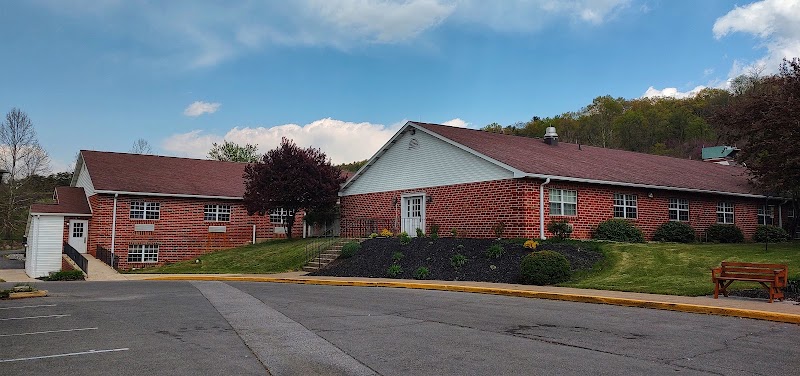
How is Embassy Of Woodland Park Staffed?

CMS rates EMBASSY OF WOODLAND PARK's staffing level at 3 out of 5 stars, which is average compared to other nursing homes. Staff turnover is 25%, compared to the Pennsylvania average of 46%. This relatively stable workforce can support continuity of care.

What Have Inspectors Found at Embassy Of Woodland Park?

State health inspectors documented 53 deficiencies at EMBASSY OF WOODLAND PARK during 2022 to 2025. These included: 52 with potential for harm and 1 minor or isolated issues. While no single deficiency reached the most serious levels, the total volume warrants attention from prospective families.
Who Owns and Operates Embassy Of Woodland Park?

EMBASSY OF WOODLAND PARK is owned by a for-profit company. For-profit facilities operate as businesses with obligations to shareholders or private owners. The facility is operated by EMBASSY HEALTHCARE, a chain that manages multiple nursing homes. With 125 certified beds and approximately 119 residents (about 95% occupancy), it is a mid-sized facility located in ORBISONIA, Pennsylvania.
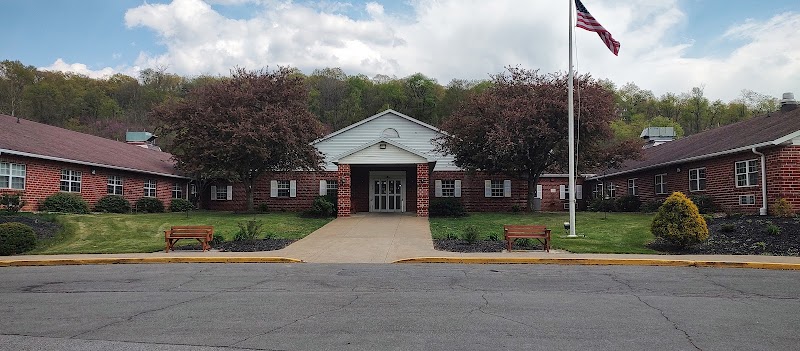
How Does Embassy Of Woodland Park Compare to Other Pennsylvania Nursing Homes?

Compared to the 100 nursing homes in Pennsylvania, EMBASSY OF WOODLAND PARK's overall rating (3 stars) matches the state average, staff turnover (25%) is significantly lower than the state average of 46%, and health inspection rating (2 stars) is below the national benchmark.

What Should Families Ask When Visiting Embassy Of Woodland Park?

Based on this facility's data, families visiting should ask: "Can I visit during a mealtime to observe dining assistance and food quality?" "How do you handle medical emergencies, and what is your hospital transfer rate?" "Can I speak with family members of current residents about their experience?"

Is Embassy Of Woodland Park Safe?

Based on CMS inspection data, EMBASSY OF WOODLAND PARK has a clean safety record: no substantiated abuse findings (meaning no confirmed cases of resident harm), no Immediate Jeopardy citations (the most serious violation level indicating risk of serious injury or death), and is not on the Special Focus Facility watch list (a federal program monitoring the lowest-performing 1% of nursing homes). The facility has a 3-star overall rating and ranks #1 of 100 nursing homes in Pennsylvania. While no facility is perfect, families should still ask about staff-to-resident ratios and recent inspection results during their visit.

Do Nurses at Embassy Of Woodland Park Stick Around?

Staff at EMBASSY OF WOODLAND PARK tend to stick around. With a turnover rate of 25%, the facility is 21 percentage points below the Pennsylvania average of 46%. Low turnover is a positive sign. It means caregivers have time to learn each resident's needs, medications, and personal preferences. Consistent staff also notice subtle changes in a resident's condition more quickly.

Was Embassy Of Woodland Park Ever Fined?

EMBASSY OF WOODLAND PARK has been fined $11,488 across 2 penalty actions. This is below the Pennsylvania average of $33,194. While any fine indicates a compliance issue, fines under $50,000 are relatively common and typically reflect isolated problems that were subsequently corrected. Families should ask what specific issues led to these fines and confirm they've been resolved.

Is Embassy Of Woodland Park on Any Federal Watch List?

EMBASSY OF WOODLAND PARK is not on any federal watch list. The most significant is the Special Focus Facility (SFF) program, which identifies the bottom 1% of nursing homes nationally based on persistent, serious quality problems. Not being on this list means the facility has avoided the pattern of deficiencies that triggers enhanced federal oversight. This is a positive indicator, though families should still review the facility's inspection history directly.