MULBERRY HEALTHCARE AND REHABILITATION CENT
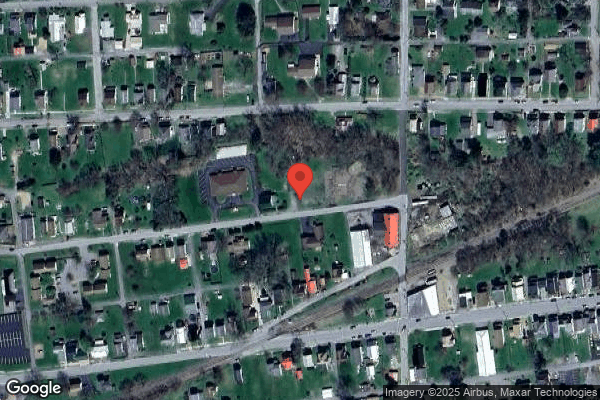
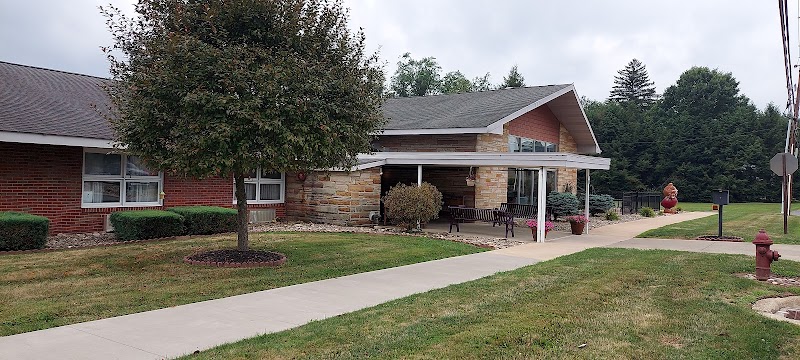
411 1/2 W MAHONING STREET, PUNXSUTAWNEY, PA 15767 (814) 938-6020
For profit - Corporation 75 Beds BONAMOUR HEALTH GROUP Data: November 2025 2 Immediate Jeopardy citations
Trust Grade
0/100
#611 of 653 in PA
Last Inspection: October 2024

Within standard 12-15 month inspection cycle. Federal law requires annual inspections.

Overview

Mulberry Healthcare and Rehabilitation Center has received a Trust Grade of F, indicating significant concerns about the facility's quality of care. Ranking #611 out of 653 facilities in Pennsylvania places it in the bottom half, and #4 out of 4 in Jefferson County means there are no better local options available. The facility is reportedly improving, having reduced its issues from 21 in 2024 to just 1 in 2025. Staffing appears to be a relative strength with a rating of 4 out of 5 stars and a turnover rate of 46%, which is average for the state. However, the facility has a concerning history of $142,388 in fines, indicating potential compliance problems, and there have been critical incidents such as failing to ensure safety measures for mechanical lifts and not notifying physicians of changes in residents' conditions in a timely manner.

Trust Score
F
0/100
In Pennsylvania
#611/653
Bottom 7%
Safety Record
High Risk
Review needed
Inspections
Getting Better
21 → 1 violations
Staff Stability
⚠ Watch
46% turnover. Above average. Higher turnover means staff may not know residents' routines.
Penalties
○ Average
$142,388 in fines. Higher than 52% of Pennsylvania facilities. Some compliance issues.
Skilled Nurses
✓ Good
Each resident gets 46 minutes of Registered Nurse (RN) attention daily — more than average for Pennsylvania. RNs are trained to catch health problems early.
Violations
⚠ Watch
58 deficiencies on record. Higher than average. Multiple issues found across inspections.
★☆☆☆☆
1.0
Overall Rating
★★★★☆
4.0
Staff Levels
★★☆☆☆
2.0
Care Quality
★☆☆☆☆
1.0
Inspection Score
Stable
2024: 21 issues
2025: 1 issues

The Good

  • 4-Star Staffing Rating · Above-average nurse staffing levels
  • Full Sprinkler Coverage · Fire safety systems throughout facility
  • No fines on record

Facility shows strength in staffing levels, fire safety.

The Bad

1-Star Overall Rating

Below Pennsylvania average (3.0)

Significant quality concerns identified by CMS

Staff Turnover: 46%

Near Pennsylvania avg (46%)

Higher turnover may affect care consistency

Federal Fines: $142,388

Well above median ($33,413)

Significant penalties indicating serious issues

Chain: BONAMOUR HEALTH GROUP

Part of a multi-facility chain

Ask about local staffing decisions and management

The Ugly 58 deficiencies on record

2 life-threatening 2 actual harm
Jan 2025 1 deficiency
CONCERN (D) 📢 Someone Reported This

A family member, employee, or ombudsman was alarmed enough to file a formal complaint

Potential for Harm - no one hurt, but risky conditions existed

Pharmacy Services (Tag F0755)

Could have caused harm · This affected 1 resident

Based on review of policies and clinical records, as well as staff interviews, it was determined that the facility failed to ensure the accountability of controlled medications (drugs with the potenti...

Read full inspector narrative →
Based on review of policies and clinical records, as well as staff interviews, it was determined that the facility failed to ensure the accountability of controlled medications (drugs with the potential to be abused) for two of five residents reviewed (Residents 2, 5). Findings include: The facility's policy regarding Medication Administration, dated May 16, 2024, revealed that staff are required as policy to document the administration of medication in the resident's medical record. An annual Minimum Data Set (MDS) assessment (a mandated assessment of a resident's abilities and care needs) for Resident 2, dated December 23, 2024, revealed that the resident was cognitively intact, required assistance from staff for daily care needs, and had diagnosis that include high blood pressure and cerebral palsy (medical condition that affects muscle tone, movement and posture). Physician's orders for Resident 2, dated December 31, 2024, included an order for the resident to receive 325 milligrams (mg) Oxycodone-Acetaminophen (a controlled narcotic pain medication) orally every 12 hours for pain as needed. A review of the controlled drug record (a form that accounts for each tablet/pill/dose of a controlled drug) for Resident 2 for January 2025 indicated that a dose of 5-325 mg of Oxycodone was signed out on January 8, 2025, at 7:12 p.m. However, the resident's clinical record contained no documented evidence that the signed-out tablet of Oxycodone was administered to the resident on the dates that were mentioned. A quarterly (MDS) assessment for Resident 5, dated November 27, 2024, revealed that the resident was cognitively impaired, required assistance with daily care needs, and had diagnoses that included high blood pressure and dementia. Physician's orders for Resident 5, dated April 23, 2023, included an order for the resident to receive 5 mg of Oxycodone every eight hours as needed for pain. A review of the controlled drug record (a form that accounts for each tablet/pill/dose of a controlled drug) for Resident 5 for January 2025 indicated that a dose of 5 mg of Oxycodone was signed out on January 14, 2025, at 3:10 a.m. However, the resident's clinical record contained no documented evidence that the signed-out tablet of Oxycodone was administered to the resident on the dates that were mentioned. Interview with the Director of Nursing on January 23, 2025, at 1:14 p.m. confirmed that there was no documented evidence that staff administered Oxycodone to Residents 2 and 5 on the dates mentioned above. 28 Pa. Code 211.9(h) Pharmacy Services. 28 Pa. Code 211.12(d)(1) Nursing Services.
Nov 2024 1 deficiency
CONCERN (D) 📢 Someone Reported This

A family member, employee, or ombudsman was alarmed enough to file a formal complaint

Potential for Harm - no one hurt, but risky conditions existed

Free from Abuse/Neglect (Tag F0600)

Could have caused harm · This affected 1 resident

Based on review of policies, clinical records, and investigation documents, as well as staff interviews, it was determined that the facility failed to ensure that residents were free from abuse for tw...

Read full inspector narrative →
Based on review of policies, clinical records, and investigation documents, as well as staff interviews, it was determined that the facility failed to ensure that residents were free from abuse for two of four residents reviewed (Residents 2, 3). Findings include: The facility's abuse policy, dated April 18, 2024, indicated that residents were not to be exposed to abuse, neglect, mistreatment and misappropriation. Neglect was defined as failure of the facility, its employees so service providers to provide goods and services necessary to avoid physical harm, mental anguish, emotional distress, or mental illness. Neglect was the unwillful act to neglect goods and services to a patient. Examples include failure to follow the care plan, failure to make accessible goods for resident, failure to reposition patient, medication errors, and call light response times. An admission Minimum Data Set (MDS) assessment (a mandated assessment of a resident's abilities and care needs) for Resident 2, dated October 8, 2024, revealed that the resident was understood and could understand others, had moderately impaired cognition, had no behaviors, required substantial/maximal assistance from staff for sit to stand and had diagnoses that included cerebral palsy (neurological disorder that affect a person's ability to move, balance, and maintain posture). A care plan for Resident 2 regarding a self-care deficit revealed that the resident was an extensive assist of two staff with ETAC device (type of sit to stand transfer device). A nursing note for Resident 2, dated October 26, 2024, at 3:45 p.m., revealed that the resident was being transferred with ETAC device with assist of a nurse aide, and when standing at the bar to transfer to the shower chair her knees buckled and she fell to the floor. Upon entering the room the resident was lying on her back with her feet closest to the bar. The facility's investigation, dated October 26, 2024, revealed that Nurse Aide 1 transferred Resident 2 from the shower chair to the wheelchair with only one staff assist instead of two. Nurse Aide 1 was educated. A witness interview from Nurse Aide 1, dated October 26, 2024, revealed that she was transferring Resident 2 in the shower room and had to lower her to the floor because she was going down. A Certified Registered Nurse Practioner (CRNP) note for Resident 2, dated November 9, 2024, revealed that the resident admitted to some increased pain in her left shoulder as well as neck region. Resident 2 stated that had been ongoing since last week. The resident stated that she did have a fall. An interview with Nurse Aide 1 on November 13, 2024, at 2:26 p.m., confirmed that she was transferring Resident 2 in the shower room by herself instead of two staff because she was trying to get things done and caught up. Nurse Aide 1 confirmed that she was trained on the use of the ETAC lift and was aware that the lift required a two-person assist. An interview with Resident 2 on November 13, 2024, at 2:54 p.m., revealed that she remembers falling and Nurse Aide 1 was holding the wheelchair, and there was no one to hold the orange handle. She said that even though the fall was not her fault, she has to go to therapy and that she had shoulder pain and back pain after the fall. A skills review for Nurse Aide 1, dated August 8, 2024, revealed that she was trained on transferring a resident using a mechanical lift with a mandatory assist of two staff. Interview with the Director of Nursing on November 13, 2024, at 1:38 p.m. and 3:31 p.m. confirmed that Nurse Aide 1 transferred Resident 2 by herself instead of with two, and the resident fell. Nurse Aide 1 failed to follow the care plan and Nurse Aide 1 was suspended. A quarterly MDS assessment for Resident 3, dated October 18, 2024, revealed that the resident was understood and sometimes understood others, had severely impaired cognition, had no behaviors, required substantial/maximal assistance from staff for sit to stand, and had diagnoses that included dementia. A nursing note for Resident 3, dated October 27, 2024, at 1:28 p.m., revealed that during morning care two nurse aides were rolling Resident 3, when he said, I am going to bite you. The nurse aide jerked her arm away with her hand hitting him in the face. Information reported to the regulatory body, dated October 27, 2024, revealed that Nurse Aide 1 and Nurse Aide 2 were performing care, Resident 3 was combative, and Nurse Aide 1 jerked away and accidently hit the resident's face with the back of her band. A witness interview from Nurse Aide 2, dated October 27, 2024, revealed that when providing care to Resident 3, who was combative, the resident told Nurse Aide 1 that he was going to bite her and opened his mouth in a biting motion. Nurse Aide 1 jerked her arm away and smacked the resident on the right side of the face. Nurse Aide 1 said that it was an accident. Nurse Aide 2 suggested giving Resident 3 a break, but Nurse Aide 1 continued to provide care and getting more frustrated, which made the resident more combative and the resident hit Nurse Aide 1, breaking her glasses. A witness interview from Nurse Aide 1, dated October 27, 2024, revealed that when providing care to Resident 3, the resident was being combative and said he was going to bite her. It was a quick reaction that Nurse Aide 1 hit the resident in the face with the back of her hand by accident. An interview with Nurse Aide 1 on November 13, 2024, at 2:26 p.m. revealed that she was rolling Resident 3 toward her when she tried to bite her. She used her other hand to push his face away from her. Then Resident 3 hit her and knocked her glasses off. An interview with Registered Nurse 3 on November 13, 2024, at 2:05 p.m. revealed that she was informed of the situation with Resident 3. After conducting interviews, Nurse Aide 2 wanted to stop and reapproach with care, but Nurse Aide 1 said no. Registered Nurse 3 confirmed that staff should have stopped and reapproached Resident 3 when he was not combative. Nurse Aide 1 was removed from the floor. Interview with the Director of Nursing on November 13, 2024, at 1:38 p.m. confirmed that Nurse Aide 1 had a reactionary response of jerking her arm away when providing care to Resident 3 when the resident tried to bite her. 28 Pa. Code 201.14(a) Responsibility of Licensee. 28 Pa. Code 201.18(b)(1)(e)(1) Management. 28 Pa. Code 201.29(j) Resident Rights. 28 Pa. Code 211.12 (d)(5) Nursing Services.
Oct 2024 18 deficiencies 1 IJ (1 affecting multiple)
CRITICAL (K)

Immediate Jeopardy (IJ) - the most serious Medicare violation

Accident Prevention (Tag F0689)

Someone could have died · This affected multiple residents

Based on review of manufacturer's instructions, clinical records, and written safety and resident information, as well as observations and staff interviews, it was determined that the facility failed ...

Read full inspector narrative →
Based on review of manufacturer's instructions, clinical records, and written safety and resident information, as well as observations and staff interviews, it was determined that the facility failed to ensure the residents' environment remained as free of accident hazards as is possible by ensuring that mechanical lifts used to transfer residents were equipped with hanger bar latches as required on one of two lifts in use (Invacare 450 Full Body Mechanical Lift), placing the safety of the residents in an Immediate Jeopardy situation. The facility also failed to provide an environment that was free of accident hazards for residents who were at risk for falls by failing to follow care-planned interventions for one of 29 residents reviewed (Resident 47). Findings include: The manufacturer's instructions for the use of the Invacare Reliant 450 mechanical lift (a device that uses hydraulic power to lift and transfer residents between surfaces), dated 2016, revealed a diagram of the lift showing a swivel bar attached to the hydraulic arm of the lift. Each side of the swivel bar had three hooks for the sling to be attached. Each of the hooks had a hanger bar latch to prevent the sling from coming off the hook. The maintenance instructions for the swivel bar indicated that after the first year of use, the hooks of the swivel bar and the mounting brackets of the boom were to be inspected every three months for wear, and that regular maintenance of the lifts and accessories was necessary to ensure proper operation. Once the patient was elevated a few inches off the surface of the stationary object (wheelchair, commode or bed), and before moving the patient, staff were to check to make sure that the sling was properly connected to the hooks of the hanger bar, and if any attachments were not properly in place, the patient was to be lowered back onto the stationary object. An annual Minimum Data Set (MDS) assessment (a mandated assessment of a resident's abilities and care needs) for Resident 30, dated September 6, 2024, revealed that the resident was cognitively intact, required assistance with transfers, and had diagnosis that included heart failure, high blood pressure, and morbid obesity. Observations on October 15, 2024, at 2:20 p.m. in the North wing hallway revealed an Invacare Reliant 450 full body mechanical lift that was missing two hanger bar latches on two hooks on one side of the swivel bar and was missing one hanger bar latch on a hook that was on the the other side of the swivel bar. Interview with Nurse Aide 4 on October 15, 2024, at 2:21 p.m. revealed that she did not know what the hanger bar latches were or why they were missing. Observations on October 15, 2024, at 2:41 p.m. revealed that Nurse Aide 1 and Nurse Aide 2 transferred Resident 30 from her wheelchair to her bed using the Invacare Reliant 450 full body mechanical lift that was missing three of the six hanger bar latches. Interview with Nurse Aide 1 and Nurse Aide 2 at that time revealed that the hanger bar latches had been missing for a while, but they were never told to stop using the mechanical lift because of it. A telephone interview on October 15, 2024, at 3:15 p.m. with a representative for Invacare confirmed that the hanger bar latches are necessary for resident safety to prevent to the sling from sliding off the lift hook. Interview with the Nursing Home Administrator on October 15, 2024, at 3:52 p.m. revealed that she was not aware that the hanger bar latches were missing. On October 15, 2024, at 3:52 p.m. the Nursing Home Administrator was given the Immediate Jeopardy template and informed that the health and safety of the residents were placed in Immediate Jeopardy due to the facility's failure to ensure that the Invacare Reliant 450 full body mechanical lift had the hanger bar latches necessary for resident safety. An immediate action plan was submitted and contained the following: Invacare Lift Reliant 450 model was immediately removed from use and tagged out for maintenance. Secondary lift Joerns Hoyer 700 will be utilized for all full body mechanical lifts until clips can be obtained for the Invacare lift. The Nursing Home Administrator contacted Invacare and Direct Supply companies for immediate replacement of the latch kit to be sent overnight for replacement of missing hanger bar latch clips. Staff will be educated to assess lifts prior to each use and alert the Maintenance Director for any missing hanger bar latch clips or any identified issues with mechanical lifts. The Maintenance Director or designee will assess the mechanical lifts daily for five days, then weekly for four weeks, then monthly for two months for any ongoing need for repairs. A list of residents who required transfers with a full body mechanical lift, provided by the facility October 15, 2024, revealed that there were 12 residents in the facility who required transfers with the Invacare Reliant 450 full body mechanical lift. The Immediate Jeopardy was lifted on October 15, 2024, at 5:45 p.m. when it was confirmed that the Invacare Reliant 450 full body mechanical lift was removed from use and staff were educated on identifying mechanical issues regarding the mechanical lift. The facility's fall risk policy, dated May 16, 2024, indicated that staff will implement a resident-centered fall prevention plan to reduce the specific risk factors of falls for each resident at risk or with a history of falls. A quarterly MDS assessment for Resident 47, dated July 19, 2024, revealed that the resident was cognitively impaired, required assistance from staff for daily care needs, had history of falls, and diagnoses that included dementia. A care plan for Resident 47, dated February 3, 2024, indicated that the residents was to have bilateral fall mats. Observation of Resident 47 on October 15, 2024, at 10:56 a.m. revealed that the fall mats were folded up beside the resident's bedside table. Interview with Registered Nurse 3 on October 15, 2024, at 11:00 a.m. confirmed that the Resident 47 is care-planned for bilateral fall mats, and they should be in place and they were not. Interview with the Nursing Home Administrator on October 15, 2024, at 5:35 p.m. confirmed that the resident is care planned for bilateral fall mats and that they should have been in place. 28 Pa. Code 211.10(c)(d) Resident Care Policies. 28 Pa. Code 211.12(d)(5) Nursing Services.
CONCERN (D)

Potential for Harm - no one hurt, but risky conditions existed

Deficiency F0554 (Tag F0554)

Could have caused harm · This affected 1 resident

Based on review of policies and clinical records, as well as observations and resident and staff interviews, it was determined that the facility failed to determine if residents were safe to self-admi...

Read full inspector narrative →
Based on review of policies and clinical records, as well as observations and resident and staff interviews, it was determined that the facility failed to determine if residents were safe to self-administer medications for one of 29 residents reviewed (Resident 10). Findings include: The facility's medication administration policy, dated July 19, 2024, indicated that residents may self-administer their own medications only if the attending physician, in conjunction with the interdisciplinary care planning team, has determined that they have the decision-making capacity to do so safely. A admission Minimum Data Set (MDS) assessment (a mandated assessment of a resident's abilities and care needs) for Resident 10, dated August 28, 2024, revealed that the resident was cognitively intact and required assistance from staff for daily care needs. Physician's orders for Resident 10, dated August 23, 2024, included an order for the resident to receive 20 grams(gm)/30 milliliter (ml) of Lactulose Encephalopathy Oral Solution (a medication used to treat constipation) 30 ml by mouth one time a day for constipation. Observations during medication administration on October 16, 2024, at 8:30 a.m. revealed that Licensed Practical Nurse 5 prepared Resident 10's medications, which included 30 ml of Lactulose Encephalopathy Oral Solution. After administering Resident 10's pills, she placed the Lactulose Encephalopathy Oral Solution on the over-bed table and left the room. Interview with Licensed Practical Nurse 5 on October 16, 2024, at 8:31 a.m. confirmed that she left the Lactulose Encephalopathy Oral Solution with Resident 10 and would go back and check if the resident took the medication. Interview with the Nursing Home Administrator on October 17, 2024, at 12:24 p.m. confirmed that Licensed Practical Nurse 5 should have observed Resident 10 take the Lactulose Encephalopathy Oral Solution and should not have left it with the resident, and that there was no assessment to determine if Resident 10 was safe to self-administer her medications. 28 Pa. Code 211.12(d)(1)(5) Nursing Services.
CONCERN (D)

Potential for Harm - no one hurt, but risky conditions existed

Safe Environment (Tag F0584)

Could have caused harm · This affected 1 resident

Based on observations and staff interviews, it was determined that the facility failed to provide a safe, clean, and homelike environment related to residents' wheelchairs for three of 29 residents re...

Read full inspector narrative →
Based on observations and staff interviews, it was determined that the facility failed to provide a safe, clean, and homelike environment related to residents' wheelchairs for three of 29 residents reviewed (Residents 6, 33, 53). Findings include: The facility's policy for Homelike Environment, dated May 16, 2024, revealed that residents are provided with a safe, clean, comfortable and homelike environment. Observations of Resident 6's wheelchair on October 17, 2024, at 10:26 a.m. revealed that the vinyl material on both arm rests was torn. Observations of Resident 33's wheelchair on October 17, 2024, at 3:01 p.m. revealed that the vinyl material on both arm rests was cracked and torn. Observations of Resident 53's wheelchair on October 17, 2024, at 2:57 p.m. revealed that the vinyl material on the left arm rest was cracked and torn. Interview with the Maintenance Director on October 17, 2024, at 3:03 p.m. revealed that the wheelchair armrests for Residents 6, 33, and 53 were cracked and torn and peeling and that they should be replaced. 28 Pa. Code 201.29(j) Resident Rights. 28 Pa. Code 207.2(a) Administrator's Responsibility.
CONCERN (D)

Potential for Harm - no one hurt, but risky conditions existed

Transfer Notice (Tag F0623)

Could have caused harm · This affected 1 resident

Based on review of clinical records, as well as staff interviews, it was determined that the facility failed to notify the state ombudsman and/or the resident and resident's responsible party in writi...

Read full inspector narrative →
Based on review of clinical records, as well as staff interviews, it was determined that the facility failed to notify the state ombudsman and/or the resident and resident's responsible party in writing regarding the reason for transfers/discharge to the hospital for five of 29 residents reviewed (Residents 8, 30, 36, 55, 102). Findings include: A nursing note for Resident 8, dated July 23, 2024, at 7:19 p.m., revealed that the resident was admitted to the hospital with kidney failure. There was no documented evidence that a written notice of Resident 8's transfer to the hospital was provided to the resident's responsible party regarding the reason for transfer. An annual MDS assessment for Resident 30, dated September 6, 2024, revealed that the resident was cognitively intact, required assistance with daily care needs, and had diagnosis that included heart failure, high blood pressure, and morbid obesity. A nursing note for Resident 30, dated May 31, 2024, at 8:40 p.m., revealed that the resident had a change in condition and was transferred to the local emergency room. There was no documented evidence that a written notice of Resident 30's transfer to the hospital was provided to the resident's responsible party regarding the reason for transfer. An admission MDS assessment for Resident 36, dated September 3, 2024, revealed that the resident was cognitively intact, required assistance with daily care needs, and had diagnosis that included high blood pressure and left hip fracture. A nursing note for Resident 36, dated October 10, 2024, at 11:40 a.m., revealed that the resident was transferred to the local emergency room for a blood transfusion. A nursing note, dated October 11, 2024, at 8:30 a.m., revealed that the resident was admitted for osteomyelitis (infection in the bone). There was no documented evidence that a written notice of Resident 36's transfer to the hospital was provided to the resident's responsible party and/or the ombudsman. A quarterly MDS assessment for Resident 55, dated July 8, 2024, revealed that the resident was cognitively impaired, required assistance with daily care needs, and had diagnosis that included high blood pressure, diabetes, and Alzheimer's. A nursing note for Resident 55, dated May 29, 2024, revealed that the resident was unresponsive during care and was transferred to the emergency room. As of October 18, 2024, there was no documented evidence that a written notice of Resident 55's transfer to the hospital was provided to the resident's responsible party and/or the ombudsman. A nursing note for Resident 102, dated September 26, 2024, at 7:32 p.m., revealed that the resident was admitted to the hospital. There was no documented evidence that a written notice of Resident 102's transfer to the hospital was provided to the resident's responsible party regarding the reason for transfer. Interview with the Director of Nursing on October 18, 2024, at 1:00 p.m. confirmed that the facility did not provide a written notice to the state ombudsman and the resident or the resident's responsible party when a resident was transferred to the hospital for Residents 8, 30, 36, 55, and 102. 28 Pa. Code 201.25 Discharge Policy. 28 Pa. Code 201.29(f)(g) Resident Rights.
CONCERN (D)

Potential for Harm - no one hurt, but risky conditions existed

Deficiency F0625 (Tag F0625)

Could have caused harm · This affected 1 resident

Based on review of policies and clinical records, as well as staff interviews, it was determined that the facility failed to provide a written notice of the facility's bed-hold policy to the resident ...

Read full inspector narrative →
Based on review of policies and clinical records, as well as staff interviews, it was determined that the facility failed to provide a written notice of the facility's bed-hold policy to the resident and/or the resident's representative at the time of a transfer for five of 29 residents reviewed (Residents 8, 30, 36, 55, 102). Findings include: A nursing note for Resident 8, dated July 23, 2024, at 7:19 p.m., revealed that the resident was admitted to the hospital with kidney failure. There was no documented evidence that the resident and/or the responsible party was notified about the facility's bed-hold policy at the time of the above transfer to the hospital for Resident 8. An annual (MDS) assessment for Resident 30, dated September 6, 2024, revealed that the resident was cognitively intact, required assistance with daily care needs, and had diagnosis that included heart failure, high blood pressure, and morbid obesity. A nursing note for Resident 30, dated May 31, 2024, at 8:40 p.m., revealed that the resident had a change in condition and was transferred to the local emergency room. There was no documented evidence that a written notice of Resident 30's transfer to the hospital was provided to the resident's responsible party regarding the reason for transfer. An admission (MDS) assessment for Resident 36, dated September 3, 2024, revealed that the resident was cognitively intact, required assistance with daily care needs, and had diagnosis that included high blood pressure and left hip fracture. A nursing note for Resident 36, dated October 10, 2024, at 11:40 a.m., revealed that the resident was transferred to the local emergency room for a blood transfusion. A nursing note, dated October 11, 2024, at 8:30 a.m., revealed that the resident was admitted for osteomyelitis (infection in the bone). There was no documented evidence that the resident and/or the responsible party was notified about the facility's bed-hold policy at the time of the above transfer to the hospital for Resident 36. A quarterly MDS assessment for Resident 55, dated July 8, 2024, revealed that the resident was cognitively impaired, required assistance with daily care needs, and had diagnosis that included high blood pressure, diabetes, and Alzheimer's. A nursing note for Resident 55, dated May 29, 2024, revealed that the resident was unresponsive during care and was transferred to the emergency room. As of October 18, 2024, there was no documented evidence that the resident and/or the responsible party was notified about the facility's bed-hold policy at the time of the above transfer to the hospital for Resident 55. A nursing note for Resident 102, dated September 26, 2024, at 7:32 p.m., revealed that the resident was admitted to the hospital. There was no documented evidence that the resident and/or the responsible party was notified about the facility's bed-hold policy at the time of the above transfer to the hospital for Resident 102. Interview with the Director of Nursing on October 18, 2024, at 1:00 p.m. confirmed that the required written bed-hold information was not provided at the time of transfer to the hospital for Resident's 8, 30, 36, 55, and 102. 28 Pa. Code 201.14(a) Responsibility of Licensee. 28 Pa. Code 201.18(b)(3) Management.
CONCERN (D)

Potential for Harm - no one hurt, but risky conditions existed

Assessment Accuracy (Tag F0641)

Could have caused harm · This affected 1 resident

Based on review of the Resident Assessment Instrument User's Manual and clinical records, as well as staff interviews, it was determined that the facility failed to complete accurate Minimum Data Set ...

Read full inspector narrative →
Based on review of the Resident Assessment Instrument User's Manual and clinical records, as well as staff interviews, it was determined that the facility failed to complete accurate Minimum Data Set assessments for five of 29 residents reviewed (Residents 5, 8, 27, 46, 47). Findings include: The Long-Term Care Facility Resident Assessment Instrument (RAI) User's Manual, which provides guidance and instructions for the completion of Minimum Data Set (MDS) assessments (mandated assessments of a resident's abilities and care needs), dated October 2024, indicated that the intent of Section N was to record the number of days, during the seven days of the assessment period, that any type of injection, insulin, and/or select medications were received by the resident. Section N0415F Antibiotic Medications and Section N0415I Antiplatelet Medications (medication used to prevent blood from clotting) was to be coded if the resident took the medication during the seven-day look-back period. Physician's orders for Resident 5, dated August 12, 2024, included an order for the resident to receive a pneumonia vaccine to be administered at Rite Aid on August 12, 2024. A nursing note for Resident 5, dated August 12, 2024, at 12:16 p.m., revealed that the resident received a pneumonia vaccine on August 12, 2024, at Rite Aid. An annual MDS assessment for Resident 5, dated August 14, 2024, revealed that Section N0300 indicated that the resident did not receive an injection of any type in the last seven days. Interview with the Registered Nurse Assessment Coordinator (who was responsible for the collection of MDS information) on October 18, 2024, at 10:34 p.m. confirmed that Section N0300 was coded inaccurately for Resident 5, who received a pneumonia injection during the assessment period. The RAI User's Manual, dated October 2024, revealed that Section N0415I Antiplatelet Medications was to be coded is taking if the resident used an antiplatelet during the seven-day assessment period. A quarterly MDS for Resident 8, dated August 5, 2024, revealed that Section N0415I was not coded, indicating that the resident did not receive an antiplatelet during the look-back assessment period. A physician's order for Resident 8, dated July 31, 2024, revealed that the resident was to receive 81 milligrams (mg) aspirin (an antiplatelet) daily. A review of the Medication Administration Record (MAR) for Resident 8, dated July 2024, revealed that the resident received aspirin daily during the look-back period. An interview with the RNAC on October 18, 2024, at 10:34 a.m. confirmed that the assessment for Resident 8 was coded incorrectly. The RAI User's Manual, dated October 2024, which gives instructions for completing MDS assessments, dated October 2024, revealed that Section N0415F Antibiotic Medications was to be coded is taking if the resident used an antibiotic during the seven-day assessment period. A quarterly MDS for Resident 27, dated August 2, 2024, revealed that Section N0415F was not coded, indicating that the resident did not receive an antibiotic during the look-back assessment period. A physician's order for Resident 27, dated July 16, 2024, revealed that the resident was to receive antibiotic ointment to the left fourth toe daily until healed. A review of the MAR for Resident 27, dated August 2024, revealed that the resident received the antibiotic ointment daily during the look-back period. An interview with the RNAC on October 18, 2024, at 10:34 a.m. confirmed that the assessment for Resident 27 was coded incorrectly. Physician's orders for Resident 46, dated July 10, 2024, included an order for the resident to receive 81 milligrams(mg) of aspirin (Antiplatelet Medication) one time a day. A review of the residents MAR, dated August 2024, revealed that the resident received the medication during the seven-day look-back period. A significant change MDS assessment for Resident 46, dated August 19, 2024, revealed that Section N0415I indicated that the resident did not receive an antiplatelet medication during the assessment period. Physician's orders for Resident 47, dated January 17, 2024, included an order for the resident to receive 81 mg of aspirin one time a day. A review of the Residents MAR, dated July 2024, revealed that the resident received the medication during the seven-day look-back period. A quarterly MDS assessment for Resident 47, dated July 19, 2024, revealed that Section N0415I indicated that the resident did not receive an antiplatelet medication during the assessment period. Interview with the RNAC on October, 18, 2024, at 10:34 a.m. confirmed that Section N0415I was inaccurately coded for Residents 46 and 47 and should have been coded for antiplatelet medications during the seven-day look-back assessment. 28 Pa. Code 211.5(f) Clinical Records.
CONCERN (D)

Potential for Harm - no one hurt, but risky conditions existed

ADL Care (Tag F0677)

Could have caused harm · This affected 1 resident

Based on review of clinical records, as well as family and staff interviews, it was determined that the facility failed to ensure that residents were provided with showers as scheduled for one of 29 r...

Read full inspector narrative →
Based on review of clinical records, as well as family and staff interviews, it was determined that the facility failed to ensure that residents were provided with showers as scheduled for one of 29 residents reviewed (Resident 19). Findings include: An admission Minimum Data Set (MDS) assessment (a federally-mandated assessment of the resident's abilities and care needs) for Resident 19, dated September 10, 2024, revealed that the resident was cognitively intact and required moderate assistance from staff for personal care needs. Resident 19's care plan, dated September 6, 2024, revealed that the resident preferred showering two times per week on Wednesday and Sunday evening shift. Review of Resident 19's bathing records for September and October 2024 revealed that the resident received a bed bath on September 18, 2024, and a shower on October 9, 2024. There was no documented evidence to indicate that Resident 19 received a shower on the other scheduled days for September and October 2024. Interview with Resident 19's daughter on October 15, 2024, at 1:30 p.m. revealed that the resident has only received two showers since being admitted to the facility. Interview with the Director of Nursing on October 16, 2024, at 2:18 p.m. confirmed that there was no documented evidence in Resident 19's medical record of the resident receiving any other showers except the ones mentioned above. 28 Pa. Code 211.12(d)(5) Nursing Services.
CONCERN (D)

Potential for Harm - no one hurt, but risky conditions existed

Quality of Care (Tag F0684)

Could have caused harm · This affected 1 resident

Based on review of clinical records, as well as staff interviews, it was determined that the facility failed to ensure that physician's orders were followed for three of 29 residents reviewed (Residen...

Read full inspector narrative →
Based on review of clinical records, as well as staff interviews, it was determined that the facility failed to ensure that physician's orders were followed for three of 29 residents reviewed (Residents 10, 37, 47). Findings include: The facility's policy regarding medication administration, dated May 16, 2024, revealed that medications are administered in accordance with prescriber orders, including any required time frame. An admission Minimum Data Set (MDS) assessment (a mandated assessment of a resident's abilities and care needs) for Resident 10, dated August 28, 2024, indicated that the resident was cognitively intact, required assistance from staff for daily care needs, and had diagnosis of gastro-esophageal reflux disease. Physician's orders for Resident 10, dated August 23, 2024, included an order for the resident to receive 1 gram (gm) of Sucralfate (a medication used to treat conditions of the digestive tract) one table by mouth before meals and at bedtime for gastric protection. Observations during medication administration on October 16, 2024, at 8:25 a.m. revealed that Licensed Practical Nurse 5 prepared Resident 10's medications, which included 1 gm Sucralfate. Licensed Practical Nurse 5 administered 1 gm Sucralfate to Resident 10 at 8:30 a.m. after she had consumed her breakfast meal. Interview with Licensed Practical Nurse 5 on October 16, 2024, at 8:31 a.m. confirmed that Resident 10 should have been given 1 gm Sucralfate before the breakfast meal per physician orders. Interview with Nursing Home Administrator on October 17, 2024, at 12:24 p.m. confirmed that Resident 10 should have been given 1 gm Sucralfate prior to eating the breakfast meal and it was not. A review of the facility's policy regarding Nutritional Assessment, dated May 16, 2024, revealed that the resident's intake would be adequate and that total intake of supplements ordered for weight loss would be documented within the resident's clinical record. A quarterly Minimum Data Set (MDS) assessments (required assessments of a resident's abilities and care needs) for Resident 37, dated July 19, 2024, revealed that the resident was cognitively impaired and had diagnoses that included Alzheimer's disease (decline in memory). A nutritionist's note for Resident 37, dated October 1, 2024, revealed that the resident had a weight loss of 29 pounds since March 2024 and that she was to receive 90 ml of a health shake (2.0 supplement) four times per day to prevent further weight loss. A physician's order for Resident 37 included an order for the resident to have 90 ml of 2.0 Supplement (for weight increase) four times a day. A review of Resident 37's October 2024 Medication Administration Record (MAR) revealed on October 2, 2024, the resident received 120 ml at 9:00 a.m.; 120 ml at 1:00 p.m.; 120 ml at 5:00 p.m.; and 90 ml at 9:00 p.m. On October 3, 2024, the resident received 90 ml at 9:00 a.m.; 90 ml at 1:00 p.m.; 0 ml at 5:00 p.m.; and 0 ml at 9:00 p.m. On October 4, 2024, the resident received 120 ml at 9:00 a.m.; 120 ml at 1:00 p.m.; 90 ml at 5:00 p.m.; and 90 ml at 9:00 p.m. On October 5, 2024, the resident received 120 ml at 9:00 a.m.; 120 ml at 1:00 p.m.; 90 ml at 5:00 p.m.; and 90 ml at 9:00 p.m. On October 6, 2024, the resident received 120 ml at 9:00 a.m.; 120 ml at 1:00 p.m.; 90 ml at 5:00 p.m.; and 90 ml at 9:00 p.m. On October 7, 2024, the resident received 120 ml at 9:00 a.m.; 120 ml at 1:00 p.m.; 120 ml at 5:00 p.m.; and 90 ml at 9:00 p.m. On October 8, 2024, the resident received 120 ml at 9:00 a.m.; 120 ml at 1:00 p.m.; 120 ml at 5:00 p.m.; and 30 ml at 9:00 p.m. On October 9, 2024, the resident received 90 ml at 9:00 a.m;, 0 ml at 1:00 p.m.; 90 ml at 5:00 p.m.; and 20 ml at 9:00 p.m. On October 11, 2024, the resident received 120 ml at 9:00 a.m.; 120 ml at 1:00 p.m.; 120 ml at 5:00 p.m.; and 120 ml at 9:00 p.m. On October 12, 2024, the resident received 0 ml at 9:00 a.m.; 0 ml at 1:00 p.m.; 90 ml at 5:00 p.m.; and 0 ml at 9:00 p.m. On October 13, 2024, the resident received 0 ml at 9:00 a.m.; 60 ml at 1:00 p.m.; 120 ml at 5:00 p.m.; and 90 ml at 9:00 p.m. On October 14, 2024, the resident received 120 ml at 9:00 a.m.; 120 ml at 1:00 p.m.; 20 ml at 5:00 p.m.; and 20 ml at 9:00 p.m. On October 15, 2024, the resident received 0 ml at 9:00 a.m.; 45 ml at 1:00 p.m.; 45 ml at 5:00 p.m.; and 45 ml at 9:00 p.m. On October 16, 2024, the resident received 0 ml at 9:00 a.m.; 60 ml at 1:00 p.m.; 60 ml at 5:00 p.m.; and 60 ml at 9:00 p.m. On October 17, 2024, the resident received 0 ml at 9:00 a.m.; 0 ml at 1:00 p.m.; 90 ml at 5:00 p.m.; and 120 ml at 9:00 p.m. An interview with the Director of Nursing on October 17, 2024, at 2:05 p.m. confirmed that there was no way to tell if the resident was receiving the correct amount of supplement or not due to the inconsistent documentation on the residents MAR and that it was important to know if she was consuming it or not because of her weight loss. A quarterly MDS assessment for Resident 47, dated July 19, 2024, revealed that the resident is cognitively impaired, requires assistance from staff for daily care needs, has history of falls, and diagnosis that include dementia and blood pressure. A care plan, dated February 3, 2024, indicated that the resident is to have bilateral fall mats. Physician's orders for Resident 47, dated October 9, 2024, included an order for the resident to receive 5 percent Permethrin cream apply one time a day to whole body neck down for rash and to apply Permethrin cream one time a day on October 16, 2024. Review of the Medication Administration Record (MAR) for Resident 47, dated October 2024, revealed no documented evidence that the resident received Permethrin cream on October 9, 2024. Interview with the Director of Nursing on October 18, 2024, at 10:52 a.m. confirmed that there was no documented evidence that Resident 47 received the first dose of 5 percent Permethrin cream on October 9, 2024, and that the dose was missed. Physician's orders for Resident 47, dated June 19, 2024, included an order for the resident to receive Humalog Insulin Lispro (Humalog - a rapid-acting insulin) based on a sliding scale (the amount of insulin is based on the result of a fingerstick blood sugar test) before meals. The sliding scale included giving 3 units of insulin for a blood sugar of 100-150 milligrams per deciliter (mg/dL), 5 units for a blood sugar of 151-250 mg/dL, 7 units for a blood sugar of 251-300 mg/dL, 9 units for a blood sugar of 301-350 mg/dL, 13 units for a blood sugar of 351-400 mg/dL, 13 units for a blood sugar of 401-450 mg/dL, repeat fingerstick blood sugar test in two hours and if still above 400, notify the physician. Resident 47's fingerstick blood sugar test result on October 16, 2024, at 7:00 a.m. was 216, which indicated that he should receive 5 units of Humalog Insulin Lispro before the breakfast meal Observations during medication administration on October 16, 2024, at 8:45 a.m. revealed that Licensed Practical Nurse 5 prepared Resident 47's medications, which included 5 units of Humalog Insulin Lispro. Licensed Practical Nurse 5 administered 5 units of Humalog Insulin Lispro to Resident 47 on October 16, 2024, at 8:47 a.m. after he had consumed his breakfast meal. Interview with Licensed Practical Nurse 5 on October 16, 2024, at 8:47 a.m. confirmed that Resident 47 should have been given 5 units of Humalog Insulin Lispro before the breakfast meal per physician orders. Interview with Nursing Home Administrator on October 17, 2024, at 12:24 p.m. confirmed that Resident 47's 5 units of Humalog Insulin Lispro should have been given prior to him eating the breakfast meal and it was not. 28 Pa. Code 211.12(d)(1)(5) Nursing Services.
CONCERN (D)

Potential for Harm - no one hurt, but risky conditions existed

Pharmacy Services (Tag F0755)

Could have caused harm · This affected 1 resident

Based on review of policies and clinical records, as well as staff interviews, it was determined that the facility failed to ensure the accountability of controlled medications (drugs with the potenti...

Read full inspector narrative →
Based on review of policies and clinical records, as well as staff interviews, it was determined that the facility failed to ensure the accountability of controlled medications (drugs with the potential to be abused) for three of 29 residents reviewed (Residents 5, 28, 30). Findings include: The facility's policy regarding Medication Administration, dated May 16, 2024, revealed that staff are required to document the administration of medication in the resident's medical record. An annual Minimum Data Set (MDS) assessment (a mandated assessment of a resident's abilities and care needs) for Resident 5, dated August 14, 2024, revealed that the resident is cognitively impaired, required assistance from staff for daily care needs, and had diagnoses that include high blood pressure, dementia, and pain in left lower leg. Physician's orders for Resident 5, dated April 28, 2024, included an order for the resident to receive one 5/325 milligram (mg) tablet of Oxycodone/Acetaminophen (a controlled narcotic pain medication) orally every eight hours for pain. A review of the controlled drug record (a form that accounts for each tablet/pill/dose of a controlled drug) for Resident 5 for August, September, and October 2024 indicated that a dose of 5/325 mg of Oxycodone was signed out on August 26, 2024, at 4:15 a.m.; August 28, 2024, at 5:00 a.m.; August 29, 2024, at 5:57 a.m.; September 9, 2024, at 3:15 a.m.; September 26, 2024, at 8:30 p.m.; October 7, 2024, at 12:30 a.m.; and October 14, 2024, at 3:15 a.m. However, Resident 5's clinical record contained no documented evidence that the signed-out tablet of Oxycodone was administered to the resident on the dates that were mentioned. Interview with the Director of Nursing on October 17, 2024, at 11:18 a.m. confirmed that there was no documented evidence that staff administered the Oxycodone to Resident 5 on the dates mentioned above. A quarterly MDS assessment for Resident 28, dated August 22, 2024, revealed that the resident is cognitively intact, required assistance from staff for daily care needs, and was receiving hospice care. Physician's orders for Resident 28, dated August 17, 2024, included an order for the resident to receive 1 milligram (mg) of Lorazepam (a controlled medication for anxiety) orally every two hours as needed for anxiety or restlessness. A review of the controlled drug record for Resident 28 for October 2024 indicated that a 1 mg dose of Lorazepam was signed out on October 1, 2024, at 7:00 p.m. However, Resident 28's clinical record contained no documented evidence that the signed-out dose of Lorazepam was administered to the resident on the date that was mentioned. Interview with the Director of Nursing on October 17, 2024, at 11:19 a.m. confirmed that there was no documented evidence that staff administered Lorazepam to Resident 28 on the date mentioned above. An annual MDS assessment for Resident 30, dated September 6, 2024, revealed that the resident was cognitively intact, required assistance with daily care needs, and had diagnoses that included heart failure. Physician's orders for Resident 30, dated July 27, 2024, included an order for the resident to receive 5 mg of Oxycodone every four hours as needed for moderate to severe pain. A review of the controlled drug record for Resident 30 for August 2024 and October 2024 indicated that a dose of Oxycodone was signed out on August 17, 2024, at 11:40 p.m.; August 25, 2024, at 3:45 a.m.; October 2, 2024, at 6:40 p.m.; and October 12, 2024, at 8:53 p.m. However, Resident 30's clinical record contained no documented evidence that the signed-out dose of Oxycodone was administered to the resident on the dates that were mentioned. Interview with the Director of Nursing on October 17, 2024, at 11:18 a.m. confirmed that there was no documented evidence that staff administered Oxycodone to Resident 30 on the dates mentioned above. 28 Pa. Code 211.9(h) Pharmacy Services. 28 Pa. Code 211.12(d)(1) Nursing Services.
CONCERN (D)

Potential for Harm - no one hurt, but risky conditions existed

Drug Regimen Review (Tag F0756)

Could have caused harm · This affected 1 resident

Based on review of facility policies and clinical records, as well as interviews with staff, it was determined that the facility failed to ensure that pharmacy recommendations related to drug irregula...

Read full inspector narrative →
Based on review of facility policies and clinical records, as well as interviews with staff, it was determined that the facility failed to ensure that pharmacy recommendations related to drug irregularities were acted upon by a physician for two of 17 residents reviewed (Residents 7, 37). Findings include: Review of the facility's policy regarding the Role of the Consultant Pharmacist, dated May 16, 2024, revealed that the pharmacist will review the resident's medications and notify the physician of any irregularities. The physician will then make any necessary adjustments to the resident's medication. A quarterly Minimum Data Set (MDS) assessment (a federally-mandated assessment of a resident's abilities and care needs) for Resident 7, dated August 13, 2024, revealed that the resident was cognitively impaired and had diagnoses that included Alzheimer's disease. A progress note for Resident 7, dated April 19, 2024, revealed that a Medication Record Review (MRR) was completed by the pharmacist with medication changes recommended. There was no documented evidence in the clinical record to indicate that the MRR, with recommendations, was reviewed by the physician. A progress note for Resident 7, dated September 10, 2024, revealed that a MRR was completed by the pharmacist with medication changes recommended. There was no documented evidence in the clinical record to indicate that the MRR, with recommendations, was reviewed by the physician. A progress note for Resident 7, dated October 14, 2024, revealed that a MRR was completed by the pharmacist with medication changes recommended. There was no documented evidence in the clinical record to indicate that the MRR, with recommendations, was reviewed by the physician. A quarterly MDS assessment for Resident 37, dated July 19, 2024, revealed that the resident was cognitively impaired and had diagnoses that included Alzheimer's disease. A progress note for Resident 37, dated April 19, 2024, revealed that a MRR was completed by the pharmacist indicating that recommendations were made to prescriber, see medication regiment review report. There was no documented evidence in the clinical record to indicate that the MRR, with recommendations, was reviewed by the physician. A progress note for Resident 37, dated July 24, 2024, revealed that a MRR was completed by the pharmacist with medication changes recommended. There was no documented evidence in the clinical record to indicate that the MRR, with recommendations, was reviewed by the physician. A progress note for Resident 37, dated August 23, 2024, revealed that a MRR was completed by the pharmacist with medication changes recommended. There was no documented evidence in the clinical record to indicate that the MRR, with recommendations, was reviewed by the physician. A progress note for Resident 37, dated September 10, 2024, revealed that a MRR was completed by the pharmacist with medication changes recommended. There was no documented evidence in the clinical record to indicate that the MRR, with recommendations, was reviewed by the physician. A progress note for Resident 37, dated October 14, 2024, revealed that a MRR was completed by the pharmacist with medication changes recommended. There was no documented evidence in the clinical record to indicate that the MRR, with recommendations, was reviewed by the physician. An interview with the Director of Nursing on October 17, 2024, at 12:11 p.m. revealed that the physician had not been responding to MRR/pharmacist recommendations since April 2024, and confirmed that the Medication Regimen Reviews for Residents 7 and 37 were not addressed. 28 Pa. Code 211.5(f) Clinical Records. 28 Pa. Code 211.12(c)(d)(1)(3)(5) Nursing Services.
CONCERN (D)

Potential for Harm - no one hurt, but risky conditions existed

Unnecessary Medications (Tag F0759)

Could have caused harm · This affected 1 resident

Based on review of clinical records, as well as observations and staff interviews, it was determined that the facility failed to maintain a medication administration error rate that was less than five...

Read full inspector narrative →
Based on review of clinical records, as well as observations and staff interviews, it was determined that the facility failed to maintain a medication administration error rate that was less than five percent. Findings include: Observations during medication administration on October 16, 2024, revealed that two medication administration errors were made during 35 opportunities for error, resulting in a medication administration error rate of 5.71 percent. Physician's orders for Resident 10, dated August 23, 2024, included an order for the resident to receive 1 gram (gm) of Sucralfate (a medication used to treat conditions of the digestive tract) by mouth before meals and at bedtime for gastric protection. Observations during medication administration on October 16, 2024, at 8:25 a.m. revealed that Licensed Practical Nurse 5 prepared Resident 10's medications, which included 1 gm Sucralfate. Licensed Practical Nurse 5 administered 1 gm Sucralfate to Resident 10 at 8:30 a.m. after she had consumed her breakfast meal. Interview with Licensed Practical Nurse 5 on October 16, 2024, at 8:31 a.m. confirmed that Resident 10 should have been given 1 gm Sucralfate before the breakfast meal per physician orders. Physician's orders for Resident 47, dated June 19, 2024, included an order for the resident to receive Humalog Insulin Lispro (Humalog - a rapid-acting insulin) based on a sliding scale (the amount of insulin is based on the result of a fingerstick blood sugar test) before meals. The sliding scale included giving 3 units of insulin for a blood sugar of 100-150 milligrams per deciliter (mg/dL), 5 units for a blood sugar of 151-250 mg/dL, 7 units for a blood sugar of 251-300 mg/dL, 9 units for a blood sugar of 301-350 mg/dL, 13 units for a blood sugar of 351-400 mg/dL, 13 units for a blood sugar of 401-450 mg/dL, repeat fingerstick blood sugar test in two hours and if still above 400, notify the physician. Resident 47's fingerstick blood sugar test result on October 16, 2024, at 7:00 a.m. was 216, which indicated that he should receive 5 units of Humalog Insulin Lispro before the breakfast meal. Observations during medication administration on October 16, 2024, at 8:45 a.m. revealed that Licensed Practical Nurse 5 prepared Resident 47's medications, which included 5 units of Humalog Insulin Lispro. Licensed Practical Nurse 5 administered 5 units of Humalog Insulin Lispro to Resident 47 on October 16, 2024, at 8:47 a.m. after he had consumed his breakfast meal. Interview with Licensed Practical Nurse 5 on October 16, 2024, at 8:47 a.m. confirmed that Resident 47 should been given 5 units of Humalog Insulin Lispro before the breakfast meal per physician orders. Interview with Nursing Home Administrator on October 17, 2024, at 12:24 p.m. confirmed that Resident 10 should have been given 1 gm Sucralfate prior to eating the breakfast meal and it was not, and Resident 47's 5 units of Humalog Insulin Lispro should have been given prior to eating the breakfast meal and it was not. 28 Pa. Code 211.12(d)(1)(5) Nursing Services.
CONCERN (D)

Potential for Harm - no one hurt, but risky conditions existed

Deficiency F0761 (Tag F0761)

Could have caused harm · This affected 1 resident

Based on review of facility policy and clinical records, as well as observations and staff interviews, it was determined that the facility failed to ensure that medications were properly labeled in on...

Read full inspector narrative →
Based on review of facility policy and clinical records, as well as observations and staff interviews, it was determined that the facility failed to ensure that medications were properly labeled in one of two medication carts reviewed, and failed to label a multi-dose vial with the date it was opened in one of one medication room reviewed. Findings include: The facility's policy regarding storage and dating of medications and biologicals, dated May 16, 2024, indicated that the facility stores all medications and biologics in locked compartments under proper temperature, humidity and light controls. Medications dispensed by the pharmacy shall be labeled with the resident's name, medication name, dose, instructions and route of administration. When the original seal of a manufacturer's container or vial is initially broken, the container or vial will be dated. The manufacturer's instructions for Aplisol (an injectable medication used to detect exposure to the bacteria that causes tuberculosis), dated March, 2016, indicated that opened and in-use vials of Aplisol were to be discarded in 30 days. Observations in the medication refrigerator on October 15, 2024, at 10:56 a.m. revealed that there was one 1.0 milliliter (ml) vial of Aplisol in a box. The safety cap (a plastic cap put on by the manufacturer and that is removed prior to withdrawing the medication) was missing from the vial, and neither the vial or box was labeled with a date opened. Interview with Registered Nurse 3 on October 15, 2024, at 10:58 a.m. confirmed that neither the vial of Aplisol or the box that contained it were labeled with a date opened. Observations of the East medication cart on October 16, 2024, at 11:05 a.m. revealed that there were 10 tablets of Zofran (a medication used to prevent nausea) in foil packs in the bottom drawer that were not labeled with resident information. Interview with Licensed Practical Nurse 6 on October 15, 2024, at 11:06 a.m. confirmed that the tablets were not labeled with resident information, and she was not sure which resident they belonged to. Licensed Practical Nurse 6 disposed of the medication in the approved container used for disposal. Interview with the Nursing Home Administrator on October 16, 2024, at 2:15 p.m. confirmed that the Aplisol should have been labeled with the date that it was opened and the Zofran should have been labeled with the required information to indicate the residents name, medication name, dose, instructions and route of administration. 28 Pa. Code 211.9(a)(1) Pharmacy Services.
CONCERN (D)

Potential for Harm - no one hurt, but risky conditions existed

Administration (Tag F0835)

Could have caused harm · This affected 1 resident

Based on review of job descriptions and the deficiencies cited during the current survey, it was determined that the Nursing Home Administrator (NHA) and the Director of Nursing (DON) failed to assume...

Read full inspector narrative →
Based on review of job descriptions and the deficiencies cited during the current survey, it was determined that the Nursing Home Administrator (NHA) and the Director of Nursing (DON) failed to assume responsibility for effective management of the facility to ensure that the facility operated in compliance with state regulations and codes by not ensuring that mechanical lifts used to transfer residents were equipped with hanger bar latches without which the resident's health and safety are jeopardized for one of 29 residents reviewed (Resident 30). Findings include: The job description for the NHA, dated May 16, 2024, indicated that they must be knowledgeable of and demonstrate the ability to provide quality care by fostering a safe environment for residents and staff, providing emotional and psychological support for the residents within the facility, direct the day-to-day operation of the facility to ensure the highest degree of quality care is maintained at all times in accordance with current state and federal standards, and implement and enforce company policies and procedures to that end. The position description for the DON, dated May 16, 2024, indicated that the DON is to provide expert professional knowledge and skills necessary to plan, organize, develop, and direct the overall operation of the resident care department in accordance with all current regulatory standards to ensure the highest degree of quality care. The deficiencies cited under the Code of Federal Regulatory Groups for Long-Term Care, 483.25(d)(1)(2) Free of Accident Hazards/Supervision/Devices (F689) revealed that the NHA and DON failed to fulfill their essential job duties for ensuring that the residents' environment remained free of accident hazards. Refer to F689. 28 Pa. Code 201.14(a) Responsibility of Licensee. 28 Pa. Code 201.18(e)(1) Management. 28 Pa. Code 211.12(d)(1)(5) Nursing Services.
CONCERN (D)

Potential for Harm - no one hurt, but risky conditions existed

Medical Records (Tag F0842)

Could have caused harm · This affected 1 resident

Based on clinical record reviews and staff interviews, it was determined that the facility failed to ensure that clinical records were complete and accurately documented for one of 29 residents review...

Read full inspector narrative →
Based on clinical record reviews and staff interviews, it was determined that the facility failed to ensure that clinical records were complete and accurately documented for one of 29 residents reviewed (Resident 102). Findings include: A quarterly MDS for Resident 102, dated July 31, 2024, indicated that the resident was cognitively intact, had a feeding tube (a tube surgically inserted into the stomach), and had pressure ulcers. A physician's order, dated October 9, 2024, included an order to empty and record drainage from Penrose drain (a tube surgically inserted to drain fluid from a wound) in the right hip every shift. A review of Resident 102's Medication Administration Review (MAR), dated October 2024, revealed that staff emptied the Penrose drain. A surgical note for Resident 102, dated October 8, 2024, revealed that the resident had surgery to clean out a pressure ulcer and the Penrose drain was sewn into the resident's pressure ulcer in the right hip and through the right buttock in order to create a tract for the wounds to heal. The Penrose drain would not be emptied, should be left alone for two weeks, then removed. Interview with the Director of Nursing on October 17, 2024, at 9:33 a.m. revealed that the Penrose drain cannot be emptied and the staff should not have charted that they drained it. 28 Pa. Code 211.5(f) Clinical Records.
CONCERN (D)

Potential for Harm - no one hurt, but risky conditions existed

QAPI Program (Tag F0867)

Could have caused harm · This affected 1 resident

Based on review of the facility's plans of correction for previous surveys, and the results of the current survey, it was determined that the facility's Quality Assurance Performance Improvement (QAPI...

Read full inspector narrative →
Based on review of the facility's plans of correction for previous surveys, and the results of the current survey, it was determined that the facility's Quality Assurance Performance Improvement (QAPI) committee failed to correct quality deficiencies and ensure that plans to improve the delivery of care and services effectively addressed recurring deficiencies. Findings include: The facility's deficiencies and plan of corrections for an annual survey ending December 7, 2023, revealed that the facility developed plans of correction that included quality assurance systems to ensure that the facility maintained compliance with cited nursing home regulations. The results of the current survey, ending October 18, 2024, identified repeated deficiencies regarding accurate completion of Minimum Data Set (MDS) assessments (mandated assessments of residents' abilities and care needs); quality of care; accidents and hazards; pharmacy services; medication storage; food procurement-storing, preparing and serving food under sanitary conditions; complete and accurate medical records; and following proper infection control practices. The facility's plan of correction for a deficiency regarding the accuracy of assessment, cited during the survey ending December 7, 2023, revealed that the facility would complete audits and report the results of the audits to the QAPI committee for review. The results of the current survey, cited under F641, revealed that the facility's QAPI committee was ineffective in maintaining compliance with the regulation regarding accuracy of assessments. The facility's plan of correction for a deficiency regarding quality care, cited during the surveys ending December 7, 2023, revealed that the facility would complete audits and report the results of the audits to the QAPI committee for review. The results of the current survey, cited under F684, revealed that the facility's QAPI committee was ineffective in maintaining compliance with the regulation regarding quality care. The facility's plan of correction for a deficiency regarding safety and accident hazards, cited during the survey ending December 7, 2023, revealed that the facility would complete audits and report the results of the audits to the QAPI committee for review. The results of the current survey, cited under F689, revealed that the facility's QAPI committee was ineffective in maintaining compliance with the regulation regarding accidents and hazards. The facility's plans of correction for deficiencies regarding pharmacy services, cited during the survey ending December 7, 2023, revealed that the facility would complete audits and report the results of the audits to the QAPI committee for review. The results of the current survey, cited under F755, revealed that the facility's QAPI committee was ineffective in maintaining compliance with the regulation regarding pharmacy services. The facility's plan of correction for a deficiency regarding labeling and storing medications, cited during the survey ending December 7, 2023, revealed that the facility would complete audits and report the results of the audits to the QAPI committee for review. The results of the current survey, cited under F761, revealed that the facility's QAPI committee was ineffective in maintaining compliance with the regulation regarding secure storage of medications. The facility's plan of correction for a deficiency regarding food storage and sanitation, cited during the survey ending December 7, 2023, revealed that audits would be completed, and the results of the audits would be presented at the quarterly QAPI meeting. The results of the current survey, cited under F812, revealed that the QAPI committee was ineffective in maintaining compliance with the regulation regarding food procurement-storing, preparing and serving food under sanitary conditions. The facility's plan of correction for a deficiency regarding complete and accurate medical records, cited during the survey ending December 7, 2023, revealed that the facility would complete audits and report the results of the audits to the QAPI committee for review. The results of the current survey, cited under F842, revealed that the facility's QAPI committee was ineffective in maintaining compliance with the regulation regarding complete and accurate medical records. The facility's plans of correction for deficiencies regarding infection control, cited during the survey ending December 7, 2023, revealed that the facility would complete audits and report the results of the audits to the QAPI committee for review. The results of the current survey, cited under F880, revealed that the facility's QAPI committee was ineffective in maintaining compliance with the regulation regarding proper infection control practices. Refer to F641, F684, F689, F755, F761, F812, F842, F880. 28 Pa. Code 201.14(a) Responsibility of Licensee. 28 Pa. Code 201.18(e)(1) Management.
CONCERN (D)

Potential for Harm - no one hurt, but risky conditions existed

Infection Control (Tag F0880)

Could have caused harm · This affected 1 resident

Based on review of policies, as well as observations and staff interviews, it was determined that the facility failed to ensure that proper infection control practices were followed while providing me...

Read full inspector narrative →
Based on review of policies, as well as observations and staff interviews, it was determined that the facility failed to ensure that proper infection control practices were followed while providing medications for one of 29 residents reviewed (Resident 19). Findings include: The facility's medication administration policy, dated May 16, 2024, indicated that only persons licensed or permitted by the state to prepare, administer and document the administration of medications may do so and that staff will follow established facility infection control procedures (e.g. handwashing, aseptic technique, gloves, isolation precautions, etc.) for the administration of medications, as applicable. An admission Minimum Data Set (MDS) assessment (a mandated assessment of a resident's abilities and care needs) for Resident 19, dated September 9, 2024, indicated that the resident was alert, could understand, and required assistance from staff for her daily care needs. Observations on October 16, 2024, at 8:15 a.m. during medication pass revealed that Licensed Practical Nurse 5 was preparing medications for Resident 19 and dropped one of the pills inside a drawer in the medication cart. Licensed Practical Nurse 5 reached in the drawer with her bare hands and retrieved the pill, then proceeded to tape the pill to the back of the medication card that she took it from. Licensed Practical Nurse 5 stated that she did not want to waste it and wanted to save it for the next medication pass. Interview with Licensed Practical Nurse 5 on October 16, 2024, at 8:16 a.m. confirmed that she did retrieve the pill from the drawer with her bare hands and taped it to the back of the medication card and she should not have. Interview with the Nursing Home Administrator on October 16, 2024, at 2:15 p.m. confirmed that Licensed Practical Nurse 5 should not have retrieved the pill with her bare hands and taped it to the back of the medication card. 28 Pa. Code 211.12(d)(1)(5) Nursing Services.
CONCERN (F)

Potential for Harm - no one hurt, but risky conditions existed

Deficiency F0804 (Tag F0804)

Could have caused harm · This affected most or all residents

Based on review of facility policies, resident interviews, observations, and staff interviews, it was determined that the facility failed to serve food items at appetizing temperatures. Findings inclu...

Read full inspector narrative →
Based on review of facility policies, resident interviews, observations, and staff interviews, it was determined that the facility failed to serve food items at appetizing temperatures. Findings include: The facility's policy regarding food temperatures, dated May 16, 2024, revealed that all hot items should be 135 Fahrenheit (F) or above. Cold products shall be 41 F or below. Foods failing to register these temperatures must be reheated/chilled until acceptable temperatures are reached. Observations of the lunch meal service on October 16, 2024, at 12:00 p.m. revealed that the last cart containing a test tray left the kitchen at 12:05 p.m. and arrived on the short hall at 12:07 p.m. Trays were passed to the residents and the last resident was served at 12:19 p.m. The test tray was removed from the cart at 12:20 p.m. and the temperature of the coffee was 110 F, the meat balls were 122 F, the pasta was 133 F, and the green beans were 80 F. The coffee, meatballs, pasta and green beans were lukewarm and not palatable. Interview with the Dietary Manager at the time of the observations confirmed that the coffee, meatballs and green beans were not at an appropriate temperature. Interview with Nursing Home Administrator on October 16, 2024, at 2:15 p.m. confirmed that food should be at 135 degrees F and be palatable. 28 Pa. Code 201.18(b)(1)(3)(e)(1) Management. 28 Pa. Code 211.6(c) Dietary Services.
CONCERN (F)

Potential for Harm - no one hurt, but risky conditions existed

Food Safety (Tag F0812)

Could have caused harm · This affected most or all residents

Based on review of policies, as well as observations and staff interviews, it was determined that the facility failed to ensure that food was served under sanitary conditions, failed to store food in ...

Read full inspector narrative →
Based on review of policies, as well as observations and staff interviews, it was determined that the facility failed to ensure that food was served under sanitary conditions, failed to store food in accordance with professional standards of food service safety, and failure to ensure that dietary staff wore appropriate hair coverings in the kitchen. Findings include: The facility's policy regarding Food Preparation, Service and Sanitation, dated May 16, 2024, revealed that food and nutrition service employees were to prepare, distribute and serve food in a manner that complies with safe food handling practice by cleaning and sanitizing work surfaces and food-contact equipment between uses, following food code guidelines. Recommended storge practices include keeping all shelving and floors clean and dry at all times, wrap all food well to prevent freezer burn, and all opened and partially used foods shall be dated, labeled and sealed before being returned to a storage area. Food and nutrition services staff are to wear hair restraints so that hair does not contact food. Observations in the main kitchen's walk-in freezer on October 15, 2024, at 9:27 a.m. revealed a bag of donut holes and a bag of cookie dough that were not sealed or labeled with the dates they were opened. Observations in a dry storage area of the kitchen on October 15, 2024, at 9:30 a.m. revealed three loaves of bread with an expiration date of October 11, 2024, and four loaves of bread with an expiration date of October 12, 2024. Observation of the ice machine in the main kitchen on October 15, 2024, at 10:00 a.m. revealed a brown, removable substance around the opening to the inside of the ice machine where the ice was located. Observations during the lunch meal tray line on October 16, 2024, at 11:55 a.m. revealed a stack of seven dishes on the bottom shelf of a utility cart that had dust, debris, and soiled oven mitts on it, and the Dietary Manager had a hair net on her head that did not completely cover all her hair. Interview with the Dietary Manager on October 16, 2024, at 12:45 p.m. confirmed that all items in the kitchen that are opened should be secured and labeled with the date it was opened, she confirmed that the bread was out dated and that she purchases several loaves and freezes them for future use; however, she had no process in place to document when the bread was removed from the freezer. The Dietary Manager also confirmed that the ice machine is cleaned by the Maintenance department and should not have a removable substance on it, that the dishes should be stored in a clean area and not on a shelf with dust and debris on it, and she should have all her hair covered by a hair net while in the kitchen. Interview with the Nursing Home Administrator on October 16, 2024, at 2:15 p.m. confirmed that all of the above mentioned kitchen concerns should not be occurring in the kitchen and that there should be a process in place to ensure safe food handling and storage in the kitchen. 28 Pa. Code 211.6(f) Dietary Services.
Mar 2024 1 deficiency
CONCERN (E) 📢 Someone Reported This

A family member, employee, or ombudsman was alarmed enough to file a formal complaint

Potential for Harm - no one hurt, but risky conditions existed

Deficiency F0685 (Tag F0685)

Could have caused harm · This affected multiple residents

Based on clinical record reviews and staff interviews, it was determined that the facility failed to follow recommendations from the optometrist for follow-up appointments for five of seven residents ...

Read full inspector narrative →
Based on clinical record reviews and staff interviews, it was determined that the facility failed to follow recommendations from the optometrist for follow-up appointments for five of seven residents (Residents 2, 3, 4, 6, 7). Findings include: An optometrist (a healthcare provider who specializes in caring for your eyes) note for Resident 2, dated March 27, 2023, revealed that the resident presented for a diabetic eye exam, and the patient was receiving care pursuant to an order from the primary care physician. Upon the primary care physician's review of the most current consult note and plan of care, should the primary care physician not agree with the medical necessity of both the care and plan of care, the optometrist was to be notified immediately, and that the resident was to return in six to nine months for a dilated fundus exam (a diagnostic procedure that uses eye drops to dilate or enlarge the pupil in order to obtain a better view of the fundus, the inside, back surface of the eye). There was no documented evidence that the optometrist's recommendation for Resident 2 to return in six to nine months was completed or that the resident's physician disagreed with the optometrist's plan of care. An optometrist note for Resident 3, dated March 27, 2023, revealed that the resident was seen for a diabetic exam in the right and left eye, and upon the primary care physician's review of the most current consult note and plan of care, should the primary care physician not agree with the medical necessity of both the care and plan of care, the optometrist was to be notified immediately. Resident 3 was to return in six to nine months for a dilated fundus exam. There was no documented evidence that the optometrist's recommendation for Resident 3 to return in six to nine months was completed or that the resident's physician disagreed with the optometrist's plan of care. An optometrist note for Resident 4, dated March 27, 2023, revealed that the resident presented for an evaluation of blurry vision in the right and left eyes, and that the patient was receiving care pursuant to an order from the primary care physician. Upon the primary care physician's review of the most current consult note and plan of care, should the primary care physician not agree with the medical necessity of both the care and plan of care, the optometrist is to be notified immediately, and that the resident was to return in six to nine months for a dilated fundus exam. There was no documented evidence that the optometrist's recommendation for Resident 4 to return in six to nine months was completed or that the resident's physician disagreed with the optometrist's plan of care. An optometrist note for Resident 6, dated March 27, 2023, revealed that the resident was seen for a diabetic exam in the right and left eye, and upon the primary care physician's review of the most current consult note and plan of care, should the primary care physician not agree with the medical necessity of both the care and plan of care, the optometrist was to be notified immediately. Resident 6 was to return in six to nine months for a dilated fundus exam. There was no documented evidence that the optometrist's recommendation for Resident 6 to return in six to nine months was completed or that the resident's physician disagreed with the optometrist's plan of care. An optometrist note for Resident 7, dated March 27, 2023, revealed that the resident presented for an evaluation of Glaucoma (a group of eye diseases that can cause vision loss and blindness by damaging a nerve in the back of your eye called the optic nerve), and that the patient was receiving care pursuant to an order from the primary care physician. Upon the primary care physician's review of the most current consult note and plan of care, should the primary care physician not agree with the medical necessity of both the care and plan of care, the optometrist is to be notified immediately, and that the resident was to return in three to six months for intraocular pressure (IOP - the fluid pressure of the eye), gonioscopy (a test performed by an eye doctor to evaluate the internal drainage system of the eye), and pachymetry (a test that measures the thickness of the cornea, the clear membrane located at the front of the eye). There was no documented evidence that the optometrist's recommendation for Resident 7 to return in three to six months was completed or that the resident's physician disagreed with the optometrist's plan of care. Interview with the Nursing Home Administrator on March 4, 2024, at 11:20 a.m. confirmed that there was no documented evidence that Residents 2, 3, 4, 6, and 7 had follow up appointments completed as recommended by the optometrist. 28 Pa. Code 211.12(d)(3)(5) Nursing Services.
Jan 2024 1 deficiency
CONCERN (D) 📢 Someone Reported This

A family member, employee, or ombudsman was alarmed enough to file a formal complaint

Potential for Harm - no one hurt, but risky conditions existed

Deficiency F0561 (Tag F0561)

Could have caused harm · This affected 1 resident

Based on clinical record reviews and resident and staff interviews, it was determined that the facility failed to support and accommodate a resident's choices and preferences for one of four residents...

Read full inspector narrative →
Based on clinical record reviews and resident and staff interviews, it was determined that the facility failed to support and accommodate a resident's choices and preferences for one of four residents reviewed (Resident 3). Findings include: A quarterly Minimum Data Set (MDS) assessment (a mandated assessment of a resident's abilities and care needs) for Resident 3, dated November 2, 2023, revealed that the resident was cognitively intact, required assistance from staff for his daily care needs, and had diagnoses that included traumatic brain injury. Interview with Resident 3 on January 24, 2024, at 12:00 p.m. revealed that he fights with the Nursing Home Administrator often because she does not permit him to make his own decisions. He stated that she encourages his sister-in-law to make his decisions and that he does not always agree with the decisions. He stated he just wants to be able to make his own decisions without his sister-in-law having a say. He confirmed that his sister-in-law is his power of attorney, but he does not feel she needs to make decisions for him as he is able to make his own decisions. Review of Resident 3's medical record revealed that the resident's sister-in-law had told the facility that she did not feel he was safe to go on leave of absences from the facility, and therefore they would not permit him. The clinical record also revealed that he has not been deemed incompetent or unable to make his own decisions. He made his sister-in-law the power of attorney in order to make his decisions when he was not able to do so. Interview with the Nursing Home Administrator and the Director of Nursing on January 24, 2024, at 3:15 p.m. revealed that they were not aware of the resident having been deemed incompetent. They stated that he had a head injury and that he was previously unable to make his own decisions and his sister-in-law was his power of attorney and able to do so. They stated that the resident previously made bad decisions for himself, but they were not aware of any court order that prevented him from making his own decisions. 28 Pa. Code 201.29(j) Resident Rights. 28 Pa. Code 211.12(d)(3)(5) Nursing Services.
Dec 2023 15 deficiencies
CONCERN (D)

Potential for Harm - no one hurt, but risky conditions existed

Notification of Changes (Tag F0580)

Could have caused harm · This affected 1 resident

Based on review of facility policy and clinical records, as well as staff interviews, it was determined that the facility failed to ensure that the physician was notified of a resident's change in con...

Read full inspector narrative →
Based on review of facility policy and clinical records, as well as staff interviews, it was determined that the facility failed to ensure that the physician was notified of a resident's change in condition for one of 22 residents reviewed (Resident 4). Findings include: The facility's policy for refusal of care, dated September 28, 2023, indicated that the attending physician must be notified of refusal of treatment in a time frame determined by the resident's condition and potential serious consequences of the refusal. The facility's bowel protocol includes for the daylight nurse to administer Milk of Magnesia after nine shifts of no bowel movement, and if ineffective, the evening shift nurse is to administer a suppository. If the suppository is ineffective, the nurse the next morning is to administer a Fleets enema. If the Fleets enema and all other interventions are ineffective, the registered nurse is to assess the resident and call the physician. A quarterly Minimum Data Set (MDS) assessment (a mandated assessment of a resident's abilities and care needs) for Resident 4, dated October 18, 2023, revealed that the resident was cognitively intact, was independent for personal hygiene needs, had an indwelling catheter, had a pressure ulcer (injuries to skin and underlying tissue resulting from prolonged pressure), and had diagnoses that included paraplegia (paralysis of legs and lower body). A review of the bowel records for Resident 4, dated November and December 2023, revealed that as of December 6, 2023, the last bowel movement the Resident had was on November 22, 2023. A nursing note for Resident 4, dated November 30, 2023, at 3:59 a.m. revealed that the resident had not moved his bowels in over seven days and was refusing the bowel protocol. A nursing note, dated December 1, 2023, at 4:04 a.m., revealed that the resident had not had a bowel movement in almost seven days; however, he refused the bowel protocol and was aware of the consequences. A nursing note, dated December 6, 2023, at 4:11 a.m., revealed that the resident did not have a bowel movement and was refusing the bowel protocol stating, We are beyond that point, and requested that the fecal material be digitally removed. A review of nursing and physician's progress notes for Resident 4 for November and December 2023 revealed no documented evidence that the physician was notified that the resident had been refusing the bowel protocol and had not had a bowel movement in 13 days. Interview with Resident 4 on December 6, 2023, at 9:16 a.m. revealed that he believed he had not had a bowel movement in about three weeks and was very uncomfortable. He agreed that he refused to take Milk of Magnesia and is not against taking suppositories or enemas but had refused stating that the only thing that works is digital extraction, and the facility will not allow that procedure to be done. Interview with the Nursing Home Administrator on December 7, 2023, at 9:48 a.m. confirmed that the physician was not notified that the resident was refusing the bowel protocol and had not had a bowel movement in 13 days. 28 Pa. Code 211.12(d)(1)(5) Nursing services.
CONCERN (D)

Potential for Harm - no one hurt, but risky conditions existed

Assessment Accuracy (Tag F0641)

Could have caused harm · This affected 1 resident

**NOTE- TERMS IN BRACKETS HAVE BEEN EDITED TO PROTECT CONFIDENTIALITY** Based on review of the Resident Assessment Instrument User's Manual and clinical records, as well as staff interviews, it was de...

Read full inspector narrative →
**NOTE- TERMS IN BRACKETS HAVE BEEN EDITED TO PROTECT CONFIDENTIALITY** Based on review of the Resident Assessment Instrument User's Manual and clinical records, as well as staff interviews, it was determined that the facility failed to complete accurate Minimum Data Set assessments for three of 22 residents reviewed (Residents 5, 11, 40). Findings include: The Long-Term Care Facility Resident Assessment Instrument (RAI) User's Manual, which gives instructions for completing Minimum Data Set (MDS) assessments (mandated assessments of a resident's abilities and care needs), dated October 2019, revealed that Section B0700 (make self understood) should be coded with either usually understood, sometimes understood, or rarely/never understood, and Section B0800 (ability to understand other) should be coded with either usually understands, sometimes understands, or rarely/never understands. Section C0100 (should brief interview for mental status be conducted) should be completed if the resident is at least sometimes understood verbally, in writing, or using another method. Section D (Mood) should be completed if the resident is at least sometimes understood verbally, in writing, or using another method. A significant change MDS for Resident 5, dated September 29, 2023, revealed that section B0700 was coded usually understood and Section B0800 was coded usually understands. Section C0100 was coded (no), indicating that the assessment was not completed because the resident was rarely or never understood. Section D0100 was coded (no), indicating that the assessment was not completed because the resident was rarely or never understood. An annual MDS for Resident 11, dated August 30, 2023, revealed that section B0700 was coded usually understood and Section B0800 was coded usually understands. Section C0100 was coded (no), indicating that the assessment was not completed because the resident was rarely or never understood. Section D0100 was coded (no), indicating that the assessment was not completed because the resident was rarely or never understood. A quarterly MDS for Resident 40, dated August 1, 2023, revealed that section B0700 was coded usually understood and section B0800 was coded as sometimes understands. Section C0100 was coded as (no), indicating that the assessment was not completed because the resident was rarely or never understood. Section D0100 was coded (no), indicating that the assessment was not completed because the resident was rarely or never understood. A quarterly MDS for Resident 40, dated October 4, 2023, revealed that section B0700 was coded as usually understood and section B0800 was coded as sometimes understands. Section C0100 was coded as (no), indicating that the assessment was not completed because the resident was rarely or never understood. Section D0100 was coded (no), indicating that the assessment was not completed because the resident was rarely or never understood. Interview with the Social Worker on December 7, 2023, at 1:34 p.m. confirmed that section C0100 and Section D0100 of Resident 5's significant change MDS assessment for September 29, 2023; Resident 11's annual MDS assessment for August 30, 2023; Resident 40's quarterly MDS assessment dated [DATE]; and Resident 40's quarterly MDS assessment, dated October 4, 2023, were coded incorrectly and that the residents should have had a brief interview for mental status completed and a mood assessment completed but did not. 28 Pa. Code 211.5(f) Clinical records.
CONCERN (D)

Potential for Harm - no one hurt, but risky conditions existed

Deficiency F0657 (Tag F0657)

Could have caused harm · This affected 1 resident

Based on review of clinical records, as well as observations and staff interviews, it was determined that the facility failed to ensure that care plans were updated to reflect changes in residents' ca...

Read full inspector narrative →
Based on review of clinical records, as well as observations and staff interviews, it was determined that the facility failed to ensure that care plans were updated to reflect changes in residents' care needs for two of 22 residents reviewed (Residents 2, 35). Findings include: An admission Minimum Data Set (MDS) assessment (a mandated assessment of a resident's abilities and care needs) for Resident 2, dated September 1, 2023, indicated that the resident was cognitively impaired, needed limited assistance with transfers and ambulation, and had no fall history. A nurses note, dated September 24, 2023, at 4:45 a.m. revealed that Resident 2's alarm was sounding, and the licensed practical nurse found the resident on the floor in front of the recliner. The intervention for the fall was for anti-skid tape to be placed on the floor in front of the resident's recliner. Observations on December 6, 2023, at 12:28 p.m. revealed that there was anti-skid tape on the floor bedside Resident 2's bed. There was no anti-skid tape observed in front of resident's recliner. An administrator's note, dated December 6, 2023, at 2:38 p.m. revealed that the interdisciplinary team met after Resident 2's fall on September 24, 2023, and had discussed placing anti-skid tape in front of the resident's recliner, but after discussion with family, they decided to place the anti-skid tape on the floor by the resident's bed. There was no documented evidence that Resident 2's care plan regarding fall prevention was revised to reflect the placement of anti-skid tape on the floor by the resident's bed. Interview with the Nursing Home Administrator and the Director of Nursing on December 6, 2023, at 3:06 p.m. confirmed that Resident 2's care plan for fall prevention was not revised to reflect the intervention for anti-skid tape on the floor by the resident's bed. An annual MDS for Resident 35, dated September 6, 2023, indicated that the resident was cognitively intact, used oxygen, and had diagnoses that included congestive heart failure (occurs when the heart does not pump blood as well as it should), atrial fibrillation (irregular heart rhythm), and the presence of a cardiac pacemaker (a small battery-powered device that prevents the heart from beating too slowly). Review of Resident 35's clinical record revealed no physician's order to have pacemaker checks or a follow up with a cardiologist. Review of resident's cardiac care plan indicated that pacemaker checks were to be done as ordered. Interview with the Nursing Home Administrator on December 7, 2023, at 2:19 p.m. revealed that Resident 35's family did not want to have pacemaker checks done and did not want him to follow up with cardiology. The Nursing Home Administrator confirmed that the resident's care plan should have been revised to remove the intervention for pacemaker checks and it was not. 28 Pa. Code 211.11(d) Resident care plan.
CONCERN (D)

Potential for Harm - no one hurt, but risky conditions existed

Quality of Care (Tag F0684)

Could have caused harm · This affected 1 resident

Based on review of facility policy and clinical records, as well as staff interviews, it was determined that the facility failed to ensure that nursing assessments were completed, and the physician wa...

Read full inspector narrative →
Based on review of facility policy and clinical records, as well as staff interviews, it was determined that the facility failed to ensure that nursing assessments were completed, and the physician was notified of a resident's change in condition for one of 22 residents reviewed (Resident 4). Findings include: A quarterly Minimum Data Set (MDS) assessment (a mandated assessment of a resident's abilities and care needs) for Resident 4, dated October 18, 2023, revealed that the resident was cognitively intact, was independent for personal hygiene needs, had an indwelling catheter, had a pressure ulcer (injuries to skin and underlying tissue resulting from prolonged pressure), and had diagnosis that included paraplegia (paralysis of legs and lower body). The facility's bowel protocol includes for the daylight nurse to administer Milk of Magnesia after nine shifts of no bowel movement, and if ineffective, the evening shift nurse is to administer a suppository. If the suppository is ineffective, the nurse the next morning is to administer a Fleets enema. If the Fleets enema and all other interventions are ineffective, the registered nurse is to assess the resident and call the physician. Facility policy for refusal of care, dated September 28, 2023, included that the attending physician must be notified of refusal of treatment in a time frame determined by the resident's condition and potential serious consequences of the refusal. Review of the bowel movement record for Resident 4, dated November 2023 and December 2023, revealed that as of December 6, 2023, the last bowel movement the resident had was 14 days prior on November 22, 2023. Nurse's note for Resident 4, dated November 30, 2023, at 3:59 a.m. revealed the resident had not moved his bowels in over seven days and was refusing the bowel protocol. A nurse's note, dated December 1, 2023, at 4:04 a.m. revealed that the resident had not had a bowel movement in almost seven days; however, he refused the bowel protocol and is aware of the consequences. A nurse's note, dated December 6, 2023, at 4:11 a.m. revealed that the resident did not have a bowel movement and was refusing the bowel protocol stating, We are beyond that point, and requested that the fecal impaction be digitally removed. A review of nursing and physician's progress notes for Resident 4 for November and December 2023 revealed no documented evidence that a nurse assessment was completed during the 13 days of the resident not having a bowel movement, and there was no documented evidence that the physician was notified that the resident had been refusing the bowel protocol and had not had a bowel movement in 13 days. Interview with Resident 4 on December 6, 2023, at 9:16 a.m. revealed that he believed he had not had a bowel movement in about three weeks and was very uncomfortable. He agreed that he refused to take Milk of Magnesia and is not against taking suppositories or enemas but had refused stating that the only thing that works is digital extraction, and the facility will not allow that procedure to be done. Interview with the Nursing Home Administrator on December 7, 2023, at 9:48 a.m. confirmed that there was no documented evidence that a nursing assessment was completed for Resident 4 during the 13 days of no bowel movement, and that the physician was not notified that the resident was refusing the bowel protocol and had not had a bowel movement in 13 days. 28 Pa. Code 211.12(d)(1)(5) Nursing services.
CONCERN (D)

Potential for Harm - no one hurt, but risky conditions existed

Pressure Ulcer Prevention (Tag F0686)

Could have caused harm · This affected 1 resident

Based on review of clinical records and staff interviews, it was determined that the facility failed to ensure that treatments for pressure ulcers were provided as ordered by the physician for two of ...

Read full inspector narrative →
Based on review of clinical records and staff interviews, it was determined that the facility failed to ensure that treatments for pressure ulcers were provided as ordered by the physician for two of 22 residents reviewed (Residents 4, 22). Findings include: The facility's policy regarding dressing and wound documentation, dated September 28, 2023, indicated that wound care/dressings and refusals should be documented on the resident's medical record, treatment sheet or designated wound form. A quarterly Minimum Data Set (MDS) assessment (a mandated assessment of a resident's abilities and care needs) for Resident 4, dated October 18, 2023, revealed that the resident was cognitively intact, was independent for personal hygiene needs, had an indwelling catheter, had a pressure ulcer (injuries to skin and underlying tissue resulting from prolonged pressure), and had diagnoses that included paraplegia (paralysis of legs and lower body). Physician's orders for Resident 4, dated September 22, 2023; October 23, 2023; and October 24, 2023, included an order for the resident's right gluteal (buttocks) pressure ulcer to be cleansed with normal saline and silver alginate (highly absorbent wound dressing) applied to the wound base and secured with a bordered foam (foam dressing with an adhesive border) dressing daily and as needed for dislodgement. Physician's orders for Resident 4, dated October 12, 2023, and November 4, 2023, included orders for the resident's left trochanter (upper part of the of the femur near its joint with the hip bone) pressure ulcer was to be cleansed with 0.125 percent Dakin's solution (wound cleanser), Gentamicin (antibiotic) applied inside the wound, the wound packed with iodine packing strip (used to absorb drainage in a wound), leaving approximately one inch outside the wound, and covered with a superabsorbent dressing daily and as needed for wound care. Physician's orders, dated October 27, 2023, and November 4, 2023, included an order for the resident's right gluteal pressure ulcer to be cleansed with normal saline, medical grade honey applied to the base of the wound, and covered with bordered gauze daily and as needed for dislodgement. Physician's orders, dated November 16, 2023, included an order for the resident's right gluteal pressure ulcer to be cleansed with normal saline, hydrocolloid (used to promote healing of wounds) applied to the base of the wound and secured with hydrocolloid every Monday and Thursday evening and as needed for dislodgement. Review of Resident 4's Treatment Administration Record (TAR) dated October and November 2023 revealed no documented evidence that the resident's dressing to his right gluteal pressure ulcer was completed or refused on October 15, November 5, and November 23. Review of Resident 4's TAR, dated October 2023; November 2023; and December 2023 revealed no documented evidence that the resident's dressing to his left trochanter pressure ulcer was completed or refused on October 15 and 22, November 5, November 23, and December 3. Interview with the Director of Nursing on December 7, 2023, at 9:48 a.m. revealed there was no documented evidence that Resident 4's pressure wound treatments were administered or refused on the above-mentioned dates and times. A quarterly MDS assessment for Resident 22, dated November 8, 2023, revealed that the resident was cognitively intact, required moderate assistance of staff for daily care needs, and had a Stage 3 pressure ulcer (full thickness tissue loss with damage below the skins surface). Physician's orders for Resident 22, dated September 21, 2023, included an order for the right hip to be cleansed with normal saline solution (mixture of salt and water), apply medical grade honey and calcium alginate (a highly absorbent dressing) to base of wound, and cover with bordered foam dressing (provides absorption and insulation) daily. Physician's orders for Resident 22, dated November 30, 2023, included an updated order to cleanse with NSS, apply skin prep (skin protectant) to wound daily, and leave open to air. A wound note, dated November 29, 2023, revealed that Resident 22 had an improving pressure ulcer on his right hip that measured 0.3 x 0.3 x 0 centimeters. Resident 22's TAR's for November and December 2023 revealed no documented evidence that the treatments to the right hip pressure wound were completed or refused on November 10 and December 1, 2023. Interview with the Director of Nursing on December 7, 2023, at 12:52 p.m. confirmed that there was no documented evidence that Resident 22's treatments to the right hip were completed on the above dates as ordered by the physician. 28 Pa. Code 211.12(d)(1)(5) Nursing services.
CONCERN (D)

Potential for Harm - no one hurt, but risky conditions existed

Deficiency F0688 (Tag F0688)

Could have caused harm · This affected 1 resident

Based on review of clinical records, as well as observations and staff interviews, it was determined that the facility failed to ensure that physician-ordered contracture management services were prov...

Read full inspector narrative →
Based on review of clinical records, as well as observations and staff interviews, it was determined that the facility failed to ensure that physician-ordered contracture management services were provided as care planned for one of 22 residents reviewed (Resident 11). Findings include: An annual Minimum Data Set (MDS) assessment (a mandated assessment of a resident's abilities and care needs) for Resident 11, dated August 30, 2023, revealed that the resident was usually able to make herself understood and was usually able to understand others, was dependent on staff for her daily care needs, and had diagnoses that included dementia. Current physician's orders for Resident 11 included an order for the resident to have bilateral (both sides) PRAFO (provides support to keep the ankle aligned to treat muscle weakness) foot/ankle boots applied when getting out of bed and removed when returning to bed, leaving on for six to eight hours or to the resident's tolerance. A care plan for Resident 11, dated September 30, 2022, revealed that the resident had a self-care deficit caused by weakness and decreased mobility, and had an intervention that included bilateral PRAFO foot/ankle boots to be applied when getting out of bed and removed when returning to bed, leaving on for six to eight hours or to the resident's tolerance. Observations or Resident 11 on December 4, 2023, at 12:35 p.m. revealed that the resident was sitting in her chair with her legs elevated on a footrest and no PRAFO boots on her feet. An interview with the therapy manager on December 7, 2023, at 12:02 p.m. revealed that the PRAFO boots ordered for Resident 11 were to be applied for contracture (tightening of muscles, tendons or ligaments that prevents normal body movement) management. Interview with the Nursing Home Administrator on December 6, 2023, at 2:53 p.m. confirmed that there was no documented evidence to indicate that the bilateral PRAFO boots were being applied daily to Resident 11 as ordered and care planned. 28 Pa. Code 211.12(d)(5) Nursing services.
CONCERN (D)

Potential for Harm - no one hurt, but risky conditions existed

Accident Prevention (Tag F0689)

Could have caused harm · This affected 1 resident

Based on clinical record reviews, observations, and staff interviews, it was determined that the facility failed to ensure that each resident received assistance devices to prevent accidents for two o...

Read full inspector narrative →
Based on clinical record reviews, observations, and staff interviews, it was determined that the facility failed to ensure that each resident received assistance devices to prevent accidents for two of 22 residents reviewed (Residents 20, 34). Findings include: An admission Minimum Data Set (MDS) assessment (a mandated assessment of a resident's abilities and care needs) for Resident 20, dated October 23, 2023, revealed that the resident was cognitively impaired, was dependent on staff for daily care needs including transfers and locomotion, and had diagnoses that included dementia. Observations of Resident 20 on December 4, 2023, at 12:20 p.m. revealed that the resident was pulled in her wheelchair from the hallway to the dining area by the speech therapist. The wheelchair had no footrests on it to prevent the resident from dragging her feet. An interview with the speech therapist at that time revealed that the resident should have had footrests on her chair but did not, so she pulled the resident so she could observe her feet. A quarterly MDS assessment for Resident 34, dated November 15, 2023, revealed that the resident was usually understood and usually understood others, required partial moderate assist for transfers and wheelchair mobility, and had diagnosis that included dementia. Observations of Resident 34 on December 4, 2023, at 11:30 a.m. revealed that the resident was transported in a wheelchair from her bedroom to the shower room by Nurse Aide 1. The wheelchair had no footrests on it to prevent the resident from dragging her feet. An interview with Nurse Aide 1 at that time confirmed that she should not have transported the resident in her wheelchair without footrests. An interview with the Nursing Home Administrator on December 4, 2023, at 1:23 p.m. confirmed that footrests should have been used when transporting Residents 20 and 34. 28 Pa. Code 211.10(c)(d) Resident care policies. 28 Pa. Code 211.12(d)(5) Nursing services.
CONCERN (D)

Potential for Harm - no one hurt, but risky conditions existed

Pharmacy Services (Tag F0755)

Could have caused harm · This affected 1 resident

Based on review of clinical records, as well as staff interviews, it was determined that the facility failed to maintain accountability for controlled medications (drugs with the potential to be abuse...

Read full inspector narrative →
Based on review of clinical records, as well as staff interviews, it was determined that the facility failed to maintain accountability for controlled medications (drugs with the potential to be abused) for one of 22 residents reviewed (Resident 5). Findings include: A significant change Minimum Data Set (MDS) assessment (a mandated assessment of a resident's abilities and care needs) for Resident 5, dated September 29, 2023, indicated that the resident was usually understood and could usually understand others, required extensive assistance for personal hygiene needs, was taking pain medication as needed, and had diagnoses that included dementia. Physician's orders for Resident 5, dated April 28, 2023, included an order for the resident to receive 5/325 milligrams (mg) of Oxycodone-Acetaminophen (a controlled pain medication) every eight hours as needed for pain. Review of the controlled drug record (a form that accounts for each tablet/pill/dose of a controlled drug) for Resident 5 for September, October, and November 2023 indicated that a dose of Oxycodone-Acetaminophen was signed out on September 23 at 12:40 p.m., September 28 at 8:00 a.m., September 30 at 9:40 a.m., October 8 at 9:10 a.m., October 11 at 9:00 a.m., October 27 at 9:00 a.m., and November 23 at 7:43 a.m. Review of Resident 5's Medication Administration Record (MAR) and nursing notes revealed no documented evidence that the signed-out doses of Oxycodone-Acetaminophen were administered to the resident on these dates and times. Interview with the Director of Nursing on December 7, 2023, at 2:55 p.m. confirmed that there was no documented evidence in Resident 5's clinical records to indicate that the signed-out doses of Oxycodone-Acetaminophen were administered to the resident on the above-mentioned dates and times. 28 Pa. Code 211.9(h) Pharmacy services. 28 Pa. Code 211.12(d)(1)(5) Nursing services.
CONCERN (D)

Potential for Harm - no one hurt, but risky conditions existed

Deficiency F0761 (Tag F0761)

Could have caused harm · This affected 1 resident

Based on review of policies, as well as observations and staff interviews, it was determined that the facility failed to ensure that medications were properly secured in the medication cart. Findings...

Read full inspector narrative →
Based on review of policies, as well as observations and staff interviews, it was determined that the facility failed to ensure that medications were properly secured in the medication cart. Findings include: The facility's policy regarding the security of the medication cart, dated September 28, 2023, indicated that the nurse was to secure the medication cart during the medication pass to prevent unauthorized entry and the medication cart was to be securely locked at all times when out of the nurse's view. Observations on December 4, 2023, at 3:56 p.m. revealed that a medication cart (east cart) in the hallway was unattended by staff members and was unlocked. Interview with Licensed Practical Nurse 3 on December 4, 2023, at 3:58 p.m. confirmed that her medication cart was unsecured and should have been locked. Interview with the Director of Nursing on December 4, 2023, at 4:00 p.m. confirmed that the medication cart should have been locked when unattended. 28 Pa. Code 211.9(a)(1) Pharmacy services. 28 Pa. Code 211.12(d)(5) Nursing services.
CONCERN (D)

Potential for Harm - no one hurt, but risky conditions existed

Food Safety (Tag F0812)

Could have caused harm · This affected 1 resident

Based on review of facility policies, as well as observations and staff interviews, it was determined that the facility failed to store and prepare food in accordance with professional standards for f...

Read full inspector narrative →
Based on review of facility policies, as well as observations and staff interviews, it was determined that the facility failed to store and prepare food in accordance with professional standards for food service safety by failing to properly label and date refrigerated and frozen foods. Findings include: The facility's policy regarding food storage, dated September 28, 2023, revealed that leftover food was to be stored in covered containers or wrapped carefully and securely. Each item was to be clearly labeled and dated before being refrigerated or frozen. Observations in the kitchen's walk-in refrigerator on December 4, 2023, at 10:02 a.m. revealed an unopened package of cheese that was not in the original container and not dated, and an opened bag of cheese that was not sealed, opened to air, and not dated. Observations in the kitchen's walk-in freezer on December 4, 2023, at 10:04 a.m. revealed a bag of frozen chicken opened to air and not sealed. Observations in the reach-in freezer on December 4, 2023, at 10:07 a.m. revealed unopened packages of frozen pancakes and French toast that were not in their original container and not labeled or dated. Interview with the Dietary Manager, after each observation, confirmed that all foods in the refrigerator and freezer are to be labeled and dated and all opened packages are to be sealed and not open to air. 28 Pa. Code 211.6(f) Dietary services.
CONCERN (D)

Potential for Harm - no one hurt, but risky conditions existed

Medical Records (Tag F0842)

Could have caused harm · This affected 1 resident

Based on review of clinical records, as well as resident and staff interviews, it was determined that the facility failed to maintain clinical records that were complete and accurately documented for ...

Read full inspector narrative →
Based on review of clinical records, as well as resident and staff interviews, it was determined that the facility failed to maintain clinical records that were complete and accurately documented for two of 22 residents reviewed (Residents 18, 42). Findings include: A quarterly Minimum Data Set (MDS) assessment (a mandated assessment of a resident's abilities and care needs) for Resident 18, dated September 22, 2023, revealed that the resident was cognitively intact, required extensive assistance of staff for personal hygiene needs, had an indwelling urinary catheter (a tube placed and held in the bladder to drain urine), and had diagnoses that included neurogenic bladder (problem in which a person lacks bladder control due to a brain, spinal cord, or nerve condition). Physician's orders for Resident 18, dated August 10, 2022, included an order for the resident's urinary catheter to be changed once a month with an 18 French/10 cc balloon (size of indwelling catheter). Review of the October and November 2023 Treatment Administration Record (TAR) for Resident 18 revealed that there was no documented evidence that the foley catheter was changed monthly as ordered by the physician. Interview with the Director of Nursing on December on December 6, 2023, at 2:00 p.m. revealed that she changed the foley catheter as ordered but never got around to documenting it because she was busy training new staff. An admission Minimum Data Set (MDS) assessment (a mandated assessment of a resident's abilities and care needs) for Resident 42, dated November 16, 2023, revealed that the resident was cognitively intact, independent to supervision with care needs, had a surgical wound to the left foot, and had diagnoses that included Diabetes Mellitus, cellulitis (infection) to left lower limb, and sepsis. Physician's orders for Resident 42, dated November 9, 2023, included an order to flush the peripherally inserted central catheter (PICC-a type of central venous catheter inserted into a vein and used long-term for the administration of fluids and/or medications) with 10 cc (cubic centimeters) of normal saline every shift. Physician's orders for Resident 42, dated November 16, 2023, included an order for 1750 milligrams (mg) of vancomycin HCL (an antibiotic medication) one time a day intravenously (IV) via a PICC. Review of the Medication Administration Record (MAR) for Resident 42 for November and December 2023 revealed that there was no documented evidence that the vancomycin was administered on November 20, 2023, and December 5, 2023, and no documented evidence that the PICC line was flushed on the 6:00 a.m. to 2:00 p.m. shift for December 5, 2023; on the 2:00 p.m. to 10:00 p.m. shift for November 10, 14, 19, 21, 23 and 29, 2023; and on 10:00 p.m. to 6:00 a.m. shift for November 29, 2023, per physician's orders. An interview with the Nursing Home Administrator on December 7, 2023, at 10:40 a.m. revealed that Resident 42's vancomycin and normal saline flushes were being administered as ordered; however, documentation on the MAR was incomplete. The Nursing Home Administrator confirmed that documentation should have been present for the vancomycin and normal saline flush administration on the above dates and shifts and it was not. 28 Pa. Code 211.5(f) Clinical records. 28 Pa. Code 211.12(d)(5) Nursing services.
CONCERN (D)

Potential for Harm - no one hurt, but risky conditions existed

QAPI Program (Tag F0867)

Could have caused harm · This affected 1 resident

Based on review of the facility's plans of correction and the results of the current survey, it was determined that the facility's Quality Assurance Performance Improvement (QAPI) committee failed to ...

Read full inspector narrative →
Based on review of the facility's plans of correction and the results of the current survey, it was determined that the facility's Quality Assurance Performance Improvement (QAPI) committee failed to correct quality deficiencies and ensure that plans to improve the delivery of care and services effectively addressed recurring deficiencies. Findings include: The facility's deficiencies and plans of corrections for State Survey and Certification (Department of Health) surveys ending March, 10, 2023; December 29, 2022; and December 12, 2022, revealed that the facility developed plans of correction that included quality assurance systems to ensure that the facility maintained compliance with cited nursing home regulations. The results of the current survey, ending December 7, 2023, identified repeated deficiencies related to physician notification; quality of care; proper storage and labeling of medications; food procurement, storing, preparing and serving food under sanitary conditions; and resident records. The facility's plan of correction for a deficiency regarding physician notification cited during the surveys ending March 10, 2023, and December 29, 2022, revealed that the facility would complete audits and report the results of the audits to the QAPI committee for review. The results of the current survey, cited under F580, revealed that the facility's QAPI committee failed to successfully implement their plan to ensure ongoing compliance with regulations regarding physician notification. The facility's plan of correction for a deficiency regarding quality of care, cited during the surveys ending March 10, 2023, and December 12, 2022, revealed that the facility developed a plan of correction that included completing audits and reporting the results of the audits to the QAPI committee for review. The results of the current survey, cited under F684, revealed that the QAPI committee was ineffective in correcting deficient practices related to quality of care. The facility's plan of correction for a deficiency regarding proper storage and labeling of medications, cited during the survey ending March 10, 2023, revealed that the facility would complete audits and report the results of the audits to the QAPI committee for review. The results of the current survey, cited under F761, revealed that the facility's QAPI committee was ineffective in maintaining compliance with the regulation regarding proper storage and labeling of medications. The facility's plan of correction for a deficiency for food procurement, storing, preparing and serving food under sanitary conditions, cited during the survey ending March 10, 2023, revealed that the facility developed a plan of correction that included completing audits and reporting the results of the audits to the QAPI committee for review. The results of the current survey, cited under F812, revealed that the facility's QAPI committee failed to maintain compliance with the regulation regarding food procurement, storing, preparing and serving food under sanitary conditions. The facility's plan of correction for a deficiency for resident records cited during the survey ending December 29, 2022, revealed that the facility developed a plan of correction that included completing audits and reporting the results of the audits to the QAPI committee for review. The results of the current survey, cited under F842, revealed that the facility's QAPI committee failed to maintain compliance with the regulation regarding resident records. Refer to F580, F684, F761, F812, F842. 28 Pa. Code 201.14(a) Responsibility of licensee. 28 Pa. Code 201.18(e)(1) Management.
CONCERN (D)

Potential for Harm - no one hurt, but risky conditions existed

Infection Control (Tag F0880)

Could have caused harm · This affected 1 resident

Based on review of policies and clinical records, as well as observations and staff interviews, it was determined that the facility failed to ensure that proper infection control practices were follow...

Read full inspector narrative →
Based on review of policies and clinical records, as well as observations and staff interviews, it was determined that the facility failed to ensure that proper infection control practices were followed while providing catheter care for one of 22 residents reviewed (Resident 22). Findings include: The facility's policy regarding catheter care, dated September 28, 2023, indicated that the catheter tubing and drainage bag were to be kept off the floor to prevent catheter-associated urinary tract infections. A quarterly Minimum Data Set (MDS) assessment (a mandated assessment of a resident's abilities and care needs) for Resident 22, dated November 8, 2023, revealed that the resident was alert and oriented, and had diagnoses that included neuromuscular dysfunction of the bladder (a condition that results in the bladder not filling or emptying correctly). The resident's care plan, dated September 19, 2023, indicated the use of an indwelling catheter. Physician's orders for Resident 22, dated November 16, 2023, included an order for the resident to receive Keflex (an antibiotic) for a urinary tract infection. Observations on December 5, 2023, at 11:05 a.m. revealed that the catheter was in a dignity bag lying on the floor underneath the left side of Resident 22's bed. The resident's left stocking foot was touching the dignity bag. Interview with Nurse Aide 4 on December 5, 2023, at 11:19 a.m. revealed that the catheter was in a dignity bag and was lying directly on the floor underneath the resident's bed. Interview with the Director of Nursing on December 5, 2023, at 11:25 a.m. confirmed that the catheter bag was lying on the floor under Resident 22's bed and should not have been. 28 Pa. Code 211.12(d)(1)(5) Nursing services.
MINOR (C)

Minor Issue - procedural, no safety impact

Incontinence Care (Tag F0690)

Minor procedural issue · This affected most or all residents

Based on review of clinical records, as well as staff interviews, it was determined that the facility failed to provide appropriate care for two of 22 residents reviewed who had an indwelling urinary ...

Read full inspector narrative →
Based on review of clinical records, as well as staff interviews, it was determined that the facility failed to provide appropriate care for two of 22 residents reviewed who had an indwelling urinary catheter (Residents 4, 18). Findings include: A quarterly Minimum Data Set (MDS) assessment (a mandated assessment of a resident's abilities and care needs) for Resident 4, dated October 18, 2023, revealed that the resident was cognitively intact, was independent for personal hygiene needs, had an indwelling catheter (a tube placed and held in the bladder to drain urine), and had diagnosis that included paraplegia (paralysis of the legs and lower body) and neurogenic bladder (problem in which a person lacks bladder control due to a brain, spinal cord, or nerve condition). Physician's orders for Resident 4, dated February 3, 2023, included an order for the resident's foley (type of indwelling catheter) catheter to be changed every 28 days. A nursing note for Resident 4, dated October 13, 2023, at 5:08 a.m. revealed that the resident refused to have his foley catheter changed. There was no documented evidence to indicate that Resident 4 had his foley catheter changed or was offered to have it changed during the next 28 days. A nursing note for Resident 4, dated November 10, 2023, at 00:01 a.m. revealed that the resident had refused to have his foley catheter changed that night but requested that it be changed the next day. As of December 7, 2023, there was no documented evidence to indicate that Resident 4 had his foley catheter changed or was offered to have it changed since his request on November 10, 2023. Interview with Resident 4 on December 6, 2023, at 9:16 a.m. revealed that he remembered requesting to have his foley catheter changed; however, no one has approached him to change it since his request. The resident did not recall the last time his foley catheter was changed. Interview with Nursing Home Administrator on December 7, 2023, at 9:48 a.m. confirmed that there was no documented evidence that the resident was reapproached and offered the foley catheter change after he refused on the dates identified above and he should have been, and there was no documented evidence that Resident 4's foley catheter was changed every 28 days as ordered by the physician. A quarterly Minimum Data Set (MDS) assessment (a mandated assessment of a resident's abilities and care needs) for Resident 18, dated September 22, 2023, revealed that the resident was cognitively intact, required extensive assistance of staff for personal hygiene needs, had an indwelling catheter (a tube placed and held in the bladder to drain urine), and had diagnoses that included neurogenic bladder (problem in which a person lacks bladder control due to a brain, spinal cord, or nerve condition). Physician's orders for Resident 18, dated August 10, 2022, included an order for the resident's foley catheter to be changed once a month with an 18 French/10 cc balloon (size of indwelling catheter). A nursing note for Resident 18, dated December 6, 2023, at 12:20 a.m., revealed that the foley catheter was changed and replaced with a 16 French/10 cc balloon, the resident tolerated it well, and the catheter was patent and draining pale yellow urine. Interview with the Nursing Home Administrator on December 7, 2023, at 1:48 p.m. confirmed that Resident 18's catheter should have been replaced with an 18 French/10cc balloon catheter as ordered by the physician and it was not. 28 Pa. Code 211.12(d)(3)(5) Nursing services.
MINOR (C)

Minor Issue - procedural, no safety impact

Staffing Information (Tag F0732)

Minor procedural issue · This affected most or all residents

Based on observations and staff interviews, it was determined that the facility failed to ensure that the required nursing staffing information was posted daily. Findings include: Observations on Dece...

Read full inspector narrative →
Based on observations and staff interviews, it was determined that the facility failed to ensure that the required nursing staffing information was posted daily. Findings include: Observations on December 6, 2023, at 9:27 a.m. revealed that the posted nursing staffing information was dated for Monday, December 4, 2023. Interview with Licensed Practical Nurse 2 on December 6, 2023, at 9:27 a.m. confirmed that the staffing information posted at the main entrance was the staffing information for December 4, 2023. Interview with the Nursing Home Administrative on December 6, 2023, at 3:58 p.m. confirmed the posting was old and that staffing hours were to be posted daily. 28 Pa. Code 201.18(b)(1)(3) Management.
Mar 2023 12 deficiencies 1 IJ (1 facility-wide)
CRITICAL (L) 📢 Someone Reported This

A family member, employee, or ombudsman was alarmed enough to file a formal complaint

Immediate Jeopardy (IJ) - the most serious Medicare violation

Deficiency F0836 (Tag F0836)

Someone could have died · This affected most or all residents

⚠️ Facility-wide issue

Based on a review of vendor invoices, as well as interviews with vendors and staff, it was determined that the facility failed to operate in compliance with state regulations and codes. The facility's...

Read full inspector narrative →
Based on a review of vendor invoices, as well as interviews with vendors and staff, it was determined that the facility failed to operate in compliance with state regulations and codes. The facility's failure created a situation which placed the residents in immediate jeopardy of the likelihood of serious bodily injury, harm or death. Findings include: 28 PA Code Commonwealth of Pennsylvania Long Term Care Licensure Regulations, subsection 201.14(g), dated July 24, 1999, revealed that a facility owner shall pay in a timely manner bills incurred in the operation of a facility that are not in dispute and that are for services without which the resident's health and safety are jeopardized. The facility's Accounts Payable Ledger, dated March 7, 2023, revealed that February 18, 2022, through March 7, 2023, multiple vendors had submitted invoices for payment for services provided. However, as of March 7, 2023, multiple vendors have not received payment for the services provided. Below is only a partial sample of the vendors that are still owed payment for services provided. A service termination notice to healthcare facility sent by certified mail from the facility's vendor for electricity, dated March 2, 2023, revealed that the facility owed them $30,704.82, and termination of services was scheduled for April 17, 2023. Interview with the vendor on March 8, 2023, at 3:13 p.m. confirmed that the facility had an overdue bill but had just made a payment, and the status was pending. Last payment was made on November 2, 2022 in the amount of $5,118.52. Information provided by the facility revealed that the facility's vendor for natural gas was owed $8,366.65. Interview with the natural gas vendor on March 8, 2023, at 3:17 p.m. revealed that they could not confirm or deny any information; however, there was a balance that was past due. The last payment was made on October 27, 2022 in the amount of $1,061.83. Information provided by the facility revealed that the facility's vendor for sewage was owed $2,150.52. Interview with the sewage vendor on March 8, 2023, at 3:11 p.m. confirmed that they have not received payment from the facility, the facility owes an outstanding balance of approximately $2,150.00, and the facility was three months behind in payments. The last payment was made on November 18, 2022 in the amount of $445.89. Information provided by the facility revealed that the facility's vendor for water was owed $7,161.28. Interview with the water vendor on March 8, 2023, at 2:55 p.m. confirmed that they have received a series of $1,000.00 payments from the facility, but the facility still owed an outstanding balance of approximately $3,000 dollars. The last payment was made on November 18, 2022, in the amount of $1,000.00. An invoice from the vendor that provides leased therapy equipment, dated March 8, 2023, revealed that the vendor was owed $4,387.40 for therapy equipment (therapy bike, therapy cycle, ultrasound machine and carts, and therapeutic stim machine and carts) currently in the facility. The account was over 120 days past due, and an email from the vendor on March 8, 2023, at 3:28 p.m. confirmed that service was cancelled on February 1, 2023. Arrangements to pick up the equipment were pending. The therapy vendor also indicated that due to the non-payment they would no longer provide service for the facility. There has been no payment made to this vendor since the change of facility ownership took place in June, 2022. Interview with the Nursing Home Adminstrator on March 7, 2023, at 11:03 a.m. revealed that she has been contacted by phone and mailings from various vendors used by the facility regarding non-payment for services that they have provided. There were three companies currently in litigation for nonpayment at the magistrate courts. She indicated that all due bills that were received by the facility were forwarded to the facility's corporate office. Interview with the Director of Therapy on March 8, 2023, at 11:54 a.m. revealed that she was not aware when the equipment would be returned, only that the regional director was making a plan to find replacements. There were no concrete plans that she was aware of at the time. On March 9, 2023, at 1:14 p.m. the Nursing Home Adminstrator was given the Immediate Jeopardy template and informed that the health and safety of the residents were placed in Immediate Jeopardy due to the failure to operate in compliance with state regulations and codes by not paying in a timely manner bills incurred in the operation of a facility. An immediate action plan was submitted and contained the following: All utility vendors had payments processing, where up to date by March 8, 2023, or had automatic payment arrangements for future dates. The vendor for leased therapy equipment was not paid but made arrangements to have the equipment shipped back to the company which was planned for March 14, 2023. A payment arrangement between the owner and staffing agency was reached and the agency scheduled enough licensed staff and nurse aides to maintain the daily minumum staffing needed for a two week period. The owner of the staffing agency agreed to continue providing staff as long as the owner continued to pay as agreed. The Nursing Home Administrator will contact each vendor with outstanding balances to establish payment plans in conjunction with the Chief Financial Officer and Controller. All invoices received by the facility will be reviewed/approved by the facility's Nursing Home Administrator and then submitted to the company's accounts payable department. On a weekly basis the Controller will provide the facility's Nursing Home Adminstrator a statement of invoices paid for the prior week and a monthly statement of accounts payable for all vendors. The Immediate Jeopardy was lifted on March 10, 2023, at 3:15 p.m. when it was confirmed that payments were being made and received by some of the vendors with outstanding balances. 28 Pa. Code 201.14 (g) Responsibility of licensee. 28 Pa. Code 201.18 (e)(1) Management.
SERIOUS (G) 📢 Someone Reported This

A family member, employee, or ombudsman was alarmed enough to file a formal complaint

Actual Harm - a resident was hurt due to facility failures

Notification of Changes (Tag F0580)

A resident was harmed · This affected 1 resident

Based on a review of policies and clinical records, as well as staff interviews, it was determined that the facility failed to ensure the physician was notified timely of a change in condition resulti...

Read full inspector narrative →
Based on a review of policies and clinical records, as well as staff interviews, it was determined that the facility failed to ensure the physician was notified timely of a change in condition resulting in hospitalization for one of 32 residents reviewed (Resident 2). Findings include: The facility's policy regarding physician notification, dated September 29, 2022, indicated that the physician would be notified in a timely manner when a change in condition involving the resident occurred. An admission Minimum Data Set (MDS) assessment (a mandated assessment of a resident's abilities and care needs) for Resident 2, dated January 31, 2023, revealed that the resident was cognitively intact, required extensive assistance for daily care needs, and had diagnoses that included atrial fibrillation (irregular heartbeat), coronary artery disease, heart failure, hypertension (high blood pressure), and peripheral venous insufficiency (occurs when leg veins do not allow blood to flow back up to the heart). The resident's care plan, dated February 19, 2023, indicated that the resident was at risk for skin alteration related to Peripheral Vascular Disease and that staff were to observe for changes in skin condition and report abnormalities. A nursing note for Resident 2, dated February 4, 2023, at 10:05 p.m., revealed that staff observed a change in appearance to the resident's right lower leg. When compared to the evening of admission, the resident's right lower leg was discolored (purplish), very cool to touch, and the pedal pulse (located on top of the foot) was present but difficult to palpate. There was no documented evidence that the physician was notified regarding the change in condition. A nursing note for Resident 2, dated February 5, 2023, at 7:43 p.m., revealed that the resident's right lower extremity was dusky in color, very cool to touch, tight edema on her calf, 2+ pitting edema on her foot/ankle, popliteal pulse (located behind the knee) was palpable/strong, pedal pulse was difficult to palpate, if at all. The resident complained of intermittent pain and had a low blood pressure. There was no documented evidence that the physician was notified regarding the change in condition. An x-ray report for Resident 2, dated February 6, 2023, indicated that the resident had abnormal lower extremity doppler studies (looking at the blood flow in both legs from thigh to foot). Findings were consistent with Peripheral Arterial Disease of the bilateral lower extremities with no blood flow in the right posterior tibial and left popliteal arteries, occlusive distal small vessel runoff disease. A nursing note for Resident 2, dated February 7, 2023, at 10:30 a.m. revealed that the Certified Registered Nurse Practitioner (CRNP-advanced practice registered nurse) was updated about the venous and arterial doppler results. New orders were received for Computed Tomography Angiography (a medical test with an injection of a special dye to produce pictures of blood vessels and tissues in a part of the body) to bilateral lower extremities and consult cardiology to see resident as soon as possible for stents. A nursing note for Resident 2, dated February 7, 2023, at 11:21 a.m. revealed that the resident was transferred to the hospital for a vascular surgery consult. A nursing note for Resident 2, dated February 9, 2023, at 10:02 a.m. revealed that the resident was in the hospital and was to have an arterial graphic evaluation done (procedure to locate any occlusion in the blood flow). A nursing note for Resident 2, dated February 11, 2023, at 2:15 p.m., revealed that the resident was treated for partial occlusion to right posterior tibial artery (blood clot in the leg). There was no documented evidence in Resident's 2 clinical record to indicate that the physician was notified timely regarding the change in the resident's condition when she first complained of pain. The resident did not receive care for the change in condition for at least 48 hours after her initial complaints of pain and an assessment that indicated her leg was purple and had a weak pulse. Interview with the Director of Nursing on March 9, 2023, at 11:43 a.m. confirmed that the physician was not notified timely about Resident 2's changes in condition, which led to her hospitalization and treatment of a blood clot and that he should have been. A comprehensive annual MDS for Resident 38, dated February 8, 2023, revealed that the resident was alert and oriented and required extensive assistance from staff for her care. A nursing note for Resident 38, dated February 8, 2023, revealed that the resident saw an endocrinologist (diabetes specialist) on February 7, 2023, and a recommendation was made to increase her insulin (medication that treats high blood sugar) or start a new medication to help control her diabetes. A nursing note for Resident 38, dated February 20, 2023, revealed that the resident's physician increased her insulin as recommended by the specialist on February 7, 2023 (13 days prior). An interview with the Director of Nursing and Nursing Home Administrator on March 10, 2023, at 10:15 a.m. revealed that since the resident was non-compliant with care, they thought it did not matter if the specialist ordered anything and that they should just wait until the facility's physician saw her. 28 Pa. Code 211.12(d)(1)(3)(5) Nursing services.
SERIOUS (G)

Actual Harm - a resident was hurt due to facility failures

Quality of Care (Tag F0684)

A resident was harmed · This affected 1 resident

Based on a review of policies and clinical records, as well as staff interviews, it was determined that the facility failed to ensure the physician was notified timely of a change in condition resulti...

Read full inspector narrative →
Based on a review of policies and clinical records, as well as staff interviews, it was determined that the facility failed to ensure the physician was notified timely of a change in condition resulting in a delay in treatment and hospitalization for arterial occlusions (blood clots) for one of 32 residents reviewed (Resident 2) and failed to address consulting physician's orders timely for one of 32 residents reviewed (Resident 38), resulting in a delay in treatment to control her diabetes. Findings include: The facility's policy regarding physician notification, dated September 29, 2022, indicated that the physician would be notified in a timely manner when a change in condition involving the resident occurred. An admission Minimum Data Set (MDS) assessment (a mandated assessment of a resident's abilities and care needs) for Resident 2, dated January 31, 2023, revealed that the resident was cognitively intact, required extensive assistance for daily care needs, and had diagnoses that included atrial fibrillation (irregular heartbeat), coronary artery disease, heart failure, hypertension (high blood pressure), and peripheral venous insufficiency (occurs when leg veins do not allow blood to flow back up to the heart). The resident's care plan, dated February 19, 2023, indicated that the resident was at risk for skin alteration related to Peripheral Vascular Disease and that staff were to observe for changes in skin condition and report abnormalities. A nursing note for Resident 2, dated February 4, 2023, at 10:05 p.m., revealed that staff observed a change in appearance to the resident's right lower leg. When compared to the evening of admission, the resident's right lower leg was discolored (purplish), very cool to touch, and the pedal pulse (located on top of the foot) was present but difficult to palpate. There was no documented evidence that the physician was notified regarding the change in condition. A nursing note for Resident 2, dated February 5, 2023, at 7:43 p.m., revealed that the resident's right lower extremity was dusky in color, very cool to touch, tight edema on her calf, 2+ pitting edema on her foot/ankle, popliteal pulse (located behind the knee) was palpable/strong, pedal pulse was difficult to palpate, if at all. The resident complained of intermittent pain and had a low blood pressure. There was no documented evidence that the physician was notified regarding the change in condition. An x-ray report for Resident 2, dated February 6, 2023, indicated that the resident had abnormal lower extremity doppler studies (looking at the blood flow in both legs from thigh to foot). Findings were consistent with Peripheral Arterial Disease of the bilateral lower extremities with no blood flow in the right posterior tibial and left popliteal arteries, occlusive distal small vessel runoff disease. A nursing note for Resident 2, dated February 7, 2023, at 10:30 a.m. revealed that the Certified Registered Nurse Practitioner (CRNP-advanced practice registered nurse) was updated about the venous and arterial doppler results. New orders were received for Computed Tomography Angiography (a medical test with an injection of a special dye to produce pictures of blood vessels and tissues in a part of the body) to bilateral lower extremities and consult cardiology to see resident as soon as possible for stents. A nursing note for Resident 2, dated February 7, 2023, at 11:21 a.m. revealed that the resident was transferred to the hospital for a vascular surgery consult. A nursing note for Resident 2, dated February 9, 2023, at 10:02 a.m. revealed that the resident was in the hospital and was to have an arterial graphic evaluation done (procedure to locate any occlusion in the blood flow). A nursing note for Resident 2, dated February 11, 2023, at 2:15 p.m., revealed that the resident was treated for partial occlusion to right posterior tibial artery (blood clot in the leg). There was no documented evidence in Resident's 2 clinical record to indicate that the physician was notified timely regarding the change in the resident's condition when she first complained of pain. The resident did not receive care for the change in condition for at least 48 hours after her initial complaints of pain and an assessment that indicated her leg was purple and had a weak pulse. Interview with the Director of Nursing on March 9, 2023, at 11:43 a.m. confirmed that the physician was not notified timely about Resident 2's changes in condition, which led to her hospitalization and treatment of a blood clot and that he should have been. A comprehensive annual MDS for Resident 38, dated February 8, 2023, revealed that the resident was alert and oriented and required extensive assistance from staff for her care. A nursing note for Resident 38, dated February 8, 2023, revealed that the resident saw an endocrinologist (diabetes specialist) on February 7, 2023, and a recommendation was made to increase her insulin (medication that treats high blood sugar) or start a new medication to help control her diabetes. A nursing note for Resident 38, dated February 20, 2023, revealed that the resident's physician increased her insulin as recommended by the specialist on February 7, 2023 (13 days prior). The resident's blood glucose levels remained between 250 mg/dL - 350 mg/dL during that time (Normal levels are between 70-100 mg/dL). An interview with the Director of Nursing and Nursing Home Administrator on March 10, 2023, at 10:15 a.m. revealed that since the resident was non-compliant with care, they thought it did not matter if the specialist ordered anything and that they should just wait until the facility's physician saw her. 28 Pa. Code 211.12(d)(1)(3)(5) Nursing services.
CONCERN (D)

Potential for Harm - no one hurt, but risky conditions existed

Resident Rights (Tag F0550)

Could have caused harm · This affected 1 resident

Based on observations and staff interviews, it was determined that the facility failed to ensure that meals were served in a manner that maintained or enhanced each resident's dignity by feeding resid...

Read full inspector narrative →
Based on observations and staff interviews, it was determined that the facility failed to ensure that meals were served in a manner that maintained or enhanced each resident's dignity by feeding residents while standing for four of 32 residents reviewed (Residents 5, 21, 22, 23). Findings include: Observations in the alcove East Nurses' Station area during the lunch meal on March 7, 2023, at 12:03 p.m. revealed that four residents were seated and positioned at the dining table in their wheelchairs and gerichairs. Nurse Aide 1 stood between Resident 5 and Resident 23 and assisted them both to eat. At times, Nurse Aide 1 walked around the table and assisted Resident 22, since he was not feeding himself and spent most of the meal sleeping. Nurse Aide 1 encouraged Resident 21 to eat but had to provide occasional assistance. Resident 21 was given one food item at a time and fed himself with a spoon, but required assistance once he started to eat at a slower pace. Nurse Aide 2 arrived at 12:15 p.m. and assisted Resident 21 and Resident 22 with their meals while standing. Nurse Aide 1 got a chair at 12:34 p.m. and sat down to finish assisting Resident 21, as Nurse Aide 2 was called to provide assistance to another resident. A quarterly Minimum Data Set (MDS) assessment (a mandated assessment of a resident's abilities and care needs) for Resident 5, dated January 6, 2023, revealed that the resident was severely cognitively impaired, could sometimes understand, was sometimes understood, was totally dependent on staff for eating, and had a diagnosis of dementia. A care plan for Resident 5, dated June 11, 2022, revealed that the resident had a deficit in activities of daily living due to weakness and immobility and required extensive feeding assistance. A quarterly MDS for Resident 21, dated February 8, 2023, revealed that the resident was severely cognitively impaired, could sometimes understand, was sometimes understood, required extensive assistance from one staff for eating, and had a diagnosis of dementia. A care plan for Resident 21, dated December 27, 2017, revealed that the resident required supervision to limited assist during meals, to allow the resident to self feed and then assist to increase food intakes. A quarterly MDS for Resident 22, dated February 3, 2023, revealed that the resident was cognitively impaired, could sometimes understand, was sometimes understood, required extensive assistance from one staff for eating, and had a diagnosis of dementia. A care plan for Resident 22, dated November 27, 2019, revealed that he had a self-care deficit due to weakness and required supervision during meals. An admission MDS for Resident 23, dated February 20, 2023, revealed that the resident was cognitively impaired, could sometimes understand, was sometimes understood, required extensive assistance from one staff for eating, and had a diagnosis of dementia. A care plan for Resident 23, dated February 27, 2023, revealed that she had a self-care deficit due to disease process, physical limitations, weakness and required extensive assistance during meals. An interview with Nurse Aide 1 on March 7, 2023, at 12:49 p.m. confirmed that she was standing while feeding the residents, as she usually does when she has to assist a larger group of residents; however, she should have been sitting to provide feeding assistance. Interview with the Director of Nursing on March 8, 2023, at 9:15 a.m. confirmed that Nurse Aides 1 and 2 should have been seated and at the resident's eye level while providing feeding assistance, but some of the residents were able to feed themselves. 28 Pa. Code 201.29(j) Resident rights.
CONCERN (D)

Potential for Harm - no one hurt, but risky conditions existed

Investigate Abuse (Tag F0610)

Could have caused harm · This affected 1 resident

Based on review of clinical records, as well as resident and staff interviews, it was determined that the facility failed to complete a physical assessment and investigation into the possible cause of...

Read full inspector narrative →
Based on review of clinical records, as well as resident and staff interviews, it was determined that the facility failed to complete a physical assessment and investigation into the possible cause of a bruise of unknown origin, and to rule out that neglect and/or abuse was involved for two of 35 residents reviewed (Residents 19, 53). Findings include: Instructions for completing an incident report revealed that every incident must have staff statements completed immediately following an incident. Staff are to complete any statements before leaving the facility and registered nurse supervisors are to ensure all incident reports are completed. Completed incident reports are to include all nursing notes and typed witness statements. A comprehensive annual Minimum Data Set (MDS) assessment (a mandated assessment of a resident's abilities and care needs) for Resident 19, dated February 7, 2023, indicated that the resident was cognitively impaired, was rarely understood, and could sometimes understand others. A nursing note, dated December 9, 2022, at 5:55 a.m. revealed that the resident was noted to have a hematoma (bruise) to the right side of her face with some swelling. Ice was applied and the resident's tray table was moved. There was no documented evidence that statements were obtained from staff who worked during the shift in which the facial bruise was found. There was no documented evidence that a thorough investigation was completed for Resident 19's bruise of unknown origin, including interviews with all pertinent staff who may have had any contact with the resident, to rule out that abuse may have occurred. Interview with the Director of Nursing on March 7, 2023, at 1:30 p.m. revealed that she did not conduct the investigation into Resident 19's injury of unknown origin and that she would have expected there to be witness statements from staff that may have had any contact with her prior to the bruise. A quarterly Minimum Data Set (MDS) assessment (a federally-mandated assessment of a resident's abilities and care needs) for Resident 53, dated February 4, 2023, indicated that the resident was cognitively impaired; had clear speech; was able to understand; could usually be understood by others; and required extensive assistance from two staff for bed mobility, transfers, and toileting; and had an indwelling catheter. A care plan, dated July 28, 2022, revealed that he was at risk for falls due to weakness and the use of a urinary catheter. A nursing note for Resident 53, dated August 22, 2022, indicated that the nurse was called to the room after Resident 53 had an unwitnessed fall trying to get to the bathroom, and possibly tripped over his catheter bag. There was no documented evidence that statements were obtained from staff who worked during the shift in which Resident 53 fell and no documented evidence that interviews were conducted with all pertinent staff who may have had any contact with the resident, to rule out that abuse may have occurred. A nursing note for Resident 53, dated August 23, 2022, revealed that x-ray results showed an acute right hip fracture. Interview with the Director of Nursing on March 9, 2023, at 12:29 p.m. confirmed that there was no documented evidence that witness statements were obtained following Resident 53's fall and that she expects staff to do a complete investigation, including witness statements, after each fall. 42 CFR 483.13 - Resident Behavior and Facility Practices, 10-1-1998 edition. 28 Pa. Code 201.18(e)(1) Management. 28 Pa. Code 211.10(d) Resident care policies. 28 Pa. Code 211.12(d)(5) Nursing services.
CONCERN (D)

Potential for Harm - no one hurt, but risky conditions existed

Comprehensive Care Plan (Tag F0656)

Could have caused harm · This affected 1 resident

Based on review of facility policy, clinical records, and staff interviews, it was determined that the facility failed to develop a comprehensive care plan that included specific and individualized in...

Read full inspector narrative →
Based on review of facility policy, clinical records, and staff interviews, it was determined that the facility failed to develop a comprehensive care plan that included specific and individualized interventions to address the care needs of residents for one of 35 residents reviewed (Resident 23). Findings include: The facility's policy regarding care plans, dated September 29, 2022, revealed that staff were to develop and implement a comprehensive person-centered care plan to include measurable objectives and timetables to meet the resident's physical, psychosocial, and functional needs. A Minimum Data Set (MDS) assessment (a mandated assessment of a resident's abilities and care needs) for Resident 23, dated February 20, 2023 revealed that the resident was cognitively impaired, was sometimes understood and could sometimes understand, required extensive assistance for all care areas, and had received antipsychotic medication during the review period. Physician's orders for Resident 23, dated February 14, 2023, included an order to administer 0.5 milligrams of haloperidol (antipsychotic mediation) four times a day for mood for 30 days. Hospital discharge instructions for Resident 23, dated February 14, 2023, indicated that the haloperidol should be continued four times a day so the resident could acclimate to new surroundings, routines, and to allow transitional behavioral problems to resolve. Also, recommendations were suggested to try to reduce haloperidol to the lowest effective dose if possible. There was no documented evidence that a care plan was developed to address Resident 23's individual care needs related to the use of an antipsychotic medication. An interview with the Director of Nursing on March 9, 2023, at 12:33 p.m. confirmed that a care plan to address Resident 23's use of antipsychotic medication was not developed and should have been. 28 Pa. Code 211.11(d) Resident care plan. 28 Pa. Code 211.12(d)(5) Nursing services.
CONCERN (D)

Potential for Harm - no one hurt, but risky conditions existed

Deficiency F0697 (Tag F0697)

Could have caused harm · This affected 1 resident

Based on review of policies and residents' clinical records, as well as staff interviews, it was determined that the facility failed to provide pain management, which resulted in unresolved pain for t...

Read full inspector narrative →
Based on review of policies and residents' clinical records, as well as staff interviews, it was determined that the facility failed to provide pain management, which resulted in unresolved pain for two of 32 residents reviewed (Residents 2, 46). Findings include: The facility's policy regarding pain assessment and management, dated September 29, 2022, indicated that staff identify pain and intervene. Staff will report significant changes in the level of the resident's pain and prolonged, unrelieved pain despite care plan interventions. A comprehensive admission Minimum Data Set (MDS) assessment (a mandated assessment of a resident's abilities and care needs) for Resident 2, dated January 31, 2023, revealed that the resident was cognitively intact, required extensive assistance for daily care needs, and had diagnoses that included atrial fibrillation (irregular heartbeat), coronary artery disease, heart failure, hypertension (high blood pressure), and peripheral venous insufficiency (occurs when leg veins do not allow blood to flow back up to the heart). A care plan for Resident 2, dated January 26, 2023, revealed that staff were to notify the physician if the resident's pain frequency/intensity was worsening or if her current medication was ineffective. A nursing note for Resident 2, dated February 25, 2023, at 9:42 a.m., revealed that a fax was sent to the physician's office regarding the resident's complaint of an increase in pain that was not relieved by her current medication regime. The resident stated the pain was so bad she could not focus on therapy at all. There was no documented evidence that the physician received the fax or responded to the fax. A nursing note for Resident 2, dated February 26, 2023, at 12:35 p.m., revealed that the resident was having a lot of pain the day before and was still having pain. The resident was then ordered Norco (a narcotic pain medication) one 5-325 milligram (mg) tablet every six hours as needed for pain. There was no documented evidence in Resident 2's clinical record to indicate that the physician was notified regarding the change in the resident's condition in a timely manner and her pain was unrelieved for over 24 hours. Interview with the Director of Nursing on March 9, 2023, at 12:41 p.m. confirmed that the physician was not notified timely about Resident 2's pain and that he should have been. A quarterly MDS for Resident 46, dated December 16, 2022, revealed that the resident was cognitively intact, required extensive assistance from staff for his care, and was receiving a scheduled pain medication. A nursing note for Resident 46, dated January 16, 2023, indicated that the resident was having an increase in pain. A nursing note, dated January 21, 2023, indicated that the resident had 10 out of 10 pain and that he felt he may have needed to call 9-1-1 because of the pain and was screaming for help. A nursing note, dated January 22, 2023, indicated that the resident had an increase in pain and was not happy wearing the pain patch that was ordered for him. The physician was notified and the Certified Registered Nurse Practioner (CRNP, an advanced practice nurse) did not see the resident until January 23, 2023, at which time medication adjustments were made. A nursing note for Resident 46, dated January 29, 2023, indicated that the resident was still having an increase in pain and spasms despite medication adjustments. A nursing note, dated February 2, 2023, indicated that the resident's pain was continuing and that he was requesting something stronger for the pain. The physician was not notified and the Certified Registered Nurse Practioner (CRNP, an advanced practice nurse) was not notified until three days later on February 8, 2023, when the resident's medication was changed. A nursing note for Resident 46, dated February 9, 2023, indicated that the resident was complaining of increased pain; however, there were no effective interventions attempted. A nursing note for Resident 46, dated February 16, 2023, indicated that he was requesting to switch his medication back to a previous medication he was on to stop the spasms and pain. The nursing note stated that the CRNP refused to switch the pain medication, but there was no documented evidence that this was explained to the resident or that he was involved in the decision making. A nursing note for Resident 46, dated February 21, 2023, indicated that the resident was having an increase in pain and that he was yelling. There was no documented evidence that the physician was notified regarding the increase in pain on this date. An interview with the Director of Nursing on March 10, 2023, at 10:15 a.m. revealed that the resident had good days and bad days and that the resident's pain was not relieved to his satisfaction. There was no documented evidence that nursing staff made efforts to provide effective pain management for Residents 2 and 46. 28 Pa. Code 211.12(d)(3) Nursing services. 28 Pa. Code 211.12(d)(5) Nursing services.
CONCERN (D)

Potential for Harm - no one hurt, but risky conditions existed

Deficiency F0761 (Tag F0761)

Could have caused harm · This affected 1 resident

Based on a review of facility policies, clinical records, and manufacturer's instructions, as well as observations and staff interviews, it was determined that the facility failed to label multi-dose ...

Read full inspector narrative →
Based on a review of facility policies, clinical records, and manufacturer's instructions, as well as observations and staff interviews, it was determined that the facility failed to label multi-dose insulin pens with the date opened for one of one medication carts reviewed. Findings include: The facility's policy regarding medication storage, dated September 29, 2022, revealed that the facility will store all drugs and biologicals in a safe, secure, and orderly manner. Manufacturer's instructions for Novolog insulin (used to lower blood sugar levels), dated February 2015, revealed that the insulin pen was to be discarded 28 days after it was opened. Physician's orders for Resident 39, dated June 8, 2022, included an order for the resident to receive Novolog daily. Observations of the east wing medication cart on March 9, 2023, at 11:01 a.m. revealed that a Novolog insulin pen for Resident 39 was opened and undated. Interview with Licensed Practical Nurse 3 on March 9, 2023, at 11:01 a.m. confirmed that the insulin pen was not dated when opened and it should have been. Interview with the Director of Nursing on March 9, 2023, at 12:41 p.m. confirmed that all multi-dose insulin pens were to be labeled with the dates they were opened and discarded in accordance with manufacturer's instructions. 28 Pa. Code 211.9(h) Pharmacy services. 28 Pa. Code 211.12(d)(1) Nursing services.
CONCERN (D)

Potential for Harm - no one hurt, but risky conditions existed

QAPI Program (Tag F0867)

Could have caused harm · This affected 1 resident

Based on review of the facility's plans of correction for previous surveys, and the results of the current survey, it was determined that the facility's Quality Assurance Performance Improvement (QAPI...

Read full inspector narrative →
Based on review of the facility's plans of correction for previous surveys, and the results of the current survey, it was determined that the facility's Quality Assurance Performance Improvement (QAPI) committee failed to correct quality deficiencies and ensure that plans to improve the delivery of care and services effectively addressed recurring deficiencies. Findings include: The facility's deficiencies and plans of corrections for a complaint survey ending May 18, 2022; August 4, 2022; November 7, 2022; December 12, 2022; and December 29, 2022, revealed that the facility developed plans of correction that included quality assurance systems to ensure that the facility maintained compliance with cited nursing home regulations. The results of the current survey, ending March 10, 2023, identified repeated deficiencies related to a failure to complete accurate Minimum Data Sets and failure to provide quality of care services. The facility's plan of correction for a deficiency regarding resident rights, cited during the survey ending December 29, 2022, revealed that the facility would complete audits and report the results of the audits to the QAPI committee for review. The results of the current survey, cited under F580, revealed that the facility's QAPI committee failed to successfully implement their plan to ensure resident rights were followed. The facility's plan of correction for a deficiency regarding quality of care, cited during the surveys ending May 18, 2022, and December 12, 2022, revealed that the facility would complete audits and report the results of the audits to the QAPI committee for review. The results of the current survey, cited under F684, revealed that the facility's QAPI committee failed to successfully implement their plan to ensure quality of care services. The facility's plan of correction for a deficiency regarding pain management, cited during the survey ending December 12, 2022, revealed that the facility would complete audits and report the results of the audits to the QAPI committee for review. The results of the current survey, cited under F697, revealed that the facility's QAPI committee failed to successfully implement their plan to ensure resident's pain was managed appropriately. The facility's plan of correction for a deficiency regarding medication storage and labeling, cited during the survey ending November 7, 2022, revealed that the facility would complete audits and report the results of the audits to the QAPI committee for review. The results of the current survey, cited under F761, revealed that the facility's QAPI committee failed to successfully implement their plan to ensure that medication was labeled and stored appropriately. The facility's plan of correction for a deficiency regarding food procurement, storage, preparation, and service, cited during the survey ending August 4, 2022, revealed that the facility would complete audits and report the results of the audits to the QAPI committee for review. The results of the current survey, cited under F812, revealed that the facility's QAPI committee failed to successfully implement their plan to ensure proper food services. Refer to F580, F684, F697, F761, and F812. 28 Pa. Code 201.14(a) Responsibility of licensee. 28 Pa. Code 201.18(e)(1) Management.
CONCERN (E) 📢 Someone Reported This

A family member, employee, or ombudsman was alarmed enough to file a formal complaint

Potential for Harm - no one hurt, but risky conditions existed

Administration (Tag F0835)

Could have caused harm · This affected multiple residents

Based on review of job descriptions and the deficiencies cited during the current survey, it was determined that the Nursing Home Administrator (NHA) and the Director of Nursing (DON) failed to assume...

Read full inspector narrative →
Based on review of job descriptions and the deficiencies cited during the current survey, it was determined that the Nursing Home Administrator (NHA) and the Director of Nursing (DON) failed to assume responsibility for effective management of the facility to ensure that the facility operated in compliance with state regulations and codes by not ensuring that bills incurred in the operation of the facility were paid in a timely manner that are not in dispute and that are for services without which the resident's health and safety are jeopardized. Findings include: The job description for the NHA, dated September 29, 2022, indicated that they must be knowledgeable of and demonstrate the ability to provide quality care by fostering a safe environment for residents and staff; providing emotional and psychological support for the residents within the facility; direct the day-to-day operation of the facility to ensure the highest degree of quality care is maintained at all times in accordance with current state and federal standards, and implement and enforce company policies and procedures to that end. Review and interpret monthly financial statements and provide information to management as directed. Represent the facility in a positive professional manner when dealing with outside agencies. Review and interpret monthly financial statements and provide information to management as directed. Keep abreast of economic and regulatory conditions to ensure continuity of compliant quality care. Ensure that bank deposits are made on a timely basis. The position description for the DON, dated September 29, 2022, indicated that the DON is to provide expert professional knowledge and skills necessary to plan, organize, develop, and direct the overall operation of the resident care department in accordance with all current regulatory standards to ensure the highest degree of quality care. Participate in establishing and managing an annual budget for nursing. The deficiencies cited under the Code of Federal Regulatory Groups for Long-Term Care, 483.70(b) Compliance with Federal, State, and Local Laws and Professional Standards (F836), revealed that the NHA and DON failed to fulfill their essential job duties for ensuring the facility operated in compliance with state regulations and codes by not ensuring that bills incurred in the operation of the facility were paid in a timely manner that are not in dispute and that are for services without which the resident's health and safety are jeopardized. Refer to F836. 28 Pa. Code 201.14(a) Responsibility of licensee. 28 Pa. Code 201.18(b)(1) Management. 28 Pa. Code 201.18(e)(1) Management. 28 Pa. Code 211.12(d)(1)(5) Nursing services.
CONCERN (F)

Potential for Harm - no one hurt, but risky conditions existed

Deficiency F0804 (Tag F0804)

Could have caused harm · This affected most or all residents

Based on a review of facility policy and observations, as well as staff and resident interviews, it was determined that the facility failed to serve food that was palatable. Findings include: The faci...

Read full inspector narrative →
Based on a review of facility policy and observations, as well as staff and resident interviews, it was determined that the facility failed to serve food that was palatable. Findings include: The facility's policy regarding food temperatures, dated September 29, 2022, revealed that that temperatures of potentially hazardous cold foods will be no greater than 40 degrees Fahrenheit (F) during tray assembly and 45 degrees F when served to the resident. The point-of-service temperatures to residents would be within the range of 120-140 degrees F based on the resident's preference. Interview with Resident 18 on March 7, 2023, at 11:57 a.m. revealed that breakfast was served cold, and the eggs were always cold. Interview with Resident 52 on March 7, 2023, at 12:12 p.m revealed that breakfast was always cold and that it does not matter what kind of eggs are served, they are cold. Observations in the kitchen on March 8, 2023, at 8:17 a.m. revealed that a test tray left the kitchen and arrived on the nursing unit at 8:18 a.m. Meal trays were passed to the residents in their rooms, and the last resident was served and eating at 8:38 a.m. Temperatures were obtained for the test tray and at 8:39 a.m. the temperature of the egg and cheese omelette was 121 degrees F. The omelette was cold to taste and was not palatable. The temperature of the orange juice was 56 degrees F and the yogurt was 57.9 degrees F. The orange juice and yogurt were warm and did not taste palatable. Interview with the Dietary Manager on March 8, 2023, at 8:40 a.m. confirmed that foods should be served to residents at proper temperatures, and would prefer a temperature between 130 and 140 degrees F for hot foods and around 40 degrees F for cold foods.
CONCERN (F)

Potential for Harm - no one hurt, but risky conditions existed

Food Safety (Tag F0812)

Could have caused harm · This affected most or all residents

Based on review of faciliy policies and observations, as well as staff interviews, it was determined that the facility failed to ensure that dietary staff wore appropriate hair coverings and performed...

Read full inspector narrative →
Based on review of faciliy policies and observations, as well as staff interviews, it was determined that the facility failed to ensure that dietary staff wore appropriate hair coverings and performed hand hygiene between kitchen tasks. Findings include: The facility's policy regarding the use of hair restraints, dated September 29, 2022, revealed that hair nets were to be worn when long hair was not properly covered with a cap and hands must always be washed after handling any unsanitary items. Observations in the main kitchen on March 8, 2023, at 7:31 a.m. revealed that the Dietary Manager, while prepping trays for breakfast tray line, was moving about the food production and tray line area with her hair pulled up into a pony tail and not wearing a hair net. She got a hair net from a cart at 7:40 a.m., put it in her pocket, and continued to prep trays. Interview with the Dietary Manager at 7:45 a.m. confirmed that she did not have a hair net on and said she left it in cooler but should have had it in place. While working on the breakfast tray line, the Dietary Manager went to the dishwasher at 8:03 a.m. and put a rack with a few dirty cups and lids on it into the dishwasher, because they ran out them on trayline. She then returned to the tray line without washing her hands and continued to prep trays with silverware, drinks, and yogurts. Interview with Dietary Manager on March 8, 2023, at 8:17 a.m. confirmed that she did not wash her hands between a clean task and dirty task and should have. 28 Pa. Code 211.6(f) Dietary services.
Dec 2022 3 deficiencies
CONCERN (D) 📢 Someone Reported This

A family member, employee, or ombudsman was alarmed enough to file a formal complaint

Potential for Harm - no one hurt, but risky conditions existed

Notification of Changes (Tag F0580)

Could have caused harm · This affected 1 resident

Based on clinical record reviews and staff interviews, it was determined that the facility failed to ensure that the physician and family were notified about a resident's fall for one of five resident...

Read full inspector narrative →
Based on clinical record reviews and staff interviews, it was determined that the facility failed to ensure that the physician and family were notified about a resident's fall for one of five residents reviewed (Resident 3). Findings include: The facility's policy for Accidents and Incidents-Investigating and Reporting, dated September 22, 2022, indicated that documentation of incidents should include the date and time that the resident's attending physician and the family was notified, and any corrective action taken. A quarterly Minimum Data Set (MDS) assessment (a mandated assessment of a resident's abilities and care needs) for Resident 3, dated November 2, 2022, indicated that the resident was cognitively impaired, required extensive assistance with daily care needs, and had diagnoses that include hypothyroidism, high blood pressure, depression, and repeated falls. A nurse's note for Resident 3, dated August 22, 2022, at 3:30 p.m. revealed that the resident had an unwitnessed fall in his room. There was no documented evidence that the resident's physician or family were notified of the fall. An interview with the Nursing Home Administrator on December 29, 2022, at 2:28 p.m. confirmed that there was no documented evidence that Resident 3's physician or family were notified of his fall on August 22, 2022, and they should have been. 28 Pa. Code 211.12(d)(3) Nursing services. 28 Pa. Code 211.12(d)(5) Nursing services.
CONCERN (D) 📢 Someone Reported This

A family member, employee, or ombudsman was alarmed enough to file a formal complaint

Potential for Harm - no one hurt, but risky conditions existed

Deficiency F0692 (Tag F0692)

Could have caused harm · This affected 1 resident

Based on clinical record reviews and staff interviews, it was determined that the facility failed to ensure that a resident maintained his weight and that physician's orders were followed regarding ob...

Read full inspector narrative →
Based on clinical record reviews and staff interviews, it was determined that the facility failed to ensure that a resident maintained his weight and that physician's orders were followed regarding obtaining and documenting weights for one of five residents reviewed (Resident 3). Findings include: The facility's policy for Weight Assessment and Intervention, dated September 22, 2022, indicated that weights should be recorded on each unit's weight record chart and in the resident's medical record. A quarterly Minimum Data Set (MDS) assessment (a mandated assessment of a resident's abilities and care needs) for Resident 3, dated November 2, 2022, indicated that the resident was cognitively impaired, required extensive assistance with daily care needs, was on a physician's prescribed weight gain regimen, and had diagnoses that included hypothyroidism, high blood pressure, depression, and repeated falls. An Alteration in Nutrition and Hydration Status care plan for Resident 3, dated June 21, 2022, and revised November 7, 2022, included an intervention that was initiated on February 21, 2022, to obtain weights as ordered. Physician's orders for Resident 3, dated April 26, 2022, included an order to obtain weekly weights every Saturday. A review of Resident 3's weight record revealed no documented evidence that a weekly weight was obtained between June 25, 2022, and July 16, 2022. The resident had a weight loss of four pounds during that time. An interview with the Nursing Home Administrator on December 29, 2022, at 12:49 p.m. confirmed that there was no documented evidence of weekly weights being obtained on Resident 3 between June 25, 2022, and July 19, 2022, and that there should have been. 28 Pa. Code 211.12(d)(3) Nursing services. 28 Pa. Code 211.12(d)(5) Nursing services.
CONCERN (D) 📢 Someone Reported This

A family member, employee, or ombudsman was alarmed enough to file a formal complaint

Potential for Harm - no one hurt, but risky conditions existed

Medical Records (Tag F0842)

Could have caused harm · This affected 1 resident

Based on clinical record reviews and staff interviews, it was determined that the facility failed to ensure that residents' clinical records were complete and accurately documented for one of four res...

Read full inspector narrative →
Based on clinical record reviews and staff interviews, it was determined that the facility failed to ensure that residents' clinical records were complete and accurately documented for one of four residents reviewed (Resident 1). Findings include: Physician's orders for Resident 1, dated December 15, 2022, included an order for the resident to have a complete blood count (CBC - a blood test used to evaluate your overall health and detect a wide range of disorders), basic metabolic panel (BMP - is a blood test that gives doctors information about the body's fluid balance, levels of electrolytes like sodium and potassium, and how well the kidneys are working), D-Dimer (a blood test that can determine if you may have a blood clotting condition), and a C-reactive protein (CRP - is a protein made by the liver; the level of CRP increases when there is inflammation in the body) every day shift every three days for COVID protocol for 10 days. A nursing note for Resident 1, dated December 16, 2022, at 4:26 p.m., completed by the previous Director of Nursing, revealed that she received a call from the hospital laboratory that the resident's Hemoglobin (HGB - a protein in red blood cells that helps your red blood cells carry oxygen throughout your body) was 6.6 grams per deciliter (gm/dL) (for men, the normal level is 13.2 to 16.6 gm/dL and for women, 11.6 to 15 gm/dL) and her Hematocrit (HCT - is the percentage of red blood cells in your blood) was 19.8 percent (the normal level for women is 36 to 48 percent). Her D-Dimer was 806 milligram/liter (mg/L) (A normal D-Dimer is considered less than 0.50 mg/L; a positive D-Dimer is 0.50 mg/L or greater). The resident was pale in color and weak. She was requiring assistance with eating her lunch today; she was otherwise stable. A message was sent out to update the physician. The resident's husband came to visit and was updated on the low HGB and HCT and that they were waiting notification from the physician on how to proceed. A nursing note for Resident 1, dated December 17, 2022 at 11:45 a.m. completed by the Assistant Director of Nursing revealed that she received a call from the hospital laboratory with critical lab results for the resident. Critical HGB was 5.9 gm/L and HCT was 17.0 percent. The resident was made aware, and the Certified Registered Nurse Practitioner (CRNP - a registered nurse who has advanced education and clinical training in a health care specialty area) who was on call for the physician was made aware. Orders were received to send the resident to the emergency room related to the low HGB and HCT. However, a review of Resident 1's clinical record revealed no documented evidence of the physician's response to the update of the resident's laboratory results on December 16, 2022, or the physician's new orders to obtain additional blood work on December 17, 2022. Interview with the Nursing Home Administrator on December 29, 2022, at 2:30 p.m. revealed that the previous Director of Nursing had texted the physician regarding the laboratory results for Resident 1 from December 16, 2022, as well as informing the physician of the resident's status. She asked the physician at that time if they could obtain a repeat HGB nd HCT. The physician texted back that they could repeat the HGB and HCT. She confirmed that the information that was texted between the previous Director of Nursing and the physician was not in the resident's clinical record. 28 Pa Code 211.5(f) Clinical records. 28 Pa. Code 211.12(d)(5) Nursing services.
Dec 2022 3 deficiencies
CONCERN (D) 📢 Someone Reported This

A family member, employee, or ombudsman was alarmed enough to file a formal complaint

Potential for Harm - no one hurt, but risky conditions existed

Quality of Care (Tag F0684)

Could have caused harm · This affected 1 resident

**NOTE- TERMS IN BRACKETS HAVE BEEN EDITED TO PROTECT CONFIDENTIALITY** Based on clinical record reviews and staff interviews, it was determined that the facility failed to ensure that the resident's ...

Read full inspector narrative →
**NOTE- TERMS IN BRACKETS HAVE BEEN EDITED TO PROTECT CONFIDENTIALITY** Based on clinical record reviews and staff interviews, it was determined that the facility failed to ensure that the resident's attending physician was notified timely about medication recommendations for one of four residents reviewed (Resident 1) resulting in a delay in treatment. Findings include: An admission Minimum Data Set (MDS) assessment (a mandated assessment of a resident's abilities and care needs) for Resident 1, dated November 15, 2022, revealed that the resident was admitted from an acute care hospital, was understood and could understand, required extensive assistance from staff for her daily care tasks, and had diagnoses that included hypothyroidism (the thyroid gland does not make enough thyroid hormone). Hospital Discharge Instructions for Resident 1, dated November 10, 2022, revealed that the resident was admitted to the hospital on [DATE], and was discharged from the hospital on November 10, 2022. She had a diagnosis of anxiety and was receiving 0.5 milligrams (mg) of Xanax (used to treat anxiety and panic disorders) twice a day and 0.5 mg of Xanax as needed. She was to take the 0.5 mg of Xanax at 1:00 p.m. and 9:00 p.m., which was last received on November 10, 2022, at 1:07 p.m., and Xanax 0.5 mg daily as needed, which last received on November 9, 2022, at 1:55 p.m. A nursing note for Resident 1, dated November 10, 2022, at 3:40 p.m. revealed that the resident arrived for admission from the local hospital via stretcher. She was assisted to bed and oriented to the facility. Physician's orders for Resident 1, dated November 10, 2022, included an order for the resident to receive one 0.5 mg tablet of Xanax two times per day for anxiety. A nursing note for Resident 1, dated November 10, 2022, at 8:04 p.m. revealed that the Xanax was not available at this time. A nursing note for Resident 1, dated November 11, 2022, at 12:33 p.m. revealed that the pharmacy has not yet received a physician's script for the Xanax. A medication inventory list provided by the facility revealed that 0.5 mg of Xanax was available for staff to obtain in the facility's back up medication cabinet. There was no documented evidence that Resident 1's physician was notified when she did not receive the ordered doses of Xanax at 9:00 p.m. on November 10, 2022, and 12:33 p.m. on November 11, 2022. Hospital Discharge Instructions for Resident 1, dated November 10, 2022, revealed that she had a diagnosis which included hypothyroidism, which was stable at this time, and she was to continue her home medications. She was to take Synthroid (a thyroid medicine that replaces a hormone normally produced by the thyroid gland) 12.5 microgram (mcg) at 6:00 a.m. and Synthroid 100 mcg at 6:00 a.m. daily, which was last received on November 10, 2022, at 5:19 a.m. A nursing note for Resident 1, dated November 12, 2022, at 4:04 p.m. revealed that the writer received a call from the Certified Registered Nurse Practitioner (CRNP - a professional nurse who is certified by the State Board of Nursing in a specialty while functioning in the expanded role as a professional nurse). The CRNP reported that the family told her the resident did not receive her Synthroid this morning. There was no Synthroid ordered for the resident. The CRNP gave an order for the resident to receive 112 mcg of Synthroid daily and would like a thyroid stimulating hormone (TSH - a test is a blood test that measures this hormone) drawn on Monday. There was no documented evidence that the Synthroid orders given by the hospital on November 10, 2022, were addressed with the resident's attending practitioner until November 12, 2022, when an order was obtained for the resident to receive Synthroid, as ordered by the hospital. Interview with the Director of Nursing on December 12, 2022, at 3:49 p.m. confirmed that there was no documented evidence that Resident 1's physician was notified on November 10, 2022, when the resident did not receive the Xanax at 9:00 p.m. on November 10, 2022, or on November 11, 2022, at 12:33 p.m. She indicated that the Xanax was available in the facility's back-up medication and that staff could have contacted the resident's physician to obtain a script to obtain the Xanax from the back-up medication. She also confirmed that there was no documented evidence that the Synthroid orders given by the hospital on November 10, 2022, were addressed with the resident's attending practitioner until November 12, 2022. 28 Pa. Code 211.12(d)(1)(3)(5) Nursing services.
CONCERN (D) 📢 Someone Reported This

A family member, employee, or ombudsman was alarmed enough to file a formal complaint

Potential for Harm - no one hurt, but risky conditions existed

Deficiency F0697 (Tag F0697)

Could have caused harm · This affected 1 resident

Based on review of policies and clinical records, as well as resident and staff interviews, it was determined that the facility failed to provide effective pain management for one of four residents re...

Read full inspector narrative →
Based on review of policies and clinical records, as well as resident and staff interviews, it was determined that the facility failed to provide effective pain management for one of four residents reviewed (Resident 4). Findings include: The facility's policy regarding pain management, dated September 22, 2022, indicated that staff were to implement the medication regimen as ordered, carefully documenting the results of the interventions. An admission Minimum Data Set (MDS) assessment (a mandated assessment of a resident's abilities and care needs) for Resident 4, dated December 5, 2022, revealed that the resident was alert and oriented, had a surgical wound, had constant pain, received pain medications routinely and as needed, and received an opioid (controlled pain medication). A diagnosis list, dated November 30, 2022, revealed the resident had a left below-the-knee amputation. Physician's orders for Resident 4, dated November 30, 2022, included orders for the resident to receive two tablets of 325 milligrams (mg) of Tylenol every four hours as needed for mild pain and 15 milligrams (mg) of Oxycodone (a controlled narcotic pain medication used to treat moderate to severe pain) every four hours as needed for severe pain. A review of Resident 4's Medication Administration Record (MAR) for December 2022 revealed that the resident received 15 mg of Oxycodone on December 12, 2022, at 6:15 a.m., which was effective for pain relief, and received 650 mg of Tylenol for a pain scale of 3 on December 12, 2022, at 1:55 p.m., which was effective for pain relief. Interview with Resident 4 on December 12, 2022, at 2:10 p.m. revealed that he had pain due to his amputation and when he requested his oxycodone the facility told him they were out of his Oxycodone. He indicated that he is usually up in his wheelchair but was lying in bed due to the pain. He revealed that the facility always runs out of his Oxycodone. A controlled drug record for Resident 4 for December 2022 revealed that one 15 mg tablet of Oxycodone was signed out on December 12, 2022, at 8:30 a.m. and there were no more tablets remaining. There was no documented evidence that Resident 4 received 15 mg of Oxycodone for severe pain until 4:08 p.m. when his pain scale was a 9 (on a scale of 1 to 10, where 10 is the worst pain). Interview with the Director of Nursing on December 12, 2022, at 4:30 p.m. confirmed that Resident 4 did not have any more Oxycodone tablets left in his card and they were having problems getting a prescription to have the pharmacy refill the order or a prescription to get a code to remove it from the emergency supply. She was aware that Resident 4 was requesting his pain medication. 28 Pa. Code 211.12(d)(3)(5) Nursing services.
CONCERN (E) 📢 Someone Reported This

A family member, employee, or ombudsman was alarmed enough to file a formal complaint

Potential for Harm - no one hurt, but risky conditions existed

Deficiency F0760 (Tag F0760)

Could have caused harm · This affected multiple residents

Based on review of clinical records, as well as staff interviews, it was determined that the facility failed to ensure that it was free from significant medication errors for one of four residents rev...

Read full inspector narrative →
Based on review of clinical records, as well as staff interviews, it was determined that the facility failed to ensure that it was free from significant medication errors for one of four residents reviewed (Resident 4). Findings include: The facility's policy regarding medication administration, dated September 22, 2022, indicated that medications were to be administered in a safe and timely manner, and as prescribed. An admission Minimum Data Set (MDS) assessment (a mandated assessment of a resident's abilities and care needs) for Resident 4, dated December 5, 2022, revealed that the resident was alert and oriented, had diagnoses that included diabetes (a disease that interferes with blood sugar control), and received insulin. Hospital discharge instructions for Resident 4, dated November 30, 2022, indicated that the resident was to continue taking 5 units of Insulin Lispro Kwikpen 100 units/milliliter (mL) subcutaneously (beneath the skin) three times a day before meals and 30 units of Lantus Solostar Pen 100 units/mL subcutaneously twice a day. A nursing note, dated November 30, 2022, at 4:05 p.m. revealed that the resident was admitted to the facility. Physician's orders for Resident 4, dated December 1, 2022, included an order for the resident to receive 5 units of Insulin Lispro before meals; however, there was no documented evidence that a physician's order was received to administer 30 units of Lantus Insulin twice a day A nursing note, dated December 10, 2022, at 12:09 p.m. revealed that Resident 4 was requesting his Lantus be restarted. He reported that he was receiving 25 units twice a day prior to going to the hospital. The physician was notified and an order was received to start 25 units of Lantus insulin subcutaneously once a day. Resident 4's Medication Administration Records (MAR's) for November and December 2022 revealed that he did not receive any Lantus Insulin from November 30 through December 9, 2022. Interview with the Director of Nursing on December 12, 2022, at 4:30 p.m. confirmed that Resident 4's Lantus insulin was missed and was not ordered upon admission and that the Lantus insulin was ordered on December 10, 2022, when Resident 4 questioned it. 28 Pa. Code 211.12(d)(3)(5) Nursing services.
Nov 2022 3 deficiencies
CONCERN (D) 📢 Someone Reported This

A family member, employee, or ombudsman was alarmed enough to file a formal complaint

Potential for Harm - no one hurt, but risky conditions existed

Deficiency F0657 (Tag F0657)

Could have caused harm · This affected 1 resident

Based on review of clinical records, as well as staff interviews, it was determined that the facility failed to ensure that a resident's care plan was updated/revised to reflect the resident's specifi...

Read full inspector narrative →
Based on review of clinical records, as well as staff interviews, it was determined that the facility failed to ensure that a resident's care plan was updated/revised to reflect the resident's specific care needs for one of 11 residents reviewed (Resident 7). Findings include: A comprehensive Minimum Data Set (MDS) assessment (a mandated assessment of a resident's abilities and care needs) for Resident 7, dated October 27, 2022, indicated that the resident was cognitively impaired and required extensive assistance from staff for daily care needs. Resident 7's admission care plan, dated October 25, 2022, revealed a focus for anticoagulant (a drug that when added to blood prevents it from clotting) use; however, the resident was not receiving any anticoagulants. Interview with the Assistant Director of Nursing on November 7, 2022, at 7:30 p.m. confirmed that Resident 7 was not on an anticoagulant while at the facility and his care plan should have been updated to reflect that. 28 Pa. Code 211.11(d) Resident care plan.
CONCERN (D) 📢 Someone Reported This

A family member, employee, or ombudsman was alarmed enough to file a formal complaint

Potential for Harm - no one hurt, but risky conditions existed

Deficiency F0760 (Tag F0760)

Could have caused harm · This affected 1 resident

Based on clinical record reviews and staff interviews, it was determined that the facility failed to ensure that it was free from significant medication errors for two of 12 residents reviewed (Reside...

Read full inspector narrative →
Based on clinical record reviews and staff interviews, it was determined that the facility failed to ensure that it was free from significant medication errors for two of 12 residents reviewed (Residents 2, 9). Findings include: A nursing note for Resident 2, dated October 26, 2022, at 8:29 p.m. revealed that the resident was admitted to the facility on this date and was alert and oriented. The resident's care plan, dated October 27, 2022, revealed that staff were to administer medications as ordered by the physician, and the resident had diagnoses that included hypertension (high blood pressure) and atrial fibrillation (irregular heart beat). A nursing note for Resident 2, dated October 28, 2022, at 8:30 a.m. revealed that the resident was administered the wrong medications including 0.25 milligrams (mg) of Calcitrol (calcium supplement), 25 mg of Coreg (used to treat high blood pressure and heart failure), 25 mg of hydralazine (used to treat high blood pressure), 30 mg of isosorbide dinitrate (used to treat heart failure), 500 mg of Keppra (used to treat seizure disorders), and 650 mg of sodium bicarbonate (used to treat heart burn). A medication error investigation report, dated October 28, 2022, revealed that Licensed Practical Nurse 2 prepared medications for Resident 12 and was pulled away from the medication cart for a moment. She took the resident's medications with her, and upon return to the medication cart, she accidentally went into the adjacent room and gave Resident 12's medications to Resident 2. She reported that the distraction got her mixed up with the two rooms, as both residents were new to her and there was no photo identification. She indicated that she did not ask Resident 2 his name prior to giving him the medications. On October 28, 2022, at approximately 11:00 a.m., Resident 2 began to complain of blurry vision, was sent to the emergency room, and was admitted for observation. Interview with the Director of Nursing on November 7, 2022, at 7:51 p.m. confirmed that Resident 2 received another resident's medications. She confirmed that both residents were newer admissions and did not have photo identification and Licensed Practical Nurse 2 did not ask Resident 2 his name prior to administering him Resident 12's medications. Physician's orders for Resident 9, dated June 3, 2022, included an order for the resident to receive Humalog insulin (fast-acting insulin used to lower blood sugar levels) 4 units with meals and additional coverage according to a sliding scale (the amount of insulin is based on the result of a fingerstick blood sugar test) with meals. A facility medication error report, dated November 7, 2022, indicated that Resident 9 was medicated with the wrong drug. The facility review revealed that the pharmacy did not send his Humalog insulin pen and the licensed practical nurse pulled an insulin pen from the facility's emergency box. However, the insulin pen was a Humalog 75/25 mix (mix of two insulin solutions, one fast acting and one long acting) and was not the correct insulin pen. The resident's Medication Administration Record, dated September and October 2022 revealed that the resident received the wrong insulin from September 19, 2022, until October 2, 2022, for a total of 51 administrations. Interview with the Director of Nursing on November 7, 2022, at 7:50 p.m. confirmed that Resident 9 received the wrong insulin from September 19 through October 2, 2022. 28 Pa. Code 211.12(d)(1) Nursing services. 28 Pa. Code 211.12(d)(5) Nursing services.
CONCERN (D) 📢 Someone Reported This

A family member, employee, or ombudsman was alarmed enough to file a formal complaint

Potential for Harm - no one hurt, but risky conditions existed

Deficiency F0761 (Tag F0761)

Could have caused harm · This affected 1 resident

Based on review of policies, as well as observations and staff interviews, it was determined that the facility failed to ensure that medications were properly secured in the medication cart and failed...

Read full inspector narrative →
Based on review of policies, as well as observations and staff interviews, it was determined that the facility failed to ensure that medications were properly secured in the medication cart and failed to ensure that medications were appropriately labeled with the medication name, strength, and expiration date for five of 12 residents reviewed (Residents 1, 3, 4, 5, 6). Findings include: The facility's policy regarding the security of the medication cart, dated September 22, 2022, indicated that the nurse was to secure the medication cart during the medication pass to prevent unauthorized entry and the medication cart was to be securely locked at all times when out of the nurse's view. Observations on November 7, 2022, at 4:35 p.m. revealed that a medication cart in the hallway was unattended by staff members and was unlocked. Interview with Licensed Practical Nurse 1 on November 7, 2022, at 4:36 p.m. revealed that she returned to her medication cart and stated that her medication cart should have been locked. Interview with the Director of Nursing on November 7, 2022, at 7:51 p.m. confirmed that the medication cart should have been locked when unattended. The facility's policy regarding administering medication, dated September 22, 2022, indicated that the individual administering the medication will check the label three times to verify the right resident, right medication, right dosage, right time, and right route of administration before giving the medication. Medication is administered in a safe and timely manner, and as prescribed. Observations during the medication administration on November 7, 2022, at 4:46 p.m. revealed that Licensed Practical Nurse 3 had five plastic medication cups, each containing various tablets and capsules, stored in the medication cart. Licenced Practical Nurse 3 started to prepare medication for Resident 6 by pulling out a plastic medication cup with the letter D written in marker that had one loose capsule, identified as gabapentin (anticonvulsant) medication. Interview with Licenced Practical Nurse 3 at that time revealed that pre-pouring medication was not allowed. The medication cup was not labeled with the medication name, strength, or expiration date. Observations on November 7, 2022, at 5:02 p.m. revealed that Licenced Practical Nurse 3 identified a plastic medication cup with the name Joe written in marker that had one metformin (anti-diabetic medication) and one Flomax (urinary retention medication) capsule for Resident 1, a plastic medication cup with the name Doyle written in marker that had one Colace (stool softener) and one hydralazine (vasodilator) tablet for Resident 3, a plastic medication cup with the name Leyo written in marker that had one metformin tablet for Resident 4, and a plastic medication cup with the name Mike written in marker that had one gabapentin capsule, two Tylenol (pain medication) tablets, and one Xarelto (anticoagulant) tablet for Resident 5. Interview with Licenced Practical Nurse 3 at that time revealed that the hall has a large medication pass and the medication has to be pre-poured. The medication cups were not labeled with the medication name, strength, or expiration date. Interview with Director of Nursing on November 7, 2022, at 7:45 p.m. confirmed that once a medication is pulled it should be administered. Pre-pouring medication was not a normal practice and should not be done. 28 Pa. Code 211.9(a)(1) Pharmacy services. 28 Pa. Code 211.12(d)(5) Nursing services.
Understanding Severity Codes (click to expand)
Life-Threatening (Immediate Jeopardy)
J - Isolated K - Pattern L - Widespread
Actual Harm
G - Isolated H - Pattern I - Widespread
Potential for Harm
D - Isolated E - Pattern F - Widespread
No Harm (Minor)
A - Isolated B - Pattern C - Widespread

Questions to Ask on Your Visit

  • "What changes have you made since the serious inspection findings?"
  • "Can I speak with families of current residents?"
  • "What's your RN coverage like on weekends and overnight?"

Our Honest Assessment

Strengths
  • • Licensed and certified facility. Meets minimum state requirements.
Concerns
  • • Multiple safety concerns identified: 2 life-threatening violation(s), 2 harm violation(s), $142,388 in fines. Review inspection reports carefully.
  • • 58 deficiencies on record, including 2 critical (life-threatening) violations. These warrant careful review before choosing this facility.
  • • $142,388 in fines. Extremely high, among the most fined facilities in Pennsylvania. Major compliance failures.
  • • Grade F (0/100). Below average facility with significant concerns.
Bottom line: Trust Score of 0/100 indicates significant concerns. Thoroughly evaluate alternatives.

About This Facility

What is Mulberry Healthcare And Rehabilitation Cent's CMS Rating?

CMS assigns MULBERRY HEALTHCARE AND REHABILITATION CENT an overall rating of 1 out of 5 stars, which is considered much below average nationally. Within Pennsylvania, this rating places the facility higher than 0% of the state's 100 nursing homes. A rating at this level reflects concerns identified through health inspections, staffing assessments, or quality measures that families should carefully consider.

How is Mulberry Healthcare And Rehabilitation Cent Staffed?

CMS rates MULBERRY HEALTHCARE AND REHABILITATION CENT's staffing level at 4 out of 5 stars, which is above average compared to other nursing homes. Staff turnover is 46%, compared to the Pennsylvania average of 46%.

What Have Inspectors Found at Mulberry Healthcare And Rehabilitation Cent?

State health inspectors documented 58 deficiencies at MULBERRY HEALTHCARE AND REHABILITATION CENT during 2022 to 2025. These included: 2 Immediate Jeopardy (the most serious level, indicating potential for serious harm or death), 2 that caused actual resident harm, 52 with potential for harm, and 2 minor or isolated issues. Immediate Jeopardy findings are rare and represent the most serious regulatory concerns. They require immediate corrective action.
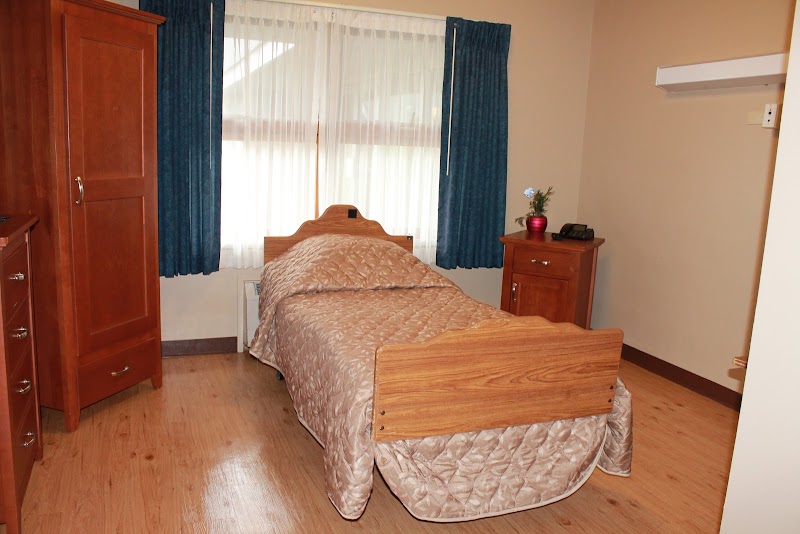
Who Owns and Operates Mulberry Healthcare And Rehabilitation Cent?

MULBERRY HEALTHCARE AND REHABILITATION CENT is owned by a for-profit company. For-profit facilities operate as businesses with obligations to shareholders or private owners. The facility is operated by BONAMOUR HEALTH GROUP, a chain that manages multiple nursing homes. With 75 certified beds and approximately 44 residents (about 59% occupancy), it is a smaller facility located in PUNXSUTAWNEY, Pennsylvania.
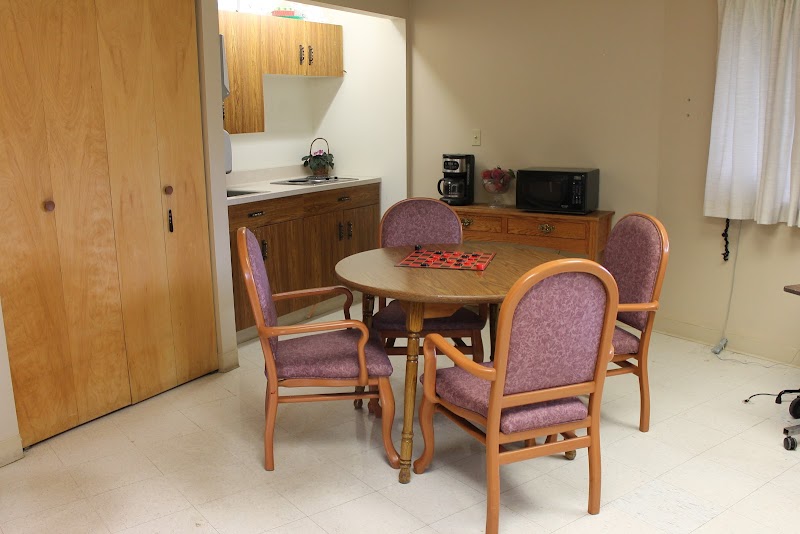
How Does Mulberry Healthcare And Rehabilitation Cent Compare to Other Pennsylvania Nursing Homes?

Compared to the 100 nursing homes in Pennsylvania, MULBERRY HEALTHCARE AND REHABILITATION CENT's overall rating (1 stars) is below the state average of 3.0, staff turnover (46%) is near the state average of 46%, and health inspection rating (1 stars) is much below the national benchmark.

What Should Families Ask When Visiting Mulberry Healthcare And Rehabilitation Cent?

Based on this facility's data, families visiting should ask: "What changes have been made since the serious inspection findings, and how are you preventing similar issues?" "Can I visit during a mealtime to observe dining assistance and food quality?" "How do you handle medical emergencies, and what is your hospital transfer rate?" "Can I speak with family members of current residents about their experience?" These questions are particularly relevant given the facility's Immediate Jeopardy citations.

Is Mulberry Healthcare And Rehabilitation Cent Safe?

Based on CMS inspection data, MULBERRY HEALTHCARE AND REHABILITATION CENT has documented safety concerns. Inspectors have issued 2 Immediate Jeopardy citations (the most serious violation level indicating risk of serious injury or death). The facility has a 1-star overall rating and ranks #100 of 100 nursing homes in Pennsylvania. Families considering this facility should ask detailed questions about what corrective actions have been taken since these incidents.

Do Nurses at Mulberry Healthcare And Rehabilitation Cent Stick Around?

MULBERRY HEALTHCARE AND REHABILITATION CENT has a staff turnover rate of 46%, which is about average for Pennsylvania nursing homes (state average: 46%). Moderate turnover is common in nursing homes, but families should still ask about staff tenure and how the facility maintains care continuity when employees leave.

Was Mulberry Healthcare And Rehabilitation Cent Ever Fined?

MULBERRY HEALTHCARE AND REHABILITATION CENT has been fined $142,388 across 2 penalty actions. This is 4.1x the Pennsylvania average of $34,503. Fines at this level are uncommon and typically indicate a pattern of serious deficiencies, repeated violations, or failure to correct problems promptly. CMS reserves penalties of this magnitude for facilities that pose significant, documented risk to resident health or safety. Families should request specific documentation of what issues led to these fines and what systemic changes have been implemented.

Is Mulberry Healthcare And Rehabilitation Cent on Any Federal Watch List?

MULBERRY HEALTHCARE AND REHABILITATION CENT is not on any federal watch list. The most significant is the Special Focus Facility (SFF) program, which identifies the bottom 1% of nursing homes nationally based on persistent, serious quality problems. Not being on this list means the facility has avoided the pattern of deficiencies that triggers enhanced federal oversight. This is a positive indicator, though families should still review the facility's inspection history directly.