SAYRE HEALTH CARE CENTER
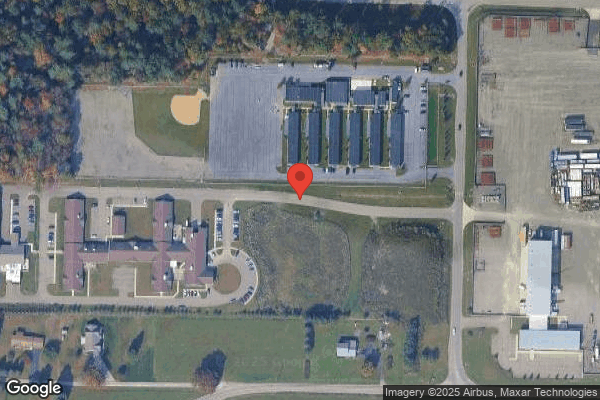

151 KEEFER LANE, SAYRE, PA 18840 (570) 888-2192
For profit - Corporation 90 Beds Independent Data: November 2025
Trust Grade
50/100
#489 of 653 in PA
Last Inspection: March 2025

Within standard 12-15 month inspection cycle. Federal law requires annual inspections.

Overview

Sayre Health Care Center has a Trust Grade of C, which means it is average and positioned in the middle of nursing home facilities. It ranks #489 out of 653 in Pennsylvania, placing it in the bottom half, but is #2 out of 4 in Bradford County, indicating only one local option is better. The facility is experiencing a worsening trend, with issues increasing from 11 in 2024 to 16 in 2025. Staffing is rated at 2 out of 5 stars with a turnover rate of 51%, which is average for the state but indicates staff may not be as stable as desired. Although there are no fines recorded, which is a positive aspect, the facility has concerning RN coverage, being lower than 78% of Pennsylvania facilities, which may limit the quality of care. Specific incidents noted by inspectors include failures in food safety, such as improper cooling procedures that could lead to foodborne illnesses, and unsanitary conditions in the kitchen, including dust accumulation and lack of protective barriers for food storage. These weaknesses highlight significant areas for improvement, even as the center maintains some strengths.

Trust Score
C
50/100
In Pennsylvania
#489/653
Bottom 26%
Safety Record
Low Risk
No red flags
Inspections
Getting Worse
11 → 16 violations
Staff Stability
⚠ Watch
51% turnover. Above average. Higher turnover means staff may not know residents' routines.
Penalties
✓ Good
No fines on record. Clean compliance history, better than most Pennsylvania facilities.
Skilled Nurses
⚠ Watch
Each resident gets only 25 minutes of Registered Nurse (RN) attention daily — below average for Pennsylvania. Fewer RN minutes means fewer trained eyes watching for problems.
Violations
⚠ Watch
40 deficiencies on record. Higher than average. Multiple issues found across inspections.
★★☆☆☆
2.0
Overall Rating
★★☆☆☆
2.0
Staff Levels
★★★☆☆
3.0
Care Quality
★★☆☆☆
2.0
Inspection Score
Stable
2024: 11 issues
2025: 16 issues

The Good

  • Full Sprinkler Coverage · Fire safety systems throughout facility
  • No fines on record

Facility shows strength in fire safety.

The Bad

2-Star Overall Rating

Below Pennsylvania average (3.0)

Below average - review inspection findings carefully

Staff Turnover: 51%

Near Pennsylvania avg (46%)

Higher turnover may affect care consistency

The Ugly 40 deficiencies on record

Mar 2025 16 deficiencies
CONCERN (D)

Potential for Harm - no one hurt, but risky conditions existed

Deficiency F0578 (Tag F0578)

Could have caused harm · This affected 1 resident

**NOTE- TERMS IN BRACKETS HAVE BEEN EDITED TO PROTECT CONFIDENTIALITY** Based on clinical record review and staff interview, it was determined that the facility failed to honor advance directive choic...

Read full inspector narrative →
**NOTE- TERMS IN BRACKETS HAVE BEEN EDITED TO PROTECT CONFIDENTIALITY** Based on clinical record review and staff interview, it was determined that the facility failed to honor advance directive choices for one of 24 residents reviewed (Resident 175). Findings include: Clinical record review for Resident 175 revealed that on [DATE], the resident's responsible party indicated that the resident was a full code (staff was to start CPR [Cardiopulmonary Resuscitation]). On February 27, 2025, Resident 175's responsible party completed a POLST (Physician Orders for Life-Sustaining Treatment, a form directing medical staff to complete life-sustaining treatment or allow a natural death) form and a facility code status form (a form directing life-sustaining care) both which indicated Do Not Resuscitate (DNR) for Resident 175. Resident 175's code status form was also signed by the physician on February 27, 2025. There was no documentation that the facility changed Resident 175's code status order from full code to DNR until [DATE]. The above information was reviewed during an interview on [DATE], at 3:39 PM with the Nursing Home Administrator. 28 Pa. Code 201.29(c) Resident rights 28 Pa. Code 211.10(a) Resident care policies 28 Pa. Code 211.12(d)(1)(3)(5) Nursing services
CONCERN (D)

Potential for Harm - no one hurt, but risky conditions existed

Deficiency F0582 (Tag F0582)

Could have caused harm · This affected 1 resident

Based on clinical record review and staff interview, it was determined that the facility failed to provide the required notification to a resident whose payment coverage changed for one of three resid...

Read full inspector narrative →
Based on clinical record review and staff interview, it was determined that the facility failed to provide the required notification to a resident whose payment coverage changed for one of three residents reviewed (Resident 2). Findings include: A review of the form Instructions for the Notice of Medicare Non-Coverage (NOMNC) CMS-10123, (a notice that informs the recipient when care received from the skilled nursing facility is ending; and how to contact a Quality Improvement Organization (QIO) to appeal) revealed instructions that a Medicare provider must ensure that the notice is delivered at least two calendar days before Medicare covered services end. A review of the Form Instructions Skilled Nursing Facility (SNF) Advanced Beneficiary Notice of Non-coverage (SNFABN) Form CMS-10055 revealed that examples of the common reasons why an extended care stay, or services may not be covered under Medicare might include the beneficiary no longer requires daily skilled care for a medical condition but wants to continue residing in the skilled nursing facility (SNF). The SNF enters a good faith estimate of the cost of the corresponding care that may not be covered by Medicare. In the blank that follows Beginning on ., the skilled nursing facility enters the date on which the beneficiary may be responsible for paying for care that Medicare is not expected to cover. The beneficiary selects an option box to indicate a desire to continue to receive the care or not to continue to receive the care and if there is a desire to have the bill submitted to Medicare for consideration. The beneficiary or their authorized representative must sign the signature box to acknowledge that they read and understood the notice. The SNF must issue this notice when there is a termination of all Medicare Part A services for coverage reasons. If after issuing the NOMNC, the SNF expects the beneficiary to remain in the facility in a non-covered stay, the SNFABN must be issued to inform the beneficiary of potential liability for the non-covered stay. Clinical record review for Resident 2 revealed census information that Medicare payment for care ended July 26, 2024. Resident 2 remained in the facility. Review of a CMS-10123 form for Resident 2 confirmed that the last covered day of Medicare payment was July 26, 2024. There was no evidence that the facility provided a CMS-10055 form to Resident 2. Interview with the Nursing Home Administrator on March 7, 2025, at 12:00 PM confirmed that there was no additional evidence that Resident 2 received the CMS-10055 form after Medicare payment for her care stopped, but she remained in the facility. 483.10(g)(17)(18)(i)-(v) Medicaid/medicare Coverage/liability Notice Previously cited deficiency 4/19/24 28 Pa. Code 201.18(b)(2)(e)(1) Management 28 Pa. Code 201.29(a) Resident rights
CONCERN (D)

Potential for Harm - no one hurt, but risky conditions existed

Safe Environment (Tag F0584)

Could have caused harm · This affected 1 resident

Based on observation and staff interview, it was determined that the facility failed to provide a clean, comfortable, and homelike environment on one of two nursing units reviewed (Nursing Unit 2; Res...

Read full inspector narrative →
Based on observation and staff interview, it was determined that the facility failed to provide a clean, comfortable, and homelike environment on one of two nursing units reviewed (Nursing Unit 2; Residents 24, 50, and 54). Findings include: Observation of Resident 24's room on March 4, 2025, at 12:54 PM; and March 7, 2025, at 12:45 PM revealed a six-foot section of wall located under the resident's window that had a large, black colored linear stain and marring in various areas. Observation with the Nursing Home Administrator (NHA) of an egress area leading outside to the laundry building on March 6, 2025, at 11:17 AM revealed multiple partially smoked cigarette butts discarded on the ground. A concurrent interview with the NHA revealed it was unclear who the cigarette butts belonged to since the facility is non-smoking. The above information for Resident 24's room and the egress area was reviewed in a meeting with the Nursing Home Administrator on March 7, 2025, at 12:38 PM. Observation of the Unit 2 Nursing Unit on the following dates and times revealed: On March 4, 2025, at 11:53 AM the drywall was marred on the lower corner of the wall to the left of Resident 50's bathroom. On March 4, 2025, at 12:30 PM the drywall was warred and gouged on the lower corner of the wall to the left of Resident 54's bathroom. On March 5, 2025, at 9:05 AM there were two fake leather love seats in the lounge near Unit 2 entrance. Both love seat's fake leather was significantly peeling on the seat cushions and arm rests with cloth showing underneath. On March 5, 2025, at 9:25 AM the drywall of Unit 2's dining room walls near the hallway and the door to the courtyard were gouged at both foot and table height. The above information was reviewed during an interview with the Nursing Home Administrator on March 5, 2025, at 2:15 PM. 28 Pa. Code 201.18(b)(3)(e)(2.1) Management
CONCERN (D)

Potential for Harm - no one hurt, but risky conditions existed

Abuse Prevention Policies (Tag F0607)

Could have caused harm · This affected 1 resident

Based on review of the facility policy, employee personnel records, and staff interview, it was determined that the facility failed to develop and implement an abuse prohibition policy that required a...

Read full inspector narrative →
Based on review of the facility policy, employee personnel records, and staff interview, it was determined that the facility failed to develop and implement an abuse prohibition policy that required a thorough investigation of prospective employee's employment history for one of five newly hired employees reviewed (Employee 7). Findings include: The policy entitled Abuse Policy and Procedure last reviewed without changes on June 13, 2024, revealed that the facility will protect the residents from abuse, neglect, misappropriation of resident property, corporal punishment and involuntary seclusion. The facility will not apply and employ individuals who have been found guilty of abusing, neglecting, or mistreating residents by a court of law. All potential employees are screened for a history of abuse, neglect, and misappropriation of property by completing a state criminal background on all prospective employees and if not a resident of the state (where the facility was located) for two consecutive years, an FBI (Federal Bureau of Investigation) check will be conducted. Review of Employee 7's, cook, personnel record on March 7, 2025, revealed that the facility hired them on October 29, 2024, (129 days prior). Employee 7's personnel record revealed that she did not live in the same state as the facility location for more than two years. Further review of Employee 7's record did not reveal any evidence that the facility attempted to obtain or complete an FBI background check to determine criminal history for Employee 7. Interview with Employee 8, human resources, on March 7, 2025, at 10:45 AM and the Nursing Home Administrator on March 7, 2025, at 11:05 AM, revealed that the facility failed to complete the FBI background check within 90 days of employment and confirmed that Employee 7 provided services and access to residents since employed. 28 Pa. Code 201.18(b)(1)(3) Management 28 Pa. Code 201.19 Personnel policies and procedures 28 Pa. Code 201.29(a) Resident rights 28 Pa. Code 211.12(d)(1)(5) Nursing services
CONCERN (D)

Potential for Harm - no one hurt, but risky conditions existed

Comprehensive Care Plan (Tag F0656)

Could have caused harm · This affected 1 resident

Based on clinical record review and staff and resident interview, it was determined that the facility failed to develop and implement a comprehensive care plan for two of 18 residents reviewed (Reside...

Read full inspector narrative →
Based on clinical record review and staff and resident interview, it was determined that the facility failed to develop and implement a comprehensive care plan for two of 18 residents reviewed (Residents 44 and 5). Findings include: Interview with Resident 44 on March 4, 2025, at 11:56 AM revealed that two staff provided her assistance to complete her most recent shower ,and they were, slam bam, with the shower care. Resident 44 denied that staff were abusive, but she confirmed that she did not appreciate the approach staff used when providing her care. Review of electronic Task Documentation (electronic system for nurse aides to document the provision of care) dated February 2025, revealed that Employee 3 (nurse aide) documented Resident 44 received a shower on Friday evening, February 28, 2025. Interview with Employee 3 on March 5, 2025, at 2:25 PM revealed that she remembered Resident 44's shower experience on February 28, 2025. Employee 3 stated that another nurse aide, Employee 6, asked her to witness Resident 44's shower care because Resident 44 was known to make false accusations against staff. Employee 3 stated that she witnessed Employee 6 begin to propel Resident 44 into the shower room via her wheelchair when Resident 44 began to get agitated stating that Employee 6 was hurting her shoulder (although Employee 6 had made no physical contact with Resident 44's body, only the handles of her wheelchair). Then Resident 44 began yelling at Employees 3 and 6 that they were going to damage her hearing aids in the shower although the hearing aids were in the charger in her room. Clinical record review for Resident 44 revealed a plan of care initiated on December 7, 2024, that Resident 44 had a right to refuse care. Interventions included instructions, If resident becomes agitated or combative remove yourself (sic) from resident and reattempt when at a later time when calmer, and Staff will re-approach resident at a later time. A plan of care initiated by the facility on December 16, 2024, due to Resident 44's trigger for cognitive loss due to noted behaviors listed interventions that included, Provide the resident with necessary cues, stop, and reapproach if agitated. The facility did not develop a care plan for Resident 44 that included an intervention that two staff should provide care due to her known behavior of false accusations. Staff failed to implement the interventions to stop care and reapproach Resident 44 when she exhibited agitated behaviors with false accusations. The surveyor reviewed the above concerns regarding Resident 44 during an interview with the Nursing Home Administrator and Employee 5 (director of rehab) on March 5, 2025, at 2:00 PM. Interview with Resident 5 on March 4, 2025, at 11:42 AM revealed the resident has an implanted pacemaker (a device implanted into the chest used to control the heartbeat). The resident also has a pacemaker transmitter device on the windowsill that is utilized to remotely monitor and transmit information from the resident's pacemaker. The resident further noted the device has an alarm that activates if there is an issue with the pacemaker or a tower is not close enough. Per the resident, the device has not alarmed since being at the facility. Medical provider documentation for Resident 5 dated March 1, 2025, at 7:52 PM noted the resident has a cardiac pacemaker. Interview with Employee 9, license practical nurse, on March 6, 2025, at 11:33 AM revealed that staff are to call the number located on the device if it would alarm. Employee 9 further noted that any additional information related to the device should be on the chart. Further review of the clinical record (both the electronic health record and the paper chart) for Resident 5 revealed no information related to the pacemaker monitoring/transmitting device. The facility provided a Quick Start Guide for the transmitter after questioning by the surveyor that included information such as: the transmitter should be no more than 10 feet from the bed, information on transmitting data such as the resident being within one foot of the device, not using a phone during transmission, positioning of the transmitter during sleep, and troubleshooting information. There was no care plan for Resident 5 that addressed care or precautions related to the pacemaker or the associated transmitting device. The facility later provided a care plan for Resident 5 that was dated as created and initiated on March 7, 2025, after discussion with the surveyor. Clinical record review for Resident 5 revealed the resident was currently on Eliquis (a medication that helps to prevent blood clots and stroke) 5 milligrams (mg) two times a day by mouth. Clinical record review for Resident 5 revealed no care plan related to the medication or evidence that the facility was monitoring the resident for side effects (such as bleeding) associated with the Eliquis. Further review of the clinical record for Resident 5 revealed an order dated March 7, 2025, at 10:26 AM, after discussion with the surveyor, to instruct staff to monitor for signs and symptoms of bleeding due to being on anticoagulant medication (a medication to help prevent blood clots). The facility also created a care plan related to anticoagulation therapy for Resident 5 that was initiated on March 7, 2025, after surveyor questioning. The above information for Resident 5 was reviewed with the Nursing Home Administrator on March 7, 2025, at 10:49 AM. 28 Pa. Code 211.12(d)(1)(5) Nursing services
CONCERN (D)

Potential for Harm - no one hurt, but risky conditions existed

Deficiency F0661 (Tag F0661)

Could have caused harm · This affected 1 resident

Based on closed clinical record review and staff interview, it was determined that the facility failed to provide a discharge summary with the necessary components for one of three closed records revi...

Read full inspector narrative →
Based on closed clinical record review and staff interview, it was determined that the facility failed to provide a discharge summary with the necessary components for one of three closed records reviewed (Resident CR1). Findings include: Closed clinical record review for Resident CR1 revealed nursing documentation dated January 6, 2025, at 4:28 PM that Resident CR1 was discharged to home with home health services. Further review of the closed clinical record for Resident CR1 revealed wound care documentation dated January 3, 2025, that noted the resident had a Stage 3 Pressure Ulcer (full-thickness loss of skin, in which subcutaneous fat may be visible in the ulcer and granulation tissue) to the sacrum (a bone at the base of the spinal column). Closed record review for Resident CR1 revealed a document titled, Resident Discharge Summary, dated January 6, 2025. The document was signed by the resident's responsible party and the discharging nurse. The discharge summary did not include anything about the resident's wound, consultation, or recommended treatment by wound care. The section titled Wound Care/Treatment was documented as, None. The facility failed to provide a discharge summary for Resident CR1 that contained a full recapitulation of the resident's stay that included, but is not limited to, diagnoses, course of illness, treatment, therapy, and pertinent lab, radiology, and consultation results. The above information for Resident CR1 was reviewed in a meeting with the Nursing Home Administrator on March 7, 2025, at 1:35 PM. 28 Pa. Code 211.12(d)(1)(3)(5) Nursing services
CONCERN (D)

Potential for Harm - no one hurt, but risky conditions existed

Deficiency F0676 (Tag F0676)

Could have caused harm · This affected 1 resident

**NOTE- TERMS IN BRACKETS HAVE BEEN EDITED TO PROTECT CONFIDENTIALITY** Based on clinical record review and resident and staff interview, it was determined that the facility failed to provide care and...

Read full inspector narrative →
**NOTE- TERMS IN BRACKETS HAVE BEEN EDITED TO PROTECT CONFIDENTIALITY** Based on clinical record review and resident and staff interview, it was determined that the facility failed to provide care and services to maintain or improve the ability to perform activities of daily living for two of five residents reviewed for rehabilitation concerns (Residents 5 and 44). Findings include: An interview with Resident 5 on March 4, 2025, at 11:18 AM revealed that she has been doing her own exercises and is currently not in therapy. A review of the task documentation (located in the electronic health record where staff document specific care related events for a resident) for Resident 5 revealed a restorative nursing program (RNP) dated March 3, 2025, that noted the following: RNP Sit to Stands: with use of grab bars resident to come to a standing position, hold for a count of 10, and sit for 10. Nursing documentation for Resident 5 dated March 3, 2025, at 9:37 AM revealed the resident is starting on a new RNP program. An occupational therapy discharge summary for Resident 5 dated February 4, 2025, noted dates of service as October 22, 2024, to January 27, 2025. Discharge recommendations for functional maintenance included sit-to-stands at grab bars, assist x1, standing as tolerated. A physical therapy discharge summary for Resident 5 dated February 24, 2025, noted dates of service as October 22, 2024, to January 27, 2025. Discharge recommendations noted a restorative transfer program that included sit-to-stands at grab bars. Further review of the task documentation for Resident 5 revealed that staff had not documented any RNP exercises until March 3, 2025, despite a discharge date from therapy noted as January 27, 2025. An interview with Employee 5, Director of Therapy, on March 7, 2025, at 10:55 AM, with the Nursing Home Administrator present, confirmed that Resident 5 was discharged from therapy on January 27, 2025, and did not start the recommended restorative program until March 3, 2025, due to the program being missed. Interview with Resident 44 on March 4, 2025, at 12:01 PM revealed that she believed that she was advanced from routine skilled therapy services. Due to cognitive deficits, Resident 44 had difficulty expressing if nursing or skilled therapy (physical therapy or occupational therapy) staff performed exercises with her, just that she had, move up day (interpreted to mean discharged from skilled therapy to restorative nursing services). A physical therapy Discharge summary dated [DATE], indicated that Resident 44 reached her maximum potential ,and Resident 44 would remain in the facility with a restorative nursing program. The ambulation program would consist of Resident 44 ambulating up to 100 feet with the use of a roller walker and contact guard assistance. Resident 44's clinical record did not contain evidence of an active restorative nursing program. The surveyor requested evidence of a restorative nursing program completed with Resident 44 during an interview with the Nursing Home Administrator and Employee 5 on March 5, 2025, at 2:00 PM. Review of nurse aide task documentation dated March 2025, revealed that the facility initiated a restorative nursing program for Resident 44's ambulation (after the surveyor's questioning) on March 5, 2025. Review of a plan of care developed by the facility on December 6, 2024, to address Resident 44's self-care deficits revealed that the facility initiated the intervention for Resident 44's restorative nursing program for ambulation on March 5, 2025. Interview with the Nursing Home Administrator on March 7, 2025, at 9:30 AM confirmed that the facility did not initiate a restorative nursing program to maintain Resident 44's ambulation skills following the termination of skilled therapy services. 28 Pa. Code 211.12(d)(1)(3)(5) Nursing services
CONCERN (D)

Potential for Harm - no one hurt, but risky conditions existed

Quality of Care (Tag F0684)

Could have caused harm · This affected 1 resident

Based on clinical record review and staff interview, it was determined that the facility failed to implement physician orders for two of 18 residents reviewed (Residents 52 and 21). Findings include: ...

Read full inspector narrative →
Based on clinical record review and staff interview, it was determined that the facility failed to implement physician orders for two of 18 residents reviewed (Residents 52 and 21). Findings include: Clinical record review for Resident 52 revealed documentation by the facility's consultant optometrist (healthcare provider who specializes in eye care and vision services) dated January 21, 2025, that the provider evaluated Resident 52 for blurry vision in her right and left eyes. The provider diagnosed that Resident 52 had dry eye syndrome (tears are unable to provide adequate lubrication of the eye) of bilateral lacrimal glands (gland above the eye that produces tears), which was described as significant. The plan was to treat Resident 52 with one drop of artificial tears solution in both eyes twice a day. Resident 52's clinical record contained no evidence that staff implemented the eye care professional's directive to start artificial tears twice daily. Interview with the Nursing Home Administrator on March 7, 2025, at 9:22 AM confirmed that the facility failed to implement physician ordered artificial tears for Resident 52 following her appointment in January 2025. Clinical record review for Resident 21 revealed current physician orders for staff to obtain a daily weight. Review of Resident 21's weight documentation revealed that staff did not document their weight on the following dates: January 1, 5, 7, 15, 19, 24, and 26, 2025 February 1, 3, 4, 9, 17, 20, and 23, 2025 March 2, 2025 The above information during an interview on March 7, 2025, at 9:16 AM with the Nursing Home Administrator. 483.25 Quality of Care Previously cited deficiency 4/19/24 28 Pa. Code 211.12(d)(1)(3)(5) Nursing services
CONCERN (D)

Potential for Harm - no one hurt, but risky conditions existed

Pressure Ulcer Prevention (Tag F0686)

Could have caused harm · This affected 1 resident

**NOTE- TERMS IN BRACKETS HAVE BEEN EDITED TO PROTECT CONFIDENTIALITY** Based on closed clinical record review and staff interview, it was determined that the facility failed to provide recommended in...

Read full inspector narrative →
**NOTE- TERMS IN BRACKETS HAVE BEEN EDITED TO PROTECT CONFIDENTIALITY** Based on closed clinical record review and staff interview, it was determined that the facility failed to provide recommended interventions, that are consistent with professional standards of practice, to promote healing of a pressure ulcer for one of two residents reviewed for pressure ulcers (Resident CR1). Findings include: Closed record review for Resident CR1 revealed the resident was admitted to the facility on [DATE]. The resident was discharged on January 6, 2025. Nursing documentation upon admission for Resident CR1 dated December 27, 2024, at 6:01 PM revealed the resident had a Skin tear one centimeter in size to sacrum (a bone at the base of the spine). An admission assessment for Resident CR1 titled Admit/Readmit Screener V2, dated December 27, 2024, at 6:27 PM revealed skin integrity documentation that assessed the resident as having moisture associated skin damage (MASD, damage to the skin caused by moisture), to the sacrum with measurements noted as one centimeter (cm) by 0.25 cm. Medical provider documentation for Resident CR1 dated January 2, 2025, at 5:57 PM revealed No new concerns voiced by nursing staff. The skin was documented as assessed as Warm and dry. No edema. There was no mention of the resident's skin tear on the sacrum as documented on admission by nursing staff. A skin and wound note from wound care (a third party wound management service that is contracted by the facility to perform various wound care needs/treatments/assessments) for Resident CR1 dated January 3, 2025, at 2:25 PM indicated Resident is seen today for a comprehensive skin assessment. Noted sacral Stage 3 pressure injury (Full-thickness loss of skin, in which subcutaneous fat may be visible) to the sacrum. The size was documented as one cm x 0.5 cm x 0.2 cm. The wound base was assessed as 100 percent granulation (pink-red moist tissue that fills an open wound, when it starts to heal). The wound status was documented as Present on admission. Treatment recommendations included: cleanse with wound cleanser, apply medical grade honey to base of the wound, secure with bordered foam, change every other day, and as needed. A review of the care plan for Resident CR1 noted the resident is at risk for skin integrity related to altered mobility and a Stage 3 pressure area to the sacrum. The care plan initiated date was March 7, 2025, which was after the resident was discharged from the facility. The associated interventions were also documented as created and initiated on March 7, 2025, after the resident was discharged from the facility. Further review of the physician orders for Resident CR1 revealed an order for wound number one sacrum pressure treatment. Recommendations noted: cleanse with wound cleanser, apply medical grade honey to base of the wound, secure with bordered foam, change every other day, and as needed. The date of the order was January 6, 2025, with a start date of January 7, 2025, after the resident was discharged from the facility and four days after wound care assessed the resident's wound and made the initial recommendations. A review of the medication/treatment administration record (MAR/TAR, where staff document the administration of medications and treatments) for Resident CR1 for January 2025, revealed no evidence that the treatments were completed by the facility after being recommended by wound care on January 3, 2025. The facility could provide no further documentation or evidence that the recommendations were initiated in a timely manner as recommended by wound care, documented as completed, or staff were aware of these recommendations until after the resident was discharged from the facility. The above information for Resident CR1 was reviewed in a meeting with the Nursing Home Administrator on March 7 2025, at 1:35 PM. 28 Pa. Code 201.18(b)(1)(3) Management 28 Pa. Code 211.12(d)(1)(5) Nursing services
CONCERN (D)

Potential for Harm - no one hurt, but risky conditions existed

Respiratory Care (Tag F0695)

Could have caused harm · This affected 1 resident

Based on observation, clinical record review, and staff interview, it was determined that the facility failed to provide appropriate respiratory care and services for two of two residents reviewed (Re...

Read full inspector narrative →
Based on observation, clinical record review, and staff interview, it was determined that the facility failed to provide appropriate respiratory care and services for two of two residents reviewed (Residents 36 and 54). Findings include: According to the American Association for Respiratory Care proper cleansing of respiratory (nebulizer) equipment reduces infection risk. The longer a dirty nebulizer sits and is allowed to dry, the harder it is to clean thoroughly. Parts of the aerosol drug delivery device should be rinsed and then washed with soap and hot water after each treatment. Once completely dry, store the nebulizer cup and mouthpiece in a zip lock bag. Clinical record review for Resident 54 revealed a current physician's order for staff to provide oxygen at 2 liters per minute (LPM) via NC (nasal canula, tubing to deliver oxygen to the nose) continuously every shift, to change the oxygen tubing every Saturday night, label and date the new tubing for infection control, and make sure all tubing and nebulizer equipment (to help administer medication to the lungs) was bagged when not in use. Observation of Resident 54's room on March 4, 2025, at 11:47 AM, March 5, 2025, at 11:36 AM, and March 6, 2025, at 11:19 AM revealed that their oxygen concentrator was set at 2.5 LPM and that their nebulizer pipe was unbagged. The nebulizer tubing was dated February 23, 2025 (nine, 10, and 11 days prior to the observations). Concurrent interview with Resident 54 on March 6, 2025, revealed that staff was to change his tubing every week. Clinical record review for Resident 36 revealed current orders for staff to change the nebulizer tubing and bag every Saturday night shift. Staff are to label the tubing with the date, time, their initials, and make sure all tubing and nebulizer equipment was bagged when not in use. Observation of Resident 36's room on March 4, 2025, at 11:39 AM, March 5, 2025, at 8:29 AM, and March 6, 2025, at 8:25 AM and 11:17 AM revealed that their nebulizer pipe was unbagged\, and their tubing was dated February 23, 2025 (nine, 10, and 11 days prior to the observations). During each observation, there was an unopened bag dated February 23, 2025, lying on Resident 36's bedside stand and available for staff use. The above information was reviewed with the Nursing Home Administrator during an interview on March 6, 2025, at 9:16 AM. 28 Pa. Code 211.10 (c)(d) Resident care policies 28 Pa. Code 211.12(d)(1)(5) Nursing Services
CONCERN (D)

Potential for Harm - no one hurt, but risky conditions existed

Deficiency F0740 (Tag F0740)

Could have caused harm · This affected 1 resident

Based on clinical record review and staff and resident interview, it was determined that the facility failed to provide behavioral health interventions for a resident to maintain the highest practicab...

Read full inspector narrative →
Based on clinical record review and staff and resident interview, it was determined that the facility failed to provide behavioral health interventions for a resident to maintain the highest practicable mental well-being for one of two residents reviewed for behavioral concerns (Resident 44). Findings include: Clinical record review for Resident 44 revealed an admission MDS (Minimum Data Set, an assessment tool completed at specific intervals to determine resident care needs) dated December 13, 2024, that assessed that Resident 44 exhibited behavioral symptoms not directed towards others (e.g., physical symptoms such as hitting or scratching self, pacing, rummaging, public sexual acts, disrobing in public, throwing or smearing food or bodily wastes, or verbal/vocal symptoms like screaming, disruptive sounds). Interview with Resident 44 on March 4, 2025, at 11:56 AM revealed that two staff provided her assistance to complete her most recent shower, and they were slam bam, with the shower care. Resident 44 denied that staff were abusive but confirmed that she did not appreciate the approach staff used when providing her care. Resident 44 recounted this incident several times during the interview despite attempts to redirect her to other topics. Review of electronic Task Documentation (electronic system for nurse aides to document the provision of care) dated February 2025, revealed that Employee 3 (nurse aide) documented Resident 44 received a shower on Friday evening, February 28, 2025. Interview with Employee 3 on March 5, 2025, at 2:25 PM, revealed that she remembered Resident 44's shower experience on February 28, 2025. Employee 3 stated that another nurse aide, Employee 6, asked her to witness Resident 44's shower care because Resident 44 was known to make false accusations against staff. Employee 3 stated that she witnessed Employee 6 begin to propel Resident 44 into the shower room via her wheelchair when Resident 44 began to get agitated stating that Employee 6 was hurting her shoulder (although Employee 6 had made no physical contact with Resident 44's body, only the handles of her wheelchair). Resident 44 began yelling at Employees 3 and 6 that they were going to damage her hearing aids in the shower although the hearing aids were in the charger in her room. Clinical record review for Resident 44 revealed a plan of care initiated December 7, 2024, that Resident 44 had a right to refuse care. Interventions included these instructions: If resident becomes agitated or combative remove your self (sic) from resident and reattempt when at a later time when calmer, and Staff will re-approach resident at a later time. A plan of care initiated by the facility on December 16, 2024, due to Resident 44's trigger for cognitive loss due to noted behaviors listed interventions that included, Provide the resident with necessary cues, stop, and reapproach if agitated. The facility did not develop a care plan for Resident 44 that included an intervention that two staff should provide care due to her known behavior of false accusations. Staff failed to implement the interventions to stop care and reapproach Resident 44 when she exhibited agitated behaviors with false accusations. The surveyor reviewed the above concerns regarding Resident 44 during an interview with the Nursing Home Administrator and Employee 5 (director of rehab) on March 5, 2025, at 2:00 PM. 28 Pa. Code 211.12(d)(1)(5) Nursing services
CONCERN (D)

Potential for Harm - no one hurt, but risky conditions existed

Deficiency F0761 (Tag F0761)

Could have caused harm · This affected 1 resident

Based on observation and staff interview, it was determined that the facility failed to securely store medications on one of two nursing units (Unit One dining room); and failed to ensure medication l...

Read full inspector narrative →
Based on observation and staff interview, it was determined that the facility failed to securely store medications on one of two nursing units (Unit One dining room); and failed to ensure medication labeling for one of seven residents observed for medication administration (Resident 46). Findings include: Observation of a medication administration pass on March 5, 2025, at 9:01 AM revealed Employee 2 (licensed practical nurse, LPN) prepared medications for administration to Resident 46. Employee 2 crushed Resident 2's Rosuvastatin (medication used to lower cholesterol) 10 mg (milligram) tablet and administered the medication to Resident 46. The medication resource Drugs.com stipulated that a consumer should swallow a Rosuvastatin tablet whole. Interview with Employee 2 on March 5, 2025, at 9:10 AM confirmed that she crushed Resident 46's Rosuvastatin medication. Employee 2 verified that there were no instructions on the medication labeling from the pharmacy that stipulated one should not crush the medication, and she was not aware of the precaution. Interview with Employee 1 (registered nurse) on March 5, 2025, at 9:12 AM indicated that the medication resource, Medline Plus, used by the facility's nursing staff, also stipulated that the medication Rosuvastatin should not be crushed. The facility failed to ensure that all medication labeling included appropriate precautionary instructions. Observation of the main dining area on Unit One on March 4, 2025, at 2:27 PM revealed a yellow-colored, round pill located on the floor behind a small television stand that was located underneath the wall-mounted television. An interview with Employee 2, LPN, on March 4, 2025, at 2:30 PM revealed the LPN was unable to identify the pill. The LPN proceeded to dispose of the medication. The above information for the pill found on the floor in the main dining area of Unit One was reviewed in a meeting with the Nursing Home Administrator on March 7, 2025, at 11:50 AM. 28 Pa. Code 211.9(f)(2)(k) Pharmacy services 28 Pa. Code 211.12(d)(1)(3)(5) Nursing services
CONCERN (D)

Potential for Harm - no one hurt, but risky conditions existed

Dental Services (Tag F0791)

Could have caused harm · This affected 1 resident

**NOTE- TERMS IN BRACKETS HAVE BEEN EDITED TO PROTECT CONFIDENTIALITY** Based on clinical record review, observation, and resident and staff interview, it was determined that the facility failed to ob...

Read full inspector narrative →
**NOTE- TERMS IN BRACKETS HAVE BEEN EDITED TO PROTECT CONFIDENTIALITY** Based on clinical record review, observation, and resident and staff interview, it was determined that the facility failed to obtain dental services for one of four residents reviewed for dental concerns (Resident 52). Findings include: Interview with Resident 52 on March 5, 2025, at 9:29 AM revealed that she utilized a partial dental plate to fill in the gap in her top teeth; however, that partial no longer fit. Resident 52 indicated that there were discussions regarding the replacement of the partial (between her son, the facility, and a dental provider), but she did not know if or when she would receive a new one. Observation of Resident 52 during the interview revealed that she had several missing front teeth. Clinical record review for Resident 52 revealed that Medicaid was a payer for her care as of August 23, 2024. Nursing documentation dated November 15, 2024, at 10:14 PM revealed that Resident 52 complained of left-sided dental pain. Staff assessed that the left side of Resident 52's face had visible swelling. Nursing documentation dated November 22, 2024, at 11:49 PM revealed that staff administered the antibiotic, Augmentin, for a dental infection. Resident 52's medical record contained no evidence that a professional dental provider evaluated Resident 52's diagnosed dental infection. Progress note documentation by the facility's contracted dental provider dated February 6, 2025, identified Resident 52 had cracked and missing teeth, a mesial drift (the natural inclination of teeth to shift toward the front of the mouth), and had a partial upper denture. The documentation confirmed that Resident 52 wanted a new partial denture; however, she had two teeth that were not restorable and had a root tip retained from a third tooth. Those teeth would need extracted prior to fabricating a new upper partial denture. Interview with the Nursing Home Administrator on March 7, 2025, at 9:22 AM confirmed that Resident 52 was admitted to the facility on [DATE]; however, the facility did not offer or obtain consent for professional dental services until July 10, 2024. The interview indicated that the facility had no evidence that Resident 52 received professional dental services for the almost year from March 13, 2024, to February 6, 2025, (despite Resident 52 had a dental infection that required antibiotics in November 2024). 28 Pa. Code 211.12(d)(1)(3)(5) Nursing services
CONCERN (D)

Potential for Harm - no one hurt, but risky conditions existed

Infection Control (Tag F0880)

Could have caused harm · This affected 1 resident

Based on observation, clinical record review, and resident and staff interview, it was determined that the facility failed to implement appropriate enhanced barrier transmission-based precautions for ...

Read full inspector narrative →
Based on observation, clinical record review, and resident and staff interview, it was determined that the facility failed to implement appropriate enhanced barrier transmission-based precautions for one of 18 residents reviewed (Resident 75) Findings include: Review of the memo entitled Enhanced Barrier Precautions (EBP, gown and glove use) in Nursing Homes to Prevent the Spread of Multi-drug Resistant Organisms released by the Center for Medicaid and Medicare Services (CMS) on March 20, 2024, with an implementation date of April 1, 2024, revealed that nursing care facilities are to use EBP for residents with chronic wounds or indwelling medical devices during high-contact resident care activities regardless of their multidrug-resistant organism status. High-contact activity would include things like dressing, transferring, changing linens, providing hygiene, changing briefs, wound care, or device care. Review of the facility policy titled, Infection Prevention Control 2024 Plan, last reviewed without changes on June 13, 2024, revealed that EBP are an infection control intervention designed to reduce transmission of multi-drug resistant organisms (MDRO, bacteria that resist treatment to antibiotics) through gown and glove use by healthcare professionals in long-term care settings in accordance with the Centers for Disease Control and Prevention (CDC) consideration for use of EBP in skilled nursing facilities. EBP are recommended during high contact care (dressing, bathing, transferring, changing brief or assisting with toileting, device care, wound care, etc.) activities with residents who are at higher risk of acquiring or spreading and MDRO (residents with indwelling medical devices or wounds). EBP should be followed (when contact precautions do not otherwise apply) for residents with any of the following: open wounds requiring a dressing change, indwelling medical devices (central line, urinary catheter, feeding tubes, etc., tracheostomy/ventilator) regardless of MDRO status. Clinical record review for Resident 75 revealed a current physician's order dated February 19, 2025, for hemodialysis (treatment for kidney failure; an external medical device that filters extra fluid and waste products from the blood) on Monday, Wednesday, and Friday at 11:00 AM. Nursing documentation for Resident 75 dated February 17, 2025, at 9:57 PM revealed the resident was admitted and had a tunneled dialysis catheter to the right chest. Hospital documentation dated February 5 to 17, 2025, revealed the resident had a tunneled dialysis catheter placed to the right chest wall. Further review of the clinical record revealed no evidence to indicate that Resident 75 was on any type of enhanced barrier precautions. Observation of Resident 75 on March 7, 2025, at 11:15 AM revealed no evidence that the resident was on EBP (no sign indicating EBP precautions, no personal protective equipment (PPE) in the room or at the doorway to don, or any sign placed that instructed to see the nurse prior to care). A concurrent interview with the resident with Employee 1, registered nurse, at the bedside, confirmed that the resident does have a tunneled dialysis catheter in the right upper chest. An interview with the Nursing Home Administrator on March 7, 2025, at 12:23 PM revealed that the resident was not on EBP; however, is supposed to be on them per the facility policy. 483.80(a)(1)(2)(4)(e)(f) Infection Prevention and Control Previously cited deficiency 4/19/24 28 Pa. Code 201.18(b)(1) Management 28 Pa. Code 211.10(d) Resident care policies 28 Pa. Code 211.12(d)(1)(3)(5) Nursing services
CONCERN (D)

Potential for Harm - no one hurt, but risky conditions existed

Deficiency F0922 (Tag F0922)

Could have caused harm · This affected 1 resident

**NOTE- TERMS IN BRACKETS HAVE BEEN EDITED TO PROTECT CONFIDENTIALITY** Based on review of select facility policy and procedures, observation, and staff interview, it was determined that the facility ...

Read full inspector narrative →
**NOTE- TERMS IN BRACKETS HAVE BEEN EDITED TO PROTECT CONFIDENTIALITY** Based on review of select facility policy and procedures, observation, and staff interview, it was determined that the facility failed to follow established procedures of water storage to ensure that water is available to essential areas when there is a loss of normal water supply for two of two nursing units (Unit 1 and Unit 2). Findings include: A review of the facility policy titled, Water Availability, last reviewed without changes on [DATE], revealed that the facility will ensure water availability to essential areas when there is a loss of normal water supply. Further review of the policy revealed that, This water will be rotated on a regular basis. Observation of a storage area on Nursing Unit 1 across from the main dining area on [DATE], at 9:56 AM revealed a large shelving unit that held multiple cardboard boxes. Each cardboard box contained six gallons of water. A concurrent interview with Employee 8, medical records and human resources, revealed the boxes containing the gallons of water were the facility's emergency water supply. Further observation of the boxes of water revealed six of the nine boxes reviewed were past the manufacturer's best by dates. Two boxes had a best by date of [DATE], and four of the boxes had a best buy date of [DATE]. The associated dates were also stamped near the top of each gallon of water. An interview with the Nursing Home Administrator on [DATE], at 10:04 AM revealed it was unclear why the expired boxes of water had not been disposed of. An interview with Employee 4, certified dietary manager, on [DATE], at 10:06 AM revealed that additional boxes of water for the emergency supply were also kept in storage in the facility's main kitchen area. Observation of these additional boxes of water with Employee 4 on [DATE], at 10:10 AM revealed multiple boxes of water stored in the dry goods storage section of the facility's main kitchen. Four of the 10 boxes of water reviewed revealed that the boxes were past the expiration dates: three boxes of water were dated with a best by date of [DATE]; and one box of water had a past best by date of [DATE]. There was no further evidence provided by the facility to ensure that the emergency water supply was rotated on a regular basis, as indicated in the facility's policy and procedure, to ensure water that was past the best by date was removed from the supply. 28 Pa. Code 201.18(b)(1) Management
CONCERN (F)

Potential for Harm - no one hurt, but risky conditions existed

Food Safety (Tag F0812)

Could have caused harm · This affected most or all residents

Based on observation and staff interview, it was determined that the facility failed to store, prepare, and serve food in a manner to prevent the potential spread of foodborne illness in the main kitc...

Read full inspector narrative →
Based on observation and staff interview, it was determined that the facility failed to store, prepare, and serve food in a manner to prevent the potential spread of foodborne illness in the main kitchen and the facility's pantry for one of two nursing units (Unit 1 Nursing Unit). Findings include: According to HACCP (Hazard Analysis and Critical Control Points) to avoid the potential for food borne illness, food must be cooled from 135 degrees Fahrenheit to 70 degrees Fahrenheit within two hours, and from 70 degrees Fahrenheit to 41 degrees Fahrenheit or lower in the next four hours. Before cooling food, reduce the quantity or size of the food you are cooling by dividing large food items into smaller portions. Observation and review of the facility's cool down logs with Employee 4, certified dietary manager, on March 4, 2025, at 10:39 AM revealed that facility staff documented the following on February 28, 2025: At 9:45 AM staff cooked four beef rounds and initiated cooling them down for food service at a later date. The beef rounds temperatures were documented as 178 degrees Fahrenheit, 202 degrees Fahrenheit, 199 degrees Fahrenheit, and 172 degrees Fahrenheit respectively. At 10:30 AM (45 minutes later) staff completed four beef round temperatures that were documented as 146 degrees Fahrenheit, 140 degrees Fahrenheit, 137 degrees Fahrenheit, and 147 degrees Fahrenheit respectively. At 11:30 AM (1 hour and 45 minutes later) staff completed four beef round temperatures that were documented as 100 degrees Fahrenheit, 85 degrees Fahrenheit, 76 degrees Fahrenheit, and 89 degrees Fahrenheit respectively. At 12:30 AM (2 hours and 45 minutes later) staff completed four beef round temperatures that were documented as 69 degrees Fahrenheit, 61 degrees Fahrenheit, 66 degrees Fahrenheit, and 64 degrees Fahrenheit respectively. There was no other documentation that indicated staff completed any further cool down temperatures on the four beef rounds. There was no documentation that the four beef rounds reached 40 degrees Fahrenheit, a safe food holding temperature, within a total of four hours after reaching 70 degrees Fahrenheit and within a total of six hours after the potentially hazardous food cool down was initiated. Review of the facility's food service temperature logs dated March 2, 2025, revealed that the facility served the above noted beef rounds as roast beef to residents. Concurrent interview with Employee 4 acknowledged the beef round cool down temperature documentation and subsequent usage. Observation of the Unit 1 Nursing pantry on March 5, 2025, at 9:35 AM revealed that the microwave had dried, stuck-on food on the walls and ceiling. In a lower cabinet to the left of the refrigerator, there were 12 cartons of vanilla Glucerna (a food supplement) with a use by date of February 1, 2025, that were available for resident use. Interview and observation of the Unit 1 Nursing pantry with Employee 4 on March 5, 2025, at 9:41 AM confirmed the above information. The above concerns were reviewed with the Nursing Home Administrator during an interview on March 5, 2025, at 2:15 PM. 483.60(i)(1)(2) Food Procurement. store/prepare/serve Sanitary Previously cited 4/19/24 28 Pa. Code 201.14 (a) Responsibility of licensee.
Apr 2024 11 deficiencies
CONCERN (D)

Potential for Harm - no one hurt, but risky conditions existed

Quality of Care (Tag F0684)

Could have caused harm · This affected 1 resident

Based on review of select facility policies and procedures, clinical record review, observation, and resident and staff interview, it was determined that the facility failed to provide the highest pra...

Read full inspector narrative →
Based on review of select facility policies and procedures, clinical record review, observation, and resident and staff interview, it was determined that the facility failed to provide the highest practicable care for a resident with an indwelling central line catheter for one of 18 residents reviewed (Resident 20). Findings include: The surveyor requested any policy pertaining to the care and services of a peripherally inserted central catheter (PICC, long, thin, tube that is inserted through a vein in the arm and passed through to a larger vein near the heart. The line requires careful care and monitoring for complications including bleeding, infection, and blood clots.) during interviews with the Nursing Home Administrator and the Director of Nursing on April 17, 2024, at 2:00 PM, and April 18, 2024, at 2:00 PM. The policies provided by the facility entitled, Removal of Central Venous Catheter, and I.V. (Multilumen CVC), last reviewed without changes on June 20, 2023, did not address the development of a plan of care, limb restriction measures (e.g., avoid blood pressures in the affected arm), or emergency procedures (e.g., what to do in the event of bleeding) necessary while the PICC line is in use. Clinical record review for Resident 20 revealed nursing documentation dated March 7, 2024, at 2:50 PM that Resident 20 arrived at the facility. The documentation did not indicate the presence of a PICC line. Nursing documentation dated March 7, 2024, at 10:45 PM revealed that Resident 20 complained of arm pain; however, the documentation did not indicate which arm (right or left) or the presence of a PICC line. Electronic Medication Administration Record documentation dated March 8, 2024, at 12:59 AM noted that staff measured the external catheter length (PICC) from the insertion site to the base of the cap as 4.25 inches or 11 centimeters. Skilled Evaluation documentation dated March 8, 2024, at 1:29 PM confirmed the presence of a PICC line. Observation of Resident 20 on April 17, 2024, at 10:34 AM revealed she had an intravenous access site in the area of her right bicep muscle. The tape meant to hold the access port tubing to her skin was only partially adhered to her skin; but a clear dressing covered the skin at the actual insertion site. Interview with Resident 20 while observing her room on April 17, 2024, at 10:34 AM revealed no indication of an emergency kit or instructions should staff identify a complication of the PICC line (such as clamps or compression dressing kits in the event of bleeding) when providing care to Resident 20. Resident 20 confirmed that this PICC line was in place at the time of her admission to the facility. Interview with Employee 6 (licensed practical nurse) on April 17, 2024, at 10:59 AM verified that there was no emergency kit in Resident 20's room. Interview and observation of Employee 6 on April 17, 2024, at 11:04 AM revealed her walking towards Resident 20's room; she stated that she was taking an emergency kit to Resident 20's room. Review of Resident 20's plans of care revealed no evidence of a plan of care that included interventions pertaining to infection control measures, emergency measures, or ongoing assessments pertaining to the PICC line. Physician orders for Resident 20 instructed staff to: Observe PICC site every two hours and as needed Measure external catheter length on admission, weekly, and as needed every day shift every Thursday Measure the circumference of arm three inches above the PICC line insertion site on admission and weekly every day shift every Thursday Weekly dressing changes with Needless (sic) IV (intravenous) catheter cap change every day shift every Thursday Normal saline flush intravenous solution, 0.9 percent, use 10 milliliters intravenously three times a day before and after medications, or at least twice daily Change IV tubing every 24 hours every day shift (label with name/date/time) Interview with the Nursing Home Administrator and the Director of Nursing on April 18, 2024, at 2:00 PM confirmed the above findings for Resident 20. Review of Resident 20's MAR (Medication Administration Record, electronic documentation of the administration of medications) and TAR (Treatment Administration Record, electronic documentation of the administration of treatments) dated March and April 2024 revealed that staff failed to document the completion of the following medications and treatments pertaining to Resident 20's PICC line: Vancomycin (antibiotic) intravenous March 8, 16, and 22, 2024, at 8:00 AM; and April 4, 2024, at 8:00 AM Normal saline intravenous flush: March 8, 2024, at 8:00 AM March 16, 2024, at 8:00 AM March 22, 2024, at 8:00 AM April 4, 2024, at 8:00 AM or 2:00 PM Weekly intravenous dressing change: March 14, 2024, day shift April 4, 2024, day shift Measure circumference of arm weekly on day shift Thursday: March 14, 2024, day shift March 21, 2024, day shift April 4, 2024, day shift Measure external catheter length on day shift Thursday: March 14, 2024, day shift March 21, 2024, day shift April 4, 2024, day shift Change intravenous tubing every day shift: March 8, 2024, day shift March 11, 2024, day shift March 14, 2024, day shift April 4, 2024, day shift The surveyor reviewed the above treatment and medication omissions for Resident 20 during an interview with the Nursing Home Administrator and the Director of Nursing on April 19, 2024, at 11:58 AM. 483.25 Quality of Care Previously cited deficiency 5/23/23 28 Pa. Code 211.10(a)(c)(d) Resident care policies 28 Pa. Code 211.12(d)(1)(5) Nursing services
CONCERN (D)

Potential for Harm - no one hurt, but risky conditions existed

Deficiency F0699 (Tag F0699)

Could have caused harm · This affected 1 resident

**NOTE- TERMS IN BRACKETS HAVE BEEN EDITED TO PROTECT CONFIDENTIALITY** Based on clinical record review and staff and resident interview, it was determined that the facility failed to identify trigger...

Read full inspector narrative →
**NOTE- TERMS IN BRACKETS HAVE BEEN EDITED TO PROTECT CONFIDENTIALITY** Based on clinical record review and staff and resident interview, it was determined that the facility failed to identify triggers related to a resident's diagnosis of Post-Traumatic Stress Disorder, to provide culturally, competent, trauma-informed care, and to eliminate or mitigate re-traumatization for one of five residents reviewed for mood/behavior (Resident 32). Findings include: Clinical record review for Resident 32 revealed a diagnosis of Chronic Post Traumatic Stress Disorder (PTSD, a mental and behavioral disorder that develops related to a terrifying event) since admission on [DATE]. During an interview with Resident 32 related to his diagnosis of PTSD on April 16, 2024, at 10:37 AM revealed that loud noises and bright lights trigger him. Resident 32 stated that loud noises startle him related to his time in combat. A review of Resident 32's admission minimum data set (MDS, an assessment completed by the facility at intervals to determine care needs) assessment dated [DATE], indicated PTSD was an active diagnosis for Resident 32. Further review of Resident 32's care plan identified he had a diagnosis of PTSD. There were no identified triggers (everyday situations that cause a person to re-experience the traumatic event as if it was reoccurring). An interview with the Nursing Home Administrator and Director of Nursing on April 18, 2024, at 2:16 PM confirmed these findings. The facility failed to identify and care plan triggers that may retraumatize Resident 32 related to his diagnosis of PTSD. 28 Pa Code 211.12 (d)(3)(5) Nursing services
CONCERN (D)

Potential for Harm - no one hurt, but risky conditions existed

Deficiency F0744 (Tag F0744)

Could have caused harm · This affected 1 resident

Based on clinical record review and staff interview, it was determined that the facility failed to develop and implement an individualized person-centered care plan to address dementia and cognitive l...

Read full inspector narrative →
Based on clinical record review and staff interview, it was determined that the facility failed to develop and implement an individualized person-centered care plan to address dementia and cognitive loss displayed by one of one resident reviewed (Resident 31). Findings include: Clinical record review for Resident 31 revealed the facility admitted him on March 30, 2023, with diagnosis including Dementia (loss of memory, language, problem-solving, and other thinking abilities that interfere with daily life). A review of Resident 31's admission Minimum Data Set Assessment (MDS, a form completed at specific intervals to determine care needs) dated March 27, 2023, indicated that the facility assessed Resident 31 as having a diagnosis of dementia and determined that a care plan for dementia and cognitive loss would be developed. A review of Resident 31's current care plan revealed that there was no indication that the facility had developed and implemented a person-centered care plan to address the resident's dementia and cognitive loss, which should reflect family involvement in development. The findings were reviewed with the Administrator and Director of Nursing on April 17, 2024, at 2:15 PM. 28 Pa Code 211.12 (d)(1)(3)(5) Nursing services
CONCERN (D)

Potential for Harm - no one hurt, but risky conditions existed

Drug Regimen Review (Tag F0756)

Could have caused harm · This affected 1 resident

Based on clinical record review and staff interview, it was determined that the facility failed to ensure the consultant pharmacist reviewed the drug regimen of each resident and reported any irregula...

Read full inspector narrative →
Based on clinical record review and staff interview, it was determined that the facility failed to ensure the consultant pharmacist reviewed the drug regimen of each resident and reported any irregularities to the attending physician monthly for two of five residents reviewed for potentially unnecessary medications (Residents 26 and 24). Findings include: Clinical record review for Resident 26 revealed a Medication Regimen Review document (form the facility utilizes to document the monthly medication regimen review by the consultant pharmacist) that indicated the consultant pharmacist identified a potential medication irregularity that Resident 26 should be evaluated for a gradual dose reduction of her antianxiety medication, Xanax, on November 26, 2023. The same Medication Regimen Review document indicated that the consultant pharmacist identified that Resident 26 should be evaluated for a gradual dose reduction of her antidepressant medication, Effexor, on December 26, 2023. Resident 26's clinical record did not contain evidence that a physician received the report pertaining to the Xanax medication until December 26, 2023. There was no evidence in Resident 26's medical record that the physician received a report pertaining to the Effexor medication. The surveyor reviewed the above concerns pertaining to Resident 26 during an interview with the Nursing Home Administrator and the Director of Nursing on April 19, 2024, at 12:34 PM. Clinical record review of the Medication Regimen Review document for Resident 24 indicated there was no monthly review completed for February 2024. Further review of Resident 24's clinical record revealed no evidence the consultant pharmacist reviewed Resident 24's drug regimen in February 2024. The Nursing Home Administrator and Director of Nursing confirmed these findings during an interview on April 19, 2024, at 10:52 AM. 28 Pa. Code 211.2(d)(3) Medical director 28 Pa. Code 211.9(k) Pharmacy services 28 Pa. Code 211.12(d)(1)(3)(5) Nursing services
CONCERN (D)

Potential for Harm - no one hurt, but risky conditions existed

Unnecessary Medications (Tag F0759)

Could have caused harm · This affected 1 resident

Based on observation, clinical record review, review of select manufacture's guidelines, and staff interview, it was determined that the facility failed to ensure a medication error rate below five pe...

Read full inspector narrative →
Based on observation, clinical record review, review of select manufacture's guidelines, and staff interview, it was determined that the facility failed to ensure a medication error rate below five percent (Residents 24 and 132). Findings include: The facility's medication error rate was 7.69 percent based on 26 medication opportunities with two medication errors. Review of the package insert for the BD AutoShield Duo safety pen needle, dated June 2014, indicates that when using the safety pen needle, the needle should be checked to ensure it is attached correctly by dialing up two units of insulin, pointing the pen up, and pressing the thumb button. If liquid does not appear, change the needle, and repeat the steps. If liquid is present, then users are directed to then dial up the prescribed dose of insulin. Observation of a medication administration pass on April 16, 2024, at 11:45 AM revealed Employee 1, licensed practical nurse, preparing to administer Insulin Aspart Flexpen (type of insulin to treat diabetes) to Resident 132. Employee 1 attached the safety pen needle, then dialed up two units of the insulin on the pen and administered it to Resident 132. Employee 1 did not ensure the safety pen needle was attached correctly or dial up two units to ensure that the liquid appeared before administering the insulin to Resident 132. Observation of a medication administration pass on April 16, 2024, at 12:00 PM revealed Employee 1 preparing to administer Humalog Kwikpen (type of insulin to treat diabetes) to Resident 24. Employee 1 attached the safety pen needle, then dialed up six units of the insulin on the pen and administered it to Resident 24. Employee 1 did not ensure the safety pen needle was attached correctly or dial up two units to ensure that the liquid appeared before administering the insulin to Resident 24. Interview with Employee 1 on April 16, 2024, at 12:15 PM confirmed the above findings for Residents 24 and 132. 28 Pa. Code 211.10(a) Resident care policies 28 Pa. Code 211.12(d)(1)(5) Nursing services
CONCERN (D)

Potential for Harm - no one hurt, but risky conditions existed

Deficiency F0887 (Tag F0887)

Could have caused harm · This affected 1 resident

Based on review of select facility policies and procedures, clinical record review, and staff and resident interview, it was determined that the facility failed to ensure the administration of a COVID...

Read full inspector narrative →
Based on review of select facility policies and procedures, clinical record review, and staff and resident interview, it was determined that the facility failed to ensure the administration of a COVID-19 immunization for one of five residents reviewed for immunization concerns (Resident 45). Findings include: The facility, COVID19 Immunization/Booster Informed Consent, is a form utilized by the facility to document the provision of education regarding the risks and benefits of the vaccine, the resident's history of previous vaccinations, and documentation of consent by the resident/resident's responsible party for the administration of the vaccine. The facility policy entitled, Core Infection Prevention and Control Measures, last revised October 23, 2023, revealed that the facility will provide residents and their family/POA information on the COVID vaccines on admission and will be given the opportunity to receive the vaccine in the facility. Residents will be educated on the current recommended vaccine through the CDC and will be offered the vaccine at least yearly or with any new boosters. Definition of fully vaccinated is changed to, up to date, with all current recommended vaccine doses. The current CDC recommendations for COVID-19 vaccinations stipulate that people aged 12 years and older who got previous COVID-19 vaccine(s) before September 12, 2023, should get one updated Pfizer-BioNTech, Moderna, or Novavax COVID-19 vaccine. Clinical record review for Resident 45 revealed immunization history information that indicated that she received a COVID-19 immunization on February 13, 2021, March 6, 2021, October 12, 2021, August 16, 2022, and October 27, 2022. A COVID19 Immunization/Booster Informed Consent signed by Resident 45 on April 27, 2023, and a COVID19 Immunization/Booster Informed Consent signed by Resident 45's daughter on November 2, 2023, gave permission for the facility to administer the COVID19 vaccination series/booster. There was no evidence in Resident 45's clinical record that she received a COVID-19 immunization after October 27, 2022. Interview with Employee 9 (registered nurse infection control prevention coordinator) on April 18, 2024, at 3:39 PM confirmed that there was no evidence Resident 45 received a COVID-19 immunization after October 27, 2022. Employee 9 indicated that information under Resident 45's immunization tab within her electronic clinical record documented that staff noted Resident 45 refused the vaccine; however, there was no COVID19 Immunization/Booster Informed Consent document or progress note to support that. The information referred to included an electronic signature by Employee 7 (registered nurse) dated February 14, 2024. During an interview with Resident 45 on April 19, 2024, at 11:18 AM, she stated, no, not a bit, when asked if she was opposed to receiving a COVID-19 vaccine. Interview with Employee 7 on April 19, 2024, at 11:30 AM, indicated that her documentation recorded on February 14, 2024, confirmed that a consent was obtained for Resident 45 to receive the COVID-19 immunization; not that Resident 45 refused the immunization. Interview with the Nursing Home Administrator and the Director of Nursing on April 19, 2024, at 11:58 AM revealed that the facility could not identify a staff member that documented Resident 45 refused a COVID-19 immunization. 28 Pa. Code 211.5(f) Medical records 28 Pa. Code 211.12(d)(1)(5) Nursing services
CONCERN (D)

Potential for Harm - no one hurt, but risky conditions existed

Deficiency F0909 (Tag F0909)

Could have caused harm · This affected 1 resident

**NOTE- TERMS IN BRACKETS HAVE BEEN EDITED TO PROTECT CONFIDENTIALITY** Based on observation, clinical record review, review of select facility policies and procedures, and staff interview, it was det...

Read full inspector narrative →
**NOTE- TERMS IN BRACKETS HAVE BEEN EDITED TO PROTECT CONFIDENTIALITY** Based on observation, clinical record review, review of select facility policies and procedures, and staff interview, it was determined that the facility failed to perform an accurate assessment for possible entrapment with the use of specialized mattress and side rails for one of six residents reviewed (Resident 51). Findings include: The policy entitled Side Rail Policy and Procedure, last reviewed on June 20, 2023, indicates that when side rail usage is deemed appropriate, the facility will assess the space between the mattress and side rails to reduce the risk for entrapment. The policy does not specify what the facility will utilize when the assessments would indicate that side rails are not appropriate or safe. Observation of Resident 51's bed on April 17, 2024, at 10:37 AM revealed that her bed had bilateral half side rails up on each side of her bed. Resident 51 had an air mattress in place that easily shifted side to side leaving a larger gap between the side rail and the mattress depending on what side the mattress was shifted too. Review of Resident 51's clinical record revealed that the facility admitted her on November 15, 2022, with a diagnosis of Dementia (loss of memory, language, problem-solving, and other thinking abilities that interfere with daily life). A Minimum Data Set Assessment (MDS, a form completed at specific intervals to determine care needs) dated March 14, 2024, indicated that the facility determined that she scored a 5 on the BIMS (Brief Interview for Mental Status, a tool used to screen and identify the cognitive condition of residents). A score of 0 to 7 suggests severe cognitive impairment. Resident 51 has a current physician's order dated May 1, 2023, that indicates the facility is to utilize an air mattress. Review of Resident 51's side rail assessment form dated March 12, 2024, indicated that the facility assessed her as having fluctuating levels of consciousness but not an alteration in safety awareness due to cognitive impairment. The assessment also indicated that Resident 51 has a history of falls. Review of Resident 51's side rail entrapment assessment dated [DATE], indicated that the facility identified that Resident 51 is using a special mattress that fits securely without shifting, despite the surveyor observation of the mattress shifting. Interview and observations with Employee 2, occupational therapist, on April 18, 2024, at 10:59 AM confirmed that Resident 51's mattress does shift from side to side and is not secured. Employee 2 also indicated that for the March 12, 2024, assessment she did not physically enter Resident 51's room to measure entrapment zones, and that she based the side rail entrapment assessment for Resident 51 on the typical bed frame and mattress being used in the facility. The surveyor reviewed the above information during an interview with the Administrator on April 18, 2024, at 12:00 PM. 28 Pa Code 211.12(d)(3)(5) Nursing services
CONCERN (E)

Potential for Harm - no one hurt, but risky conditions existed

Deficiency F0582 (Tag F0582)

Could have caused harm · This affected multiple residents

Based on clinical record review and staff interview it was determined that the facility failed to provide the required notification timely to a resident whose payment coverage changed for two of three...

Read full inspector narrative →
Based on clinical record review and staff interview it was determined that the facility failed to provide the required notification timely to a resident whose payment coverage changed for two of three residents reviewed (Residents 58 and 83). Findings include: A review of the form Instructions for the Notice of Medicare Non-Coverage (NOMNC) CMS-10123, (a notice that informs the recipient when care received from the skilled nursing facility is ending; and how to contact a Quality Improvement Organization (QIO) to appeal) revealed instructions that a Medicare provider must ensure that the notice is delivered at least two calendar days before Medicare covered services end. The provider must ensure that the beneficiary or their representative signs and dates the NOMNC to demonstrate that the beneficiary or their representative received the notice and understands the termination of services can be disputed. If the provider is personally unable to deliver a NOMNC to a person acting on behalf of an enrollee, then the provider should telephone the representative to advise him or her when the enrollee's services are no longer covered. Confirm the telephone contact by written notice mailed on that same date. Clinical record review of census information for Resident 58 revealed that the facility provided services primarily paid for by Medicare starting December 26, 2023. Resident 58's Medicare payment for services ended January 16, 2024. Resident 58 began to privately pay for his care on January 17, 2024. A review of a CMS-10123 form provided by the facility indicated that Resident 58's last covered day of Medicare A services ended January 16, 2024. Resident 58 initialed the notice on January 16, 2024. The facility did not ensure that the notice was delivered to Resident 58 at least two calendar days before his Medicare covered services ended. Clinical record review of census information for Resident 83 revealed that the facility provided services primarily paid for by Medicare starting February 6, 2024. Resident 83's Medicare payment for services ended February 28, 2024, on the date of his discharge from the facility. A review of a CMS-10123 form provided by the facility indicated that Resident 83's last covered day of Medicare A services ended February 28, 2024. Resident 83 signed the document on February 28, 2024. Interview with the Director of Nursing and the Nursing Home Administrator on April 18, 2024, at 2:00 PM confirmed the above evidence pertaining to the Medicare notices for Residents 58 and 83. 28 Pa. Code 201.18(b)(2)(e)(1) Management 28 Pa. Code 201.29(a) Resident rights
CONCERN (E)

Potential for Harm - no one hurt, but risky conditions existed

Accident Prevention (Tag F0689)

Could have caused harm · This affected multiple residents

Based on observation and staff interview, the facility failed to maintain an environment free of potential accident hazards in the beauty shop. Finding: Observation of the facility on April 17, 2024, ...

Read full inspector narrative →
Based on observation and staff interview, the facility failed to maintain an environment free of potential accident hazards in the beauty shop. Finding: Observation of the facility on April 17, 2024, at 11:31 AM revealed that the beauty shop door was open, and no employees were in the beauty shop. Further observation of the beauty shop revealed there was a large bottle of shampoo, conditioner, and hair color, all with warning labels. There were also two pairs of hair-cutting shears, a razor, a curling iron plugged in, and warm to the touch, and a tart burner with hot melted liquid. The surveyor tested the temperature of the water the in hair washing station revealing the water was 121.6 degrees Fahrenheit. The hairdresser returned to the beauty shop at 11:56 AM. Interview with Employee 4 (beautician) on April 17, 2024, at 11:56 AM revealed that she was in a resident's room doing their hair. She stated that she also transports the residents to and from the beauty shop and she wasn't aware that she needed to secure the beauty shop when leaving. 28 Pa. Code 211.12(d)(1)(5) Nursing services
CONCERN (E)

Potential for Harm - no one hurt, but risky conditions existed

Food Safety (Tag F0812)

Could have caused harm · This affected multiple residents

Based on observation and staff interviews, it was determined that the facility failed to maintain food service equipment in a sanitary manner and proper working order in the facility's main kitchen. ...

Read full inspector narrative →
Based on observation and staff interviews, it was determined that the facility failed to maintain food service equipment in a sanitary manner and proper working order in the facility's main kitchen. Findings include: An observation in the facility's main kitchen on April 16, 2024, at 10:06 AM revealed the following: The hood system (exhaust vent panels) over the stove/cooktop area contained thick visible dust buildup throughout. Observation of the dishwasher on April 16, 2024, at 10:18 AM revealed that the dishwasher was running to clean breakfast dishes. The dishwasher gauge revealed the wash temperature was 126 degrees Fahrenheit. There was no sanitizing agent connected to the dishwasher. Employee 5 (dietary manager) acknowledged the low wash cycle on the dishwasher. Review of the kitchen's Dish Machine Temperature Log revealed the wash temperature was not meeting the required temperature since March 31, 2024. The log noted, If temps of the dishwasher wash cycle fall below 150 degrees notify the dietary manager and maintenance.Dish Further review of the Dish Machine Temperature log revealed the following wash cycle temperatures: March 31, 2024-breakfast 125, lunch 124, and dinner 127 degrees Fahrenheit April 1, 2024- breakfast 125, lunch 126, and dinnner130 degrees Fahrenheit April 2, 2024- breakfast 126, lunch 124, and dinner126 degrees Fahrenheit April 3, 2024- breakfast 126, lunch 126 degrees Fahrenheit, and dinner was not documented April 4, 2024- breakfast 136, lunch 130, and dinner129 degrees Fahrenheit April 5, 2024- breakfast 124, lunch 126, and dinner134 degrees Fahrenheit April 6, 2024- breakfast 126, lunch 124, and dinner136 degrees Fahrenheit April 7, 2024- breakfast 124, lunch 126, and dinner131 degrees Fahrenheit April 8, 2024- breakfast 132, lunch 134, and dinner135 degrees Fahrenheit April 9, 2024- breakfast 126, lunch 124, and dinner134 degrees Fahrenheit April 10, 2024- breakfast 126, lunch 126, and dinner136 degrees Fahrenheit April 11, 2024- breakfast 122, lunch 124, and dinner122 degrees Fahrenheit April 12, 2024- breakfast 120, lunch 122, and dinner126 degrees Fahrenheit April 13, 2024- breakfast 126, lunch 134, and dinner120 degrees Fahrenheit April 14, 2024- breakfast 124, lunch 136, and dinner136 degrees Fahrenheit April 15, 2024- breakfast 124, lunch 124, and dinner130 degrees Fahrenheit Review of the maintenance order dated April 1, 2024, revealed that the dishwasher was overflowing and not getting up to temperature. The order revealed that the drain was fixed, and this did not fix the wash cycle temperature. A company was contacted, and it was noted they would be in to look at it. The above findings were reviewed with the Nursing Home Administrator and Director of Nursing on April 17, 2024, at 2:05 PM. The facility had a company come in and fix the rinse temperature issue after the surveyor discussed the concern on April 18, 2024. 28 Pa. Code 201.14(a) Responsibility of licensee
CONCERN (E)

Potential for Harm - no one hurt, but risky conditions existed

Infection Control (Tag F0880)

Could have caused harm · This affected multiple residents

Based on review of select facility policies and procedures, observation, clinical record review, and resident and staff interview, it was determined that the facility failed to implement appropriate e...

Read full inspector narrative →
Based on review of select facility policies and procedures, observation, clinical record review, and resident and staff interview, it was determined that the facility failed to implement appropriate enhanced barrier transmission-based precautions for three of 18 residents reviewed (Residents 23, 20, and 51); and ensure hygienically clean resident laundry processing in the main laundry. Findings include: Review of the memo entitled Enhanced Barrier Precautions (EBP, gown and glove use) in Nursing Homes to Prevent the Spread of Multi-drug Resistant Organisms released by the Center for Medicaid and Medicare Services (CMS) on March 20, 2024, with an implementation date of April 1, 2024, revealed that nursing care facilities are to use EBP for residents with chronic wounds or indwelling medical devices (i.e., indwelling urinary catheters) during high-contact resident care activities regardless of their multidrug-resistant organism status. High-contact activity would include things like dressing, transferring, changing linens, providing hygiene, changing briefs, wound care, or device care. Review of Resident 51's clinical record revealed a Minimum Data Set Assessment (MDS, an assessment tool completed at specific intervals to determine care needs) dated March 14, 2024, that indicated the facility assessed Resident 51 as having a long occurring pressure ulcer and using an indwelling urinary catheter. Review of Resident 51's current physician orders revealed that nursing staff are to care for an open pressure ulcer twice a day and continue to utilize an indwelling urinary catheter for wound healing. There was no documented evidence in Resident 51's clinical record to indicate that the facility implemented the use of EBP. Observation of Resident 51's room on April 17, 2024, at 12:10 PM revealed no evidence that nursing staff should be using EBP when performing high-contact activity for Resident 51. Interview with the Administrator and Director of Nursing on April 17, 2024, at 2:33 PM confirmed that the facility has not implemented EBP for any current residents that would require it. Observation of Resident 23's room on April 16, 2024, at 11:51 AM did not indicate the implementation of any transmission-based precautions necessary to enter the room or provide care to the resident. Interview with Resident 23 on the date and time of the observation confirmed that he required the use of an indwelling Foley (urinary) catheter. The urinary collection bag was observed on the right side of Resident 23's bed. Interview with Employee 6 (licensed practical nurse) on April 17, 2024, at 11:02 AM indicated that she was the professional nurse assigned to Resident 23's care on that date and time; however, she was not aware that Resident 23 required any enhanced barrier precautions. Interview with the Nursing Home Administrator and the Director of Nursing on April 17, 2024, at 2:00 PM confirmed that the facility had not developed a policy to implement enhanced barrier precautions for residents with indwelling devices like catheters and/or intravenous access. The interview confirmed that there were no residents in the facility on enhanced barrier precautions. Interview with Employee 9 (registered nurse/infection control prevention coordinator) on April 18, 2024, at 12:10 PM confirmed that the facility had not implemented enhanced barrier precautions for those residents with an indwelling medical device until following the surveyor's questioning. Employee 9 indicated that she completed education with staff after implementation of the policy following the surveyor's questioning. Review of Resident 23's clinical record revealed that the facility initiated a plan of care on April 18, 2024, to address his enhanced barrier precautions related to his Foley catheter. Interview with Resident 20 on April 17, 2024, at 10:31 AM revealed that she had hip surgery, developed an infection in the hip joint after she returned home, was hospitalized , and was admitted to this facility for intravenous antibiotic therapy. Resident 20 denied that staff utilized personal protective equipment (e.g., isolation gown or gloves) when providing routine care like assistance with hygiene or the administration of medications. Resident 20 stated that staff use gloves and a mask when changing the dressing to her right arm PICC site (peripherally inserted central catheter, PICC, long, thin, tube that is inserted through a vein in the arm and passed through to a larger vein near the heart. The line requires careful care and monitoring for complications including bleeding, infection, and blood clots). Observation of Resident 20 on April 17, 2024, at 10:34 AM revealed she had an intravenous access site in the area of her right bicep muscle. The tape meant to hold the access port tubing to her skin was only partially adhered to her skin; but a clear dressing covered the skin at the actual insertion site. Observation of her room on the date and time of the interview revealed no evidence of enhanced barrier precautions. Interview with Employee 6 on April 17, 2024, at 10:59 AM indicated that she was the professional nurse assigned to Resident 20's care on that date and time; however, she was not aware that Resident 20 required any enhanced barrier precautions. Review of Resident 20's plans of care revealed no evidence of a plan of care that included enhanced barrier precautions. Electronic Medication Administration Record documentation dated March 8, 2024, at 12:59 AM noted that staff measured the external catheter length (PICC) from the insertion site to the base of the cap as 4.25 inches or 11 centimeters. Skilled Evaluation documentation dated March 8, 2024, at 1:29 PM confirmed the presence of a PICC line. Review of Resident 20's clinical record revealed that the facility initiated a plan of care on April 18, 2024, to address her enhanced barrier precautions related to her intravenous medications/fluids. A physician's order dated April 18, 2024 (following the surveyor's questioning), instructed staff to implement, Enhanced Barrier Precautions: Gown and gloves for high contact resident care, add face shield for catheter care r/t (related to) PICC every shift. The facility policy entitled, Infection Control and Laundry Services, last reviewed without changes on June 20, 2023, revealed that the purpose of the policy was to outline standard operating procedures pertaining to the handling of clean linens and soiled linens within the scope of daily resident care. Linens and personal laundry are handled in such a manner as to reduce the ability of cross contamination and staying within recommended CDC Infection Control guidelines. The policy did not stipulate any procedure used to ensure that laundry is hygienically cleaned (e.g., chemical, thermal, or mechanical/agitation). The CDC (Centers for Disease Control and Prevention) Best Practices for Linen and Laundry Management note that the effectiveness of the laundering process depends on many factors, including: Time and temperature Mechanical action Water quality (pH, hardness) Volume of the load Extent of soiling Model/availability of commercial washers and dryers The resource specifically stipulated to, Always use and maintain laundry equipment according to manufacturer's instructions. Best practices for laundering soiled linen included: Follow instructions from the washer/dryer manufacturer. Use hot water (158-176 degrees Fahrenheit for 10 minutes) and an approved laundry detergent Use disinfectant on a case-by-case basis, depending on the origin of the soiled linen (e.g., linens from an area on contact precautions) Dry linens completely in a commercial dryer. Observation of the facility's main laundry department on April 19, 2024, at 11:38 AM with Employee 8 (laundry/housekeeping supervisor) and the Nursing Home Administrator revealed that Employee 8 had processed loads of resident laundry on that date; however, Employee 8 was unable to indicate how water temperatures in the laundry department are monitored, the weight capacity of the facility's washing machines (e.g., 60 pounds), if the chemicals used for laundry processing included the use of a sanitizing agent, or if the Xtreme Oxygen Bleach product located by the equipment was used in every load of laundry processed (e.g., every load of personal laundry and not just for whites). The Nursing Home Administrator indicated that she would contact the facility's chemical vendor to ascertain the pathogens inactivated by the chemicals used, if any. The facility was unable to provide this information during the onsite survey. Employee 8 contacted a previous laundry department supervisor via telephone on April 19, 2024, at 11:45 AM who (via speakerphone) stated that the facility utilizes a system of hot water to ensure that laundry is hygienically clean. She stated that the facility's chemical vendor indicated that it would be appropriate for water temperatures to be 150 degrees Fahrenheit during laundry processing; however, no staff could locate any water temperature logs or equipment (e.g., thermometer) used to assess water temperatures in the department. During an interview with the Nursing Home Administrator on April 19, 2024, at 1:20 PM the Nursing Home Administrator provided a laundry service audit dated March 11, 2024, from the facility's laundry chemical provider that stipulated the water temperatures reached 155 to 157 degrees Fahrenheit and that the washing machines had a 60-pound capacity. The interview confirmed that the facility had no mechanism in place to ensure that staff did not overload the machines during laundry processing (e.g., a scale to ensure no more than a 60-pound load processed at one time), that the facility had no evidence that hot water temperatures reached those stipulated by the CDC, or that any chemicals used in the laundry processing sanitized fabrics. The interview also confirmed that the policy provided did not stipulate the method of washing used to ensure hygienically cleaned laundry. 28 Pa. Code 201.18(b)(3)(d)(e)(1) Management 28 Pa. Code 211.12(d)(1)(5) Nursing services
Jul 2023 2 deficiencies
CONCERN (D) 📢 Someone Reported This

A family member, employee, or ombudsman was alarmed enough to file a formal complaint

Potential for Harm - no one hurt, but risky conditions existed

ADL Care (Tag F0677)

Could have caused harm · This affected 1 resident

Based on review of resident grievances, clinical record review, and resident and staff interview, it was determined that the facility failed to assist a dependent resident with bathing assistance cons...

Read full inspector narrative →
Based on review of resident grievances, clinical record review, and resident and staff interview, it was determined that the facility failed to assist a dependent resident with bathing assistance consistent with resident preferences for two of six residents reviewed for concerns with activities of daily living (Residents 1 and 3). Findings include: Review of a resident complaint/grievance form dated May 26, 2023, revealed that Resident 1 reported that he was not receiving a shower at least weekly. The facility's resolution to the grievance dated June 8, 2023, was that an additional shower day was added, and Resident 1 was happy with the corrective action. Interview with Resident 1 on July 25, 2023, at 10:50 AM revealed that he is to receive a shower twice a week; however, this does not happen. Clinical record review for Resident 1 revealed an annual MDS assessment (Minimum Data Set, an assessment tool completed at specific intervals to determine resident care needs) dated April 26, 2023, that assessed Resident 1 as totally dependent on the physical assistance of one staff for bathing. Task list documentation (electronic documentation of resident care preferences and completion) for Resident 1 revealed that he preferred the following care schedule: March 24, 2023, through June 18, 2023, shower every Wednesday evening. June 19, 2023, through July 3, 2023, shower every Wednesday evening and Saturday dayshift. July 4, 2023, to current, shower every Tuesday and Friday from night shift staff (e.g., 5:00 AM). Bathing records dated June 1 through July 25, 2023, indicated that Resident 1 did not receive a shower per his preferred schedule on the following dates: Saturday, June 24, 2023 Saturday, July 1, 2023 Tuesday, July 4, 2023 Interview with the Nursing Home Administrator, the Director of Nursing, and Employee 1 (registered nurse), on July 25, 2023, at 4:35 PM confirmed that Resident 1 did not receive bathing assistance on the three dates noted above without a documented rationale. Clinical record review for Resident 3 revealed quarterly MDS assessments dated April 13, 2023, and July 14, 2023, that assessed her as totally dependent on the physical assistance of two staff for bathing. Task list documentation for Resident 3 revealed that she was to receive a shower every Tuesday and Thursday evening. Bathing records dated June 1 through July 25, 2023, indicated that Resident 3 did not receive a shower on Thursday, June 1, 2023, or Tuesday, July 11, 2023. Interview with the Nursing Home Administrator and the Director of Nursing on July 25, 2023, at 3:15 PM confirmed that the documentation above indicated Resident 3 did not receive her scheduled shower without a documented rationale. 28 Pa. Code 211.12(d)(1)(5) Nursing services
CONCERN (D) 📢 Someone Reported This

A family member, employee, or ombudsman was alarmed enough to file a formal complaint

Potential for Harm - no one hurt, but risky conditions existed

Deficiency F0692 (Tag F0692)

Could have caused harm · This affected 1 resident

Based on clinical record review and resident and staff interview, it was determined that the facility failed to provide nutritional supplementation as prescribed by the physician for one of six reside...

Read full inspector narrative →
Based on clinical record review and resident and staff interview, it was determined that the facility failed to provide nutritional supplementation as prescribed by the physician for one of six residents reviewed for food concerns (Resident 6). Findings include: Clinical record review for Resident 6 revealed the following weight assessments: April 27, 2023, 169 pounds May 17, 2023, 159 pounds (a 10-pound, 5.9 percent, significant weight loss in less than one month) May 31, 2023, and June 1, 2023, 153.6 pounds (a 15.4-pound, 9.11 percent, significant weight loss in less than three months) June 28, 2023, 145.8 pounds (a 7.8-pound, 5.08 percent, significant weight loss in one month) (a 23.2-pound, 13.73 percent, significant weight loss in less than three months) July 4, 2023, 144.2 pounds July 19, 2023, 146.6 pounds Dietary documentation dated May 15, 2023, at 1:24 PM revealed that staff reviewed food preferences with Resident 6, and he requested chocolate Glucerna (a nutritional supplement shake with less sugar for diabetic consumers) with his lunch meal. The documentation indicated that staff would update his plan of care. Dietary documentation dated May 23, 2023, at 9:55 AM noted that upon review of Resident 6's weight assessments, staff determined that Resident 6 had sustained an 11-pound weight loss since his admission. The documentation indicated that Resident 6's diagnoses list included lung cancer with chemotherapy treatments that ended in April 2023. The writer indicated that Resident 6 received, and had good acceptance of, an eight-ounce Glucerna with his lunch meal. The documentation indicated that Resident 6 reported that he drank two to three Glucerna shakes a day when he was at home; and the writer indicated a recommendation to add Glucerna to Resident 6's breakfast and dinner. Dietary documentation dated June 8, 2023, at 12:31 PM revealed staff identified further weight loss. Staff determined that Resident 6's appetite was good, he usually consumed 75 to 100 percent of his meals and had good acceptance of the Glucerna shake three times daily. Resident 6 requested double portions of meat with his meals; and that he, .especially likes to eat a good breakfast. Interview with Resident 6 on July 25, 2023, at 1:00 PM revealed that he was trying to gain weight as he lost a significant amount of weight secondary to his cancer diagnosis and chemotherapy treatments. Resident 6 stated that he was to receive Glucerna; however, he had, not seen it for three weeks. Resident 6 repeated his comment regarding not receiving the Glucerna supplement in the presence of Employee 4 (dietary manager) on July 25, 2023, at 1:10 PM. Resident 6 added that he did not receive his double-portion of eggs that morning for breakfast. Resident 6 reported to the surveyor and to Employee 4 that he received toast and cereal that morning for breakfast, but he did not receive any orange juice or eggs although they were listed on the planned menu that day. Interview with Employee 4 on July 25, 2023, at 1:10 PM revealed that the dietary staff stock the Glucerna supplement in the resident pantry refrigerator for nursing staff to provide with meals. Dietary staff do not send the Glucerna supplement on the meal trays. Observation of the pantry refrigerator with Employee 4 revealed no Glucerna in the resident pantry refrigerator. Clinical record review for Resident 6 revealed a physician's order dated May 23, 2023, for staff to provide an eight-ounce chocolate Glucerna supplement three times daily with meals. Interview with Employee 2 (registered nurse) on July 25, 2023, at 1:15 PM confirmed that nursing staff are to provide the Glucerna supplement to Resident 6, and that nursing staff initial when the supplement is provided. Review of Resident 6's MAR/TAR (medication administration record/treatment administration record, electronic documentation of the administration of medications and treatments) dated July 2023, with Employee 2, revealed that Employee 3 (licensed practical nurse) initialed the administration of the supplemental shake for the breakfast and lunch meal on July 25, 2023. Interview with Employee 3 on July 25, 2023, at 1:20 PM revealed that she did not provide Resident 6 his Glucerna supplement at all on this date. Employee 3 stated that she believed that dietary staff sent supplemental shakes on residents' meal trays during meal service. Employee 3 confirmed that although she initialed she provided the supplement, she never saw Resident 6 receive any nutritional supplement shake on July 25, 2023. Review of Resident 6's MAR/TAR dated July 2023, revealed that Employee 3 initialed the administration of the Glucerna shakes for the meals on the following dates: All three meals July 1, 4, 6, 7, 10, 11, 17, 21, and 24, 2023 Breakfast and dinner on July 2, 2023 (documented Resident 6 was not in the building for the lunch meal) Breakfast and lunch on July 3 and 12, 2023 The surveyor reviewed the above findings regarding Resident 6's Glucerna supplement during an interview with the Nursing Home Administrator, the Director of Nursing, and Employee 4 on July 25, 2023, at 1:25 PM. 28 Pa. Code 211.5(f) Medical records 28 Pa. Code 211.12(d)(1)(3)(5) Nursing services
May 2023 5 deficiencies
CONCERN (D)

Potential for Harm - no one hurt, but risky conditions existed

Deficiency F0637 (Tag F0637)

Could have caused harm · This affected 1 resident

**NOTE- TERMS IN BRACKETS HAVE BEEN EDITED TO PROTECT CONFIDENTIALITY** Based on clinical record review and staff interview, it was determined that the facility failed to complete a significant change...

Read full inspector narrative →
**NOTE- TERMS IN BRACKETS HAVE BEEN EDITED TO PROTECT CONFIDENTIALITY** Based on clinical record review and staff interview, it was determined that the facility failed to complete a significant change Minimum Data Set (MDS) assessment for one of one resident reviewed (Residents 37). Findings include: Clinical record review for Resident 37 revealed an admission MDS (an assessment completed at specific intervals to determine the care needs of the resident) assessment dated [DATE], that indicated she required supervision with dressing, and limited assistance with bed mobility, transfers, toilet use, and personal hygiene. Further clinical record review revealed a quarterly MDS assessment dated [DATE], that indicated Resident 37 had declined and now required extensive assistance with bed mobility, transfers, dressing, toilet use and personal hygiene. Review of the RAI (Resident Assessment Instrument 3.0 instruction manual for completing MDS assessments) revealed staff should complete a significant change MDS when a resident has a decline or improvement that will not normally resolve itself without interventions by staff, impacts more than one area of a resident's health status, and requires interdisciplinary review and or revision of the care plan. Interview with the Nursing Home Administrator May 23, 2023, at 10:50 AM confirmed that a significant change MDS was not completed on Resident 37, and there was no documentation in their clinical record to indicate that a significant change MDS was unnecessary. 28 Pa. Code 211.12(d)(5) Nursing services
CONCERN (D)

Potential for Harm - no one hurt, but risky conditions existed

Quality of Care (Tag F0684)

Could have caused harm · This affected 1 resident

Based on clinical record review and staff and interview, it was determined that the facility failed to provide the highest practicable care regarding hospice services for one of two residents reviewed...

Read full inspector narrative →
Based on clinical record review and staff and interview, it was determined that the facility failed to provide the highest practicable care regarding hospice services for one of two residents reviewed for hospice care (Resident 14). Findings include: Clinical record review for Resident 14 revealed a progress note dated May 20, 2023, at 2:11 PM that indicated she did not have a bowel movement for 6 days. The nurse updated Resident 14's physician and he ordered staff to restart Resident 14's bowel protocol (a set of orders utilized to encourage a bowel movement). Interview with the Nursing Home Administrator on May 22, 2023, at 8:40 AM confirmed the above noted concerns related to Resident 14's bowel management. She then presented a form entitled Symptom Assessment for Resident 14. She indicated that she had called hospice to see if they had any information in their system related to Resident 14's bowel movements and they provided this form to her. The form indicated that Resident 14 had a bowel movement on May 9, 2023, May 15, 2023, and May 17, 2023. The surveyor asked her at this time if the facility had access to this documentation and she said no. Interview on May 22, 2023, at 10:00 AM with the Nursing Home Administrator (NHA) and Employee 2 (hospice licensed practical nurse) revealed that Employee 2 provided care to Resident 14 on May 11, 2023, and documented on the hospice symptom assessment form that Resident 14's last bowel movement was on May 9, 2023, which was noted in the hospice documentation. Employee 2 provided care to Resident 14 on May 15, 2023, and documented on the hospice symptom assessment form that Resident 14's last bowel movement was on that day. On May 18, 2023, Employee 2 provided care to Resident 14. She documented on the hospice symptom assessment form that Resident 14's last bowel movement was May 17, 2023. Employee 2 indicated that although she did not take care of her on that day, she asked a nurse aide but did not remember which nurse aide. The NHA and Employee 2 both confirmed that there is no set protocol for hospice staff to communicate to facility staff when a resident has a bowel movement when they provide their care. The NHA also confirmed that the hospice staff complete notes in point click care (PCC, the facility's documentation system), but they do not document in the task section (where staff document daily care provided to residents to include bowel movements) of the electronic record. The facility failed to provide the highest practicable care related to hospice services for Resident 14. 28 Pa. Code: 211.10(a)(c)(d) Resident care policies 28 Pa. Code 211.12(d)(1)(3)(5) Nursing services
CONCERN (E)

Potential for Harm - no one hurt, but risky conditions existed

Deficiency F0697 (Tag F0697)

Could have caused harm · This affected multiple residents

Based on clinical record review and staff interview it was determined that the facility failed to provide the highest practicable care regarding physician ordered pain medications for one of one resid...

Read full inspector narrative →
Based on clinical record review and staff interview it was determined that the facility failed to provide the highest practicable care regarding physician ordered pain medications for one of one resident reviewed (Resident 28). Findings include: Review of Physiopedia's definition of the numeric pain rating scale (parameters) from zero to 10 indicated that no pain was identified as zero, mild pain was identified as one to three, moderate pain was identified as four to six, and severe pain was identified as seven to 10. Review of Resident 28's March, April, and May 2023 MAR (medication administration record, a form to document medication administration) revealed the following as needed (PRN) administration: Oxycodone-Acetaminophen 5-325 mg every 6 hours PRN moderate to severe pain 4-10 March 1, 2023, at 8:58 PM for a pain level of 0 March 16, 2023, at 3:50 PM for a pain level of 0 March 16, 2023, at 10:32 PM for a pain level of 0 March 17, 2023, at 9:40 PM for a pain level of 0 March 19, 2023, at 5:41 PM for a pain level of 0 March 24, 2023, at 9:27 AM for a pain level of 0 March 26, 2023, at 8:08 PM for a pain level of 2 Tramadol 50 mg one tablet PO every 8 hours PRN for moderate to severe pain and Oxycodone-Acetaminophen 5-325 mg PO every 6 hours PRN for moderate to severe pain 4-10 Tramadol, March 31, 2023, at 12:23 AM for a pain level of 7. Staff noted the medication was effective. Oxycodone-Acetaminophen, March 31, 2023, at 4:21 AM (4 hours later) for a pain level of 0. Staff noted the medication was effective. Tramadol, March 31, 2023, at 8:27 AM (4 hours later) for a pain level of 10. Staff noted the medication was ineffective. Oxycodone-Acetaminophen, March 31, 2023, at 11:10 AM (2 hours, 43 minutes later) for a pain level of 10. Staff noted the medication was effective. Tramadol, March 31, 2023, at 4:42 PM (5 hours, 32 minutes later) for a pain level of 0. Staff noted the medication was effective. Oxycodone-Acetaminophen 5-325 mg every 4 hours PRN for surgical pain April 3, 2023, at 8:45 PM for a pain level of 0 April 4, 2023, at 8:13 AM for a pain level of 0 Tramadol 50 mg every 4 hours PRN for moderate pain 4-7 April 4, 2023, at 10:54 AM for a pain level of 9. Oxycodone-Acetaminophen 5-325 mg every 4 hours PRN for severe pain 7-10 April 4, 2023, at 7:31 PM for a pain level of 0 April 5, 2023, at 1:34 AM for a pain level of 5 April 6, 2023, at 1:09 AM for a pain level of 0 April 6, 2023, at 11:30 PM for a pain level of 4 April 7, 2023, at 11:56 PM for a pain level of 4 April 9, 2023, at 3:28 AM for a pain level of 3 April 9, 2023, at 8:47 PM for a pain level of 0 April 10, 2023, at 7:53 PM for a pain level of 0 April 11, 2023, at 4:35 PM for a pain level of 5 April 11, 2023, at 7:35 PM for a pain level of 6 April 12, 2023, at 12:31 AM for a pain level of 4 April 12, 2023, at 5:00 PM for a pain level of 0 April 13, 2023, at :24 AM for a pain level of 5 April 13, 2023, at 5:58 PM for a pain level of 0 April 15, 2023, at 9:23 AM for a pain level of 5 April 15, 2023, at 1:56 PM for a pain level of 5 April 16, 2023, at 2:12 AM for a pain level of 4 April 16, 2023, at 12:21 PM for a pain level of 3 April 16, 2023, at 8:45 PM for a pain level of 6 April 17, 2023, at 1:43 AM for a pain level of 3 Oxycodone-Acetaminophen 5-325 mg every 4 hours PRN for moderate to severe pain 4-10 April 17, 2023, at 9:27 PM for a pain level of 0 April 21, 2023, at 3:18 AM for a pain level of 3 April 21, 2023, at 11:09 PM for a pain level of 0 April 24, 2023, at 1:37 AM for a pain level of 0 May 1, 2023, at 9:48 PM for a pain level of 0 May 3, 2023, at 9:40 PM for a pain level of 0 May 6, 2023, at 10:38 PM for a pain level of 0 May 11, 2023, at 10:54 PM for a pain level of 3 May 14, 2023, at 9:17 AM for a pain level of 3 May 15, 2023, at 7:43 PM for a pain level of 2 May 18, 2023, at 4:35 PM for a pain level of 0 May 20, 2023, at 10:34 PM for a pain level of 3 Ibuprofen 600 mg every 6 hours PRN moderate pain 4-6 April 20, 2023, at 11:24 PM for a pain level of 3 May 2, 2023, at 10:47 PM for a pain level of 0 May 5, 2023, at 9:30 AM for a pain level of 2 May 6, 2023, at 8:49 PM for a pain level of 0 May 13, 2023, at 9:37 AM for a pain level of 2 May 13, 2023, at 4:52 PM for a pain level of 8 May 21, 2023, at 12:51 AM for a pain level of 0 Staff did not administer Resident 28's pain medications according to the physician ordered pain scale level(s) nor did they identify the potential for poly (duplicate) pharmacy and administered both Oxycodone-Acetaminophen and Tramadol on the same day. The surveyor reviewed Resident 28's pain information during an interview with the Nursing Home Administrator and Director of Nursing on May 22, 2023, at 2:28 PM. 28 Pa. Code 211.12(c)(d)(1)(3)(5) Nursing services
CONCERN (F)

Potential for Harm - no one hurt, but risky conditions existed

Food Safety (Tag F0812)

Could have caused harm · This affected most or all residents

Based on observation and staff interview, it was determined that the facility failed to store food items in a safe and sanitary manner and maintain equipment in a safe and sanitary condition in the fa...

Read full inspector narrative →
Based on observation and staff interview, it was determined that the facility failed to store food items in a safe and sanitary manner and maintain equipment in a safe and sanitary condition in the facility's main kitchen. Findings included: Initial tour of the facility's main kitchen on May 20, 2023, between 10:42 AM and 11:15 AM with Employee 1, Dietary Supervisor, revealed the following: A significant accumulation of dust and debris on top of the coffee machine. Multiple open wire rack storage shelves with food and food serving items were observed in the dry goods storage area. None of the bottom storage shelves had any protective barrier to prevent contamination from floor debris or mop water and chemicals used for floor cleaning from contaminating the items beings stored on the bottom shelves. An air conditioner/heating unit located on the perimeter wall in the dry good storage unit had a substantial build-up of a black, greasy substance on the bottom vent. Multiple ants were found accumulating on what appeared to be two small pieces of food debris on the floor where a broken piece of tile was missing on the bottom potion of the wall where the wall abutted the floor at the entrance to the dishwashing area. A plastic wall covering at a corner in the dishwashing area was damaged with large cracks. Brown and black stains were observed on the wall behind the dishwashing unit and under the attached stainless steel shelving units. There was a significant accumulation of dust and debris on the shelving above the three-compartment sink. There was a significant build-up of grease and dust on the pipes of the fire nozzles located above the oven. An open wire shelving rack located on the perimeter wall adjacent to the oven stored clean dishes per Employee 1. Two trays that held multiple dishes had a build-up of debris on the trays. A plate was noted to have an accumulation of food debris on the edge of the plate and a large smear of possible food particles on the plate. The bottom shelf stored aluminum pans and did not have a protective barrier to prevent contamination from floor debris or mop water. There was an accumulation of dust on a ceiling vent above the egress door to the main dining room. Another ceiling vent above a food prep area had a significant accumulation of dust on the ceiling tiles around the perimeter of the vent. Observation of the main kitchen on May 22, 2023, at 11:30 AM revealed Employee 3, dietary staff, with a full goatee. Employee 3 did not have a beard guard or any protective covering over their facial hair. The findings for the kitchen were reviewed with the Nursing Home Administrator and Director of Nursing on May 23, 2023, at 12:55 PM. 483.60 Food Procure, Store/Prepare/Serve - Sanitary Previously cited 05/06/2022 28 Pa. Code 211.6 (c) Dietary services
MINOR (B)

Minor Issue - procedural, no safety impact

Transfer Notice (Tag F0623)

Minor procedural issue · This affected multiple residents

**NOTE- TERMS IN BRACKETS HAVE BEEN EDITED TO PROTECT CONFIDENTIALITY** Based on clinical record review and staff interview, it was determined that the facility failed to notify the representative of ...

Read full inspector narrative →
**NOTE- TERMS IN BRACKETS HAVE BEEN EDITED TO PROTECT CONFIDENTIALITY** Based on clinical record review and staff interview, it was determined that the facility failed to notify the representative of the Office of the State Long-Term Care Ombudsman about resident transfers, for six of six residents reviewed for hospitalizations (Residents 1, 9, 14, 20, 55, and 71). Findings include: Nursing documentation for Resident 9 dated April 18, 2023, at 11:30 AM revealed the resident was transferred to the hospital after a fall. Nursing documentation for Resident 9 dated April 19, 2023, at 10:17 AM revealed that the resident was admitted to the hospital on [DATE], at 5:13 PM with a fracture of the ribs and right femur. Nursing documentation for Resident 20 dated February 10, 2023, at 3:35 AM revealed the resident was experiencing abdominal pain. Nursing documentation for Resident 20 dated February 10, 2023, at 3:53 AM revealed the resident was transferred to the Emergency Department via Emergency Medical Services. Nursing documentation for Resident 20 dated February 10, 2023, at 12:02 PM revealed the resident was admitted to the hospital based on imaging results. A clinical provider note for Resident 71 dated April 27, 2023, at 12:17 PM revealed an order was given to send the resident to the Emergency Department. The resident was experiencing tachycardia (fast heartrate), tachypnea (rapid breathing), and complaints of heartburn. Nursing documentation for Resident 71 dated April 28, 2023, at 10:09 AM revealed the resident was admitted to the hospital on [DATE], at 6:40 PM for lactic acidosis (a build-up of acid in the body). Further clinical record review for Residents 9, 20, and 71 revealed no evidence that the Office of the State Long- Term Care Ombudsman was notified as required about the transfers to the hospital. Clinical record review for Resident 14 revealed a progress note dated February 5, 2023, at 10:20 AM that indicated she was sent to the emergency room (ER) for evaluation and treatment related to having a left side facial droop and numbness and tingling on her left side. A nursing progress dated February 9, 2023, at 7:45 PM indicated that Resident 14 was sent to the ER on this date related to a fall. A nursing progress note dated March 5, 2023, at 9:30 AM revealed that Resident 14 was sent to the ER related to having large emesis (vomiting) with yellow bile (a greenish-yellow fluid that aides in digestion) and food present. A nursing progress note dated March 17, 2023, at 11:16 AM revealed that Resident 14 was sent to the ER because she was extremely lethargic and could not hold her head up or keep her eyes open for more than five seconds. Clinical record review for Resident 55 revealed a nursing progress note dated February 18, 2023, at 7:40 AM that indicated he had chest pain rated at a 10 out of 10 and pointed to his left arm when asking if the pain had radiated anywhere else and he was sent out to the ER. A nursing progress note dated March 8, 2023, at 1:09 PM revealed that Resident 55 was complaining of chest pain and was sent to the ER. Further clinical record review for Residents 14 and 55 revealed no evidence that the Office of the State Long-Term Care Ombudsman was notified as required about the transfers to the hospital. Clinical record review for Resident 1 revealed that they were transferred to the hospital on the following dates after there was a change in their condition: February 26, 2023 March 12, 2023 March 27, 2023 There was no documentation that the facility provided written notification to the Ombudsman as required regarding the Resident transfers. An interview with the Nursing Home Administrator and Director of Nursing on May 22, 2023, at 2:00 PM confirmed that the Office of the State Long-Term Care Ombudsman was not notified about the transfers for the above residents. 28 Pa. Code 201.14(a) Responsibility of license 28 Pa. Code 201.29(a) Resident rights
Mar 2023 4 deficiencies
CONCERN (D) 📢 Someone Reported This

A family member, employee, or ombudsman was alarmed enough to file a formal complaint

Potential for Harm - no one hurt, but risky conditions existed

Deficiency F0582 (Tag F0582)

Could have caused harm · This affected 1 resident

Based on clinical record review and staff interview, it was determined that the facility failed to provide required notification to a resident whose payment coverage changed for two of five residents ...

Read full inspector narrative →
Based on clinical record review and staff interview, it was determined that the facility failed to provide required notification to a resident whose payment coverage changed for two of five residents reviewed (Residents 1 and CR2). Findings include: A review of the form Instructions for the Notice of Medicare Non-Coverage (NOMNC) CMS-10123, (a notice that informs the recipient when care received from the skilled nursing facility is ending; and how to contact a Quality Improvement Organization (QIO) to appeal) revealed instructions that a Medicare provider must ensure that the notice is delivered at least two calendar days before Medicare covered services end. The provider must ensure that the beneficiary or their representative signs and dates the NOMNC to demonstrate that the beneficiary or their representative received the notice and understands the termination of services can be disputed. If the provider is personally unable to deliver a NOMNC to a person acting on behalf of an enrollee, then the provider should telephone the representative to advise him or her when the enrollee's services are no longer covered. Confirm the telephone contact by written notice mailed on that same date. A review of the Form Instructions Skilled Nursing Facility (SNF) Advanced Beneficiary Notice of Non-coverage (SNFABN) Form CMS-10055 revealed that examples of the common reasons why an extended care stay, or services may not be covered under Medicare might include the beneficiary no longer requires daily skilled care for a medical condition but wants to continue residing in the skilled nursing facility (SNF). The SNF enters a good faith estimate of the cost of the corresponding care that may not be covered by Medicare. In the blank that follows Beginning on ., the skilled nursing facility enters the date on which the beneficiary may be responsible for paying for care that Medicare is not expected to cover. The beneficiary selects an option box to indicate a desire to continue to receive the care or not to continue to receive the care and if there is a desire to have the bill submitted to Medicare for consideration. The beneficiary or their authorized representative must sign the signature box to acknowledge that they read and understood the notice. The SNF must issue this notice when there is a termination of all Medicare Part A services for coverage reasons. If after issuing the NOMNC, the SNF expects the beneficiary to remain in the facility in a non-covered stay, the SNFABN must be issued to inform the beneficiary of potential liability for the non-covered stay. An entrance conference interview with the Nursing Home Administrator and the Director of Nursing on March 16, 2023, at 9:45 AM requested that the facility provide any written notices for changes in charges for services not covered under Medicare for Residents 1 and CR2. Clinical record review for Resident 1 revealed the facility admitted her for services primarily paid for by Medicare on February 28, 2023. Documentation by physical therapy staff dated March 6, 2023, at 1:36 PM revealed that therapy staff have been unable to evaluate Resident 1 for occupational and physical therapy due to her sleeping throughout the day and being resistive to treatment. Documentation by Employee 5 (occupational therapist/assistant nursing home administrator) on March 6, 2023, at 1:43 PM indicated that the facility notified Resident 1's responsible party that Resident 1's last covered day for Medicare for was March 8, 2023, and that her payer will change on March 9, 2023. Resident 1's clinical record contained no evidence that the facility mailed the required CMS-10123 or CMS-10055 to Resident 1's responsible party. Interview with the Nursing Home Administrator on March 16, 2023, at 11:15 AM and 2:35 PM, revealed that the facility could not provide evidence that written notices (CMS-10123 and CMS-10055) were provided to Resident 1's responsible party as required in anticipation of her change in Medicare covered services. Closed clinical record review for Resident CR2 revealed that the facility admitted him for services primarily paid for by Medicare on January 25, 2023, and discharged him to home on February 4, 2023. Late entry social services documentation created February 6, 2023, at 5:49 PM for information effective on February 2, 2023, at 5:40 PM indicated that there was a care conference held with Resident CR2, his wife, and the interdisciplinary team, to discuss his condition and future plan of care. The documentation indicated that Resident CR2 had been refusing offers of physical therapy and not progressing due to a lack of participation in rehabilitation. The documentation indicated that Resident CR2 and his wife agreed with the discharge date of February 5, 2023. The documentation did not indicate that there was an explanation of a Notice of Non-Coverage or Resident CR2's appeal rights. A CMS-10123 form provided by the facility for Resident CR2 revealed that the last Medicare covered day for services was February 4, 2023. A signature by Resident CR2's wife was originally dated February 3, 2023, but was overwritten to read February 4, 2023. The additional information section (optional area where staff can document verbal conversations with a resident/representative on a different date and time) was blank and did not indicate that there was a previous conversation regarding the Notice of Non-Coverage or Resident CR2's appeal rights. Nursing documentation dated February 4, 2023, at 1:00 PM revealed that Resident CR2's wife was present to take Resident CR2 home. Interview with the Nursing Home Administrator on March 16, 2023, at 11:15 AM and 2:35 PM, revealed that the facility could not provide evidence that the required written notice (CMS-10123) was provided to Resident CR2's responsible party at least two days in advance of an anticipated change in Medicare covered services. 28 Pa. Code 201.18(b)(2)(e)(1) Management 28 Pa. Code 201.29(a) Resident rights
CONCERN (D) 📢 Someone Reported This

A family member, employee, or ombudsman was alarmed enough to file a formal complaint

Potential for Harm - no one hurt, but risky conditions existed

Deficiency F0698 (Tag F0698)

Could have caused harm · This affected 1 resident

Based on review of select facility policies and procedures, clinical record review, and staff interview, it was determined that the facility failed to provide the highest practicable care regarding co...

Read full inspector narrative →
Based on review of select facility policies and procedures, clinical record review, and staff interview, it was determined that the facility failed to provide the highest practicable care regarding coordination of dialysis services and administration of physician ordered medications for one of five residents reviewed (Resident CR2). Findings include: The facility policy entitled, Care of the Resident Receiving Dialysis, last reviewed without changes on June 20, 2022, indicated that the facility would provide the appropriate pre- and post- nursing care to residents receiving hemodialysis off site and communicate necessary resident information with the dialysis unit to provide a coordinated plan of care. The policy did not address the adjustment of mealtimes or medication administration times to coordinate with scheduled dialysis appointments. Closed clinical record review for Resident CR2 revealed that the facility admitted him on January 25, 2023, with diagnoses that included chronic kidney disease (Stage IV, severe, the inability of the kidneys to remove excess fluid and waste from the blood) and a history of a liver transplant. A physician order dated January 26, 2023, instructed staff to check the placement of an emergency dialysis (medical procedure during which a machine filters wastes, salts, and fluid from the blood when the kidneys are no longer healthy enough to do the work adequately) kit in Resident CR2's room, in his closet, every shift as part of his planned dialysis care. Physician orders dated January 30, 2023, instructed staff to implement pre-dialysis vitals and weight assessments every Monday, Wednesday, and Friday and post-dialysis monitoring in the afternoon every Monday, Wednesday, and Friday. Nursing documentation dated January 26, 2023, at 5:55 PM indicated that Resident CR2's wife verbalized concerns regarding Resident CR2's Midodrine (medication used to treat low blood pressure (hypotension) that causes severe dizziness or a light-headed feeling) as he was previously taking this medication three times daily at home. Resident CR2's wife was concerned that on dialysis days, his blood pressure will get too low. The staff discussed the concern with the nurse practitioner who provided orders to increase the Midodrine to three times daily on dialysis days only. A physician's order dated January 26, 2023, at 8:00 PM instructed staff to administer Midodrine HCl Tablet 5 mg (milligrams) two times a day every Tuesday, Thursday, Saturday, and Sunday for hypotension and give one tablet by mouth three times a day every Monday, Wednesday, and Friday for hypotension. Physician documentation dated January 27, 2023, at 7:28 AM revealed that Resident CR2 was having recurrent episodes of hypotension while at dialysis for which his Metoprolol (medication used to lower blood pressure) was stopped on dialysis days and his Midodrine dose was adjusted. Nursing documentation dated January 27, 2023, at 8:00 AM revealed that there were questions regarding Resident CR2's medications before his dialysis treatment, and the registered nurse from the dialysis provider stated that they typically hold blood pressure medications prior to treatment and expressed concern about Metoprolol and Midodrine given together before treatment. The registered nurse also stated that the dialysis staff administer Midodrine, .on top of current in-house orders, resident dropped to a systolic of 77 for bp (blood pressure) in dialysis this morning (systolic blood pressure indicates how much pressure your blood is exerting against your artery walls when the heart beats; normally 90 to 120). The writer of this note was to discuss the issue with the physician. Nursing documentation dated January 27, 2023, at 1:00 PM revealed that the nurse reviewed Resident CR2's medications and blood pressures on dialysis days with the physician. The physician provided orders to discontinue Metoprolol in the morning for lab (laboratory days); and to return to previous order of Midodrine two times daily, no increase on dialysis days as dialysis gives additional doses during or after treatment per their orders. A physician order dated January 27, 2023, at 5:00 PM instructed staff to decrease the Midodrine to two times a day for hypotension. Physician orders for Resident CR2's medication administration schedule included the following: Midodrine HCl 5 mg two times a day for hypotension, scheduled for 8:00 AM and 8:00 PM Tacrolimus 1 mg (used with other medications to prevent rejection of a kidney, heart, liver, or lung transplant) two times a day, scheduled for 8:00 AM and 8:00 PM Bumetanide (diuretic) 1 mg one time a day for fluid retention, scheduled for 8:00 AM Cholecalciferol (Vitamin D supplement)1000 units one time a day for supplement, scheduled for 8:00 AM Fenofibrate (medication used to lower cholesterol) 145 mg one time a day, scheduled for 8:00 AM GlycoLax powder (laxative to stimulate bowel movements) 17 grams one time a day for constipation, scheduled for 8:00 AM Magnesium Oxide (vitamin supplement) 400 mg one time a day for supplement, scheduled for 8:00 AM Omeprazole (medication used to lower stomach acid) 40 mg one time a day for GERD, scheduled for 8:00 AM Docusate Sodium (stool softener) 100 mg two times a day, scheduled for 8:00 AM and 8:00 PM Insulin NPH (injectable, manmade, long-acting, insulin hormone used to control blood glucose levels) 20 units two times a day before meals, scheduled for 8:00 AM and 6:00 PM Apixaban (anticoagulant used to prevent blood clotting) 5 mg two times a day, scheduled for 8:00 AM and 8:00 PM Review of Resident CR2's medication administration records (MAR, electronic documentation of the administration of medications) dated January 2023 revealed that staff did not administer the above medications scheduled for 8:00 AM on January 27 (Friday) or 30 (Monday), 2023 (Resident CR2's days of dialysis treatments). Review of Resident CR2's MAR dated February 3 (Friday), 2023, revealed that staff documented only the administration of Midodrine and Apixaban the morning of February 3, 2023. Nursing documentation dated February 1, 2023, at 1:15 PM revealed that Resident CR2 had a dialysis treatment that morning, and his blood pressure decreased during dialysis. Physician documentation dated February 2, 2023, at 3:54 PM continued to note that Resident CR2 was having recurrent episodes of hypotension, that he received dialysis treatment Mondays, Wednesdays, and Fridays, and that his Midodrine medication would continue. There was no evidence in Resident CR2's closed clinical record that staff informed either Resident CR2's physician or the offsite dialysis provider that Resident CR2 did not receive his medications scheduled for 8:00 AM (that included the Midodrine medication) on his dialysis days as noted above. The surveyor reviewed the above concerns regarding Resident CR2's medication administration omissions during an interview with the Director of Nursing on March 16, 2023, at 1:40 PM. The interview also reviewed that progress note documentation made by nursing staff on January 27 and 30, 2023, and February 3, 2023, indicated that the medications were not administered because Resident CR2 was at dialysis. Interview with the Nursing Home Administrator and the Director of Nursing on March 16, 2023, at 2:35 PM confirmed the above findings. 28 Pa. Code 211.12(d)(1)(3)(5) Nursing services
CONCERN (D) 📢 Someone Reported This

A family member, employee, or ombudsman was alarmed enough to file a formal complaint

Potential for Harm - no one hurt, but risky conditions existed

Deficiency F0761 (Tag F0761)

Could have caused harm · This affected 1 resident

Based on select facility policies and procedures, observation, and staff interview, it was determined that the facility failed to properly store resident medications on two of two nursing units (Unit ...

Read full inspector narrative →
Based on select facility policies and procedures, observation, and staff interview, it was determined that the facility failed to properly store resident medications on two of two nursing units (Unit 1, 300 and 400 medication carts; Unit 2, 600 medication cart). Findings include: Review of the policy titled, Storage of Medications, last reviewed without changes on June 20, 2022, revealed that the facility will store all medications safely, securely, and properly, following manufacturer's recommendations or those of the supplier. Observation of the Unit One Nursing Unit on March 16, 2023, at 11:25 AM revealed a medication cart that Employee 1, licensed practical nurse, identified as the 300 medication cart. There was a significant build-up of debris and dirt in the bottoms of the drawers on the cart that included discarded small pieces of paper products and other debris. The drawer holding the liquid medications revealed multiple dried stains from dripping medications and an accumulation of multiple long, brown hairs. There were multiple unsecured and unidentified medications on the bottom of two of the drawers that included the following unidentified medications: two smaller, white-colored round pills, half of a white-colored oblong tablet, a round beige-colored pill, a larger, white-colored round tablet, an orange-colored round pill, and a green-colored oblong tablet. Observation of the Unit One Nursing Unit on March 16, 2023, at 11:28 AM revealed a medication cart that Employee 2, licensed practical nurse, identified as the 400 medication cart. One of the drawers had several unsecured and unidentified medications on the bottom of the drawer: a large oblong tablet, a yellow-colored round pill, a white-colored round pill, and half of a white-colored tablet. Observation of the Unit Two Nursing Unit on March 16, 2023, at 11:33 AM revealed a medication cart that Employee 3, licensed practical nurse, identified as the 600 medication cart. One of the drawers had several unsecured and unidentified medications found on the bottom of the drawer: two round white-colored pills and one round pink-colored pill. Two of the drawers holding resident medications had a significant build-up of dry, flaky debris in the perimeter of the bottom of the drawers. The above findings were discussed in a meeting with the Nursing Home Administrator and Director of Nursing on March 16, 2023, at 3:30 PM. 28 Pa. Code 201.18(b)(1) Management 28 Pa. Code 211.9(i) Pharmacy services 28 Pa. Code 211.12(d)(1) Nursing services
CONCERN (D) 📢 Someone Reported This

A family member, employee, or ombudsman was alarmed enough to file a formal complaint

Potential for Harm - no one hurt, but risky conditions existed

Menu Adequacy (Tag F0803)

Could have caused harm · This affected 1 resident

Based on review of select facility policies and procedures, clinical record review, and staff interview, it was determined that the facility failed to ensure planned menus met nutritional needs in acc...

Read full inspector narrative →
Based on review of select facility policies and procedures, clinical record review, and staff interview, it was determined that the facility failed to ensure planned menus met nutritional needs in accordance with established guidelines for a resident requiring a renal diet for one of five residents reviewed (Resident CR2). Findings include: The facility dietary manual last reviewed without changes on June 20, 2022, revealed that a renal (kidney) diet is designed to control sodium, potassium, and phosphorus to lessen the effects of renal disease, normalize lab values, and minimize fluid retention and bone loss. The renal diet is individualized to meet nutrient needs and schedules. The No Added Salt diet will be followed with additional constraints. Examples of foods that may be provided in smaller portions or eliminated in the diet included winter squashes, potatoes, and oranges. Closed clinical record review for Resident CR2 revealed physician orders for his diet included, Renal CCHO (consistent carbohydrate) NAS (no added salt) diet . Nursing documentation dated January 27, 2023, at 5:15 PM revealed that Resident CR2's responsible party (wife) was present and preparing a list of foods that Resident 2 could and could not eat for the nurse to give to the kitchen to update Resident CR2's diet. A handwritten note (unsigned and undated but identified by the facility as the list provided by Resident CR2's wife) indicated that Resident CR2 was not to have oranges or potatoes (unless they were double-boiled and drained each time). The list also included that, .the only veggie he might eat is green beans. Nursing documentation dated January 29, 2023, at 1:41 PM revealed that Resident CR2 was refusing his meals, and his wife said that the meals offered are not meeting his renal diet plan as per her list of acceptable foods. A review of the planned meal example provided by the facility for the Sunday of the first week of the fall/winter cycle revealed that the meal included mashed potatoes and winter squash as the planned vegetables and mandarin oranges as the fruit provided. Review of the planned menu extensions (alterations to food items that incorporate dietary restrictions) revealed no extension for a renal diet. The two-gram sodium diet listed provided the same portions of mashed potatoes, winter squash, and mandarin oranges as the regular diet. A notation at the bottom of the extension menu indicated that when a NAS diet is ordered, a regular diet will be served with the exception of a salt packet. Interview with Employee 4 (dietary supervisor) on March 17, 2023, at 1:31 PM confirmed that the facility did not have a planned dietary extension for residents on renal diet restrictions and that the facility follows the two-gram sodium extension plan for residents needing any renal diet restrictions. The interview confirmed that the two-gram sodium extension plan referenced above included at least three foods specifically noted in the dietary manual as foods that are to be in lesser quantities or eliminated from that type of diet. The interview confirmed that the facility had no evidence that there were any substitutions for Resident CR2 when those foods were part of a planned menu. The surveyor reviewed concerns that the facility did not have an extension menu planned to accommodate substitutions for residents needing a restricted diet for kidney disease during an interview with the Director of Nursing and Employee 4 on March 16, 2023, at 1:40 PM; and with the Nursing Home Administrator and the Director of Nursing on March 16, 2023, at 2:35 PM. 28 Pa. Code 211.6 (a)(b)(c)(d)(e) Dietary services 28 Pa. Code 211.12(d)(3) Nursing services
Nov 2022 2 deficiencies
CONCERN (D) 📢 Someone Reported This

A family member, employee, or ombudsman was alarmed enough to file a formal complaint

Potential for Harm - no one hurt, but risky conditions existed

Deficiency F0660 (Tag F0660)

Could have caused harm · This affected 1 resident

Based on review of select facility policies and procedures, clinical record review, and interviews with staff and resident representative, it was determined that the facility failed to implement inter...

Read full inspector narrative →
Based on review of select facility policies and procedures, clinical record review, and interviews with staff and resident representative, it was determined that the facility failed to implement interventions to promote a resident's safe discharge from the facility and refer an instance of a potentially unsafe discharge to appropriate agencies for one of four residents reviewed (Resident CR1). Findings include: The facility policy entitled, (Facility) Discharge Against Medical Advice, last reviewed without changes on June 20, 2022, revealed that a resident who chooses to discharge against medical advice of the physician and administration of the facility will be informed of the risks involved prior to discharge. The resident will be responsible to arrange transportation from the facility to his/her destination. The facility will advise the resident to contact a physician after discharge to arrange for prescribed medication and treatment. The release of responsibility form for discharge against medical advice will be signed to acknowledge release of physician and facility responsibility from any ill effects related to discharge. The facility policy did not address referrals to appropriate agencies charged with investigating abuse and neglect (e.g., The Pennsylvania Department of Health or the Area Agency on Aging). The Pennsylvania Department of Health (PA-DOH) Event Reporting System Nursing Care Facilities Facility Manual, effective November 1, 2012, noted that the purpose was to provide a system to enter events per 28 Pennsylvania Code, Chapter 51.3; 28 Pa Code 201.14(c)&(d), 211.1(a)(b) & (c); and Chapter 27 of the Administrative Code, that is readily available to all appropriate PA-DOH facilities, via a simple process to insure consistent data entry and submission, and a source for quick and meaningful feedback on event notification submissions. Pages 12 and 13 specifically instruct a facility to report when a resident leaves against medical advice (AMA) under the category, Other. Interview with Resident CR1's daughter (designated as his first emergency contact) on November 29, 2022, at 9:00 AM revealed that when she and her sister-in-law decided to sign Resident CR1 out of the facility AMA on November 8, 2022, two staff at the nurse's station denied her request to have a current medication list to know what medications her father received and when they were last administered. Resident CR1's daughter stated that the staff told her the only document she would receive was the one-page release of responsibility. The interview indicated that she informed the facility it was her intent to drive her father to a hospital emergency room in another state. The interview indicated that she wanted the medication information to best ensure a safe transition to this next level of care; however, she was denied the documentation. Closed clinical record review for Resident CR1 revealed nursing documentation dated November 8, 2022, at 2:22 PM that Resident CR1's family was present at a care plan meeting and decided to take him home against medical advice. The documentation indicated that, Daughter signed AMA form and they were taken (sic) their father to a facility closer to their home. papers signed and all belongings were taken. Interview with the Nursing Home Administrator and the Director of Nursing on November 28, 2022, at 12:15 PM confirmed that the facility had no evidence that Resident CR1's daughter received a listing of his current medications and treatments at the time he left the facility. The facility also confirmed that no staff reported Resident CR1's discharge against medical advice (a situation or occurrence of an event, which could seriously compromise quality assurance or patient safety) to the local PA-DOH field office or the Area Agency on Aging. 28 Pa. Code 201.25 Discharge policy 28 Pa. Code 211.5(f) Clinical records 28 Pa. Code 211.10(a) Resident care policies 28 Pa. Code 211.12(d)(1)(2)(3) Nursing services
CONCERN (E) 📢 Someone Reported This

A family member, employee, or ombudsman was alarmed enough to file a formal complaint

Potential for Harm - no one hurt, but risky conditions existed

Quality of Care (Tag F0684)

Could have caused harm · This affected multiple residents

**NOTE- TERMS IN BRACKETS HAVE BEEN EDITED TO PROTECT CONFIDENTIALITY** Based on review of select facility policies and procedures, clinical record review, and staff and resident representative interv...

Read full inspector narrative →
**NOTE- TERMS IN BRACKETS HAVE BEEN EDITED TO PROTECT CONFIDENTIALITY** Based on review of select facility policies and procedures, clinical record review, and staff and resident representative interview, it was determined that the facility failed to provide the highest practicable care pertaining to medication and treatment administration for three of four residents reviewed (Residents CR1, 2, and 4). Findings include: The facility policy entitled, Medication Administration, last reviewed without changes on June 20, 2022, revealed that only licensed nurses are permitted to pass medications to residents. The initials of such personnel are supported by signature and title. After administering medications to one resident and before going to the next resident, staff chart by initialing in the correct time slot for the correct day on the correct resident's electronic pharmacy record. If the resident is unable to take the medication or refused, it is to be charted by marking the refused medication in the electronic pharmacy system. Closed clinical record review for Resident CR1 revealed a hospital Discharge summary dated [DATE], at 2:47 PM that listed numerous medications under, Continue these medications which have NOT CHANGED. The medication list included: Carbidopa (Lodosyn, medication used to treat the central nervous system symptoms of Parkinson's disease) 25 mg (milligrams) three times daily Carbidopa-levodopa (Sinemet, combination medication of Lodosyn and the amino acid levodopa used to treat the central nervous system symptoms of Parkinson's disease) 50-200 mg, one tab in the morning and one tab at hour of sleep Carbidopa-levodopa 25-100 mg, two tablets three times daily If administered as per the hospital discharge instructions, Resident CR1 would receive a total of 325 mg of Carbidopa and 1000 mg of levodopa daily. Review of Resident CR1's physician orders dated October 31, 2022, revealed that the facility implemented a physician's order for Carbidopa-levodopa tablet 25-100 mg, give one tablet three times daily. When administered as ordered, Resident CR1 would only receive 75 mg of Carbidopa and 300 mg of levodopa daily. Nursing documentation dated November 1, 2022, at 7:48 AM revealed that the registered nurse writer (Employee 3) reviewed Resident CR1's medications with his primary care physician and there were three dosages of Carbidopa-levodopa on the hospital discharge list. The writer indicated that Resident CR1's primary care physician changed the dosing of Resident CR1's Carbidopa-levodopa to two 25-100 mg tablets three times a day, .all others discontinued. This is what resident was taking while in hospital. Orders entered as discussed. If administered as per the verbal physician orders on November 1, 2022, Resident CR1 would receive a daily total of 150 mg Carbidopa and 600 mg levodopa. Resident CR1's closed clinical record did not contain evidence that Employee 3 implemented the November 1, 2022, verbal physician orders to double his daily intake of the Carbidopa-levodopa medication. Review of Resident CR1's medication administration record (MAR, electronic documentation of the administration of medications) dated November 2022 revealed that staff administered one tablet of Carbidopa-levodopa 25-100 mg three times daily (at 8:00 AM, 2:00 PM, and 8:00 PM) from November 1, 2022, at 8:00 AM through November 8, 2022, at 8:00 AM. The documentation indicated that staff omitted the Sinemet medication dose on November 3, 2022, at 2:00 PM (the document did not include staff initials or indication of medication refusal). An admission history and physical completed by Resident CR1's physician dated November 2, 2022, noted that the facility would continue the current dose of Carbidopa-levodopa and would have staff contact Resident CR1's family about the Carbidopa-levodopa dosing as, .discharge summary is confusing listing his carbidopa levodopa three different ways with different frequencies. Documentation of an interdisciplinary care plan meeting with Resident CR1's daughter/responsible party in attendance via telephone dated November 3, 2022, at 4:10 PM indicated that the facility reviewed Resident CR1's medications; however, there was no clarification regarding Resident CR1's Carbidopa-levodopa dosing. A progress note by Resident CR1's primary care physician dated November 4, 2022, at 7:44 AM again noted, Will have staff contact patient's family about carbidopa levodopa dosing as discharge summary is confusing listing his carbidopa levodopa three different ways with different frequencies. Dietary documentation dated November 4, 2022, at 11:06 AM revealed that dietary staff contacted Resident CR1's daughter to obtain dietary preferences; however, there was no evidence that facility staff clarified Resident CR1's Carbidopa-levodopa medication dosing as requested by the primary care physician. Nursing documentation dated November 4, 2022, at 12:49 PM revealed that nursing staff contacted Resident CR1's daughter to inform her that his primary care physician saw him and ordered Zofran (medication that prevents nausea and vomiting) to help with his complaints of nausea and improve his eating; however, there was no evidence that facility staff clarified Resident CR1's Carbidopa-levodopa medication dosing. Progress note documentation by the certified registered nurse practitioner dated November 7, 2022, at 2:14 PM noted that, Currently he takes only Sinemet 25/100 1T (one tablet) three times a day. In (electronic medical recording system), two different doses of Sinemet are ordered and will verify with family the dose and time schedule of Sinemet at home; communicated with nursing, and, .will verify the dose and schedule of the Sinemet with family; communicated with nursing. Documentation by Employee 2 (assistant nursing home administrator) on November 8, 2022, at 8:55 AM revealed that Resident CR1's daughter requested his transfer closer to family, that referrals were sent to rehabilitation centers, and that Resident CR1's daughter was aware. The documentation did not indicate any discussion regarding the clarifications needed for Resident CR1's Sinemet medication. Nursing documentation dated November 8, 2022, at 11:06 AM revealed, carbidopa added new times to be given in MAR, and family was called tt (talked to) daughter. Nursing documentation dated November 8, 2022, at 2:16 PM indicated that Resident CR1's family decided to take him home against medical advice. Resident CR1's closed clinical record contained no evidence that physician or nursing staff obtained clarification from Resident CR1's responsible party regarding his Sinemet medication during his stay at the facility. Interview with the Nursing Home Administrator, the Director of Nursing, and Employee 1 (corporate regional nurse) on November 28, 2022, at 2:45 PM confirmed that the facility had no evidence that staff attempted to clarify the confusion regarding Resident CR1's Sinemet dosing, despite repeated physician practitioner documentation that it was necessary, until the date of Resident CR1's discharge against medical advice from the facility. Interview with Resident CR1's daughter/responsible party on November 29, 2022, at 9:00 AM revealed that she was in the facility for over two hours the evening of November 3, 2022, to sign documents per the facility's request. She stated that she brought Resident CR1's medication list from home and that someone at the nurse's station made a copy of the document and returned her original to her. She stated that the staff told her that the facility was following the Sinemet dosing that was ordered from the hospital. She stated that she was informed on November 8, 2022, that her father was receiving a significantly lower dose of Sinemet than he was taking at home. She stated that he took his Sinemet medication five times a day at home. Clinical record review for Resident 2 revealed MAR documentation dated November 2022 that indicated staff failed to administer the following medications at 6:00 AM on November 7, 12, and 25, 2022: Citalopram Hydrobromide (antidepressant) 40 mg Eliquis (anticoagulant) 2.5 mg Senna (stool softener) 8.6 mg Acetaminophen (mild analgesic) 1000 mg Buspirone HCL (Buspar, antianxiety medication) 5 mg Hydralazine HCL (lowers high blood pressure) 5 mg (one-half of 10 mg tablet) Lasix 40 mg (diuretic medication) Synthroid 137 micrograms (hormone replacement) Pantoprazole Sodium 40 mg (Protonix, decreases stomach acid) Isosorbide Mononitrate 30 mg (used to treat chest pain) Ativan (antianxiety medication) 0.5 mg The documentation indicated that staff failed to obtain a blood glucose assessment as ordered by Resident 2's physician at 6:00 AM on November 7, 12, or 25, 2022. The documentation indicated that staff failed to administer Terbinafine HCL (Lamisil, used to treat nail fungal infections) to Resident 2 at 6:00 AM on November 25, 2022. Clinical record review for Resident 4 revealed MAR documentation dated November 2022 that indicated staff failed to administer his Synthroid 100 micrograms medication at 6:00 AM on November 12 and 25, 2022. Staff also failed to obtain a blood glucose assessment at 6:00 AM on November 12 and 25, 2022. The surveyor reviewed the above findings for Residents 2 and 4 during an interview with the Nursing Home Administrator, the Director of Nursing and Employee 1 on November 28, 2022, at 2:45 PM. 483.25 Quality of Care Previously cited deficiency 5/6/22 28 Pa. Code 211.12(d)(1)(3)(5) Nursing services
Understanding Severity Codes (click to expand)
Life-Threatening (Immediate Jeopardy)
J - Isolated K - Pattern L - Widespread
Actual Harm
G - Isolated H - Pattern I - Widespread
Potential for Harm
D - Isolated E - Pattern F - Widespread
No Harm (Minor)
A - Isolated B - Pattern C - Widespread

Questions to Ask on Your Visit

  • "Can I speak with families of current residents?"
  • "What's your RN coverage like on weekends and overnight?"

Our Honest Assessment

Strengths
  • • No major safety red flags. No abuse findings, life-threatening violations, or SFF status.
  • • No fines on record. Clean compliance history, better than most Pennsylvania facilities.
Concerns
  • • 40 deficiencies on record. Higher than average. Multiple issues found across inspections.
  • • Grade C (50/100). Below average facility with significant concerns.
Bottom line: Mixed indicators with Trust Score of 50/100. Visit in person and ask pointed questions.

About This Facility

What is Sayre Health's CMS Rating?

CMS assigns SAYRE HEALTH CARE CENTER an overall rating of 2 out of 5 stars, which is considered below average nationally. Within Pennsylvania, this rating places the facility higher than 0% of the state's 100 nursing homes. A rating at this level reflects concerns identified through health inspections, staffing assessments, or quality measures that families should carefully consider.

How is Sayre Health Staffed?

CMS rates SAYRE HEALTH CARE CENTER's staffing level at 2 out of 5 stars, which is below average compared to other nursing homes. Staff turnover is 51%, compared to the Pennsylvania average of 46%.

What Have Inspectors Found at Sayre Health?

State health inspectors documented 40 deficiencies at SAYRE HEALTH CARE CENTER during 2022 to 2025. These included: 39 with potential for harm and 1 minor or isolated issues.

Who Owns and Operates Sayre Health?

SAYRE HEALTH CARE CENTER is owned by a for-profit company. For-profit facilities operate as businesses with obligations to shareholders or private owners. The facility operates independently rather than as part of a larger chain. With 90 certified beds and approximately 75 residents (about 83% occupancy), it is a smaller facility located in SAYRE, Pennsylvania.
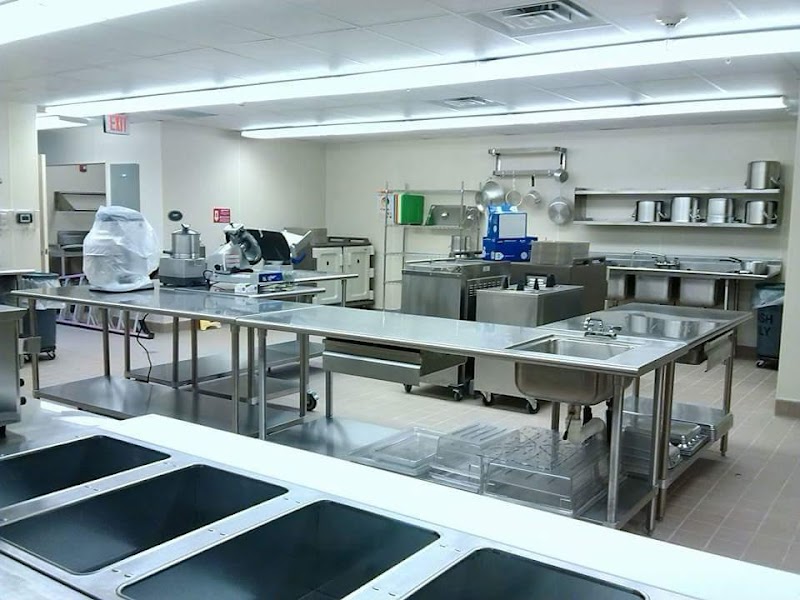
How Does Sayre Health Compare to Other Pennsylvania Nursing Homes?

Compared to the 100 nursing homes in Pennsylvania, SAYRE HEALTH CARE CENTER's overall rating (2 stars) is below the state average of 3.0, staff turnover (51%) is near the state average of 46%, and health inspection rating (2 stars) is below the national benchmark.

What Should Families Ask When Visiting Sayre Health?

Based on this facility's data, families visiting should ask: "Can you walk me through typical staffing levels on day, evening, and night shifts?" "Can I visit during a mealtime to observe dining assistance and food quality?" "How do you handle medical emergencies, and what is your hospital transfer rate?" "Can I speak with family members of current residents about their experience?" These questions are particularly relevant given the below-average staffing rating.

Is Sayre Health Safe?

Based on CMS inspection data, SAYRE HEALTH CARE CENTER has a clean safety record: no substantiated abuse findings (meaning no confirmed cases of resident harm), no Immediate Jeopardy citations (the most serious violation level indicating risk of serious injury or death), and is not on the Special Focus Facility watch list (a federal program monitoring the lowest-performing 1% of nursing homes). The facility has a 2-star overall rating and ranks #100 of 100 nursing homes in Pennsylvania. While no facility is perfect, families should still ask about staff-to-resident ratios and recent inspection results during their visit.

Do Nurses at Sayre Health Stick Around?

SAYRE HEALTH CARE CENTER has a staff turnover rate of 51%, which is about average for Pennsylvania nursing homes (state average: 46%). Moderate turnover is common in nursing homes, but families should still ask about staff tenure and how the facility maintains care continuity when employees leave.

Was Sayre Health Ever Fined?

SAYRE HEALTH CARE CENTER has no federal fines on record. CMS issues fines when nursing homes fail to meet care standards or don't correct problems found during inspections. The absence of fines suggests the facility has either maintained compliance or corrected any issues before penalties were assessed. This is a positive indicator, though families should still review recent inspection reports for the full picture.

Is Sayre Health on Any Federal Watch List?

SAYRE HEALTH CARE CENTER is not on any federal watch list. The most significant is the Special Focus Facility (SFF) program, which identifies the bottom 1% of nursing homes nationally based on persistent, serious quality problems. Not being on this list means the facility has avoided the pattern of deficiencies that triggers enhanced federal oversight. This is a positive indicator, though families should still review the facility's inspection history directly.