SHIPPENVILLE NURSING AND REHAB
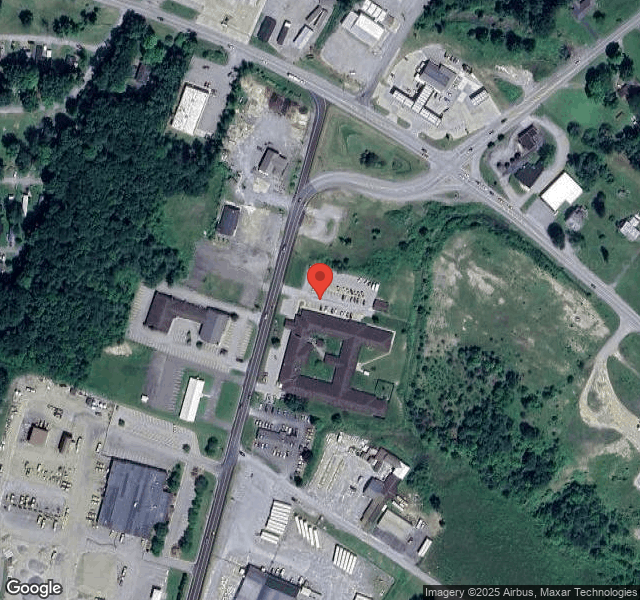
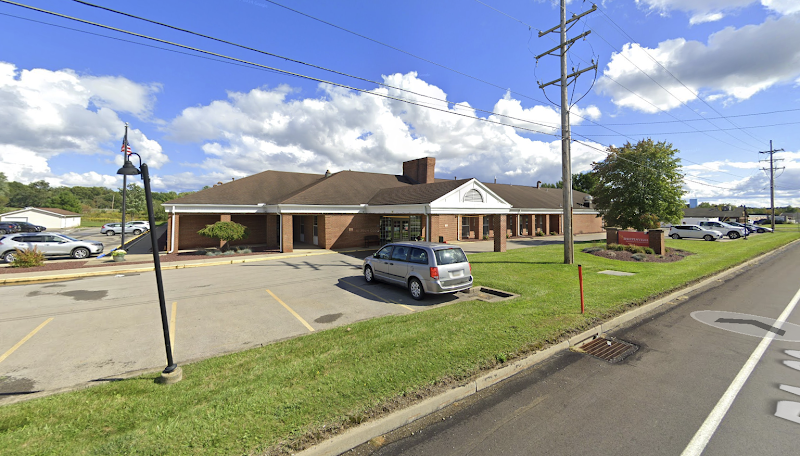
21158 PAINT BOULEVARD, SHIPPENVILLE, PA 16254 (814) 226-5660
For profit - Limited Liability company 120 Beds VALLEY WEST HEALTH Data: November 2025
Trust Grade
55/100
#353 of 653 in PA
Last Inspection: June 2025

Inspected within the last 6 months. Data reflects current conditions.

Overview

Shippenville Nursing and Rehab has received a Trust Grade of C, which means it is average and sits in the middle of the pack compared to other facilities. It ranks #353 out of 653 in Pennsylvania, placing it in the bottom half of state facilities, and #2 out of 2 in Clarion County, indicating only one other local option is available. The facility is worsening, with issues increasing from 3 in 2024 to 16 in 2025. Staffing is a significant concern here, as it has a poor rating of 0/5 stars and a turnover rate of 56%, which is above the state average. While the facility has no fines on record, there have been specific incidents of concern, such as failing to address resident council issues over six months, inadequate staffing to meet residents' needs, and unsafe food handling practices. Overall, while there are some strengths like no fines, the increasing issues and staffing challenges are notable weaknesses to consider.

Trust Score
C
55/100
In Pennsylvania
#353/653
Bottom 46%
Safety Record
Low Risk
No red flags
Inspections
Getting Worse
3 → 16 violations
Staff Stability
⚠ Watch
56% turnover. Above average. Higher turnover means staff may not know residents' routines.
Penalties
✓ Good
No fines on record. Clean compliance history, better than most Pennsylvania facilities.
Skilled Nurses
○ Average
RN staffing data not reported for this facility.
Violations
⚠ Watch
25 deficiencies on record. Higher than average. Multiple issues found across inspections.
★★★☆☆
3.0
Overall Rating
☆☆☆☆☆
0.0
Staff Levels
★★☆☆☆
2.0
Care Quality
★★★☆☆
3.0
Inspection Score
Stable
2024: 3 issues
2025: 16 issues

The Good

  • Full Sprinkler Coverage · Fire safety systems throughout facility
  • No fines on record

Facility shows strength in fire safety.

The Bad

3-Star Overall Rating

Near Pennsylvania average (3.0)

Meets federal standards, typical of most facilities

Staff Turnover: 56%

Near Pennsylvania avg (46%)

Frequent staff changes - ask about care continuity

Chain: VALLEY WEST HEALTH

Part of a multi-facility chain

Ask about local staffing decisions and management

Staff turnover is elevated (56%)

8 points above Pennsylvania average of 48%

The Ugly 25 deficiencies on record

Jun 2025 10 deficiencies
CONCERN (D)

Potential for Harm - no one hurt, but risky conditions existed

Deficiency F0578 (Tag F0578)

Could have caused harm · This affected 1 resident

**NOTE- TERMS IN BRACKETS HAVE BEEN EDITED TO PROTECT CONFIDENTIALITY** Based on review of facility policy, clinical records, and staff interview, it was determined that the facility failed to assure ...

Read full inspector narrative →
**NOTE- TERMS IN BRACKETS HAVE BEEN EDITED TO PROTECT CONFIDENTIALITY** Based on review of facility policy, clinical records, and staff interview, it was determined that the facility failed to assure physician orders and resident's Pennsylvania Order for Life Sustaining Treatment (POLST- a legal document specifying the resident/responsible party choices regarding life-sustaining treatments) were consistent for two of 22 residents reviewed (Residents R46 and R60). Findings include: Review of facility policy entitled Advance Directives dated [DATE], revealed Upon admission, the resident will be provided with written information concerning the right to refuse or accept . and to formulate an advance directive ., Information about whether or not the resident has executed an advance directive shall be displayed prominently in the medical record. And The Director of Nursing Services . of advance directives so that appropriate orders can be documented in the resident's medical record . Review of Resident R46's clinical record revealed an admission date of [DATE], with diagnoses that included diabetes (a health condition that caused by the body's inability to produce enough insulin), dementia (a disease that affects short term memory and the ability to think logically), and chronic obstructive pulmonary disease (a disease that obstructs air flow from the lungs). Review of Resident R46's paper clinical record revealed a POLST dated [DATE], signed by the physician for Cardiopulmonary Resuscitation (CPR-emergency life-saving procedure that is done when breathing or a heartbeat has stopped and when performed immediately can double or triple chances of survival after cardiac arrest)- Full Code. Review of physician's orders revealed an order dated [DATE], for Do Not Attempt Resuscitation (DNR- allow natural death). Further review of Resident R46's clinical record revealed a second POLST dated [DATE], with no evidence of the resident and/or resident representatives' signature for Do Not Attempt Resuscitation (DNR- allow natural death). Review of Resident R60's clinical record revealed an admission date of [DATE], with diagnoses that included hypertension (high blood pressure), hyperlipidemia (high cholesterol), and hypothyroidism (a condition when the thyroid produces low amounts of thyroid hormones). Review of Resident R60's clinical record revealed an incomplete POLST dated [DATE], part A of the POLST was not filled out to indicate Resident R60's wishes of a Full Code or DNR. During an interview on [DATE], at 10:40 a.m. Licensed Practical Nurses Employees E8 and E9 revealed that during an emergent situation the staff refer to resident's paper chart to determine resident Life Sustaining wishes. During an interview on [DATE], at 10:50 a.m. the Director of Nursing (DON) confirmed that Resident R46's POLST in the paper chart was for Full Code and Resident R46's electronic clinical record POLST was for DNR and lacked the resident and/or resident representatives' signature. He/she confirmed that Resident R60's POLST was incomplete and did not identify Resident R60's wishes of a Full Code or DNR. He/she also confirmed that a resident's advance directive should match in both paper and electronic records and advance directive should be complete indicating the resident and/or resident representative wishes. 28 Pa. Code 201.18 (b)(1) Management 28 Pa. Code 201.29(a) Resident rights 28 Pa. Code 211.5(f)(i)(vii) Medical records 28 Pa. Code 211.10(c) Resident care policies
CONCERN (D)

Potential for Harm - no one hurt, but risky conditions existed

Deficiency F0628 (Tag F0628)

Could have caused harm · This affected 1 resident

Based on review of facility policy, clinical records and staff interview it was determined that the facility failed to provide the resident and/or resident representative with a written notice of the ...

Read full inspector narrative →
Based on review of facility policy, clinical records and staff interview it was determined that the facility failed to provide the resident and/or resident representative with a written notice of the facility bed-hold policy (explanation of how long a bed can be held during a leave of absence and the cost per day) and failed to make certain that the necessary resident information was communicated to the receiving health care provider for one of four residents reviewed (Resident R46). Findings include: Review of facility policy entitled Transfer and Discharge (including AMA[against medical advice]) dated 2/18/25, revealed For a transfer to another provider, for any reason, the following information must be provided to the receiving provider: a. Contact information of the practitioner who is responsible for the care of the resident; b. Resident representative information, including contact information; c. Advance directive information; . and Provide a notice of transfer and the facility's bed hold notice policy to the resident and representative . Review of Resident R46's clinical record revealed an admission date of 11/3/22, with diagnoses that included diabetes (a health condition that caused by the body's inability to produce enough insulin), dementia (a disease that affects short term memory and the ability to think logically), and chronic obstructive pulmonary disease (a disease that obstructs air flow from the lungs). Review of Resident R46's clinical record revealed a progress note dated 4/8/25, at 4:55 p.m. identifying a transfer to the hospital. The clinical record lacked evidence that Resident R46's necessary clinical information was communicated to the receiving health care provider. Resident R46's clinical record also lacked evidence indicating that Resident R46 and/or their representative was provided with a copy of the facility bed-hold policy upon transfer. During an interview on 6/12/25, at 12:30 p.m. the Regional Nurse Consultant confirmed that there was no evidence that Resident R4 and/or their representative was provided with a copy of the facility bed-hold policy that included the cost per day; confirmed that there was no evidence that the necessary clinical information was provided to the receiving healthcare provider upon transfer; and also confirmed when the transfers occurred the resident and/or their representative should have been provided with bed hold policy and clinical information should be provided to the receiving healthcare provider upon transfer. 28 Pa. Code 201.18(e)(1) Management 28 Pa. Code 201.29(c.3) (2) Resident rights
CONCERN (D)

Potential for Harm - no one hurt, but risky conditions existed

Deficiency F0655 (Tag F0655)

Could have caused harm · This affected 1 resident

Based on review of facility policy, clinical records, and staff interview, it was determined that the facility failed to provide a written summary of the baseline care plan and order summary to the re...

Read full inspector narrative →
Based on review of facility policy, clinical records, and staff interview, it was determined that the facility failed to provide a written summary of the baseline care plan and order summary to the resident and/or representative for three of 26 residents reviewed (Residents R15, R51 and R89). Findings include: A facility policy entitled Care Plans-Baseline dated 2/18/25, revealed The resident and their representative will be provided a summary of the baseline care plan that includes but is not limited to: a. The initial goals of the resident; b. A summary of the resident's medications and dietary instructions; c. Any services and treatments to be administered by the facility and personnel acting on behalf of the facility; and d. Any updated information based on the details of the comprehensive care plan, as necessary. Resident R15's clinical record revealed an admission date of 4/18/25, with diagnoses that included sacrococcygeal disorders (a range of conditions affecting the sacrum and coccyx [triangular bone and tailbone at the base of the spine], including pain, tumors, and structural abnormalities), end stage renal disease (a condition where the kidneys cannot remove waste and balance fluids), hemiplegia and hemiparesis following cerebral infarction (paralysis, muscle weakness affecting one side of the body after a stroke), and diabetes mellitus (a condition when your blood sugar is too high). R15's clinical record lacked evidence that a written summary of the baseline care plan and order summary was provided to Resident R15 and/or his/her representative. Resident R51's clinical record revealed an admission date of 3/20/25, with diagnoses that included dementia (thinking and social symptoms that interfere with daily living), atrial fibrillation (irregular heartbeat), and weakness. R51's clinical record lacked evidence that a written summary of the baseline care plan and order summary was provided to Resident R51 and/or his/her representative. Resident R89's clinical record revealed an admission date of 9/04/24, with diagnoses that included dementia, orthostatic hypotension (blood pressure drops upon sitting up or standing up from lying down), and fracture of the nasal bones. R89's clinical record lacked evidence that a written summary of the baseline care plan and order summary was provided to Resident R89 and/or his/her representative. During an interview on 6/12/25, at approximately 11:35 p.m. the Regional Clinical Consultant confirmed there was no evidence that a written summary of the baseline care plan and order summary were provided to Resident R15, Resident R51, or Resident R89 and/or their representative. 28 Pa. Code 211.10(c) Resident care plan 28 Pa. Code 211.12 (d)(1)(3)(5) Nursing Services
CONCERN (D)

Potential for Harm - no one hurt, but risky conditions existed

Deficiency F0688 (Tag F0688)

Could have caused harm · This affected 1 resident

Based on review of facility policy and clinical records, observations, and staff interview, it was determined that the facility failed to ensure that a resident with limited range of motion received p...

Read full inspector narrative →
Based on review of facility policy and clinical records, observations, and staff interview, it was determined that the facility failed to ensure that a resident with limited range of motion received physician ordered treatment and services to prevent further decrease in range of motion for one of three residents reviewed (Resident R5). Findings include: Review of facility policy entitled Resident Mobility and Range of Motion dated 2/18/25, indicated Residents with limited range of motion (ROM) will receive treatment and services to increase and/or prevent a further decrease in ROM. And Residents with limited mobility will receive appropriate services, equipment . to maintain or improve mobility . Review of Resident R5's clinical record revealed an admission date of 2/4/25, with diagnoses that included hemiplegia and hemiparesis (a condition where a person is paralyzed and unable to move one side of their body and muscle weakness), hypertension (high blood pressure), and sleep apnea (a condition when a person repeatedly stops and starts breathing when they are sleeping). Review of Resident R5's clinical record revealed a physician order for LAFO (a device to support the left lower leg and foot) to be donned (put on) in AM and doffed (taken off) with PM care, skin checked prior to and after donn/doff AFO dated 5/19/25. Review of Resident R5's plan of care for ADL (activities of daily living) self-care deficit related to impaired mobility revealed an intervention for LAFO to be donned on AM care and doffed with PM care with an initiated date of 5/19/25. Review of Resident R5's clinical record revealed documentation lacked evidence that LAFO was applied as ordered. Observations on 6/10/25, at 3:00 p.m. and again at 3:40 p.m. revealed Resident R5 sitting in his/her wheelchair with no LAFO to their left foot/leg. Observations on 6/11/25, at 9:15 a.m., 10:30 a.m., 12:30 p.m., and again at 1:30 p.m. revealed Resident R5 sitting in his/her wheelchair with no LAFO to their left foot/leg. Observations on 6/12/25, at 9:00 a.m., 11:10 a.m., and again at 12:50 p.m. revealed Resident R5 sitting in his/her wheelchair with no LAFO to their left foot/leg. During an interview on 6/12/25, at 12:50 p.m. the Regional Nurse Consultant confirmed that Resident R5 did not have a LAFO on his/her left foot/leg per physician's orders and also confirmed that Resident R5 should have his/her LAFO on their left foot/leg per physician's orders. 28 Pa. Code 201.18 (b)(1) Management 28 Pa. Code 211.10 (d) Resident care policies 28 Pa. Code 211.12 (d)(1)(3)(5) Nursing services
CONCERN (D)

Potential for Harm - no one hurt, but risky conditions existed

Respiratory Care (Tag F0695)

Could have caused harm · This affected 1 resident

Based on review of facility policy and clinical records, observations, and staff interview, it was determined that the facility failed to provide oxygen according to physician's orders for one of one ...

Read full inspector narrative →
Based on review of facility policy and clinical records, observations, and staff interview, it was determined that the facility failed to provide oxygen according to physician's orders for one of one residents reviewed for respiratory services (Resident R18). Findings include: Review of facility policy entitled Oxygen Administration dated 2/18/25, revealed Verify that there is a physician's order for this procedure. Review the physician's orders . Turn on oxygen. Unless otherwise ordered, start the flow of oxygen at . and adjust the oxygen delivery device so that it is comfortable for the resident and the proper flow of oxygen is being administered. Review of Resident R18's clinical record revealed an admission date of 11/7/20, with diagnoses that included chronic obstructive pulmonary disease (when your lungs do not have adequate air flow), diabetes (a health condition that caused by the body's inability to produce enough insulin), and hypertension (high blood pressure). Review of Resident R18's physician's orders revealed an order dated 6/18/22, for oxygen at 2 liters/minute (LPM)via NC (nasal cannula-a thin tube with two prongs that fit into the resident's nostrils to deliver oxygen) every shift for shortness of breath. Observations on 6/10/25, at 1:25 p.m. revealed Resident R18 was sitting in their room with supplemental oxygen in place and oxygen concentrator liter flow set at 2 LPM. Activities Assistant Employee E10 removed Resident R18's nasal cannula at the time of observation and assisted the resident to an activity without re-applying oxygen. Resident R18 returned to their room at 2:30 p.m. During an interview on 6/10/25, at 2:40 p.m. Activities Assistant Employee E10 confirmed that Resident E18 went to and activity and did not have oxygen on until he/she returned to their room. During an interview on 6/10/25, at 2:47 p.m. Licensed Practical Nurse Employee E3 confirmed that Resident R18 should have his/her oxygen on at all times. 28 Pa. Code 211.10(c) Resident care policies 28 Pa. Code 211.12(d)(1)(5) Nursing services
CONCERN (D)

Potential for Harm - no one hurt, but risky conditions existed

Deficiency F0761 (Tag F0761)

Could have caused harm · This affected 1 resident

Based on review of facility policy, manufacturer's recommendations, observations, and staff interviews, it was determined that the facility failed to ensure that medications were properly dated when o...

Read full inspector narrative →
Based on review of facility policy, manufacturer's recommendations, observations, and staff interviews, it was determined that the facility failed to ensure that medications were properly dated when opened and discarded in a timely manner for two of three medication carts reviewed (A Wing medication and Skilled Wing medication cart). Findings include: Review of a facility policy entitled Medication Storage dated 2/18/25, revealed it is the policy of this facility to ensure all medications housed on our premises will be stored in the pharmacy and/or medication rooms according to the manufacturer's recommendations and sufficient to ensure proper sanitation, temperature, light, ventilation, moisture control, segregation, and security. Manufacturer's recommendations for Latanoprost (a type of eye drop), indicated that once a bottle is opened for use, it may be stored at room temperature up to 25 degrees Celsius (77 degrees Fahrenheit) for six weeks. Manufacturer's recommendations for Lantus (a long-acting insulin), indicated that an opened multiple-dose vial stored at room temperature should be discarded after 28 days. Observations of the A Wing's medication cart on 6/10/25, at approximately 2:30 p.m. revealed an opened bottle of Latanoprost eye drops without an open date, therefore the staff were unable to determine the discard date. Licensed Practical Nurse (LPN) Employee E1 confirmed at that time, that the opened bottle of Latanoprost lacked an open date, and staff were unable to determine the discard date. Observations of the Skilled Wing's medication cart on 6/10/25, at approximately 4:15 p.m. revealed an opened vial of Lantus without an open date, therefore the staff were unable to determine the discard date. LPN Employee E2 confirmed at that time, that the opened Lantus vial lacked an open date, and staff were unable to determine the discard date. During an interview with the Regional Clinical Director on 6/12/25, at 12:05 p.m. it was confirmed that insulins and eye drop medications should be properly labeled with an open date for staff to determine the discard date. 28 Pa. Code 211.9(a)(1) Pharmacy services 28 Pa. Code 211.10(c) Resident care policies 28 Pa. Code 211.12(d)(1)(3)(5) Nursing services
CONCERN (D)

Potential for Harm - no one hurt, but risky conditions existed

Infection Control (Tag F0880)

Could have caused harm · This affected 1 resident

Based on review of facility policies, observations, and staff interview, it was determined that the facility failed to prevent the potential for cross-contamination during completion of a wound dressi...

Read full inspector narrative →
Based on review of facility policies, observations, and staff interview, it was determined that the facility failed to prevent the potential for cross-contamination during completion of a wound dressing change for one of one residents reviewed (Resident R75). Findings include: Review of facility policy entitled Wound Care dated 2/18/25, indicated Wipe reuseable supplies with alcohol as indicated (i.e., scissor blades .) Review of facility policy entitled Cleaning and Disinfection of Resident Care-Items and Equipment dated 2/18/25, indicated Reusable items are cleaned and disinfected or sterilized between residents . Observations on 6/12/25, at 1:50 p.m. revealed Licensed Practical Nurse (LPN) Employee E7 completing a wound dressing change in Resident R75's room. During the dressing change LPN Employee E7 used scissors to cut the soiled dressing from Resident R75's right foot. LPN Employee E7 then placed the scissors on a towel covering Resident R75's bedside table. After completing the dressing change LPN Employee E7 picked up the scissors and placed them in their pocket without cleaning the scissors. During an interview on 6/12/25, at the time of observation, LPN Employee E7 confirmed that he/she cut the soiled dressing off of Resident R75's right foot with the scissors and placed the scissors in their pocket without cleaning them. He/she also confirmed that the scissors should have been cleaned before placing them in their pocket. 28 Pa. Code 211.10(c) Resident care policies 28 Pa. Code 211.12(d)(1)(5) Nursing services
CONCERN (E)

Potential for Harm - no one hurt, but risky conditions existed

Deficiency F0565 (Tag F0565)

Could have caused harm · This affected multiple residents

Based on review of facility policy, facility documents, and resident and staff interviews, it was determined that the facility failed to correct Resident Council concerns for a period of six months (J...

Read full inspector narrative →
Based on review of facility policy, facility documents, and resident and staff interviews, it was determined that the facility failed to correct Resident Council concerns for a period of six months (January 2025 through June 2025). Findings: Review of facility policy, Resident Council, dated 2/18/25, indicated A Resident Council Response Form will be utilized to track issues and their resolution. The facility department related to any issues will be responsible for addressing the item(s) of concern. The Quality Assurance and Performance Improvement (QAPI) Committee will review information and feedback from Resident Council as part of their quality review. Issues documented on council response forms may be referred to the QAPI Committee, if applicable (i.e., the issue is of serious nature or if there is a pattern, etc.). Review of the Resident Council minutes and Grievances over the past six months, January 2025 through June 2025, revealed a pattern/trend with issues regarding residents not receiving ice water. During a Resident Council meeting on 6/11/25, at 10:30 a.m. interviews with alert and oriented Residents R3, R7, R21, R76, and R77, who all attend Resident Council meetings regularly, indicated that concerns of not receiving fresh ice water have not improved. Resident R77 indicated he/she only receives it if a family member is visiting and gets it for him/her. An interview with the Director of Nursing on 6/12/25, at approximately 12:30 p.m. confirmed that the facility had not corrected the Resident Council concerns regarding residents not receiving ice water from the January 2025, February 2025, March 2025, April 2025, May 2025, and June 2025 Resident Council meetings. No evidence was provided to ensure the residents' concerns verbalized and further stated in the Resident Council minutes for the past six months reviewed was noted of timely corrective actions. 28 Pa. Code 201.14 (a) Responsibility of licensee 28 Pa. Code 201.18 (e)(1)(4) Management 28 Pa. Code 201.29(a) Resident rights
CONCERN (E)

Potential for Harm - no one hurt, but risky conditions existed

Deficiency F0725 (Tag F0725)

Could have caused harm · This affected multiple residents

**NOTE- TERMS IN BRACKETS HAVE BEEN EDITED TO PROTECT CONFIDENTIALITY** Based on review of clinical records, facility policies and facility documents, observations, resident and staff interviews, it w...

Read full inspector narrative →
**NOTE- TERMS IN BRACKETS HAVE BEEN EDITED TO PROTECT CONFIDENTIALITY** Based on review of clinical records, facility policies and facility documents, observations, resident and staff interviews, it was determined that the facility failed to provide sufficient nursing staff and services to promote the physical and mental well-being and meet the needs for 10 of 26 residents interviewed (Residents R3, R7, R21, R27, R42, R60, R76, R77, R93, and R199). Findings include: Review of facility policy entitled, Answering the Call Light dated 2/18/25, revealed If the resident's request is something you can fulfill, complete the task within five minutes if possible. Review of facility policy entitled Resident Showers dated 2/18/25, revealed Residents will be provided showers as per request or as facility schedule protocols . Review of facility policy entitled Activities of Daily Living (ADLs), Supporting dated 2/18/25, revealed Appropriate care and services will be provided for residents who are unable to carry out ADLs . Hygiene (bathing .). Review of facility job descriptions for a Nursing Assistant (NA) revealed Attends to the individual needs of the residents, which may include assistance with grooming, bathing, oral hygiene, feeding, incontinent care, toileting, colostomy care, prosthetic appliances, transferring, ambulation, range of motion, communicating or other needs in keeping with the individuals' care requirements .Answers residents' call bells promptly and courteously . Interviews during the Resident Council meeting on 6/11/25, between 10:30 a.m. and 11:00 a.m., revealed five out of five alert and oriented residents in attendance stated they are not receiving fresh ice water, and it is worse when agency staff are working. R77 and R3 had concerns related to staff not responding to their call bells timely and it took 45 minutes to an hour for call bell response, indicating it is worse on the weekends and/or when agency staff are working. Review of resident council minutes over six months from January, February, March, April, May, and June of 2025, revealed the following: January 2025 resident council minutes revealed 10 out of 10 residents in attendance stated that ice water is not passed enough. February 2025 resident council minutes revealed nine out of 10 residents in attendance stated that ice water is not passed at each shift and staff is slow answering call bells. One resident stated he/she rang the call bell, and an agency staff answered, left and never returned. He/she rang again, and a facility NA helped him/her. March 2025 resident council minutes revealed three out of 16 residents in attendance stated that ice water is not passed at each shift and four out of 16 residents stated staff is slow answering call bells. April 2025 resident council minutes revealed eight out of eight residents in attendance stated that ice water is not passed at each shift, seven out of eight residents stated staff is slow answering call bells, and two out of eight residents stated they were not receiving their showers. May 2025 resident council minutes revealed seven out of eight residents in attendance stated that ice water is only provided if families get it for them or request it from staff and two out of eight residents stated they were not receiving their showers. June 2025 resident council minutes revealed residents are not receiving ice water regularly and call bells are not being answered timely. Review of the Grievance Logs from January, February, March, and April of 2025 revealed grievances related to call bell response time, residents not receiving showers, and fresh ice water not being passed. During an interview on 6/10/25, at 1:00 p.m. with alert and oriented Resident R27, he/she indicated that he/she waits for an hour at a time often to have his/her call bell responded to and does not receive ice water, unless he/she asks for it. Resident R27 stated, What happens to the residents who cannot ask for it? During an interview on 6/10/25, at 1:45 p.m. with alert and oriented Resident R42 he/she expressed that he/she was not receiving their showers because the shower room on their hall had no hot water. He/she expressed that the facility has other shower rooms that the staff could use. He/she expressed that their hair has not been washed since their last shower. Observation of the resident at the time of interview revealed Resident R42's hair appeared that it had not been washed. Follow up interview with Resident R42 on 6/11/25, at 9:30 a.m. revealed that the resident expressed that they are scheduled to get a shower on Tuesdays and Fridays on the afternoon shift. The resident expressed that he/she tracks their showers on the calendar in their phone and the last date marked was 5/27/25. Review of Resident R42's shower documentation revealed that he/she only received a shower on 5/27/25, 6/3/25, and 6/10/25, which was not on all of his/her scheduled shower days. During an interview on 6/10/25, at 1:30 p.m. with alert and oriented Resident R60 he/she expressed that they were not receiving showers because the shower room on their hall had no hot water. The resident expressed that he/she wanted to go to the other hall's shower room, but staff would never to that. Follow up interview on 6/11/25, at 2:05 p.m. revealed that Resident R60 expressed that they never refuse their shower, and is scheduled to get showers on Wednesdays and Saturdays on the afternoon shift. Review of Resident R60's shower documentation revealed that he/she received a shower on 5/21/25, and did not receive another shower until 6/11/25. The documented shower dates did not reflect his/her shower schedule. During an interview on 6/11/25, at 10:50 a.m. with alert and oriented Resident R93, revealed that they wait for an hour while sitting on the bedside toilet to have the call bell responded to by staff, and when he/she desires to get out of bed in the morning. During an interview on 6/11/25, at 1:00 p.m. alert and oriented Resident R199, indicated that they have not received a bath/shower since being admitted on [DATE]. Resident R199 asked for their hairbrush during the interview to itch their hair. Resident R199 stated, My hair is driving me crazy, it is so itchy due to not washing it. Review of Resident R199's shower documentation revealed that their shower days were Tuesdays and Fridays. The Director of Nursing (DON) confirmed that Resident R199 did not receive his/her scheduled shower on Tuesday, 6/10/25. During an interview on 6/11/25, at 2:06 p.m. the DON confirmed that residents have the right to get their showers when they are scheduled or when they request. He/she also confirmed that showers should be done per the resident's shower schedule or when requested by the resident. During an interview on 6/12/25, at approximately 12:30 p.m. the DON confirmed that residents have the right for fresh ice water throughout each day and to have their call bells answered timely to meet each resident's needs. 28 Pa. Code 201.18(b)(1) Management 28 Pa. Code 211.12(d)(4)(5) Nursing services
CONCERN (E)

Potential for Harm - no one hurt, but risky conditions existed

Food Safety (Tag F0812)

Could have caused harm · This affected multiple residents

Based on review of facility policies, observations, and staff interview, it was determined that the facility failed to serve food in a safe and sanitary manner during tray line and ensure that food wa...

Read full inspector narrative →
Based on review of facility policies, observations, and staff interview, it was determined that the facility failed to serve food in a safe and sanitary manner during tray line and ensure that food was stored in accordance with standards for food safety in the main kitchen, and resident pantries (D Wing, A Wing, Skilled Wing pantries and Kitchen). Findings include: Review of a facility policy entitled Floor stock and Supplement Distribution dated 2/18/25, revealed discarding expired and unlabeled products ., Supplements such as . Med Pass . will be dated upon opening and will have a three day use by date ., and Cleaning and sanitizing the unit pantry and refrigerator/freezers. Review of a facility policy entitled Food: Safe Handling for Food from Visitors dated 2/18/25, revealed Label food with the resident name and the current date and daily monitoring for refrigerator storage duration and discard of any food items that have been stored for seven or greater days. Review of a facility policy entitled Staff Attire dated 2/18/25, revealed The Dining Service Director ensures that all staff members have their hair off the shoulders, confined in a hair net or cap . Observations during a kitchen tour on 6/10/25, at 11:15 a.m. revealed seven bulk packages of instant potatoes with an expiration date of 5/12/25 were in the dry storage area. Observations during tray line on 6/10/25, at 4:05 p.m. revealed a dietary aide placing food on resident trays not wearing a hair net/restraint. During an interview on 6/10/25, at 11:15a.m. and again at 4:05 p.m. the Dietary Manager confirmed that the seven bulk packages of instant potatoes were expired and that the dietary aide was not wearing a hair net/restraint during tray line while handling resident food. He/she also confirmed that the instant potatoes should have been discarded and that the dietary aide should be wearing a hair net/restraint while in the dietary department. Observations on 6/10/25, at 4:20 p.m. of the D Wing pantry refrigerator used for residents revealed a brown substance on the shelves, a dry thick red substance under the bottom two drawers, and a yellow substance on the door shelves. During an interview on 6/10/25, at the time of observation Nursing Assistant (NA) Employee E4 confirmed that the refrigerator was not clean. Observation on 6/10/25, at 4:27 p.m. of the A Wing pantry refrigerator used for residents revealed a clear plastic container of watermelon dated 5/29/25, with no resident name on the container, a carton of Med Pass with an open date of 6/4/25, a clear yellow sticky substance covering the shelf in the refrigerator, and the freezer had a large amount of ice built up. During an interview on 6/10/25, at the time of observation Licensed Practical Nurse (LPN) Employee E5 confirmed that the watermelon lacked a resident name and was beyond the use by date, the Med Pass was beyond the use by date, the refrigerator was not clean and there was a buildup of ice in the freezer. He/she also confirmed that the food items should be labeled and discarded by their use by date, and the refrigerator and freezer should be clean and free from ice buildup. Observations on 6/10/25, at 4:33 p.m. of the Skilled Wing pantry refrigerator used for residents revealed a carton of Med Pass with an open date of 6/4/25, a Styrofoam cup of pudding with no label or date, the refrigerator shelf had a clear yellow sticky substance, and the freezer had a large amount of ice buildup. During an interview on 6/10/25, at the time of observation NA Employee E6 confirmed that the Med pass was beyond the use by date, the Styrofoam cup of pudding was lacking a label and date, the refrigerator was not clean and there was a buildup of ice in the freezer. He/she also confirmed that the food items should be labeled and discarded by their use by date, and the refrigerator and freezer should be clean and free from ice buildup. 28 Pa. Code 201.14(a) Responsibility of licensee 28 Pa. Code 201.18(b)(1) Management
May 2025 2 deficiencies
CONCERN (D) 📢 Someone Reported This

A family member, employee, or ombudsman was alarmed enough to file a formal complaint

Potential for Harm - no one hurt, but risky conditions existed

Deficiency F0658 (Tag F0658)

Could have caused harm · This affected 1 resident

Based on review of the Pennsylvania Code Title 49. Professional and Vocational Standards, facility job descriptions, clinical records, facility documents, and staff interviews, it was determined that ...

Read full inspector narrative →
Based on review of the Pennsylvania Code Title 49. Professional and Vocational Standards, facility job descriptions, clinical records, facility documents, and staff interviews, it was determined that the facility failed to follow nursing standards of practice to ensure the physician was contacted regarding an incomplete order prior to medication administration for one of eight residents reviewed (Resident R1). Findings include: Review of Pennsylvania Code Title 49. Professional and Vocational Standards 21.11. General functions of the Registered Nurse (RN) (a)(4) stated, Carries out nursing care actions which promote, maintain and restore the well-being of individuals and (b) The RN is fully responsible for all actions as a licensed nurse and is accountable to clients for the quality of care delivered and (d) The Board recognizes standards of practice and professional codes of behavior, as developed by appropriate nursing associations, as the criteria for assuring safe and effective practice. Review of the facility's job description for RNs revealed The purpose of the RN is to deliver care to residents utilizing the nursing process of assessment, planning, intervention, implementation, and evaluation under the direction of the residents' attending physician. The RN will effectively interact with residents, family and other health team members while maintaining all standards of professional nursing. Review of Resident R1's clinical record revealed an admission date of 4/8/25, with diagnoses that included osteomyelitis (an infection in the bone), weakness, and type II diabetes (condition where the body does not use insulin properly). Resident R1's order summary revealed a physician's order for Piperacillin Sodium-Tazobactam Sodium Intravenous Solution Reconstituted 3.375 (3-0.375) grams (an antibiotic used to treat many different infections caused by bacteria), use 1 dose intravenously every 6 hours for 5 days. The physician's order lacked the amount the medication was to be reconstituted with and/or the rate the medication was to be administered. Resident R1's clinical record progress notes dated 4/8/25, documented that Resident R1 received his/her Piperacillin Sodium-Tazobactam Sodium Intravenous Solution Reconstituted 3.375 (3-0.375) grams at 8:08 p.m. and 11:36 p.m. and that the medication was reconstituted per instructions and on 4/9/25, that the Piperacillin Sodium-Tazobactam Sodium Intravenous Solution Reconstituted 3.375 (3-0.375) grams was administered at the wrong rate and route. Review of facility documents dated 4/10/25 and 4/15/25, revealed that the RN failed to ensure the physician was contacted regarding an incomplete medication order prior to administering the medication for the first and second doses. During an interview on 4/30/25, at approximately 10:30 a.m. the Nursing Home Administrator confirmed that the RN failed to contact the physician regarding the incomplete medication order prior to the medication administrations that did not adhere to professional nursing standards. 28 Pa. Code 211.12(d)(1)(5) Nursing Services
CONCERN (D) 📢 Someone Reported This

A family member, employee, or ombudsman was alarmed enough to file a formal complaint

Potential for Harm - no one hurt, but risky conditions existed

Quality of Care (Tag F0684)

Could have caused harm · This affected 1 resident

Based on review of clinical records and staff interview, it was determined that the facility failed to enter physician's orders timely resulting in a delay in treatment for one of eight residents revi...

Read full inspector narrative →
Based on review of clinical records and staff interview, it was determined that the facility failed to enter physician's orders timely resulting in a delay in treatment for one of eight residents reviewed (Resident R1). Findings include: Review of Resident R1's clinical record revealed an admission date of 4/8/25, with diagnoses that included osteomyelitis (an infection in the bone), weakness, and type II diabetes (the body does not use insulin properly). Resident R1's clinical record revealed he/she arrived at the facility on 4/8/25, at approximately 10:00 a.m. His/her medication orders which included Piperacillin Sodium-Tazobactam Sodium Intravenous Solution Reconstituted 3.375 (3-0.375) grams (an antibiotic used to treat many different infections caused by bacteria) were not entered into the facility electronic health record system for the nurses to be alerted when the medication was due to be administered. This resulted in Resident R1 missing his/her noon dose of Piperacillin Sodium-Tazobactam Sodium Intravenous Solution Reconstituted 3.375 (3-0.375) grams and his/her 6:00 p.m. dose being administered late. During an interview on 4/30/25, at approximately 10:30 a.m. the Nursing Home Administrator confirmed that facility failed to enter the physician's orders timely which resulted in a missed and a late dose Resident R1's antibiotic medication. 28 Pa. Code 201.18(b)(1)(3) Management 28 Pa. Code 211.12(d)(1)(5) Nursing Services
Feb 2025 4 deficiencies
CONCERN (D) 📢 Someone Reported This

A family member, employee, or ombudsman was alarmed enough to file a formal complaint

Potential for Harm - no one hurt, but risky conditions existed

Safe Environment (Tag F0584)

Could have caused harm · This affected 1 resident

Based on review of facility policy, observations, and staff interview, it was determined that the facility failed to maintain a clean and sanitary resident common area for one of four resident units (...

Read full inspector narrative →
Based on review of facility policy, observations, and staff interview, it was determined that the facility failed to maintain a clean and sanitary resident common area for one of four resident units (Alzheimer's Care Unit). Findings include: Review of facility policy entitled Quality of Life - Homelike Environment dated 2/18/25, indicated The facility staff and management shall maximize .the characteristics of the facility that reflect . homelike setting. Clean, sanitary and orderly environment. Observations on 2/29/25, at 10:00 a.m. of the Alzheimer's Care Unit (ACU) revealed three sitting chairs and a couch in the common area. The chairs and couch cushions had several areas of a brown substance which appeared to be stains caused from moisture. The arms of the furniture had rips in the fabric and the stuffing was coming out. On the wall in the common area was a box with television cable attached to it, the box was pulling off of the wall. Observations of a resident room revealed a curtain covering a window with the fabric on the back of the curtain ripped and hanging down. Observations of a wall in a resident room revealed below the window there were gouges in the wall. During an interview with the Nursing Home Administrator on 2/19/25, at 10:55 a.m. he/she confirmed that the furniture in the common area in the ACU had stains on the cushions and tears in the fabric, the cable box was not attached to the wall, the curtain in the resident room was ripped and the wall was in need of repair. He/she also confirmed that the furniture should be clean/without tears, the cable box should be connected to the wall, and the curtains and wall should be in good repair. 28 Pa. Code 201.14 (a) Responsibility of Licensee
CONCERN (D) 📢 Someone Reported This

A family member, employee, or ombudsman was alarmed enough to file a formal complaint

Potential for Harm - no one hurt, but risky conditions existed

Deficiency F0658 (Tag F0658)

Could have caused harm · This affected 1 resident

Based on review of the Pennsylvania Code Title 49. Professional and Vocational Standards, facility job descriptions, clinical records, facility documents, and staff interviews, it was determined that ...

Read full inspector narrative →
Based on review of the Pennsylvania Code Title 49. Professional and Vocational Standards, facility job descriptions, clinical records, facility documents, and staff interviews, it was determined that the facility failed to follow nursing standards of practice to ensure medications are obtained from pharmacy in a timely manner for one of 12 residents reviewed (Resident R1). Findings include: Review of Pennsylvania Code Title 49. Professional and Vocational Standards 21.145. Functions of the Licensed Practical Nurse (LPN), (a) The LPN is prepared to function as a member of the health-care team by exercising sound nursing judgment based on preparation, knowledge, experience in nursing and competency. The LPN participates in the planning, implementation and evaluation of nursing care using focused assessment in settings where nursing takes place and 21.11. General functions of the Registered Nurse (RN) (a)(4) stated, Carries out nursing care actions which promote, maintain and restore the well-being of individuals and (b) The RN is fully responsible for all actions as a licensed nurse and is accountable to clients for the quality of care delivered and (d) The Board recognizes standards of practice and professional codes of behavior, as developed by appropriate nursing associations, as the criteria for assuring safe and effective practice. Review of facility job descriptions for LPNs and RNs revealed both are expected to utilize nursing knowledge and skills in the safe implementation of basic preventative therapeutic and rehabilitative nursing care of assigned resident as evidenced by documentation and observation of positive resident care outcomes, perform delegated nursing functions using established procedures, policies, guidelines and standards as observed by the registered nurse, and administer treatments, medications, and diets accurately. Review of Resident R1's clinical record revealed an admission date of 10/30/2024, with diagnoses that included dementia (a group of thinking and social issues that interfere with daily living), parkinsonism (a central nervous system disorder that affects movements), and anxiety. Resident R1's clinical record progress notes documented that on 11/04/2024, Resident R1 was tired and had a fever. He/she was tested for COVID, with positive results. At that time, the physician was contacted, and an order was received to give Paxlovid (300/100) (an antiviral medication used to treat mild to moderate COVID) oral tablet therapy give two tablets by mouth two times a day for COVID starting on 11/05/2024, for five days. Review of facility documents from pharmacy dated 11/1/2024, through 11/7/2024, revealed that the Paxlovid was never received from the pharmacy for Resident R1. Review of additional facility documents revealed six LPNs, and one RN failed to ensure the pharmacy was faxed the original order for the Paxlovid and failed to follow-up with the pharmacy once realizing the Paxlovid was ordered in the medication administration record for Resident R1 but was not available for several days. During an interview on 2/19/2025, at approximately 1:00 p.m. the Director of Nursing and the Regional Director of Clinical Operations confirmed that the Paxlovid ordered for Resident R1 was never received from the pharmacy, due to nursing staff's failure to fax the original order to the pharmacy and nursing staffs' failure to follow-up with the pharmacy regarding the status of the medication delivery. 28 Pa. Code 211.12(d)(1)(3)(5) Nursing services
CONCERN (D) 📢 Someone Reported This

A family member, employee, or ombudsman was alarmed enough to file a formal complaint

Potential for Harm - no one hurt, but risky conditions existed

Quality of Care (Tag F0684)

Could have caused harm · This affected 1 resident

Based on review of clinical records, facility documents, and staff interview, it was determined that the facility failed to follow physician's orders related to a medication order resulting in a delay...

Read full inspector narrative →
Based on review of clinical records, facility documents, and staff interview, it was determined that the facility failed to follow physician's orders related to a medication order resulting in a delay in treatment for one of 12 residents reviewed (Resident R1). Findings include: Review of Resident R1's clinical record revealed an admission date of 10/30/2024, with diagnoses that included dementia (a group of thinking and social issues that interfere with daily living), parkinsonism (a central nervous system disorder that affects movements), and anxiety. Resident R1's clinical record progress notes documented that on 11/04/2024, Resident R1 was tired and had a fever. He/she was tested for COVID, with positive results. At that time, the physician was contacted, and an order was received to give Paxlovid (300/100) (an antiviral medication used to treat mild to moderate COVID) oral tablet therapy give two tablets by mouth two times a day for COVID starting on 11/05/2024, for five days. Review of facility documents from pharmacy dated 11/1/2024, through 11/7/2024, revealed that the Paxlovid was never received from pharmacy for Resident R1, therefore not administered during that time. During an interview on 2/19/2025, at approximately 1:00 p.m. the Director of Nursing and the Regional Director of Clinical Operations confirmed that the Paxlovid was never delivered from the pharmacy, causing a delay in treatment for Resident R1. 28 Pa. Code 211.12(d)(1)(3)(5) Nursing services
CONCERN (D) 📢 Someone Reported This

A family member, employee, or ombudsman was alarmed enough to file a formal complaint

Potential for Harm - no one hurt, but risky conditions existed

Medical Records (Tag F0842)

Could have caused harm · This affected 1 resident

Based on review of facility policies, clinical records, facility documents, and staff interviews, it was determined that the facility failed to maintain complete and accurate clinical records for one ...

Read full inspector narrative →
Based on review of facility policies, clinical records, facility documents, and staff interviews, it was determined that the facility failed to maintain complete and accurate clinical records for one of 12 residents reviewed (Resident R1). Findings include: Review of facility policy entitled, Administering Medications dated 2/18/2025, revealed The individual administering the medication initials the resident's medication administration record (MAR) on the appropriate line after giving each medication and before administering the next ones. Review of the facility policy entitled, Change in a Resident's Condition or Status dated 2/18/2025, revealed The nurse will notify the resident's attending physician on call when there has been a need to transfer the resident to a hospital/treatment center . Unless otherwise instructed by the resident, a nurse will notify the resident's representative when: it is necessary to transfer the resident to a hospital/treatment center .The nurse will record in the resident's medical record information relative to the changes in the resident's medical/mental condition or status. Review of the facility policy entitled Charting and Documentation dated 2/18/2025, revealed The following information is to be documented in the resident medical record: a. Objective observations; b. Medications administered; c. Treatments or services performed; d. Changes in the resident's condition; e. Events, incidents or accidents involving the resident . Review of Resident R1's clinical record revealed an admission date of 10/30/2024, with diagnoses that included dementia (a group of thinking and social issues that interfere with daily living), parkinsonism (a central nervous system disorder that affects movements), and anxiety. Resident R1's clinical record progress notes documented that on 11/04/2024, Resident R1 was tired and had a fever. He/she was tested for COVID, with positive results. At that time, the physician was contacted, and an order was received to give Paxlovid (300/100) (an antiviral medication used to treat mild to moderate COVID) oral tablet therapy give two tablets by mouth two times a day for COVID starting on 11/05/2024, for five days. Resident R1's MAR revealed that Resident R1 received his/her Paxlovid on 11/6/2024, at 8:00 p.m., and on 11/8/2024, at 8:00 p.m. Review of facility documents from pharmacy dated 11/1/2024, through 11/7/2024, revealed that the Paxlovid was never received from pharmacy for Resident R1, therefore the documentation in the MAR was inaccurate. Resident R1's clinical record progress notes documented that on 11/08/2024, he/she was Out at ER [emergency room]. There was no documented evidence in Resident R1's clinical record regarding Resident R1's change in condition and/or assessment that resulted in him/her being transferred to the ER. Additionally, Resident R1's clinical record lacked evidence that the physician, resident representative, emergency transport, and receiving emergency department were contacted regarding Resident R1's change in condition. During an interview on 2/19/2025, at approximately 1:00 p.m. the Director of Nursing and the Regional Director of Clinical Operations confirmed that the Paxlovid was never received from the pharmacy, therefore the documentation on the MAR for Resident R1 was inaccurate and that clinical record lacked evidence that Resident R1's change in condition and/or assessment that resulted in him/her being transferred to the ER and that the physician, resident representative, emergency transport, and receiving emergency department were contacted regarding Resident R1's change in condition was documented in the clinical record. 28 Pa. Code 211.5(f)(xiii)(ix) Medical Records 28 Pa. Code 211.12(d)(1)(5) Nursing Services
Jul 2024 3 deficiencies
CONCERN (D)

Potential for Harm - no one hurt, but risky conditions existed

Assessment Accuracy (Tag F0641)

Could have caused harm · This affected 1 resident

**NOTE- TERMS IN BRACKETS HAVE BEEN EDITED TO PROTECT CONFIDENTIALITY** Based on review of clinical records and facility documentation, and staff interview, it was determined that the facility failed ...

Read full inspector narrative →
**NOTE- TERMS IN BRACKETS HAVE BEEN EDITED TO PROTECT CONFIDENTIALITY** Based on review of clinical records and facility documentation, and staff interview, it was determined that the facility failed to complete the Minimum Data Set (MDS-periodic assessment of resident care needs) to accurately reflect the resident's status at the time of the assessment for one of 19 residents reviewed (Resident R50). Findings include: Review of Resident R50's clinical record revealed an admission date of 8/02/22, with diagnoses that included Alzheimer's disease (a disease that affects short term memory and the ability to think logically), anxiety, depression, diabetes and high blood pressure. Review of Resident R50's clinical record revealed that the resident sustained a fall on 4/16/24, without injury. Nurses notes dated 4/20/24, revealed that a large bruise was noted to Resident R50's right ribs and that resident had a recent fall on 4/16/24. Nurses note dated 4/21/24, revealed x-ray results of the right rib received showing a right 8th anterior rib fracture and possibly the 7th rib also. Review of the Annual MDS dated [DATE], under the Health Conditions Section J1900 Number of Falls Since Admission indicated that Resident R50 had no falls with major injury. During an interview on 7/10/24, at 1:15 p.m. the Registered Nurse Assessment Coordinator confirmed that Section J1900 of the Annual MDS dated [DATE], was incorrectly coded for Resident R50 regarding falls with major injury. 28 Pa. Code 211.5(f)(ix) Medical records
CONCERN (D)

Potential for Harm - no one hurt, but risky conditions existed

Medication Errors (Tag F0758)

Could have caused harm · This affected 1 resident

Based on review of facility policy and clinical records, and staff interview, it was determined that the facility failed to provide a clinical rationale and duration for the continued use of a PRN (as...

Read full inspector narrative →
Based on review of facility policy and clinical records, and staff interview, it was determined that the facility failed to provide a clinical rationale and duration for the continued use of a PRN (as needed) psychotropic (affecting the mind) medication beyond 14 days for one of 19 residents reviewed (Resident R57). Findings include: A facility policy entitled Antipsychotic Medication Use dated 1/19/2024, indicated that PRN orders for antipsychotic medications will not be renewed beyond 14 days unless the healthcare practitioner has evaluated the resident for the appropriateness of that medication and documented the rational for continued use. The duration of the PRN order will be indicated in the order. Resident R57's clinical record revealed an admission date of 11/11/20, with diagnoses that included dementia (a disease that affects short term memory and the ability to think logically), arthritis (a condition when there is swelling and tenderness of one or more joints in the body), and cerebral atherosclerosis (a disease where blood vessels become blocked and decrease blood flow in the brain and can lead to stroke). Review of Resident R57's medication orders revealed a physician order dated 6/17/24, to administer Lorazepam (anti-anxiety medication) 2 milligrams (mg) per milliliter (ml) give 0.25 ml by mouth every four hours as needed for anxiety, restlessness, and agitation. The medication order lacked the required stop date within 14 days or a clinical rationale for continuing beyond 14 days. During an interview on 7/10/24, at 12:57 p.m. the Assistant Director of Nursing confirmed that Resident R57's Lorazepam order lacked the required stop date within 14 days and a clinical rationale for continued use beyond 14 days. He/she also confirmed that the medication should have a clinical rationale and duration to continue beyond 14 days. 28 Pa. Code 211.12(d)(1)(3)(5) Nursing services
CONCERN (D)

Potential for Harm - no one hurt, but risky conditions existed

Deficiency F0761 (Tag F0761)

Could have caused harm · This affected 1 resident

Based on review of facility policies, observations and staff interviews, it was determined that the facility failed to appropriately discard outdated medications for two of three medication carts revi...

Read full inspector narrative →
Based on review of facility policies, observations and staff interviews, it was determined that the facility failed to appropriately discard outdated medications for two of three medication carts reviewed (B wing skilled and A wing medication carts). Findings include: Review of facility policy entitled Medication Storage in the Facility dated 1/19/24, indicated Outdated, contaminated or deteriorated medications . are immediately removed from stock, disposed of according to procedures for medication disposal . Review of manufacturer's guidelines revealed that an open vial of Humalog Insulin must be used within 28 days after opening or be discarded, even if the vial still contains insulin. Review of manufacturer's guidelines revealed that an open vial of Lantus Insulin must be used within 28 days after opening or be discarded, even if the vial still contains insulin. Observation of drug storage on 7/8/24, at 3:55 p.m. of A wing medication cart revealed an open vial of Lantus with an open date of 6/9/24, which was beyond the 28 days after opening. Observation of drug storage on 7/8/24, at 4:00 p.m. of B wing skilled medication cart revealed an open vial of Lantus with no date indicating when it was opened. Further review of B wing skilled medication cart revealed an open vial of Humalog Insulin with an open date of 4/24/24, which was beyond the 28 days after opening. During an interview at the time of observation, LPN Employee E1 confirmed that the open date on the Lantus Insulin was beyond the 28 days and should have been discarded. During an interview at the time of observation with LPN Employee E2 confirmed that there was no open date on the Lantus Insulin and the open date on the Humalog Insulin was beyond the 28 days and should have been discarded. 28 Pa. Code 201.18(b)(1) Management 28 Pa. Code 211.9(a)(1) Pharmacy services 28 Pa. Code 211.12(d)(1) Nursing services
Aug 2023 5 deficiencies
CONCERN (D)

Potential for Harm - no one hurt, but risky conditions existed

Safe Environment (Tag F0584)

Could have caused harm · This affected 1 resident

**NOTE- TERMS IN BRACKETS HAVE BEEN EDITED TO PROTECT CONFIDENTIALITY** Based on observations, review of facility policies and documents, and staff interviews it was determined that the facility faile...

Read full inspector narrative →
**NOTE- TERMS IN BRACKETS HAVE BEEN EDITED TO PROTECT CONFIDENTIALITY** Based on observations, review of facility policies and documents, and staff interviews it was determined that the facility failed to maintain a clean, homelike environment for two resident rooms (rooms [ROOM NUMBERS]). Findings include: Review of a facility policy entitled Cleaning and Disinfecting Residents' Rooms dated 4/28/23, indicated that floors will be cleaned on a regular basis, when spills occur, and when visibly dirty, and that window curtains will be cleaned when these surfaces are visibly contaminated or soiled. Review of three months of Resident Council Meeting notes revealed: 6/13/23, two of nine residents in attendance confirmed that their rooms were not being cleaned daily. 7/11/23, four of eight residents in attendance confirmed that their rooms were not being cleaned daily, and eight of eight residents confirmed that their curtains were dirty. Observation of room [ROOM NUMBER] on 8/28/23 at 12:40 p.m. revealed items on the floor between the beds that included two clear plastic lids with straws, a greeting card, pepper packet, tissue, a French fry, a sock and plastic tabs from an incontinence product under one of the beds. Observations of room [ROOM NUMBER] on 8/29/23, at 11:18 a.m. and 8/30/23, at 11:48 a.m. revealed one clear plastic lid with a straw on the floor in the same location between the beds, the sock and incontinence product plastic tabs remained under the bed. Observations of room [ROOM NUMBER] on 8/29/23, at 9:35 a.m. and 8/30/23, at 11:44 a.m. revealed several areas of brown substance/stain on the privacy curtain that separated the beds in the room. During an interview on 8/31/23, at 9:40 a.m. Housekeeping Director confirmed room [ROOM NUMBER] was not cleaned under the bed properly and that the above items were under resident's bed and should have been captured with cleaning; that the privacy curtain in room [ROOM NUMBER] was soiled and should have been replaced; and that when staff are performing daily cleaning, the privacy curtain should be checked for cleanliness. During an interview on 8/31/23, at 9:54 a.m. the Nursing Home Administrator confirmed that the rooms should be cleaned daily to prevent items being left under the beds and on the floors, and that the soiled privacy curtain should have been changed out. 28 Pa. Code 201.18 5(e)(2.1) Management 28 Pa. Code 201.14(a) Responsibility of licensee
CONCERN (D)

Potential for Harm - no one hurt, but risky conditions existed

Deficiency F0761 (Tag F0761)

Could have caused harm · This affected 1 resident

**NOTE- TERMS IN BRACKETS HAVE BEEN EDITED TO PROTECT CONFIDENTIALITY** Based on review of facility policies, observations, and staff interview, it was determined that the facility failed to prevent t...

Read full inspector narrative →
**NOTE- TERMS IN BRACKETS HAVE BEEN EDITED TO PROTECT CONFIDENTIALITY** Based on review of facility policies, observations, and staff interview, it was determined that the facility failed to prevent the opportunity for unauthorized access of treatments on one of five medication carts (A/B Cart). Findings include: Review of a facility policy entitled, Specific Medication Administration Procedures dated 4/28/23, indicated that medication carts are to be locked at all times unless in use and under direct observation of the nurse. Observation on 8/30/23, between 9:10 a.m. and 9:35 a.m. revealed that Registered Nurse (RN) Employee E1 prepared medications from the A/B cart parked in the hall across from room [ROOM NUMBER] and proceeded into room [ROOM NUMBER] to administer medications to a resident lying in bed near the window on the far side of the room, pulled the privacy curtain between the beds (blocking the view from the hallway) and did not securely lock the A/B cart which was left out of sight of RN Employee E1. During an interview at that time RN Employee E1 confirmed that he/she should have locked the cart before going into the resident room. During an interview on 8/30/23, at 10:08 a.m. the Director of Nursing confirmed that medication carts are to be secured when not in use and out of direct sight of staff. 28 Pa. Code 201.18(b)(1)(3) Management 28 Pa. Code 211.12(d)(1)(5) Nursing services
CONCERN (D)

Potential for Harm - no one hurt, but risky conditions existed

Menu Adequacy (Tag F0803)

Could have caused harm · This affected 1 resident

Based on review of clinical records and facility documents, observations, and resident and staff interviews, it was determined that the facility failed to ensure that resident's food preferences were ...

Read full inspector narrative →
Based on review of clinical records and facility documents, observations, and resident and staff interviews, it was determined that the facility failed to ensure that resident's food preferences were honored for one of eight residents reviewed (Resident R63). Findings include: Review of Resident R63's clinical record revealed an admission date of 4/28/23, with diagnoses that included Type 2 Diabetes Mellitus (a condition caused by a problem in the way the body regulates and uses sugar as energy), Chronic Obstructive Pulmonary Disease (COPD, a long-term condition in which a person experiences increasing breathlessness and cough caused by deteriorating air passages in the lung.), generalized anxiety disorder, (a condition where a person experiences excessive, ongoing nervousness and worry that are difficult to control and interfere with day-to-day activities.), and affective mood disorder (a mental mood disorder that affects a person's emotional state and normal activities). Review of Resident R63's care plan entitled, Nutritional Status dated 4/30/23, included a planned Intervention/Task entitled, Honor Food Preferences. Review of a facility document, provided on 8/30/23, revealed Resident R63's Food Dislikes included green beans, s. tomatoes, spinach, peas, and no sauce. During interviews on 8/28/23, 8/29/23 and 8/30/23, Resident R63 confirmed that he/she is served foods that he/she does not like, and that he/she has told the facility many times of his/her food dislikes but continues to receive these disliked items on his/her meal trays, and he/she loves spinach and hates peas! Observation on 8/30/23, at 12:15 p.m. revealed Resident R63's meal tray ticket included that spinach was to be served, and his/her dislikes included no stewed tomatoes, spinach, peas, green beans, and spaghetti sauce. Observation of the lunch meal tray included peas on his/her plate. During an interview on 8/30/23, at the time of the observation the Director of Nursing confirmed Resident R63 had peas served on his/her lunch plate, and that his/her meal ticket contained peas as a disliked food and that peas should not have been on the resident's tray. 28 Pa. Code 201.18(b)(1)(2) Management
CONCERN (E)

Potential for Harm - no one hurt, but risky conditions existed

Food Safety (Tag F0812)

Could have caused harm · This affected multiple residents

Based on review of a facility policy, observations, and staff interviews, it was determined that the facility failed to ensure that food was stored in accordance with standards for food safety in thre...

Read full inspector narrative →
Based on review of a facility policy, observations, and staff interviews, it was determined that the facility failed to ensure that food was stored in accordance with standards for food safety in three of three unit refrigerators reviewed (Unit A, Unit B, Dementia Unit). Findings include: Review of facility policy entitled Food Receiving and Storage dated 4/28/23, indicated that open containers are labeled, dated and toxic substances will be stored in separate storage areas from food. Review of facility policy entitled Refrigerators and Freezers dated 4/28/23, indicated that refrigerators and freezers are kept clean and free of debris. Observation on 8/30/23, at 10:45 a.m. revealed a refrigerator in the pantry on Unit A had two foam cups which contained a pudding like substance inside with no labels or dates. The shelves and the door of the refrigerator had a yellow dry substance stuck to them. A plastic container that contained nutritious snacks for residents had a black dry substance on the handles and running down the sides of the plastic container. Additionally, there was a plastic cooler that the facility holds ice in for residents' water that had a dry brown liquid substance on the lid and down the sides. During an interview at the time of observation with the Assistant Director of Nursing (ADON) he/she confirmed that items in the refrigerator should be labeled and dated and that the refrigerator, plastic container containing nutritious snacks, and cooler for ice should be clean. Observation on 8/30/23, at 10:50 a.m. revealed a refrigerator in the pantry on Unit B had one foam cup which contained a pudding like substance inside with no date. The shelves and the door of the refrigerator had yellow and red dry crusty substances stuck to them. Additionally, there was a plastic container that contained nutritious snacks for residents with a black dry substance on the handles and running down the sides of the plastic container. During an interview at the time of observation with the ADON, he/she confirmed that items in the refrigerator should be labeled and dated and that the refrigerator and plastic container containing nutritious snacks should be clean. Observation on 8/30/23, at 10:55 a.m. revealed a refrigerator and freezer on the Dementia Unit with a bottle of salad dressing that was open with no name or date. The refrigerator had a crusty dry white substance on the shelves. The freezer contained ice packs that were used for treatments on residents along with ice cream being stored together. During an interview at the time of observation with the ADON, he/she confirmed that the ice packs were used on resident's bodies and should not be stored in the resident freezer, the salad dressing should have a name and date on it, and that the refrigerator should be clean. 28 Pa. Code 201.14(a) Responsibility of licensee
CONCERN (E)

Potential for Harm - no one hurt, but risky conditions existed

Infection Control (Tag F0880)

Could have caused harm · This affected multiple residents

Based on review of facility policy, observation, and staff interview it was determined that the facility failed to maintain effective infection control during the administration of resident medication...

Read full inspector narrative →
Based on review of facility policy, observation, and staff interview it was determined that the facility failed to maintain effective infection control during the administration of resident medications for three of five residents observed. Findings include: Review of a facility policy entitled, Specific Medication Administration Procedures dated 4/28/23, indicated that staff are expected to wear gloves if handling medications. Observation on 8/30/23, between 8:40 a.m. and 9:35 a.m. of medication administration revealed Registered Nurse (RN) Employee E1 prepared oral (by mouth) medications and touched individual resident medications with his/her bare hands prior to administering the medications to three of five residents. During an interview at that time RN Employee E1 confirmed that he/she should not handle resident medications with his/her bare hands prior to administration. During an interview on 8/30/23, at 10:08 a.m. the Director of Nursing confirmed that staff are encouraged not to handle medications with their hands, and should wear gloves. 28 Pa. Code 211.12(d)(1)(2)(5) Nursing Services 28 Pa. Code 201.18(b)(1)(3) Management
Feb 2023 1 deficiency
CONCERN (E) 📢 Someone Reported This

A family member, employee, or ombudsman was alarmed enough to file a formal complaint

Potential for Harm - no one hurt, but risky conditions existed

Deficiency F0725 (Tag F0725)

Could have caused harm · This affected multiple residents

Based on review of resident council concerns and resident interviews, it was determined that the facility failed to provide sufficient nursing staff to promote the physical and mental well-being and m...

Read full inspector narrative →
Based on review of resident council concerns and resident interviews, it was determined that the facility failed to provide sufficient nursing staff to promote the physical and mental well-being and meet the needs for 11 residents of 15 interviewed (Residents R1, R2, R3, R4, R5, R6, R7, R8, R10, R14 and R15). Findings include: During interviews on 2/2/23, from 9:15 a.m. through 1:30 p.m., Residents R1 through R8, and Residents R10, R14 and R15 all expressed complaints of poor call bell response times, indicating that they often had to wait up to an hour after after activating the call bell, to have their needs met. Residents R2, R3, R5, R10 and R14 stated that the staff work hard to meet the residents needs but that there aren't enough staff members to keep up with the resident's needs and to respond to the call bells in a timely manner. Residents R1, R5 and R8 indicated that they were often awakened earlier than they wished in order to be assisted with bathing due to insufficient staffing levels. The resident council concerns for November and December 2022, documented resident concerns that call bells were not addressed in a reasonable period of time. 28 Pa. Code 211.12(d)(4)(5) Nursing services
Understanding Severity Codes (click to expand)
Life-Threatening (Immediate Jeopardy)
J - Isolated K - Pattern L - Widespread
Actual Harm
G - Isolated H - Pattern I - Widespread
Potential for Harm
D - Isolated E - Pattern F - Widespread
No Harm (Minor)
A - Isolated B - Pattern C - Widespread

Questions to Ask on Your Visit

  • "Why is there high staff turnover? How do you retain staff?"
  • "Can I speak with families of current residents?"
  • "What's your RN coverage like on weekends and overnight?"

Our Honest Assessment

Strengths
  • • No major safety red flags. No abuse findings, life-threatening violations, or SFF status.
  • • No fines on record. Clean compliance history, better than most Pennsylvania facilities.
Concerns
  • • 25 deficiencies on record. Higher than average. Multiple issues found across inspections.
  • • Grade C (55/100). Below average facility with significant concerns.
  • • 56% turnover. Above average. Higher turnover means staff may not know residents' routines.
Bottom line: Mixed indicators with Trust Score of 55/100. Visit in person and ask pointed questions.

About This Facility

What is Shippenville Nursing And Rehab's CMS Rating?

CMS assigns SHIPPENVILLE NURSING AND REHAB an overall rating of 3 out of 5 stars, which is considered average nationally. Within Pennsylvania, this rating places the facility higher than 0% of the state's 100 nursing homes. This mid-range rating indicates the facility meets federal standards but may have areas for improvement.

How is Shippenville Nursing And Rehab Staffed?

Staff turnover is 56%, which is 10 percentage points above the Pennsylvania average of 46%. High turnover can affect care consistency as new staff learn residents' individual needs. RN turnover specifically is 73%, which is notably high. RNs provide skilled clinical oversight, so turnover in this role can affect medical care quality.

What Have Inspectors Found at Shippenville Nursing And Rehab?

State health inspectors documented 25 deficiencies at SHIPPENVILLE NURSING AND REHAB during 2023 to 2025. These included: 25 with potential for harm.

Who Owns and Operates Shippenville Nursing And Rehab?

SHIPPENVILLE NURSING AND REHAB is owned by a for-profit company. For-profit facilities operate as businesses with obligations to shareholders or private owners. The facility is operated by VALLEY WEST HEALTH, a chain that manages multiple nursing homes. With 120 certified beds and approximately 0 residents (about 0% occupancy), it is a mid-sized facility located in SHIPPENVILLE, Pennsylvania.

How Does Shippenville Nursing And Rehab Compare to Other Pennsylvania Nursing Homes?

Compared to the 100 nursing homes in Pennsylvania, SHIPPENVILLE NURSING AND REHAB's overall rating (3 stars) matches the state average, staff turnover (56%) is near the state average of 46%, and health inspection rating (3 stars) is at the national benchmark.

What Should Families Ask When Visiting Shippenville Nursing And Rehab?

Based on this facility's data, families visiting should ask: "How do you ensure continuity of care given staff turnover, and what is your staff retention strategy?" "Can I visit during a mealtime to observe dining assistance and food quality?" "How do you handle medical emergencies, and what is your hospital transfer rate?" "Can I speak with family members of current residents about their experience?" These questions are particularly relevant given the facility's high staff turnover rate.

Is Shippenville Nursing And Rehab Safe?

Based on CMS inspection data, SHIPPENVILLE NURSING AND REHAB has a clean safety record: no substantiated abuse findings (meaning no confirmed cases of resident harm), no Immediate Jeopardy citations (the most serious violation level indicating risk of serious injury or death), and is not on the Special Focus Facility watch list (a federal program monitoring the lowest-performing 1% of nursing homes). The facility has a 3-star overall rating and ranks #1 of 100 nursing homes in Pennsylvania. While no facility is perfect, families should still ask about staff-to-resident ratios and recent inspection results during their visit.

Do Nurses at Shippenville Nursing And Rehab Stick Around?

Staff turnover at SHIPPENVILLE NURSING AND REHAB is high. At 56%, the facility is 10 percentage points above the Pennsylvania average of 46%. Registered Nurse turnover is particularly concerning at 73%. RNs handle complex medical decisions and coordinate care — frequent RN changes can directly impact care quality. High turnover means new staff may not know residents' individual needs, medications, or preferences. It can also be disorienting for residents, especially those with dementia who rely on familiar faces. Families should ask: What is causing the turnover? What retention programs are in place? How do you ensure care continuity during staff transitions?

Was Shippenville Nursing And Rehab Ever Fined?

SHIPPENVILLE NURSING AND REHAB has no federal fines on record. CMS issues fines when nursing homes fail to meet care standards or don't correct problems found during inspections. The absence of fines suggests the facility has either maintained compliance or corrected any issues before penalties were assessed. This is a positive indicator, though families should still review recent inspection reports for the full picture.

Is Shippenville Nursing And Rehab on Any Federal Watch List?

SHIPPENVILLE NURSING AND REHAB is not on any federal watch list. The most significant is the Special Focus Facility (SFF) program, which identifies the bottom 1% of nursing homes nationally based on persistent, serious quality problems. Not being on this list means the facility has avoided the pattern of deficiencies that triggers enhanced federal oversight. This is a positive indicator, though families should still review the facility's inspection history directly.