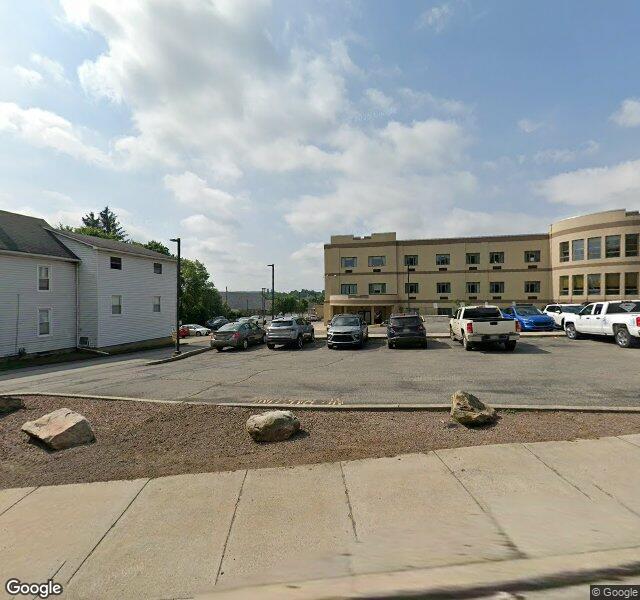
PATRIOT VILLAGE

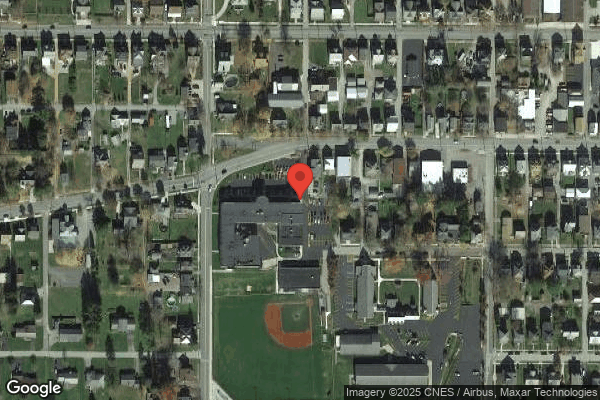
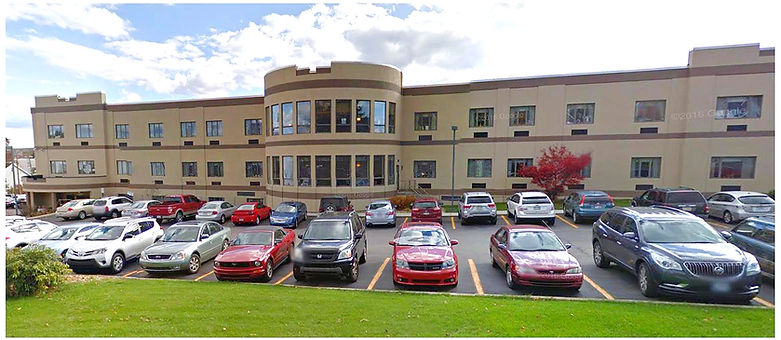
495 WEST PATRIOT STREET, SOMERSET, PA 15501 (814) 445-4549
Non profit - Corporation 100 Beds ABRAHAM SMILOW Data: November 2025 3 Immediate Jeopardy citations
Trust Grade
0/100
#618 of 653 in PA
Last Inspection: January 2025

Within standard 12-15 month inspection cycle. Federal law requires annual inspections.

Overview

Patriot Village has received a Trust Grade of F, indicating significant concerns regarding the quality of care, which is poor. Ranking #618 out of 653 facilities in Pennsylvania places it in the bottom half overall, and #6 out of 6 in Somerset County means there are no better local options available. The facility's performance is worsening, with the number of reported issues increasing from 11 in 2024 to 20 in 2025. While staffing is rated at 3 out of 5 stars, indicating an average level of care, the facility's turnover rate of 36% is lower than the state average, suggesting some stability among staff. However, there have been serious incidents, including failures to protect residents from abuse, resulting in critical safety concerns. Additionally, a resident choked to death due to inadequate supervision related to diet restrictions, highlighting the severe risks present in the facility. Overall, while there are some strengths in staffing, the numerous deficiencies and critical incidents point to a troubling environment for residents.

Trust Score
F
0/100
In Pennsylvania
#618/653
Bottom 6%
Safety Record
High Risk
Review needed
Inspections
Getting Worse
11 → 20 violations
Staff Stability
○ Average
36% turnover. Near Pennsylvania's 48% average. Typical for the industry.
Penalties
⚠ Watch
$132,561 in fines. Higher than 75% of Pennsylvania facilities, suggesting repeated compliance issues.
Skilled Nurses
○ Average
Each resident gets 31 minutes of Registered Nurse (RN) attention daily — about average for Pennsylvania. RNs are the most trained staff who monitor for health changes.
Violations
⚠ Watch
57 deficiencies on record. Higher than average. Multiple issues found across inspections.
★☆☆☆☆
1.0
Overall Rating
★★★☆☆
3.0
Staff Levels
★★☆☆☆
2.0
Care Quality
★☆☆☆☆
1.0
Inspection Score
Stable
2024: 11 issues
2025: 20 issues

The Good

  • Full Sprinkler Coverage · Fire safety systems throughout facility
  • No fines on record
  • Staff turnover below average (36%)

    12 points below Pennsylvania average of 48%

Facility shows strength in fire safety.

The Bad

1-Star Overall Rating

Below Pennsylvania average (3.0)

Significant quality concerns identified by CMS

Staff Turnover: 36%

Near Pennsylvania avg (46%)

Typical for the industry

Federal Fines: $132,561

Well above median ($33,413)

Significant penalties indicating serious issues

Chain: ABRAHAM SMILOW

Part of a multi-facility chain

Ask about local staffing decisions and management

The Ugly 57 deficiencies on record

3 life-threatening
Jan 2025 20 deficiencies
CONCERN (D)

Potential for Harm - no one hurt, but risky conditions existed

Resident Rights (Tag F0550)

Could have caused harm · This affected 1 resident

Based on review of clinical records, as well as observations and staff interviews, it was determined that the facility failed to maintain dignity for one of 33 residents reviewed (Resident 34) who had...

Read full inspector narrative →
Based on review of clinical records, as well as observations and staff interviews, it was determined that the facility failed to maintain dignity for one of 33 residents reviewed (Resident 34) who had an indwelling urinary catheter. Findings include: A quarterly Minimum Data Set (MDS) assessment (a mandated assessment of a resident's abilities and care needs) for Resident 34, dated December 19, 2024, indicated that the resident was understood and able to understand others, and had an indwelling urinary catheter (a flexible tube used to drain urine from the bladder into a drainage collection bag). A care plan for the resident, dated April 29, 2024, revealed that the resident had an indwelling urinary catheter. Staff were to cover the urinary drainage bag with a dignity cover and position the catheter bag and tubing below the level of the bladder and away from entrance room door. Physician's orders for Resident 34, dated August 22, 2024, included an order for the resident to have an indwelling urinary catheter for a diagnosis of obstructive uropathy (a condition that occurs when urine is blocked from draining through the urinary tract). Observations of Resident 34 on January 7, 2025, at 10:41 a.m. and 11:33 a.m. revealed that the resident was lying in bed with his indwelling urinary catheter drainage bag hooked to the bedframe on the door side of the bed. The bag was not covered and yellow urine was visible. Interview with Licensed Practical Nurse 1 on January 7, 2025, at 11:34 a.m. confirmed that Resident 34 did not have a dignity (privacy) cover on his indwelling urinary catheter bag and that it was positioned on the door side of the bed. Interview with the Director of Nursing on January 7, 2025, at 2:40 p.m. confirmed that Resident 34's indwelling urinary catheter drainage should have been covered with a dignity (privacy) cover. 28 Pa. Code 201.29(c) Resident Rights.
CONCERN (D)

Potential for Harm - no one hurt, but risky conditions existed

Deficiency F0578 (Tag F0578)

Could have caused harm · This affected 1 resident

Based on review of facility policies and clinical records, as well as staff interviews, it was determined that the facility failed to ensure that the resident and/or resident representative had an opp...

Read full inspector narrative →
Based on review of facility policies and clinical records, as well as staff interviews, it was determined that the facility failed to ensure that the resident and/or resident representative had an opportunity to develop an advance directive (instructions regarding the provision of health care when the resident is incapacitated) or assist in formulating an advance directive for two of 31 residents reviewed (Residents 10, 46). Findings include: The facility policy regarding advance directives, dated August 28, 2024, indicated that prior to or upon admission of the resident, the social services director or designee inquires of the resident, his/her family members, and/or his or her legal representative about the existence of any written advance directive. The resident or representative is provided with written information concerning the right to refuse or accept medical or surgical treatment and to formulate an advance directive if he or she chooses to do so. If the resident or resident representative indicates that he or she has not established advance directives, the facility staff will offer assistance in establishing advance directives. The resident and/or resident representative is given the option to accept or decline assistance. The nursing staff will document in the medical record the offer to assist and the resident's decision to accept or decline assistance. Information about whether or not the resident has executed an advance directive is displayed prominently in the medical record in a section that is retrievable by any staff. A quarterly Minimum Data Set (MDS) assessment (a mandated assessment of a resident's abilities and care needs) for Resident 10, dated December 19, 2024, indicated that the resident was cognitively impaired, was usually understood and usually able to understand others, had severely impaired vision, and was dependent with care needs. An annual MDS assessment for Resident 46, dated October 17, 2024, revealed that the resident was cognitively intact, was understood and able to understand others, and required assistance for care needs. Review of Residents 10's and 46's medical records indicated that they did not have advance directives. There was no documented evidence in the residents' clinical records that the residents and/or resident representatives were given the opportunity to develop an advance directive and no documented evidence of the residents' and/or resident representatives' decisions to accept or decline assistance in formulating advanced directives. Interview with the Nursing Home Administrator on January 9, 2025, at 10:39 a.m. confirmed that there was no documented evidence in Resident 10's or Resident 46's clinical records that the residents and/or resident representatives were given the opportunity to develop an advance directive and no documented evidence of the residents' and/or resident representatives' decisions to accept or decline assistance in formulating advanced directives. 28 Pa. Code 201.29(a)(d) Resident Rights.
CONCERN (D)

Potential for Harm - no one hurt, but risky conditions existed

Safe Environment (Tag F0584)

Could have caused harm · This affected 1 resident

Based on observations and staff interviews, it was determined that the facility failed to provide a homelike environment for three of 31 residents reviewed (Residents 19, 69, 84). Findings include: Ob...

Read full inspector narrative →
Based on observations and staff interviews, it was determined that the facility failed to provide a homelike environment for three of 31 residents reviewed (Residents 19, 69, 84). Findings include: Observations of Resident 19 on January 8, 2025, at 8:50 a.m. revealed that the resident was sitting in her room in a facility recliner that had the leather covering on the arms, seat and back of the chair heavily shredded and torn. In order to provide comfort, the resident had her own blanket covering the back of the chair. When asked if she minded the torn upholstery, the resident indicated that she would rather it had a brown slipcover like her roommate's recliner. Observations of Resident 69 on January 7, 2025, at 10:22 a.m. and January 8, 2025, at 8:57 a.m. revealed that the resident was sitting in his room in a facility recliner that had the leather covering on the arms, seat and back that was very heavily shredded and torn. Observations of Resident 84's facility recliner on January 8, 2025, at 8:53 revealed that the arms and back of the leather-type covering was shredded and torn. Interview with the Maintenance Supervisor on January 8, 2025, at 9:10 a.m. confirmed that Resident 19's, 69's and 84's recliners should have had slipcovers on them. Interview with the Nursing Home Administrator on January 8, 2025, at 9:16 a.m. confirmed that Resident 19, 69 and 84 are currently using recliner chairs that have the leather covering torn and in some cases heavily shredded. He went on to say that most of the recliners have brown slipcovers on them, but it has been difficult finding more slipcovers to purchase that fit the recliners. The Nursing Home Administrator indicated that the torn/shredded recliners are not homelike and should not be used by the residents. 28 Pa. Code 201.29(j) Resident Rights. 28 Pa. Code 207.2(a) Administrator's Responsibility.
CONCERN (D)

Potential for Harm - no one hurt, but risky conditions existed

Transfer Notice (Tag F0623)

Could have caused harm · This affected 1 resident

Based on clinical record reviews and staff interviews, it was determined that the facility failed to ensure that a written notice regarding emergency transfer to the hospital was provided to the Offic...

Read full inspector narrative →
Based on clinical record reviews and staff interviews, it was determined that the facility failed to ensure that a written notice regarding emergency transfer to the hospital was provided to the Office of the State Long-Term Care Ombudsman, and failed to ensure that a written notice was provided to the resident and the resident's responsible party regarding the reason for transfer to the hospital for two of 31 residents reviewed (Residents 61, 73). Findings include: A significant change Minimum Data Set (MDS) assessment (a mandated assessment of a resident's abilities and care needs) for Resident 61, dated December 6, 2024, indicated that the resident was cognitively intact, was understood, and could understand others. A nursing note, dated November 29, 2024, at 1:18 p.m., revealed that Resident 61 was diaphoretic (sweating), slurring words, and hypoxic. The resident began to vomit brown liquid and was then sent to the emergency room for evaluation and treatment. There was no documented evidence that a written notice of Resident 61's transfer to the hospital was provided to the State Long-Term Care Ombudsman and that a written notice was provided to the resident and the resident's responsible party regarding the reason for transfer to the hospital. A quarterly MDS assessment for Resident 73, dated November 21, 2024, revealed that the resident was understood, and could understand others. A nursing note for Resident 73, dated December 22, 2024, at 7:03 a.m., revealed that the writer was notified by the licensed practical nurse that the resident's blood pressure was low at 60/40 millimeter of mercury (mmHg) (a normal blood pressure is less than 120/80 mmHg). The resident was pale, diaphoretic (excessive sweating due to a secondary condition), clammy, with her eyes closed, and she would respond to physical stimuli only. The physician was notified and a new order was received to send the resident to the hospital at this time. A nursing note at 2:26 p.m. revealed that the resident was admitted to the hospital. There was no documented evidence that a written notice of Resident 73's transfer to the hospital was provided to the State Long-Term Care Ombudsman and that a written notice was provided to the resident and the resident's responsible party regarding the reason for transfer to the hospital. Interview with the Director of Nursing on January 8, 2025, at 2:18 p.m. confirmed that there was no documented evidence that a written notice of Resident 61's and 73's transfer to the hospital was provided to the State Long-Term Care Ombudsman and that a written notice was provided to the resident and the resident's responsible party regarding the reason for transfer to the hospital. 28 Pa. Code 201.14(a) Responsibility of Licensee.
CONCERN (D)

Potential for Harm - no one hurt, but risky conditions existed

Assessment Accuracy (Tag F0641)

Could have caused harm · This affected 1 resident

Based on review of the Resident Assessment Instrument User's Manual and clinical records, as well as staff interviews, it was determined that the facility failed to complete accurate Minimum Data Set ...

Read full inspector narrative →
Based on review of the Resident Assessment Instrument User's Manual and clinical records, as well as staff interviews, it was determined that the facility failed to complete accurate Minimum Data Set assessments for two of 31 residents reviewed (Residents 61, 74). Findings include: The Long-Term Care Facility Resident Assessment Instrument (RAI) User's Manual, which provides guidance and instructions for the completion of Minimum Data Set (MDS) assessments (mandated assessments of a resident's abilities and care needs), dated October, 2024, indicated that the intent of Section N was to record the number of days, during the seven day assessment period, that any type of injection, insulin, and/or select medications were received by the resident. Section N0300 was to indicate if the resident received any type of injection during the last seven days and Section N0415B Antianxiety Medications was to be coded if the resident took the medication during the seven-day look-back period. Physician's orders for Resident 61, dated December 3, 2024, included an order for the resident to receive 0.1 milliliters (mL) Tubersol Solution intradermally (within or between the layers of the skin) for one day. Medication Administration Records (MAR's) for Resident 61, dated December 2024, revealed that staff administered 0.1 mL of Tubersol Solution on December 3, 2024. However, Section N0300 of Resident 61's significant change MDS assessment, dated December 6, 2024, was coded to indicate that the resident did not receive an injection during the seven-day assessment. Interview with the Director of Nursing on January 9, 2025, at 2:08 p.m. confirmed that Section N0300 was coded inaccurately for Resident 61, who received an injection during the seven-day look-back period. An annual MDS for Resident 74, dated November 22, 2024, revealed that Section N0415B indicated that the resident did not receive an antianxiety medication in the last seven days. Physician's orders for Resident 74, dated August 16, 2024, included an order for the resident to receive 10 milligrams (mg) of Buspirone (medication used for anxiety) two times a day. Medication Administration Records for Resident 74, dated November, 2024, revealed that the resident received Buspirone during the seven-day look-back period. Interview with the Director of Nursing on January 9, 2025, at 10:35 a.m. confirmed that Section N0415B was coded inaccurately for Resident 74, who received the Buspirone during the seven-day look-back period as ordered. 28 Pa. Code 211.5(f) Clinical Records.
CONCERN (D)

Potential for Harm - no one hurt, but risky conditions existed

Deficiency F0658 (Tag F0658)

Could have caused harm · This affected 1 resident

Based on review of the Pennsylvania Nurse Practice Act and clinical records, as well as staff interviews, it was determined that the facility failed to ensure that physician's orders were clarified wh...

Read full inspector narrative →
Based on review of the Pennsylvania Nurse Practice Act and clinical records, as well as staff interviews, it was determined that the facility failed to ensure that physician's orders were clarified when needed for two of 31 residents reviewed (Residents 29, 73). Findings include: The Pennsylvania Code, Title 49, Professional and Vocational Standards, State Board of Nursing, 21.11 (a)(1)(2)(4) indicated that the registered nurse was to collect complete and ongoing data to determine nursing care needs, analyze the health status of individuals and compare the data with the norm when determining nursing care needs, and carry out nursing care actions that promote, maintain and restore the well-being of individuals. An admission Minimum Data Set (MDS) assessment (a mandated assessment of a resident's abilities and care needs) for Resident 29, dated December 2, 2024, revealed that the resident was understood, could understand others, had diagnoses that included end-stage renal disease (ESRD - a permanent condition that occurs when the kidneys are no longer able to function properly), and received hemodialysis (a treatment that removes waste products and excess fluid from the blood when the kidneys are no longer functioning properly). A care plan for the resident, dated January 6, 2025, revealed that the resident received dialysis on Monday, Wednesday, and Friday. Physician's orders for Resident 29, dated December 26, 2024, included an order for hemostats (a tool used to control bleeding) to be placed in the resident's room. Interview with Registered Nurse Supervisor 3 on January 8, 2025, at 11:21 a.m. confirmed that Resident 29 has renal disease and receives dialysis three days a week through a fistula (an enlarged vein in the arm that's surgically created to allow for dialysis). She indicated that hemostats could be used in an emergency situation if the resident was bleeding from a hemodialysis catheter (a flexible tube inserted into a vein in the neck for dialysis). She further indicated that since the resident has a fistula in her arm and not a hemodialysis catheter in her chest, she would have no use for a hemostat in her room. Registered Nurse Supervisor 3 indicated that the order did not make sense and should have been clarified. Interview with the Director of Nursing on January 8, 2025, at 2:24 p.m. confirmed that there was no need for Resident 29 to have a hemostat in her room and that the order should have been clarified, and it was not. A quarterly MDS assessment for Resident 73, dated November 21, 2024, revealed that the resident was understood, could understand others, had diagnoses that included end-stage renal disease, and received hemodialysis. A care plan for Resident 73, dated May 23, 2024, revealed that the resident receives dialysis on Monday, Wednesday, and Friday, and that staff was to provide medications as directed. Physician's orders for Resident 73, dated December 26, 2024, included an order for staff to administer one 10 milligram (mg) tablet of Midodrine (used to treat low blood pressure) every 24 hours as needed for hypotension (low blood pressure). Staff was to administer on Monday, Wednesday, and Friday, and only give on dialysis days as needed. Staff was not to administer the medication if the resident's systolic blood pressure (top number of the blood pressure reading) was greater than 140 millimeters of mercury (mmHg). Review of Resident 73's clinical record revealed no documented evidence that staff was obtaining the resident's blood pressure prior to dialysis on Monday, Wednesday, and Friday to determine if the resident required the one 10 mg tablet of Midodrine. There was no documented evidence in Resident 73's clinical record to indicate that the physician's order for Midodrine was clarified to be given at the facility or at the dialysis center on dialysis days. Interview with the Director of Nursing on January 8, 2025, at 12:56 p.m. confirmed that there was no documented evidence that staff were obtaining Resident 73's blood pressure on Monday, Wednesday, and Friday to determine if the resident should have been administered the one 10 mg tablet of Midodrine. She indicated that she interpreted the order as a profile order and that the Midodrine would not be given at the facility and that it would be given at dialysis if the resident needed it to be administered. She confirmed that the order should have been clarified to determine if the facility or dialysis center should be administering the Midodrine to the resident. Interview with Certified Clinical Hemodialysis Technician-A (CCHTA) 4 on January 8, 2025, at 2:34 p.m. revealed that the facility should be administering the Midodrine to Resident 73 if needed prior to arriving at dialysis, because the medication would be in her system due to her dropping her blood pressure at dialysis. Interview with Resident 73's physician on January 8, 2024, at 3:35 p.m. revealed that the order for the Midodrine is an order from dialysis that he ordered because he is the physician at the facility. He indicated that it should be administered at the facility prior to leaving for dialysis. 28 Pa. Code 211.12(d)(1)(3)(5) Nursing Services.
CONCERN (D)

Potential for Harm - no one hurt, but risky conditions existed

Pressure Ulcer Prevention (Tag F0686)

Could have caused harm · This affected 1 resident

Based on review of clinical records, as well as staff interviews, it was determined that the facility failed to ensure that treatments and preventative measures for pressure ulcers were provided as or...

Read full inspector narrative →
Based on review of clinical records, as well as staff interviews, it was determined that the facility failed to ensure that treatments and preventative measures for pressure ulcers were provided as ordered by the physician for two of 31 residents reviewed (Residents 19, 50). Findings include: An admission MDS assessment for Resident 19, dated December 6, 2024, revealed that the resident had mild cognitive impairment, was understood and able to understand others, had impaired mobility with deconditioning, had one pressure area, two unstageable and three Stage 3 pressure ulcers (pressure wound with skin loss) upon admission, and received pressure ulcer care. A care plan for Resident 19, dated December 8, 2024, revealed that staff was to administer treatments as ordered. Physician's orders for Resident 19, dated December 8, 2024, included an order to apply skin prep (protectant) to the purple area on the left lateral heel and cover with comfort foam (an absorbent dressing). Physician's orders, dated December 10, 2024, included an order to cleanse the right buttocks with wound cleaner, apply silver alginate (topical medication to decrease microbes) to the base of the wound and cover with a bordered foam dressing (maintains a moist environment), apply skin prep to the right hallux (enlarged joint on the base of the big toe) and let open to air, and lastly to cleanse the right heel with wound cleanser, apply silver alginate, and cover with a bordered foam dressing. Physician's orders, dated December 11, 2024, included an order to cleanse the left inner ankle with wound cleaner, pat dry and apply Xeroform (a non adhering mesh petroleum based dressing), and cover with comfort foam. Physician's orders, dated December 25, 2024, included an order to cleanse the left hallux with wound cleaner, apply skin prep, and let open to air. A review of the resident's Treatment Administration Record (TAR), dated January 2025, revealed that the resident did not receive the above treatments as ordered on January 4, 2025, on the day shift. Interview with Registered Nurse Supervisor 5 on January 9, 2025, at 12:45 p.m. confirmed that there was no documented evidence that the treatments to Resident 19's right and left lateral heel, right buttocks, right and left hallux, and left inner ankle were administered to the resident as ordered on January 4, 2025, on the day shift. In addition, there is no documented evidence in the clinical record that the resident refused wound care. Interview with the Director of Nursing on January 9, 2025, at 12:58 p.m. confirmed that there was no documented evidence that the treatments to Resident 19 were administered on the above-mentioned date and shift. An admission MDS assessment for Resident 50, dated December 9, 2024, revealed that the resident had mild cognitive impairment, was understood and able to understand others, required substantial assist with bed mobility, was dependent for transfers, was not ambulatory, was frequently incontinent of bowel, had two Stage 2 pressure ulcers on admission, had a surgical wound, wound infection, had a pressure-relieving device to bed and chair, and received pressure ulcer care and surgical wound care. A care plan for Resident 50, dated December 3, 2024, revealed that the resident had a bariatric air mattress, and that staff was to administer treatments as directed. Physician's orders for Resident 50, dated December 3, 2024, included an order for a bariatric air mattress. Observations on January 8, 2025, at 11:04 a.m. revealed that Resident 50 did not have a bariatric air mattress on her bed. Interview with the Director of Nursing on January 8, 2025, at 2:24 p.m. confirmed that Resident 50 did not have a bariatric air mattress on her bed. She indicated that the resident had a bariatric air mattress when she was on the first floor. She indicated that Resident 50 had just moved to the third floor a few days ago and the staff did not move the air mattress with her. Physician's orders for Resident 50, dated December 3, 2024, included an order to cleanse the right and left buttocks with warm soap and water, pat dry, apply zinc oxide (topical medication to treat skin irritations), and cover with comfort foam twice daily. A review of the resident's Treatment Administration Record, dated December 2024, revealed that the resident did not receive the treatment as ordered on December 8 and December 21, 2024, on the day shift. Interview with the Nursing Home Administrator on January 9, 2025, at 10:39 a.m. confirmed that there was no documented evidence that the treatment to Resident 50's left and right buttocks was administered to the resident on the above-mentioned dates and shifts. 28 Pa. Code 211.12(d)(1)(5) Nursing Services.
CONCERN (D)

Potential for Harm - no one hurt, but risky conditions existed

Deficiency F0688 (Tag F0688)

Could have caused harm · This affected 1 resident

Based on a review of clinical records, as well as resident and staff interviews, it was determined that the facility failed to ensure that restorative nursing programs to maintain or improve physical ...

Read full inspector narrative →
Based on a review of clinical records, as well as resident and staff interviews, it was determined that the facility failed to ensure that restorative nursing programs to maintain or improve physical abilities were provided as ordered and/or care planned for one of 31 residents reviewed (Resident 10). Findings include: A quarterly Minimum Data Set (MDS) assessment (a mandated assessment of a resident's abilities and care needs) for Resident 10, dated December 19, 2024, revealed that the resident was cognitively impaired, was usually understood and usually able to understand others, had functional limitation in range of motion (ROM - extend or limit to which a joint can be moved) to his bilateral upper and lower extremities, was dependent with care needs, and had diagnoses that included muscle contractures (a permanent shortening and tightening of muscle fibers that reduces flexibility and makes movement difficult) of multiple sites, contracture to right hand, and a personal history of traumatic brain injury. A care plan for Resident 10 addressing his decreased ROM and contractures, dated February 10, 2017, included an intervention, revised October 9, 2024, for a restorative nursing program to provide passive range of motion (PROM - movement of a joint through the range of motion with no effort from the patient) to his bilateral lower extremities involving hip/knee flexion and extension and hip abduction (movement of legs away from the center of the body) and adduction (movement of legs toward the center of the body) at least daily. Review of Resident 10's restorative nursing documentation from September 2024 through January 2025, as well as review of nursing notes, revealed that there was no documented evidence that the restorative nursing program to provide PROM to his bilateral lower extremities involving hip/knee flexion and extension and hip abduction and adduction was completed at least daily as per the resident's plan of care on the following dates: September 2, 3, and 13, 2024; October 2, 11, 14, 15, 16, 19, 24, 25, 29, 30, and 31, 2024; November 2, 3, 11, 21, 23, 26, 27, and 28, 2024; December 1, 6, 9, 11, 14, 20, 22, 23, 25, and 30, 2024; and January 2, 3, 6, 7, and 8, 2025. An interview with the Director of Nursing on January 9, 2025, at 2:07 p.m. confirmed that there was no documented evidence that Resident 10's restorative nursing program to provide PROM to his bilateral lower extremities involving hip/knee flexion and extension and hip abduction and adduction was completed on the above-mentioned dates. 28 Pa. Code 211.12(d)(3)(5) Nursing Services.
CONCERN (D)

Potential for Harm - no one hurt, but risky conditions existed

Incontinence Care (Tag F0690)

Could have caused harm · This affected 1 resident

Based on review of clinical records, as well as observations and staff interviews, it was determined that the facility failed to ensure that residents received proper care for indwelling urinary cathe...

Read full inspector narrative →
Based on review of clinical records, as well as observations and staff interviews, it was determined that the facility failed to ensure that residents received proper care for indwelling urinary catheters for one of 31 residents reviewed (Resident 34). Findings include: A quarterly Minimum Data Set (MDS) assessment (a mandated assessment of a resident's abilities and care needs) for Resident 34, dated December 19, 2024, indicated that the resident was understood and able to understand others, and had an indwelling urinary catheter (a flexible catheter used to drain urine from the bladder into a drainage collection bag). A care plan for the resident, dated April 29, 2024, revealed that the resident had an indwelling urinary catheter and staff was to position the indwelling urinary catheter bag and tubing below the level of the bladder. Observations of Resident 34 on January 7, 2025, at 10:41 a.m. and 11:33 a.m. revealed that the resident was lying in bed with his indwelling urinary catheter drainage bag and tubing lying on the floor. Interview with Licensed Practical Nurse 1 on January 7, 2025, at 11:34 a.m. confirmed that Resident 34's indwelling urinary catheter drainage bag and tubing should not be on the floor. Interview with the Director of Nursing on January 7, 2025, at 2:40 p.m. confirmed that Resident 34's indwelling catheter tubing and drainage bag should not be on the floor. 28 Pa. Code 211.12(d)(3)(5) Nursing Services.
CONCERN (D)

Potential for Harm - no one hurt, but risky conditions existed

Respiratory Care (Tag F0695)

Could have caused harm · This affected 1 resident

Based on review of policies and clinical records, as well as observations and staff interviews, it was determined that the facility failed to ensure that residents received oxygen as ordered by the ph...

Read full inspector narrative →
Based on review of policies and clinical records, as well as observations and staff interviews, it was determined that the facility failed to ensure that residents received oxygen as ordered by the physician for one of 31 residents reviewed (Resident 29). Findings include: The facility's policy regarding oxygen therapy, dated August 28, 2024, indicated that oxygen was to be administered in accordance with physician's orders. A admission Minimum data Set (MDS) assessment (a mandated assessment of a resident's abilities and care needs) for Resident 29, dated December 2, 2024, revealed that the resident was cognitively intact and had diagnoses that included congestive obstructive pulmonary disease (a lung disease causing restricted airflow and breathing problems) and heart failure (a condition in which the heart does not pump blood as well as it should). Resident 29's care plan, dated January 6, 2025, indicated that she had difficulty breathing related to chronic respiratory failure. Physician's orders for Resident 29, dated January 1, 2025, included an order for the resident to receive continuous oxygen at a flow rate of 3 liters per minute via nasal cannula (tubes that deliver oxygen into the nostrils). Observations of Resident 29 on January 7, 2025, at 12:04 p.m. and 3:01 p.m. and January 8, 2025, at 12:45 p.m. and 1:58 p.m. revealed that the resident was in her room receiving oxygen from an oxygen concentrator (electrical machine that concentrates oxygen from the air) that was set at 3.5 liters per minute. Interview with Licensed Practical Nurse 6 on January 8, 2025, at 2:05 p.m. confirmed that Resident 29's oxygen flow rate was set at 3.5 liters per minute and not 3.0 liters per minute as ordered by the physician. Licensed Practical Nurse 6 indicated that she felt the oxygen was set at 3 and that possibly the resident adjusted the rate of the oxygen. The licensed practical nurse questioned Resident 29 if she ever adjusts the oxygen herself and she said that she can. Resident 29's care plan, dated January 6, 2025, did not indicate that the resident adjusts the oxygen flow rate. Interview with Registered Nurse Supervisor 3 on January 8, 2025, at 2:10 p.m. confirmed that Resident 29's oxygen flow rate was set at 3.5 liters per minute and not 3.0 liters per minute as ordered by the physician, and that there was no documentation in the resident's care plan or nursing notes that indicated that the resident adjusts her own oxygen rate. Interview with the Director of Nursing on January 8, 2025, at 2:24 p.m. confirmed that Resident 29's oxygen flow rate should be set at 3 liters per minute continuously as per physician order, and it was not. 28 Pa. Code 211.12(d)(1)(3)(5) Nursing Services.
CONCERN (D)

Potential for Harm - no one hurt, but risky conditions existed

Pharmacy Services (Tag F0755)

Could have caused harm · This affected 1 resident

Based on review of policies and clinical records, as well as staff interviews, it was determined that the facility failed to maintain accountability for controlled medications (drugs with the potentia...

Read full inspector narrative →
Based on review of policies and clinical records, as well as staff interviews, it was determined that the facility failed to maintain accountability for controlled medications (drugs with the potential to be abused) for one of 31 residents reviewed (Resident 50). Findings include: The facility's policy regarding documentation of medication administration, dated August 28, 2024, indicated that the nurse was to document all medications administered to each resident on the resident's medication administration record (MAR). An admission Minimum Data Set (MDS) assessment (a mandated assessment of a resident's abilities and care needs) for Resident 50, dated December 9, 2024, revealed that the resident had mild cognitive impairment, was understood and able to understand others, had pain, and was administered routine and as needed pain medications. Physician's orders for Resident 50, dated December 3, 2024, included an order for the resident to receive 5 milligrams (mg) of Oxycodone HCL (a narcotic drug used to treat moderate to severe pain) every four hours as needed for moderate to severe pain on a pain scale of 4 to 10. The controlled drug record for Resident 50 for December 2024 indicated that one dose of Oxycodone HCL was signed-out for administration to the resident on December 8, 2024, at 10:10 p.m. and December 27, 2024, at 10:21 p.m. However, the resident's clinical record, including the Medication Administration Records (MAR's) and nursing notes, contained no documented evidence that the signed-out doses of Oxycodone HCL were actually administered to the resident on these dates and times. Interview with the Director of Nursing on January 9, 2025, at 2:07 p.m. confirmed that there was no documented evidence that staff administered the signed-out doses of Oxycodone HCL to Resident 50 on the above dates and times. 28 Pa. Code 211.9(h) Pharmacy Services. 28 Pa. Code 211.12(d)(1)(5) Nursing Services.
CONCERN (D)

Potential for Harm - no one hurt, but risky conditions existed

Unnecessary Medications (Tag F0759)

Could have caused harm · This affected 1 resident

Based on review of manufacturer's instructions and clinical records, as well as observations and staff interviews, it was determined that the facility failed to maintain a medication administration er...

Read full inspector narrative →
Based on review of manufacturer's instructions and clinical records, as well as observations and staff interviews, it was determined that the facility failed to maintain a medication administration error rate of less than five percent. Findings include: Observations during medication administration on January 8, 2025, at 8:19 a.m. and at 11:51 a.m. revealed that two medication administration errors were made during 36 opportunities for error, resulting in a medication administration error rate of 6.25 percent. Physician's orders for Resident 27, dated April 22, 2024, included an order for the resident to receive one 10 milligram (mg) tablet of Hydralazine (used to treat high blood pressure) three times a day. Staff was to hold the medication if the resident's systolic blood pressure (the top number of a blood pressure) was less than 100 millimeters of mercury (mmHg) or if the resident's heart rate was less than 60 beats per minute. Observations during the medication administration on January 8, 2025, at 8:19 a.m. revealed that Licensed Practical Nurse 7 prepared and administered Resident 27 her one 10 mg tablet of Hydralazine. However, Licensed Practical Nurse 7 did not obtain the resident's blood pressure and pulse prior to the administration of the one 10 mg tablet of Hydralazine. There was no documented evidence in the resident's clinical record including the Medication Administration Record (MAR) that the resident's blood pressure and pulse were taken prior to the administration of the one 10 mg tablet of Hydralazine on January 8, 2025, at 8:19 a.m. Interview with Licensed Practical Nurse 7 on January 8, 2025, at 9:30 a.m. confirmed that she did not obtain a blood pressure or pulse on Resident 27 prior to the administration of the resident's 10 mg tablet of Hydralazine. She indicated that it did not pop up for her to obtain the resident's blood pressure and pulse prior to the administration. The manufacturer's instructions for Lispro (a fast-acting insulin), dated July 2023, indicated that the Lispro should be provided 15 minutes before or immediately after a meal. Physician's orders for Resident 54, dated October 1, 2024, included an order for her to be provided Lispro Insulin subcutaneously before meals as per a sliding scale (a set of instructions for administering insulin dosages based on specific blood glucose readings): if blood sugar was 150-200 = 3 units, 201-250 = 6 units, 251-300 = 9 units, 301-350 = 12 units, and if greater than 351 staff was to and call the physician. Observations during medication administration on January 8, 2025, at 11:42 a.m. revealed that Licensed Practical Nurse 2 obtained a blood glucose sample for Resident 54 with a reading of 202, indicating that the resident should receive six units of Lispro Insulin. At 11:51 a.m. Licensed Practical Nurse 2 then administered the resident six units of Lispro Insulin. At 11:53 a.m. the resident was taken from her room and taken to the main dining room. At 12:32 p.m. the resident was provided her lunch meal tray, which was approximately forty-one minutes after receiving her Lispro Insulin. Interview with the Director of Nursing on January 8, 2025, at 1:38 p.m. confirmed that the nurse should have waited to give Resident 54's Lispro Insulin per the manufacturer's instructions. 28 Pa. Code 211.12(d)(1)(5) Nursing Services.
CONCERN (D)

Potential for Harm - no one hurt, but risky conditions existed

Deficiency F0761 (Tag F0761)

Could have caused harm · This affected 1 resident

**NOTE- TERMS IN BRACKETS HAVE BEEN EDITED TO PROTECT CONFIDENTIALITY** Based on review of facility policies, as well as observations and staff interviews, it was determined that the facility failed t...

Read full inspector narrative →
**NOTE- TERMS IN BRACKETS HAVE BEEN EDITED TO PROTECT CONFIDENTIALITY** Based on review of facility policies, as well as observations and staff interviews, it was determined that the facility failed to properly date medications after they were opened in one of three medication carts reviewed (First floor cart), failed to discard expired medical supplies, and failed to sign out routine narcotics on the appropriate narcotic medication card (Residents 37, 69). Findings include: The facility's policy regarding medication storage and disposal, dated [DATE], revealed that the facility would properly date medication vials after they were opened and remove outdated supplies from the facility inventory. Observations in the First floor medication cart on [DATE], at 11:01 a.m. revealed that there was one 10 ml (milliliter) bottle of Systane (medication used to relieve dry, irritated eyes) eye drops opened and undated. Interview with Licensed Practical Nurse 6 on [DATE], at 11:10 p.m. confirmed that the Systane eye drops were open and should have been labeled with the date it was opened. Observations in the First floor medication room on [DATE], at 11:15 a.m. revealed that there were a total of 12 intravenous (IV) fluid bags in the cupboard in circulation that were expired. The expired IV fluids included seven 50 cc bags of normal saline solution (NSS) that expired in [DATE], two 1000 cc bags of 5 percent dextrose (sugar) and 0.45 percent NSS with 20 MEQ (milliequivalents) potassium that expired in [DATE], two 1000 cc bags of NSS with 5 percent dextrose that expired [DATE], one 1000 cc bag of 5 percent dextrose and 0.2 percent NSS that expired in [DATE]. Interview with Licensed Practical Nurse 6 on [DATE], at 11:25 a.m. confirmed that the 12 IV bags were expired and should have been discarded. She also commented that she thought the overnight staff checked for outdated supplies. Interview with the Nursing Home Administrator on [DATE], at 3:20 p.m. confirmed that the opened vial of Systane eye drops should have been dated upon opening and the IV bags were expired and should have been discarded. A significant change Minimum Data Set (MDS) assessment (a mandated assessment of a resident's abilities and care needs) for Resident 37, dated [DATE], revealed that the resident was cognitively intact, had frequent pain, received routine and as needed pain medications, and received an opioid (narcotic pain reliever). Physician's orders, dated [DATE], included an order for the resident to receive 50 milligrams (mg) of Tramadol (a narcotic pain medication) every six hours as needed for moderate to severe pain and physician's orders, dated [DATE], included an order for the resident to receive 50 milligrams (mg) of Tramadol twice a day for pain. Resident 37's controlled drug accountability records for [DATE] revealed that staff signed out routine doses of Tramadol out of the as needed Tramadol medication card at 7:30 a.m. and/or 7:30 p.m. on [DATE]-16, 2024. A quarterly MDS assessment for Resident 69, dated [DATE], revealed that the resident was cognitively intact, had frequent pain, received routine and as needed pain medications, and received an opioid. Physician's orders, dated [DATE], included an order for the resident to receive 50 mg of Tramadol every six hours as needed for moderate to severe pain, and physician's orders, dated [DATE], included an order for the resident to receive 50 milligrams (mg) of Tramadol twice a day for pain. Resident 69's controlled drug accountability records for [DATE] revealed that staff signed out routine doses of Tramadol out of the as needed Tramadol medication card at 7:30 p.m. on [DATE]-19 and 21-27, 2024. Interview with the Nursing Home Administrator on [DATE], at 3:20 p.m. confirmed that the opened vial of Systane eye drops should have been dated upon opening and the IV bags were expired and should have been discarded, and confirmed that Residents 37 and 69 should not have had their routine narcotics signed out of the as needed narcotic medication card. 28 Pa. Code 211.9(a)(1) Pharmacy Services.
CONCERN (D)

Potential for Harm - no one hurt, but risky conditions existed

Deficiency F0810 (Tag F0810)

Could have caused harm · This affected 1 resident

Based on clinical record reviews, observations, and staff interviews, it was determined that the facility failed to provide adaptive eating equipment as ordered by the physician for one of 31 resident...

Read full inspector narrative →
Based on clinical record reviews, observations, and staff interviews, it was determined that the facility failed to provide adaptive eating equipment as ordered by the physician for one of 31 residents reviewed (Resident 69). Findings include: A quarterly Minimum Data Set (MDS) assessment (a mandated assessment of a resident's abilities and care needs) for Resident 69, dated November 20, 2024, indicated that the resident was cognitively intact and required set-up assistance from staff with eating. Physician's orders for Resident 69, dated November 4, 2024, included an order for built-up utensils for all meals. A care plan, dated June 20, 2024, indicated that the resident was to utilize built-up utensils. Observations of Resident 69 during the breakfast meal on October 9, 2024, at 8:26 a.m. revealed that the resident was in his room eating his meal with regular utensils and did not have built-up utensils. The resident's meal ticket included built-up utensils. Interview with Nurse Aide 9 at that time confirmed that Resident 69 did not have built-up utensils and should have had them. Interview with the Director of Nursing on January 9, 2025, at 12:56 p.m. confirmed that Resident 69 should have had built-up utensils if they were ordered and care planned. 28 Pa. Code 211.12(d)(3)(5) Nursing Services.
CONCERN (D)

Potential for Harm - no one hurt, but risky conditions existed

QAPI Program (Tag F0867)

Could have caused harm · This affected 1 resident

Based on review of the facility's plans of correction for previous surveys, and the results of the current survey, it was determined that the facility's Quality Assurance Performance Improvement (QAPI...

Read full inspector narrative →
Based on review of the facility's plans of correction for previous surveys, and the results of the current survey, it was determined that the facility's Quality Assurance Performance Improvement (QAPI) committee failed to correct quality deficiencies and ensure that plans to improve the delivery of care and services effectively addressed recurring deficiencies. Findings include: The facility's deficiencies and plans of corrections for a State Survey and Certification (Department of Health) survey ending February 29, 2024, revealed that the facility developed plans of correction that included quality assurance systems to ensure that the facility-maintained compliance with cited nursing home regulations. The results of the current survey, ending January 9, 2025, identified repeated deficiencies related the accuracy of Minimum Data Set (MDS) assessments (mandated assessment of a resident's abilities and care needs), to care plan timing and revision, the failure to provide quality of care, issues with the accountability of controlled medications (drugs with the potential to be abused), storage and labeling of medications, and ensuring that food was properly prepared and served. The facility's plan of correction for a deficiency regarding the accuracy of assessments, cited during the survey ending February 29, 2024, revealed that the facility would complete audits and report the results of the audits to the QAPI committee for review. The results of the current survey, cited under F641, revealed that the facility's QAPI committee failed to successfully implement their plan to ensure ongoing compliance with regulations regarding the accuracy of assessments. The facility's plan of correction for a deficiency regarding care plan timing and revision, cited during the survey ending February 29, 2024, revealed that the facility would complete audits and report the results of the audits to the QAPI committee for review. The results of the current survey, cited under F657, revealed that the facility's QAPI committee failed to successfully implement their plan to ensure ongoing compliance with regulations regarding care plan timing and revision. The facility's plan of correction for a deficiency regarding quality of care, cited during the survey ending February 29, 2024, revealed that the facility would complete audits and report the results of the audits to the QAPI committee for review. The results of the current survey, cited under F684, revealed that the facility's QAPI committee failed to successfully implement their plan to ensure ongoing compliance with regulations regarding quality of care. The facility's plan of correction for a deficiency regarding the failure to account for controlled medications, cited during the survey ending February 29, 2024, revealed that the facility would complete audits and the results would be reviewed as part of quality assurance. The results of the current survey, cited under F755, revealed that the facility's QAPI committee was ineffective in correcting deficient practices related to the accountability of controlled medications. The facility's plans of correction for deficiencies regarding storage and labeling of medications, cited during the survey ending February 29, 2024, revealed that the facility developed plans of correction that included completing audits and reporting the results of the audits to the QAPI committee for review. The results of the current survey, cited under F761, revealed that the facility's QAPI committee failed to maintain compliance with the regulation regarding storage and labeling of medications. The facility's plan of correction for a deficiency regarding appropriate food preparation and serving, cited during the survey ending February 29, 2024, revealed that the facility would complete audits and the results would be reviewed as part of quality assurance. The results of the current survey, cited under F812, revealed that the facility's QAPI committee was ineffective in maintaining compliance with the regulation regarding food preparation and serving. Refer to F641, F657, F684, F755, F761, F812. 28 Pa. Code 201.14(a) Responsibility of Licensee. 28 Pa. Code 201.18(e)(1) Management.
CONCERN (D)

Potential for Harm - no one hurt, but risky conditions existed

Infection Control (Tag F0880)

Could have caused harm · This affected 1 resident

Based on review of established infection control guidelines, facility policy, and residents' clinical records, as well as observations and staff interviews, it was determined that the facility failed ...

Read full inspector narrative →
Based on review of established infection control guidelines, facility policy, and residents' clinical records, as well as observations and staff interviews, it was determined that the facility failed to follow infection control guidelines from the Centers for Medicare/Medicaid Services (CMS) and the Centers for Disease Control (CDC) to reduce the spread of infections and prevent cross-contamination for one of 31 residents reviewed (Resident 50). Findings include: CDC guidance on isolation precautions and Implementation of Personal Protective Equipment (PPE) use in Nursing Homes to Prevent Spread of Multidrug-Resistant Organisms (MDRO's - bacteria that have become resistant to certain antibiotics, and these antibiotics can no longer be used to control or kill the bacteria), dated July 12, 2022, indicates that MDRO transmission is common in skilled nursing facilities, contributing to substantial resident morbidity and mortality and increased healthcare costs. Enhanced Barrier Precautions (EBP) are an infection control intervention designed to reduce transmission of resistant organisms that employs targeted gown and glove use during high contact resident care activities. CMS updated its infection prevention and control guidance effective April 1, 2024. The recommendations now include the use of EBP during high-contact care activities for residents with chronic wounds or indwelling medical devices, regardless of their MDRO status, in addition to residents who have an infection or colonization with a CDC-targeted or other epidemiologically important MDRO when contact precautions do not apply. The facility's policy regarding EBP, dated August 28, 2024, revealed that EBP's are indicated (when contact precautions do not otherwise apply) for residents with wounds and/or indwelling medical devices regardless of MDRO colonization. Wounds generally include chronic wounds (such as pressure ulcers, diabetic foot ulcers, venous stasis ulcers, and unhealed surgical wounds). Indwelling medical devices include central lines, urinary catheters feeding tubes, and tracheostomies. Signs are posted in the door or on the wall outside of the resident's room indicating the type of precautions and PPE required. PPE is available inside of the residents' rooms. An admission MDS assessment for Resident 50, dated December 9, 2024, revealed that the resident had mild cognitive impairment, was understood and able to understand others, required substantial assist with bed mobility, was dependent for transfers, was not ambulatory, had an indwelling catheter (a thin, flexible tube inserted into the bladder to drain urine from the bladder), was frequently incontinent of bowel, had two Stage 2 pressure ulcers (pressure wound with skin loss) on admission, had a surgical wound and wound infection, had a pressure-relieving device to bed and chair, and received pressure ulcer care and surgical wound care. A care plan for Resident 50, dated December 3, 2024, revealed that the resident had a sacral surgical wound with EBP and a care plan, dated December 3, 2024, for an indwelling catheter with EBP. A physician's order for Resident 50, dated December 2, 2024, included an order for an indwelling catheter, 16 French (size) with a 10 cubic centimeters (cc) balloon (located on the bladder end of the catheter and filled with sterile water to hold the tube in place). Physician's orders for Resident 50, dated December 3, 2024, included an order to cleanse the right and left buttocks with warm soap and water, pat dry, apply zinc oxide (topical medication to treat skin irritations) and cover with comfort foam twice daily. Physician's orders for Resident 50, dated December 3, 2024, included an order to apply betadine (an solution used to treat and prevent infection) to the intergluteal cleft and buttocks flap closure with sutures and cover with comfort foam twice daily. Observations during the facility tour on January 7, 2025, at 2:20 p.m. revealed no signage on Resident 50's door or on the wall outside the resident's room to indicate that the resident was on EBP. Observations on January 8, 2025, at 9:02 a.m. revealed that the resident sitting in her wheelchair in her room with an indwelling catheter bag hanging under wheelchair and no signage on the resident's door or on the wall outside the resident's room to indicate that the resident was on EBP. Interview with the Director of Nursing on January 8, 2025, at 2:18 p.m. confirmed that Resident 50 had an unhealed surgical wound and an indwelling catheter and that signage should have been visibly posted on the resident's door or outside the resident's room to indicate that the resident was on EBP. 28 Pa. Code 201.14(a) Responsibility of Licensee. 28 Pa. Code 201.18(e)(1) Management. 28 Pa. Code 211.12(d)(1)(5) Nursing Services.
CONCERN (E)

Potential for Harm - no one hurt, but risky conditions existed

Deficiency F0657 (Tag F0657)

Could have caused harm · This affected multiple residents

Based on review of facility policy and clinical records, as well as staff interviews, it was determined that the facility failed to ensure that a resident's care plan was updated/revised to reflect th...

Read full inspector narrative →
Based on review of facility policy and clinical records, as well as staff interviews, it was determined that the facility failed to ensure that a resident's care plan was updated/revised to reflect the resident's specific care needs for five of 31 residents reviewed (Residents 46, 54, 65, 73, 77). Findings include: A facility policy regarding plans of care, dated August 28, 2024, indicated that resident assessments are ongoing and care plans are revised as information about the resident and their condition changes. The interdisciplinary team reviews and updates the care plan when there has been a significant change in the resident's condition; when the desired outcome is not met; when the resident has been readmitted to the facility from a hospital stay; and at least quarterly, in conjunction with the required quarterly Minimum Data Set (MDS) assessment (a mandated assessment of a resident's abilities and care needs). An annual MDS assessment for Resident 46, dated October 17, 2024, revealed that the resident was cognitively intact, was understood and able to understand others, and was dependent with bed mobility, transfers, and lower body dressing. Resident 46's current care plan indicated that she was receiving active range of motion to her bilateral lower extremities. A physical therapy note for Resident 46, dated December 18, 2024, revealed that the resident was referred to physical therapy due to a decline in her lower extremity strength and mobility, as well as to develop an updated restorative nursing program (program developed to maintain or improve the ability to perform activities of daily living). Review of Resident 46's restorative nursing documentation for December 2024 revealed that the resident's active range of motion (the ability to move a joint or muscle using your own strength without any assistance) restorative nursing program to her bilateral lower extremities was stopped on December 18, 2024. Interview with the Director of Nursing on January 9, 2025, at 10:39 a.m. confirmed that Resident 46's care plan was not revised to reflect that the active range of motion restorative nursing program to her bilateral lower extremities was stopped on December 18, 2024. An annual MDS assessment for Resident 54, dated December 11, 2024, indicated that the resident was cognitively impaired and had diagnoses that included anxiety (an emotion that can feel like dread or fear in the face of an anticipated threat). An active care plan for Resident 54 indicated that the resident was receiving an anti-anxiety medication. Review of Resident 54's Medication Administration Record (MAR) for January 2025 and review of her current physician's orders revealed that the resident was not ordered to have an anti-anxiety medication. Interview with the Director of Nursing on January 8, 2025, at 2:19 p.m. confirmed that Resident 54's care plan was not revised to reflect that her anti-anxiety medication had been discontinued. An admission MDS assessment for Resident 65, dated December 1, 2024, indicated that the resident was cognitively intact and had diagnoses that included urinary retention (condition that makes it difficult or impossible to empty the bladder). Physician's orders for Resident 65, dated December 26, 2024, included an order for a catheter to be placed in the resident. Review of Resident 65's care plan indicated that the resident had bladder incontinence (involuntary loss of urine) related to impaired mobility. Interventions included cleaning the resident after any incontinent episodes and toileting the resident everyday after lunch. Interview with the Registered Nurse Assessment Coordinator (RNAC - a nurse who initiates and updates the resident's plan of care) on January 8, 2025, at 12:32 p.m. confirmed that Resident 65 had a catheter placed on December 26, 2024; therefore the resident's care plan regarding bladder incontinence no longer applied to the resident and should have been removed, and it was not. A quarterly MDS assessment for Resident 73, dated November 21, 2024, revealed that the resident was understood, could understand others, had diagnoses that included end-stage renal disease (ESRD - a permanent condition that occurs when the kidneys are no longer able to function properly), and received dialysis (a treatment that removes waste products and excess fluid from the blood when the kidneys are no longer functioning properly). A care plan for the resident, dated May 23, 2024, revealed that the resident needed dialysis and staff was to check for bruit and thrill (a bruit is a sound, and a thrill is a vibration that indicate good blood flow in a dialysis fistula or graft) each shift. Physician's orders for Resident 73, dated December 26, 2024, included an order for staff to monitor the resident's right upper chest med port (an access port placed in individuals receiving hemodialysis to ensure quality treatment and reduce the risk of infection) access area. Review of Resident 73's clinical record revealed that the resident did not have a dialysis access that would require staff to check for a bruit and thrill. Interview with Licensed Practical Nurse 2 on January 8, 2025, at 11:20 a.m. confirmed that Resident 73 only had a med port and no other dialysis access site that would require them to check for a bruit and thrill. However, there was no documented evidence that Resident 73's care plan was updated/revised to reflect individualized, specific care and services interventions to reflect that staff does not need to check a bruit and thrill. Interview with the Director of Nursing on January 8, 2025, at 12:56 p.m. confirmed that Resident 73's care plan was not updated/revised to reflect individualized, specific care and services interventions to reflect that staff does not need to check a bruit and thrill. An admission MDS assessment for Resident 77, dated November 25, 2024, revealed that the resident was cognitively impaired, was sometimes understood and able to sometimes understand others, and required assistance with care needs. A care plan for Resident 77, dated December 3, 2024, indicated that the resident was to ambulate with the assist of two and use of a front-wheeled walker and was to transfer with assist of two and use of a front-wheeled walker or utilize grab bar where available. Physician's orders for Resident 77, dated November 21, 2024, included an order for the resident to ambulate with one assist and use of a front- wheeled walker. Physician's orders for Resident 77, dated November 21, 2024, included an order for the resident to transfer with one assist and use of a front-wheeled walker or utilize grab bar where available. Interview with the Director of Nursing on January 9, 2025, at 10:39 a.m. confirmed that there was no documented evidence that Resident 77's care plan was revised to reflect her current transfer status. 28 Pa. Code 211.12(d)(5) Nursing Services.
CONCERN (E)

Potential for Harm - no one hurt, but risky conditions existed

Quality of Care (Tag F0684)

Could have caused harm · This affected multiple residents

Based on review of clinical records, as well as staff interviews, it was determined that the facility failed to provide care and treatment in accordance with professional standards of practice by fail...

Read full inspector narrative →
Based on review of clinical records, as well as staff interviews, it was determined that the facility failed to provide care and treatment in accordance with professional standards of practice by failing to follow physician's orders for three of 31 residents reviewed (Residents 27, 50, 77), and failed to ensure that bowel protocols were followed as ordered by the physician for one of 31 residents reviewed (Resident 69). Findings include: A quarterly Minimum Data Set (MDS) assessment (a mandated assessment of a resident's abilities and care needs) for Resident 27, dated December 2, 2024, revealed that the resident was understood and could understand others, and had a diagnosis which included hypertension (high blood pressure). A care plan for the resident, dated August 8, 2024, revealed that the resident had an altered cardiovascular (relating to the heart and blood vessels) status related to hypertension and that staff were to administer the resident's medications per orders. Physician's orders for Resident 27, dated April 22, 2024, included an order for the resident to receive one 10 milligram (mg) tablet of Hydralazine (used to treat high blood pressure) three times a day. Staff was to hold the medication if the resident's systolic blood pressure (the top number of a blood pressure) was less than 100 millimeters of mercury (mmHg) or if the resident's heart rate was less than 60 beats per minute. Review of Resident 27's clinical record, including the resident's Medication Administration Record (MARs), dated November and December 2024, and January 2025, revealed no documented evidence that staff was obtaining the resident's blood pressure and heart rate prior to the administration of the one 10 mg tablet of Hydralazine three times a day. Interview with the Director of Nursing on January 8, 2025, at 10:43 a.m. confirmed that there was no documented evidence that staff was obtaining Resident 27's blood pressure and heart rate prior to the administration of the one 10 mg tablet of Hydralazine three times a day. An admission MDS assessment for Resident 50, dated December 9, 2024, revealed that the resident had mild cognitive impairment, was understood and able to understand others, had pain, was administered routine and as needed pain medications, required substantial assist with bed mobility, was dependent for transfers, was not ambulatory, was frequently incontinent of bowel, had two Stage 2 pressure ulcers (pressure wound with skin loss) present on admission, had a surgical wound and wound infection, had a pressure-relieving device to bed and chair, and received pressure ulcer care and surgical wound care. A care plan for Resident 50, dated December 3, 2024, revealed that the resident had actual skin impairment and that staff was to administer treatments as directed. Physician's orders for Resident 50, dated January 3, 2025, included an order for the resident to receive 10 milligrams (mg) of Oxycodone HCL (a narcotic drug used to treat moderate to severe pain) every four hours as needed for moderate to severe pain. Review of Resident 50's MAR for January 2025 revealed that 10 mg of Oxycodone HCL was administered to the resident on January 4, 2025, at 12:11 a.m. and 1:11 p.m.; January 5, 2025, at 2:52 p.m., 6:56 p.m. and 11:15 p.m.; and January 6, 2025, at 5:09 a.m. However, a review of the resident's controlled medication record (a form that accounts for each tablet/pill/dose of a controlled drug), dated January 2025, revealed that 10 mg of Oxycodone HCL was not signed out for administration on the above-mentioned dates and times. Interview with the Director of Nursing on January 9, 2025, at 2:07 p.m. confirmed that 10 mg of Oxycodone HCL was not signed out on Resident 50's controlled medication record as being administered on the above-mentioned dates and times. Physician's orders for Resident 50, dated December 3, 2024, included an order to apply betadine (a solution used to treat and prevent infection) to the intergluteal cleft and buttocks flap closure with sutures and cover with comfort foam twice daily. A review of the resident's Treatment Administration Record (TAR), dated December 2024, revealed that the resident did not receive the treatment as ordered on December 4, 8, 10 and 21, 2024, on the day shift. Interview with the Nursing Home Administrator on January 9, 2025, at 10:39 a.m. confirmed that there was no documented evidence that the treatment to Resident 50's interguteal cleft and buttocks flap closer was administered to the resident on the above-mentioned dates and shifts. An admission MDS assessment for Resident 77, dated November 25, 2024, revealed that the resident was cognitively impaired, was sometimes understood and able to sometimes understand others, required assistance with care needs, and had a diagnosis of hypertension (high blood pressure). A physician's order for Resident 77, dated November 27, 2024, included an order for the resident to receive 25 mg of Lopressor (a medication used to treat hypertension) twice daily with instructions to hold the medication if the resident's heart rate was less than 60 beats per minute. Review of the Resident 77's MAR for November and December 2024, as well as review of the resident's clinical record, revealed no documented evidence that the resident's heart rate was obtained prior to administering the Lopressor. Interview with the Director of Nursing on January 8, 2025, at 1:35 p.m. confirmed that there was no documented evidence that Resident 77's heart rate was obtained prior to administering the Lopressor. A quarterly MDS assessment for Resident 69, dated November 20 , 2024, revealed that the resident was cognitively intact and was always incontinent of bowel movements. Physician's orders for Resident 69, dated September 16, 2024, included orders for the resident to receive 30 milliliters (mL) of Milk of Magnesia (MOM) as needed for constipation if no bowel movement by day three, a 10 mg bisacodyl suppository rectally as needed if no bowel movement for three days after MOM, and Fleets enema to be given rectally as needed if no bowel movement for four days. The resident's care plan, dated October 31, 2024, indicated that the resident had constipation and mediations were to be administered as directed. Review of Resident 69's bowel records for November and December 2024 revealed that there was no documented evidence that the resident had a bowel movement from November 2 through 8 and December 26 through 30, 2024. Review of the November and December 2024 MAR's for Resident 69 revealed that staff did not initiate or follow the bowel protocol as ordered by the physician. Interview with the Director of Nursing on January 9, 2025, at 11:31 a.m. confirmed that the physician's orders for bowel medications were not followed for Resident 69. 28 Pa. Code 211.12(d)(1)(5) Nursing Services.
CONCERN (E)

Potential for Harm - no one hurt, but risky conditions existed

Deficiency F0804 (Tag F0804)

Could have caused harm · This affected multiple residents

Based on resident and staff interviews, and a meal test tray, it was determined that the facility failed to serve food items that were palatable to the residents. Findings include: Interview with Resi...

Read full inspector narrative →
Based on resident and staff interviews, and a meal test tray, it was determined that the facility failed to serve food items that were palatable to the residents. Findings include: Interview with Resident 73 on January 7, 2025, at 10:47 a.m. revealed that when she receives her meal tray, the food is not as warm as she likes it to be, and the taste of the food has a lot to be desired. Interview with Resident 74 on January 7, 2025, at 10:33 a.m. revealed that the food is cold. Interview with Resident 77 on January 7, 2025, at 11:12 a.m. revealed that the food is terrible and she only drinks milk. Interview with a group of residents on January 8, 2025, at 10:07 a.m. revealed that food is an ongoing issue. The food is cold, food is dry, and they always have pork and chicken. Interview with Resident 45 on January 8, 2025, at 12:07 p.m., while she was eating sweet and sour pork for lunch, revealed that she could not taste the sweet and sour. Observations in the kitchen of the tray line for the East Side Third floor cart on January 8, 2025, at 11:38 a.m. and First cart for East Side Third floor was completed at 11:40 a.m. A separate, open, non-insulated cart was used for overflow trays for the rest of East side. Staff indicated that there was not enough room to put all of the trays on the insulated, enclosed cart. Juices and milk were kept on top of the enclosed cart in a bin of ice. The meal for lunch included scalloped chicken with mushrooms, alternate of sweet and sour pork, buttered potatoes, mixed vegetable blend, and chocolate pudding. The last tray was placed on the open cart and left the kitchen at 11:45 a.m., arrived on East Side Third floor at 11:46 a.m The first tray was out at 11:47 a.m. and at 11:51 a.m. last tray was removed from the cart. The test tray was removed from the open cart at 11:51 a.m. The food items were not palatable to taste or temperature. Both the chicken and the pork were tested. The scalloped chicken with mushrooms was 140 degrees Fahrenheit (F). The texture was soft, but the taste was bland. The mushroom gravy on top of the chicken had no taste and there were no visible mushrooms. The alternate of sweet and sour pork was 122 degrees F, the texture was soft and shredded, but was cool and the taste was bland. There were no visible pineapple chunks and no taste of sweet and sour. Interview with the food service director and the Dietician at the time of the test tray indicated that because of cardiac diets, they do not put salt in the food, and the residents are given salt packets on their trays. Interview with [NAME] 8 and the Food Service Director on January 8, 2025, at 3:18 p.m. indicated that they follow the recipes. The Food Service Director indicated that the green peppers and onions in the pork recipe cook down a bit when cooking them. There were no visible green peppers or onions noted to the pork when tasting it. Also, she indicated that they use only pineapple juice when preparing the pork and do not use the pineapple chucks called for in the recipe. The recipe for the pork also called for brown sugar, vinegar and soy sauce. When informed that the pork had no taste that resemble these flavors, the cook indicated that she probably could add more brown sugar. The chicken recipe called for breadcrumbs and parmesan cheese. There were no visible breadcrumbs noted on observation of the chicken or when tasting the chicken. There was no taste of parmesan cheese to the chicken. Both the Food Service Director and the cook indicated that they do not use salt to flavor due to cardiac diets and salt if offered and placed on the trays. 28 Pa. Code 211.6(b) Dietary Services.
CONCERN (E)

Potential for Harm - no one hurt, but risky conditions existed

Food Safety (Tag F0812)

Could have caused harm · This affected multiple residents

Based on review of policies, as well as observations and staff interviews, it was determined that the facility failed to ensure that food was stored and served in accordance with professional standard...

Read full inspector narrative →
Based on review of policies, as well as observations and staff interviews, it was determined that the facility failed to ensure that food was stored and served in accordance with professional standards for food service safety. Findings include: The facility's policy regarding food preparation, dated August 28, 2024, revealed that the dinning services director/cook is responsible to ensure that proper practice is utilized in thawing frozen foods. One method is that frozen foods are completely submerged under cold water (70 degrees or below) that is running fast enough to agitate and float off loose ice particles. Observations in the kitchen on January 7, 2025, at 8:49 a.m. revealed a large bag of chicken in a sealed plastic bag in the kitchen sink submerged in water. No running water was observed. Observations in the kitchen on January 7, 2025, at 9:06 a.m. revealed a large bag of chicken in a sealed plastic bag in the kitchen sink submerged in water. No running water was observed. Interview with the Food Service Director at that time indicated that they usually put the frozen chicken in the cooler to thaw, but it was needed to prep for a meal today, so the cook placed it in cold water to thaw. She indicated that this was the process. Interview with the Food Service Director on January 8, 2025, at 12:10 p.m. indicated that the sink fills up and the water is shut so it does not overflow and is turned back on. She indicated that the temperature of the water was below 70 degrees. She indicated that she was not sure if the cook took the temperature of the water or not, but she would check. At that time, she was not able to confirm if the chicken had been thawed with running cold water as per the policy. Observations of the nourishment station on the Third-floor South side on January 8, 2025, at 9:13 a.m. revealed a cooler with some ice in it and the ice scoop was lying in the ice. Interview with Nurse Aide 10 on January 8, 2025, at 9:25 a.m. confirmed that the ice scoop should not have been lying inside the cooler in the ice. She indicated that some coolers have a fixed container on the coolers to place the scoop in. That cooler did not have that. There was a plastic container with a scoop in it observed under the cart the cooler was on. She does not know why there were two scoops in there. She indicated that they get the ice from the ice machine in the nourishment station on the East side of the Third floor. Interview with the Director of Nursing on January 8, 2025, at 10:45 a.m. confirmed that the ice scoop should not have been in the cooler in the ice. 28 Pa. Code 211.6(f) Dietary Services.
Feb 2024 11 deficiencies
CONCERN (D)

Potential for Harm - no one hurt, but risky conditions existed

Assessment Accuracy (Tag F0641)

Could have caused harm · This affected 1 resident

Based on review of the Resident Assessment Instrument User's Manual and clinical records, as well as staff interviews, it was determined that the facility failed to complete accurate comprehensive Min...

Read full inspector narrative →
Based on review of the Resident Assessment Instrument User's Manual and clinical records, as well as staff interviews, it was determined that the facility failed to complete accurate comprehensive Minimum Data Set assessments for two of 45 residents reviewed (Residents 30, 72). Findings include: The RAI User's Manual, dated October, 2023, indicated that Sections P0100A-P0100H were to capture physical restraint use, Section E0100A-H was to be coded (0) when restraints are not used, (1) when a restraint was used less than daily, and (2) when a restraint was used daily. A quarterly Minimum Data Set (MDS) assessment (a mandated assessment of a resident's abilities and care needs) (for Resident 30, dated November 24, 2023, revealed that section P0100F (limb restraint) was coded (1) used less than daily. Observations of Resident 30 in the dining room on February 26, 2024, at 12:29 p.m. revealed the resident was sitting in her broda chair with no restraints. Interview with Licenced Practical Nurse 1 on February 28, 2024, at 1:55 p.m. revealed that Resident 30 does not have a limb restraint. Interview with Licenced Practical Nurse 2, who assisted with the MDS assessment, on February 29, 2024, at 10:25 a.m. indicated that Resident 30 does not have a limb restraint and that the assessment was inaccurate. The RAI User's Manual, dated October 2023, indicated that Section E0200A was to capture physical behavioral symptoms directed towards others, Section E0200B was to capture verbal behavioral symptoms directed towards others, and Section E0200C was to capture other behavioral symptoms not directed towards others. The sections were to be coded zero (0) behavior not exhibited, one (1) behaviors of this type occurred one to three days, two (2) behaviors of this type occurred four to six days, but less than daily, and (3) behavior of this type occurred daily. A nursing note, dated February 17, 2024, at 11:50 p.m., revealed that Resident 72 was standing in his doorway, wet with urine, and when the nurse aide went to help him change socks, the resident kicked her right knee. He then started swearing mother f***ing leave me alone. He refused to have his socks changed and was agitated with staff. A nursing note, dated February 18, 2024, at 3:26 p.m., revealed that Resident 72 walked into another resident's room and the resident in the room did not want him in there. Resident 72 exited the room with staff and then attempted to enter the room again. He was told by staff the lady in that room does not want you in there. The resident was told again he could not go into the room and the resident stated, I don't care, and grabbed the nurse by the arms and brought them up to her chest and shook them, and said, F**k you, I don't care. A nursing note, dated February 19, 2024, at 10:15 p.m., revealed that Resident 72 was combative and aggressive with care at times and swatted his hands at staff three times. A nursing note, dated February 21, 2024, at 8:16 a.m., revealed that Resident 72 walked up to the licensed practical nurse (LPN) and grabbed her shirt and breast. He told the nurse to get the f**k away from him. When the LPN stepped back from him he followed her as she quickly walked away. Resident 72 reapproached her again and told her to get away from him. The LPN quickly walked away; however, the resident increased his pace to a jog to keep up with her and had clenched fists and bared his teeth during the incident. A nursing note, dated February 21, 2024, at 8:45 a.m., revealed that Resident 72 attempted to go out the exit door and told staff to keep the f**k away from me. The resident entered another resident's room and then left the room, then walked towards staff with clenched fists and grabbed a staff member's arm and would not let go. An admission MDS assessment for Resident 72, dated February 23, 2024, revealed that Sections E0200A, E0200B, and E0200C were coded as zero (0), indicating that the resident did not display any behaviors during the seven-day assessment period. Interview with the Social Service Director (who was responsible for the completion of Section E) on February 29, 2024, at 10:45 a.m. confirmed that the above MDS assessment for Resident 72 was not accurate. 28 Pa. Code 211.5(f) Clinical Records.
CONCERN (D)

Potential for Harm - no one hurt, but risky conditions existed

Deficiency F0655 (Tag F0655)

Could have caused harm · This affected 1 resident

**NOTE- TERMS IN BRACKETS HAVE BEEN EDITED TO PROTECT CONFIDENTIALITY** Based on review of facility policies and clinical records, as well as staff interviews, it was determined that the facility fail...

Read full inspector narrative →
**NOTE- TERMS IN BRACKETS HAVE BEEN EDITED TO PROTECT CONFIDENTIALITY** Based on review of facility policies and clinical records, as well as staff interviews, it was determined that the facility failed to ensure that baseline care plans included the information and instructions needed to provide person-centered care for one of 37 residents reviewed (Resident 80). Findings include: The facility's policy regarding baseline care plans, dated January 31, 2024, indicated that within 24-48 hours of admission the facility was to coordinate the gathering, assessment, and evaluation of information from all sources (hospital, facility assessments and notes, resident/resident representative interview) and initiate the resident's care plan. No later than 48 hours after admission the Registered Nurse Assessment Coordinator (RNAC- a registered nurse who is often involved in the development of residents' care plans) or designated person would ensure that the baseline care plan was in place and all required items were addressed. admission information for Resident 80 revealed that he was admitted to the facility on [DATE], with diagnoses that included dementia and psychotic disturbances, and a colostomy (an opening for the colon, or large intestine, through the abdomen). Physician's orders, dated February 24, 2024, included orders for the resident to receive 15 milligrams (mg) of aripiprazole (an antipsychotic medication) in the morning and colostomy care every shift and the removal and replacment of the face plate and bag every seven days. Resident 80's baseline care plan (developed within 48 hours of a resident's admission and must include the minimum healthcare information necessary to properly care for each resident immediately upon their admission), dated February 24, 2024, did not include information regarding the care or services the resident required for the treatment with an an antipsychotic medication or regarding the care and services required for the use of a colostomy. Interview with Director of Nursing on February 28, 2024, at 11:25 a.m. confirmed that she could not find any information on Resident 80's baseline care plan regarding the treatment with an anti-psychotic medication or the use of a colostomy. 28 Pa. Code 211.12(d)(5) Nursing Services.
CONCERN (D)

Potential for Harm - no one hurt, but risky conditions existed

Deficiency F0657 (Tag F0657)

Could have caused harm · This affected 1 resident

Based on clinical record reviews and staff interviews, it was determined that the facility failed to ensure that residents' care plans were reviewed and revised to reflect their current care needs for...

Read full inspector narrative →
Based on clinical record reviews and staff interviews, it was determined that the facility failed to ensure that residents' care plans were reviewed and revised to reflect their current care needs for two of 37 residents reviewed (Residents 35, 42). Findings include: A significant change Minimum Data Set (MDS) assessment (a mandated assessment of a resident's abilities and care needs) for Resident 35, dated December 18, 2023, revealed that the resident was cognitively intact and required extensive assistance for daily care tasks. The resident's care plan, dated November 14, 2023, revealed that the resident was medicated with an anticoagulant (blood thinner); however, the resident's anticoagulant was discontinued on December 13, 2023. There was no documented evidence that Resident 35's care plan was updated to reflect the discontinuation of the anticoagulant. Interview with the Director of Nursing on February 28, 2024, at 3:42 p.m. confirmed that Resident 35's care plan should have been updated to reflect the discontinuation of the anticoagulant and it was not. A significant change MDS assessment for Resident 42, dated December 15, 2023, revealed that the resident was cognitively intact, required extensive assistance for bed mobility, was dependent on staff for transfers and toileting, and had diabetic foot ulcer and a fall with a fracture. The resident's care plan regarding skin integrity, dated September 28, 2023, revealed that the resident had a pressure-reducing mattress. Physician's order for Resident 42, dated January 20, 2024, revealed that the resident was ordered a bariatric alternating air mattress, at comfort level three. Observations of Resident 42 on February 26, 2024, at 11:29 a.m. and February 28, 2024, at 2:26 p.m. revealed that she was lying in bed on an air mattress. Interview with the Registered Nurse Assessment Coordinator (RNAC - the nurse responsible for completing the mandated assessment) on February 28, 2024, at 12:01 p.m. confirmed that a pressure-reducing mattress would meet the needs of the care plan, but the care plan was not individualized to reflect Resident 42's care needs. 28 Pa. Code 201.24(e)(4) admission Policy.
CONCERN (D)

Potential for Harm - no one hurt, but risky conditions existed

Quality of Care (Tag F0684)

Could have caused harm · This affected 1 resident

Based on clinical record reviews and staff interviews, it was determined that the facility failed to complete treatments as ordered by the physician for one of 37 residents reviewed (Resident 78). Fin...

Read full inspector narrative →
Based on clinical record reviews and staff interviews, it was determined that the facility failed to complete treatments as ordered by the physician for one of 37 residents reviewed (Resident 78). Findings include: An admission skin assessment, dated February 24, 2024, revealed that Resident 78 had scabs on his second, fourth, and fifth toes of the left foot. Physician's orders, dated February 25, 2024, included an order to apply skin prep (protective film) to the second, fourth, and fifth toe of the left foot every day shift. A comprehensive admission Minimum Data Set (MDS) assessment (a mandated assessment of a resident's abilities and care needs) for Resident 1, dated June 26, 2021, revealed that the resident was able to make himself understood and could understand others, required supervision with daily care activities, had a surgical wound that required treatments, and had diagnoses that included a wound infection. Physician's orders, dated June 20, 2021, included an order to clean the resident's abdominal wounds with normal saline solution (medical grade salt water) and pack the openings with wet-to-dry dressings each day and evening shift. The resident's care plan, dated June 21, 2021, included that staff were to provide treatments according to physician's orders. Review of Resident 78's Treatment Administration Records (TAR's) for February 2024 revealed that there was no documented evidence that skin prep was applied to Resident 78's second, fourth, and fifth toe as ordered from February 25 to 28, 2024. Interview with the Director of Nursing on September 29, 2024, at 8:10 a.m. confirmed that there was no documented evidence that skin prep was applied to Resident 78's second, fourth, and fifth toe as ordered from February 25 to 28, 2024. 28 Pa. Code 211.12(d)(1)(5) Nursing Services.
CONCERN (D)

Potential for Harm - no one hurt, but risky conditions existed

Pharmacy Services (Tag F0755)

Could have caused harm · This affected 1 resident

Based on review of policies and clinical records, as well as staff interviews, it was determined that the facility failed to maintain accountability for controlled medications (drugs with the potentia...

Read full inspector narrative →
Based on review of policies and clinical records, as well as staff interviews, it was determined that the facility failed to maintain accountability for controlled medications (drugs with the potential to be abused) for one of 37 residents reviewed (Residents 42). Findings include: The facility's policy regarding controlled substances, dated January 31, 2024, indicated that accurate accountability of the inventory of all controlled drugs is maintained at all times. When a controlled substance was administered, the licensed nurse administering the medication was to immediately enter the following information on the accountability record and Medication Administration Record (MAR): date and time of administration, amount administered, remaining quantity, and the initials of the nurse administering the dose, completed after the medication is actually administered. A significant change Minimum Data Set (MDS) assessment (a mandated assessment of a resident's abilities and care needs) for Resident 42, dated December 15, 2023, revealed that the resident was cognitively intact, required extensive assistance for bed mobility, was dependent on staff for transfers and toileting, had a fall with a major injury, and received opiod medication. Current physician's orders for Resident 42 included an order for the resident to receive 5-325 mg of Norco (narcotic pain reliever) every four hours as needed for moderate to severe pain. The resident's controlled drug record (a form that accounts for each tablet/pill/dose of a controlled drug) for October, November and December 2023 indicated that one dose of Norco was signed-out for administration to the resident on October 28 at 6:00 p.m., November 23 at 9:00 p.m., December 14 at 7:30 a.m., and December 19 at 8:00 a.m. However, the resident's clinical record, including the Medication Administration Records (MAR's) and nursing notes, contained no documented evidence that the signed-out doses of Norco were actually administered to the resident on these dates and times. Interview with the Director of Nursing on February 29, 2024, at 10:02 a.m. confirmed that there was no documented evidence that staff administered signed-out doses of Norco to Resident 42 on the above dates and times. 28 Pa. Code 211.9(a)(h) Pharmacy Services. 28 Pa. Code 211.12(d)(1)(5) Nursing Services.
CONCERN (D)

Potential for Harm - no one hurt, but risky conditions existed

Medication Errors (Tag F0758)

Could have caused harm · This affected 1 resident

Based on clinical record reviews and staff interviews, it was determined that the facility failed to ensure that non-pharmacological (non-medication) interventions were attempted prior to the administ...

Read full inspector narrative →
Based on clinical record reviews and staff interviews, it was determined that the facility failed to ensure that non-pharmacological (non-medication) interventions were attempted prior to the administration of anti-anxiety medications for one of 37 residents reviewed (Resident 53). Findings include: A quarterly Minimum Data Set (MDS) assessment (a mandated assessment of a resident's abilities and care needs) for Resident 53, dated January 30, 2024, indicated that the resident was cognitively impaired and had diagnoses that included anxiety. Physician's orders for Resident 53, dated January 28, 2024, included an order for the resident to receive 0.5 milligrams (mg) of Ativan (an antianxiety medication) every six hours as needed for anxiety. Resident 53's care plan, dated January 28, 2024, revealed that the resident used an antianxiety medication related to anxiety. Resident 53's Medication Administration Records (MAR's) for February 2024 revealed that staff administered as needed Ativan to the resident on February 1 at 12:41 a.m. and 9:30 p.m., February 2 at 5:21 a.m., February 5 at 9:00 p.m., February 6 at 7:27 a.m., February 8 at 7:50 p.m., and February 9, 2024 at 7:19 p.m. There was no documented evidence in Resident 53's clinical record regarding any non-medication interventions that were attempted prior to the administration of Ativan on the above days. Interview with the Director of Nursing on February 27, 2024, at 2:30 p.m. confirmed that there was no documention of any non-medication interventions prior to the administration of Ativan, and staff were to document the attempts at non-medication interventions. 28 Pa. Code 211.12(d)(3)(5) Nursing Services.
CONCERN (D)

Potential for Harm - no one hurt, but risky conditions existed

Medical Records (Tag F0842)

Could have caused harm · This affected 1 resident

Based on clinical records reviews, observations, and staff interviews, it was determined that the facility failed to maintain clinical records that were complete and accurately documented for two of 3...

Read full inspector narrative →
Based on clinical records reviews, observations, and staff interviews, it was determined that the facility failed to maintain clinical records that were complete and accurately documented for two of 37 residents reviewed (Residents 7, 42). Findings include: An admission Minimum Data Set (MDS) assessment (a mandated assessment of a resident's abilities and care needs) for Resident 7, dated December 19, 2024, revealed that the resident was cognitively intact, had pressure ulcers (skin impairment caused by pressure), and received pressure ulcer care. Physician's orders, dated December 18, 2023, included an order for collagen (promotes wound healing, silver alginate (prevents infection) and a bordered foam covering be applied to the left heel every day shift. A wound note, dated February 20, 2024, revealed the resident had a Stage 3 pressure ulcer (a full thickness tissue loss where subcutaneous fat may be visible) on the left heel that measured 1.3 x 0.6 x 0.3 centimeters (cm). Resident 7's Treatment Administration Records (TAR's) for February 2024 revealed that there was no documented evidence that a treatment was applied to the resident's left heel on February 8, 12, 14, 18, and 23, 2024. Interview with the Director of Nursing on February 29, 2024, at 8:10 a.m. confirmed that staff did not document when they completed the resident's treatment to the left heel as ordered. A significant change MDS assessment for Resident 42, dated December 15, 2023, revealed that the resident was cognitively intact and required extensive assistance for bed mobility and dependent on staff for transfers and toileting, had a fall with a major injury, and was received opiod medication. Physician's orders for Resident 42, dated January 20, 2024, included an order for the resident to have boot on the right ankle, to be kept in place and removed for hygiene and wound treatment. An orthopedic consult for Resident 42, dated February 2, 2024, indicated that the benefits of any type of immobilization outweighs the risk so offloading the heel was recommended. Observations of Resident 42 on February 26, 2024, at 11:29 a.m. revealed that she was lying in bed on an air mattress with no boot. Interview with Resident 42 on February 28, 2024, at 2:26 p.m. revealed that her husband got rid of it at the doctor's appointment. He said if it is not going to work then throw it away. Review of Resident 42's Treatment Administration Record (TAR) for February 26, 2024, revealed that staff documented that the resident had the boot in place. Interview with the Director of Nursing on February 29, 2024, at 11:42 a.m. confirmed that documentation was incorrect. 28 Pa. Code 211.12(d)(1)(5) Nursing Services.
CONCERN (D)

Potential for Harm - no one hurt, but risky conditions existed

QAPI Program (Tag F0867)

Could have caused harm · This affected 1 resident

Based on review of the facility's plans of correction for previous surveys, and the results of the current survey, it was determined that the facility's Quality Assurance Performance Improvement (QAPI...

Read full inspector narrative →
Based on review of the facility's plans of correction for previous surveys, and the results of the current survey, it was determined that the facility's Quality Assurance Performance Improvement (QAPI) committee failed to correct quality deficiencies and ensure that plans to improve the delivery of care and services effectively addressed recurring deficiencies. Findings include: The facility's deficiencies and plans of correction for the State Survey and Certification (Department of Health) survey ending March 2, 2023, revealed that the facility developed plans of corrections that included quality assurance systems to ensure that the facility-maintained compliance with cited nursing home regulations. The results of the current survey, ending February 29, 2024, identified repeated deficiencies related to a failure to complete Minimum Data Set (MDS) assessments (mandated assessments of residents' abilities and care needs) accurately, revision of care plans, following physician's orders, to prepare and store food under sanitary conditions, and to maintain complete and accurate clinical records. The facility's plan of correction for a deficiency regarding completing accurate MDS assessments, cited during the survey ending March 2, 2023, revealed that the facility would complete audits and report the results of the audits to the QAPI committee for review. The results of the current survey, cited under F641, revealed that the facility's QAPI committee failed to successfully implement their plan to ensure ongoing compliance with regulations regarding completing accurate MDS assessments. The facility's plan of correction for a deficiency regarding revising care plans, cited during the survey ending March 2, 2023, revealed that the facility developed a plan of correction that included completing audits and reporting the results of the audits to the QAPI committee for review. The results of the current survey, cited under F657, revealed that the QAPI committee was ineffective in correcting deficient practices related to revising care plans. The facility's plan of correction for a deficiency regarding following physician's orders, cited during the survey ending March 2, 2023, revealed that the facility developed a plan of correction that included completing audits and reporting the results of the audits to the QAPI committee for review. The results of the current survey, cited under F684, revealed that the QAPI committee was ineffective in correcting deficient practices related to following physician's orders. The facility's plan of correction for a deficiency regarding labeling and storing food under sanitary conditions, cited during the survey ending March 2, 2023, revealed that the facility developed a plan of correction that included completing audits and reporting the results of the audits to the QAPI committee for review. The results of the current survey, cited under F812, revealed that the QAPI committee failed to successfully implement their plan to ensure ongoing compliance with regulations regarding preparing and storing food under sanitary conditions. The facility's plan of correction for a deficiency regarding clinical records that were not complete and accurate, cited during the survey ending March 2, 2023, indicated that audits of documentation would be completed, and the results of the audits would be presented at the QAPI committee. The results of the current survey, cited under F842, revealed that the QAPI committee was ineffective in correcting deficient practices related to ensuring that residents' clinical records were complete and accurately documented. Refer to F641, F657, F684, F812, F842. 28 Pa. Code 201.14(a) Responsibility of Licensee. 28 Pa. Code 201.18(e)(1) Management.
CONCERN (E)

Potential for Harm - no one hurt, but risky conditions existed

Deficiency F0760 (Tag F0760)

Could have caused harm · This affected multiple residents

Based on review of policies and clinical records, as well as staff interviews, it was determined that the facility failed to provide medication as ordered by the physician, resulting in significant me...

Read full inspector narrative →
Based on review of policies and clinical records, as well as staff interviews, it was determined that the facility failed to provide medication as ordered by the physician, resulting in significant medication errors for one of 37 residents reviewed (Resident 7). Findings include: The facility's policy regarding medication administration, dated January 1, 2024, indicated that residents were to receive all medications as per the physician's order meeting the requirements of the right dose, right route, at the right rate, at the right time, and for the right resident. An admission Minimum Data Set (MDS) assessment (a mandated assessment of a resident's abilities and care needs) for Resident 7, dated December 19, 2023, indicated that the resident was alert and oriented, received insulin, and had diagnoses that included diabetes. Physician's orders for Resident 7, dated December 14, 2023, included an order for the resident to receive 5 units of Insulin Lispro (fast acting insulin) subcutaneously (beneath the skin) twice a day for diabetes and to hold the insulin if the resident's blood sugar was less than 150 milligrams/deciliter (mg/dL). Resident 7's Medication Administration Record (MAR) for December 2023 and January 2024 revealed that the resident's blood sugar at 11:30 a.m. on December 21 was 116 mg/dL, December 27 was 149 mg/dL, December 28 was 123 mg/dL, December 29 was 133 mg/dL, December 30 was 146 mg/dL, December 31 was 140 mg/dL, January 9 was 125 mg/dL, and January 19 was 145 mg/dL; and the resident's blood sugar at 4:45 p.m. on December 30 was 120 mg/dL, January 9 was 112 mg/dL, January 10 was 130 mg/dL, January 12 was 104 mg/dL, January 15 was 108 mg/dL, and January 25 was 131 mg/dL. There was no documented evidence that Resident 7's insulin was held according to the physician-ordered parameters on the dates and times above. Interview with the Director of Nursing on February 29, 2024, at 8:10 a.m. confirmed that the Insulin Lispro was not held as ordered on the dates and times above. 28 Pa. Code 211.12(d)(1)(5) Nursing Services.
CONCERN (E)

Potential for Harm - no one hurt, but risky conditions existed

Deficiency F0761 (Tag F0761)

Could have caused harm · This affected multiple residents

Based on review of manufacturer's instructions and clinical records, as well as observations and staff interviews, it was determined that the facility failed to store unopened (unused) multi-dose cont...

Read full inspector narrative →
Based on review of manufacturer's instructions and clinical records, as well as observations and staff interviews, it was determined that the facility failed to store unopened (unused) multi-dose containers of insulin according to manufacturer's instructions for one of 37 residents reviewed (Resident 22), and failed to ensure that controlled refrigerated medications were stored in a separately-locked, permanently-affixed container in one of two medication refrigerators reviewed (third-floor east medication room refrigerator). Findings include: Manufacturer's directions for Insulin Lispro (Humalog - a fast-acting insulin used to lower blood sugar levels), dated July 2023, indicated to store unused pens in the refrigerator at 36 degrees Fahrenheit (F) to 46 degrees F. Unused pens may be used until the expiration date printed on the label if the pen has been kept in the refrigerator. Physician's orders for Resident 22, dated January 30, 2024, included an order for the resident to receive Insulin Lispro as per a sliding scale (the amount of Insulin given was determined by the blood sugar level) three times per day. Observations of the 3rd floor central 2 medication cart on February 29, 2024, at 8:42 a.m. revealed that Resident 29's Insulin Lispro Pen Injector was unopened and not in use in the top drawer of the medication cart. The medication label indicated that the Insulin Lispro Pen was dispensed by the pharmacy to the facility on February 26, 2024. Interview with Licensed Practical Nurse 3 at the time of observation confirmed that Resident 22's Insulin Lispro Pen was not opened, not in use, and should not have been in the medication cart but should have been stored in the refrigerator until ready for use. Observations of the third-floor east medication room refrigerator on February 29, 2024, at 9:38 a.m. revealed that there was a clear plastic box attached to the shelf in the refrigerator that contained three boxes of Ativan Intensol (an antianxiety medication that is a controlled drug); however, the shelf that the clear plastic box was attached to could be removed from the refrigerator. Interview with Licensed Practical Nurse 4 at the time of observation confirmed that the clear plastic box containing the Ativan Intensol was not permanently affixed to the refrigerator and could be removed. 28 Pa. Code 211.9(a)(1) Pharmacy Services. 28 Pa. Code 211.12(d)(1) Nursing Services.
CONCERN (E)

Potential for Harm - no one hurt, but risky conditions existed

Food Safety (Tag F0812)

Could have caused harm · This affected multiple residents

**NOTE- TERMS IN BRACKETS HAVE BEEN EDITED TO PROTECT CONFIDENTIALITY** Based on review of facility policies, as well as observations and staff interviews, it was determined that the facility failed t...

Read full inspector narrative →
**NOTE- TERMS IN BRACKETS HAVE BEEN EDITED TO PROTECT CONFIDENTIALITY** Based on review of facility policies, as well as observations and staff interviews, it was determined that the facility failed to store food in accordance with professional standards for food service safety by failing to store food under sanitary conditions, failing to ensure that dietary staff wore appropriate hair coverings, and failing to ensure that a microwave was clean and free of deterioration, for one of three microwaves reviewed (first-floor pantry) Findings include: The facility's policy regarding uniform dress code, dated January 31, 2024, revealed to restrain all facial hair with a beard net/restraint. Observations in the outside walk-in freezer on February 26, 2024, at 8:53 a.m. and February 27, 2024, at 1:15 p.m. revealed that there was an accumulation of ice on the ceiling and floor, as well as on a plastic jug that contained water, a case of ham, and a case of roast beef that were stored on the shelves below the freezer condenser. Interview with the Dietary Manager on February 27, 2024, at 1:15 p.m. confirmed that there was an accumulation of ice on the food products stored below the freezer condensers in the outside walk-in freezer. Observations in the main kitchen during service for the lunch meal on February 28, 2024, at 11:25 p.m. revealed that Dietary Aide 5 was placing the silverware and obtaining coffee, as well as taking the residents' prepared plates from the cook and placing them into the cart to be delivered to the residents. Dietary Aide 5 had a beard that was not covered with a beard net/restraint. Interview with the Registered Dietitian on February 28, 2024, at 12:00 p.m. confirmed that Dietary Aide ([NAME]) should have had his beard covered when working around food in the kitchen. Observations of the microwave in the first-floor pantry February 28, 2024, at 2:41 p.m. revealed that there were food splatters on the top, sides, and back inside walls of the microwave. The paint was worn off and rusty to the frame area below the floor of the microwave. Interview with the Registered Nurse 6 on February 28, 2024, at the time of the observation confirmed that the microwave needed to be cleaned. 28 Pa. Code 211.6(f) Dietary Services.
Nov 2023 3 deficiencies 2 IJ (2 affecting multiple)
CRITICAL (K) 📢 Someone Reported This

A family member, employee, or ombudsman was alarmed enough to file a formal complaint

Immediate Jeopardy (IJ) - the most serious Medicare violation

Free from Abuse/Neglect (Tag F0600)

Someone could have died · This affected multiple residents

Based on review of facility policies, clinical records, and investigation documents, as well as staff interviews, it was determined that the facility failed to ensure that residents were free from abu...

Read full inspector narrative →
Based on review of facility policies, clinical records, and investigation documents, as well as staff interviews, it was determined that the facility failed to ensure that residents were free from abuse for two of four residents reviewed (Residents 1, 2), resulting in Immediate Jeopardy to the resident's physical/mental health and safety. This deficiency was cited as past non-compliance. Findings include: The facility's abuse policy, dated March 22, 2023, revealed that the facility shall provide a safe environment where residents are not subject to mental, physical, sexual, and verbal abuse or neglect by staff, residents, volunteers, consultants, contractors, and other caregivers, visitors or family members. A quarterly Minimum Data Set (MDS) assessment (a mandated assessment of a resident's abilities and care needs) for Resident 1, dated August 29, 2023, revealed that the resident was sometimes understood, could sometimes understand, required extensive assistance with her daily care tasks including with eating, was totally dependent on staff for her transfers, and had diagnoses that included dementia and Parkinson's disease (a brain disorder that causes unintended or uncontrollable movements, such as shaking, stiffness, and difficulty with balance and coordination). An incident note for Resident 1, dated October 28, 2023, at 2:30 p.m. revealed that Nurse Aide 3 notified the Registered Nurse Supervisor about witnessing physical abuse to Resident 1 during lunch at 12:30 p.m. However; Nurse Aide 3 did not report the abuse to her supervisor at that time. Resident 1 was sleeping in the Atrium at dinner and it was witnessed that Nurse Aide 2 slapped the resident on the left cheek and told her to wake the f**k up multiple times. The resident was unable to be aroused enough to answer any questions. The Registered Nurse Supervisor immediately assessed Resident 1 and no injuries were noted to the resident. Nurse Aide 2 was escorted out of the facility. Staff was re-educated on abuse and reporting, and no staff were allowed to work without receiving the re-education. All of the residents were interviewed, and skin assessments were performed. The physician and the resident's power of attorney (POA - a person who is legally authorized to make decisions for a person who can no longer make them) were notified. A quarterly MDS assessment for Resident 2, dated September 8, 2023, revealed that the resident was confused, required extensive assistance from staff for his daily care tasks, and had a diagnosis which included Alzheimer's disease and dementia. A nursing note for Resident 2, dated October 28, 2023, revealed that the nurse aide reported an allegation of abuse by another staff member to the Registered Nurse Supervisor. The resident was calling the nurse aide a whore and the nurse aide slapped him in the face, hitting his nose. She continued providing care to him and he told her to touch his Jimmy John and she replied, No, you're a dirty black man, you're a faggot that touches little boys. She smacked him on the top of his head. The nurse aide who was assisting told her she should not do that, and Nurse Aide 2 said she did not give a f**k. An Investigative Interview statement from Nurse Aide 5, dated October 28, 2023, revealed that at around 1:15 p.m. she and Nurse Aide 2 went into Resident 2's room to change the resident. The resident called Nurse Aide 2 a whore and she smacked him in the mouth. Nurse Aide 5 told Nurse Aide 2 that she should not do that and she said, Where I'm from I smack residents around. When they were putting a new brief on the resident he asked her if she wanted to touch his Jimmy John. She smacked him on the nose and told the resident that he was a dirty black man who loves little boys and was a faggot. They pulled him up in bed and he said she was in the KKK and she smacked him on top of his head. They covered him up and left the room. An Investigative Interview statement from Nurse Aide 1, dated October 28, 2023, revealed that at 12:30 p.m. during lunch in the Atrium she witnessed Nurse Aide 2 smack Resident 1 on the left cheek and say, wake the f**k up. She did this several times. An Investigative Interview statement from Nurse Aide 3, dated October 28, 2023, revealed that at 12:30 p.m. in the Atrium she witnessed Nurse Aide 2 smack Resident 1 on her left cheek multiple times and told her to wake the f**k up. An Investigative Interview statement from Registered Nurse 4, dated October 28, 2023, at 3:27 p.m. revealed that Nurse Aide 5 told Registered Nurse 4 that she needed to talk to her in private. As they entered the nursing station on 3 East, she led her to the bathroom then told her that Nurse Aide 2 hit Resident 2 and called him names while they were changing him. She told Nurse Aide 2 she should not do that, and Nurse Aide 2 stated, I'll do what I want. Nurse Aide 5 said that Nurse Aide 2 had also hit Resident 1 earlier and told her to wake the f**k up, and that Nurse Aide 3 saw it. An Investigative Interview statement from Licensed Practical Nurse 7, dated October 28, 2023, revealed that at 1:30 p.m. Nurse Aide 5 reported to her that she witnessed another nurse aide smacking a resident in the mouth, on the nose, and called him a dirty black man who loves little boys and was a faggot. The resident said she was in the KKK so she smacked him on the head. Nurse Aide 5 indicated that she wrote a report and turned it in to Registered Nurse 4 Following the incident with Resident 2 on October 28, 2023, the facility's corrective actions included: Nurse Aide 2 was escorted out of the facility, and after the investigation her employment with the facility was terminated. An audit of current residents was started. Re-education regarding abuse to staff, and staff were not allowed to work until re-education had been completed. Ongoing random audits of residents were being completed. The audits were to be reviewed at Quality Assurance Performance Improvement (QAPI) meetings. On November 7, 2023, at 5:30 p.m. the Nursing Home Administrator was given the required Immediate Jeopardy Template and informed that the physical/mental health and safety of Residents 1 and 2 had been placed in Immediate Jeopardy due to the failure of the facility to ensure that Residents 1 and 2 were not subjected to physical/mental abuse by Nurse Aide 2, who physically/mentally abused the residents. On November 8, 2023, at 11:01 a.m. the facility submitted an immediate action plan that included: The nurse aide was suspended at the time of the reported abuse, and is no longer employed at the facility. An in-house audit was performed on all residents at the time of the incident, and assessments were completed along with interviews to confirm no other residents were identified. In-house re-education was provided to staff on abuse and reporting of abuse. The facility will not allow an employee to work unless education has been completed prior to returning to work. Ongoing random audits of care and interviews continue to ensure that no residents have been affected. The audits are going to be reviewed at QAPI. Facility staff were interviewed on November 8, 2023 and were knowledgeable of the facility's policy on abuse. The facility alleged compliance on November 2, 2023. The Immediate Jeopardy was lifted on November 8, 2023, at 11:25 a.m. when it was confirmed that the corrective action plans developed on October 28, 2023, were completed by November 2, 2023, and that Residents 1 and 2 and any other current residents were not physically/mentally abused since November 2, 2023. 28 Pa. Code 201.14(a) Responsibility of licensee. 28 Pa. Code 201.18(b)(1)(e)(1) Management. 28 Pa. Code 201.29(j) Resident rights.
CRITICAL (K) 📢 Someone Reported This

A family member, employee, or ombudsman was alarmed enough to file a formal complaint

Immediate Jeopardy (IJ) - the most serious Medicare violation

Abuse Prevention Policies (Tag F0607)

Someone could have died · This affected multiple residents

**NOTE- TERMS IN BRACKETS HAVE BEEN EDITED TO PROTECT CONFIDENTIALITY** Based on review of policies, clinical records, and investigation documents, as well as staff interviews, it was determined that ...

Read full inspector narrative →
**NOTE- TERMS IN BRACKETS HAVE BEEN EDITED TO PROTECT CONFIDENTIALITY** Based on review of policies, clinical records, and investigation documents, as well as staff interviews, it was determined that the facility failed to complete a Nurse Aide Registry verification for one of five nurse aides reviewed upon hire (Nurse Aide 2) and staff failed to report physical abuse of one resident (Resident 1) in a timely manner which allowed a second resident to be physically abused (Resident 2) putting all of the residents in danger of being abused, resulting in Immediate Jeopardy to their physical safety. Findings include: The facility's abuse policy, dated March 22, 2023, revealed that the facility shall provide a safe environment where residents are not subject to mental, physical, sexual, and verbal abuse or neglect by staff, residents, volunteers, consultants, contractors, and other caregivers, visitors, or family members. All allegations of abuse should be reported immediately to the charge nurse, Director of Nursing, Nursing Home Administrator, and the resident's physician for investigation into the circumstances of the incident. The staff member who discovers the incident, suspected abuse situation, or has the initial knowledge of such incidents will be responsible for immediately notifying his or her supervisor. The supervisor who becomes aware of such incidents must immediately report to the Nursing Home Administrator and the Director of Nursing in person or by telephone. An incident note for Resident 1, dated October 28, 2023, at 2:30 p.m. revealed that Nurse Aide 3 notified the Registered Nurse Supervisor about witnessing physical abuse to Resident 1 at 12:30 p.m. during lunch. The resident was sleeping in the Atrium at dinner and it was witnessed that Nurse Aide 2 slapped the resident on the left cheek and told her to wake the f**k up multiple times. The resident was unable to be aroused enough to answer any questions. The Registered Nurse Supervisor immediately assessed the resident and then escorted Nurse Aide 2 out of the facility. No injuries were noted to the resident. There was no documented evidence that the physical abuse of Resident 1 by Nurse Aide 2 was reported to the Registered Nurse Supervisor immediately when it happened. A nursing note for Resident 2, dated October 28, 2023, revealed that a nurse aide reported an allegation of abuse by another staff member to the Registered Nurse Supervisor. At approximately 1:15 p.m. Resident 2 was calling Nurse Aide 2 a whore and Nurse Aide 2 slapped him in the face, hitting his nose. She continued providing care to him and he told her to touch his Jimmy [NAME] and she replied, No, you're a dirty black man, you're a faggot that touches little boys. She smacked him on top of his head. The nurse aide who was assisting told her she should not do that and Nurse Aide 2 said she did not give a f**k. An Investigative Interview statement from Licensed Practical Nurse 7, dated October 28, 2023, revealed that at 1:30 p.m. Nurse Aide 5 reported to her that she witnessed Nurse Aide 2's physical abuse of Resident 2. Nurse Aide 5 indicated that she had not reported the incident yet; then wrote a report and turned it into the Registered Nurse 4. An Investigative Interview statement from Licensed Practical Nurse 6, dated October 28, 2023, revealed that at 1:30 p.m. Nurse Aide 7 reported to her that she witnessed Nurse Aide 2's physical abuse of Resident 2. Nurse Aide 7 indicated that she had not reported the incident yet; then wrote a report, and turned it into the Registered Nurse 4. An Investigative Interview statement from Registered Nurse 4, dated October 28, 2023, at 3:27 p.m. revealed that Nurse Aide 5 told Registered Nurse 4 that she needed to talk to her in private. As they entered the nursing station on 3 East, she led her to the bathroom then told her that Nurse Aide 2 hit Resident 2 and called him names while they were changing him. She told Nurse Aide 2 that she should not do that, and Nurse Aide 2 stated, I'll do what I want. The nurse aide said Nurse Aide 2 also hit Resident 1 and told her to wake the f**k up and that Nurse Aide 3 saw it. An Investigative Interview statement from Nurse Aide 3, dated October 28, 2023, revealed that at 12:30 p.m. in the Atrium she witnessed Nurse Aide 2 smack Resident 1 on her left cheek multiple times and told her to wake the f**k up. An Investigative Interview statement from Nurse Aide 5, dated October 28, 2023, revealed that at around 1:15 p.m. she and Nurse Aide 2 went into Resident 2's room to change the resident. The resident called Nurse Aide 2 a whore and she smacked him in the mouth. Nurse Aide 5 told Nurse Aide 2 that she should not do that and she said, I'm from another facility and I smack residents around. When they were putting a new brief on the resident he asked her if she wanted to touch his Jimmy [NAME], she then smacked him on the nose, and told the resident that he was a dirty black man who loves little boys and was a faggot. They pulled him up in bed and he said she was in the KKK and she smacked him on top of his head. They covered him up and left the room. Interview with the Nursing Home Administrator on November 7, 2023, at 1:50 p.m. confirmed that Nurse Aide 5 failed to report the abuse timely, so she was suspended, then given re-education regarding the reporting of abuse, then given a final written warning, and placed on a 90-day probation. Nurse Aide 3 was terminated because she did not report the witnessed abuse to Resident 1 until they were interviewing her about the abuse toward Resident 2. Following the incident with Resident 2 on October 28, 2023, the facility's corrective actions included: Nurse Aide 2 was escorted out of the facility, and after the investigation her employment with the facility was terminated. An audit of current residents was started. Re-education regarding abuse and reporting abuse to staff, and staff were not allowed to work until re-education had been completed. Ongoing random audits of residents were being completed. The audits were to be reviewed at Quality Assurance Performance Improvement (QAPI) meetings. The facility's abuse policy, dated March 22, 2023, revealed that nurse aides who are currently on the registry will have their registry checked for past incidences of abuse, neglect, mistreatment of residents, and misappropriation of resident property prior to hiring for employment. The prevention of resident abuse and neglect is accomplished by the completion of pre-employment screening of potential employee registries, completion of a criminal record check of all employees, and per-employment reference checks of potential hires. The personnel file for Nurse Aide 5 revealed that she was hired July 7, 2023. She was provided education on abuse, neglect, and exploitation on July 8, 2023. She successfully completed her nurse aide training program on June 22, 2023, and received her Pennsylvania Nurse Aide Registry on September 18, 2023. The personnel file for Nurse Aide 2 revealed that she was hired on March 29, 2023. However, there was no documented evidence until November 7, 2023, at 8:41 a.m. that the nurse aide's standing on the Pennsylvania Nurse Aide Registry was verified. She was provided education on abuse, neglect, and exploitation on April 12, 2023. Nurse Aide 2's time record, dated October 28, 2023, revealed that she punched in for duty at 12:06 p.m. and punched out at 2:25 p.m. Interview with the Nursing Home Administrator on November 7, 2023, at 2:23 p.m. confirmed that the Nurse Aide Registry check for Nurse Aide 2 was not completed as required. On November 7, 2023, at 5:30 p.m. the Nursing Home Administrator was given the required Immediate Jeopardy Template and informed that the physical/mental health and safety of Resident 2 had been placed in Immediate Jeopardy due to the failure of the facility to ensure that Nurse Aide 5 immediately reported the witnessed abuse to Resident 1 by Nurse Aide 2 to their supervisor as per the facility's policy. On November 8, 2023, at 11:01 a.m. the facility submitted and implemented an immediate action plan that included: The reporting of abuse was not immediate. Notification of the abuse was made in two hours. Re-education was given to staff on the importance of reporting abuse immediately along with the facility abuse policy/procedure. Employees were not permitted to work before receiving re-education. Upon notification, the nurse aide (perpetrator) was escorted out of the facility immediately. The perpetrator was terminated following the conclusion of the investigation. The facility conducted audits of the residents for signs of abuse. No additional residents were identified from the audit. Ongoing random audits of residents are being completed weekly. The audits are going to be reviewed at QAPI. The facility acknowledged compliance on November 2, 2023. Nurse Aide Registry verifications were obtained on the nurse aide identified as not having the registry verifications completed prior to hire. Certifications are current and active. In-house audit of employee files have been completed on November 7, 2023. All employees with licenses or certifications have been validated as being current and active. Re-education will be given to the Human Resources Director on ensuring that pre-employment verifications and checks are completed before employees start. The Nursing Home Administrator or designee will be auditing new employee charts as new employees are hired to ensure that the process is completed prior to them starting on the floor. Employees not having all the required pre-employment items and supporting documentation will not be permitted to work until all items are received. Review of those audits will be taken to QAPI for continuation or resolution of audit. The facility acknowledged compliance on November 8, 2023. The Immediate Jeopardy was lifted on November 8, 2023, at 11:25 a.m. when it was confirmed that the corrective action plans developed on October 28, 2023, and November 8, 2023, were implemented. It was confirmed that Residents 1 and 2 and any other current residents were not physically/mentally abused. The majority of staff were educated, and a plan for remaining staff to receive the education prior to the start of their next work shift was developed and implemented. All employees with licenses or certifications have been validated as being current and active. Re-education had been given to the Human Resources Director on ensuring that pre-employment verifications and checks are completed before employees start. 28 Pa. Code 201.14(a) Responsibility of licensee. 28 Pa. Code 201.18(e)(1) Management. 28 Pa. Code 211.12(d)(5) Nursing services.
CONCERN (D) 📢 Someone Reported This

A family member, employee, or ombudsman was alarmed enough to file a formal complaint

Potential for Harm - no one hurt, but risky conditions existed

Deficiency F0552 (Tag F0552)

Could have caused harm · This affected 1 resident

Based on review of facility policies and residents' clinical records, as well as staff interviews, it was determined that the facility failed to honor a power of attorney's right to make informed choi...

Read full inspector narrative →
Based on review of facility policies and residents' clinical records, as well as staff interviews, it was determined that the facility failed to honor a power of attorney's right to make informed choices and participate in treatment decisions for one of four residents reviewed (Resident 1). Findings include: The facility's policy regarding resident rights, dated March 22, 2023, revealed that residents and/or their representatives have the right to be fully informed of their medical condition in a language they can understand, and to participate in person-centered care planning and treatment, including the type of caregiver who provides services. The residents also have the right to refuse and/or discontinue medications and treatments and to formulate an advanced directive. A quarterly Minimum Data Set (MDS) assessment (a mandated assessment of a resident's abilities and care needs) for Resident 1, dated August 29, 2023, revealed that the resident was sometimes understood, sometimes understands, required extensive assistance with her daily care tasks including with eating, was totally dependent on staff for her transfers, and had diagnosis which included dementia and Parkinson's disease (a brain disorder that causes unintended or uncontrollable movements, such as shaking, stiffness, and difficulty with balance and coordination). A care plan for the resident, dated December 4, 2020, revealed that the resident or her family had expressed her usual preferences and would like the facility staff to follow her preferences regarding her care. Staff was to follow her preferences related to medications per her power of attorney (POA - a person who is legally authorized to make decisions for a person who can no longer make them) and update POA accordingly. Resident 1's POA papers, dated March 15, 1998, confirmed that she named Resident Family Member 1 as her POA. Physician's orders for Resident 1, dated September 16, 2022, included an order for the resident to receive 15 milliliters (ml) of Lactulose (used to treat constipation) one time per day. Physician's orders for Resident 1, dated March 13, 2023, included an order for the resident to receive one 88 microgram (mcg) tablet of Synthroid (used to treat an underactive thyroid) one time a day. Physician's orders for Resident 1, dated October 26, 2023, included an order for the resident to receive one 200 milligram (mg) capsule of cranberry (used to reduce the frequency of urinary tract infections) two times a day. Physician's orders for Resident 1, dated March 5, 2023, included an order for the resident to receive 17 grams (gm) of Glycolax Powder (used to treat occasional constipation) two times a day. Physician's orders for Resident 1, dated November 4, 2023, included an order for the resident to receive one 25-100 mg tablet of Sinemet (used to treat some of the symptoms of Parkinson's disease) two times per day. Physician's orders for Resident 1, dated May 30, 2023, included an order for the resident to receive 0.5 ml of Lorazepam (used to treat anxiety) three times per day. A nursing note for Resident 1, dated October 28, 2023, at 7:20 p.m. revealed that per the resident's POA, all medications are to be held until the resident's POA came in tomorrow. The physician and hospice were made aware. Review of Resident 1's Medication Administration Record (MAR), dated October 2023, revealed that on October 29, 2023, at 8:00 a.m. staff administered the 0.5 ml of Lorazepam to the resident and at 11:30 a.m. staff administered the 15 ml of Lactulose, the 88 mcg tablet of Synthroid, the 200 mg capsule of cranberry, the 17 gm of Glycolax Powder, and the 25-100 mg tablet of Sinemet to the resident. A nursing note for Resident 1, dated October 29, 2023, at 1:30 p.m. revealed that the resident's POA was there to see the resident. The resident was sleeping and very lethargic (feeling tired, sleepy, or drowsy). The resident's family asked to speak with the Assistant Director of Nursing by phone. Per the resident's family and the Assistant Director of Nursing the resident was not to receive any medications until the resident's family came back into the facility to discuss the resident's condition with administration. A sign was placed above the resident's bed to notify staff. Interview with the Nursing Home Administrator on November 7, 2023, at 3:20 p.m. confirmed that Resident 1 was given the above medications on the morning of October 29, 2023, and that the medications were not put on hold until the afternoon of October 29, 2023. He indicated that he felt there was a miscommunication after the events that occurred earlier in the day with Resident 1 and the time when Resident 1's POA requested to hold the resident's medications that evening until she came to the facility the next day. He indicated that they did not get an order that evening to hold the resident's medications. 28 Pa. Code 201.29(a)(j) Resident rights.
Oct 2023 3 deficiencies 1 IJ (1 affecting multiple)
CRITICAL (K) 📢 Someone Reported This

A family member, employee, or ombudsman was alarmed enough to file a formal complaint

Immediate Jeopardy (IJ) - the most serious Medicare violation

Accident Prevention (Tag F0689)

Someone could have died · This affected multiple residents

Based on a review of facility policies, clinical records, and facility reports, as well as staff interviews, it was determined that the facility failed to ensure that supervision and adequate interven...

Read full inspector narrative →
Based on a review of facility policies, clinical records, and facility reports, as well as staff interviews, it was determined that the facility failed to ensure that supervision and adequate interventions were in place to prevent a resident from receiving food items from other residents outside of their ordered diet restrictions for one of six residents reviewed (Resident 2), and failed to ensure that supervision and adequate interventions were in place to prevent a resident from giving other residents food items outside of their ordered diet restrictions for one of six residents reviewed (Resident 1). The facility's failure created a situation in which Resident 2 obtained a food item outside of his ordered diet restriction causing him to accidentally choke to death. The facility's failure also placed the current residents with diet restrictions in Immediate Jeopardy of the likelihood of serious bodily injury, harm, or death. The facility also failed to ensure that supervision and adequate interventions were in place to prevent a resident from assisting other residents in their wheelchairs without leg rests for one of six residents reviewed (Resident 1). Findings include: The facility's behavior policy, dated March 22, 2023, indicated that should a resident's behavior become abusive, hostile, assaultive, or unmanageable in any way that would jeopardize his or her safety or the safety of others, the nurse supervisor/charge nurse must immediately implement the policy and procedure for unmanageable residents. A quarterly Minimum Data Set (MDS) assessment (a mandated assessment of a resident's abilities and care needs) for Resident 1, dated August 28, 2023, indicated that the resident was moderately cognitively impaired, was independent with transfers and ambulation (walking), had no behaviors, and had diagnoses that included dementia, anxiety, and depression. A quarterly MDS assessment for Resident 2, dated May 10, 2023, revealed that the resident was sometimes understood, sometimes understands with a Brief Interview for Mental Status (BIMS) score of 09, indicating that the resident was moderately impaired with his attention, orientation, and ability to register and recall new information; required supervision of one-person physical assist with eating; required extensive assistance from staff with his daily care tasks; was totally dependent on staff for his transfers; and had a diagnosis of dementia. The resident experienced holding of food in his mouth/cheeks or residual food in his mouth after meals and experienced coughing or choking during meals or when swallowing medications during the review period. The resident was on a mechanically-altered diet that required a change in the texture of food or liquids. A significant change in status MDS assessment for Resident 2, dated July 14, 2023, revealed that the resident was usually understood, could usually understand, had severe cognitive impairment, was independent with eating after set-up, required extensive assistance from staff for his daily care tasks, was totally dependent on staff for his transfers, had a diagnosis of dementia and was on a mechanically-altered diet that required a change in the texture of food or liquids. A care plan for Resident 2, dated October 6, 2023, revealed that the resident was at risk for aspiration (when something you swallow goes down the wrong way and enters your airway or lungs) complications related to coughing and impulsiveness at mealtimes. Staff was to ensure that the resident's diet and liquid consistency was followed as ordered. A nursing note for Resident 2, dated May 2, 2023, at 5:41 p.m. revealed that the resident experienced a coughing episode during the dinner meal on a mechanical soft diet. The resident was eating too fast and not chewing his food well. The resident was also not drinking his honey thick fluids and was coughing after consuming the fluids. The resident was assessed by the registered nurse. A nursing note at 5:44 p.m. revealed that the physician was made aware that the resident was eating dinner very fast and aspirated on his food. A new order for a chest x-ray to rule out aspiration was received. A speech language pathologist (SLP) evaluation for Resident 2, dated May 4, 2023, revealed that the resident was referred because the resident had a coughing event on May 2, 2023, and now presents with wheezing. SLP services warranted to determine safest diet level. Physician's orders for Resident 2, dated May 5, 2023, and discontinued on July 10, 2023, included an order for the resident to receive a Carbohydrate Controlled Diet (CCD) pureed (food that has been ground, pressed, and/or strained to a soft, smooth consistency, like a pudding) texture, with honey (slightly thicker, similar to honey or a milkshake) consistency liquids, and no regular creamer. An incident note for Resident 2, dated May 6, 2023, at 6:58 p.m. revealed that the resident was given iced tea by his roommate. The roommate thought he was dry and thought he would give him a drink. The resident coughed on the drink. Education was provided to the roommate that he is not to give other resident's drinks due to special ordered diets and liquid consistency. A SLP discharge summary for Resident 2, dated May 10, 2023, revealed that the resident has a good prognosis to maintain his current level of function with consistent staff follow through and her discharge recommendations were for a pureed consistency diet with honey thick liquids, to encourage slow intake with small bites in an upright position along with encouraging consumption. Staff was to provide verbal cues to decrease rate and size as needed along with distant supervision. A nursing note for Resident 2, dated May 28, 2023, at 8:54 a.m. revealed that he was yelling out to another resident in hallway to come to his room. The resident then motioned to that resident that he was hungry by drawing his hand up to his mouth. As the writer approached the residents, the other resident gave Resident 2 an oatmeal cream pie. The resident consumed some of the oatmeal cream pie, until she was able to educate him and the other resident that his diet is pureed and honey thick and it is not okay to have anything other than pureed food and honey thick liquids unless therapy okays it in the future. The resident became mad and yelled, I hate you! and I'm mad!. The resident then stormed back into his room in his wheelchair. A nursing note for Resident 1, dated May 28, 2023, at 9:07 a.m. revealed that the resident was educated by the Director of Nursing that he could not be offering other residents food because he was not aware of their diets. Resident 1 was noted to be giving a resident, who was ordered a pureed diet, mechanical soft food in the hallway. Resident 1 stated that he was sorry, and he did not want to get anyone in trouble or hurt anyone. Education was effective. A nursing note for Resident 2, dated May 31, 2023, at 9:26 a.m. revealed that the resident is at baseline for behaviors at this time. The resident does not like his diet and will eat items not on his diet if given the opportunity. The resident does not take redirection or education well. A nursing note for Resident 2, dated June 1, 2023, at 10:06 a.m. revealed that the nurse aide notified the writer that another male resident was seen coming out of the resident's room. Upon approaching the resident, he wiped small crumbs of peanut butter crackers off his shirt. The writer tried to educate resident again and he just shook his head and laughed. The education was not successful. Physician's orders for Resident 2, dated July 10, 2023, and discontinued on September 21, 2023, included an order for the resident to receive a CCD pureed texture diet, with honey consistency liquids, no regular creamer, extra sauce and gravy, and food in bowls. A nursing note for Resident 2, dated July 14, 2023, at 9:13 p.m. revealed that staff reported to the writer that the resident was eating a cheese cracker and drinking thin consistency soda in his room. Upon entering the resident's room, the resident was no longer eating or drinking. Surroundings were assessed and there were cracker crumbs on his wheelchair and on the floor next to him. When asked if he was eating the crackers and drinking the soda he replied with a nod of his head. It was explained to him the risks of not following the appropriately prescribed diet including choking, aspiration, respiratory infection, and even death. The resident's response was to shrug his shoulders. The physican was made aware of the resident not following his prescribed diet, and no new orders were received. The resident's representative was updated and gave permission for the resident's room to be searched periodically for food and drink items. A nursing note for Resident 1, dated August 9, 2023, at 12:56 p.m. revealed that Licensed Practical Nurse 1 was walking in the hallway when she turned the corner and saw Resident 1 hand Resident 2 a hard candy, which Resident 2 ate. Resident 1 was educated that per Resident 2's diet, it was not safe for him to have hard candy, as he could choke. Resident 1 was asked if he heard her to ensure that the education was understood and he stated, It melts, it's fine, he won't choke. She told him that it was not safe for Resident 2 and he was to refrain from sharing food that was not pureed due to safety. At 1:17 p.m. Resident 1 told Licensed Practical Nurse 1 the only way Resident 2 was going to learn how to eat was if he was taught. She told Resident 1 that was not how it worked and if that was part of his care plan, they would take care of it. Resident 1 stated that she was not the boss of him, and he would do what he wanted and stated, You know nothing, I know what I'm doing. Licensed Practical Nurse 1 told him that if something would happen to Resident 2, once he knowingly gave him food that was unsafe for him, that he could be responsible, and that it was all about safety. The situation was reported to the Director of Nursing. A nursing note for Resident 2, dated August 9, 2023, at 12:59 p.m. revealed that the nurse was walking in the hallway when she turned the corner and happened to see Resident 1 hand the resident a hard candy, which the resident then proceeded to swallow once he saw the nurse. The nurse then educated the resident that he cannot have hard candy with his diet. The nurse also let Resident 1 know that it is not safe for resident to have hard candy. Neither of the residents seemed receptive to the education. Physician's orders for Resident 2, dated September 21, 2023, and discontinued October 5, 2023, included an order for the resident to receive a CCD mechanical soft (designed for people who have trouble chewing and swallowing. Chopped, ground and pureed foods are included in this diet, as well as foods that break apart without a knife) texture diet, with thin liquids, extra sauce and gravy, may have regular creamer, and food in bowls. Physician's orders for Resident 2, dated October 5, 2023, included an order for the resident to receive a CCD mechanical soft texture diet, with honey consistency liquids, extra sauce and gravy, and food in bowls. A nursing note for Resident 2, dated October 11, 2023, at 2:04 p.m. revealed that the writer was notified by a nurse aide at 1:00 p.m. that the resident was not breathing. Upon entering the resident's room, the resident was found with his head hanging forward toward his chest. The resident did not respond to verbal stimuli. The resident's head was lifted, the carotid pulse (pulse in the neck) was checked and was absent. There was no breathing noted. The resident had cracker crumbs on his chest. The nurse aides used a mechanical lift to return resident to bed while the licensed practical nurse and the writer confirmed the resident's code status from his chart. The resident was confirmed to be a Do Not Resuscitate (DNR). Upon return to the resident's room and due to a lack of a pulse and absence of breath, he was pronounced at 1:05 p.m. The Nursing Home Administrator and Assistant Director of Nursing were notified of the resident's change in status. The Death Certificate for Resident 2, dated October 11, 2023, revealed that accidental choking led to asphyxia (a condition arising when the body is deprived of oxygen, causing unconsciousness or death). A witness statement completed by Registered Nurse 4, dated October 11, 2023, revealed that Nurse Aide 5 came and got the nurse to look at Resident 2. She stated, don't think he is breathing. The nurse ran to his room. Resident 1 did not have a carotid pulse and was not breathing. The nurse noticed orange cracker crumbs on his chest. The licensed practical nurse and the nurse went to confirm his code status while the aides put him to bed in case they needed to start Cardiopulmonary Resuscitation (CPR). The aides stated that they cleaned his face. The nurse also noted cracker crumbs on the floor of his room. A witness statement completed by Nurse Aide 5, dated October 11, 2023, revealed that at 1:00 p.m. her and Nurse Aide 6 started to lay people down after lunch. They started with Resident 2. As soon as she walked into the room, she noticed that the resident was not breathing. She ran over to the East Hall and got the registered nurse. They both ran to Resident 2's room. Nurse Aide 5 and Nurse Aide 6 laid him down with the lift. There were orange cracker crumbs all over his shirt, lift pad, and wheelchair. While cleaning him up he had crackers in his mouth and coming out his nose. A witness statement completed by Nurse Aide 6, undated, revealed that around 1:00 p.m. in the afternoon her and Nurse Aide 5 went into Resident 2's room to change him. His head was down. They lifted his head up and it fell back down. His eyes were open, and food was in his mouth and nose. Nurse Aide 5 went to get help and Nurse Aide 6 stayed in the room, wiped off his face, and tried a sternal rub. Food was all over his shirt. The charge nurse came in the room and said to go ahead and lay him down. When they got him in bed there were cracker crumbs all through the sling and on the dura pad that they had wiped off. Interview with Resident 1 by the Nursing Home Administrator, dated October 11, 2023, revealed that he had asked the resident if he shared any of his snacks with any other residents and his reply was no. He then asked the resident where he got his snacks, and he said that his brother brought them in for him. Information provided by the facility revealed that the type of cracker in Resident 2's possession was not a brand or type of cracker ordered or supplied by the facility. Resident 2 had no other snacks in his room that were inconsistent with his current ordered diet. A full house audit was conducted to determine if any other residents had the same orange crackers in their possession. Resident 1, who lives a few doors down from Resident 2, had the same small packs of orange crackers. Upon review of Resident 1's record, he has been observed in the past sharing his snacks with other residents. Education was provided at that time on not offering or sharing food or snacks with other residents for their safety. Interview with Speech Language Pathologist on October 19, 2023, at 12:40 p.m. revealed that she had worked with Resident 2 in the past and had recommended a diet downgrade to pureed diet with honey consistency liquids due to his impulsive eating. She indicated that the resident's sister wanted his diet upgraded due to not liking the pureed diet and experiencing weight loss, so his diet was upgraded to a mechanical soft diet. She indicated that she follows dietary's list of foods that are approved for a mechanical diet. She indicated that as a SLP standpoint she uses any food that can be cut easily with a fork, then she would consider that food to be a mechanical soft food. She indicated that she would not consider a peanut butter cracker a mechanical soft food item unless it was softened with a liquid. She indicated that the resident was very difficult to work with because he was such an impulsive eater. You could not get him to slow down when eating even with cueing and education. She indicated that he was not on her radar to see about advancing his diet because of his impulsive eating. She indicated that the resident would not be safe to eat peanut butter crackers or to be given peanut butter crackers from another resident. Interview with the Dietician on October 19, 2023, at 1:04 p.m. revealed that that dry cheese crackers would not be considered a mechanical soft food unless it was softened with a liquid. A review of Resident 1's clinical record revealed that there was no documented evidence that new interventions were put into place to monitor and prevent Resident 1 from giving food to other residents that were on restricted diets. A nursing note, dated October 13, 2023, at 12:32 p.m. revealed that Resident 1 was presented with education regarding resident diet/snacks and he verbalized understanding of the education that was given. It was stressed the adverse effects that could occur with giving residents food outside of their prescribed diet. Resident 1 stated, I have always been a giver and I like to share things, but I guess I can't. It was explained that it was a kind gesture, but it could cause harm to other residents and snacks should not be shared. He was agreeable and stated that he would not share snacks with other residents. A nursing note, dated October 16, 2023, at 5:28 p.m. revealed that Resident 1 was seen getting off the elevator by the East nurse's station with multiple bags of snacks and candy. He was re-educated on not sharing snacks with any other resident. He was not receptive to the education and yelled, Don't tell me that! I don't do that! Interview with the Nursing Home Administrator on October 19, 2023, at 2:45 p.m. revealed that there was no documented evidence that any interventions, other than education, were put into place to prevent Resident 1 from giving food to other residents. Interview with Nurse Aide 5 on October 19, 2023, at 2:45 p.m. revealed that she had previously seen cracker crumbs on the Resident 1's floor and in his wheelchair before. As of October 6, 2023, there was no documented evidence that the facility developed and/or implemented any new interventions and/or supervision to prevent Resident 2 from obtaining food items outside of his ordered diet. Following the incident on October 11, 2023, the facility's corrective actions included: On October 11, 2023, a whole house audit for snacks in resident rooms was completed. If snacks were found, education was provided to the resident and/or the resident's responsible party. They were asked if the snack that was not in line with the resident's current diet order could be removed. If the resident and/or the resident's responsible party was in agreement with the removal of the snack, the snack was then removed from the resident's room. On October 11, 2023, a current in-house resident audit of diet order/tray ticket information/care plan was completed. On October 12, 2023, a call was placed to the residents' family/representative regarding the facility's meal and snack safety protocol. October 12, 2023, education to staff regarding meal and snack safety was started. On October 13, 2023, a resident council meeting was held to discuss snack and food protocol. On October 16, 2023, daily audits started for snacks in rooms/sharing was started. On October 19, 2023, at 3:15 p.m. the Executive [NAME] President of Operations and the Nursing Home Administrator were informed that the health and safety of Resident 2 and the health and safety of current residents were in Immediate Jeopardy due to the failure to ensure that supervision and adequate interventions were in place to prevent Resident 1 and/or other identified residents from giving other residents food items outside of their ordered diet restrictions. The facility submitted and implemented an immediate action plan that included placing Resident 1 in a private room, install a motion detector alarm on Resident 1's door to alert staff that he is outside of his private room, and the resident will be provided one-on-one supervision while outside his room or when other residents enter his room. The education included ensuring that staff administer appropriate snacks and to also monitor any residents that were sharing snacks with other residents that are against their diet order and notify nursing immediately so appropriate intervention and action can be taken, families and resident representatives were educated on ensuring they are providing the appropriate snacks that are consistent with the residents' current physician-ordered diet, future admissions will be provided education on the facility's meal and snack safety protocol upon admission to the facility. Audits will be completed by the Director of Nursing and/or designee to ensure that staff are following the process. Audit information would be reviewed and discussed during QA meetings for recommendations or resolution to improve the process. The Immediate Jeopardy was lifted on October 20, 2023, at 3:35 p.m. when it was confirmed that the facility had placed Resident 1 in a private room with a motion detector and secured his snacks in a location outside of his room. The majority of staff were educated, and a plan for remaining staff to receive the education prior to the start of their next work shift was developed and implemented. A nursing note, dated January 22, 2023, at 8:54 a.m. revealed that Licensed Practical Nurse 2 was called to talk to Resident 1 about why he should not push other residents in the hallways. Resident 1 stated that he liked helping out because it kept him healthy. He was educated that pushing other residents was not allowed for him for their safety. A nursing note, dated March 22, 2023, at 5:57 p.m. revealed that Resident 1 entered the dining room during the evening meal and proceeded to push another resident back to the resident's room. Resident 1's education to not push other residents was ineffective. A nursing note, dated March 23, 2023, at 9:17 a.m. revealed Resident 1 was trying to escort a female resident to her room. He was educated that he was not allowed to push other residents around the facility because it was a safety issue. The resident in the wheelchair was capable of using her wheelchair to get back and forth to the dining room without assistance. Resident 1 was being defiant and his behaviors actually increased since being educated. A nursing note, dated April 24,2023, at 4:48 p.m. revealed that Resident 1 was educated that he was not to be pushing other residents to the dining room due to safety for him and the resident, and he acknowledged the education. A nursing note, dated April 27, 2023, at 1:01 p.m. revealed that Resident 1 had not learned form previous education that pushing other residents may potentially cause harm to him or the other resident. Resident 1 was found pushing another male resident from the dining room towards his room. The resident was removed from Resident 1's possession and he was educated that it was not his responsibility to push other residents and that if residents needed assistance from staff, staff needed to provide the assistance for safety reasons. A nursing note, dated October 19, 2023, at 9:15 a.m. revealed that the Director of Nursing witnessed Resident 1 pushing Resident 4 in her wheelchair without leg rests. Staff immediately intervened and provided education to Resident 1. He was not receptive to the education, although he did stop pushing the wheelchair. As she continued down the hallway and around the corner she witnessed Resident 1 again pushing Resident 4 without leg rests. She attempted to intervene again but was ignored by Resident 1, at which time the physical therapist stepped in and intervened. However, as of October 20, 2023, there was no documented evidence that the facility developed and/or implemented any new interventions and/or supervision to prevent Resident 1 from assisting other residents in their wheelchairs without leg rests. Interview with Licensed Practical Nurse 3 on October 20, 2023, at 1:51 p.m. revealed that she had seen Resident 1 push other residents before while they were in their wheelchairs and he was told to stop at that time. Interview with the Director of Nursing on October 20, 2023, at 1:37 p.m. confirmed that she observed Resident 1 push Resident 4 in her wheelchair without leg rests and then push her again after he was educated not to. 28 Pa. Code 201.14(a) Responsibility of licensee. 28 Pa. Code 201.18(b)(1)(e)(1) Management. 28 Pa. Code 211.10(d) Resident care policies. 28 Pa. Code 211.12(d)(5) Nursing services.
CONCERN (E) 📢 Someone Reported This

A family member, employee, or ombudsman was alarmed enough to file a formal complaint

Potential for Harm - no one hurt, but risky conditions existed

Comprehensive Care Plan (Tag F0656)

Could have caused harm · This affected multiple residents

Based on review of facility policies and clinical records, as well as staff interviews, it was determined that the facility failed to develop and implement a comprehensive person-centered care plan fo...

Read full inspector narrative →
Based on review of facility policies and clinical records, as well as staff interviews, it was determined that the facility failed to develop and implement a comprehensive person-centered care plan for each resident that included specific and individualized interventions for two of six residents reviewed (Residents 1, 2). Findings include: The facility's policy regarding care planning, dated March 23, 2023, indicated that the interdisciplinary team is responsible to develop and implement a comprehensive person-centered care plan that includes measurable objectives and timeframes to meet the resident's medical, nursing, mental, and psychosocial needs that have been identified in the comprehensive assessment. The comprehensive care plan will meet professional standards of quality and services and will be provided by qualified persons. A quarterly MDS assessment for Resident 1, dated August 28, 2023, indicated that the resident was cognitively impaired, was independent with transfers and ambulation, had no behaviors, and had diagnoses that included dementia, anxiety and depression. A nursing note, dated May 28, 2023, at 9:07 a.m. revealed that Resident 1 was educated by the Director of Nursing that he could not be offering other residents food because he was not aware of their diets. Resident 1 was noted to be giving a resident, who was ordered a pureed diet, mechanical soft food in the hallway. Resident 1 stated that he was sorry and he did not want to get anyone in trouble or hurt anyone, and the education was effective. A nursing note, dated August 9, 2023, at 12:56 p.m. revealed that Licensed Practical Nurse 1 was walking in the hallway when she turned the corner and saw Resident 1 hand Resident 2 a hard candy, which Resident 2 ate. Resident 1 was educated that, per Resident 2's diet, it was not safe for him to have hard candy, as he could choke. Resident 1 was asked if he heard her to ensure that the education was understood and he stated, It melts, it's fine, he won't choke. She told him that it was not safe for Resident 2 and he was to refrain from sharing food that was not pureed due to safety. At 1:17 p.m. Resident 1 told Licensed Practical Nurse 1 the only way Resident 2 was going to learn how to eat was if he was taught. She told Resident 1 that was not how it worked and if that was a part of his care plan they would take care of it. Resident 1 stated that she was not the boss of him and he would do what he wanted and stated, You know nothing, I know what I'm doing. Licensed Practical Nurse 1 told him that if something would happen to Resident 2, once he knowingly gave him food that was unsafe for him, that he could be responsible, and that it was all about safety. The situation was reported to the Director of Nursing. A review of Resident 1's clinical record revealed that there was no care plan developed to address Resident 1 giving food to other residents that were on restricted diets until October 13, 2023. Interview with the Nursing Home Administrator on October 19, 2023, at 2:45 p.m. revealed that there was no documented evidence that any interventions, other than education, were put into place to prevent Resident 1 from giving food to other residents. A nursing note, dated January 22, 2023, at 8:54 a.m. revealed that Licensed Practical Nurse 2 was called to talk to Resident 1 about why he should not push other residents in the hallways. Resident 1 stated that he liked helping out because it kept him healthy. He was educated that pushing other residents was not allowed for him and that it was for their safety. A nursing note, dated March 22, 2023, at 5:57 p.m. revealed that Resident 1 entered the dining room during the evening meal and proceeded to push another resident back to the resident's room. Resident 1's education to not push other residents was ineffective. A nursing note, dated March 23, 2023, at 9:17 a.m. revealed that Resident 1 was trying to escort a female resident to her room. He was educated that he was not allowed to push other residents around the facility because it was a safety issue. The resident in the wheelchair was capable of using her wheelchair to get back and forth to the dining room without assistance. Resident 1 was being defiant and his behaviors actually increased since being educated. A nursing note, dated April 24, 2023, at 4:48 p.m. revealed that Resident 1 was educated that he was not to be pushing other residents to the dining room due to safety for him and the resident. He acknowledged the education. A nursing note, dated April 27, 2023, at 1:01 p.m. revealed that Resident 1 had not learned form previous education that pushing other residents may potentially cause harm to him or the other resident. Resident 1 was found pushing another male resident from the dining room towards his room. The resident was removed from Resident 1's possession and he was educated that it was not his responsibility to push other residents and that if residents needed assistance from staff, staff needed to provide the assistance for safety reasons. A nursing note, dated October 19, 2023, at 9:15 a.m. revealed that the Director of Nursing witnessed Resident 1 pushing Resident 4 in her wheelchair without leg rests . Staff immediately intervened and provided education to Resident 1. He was not receptive to the education, although he did stop pushing the wheelchair. As she continued down the hallway and around the corner she witnessed Resident 1 again pushing Resident 4 without leg rests. She attempted to intervene again but was ignored by Resident 1, at which time the physical therapist stepped in and intervened. There was no documented evidence that a care plan was developed and implemented for Resident 1 regarding pushing other residents in their wheelchairs until October 20, 2023. Interview with Licensed Practical Nurse 3 on October 20, 2023, at 1:51 p.m. revealed that she had seen Resident 1 push other residents before while they were in their wheelchairs and he was told to stop at that time. Interview with the Director of Nursing on October 20, 2023, at 1:37 p.m. confirmed that she observed Resident 1 push Resident 4 in her wheelchair without leg rests and then push her again after he was educated not to. A quarterly MDS assessment for Resident 2, dated May 10, 2023, revealed that the resident was sometimes understood; could sometimes understand; had a Brief Interview for Mental Status (BIMS) score of 09, indicating that the resident had a moderate impairment with attention, orientation, and ability to register and recall new information; required supervision of one-person physical assist with eating; required extensive assistance from staff with his daily care tasks; was totally dependent on staff for his transfers; and had diagnoses that included dementia. Resident 2 experienced holding food in his mouth/cheeks or residual food in his mouth after meals and experienced coughing or choking during meals or when swallowing medications during the review period and was also on a mechanically-altered diet that required a change in the texture of food or liquids. Physician's orders for Resident 2, dated May 5, 2023, and discontinued on July 10, 2023, included an order for the resident to receive a Carbohydrate Controlled Diet (CCD) with a pureed (food that has been ground, pressed, and/or strained to a soft, smooth consistency, like a pudding) texture, honey consistency liquids, and no regular creamer. Physician's orders for Resident 2, dated July 10, 2023, and discontinued on September 21, 2023, included an order for the resident to receive a CCD pureed texture diet, with honey consistency liquids, no regular creamer, extra sauce and gravy, and food in bowls. Physician's orders for Resident 2, dated September 21, 2023, and discontinued October 5, 2023, included an order for the resident to receive a CCD mechanical soft (designed for people who have trouble chewing and swallowing. Chopped, ground and pureed foods are included in this diet, as well as foods that break apart without a knife) texture diet, with thin liquids, extra sauce and gravy, may have regular creamer, and food in bowls. Physician's orders for Resident 2, dated October 5, 2023, included an order for the resident to receive a CCD mechanical soft texture diet, with honey consistency liquids, extra sauce and gravy, and food in bowls. A nursing note for Resident 2, dated May 2, 2023, at 5:41 p.m. revealed that the resident experienced a coughing episode during the dinner meal on a mechanical soft diet. The resident was eating too fast and not chewing his food well. The resident was also not drinking his honey thick fluids and was coughing after consuming the fluids. The resident was assessed by the registered nurse. A nursing note at 5:44 p.m. revealed that the physician was made aware made aware that the resident was eating dinner very fast and aspirated (when something you swallow goes down the wrong way and enters your airway or lungs) on his food. A new order for a chest x-ray to rule out aspiration was received. A speech language pathologist (SLP) evaluation for Resident 2, dated May 4, 2023, revealed that the resident was referred because the resident had a coughing event on May 2, 2023, and now presents with wheezing. SLP services warranted to determine safest diet level. An incident note for Resident 2, dated May 6, 2023, at 6:58 p.m. revealed that the resident was given iced tea by his roommate. The roommate thought he was dry and thought he would give him a drink. The resident did cough on the drink. Education was provided to the roommate that he is not to give other residents drinks due to special ordered diets and liquid consistency. A nursing note for Resident 2, dated May 28, 2023, at 8:54 a.m. revealed that the resident was noted to be yelling out to another resident in hallway to come to his room. The resident then motioned to that resident that he was hungry by drawing his hand up to his mouth. As the writer approached the residents, the writer noticed that the other resident gave him an oatmeal cream pie. The resident did consume some of the oatmeal cream pie, until she was able to educate him and the other resident that his diet is pureed and honey thick and it is not okay to have anything other than puree food and honey thick liquids unless therapy okays it in the future. The resident became mad and yelled, I hate you! and I'm mad!. The resident then stormed back into his room in his wheelchair. A nursing note for Resident 2, dated May 31, 2023, at 9:26 a.m. revealed that the resident is at baseline for behaviors at this time. The resident does not like his diet and will eat items not on his diet if given the opportunity. The resident does not take redirection or education well. A nursing note for Resident 2, dated June 1, 2023, at 10:06 a.m. revealed that the nurse aide notified the writer that another male resident was seen coming out of the resident's room. Upon approaching the resident, he wiped small crumbs of peanut butter crackers off his shirt. The writer tried to educated resident again and he just shook his head and laughed. The education was not successful. A nursing note for Resident 2, dated July 14, 2023, at 9:13 p.m. revealed that staff reported to this writer that the resident was noted eating cheese cracker and drinking thin consistency soda in his room. Upon entering the resident's room, the resident was no longer eating or drinking. Surroundings were assessed and there were cracker crumbs on his wheelchair and on the floor next to him. When asked if he was eating the crackers and drinking the soda he replied with a nod of his head. It was explained to him the risks of not following the appropriately prescribed diet including choking, aspiration, respiratory infection, and even death. The resident's response was to shrug his shoulders. The physician was made aware of the resident not following his prescribed diet, and no new orders were received. The resident's representative was updated and gave permission for the resident's room to be searched periodically for food and drink items. A nursing note for Resident 2, dated August 9, 2023, at 12:59 p.m. revealed that the nurse was walking in the hallway when she turned the corner and happened to see Resident 1 hand the resident a hard candy, which the resident then proceeded to swallow when he saw the writer. The writer then educated the resident that he cannot have hard candy with his diet. The writer also let Resident 1 know that it is not safe for the resident to have hard candy. Neither of the residents seemed receptive to the education. There was no documented evidence that a care plan was developed and implemented for Resident 2 until October 6, 2023, related to the resident's risk for aspiration complications related to coughing and impulsiveness at mealtimes. Interview with the Nursing Home Administrator on October 20, 2023, at 10:25 a.m. confirmed that a care plan was not developed related to Resident 2's risk for aspiration complications related to coughing and impulsiveness at mealtimes until October 6, 2023. 28 Pa. Code 211.5(f) Clinical records. 28 Pa. Code 211.11(d) Resident care plan. 28 Pa. Code 211.12(d)(5) Nursing services.
CONCERN (E) 📢 Someone Reported This

A family member, employee, or ombudsman was alarmed enough to file a formal complaint

Potential for Harm - no one hurt, but risky conditions existed

Administration (Tag F0835)

Could have caused harm · This affected multiple residents

Based on review of job descriptions and the deficiencies cited during the current survey, it was determined that the Nursing Home Administrator (NHA) and the Director of Nursing (DON) failed to assume...

Read full inspector narrative →
Based on review of job descriptions and the deficiencies cited during the current survey, it was determined that the Nursing Home Administrator (NHA) and the Director of Nursing (DON) failed to assume responsibility for effective management of the facility to ensure that the residents' environment remained free of accident hazards, and for ensuring that each resident receives and is provided food prepared in a form designed to meet individual needs. Findings include: The job description for the NHA, dated March 8, 2023, indicated that the primary function of this position was to establish and direct the overall operation of the facility's operations in compliance with all federal, state, and local guidelines, standards and regulations as directed by the Senior [NAME] President and/or President so as to ensure that each resident receives the highest standard of care and services and to ensure the facility is operated in a prudent and fiscally responsible fashion. That the administrator has total responsibility for the nursing home's operation on a 24-hour/seven day per week basis, with regards to staffing, payroll and benefits administration, budget, fiscal management, clinical care delivery, staff training and education programs, operation and capital expenditures, and operational decision-making under the guidance and scrutiny of the governing body/board. The job description for the DON, dated February 8, 2023, indicated that the primary function of this position was to develop, organize, and direct all aspects of nursing services and related ancillary activities in compliance with all federal, state, and local guidelines, standards and regulations that govern the facility, and as directed by the NHA so as to ensure that each resident receives quality/individualized care and services consistent with their psychosocial and spiritual needs and wishes. The deficiencies cited under the Code of Federal Regulatory Groups for Long-Term Care, 483.25(d)(1)(2) Free of Accident Hazards/Supervision/Devices (F689), revealed that the NHA and DON failed to fulfill their essential job duties for ensuring that the residents' environment remained free of accident hazards. The deficiencies cited under the Code of Federal Regulatory Groups for Long-Term Care, 483.60(d)(3) Food and Drink (F805), revealed that the NHA and DON failed tRefer to F689 and F805. 28 Pa. Code 201.14(a) Responsibility of licensee. 28 Pa. Code 201.18(b)(1) Management. 28 Pa. Code 201.18(e)(1) Management. 28 Pa. Code 211.12(d)(1)(5) Nursing services.
Mar 2023 2 deficiencies
CONCERN (D) 📢 Someone Reported This

A family member, employee, or ombudsman was alarmed enough to file a formal complaint

Potential for Harm - no one hurt, but risky conditions existed

Deficiency F0692 (Tag F0692)

Could have caused harm · This affected 1 resident

Based on review of clinical records and staff interviews, it was determined that the facility failed to ensure that there was timely notification and/or intervention for a significant weight loss for ...

Read full inspector narrative →
Based on review of clinical records and staff interviews, it was determined that the facility failed to ensure that there was timely notification and/or intervention for a significant weight loss for one of six residents reviewed (Resident 2). Findings include A quarterly Minimum Data Set (MDS) assessment (a mandated assessment of a resident's abilities and care needs) for Resident 2, dated January 10, 2023, indicated that the resident had diagnoses that included dysphagia (difficulty swallowing) and major depressive disorder, was moderately cognitively impaired (confused), and required limited assistance for set up with eating. The weight alert documentation for Resident 2, dated January 27, 2023, indicated that his weight was 102.5 pounds, his intake was 25-50 percent of most meals, and that he did not want to discuss food options at that time. Resident 2's weight on February 3, 2023, was 101 pounds and on March 7, 2023, it was 89.6 pounds, with a reweigh on March 8, 2023, of 87.8 pounds. The meal intake record for Resident 2 for March 2023 indicated that from March 4-11, 2023, the resident's intake was 25 percent for three of the 21 meals provided and all others were 0 percent. A nursing note for Resident 2, dated March 11, 2023, indicated that he had a change in condition and was minimally responsive, and that he had refused the last eight meals (three days). Per his POLST (physician order for life sustaining treatment), he was a full code (if a person's heart stopped or they stopped breathing, all resuscitation procedures will be provided). A nursing note, dated March 11, 2023, indicated that he was admitted to the hospital with the diagnosis of acute kidney injury (kidneys suddenly cannot filter waste from the blood) and sepsis (a life-threatening complication of an infection). There was no documented evidence in the clinical record that Resident 2's significant weight loss was addressed once it was confirmed on March 8, 2022. There was no documented evidence that the physician was notified of his consecutive refusals and zero percent intakes of his meals. Interview with the Nursing Home Administrator on March 22, 2023, at 6:35 p.m. indicated that the dietician was the one who requested the reweigh and when it was confirmed, there was no documented evidence the dietician was notified of Resident 2's weight loss or of his meal refusals and poor percentages of meal intakes. 28 Pa. Code 211.12(d)(3)(5) Nursing services.
CONCERN (D) 📢 Someone Reported This

A family member, employee, or ombudsman was alarmed enough to file a formal complaint

Potential for Harm - no one hurt, but risky conditions existed

Deficiency F0773 (Tag F0773)

Could have caused harm · This affected 1 resident

Based on clinical record reviews and staff interviews, it was determined that the facility failed to obtain laboratory studies as ordered by the physician for one of six residents reviewed (Resident 2...

Read full inspector narrative →
Based on clinical record reviews and staff interviews, it was determined that the facility failed to obtain laboratory studies as ordered by the physician for one of six residents reviewed (Resident 2). Findings include: The diagnosis record for Resident 2, dated August 5, 2023, included obstructive and reflux uropathy (disorder of the urinary tract that occurs due to obstructed urinary flow). A nursing note for Resident 2, dated January 25, 2023, indicated the he had an indwelling urinary catheter (tube into the bladder to drain urine) and that he had no urinary output. When his catheter was changed there was an output of cloudy yellow urine. Physcian's orders for Resident 2, dated January 25, 2023, included an order for staff to obtain an urine specimen and send it to the laboratory for a culture and sensitivity (C&S - identifies specific bacteria in the urine and what antibiotics should be used to treat the infection) due to a decreased urinary output. There was no documented evidence that staff obtained the urine specimen as ordered by the physician on January 25, 2023. A nursing note for Resident 2, dated February 2, 2023, revealed that the resident had no urinary output for three shifts, was ordered to be sent to the emergency room, and was ordered antibiotics for a urinary tract infection. Interview with the Nursing Home Administrator on March 23, 2023, at 6:35 p.m. confirmed that there was no documented evidence that staff obtained the urine for Resident 2 as ordered by the physician. 28 Pa. Code 211.12(d)(1)(3)(5) Nursing services.
Mar 2023 18 deficiencies
CONCERN (D)

Potential for Harm - no one hurt, but risky conditions existed

Resident Rights (Tag F0550)

Could have caused harm · This affected 1 resident

Based on clinical record reviews, observations, and staff interviews, it was determined that the facility failed to care for each resident in a manner that maintained dignity during dining for one of ...

Read full inspector narrative →
Based on clinical record reviews, observations, and staff interviews, it was determined that the facility failed to care for each resident in a manner that maintained dignity during dining for one of 47 residents reviewed (Resident 28). Findings include: A quarterly Minimum Data Set (MDS) assessment (a mandated assessment of a resident's abilities and care needs) for Resident 28, dated January 16, 2023, revealed that the resident was cognitively impaired, required extensive assistance from staff for daily care, and required staff assistance for feeding. Observations during the lunch meal in the dining room on February 28, 2023, revealed that Resident 28 was seated at the table and her plate of food was placed in front of her at 12:34 p.m. She was sleeping and staff did not attempt to wake her. Her food was on a plate, uncovered. At 12:45 p.m. Nurse Aide 1 came to feed the resident. At that time temperatures of the food were obtained. The pureed chicken was 108.6 degrees Fahrenheit (F), the potatoes were 128 degrees F, and the zucchini was 116 degrees F. Interview with Nurse Aide 1 on February 12, 2023, at 12: 49 p.m. revealed that she had to serve the other resident's that were in the dining room before she sat down to feed Resident 28. She was not sure why the resident was served her food before the other residents that could feed themselves. Interview with the Dietary Consultant on February 28, 2023, at 12:49 p.m. revealed that Resident 28's food should have been covered while sitting there, or that staff should have fed her when they served her and that the temperatures were outside of the appropriate serving range. 28 Pa. Code 201.29(j) Resident rights.
CONCERN (D)

Potential for Harm - no one hurt, but risky conditions existed

Notification of Changes (Tag F0580)

Could have caused harm · This affected 1 resident

Based on a review of clinical records, as well as staff interviews, it was determined that the facility failed to notify the physician regarding the condition of a resident's casted extremity for one ...

Read full inspector narrative →
Based on a review of clinical records, as well as staff interviews, it was determined that the facility failed to notify the physician regarding the condition of a resident's casted extremity for one of 47 residents reviewed (Resident 35). Findings include: A comprehensive MDS assessment for Resident 35, dated January 23, 2023, revealed that the resident was cognitively intact, required staff assistance for daily care tasks, and had a fracture. A nursing note for Resident 35, dated December 20, 2022, indicated that the resident was admitted to the facility with a cast on her arm that appeared tight and bothered the resident. A nursing note, dated December 21, 2022, indicated that the resident's cast was tight and bothered her. A nursing note for Resident 35, dated January 8, 2023, revealed that the resident's family requested an x-ray because the resident was complaining of increased pain in her fractured arm. A nursing noted, dated February 10, 2023, revealed that when the physician removed the resident's cast there was a pressure sore on the resident's elbow under the cast. There was no documented evidence that the resident's physician was notified about the cast being tight or that it bothered her. Interview with the Director of Nursing on March 2, 2023, at 1:50 p.m. confirmed that staff did not notify the physician of the resident's cast appearing tight or bothering the resident and they should have. 28 Pa. Code 211.12(d)(3)(5) Nursing services.
CONCERN (D)

Potential for Harm - no one hurt, but risky conditions existed

Abuse Prevention Policies (Tag F0607)

Could have caused harm · This affected 1 resident

Based on review of policies and personnel files, as well as staff interviews, it was determined that the facility failed to complete a criminal background check prior to hire for one of one licensed p...

Read full inspector narrative →
Based on review of policies and personnel files, as well as staff interviews, it was determined that the facility failed to complete a criminal background check prior to hire for one of one licensed practical nurse reviewed (Licensed Practical Nurse 2) and one of one nurse aide reviewed (Nurse Aide 3). Findings include: The facility's policy regarding abuse dated, January 19, 2022, indicated that the employee would be screened for a history of abuse using the state police criminal background check procedure. Results of the criminal background check must be available within 30 days from the hire date. The personnel file for Licensed Practical Nurse 2 revealed that she was hired as a licensed practical nurse on March 30, 2022, and as of March 2, 2023, there was no Criminal Background check verified for the employee, a year after she was hired. The personnel file for Nurse Aide 3 revealed that she was hired a nurse aide on October 31, 2022, and as of March 2, 2023, the Criminal Background check was not verified, five months after hire date. Interview with the Director of Nursing on March 2, 2023, at 12:05 p.m. confirmed there was no documented evidence that Licensed Practical Nurse 2 or Nurse Aide 3 had criminal background checks verified within 30 days of their hire date. 28 Pa. Code 201.14(a) Responsibility of licensee. 28 Pa. Code 201.18(e)(1) Management.
CONCERN (D)

Potential for Harm - no one hurt, but risky conditions existed

Assessment Accuracy (Tag F0641)

Could have caused harm · This affected 1 resident

Based on a review of the Resident Assessment Instrument User's Manual and clinical records, as well as staff interviews, it was determined that the facility failed to complete accurate Minimum Data Se...

Read full inspector narrative →
Based on a review of the Resident Assessment Instrument User's Manual and clinical records, as well as staff interviews, it was determined that the facility failed to complete accurate Minimum Data Set assessments for two of 47 residents reviewed (Residents 4, 95). Findings include: The Long-Term Care Facility Resident Assessment Instrument (RAI) User's Manual, which provides guidance and instructions for the completion of Minimum Data Set (MDS) assessments (mandated assessments of a resident's abilities and care needs), dated October, 2019, indicated that the intent of Section N was to record the number of days, during the seven days of the assessment period, that any type of injection, insulin, and/or select medications were received by the resident. Section N0410B was to be coded with the number of days the resident received an antianxiety pill. Section N0410C was to be coded with the number of days the resident received an antidepressant pill. Physician's orders for Resident 4, dated June 20, 2022, included an order for the resident to receive Remeron (a depression pill) daily. The resident's Medication Administration Record (MAR) for February 2023 revealed that the resident received Remeron daily from February 4 to 10, 2023, the assessment reference dates. An quarterly MDS assessment for Resident 4, dated February 10, 2023, revealed that Section N0410C indicated that the resident did not receive an antidepressant medication during the assessment period. Physician's orders for Resident 95, dated February 9, 2023, included an order for the resident to receive 10 milligrams (mg) of Buspirone (an anti-anxiety medication) two times a day. The resident's MAR for February 2023 revealed that the resident received buspirone twice daily during the seven-day look-back period. An admission MDS assessment for Resident 95, dated February 16, 2023, revealed that Section N0410B indicated that the resident did not receive an anti-anxiety medication during the assessment period. An interview with the Director of Nursing on March 2, 2023, at 12:59 p.m. confirmed that the Registered Nurse Assessment Coordinator inaccurately coded the MDS for Resident 4 and for Resident 95. 28 Pa. Code 211.5(f) Clinical records.
CONCERN (D)

Potential for Harm - no one hurt, but risky conditions existed

Deficiency F0657 (Tag F0657)

Could have caused harm · This affected 1 resident

Based on clinical record reviews and staff interviews, it was determined that the facility failed to ensure that residents' care plans were reviewed and revised to reflect their current care needs for...

Read full inspector narrative →
Based on clinical record reviews and staff interviews, it was determined that the facility failed to ensure that residents' care plans were reviewed and revised to reflect their current care needs for two of 47 residents reviewed (Residents 37, 72). Findings include: A quarterly Minimum Data Set (MDS) assessment (a mandated assessment of a resident's abilities and care needs) for Resident 37, dated December 13, 2022, revealed that the resident was cognitively intact and required assistance for daily care tasks. A nursing note for Resident 37, dated September 23, 2022, indicated that the resident was admitted to the facility that day with a fractured shoulder. The resident's care plan, dated September 25, 2022, indicated that the resident was not to put any weight on her left arm at all. The resident's care plan, dated November 30, 2022, indicated that she was limited to five pounds lifting with her left arm. There was no documented evidence that Resident 37's care plan was updated to reflect her current plan of care regarding her weight bearing status for her left arm. Interview with the Director of Nursing on March 2, 2023, at 2:19 p.m. confirmed that Resident 37's care plan was not updated to reflect her current weight bearing status and it should have been. A comprehensive MDS assessment for Resident 72, dated January 6, 2023, indicated that the resident was cognitively impaired and required staff assistance for daily care tasks. The resident's care plan, dated November 2, 2021, revealed that the resident was medicated with an anticoagulant (blood thinner); however, the resident's anticoagulant was discontinued on May 9, 2022. There was no documented evidence that Resident 72's care plan was updated to reflect the discontinuation of the anticoagulant. Interview with the Director of Nursing on March 2, 2023, at 12:14 p.m. confirmed that Resident 72's care plan should have been updated to reflect the discontinuation of the anticoagulant and it was not. 28 Pa. Code 211.11(d) Resident care plans.
CONCERN (D)

Potential for Harm - no one hurt, but risky conditions existed

Quality of Care (Tag F0684)

Could have caused harm · This affected 1 resident

**NOTE- TERMS IN BRACKETS HAVE BEEN EDITED TO PROTECT CONFIDENTIALITY** Based on review of clinical records, as well as staff interviews, it was determined that the facility failed to ensure that phys...

Read full inspector narrative →
**NOTE- TERMS IN BRACKETS HAVE BEEN EDITED TO PROTECT CONFIDENTIALITY** Based on review of clinical records, as well as staff interviews, it was determined that the facility failed to ensure that physician's orders for obtaining weights (Resident 61) and for medication administration (Resident 75) were followed for two of 47 residents reviewed. Findings include: A comprehensive admission Minimum Data Set (MDS) assessment (a mandated assessment of a resident's abilities and care needs) for Resident 61, dated December 28, 2022, revealed that the resident was admitted to the facility on [DATE], with diagnoses that included heart failure and high blood pressure. Physician's orders, dated November 21, 2022, included orders for the resident to be weighed every Monday, Wednesday and Friday for heart failure. A review of Resident 61's weight records from November 2022 through February 2023 revealed that the resident was not weighed three out of 38 days. Interview with the Director of Nursing on March 1, 2023, at 9:15 a.m. confirmed that Resident 61 should have been weighed per the physician's orders and that there was no documented evidence that he was. An admission MDS assessment for Resident 75, dated February 2, 2023, revealed that the resident was cognitively impaired, required extensive assistance for daily care needs, had a diagnosis of pulmonary embolism (a blood clot in the lungs), and was receiving intravenous (administered into a vein) medications. Physician's orders for Resident 75, dated January 26, 2023, included an order for the resident to receive 2 grams of Cefazolin (an antibiotic) intravenously every eight hours for 25 days. Physician's orders for Resident 75, dated February 13, 2023, included an order for the resident to receive 1 gram of Meropenem (an antibiotic) intravenously every eight hours for seven days. A review of the Medication Administration Record (MAR) for Resident 75, dated January, 2023, and February, 2023, revealed that there was no documented evidence that a dose of Cefazolin was administered on January 29, 2023, at 7:30 a.m. and February 2, 2023, at 3:30 p.m. as ordered by the physician. It also revealed that there was no documented evidence that a dose of Meropenem was administered on February 14, 2023, at 7:30 a.m. as ordered by the physician. An interview with the Director of Nursing on March 1, 2023, at 3:20 p.m. confirmed that there was no documented evidence that Resident 75 received the ordered doses of Cefazolin and Meropenem on the above identified dates and times. 28 Pa. Code 211.12(d)(1)(5) Nursing services.
CONCERN (D)

Potential for Harm - no one hurt, but risky conditions existed

Incontinence Care (Tag F0690)

Could have caused harm · This affected 1 resident

Based on a review of facility policies and clinical records, as well as observations and staff interviews, it was determined that the facility failed to provide appropriate care to prevent urinary tra...

Read full inspector narrative →
Based on a review of facility policies and clinical records, as well as observations and staff interviews, it was determined that the facility failed to provide appropriate care to prevent urinary tract infections for two of 47 residents reviewed (Residents 61, 76) with a suprapubic urinary catheter (a tube placed and held in the bladder to drain urine). Findings include: The facility's policy regarding urinary catheters, dated January 19, 2022, indicated that all attempts would be made to keep drainage tubing from touching the floor, and staff would verify that there was a physician's order for catheter insertion. A quarterly Minimum Data Set (MDS) assessment (a mandated assessment of a resident's abilities and care needs) for Resident 61, dated December 28, 2022, revealed that the resident was cognitively impaired, required extensive assistance from staff for transfers, and had a suprapubic urinary catheter for obstructive uropathy (inability to urinate). Observations of Resident 61 on February 28, 2023, at 9:45 a.m. and March 1, 2023 at 10:01 a.m. revealed that the resident was in bed and his urinary catheter tubing was touching the floor. Interview with Licensed Practical Nurse 4 on March 1, 2023, at 10:02 a.m. confirmed that Resident 61's catheter tubing was touching the floor and that it should not be. Interview with the Director of Nursing on March 1, 2023, at 2:43 p.m. confirmed that Resident 61's urinary catheter tubing should not be touching the floor. A quarterly Minimum Data Set assessment for Resident 76, dated December 6, 2022, revealed that the resident is cognitively impaired, required extensive assistance with daily care needs, and had an indwelling urinary catheter. A care plan for Resident 76, dated February 20, 2023, indicated that the catheter size was a 14 French with a 10 cubic centimeters (cc) balloon and was to be changed per physician's orders. Physician's orders for Resident 76, dated October 14, 2022, included and order for an indwelling urinary catheter with a 16 French, 10 cc balloon. Observations of Resident 76's indwelling urinary catheter on March 2, 2023, at 2:07 p.m. revealed that the indwelling urinary catheter was a 14 French with a 10 cc balloon. Interview with Licensed Practical Nurse 5 on March 2, 2023, at 2:07 p.m. confirmed that Resident 76's indwelling urinary catheter should match the physician's order. Interview with the Director of Nursing on March 2, 2023, at 2:19 p.m. confirmed that Resident 76's indwelling urinary catheter should match the physician's order. 28 Pa. Code 211.12(d)(5) Nursing services.
CONCERN (D)

Potential for Harm - no one hurt, but risky conditions existed

Deficiency F0711 (Tag F0711)

Could have caused harm · This affected 1 resident

Based on clinical record reviews and staff interviews, it was determined that the facility failed to ensure that the provider wrote a progress note with each visit for one of 47 residents reviewed (Re...

Read full inspector narrative →
Based on clinical record reviews and staff interviews, it was determined that the facility failed to ensure that the provider wrote a progress note with each visit for one of 47 residents reviewed (Resident 69). Findings include: A quarterly Minimum Data Set (MDS) assessment (a mandated assessment of a resident's abilities and care needs) for Resident 69, dated January 10, 2023, indicated that the resident was cognitively impaired and required assistance from staff for his care. A nursing note for Resident 69, dated November 7, 2022, indicated that the resident had a raised mass on his right hip measuring 15.2 centimeters (cm) by 12.5 cm with raised height of 4.3 cm. The resident said the raised mass was painful. A late entry nursing note for Resident 69, dated November 8, 2022, indicated that the nurse practioner saw the resident on November 7, 2022; however, there was no documented evidence of a provider's progress note in the clinical record. Interview with the Director of Nursing on March 2, 2023, at 9:44 a.m. confirmed that Resident 69's clinical record did not contain a provider's progress note from November 7, 2022, and it should have. 28 Pa. Code 211.5(f) Clinical records.
CONCERN (D)

Potential for Harm - no one hurt, but risky conditions existed

Menu Adequacy (Tag F0803)

Could have caused harm · This affected 1 resident

Based on review of the facility's written menus, as well as observations and staff interviews, it was determined that the facility failed to follow their planned menu. Findings include: Interviews wi...

Read full inspector narrative →
Based on review of the facility's written menus, as well as observations and staff interviews, it was determined that the facility failed to follow their planned menu. Findings include: Interviews with residents during a Resident Council meeting on February 27, 2023, at 2:00 p.m. revealed that menus are not always followed and the resident's often get substitutions on their meals; however, they are not made aware of the changes prior to meal service. The facility's written and posted weekly menu for the lunch meal on February 28, 2023, revealed that the residents were to receive a baked sweet potato. Observations during the lunch meal on February 28, 2023, at 11:49 a.m. revealed that the residents were served a baked white potato. Interview with Resident 56 (the Resident Council president) during the lunch meal on February 28, 2023, revealed that she was not made aware of the change on the menu from sweet potato to white potato, but changes are made all the time and the residents are not informed. Review of the dietary department's food substitution log for February 2023 revealed that there were eight meals involving food substitutions during the month. There was no documented evidence that the residents were made aware of the substitutions prior to the meal service. Interview with the Dietary Manager on March 1, 2023, at 8:36 a.m. revealed that food substitutions are documented in the substitution log and an email is sent to the Nursing Home Administrator and to nursing on the units to relay the information to the residents. She was unable to provide documentation that this procedure was followed for the substitutions identified in February. Interview with the Director of Nursing on March 1, 2023, at 3:06 p.m. revealed that it is the dietary department's responsibility to inform residents of any menu changes and that he was unsure of how they complete that requirement. 28 Pa. Code 211.6(a) Dietary services. 28 Pa. Code 201.29(j) Resident rights.
CONCERN (D)

Potential for Harm - no one hurt, but risky conditions existed

Deficiency F0804 (Tag F0804)

Could have caused harm · This affected 1 resident

Based on review of facility's policies, observations, and resident and staff interviews, it was determined that the facility failed to serve food items that were palatable and at proper temperatures. ...

Read full inspector narrative →
Based on review of facility's policies, observations, and resident and staff interviews, it was determined that the facility failed to serve food items that were palatable and at proper temperatures. Findings include: The facility's policy regarding food service, dated January 19, 2022, indicated that food is to be served at acceptable temperatures. Hot foods shall be held at 135 degrees Fahrenheit (F) or above until served and cold foods should be held at 41 degrees F or below until served. A quarterly Minimum Data Set (MDS) assessment (a mandated assessment of a resident's abilities and care needs) for Resident 28, dated January 16, 2023, revealed that the resident was cognitively impaired, required extensive assistance from staff for daily care, and required staff assistance for feeding. Observations during the lunch meal in the dining room on February 28, 2023, revealed that Resident 28 was seated at the table and her plate of food was placed in front of her at 12:34 p.m. She was sleeping and staff did not attempt to wake her. Her food was on a plate, uncovered. At 12:45 p.m. Nurse Aide 1 came to feed the resident. At that time temperatures of the food were obtained. The pureed chicken was 108.6 degrees F, the potatoes were 128 degrees F, and the zucchini was 116 degrees F. Interview with Nurse Aide 1 on February 12, 2023, at 12:49 p.m. revealed that she had to serve the other resident's that were in the dining room before she sat down to feed Resident 28. She was not sure why the resident was served her food before the other residents that could feed themselves. Interview with the Dietary Consultant on February 28, 2023, at 12:49 p.m. revealed that Resident 28's food should have been covered while sitting there, or that staff should have fed her when they served her, and that the temperatures were outside of the appropriate serving range. Observations of the breakfast meal service in the main kitchen on March 1, 2023, revealed that the 300-Hall East cart contained a test tray that left the main kitchen at 8:12 a.m. and arrived on East Hall at 8:17 a.m. Trays were passed to the residents in their rooms at 8:19 a.m. and the last resident was served at 8:30 a.m. The test tray was removed from the cart at 8:30 a.m. and the temperature of the white milk was 45.9 degrees F, the orange juice was 52 degrees F, the coffee was 145 degrees F, the oatmeal was 128.8 degrees F, and the scrambled eggs were 117.9 degrees F. The scrambled eggs and oatmeal were lukewarm and not appetizing to taste. The milk and orange juice were warm and not appetizing to taste. Interview with the Dietary Manager on March 1, 2023, at 8:33 a.m. revealed that the temperature of the breakfast meal served to the residents on this date was below what the facility expected for palatable hot foods and above what is expected for palatable cold drinks. 28 Pa. Code 201.18(b)(1)(2)(e) Management. 28 Pa. Code 211.6(c) Dietary services.
CONCERN (D)

Potential for Harm - no one hurt, but risky conditions existed

Medical Records (Tag F0842)

Could have caused harm · This affected 1 resident

Based on review of policies and clinical records, as well as staff interviews, it was determined that the facility failed to ensure that clinical records were complete and accurately documented for tw...

Read full inspector narrative →
Based on review of policies and clinical records, as well as staff interviews, it was determined that the facility failed to ensure that clinical records were complete and accurately documented for two of 47 residents reviewed (Resident 37, 78). Findings included: The facility's policy regarding documentation, dated January 19, 2022, indicated that a resident's medical record should be complete and accurate. A nursing note for Resident 37, dated January 16, 2023, revealed that the resident had a boil under her right arm. There was no documented evidence of an assessment of the area by a registered nurse. Interview with the Director of Nursing on March 2, 2023 at 2:19 p.m. confirmed that there was no documented evidence of a registered nurse's assessment of Resident 37 because the nurse felt that the area was just a pimple and it did not need a nurse's note; therefore, there was no follow up on the area. An admission Minimum Data Set (MDS) assessment (a federally-mandated assessment of a resident's abilities and care needs) for Resident 78, dated February 10, 2023, revealed that the resident could understand others and make himself understood, required extensive assist from staff for daily care needs, and had diagnoses that included non-Alzheimer's dementia and repeated falls. A care plan for potential for falls for Resident 78, dated February 6, 2023, included to notify the physician after a fall. A review of progress notes for Resident 78, dated February 15, 2023, at 11:03 p.m. revealed that the resident had a fall in his room. There was no documentation that the family was notified regarding the fall. A progress noted, dated February 27, 2023, at 3:33 a.m. revealed that the resident had a fall in his room. There was no documentation that the physician or the family were notified of this fall. An interview with the Director of Nursing on March 1, 2023, at 9:41 a.m. confirmed that there was no documentation that Resident 78's family was notified of fall on February 15, 2023, and no documentation that the family or physician were notified of the fall on February 27, 2023, and there should have been. 28 Pa. Code 211.5(f) Clinical Records.
CONCERN (D)

Potential for Harm - no one hurt, but risky conditions existed

Deficiency F0849 (Tag F0849)

Could have caused harm · This affected 1 resident

Based on review of hospice contracts and clinical records, as well as staff interviews, it was determined that the facility failed to ensure that the designated interdisciplinary team member obtained ...

Read full inspector narrative →
Based on review of hospice contracts and clinical records, as well as staff interviews, it was determined that the facility failed to ensure that the designated interdisciplinary team member obtained the required information from the contracted hospice provider for one of two residents reviewed (Resident 11) who received hospice services. Findings include: An agreement between the facility and a hospice provider (provider of end-of-life services), dated October 21, 2013, revealed that hospice will prepare and maintain a medical record for each resident and integrate that record with the facility record. The facility will provide care per the hospice plan of care where facility staff have been designated to provide such care. Facility will designate a member of resident's interdisciplinary care team to coordinate care provided to the resident by hospice and facility. This team member will be responsible for obtaining the most recent hospice plan of care specific for each resident, and the physician's certification and recertification of the terminal illness (a form signed by the resident's hospice physician and specific to each patient). A quarterly Minimum Data Set (MDS) assessment (a mandated assessment of a resident's abilities and care needs) for Resident 11, dated December 20, 2022, revealed that the resident was understood, could understand, required extensive assistance from staff for her daily care tasks, and received hospice care during the review period. A care plan for the resident, dated September 16, 2022, revealed that the resident had a terminal prognosis related to protein calorie malnutrition (the state of inadequate intake of food). Physician's orders for Resident 11, dated September 22, 2022, included an order for the resident to be admitted to hospice services with a diagnosis of severe protein calorie malnutrition. Review of the hospice provider's clinical record for Resident 11 revealed that the record contained the physician's certification of terminal illness and a hospice plan of care for the certification period of September 16, 2022, to December 14, 2022; however; as of March 1, 2023, there was no documented evidence in the resident's clinical record, or in the hospice provider's clinical record, that the facility obtained the physician's recertification of terminal illness and a current hospice plan of care for the current certification period of December 15, 2022, through March 14, 2023. Interview with the Director of Nursing on March 1, 2023, 10:00 a.m. confirmed that there was no documented evidence that Resident 11's clinical record and/or the hospice clinical record contained the physician's recertification of terminal illness and a current hospice plan of care until March 1, 2023, when the hospice agency was contacted and had it faxed to the facility. 28 Pa. Code 211.12(d)(3)(5) Nursing services.
CONCERN (D)

Potential for Harm - no one hurt, but risky conditions existed

QAPI Program (Tag F0867)

Could have caused harm · This affected 1 resident

Based on review of the facility's plans of correction for previous surveys, and the results of the current survey, it was determined that the facility's Quality Assurance Performance Improvement (QAPI...

Read full inspector narrative →
Based on review of the facility's plans of correction for previous surveys, and the results of the current survey, it was determined that the facility's Quality Assurance Performance Improvement (QAPI) committee failed to correct quality deficiencies and ensure that plans to improve the delivery of care and services effectively addressed recurring deficiencies. Findings include: The facility's deficiencies and plans of corrections for State Survey and Certification (Department of Health) survey ending March 16, 2022; November 18, 2022; and September 30, 2022, revealed that the facility developed plans of correction that included quality assurance systems to ensure that the facility maintained compliance with cited nursing home regulations. The results of the current survey, ending March 2, 2023, identified repeated deficiencies related to notification of changes, safe/clean/comfortable/homelike environment, accuracy of assessments, bowel/bladder incontinence, indwelling urinary catheters, urinary tract infections, and resident records. The facility's plan of correction for a deficiency regarding notification of changes, cited during the survey ending April 16, 2022, revealed that notification of changes would be monitored by QAPI. The results of the current survey, cited under F580, revealed that the QAPI committee was ineffective in maintaining compliance with regulation regarding notifying physician of change in condition. The facility's plan of correction for a deficiency regarding safe/clean/comfortable/homelike environment, cited during the survey ending April 16, 2022, revealed that safe/clean/comfortable/homelike environment would be monitored by QAPI. The results of the current survey, cited under F584, revealed that the QAPI committee was ineffective in maintaining compliance with regulation regarding homelike environment. The facility's plan of correction for a deficiency regarding accuracy of assessments, cited during the survey ending April 16, 2022, revealed that accuracy of assessments would be monitored by QAPI. The results of the current survey, cited under F641, revealed that the QAPI committee was ineffective in maintaining compliance with regulation accuracy of assessments. The facility's plan of correction for deficiencies regarding bowel/bladder incontinence, indwelling urinary catheters, and urinary tract infections, cited during the survey ending April 16, 2022, revealed that bowel/bladder incontinence, catheter, urinary tract infections would be monitored by QAPI. The results of current survey, cited under F690, revealed that the QAPI committee was ineffective in maintaining compliance with catheters. The facility's plan of correction for a deficiency regarding resident records, cited during the survey April 16, 2022, November 18, 2022, and September 30, 2022, revealed that resident records would be monitored by QAPI. The results of current survey, cited under F842, revealed that the QAPI committee was ineffective in maintaining compliance with residents records. Refer to F580, F584, F641, F690, F842. 28 Pa. Code 201.14(a) Responsibility of licensee. 28 Pa. Code 201.18(e)(1) Management.
CONCERN (D)

Potential for Harm - no one hurt, but risky conditions existed

Deficiency F0947 (Tag F0947)

Could have caused harm · This affected 1 resident

Based on a review of facility policies and nurse aides currently employed by the facility, including their hire dates and training hours, as well as staff interviews, it was determined that the facili...

Read full inspector narrative →
Based on a review of facility policies and nurse aides currently employed by the facility, including their hire dates and training hours, as well as staff interviews, it was determined that the facility failed to ensure that nurse aides received at least 12 hours of in-service training for two of five nurse aides reviewed (Nurse Aides 7, 8). Findings include: The facility's policy regarding abuse, dated January 19, 2022, indicated that all employees would be trained on an annual basis on issues related to abuse, neglect, mistreatment and misappropriation of resident property. A list of nurse aides provided by the facility revealed that based on their months and days of hire, nurse aides should have received at least 12 hours of annual in-service training between their hire date and current anniversary date. However, there was no documented evidence that these nurse aides received at least 12 hours of annual in-service training as required. A review of Nurse Aide 7's education revealed that her last documented education was in May 2020. A review of Nurse Aide 8's education revealed that her last documented education was in October 2020. Interview with the Director of Nursing on March 1, 2023, at 9:42 a.m. confirmed that Nurse Aides 7 and 8 did not receive the required 12 hours of education as required. 28 Pa. Code 201.20(c) Staff development.
CONCERN (E)

Potential for Harm - no one hurt, but risky conditions existed

Deficiency F0565 (Tag F0565)

Could have caused harm · This affected multiple residents

Based on review of Resident Council meeting minutes and information provided to residents, as well as resident and staff interviews, it was determined that the facility failed to act promptly upon the...

Read full inspector narrative →
Based on review of Resident Council meeting minutes and information provided to residents, as well as resident and staff interviews, it was determined that the facility failed to act promptly upon the grievances of the Resident Council. Findings include: Resident Council meeting minutes for November 28, 2022; December 26, 2022; and January 30, 2023, revealed that residents are not being offered snacks daily. Interviews with residents during a Resident Council meeting on February 27, 2023, at 2:00 p.m. revealed that evening snacks are not being offered to residents. Staff reported that a nurse aide was to be designated to pass snacks; however, the residents report that this issue has not been resolved and not being offered snacks is still an ongoing issue at this time. There was no documented evidence provided to show that prompt efforts were made to resolve the Resident Council's concerns when expressed during the meetings on November 28, 2022; December 26, 2022; and January 30, 2023. Interview with the Director of Nursing on March 1, 2023, at 12:05 p.m. confirmed that evening snacks are not routinely provided to residents, and that the resident must ask for a snack if desired. The Director of Nursing also confirmed that there were no on-going efforts to resolve the Resident Council's grievances about not receiving snacks. 28 Pa. Code 201.29(i) Resident rights.
CONCERN (E)

Potential for Harm - no one hurt, but risky conditions existed

Safe Environment (Tag F0584)

Could have caused harm · This affected multiple residents

Based on observations and staff interviews, it was determined that the facility failed to provide a clean and homelike environment in residents' rooms for seven of 47 residents reviewed (Residents 4, ...

Read full inspector narrative →
Based on observations and staff interviews, it was determined that the facility failed to provide a clean and homelike environment in residents' rooms for seven of 47 residents reviewed (Residents 4, 9, 14, 22, 53, 59, 66). Findings include: Observations in Resident 14's room on February 27, 2023, at 10:39 a.m. and March 2, 2023, at 9:55 a.m. revealed that the resident's recliner had an area of outer covering was cracked with flaking material, as well as a large area of outer material missing exposing the underlying material to the head rest area. Observations in Resident 66's room on February 27, 2023, at 11:24 a.m. and March 2, 2023, at 9:54 a.m. revealed that the resident's recliner had an area of outer covering was cracked with flaking material, as well as a large area of outer material missing exposing the underlying material to the head rest area. Observations in Resident 59's room on February 27, 2023, at 12:24 a.m. and March 2, 2023, at 10:00 a.m. revealed that the resident's recliner had an area of outer covering was cracked with flaking material, as well as a large area of outer material missing exposing the underlying material to the head rest area. Observations in Resident 9's room on March 2, 2023, at 9:45 a.m. revealed that the resident's recliner had an area of outer covering was cracked with flaking material, as well as a large area of outer material missing exposing the underlying material to the head rest area. Observations in Resident 4's room on March 2, 2023, at 9:50 a.m. revealed that the resident's recliner had an area of outer covering was cracked with flaking material, as well as a large area of outer material missing exposing the underlying material to the head rest area. Observations in Resident 22's room on March 2, 2023, at 9:52 a.m. revealed that the resident's recliner had an area of outer covering was cracked with flaking material, as well as a large area of outer material missing exposing the underlying material to the head rest area. Interview with the Director of Maintenance and Director of Environmental Services on March 2, 2023, at 10:00 a.m. confirmed that the residents' recliners were in need of repairs and he indicated that staff should advise him if they see that resident items are in need of repair. Observations of Resident 53's room February 27, 2023, at 11:54 a.m.; February 28, 2023, at 8:10 a.m.; March 1, 12:41 p.m.; and March 2, 2023, at 10:05 a.m. revealed that the wall behind the head of the resident's bed had multiple splattered areas containing a brown ,removable substance. Deep cleaning records for Resident 53's room revealed that the resident's room was last deep cleaned on February 21, 2023. Interview with the Director of Environmental Services on March 2, 2023, at 10:05 a.m. revealed that the rooms are cleaned daily and deep cleaned on a monthly basis. He confirmed that Resident 53's wall needed to be cleaned and indicated that staff should advise him if they see that the room needs additional cleaning. 28 Pa. Code 207.2(a) Administrator's responsibility.
CONCERN (E)

Potential for Harm - no one hurt, but risky conditions existed

Deficiency F0658 (Tag F0658)

Could have caused harm · This affected multiple residents

Based on review of Pennsylvania's Nursing Practice Act, facility policy and clinical record reviews, as well as staff interviews, it was determined that the facility failed to clarify a physician's or...

Read full inspector narrative →
Based on review of Pennsylvania's Nursing Practice Act, facility policy and clinical record reviews, as well as staff interviews, it was determined that the facility failed to clarify a physician's order for two of 47 residents reviewed (Resident 9, 86) and failed to ensure that a professional (registered) nurse assessed a resident after a change in condition for one of 47 residents reviewed (Resident 69). Findings include: The Pennsylvania Code, Title 49, Professional and Vocational Standards, State Board of Nursing 21.11 (a)(1)(2)(4) indicated that the registered nurse was responsible for assessing human responses and plans, implementing nursing care, analyzing/comparing data with the norm in determining care needs, and carrying out nursing care actions that promote, maintain and restore the well-being of individuals. An admission Minimum Data Set (MDS) assessment (a federally-mandated assessment of a resident's abilities and care needs) for Resident 9, dated February 14, 2023, revealed that the resident was able to understand others and make himself understood, required extensive assist from staff for daily care needs, and had a diagnosis of hypertension (high blood pressure). A review of the care plan for Resident 9, dated February 10, 2023, revealed that staff were to provide anti-hypertensive medications as ordered. Physician's orders for Resident 9, dated February 7, 2023, included an order for the resident to receive 50 milligrams (mg) of Metoprolol (medication used to treat high blood pressure) two times a day. A review of Resident 9's Medication Administration Record (MAR) for February 2023 revealed that the Metoprolol dose was not administered on February 24, 2023, at 8:30 a.m. because the resident's blood pressure was 88/51 mm/hg; on February 25, 2023, at 8:30 a.m. because his blood pressure was 84/50 mm/hg; and on February 25, 2023, at 7:30 p.m. because his blood pressure was 94/41 mm/hg. However, there were no orders to hold the blood pressure medication for low blood pressures and no documentation that the physician was notified that the resident had low blood pressure and the medication was held. An interview with the Director of Nursing on March 1, 2023, at 9:41 a.m. confirmed that there was no documentation that the physician was notified regarding Resident 9's low blood pressures and to clarify when blood pressure medication should be held. The facility's policy regarding change in condition, dated January 19, 2022, revealed that if a resident had a change in condition, the registered nurse would assess the resident. A quarterly MDS assessment for Resident 69, dated January 10, 2023, revealed that the resident was cognitively impaired and required assistance from staff for his care. A nursing note for Resident 69, dated December 25, 2022, indicated that the resident complained of pain and discomfort to his right great toe and that his toenail was curving inward in that area. There was no documented evidence that a registered nurse assessed the area. Interview with the Director of Nursing on March 2, 2023, at 9:44 a.m. confirmed that a registered nurse did not assess Resident 69 after he complained of pain in his great toe and they should have. Physician's orders for Resident 86, dated February 24, 2023, and February 27, 2023, included orders for the resident to receive five drops of Ciprofloxacin-Dexamethasone Otic Suspension (used to treat ear infections) in her left ear two times a day. A review of progress notes for Resident 86, dated February 24, 2023, at 4:32 p.m. and on February 27, 2023, at 2:38 p.m. included an order note that the physician's order for Ciprofloxacin-Dexamethasone Otic Suspension was outside of the recommended dose or frequency. The single dose of 5 drops ordered exceeded the maximum single dose of 4 drops. The usual daily dose is 8 drops. There was no documentation that the physician was notified of the medication being outside of the recommended dosage. An interview with the Director of Nursing on February 28, 2023, at 3:08 p.m. revealed that there was no documentation that the physician was notified regarding the alert that the ordered ear drops for Resident 86 were outside of the recommended dosage. 28 Pa. Code 211.12(d)(1)(5) Nursing services.
CONCERN (E)

Potential for Harm - no one hurt, but risky conditions existed

Food Safety (Tag F0812)

Could have caused harm · This affected multiple residents

Based on review of policies and clinical records, as well as observations and staff interviews, it was determined that the facility failed to serve food in accordance with professional standards for f...

Read full inspector narrative →
Based on review of policies and clinical records, as well as observations and staff interviews, it was determined that the facility failed to serve food in accordance with professional standards for food service safety. Findings include: The facility's policy regarding food handling, dated January 19, 2022, revealed that staff were not to touch food with their bare hands. Observations during the lunch meal in the third floor dining room on February 27, 2023, at 12:25 p.m. revealed that Registered Nure 6 picked up Resident 18's roll with her bare hands, buttered it, and handed it to Resident 18. At 12:29 p.m. Registered Nurse 6 buttered Resident 91's roll with her bare hands and placed the roll on her plate for her to eat. At 12:35 p.m. Registered Nurse 6 buttered Resident 22's roll with her bare hands and then placed the roll on her plate for her to eat. At 12:38 p.m. Registered Nurse 6 buttered Resident 12's roll with her bare hands and handed it to Resident 12, who then began to eat the roll. Interview with Registered Nurse 6 on February 27, 2023, at 2:46 p.m. confirmed that she should not have touched the bread with her bare hands. Interview with the Director of Nursing on February 27, 2023, at 3:08 p.m. confirmed that staff should not touch food with their bare hands. 28 Pa. Code 211.6(f) Dietary services.
Understanding Severity Codes (click to expand)
Life-Threatening (Immediate Jeopardy)
J - Isolated K - Pattern L - Widespread
Actual Harm
G - Isolated H - Pattern I - Widespread
Potential for Harm
D - Isolated E - Pattern F - Widespread
No Harm (Minor)
A - Isolated B - Pattern C - Widespread

Questions to Ask on Your Visit

  • "What changes have you made since the serious inspection findings?"
  • "Can I speak with families of current residents?"
  • "What's your RN coverage like on weekends and overnight?"

Our Honest Assessment

Strengths
  • • 36% turnover. Below Pennsylvania's 48% average. Good staff retention means consistent care.
Concerns
  • • Multiple safety concerns identified: 3 life-threatening violation(s), $132,561 in fines. Review inspection reports carefully.
  • • 57 deficiencies on record, including 3 critical (life-threatening) violations. These warrant careful review before choosing this facility.
  • • $132,561 in fines. Extremely high, among the most fined facilities in Pennsylvania. Major compliance failures.
  • • Grade F (0/100). Below average facility with significant concerns.
Bottom line: This facility has 3 Immediate Jeopardy findings. Serious concerns require careful evaluation.

About This Facility

What is Patriot Village's CMS Rating?

CMS assigns PATRIOT VILLAGE an overall rating of 1 out of 5 stars, which is considered much below average nationally. Within Pennsylvania, this rating places the facility higher than 0% of the state's 100 nursing homes. A rating at this level reflects concerns identified through health inspections, staffing assessments, or quality measures that families should carefully consider.

How is Patriot Village Staffed?

CMS rates PATRIOT VILLAGE's staffing level at 3 out of 5 stars, which is average compared to other nursing homes. Staff turnover is 36%, compared to the Pennsylvania average of 46%. This relatively stable workforce can support continuity of care. RN turnover specifically is 58%, which is notably high. RNs provide skilled clinical oversight, so turnover in this role can affect medical care quality.

What Have Inspectors Found at Patriot Village?

State health inspectors documented 57 deficiencies at PATRIOT VILLAGE during 2023 to 2025. These included: 3 Immediate Jeopardy (the most serious level, indicating potential for serious harm or death) and 54 with potential for harm. Immediate Jeopardy findings are rare and represent the most serious regulatory concerns. They require immediate corrective action.

Who Owns and Operates Patriot Village?

PATRIOT VILLAGE is owned by a non-profit organization. Non-profit facilities reinvest revenue into operations rather than distributing to shareholders. The facility is operated by ABRAHAM SMILOW, a chain that manages multiple nursing homes. With 100 certified beds and approximately 78 residents (about 78% occupancy), it is a mid-sized facility located in SOMERSET, Pennsylvania.

How Does Patriot Village Compare to Other Pennsylvania Nursing Homes?

Compared to the 100 nursing homes in Pennsylvania, PATRIOT VILLAGE's overall rating (1 stars) is below the state average of 3.0, staff turnover (36%) is near the state average of 46%, and health inspection rating (1 stars) is much below the national benchmark.

What Should Families Ask When Visiting Patriot Village?

Based on this facility's data, families visiting should ask: "What changes have been made since the serious inspection findings, and how are you preventing similar issues?" "Can I visit during a mealtime to observe dining assistance and food quality?" "How do you handle medical emergencies, and what is your hospital transfer rate?" "Can I speak with family members of current residents about their experience?" These questions are particularly relevant given the facility's Immediate Jeopardy citations.

Is Patriot Village Safe?

Based on CMS inspection data, PATRIOT VILLAGE has documented safety concerns. Inspectors have issued 3 Immediate Jeopardy citations (the most serious violation level indicating risk of serious injury or death). The facility has a 1-star overall rating and ranks #100 of 100 nursing homes in Pennsylvania. Families considering this facility should ask detailed questions about what corrective actions have been taken since these incidents.

Do Nurses at Patriot Village Stick Around?

PATRIOT VILLAGE has a staff turnover rate of 36%, which is about average for Pennsylvania nursing homes (state average: 46%). Moderate turnover is common in nursing homes, but families should still ask about staff tenure and how the facility maintains care continuity when employees leave.

Was Patriot Village Ever Fined?

PATRIOT VILLAGE has been fined $132,561 across 1 penalty action. This is 3.9x the Pennsylvania average of $34,404. Fines at this level are uncommon and typically indicate a pattern of serious deficiencies, repeated violations, or failure to correct problems promptly. CMS reserves penalties of this magnitude for facilities that pose significant, documented risk to resident health or safety. Families should request specific documentation of what issues led to these fines and what systemic changes have been implemented.

Is Patriot Village on Any Federal Watch List?

PATRIOT VILLAGE is not on any federal watch list. The most significant is the Special Focus Facility (SFF) program, which identifies the bottom 1% of nursing homes nationally based on persistent, serious quality problems. Not being on this list means the facility has avoided the pattern of deficiencies that triggers enhanced federal oversight. This is a positive indicator, though families should still review the facility's inspection history directly.