EMBASSY OF TUNKHANNOCK
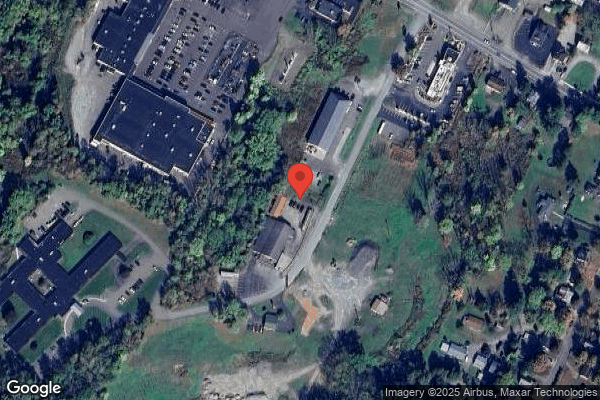
30 VIRGINIA DRIVE, TUNKHANNOCK, PA 18657 (570) 836-5166
For profit - Corporation 124 Beds EMBASSY HEALTHCARE Data: November 2025
Trust Grade
10/100
#557 of 653 in PA
Last Inspection: March 2025

Within standard 12-15 month inspection cycle. Federal law requires annual inspections.

Overview

Families considering Embassy of Tunkhannock should be aware that the facility has received a Trust Grade of F, indicating significant concerns about its care quality. Ranking #557 out of 653 nursing homes in Pennsylvania places it in the bottom half of the state, and it is the only option in Wyoming County. The facility's trend is stable, with 18 issues noted in both 2024 and 2025, suggesting ongoing problems without improvement. Staffing is a weakness, with a rating of 2 out of 5 stars and a turnover rate of 63%, which is higher than the state average of 46%. Additionally, the facility has incurred $92,498 in fines, meaning it has faced more compliance issues than 90% of Pennsylvania facilities. Specific incidents reported include a failure to provide adequate staff assistance for a resident with mobility issues, leading to a fall risk; a lack of individualized care that resulted in preventable pressure injuries; and inadequate supervision of a resident with known unsafe behaviors, which caused serious injuries from a fall. While there is average RN coverage, these weaknesses highlight considerable areas for concern regarding the safety and quality of care provided at this facility.

Trust Score
F
10/100
In Pennsylvania
#557/653
Bottom 15%
Safety Record
High Risk
Review needed
Inspections
Holding Steady
18 → 18 violations
Staff Stability
⚠ Watch
63% turnover. Above average. Higher turnover means staff may not know residents' routines.
Penalties
✓ Good
$92,498 in fines. Lower than most Pennsylvania facilities. Relatively clean record.
Skilled Nurses
○ Average
Each resident gets 34 minutes of Registered Nurse (RN) attention daily — about average for Pennsylvania. RNs are the most trained staff who monitor for health changes.
Violations
⚠ Watch
54 deficiencies on record. Higher than average. Multiple issues found across inspections.
★☆☆☆☆
1.0
Overall Rating
★★☆☆☆
2.0
Staff Levels
★☆☆☆☆
1.0
Care Quality
★☆☆☆☆
1.0
Inspection Score
Stable
2024: 18 issues
2025: 18 issues

The Good

  • Full Sprinkler Coverage · Fire safety systems throughout facility
  • No fines on record

Facility shows strength in fire safety.

The Bad

1-Star Overall Rating

Below Pennsylvania average (3.0)

Significant quality concerns identified by CMS

Staff Turnover: 63%

17pts above Pennsylvania avg (46%)

Frequent staff changes - ask about care continuity

Federal Fines: $92,498

Well above median ($33,413)

Moderate penalties - review what triggered them

Chain: EMBASSY HEALTHCARE

Part of a multi-facility chain

Ask about local staffing decisions and management

Staff turnover is elevated (63%)

15 points above Pennsylvania average of 48%

The Ugly 54 deficiencies on record

3 actual harm
Apr 2025 2 deficiencies
CONCERN (D) 📢 Someone Reported This

A family member, employee, or ombudsman was alarmed enough to file a formal complaint

Potential for Harm - no one hurt, but risky conditions existed

Deficiency F0605 (Tag F0605)

Could have caused harm · This affected 1 resident

Based on review of clinical records, select facility policy review, and staff interview it was determined that the facility failed to ensure that one resident out of five sampled was free of chemical ...

Read full inspector narrative →
Based on review of clinical records, select facility policy review, and staff interview it was determined that the facility failed to ensure that one resident out of five sampled was free of chemical restraints used to most readily control the resident's behavior and not required to treat the resident's medical symptoms (Resident 1). Findings include: A review of the Facility's Policy labeled Restraint Free Environment last reviewed by the facility on June 1, 2024, reviewed on April 15, 2025, at approximately 1:30PM defines a chemical restraint as any medication that is used for discipline or staff convenience, and not required to treat medical symptoms. The policy further revealed the resident's medical record must include documentation that less restrictive alternatives were attempted to treat the medical symptom but were ineffective, ongoing re-evaluation of the need for the restraint and the effectiveness of the restraint in treating the medical symptom. A review of Resident 1's clinical record revealed admission to the facility on March 4, 2024, with diagnoses to include vascular dementia with behavioral disturbance (a condition caused by impaired blood flow, characterized by poor judgement and memory impacting daily functioning) and anxiety disorder (a disorder characterized by excessive worry and fear that can significantly impact daily life.) A Quarterly Minimum Data Set assessment (MDS- a federally mandated standardized assessment conducted at specific intervals to plan resident care) dated February 11, 2025, revealed the resident was severely cognitively impaired with no BIMS score available (brief interview for mental status, a tool to assess the resident's attention, orientation and ability to register and recall new information). A review of the resident's clinical record revealed the following orders: November 22, 2024- Compound lorazepam gel (Ativan a benzodiazepine antianxiety medication topical gel in semisolid form dispensed through a pump mechanism that allows for easy application to the skin for absorption of the medication) apply to wrist topically at 1:00PM daily. January 3,2025- Compound lorazepam gel apply to wrist topically every 8 hours as needed (PRN) for anxiety, in addition to the lorazepam gel being applied in the afternoon at 1:00 PM. In addition to these orders the resident was also prescribed Depakote 750 mg (a medication used to manage agitation and other behavioral symptoms) via oral route daily and Zoloft 25mg via oral route daily (a selective Serotonin Reuptake inhibitor medication used to manage mood and behavioral symptoms in people with dementia). A review of the medication administration record revealed the resident was administered the as needed dose (PRN) lorazepam gel in addition to the 1:00PM dose of lorazepam gel on the following dates without any supporting documentation of increased anxiety or behaviors: January 6, 2025, at 07:54 AM January 7, 2025, at 02:40AM January 9, 2025, at 07:11PM January 23, 2025, at 07:52PM January 27,2025 at 6:26 PM February 8, 2025, at 3:09 PM February 10, 2025, at 6:27PM February 15, 2025, at 5:53 PM A review of the resident's clinical record revealed the resident had no contraindication for taking oral medications. Further record review revealed that all other medications administered to the resident were administered via the oral route. Observation of the resident on April 15, 2025, at 09:00AM revealed the resident sleeping in the common area of the facility, not easily arousable. A second observation at approximately 10:30AM revealed the same. A third observation at 12:30 PM revealed the resident awake and communicating with other residents. During an interview with the Director of Nursing (DON) on April 15, 2025, at 09:00AM, the DON stated the lorazepam gel had been initiated in November 2024 due to the resident refusing oral lorazepam. However, the facility failed to provide any documented evidence the resident was unable to tolerate oral medications. The resident's current psychotropic medications, Depakote and Zoloft, were both administered orally without documented difficulty. The use of lorazepam gel in this case, in the absence of documented behaviors, medical symptoms, or an inability to take oral medications, suggests the medication was not used for the treatment of a specific medical condition, thus constituting a chemical restraint. Because the resident was assessed as severely cognitively impaired, she lacked the capacity to make informed decisions or express refusal regarding her medication regimen. The lorazepam gel was applied to the resident's skin on the wrist without evidence of consent or objection, despite the absence of documented medical symptoms at the time of administration. This prevented the resident from participating in decisions about her care and eliminated any ability to refuse the medication, further supporting the classification of the lorazepam gel as a chemical restraint. Further review of a facility policy labeled Medication Regimen Review last reviewed by the facility June 1, 2024, revealed PRN (as needed) medications are limited to 14 days. To extend a PRN order past 14 days, the prescriber must document their rationale in the medical record and indicate the duration for the PRN order. The resident's clinical record failed to contain evidence the prescriber had a documented rationale in the medical record for the extended period of the as needed medication (PRN) administration past 14 days. An interview with Employee 1 NA (nurse aide) revealed the resident is usually groggy and not easily arousable until around 12:00PM each day. He revealed the resident would display certain behaviors usually in the afternoon. The facility failed to show evidence a less restrictive alternative treatment was attempted based on an appropriate assessment, care planning by the interdisciplinary team, and physician documentation of the medical symptoms. The resident's clinical record failed to contain evidence the facility staff and/or physician had identified, to the extent possible, and addressed the potential underlying causes of Resident 1's behavior such as environmental factors and over stimulation. During an interview with the Director of Nursing (DON) on April 15, 2025, at approximately 12:00PM, the DON confirmed the facility failed to provide documented evidence the resident was experiencing symptoms that would warrant nursing staff to administer the as needed (PRN) medication or the resident was unable to tolerate an oral method of medication administration. 28 Pa. Code 211.12 (d)(1)(2)(5) Nursing Services 28 Pa. Code 211.8 (e) Use of restraints 28 Pa. Code 211.5(i)(ii)(viii)(xi) Clinical records 28 Pa. Code 211.9(b)(2) Pharmacy services 28 Pa. Code 211.2(3) Physician Services
CONCERN (D) 📢 Someone Reported This

A family member, employee, or ombudsman was alarmed enough to file a formal complaint

Potential for Harm - no one hurt, but risky conditions existed

Deficiency F0687 (Tag F0687)

Could have caused harm · This affected 1 resident

Based on observation, select facility policy review, review of clinical records, and staff and resident interview, it was determined the facility failed to consistently provide timely and necessary fo...

Read full inspector narrative →
Based on observation, select facility policy review, review of clinical records, and staff and resident interview, it was determined the facility failed to consistently provide timely and necessary foot care for one of eight residents sampled (Resident 1). Findings include: A review of the Facility's Ancillary Staff Policy last reviewed January 1, 2025, revealed it is the facility's responsibility to assist resident in obtaining routine and emergency ancillary services as needed including Podiatry. The policy then explains podiatry services include everything from toenail trimming to foot exams. A review of Resident 1's clinical record revealed admission to the facility on March 4, 2024, with diagnoses to include vascular dementia with behavioral disturbance (a condition caused by impaired blood flow, characterized by poor judgement and memory impacting daily functioning) and anxiety disorder (a disorder characterized by excessive worry and fear that can significantly impact daily life.) A Quarterly Minimum Data Set assessment (MDS- a federally mandated standardized assessment conducted at specific intervals to plan resident care) dated February 11, 2025, revealed the resident was severely cognitively impaired with no BIMS score available (brief interview for mental status, a tool to assess the resident's attention, orientation and ability to register and recall new information). On April 16, 2025, at approximately 09:30AM, observation of Resident 1 revealed the toenails on the right foot were long, extending beyond the tips of the toes with evidence of redness around the sides of the toenails. A review of Resident 1's clinical record showed the resident was seen by Podiatry on June 10, 2024, revealing thickening and discoloration of the toenails. The diagnosis from podiatry was onychomycosis (a fungal infection of the toenails) with a treatment of debridement (a medical procedure on the above date. Further review revealed the resident was seen by Podiatry again on August 19, 2024, revealing the resident complained of painful, thick toenails. The exam revealed thickening, yellow, brittle nails. The diagnosis from podiatry was onychomycosis with a treatment of debridement on the above date August 19, 2024. Further clinical record review revealed the resident has not been seen by Podiatry since August 19, 2024. Interview with the Director of Nursing (DON) at approximately 1:00PM revealed the facility switched podiatry providers on September 1, 2024. The DON confirmed the resident has not received routine podiatry care as of April 16, 2025. 28 Pa. Code 211.12 (c)(d)(3)(5) Nursing Services
Mar 2025 16 deficiencies
CONCERN (D)

Potential for Harm - no one hurt, but risky conditions existed

Deficiency F0602 (Tag F0602)

Could have caused harm · This affected 1 resident

**NOTE- TERMS IN BRACKETS HAVE BEEN EDITED TO PROTECT CONFIDENTIALITY** Based on a review of the facility's abuse policy, investigative reports, clinical records, and staff interviews, it was determin...

Read full inspector narrative →
**NOTE- TERMS IN BRACKETS HAVE BEEN EDITED TO PROTECT CONFIDENTIALITY** Based on a review of the facility's abuse policy, investigative reports, clinical records, and staff interviews, it was determined that the facility failed to ensure that residents were free from misappropriation of property, specifically resident medications, for one of 20 sampled residents (Resident 28). Findings included: A review of the facility policy titled Abuse, Neglect, and Exploitation, last reviewed in January 2025, revealed that the facility is responsible for ensuring the health, welfare, and rights of each resident by implementing written policies and procedures prohibiting and preventing abuse, neglect, exploitation, and misappropriation of resident property. Misappropriation of property is defined as the deliberate misplacement, exploitation, or wrongful, temporary or permanent use of a resident's belongings or money without the resident's consent. Review of clinical record revealed that Resident 28, was admitted to the facility on [DATE], with diagnoses to include to dementia and cerebral infarction (stroke) with hemiplegia (weakness on one side of the body). A review of an annual minimum data set assessment (Minimum Data Set - a federally mandated standardized assessment conducted at specific intervals to plan resident care) dated February 13, 2025, indicated that Resident 28 was moderately cognitively impaired and required staff assistance for activities of daily living. A physician's order dated October 18, 2024, prescribed Oxycodone 5 mg (an opioid narcotic medication) one tablet by mouth every six hours as needed for moderate to severe pain. A pharmacy record dated December 30, 2024, confirmed that a 30-count supply of Oxycodone 5 mg was dispensed to the facility for Resident 28. A review of the Medication Administration Record (MAR) revealed that Oxycodone was documented as administered on the following dates and times: January 7, 2025, at 7:41 AM January 8, 2025, at 7:54 AM January 11, 2025, at 8 AM January 12, 2025, at 8:24 AM January 15, 2025, at 8 AM January 16, 2025, at 8:10 AM January 17, 2025, at 8 AM January 18, 2025, at 11:57 AM January 20, 2025, at 12:30 AM January 21, 2025, at 8:28 AM January 22, 2025, at 8:07 AM and 6:15 PM January 30, 2025, at 8:32 AM January 31, 2025, at 8:21 AM February 3, 2025, at 8:06 AM February 4, 2025, at 8:08 AM February 5, 2025, at 8:30 AM February 6, 2025, at 9:07 AM February 8, 2025, at 9:34 AM February 9, 2025, at 8:20 AM for a total of 20 doses of the Oxycodone. A review of the MAR for February 2025 revealed that 10 of the 30 dispensed doses of Oxycodone 5 mg were not accounted for. Additionally, the narcotic sign-out record associated with the Oxycodone 5 mg was not available at the time of the survey. A review of the facility's investigative report dated February 10, 2025, at 9:10 PM, indicated that on February 10, 2025 (no time documented), Employee 1 (LPN) reported to the Director of Nursing (DON) that while administering medications on the Blue Unit, she observed that Resident 28 no longer had any Oxycodone 5 mg in the medication cart. Employee 1 stated that she had worked on the Blue Unit the previous day (February 9, 2025, 7 AM to 3 PM shift) and at that time, Resident 28's Oxycodone was still in the medication cart. Employee 1 and the DON immediately checked the Blue Unit medication cart, but Resident 28's Oxycodone blister pack and the narcotic sign-out record were missing. On February 11, 2025, the Nursing Home Administrator (NHA) reviewed the facility ' s surveillance footage from February 9, 2025 (second shift). The video revealed that at 9:10 PM, Employee 2 (Agency LPN) was observed removing the narcotic blister pack from the locked narcotic drawer inside the medication cart, dispensing one pill into her hand, and placing it into a small medicine cup. The video footage continued to reveal at 9:14 PM, Employee 2 was observed reopening the narcotics drawer, withdrawing the entire Oxycodone blister pack, dispensing the remaining pills into the same medicine cup, and placing the cup into a disposable glove box. Employee 2 was then observed placing the glove box (containing the narcotic medication) into her backpack along with the folded narcotic sign-out record. The facility attempted to obtain a statement from Employee 2 (Agency LPN) through the staffing agency, but no response was received. No further employee statements or investigative findings were available at the time of the survey. An interview with the NHA on March 19, 2025, at approximately 1:00 PM, confirmed that the facility failed to ensure that Resident 28 was free from misappropriation of property, specifically the misappropriation of prescribed pain medication. 28 Pa Code 211.12 (c)(d)(1)(5) Nursing services 28 Pa. Code 201.18 (e)(1) Management 28 Pa. Code 201.29 (a)(c) Resident rights
CONCERN (D)

Potential for Harm - no one hurt, but risky conditions existed

ADL Care (Tag F0677)

Could have caused harm · This affected 1 resident

**NOTE- TERMS IN BRACKETS HAVE BEEN EDITED TO PROTECT CONFIDENTIALITY** Based on a review of clinical records and resident and staff interviews, it was determined the facility failed to ensure that re...

Read full inspector narrative →
**NOTE- TERMS IN BRACKETS HAVE BEEN EDITED TO PROTECT CONFIDENTIALITY** Based on a review of clinical records and resident and staff interviews, it was determined the facility failed to ensure that residents dependent on staff for assistance with activities of daily living consistently received showers as planned to maintain good personal hygiene for two of 20 residents sampled (Residents 30 and 65). Findings include: During a resident group meeting conducted on March 19, 2025, at 10:15 AM, two out of six residents in attendance (Residents 30 and 65) stated they had not been showered as scheduled. Resident 65 stated I have not had a shower in a week because they do not have the help. Resident 30 stated she had not had her showers as scheduled. A review of Resident 30's clinical record revealed the resident was admitted to the facility on [DATE], with diagnoses to include intrahepatic bile duct carcinoma (a cancer that originates in the bile ducts within the liver) and vascular dementia (a type of dementia caused by reduced blood flow to the brain). A quarterly Minimum Data Set Assessment (MDS - a federally mandated standardized assessment conducted at specific intervals to plan resident care) dated February 7, 2025, indicated the resident required partial/moderate assistance for showering/bathing. The resident was severely cognitively impaired with a BIMS score of 07 (brief interview for mental status, a tool to assess the residents' attention, orientation, and ability to register and recall new information, a score of 0-7 indicates severe cognitive impairment). A review of the Documentation Survey Report v2 (care tasks completed for the resident) indicated that Resident 30 was scheduled to receive showers on Mondays, Thursdays, and Saturdays during the evening shift. A review of the Documentation Survey Report v2 from March 1, 2025, through March 19, 2025, revealed that Resident 30 did not receive a shower on: Thursday, March 6, 2025 Saturday, March 15, 2025 Monday, March 17, 2025 There was no documented evidence the facility provided showers as scheduled three times per week or that the resident refused showers on those dates. A review of Resident 65's clinical record revealed the resident was admitted to the facility on [DATE], with diagnoses to include cerebral infarction (a condition that occurs when blood flow to part of the brain is suddenly blocked) and atherosclerotic heart disease (a condition characterized by fatty deposits in arteries which can narrow them and block blood flow). An annual MDS assessment of Resident 65 dated February 5, 2025, indicated the resident required substantial/maximal assistance for showering/bathing. The resident was moderately cognitively impaired with a BIMS score of 11. A review of the Documentation Survey Report v2 revealed the resident was scheduled to receive showers on Tuesdays and Fridays during the evening shift. A review of the Documentation Survey Report v2 from March 1, 2025, through March 20, 2025, revealed that Resident 65 did not receive a shower on: Tuesday, March 4, 2025 Friday, March 7, 2025 Tuesday, March 11, 2025 There was no documented evidence that the facility provided showers as scheduled twice per week or that the resident refused showers on those dates. An interview with the Director of Nursing (DON) on March 20, 2025, at approximately 1:00 PM, confirmed that the residents were not showered as scheduled. 28 Pa. Code 211.12 (d)(5) Nursing services.
CONCERN (D)

Potential for Harm - no one hurt, but risky conditions existed

Deficiency F0757 (Tag F0757)

Could have caused harm · This affected 1 resident

Based on clinical record and staff interview, it was determined the facility failed to ensure documented evidence of clinical necessity for administration of an antibiotic drug for one resident (Resid...

Read full inspector narrative →
Based on clinical record and staff interview, it was determined the facility failed to ensure documented evidence of clinical necessity for administration of an antibiotic drug for one resident (Resident CR1) out of 20 residents reviewed for unnecessary medications. Findings include: A review of the clinical record revealed that Resident CR1 had a physician's order dated January 27, 2025, for Ciprofloxacin HCL (an antibiotic medication) 500 mg, one tablet to be administered one tablet twice a day for seven days for the treatment of a urinary tract infection (UTI). A review of a urine and a culture and sensitivity (C & S a urine culture is a method to grow and identify bacteria that may be in the urine. The sensitivity test helps select the best medicine to treat the infection) report dated January 28, 2025, revealed that it was positive for Escherichia coli a type of bacteria commonly found in the intestines, some strains of which can cause infections. The C&S report indicated that E. coli was resistant to Ciprofloxacin HCL, making the prescribed medication ineffective against the infection. However, the clinical record revealed that Resident CR1 had already received two doses of Ciprofloxacin HCL before the resistance was identified. A new physician's order dated January 28, 2025, prescribed Cefdinir 300 mg twice daily for the treatment of the UTI, a different antibiotic selected after reviewing the culture and sensitivity results. During an interview conducted on March 21, 2025, at 11:00 AM, the facility's Infection Preventionist confirmed that several residents had received unnecessary antibiotic therapy before the facility reviewed the results of urine culture and sensitivity tests. The Infection Preventionist also stated that since assuming the role in December 2024, they had observed a pattern of antibiotic prescriptions being initiated before confirming bacterial susceptibility, leading to potential unnecessary medication use. 28 Pa Code 211.12(d)(3)(5) Nursing Services
CONCERN (D)

Potential for Harm - no one hurt, but risky conditions existed

Deficiency F0849 (Tag F0849)

Could have caused harm · This affected 1 resident

**NOTE- TERMS IN BRACKETS HAVE BEEN EDITED TO PROTECT CONFIDENTIALITY** Based on a review of clinical records and staff interview, it was determined the facility failed to ensure coordination of care ...

Read full inspector narrative →
**NOTE- TERMS IN BRACKETS HAVE BEEN EDITED TO PROTECT CONFIDENTIALITY** Based on a review of clinical records and staff interview, it was determined the facility failed to ensure coordination of care and services between the facility and the Hospice agency for one resident (66) out of 20 sampled. Findings include: A review of facility policy titled Coordination of Hospice Services, last reviewed by the facility on June 1, 2024, revealed it is the facility policy to coordinate a plan of care and implement interventions in accordance with the resident's needs, goals, and recognized standards of practice in consultation with the resident's attending physician/practitioner and resident's representative, to the extent possible. The policy indicates the plan of care will identify the care and services that each entity will provide in order to meet the needs of the resident and his/her expressed desire for hospice care. A review of Resident 66's clinical record revealed she was admitted to the facility on [DATE], with diagnoses to include peripheral vascular disease (a condition that affects the blood vessels outside of the heart and brain) and type 2 diabetes (a long-term condition in which the body has trouble controlling blood sugar and using it for energy). A review of physician's order dated October 23, 2024, revealed the resident was admitted into hospice services for a diagnosis of peripheral vascular disease. A review of the resident's care plan initially dated February 15, 2024, and last revised March 18, 2025, revealed that the resident's care plan failed to reflect coordination of services between the facility and the Hospice agency in meeting the resident's daily care needs and specific needs related to care and services provided for the resident's terminal diagnosis. An interview conducted with the DON on March 20,2025 at approximately 8:35 AM, indicated the resident's care plan did not reflect coordination of services between the facility and the hospice agency. There was no documented evidence of interdisciplinary communication or coordination ensuring that hospice and facility staff were aligned in their provision of care for Resident 66. 28 Pa. Code 211.12 (c)(d)(1)(3)(5) Nursing services 28 Pa. Code 201.21(c) Use of outside resources
CONCERN (D)

Potential for Harm - no one hurt, but risky conditions existed

Infection Control (Tag F0880)

Could have caused harm · This affected 1 resident

**NOTE- TERMS IN BRACKETS HAVE BEEN EDITED TO PROTECT CONFIDENTIALITY** Based on a review of clinical records, select facility policy, observations, and resident and staff interviews, it was determine...

Read full inspector narrative →
**NOTE- TERMS IN BRACKETS HAVE BEEN EDITED TO PROTECT CONFIDENTIALITY** Based on a review of clinical records, select facility policy, observations, and resident and staff interviews, it was determined the facility failed to implement enhanced barrier infection control procedures for one resident out of the 20 residents sampled (Resident 12). Findings include: A review of facility policy titled Enhanced Barrier Precautions, last reviewed by the facility on June 1, 2024, revealed it is the facility policy to expand the use of personal protective equipment and refer to the use of gowns and gloves during high-contact resident care activities that provided opportunities for transfer of multi-drug-resistant organisms (MDROs) to staff hands and clothing. The policy indicates nursing home residents with wounds are especially high risk for both the acquisition of and colonization with MDROs. The policy indicates that the facility will make gowns and gloves available immediately outside of the resident's room for those who require enhanced barrier precautions, and that clear signage will be posted on the door or wall outside of the resident room indicating the type of precautions, required personal protective equipment, and the high-contact resident care activities that require the use of gowns and gloves. The policy indicates high-contact resident care activities include wound care of any skin opening requiring a dressing. A clinical record review revealed Resident 12 was admitted to the facility on [DATE], with diagnoses that included atrial fibrillation (a condition that causes the heart to beat irregularly and sometimes much faster than normal) and hypertension (blood pressure that is higher than normal). A review of a quarterly Minimum Data Set assessment (MDS-a federally mandated standardized assessment process conducted periodically to plan resident care) dated February 25, 2025, revealed that Resident 12 is cognitively intact with a BIMS score of 14 (Brief Interview for Mental Status-a tool within the Cognitive Section of the MDS that is used to assess the resident's attention, orientation, and ability to register and recall new information; a score of 13-15 indicates cognition is intact). A review of Resident 12's wound assessment report dated February 25, 2025, documented the presence of a left heel wound with serous drainage (clear to yellow fluid leaking from a wound). Treatment orders included the application of medical-grade honey and a bordered gauze dressing. However, a review of the clinical record revealed no physician orders for Enhanced Barrier Precautions (EBP) at the time of assessment. An observation of Resident 12's room on March 18, 2025, at 12:20 PM, revealed: No signage or postings indicating that Resident 12 required enhanced barrier precautions. No PPE (gowns or gloves) readily available outside the resident's room for staff use. In an interview with the Director of Nursing (DON) on March 20, 2025, at 11:50 AM, it was confirmed that Resident 12's physician orders for Enhanced Barrier Precautions were initiated on March 20, 2025, at 12:07 PM-two days after the observation and after surveyor inquiry. During a follow-up interview on March 20, 2025, at 1:15 PM, the DON confirmed that the facility is responsible for ensuring full implementation of infection control procedures, including enhanced barrier precautions, in accordance with facility policy and nationally recognized infection control guidelines. 28 Pa. Code 211.10(d) Resident care policies. 28 Pa code 211.12 (d)(1)(5) Nursing services.
CONCERN (E)

Potential for Harm - no one hurt, but risky conditions existed

Resident Rights (Tag F0550)

Could have caused harm · This affected multiple residents

**NOTE- TERMS IN BRACKETS HAVE BEEN EDITED TO PROTECT CONFIDENTIALITY** Based on observation, clinical record review and staff interview, it was determined the facility failed to provide meal service ...

Read full inspector narrative →
**NOTE- TERMS IN BRACKETS HAVE BEEN EDITED TO PROTECT CONFIDENTIALITY** Based on observation, clinical record review and staff interview, it was determined the facility failed to provide meal service in an environment that maintains each resident's dignity for two residents of 20 sampled residents (Residents 52 and 6). Findings include: On March 18, 2025, at approximately 11:55 AM, in the [NAME] Unit dining/game room, Resident 31, who is independent with eating, was observed seated at a table with Residents 52 and Resident 6. At 11:56 AM, staff placed Resident 31's lunch tray in front of her, and she began eating. However, Residents 52 and 6, who require assistance with feeding, did not receive their trays or staff assistance until approximately 30 minutes later. On March 19, 2025, at approximately 12:10 PM, in the [NAME] Unit dining/game room, Resident 31 was again observed eating her lunch while seated at a table with Residents 52 and 6. However, staff did not provide Residents 52 and 6 with their lunch trays or initiate feeding assistance until approximately 20 minutes later. A review of Resident 52's clinical record revealed the resident was admitted to the facility on [DATE], with diagnoses including unspecified dementia and has severe cognitive impairment. Review of Resident 6's clinical record revealed the resident was admitted to the facility on [DATE], with diagnoses including unspecified dementia and has severe cognitive impairment. An interview with the Director of Nursing (DON), in the presence of the facility's nurse consultant, on March 20, 2025, at approximately 1:00 PM, confirmed that Residents 52 and 6 should have been served and assisted with their meals within the same timeframe as Resident 31. The Nursing Home Administrator (NHA) further confirmed the facility failed to ensure a dignified dining experience for Residents 52 and 6 and acknowledged that the meal service on the [NAME] Unit was not conducted in a manner that promotes each resident's dignity. 28 Pa. Code 201.29 (a) Resident rights.
CONCERN (E)

Potential for Harm - no one hurt, but risky conditions existed

Deficiency F0657 (Tag F0657)

Could have caused harm · This affected multiple residents

**NOTE- TERMS IN BRACKETS HAVE BEEN EDITED TO PROTECT CONFIDENTIALITY** Based on clinical record review and staff interview, it was determined the facility failed to ensure that a residents' comprehen...

Read full inspector narrative →
**NOTE- TERMS IN BRACKETS HAVE BEEN EDITED TO PROTECT CONFIDENTIALITY** Based on clinical record review and staff interview, it was determined the facility failed to ensure that a residents' comprehensive care plans were reviewed and revised as needed to accurately reflect their current needs and services required by three of 20 residents sampled (Residents 25, 49, and 64). Findings include: A clinical record review revealed Resident 25 was admitted to the facility on [DATE], with diagnoses to include acute and chronic respiratory failure with hypoxia (a condition where there is inadequate supply of oxygen to the body's tissues) and diabetes (a chronic disease that occurs either when the pancreas does not produce enough insulin or when the body cannot effectively use the insulin it produces). A physician's order dated February 10, 2025, at 8:19 PM, directed oxygen administration at 2 liters (L) via nasal cannula continuously. A review of Resident 25's comprehensive plan of care, last revised on January 6, 2025, failed to reflect these updated medical treatment goals and interventions for oxygen at 2L via nasal cannula continuously. A clinical record review revealed Resident 49 was admitted to the facility on [DATE], with diagnoses to include depression (a mental health condition characterized by low mood or loss of pleasure or interest in activities for long periods of time) and cognitive-communication deficit (difficulties in communication arising from impairments in cognitive processes such as attention, memory, or problem-solving) A physician's order dated January 15, 2025, at 1:57 PM, prescribed Trazodone 50 mg (antidepressant) daily for depression. An additional physician's order dated March 6, 2025, at 2:28 PM, prescribed Lexapro 20 mg (antidepressant) daily for depression. A review of Resident 49's comprehensive plan of care, last revised on January 28, 2025, failed to reflect these updated medical treatment goals and interventions for depression management, including the monitoring of potential side effects of antidepressant therapy. A clinical record review revealed Resident 64 was admitted to the facility on [DATE], with diagnoses that included atrial fibrillation (a condition that causes the heart to beat irregularly and sometimes much faster than normal) and chronic obstructive pulmonary disease (COPD is a condition caused by damage to the airways or other parts of the lung that blocks airflow and makes it hard to breathe). Physician's orders dated February 9, 2024, at 4:07 PM revealed prescribed oxygen therapy at 2L via nasal cannula continuously. Another physician's order dated February 15, 2024, at 10:20 AM, prescribed Eliquis 5 mg (blood thinner) twice daily for atrial fibrillation (an irregular heartbeat that reduces the heart's ability to pump blood through the body, which means the body does not get enough oxygen), with instructions to monitor for signs of bruising, dark urine, or black tarry stools and to notify the physician of any findings. A review of the comprehensive care plan, last revised on February 22, 2024, failed to include interventions for oxygen therapy and monitoring requirements for blood-thinning medication. An interview with the Director of Nursing on March 20, 2025, at approximately 10:15 AM, confirmed the facility failed to review and revise Residents 25, 49, and 64's care plan to accurately reflect their current medical status, risks, and required interventions. 28 Pa. Code 211.12(d)(3)(5) Nursing services
CONCERN (E)

Potential for Harm - no one hurt, but risky conditions existed

Deficiency F0679 (Tag F0679)

Could have caused harm · This affected multiple residents

Based on a review of the facility's activities programming, clinical records, staff and resident interviews, and observations, it was determined the facility failed to provide an ongoing program of ac...

Read full inspector narrative →
Based on a review of the facility's activities programming, clinical records, staff and resident interviews, and observations, it was determined the facility failed to provide an ongoing program of activities designed to meet the needs, interests, preferences, and functional abilities of its residents, including those diagnosed with dementia for six of six residents sampled (Residents 26, 42, 30, 59, 15, and 65). Findings include: A review of the facility census at the time of the survey ending March 21, 2025, revealed that the facility had 71 residents, including 24 residents with a documented diagnosis of dementia residing across both open resident units. A review of the facility's March 2025 activity calendar revealed a lack of variety in scheduled activities. The only dementia-specific activity, labeled as a Sensory Group, was scheduled three times during the month. Additionally, evening activities were scheduled only once per week (Thursdays at 6:00 PM), and weekend activities remained unchanged week to week, lacking variety or engagement. During a resident group interview on March 19, 2025, at 10:00 AM, Residents 26, 42, 30, 59, 15, and 65 expressed dissatisfactions with the facility's activity programming. They reported a lack of variety in scheduled activities and stated that one evening activity per week was insufficient. On March 18, 2025, at 10:30 AM, 10 residents were observed seated in wheelchairs and Geri-chairs in the Blue Unit activity room. The television was turned on to a cartoon program; however, none of the residents appeared engaged or watching. A review of the March 2025 activity calendar indicated that at this time, the scheduled activity was Trivia and Word Games, but there was no evidence that this activity was conducted. At 1:00 PM on March 18, 2025, the same 10 residents remained seated in the Blue Unit activity room, again with the television on playing a cartoon program with inappropriate content, rather than participating in a scheduled activity. The posted calendar listed the 1:00 PM activity as 1 to 1 visits which were not observed taking place. The 10 residents observed in the activity room had poor cognitive ability and were unable to participate in interviews to express their engagement or interest in the activities provided. On March 19, 2025, at 10:00 AM, Employee 1 (LPN) stated that the residents in the small activity room all had dementia, and the television was turned on to keep them in one area for easier staff monitoring rather than to provide meaningful engagement. During an interview with the Activity Director on March 21, 2025, at approximately 11:00 AM, the Activity Director confirmed that the facility lacked adequate activity staff to provide specialized dementia care activities. The Activity Director further acknowledged that the facility's evening activity programming was minimal, with little to no structured activities offered during evening hours. The facility failed to develop and implement an activities program that provided meaningful engagement to all residents, including those with dementia. The facility did not offer individualized or customized activities based on residents' previous lifestyles, occupations, family involvement, hobbies, preferences, and comfort needs. The facility further failed to ensure that scheduled activities were carried out as planned. 28 Pa. Code 201.29 (a) Resident rights 28 Pa. Code 201.18 (e)(1)(2)(3)(6) Management
CONCERN (E)

Potential for Harm - no one hurt, but risky conditions existed

Quality of Care (Tag F0684)

Could have caused harm · This affected multiple residents

**NOTE- TERMS IN BRACKETS HAVE BEEN EDITED TO PROTECT CONFIDENTIALITY** Based on a review of clinical records, select facility policy and staff interviews, it was determined the facility failed to pro...

Read full inspector narrative →
**NOTE- TERMS IN BRACKETS HAVE BEEN EDITED TO PROTECT CONFIDENTIALITY** Based on a review of clinical records, select facility policy and staff interviews, it was determined the facility failed to provide nursing services consistent with professional standards of quality to ensure that licensed nurses properly evaluated and provided nursing care according to physician orders for 4 residents out of 20 residents sampled (Resident 12, 24, 42, 64). Findings include: According to the Pennsylvania Code, Title 49, Professional and Vocational Standards, State Board of Nursing, 21.11 (a)(1)(2)(4) indicates that the Registered Nurse (RN) was to collect complete ongoing data to determine nursing care needs, analyze the health status of individuals and compare the data with the norm when determining nursing care needs, and carry out nursing care actions that promote, maintain, and restore the well-being of individuals. The Pennsylvania Code, Title 49, Professional and Vocational Standards, State Board of Nursing, 21.145 Functions of the Licensed Practical Nurse (LPN) (a) The LPN is prepared to function as a member of the health care team by exercising sound judgment based on preparation, knowledge, skills, understandings, and past experiences in nursing situations. The LPN participates in the planning, implementation, and evaluation of nursing care in settings where nursing takes place. 21.148 Standards of nursing conduct (a) A licensed practical nurse shall: (5) document and maintain accurate records. A clinical record review revealed Resident 12 was admitted to the facility on [DATE], with diagnoses that included atrial fibrillation (a condition that causes the heart to beat irregularly and sometimes much faster than normal) and hypertension (blood pressure that is higher than normal). A review of facility policy titled Coumadin Monitoring Procedure, last reviewed by the facility on June 1, 2024, revealed it is the responsibility of the nurse to update the Medication Administration Record (MAR) with the new Coumadin (a blood thinner) dose order and the PT/INR (a blood test that tells you how long it takes for the blood to clot) that indicated orders for lab draws. The physician or Certified Nurse Practitioner (CRNP) must be notified of the results of every PT/INR drawn, directions obtained for the next time it is to be drawn, verification of the Coumadin dose to be given, and the notifications and directions documented. An interview with the Director of Nursing (DON) on March 19, 2025, at 1:30 PM confirmed that PT/INR levels were primarily obtained via the CoagChek XS point-of-care machine (fingerstick method), but occasionally through a laboratory draw. However, the DON could not specify when each method was used, and the facility's policy did not outline which method should be used in different circumstances. A review of clinical records revealed no evidence the physician or CRNP was made aware of the method used to obtain PT/INR of laboratory draw versus fingerstick draw at the time of the survey for Resident 12. A clinical record review revealed Resident 24 was admitted to the facility on [DATE], with diagnoses that included dementia (a chronic or persistent disorder of the mental processes caused by brain disease or injury and marked by memory disorders, personality changes, and impaired reasoning) and congestive heart failure (a condition in which the heart doesn't pump blood as well as it should). A review of a physician's order dated February 23, 2025, noted an order for daily weights to monitor for fluid retention related to congestive heart failure. A review of weight logs and the Treatment Administration Record (TAR) dated from March 1, 2025, to March 21, 2025, revealed that Resident 24 did not receive daily weights on March 11, March 20, and March 21 as ordered by the physician. A clinical record review revealed Resident 42 was admitted to the facility on [DATE], with diagnoses that included diabetes (a chronic disease that occurs either when the pancreas does not produce enough insulin or when the body cannot effectively use the insulin it produces) and cardiomyopathy (a disease of the heart muscle that makes it harder for the heart to pump blood to the rest of the body). A physician order dated August 9, 2024, was noted for Metoprolol Tablet (used to treat high blood pressure and heart rate control) 25 milligrams and give one tablet by mouth two times a day related to cardiomyopathy. Hold this medication if the resident's systolic blood pressure is less than 100 millimeters of mercury (mm Hg) or heart rate is less than 60 beats per minute with required physician notification. Review of the resident's corresponding MARs for the months of September 2024, October 2024, November 2024, December 2024, January 2025, February 2025, and March 2025 revealed the medication was being administered with no documented evidence that blood pressure or heart rate measurements were obtained prior to medication administration in accordance with the physician's order. A clinical record review revealed Resident 64 was admitted to the facility on [DATE], with diagnoses that included morbid obesity (a chronic disease that's characterized by a body mass index of 40 or higher, or a body mass index of 35 or higher with obesity-related health issues) and chronic obstructive pulmonary disease (COPD is a condition caused by damage to the airways or other parts of the lung that blocks airflow and makes it hard to breathe). A review of clinical records for Resident 64 revealed a physician's order dated July 18, 2024, for monthly weights. A review of weight logs and the TAR dated from October 2024 to February 2025 revealed the facility failed to obtain and document monthly weights for Resident 64 in October 2024, November 2024, December 2024, January 2025, and February 2025. An interview with the DON on March 20, 2025, at approximately 1:15 PM confirmed that the facility did not consistently follow physician orders for Residents 12, 24, 42, and 64. The facility failed to provide nursing care in accordance with professional standards and physician orders. 28 Pa Code 211.12 (d)(1)(3)(5) Nursing Services 28 Pa. Code 211.10 (c) Resident care policies
CONCERN (E)

Potential for Harm - no one hurt, but risky conditions existed

Pharmacy Services (Tag F0755)

Could have caused harm · This affected multiple residents

**NOTE- TERMS IN BRACKETS HAVE BEEN EDITED TO PROTECT CONFIDENTIALITY** Based on clinical record reviews, staff interviews, and facility policy reviews, it was determined that the facility failed to e...

Read full inspector narrative →
**NOTE- TERMS IN BRACKETS HAVE BEEN EDITED TO PROTECT CONFIDENTIALITY** Based on clinical record reviews, staff interviews, and facility policy reviews, it was determined that the facility failed to ensure the provision of pharmacy services necessary to assure the timely receipt and administration of physician-prescribed medications for two of twenty residents sampled (Residents 28 and 127). The facility also failed to maintain oversight of its medication dispensing system, including ensuring emergency medication availability and routine pharmacy audits. Findings include: Review of clinical record revealed that Resident 28, was admitted to the facility on [DATE], with diagnoses to include to dementia and cerebral infarction (stroke) with hemiplegia (weakness on one side of the body). A physician order dated October 18, 2024, prescribed Oxycodone 5 mg (an opioid narcotic medication), one tablet by mouth every six hours as needed for moderate to severe pain. A review of the November and December 2024 Medication Administration Records (MARs) revealed that Oxycodone was signed out on the controlled drug record form on: November 17, 2024, at 8:25 AM November 27, 2024, at 8:43 AM December 26, 2024, at 7:25 PM However, there was no documentation on the medication administration record (MAR) that the medication was administered to Resident 28 on these dates. At the time of the survey, there was no evidence that Resident 28 received the prescribed doses of the narcotic pain medication. Review of the clinical record revealed that Resident 127 was admitted to the facility on [DATE], at 3:45 PM following a hospital stay, with diagnoses including congestive heart failure (CHF), chronic obstructive pulmonary disease (COPD), and diabetes. A physician order dated March 6, 2025, at 9:00 PM, prescribed multiple essential medications, including: Loratadine 10 mg at 9 PM Simvastatin 20 mg at 9 PM Acetazolamide 500 mg at 9 PM Amiodarone HCL 400 mg at 9 PM (for atrial fibrillation) Apixaban 5 mg at 9 PM (anticoagulant for atrial fibrillation) Budesonide Inhalation Solution 0.5 mg/2ml at 9 PM Famotidine 20 mg at 9 PM Guaifenesin 1200 mg at 9 PM Metformin ER 500 mg at 8 PM (oral diabetic medication) Potassium chloride ER 20 meq at 5 PM A review of Resident 127's March 2025 MAR confirmed that the resident did not receive any of these prescribed medications on March 6, 2025, due to a delay in delivery from the pharmacy. An interview with the Director of Nursing (DON) on March 20, 2025, at 1:00 PM revealed that when new residents are admitted , physicians' orders are entered into the electronic ordering system. However, if orders are entered after 12:00 PM or after 6:00 PM, the facility does not receive a same-day medication delivery. The DON stated that licensed staff should check the emergency supply for necessary medications or contact the physician for alternative orders, but this was not done for Resident 127. A review of the facility's pharmacy policy, revised January 16, 2025, titled Emergency Medication System: Removal of Outdated Medications revealed that the contract pharmacy is required to perform routine audits of the emergency medication system to: Ensure expired medications are removed. Confirm medication stock aligns with the system's recorded inventory. However, a review of the facility's emergency medication supply and an observation of the automated medication dispensing system on March 19, 2025, at 12:00 PM, in the presence of the DON and a representative of the contract pharmacy, revealed: Discrepancies between the recorded medication inventory and actual stock. Expired medications still available in the system. Medications listed as available but not physically present The pharmacy representative stated that she is in the facility monthly to check expiration dates noted in the electronic medication dispensing system. She stated that she does not check individual (single prepackaged medications) medications in the emergency supply system. She stated that it was her responsibility to check the electronic data stored in the system for future discontinuation dates for the medications. If the individual medications discontinuation dates are within 60 days of her visit to the facility, she will remove the medications from the system at that time. She stated that at that time, she will inform licensed nursing staff of the medication removal from the system, and it is then the responsibility of the nursing staff to reorder and then fill the machine. She confirmed that she does not fill the emergency medication system. She could not confirm the time frame for this process and what staff are to do for an emergency stock of medications. There was no documentation of the monthly pharmacy oversight for the emergency medication system available at the time of the survey. The facility failed to provide documentation of pharmacy oversight, including routine monthly audits for expired medications and medication availability. A review of the facility's Medication Ordering and Receipt, After-Hours Pharmacy Service policy revealed that emergency pharmaceutical services are available 24 hours a day, 365 days a year. According to the policy, emergency medication needs should be met using onsite supplies provided by the pharmacy, including an emergency box, interim box, starter kit, controlled substance interim box, and an electronic cabinet, as permitted by regulations. The policy further states that STAT (immediate) medication requests can be made to the pharmacy and that a corporate pharmacist is available 24/7 to either dispense medications from the pharmacy or arrange for dispensing from a backup pharmacy to meet the facility's medication needs. During an interview on March 19, 2025, at 11:00 AM, the DON and the Nursing Home Administrator (NHA) confirmed that the facility did not have a backup emergency pharmacy, despite facility policy stating one should be available. They also acknowledged that facility nursing staff, rather than trained pharmacy personnel, were responsible for restocking the automated medication dispensing system. The DON stated that she was considered a pharmacy super user and provided training to licensed nursing staff, including agency nurses. However, a review of training documentation only included a user manual for the automated medication dispensing machine and did not contain specific pharmacy policies and procedures for restocking medications, including controlled substances and intravenous medications. The DON was unable to define the role of a pharmacy super user. There was no documented evidence that facility staff received formal training from a licensed pharmacist on proper restocking procedures. Additionally, no documentation of pharmacy oversight or routine audits was provided at the time of the survey. 28 Pa. Code 211.9 (a)(l)(d)(k) Pharmacy Services. 28 Pa. Code 211.12 (d)(1)(3)(5) Nursing Services.
CONCERN (E)

Potential for Harm - no one hurt, but risky conditions existed

Deficiency F0920 (Tag F0920)

Could have caused harm · This affected multiple residents

Based on observations, staff interviews, and review of facility practices, it was determined that the facility failed to provide adequate dining space to accommodate the number of dependent residents ...

Read full inspector narrative →
Based on observations, staff interviews, and review of facility practices, it was determined that the facility failed to provide adequate dining space to accommodate the number of dependent residents requiring staff assistance during meals in one of two occupied resident units (Blue Unit). Findings include: An observation of the Blue Unit dining room on March 18, 2025, at 12:15 PM revealed that five dining tables were occupied by thirteen residents in wheelchairs, while two additional residents in Geri reclining chairs were seated with mobile bedside tables in front of them. The dining area was congested, making it difficult for staff to pass through, set up meal trays, and assist residents effectively. The limited space also restricted residents' ability to maneuver safely within the room. A subsequent observation of the same dining area on March 19, 2025, at 12:35 PM revealed fifteen residents in wheelchairs seated among the five dining tables, along with two residents in Geri reclining chairs using mobile bedside tables. Due to the number of residents requiring assistance and the presence of staff providing feeding support, the space remained congested, further restricting movement for both residents and staff. During an interview with the Director of Nursing (DON) and in the presence of the clinical nurse consultant on March 21, 2025, at 10:30 AM, the DON stated that due to staffing constraints, there was only one seating for each meal in the dependent resident dining rooms. The DON and the clinical nurse consultant acknowledged that the dining area was a tight fit during meals and confirmed that the current setup should be reassessed to ensure adequate space for residents, enhancing both safety and the overall dining experience. The failure to provide adequate dining space compromised the ability of staff to efficiently assist residents with meals and restricted residents' movement, creating an environment that did not support a dignified and comfortable dining experience. 28 Pa Code 201.18 (e) (2.1) Management
CONCERN (F)

Potential for Harm - no one hurt, but risky conditions existed

Deficiency F0570 (Tag F0570)

Could have caused harm · This affected most or all residents

Based on a review of the facility's surety bond, resident fund accounts, and staff interviews, it was determined the facility failed to ensure the amount of the surety bond was sufficient to cover the...

Read full inspector narrative →
Based on a review of the facility's surety bond, resident fund accounts, and staff interviews, it was determined the facility failed to ensure the amount of the surety bond was sufficient to cover the total amount of resident funds held by the facility. Findings include: A review of the Resident Fund Trust bank account revealed average daily balances of: September 13, 2024, $155,582.09 September 18, 2024, $159,603.09 September 24, 2024, $155,907.09 September 25, 2024, $158,032.09 October 11, 2024, $149,969.76 October 15, 2024, $149,904.76 October 16, 2024, $153,880.76 October 17, 2024, $135,222.66 October 22, 2024, $133,642.76 October 28, 2024, $133,529.76 October 30, 2024, $133,487.42 November 1, 2024, $150,497.22 November 4, 2024, $133,493.62 November 5, 2024, $139,259.84 November 6, 2024, $140,624.84 November 7, 2024, $139,194.84 November 8, 2024, $140,194.84 November 12, 2024, $140,955.42 November 13, 2024, $143,050.22 December 12, 2024, $141,922.79 January 13, 2024, $130,801.51 A review of the facility's surety bond in place since June 11, 2024, revealed the coverage amount was $130,000.00, which was not sufficient to cover the resident fund balances on multiple dates reviewed. During an interview with the Nursing Home Administrator (NHA) on March 24, 2025, at 9:30 AM via telephone, after review of the awaited submitted documents, the NHA confirmed that the surety bond coverage amount was inadequate to fully cover the resident funds held by the facility. 28 Pa. Code: 201.18(1)(2)(3) Management.
CONCERN (F)

Potential for Harm - no one hurt, but risky conditions existed

Deficiency F0801 (Tag F0801)

Could have caused harm · This affected most or all residents

**NOTE- TERMS IN BRACKETS HAVE BEEN EDITED TO PROTECT CONFIDENTIALITY** Based on staff interview, a review of personnel files, employee credentials, and facility documentation it was determined the fa...

Read full inspector narrative →
**NOTE- TERMS IN BRACKETS HAVE BEEN EDITED TO PROTECT CONFIDENTIALITY** Based on staff interview, a review of personnel files, employee credentials, and facility documentation it was determined the facility failed to provide sufficient staff with the necessary skill set and competencies to ensure appropriate nutritional oversight for residents. The facility also failed to ensure that the full-time Director of Food and Nutrition Services, who was not a qualified dietitian or other clinically qualified nutrition professional, received frequent consultations from a qualified dietitian or other clinically qualified nutrition professional. Findings include: Federal regulations require the facility to employ sufficient staff with the appropriate competencies and skill sets to meet the nutritional needs of residents, considering resident assessments, individual plans of care, and the facility assessment. In the absence of a full-time qualified dietitian, the Director of Food and Nutrition Services must meet minimum qualifications and receive frequent consultations from a qualified dietitian or other clinically qualified nutrition professional The Pennsylvania Code, Title 49, Chapter 21, Professional and Vocational Standards: Responsibilities of the Licensed Dietitian/ Nutritionist Section 21.711 Professional Conduct indicated that the Licensed Dietitian/ Nutritionist shall provide information which will enable patients to make their own informed decisions regarding nutrition and dietetic therapy, including the reasonable expectations of the professional relationship. Review of the Facility assessment dated [DATE], failed to indicate the necessity of a qualified dietitian or clinically qualified nutrition professional to meet the nutritional needs of the residents. An interview with the Director of Nursing (DON) on March 20, 2025, at 9:00 AM, revealed the last documented on-site visit by the Registered Dietitian (RD) was October 8, 2024. The DON confirmed that since that date, the RD had been working remotely (off-site) and had not provided direct on-site oversight or consultation. An interview with the facility's Full-Time Food Service Director (FSD) on March 20, 2025, at 10:15 AM, confirmed that she is a Certified Dietary Manager (CDM) but does not meet the minimum qualifications to be considered a qualified dietitian or clinically qualified nutrition professional. The FSD reported that the facility employs a part-time RD who works remotely, primarily communicating via email and telephone to provide and receive updates on residents' nutritional needs. The FSD also stated that while she interacts with residents to obtain food preferences, which are added to meal tickets and documented in the clinical record, she does not provide clinical nutritional assessments or medically related dietary interventions. A review of the Certifying Board for Dietary managers (the credentialing agency for the Association of Nutrition and Food Service professionals) scope of practice for certified dietary managers, these individuals were able to conduct routine nutritional screening including food/fluid intake information, calculate nutrient intake, implement diet plans and orders, utilize standard nutrition care procedures, document nutritional care screening data in the medical record and complete forms, review meal intakes, complete meal rounds, document food intake, participate in care conferences and review the effectiveness of nutritional care. Basic diet information could be provided using evidence-based education materials. Their scope of practice did not include the clinical assessment and evaluation of residents for medically related nutritional therapy or to make recommendations regarding medications or supplementation. The facility's FSD had limited scope of practice and lacked necessary credentials/qualifications to provide the operational and nutritional oversight of a RD or clinically qualified nutrition professional. A review of a facility provided job description for the RD indicated the primary purpose of the job description is to implement, coordinate, and evaluate the medical nutrition therapy for the residents, provide resident, and family education, provide nutritional assessment and consultation to assist planning, organizing, and directing the food and nutritional services of the facility. Functions of the RD included to perform administrative duties such as completing necessary forms, reports, evaluations, studies, etc., to assure control of the Food Service Department, inspect food storage rooms, utility/janitorial closets, etc., for upkeep and supply control, participate in facility surveys (inspections) made by authorized government agencies, assist in developing methods for determining quality and quantity of food served, and participate in Quality Assurance programs, and any facility committee or program, which seeks to improve the performance or accuracy of resident care. However, the RD's part time remote status limited her ability to fulfill these responsibilities effectively. Interview with the facility's consultant and DON on March 20, 2025, at 1:30 PM, failed to provide documentation confirming the RD's role included on site consultation or provided frequent, scheduled oversight of the Food and Nutrition Services Department. Additionally, they confirmed the remote RD accessed residents' clinical records remotely but did not observe residents eating, conduct resident interviews, or provide in-person nutritional consultations. The RD had not been on-site to assess residents for signs and symptoms of nutritional or hydration deficiencies. The facility failed to provide sufficient on-site nutritional oversight and ensure frequent consultation between the RD and the FSD. Refer F803 28 Pa Code 201.18(e)(1)(6) Management.
CONCERN (F)

Potential for Harm - no one hurt, but risky conditions existed

Menu Adequacy (Tag F0803)

Could have caused harm · This affected most or all residents

Based on observations, resident and staff interviews, a review of the facility's 4-week menu cycle, and Food Committee meeting minutes, it was determined that the facility failed to ensure the menu wa...

Read full inspector narrative →
Based on observations, resident and staff interviews, a review of the facility's 4-week menu cycle, and Food Committee meeting minutes, it was determined that the facility failed to ensure the menu was periodically reviewed and updated to reflect reasonable consideration of resident food preferences, thereby failing to enhance meal variety for six out of 20 sampled residents (Residents 26, 42, 30, 59, 65, and 15). Findings include: During a group meeting conducted on March 19, 2025, at 10:15 AM, Residents 26, 42, 30, 59, 65, and 15 reported concerns regarding the repetitiveness of the facility's menu and snack options. They stated that meal variety was lacking, side dishes were often unfamiliar, and portion sizes, particularly for meat-based dishes such as casseroles and tacos, were insufficient. Additionally, they expressed frustration that condiments such as sour cream and salsa were inconsistently available due to the facility running out due to the food order not arriving yet. Resident 26, the elected Resident Council President, stated, You get a teaspoon of meat when casseroles and tacos are served. He further reported that resident concerns about the menu had been raised in multiple Food Committee meetings with the facility's Certified Dietary Manager (CDM), but no changes had been made. Resident 26 explained that the menu was developed by a corporate Registered Dietitian (RD), and the CDM lacked the authority to adjust it to better accommodate resident preferences. Resident 42 commented that poultry was served for multiple consecutive meals and often prepared the same way, despite being given different names. She also noted that fluffy rice was frequently on the menu but was too dry to eat. Residents 26, 30, 59, and 65 agreed with this assessment, stating they would prefer alternative side dishes that were not overly dry or sticky. A review of the minutes from Food Committee meetings held on October 21, 2024, November 25, 2024, January 9, 2025, and February 25, 2025, confirmed that the residents in attendance had consistently reported issues regarding the repetitiveness of the menu and the lack of meal variety. A review of the facility's adopted Diet Manual indicated that the menu was planned based on the Dietary Guidelines for American's (DGA's), 2020-2025 for Older Adulthood The Dietary Guidelines for Americans, 2020-2025 provides advice on what to eat and drink to meet nutrient needs, promote health, and help prevent chronic disease and this edition of the Dietary Guidelines provides guidance for healthy dietary patterns by life stage, from birth through older adulthood and indicated that older adults can improve their dietary patterns and better meet nutrient needs by choosing from a wider variety of protein sources. A review of the facility's 4-week Fall/Winter 2024-2025 menu cycle revealed that the last documented review and approval by the regional RD occurred on October 4, 2024. An analysis of the menu cycle confirmed a repetitive pattern in meal planning, with the same protein sources served consecutively over multiple meals. A review of Monday week one, the planned entrée for dinner was a beef burrito (consists of a flour tortilla wrapped around a filling of meat, often beef, and combined with beans, rice, and salsa), lunch on Tuesday, the planned lunch was barbeque beef roast with beef served for consecutive meals. Week one Thursday the planned entrée for lunch was chicken Hawaiian thighs. The planned entrée for dinner was roasted turkey with pasta (poultry). Additionally, week one Friday the planned entrée for dinner was a chicken sandwich. The planned entrée for lunch on Saturday was chicken breast with rosemary. The planned entrée for lunch on Sunday was turkey breast with apple cider sauce (poultry). Poultry was served for three consecutive meals. A review of Monday week two, the planned entrée for Monday dinner was a turkey pot pie. The planned dinner on Tuesday was a chicken sandwich with cheese sauce. The planned lunch on Wednesday was chicken honey thigh. Poultry was served for three consecutive meals. Thursday week two, the planned entrée for lunch was spaghetti with meatballs. The planned entrée for dinner was chili with beans. Beef was served for two consecutive meals. Saturday week two, the planned entrée for dinner was a beef sloppy joe. The planned entrée for Sunday lunch was beef pot roast. Beef was served for two consecutive meals. A review of Saturday week three, the planned entrée dinner was turkey tetrazzini. The planned entrée for lunch on Sunday was a chicken garlic oregano thigh. Poultry was served for two consecutive meals. The planned dinner for Sunday week three was stuffed cabbage rolls (beef). The planned dinner for Monday week four was a meatball sandwich. The planned lunch for Tuesday week four was beef with broccoli. The planned dinner for Tuesday was a beef burger with cheese. The planned lunch for Wednesday was a beef hot dog on a bun. Beef was served for four consecutive meals. Additionally, a review of week four, Saturday the planned lunch entrée was a steak sandwich. The planned entrée for Sunday dinner was beef lasagna. Beef was served for two consecutive meals. An interview with the facility's nurse consultant and Director of Nursing (DON) on March 20, 2025, at 1:00 PM, confirmed that meal options were frequently repetitive and failed to provide adequate variety to mitigate menu fatigue. They acknowledged that resident concerns about limited variety had not been addressed and that adjustments to the menu had not been made despite repeated feedback from the Food Committee. Refer F801 28 Pa. Code 211.6 (a) Dietary services. 28 Pa. Code 201.18 (e)(2)(3) Management 28 Pa. Code 201.29(a) Resident rights.
CONCERN (F)

Potential for Harm - no one hurt, but risky conditions existed

Deficiency F0809 (Tag F0809)

Could have caused harm · This affected most or all residents

Based on review of select facility policy, resident staff interviews and direct observations, it was determined that the facility failed to routinely offer snacks to six of six residents interviewed (...

Read full inspector narrative →
Based on review of select facility policy, resident staff interviews and direct observations, it was determined that the facility failed to routinely offer snacks to six of six residents interviewed (Residents 15, 26, 30, 42, 59, and 65). Findings include: Review of the facility policy titled Snack Policy indicated that snacks will be provided between meals if ordered and in the evening for residents who desire them. Furthermore, the policy indicated HS snacks will be delivered to the nurse's station. Nursing staff will offer residents the snack and will be responsible for making sure the snack intakes are recorded. Resident Council minutes dated December 30, 2024, indicated Residents were not receiving snacks. A grievance was filed December 30, 2024, by Resident 26 which stated, No snacks readily available, or if snacks are available the bowl of snacks are on top of the fridge - unreachable. Resident Council minutes dated February 25, 2025, revealed that residents must ask for a snack or retrieve it themselves. On February 25, 2025, Resident Council members filed a second grievance regarding the same issue. On March 1, 2025, the Assistant Director of Nursing (ADON) documented a response indicating that a memorandum was posted on the units directing staff to offer snacks and drinks regularly and that staff had been educated, with signed education forms on file. On March 18, 2025, at 12:04 PM, observations of the blue and green unit resident pantry areas revealed small baskets of individually wrapped graham crackers placed on top of the unit refrigerators and pitchers of juice for medication pass inside the refrigerators. During a group meeting with residents conducted on March 19, 2025, at 10:15 a.m. six out of six residents (Residents 15, 26, 30, 42, 59, and 65) in attendance, stated that they are not offered snacks as desired. All residents in attendance confirmed that despite two grievances being filed, residents are still not being offered snacks. In an interview on March 20, 2025, at 1:00 PM, the Director of Nursing (DON) confirmed that the issue of snack distribution has been raised multiple times by residents. The DON acknowledged that each unit should have an ample supply of snacks to accommodate residents' preferences and dietary/texture requirements for bedtime snacks. 28 Pa. Code 211.12 (d)(3)(5) Nursing Services.
CONCERN (F)

Potential for Harm - no one hurt, but risky conditions existed

Deficiency F0838 (Tag F0838)

Could have caused harm · This affected most or all residents

Based on a review of facility documentation, it was determined the facility failed to comprehensively review and update its facility-wide assessment to ensure it accurately reflected the specific need...

Read full inspector narrative →
Based on a review of facility documentation, it was determined the facility failed to comprehensively review and update its facility-wide assessment to ensure it accurately reflected the specific needs of its resident population and the personnel resources necessary to meet those needs for 24 of 71 residents. Findings Include: A review of the facility-wide assessment provided to the survey team on February 19, 2025, indicated that the facility had last reviewed its assessment on January 14, 2025. The document was intended to evaluate the specific and unique needs of the resident population, along with the available and accessible resources to meet those needs on a daily basis and during emergent situations. At the time of the survey ending March 21, 2025, the facility census was 71 residents, including 24 residents with a documented diagnosis of dementia. The facility-wide assessment stated that the facility provided a more structured environment with additional diversional activity hours on the secured Memory Care Unit (MCU), along with food-related activities and snacks as a diversion for behaviors. Additionally, the assessment noted that annual dementia and Alzheimer's care training was provided to staff to enhance their ability to care for residents. It further described the MCU as a secured unit where residents could move freely and gather safely in a large multi-purpose room. However, there was no locked Memory Care Unit in the facility at the time of the survey, and the assessment did not reflect the actual care environment for the 24 residents with dementia who resided throughout the facility. Furthermore, the assessment lacked specific details regarding the care needs, staffing requirements, and specialized activity programming necessary to meet the needs of residents with dementia or Alzheimer's disease. Additionally, there was no evidence the facility had updated its facility-wide assessment to address how available resources were being used to support staffing and operational decisions in a manner that ensured compliance with regulatory requirements. The assessment lacked comprehensive data regarding the current resident population and necessary resources to deliver safe and appropriate care. On March 18, 2025, at 10:30 AM, 10 residents were observed seated in wheelchairs and geri-chairs in the Blue Unit activity room. The television was on, playing a cartoon program; however, none of the residents appeared engaged or watching. A review of the March 2025 activity calendar indicated that Trivia and Word Games was the scheduled activity during that time, but there was no evidence the activity was conducted. At 1:00 PM on the same day, the same 10 residents remained in the activity room with the television still playing cartoons, despite a different activity being scheduled on the posted calendar as 1 to 1 visits. Again, the scheduled activity did not take place. The 10 residents observed in the activity room were noted to have advanced dementia and were unable to express their preferences or level of engagement due to cognitive impairment. On March 19, 2025, at 10:00 AM, Employee 1 (LPN) stated that the residents in the small activity room all had dementia, and the television was turned on to keep them in one area for easier staff monitoring rather than to provide meaningful engagement. During an interview with the Activity Director on March 21, 2025, at approximately 11:00 AM, the Activity Director confirmed that the facility lacked adequate activity staff to provide specialized dementia care activities. The Activity Director further acknowledged that the facility's evening activity programming was minimal, with little to no structured activities offered during evening hours. The facility-wide assessment presented during the survey ending March 21, 2025, did not include comprehensive, current data regarding the resident population or the necessary resources to provide competent and safe care. Refer F679 28 Pa. Code 201.14(a) Responsibility of licensee 28 Pa. Code 201.18(b)(e)(1)(3) Management
Dec 2024 1 deficiency 1 Harm
SERIOUS (G) 📢 Someone Reported This

A family member, employee, or ombudsman was alarmed enough to file a formal complaint

Actual Harm - a resident was hurt due to facility failures

Accident Prevention (Tag F0689)

A resident was harmed · This affected 1 resident

**NOTE- TERMS IN BRACKETS HAVE BEEN EDITED TO PROTECT CONFIDENTIALITY** Based on a review of clinical records, select resident investigative reports, and staff interview, it was determined the facilit...

Read full inspector narrative →
**NOTE- TERMS IN BRACKETS HAVE BEEN EDITED TO PROTECT CONFIDENTIALITY** Based on a review of clinical records, select resident investigative reports, and staff interview, it was determined the facility failed to consistently provide sufficient staff assistance and implement appropriate interventions based on individual resident needs to promote resident safety and prevent falls with serious injuries for one resident out of 7 sampled residents. (Resident 1). Findings include: A review of clinical records revealed that Resident 1 was admitted to the facility on [DATE], with diagnosis to include muscles weakness, congestive heart failure (condition that occurs when the heart can't pump enough blood to meet the body's needs) and generalized anxiety disorder (condition that involves excessive and persistent worrying that interferes with daily life). A Quarterly Minimum Data Set assessment (MDS is part of the U.S. federally mandated process for clinical assessment of all residents in Medicare or Medicaid certified nursing homes) dated September 14, 2024, revealed the resident was cognitively impaired with a BIMs score (brief interview for mental status tool is used to get a quick snapshot of how well you are functioning cognitively. It is a required screening tool used in nursing homes to assess cognition) of 4 (0-7 indicating severely cognitively impaired). The assessment indicated the resident was independent with wheelchair use. A review of the resident's plan of care initially dated July 22, 2024, revealed the resident was at risk for falls related to a decline in functional status and non-compliance with transfers. A review of a Fall Risk Evaluation dated September 3, 2024, identified Resident 1 as at high risk for falls. A review of a progress notes dated December 19, 2024, at 5:41 PM revealed the resident had a fall in the hallway. The resident was being assisted with transportation to the dining room for dinner when the resident fell forward out of her wheelchair and hit her face on the floor. The fall resulted in a 7 cm x 7 cm hematoma (a pool of mostly clotted blood that forms in an organ, tissue, or body space) over her left eye, a 1cm laceration (cut) under her left eye and complaints of pain when trying to move her left arm and shoulder and subsequent transfer to the hospital. A review of a facility investigative report dated December 19, 2024, at 5:32 PM revealed the resident was being transported by Employee 1 NA (nurse aide) to the dinette for supervised dining. It was indicated the resident pitched herself forward and fell from her wheelchair. A review of a witness statement from Employee 1 dated December 12, 2024, revealed the employee stated she informed the resident that she would help her to the dining room for dinner. The employee indicate that she started pushing her towards the dining room and then noticed the resident started to lean forward which prompted the employee to stop the wheelchair. The employee stated she stopped the wheelchair and the resident lunged forward onto the floor. A review of hospital records dated December 19, 2024, revealed the resident had an X-ray completed on her left shoulder. The results indicated the resident had a dislocation (when bones separate at a joint) of the left humeral head (the rounded end of the upper arm bone, or humerus, that forms the ball of the shoulder joint). Further review of the hospital records dated December 19, 2024, revealed the resident had a CT scan (a noninvasive medical imaging procedure that uses Xray and computers to create detailed pictures of the inside of the body) of the head and brain. The results indicated the resident had a comminuted depressed fracture (a broken bone that has broken into three or more pieces and are pressed downward) of the left orbital floor (bone that surrounds the eye) and a suspected nondisplaced fracture (a broken bone where the pieces of the bone remain aligned and don't move out of place) of the right orbital wall. An interview with the Nursing Home Administrator (NHA) on December 30, 2024, at approximately 1:00 PM revealed all residents should have leg rests in place when being transported by staff in wheelchairs. Furthermore, the NHA stated at the time of the resident's fall leg rests were not in place on the resident's wheelchair. The facility failed to properly utilize leg rests to transport a resident to the dining room resulting in the resident falling from the wheelchair and sustaining a major injury. An interview with the Director of Nursing (DON) and the Nursing Home Administrator (NHA) confirmed the facility failed to implement effective safety measures to prevent Resident 1 from falling, resulting in serious injury and hospital transfer. This deficiency is cited as past non-compliance. The facility's corrective action plan included the following: 1.Facility would be unable to change the outcome of the event that occurred with the resident on December 19, 2024. 2. All residents were assessed to determine if they can self-propel at a wheelchair/other ancillary chair level. Residents were audited to determine if leg rests were available for all wheelchairs/other ancillary chairs in the facility. Leg rests were obtained for all wheelchairs that are being utilized by residents. Leg rests bags have been ordered that will attach to all wheelchairs that will hold bilateral leg rests for immediate transport with leg rests. 3.Policy updates to be completed in cooperation with corporate clinical liaison, IDT (interdisciplinary team) and QAPI (quality assurance performance improvement) teams. Education was completed with all staff on December 21, 2024, and ongoing educations for agency personnel, vendors, and family members next time they are in the building to ensure that no resident is transported within the facility without leg rests on their chair, unless that resident can self-propel their wheelchair with verbal cues or independently. 4.Audits occur two times weekly by the nursing supervisor/administration to ensure no facility transport is occurring without leg rests to chairs. Audits will also present the ability to educate on the spot and provide supervision in unusual situations of behaviors when residents will not utilize leg rests or are unable to communicate during behavioral outbursts. Audits will continue for 30 days with results to the QA (quality assurance) committee for review, assessment and to ensure compliance with the new policy. The facility's compliance date was December 21, 2024. 28 Pa. Code 211.12 (c)(d)(1)(3)(5) Nursing services
May 2024 15 deficiencies 2 Harm
SERIOUS (G)

Actual Harm - a resident was hurt due to facility failures

Pressure Ulcer Prevention (Tag F0686)

A resident was harmed · This affected 1 resident

**NOTE- TERMS IN BRACKETS HAVE BEEN EDITED TO PROTECT CONFIDENTIALITY** Based on observation, a review of clinical records and select incident reports, and staff interviews it was determined that the ...

Read full inspector narrative →
**NOTE- TERMS IN BRACKETS HAVE BEEN EDITED TO PROTECT CONFIDENTIALITY** Based on observation, a review of clinical records and select incident reports, and staff interviews it was determined that the facility failed to consistently provide individualized resident care, consistent with professional standards of practice, to prevent the development of an avoidable mucosal membrane pressure injury, with pain for one resident out of two sampled residents (Resident 23). Findings: According to the US Department of Health and Human Services, Agency for Healthcare Research & Quality, the pressure ulcer best practice bundle incorporates three critical components in preventing pressure ulcers: Comprehensive skin assessment, Standardized pressure ulcer risk assessment and care planning and implementation to address the areas of risk. The American College of Physicians (ACP) is a national organization of internists, who specialize in the diagnosis, treatment, and care of adults. The largest medical-specialty organization and second-largest physician group in the United States) Clinical Practice Guidelines indicate that the treatment of pressure ulcers should involve multiple tactics aimed at alleviating the conditions contributing to ulcer development (i.e. support surfaces, repositioning and nutritional support); protecting the wound from contamination and creating and maintaining a clean wound environment; promoting tissue healing via local wound applications, debridement and wound cleansing; using adjunctive therapies; and considering possible surgical repair. A review of Resident 23's clinical record revealed he was admitted to the facility on [DATE], with diagnoses including cerebral infarction, protein - calorie malnutrition, left hip pressure ulcer, and contracture of left, and right knee, and right upper arm. A quarterly Minimum Data Set Assessment (MDS - a federally mandated standardized assessment conducted at specific intervals to plan resident care) dated November 15, 2023, revealed that the resident was severely cognitively impaired with a BIMS score of 03 (the Brief Interview for Mental Status a tool to assess the resident's attention, orientation, and ability to register and recall new information, a score of 0-7 equates to being severely cognitively impaired). The resident had functional impairment of both the left and right upper and lower extremity, and was dependent on staff for lower body dressing. A review of a Quarterly Braden Scale (a tool used to determine/predict pressure sore development) dated November 16, 2023, revealed that Resident 23 scored a 15, indicating that the resident was at mild risk for pressure sore development. The resident had a current physician orders for suprapubic catheter (a suprapubic catheter is a medical device that helps drain urine from your bladder. It enters your body through a small incision in your abdomen) care, initially dated October 7, 2022, to monitor the suprapubic catheter site for any changes or signs/symptoms of infection, an order initially dated October 9, 2022, and renewed on November 11, 2022. The resident's care plan, dated January 13, 2022, indicated that the resident has pressure ulcer stage 4 to left hip and a mucosal membrane pressure injury to underside of penis and the potential for more pressure ulcers related to decreased mobility, foley catheter use, and history of stage 4 pressure area left distal medial foot, as per revision March 4, 2024. The resident's care plan noted the resident's use of the suprapubic catheter 14 fr 30 cc related obstructive uropathy secondary to benign prostatic hyperplasia (BPH) [enlargement of the prostate gland] and failed voiding trial date-initiated June 16, 2022, with an intervention to provide catheter care as per physician order also initiated June 16, 2022. An eINTERACT SBAR Summary for Providers note (Situation, Background, Assessment, and Recommendation (or Request), is a structured communication framework that can help teams share information about the condition of a patient or team member or about another issue your team needs to address) dated November 16, 2023, 0230 hrs (2:30 AM) revealed that the resident had a change in skin condition. A fluid filled blister on the resident's right thigh had developed. Recommendations were to apply skin prep to right thigh blister every shift (QS) until resolved. The SBAR note failed to identify the blister's appearance including its size, measurements, color, and surrounding tissue's appearance. A review of Resident 23's Treatment Administration Record (TAR) for November 2023, revealed on November 16, 2023, apply skin prep to right thigh intact blister QS until resolved every shift, discontinued November 24, 2023. A medication administration note dated November 24, 2023, 0259 (2:59 AM) indicated that the area had resolved. At the time of the survey, on May 19, 2024, at approximately 9:10 AM, the survey team requested any evidence that the facility had to describe the description of the blister including size, color, the surrounding tissue's appearance and potential causative factor. During interview of May 19, 2024, at approximately 10:15 AM, the Director of Nursing (DON) stated that no further information was available. A review of a weekly skin review - V3 document dated February 14, 2024, indicated that the resident's skin was intact, no new skin issues noted, but to see existing wound sheets. A nurses note dated February 17, 2024, at 11:34 AM, indicated that the nurse called the resident's responsible party (RP) and left a brief message that the resident had a new skin issue and to please return call. A review of facility incident report dated February 17, 2024, at 11:02 AM, entitled skin integrity, revealed open area noted along underside of penis, area cleansed and covered with non-adhesive dressing. Resident has a suprapubic catheter. Resident unaware of injury. MD and RP aware. RN assessment performed, peri guard in place. Will monitor until resolved. Review of a wound evaluation flow sheet V-5, dated February 17, 2024, week 1, revealed that this wound was not continuing documentation of a wound currently being tracked as noted in weekly skin review dated February 14, 2024. The resident was noted with open area on underside of penis from meatus to midway down shaft. Tunneling noted at meatus side approximately 0.3 cm at 12 o'clock. Resident expresses pain as tunnel is assessed, denies pain otherwise. Able to visualize resident's urethra. Open area measures 5 centimeter (cm) length x 2 cm width x 0.5 cm depth. A small, serous, thin amount, without odor of exudate (fluid that leaks out of blood vessels into nearby tissue) was noted. The wound bed is 100 % granulation tissue, and the wound margins are defined, with the surrounding tissue intact, without redness or swelling. Treatment cover with dressing until wound care evaluate. A nurses note dated February 18, 2024, at 10:56 AM, noted day 1, open area to underside of penis, area appears healed. Resident denies pain/discomfort. However, a wound evaluation flow sheet V-5, dated February 20, 2024, week 2, revealed that the resident's open area on the penis was mostly unchanged (from February 17, 2024). A review of consultant wound specialist note dated February 27, 2024, revealed the initial evaluation of the penis as, its etiology (cause) is pressure related, mucosal membrane pressure injury measuring 4 cm x 4.8 cm, 0.1 cm epithelial wound bed, with the edges intact, scant serous exudate without odor. Treatment recommendations cleanse with normal saline, apply Mupirocin ointment to base of the wound leave open to air (OTA) twice daily (BID) and as needed (PRN). Wound was likely sustained from catheter use with hypospadias (congenital condition in which the opening of the penis is on the underside rather than the tip). A physician order was noted February 28, 2024, for Mupirocin external ointment 2 % (topical antibiotic) apply to penis topically every day and evening shift for treatment. Cleanse underside to penis, pat dry, apply Bactroban (antibiotic) and leave OTA. Notify MD if sign/symptom of infection present. A physician progress note dated February 29, 2024, noted a evaluation of the penis revealed the ventral surface of the penile shaft has erythema (redness), without evidence of significant infection. No significant open areas are noted. No obvious drainage. Suprapubic catheter in place. The suprapubic catheter was underneath his penis abutting and rubbing up against the area of irritation. Assessment/Plan, penile irritation, continue with Mupirocin. We will ensure that the suprapubic catheter is on the outside of the brief so that it can not irritate the ventral surface of the penile shaft. Wound care to follow. The facility failed to assure appropriate positioning of the suprapubic catheter tubing to prevent the development of a pressure sore on the resident's penis. After the development of the avoidable pressure sore, a physician order dated February 29, 2024, was noted ensure suprapubic tubing is out of brief so it can not irritate under surface of penis every shift. A review of consultant wound notes dated March 5, 2024, revealed that the stage of the pressure sore was noted as Mucosal Membrane Pressure injury that measures 14 sq cm. (Mucosal membrane pressure injury is found on mucous membranes with a history of a medical device in use at the location of the injury. Due to the anatomy of the tissue, these injuries cannot be staged).Wound notes dated March 12, 19, 26, 2024, and April 2, 2024, revealed that the resident's wound remained mostly unchanged. On April 9, 2024, the consultant revealed the wound was improving despite its measurements. The area was pressure related, mucosal membrane pressure injury measuring 3.7 cm x 3.5 cm, 0.1 cm epithelial wound bed, with the edges intact, no exudate. Treatment recommendations cleanse with normal saline, apply Mupirocin ointment to base of the wound leave (OTA) twice daily (BID). Wound notes dated April 16, 23, 30, 2024, revealed the wound remained mostly unchanged. A wound note dated May 7, 2024, revealed the pressure wound is stable measuring 3.5 cm x 2.5 cm, 0.1 cm epithelial wound bed, with the edges intact, without exudate. Treatment recommendations cleanse with normal saline, apply Mupirocin ointment to base of the wound leave (OTA) twice daily (BID). The most recent wound note dated May 14, 2024, revealed the pressure wound was stable, measuring 3.5 cm x 2.2 cm, 0.1 cm epithelial wound bed, with the edges intact, without exudate. Treatment recommendations cleanse with normal saline, apply Mupirocin ointment to base of the wound leave (OTA) twice daily (BID). Observation of the resident's penile pressure injury on May 20, 2024, at approximately 1:45 PM, with the resident's approval, in the presence of the Director of Nursing (DON), revealed a clean, superficial oval shaped wound on the penile shaft, without drainage or odor. The wound bed appeared moist, pinkish red. The wound measured 3.8 cm x 1.7 cm x 0.2 cm, (as measured by the DON) without tunneling/undermining. During this observation the resident appeared comfortable without any signs of discomfort. During an interview with the Director of Nursing May 20, 2024, at approximately 1:50 PM, confirmed that the facility failed to ensure that the tubing from the resident's suprapubic catheter was positioned in a manner that did not create pressure on the resident's penis resulting in a pressure sore, that the caused the resident pain. 28 Pa. Code 211.12 (d)(3)(5) Nursing services.
SERIOUS (G)

Actual Harm - a resident was hurt due to facility failures

Accident Prevention (Tag F0689)

A resident was harmed · This affected 1 resident

**NOTE- TERMS IN BRACKETS HAVE BEEN EDITED TO PROTECT CONFIDENTIALITY** Based on a review of clinical records, select incident reports and facility policy, and staff interview it was determined that t...

Read full inspector narrative →
**NOTE- TERMS IN BRACKETS HAVE BEEN EDITED TO PROTECT CONFIDENTIALITY** Based on a review of clinical records, select incident reports and facility policy, and staff interview it was determined that the facility failed to provide necessary supervision of a resident with known unsafe behaviors to prevent a fall resulting in serious injuries, a fracture left humeral head and fracture of the left nasal bone, for one out of 20 sampled residents (Resident 12). Findings include: A review of a facility policy entitled Falls Management System that was provided by the facility on May 21, 2024, indicated that each resident is assisted in attaining or maintaining their highest practicable level of function through providing the resident adequate supervision, assistive devices, and functional programs, as appropriate, to prevent accidents. It is the policy of this center to provide each resident with appropriate evaluation and interventions to prevent falls and minimize complications if a fall occurs. A review of Resident 12's clinical record revealed that the resident was admitted to the facility on [DATE], with diagnoses that included vascular dementia [is a condition caused by the lack of blood that carries oxygen and nutrient to a part of the brain that causes problems with reasoning, planning, judgment, and memory], cognitive communication deficit [are problems with communication caused by impaired cognitive processes, such as attention, memory, perception, and language], symbolic dysfunction [refers to the breakdown in communication that occurs when symbols, such as words, gestures, or facial expressions, are misinterpreted or misunderstood], anxiety [fear characterized by behavioral disturbances], and dysphasia (difficulty swallowing). An admission Nursing Assessment - Section 6. Fall Risk dated March 4, 2024, at 1:21 p.m., revealed that Resident 12 was assessed as a high fall risk. Nursing documentation in the resident's clinical record following the resident's admission on [DATE], revealed that the resident required assistance of one staff with activities of daily living and assist of two with transfers out of bed to the wheelchair daily daily. Employee 1, LPN noted that the resident was oriented to self but had confusion to location and situation. The resident was able to resident able to make needs known to staff but was non-compliant with alarms. Staff had observed the resident ambulating around room and pushing her bed side table and stated to this author {Employee 1} I went to college, how much money do you make? Safety device in place and functioning and will continue to monitor, call bell within reach. Additionally, a nurse progress behavior note completed by Employee 1, a LPN, dated March 8, 2024, at 10:58 a.m., revealed that the resident was continuously standing up from her wheelchair and was non-compliant with safety devices. Resident was standing up in lobby and attempting to walk around during activities and stated, I want to go home, I need to go home to my mother for supper. what do you want me to do, do you want me to hit you or slap it out of you. You just need to leave me alone, goodbye. The resident continued standing up out of chair, post therapy and one-to-one, fluids, toileting, and activities were ineffective, and the resident was grabbing at other people's hand as they walked by and yelled Diane. Safety devices were in place and functioning and will monitor. A Minimum Data Set assessment (MDS - a federally mandated standardized assessment conducted at specific intervals to plan resident care) dated March 11, 2024, revealed that the resident had severe cognitive impairment, physical behavioral symptoms directed toward others (e.g., hitting, kicking, pushing, scratching, grabbing, abusing others sexually), and other behavioral symptoms not directed toward others (e.g., physical symptoms such as hitting or scratching self, pacing, rummaging, public sexual acts, disrobing in public, throwing or smearing food or bodily wastes, or verbal/vocal symptoms like screaming or disruptive sounds) behavior of this type occurred 1 to 3 days. The MDS noted that the resident's behaviors significantly put the resident at risk for physical illness or injury and the resident used daily bed and chair alarm [any physical or electronic device that monitors resident movement and alerts the staff when movement is detected]. Resident 12's care plan revised March 15, 2024, identified that the resident was at risk for falls with prevention interventions to anticipate and meet the resident's needs, be sure the resident's call light is within reach and encourage the resident to use it for assistance as needed and provide a prompt response to all requests for assistance, ensure that the resident is wearing appropriate footwear such as nonskid sock when ambulating or mobilizing in wheelchair, and use chair/bed electronic alarm and ensure the device is in place as needed. Progress notes dated March 11, 2024, through March 20, 2024, revealed that the resident displayed behaviors such as combativeness and non-compliance with care, punching, and slapping at staff, crying/weeping, was difficult to console or redirect, and continued to exhibit unsafe behaviors. A review of a SBAR (Situation Background Assessment Recommendation - a communicate tool) completed by Employee 2, a Licensed Practical Nurse (LPN), dated March 20, 2024, at 8:09 p.m., revealed that the resident had a change in condition related to a fall. Vitals were as follows: pulse: 107, respiration rate: 24, temperature: 98.4, pulse oximetry: O2 98.0 % room air, and had pain. Employee 2 noted that she heard crying and found the resident lying on the floor {in the resident's room} with a small amount blood noted from resident's nose. Supervisor {Employee 3} called to room and assessment was performed and the resident's Primary Care Provider responded to send resident to ER (emergency department) for evaluation. An incident report completed by Employee 3, a Registered Nurse (RN), dated March 20, 2024, at 8:38 p.m., revealed that at 7: 45 p.m., Resident 12 was found lying on her back, on the floor in her room, in front of the door. Resident noted to have scant amount of sanguineous (bloody) drainage under her nose and was awake and alert with confusion per norm. This nurse {Employee 3} attempted to ask resident what happened, resident started to say that she got out of bed and then became emotional with incomprehensible speech. Emotional support given. Vitals obtained and as charted. Resident stated that her head hurt and attempted to reposition herself and proceeded to cry out when she moved her left shoulder. Able to move right arm without difficulty. Legs equal in length and no external foot rotation noted with plus two pitting edema (swelling) noted to bilateral lower extremities. Skin was intact. While trying to safely reposition the resident, she became lethargic and less responsive to verbal stimuli than baseline. Noted predisposing situation factors {to the fall} included ambulating without assistance, bare feet or inappropriate footwear, non-compliance with safety instructions, incident during unassisted self-transfer from bed, bed in lowest position, and safety mat(s) at side of the bed. The on-call physician was contacted and ordered to send resident to the ER (emergency room) and the responsible party (RP) was notified with 911 called. Resident 21's clinical record revealed that she returned to the facility on March 21, 2024, at 6:56 am, with diagnoses of minimally displaced fracture (broken) left humeral head (bone in the upper arm) and a minimally displaced fracture of the left nasal (nose) bone. The facility was aware of the resident's confusion to location and situation, unsafe behaviors, and non-compliance with safety measures, including alarms, but failed to provide the resident with the necessary supervision, at the level and frequency required, to prevent this fall during which the resident sustained multiple fractures. During an interview with the Director of Nursing (DON) on May 21, 2024, at 12:00 p.m., confirmed that the facility failed to provide adequate supervision of a resident (Resident 12) with known unsafe behaviors to prevent falls and from sustaining major injuries, fractures to the left humeral head and left nasal bone. 28 Pa. Code 211.12 (d)(5) Nursing services. 28 Pa. Code 211.10 (a)(d) Resident care policies
CONCERN (D)

Potential for Harm - no one hurt, but risky conditions existed

Deficiency F0761 (Tag F0761)

Could have caused harm · This affected 1 resident

Based on observation, review of select facility policy and staff interview, it was determined that the facility failed to ensure that medication was stored at the appropriate temperature according to ...

Read full inspector narrative →
Based on observation, review of select facility policy and staff interview, it was determined that the facility failed to ensure that medication was stored at the appropriate temperature according to manufacturer's directions in one of three medication storage rooms reviewed. (Blue Wing) Findings include: Observation of the facility's medication storage refrigerator on May 20, 2024, at 9:41 AM in the presence of Employee 6, Licensed Practical Nurse (LPN) revealed that the thermometer read 26 degrees Fahrenheit (6 degrees below freezing). Observation revealed the following medications stored in the medication refrigerator: Lorazepam Intensol 2mg/mL (oral concentrate), Promethazine 25mg suppositories, and the following insulins; Lantus Solostar 100 units/mL (3 mL) pen, Novolog Flexpen 100 units/mL (3 mL) pen, Victoza 18 mg/3 mL (3 mL) pen, Humalog Kwikpen 100 units/mL (3 mL), and Ozempic. Review of the medication room refrigerator temperature log dated May 2024, revealed that refrigerator temp. must be between 36 and 46 degrees Fahrenheit. The staff are to report any malfunctions/fluctuations. According to the refrigerator temperature log, the refrigerator was 36 degrees on May 20, 2024, on the off-going shift (10 PM to 6 AM). Interview with the Director of Nursing confirmed that the medication refrigerator was not at the correct temperature and made pharmacy aware that medications were stored below the instructed 36 degrees Fahrenheit. Review of manufacturer instructions for each insulin revealed that each unopened insulin medication needs to be refrigerated at temperatures between 36 degrees Fahrenheit and 46 degrees Fahrenheit. Further review of manufacturer instructions for insulin revealed that if the medication has been frozen it is not to be used and needs to be discarded. Review of manufacturer instructions for Lorazepam Intensol 2mg/mL revealed that the medication is to be refrigerated at temperatures between 36 degrees Fahrenheit and 46 degrees Fahrenheit. Interview with the Director of Nursing on May 21, 2024, at approximately 1:30 PM confirmed that medications were to be stored at proper temperatures according to manufacturer's directions to maintain integrity of the medication. 28 Pa. Code 211.9 (a)(1) Pharmacy services 28 Pa. Code 211.12 (d)(1)(3)(5) Nursing services
CONCERN (D) 📢 Someone Reported This

A family member, employee, or ombudsman was alarmed enough to file a formal complaint

Potential for Harm - no one hurt, but risky conditions existed

Deficiency F0806 (Tag F0806)

Could have caused harm · This affected 1 resident

**NOTE- TERMS IN BRACKETS HAVE BEEN EDITED TO PROTECT CONFIDENTIALITY** Based on observations, a review of facility's planned meal tickets, and resident and staff interviews it was determined that the...

Read full inspector narrative →
**NOTE- TERMS IN BRACKETS HAVE BEEN EDITED TO PROTECT CONFIDENTIALITY** Based on observations, a review of facility's planned meal tickets, and resident and staff interviews it was determined that the facility failed to accommodate residents' food preferences, and provide foods planned for oral gratification for one resident of 20 residents reviewed (Resident 32). Findings included: A review of resident 32's clinical record indicated she was most recently admitted to the facility on [DATE], with diagnoses to include chronic obstructive pulmonary disease (COPD), diabetes, and gastroparesis (a condition which affects the stomach muscles and prevents proper stomach emptying). The resident's care plan, dated August 15, 2016, included a focus area of Nutrition, revealing the resident is dependent on tube feeding related to duodenal stricture, gastroparesis with a planned included that the resident is NPO (nothing by mouth, ice chips, clear Gatorade, coffee, and lemon Italian ice allowed) see orders section of medical chart, date revised December 13, 2022. The resident's care plan, also included the problem/need of socialization, date-initiated July 7, 2023, with an intervention that staff is to offer resident lemon Italian ice or coffee during social as alternative due to dietary restrictions, initiated April 26, 2024. A review of current physician orders dated June 30, 2023, revealed that the resident was to receive an enteral tube feeding every shift, give 45 ml/hr of Isosource 1.5 for 20 hrs. via J tube document amount administered each shift and document. Observation of the lunch meal on May 18, 2024, at approximately 12:20 PM, revealed that Resident 32's tray card [is a menu-based document that provides essential information about a resident ' s meal such as diet order, preferences, food allergies, dislikes, dining location, supplements, and adaptive equipment (if required) and helps staff accurately prepare and serve meals to residents based on their individual needs and preferences] indicated that her lunch items were to include 2 lemon ice, and hot coffee, (may have ice chips or Italian ice). During this observation the surveyor observed that the resident's lunch tray revealed that the resident was not served lemon ice, or Italian ice. Interview with the the alert and oriented, cognitively intact resident at that time the resident stated she never gets it (referring to the lemon or Italian ice) According to the resident she is exhausted asking for it, and that staff is well aware of her continued requests/complaints of not receiving it on her meal tray A second observation of the lunch meal on May 19, 2024, at approximately 12:15 PM, revealed that Resident 32's tray card indicated that her lunch items were to include 2 lemon ice, and hot coffee, (may have ice chips or Italian ice). During this second observation the surveyor observed that the resident was again not served lemon ice, or Italian ice on her lunch tray. During an interview with the Nursing Home Administrator (NHA) on May 19, 2024, at approximately 1:45 PM, the NHA stated that the facility's policy requires Resident 32 to purchase her own Italian lemon ice. The meal ticket for the resident's lunch time indicated that 2 Lemon ice are to be served, and that the resident's care plan indicated staff is to offer lemon Italian ice in activities. The NHA stated that staff are to offer the lemon Italian ice during activities. The surveyor requested the facility policy that indicated the resident is to purchase her own lemon Italian Ice, the NHA replied, it is my policy. 28 Pa. Code 201.29 (a) Resident rights 28 Pa. Code 211.6 (a) Dietary services
CONCERN (D)

Potential for Harm - no one hurt, but risky conditions existed

Deficiency F0849 (Tag F0849)

Could have caused harm · This affected 1 resident

**NOTE- TERMS IN BRACKETS HAVE BEEN EDITED TO PROTECT CONFIDENTIALITY** Based on observation, clinical record review, and staff interview, it was determined that the facility failed to ensure the coor...

Read full inspector narrative →
**NOTE- TERMS IN BRACKETS HAVE BEEN EDITED TO PROTECT CONFIDENTIALITY** Based on observation, clinical record review, and staff interview, it was determined that the facility failed to ensure the coordination of hospice services with facility services to meet the resident's needs on a daily basis for one out of 20 residents sampled (Resident 5). Findings include: A clinical record review revealed that Resident 5 was admitted to the facility on [DATE], with diagnoses that included multiple sclerosis (an immune-inflammatory disease that attacks and damages cells in the central nervous system and causes neurological impairment). Further review of the clinical record revealed a physician's order for Resident 5 to be admitted to hospice services related to a malignant neoplasm of the colon initiated on April 26, 2024. A clinical record review revealed a significant change in status comprehensive Minimum Data Set assessment (MDS - a federally mandated standardized assessment process conducted periodically to plan resident care) for Resident 5 dated May 4, 2024. According to the Long-Term Care Facility Resident Assessment Instrument 3.0 User's Manual User's, Chapter 2: Section 03 Significant Change in Status Assessments (SCSA) dated October 2023, the Care Area Assessment (CAA) completion date must be no later than 14 days after the determination that the criteria for a significant change in status occurred. The care plan completion date must be no later than 7 calendar days after the CAA completion date. The criteria for a significant change of status occurred when Resident 5 was admitted to hospice care on April 26, 2024. The required completion date for Resident 5's CAAs was May 10, 2024. Resident 5's care plan completion date with revisions after assessment and admission to hospice services was May 17, 2024. A clinical record review revealed no evidence that the facility updated Resident 5's care plan to include hospice care. The resident's care plan did not identify measures planned to assure that nursing facility staff coordinate and monitor the delivery of resident care in conjunction with the hospice provider's services to meet the resident's needs. Further review of the clinical record and facility hospice communication documents failed to reveal that a schedule was developed and/or available to the resident, resident's representative, or facility to ensure coordination of resident care. During an interview on May 21, 2024, at 10:30 AM, the Nursing Home Administrator (NHA) confirmed that the facility failed to ensure that the implementation of hospice services was included in Resident 5's plan of care. The NHA was unable to provide evidence that a schedule for Resident 5's hospice care was developed to ensure the coordination of hospice services with facility services to meet the resident's needs on a daily basis. At the time the survey concluded on May 21, 2024, the care plan was not updated to include hospice services (5 days overdue). 28 Pa. Code 211.10 (c) Resident care policies. 28 Pa. Code 211.12 (d)(3)(5) Nursing services.
CONCERN (E)

Potential for Harm - no one hurt, but risky conditions existed

Deficiency F0553 (Tag F0553)

Could have caused harm · This affected multiple residents

**NOTE- TERMS IN BRACKETS HAVE BEEN EDITED TO PROTECT CONFIDENTIALITY** Based on a review of clinical records and staff interviews, it was determined that the facility failed to afford a resident and ...

Read full inspector narrative →
**NOTE- TERMS IN BRACKETS HAVE BEEN EDITED TO PROTECT CONFIDENTIALITY** Based on a review of clinical records and staff interviews, it was determined that the facility failed to afford a resident and their designated representative the right to participate in the development of the resident's plan of care for five residents out of five interviewed during a resident group interview (Residents 19, 30, 37, 61, and 73). Findings include: A clinical record review revealed that Resident 19 was admitted to the facility on [DATE], with diagnoses that included osteoarthritis (a degenerative joint disease in which the tissues in the joint break down over time). A review of the quarterly Minimum Data Set assessment (MDS - a federally mandated standardized assessment process conducted periodically to plan resident care) dated May 7, 2024, revealed that Resident 19 was cognitively intact with a BIMS score of 15 (Brief Interview for Mental Status- a tool within the Cognitive Section of the MDS that is used to assess the resident's attention, orientation, and ability to register and recall new information; a score of 13-15 indicates cognitively intact). A clinical record review revealed that Resident 30 was admitted to the facility on [DATE] with diagnoses that include chronic obstructive pulmonary disease (COPD is a condition caused by damage to the airways or other parts of the lung that blocks airflow and makes it hard to breathe). A review of the MDS assessment dated [DATE] revealed that Resident 30 was cognitively intact with a BIMS score of 13. A clinical record review revealed that Resident 37 was admitted to the facility on [DATE], with diagnoses to include dementia (a condition characterized by the loss of cognitive functioning such as thinking, remembering, and reasoning, to such an extent that it interferes with a person's daily life and activities). A review of the quarterly MDS assessment dated [DATE] revealed that Resident 37 was moderately cognitively impaired with a BIMS score of 11 (a score of 8-12 indicates moderate cognitive impairment). A clinical record review revealed that Resident 61 was admitted to the facility on [DATE], with diagnoses that included chronic obstructive pulmonary disease. A review of the quarterly MDS assessment dated [DATE], revealed that Resident 61 was severely cognitively impaired with a BIMS score of 7 (a score of 0-7 indicates severe cognitive impairment). A clinical record review revealed that Resident 73 was admitted to the facility on [DATE], with diagnoses that included cerebral infarction (brain damage that results from a lack of blood). A review of a quarterly MDS assessment dated [DATE] revealed that Resident 73 is cognitively intact with a BIMS score of 15. During the resident group interview on May 20, 2024, at 10:00 AM, all residents in attendance (Residents 19, 30, 37, 61, and 73) stated that the facility did not provide them the opportunity to participate in their care plan meetings. A clinical record review revealed a multidisciplinary care conference form dated May 9, 2024, indicating that a care plan meeting occurred for Resident 61 and was attended by a representative from Social Services and a licensed nurse representative. There was no information entered in the field regarding the resident's response to the care conference invitation or the resident's representative's response to the care conference invitation. There was no documentation that Resident 61 or Resident 61's resident representative was afforded the opportunity to participate in the review and revision of her care plan. Further review revealed no evidence that the plan of care was provided to the resident or resident representative for review following the meeting. A clinical record review revealed a multidisciplinary care conference form dated May 7, 2024, indicating that a care plan meeting occurred for Resident 30 and was attended by a representative from social services and a licensed occupational therapist. The form had no information entered in the field regarding the resident's response to the care conference invitation or the responsible party's {resident representative} response to the care conference invitation. There was no documentation that Resident 30 was afforded the opportunity to participate in the review and revision of his care plan. Further review revealed no evidence that the plan of care was provided to the resident for review following the meeting. A clinical record review revealed a multidisciplinary care conference form dated May 15, 2024, indicating that a care plan meeting occurred for Resident 73 and was attended by a representative from social services and a licensed nurse representative. The form had no information entered in the field regarding the resident's response to the care conference invitation or the responsible party's response to the care conference invitation. There was no documentation that Resident 73 or Resident 73's resident representative was afforded the opportunity to participate in the review and revision of her care plan. Further review revealed no evidence that the plan of care was provided to the resident or resident representative for review following the meeting. A clinical record review revealed a multidisciplinary care conference form dated May 9, 2024, indicating that a care plan meeting occurred for Resident 19 and was attended by a certified dietary manager and a licensed occupational therapist. The form had no information entered in the field regarding the resident's response to the care conference invitation or the responsible party's response to the care conference invitation. There was no documentation that Resident 19 or Resident 19's resident representative was afforded the opportunity to participate in the review and revision of her care plan. Further review revealed no evidence that the plan of care was provided to the resident or resident representative for review following the meeting. A clinical record review revealed a Multidisciplinary Care Conference form dated May 9, 2024, indicating that a care plan meeting occurred for Resident 37 and was attended by a certified dietary manager, a licensed occupational therapist, and the activities director. The form had no information entered in the field regarding the resident's response to the care conference invitation or the responsible party's response to the care conference invitation. There was no documentation that Resident 37 or Resident 37's resident representative was afforded the opportunity to participate in the review and revision of her care plan. Further review revealed no evidence that the plan of care was provided to the resident or resident representative for review following the meeting. During an interview on May 20, 2024, at approximately 1:00 PM, the Nursing Home Administrator (NHA) indicated that letters are provided to residents and resident representatives inviting them to participate in care plan meetings. The DON and NHA were unable to explain why Residents 19, 30, 37, 61, and 73 indicated that they had not been afforded the opportunity to participate in care plan meetings. During an interview on May 20, 2024, at approximately 1:20 PM, Resident 30 stated that he was never provided a letter inviting him to a care plan meeting. During an interview on May 21, 2024, at approximately 9:30 AM, Resident 19 stated that she was never provided with a letter inviting her to a care plan meeting. During an interview on May 21, 2024, at approximately 10:30 AM, the NHA confirmed that it is the facility's responsibility to ensure that residents are afforded an opportunity to participate in the development of their plan of care. 28 Pa. Code 201.29 (a) Resident rights
CONCERN (E)

Potential for Harm - no one hurt, but risky conditions existed

Deficiency F0565 (Tag F0565)

Could have caused harm · This affected multiple residents

Based on a review of select facility policy, the minutes from resident council meetings, grievance logs, and resident and staff interviews, it was determined that the facility failed to demonstrate ti...

Read full inspector narrative →
Based on a review of select facility policy, the minutes from resident council meetings, grievance logs, and resident and staff interviews, it was determined that the facility failed to demonstrate timely action to resolve resident grievances raised at resident group meetings and keep the residents apprised of the status of the facility's decisions and efforts toward grievance resolution, including concerns expressed by five of the five residents interviewed during a resident council group interview (Residents 19, 30, 37, 61, and 73). Findings include: A review of facility policy titled Grievance Policy and Guidelines, last reviewed by the facility in July 2023, indicated that all employees are responsible for ensuring customer satisfaction. The policy indicates that when concerns arise, a grievance system is in place to resolve the issues to the satisfaction of all parties involved. The policy also indicates that response to the grievance should be as soon as possible, but within ten working days of receipt of the grievance form. A review of resident council meeting minutes dated February 16, 2024, revealed residents in attendance had concerns indicating that their food and coffee were not being served hot. The residents in attendance suggested snack flyer postings so residents would know what snacks are available and suggested more filling snacks. The meeting minutes indicated that a grievance was filed on behalf of the residents regarding cold food and coffee temperatures. A review of grievances filed revealed no grievance form or actions taken to resolve the grievance. The concern was recorded on a February 2024 grievance log and indicated that all residents at the resident council had concerns that the temperature of the food and coffee was not hot. The log did not indicate actions taken by the facility to resolve the residents' concern. A review of resident council meeting minutes dated March 15, 2024 revealed that the grievance regarding the temperatures of the hot food and coffee was resolved. The meeting minutes indicated that a resident in attendance indicated that the coffee was hotter than usual. A review of resident council meeting minutes dated April 12, 2024, revealed that all residents in attendance indicated that their snacks were not being offered. The meeting minutes indicated a grievance was filed regarding the resident's concern. A review of grievances filed with the facility failed to reveal a grievance was filed on behalf of residents' regarding snacks offered. The facility grievance log dated April 2024 did not include any information regarding residents' concerns about not being offered snacks. During the resident group interview on May 20, 2024, at 10:00 AM, all residents in attendance (Residents 19, 30, 37, 61, and 73) indicated that they have concerns that snacks are not being offered, that the facility sometimes runs out of snacks, and that the temperature of food and coffee is cold. Residents 19, 37, 61, and 73 stated that they often wait 15 minutes for staff to respond to their call bell rings for assistance. The residents stated that if they need care, then the wait is even longer because the nursing staff will turn off the bell and then not come back for another 10 or 15 minutes to provide the care that's needed, on top of the 15 minutes they already waited. All residents in attendance stated that the facility does not have enough staff, which affects how quickly they can pass out meals and respond to residents calls for care or assistance. The residents in attendance stated that the facility has not resolved their concerns they have brought up regarding food temperatures, snacks, or call bell wait times. The residents in attendance confirmed that they continuously bring up these issues with facility staff and during resident council meetings. During the resident group interview on May 20, 2024, at 10:00 AM, the residents explained that the food trays are delivered hot, but the food often sits in the hall for 30 minutes or longer because there is not enough staff to distribute the meals and provide care that residents need. During an interview on May 21, 2024, at approximately 10:00 AM, the Nursing Home Administrator (NHA) confirmed that it is the facility's policy to demonstrate timely action to resolve resident grievances raised at resident group meetings and keep the residents apprised of the status of the facility's decisions and efforts toward grievance resolution. The NHA was not able to provide evidence that the facility made efforts to identify and address the cause of the resident's grievances. NHA was not able to explain why all residents interviewed during the resident group interview (Residents 19, 30, 37, 61, and 73) indicated that the facility has not addressed their concerns brought up at resident group meetings regarding food and coffee temperatures, snacks, and call bell wait times over the last few months. Refer F809 28 Pa. Code: 201.18 (e)(1)(4) Management. 28 Pa. Code: 201.29 (a) Resident Rights.
CONCERN (E) 📢 Someone Reported This

A family member, employee, or ombudsman was alarmed enough to file a formal complaint

Potential for Harm - no one hurt, but risky conditions existed

Safe Environment (Tag F0584)

Could have caused harm · This affected multiple residents

**NOTE- TERMS IN BRACKETS HAVE BEEN EDITED TO PROTECT CONFIDENTIALITY** Based on observation, clinical record review, and resident and staff interviews, it was determined that the facility failed to p...

Read full inspector narrative →
**NOTE- TERMS IN BRACKETS HAVE BEEN EDITED TO PROTECT CONFIDENTIALITY** Based on observation, clinical record review, and resident and staff interviews, it was determined that the facility failed to provide housekeeping and maintenance services to maintain a clean and safe resident environment on two of two occupied resident care units. Findings include: An observation on May 18, 2024, at 11:10 AM in resident room [ROOM NUMBER] revealed a ceiling block with a large brown and tan stain above the resident's mirror. In the resident's bathroom, cracks in the floor were observed extending around the edge of the floor. The bathroom wall to the left of the sink, revealed multiple areas of scraped paint, gray and black scuff marks, and exposed drywall. An observation on May 18, 2024, at 11:14 AM in the Nursing [NAME] Hall shower room revealed that the sink faucet continuously flowed water when in the off position. The shower room vent was observed to have a thick layer of gray dust. A gray bucket under a shower chair was observed to contain a brown and black substance. A toilet with cardboard covering the tank and a missing tank lid. The resident shower stall was observed to have brown and black discoloration stains along the shower floor grout. An observation on May 18, 2024, at 9:36 AM in resident room [ROOM NUMBER] revealed a wall to the right of the resident's bathroom with a four-foot by one-foot area of scrapped wall exposing white plaster. Black scuffs were observed across the floor molding and bathroom door. Observation of resident room [ROOM NUMBER] on May 19, 2024, at 9:31 AM revealed that the top right dresser drawer was missing, and the top dresser drawer on the left side was unable to be opened/closed properly. Observation of resident room [ROOM NUMBER] on May 19, 2024, at 9:37 AM revealed that the second drawer on the resident's dresser was broken. The drawer was unable to be opened/closed properly. The ceiling tile around the vent in the resident bathroom was stained brown. Observation of resident room [ROOM NUMBER] on May 19, 2024, at 9:37 AM revealed that the second drawer on the right-hand side of the dresser was broken and would not open/close properly. Observation of resident room [ROOM NUMBER] on May 19, 2024, at 9:42 AM revealed the dresser was heavily soiled with food and dried liquid. Observation of the medication/treatment supply room on the [NAME] Wing on May 20, 2024, at 9:34 AM revealed the sink was heavily soiled and stained with a greenish-blue substance. There was thick brown sludge-like substance coating the faucet and each water turn on knob. The base of the sink was coated with the same brown/black sludge-like substance. Beneath the sink there was a pink plastic wash basin setting beneath the sink pipe. The basin was coated with a thick layer of brown/black substance. The cabinet frame was heavily soiled with a brown/tan substance. Ceiling tiles above where the medication cart is stored when not in use were heavily water stained. An observation on May 20, 2024, at 9:41 AM revealed the medication/treatment supply room on the Blue Wing had a large hole in the wall next to the heating/ac unit that was covered with plastic and secured with blue painter's tape. The cabinet beneath the sink was heavily stained/soiled with a rust-colored substance, dirt, and debris. Interview with Employee 6, licensed practical nurse, revealed that there were dead animals in the wall that had to be removed. At the time of the observation, the air conditioning was set on high, and there were air fresheners placed on the air conditioning unit. Observation of the Blue Wing resident care unit on May 20, 2024, at 9:49 AM revealed multiple water-stained ceiling tiles outside the resident kitchenette and resident shower room. Ceiling tiles next to the vents in the same area were heavily soiled with black dust/lint. Interview with NHA on May 20, 2024, at approximately 10 AM, confirmed that there were dead squirrels in the wall that needed to be removed. According to the NHA, the facility was waiting on supplies to repair the hole. The NHA further stated that purchase orders were submitted for new drawers/dressers for the resident rooms yet was unable to provide evidence to surveyors that replacement items were on order or that the need for repairs had been identified and/or addressed prior to survey. An observation on May 20, 2024, at 11:08 AM in the Nursing Blue Hall resident laundry room revealed a sink with multiple rust spots and a faucet that continued to run when in the off position. Repeat observation of the Blue Wing medication/ treatment supply room at 1:20 PM, revealed that the hole in the wall was repaired. The plastic had been removed and was replaced with an electrical outlet and outlet cover. Interview with the Nursing Home Administrator on May 21, 2024, at approximately 2 PM confirmed that the residents' environment was to be maintained in a clean and sanitary manner. Refer F867 28 Pa. Code 201.18 (e)(2.1) Management
CONCERN (E) 📢 Someone Reported This

A family member, employee, or ombudsman was alarmed enough to file a formal complaint

Potential for Harm - no one hurt, but risky conditions existed

Deficiency F0809 (Tag F0809)

Could have caused harm · This affected multiple residents

Based on review of the minutes from Resident Council Meetings, scheduled facility mealtimes, and select facility policy, and resident and staff interviews, it was determined that the facility failed t...

Read full inspector narrative →
Based on review of the minutes from Resident Council Meetings, scheduled facility mealtimes, and select facility policy, and resident and staff interviews, it was determined that the facility failed to consistently provide snacks as desired by residents including 3 out of the 20 residents sampled (19, 30, and 37) and experiences reported by residents during a group interview (Residents 61 and 73). Findings include: A review of the facility's policy titled Policy: Frequency of Meals, last reviewed in July 2023, indicated that nourishing snacks will be available for residents who need or desire additional food between meals. The policy indicates that residents will be offered nourishing snacks if the time span between the evening meal and the next day's breakfast exceeds fourteen hours. A review of the facility's scheduled mealtimes revealed that the time between dinner and breakfast the next day exceeds fourteen hours. A review of resident council meeting minutes dated April 12, 2024, revealed that all residents in attendance indicated that they were not receiving snacks. The meeting minutes indicated that a grievance was filed on behalf of the residents in attendance. The facility provided daily water and snack pass forms to be completed and signed by a nurse aide and licensed nurse to indicate that water and snacks were passed. Six of the 13 forms had no signature indicating that water or snacks were passed on the 2:00 PM to 10:00 PM shift (evening shift). Six of the 13 forms reviewed had no date to confirm when the task was completed. During the resident group interview on May 20, 2024, at 10:00 AM, all residents in attendance (Residents 19, 30, 37, 61, and 73) indicated that they were not being offered evening snacks. The residents explained that about once or twice a month they are offered snacks, but the majority of the time they have to ask staff for assistance or get their own snack. The residents indicated that the facility runs out of snacks, and on several occasions, no snacks were available when requested by residents. The residents explained that the facility is aware of this concern; however, the problem has not been resolved. The residents indicated that the facility is often short on nurse staffing and that there may not be enough staff to offer snacks to the residents every evening. During an interview on May 21, 2024, at 10:30 AM, the Nursing Home Administrator (NHA) was unable to explain why Residents 19, 30, 37, 61, and 73 are indicting that the facility is not offering nutritious snacks. The NHA stated that the facility does not evaluate snack inventory level to ensure snacks are consistently available to meet residents needs. Refer F565 28 Pa. Code 211.12 (d)(3)(5) Nursing Services
CONCERN (F) 📢 Someone Reported This

A family member, employee, or ombudsman was alarmed enough to file a formal complaint

Potential for Harm - no one hurt, but risky conditions existed

Food Safety (Tag F0812)

Could have caused harm · This affected most or all residents

Based on observation and staff interview, it was determined that the facility failed to maintain acceptable practices for the storage and service of food to prevent the potential for contamination and...

Read full inspector narrative →
Based on observation and staff interview, it was determined that the facility failed to maintain acceptable practices for the storage and service of food to prevent the potential for contamination and microbial growth in food, which increased the risk of food-borne illness in the food and nutrition services department and two of three resident pantries. Findings include: Food safety and inspection standards for safe food handling indicate that everything that comes in contact with food must be kept clean and food that is mishandled can lead to foodborne illness. Safe steps in food handling, cooking, and storage are essential in preventing foodborne illness. You cannot always see, smell, or taste harmful bacteria that may cause illness according to the USDA (The United States Department of Agriculture, also known as the Agriculture Department, is the U.S. federal executive department responsible for developing and executing federal laws related to food). Review of a facility policy titled Food Storage that was provided by the facility on May 20, 2024, indicated that food storage areas shall be maintained in a clean, safe, and sanitary manner. Guidelines for food storage included the following: • Food storage areas shall be clean at all times. • All packaged food, canned foods, or food items stored shall be kept clean and dry at all times. • All foods stored in walk-in refrigerators and freezers shall be stored above the floor on the shelves, racks, dollies, or other surfaces that facilitates thorough cleaning. All food will be dated at time of receipt and be inventoried using the FIFO (first in, first out) method. • Bulk items such as flour, sugar, oatmeal, etc. shall be stored in covered plastic bins. These should be labeled and dated clearly and appropriately. The initial tour of the kitchen was conducted on May 18, 2024, at 8:38 AM, that revealed the following unsanitary practices with the potential to introduce contaminants into food and increase the potential for food-borne illness: Observed a rack of clear plastic beverage pitchers that had an accumulation of a white substance coating the surfaces. Above the beverage station, observed a ceiling tile that had tan colored circular staining and the top of the coffee maker had an accumulation of dust adhered to the surface. Also, behind the coffee maker and on the molding of the stainless-steel table there was an accumulation of debris and dust. Observations of another food/beverage preparation station revealed that the shelving had debris present and stained serving trays with dishes on the tray and were not covered. The trays that had thermal cups that were on a tray that was stained. Observations of the walk-in freezer revealed that the door latch was broken and did not make contact with the latch to secure the door closed. Upon entry, the air curtain was ill-fitting, covered in frost, and had icicles hanging off the plastic strips and dripping on to the floor. The entry way floor was covered in a thick coating of ice that was slippery. Additionally, observed that the cases of frozen food were encased in ice crystals and observed three cases of frozen food left in direct contact with the floor. Observed that there was a free-standing black colored fan that was pointed at the walk-in freezer door that was covered with debris and dust. The ceiling tiles near the tray line area were splattered with a brown-colored substance and the ceiling light covers had several dead bugs accumulated on the inside. Further observations of revealed that there was a dirty broom leaning between the wall and kitchen preparation equipment. Observed that microwave, near the tray line, had food splattered on the handle. Additionally, there were two plastic containers of serving utensils placed inside with the handles at the bottom of the container and left uncovered. The cook's sink had a green cutting board that was placed between the wall and faucet and was observed with deep knife marks and worn. In the cook's area, observed a black mobile cart with two eight-quart clear plastic storage containers with cereal inside and were not labeled or dated. Observed that the wall exiting the cook's area was peeling and the tile baseboard behind was crumbling that left a gap between the wall and tile. Observed that ceiling tiles in the dish room area had a tannish-brown colored substance splattered on them. An observation conducted on May 18, 2022, at 9:11 AM, of the green unit resident pantry revealed that the there was a ceiling tile near a vent that had brown circular stains. The top of the refrigerator had debris and dust, an uncovered thermometer, and a blue basket with food remnants. Additionally, observed that the blue unit resident pantry had reddish colored stains on the floor around the perimeter of the refrigerator. During an interview with the Nursing Home Administrator on May 20, 2024, at 10:39 a.m., confirmed the above observations and that dietary department, and dietary equipment, and resident pantry areas should be maintained in a sanitary manner to prevent opportunities for foodborne illness. 28 Pa. Code 201.18 (e) (2.1) Management 28 Pa. Code 211.6 (f) Dietary Services
CONCERN (F)

Potential for Harm - no one hurt, but risky conditions existed

Deficiency F0838 (Tag F0838)

Could have caused harm · This affected most or all residents

Based on staff interviews, it was determined that the facility failed to conduct a facility wide assessment that reflected the personnel and specific resources presently available and to identify thos...

Read full inspector narrative →
Based on staff interviews, it was determined that the facility failed to conduct a facility wide assessment that reflected the personnel and specific resources presently available and to identify those that are necessary to care for its current resident population. Findings include: At the time of the survey ending May 21, 2024, the facility failed to provide evidence that a facility assessment to determine the specific and unique needs of its resident population and the available and accessible resources to meet these needs on a daily basis and during emergent situations had been developed. During an interview with the Nursing Home Administrator on May 19, 2024, at 1:00 PM, the NHA had indicated that the facility assessment was provided in the survey readiness binder. Additional interview with the NHA on May 21, 2024, at 1 PM indicated that the facility assessment had recently been updated yet failed to provide the survey team with the required document. There was no facility assessment presented to the survey team by survey ending May 21, 2024. 28 Pa. Code 201.14(a) Responsibility of licensee 28 Pa. Code 201.18 (b)(e)(1)(3) Management
CONCERN (F)

Potential for Harm - no one hurt, but risky conditions existed

Deficiency F0865 (Tag F0865)

Could have caused harm · This affected most or all residents

Based on review of facility policies and staff interview, it was determined that the facility failed to maintain documentation and demonstrate evidence of its ongoing QAPI (Quality Assurance Performan...

Read full inspector narrative →
Based on review of facility policies and staff interview, it was determined that the facility failed to maintain documentation and demonstrate evidence of its ongoing QAPI (Quality Assurance Performance Improvement - a framework utilized to guide an organization's performance improvement efforts) program. Findings include: Review of the facility policy entitled Quality Assurance and Performance Improvement last revised August 29, 2022, revealed, the company is committed to developing, implementing, and maintaining an effective, comprehensive, data-driven QAPI program that focuses on indicators of the outcomes of care and quality of life. The facility will: 1. Maintain documentation and demonstrate evidence of its ongoing QAPI program which may include but is not limited to: a. systems and reports demonstrating systematic identification, reporting, investigation, analysis, and prevention of adverse events; and b. documentation demonstrating the development, implementation, and evaluation of corrective actions or performance improvement activities; 2. Present its QAPI plan to the State Survey Agency as requested; 3. Present its QAPI plan to a State Survey Agency or Federal surveyor at each annual recertification survey and upon request during any other survey and to CMS upon request; and 4. Present documentation and evidence of its ongoing QAPI program's implementation and the facility's compliance with requirements to a State Survey Agency, Federal surveyor or CMS upon request. Interview with the Nursing Home Administrator on May 21, 2024, at 10:36 AM revealed that the facility had not conducted a QAPI meeting. The NHA could not provide evidence of when the last QAPI meeting had been conducted. According to the NHA, he has had other things to worry about. There was no evidence at the time of the survey ending on May 21, 2024, that the facility had developed, implemented, or maintained an effective QAPI program. 28 Pa. Code 201.14(a) Responsibility of licensee 28 Pa. Code 201.18 (b)(1)(e)(1) Management
CONCERN (F)

Potential for Harm - no one hurt, but risky conditions existed

QAPI Program (Tag F0867)

Could have caused harm · This affected most or all residents

Based on information provided by the facility, and staff interview it was determined that the facility failed to implement a quality assurance program to identify problems that are opportunities for i...

Read full inspector narrative →
Based on information provided by the facility, and staff interview it was determined that the facility failed to implement a quality assurance program to identify problems that are opportunities for improvement. Findings include: According to federal regulatory requirements at 42 CFR §483.75 (g)(2) the QAPI committee must: §483.75 (g)(2)(ii) Develop and implement appropriate plans of action to correct identified quality deficiencies; §483.75 (g)(2)(iii) Regularly review and analyze data, including data collected under the QAPI program and data resulting from drug regimen reviews, and act on available data to make improvements. Interview with the Nursing Home Administrator on May 21, 2024, at 10:36 AM revealed there was no evidence the facility had taken actions aimed at performance improvement since last annual survey completed April 21, 2023. 28 Pa. Code 201.18 (b)(1)(3)(e)(1)(2)(4) Management
CONCERN (F)

Potential for Harm - no one hurt, but risky conditions existed

Deficiency F0868 (Tag F0868)

Could have caused harm · This affected most or all residents

Based on review of facility documents and staff interviews, it was determined that the facility failed to maintain a Quality Assurance Process Improvement (QAPI) Committee. Findings include: During r...

Read full inspector narrative →
Based on review of facility documents and staff interviews, it was determined that the facility failed to maintain a Quality Assurance Process Improvement (QAPI) Committee. Findings include: During review of QAPI committee on May 21, 2024, the Nursing Home Administrator was unable to provide evidence of any staff, administration, or Medical Director attendance to meetings. The NHA failed to provide evidence of QAPI Committee meeting sign-in sheets for the period of April 2023 through April 2024. Interview with the NHA on May 21, 2024, at 10:36 AM confirmed that the facility failed to maintain a QAPI committee. 28 Pa. Code 211.2(d)(5)(6)(7)(8)(10) Medical director 28 Pa. Code 201.18 (e)(2)(3)(4) Management.
CONCERN (F)

Potential for Harm - no one hurt, but risky conditions existed

Room Equipment (Tag F0908)

Could have caused harm · This affected most or all residents

Based on observations, and staff interview, it was determined the facility failed to ensure that essential equipment was in safe operating condition in the facility's kitchen. Findings include: Observ...

Read full inspector narrative →
Based on observations, and staff interview, it was determined the facility failed to ensure that essential equipment was in safe operating condition in the facility's kitchen. Findings include: Observation of the dietary department on May 18, 2024, at 8:38 a.m., revealed that the door latch to the facility's walk-in freezer was broken and did not make contact with the latch on the door jamb to secure it closed and left a gap around the perimeter of the door. Additionally, observed that the seal around the freezer door was ill-fitting. Upon entering the walk-in freezer, observed that the air curtain was ill-fitting, covered in frost, and had icicles hanging off the plastic strips and dripping on to the floor. The freezer entry way floor was covered in a thick coating of ice and was slippery. Additionally, observed that the cases of frozen food were encased in ice crystals and the wire metal shelves were encased in ice. At the time of the survey ending May 21, 2024, the Nursing Home Administrator (NHA) could not provide documented evidence that that the facility had acted upon the on-going issues with the walk-in freezer to maintain resident food in a safe and sanitary manner. Refer F812 28 Pa. Code 201.18 (e)(2)(3)(4) Management
Jan 2024 2 deficiencies
CONCERN (D) 📢 Someone Reported This

A family member, employee, or ombudsman was alarmed enough to file a formal complaint

Potential for Harm - no one hurt, but risky conditions existed

Notification of Changes (Tag F0580)

Could have caused harm · This affected 1 resident

Based on review of clinical records and staff interview, it was determined that the facility failed to notify the resident's interested representative of the need to alter treatment as the result of t...

Read full inspector narrative →
Based on review of clinical records and staff interview, it was determined that the facility failed to notify the resident's interested representative of the need to alter treatment as the result of the reoccurrence of a pressure sore for one resident out of 8 sampled (Resident CR1). Findings include: A review of the clinical record revealed that Resident CR1 was admitted into the facility on October 17, 2020, with diagnoses which included dementia (impaired ability to remember, think, or make decisions that interferes with doing everyday activities), skin cancer of the left lower limb, and diabetes. A review of Resident CR1's clinical record revealed that on August 31, 2023, a stage 1 pressure area was identified on the resident's coccyx and treatment to the area was initiated. A review of Resident CR1's wound evaluation flow sheet dated October 13, 2023, revealed that the resident's coccyx pressure wound had healed. According to the resident's Treatment Administration Record, treatment to the area with peri-guard continued until October 24, 2023. On October 25, 2023, the treatment was ordered to be changed to skin prep to coccyx two times a day for two weeks. A review of nursing documentation dated October 27, 2023, at 5:09 PM revealed that Resident CR1 experienced a change in condition. During nursing observation of the previously healed stage 1 pressure sore on the resident's coccyx, revealed that a small break in skin integrity was now identified. According to the nursing documentation, the resident's daughter/RP was already aware of area as area being followed by nursing since September 13, 2023. On October 28, 2023, the consultant wound care physician ordered Medi-Honey (wound gel used to promote healing) to be applied to the resident's pressure sore on the coccyx. There was no documented evidence that the resident's interested representative, her daughter, was informed that the resident's pressure sore had reoccurred, as an open area, and was being treated by the wound care physician and the new treatment of Medi-Honey. An interview with the Director of Nursing on January 22, 2024, at approximately 2:00 PM confirmed that the facility did not notify the resident's representative that the resident's had a current pressure sore and the treatment plan. 28 Pa Code 211.12 (d)(3)(5) Nursing services
CONCERN (E) 📢 Someone Reported This

A family member, employee, or ombudsman was alarmed enough to file a formal complaint

Potential for Harm - no one hurt, but risky conditions existed

Deficiency F0565 (Tag F0565)

Could have caused harm · This affected multiple residents

Based on a review of select facility policy and grievances lodged with the facility and and interviews with the facility, and staff interviews, it was determined that the facility failed to put forth ...

Read full inspector narrative →
Based on a review of select facility policy and grievances lodged with the facility and and interviews with the facility, and staff interviews, it was determined that the facility failed to put forth sufficient efforts to promptly resolve continued resident complaints and grievances expressed during Resident Council meetings. The findings include: A review of the facility's Grievance Policy, last revised by the facility January 14, 2019, revealed that This facility has a system in place to ensure the resident's right to prompt efforts to resolve grievances that they may have. The policy noted The reasonable timeframe within which the resident can expect a completed review of the grievance is within 5 to 7 business days. A review of the facility's grievance log dated August 2023, provided by the facility during the survey of January 22, 2024, revealed that there were no grievances lodged during the month of August 2023. However, the facility provided four grievances that were raised on August 24, 2023, through Resident Council, that were not included on the log. These complaints indicated that residents in attendance at the Resident Council meetings, expressed concerns that staff were not providing showers, staff using their personal phones and being on social media while working, and night shift staff being loud while residents are trying to sleep. There was no documented record of the facility's response to those grievances, including and corrective actions, or grievance resolution as of the time of the survey ending January 22, 2024. A review of facility grievance log dated September 2023, revealed that there was one grievance submitted during that month, on September 2, 2023. A grievance was submitted on September 14, 2023, following the Resident Council meetings during which a complaint was raised about residents being permitted to use chewing tobacco in a tobacco free facility. There was no documented record of the facility's response to those grievances, including and corrective actions, or grievance resolution as of the time of the survey ending January 22, 2024. The facility's grievance log dated October 2023, revealed that there were no grievances for the month of October 2023, but six complaints were raised at Resident Council on October 12, 2023, and not included on the log. These complaints included cold food, not receiving snacks, that nurse aides are throwing briefs on floor leaving room to smell like urine. There was no documented record of the facility's response to those grievances, including and corrective actions, or grievance resolution as of the time of the survey ending January 22, 2024. There was no grievance log and/or grievances provided for the month of November 2023, when requested during the survey ending January 22, 2024. A review of grievance log dated December 2023, revealed that there were no grievances for the month of December 2023, but three grievances were submitted through Resident Council, dated December 28, 2023, and not noted on the facility's grievance log. Resident 1 expressed a concern that the resident still hasn't received a reasoning to why residents area allowed to use tobacco [chewing tobacco] in a tobacco free facility. There was no documented record of the facility's response to those grievances, including and corrective actions, or grievance resolution as of the time of the survey ending January 22, 2024. During an interview with the Nursing Home Administrator (NHA) on January 22, 2024, at 2:30 p.m., the NHA confirmed that there was no evidence that the facility had timely addressed the residents' complaints raised at their resident group meetings and that the facility had followed up with the residents to ascertain the effectiveness of the any facility efforts in resolving their complaints. 28 Pa. Code 201.18 (e)(1)(2) Management 28 Pa. Code 201.29 (a)(c) Resident rights
Apr 2023 14 deficiencies
CONCERN (D)

Potential for Harm - no one hurt, but risky conditions existed

Report Alleged Abuse (Tag F0609)

Could have caused harm · This affected 1 resident

**NOTE- TERMS IN BRACKETS HAVE BEEN EDITED TO PROTECT CONFIDENTIALITY** Based on review of clinical records, the facility's abuse prohibition policy and grievances lodged with the facility and staff i...

Read full inspector narrative →
**NOTE- TERMS IN BRACKETS HAVE BEEN EDITED TO PROTECT CONFIDENTIALITY** Based on review of clinical records, the facility's abuse prohibition policy and grievances lodged with the facility and staff interview, it was determined that the facility failed to timely report alleged resident abuse of one resident out of 19 residents sampled (Resident 135). Findings include: A review of the facility abuse policy entitled Abuse Reporting and Investigation last reviewed October 2022, revealed that the facility will thoroughly investigate all reports of suspected or alleged abuse. Further review revealed the facility will ensure prompt enforcement of employee disciplinary procedures in the case of alleged or suspected abuse, will appropriately respond to alleged violations and will comply with applicable state and federal laws related to abuse investigations. Further stating, The Department of Health will be notified of the alleged or actual event of abuse within 2 hours as defined in the abuse protection policy by the Administrator or designee via the electronic event reporting system per regulation. Review of the clinical record revealed Resident 135 was admitted to the facility on [DATE], with diagnoses, which included diabetes. Review of a Quarterly MDS assessment dated [DATE], revealed that the resident was cognitively intact with a BIMS score of 15 Brief Interview for Mental Status (BIMS section of the MDS which assesses cognition, a tool to assess the resident's attention, orientation, and ability to register and recall new information, a score of 13-15 equates to being cognitively intact) and required assistance of two staff for transfers, ambulation, and toileting. A grievances lodged with the facility revealed that Resident 135 had alleged physical abuse by a nurse aide. The resident's representative submitted a grievance on the resident's behalf regarding this allegation of abuse on September 7, 2022. According to the grievance, Resident 135 told her daughter on September 4, 2022, at approximately 9 PM a nurse aide, Employee 2, pulled the resident's right foot, which was previously injured, and this hurt the resident. The grievance indicated that Employee 2, came back to the resident the next day and called Resident 135 a liar and told resident to stop telling people I hurt you because it's not true. This grievance was considered resolved and signed by the Social Service Director and Nursing Home Administrator on September 9, 2022, without documented evidence of a thorough investigation and report to the State Survey Agency and local AAA. During an interview with the social services director, who is the facility's Grievance Official, on April 20, 2023, at approximately 10:00 a.m., when asked if she considered this grievance an allegation of physical abuse and intimidation requiring reporting and investigation, the social services director stated that she had not read the grievance and had just signed it. Interview with the Nursing Home Administrator (NHA) on April 20, 2023, at 11:00 AM confirmed that the facility failed to timely report an allegation of physical abuse of Resident 135 by Employee 2 to the State Survey Agency. Refer F610 483.13 - Resident Behavior and Facility Practices, 10-1-1998 edition 28 Pa. Code 201.14(a)(c)(e) Responsibility of Licensee 28 Pa. Code 201.18(e)(1) Management 28 Pa. Code 201.29(a)(c)(d) Resident rights
CONCERN (D)

Potential for Harm - no one hurt, but risky conditions existed

Investigate Abuse (Tag F0610)

Could have caused harm · This affected 1 resident

**NOTE- TERMS IN BRACKETS HAVE BEEN EDITED TO PROTECT CONFIDENTIALITY** Based on review of clinical records, grievances lodged with the facility, the facility's abuse prohibition policy and staff witn...

Read full inspector narrative →
**NOTE- TERMS IN BRACKETS HAVE BEEN EDITED TO PROTECT CONFIDENTIALITY** Based on review of clinical records, grievances lodged with the facility, the facility's abuse prohibition policy and staff witness statements, and staff and family interview, it was determined that the facility failed to timely and thoroughly investigate an allegation of resident abuse and prevent the potential for further abuse during the course of the investigation for one resident out of 19 resident sampled (Resident 135). Findings include: A review of the facility abuse policy entitled Abuse Reporting and Investigation last reviewed October 2022, revealed that the facility will thoroughly investigate all reports of suspected or alleged abuse. Further review revealed the facility will ensure prompt enforcement of employee disciplinary procedures in the case of alleged or suspected abuse, will appropriately respond to alleged violations and will comply with applicable state and federal laws related to abuse investigations. If an employee is involved in the suspected violation, the employee will be immediately removed from duty for the duration of the investigation. Review of the clinical record revealed Resident 135 was admitted to the facility on [DATE], with diagnoses, which included diabetes. Review of a Quarterly MDS assessment dated [DATE], revealed that the resident was cognitively intact with a BIMS score of 15 Brief Interview for Mental Status (BIMS section of the MDS which assesses cognition, a tool to assess the resident's attention, orientation, and ability to register and recall new information, a score of 13-15 equates to being cognitively intact) and required assistance of two staff for transfers, ambulation, and toileting. A grievances lodged with the facility revealed that Resident 135 had alleged physical abuse by a nurse aide. The resident's representative submitted a grievance on the resident's behalf regarding this allegation of abuse on September 7, 2022. According to the grievance, Resident 135 told her daughter on September 4, 2022, at approximately 9 PM a nurse aide, Employee 2, pulled the resident's right foot, which was previously injured, and this hurt the resident. The grievance indicated that Employee 2, came back to the resident the next day and called Resident 135 a liar and told resident to stop telling people I hurt you because it's not true. This grievance was considered resolved and signed by the Social Service Director and Nursing Home Administrator on September 9, 2022, without documented evidence of a thorough investigation and report to the State Survey Agency and local AAA. During an interview with the social services director, who is the facility's Grievance Official, on April 20, 2023, at approximately 10:00 a.m., when asked if she considered this grievance an allegation of physical abuse and intimidation requiring reporting and investigation, the social services director stated that she had not read the grievance and had just signed it. An interview was conducted with Employee 1, CNA, on April 21, 2023, at approximately 10:50 a.m. Employee 1 was present during care with Resident 135 and Employee 2, on September 4, 2022. Employee 1 stated that Employee 2 rolled Resident 135 over towards herself during care and she thought she grabbed the back of the resident's knee to assist in rolling her over. Employee 1 stated she did not think the care provided to the resident was abusive. However, after care was complete Resident 135 stated that Employee 2 had hurt her by grabbing her right ankle. Employee 1 stated that Resident 135 was particular about staff and whom she liked, but the resident had never accused staff of physical abuse before this incident. Employee 1 stated she reported this allegation to her Nursing Supervisor as per abuse policy, but was not able to recall who the supervisor was that evening. The facility did not obtain written statements from any staff or residents in an attempt to thoroughly investigate the alleged physical abuse/mistreatment of Resident 135 on September 4, 2022. The facility did not initiate an investigation to rule out potential abuse, or mistreatment when the allegation was received, and Employee 2 remained on duty on the resident units allowing the potential for further abuse. During an interview on April 20, 2023, at 11:00 am the NHA was unable to provide evidence that the facility conducted a timely and thorough investigation and protected residents from the potential for further abuse during the course of an investigation. Refer F609 483.13 - Resident Behavior and Facility Practices, 10-1-1998 edition 28 Pa. Code 201.14 (a) Responsibility of Licensee 28 Pa. Code 201.18 (e)(1) Management 28 Pa. Code 211.12 (c) Nursing services 28 Pa. Code 201.29 (a)(c) Resident rights
CONCERN (D)

Potential for Harm - no one hurt, but risky conditions existed

Assessment Accuracy (Tag F0641)

Could have caused harm · This affected 1 resident

**NOTE- TERMS IN BRACKETS HAVE BEEN EDITED TO PROTECT CONFIDENTIALITY** Based on a review of clinical records and the Resident Assessment Instrument and staff interviews, it was determined that the fa...

Read full inspector narrative →
**NOTE- TERMS IN BRACKETS HAVE BEEN EDITED TO PROTECT CONFIDENTIALITY** Based on a review of clinical records and the Resident Assessment Instrument and staff interviews, it was determined that the facility failed to ensure that the Minimum Data Set Assessments (MDS - a federally mandated standardized assessment conducted at specific intervals to plan resident care) accurately reflected the status of one resident out of three discharged residents sampled (Residents 84). Findings include: According to the RAI User's Manual, Section A2100, Discharge Status, the facility is to record the resident's discharge location from the facility. A review of Resident 84's Discharge MDS assessment dated [DATE], revealed in Section A2100, that the resident was discharged to the hospital. A review of Resident 84's clinical record revealed that the resident was discharged to home with family on April 5, 2023. Interview with the Director of Nursing on April 21, 2023, at approximately 2:00 PM confirmed that the Discharge MDS Section A2100 for Resident 84 was inaccurate. 28 Pa. Code 211.5 (g)(h) Clinical records 28 Pa. Code 211.12 (c)(d)(5) Nursing services
CONCERN (D)

Potential for Harm - no one hurt, but risky conditions existed

Deficiency F0699 (Tag F0699)

Could have caused harm · This affected 1 resident

**NOTE- TERMS IN BRACKETS HAVE BEEN EDITED TO PROTECT CONFIDENTIALITY** Based on a review of clinical records and staff interview, it was determined that the facility failed to develop and implement a...

Read full inspector narrative →
**NOTE- TERMS IN BRACKETS HAVE BEEN EDITED TO PROTECT CONFIDENTIALITY** Based on a review of clinical records and staff interview, it was determined that the facility failed to develop and implement an individualized person-centered plan to render trauma informed care to a resident with a diagnosis of Post-Traumatic Stress Disorder for one out of 19 residents reviewed (Resident 35). Findings include: A review of the clinical record revealed that Resident 35 was admitted to the facility on [DATE], with diagnoses that included Post Traumatic Stress Disorder (PTSD). The resident's current care plan, in effect at the time of review on April 20, 2023, did not identify the resident PTSD diagnosis, symptoms or triggers related to this diagnosis and resident specific interventions to meet the resident's needs for minimizing triggers and/or re-traumatization. The facility failed to develop and implement an individualized person-centered plan to address, this resident's diagnosis of PTSD according to standards of practice to promote the resident's emotional well-being and safety. Interview with the Director of Nursing on April 21, 2023, at approximately 9:30 AM, confirmed the facility was unable to demonstrate that the facility provided culturally competent, trauma-informed care in accordance with professional standards of practice and accounting for resident's experiences and preferences to eliminate or mitigate triggers that may cause re-traumatization of the resident. 28 Pa Code 211.12 (a)(d)(3)(5) Nursing services 28 Pa Code 211.11(d) Resident care plan 28 Pa. Code 211.16(a) Social Services
CONCERN (D)

Potential for Harm - no one hurt, but risky conditions existed

Dental Services (Tag F0791)

Could have caused harm · This affected 1 resident

**NOTE- TERMS IN BRACKETS HAVE BEEN EDITED TO PROTECT CONFIDENTIALITY** Based on clinical record review and resident and staff interviews it was determined that the facility failed to demonstrate that...

Read full inspector narrative →
**NOTE- TERMS IN BRACKETS HAVE BEEN EDITED TO PROTECT CONFIDENTIALITY** Based on clinical record review and resident and staff interviews it was determined that the facility failed to demonstrate that the necessary assistance was provided to obtain dental services needed or requested by the resident or resident representative to address the residents' concerns with replacement/new dentures for two residents out of 19 sampled. Findings included: Review of the clinical record indicated Resident 37 was admitted to the facility on [DATE], with diagnoses to include dementia. Review of a Quarterly MDS assessment dated [DATE], revealed that Resident 37 was moderately cognitively impaired with a BIMS score of 10 (Brief Interview for Mental Status, which assesses cognition, a tool to assess the resident's attention, orientation, and ability to register and recall new information, a score of 7-12 equates to being moderately cognitively impaired) revealed that the resident scored a 10, which indicated the resident was moderately cognitively impaired. During an interview with Resident 37 on April 19, 2023, at approximately 10:00 a.m., the resident stated that she lost her teeth and was told she can never have new ones. When asked if she discussed securing dental services, the resident stated she (referring to social services ) doesn't help me. Review of a social service progress note dated March 20, 2023, at 1:55 p.m., indicated Resident approached worker and informed worker that resident believes she accidently threw her teeth out (dentures) approximately 3 days prior. Worker spoke to RP. RP will be in later on this date to speak to resident. RP will also call dentist to see if there is a warranty on the dentures. There was no further documentation in the resident's clinical regarding the replacement of Resident 37's dentures as of the time of the survey ending April 21, 2023. During an interview on April 20, 2023, at 9:00 a.m. the Social Services Director had no documented evidence that she had followed up with the Responsible Party on the resident's dentures. A review of Resident 27's clinical record revealed that the resident was admitted to the facility on [DATE], with diagnoses including paroxysmal atrial fibrillation, unspecified asthma, and chronic obstructive pulmonary disease (COPD). A review of Resident 27's quarterly MDS assessment, dated February 16, 2023, revealed that the resident was cognitively intact with a BIMS score of 15. During an interview on April 19, 2023, at approximately 10:30 a.m., Resident 27 stated that my teeth were extracted, and it has been months since anyone has helped me get dentures. A review of the resident's clinical record revealed a dental consultation on January 24, 2023, indicating that Resident 27 is edentulous (lacking teeth) and is having dentures made at Aspen. A review of the resident's progress notes between January 2023 and end of survey April 21, 2023, revealed no documented evidence of the status of the resident's dentures. An interview with the Nursing Home Administrator (NHA) on April 20, 2023, at approximately 11:00 a.m., was unable to provide evidence that the facility had provided timely and necessary assistance to obtain dental services needed or requested by the resident to obtain new/replacement dentures. Refer F745 28 Pa. Code 211.5 (a) Dental services
CONCERN (E)

Potential for Harm - no one hurt, but risky conditions existed

Deficiency F0565 (Tag F0565)

Could have caused harm · This affected multiple residents

Based on a review of facility policy, the minutes from facility Resident Council meetings, and grievances lodged with the facility, and resident and staff interviews, it was determined that the facili...

Read full inspector narrative →
Based on a review of facility policy, the minutes from facility Resident Council meetings, and grievances lodged with the facility, and resident and staff interviews, it was determined that the facility failed to put forth sufficient efforts to promptly resolve continued resident complaints and grievances expressed during Resident Council meetings and verbal grievances, including those voiced by five residents attending a resident group meeting (Residents 23, 27, 33, 34, and 37). The findings include: A review of the facility's Grievance Policy, last revised on January 14, 2019, states that This facility has a system in place to ensure the resident's right to prompt efforts to resolve grievances that they may have and The reasonable timeframe within which the resident can expect a completed review of the grievance is within 5 to 7 business days. A review of the minutes from the Residents' Council meeting dated October 2022 indicated that residents in attendance at that meeting reported they were not receiving snacks in the evening/bed time. It was noted that a grievance was filed. However, a review of facility grievances revealed no record that this grievance was filed or any record of the documented the grievance resolution. A review of the minutes from the Residents' Council meeting dated April 2023 revealed that the residents in attendance at this meeting complained that snacks are not distributed to residents and fresh water passes were inconsistent. A review of facility grievances revealed no record that this grievance was filed or any record of a documented grievance resolution. A group meeting conducted with five residents (Residents 23, 27, 33, 34, and 37) on April 19, 2023, at 10 a.m. revealed that the residents all residents reported that the facility was not addressing their complaints regarding the lack of consistent distribution of snacks and fresh water regularly. The facility was unable to provide documented evidence at the time of the survey ending April 21, 2023, that the facility had determined if the residents' felt that their complaints or grievances had been resolved through any efforts taken by the facility in response to the residents not receiving snacks and fresh water. During an interview with the Nursing Home Administrator (NHA) and Director of Nursing (DON) on April 20, 2023, at 09:10 a.m., the NHA and DON were unable to provide documented evidence that the facility had followed up with the residents to ascertain the effectiveness of the facility's efforts in resolving their complaints regarding residents not receiving snacks or fresh ice water. 28 Pa. Code 201.18 (e)(1)(2) Management 28 Pa. Code 201.29 (c)(i)(j) Resident rights
CONCERN (E) 📢 Someone Reported This

A family member, employee, or ombudsman was alarmed enough to file a formal complaint

Potential for Harm - no one hurt, but risky conditions existed

Safe Environment (Tag F0584)

Could have caused harm · This affected multiple residents

**NOTE- TERMS IN BRACKETS HAVE BEEN EDITED TO PROTECT CONFIDENTIALITY** Based on observation and staff interview it was determined that the facility failed to provide housekeeping and maintenance serv...

Read full inspector narrative →
**NOTE- TERMS IN BRACKETS HAVE BEEN EDITED TO PROTECT CONFIDENTIALITY** Based on observation and staff interview it was determined that the facility failed to provide housekeeping and maintenance services to maintain a clean, safe, and functional environment on two of two resident units currently in use (Blue and [NAME] Units). Findings include: At time of survey ending April 21, 2023, only two of three available resident units were being utilized by the facility to house residents. Observations during an environmental tour of the facility on April 18, 2023, at approximately 9:30 AM, in the resident dining room located on Blue Wing, revealed broken base board molding along the left wall, and brown stains on ceiling along the ceiling vent and two large holes in the wall between the residents' beds. Observation of the hallway between [NAME] Wing and Blue Wing revealed large holes/openings in the wall along the baseboard molding. Observation of room [ROOM NUMBER], which was occupied by two residents, revealed baseboard molding to the right of the heating/cooling unit was pulled away from the wall exposing broken/crumbling drywall. The baseboard molding to the left of the heating/ac unit was pulled away from the wall, exposing damaged drywall. The baseboard molding which was adhered to the wall was heavily soiled with dark brown/black grime. The ceiling tiles above the resident's bed located by the window were stained brown and the ceiling tile by the window appeared to have been painted/ repaired with tan/beige paint. The floor of the entrance into the resident's bathroom was heavily stained with thick black substance and the door leading into the adjoining room had many areas of missing/chipping paint along the bottom of the door and on each door frame. Small brown stains were observed on the privacy curtain for the resident located by the door. Observation of room [ROOM NUMBER], which was occupied by two residents, revealed broken baseboard molding to the left of the heating/ac unit, and a cable box system (which was no longer in use by the facility) laying on the floor. The baseboard molding behind and to the right of the resident's bed located by the window was pulled away from the wall in two separate areas and the exposed wall was black/dark brown in color. The ceiling tiles above the window were heavily stained and discolored. The wall between the resident bathroom and closet had a large area of missing paint. Observation of the Blue Wing resident care unit revealed that the door to enter the resident shower room was missing large areas of paint. The resident shower stall area revealed dark discolored tiles along the edges entering the stall, and along the edges and corners once in the shower stall. The toilet used for residents was missing the top to the tank. A piece of plastic was on top of the tank. Further observation of the Blue Wing resident care unit revealed a broken ceiling tile with vent and brown stained ceiling tile outside the shower room in the hallway. Multiple brown stained ceiling tiles were observed in the hallway from the nurse's station to the last resident room. The ceiling tiles beside the air vents were heavily soiled with dark colored dust and the vents were coated with a thick brown film. Broken, missing, and cracked floor tiles were observed in the middle of the same hallway where a gold-colored metal plates were located. Torn drywall was observed at numerous hand sanitizer stations outside resident rooms. In the hallway beside the resident pantry room, a large, exposed hole was observed in the wall. Observation of the [NAME] Wing resident care unit revealed the area between the nurse's station and the resident hallway was heavily soiled with a thick gummy substance, and the wall entering the same hallway was missing drywall. The ceiling above the [NAME] Wing medication room was heavily stained. The door to enter the resident shower room was missing large areas of paint and heavily soiled with black along the bottom of the door. The toilet in the resident shower did not have a cover on the tank. Observation of room [ROOM NUMBER] which was occupied by two residents, revealed cracked and peeling drywall to the right of the heating/ac unit. Observation of room [ROOM NUMBER] which was occupied by two residents, revealed a heavily damaged wall next to the resident bathroom entrance. The baseboard molding was pulled away from the wall, exposing damaged drywall. The wall above the same molding was missing paint and in need of repair. The bathroom floor was stained black and had long linear cracks the length of the wall. Observation of room [ROOM NUMBER] which was not occupied by residents at the time of the observation, revealed the baseboard molding pulled away from the wall that was next to the bathroom. Behind the baseboard molding was crumbling and discolored drywall, and the wall was heavily damaged. The bathroom floor was discolored/stained black, and a high-rise toilet seat attachment was on the floor next to the toilet. The seat was in a clear bag which was stained with a rust-colored material on the inside of the bag. The floor edging behind the toilet was pulled away from the wall. Observations of both the Blue and [NAME] Wing resident care units were confirmed by the Nursing Home Administrator (NHA) on April 19, 2023, at approximately 11 AM. Interview with the NHA during additional environmental tour of the facility revealed that the heating/ac unit in room [ROOM NUMBER] was not in proper operating condition and needed repair. The NHA further stated that the room had been occupied, but the residents were moved due to the condition of the room. Interview with the Nursing Home Administrator (NHA), on April 19, 2023, at approximately 12 PM, confirmed that the resident environment was to be maintained in a safe, clean and functional manner. 28 Pa Code 207.2(a) Administrator's responsibility
CONCERN (E)

Potential for Harm - no one hurt, but risky conditions existed

Deficiency F0697 (Tag F0697)

Could have caused harm · This affected multiple residents

**NOTE- TERMS IN BRACKETS HAVE BEEN EDITED TO PROTECT CONFIDENTIALITY** Based on clinical record review and staff interview, it was determined that the facility failed to attempt non-pharmacological i...

Read full inspector narrative →
**NOTE- TERMS IN BRACKETS HAVE BEEN EDITED TO PROTECT CONFIDENTIALITY** Based on clinical record review and staff interview, it was determined that the facility failed to attempt non-pharmacological interventions to alleviate pain prior to the administration of a narcotic pain medication prescribed on an as needed basis and failed to ensure that the physician orders were followed administration of pain medication prescribed for one resident (Resident 19) of 19 residents reviewed. Findings include: A review of the clinical record revealed that Resident 19 was admitted to the facility on [DATE], with diagnoses to include cancer to the colon and fibromyalgia. The resident had a current physician order initially dated June 25, 2021, for oxycodone ( a narcotic opioid pain medication) 10 mg tablet, by mouth, every 8 hours, as needed, for severe pain rating 8 to 10 (on a scale of 0-10, with 10 being the most severe pain). A review of the resident's February 2023 Medication Administration Record (MAR) revealed that staff administered the pain medication 67 times during the month of February 2023. Of the 67 doses given, nine were administered with no evidence that non-pharmacological interventions were attempted prior to administration of the prn pain medication. Further review of the resident's February 2023 MAR indicated that on the following dates the opioid prn pain medication was administered to the resident for a pain level rated lower than the physician ordered parameter: February 1, 2023, for a pain level of seven February 3, 2023, for a pain level of seven February 4, 2023, for a pain level of seven February 5, 2023, for a pain level of seven February 8, 2023, for a pain level of seven February 11, 2023, for a pain level of seven February 12, 2023, for a pain level of seven February 13, 2023, for a pain level of seven February 17, 2023, for a pain level of five. A review of the resident's March 2023 MAR revealed that staff administered the pain medication 75 times during the month of March. Of the 75 doses given, 12 were administered without first attempting non-pharmacological interventions prior to administering the pain medication. Further review of the resident's March 2023 MAR revealed that nursing administered the prn opioid pain medication to the resident on the following dates for pain rated lower than the physician prescribed range: March 16, 2023, for a pain level of six March 20, 2023, for a pain level of six March 25, 2023, for a pain level of seven March 26, 2023, for a pain level of seven March 28, 2023, for a pain level of seven. A review of the resident's April 2023 MAR revealed that staff administered the prn opioid pain medication 52 times during the month of April 2023, as of the time of the survey ending April 21, 2023. Of the 52 doses given, seven were administered with no evidence of non-pharmacological interventions attempted prior to giving the pain medication. Further review of the resident's April 2023 MAR, as of the time of the survey ending April 21, 2023, revealed that on the following dates nursing administered the prn opioid pain medication to the resident for pain rated less than the physician ordered range or for no pain: April 7, 2023, for a pain level of seven April 13, 2023, for a pain level of zero. Interview with the Director of Nursing on April 21, 2023, at approximately 1:00 PM confirmed that there was no documented evidence that non-pharmacological interventions were consistently attempted and proved ineffective prior to administration of a as needed pain medication and the facility failed to follow physician's orders for administration of the as needed pain medication for severe pain, rated from 8-10. 28 Pa. Code 211.5(f)(g) Clinical records 28 Pa. Code 211.12(a)(c)(d)(1)(5) Nursing Services
CONCERN (E)

Potential for Harm - no one hurt, but risky conditions existed

Deficiency F0745 (Tag F0745)

Could have caused harm · This affected multiple residents

**NOTE- TERMS IN BRACKETS HAVE BEEN EDITED TO PROTECT CONFIDENTIALITY** Based on clinical record review and staff and resident interview, it was determined that the facility to provide medically relat...

Read full inspector narrative →
**NOTE- TERMS IN BRACKETS HAVE BEEN EDITED TO PROTECT CONFIDENTIALITY** Based on clinical record review and staff and resident interview, it was determined that the facility to provide medically related social services required by two residents out of 16 sampled residents for obtaining needed services (Resident 37 and 27). Findings include: Review of the clinical record indicated Resident 37 was admitted to the facility on [DATE], with diagnoses to include dementia. Review of a Quarterly MDS assessment dated [DATE], revealed that Resident 37 was moderately cognitively impaired with a BIMS score of 10 (Brief Interview for Mental Status, which assesses cognition, a tool to assess the resident's attention, orientation, and ability to register and recall new information, a score of 7-12 equates to being moderately cognitively impaired) revealed that the resident scored a 10, which indicated the resident was moderately cognitively impaired. During an interview with Resident 37 on April 19, 2023, at approximately 10:00 a.m., the resident stated that she lost her teeth and was told she can never have new ones. When asked if she discussed securing dental services, the resident stated she (referring to social services ) doesn't help me. Review of a social service progress note dated March 20, 2023, at 1:55 p.m., indicated Resident approached worker and informed worker that resident believes she accidently threw her teeth out (dentures) approximately 3 days prior. Worker spoke to RP. RP will be in later on this date to speak to resident. RP will also call dentist to see if there is a warranty on the dentures. There was no further documentation in the resident's clinical regarding the replacement of Resident 37's dentures as of the time of the survey ending April 21, 2023. During an interview on April 20, 2023, at 9:00 a.m. the Social Services Director had no documented evidence that she had followed up with the Responsible Party on the resident's dentures. A review of Resident 27's clinical record revealed that the resident was admitted to the facility on [DATE], with diagnoses including paroxysmal atrial fibrillation, unspecified asthma, and chronic obstructive pulmonary disease (COPD). A review of resident 27's quarterly MDS assessment, dated February 16, 2023, revealed that the resident was cognitively intact with a BIMS score of 15. During an interview on April 19, 2023, at approximately 10:30 a.m., Resident 27 stated that my teeth were extracted, and it has been months since anyone has helped me get dentures. A review of the resident's clinical record revealed a dental consultation on January 24, 2023, indicating that Resident 27 is edentulous (lacking teeth) and is having dentures made at Aspen. A review of the resident's progress notes between January 2023 and end of survey April 21, 2023, revealed no social service notes regarding coordination of her dental services and the status of the resident's dentures. Further review of Resident 27's clinical record revealed no documentation of communication with the resident coordination of receiving dental services or the communication of status updates for her dentures. An interview with the Nursing Home Administrator (NHA) on April 20, 2023, at approximately 11:00 a.m., was unable to provide evidence that that the facility provided sufficient and timely social services related to coordination of dental services. Refer F791 28 Pa. Code 211.15 (a) Dental services 28 Pa. Code 201.29 (a)(j) Resident rights. 28 Pa. Code 211.16 (a) Social services. 28 Pa. Code 211.12(d)(1)(3)(5) Nursing services.
CONCERN (E)

Potential for Harm - no one hurt, but risky conditions existed

Drug Regimen Review (Tag F0756)

Could have caused harm · This affected multiple residents

**NOTE- TERMS IN BRACKETS HAVE BEEN EDITED TO PROTECT CONFIDENTIALITY** Based on a review of clinical records and staff interview, it was determined that the facility's consultant pharmacist failed to...

Read full inspector narrative →
**NOTE- TERMS IN BRACKETS HAVE BEEN EDITED TO PROTECT CONFIDENTIALITY** Based on a review of clinical records and staff interview, it was determined that the facility's consultant pharmacist failed to identify irregularities in the medication regimen of one of 19 residents sampled (Resident 19). Findings include: A review of the clinical record revealed that Resident 19 was admitted to the facility on [DATE], with diagnoses to include cancer to the colon and fibromyalgia. The resident had a current physician order initially dated June 25, 2021, for oxycodone ( a narcotic opioid pain medication) 10 mg tablet, by mouth, every 8 hours, as needed, for severe pain rating 8 to 10. A review of the resident's monthly medication administration records for January 2023 through April 2023, through the time of the survey ending April 21, 2023, revealed that Resident 19 consistently received prn oxycodone 10 mg tablets every day, multiple times a day. A review of the Pharmacy Reviews conducted by the facility's consultant pharmacist from May 2022 through April 2023, revealed no indication that the pharmacist identified the repeated daily administration of the opioid pain medication, prescribed on an as needed basis, multiple times a day. In an interview with the Director of Nursing on April 21, 2023, at approximately 1:00 PM she confirmed that there was no documentation that the pharmacist identified the excessive daily use, multiple times a day, of the opioid pain medication, prescribed on an as needed basis. 28 Pa. Code 211.9 (k) Pharmacy services. 28 Pa. Code 211.12 (c) Nursing services.
CONCERN (E) 📢 Someone Reported This

A family member, employee, or ombudsman was alarmed enough to file a formal complaint

Potential for Harm - no one hurt, but risky conditions existed

Menu Adequacy (Tag F0803)

Could have caused harm · This affected multiple residents

**NOTE- TERMS IN BRACKETS HAVE BEEN EDITED TO PROTECT CONFIDENTIALITY** Based on review of the facility's 4-week menu cycle and resident and staff interviews, it was determined that the facility faile...

Read full inspector narrative →
**NOTE- TERMS IN BRACKETS HAVE BEEN EDITED TO PROTECT CONFIDENTIALITY** Based on review of the facility's 4-week menu cycle and resident and staff interviews, it was determined that the facility failed to serve a varied menu with reasonable efforts to meet individual resident food preferences for menu variety. Findings included: During a group meeting conducted on April 19, 2023, at 10:01 AM, with Residents 23, 27, 33, 34, and 37, revealed that the residents in attendance voiced concerns that the facility's menu lacked variety and similar foods were served repeatedly, at consecutive meals. Review of the facility's Fall/Winter 2022-2023 menu revealed that was implemented by the facility on November 6, 2022, and continued through survey ending April 21, 2023 revealed that during week 1, on Tuesday the planned entrée for dinner was chicken tenders and then for lunch on Wednesday, the planned lunch was chicken [NAME] over noodles. Chicken would be served for consecutive meals. The planned entrée for dinner on Wednesday was a hamburger, and then the planned entrée for Thursday lunch would be beef vegetable stew. Beef would be served for consecutive meals. The planned entrée for Friday dinner would be chicken cacciatore over noodles, and then the main entrée for Saturday lunch would be turkey pasta [NAME]. Additionally, the planned lunch entrée for Sunday week 2 was Italian baked chicken and the planned entrée for dinner was vegetable lasagna (pasta). Poultry and pasta were served for consecutive meals/days during week 1 and into week 2. Review of the facility's 4-week menu cycle Fall/Winter Menu: week 2, revealed that on Mondays the planned entrée for lunch would be meatloaf and the planned dinner entrée would be a stuffed green pepper (beef). The planned entrée for Saturday dinner would be chicken tenders and then on Sunday week 3 lunch the planned meal would be turkey with cranberry glaze (poultry), and then the planned lunch entrée week 3 Monday would be chicken vegetable stew. Poultry was served to the residents for consecutive meals/days during week 2 and into week 3. The Fall/Winter menu during week 3, revealed that the main entrée served for Monday dinner would be tuna noodle casserole, and then the planned main entrée for Tuesday lunch would be corn flake fish. Fish was served to the residents for consecutive meals. The main entrée served Week 3 Saturday would be meatloaf (beef) and then the planned entrée Week 4 Sunday lunch would be roast beef. Beef was served to the residents for consecutive meals during week 3 and into week 3. During week 4 of the Fall/Winter menu the main entrée served for Tuesday dinner would be a hamburger and then the planned main entrée for Wednesday lunch would be Salisbury steak (beef), and then the planned entrée for Thursday dinner would be lasagna with meat sauce. Beef was served to the residents for consecutive meals/days during week 4. Interview with the facility's Certified Dietary Manager (CDM) on April 20, 2023, at 11:30 AM, revealed that the menus were planned by the corporate Registered Dietitian (RD). The CDM acknowledged that the residents had concerns that the current menu was repetitive and did not offer enough variety. 28 Pa. Code 211.6(c) Dietary services. 28 Pa. Code 201.29(a)(i)(j) Resident rights.
CONCERN (E)

Potential for Harm - no one hurt, but risky conditions existed

Deficiency F0925 (Tag F0925)

Could have caused harm · This affected multiple residents

Based on observation, a review of facility pest control service records and staff and resident interview, it was determined that the facility failed to maintain an effective pest control program. Find...

Read full inspector narrative →
Based on observation, a review of facility pest control service records and staff and resident interview, it was determined that the facility failed to maintain an effective pest control program. Findings include: During a group meeting conducted on April 19, 2023, at 10:01 AM, with Residents 23, 27, 33, 34, and 37, the residents reported that they have observed bugs in resident areas and that it had been an on-going issue in the facility based on their observations. Observations inside of the emergency water room on April 18, 2023, at approximately 10 AM revealed that there were several cobwebs along the baseboard and in the corners and several dead spiders and bugs were observed in the area. Observation in the [NAME] Wing Resident Pantry Area on April 18, 2023, at 10:30 AM revealed that behind the ice machine there were cobwebs and several dead bugs were observed. Review of the facility's contracted pest control company's Service Inspection Reports dated December 21, 2022, at 10:04 AM, January 9, 2023, at 10:59 AM, February 9, 2023, at 9:37 AM, March 17, 2023, at 10:14 AM, and April 10, 2023, at 10:51 AM, each revealed that the door near the dietary storage area was not sealed correctly, which created an potential access for pests into the facility. Observation of the door near the dietary storage area was conducted with the Director of Maintenance on April 19, 2023, at 12:45 AM, revealing that the door was left partially ajar and was difficult to secure to the strike plate. When the door was closed, there was a visible gap on the right-side door jamb and between the floor threshold and the door that would serve as an access point for insects, vermin, and other unwanted pests. Further observation of the door near the dietary storage area revealed that the door jambs were pulling away from the door studs and the door jambs were able to be manipulated/moved when the door was opened. An interview with the Maintenance Director on April 19, 2023, at 12:50 PM, revealed the building is old, the entire door would need to be ripped out in order to repair it. Interview with the Nursing Home Administrator on April 20, 2023, at 1:15 PM, confirmed that the door near the dietary department did not close properly and could serve as an access point for unwanted pests to enter the building. Additionally, the NHA confirmed that the facility failed to timely implement corrective measures to address the problems with the door closures to deter entrance of pests to the facility. 28 Pa. Code 207.2 (a) Administrator's responsibility 28 Pa. Code 201.18 (e)(2)(3) Management
CONCERN (F)

Potential for Harm - no one hurt, but risky conditions existed

Food Safety (Tag F0812)

Could have caused harm · This affected most or all residents

Based on observation and staff interview, it was determined that the facility failed to maintain acceptable practices for the storage and service of food to prevent the potential for contamination and...

Read full inspector narrative →
Based on observation and staff interview, it was determined that the facility failed to maintain acceptable practices for the storage and service of food to prevent the potential for contamination and microbial growth in food, which increased the risk of food-borne illness in the food and nutrition services department and two of three resident pantries. Findings include: Food safety and inspection standards for safe food handling indicate that everything that comes in contact with food must be kept clean and food that is mishandled can lead to foodborne illness. Safe steps in food handling, cooking, and storage are essential in preventing foodborne illness. You cannot always see, smell, or taste harmful bacteria that may cause illness according to the USDA (The United States Department of Agriculture, also known as the Agriculture Department, is the U.S. federal executive department responsible for developing and executing federal laws related to food). Review of a facility policy titled Food Storage with a facility review date of January 1, 2023, indicated that food storage areas shall be maintained in a clean, safe, and sanitary manner. The initial tour of the kitchen was conducted with the facility's Certified Dietary Manager (CDM) on April 18, 2023, at 9:15 AM, that revealed the following unsanitary practices with the potential to introduce contaminants into food and increase the potential for food-borne illness: Upon entering the walk-in cooler, the center floor tiles were missing grout, loose, and were able to lift the tiles off the sub-floor. Observation of the outside of the walk-in freezer door (bottom right corner where the door contacted the door jamb), revealed that there was a buildup of ice crystals. The freezer door handle and latch were not functioning properly, which prevented the door from fully closing. Also, the door molding/seal was damaged that also prevented proper door closure to ensure maintenance of consistent acceptable cooling temperature within the freezer unit and deter the build up ice. Observation of the walk-in freezer revealed a significant accumulation of ice crystal formations covering the metal storage racks, the ceiling, cases of food, and on a deep stainless-steel pan of prepared food. The CDM confirmed during interview at that time that the ice-build up in the freezer was a problem, that has been ongoing. Interview was conducted with the Nursing Home Administrator on April 20, 2023, at 2:01 PM, revealed that the ice buildup in the walk-in freezer was due to humidity in the air of the kitchen and that maintenance service was not required or any servicing due to the compressor being good. In the cook's area, the exhaust hood was observed to be coated with a greasy film and dust. A container oatmeal and an opened bag of white cake mix were undated. There was a bulk plastic bin of sugar was not dated when filled and the lid was covered with a sticky red substance and was visibly dirty. The plastic shelving in the cook's area was visibly dirty. The stainless-steel shelf that was above the stove felt greasy and had food particles and a long strand brown hair stuck to it. There was a plastic bin of kitchen equipment that was uncovered and covered in dust and there was a food scale that had dust covering the top. Behind the oven there was a white Styrofoam container and debris. The tile molding was cracked and left a gap between the wall and tile. Inside the emergency water room that there were several cobwebs along the baseboard and in the corners with several dead spiders and bugs. Observations on April 18, 2023, at 10:30 AM, of the [NAME] Wing Resident Pantry Area, revealed that behind the ice machine there was cobwebs, dead bugs, and debris. The floor inside the pantry was dirty with stains and debris. The ice chest that was used for the residents was left opened and the ice scoop bin contained water accumulated and a small fly inside. At the bottom of the resident pantry refrigerator, a spilled yellow sticky substance was observed with debris stuck to it. Unknown substances were observed to be splattered on the wall behind and near the resident refrigerator. Observation of the dry storage area on April 20, 2023, at 1:45 PM, revealed a buildup of dust adhered to the vent grates of the air conditioning unit A ceiling tile next to the cooling unit was coated with a fuzzy greyish color discoloration. Additionally, the facility could not provide documented evidence that maintenance had been notified of the floor tiles in the walk-in cooler or the continued ice build up in the freezer or that repair services had been performed to maintain consistent interior freezer temperatures, prevent significant ice build up and potential freezer damage to the foods stored in the unit. Interview with the Nursing Home Administrator on April 20, 2023, at 2:15 PM, confirmed that the dietary department and unit pantry area were to be maintained in a sanitary manner and that food/beverages should be stored in a sanitary manner. 28 Pa. Code 211.6 (f) Dietary services. 28 Pa. Code 207.2(a) Administrator's responsibility.
CONCERN (F)

Potential for Harm - no one hurt, but risky conditions existed

Deficiency F0813 (Tag F0813)

Could have caused harm · This affected most or all residents

Based on select facility policy review and staff and resident interviews it was determined that the facility failed to develop and implement a personal food policy with procedures for assuring that re...

Read full inspector narrative →
Based on select facility policy review and staff and resident interviews it was determined that the facility failed to develop and implement a personal food policy with procedures for assuring that residents are provided necessary assistance to safely access and consume food brought to the residents by family or other visitors, if the resident is not able to do so on his or her own. Findings include: According to regulatory guidelines the facility must have a policy regarding food brought to residents by family and other visitors. The policy must also include ensuring facility staff assists the resident in accessing and consuming the food, if the resident is not able to do so on his or her own. Review of a facility policy entitled Food from Outside Sources that was last reviewed by the facility on January 1, 2023, indicated that it was the policy of the facility that food may be brought in from outside sources by family and visitors. The policy noted that Facility staff will not be responsible for reheating or preparing perishable foods brought in from outside sources. During a group meeting conducted on April 19, 2023, at 10:01 AM, with Residents 23, 27, 33, 34, and 37, the residents expressed concerns that facility staff won't assist residents with accessing or reheating their food items that were brought into the facility by family/visitors. The residents stated that they would like to be able to have their food reheated by staff because they are unable to do so on their own. Interview with the Director of Nursing (DON) on April 19, 2023, at 1:45 PM, confirmed that the facility's nursing staff were not required to assist residents to access food and/or reheating food that was brought in from resident's family/visitors. The DON stated that the facility does not have enough staff to reheat food. The facility failed to develop and implement a personal food policy that met the intent of the regulation to ensure that staff assist the residents in accessing and consuming the food, if the residents are unable to do so on their own. 28 Pa. Code 201.29 (a)(j) Resident rights 28 Pa. Code 201.18 (e)(1) Management 28 Pa. Code 211.6(c)(d) Dietary services
Mar 2023 1 deficiency
CONCERN (D) 📢 Someone Reported This

A family member, employee, or ombudsman was alarmed enough to file a formal complaint

Potential for Harm - no one hurt, but risky conditions existed

Deficiency F0660 (Tag F0660)

Could have caused harm · This affected 1 resident

Based on a review of clinical records and staff interview it was determined that the facility failed to develop, re-evaluate and implement an individualized discharge plan for one resident out of seve...

Read full inspector narrative →
Based on a review of clinical records and staff interview it was determined that the facility failed to develop, re-evaluate and implement an individualized discharge plan for one resident out of seven residents reviewed (Resident CR4). Findings Include: A review of the clinical record of Resident CR4's revealed admission to the facility on March 4, 2023, with diagnoses including cellulitis of the right leg, diabetes, and bacteremia (infection in the blood). A review of Social Service documentation dated March 10, 2023, at 11:27 AM, indicated that Resident CR4 was admitted to the facility short term. Review of Resident CR4's comprehensive care plan failed to provide evidence that an individualized person-centered discharge plan was initiated. There was no documented evidence that a discharge plan was initiated, reviewed or updated prior to the resident's discharge from the facility on March 17, 2023, that included the resident's needs and discharge plans at time of the resident's discharge to the community on March 17, 2023. The facility failed to demonstrate that it had a process, beginning upon admission, and involving the identification of the resident's discharge goals and needs, developing and implementing interventions to address them, and continuously evaluating them throughout the resident's stay to ensure a successful discharge. During an interview on March 29, 2023, at approximately 2:00 p.m. the Nursing Home Administrator and Director of Nursing confirmed there was no evidence of an individualized discharge plan developed and implemented for Resident CR4's discharge. 28 Pa. Code 201.25 Discharge policy 28 Pa. Code 211.11 (d)(e) Resident care plan 28 Pa. Code 201.29 (i)(j) Resident rights.
Jan 2023 3 deficiencies
CONCERN (E) 📢 Someone Reported This

A family member, employee, or ombudsman was alarmed enough to file a formal complaint

Potential for Harm - no one hurt, but risky conditions existed

Deficiency F0694 (Tag F0694)

Could have caused harm · This affected multiple residents

Based on a review of clinical records and facility policy and staff interview it was revealed that the facility failed to provide care consistent with professional standards of practice and establishe...

Read full inspector narrative →
Based on a review of clinical records and facility policy and staff interview it was revealed that the facility failed to provide care consistent with professional standards of practice and established facility policy in the administration of intravenous medication to one resident out of one resident sampled prescribed the administration of an IV (intravenous) push medication (medication is pushed directly into the blood stream with a syringe) (Resident 21). Findings include: Review of the facility policy entitled Administering Medication by IV Push, provided to the surveyor during the of January 24, 2023, revealed that the licensed nurse responsible for IV medications shall be knowledgeable of indications for use, appropriate routes of administration, doses and diluents, side effects, toxicities , incompatibilities, stability, storage requirements, potential complications, and length of time needed to administer the drug. Administer the first dose of intravenous medication in a situation in which close observation of the resident and the ability to intervene in the case of complications is possible. According to the current facility policy, prior administration of intravenous medications, staff are to assess the resident's overall health status, cardiovascular status, history of allergies, baseline vital signs, height, and weight, and laboratory/test results and appropriateness of therapy. Review physician's order to confirm type of medication, amount, route, and rate of administration. Document the following in the resident's medical record: medication, dose, total amount infused, total time infused, condition of the catheter site, and resident response to the procedure, including any results of the medication (adverse or desired). According to manufacturer instructions for the use of the medication furosemide (diuretic medication), parenteral therapy should be reserved for patients unable to take oral medication or for patients in emergency clinical situations. For patients with edema (swelling), the usual initial dose of furosemide is 20 mg to 40 mg given as a single dose, injected intramuscularly or intravenously. The intravenous dose should be given slowly (1 to 2 minutes). If needed, another dose may be administered in the same manner 2 hours later or the dose may be increased. The dose may be raised by 20 mg and given not sooner than 2 hours after the previous dose until the desired diuretic effect has been obtained. If the physician elects to use high dose parenteral (IV) therapy, add the furosemide to a solution and administer as a controlled intravenous infusion at a rate not greater than 4 mg/min. In general, dose selection for the elderly patient should be cautious, usually starting at the low end of the dosing range. Review of Resident 21's clinical record revealed admission to the facility on December 30, 2022, with diagnoses which included chronic kidney disease, hypertension, and congestive heart failure. Review of documentation in the clinical record revealed that on January 1, 2023, at 9:30 p.m. Resident 21 experienced a change in medical condition. According to the nursing documentation, the resident was short of breath with minimal exertion, heart rate increased, respiratory rate increased, swelling was present in both legs, and required the application of oxygen. Physician orders were received to administer Furosemide 80 mg IV stat. Review of Resident 21's Medication Administration Record (MAR) for the month of January 2023 revealed that on January 1, 2023, the physician ordered Furosemide 80 mg intravenously, one time, related to chronic kidney disease. The physician order failed to indicate the rate at which the medication was to be administered. According to the MAR, on January 1, 2023, at 10:40 PM the registered nurse administered the ordered medication intravenously. There was no documented evidence that the resident was monitored for response to therapy and potential side effects as noted in the facility policy. Review of clinical documentation revealed that on January 2, 2023, the physician ordered Lasix (Furosemide) 40 mg IV x 1 dose and blood work on January 3, 2023. The physician failed to indicate the rate at which the medication was to be administered. On January 2, 2023, at 7:39 AM, the resident received Furosemide 40 mg IV push. There was no documented evidence that the resident was monitored for response to the IV therapy, to include urinary output and potential adverse effects. Documentation on January 2, 2023, at 2:11 PM (6.5 hours after administration) indicated that after administration of the medication, Resident 21 was sitting upright in his wheelchair with oxygen in place, respirations were normal with a rate of 16, oxygen saturation was 92% on 4 liters of oxygen via nasal cannula, lung sounds were diminished, and the resident continued to have excessive swelling of his lower extremities. During an interview on January 24, 2023, at approximately 1 PM, the Director of Nursing confirmed that registered nurses in the facility were administering IV Push medications through intravenous lines. The Director of Nursing further confirmed that there were no competencies or continuing/routine education provided to the RN staff in the facility to ensure that the proper administration and patient monitoring was conducted during the administration of IV push medications consistent with professional standards of practice, facility policy and manufacturer's directions for use of these IV medications. 28 Pa. Code 211.12 (a)(c)(d)(1)(3)(5) Nursing services. 28 Pa. Code 201.20(a)(d) Staff development
CONCERN (E) 📢 Someone Reported This

A family member, employee, or ombudsman was alarmed enough to file a formal complaint

Potential for Harm - no one hurt, but risky conditions existed

Deficiency F0885 (Tag F0885)

Could have caused harm · This affected multiple residents

Based on review of information provided by the facility and staff interview, it was determined that the facility failed to ensure that residents representatives and families were timely informed of cu...

Read full inspector narrative →
Based on review of information provided by the facility and staff interview, it was determined that the facility failed to ensure that residents representatives and families were timely informed of cumulative, confirmed, and suspected COVID-19 infections in the facility. Findings include: Interview with the Director of Nursing on January 24, 2023, at 8:48 AM revealed that the facility notifies residents representatives and families of confirmed of suspected COVID-19 within the facility via a telephone call from facility staff and will be documented in the residents' clinical records that the residents and families are made aware. Review of facility line listing revealed a resident tested positive for COVID-19 on November 1, 2022, and facility wide testing was initiated. Further review of the facility line listing revealed another resident tested positive for COVID-19 on November 5, 2022, and that facility staff and/or residents continued to test positive for COVID-19, with the last case being identified on December 6, 2022. At the time of the survey ending January 24, 2023, there was no documented evidence that families and residents were timely informed of cumulative, confirmed, or suspected COVID-19 infections in the facility throughout the facility COVID-19 outbreak from November 1, 2022 through December 6, 2022. Interview with the Director of Nursing on January 24, 2023, at approximately 2:00 PM confirmed that the facility could not provide documented evidence that the facility timely informed and updated residents, representatives, and families of confirmed or suspected COVID-19 activity in the facility. 28 Pa. Code 201.14(a) Responsibility of Licensee 28 Pa. Code 201.18(e)(1)(2)(3) Management
CONCERN (E) 📢 Someone Reported This

A family member, employee, or ombudsman was alarmed enough to file a formal complaint

Potential for Harm - no one hurt, but risky conditions existed

Deficiency F0886 (Tag F0886)

Could have caused harm · This affected multiple residents

Based on a review of resident clinical records and CMS directives, observations and staff interviews it was determined that the facility failed to maintain accurate records of resident COVID-19 testin...

Read full inspector narrative →
Based on a review of resident clinical records and CMS directives, observations and staff interviews it was determined that the facility failed to maintain accurate records of resident COVID-19 testing by failing to document in the resident clinical records that testing was offered, completed (as appropriate to the resident' s testing status), and the results of each test. Findings included: A review of the Pennsylvania Department of Health 2022 - PAHAN - 663 - 10-04-UPD dated October 4, 2022, subject: UPDATE: Interim Infection Prevention and Control. Recommendations for Healthcare Settings during the COVID-19 Pandemic. This HAN Update provides comprehensive information regarding infection prevention and control for COVID-19 in healthcare settings based on changes made by CDC on September 23, 2022. Perform SARS-CoV-2 Viral Testing: - Anyone with even mild symptoms of COVID-19, regardless of vaccination status, should receive a viral test as soon as possible - Asymptomatic patients with close contact with someone with SARS-CoV-2 infection, regardless of vaccination status, should have a series of three viral tests for SARS-CoV-2 infection. If the date of a discrete exposure is known, testing is recommended immediately (but not earlier than 24 hours after the exposure) and, if negative, again 48 hours after the first negative test and, if negative, again 48 hours after the second negative test. This will typically be at day 1, day 3, and day 5. Review of information submitted by the facility revealed that a resident tested positive for COVID-19 on November 1, 2022, which initiated outbreak testing in the facility. On November 5, 2022, an additional resident tested positive for COVID-19, and facility residents continued to test positive for COVID on November 18, 23, 30, 2022 and on December 1, 2022 and December 5, 2022. According to the Centers for Medicare and Medicaid Services, Center for Clinical Standards and Quality/Survey & Certification Group QSO-Memo - 20-38-NH initially dated August 26, 2020, states that documentation of testing includes the following: for symptomatic residents and staff, document the date(s) and time(s) of the identification of signs or symptoms, when testing was conducted, when results were obtained, and the actions the facility took based on the results. Upon identification of a new COVID-19 case in the facility, document the date the case was identified, the date that other residents and staff are tested, the dates that staff and residents who tested negative are retested, and the results of all tests. For each instance of testing document in the resident records that testing was offered, completed (as appropriate to the resident's testing status), and the results of each test. A review of resident clinical records conducted during the survey ending January 24, 2023, revealed that the facility failed to document in the resident clinical records that testing was offered, completed, or refused (as appropriate to the resident's testing status), and the results of each test for each resident tested during outbreak testing for the month of November 2022. Interview with Director of Nursing on January 24, 2023, at 2 PM confirmed that the results of resident testing for COVID-19 were not consistently documented in the resident's clinical record and that resident clinical records were not accurately maintained to demonstrate compliance with testing requirements. 28 Pa. Code 211.12(c)(d)(1)(5) Nursing services 28 Pa. Code 211.10(a)(d) Resident care policies 28 Pa. Code 211.5(g)(h) Clinical records
Understanding Severity Codes (click to expand)
Life-Threatening (Immediate Jeopardy)
J - Isolated K - Pattern L - Widespread
Actual Harm
G - Isolated H - Pattern I - Widespread
Potential for Harm
D - Isolated E - Pattern F - Widespread
No Harm (Minor)
A - Isolated B - Pattern C - Widespread

Questions to Ask on Your Visit

  • "Why is there high staff turnover? How do you retain staff?"
  • "Can I speak with families of current residents?"
  • "What's your RN coverage like on weekends and overnight?"

Our Honest Assessment

Strengths
  • • Licensed and certified facility. Meets minimum state requirements.
Concerns
  • • Multiple safety concerns identified: 3 harm violation(s), $92,498 in fines, Payment denial on record. Review inspection reports carefully.
  • • 54 deficiencies on record, including 3 serious (caused harm) violations. Ask about corrective actions taken.
  • • $92,498 in fines. Extremely high, among the most fined facilities in Pennsylvania. Major compliance failures.
  • • Grade F (10/100). Below average facility with significant concerns.
Bottom line: Trust Score of 10/100 indicates significant concerns. Thoroughly evaluate alternatives.

About This Facility

What is Embassy Of Tunkhannock's CMS Rating?

CMS assigns EMBASSY OF TUNKHANNOCK an overall rating of 1 out of 5 stars, which is considered much below average nationally. Within Pennsylvania, this rating places the facility higher than 0% of the state's 100 nursing homes. A rating at this level reflects concerns identified through health inspections, staffing assessments, or quality measures that families should carefully consider.

How is Embassy Of Tunkhannock Staffed?

CMS rates EMBASSY OF TUNKHANNOCK's staffing level at 2 out of 5 stars, which is below average compared to other nursing homes. Staff turnover is 63%, which is 17 percentage points above the Pennsylvania average of 46%. High turnover can affect care consistency as new staff learn residents' individual needs. RN turnover specifically is 65%, which is notably high. RNs provide skilled clinical oversight, so turnover in this role can affect medical care quality.

What Have Inspectors Found at Embassy Of Tunkhannock?

State health inspectors documented 54 deficiencies at EMBASSY OF TUNKHANNOCK during 2023 to 2025. These included: 3 that caused actual resident harm and 51 with potential for harm. Deficiencies causing actual harm indicate documented cases where residents experienced negative health consequences.

Who Owns and Operates Embassy Of Tunkhannock?

EMBASSY OF TUNKHANNOCK is owned by a for-profit company. For-profit facilities operate as businesses with obligations to shareholders or private owners. The facility is operated by EMBASSY HEALTHCARE, a chain that manages multiple nursing homes. With 124 certified beds and approximately 70 residents (about 56% occupancy), it is a mid-sized facility located in TUNKHANNOCK, Pennsylvania.

How Does Embassy Of Tunkhannock Compare to Other Pennsylvania Nursing Homes?

Compared to the 100 nursing homes in Pennsylvania, EMBASSY OF TUNKHANNOCK's overall rating (1 stars) is below the state average of 3.0, staff turnover (63%) is significantly higher than the state average of 46%, and health inspection rating (1 stars) is much below the national benchmark.

What Should Families Ask When Visiting Embassy Of Tunkhannock?

Based on this facility's data, families visiting should ask: "How do you ensure continuity of care given staff turnover, and what is your staff retention strategy?" "Can you walk me through typical staffing levels on day, evening, and night shifts?" "Can I visit during a mealtime to observe dining assistance and food quality?" "How do you handle medical emergencies, and what is your hospital transfer rate?" These questions are particularly relevant given the facility's high staff turnover rate and the below-average staffing rating.

Is Embassy Of Tunkhannock Safe?

Based on CMS inspection data, EMBASSY OF TUNKHANNOCK has a clean safety record: no substantiated abuse findings (meaning no confirmed cases of resident harm), no Immediate Jeopardy citations (the most serious violation level indicating risk of serious injury or death), and is not on the Special Focus Facility watch list (a federal program monitoring the lowest-performing 1% of nursing homes). The facility has a 1-star overall rating and ranks #100 of 100 nursing homes in Pennsylvania. While no facility is perfect, families should still ask about staff-to-resident ratios and recent inspection results during their visit.

Do Nurses at Embassy Of Tunkhannock Stick Around?

Staff turnover at EMBASSY OF TUNKHANNOCK is high. At 63%, the facility is 17 percentage points above the Pennsylvania average of 46%. Registered Nurse turnover is particularly concerning at 65%. RNs handle complex medical decisions and coordinate care — frequent RN changes can directly impact care quality. High turnover means new staff may not know residents' individual needs, medications, or preferences. It can also be disorienting for residents, especially those with dementia who rely on familiar faces. Families should ask: What is causing the turnover? What retention programs are in place? How do you ensure care continuity during staff transitions?

Was Embassy Of Tunkhannock Ever Fined?

EMBASSY OF TUNKHANNOCK has been fined $92,498 across 1 penalty action. This is above the Pennsylvania average of $34,004. Fines in this range indicate compliance issues significant enough for CMS to impose meaningful financial consequences. Common causes include delayed correction of deficiencies, repeat violations, or care failures affecting resident safety. Families should ask facility leadership what changes have been made since these penalties.

Is Embassy Of Tunkhannock on Any Federal Watch List?

EMBASSY OF TUNKHANNOCK is not on any federal watch list. The most significant is the Special Focus Facility (SFF) program, which identifies the bottom 1% of nursing homes nationally based on persistent, serious quality problems. Not being on this list means the facility has avoided the pattern of deficiencies that triggers enhanced federal oversight. This is a positive indicator, though families should still review the facility's inspection history directly.