WAYNESBURG NURSING AND REHAB
300 CENTER AVENUE, WAYNESBURG, PA 15370 (724) 852-2020
For profit - Corporation 111 Beds VALLEY WEST HEALTH Data: November 2025
Trust Grade
53/100
#375 of 653 in PA
Last Inspection: March 2025

Within standard 12-15 month inspection cycle. Federal law requires annual inspections.

Overview

Waynesburg Nursing and Rehab has received a Trust Grade of C, which indicates that the facility is average and falls in the middle of the pack among nursing homes. It ranks #375 out of 653 in Pennsylvania, placing it in the bottom half, but it is the top option in Greene County, with only one other facility in the area. Unfortunately, the trend is worsening, as the number of issues identified has increased from 4 in 2024 to 5 in 2025. Staffing is a notable concern, with a poor rating of 0 out of 5 stars, although turnover is lower than the state average at 38%. There have been recent incidents, including a resident suffering a leg fracture due to inadequate assistance during transfers and complaints from residents about the quality of food service, indicating that the facility has significant areas needing improvement.

Trust Score
C
53/100
In Pennsylvania
#375/653
Bottom 43%
Safety Record
Moderate
Needs review
Inspections
Getting Worse
4 → 5 violations
Staff Stability
○ Average
38% turnover. Near Pennsylvania's 48% average. Typical for the industry.
Penalties
○ Average
$8,190 in fines. Higher than 58% of Pennsylvania facilities. Some compliance issues.
Skilled Nurses
○ Average
RN staffing data not reported for this facility.
Violations
⚠ Watch
27 deficiencies on record. Higher than average. Multiple issues found across inspections.
★★★☆☆
3.0
Overall Rating
☆☆☆☆☆
0.0
Staff Levels
★★★☆☆
3.0
Care Quality
★★★☆☆
3.0
Inspection Score
Stable
2024: 4 issues
2025: 5 issues

The Good

  • Full Sprinkler Coverage · Fire safety systems throughout facility
  • No fines on record
  • Staff turnover below average (38%)

    10 points below Pennsylvania average of 48%

Facility shows strength in fire safety.

The Bad

3-Star Overall Rating

Near Pennsylvania average (3.0)

Meets federal standards, typical of most facilities

Staff Turnover: 38%

Near Pennsylvania avg (46%)

Typical for the industry

Federal Fines: $8,190

Below median ($33,413)

Minor penalties assessed

Chain: VALLEY WEST HEALTH

Part of a multi-facility chain

Ask about local staffing decisions and management

The Ugly 27 deficiencies on record

1 actual harm
Mar 2025 4 deficiencies
CONCERN (E)

Potential for Harm - no one hurt, but risky conditions existed

Grievances (Tag F0585)

Could have caused harm · This affected multiple residents

Based on review of facility policy, observations, and resident and staff interviews, it was determined that the facility failed to make accessible grievance boxes to residents on three of three locati...

Read full inspector narrative →
Based on review of facility policy, observations, and resident and staff interviews, it was determined that the facility failed to make accessible grievance boxes to residents on three of three locations, nursing units (A and C Wings) and across from the social service department. Findings include: A review of the facility policy Resident and Family Grievances reviewed 1/31/25, support each resident's and family member's right to voice grievances without discrimination, reprisal or fear of discrimination or reprisal. The Centers for Medicare & Medicaid Services (CMS) does not specify exact height requirements for grievance boxes in skilled nursing facilities. However, CMS mandates that grievance procedures be accessible to all residents, including those with disabilities, in compliance with the Americans with Disabilities Act (ADA). In Pennsylvania, the Department of Health incorporates by reference the federal requirements outlined in 42 CFR Part 483, Subpart B, which pertain to long-term care facilities. These regulations emphasize the importance of accessibility but do not provide additional specifications regarding grievance box placement. To ensure accessibility, the ADA Standards for Accessible Design recommend that operable parts, such as slots on grievance boxes, be mounted between 15 and 48 inches above the floor. This range accommodates individuals using wheelchairs and ensures usability for a broad range of residents. During an observation on 3/19/25, at 11:25 a.m., the grievance box were not accessible on nursing units (A and C Wings) and across from the social service department. The grievance boxes had been mounted at approximately 57 inches above the floor, out of the reach of residents in wheelchairs. During rounds on 3/19/25, at 12:40 p.m. the Nursing Home Administrator and surveyor measured the height of the grievance boxes on nursing units (A and C Wings) and across from the social service department and confirmed the grievance boxes had been mounted at approximately 57 inches above the floor, out of the reach of residents in wheelchairs. During an interview on 3/19/25, at 1:00 p.m. the Nursing Home Administrator confirmed the facility failed to make accessible grievance boxes to residents on three of three locations, nursing units (A and C Wings) and across from the social service department. 28 PA Code: 201.18(e)(4) Management. 28 PA Code: 201.29(a)(b)(c) Resident rights.
CONCERN (E)

Potential for Harm - no one hurt, but risky conditions existed

Transfer Notice (Tag F0623)

Could have caused harm · This affected multiple residents

Based on a review of facility policy, federal regulation and staff interview, it was determined that the facility failed to provide transfer notices to representatives of the Office of the Long-Term C...

Read full inspector narrative →
Based on a review of facility policy, federal regulation and staff interview, it was determined that the facility failed to provide transfer notices to representatives of the Office of the Long-Term Care Ombudsman Division for 10 of 11 months from April 2024 through February 2025. (April, May, June, July, August, September, October, November, December 2024 and January 2025). Findings include: Review of the facility policy Transfer or Discharge Documentation dated 1/31/25, indicated that when a resident is transferred appropriate notice will be provided to the resident and/or legal representative and others as appropriate or necessary. Review of Title 42 Code of Federal Regulations §483.15(c)(3) Notice Before Transfer: indicates, before a facility transfers or discharges a resident, the facility must (i) Notify the resident and the resident's representative(s) of the transfer or discharge and the reasons for the move in writing and in a language and manner they understand. The facility must send a copy of the notice to a representative of the Office of the State Long-Term Care Ombudsman. Federal Regulations further define emergency transfers as, When a resident is temporarily transferred on an emergency basis to an acute care facility, this type of transfer is considered to be a facility-initiated transfer. During an interview on 3/21/24 at 12:45 p.m., the Nursing Home Administrator confirmed the facility failed to provide transfer notices to representatives of the Office of the Long-Term Care Ombudsman Division from April 2024 through January 2025. 28 Pa. Code 201.18(b)(3)(e)(2) Management.
CONCERN (E)

Potential for Harm - no one hurt, but risky conditions existed

Accident Prevention (Tag F0689)

Could have caused harm · This affected multiple residents

Based on observations and staff interview, it was determined that the facility failed to provide a safe environment for residents in four areas of the facility (Beauty Shop, Lift Rom, Shower Room, and...

Read full inspector narrative →
Based on observations and staff interview, it was determined that the facility failed to provide a safe environment for residents in four areas of the facility (Beauty Shop, Lift Rom, Shower Room, and Boiler Rom). Findings include: During an observation on 3/17/25, at 2:25 p.m. the Beauty Shop was observed unlocked. The door was noted to have a locking mechanism. Within the Beauty Shop were observed scissors, hair dryers, curling irons, and disinfecting solution. During an observation on 3/17/25, at 2:29 p.m. the Lift Room door was noted to have a sign reading, Keep door closed at all times posted on it. The door was noted to have a locking mechanism, but the door was not closed. Within the Lift Room was noted exhaust fan panels, circuit breaker boards, charging stations for the lift batteries, and three needles used to draw blood. During an observation on 3/17/25, at 2:35 p.m. the Shower Room cabinet was observed to have a disengaged padlock on it. Within the cabinet was observed a spray bottle without a front label describing the contents, and the back label provided directions on how the use the contents as a virucide (any physical or chemical agent that deactivates or destroys viruses). During an interview on 3/17/25, at 2:40 p.m. Registered Nurse (RN) Employee E1 confirmed the above observations. During the interview (which took place at the Beauty Shop door) Beautician Employee E2 approached RN Employee E1, who asked why the door was open. Beautician Employee E2 stated that the visiting dentist had used it last Friday (3/14/25), and it must have been open since then. During an observation on 3/18/25, at 11:21 a.m. the Boiler Room door was noted to be unlocked. Signage on the door indicated authorized personnel only. Additional to the boilers in the room, were noted various tools, degreasers, personal drinks. Upon walking through the boiler room, the rear door to the room was open all the way, allowing access to the grassy area behind the building. During an interview on 3/18/25, at 11:30 a.m. the Director of Nursing confirmed Boiler Room door was open, allowing residents to access an unsafe area. During an interview on 3/21/25, at approximately 12:45 p.m. the Nursing Home Administrator confirmed that the facility failed to provide a safe environment for residents. 28 Pa. Code 201.18(e)(1) Management. 28 Pa. Code 201.20(a)(b) Staff development. 28 Pa. Code 201.29(a)(c)(d) Resident rights.
CONCERN (E)

Potential for Harm - no one hurt, but risky conditions existed

Medication Errors (Tag F0758)

Could have caused harm · This affected multiple residents

**NOTE- TERMS IN BRACKETS HAVE BEEN EDITED TO PROTECT CONFIDENTIALITY** Based on a review of facility policy, clinical record review, and staff interview, it was determined that the facility failed to...

Read full inspector narrative →
**NOTE- TERMS IN BRACKETS HAVE BEEN EDITED TO PROTECT CONFIDENTIALITY** Based on a review of facility policy, clinical record review, and staff interview, it was determined that the facility failed to make certain that each resident's drug regimen was free from unnecessary drugs used without adequate indications for use for two of three residents. (Resident R11 and R38). Findings include: Review of the facility policy, Antipsychotic Medication Use dated 1/31/25, indicated; Residents will not receive medications that are not clinically indicated to treat a specific condition. Diagnoses alone do not warrant the use of antipsychotic medication. In addition to the above criteria, antipsychotic medications will generally only be considered if the following conditions are also met: a. The behavioral symptoms present a danger to the resident or others; AND: (1) the symptoms are identified as being due to mania or psychosis (such as auditory, visual, or other hallucinations; delusions, paranoia or grandiosity); or (2) behavioral interventions have been attempted and included in the plan of care, except in an emergency. Review of Resident R11's admission record indicated he was initially admitted to the facility on [DATE], and readmitted on [DATE]. Review of Resident R11's Minimum Data Set (MDS- periodic assessment of care needs) assessment dated [DATE], included diagnoses of heart failure (a progressive heart disease that affects pumping action of the heart muscles), diabetes (a metabolic disorder in which the body has high sugar levels for prolonged periods of time), and dementia (a group of symptoms that affects memory, thinking and interferes with daily life). No psychotic diagnoses were present on the MDS. Review of Section N: Medications revealed Resident R11 received antipsychotic medications in the seven days prior to the assessment. Review of a physician order dated 1/30/25, indicated Resident R11 received Rexulti (an anti-psychotic medication) 0.5 mg daily for dementia without behavioral disturbance. This order was discontinued on 3/5/25. Review of a physician order dated 3/5/25, indicated Resident R11 received Rexulti 1.0 mg daily for dementia, mild, with agitation. Review of Resident R11's care plan for the use of antipsychotic medications and for behavioral disturbances, updated 2/19/25, failed to include goals and interventions for monitoring behaviors, except when a new medication is started or dosage change. Review of behavior monitoring documentation indicated that only symptoms of anxiety and depression were being monitored. Review of the documentation for, 12/1/24, through 3/17/24, failed to reveal any documented behaviors. Review of a nurse practitioner note created 10/20/24, at 8:38 p.m. indicated, Does not have significant dementia. Review of a psychiatric evaluation on 1/23/25, indicated the provider documented that Per nursing collateral recent and frequent verbal agitation, physical aggression. Review of progress notes from 12/1/24, through 3/17/25, failed to reveal documentation of any behaviors. Review of Resident R38's admission record indicated he was initially admitted to the facility on [DATE]. Review of Resident R38's MDS assessment dated [DATE], included diagnoses of dementia, cancer, and a seizure disorder. Review of Section N: Medications revealed Resident R38 received antipsychotic medications in the seven days prior to the assessment. Review of a physician order dated 12/31/24, indicated Resident R38 received Quetiapine (an anti-psychotic medication) 25 mg twice daily for emotional lability. This order was discontinued on 1/28/25. Review of a physician order dated 1/28/25, indicated Resident R38 received Quetiapine 50 mg twice daily for dementia, unspecified severity, with agitation. Review of Resident R35's care plan for the use of psychotropic medications and for behavioral disturbances, updated 2/24/25, failed to include goals and interventions for monitoring behaviors, except when a new medication is started or dosage change. Review of behavior monitoring documentation indicated that only symptoms of anxiety and depression were being monitored. Review of the documentation for, 1/1/25, through 3/17/24, failed to reveal any documented behaviors. Review of a psychiatric evaluation on 1/28/25, indicated the provider documented that the patient reported paranoia. Review of progress notes from 1/1/25, through 3/17/25, revealed one progress note on 3/4/25, that Resident R38 had one episode of being agitated. During an interview 3/21/25, at approximately 12:45 p.m. Nursing Home Administrator confirmed the facility failed to make certain that each resident's drug regimen was free from unnecessary drugs used without adequate indications for use for two of three residents. 28 Pa. Code: 201.14(a) Responsibility of licensee. 28 Pa. Code: 211.2(a)(c) Physician services. 28 Pa. Code: 211.9(a)(1)(d)(k) Pharmacy services. 28 Pa. Code: 211.12(c)(d)(5) Nursing services.
Feb 2025 1 deficiency
CONCERN (D) 📢 Someone Reported This

A family member, employee, or ombudsman was alarmed enough to file a formal complaint

Potential for Harm - no one hurt, but risky conditions existed

Free from Abuse/Neglect (Tag F0600)

Could have caused harm · This affected 1 resident

**NOTE- TERMS IN BRACKETS HAVE BEEN EDITED TO PROTECT CONFIDENTIALITY** Based on review of facility policies, facility provided documentation, clinical records and staff interview, it was determined t...

Read full inspector narrative →
**NOTE- TERMS IN BRACKETS HAVE BEEN EDITED TO PROTECT CONFIDENTIALITY** Based on review of facility policies, facility provided documentation, clinical records and staff interview, it was determined that the facility failed to make certain a resident was free from abuse/neglect for two of five residents(Residents R1 and R2). Findings include: Review of the facility policy Abuse, Neglect and Exploitation last reviewed on 1/31/25, with a previous review date of 1/31/24, indicated that the facility will provide protections for the health, welfare and rights of each resident by developing and implementing written policies and procedures that prohibit and prevent abuse, neglect, exploitation and misappropriation of resident property. Potential employees will be screened for a history of abuse, etc. New employees will be educated on abuse, neglect, etc. The facility will have ongoing training for facility personnel as to he requirements of the facility's policies and procedures for assuring resident safety. Review of the clinical record indicated that Resident R1 was admitted to the facility on [DATE], with diagnoses which included dementia, difficulty walking, cognitive communication disorder and heart failure. A Minimum Data Set (MDS- a periodic assessment of resident care needs) dated 1/14/25, indicated the diagnoses remained current. Section C0500 (Brief Interview for Mental Status - BIMS) indicated a score of 15; which indicated the resident was cognitively intact. Review of the facility provided information dated 1/15/25, indicated that Resident R1 had been identified as being neglected by Nurse Aide Employee E1 when she put on her call light for assistance. The Housekeeper who submitted the allegation indicated that NA Employee E1 stated It was not her job to care for Resident R1 that the floater would do it. The information submitted indicated that NA Employee E1 confirmed that she refused to provide Resident R1 assistance. Review of the Alleged Neglect report dated 1/15/25, indicated that Resident R1 was interviewed by the Director of Nursing and Resident R1 stated she put on her call bell to use the bathroom, and she waited more than usual time to be provided assistance (30- 40 minutes). Review of a phone interview with NA Employee E1 dated 1/15/25, indicated that she was scheduled to be the NA on the wing where Resident R1 resides and that she refused to respond to Resident R1's request for assistance. Review of the statement submitted by the Housekeeper Employee E2 indicated that at approximately 3:30 a.m., Resident R1's call light was illuminated and NA Employee E1 walked past the room. At approximately 4:10 a.m., NA Employee E1 walked up to another housekeeper and Housekeeper Employee E2 and said I am not getting that resident, it is ot my job. we have a floater who can do it. The stated indicated that Resident R1's call light was still on at 5:00 a.m. and NA Employee E1 was sitting in a chair in the hall on her phone. Review of Resident R1's Documentation Survey Report (an electronic report showing the care provided to a resident by the Nurse Aide's) did not include documented care for Resident R1 on 1/15/25, for the 11-7 shift. Review of the clinical record indicated that Resident R2 was admitted to the facility on [DATE], with diagnoses which included lung disease, bipolar disorder (a mental condition marked by alternating elation and depression), morbid obesity, anxiety and psychosis. A MDS dated [DATE], indicated the diagnoses remained current. Section C0500 (Brief interview for mental status) indicated a score of 15; which indicated the resident was cognitively intact. Review of the facility provided documentation dated 1/15/25, indicated that Resident R2 had indicated that on 1/6/25, LPN Employee E3 had questioned the resident why he was going to call the DOH and why. The report indicated that Resident R2 went to he Nursing Home Administrator with the concern who then went to LPN Employee E3 to speak to her. The report indicated that after that LPN Employee E3 went back to Resident R2 and asked him why he went to the NHA about her. Review of a statement dated 1/6/25 submitted by the NHA indicated that LPN Employee E3 made Resident R2 anxious about it. Review of the statement submitted by the DON after interviewing Resident R2 indicated that the LPN contacted he resident on Facebook and med him feel uncomfortable. During an interview on 2/11/25, at 2:35 p.m., the Nursing Home Administrator and Director of Nursing confirmed that the facility failed to make certain a resident was free from abuse/neglect for two of five residents reviewed (Resident R1 and R2). 28 Pa. Code 201.14(a) Responsibility of licensee. 28 Pa. Code 201.18(b)(1)(e)(1) Management. 28 Pa. Code 211.12(c)(d)(1)(3)(5) Nursing services.
Dec 2024 1 deficiency
CONCERN (D) 📢 Someone Reported This

A family member, employee, or ombudsman was alarmed enough to file a formal complaint

Potential for Harm - no one hurt, but risky conditions existed

Room Equipment (Tag F0908)

Could have caused harm · This affected 1 resident

Based on review of facility policy, observation of life equipment, and staff interviews, it was determined that the facility failed to maintain patient care equipment in a safe operating condition to ...

Read full inspector narrative →
Based on review of facility policy, observation of life equipment, and staff interviews, it was determined that the facility failed to maintain patient care equipment in a safe operating condition to keep mechanical lift in safe operating condition for one of four mechanical lifts reviewed ). Findings include: Review of the facility policy, Safe Lifting and Movement of Residents dated 1/31/24, indicated the maintenance staff shall perform routine checks and maintenance of equipment used for lifting to ensure it remains in good working order. Review of the Manufacturer Instructions Preventive Maintenance Schedule for the Maxi Move Arjo dated 9/6/2023. Staff should visually inspect the unit prior to use and yearly inspections to be conducted by a qualified service technician. Review of the facility Preventive Maintenance documents for 9/9/24 and 10/7/24, revealed internal checks of the lift equipment is completed and maintained in a logbook. Review of the facility Preventive Maintenance documents for the lifts, revealed their contracted vendor ISS Solutions inspects the lift equipment. The most recent ISS inspection was completed on 9/20/24. Lift Serial number SEE0613041 was deemed ok for use. Review of the four of twenty-four residents utilizing lift equipment 12/3/24, no lift related incidents. Resident R3, Resident R8, Resident R9, and Resident R10. During an observation on 12/3/24, at 12:10 p.m. two of the three lifts were observed in the lift equipment room. The third lift was in use. During an interview on 12/3/23 at 12:00 p.m. Employee E1 reported the lift was visually checked prior to lifting Resident R1, with no observed issues, green pad utilized and two staff performed lift per policy. During an interview on 12/3/24, at 12:30 p.m. Employee interviews conducted with Employee E1, E2, E3, E4 and E5 who confirmed locations of lifts, the number of lifts available and visual check is done prior to use. During an Interview on 12/3/23 at 12:50 p.m. Employee interviews conducted with Employee E1, E2, E3, E4 and E5 who confirmed receiving education on lifts upon hire and additional education after the fall of Resident R1. During an interview on 12/3/24, at 1:15 p.m. the Director of Nursing confirmed the malfunction lift was sequestered and removed from service as was the lift pad after the fall of Resident R1. During an interview on 12/03/24, at approximately 1:20 p.m. the Interim Nursing Home Administrator and Director of Nursing confirmed the equipment malfunction for one of four lifts. 28 Pa Code 201.14 (a) Responsibility of licensee. 28 Pa Code 201.18 (b)(1) Management.
Mar 2024 1 deficiency
CONCERN (E)

Potential for Harm - no one hurt, but risky conditions existed

Deficiency F0578 (Tag F0578)

Could have caused harm · This affected multiple residents

**NOTE- TERMS IN BRACKETS HAVE BEEN EDITED TO PROTECT CONFIDENTIALITY** Based on review of the facility policy, clinical records, and staff interviews it was determined that the facility failed to pro...

Read full inspector narrative →
**NOTE- TERMS IN BRACKETS HAVE BEEN EDITED TO PROTECT CONFIDENTIALITY** Based on review of the facility policy, clinical records, and staff interviews it was determined that the facility failed to provide the opportunity to formulate an advance directive (written instructions such as a living will or durable power of attorney for health care for when the individual is incapacitated) for nine of the sixteen residents reviewed (Resident R14, R18, R48, R84, R86, R96, R98, R99, R108). Findings Include: A review of the facility policy Advanced Directives reviewed 3/1/2023 and 1/31/2024, indicated the facility will comply with the requirements related to maintaining written policies and procedures regarding advance directives, including provisions to inform and provide written information to all adult residents concerning the right to accept or refuse medical or surgical treatment and formulate an advance directive. A review of the medical record indicated Resident R14 was admitted to the facility on [DATE], with diagnoses that included Parkinson ' s disease (affects movement of muscles often seen with tremors, shaking), diabetes, and depression. A review of the clinical record failed to reveal an advance directive or documentation that Resident R14 was given the opportunity to formulate an Advanced Directive. A review of the clinical record indicated Resident R18 was re-admitted to the facility on [DATE], with diagnoses that include diabetes, high blood pressure, and paraplegia (no movement of lower body or legs). A review of the clinical record failed to reveal an advance directive or documentation that Resident R18 was given the opportunity to formulate an Advanced Directive. A review of the clinical record indicated Resident R43 was admitted to the facility on [DATE], with diagnoses that include high blood pressure, gastro-esophageal reflux disease (GERD-severe indigestion), gastro-intestinal bleed (bleeding from either the stomach or the intestines). A review of the clinical record failed to reveal an advance directive or documentation that Resident R43 was given the opportunity to formulate an Advanced Directive. A review of the clinical record indicated Resident R84 was admitted to the facility on [DATE], with diagnoses that include diabetes, morbid obesity (severely overweight) and foot drop of both feet (unable to lift the foot into a normal position to allow you to walk). A review of the clinical record failed to reveal an advance directive or documentation that Resident R84 was given the opportunity to formulate an Advanced Directive. A review of the clinical record indicated Resident R87 was re- admitted to the facility on [DATE], with diagnoses that include diabetes, high blood pressure, and GERD. A review of the clinical record failed to reveal an advance directive or documentation that Resident R87 was given the opportunity to formulate an Advanced Directive. A review of the clinical record indicated Resident R96 was re-admitted to the facility on [DATE], with diagnoses that include diabetes, high blood pressure, left leg below knee amputation. A review of the clinical record failed to reveal an advance directive or documentation that Resident R96 was given the opportunity to formulate an Advanced Directive. A review of the clinical record indicated Resident R98 was admitted to the facility on [DATE], with diagnoses that include high blood pressure, chronic pain, and cancer. A review of the clinical record failed to reveal an advance directive or documentation that Resident R98 was given the opportunity to formulate an Advanced Directive. A review of the clinical record indicated Resident R99 was admitted to the facility on [DATE], with diagnoses that include chronic obstructive pulmonary disease (COPD-tightening of the airways making it difficult to breath), stroke (an interruption of the blood flow within your brain that causes the death of brain cells), and depression. A review of the clinical record failed to reveal an advance directive or documentation that Resident R99 was given the opportunity to formulate an Advanced Directive. A review of the clinical record indicated Resident R108 was admitted to the facility on [DATE], with diagnoses that include dysphagia (difficulty swallowing), difficulty walking and muscle weakness. A review of the clinical record failed to reveal an advance directive or documentation that Resident R108 was given the opportunity to formulate an Advance Directive. During an interview on 3/13/2024, at 2:28 p.m. the Social Worker Employee E1 and Medical Records Employee E2 stated she confused the POLST with Advance Directives, confirming Residents (Resident R14, R18, R43, R84, R87, R96, R98, R99, R108), were not afforded the opportunity to formulate Advance Directives upon admissions and periodically during their stay in the facility. 28 Pa. Code: 201.29(b)(d)(j) Resident rights.
Feb 2024 2 deficiencies
CONCERN (E) 📢 Someone Reported This

A family member, employee, or ombudsman was alarmed enough to file a formal complaint

Potential for Harm - no one hurt, but risky conditions existed

Deficiency F0658 (Tag F0658)

Could have caused harm · This affected multiple residents

**NOTE- TERMS IN BRACKETS HAVE BEEN EDITED TO PROTECT CONFIDENTIALITY** Based on review of facility job description, resident record review, and staff interview, it was determined that the facility fa...

Read full inspector narrative →
**NOTE- TERMS IN BRACKETS HAVE BEEN EDITED TO PROTECT CONFIDENTIALITY** Based on review of facility job description, resident record review, and staff interview, it was determined that the facility failed to follow professional standards of practice for to three of four residents reviewed (Resident R1, R2, and R3). Review of the facility Licensed Practical Nurse job description, effective 9/1/23, indicated the Licensed Practice Nurse (LPN) is responsible for rendering nursing care in terms of individualized resident needs based on the scope of practical nursing. The job description further stated the LPN performs delegated nursing functions using established procedures, policies, guidelines and standards. Review of the clinical record indicated that Resident R1 was admitted to the facility on [DATE]. Review of the Minimum Data Set (MDS, periodic assessment of resident care needs) dated 1/15/24, included diagnoses of diabetes (a metabolic disorder in which the body has high sugar levels for prolonged periods of time) and hypertension (high blood pressure in the arteries). Review of Resident R1's January 2024 vital sign record revealed LPN Employee E1 documented blood pressures (BP) and heart rates (HR) on Resident R1 on nine separate shifts, which revealed the following: -1/12/24, at 12:00 a.m.: LPN Employee E1 documented BP 152/88 and HR 80, a duplicate of the previous BP/HR completed on 1/11/24, at 9:07 p.m., approximately three hours prior. -1/16/24, at 12:31 a.m.: LPN Employee E1 documented BP 133/72 and HR 77, a duplicate of the previous BP completed on 1/15/24, at 10:56 p.m., approximately one and a half hours prior. -1/16/24, at 11:33 p.m.: LPN Employee E1 documented BP 137/85 and HR 71, a duplicate of the previous BP/HR completed on 1/16/24, at 10:36 p.m., approximately one hour prior. -1/18/24, at 12:15 a.m.: LPN Employee E1 documented BP 126/75 and HR 72, a duplicate of the previous BP/HR completed on 1/17/24, at 6:57 p.m., approximately five hours prior. -1/20/24, at 12:57 a.m.: LPN Employee E1 documented BP 163/78 and HR 70, a duplicate of the previous BP/HR completed on 1/19/24, at 6:22 p.m., approximately six hours prior. -1/21/24, at 11:55 p.m.: LPN Employee E1 documented BP 168/88 and HR 80, a duplicate of the previous BP/HR completed on 1/21/24, at 6:30 p.m., approximately five and a half hours prior. -1/26/24, at 1:06 a.m.: LPN Employee E1 documented BP 141/86 and HR 72, a duplicate of the previous BP/HR completed on 1/25/24, at 3:26 p.m., approximately eight and a half hours prior. -1/27/24, at 12:04 a.m.: LPN Employee E1 documented BP 137/68 and HR 73, a duplicate of the previous BP/HR completed on 1/25/24, at 4:56 p.m., approximately seven hours prior. Review of the clinical record indicated that Resident R2 was admitted to the facility on [DATE]. Review of the MDS dated [DATE], included diagnoses of atrial fibrillation (disease of the heart characterized by irregular and often faster heartbeat) and hypertension. Review of Resident R2's January 2024 vital sign record revealed Licensed Practical Nurse (LPN) Employee E1 documented BPs on Resident R2 on ten separate shifts, which revealed the following: -1/04/24, at 12:20 a.m.: LPN Employee E1 documented BP 125/74, a duplicate of the previous BP/HR completed on 1/3/24, at 8:28 p.m., approximately four hours prior. -1/08/24, at 12:18 a.m.: LPN Employee E1 documented BP 132/74, a duplicate of the previous BP/HR completed on 1/7/24, at 6:01 p.m., approximately six hours prior. -1/09/24, at 12:14 a.m.: LPN Employee E1 documented BP 137/65, a duplicate of the previous BP/HR completed on 1/8/24, at 9:54 p.m., approximately two hours prior. -1/12/24, at 11:49 p.m.: LPN Employee E1 documented BP 100/60, a duplicate of the previous BP/HR completed on 1/12/24, at 7:55 p.m., approximately four hours prior. -1/16/24, at 12:41 a.m.: LPN Employee E1 documented BP 102/67, a duplicate of the previous BP/HR completed on 1/15/24, at 10:58 p.m., approximately three hours prior. -1/18/24, at 12:07 a.m.: LPN Employee E1 documented BP 106/68 and HR 80, a duplicate of the previous BP/HR completed on 1/17/24, at 6:54 p.m., approximately five hours prior. -1/20/24, at 12:53 a.m.: LPN Employee E1 documented BP 118/56 and HR 72, a duplicate of the previous BP/HR completed on 1/19/24, at 10:27 p.m., approximately two and a half hours prior. -1/21/24, at 11:52 p.m.: LPN Employee E1 documented BP 126/66 and HR 73, a duplicate of the previous BP/HR completed on 1/21/24, at 6:33 p.m., approximately five hours prior. Review of the clinical record indicated that Resident R3 was readmitted to the facility on [DATE]. Review of the MDS dated [DATE], included diagnoses of coronary artery disease (damage or disease in the heart's major blood vessels) and muscle weakness. Review of Resident R3's January 2024 vital sign record revealed Licensed Practical Nurse (LPN) Employee E1 documented BPs and HRs on Resident R3 on nine separate shifts, which revealed the following: -1/2/24, at 12:15 a.m.: LPN Employee E1 documented BP 108/72 and HR 76, a duplicate of the previous BP/HR completed on 1/1/24, at 10:29 p.m., approximately one hour prior. -1/8/24, at 11:55 p.m.: LPN Employee E1 documented BP 108/64 and HR 72, a duplicate of the previous BP/HR completed on 1/8/24, at 10:53 p.m., approximately one hour prior. -1/11/24, at 1:04 a.m.: LPN Employee E1 documented BP 109/69 and HR 73, a duplicate of the previous BP/HR completed on 1/10/24, at 9:53 p.m., approximately three hours prior. -1/12/24, at 2:00 a.m.: LPN Employee E1 documented BP 130/72 and HR 60, a duplicate of the previous BP/HR completed on 1/11/24, at 8:48 p.m., approximately five hours prior. -1/13/24, at 12:30 a.m.: LPN Employee E1 documented BP 124/70 and HR 75, a duplicate of the previous BP/HR completed on 1/11/24, at 7:57 p.m., approximately four and a half hours prior. -1/18/24, at 12:13 a.m.: LPN Employee E1 documented BP 104/68 and HR 68, a duplicate of the previous BP/HR completed on 1/17/24, at 6:58 p.m., approximately five hours prior. -1/20/24, at 12:44 a.m.: LPN Employee E1 documented BP 114/68 and HR 70, a duplicate of the previous BP/HR completed on 1/19/24, at 10:42 p.m., approximately two hours prior. -1/21/24, at 11:46 p.m.: LPN Employee E1 documented BP 116/64 and HR 64, a duplicate of the previous BP/HR completed on 1/21/24, at 6:46 p.m., five hours prior. During an interview on 2/3/24, at approximately 12:30 p.m. the Director of Nursing confirmed that Licensed Practical Nurse Employee E1 appeared to consistently duplicate prior blood pressure and heart rate assessments in place of completing them herself. During an interview on 2/3/24, at approximately 1:45 p.m. the Nursing Home Administrator confirmed that the facility failed to follow professional standards of practice for to three of four residents reviewed. 28 PA. Code: 201.14(a) Responsibility of licensee. 28 Pa. Code: 211.12(d)(1)(3)(5) Nursing services.
CONCERN (E) 📢 Someone Reported This

A family member, employee, or ombudsman was alarmed enough to file a formal complaint

Potential for Harm - no one hurt, but risky conditions existed

Deficiency F0679 (Tag F0679)

Could have caused harm · This affected multiple residents

Based on a review of the Activity Calendars for two months (December 2023 and January 2024), and resident and staff interview, it was determined that the facility failed to provide an ongoing program ...

Read full inspector narrative →
Based on a review of the Activity Calendars for two months (December 2023 and January 2024), and resident and staff interview, it was determined that the facility failed to provide an ongoing program of activities to meet the interests of and support the physical, mental, and psychosocial well-being of each resident for five of eleven residents. Findings include: Review of Activities Calendar for December 2023, and January 2024, revealed: -No activities scheduled after 2:00 p.m. -55 of 59 days had Bible Study as an activity, daily at 10:00 a.m. -On Sundays, only three activities over the period of both months, were not religious or one-on-one visits. During an interview on 2/2/24, at 1:43 p.m. Resident R4, when asked about activities, stated, I'm bored as hell. During an interview on 2/2/24, at 2:15 p.m. Resident R5, when asked about activities, stated, Not much. Half and half. During an interview on 2/2/24, at 2:18 p.m. Resident R6, when asked about activities, stated he is Bored as shit. During an interview on 2/3/24, at 12:55 p.m. Resident R7, when asked about activities, stated There's not much to do I watch TV. During an interview on 2/3/24, at 1:01 p.m. Resident R8, when asked about activities, stated I watch television mostly. Eat. During an interview on 2/3/24, at approximately 1:45 p.m. the Nursing Home Administrator confirmed that the facility failed to provide an ongoing program of activities to meet based on the designed to meet the interests of and support the physical, mental, and psychosocial well-being of each resident for five of eleven residents. 28 Pa. Code: 201. 18(b)(3) Management. 28 Pa. Code: 207.2(a) Administrators Responsibility.
Sept 2023 3 deficiencies 1 Harm
SERIOUS (G) 📢 Someone Reported This

A family member, employee, or ombudsman was alarmed enough to file a formal complaint

Actual Harm - a resident was hurt due to facility failures

Accident Prevention (Tag F0689)

A resident was harmed · This affected 1 resident

**NOTE- TERMS IN BRACKETS HAVE BEEN EDITED TO PROTECT CONFIDENTIALITY** Based on a review of clinical records, facility documents, and resident and staff interviews, it was determined that the facilit...

Read full inspector narrative →
**NOTE- TERMS IN BRACKETS HAVE BEEN EDITED TO PROTECT CONFIDENTIALITY** Based on a review of clinical records, facility documents, and resident and staff interviews, it was determined that the facility failed to provide appropriate assistance to prevent falls, resulting in actual harm of a leg fracture for one of four residents reviewed (Resident R8). Findings include: Review of the facility policy Assistive Devices and Equipment dated 3/1/23 indicated the facility provides, maintains, trains, and supervises the use of assistive devices and equipment for residents. Review of the Nurse Aide (NA) Job Description dated 3/1/23, indicated the nurse aide will attend to the individual needs of the resident, which may include assistance with transferring and ambulation. Review of the clinical record indicated Resident R8 was admitted to the facility on [DATE]. Review of the Minimum Data Set (MDS - periodic assessment of resident's care needs) dated 8/12/23, revealed diagnoses of chronic obstructive pulmonary disease (COPD, a group of progressive lung disorders characterized by increasing breathlessness), diabetes (a metabolic disorder in which the body has high sugar levels for prolonged periods of time), and morbid obesity (chronic disease in which a person has a body mass index (BMI) of 40 or higher or a BMI of 35 or higher and is experiencing obesity-related health conditions). Section G: Functional Status indicated Resident R8 utilized a wheelchair for mobility. Review of a physician's order dated 8/31/23, indicated for physical therapy to evaluate Resident R8 to address muscle weakness and, contracture, and balance. Review of facility provided documentation dated 9/2/23, indicated an incident that involved Resident R8. Nurse Aide (NA) Employee E3 had assisted Resident R8 by pushing the wheelchair without leg rests, Resident R8 was unable to keep legs elevated during this transport; the legs were lowered to the floor during this transport which caused a pop being heard. Xrays were obtained which showed a fracture. Review of a physician's note signed 9/3/23, at 1:00 a.m. indicated Resident R8 was evaluated for knee pain. The note stated, the patient presents with a chief complaint of right knee pain after an incident involving their foot getting caught underneath a wheelchair while returning from the dining hall. The patient reports feeling and hearing a pop during the incident. The patient experiences pain below the knee and has limited mobility in their legs. The note further indicated that x-ray results were pending. Review of a progress note dated 9/5/23, at 12:43 p.m. indicated Resident is to have CT scan of right knee due to knee popping incident on 9/3/23. On 9/3/23, resident had x-ray or right knee. Impression: No acute bony injury. MD notified. Due to appointment being unable to be made within a timely manner, resident was sent to the hospital emergency room so the imaging could be completed. Review of a progress noted dated 9/5/23, at 11:02 p.m. indicated Resident R8 returned from the hospital. Review of hospital discharge paperwork dated 9/5/23, indicated Resident R8 was treated for a closed fracture of right tibial plateau (an injury that fractured the bone and injure the cartilage that covers the top end of the bottom part of your knee). Review of a physician's note created 9/6/23, at 1:08:23 p.m. indicated Resident R8 is currently experiencing pain and swelling around the knee area. Resident R8 is using an immobilizer and has been advised to remain non-weight bearing for the next six weeks. His pain medication has been changed to Lortab (a combination of acetaminophen and hydrocodone. Hydrocodone is an opioid pain medication. Acetaminophen, also called Tylenol, is a less potent pain reliever that increases the effects of hydrocodone. Lortab is used to relieve moderate to severe pain.) to be taken three times a day. Review of physician's orders indicated from 4/14/22, through 9/5/23, Resident R8 received Tramadol (a narcotic to treat mild to moderate pain) 50 mg (milligrams), with orders varying from every four to every eight hours. Review of physician's orders dated 9/5/23, indicated Resident R8 was to receive Lortab 7.5 mg - 325 mg every six hours as needed for pain. During an interview on 9/9/23, at 11:25 a.m. Resident R8 stated I was down in the cafeteria, and I ran out of oxygen. I asked the nurse to push me back to my room. I was holding my feet up, but I was having a hard time. My foot went down too far and it hit the floor. It wrapped up right underneath me. Review of facility provided documents confirmed that NA Employee E3 failed to follow the facility's wheelchair policy while transporting a resident. Attempts to further interview this employee went unanswered. During staff interviews conducted on 9/9/23, between 12:30 p.m. and 1:15 p.m. the following was indicated: -Registered Nurse Employee E7 indicated that he was currently providing education to all licensed nurses and nurse aides regarding the need to always utilize leg rests when pushing a resident in a wheelchair. This education began after the issue with the leg rests but was not yet completed. -NA Employees E8, E9, E10, and E11 confirmed that the wheelchairs should always utilize leg rests when pushing a resident in a wheelchair. -Helping Hand (Hospitality Aide) Employee E12 confirmed that he was recently hired. When asked if he should push a wheelchair without leg rests, he confirmed that he should not. -Licensed Practical Nurses (LPN) Employees E13 and E14 confirmed that they are aware that leg rests are always required when pushing a resident in a wheelchair. During an interview on 9/9/23, at 1:30 p.m. the Nursing Home Administrator confirmed that the facility failed to provide appropriate assistance to prevent falls, resulting in actual harm of a leg fracture for one of four residents. 28 Pa. Code 201.18(e)(1) Management 28 Pa. Code 201.20(a)(b) Staff development 28 Pa. Code 201.29(a)(c)(d) Resident rights
CONCERN (D) 📢 Someone Reported This

A family member, employee, or ombudsman was alarmed enough to file a formal complaint

Potential for Harm - no one hurt, but risky conditions existed

Free from Abuse/Neglect (Tag F0600)

Could have caused harm · This affected 1 resident

**NOTE- TERMS IN BRACKETS HAVE BEEN EDITED TO PROTECT CONFIDENTIALITY** Based on a review of clinical records, facility documents, and resident and staff interviews, it was determined that the facilit...

Read full inspector narrative →
**NOTE- TERMS IN BRACKETS HAVE BEEN EDITED TO PROTECT CONFIDENTIALITY** Based on a review of clinical records, facility documents, and resident and staff interviews, it was determined that the facility failed to make certain residents were free from emotional trauma for two of six residents (Residents R2 and R5) and neglect to provide goods and services of changing a brief to one of three residents (Resident R7). Findings include: Review of the facility Abuse Policy dated 3/1/23, indicated residents have the right to be free of abuse and neglect. The policy defined verbal abuse as any use of oral, written, or gestured language that willfully includes disparaging and derogatory terms to residents or their families, within hearing distance, to describe residents, regardless of their age, ability to comprehend, or disability. The policy defined neglect as the failure of the facility, its employees or service providers, to provide goods or services to a resident that are necessary to avoid physical harm, pain, mental anguish, or emotional distress. Review of the Nurse Aide (NA) Job Description dated 3/1/23, indicated the nurse aide will attend to the individual needs of the resident, which may include assistance with transferring and ambulation. Review of the Resident Assessment Instrument 3.0 User's Manual effective October 2019, indicated that a Brief Interview for Mental Status (BIMS)assessment is a screening test that aides in detecting cognitive impairment). The BIMS total score suggests the following distributions: 13-15: cognitively intact 8-12: moderately impaired 0-7: severe impairment Review of the clinical record indicated Resident R1 was admitted to the facility on [DATE]. Review of the Minimum Data Set (MDS - periodic assessment of resident's care needs) dated 6/7/23, revealed diagnoses of diabetes (a metabolic disorder in which the body has high sugar levels for prolonged periods of time), a seizure disorder, and psychosis (collection of symptoms that affect the mind, where there has been some loss of contact with reality). Section C: Cognitive Patterns indicated that a BIMS assessment was unable to be performed due to Resident R1 being rarely/never understood. Review of Resident R1's care plan for cognitive loss initiated 12/24/19, indicated for staff to approach/speak in a calm, positive/reassuring manner. Review of the clinical record indicated Resident R2 was admitted to the facility on [DATE]. Review of the MDS dated [DATE], revealed diagnoses of chronic obstructive pulmonary disease (COPD, a group of progressive lung disorders characterized by increasing breathlessness), diabetes, and high blood pressure. Section C: Cognitive Patterns indicated that a BIMS score of 15. Review of facility submitted documentation dated 8/1/23, indicated that Resident R2 reported to facility staff that Nurse Aide (NA) Employee E1 was verbally inappropriate while providing care to Resident R1. Resident R2 stated that NA Employee E1 would get upset and yell, I'm not f****** with you today! This documentation further indicated that During investigatory process, it was discovered that more than one resident was negatively impacted by NA Employee E1's inappropriate behavior. Resident R2 indicated that this employee should not work with sick people, and Resident R2 spoke up to bring attention to her behavior. Resident R1 is unable to verbalize this information. Review of the clinical record indicated Resident R3 was admitted to the facility on [DATE]. Review of the MDS dated [DATE], revealed diagnoses of diabetes, hemiplegia (paralysis on one side of the body), and systemic lupus erythematosus (SLE, an autoimmune disease where the immune system attacks its own tissues, causing widespread inflammation and tissue damage in the affected organs). Section C: Cognitive Patterns indicated a BIMS score of 15. Review of the clinical record indicated Resident R4 was admitted to the facility on [DATE]. Review of the MDS dated [DATE], revealed diagnoses of congestive heart failure (a progressive heart disease that affects pumping action of the heart muscles), coronary artery disease (damage or disease in the heart's major blood vessels), and atrial fibrillation (disease of the heart characterized by irregular and often faster heartbeat). Section C: Cognitive Patterns indicated that a BIMS assessment was unable to be performed due to Resident R4 being rarely/never understood. Review of Resident R4's care plan for activities initiated 9/26/22, indicated staff will promote socialization with peers. Review of facility provided investigation documents dated 8/1/23, indicated facility staff interviewed Resident R3 to learn if she had issues with any staff. Resident R3 stated: Yes, (NA Employee E1) on 2-10. Resident R3 stated she is rude, often comes to work angry, and takes it out on residents. Resident R3 stated, A lot of people have issues with her. She reported that she slams the trays down on the tray tables and she shuts (Resident R4) in and closes the door because she yells. Resident R3 reported that NA Employee E1 told another staff to put (Resident R4) in her room with the door closed if she is loud. Review of an employee statement written by Admissions Director Employee E2 on 8/1/23, stated A few weeks back I was working in activities as an activities aide, a CNA (nurse aide) by the name of (NA Employee E1's first name) brought a resident into activities by the name of (Resident R4). She was very upset about being out of her room but her roommate had just ceased to breathe therefore EMS (emergency medical services) was taking her out. I occupied her as long as I could without keeping her there against her will before taking her back to her room. When I took her back I advised (NA Employee E1) that Resident R4 would like to lay down. She replied she is always wanting something/or always yelling just put her in there and shut the door. I of course did not do those things and just proceeded with my day. During a follow-up, clarification telephone interview completed on 9/13/23, at 10:25 a.m Admissions Director Employee E2 stated that she did not feel it was appropriate to seclude Resident R4 in her room, and took her back to the activities area with her. Review of the clinical record indicated Resident R5 was admitted to the facility on [DATE]. Review of the MDS dated [DATE], revealed diagnoses of COPD, diabetes, and schizophrenia (a mental disorder characterized by delusions, hallucinations, disorganized speech and behavior). Section C: Cognitive Patterns indicated a BIMS score of 13. Review of Resident R5's care plan for Activities of Daily Living Assistance related to physical limitations initiated 9/15/21, indicated that Resident R5 was dependent on extensive assistance of two staff members to transfer in and out of bed. Review of facility submitted documentation dated 9/1/23, indicated that Maintenance Director Employee E4 heard NA Employee E5 mock Resident R5 while he was complaining of back pain, saying, Oh oh oh my back hurts and Stop whining (Resident R5's first name). Immediately after, NA Employee E5 was heard, by Maintenance Director Employee E4, saying to Resident R5, I'm so tired of you. It was further documented that NA Employee E5 then went into the hallway, stating loudly, It's too f****** hot in here. Review of facility provided investigation documents dated 9/1/23, revealed a transcribed interview with Resident R5 dated 9/1/23, at 3:30 p.m. Resident R5 was asked how his care was today (9/1/23). He said it was fine, but the girl with the dark hair always comes in with an attitude. I wanted to go to bed because my back was hurting and she told me to wait. When asked if he felt safe in the facility, Resident R5 stated, Yes, really, I have no choice because I have nowhere else to go, but I feel safe. Review of the clinical record indicated Resident R6 was admitted to the facility on [DATE]. Review of the MDS dated [DATE], revealed diagnoses of hemiplegia, psychotic disorder, and history of a stroke. Section C: Cognitive Patterns indicated a BIMS score of 05. Review of the clinical record indicated Resident R7 was admitted to the facility on [DATE]. Review of Resident R7's facility diagnosis list revealed diagnoses of hemiplegia, spinal stenosis (a narrowing of the spaces within the spine, which causes pain and weakness), and history of a stroke. Review of Resident R7's admission Evaluation completed on 8/24/23, at 8:31 p.m. indicated Resident R7 used a urinary pad or brief. Review of a BIMS assessment completed 9/4/23, indicated a BIMS score of 08. Review of facility provided investigation documents dated 9/1/23, revealed an interview was attempted with Resident R6, but was unable to be completed due to Resident R6's cognitive status. At the time, Resident R6's roommate, Resident R7's daughter reported a concern that her mom was not changed all day and the diaper she had on fell apart when she removed it, and she reported, however the aide said she was changed. She said, you know how I know she wasn't changed? The brief that I removed was the one brief I placed on her before I left last night. We bring one of our own supplies get her ready for bed and place our own briefs on her because she is a heavy wetter, and we do not leave any here. This is why we stay here through the day and night. The nurse aide in question was NA Employee E5. This information was determined at the time of investigation into NA Employee E5 and with the statement from Maintenance Director Employee E4. Further review of investigative documents relating to issues of emotional trauma revealed the following written statement: Review of an undated employee statement written by NA Employee E3 stated I have witnessed (NA Employee E1) cuss and scream and be very nasty toward the residents. Review of the facility Report Form for Investigation of Alleged Abuse, Neglect, and Misappropriation of Property dated 8/4/23, indicated the facility substantiated the allegation of abuse, and terminated NA Employee E1. Attempts to interview NA Employee E5 went unanswered as this employee no longer works at the facility. During staff interviews conducted on 9/9/23, between 12:30 p.m. and 1:15 p.m. the following was indicated: -On 9/2/23, Registered Nurse Employee E7 indicated began providing re-education to all licensed nurses, nurse aides, and ancillary staff regarding verbal and emotional abuse, and neglect of services. This education began after identification of the abuse and was to include all staff working at the facility but was not yet completed. -NA Employees E8, E9, E10, and E11 confirmed that they had received facility provided education on types and examples of verbal and emotional abuse, and further confirmed that not providing needed services, such as leg rests when pushing a wheelchair, is neglect. -Helping Hand (Hospitality Aide) Employee E12 confirmed that he was recently hired, and was provided education on abuse and neglect. When asked if he should push a wheelchair without leg rests, he confirmed that he should not. -Licensed Practical Nurses (LPN) Employees E13 and E14 confirmed that they are aware of what constitutes verbal and emotional abuse, and that not using leg rests when pushing a resident in a wheelchair is neglect. During an interview on 9/12/23, at 8:53 a.m. the Nursing Home Administrator confirmed that the facility failed to make certain residents were free from emotional trauma two of six and neglect to provide goods and services of changing a brief. 28 Pa. Code 201.18(e)(1) Management. 28 Pa. Code 201.20(a)(b) Staff development. 28 Pa. Code 201.29(a)(c)(d) Resident rights.
CONCERN (D) 📢 Someone Reported This

A family member, employee, or ombudsman was alarmed enough to file a formal complaint

Potential for Harm - no one hurt, but risky conditions existed

Report Alleged Abuse (Tag F0609)

Could have caused harm · This affected 1 resident

Based on review of state laws, facility policies, clinical records, and staff interviews, it was determined that the facility failed to implement policies and procedures for covered individuals to rep...

Read full inspector narrative →
Based on review of state laws, facility policies, clinical records, and staff interviews, it was determined that the facility failed to implement policies and procedures for covered individuals to report the suspicion and/or observation of staff to resident abuse or neglect for two of four residents reviewed (Resident R4 and R7). Findings include: Review of the Older Adult Protective Services Act of 11/6/87, amended by Act 1997-13, Chapter 7, Section 701, requires any employee or administrator of a facility who suspects abuse is mandated to report the abuse. All reports of abuse should be reported to the local area agency on aging and licensing agencies. Review of the facility's Abuse Policy dated 3/1/23, indicated employees must immediately report any suspected abuse or suspected incidents of abuse to the Director of Nursing Services. In the absence of the Director of Nursing Services such reports may be made to the Nurse Supervisor on duty. This policy further indicated that allegations of abuse and/or neglect will be reported to the State Survey Agency within 24 hours when no serious bodily injury has occurred. Review of an employee statement written by admission Director Employee E2 on 8/1/23, stated A few weeks back I was working in activities as an activities aide, a CNA (nurse aide) by the name of (NA Employee E1's first name) brought a resident into activities by the name of (Resident R4). She was very upset about being out of her room but her roommate had just ceased to breathe therefore EMS (emergency medical services) was taking her out. I occupied her as long as I could without keeping her there against her will before taking her back to her room. When I took her back, I advised (NA Employee E1) that Resident R4 would like to lay down. She replied she is always wanting something/ or always yelling just put her in there and shut the door. I of course did not do those things and just proceeded with my day. During a follow-up, clarification telephone interview completed on 9/13/23, at 10:25 a.m Admissions Director Employee E2 stated that she did not seclude Resident R4 in her room, but took her back to the activities area with her. Admissions Director Employee E2 stated that while she did not immediately report the attempted seclusion of Resident R4, she did explain the situation when asked about it later that day. Review of an undated employee statement written by NA Employee E3 stated I have witnessed (NA Employee E1) cuss and scream and be very nasty toward the residents. During a follow-up, clarification telephone interview completed on 9/13/23, at 10:38 a.m NA Employee E3 confirmed that she had frequently heard NA Employee E1 being disrespectful toward the residents, and confirmed that she reported her concerns to the Registered Nurse Supervisor on duty. Review of facility provided investigation documents revealed an interview completed on 9/2/23, at 3:45 p.m with Resident R7's daughter. During this interview, Resident R7's daughter's reported a concern that her mom was not changed all day and the diaper she had on fell apart when she removed it, and she reported, however the aide said she was changed. She said, you know how I know she wasn't changed? The brief that I removed was the one brief I placed on her before I left last night. We bring one of our own supplies get her ready for bed and place our own briefs on her because she is a heavy wetter, and we do no leave any here. This is why we stay here through the day and night. Review of facility submitted information as of 9/10/23, failed to reveal that the allegation of neglect of Resident R7 was reported to the state survey agency. During an interview on 9/12/23, at 8:53 a.m. the Nursing Home Administrator confirmed that the facility failed to implement policies and procedures for covered individuals to report the suspicion and/or observation of staff to resident abuse or neglect for two of four residents reviewed.
Mar 2023 15 deficiencies
CONCERN (D)

Potential for Harm - no one hurt, but risky conditions existed

Free from Abuse/Neglect (Tag F0600)

Could have caused harm · This affected 1 resident

**NOTE- TERMS IN BRACKETS HAVE BEEN EDITED TO PROTECT CONFIDENTIALITY** Based on a review of facility policy, facility provided documents, resident clinical record, and staff interview, it was determi...

Read full inspector narrative →
**NOTE- TERMS IN BRACKETS HAVE BEEN EDITED TO PROTECT CONFIDENTIALITY** Based on a review of facility policy, facility provided documents, resident clinical record, and staff interview, it was determined the facility failed to protect residents right to be free from verbal abuse for one of six residents (Resident R34) and are free from neglect for one of six residents (Resident R36) . Findings include: Review of facility policy titled Abuse Prevention Program last reviewed 3/2022 and 3/1/23, stated our residents have the right to be free from abuse, neglect, misappropriation of resident property and exploitation. This includes but is not limited to freedom from corporal punishment, involuntary seclusion, verbal, mental, sexual or physical abuse, and physical or chemical restraint not required to treat the resident's symptoms. Verbal abuse is defined as any use of oral, written, or gestured language that willfully includes disparaging and derogatory terms to residents or their families, or within hearing distance, to describe residents, regardless of the age, ability to comprehend, or disability. Neglect is defined as the failure to provide goods and services necessary to avoid physical harm, mental anguish, or mental illness. Review of Resident R34's clinical recorded indicated the resident was admitted to the facility on [DATE]. Diagnoses included mild dementia with mood disturbance, depression, anxiety, osteoporosis, repeated falls, and unspecified psychosis. Review of the Resident Assessment Instrument 3.0 User's Manual effective October 2019, indicated that a BIMS total score suggests the following distributions: 13-15: cognitively intact 8-12: moderately impaired 0-7: severe impairment Review of Resident R34's Minimum Data Set (MDS - a federally mandated period assessment of needs that determines the course of resident care) dated 7/21/22, indicated the resident's Brief Inventory for Mental Status (BIMS - a screening tool to determine cognitive status) score was 03 of 15, suggesting severe cognitive impairment. Review of physician orders dated 3/24/23, included a secured unit necessary for treatment. Review of Resident R34's care plan initiated 3/20/14, included impaired communication due to cognition with interventions to allow a calm, unhurried environment and simple direct communication, cognitive loss and difficulty communicating related to dementia with interventions to allow adequate time to respond, approach/speak in a calm, positive/reassuring manner, consistent routines/caregivers, and use brief/simple words, cues and/or statements when speaking with patient, and at risk for falls due to impaired cognition, dementia and impaired balance with interventions of provide assistance to transfer and ambulate as needed. Review of facility provided documentation dated 10/31/22, indicated on 10/9/22, Resident R34 was ambulating using a wheeled walker in the dining room. Housekeeper Employee E20 asked the resident to move. Resident R34 did not move and Housekeeper Employee E20 kicked the resident's walker and used profanity to address the resident. Review of a witness statement provided by Nursing Assistant Employee E19 indicated Resident R34 was standing in the hallway at the edge of the dining room. Housekeeper Employee E20 told Resident R34 to leave as [housekeeper] was cleaning. Resident R34 insisted on standing there. Housekeeper Employee E20 kicked the left leg of Resident R34's walker and stated Fuck Off. During an interview on 3/22/23, at 12:05 p.m. the Nursing Home Administrator confirmed the facility failed to protect residents right to be free from verbal abuse. Review of the admission record indicated Resident R36 was admitted to the facility on [DATE]. Review of Resident R36's Minimum Data Set (MDS - a periodic assessment of care needs) dated 2/1/23, indicated the diagnoses of high blood pressure, seizure disorder (a person experiences abnormal behaviors, symptoms and sensations, sometimes including loss of consciousness) , and anxiety (intense, excessive, and persistent worry and fear about everyday situations). Section G indicated bed mobility needs and personal hygiene as extensive assistance of two staff members. Section H indicated Resident R36 is always incontinent of bowel. Review of the Resident Assessment Instrument 3.0 User's Manual effective October 2019, indicated a BIMS score for Resident R36's was 15 - cognitively intact. Review of Resident R36's care plan dated 3/8/23, indicated staff to provide preventative skin care after each incontinent episode and as needed. Observation 3/22/23, at 9:55 a.m. Resident R36 was rubbing her eyes and tearful. Interview 3/22/23, at 9:56 a.m. Resident R36 indicated she was incontinent of bowel, it burned the skin, and she had been waiting over a half hour. Resident R36 indicated the call bell was not on at this time because Nursing Assistant (NA) Employee E7 turned it off on her way to shower the other resident. Resident R36 told NA Employee E7 she needed changed. Interview on 3/22/23, at 1:17 p.m. NA Employee E7 indicated, Resident R36's light was on when she and another staff member were taking another resident to the shower room and I told Resident R36 after the other resident's shower was done I would change her. NA Employee E7, continued that it took about 20 minutes to shower the other resident and return to Resident R36 to provide incontinence care and personal hygiene. Interview on 3/22/23, at 1:30 p.m. Licensed Practical Nurse (LPN) Employee E17 confirmed that the facility failed to make certain that Resident R36 was free from neglect and that Resident R36 waited close to a half hour to receive care from NA Employee E7. 28 Pa. Code 211.12(d)(1)(3)(5) Nursing services 28 Pa. Code 211.10(d) Resident care policies. 28 Pa. Code: 201.29(a)(b)(c)(i)(n) Resident rights. 28 Pa. Code 201.18(b)(1) Management.
CONCERN (D)

Potential for Harm - no one hurt, but risky conditions existed

Report Alleged Abuse (Tag F0609)

Could have caused harm · This affected 1 resident

**NOTE- TERMS IN BRACKETS HAVE BEEN EDITED TO PROTECT CONFIDENTIALITY** Based on review of facility policy, resident record, facility provided documentation, and staff interview, it was determined the...

Read full inspector narrative →
**NOTE- TERMS IN BRACKETS HAVE BEEN EDITED TO PROTECT CONFIDENTIALITY** Based on review of facility policy, resident record, facility provided documentation, and staff interview, it was determined the facility failed to timely notify the Pennsylvania Department of Aging of an incident of verbal abuse for one of six residents (Resident R34). Findings include: Review of facility policy titled Abuse Prevention Program, last reviewed 3/1/23, and 3/2022, indicated policy implementation included as part of the resident abuse prevention, the administration will investigate and report any allegations of abuse within timeframes as required by federal requirements. Review of Resident R34's clinical recorded indicated the resident was admitted to the facility on [DATE]. Diagnoses included mild dementia with mood disturbance, depression, anxiety, osteoporosis, repeated falls, and unspecified psychosis. Review of Resident R34's Minimum Data Set (MDS - a federally mandated period assessment of needs that determines the course of resident care) dated 7/21/22, indicated the resident's Brief Inventory for Mental Status (BIMS - a screening tool to determine cognitive status) score was 03, suggesting severe cognitive impairment. Review of facility provided documentation dated 10/9/22, indicated on 10/9/22, Resident R34 was ambulating using a wheeled walker in the dining room. Housekeeper Employee E20 asked the resident to move. Resident R34 did not move and Housekeeper Employee E20 kicked the resident's walker and used profanity to address the resident. Review of a witness statement provided by Nursing Assistant Employee E19 indicated Resident R34 was standing in the hallway at the edge of the dining room. Housekeeper Employee E20 told Resident R34 to leave as [housekeeper] was cleaning. Resident R34 insisted on standing there. Housekeeper Employee E20 kicked the left leg of Resident R34's walker and stated Fuck Off. This incident wasn't reported to the Pennsylvania Department of Aging until 10/31/22. During an interview on 3/22/23, at 12:05 p.m. the Nursing Home Administrator confirmed the facility failed to timely notify the Pennsylvania Department of Aging of the incident of verbal abuse. 28 Pa Code: 201.14(a) Responsibility of licensee. 28 Pa Code: 201.18(b)(1)(2)(3)(e)(1) Management.
CONCERN (D)

Potential for Harm - no one hurt, but risky conditions existed

Investigate Abuse (Tag F0610)

Could have caused harm · This affected 1 resident

**NOTE- TERMS IN BRACKETS HAVE BEEN EDITED TO PROTECT CONFIDENTIALITY** Based on review of facility policy, resident record, facility provided documentation, and staff interviews, it was determined th...

Read full inspector narrative →
**NOTE- TERMS IN BRACKETS HAVE BEEN EDITED TO PROTECT CONFIDENTIALITY** Based on review of facility policy, resident record, facility provided documentation, and staff interviews, it was determined the facility failed to initiate a thorough investigation involving verbal abuse for one of three residents (Resident 34). Findings include: Review of facility policy titled Abuse Prevention Program last reviewed 3/1/23, and 3/2022, informed as part of the resident abuse prevention, the administration will investigate and report any allegations of abuse. Review of facility policy titled Accidents and Incidents - Investigating and Reporting informed the Nurse Supervisor/Charge Nurse and/or department director or supervisor will promptly initiate and document investigation of the accident or incident. The following data, as applicable, shall be included: the injured person's account of the accident or incident, the time the injured person's physcian was notified and their response and instructions, the date and time the injured person's family was notified and by whom. The nurse supervisor/Charge Nurse and/or the department director or supervisor shall complete a Report of Incident/Accident form and submit the original to the Director of Nursing Services within 24 hours of the incident or accident. Review of Resident R34's clinical recorded indicated the resident was admitted to the facility on [DATE]. Diagnoses included mild dementia with mood disturbance, depression, anxiety, osteoporosis, repeated falls, and unspecified psychosis. Review of Resident R34's Minimum Data Set (MDS - a federally mandated period assessment of needs that determines the course of resident care) dated 7/21/22, indicated the resident's Brief Inventory for Mental Status (BIMS - a screening tool to determine cognitive status) score was 03, suggesting severe cognitive impairment. Review of facility provided documentation dated 10/9/22, indicated on 10/9/22, Resident R34 was ambulating using a wheeled walker in the dining room. Housekeeper Employee E20 asked the resident to move. Resident R34 did not move and Housekeeper Employee E20 kicked the resident's walker and used profanity to address the resident. Review of a witness statement provided by Nursing Assistant Employee E19 indicated Resident R34 was standing in the hallway at the edge of the dining room. Housekeeper Employee E20 told Resident R34 to leave as [housekeeper] was cleaning. Resident R34 insisted on standing there. Housekeeper Employee E20 kicked the left leg of Resident R34's walker and stated Fuck Off. During an interview on 3/23/23, at 9:40 a.m. Housekeeping Director Employee E21 confirmed a Report of Incident/Accident form was not completed and submitted to the Director of Nursing Services within 24 hours of the incident or accident. Review of the facility investigation documents revealed the resident was not assessed for injury(ies), was not interviewed regarding the incident, the physician was not notified, and the family/resident representative was not notified. During an interview on 3/23/23, at 9:30 a.m. the Nursing Home Administrator confirmed the facility failed to initiate a thorough investigation involving verbal abuse. 28 Pa. Code: 201.14(a) Responsibility of licensee. 28 Pa. Code: 201.18(b)(1)(2)(3) Management.
CONCERN (D)

Potential for Harm - no one hurt, but risky conditions existed

Comprehensive Care Plan (Tag F0656)

Could have caused harm · This affected 1 resident

**NOTE- TERMS IN BRACKETS HAVE BEEN EDITED TO PROTECT CONFIDENTIALITY** Based on review of facility policy, clinical record review, and staff interviews, it was determined that the facility failed to ...

Read full inspector narrative →
**NOTE- TERMS IN BRACKETS HAVE BEEN EDITED TO PROTECT CONFIDENTIALITY** Based on review of facility policy, clinical record review, and staff interviews, it was determined that the facility failed to develop care plans that included instructions to provide person centered care for two of six residents (Resident R36 and R20). Findings include: Review of the facility policy, Care Planning - Interdisciplinary Team dated 3/1/23, indicated each resident's care plan is based on the resident's comprehensive assessment and the interdisciplinary team is responsible to develop an individualized comprehensive care plan for each resident. Review of the admission record indicated Resident R36 was admitted to the facility on [DATE]. Review of Resident R36' Minimum Data Set (MDS - a periodic assessment of care needs) dated 2/1/23, indicated the diagnoses of high blood pressure, seizure disorder (a person experiences abnormal behaviors, symptoms and sensations, sometimes including loss of consciousness) , and anxiety (intense, excessive, and persistent worry and fear about everyday situations). Section G indicated bed mobility needs as extensive assistance of two staff members. Review of Resident R36's [NAME] Report (a tool utilized by Nursing Assistants (NA) to direct resident care that is auto populated by the resident's care plan) dated 3/22/23, failed to indicate assistance required for bed mobility. Review of Resident R36's care plan dated 2/27/23, failed to indicate assistance required for bed mobility. Interview on 3/22/23, at 9:55 a.m., Resident R36 indicated that she received a bed bath and incontinence care from one aide, NA Employee E7. Interview on 3/22/23, at 1:17 p.m. NA Employee E7 indicated that they did the bed bath and incontinence care alone. Observation and interview on 3/22/23, at 1:18 p.m. NA Employee E7 logged on to the kiosk, demonstrated how to get to the [NAME] to indicate how much assistance is required for bed mobility. NA Employee E7 indicated the bed mobility was not addressed, therefore Resident R36 must only require assistance of one. Review of the clinical record indicated Resident R20 was admitted to the facility on [DATE], and readmitted on [DATE]. Review of R20's MDS dated [DATE], included diagnoses of diabetes (a metabolic disorder in which the body has high sugar levels for prolonged periods of time), heart failure (a progressive heart disease that affects pumping action of the heart muscles), and history of a stroke. Question G0110 indicated Resident R20 was totally dependent on the physical assistance of one person for toileting. Review of Resident R20's facility diagnosis list included a diagnosis of constipation, created on 2/18/21. Review of Resident R20's plan of care updated 3/11/23, failed to include a care plan for bowel elimination or constipation. During an interview on 3/22/23, at 2:22 p.m., Registered Nurse Assessment Coordinator (RNAC) Employee E18 confirmed the facility failed to develop care plans that included instructions to provide person centered care for two of six residents (Resident R36 and R20 ). 28 Pa. Code 211.12(d)(1)(3)(5) Nursing services 28 Pa. Code 211.10(d) Resident care policies.
CONCERN (D)

Potential for Harm - no one hurt, but risky conditions existed

ADL Care (Tag F0677)

Could have caused harm · This affected 1 resident

**NOTE- TERMS IN BRACKETS HAVE BEEN EDITED TO PROTECT CONFIDENTIALITY** Based on review of facility policy, resident interview and observations, clinical record review, and staff interview it was dete...

Read full inspector narrative →
**NOTE- TERMS IN BRACKETS HAVE BEEN EDITED TO PROTECT CONFIDENTIALITY** Based on review of facility policy, resident interview and observations, clinical record review, and staff interview it was determined that the facility failed to provide Activity of Daily Living (ADL) assistance for two of eight residents (Residents R36 and R43). Findings include: The facility policy Activities of Daily Living (ADLs), Supporting dated 3/1/23, indicated residents who are unable to carry out activities of daily living independently will receive the services necessary to maintain good nutrition, grooming, personal, and oral hygiene. Review of the admission record indicated Resident R36 was admitted to the facility on [DATE]. Review of Resident R36's Minimum Data Set (MDS - a periodic assessment of care needs) dated 2/1/23, indicated the diagnoses of high blood pressure, seizure disorder (a person experiences abnormal behaviors, symptoms and sensations, sometimes including loss of consciousness) , and anxiety (intense, excessive, and persistent worry and fear about everyday situations). Section G indicated bed mobility needs and personal hygiene as extensive assistance of two staff members. Section H indicated Resident R36 is always incontinent of bowel. Observation 3/22/23, at 9:55 a.m. Resident R36 was rubbing her eyes and tearful. Interview 3/22/23, at 9:56 a.m. Resident R36 indicated she was incontinent of bowel, it burned the skin, and she had been waiting over a half hour. Interview on 3/22/23, at 1:17 p.m. Nursing Assistant (NA) Employee E7 indicated, Resident R36's light was on when she and another staff member were taking another resident to the shower room and she told Resident R36 after the other resident's shower was done she would change her. It took about 20 minutes to shower the other resident until she could come back to change Resident R36. Interview on 3/22/23, at 1:30 p.m. Licensed Practical Nurse (LPN) Employee E17 confirmed the facility failed to provide ADL assistance for Residents R36. Review of the admission record indicated Resident R43 was readmitted to the facility on [DATE]. Review of Resident R43's MDS dated [DATE], included diagnoses of cerebral palsy (group of disorders that affect a person's ability to move and maintain balance and posture), a seizure disorder, and intellectual disabilities. Section G indicated Resident R43 is totally dependent on at least two staff persons for toilet use, personal hygiene, and bathing. During an observation on 3/21/23, at 10:30 Resident R43 was observed to have messy, unclean appearing hair. Review of Resident R43's bathing record from 2/21/23, through 3/21/23, revealed that Resident R43 had two bed baths, and no showers. During an interview on 3/24/23, at 1:30 p.m. the Nursing Home Administrator and the Director of Nursing confirmed the facility failed to provide ADL assistance for two of eight residents. 28 Pa. Code 211.12(d)(1)(3)(5) Nursing services 28 Pa. Code 211.10(d) Resident care policies. 28 Pa. Code: 201.29(a)Resident rights. 28 Pa. Code: 201.29(b)c(i)(n)Resident rights.
CONCERN (D)

Potential for Harm - no one hurt, but risky conditions existed

Respiratory Care (Tag F0695)

Could have caused harm · This affected 1 resident

**NOTE- TERMS IN BRACKETS HAVE BEEN EDITED TO PROTECT CONFIDENTIALITY** Based on observation, clinical record review and interview the facility failed to provide specialized care needs for the provisi...

Read full inspector narrative →
**NOTE- TERMS IN BRACKETS HAVE BEEN EDITED TO PROTECT CONFIDENTIALITY** Based on observation, clinical record review and interview the facility failed to provide specialized care needs for the provision of respiratory care in accordance with professional standards of practice for two of four residents (Residents R9 and R36). Findings include: Review of policy Departmental Respiratory Therapy - Prevention of Infection dated 3/1/23, indicated the staff are to wash filters from oxygen concentrators every seven days with soap and water, rinse, and squeeze dry. Review of admission record indicated Resident R9 was admitted to the facility on [DATE]. Review of Resident R9's Minimum Data Set (MDS - a periodic assessment of care needs) dated 2/5/23, indicated the diagnoses of high blood pressure, seizure disorder (a person experiences abnormal behavior, symptoms and sensations, sometimes including loss of consciousness), and anxiety (intense, excessive, and persistent worry and fear about everyday situations). Review of Resident R9's physician order dated 1/28/23, indicated oxygen concentrator's filter to be removed, rinsed out with water and replaced back in concentrator weekly on night shift. Observation on 3/23/23 at 11:23 a.m. Resident R9's oxygen concentrator's filter to be covered in a thick white/gray furry like substance. Review of the admission record indicated Resident R36 was admitted to the facility on [DATE]. Review of Resident R36' MDS dated [DATE], indicated the diagnoses of high blood pressure, seizure disorder, and anxiety. Review of Resident R36's physician order dated 2/1/23, indicated oxygen concentrator's filter to be removed, rinsed out with water and replaced back in concentrator weekly on night shift Observation on 3/21/23, at 10:55 a.m. Resident R36's oxygen concentrator's filter to be covered in a thick white/gray furry like substance. Interview on 3/24/23, at 2:30 p.m. the Nursing Home Administrator confirmed the facility failed to provide specialized care needs for the provision of respiratory care in accordance with professional standards of practice for two of four residents (Residents R9 and R36). 28 Pa. Code 211.12(d)(1)(3)(5) Nursing services 28 Pa. Code 211.10(d) Resident care policies.
CONCERN (D)

Potential for Harm - no one hurt, but risky conditions existed

Deficiency F0745 (Tag F0745)

Could have caused harm · This affected 1 resident

**NOTE- TERMS IN BRACKETS HAVE BEEN EDITED TO PROTECT CONFIDENTIALITY** Based on review of the clinical records and staff interviews, it was determined that the facility failed to provide sufficient a...

Read full inspector narrative →
**NOTE- TERMS IN BRACKETS HAVE BEEN EDITED TO PROTECT CONFIDENTIALITY** Based on review of the clinical records and staff interviews, it was determined that the facility failed to provide sufficient and timely social services related to assistance in scheduling appointments for two of eight residents (Resident R33 and R53). Findings include: Review of the clinical record indicated Resident R33 was admitted to the facility on [DATE]. Review of the Minimum Data Set (MDS, mandated assessment of a resident's abilities and care needs) for Resident R33 dated 2/10/23, included diagnoses of chronic obstructive pulmonary disease (COPD, a group of progressive lung disorders characterized by increasing breathlessness) and heart failure (a progressive heart disease that affects pumping action of the heart muscles). Review of Section L: Oral/Dental Status revealed that Resident R33 was documented as having obvious or likely cavity or broken natural teeth. Review of Section V: Care Area Assessment (CAA) Summary, revealed the Dental Care care area was triggered. Review of a physician's order dated 12/18/22, indicated Resident R33 May see the dentist as needed. Review of Resident R33's plan of care for dental or oral cavity health problem, initiated 8/9/22, included interventions of referring Resident R33 to the dentist or hygienist for evaluation/ recommendations regarding denture realignment, new fitting, teeth extraction, repair of carious teeth and to report changes in oral cavity, chewing ability, signs and symptoms of oral pain. Review of a progress note dated 2/16/23, at 11:58 a.m. indicated Resident (Resident R33) having complaints of a toothache in the top left side of his mouth and in the bottom right. Resident stated both teeth are in the back of his mouth. MD made aware. To have resident consulted by (dental provider). Social services made aware. During an interview on 3/24/23, at 9:00 a.m. the Social Services Director Employee E15 confirmed that prior to being made aware by the surveyor that Resident R33 had mouth pain, she had not been informed by nursing staff, and had not been placed on the list to see the dentist for the upcoming facility appointment. Review of the clinical record indicated Resident R33 was admitted to the facility on [DATE]. Review of the MDS for Resident R53 dated 2/8/23, included the primary medical condition as a non-displaced fracture of the left radial styloid process (a break in the end of one of the forearm bones), with additional diagnoses of muscle weakness and glaucoma (a group of eye conditions that can cause blindness). Review of a physician's order dated 2/2/23, indicated Resident R53 was to see neuro surgery in 2-3 weeks (2/16/23 - 2/23/23). Review of a progress note dated 2/17/23, at 2:13 p.m. indicated that Licensed Practical Nurse (LPN) Scheduler Employee E16 attempted to schedule the neurosurgery appointment, but was unable to because She would be a new patient with (the provider), so You will have to contact the (hospital) and request a referral, and any notes or testing that was done in the hospital and needs to be faxed to our office before we can scheduled a follow up appointment. During an interview on 3/24/23, at 12:13 p.m. LPN Scheduler Employee E16 confirmed that she was aware that Resident R53 was a new patient with the neurosurgery provider, confirmed that she is aware that new patient appointments may take longer to schedule, and confirmed that Resident R53 needed to be seen between 14-21 days after admission and the facility waited until Day 15 to begin the process of scheduling the appointment. LPN Scheduler Employee E16 further confirmed that Resident R53 had not, as of the time of the interview, been scheduled for a neurosurgery appointment. During an interview on 3/24/23, at 1:30 p.m. the Nursing Home Administrator confirmed that the facility failed to provide sufficient and timely social services related to assistance in scheduling appointments for two of eight residents. 28 Pa. Code 201.14(a) Responsibility of licensee. 28 Pa. Code 201.18 (b)(1)(3)(e)(1) Management. 28 Pa. Code 201.29 (a)(j) Resident rights. 28 Pa. Code 211.16 (a) Social services. 28 Pa. Code 211.12(d)(1)(3)(5) Nursing services.
CONCERN (D)

Potential for Harm - no one hurt, but risky conditions existed

Deficiency F0761 (Tag F0761)

Could have caused harm · This affected 1 resident

Based on review of facility policies, observations and staff interviews, it was determined that the facility failed to properly store medications in two of four medications carts (C wing cart and C wi...

Read full inspector narrative →
Based on review of facility policies, observations and staff interviews, it was determined that the facility failed to properly store medications in two of four medications carts (C wing cart and C wing Middle cart). Findings include: Review of the facility policy Storage of Medications dated 3/1/23, indicated that discontinued, outdated, or deteriorated drugs or biologicals are returned to the dispensing pharmacy or destroyed. Observation on 3/21/23, at 11:17 a.m. the C Wing medication cart revealed the following Over the Counter (OTC)medications opened without a date of opening: Where does it tell them to do this, the policy doesn't say that Melatonin 3mg (milligrams) tablets - one bottle Florastor 250mg tablets - one bottle Ocular vitamin tablets - one bottle Aspirin 81mg tablets - one bottle Sodium bicarbonate 650mg tablets - one bottle Nasacort spray 55mcg (micrograms) - one bottle Interview on 3/21/23, at 11:18 a.m. Licensed Practical Nurse (LPN) Employee E16 confirmed that the OTC medications should have been dated when opened. Observation on 3/21/23 at 11:20 a.m. the C Wing Middle medication cart revealed the following OTC medication opened without a date of opening: Senna 8.6 mg tablets - one bottle Interview on 3/21/23, at 11:21 a.m. LPN Employee E17 confirmed that the OTC medications should have been dated when opened and that the facility failed to properly store medications in two of four medications carts (C wing cart and C wing Middle cart). 28 Pa. Code 211.9(a)(1) Pharmacy services
CONCERN (E)

Potential for Harm - no one hurt, but risky conditions existed

Quality of Care (Tag F0684)

Could have caused harm · This affected multiple residents

**NOTE- TERMS IN BRACKETS HAVE BEEN EDITED TO PROTECT CONFIDENTIALITY** Based on review of facility policy, clinical records and staff interview, it was determined that the facility failed to make cer...

Read full inspector narrative →
**NOTE- TERMS IN BRACKETS HAVE BEEN EDITED TO PROTECT CONFIDENTIALITY** Based on review of facility policy, clinical records and staff interview, it was determined that the facility failed to make certain that residents were provided appropriate treatment and services to maintain bowel function and provided appropriate post-fall care for seven of eleven residents (R8, R19, R20, R33, R37, R53 and R90). Findings include: A review of the Resident Assessment Instrument 3.0 User's Manual effective October 2019, indicated that a Brief Interview for Mental Status (BIMS, a screening test that aides in detecting cognitive impairment). The BIMS total score suggests the following distributions: 13-15: cognitively intact 8-12: moderately impaired 0-7: severe impairment Review of the facility policy, Bowel Regimen Protocol dated 3/1/23, indicated the purpose of the protocol is to provide a guideline for bowel intervention in the absence of a bowel movement every third day/ every nine shifts. bowel movements are to be recorded by nursing staff in the electronic healthcare record. If there is no bowel movement by the completion of the third day/ ninth shift: a dose of milk of magnesia (MOM, a medication to treat constipation) will be given per physician order. If there is no bowel movement within 24 hours following administration of the milk of magnesia, A bisacodyl (a medication to treat constipation) suppository will be given per physician order. If there is no bowel movement by the end of next shift following the administration of the bisacodyl suppository, a sodium phosphate. (Fleets) enema (solution introduced into the rectum to promote evacuation of feces) will be given. If there is no bowel movement following the administration of the phosphate. (Fleets) enema, a GI (gastrointestinal) evaluation will be completed and the physician notified for further orders/ recommendations. Review of the facility policy, Assessing Falls and Their Causes dated 3/1/23, indicated that after a fall, staff should obtain a set of vital signs as soon as it is safe to do so, observe for delayed complications of a fall for approximately 48 hours and document findings in the medical record. Review of the facility Falls Management Play Book: Post-Fall Considerations dated 4/27/22, indicated to compare vital signs to baseline readings, changes in mental status and completion of a neurological evaluation may indicate an acute change in status, and neurological evaluations should be completed whenever there is a witnessed fall when a resident has hit their head or following an unwitnessed fall. Review of the clinical record indicated Resident R20 was admitted to the facility on [DATE], and readmitted on [DATE]. Review of the Minimum Data Set (MDS, mandated assessment of a resident's abilities and care needs) for Resident R20 dated 12/9/22, included diagnoses of diabetes (a metabolic disorder in which the body has high sugar levels for prolonged periods of time), heart failure (a progressive heart disease that affects pumping action of the heart muscles), and history of a stroke. Review of Question C0500 revealed Resident R20's score to be 06, severe impairment. Question G0110 1 indicated Resident R20 was totally dependent on the physical assistance of one person, H0400 indicated that Resident R20 was frequently incontinent of bowel. Review of Resident R20's facility diagnosis list included a diagnosis of constipation, created on 2/18/21. Review of the physician orders active in March 2023, indicated that Resident R20 had orders for: -Milk of magnesia, give 30 milliliters (ml) as needed for constipation. Administer if no BM by the third day/9 shifts Document effectiveness. -Bisacodyl suppository, Insert 10 mg rectally as needed for Constipation For no Bowel movement within 24 hours after administration of Milk of Magnesia. -Fleet enema, Insert 1 applicatorful rectally as needed for Constipation For no bowel movement by the end of the following shift after administration of suppository. Notify MD if ineffective. Review of Resident R20's plan of care updated 3/11/23, failed to include a care plan for bowel elimination or constipation. Review of Resident R20's bowel record, dated 3/13/23 - 3/18/23 did not include documentation of a bowel movement. The March 2023, medication administration record failed to reveal any administrations of milk of magnesia, bisacodyl suppository, or a fleets enema. Review of the clinical record indicated Resident R33 was admitted to the facility on [DATE]. Review of the MDS for Resident R33 dated 2/10/23, included diagnoses of chronic obstructive pulmonary disease (COPD, a group of progressive lung disorders characterized by increasing breathlessness) and heart failure (a progressive heart disease that affects pumping action of the heart muscles). Review of Question C0500 revealed Resident R33's score to be 14, cognitively intact. Question G0110 1 indicated Resident R33 required physical assistance of one person, H0400 indicated that Resident R33 was always continent of bowel. Review of the physician orders active in March 2023, indicated that Resident R33 had orders for: -Polyethylene Glycol 3350 Powder (Miralax, a powdered medication used to prevent and treat constipation) Give 17 gram by mouth every 24 hours as needed for constipation -Milk of magnesia, give 30 milliliters (ml) as needed for constipation. Administer if no BM by the third day/9 shifts Document effectiveness. -Bisacodyl suppository, Insert 10 mg rectally as needed for Constipation For no Bowel movement within 24 hours after administration of Milk of Magnesia. -Fleet enema, Insert 1 applicatorful rectally as needed for Constipation For no bowel movement by the end of the following shift after administration of suppository. Notify MD if ineffective. Review of Resident R33's plan of care for risk for bowel elimination alteration: constipation related to lack of exercise, medications initiated 6/24/22, indicated for staff to administer medications per physician order. Review of Resident R33's bowel record, dated 3/1/23 - 3/5/23, and 3/9/23 - 3/14/23 did not include documentation of a bowel movement. The March 2023, medication administration record failed to reveal any administrations of Miralax, milk of magnesia, bisacodyl suppository, or a fleets enema. Review of the clinical record indicated Resident R53 was admitted to the facility on [DATE]. Review of the MDS for Resident R53 dated 2/8/23, included the primary medical condition as a non-displaced fracture of the left radial styloid process (a break in the end of one of the forearm bones), with additional diagnoses of muscle weakness and glaucoma (a group of eye conditions that can cause blindness). Review of Section C: Cognitive Patterns, Question C0500 BIMS Summary Score revealed Resident R53's score to be 10, moderately impaired. Section G: Function Status, Question G0110 I, Activities of Daily Living (ADL) Assistance, Toilet Use indicated Resident R53 required extensive assistance of two or more persons physical assistance. Section H Bladder and Bowel, Question H0400 Bowel Incontinence indicated that Resident R53 was always continent of bowel. Review of the physician orders active in March 2023, indicated that Resident R53 had orders for: -Milk of magnesia, give 30 milliliters (ml) as needed for constipation. Administer if no BM by the third day/9 shifts Document effectiveness. -Bisacodyl suppository, Insert 10 mg rectally as needed for Constipation For no Bowel movement within 24 hours after administration of Milk of Magnesia. -Fleet enema, Insert 1 applicatorful rectally as needed for Constipation For no bowel movement by the end of the following shift after administration of suppository. Notify MD if ineffective. Review of Resident R53's plan of care for Requires assistance /Potential to restore function for toileting initiated 2/8/23, failed to include any interventions related to constipation. Review of Resident R53's bowel record, dated 3/3/23, through 3/9/23, indicated one bowel movement, and for 3/12/23, through 3/17/23, did not include documentation of a bowel movement. The March 2023, medication administration record failed to reveal any administrations of. milk of magnesia, bisacodyl suppository, or a fleets enema. Review of a nurse's progress note dated 3/8/22, at 12:09 p.m. indicated Resident awake, will answer questions, but slow to respond. Abdomen soft, Palpable, bowel sounds hypoactive. Resident appetite decreased, refusing breakfast. Resident does complain of upset stomach. Review of a nurse's progress note dated 3/11/22, at 12:09 p.m. indicated Resident R53's abdominal X-ray showed possible constipation. Review of the clinical record indicated Resident R8 was admitted to the facility on [DATE]. Review of the MDS for Resident R8 dated 2/1/23, included diagnoses of hemiplegia (paralysis on one side of the body) and history of a stroke. Review of Question C0500 revealed Resident R8's score to be 07, severe impairment. Review of an incident report dated 3/15/23, at 9:20 p.m. indicated Resident found by the side of the bed by staff. Resident seen by staff five minutes prior to her fall, propelling self in her room in the wheelchair. No injuries noted. Review of the post-fall Alert Charting progress notes dated from 3/15/23, at 10:18 p.m. through 3/20/23, at 2:00 p.m. all utilized blood pressures, heart rates, and respiratory rates documented on 3/15/23. Furthermore, no alert charting was completed on 3/18/23, and 3/19/23. Review of the incident report documentation failed to include neurological assessments completed on Resident R8. During an interview 3/24/23, at 10:30 a.m. the Assistant Director of Nursing (ADON) Employee E11 confirmed that the alert charting for Resident R8 was incomplete and inaccurate, and confirmed that neurological checks should have been completed on the unwitnessed fall. Review of the clinical record indicated Resident R19 was admitted to the facility on [DATE]. Review of the MDS for Resident R19 dated 2/22/23, included diagnoses of COPD, high blood pressure, and muscle weakness. Review of an incident report dated 3/17/23, at 1:54 a.m. indicated A resident came down the hall, telling us there was a man on the floor. We went in and sat patient up. He was laying on his side. I checked the chest back and abdomen. No marks or wounds. We got him back in bed and I found zero wounds anywhere. Patient changed and put back to bed. No pain at this time. Review of the post-fall Alert Charting progress notes included only one note dated 3/18/23, at 4:16 a.m. During an interview 3/24/23, at 10:30 a.m. the ADON Employee E11 confirmed that the alert charting for Resident R19 was incomplete. Review of the clinical record indicated Resident R20 was admitted to the facility on [DATE], and readmitted on [DATE]. Review of the MDS for Resident R20 dated 12/9/22, included diagnoses of diabetes (a metabolic disorder in which the body has high sugar levels for prolonged periods of time), heart failure (a progressive heart disease that affects pumping action of the heart muscles), and history of a stroke. Review of an incident report dated 3/11/23, at 4:00 p.m. indicated Notified by activity aide that resident had slid out of his wheelchair onto the floor in front of it. No injuries noted. Review of a nurse ' s progress note dated 3/11/23, at 8:12 p.m. indicated that neurological checks were started. Review of the post-fall Alert Charting progress notes dated from 3/11/23, at 5:24 p.m. through 3/15/23, at 3:33 a.m. all utilized blood pressures, heart rates, and respiratory rates documented on 3/4/23, seven days prior to the fall. Furthermore, no alert charting was completed on 3/12/23. Review of the incident report documentation failed to include neurological assessments completed on Resident R20, as stated in the progress note. During an interview 3/24/23, at 10:30 a.m. the ADON Employee E11 confirmed that the alert charting for Resident R20 was incomplete and inaccurate, and confirmed that neurological checks were not available for Resident R20. Review of the clinical record indicated Resident R37 was admitted to the facility on [DATE]. Review of the MDS for Resident R37 dated 2/13/23, included diagnoses of COPD, diabetes, and Alzheimer ' s disease (a type of brain disorder that causes problems with memory, thinking and behavior). Review of an incident report dated 3/16/23, at 7:28 a.m. indicated Resident ' s roommate reported that resident fell from the wheelchair last night. Resident could not confirm this neither did staff who worked on that shift. The roommate reported that someone put resident back in bed. Resident could not confirm, just stated her back and butt hurt. Review of the post-fall Alert Charting progress notes dated from 3/16/23, at 2:59 p.m. through 3/20/23, at 11:28 a.m. all utilized blood pressures, heart rates, and respiratory rates documented on 3/3/23, 13 days prior to the fall. Furthermore, no alert charting was completed on 3/19/23. During an interview 3/24/23, at 10:30 a.m. the ADON Employee E11 confirmed that the alert charting for Resident R37 was incomplete. Review of the Neurological Flow Sheet dated 3/16/23, through 3/17/23, documented that Resident R37 had fixed pupils (when the pupil does not react to light, often caused by trauma to the brain, and indicates an emergency situation). At the bottom of the Neurological Flow Sheet was printed Notify MD (Doctor of Medicine): IMMEDIATELY of signs and symptoms of intracranial pressure!!! During an interview 3/24/23, at 10:30 a.m. the ADON Employee E11 confirmed that the alert charting for Resident R20 was incomplete and inaccurate, confirmed that R20 ' s pupils were inaccurately documented as fixed, and if Resident R20 had fixed pupils, the provider should have been notified, as a sign of intracranial pressure. Review of the clinical record indicated Resident R90 was admitted to the facility on [DATE]. Review of the MDS for Resident R90 dated 2/1/23, included diagnoses of heart failure and dementia (a group of symptoms that affects memory, thinking and interferes with daily life). Review of an incident report dated 3/19/23, at 5:54 p.m. indicated Resident was found on the floor on the left side of the bed during evening med pass. Resident unable to give a description. Review of the post-fall Alert Charting progress notes dated from 3/20/23, at 11:09 a.m. through 3/24/23, at 6:37 a.m. all utilized blood pressures, heart rates, and respiratory rates documented on 3/19/23. Furthermore, no alert charting was completed on 3/21/23, and 3/22/23. Review of the Neurological Flow Sheet dated 3/19/23, through 3/20/23, documented that Resident R90 ' s level of consciousness was obtunded (dulled or reduced level of alertness or consciousness). At the bottom of the Neurological Flow Sheet was printed Notify MD (Doctor of Medicine): IMMEDIATELY of signs and symptoms of intracranial pressure!!! Review of Resident R90 ' s nurse aide documentation for 3/19/23, through 3/20/23, revealed that Resident R90, consumed meals and snacks, was assisted to dress and was provided hygiene care at her baseline level of assistance, was documented as actively participating in one-on-one activities, and spent leisure time in the lounge. During an interview 3/24/23, at 10:30 a.m. the ADON Employee E11 confirmed that the alert charting for Resident R20 was incomplete and inaccurate, confirmed that R20 ' s level of consciousness was inaccurately documented as obtunded, and if Resident R20 had been obtunded for time period of the neurological flow sheet, the provider should have been notified, as a sign of intracranial pressure. During an interview of 3/24/23, at 1:30 p.m. the Nursing Home Administrator and the Director of Nursing confirmed that the facility failed to make certain that residents were provided appropriate treatment and services to maintain bowel function and provided appropriate post-fall care for seven of eleven residents.
CONCERN (E)

Potential for Harm - no one hurt, but risky conditions existed

Deficiency F0726 (Tag F0726)

Could have caused harm · This affected multiple residents

Based on review of manufacturer's instructions, facility policy, clinical records, observations, and staff interviews it was determined that the facility failed to assure that licensed nurses demonstr...

Read full inspector narrative →
Based on review of manufacturer's instructions, facility policy, clinical records, observations, and staff interviews it was determined that the facility failed to assure that licensed nurses demonstrated competencies and skills necessary to administer insulin for two of eight residents (Resident R23 and R92). Review of the manufacturer's instructions for the Admelog (insulin lispro - fasting acting medication to lower blood sugar) Solostar pen (injector pen for administering insulin) dated 11/2019, indicated to do a safety test before each injection to check the pen and the needle to make sure they are working properly. - Select two units by turning the dose selector until the dose pointer is at the two mark. - Press the injection button all the way in. When insulin comes out of the needle tip, the pen is working correctly. Review of the facility policy Insulin Administration dated 3/1/23, indicated that the nursing staff will have access to specific instructions (from the manufacturer if appropriate) on all forms of insulin delivery system(s) prior to their use. During an observation on 3/23/23, at 11:45 a.m. Licensed Practical Nurse (LPN) Employee E14 was observed placing a needle on the end of an Admelog Solostar pen. After attaching the needle, LPN Employee E14 turned the dose selector. This insulin pen was later identified as having belonged to Resident R23. During an interview on 3/23/23, at 11:46 a.m. LPN Employee E14 was asked to allow the surveyor to observe the insulin delivery. At that time LPN Employee E14 placed the injector pen in the drawer and removed a different injector pen, for Resident R92. During an observation and interview on 3/23/23, at 11:47 a.m. LPN Employee E14 placed the needle on the insulin lispro injector pen and advanced the dose selector to nine units. After administration of the insulin, LPN Employee E14 confirmed that she had not primed the insulin pen prior to use for Resident R92. Additionally, LPN Employee E14 confirmed that she did not prime the insulin pen for Resident R23, and that she was not aware that insulin pens were required to be primed prior to each insulin administration. During an interview on 3/23/23, at 1:30 p.m. the Nursing Home Administrator and the Director of Nursing confirmed that the facility failed to assure that licensed nurses demonstrated competencies and skills necessary to administer insulin for two of eight residents.
CONCERN (E)

Potential for Harm - no one hurt, but risky conditions existed

Deficiency F0865 (Tag F0865)

Could have caused harm · This affected multiple residents

Based on review of the clinical records, staff interviews, facility documents, and the results of the current survey, it was determined that the facility's Quality Assurance Performance Improvement (Q...

Read full inspector narrative →
Based on review of the clinical records, staff interviews, facility documents, and the results of the current survey, it was determined that the facility's Quality Assurance Performance Improvement (QAPI) committee failed to implement a good faith attempt to correct quality deficiencies and make certain that plans to improve the delivery of care and services effectively for five of eight residents (Resident R8, R19, R20, R37, and R90). Findings include: During the survey process the following was revealed: -Resident R8 had incomplete post-fall documentation. -Resident R19 had incomplete post-fall documentation. -Resident R20 had incomplete and inaccurate post-fall documentation. -Resident R37 had incomplete post-fall documentation and inaccurate neurological check documentation. -Resident R90 had incomplete post-fall documentation and inaccurate neurological check documentation. When asked for the facility post-fall policy and procedure, the facility voluntarily provided a Performance Improvement Plan dated 12/19/22. This plan area of focus was listed as Fall Prevention & Incidents & Accidents. This document indicated that Multiple falls weekly. Incident reports not being completed. Unable to locate neurochecks sheets for unwitnessed falls. Incomplete documentation. The timetable was listed as: Initiation: 12/19/22. Evaluation: 1/19/23. Evaluation: 2/19/23. Further evaluations: 3/19/23. Review of the performance improvement plan documentation failed to include evaluations of the plan for effectiveness. Only one additional document was available, which was a sign-in sheet for education of nine licensed nurses, with the topic of Falls. During an interview on 3/24/23, at 1:00 p.m. the Nursing Home Administrator and Director of Nursing confirmed the facility's QAPI committee failed to implement a good faith attempt to correct quality deficiencies and make certain that plans to improve the delivery of care and services effectively for five of eight residents (Resident R8, R19, R20, R37, and R90). 42 CFR 483.75(a)(2)(h)(i) QAPI Program/Plan, Disclosure/Good Faith Attempt. 28 Pa. Code 201.18(e)(1) Management. 28 Pa. Code 201.18(e)(2)(3)(4) Management.
CONCERN (F)

Potential for Harm - no one hurt, but risky conditions existed

Deficiency F0801 (Tag F0801)

Could have caused harm · This affected most or all residents

Based on staff interview and a review of employee credentials, it was determined that the facility failed to employ a full-time qualified dietary services supervisor in the absence of a full-time qual...

Read full inspector narrative →
Based on staff interview and a review of employee credentials, it was determined that the facility failed to employ a full-time qualified dietary services supervisor in the absence of a full-time qualified dietitian. Findings include: During an interview on 3/24/23, at 9:15 a.m. Registered Dietician (RD) Employee E12, confirmed that she is not a full-time employee, and works usually one to two days in the facility. RD Employee E12 further confirmed that she is not involved in the management of the facility food service program. During an interview on 3/24/23, at 10:00 a.m. Culinary Manager Employee E13 revealed that she was not a CDM (Certified Dietary Manager), but had a bachelor's degree in hospitality. Employee E12 further confirmed that the facility During an interview on 3/24/23, at 1:30 p.m., the Nursing Home Administrator confirmed that the facility failed to employ a full-time qualified dietary services supervisor in the absence of a full-time qualified dietitian. 28 Pa. Code 211.6(c) Dietary services. 28 Pa Code 201.18(e)(1)(6) Management.
CONCERN (F)

Potential for Harm - no one hurt, but risky conditions existed

Deficiency F0802 (Tag F0802)

Could have caused harm · This affected most or all residents

Based on a group resident interview, and staff interviews, it was determined that the facility failed to have sufficient dietary staff to perform essential kitchen duties in the Main Kitchen. Findings...

Read full inspector narrative →
Based on a group resident interview, and staff interviews, it was determined that the facility failed to have sufficient dietary staff to perform essential kitchen duties in the Main Kitchen. Findings include: Review of facility document Department Staffing dated October 2019, provided by the contracted culinary service provider, indicated the Dining Services department employs sufficient staff, with the appropriate competencies and skills sets to carry out the functions of food and nutrition services in a manner that is safe and effective. During a confidential resident group interview on 3/21/23, at 10:30 a.m. seven of seven residents unanimously agreed that all areas of food service are terrible (quality, taste, temperature). During an interview on 3/24/23, at 10:00 a.m., Culinary Manager Employee E13 stated: -There is not enough kitchen staff to effectively run the kitchen. -The always available menu for residents is not always prepared due to a lack of staffing. -That between meal deliveries to the units, there is not enough staff to complete the other kitchen duties. -Due to not enough staff during meal deliveries, one staff member has to leave the line to bring the carts to the floor, and the tray line stops until that person returns, as they had tray line duties also. -That three dietary aides and one cook are needed to provide effective dining, and there are only two dietary aides, with usually Culinary Manager Employee E13 working as one of those dietary aides, not in addition to them. During an interview on 3/24/23, at 1:30 p.m. the Nursing Home Administrator confirmed that the facility failed to have sufficient dietary staff to perform essential kitchen duties in the Main Kitchen 28 Pa. Code: 211.6 (c) Dietary services.
MINOR (C)

Minor Issue - procedural, no safety impact

Deficiency F0575 (Tag F0575)

Minor procedural issue · This affected most or all residents

Based on review of facility documents, observations and staff interview, it was determined that the facility failed to display the contact information (name, address, email address, and phone number) ...

Read full inspector narrative →
Based on review of facility documents, observations and staff interview, it was determined that the facility failed to display the contact information (name, address, email address, and phone number) for the local State Agency, Adult Protective Services, Medicare/Medicaid Fraud unit, and a statement that the resident may file a complaint with the Social Security Administration in areas accessible to residents and resident representatives on five of five nursing units (A Hall, B Hall, C Hall, D Hall, and E Hall Nursing units). Findings include: During observations of the A Hall, B Hall, C Hall, D Hall, and E Hall Nursing units on 3/22/23, at 11:00 a.m. contact information was not available for the local State Agency, Adult Protective Services Medicare/Medicaid Fraud unit, and a statement that the resident may file a complaint with the Social Security Administration in areas accessible to residents and resident representatives on A Hall, B Hall, C Hall, D Hall, and E Hall Nursing units. During an interview on 3/22/23, at 11:15 a.m. the Nursing Home Administrator confirmed that the facility failed to display and continued to fail to display the required postings in areas accessible to residents and resident representatives. 28 Pa. Code: §201.29(i) Resident rights.
MINOR (C)

Minor Issue - procedural, no safety impact

Deficiency F0579 (Tag F0579)

Minor procedural issue · This affected most or all residents

Based on observation and staff interview, it was determined that the facility failed to display written information on applying for Medicare and Medicaid benefits and receiving refunds for previous pa...

Read full inspector narrative →
Based on observation and staff interview, it was determined that the facility failed to display written information on applying for Medicare and Medicaid benefits and receiving refunds for previous payments covered by Medicare and Medicaid on five of five nursing units (A Hall, B Hall, C Hall, D Hall, and E Hall Nursing units). Findings include: During observations made on 3/22/23, at 11:00 a.m. written information was not available for residents on applying for Medicare and Medicaid benefits and receiving refunds for previous payments covered by Medicare and Medicaid. During an interview on 3/22/23, at 11:15 a.m., the Nursing Home Administrator confirmed that the facility failed to display a posting of how to apply for and receive a refund for previous payments from Medicare and Medicaid in A Hall, B Hall, C Hall, D Hall, and E Hall Nursing units. 28 Pa. Code: §201.29 (i) Resident rights.
Understanding Severity Codes (click to expand)
Life-Threatening (Immediate Jeopardy)
J - Isolated K - Pattern L - Widespread
Actual Harm
G - Isolated H - Pattern I - Widespread
Potential for Harm
D - Isolated E - Pattern F - Widespread
No Harm (Minor)
A - Isolated B - Pattern C - Widespread

Questions to Ask on Your Visit

  • "Can I speak with families of current residents?"
  • "What's your RN coverage like on weekends and overnight?"

Our Honest Assessment

Strengths
  • • 38% turnover. Below Pennsylvania's 48% average. Good staff retention means consistent care.
Concerns
  • • 27 deficiencies on record, including 1 serious (caused harm) violation. Ask about corrective actions taken.
  • • Grade C (53/100). Below average facility with significant concerns.
Bottom line: Mixed indicators with Trust Score of 53/100. Visit in person and ask pointed questions.

About This Facility

What is Waynesburg Nursing And Rehab's CMS Rating?

CMS assigns WAYNESBURG NURSING AND REHAB an overall rating of 3 out of 5 stars, which is considered average nationally. Within Pennsylvania, this rating places the facility higher than 0% of the state's 100 nursing homes. This mid-range rating indicates the facility meets federal standards but may have areas for improvement.
How is Waynesburg Nursing And Rehab Staffed?

Staff turnover is 38%, compared to the Pennsylvania average of 46%. This relatively stable workforce can support continuity of care. RN turnover specifically is 58%, which is notably high. RNs provide skilled clinical oversight, so turnover in this role can affect medical care quality.

What Have Inspectors Found at Waynesburg Nursing And Rehab?

State health inspectors documented 27 deficiencies at WAYNESBURG NURSING AND REHAB during 2023 to 2025. These included: 1 that caused actual resident harm, 24 with potential for harm, and 2 minor or isolated issues. Deficiencies causing actual harm indicate documented cases where residents experienced negative health consequences.
Who Owns and Operates Waynesburg Nursing And Rehab?

WAYNESBURG NURSING AND REHAB is owned by a for-profit company. For-profit facilities operate as businesses with obligations to shareholders or private owners. The facility is operated by VALLEY WEST HEALTH, a chain that manages multiple nursing homes. With 111 certified beds and approximately 0 residents (about 0% occupancy), it is a mid-sized facility located in WAYNESBURG, Pennsylvania.
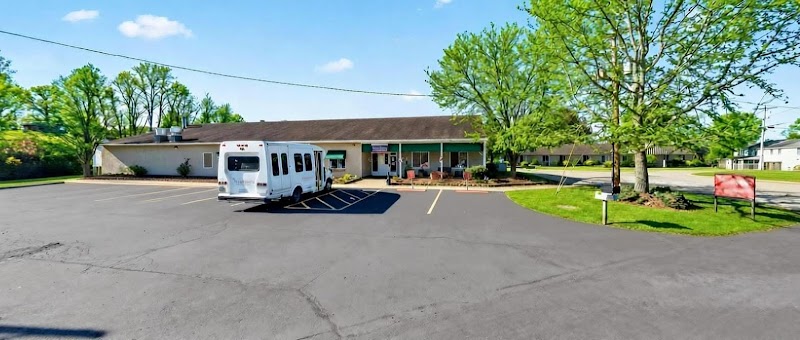
How Does Waynesburg Nursing And Rehab Compare to Other Pennsylvania Nursing Homes?

Compared to the 100 nursing homes in Pennsylvania, WAYNESBURG NURSING AND REHAB's overall rating (3 stars) matches the state average, staff turnover (38%) is near the state average of 46%, and health inspection rating (3 stars) is at the national benchmark.

What Should Families Ask When Visiting Waynesburg Nursing And Rehab?

Based on this facility's data, families visiting should ask: "Can I visit during a mealtime to observe dining assistance and food quality?" "How do you handle medical emergencies, and what is your hospital transfer rate?" "Can I speak with family members of current residents about their experience?"

Is Waynesburg Nursing And Rehab Safe?

Based on CMS inspection data, WAYNESBURG NURSING AND REHAB has a clean safety record: no substantiated abuse findings (meaning no confirmed cases of resident harm), no Immediate Jeopardy citations (the most serious violation level indicating risk of serious injury or death), and is not on the Special Focus Facility watch list (a federal program monitoring the lowest-performing 1% of nursing homes). The facility has a 3-star overall rating and ranks #1 of 100 nursing homes in Pennsylvania. While no facility is perfect, families should still ask about staff-to-resident ratios and recent inspection results during their visit.

Do Nurses at Waynesburg Nursing And Rehab Stick Around?

WAYNESBURG NURSING AND REHAB has a staff turnover rate of 38%, which is about average for Pennsylvania nursing homes (state average: 46%). Moderate turnover is common in nursing homes, but families should still ask about staff tenure and how the facility maintains care continuity when employees leave.

Was Waynesburg Nursing And Rehab Ever Fined?

WAYNESBURG NURSING AND REHAB has been fined $8,190 across 1 penalty action. This is below the Pennsylvania average of $33,161. While any fine indicates a compliance issue, fines under $50,000 are relatively common and typically reflect isolated problems that were subsequently corrected. Families should ask what specific issues led to these fines and confirm they've been resolved.

Is Waynesburg Nursing And Rehab on Any Federal Watch List?

WAYNESBURG NURSING AND REHAB is not on any federal watch list. The most significant is the Special Focus Facility (SFF) program, which identifies the bottom 1% of nursing homes nationally based on persistent, serious quality problems. Not being on this list means the facility has avoided the pattern of deficiencies that triggers enhanced federal oversight. This is a positive indicator, though families should still review the facility's inspection history directly.