WECARE AT ROLLING MEADOWS REHAB AND NURSING CE
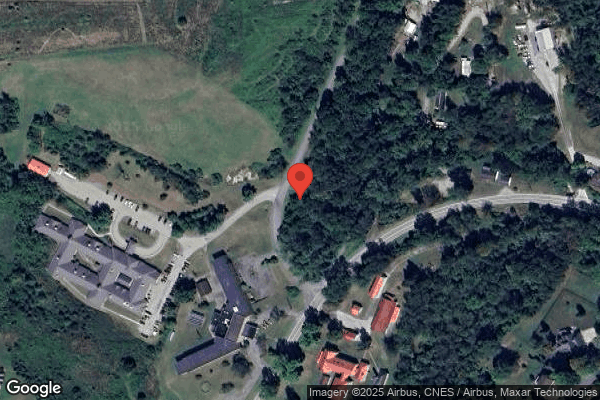
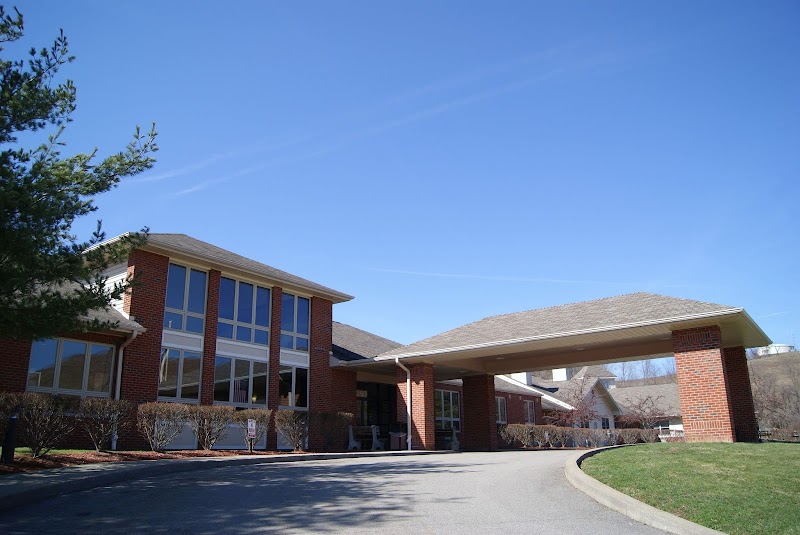
107 CURRY ROAD, WAYNESBURG, PA 15370 (724) 627-3153
For profit - Corporation 121 Beds WECARE CENTERS Data: November 2025
Trust Grade
55/100
#508 of 653 in PA
Last Inspection: September 2024

Within standard 12-15 month inspection cycle. Federal law requires annual inspections.

Overview

WeCare at Rolling Meadows Rehab and Nursing Center has a Trust Grade of C, indicating that it is average compared to other facilities. It ranks #508 out of 653 in Pennsylvania, placing it in the bottom half, and #2 out of 2 in Greene County, meaning there is only one other local option that is better. The facility is experiencing a worsening trend, with issues increasing from 4 in 2024 to 8 in 2025. Staffing is a relative strength, rated at 3 out of 5 stars with a turnover rate of 37%, which is better than the state average. However, there are several concerns, including a lack of a full-time dietary services manager, insufficient dietary staff leading to potential service issues, and the absence of a qualified infection control individual, which could pose risks to residents' health. On a positive note, the facility has not incurred any fines, which is a good sign.

Trust Score
C
55/100
In Pennsylvania
#508/653
Bottom 23%
Safety Record
Low Risk
No red flags
Inspections
Getting Worse
4 → 8 violations
Staff Stability
○ Average
37% turnover. Near Pennsylvania's 48% average. Typical for the industry.
Penalties
✓ Good
No fines on record. Clean compliance history, better than most Pennsylvania facilities.
Skilled Nurses
○ Average
Each resident gets 30 minutes of Registered Nurse (RN) attention daily — about average for Pennsylvania. RNs are the most trained staff who monitor for health changes.
Violations
⚠ Watch
19 deficiencies on record. Higher than average. Multiple issues found across inspections.
★★☆☆☆
2.0
Overall Rating
★★★☆☆
3.0
Staff Levels
★★★★☆
4.0
Care Quality
★★☆☆☆
2.0
Inspection Score
Stable
2024: 4 issues
2025: 8 issues

The Good

  • 4-Star Quality Measures · Strong clinical quality outcomes
  • Full Sprinkler Coverage · Fire safety systems throughout facility
  • No fines on record
  • Staff turnover below average (37%)

    11 points below Pennsylvania average of 48%

Facility shows strength in quality measures, fire safety.

The Bad

2-Star Overall Rating

Below Pennsylvania average (3.0)

Below average - review inspection findings carefully

Staff Turnover: 37%

Near Pennsylvania avg (46%)

Typical for the industry

Chain: WECARE CENTERS

Part of a multi-facility chain

Ask about local staffing decisions and management

The Ugly 19 deficiencies on record

Sept 2025 6 deficiencies
CONCERN (D) 📢 Someone Reported This

A family member, employee, or ombudsman was alarmed enough to file a formal complaint

Potential for Harm - no one hurt, but risky conditions existed

Infection Control (Tag F0880)

Could have caused harm · This affected 1 resident

**NOTE- TERMS IN BRACKETS HAVE BEEN EDITED TO PROTECT CONFIDENTIALITY** Based on review of facility policies and clinical records, observations, and staff interviews, it was determined that the facili...

Read full inspector narrative →
**NOTE- TERMS IN BRACKETS HAVE BEEN EDITED TO PROTECT CONFIDENTIALITY** Based on review of facility policies and clinical records, observations, and staff interviews, it was determined that the facility failed to ensure enhanced barrier precautions (EBP) were implemented for one of four residents (Resident R69).Findings include: Review of facility policy Enhanced Barrier Precautions dated 1/21/25, indicated the facility will implement enhanced barrier precautions for the prevention of transmission of multidrug-resistant organisms (MDRO). Examples of high-contact resident care activities requiring the use of gown and gloves for EBP's include wound care (any surgical wound requiring a dressing, any pressure injury that is a Stage 2, 3, 4, unstageable or Deep tissue injury requiring a dressing, and lacerations that require a dressing). A review of the clinical record indicated Resident R69 was admitted to the facility on [DATE]. A review of Resident R69's Minimum Data Set (MDS - a periodic assessment of care needs) dated 7/1/25, indicated diagnoses of high blood pressure, heart failure (heart doesn't pump blood as well as it should), and atrial fibrillation (irregular heart rhythm). A review of Resident R69's Skin and Wound Note dated 9/9/25, revealed that a pressure injury - stage Unstageable (a full-thickness skin and tissue loss that is fully or partially covered by slough (yellowish-white, dead tissue) or eschar (black hard crust) was present on Resident R69's sacrum. A review of Resident R69's current physician order dated 9/3/25, indicated Dakins (a diluted antiseptic solution used to cleanse and prevent infection in wounds, ulcers and burns) quarter strength External Solution apply to sacrum topically every day shift for pressure injury. Cleanse area with Dakins solution, pack wound with Dakins soaked gauze andcover with bordered gauze. A review of Resident R69's clinical record and direct observation of Resident R69's room on 9/10/25, revealed no evidence that the facility implemented Enhanced Barrier Precautions (EBP) for Resident R69 due to current pressure ulcer. During a wound observation on 9/10/25, at 10:00 a.m. Licensed Practical Nurse (LPN) Employee E2 failed to don a gown prior to the dressing change as required by EBP. During an interview on 9/10/25, at 10:45 a.m., the Director of Nursing confirmed that the facility failed to implement EBP's for Resident R69 as required. 28 Pa. Code: 201.14 (a) Responsibility of licensee.28 Pa. Code: 201.18 (b)(1)(e)(1) Management.28 Pa. Code: 211.10 (d) Resident care policies.28 Pa. Code: 211.12 (d)(1)(2)(5) Nursing services.
CONCERN (E) 📢 Someone Reported This

A family member, employee, or ombudsman was alarmed enough to file a formal complaint

Potential for Harm - no one hurt, but risky conditions existed

Safe Environment (Tag F0584)

Could have caused harm · This affected multiple residents

Based on observations, review of facility policy, resident, and staff interviews, it was determined that the facility failed to provide a safe, clean, comfortable, and homelike environment on two of t...

Read full inspector narrative →
Based on observations, review of facility policy, resident, and staff interviews, it was determined that the facility failed to provide a safe, clean, comfortable, and homelike environment on two of two nursing units (A and B nursing units). Based on observations, review of facility policy, resident, and staff interview, it was determined that the facility failed to provide a safe, clean, comfortable, and homelike environment on two of two nursing units (A and B Nursing Units). Findings include: Review of the facility policy Homelike Environment dated 1/21/25, indicated in part the facility staff and management maximize, to the extent possible, the characteristics of the facility that reflect a personalized, homelike setting. These characteristics include clean bed and bath linens that are in good condition. During an interview on 9/11/25, from 11:29 a.m., through 12:25 p.m., Licensed Practical Nurse Employee E3 and Nurse Aide Employee E4 stated that they had wipes before and now the facility took them away, washcloths are to be used but staff will not reuse a washcloth on a person's face after the day before it was used to wash another resident's private areas. Staff often throw away washcloths after used on a resident's private parts when they are bathed. During an observation on 9/11/25, at 1:00 p.m., the A and B nursing unit linen carts were observed to have three to five wash cloths available for use. During an interview on 9/11/25, at 1:42 p.m., Laundry staff employees E5 and E6 stated that the facility has provided additional washcloths for staff to use however, the staff are throwing them away and it's difficult to maintain a certain number on linen carts for resident use. During an interview on 9/12/25 at 12:20 p.m., the Nursing Home Administrator stated that he is aware staff throwing away washcloths and has attempted to keep stocked. The facility failed to provide a safe, comfortable and homelike environment for the residents of the first and second floor nursing units. During an interview on 9/12/25, at 12:20 p.m., the Corporate Regional Clinical Director Employee E7 stated I told them about the need for wipes. During observations of the A wing nursing units on 9/9/25 from 9:30 a.m., through 11:10 a.m., the following was observed: Residents R11 and R35's room had the bathroom floor trim lifting and under heater soiled. Residents R58 and R60 room had bathroom floor trim lifted and clothes cabinet by bathroom edges broken and sharp. Resident R14 room had broken area at bottom of clothes cabinet and the wall near the heater was scratched. Residents R31 and R10 room had lifted floorboards, and the toilet lid was lifted. Residents R54 and R42 room had floor trim lifted in room and in bathroom and the bathroom heater was dented leaving sharp edges. Residents R67 and R89 room had lifted floor trim and bathroom and a ceiling tile above sink missing. Residents R77 and R78 room had bathroom wall trim lifted. The sink area in the kitchenette had cabinet damage and a brown substance covering the edges. The septic drain in the hall was uneven leaving a potential tripping hazard. Residents R22 and R48 room had the covering of the wall lifting. Residents R39 and R76 room had area by bathroom wall damage. Residents R20 and R57 room had the bathroom flooring completely lifting and water damaged, leaving tripping hazards and a moldy odor, Resident R57 stated that it's been like that, and the odor gets worse with the door closed. The wall trim in the room needing repaired. Residents R72 and R2 room had scraped wall by heater and cabinet and the bathroom door needing repaired. During an interview on 9/9/25, at 11:10 a.m., Maintenance Director Employee E1 confirmed that the facility failed to provide a safe, clean, comfortable, and homelike environment on two of two nursing units (A and B Nursing Units). During a tour of the B side Unit 9/9/25, between 9:30 a.m. and 10:00 a.m. the following were observed: - Resident R59's wall had gouges in it.- Resident R82's bathroom flooring with cracks approximately 1/4 inch wide in multiple areas.- Resident R83's wall with gouges in it behind the bed.- Resident R104's wall with a big white plastered spot unpainted by the door. During an interview and tour on 9/9/25, at 11:13 a.m. Maintenance Director Employee E1 confirmed the above findings. During an interview on 9/12/25/25, at 11:00 a.m. the Nursing Home Administrator confirmed that the facility failed to maintain a homelike environment on 28 Pa. Code: 201.18(b)(3) Management 28 Pa. Code: 207.2(a) Administrator's responsibility. 28 Pa. Code: 201.29(k) Resident rights.
CONCERN (E) 📢 Someone Reported This

A family member, employee, or ombudsman was alarmed enough to file a formal complaint

Potential for Harm - no one hurt, but risky conditions existed

Deficiency F0806 (Tag F0806)

Could have caused harm · This affected multiple residents

Based on a review of facility policy, resident interviews, resident council meeting, resident choice menu selections, and meal observations, it was determined that the facility failed to provide resid...

Read full inspector narrative →
Based on a review of facility policy, resident interviews, resident council meeting, resident choice menu selections, and meal observations, it was determined that the facility failed to provide resident selected menu items for 12 of 12 residents (Resident R6, R8, R24, R43, R57, R101, R2, R500, R501, R502, R503 and R504).Findings include: Review of the facility policy Resident Food Preferences, dated 1/21/25, indicated that individual food preferences will be assessed upon admission and communicated to the interdisciplinary team. Modifications to diet will only be ordered with the resident's or representative's consent.During an interview on 9/9/25, at 10:08 a.m., with Residents R6, R24 and R101, indicated that the dietary department does not serve all items on ticket and cannot get an alternate if requested.During an interview on 9/9/25, at 10:15 a.m., Resident R57 stated the facility serves a lot of rice and eggs. Cannot get alternate if requested.During the resident council meeting on 9/10/25, at 11:15 a.m., the consensus of the group indicated that last night French fries were to be served, and some received mashed potatoes instead. If you're supposed to have 12 items on your tray, you may get six. For breakfast you may get a hard piece of unbuttered toast and a hardboiled egg.During an interview on 9/11/25, at 11:40 a.m., Licensed Practical Nurse (LPN) Employee E3 and Nurse Aide (NA) Employee E4 stated that the food carts are often late, and residents do not get everything they are supposed to on their trays.During an observation on 9/11/25, at 12:17 p.m., Resident R43 was to receive a carton of 2% milk and a can of diet cola, these items were not on her tray. Resident R43 stated this always happens. During an observation on 9/11/25, at 12:21 p.m., Resident R8 was to receive a packet of Ms. Dash and a diet ginger ale, these items were not on her tray. I am always missing things on my tray. During an interview on 9/11/25, at 2:26 p.m., the Nursing Home Administrator confirmed that the facility failed to provide resident selected menu items for 12 of 12 residents (Resident R6, R8, R24, R43, R57, R101, R2, R500, R501, R502, R503 and R504). 28 Pa. Code 201.18(e)(6) Management.28 Pa Code: 211.6(a) Dietary service.
CONCERN (F) 📢 Someone Reported This

A family member, employee, or ombudsman was alarmed enough to file a formal complaint

Potential for Harm - no one hurt, but risky conditions existed

Deficiency F0801 (Tag F0801)

Could have caused harm · This affected most or all residents

Based on review of job descriptions, and staff interviews, it was determined that the facility failed to employ a full-time qualified dietary services manager in the absence of a full-time qualified d...

Read full inspector narrative →
Based on review of job descriptions, and staff interviews, it was determined that the facility failed to employ a full-time qualified dietary services manager in the absence of a full-time qualified dietitian. Findings include:Review of the job description for Registered Dietician (RD) indicated the primary purpose in this position is to plan, organize, coordinate, and evaluate the nutritional components of dietary services for the facility. The essential job function includes the following: -Counsels residents, their responsible parties and facility staff on sound nutritional practices to promote food health. -Oversees the duties and functions of the Dietary Manager and other staff as instructed by the facility.Review of the job description for Food Service Director indicated the primary purpose in this position is to plan, organize, develop, and direct the overall operation of the Food Services department.During an interview on 9/9/25, at 9:40 a.m. [NAME] Employee E16 confirmed there was not a Dietary Manager at the facility. A new dietary manager was hired and starting orientation on 9/9/25. They stated there has not been a dietary manager in the kitchen for two weeks.During an interview on 9/9/25, at 9:49 the new Dietary Manager Employee E17 stated she started the Dietary Manager position on 9/9/25. She stated that she currently did not have her CDM (Certified Dietary Manager) and was not currently enrolled in the program. She had her ServSafe certification.During an interview on 9/9/25, at 10:50 a.m. the Nursing Home Administrator confirmed there was not a full-time dietitian employed at the facility and that the facility did not employ a qualified dietary manager in the absence of a full-time dietitian.
CONCERN (F) 📢 Someone Reported This

A family member, employee, or ombudsman was alarmed enough to file a formal complaint

Potential for Harm - no one hurt, but risky conditions existed

Deficiency F0802 (Tag F0802)

Could have caused harm · This affected most or all residents

Based on observations, and staff interviews, it was determined that the facility failed to provide sufficient dietary staff to perform essential kitchen duties.Based on observation and staff interview...

Read full inspector narrative →
Based on observations, and staff interviews, it was determined that the facility failed to provide sufficient dietary staff to perform essential kitchen duties.Based on observation and staff interviews, it was determined that the facility failed to have sufficient dietary staff to perform essential kitchen duties.Findings include:Review of facility dietary department policy Master Staffing Plan reviewed 1/20/25, indicated the dietary department is adequately staffed to provide safe, high quality food service to residents. Staffing levels will be developed by the administrator and the department management team.During an interview on 9/9/25, at 9:40 a.m. [NAME] Employee E16 stated sometimes the facility only has two or three staff members in the kitchen to serve 110 residents (census on 9/9/25). They stated sometimes someone from housekeeping comes and helps them in the kitchen. They stated lunch tray line was supposed to start at 11:15 a.m.During an observation on 9/9/25, at 9:42 a.m. three employees were noted to be working the day shift on 9/9/25. [NAME] Employee E16, Dietary Aid Employee E18, and Dietary Aid Employee E19.Review of the posted tray delivery times indicated that the main dining room is to be served first at 11:30 a.m., for lunch meal.During an observation on 9/11/25, at 11:15 a.m. lunch tray line was delayed due to a breakfast cart that was not cleaned out of soiled resident breakfast trays that morning. Dietary Aid Employee E18 was in the process of emptying the soiled breakfast cart. Tray line began at 11:52 a.m. The trays for the residents in the dining room left the kitchen at 12:08 p.m. During an observation on 9/11/25, from 11:30 a.m., through 12:17 p.m., of the main dining room identified 12 residents sitting waiting for their lunch meals.During an interview on 9/11/25, at 11:40 a.m., Licensed Practical Nurse (LPN) Employee E3 and Nurse Aide (NA) Employee E4 stated that the food carts are often late, and residents do not get everything they are supposed to on their trays.During an observation on 9/11/25, at 11:45 a.m., LPN Employee E3 went to get cookies for five of the 12 residents as they had been given insulin and the dietary department staff indicated that the trays would be delivered late. During an interview on 9/11/25, at 11:47 a.m., LPN Employee E3 stated that if the dietary department is serving late, they should let staff know to be able to hold insulin for residents going to the dining room so there is not a problem. LPN Employee E3 stated often there is only a spoon for residents to eat their breakfast in the morning as there is not enough silverware.During an observation on 9/11/25, at 12:17 p.m., the dining room cart was delivered, 45 minutes late. The staff delivering the cart was identified as Environmental Services Employee E8, who stated the kitchen does not have enough staff so I came to help.During an interview on 9/11/25, at 11:50 a.m., the Nursing Home Administrator confirmed that the meals are late due to low staffing in the kitchen.28 Pa. Code 201.18(e)(6) Management.28 Pa. Code 201.20(b) Staff Development.
CONCERN (F) 📢 Someone Reported This

A family member, employee, or ombudsman was alarmed enough to file a formal complaint

Potential for Harm - no one hurt, but risky conditions existed

Deficiency F0882 (Tag F0882)

Could have caused harm · This affected most or all residents

Based on a review of select facility policy and staff interview, it was determined the facility failed to designate a qualified individual(s) onsite, who is responsible for implementing programs and a...

Read full inspector narrative →
Based on a review of select facility policy and staff interview, it was determined the facility failed to designate a qualified individual(s) onsite, who is responsible for implementing programs and activities to prevent and control infections. Findings include:During an interview on 9/9/25, at 9:08 a.m., the Director of Nursing (DON) stated that the facility just hired the Infection Control Nurse and that she is not trained and that the DON is acting as the Infection Control Nurse at this time, as she has the training. The DON confirmed that the facility failed to designate a qualified individual(s) onsite, who is responsible for implementing programs and activities to prevent and control infections. 28 Pa. Code: 201.14(a) Responsibility of licensee.28 Pa. Code: 201.18(b)(1)(e)(1) Management.28 Pa. Code: 201.19(3) Personnel records.28 Pa. Code: 211.12(d)(1)(2)(3)(5) Nursing services.
Mar 2025 2 deficiencies
CONCERN (E) 📢 Someone Reported This

A family member, employee, or ombudsman was alarmed enough to file a formal complaint

Potential for Harm - no one hurt, but risky conditions existed

Deficiency F0801 (Tag F0801)

Could have caused harm · This affected multiple residents

Based on staff interviews and observations, it was determined that the facility failed to employ staff with the appropriate competencies and skills to carry out the daily functions of the food and nut...

Read full inspector narrative →
Based on staff interviews and observations, it was determined that the facility failed to employ staff with the appropriate competencies and skills to carry out the daily functions of the food and nutrition services department. Finding include: During an interview on 3/27/25, at 8:33 a.m., the Nursing Home Administrator (NHA) confirmed that the facility currently did not have a Dietary Manager and a Dietary Manager from South Hills facility has been ordering the facility food. The NHA stated that the remote Dietician who covers the facility is there a weekly. The Regional Dietician will be coming in the facility but this will be her second visit since the last Dietary Manager quit. The NHA stated that he has cooked evening meals and the Maintenance Director has been helping when able. The NHA stated that if an immediate food item is needed he goes to Walmart. The previous Dietary Manager was terminated on 2/18/25, per facility staffing records. During an observation on 3/27/25, at 8:43 a.m., staff in the kitchen indicated they did not have a Dietary Manager and that a Dietary Manager from another facility was ordering food and came in occasionally. A list of needed food items is on a whiteboard for her to order foods needed. During a phone interview on 3/27/25, the South Hills Dietary Manager stated that she orders the facility food every two weeks and asks staff to keep a list of needed items. During an interview on 3/27/25, at 8:33 a.m., the Nursing Home Administrator confirmed that the facility did not possess the qualifications of a Certified Dietary Manager as required. 28 Pa. Code: 211.6(c)(d) Dietary services.
CONCERN (E) 📢 Someone Reported This

A family member, employee, or ombudsman was alarmed enough to file a formal complaint

Potential for Harm - no one hurt, but risky conditions existed

Social Worker (Tag F0850)

Could have caused harm · This affected multiple residents

Based on review of facility files and an interview with the Nursing Home Administator, it was determined that the facility failed to employ a qualified social worker. Findings include: Review of the s...

Read full inspector narrative →
Based on review of facility files and an interview with the Nursing Home Administator, it was determined that the facility failed to employ a qualified social worker. Findings include: Review of the staffing records indicated that the previous Social Worker was terminated on 2/24/25, and the facility has been without a qualified Social Worker in the position since. During interview with the Nursing Home Administrator on 3/27/25, at 8:45 a.m., the Nursing Home Administrator confirmed that the facility failed to employ a qualified social worker. Pa Code 211.16. Social Services. Pa Code 201.14 (a)Responsibility of licensee.
Sept 2024 3 deficiencies
CONCERN (D)

Potential for Harm - no one hurt, but risky conditions existed

Pressure Ulcer Prevention (Tag F0686)

Could have caused harm · This affected 1 resident

**NOTE- TERMS IN BRACKETS HAVE BEEN EDITED TO PROTECT CONFIDENTIALITY** Based on review of facility policy, clinical record review, and staff interview, it was determined that the facility failed to p...

Read full inspector narrative →
**NOTE- TERMS IN BRACKETS HAVE BEEN EDITED TO PROTECT CONFIDENTIALITY** Based on review of facility policy, clinical record review, and staff interview, it was determined that the facility failed to provide prescribed treatment and services related to the care of pressure ulcers for one of three residents (Resident R82). Findings include: Review of the facility policy Pressure Ulcers / Skin Breakdown dated 3/28/23, indicated the physician will help identify factors contributing or predisposing residents to skin breakdown. Review of the clinical record indicated Resident R82 was admitted to the facility on [DATE]. Review of the Minimum Data Set (MDS - periodic assessment of care needs) dated 8/3/24, included the diagnoses of history of a stroke, hemiplegia (paralysis on one side of the body), muscle weakness, and the need for assistance with personal care. Review of Section GG - Functional Abilities and Goals indicated that Resident R82 required substantial/maximal assistance (Helper does more than half the effort. Helper lifts or holds trunk or limbs and provides more than half the effort) to roll left and right. Review of Section M - Skin Conditions indicated that Resident R82 was at risk for pressure ulcer development and that Resident R82 had one unhealed, Stage II pressure ulcer (partial-thickness skin loss with exposed middle layer of skin) and Stage III pressure ulcer (full-thickness loss of skin, in which fat is visible in the ulcer and granulation tissue. Slough and/or eschar may be visible). Review Resident R82's care plan dated 12/27/23, for risk Wound Risk, indicated for staff to encourage/remind/assist to turn/reposition as needed or requested. Review of Resident R82's [NAME] (document that outlines the patients' ADLs, continence levels, and behaviors, as well as physician, advanced directives, diet, and allergies) utilized by nurse aide staff as of 9/6/24, indicated for staff to encourage/remind/assist to turn/reposition as needed or requested. Review of a wound nurse practitioner's report dated 9/3/24, indicated Resident R82 had a Stage II pressure ulcer that had developed in the facility on 7/17/24. Review of a physician's order dated 3/6/24, indicated for staff to Encourage and Assist Resident To Turn and Reposition Every 2 Hours. Observations were completed on: -9/4/24, at approximately 11:30 a.m. and 12:28 p.m. -9/5/24, at approximately 10:18 a.m., 12:55 p.m., and 2:09 p.m. -9/6/24, at approximately 10:15 a.m. and 12:17 p.m. During the above observations, Resident R82 was lying on the bed, on his back, with the head of the bead slightly elevated. During these observations a positioning wedge was noted to be on a chair in the room, not utilized. Review of Resident R82's physician's orders failed to include an order for a positioning wedge. During an interview on 9/6/24, at 11:22 a.m. the Director of Nursing confirmed the facility failed to assist Resident R82 to turn and reposition, and further confirmed the facility failed to provide prescribed treatment and services related to the care of pressure ulcers for one of three residents. 28. Pa Code 201.18(b)(1)(e)(1) Management. 28 Pa. Code: 211.10(d) Resident care policies. 28 Pa. Code: 211.12(d)(1)(5) Nursing services.
CONCERN (E)

Potential for Harm - no one hurt, but risky conditions existed

Assessment Accuracy (Tag F0641)

Could have caused harm · This affected multiple residents

Based on review of the Resident Assessment Instrument User's Manual, clinical records, and staff interview, it was determined that the facility failed to make certain that comprehensive Minimum Data S...

Read full inspector narrative →
Based on review of the Resident Assessment Instrument User's Manual, clinical records, and staff interview, it was determined that the facility failed to make certain that comprehensive Minimum Data Set assessments were completed accurately for nine of 11 residents (Resident R3, R39, R71, R72, R73, R74, R79, R82, and R83). Findings include: The Long-Term Care Facility Resident Assessment Instrument (RAI) User's Manual, which gives instructions for completing Minimum Data Set Assessments (MDS - periodic assessment of care needs) dated October 2023 indicated: -Section C, C0100, Brief Interview for Mental Status: Resident interview should be conducted because the resident is at least sometimes understood verbally, in writing, or using another method, and if an interpreter is needed, one is available. -Section D, D0100, Resident Mood Interview: Resident interview should be conducted because the resident is at least sometimes understood verbally, in writing, or using another method, and if an interpreter is needed, one is available. -Resident R3 had an MDS completion date of 8/16/24. Review of Section B: Hearing, Speech, and Vision, Question B0700 indicated that Resident R3 is usually understood. Review of Section C: Cognitive Patterns, Question C0100 indicated that Resident R3 is rarely understood, and the BIMS assessment was not completed. Review of Section D: Mood, Question D0100 indicated that Resident R3 is rarely understood, and the Resident Mood Interview was not completed. -Resident R39 had an MDS completion date of 6/19/24. Review of Section B: Hearing, Speech, and Vision, Question B0700 indicated that Resident R39 is sometimes understood. Review of Section C: Cognitive Patterns, Question C0100 indicated that Resident R39 is rarely understood, and the BIMS assessment was not completed. Review of Section D: Mood, Question D0100 indicated that Resident R39 is rarely understood, and the Resident Mood Interview was not completed. -Resident R71 had an MDS completion date of 8/9/24. Review of Section B: Hearing, Speech, and Vision, Question B0700 indicated that Resident R71 is sometimes understood. Review of Section C: Cognitive Patterns, Question C0100 indicated that Resident R71 is rarely understood, and the BIMS assessment was not completed. Review of Section D: Mood, Question D0100 indicated that Resident R71 is rarely understood, and the Resident Mood Interview was not completed. -Resident R72 had an MDS completion date of 6/26/24. Review of Section B: Hearing, Speech, and Vision, Question B0700 indicated that Resident R72 is usually understood. Review of Section C: Cognitive Patterns, Question C0100 indicated that Resident R72 is rarely understood, and the BIMS assessment was not completed. Review of Section D: Mood, Question D0100 indicated that Resident R72 is rarely understood, and the Resident Mood Interview was not completed. -Resident R73 had an MDS completion date of 8/14/24. Review of Section B: Hearing, Speech, and Vision, Question B0700 indicated that Resident R73 is understood. Review of Section C: Cognitive Patterns, Question C0100 indicated that Resident R73 is rarely understood, and the BIMS assessment was not completed. Review of Section D: Mood, Question D0100 indicated that Resident R73 is rarely understood, and the Resident Mood Interview was not completed. -Resident R74 had an MDS completion date of 8/19/24. Review of Section B: Hearing, Speech, and Vision, Question B0700 indicated that Resident R74 is usually understood. Review of Section C: Cognitive Patterns, Question C0100 indicated that Resident R74 is rarely understood, and the BIMS assessment was not completed. Review of Section D: Mood, Question D0100 indicated that Resident R74 is rarely understood, and the Resident Mood Interview was not completed. -Resident R79 had an MDS completion date of 6/28/24. Review of Section B: Hearing, Speech, and Vision, Question B0700 indicated that Resident R79 is sometimes understood. Review of Section C: Cognitive Patterns, Question C0100 indicated that Resident R79 is rarely understood, and the BIMS assessment was not completed. Review of Section D: Mood, Question D0100 indicated that Resident R79 is rarely understood, and the Resident Mood Interview was not completed. -Resident R82 had an MDS completion date of 8/3/24. Review of Section B: Hearing, Speech, and Vision, Question B0700 indicated that Resident R82 is sometimes understood. Review of Section C: Cognitive Patterns, Question C0100 indicated that Resident R82 is rarely understood, and the BIMS assessment was not completed. Review of Section D: Mood, Question D0100 indicated that Resident R82 is rarely understood, and the Resident Mood Interview was not completed. -Resident R83 had an MDS completion date of 8/10/24. Review of Section B: Hearing, Speech, and Vision, Question B0700 indicated that Resident R83 is sometimes understood. Review of Section C: Cognitive Patterns, Question C0100 indicated that Resident R83 is rarely understood, and the BIMS assessment was not completed. Review of Section D: Mood, Question D0100 indicated that Resident R83 is rarely understood, and the Resident Mood Interview was not completed. During an interview on 9/6/24, at 11:18 a.m. the Registered Nurse Assessment Coordinator (RNAC) Employee E1 confirmed that the facility failed to make certain that MDS assessments were completed accurately for nine of eleven residents. 28 Pa. Code: 211.5(f) Clinical records.
MINOR (B)

Minor Issue - procedural, no safety impact

Deficiency F0944 (Tag F0944)

Minor procedural issue · This affected multiple residents

Based on review of facility policy and documents, and staff interview, it was determined that the facility failed to provide training on Quality Assurance and Performance Improvement (QAPI) for four o...

Read full inspector narrative →
Based on review of facility policy and documents, and staff interview, it was determined that the facility failed to provide training on Quality Assurance and Performance Improvement (QAPI) for four of ten staff members (Employees E2, E3, E4, and E5). Findings include: Review of the policy Inservice Training dated 3/28/23, indicated it is the policy of this facility that all staff must participate in initial orientation and annual in-service training. All staff are required to participate in regular in-service education. Review of the In-Service Training, All Staff updated August 2022, indicated the training program content at a minimum included QAPI. Review of facility provided documents and training record for E2, E3, E4, E5 revealed the following staff members did not have documented training on QAPI. Nurse Aide (NA) Employee E2 had a hire date of 6/14/99, failed to have QAPI in-service education between 6/14/23, and 6/14/24. Nurse Aide (NA) Employee E3 had a hire date of 7/17/23, failed to have QAPI in-service education between 7/17/23, and 7/17/24. NA Employee E4 had a hire date of 8/2/23, failed to have QAPI in-service education between 8/2/23, and 8/2/24. Central Supply Employee E5 had a hire date of 9/8/21, failed to have QAPI in-service education between 9/8/22, and 9/8/23. During an interview on 9/5/24, at approximately 12:40 p.m. the Director of Nursing confirmed that the facility failed to provide training on QAPI for four of ten staff members. 28 Pa Code: 201.14 (a) Responsibility of licensee.
Jul 2024 1 deficiency
CONCERN (E) 📢 Someone Reported This

A family member, employee, or ombudsman was alarmed enough to file a formal complaint

Potential for Harm - no one hurt, but risky conditions existed

Deficiency F0725 (Tag F0725)

Could have caused harm · This affected multiple residents

Based on review of facility policy and resident interviews and observations, it was determined that the facility failed to ensure sufficient staffing to meet resident need for ten of twelve residents ...

Read full inspector narrative →
Based on review of facility policy and resident interviews and observations, it was determined that the facility failed to ensure sufficient staffing to meet resident need for ten of twelve residents (Resident R1. R2, R3, R4, R5, R6, R7, R8, R9, and R10). Findings include: Review of the facility policy, Staffing dated 1/16/24, indicated the facility will provide adequate staffing to meet needed care and services for our resident population. During an interview on 7/18/24, at 10:54 a.m. Resident R1, when asked if she felt the facility had sufficient staff stated, No, they work too hard. During an interview and observation on 7/18/24, at 10:57 a.m. when asked if she felt the facility had sufficient staff stated, Nope. When asked if she received sufficient bathing, Resident R2 stated, This past week I got one. I only got one this week because they said they were short. When asked about call light response time, Resident R2 stated, There many times I've waited over an hour. During an observation on 7/18/24, at 11:02 a.m. a call light was heard to be alarming. State Agency asked Licensed Practical Nurse (LPN) Employee E1 where the call lights alarm. LPN Employee E1 displayed the panel on the wall, which revealed Resident R3's room alarming. LPN Employee E1 then returned to the nurses' station, where she and an additional staff member were seated. Neither staff member responded to Resident R3's call light. During an interview and observation on 7/18/24, at 11:06 a.m. Resident R4 was noted to have unkempt hair and facial hair. When asked if he preferred the beard, Resident R4 responded, I need a shave and a haircut too. It's been a while. During an interview on 7/18/24, at 11:09 a.m. Resident R5, when asked if he felt the facility had sufficient staff stated, No. When asked what she would like to see, if the facility had more staff, Resident R5 stated, Be able to spend more time on care. Don't get me wrong, the care is good, but rushed. During an interview on 7/18/24, at 11:15 a.m. Resident R6, when asked if he felt the facility had sufficient staff stated, They are short-handed. I feel bad for the girls, running around like chickens with their heads cut off. When asked about call light response, Resident R6 confirmed that it can be a little long. During an interview on 7/18/24, at 11:20 a.m. Resident R7, when asked if she felt the facility had sufficient staff stated, The girls are overworked. During an observation on 7/18/24, at 11:22 a.m. Resident R8 when asked if she felt the facility had sufficient staff stated, Sometimes there's not enough to care for the residents. Resident R8 was observed at this time as having facial hair that she was not assisted to remove. During an interview on 7/18/24, at 11:30 a.m. Resident R9, when asked if they felt the facility had sufficient staff stated, There could be more, I think. During an interview on 7/18/24, at 11:36 a.m. Resident R10, when asked about call light response stated, I put the light on, nobody comes. I'm waiting, waiting. I have to push the button again. That's not right. Review of two months of Resident Council minutes (May and June 2024) revealed that call light response was a concern in May 2024. During an interview on 7/18/24, at approximately 1:00 p.m. the Nursing Home Administrator and the Director of Nursing confirmed that the facility failed to ensure sufficient staffing to meet resident need for ten of twelve residents. 28 Pa. Code 201.14(a) Responsibility of licensee. 28 Pa. Code 211.12(d)(1)(3)(5) Nursing services.
Sept 2023 2 deficiencies
CONCERN (E)

Potential for Harm - no one hurt, but risky conditions existed

Infection Control (Tag F0880)

Could have caused harm · This affected multiple residents

Based on observations and interview, the facility failed to store medications in a safe and sanitary manner for three of four medication carts reviewed (Zone 1, Zone 2/4, and Zone 5). Findings include...

Read full inspector narrative →
Based on observations and interview, the facility failed to store medications in a safe and sanitary manner for three of four medication carts reviewed (Zone 1, Zone 2/4, and Zone 5). Findings include: Review of the facility policy Storage of Medications reviewed 3/28/23, indicated drugs are stored in the packaging, containers or other dispensing systems in which they are received. During an observation on 9/14/23, at 11:10 a.m., Zone 5 medication cart contained seven of 10 insulin pens in compartments not bagged, posing the risk of cross-contamination. During an interview at that time, Licensed Practical Nurse (LPN) Employee E2 confirmed the insulin pens were not bagged. During an observation on 9/14/23, at 11:20 a.m. Zone 1 medication cart contained one of three insulin pens were in a compartment not bagged, posing the risk of cross-contamination. During an interview at that time, LPN Employee E3 confirmed the insulin pen was not bagged. During an observation on 9/14/23, at 11:22 a.m. Zone 2/4 medication cart contained one of two insulin pens in a compartment not bagged, posing a risk of cross-contamination. During an interview at that time, LPN Employee E3 confirmed the insulin pen was not bagged. During an interview on 9/15/23 at 8:15 a.m. the Director of Nursing stated the facility received insulin pens in bags from the pharmacy, and confirmed the facility failed to prevent the risk of cross-contamination by storing insulin pens not bagged in the medication carts for Zone 1, Zone 2/4, and Zone 5. 28 Pa code 201.14(a)Responsibility of Licensee. 28 Pa code 211.12(d)(1) Nursing services.
CONCERN (F) 📢 Someone Reported This

A family member, employee, or ombudsman was alarmed enough to file a formal complaint

Potential for Harm - no one hurt, but risky conditions existed

Food Safety (Tag F0812)

Could have caused harm · This affected most or all residents

Based on review of facility policies, observations, and staff interviews it was determined that the facility failed to maintain sanitary conditions in the Main Kitchen. Findings Include: A review of t...

Read full inspector narrative →
Based on review of facility policies, observations, and staff interviews it was determined that the facility failed to maintain sanitary conditions in the Main Kitchen. Findings Include: A review of the facility policy Cleaning and Disinfecting of Environmental Surfaces, Dated 3/28/23, indicated environmental surfaces will be cleaned and disinfected according to CDC recommendations and OSHA standards. During observations in the main kitchen on 8/14/23, at 11:00 a.m. the following was observed: The floors in the main kitchen, walk in freezer and refrigerator had a buildup of brown and black substances, and brown and white dust. The beverage refrigerator and ice cream cooler had white streaks and smears on the glass surfaces. The tray drying rack near the three-compartment sink had brown debris and white dust on the bottom rack. The dishwashing machine had thick white streaks on the outer surface. The ceiling tiles above the food preparation area had fuzzy gray buildup and gray dust. During an interview on 8/14/23, at 12:30 p.m. the Dietary Manager Employee E1 confirmed the above observations and that the facility failed to maintain sanitary conditions in the main kitchen. 28 Pa. Code 211.6(c) Dietary services. 28 Pa. Code: 201.18(b)(1) Management.
Nov 2022 5 deficiencies
CONCERN (D)

Potential for Harm - no one hurt, but risky conditions existed

Deficiency F0554 (Tag F0554)

Could have caused harm · This affected 1 resident

**NOTE- TERMS IN BRACKETS HAVE BEEN EDITED TO PROTECT CONFIDENTIALITY** Based on review of facility policy and clinical record, observations and resident and staff interviews, it was determined that t...

Read full inspector narrative →
**NOTE- TERMS IN BRACKETS HAVE BEEN EDITED TO PROTECT CONFIDENTIALITY** Based on review of facility policy and clinical record, observations and resident and staff interviews, it was determined that the facility failed to determine it was safe to self administer medications for one of eight residents (Resident R70). Findings include: Review of facility policy Self Administration of Medications last updated 6/24/22, indicated if the resident does desire to self administer medications, the nurse will complete the medication self administration assessment, physician orders are obtained for self administration, the residents care plan will be initiated or updated to reflect self administration of medications. Review of Resident R70's Minimum Data Set (periodic review of care needs) dated 11/3/22, indicated she was admitted on [DATE], her Brief Interview of Mental Status (test of cognitive abilities) score was 15 (highest score possible) and her current diagnosis included seasonal allergies, high blood pressure and anxiety. Review of R70's physician order dated 7/27/22, indicated she was ordered Flonase (treats seasonal allergies) one spray in both nostrils one time a day, and did not include an order for self administration. Review of R70's clinical record did not include a self administration assessment, or care planning for self administration of medications. During an interview of Resident R70 on 11/7/22, at 11:21 a.m. the resident had her Flonase on her bedside table and indicated she used it to thin her phlegm. During a second interview of Resident R70 on 11/9/22, 10:28 a.m. the resident had her Flonase on her bedside table and indicated she used to thin her phlegm. During an interview of Resident R70's assigned nurse on 11/9/22, at 10:35 a.m. Licensed Practical Nurse Employee E6 confirmed that she left the Flonase in the residents room for her to self administer. During an interview on 11/10/22, at 10:35 a.m. the Director of Nursing confirmed that Resident R70 was self administering her Flonase and the facility failed to have a physician order for self administration, a self administration assessment, or care planning for self administration of medications. 28 Pa. Code 211.12(d)(1) Nursing Services. Previously cited 6/27/22. 28 Pa. Code 211.12(d)(2)(3) Nursing Services.
CONCERN (D)

Potential for Harm - no one hurt, but risky conditions existed

Quality of Care (Tag F0684)

Could have caused harm · This affected 1 resident

**NOTE- TERMS IN BRACKETS HAVE BEEN EDITED TO PROTECT CONFIDENTIALITY** Based on review of facility policy, clinical records, and staff interviews, it was determined that the facility failed to notify...

Read full inspector narrative →
**NOTE- TERMS IN BRACKETS HAVE BEEN EDITED TO PROTECT CONFIDENTIALITY** Based on review of facility policy, clinical records, and staff interviews, it was determined that the facility failed to notify physicians of increased and decreased Capillary Blood Glucose (CBG) levels, and failed to assess residents for hyperglycemia (high blood glucose) and hypoglycemia (low blood glucose), for two of six Residents (Residents R22, and R32). Findings include: The Centers for Disease Control defines diabetes as: Diabetes Mellitus is a chronic (long-lasting) health condition that affects how your body turns food into energy. Most of the food you eat is broken down into sugar (also called glucose) and released into your bloodstream. When your blood sugar goes up, it signals your pancreas to release insulin. Insulin acts like a key to let the blood sugar into your body's cells for use as energy. If you have diabetes, your body either doesn't make enough insulin or can't use the insulin it makes as well as it should. When there isn't enough insulin or cells stop responding to insulin, too much blood sugar stays in your bloodstream. Over time, that can cause serious health problems, such as heart disease, vision loss, and kidney disease. Hypoglycemia is a condition that occurs when blood glucose is lower than normal, usually below 70 milligrams per deciliter (mg/dl). If left untreated, hypoglycemia may lead to weakness, confusion, unconsciousness, arrhythmias and even death. People with Diabetes Mellitus may be prescribed injectable insulin to assist in maintaining acceptable levels of CBG's. Hyperglycemia, or high blood glucose, occurs when there is too much sugar in the blood. This happens when your body has too little insulin. Hyperglycemia is blood glucose greater than 125 mg/dL while fasting (not eating for at least eight hours, or a blood glucose greater than 180 mg/dL one to two hours after eating. If you have hyperglycemia and it's untreated for long periods of time, you can damage your nerves, blood vessels, tissues and organs. Damage to blood vessels can increase your risk of heart attack and stroke, and nerve damage may also lead to eye damage, kidney damage and non-healing wounds. Review of the facility policy Hypoglycemia - Diabetic Management last reviewed 6/24/22, indicated the charge nurse/unit manager will assess the resident's status, provide interventions, re-check the blood glucose in 15 minutes, notify the physician if indicated, and document the episode, assessment, and treatment in the nurse's progress notes. Review of the facility policy Hyperglycemia Management - Diabetes Management last reviewed 6/24/22, indicated the charge nurse/unit manager will assess the resident's status and notify the physician if blood glucose is over 350 or the prescribed parameters, re-check the blood glucose in one hour, and document the episode, assessment, and treatment in the nurse's progress notes. Review of the clinical record revealed Resident R22 was admitted to the facility on [DATE], with diagnoses that included diabetes, high blood pressure, and depression. Review of the Minimum Data Set (MDS - a mandated assessment of a resident's abilities and care needs) dated 11/4/22, indicated the diagnoses remain current. Review of a physician order dated 4/6/22, indicated to check CBG at bedtime, and Glucagon (a natural substance that raises blood sugar by causing the body to release sugar stored in the liver) Emergency kit 1 mg to be injected intramuscularly as needed for hypoglycemia below 70. Further review of a physician order dated 5/6/22, indicated to check CBG before meals with sliding scale insulin coverage. Review of the clinical record electronic Medication Administration Record (eMAR) revealed that the resident's CBG's were as follows: On 5/30/22, at 3:35 a.m., CBG was noted to be 53. On 5/30/22, at 4:11 p.m., CBG was noted to be 53. On 7/2/22, at 5:17 p.m., CBG was noted to be 65. On 7/9/22, at 9:09 p.m., CBG was noted to be 427. On 8/15/22, at 2:29 p.m., CBG was noted to be 63. On 8/24/22, at 6:13 p.m., CBG was noted to be 57. On 8/26/22, at 3:34 p.m., CBG was noted to be 54 On 9/24/22, at 4:39 p.m., CBG was noted to be 65. On 10/7/22, at 4:01 p.m., CBG was noted to be 59. On 10/8/22, at 3:39 p.m., CBG was noted to be 56. On 11/7/22, at 11:36 a.m., CBG was noted to be 68. Review of Resident R22's eMAR and clinical progress notes indicated the resident was not assessed for hypo/hyperglycemia, Glucagon was not administered as ordered, and the physician was not notified of abnormal results on the above listed dates. A review of the care plan dated 4/7/22, indicated to give diabetes medication as ordered and monitor/document side effects and effectiveness, and to monitor/document/report signs and symptoms of hyperglycemia and hypoglycemia to MD as needed. Review of a clinical record indicated Resident R32 was admitted to the facility on [DATE], with diagnoses that included diabetes, depression, anxiety, and high blood pressure. Review of the MDS dated [DATE], indicated the diagnoses remain current. Review of a physician order dated 2/11/22, indicated to check CBG before meals with sliding scale insulin coverage. Review of Resident R32's eMAR revealed that the resident's CBG's were as follows: On 5/10/22, at 4:33 p.m., CBG was noted to be 440. On 5/10/22, at 9:29 p.m., CBG was noted to be 440. On 5/11/22, at 4:53 p.m., CBG was noted to be 448. On 5/12/22, at 10:20 p.m., CBG was noted to be 439. On 5/13/22, at 8:56 p.m., CBG was noted to be 458. On 5/15/22, at 8:03 p.m., CBG was noted to be 435. On 5/18/22, at 8:45 p.m., CBG was noted to be 401. On 5/19/22, at 5:04 p.m., CBG was noted to be 433. On 5/19/22, at 9:36 p.m., CBG was noted to be 405. On 5/27/22, at 11:45 p.m., CBG was noted to be 408. On 5/28/22, at 8:13 p.m., CBG was noted to be 495. On 5/31/22, at 8:38 p.m., CBG was noted to be 416. On 6/1/22, at 10:35 a.m., CBG was noted to be 409. On 6/1/22, at 4:40 p.m., CBG was noted to be 414. On 6/1/22, at 8:05 p.m., CBG was noted to be 438. On 6/8/22, at 8:28 p.m., CBG was noted to be 439. On 6/16/22, at 7:59 a.m., CBG was noted to be 419. On 6/17/22, at 10:18 p.m., CBG was noted to be 439. Review of Resident R32's eMAR and clinical progress notes indicated the resident was not assessed for hyperglycemia, and the physician was not notified of abnormal results on the above listed dates. A review of Resident R32's care plan dated 10/1/21, indicated to give diabetes medication as ordered and monitor/document side effects and effectiveness, and to monitor/document/report signs and symptoms of hyperglycemia to MD as needed. During an interview on 11/10/22, at 10:30 a.m., the Director of Nursing confirmed the facility failed to document hypo/hyperglycemic episodes, failed to follow hypoglycemic protocols, and failed to notify the MD of changes in condition for Residents R22, and R32. 28 Pa. Code 201.18 (b)(1) Management 28 Pa. Code 201.29(d) Resident Rights 28 Pa. Code 211.10 (c) Resident Care policies 28 Pa. Code 211.10(d) Resident Care Policies 28 Pa. Code 211.12 (d)(1)(2)(3) Nursing services 28 Pa. Code 211.12 (d)(5) Nursing Services
CONCERN (D)

Potential for Harm - no one hurt, but risky conditions existed

Infection Control (Tag F0880)

Could have caused harm · This affected 1 resident

Based on review of facility policy, observation, and staff interview it was determined that the facility failed to prevent the potential for cross-contamination during glucometer usage for one of two ...

Read full inspector narrative →
Based on review of facility policy, observation, and staff interview it was determined that the facility failed to prevent the potential for cross-contamination during glucometer usage for one of two residents (Resident R54), and medication administration for one of two residents (Resident R72). Findings include: A review of the facility policy Blood Glucose Monitor Device Cleaning and Disinfecting last reviewed 6/24/22, indicated the blood glucose monitor equipment will be cleaned and disinfected between resident use, utilizing a disposable germicidal bleach wipe. A review of the facility policy Medication Administration last reviewed 6/24/22, indicated staff shall follow established infection control procedures (e.g. handwashing, antiseptic technique, gloves, etc.) for the administration of medications. During an observation 11/8/22, at 8:01 a.m. Licensed Practical Nurse (LPN) Employee E3 did not clean the glucometer prior to, or after using it to check Resident R54's blood sugar level. During an observation on 11/8/22, at 8:10 a.m. LPN Employee E3 broke a narcotic medication pill (Oxycodone) in half with her fingers and removed two acetaminophen (pain reliever) tablets from the medication bottle by tipping the bottle on its side and pulling them out, one at a time, with her one-inch-long fingernail when preparing medications for Resident R72. LPN Employee E3 was not wearing gloves and had failed to wash her hands between residents. During an interview on 11/8/22, at 8:25 a.m. LPN Employee E3 confirmed that she did not clean the glucometer, that she touched the medications with her hands, and failed to complete handwashing as required. During an interview on 11/10/22, at 10:30 a.m. the Director of Nursing confirmed that the facility failed to prevent the potential for cross-contamination during the use of the glucometer, and medication administration. 28 Pa. Code: §201.14 (a) Responsibility of licensee. 28 Pa. Code: §201.18 (b)(1)(e)(1) Management. 28 Pa. Code: §211.10 (d) Resident care policies. 28 Pa. Code: §211.12 (d)(1)(2)(3)(5) Nursing services.
CONCERN (E)

Potential for Harm - no one hurt, but risky conditions existed

Deficiency F0761 (Tag F0761)

Could have caused harm · This affected multiple residents

Based on review of facility policies, observations, and staff interviews it was determined that the facility failed to accurately label and date open medications, and secure medications in four of six...

Read full inspector narrative →
Based on review of facility policies, observations, and staff interviews it was determined that the facility failed to accurately label and date open medications, and secure medications in four of six medication carts and to store medications at the correct temperatures in one of two medication rooms (Medication carts Zone 1, 2/4, and 7, and Medication Room A). Findings include: Review of facility policy Medication Labels last reviewed 6/24/22, indicated labels are permanently affixed to the outside of the prescription containers. That each prescription label must include the residents name. Review of facility policy Medication Administration last reviewed 6/24/22, indicated when opening a multi-dose container, the date opened shall be recorded on the container, insulin pens will be clearly labeled with the resident's name. Review of facility policy Medication Storage - Med Cart last reviewed 6/24/22, indicated the medication carts must be securely locked at all times when out of the nurse's view, and when the medication cart is not being used, it must be locked and parked at the nurse's station or inside the medication room. During an observation of the Zone 7 medication cart on 11/8/22, at 8:05 a.m. the following was observed: - One Levemir flex pen (prefilled pen to inject long acting insulin under the skin) failed to contain a label with the residents name. - Five Novolog flex pens (prefilled pen to inject short acting insulin under the skin) failed to contain a label with the residents name. - One Lispro pen (prefilled pen to inject fast acting insulin under the skin) failed to contain a label with the residents name. During an interview of Licensed Practical Nurse (LPN) Employee E1 on 11/8/22, at 8:05 a.m. confirmed the above observation of the Zone 7 medication cart, and that the facility failed to label prefilled insulin pens with the residents name. During an observation of the Zone 2/4 medication cart on 11/8/22, at 8:20 a.m. the following OTC medications were observed open without a date of opening:: One bottle -magnesium oxide 400 milligrams (mg - supplement) One bottle -vitamin D3 25 micrograms (mcg - supplement) One bottle -docusate sodium 100 mg (stool softener) One bottle -omeprazole 20 mg (stomach acid reducer) One bottle -ibuprofen 200 mg (fever/pain relief) One bottle -melatonin 5 mg (sleep aid) Three bottles -multi-vitamin (supplement) One bottle - acetaminophen 500 mg (pain/fever relief) Two bottles -ferrous sulfate 324 mg (iron supplement) One bottle -senna 8.6 mg (stool softener) Two bottles -aspirin 81 mg (fever/pain relief) One bottle -folic acid 1mg (supplement) During an interview on 11/8/22, at 8:25 a.m. Licensed Practical Nurse Employee E3 confirmed the OTC medications were not dated when opened in Medication Cart Zone 2/4. During an observation on 11/9/22, at 10:39 a.m. Medication Cart Zone 2/4 was observed unattended and unlocked at the A side Nurse's Station. During an interview on 11/9/22, at 10:40 a.m. Licensed Practical Nurse Employee E4 confirmed she left the medication cart unattended and unlocked when not in use. During an interview on 11/10/22, at 10:35 a.m. the Director of Nursing confirmed that the facility failed ensure medications were accurately labeled with the residents and dated when opened, and medication carts were secured, and that medications were stored at the correct temperatures. 28 Pa. Code 211.9(a)(1) Pharmacy services. 28 Pa. Code 211.12(d)(1)(5) Nursing services.
CONCERN (F)

Potential for Harm - no one hurt, but risky conditions existed

Food Safety (Tag F0812)

Could have caused harm · This affected most or all residents

Based on review of facility policy, observations and staff interviews, it was determined that the facility failed to properly store food products in two of three storage areas in the main kitchen (dry...

Read full inspector narrative →
Based on review of facility policy, observations and staff interviews, it was determined that the facility failed to properly store food products in two of three storage areas in the main kitchen (dry storage, and freezer). Findings included: A review of facility policy Dry Food Policy dated 6/24/22, indicated food will be stored six inches from the floor, away from direct contact with walls and a minimum of 18 inches from the ceiling. A review of facility policy Food Storage - Refridgerators and Freezers dated 6/24/22, indicated food must be kept six inches off of the floor on an enclosed shelf. During an observation in the Main Kitchen on 11/7/22, at 9:04 a.m. the following was observed: - in the dry food storage room was one box was directly on the floor containing disposable bowls. - in the walk-in freezer there were two boxes stacked directly on the floor containing food products. During an interview on 11/7/22, at 9:10 a.m. the Kitchen Employee E2 confirmed that the facility failed to properly store supplies. 28 Pa. Code: 211.6(c) Dietary Services.
Understanding Severity Codes (click to expand)
Life-Threatening (Immediate Jeopardy)
J - Isolated K - Pattern L - Widespread
Actual Harm
G - Isolated H - Pattern I - Widespread
Potential for Harm
D - Isolated E - Pattern F - Widespread
No Harm (Minor)
A - Isolated B - Pattern C - Widespread

Questions to Ask on Your Visit

  • "Can I speak with families of current residents?"
  • "What's your RN coverage like on weekends and overnight?"

Our Honest Assessment

Strengths
  • • No major safety red flags. No abuse findings, life-threatening violations, or SFF status.
  • • No fines on record. Clean compliance history, better than most Pennsylvania facilities.
  • • 37% turnover. Below Pennsylvania's 48% average. Good staff retention means consistent care.
Concerns
  • • 19 deficiencies on record. Higher than average. Multiple issues found across inspections.
  • • Grade C (55/100). Below average facility with significant concerns.
Bottom line: Mixed indicators with Trust Score of 55/100. Visit in person and ask pointed questions.

About This Facility

What is Wecare At Rolling Meadows Rehab And Nursing Ce's CMS Rating?

CMS assigns WECARE AT ROLLING MEADOWS REHAB AND NURSING CE an overall rating of 2 out of 5 stars, which is considered below average nationally. Within Pennsylvania, this rating places the facility higher than 0% of the state's 100 nursing homes. A rating at this level reflects concerns identified through health inspections, staffing assessments, or quality measures that families should carefully consider.
How is Wecare At Rolling Meadows Rehab And Nursing Ce Staffed?

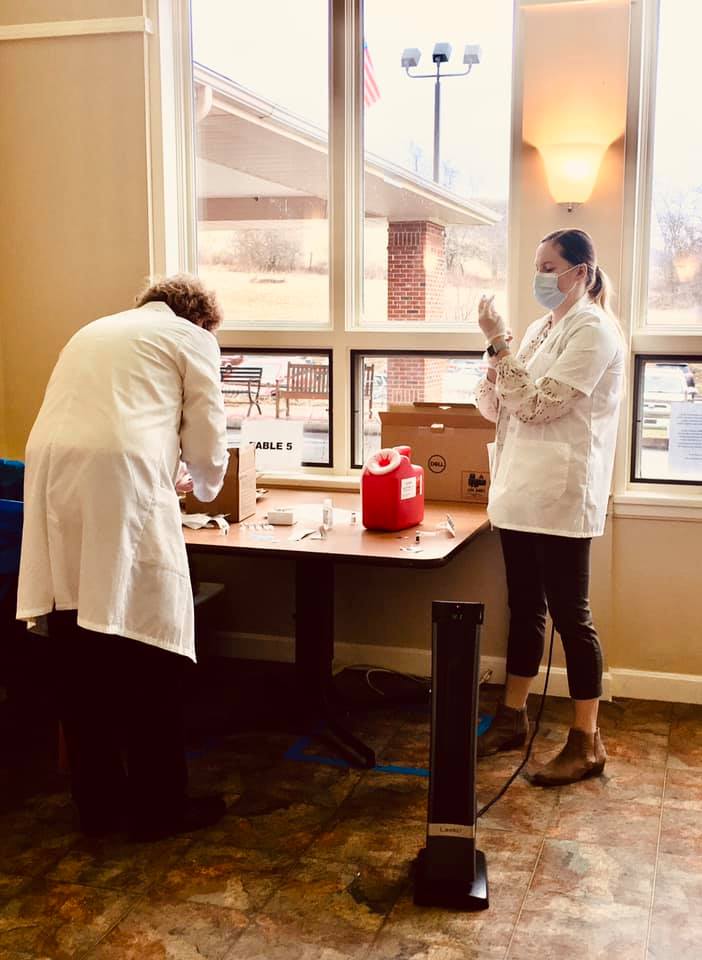
CMS rates WECARE AT ROLLING MEADOWS REHAB AND NURSING CE's staffing level at 3 out of 5 stars, which is average compared to other nursing homes. Staff turnover is 37%, compared to the Pennsylvania average of 46%. This relatively stable workforce can support continuity of care.

What Have Inspectors Found at Wecare At Rolling Meadows Rehab And Nursing Ce?

State health inspectors documented 19 deficiencies at WECARE AT ROLLING MEADOWS REHAB AND NURSING CE during 2022 to 2025. These included: 18 with potential for harm and 1 minor or isolated issues.
Who Owns and Operates Wecare At Rolling Meadows Rehab And Nursing Ce?

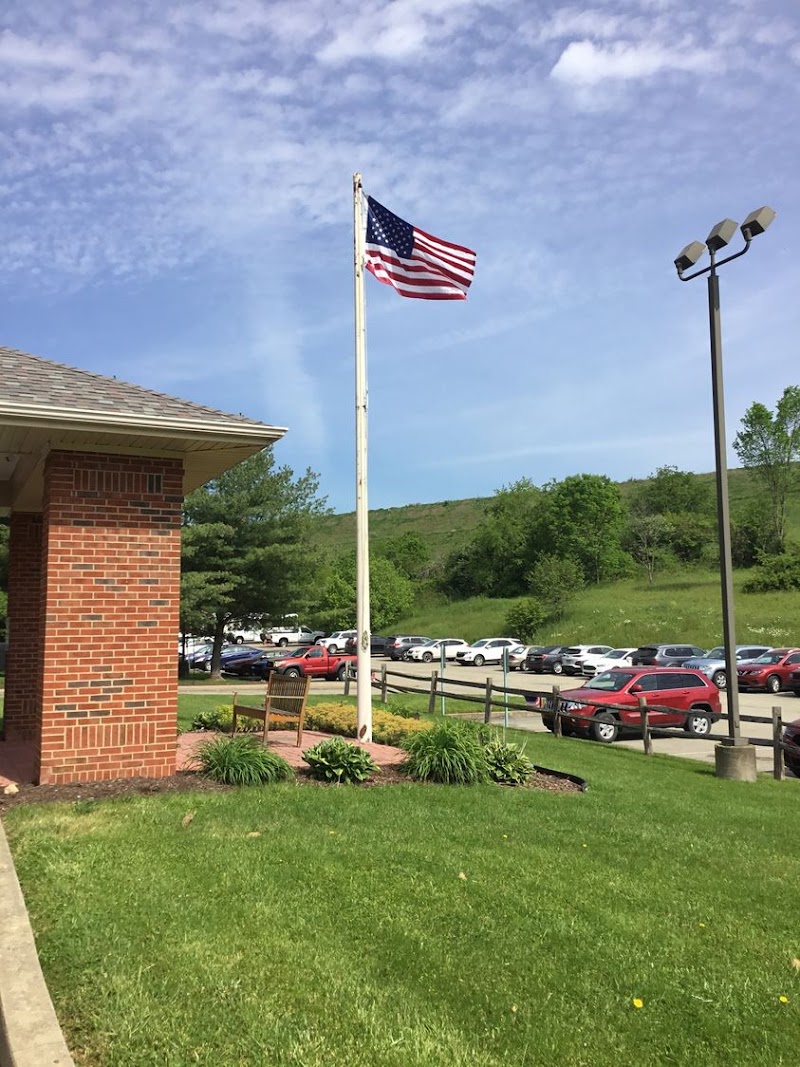
WECARE AT ROLLING MEADOWS REHAB AND NURSING CE is owned by a for-profit company. For-profit facilities operate as businesses with obligations to shareholders or private owners. The facility is operated by WECARE CENTERS, a chain that manages multiple nursing homes. With 121 certified beds and approximately 104 residents (about 86% occupancy), it is a mid-sized facility located in WAYNESBURG, Pennsylvania.
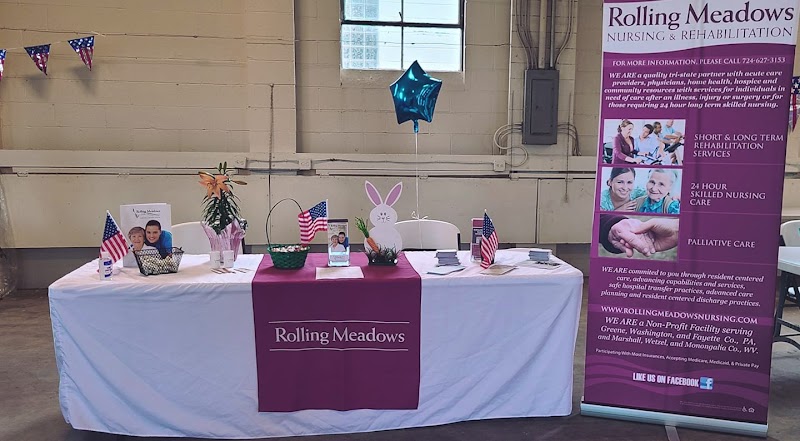
How Does Wecare At Rolling Meadows Rehab And Nursing Ce Compare to Other Pennsylvania Nursing Homes?

Compared to the 100 nursing homes in Pennsylvania, WECARE AT ROLLING MEADOWS REHAB AND NURSING CE's overall rating (2 stars) is below the state average of 3.0, staff turnover (37%) is near the state average of 46%, and health inspection rating (2 stars) is below the national benchmark.

What Should Families Ask When Visiting Wecare At Rolling Meadows Rehab And Nursing Ce?

Based on this facility's data, families visiting should ask: "Can I visit during a mealtime to observe dining assistance and food quality?" "How do you handle medical emergencies, and what is your hospital transfer rate?" "Can I speak with family members of current residents about their experience?"

Is Wecare At Rolling Meadows Rehab And Nursing Ce Safe?

Based on CMS inspection data, WECARE AT ROLLING MEADOWS REHAB AND NURSING CE has a clean safety record: no substantiated abuse findings (meaning no confirmed cases of resident harm), no Immediate Jeopardy citations (the most serious violation level indicating risk of serious injury or death), and is not on the Special Focus Facility watch list (a federal program monitoring the lowest-performing 1% of nursing homes). The facility has a 2-star overall rating and ranks #100 of 100 nursing homes in Pennsylvania. While no facility is perfect, families should still ask about staff-to-resident ratios and recent inspection results during their visit.

Do Nurses at Wecare At Rolling Meadows Rehab And Nursing Ce Stick Around?

WECARE AT ROLLING MEADOWS REHAB AND NURSING CE has a staff turnover rate of 37%, which is about average for Pennsylvania nursing homes (state average: 46%). Moderate turnover is common in nursing homes, but families should still ask about staff tenure and how the facility maintains care continuity when employees leave.

Was Wecare At Rolling Meadows Rehab And Nursing Ce Ever Fined?

WECARE AT ROLLING MEADOWS REHAB AND NURSING CE has no federal fines on record. CMS issues fines when nursing homes fail to meet care standards or don't correct problems found during inspections. The absence of fines suggests the facility has either maintained compliance or corrected any issues before penalties were assessed. This is a positive indicator, though families should still review recent inspection reports for the full picture.

Is Wecare At Rolling Meadows Rehab And Nursing Ce on Any Federal Watch List?

WECARE AT ROLLING MEADOWS REHAB AND NURSING CE is not on any federal watch list. The most significant is the Special Focus Facility (SFF) program, which identifies the bottom 1% of nursing homes nationally based on persistent, serious quality problems. Not being on this list means the facility has avoided the pattern of deficiencies that triggers enhanced federal oversight. This is a positive indicator, though families should still review the facility's inspection history directly.