FOREST HILLS REHABILITATION & HEALTHCARE CENTER
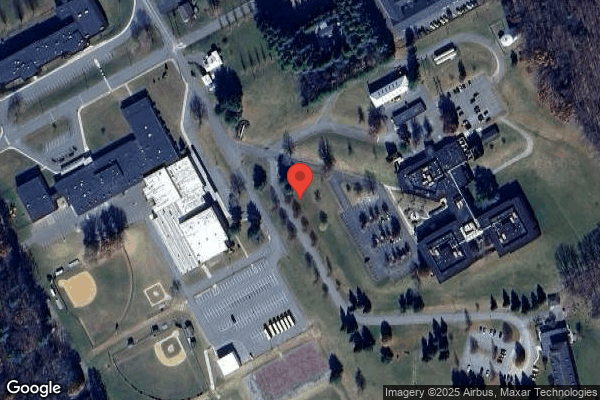
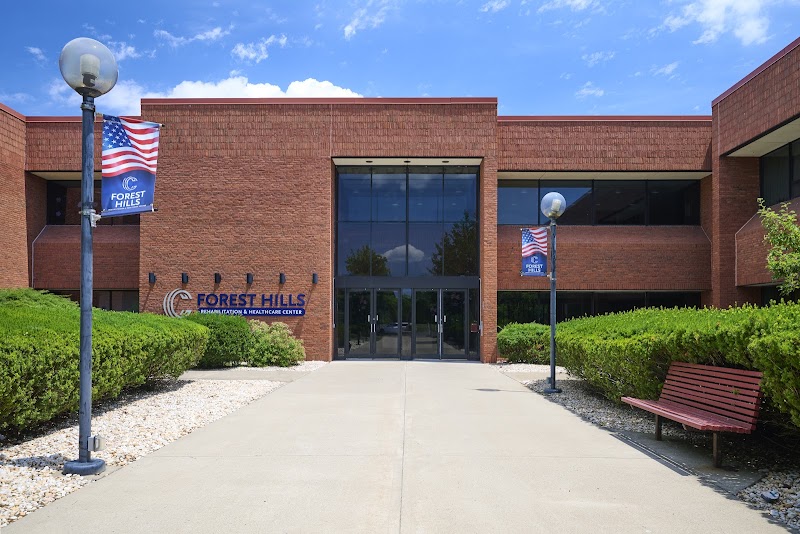
1000 EVERGREEN AVENUE, WEATHERLY, PA 18255 (570) 427-8683
For profit - Limited Liability company 200 Beds CENTURY HEALTHCARE Data: November 2025
Trust Grade
10/100
#421 of 653 in PA
Last Inspection: May 2025

Inspected within the last 6 months. Data reflects current conditions.

Overview

Forest Hills Rehabilitation & Healthcare Center has received a Trust Grade of F, indicating poor performance with significant concerns about care quality. Ranked #421 out of 653 facilities in Pennsylvania, they fall in the bottom half, and are the second-best option out of two in Carbon County. While the facility is showing some improvement, decreasing issues from 14 in 2024 to 8 in 2025, it still has a troubling history of serious incidents. Staffing is rated average with a 3/5 star rating, and although the turnover rate of 44% is slightly below the state average, the RN coverage is concerning as it is lower than 95% of Pennsylvania facilities. Families should be aware that the facility has incurred $81,760 in fines, indicating possible repeated compliance problems. Specific incidents include a resident being burned by hot liquids due to lack of assistance and another resident suffering a fractured hip after not receiving proper supervision. Overall, while there are some strengths in staffing stability, the facility has significant weaknesses that families should carefully consider.

Trust Score
F
10/100
In Pennsylvania
#421/653
Bottom 36%
Safety Record
High Risk
Review needed
Inspections
Getting Better
14 → 8 violations
Staff Stability
○ Average
44% turnover. Near Pennsylvania's 48% average. Typical for the industry.
Penalties
✓ Good
$81,760 in fines. Lower than most Pennsylvania facilities. Relatively clean record.
Skilled Nurses
⚠ Watch
Each resident gets only 22 minutes of Registered Nurse (RN) attention daily — below average for Pennsylvania. Fewer RN minutes means fewer trained eyes watching for problems.
Violations
⚠ Watch
43 deficiencies on record. Higher than average. Multiple issues found across inspections.
★★☆☆☆
2.0
Overall Rating
★★★☆☆
3.0
Staff Levels
★★★★☆
4.0
Care Quality
★★☆☆☆
2.0
Inspection Score
Stable
2024: 14 issues
2025: 8 issues

The Good

  • 4-Star Quality Measures · Strong clinical quality outcomes
  • Full Sprinkler Coverage · Fire safety systems throughout facility
  • No fines on record
  • Staff turnover below average (44%)

    4 points below Pennsylvania average of 48%

Facility shows strength in quality measures, fire safety.

The Bad

2-Star Overall Rating

Below Pennsylvania average (3.0)

Below average - review inspection findings carefully

Staff Turnover: 44%

Near Pennsylvania avg (46%)

Typical for the industry

Federal Fines: $81,760

Well above median ($33,413)

Moderate penalties - review what triggered them

Chain: CENTURY HEALTHCARE

Part of a multi-facility chain

Ask about local staffing decisions and management

The Ugly 43 deficiencies on record

3 actual harm
May 2025 7 deficiencies
CONCERN (D)

Potential for Harm - no one hurt, but risky conditions existed

Free from Abuse/Neglect (Tag F0600)

Could have caused harm · This affected 1 resident

**NOTE- TERMS IN BRACKETS HAVE BEEN EDITED TO PROTECT CONFIDENTIALITY** Based on review of the facility's abuse prohibition policy, clinical records, information submitted by the facility, and select ...

Read full inspector narrative →
**NOTE- TERMS IN BRACKETS HAVE BEEN EDITED TO PROTECT CONFIDENTIALITY** Based on review of the facility's abuse prohibition policy, clinical records, information submitted by the facility, and select investigative reports and staff interviews, it was determined the facility failed to assure that one resident (Resident 28) out of 36 sampled were free from physical abuse perpetrated by another resident (Resident 133). Findings include: A review of facility policy titled Facility Abuse Policy last reviewed by the facility on April 22, 2025, revealed it is the policy of the facility to not tolerate abuse, neglect, mistreatment, exploitation of residents, or misappropriation of resident property by anyone. The policy defines abuse as the willful infliction of injury, unreasonable confinement, intimidation, or punishment with resulting physical harm, pain, or mental anguish. Willful, as used in this definition of abuse, means the individual must have acted deliberately, not that the individual must have intended to inflict injury or harm. A review of Resident 178's clinical record revealed he was admitted to the facility on [DATE], with a diagnosis which included Multiple Sclerosis (a chronic autoimmune disorder that affects the central nervous system) and Cellulitis (a bacterial infection that affects the inner layers of the skin). A review of the resident's Quarterly Minimum Data Set Assessment (MDS - a federally mandated standardized assessment conducted at specific intervals to plan resident care) dated February 20,2025, indicated the resident was severely cognitively impaired With a BIMS score of 5 (Brief Interview for Mental Status - a tool to assess cognition, a score of 0-7 indicates severe cognitive impairment). A review of Resident 133's clinical record revealed the resident was admitted to the facility on [DATE], with diagnoses which included unspecified sequelae of cerebral infarction (refers to the long term affects and complications that can occur after a stroke ), aphasia (a communication disorder that results from damage to parts of the brain that is responsible for language and affects a person's ability to speak) and vascular dementia (a type of dementia caused by brain damage from impaired blood flow to the brain ). A review of the resident's Quarterly Minimum Data Set assessment dated [DATE], indicated the resident had impaired cognitive function. The assessment indicated Resident 133 had a BIMS score of 99 (Brief Interview for Mental Status - a tool to assess cognition, a score of 99 indicates the resident did not provide or was unable to provide the answers to complete this section). Nursing notes from December 2024 through January 2025 documented a pattern of physically aggressive behaviors, including yelling, throwing items, banging fists against the medication cart, and exhibiting threats to others. On January 3, 2025, at 10:00 PM, staff responded to loud yelling from the shared room of Resident 133 and another resident. Resident 133 was removed and placed on one-to-one supervision. Subsequently, a nursing note on January 4, 2025, at 12:26 AM documented that Resident 133 allegedly struck his roommate, Resident 178, twice in the chest with a closed fist. Review of the mandatory abuse report dated for January 4, 2025, revealed staff responded to the room occupied by Residents 178 and 33 when they heard yelling. Resident 33 was found at the bedside of Resident 178 and noted to be yelling. Resident 133 was immediate removed to the hallway. Further review revealed Resident 178 stated he was laying in his bed when Resident 133 came over and started to yell at him, then punched him twice, once in the arm and once in the chest. Resident 178 was assessed with no injuries to be noted. A review of nursing documentation revealed a nursing note dated January 8,2025 at 3:38 PM revealed the Interdisciplinary Team met to discuss Resident 133's one to one supervision status. Resident 133's agitation and yelling were noted to be during the 3:00 PM to 11:00 PM shift and was noted to be calm and sleeping during the 11:00 PM to 7:00 AM shift. Resident 133 was to remain a one-to-one supervision for both day and evening shifts but was changed to every 15-minute checks for the night shift. Review of Resident 133's care plan dated March 1, 2024, and revised February 3,2025, identified issues related to behaviors of refusing showers, care and medications. Continued review revealed Resident 133 was identified having behaviors of being aggressive towards staff and other residents, throwing items (bed side table, cabinets, chairs), slamming doors, banging his head off the wall or kicking the side rails, and purposely placing himself on the floor. Further review of the care plan revealed interventions to include, monitor behavior episodes and attempt to determine underlying cause, attempt to redirect resident when exhibiting behaviors, re-approach resident when behaviors have deescalated, attempt distraction during behavioral episodes by offering a coloring activity, converse about baseball, offer a snack, assist with getting the resident to a quiet area to self soothe, take resident for a walk. A new intervention dated April 11, 2025, stated that Resident 133 was to receive 1:1 observation on the day and evening shifts and every 15-minute checks overnight. A review of Resident 28's clinical record revealed the resident was admitted to the facility on [DATE], with diagnoses which included major depressive disorder (a mood disorder characterized by persistent feeling of sadness and loss of interest in activities once enjoyed). and essential hypertension (high blood pressure). A review of the resident's Quarterly Minimum Data Set assessment dated [DATE], indicated the resident was cognitively intact with a BIMS score of 15 (Brief Interview for Mental Status - a tool to assess cognition, a score of 13-15 indicates cognition was intact). On April 16, 2025, at 3:30 AM, a physical altercation occurred between Resident 133 and Resident 28 in their shared room. According to nursing documentation, Resident 133 threw water and a cup at Resident 28 near the bathroom door, then slapped Resident 28 in the face. Resident 28 attempted to disengage but returned the slap before staff intervened. Both residents were assessed, and no physical injuries were documented. Resident 133 was relocated to a different room following the incident. A review of Resident 133's hourly observation log for April 16, 2025, revealed inconsistencies. CNA documentation indicated that the resident was observed sleeping at both 3:00 AM and 4:00 AM. However, this contradicts the timeline of the incident, and no evidence was provided that every-15-minute checks were performed as required by the care plan. An interview with the Director of Nursing (DON) conducted on May 16, 2025, at 11:00 AM confirmed the facility did not maintain consistent or effective supervision of Resident 133 during the overnight shift and failed to ensure safety protocols were followed. The DON acknowledged that the lack of supervision directly contributed to a slap in the face of Resident 28. 28 Pa. Code 201.14(a) Responsibility of licensee 28 Pa. Code 201.18(e)(1) Management 28 Pa. Code 201.29(a)(c) Resident Rights 28 Pa. Code 211.12(c)(d)(5) Nursing Services
CONCERN (D)

Potential for Harm - no one hurt, but risky conditions existed

ADL Care (Tag F0677)

Could have caused harm · This affected 1 resident

**NOTE- TERMS IN BRACKETS HAVE BEEN EDITED TO PROTECT CONFIDENTIALITY** Based on clinical record review, observations, and resident and staff interviews it was determined the facility failed to provid...

Read full inspector narrative →
**NOTE- TERMS IN BRACKETS HAVE BEEN EDITED TO PROTECT CONFIDENTIALITY** Based on clinical record review, observations, and resident and staff interviews it was determined the facility failed to provide the necessary staff assistance with activities of daily living to maintain good personal grooming for residents dependent on staff assistance for nail care for two of five residents sampled (Residents 25 and 141). Findings include: Review of the clinical record revealed that Resident 25 was admitted to the facility on [DATE], with diagnoses which include dementia (group of symptoms affecting intellectual and social abilities severely enough to interfere with daily functioning). Review of a quarterly Minimum Data Set Assessment (MDS- a federally mandated standardized assessment process conducted at specific intervals to plan resident care) dated May 5, 2024, indicated the resident had a BIMS score (Brief Interview for Mental Status - a tool to assess cognitive function) of 2 (a score of 0-7 indicates severe cognitive impairment) and required substantial/maximal assistance (staff does more than half the effort) with personal hygiene. Observations of Resident 25 conducted on May 13, 2025, at 12:15 PM and May 15, 2025, at 9:45 AM revealed the fingernails on the resident's left hand were dirty with a build-up of a dark colored debris under the nails. Interview with employee 2 (Registered Nurse Regional Consultant) on May 15, 2025, at 9:45 AM confirmed that Resident 25's fingernails were dirty. Review of the clinical record revealed that Resident 141 was admitted to the facility on [DATE], with diagnoses which include vascular dementia (a form of dementia caused by an impaired supply of blood to the brain). Review of an annual MDS dated [DATE], indicated the resident had a BIMS score of 10 (a score of 8-12 indicates moderate cognitive impairment) and required substantial/maximal assistance for personal hygiene. Observations of Resident 141 on May 13, 2025, at 12:50 PM and May 15, 2025, at 9:50 AM revealed that the fingernails on the resident's right hand were long and there was a build-up of dark colored debris under the nails. During interview with Resident 141 on May 15, 2025, at 9:50 AM the resident revealed that he is able to trim the fingernails on his left hand but does not have enough strength to trim the fingernails on his right hand. Interview with the assistant director of nursing on May 15, 2025, at approximately 10:30 AM confirmed that staff were to provide residents' nail care to maintain good personal grooming and hygiene. 28 Pa Code 211.12 (d)(5) Nursing services
CONCERN (D)

Potential for Harm - no one hurt, but risky conditions existed

Pressure Ulcer Prevention (Tag F0686)

Could have caused harm · This affected 1 resident

**NOTE- TERMS IN BRACKETS HAVE BEEN EDITED TO PROTECT CONFIDENTIALITY** Based on a review of clinical records, select facility policy, and staff interviews it was determined the facility failed to tim...

Read full inspector narrative →
**NOTE- TERMS IN BRACKETS HAVE BEEN EDITED TO PROTECT CONFIDENTIALITY** Based on a review of clinical records, select facility policy, and staff interviews it was determined the facility failed to timely provide care and services, consistent with professional standards of practice, to promote healing of pressure ulcer development for one of four residents reviewed. (Resident 10) Findings: According to the US Department of Health and Human Services, Agency for Healthcare Research & Quality, the pressure ulcer best practice bundle incorporates three critical components in preventing pressure ulcers: Comprehensive skin assessment, Standardized pressure ulcer risk assessment and care planning and implementation to address the areas of risk. The American College of Physicians (ACP) is a national organization of internists, who specialize in the diagnosis, treatment, and care of adults. The largest medical-specialty organization and second-largest physician group in the United States) Clinical Practice Guidelines indicate that the treatment of pressure ulcers should involve multiple tactics aimed at alleviating the conditions contributing to ulcer development (i.e. support surfaces, repositioning and nutritional support); protecting the wound from contamination and creating and maintaining a clean wound environment; promoting tissue healing via local wound applications, debridement and wound cleansing; using adjunctive therapies; and considering possible surgical repair. Review of the facility Pressure Ulcer Policy last reviewed April 22, 2025, indicated staff will examine the skin of a new admission for ulcerations or alterations in skin. The physician will authorize pertinent orders related to wound treatments, including wound cleansing and debridement approaches, dressings, and application of topical agents if indicated for the type of skin alteration. Review of the clinical record revealed that Resident 10 was admitted to the facility on [DATE], with diagnoses which included multiple sclerosis (chronic autoimmune disease that affects the brain and spinal cord) and a pressure ulcer to the right hip. A review of the admission Evaluation dated December 31, 2024, noted that Resident 10 required the assistance of two staff for bed mobility. However, there was no documented evidence that a turning and repositioning program was initiated upon admission, despite the presence of an existing pressure ulcer and the resident's dependence on staff for bed mobility. Review of Resident 10's January Task Documentation Report revealed that a turning and repositioning every two hours program was not implemented until January 3, 2025 (three days after admission). Review of a Wound Evaluation note dated December 31, 2024, upon admission to the facility documented the presence of a Stage 4 (full-thickness skin and tissue loss with exposed bone, muscle, or tendon) pressure ulcer on the right hip which measured 1 cm length by 1cm width by 0.8 cm depth with undermining (wound edges are separated from the surrounding healthy tissue, creating a pocket beneath the wound surface) 1 cm at 12 o'clock, no odor, 20% granulation (tissue that will fill in a wound that is healing), 30% slough (dead tissue separating from living tissue, a mass of dead tissue), and no pain. The note indicated a new treatment was ordered. However, further review of the clinical record revealed no physician orders for wound treatment to the Stage 4 pressure ulcer dated December 31, 2024. The first available treatment order for the right hip pressure ulcer was dated January 3, 2025 (three days after the resident was admitted to the facility), noted an order to cleanse right hip with soap and water, pat dry, pack loosely with ¼ inch iodoform (antiseptic agent) gauze (type of wound packing where a sterile gauze strip is impregnated with iodoform and used to fill the wound cavity) and cover with bordered dressing once daily. An interview conducted with Employee 4, Registered Nurse Wound Care Nurse, on May 16, 2025, at approximately 11:00 AM, failed to produce documented evidence that a wound treatment was implemented upon admission as indicated in the Wound Evaluation dated December 31, 2024. During an interview conducted with the Director of Nursing on May 16, 2025, at approximately 11:30 AM, the DON was unable to provide documentation that timely wound care and pressure ulcer interventions were initiated to promote healing of Resident 10's Stage 4 pressure ulcer upon admission. 28 Pa. Code 211.10(d) Resident care policies 28 Pa. Code 211.12 (a)(c)(d)(1)(5) Nursing services. 28 Pa. Code 211.5(f)(i)(viii) Medical records.
CONCERN (D)

Potential for Harm - no one hurt, but risky conditions existed

Deficiency F0761 (Tag F0761)

Could have caused harm · This affected 1 resident

Based on observation, review of select facility policy and clinical records, and staff interviews, it was determined the facility failed to adhere to acceptable storage and labeling for multi-dose med...

Read full inspector narrative →
Based on observation, review of select facility policy and clinical records, and staff interviews, it was determined the facility failed to adhere to acceptable storage and labeling for multi-dose medications in one of four medication carts observed (Master Hall Three). Findings include: Review of the facility policy titled Medication Labeling and Storage last reviewed by the facility April 22, 2025, indicated that multi-use vials that have been opened or accessed (e.g. needle punctured) are dated and discarded within 28 days unless the manufacturer specifies a shorter or longer date for the open vial. An observation of the medication cart located on Master Hall Three unit on May 14,2025 at 9:20 AM, in the presence of Employee 15 (Registered Nurse) of medication stored in the medication cart, revealed two (2) multi-dose insulin pens of Insulin Aspart ( a rapid acting insulin medication used to lower blood sugar ) and Insulin Glargine (a long acting insulin medication used to lower blood sugar) that had been opened and available for use, but not dated when initially opened. An interview with Employee 15 (RN) on May 14, 2025 at 9:30 AM confirmed both multi dose insulin pens: Insulin Aspart and Insulin Glargine were opened, and available for use, and not dated. Interview with the Director of Nursing (DON) on May 14,2025, at approximately 11:00 AM, confirmed the facility failed to adhere to acceptable storage and labeling practices for multi-dose medications. 28 Pa. Code 211.9(a)(1)(k) Pharmacy services 28 Pa. Code 211.12(c)(d)(1)(5) Nursing services
CONCERN (E)

Potential for Harm - no one hurt, but risky conditions existed

Deficiency F0658 (Tag F0658)

Could have caused harm · This affected multiple residents

**NOTE- TERMS IN BRACKETS HAVE BEEN EDITED TO PROTECT CONFIDENTIALITY** Based on clinical record review, facility policy review and staff interview, it was determined the facility failed to ensure tha...

Read full inspector narrative →
**NOTE- TERMS IN BRACKETS HAVE BEEN EDITED TO PROTECT CONFIDENTIALITY** Based on clinical record review, facility policy review and staff interview, it was determined the facility failed to ensure that nursing services met professional standards of quality according to the Pennsylvania Code Title 49, Professional and Vocational Standards, by failing to implement nursing practices for the administration of an intravenous medication via central venous catheter for one of 36 residents reviewed (Resident 105). Findings include: According to the Pennsylvania Code Title 49, Professional and Vocational Standards Department of State, Chapter 21 State Board of Nursing, Chapter 21.145 Functions of the LPN (Licensed Practical Nurse) requires the following: The LPN is prepared to function as a member of the health care team by exercising sound nursing judgement based on preparations, knowledge, skills, understandings and past experiences in nursing situations. The LPN participates in the planning, implementation and evaluation of nursing care in settings where nursing takes place. (b) The LPN administers medication and carries out the therapeutic treatment ordered for the patient in accordance with the following: (d) The Board recognizes codes of behavior as developed by appropriate practical nursing associations as the criteria for assuring safe and effective practice. Chapter 21.145 b. IV therapy curriculum requirements: (f) An LPN may perform only the IV therapy functions for which the LPN possesses the knowledge, skill and ability to perform in a safe manner, except as limited under § 21.145 a (relating to prohibited acts), and only under supervision as required under paragraph (1). (1) An LPN may initiate and maintain IV therapy only under the direction and supervision of a licensed professional nurse or health care provider authorized to issue orders for medical therapeutic or corrective measures (such as a CRNP, physician, physician assistant, podiatrist or dentist). (g) An LPN who has met the education and training requirements of § 21.145 b (relating to IV therapy curriculum requirements) may perform the following IV therapy functions, except as limited under § 21.145 a and only under supervision as required under subsection (f): (1) Adjustment of the flow rate on IV infusions. (2) Observation and reporting of subjective and objective signs of adverse reactions to any IV administration and initiation of appropriate interventions. (3) Administration of IV fluids and medications. (4) Observation of the IV insertion site and performance of insertion site care. (5) Performance of maintenance. Maintenance includes dressing changes, IV tubing changes, and saline or heparin flushes. (6) Discontinuance of a medication or fluid infusion, including infusion devices. (7) Conversion of a continuous infusion to an intermittent infusion. (8) Insertion or removal of a peripheral short catheter. (9) Maintenance, monitoring and discontinuance of blood, blood components and plasma volume expanders. (10) Administration of solutions to maintain patency of an IV access device via direct push or bolus route. (11) Maintenance and discontinuance of IV medications and fluids given via a patient-controlled administration system. (12) Administration, maintenance and discontinuance of parenteral nutrition and fat emulsion solutions. (13) Collection of blood specimens from an IV access device. A review of a facility policy titled Administering Medications by IV last reviewed by the facility on April 22, 2025, revealed the facility is to verify the nursing staff scope of practice and competency requirements for this procedure with the State Nurse Practice Act. Clinical record review revealed that Resident 105 was admitted to the facility on [DATE], with diagnosis to include intracranial abscess and granuloma (collection of pus that develops in the brain due to an infection) and adult failure to thrive (gradual decline in health characterized by weight loss, decreased appetite, poor nutrition and inactivity), and was admitted to the facility with a PICC line (a peripherally inserted central catheter a long catheter introduced through a vein in the arm and passed through to the larger veins into the heart). Physicians orders dated April 12, 2025, revealed an order to administer Ceftriaxone Sodium (antibiotic medication) Injection Solution Reconstituted 250 MG. Use 2 grams intravenously (IV) every 12 hours for abscess until May 9, 2025. Infuse 2 grams into a venous catheter (PICC) every 12 hours. A review of the April 2025 Medication Administration Record (MAR) revealed that between April 13 through April 30, 2025, Employee 5, LPN, Employee 6, LPN, Employee 7, LPN, Employee 8, LPN, Employee 9, LPN, Employee 10, LPN, and Employee 14, LPN signed the MAR as administering the IV antibiotic medication to Resident 105 through the PICC line. A review of the May 2025 MAR revealed that between May 1 through May 8, 2025, Employee 9, LPN, Employee 10, LPN, Employee 11, LPN, Employee 12, LPN, Employee 13, LPN, and Employee 14, LPN signed the MAR as administering the IV antibiotic medication to Resident 105 through the PICC line. The facility was unable to produce any documentation verifying that these LPNs had completed the required IV therapy education and training in accordance with §21.145 (b). There was no evidence of current competency validation, supervision documentation, or internal training specific to PICC line administration. During an interview conducted on May 15, 2025, at approximately 10:50 AM, the Director of Nursing (DON) confirmed that the facility did not provide education or training regarding administration of medications through PICC lines to LPNs. The DON further stated that it was the facility's policy that only RNs were permitted to administer medications via PICC lines. Despite this, multiple LPNs administered IV antibiotics through a central venous access device (PICC line) to Resident 105 over a 26-day period. There was no documented oversight by an RN or qualified healthcare provider, and no documentation existed confirming the LPNs met the education, training, or supervision requirements stipulated in the Pennsylvania Nurse Practice Act. 28 Pa. Code 201.20(a) Staff Development. 28 Pa Code 211.12(c)(d)(1)(2)(3)(5) Nursing services.
CONCERN (E)

Potential for Harm - no one hurt, but risky conditions existed

Deficiency F0688 (Tag F0688)

Could have caused harm · This affected multiple residents

**NOTE- TERMS IN BRACKETS HAVE BEEN EDITED TO PROTECT CONFIDENTIALITY** Based on review of clinical records, select facility policy, and resident and staff interview, it was determined the facility fa...

Read full inspector narrative →
**NOTE- TERMS IN BRACKETS HAVE BEEN EDITED TO PROTECT CONFIDENTIALITY** Based on review of clinical records, select facility policy, and resident and staff interview, it was determined the facility failed to consistently provide restorative nursing services as planned to maintain mobility for one resident (Resident 141) out of 36 residents sampled. Findings include: Review of the facility Restorative Nursing Services Policy last reviewed April 22, 2025, indicated residents will receive restorative nursing care as needed to help promote optimal safety and independence. Residents may be started on a restorative nursing program upon admission, during the course of stay, or when discharged from rehabilitative care. Restorative goals and objectives are individualized and resident-centered and are outlined in the resident's plan of care. The resident or representative will be included in determining goals and plan of care. Review of the clinical record revealed that Resident 141 was admitted to the facility on [DATE], with diagnoses which include vascular dementia (a form of dementia caused by an impaired supply of blood to the brain), diabetes, and congestive heart failure (chronic condition in which the heart does not pump blood as well as it should). Review of an annual Minimum Data Set Assessment (MDS- a federally mandated standardized assessment process conducted at specific intervals to plan resident care) dated February 28, 2025, indicated the resident had a BIMS score (Brief Interview for Mental Status - a tool to assess cognitive function) of 10 (a score of 8-12 indicates moderate cognitive impairment) and the resident had the ability to walk 10 feet with supervision or touching assistance, but refused to walk 50 feet or 150 feet in a hall or similar space. During an interview with Resident 141 on May 13, 2025, at approximately 12:30 PM the resident stated that he feels like he is getting weaker and is not being ambulated by staff on a consistent basis. Review of Resident 141's Physical Therapy Discharge summary dated [DATE], revealed the resident met his goal to ambulate 150 feet using a RW (rolling walker- wheeled mobility aid designed to provide support and stability for individuals with difficulty walking, featuring wheels for easy movement without lifting) with stand by assistance. A restorative nursing program for ambulation with RW 150 feet with contact guard and wheelchair follow was recommended for the resident. Review of Resident 141's care plan in effect at the time of the survey ending May 16, 2025, failed to reveal as per facility policy an individualized and resident-centered care plan with restorative goals and objectives to address the resident's restorative ambulation program which was recommended by therapy. Review of Resident 141's December 2024 through May 14, 2025, Task Documentation Reports revealed a Restorative Ambulation Task to ambulate the resident 150 feet with RW and wheelchair follow on the 7:00 AM to 3:00 PM shift. Further review of the reports revealed that staff documented resident refusal or NA (not applicable) on most days. Further review of the clinical record revealed no documented evidence the resident's restorative ambulation program was reevaluated based on the resident's noted refusals and not being offered to ambulate as indicated by the documentation of the nurse aide on the resident's Task Documentation Reports. During interview with Resident 141 in the presence of Employee 3 (RN Unit Manager) on May 15, 2025, at approximately 10:00 AM the resident confirmed he is not being provided the opportunity to ambulate. Interview with the Director of Nursing on May 15, 2025, failed to provide documented evidence that Resident 141's restorative ambulation program was implemented and being monitored in a manner to ensure the resident's goals for ambulation are met to the extent possible as per facility policy. 28 Pa. Code: 211.5(f)(viii) Medical records 28 Pa Code 211.12(c)(d)(5) Nursing services
CONCERN (E)

Potential for Harm - no one hurt, but risky conditions existed

Dental Services (Tag F0791)

Could have caused harm · This affected multiple residents

**NOTE- TERMS IN BRACKETS HAVE BEEN EDITED TO PROTECT CONFIDENTIALITY** Based on clinical record review, payor source data, and resident and staff interview, it was determined the facility failed to p...

Read full inspector narrative →
**NOTE- TERMS IN BRACKETS HAVE BEEN EDITED TO PROTECT CONFIDENTIALITY** Based on clinical record review, payor source data, and resident and staff interview, it was determined the facility failed to provide timely and necessary dental services for two residents (Resident 48 and 103) and failed to provide routine dental for one resident (Resident 55) out of 36 residents reviewed who were Medicaid recipients. Findings included: A review of Resident 48's clinical record revealed the resident was admitted to the facility on [DATE], with diagnoses to include Type 2 diabetes (trouble controlling blood sugar and using it for energy), chronic obstructive pulmonary disease (lung disease that blocks airflow and makes it difficult to breathe), and congestive heart failure (weakness of the heart that leads to build-up of fluid in the lungs and surrounding body tissues). A quarterly Minimum Data Set Assessment (MDS a federally mandated standardized assessment conducted at specific intervals to plan resident care) dated April 23, 2025, indicated the resident was moderately cognitively impaired with a BIMS score of 10 (brief interview for mental status, a tool to assess the residents' attention, orientation, and ability to register and recall new information, a score of 8-12 indicates moderate cognitive impairment). Review of Resident 48's Dental Summary Report dated July 22, 2024, revealed the resident had an emergency dental exam due to complaints of pain and food getting stuck in his teeth. The probable cause of resident's complaints was identified as cavities and poor contact of teeth #30 and #31. Treatment recommendations were to extract decayed teeth. Review of Resident 48's Dental Summary Report dated October 18, 2024, revealed the resident was scheduled for an extraction. The procedure was not performed as the resident was to receive an antibiotic one hour prior to the appointment and the facility failed to administer the medication. The dentist reported she spoke with the nurse and the nurse stated she was unaware that he was to be given an antibiotic. Extraction was to be reschedule for another visit. At the time of the survey ending May 16, 2025, the facility was unable to provide documented evidence that a follow-up visit was rescheduled with the dentist for Resident 48 to undergo the extraction procedure as recommended by the dentist. A review of Resident 103's clinical record revealed the resident was admitted to the facility on [DATE], with diagnoses to include dementia (a chronic or persistent disorder of the mental processes caused by brain disease or injury and marked by memory disorders, personality changes, and impaired reasoning), type 2 diabetes, and moderate protein-calorie malnutrition (a condition caused by not getting enough calories or the right amount of protein and nutrients needed for health). A significant change of status MDS dated [DATE] indicated the resident was severely cognitively impaired. Nursing documentation dated November 12, 2024, at 9:36 PM revealed that the LPN (licensed practical nurse) reported that Resident 103 lost her upper denture. Her diet was downgraded to mechanical soft. The Physician and Resident Representative (RP) were notified. Nurse documentation dated November 26, 2024, at 1:22 PM revealed that the RP was made aware the dentist was scheduled onsite to see the resident on December 9, 2024, for dentures. Review of Resident 103's Dental Summary Report dated December 9, 2024, revealed the resident was not seen by the dentist as the resident was brought to the clinic and refused to be seen. The dentist indicated on the report that Resident 103 stated she did not want dentures. There was no documented evidence the RP was notified of the outcome of dental visit and the resident's refusal for dentures. Nursing documentation dated February 4, 2025, at 4:29 PM revealed the RP expressed concern that the resident never got her new dentures. The nurse discussed with the RP about the resident refusing to be seen by the dentist. The RP reported she believes it was a bad day for the resident and would like for the facility to try and have her seen by the dentist again. The RP stated that dentures were always very important to the resident, and she thinks she may eat more if she had dentures. At the time of the survey ending May 16, 2025, the facility was unable to provide documented evidence that Resident 103 was scheduled for a dental appointment for dentures at the request of the RP on February 4, 2025. A review of Resident 55's clinical record revealed the resident was admitted to the facility on [DATE], with diagnoses to include metabolic encephalopathy (chemical imbalance in the blood that affects the brain which can cause loss of memory and difficulty coordinating motor tasks) and moderate protein-calorie malnutrition. An annual MDS dated [DATE], indicated the resident was cognitively intact with a BIMS of 14 (a score of 13-15 indicates cognitively intact responses). During an interview with Resident 55 on May 13, 2025, at 12:00 PM she reported she has not seen a dentist in the past year while residing in the facility. There was no documented evidence at the time of the survey ending May 16, 2025, the resident had been offered dental services in the past year. During an interview on May 15, 2025, at approximately 11:00 AM the Director of Nursing (DON) was unable to produce documentation to demonstrate that routine dental was provided for Resident 55 or that timely and appropriate dental services were provided for Resident 48 and 103. The DON could not explain the delay in the dental referral or the prolonged timeline for dental services. 28 Pa Code 211.12 (c)(d)(3)(5) Nursing services
Jan 2025 1 deficiency
CONCERN (E) 📢 Someone Reported This

A family member, employee, or ombudsman was alarmed enough to file a formal complaint

Potential for Harm - no one hurt, but risky conditions existed

Safe Environment (Tag F0921)

Could have caused harm · This affected multiple residents

Based on observation and staff interviews it was determined the facility failed to provide a sanitary environment for residents, staff, and the public in one of out of three buildings sampled (Garage ...

Read full inspector narrative →
Based on observation and staff interviews it was determined the facility failed to provide a sanitary environment for residents, staff, and the public in one of out of three buildings sampled (Garage 1). Findings include: An observation on January 13, 2025, at 8:54 AM, revealed Garage 1 with approximately 50 filled clear plastic garbage bags stored on the ground in the building. The building had an unpleasant and foul odor. The garbage bags were observed to contain a variety of refuse including blue latex gloves, used resident briefs, bed protective barriers, human and food waste. Cardboard boxes and loose latex gloves were also observed on the garage floor not in plastic bags. The bags were piled approximately 4 feet high and extended 20 feet across the garage floor. The bags were blocking the egress to enter the building further than 8 ft. During an interview on January 13, 2025, at 9:00 AM, Employee 1, Director of Maintenance, indicated the trash compactor was filled on January 1, 2025, and the excess facility garbage was stored in the garage until an additional pick-up could be scheduled. He explained the waste could be moved to the facility's compactor, but the compactor would fill up again before the next scheduled pickup. Employee 1, Director of Maintenance, indicated the facility needed an additional pick-up to get caught up on the facility's waste removal. During an interview on January 13, 2025, at approximately 12:30 PM, the Nursing Home Administrator (NHA) confirmed there were approximately 50 bags of garbage stored in the facility's garage 1. He explained it was the refuse the facility produces in one day including resident personal garbage, dietary waste, and used products from direct resident care such as briefs and gloves. The NHA confirmed the garage building is used by facility staff. He confirmed the 50 bags of garbage were stored in the garage since January 1, 2025. The NHA confirmed it is the facility's responsibility to provide a sanitary environment for residents, staff, and the public. 28 Pa. Code 201.14 (b) Responsibility of licensee. 28 Pa. Code 201.18 (b)(3)(e)(2.1) Management.
Jul 2024 9 deficiencies
CONCERN (D)

Potential for Harm - no one hurt, but risky conditions existed

Comprehensive Care Plan (Tag F0656)

Could have caused harm · This affected 1 resident

**NOTE- TERMS IN BRACKETS HAVE BEEN EDITED TO PROTECT CONFIDENTIALITY** Based on review of clinical records, and staff interview it was determined that the facility failed to develop and implement a r...

Read full inspector narrative →
**NOTE- TERMS IN BRACKETS HAVE BEEN EDITED TO PROTECT CONFIDENTIALITY** Based on review of clinical records, and staff interview it was determined that the facility failed to develop and implement a resident's person-centered comprehensive care plan designed to meet a resident's safety needs related to suicidal ideations and expressions of distress voiced by one out of 35 sampled (Resident 178). Findings included: Review of the clinical record revealed that Resident 178 was admitted to the facility on [DATE], with diagnoses to include anoxic brain damage, hypertension, and disorientation. A review of the admission Minimum Data Set assessment (MDS-a federally mandated standardized assessment process conducted at specific intervals to plan resident care) dated June 3, 2024, revealed that the resident was moderately cognitively impaired, with a BIMS score (Brief Interview for Mental Status - a tool to assess cognitive function) of 8, and had no functional limitations in range of motion of her upper and lower extremities. A nurses note dated June 6, 2024, at 1:34 AM indicated that a nurse aide notified the nurse that Resident 178 stated that she was going to kill herself. The nurse spoke with resident who stated that she does not have a plan but does wish to die. The conversation with resident was brief as resident was not making complete statements and changed from one subject to another. The nurse noted that the resident is not physically capable of harming self or others at this time. The physician and the resident's responsible party were made aware of statements made. A new order was noted for every 15 minute checks for 24 hours for safety. A nurse's note dated June 6, 2024, at 7:46 AM indicated that a new order was noted to to send the resident to the emergency department for evaluation and treatment. A review of facility form entitled einteract transfer for V5.1 dated June 6, 2024, at 7:35 AM indicated that the resident was being transferred to the hospital because she pulled out her g-tube (gastrostomy tube - a surgically placed, rubber tube, placed to give direct access to your stomach for feeding). A nurses note dated June 6, 2024, at 2:13 PM indicated that the resident returned to facility. A Social Services note dated June 6, 2024, at 3:16 PM noted that a support visit was held with the resident secondary to suicidal ideations. The entry indicated that the resident was alert, oriented to person, resting in bed, without appearing in any distress, speaking calmly. The resident did confirm not wishing to hurt herself and denies any suicidal ideations at this time. Resident appeared to feel safe within her surroundings and did not voice any concerns. Referral made for psych services. Resident 178 does not receive any psychotropic medications. Social Services will continue to update as needed/requested. A review of a psychiatry note dated June 10, 2024, at 12:00 AM indicated that the resident was seen for an initial psychiatric evaluation. She admits to anxiety, depression, and racing thoughts. Tearful throughout visit and per staff, her mood is very anxious. Sleep waivers, appetite limited. Denies suicidal/homicidal ideation The psychiatry note did not include reference to the practitioner's aware of the resident's statements that she was going to kill herself, and wished to die. A review of the resident's care plan in effect during the time of the review on July 10, 2024, revealed that the resident's comprehensive care plan did not include the resident's statement of wanting to kill herself, and wishing to die. Interview with Employee 1 (Social Services) on July 10, 2024, at approximately 2:00 PM confirmed that the resident's care plan did not identify the resident's statement of wanting to kill herself, and wishing to die. Interview with the Director of Nursing (DON) on July 11, 2024, at approximately 9:25 AM, confirmed that the facility failed to fully develop and implement person-centered comprehensive care plan in a manner that assures staff are aware of the resident's specific and individualized safety needs, relating to her statement of going to kill herself, and wishes to die.
CONCERN (D)

Potential for Harm - no one hurt, but risky conditions existed

Deficiency F0657 (Tag F0657)

Could have caused harm · This affected 1 resident

**NOTE- TERMS IN BRACKETS HAVE BEEN EDITED TO PROTECT CONFIDENTIALITY** Based on review of clinical records, and staff interview, it was determined that the facility failed to review and revise a resi...

Read full inspector narrative →
**NOTE- TERMS IN BRACKETS HAVE BEEN EDITED TO PROTECT CONFIDENTIALITY** Based on review of clinical records, and staff interview, it was determined that the facility failed to review and revise a resident's care plan related to the resident's unsafe smoking behaviors and non-compliance with the facility smoking policy for one out of two residents sampled (Resident 43). Findings include: A review of the clinical record revealed that Resident 43 was admitted to the facility on [DATE], with diagnoses to include morbid (severe) obesity due to excess calories, diabetes, pressure ulcers (bed sores), opioid abuse, and acquired absence of his left leg below the knee, and right foot. A review of a quarterly Minimum Data Set assessment (MDS-a federally mandated standardized assessment process conducted at specific intervals to plan resident care) dated February 12, 2024, revealed that the resident was cognitively intact, with a BIMS score (Brief Interview for Mental Status - a tool to assess cognitive function) of 15. A review of Resident 43's care plan, date-initiated May 20, 2021, and revised on August 15, 2023, revealed that the resident a potential to exhibit behaviors that are a result of past traumas, which may impact moods or behaviors as evidence by attempting to manipulate staff to complying with his requests by threatening them with calling state agencies and report them. He will also attempt to manipulate other residents and family members into giving him items and money to purchase items within the facility i.e.: snacks, sodas. The resident's care plan, dated August 3, 2023, and revised on April 5, 2024, also revealed that the resident had behaviors related to major depressive disorder/anxiety, resistive/noncompliant with treatment/care (Refusing a Shower, repositioning/ rest periods in bed to provide pressure relief, wound treatments, medications, refuses fingernail trimming, refuses facial hair removal, non-adherence to recommended dietary restrictions/diet, returning to bed to receive incontinence care; unplugging wound vac/removing wound vac, removes TED stockings) related to beliefs that treatment isn't needed/working. Nursing documentation dated April 10, 2024, at 6:04 AM indicated that a nurse aide and an LPN (licensed practical nurse) twice during the shift reports alerted the registered nurse (RN) of reports of smoke in the resident's room. When resident asked if he knew why there was smoke in his room, the resident denied smoking. Staff asked the resident if he has any smoking devices in room which he denied. Staff reminded the resident of facility smoking policy and he verbalized understanding. A review of a nurses note dated April 18, 2024, at 4:45 PM indicated that while giving the resident his medication he stated did you hear I set the smoke alarms off in the middle of the night? vaping sets them off I didn't know that. In response, the nurse told him he should not be vaping in the building, or in his room its against the policy. A nurses note dated May 5, 2024, at 1:07 PM noted that the nurse aides in area 1 alerted the nurse that they could smell Resident 43 vaping in his room. Resident 43 adamantly denied it. Staff educated him, and reminded him, of the consequences of doing so. Resident 43 later apologized and gave his vape to the nurse to put in the cigarette box saying he didn't want to lose privileges. A review of a nurse's note dated May 5, 2024, at 10:14 PM noted that the resident was vaping in his room, setting off smoke alarm. Fire company came to reset alarm. Officers spoke with the resident and obtained the vape. A nurses note dated June 10, 2024, at 10:28 PM indicated that the resident was found smoking - vaping in room. Vape was confiscated and brought to the supervisor's office. A review of a Social Services note dated June 11, 2024, at 11:56 AM indicated that Social Services department and Nursing Home Administrator (NHA) met with alert and oriented Resident 43 on this date. The NHA and SS Dept reviewed a smoking contract with the resident who expressed understanding. No concerns noted at this time. Social services noted Will continue to update as needed/requested. When reviewed at the time of the survey ending July 12, 2024, there was no documented evidence that Resident 43's care plan had been reviewed and revised related to the resident's smoking contract, vaping and or his non-compliance with smoking/vaping policy for safety. Interview with Employee 1 (Social Worker) on July 10, 2024, at approximately 2:00 PM confirmed there was no documented evidence that the resident's care plan was updated to address the resident's vaping, or that it was reviewed and revised related to his non-compliance with facility smoking/vaping policy to assure safety. Interview with the Director of Nursing (DON) on July 11, 2024, at approximately 9:25 AM, confirmed that the resident's care plan had not been reviewed and revised in response to resident's vaping, smoking contract, and non-compliance with the facility smoking policy
CONCERN (D)

Potential for Harm - no one hurt, but risky conditions existed

Deficiency F0697 (Tag F0697)

Could have caused harm · This affected 1 resident

**NOTE- TERMS IN BRACKETS HAVE BEEN EDITED TO PROTECT CONFIDENTIALITY** Based on a review of clinical records and staff interview it was determined that the facility failed to administer pain medicati...

Read full inspector narrative →
**NOTE- TERMS IN BRACKETS HAVE BEEN EDITED TO PROTECT CONFIDENTIALITY** Based on a review of clinical records and staff interview it was determined that the facility failed to administer pain medication in accordance with physician orders for one of the 35 residents sampled (Resident 113). Findings include: Clinical record review revealed Resident 113 was admitted to the facility on [DATE], with diagnoses that include chronic obstructive pulmonary disease (COPD is a condition caused by damage to the airways or other parts of the lung that blocks airflow and makes it hard to breathe) and myeloid leukemia (a cancer in the blood and bone marrow). Resident 113's care plan, dated April 11, 2024, indicated that the resident has potential for pain related to cancer, rib fracture, and pneumonia with planned interventions to administer medications per physician orders. A physician's order was noted on June 3, 2024, for Oxycodone HCL Oral Tablet 5 mg (an opioid medication), one tablet by mouth every six hours, as needed, for moderate to severe pain, rated from 4 through 10 (on a pain scale of 1-10 with 1 being the least pain and 10 the most severe) Resident 113's medication administration record (MAR) dated from May 1, 2024, through July 11, 2024 revealed facility staff administered Oxycodone HCL Oral Tablet 5 mg outside of the physician's prescribed parameters for the resident's pain level. Resident 113 received Oxycodone HCL Oral Tablet 5 mg on: June 28, 2024, at 6:30 PM for a pain level of 0 June 30, 2024, at 5:01 PM for a pain level of 0 July 1, 2024, at 4:26 PM for a pain level of 3 July 2, 2024, at 5:05 PM for a pain level of 3 July 8, 2024, at 8:52 PM for a pain level of 3 During an interview on July 12, 2024, at approximately 11:00 AM, the Director of Nursing (DON) confirmed the facility staff administered Resident 113 Oxycodone HCL Oral Tablet 5 mg, an opioid pain medication, outside of the parameters of the physician's orders. The DON confirmed it is the facility's responsibility to ensure Resident 113's pain medication is administered within the parameters of the physician's orders. 28 Pa. Code 211.5 (f)(xi) Medical records. 28 Pa. Code 211.10 (c) Resident care policies. 28 Pa. Code 211.12 (d)(1)(5) Nursing services.
CONCERN (D)

Potential for Harm - no one hurt, but risky conditions existed

Deficiency F0699 (Tag F0699)

Could have caused harm · This affected 1 resident

**NOTE- TERMS IN BRACKETS HAVE BEEN EDITED TO PROTECT CONFIDENTIALITY** Based on review of clinical records and staff interviews, it was determined that the facility failed to develop and implement an...

Read full inspector narrative →
**NOTE- TERMS IN BRACKETS HAVE BEEN EDITED TO PROTECT CONFIDENTIALITY** Based on review of clinical records and staff interviews, it was determined that the facility failed to develop and implement an individualized person-centered plan to provide trauma-informed care to a resident with a diagnosis of Post Traumatic Stress Disorder (PTSD) for one resident out of one sampled with a diagnosis of PTSD (Resident 19). Findings include: A review of the clinical record revealed that Resident 19 was admitted to the facility on [DATE], with diagnoses to include major depression, intellectual disability, dementia, and Post Traumatic Stress Disorder (PTSD). An annual Minimum Data Set assessment (MDS- a federally mandated standardized assessment process conducted at specific intervals to plan resident care) dated June 4, 2024, indicated that the resident has an active diagnosis of post-traumatic stress disorder (PTSD). A review of Resident 19's current care plan, initially dated January 8, 2024, indicated that the resident has a history of PTSD (post-traumatic stress disorder) related to surviving a traumatic event but unable to recall triggers secondary to cognitive deficits, and a diagnosis of Mental Retardation (MR). Planned intervention/tasks noted that the resident will be able to identify the triggers that cause anxiety, trauma, and flashbacks and learn coping mechanisms to mitigate their impact the resident's well-being, and the facility will consult psychiatry/psychology as needed. Resident 19's current care plan, in effect at the time of review on July 10, 2024, revealed no documented evidence that since the resident's admission to the facility had attempted to identify,the resident's triggers which may re-traumatize this resident with a history of trauma. {A trigger is a psychological stimulus that prompts recall of a previous traumatic event, even if the stimulus itself is not traumatic or frightening. For many trauma survivors, the transition to living in an institutional setting (and the associated loss of independence) can trigger profound re-traumatization. Most triggers are highly individualized} The resident's care plan did not include trigger-specific interventions and ways to decrease the resident's exposure to triggers which re-traumatize the resident, as well as identify ways to mitigate or decrease the effect of the trigger on the resident. Interview with Employee 1 (Social Worker) on July 10, 2024, at approximately 2:00 PM confirmed that the resident's care plan did not identify the resident's specific past experience, trauma, leading to the diagnosis of PTSD. Employee 1 confirmed that there was no evidence that the facility had since identified or attempted to obtain the information from the resident's family/representative or past social and medical history, the resident's triggers to develop specific interventions to meet the resident's needs for minimizing triggers and/or re-traumatization. The facility failed to develop and implement an individualized person-centered care plan to address, this resident's diagnosis of PTSD according to standards of practice to promote the resident's emotional well-being and safety. Interview with the Director of Nursing (DON) on July 11, 2024, at approximately 9:25 AM, confirmed the facility was unable to demonstrate that the facility provided trauma-informed care in accordance with professional standards of practice and accounting for resident's specific experiences to eliminate or mitigate triggers that may cause re-traumatization of the resident. 28 Pa Code 211.12 (d)(3)(5) Nursing services
CONCERN (E)

Potential for Harm - no one hurt, but risky conditions existed

Quality of Care (Tag F0684)

Could have caused harm · This affected multiple residents

Based on a review of select facility policy and clinical records and staff interview it was determined that the facility failed to provide nursing services consistent with professional standards of qu...

Read full inspector narrative →
Based on a review of select facility policy and clinical records and staff interview it was determined that the facility failed to provide nursing services consistent with professional standards of quality by failing to ensure that licensed nurses timely administered a resident's medications as scheduled for one of 35 reviewed (Resident 129). Findings included: According to the Pennsylvania Code, Title 49, Professional and Vocational Standards, State Board of Nursing, 21.11 (a)(1)(2)(4) indicates that the registered nurse was to carry out nursing care actions that promote, maintain, and restore the well-being of individuals. The Pennsylvania Code, Title 49, Professional and Vocational Standards, State Board of Nursing, 21.145 Functions of the Licensed Practical Nurse (LPN) (a) The LPN is prepared to function as a member of the health-care team by exercising sound judgement based on preparation, knowledge, skills, understandings and past experiences in nursing situations. The LPN participates in the planning, implementation, and evaluation of nursing care in settings where nursing takes place. 21.148 Standards of nursing conduct (a) A licensed practical nurse shall: (5) Document and maintain accurate records. According to the American Nurses Association Principles for Nursing Documentation, nurses document their work and outcomes and provide an integrated, real-time method of informing the health care team about the patient status. Timely documentation of the following types of information should be made and maintained in a patient's EHR (electronic health record) to support the ability of the health care team to ensure informed decisions and high-quality care in the continuity of patient care including Medication Records. A review of the facility policy titled Administering Medications last reviewed by the facility on June 3, 2024, indicated that medications are administered within one hour of their prescribed time. A review of the clinical record of Resident 129 revealed admission to the facility on February 6, 2021, with diagnoses which included Type 2 diabetes (failure of the body to produce insulin), and dementia with agitation dementia (a condition characterized by progressive or persistent loss of intellectual functioning, especially with impairment of memory and abstract thinking, and often with personality change, resulting from organic disease of the brain). A physician's order dated December 22, 2023, was noted for Lantus Subcutaneous Solution 100 unit/ml (medication used to treat diabetes), inject 12 units subcutaneously (administered under the skin) once daily for diabetes. A review of Resident 129's Medication Administration Record (MAR) for April 2024, revealed that the resident was prescribed Lantus injection and scheduled to receive the Lantus at 9:30 AM. Further review of the resident's MAR for April 2024, indicated that on the following dates, the Lantus injection for diabetes was administered more than one hour beyond the physician prescribed 9:30 AM administration time: April 3, 2024 11:02 AM April 6, 2024 11:15 AM April 7, 2024 1:21 PM April 12, 2024 1:53 PM April 21, 2024 11:18 AM April 25, 2024 11:22 AM A review of Resident 129's MAR for May 2024, revealed that the resident was prescribed Lantus injection and scheduled to receive the Lantus at 9:30 AM. Further review of the resident's MAR for May 2024, indicated that on the following dates, the Lantus injection for diabetes was administered more than one hour beyond the physician prescribed 9:30 AM administration time: May 9, 2024 11:18 AM May 10, 2024 11:24 AM May 13, 2024 11:24 AM May 16, 2024 11:56 AM May 18, 2024 12:49 PM May 23, 2024 11:54 AM A review of Resident 129's MAR for June 2024, revealed that the resident was prescribed Lantus injection and scheduled to receive the Lantus at 9:30 AM. Further review of the resident's MAR for June 2024, indicated that on the following dates, the Lantus injection for diabetes was administered more than one hour beyond the physician prescribed 9:30 AM administration time: June 2, 2024 10:48 AM June 7, 2024 1:58 PM June 10, 2024 11:06 AM June 20, 2024 10:46 AM June 22, 2024 10:47 AM June 24, 2024 11:08 AM Interview with the Director of Nursing on July 11, 2024, at approximately 1:00 PM confirmed that the late administration of Resident 129's Lantus medication is not consistent with the professional standards for diabetes management. 28 Pa. Code 211.10 (a)(c)(d) Resident care policies 28 Pa. Code 211.12 (c)(d)(1)(3)(5) Nursing Services
CONCERN (E)

Potential for Harm - no one hurt, but risky conditions existed

Drug Regimen Review (Tag F0756)

Could have caused harm · This affected multiple residents

**NOTE- TERMS IN BRACKETS HAVE BEEN EDITED TO PROTECT CONFIDENTIALITY** Based on a review of clinical records and a staff interview, it was determined that the facility failed to ensure the pharmacist...

Read full inspector narrative →
**NOTE- TERMS IN BRACKETS HAVE BEEN EDITED TO PROTECT CONFIDENTIALITY** Based on a review of clinical records and a staff interview, it was determined that the facility failed to ensure the pharmacist identifies irregularities in drug regimens of one of 35 residents sampled (Resident 101). Findings include: A review of the clinical record revealed that Resident 101 was admitted to the facility on [DATE], with diagnoses that included dementia (a condition characterized by the loss of cognitive functioning such as thinking, remembering, and reasoning, to such an extent that it interferes with a person's daily life and activities). The resident began receiving Hospice care at the facility on April 6, 2024, for a diagnosis of Parkinson's disease. A physician order was noted for ABH (Ativan 0.5 mg/Benadryl 12.5 mg/Haldol 0.5 mg) Gel apply topically to the back every 6 hours as needed for anxiety or agitation for 30 days; Apply 2 syringes = 1 mg/50 mg/1 mg on April 14, 2024. The order was discontinued on May 13, 2024. (The ABH gel concentrate contains Ativan {an anti-anxiety medication}, Benadryl {an anti-histamine medication}, and Haldol {an anti-psychotic medication}). The physician order to administer two syringes of the above ABH (Ativan 0.5 mg/Benadryl 12.5 mg/Haldol 0.5 mg) concentrate gel would not equal 50 mg of Benadryl as indicated in the order, but 25 mg. The physician order did not include the supporting diagnosis for the use of the ABH gel. The physician ordered the ABH (Ativan 0.5 mg/Benadryl 12.5 mg/Haldol 0.5 mg) gel, apply topically to the back every 6 hours as needed for anxiety or agitation for 30 days; Apply 2 syringes =1 mg/50 mg/1 mg initiated on June 13, 2024, and discontinued on July 12, 2024. The order to administer two syringes of the above ABH (Ativan 0.5 mg/Benadryl 12.5 mg/Haldol 0.5 mg) concentrate gel would provide a total of of 25 mg Benadryl, not 50 mg. There was no documented evidence that the physician evaluated the resident's continued need for the resident's use of the prn antipsychotic medication every 14 days. A review of the Monthly Medication Reviews dated August 2023 through June 2024 revealed no documented evidence that the pharmacist identified irregularities with the physician's order for ABH (Ativan 0.5 mg/Benadryl 12.5 mg/Haldol 0.5 mg) concentrate gel. A review of Resident 101's MAR (Medication Administration Record) dated May 1, 2024 through July 11, 2024, revealed that staff administered two syringes of ABH (Ativan 0.5 mg/Benadryl 12.5 mg/Haldol 0.5 mg) concentrate gel PRN (as needed) 25 times in May 2024, 15 times in June 2024, and 6 times in July 2024. The pharmacist failed to identify the irregularity in the order for the dosage of the ABH, the lack of supporting diagnosis with the physician order, the increased use of the prn medication, and 30 day prn order. During an interview on July 11, 2024, at approximately 1:00 PM, the Director of Nursing (DON) was unable to provide documented evidence that the facility pharmacist reported or identified any irregularities during Resident 101's monthly medication regimen reviews. Refer F758 28 Pa. Code 211.2 (d)(3)(9) Medical director. 28 Pa. Code 211.9 (k) Pharmacy services. 28 Pa. Code 211.12 (d)(3) Nursing services.
CONCERN (E)

Potential for Harm - no one hurt, but risky conditions existed

Medication Errors (Tag F0758)

Could have caused harm · This affected multiple residents

**NOTE- TERMS IN BRACKETS HAVE BEEN EDITED TO PROTECT CONFIDENTIALITY** Based on a review of clinical records and a staff interview, it was determined that the facility failed to ensure that a physici...

Read full inspector narrative →
**NOTE- TERMS IN BRACKETS HAVE BEEN EDITED TO PROTECT CONFIDENTIALITY** Based on a review of clinical records and a staff interview, it was determined that the facility failed to ensure that a physician evaluated the appropriateness of an as-needed anti-psychotic medication at least every 14 days for one of the five residents sampled. Findings include: Clinical record review revealed that Resident 101 was admitted to the facility on [DATE], with diagnoses that included dementia (a condition characterized by the loss of cognitive functioning such as thinking, remembering, and reasoning, to such an extent that it interferes with a person's daily life and activities). A physician's order was noted on April 14, 2024, for ABH (Ativan 0.5 mg/Benadryl 12.5 mg/Haldol 0.5 mg) Gel, apply topically to the back every 6 hours as needed for anxiety or agitation for 30 days; the order noted Apply 2 syringes = 1mg/50mg/1mg and was discontinued on May 13, 2024. (The ABH gel concentrate contains Ativan {an anti-anxiety medication}, Benadryl {an anti-histamine medication}, and Haldol {an anti-psychotic medication}. The physician order was noted on June 13, 2024, for ABH (Ativan 0.5 mg/Benadryl 12.5 mg/Haldol 0.5 mg) Gel, apply topically to the back every 6 hours as needed for anxiety or agitation for 30 days; Apply 2 syringes =1mg/50mg/1mg and the order was discontinued on July 12, 2024. The physician's orders for ABH gel, dated April 14, 2024, and June 13, 2024, were for a 30-day duration, without physician documentation of the clinical necessity of extending the prn order beyond 14-days. The physician also failed to document in the resident's clinical record, that the resident's use and need of the prn antipsychotic had been evaluated for continued appropriateness. A review of Resident 101's medication administration record (MAR) dated May 1, 2024, through July 11, 2024, revealed staff administered two syringes of ABH (Ativan 0.5 mg/Benadryl 12.5 mg/Haldol 0.5 mg) concentrate gel PRN (as needed) 25 times in May 2024, 15 times in June 2024, and 6 times in July 2024. During an interview on July 11, 2024, at approximately 1:00 PM, the Director of Nursing (DON) was unable to provide documented evidence that the physician had documented the clinical rationale, in the resident's medical record, for the necessity of the extending the prn antipsychotic order beyond 14 days, and without documented evidence that the resident's use and need of the prn antipsychotic had been evaluated for continued appropriateness. Refer F756 28 Pa. Code 211.2 (d)(3)(9) Medical director. 28 Pa. Code 211.9 (k) Pharmacy services.
CONCERN (E)

Potential for Harm - no one hurt, but risky conditions existed

Medical Records (Tag F0842)

Could have caused harm · This affected multiple residents

**NOTE- TERMS IN BRACKETS HAVE BEEN EDITED TO PROTECT CONFIDENTIALITY** Based on review of clinical records and staff interview, it was determined that the facility failed to maintain accurate and com...

Read full inspector narrative →
**NOTE- TERMS IN BRACKETS HAVE BEEN EDITED TO PROTECT CONFIDENTIALITY** Based on review of clinical records and staff interview, it was determined that the facility failed to maintain accurate and complete clinical records, according to professional standards of practice for three residents out of 35 sampled (Resident 127, 149, and 178). Findings include: According to the American Nurses Association Principles for Nursing Documentation, nurses document their work and outcomes and provide an integrated, real-time method of informing the health care team about the patient status. Timely documentation of the following types of information should be made and maintained in a patient record to support the ability of the health care team to ensure informed decisions and high quality care in the continuity of patient care: Assessments, Clinical problems, Communications with other health care professionals regarding the patient, Communication with and education of the patient, family, and the patient's designated support person and other third parties. According to the Title 49, Professional and Vocational Standards, Department of State, Chapter 21 State Board of Nursing Subsection 21.11 (a) The register nurse assesses human responses and plans, implements and evaluates nursing care for individuals or families for whom the nurse is responsible. In carrying out this responsibility, the nurse performs all of following functions: (4) Carries out nursing care actions which promote, maintain, and restore the well-being of individuals (6)(b) The registered nurse is fully responsible for all actions as a licensed nurse and is accountable to clients for the quality of care delivered and Subsection 21.18. (a)(5) document and maintain accurate records. According to the Title 49, Professional and Vocational Standards, Department of State, Chapter 21 State Board of Nursing Subsection 21.145. (a) The licensed practical nurse (LPN) is prepared to function as a member of a health-care team by exercising sound nursing judgement based on preparation, knowledge, skills, understanding and past experiences in nursing situations. The LPN participates in the planning, implementation, and evaluation of nursing care in settings where nursing takes place. A review of Resident 127's clinical record revealed that the resident was admitted to the facility on [DATE], with diagnoses that included cerebral infarction (occurs when the blood supply to part of the brain is blocked or reduced and prevents brain tissue from getting oxygen and nutrients), muscle weakness, and lack of coordination. A review of Resident 149's clinical record revealed that the resident was admitted to the facility on [DATE], with diagnoses that included chronic obstructive pulmonary disease (COPD - is a common, preventable and treatable disease that is characterized by persistent respiratory symptoms like progressive breathlessness and cough), emphysema (is a lung condition that causes shortness of breath due to damage to the air sacs in the lungs (alveoli) and over time, the surface area of the lungs is reduced and the amount of oxygen reaching the bloodstream is decreased). A review of information dated April 16, 2024, at 1:00 p.m., submitted by the facility revealed that bed bugs were found in Residents 127 and 149's room and that both residents were relocated to two separate rooms. A review of Resident 127's clinical record, conducted during the survey ending July 12, 2024, revealed no documented evidence of the bed bugs in the resident's room and evidence that the resident was assessed for any physical effects, such as bites, rash, swelling or skin irritation. There was also no documented evidence that Resident 127's representative was informed of the temporary room change and the reason. A review of Resident 149's clinical record, conducted during the survey ending July 12, 2024, revealed no documented evidence of the bed bugs in the resident's room and evidence that the resident was assessed for any physical effects, such as bites, rash, swelling or skin irritation. There was also no documented evidence that Resident 149's representative was informed of the temporary room change and the reason. During an interview with the Director of Nursing (DON) on July 11, 2024, at 11:20 a.m., revealed that when the bed bugs were found the nursing performed skin assessments, but did not document the assessment in the resident's clinical record. The DON confirmed that Resident 127 and 149's clinical records did not include documented evidence of the bed bugs, physical assessment of the residents, and any measures taken with the residents related to the bed bugs. Review of the clinical record revealed that Resident 178 was admitted to the facility on [DATE], with diagnoses to include anoxic brain damage, hypertension, and disorientation. Nursing noted on June 6, 2024, at 1:34 AM that a nurse aide informed the nurse that Resident 178 stated that she wanted to kill herself. The nurse spoke with resident, who stated that she does not have a plan, but does wish to die. A Social Services note dated June 6, 2024, at 3:16 PM indicated that a support visit held with resident secondary to suicidal ideations. Resident is alert, oriented to person, resting in bed, without appearing in any distress, speaking calmly. The resident did confirm not wishing to hurt herself and denies any suicidal ideations at this time. Resident appeared to feel safe within her surroundings and did not voice any concerns. Referral made for psych services. Resident 178 does not receive any psychotropic medications, according to the entry. A review of a psychiatry note dated June 10, 2024, at 12:00 AM indicated that the resident was seen for an initial psychiatric evaluation. She admits to anxiety, depression, and racing thoughts. Tearful throughout visit and per staff, her mood is very anxious. Sleep waivers, appetite limited. Denies suicidal/homicidal ideation). Resident has been compliant with psychotropic medications with no adverse effects noted. No problems reported per staff or nurses, notes. No concerns noted during visit today. The continued use of psychotropics is in accordance with relevant current standards of practice and any attempted dose reduction would be likely to impair the resident's function or exacerbate their underlying psychiatric disorder. A review of the resident's medication administration record (MAR) for the month of June 2024, revealed however, that the resident was not prescribed, nor received any psychotropic medications at the time of the psychiatry note dated June 10, 2024. The psychiatry note dated June 10, 2024, at 12:00 AM did not reference awareness of the resident's statement that she was going to kill herself, and wished to die. The psych note also inaccurately documented that the resident was receiving psychotropic medications, when no physician orders, for psychotropic medications, were in effect and the resident had not been prescribed psych meds at that time Interview with the Director of Nursing (DON) on July 11, 2024, at approximately 9:25 AM, confirmed that there was no documented evidence in the resident's psychiatry note dated June 10, 2024, at 00:00 hours (12:00 AM), of the resident's statement of suicidal ideations, and that the note inaccurately documented that the resident was receiving psychotropic medications. 28 Pa. Code 211.5 (f)(iii) Medical records. 28 Pa. Code 211.12 (c)(d)(1)(5) Nursing services.
CONCERN (E)

Potential for Harm - no one hurt, but risky conditions existed

Deficiency F0849 (Tag F0849)

Could have caused harm · This affected multiple residents

**NOTE- TERMS IN BRACKETS HAVE BEEN EDITED TO PROTECT CONFIDENTIALITY** Based on observation, clinical record review, and staff interview, it was determined that the facility failed to ensure the coor...

Read full inspector narrative →
**NOTE- TERMS IN BRACKETS HAVE BEEN EDITED TO PROTECT CONFIDENTIALITY** Based on observation, clinical record review, and staff interview, it was determined that the facility failed to ensure the coordination of hospice services with facility services to meet the resident's needs on a daily basis for two out of 35 residents sampled (Residents 98 and 101). Findings include: Clinical record review revealed Resident 101 was admitted to the facility on [DATE], with diagnoses that included dementia (a condition characterized by the loss of cognitive functioning such as thinking, remembering, and reasoning, to such an extent that it interferes with a person's daily life and activities) and atherosclerotic heart disease (a condition characterized by the thickening or hardening of arteries caused by a buildup of plaque in the inner lining of an artery). Resident 101's care plan, revised April 5, 2024, indicated that the resident has a terminal prognosis with hospice care related to end-of-life diagnoses of cerebral atherosclerosis with a planned intervention indicating that nursing staff will collaborate with the hospice team to ensure the resident's spiritual, emotional, intellectual, physical, and social needs are met. The resident's care plan also indicated that hospice nurse aides are scheduled to visit Resident 101 every Tuesday and Friday at 12:00 PM, and a hospice registered nurse will visit every Tuesday at 12:00 PM. Resident 101's care plan indicated that integrated care will be provided by facility nursing staff and external hospice staff, ensuring the resident's physical and psychosocial needs are met. A physician's order was noted April 6, 2024, for Resident 101 to receive hospice care for a diagnosis. However, a review of the resident's clinical record revealed no documented evidence of that Resident 101 was diagnosed with Parkinson's disease. A review of the clinical record revealed that Resident 98 was admitted to the facility on [DATE], with diagnoses that included Parkinson's disease (a disease that causes unintended or uncontrollable movements, such as shaking, stiffness, and difficulty with balance and coordination) and quadriplegia (severe or complete loss of motor function in all four limbs). Resident 98's care plan, dated April 5, 2024, revealed that the resident had a terminal prognosis and was under the care of a hospice provider related to Parkinson's disease. Resident 98's care plan indicated that integrated care will be provided by facility nursing staff and hospice staff, ensuring the resident's physical and psychosocial needs are met. An intervention was planned for nursing staff to collaborate with the hospice team to ensure the resident's spiritual, emotional, intellectual, physical, and social needs are met. The care plan indicated that hospice nurse aides are scheduled to visit Resident 98 Monday through Friday at 10 AM, and a hospice registered nurse will visit every Tuesday, Thursday, and Friday at 11:30 AM. A physician's order was noted on April 6, 2024, for Resident 98 to receive hospice care related to a diagnoses of Parkinson's disease. When reviewed at the time of the survey ending July 12, 2024, there was no documented evidence in Resident 98's and 101's clinical records of the communication between hospice nurse aides and hospice registered nurses and facility nursing staff. An observation on July 11, 2024, at approximately 10:00 AM revealed Resident 98 and Resident 101's hospice communication binder in the 2nd floor nursing station. When reviewed binder contained no documented evidence of the care provided by the hospice registered nurses or hospice nurse aides. During an interview on July 11, 2024, at approximately 1:00 PM, the Director of Nursing (DON) was unable to provide documented evidence that hospice staff was communicating the care and services provided during their scheduled visits with Residents 98 or 101. The DON stated that communication information should be kept in each resident's hospice communication binder to coordinate care and ensure the resident's physical and psychosocial needs are met. 28 Pa. Code 211.5 (f)(ii)(iii) Medical records. 28 Pa. Code 211.10 (c) Resident care policies. 28 Pa. Code 211.12 (d)(3)(5) Nursing services.
May 2024 1 deficiency
CONCERN (E) 📢 Someone Reported This

A family member, employee, or ombudsman was alarmed enough to file a formal complaint

Potential for Harm - no one hurt, but risky conditions existed

Free from Abuse/Neglect (Tag F0600)

Could have caused harm · This affected multiple residents

**NOTE- TERMS IN BRACKETS HAVE BEEN EDITED TO PROTECT CONFIDENTIALITY** Based on review of clinical records, select facility policy and investigative reports, and observation, and resident and staff i...

Read full inspector narrative →
**NOTE- TERMS IN BRACKETS HAVE BEEN EDITED TO PROTECT CONFIDENTIALITY** Based on review of clinical records, select facility policy and investigative reports, and observation, and resident and staff interview, it was determined that the facility failed to ensure that two residents (Residents 2 and 5) out of seven sampled were free from physical abuse. Findings include: A review of facility policy titled Abuse Policy reviewed by the facility May 2024, revealed that residents have the right to be free from abuse, neglect, misappropriation of property, corporal punishment, and involuntary seclusion. Clinical record review reveled that Resident 1 was admitted to the facility on [DATE] with diagnoses of dementia, alcohol induced persisting dementia and anxiety. A review of a Quarterly Minimum Data Set Assessment (MDS - a federally mandated standardized assessment conducted periodically to plan resident care) dated March 29, 2024, revealed that the resident was severely cognitively impaired, with a BIMS score of 3 (the Brief Interview for Mental Status a tool to assess the resident's attention, orientation and ability to register and recall new information, a score of 0-7 equates to being severly impaired). Resident 1's current care plan, initiated December 15, 2023 for the problem of behaviors revealed that the resident makes accusatory statements, is resistive with care, displays verbal/physical agitation/aggression, yelling out at others, aggressive language,striking out at staff, striking out at other residents related to alcohol use history, Traumatic brain injury and dementia. The resident's goal was that the resident will be free of harming self or others during periods of combativeness. The planned interventions were noted as: Attempt to redirect resident when exhibiting behaviors; re-approach when resident has deescalated; Approach resident in a calm manner to avoid frustration and behavior escalation; If resident becomes agitated and shows signs of escalation, re-approach later; Attempt distraction during behavioral episodes by offering e-game, snack, talking about motorcycles or being in the outdoors putting Price is Right on TV; Keep resident safe during episodes of behaviors; attempt to redirect; Monitor and document episodes of inappropriate behaviors; notify physician/NP/PA when behaviors persist or won't deescalate; Provide a calm safe environment when the patient's frustrations escalate and allow time to voice feelings and the placement of a stop Sign to room entrance as deterrent and privacy. A review of Resident 2's clinical record revealed that the resident was admitted to the facility on [DATE], with diagnoses, which included Alzheimer's disease (chronic or persistent disorder of the mental processes caused by brain disease or injury and marked by memory disorders, personality changes, and impaired reasoning) and exhibited wandering behaviors. A quarterly Minimum Data Set assessment dated May, 2024, indicated that the resident was severely cognitively impaired with a BIMS score of 3. Nursing documentation revealed that Resident 1 had a history of aggressive behavior towards other residents in the facility, including on October 14, 2023, Resident 1 choked Resident 3 (roommates at that time) with a sock. Resident 3 had sat in Resident 1's chair, angering Resident 1. A review of nursing documentation and a facility investigation dated May 17, 2024 at 9:45 P.M. revealed that staff heard Resident 1 yelling get out of my room. Resident 2 entered Resident 1's room. Resident 1 grabbed and pulled Resident 2's hair and punched her several times in the face. Nursing staff entered the room, Resident 2 was holding her nose as it was bleeding. Resident 1's roommate told the nurse aide that Resident 1 pulled her hair and hit her in the face several times. Pressure and ice were applied to Resident 2's nose/face. The resident was not sent to the hospital nor were x-rays obtained to rule out any fractures or head injury. Both residents were placed on every 15 minute checks and a stop sign was placed across Resident 1's door as an interventions to prevent recurrence. A review of nursing documentation dated prior to this incident revealed multiple entries indicating Resident 1 was verbally and physically aggressive towards residents and staff. A nurses note dated May 23, 2024, at 6:17 A.M. revealed {Resident 1} up and at the nurses station every 30 minutes, did not sleep at all tonight, asking for food or pain medicine. At one point, just kept asking for a medication. He couldn't say what he wanted or what it was for, but kept arguing he wanted meds. He then said Ma'am, I've never hit a women, but I can today. An observation May 30, 2024 at 12:20 P.M., revealed Resident 1 seated on the side of his bed in his room. There was no stop sign banner on his door ( Stop Sign Door Banner is a mesh banner with bright red octagonal stop sign that easily attaches to a door frame, providing a visual reminder for wandering residents not to enter a room) as noted on the resident's care plan and as noted as an intervention following the incident on May 17, 2024. A review of a 30-minute observation sheet maintained by the facility dated May 30, 2024 at 12:20 PM revealed that Resident 1 was an every 30 minute watch by staff. The sheet , when reviewed, had been completed from 12 AM through 9:30 AM indicating that staff checked on Resident 1 at 30 minute intervals. The entry for the every 30 minute at 12:20 PM was blank. The facility failed to demonstrate consistent implementation of the measures planned to protect residents from Resident 1, with a known history of aggressive behaviors, and failed to prevent Resident 1 from physically assaulting Resident 2. Clinical record review revealed that Resident 4 was admitted to the facility on [DATE] with diagnoses to include, dementia and a history of wandering and the potential for elopement. A quarterly MDS dated [DATE] revealed Resident 4 was severely cognitively impaired with BIMS of 5 and required staff assistance for activities of daily living. The resident's current care plan dated June 29, 2023 revealed that the resident was at risk for elopement related to dementia. Resident verbalizes he wants to leave the facilit, Refuses use of Wanderguard device and will self remove the device. The planned interventions were noted as: Calmly redirect and divert resident's attention; Distract resident when wandering/insistent on leaving facility by offering pleasant diversions, structured activities, food, conversation, television, books, etc; Promptly check when alarm system goes off to ensure resident is safe and remains in facility. The resident had a history of wandering the facility and voicing his need to leave the facility. In response to these behaviors, Resident 4 was relocated to the locked dementia unit in the facility. The resident's care plan continued, noting that the resident has impaired cognitive function related to dementia, short term memory impairment. He will display appropriate response to inappropriate situations. Interventions planned were to Approach/speak in a calm, positive/reassuring manner; Attempt to provide consistent routines/caregivers; and redirect as needed. A review of nursing documentation and a facility investigation dated May 21, 2024, at 4 PM revealed that staff heard Resident 5, a cognitively intact resident with a BIMS of 15, yelling and her call bell was activated. Resident 4 was in Resident 5's room and was physically aggressive towards towards her. Resident 5 stated that Resident 4 walked into her room. She asked him to leave, but he kept coming into the room. Resident 5 then raised her voice and asked him loudly to leave the room. She put the tray table between them. He attempted to take her belongings off the table (a phone and rosary). Resident 5 then put on her call bell. Resident 4 then swung his tote bag, containing towels and a t-shirt, and hit Resident 5 in the head. Nursing responded and separated the 2 residents, removing Resident 4 from the room. Resident 5 sustained a 1 cm x 1 cm hematoma on the top of her head as a result of the altercation. A witness statement dated May 21, 2024, (no time indicated), from Resident 5 revealed that the resident stated that {Resident 4} came into my room and walked in with out knocking. I told him to leave nicely at first. He didn't leave. He started coming towards me, then I yelled at him to get out of my room. I grabbed my rosary and phone. He then picked up his shopping bag and hit me over the head. I called for someone to come get him out of my room. The nurse came in and took him away. I told her that if he comes at me again, I will defend myself. The facility failed to ensure that Resident 5 was free from physical abuse perpetrated by Resident 4. An interview with the DON (director of nursing) and NHA (nursing home administrator) on May 30, 2024, at approximately 1 PM confirmed the facility substantiated Resident 1's physical abuse of Resident 2. The DON stated that because Resident 4 was an elopement risk he could not be moved off the locked dementia unit. She stated that staff should redirect Resident 4's aggressive behavior, however in this case did not, failing to protect Resident 5 from physical abuse. The facility failed to ensure that Resident 5 was free from physical abuse perpetrated by Resident 4. 28 Pa. Code 211.12(d)(5) Nursing Services 28 Pa. Code 201.14 (a) Responsibility of licensee 28 Pa. Code 201.18(e)(1) Management 28 Pa. Code 201.29(a) Resident Rights
Apr 2024 4 deficiencies
CONCERN (D) 📢 Someone Reported This

A family member, employee, or ombudsman was alarmed enough to file a formal complaint

Potential for Harm - no one hurt, but risky conditions existed

ADL Care (Tag F0677)

Could have caused harm · This affected 1 resident

**NOTE- TERMS IN BRACKETS HAVE BEEN EDITED TO PROTECT CONFIDENTIALITY** Based a review of clinical records and resident and staff interviews it was revealed that the facility failed to provide service...

Read full inspector narrative →
**NOTE- TERMS IN BRACKETS HAVE BEEN EDITED TO PROTECT CONFIDENTIALITY** Based a review of clinical records and resident and staff interviews it was revealed that the facility failed to provide services necessary to maintain adequate personal hygiene and grooming of residents dependent on staff for assistance with bathing/showering activities of daily living for one of resident out of five reviewed (Resident 2) Findings include: Interview with Resident 2 on April 1, 2024, revealed that the resident informed the surveyor that staff showered her the other day but this was the first shower she was showered in a while. Interview with the Director of Nursing conducted on April 1, 2024, revealed that the facility's protocol for showers is that residents are to be showered once each week. The DON stated that when a resident is showered the nurse aide documents this activity in the electronic clinical record. A review of the clinical record revealed that Resident 2 was admitted to the facility on [DATE], with diagnoses to include hemiplegia, communication deficit and the need for assistance with personal care and grooming. A review of a quarterly MDS Assessment (Minimum Data Set - a federally mandated standardized assessment process conducted periodically to plan resident care) dated February 11, 2024, revealed that the resident was moderately cognitively impaired and required extensive assistance with activities of daily living and partial to moderate assistance with showering/bathing. A review of Resident 2's plan of care dated July 11, 2024, revealed that the resident has an ADL self-care performance deficit related to disease process and required assistance with bathing. A review of Resident 2's Documentation Survey Report from March 6, 2024, through the time of the survey on March 29, 2024, revealed that the resident was showered only once during the month, on March 29, 2024. At the time of the survey ending April 1, 2024, there was no evidence that the resident had been showered or received a tub bath at least weekly from March 6, 2024 through March 29, 2024. The resident's bathing documentation dated March 6, 2024, March 15, 2024 and March 22, 2024 revealed no evidence that the resident received a shower or tub bath or had been offered a shower or tub bath and had declined. The documentation stated not applicable on each date noted. During an interview April 1, 2024, at 2 PM the Director of Nursing confirmed that the facility was unable to demonstrate that the above resident had been showered at the planned frequency, at least once a week. 28 Pa Code 211.12 (d)(5) Nursing services
CONCERN (E) 📢 Someone Reported This

A family member, employee, or ombudsman was alarmed enough to file a formal complaint

Potential for Harm - no one hurt, but risky conditions existed

Deficiency F0574 (Tag F0574)

Could have caused harm · This affected multiple residents

**NOTE- TERMS IN BRACKETS HAVE BEEN EDITED TO PROTECT CONFIDENTIALITY** Based on a review of clinical records, CMS guidance and facility documentation, and staff and resident interviews, it was determ...

Read full inspector narrative →
**NOTE- TERMS IN BRACKETS HAVE BEEN EDITED TO PROTECT CONFIDENTIALITY** Based on a review of clinical records, CMS guidance and facility documentation, and staff and resident interviews, it was determined the facility failed to develop policies and procedures in accordance with CMS (Center for Medicare and Medicaid Services) guidance to protect the resident from unacceptable practices of disenrolling residents from the Medicare Health Plans to ensure all risks of disenrolling are fully explained, both verbally and in writing, and that residents are assessed as competent at the time to make informed health care decisions for three resident of five reviewed (Resident 3, 4 and 5 ). Finding include: A review of a CMS guidance titled Memo to Long Term Care (LTC) Facilities on Medicare Health Plan Enrollment dated October 2021 revealed CMS continues to hear reports of the unacceptable practice of nursing facilities or skilled nursing facilities (collectively, long-term care or LTC facilities) disenrolling beneficiaries from Medicare health plans (Medicare Advantage plans with and without Part D, Medicare-Medicaid plans, or Programs of All-Inclusive Care for the Elderly (PACE) without the beneficiary's or the beneficiary's representative's request, consent, knowledge, and/or complete understanding. Only a Medicare beneficiary, the beneficiary's authorized or designated representative, or the party authorized to act on behalf of the beneficiary under state law can request enrollment in or voluntary disenrollment from a Medicare health or drug plan. Further it is indicated changes in a beneficiary's health care coverage generally must be initiated by the beneficiary or their representative. If a beneficiary or their legal representative requests assistance from the LTC facility in changing the beneficiary's health care coverage, the LTC facility should take the following steps to help ensure changes to a beneficiary's health care coverage comply with regulations regarding enrollment/disenrollment and resident rights: 1) Explain orally and in writing the impact to the beneficiary if they change coverage (e.g., to a stand-alone prescription drug plan (PDP) and Original Medicare, or to a different Medicare health plan). 2) Develop written policies and procedures regarding the process of assisting beneficiaries with changing their health care coverage. At a minimum, information should include the circumstances under which the facility can assist a beneficiary with a plan change. The need to obtain a document signed by the beneficiary or representative that acknowledges that the specific information regarding the impact of a change in coverage was provided to them orally and in writing, and that that the beneficiary and/or the representative understand the information. The need to obtain an attestation signed by the facility staff member that assisted with the change in enrollment, attesting that the beneficiary or representative requested the change and that the beneficiary or representative (as applicable) received and understood the minimum required information listed above. In cases where beneficiaries request disenrollment from PACE, LTC facilities that are contracted with PACE organizations should work directly with the PACE organization and the participant's interdisciplinary team to ensure the PACE participant receives the information required under the PACE regulations and to coordinate the transition of care, including as specified in their contract requirements. According to the CMS memo if a LTC facility cannot provide documentation of a beneficiary's request to change enrollment, this may suggest that the enrollment action was not initiated by the beneficiary or their legal representative and therefore was not legally valid. Lastly, If the facility has the beneficiary sign documentation regarding their understanding of an enrollment change, CMS will expect to find that the beneficiary's assessed cognitive function also supports an ability to understand this type of information. If CMS becomes aware of enrollment actions that the beneficiary alleges were taken without their request, consent, knowledge, and/or complete understanding, CMS will expect the facility to provide the above noted documentation to support that it appropriately assisted the beneficiary with their choice to change coverage, including that the beneficiary's cognitive function supports such decision-making. An admission Minimum Data Set assessment (MDS - a federally mandated standardized assessment process conducted at specific intervals to plan resident care) revealed that Resident 3 was cognitively intact with a BIMS score of 13 (Brief Interview for Mental Status - a tool to assess cognitive function - a score of 13-15 indicates cognitively intact). Upon admission, the resident's primary insurance payer was noted to be Aetna Medicare Advantage, a Medicare Advantage plan. On February 1, 2024, the primary insurance payer was changed to traditional Medicare. During an interview with Resident 3 on April 1, 2024, at 12:30 PM, she stated that the Nursing Home Administrator came in and told me that I should change my insurance and that the new plan was better for me. A review of a facility form titled Medicare Advantage Disenrollment Form dated January 31, 2024, revealed a request to disenroll the resident from the resident's Medicare Advantage plan so that the resident may be covered under original Medicare benefits. A review of Resident 3's clinical record revealed no documented evidence of the date or time the resident initiated the wish or desire to disenroll from her Medicare Advantage Plan. Further, there was no documentation that the facility had assessed her cognitive function immediately prior to explaining the change in Medicare health plans and having the resident sign the disenrollment form to identify the resident's ability to understand this type of information at the present time. Clinical record review revealed that Resident 4 was admitted to the facility on [DATE], with diagnoses to include Parkinsons disease (a progressive neurological disease) and quadraplegia. A quarterly Minimum Data Set assessment dated [DATE], revealed that the resident was cognitively intact with a BIMS score of 13 (Brief Interview for Mental Status - a tool to assess cognitive function - a score of 13-15 indicates cognitively intact). Upon admission, the resident's primary insurance payer was noted to be Aetna Medicare Advantage, a Medicare Advantage plan. On January 1, 2024, the primary insurance payer was changed to traditional Medicare. During an interview with Resident 4's wife (his representative) on April 1, 2024, at 1 PM she stated that in the beginning of January 2024, the social services director had approached her concerning changing her husband's insurance. Resident 4's wife stated that she did not understand the difference in the insurance plans and expressed her confusion during the interview. The resident's wife stated that she was confused when the social services director approached her about changing her husband's insurance. A review of a facility form titled Medicare Advantage Disenrollment Form dated January 31, 2024, revealed a request to disenroll the resident from the resident's Medicare Advantage plan so that the resident may be covered under original Medicare benefits. A review of Resident 4's clinical record revealed no documented evidence of the date or time the resident initiated the wish or desire to disenroll from his Medicare Advantage Plan. Further, there was no documentation that the facility had discussed the change with the resident and assured both the resident and his wife's understanding prior to signing the disenrollment form. Resident 5's quarterly Minimum Data Set assessment revealed that the resident was cognitively intact with a BIMS score of March 15 (Brief Interview for Mental Status - a tool to assess cognitive function - a score of 13-15 indicates cognitively intact). Upon admission, the resident's primary insurance payer was a Medicare Advantage [NAME] Quality Options plan. On February 1, 2024, the primary insurance payer was changed to traditional Medicare. The resident was not available for interview at the time of the survey ending April 1, 2024. A review of a facility form titled Medicare Advantage Disenrollment Form dated January 31, 2024, revealed a request to disenroll the resident from the resident's Medicare Advantage plan so that the resident may be covered under original Medicare benefits. A review of Resident 5's clinical record revealed no documented evidence of the date or time the resident initiated the wish or desire to disenroll from the resident's Medicare Advantage Plan. Further, there was no documentation that the facility had assessed the resident's cognitive function immediately prior to changing Medicare health plans and having the resident sign the disenrollment form to identify the resident's ability to understand this type of information at the present time. Interview with the Business Office Manager on April 1, 2024, at 10 AM verified that the facility social workers and the Nursing Home Administrator go around to the residents to discuss their Medicare Advantage Plans and explain that straight Medicare might cover more skilled services, such as therapy, if the resident should need it. When asked why they are asking residents if they would like to switch without the residents initiating these requests for information or health insurance changes, the Business office manager stated that they let the residents know it is open enrollment and if they would like to review their insurance at that time. Interview with the facility's NHA April 1, 2024, at approximately 2:45 PM confirmed that facility did not have operational policies and procedures in place that outline the process of assisting beneficiaries and their representatives with their requests for changing their Medicare health care coverage. 28 Pa. Code 201.29 (a)(c) Resident rights 28 Pa. Code 201.18 (b)(2)(c)(e)(1)(2) Management
CONCERN (E) 📢 Someone Reported This

A family member, employee, or ombudsman was alarmed enough to file a formal complaint

Potential for Harm - no one hurt, but risky conditions existed

Safe Environment (Tag F0584)

Could have caused harm · This affected multiple residents

**NOTE- TERMS IN BRACKETS HAVE BEEN EDITED TO PROTECT CONFIDENTIALITY** Based on observations and staff interviews, it was determined that the facility failed to provide maintenance services necessary...

Read full inspector narrative →
**NOTE- TERMS IN BRACKETS HAVE BEEN EDITED TO PROTECT CONFIDENTIALITY** Based on observations and staff interviews, it was determined that the facility failed to provide maintenance services necessary to maintain a comfortable and homelike resident environment by failing to maintain comfortable water temperatures in one of two shower rooms on the area 4 resident unit and a functioning wall heating unit in resident room [ROOM NUMBER]. Findings include: Observation of resident room [ROOM NUMBER] on April 1, 2024 at 11:00 AM revealed that one of the 2 wall heating units not operational. An observation April 1, 2024 at 11:15 A.M., the area 4 shower room (in the 409-419 hallway) revealed that the shower hot water temperature was 88 degrees Farenheit and the sink hot water temperature was 80 degrees farenheit. During an interview at the time of the observation Employees 1 and 2, both nurse aides, stated that the shower and sink hot water has been cold for weeks. They stated that resident showers and personal care could not be provided in that particular shower room due to the cool water temperatures. Both employees stated that residents on this side of the unit were taken to the shower room on the opposite side of the unit for care. Interview with the administrator on April 1, 2024, at approximately 2 PM confirmed that maintenance services were to be provided to maintain comfortable water and room temperatures. 28 Pa. Code 201.18 (e)(2.1) Management
CONCERN (E) 📢 Someone Reported This

A family member, employee, or ombudsman was alarmed enough to file a formal complaint

Potential for Harm - no one hurt, but risky conditions existed

Garbage Disposal (Tag F0814)

Could have caused harm · This affected multiple residents

Based on observation and staff interview, it was determined that the facility failed to maintain sanitary practices for managing infectious and/or hazardous waste storage on the facility grounds. Find...

Read full inspector narrative →
Based on observation and staff interview, it was determined that the facility failed to maintain sanitary practices for managing infectious and/or hazardous waste storage on the facility grounds. Findings include: An observation April 1, 2024 at 11 AM revealed multiple red plastic bags and closed cardboard boxes containing facility infectious waste were observed in an open storage shed located in a parking area outside the facility's kitchen. The doors of the shed were open when observed. Closer observation of the infectious waste revealed a large accumulation of dried leaves under the bags and boxes of infectious waste. During an interview April 1, 2024 at approximately 1 P.M., the Nursing Home Administrator confirmed that the infectious waste was not stored properly in the storage shed. 28 Pa. Code 201.18 (e)(2.1) Management
Sept 2023 1 deficiency
CONCERN (E) 📢 Someone Reported This

A family member, employee, or ombudsman was alarmed enough to file a formal complaint

Potential for Harm - no one hurt, but risky conditions existed

Resident Rights (Tag F0550)

Could have caused harm · This affected multiple residents

Based on review clinical records, facility provided documentation, and resident and staff interviews it was determined that the facility failed to provide care in a manner and environment, which promo...

Read full inspector narrative →
Based on review clinical records, facility provided documentation, and resident and staff interviews it was determined that the facility failed to provide care in a manner and environment, which promotes each resident's quality and assures each resident is treated with dignity as evidenced by experiences reported by 11 residents out of 20 interviewed (Residents 8, 36, 26, 38, 34, 110, 115, 120, 128, 165, and 166). Findings include: A review of resident clinical records, and a facility provided BIMS (brief interview mental status - to assess cognitive status) report, and random interviews conducted on September 13, 2023, with 20 alert and oriented residents, to include 8 residents residing on the 100 unit, 1 resident residing on the 200 unit, 7 residents residing on the 300 unit, and 4 residents residing on the 400 unit, revealed that 11 residents' interviews voiced concerns regarding staff behavior towards residents and while providing direct care. During interviews the residents relayed that while providing care to residents, nursing staff speak to each other in their primary language of Spanish, which is not the residents primary language and the residents do not understand what is being said between the employees while caring for the resident. The residents stated that this makes them uncomfortable and uneasy because they do not understand the employees and what they may possibly being saying in front of the residents. The residents also reported that nursing staff speak on their personal cell phones while performing direct hands on care to residents. The residents stated that they feel the facility is not adequately staffed because they wait extended periods of time for staff to respond to their requests for assistance, including untimely responses to their requests via the nurse call bell system. Of those residents interviewed on September 13, 2023, 5 of 8 residents residing on the 100 unit, 4 of 7 residents residing on the 300 unit, and 2 out of 4 residing on the 400 unit, expressed similar concerns as described above. Interview with Resident 36 on September 13, 2023, at approximately 9:38 AM, revealed that the resident stated that he believes that the facility could use more help, stating that he waits 30 - 45 minutes for staff to respond to his bell and provide assistance. The resident stated that these waits occur on all shifts of nursing duty. Interview with Resident 8 on September 13, 2023, at approximately 9:50 AM, revealed that the resident stated he waits a pretty long time for staff to answer his call bell at times. The resident stated that these waits occur mostly on 1st shift (dayshift), and that there have been times he has soiled himself while waiting for the call bell to be answered. Interview with Resident 26 on September 13, 2023, at approximately 9:56 AM, revealed that she feels that short staffing is a problem in the facility because she waits up to 45 minutes for staff to answer her call bell. The resident stated that these waits occur mostly on 3rd shift (nightshift) of nursing duty. Resident 26 also stated that at times she would approach nursing staff for assistance at nursing station on the unit, but the nursing staff are on their personal cell phones, and they would act like you're an interruption to them. Interview with Resident 38 on September 13, 2023, at approximately 10:03 AM, revealed that she waits at least 30 minutes for staff to answer her call bell. The resident stated that these waits occur daily, on all shifts of nursing duty, and believes the facility could use more help. Resident 38 also stated that every other day she observes staff answering their personal cell phones while on the unit, and when entering resident rooms. Interview with Resident 34 on September 13, 2023, at approximately 10:15 AM, revealed that she waits at least 30 minutes for staff to answer her call bell. The resident stated that these waits occur on 1st shift (dayshift). Resident 34 also stated that staff have been speaking on their personal cell phones while providing direct hands - on - care to her. Interview with Resident 115 on September 13, 2023, at approximately 1:20 PM, revealed that staff speaks in a language (Spanish) not understood by the resident, while providing direct hands on care to her, and that she don't appreciate it, its not right, and doesn't understand them. Interview with Resident 110 on September 13, 2023, at approximately 1:30 PM, revealed that the resident stated that he waits 30 minutes to an hour for staff to answer his call bell at times because the facility needs more staff. The resident stated that these waits occur on 3rd shift (nightshift) of nursing duty. Interview with Resident 120 on September 13, 2023, at approximately 1:36 PM, revealed that the resident stated that she waits 30 minutes to an hour for staff to answer her call bell, and these waits occur daily on all shifts of nursing duty. She also stated that staff speaks Spanish while providing her care, which she doesn't understand. The resident stated don't like it because don't know what they are saying. In addition, Resident 120 stated that staff have been speaking on their personal cell phones while providing her direct care. Interview with Resident 128 on September 13, 2023, at approximately 1:46 PM, revealed that staff speak Spanish, while providing her care and she doesn't understand what they're saying. The resident stated that she would prefer they don't do it. She also stated staff have been speaking on their personal cell phones while providing direct care to her. Interview with Resident 166 on September 13, 2023, at approximately 1:53 PM, revealed that she waits at least 30 minutes for staff to answer her call bell. The resident stated that these waits occur daily on 1st shift (dayshift), and there have been times she has soiled herself while waiting for the call bell to be answered. She also stated that staff speak in a different language that she does not understand. The resident stated that they are speaking to each other in Spanish, while providing direct care to her, and she doesn't like it because she doesn't know what they are saying. Interview with Resident 165 on September 13, 2023, at approximately 1:58 PM, revealed that staff Spanish while providing her care, and she does not understood and also speaks on their personal cell phones while providing direct care to her, which she feels is wrong. The facility failed to demonstrate that all activities and interactions with residents by any staff, is focused on assisting the resident in maintaining and enhancing his or her self-esteem and self-worth and when providing care and services, staff must respect each resident's individuality, as well as honor and value their input. Interview on September 13, 2023, at approximately 2:50 PM with the Nursing Home Administrator (NHA) confirmed that residents should be provided care in a respectful manner. 28 Pa. Code 201.29 (d) Resident Rights
Aug 2023 1 deficiency 1 Harm
SERIOUS (G) 📢 Someone Reported This

A family member, employee, or ombudsman was alarmed enough to file a formal complaint

Actual Harm - a resident was hurt due to facility failures

Accident Prevention (Tag F0689)

A resident was harmed · This affected 1 resident

**NOTE- TERMS IN BRACKETS HAVE BEEN EDITED TO PROTECT CONFIDENTIALITY** Based on a review of clinical records, select facility policy, investigative reports and information submitted by the facility, ...

Read full inspector narrative →
**NOTE- TERMS IN BRACKETS HAVE BEEN EDITED TO PROTECT CONFIDENTIALITY** Based on a review of clinical records, select facility policy, investigative reports and information submitted by the facility, and staff and resident interviews it was determined that the facility failed to provide necessary set-up assistance with activities of daily living to prevent an accident resulting in minor injury to one resident out of three sampled (Resident 133). Findings include: A review of facility policy entitled Safety of Hot Liquids, revised October 2014, revealed that the potential for burns from hot liquids is considered a ongoing concern among residents with weakened motor skills, balance issues, impaired cognition, and nerve or musculoskeletal conditions. Residents identified with risk factors for injury from hot liquids will have appropriate interventions implemented to minimize the risk from burns. Such interventions may include, staff assistance with hot beverages as needed. A review of Resident 133's clinical record revealed that the resident was admitted to the facility July 20, 2023, with diagnoses of depression, gastro-esophageal reflux disease (GERD), transient ischemic attack (TIA) and cerebral infarction (stroke) without residual deficits, mild vascular dementia, muscle weakness, abnormal posture, and lack of coordination. An admission Minimum Data Set assessment (MDS - a federally mandated standardized assessment process conducted at specific intervals to plan resident care) dated July 27, 2023, indicated that the resident was moderately cognitively impaired with a BIMS (brief interview to assess cognitive status) score of 12 (8 - 12 represents moderate cognitive impairment) and required extensive assist of 2 staff members for bed mobility, transfers, dressing, toileting, personal hygiene (combing hair, brushing teeth), and was independent for eating after set up help. A review of the resident's baseline care plan initially dated, July 21, 2023, revealed that the resident has an activities of daily living (ADL) self-care performance deficit related to cerebral vascular accident/transient ischemic attack (CVA/TIA. The care plan noted the planned intervention/task to assist the resident with eating. The care plan indicated that the resident was independent with eating, but staff were to offer assistance with meal set-up, especially hot liquids, date initiated July 21, 2023, to provide a Kennedy cup (a lightweight spill proof drinking cup), with lid at meals to be utilized with hot liquids, initiated July 24, 2023. A nurses' note dated July 24, 2023, at 10:38 AM, indicated that the resident spilled tea on self and was complaining of burning on her legs. Nurse checked residents' legs for red areas from tea and none were noted. The resident was c/o burning where the lidocaine patch is, so the nurse removed the lidocaine patch and cleansed the area. A nurse's note dated July 24, 2023, at 11:05 AM, indicated that after cleansing the area where the lidocaine patch was, the area was slightly red on the resident's left hip. After cleaning the area and applying ice the resident stated it felt better. Nursing noted, July 24, 2023, at 12:00 PM, as a late entry, skin assessment completed of a new skin alteration. Per staff and resident, the resident was removing a lid from cup of tea when liquid spilled it on her left lateral thigh below, Lidocaine patch that was placed this AM. Upon removal of patch resident was noted to have 2.4 cm x 2.2 cm area of non-blanchable pink skin with small clear fluid blister consistent with partial thickness burn. Dr. notified, new order received and noted. A physician order dated July 25, 2023, at 4:45 PM, was noted for Silver Sulfadiazine (a cream) apply to left thigh topically every day and evening shift for wound care for 6 days. Review of information dated July 24, 2023, submitted by the facility indicated that the resident was provided a [NAME] Cup for liquids, the temperatures of the tea on the trayline, prior to service, was 155 degrees Fahrenheit for breakfast, lunch 150, and dinner 145. Staff education was completed for all staff to open lids on the resident's liquids. A review of facility incident investigation dated July 24, 2023, at 12:10 PM, revealed that the resident spilled tea on herself. Staff education was provided regarding assisting resident tray set up at mealtimes. A review of the staff education dated July 26, and July 27, 2023, revealed that staff are to assist the resident with tray set up at mealtimes. This includes opening ALL cups/lids, condiment packets, straws, milk cartons and preparing tea/coffee per resident preference. The resident utilizes adaptive drinking equipment (Kennedy cups, nosy cups, two handled cups with lids, etc.) that liquids are placed in cups (especially hot liquids). At the time survey ended, August 15, 2023, the investigation had no staff witness statements regarding the event provided to the surveyor. During survey on August 15, 2023, the hot water temperatures for on the trayline, prior to meal delivery to residents, was 152 degrees Farenheit at Breakfast and lunch 156 degrees Farenheit. Interview with Resident 133, on August 15, 2023, at approximately 11:30 AM, indicated that staff served her meal tray on the day she spilled the tea on herself, but did not set it up for her as required. She attempted to remove the lid from her beverage (tea) and in doing so spilled the hot tea onto herself. According to the resident, this hot liquid had somehow activated the lidocaine patch that was already on her thigh and created a painful burning sensation. Observation of Resident 133's left thigh on August 15, 2023, at approximately 11:42 AM, with the resident's permission, in the presence of Employee 1 Registered Nurse (RN), revealed 2 small areas on the left lateral thigh one white softened area measuring 0.8 x 1.2 cm, and 0.5 x 1.0 cm, encircled by a reddened area measuring 3 cm x 2 cm, without odor or drainage, as measured by Employee 1. The second area had a white - softened center measuring 0.6 cm x 1.0 cm, encircled by a reddened area measuring 1.5 x 1.8 cm, without odor or drainage, as measured by Employee 1. During interview on August 15, 2023, at approximately 2:15 PM, the Nursing Home Administrator (NHA) confirmed that the facility failed to provide the resident with necessary staff assistance to set up the resident's meal tray as required to prevent an accident and minor injury to the resident. 28 Pa. Code (d)(3)(5) Nursing services
Jul 2023 1 deficiency
CONCERN (D) 📢 Someone Reported This

A family member, employee, or ombudsman was alarmed enough to file a formal complaint

Potential for Harm - no one hurt, but risky conditions existed

Comprehensive Care Plan (Tag F0656)

Could have caused harm · This affected 1 resident

**NOTE- TERMS IN BRACKETS HAVE BEEN EDITED TO PROTECT CONFIDENTIALITY** Based on a review of clinical records and information submitted by the facility, resident and staff interview, it was determined...

Read full inspector narrative →
**NOTE- TERMS IN BRACKETS HAVE BEEN EDITED TO PROTECT CONFIDENTIALITY** Based on a review of clinical records and information submitted by the facility, resident and staff interview, it was determined that the facility failed to develop and implement a person-centered plan to address one resident's refusal of care, preferred routines, and level of staff assistance with activities of daily living to ensure the resident's needs for monitoring and supervision are met to maintain the resident's safety for one resident out of 4 sampled (Resident 12). Findings include A review of the clinical record revealed that Resident 12 was admitted to the facility on [DATE], with diagnosis including muscle weakness, anxiety, alcohol - induced persisting dementia, left age - related nuclear cataract, and a history of falls. An Annual Minimum Data Set assessment (MDS - a federally mandated standardized assessment process conducted at specific intervals to plan resident care) dated May 8, 2023, revealed that the resident was severely cognitively impaired with a Brief Interview for Mental Status (BIMS section of the MDS which assesses cognition) score of 4, and required extensive assistance of one staff member with dressing, and supervision with one staff member with personal hygiene. Nursing noted on June 28, 2023, at 11:46 PM that an RN Supervisor received a call from the 911 center, inquiring if a resident was missing from the facility as a resident was found at a nearby apartment complex. The facility then determined that Resident 12 was missing from the facility. The facility was unaware of the resident's elopement until receiving the call from the 911 center. According to information submitted by the facility the resident was last seen by facility staff at approximately 8:30 PM that night. Nursing documentation dated June 28, 2023, and information submitted by the facility Resident 12 was found sitting in the lobby of an adjacent apartment complex. A local police officer was with resident, and the resident safely returned resident to facility. RN assessment was completed, with no visible signs of trauma or injury. No complaints of pain / discomfort. The resident was confused to location, believing he was in NY state. Resident was assisted to his room. A Social Services notes, dated June 29, 2023, 8:58 AM, noted that Social Service staff and Nursing Home Administrator (NHA) met with the Resident 12 today regarding him leaving facility. When asked about leaving, the resident stated that he does not remember leaving last night. Social Services and Administrator did also speak with the Resident 12's roommate (Resident 129), who reported that Resident 12 often walks the hallways in the middle of the night. The roommate also stated that it is not uncommon for Resident 12 to walk through the bathroom and leave through the adjoining resident room. The resident's Documentation Survey Report v2, interventions/tasks, for May 1, 2023, thru July 10, 2023, revealed RR, was frequently noted, indicating resident refusal of care and nursing tasks. Interview with the Regional Director of Clinical Operations, on July 10, 2023, at approximately 10:50 AM, confirmed that RR indicated resident refusal. The resident's May 2023, Documentation Survey Report v2, tracking and monitoring the resident's self-performance, and or level of assistance with specific interventions/tasks indicated that the resident refused dressing, on May 24, 26, 27, 28, and 31, the resident refused Locomotion off unit, on May 2, 5, 9, 10,11, 13, 14, 15, 19, 22, 23, 24, 25, 27, 28, and 30, and he refused Personal Hygiene, on May 13, 24, 26, 27, 28, and 31, 2023. According to the resident's June 2023, Documentation Survey Report v2, the resident refused dressing on June 1, 2, 5, 6, 7, 8, 14, 15, 16, 19, 20, 21, 24, 25, 26, and 28, he refused Locomotion off unit, on June 1, 2, 5, 7, 8, 10, 11, 12, 22, 24, 25, 26, 27, and 29, and refused personal hygiene on June 2, 5, 6, 7, 8, 14, 15, 16, 19, 20, 21, 24, 25, 26, an 28, 2023. A review of Resident 12's comprehensive plan of care conducted during the survey of July 10, 2023, revealed that the resident's care plan did not address the resident's frequent refusal of care. Additionally, the resident's care plan indicated that the resident was independent with dressing as of June 21, 2019, and to assist the resident with daily hygiene, grooming and dressing as needed, dated June 24, 2019. A facility witness statement obtained via phone from Employee 1, a nurse aide, dated during the survey July 10, 2023, at 12:20 PM, revealed the the nurse aide stated it's Resident 12's normal routine to be up and out of bed at night. Employee 1 stated that Resident 12 tends to awaken throughout the night and independently ambulates in the halls, using the restroom in the shower area, and sometimes he sits in the lounge or out in the front area on the couches by the glass bird cage. When reviewed during the survey of July 10, 2023, Resident 12's care plan did not include the resident's habits, as reported by Employee 1 and Resident 129, to frequently be up and out of bed at night and to ambulate throughout the facility at night to assure staff was aware of the resident's routines to monitor his whereabouts and safety and timely identify the resident's absence from the facility. Interview with the facility's Regional Director of Clinical Operations on July 10, 2023, the facility determined that a nurse aide checked the resident's room at approximately 11:30 PM and Resident 12 was not present, but did not consider that to be unusual since the resident is known to ambulate about the facility, sit in lounge or on the couches by the glass bird cage. However, there was no evidence that staff had checked those areas to confirm the resident's whereabouts and safety. During the survey of July 10, 2023, the facility also interviewed Resident 129 (Resident 12's roommate), at 1 PM, indicating that he had recalled the evening his roommate had eloped from the facility. Resident 129 stated that sometime after receiving their evening snack around 8 PM, Resident 12 was fully dressed and sitting on the edge of his bed. Resident 129 indicated that he dozed off and awoke around 8:30 PM, at which time he observed Resident 12 exit their room fully dressed with shoes, which is his typical behavior. Resident 129 further stated that it was typical that Resident 12 would ambulate down the halls, and then come back, and many times he was out of the room for quite some time during the night. Resident 129 stated that Resident 12 liked to wear his same clothes at night and would refuse care sometimes. Attempted interview with Resident 12, on July 10, 2023, at approximately 1:26 PM, found him lying in bed, with his day-time clothes and shoes on. Upon questioning, he was initially unable to recall the evening he exited the facility, then indicated he was in NY, because his Dad was there. Interview with alert and oriented Resident 129, on July 10, 2023, at approximately 2:15 PM, revealed that Resident 129 stated that his roommate, Resident 12, would often nap for long periods of time during the day, usually be in bed around 10 PM - 11 PM, wear his daytime clothes to bed, and lay on top of his bed to sleep. He stated that Resident 12 would ambulate freely at all hours in the hallway. At the time of the survey ending July 10, 2023, Resident 12's care plan did not include the resident's preference to sleep in his day clothes or accurately identify the resident's current level of assistance required with dressing. Interview with the Regional Director of Clinical Operations, on July 10, 2023, at approximately 2:40 PM, confirmed the facility failed to develop and or implement a person-centered plan to address Resident 12's refusal of care, necessary level of assistance with dressing and identify the resident's daily habits and routines to assure staff awareness of the resident's nightly ambulation habits to ensure necessary staff supervision and monitoring of the resident's whereabouts. 28 Pa Code 211.12 (d)(3)(5) Nursing Services.
Jun 2023 12 deficiencies 1 Harm
SERIOUS (G)

Actual Harm - a resident was hurt due to facility failures

Accident Prevention (Tag F0689)

A resident was harmed · This affected 1 resident

**NOTE- TERMS IN BRACKETS HAVE BEEN EDITED TO PROTECT CONFIDENTIALITY** Based on review of clinical records, select facility policy and incident reports and staff interview it was determined that the ...

Read full inspector narrative →
**NOTE- TERMS IN BRACKETS HAVE BEEN EDITED TO PROTECT CONFIDENTIALITY** Based on review of clinical records, select facility policy and incident reports and staff interview it was determined that the facility failed to consistently provide necessary supervision required by a resident with a known history of unsafe behaviors to prevent a fall resulting in a fractured hip for one resident out of 35 sampled residents (Resident 172). Findings include: Review of a facility policy entitled Falls and Fall Risk, Managing that was last reviewed by the facility on May 5, 2023, indicated that based on previous evaluations and current data, the staff will identify interventions related to the resident's specific risks and causes to try to prevent the resident from falling and to try to minimize complications from falling. A review of the clinical record revealed that Resident 172 was admitted to the facility on [DATE], with diagnoses of vascular dementia without behavioral disturbances [is a condition caused by the lack of blood that carries oxygen and nutrient to a part of the brain and causes problems with reasoning, planning, judgment, and memory], anemia, and protein calorie malnutrition. Resident 172's care plan, initiated December 29, 2022, revealed that the resident was at risk for falls due to impaired mobility, poor safety awareness related to dementia and history of falls with a goal to minimize risks for falls/minimize injuries related to falls. The planned interventions were to have commonly used items within reach, reinforce the need to call for assistance, anti-rollback device to wheelchair, maintain bed in the lowest position, and bed and chair alarm - check placement and function each shift. Resident 172's fall risk assessment dated [DATE], at 4:16 PM, indicated that the resident was at high risk for falls due to poor recall, judgement, and safety awareness, and was non-ambulatory/incontinent. The resident was also identified to have had poor vision (with or without glasses), 1-2 falls over the past three months, and predisposing diagnoses that contribute to fall that included dementia and anemia Review of Resident 172's admission Minimum Data Set Assessment (MDS - a federally mandated standardized assessment completed at specific times to identify resident care needs) assessment dated [DATE], indicated that the resident had severe cognitive impairment and required extensive assistance of two plus persons physical assist for bed mobility, transfers, toileting, dressing, and with personal hygiene. The resident was also assessed as unsteady, only able to stabilize with staff assistance with moving from a seated to standing position, walking, turning around and facing the opposite direction, moving on and off the toilet, and with surface-to-surface transfers. A review of a facility unwitnessed fall investigation report dated January 7, 2023, at 6:36 AM, revealed that the resident had an unwitnessed fall in his room while attempting to ambulate to the bathroom. No injuries were noted. The immediate intervention planned were to conduct every 15-minutes checks for 24-hours, a therapy screen, and a 3-day bowel and bladder assessment and toileting program. Nursing progress notes dated January 22, 2023, at 10:31 PM, revealed that the resident was restless and constantly rising from his wheelchair and walking about. The resident's chair alarm was sounding and the resident was easily redirected by nursing staff members. Nursing noted on January 24, 2023, at 6:31 AM, that the resident was up most of the night and was sitting at the nurse's station. The resident was getting up and down from his wheelchair and getting very argumentative about sitting down. Staff put him in bed, but he was back up again. He got loud with staff when asked to sit down and laughed at the staff. Nursing continued to note that the resident displayed unsafe behaviors such as restlessness and wandering on January 24, 2023, at 11:24 AM. An encounter note that was completed by the Physician's Assistant (PA-C) dated January 26, 2023, at 12:00 AM, revealed that upon assessment Resident 172 was very restless and somewhat agitated at the time of the visit. The PA-C noted that the resident was thoroughly confused and appeared to be on a mission looking for something, but could not verbalize what he wants exactly. The note indicated that nursing staff had reported to the PA-C that the resident did not sleep last evening and had intermittent episodes of agitation throughout the day and evenings and was impulsive and difficult to redirect. New orders for Trazadone [used to treat major depressive disorder. It may help to improve your mood, appetite, and energy level as well as decrease anxiety and insomnia related to depression], 50 mg by mouth, every night and Ativan [benzodiazepines used to treat anxiety disorders] 0.25 mg, 1 tablet every 8-hours as needed were noted. Nursing progress note dated January 26, 2023, at 11:17 AM, revealed that the resident continued to be very agitated with staff and other residents and was trying to exit his wheelchair without staff assistance and was self-propelling around the area. A review of a facility unwitnessed fall investigation report dated February 15, 2023, at 8:10 PM, revealed that the resident had an unwitnessed fall in the hallway near the nurse's station. The investigation noted that the resident had been seated in view of nursing staff near the nurse's station, but the nurse on duty went into the medication room for one minute and heard the chair alarm sound and immediately responded. Resident 172 was observed lying in supine position on the floor in front of his wheelchair and in front of the nurse's station. No injuries were noted. The planned immediate interventions were to monitor the resident's hours of sleep every shift, initiate alert charting to monitor behaviors and unsafe acts, offer resident a warmed blanket as a comfort/relaxation measure, and to restart Ativan 0.5 mg orally, every 8-hours as needed for anxiety. A nursing progress alert charting dated February 16, 2023, at 5:30 PM, revealed that the resident remained non-compliant with transfers and continued to self-transfer from the wheelchair. Staff made several attempts to redirect, but redirection was effective but constant throughout the shift and interventions were in place and effective according to the nursing entry A facility unwitnessed fall investigation report completed by Employee 2, a LPN, dated March 5, 2023, at 12:50 PM, revealed that the resident had an unwitnessed fall at the A2 Master Nurse Station. The report indicated that the resident was found lying on his left side on the floor in front of his wheelchair. His chair alarm was in place, but did not go off when the resident fell. Employee 2 had been called into the dining room, leaving Resident 172 unsupervised at the nurse station. Approximately 2-3 minutes later Employee 2 returned to observe the housekeeper standing by the resident, who was on the floor. The fall investigation report revealed that the RN assessed Resident 172 and that the resident was unable to recall the event due to diagnosis of dementia. The attending physician's CRNP was notified, and new orders were obtained for an x-ray of the left leg. An environmental inspection conducted revealed that the chair alarm was present, but did not sound. The pad was properly placed, alarm pad was plugged into the alarm box, but not functioning and a new pad and alarm were placed and functioning properly after the resident's fall. An employee witness statement from Employee 3, a nurse aide, dated March 5, 2023, (no time noted) indicated that the resident was by the nurse's station and that there were no other residents or staff nearby Resident 172. Employee 3 noted that the resident was very agitated that morning. She observed the resident to be fine, 10 minutes before the fall. Employee 3 noted that the resident was last toileted between 10 AM and 11 AM and was not incontinent at the time of the fall. Employee 3's statement continued to note that the resident was agitated all morning and was up and down from the wheelchair. Prior to the resident's fall, Employee 3 observed the resident sitting by the nursing station. The last time Employee 3 saw the resident was 10 minutes prior while passing meal trays. Employee 4's, a nurse aide, witness statement dated March 5, 2023, revealed that the resident was last observed in his wheelchair at the nursing desk with no other residents or staff nearby the resident. Employee 4's statement indicated that upon returning from lunch break to the A2 Nursing Station, Resident 172 was observed in his chair eating. Employee 4 noted that she went to check the stock in the clean utility room and when she came back around the corner the resident was observed on the floor, laying half on his side and half on his back, and was holding his head up and talking. He was wearing grippy socks and his chair alarm was not going off. Reviewed the March 2023 Survey Documentation Report (report that records when the resident's planned tasks were completed by nursing staff) indicated that on March 5, 2023, the resident's chair alarm was last documented checked at 11:17 AM. An eINTERACT SBAR Summary for Providers (change in condition document) form was completed by Employee 2 on March 5, 2023, at 4:02 PM, indicating that the resident was being set to the ED (emergency department) related to a fall with pain. Nursing progress notes dated March 5, 2023, at 10:06 PM, revealed that the resident was transferred to another acute care facility due to left hip and lumbar (lower back) fracture. Review of Resident 172's Physician's Mobile X-Ray report provided by the facility dated March 6, 2023, at 1:19 AM, revealed that the resident sustained an acute comminuted left intertrochanteric fracture (when the bone breaks & shatters into many pieces. Intertrochanteric refers to the top part of the femur. So, a complete, comminuted intertrochanteric fracture is the upper most part of the femur is completely shattered). Review of an IDT (interdisciplinary team) review date March 6, 2023, at 9:34 AM, revealed that the facility identified that the root cause of the resident's fall was due to the Resident 172's impulsive behaviors, poor insight, poor and safety awareness. Post environmental inspection was completed and identified that the resident's planned chair alarm did not sound, pad was properly placed, and replaced pad. Box was properly functioning, and resident care was provided 30-minutes prior. The IDT team review did not identify the lack of staff supervision of the resident at the time of the fall. Review of Admission/re-admission Evaluation dated March 10, 2023, at 6:46 PM, revealed that the resident returned from the hospital post fall with fracture and required narcotic pain medication in addition to PRN pain medication to manage pain related to the injuries. The resident also had two unwitnessed falls without injuries after his return to the facility, one that occurred on March 15, 2023, at 3:19 AM, inside his room during which the resident was incontinent of urine, and another unwitnessed fall on March 19, 2023, at 12:19 PM, in the resident dining room. The planned interventions following these two unwitnessed falls were to ensure that the resident is placed in nurse view at the nurse's station when awake and ensure that the resident returns to the area after meals and activities, and not left unattended. The facility failed to consistently provide the necessary level of staff supervision the resident required to prevent falls and serious injury. The facility was aware that Resident 172 had poor safety awareness with unsafe behaviors and a history of falls but failed to consistently maintain the level of supervision the resident required to prevent falls and injury. The resident's chair alarm also did not function properly at the time of the resident's fall with fracture to alert staff to the unsafe transfer attempt. Interview with the Nursing Home Administer (NHA) on June 15, 2023, at 1:35 PM, confirmed that the facility failed to ensure sufficient staff supervision, at the level and frequency required, was provided to Resident 172 to prevent falls. The NHA confirmed that the resident had a known history of demonstrating poor safety awareness, unsafe behaviors such as self-rising from his wheelchair and unassisted ambulation, anxious behaviors, and a history of falls. 28 Pa Code 211.12(a)(c)(d)(1)(5) Nursing services 28 Pa. Code 211.10 (a)(d) Resident care policies 28 Pa. Code 211.11 (d)(e) Resident care plan
CONCERN (D)

Potential for Harm - no one hurt, but risky conditions existed

Abuse Prevention Policies (Tag F0607)

Could have caused harm · This affected 1 resident

Based on a review of the facility's abuse prevention policy and employee personnel files and staff interview, it was determined that the facility failed to implement their established abuse prohibitio...

Read full inspector narrative →
Based on a review of the facility's abuse prevention policy and employee personnel files and staff interview, it was determined that the facility failed to implement their established abuse prohibition policy and procedures for screening potential employees as evidenced by one newly hired employee out of five reviewed (Employee 1). Findings include: A review of facility policy titled Abuse Prevention Policy last reviewed by the facility May 5, 2023, revealed procedures for screening potential employees that included to screen all potential employees for a history of abuse, neglect, or mistreating residents, including attempting to obtain information from previous employers and/or current employers and checking with the appropriate licensing boards and registries. Review of employee personnel files revealed that Employee 1 (Maintenance Worker) started to work in the facility on June 13, 2023. The application for employment indicated that Employee 1 had three previous employers. There was no indication that the facility contacted any of the previous employers. Interview with the Nursing Home Administrator on June 16, 2023, at 11:50 AM verified that the facility was unable to provide evidence that a previous employer was contacted, according to the facility's Abuse Prevention Policy, for Employee 1. 28 Pa Code 201.18 (e)(1) Management 28 Pa. Code 201.29 (a)(c)(d) Resident rights 28 Pa. Code 201.19 Personnel policies and procedures
CONCERN (D)

Potential for Harm - no one hurt, but risky conditions existed

MDS Data Transmission (Tag F0640)

Could have caused harm · This affected 1 resident

Based on review of the Resident Assessment Instrument Manual and clinical records and staff interviews, it was determined that the facility failed to timely submit Minimum Data Set (MDS) assessments t...

Read full inspector narrative →
Based on review of the Resident Assessment Instrument Manual and clinical records and staff interviews, it was determined that the facility failed to timely submit Minimum Data Set (MDS) assessments to the required electronic system, the CMS Quality Improvement and Evaluation System (QIES) Assessment Submission and Processing (ASAP) System, for three out of 35 residents reviewed (Resident 331, 121, and 4). Findings include: The Long-Term Care Facility Resident Assessment Instrument (RAI) User's Manual, which provides instructions and guidelines for completing Minimum Data Set (MDS) assessments (mandated assessments of a resident's abilities and care needs), dated October 2019, indicated that comprehensive assessments must be transmitted electronically within 14 days of the Care Plan Completion Date (Section V0200C2 + 14 days), and all other assessments must be submitted within 14 days of the MDS Completion Date (Section Z0500B + 14 days). An Admission/ Medicare 5-day MDS assessment of Resident 331 with an ARD of June 2, 2023, was not submitted/transmitted as of June 14, 2023, and was noted to be 12 days overdue. A Quarterly MDS assessment of Resident 121 with an ARD of May 13, 2023, was not completed until June 10, 2023, and was noted to be 28 days late. A Quarterly MDS assessment of Resident 4 with an ARD of May 13, 2023, was not completed until June 10, 2023, and was noted to be 28 days late. Interview with the Administrator and Director of Nursing on June 15, 2023 at approximately 11:00 a.m. confirmed the above MDS assessments were not submitted within the required time frame.
CONCERN (D)

Potential for Harm - no one hurt, but risky conditions existed

Deficiency F0676 (Tag F0676)

Could have caused harm · This affected 1 resident

**NOTE- TERMS IN BRACKETS HAVE BEEN EDITED TO PROTECT CONFIDENTIALITY** Based on a review of clinical records and staff interviews, it was determined the facility failed to provide services necessary ...

Read full inspector narrative →
**NOTE- TERMS IN BRACKETS HAVE BEEN EDITED TO PROTECT CONFIDENTIALITY** Based on a review of clinical records and staff interviews, it was determined the facility failed to provide services necessary to maintain and prevent further decline in activities of daily living for one of one residents reviewed for ADL decline (Resident 147). Findings include: Review of Resident 147's clinical record indicated that the resident was admitted to the facility May 1, 2021, and had diagnoses that included dementia and anxiety. A review of the resident's quarterly Minimum Data Set Assessment (MDS - a federally mandated standardized assessment process conducted periodically to plan resident care) dated January 27, 2023, indicated that the resident was severely cognitively impaired, and required staff assistance for activities of daily living (ADLs). The was assessed as independent with transfers (how resident moves between surfaces including to or from: bed, chair, wheelchair, standing position), required set-up help only for dressing (how resident puts on, fastens and takes off all items of clothing), limited assistance (resident highly involved in activity; staff provide guided maneuvering of limbs or other non-weight-bearing assistance) with one person physical assist for toilet use (how resident uses the toilet room, commode, bedpan, or urinal), and supervision of one person physical assist for personal hygiene (how resident maintains personal hygiene, including combing hair, brushing teeth, shaving, applying makeup, washing/drying face and hands) Review of Resident 147's annual MDS assessment dated [DATE], indicated that the resident's functional abilities had declined and the resident now required extensive assistance with dressing, toilet use and personal hygiene. There was no indication the facility had acted upon the resident's decline in abilities for transfers, dressing, toilet use and personal hygiene and developed and implemented services necessary to maintain or prevent further decline in the resident's abilities to perform activities of daily living. Interview with the Administrator on June 15, 2023 at 1:45 p.m. confirmed that the restorative or maintenance programs or plans were not developed and implemented in response to Resident 147's decline in activities of daily living. 28. Pa Code 211.12 (a)(c)(d)(1)(3)(5) Nursing Services.
CONCERN (D)

Potential for Harm - no one hurt, but risky conditions existed

Deficiency F0744 (Tag F0744)

Could have caused harm · This affected 1 resident

**NOTE- TERMS IN BRACKETS HAVE BEEN EDITED TO PROTECT CONFIDENTIALITY** Based on a review of clinical records and staff interview, it was determined that the facility failed to develop and implement a...

Read full inspector narrative →
**NOTE- TERMS IN BRACKETS HAVE BEEN EDITED TO PROTECT CONFIDENTIALITY** Based on a review of clinical records and staff interview, it was determined that the facility failed to develop and implement an individualized person-centered plan to address a resident's dementia-related behavioral symptoms for one out of five residents (Resident 151) Findings include: A review of the clinical record revealed that Resident 151 was admitted to the facility on [DATE], with diagnoses to include dementia (a chronic or persistent disorder of the mental processes caused by brain disease or injury and marked by memory disorders, personality changes, and impaired reasoning). A review of the resident's current care plan in effect at the time of the survey ending June 16, 2023, revealed no documented evidence that the facility had developed an individualized person-centered plan for the resident's dementia care, which maximized the resident's dignity, autonomy, privacy, socialization, independence, choice, and safety, and using individualized, non-pharmacological approaches to care, including purposeful and meaningful activities that addressed the resident's customary routines, interests, preferences, and choices to enhance the resident's well-being. An interview with NHA (Nursing Home Administrator) on June 15, 2023, at approximately 1:30 PM confirmed the facility failed to develop and implement an individualized person-centered plan to address the resident's dementia diagnosis. 28 Pa Code 211.12 (d)(1)(3)(5) Nursing services 28 Pa Code 211.11(d) Resident care plan
CONCERN (D)

Potential for Harm - no one hurt, but risky conditions existed

Medication Errors (Tag F0758)

Could have caused harm · This affected 1 resident

Based on a review of clinical records and staff interviews it was determined that the facility failed to ensure the presence of current documented clinical necessity of a resident's continued use of a...

Read full inspector narrative →
Based on a review of clinical records and staff interviews it was determined that the facility failed to ensure the presence of current documented clinical necessity of a resident's continued use of an psychotropic medication prescribed on an as needed basis for one resident out of five sampled (Resident 151). Findings included: A review of the clinical record revealed that Resident 151 had diagnoses of unspecified dementia with other behavioral disturbances, anxiety disorder and major depressive disorder. The resident had a physician order dated May 17, 2023, for Clonazepam (antianxiety drug), 1 mg every 12 hours, as needed for anxiety. The order did not include a stop/re-evaluation date. The resident's Medication Administration Record (MAR) for May 2023 revealed that staff administered the prn psychoactive drug to the resident on multiple dates. A review of the resident's May 2023 and June 2023 MAR conducted during the survey ending June 16, 2023, revealed that the resident's order dated May 17, 2023, for the prn psychoactive drug remained current with no evidence that the resident's continued need for the prn psychoactive drug had been re-evaluated by the prescriber after 14 days from the order of May 17, 2023. According to the resident's June 2023 MAR as of June 15, 2023, the resident received eight doses of the prn Clonazepam during the month of June 2023. Interview with the Administrator on June 16, 2023, confirmed that there was no physician documentation of an re-evaluation of the PRN order for the psychotropic medication Clonazepam 1 mg to ensure the medication remains clinically necessary and PRN use is limited. 28 Pa. Code 211.2 (a) Physician services 28 Pa. Code 211.9 (k) Pharmacy services 28 Pa. Code 211.5 (f)(h) Clinical records
CONCERN (D)

Potential for Harm - no one hurt, but risky conditions existed

Deficiency F0805 (Tag F0805)

Could have caused harm · This affected 1 resident

**NOTE- TERMS IN BRACKETS HAVE BEEN EDITED TO PROTECT CONFIDENTIALITY** Based on a reviewof the facility's diet manual and clinical records, observations and staff interview, it was determined that th...

Read full inspector narrative →
**NOTE- TERMS IN BRACKETS HAVE BEEN EDITED TO PROTECT CONFIDENTIALITY** Based on a reviewof the facility's diet manual and clinical records, observations and staff interview, it was determined that the facility failed to ensure that food was served in a form to meet the individual needs of one resident out of 35 sampled residents (Resident 68). Findings include: Review of Resident 68's clinical record revealed that she was admitted to the facility on [DATE], with diagnoses of epilepsy (seizures), Gastroesophageal reflux disease [(GERD) occurs when stomach acid repeatedly flows back into the tube connecting your mouth and stomach (esophagus) and the backwash (acid reflux) can irritate the esophagus lining], and a history of weight loss. Resident 68's care plan initiated May 6, 2022, identified that the resident had a potential alteration in nutrition due to dysphagia (difficulty swallowing), history of bowel obstruction with Bezoar [is a tightly packed collection of partially digested or undigested material that most commonly occurs in the stomach], and edentulous (no teeth) or dentures. Interventions planned were to encourage the resident to be sure to masticate (chew) her food well (due to recent history of partial bowel obstruction with Bezoar), provide diet as ordered, and honor food preferences. A physician orders dated June 12, 2023, at 4:20 PM, was noted for a Regular diet, mechanical soft, chopped texture, thin/ regular liquid consistency. The facility approved diet manual, last reviewed by the facility on May 5, 2023, indicated that vegetables that were naturally large e.g., brussel sprouts, broccoli, or cauliflower florets should be sliced or chopped when following/ordered on a mechanical soft diet. Observation of Resident 68's lunch meal tray and tray ticket on June 15, 2023, at 12:50 PM, revealed that the planned meal to be served was a mechanical soft texture, no rice and gravy on the side. The menu items were to include orange juice 4-ounces, ground baked ham 4-ounces, pineapple sauce 1- fluid. ounce, cauliflower au gratin - 4 fluid ounces, buttered corn bread 1-each, margarine 1-each, peach crisp (no hard crusted) 4 - fluid ounces, chocolate milk 8-fluid ounces, whole milk 8-fluid ounces, hot tea 6-fluid ounces, fortified chocolate pudding 4-fluid ounces, and apple sauce 4-fluid ounces. Observation of the food served to the resident revealed that the resident was served ground ham with pineapple sauce on the top, whipped sweet potatoes, and whole pieces of cauliflower au gratin (not chopped or mechanically altered), and peach crisp halves. The facility failed to adhere to the physician's diet order for mechanical soft/chopped diet by serving Resident 68 whole pieces of cauliflower. Interview with the registered dietitian and speech therapist on June 6, 2023, at 11:25 AM, revealed that Resident 68's diet should not have been served whole pieces of cauliflower on a mechanically soft diet. 28 Pa. Code 211.6 (c)(d) Dietary Services
CONCERN (D)

Potential for Harm - no one hurt, but risky conditions existed

Smoking Policies (Tag F0926)

Could have caused harm · This affected 1 resident

**NOTE- TERMS IN BRACKETS HAVE BEEN EDITED TO PROTECT CONFIDENTIALITY** Based on a review of clinical records and the facility's smoking policy and staff interview, it was determined that the facility...

Read full inspector narrative →
**NOTE- TERMS IN BRACKETS HAVE BEEN EDITED TO PROTECT CONFIDENTIALITY** Based on a review of clinical records and the facility's smoking policy and staff interview, it was determined that the facility failed to implement established procedures to accurately assess residents for safe smoking ability for one resident out of one resident identified as a current smoker (Resident 89). Findings include: A review of the facility's policy entitled Smoking Policy- Residents last reviewed by the facility May 5, 2023, indicated that a resident's ability to smoke safely is re-evaluated quarterly upon significant change (physical or cognitive) and as determined by staff. During entrance conference meeting on June 13, 2023, at 9:30 a.m. the Administrator provided a list of residents at the facility that currently smoke, which included one resident, Resident 89. Review of Resident 89's clinical record revealed that the resident was admitted to the facility on [DATE], with diagnoses to have included diabetes and depression. The most recently completed quarterly smoking assessment was dated June 8, 2022, at 1:34 p.m. There was no documented evidence that a quarterly resident smoking assessment was completed since June 8, 2022. The facility failed to assess the resident's current ability to safely smoke according to facility policy. Interview with the Administrator on June 15, 2023, at 1:45 p.m. indicated that assessments of Resident 89's ability to safely smoke should have been conducted at least quarterly since June 8, 2022, and confirmed that the facility did not have a current assessment to ensure that smoking privileges remained safe and appropriate for the resident. 28 Pa. Code 209.3 (a)(b) Smoking.
CONCERN (E)

Potential for Harm - no one hurt, but risky conditions existed

Quality of Care (Tag F0684)

Could have caused harm · This affected multiple residents

**NOTE- TERMS IN BRACKETS HAVE BEEN EDITED TO PROTECT CONFIDENTIALITY** Based on review of clinical records and select facility policy, and staff interview it was determined that the facility failed t...

Read full inspector narrative →
**NOTE- TERMS IN BRACKETS HAVE BEEN EDITED TO PROTECT CONFIDENTIALITY** Based on review of clinical records and select facility policy, and staff interview it was determined that the facility failed to provide nursing services consistent with professional standards of quality by failing to ensure that licensed nurses accurately administered prescribed medication to one of 35 sampled residents (Resident 167). Findings included: According to the Pennsylvania Code, Title 49, Professional and Vocational Standards, State Board of Nursing, 21.145 Functions of the Licensed Practical Nurse (LPN) (a) The LPN is prepared to function as a member of the health-care team by exercising sound judgement based on preparation, knowledge, skills, understanding and past experiences in nursing situations. The LPN participates in the planning, implementation, and evaluation of nursing care in settings where nursing takes place. 21.148 Standards of nursing conduct (a) A licensed practical nurse shall: (5) Document and maintain accurate records. Review of the clinical record revealed that Resident 167 was admitted to the facility on [DATE], with diagnoses which included dementia, hypertension, and anxiety. A physician order dated February 25, 2023, was noted for Lisinopril 20 mg one tablet orally one time a day for diagnosis of hypertension. Hold the medication for systolic blood pressure (SBP - top number on blood pressure reading) less than 110. Review of Resident 167's clinical record revealed that the resident was admitted to the hospital on [DATE], for a change in condition and was readmitted to the facility on [DATE]. Review of Resident 167's Medication Administration Record for the month of March 2023, revealed that upon readmission to the facility on March 21, 2023, the resident's physician ordered Lisinopril 10 mg one tablet daily, hold for SBP less than 110 or heart rate less than 60. There was no documented evidence that nursing staff had monitored the resident's blood pressure or heart rate prior to the administration of the medication to ensure administration was within the physician prescribed paramaters. The resident's blood pressure or heart rate were not obtained prior to the administration of the antihypertensive medication March 22, 2023, through March 31, 2023. There was no evidence that the resident's blood pressure was evaluated prior to the administration of the medication until May 10, 2023. Interview with the Director of Nursing on June 15, 2023, at approximately 11:30 a.m. confirmed that there was no evidence that Resident 167's blood pressure medication was administered by the licensed nurses as prescribed by the physician. 28 Pa. Code 211.12 (a)(c)(d)(1)(3)(5) Nursing Services 28 Pa. Code 211.5 (f)(g) Clinical Records
CONCERN (E)

Potential for Harm - no one hurt, but risky conditions existed

Menu Adequacy (Tag F0803)

Could have caused harm · This affected multiple residents

Based on review of the facility's 4-week menu cycle, Food Committee minutes, observations and resident and staff interviews, it was determined that the facility failed to follow planned menus, periodi...

Read full inspector narrative →
Based on review of the facility's 4-week menu cycle, Food Committee minutes, observations and resident and staff interviews, it was determined that the facility failed to follow planned menus, periodically review and update menus to ensure variety and include reasonable consideration of resident food preferences in menu development. Findings included: During a group meeting conducted on June 14, 2023, at 10:35 AM, Residents 68, 57, 61, and 156 relayed concerns that the food served in the facility was unpalatable and that the menu was repetitive. The residents stated that they have reported their concerns with the food and menu during the Food Committee meetings, but the facility has not acted upon their complaints and their concerns have yet to be resolved. A review of the minutes from the residents' Food Committee meetings held on August 30, 2022, September 29, 2022, October 25, 2022, December 28, 2022, January 27, 2023, February 23, 2023, March 28, 2023, and May 25, 2023, revealed that the residents in attendance at the meetings consistently reported that meats could be more tender, and that the menu had too much rice, pork, and chicken. The residents indicated that they would like to have more pasta meals and have cold meals at dinner. Additionally, the group reported that the menu was repetitive and lacked a variety. Reviewed the facility's 4-week menu cycle revealed that that menu was last reviewed and approved by a Registered Dietitian (RD) on April 26, 2021. During an interview with Resident 68 on June 15, 2023, at 12:45 PM, the resident stated that she had concerns with a gradual weight loss she has experienced and would like better tasting food to be served in the facility to prevent further weight loss. She stated that the food was often dry and tasteless and that when her concerns were mentioned to dietary staff during Food Committee meetings nothing was done and the complaints were not resolved. Resident 68 also stated that items were often missing from her meal trays but noted on her meal tray tickets. Review of Resident 68's weight record revealed that the resident's weight on February 2, 2023, at 9:10 PM, was at 104.5 pounds, on March 22, 2023, at 4:57 PM, she was down to a 100 pounds, and then on April 4, 2023, at 1:28 PM, the resident's weight had decreased to 97.7 pounds. Resident 68 had a 6.5% weight loss of body weight over two months. Observation of Resident 68's lunch tray and meal tray ticket on June 15, 2023, at 12:50 PM, revealed that she was to receive a mechanical soft texture diet with no rice and gravy on the side. The items were to include orange juice 4-ounces, ground baked ham 4-ounces, pineapple sauce 1- fluid. ounce, cauliflower au gratin - 4 fluid ounces, buttered corn bread 1-each, margarine 1-each, peach crisp (no hard crusted) 4 - fluid ounces, chocolate milk 8-fluid ounces, whole milk 8-fluid ounces, hot tea 6-fluid ounces, fortified chocolate pudding 4-fluid ounces, and apple sauce 4-fluid ounces. Observation of the resident' meal revealed that the resident was served ground ham with pineapple sauce on the top, whipped sweet potatoes, and whole pieces of cauliflower au gratin (not chopped or mechanically altered), and peach crisp halves. Resident 68's tray failed to include buttered corn bread as planned on the menu and noted on her tray ticket. Also, the facility failed to adhere to the physician's diet orders for mechanical soft/chopped diet by serving Resident 68 whole pieces of cauliflower. Interview with the NHA on June 6, 2023, at 11:30 AM, revealed that the menus were planned by the contracted food service management company's Registered Dietitian (RD). The NHA confirmed that the residents had reported that the current menu was repetitive and didn't offer variety. The NHA also verified that the facility failed to make reasonable efforts to develop a menu based on resident requests and resident groups' feedback on the repetitive nature of menus and quality of food preparation. Refer F804 28 Pa. Code 211.6 (b)(c)(d) Dietary services. 28 Pa. Code 201.29(a)(i)(j) Resident rights. 28 Pa. Code 201.18 (e)(1)(4) Management
CONCERN (E)

Potential for Harm - no one hurt, but risky conditions existed

Deficiency F0804 (Tag F0804)

Could have caused harm · This affected multiple residents

Based on observation, resident and staff interview, and a review of the minutes from Food Committee meetings it was determined that the facility failed to serve palatable food as discerned by resident...

Read full inspector narrative →
Based on observation, resident and staff interview, and a review of the minutes from Food Committee meetings it was determined that the facility failed to serve palatable food as discerned by residents. Findings include: During a group meeting conducted with residents on June 14, 2023, at 10:35 AM, Residents 68, 57, 61, and 156 reported that the food served at meals was unpalatable. A review of the minutes from Food Committee meetings dated August 30, 2022, September 29, 2022, October 25, 2022, December 28, 2022, January 27, 2023, February 23, 2023, March 28, 2023, and May 25, 2023, revealed that the residents in attendance raised concerns that the meats served could be more tender. During an interview with Resident 68 on June 15, 2023, at 12:45 PM, the resident stated that the food served at meals was often dry and tasteless. The resident stated that the dietary department was aware as the residents voiced the complaints at Food Committee meetings but they have not been resolved. Observation of Resident 68's lunch tray on June 15, 2023, at 12:50 PM, that the resident was served ground baked ham that appeared to be overcooked. A test tray sampled at that time revealed that the ham was dry and flavorless. The whipped sweet potatoes and cauliflower au gratin served with the meal also tasted very bland. Interview with the Nursing Home Administrator (NHA) on June 16, 2023, at 10:00 AM, confirmed that food served should be prepared in a palatable manner. 28 Pa. Code 201.29(j) Resident rights 28 Pa. Code 211.6(c) Dietary services
CONCERN (E)

Potential for Harm - no one hurt, but risky conditions existed

Deficiency F0809 (Tag F0809)

Could have caused harm · This affected multiple residents

Based on a review of the minutes from Resident Food Committee meetings and resident and staff interviews, it was determined that the facility failed to routinely offer bedtime snacks as desired by fou...

Read full inspector narrative →
Based on a review of the minutes from Resident Food Committee meetings and resident and staff interviews, it was determined that the facility failed to routinely offer bedtime snacks as desired by four alert and oriented residents (Residents 156, 68, 57, and 61). Findings include: A review of the minutes from Resident Food Committee meeting dated from September 2022 through May 2023, revealed that the residents in attendance at each meeting during that time period expressed complaints that the facility was not providing them with snacks each evening as desired. During a group interview with four alert and oriented residents on June 14, 2023, at 10:30 AM, all four residents (Residents 156, 68, 57, and 61) in attendance stated that snacks are not routinely offered to them in the evenings. The residents stated they would like to receive an evening/bedtime snack. Resident 57 stated she is diabetic and requires a snack in the evening to maintain her blood sugar. During an interview with the Nursing Home Administrator on June 15, 2023, at 10:25 AM, she was unable to explain why the residents' were not routinely provided with an bedtime/evening snack. 28 Pa. Code 211.2 (a)(d)(3)(5) Nursing Services 28 Pa. Code 201.29(i) Resident rights 28 Pa. Code 211.6 (d) Dietary Services 28 Pa. Code 201.18 (e)(1)(4) Management
Jun 2023 3 deficiencies
CONCERN (D) 📢 Someone Reported This

A family member, employee, or ombudsman was alarmed enough to file a formal complaint

Potential for Harm - no one hurt, but risky conditions existed

Deficiency F0919 (Tag F0919)

Could have caused harm · This affected 1 resident

**NOTE- TERMS IN BRACKETS HAVE BEEN EDITED TO PROTECT CONFIDENTIALITY** Based on observation and staff interviews it was revealed that the facility failed to provide a resident call system at the beds...

Read full inspector narrative →
**NOTE- TERMS IN BRACKETS HAVE BEEN EDITED TO PROTECT CONFIDENTIALITY** Based on observation and staff interviews it was revealed that the facility failed to provide a resident call system at the bedside of one resident out of 14 sampled (Resident 134) Findings included: Observation on June 1, 2023, at approximately 12:24 PM, in the presence of Employee 1, Licensed Practical Nurse (LPN), revealed that there were no call bell in Resident room [ROOM NUMBER] - 1 for Resident 134's use to summon staff assistance. Employee 1 confirmed the absence of a call bell or other communication system in place for Resident 134 to use to call for staff assistance. 28 Pa. Code 205.67 (j) Electrical Requirements for existing and new construction
CONCERN (E) 📢 Someone Reported This

A family member, employee, or ombudsman was alarmed enough to file a formal complaint

Potential for Harm - no one hurt, but risky conditions existed

Resident Rights (Tag F0550)

Could have caused harm · This affected multiple residents

Based on review the minutes from Residents' Council meetings and grievances lodged with the facility and resident and staff interviews it was determined that the failed to provide care in an environme...

Read full inspector narrative →
Based on review the minutes from Residents' Council meetings and grievances lodged with the facility and resident and staff interviews it was determined that the failed to provide care in an environment, which promotes each resident's quality of life by failing to respond timely to residents' request for assistance, as reported by 14 residents out of 28 interviewed (Residents 134, 138, 97, 9, 99, 102, 19, 20, 24, 35, 37, 40, 49, and 133). Findings include: A Resident Council Summary dated April 27, 2023, section new business indicated that the residents from Areas 1, 3, and 4 stated that staff on the 11 PM to 7 AM shift, and staff on the 3 PM to 11 PM shifts on Areas 1 and 3 are taking too long to answer the residents' call bells. The residents also reported often seeing staff just sitting at the nursing stations while they (call bells) are ringing. A Concern/Grievance Report dated April 27, 2023, generated as a result of the complaints voiced during the residents' council meeting on April 27, 2023, revealed that the residents complained that their call bells are not being answered timely. A Resident Council Summary dated May 25, 2023, section new business indicated that the residents residing on Areas 3 and 4 complained that staff on the third shift (11 PM to 7 AM) are not answering the residents' call bells timely. A corresponding grievance form dated May 25, 2023, revealed that residents complained about call bell response time on the third shift. Interviews conducted on June 1, 2023, with 28 alert and oriented residents, 10 residents residing on the 100 unit, 1 resident residing on the 200 unit, 10 residents residing on the 300 unit, and 7 residents residing on the 400 unit, revealed that 14 residents interviews voiced concerns that it was their experience that the facility is not adequately staffing because they wait extended periods of time for staff to respond to their requests for assistance, including untimely responses to their requests via the nurse call bell system. Of those residents interviewed on June 1, 2023, 8 of 10 residents residing on the 100 unit, 4 of 10 residents residing on the 300 unit, and 2 out of 7 residing on the 400 unit, expressed concerns with untimely staff response and short staffing Interview with Resident 37 on June 1, 2023, at approximately 10:11 AM, revealed that the resident stated that he waits 30 minutes or longer for staff to answer his call bell and provide requested care or services. The resident stated that these waits occur mostly on 3rd shift (nightshift). The resident stated that these long waits are because the facility could use more staff. Interview with Resident 9 on June 1, 2023, at approximately 10:15 AM, revealed that the resident stated that he believes that the facility could use more help, stating that he waits 30 minutes for staff to respond to his bell and provide assistance. Interview with Resident 40 on June 1, 2023, at approximately 10:22 AM, revealed that he waits over an hour for staff to respond to his bell and provide assistance during 1st, 2nd, and 3rd, shift of nursing duty. Resident 40 further stated that there have been several times he has soiled himself while waiting for the call bell to be answered. Interview with Resident 49 on June 1, 2023, at approximately 10:25 AM, revealed that he feels that short staffing is a problem in the facility because he waits up to 45 minutes for staff to answer his call bell. The resident stated that these waits occur on all shifts of nursing duty. Interview with Resident 19 on June 1, 2023, at approximately 10:33 AM, revealed that the resident stated that she waits over an hour for staff to answer her call bell at times because the facility needs more staff. Interview with Resident 20 on June 1, 2023, at approximately 10:37 AM, indicated that the resident stated that her experience is that she waits long enough to have to go to the bathroom, and further stated when you have to go, you have to go. Resident 20 stated that the facility needs more staff because she waits more than 20 minutes for staff to answer her call bell during all shifts of nursing duty. Interview with Resident 35 on June 1, 2023, at approximately 10:52 AM, revealed that she waits at least 30 minutes for staff to answer her call bell. Interview with Resident 24 on June 1, 2023, at approximately 11:00 AM, revealed that she feels that short staffing is a problem in the facility because she waits to long, long enough, and could wait up to 40 minutes for staff to answer her call bell. Interview with Resident 102 on June 1, 2023, at approximately 11:17 AM, indicated that he waits over an hour for staff to answer his call bell and provide requested care or services. The resident stated that these waits occur daily, and mostly on 3rd shift (nightshift). Resident 102 further stated that there have been times he has soiled himself while waiting for staff to answer his call bell and provide toileting. The resident stated that these long waits are because the facility could use more staff. Interview with Resident 133 on June 1, 2023, at approximately 11:30 AM, revealed that the resident stated she waits over an hour for staff to answer her call bell at times. The resident stated that these waits occur mostly on 3rd shift (nightshift), and that there have been times she has soiled herself while waiting for the call bell to be answered. Interview with Resident 97 on June 1, 2023, at approximately 11:38 AM, revealed that the resident stated that she waits 30 minutes to an hour for staff to answer her call bell at times because the facility needs more staff. The resident stated that these waits occur on all shifts of nursing duty. Interview with Resident 99 on June 1, 2023, at approximately 11:44 AM, revealed that the resident stated she waits over an hour for staff to answer her call bell at times. The resident stated that these waits occur on all shifts of nursing duty, and believes the facility could use more help. Interview with Resident 138 on June 1, 2023, at approximately 12:16 PM, revealed she feels that short staffing is a problem in the facility because she waits on average 30 minutes for staff to answer her call bell. Resident 138 further stated that there have been times she has soiled herself while waiting for the call bell to be answered. Interview on June 1, 2023, at approximately 3:15 PM with the Nursing Home Administrator (NHA) confirmed that residents continued to complain of untimely call bell response times and was unable to explain why multiple residents are reporting untimely call response times, resulting in the residents' feelings that the facility is not adequately staffed, which was negatively affecting the residents' quality of life in the facility. 28 Pa. Code 211.12(a) Nursing services 28 Pa. Code 201.29 (i)(j) Resident Rights 28 Pa. Code 201.18 (e)(1)(3)(6) Management
CONCERN (E) 📢 Someone Reported This

A family member, employee, or ombudsman was alarmed enough to file a formal complaint

Potential for Harm - no one hurt, but risky conditions existed

Safe Environment (Tag F0584)

Could have caused harm · This affected multiple residents

**NOTE- TERMS IN BRACKETS HAVE BEEN EDITED TO PROTECT CONFIDENTIALITY** Based on observations, temperature assessments and a review of facility temperature logs and the minutes from Residents' Council...

Read full inspector narrative →
**NOTE- TERMS IN BRACKETS HAVE BEEN EDITED TO PROTECT CONFIDENTIALITY** Based on observations, temperature assessments and a review of facility temperature logs and the minutes from Residents' Council meetings and interviews with residents and staff it was determined that the facility failed to maintain comfortable temperatures on three of four nursing units (100, 300, and 400) and the therapy room Findings include: A review of Resident Council Summary, dated May 25, 2023, revealed that the facility's air conditioning was currently broken. Portable air conditioning units were brought in, residents are encouraged to close drapes, keep their room doors open, open the windows and vents in their rooms. Staff will be rounding regularly to assist. Activities will have plenty of popsicles on hand. Residents were encouraged to call/communicate if they are feeling too warm and are encouraged to request fans if needed. A Concern/Grievance Report, dated May 23, 2023, indicated that the local Area on Aging received multiple phone calls regarding the air conditioning not working in the building. Information dated May 24, 2023, submitted by the facility indicated that the facility was experiencing an issue with air conditioning and was in the process of repairing the cooling towers. The facility had been offering portable cooling to residents, extra hydration, ceiling vents have been opened, curtains in rooms have been closed to keep cool air in the residents' rooms, doors to rooms are to remain open, monitoring room temperatures and offering relocating residents to common areas as needed. Issue noted with cooling tower shaft on May 15, 2023, which provides air conditioning to the halls of the facility. The facility reportedly had ordered a replacement in February 2023. Interviews conducted on June 1, 2023, with 28 capable residents, 10 residents residing on the 100 unit, 1 resident residing on the 200 unit, 10 residents residing on the 300 unit, and 7 residents residing on the 400 unit, revealed that 18 stated that they felt the facility was not adequately addressing the broken air conditioning and that internal temperatures were elevated and uncomfortable. Of those residents interviewed on June 1, 2023, 5 of 10 residents residing on the 100 unit, 8 of 10 residents residing on the 300 unit, and 5 out of 7 residing on the 400 unit, complained about the elevated temperature in the facility. Interview with Resident 37 on June 1, 2023, at approximately 10:11 AM, indicated that over the past week or two his room has been hot and uncomfortable. Interview with Resident 40 on June 1, 2023, at approximately 10:22 AM, revealed that over the past week his room has been warm, and uncomfortable all the time, he further stated he needed to take off shirt to try and stay cooler. Interview with Resident 49 on June 1, 2023, at approximately 10:25 AM, stated that over the past week or two his room has been hot. Interview with Resident 20 on June 1, 2023, at approximately 10:37 AM, stated that it has been very warm and uncomfortable in the facility lately. Interview with Resident 27 on June 1, 2023, at approximately 10:43 AM, indicated that over the past week or two her room has been really uncomfortable due to the lack of air conditioning. Interview with Resident 101 on June 1, 2023, at approximately 11:06 AM, indicated that his room was very warm. Interview with Resident 123 on June 1, 2023, at approximately 11:11 AM, indicated that over the past week or two his room has been too hot and uncomfortable. Interview with Resident 102 on June 1, 2023, at approximately 11:17 AM, indicated that his room felt warm and sometimes hot. Interview with Resident 129 on June 1, 2023, at approximately 11:22 AM, revealed that her room over the last week has been hot, very very warm, and put a cool cloth on my head and fanned myself to try and cool off. Interview with Resident 133 on June 1, 2023, at approximately 11:30 AM, revealed that her room over the last week or two has been very hot and humid. The resident stated I put a cold wash rag on the back of my neck to try and cool off. Interview with Resident 97 on June 1, 2023, at approximately 11:38 AM, revealed that her room has been warm. Interview with Resident 99 on June 1, 2023, at approximately 11:44 AM, indicated that over the past week or two her room has been hot. Interview with Resident 100 on June 1, 2023, at approximately 11:52 AM, revealed that her room over the last week has been very warm and she opened her window to cool off. Interview with Resident 163 on June 1, 2023, at approximately 12:02 PM, revealed that his room over the last week has been real hot. Interview with Resident 175 on June 1, 2023, at approximately 12:08 PM, revealed that her room has been warm, and that she drank water and iced tea to cool down. Interview with Resident 138 on June 1, 2023, at approximately 12:16 PM, revealed her room has been hot, and just waited for the heat to pass. Interview with Resident 142 on June 1, 2023, at approximately 12:22 PM, revealed that his room over the last week has been too hot, and had opened his window to try and cool off. Interview with Resident 167 on June 1, 2023, at approximately 12:30 PM, revealed that his room over the last week or two has been very hot, and had opened his window to cool off. According to Accuweather the outside temperature on June 1, 2023, at the facility's location was 90 degrees Fahrenheit. During an environmental tour of the facility on June 1, 2023, initiating at approximately 1:00 PM, in the presence of Employee 2, (Director of Maintenance), revealed the following temperatures obtained by, and confirmed by Employee 2: Unit 3, room [ROOM NUMBER], at approximately 1:17 PM, 81.3 degrees. Present at the time was Resident 95, who stated I open a window and deal with it and I sweat a lot. Unit 4, room [ROOM NUMBER], at approximately 1:31 PM, 82.1 degrees. Unit 4, Sub TV room, at approximately 1:33 PM, 81.6 degrees. Unit 4, room [ROOM NUMBER], at approximately 1:35 PM, 82.1 degrees. Unit 4, hallway outside room [ROOM NUMBER], at approximately 1:37 PM, 83.8 degrees Therapy entrance, at approximately 1:43 PM, 81.6 degrees. Therapy room, at approximately 1:44 PM, 84.9 degrees. Interview with Employee 3, Certified Occupational Therapy Assistant (COTA), on June 1, 2023, at approximately 1:44 PM, who was present in the therapy room indicated that for the last week or two, it was hot, and stated we are sweating in here. Employee 3 stated that the therapists are treating the residents in the mornings in the therapy room and on the floors (units), late mornings, and afternoon when it's cooler and the temperatures drop. Interview with Employee 4, COTA, on June 1, 2023, at approximately 1:49 PM, revealed that for the last two or three weeks, it was hot in the therapy room, and further stated they are treating the residents in the mornings in the therapy room, and in their (residents) rooms on the units. Interview on June 1, 2023, at approximately 1:53 PM, with Employee 2, (Director of Maintenance), confirmed the above temperatures, that the air conditioning units that service the facility are still not functioning properly. Employee 2 confirmed that the facility failed to maintain a comfortable environment for the residents. Interview on June 1, 2023, at approximately 3:15 PM with the Nursing Home Administrator (NHA) confirmed that the facility is currently having problems with the air conditioning that provides service to the facility, and that her expectation that comfortable temperatures be maintained. The NHA confirmed that in response to surveyor inquiry during the survey, the air conditioning system was working well in the resident rooms and the facility had discovered a valve was malfunctioning. This valve was between the cooling tower and resident rooms. and the facility was able to bypass this valve in the system to allow adequate cooling of resident rooms at the conclusion of the survey on June 1, 2023. 28 Pa. Code 207.2 (a) Administrator's responsibility
Apr 2023 1 deficiency
CONCERN (E) 📢 Someone Reported This

A family member, employee, or ombudsman was alarmed enough to file a formal complaint

Potential for Harm - no one hurt, but risky conditions existed

Pressure Ulcer Prevention (Tag F0686)

Could have caused harm · This affected multiple residents

**NOTE- TERMS IN BRACKETS HAVE BEEN EDITED TO PROTECT CONFIDENTIALITY** Based on a review of select facility policy and clinical records, and staff interview it was determined that the facility failed...

Read full inspector narrative →
**NOTE- TERMS IN BRACKETS HAVE BEEN EDITED TO PROTECT CONFIDENTIALITY** Based on a review of select facility policy and clinical records, and staff interview it was determined that the facility failed to provide timely and necessary care and individualized services to prevent the development and promote healing of pressure ulcers for one resident (Resident 1) out of two sampled residents with pressure sores. Findings include: According to the US Department of Health and Human Services, Agency for Healthcare Research & Quality, the pressure ulcer best practice bundle incorporates three critical components in preventing pressure ulcers: Comprehensive skin assessment, Standardized pressure ulcer risk assessment and care planning and implementation to address areas of risk. ACP (The American College of Physicians is a national organization of internists, who specialize in the diagnosis, treatment, and care of adults. The largest medical-specialty organization and second-largest physician group in the United States) Clinical Practice Guidelines indicate that the treatment of pressure ulcers should involve multiple tactics aimed at alleviating the conditions contributing to ulcer development (i.e., support surfaces, repositioning and nutritional support); protecting the wound from contamination and creating and maintaining a clean wound environment; promoting tissue healing via local wound applications, debridement and wound cleansing; using adjunctive therapies; and considering possible surgical repair. A review of facility policy entitled, Pressure Ulcer/Injury Risk Assessment provided at the time of the survey ending April 20, 2023 revealed that that purpose of the Pressure Ulcer/ Injury Risk Assessment is to provide guidelines for the structured assessment and identification of residents at risk of developing pressure ulcers/injuries. The policy indicates the purpose of a structured risk assessment is to identify all risk factors and then to determine which can be modified and which cannot, or which can be immediately addressed, and which will take time to modify. Risk factors that increase a resident's susceptibility to develop or to not heal PU/PIs include but are not limited to: Impaired/decreased mobility and decreased functional ability, exposure of skin to urinary and fecal incontinence. The guidelines indicate a repeat risk assessment should be completed if there is a significant change in condition. A review of the clinical record revealed that Resident 1 was readmitted to the facility on [DATE], and had diagnoses to include Parkinson's disease, heart failure and anemia. A review of an Significant Minimum Data Set assessment dated [DATE] (MDS - a federally mandated standardized assessment process completed periodically to plan resident care) revealed that the resident's cognition was intact with a BIMS (Brief Interview Mental Screener) score of 15 (a score of 13-15 indicates intact cognition), required extensive assistance with the assistance of two people with bed mobility (how the resident moves about in bed) and transfers (how resident moves between surfaces), toilet use, was frequently incontinent of bowel and bladder and was at risk for developing pressure sores. Review of the resident's care plan, dated October 19, 2022, revealed that the resident was at risk for alteration in skin integrity related to impaired mobility and incontinence. Interventions planned to maintain the resident's skin integrity were administer preventative skin treatment per physician order dated October 21, 2022, diet and supplements per physician order dated October 19, 2022, encourage and assist to consume fluids as needed dated October 21,2022, observe for changes in skin condition and report abnormalities dated October 19, 2022, obtain labs as ordered and report results to physician dated October 21, 2022, podiatry care as needed dated October 21, 2022, pressure reduction device on bed/chair: air mattress and pressure reduction cushion, dated February 27, 2023, provide barrier cream to perianal area/ buttocks after each incontinent episode and as needed dated October 19, 2022, and weekly body audit by licensed staff dated October 19, 2022. Further review of the resident's care plan, revealed a problem dated October 24, 2022, and revised on March 21, 2023, indicating that the resident has urinary incontinence related to impaired mobility and Parkinson's disease. The resident's goal was to be maintained and as clean and dry a dignified state as possible and interventions planned were to administer medications per physician order dated October 24, 2022, and use absorbent products as needed (i.e. incontinence brief). Review of Resident 1's clinical record revealed an eInteract SBAR (Situation-Background-Assessment-Recommendation Summary) for Providers entry dated February 18, 2023, at 2015 (8:15 PM) indicated that the resident had a change in condition related to skin status evaluation. The resident had developed a pressure ulcer/injury. A nurse's note date February 18, 2023, at 2015 (8:15PM) noted three open areas to resident's bottom. The areas were measured as 2 cm x 2 cm of left gluteal fold, 2 cm x 2 cm on coccyx and 3.5 cm on right gluteal fold. The open area on the right gluteal fold was noted to have a 1 cm x 1 cm darker pigmented spot in the center. However, there was no assessment of the periwound or wound bed of the open areas. documented by nursing staff or any reference to the presence of drainage. A review of facility incident/ accident report dated February 18, 2023, indicated that an RN (Registered Nurse) assessed the resident and noted that the resident had MASD ( Moisture Associated Skin Disorder- delineates a spectrum of injury characterized by the inflammation and erosion (or denudation) of the epidermis resulting from prolonged exposure to various sources of moisture and potential irritants (e.g urine, stool, perspiration, wound, exudate, and ostomy effluent). A treatment was implemented. There was no documented evidence on the resident's care plan that the facility had revised the planned interventions related to management of the resident's urinary incontinence and identified the potential factors contributing to the resident's MASD. The facility failed to revise the resident's care plan to address the resident's decline in bed mobility, toileting and transfers as noted on the resident's significant change MDS including measures to address the effect of the declines in resident's ADL abilities may have on the resident's skin integrity (i.e. requiring assistance with turning and repositioning in bed and the frequency). Review of documentation from a consultant wound care specialist dated February 20, 2022, revealed that services were provided to the resident. Two impaired areas of skin were examined, the right medial buttock partial thickness measuring 1 cm x 1 cm x 0.1 cm and the left lower buttock partial thickness measuring 4 cm x 2 cm x 0.1 cm, and were identified as MASD. There was no indication that the coccyx area referenced in nursing notes on February 18, 2023, were examined and/or healed. A physician order to apply a preventative treatment cream for the bilateral buttocks TID was noted February 20, 2023, and discontinued on February 27, 2023. A review of a facility incident/accident report dated February 27, 2023, indicated that the areas of MASD on the resident's right medial buttocks/gluteal fold area now showed further breakdown/pressure related skin damage. The areas were now presenting as unstageable PI (pressure injury d/t 100% slough tissue coverage) located primarily over the resident's ischium measuring 3.0 cm x 2.0 cm. The resident had also now developed a new unstageable PI ( d/t 100% slough tissue coverage) on the sacrum measuring 2.0 cm x 1.0 cm and the previous MASD of the left lower buttock was resolved. Review of documentation from a consultant wound care specialist dated February 27, 2023, indicated that the resident's areas of MASD on the right medial buttock and the left lower buttock were resolved as of February 27, 2023, but the resident now presented two wounds. The wounds were described as Unstageable (due to necrosis) sacrum full thickness measuring 2 cm x 1 cm x 0.1 cm with 100% slough noted in the wound bed and Unstageable (due to necrosis) of the right ischium full thickness measuring 3 cm x 2 cm x 0.1 cm with 100% slough noted in the wound bed. There was no documented evidence that the facility had evaluated and identified potential contributing factors to the decline in the resident's skin impairments. The resident's clinical record contained no documented evidence that facility nursing staff had identified the pressure area on the resident's sacrum prior to the wound care consultant's rounds on February 27, 2023. During an interview with the Director of Nursing on April 20, 2023, at 2:30 PM, the DON confirmed that the facility failed to demonstrate the implementation of timely and adequate measures to prevent skin impairments and consistent implementation of interventions necessary to prevent worsening of existing wounds and the development of additional pressure areas. 28 Pa. Code 211.12(a)(c)(d)(1)(3)(5) Nursing services. 28 Pa. Code 211.5(f)(g)(h) Clinical records. 28 Pa. Code 211.10 (a)(d) Resident care policies 28 Pa. Code 211.11 (d)(e) Resident care plan
Dec 2022 1 deficiency 1 Harm
SERIOUS (G) 📢 Someone Reported This

A family member, employee, or ombudsman was alarmed enough to file a formal complaint

Actual Harm - a resident was hurt due to facility failures

Deficiency F0760 (Tag F0760)

A resident was harmed · This affected 1 resident

Based on review of select facility policy, clinical records, and information submitted by the facility and staff interview it was determined that the facility failed to ensure that one of three reside...

Read full inspector narrative →
Based on review of select facility policy, clinical records, and information submitted by the facility and staff interview it was determined that the facility failed to ensure that one of three residents sampled was free from significant medication errors (Resident 77), which caused adverse effects, hypoglycemia, and required corrective treatment. Findings include: Review of the facility Administering Medications Policy last reviewed July 2022 indicated that medications are administered in a safe and timely manner, as prescribed. Only persons licensed by the state to prepare, administer, and document the administration of medications may do so. The director of nursing services supervises and directs all personnel who administer medications and/or have related functions. Staffing schedules are arranged to ensure that medications are administered without unnecessary interruptions. Medication errors, are documented, reported, and reviewed by the QAPI committee to inform process changes and or the need for additional staff training. The individual administering the medications verifies the resident's identity before giving the resident his/her medications. Methods of identifying the resident include: checking the photograph attached to the medical record; and if necessary, verifying resident identification with other facility personnel. The individual administering the medication checks the label three times to verify the right resident, right medication, right dosage, right time, and right method (route) of administration before giving the medication. The individual administering the medication initials the resident's Medication Administration Record on the appropriate line after giving each medication and before administering the next ones. Review of information dated November 29, 2022, submitted by the facility revealed that Employee 1, an agency LPN, erroneously administered Resident 77 medications, which were prescribed for his roommate, Resident 28, during a routine medication pass on November 29, 2022, at 11:22 AM. The facility reported that Employee 1 (agency LPN) administered the medications in error and that Employee 1 reported the error to nursing administration and resident's CRNP (certified registered nurse practitioner), who was in the facility at the time of the incident). The medications administered in error to Resident 77 were Cholecalciferol (Vitamin D, dietary supplement)1000 unit, Depakote (anticonvulsant medication) 125 mg 3 tablets by mouth every morning, Docusate Sodium (used to treat constipation) 100 mg one tablet, Fish Oil (dietary supplement) 1000 mg one capsule, Klonopin (antianxiety medication) 0.5 mg one tablet, Lantus (long-acting insulin used to help control high blood sugars) 55 units SQ (subcutaneous, injection is given in the fatty tissue just under the skin), Lisinopril (used to treat hypertension) 10 mg one tablet, Metformin (antihyperglycemic medication, used to control blood sugar) 500 mg one tablet, Metoprolol Tartrate ( used to treat hypertension) 50 mg one tablet, Miralax(laxative) 17 gms, Senna Plus (laxative) two tablets, and Seroquel (antipsychotic) 50 mg one tablet. The CRNP assessed Resident 77 and found that Resident 77 was lethargic. New orders were noted. Vital signs stable. Blood sugar 52 (Blood sugar below 70 mg/dl is considered low). Glucagon (used to treat low blood sugar) was ordered and administered immediately per CRNP orders. Resident to be monitored with vital signs every 3 hours for 24 hours. The CRNP ordered that Accu-checks (involves pricking the finger to test blood sugar level) every one hour for 24 hours. IV D5W (intravenous- administers fluid directly into a vein to correct low blood sugar and provide fluids) at 75 ml/hr. The resident's responsible party was notified. The resident's responsible party requested that Resident 77 be sent to the emergency room for evaluation. The CRNP was notified of the request. The resident was transferred to the emergency room for evaluation and treatment. A review of the facility incident report revealed that Resident 77 was given the roommate's medications in error. Employee 1 (agency LPN) was interviewed by nursing administration. Employee 1 (agency LPN) was sent home. Employee 1's (agency LPN) agency was called and notified of the medication error. Resident 77 was sent to the emergency room with paperwork. A report was called to the emergency room. Resident was alert and talkative. Vital signs stable. A nurses note dated November 29, 2022 at 8:51 PM noted the resident was admitted to the hospital with a diagnosis of low blood sugar and was treated for hypoglycemia while hospitalized . Interview with the director of nursing (DON) on December 21, 2022 at 2:00 PM confirmed that Employee 1 administered the incorrect medications to Resident 77, which required medical intervention and resulted in hospitalization for treatment of hypoglycemia. Employee 1 failed to identify the correct resident prior to administered the medications to Resident 77. This deficiency is cited as past non-compliance. The facility's corrective action plan included the following: Resident 77 had symptoms of hypoglycemia, blood sugar was obtained, Glucagon was given, IV fluids ran, condition was stable. Resident was sent to the emergency room for evaluation. Residents with insulin were assessed for signs/symptoms of hypoglycemia and the residents that were ordered such had a BIMS of 12 or greater and were interviewed to ensure medications and insulin were given. Nursing staff educated on Medication Administration Policy. Random weekly medication administration observations on area one to be done to ensure Six Rights of Medication Administration are followed weekly times four, then monthly times four. Results to be reported at monthly QAPI The results of the audit will be forwarded to the facility QAPI meeting. The facility's completion and compliance date was December 7, 2022. 483.45 - Pharmacy Services, 10-21-2022 edition 28 Pa. Code 201.14 (a) Responsibility of licensee 28 Pa. Code 201.18(e)(1)(3) Management 28 Pa. Code 201.29(a)(c)(d) Resident Rights 28 Pa. Code 211.12(a)(c)(d)(1)(2)(3)(5) Nursing Services
Nov 2022 1 deficiency
CONCERN (D) 📢 Someone Reported This

A family member, employee, or ombudsman was alarmed enough to file a formal complaint

Potential for Harm - no one hurt, but risky conditions existed

Accident Prevention (Tag F0689)

Could have caused harm · This affected 1 resident

Based on a review of clinical records, facility provided documentation and select investigative reports and resident and staff interview, it was determined that failed to provide sufficient staff supe...

Read full inspector narrative →
Based on a review of clinical records, facility provided documentation and select investigative reports and resident and staff interview, it was determined that failed to provide sufficient staff supervision and effective monitoring of resident whereabouts to prevent an elopement for one of eight residents reviewed (Resident 2). Findings include: A review of Resident 2's clinical record revealed that admission to the facility on March 10, 2022, with a diagnoses of schizoaffective disorder, bipolar type and depression. The facility assessed the resident for elopement risk upon admission and quarterly thereafter. The resident was assessed to be at low risk for elopement. According to information submitted by the facility, on October 13, 2022 at 12:30 p.m. the facility received a phone call from a nearby assisted living facility located next door to the facility. The call was to inform the facility that Resident 2 walked into their facility and requested to speak with someone from the office. A review of a witness statement from Employee 1 revealed that she last saw Resident 2 walking in the hallway of unit 3 approximately between 12:10 PM to 12:15 PM on October 13, 2022. At that time, the resident requested that his lunch tray be placed in his room because he was going to the office to take care of something. Review of facility camera surveillance footage of the door from which Resident 2 exited the facility revealed that Resident 2 went through the double doors by the maintenance department at 12:19:06 p.m. Resident 2 was then seen exiting the ambulance double doors 12:19:31 p.m. on October 13, 2022. An employee witness statement from Employee 2 indicated that she answered the phone call at 12:30 p.m. from the Assisted Living facility informing her that Resident 2 was sitting in their facility. Employee 2 indicated that she went next door to get Resident 2 and bring him back to the facility. Resident 2 was transported back to the facility without incident. The distance between the Assisted Living facility and this nursing home is approximately 1 block. The facility failed to provide adequate supervision to prevent Resident 2's elopement and was unaware that Resident 2 had left the building until they received the phone call from the nearby assisted living facility. Interview with the Administrator on November 3, 2022 at 1:15 p.m. revealed that Resident 2 exited the building through the ambulance doors without the awareness of facility staff. This deficiency is cited as past non-compliance. The facility's corrective action plan was to educate Resident 2 regarding facility Leave Of Absence procedure and facility boundaries. Resident 2 acknowledged understanding. Resident 2's BIMS, Elopement assessment and care plan updated to include a wander guard bracelet. Capable facility residents were reassessed for elopement via facility elopement assessments and care plans updated with necessary assessments. These capable residents were educated on facility process for leave of absence. With care plans updated as deemed necessary. Licensed staff were educated on updating elopement and BIMS assessments as needed per policy to identify other residents at risk for elopement. Facility to complete random monthly audits x 3 of 10% of capable residents to evaluate necessity to reassess elopement risk and BIMS assessment with results to QAPI for further evaluation of monitoring is necessary. This plan of correction was completed by October 19, 2022. 28 Pa. Code 211.12 (a)(c)(d)(1)(3)(5) Nursing services.
Understanding Severity Codes (click to expand)
Life-Threatening (Immediate Jeopardy)
J - Isolated K - Pattern L - Widespread
Actual Harm
G - Isolated H - Pattern I - Widespread
Potential for Harm
D - Isolated E - Pattern F - Widespread
No Harm (Minor)
A - Isolated B - Pattern C - Widespread

Questions to Ask on Your Visit

  • "What safeguards are in place to prevent abuse and neglect?"
  • "Can I speak with families of current residents?"
  • "What's your RN coverage like on weekends and overnight?"

Our Honest Assessment

Strengths
  • • 44% turnover. Below Pennsylvania's 48% average. Good staff retention means consistent care.
Concerns
  • • Multiple safety concerns identified: Federal abuse finding, 3 harm violation(s), $81,760 in fines, Payment denial on record. Review inspection reports carefully.
  • • 43 deficiencies on record, including 3 serious (caused harm) violations. Ask about corrective actions taken.
  • • $81,760 in fines. Extremely high, among the most fined facilities in Pennsylvania. Major compliance failures.
  • • Grade F (10/100). Below average facility with significant concerns.
Bottom line: This facility has a substantiated abuse finding. Extreme caution advised. Explore alternatives.

About This Facility

What is Forest Hills Rehabilitation & Healthcare Center's CMS Rating?

CMS assigns FOREST HILLS REHABILITATION & HEALTHCARE CENTER an overall rating of 2 out of 5 stars, which is considered below average nationally. Within Pennsylvania, this rating places the facility higher than 0% of the state's 100 nursing homes. A rating at this level reflects concerns identified through health inspections, staffing assessments, or quality measures that families should carefully consider.
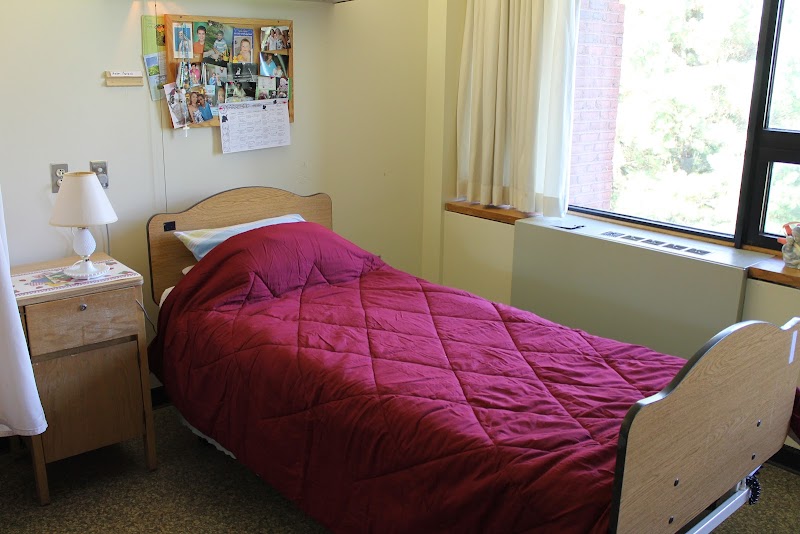
How is Forest Hills Rehabilitation & Healthcare Center Staffed?

CMS rates FOREST HILLS REHABILITATION & HEALTHCARE CENTER's staffing level at 3 out of 5 stars, which is average compared to other nursing homes. Staff turnover is 44%, compared to the Pennsylvania average of 46%. This relatively stable workforce can support continuity of care.

What Have Inspectors Found at Forest Hills Rehabilitation & Healthcare Center?

State health inspectors documented 43 deficiencies at FOREST HILLS REHABILITATION & HEALTHCARE CENTER during 2022 to 2025. These included: 3 that caused actual resident harm and 40 with potential for harm. Deficiencies causing actual harm indicate documented cases where residents experienced negative health consequences.
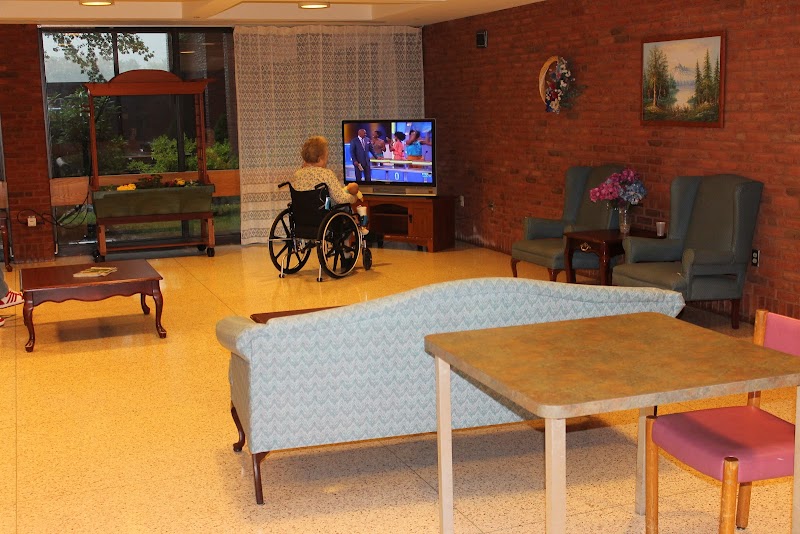
Who Owns and Operates Forest Hills Rehabilitation & Healthcare Center?

FOREST HILLS REHABILITATION & HEALTHCARE CENTER is owned by a for-profit company. For-profit facilities operate as businesses with obligations to shareholders or private owners. The facility is operated by CENTURY HEALTHCARE, a chain that manages multiple nursing homes. With 200 certified beds and approximately 183 residents (about 92% occupancy), it is a large facility located in WEATHERLY, Pennsylvania.
How Does Forest Hills Rehabilitation & Healthcare Center Compare to Other Pennsylvania Nursing Homes?

Compared to the 100 nursing homes in Pennsylvania, FOREST HILLS REHABILITATION & HEALTHCARE CENTER's overall rating (2 stars) is below the state average of 3.0, staff turnover (44%) is near the state average of 46%, and health inspection rating (2 stars) is below the national benchmark.

What Should Families Ask When Visiting Forest Hills Rehabilitation & Healthcare Center?

Based on this facility's data, families visiting should ask: "What safeguards and monitoring systems are in place to protect residents from abuse or neglect?" "Can I visit during a mealtime to observe dining assistance and food quality?" "How do you handle medical emergencies, and what is your hospital transfer rate?" "Can I speak with family members of current residents about their experience?" These questions are particularly relevant given the substantiated abuse finding on record.

Is Forest Hills Rehabilitation & Healthcare Center Safe?

Based on CMS inspection data, FOREST HILLS REHABILITATION & HEALTHCARE CENTER has documented safety concerns. The facility has 1 substantiated abuse finding (meaning confirmed case of resident harm by staff or other residents). The facility has a 2-star overall rating and ranks #100 of 100 nursing homes in Pennsylvania. Families considering this facility should ask detailed questions about what corrective actions have been taken since these incidents.

Do Nurses at Forest Hills Rehabilitation & Healthcare Center Stick Around?

FOREST HILLS REHABILITATION & HEALTHCARE CENTER has a staff turnover rate of 44%, which is about average for Pennsylvania nursing homes (state average: 46%). Moderate turnover is common in nursing homes, but families should still ask about staff tenure and how the facility maintains care continuity when employees leave.

Was Forest Hills Rehabilitation & Healthcare Center Ever Fined?

FOREST HILLS REHABILITATION & HEALTHCARE CENTER has been fined $81,760 across 2 penalty actions. This is above the Pennsylvania average of $33,896. Fines in this range indicate compliance issues significant enough for CMS to impose meaningful financial consequences. Common causes include delayed correction of deficiencies, repeat violations, or care failures affecting resident safety. Families should ask facility leadership what changes have been made since these penalties.

Is Forest Hills Rehabilitation & Healthcare Center on Any Federal Watch List?

FOREST HILLS REHABILITATION & HEALTHCARE CENTER is not on any federal watch list. The most significant is the Special Focus Facility (SFF) program, which identifies the bottom 1% of nursing homes nationally based on persistent, serious quality problems. Not being on this list means the facility has avoided the pattern of deficiencies that triggers enhanced federal oversight. This is a positive indicator, though families should still review the facility's inspection history directly.