EMBASSY OF EAST MOUNTAIN
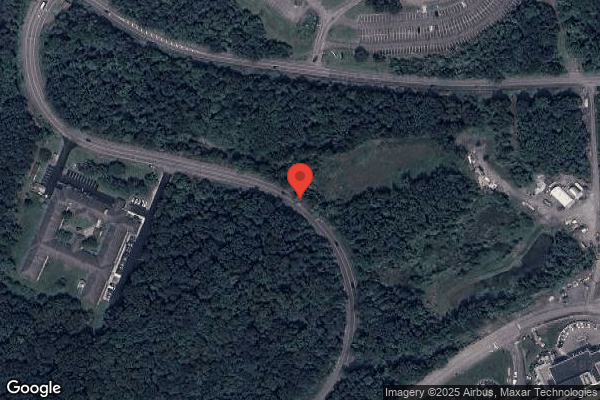

101 EAST MOUNTAIN DRIVE, WILKES-BARRE, PA 18702 (570) 825-5892
For profit - Corporation 120 Beds EMBASSY HEALTHCARE Data: November 2025
Trust Grade
45/100
#412 of 653 in PA
Last Inspection: March 2025

Within standard 12-15 month inspection cycle. Federal law requires annual inspections.

Overview

Embassy of East Mountain has a Trust Grade of D, which indicates a below-average level of care with some significant concerns. It ranks #412 out of 653 facilities in Pennsylvania, placing it in the bottom half statewide, and #12 out of 22 in Luzerne County, meaning there are only a few better local options available. The facility's performance is worsening, with the number of issues increasing from 12 in 2024 to 15 in 2025. Staffing received a 3/5 star rating, which is average, but the high turnover rate of 59% is concerning since it exceeds the state average of 46%. While there have been no fines recorded, the facility has had notable issues, including a lack of effective pest control leading to rodent infestations, failure to address a resident's desire to be discharged, and environmental hazards blocking access to handrails in hallways. Overall, while there are some positive aspects, families should weigh these serious concerns carefully.

Trust Score
D
45/100
In Pennsylvania
#412/653
Bottom 37%
Safety Record
Low Risk
No red flags
Inspections
Getting Worse
12 → 15 violations
Staff Stability
⚠ Watch
59% turnover. Above average. Higher turnover means staff may not know residents' routines.
Penalties
✓ Good
No fines on record. Clean compliance history, better than most Pennsylvania facilities.
Skilled Nurses
○ Average
Each resident gets 40 minutes of Registered Nurse (RN) attention daily — about average for Pennsylvania. RNs are the most trained staff who monitor for health changes.
Violations
⚠ Watch
42 deficiencies on record. Higher than average. Multiple issues found across inspections.
★★☆☆☆
2.0
Overall Rating
★★★☆☆
3.0
Staff Levels
★★★★☆
4.0
Care Quality
★★☆☆☆
2.0
Inspection Score
Stable
2024: 12 issues
2025: 15 issues

The Good

  • 4-Star Quality Measures · Strong clinical quality outcomes
  • Full Sprinkler Coverage · Fire safety systems throughout facility
  • No fines on record

Facility shows strength in quality measures, fire safety.

The Bad

2-Star Overall Rating

Below Pennsylvania average (3.0)

Below average - review inspection findings carefully

Staff Turnover: 59%

13pts above Pennsylvania avg (46%)

Frequent staff changes - ask about care continuity

Chain: EMBASSY HEALTHCARE

Part of a multi-facility chain

Ask about local staffing decisions and management

Staff turnover is elevated (59%)

11 points above Pennsylvania average of 48%

The Ugly 42 deficiencies on record

Aug 2025 1 deficiency
CONCERN (D) 📢 Someone Reported This

A family member, employee, or ombudsman was alarmed enough to file a formal complaint

Potential for Harm - no one hurt, but risky conditions existed

Deficiency F0692 (Tag F0692)

Could have caused harm · This affected 1 resident

**NOTE- TERMS IN BRACKETS HAVE BEEN EDITED TO PROTECT CONFIDENTIALITY** Based on a review of clinical records, facility policy, resident representative and staff interviews, it was determined the faci...

Read full inspector narrative →
**NOTE- TERMS IN BRACKETS HAVE BEEN EDITED TO PROTECT CONFIDENTIALITY** Based on a review of clinical records, facility policy, resident representative and staff interviews, it was determined the facility failed to ensure residents maintain acceptable parameters of nutritional status, such as usual body weight, unless the resident's clinical condition demonstrates that is not possible for one out of four residents sampled (Resident CR1).Findings include: A facility policy titled Weight Monitoring, dated October 1, 2024, revealed it is the facility's policy that based on the resident's comprehensive assessment, the facility will ensure that all residents maintain acceptable parameters of nutritional status, such as usual body weight or desirable body weight range, unless the resident's clinical condition demonstrates that this is not possible or resident preferences indicate otherwise. The resident and/or resident representative will be involved in the development of the care plan to ensure it is individualized and meets personal goals and preferences. Interventions will be identified, implemented, monitored, and modified (as appropriate), consistent with the resident's assessed needs, choices, preferences, goals, and current professional standards to maintain acceptable parameters of nutritional status. A significant change in weight is defined as a 5.0% change in weight in 1 month (30 days), a 7.5% change in weight in 3 months (90 days), or a 10.0% change in weight in 6 months (180 days). A clinical record review revealed Resident CR1 was admitted to the facility on [DATE], with diagnoses that include dementia (a condition characterized by the loss of cognitive functioning such as thinking, remembering, and reasoning, to such an extent that it interferes with a person's daily life and activities) and chronic kidney disease (gradual loss of kidney function). A review of a quarterly Minimum Data Set assessment (MDS a federally mandated standardized assessment process conducted periodically to plan resident care) dated May 6, 2025, revealed that Resident CR1 was severely cognitively impaired with a BIMS score of 03 (Brief Interview for Mental Status a tool within the Cognitive Section of the MDS that is used to assess the resident's attention, orientation, and ability to register and recall new information; a score of 00-07 indicates severe cognitive impairment). A review of Resident CR1's care plan revealed Resident CR1 has potential for malnutrition initiated on November 4, 2024. Interventions implemented to ensure resident intake of nutrients will meet metabolic needs included consulting a dietician, monitoring the eating environment, and monitoring weight closely for weight gain or loss. Further review of the care plan revealed Resident CR1 had a nutritional problem or potential nutritional problem related to the need for a mechanically altered diet related to dysphagia (difficulty swallowing) initiated on November 2, 2024. Interventions implemented to maintain adequate nutritional status included individual bowls to be utilized at all meals initiated on February 5, 2025; the Kennedy cup (an assistance device with a screw-on lid and an easy-grip handle, designed for people with difficulty drinking from standard cups) with a straw to be utilized with all meals initiated on January 22, 2025; a scoop dish to be utilized with all meals initiated on November 6, 2024; and a registered dietician (RD) to evaluate and make diet change recommendations as needed. A nutrition note dated January 13, 2025, at 9:20 AM indicated the resident weighed 161.8 pounds, required a scoop dish at all meals, had good intake by mouth, and had a stable weight since admission. The note also indicated Resident CR1 eats with help for setup, has no pressure injuries, and nutrition/dietary will continue to monitor monthly. A progress note dated January 14, 2025, at 12:22 PM, revealed Resident CR1 was evaluated by a physician assistant for a cough, congestion, fatigue, aches, decreased appetite, and fever that started two days prior. Chest x-ray results were interpreted as likely acute pneumonitis (inflammation of the lung's air sacs). Due to these findings and the resident's symptoms, a new order was placed for cefepime, 1 gram (antibiotic medication), to be administered intravenously twice a day for seven days. The resident's representative was informed about the new treatment. Also, an order was noted for prednisone 40 mg by mouth for five days and albuterol sulfate inhalation nebulization solution. 63 mg/3 ml (a bronchodilator medication primarily prescribed to manage and prevent breathing difficulties related to respiratory conditions) oral inhalation three times a day for one week. A review of progress notes from January 12, 2025, through February 5, 2025, revealed the resident was diagnosed and treated for pneumonia and COVID-19. During this time period, a speech-language pathology evaluation dated January 20, 2025, included recommendations to change Resident CR1's diet to pureed meals and moderately thickened liquids.Resident CR1 weighed 161.8 pounds on January 12, 2025, and 146.4 pounds on February 5, 2025, representing a 9.5 percent loss in thirty days, which met the facility's definition of significant weight loss. A nutrition/dietary note dated February 5, 2025, at 3:14 PM, revealed Resident CR1's weight was 146.4 pounds. This triggered a weight warning due to significant weight loss, including a 9.9% loss over the last 30 days and a 9.9% loss over the last 90 days. The note indicated the resident's weight loss is not considered planned or beneficial and was likely related to their recent clinical status, including receiving IV antibiotics for pneumonia. The note indicated a decrease in the resident's oral intake (0-50% of most meals); CR1's diet was changed from pureed and honey-thickened to a moderately thickened, liquidized consistency. Recommendations made by Employee 1, Registered Dietitian (RD), included implementing a Magic Cup (a nutritional frozen dessert utilized to add calories and protein to a diet) twice a day with lunch and dinner, as Resident CR1 requested sweet and cold options; weekly weights will be taken for four weeks, and staff will encourage adequate intake, honor food preferences, and offer alternatives if less than 50% of a meal is consumed. The clinical record revealed the frozen nutritional treat supplement was not implemented until February 20, 2025, fifteen days after it was recommended. There was no documented evidence that alternatives were offered when the resident consumed less than fifty percent of a meal. A documentation survey report dated March 2025 revealed Resident CR1 ate 50% or less of his meals for 46 out of 93 meals from March 1, 2025, through March 31, 2025. A documentation survey report dated April 2025 revealed Resident CR1 ate 50% or less of his meals for 18 out of 90 meals from April 1, 2025, through April 30, 2025. A review of the clinical record revealed no documented evidence that facility staff were offering the resident alternative meals when he consumed 50% or less of his meal.Further clinical record review revealed Resident CR1's weight loss trend continued, and he weighed 143.0 pounds on March 16, 2025 (11.6% loss over three months), and 135.0 pounds on June 1, 2025 (16.6% loss over 6 months). Resident CR1 was transferred from the facility on July 19, 2025, and not available for interview. During an interview on August 21, 2025, at approximately 11:30 AM, Employee 1, Registered Dietician (RD), indicated that her recommendation for Resident CR1 to receive the Frozen Nutritional treat supplement should have been implemented when recommended on February 5, 2025. Employee 1, RD, explained that she could not access data logs to determine when the Frozen Nutritional Treat supplement intervention was implemented. Employee 1, RD, confirmed that the Medication Administration Record dated February 2025 indicated that Resident CR1 did not receive the frozen nutritional treat supplement until February 20, 2025. Employee 1, RD, also confirmed that there was no documented evidence that staff were documenting that alternatives were offered to Resident CR1 when he consumed less than 50% of his meals.During an interview on August 21, 2025, at approximately 12:15 PM, Resident CR1's resident representative indicated that the facility did not discuss or inquire about resident-specific interventions that may be utilized to maintain Resident CR1's nutritional status. Resident CR1's representative indicated that she recalled only one contact from the facility about Resident CR1's weight when his diet restrictions changed to puree. During a follow-up interview on August 21, 2025, at approximately 12:30 PM, Employee 1, Registered Dietician (RD), confirmed she could not provide documented evidence that the facility discussed resident-specific interventions with Resident CR1's representative that may be utilized to maintain Resident CR1's nutritional status. During an interview on August 21, 2025, at 12:45 PM, the nursing home administrator (NHA) and director of nursing (DON) confirmed there was no documented evidence explaining the implementation delay, the absence of alternative meal offerings, or the facility's efforts to involve the resident's representative in developing interventions to maintain the resident's nutritional status. 28 Pa Code 211.5 (f)(ii)(iii)(x) Medical records. 28 Pa. Code 211.10(c) Resident care policies. 28 Pa Code 211.12 (d)(3)(5) Nursing services.
May 2025 1 deficiency
CONCERN (D) 📢 Someone Reported This

A family member, employee, or ombudsman was alarmed enough to file a formal complaint

Potential for Harm - no one hurt, but risky conditions existed

Deficiency F0569 (Tag F0569)

Could have caused harm · This affected 1 resident

**NOTE- TERMS IN BRACKETS HAVE BEEN EDITED TO PROTECT CONFIDENTIALITY** Based on a review of clinical records and residents' financial account records and staff interview, it was determined the facili...

Read full inspector narrative →
**NOTE- TERMS IN BRACKETS HAVE BEEN EDITED TO PROTECT CONFIDENTIALITY** Based on a review of clinical records and residents' financial account records and staff interview, it was determined the facility failed to return the personal funds of one discharged resident (Resident CR1) within 30 days of discharge, for one of 12 residents reviewed. Findings include: Clinical record review revealed that Resident CR1 was admitted to the facility on [DATE], and discharged on January 2, 2025. A review of the resident's financial account statement, provided by the facility and dated June 1, 2025, revealed a credit balance of $12,743.00 remained on the account, indicating funds belonging to Resident CR1 had not been disbursed within 30 days of the resident's discharge. Further review included an email, provided to the surveyor, from the Regional Business Office Manager (RBOM) dated May 29, 2025, which stated the facility's Business Office Manager was terminated on March 4, 2025, due to poor performance. The RBOM subsequently assumed responsibility for financial operations at this facility and two others. The RBOM acknowledged that the resident's refund had not been processed in a timely manner and that the refund was now scheduled to be issued on June 5, 2025. During an interview with the Director of Nursing on May 29, 2025, at 10:45 AM, it was confirmed that Resident CR1's personal funds were not returned within the required 30-day period following discharge from the facility. 28 Pa. Code: 201.18 (b)(2)(e)(1) Management. 28 Pa. Code 201.29(a) Resident rights
Mar 2025 13 deficiencies
CONCERN (D)

Potential for Harm - no one hurt, but risky conditions existed

Assessment Accuracy (Tag F0641)

Could have caused harm · This affected 1 resident

**NOTE- TERMS IN BRACKETS HAVE BEEN EDITED TO PROTECT CONFIDENTIALITY** Based on a review of clinical records and the Resident Assessment Instrument (RAI) and staff interview, it was determined the fa...

Read full inspector narrative →
**NOTE- TERMS IN BRACKETS HAVE BEEN EDITED TO PROTECT CONFIDENTIALITY** Based on a review of clinical records and the Resident Assessment Instrument (RAI) and staff interview, it was determined the facility failed to ensure the Minimum Data Set Assessment (MDS - a federally mandated standardized assessment conducted at specific intervals to plan resident care) accurately reflected the status of one resident out of 21 sampled (Resident 25). Findings included: A review of Resident 25's clinical record revealed the resident was admitted to the facility on [DATE], with diagnoses which included dementia (chronic or persistent disorder of the mental processes caused by brain disease or injury and marked by memory disorders, personality changes, and impaired reasoning) and oropharyngeal dysphagia (difficulty swallowing). A current physician order initially dated April 30, 2024, noted an order for Nutren 1.5 (liquid nutritional supplement) 45 ml/hour via peg tube (percutaneous endoscopic gastrostomy tube- feeding tube surgically placed through the abdomen into the stomach, allowing direct delivery of nutrition, fluids, and medications) for enteral feeding (method of delivering nutrition directly into the gastrointestinal tract though a tube). A current physician order initially dated September 19, 2024, noted an order for a full liquid nectar/mildly thick consistency diet (consists of liquids that need to be thickened to a consistency similar to fruit nectar, using a thickener to prevent choking) for pleasure feeding only. A review of Resident 25's quarterly MDS assessment dated [DATE], revealed in Section K0520 Nutritional Approaches the resident did not have a feeding tube (flexible tube inserted into the stomach or small intestine to deliver fluids, medications, and liquid nutrition to individuals who cannot safely or adequately eat or drink by mouth). An interview with the director of nursing on March 7, 2025, at 9:00 AM, confirmed that Resident 25's MDS Assessment was inaccurate. 28 Pa. Code 201.18(e)(1) Management 28 Pa. Code 211.12(c)(d)(1)(5) Nursing services
CONCERN (D)

Potential for Harm - no one hurt, but risky conditions existed

PASARR Coordination (Tag F0644)

Could have caused harm · This affected 1 resident

**NOTE- TERMS IN BRACKETS HAVE BEEN EDITED TO PROTECT CONFIDENTIALITY** Based on a review of clinical records and staff interviews, it was determined the facility failed to refer residents with newly ...

Read full inspector narrative →
**NOTE- TERMS IN BRACKETS HAVE BEEN EDITED TO PROTECT CONFIDENTIALITY** Based on a review of clinical records and staff interviews, it was determined the facility failed to refer residents with newly evident or possible serious mental disorder, intellectual disability, or a related condition for a Preadmission Screening and Resident Review (PASRR) level II resident review for one out of 21 residents (Resident 81). Findings include: Preadmission Screening and Resident Review (PASRR) is a federal requirement to help ensure that individuals are not inappropriately placed in nursing facilities for long-term care. The PASRR process requires that all applicants to Medicaid-certified nursing facilities be given a preliminary assessment to determine whether they might have serious mental illness before admission. This is called a PASRR Level I screen. Those individuals who test positive for PASRR Level I are then evaluated in-depth; this is called PASRR Level II. The results of this evaluation result in a determination of need, a determination of an appropriate setting, and a set of recommendations for services for the individual's plan of care. A review of the Pennsylvania Department of Human Services Office of Long-Term Living Bulletin titled Revised Pennsylvania Preadmission Screening Resident Review (PASRR) Level 1 Identification Form (MA 376), effective July 1, 2024, revealed if the individual has a change in condition that affects the program office criteria as found on the PASRR Level I form, a PASRR Level II evaluation form will need to be completed. Nursing facilities will communicate the need to have a PASRR Level II form done by notifying the department's Office of Long-Term Living, Division of Nursing Facility Field Operations Team. A clinical record review revealed Resident 81 was admitted to the facility on [DATE], with diagnoses including anxiety and depression. A review of the Pennsylvania Preadmission Screening Resident Review (PASRR) Identification Level I form, dated February 1, 2023, indicated Resident 81 does not have a mental health condition or suspected mental health condition that may lead to a chronic disability (examples include schizophrenia, psychotic disorder, and personality disorder). The form indicated Resident 81 is a negative screen for serious mental illness and no further revaluation (Level II) is necessary. A nurses note dated September 26, 2024, at 3:00 PM noted that Resident 81 was having suicidal thoughts and when asked if he would act upon these the resident stated that it all depends. Resident offered emotional support and when asked if he would seek staff before acting upon suicidal thoughts and harming himself he stated that he could not make any promises. The Physician assistant was contacted with a new order to transfer the resident to the hospital for a psychiatric evaluation. Resident is own resident representative and is in agreement. Staff member sat with resident for safety in the room until the ambulance arrived and transported the resident to the hospital. A nurses note dated September 27, 2024, at 6:11 AM noted the resident was admitted to the hospital. Further review of the clinical record revealed the resident was readmitted to the facility on [DATE]. A hospital discharge note dated October 1, 2024, indicated the resident had a diagnosis of suicidal ideation which was stable upon discharge. During an interview on March 7, 2025, at 12:20 PM the consultant social worker, confirmed that Resident 81's inpatient stay in a behavioral unit for evaluation of suicidal ideation was not reported to the state's mental health authority to determine if Resident 81 was appropriately placed in a nursing facility or required additional services to treat his mental health diagnoses. During an interview on March 7, 2025, at approximately 9:00 AM, the Nursing Home Administrator (NHA) confirmed it is the facility's responsibility to ensure all residents with newly evident or possible serious mental disorder, intellectual disability, or a related condition are referred for a Preadmission Screening and Resident Review (PASRR) level II. 28 Pa. Code 201.14(a) Responsibility of licensee.
CONCERN (D)

Potential for Harm - no one hurt, but risky conditions existed

Deficiency F0657 (Tag F0657)

Could have caused harm · This affected 1 resident

**NOTE- TERMS IN BRACKETS HAVE BEEN EDITED TO PROTECT CONFIDENTIALITY** Based on clinical record review, information submitted by the facility, and staff interview, it was determined the facility fail...

Read full inspector narrative →
**NOTE- TERMS IN BRACKETS HAVE BEEN EDITED TO PROTECT CONFIDENTIALITY** Based on clinical record review, information submitted by the facility, and staff interview, it was determined the facility failed to ensure that a resident's comprehensive care plan was reviewed and revised as needed to accurately reflect the resident's current needs and services required by one of 21 residents reviewed (Resident 81). Findings include: Review of the clinical record of Resident 81 revealed the resident was admitted to the facility on [DATE], with diagnoses to include depression, and anxiety. On September 26, 2024, at 3:00 PM, nursing documentation indicated that Resident 81 expressed suicidal thoughts and, when asked if he would act upon them, responded, it all depends. The resident was offered emotional support and was asked if he would seek staff assistance before harming himself, to which he responded that he could not make any promises. The physician assistant was contacted, and an order was obtained to transfer the resident to the hospital for psychiatric evaluation. The resident, as his own representative, agreed to the transfer. Staff remained with the resident for safety until the ambulance transported him to the hospital. A nurses note dated September 27, 2024, at 6:11 AM noted the resident was admitted to the hospital. On October 1, 2024, the resident was readmitted to the facility following hospital discharge. The hospital discharge note indicated a diagnosis of suicidal ideation, which was stable upon discharge. An annual Minimum Data Set Assessment (MDS - federally mandated assessment of a resident's abilities and care needs) of Resident 81 dated November 5, 2024, indicated the resident was cognitively intact with a BIMS (brief interview for mental status) score of 15 (13-15 represents intact cognition) and had no mood or behavior issues during the assessment look back period. On January 5, 2025, at 3:18 PM, facility documentation indicated that staff found Resident 81 in his bed with several superficial lacerations on his anterior (front) left forearm. A dry, clean dressing was applied. When questioned, the resident stated, I did it because I want to see my psychiatrist. Initially, the resident claimed he inflicted the injuries using his hand, but later admitted , I used a knife. Staff discovered a pocketknife at the resident's bedside and secured it. The resident provided multiple conflicting explanations regarding how he obtained the knife, stating at different times that a friend brought it, that he had possessed it for 30 years, and that he used his nails. The resident admitted to self-inflicting injury due to feelings of hopelessness. Emotional support was provided, and the physician was notified. The resident was transferred to the emergency room for further evaluation, where hospital staff recommended a voluntary psychiatric admission (201 status). A nurses note dated January 6, 2025, at 1:30 PM documented the resident's return from the emergency room. Psychiatric evaluation determined that the resident was not a current threat to himself. A review of Resident 81's care plan revealed that the resident had a focus area for a history of suicidal ideation with self-harm, initially dated January 19, 2024, and last revised on July 31, 2024. The care plan goal was to ensure the resident's safety in the facility, with interventions including: Contacting the local crisis office if the resident experienced a mental health breakdown, Ensuring psychiatric follow-ups as scheduled, and Providing supportive care services through psychiatry/psychology. However, despite the resident's hospitalization for suicidal ideation from September 29 to October 1, 2024, and his self-inflicted injury on January 5, 2025, a review of the care plan showed that it had not been revised since July 31, 2024. There was no documented evidence that the facility reviewed and revised the resident's care plan to evaluate and implement updated, individualized interventions to address his suicidal statements, self-harming behavior, and mood disturbances. An interview with the Director of Nursing on March 7, 2025, at approximately 11:00 AM, confirmed that the facility failed to review and revise Resident 81's care plan to accurately reflect his current status, risks, and needs. 28 Pa. Code 211.12(d)(3)(5) Nursing services
CONCERN (D)

Potential for Harm - no one hurt, but risky conditions existed

Deficiency F0688 (Tag F0688)

Could have caused harm · This affected 1 resident

**NOTE- TERMS IN BRACKETS HAVE BEEN EDITED TO PROTECT CONFIDENTIALITY** Based on review of clinical records, select facility policy, and resident and staff interview, it was determined the facility fa...

Read full inspector narrative →
**NOTE- TERMS IN BRACKETS HAVE BEEN EDITED TO PROTECT CONFIDENTIALITY** Based on review of clinical records, select facility policy, and resident and staff interview, it was determined the facility failed to consistently provide restorative nursing services as planned to maintain mobility for one resident (Resident 85) out of 21 residents sampled. Findings include: Review of the facility Restorative Nursing Services Policy last reviewed January 16, 2025, indicated a Restorative Nursing Program is utilized to assist residents to achieve and/or maintain their optimal functional level consistent with their capabilities, goals, and preferences. Restorative nursing care consists of nursing interventions that may or may not be accompanied by formalized rehabilitative services (physical, occupational, or speech therapies). Residents may be started on a restorative nursing program upon admission, during the course of a stay or when discharge from rehabilitative care. Restorative goals and objectives are individualized and resident-centered and are outlined in the resident's plan of care. The resident or representative will be encouraged to participate in determining goals and the plan of care. A review of the clinical record revealed Resident 85 was admitted to the facility on [DATE], with diagnoses to include diabetes and congestive heart failure (chronic condition in which the heart does not pump blood as well as it should). A Quarterly Minimum Data Set assessment (MDS-standardized assessment completed at specific intervals to identify specific resident care needs) dated January 1, 2025, revealed the Brief Interview for Mental Status (BIMS section of the MDS which assesses cognition, a tool to assess the resident's attention, orientation, and ability to register and recall new information. A score of 8-12 equates to being moderately cognitively impaired) indicated the resident scored a 10, which indicated that she was moderately cognitively impaired, and the resident had the ability to walk at least 150 feet in the corridor or similar space with two staff members. During an interview with Resident 85 on March 4, 2025, at 11:30 AM the resident stated she would like to walk in the hall with nursing more than once per week. Resident 85 noted she needs assistance with ambulation. Resident 85 indicated when she is on therapy the therapist walks with her often but once therapy ends, she feels she gets weaker due to not walking. Resident 85 stated she would like to be on a walking program. Review of Resident 85's Physical Therapy Discharge summary dated [DATE], revealed the resident was provided gait training with a rolling walker (wheeled mobility aid designed to provide support and stability for individuals with difficulty walking, featuring wheels for easy movement without lifting). Resident 85 was referred for a restorative ambulation program to ambulate with a rolling walker and minimal assistance for 20 feet with a wheelchair following her. The resident's prognosis to maintain current level of functioning is excellent with participation in restorative nursing program. Review of Resident 85's care plan in effect at the time of the survey ending March 7, 2024, failed to indicate the resident was placed on a restorative ambulation program as recommended by therapy. There was no evidence in the clinical record the restorative ambulation program for Resident 85 was implemented to maintain the resident's current level of functioning upon discharge from therapy on February 28, 2025. Interview with the director of nursing on March 7, 2025, at approximately 11:30 AM failed to provide documented evidence that Resident 85 was placed on a restorative ambulation program as recommended by therapy to maintain the resident's mobility to the extent possible. 28 Pa. Code: 211.5(f)(viii) Medical records 28 Pa Code 211.12(c)(d)(5) Nursing services
CONCERN (D)

Potential for Harm - no one hurt, but risky conditions existed

Deficiency F0745 (Tag F0745)

Could have caused harm · This affected 1 resident

**NOTE- TERMS IN BRACKETS HAVE BEEN EDITED TO PROTECT CONFIDENTIALITY** Based on review of clinical records and staff interview, it was determined the facility failed to provide therapeutic social ser...

Read full inspector narrative →
**NOTE- TERMS IN BRACKETS HAVE BEEN EDITED TO PROTECT CONFIDENTIALITY** Based on review of clinical records and staff interview, it was determined the facility failed to provide therapeutic social services to promote the mental and psychosocial well-being of two residents out of 21 sampled (Resident 251 and Resident 81). Findings include: A review of the clinical record revealed that Resident 251 was admitted to the facility on [DATE], with diagnoses to include alcoholism and a history of suicidal ideations. Review of a quarterly Minimum Data Set Assessment (MDS- a federally mandated standardized assessment process completed at specific intervals to plan resident care) dated January 15, 2025, indicated the resident had a BIMS (brief interview mental screener that aids in detecting cognitive impairment) score of 15 indicating he was cognitively intact. Further review of the clinical record indicated the resident expressed a strong desire to be discharged home, but his wife opposed the discharge. The resident frequently voiced frustration and agitation about wanting to leave the facility, yet there was no documented evidence that social services addressed the conflict between the resident and his wife regarding discharge planning. A nursing note dated January 30, 2025, documented that the resident was agitated, restless, and expressed a desire to leave. The facility contacted the resident's wife, who refused to pick him up. On February 1, 2025, the resident signed out Against Medical Advice (AMA). A review of the resident's care plan, initiated December 11, 2024, failed to include interventions related to the resident's alcoholism, history of suicidal ideations, or concerns about discharge planning. The care plan did not address the resident's continued expressions of distress and desire to leave. Additionally, there was no documentation of therapeutic social services provided to support the resident. Interview with the Nursing Home Administrator (NHA) and Director of Nursing (DON), on March 6, 2025, at approximately 2:00 PM revealed the Social Service Director at the time of Resident 251's stay in facility was no longer employed in the facility and there were concerns with the provision of therapeutic social services provided to residents during her employment. A clinical record review revealed Resident 81 was admitted to the facility on [DATE], with diagnoses including anxiety and depression. The resident had a documented history of suicidal ideation and self-harming behaviors, which resulted in multiple hospitalizations for psychiatric evaluation on September 26, 2024, and January 5, 2025. Despite these ongoing concerns, there was no evidence that the facility's social services provided appropriate therapeutic interventions to address the resident's mental health needs. A social services note dated January 6, 2025, documented the social worker discussed the possibility of transferring the resident to another facility. However, there was no documentation that social services made any inquiries or acted regarding alternate placement options. Further review of the clinical record revealed no documented evidence that the facility provided therapeutic social services to support Resident 81's mental health needs related to his history of suicidal ideation and self-harming behaviors. An interview with the Director of Nursing (DON) on March 7, 2025, at approximately 9:00 AM confirmed there was no documented evidence that social services interventions were provided to support Resident 81's psychosocial well-being. Refer F657 28 Pa. Code 201.29 (a) Resident rights. 28 Pa. Code 211.16 (a) Social Services.
CONCERN (D)

Potential for Harm - no one hurt, but risky conditions existed

Deficiency F0790 (Tag F0790)

Could have caused harm · This affected 1 resident

Based on review of clinical records and resident payor source data, and staff interview, it was determined the facility failed to offer routine annual dental services for two private payor source resi...

Read full inspector narrative →
Based on review of clinical records and resident payor source data, and staff interview, it was determined the facility failed to offer routine annual dental services for two private payor source residents (Residents 60 and 39) out of four residents sampled for dental services. Findings include: Review of Resident 60's clinical record revealed admission to the facility on January 15, 2021, with diagnoses to include Alzheimer's disease (a progressive brain disease that destroys memory and other important mental functions) and COPD (chronic obstructive pulmonary disease-lung disease that blocks airflow and makes it difficult to breathe). The resident was identified as private payor source. Review of Resident 60's quarterly Minimum Data Set assessment (MDS-standardized assessment completed at specific intervals to identify specific resident care needs) dated February 9, 2025, indicated that the resident was severely cognitively impaired. There was no documented evidence in the clinical record at the time of the survey ending March 7, 2025, that Resident 60's responsible party was offered routine annual dental services for Resident 60 in the past year. Review of Resident 39's clinical record revealed admission to the facility on February 1, 2024, with diagnosis to include Alzheimer's disease and muscle weakness. The resident was identified as private payor source. There was no documented evidence in the clinical record at the time of the survey ending March 7, 2025, that Resident 39's responsible party was offered routine annual dental services for Resident 60 in the past year. Interview with the Director of Nursing on March 6, 2025, at 9:15 AM confirmed that Resdient 60 and 39's resident's responsible party had not been consulted regarding offering of dental services in the past year. 28 Pa. Code 211.12 (c)(d)(3)(5) Nursing services
CONCERN (D)

Potential for Harm - no one hurt, but risky conditions existed

Dental Services (Tag F0791)

Could have caused harm · This affected 1 resident

Based on review of clinical records and resident payor source data, and staff interview, it was determined the facility failed to offer routine annual dental services for one Medicaid payor source res...

Read full inspector narrative →
Based on review of clinical records and resident payor source data, and staff interview, it was determined the facility failed to offer routine annual dental services for one Medicaid payor source resident (Resident 64) out of four residents sampled for dental services. Findings include: Review of Resident 64's clinical record revealed admission to the facility on December 21, 2023 with diagnosis to include dementia (a chronic or persistent disorder of the mental processes caused by brain disease or injury and marked by memory disorders, personality changes, and impaired reasoning), and congestive heart failure (weakness of the heart that leads to build-up of fluid in the lungs and surrounding body tissues). The resident was identified as Medicaid payor source. Review of Resident 64's Annual Minimum Data Set assessment (MDS-standardized assessment completed at specific intervals to identify specific resident care needs) dated November 18, 2024, indicated that the resident was moderately cognitively impaired. There was no documented evidence in the clinical record at the time of the survey ending March 7, 2025, that Resident 64's responsible party was offered routine annual dental services for Resident 64 in the past year. Interview with the Director of Nursing on March 6, 2025, at 9:15 AM confirmed that the resident's responsible party had not been consulted regarding the offering of dental services for Resident 64 in the past year. 28 Pa. Code 211.12 (c)(d)(3)(5) Nursing services
CONCERN (D)

Potential for Harm - no one hurt, but risky conditions existed

Deficiency F0849 (Tag F0849)

Could have caused harm · This affected 1 resident

**NOTE- TERMS IN BRACKETS HAVE BEEN EDITED TO PROTECT CONFIDENTIALITY** Based on clinical record review, and staff interview, it was determined the facility failed to ensure coordination of Hospice se...

Read full inspector narrative →
**NOTE- TERMS IN BRACKETS HAVE BEEN EDITED TO PROTECT CONFIDENTIALITY** Based on clinical record review, and staff interview, it was determined the facility failed to ensure coordination of Hospice services with facility services to meet each individual residents' needs daily for the management of a terminal illness of one of two residents reviewed receiving hospice services. (Resident 54 and 61). Findings include: A review of the clinical record revealed that Resident 54 was admitted to the facility on [DATE], with diagnoses of cerebral infarct (stroke). The resident was admitted to hospice services on February 5, 2025, for cerebral infarct. Review of Resident 54's plan of care, during the survey ending March 7, 2025, revealed no evidence the resident's plan of care was integrated with hospice services to demonstrate coordination of care and services to meet the resident's needs related to the care of the resident's terminal illness daily. A review of the clinical record revealed that Resident 61 was admitted to the facility on [DATE], with diagnoses of dementia, chronic obstructive pulmonary disease (a progressive lung disease) and anxiety. The resident was admitted to hospice services on October 10, 2024, for end stage chronic obstructive pulmonary disease. Review of Resident 61's plan of care, during the survey ending March 7, 2025, revealed the resident's care plan failed to reflect coordination of services between the facility and the Hospice agency in meeting the resident's daily care needs and specific needs related to care and services provided for the resident's terminal diagnosis. There was no evidence the hospice and the nursing home collaborated in the development of a coordinated plan of care for each resident receiving hospice services to identify the provider responsible for performing each or any specific services/functions that have been agreed upon and the location of the necessary plans. During interview with the Director of Nursing (DON) on March 6, 2025, at 2:00PM she confirmed the residents' care plans were not integrated/coordinated with hospice for Resident 54 and 61. 28 Pa. Code 211.12 (d)(1)(3)(5) Nursing services
CONCERN (E) 📢 Someone Reported This

A family member, employee, or ombudsman was alarmed enough to file a formal complaint

Potential for Harm - no one hurt, but risky conditions existed

Deficiency F0660 (Tag F0660)

Could have caused harm · This affected multiple residents

**NOTE- TERMS IN BRACKETS HAVE BEEN EDITED TO PROTECT CONFIDENTIALITY** Based on a review of clinical records and resident and staff interviews it was determined the facility failed to develop and imp...

Read full inspector narrative →
**NOTE- TERMS IN BRACKETS HAVE BEEN EDITED TO PROTECT CONFIDENTIALITY** Based on a review of clinical records and resident and staff interviews it was determined the facility failed to develop and implement an individualized discharge plan for two of 21 residents reviewed (Residents 252 and 81) to reflect the residents' discharge goals. Findings Include: Clinical record review revealed that Resident 251 was admitted to the facility on [DATE], with diagnoses to include alcoholic cirrhosis of the liver (a degenerative disease of the liver resulting in scarring and liver failure). Review of an admission Minimum Data Set Assessment (MDS- a federally mandated standardized assessment process completed at specific intervals to plan resident care) dated December 17, 2024, indicated the resident had a BIMS (brief interview mental screener that aids in detecting cognitive impairment) score of 15 indicating he was cognitively intact. A review of Resident 251's social service notes, revealed a note dated December 11, 2024, indicating the resident would like to be discharged home when able. This note further stated the resident's wife did not want him to be discharged home. There was no documented evidence the facility addressed the desire of the cognitively intact resident to go home and his wife's desire for him to stay in the facility. Further review of Resident 251's clinical record revealed there was no further documentation regarding discharge to home until the resident decided to discharge home AMA (Against Medical Advice) on February 1, 2025. A review of the resident's comprehensive care plan, reviewed during the survey ending March 7, 2025, revealed no documented evidence that an individualized discharge plan was revised, as needed to reflect the resident's current desire for discharge or long-term placement at the facility. During an interview with the Nursing Home Administrator on March 7, 2025, at 12:00 PM confirmed there was no documented evidence of a current discharge goal and plan for this resident. Clinical record review revealed that Resident 81 was admitted to the facility on [DATE], with diagnoses to include depression and anxiety. Review of a quarterly MDS assessment dated [DATE], indicated the resident was cognitively intact with a BIMS score of 15. Interview with Resident 81 on March 5, 2025, at 9:15 AM revealed the resident had a desire to return home with waiver services (an alternative to nursing home placement, allowing individuals to receive long-term care services in their home or community, including assistance with daily activities). The resident stated the facility was aware of his desire to return home. A review of the resident's comprehensive care plan initially dated November 15, 2023, and reviewed during the survey ending March 7, 2025, revealed the resident will remain at the facility for long-term placement with interventions to review and update the discharge plan quarterly and as needed. There was no documented evidence that Resident 81's discharge plan was updated at least quarterly, and the resident agreed with long-term placement in the facility. Interview with the director of nursing on March 5, 2025, at approximately 1:00 PM failed to provide documented evidence the facility implemented a discharge plan that focused on the resident's discharge goal. 28 Pa. Code 201.18(b)(1) Management 28 Pa. Code 201.29 (a) Resident rights.
CONCERN (E)

Potential for Harm - no one hurt, but risky conditions existed

Accident Prevention (Tag F0689)

Could have caused harm · This affected multiple residents

**NOTE- TERMS IN BRACKETS HAVE BEEN EDITED TO PROTECT CONFIDENTIALITY** Based on observations and interview, it was determined the facility failed to maintain an environment free of accident hazards t...

Read full inspector narrative →
**NOTE- TERMS IN BRACKETS HAVE BEEN EDITED TO PROTECT CONFIDENTIALITY** Based on observations and interview, it was determined the facility failed to maintain an environment free of accident hazards to the extent possible in three of three resident hallways Findings include: During an observation conducted on March 4, 2025, at 10:00 AM, the following environmental hazards were identified: In the 200 hallway, three linen carts were positioned at the end of the hallway on the same side, obstructing access to the handrails. Additionally, four linen carts were lined up against the wall in the hallway connecting the 100 and 200 hallways, further occluding the handrails. A floor cleaning machine was also present in this hallway, on the same side, blocking access to the handrails. This hallway included access to the resident dining room, an area of frequent resident traffic. In the 100 resident hallway, plastic storage bins with three drawers, containing Personal Protective Equipment (PPE) such as face masks, gloves, and gowns, were observed in front of resident rooms [ROOM NUMBERS]. A mechanical lift was positioned between rooms [ROOM NUMBERS], all on the same side of the hallway, further restricting access to the handrails. In the 200 resident hallway, additional plastic storage bins containing PPE were observed in front of rooms 200, 207, 213, 215, 217, and 223. Additionally, two wheelchairs were placed outside of room [ROOM NUMBER], further obstructing the resident handrails. In the 300 resident hallway, a plastic storage bin with three drawers containing PPE was observed in front of room [ROOM NUMBER], as well as in front of the 300 hallway mechanical room, impeding access to handrails in these areas. During an interview on March 7, 2025, at 10:00 AM, the Nursing Home Administrator confirmed the above observations and acknowledged that the placement of these items created obstructions in the hallways. The facility failed to ensure that hallways were free from obstructions to allow safe passage for residents, staff, and visitors. 28 Pa. Code 211.12 (d)(4)(5)Nursing Services. 28 Pa Code 201.18 (b)(1) Management
CONCERN (E)

Potential for Harm - no one hurt, but risky conditions existed

Respiratory Care (Tag F0695)

Could have caused harm · This affected multiple residents

Based on observation, review of select facility policy and staff interview, the facility failed to store Oxygen in a safe and secure manner. Findings include: A review of a select facility policy for ...

Read full inspector narrative →
Based on observation, review of select facility policy and staff interview, the facility failed to store Oxygen in a safe and secure manner. Findings include: A review of a select facility policy for Oxygen safety, last reviewed January 1, 2025, revealed it is the policy of the facility to provide a safe environment for residents, staff and the public. This policy addresses the use and storage of oxygen equipment. Oxygen storage locations shall be in an enclosure or within an enclosed interior space of non-combustible or limited combustible construction, with doors or gates that can be secured against unauthorized entry. Precautionary signs readable from 5 feet shall be maintained on the door or gate where oxygen is used or stored. (Example: OXYGEN STORED WITHIN-NO SMOKING) On March 4, 2025, at 9:00 A.M., seven full oxygen cylinders were observed in a multi-tank rack on wheels (not secured to the wall or floor) positioned on the right side of the hallway. Five empty oxygen tanks were stored in a similar multi-tank rack on wheels (not secured to the wall or floor) on the left side of the hallway at the end of the west resident hallway near the exit door. Signs posted above the oxygen tanks designated areas for full and empty cylinders. The sign above the full tanks read: Full cylinders only. This area is designated for full O2 (oxygen) cylinders only. If cylinders are used, please place empty cylinders in the carrier to the far left. The sign above the empty tanks read: Empty cylinders only. This area is designated for empty O2 cylinders. If the cylinders are used, please place empty cylinders here. On March 4, 2025, at 2:26 P.M., Employee 1 (Maintenance Assistant) was observed refilling the oxygen storage rack with full tanks, resulting in a total of 12 full oxygen tanks stored in the unsecured hallway location. During an interview on March 4, 2025, at 2:30 P.M., Employee 1 (Maintenance Assistant) stated that an enclosed, locked oxygen storage area is located outside the west hallway exit door. He reported that he removes empty oxygen tanks and replaces them with full tanks inside the hallway every afternoon, stating he has been performing this task forever and that it is just easier for nursing staff to retrieve oxygen from inside rather than going outside to the designated storage area. During an interview March 5, 2025, at 1 P.M., the Nursing Home Administrator confirmed that Oxygen stored in the hallway is not in accordance with the facility policy. 28 Pa. Code 201.18 (b)(3)(e)(1)(2) Management. 28 Pa code 211.12 (d)(1)(2) Nursing services
CONCERN (E) 📢 Someone Reported This

A family member, employee, or ombudsman was alarmed enough to file a formal complaint

Potential for Harm - no one hurt, but risky conditions existed

Pharmacy Services (Tag F0755)

Could have caused harm · This affected multiple residents

**NOTE- TERMS IN BRACKETS HAVE BEEN EDITED TO PROTECT CONFIDENTIALITY** Based on clinical record reviews and staff interviews, it was determined that the facility failed to ensure the provision of pha...

Read full inspector narrative →
**NOTE- TERMS IN BRACKETS HAVE BEEN EDITED TO PROTECT CONFIDENTIALITY** Based on clinical record reviews and staff interviews, it was determined that the facility failed to ensure the provision of pharmacy services to assure the timely receipt and administration of physician-prescribed medications for three (3) of twenty-one (21) residents reviewed (Residents 90, 64, and 201). The facility also failed to implement a process for providing pharmacy services, including access to emergency medications when not available onsite, and failed to maintain oversight of the facility's medication dispensing system. Findings include: Review of clinical record revealed that Resident 90, was admitted to the facility on [DATE], at 10:45 AM with diagnoses to include chronic obstructive pulmonary disease (COPD- group of lung diseases that block airflow and make it difficult to breathe), dysphagia (difficulty swallowing), depression, and anxiety. A physician order dated February 4, 2025, documented an order for Clonazepam (an antianxiety medication) 1 mg by mouth twice daily for a diagnosis of anxiety. A review of the February 2025 Medication Administration Record (MAR) revealed that Clonazepam was not administered to Resident 90 as prescribed on February 4, 2025, due to awaiting pharmacy delivery. An interview with the Director of Nursing (DON) on March 5, 2025, at approximately 11:00 AM confirmed that the medication was not available in the facility due to a delay in pharmacy delivery. Review of the clinical record revealed Resident 64 was admitted to the facility on [DATE] with diagnosis to include dementia (a chronic or persistent disorder of the mental processes caused by brain disease or injury and marked by memory disorders, personality changes, and impaired reasoning), and congestive heart failure (weakness of the heart that leads to build-up of fluid in the lungs and surrounding body tissues). The resident sustained a fall on February 23, 2025, at 9:30 PM and was hospitalized with fractures of the right hip and right pubic ramus. Upon readmission to the facility on February 24, 2025, at 3:00 PM the resident had physician orders for Oxycodone HCL 5 mg every 4 hours (a narcotic opioid pain medication) for moderate pain as needed, hospital documentation, The resident received 2 doses of oxycodone in the hospital, one at 5:57 AM and another at 10:19 AM. A review of the facility physician orders dated February 24, 2025, at 9:00 PM revealed an order for Oxycodone HCL 5 mg by mouth every 4 hours as needed for pain rated 6-10 on the pain scale. However, this order was discontinued on February 25, 2025, at 7:00 AM. A new order for Oxycodone HCL 5 mg every 4 hours as needed for pain was re-entered on February 25, 2025, at 7:00 AM, with the addition of non-pharmacological interventions. A review of Resident 64's February 2025 Medication Administration Record (MAR) indicated that the resident did not receive Oxycodone on February 24, 2025, February 25, 2025, February 26, 2025, or February 27, 2025. The first recorded administration of Oxycodone was at 7:09 AM on February 27, 2025. Nursing documentation dated February 27, 2025, at 6:09 AM noted that the resident exhibited increased confusion throughout the night, reporting visual hallucinations of children in her room. She remained awake all night and was unable to be redirected or oriented to time and place. The documentation further stated that she complained of pain and was given Tylenol instead of Oxycodone. A note was placed on the provider's communication board requesting a signed prescription for Oxycodone HCL 5 mg. The documentation also indicated that the medication had not been available in the facility since the resident's hospital discharge. A review of the clinical record confirmed that the medication was not administered due to a delay in delivery from the pharmacy. An interview with the Director of Nursing (DON) on March 5, 2025, at 2:15 PM revealed that the facility's procedure when a medication is unavailable from the pharmacy is to check the emergency supply to determine if the medication is available. If the medication is not available, the physician should be consulted for further instruction. A review of the facility's emergency medication supply confirmed that Oxycodone HCL 5 mg was not available in the emergency cart. Clinical record review revealed that Resident 201 was admitted to the facility on [DATE], with diagnoses to include aftercare and therapy after hospitalization, muscle weakness and atrial fibrillation (an irregular heartbeat reducing the heart's ability to pump blood through the body reducing oxygen supply). Review of an admission Minimum Data Set Assessment (MDS- a federally mandated standardized assessment process completed at specific intervals to plan resident care) dated January 17, 2024, indicated the resident had a BIMS (brief interview for mental status, a tool to assess the residents attention, orientation and ability to register and recall new information, a score of 13-15 equates to being cognitively intact) score of 15 indicating he was cognitively intact. Review of Resident 201's January 2025 Medication Administration Record revealed Physician orders to include: Diltiazem HCl ER 300 mg daily for hypertension Oxycodone-Acetaminophen 5-325 mg every 6 hours as needed for moderate pain Levothyroxine Sodium 88 mcg daily for thyroid management. A review of the January 2025 MAR (medication administration record) revealed that Diltiazem HCl ER, Oxycodone-Acetaminophen, and Levothyroxine Sodium were not administered on January 15, 2025, due to pharmacy delays, and were not available until January 16, 2025. The DON confirmed on March 5, 2025, that the medications were unavailable and not stocked in the emergency supply A review of facility pharmacy policy reviewed January 16, 2025, entitled, Emergency Medication System: Removal of Outdated Medications revealed, the contract pharmacy staff shall perform routine audits of the system to ensure the integrity of contents and outdated or soon to be outdated contents are removed. Procedures to include, Audits shall be performed routinely to ensure the OOS (Pyxis like system, an automated, medication system, located in the facility) do not contain outdated medications. Medications should be removed at least 90 days prior to expiration. Non-controlled medications may be returned outdated/excess medications to the pharmacy. Non-controlled medications may be returned to the pharmacy by courier during the daily medication delivery return process. A list of medications removed shall be created and signed by both the pharmacy staff and the nursing staff. A list of each item and quantity shall be provided to the facility. A review of the facility's emergency medication supply and observation of the automated medication dispensing system on March 7, 2025, at 12:00 PM, revealed discrepancies between the recorded medication inventory and the actual stock. The noted medication's expiration dates in the system did not match the actual expiration dates on the unit dose packs of the meds contained in the machine and medications listed as available were not physically present. The facility failed to provide documentation of pharmacy oversight, including routine monthly audits for expired medications and medication availability. A review of the facility's Medication Ordering and Receipt, After-Hours Pharmacy Service policy revealed that emergency pharmaceutical services are available 24 hours a day, 365 days a year. According to the policy, emergency medication needs should be met using onsite supplies provided by the pharmacy, including an emergency box, interim box, starter kit, controlled substance interim box, and an electronic cabinet, as permitted by regulations. The policy further states that STAT (immediate) medication requests can be made to the pharmacy and that a corporate pharmacist is available 24/7 to either dispense medications from the pharmacy or arrange for dispensing from a backup pharmacy to meet the facility's medication needs. However, during an interview on March 7, 2025, at 11:00 AM the Director of Nursing (DON) and Nursing Home Administrator (NHA) confirmed the facility did not have a backup emergency pharmacy, despite the policy stating that one should be available. They stated the facility relied solely on an out of state-based pharmacy with daily courier deliveries. Additionally, they acknowledged that facility nursing staff, rather than trained pharmacy personnel, were responsible for restocking the automated medication dispensing system. The DON further confirmed that facility staff had not received training from a pharmacist on proper restocking procedures and that no documentation of pharmacy oversight or staff training was provided during the survey. The facility failed to provide timely access to physician-prescribed medications for multiple residents, resulting in delays in the administration of essential medications, including pain management and critical daily prescriptions. Additionally, the facility lacked a process to ensure emergency medication availability and failed to maintain proper oversight of the medication dispensing system. 28 Pa. Code 211.9 (a)(l)(d)(k) Pharmacy Services. 28 Pa. Code 211.12 (d)(1)(3)(5) Nursing Services.
CONCERN (E) 📢 Someone Reported This

A family member, employee, or ombudsman was alarmed enough to file a formal complaint

Potential for Harm - no one hurt, but risky conditions existed

Deficiency F0836 (Tag F0836)

Could have caused harm · This affected multiple residents

Based on a review of the facility's automated emergency medication system, applicable state regulations, facility policies, and staff interviews, it was determined that the facility failed to comply w...

Read full inspector narrative →
Based on a review of the facility's automated emergency medication system, applicable state regulations, facility policies, and staff interviews, it was determined that the facility failed to comply with Federal, State, and Local laws and professional standards by not ensuring pharmacy services necessary for daily pharmacy operations according to state requirements of Pa. Code title 49. Findings include: A review of Pennsylvania Code title 49, part I, subpart A, chapter 27 - STATE BOARD OF PHARMACY, 49 Pa. Code § 27.204 - Automated medication systems revealed: (a) This section establishes standards applicable to licensed pharmacies that utilize automated medication systems which may be used to store, package, dispense or distribute prescriptions. (b) A pharmacy may use an automated medication system to fill prescriptions or medication orders provided that: (1) The pharmacist manager, or the pharmacist under contract with a long-term care facility responsible for the dispensing of medications if an automated medication system is utilized at a location which does not have a pharmacy onsite, is responsible for the supervision of the operation of the system. (4) The automated medication system must electronically record the activity of each pharmacist, technician or other authorized personnel with the time, date and initials or other identifier so that a clear, readily retrievable audit trail is established. A pharmacist will be held responsible for transactions performed by that pharmacist or under the supervision of that pharmacist. (c) The pharmacist manager or the pharmacist under contract with a long-term care facility responsible for the delivery of medications shall be responsible for the following (2) Ensuring that medications in the automated medication system are inspected, at least monthly, for expiration date, misbranding and physical integrity, and ensuring that the automated medication system is inspected, at least monthly, for security and accountability. (4) Ensuring that the automated medication system is stocked accurately, and an accountability record is maintained in accordance with the written policies and procedures of operation. (5) Ensuring compliance with the applicable provisions of State and Federal law. (6) Set forth methods that ensure that access to the automated medication system for stocking and removal of medications is limited to licensed pharmacists or the pharmacist's designee acting under the supervision of a licensed pharmacist. An accountability record which documents all transactions relative to stocking and removing medications from the automated medication system must be maintained. (g) The pharmacist manager shall be responsible for ensuring that, prior to performing any services in connection with an automated medication system, all licensed practitioners and supportive personnel are trained in the pharmacy's standard operating procedures with regard to automated medication systems set forth in the written policies and procedures. The training shall be documented and available for inspection. Specifically, the facility failed to ensure: The oversight and management of the automated medication system as required by Pennsylvania Code Title 49, Chapter 27, which mandates pharmacist supervision, system inspections, and proper medication accountability. The timely delivery and availability of prescribed medications, leading to multiple instances of missed doses for residents, including Clonazepam for Resident 90, Oxycodone for Resident 64, and Diltiazem, Levothyroxine, and Oxycodone-Acetaminophen for Resident 201. The maintenance of a readily retrievable audit trail and documented oversight of the automated medication system. The Pennsylvania code Title 49 require that automated medication systems be managed under the supervision of a pharmacist and include documentation of oversight activities, system inspections, and accountability for stocking and removing medications. However, the facility failed to provide documentation verifying that the required oversight and management of the automated medication system were conducted. During an interview on March 7, 2025, at 11:00 AM, the Nursing Home Administrator confirmed the facility pharmacy did not adhere to the Pennsylvania code regarding pharmacy services. She further stated that documentation regarding oversight of the system was unavailable, and that pharmacy staff were not actively managing the system. This lack of oversight contributed to medication availability issues, delays in administration, and a failure to maintain regulatory compliance. Cross refer F755 28 Pa. Code 201.18 (b)(3)(e)(1)Management. 28 Pa. Code 211.9 (a)(l)(d)(k)(l)(1)(2)(3) Pharmacy Services. 28 Pa. Code 211.12 (d)(3)(5) Nursing Services.
Apr 2024 9 deficiencies
CONCERN (D) 📢 Someone Reported This

A family member, employee, or ombudsman was alarmed enough to file a formal complaint

Potential for Harm - no one hurt, but risky conditions existed

Deficiency F0637 (Tag F0637)

Could have caused harm · This affected 1 resident

Based on a review of clinical records and the Resident Assessment Instrument and staff interviews, it was determined that the facility failed to conduct a significant change Minimum Data Set Assessmen...

Read full inspector narrative →
Based on a review of clinical records and the Resident Assessment Instrument and staff interviews, it was determined that the facility failed to conduct a significant change Minimum Data Set Assessments (MDS - a federally mandated standardized assessment process conducted at specific intervals to plan resident care) for one of 23 residents reviewed (Resident 19). Findings include: According to the RAI User's Manual dated October 2023 a Significant Change in Status MDS assessment is required within 14 days of the determination of the significant change when: o A resident enrolls in a hospice program; or o A resident changes hospice providers and remains in the facility; or o A resident receiving hospice services discontinues those services; or o A resident experiences a consistent pattern of changes, with either two or more areas of decline or two or more areas of improvement, from baseline (as indicated by comparison of the resident's current status to the most recent CMS-required MDS). A review of the clinical record of Resident 19 revealed that the resident had experienced a significant decline in condition and was placed on Hospice Care (a type of care and philosophy of care that focuses on the palliation of a chronically ill, terminally ill or seriously ill patient's pain and symptoms, attending to their emotional and spiritual needs) on January 13, 2023. Further review of the clinical record revealed that Resident 19 was discontinued from Hospice services on February 25, 2024. There was no documented evidence that a significant change MDS was completed to reflect that Resident 19's hospice services were discontinued. Interview with the director of nursing (DON) on April 11, 2024, at approximately 2:15 PM confirmed that Resident 19 was discontinued from Hospice services on February 25, 2024. The DON confirmed that a comprehensive significant change MDS assessment was not completed as required. 28 Pa. Code 211.12(c)(d)(3)(5) Nursing services
CONCERN (D)

Potential for Harm - no one hurt, but risky conditions existed

Assessment Accuracy (Tag F0641)

Could have caused harm · This affected 1 resident

**NOTE- TERMS IN BRACKETS HAVE BEEN EDITED TO PROTECT CONFIDENTIALITY** Based on a review of clinical records and the Resident Assessment Instrument and staff interviews, it was determined that the fa...

Read full inspector narrative →
**NOTE- TERMS IN BRACKETS HAVE BEEN EDITED TO PROTECT CONFIDENTIALITY** Based on a review of clinical records and the Resident Assessment Instrument and staff interviews, it was determined that the facility failed to ensure the Minimum Data Set Assessments (MDS - a federally mandated standardized assessment conducted at specific intervals to plan resident care) accurately reflected the status of one resident out of 23 sampled (Residents 32). Findings include: According to the RAI User's Manual dated October 2023, Section A 1500 Preadmission Screening and Resident Review (PASRR) is to be completed if the type of assessment is an admission assessment, significant change, or annual assessment. The annual MDS Assessment of Resident 32 dated June 23, 2023, revealed Section A 1500 was coded as 0 indicating that the resident was not considered by the State to require a Level II PASRR process, to have serious mental illness, and/or intellectual disability or mental retardation or a related condition. A review of Resident 32's clinical record revealed a Level I PASRR was completed on June 1, 2017, indicated that the resident met the criteria for a Level II PASRR. A further review of the resident's clinical record, revealed a letter of determination dated June 8, 2017, indicating the resident met the criteria for specialized services. Interview with the social services director on April 12, 2024, at 10:30 AM confirmed that Resident 32's annual MDS assessment dated [DATE], was inaccurate, with respect to completion of Section A 1500 related to the PASRR.
CONCERN (D)

Potential for Harm - no one hurt, but risky conditions existed

Deficiency F0657 (Tag F0657)

Could have caused harm · This affected 1 resident

Based on review of clinical records and staff interview, it was determined that the facility failed to revise a comprehensive care plan in response to the discontinuation of Hospice services (a type o...

Read full inspector narrative →
Based on review of clinical records and staff interview, it was determined that the facility failed to revise a comprehensive care plan in response to the discontinuation of Hospice services (a type of care and philosophy of care that focuses on the palliation of a chronically ill, terminally ill or seriously ill patient's pain and symptoms, attending to their emotional and spiritual needs) for one resident out of 23 reviewed (Resident 19). Findings include: A review of Resident 19's clinical record revealed that the resident had diagnoses which included chronic obstructive pulmonary disease (COPD- group of lung diseases that block airflow and make it difficult to breathe). A review of the resident's comprehensive plan of care initiated January 16, 2023, revealed that the resident was receiving Hospice services due to end stage COPD. Further review of the clinical record revealed that Hospice services were discontinued on February 25, 2024. The facility failed to revise and update the resident's care plan when Hospice services were discontinued. An interview with the director of nursing on April 11, 2024, at approximately 2:15 PM confirmed the resident's care plan had not been reviewed and revised in response to the resident's Hospice services being discontinued to ensure appropriate planned interventions were incorporated into the resident's plan of care and implemented by staff. 28 Pa. Code 211.12 (c)(d)(1)(3)(5) Nursing Services.
CONCERN (D) 📢 Someone Reported This

A family member, employee, or ombudsman was alarmed enough to file a formal complaint

Potential for Harm - no one hurt, but risky conditions existed

Deficiency F0744 (Tag F0744)

Could have caused harm · This affected 1 resident

**NOTE- TERMS IN BRACKETS HAVE BEEN EDITED TO PROTECT CONFIDENTIALITY** Based on a review of clinical records and staff interview, it was determined that the facility failed to develop and implement a...

Read full inspector narrative →
**NOTE- TERMS IN BRACKETS HAVE BEEN EDITED TO PROTECT CONFIDENTIALITY** Based on a review of clinical records and staff interview, it was determined that the facility failed to develop and implement an effective individualized person-centered plan to address a resident's dementia-related behavioral symptoms for one out of 23 residents reviewed (Resident 34). Findings include: A review of Resident 34's clinical record revealed the resident was admitted to the facility on [DATE], with diagnoses to include dementia with agitation (a condition characterized by progressive or persistent loss of intellectual functioning, especially with impairment of memory and abstract thinking, and often with personality change). A review of Resident 34's Quarterly Minimum Data Set Assessment (MDS - a federally mandated standardized assessment conducted at specific intervals to plan resident care) dated March 7, 2024, revealed the resident was severely cognitively impaired and displayed physical behavioral symptoms (hitting, kicking, pushing, scratching) and verbal behavioral symptoms (threatening, screaming, cursing). A review of progress notes in the resident's clinical record dated from October 2023 to April 12, 2024, revealed that the resident exhibited behaviors of striking out, slapping and hitting staff with a closed fist, combative, removing her IV (intravenous) line, ripping out her foley catheter, screaming, yelling, spitting at staff, looking for her baby, scratching staff, and bending staff's fingers. The resident's current care plan, in effect at the time of the survey ending April 12, 2024, for the problem of chronic progressive decline in intellectual functioning characterized by deficit in memory, judgement, and decision making related to dementia, did not identify the specific behaviors the resident exhibits and interventions designed for staff to employ to address each of these behaviors. The facility failed to develop and implement an individualized person-centered plan to address, modify and manage this resident's dementia-related behaviors. The resident's care plan for dementia failed to include individualized interventions based on an assessment of the resident's preferences, social/past life history, customary routines, and interests in an effort to manage, modify or decrease the resident's dementia-related behavioral symptoms. The facility failed to demonstrate the provision of necessary care and services, including individualized interdisciplinary non-pharmacological approaches to care, purposeful and meaningful activities, that address the resident's customary routines, interests, preferences, and choices to enhance the resident's well-being. There was no evidence that the facility provided the resident with specialized services and supports, such specialized activities, nutrition, and environmental modifications, based on the individual's abilities and dementia related behaviors Interview with Nursing Home Administrator on April 12, 2024, at approximately 1:00 PM, confirmed the facility was unable to provide evidence of the development and implementation of an individualized person-centered plan to address the resident's dementia-related behaviors. 28 Pa Code 211.12 (d)(3)(5) Nursing services
CONCERN (E)

Potential for Harm - no one hurt, but risky conditions existed

Deficiency F0565 (Tag F0565)

Could have caused harm · This affected multiple residents

Based on review of select facility policy and minutes from Resident Council and Food Committee meetings and resident and staff interviews it was determined that the facility failed to put forth suffic...

Read full inspector narrative →
Based on review of select facility policy and minutes from Resident Council and Food Committee meetings and resident and staff interviews it was determined that the facility failed to put forth sufficient efforts to promptly resolve continued resident complaints/grievances expressed during Resident Council and Food Committee Meetings and submitted grievances, including those voiced by four of 4 residents (Residents 16, 37, 81, and 50). Findings include: Review of the facility's current Grievance policy indicated that it is the facility's policy to provide an opportunity for residents to express concerns at any time. The facility's goal is to resolve resident and family concerns in a timely basis. Review of the minutes from the December 2023, through March 2024, Resident Council and Food Committee meetings revealed that residents in attendance at these resident group meetings voiced their concerns regarding resident care and facility services during the meetings. During the December 2023, Resident Council meeting the residents relayed concerns that the shower water temperature was too cold. During the February 2024, Food Committee meeting the residents relayed concerns that they were not receiving snacks During a group meeting held on April 10, 2024 at 10:00 a.m., with four (4) alert and oriented residents, four of the four residents (Residents 16, 37, 81, and 50), stated that cold water temperatures in the shower and not receiving snacks at night continues to be a concern for them. The residents stated that they have repeatedly brought these particular complaints to the facility's attention without resolution to date. The facility was unable to provide documented evidence at the time of the survey ending April 12, 2024, that the facility had determined if the residents' felt that their complaints/grievances, regarding cold shower water temperatures and snacks, had been resolved through any efforts taken by the facility in response to the residents' expressed concerns regarding cold water temperatures and evening snacks. During an interview with the Nursing Home Administrator (NHA) and Director of Nursing (DON) on April 11, 2024 at 2:00 p.m. the NHA and DON were unable to provide documented evidence that the facility had followed-up with the residents' to ascertain the effectiveness of the facility's efforts in resolving their complaints regarding cold shower water temperatures and snacks. 28 Pa. Code 201.18 (e)(1)(4) Management 28 Pa. Code 201.29 (a) Resident rights
CONCERN (E) 📢 Someone Reported This

A family member, employee, or ombudsman was alarmed enough to file a formal complaint

Potential for Harm - no one hurt, but risky conditions existed

ADL Care (Tag F0677)

Could have caused harm · This affected multiple residents

**NOTE- TERMS IN BRACKETS HAVE BEEN EDITED TO PROTECT CONFIDENTIALITY** Based on select facility policy and clinical records and resident and staff interviews, it was determined that the facility fail...

Read full inspector narrative →
**NOTE- TERMS IN BRACKETS HAVE BEEN EDITED TO PROTECT CONFIDENTIALITY** Based on select facility policy and clinical records and resident and staff interviews, it was determined that the facility failed to ensure that dependent residents were provided with the necessary services to maintain good personal hygiene, by failing to provide showers as scheduled and personal grooming for three of 23 residents sampled (Residents 5, 7 and 47). Findings include: Review of a facility policy entitled Shower/Bathing Policy last reviewed by the facility on February 15, 2024, indicated the purpose of the policy was to cleanse and refresh the resident. If the resident refuses a shower, a bed bath will be offered and provided as per the resident's preference. Care plan documentation guidelines include list the amount of assistance the resident needs with bathing and any resident preferences, precautions, special soap, or lotion to be used. A review of the clinical record revealed that Resident 7 was admitted to the facility on [DATE], and had diagnoses which included multiple sclerosis ([MS] immune system attacks the myelin sheath [the protective layer that covers nerve fibers] causing vision problems, muscle weakness, numbness, fatigue, cognitive impairment, bowel and bladder dysfunction and pain) and contracture (abnormal shortening of muscle tissue) of muscle right and left upper arm. An annual Minimum Data Set Assessment (MDS - a federally mandated standardized assessment conducted at specific intervals to plan resident care) of Resident 7 dated January 31, 2024, indicated that the resident is dependent on staff, requiring extensive assistance with activities of daily living (ADL). The resident is cognitively intact with a BIMS (brief interview for mental status, a tool to assess the residents' attention, orientation, and ability to register and recall new information, a score of 13-15 indicates the resident is cognitive intact) score of 13. A review of the Shower List East revealed that the resident was to be showered on Wednesdays and Saturdays on the 7:00 AM to 3:00 PM shift. A review of the resident's bathing records for the months of February 2024, March 2024, and April 2024 revealed the resident did not receive a shower during these months. There was no documented evidence that the resident was offered or provided showers during the last three months. There was no documented evidence in the resident's clinical record or care plan of any resident refusals or reasons for not showering this resident as scheduled. Interview with Resident 7 on April 2, 2024, at 9:03 AM revealed that the resident receives a bed bath and when asked if this was his preference he replied, I don't think I can get a shower because I have a wound on my leg, and staff has to help me I can't walk. At the time of this interview, the resident's fingernails on both hands were observed to be long and dirty with a build-up of dark colored debris under the nails, oily hair, and unshaven face. There was no evidence of documentation of any restrictions, which prevented the resident from being showered, his hair washed, his nails trimmed and cleaned or to be shaved. A review of clinical record revealed Resident 47 was initially admitted to the facility on [DATE], with diagnoses to include muscle weakness, absence of right leg below knee and morbid (severe) obesity (serious health condition characterized by body mass index [BMI] of 40 or higher with obesity related health complications) with alveolar hypoventilation (insufficient ventilation when a person can not take enough breaths per minute and causes increased concentration of carbon dioxide and respiratory acidosis). An admission MDS of Resident 47 dated March 12, 2024, indicated that the resident requires substantial/maximal assistance for more than half the effort with ADLs. The resident is cognitively intact with a BIMS score of 15. A review of the resident's shower record revealed that the resident was to be showered on Mondays and Thursdays on the 3:00 PM to 11:00 PM shift. A review of the resident's bathing record for the months of February 2024, March 2024 and April 2024 revealed that the resident was showered only twice in three months and given a bed bath five times in three months. There was no documented evidence in the resident's clinical record or care plan of any resident refusals or reasons for not showering this resident as scheduled. A review of the clinical record revealed that Resident 5 was admitted to the facility on [DATE], and had diagnoses which included abnormalities of gait and mobility, muscle weakness and dislocation (condition when a bone slips out of the joint due to injury) of C7 (seventh cervical [neck] vertebra) T1 (thoracic [rib] vertebrae) cervical vertebrae. An admission MDS of Resident 5 dated March 21, 2024, indicated that the resident is dependent on staff, requiring extensive assistance with ADLs. The resident had severe cognitive impairment with a BIMS score of one. A review of the Shower List East revealed that the resident was to be showered on Tuesdays and Thursdays on the 3:00 PM to 11:00 PM shift. A review of the resident's shower schedule for the month of March 2024 and April 2024 revealed that the resident was showered only twice in two months. During an interview on April 12, 2024, at approximately 12:30 PM, the Director of Nursing (DON) and Nursing Home Administrator (NHA) confirmed that the facility has not been able to consistently provide residents' showers as scheduled. The NHA and DON confirmed that it is the facility's responsibility to assist residents with activities of daily living to maintain good personal grooming and hygiene for residents dependent on staff for assistance. 28 Pa. Code 211.12 (d)(4)(5) Nursing services 28 Pa. Code 211.10 (a)(d) Resident care policies
CONCERN (E)

Potential for Harm - no one hurt, but risky conditions existed

Accident Prevention (Tag F0689)

Could have caused harm · This affected multiple residents

Based on observation and staff interview it was determined that the facility failed to maintain an environment free of potential accident hazards on the East and [NAME] Hallways. Findings include: An ...

Read full inspector narrative →
Based on observation and staff interview it was determined that the facility failed to maintain an environment free of potential accident hazards on the East and [NAME] Hallways. Findings include: An observation of the 100 East hallway on April 9, 2024, at 9:16 AM and again on April 10, 2024, at 8:48 AM revealed 3 rollator walkers, 5 wheelchairs, a resident room armchair, a stool and a large linen cart were lined up blocking access to the handrails on the right side of the corridor. These items completely obstructed resident access to the hand railing on the right side of the hallway. Observations at that time revealed multiple residents self-propelling in wheelchairs in the hallway. During an interview April 12, 2024, at 12:00 PM the Nursing Home Administrator (NHA) confirmed that the handrails on the right side of hallway were obstructed and that residents did not have unimpeded access to the handrails on the right side of the corridor to assist with ambulation and mobility on that side of the hall. An observation conducted on April 10, 2024, at approximately 1:05 PM, revealed a treatment cart titled West was in the main hallway unattended and not locked. Further observation revealed the cart contained wound care equipment that included scissors and hydrogen peroxide. During an interview with the Director of Nursing (DON) on April 10, 2024, at approximately 1:10 PM confirmed the cart should have been locked to prevent resident access and created a potential accident hazard. 28 Pa Code 211.12 (c)(d)(5) Nursing services 28 Pa. Code 201.18 (e)(2.1) Management
CONCERN (E)

Potential for Harm - no one hurt, but risky conditions existed

Respiratory Care (Tag F0695)

Could have caused harm · This affected multiple residents

**NOTE- TERMS IN BRACKETS HAVE BEEN EDITED TO PROTECT CONFIDENTIALITY** Based on a review of select facility policy and clinical records, observation, and staff interview it was determined that the fa...

Read full inspector narrative →
**NOTE- TERMS IN BRACKETS HAVE BEEN EDITED TO PROTECT CONFIDENTIALITY** Based on a review of select facility policy and clinical records, observation, and staff interview it was determined that the facility failed to consistently administer oxygen as ordered and maintain sanitary oxygen delivery systems for one out of two sampled residents (Resident 47). Findings included: According to the American Thoracic Society, O2 is a medication that requires a prescription from a healthcare provider. The provider will prescribe your O2 at a specific flow rate and a specific number of hours per day. It is very important that O2 is used as prescribed. Using too little O2 may put a strain on the heart and brain, causing heart failure, fatigue, or memory loss. Using too much O2 can also be a problem. For some patients, using too much O2 can cause them to slow their breathing to dangerously low levels. It is important to wear O2 as your provider ordered it. If the patient starts to experience headaches, confusion, or increased sleepiness after using supplemental O2, the patient may be getting too much. Review of a facility policy entitled Oxygen Administration last reviewed on February 15, 2024, indicated that the purpose of this procedure is to provide guidelines for safe O2 administration. Preparation is to verify that there is a physician's order for this procedure and assemble to equipment and supplies as needed. Adjust the O2 delivery device so that it is comfortable for the resident and the proper flow of O2 is being administered. Review of a facility policy entitled Equipment Management last reviewed on February 15, 2024, indicated that O2 concentrator tubing and equipment will be changed weekly and as needed. continuous positive airway pressure ([CPAP] a machine that uses mild pressure to keep breathing airways open during sleep) machines should be washed with soap and water only and water should be changed daily. A review of clinical record revealed Resident 47 was admitted to the facility on [DATE], with diagnoses to include chronic respiratory failure with hypoxia (lung condition where organs have inadequate O2 supply due to fluid buildup in the lungs) and obstructive sleep apnea (sleep related breathing disorder when there is repeated moments of apnea [stop breathing] while sleeping, waking during the night gasping, or choking). Current physician orders initially dated March 21, 2024, at 12:17 PM were noted for the resident to receive continuous humidified O2 therapy at 3 liters per minute (L/min) via nasal cannula, every shift; to remove, cleanse and replace O2 concentrator (bedside machine that concentrates ambient air to supply an oxygen-rich gas stream) filter and change O2 tubing and replace humidification bottle every night shift every Friday; resident was to wear a CPAP at bedtime with settings as follows: positive end-expiratory pressure ([PEEP] the positive pressure in the lungs above atmospheric pressure that exists at the end of expiration) 5 rate 10, every evening and night shift; and to wash the mask with soap and water and allow to dry on a clean surface every day shift. An observation on April 9, 2024, at 9:15 AM revealed Resident 47 was receiving humidified O2 therapy at 4 L/min via nasal cannula, which was not consistent with the the physician's orders of 3 L/min. The O2 set-up nasal cannula tubing and humidification bottle were not dated. The resident's CPAP mask was in the first drawer of the nightstand, and not placed on a clean surface or in a bag while not in use according to facility policy. An observation conducted on April 11, 2024, at 8:38 AM, revealed that Resident 47 was lying in bed. The resident's nasal canula was laying on the floor under his bed confirmed by Employee 2 Certified Nurse Aide (CNA) at the time of the observation. Employee 2 CNA picked up the nasal cannula from the floor and placed it back on the resident's face and nostrils without cleaning/changing the O2 set-up. After reapplying the nasal cannula, that had been on the floor, Employee 2 CNA turned the O2 concentrator on, which was observed to be set at 4L/min (physician order for 3 liters per minute). The O2 set-up nasal cannula tubing and humidification bottle were not dated. Employee 3 Licensed Practical Nurse (LPN) confirmed this observation. Observation at this time also revealed that the resident's CPAP mask was lying on top of a box that contained food, and was again not placed on a clean surface or a bag while not in use according to policy An observation on April 11, 2024, at 8:40 AM revealed an O2 concentrator and nasal cannula tubing in resident room [ROOM NUMBER] that was not dated. Employee 1 Registered Nurse (RN) confirmed the observation and stated that the equipment was from a discharged resident and was not removed from the room now occupied by other residents. Interview with the Director of Nursing (DON) on April 11, 2024, at 11:41 AM confirmed that the O2 equipment should be dated when changed/cleansed and when not being used masks and nasal cannula/CPAP equipment should be placed in a bag. Interview with the DON and Nursing Home Administrator (NHA) on April 12, 2024, at approximately 1:00 PM, confirmed that the physician's order for supplemental O2 was not followed for Resident 47 and O2 equipment is to be kept clean, stored properly, and that the tubing is to be changed and dated weekly. 28 Pa. Code 211.12 (c)(d)(1)(3)(5) Nursing services 28 Pa. Code 211.10(a)(c)(d) Resident care policies
CONCERN (E)

Potential for Harm - no one hurt, but risky conditions existed

Food Safety (Tag F0812)

Could have caused harm · This affected multiple residents

Based on observation and staff interview, it was determined that the facility failed to maintain acceptable practices for the storage and service of food to prevent the potential for contamination and...

Read full inspector narrative →
Based on observation and staff interview, it was determined that the facility failed to maintain acceptable practices for the storage and service of food to prevent the potential for contamination and microbial growth in food, which increased the risk of food-borne illness. Findings include: Food safety and inspection standards for safe food handling indicate that everything that comes in contact with food must be kept clean and food that is mishandled can lead to foodborne illness. Safe steps in food handling, cooking, and storage are essential in preventing foodborne illness. You cannot always see, smell, or taste harmful bacteria that may cause illness according to the USDA (The United States Department of Agriculture, also known as the Agriculture Department, is the U.S. federal executive department responsible for developing and executing federal laws related to food). Initial tour of the food and nutrition services department in the presence of the foodservice director (FSD) on April 9, 2024, at 8:00 AM, revealed the following sanitation concerns with the potential to introduce contaminants into food and increase the potential for food-borne illness: There was a thick layer of dust on the fins of the wall vent located next to the handwashing sink. There was a build-up of dirt and debris on the perimeter area of the floor throughout the kitchen. There were two missing floor tiles in the walk-in refrigerator. The door of the walk-in freezer did not fully latch. Interview with the FSD at this time confirmed that the door has not been consistently latching for a few weeks and a work order to repair the door was completed. Temperatures were being monitored to ensure that the freezer maintained appropriate temperature. There were multiple brownish/blackish colored splatters on the ceiling in the dishroom. There was a missing tile from the floor molding located at the entrance to the dishroom. There was a build-up of a blackish substance on the wall behind the garbage disposal. There were two wooden utility carts in the kitchen area which were visibly soiled and in need of cleaning. Interview with the FSD on April 9, 2024, at 8:45 AM confirmed that the food and nutrition services department is to maintain acceptable practices for food storage and the department is to be maintained in a sanitary manner. Review of an Estimate Statement dated March 26, 2024, revealed that a new walk-in freezer door was needed. The lead time (time between the initiation and completion of a production process) would be six to eight weeks. Interview with the administrator on April 10, 2024, at approximately 11:30 AM confirmed that the order of the new freezer door was in process and follow-up would be completed to ensure timely replacement. 28 Pa. Code 211.6 (f) Dietary services. 28 Pa. Code 201.18 (e) (2.1) Management.
Jan 2024 3 deficiencies
CONCERN (D) 📢 Someone Reported This

A family member, employee, or ombudsman was alarmed enough to file a formal complaint

Potential for Harm - no one hurt, but risky conditions existed

Resident Rights (Tag F0550)

Could have caused harm · This affected 1 resident

Based on clinical record review, observations and staff interview, it was determined that the facility failed to provide meal service in an environment that maintains each resident's dignity as eviden...

Read full inspector narrative →
Based on clinical record review, observations and staff interview, it was determined that the facility failed to provide meal service in an environment that maintains each resident's dignity as evidenced by two residents out of six sampled (Residents 9 and 36). Findings include: An observation conducted on January 9, 2024, at approximately 11:50 AM revealed lunch delivery service in the [NAME] Wing Day room. Observation revealed multiple residents in the dining room awaiting the lunch meal service. Observation revealed that staff served meals and assisted all residents present with tray set-up, except Residents 9 and Resident 36, who continued to wait for their meals to be served and were watching the other residents eat. A review of Resident 9's clinical record revealed that the resident is moderately cognitively impaired and required setup assistance for her meals. Resident 9 was observed seated at a table with Resident 16. Resident 16 was served her tray and was eating her meal at 11:50 AM. Resident 9 did not have a meal tray and was observed asking staff repeatedly Where's my tray? What did they do with my food? A review of Resident 36's clinical record revealed she was severely cognitively impaired and required staff assistance with eating. Resident 36 was observed seated at a table with Resident 4. Resident 4 was served his tray and was eating his meal at 11:50 AM. Resident 36 did not have a meal tray. Following surveyor inquiry at approximately 12:00 PM on January 9, 2024, regarding the whereabouts of Resident 9 and Resident 36's meals, Employee 1 (licensed practical nurse) stated that Resident 9 and Resident 36's meal trays come to the floor on another meal cart, not the one delivered to the [NAME] Wing Day room. The second meal cart arrived to the floor and Residents 9 and 36 were served their meals at 12:05 PM, 15 minutes after their tablemates received their meals. During an interview conducted on January 9, 2024, at 1:15 PM the Nursing Home Administrator and Director of Nursing confirmed that the lunch meal service on the [NAME] Wing was not conducted in a manner that promotes each residents' dignity. 28 Pa. Code 211.12 (c)(d)(3)(5) Nursing services
CONCERN (D) 📢 Someone Reported This

A family member, employee, or ombudsman was alarmed enough to file a formal complaint

Potential for Harm - no one hurt, but risky conditions existed

Deficiency F0657 (Tag F0657)

Could have caused harm · This affected 1 resident

Based on clinical record review, observation, and resident and staff interviews, it was determined that the facility failed to ensure that a resident's comprehensive care plan was reviewed and revised...

Read full inspector narrative →
Based on clinical record review, observation, and resident and staff interviews, it was determined that the facility failed to ensure that a resident's comprehensive care plan was reviewed and revised as needed to accurately reflect the resident's current needs and services required by one of 14 residents reviewed (Resident 73). Findings include: Review of the clinical record of Resident 73 revealed initial admission to the facility on February 1, 2023, with diagnoses to include diabetes, depression, and adjustment disorder with anxiety. A quarterly Minimum Data Set Assessment (MDS - federally mandated assessment of a resident's abilities and care needs) of Resident 73 dated November 16, 2023, indicated that the resident was cognitively intact with a BIMS (brief interview for mental status) score of 15 (13-15 represents intact cognitive responses). According to the assessment, Section D0150. Resident Mood Interview, the resident did not have thoughts that he would be better off dead or of hurting himself in some way during the assessment look back period. A review of Resident 73's current care plan revealed a focused area of verbalization of suicidal ideation, dated June 21, 2023, with interventions to include plastic spoon and fork with meals, psychiatric follow-ups as scheduled, supportive care services for psychiatry/psychology, and use of a tap bell. During an interview with Resident 73 on January 9, 2024, at 11:40 AM, he expressed frustration with having to eat his meals using plastic utensils. He stated you're not even provided proper cutlery (knife). I can't cut up my food with this fork and they won't let me have a knife, not even a plastic one. When asked if the food he is served was cut into bite-size pieces, the resident laughed and stated, not only does it not come in bite-size pieces, but it's not cut up at all for me. Resident 76 stated that approximately six months ago the facility took away his access to regular utensils. Observation on January 9, 2024, at 12:15 PM revealed Resident 73 sitting upright in bed with his lunch tray positioned in front of him. The utensils present on the lunch tray were a plastic fork and a plastic spoon. No plastic knife was present nor was the resident's food cut for him into bite sized pieces. Review of the resident's care plan revealed that the focused area of verbalization of suicidal ideation and interventions had not been revised since June 23, 2023, to evaluate the resident's continued and current need for this intervention to maintain his safety. There was no documented evidence that Resident 73's care plan had been reviewed and revised related to current individualized interventions to address the resident's suicidal statements and mood. Interview with the Director of Nursing on January 9, 2024, at approximately 1:30 PM confirmed that Resident 73's mood had significantly improved and that the facility failed to review and revise Resident 73's plan of care to accurately reflect the resident's current status and needs. 28 Pa. Code 211.12(d)(3)(5) Nursing services
CONCERN (E) 📢 Someone Reported This

A family member, employee, or ombudsman was alarmed enough to file a formal complaint

Potential for Harm - no one hurt, but risky conditions existed

Safe Environment (Tag F0584)

Could have caused harm · This affected multiple residents

**NOTE- TERMS IN BRACKETS HAVE BEEN EDITED TO PROTECT CONFIDENTIALITY** Based on observations and staff interviews, it was determined that the facility failed to provide housekeeping and maintenance s...

Read full inspector narrative →
**NOTE- TERMS IN BRACKETS HAVE BEEN EDITED TO PROTECT CONFIDENTIALITY** Based on observations and staff interviews, it was determined that the facility failed to provide housekeeping and maintenance services to maintain a clean and orderly environment in resident areas on three of three resident units (West Wing, East Wing and Alzheimer Care Unit). Findings included: An observation on January 9, 2024, at 9:45 AM of the [NAME] Wing front hallway revealed a weight scale on the floor littered with used disposable gloves, crumbled paper and used tissues. An observation on January 9, 2024, at 9:50 AM of the [NAME] Wing Day room revealed an unknown white substance splattered on two walls, the wall to left of entry and the wall by the sink, An unknown red substance was observed on the sink top, food particles were observed in the sink, an empty hand sanitizer dispenser and an unknown orange substance were observed on the floor and tabletop. An observation on January 9, 2024, at 10:10 AM, in resident room [ROOM NUMBER] revealed a pile of peas and carrots, a paper towel, a plastic cup, a candy wrapper and a reacher (piece of adaptive equipment used for grabbing things) on the floor. Fall mat on the window side of bed was soiled. Review of the facility's menu revealed that peas and carrots were served for lunch on January 8, 2024, approximately 21 hours before the observation. An observation on January 9, 2024, at 10:20 AM in resident room [ROOM NUMBER] revealed a large gouge in the wall under the window along with black and gray scuffs marks along the full length of the window. Observation of the bathroom in room [ROOM NUMBER] revealed a missing towel bar with exposed metal clips located on each side of the paper towel dispenser, a bedpan left on top of the bathroom garbage can, and a razor was observed on top of the toilet tank. An observation on January 9, 2024, at 10:30 AM of the Alzheimer's Care Unit Day room revealed multiple gouges and scuff marks along the chair rail and under the window. During an interview on January 9, 2024, at approximately 1:20 PM , the Nursing Home Administrator and Director of Nursing confirmed that the Dining/Day Rooms should be cleaned between meals and the facility's environment should be kept in good repair and maintained in a clean and homelike manner. 28 Pa Code 201.18(e)(2.1) Management
Sept 2023 1 deficiency
CONCERN (E) 📢 Someone Reported This

A family member, employee, or ombudsman was alarmed enough to file a formal complaint

Potential for Harm - no one hurt, but risky conditions existed

Deficiency F0925 (Tag F0925)

Could have caused harm · This affected multiple residents

**NOTE- TERMS IN BRACKETS HAVE BEEN EDITED TO PROTECT CONFIDENTIALITY** Based on observations, a review of pest control records, and staff interview it was determined that the facility failed to maint...

Read full inspector narrative →
**NOTE- TERMS IN BRACKETS HAVE BEEN EDITED TO PROTECT CONFIDENTIALITY** Based on observations, a review of pest control records, and staff interview it was determined that the facility failed to maintain an effective pest control program and act upon recommendations of the professional pest control services to prevent infestation. Findings include: Observation of resident room [ROOM NUMBER] (semi-private) on September 27, 2023, at approximately 10:30 AM, revealed what appeared to multiple mouse droppings, in the dresser drawer and behind the dresser located at the door side of the resident room. There was a rodent bait station placed on the floor behind the dresser in this room. A review of monthly pest control management service records revealed that services were provided to the facility as follows: On August 21, 2023- the interior and exterior of the facility were inspected. Interior and exterior rodent bait stations and snap traps were rebaited. Two mice captured inside. The service record identified a hole in the kitchen back door sweep that needs to be fixed as soon as possible. On September 18, 2023- Snap traps and rodent bait stations were rebaited. One mouse was caught inside and there was feeding activity outside. Observation of the facility's kitchen on September 27, 2023, at approximately 11:00 AM revealed that the hole in the kitchen back door sweep was not yet repaired as recommended on the August 21, 2023, pest service record. Interview with the nursing home administrator on September 27, 2023 at 2:00 PM confirmed the observation of rodent activity within the facility and the facility's failure of the facility to promptly repair the hole in the kitchen back door sweep. The administrator failed to provide documented evidence that the facility pest control management was implemented in a manner to eliminate rodent activity in the facility. 28 Pa. Code 201.18 (e)(2.1) Management
Jun 2023 9 deficiencies
CONCERN (D)

Potential for Harm - no one hurt, but risky conditions existed

Deficiency F0655 (Tag F0655)

Could have caused harm · This affected 1 resident

**NOTE- TERMS IN BRACKETS HAVE BEEN EDITED TO PROTECT CONFIDENTIALITY** Based on clinical record review and staff interview it was determined that the facility failed to address necessary healthcare i...

Read full inspector narrative →
**NOTE- TERMS IN BRACKETS HAVE BEEN EDITED TO PROTECT CONFIDENTIALITY** Based on clinical record review and staff interview it was determined that the facility failed to address necessary healthcare information, diagnoses and behavioral symptoms, on the baseline care plan of one of 21 sampled residents (Resident 249). Findings include: Clinical record review revealed Resident 249 was admitted to the facility on [DATE], with diagnoses to include a history of right arm fracture after a fall at home, diabetes, and dementia with behavioral disturbances. A review of the resident's discharge paperwork from the hospital dated June 3, 2023, revealed that the resident's discharge medication list included Risperidone (antipsychotic), Haloperidol (antipsychotic) as needed for agitation, Trazadone (antidepressant), and Bupropion (antidepressant). Documentation dated June 4, 2023, at 1:37 AM revealed that Resident 249 experienced several behaviors during the 11 PM to 7 AM shift. Behaviors included trying to climb out of bed numerous times, yelling at staff, using profanities towards staff, kicking staff. Attempts to redirect the resident were unsuccessful according to nursing documentation. On June 4, 2023, at 6:50 AM, the resident had removed his right arm splint and ace bandage. The resident was required to be sent to the emergency room for proper replacement of arm splint. A review of the resident's baseline admission care plan, dated June 3, 2023, revealed no that the baseline care plan failed to address the resident's behavioral disturbances and displays of agitated behaviors being treated with psychoactive drugs upon admission. There was no documented evidence at the time of the survey ending June 9, 2023, that the resident's behavioral symptoms, use of antipsychotic medications and antidepressant medications, had been identified and addressed on the resident's baseline care plan. During an interview June 9, 2023, at approximately 1 PM the Director of Nursing confirmed the resident's dementia diagnosis with behaviors and use of psychotropic medications were not were not addressed on the resident's baseline care plan. 28 Pa Code 211.12 (c)(d)(1)(3)(5) Nursing Services 28 Pa. Code 211.11 (d)(e) Resident care plan
CONCERN (D)

Potential for Harm - no one hurt, but risky conditions existed

Comprehensive Care Plan (Tag F0656)

Could have caused harm · This affected 1 resident

**NOTE- TERMS IN BRACKETS HAVE BEEN EDITED TO PROTECT CONFIDENTIALITY** Based on a review of clinical records, resident, and staff interview, it was determined that the facility failed to address diab...

Read full inspector narrative →
**NOTE- TERMS IN BRACKETS HAVE BEEN EDITED TO PROTECT CONFIDENTIALITY** Based on a review of clinical records, resident, and staff interview, it was determined that the facility failed to address diabetes management and treatment on the comprehensive plan of care for one resident out of two sampled (Resident 20). Findings include A review of the clinical record revealed that Resident 20 had a diagnosis of type 2 diabetes mellitus. A quarterly Minimum Data Set (MDS- a federally mandated standardized assessment process conducted at specific intervals to plan resident care) assessment dated [DATE], revealed that resident received insulin medication. Resident 20 had a physician order dated June 5, 2023, for Aspart FlexPen subcutaneous, inject 5 units subcutaneously (under the skin) before meals, and an order June 1, 2023, dated Lantus SoloStar subcutaneous, inject 18 units subcutaneously at bedtime. Interview with alert and oriented Resident 20, on June 6, 2023, at approximately 12:41 PM, confirmed she is diabetic and receives insulin daily A review of Resident 20's current comprehensive plan of care conducted during the survey ending June 9, 2023, revealed that the resident's care plan did not address the resident's diabetes diagnosis, daily use of insulin, and potential for hypoglycemia/hyperglycemia related to diabetes. Interview with the Director of Nursing (DON), on June 8, 2023, at approximately 12:30 PM, confirmed that the resident is diabetic, receives insulin and that the comprehensive care plan had failed to address the resident's usage of insulin. An interview with the Nursing Home Administrator (NHA), on June 8, 2023, at approximately 12:55 PM, confirmed that the facility failed to develop an individualized comprehensive person-centered plan to ensure the resident's potential for hypoglycemia/hyperglycemia related to diabetes. 28 Pa Code 211.12 (a)(c)(d)(3)(5) Nursing services 28 Pa Code 211.11(d)(e) Resident care plan
CONCERN (D)

Potential for Harm - no one hurt, but risky conditions existed

Deficiency F0698 (Tag F0698)

Could have caused harm · This affected 1 resident

**NOTE- TERMS IN BRACKETS HAVE BEEN EDITED TO PROTECT CONFIDENTIALITY** Based on review of clinical records, observations, and staff interview it was determined that the facility failed to provide per...

Read full inspector narrative →
**NOTE- TERMS IN BRACKETS HAVE BEEN EDITED TO PROTECT CONFIDENTIALITY** Based on review of clinical records, observations, and staff interview it was determined that the facility failed to provide person-centered care plan for one resident out of one resident sampled (Resident 15) receiving hemodialysis. Findings include: A review of the clinical record revealed that Resident 15 was admitted to the facility on [DATE], with diagnoses to include end-stage kidney disease with dependence on kidney dialysis (process of removing waste products and excess fluid from the body when the kidneys are not able to adequately filter the blood), depression, malignant neoplasm of prostate, and hypertension. The resident had a physician order dated May 17, 2023, revealed the resident was to receive outpatient dialysis at 12:00 PM, on Monday, Wednesday, and Friday and an order dated May 16, 2023, for a right chest tessio catheter (allows vascular access in adult patients requiring hemodialysis or apheresis who do not have functional permanent vascular access or are not candidates for permanent vascular access. The catheter can act as a bridge device until permanent access, if applicable, is matured and ready for use, or until kidney transplantation) to be flushed and dressing change to be done by dialysis. Re-enforce only. Staff were to monitor right chest tessio for signs, symptoms of infection, and bleeding, do not change dressing, re-enforce only. Review of Resident 15's current comprehensive care plan in effect at the time of the survey ending June 9, 2023, revealed that the resident's care plan failed to address resident's dialysis access, the chest tessio catheter, and the physician prescribed care and monitoring of the access site. An interview with the Director of Nursing (DON), on June 8, 2023, at approximately 9:45 AM, revealed the facility failed to demonstrate the development of a person-centered dialysis care plan addressing the resident's dialysis care and treatment. 28 Pa. Code 211.12 (a)(c)(d)(1)(3)(5) Nursing Services 28 Pa. Code 211.11(d) Resident care plan
CONCERN (D)

Potential for Harm - no one hurt, but risky conditions existed

Deficiency F0740 (Tag F0740)

Could have caused harm · This affected 1 resident

**NOTE- TERMS IN BRACKETS HAVE BEEN EDITED TO PROTECT CONFIDENTIALITY** Based on review of clinical records and staff interview it was determined that the facility failed to consistently provided nece...

Read full inspector narrative →
**NOTE- TERMS IN BRACKETS HAVE BEEN EDITED TO PROTECT CONFIDENTIALITY** Based on review of clinical records and staff interview it was determined that the facility failed to consistently provided necessary services to meet the behavioral health needs of one of 21 sampled residents (Resident 89). Findings include: Review of the clinical record revealed that Resident 89 was admitted to the facility on [DATE], and had diagnoses, which included dementia (a group of symptoms affecting memory, thinking and social abilities severely enough to interfere with your daily life). Further review of Resident 89's clinical record revealed the resident had a history of alcoholism, history of physical abuse by an ex-spouse, and complicated family dynamics affecting the resident's psychosocial needs. A review of Resident 89's initial psychiatric/psychological services consult, dated March 20, 2023, revealed the resident required therapy services for treatment of anxiety, depression, and adjustment issues. Recommendations from psych services were that the resident should be seen every three-four weeks for follow-up treatment. There was no documented evidence that Resident 89 was provided follow-up psych services treatment between March 20, 2023, thru the time of the survey ending June 9, 2023. During an interview with the Nursing Home Administrator (NHA), on June 8, 2023, at approximately 11:00 a.m., the NHA confirmed that Resident 89 had not received psychological/psychiatric services as recommended for follow-up during the period of March 20, 2023 and June 9, 2023. 28 Pa. Code 201.21 Use of outside resources 28 Pa. Code 201.18 (e)(6) Management 28 Pa. Code 211.16 (a) Social services
CONCERN (D)

Potential for Harm - no one hurt, but risky conditions existed

Deficiency F0744 (Tag F0744)

Could have caused harm · This affected 1 resident

**NOTE- TERMS IN BRACKETS HAVE BEEN EDITED TO PROTECT CONFIDENTIALITY** Based on a review of select facility policy and clinical records, observations, and staff interview it was determined that the f...

Read full inspector narrative →
**NOTE- TERMS IN BRACKETS HAVE BEEN EDITED TO PROTECT CONFIDENTIALITY** Based on a review of select facility policy and clinical records, observations, and staff interview it was determined that the facility failed to develop and implement effective person-centered plans to address dementia-related behavioral symptoms displayed one resident out of five sampled (Resident 29). Findings included Review of facility policy entitled Behavioral Assessment, Intervention and Monitoring last reviewed by the facility February 16, 2023, revealed that interventions will be adjusted based on the impact on behavior and other symptoms, including any adverse consequences related to treatment. A review of the clinical record revealed Resident 29 was admitted to the facility on [DATE], and had diagnoses that included protein-calorie malnutrition, anxiety, peripheral vascular disease (PVD), Parkinson's Disease, depression, dementia (a group of symptoms affecting memory, thinking and social abilities severely enough to interfere with your daily life), and pressure ulcers. A quarterly Minimum Data Set assessment (MDS- a federally mandated standardized assessment process conducted periodically to plan resident care) dated March 6, 2023, indicated that the resident was severely cognitively impaired with a BIMS (brief interview for mental status, a tool to assess the resident's attention, orientation, and ability to register and recall new information, a score of 0-7 equates to being severely cognitively impaired) score of 3 and required extensive staff assistance of two staff members for bed mobility, dressing, toilet use, and personal hygiene, and was totally dependent on staff for transfers. A review of Resident 29's plan of care, initiated September 8, 2022, revealed that the resident had behavior problems which included yelling out, screaming out, cursing and slapping at staff with planned interventions to administer medications as ordered and observe for/document side effects. Analyze key times, places, circumstances, triggers, and what de-escalates behavior and document. Assess and anticipate resident needs: food, thirst, toileting needs, comfort level, and body positioning, pain etc. Assess the resident's coping skills, support system, and understanding of the situation. Allow time for the resident to express self and feelings towards the situation. Give her many choices as possible about care and activities. Observe for/document behaviors and attempted intervention in behavior sheets. Provide positive feedback for good behavior. Emphasize the positive aspects of compliance. When she becomes agitated: intervene before agitation escalates: guide away from source of distress, engage calmly in conversation, if response is aggressive staff to ensure resident is safe and walk away calmly and reapproach 10-15 minutes. A nursing note dated February 14, 2023, 7:16 AM, indicated that the resident was yelling Help off and on throughout the night. When staff approached she would state I wasn't yelling. I'm OK. Reassurance, 1:1 conversation, diversion with a positive short-term effect. A Rehabilitation Screen Version 1.4 - V 1, dated February 24, 2023, indicated that the resident's family requested an occupational therapy screen for upper extremity (UE) muscle strength and out of bed (OOB) tolerance. The resident reported no, get out of here. Education and encouragement provided. Resident then started cursing and became combative towards therapist swinging arms. A behavior note dated February 21, 2023, at 1:02 PM, indicated that the resident was yelling out throughout the majority of the shift. The entry noted that the resident will use call bell at times but she frequently is observed to scream out instead of use her call bell which is clipped to her and in her reach. Upon entering room resident will either yell, Get the f*** out of here! or HELP. When staff asks Resident 29 what she needs she will either reply with nothing why? or get the hell out of here you son of a bitches. It was noted that all needs are met by staff yet resident will continue to yell out and yell at staff. Resident treatments changed as ordered by Medical Doctor (MD) with the help of fellow nurse and certified nursing assistant (CNA). Resident screaming at staff and hitting staff during dressing changes. A nursing note, dated March 3, 2023, 12:36 PM, indicated that the nurse completed dressing changes with help of a nurse aide and another nurse. The resident was medicated prior. Throughout dressing changes, resident was screaming and hitting staff. She was scratching, grabbing and pinching at staff. She was screaming, Get the f*** out of here you stupid b******! I'll punch your f****** face in! A Rehabilitation Screen Version 1.4 - V 1, dated March 17, 2023, revealed a quarterly physical therapy (PT) screen that indicated the resident is not appropriate for skilled PT services at this time. She refused to participate and continuously yelled out get away from me, leave me alone. She became combative and verbally aggressive when PT attempted to educate patient on importance of mobility to minimize negative effects of immobility. Observations conducted on June 6, 2023, at approximately 10:55 AM, found Resident 29 in her room, yelling out. An additional observation on June 6, 2023, at approximately 12:28 PM, found Resident 29 in her room, in bed, yelling out, non-stop, help me. Further observation on June 6, 2023, at approximately 1:00 PM, found the resident in her room, in bed, yelling out. On June 8, 2023, at approximately 2:45 PM, the resident was again observed yelling help me. A review of the resident's activity participation entitled Individual Activities in which the resident participated from January 3, 2023, to June 6, 2023, revealed the following: January 3, 2023: 10 minutes was spent in the activity Grand Daughter. From the time period of January 16, 2023, to February 13, 2023, the resident's activity was noted as: January 22, 2023: sleeping January 30, 2023: sleeping February 11, 2023: sleeping On March 2, 2023, the resident's activity was noted again as sleeping. From the time period of May 14, 2023, to June 6, 2023, the resident's activity was: May 23, 2023: sleeping. May 31, 2023: sleeping There was no indication that the facility had developed and implemented an individualized plan, including identifying and attempting purposeful and meaningful activities based on the resident's interests, past history or customary routines, and preferences, to address the resident's known dementia related behavior to promote the resident's quality of life of the resident Resident 29's highest practical level of psychosocial well-being and safety. Interview with the Director of Nursing (DON) on June 8, 2023, at approximately 1:20 PM confirmed the facility had not updated the resident's care plan since September 20, 2022, to address the resident's known dementia related behaviors to include yelling out, screaming out, cursing and slapping at staff. Interview with the Nursing Home Administrator (NHA) on June 9, 2023, at approximately 9:55 AM confirmed the facility failed to develop and implement effective individualized person-center interventions to minimize, modify or manage Resident 29's dementia-related behavior. 28 Pa. Code 211.16(a) Social Services 28 Pa Code 211.12 (a)(c)(d)(1)(3)(5) Nursing services 28 Pa Code 211.11(d) Resident care plan
CONCERN (D)

Potential for Harm - no one hurt, but risky conditions existed

Drug Regimen Review (Tag F0756)

Could have caused harm · This affected 1 resident

**NOTE- TERMS IN BRACKETS HAVE BEEN EDITED TO PROTECT CONFIDENTIALITY** Based on a review of clinical records and staff interview it was determined that the attending physician failed to act on a phar...

Read full inspector narrative →
**NOTE- TERMS IN BRACKETS HAVE BEEN EDITED TO PROTECT CONFIDENTIALITY** Based on a review of clinical records and staff interview it was determined that the attending physician failed to act on a pharmacist's identified irregularity in the drug regimen of one resident (Resident 91) out of 5 sampled. Findings include: A review of the clinical record revealed that Resident 91 was admitted to the facility on [DATE], and had diagnoses that included dementia. A review of a Consultation Report from the Pharmacist dated April 27, 2023, revealed that the pharmacist notified the physician that the Resident is currently receiving the atypical antipsychotic Seroquel 12.5 mg q hs for dementia with behavioral disturbances. Please be aware of the black box warning. Elderly patients with dementia-related psychosis treated with antipsychotic drugs are at an increased risk of death. The resident's attending physician did not address this drug irregularity of potential adverse effects related to the resident's use of Seroquel. The signature on the form, as identified by the Director of Nursing during the survey, was that of the Certified Registered Nurse Practitioner. There was no supporting physician documentation of the physician's individualized clinical rationale for the resident's continued use of the Seroquel in response to pharmacist identified drug irregularity reported on April 27, 2023. Interview with the Nursing Home Administrator and Director of Nursing on June 8, 2023, at approximately 2:00 p.m. confirmed that the attending physician failed to act on the pharmacist's report as required by the regulation and a consultant CRNP had signed the form. 28 Pa. Code 211.9(a)(1)(k) Pharmacy services. 28 Pa. Code 211.2(a) Physician Services 28 Pa. Code 211.5 (f)(g)(h) Clinical records
CONCERN (D)

Potential for Harm - no one hurt, but risky conditions existed

Medication Errors (Tag F0758)

Could have caused harm · This affected 1 resident

**NOTE- TERMS IN BRACKETS HAVE BEEN EDITED TO PROTECT CONFIDENTIALITY** Based on review clinical records and staff interviews, it was determined that the facility failed to ensure that a resident was ...

Read full inspector narrative →
**NOTE- TERMS IN BRACKETS HAVE BEEN EDITED TO PROTECT CONFIDENTIALITY** Based on review clinical records and staff interviews, it was determined that the facility failed to ensure that a resident was free from unnecessary psychoactive drugs by failing to assure the presence of documented prescriber clinical rationale for the continued use of a PRN (as needed) psychotropic medication for anxiety beyond 14 days for one of five residents reviewed (Resident 57). Findings include: Review of Resident 57's clinical record revealed that the resident was admitted to the facility on [DATE], with diagnoses including dementia and anxiety. Review of Resident 57's medication administration record dated May 2023, revealed that the resident was prescribed Ativan (antianxiety) gel 0.5 mg every 8 hours as needed on May 8, 2023, through May 30, 2023, exceeding 14 days. Resident 57 received the prescribed PRN medication 5 times over the available 23 days. The medication was not effective for treatment of the resident's anxiety on 3 out of the 5 times it was administered according to nursing documentation on the Medication Administration Record. The Director of Nursing was interviewed on June 9, 2023, at approximately 2:15 p.m. and verified that there was no physician documentation of the clinical rationale for the resident's PRN psychotropic medication order exceeding 14 days. 28 Pa. Code 211.5 (f)(g)(h) Clinical records 28 Pa. Code 211.2(a) Physician services
CONCERN (E)

Potential for Harm - no one hurt, but risky conditions existed

Incontinence Care (Tag F0690)

Could have caused harm · This affected multiple residents

Based on a review of clinical records and select facility policy, observation and staff interview it was determined that the facility failed to provide care and services to prevent potential complicat...

Read full inspector narrative →
Based on a review of clinical records and select facility policy, observation and staff interview it was determined that the facility failed to provide care and services to prevent potential complications with the use of an indwelling foley catheter (a flexible tube which is placed into the bladder to drain urine) for two residents out of three sampled with a foley catheter (Residents 13, and 29). Findings included: Review of facility policy entitled Catheter Care, Urinary, last reviewed February 16, 2023, revealed that the purpose of this procedure is to prevent catheter-associated urinary tract infections (UTI's). Use standard precautions when handling or manipulating the drainage system. Be sure the catheter tubing and drainage bag are kept off the floor. Department of Health & Human Services, USA. Centers for Disease Control and Prevention, Guideline for Prevention of Catheter-Associated Urinary Tract Infections 2009, last updated June 6, 2019, III Proper Techniques for Urinary Catheter Maintenance, B. Maintain unobstructed urine flow. 2. Keep the collecting bag below the level of the bladder at all times. Do not rest the bag on the floor. A review of the clinical record revealed Resident 13 had diagnoses of benign prostatic hyperplasia (BPH), obstructive uropathy (condition in which the flow of urine is blocked), and reflux uropathy (a back-flow of urine into the kidney). The resident had a physician order, initially dated October 8, 2020, for a suprapubic catheter (a surgically created connection between the urinary bladder and the skin used to drain urine from the bladder in individuals with obstruction of normal urinary flow). Observation of Resident 13 in the resident's room on June 6, 2023, at approximately 12:10 PM revealed that the resident's urinary collection bag was directly on the floor, under his bedside table, and without a protection or privacy bag. Additional observation of Resident 13, accompanied by Employee 1 (Licensed Practical Nurse), in the resident's room, on June 6, 2023, at approximately 1:10 PM, revealed that the resident's urinary collection bag was directly on the floor, under his bedside table, and without a protection or privacy bag. A review of the clinical record revealed Resident 29 had a physician order dated March 27, 2023, an indwelling urinary foley catheter (a flexible tube which is placed into the bladder to drain urine). Observation of Resident 29 in the resident's room on June 6, 2023, at approximately 12:15 PM revealed that the resident's urinary collection bag was directly on the floor, and without a protection or privacy bag. Additional observation of Resident 29, accompanied by Employee 1 (Licensed Practical Nurse), in the resident's room, on June 6, 2023, at approximately 1:13 PM, revealed that the resident's urinary collection bag remained directly on the floor, and without a protection or privacy bag. Interview with Employee 1 (Licensed Practical Nurse), on June 6, 2023, at approximately 1:15 PM confirmed the collection bags should not have been directly on the floor to prevent urinary tract infection. Interview with the Director of Nursing (DON) on June 7, 2023, at approximately 8:10 AM confirmed that the facility failed to maintain both Resident 13, and 29's Foley catheter in a manner to prevent potential infection. 28 Pa. Code 211.12 (a)(c)(d)(1)(5) Nursing Services 28 Pa. Code 211.10(a)(d) Resident Care Policies
CONCERN (E)

Potential for Harm - no one hurt, but risky conditions existed

Food Safety (Tag F0812)

Could have caused harm · This affected multiple residents

Based on observation and staff interview, it was determined that the facility failed to maintain acceptable practices for the storage and service of food to prevent the potential for contamination and...

Read full inspector narrative →
Based on observation and staff interview, it was determined that the facility failed to maintain acceptable practices for the storage and service of food to prevent the potential for contamination and microbial growth in food, which increased the risk of food-borne illness. Findings include: Food safety and inspection standards for safe food handling indicate that everything that comes in contact with food must be kept clean and food that is mishandled can lead to foodborne illness. Safe steps in food handling, cooking, and storage are essential in preventing foodborne illness. You cannot always see, smell, or taste harmful bacteria that may cause illness according to the USDA (The United States Department of Agriculture, also known as the Agriculture Department, is the U.S. federal executive department responsible for developing and executing federal laws related to food). Initial tour of the food and nutrition services department in the presence of the Certified Dietary Manager (CDM) on June 6, 2023, at 9:00 AM, revealed the following sanitation concerns with the potential to introduce contaminants into food and increase the potential for food-borne illness: There was a tile observed lying on the floor beneath the three-compartment sink with the drywall board exposed. The drain located beneath the three-compartment sink had a thick layer of brown/rust colored substance where the leg of the sink met the drain, and the wall panel behind the same sink was pulling away from the wall. There were multiple loose and/or missing tiles along the wall outside the dietary office which led to the walk-in refrigerator and freezer. The wall located outside the dish machine area had multiple missing tiles and exposed wall board. Multiple spice containers were opened and not dated when initially put into use. Interview with the CDM on June 6, 2023, at 9:10 AM confirmed that the food and nutrition services department is to maintain acceptable practices for food storage and the department is to be maintained in a sanitary manner. 28 Pa. Code 211.6 (c) Dietary services. 28 Pa. Code 207.2(a) Administrator's responsibility.
May 2023 2 deficiencies
CONCERN (E) 📢 Someone Reported This

A family member, employee, or ombudsman was alarmed enough to file a formal complaint

Potential for Harm - no one hurt, but risky conditions existed

Resident Rights (Tag F0550)

Could have caused harm · This affected multiple residents

Based on interviews with residents, resident family members and staff and a review of clinical records, the minutes from Residents Council meetings and information submitted by the facility it was det...

Read full inspector narrative →
Based on interviews with residents, resident family members and staff and a review of clinical records, the minutes from Residents Council meetings and information submitted by the facility it was determined that the facility failed to provide care in an environment, which promotes each resident's quality of life by failing to timely inform residents of a disruption in water services at the facility that prevented the provision of showers to residents for an extended period of time including three of seven residents sampled (Residents 3, 4, and 6). Findings include: Review of information provided by the facility on May 17, 2023, revealed that on April 10, 2023, the facility's hot water would not hold temperature throughout the duration of a resident's shower. The facility indicated that complete bed baths, along with the use of personal cleansing cloths, and dry shampoo caps would be utilized to supplement resident showers until the water issue could be repaired. According to the report, on April 28, 2023, (18 days after the issue was identified and the provision of showers ceased), the water issue was repaired, and water temperatures were within acceptable range. Review of Resident Council meeting minutes dated April 27th, 2023, revealed that there was no mention of continued issues with the facility's hot water system that was preventing residents from receiving their scheduled showers since April 10, 2023. During an interview with Resident 3 on May 17, 2023, at approximately 9:30 a.m. the resident stated that she had not been informed that there was an issue with the facility's hot water. She was made aware of an issue when a nurse aide came in on her scheduled shower day and told her she would have to get a bed bath. It was then that the nurse aide told her why she couldn't have a regular shower because of an issue with the hot water. During an interview with Resident 6 on May 17, 2023, at approximately 10:15 a.m. the resident stated that he had not been informed that there was an issue with the facility's hot water. The resident stated that he was made aware of an issue when he asked the nurse aide why he was getting a bed bath instead of a shower. During an interview with Resident 4 on May 17, 2023, at approximately 11:30 a.m. the resident stated that she knew there was an issue with the facility's hot water when she read the sign posted on the shower room door that the shower was out of service, but no staff had informed her that there was a problem or the reason she could not receive a shower for over two weeks. Interview with the Activity Director on May 17, 2023, at approximately 12:30 p.m. revealed that the residents were not informed and/or updated on the facility water issues during resident council meeting(s) or by other means to ensure their awareness of the disruption in services and their ability to receive a shower for a period of 18 days. During an interview with the Nursing Home Administrator on May 17, 2023, at approximately 2 p.m. revealed that there was no evidence that the facility had informed the residents and/or the residents' family members/responsible party that showers could not be provided for over two weeks due to an issue with the facility's hot water. 28 Pa Code 201.29 (i)(j) Resident rights 28 Pa. Code 201.18 (e)(1) Management
CONCERN (F) 📢 Someone Reported This

A family member, employee, or ombudsman was alarmed enough to file a formal complaint

Potential for Harm - no one hurt, but risky conditions existed

Deficiency F0925 (Tag F0925)

Could have caused harm · This affected most or all residents

**NOTE- TERMS IN BRACKETS HAVE BEEN EDITED TO PROTECT CONFIDENTIALITY** Based on observations, a review of pest control records and resident and staff interviews it was determined that the facility fa...

Read full inspector narrative →
**NOTE- TERMS IN BRACKETS HAVE BEEN EDITED TO PROTECT CONFIDENTIALITY** Based on observations, a review of pest control records and resident and staff interviews it was determined that the facility failed to maintain an effective pest control program as evidence of pest infestation was observed in resident rooms and the facility's dietary department. Findings include: Observation of resident room [ROOM NUMBER] on May 17, 2023, at 9:30 a.m., revealed numerous rodent droppings, which appeared to be mouse droppings, in areas throughout the residents room, including on the resident's clothing in the dresser drawers. Interview with Resident 3, who resides in room [ROOM NUMBER] at that time stated that she just makes sure to keep her feet up off the floor to avoid the mice. The resident stated that she has seen mice in her room recently. Observation of resident room [ROOM NUMBER] on May 17, 2023, at approximately 10:15 a.m. revealed numerous mouse droppings in areas located throughout the room, including within the drawers of the dresser, among the resident's clothing and within the drawers of the nightstand. A black plastic mouse trap was observed in the corner of the room with numerous mouse droppings on either side of the trap. Interview with Resident 6, who resides in room [ROOM NUMBER], stated that the facility placed all his snacks in plastic totes and other items in plastic bags to keep the mice out. Resident 6 further stated that the mouse issue had been going on too long. Observation of the facility's kitchen on May 17, 2023, at approximately 1:30 p.m., in the presence of the Certified Dietary Manager, revealed mouse droppings in the facility's dry food storage room. The mouse droppings were observed on the lid of a tote containing boxes of hot cereal, in a box containing soda, and along the floor to the left upon entering the room. A review of monthly pest management service records revealed the following services provided to the facility: On March 2, 2023- No activity was identified during inspection of the 10 exterior rodent traps, and the one rodent trap placed in the maintenance office. On March 20, 2023 - the service performed an inspection of the exterior bait stations, interior tincats and snap traps (all rodent trap devices). Bio foam cleaned the designated drains and areas. The report noted that the Client (the facility) is having issues with mice in the ceiling. Inspected the areas for activity and entrance areas, found multiple areas with light coming through. Total traps set outside the facility were 10, total traps inside the building in the kitchen area were 4, and one in the maintenance office. Two traps were identified to have mouse activity. On April 6, 2023 - twelve rodent traps were placed in resident rooms and in dining area, map in logbook. On April 20, 2023- Performed inspection of the exterior, interior devices, and designated areas. The report noted that Activity (mice) is still present. Exterior stations (traps) area starting to show signs of activity and the kitchen staff have noticed mice being caught. Of the 15 rodent trap devices placed inside and outside the facility, 4 of the exterior traps showed activity. On April 24, 2023- Performed inspection of the exterior and interior devices. The report noted that More activity in the exterior stations this visit as well as some activity in room [ROOM NUMBER]. Showing signs of progress. Of the 15 rodent trap devices placed, three of the exterior devices showed activity. The facility's pest control company identified no rodent activity within the building. On May 3, 2023- Performed an inspection of the exterior and interior devices. Placed two exterior bait stations in the courtyard against the wall in the problem area. Bio foam sprayed the drains in the kitchen. Of the 17 rodent trap devices placed, mouse activity was identified at two of the exterior devices. The pest control company identified no rodent activity at the rodent traps/stations located inside the facility. Review of information provided by the facility's Maintenance Director during the survey on May 17, 2023, revealed that there were rodent traps placed in resident room [ROOM NUMBER], the resident's shower room and dining room located on 100 hall, the facility's main lobby, main dining room, kitchen area, resident rooms 200, 203, 207, and room [ROOM NUMBER]. There was no documented evidence that rodent activity was being effectively monitored inside the facility based on observations of rodent droppings on May 17, 2023, and residents reporting observing the mice in their rooms. Interview with the Nursing Home Administrator on May 17, 2023, at 12 p.m. confirmed the observations of rodent activity within the facility and their pest control management failed to eliminate rodent activity in the facility. 28 Pa. Code 207.2 (a) Administrator's responsibility
Feb 2023 2 deficiencies
CONCERN (D) 📢 Someone Reported This

A family member, employee, or ombudsman was alarmed enough to file a formal complaint

Potential for Harm - no one hurt, but risky conditions existed

Deficiency F0687 (Tag F0687)

Could have caused harm · This affected 1 resident

Based on a review of clinical records and staff interview it was revealed that the facility failed to provide care necessary foot care consistent with professional standards of practice by failing to ...

Read full inspector narrative →
Based on a review of clinical records and staff interview it was revealed that the facility failed to provide care necessary foot care consistent with professional standards of practice by failing to demonstrate timely and consistent assessment of a resident's feet to ensure prompt treatment to promote healing and prevent complications in vascular wounds for one eight residents reviewed (Resident CR1). Findings include: According to the American Nurses Association Principles for Nursing Documentation, nurses document their work and outcomes and provide an integrated, real-time method of informing the health care team about the patient status. Timely documentation of the following types of information should be made and maintained in a patient ' s EHR (electronic health record) to support the ability of the health care team to ensure informed decisions and high quality care in the continuity of patient care: · Assessments · Clinical problems · Communications with other health care professionals regarding the patient · Communication with and education of the patient, family, and the patient ' s designated support person and other third parties. Clinical record review revealed that Resident CR1 had diagnoses, which included peripheral vascular disease (a blood circulation disorder that causes the blood vessels outside of the heart and brain to narrow, block, or spasm). A nurses note dated August 31, 2022, nursing found a darkened area on the resident's left toe that measured 4 cm by 4 cm. No drainage was noted. The base was 100% necrotic (dead tissue). PA-C (physician assistant) was made aware. A new order was received to apply skin prep twice daily. Nursing noted that the resident had known peripheral vascular disease. A wound consult note date August 31, 2022, indicated that the resident had an arterial wound of the left first toe, which measured 3 cm x 5 cm x 0.2 cm with light serous exudate, 80 % necrotic, and 20 % slough (yellow/white material in the wound bed). The treatment plan included Hydrogel (maintains hydrated environment to promote wound healing) and gauze roll (4 inch) dressing once daily. A nurses note dated September 5, 2022, indicated that the resident's left dorsal (back) foot was red, warm, and swollen. The physician assistant was made aware and a new order was received and for Cipro (an antibiotic) 500 mg twice daily for seven days. A nurses note dated September 6, 2022, at 3:10 PM indicated that the resident went out to podiatry appointment. Review of the podiatry consult note dated September 6, 2022, revealed that Resident CR1 had an infected foot ulcer left hallux (big toe) 3 cm x 3 cm x 0.5 cm with a necrotic base and maggots present at the wound base. A recommendation was noted to continue the oral antibiotic until completed. An order for wet to dry Dakin's solution and dry sterile dressing to left hallux wound twice daily until next outpatient visit. A nurses note dated September 6, 2022 at 4:50 PM indicated that the resident returned from the podiatry appointment at this time and a new order was received and noted. There was no documented evidence that the facility had investigated to determine potential contributing factors to the presence of maggots in the infected left hallux foot ulcer. There was no documented evidence that the facility had identified the presence of maggots in the resident's foot ulcer prior to the resident's podiatry appointment on September 6, 2022. Further review of the clinical record failed to provide documented evidence that Resident CR1's responsible party was made aware of the podiatry appointment findings, which included maggots at the base of the infected wound and the need for a change in treatment. An interview with the Director of Nursing (DON) on February 14, 2023 at 1:00 PM confirmed that maggots were identified in the resident's foot wound at the podiatry appointment on September 6, 2022. The DON confirmed that the resident's responsible party was not notified of the presence of maggots in the infected wound and the new treatment. The DON verified that the facility had not evaluated the potential circumstances contributing the maggots in the resident's foot ulcer. The DON failed to provide documented evidence that person-centered care was provided to ensure consistent monitoring and prompt and necessary treatment of the resident's foot ulcer, which was found as a necrotic area, became infected and with the subsequent identification of maggots in the wound during a podiatry appointment. 28 Pa. Code 211.12 (a)(c)(d)(1)(3)(5) Nursing services.
CONCERN (E) 📢 Someone Reported This

A family member, employee, or ombudsman was alarmed enough to file a formal complaint

Potential for Harm - no one hurt, but risky conditions existed

Respiratory Care (Tag F0695)

Could have caused harm · This affected multiple residents

**NOTE- TERMS IN BRACKETS HAVE BEEN EDITED TO PROTECT CONFIDENTIALITY** Based on observation, review of select facility policy and clinical records, and staff interview it was determined that the faci...

Read full inspector narrative →
**NOTE- TERMS IN BRACKETS HAVE BEEN EDITED TO PROTECT CONFIDENTIALITY** Based on observation, review of select facility policy and clinical records, and staff interview it was determined that the facility failed to maintain oxygen equipment in a functional and sanitary manner and provide humidified oxygen therapy for two residents out of three residents sampled (Residents CR1 and Resident A1). Findings include: A review of the facility policy entitled O2 Safe Solutions Equipment Changing last reviewed January 2023, revealed that all respiratory therapy equipment must be changed in order to prevent nosocomial infections. The equipment should be marked with the date it was changed. All equipment must be changed on a weekly basis as well as prn (as needed) if it becomes soiled or falls on the ground. This equipment includes nasal cannulas and humidifiers. If using pre-filled humidifier bottles, these should be changed when the water chamber is empty or weekly whichever comes first. If they are not pre-filled, the water should be discarded each day and rinsed thoroughly. New sterile or distilled water can be added. A review of the facility policy entitled O2 Safe Solutions Humidification last reviewed January 2023, revealed that oxygen can often be drying the nasal mucosa. Patients who require greater than 3 liters per minute of oxygen often need to have the oxygen humidified. The objective of the policy is to prevent or help in treating the drying of the nasal mucosa and nose bleeds due to the use of oxygen. The set up and operation of the humidifier bottle is the responsibility of the licensed staff. Indications for use is the patient is using more than 3 liters per minute of oxygen, but not more than 6 liters per minute of oxygen or is showing clinical signs of mucosal drying. Documentation (should include) date and time, oxygen flow rate with humidified in front of the word oxygen, and pre and post oxygen monitoring results. Review of Resident CR1's clinical record revealed the resident had diagnoses which included COPD (group of lung diseases that block airflow and make it difficult to breathe). A physician order initially dated October 17, 2022 noted an order for oxygen at 2 liters/minute for a diagnosis of shortness of breath. A nurses note dated November 19, 2022 at 4:12 AM noted that the resident was sent to the emergency room for nasal bleeding. A nurses note dated November 19, 2022 at 2:33 PM noted that the resident returned to the facility from the emergency room. Review of an emergency room after visit summary report dated November 19, 2022, revealed that the ER instructions were for humidified air with the resident's oxygen via nasal cannula. Review of Resident CR1's November 2022 through January 27, 2023 Treatment Administration Records (TAR) and Medication Administration Records (MAR) failed to provide documented evidence that humidified oxygen was provided to the resident as recommended following the resident's ER visit or that the humidification bottle was being replaced as needed or at least weekly. Observation of Resident A1 on February 14, 2023 at 9:20 AM revealed that the resident was receiving oxygen via nasal cannula at 6 liters/minute. The oxygen tubing and humidification bottle connected to the oxygen concentrator were not dated. Review of Resident A1's clinical record revealed that the resident was admitted to the facility on [DATE], with diagnoses, which included COPD. An admission physician order was noted for oxygen at 6 liters/minute via nasal cannula (no diagnosis noted). Review of Resident A1's January 2023 through February 14, 2023 TAR and MAR failed to provide evidence that the resident's humidification bottle was being replaced as needed or at least weekly. There was no evidence that humidified oxygen was included in the resident's physician order for oxygen as required by facility policy. Interview with the Director of Nursing (DON) on February 14, 2023, at approximately 2:00 PM confirmed that there was no documented evidence that humidified oxygen was included in the physician orders for both Residents CR1 and Resident A1 who both required humidified oxygen. The DON further confirmed that there were no orders for the care and maintenance of oxygen humidifier equipment for Residents CR1 or Resident A1. 28 Pa Code 211.12(a)(c)(d)(1)(3)(5) Nursing services 28 Pa. Code 211.10(a)(d) Resident care policies
Dec 2022 1 deficiency
CONCERN (D) 📢 Someone Reported This

A family member, employee, or ombudsman was alarmed enough to file a formal complaint

Potential for Harm - no one hurt, but risky conditions existed

Comprehensive Care Plan (Tag F0656)

Could have caused harm · This affected 1 resident

**NOTE- TERMS IN BRACKETS HAVE BEEN EDITED TO PROTECT CONFIDENTIALITY** Based on observation, clinical record review and staff interview, it was determined that the facility failed to timely develop a...

Read full inspector narrative →
**NOTE- TERMS IN BRACKETS HAVE BEEN EDITED TO PROTECT CONFIDENTIALITY** Based on observation, clinical record review and staff interview, it was determined that the facility failed to timely develop and implement a person-centered care plan to meet one resident's current needs for adaptive eating utensils/equipment for one of 13 sampled residents (Resident A1). Findings including: Clinical record review revealed that Resident A1 was admitted to the facility on [DATE], with diagnoses to include benign neoplasm of the spinal cord, dysphagia (difficulty swallowing), and heart disease. Review of quarterly Minimum Data Set Assessment (Minimum Data Set - a federally mandated standardized assessment conducted at specific intervals to plan resident care) dated November 15, 2022, revealed that Resident A1 required extensive assistance from staff for activities of daily living, including bed mobility, dressing, and eating. The resident had limited range of motion to both upper extremities. A review of the resident's current plan of care initially dated August 10, 2022, revealed a problem/need that the resident requires staff assistance to meet the potential to restore to achieve maximum level of function for mobility related to surgical aftercare/ cervical spine mass. The identified goal for Resident A1 was to maintain or increase mobility function/strength/flexibility (range of motion) through next review. Care planned interventions to meet this goal were to keep a specialized call bell within reach, multi-podis boots, passive range of motion to bilateral upper extremities, passive range of motion to bilateral lower extremities, observe resident for expressions of pain, observe resident for signs of fatigue when sitting chair, patient to wear bilateral splints 6 hours on and 6 hours off with skin integrity checks, resident to wear bilateral palm guards at all times except for hygiene and skin checks. Resident A1's care plan also identified a problem/focus for dehydration or potential for fluid volume deficit related to feeding tube, which was initiated August 23, 2022. Interventions planned were to administer medications as ordered, monitor/document for side effects and effectiveness, lab work as ordered, monitor and document intake and output as per facility policy, observe for signs of hyperkalemia (high potassium level in the blood), and notify physician of any changes. A review of a Speech Therapy treatment encounter note dated September 29, 2022, revealed that Resident A1 was approached on date for skilled interventions focused on on-going dysphagia management and adaptations to improve independence with retrieval of liquids with specialized set-up tray table and cup/straw d/t {due to} quadriplegia. Caregiver training and meet with interdisciplinary team members for carryover of skills. A speech therapy Discharge summary dated [DATE], revealed that Resident A1 reached maximum potential with skilled services. To facilitate optimal cognitive-communicative performance, the following strategies were recommended: structured, familiar environment to facilitate performance/responses. There was no evidence that upon discharge from speech therapy services on September 29, 2022, that the intervention for the use of a specialized set-up tray and cup/straw to improve independence with retrieval of liquids was incorporated into the resident's plan of care and timely implemented by the facility. Observation of Resident A1 on December 13, 2022, at approximately 9:30 AM revealed resident lying in bed. The tap plate type call bell was secured to the bed spread on the resident's abdomen. Further observation revealed a specialized set-up tray and an extended straw was present on the resident's overbed table located in the right-hand corner of the resident's room. An additional overbed table was set up in front of the resident with two cups of fluids with standard sized straws. During an interview on December 13, 2022, at approximately 11:50 AM, the speech therapist confirmed that during the Resident A1's therapy services provided from August 10, 2022, through September 30, 2022, a specialized set-up tray and cup with extended straw were provided to improve the resident's independence with retrieval of liquids. The speech therapist further confirmed that there was no evidence that the adaptive equipment to improve the resident's independence had been included on the resident's plan of care upon discharge from therapy services on September 30, 2022, and timely implemented by staff. However, additional interview with Speech Therapist on December 13, 2022, revealed that Resident A1 was no longer appropriate for the adaptive equipment upon return from hospitalization on November 29, 2022, due to a recent functional decline. Resident A1 was admitted to the hospital on [DATE] and readmitted to the facility on [DATE]. During an interview on December 13, 2022, at 1 PM, the Director of nursing confirmed that the adaptive equipment intended to promote resident independence was not addressed on the resident's plan of care and the resident's care plan was not revised to reflect the resident's subsequent inability to use the equipment following a decline in function. 28 Pa Code 211.12 (c)(d)(1)(3)(5) Nursing Services 28 Pa. Code 211.11 (d)(e) Resident care plan
Understanding Severity Codes (click to expand)
Life-Threatening (Immediate Jeopardy)
J - Isolated K - Pattern L - Widespread
Actual Harm
G - Isolated H - Pattern I - Widespread
Potential for Harm
D - Isolated E - Pattern F - Widespread
No Harm (Minor)
A - Isolated B - Pattern C - Widespread

Questions to Ask on Your Visit

  • "Why is there high staff turnover? How do you retain staff?"
  • "Can I speak with families of current residents?"
  • "What's your RN coverage like on weekends and overnight?"

Our Honest Assessment

Strengths
  • • No major safety red flags. No abuse findings, life-threatening violations, or SFF status.
  • • No fines on record. Clean compliance history, better than most Pennsylvania facilities.
Concerns
  • • 42 deficiencies on record. Higher than average. Multiple issues found across inspections.
  • • Grade D (45/100). Below average facility with significant concerns.
  • • 59% turnover. Above average. Higher turnover means staff may not know residents' routines.
Bottom line: Trust Score of 45/100 indicates significant concerns. Thoroughly evaluate alternatives.

About This Facility

What is Embassy Of East Mountain's CMS Rating?

CMS assigns EMBASSY OF EAST MOUNTAIN an overall rating of 2 out of 5 stars, which is considered below average nationally. Within Pennsylvania, this rating places the facility higher than 0% of the state's 100 nursing homes. A rating at this level reflects concerns identified through health inspections, staffing assessments, or quality measures that families should carefully consider.

How is Embassy Of East Mountain Staffed?

CMS rates EMBASSY OF EAST MOUNTAIN's staffing level at 3 out of 5 stars, which is average compared to other nursing homes. Staff turnover is 59%, which is 13 percentage points above the Pennsylvania average of 46%. High turnover can affect care consistency as new staff learn residents' individual needs.

What Have Inspectors Found at Embassy Of East Mountain?

State health inspectors documented 42 deficiencies at EMBASSY OF EAST MOUNTAIN during 2022 to 2025. These included: 42 with potential for harm.

Who Owns and Operates Embassy Of East Mountain?

EMBASSY OF EAST MOUNTAIN is owned by a for-profit company. For-profit facilities operate as businesses with obligations to shareholders or private owners. The facility is operated by EMBASSY HEALTHCARE, a chain that manages multiple nursing homes. With 120 certified beds and approximately 97 residents (about 81% occupancy), it is a mid-sized facility located in WILKES-BARRE, Pennsylvania.

How Does Embassy Of East Mountain Compare to Other Pennsylvania Nursing Homes?

Compared to the 100 nursing homes in Pennsylvania, EMBASSY OF EAST MOUNTAIN's overall rating (2 stars) is below the state average of 3.0, staff turnover (59%) is significantly higher than the state average of 46%, and health inspection rating (2 stars) is below the national benchmark.

What Should Families Ask When Visiting Embassy Of East Mountain?

Based on this facility's data, families visiting should ask: "How do you ensure continuity of care given staff turnover, and what is your staff retention strategy?" "Can I visit during a mealtime to observe dining assistance and food quality?" "How do you handle medical emergencies, and what is your hospital transfer rate?" "Can I speak with family members of current residents about their experience?" These questions are particularly relevant given the facility's high staff turnover rate.

Is Embassy Of East Mountain Safe?

Based on CMS inspection data, EMBASSY OF EAST MOUNTAIN has a clean safety record: no substantiated abuse findings (meaning no confirmed cases of resident harm), no Immediate Jeopardy citations (the most serious violation level indicating risk of serious injury or death), and is not on the Special Focus Facility watch list (a federal program monitoring the lowest-performing 1% of nursing homes). The facility has a 2-star overall rating and ranks #100 of 100 nursing homes in Pennsylvania. While no facility is perfect, families should still ask about staff-to-resident ratios and recent inspection results during their visit.

Do Nurses at Embassy Of East Mountain Stick Around?

Staff turnover at EMBASSY OF EAST MOUNTAIN is high. At 59%, the facility is 13 percentage points above the Pennsylvania average of 46%. High turnover means new staff may not know residents' individual needs, medications, or preferences. It can also be disorienting for residents, especially those with dementia who rely on familiar faces. Families should ask: What is causing the turnover? What retention programs are in place? How do you ensure care continuity during staff transitions?

Was Embassy Of East Mountain Ever Fined?

EMBASSY OF EAST MOUNTAIN has no federal fines on record. CMS issues fines when nursing homes fail to meet care standards or don't correct problems found during inspections. The absence of fines suggests the facility has either maintained compliance or corrected any issues before penalties were assessed. This is a positive indicator, though families should still review recent inspection reports for the full picture.

Is Embassy Of East Mountain on Any Federal Watch List?

EMBASSY OF EAST MOUNTAIN is not on any federal watch list. The most significant is the Special Focus Facility (SFF) program, which identifies the bottom 1% of nursing homes nationally based on persistent, serious quality problems. Not being on this list means the facility has avoided the pattern of deficiencies that triggers enhanced federal oversight. This is a positive indicator, though families should still review the facility's inspection history directly.