EMBASSY OF WYOMING VALLEY

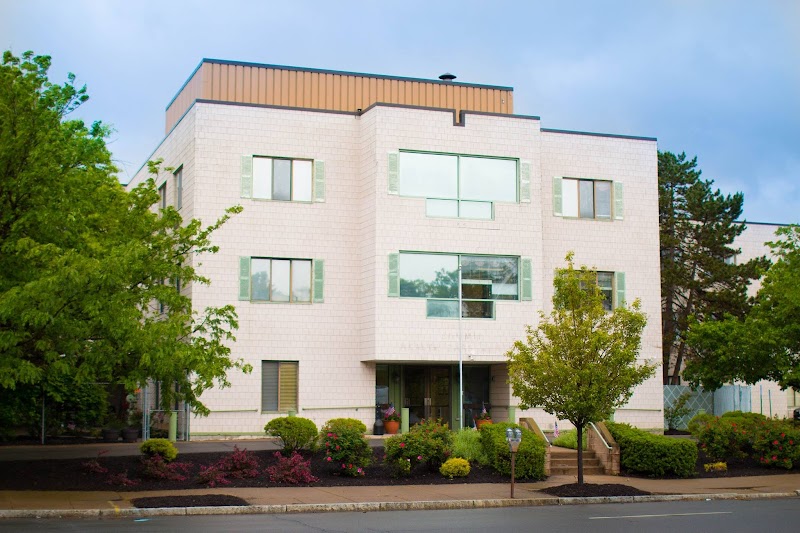
50 N. PENNSYLVANIA AVE., WILKES BARRE, PA 18701 (570) 825-3488
For profit - Corporation 120 Beds EMBASSY HEALTHCARE Data: November 2025
Trust Grade
48/100
#416 of 653 in PA
Last Inspection: March 2025

Within standard 12-15 month inspection cycle. Federal law requires annual inspections.

Overview

Embassy of Wyoming Valley in Wilkes Barre, Pennsylvania has received a Trust Grade of D, indicating below-average performance with some concerns about care quality. It ranks #416 out of 653 facilities in the state, placing it in the bottom half, and #13 of 22 in Luzerne County, which means there are only a few better options nearby. The facility is worsening, with issues increasing from 11 in 2024 to 14 in 2025. Staffing is a relative strength, with a turnover rate of 29%, which is good compared to the state average of 46%, but the staffing star rating is only 1 out of 5, indicating poor overall staffing conditions. Although there are no fines on record, which is a positive sign, there were serious concerns found during inspections, including a failure to provide adequate assistance during resident transfers, leading to injuries, and inconsistent menu availability for residents.

Trust Score
D
48/100
In Pennsylvania
#416/653
Bottom 37%
Safety Record
Moderate
Needs review
Inspections
Getting Worse
11 → 14 violations
Staff Stability
✓ Good
29% annual turnover. Excellent stability, 19 points below Pennsylvania's 48% average. Staff who stay learn residents' needs.
Penalties
✓ Good
No fines on record. Clean compliance history, better than most Pennsylvania facilities.
Skilled Nurses
○ Average
RN staffing data not reported for this facility.
Violations
⚠ Watch
37 deficiencies on record. Higher than average. Multiple issues found across inspections.
★★☆☆☆
2.0
Overall Rating
★☆☆☆☆
1.0
Staff Levels
★★★★★
5.0
Care Quality
★★☆☆☆
2.0
Inspection Score
Stable
2024: 11 issues
2025: 14 issues

The Good

  • 5-Star Quality Measures · Strong clinical quality outcomes
  • Low Staff Turnover (29%) · Staff stability means consistent care
  • Full Sprinkler Coverage · Fire safety systems throughout facility
  • No fines on record
  • Staff turnover is low (29%)

    19 points below Pennsylvania average of 48%

Facility shows strength in quality measures, staff retention, fire safety.

The Bad

2-Star Overall Rating

Below Pennsylvania average (3.0)

Below average - review inspection findings carefully

Chain: EMBASSY HEALTHCARE

Part of a multi-facility chain

Ask about local staffing decisions and management

The Ugly 37 deficiencies on record

1 actual harm
Mar 2025 12 deficiencies
CONCERN (D)

Potential for Harm - no one hurt, but risky conditions existed

Deficiency F0698 (Tag F0698)

Could have caused harm · This affected 1 resident

**NOTE- TERMS IN BRACKETS HAVE BEEN EDITED TO PROTECT CONFIDENTIALITY** Based on review of clinical records and staff interview, it was determined the facility failed to provide person-centered care f...

Read full inspector narrative →
**NOTE- TERMS IN BRACKETS HAVE BEEN EDITED TO PROTECT CONFIDENTIALITY** Based on review of clinical records and staff interview, it was determined the facility failed to provide person-centered care for one resident out of one resident receiving hemodialysis. (Resident 87). Findings include: A review of the clinical record revealed that Resident 87 was admitted to the facility on [DATE], with diagnoses to include end-stage kidney disease with dependence on kidney dialysis (process of removing waste products and excess fluid from the body when the kidneys are not able to adequately filter the blood). According to the clinical record, the resident had a left upper arm arteriovenous fistula (an AV fistula is a connection that's made between an artery and a vein for dialysis access. A surgical procedure, done in the operating room, is required to stitch together two vessels to create an AV fistula). Current physician orders dated January 30, 2025, indicated dialysis days and times (Monday, Wednesday, Friday at 11:30 AM), specific instructions for the left arm fistula, limb alert left upper extremity fistula, monitor for signs and symptoms of infection and/or bleeding, emergency fistula kit to the bedside, and emergency fistula kit to the wheelchair. However, the orders did not detail the specific care to be provided for the AV fistula in the event of an emergency. The orders also did not specify care to be provided for the AV fistula such as to check for bruit (abnormal swishing sound heard with a stethoscope over a blood vessel) and thrill (vibration felt over the chest wall by using one's hand) daily to ensure the fistula is functioning. Review of the resident's current care plan initially dated January 30, 2025, failed to include care specific to the resident receiving hemodialysis. The care plan did not include individualized interventions addressing the monitoring, care, maintenance, or emergency management of the AV fistula site, despite this being the resident's current dialysis access site. A physician order dated February 7, 2025, noted an order for 1000 cc fluid restriction for a diagnosis of end stage kidney disease. Further review of the care plan revised February 3, 2025, indicated the resident had increased nutrient needs related to illness/injury as evidenced by the need for hemodialysis treatments. Interventions to meet nutrient needs and weight stability included to honor food preferences, monitor for changes in meal completion, monitor weight as ordered, provide diet as ordered, and provide supplements as ordered. An intervention dated February 7, 2025, noted to follow 1000 cc fluid restriction as ordered. Further review of the clinical record revealed the resident was non-compliant with the fluid restriction. A physician order dated March 10, 2025, noted an order to discontinue the 1000 cc fluid restriction. The resident's care plan which was reviewed during the survey ending on March 14, 2025, was not updated to reflect that the resident's fluid restriction was discontinued on March 10, 2025. During an interview conducted on March 14, 2025, at 10:15 AM, the Director of Nursing (DON) confirmed the absence of physician orders and a care plan that included planned care and emergency measures specific to the AV fistula and hemodialysis for this resident. The DON confirmed the care plan was not revised to address the discontinuation of the fluid restriction based on the resident's non-compliance. 28 Pa. Code 211.12 (d)(1)(3)(5) Nursing services.
CONCERN (D)

Potential for Harm - no one hurt, but risky conditions existed

Pharmacy Services (Tag F0755)

Could have caused harm · This affected 1 resident

Based on observation, review of select facility policy, and staff interviews, it was determined that the facility failed to implement a process for providing pharmacy services, including access to eme...

Read full inspector narrative →
Based on observation, review of select facility policy, and staff interviews, it was determined that the facility failed to implement a process for providing pharmacy services, including access to emergency medications when not available onsite, and failed to maintain oversight of the facility's medication dispensing system. Findings include: A review of the facility Medication Ordering and Receipt Emergency Boxes and On-Site Stores Policy reviewed February 19, 2025, indicated the contract pharmacy supplies an On-site Stores (Pyxis like system, an automated, medication system, located in the facility) to be utilized by the facility in the case of new admissions, urgent new orders, received after-hours, or when immediate medication administration is required. Procedures to include, On-site Stores medication is secured in compliance with Federal, State, and Local regulations for drug storage and inaccessible to unauthorized persons. If the On-site Stores is not exchanged regularly, a pharmacy representative will perform an on-site audit inspection and remove expired drugs on a consistent basis. A review of the facility's Medication Ordering and Receipt, After-Hours Pharmacy Service policy revealed that emergency pharmaceutical services are available 24 hours a day, 365 days a year. According to the policy, emergency medication needs should be met using onsite supplies provided by the pharmacy, including an emergency box, interim box, starter kit, controlled substance interim box, and an electronic cabinet, as permitted by regulations. The policy further states that STAT (immediate) medication requests can be made to the pharmacy and that a corporate pharmacist is available 24/7 to either dispense medications from the pharmacy or arrange for dispensing from a backup pharmacy to meet the facility's medication needs. A review of the facility's emergency medication supply and observation of the On-site Stores Cubex Medflex (automated medication dispensing system) located in the second floor nursing unit medication room on March 13, 2025, at 11:00 AM in the presence of employee 2 (registered nurse) revealed that a courier from the contacted pharmacy delivers medications in bulk to the facility and that she is then responsible for filling the automated dispensing system. At the time of the survey ending March 14, 2025, the facility failed to provide documentation of pharmacy oversight, including routine monthly audits for expired medications and medication availability. During an interview on March 14, 2025, at 11:00 AM the regional nurse consultant confirmed the facility did not have a backup emergency pharmacy, despite the policy stating that one should be available. The regional nurse consultant stated the facility relied solely on an out of state-based pharmacy with daily courier deliveries. Additionally, she acknowledged that facility nursing staff, rather than trained pharmacy personnel, were responsible for restocking the automated medication dispensing system. The regional nurse consultant further confirmed that facility staff had received training from a pharmacist on proper restocking procedures, but no documentation of pharmacy oversight or staff training on proper restocking of the On-Site Stores Cubex Medflex was provided during the survey. The facility lacked a process to ensure emergency medication availability and failed to maintain proper oversight of the medication dispensing system. Refer F836 28 Pa. Code 211.9 (a)(l)(d)(k) Pharmacy Services. 28 Pa. Code 211.12 (d)(1)(3)(5) Nursing Services.
CONCERN (D)

Potential for Harm - no one hurt, but risky conditions existed

Deficiency F0761 (Tag F0761)

Could have caused harm · This affected 1 resident

Based on review of select facility policy, observation, and staff interview it was determined the facility failed to ensure that drugs were stored at an acceptable temperature on two of two nursing un...

Read full inspector narrative →
Based on review of select facility policy, observation, and staff interview it was determined the facility failed to ensure that drugs were stored at an acceptable temperature on two of two nursing units. Findings include: Review of the facility Medication Storage policy last reviewed February 19, 2025, indicated that medications and biologicals (medications that come from living organisms) are stored safely, securely, and properly following manufacturer's recommendations or those of the supplier. Medications requiring refrigeration or temperatures between 36 degrees Fahrenheit and 46 degrees Fahrenheit are kept in a secured refrigerator with a thermometer to allow temperature monitoring. An observation of the medication refrigerator located in the nurse's station on the Third Floor Nursing Unit on March 11, 2025, at 7:20 PM in the presence of employee 3 (registered nurse) revealed that various medications which required refrigerator were being stored in the refrigerator. The thermometer in the refrigerator read 50 degrees Fahrenheit. A second observation of the medication refrigerator located in the nurse's station on the Third Floor Nursing Unit on March 11, 2025, at 8:10 PM revealed the refrigerator temperature remained at 50 degrees Fahrenheit. The medications had been removed from the refrigerator. Interview with employee 3 (registered nurse) at this time confirmed the director of nursing (DON) was informed of the concern with the refrigerator and the medications were temporarily moved to the refrigerator on the Second Floor Nursing Unit. Interview with the nursing home administrator (NHA) on March 11, 2025, at approximately 8:30 PM confirmed the refrigerator on the Third Floor Nursing Unit was not maintaining an acceptable temperature and was being replaced. An observation of the medication room on the Second Floor Nursing Unit on March 13, 2025, at 11:00 AM in the presence of Employee 2. It was noted the medication refrigerator contained multiple unopened Ozempic pens (medication used to help lower blood sugar). However, there was no thermometer inside the refrigerator and no temperature monitoring log was available for review to verify the medications were being stored at the appropriate temperature. Employee 2 stated that a thermometer should be present in the medication refrigerator and that a temperature monitoring log should be maintained to ensure licensed staff are monitoring the internal refrigerator temperature. An interview with the regional nurse consultant on March 13, 2025, at approximately 12:00 PM confirmed that all medication refrigerators were to have a thermometer present inside each refrigerator and licensed staff were to monitor medication refrigerator temperatures at least daily and record the date and temperature on a temperature monitoring log. The regional nurse consultant also indicated that medications which required refrigeration were to be stored at an acceptable temperature. 28 Pa Code 211.12(d)(1) Nursing services. 28 Pa Code 211.9(a)(1)(k) Pharmacy services
CONCERN (D)

Potential for Harm - no one hurt, but risky conditions existed

Deficiency F0836 (Tag F0836)

Could have caused harm · This affected 1 resident

Based on a review of the facility's automated emergency medication system, applicable state regulations, facility policies, and staff interviews, it was determined that the facility failed to comply w...

Read full inspector narrative →
Based on a review of the facility's automated emergency medication system, applicable state regulations, facility policies, and staff interviews, it was determined that the facility failed to comply with Federal, State, and Local laws and professional standards by not ensuring pharmacy services necessary for daily pharmacy operations according to state requirements of Pa. Code title 49. Findings include: A review of Pennsylvania Code title 49, part I, subpart A, chapter 27 - STATE BOARD OF PHARMACY, 49 Pa. Code § 27.204 - Automated medication systems revealed the following: (a) This section establishes standards applicable to licensed pharmacies that utilize automated medication systems which may be used to store, package, dispense or distribute prescriptions. (b) A pharmacy may use an automated medication system to fill prescriptions or medication orders provided that: (1) The pharmacist manager, or the pharmacist under contract with a long-term care facility responsible for the dispensing of medications if an automated medication system is utilized at a location which does not have a pharmacy onsite, is responsible for the supervision of the operation of the system. (4) The automated medication system must electronically record the activity of each pharmacist, technician or other authorized personnel with the time, date and initials or other identifier so that a clear, readily retrievable audit trail is established. A pharmacist will be held responsible for transactions performed by that pharmacist or under the supervision of that pharmacist. (c) The pharmacist manager or the pharmacist under contract with a long-term care facility responsible for the delivery of medications shall be responsible for the following: (1) Reviewing and approving all policies and procedures for system operation,safety, security, accuracy, access and patient confidentiality. (2) Ensuring that medications in the automated medication system are inspected, at least monthly, for expiration date, misbranding and physical integrity, and ensuring that the automated medication system is inspected, at least monthly, for security and accountability. (3)Assigning, discontinuing or changing personnel access to the automatedmedication system. (4) Ensuring that the automated medication system is stocked accurately, and an accountability record is maintained in accordance with the written policies and procedures of operation. (5) Ensuring compliance with the applicable provisions of State and Federal law. (6) Set forth methods that ensure that access to the automated medication system for stocking and removal of medications is limited to licensed pharmacists or the pharmacist's designee acting under the supervision of a licensed pharmacist. An accountability record which documents all transactions relative to stocking and removing medications from the automated medication system must be maintained. (g) The pharmacist manager shall be responsible for ensuring that, prior to performing any services in connection with an automated medication system, all licensed practitioners and supportive personnel are trained in the pharmacy's standard operating procedures with regard to automated medication systems set forth in the written policies and procedures. The training shall be documented and available for inspection. A review of the facility policy Medication Ordering and Receipt Policy reviewed February 19, 2025, revealed that a designated staff member will be responsible for immediately adding the medications to the Automated Medication System and updating the quantities in the system. An interview with Employee 2 (registered nurse) on March 13, 2025 at 10:10 A.M. revealed she was the designated staff member responsible for receiving the medications from the pharmacy courier and filling the Automated Medication System. Based on the provided information during the survey ending March 14, 2025, the facility failed to specifically ensure the oversight and management of the automated medication system as required by Pennsylvania Code Title 49, Chapter 27, which mandates pharmacist supervision, system inspections, and proper medication accountability. The maintenance of a readily retrievable audit trail and documented oversight of the automated medication system. The Pennsylvania code Title 49 require that automated medication systems be managed under the supervision of a pharmacist and include documentation of oversight activities, system inspections, and accountability for stocking and removing medications. However, the facility failed to provide documentation verifying the required oversight and management of the automated medication system were conducted. During an interview on March 14, 2025, at 11:00 AM, the Regional Nurse Consultant failed to provide documented evidence the contracted pharmacy was adhering to the Pennsylvania code regarding pharmacy services. The Regional Nurse Consultant failed to provide documented evidence regarding oversight and management of the system by contracted pharmacy staff. Refer F755 28 Pa. Code 201.18 (b)(3)(e)(1) Management. 28 Pa. Code 211.9 (a)(l)(d)(k)(l)(1)(2)(3) Pharmacy Services. 28 Pa. Code 211.12 (d)(3)(5) Nursing Services.
CONCERN (E)

Potential for Harm - no one hurt, but risky conditions existed

Safe Environment (Tag F0584)

Could have caused harm · This affected multiple residents

**NOTE- TERMS IN BRACKETS HAVE BEEN EDITED TO PROTECT CONFIDENTIALITY** Based on observation and resident and staff interviews, it was determined the facility failed to provide housekeeping and mainte...

Read full inspector narrative →
**NOTE- TERMS IN BRACKETS HAVE BEEN EDITED TO PROTECT CONFIDENTIALITY** Based on observation and resident and staff interviews, it was determined the facility failed to provide housekeeping and maintenance services to maintain a clean and orderly environment in resident areas on two of two resident floors (second floor and third floor residential units, and third floor shower room). Findings included: An observation on March 11, 2025, at 8:38 PM in resident room [ROOM NUMBER] revealed numerous spackled areas on the wall throughout the room. The closet door was missing. Interview with Resident 39, at the time of the observation, revealed he was admitted to the facility on [DATE]. He reported the walls have been unfinished since his admission to the facility. He continued, they've been promising me a closet door since I got here, but as you see, that hasn't happened. An observation on March 11, 2025, at 8:50 PM in resident room [ROOM NUMBER] revealed a large, gouged area of the wall outside the bathroom and an unknown red substance splattered on the ceiling above the resident's bed. Interview with Resident 68, at the time of the observation, revealed she had no idea how the red splatter got on her ceiling or how long it has been there, but it bothers her that she has to look at it every time she is lying in bed. An observation on March 11, 2025, at 9:00 PM in semi private resident room, 311 revealed the electrical cover plate was missing from the electrical outlet located on the wall to the left of the headboard of the bed closest to the door. An observation on the third-floor nursing unit on March 12, 2025, at approximately 10:00 AM in the presence of the director of nursing revealed that a ceiling tile was missing in the residents' personal laundry room. An observation on March 12, 2025, at 12:55 PM of the third-floor shower room revealed missing baseboard trim near the garbage can. In addition, a pile of brown debris resembling dirt was present along the base of the wall where the trim was missing. Small ants were observed crawling on the bathroom floor and moving in and out of the brown debris. An observation on March 12, 2025, at 2:50 PM in resident room [ROOM NUMBER] revealed a large area of spackled wall outside the bathroom door. Multiple spackled areas were noted throughout the room on the walls. Interview with Resident 31, at the time of the observation, revealed the room has looked unfinished since her admission to the facility on January 31, 2025. An observation on March 13, 2025, at 10:27 AM in resident room [ROOM NUMBER] revealed the windows were cloudy, reducing visibility. Interview with Resident 48, at the time of the observation, revealed she has been in room [ROOM NUMBER] for over two years and has never observed anyone cleaning the windows. She stated she loves tending to her plants in her room and on the windowsill and enjoys looking outside, but the windows are so dirty, it kind of ruins the atmosphere. An observation on March 13, 2025, at 10:40 AM in resident room [ROOM NUMBER] revealed the windows were cloudy, reducing visibility. Interview with Resident 17, during the time of the observation, the resident stated I keep telling them they need to clean them. How am I supposed to see the cute guys outside? An observation on March 13, 2025, at 10:48 AM in resident room [ROOM NUMBER] revealed the windows were cloudy, reducing visibility. Interview with Resident 7, at the time of the observation, revealed I sit in my room all day and I can't even see out the windows because they're dirty. Interview with the Nursing Home Administrator and Director of Nursing on March 14, 2025 at approximately 11:00 PM confirmed the facility's environment should be kept in good repair and maintained in a clean and homelike manner. 28 Pa Code 201.18(e)(2.1) Management
CONCERN (E)

Potential for Harm - no one hurt, but risky conditions existed

Deficiency F0604 (Tag F0604)

Could have caused harm · This affected multiple residents

**NOTE- TERMS IN BRACKETS HAVE BEEN EDITED TO PROTECT CONFIDENTIALITY** Based on observation, review of clinical records and select facility policy, and staff interview, it was determined the facility...

Read full inspector narrative →
**NOTE- TERMS IN BRACKETS HAVE BEEN EDITED TO PROTECT CONFIDENTIALITY** Based on observation, review of clinical records and select facility policy, and staff interview, it was determined the facility failed to ensure the evaluation of a resident's need and use of physical restraints, including evaluation of the least restrictive measure needed to treat the resident's medical symptom, and failed to obtain informed consent prior to the use of the physical restraint for one of one sampled resident with restraints (Resident 1). Findings included: A review of the facility's policy titled Restraint Free Environment last reviewed by the facility February 19, 2025, revealed that physical restraint refers to any method or physical or mechanical device, material, or equipment attached or adjacent to the resident's body that the individual cannot remove easily which restricts freedom of movement or normal access to one's body. Physical restraints may include but are not limited to: Applying leg or arm restraints, hand mitts, soft ties, or vests that the resident cannot remove. Using devices in conjunction with a chair, such as trays, tables, cushions, bars or belts, that the resident cannot remove and prevents the resident from rising. Further review of the policy provided by the facility revealed that a physician's order alone is not sufficient to warrant the use of physical restraint. Before a resident is restrained, the facility will determine the presence of a specific medical symptom that would require the use of restraints. Medical symptoms warranting the use of restraints should be documented in the resident's medical record. The resident's record needs to include documentation that less restrictive alternatives were attempted to treat the medical symptom but were ineffective, ongoing re-evaluation of the need for the restraint, and the effectiveness of the restraint in treating the medical symptom. The care plan should be updated accordingly to include the development and implementation of interventions to address any risks related to the use of the restraint. Review of the facility's policy titled Use of Restraints: last reviewed by the facility February 19, 2025, further indicated that restraints shall only be used upon written order of a physician and after obtaining consent from the resident and/or representative. The order shall include the following: (a) the specific reason for the restraint(as it relates to the resident's medical symptom); (b) how the restraint will be used to benefit the resident's medical symptoms; (c) the type of restraint, and the period of time for the use of the restraint. Observation of Resident 1 on March 13, 2025, at 11:45 AM in the dining room, revealed the resident was seated in a specialty wheelchair, in a tilted position. The resident was observed to be wearing a chest harness (provides a rearward pull to the shoulders to prevent a forward posture), a wheelchair seatbelt and a pelvic support/anti-slider belt (provides support to the pelvic/abdominal region to prevent hip thrusting or sliding). Interview with Employee 3 (nurse aide) on March 13, 2025, at 11:45 AM revealed that Resident 1 was unable to release or remove the above attachments on his body, but they were required to prevent a fall out of the wheelchair. Review of Resident 1's clinical record revealed admission to the facility on March 25, 1988, with diagnoses, which included anoxic brain damage (when the brain is deprived of oxygen for an extended period, leading to brain damage), and osteoporosis (condition in which the bones become weak and brittle). A review of an annual Minimum Data Set assessment (MDS-a federally mandated standardized assessment process conducted periodically to plan resident care) dated January 9, 2025, revealed that Resident 1 BIMS interview (Brief Interview for Mental Status- a tool within the Cognitive Section of the MDS that is used to assess the resident's attention, orientation, and ability to register and recall new information) was not completed, which indicated that the resident was unable to provide or did not provide answers to complete this section. The resident was dependent on staff for all self-care, transfers, and mobility. Further review of the MDS, Section P- Restraints and Alarms, indicated that a trunk restraint was not used. A physician order dated September 30, 2024, revealed an order for OOB (out of bed) to specialized tilt-in-space wheelchair with chest harness and padded between the legs, slider belt at all times. Review of the Occupational Therapy (OT) Discharge summary dated [DATE], indicated that Resident 1 achieved the long-term goal of increased time out of bed/out of the room in the wheelchair with the use of a chest harness and slider belt for 6 hours in order to enhance comfort. Discharge recommendations included OOB in tilt-in-space wheelchair with chest harness and padded between the leg belt. Review of clinical record for Resident 1 revealed no evidence that the resident was evaluated for the need and use of physical restraints, including evaluation of the least restrictive measure needed to treat the resident's medical symptom. There was no physician documentation regarding the medical necessity for the chest harness, seatbelt, and slider belt. There was no documented evidence that the facility obtained informed consent prior to the use of restraints. There was no documented consent available in the clinical record. Interview with the Director of Rehabilitation (DOR) on March 13, 2025, at 12:50 PM revealed the facility had not identified the chest harness and slider belt as a physical restraint. The DOR reported that staff should not be using the standard seatbelt on the wheelchair. The DOR confirmed that the facility failed to conduct a restraint evaluation as indicated in the facility's Restraint Free Environment policy. The DOR was unable to provide documented evidence that the facility obtained informed consent from the resident's responsible party prior to the use of the physical restraints as indicated in the Use of Restraints policy. 28 Pa. Code 201.29 (a) Resident rights 28 Pa. Code 211.10 (a) Resident care policies 28 Pa. Code 211.8 (c.1)(e)(f)Use of restraints 28 Pa. Code 211.12 (d)(5) Nursing services
CONCERN (E)

Potential for Harm - no one hurt, but risky conditions existed

Quality of Care (Tag F0684)

Could have caused harm · This affected multiple residents

**NOTE- TERMS IN BRACKETS HAVE BEEN EDITED TO PROTECT CONFIDENTIALITY** Based on observation, a review of clinical records, and staff interview it was determined the facility failed to provide nursing...

Read full inspector narrative →
**NOTE- TERMS IN BRACKETS HAVE BEEN EDITED TO PROTECT CONFIDENTIALITY** Based on observation, a review of clinical records, and staff interview it was determined the facility failed to provide nursing services consistent with professional standards of quality by failing to follow a physician order to discontinue a treatment for one of 21 sampled residents (Resident 57). Findings include: According to the Pennsylvania Code, Title 49, Professional and Vocational Standards, State Board of Nursing, 21.11 (a)(1)(2)(4) indicates that the registered nurse was to collect complete ongoing data to determine nursing care needs, analyze the health status of individuals and compare the data with the norm when determining nursing care needs, and carry out nursing care actions that promote, maintain, and restore the well-being of individuals. The Pennsylvania Code, Title 49, Professional and Vocational Standards, State Board of Nursing, 21.145 Functions of the Licensed Practical Nurse (LPN) (a) The LPN is prepared to function as a member of the health-care team by exercising sound judgement based on preparation, knowledge, skills, understandings and past experiences in nursing situations. The LPN participates in the planning, implementation, and evaluation of nursing care in settings where nursing takes place. 21.148 Standards of nursing conduct (a) A licensed practical nurse shall: (5) Document and maintain accurate records. According to the American Nurses Association Principles for Nursing Documentation, nurses document their work and outcomes and provide an integrated, real-time method of informing the health care team about the patient status. Timely documentation of the following types of information should be made and maintained in a patient's EHR (electronic health record) to support the ability of the health care team to ensure informed decisions and high quality care in the continuity of patient care: Assessments Clinical problems Communications with other health care professionals regarding the patient Communication with and education of the patient, family, and the patient's designated support person and other third parties. A review of the clinical record revealed Resident 57 was admitted to the facility on [DATE], with diagnoses which included dementia (chronic or persistent disorder of the mental processes caused by brain disease or injury and marked by memory disorders, personality changes, and impaired reasoning). A physician order dated January 14, 2025, noted an order for Bacitracin External Ointment (topical antibiotic which stops growth of bacteria) 500 units/gram to left side of scalp topically every day and evening for abrasion (superficial injury caused by rubbing or scraping away of the skin's outer layer often resulting in a minor wound with minimal bleeding). A nursing note dated January 20, 2025, indicated that the Certified Registered Nurse Practitioner (CRNP) evaluated the wound during wound rounds and issued a new order to discontinue the treatment, as the area had healed. The note also documented that the resident's representative was informed of the change. An observation of Resident 57 on March 13, 2025, at 8:00 AM, in the presence of Employee 1 (LPN), revealed no abrasions on the resident's scalp, including on the left side. A review of Resident 57's Treatment Administration Records from January 20, 2025, through March 12, 2025, showed that facility staff continued to apply Bacitracin External Ointment twice daily, despite the wound being healed and the treatment discontinued. During an interview on March 13, 2025, at 8:30 AM, the Regional Nurse Consultant confirmed the abrasion on Resident 57's scalp had healed and acknowledged the treatment should have been discontinued on January 20, 2025. 28 Pa. Code 211.5 (f)(i)(ii)(iii)(ix) Medical Records 28 Pa. Code 211.12 (c)(d)(1)(3)(5) Nursing Services
CONCERN (E)

Potential for Harm - no one hurt, but risky conditions existed

Deficiency F0694 (Tag F0694)

Could have caused harm · This affected multiple residents

**NOTE- TERMS IN BRACKETS HAVE BEEN EDITED TO PROTECT CONFIDENTIALITY** Based on observations, clinical record reviews, and staff interviews, it was determined that the facility failed to provide pers...

Read full inspector narrative →
**NOTE- TERMS IN BRACKETS HAVE BEEN EDITED TO PROTECT CONFIDENTIALITY** Based on observations, clinical record reviews, and staff interviews, it was determined that the facility failed to provide person-centered care by not ensuring compliance with physician orders for the management of a Peripherally Inserted Central Catheter (PICC) line, failed to maintain the availability of prescribed emergency supplies, and failed to meet the resident's clinical needs for one of 21 sampled residents (Resident 31). Findings include: A review of clinical records revealed Resident was admitted to the facility on [DATE], with diagnoses to include lobar pneumonia (type of lung infections that affects an entire lobe of the lung), and systemic inflammatory response syndrome of non-infectious origin (widespread inflammatory response to a non-infectious trigger). A review of Resident 31's hospital records, including the PICC Insertion Documentation dated January 30, 2025, indicated the resident underwent placement of a single-lumen PICC line (a peripherally inserted central catheter, also called a PICC line, is a long, thin tube that's inserted through a vein in your arm and passed through to the larger veins near your heart, used for intravenous fluids, including antibiotics) in the right arm for intravenous administration of fluids, including antibiotics. Documentation noted the catheter's total length was 35 cm with an external length of 0 cm. A review of physician orders dated January 31, 2025, at 2:00PM, revealed the if the catheter is pulled out, staff must immediately apply pressure for 15-20 minutes to stop bleeding, verify catheter integrity, apply sterile gauze to the exit site if needed, and notify the physician. An additional physician order dated January 31, 2025, at 3:00 PM requiring an emergency PICC kit to be kept at bedside or on the resident's wheelchair and checked every shift. A review of Resident 31's Treatment Administration Record (TAR) for February and March 2025 showed that nursing staff documented the presence of the emergency PICC kit at bedside/on the wheelchair each shift. However, an observation conducted on March 12, 2025, at 2:50 PM, revealed no emergency PICC supplies were available in the resident's room or on the wheelchair. An interview with Employee 3 (Registered Nurse) on March 12, 2025, at 3:00 PM, confirmed that Resident 31 had a physician's order for emergency PICC line supplies but that no such supplies were present. Employee 3 stated that he had never observed an emergency kit at bedside or on the wheelchair since the resident's admission. Employee 3 was unable to explain why staff had been documenting the presence of the kit when it was not available. Further review of physician orders dated January 31, 2025, included a directive for nursing staff to measure the PICC line catheter length on admission and with each dressing change thereafter, every Thursday during the evening shift. A review of Resident 31's Nursing admission Evaluation (January 31, 2025), Medication Administration Record (February and March 2025), and nursing notes (January 31 - March 13, 2025) revealed no documented evidence that nursing staff had measured and recorded the PICC line catheter length on admission or during weekly dressing changes as ordered. An interview with the Regional Clinical Nurse Consultant on March 13, 2025, at 12:55 PM, confirmed there was no documentation to support that the physician's orders for measuring and recording the PICC line length had been followed. 28 Pa. Code 211.12 (c)(d)(1)(3)(5) Nursing services.
CONCERN (E)

Potential for Harm - no one hurt, but risky conditions existed

Infection Control (Tag F0880)

Could have caused harm · This affected multiple residents

**NOTE- TERMS IN BRACKETS HAVE BEEN EDITED TO PROTECT CONFIDENTIALITY** Based on a review of clinical records, select facility policy, observations, and staff interviews, it was determined the facilit...

Read full inspector narrative →
**NOTE- TERMS IN BRACKETS HAVE BEEN EDITED TO PROTECT CONFIDENTIALITY** Based on a review of clinical records, select facility policy, observations, and staff interviews, it was determined the facility failed to implement enhanced barrier infection control procedures for one out of 21 residents sampled (Resident 38), properly store clean towels designated for resident use in one out of two shower rooms on the Third Floor Nursing Unit, and maintain infection control practices related to reduce the potential for infections for one (Resident 36) out of two sampled residents with an indwelling urinary Foley catheter (flexible tube which is placed in the bladder to drain urine). Findings include: A review of facility policy titled Enhanced Barrier Precautions, last reviewed by the facility on February 19, 2025, revealed it is the facility policy to expand the use of personal protective equipment and refer to the use of gowns and gloves during high-contact resident care activities that provided opportunities for transfer of multi-drug-resistant organisms (MDROs) to staff hands and clothing. The policy indicates nursing home residents with wounds and indwelling medical devices are especially high risk for both the acquisition of and colonization with MDROs. The policy indicates any resident who requires enhanced barrier precautions will have clear signage posted on the door or wall outside of the resident room indicating the type of precautions, required personal protective equipment (PPE), and the high-contact resident care activities that require the use of gown and gloves. A clinical record review revealed Resident 38 was admitted to the facility on [DATE], with diagnoses that included cerebral palsy (a condition that affects a person's ability to move and maintain balance and posture, caused by damage to the brain) and dysphagia (difficulty swallowing). A physician's order, initially dated January 14, 2025, indicated that Resident 38 required enhanced barrier precautions (interventions implemented to prevent the transmission of novel or targeted multidrug-resistant organisms) due to the presence of a gastrostomy tube (surgically placed tube that provides direct access to the stomach for feeding, hydration, or medication delivery). Observations conducted on March 12, 2025, at 12:20 PM, and March 13, 2025, at 9:10 AM, revealed that no signage was posted outside Resident 38's room to indicate enhanced barrier precautions, nor were there any instructions regarding PPE requirements. . Interviews with Employee 4 Licensed Practical Nurse (LPN) and Employee 5 (Nurse Aide) on March 13, 2025, at 9:10 AM confirmed that no enhanced barrier precautions had been implemented for Resident 38, contrary to facility policy and infection control standards. Observations conducted on March 11, 2025, at 7:30 PM, in the Third Floor Nursing Unit single shower room revealed that clean towels were placed inside the sink. A subsequent observation on March 11, 2025, at 10:30 AM, in the presence of the Director of Nursing (DON), confirmed that a pile of clean towels was stored inside the sink. An interview with the DON at this time confirmed that towels should not be stored in the sink, as this poses a risk of contamination. The DON acknowledged the facility is responsible for ensuring infection control procedures are fully implemented, including the proper storage of resident linens such as towels. A review of clinical records revealed Resident 36 was admitted to the facility on [DATE], with diagnoses to include neuromuscular dysfunction of the bladder (occurs when the nerves that control bladder function are damaged, leading to difficulty emptying or controlling the bladder), and benign prostatic hyperplasia (prostate gland enlargement that can cause urination difficulty). Review of nursing documentation dated January 9, 2025, at 3:44 PM revealed Resident 36 was admitted to the facility with a Foley catheter (a flexible tube inserted through the urinary opening and into the bladder. The device drains the urine into a drainage bag). An observation on March 11, 2025, at 8:25 PM, revealed that Resident 36 was resting in bed, and the urine collection bag from the resident's Foley catheter was lying on its side, directly on the floor. A subsequent observation on March 13, 2025, at 8:25 AM, again revealed that the urine collection bag was in direct contact with the floor, creating an increased risk for contamination and infection. An interview with the Infection Preventionist on March 14, 2025, at 11:00 AM, confirmed the facility failed to maintain Resident 36's Foley catheter in a manner that would prevent the potential for urinary tract infections (UTIs). The Infection Preventionist further acknowledged the facility failed to uphold appropriate infection control techniques for a resident with an indwelling Foley catheter. 28 Pa. Code 211.10 (a)(d) Resident care policies. 28 Pa. Code 211.12 (c )(d)(1)(5) Nursing services.
CONCERN (F)

Potential for Harm - no one hurt, but risky conditions existed

Deficiency F0801 (Tag F0801)

Could have caused harm · This affected most or all residents

Based on staff interview and a review of employee qualifications it was determined that the facility failed to employ a full-time qualified director of food and nutrition services manager in the absen...

Read full inspector narrative →
Based on staff interview and a review of employee qualifications it was determined that the facility failed to employ a full-time qualified director of food and nutrition services manager in the absence of a full-time qualified dietitian. Findings include: The Pennsylvania Code, Title 49, Chapter 21, Professional and Vocational Standards: Responsibilities of the Licensed Dietitian/ Nutritionist Section 21.711 Professional Conduct indicated that the Licensed Dietitian/ Nutritionist shall provide information which will enable patients to make their own informed decisions regarding nutrition and dietetic therapy, including the reasonable expectations of the professional relationship. During initial tour of the food and nutrition services department on March 11, 2025, at 6:20 PM the food and nutrition services director (FSD) stated that he had been the FSD since January 21, 2025. The FSD stated that he had a culinary background but did not yet have a certification to meet the requirements for a qualified foodservice director based on current federal regulation. The FSD stated that he does visit residents for food preferences. The FSD further stated the full-time registered dietitian (RD) had recently quit, and the current RD works remotely and was available via e-mail and telephone. Interview with the nursing home administrator (NHA) on March 12, 2025, at approximately 9:00 AM confirmed that the full-time RD's last day of employment was on March 7, 2025. The NHA confirmed the current RD worked remotely on a part-time basis. The NHA confirmed the facility failed to provide documented evidence the facility employed a full-time qualified food service director in the absence of a full-time qualified dietitian. The NHA failed to provide documented evidence the services of the remote RD included face to face interactions with residents to ensure appropriate nutritional oversight for residents in the facility. The NHA failed to provide documented evidence the current remote RD was scheduled to provide frequently scheduled consultations to the FSD. 28 Pa Code 201.18 (e)(1)(6) Management.
MINOR (B)

Minor Issue - procedural, no safety impact

Transfer Notice (Tag F0623)

Minor procedural issue · This affected multiple residents

**NOTE- TERMS IN BRACKETS HAVE BEEN EDITED TO PROTECT CONFIDENTIALITY** Based on clinical record review, facility-initiated transfer notices and staff interview, it was determined that the facility fa...

Read full inspector narrative →
**NOTE- TERMS IN BRACKETS HAVE BEEN EDITED TO PROTECT CONFIDENTIALITY** Based on clinical record review, facility-initiated transfer notices and staff interview, it was determined that the facility failed to notify the Office of the State Long-Term Care Ombudsman of a transfer to the hospital for one resident out of the 21 residents sampled. (Resident 60). Findings include:: A review of Resident 60's clinical record revealed the resident was initially admitted to the facility on [DATE], with diagnoses that included atrial fibrillation (irregular heartbeat) and Chronic Obstructive Pulmonary Disease (COPD a progressive lung disease characterized by chronic respiratory symptoms and airflow limitations). A review of the clinical record revealed that Resident 60 was transferred to the hospital on June 28,2024 and was readmitted to the facility on [DATE]. A review of the clinical record failed to reveal documented evidence the facility provided the representative of the Office of the State Long Term Care Ombudsman with a written notice of the facility-initiated transfer and reason for the transfer on June 28,2024 An interview with the Nursing Home Administrator (NHA) on March 14,2025, at 11:45 a.m., confirmed the facility had no documented evidence indicating the representative of the Office of the State Long Term Care Ombudsman was informed of the transfer in writing. 28 Pa. Code 201.14(a) Responsibility of licensee.
MINOR (B)

Minor Issue - procedural, no safety impact

Deficiency F0625 (Tag F0625)

Minor procedural issue · This affected multiple residents

Based on a review of clinical records and staff interview it was determined the facility failed to provide residents or their representatives with written information of the facility's bed hold policy...

Read full inspector narrative →
Based on a review of clinical records and staff interview it was determined the facility failed to provide residents or their representatives with written information of the facility's bed hold policy upon transfer to the hospital of one resident out of 21 residents sampled (Residents 39). Findings include: A review of Resident 39's clinical record revealed the resident was transferred to the hospital on January 16,2025 and returned to the facility on January 21,2025. There was no documented evidence the facility provided this resident and/or their representatives written information about the facility's bed-hold policy (an agreement for the facility to hold a bed for an agreed upon rate during a hospitalization) at the time of transfer. Interview with the Nursing Home Administrator on March 13,2025 at 2:24 PM confirmed the facility was unable to provide documented evidence of the provision of a written notice of the facility's bed hold policy upon hospital transfer. 28 Pa Code 201.18 (b)(3) Management 28 Pa. Code 201.14(a) Responsibility of licensee 28 Pa. Code 211.12(d)(2)(3)(5) Nursing services
Jan 2025 2 deficiencies
CONCERN (E) 📢 Someone Reported This

A family member, employee, or ombudsman was alarmed enough to file a formal complaint

Potential for Harm - no one hurt, but risky conditions existed

Deficiency F0804 (Tag F0804)

Could have caused harm · This affected multiple residents

Based on observation, review of food committee minutes, resident and staff interviews, and test tray results, it was determined the facility failed to serve meals that were palatable and at a safe and...

Read full inspector narrative →
Based on observation, review of food committee minutes, resident and staff interviews, and test tray results, it was determined the facility failed to serve meals that were palatable and at a safe and appetizing temperature for four of the 7 residents sampled (Residents 1, 56, 14, and 87) Findings include: According to the federal regulatory guidance at 483.60(i)-(2) Food safety requirements - the definition of Danger Zone, found under the Definitions section, is food temperatures above 41 degrees Fahrenheit and below 135 degrees Fahrenheit that allow rapid growth of pathogenic microorganisms that can cause foodborne illness. Review of the Resident Food Committee Meeting minutes dated December 11, 2024, revealed the residents were asked if the temperature of the hot/cold foods were appropriate. The response indicated was no, with the added comment: cold meals at dinner. Review of the Resident Food Committee Meeting minutes dated January 15, 2025, revealed the residents were asked if the temperature of the hot/cold foods were appropriate. The response indicated was no with the comment not always and specifically noting French fries. During an interview with Resident 14 on January 30, 2025, at 10:00 AM, reported were served at best, lukewarm and that French fries were never hot. He stated he had voiced concerns in Food Committee Meetings, but the facility failed to address the issue. During an interview with Resident 1 on January 30, 2025, at 10:47 AM, she reported that the hot food was frequently cold, sometimes warm on the outside but cold in the middle. She reported sending food back to the kitchen out of concern for food safety. During an interview with Resident 87 on January 30, 2025, at 11:00 AM, reported the hot food was never hot, just warm. During an interview with Resident 56 on January 30, 2025, at 11:10 AM, she reported that hot food was cold sometimes, but she has gotten used to the food not being served hot, so she eats it anyway. A test tray performed on the 2nd floor Nursing Unit on January 30, 2025, revealed the test tray arrived on the Nursing Unit at 12:17 PM. The hot meal was chicken and dumplings, mixed vegetables, a butterscotch bar, and a beverage of choice. At 12:34 PM, upon serving the last resident, a test tray evaluation was conducted with the Dietary Manager present. The food temperatures were recorded as follows: Chicken and dumplings: 125.5 degrees Fahrenheit below the 135 degrees Fahrenheit minimum for hot foods Mixed vegetables: 104.8 degrees Fahrenheit significantly below the required temperature The hot food tasted cold and was not palatable at the time it was served. An interview with the Dietary Manager on January 30, 2025, at 12:36 PM confirmed that food must be palatable and served at safe and appetizing temperatures. During an interview on January 30, 2025, at approximately 1:10 PM, the Nursing Home Administrator verified the facility is responsible for ensuring that all residents receive meals that are palatable and at a safe and appetizing temperature. The facility failed to serve food at proper temperatures and resulted in the lack of palatable and appetizing meals with the potential of food safety risks and unaddressed resident concerns, which compromised the quality of the dining services provided by the facility. 28 Pa. Code 201.18 (e)(3)(4) Management
CONCERN (F) 📢 Someone Reported This

A family member, employee, or ombudsman was alarmed enough to file a formal complaint

Potential for Harm - no one hurt, but risky conditions existed

Menu Adequacy (Tag F0803)

Could have caused harm · This affected most or all residents

**NOTE- TERMS IN BRACKETS HAVE BEEN EDITED TO PROTECT CONFIDENTIALITY** Based on observations, a review of the facility's planned cycle menus, and resident and staff interview it was determined that t...

Read full inspector narrative →
**NOTE- TERMS IN BRACKETS HAVE BEEN EDITED TO PROTECT CONFIDENTIALITY** Based on observations, a review of the facility's planned cycle menus, and resident and staff interview it was determined that the facility failed follow written planned menus for four of seven residents sampled. (Resident 14, 55, 87, and 56). Findings included: Review of the facility policy titled Menu Substitutions last reviewed by the facility January 2024, revealed that menu substitutions/changes shall be made to the planned menu in an emergency situation only and not for the convenience of the facility. At the time of the survey ending on January 30, 2025, the facility census was 86 residents. On January 30, 2025, at 9:50 AM resident 14 reported the menu changes occurred frequently, and staff only notified him when they are picking up his breakfast tray. He stated that they run out of food and blame the truck for not supplying food to the facility. Interview with Resident 14 on January 30, 2025, at 10:00 AM revealed that the always available menu is not consistently available- it's now changed to IF available (always available menu is called the alternate entrée menu which includes egg salad sandwich, turkey sandwich, hamburger, grilled cheese sandwich and meatball hoagie). He reported that the facility is consistently running out of the always available food items. He stated that when ordering from the 'always available menu, if the kitchen runs out of an item, they will serve him whatever they have left. He provided an example of ordering a hamburger and was served a tuna fish sandwich instead, without any explanation or confirmation that he was agreeable to the substitution. He continued they run out of food, and they blame the truck for not supplying. Interview with Resident 55 on January 30, 2025, at 11:00 AM reported residents do not receive weekly menus in their rooms. She stated she would like to have a copy of the menu so she could decide based on the options presented in front of her. She reported that she frequently orders a toasted cheese sandwich and sometimes they just give you whatever is available, not what I ordered. It happens at least once a week. Interview with Resident 87 on January 30, 2025, at 11:15 AM stated that the kitchen gives me the wrong order when they run out of stuff. Interview with Resident 56 on January 30, 2025, at 11:35 AM stated that her food orders were frequently incorrect. She provided an example of ordering a grilled cheese sandwich but receiving a hamburger stating, That's all they have cause the truck never came. She continued, I don't get my coffee. They say the ran out of coffee cause the truck didn't come Review of Resident Council Meeting Minutes (January 14, 2025): The minutes documented the alternate menu was not always available, and basic food supplies such as sugar, butter, milk, tea, ketchup, and coffee were frequently out of stock. It was noted that the facility was experiencing food supply shortages, but there was no documented evidence that these concerns were addressed by the facility. The facility frequently runs out of bread At the time of the survey ending January 30, 2025, there was no documented evidence that the facility addressed the concerns voiced during the food committee meeting regarding food supply shortages. Review of the facility's Week 3 lunch menu for Thursday January 30, 2025, revealed that the planned menu included maple glazed ham, macaroni and cheese, Prince [NAME] vegetable blend, wheat dinner roll and choice of dessert. However, an observation of the lunch meal on Thursday January 30, 2025, at 12:34 PM revealed chicken and dumplings were severed in place of the ham and macaroni and cheese, and mixed vegetables was served in place of the planned Prince [NAME] vegetable blend. Interview with the dietary manager at this time confirmed substitutions for the lunch meal were made. The dietary manager noted the facility maintains a substitution log and frequently substitutions are made due to not having the food items needed based on the planned menu. Review of the facility's meal substitution records revealed multiple instances due to unavailable ingredients affecting a variety of planned menu items. Review of the facility's Substitution Record for November 2024 revealed that planned menu items such as baked potatoes, BBQ beef, spinach, mixed vegetables, California blend vegetables, coleslaw, rice, and potato chips all required substitutions due to the items/ingredients to prepare the food items not being available in the facility. Review of the facility's Substitution Record for December 2024 revealed that planned menu items such as taco coup, stuffed shells, chicken casserole, tossed salad, hot dogs, and Prince [NAME] vegetable blend all required substitutions due to the items/ingredients to prepare the food items not being available in the facility. Review of the facility's Substitution Record for January 2025 revealed that planned menu items such as ham salad, peaches, pears, hot dogs, French toast, bacon, fruit cocktail, egg salad, taco soup, fish, maple ham, Prince [NAME] vegetable blend, and macaroni and cheese all required substitutions due to the items/ingredients to prepare the food items not being available in the facility. An interview with the Nursing Home Administrator (NHA) and the Dietary Manager on January 30, 2025, at approximately 1:20 PM confirmed that the facility was unable to consistently follow the written planned menus due to supply shortages. The Dietary Manager stated that menu items were ordered timely, but the food service supplier was not delivering the food order in its entirety. The NHA confirmed that the facility's food service supplier is not providing the facility with their full order upon delivery. The facility to follow written planned menus as required which resulted in unapproved meal substitutions, lack of access to resident-preferred menu options, and inconsistent meal service. 28 Pa. Code 211.6(a) Dietary Services
Oct 2024 1 deficiency 1 Harm
SERIOUS (G) 📢 Someone Reported This

A family member, employee, or ombudsman was alarmed enough to file a formal complaint

Actual Harm - a resident was hurt due to facility failures

Free from Abuse/Neglect (Tag F0600)

A resident was harmed · This affected 1 resident

**NOTE- TERMS IN BRACKETS HAVE BEEN EDITED TO PROTECT CONFIDENTIALITY** Based on review of clinical records, the facility's abuse prohibition policy, select investigative reports, and interviews with ...

Read full inspector narrative →
**NOTE- TERMS IN BRACKETS HAVE BEEN EDITED TO PROTECT CONFIDENTIALITY** Based on review of clinical records, the facility's abuse prohibition policy, select investigative reports, and interviews with staff and residents, it was determined the facility failed to ensure that a resident was free from neglect by not providing care with assistance of two-persons as planned to ensure safety and prevent major injuries, fractures to the left distal femur and right distal tibial, for one resident, Resident 2, out of eight sampled residents for abuse prohibition. Findings include: Review of the facility's policy entitled Abuse, Neglect, and Exploitation that last revised by the facility on January 1, 2024, defined neglect as the failure of the facility, its employees, or service providers to provide goods and services to a resident that are necessary to avoid physical harm, pain, mental anguish, or emotional distress. The facility would deploy trained and qualified registered, licensed, and certified staff on each shift and assure that the staff assigned have knowledge of the individual residents' care needs and behavior symptoms. Review of Resident 2's clinical record revealed the resident was initially admitted to the facility on [DATE], with diagnoses to include unspecified intellectual disabilities (neurodevelopmental condition that develops in childhood and affects one's capacity to learn and retain new information, and it also affects everyday behavior such as social skills and hygiene routines. Individuals with this condition experience significant limitations with intellectual functioning and developing adaptive skills like social and life skills) liver disease (is a broad term to describe damage to the liver), anxiety disorder, and abnormalities of gait (walking pattern) and mobility. Review of Resident 2's Quarterly MDS assessment (Minimum Data Set - a federally mandated standardized assessment process conducted periodically to plan resident care) dated July 29, 2024, revealed the resident had a BIMS score of 3 (Brief Interview for Mental Status is a tool used to evaluate cognitive impairment and assist with dementia diagnosis. A score of 0-7 equates to severe cognitive impairment). Review of Resident 2's current comprehensive person-centered care plan, initiated on July 1, 2022, indicated the resident had an ADL (activities of daily living) self-care performance deficit related to intellectual disabilities, history of falls, and a history of seizures. Planned resident centered interventions revealed he required two-staff participation with bed mobility to reposition and to turn in bed, and also required two-staff participation for bathing/showering and dressing, bed mobility, transfers, toileting and hygiene. Additionally, the resident's cognition and communication care plan indicated the resident had impaired cognition but is able to respond yes or no to simple questions when asked. A review of a nurses note completed by Employee 1, a Licensed Practical Nurse (LPN), dated September 7, 2024, at 7:05 PM, revealed Resident 2 was yelling out in pain when rolled to the left side on his hip area and when his left leg is lifted. On call CRNP (certified registered nurse practitioner) was made aware and new orders were obtained for a STAT x-ray (immediate) of the left hip and leg. The resident's responsible party (RP) was made aware. The X-ray was completed at 11:30 PM. A review of the x-ray results dated September 8, 2024, at 4:41 AM, revealed the resident had sustained an acute displaced comminuted fracture (fractures caused by severe trauma) to the distal femur (thighbone that occur just above the knee joint), and the on-call physician was notified, and the resident was transferred to the hospital. A review of an investigative report provided by the facility, completed by Employee 1, a Licensed Practical Nurse (LPN), dated September 8, 2024, at 4:41 AM, in response to the resident's pain and unknown injury indicated the x-ray results of Resident 2's left femur/knee were received, and impression read acute displaced comminuted (result of trauma or force to an area) distal femoral fractures with no witnessed to report. Immediate actions were to notify the on-call physician with new orders noted to send resident to the emergency room (ER) for evaluation and treatment. The responsible party (RP) was aware and in agreement with the treatment. A review of the facility's investigation revealed a witness statement completed by Employee 2, a Nurse Aide (NA), dated September 8, 2024, no time indicated, indicated Employee 2, last saw the resident during last rounds and was laying in bed around 6:00 PM on September 7, 2024. A co-worker, Employee 3, a NA and I changed the resident, and I didn't witness any fall or abuse. Additionally, during a staff interview conducted by the facility's Director of Nursing, on September 8, 2024, no time indicated, Employee 2 stated she provided care to Resident 2 at approximately 8:30 AM on September 7, 2024, with NA Employee 3 present to help her. Employee 3 noticed his leg was not right, so she got the nurse, Employee 1, LPN. (Employee 1 did not confirm she evaluated the resident at this time as per statements) Employee 2 stated the next time she provided care to the resident was at 2:00 PM, with Employee 3 on September 7, 2024. Employee 2 stated the resident seemed to be in pain when care was rendered. Employee 2 stated that at 4:00 PM, she and Employee 3 were providing care to the resident and they asked Employee 1, LPN to evaluate his leg, the nursing supervisor was also notified at this time. A review of a witness statement completed by Employee 3, a NA, no date or time noted on the statement, revealed around 1:45 PM on September 7, 2024, her co-worker Employee 2 NA asked her to assist her to provide care to Resident 2, Employee 2 NA, informed her something seemed to be wrong with the resident's leg, when Employee 2 moved his leg he cried out in pain. Employee 3 followed Employee 2 into the room, and Employee 2 started to push him towards Employee 3 in order to change his brief and he cried out in pain. Employee 3 told Employee 2 to call the nurse and the nurse came into the room and she was informed of the resident's pain. A review of statements obtained during a verbal interview conducted by the DON and signed by Employee 3 on September 9, 2024, no time indicated, regarding September 7, 2024, revealed a statement that read The first time I assisted to help change Resident 2 was at approximately 2:00 PM, with Employee 2. Employee 2 came to me and said, can you come help me with Resident 2, I think there is something wrong with his leg. They did not see Employee 1 right away but did get her and Employee 1, LPN evaluated the resident, Employee 3 stated I did not care for or help care for him for the rest of the night. Further review of a witness statement completed by Employee 4, a LPN, in response to the concern for Resident 2 from September 7, 2024, (verbal statement obtained by telephone, not dated as to when obtained) revealed she was made aware by Employee 2, NA when the resident was moved to the left side he yelled out in pain. Employee 4 stated she went in to assess the resident and when she picked up his left leg by the calf area he yelled out in pain. Employee 4 made the on-call physician aware and a STAT (immediate) x-ray (are used to generate images of tissues and structures inside the body, an image will be formed that represents the shadows formed by the objects inside of the body) was ordered and awaiting results at this time 11:26 PM. Employee 4 indicated she was his nurse on 3-11 PM shift on September 6, 2024, and there were no signs or symptoms of pain or discomfort. A review of the emergency department nursing progress notes dated September 8, 2024, at 6:11 AM, indicated that Resident 2 was mostly non-verbal with minimal short verbal responses and the note indicated the resident was questioned regarding his leg injury. The resident was asked if he fell out of bed at the nursing facility and he responded yeah. The resident was asked a second time to confirm, and he once again stated yeah, when asked if he fell out of bed at the nursing facility. A review of the emergency department documentation dated September 8, 2024, at 11:30AM revealed the resident sustained a left distal femur fracture and a right distal tibial fracture. During on-site survey conducted on October 1, 2024, a phone call was placed at 1:30 PM, to Employee 3 to gather additional details related to the incident that occurred September 7, 2024. However, Employee 3 did not return the phone call. There was no documented evidence or confirmation that Employee 3, NA assisted Employee 2 NA with Resident 2's care at 8:30 AM on September 7, 2024 as indicated by Employee 2. There was also no documented evidence or confirmation that Employee 1 LPN was made aware of the concerns of Resident 2's leg not being right at 8:30 AM on September 7, 2024, as per statement from Employee 2, NA. There was no documented evidence to determine that Employee 2 utilized the proper assistance of two staff members to provide care to Resident 2 at 8:30 AM. Employee 2 indicated she cared for the resident at 8:30 AM assisted by Employee 3 however Employee 3 stated she only assisted Employee 2 to care for resident at 2:00PM. During an interview with the nursing home administrator (NHA) and DON on October 1, 2024, at 2:00 PM, it was reported the facility's investigation process revealed that Employee 2 failed to consistently provide assistance of two persons with bed mobility as planned for Resident 2 to maintain safety and deter injury. Additionally, it was confirmed that Employee 2 neglected to fulfill duties required to safely render care to Resident 2 that resulted in a left distal femur fracture and a right distal tibial fracture causing the resident pain and discomfort. The facility failed to ensure that Resident 2 was provided the services necessary to avoid serious physical harm by ensuring that Employee 2 consistently provided care to the resident with the assistance of another staff member as planned. 28 Pa. Code 201.18 (e)(1) Management 28 Pa. Code 201.29 (a) Resident Rights 28 Pa. Code 211.12 (d)(5) Nursing Services.
Aug 2024 1 deficiency
CONCERN (D) 📢 Someone Reported This

A family member, employee, or ombudsman was alarmed enough to file a formal complaint

Potential for Harm - no one hurt, but risky conditions existed

Dental Services (Tag F0791)

Could have caused harm · This affected 1 resident

**NOTE- TERMS IN BRACKETS HAVE BEEN EDITED TO PROTECT CONFIDENTIALITY** Based on review of clinical records and staff interview, it was determined that the facility failed to timely follow-up with req...

Read full inspector narrative →
**NOTE- TERMS IN BRACKETS HAVE BEEN EDITED TO PROTECT CONFIDENTIALITY** Based on review of clinical records and staff interview, it was determined that the facility failed to timely follow-up with required dental services for one Medicaid payor source resident out of two residents sampled (Resident 49). Findings include: A clinical record review revealed Resident 49 was admitted to the facility on [DATE], with diagnoses that include chronic obstructive pulmonary disease (COPD), atrial fibrillation (a condition that causes the heart to beat irregularly and sometimes much faster than normal), chronic kidney disease, and dysphagia (difficulty swallowing). Review of an Annual Minimum Data Set assessment (MDS-standardized assessment completed at specific intervals to identify specific resident care needs) dated April 15, 2024, revealed that Resident 49 was moderately cognitively impaired with a BIMS score of 10 (Brief Interview for Mental Status, which assesses cognition, a tool to assess the resident's attention, orientation, and ability to register and recall new information, a score of 7-12 equates to being moderately cognitively impaired). A review of facility document entitled Inventory of personal effects dated May 24, 2021, indicated the resident had full upper and lower dentures. A review of Resident 49's care plan, initiated May 24, 2021, revealed she has an activity of daily living (ADL) self care performance deficit related to immobility, with planned interventions to include personal hygiene/oral care, resident requires 1 staff member participation with personal hygiene and oral care. (However, the care plan made no indication of the resident having, or had dentures) A review of facility provided Dental Consult Sheet dated February 23, 2023, indicating resident has dentures, no problems. A review of facility provided Dental Consult Sheet dated April 30, 2024, indicated resident has total upper (TU) in place. Lost total lower (TL) - wants new total lower (TL). Recommendations, full lower dentures. A review of nursing note dated May 1, 2024, at 9:31 AM revealed dental exam complete, no new orders (NNOS). Review of resident 49's Nutritional Risk Assessment's dated April 17, May 2, and June 27, 2024, revealed the resident's diet order was regular/regular texture/thin liquids, and makes no indication of the resident having no lower dentures as confirmed during an interview with the Registered Dietician (RD) on August 14, 2024, at approximately 12:45 PM. A review of current physician orders dated July 7, 2024, for regular diet, mechanical soft texture, thin consistency. A request from the state survey agency for the documented evidence of the facilities efforts, follow up, from the Dental Consult dated April 30, 2024, of resident 49 having no lower dentures. Facility provided the state survey team Grievance/Concern Form dated June 4, 2024, (approximately 35 days after the April 30, 2024, Dental Consult), from resident 49's family indicating the resident dentures are missing. Observation of resident 49 on August 14, 2024, at approximately 10:30 AM, and 12:55 PM, found the resident lying in bed, with no dentures, upper or lower. A third observation of resident 49 on August 14, 2024, at approximately 1:14 PM, found the resident lying in bed, with no dentures, upper or lower, as confirmed by Employee 1 Licensed Practical Nurse (LPN). There was no documentation in the resident's clinical record regarding the facilities response to the Dental Consult Sheet dated April 30, 2024, indicating resident lost total lower (TL) dentures, and is requesting replacement. There was no documented evidence in the resident's clinical record that a replacement of Resident 49's lower dentures was being performed at the time of the survey ending August 14, 2024. During an interview on August 14, 2024, at approximately 2:45 PM the Nursing Home Administrator (NHA) was unable to provide documented evidence that the facility had provided timely and necessary assistance to obtain dental services needed by the resident. 28 Pa. Code 211.12 (d)(3)(5) Nursing services 28 Pa. Code 211.15 Dental services
Jun 2024 1 deficiency
CONCERN (E) 📢 Someone Reported This

A family member, employee, or ombudsman was alarmed enough to file a formal complaint

Potential for Harm - no one hurt, but risky conditions existed

Safe Environment (Tag F0584)

Could have caused harm · This affected multiple residents

**NOTE- TERMS IN BRACKETS HAVE BEEN EDITED TO PROTECT CONFIDENTIALITY** Based on observation, clinical record review, and resident and staff interviews, it was determined that the facility failed to p...

Read full inspector narrative →
**NOTE- TERMS IN BRACKETS HAVE BEEN EDITED TO PROTECT CONFIDENTIALITY** Based on observation, clinical record review, and resident and staff interviews, it was determined that the facility failed to provide housekeeping and maintenance services to maintain a clean and safe resident environment. Findings include: Observations on June 27, 2024, at approximately 8:55 AM of the second floor resident unit revealed the following: Dirt and debris was observed on the floors throughout the hallway. Floor molding was observed peeling off the wall in the hallway. A piece of the vinyl flooring was missing in the hall. Observation in the small resident dining room revealed dirt, debris and food particles on the floor. The floor was sticky next to the supply cabinet. Multiple dried brown spots were observed on the cabinet next to the refrigerator. Observation in resident room [ROOM NUMBER] revealed large gouges in the wall. Food particles were observed on the floor. Spots of brown substance were observed on the closet doors. Observation in the bathroom of this resident room, revealed brown spots on the bathroom wall. Observation in resident room [ROOM NUMBER] revealed black streaks on the wall by the bathroom door and the plaster was chipped and crumbling. [NAME] smudges and spots were observed on the bathroom wall. There was a strong smell of feces lingering in the bathroom. Observation in resident room [ROOM NUMBER] revealed dirt, debris, and food particles on the floor. A brown substance had dripped down the wall next to the bathroom door. There were dried brown spots observed on the closet doors and floor. A brown fecal like substance was observed on the toilet seat in the spa room. A black mold like substance was observed on the shower curtains. Dirt and debris were observed on the floor. The door to the spa room did not function properly whereas the door to the room would not completely close. Used tissues were observed on the floor in the private bath. There was a dried black substance adhered to the bathroom floor. There was brown fecal like spots on the toilet seat. There were tears in the shower curtain. An observation on June 27, 2024, at approximately 9:25 AM of the third floor resident unit revealed the following: Observation in resident room [ROOM NUMBER] revealed gouge out of the surface of the wall. The floor was sticky. Food, dirt, and debris was observed on the floor of the resident room and bathroom. A a broken floor tile was observed near the toilet. The toilet paper holder was broken. Observation in resident room [ROOM NUMBER] revealed a dried sticky substance on the floors. [NAME] spots were observed on the closet doors. The sheet rock wall was damaged. There were large cracks and indents in the wall. Multiple holes were observed in the wall, next to the bed. There were brown and red spots and dried drips on the surface of the walls. A hole was observed in the bathroom door. Dirt and debris was observed on the floor of the hallway. Dirt, debris and food particles were observed on the floor of the small dining area. Observation in the spa room, revealed that the shower curtain was ripped and coated with a black mold-like substance. A cracked floor tile was observed near the shower. The toilet paper holder was broken in the private bath. [NAME] fecal like smears were observed on the wall next to the sink. The shower curtain in the private bath presented a black-mold like substance. Interview with the Nursing Home Administrator (NHA) and Director of Nursing (DON) on June 27, 2024, at approximately 2:15 PM confirmed that the facility is to be maintained daily to provide a clean and sanitary environment for the residents. 28 Pa. Code 201.18 (e)(2.1) Management
Apr 2024 8 deficiencies
CONCERN (D)

Potential for Harm - no one hurt, but risky conditions existed

Accident Prevention (Tag F0689)

Could have caused harm · This affected 1 resident

Based on observation and staff interview, it was determined that the facility failed to maintain an environment free of potential accident hazards on one of two resident care units. (Second Floor) Fin...

Read full inspector narrative →
Based on observation and staff interview, it was determined that the facility failed to maintain an environment free of potential accident hazards on one of two resident care units. (Second Floor) Findings include: An observation conducted on April 24, 2024, at approximately 10:42 AM, revealed a crash cart was in the resident area, the Sunshine Terrace on the second floor. The cart was unattended and not locked, and contained emergency equipment that included 24-gauge needles. Employee 1, Certified Nurse Aide (CNA) confirmed the above observation at this time and removed the cart from the resident area. During an interview on April 26, 2024, at 1:46 PM with the Nursing Home Administrator (NHA) and Director of Nursing (DON) confirmed the cart should have been locked to prevent resident access to potentially hazardous items. 28 Pa Code 211.12 (c)(d)(5) Nursing services 28 Pa. Code 201.18 (e) (2.1) Management
CONCERN (D)

Potential for Harm - no one hurt, but risky conditions existed

Deficiency F0740 (Tag F0740)

Could have caused harm · This affected 1 resident

**NOTE- TERMS IN BRACKETS HAVE BEEN EDITED TO PROTECT CONFIDENTIALITY** Based on review of select facility policies/reports and clinical records, and staff, and resident interviews it was determined t...

Read full inspector narrative →
**NOTE- TERMS IN BRACKETS HAVE BEEN EDITED TO PROTECT CONFIDENTIALITY** Based on review of select facility policies/reports and clinical records, and staff, and resident interviews it was determined that the facility failed to provide necessary behavioral health care to promote the highest practicable physical and psychosocial well-being of one resident out of 20 sampled (Resident 52). Findings include: A review of facility policy entitled Behavioral Assessment, Intervention and Monitoring last reviewed January 18, 2024, indicated that behavioral symptoms will be identified using facility-approved behavioral screening tolls and the comprehensive assessment. The nursing staff will identify, document and inform the physician about specific details regarding changes in an individual's mental status, behavior, and cognition including the onset, duration, intensity, and frequency of behavioral symptoms, any precipitating factors or relevant factors, appearance and alertness of the resident and related observations. New onset of changes in behavior will be documented regardless of the degree of risk to the resident or others. Care plan management includes the interdisciplinary team to determine the degree of severity, distress and potential safety risk to the resident and develop a plan of care accordingly. The care plan will incorporate findings from the comprehensive assessment and be consistent with current standards of practice. Review of clinical record revealed that Resident 52 was admitted to the facility on [DATE], with diagnoses to include dementia (a major neurocognitive disorder that affects memory, thinking and interferes with daily life) without behavioral disturbance, psychotic disturbance, mood disturbance and anxiety and schizoaffective (a mental disorder when a person experiences a combination of symptoms of schizophrenia and mood disorder) disorder, bipolar type (a serious mental illness characterized by extreme mood swings). Review of resident's care plan, initially dated May 25, 2021, last revised on April 26, 2022, indicated that the resident has negative behaviors as evidence by non-compliance with safety precautions and false accusations towards staff, with a goal to be free from injury due to noncompliance with safety precautions for 90 days with an intervention noted to consult behavioral services. The care plan noted that the resident may become suspicious of new people encourage time out of room to socialize and familiarize self with new surroundings, engage in conversation to help calm and aid in adjustment to her placement, explain each action prior to not startle, if found to be calling out assess and meet all needs at that time and educate the use of the call bell, if observed ambulating unassisted assist and meet needs, introduce to peers of similar cognitive function to encourage conversation. A quarterly Minimum Data Set assessment (MDS - a federally mandated standardized assessment process) dated February 16, 2024, revealed that the resident was moderately cognitively impaired. A review of behavior tracking for the month of March 2024, related to the resident's psychoactive drug use, revealed that the facility was monitoring the resident for behaviors crying, tearful, negative statements, withdrawal, refusals of meals or care, hallucinations, delusional thinking, paranoia. Interventions staff were to employ in response to these behaviors were 1:1, activity, adjust room temperature, backrub, change position, fluids/food, redirect, change environment, toileting and other. Two instances of behaviors were noted to occur during March 2024, on March 19th and 20th, and the interventions used were to redirect the resident. The effectiveness of the intervention was noted as N/A. Review of nursing progress notes dated March 19, 2024, at 11:28 AM revealed that the resident was yelling this place is full of immigrants, and they are keeping her and her boyfriend here against their will. The resident was encouraged that she was safe, and resident stated her neighbor said she belongs in a nuthouse. The certified registered nurse practitioner (CRNP) was made aware, with new orders to obtain a urine analysis with culture and sensitivity. Nursing progress notes dated March 20, 2024, at 4:00 AM revealed that the resident was yelling out and cursing until 2:00 AM. Review of nursing progress notes dated March 27, 2024, at 5:12 AM revealed that the resident displayed intermittent periods of yelling out. When asked what is wrong the resident replies nothing denies pain or discomfort, snack and beverage were offered and refused. Nursing noted that the resident was awake most of the shift call light within reach, will continue to monitor. An Incident/Accident Review dated March 30, 2024, revealed that the resident had sustained a fracture. The root cause of the injury was noted as decreased mineralization and the resident stated that she hits her table when she is angry. The facility padded the table. The resident denied anyone causing the injury or falling, states she gets mad banged it. The resident stated, I don't remember when it happened, but I may have hit my arm off the table a couple times when I was mad. The resident was transferred and treated at the emergency department, returned to the facility with a left wrist cast. Employee witness statements obtained surrounding the resident's injury on March 30, 2024, revealed that employees reported the resident's agitation and behavioral symptoms. Employee 3, a Certified Nurse Aide (CNA), stated when giving care to Resident 52 for the last week she has been more agitated yelling and cursing at staff and sometimes refusing care. Employee 4, Licensed Practical Nurse (LPN), stated on March 24, 2024, when assigned to the resident and the resident was verbally abusive to the staff throwing her personal belongings to the floor. Redirection was ineffective. Employee 4 was able to administer Resident 52's medications after several attempts in the AM hours of March 25, 2024, and no injury was observed. Employee 5, CNA, provided care for this resident and reported that the resident was combative and throwing things from the nightstand. Employee 6, CNA, stated that the resident was observed grabbing at her privacy curtain trying to see her roommate, swinging arms and legs, and yelling at her roommate. Employee 7, CNA, stated that the resident is always very combative whenever she is receiving care. Employee 8, CNA, stated that the resident has been in a bad mood, having bad behaviors cursing at staff and trying to hit and kick staff. The resident's bed was moved away from the curtain because she was snatching the curtain back and roommate thought she was trying to get her. Employee 2 LPN stated that the resident sometimes has behaviors where she gets mad and throws items to the floor. Employee 9 LPN stated that the resident has been having behavioral issues this week cursing at staff, spitting out meds, pushing bedside table across the room. Review of a Psych Note dated April 11, 2024, indicated that Resident 52 was seen in her room she was alert, awake and oriented times one with general confusion. She was pleasant and states her mood has been doing ok she denies depression or anxiety. Some confusion with behaviors of delirium were noted two weeks ago, on an antibiotic medication for urinary tract infection. Has a cast with swelling of her hand. Discussed current behaviors and mood with interdisciplinary team and Seroquel (antipsychotic medication) was titrated back up on January 19, 2024, and staff reports no mood or behavioral changes. Assessment and plan include continue medication as ordered, allow resident to vent thoughts and feelings, listen with empathy, continue to encourage the resident to participate in positive activities and increase engagement, continue to monitor, and document mood changes and behaviors of concern. Despite the resident's ongoing behavioral symptoms there was no change in the resident's behavioral health plan to manage or modify the resident's behaviors or the development of individualized interdisciplinary interventions for staff to employ in response to the resident's behaviors to promote the resident's psychosocial and physical well-being. A review of the resident's behavior tracking for April 2024 revealed that the resident displayed no behaviors, that were being tracked in relationship to the resident's psychoactive drug use. Interview with Resident 52 on April 24, 2024, at 10:06 AM the resident stated she had an appointment yesterday for her wrist and pointed at the splint applied to her left wrist. When asked what happened she replied, I don't know what the heck I did to it. Observation on April 24, 2024, at 10:06 AM revealed that there was no padding on the resident's bedside table as indicated in the investigation report as an immediate intervention in place to prevent future injury. There was no documented evidence that the facility had developed and implemented an interdisciplinary approach to the resident's care, with qualified staff that demonstrate the competencies and skills necessary to provide appropriate services to the resident, individualized approaches to care, including direct care and activities provided to support the resident's physical, mental, and psychosocial environment. Interview with the Nursing Home Administrator (NHA), Director of Nursing (DON) and Nurse Consultant on April 26, 2024, at approximately 1:00 PM, revealed that the facility was unable to provide evidence that the facility had provided the necessary care and services to meet and manage the resident's behavioral health care needs. 28 Pa Code 211.12 (d)(1)(3)(5) Nursing Services 28 Pa. Code 201.18 (b)(1)(e)(1)(3) Management
CONCERN (D)

Potential for Harm - no one hurt, but risky conditions existed

Deficiency F0761 (Tag F0761)

Could have caused harm · This affected 1 resident

**NOTE- TERMS IN BRACKETS HAVE BEEN EDITED TO PROTECT CONFIDENTIALITY** Based on review of manufacturer's directions for use, observation, and staff interview, it was determined that the facility fail...

Read full inspector narrative →
**NOTE- TERMS IN BRACKETS HAVE BEEN EDITED TO PROTECT CONFIDENTIALITY** Based on review of manufacturer's directions for use, observation, and staff interview, it was determined that the facility failed to ensure adherence to pharmacy supplies expiration/use by dates on one of three resident units (Second Floor). Findings include: Observations on [DATE], at 9:00 AM of the facility's second floor medication room revealed the following: There were 62 needleless sterile (germ free) connectors that expired on the following dates: [DATE], [DATE], [DATE], [DATE], [DATE], and [DATE]. One sterile normal saline flush found on the floor under a table with an expiration date of [DATE]. 10 multifunction red sterile caps that expired on [DATE]. Two 27 Gauge x ½ inch precision BD glide needle that expired on [DATE]. Two sterile 16 French [NAME] Male Catheter that expired on [DATE]. 46 Assure TB Syringe 28 Gauge x ½ inch needles that expired on [DATE]. One sterile irrigation tray with piston syringe that expired on [DATE]. A ureteral self-catheterization kit that expired on [DATE]. Two RX Destroyer bottles that leaked a thick sticky black substance with a foul odor all over the sink countertop, causing them to be stuck the countertop. Two empty cardboard boxes on the floor. Two loose pills (medication) in an orange-colored tray on the second shelf above the sink, one pink oval shaped pill with the inscription of the numbers 894 (s) on it and one beige oval shaped pill with the inscription of the numbers 525 on it. One small peach colored pill stuck to the floor under a table. One opened sterile dressing change tray with manufacturer instructions that note sterile single use do not reuse found in the second drawer of the cabinet next to the Pyxis system (automated dispensing system for medication management). Employee 2 Licensed Practical Nurse (LPN) confirmed the observed findings above. During an interview with the Nursing Home Administrator (NHA) and Director of Nursing (DON) on [DATE], at approximately 12:30 PM confirmed expired pharmacy products should have been removed from the storage room and discarded and the medications should have been wasted. 28 Pa. Code 211.9 (a)(1)(k) Pharmacy Services 28 Pa. Code 211.12 (c)(d)(3)(5) Nursing services
CONCERN (D)

Potential for Harm - no one hurt, but risky conditions existed

Deficiency F0776 (Tag F0776)

Could have caused harm · This affected 1 resident

**NOTE- TERMS IN BRACKETS HAVE BEEN EDITED TO PROTECT CONFIDENTIALITY** Based on clinical record review and interviews with staff, it was determined that the facility failed to timely obtain radiology...

Read full inspector narrative →
**NOTE- TERMS IN BRACKETS HAVE BEEN EDITED TO PROTECT CONFIDENTIALITY** Based on clinical record review and interviews with staff, it was determined that the facility failed to timely obtain radiology/diagnostic services to meet the needs of one resident of 20 sampled (Resident 52). Findings include: Review of clinical record revealed that Resident 52 was admitted to the facility on [DATE], with diagnoses to include dementia (a major neurocognitive disorder that affects memory, thinking and interferes with daily life) without behavioral disturbance, psychotic disturbance, mood disturbance and anxiety and reduced mobility. A review of progress notes dated March 28, 2024, revealed that the certified registered nurse practitioner (CRNP) assessed the resident with a chief complaint of following up on a urinary tract infection (UTI) and left hand swollen. The resident had some tenderness but was able to move her hand, no bruising noted but the area was warm and red with good capillary refill. The resident denies any injury and was afebrile (without fever). Plan of care: give a dose of uric acid one time question gout (a type of arthritis that causes inflammation of joints due to excess uric acid), x-ray (imaging that takes pictures of bones and soft tissue using a safe amount of radiation) of the hand wrist, check labs, may need a Dexa (imaging that measures how dense a person's bones are) the resident has a history of vitamin D deficiency. A physician order dated March 28, 2024, at 2:42 PM, was noted for a STAT (immediately) x-ray of the left wrist and hand for swelling and pain. There was no evidence that the STAT x-ray of the resident's left wrist was obtained as ordered on March 28, 2024. Two days later, imaging results titled Radiology Left Wrist, 2 Views/Left Hand, 2 Views dated March 30, 2024, at 11:16 AM revealed there were anteriorly (front) displaced (disturbance of normal relation of bones at a joint) and angulated fractures (bone break) of the distal (away from the center of the body) radius and ulna (wrist). Joint spaces are aligned and maintained. There are no bony lesions. Mineralization is decreased, soft tissue swelling is noted. Acute distal radial and ulna (wrist) fractures. This imaging study was conducted two days after the STAT physician order delaying treatment and care to the resident. A review of nursing progress notes dated March 30, 2024, at 10:54 PM revealed the resident's left wrist was splinted/casted by emergency department CRNP. During an interview on April 26, 2024, at approximately 12:30 PM, the Nursing Home Administrator (NHA), Director of Nursing (DON) and Nurse Consultant confirmed the Stat X-rays were not completed as ordered on March 28, 2024. 28 Pa. Code 211.12 (d)(3)(5) Nursing services
CONCERN (E)

Potential for Harm - no one hurt, but risky conditions existed

Safe Environment (Tag F0584)

Could have caused harm · This affected multiple residents

Based on observations and staff interview, it was determined that the facility failed to maintain a clean and orderly environment on two of two resident care units. (Second and Third Floor) Findings ...

Read full inspector narrative →
Based on observations and staff interview, it was determined that the facility failed to maintain a clean and orderly environment on two of two resident care units. (Second and Third Floor) Findings include: Observations on April 24, 2024, at approximately 10:37 AM of the Unit 2 second floor revealed the following: An accummulation of dust and debris in a discolored ceiling vent in the Spa room. The tile directly under the sink on the left-hand side of the wall was chipped exposing plaster on the wall. The toilet to the left upon entrance to the room, was observed as you walk into this room was noted to have a brown substance with an odor of feces covering the seat and in the bowl. In the shower room bathroom, there was a large gap observed between the wall and sink, which extended the length of the sink. The sink appeared to be pulling away from the wall. The bases of the mechanical lifts that were stored in the shower room were heavily soiled with dirt and debris. One of the lifts had a white cream like substance on the handle. A soiled fall mat was observed inside the Jacuzzi tub and outside the tub was a chair/bed pressure pad sensor/alarm laying on the floor, and the floor was soiled with dirt, debris, and small dead bugs. Cob webs, dead bugs, and debris were observed in the corners and along the sill of the window. The private shower room ceiling vent was heavily coated with a thick layer of lint. The toilet was soiled with a brown fecal appearing substance. The vents in the ceiling and outside the nurse's station were heavily covered with lint, and ceiling tiles were stained dark brown from what appeared to be water-stained. Observations on April 24, 2024, at approximately 12:54 AM of the Unit 3 third floor revealed the following: Cobwebs, small dead bugs, and debris were observed on the window sill in the large shower room. A soiled adult brief was observed in the walk-in tub. A reclining chair was stored in shower room, and the chair was soiled with dirt, debris, and a white cream-like substance. A loose bolt was observed on the seat of the chair. The ceiling vent by the window was coated with lint. Observation in the Private Bath revealed an accummulation of dust and debris in a ceiling vent with scattered brown colored stains on the ceiling surrounding the vent. Interview with the Director of Nursing (DON) and Nursing Home Administrator (NHA) on April 26, 2024, at approximately 1:45 PM confirmed the facility is to be maintained daily to provide a clean and sanitary environment for the residents. 28 Pa. Code 201.18 (e)(2.1) Management
CONCERN (E)

Potential for Harm - no one hurt, but risky conditions existed

Quality of Care (Tag F0684)

Could have caused harm · This affected multiple residents

**NOTE- TERMS IN BRACKETS HAVE BEEN EDITED TO PROTECT CONFIDENTIALITY** Based on review of select facility policy and clinical records, and interviews with staff, it was determined the facility failed...

Read full inspector narrative →
**NOTE- TERMS IN BRACKETS HAVE BEEN EDITED TO PROTECT CONFIDENTIALITY** Based on review of select facility policy and clinical records, and interviews with staff, it was determined the facility failed to provide nursing services consistent with professional standards of practice to ensure that licensed nurses properly evaluated and provided nursing care for a change in condition for one resident out of 20 sampled (Resident 52) and failed to follow physician orders for bowel protocol for two residents out of 20 sampled (Resident 40 and 15). Findings include: The Pennsylvania Code, Title 49, Professional and Vocational Standards, State Board of Nursing, 21.11 (a)(1)(2)(4) indicates that the registered nurse was to collect complete and ongoing data to determine nursing care needs, analyze the health status of individuals and compare the data with the norm when determining nursing care needs, and carry out nursing care actions that promote, maintain and restore the well-being of individuals. The Pennsylvania Code, Title 49, Professional and Vocational Standards, State Board of Nursing, 21.145 Functions of the LPN (licensed practical nurse) (a) The LPN is prepared to function as a member of the health-care team by exercising sound judgement based on preparation, knowledge, skills, understandings, and past experiences in nursing situations. The LPN participates in the planning, implementation, and evaluation of nursing care in settings where nursing takes place. A review of facility policy entitled Change in a Resident's Condition or Status last reviewed January 18, 2024, indicated that the facility shall promptly notify the resident, his or her attending physician, and representative of changes in the resident's medical/mental condition or status. The nurse will notify the resident's attending physician or physician on call when there has been a discovery of injuries of an unknown source. The nurse will record the resident's medical record information relative to changes in the resident's medical/mental condition or status. If a significant change of the resident's physical or mental condition occurs a comprehensive assessment of the resident's condition will be conducted. A review of clinical record revealed that Resident 52 was admitted to the facility on [DATE], with diagnoses to include dementia (a major neurocognitive disorder that affects memory, thinking and interferes with daily life) without behavioral disturbance, psychotic disturbance, mood disturbance and anxiety and reduced mobility. A quarterly Minimum Data Set assessment ([MDS]) is part of the U.S. federally mandated process for clinical assessment of all residents in Medicare or Medicaid certified nursing homes) dated February 16, 2024, revealed that the resident was cognitively impaired with a BIMS score (A brief interview mental survey test is used to detect cognitive impairment) of 10. The resident required extensive staff assistance with activities of daily living (ADL). A review of progress notes dated March 28, 2024, revealed that the certified registered nurse practitioner (CRNP) assessed Resident 52 for a chief complaint of following up on a urinary tract infection (UTI) and left hand swollen. The resident had some tenderness, but was able to move her hand, no bruising noted but the area was warm and red with good capillary refill. The resident denied any injury and was afebrile (without fever). Plan of care: give a dose of uric acid one time question gout (a type of arthritis that causes inflammation of joints due to excess uric acid), x-ray of the hand wrist, check labs, may need a Dexa (imaging that measures how dense a person's bones are) the resident has a history of vitamin D deficiency. A physician order dated March 28, 2024, at 2:42 PM, revealed STAT (immediately) x-ray (imaging that takes pictures of bones and soft tissue using a safe amount of radiation) of the left wrist and hand for swelling and pain. However, there was no evidence that imaging was performed as ordered. A review of progress notes dated March 29, 2024, revealed that the CRNP followed up with Resident 52 regarding hand pain. The resident had labs uric acid (a waste product in the body that can build up in the joints and tissues, leading to gout and other health conditions) level was 3.1 after one dose of colchicine (a medication used to treat gout), left wrist red slightly improved, still swollen but less than yesterday with positive capillary refill, only pain with palpation (touch) of the area. X-ray scheduled. Plan of care: await x-ray, resident denies injury, could be gout related since symptoms slightly improved after colchicine, use ice as needed, will consider a Dexa due to risk factors for osteoporosis (a disease that weakens the bones), pain is intermittent continue Tylenol as needed. There was no further nursing documentation regarding the physical condition, status and appearance of resident's left hand, including any potential injuries, prior to, and subsequent to, the documentation noted by the CRNP, regarding the resident's chief complaint of the presence of swelling and pain in the left hand. A review of imaging results titled Radiology Left Wrist, 2 Views/Left Hand, 2 Views dated March 30, 2024, at 11:16 AM revealed an anteriorly (front) displaced (disturbance of normal relation of bones at a joint) and angulated fractures (bone break) of the distal (away from the center of the body) radius and ulna (wrist). Joint spaces are aligned and maintained. There are no bony lesions. Mineralization is decreased, soft tissue swelling is noted. Acute distal radial and ulna (wrist) fractures. This imaging report was conducted two days after the STAT physician order. A review of nursing progress notes dated March 30, 2024, at 10:54 PM revealed the resident's left wrist was splinted/casted by emergency department CRNP. During an interview April 26, 2024, at 1:30 PM, the Nursing Home Administrator (NHA), Director of Nursing (DON) and Nurse Consultant confirmed that the facility was unable to demonstrate a complete initial and ongoing nursing assessment of Resident 52's change in condition and that diagnostic studies were not performed timely. According to the American Academy of Family Physicians (The American Academy of Family Physicians is one of the largest medical organizations in the US founded to promote the science and art of family medicine) the primary goal of constipation management should be symptom improvement, and the secondary goal should be the passage of soft, formed stool without straining at least three times per week. A review of facility policy entitled Bowel Protocol last reviewed January 18, 2024, indicated that the following protocol will be used for assessing all residents for constipation. Milk of Magnesia (MOM) 30 milliliters (ml) by mouth every three days on 7:00 AM to 3:00 PM shift first thing in the AM if no bowel movement (BM). Dulcolax Suppository one 10 milligram (mg) rectally every third day on 3:00 PM to 11:00 PM shift if MOM is ineffective or no BM by 9:00 PM - 10:00 PM that evening. Fleet enema rectally every fourth day if Dulcolax is ineffective or no BM on 11:00 PM to 7:00 AM shift by 6:00 AM that morning. Notify the physician if bowel regimen is ineffective for BM. A review of clinical record revealed that Resident 40 was admitted to the facility on [DATE], with diagnoses that include constipation (infrequent, irregular, or difficult evacuation of the bowels). A quarterly MDS dated [DATE], revealed that the resident was cognitively intact with a BIMS score of 15. The resident required extensive staff assistance with ADLs. A review of physician's ordered protocol dated January 9, 2024, at 9:44 PM indicated that the resident was to Magnesium Hydroxide Suspension (MOM) 400 mg/5 ml with instructions to give 30 ml by mouth as needed for constipation once daily for no BM, every third day if on 7:00 AM to 3:00 PM shift if no BM by 10:00 AM. Dulcolax suppository 10 mg, insert one suppository rectally as needed for constipation after MOM is administered every third day on 3:00 PM to 11:00 PM shift if no BM by 10:00 PM. Fleet Enema 7-19 grams (gm)/118 ml, insert one application rectally as needed for constipation, after MOM and suppository have been administered without results, every fourth day on 11:00 PM to 7:00 AM shift if no BM by 6:00 AM. An interview with Resident 40 on April 23, 2024, at 10:20 AM revealed that the resident stated that he has been constipated and having painful BMs. He states he is currently taking a medication (for his problem of constipation) but he could not remember the name, but it is a liquid that tastes horrible and is not working well. The resident states that staff is aware of the medication he takes to treat constipation A review of Documentation Survey Report v2 titled bowel movements for April 2024, revealed that the resident did not have a bowel movement on April 2, 3, 4, 5, 2024. A review of Medication Administration Record (MAR) for April 2024 revealed that the resident did not refuse or receive any prn medication prescribed for lack of bowel movements on the above dates failing to follow physician's orders and facility policy. Review of Resident 15's clinical record revealed admission to the facility on June 28, 2023, with diagnoses which included congestive heart failure, diabetes, and chronic obstructive pulmonary disease (COPD). Review of Resident 15's current physician orders revealed orders dated June 28, 2023, for Magnesium Hydroxide Suspension (MOM) 400 mg/5 mL give 30 mL as needed for constipation on 7-3 shift by 10 AM if no bowel movement in 3 days, Dulcolax suppository 10mg rectally as needed for constipation on 3-11 shift by 10 PM for no BM in 3 days and MOM ineffective, and Fleet enema rectally as needed for constipation as needed on 11-7 shift for no BM in 4 days and MOM and suppository ineffective, and notify physician if bowel protocol is ineffective for BM. Review of Documentation Survey Report dated March 2024 revealed that there was no documented evidence that Resident 15 had a bowel movement on March 18, 2024, through March 21, 2024, a total of 4 days. Review of Medication Administration Record dated March 2024 revealed that nursing staff administered MOM on March 21, 2024, at 9:36 AM, and indicated that the medication was effective. There was no documented evidence that Resident 15 had a BM on March 21, 2024. According to the Documentation Survey Report, Resident 15 did not have a BM until March 22, 2024, on day shift. A review of the resident's March 2024 MAR revealed that staff administered a Dulcolax suppository on March 22, 2024, at 3:04 PM despite Resident 15 already having a BM. The Documentation Survey Report dated March 2024 revealed that there was no documented evidence that Resident 15 had a bowel movement March 27, 2024, through March 31, 2024, a total of five days. Review of Resident 15's MAR revealed that there was no evidence that MOM or a Dulcolax suppository were administered to treat the resident's constipation. According to physician order, MOM should have been administered on March 30, 2024, during the 7-3 shift. According to the MAR, a Fleet enema was administered on March 31, 2024, at 6:21 AM and was effective in treatment of constipation. There was no documented evidence that Resident 15 had a bowel movement on March 31, 2024. According to the Documentation Survey Report dated April 2024, Resident 15 did not have a BM until April 1, 2024, on the 7-3 shift. There was no evidence that nursing staff performed an assessment of Resident 15 to evaluate for potential complications due to prolonged constipation. During an interview April 26, 2024, at 12:30 PM, the Nursing Home Administrator (NHA), Director of Nursing (DON) and Nurse Consultant confirmed the facility failed to provide documented evidence in the clinical record that the physician ordered bowel protocol was followed. 28 Pa Code 211.12 (c)(d)(1)(3)(5) Nursing services 28 Pa. Code 211.10(a)(c)(d) Resident care policies 28 Pa. Code 211.5 (f) Medical records
CONCERN (E)

Potential for Harm - no one hurt, but risky conditions existed

Deficiency F0806 (Tag F0806)

Could have caused harm · This affected multiple residents

Based on review of facility planned menus and select facility policy, observations, and resident and staff interviews, it was determined that the facility failed to ensure residents were provided meal...

Read full inspector narrative →
Based on review of facility planned menus and select facility policy, observations, and resident and staff interviews, it was determined that the facility failed to ensure residents were provided meals that accommodated food preferences for four of 20 residents reviewed (Residents 59, 66, 32, and 40). Findings Include: A review of a facility policy entitled Alternative Menu Program that was last reviewed by the facility on January 18, 2024, indicated that always available items must be posted by the menu on all floors for the residents to see and all items must be available for the meal. There are three menu items on the alternate menu that includes grilled cheese, hamburger on a bun, and a deli sandwich. Based on resident decisions from the facility's monthly Food Committee meeting, two selections per the resident's selection will be added to the permanent always available menu items. The two selections will be rotated monthly. A review of the facility's April 2024 events/activities handout that was provided to each resident listed that the monthly Always Available Menu for lunch/dinner meals would include ham sandwich, chicken salad sandwich, hamburger on a bun, grilled cheese sandwich, cheese steak, and cottage cheese and fruit. During an interview with Resident 32 on April 23, 2024, at 10:10 a.m., the residents stated that food items on the Always Available menu, such as cheese steak hoagies, chicken salad, hamburgers, and grilled cheese were not consistently available to residents when requested. During an interview with Resident 40 on April 23, 2024, at 10:20 a.m., the resident stated when he dislikes a meal served, he requests an entree from the Always Available menu, but those items are often not available, such as cheese steaks that were planned to be available throughout this month of April. During an interview with Resident 59 on April 23, 2024, at 12:31 p.m., the resident stated that he frequently made meal selections from the facility's Always Available Menu but the items listed on the monthly always available menu weren't always available when requested. Resident 59 stated that the always available menu for April 2024 was supposed to include chicken salad sandwiches but when he requested one, staff told him that it wasn't an available choice. An interview with Resident 66 on April 23, 2024, at 12:33 p.m., revealed that the resident stated that items on the facility's Always Available Menu aren't always available. The resident explained, that for example, for April 2024 the residents voted, and cheese steak hoagies were added to the Always Available Menu, but were not available when ordered. Resident 66 presented his tray ticket dated April 14, 2024, that indicated he requested a cheese steak and staff noted on the tray ticket sorry, no cheese steaks. The resident was given an egg salad sandwich with three bean salad instead. He stated he was served items that he disliked. regular meal of egg salad sandwich. Resident 66 reported that items from the Always Available Menu were more frequently unavailable, and as a result he food he disliked instead. A review of the facility's placed food orders dated April 1 through April 14, 2024, revealed that the meat used for the always available selection of steak and cheese was not consistently ordered to fulfill the residents always available requests. During an interview with the facility's dietary manager on April 25, 2024, at 12:15 p.m., the employee stated that she orders one case of the beef used for the steak and cheese and that no par levels were established to maintain an in-house supply readily available to ensure that resident requests could be accommodated. The dietary manager confirmed that items listed on the Always Available menu were not consistently available. 28 Pa. Code 211.6 (a) Dietary services 28 Pa. Code 201.18 (a) Resident rights
CONCERN (F)

Potential for Harm - no one hurt, but risky conditions existed

Food Safety (Tag F0812)

Could have caused harm · This affected most or all residents

Based on observation and staff interview, it was determined that the facility failed to maintain acceptable practices for the storage and service of food to prevent the potential for contamination and...

Read full inspector narrative →
Based on observation and staff interview, it was determined that the facility failed to maintain acceptable practices for the storage and service of food to prevent the potential for contamination and microbial growth in food, which increased the risk of food-borne illness, in the dietary department and the second- floor resident food storage area. Findings include: Food safety and inspection standards for safe food handling indicate that everything that comes in contact with food must be kept clean and food that is mishandled can lead to foodborne illness. Safe steps in food handling, cooking, and storage are essential in preventing foodborne illness. You cannot always see, smell, or taste harmful bacteria that may cause illness according to the USDA (The United States Department of Agriculture, also known as the Agriculture Department, is the U.S. federal executive department responsible for developing and executing federal laws related to food). The initial tour of the dietary department was conducted with the facility's food services manager on April 23, 2024, at 9:27 a.m., revealed the following unsanitary practices with the potential to introduce contaminants into food and increase the potential for food-borne illness, was identified: Observations of the inside of the tray line reach-in cooler revealed trays of 4-ounce shakes were not labeled with a discard/thaw date. The dietary manager reported that the shakes are dated when staff pull them from the freezer and confirmed that the actual pull was unknown therefore acceptable use by dates were not known. Inside the cooking storage room there was a stained ceiling tile that was bowed, and pots were stored directly underneath. Several other stained ceiling tiles were observed and a small missing tile near plumbing. There were dead bugs inside of the light cover of the ceiling light. Inside the dry storage area there were several stacked cases of food directly on the floor. The dietary manager confirmed the observation and the food should be stored at least six inches above the floor. Also in the dry storage area there were two bulk storage bins (one with flour and one with chicken base) that had ill-fitting lids that failed to secure the contents of the bins. Observations of the dish machine area revealed that several ceiling tiles appeared water stained and black-mold like spots on the surface of the tiles. During an observation of the second-floor supply storage area on April 23, 2024, at 11:25 a.m., there was a gray 8-ounce thermal bowl containing a white powdery substance that wasn't labeled or dated. Observations of the second-floor activity/lounge area revealed that inside the reach-in refrigerator there were two six packs of yogurt that with a manufacturer's expiration date of April 12, 2024. The temperature inside of the refrigerator felt warm and the thermometer inside read 45 degrees Fahrenheit (refrigerator temperatures should be at or below 41 degrees Fahrenheit). Further observation of the second-flood activity/lounge resident refrigerator on April 24, 2024, at 12:12 p.m., revealed that the inside of the refrigerator continued to feel warm and the thermometer inside of the unit read 46 degrees Fahrenheit. Dried food splattered was observed inside the microwave. During an interview with the Nursing Home Administrator (NHA) on April 24, 2024, at 1:45 p.m., confirmed that the facility failed to ensure that the dietary department and resident pantry/kitchenette food storage were maintained in a sanitary manner and foods properly labeled and dated. 28 Pa. Code 201.18 (e) (2.1) Management 28 Pa. Code 211.6 (f) Dietary Services
May 2023 11 deficiencies
CONCERN (D)

Potential for Harm - no one hurt, but risky conditions existed

Safe Environment (Tag F0584)

Could have caused harm · This affected 1 resident

Based on observations and staff interviews, it was determined that the facility failed to provide housekeeping and maintenance services necessary to maintain a clean and homelike resident environment ...

Read full inspector narrative →
Based on observations and staff interviews, it was determined that the facility failed to provide housekeeping and maintenance services necessary to maintain a clean and homelike resident environment on one of the three floors of the facility (the second floor) and failed to maintain resident care equipment in clean and sanitary manner for one of the 18 residents sampled (Resident 38). Findings Include: An observation of the second-floor community television and dining area on May 20, 2023, at 11:50 a.m. revealed that the floor was sticky floor and the feeling of resistance when lifting feet off of the floor to walk throughout the area. Dried pieces of food debris was observed within the metal fins of the heating unit. The screen in the window was torn creating a hole measuring approximately 10 x 6 inches. The bottom hinge of a broken wooden cabinet was detached. An observation on May 20, 2023, at 12:00 p.m. both sides of the wheelchair in which Resident 38 was seated were stained with dried white, brown, and yellow substances Dried stains were also observed the wheels and axles of Resident 38's wheelchair. An additional observation of the second-floor community television and dining area on May 21, 2023, at 12:15 p.m. revealed that the dried food debris remained in the heating unit and Resident 38's wheelchair remained soiled and stained as previously observed. An interview with the Nursing Home Administrator on May 22, 2023, at approximately 2:00 p.m., confirmed that the residents' environment was to be maintained in a clean and homelike manner and resident care equipment was to be clean and sanitary. 28 Pa. Code 207.2 (a) Administrator's responsibility
CONCERN (D)

Potential for Harm - no one hurt, but risky conditions existed

Assessment Accuracy (Tag F0641)

Could have caused harm · This affected 1 resident

**NOTE- TERMS IN BRACKETS HAVE BEEN EDITED TO PROTECT CONFIDENTIALITY** Based on a review of clinical records and the Resident Assessment Instrument and staff interviews, it was determined that the fa...

Read full inspector narrative →
**NOTE- TERMS IN BRACKETS HAVE BEEN EDITED TO PROTECT CONFIDENTIALITY** Based on a review of clinical records and the Resident Assessment Instrument and staff interviews, it was determined that the facility failed to ensure that the Minimum Data Set Assessments (MDS - a federally mandated standardized assessment conducted at specific intervals to plan resident care) accurately reflected the status of one resident out of three discharged residents sampled (Resident 76). Findings include: According to the RAI User's Manual, Section A2100, Discharge Status, the facility is to record the resident's discharge location from the facility. A review of Resident 76's Discharge MDS assessment dated [DATE], revealed in Section A2100, that the resident was discharged to the hospital. A review of Resident 76's clinical record revealed that the resident was discharged to home with family on January 5, 2023. Interview with the Registered Nurse Assessment Coordinator on May 22, 2023, at approximately 11:40 AM confirmed that the Discharge MDS Section A2100 was inaccurate. 28 Pa. Code 211.5 (g)(h) Clinical records 28 Pa. Code 211.12 (c)(d)(5) Nursing services
CONCERN (D)

Potential for Harm - no one hurt, but risky conditions existed

Comprehensive Care Plan (Tag F0656)

Could have caused harm · This affected 1 resident

**NOTE- TERMS IN BRACKETS HAVE BEEN EDITED TO PROTECT CONFIDENTIALITY** Based on clinical records review, observation, and staff and resident interviews, it was determined that the facility failed to ...

Read full inspector narrative →
**NOTE- TERMS IN BRACKETS HAVE BEEN EDITED TO PROTECT CONFIDENTIALITY** Based on clinical records review, observation, and staff and resident interviews, it was determined that the facility failed to develop and implement a comprehensive person-centered care plan to meet the current individual needs of two of the 18 residents reviewed (Residents 46 and 66). Findings include: A review of Resident 46's clinical record revealed admission to the facility on December 29, 2019, with diagnoses including hypomagnesemia (an electrolyte disturbance caused by a low serum magnesium level), fracture of the left femur head, and absence of the left and right legs above the knees. Resident 46's Minimum Data Set (MDS) assessment (a federally mandated assessment of a resident's abilities and care needs) dated November 4, 2022, revealed that the resident did not currently use tobacco products. The resident's most recent quarterly MDS assessment dated [DATE], revealed that the resident was cognitively intact with a BIMS score of 15 (Brief Interview for Mental Status Score - a tool to assess cognitive function). During an interview on May 20, 2023, at 9:57 a.m., Resident 46 was observed in the resident's room with a red vaping device. Resident 46 stated during interview at that time, I use the vape when I need to. It has a little nicotine. A review of Resident 46's current comprehensive care plan indicated that the resident will successfully sustain from smoking over the next 90 days. However, the resident's care plan did not identify the resident's use of the vaping device (an electronic device that delivers nicotine or other substances through vaporization and inhalation). An additional observation on May 20, 2023, at 10:16 a.m., Resident 46 was observed in the resident's room exhaling a 2-foot cloud of white smoke with a red vaping device in the resident's hand. During an interview on May 22, 2023, at approximately 2:00 p.m., the Nursing Home Administrator (NHA) and Regional Corporate Nurse were unable to provide evidence that Resident 46's care plan addressed the resident's use of the vaping device. Review of Resident 66's clinical record revealed admission to the facility on January 22, 2022, with diagnoses including dementia (a condition characterized by progressive or persistent loss of cognitive functioning) and Parkinson's disease (a disorder of the central nervous system that affects movement, often including tremors). The most recent quarterly Minimum Data Set assessment revealed that during a seven-day lookback period prior to the assessment Resident 66 received anticoagulant medication each of the seven days. Resident 66 had a current physician order dated April 18, 2023, for Apixaban Oral Tablet 5 MG (an anticoagulant medication) to be given 1 tablet by mouth twice daily. A review of the resident's Medication Administration Records from April 18, 2023, through May 22, 2023, revealed that Resident 66 received Apixaban Oral Tablet 5 MG (Apixaban) each day as ordered by the physician. Resident 66's current plan of care did not address the resident's anticoagulant medication use and corresponding interventions to assure consistent monitoring of the potential side effects related to anticoagulant drug use (i.e., hemorrhage, gingival bleeding, hemoptysis, and rectal bleeding). During an interview on May 22, 2023, at approximately 2:00 p.m., the Nursing Home Administrator (NHA) and Regional Corporate Nurse were unable to provide evidence that Resident 66's care plan addressed the resident's needs related to anticoagulant drug use. 28 Pa. Code 211.5(f) Clinical records 28 Pa. Code 211.11(a)(d) Resident care plan 28 Pa. Code 211.12(c)(d)(3) Nursing services
CONCERN (D)

Potential for Harm - no one hurt, but risky conditions existed

Respiratory Care (Tag F0695)

Could have caused harm · This affected 1 resident

**NOTE- TERMS IN BRACKETS HAVE BEEN EDITED TO PROTECT CONFIDENTIALITY** Based on observation and resident and staff interview it was determined that the facility failed to provide physician ordered hu...

Read full inspector narrative →
**NOTE- TERMS IN BRACKETS HAVE BEEN EDITED TO PROTECT CONFIDENTIALITY** Based on observation and resident and staff interview it was determined that the facility failed to provide physician ordered humidified oxygen therapy for one resident out of two residents sampled (Resident 48). Findings include: Review of Resident 48's clinical record revealed the resident was admitted to the facility on [DATE], and had diagnoses, which included pulmonary fibrosis (a serious lifelong lung disease which causes lung scarring making it harder to breathe). A physician order, initially dated April 24, 2023, was noted for the resident's use of humidified oxygen (moistened oxygen delivered through a humidifier to a standard oxygen concentrator) at 6 liters/minute via nasal cannula continuous for a diagnosis of shortness of breath. Observation of Resident 48 on May 21, 2023 at 10:30 AM revealed that the resident was receiving oxygen via nasal cannula at 6 liters/minute. The humidification bottle was observed to be empty. Interview with the resident at this time revealed that the resident stated that the facility staff often do not fill the humidification bottle timely. Interview with employee 1 (Registered Nurse) at this time confirmed that Resident 48's humidification bottle was to be filled nightly on third shift with distilled water (water than has been freed of dissolved or suspended solids and from organisms by distillation) and frequently checked and refilled during the day as needed to ensure 'humidified oxygen is being provided to the resident at all times. Interview with the Regional Corporate Nurse Consultant on May 22, 2023, at 1:00 PM confirmed that nursing was to ensure that the physician ordered humidified oxygen at 6 liters/minute was to be continually provided to Resident 48. 28 Pa Code 211.12(a)(c)(d)(1)(3)(5) Nursing services
CONCERN (D)

Potential for Harm - no one hurt, but risky conditions existed

Pharmacy Services (Tag F0755)

Could have caused harm · This affected 1 resident

Based on a review of clinical records and staff interview, it was determined that the facility failed to implement procedures to promote accurate records of the disposition of controlled medications f...

Read full inspector narrative →
Based on a review of clinical records and staff interview, it was determined that the facility failed to implement procedures to promote accurate records of the disposition of controlled medications for one of three discharged residents reviewed (Resident 76). Finding include: Review of Resident 76's clinical record revealed admission to the facility on February 7, 2023, and discharged to home on February 23, 2023. Review of the resident's closed record revealed that there was no record of the disposition of the resident's remaining supply of Alprazolam 0.25 mg (antianxiety medication) upon the resident's resident discharge to home on February 23, 2023. Interview with the Director of Nursing on May 22, 2023, at approximately 12:45 PM confirmed that there was no record of the disposition of the resident's remaining Alprazolam upon the resident's discharge from the facility. 28 Pa Code 211.12 (a)(c)(d)(1)(3)(5) Nursing services. 28 Pa Code 211.9(a)(1)(k) Pharmacy services.
CONCERN (D)

Potential for Harm - no one hurt, but risky conditions existed

Deficiency F0806 (Tag F0806)

Could have caused harm · This affected 1 resident

**NOTE- TERMS IN BRACKETS HAVE BEEN EDITED TO PROTECT CONFIDENTIALITY** Based on observation, and resident and staff interview it was determined that the facility failed to consider individual food pr...

Read full inspector narrative →
**NOTE- TERMS IN BRACKETS HAVE BEEN EDITED TO PROTECT CONFIDENTIALITY** Based on observation, and resident and staff interview it was determined that the facility failed to consider individual food preferences, to the extent possible, to increase resident satisfaction with meals for residents which included Resident 71. Findings include: Review of clinical record revealed Resident 71 was admitted to the facility on [DATE], with a diagnosis of malnutrition. A quarterly Minimum Data Set Assessment (MDS - a federally mandated standardized assessment conducted at specific intervals to plan resident care) dated May 5, 2023, revealed that Resident 71 was cognitively intact with a BIMS score of 15 (Brief Interview for Mental status - a tool to identify a resident' s cognitive function). During an observation on May 22, 2023, at 12:45 p.m., Resident 71 stated he had not received his milkshake or juice on his lunch tray. Observation of the resident's lunch meal tray, on his tray table, a this time revealed a carton which contained the resident's milkshake but no juice. The resident's meal tray ticket for lunch served on May 22, 2023, revealed that the meal ticket noted that the resident was to receive fortified juice and a house shake. Interview with the Administrator on May 22, 2023, at 1:45 p.m. confirmed that the facility failed to consistently provide Resident 71 beverages as planned and desired. 28 Pa. Code 211.6 (a)(c)(d) Dietary services 28 Pa. Code 201.29 (j) Resident rights
CONCERN (D)

Potential for Harm - no one hurt, but risky conditions existed

Deficiency F0909 (Tag F0909)

Could have caused harm · This affected 1 resident

**NOTE- TERMS IN BRACKETS HAVE BEEN EDITED TO PROTECT CONFIDENTIALITY** Based on observation and staff interview it was determined that the facility failed to ensure the availability of a functioning ...

Read full inspector narrative →
**NOTE- TERMS IN BRACKETS HAVE BEEN EDITED TO PROTECT CONFIDENTIALITY** Based on observation and staff interview it was determined that the facility failed to ensure the availability of a functioning bed for all current licensed and certified resident beds (Resident rooms [ROOM NUMBERS]). Findings include: Observation on May 20, 2023, at 9:30 AM revealed that Resident room [ROOM NUMBER] and Resident room [ROOM NUMBER] were both licensed and certified as semi-private rooms. However, each room contained only one bed and there was one resident residing in each room. Interview with the administrator on May 23, 2023, at approximately 11:00 AM confirmed that the facility removed the second beds from the double-bedded rooms because they were broken. The administrator stated that at present replacement beds were not readily available in the facility and failed to provide documented evidence that replacement beds were purchased by the facility. The facility failed to provide a bed for every licensed and certified resident room in the facility. 28 Pa. Code 205.71 Beds and furnishings 28 Pa. Code 207.2 (a) Administrator's responsibility
CONCERN (E)

Potential for Harm - no one hurt, but risky conditions existed

Deficiency F0565 (Tag F0565)

Could have caused harm · This affected multiple residents

Based on review of minutes from Resident Council meetings and resident and staff interviews, it was determined that the facility failed to put forth sufficient efforts to promptly resolve continued re...

Read full inspector narrative →
Based on review of minutes from Resident Council meetings and resident and staff interviews, it was determined that the facility failed to put forth sufficient efforts to promptly resolve continued resident complaints and grievances expressed during Resident Council meetings, including those voiced by six of six residents (residents 5, 15, 62, 63, 67, and 69). Findings include: A review of the minutes from a Resident Council dated September 12, 2022, with six residents in attendance, revealed that residents brought up complaints regarding dietary services. The residents stated that sometimes the food is dry, hard, or burnt. During an interview on May 20, 2023, at 10:40 a.m., Resident 15 stated that I have an issue with the food. The flavor is 'blah'. The ground meat has no taste. The carrots sometimes don't taste good. We used to go down to complain, but it doesn't do any good. We spoke with the Nursing Home Administrator (NHA), but nothing got done. I stopped complaining because nothing gets done. No one does anything about it. During an interview on May 20, 2023, at 11:00 a.m., Resident 40 stated that the food doesn't look good or taste good. I have brought this up to staff a few times, and they don't do anything about it. During a group meeting conducted on May 21, 2023, at 10:00 a.m., with six alert and oriented residents (Residents 5, 15, 62, 63, 67, and 69), all residents in attendance stated that they have raised concerns and complaints about the food served in the facility every month at the Resident Council meetings, but according to the residents nothing changes. The residents stated that they have voiced the same complaints regarding food at their monthly meetings, to dietary staff, to administration, and to other staff. Specifically, the residents complained that the meat is dry, the meals served do not match the written menus, the food is bland and not flavored, and the kitchen runs out of food (e.g., hamburgers and cheese) often. During this group meeting, five of the six residents (Residents 5, 15, 62, 63, and 67) reported that they felt frustrated that their complaints were not addressed and wondered why they continued to attend these resident meetings since the facility had not resolved their complaints. The facility was unable to provide documented evidence that the facility had determined if the residents' felt that their complaints or grievances had been resolved through any efforts taken by the facility in response to the residents' expressed concerns regarding dietary services and the quality of food served. During an interview with the Nursing Home Administrator (NHA) on May 22, 2023, at approximately 2:00 p.m., the NHA was unable to provide documented evidence that the facility had followed up with the residents to ascertain the effectiveness of the facility's efforts in resolving their complaints regarding dietary and food services. 28 Pa. Code 201.18(e)(1)(3)(4) Management 28 Pa. Code 201.29(i)(j) Resident Rights
CONCERN (E)

Potential for Harm - no one hurt, but risky conditions existed

Menu Adequacy (Tag F0803)

Could have caused harm · This affected multiple residents

Based on review of the facility's planned written menu and menu extensions, and resident and staff interviews, it was determined that the facility failed to serve the menu as planned, keep residents i...

Read full inspector narrative →
Based on review of the facility's planned written menu and menu extensions, and resident and staff interviews, it was determined that the facility failed to serve the menu as planned, keep residents informed of menu changes, and serve a varied menu with reasonable efforts to meet individual resident food preferences for menu variety. Findings included: During a group meeting conducted on May 21, 2023, at 10:00 AM, Residents 5, 15, 62, 63, 67, and 69, voiced concerns that the facility's failed to serve meals as planned on the menu and that the facility does not keep them informed of menu substitutions. During the meeting, Resident 67 stated The menu slip does not match what we are served. I call it a mystery meal, because it is always a mystery what we are going to get. Review of the facility's Spring/Summer 2023 menu for the lunch meal on May 20, 2023. revealed that meatloaf was the planned entrée. Observation of the trayline during the lunch meal on May 20, 2023 at 11:30 AM revealed that baked chicken was being served at the entrée and not the meatloaf that was the planned entrée. Interview with employee 2 (cook) at this time confirmed that baked chicken was substituted for the meatloaf because ground beef was available to make meatloaf. Interview with the food service director on May 20, 2023 at approximately 12:45 PM confirmed that the facility' food supplier did not provide the ground beef, which was ordered and as a result baked chicken was substituted as the entrée. The change was documented on the substitution list and approved by the facility registered dietitian. Interview with Resident 48 on May 21, 2023 at 12:15 PM during the lunch meal revealed that she was on a mechanical soft diet. The resident stated that she was served diced carrots four days in a row. Review of the facility's menu extensions from May 15, 2023, through May 23, 2023, revealed the vegetables planned for the puree (foods are blenderized and resemble smooth pudding consistency) and mechanical soft (consists of ground meats with soft fruits, vegetables, and breads) diets on May 15, May 18, May 19, and May 22, 2023, was noted as vegetable of the day. Interview with the facility's registered dietitian (RD) on May 23, 2023, at 11:30 AM confirmed that at times the facility's food supplier does not provide items as ordered due to inventory issues at the supplier source. The RD stated there was no documented procedure in place to ensure residents were kept informed of changes to the menu prior to the meal being served. The RD stated that the menus were planned by the corporate Registered Dietitian and confirmed that vegetable of the day did not ensure menus were planned to avoid repetition and ensure variety of the vegetable served. 28 Pa. Code 211.6 (a)(b)(c)(d) Dietary services. 28 Pa. Code 201.29(a)(i)(j) Resident rights.
CONCERN (F)

Potential for Harm - no one hurt, but risky conditions existed

Food Safety (Tag F0812)

Could have caused harm · This affected most or all residents

Based on observation and staff interview, it was determined that the facility failed to maintain acceptable practices for the storage and service of food to prevent the potential for contamination and...

Read full inspector narrative →
Based on observation and staff interview, it was determined that the facility failed to maintain acceptable practices for the storage and service of food to prevent the potential for contamination and microbial growth in food, which increased the risk of food-borne illness. Findings include: Food safety and inspection standards for safe food handling indicate that everything that comes in contact with food must be kept clean and food that is mishandled can lead to foodborne illness. Safe steps in food handling, cooking, and storage are essential in preventing foodborne illness. You cannot always see, smell, or taste harmful bacteria that may cause illness according to the USDA (The United States Department of Agriculture, also known as the Agriculture Department, is the U.S. federal executive department responsible for developing and executing federal laws related to food). Initial tour of the food and nutrition services department in the presence of Employee 2 (cook) on May 20, 2023, at 8:45 AM, revealed the following sanitation concerns with the potential to introduce contaminants into food and increase the potential for food-borne illness: There was a thick layer of dust on the ceiling vent located in the hall outside the dry storage room. There were brown circular splatters on the surface of the ceiling located above the three-compartment sink. There was a garbage can, which did not have a lid and contained food scraps in the dishwashing area. There were two packages of English muffins, which were not dated on the shelf in the walk-in freezer. There were three plastic pitcher lids with a build-up of sticky label residue adhered to the surface of the lids. The door outside the staff locker-room area located within the department was gouged and visibly soiled. Observation of the dietary janitor closet revealed a black mold-like substance adhered to the interior surface of plastic hose which was connected to a bottle of floor cleaner. Interview with the foodservice director on May 20, 2023 at 1:00 PM confirmed that the food and nutrition services department is to maintain acceptable practices for food storage and the department is to be maintained in a sanitary manner. 28 Pa. Code 211.6 (c) Dietary services. 28 Pa. Code 207.2(a) Administrator's responsibility.
MINOR (B)

Minor Issue - procedural, no safety impact

Transfer Notice (Tag F0623)

Minor procedural issue · This affected multiple residents

Based on review of clinical records and facility initiated transfer notices and staff interview it was determined that the facility failed to provide copies of written notices of facility - initiated ...

Read full inspector narrative →
Based on review of clinical records and facility initiated transfer notices and staff interview it was determined that the facility failed to provide copies of written notices of facility - initiated hospital transfers of residents to a representative of the Office of the State Ombudsman for two out of four residents reviewed for hospitalizations (Residents 43 and 17). Findings include: Regulatory requirements indicate that before a facility transfers or discharges a resident, the facility must, notify the resident and the resident's representative(s) of the transfer or discharge and the reasons for the move in writing and in a language and manner they understand. The facility must send a copy of the notice to a representative of the Office of the State Long-Term Care Ombudsman. A review of the clinical record revealed that Resident 43 was transferred to the hospital on March 20, 2023, and returned to the facility on March 28, 2023. A review of the clinical record revealed that Resident 17 was transferred to the hospital on April 19, 2023 and returned to the facility on April 26, 2023. At the time of the survey ending May 23, 2023, the facility was unable to provide evidence that copies of the written notice of the facility initiated hospital transfers of the above residents were sent to a representative of the Office of the State Long-Term Care Ombudsman. Interview with the Nursing Home Administrator (NHA), on May 23, 2023, at approximately 9:00 AM, confirmed that there was no evidence that copies of the residents' transfer notices were sent to a representative of the Office of the State Long-Term Care Ombudsman. 28 Pa. Code 201.29 (i) Resident rights 28 Pa. Code 201.14(a) Responsibility of Licensee
Dec 2022 1 deficiency
CONCERN (E) 📢 Someone Reported This

A family member, employee, or ombudsman was alarmed enough to file a formal complaint

Potential for Harm - no one hurt, but risky conditions existed

ADL Care (Tag F0677)

Could have caused harm · This affected multiple residents

**NOTE- TERMS IN BRACKETS HAVE BEEN EDITED TO PROTECT CONFIDENTIALITY** Based on observations, review of clinical records and resident and staff interview it was determined that the facility failed to...

Read full inspector narrative →
**NOTE- TERMS IN BRACKETS HAVE BEEN EDITED TO PROTECT CONFIDENTIALITY** Based on observations, review of clinical records and resident and staff interview it was determined that the facility failed to consistently provide residents requiring staff assistance with activities of daily living the necessary services to maintain good personal grooming and hygiene for two out of 13 residents sampled (Residents A1 and A3). Findings include: A review of Resident A1's clinical record revealed that the resident was admitted to the facility on [DATE], with diagnoses which included hypertension, arthritis, and dysphagia (difficulty swallowing). A quarterly Minimum Data Set Assessment (MDS - a federally mandated standardized assessment conducted at specific intervals to plan resident care) of Resident A1 dated November 2, 2022, indicated that the resident required extensive assistance of staff for personal hygiene, dressing, and bathing. The resident was cognitively intact with a BIMS score of 14 (brief interview for mental status, a tool to assess the residents' attention, orientation, and ability to register and recall new information, a score of 15 indicates the resident is cognitive intact). Observation on December 28, 2022, at approximately 11:00 AM, revealed Resident A1 was self propelling in the hallway in a wheelchair. Further observation revealed that the resident's scalp was heavily coated with thick dry skin. The dry skin extended along the resident's hair line and the entire top of her head. The resident had long facial hair along her upper lip. The resident did not respond to attempts to converse at the time of the observation. A review of the resident's Documentation Survey Report dated December 2022, revealed that the resident was scheduled to receive a shower on Mondays and Fridays on the 3 PM to 11 PM shift. The Documentation Survey Report also revealed the following: Friday, December 2, 2022 - no documented evidence a shower was offered/provided to the resident Monday, December 5, 2022 - a bed bath was provided Friday, December 9, 2022 - documentation indicated that the resident refused to be showered Monday, December 12, 2022 - documentation indicated that the resident refused to be showered Friday, December 16, 2022 - a bed bath was provided Monday, December 19, 2022 - there was no documented evidence that a shower was offered or provided to the resident Friday, December 23, 2022 - there was no documented evidence that a shower was offered or provided to the resident Monday, December 26, 2022 - a bed bath was provided There was no documented evidence that Resident A1 was showered twice each week from December 2, 2022, through December 26, 2022. There was no documented evidence in the resident's current plan of care that the resident refused showers and personal hygiene care along with planned measures to promote compliance with assistance with personal care and grooming to maintain a dignified personal appearance and good personal hygiene. There was no documentation in nursing or interdisciplinary team notes that the resident refuses care and showers or why the resident was not being showered as scheduled. Review of Resident A3's clinical record revealed admission to the facility on December 12, 2021, with diagnoses of hypertension, dysphagia, and anxiety. Review of Resident A3's quarterly MDS assessment dated [DATE], indicated that the resident required extensive assistance of staff for personal hygiene, dressing, and bathing. The resident was moderately cognitively impaired with a BIMS score of 8 (a score of 8-12 indicates the resident is moderately cognitively impaired). Observation of Resident A3 on December 28, 2022, at approximately 11:15 AM revealed the resident was seated in a reclining chair in the small lounge near the nurse's station. Further observation revealed that the resident's fingernails were long with a thick coat of a brown substance beneath the fingernails. A review of the resident's Documentation Survey Report dated December 2022, revealed that the resident was scheduled to receive a shower on Mondays and Thursdays on the 7 AM to 3 3 PM shift. Further review of the Documentation Survey Report revealed the following: Thursday, December 8, 2022 - a bed bath was provided Monday, December 12, 2022 - a bed bath was provided Thursday, December 15, 2022 - a shower was provided Monday, December 19, 2022 - a bed bath was provided Thursday, December 22, 2022 - documentation indicated the resident refused Monday, December 26, 2022 - a bed bath was provided There was no documented evidence that Resident A1 was showered and received nail care twice each week from December 8, 2022, through December 26, 2022. There was no documented evidence in the resident's current plan of care that the resident refused showers and personal hygiene care along with planned measures to promote compliance with assistance with personal care and grooming to maintain a dignified personal appearance and good personal hygiene. There was no documentation in nursing or interdisciplinary team notes that the resident refuses care and showers or why the resident was not being showered as scheduled. The facility failed to ensure that residents dependent on staff for assistance with activities of daily living consistently received showers and grooming as planned to maintain good personal hygiene 28 Pa. Code 211.12 (a)(c)(d)(5) Nursing services. 28 Pa. Code 211.10(a)(c)(d) Resident care policies
Understanding Severity Codes (click to expand)
Life-Threatening (Immediate Jeopardy)
J - Isolated K - Pattern L - Widespread
Actual Harm
G - Isolated H - Pattern I - Widespread
Potential for Harm
D - Isolated E - Pattern F - Widespread
No Harm (Minor)
A - Isolated B - Pattern C - Widespread

Questions to Ask on Your Visit

  • "Can I speak with families of current residents?"
  • "What's your RN coverage like on weekends and overnight?"

Our Honest Assessment

Strengths
  • • No fines on record. Clean compliance history, better than most Pennsylvania facilities.
  • • 29% annual turnover. Excellent stability, 19 points below Pennsylvania's 48% average. Staff who stay learn residents' needs.
Concerns
  • • 37 deficiencies on record, including 1 serious (caused harm) violation. Ask about corrective actions taken.
  • • Grade D (48/100). Below average facility with significant concerns.
Bottom line: Trust Score of 48/100 indicates significant concerns. Thoroughly evaluate alternatives.

About This Facility

What is Embassy Of Wyoming Valley's CMS Rating?

CMS assigns EMBASSY OF WYOMING VALLEY an overall rating of 2 out of 5 stars, which is considered below average nationally. Within Pennsylvania, this rating places the facility higher than 0% of the state's 100 nursing homes. A rating at this level reflects concerns identified through health inspections, staffing assessments, or quality measures that families should carefully consider.
How is Embassy Of Wyoming Valley Staffed?

CMS rates EMBASSY OF WYOMING VALLEY's staffing level at 1 out of 5 stars, which is much below average compared to other nursing homes. Staff turnover is 29%, compared to the Pennsylvania average of 46%. This relatively stable workforce can support continuity of care.

What Have Inspectors Found at Embassy Of Wyoming Valley?

State health inspectors documented 37 deficiencies at EMBASSY OF WYOMING VALLEY during 2022 to 2025. These included: 1 that caused actual resident harm, 33 with potential for harm, and 3 minor or isolated issues. Deficiencies causing actual harm indicate documented cases where residents experienced negative health consequences.

Who Owns and Operates Embassy Of Wyoming Valley?

EMBASSY OF WYOMING VALLEY is owned by a for-profit company. For-profit facilities operate as businesses with obligations to shareholders or private owners. The facility is operated by EMBASSY HEALTHCARE, a chain that manages multiple nursing homes. With 120 certified beds and approximately 90 residents (about 75% occupancy), it is a mid-sized facility located in WILKES BARRE, Pennsylvania.

How Does Embassy Of Wyoming Valley Compare to Other Pennsylvania Nursing Homes?

Compared to the 100 nursing homes in Pennsylvania, EMBASSY OF WYOMING VALLEY's overall rating (2 stars) is below the state average of 3.0, staff turnover (29%) is significantly lower than the state average of 46%, and health inspection rating (2 stars) is below the national benchmark.

What Should Families Ask When Visiting Embassy Of Wyoming Valley?

Based on this facility's data, families visiting should ask: "Can you walk me through typical staffing levels on day, evening, and night shifts?" "Can I visit during a mealtime to observe dining assistance and food quality?" "How do you handle medical emergencies, and what is your hospital transfer rate?" "Can I speak with family members of current residents about their experience?" These questions are particularly relevant given the below-average staffing rating.

Is Embassy Of Wyoming Valley Safe?

Based on CMS inspection data, EMBASSY OF WYOMING VALLEY has a clean safety record: no substantiated abuse findings (meaning no confirmed cases of resident harm), no Immediate Jeopardy citations (the most serious violation level indicating risk of serious injury or death), and is not on the Special Focus Facility watch list (a federal program monitoring the lowest-performing 1% of nursing homes). The facility has a 2-star overall rating and ranks #100 of 100 nursing homes in Pennsylvania. While no facility is perfect, families should still ask about staff-to-resident ratios and recent inspection results during their visit.

Do Nurses at Embassy Of Wyoming Valley Stick Around?

Staff at EMBASSY OF WYOMING VALLEY tend to stick around. With a turnover rate of 29%, the facility is 17 percentage points below the Pennsylvania average of 46%. Low turnover is a positive sign. It means caregivers have time to learn each resident's needs, medications, and personal preferences. Consistent staff also notice subtle changes in a resident's condition more quickly. Registered Nurse turnover is also low at 29%, meaning experienced RNs are available to handle complex medical needs.

Was Embassy Of Wyoming Valley Ever Fined?

EMBASSY OF WYOMING VALLEY has no federal fines on record. CMS issues fines when nursing homes fail to meet care standards or don't correct problems found during inspections. The absence of fines suggests the facility has either maintained compliance or corrected any issues before penalties were assessed. This is a positive indicator, though families should still review recent inspection reports for the full picture.

Is Embassy Of Wyoming Valley on Any Federal Watch List?

EMBASSY OF WYOMING VALLEY is not on any federal watch list. The most significant is the Special Focus Facility (SFF) program, which identifies the bottom 1% of nursing homes nationally based on persistent, serious quality problems. Not being on this list means the facility has avoided the pattern of deficiencies that triggers enhanced federal oversight. This is a positive indicator, though families should still review the facility's inspection history directly.