HEINZ TRANSITIONAL REHABILITATION UNIT


150 MUNDY STREET, WILKES-BARRE, PA 18702 (570) 830-8995
Non profit - Corporation 44 Beds Independent Data: November 2025
Trust Grade
93/100
#51 of 653 in PA
Last Inspection: September 2025

Inspected within the last 6 months. Data reflects current conditions.

Overview

Heinz Transitional Rehabilitation Unit has an excellent Trust Grade of A, indicating it is highly recommended and stands out among nursing facilities. It ranks #51 out of 653 in Pennsylvania, placing it in the top half, and is the best facility among 22 in Luzerne County. The facility shows an improving trend, with issues decreasing from 8 in 2024 to just 2 in 2025. Staffing is a strong point, as it boasts a perfect 5-star rating with a turnover rate of only 29%, well below the state average, and provides more RN coverage than 98% of Pennsylvania facilities. However, there are some concerns, including past failures to implement infection control measures for some residents and not following physician orders for bowel management, which could impact resident care. Despite these weaknesses, the absence of fines is a positive sign, suggesting good compliance with regulations overall.

Trust Score
A
93/100
In Pennsylvania
#51/653
Top 7%
Safety Record
Low Risk
No red flags
Inspections
Getting Better
8 → 2 violations
Staff Stability
✓ Good
29% annual turnover. Excellent stability, 19 points below Pennsylvania's 48% average. Staff who stay learn residents' needs.
Penalties
✓ Good
No fines on record. Clean compliance history, better than most Pennsylvania facilities.
Skilled Nurses
✓ Good
Each resident gets 123 minutes of Registered Nurse (RN) attention daily — more than 97% of Pennsylvania nursing homes. RNs are the most trained staff who catch health problems before they become serious.
Violations
○ Average
10 deficiencies on record. Average for a facility this size. Mostly minor or procedural issues.
★★★★★
5.0
Overall Rating
★★★★★
5.0
Staff Levels
★★★★★
5.0
Care Quality
★★★★☆
4.0
Inspection Score
Stable
2024: 8 issues
2025: 2 issues

The Good

  • 5-Star Staffing Rating · Excellent nurse staffing levels
  • 5-Star Quality Measures · Strong clinical quality outcomes
  • Low Staff Turnover (29%) · Staff stability means consistent care
  • Full Sprinkler Coverage · Fire safety systems throughout facility
  • No fines on record
  • Staff turnover is low (29%)

    19 points below Pennsylvania average of 48%

Facility shows strength in staffing levels, quality measures, staff retention, fire safety.

The Bad

No Significant Concerns Identified

This facility shows no red flags. Among Pennsylvania's 100 nursing homes, only 1% achieve this.

The Ugly 10 deficiencies on record

Sept 2025 2 deficiencies
CONCERN (D)

Potential for Harm - no one hurt, but risky conditions existed

Accident Prevention (Tag F0689)

Could have caused harm · This affected 1 resident

**NOTE- TERMS IN BRACKETS HAVE BEEN EDITED TO PROTECT CONFIDENTIALITY** Based on a review of clinical records, facility policy, observation, and staff interview it was determined the facility failed t...

Read full inspector narrative →
**NOTE- TERMS IN BRACKETS HAVE BEEN EDITED TO PROTECT CONFIDENTIALITY** Based on a review of clinical records, facility policy, observation, and staff interview it was determined the facility failed to ensure the resident environment was free from potential hazards for one of 14 sampled residents (Resident 56).Findings included: A facility policy titled ‘Self-Administration of Medications', last reviewed on November 1, 2024, revealed the organization promotes the right to self-administer drugs unless the team has determined that the practice would be unsafe. The policy indicated if it is deemed safe and appropriate for a resident to self-administer medications, self-administration of medication is documented in the medical record and the care plan. A facility policy titled ‘Procedure for Medication Administration', last reviewed on November 1, 2024, indicated the purpose of the procedure is to guide safe medication administration. The policy further stated the licensed nurse will remain with the resident while he/she swallows oral medication, follow with a drink to clear the oral cavity if appropriate. A clinical record review revealed Resident 56 was admitted to the facility on [DATE], with diagnoses that included a displaced intertrochanteric fracture of the right femur (a type of broken hip). According to the Brief Interview for Mental Status (BIMS-a tool within the Cognitive Section of the MDS that is used to assess the resident's attention, orientation, and ability to register and recall new information) dated September 18, 2025, Resident 56 had a BIMS score of 15. A score of 13-15 indicates intact cognition. During an observation on September 23, 2025, at 10:22 AM, in the resident room of Resident 56 (window side), two circular, white tablets were observed on Resident 56's bedside table. Resident 56 was observed sitting on the side of the bed, near the table. A clinical record review did not include documented evidence that Resident 56 was assessed or deemed safe to self-administer medication. During an interview on September 24, 2025, at 9:51 AM, the Director of Nursing (DON) confirmed there was no documented evidence that Residents 56 was assessed or deemed safe and/or appropriate to self-administer medication. The DON confirmed that Residents 56 medication should not have been left at the bedside table as licensed nurses were to administer medications and medication on the bedside table was an accident hazard. The DON also provided a documented entitled ‘Staffing Coaching Education' (Dated September 23, 2025, at 3:52 PM). In summary, the ‘Staffing and Coaching Education' document cited the reason for education as the observation described above and confirmed Resident 56 received Tylenol two tablets in the morning. The ‘Staffing Coaching/ Education' document also included employee comments from Employee 1 acknowledging Employee 1 RN (registered nurse) had thought the resident did take all the meds A clinical review of the electronic medication record revealed a physician order for Acetaminophen Extra Strength Oral Tablet 500 MG (Acetaminophen) Give 2 tablets by mouth two times a day for pain (Start Date-September 17, 2025). The electronic medication administration record (MAR) revealed Resident 56 receives the medication at 08:00 AM and again at 05:00 PM daily. The DON confirmed that it is the facility's responsibility to ensure the environment is free from potential accident hazards. The facility failed to maintain the residents' environment free of potential accident hazards by leaving medications accessible to anyone who enters the room and allows accidental consumption to those who the medication is not intended for. 28 Pa. Code 201.18 (b)(1) Management. 28 Pa. Code 211.10 (c) Resident care policies. 28 Pa. Code 211.12 (c)(d)(1)(5) Nursing services.
CONCERN (E)

Potential for Harm - no one hurt, but risky conditions existed

Infection Control (Tag F0880)

Could have caused harm · This affected multiple residents

**NOTE- TERMS IN BRACKETS HAVE BEEN EDITED TO PROTECT CONFIDENTIALITY** Based on observation, review of clinical records, select facility policy, and staff interview, it was determined that the facili...

Read full inspector narrative →
**NOTE- TERMS IN BRACKETS HAVE BEEN EDITED TO PROTECT CONFIDENTIALITY** Based on observation, review of clinical records, select facility policy, and staff interview, it was determined that the facility failed to fully implement enhanced barrier infection control procedures to prevent spread of infection for three of 14 sampled residents (Residents 13, 43, and 33). Findings include: According to the Centers for Disease Control (CDC) Enhanced Barrier Precautions (EBP) guidance focuses on gown and glove use and other important infection control measures for prevention of multi-drug-resistant organisms (MDRO type of bacteria or microorganism that has developed resistance to multiple classes of antibiotics, making infections harder to treat). EBP are recommended for residents with any of the following: infection or colonization with a MDRO, a wound, or indwelling medical device, even if the resident is not known to be infected or colonized with a MDRO. Review of the facility Enhanced Barrier Precautions Policy last reviewed/revised November 1, 2024, indicated it is the facility policy to implement the use of EBP during high-contact care activities for residents with chronic wounds or indwelling medical devices including central lines (device inserted into a central vein for administration of medication or withdrawing blood), urinary catheters (plastic tube inserted and retained in the bladder for continuous drainage of urine into a closed system), feeding tubes, and tracheostomies (surgical procedure where a surgeon creates a hole through the neck and into the windpipe in order to deliver oxygen to the lungs safely. A tracheostomy tube is placed into the windpipe), regardless of MDRO status, in addition to residents who have an infection or colonization with a CDC-targeted or other epidemiologically important MDRO when contact precautions do not apply. EBP refers to an infection control intervention designed to reduce transmission of multidrug-resistant organisms that employs targeted gown and glove use during high contact resident care activities. The facility uses EBP in conjunction with standard precautions (set of infection control practices that are used for all patients regardless of their suspected or confirmed infection status, and are based on the principle that all body fluids should be treated as if they are infectious) and expands use of PPE (personal protective equipment) to donning of gown and gloves during high-contact resident care activities that provide opportunities for transfer of MDROs to staff hands and clothing. The procedure to implement includes that each resident's status will be reviewed in accordance with the latest CDC guidance and for those residents for whom EBP are indicated orders will be obtained and signage posted. These precautions will be employed when performing the following high-contact resident care activities: dressing, bathing/showering, transferring, providing hygiene, changing linens, changing briefs or assisting with toileting, device care or use: central line, urinary catheter, feeding tube, tracheostomy/ventilator, and wound care: any skin opening requiring a dressing. EBP are intended to be in place for the duration of a resident's stay in the facility or until resolution of the wound or discontinuation of the indwelling medical device that placed them at higher risk. PPE and alcohol-based hand rub will be readily accessible with placement near or outside the resident's room. A review of the clinical record revealed that Resident 13 was admitted to the facility on [DATE], with diagnoses which include osteomyelitis (a bone infection) of lumbar vertebrae region (the five bones that make up the lower part of the spinal column located between the chest and pelvis) and diabetes (chronic condition where the body does not produce or use insulin properly). A physician order dated August 25, 2025, noted an order for Cefazolin Sodium (an antibiotic used to treat bacterial infection) 2 grams intravenously every 8 hours via PICC (peripherally inserted central catheter- a type of central line, a long catheter introduced through a vein in the arm and passed to the larger vein in the heart) for staphylococcal lugdunensis bacteremia (type of bacteria that can cause infection in the blood, skin, bone, and joints) until September 29, 2025. Further review of the clinical record revealed no documented evidence of an order for EBP as per facility policy. Observation on September 23, 2025, at 10:30 AM revealed no signage or evidence that EBP were implemented for Resident 13 based on the presence of a PICC line. A review of the clinical record revealed that Resident 43 was admitted on [DATE], with diagnoses which include atrial fibrillation (an irregular and often very rapid heart rhythm) and staph bacteremia (a bloodstream infection where Staphylococcus bacteria are present in the blood). A physician order dated September 23, 2025, noted an order for Vancomycin HCL (an antibiotic used to treat bacterial infection) 1250 mg intravenously once daily via PICC for bacteremia until October 3, 2025. Further review of the clinical record revealed no documented evidence of an order for EBP as per facility policy. Observation on September 23, 2025, at 10:40 AM revealed no signage or evidence that EBP was implemented for Resident 43 based on the presence of a PICC line. A review of the clinical record revealed that Resident 33 was admitted on [DATE], with diagnoses which include congestive heart failure and benign prostatic hyperplasia (BPH- benign condition in which the gland surrounding the neck of the bladder in males is large than normal) with urinary obstruction (urine cannot drain through the urinary tract). A physician order dated August 27, 2025, noted an order for a Foley catheter (closed sterile system with a catheter and retention balloon that is inserted into the urethra to allow for bladder drainage) 18 Fr (French size, which is based upon measurement of the external diameter of the catheter tube) 10 cc (cubic centimeter, milliliter (ml) a measurement of volume in the metric system) balloon to straight bag gravity drainage for a diagnosis of urinary obstruction. Further review of the clinical record revealed no documented evidence of an order for EBP as per facility policy for Resident 33's use of a Foley catheter. Observation on September 23, 2025, at 10:50 AM revealed that PPE was available in an over-the-door caddy on the entry door to Resident 33's room. However, signage for EBP was not posted as required per facility policy based on the presence of the Foley catheter. Interview with the director of nursing on September 23, 2025, at 11:00 AM confirmed that the facility failed to implement EBP as required for residents at higher risk for the development of infections based on facility policy and CDC Enhanced Barrier Precautions guidance. 28 Pa. Code 211.10(a)(c)(d) Resident care policies 28 Pa. Code 211.12 (c)(d)(1)(5) Nursing services
Dec 2024 2 deficiencies
CONCERN (D)

Potential for Harm - no one hurt, but risky conditions existed

Comprehensive Care Plan (Tag F0656)

Could have caused harm · This affected 1 resident

**NOTE- TERMS IN BRACKETS HAVE BEEN EDITED TO PROTECT CONFIDENTIALITY** Based on clinical record review and staff interviews, it was determined the facility failed to develop person-centered care plan...

Read full inspector narrative →
**NOTE- TERMS IN BRACKETS HAVE BEEN EDITED TO PROTECT CONFIDENTIALITY** Based on clinical record review and staff interviews, it was determined the facility failed to develop person-centered care plans that included management and refusal of a Wound Vacuum (a type of therapy to help wounds heal) for one resident out of 12 sampled (Resident 16). Findings include: A review of the clinical record revealed Resident 16 was admitted to the facility on [DATE], with diagnoses to include acquired absence of left toes, and end stage renal disease (a chronic kidney disease that occurs when the kidneys are permanently damaged and can no longer function) which required dialysis (a procedure that removes waste products and excess fluid from the blood when the kidneys are unable to function properly). A review of the clinical record revealed a physician order dated November 18, 2024, for continuous wound vac therapy to left medial foot with settings of 120 mmHg pressure intensity. Begin at 6 and decrease to 3 if resident is unable to tolerate (i.e. pain). A review of Resident 16's progress note dated November 21, 2024, revealed the resident refused to wear the wound vac when he needed to go out of the facility for dialysis, every Tuesday, Thursday, and Saturday. A review of Resident 16's care plan, last updated on October 24, 2024, revealed the care plan failed to address the resident's consistent refusals of the wound vac on his dialysis days and interventions on how to treat the wound when the resident left the facility. An interview with the Director of Nursing on December 4, 2024, at approximately 12:44 PM confirmed the facility failed to ensure that comprehensive care plans were developed to address this resident's specific needs. 28 Pa. Code 211.12 (d)(5) Nursing services
CONCERN (D)

Potential for Harm - no one hurt, but risky conditions existed

Quality of Care (Tag F0684)

Could have caused harm · This affected 1 resident

**NOTE- TERMS IN BRACKETS HAVE BEEN EDITED TO PROTECT CONFIDENTIALITY** Based on a review of clinical records and staff interview, it was determined the facility failed to follow physician orders for ...

Read full inspector narrative →
**NOTE- TERMS IN BRACKETS HAVE BEEN EDITED TO PROTECT CONFIDENTIALITY** Based on a review of clinical records and staff interview, it was determined the facility failed to follow physician orders for administration of antibiotic and provide care to a PICC line as ordered for one resident out of 12 sampled. (Residents 18). Findings include: A review of the clinical record revealed that Resident 18 was admitted to the facility on [DATE], with diagnoses which included intraspinal abscess and granuloma (a condition where a collection of pus forms within the spinal canal, alongside the development of a small inflammatory nodule [granuloma] both occurring within the spinal column), urinary tract infection, and heart disease. Further review of the resident's clinical record revealed Resident 18 was admitted with a PICC line (peripherally inserted central catheter inserted into a vein in the arm and threaded into a large vein above the heart) for intravenous (through a vein) antibiotic therapy. A review of Resident 18's physician orders dated November 3, 2024, revealed an order for Cefazolin (antibiotic) 1 GM (gram) use 2 GM intravenously every 8 hours for an epidural abscess until January 8, 2024. A review of the resident's Medication Administration Record (MAR) dated November 2024, revealed the Cefazolin was scheduled to be administered daily at 6:00 AM, 2:00 PM, and 10:00 PM. Further review of the MAR revealed there was no documented evidence the Cefazolin was administered on the following dates at 2:00 PM: November 9, 2024 November 15, 2024 November 19, 2024 November 20, 2024 November 23, 2024 November 29, 2024 A review of physician orders revealed an order dated November 4, 2024, to flush the intravenous catheter (PICC line) with Sodium Chloride Flush Solution 0.9% use 10 ml intravenously every shift to maintain patency. A review of the MAR dated November 2024 revealed there was no documented evidence that the PICC line was flushed as ordered on the dayshift on the following dates: November 9, 2024 November 15, 2024 November 19, 2024 November 20, 2024 November 23, 2024 November 29 , 2024 A review of physician orders revealed orders dated November 8, 2024, to change the PICC line dressing and change the end cap every 7 days on dayshift and as needed, and to measure the circumference of the arm 31cm above the insertion site initially and weekly thereafter and measure external catheter length on admission and weekly thereafter. Review of the MAR revealed there was no documented evidence the PICC line dressing was changed or that measurements were performed on November 15, 2024, November 22, 2024, or November 29, 2024. During an interview with the Director of Nursing on December 4, 2024, at approximately 1:30 PM it was confirmed the facility failed to provide documented evidence that nursing staff consistently followed physician orders as prescribed for Resident 18. 28 Pa. Code 211.12 (d)(3)(5) Nursing services
Jan 2024 6 deficiencies
CONCERN (D)

Potential for Harm - no one hurt, but risky conditions existed

Deficiency F0553 (Tag F0553)

Could have caused harm · This affected 1 resident

**NOTE- TERMS IN BRACKETS HAVE BEEN EDITED TO PROTECT CONFIDENTIALITY** Based on clinical record review and resident and staff interview it was determined that the facility failed to demonstrate that ...

Read full inspector narrative →
**NOTE- TERMS IN BRACKETS HAVE BEEN EDITED TO PROTECT CONFIDENTIALITY** Based on clinical record review and resident and staff interview it was determined that the facility failed to demonstrate that a resident was afforded the right to participate in care planning to meet the resident's nutritional needs and had incorporated the resident's personal preferences for weight loss and assure the resident received items included in the plan of care, to include snacks and additional protein, for one resident out of 13 sampled (Resident 13). Findings included: Review of Resident 13's clinical record revealed admission on [DATE], with diagnoses of orthopedic aftercare, pneumonia, and diabetes. A review of an admission Minimum Data Set assessment (MDS- a federally mandated standardized assessment process conducted at specific intervals to plan a resident's care) dated December 26, 2023, indicated that the resident was cognitively intact with a BIMS score of 15 (Brief Interview for Mental Status - a tool to assess cognitive function - a score of 13-15 indicates cognitively intact). The resident's care plan indicated that he was at risk for nutritional deficits related to a therapeutic diet initiated December 19, 2023, with a goal that the resident's weight will remain stable without significant changes through next review, target Date of January 5, 2024. Interventions planned were to honor food preferences and/or assist with menu completion, monitor weights, provide diet as ordered and monitor intake/tolerance, and provide education on therapeutic diet and/or food-drug interactions. A Nutritional assessment dated [DATE], indicated that the resident was on a carbohydrate (CHO) controlled regular diet and received a nutritional supplement, Glucerna, with breakfast and dinner. The assessment noted that the resident stated he would like snacks in-between his meals and supplements were added as snacks. Review of the resident's weight record revealed that the resident was 74.0 inches tall and his body mass index (BMI - a value derived from the weight and height of a person) was 31.8 (BMI of 30 and above indicates obesity). December 19, 2023 (2:38 PM) - 264.0 lbs December 20, 2023 (7:44 AM) - 264.0 lbs December 26, 2023 (6:35 AM) - 259.2 lbs - a 4.8 lbs weight loss (1.82 %) in 7 days. December 26, 2023 (6:47 AM) - 259.2 lbs January 2, 2024 (7:09 AM) - 248.0 lbs - a 16.0 lbs weight loss (6.06 %) in 14 days. The resident lost a total of 16.0 lbs or 6.06 % loss of body weight in 14 days (December 19, 2023 through January 2, 2024). A nutrition update note dated December 23, 2023, at 1:39 PM, indicated that the resident requested to speak with dietary staff. He informed staff that he has been diabetic since 2006, and he stated being hungry between meals and at hour of sleep (HS). The entry noted that Glucerna was provided twice daily. The resident requested additional protein. The resident's care plan was not updated to identify the additional protein portions with meals, when reviewed at the time of the survey ending January 5, 2024. A Nutrition update note dated December 30, 2023, at 1:45 PM indicated that the resident again requested to speak with someone from the kitchen. The resident complained that he gets his snacks a few days a week but has not received them since Tuesday and said his blood sugar was low today around breakfast. The entry noted that the dietary staff reviewed requested food items, and would discuss with kitchen staff. Interview with Resident 13 on January 3, 2024, at approximately 10:33 AM, and again at 11:55 AM, indicated he was dissatisfied with his current weight loss, stating I didn't come here to lose weight. The resident stated that he knew he lost weight by the way he felt and by the way his clothing fit. The resident stated he frequently did not receive the additional protein, and or snacks requested, stating it all depended on who worked in the kitchen, and whether it's a weekend or weekday. The resident stated he got tired of speaking with staff regarding his hunger and dietary concerns. A review of a nursing progress note dated January 3, 2024, at 5:45 PM, revealed the resident was discharged home. Interview with the Director of Nursing (DON) on January 5, 2024, at approximately 8:50 AM, confirmed Resident 13 had a significant weight loss and his care plan failed to identify the additional protein portions with meals the resident requested. 28 Pa. Code 201.29 (a) Resident rights
CONCERN (D)

Potential for Harm - no one hurt, but risky conditions existed

Deficiency F0554 (Tag F0554)

Could have caused harm · This affected 1 resident

**NOTE- TERMS IN BRACKETS HAVE BEEN EDITED TO PROTECT CONFIDENTIALITY** Based on observation, review of select facility policy and clinical records and staff and resident interview, it was determined ...

Read full inspector narrative →
**NOTE- TERMS IN BRACKETS HAVE BEEN EDITED TO PROTECT CONFIDENTIALITY** Based on observation, review of select facility policy and clinical records and staff and resident interview, it was determined that the facility failed to determine a resident's capability to self-administer medication (Lantus Insulin) for one of 13 residents reviewed (Resident 13). Findings include: A review of facility policy entitled Procedure for Medication Administration, and Self Administration of Medications, last reviewed by the facility November 2, 2023, indicated it is the policy to safely administer medications to the resident as ordered by the physician. Medications are not to be left bedside. It is the policy to promote the right of the resident to self administer drugs unless the interdisciplinary team (IDT) has determined that this practice would be unsafe. To assist in safe self administration the IDT will consider are the medications appropriate and safe for self administration, does the resident have the ability to ensure that the medications is stored safely and securely in a locked cabinet or drawer. If it is determined by the IDT that the resident is able to exercise this right, document in the medical record, nurse establish a plan to instruct the resident regarding his/her medications. This plan will be documented in the residents care plan. The resident may begin self administration after the instructions and understanding of the instructions has been demonstrated. This will be documented in the nursing notes. Medications must be locked in a cabinet or drawer. Review of Resident 13's clinical record revealed admission on [DATE], with diagnoses to have included orthopedic aftercare, pneumonia, and diabetes. The resident was assessed as cognitively intact with a BIMS score of 15 (Brief Interview for Mental Status - a tool to assess cognitive function - a score of 13-15 indicates cognitively intact). The resident's care plan indicated that he is at risk for complications of blood sugar fluctuations related to diagnosis of diabetes date initiated on December 20, 2023, with a goal that the resident will not exhibit complications of Diabetes or signs/symptoms of hypoglycemia or hyperglycemia through next review, target Date of January 5, 2024. Interventions planned were to administer medications, assess and report to physician signs / symptoms of hypoglycemia or hyperglycemia as indicated by cold, clammy skin; sweating; lethargy; confusion, blood glucose monitoring, monitor lab tests, skin, especially feet, every shift and report any reddened or open areas to physician, and to provide diet per physician orders. The resident's care plan failed to identify the self-administration of medication, insulin (Lantus), nor the storage of the medication. A physician orders dated December 21, 2023, was noted for Lantus (diabetes medication) SoloStar subcutaneous solutions pen-injector 100 Unit/ML (Insulin Glargine), inject 42 unit subcutaneously two times a day for Diabetes Mellitus (DM) with scheduling details, that the Lantus is to be administered by a clinician at 0800 hrs (8:00 AM), and 2000 hrs (8:00 PM). During observation and interview with Resident 13, in his room on January 3, 2024, at approximately 10:33 AM, revealed an opened Lantus Solo Star insulin pen was observed on the resident's bedside table next to his personal items. During the interview with the resident, he stated staff leaves the insulin pen with him for him to self administer. A second observation of Resident 13 on January 3, 2024, at approximately 11:13 AM, revealed a Lantus Solo Star insulin pen remained on the resident's bedside table next to personal items. A third observation of the resident on January 3, 2024, at approximately 12:00 PM, in the presence of Employee 1 (Registered Nurse) confirmed that a Lantus Solo Star insulin pen was on the resident's bedside table next to personal items. Employee 1 confirmed that Resident 13 does self administer the Lantus insulin. During an interview on January 3, 2024, at approximately 12:05 PM, with Employee 1 (RN), Employee 1 confirmed that the resident's clinical record contained no physician order for Resident 13 to self-administer Lantus insulin, no self administration assessment of the resident's ability to self-administer, or care plan indicating that the resident does self administer the medication. Employee 1 further confirmed that the Lantus insulin pen was on the resident's bedside table and not securely stored During an interview with the Director of Nursing (DON) on January 4, 2024, at approximately 10:30 AM, the DON confirmed that there was no self administration assessment of Resident 13, physician order for self-administration or care plan for the resident's self-administration and storage of the drug. Refer F 656 28 Pa. Code: 211.9(a)(1) Pharmacy services. 28 Pa Code 211.10 (c)(d) Resident care policies 28 Pa Code 211.12 (d)(1)(5) Nursing services
CONCERN (D)

Potential for Harm - no one hurt, but risky conditions existed

Comprehensive Care Plan (Tag F0656)

Could have caused harm · This affected 1 resident

**NOTE- TERMS IN BRACKETS HAVE BEEN EDITED TO PROTECT CONFIDENTIALITY** Based on observation, clinical record review and staff and resident interviews, it was determined that the facility failed to de...

Read full inspector narrative →
**NOTE- TERMS IN BRACKETS HAVE BEEN EDITED TO PROTECT CONFIDENTIALITY** Based on observation, clinical record review and staff and resident interviews, it was determined that the facility failed to develop person-centered care plans that included individual resident needs and preferences for self-administration of medication and potential for pain for two residents out of 13 sampled (Resident 13 and 3). Findings include: A review of the clinical record revealed Resident 3 was admitted to the facility December 11, 2023, for orthopedic aftercare. An Nursing admission Evaluation dated December 11, 2023, revealed the admission diagnosis as failure of recalled total hip arthroplasty hardware. Hospital discharge instructions dated December 11, 2023, prior to the resident's admission to the skilled nursing facility, indicated that had been hospitalized for a left hip arthroplasty because of a left hip hardware failure. A Minimum Data Set assessment (MDS-a federally mandated standardized assessment process conducted at specific intervals to plan resident care) dated December 18, 2023, revealed that the resident was cognitively intact, with a BIMS score (Brief Interview for Mental Status - a tool to assess cognitive function) of 15. The MDS assessment noted that the resident has had pain or was hurting in the last 5 days. A facility pain evaluation dated December 24, 2023, indicated that the resident has experienced pain at the left surgical hip. Interview with Resident 3, in her room on January 3, 2024, at approximately 10:40 AM, revealed that currently she does experience pain A review of Resident 3's care plan conducted during the survey ending January 5, 2024, revealed that the resident's comprehensive care plan did not include the resident's potential for pain or actual pain. Interview with the Director of Nursing (DON) on January 4, 2024, at approximately 10:30 AM, confirmed the absence of potential for pain, and pain management needs, on Resident 3's care plan. Review of Resident 13's clinical record revealed admission on [DATE], with diagnoses to have included orthopedic aftercare, pneumonia, and diabetes. A review of the clinical record indicated the resident was cognitively intact with a BIMS score of 15 (Brief Interview for Mental Status - a tool to assess cognitive function - a score of 13-15 indicates cognitively intact). The resident's care plan indicated that the resident was at risk for complications of blood sugar fluctuations related to diagnosis of diabetes initiated December 20, 2023, with a goal that the resident will not exhibit complications of Diabetes or signs/symptoms of hypoglycemia or hyperglycemia through next review as of the target Date of January 5, 2024. Interventions planned were to administer medications, assess and report to physician signs/symptoms of hypoglycemia or hyperglycemia as indicated by cold, clammy skin; sweating; lethargy; confusion, blood glucose monitoring, monitor lab tests, skin, especially feet, every shift and report any reddened or open areas to physician, and to provide diet per physician orders. The resident had current physician orders dated December 21, 2023, Lantus (diabetes medication) SoloStar subcutaneous solutions pen-injector 100 Unit/ML (Insulin Glargine), inject 42 unit subcutaneously two times a day for Diabetes Mellitus (DM). Observation and interview with Resident 13, in his room on January 3, 2024, at approximately 10:33 AM, revealed an opened Lantus Solo Star insulin pen on the resident's bedside table next to his personal items. During the interview with the resident, he stated that staff leaves the insulin pen in his room for him to self-administer his insulin. A second observation of Resident 13 on January 3, 2024, at approximately 11:13 AM, revealed the Lantus Solo Star insulin pen remained on the resident's bedside table next to his personal items. A third observation of the resident on January 3, 2024, at approximately 12:00 PM, in the presence of Employee 1 (Registered Nurse) confirmed the Lantus Solo Star insulin pen on the resident's bedside table next to personal items. Employee 1 confirmed that resident 13 does self administer the Lantus insulin. During an interview on January 3, 2024, at approximately 12:05 PM, with employee 1 (RN), a review of resident 13's clinical record confirmed the resident's comprehensive care plan failed to identify the resident's self administration of insulin. During an interview with the Director of Nursing (DON) on January 4, 2024, at approximately 10:30 AM, confirmed the absence of medication (Lantus) self administration on Resident 13's care plan. Refer F554 28 Pa. Code 211.10 (d) Resident care policies 28 Pa. Code 211.12 (d)(5) Nursing services
CONCERN (D)

Potential for Harm - no one hurt, but risky conditions existed

Deficiency F0692 (Tag F0692)

Could have caused harm · This affected 1 resident

**NOTE- TERMS IN BRACKETS HAVE BEEN EDITED TO PROTECT CONFIDENTIALITY** Based on review of select facility policy and clinical records, and resident and staff interviews it was determined that the fac...

Read full inspector narrative →
**NOTE- TERMS IN BRACKETS HAVE BEEN EDITED TO PROTECT CONFIDENTIALITY** Based on review of select facility policy and clinical records, and resident and staff interviews it was determined that the facility failed to provide a physician ordered nutritional supplement prescribed to one out of four sampled residents sampled (Resident 77). Findings include: Review of the clinical record revealed that Resident 77 was admitted to the facility on [DATE], with diagnoses which included left femur fracture (break in the thigh bone) with left hip hemiarthroplasty (surgical procedure similar to total hip replacement but only ball point of the hip joint is replaced). A physician order dated January 2, 2024, was noted for Juven (a powdered nutritional supplement mixed with water or juice to support wound healing and maintain lean body mass) with meals for supplement, but failed to indicate the amount of Juven to be provided to the resident at each meal. A clarification physician order dated January 4, 2024, noted an order for Juven 8 ounce with each meal. Further review of the clinical record revealed no documented evidence that the physician ordered nutritional supplement was being provided. Interview with Resident 77 on January 4, 2024, at 12:45 PM confirmed that he was not yet receiving Juven with his meals. Interview with the director of nursing (DON) on January 4, 2024, at 1:15 PM confirmed that the physician's order for Juven was not timely implemented and provided to the resident as prescribed. 28 Pa. Code 211.12 (d)(3)(5) Nursing services
CONCERN (D)

Potential for Harm - no one hurt, but risky conditions existed

Deficiency F0745 (Tag F0745)

Could have caused harm · This affected 1 resident

**NOTE- TERMS IN BRACKETS HAVE BEEN EDITED TO PROTECT CONFIDENTIALITY** Based on review of clinical records and resident and staff interview, it was revealed that the facility failed to provide therap...

Read full inspector narrative →
**NOTE- TERMS IN BRACKETS HAVE BEEN EDITED TO PROTECT CONFIDENTIALITY** Based on review of clinical records and resident and staff interview, it was revealed that the facility failed to provide therapeutic social services to promote the mental and psychosocial well-being of one resident out of 13 sampled (Resident 127) Findings include: A review of the clinical record revealed that Resident 127 was admitted to the facility on [DATE], with diagnoses to include left tibia fracture, diabetes, and depression. The resident was cognitively intact with a BIMS score of 14 (Brief Interview for Mental, {BIMS} which assesses cognition, a tool to assess the resident's attention, orientation, and ability to register and recall new information). The resident's care plan indicated that she was at risk for adverse reactions and behavior problems not easily altered related to current psychoactive medication date initiated on [DATE]. The goal was that the resident will be educated to use of medication and recognition of adverse reactions, along with interventions if adverse reaction occurs through next review, target Date of [DATE]. Interventions planned were to monitor the resident's mood and/or behavioral changes, and to offer ongoing support and encouragement with plan of care. A review of a nursing progress note dated [DATE], 2:13 PM indicated that the resident was very tearful and missing her husband. The resident stated he always helped her when she was here last time. The entry noted that nursing provided support. Interview with the administrator during the survey ending [DATE], revealed that the resident's husband was deceased . A nursing progress note dated [DATE], 7:42 AM indicated that the resident having breakfast at nurse's station. The entry noted that the resident was continuously crying and was inconsolable at this time. Nursing noted that the resident wants her husband. Nursing noted support was provided on [DATE], but there was no evidence of further supportive therapeutic social service interventions implemented to assist the resident with her emotional distress regarding wanting her husband. The resident's care plan failed to identify the known episodes of crying/tearfulness, and missing her husband and, did not include interventions for staff to implement when the resident was experiencing this distress and assist in coping with her grief. A review of a nursing progress note dated [DATE], 6:21 AM indicated that the resident displayed occasional tearful episodes and that nursing staff provided 1:1 emotional support, which was effective for short intervals. There was no documented evidence of the provision of therapeutic social services developed and planned to assist the resident with her emotional distress and coping. Interview with Resident 127, on [DATE], at approximately 10:45 AM found her in her room tearful. The resident stated that she was lonely. Interview with Employee 2, Social Worker, on [DATE], at approximately 1:20 PM revealed she had not followed up, or conversed with Resident 127 in response to the resident's episodes of tearfulness and crying due to missing her husband. During an interview on [DATE], at approximately 1:55 PM, the Nursing Home Administrator was unable to provide evidence that the facility consistently provided the necessary therapeutic social services to assist and support this resident in dealing with her emotional distress (crying/tearful) and coping with her grief regarding the absence of her husband. The NHA confirmed that the resident's care plan had failed to identify the resident's emotional distress as evidenced by the episodes of crying/tearfulness, and missing her husband and, did not include interventions for staff to implement when the resident was experiencing this psychosocial distress. 28 Pa. Code 201.29 (a) Resident rights.
CONCERN (E)

Potential for Harm - no one hurt, but risky conditions existed

Quality of Care (Tag F0684)

Could have caused harm · This affected multiple residents

**NOTE- TERMS IN BRACKETS HAVE BEEN EDITED TO PROTECT CONFIDENTIALITY** Based on a review of clinical records and select facility policy and protocol, and resident and staff interview it was determine...

Read full inspector narrative →
**NOTE- TERMS IN BRACKETS HAVE BEEN EDITED TO PROTECT CONFIDENTIALITY** Based on a review of clinical records and select facility policy and protocol, and resident and staff interview it was determined that the facility failed to provide nursing services consistent with professional standards of practice by failing to follow physician orders for the bowel protocol prescribed for three residents out of 13 sampled (Residents 21, 176 and 82) to promote normal bowel activity to the extent possible. Findings include: According to the American Academy of Family Physicians {The American Academy of Family Physicians is one of the largest medical organizations in the US founded to promote the science and art of family medicine}the primary goal of constipation management should be symptom improvement, and the secondary goal should be the passage of soft, formed stool without straining at least three times per week). A review of the facility policy titled Bowel Elimination Protocol, last reviewed by the facility on November 2, 2023, indicated that the facility will record bowel movements on each shift. The 11pm-7 am nurse will check the EMR (electronic medical record) each night. If no bowel movement is recorded, the nurse will check the previous documentation to determine the need for the bowel protocol. Bowel Protocol: 1. Any resident who has not had a bowel movement (BM) in three (3) days will be given Milk of Magnesia (MOM)/Lactulose on the 11pm-7 am shift (in the am of the 4th day). The nurse will assess bowel sounds and document accordingly. 2. If the resident has not had a bowel movement by the end of the day shift, Dulcolax Suppository will be given at the end of the shift. 3. If the Dulcolax suppository is not effective, a Fleets enema will be given by the 3pm-11pm shift. 4. If no results from the enema, bowel sounds will be assessed, and the physician informed. Nursing will document assessment and notification of physician in nursing notes as well as any new physician orders received for follow-up. A review of the clinical record revealed that Resident 21 was admitted to the facility on [DATE], with diagnoses to include, diabetes, and acquired absence of the right leg below the knee (below the knee amputation). The resident had physician orders dated December 12, 2023, for the following bowel regimen: - Lactulose Solution 20 GM/30 ML. Give 30 ml by mouth as needed for constipation. Give daily if no BM in 3 days. - Bisacodyl Suppository 10 MG. Insert 1 suppository rectally as needed for constipation if Lactulose is ineffective. Administer next morning at 6:00 AM. - Fleet Enema 7-19 GM/118 ML (Sodium Phosphates). Insert 1 unit rectally as needed for constipation. Administer on day 4 if Dulcolax suppository is ineffective. Review of Resident 21 's report of bowel activity from the Documentation Survey Report v2 for the month of December 2023 and the Medication Administration Record (MAR) for December 2023, revealed the that the resident did not have a bowel movement on: - December 16, 2023 - day one without a bowel movement - December 17, 2023 - day two without a bowel movement - December 18, 2023 - day three without a bowel movement, 30 ml of Lactulose was ordered but no evidence that it was administered to the resident. - December 19, 2023 - day four without a bowel movement, Bisacodyl suppository was ordered but no evidence that it was administered. - December 20, 2023 - day five without a bowel movement, Fleet enema was ordered but no evidence that it was administered. There was no documented evidence that the staff had notified the physician that the resident went five consecutive days, December 16, 17, 18, 19, and 20, 2023, without a bowel movement. A review of the clinical record revealed that Resident 176 was admitted to the facility on [DATE], with diagnoses to include, fracture of the pelvis, and difficulty in walking. The resident had physician orders dated December 27, 2023, for the following bowel regimen: - Lactulose Solution 20 GM/30 ML. Give 30 ml by mouth as needed for constipation. Give daily if no BM in 3 days. - Bisacodyl Suppository 10 MG. Insert 1 suppository rectally as needed for constipation if Lactulose is ineffective. Administer next morning at 6:00 AM. - Fleet Enema 7-19 GM/118 ML (Sodium Phosphates). Insert 1 unit rectally as needed for constipation. Administer on day 4 if Dulcolax suppository is ineffective. Review of Resident 176 's report of bowel activity from the Documentation Survey Report V2 for the month of December 2023 and the Medication Administration Record (MAR) for December 2023, revealed the that the resident did not have a bowel movement on: - December 27, 2023 - day one without a bowel movement - December 28, 2023 - day two without a bowel movement - December 29, 2023 - day three without a bowel movement, 30 ml of Lactulose was ordered and administered at 8:55 AM and documented as ineffective. - December 30, 2023 - day four without a bowel movement, Bisacodyl suppository was ordered but no evidence that it was administered. - December 31, 2023 - day five without a bowel movement, Fleet enema was ordered but no evidence that it was administered. There was no documented evidence that the staff had notified the physician that the resident went five consecutive days, December 27, 28, 29, 30, and 31, 2023, without a bowel movement. A review of the clinical record revealed that Resident 82 was admitted to the facility on [DATE], with diagnoses to include Parkinson's disease (a disorder of the central nervous system that affects movement often including tremors). The resident had physician orders dated December 28, 2023, for the following bowel regimen: - Lactulose Solution 20 GM/30 ML. Give 30 ml by mouth as needed for constipation. Give daily if no BM in 3 days. - Bisacodyl Suppository 10 MG. Insert 1 suppository rectally as needed for constipation if Lactulose is ineffective. Administer next morning at 6:00 AM. - Fleet Enema 7-19 GM/118 ML (Sodium Phosphates). Insert 1 unit rectally as needed for constipation. Administer on day 4 if Dulcolax suppository is ineffective. During interview with Resident 82 on January 3, 2024 at 11:30 AM the resident stated that he felt constipated. A physician order dated January 3, 2024, noted an order for Bisacodyl EC tablet delayed release 5 mg one tablet one time only for constipation. Review of Resident 82 's report of bowel activity from the Documentation Survey Report for the month of December 2023 though January 4, 2024 and the Medication Administration Record (MAR) for December 2023 though January 4, 2024, revealed the that the resident did not have a bowel movement on: - December 30, 2023 - day one without a bowel movement - December 31, 2023 - day two without a bowel movement - January 1, 2024 - day three without a bowel movement, 30 ml of Lactulose was administered as ordered. - January 2, 2024 - day four without a bowel movement, Bisacodyl suppository was ordered but no evidence that it was administered. - January 3, 2024 - day five, Bisacodyl EC delayed release 5mg was administered as per physician order received on January 3, 2024, and a medium formed bowel movement at 9:43 PM was indicated on the resident's bowel activity survey documentation report. During an interview with the Director of Nursing (DON) on January 4, 2024, at 8:54 AM, the DON confirmed that staff failed to carry out the physician ordered bowel protocol prescribed for Residents 21, 176 and 82 to prevent constipation and promote normal bowel activity and was unable to provide documented evidence that the physician was notified of the five consecutive days without a bowel movement for Residents 21 and 176. 28 Pa. Code 211.12 (c)(d)(5) Nursing services 28 Pa. Code 211.5(f) Medical records
Understanding Severity Codes (click to expand)
Life-Threatening (Immediate Jeopardy)
J - Isolated K - Pattern L - Widespread
Actual Harm
G - Isolated H - Pattern I - Widespread
Potential for Harm
D - Isolated E - Pattern F - Widespread
No Harm (Minor)
A - Isolated B - Pattern C - Widespread

Questions to Ask on Your Visit

  • "Can I speak with families of current residents?"
  • "What's your RN coverage like on weekends and overnight?"

Our Honest Assessment

Strengths
  • • Grade A (93/100). Above average facility, better than most options in Pennsylvania.
  • • No major safety red flags. No abuse findings, life-threatening violations, or SFF status.
  • • No fines on record. Clean compliance history, better than most Pennsylvania facilities.
  • • 29% annual turnover. Excellent stability, 19 points below Pennsylvania's 48% average. Staff who stay learn residents' needs.
Concerns
  • • No significant concerns identified. This facility shows no red flags across CMS ratings, staff turnover, or federal penalties.
Bottom line: Generally positive indicators. Standard due diligence and a personal visit recommended.

About This Facility

What is Heinz Transitional Rehabilitation Unit's CMS Rating?

CMS assigns HEINZ TRANSITIONAL REHABILITATION UNIT an overall rating of 5 out of 5 stars, which is considered much above average nationally. Within Pennsylvania, this rating places the facility higher than 99% of the state's 100 nursing homes. This rating reflects solid performance across the metrics CMS uses to evaluate nursing home quality.
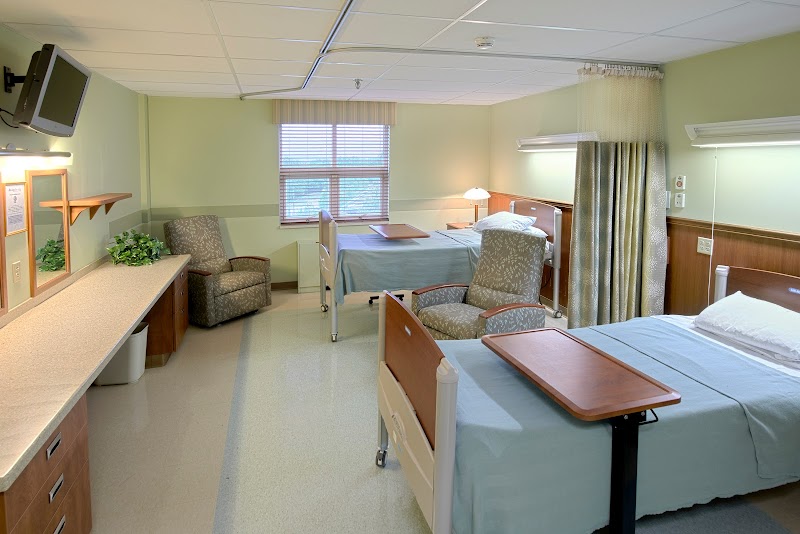
How is Heinz Transitional Rehabilitation Unit Staffed?

CMS rates HEINZ TRANSITIONAL REHABILITATION UNIT's staffing level at 5 out of 5 stars, which is much above average compared to other nursing homes. Staff turnover is 29%, compared to the Pennsylvania average of 46%. This relatively stable workforce can support continuity of care.

What Have Inspectors Found at Heinz Transitional Rehabilitation Unit?

State health inspectors documented 10 deficiencies at HEINZ TRANSITIONAL REHABILITATION UNIT during 2024 to 2025. These included: 10 with potential for harm.
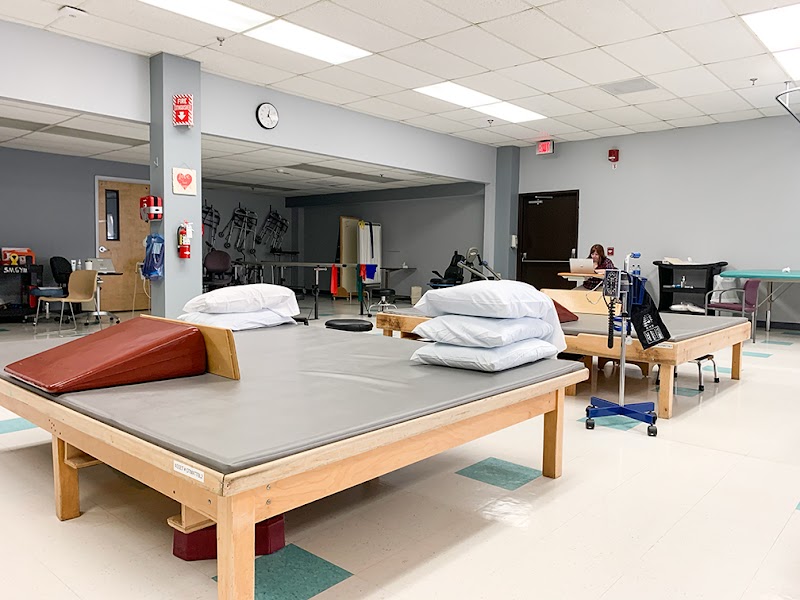
Who Owns and Operates Heinz Transitional Rehabilitation Unit?

HEINZ TRANSITIONAL REHABILITATION UNIT is owned by a non-profit organization. Non-profit facilities reinvest revenue into operations rather than distributing to shareholders. The facility operates independently rather than as part of a larger chain. With 44 certified beds and approximately 34 residents (about 77% occupancy), it is a smaller facility located in WILKES-BARRE, Pennsylvania.
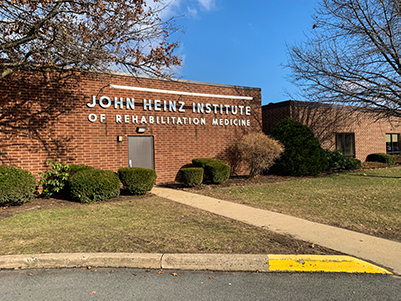
How Does Heinz Transitional Rehabilitation Unit Compare to Other Pennsylvania Nursing Homes?

Compared to the 100 nursing homes in Pennsylvania, HEINZ TRANSITIONAL REHABILITATION UNIT's overall rating (5 stars) is above the state average of 3.0, staff turnover (29%) is significantly lower than the state average of 46%, and health inspection rating (4 stars) is above the national benchmark.

What Should Families Ask When Visiting Heinz Transitional Rehabilitation Unit?

Based on this facility's data, families visiting should ask: "Can I visit during a mealtime to observe dining assistance and food quality?" "How do you handle medical emergencies, and what is your hospital transfer rate?" "Can I speak with family members of current residents about their experience?"

Is Heinz Transitional Rehabilitation Unit Safe?

Based on CMS inspection data, HEINZ TRANSITIONAL REHABILITATION UNIT has a clean safety record: no substantiated abuse findings (meaning no confirmed cases of resident harm), no Immediate Jeopardy citations (the most serious violation level indicating risk of serious injury or death), and is not on the Special Focus Facility watch list (a federal program monitoring the lowest-performing 1% of nursing homes). The facility has a 5-star overall rating and ranks #1 of 100 nursing homes in Pennsylvania. While no facility is perfect, families should still ask about staff-to-resident ratios and recent inspection results during their visit.

Do Nurses at Heinz Transitional Rehabilitation Unit Stick Around?

Staff at HEINZ TRANSITIONAL REHABILITATION UNIT tend to stick around. With a turnover rate of 29%, the facility is 17 percentage points below the Pennsylvania average of 46%. Low turnover is a positive sign. It means caregivers have time to learn each resident's needs, medications, and personal preferences. Consistent staff also notice subtle changes in a resident's condition more quickly.

Was Heinz Transitional Rehabilitation Unit Ever Fined?

HEINZ TRANSITIONAL REHABILITATION UNIT has no federal fines on record. CMS issues fines when nursing homes fail to meet care standards or don't correct problems found during inspections. The absence of fines suggests the facility has either maintained compliance or corrected any issues before penalties were assessed. This is a positive indicator, though families should still review recent inspection reports for the full picture.

Is Heinz Transitional Rehabilitation Unit on Any Federal Watch List?

HEINZ TRANSITIONAL REHABILITATION UNIT is not on any federal watch list. The most significant is the Special Focus Facility (SFF) program, which identifies the bottom 1% of nursing homes nationally based on persistent, serious quality problems. Not being on this list means the facility has avoided the pattern of deficiencies that triggers enhanced federal oversight. This is a positive indicator, though families should still review the facility's inspection history directly.