MILLENNIUM INSTITUTE FOR ADVANCE NURSING CARE INC
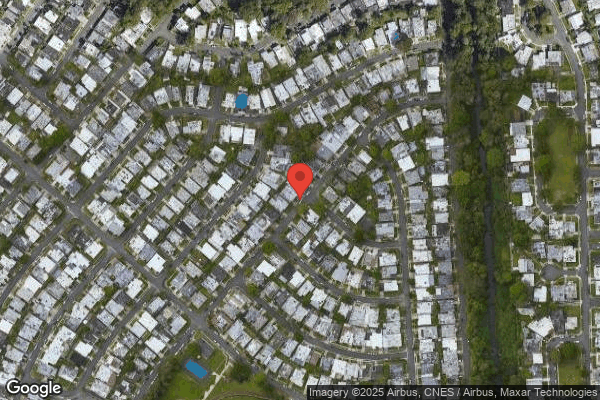
CALLE COSME REPARTO SAN LUCAS, RIO PIEDRAS, PR 00926 (787) 708-0138
For profit - Corporation 35 Beds Independent Data: November 2025
Trust Grade
68/100
#3 of 6 in PR
Last Inspection: May 2025

Inspected within the last 6 months. Data reflects current conditions.

Overview

Millennium Institute for Advance Nursing Care Inc has a Trust Grade of C+, which indicates it is slightly above average. It ranks #3 out of 6 nursing homes in Puerto Rico, placing it in the top half of facilities in the state, and #2 out of 2 in San Juan County, meaning there's only one local option that is better. The facility is improving, having reduced its reported issues from 10 in 2024 to 8 in 2025. Staffing is rated average with a turnover rate of 38%, which is close to the Puerto Rico average of 28%, indicating some stability among staff. However, families should be aware of $11,538 in fines, which is average but suggests there have been some compliance issues. Recent inspector findings highlighted several concerns, including the absence of a full-time registered nurse as the director, which could impact quality of care. Additionally, there were complaints about food being served cold and unappetizing, affecting several residents' mealtime experiences. Lastly, sanitation issues were noted, such as a failure to maintain proper sink temperatures and cleanliness in storage areas, which could pose health risks. Overall, while there are strengths in staffing stability and an improving trend, these weaknesses need to be addressed for better resident care.

Trust Score
C+
68/100
In Puerto Rico
#3/6
Top 50%
Safety Record
Low Risk
No red flags
Inspections
Getting Better
10 → 8 violations
Staff Stability
○ Average
38% turnover. Near Puerto Rico's 48% average. Typical for the industry.
Penalties
○ Average
$11,538 in fines. Higher than 67% of Puerto Rico facilities. Some compliance issues.
Skilled Nurses
✓ Good
Each resident gets 57 minutes of Registered Nurse (RN) attention daily — more than average for Puerto Rico. RNs are trained to catch health problems early.
Violations
⚠ Watch
22 deficiencies on record. Higher than average. Multiple issues found across inspections.
★★★★☆
4.0
Overall Rating
★★★☆☆
3.0
Staff Levels
☆☆☆☆☆
0.0
Care Quality
★★★★☆
4.0
Inspection Score
Stable
2024: 10 issues
2025: 8 issues

The Good

  • Full Sprinkler Coverage · Fire safety systems throughout facility
  • No fines on record
  • Staff turnover below average (38%)

    10 points below Puerto Rico average of 48%

Facility shows strength in fire safety.

The Bad

Staff Turnover: 38%

Near Puerto Rico avg (46%)

Typical for the industry

Federal Fines: $11,538

Below median ($33,413)

Minor penalties assessed

The Ugly 22 deficiencies on record

May 2025 8 deficiencies
CONCERN (D)

Potential for Harm - no one hurt, but risky conditions existed

Deficiency F0655 (Tag F0655)

Could have caused harm · This affected 1 resident

**NOTE- TERMS IN BRACKETS HAVE BEEN EDITED TO PROTECT CONFIDENTIALITY** Based on ten records reviewed (R.R) and resident interview performed from 04/29/2025 thru 05/01/2025, from 8:00 AM thru 3:30 PM,...

Read full inspector narrative →
**NOTE- TERMS IN BRACKETS HAVE BEEN EDITED TO PROTECT CONFIDENTIALITY** Based on ten records reviewed (R.R) and resident interview performed from 04/29/2025 thru 05/01/2025, from 8:00 AM thru 3:30 PM, it was determined that the facility failed to develop and implement a complete baseline care plan within 48 hours of a resident's admission in order to promote the continuity of care and communication among nursing home staff, increase resident safety, and safeguard against adverse events that are most likely to occur right after admission; and to ensure the resident and representative, if applicable, are informed of the initial plan for delivery of all care and services required. This deficient practice was identified in 1 out of 12 records reviewed. (RR #203) Findings include: R.R #203 is a [AGE] year-old female resident admitted [DATE] with a diagnosis of fracture of unspecified part of neck of left femur. This resident had a diagnosis of Cerebral Palsy. Resident was admitted for rehabilitation services. During the record review performed on 04/29/205 at 10:30 AM, it was identified that the Baseline Care Plan did not state the Cerebral Palsy diagnosis although in consultation with the psychiatrist this diagnosis had been identified.
CONCERN (D)

Potential for Harm - no one hurt, but risky conditions existed

Deficiency F0806 (Tag F0806)

Could have caused harm · This affected 1 resident

**NOTE- TERMS IN BRACKETS HAVE BEEN EDITED TO PROTECT CONFIDENTIALITY** Based on dining observations, review of the institutional menu and residents interview performed on 04/29/2025 through 05/01/202...

Read full inspector narrative →
**NOTE- TERMS IN BRACKETS HAVE BEEN EDITED TO PROTECT CONFIDENTIALITY** Based on dining observations, review of the institutional menu and residents interview performed on 04/29/2025 through 05/01/2025 from 8:00 AM through 3:30 PM, it was determined that the facility failed to ensure that each resident receives food that accommodates resident allergies, intolerances, and preferences. This deficiency was identified in 2 out of 8 residents of the sample selection (Residents #203 and #212). Findings include: 1. Resident #203 is a female admitted to the facility on [DATE]. During an interview on 04/29/2025 at 8:10 AM she refers that on several occasions they have brought her food that she does not eat and, since she does not eat it, they do not offer her alternative foods. a. During the record review performed on 04/30/2025 at 9:25 AM it was noted that the initial nutrition assessment established the foods that the resident does not consume. 2. Resident #212 is a female admitted to the facility on [DATE]. During an interview on 04/29/2025 at 8:05 AM she states that she does not drink milk and has been brought to her on several occasions and has not been offered a substitute. a. During the record review performed on 04/30/2025 at 9:35 AM it was noted that the initial nutrition assessment established the foods that the residents do not consume. During the review of both residents' meal cards performed on 04/30/2025 at 11:45 AM it was noted that both cards included the patients' taste and preference specifications. During the review of the facility's menu cycle conducted on 05/01/2025 at 9:15 AM it was noted that the facility does not have an alternate menu created for cases where the resident refers to not liking the food served.
CONCERN (E)

Potential for Harm - no one hurt, but risky conditions existed

Safe Environment (Tag F0584)

Could have caused harm · This affected multiple residents

**NOTE- TERMS IN BRACKETS HAVE BEEN EDITED TO PROTECT CONFIDENTIALITY** Based on observations of the physical environment, review of policies procedures and facility staff interview performed on 04/29...

Read full inspector narrative →
**NOTE- TERMS IN BRACKETS HAVE BEEN EDITED TO PROTECT CONFIDENTIALITY** Based on observations of the physical environment, review of policies procedures and facility staff interview performed on 04/29/2025 from 8:00 AM through 3:30 PM, it was determined that the facility failed to promote the resident right to receive services in a safe, clean, comfortable, and homelike environment. This deficient practice had the potential to affect 15 out of 15 residents. Findings include: During the observational tour of the facility on 04/29/2025 the following was noticed: 1. Mold stains due to humidity were noticed on ceiling tiles located on the Occupational Therapy room. 2. Dust clogs were observed on room [ROOM NUMBER]B 3. Medical tape observed on curtain rail on room [ROOM NUMBER]B 4. Water damage was observed on the window wall on room [ROOM NUMBER]. 5. Water damage and lifted paint was observed on the window wall and on ceiling on room [ROOM NUMBER]. 6. Loose grab bar next to toilet was observed on bath on room [ROOM NUMBER]. 7. A perforation is observed in the air conditioning pipe in room [ROOM NUMBER]. 8. Nightstand on room [ROOM NUMBER]B was found unstable due to uneven wheels. 9. Cement plastering on the ceiling was observed loose. 10. Peeling paint behind beds B and C on room [ROOM NUMBER]. 11. Loose grab bars in bathroom on room [ROOM NUMBER] 12. Water damage behind sprinkler piping and in front of air conditioning on room [ROOM NUMBER]. 13. Shower drain with broken tiles around it was observed in room [ROOM NUMBER]. 14. Water damage on the window wall was observed on room [ROOM NUMBER]. 15. Room # 17 closed because the toilet does not work.
CONCERN (E)

Potential for Harm - no one hurt, but risky conditions existed

Safe Environment (Tag F0921)

Could have caused harm · This affected multiple residents

**NOTE- TERMS IN BRACKETS HAVE BEEN EDITED TO PROTECT CONFIDENTIALITY** Based on observations of the physical environment and facility staff interview performed on 04/29/2025 from 8:00 AM through 3:30...

Read full inspector narrative →
**NOTE- TERMS IN BRACKETS HAVE BEEN EDITED TO PROTECT CONFIDENTIALITY** Based on observations of the physical environment and facility staff interview performed on 04/29/2025 from 8:00 AM through 3:30 PM, it was determined that the facility failed to provide a safe, functional, sanitary, and comfortable environment for residents, staff, and the public. This deficient practice had the potential to affect 15 out of 15 residents. Findings include: During the observation tour the following was observed: 1. It was observed that the vinyl floor had ripples, possibly due to moisture damage or an uneven platform, which could be a potential cause of falls. 2. An undetermined number of pigeons were observed nesting in and around the facility. [NAME] droppings were observed on the exterior walls and windows of rooms. 3.Exterior lights were observed covered in green mold in the entrance and parking area.
CONCERN (F)

Potential for Harm - no one hurt, but risky conditions existed

Deficiency F0727 (Tag F0727)

Could have caused harm · This affected most or all residents

Based on staff interviews and documents reviewed, it was determined that the facility failed to designate a registered nurse to serve as the director of nursing on a full-time basis. Findings include:...

Read full inspector narrative →
Based on staff interviews and documents reviewed, it was determined that the facility failed to designate a registered nurse to serve as the director of nursing on a full-time basis. Findings include: 1. During an interview with the facility administrator (employee # 1) on 04/29/2025 at 10:00 AM, it was informed that the previous director of nursing (DON) resigns on March 1, 2025 and that he was acting both as an acting director of nursing (DON) and as the Minimum Data Set (MDS) coordinator. Also, employee # 1 explained that the facility hired a new Minimum Data Set (MDS) coordinator on 04/28/2025, expecting to be appointed as well as the new director of nursing (DON) after completing the training in the first role (MDS coordinator). 2. Upon review of the acting director of nursing (DON) resignation letter and during interview with the associate administrator (employee # 2) on 04/30/2025 at 10:30 AM, it was informed that the previous director of nursing (DON) submitted its resignation letter on March 1, 2025 with an effective date on March 14, 2025 but the person leaves the facility on the day the resignation letter was submitted. 3. During the review of the new Minimum Data Set (MDS) coordinator appointment document on 04/30/2025 at 11:00 AM, it showed that the person was hired only as the MDS coordinator. 4. Upon interview with the nurse supervisor (employee # 3) on 04/29/2025 at 8:30 AM, it was informed that her role was as nurse supervisor, not having any acting designation as a director of nursing (DON). 5. The facility failed to designate a full-time director of nursing for the last two months (March - April 2025), not having an expected date to fill the position.
CONCERN (F)

Potential for Harm - no one hurt, but risky conditions existed

Deficiency F0804 (Tag F0804)

Could have caused harm · This affected most or all residents

**NOTE- TERMS IN BRACKETS HAVE BEEN EDITED TO PROTECT CONFIDENTIALITY** 6. On 04/30/25 08:57 AM it was informed by resident #55 that she receive for breakfast hot cereal , soda crackers, apricot juice...

Read full inspector narrative →
**NOTE- TERMS IN BRACKETS HAVE BEEN EDITED TO PROTECT CONFIDENTIALITY** 6. On 04/30/25 08:57 AM it was informed by resident #55 that she receive for breakfast hot cereal , soda crackers, apricot juice ,coffee and two boil eggs. She stated that she ate one of the boiled eggs so not to go hungry ; because the boiled eggs were cold, and she does not want personnel to reheat it due to the possibility of changes in texture and flavor. Based on initial tour observation, resident interview, and policies reviewed (Recording food temperatures on the service line), it was determined that the facility failed to ensure that food and drink is palatable, attractive, and at a safe and appetizing temperature. This deficient practice was identified in 4 out of 15 residents receiving services (sample resident #55, # 203, #205 and #212). Findings include: 1.Resident #203 is a female admitted to the facility on [DATE]. During an interview on 04/29/2025 at 8:10 AM she says the food is not pleasant to the taste and there are things that she does not consume that have been brought to her and the temperature of the food has not been adequate. 2.Resident #205 is a female admitted to the facility on [DATE]. During an interview on 04/29/2025 at 8:25 AM she states that the food has come cold most of the time and she must ask the facility staff to be reheated on the microwave. 3.Resident #212 is a female admitted to the facility on [DATE]. During an interview on 04/29/2025 at 8:05 AM she states that the temperature of the food has not been adequate most of the time. 4. A test tray was requested. During the test trays performed on 04/29/2025 at 11:35 AM the following was found: a. Meatballs: 118.3 grade(º) Fahrenheit (F) b. Spaghetti: 132.6ºF c. [NAME] Salad: 57.9ºF d. Fruit cocktail: 45.5ºF e. Fruit Juice: 51.2ºF f. Milk: 49.5ºF 5. During the facility policy review performed on 05/01/2025 at 9:53AM named Registro de temperaturas de alimentos en la línea de servicio, Temperature Register on the Service Line, reviewed on April 2025, states that the temperature of food on the serving line must be maintained outside the temperature at the danger zone (41º F - 135º F).
CONCERN (F)

Potential for Harm - no one hurt, but risky conditions existed

Food Safety (Tag F0812)

Could have caused harm · This affected most or all residents

Based on observations of the Kitchen, review of policies procedures and facility staff interview performed on 04/29/2025 from 8:00 AM through 3:30 PM, it was determined that the facility failed to com...

Read full inspector narrative →
Based on observations of the Kitchen, review of policies procedures and facility staff interview performed on 04/29/2025 from 8:00 AM through 3:30 PM, it was determined that the facility failed to comply with the required sink compartment sanitations. This deficient practice could affect 15 out of 15 residents admitted receiving care at the facility. Findings include: 1. During the observation of the preparation of the three-compartment sink, it was identified that the water inside the washing sink does not reach the required temperature of 110 degrees Fahrenheit indicated on the manufacturer's signs placed in front for reading. 2. During observation of the dry storage area, loose rice and beans were observed underneath the storage racks. 3. Insect (grasshopper) was found on the dry storage area.
CONCERN (F)

Potential for Harm - no one hurt, but risky conditions existed

Infection Control (Tag F0880)

Could have caused harm · This affected most or all residents

Based on observations and medication drug pass performed during the survey process from 04/29/2025 through 05/01/2025 from 8:30 AM through 3:30 PM, it was determined that the facility failed to comply...

Read full inspector narrative →
Based on observations and medication drug pass performed during the survey process from 04/29/2025 through 05/01/2025 from 8:30 AM through 3:30 PM, it was determined that the facility failed to comply with accepted infection control precautions and standards of practice for hand washing during medication pass. Findings include: 1. During the medication drug pass performed on 04/30/2025 at 8:12 AM the register nurse (RN) (Employee #8) was observed accessing the gloves box without performing hand hygiene. 2. During the medication drug pass performed on 04/30/2025 at 8:33 AM the RN (Employee #7) was observed accessing the gloves box without performing hand hygiene. 3. During the medication drug pass performed on 04/30/2025 at 8:40 AM the RN (Employee #7) was observed placing the gloves on the resident's bedside table without disinfecting them to proceed to wash her hands and then put on the gloves. 4. The soiled linen room was observed on 04/30/2025 at 11:29 AM and the following were found: a. The room door was not labeled. b. The extractor fan was not working. c. There was no thermometer inside the room to measure temperature and humidity. d. There was no hand sanitizer dispenser accessible inside or outside of the room. e. A policy or procedure for the soiled linen room was requested from the facility but was not provided.
Apr 2024 10 deficiencies
CONCERN (D)

Potential for Harm - no one hurt, but risky conditions existed

Deficiency F0655 (Tag F0655)

Could have caused harm · This affected 1 resident

**NOTE- TERMS IN BRACKETS HAVE BEEN EDITED TO PROTECT CONFIDENTIALITY** Based on a recertification survey, review of sixteen records reviewed (R.R), resident interview and interview with the Nursing S...

Read full inspector narrative →
**NOTE- TERMS IN BRACKETS HAVE BEEN EDITED TO PROTECT CONFIDENTIALITY** Based on a recertification survey, review of sixteen records reviewed (R.R), resident interview and interview with the Nursing Supervisor (employee #2) performed from 04/15/2024 thru 04/16/2024, from 8:20 AM thru 4:30 PM, it was determined that the facility failed to develop and implement a complete baseline care plan within 48 hours of a resident's admission in order to promote the continuity of care and communication among nursing home staff, increase resident safety, and safeguard against adverse events that are most likely to occur right after admission; and to ensure the resident and representative, if applicable, are informed of the initial plan for delivery of all care and services required. This deficient practice was identified in 1 out of 16 records reviewed. (RR #68) Findings include: 1.R.R #68 is a [AGE] year-old female resident admitted [DATE] with a diagnosis of Status Post Left Knee Replacement. This resident had Neobladder reconstruction who is a surgical procedure to construct a new bladder 13 years ago. Resident was admitted for rehabilitation services. During the record review performed on 04/16/2024 at 10:30 AM, it was identified that the Baseline Care Plan did not have established initial goals for treatment based on the admission orders for the management and care of the Neobladder. Director Nursing Supervisor (employee #2) stated in an interview on 04/16/2024 at 1:35 PM that no provisions were included in resident #68 baseline care plan within 48 hours of a resident's admission because it was not identified that the resident had a Neobladder when admitted resident to the facility. He also explained that the delay in the identification of the Neobladder on the resident was due to the resident herself who manages the intermittent catheterization required to empty urine from the bladder. The surveyor requested information to the Director Nursing Supervisor (employee #2) on 04/16/2024 at 2:05 PM in relation to assessment performed by personnel when resident was admitted to the facility to identify if the resident could perform the intermittent catheterization without problems. This is because the resident is recovering from a Left Knee Replacement and could experience difficulties with mobility. No information was provided in relation to the evaluation or consideration of this resident's ability to perform intermittent catheterization while participating in a rehabilitation program due to her Left Knee Replacement.
CONCERN (D)

Potential for Harm - no one hurt, but risky conditions existed

Comprehensive Care Plan (Tag F0656)

Could have caused harm · This affected 1 resident

**NOTE- TERMS IN BRACKETS HAVE BEEN EDITED TO PROTECT CONFIDENTIALITY** Based on review of sixteen records reviewed (R.R), resident interview and interview with the Nursing Supervisor (employee #2) pe...

Read full inspector narrative →
**NOTE- TERMS IN BRACKETS HAVE BEEN EDITED TO PROTECT CONFIDENTIALITY** Based on review of sixteen records reviewed (R.R), resident interview and interview with the Nursing Supervisor (employee #2) performed from 04/15/2024 thru 04/16/2024, from 8:20 AM thru 4:30 PM, it was determined that the facility failed to develop and implement a comprehensive person-centered care plan for each resident, that includes measurable objectives and timeframe's to meet a resident's medical, nursing, and mental and psychosocial needs that are identified in the comprehensive assessment related to did not individualized and review each plan of care. This deficient practice was identified in 1 out of 16 records reviewed. (RR #69). Findings include: 1. R.R #69 is a [AGE] year-old male resident admitted [DATE] with a diagnosis of Left Knee Replacement. Resident was admitted for rehabilitation services. Resident #69 was interviewed on 04/16/2024 at 11:55 AM and stated that he was admitted to the facility to receive rehabilitation after a surgery on left knee, resident also stated that he has history of Asthma and require respiratory therapy for his condition. Resident stated that since his admission to the facility, he is receiving respiratory therapy for his condition. When asked how it provided the respiratory therapy treatment, he stated that nursing personnel assist him in the procedure preparing the medications and he administers the treatment. During the RR performed on 04/16/2024 at 1:42 PM, it was identified that resident had an order to receive Receiving respiratory therapy every 12 hours with Budesodine inhalation suspension 0.5 mg/2 ml and Levalbuterol HCL inhalation nebulization solution 0.63 mgs/ml 1 application. On interview on 04/16/2024 at 12:00 PM nurse in charge of medication pass (employee #3) stated that this resident help with the administration of his respiratory therapy treatment. She also stated that respiratory assessment was performed before and after the administration of the respiratory therapy in order to identify respiratory system improvement or decline. 2. During the record review performed on 04/16/2024 at 1:42 PM, it was identified that no comprehensive care plan was prepared by the Interdisciplinary group that includes measurable objectives and timeframe's to meet the resident's medical and nursing needs while receiving respiratory therapy treatment.
CONCERN (E)

Potential for Harm - no one hurt, but risky conditions existed

Safe Environment (Tag F0584)

Could have caused harm · This affected multiple residents

Based on observations of the physical environment, review of policies procedures and facility staff interview performed on 04/15/2024 through 04/16/2024 to from 8:00 AM through 5:00 PM, it was determi...

Read full inspector narrative →
Based on observations of the physical environment, review of policies procedures and facility staff interview performed on 04/15/2024 through 04/16/2024 to from 8:00 AM through 5:00 PM, it was determined that the facility failed to promote the resident right to receive services in a safe, clean, comfortable, and homelike environment. This deficient practice had the potential to affect 22 out of 22 residents. Findings include: During observational tour of facility on 04/15/2024 the following was noticed: 1. Mold stains due to humidity were noticed on ceiling tiles located on the Ocupational Therapy room. 2. Mold stains due to humidity were noticed on ceiling tiles located on Medical record room. 3. [NAME] shelves on the Ocupational Therapy room were observed with water damage due to a leak on the wall it is mounted. 4. Plinth in the physical therapy area were observed loose from the wall and with exposed glue.
CONCERN (E)

Potential for Harm - no one hurt, but risky conditions existed

Quality of Care (Tag F0684)

Could have caused harm · This affected multiple residents

**NOTE- TERMS IN BRACKETS HAVE BEEN EDITED TO PROTECT CONFIDENTIALITY** Based on review of sixteen records reviewed (RR), resident interview and interview with the Nursing Supervisor (employee #2) per...

Read full inspector narrative →
**NOTE- TERMS IN BRACKETS HAVE BEEN EDITED TO PROTECT CONFIDENTIALITY** Based on review of sixteen records reviewed (RR), resident interview and interview with the Nursing Supervisor (employee #2) performed from 04/15/2024 thru 04/16/2024, from 8:20 AM thru 4:30 PM, it was determined that the facility failed to ensure that a comprehensive assessment of resident, is performed when resident choose to self-administer treatment and medications. This deficient practice was identified in 2 out of 16 records reviewed (RR #62 and RR #69). Findings include: 1.R.R. #69 is a [AGE] year-old male resident admitted [DATE] with a diagnosis of Left Knee Replacement. Resident was admitted for rehabilitation services. Resident #69 was interviewed on 04/16/2024 at 11:55 AM and stated that he was admitted to the facility to receive rehabilitation after a surgery on left knee, resident also stated that he has history of Asthma and require respiratory therapy for his condition. Resident stated that since his admission to the facility he is receiving respiratory therapy for his condition. When asked how it provided the respiratory therapy treatment, he stated that nursing personnel assist him in the procedure preparing the medications and he administers the treatment. Resident stated that he wants to self-administer the respiratory therapy as he does it at home and he informed facility personnel about this. No assessment was found documented when reviewing the medical record on 04/16/2024 at 2:00 PM with the Director of Nursing (employee #2) in relation to the ability to self-administer medications for this resident. During the record review performed on 04/16/2024 at 1:42 PM, it was identified that no care plan was prepared by the Interdisciplinary group and pharmacist who include the assessment of the resident to determine if self-administration of medication is clinically appropriate, safe and feasible, to honor the residents' request and to maintain the resident's independence consistent with and individualized plan. 2. R.R. #62 is a [AGE] year-old female resident admitted [DATE] with a diagnosis of Right Knee Replacement. Resident was admitted for rehabilitation services. Resident #62 was interviewed on 04/15/2024 at 8:55 AM and stated that he was admitted to the facility to receive rehabilitation after surgery on right knee. The resident also stated that he has a history of Cataract. Resident stated that for her Cataract condition she use drops on both eyes four times a day. Resident stated that she wanted to self-administer the drops as she does it at home and she informed facility personnel about this when was admitted to the facility. A vial of Prednisolone Ophthalmic solution at 1% was observed on the resident night table. Resident stated that she administers the drops and that she had the medication at her bedside. No assessment was found documented when reviewing the medical record on 04/15/2024 at 3:00 PM with the Director of Nursing (employee #2) in relation to the ability to self-administer this medication by this resident. During the record review performed on 04/15/2024 at 10:52 AM, it was identified that no comprehensive care plan were prepared by the Interdisciplinary group and pharmacist who include the assessment of the resident to determine if self-administration of medication is clinically appropriate, safe and feasible, to honor the residents' request and to maintain the resident's independence consistent with and individualized plan. 3. During an interview on 04/16/2024 at 9:44 AM Nursing Supervisor (employee #2) explains the process/procedure for determination that is appropriate that a resident had the ability to self -administrate medications. Nursing Supervisor (employee #2) provide a copy of the document where the interdisciplinary group make this determination. This procedure title is Determinación de Residentes para Autoadministración de Medicamentos and was last updated in July 2022.
CONCERN (F)

Potential for Harm - no one hurt, but risky conditions existed

Deficiency F0802 (Tag F0802)

Could have caused harm · This affected most or all residents

Based on observations and interview with the Administrative Dietitian (employee #6) performed from 04/15/2024 thru 04/16/2024, from 8:20 AM thru 4:30 PM, it was determined that the facility failed to ...

Read full inspector narrative →
Based on observations and interview with the Administrative Dietitian (employee #6) performed from 04/15/2024 thru 04/16/2024, from 8:20 AM thru 4:30 PM, it was determined that the facility failed to provide sufficient support for personnel safely and effectively carry out the functions of the food and nutrition service. This deficient practice had the potential to affect 22 admitted residents. Findings include: During interview with the Administrative Dietitian (employee #6) performed on 04/15/2024 she stated that the facility did not have covered the dishwasher position. The administrative Dietitian stated that this makes difficult the function of the kitchen because she must use a TSA for the dishwashing functions.
CONCERN (F)

Potential for Harm - no one hurt, but risky conditions existed

Deficiency F0804 (Tag F0804)

Could have caused harm · This affected most or all residents

**NOTE- TERMS IN BRACKETS HAVE BEEN EDITED TO PROTECT CONFIDENTIALITY** 6. Resident #71 is a [AGE] years old female admitted to the facility on [DATE] with a diagnoss of Left Total Knee replacement. D...

Read full inspector narrative →
**NOTE- TERMS IN BRACKETS HAVE BEEN EDITED TO PROTECT CONFIDENTIALITY** 6. Resident #71 is a [AGE] years old female admitted to the facility on [DATE] with a diagnoss of Left Total Knee replacement. During interview performed on the initial tool on 4/15/2024 at 8:30 am the resident state that the food arrive to the room in styrofoam trays and cold. Based on observations, and interview with the Administrative Dietitian (employee #6) performed from 04/15/2024 thru 04/16/2024, from 8:20 AM thru 4:30 PM, it was determined that the facility failed to provide food to residents in a manner that is attractive and maintain an appetizing temperature. This deficient practice had the potential to affect 22 out of 22 admitted residents. Findings include: 1. During survey procedures from 04/15/2024 through 04/16/2024, from 8:20 AM thru 4:30 PM, it was observed that resident breakfast is delivered to residents in Styrofoam trays and Styrofoam containers instead of insulated thermal food domes and trays. 2. On interview on 04/15/2024 at 9:00 AM sample selection #[AGE] years old female resident stated that since her admission on [DATE] to the facility, breakfast is served using Styrofoam trays and Styrofoam containers instead of insulated thermal food plates and trays. Case #68 also stated that breakfast could be more attractive in presentation if facility use the same insulated thermal food plates and trays that they use for lunch and dinner. 3. On interview on 04/16/2024 at 8:50 AM sample selection # 69 a [AGE] year-old male resident who stated that since his admission on [DATE] to the facility, breakfast is served using Styrofoam trays and Styrofoam containers instead of insulated thermal food plates and trays. Case #69 also stated that the use of insulated thermal food plates ensures consistent food heat distribution and helps deliver a hot breakfast. 4. During interview on 04/16/2024 at 11:55 AM Administrative Dietitian (employee #6) stated that facility had a job vacancy at kitchen area for the employee in charge of dishwashing. She stated that this position is vacant from March 12, 2024. Administrative Dietitian (employee #6) stated on interview on 04/16/2024 at 1:00 PM that until a dishwasher is recruited it can be necessary to assign the dishwasher duty to other kitchen employees and this duty could be delay until 9:00 AM or later until those other kitchen employees finish other kitchen tasks. 5. The facility failed to maintain a good food appearance at the residents' breakfast presentation.
CONCERN (F)

Potential for Harm - no one hurt, but risky conditions existed

Food Safety (Tag F0812)

Could have caused harm · This affected most or all residents

Based on observations of the Kitchen, review of policies procedures and facility staff interview performed on 04/15/2024 to from 8:00 AM through 4:30 PM, it was determined that the facility failed to ...

Read full inspector narrative →
Based on observations of the Kitchen, review of policies procedures and facility staff interview performed on 04/15/2024 to from 8:00 AM through 4:30 PM, it was determined that the facility failed to comply with the require sink compartment sanitations. Findings include: Review of facility's policy and procedure Limpieza y Desinfección en Fregadero de Tres Compartimientos , Cleaning and Disinfection of three compartment Sinks regarding the process of cleaning and sanitization of kitchen equipment was reviewed on 04/15/2024 at 11:30 AM and it says that compartment one (1) must have a temperature of 110º F, on compartment two (2) temperature must be at 110º F and on compartment three (3) temperature must be a 171º F with a sanitizing solution concentration of 200 ppm. 1. During the visual inspection and staff interview it was noticed that 3 compartment sink was not prepared as stated in the facility policies and procedures. It was observed that the staff working the sink did not have knowledge of the temperatures required in the different sinks' compartments. In turn, it was requested that the concentration of sanitizer be taken on the third compartment and the concentration measurement read 100 ppm and the requirement is a minimum of 200 ppm.
CONCERN (F)

Potential for Harm - no one hurt, but risky conditions existed

Room Equipment (Tag F0908)

Could have caused harm · This affected most or all residents

Based on observations with the Physical Plant Supervisor (employee #4) performed from 04/15/2024 thru 04/16/2024, from 8:20 AM thru 4:30 PM, it was determined that the facility failed to maintain equi...

Read full inspector narrative →
Based on observations with the Physical Plant Supervisor (employee #4) performed from 04/15/2024 thru 04/16/2024, from 8:20 AM thru 4:30 PM, it was determined that the facility failed to maintain equipment in a safe operating condition. This could affect 22 out of 22 residents and staff Findings include: During observational tour of facility on 04/15/2024 at 9:39 AM the following was noticed: 1. Parallel bars on the Physical Therapy room were observed with rust in many of its parts. 2. [NAME] steps apparatus was found to be rough in some parts of the handrails.
CONCERN (F)

Potential for Harm - no one hurt, but risky conditions existed

Deficiency F0925 (Tag F0925)

Could have caused harm · This affected most or all residents

Based on observations with the Physical Plant Supervisor (employee #4) performed from 04/15/2024 thru 04/16/2024, from 8:20 AM thru 4:30 PM, it was determined that the facility failed to maintain an e...

Read full inspector narrative →
Based on observations with the Physical Plant Supervisor (employee #4) performed from 04/15/2024 thru 04/16/2024, from 8:20 AM thru 4:30 PM, it was determined that the facility failed to maintain an effective pest control program so that the facility is free of pests and rodents. Findings include: During observational tour of facility on 04/15/2024 at 9:15 AM the following was noticed: 1. Flying insects and centipedes were observed on light fixtures in the recreational room area. 2. Three cockroaches were found in the women's bathroom in the Physical Therapy room.
MINOR (C)

Minor Issue - procedural, no safety impact

Infection Control (Tag F0880)

Minor procedural issue · This affected most or all residents

**NOTE- TERMS IN BRACKETS HAVE BEEN EDITED TO PROTECT CONFIDENTIALITY** Based on observations performed on 04/15/2024 till 04/16/2024 8:00 AM till 2:30 PM and interview with the infection preventionis...

Read full inspector narrative →
**NOTE- TERMS IN BRACKETS HAVE BEEN EDITED TO PROTECT CONFIDENTIALITY** Based on observations performed on 04/15/2024 till 04/16/2024 8:00 AM till 2:30 PM and interview with the infection preventionist (employee #7), it was identified that the facility failed to ensure that infection prevention practice is perform to residents. This deficient practice affects 22 out of 22 residents. Findings include: 1. On 4/15/2024 at 8:10 AM during the initial tour the resident of (room [ROOM NUMBER]) was observed that the lights of the main entrance did not function. The borders of the faucet of the handwashing were observed with black dust. The ceiling was observed with bulky paint. 2. On 4/15/2024 at 8:05 AM during the initial tour the resident of (room [ROOM NUMBER]) was observed that the bathroom lacks crash can 3. On 4/15/2024 at 8:20 AM three metallic benches with peeling paint, mold and deteriorated material was observed in the yard. 4. On 4/15/2024 at 8:23 AM the floor of the corridor located at the left side of the physical therapy room was observed with black spots, dirty without shine, dust and water was observed around the bending machines. Mush dust was observed at the left side of the corridor of the grating bars. 5. On 4/15/2024 at 8:30 AM the floor of resident room [ROOM NUMBER] was observed with black spots. The resident suitcase was observed open and directly on the floor. Ceiling with peeling paint. The bathroom lacks trash disposal. 6. On 4/15/2024 at 8:35 AM the metal border of the closet located on the resident room was observed unfix to the ceiling. The biohazard crash can was observed with black spots and deteriorated lid. 7. On 4/15/2024 at 8:45 AM the floor of the main entrance of the recreative room was observed with black spots, borders around the room were observed dirty. The crash can lack the lid. The cover of the bulb localized on the ceiling was observed with black spots. 8. On 4/15/2024 at 8:50 AM black spots and dust were observed around the borders of the equipment storage for wheelchair, cane and other resident equipment were observed directly on the floor. 9. On 4/15/2024 at 8:55 AM in the interior of the refrigerator located on the pantry two hot /cold pack and one ice cream were observed in the interior of the freezer. This refrigerator is only used for residents' dinner. 10. On 4/15/2024 at 9:00 AM in the interior of the clean sheets was observed empty spaces due to the absence of slashes. 11. Th following was observed on the recreational therapy room: a. On 4/15/2024 at 9:15 AM abundant water outflow caused by rain was observed on the wall on the right side before the emergency exit, it falls on materials used for residents in recreational therapy. Materials were removed and discarded by recreational therapy personnel. b. Wooden shelves used to place craft materials were observed with evidence of abundant water and wood panels sponged by moisture. c. Edges and walls of the area where the lichen is located were observed with dark spots and absence of pieces of exposed electric cables and abundant dust. d. Plastic screen was observed with damp and dirty stains. e. Four of the six tables used for manual therapy were observed with dirt and mold on the edges of the tables. 12. On 4/15/2024 at 9:50 AM warehouse, two oxygen tanks were observed in its base wall in the back of the tanks, paint was observed after it was turned on by moisture. No temperature recorded broken thermometer. 13. On 4/15/2024 at 10:00 AM on the interior of the medication room a metal shelf with plenty of mold and dust was observed. Floor behind the shelf with dirty, accumulation of dust, water, and green spots. On the tablets of the shelve, tubes for blood samples were observed, tubes for crop samples needles, syringes, disposable hypodermic needle, syringe for single dose, compressor nebulizer, heparin locks, package of sterile gauze 2x2 open, syringes 50 ml and other materials. Drug cart dirty rubbers and mold. The shelf for storing supply of medicines is made of wood material with evidence of dust inside and outside.
Apr 2023 4 deficiencies
CONCERN (D)

Potential for Harm - no one hurt, but risky conditions existed

Comprehensive Care Plan (Tag F0656)

Could have caused harm · This affected 1 resident

**NOTE- TERMS IN BRACKETS HAVE BEEN EDITED TO PROTECT CONFIDENTIALITY** Based on recertification survey, performed on 04/26/23 through 04/28/23 from 8:00 AM till 4:30 PM observations and interview wit...

Read full inspector narrative →
**NOTE- TERMS IN BRACKETS HAVE BEEN EDITED TO PROTECT CONFIDENTIALITY** Based on recertification survey, performed on 04/26/23 through 04/28/23 from 8:00 AM till 4:30 PM observations and interview with Director of Nursing (employee #2), it was identified that facility failed to develop and implement comprehensive person-centered care plan for a resident who is identified with urinary incontinence. This deficient practice affects 1 out of 10 residents included in the sample selection. (Resident #58) Findings include: 1.The following information was identified while reviewing the medical record of resident #58 with the Director of Nursing (employee #2) on 04/27/2023 at 11:15 AM: RR #58 is an 84 female resident admitted on [DATE] with a diagnosis of Right Femur Fracture. Accordingly with information documented on the medical record Nursing Initial Assessment resident had urinary incontinence. When Resident Assessment Instrument (RAI) assessment was performed on 04/18/2023 it triggered urinary incontinence as one of the care areas whether a new care plan development or care plan revision is necessary to address this problem. No interdisciplinary plan of care for urinary incontinence was found documented as developed or implemented during the review of medical record with Director of Nursing (employee #2) on 04/27/2023 at 11:25 AM. During interview on 04/27/2023 at 11:50 AM, Director of Nursing (employee #2) stated that a comprehensive care plan is a document describing agreed goals of care, and outlining planned medical, nursing, and allied health activities for a resident admitted to a skilled nursing facility. He stated that if a resident is identified as urinary incontinent medical record documentation must include information planned by nurse and allied interdisciplinary members with the services that are to be furnished to attain or maintain the resident's highest practicable physical, mental, and psychosocial well-being. Facility failed to develop or implement a comprehensive care plan to address resident needs identified on the comprehensive assessment.
CONCERN (D)

Potential for Harm - no one hurt, but risky conditions existed

Quality of Care (Tag F0684)

Could have caused harm · This affected 1 resident

**NOTE- TERMS IN BRACKETS HAVE BEEN EDITED TO PROTECT CONFIDENTIALITY** Based on a recertification survey, observation and resident interview performed on 4/26/2023 through 4/28/2023 from 8:30 AM to 4...

Read full inspector narrative →
**NOTE- TERMS IN BRACKETS HAVE BEEN EDITED TO PROTECT CONFIDENTIALITY** Based on a recertification survey, observation and resident interview performed on 4/26/2023 through 4/28/2023 from 8:30 AM to 4:00 PM, it was determined that the facility failed to ensure that the residents receive treatment and care in accordance with professional standards of practice, and do not notified the physician if the blood sugar (Dextrostix) levels were lower than 70 mg/dl or more 150 mg/dl according to the policies and procedure. This deficient practice affects 1 out of 10 residents included in the sample selection. (Resident #160) Findings include: During resident interview on 4/26/2023 to 4/28/2023 the following was found: 1. Resident # 160 is a [AGE] year-old female admitted to the facility on [DATE] with a diagnosis of Unilateral Primary Osteoarthritis, Left Knee. History of High Blood Pressure, Hypothyroidism, Constipation and Diabetes Mellitus. Medication treatment: Amiodarone 200 mg one tablet oral daily, Eliquis 2.5 mg one tablet oral every twelve hours, Metformin 1000 mg one tablet oral daily, Rosuvastatin 20 mg one tablet oral daily, Percocet 5/325mg one tablet oral every six hours as needed, Colace 100 mg 1 capsule three time a day, Duloxatine HCL 60 mg one capsule daily and Gabapentin 400 mg one capsule twice a day. a. On 4/22/2023 at 6:00 AM the dextrostix (Dxt) level was 171 mg/dl, at 5:00 PM the Dxt level was 158 mg/dl. There was no nurse call regarding dextrostix greater than 150 mg/dl to the physician in accordance with policies and procedures. b. On 4/23/2023 at 6:00 AM the Dxt level was 183 mg/dl. There was no nurse call regarding dextrostix greater than 150 mg/dl to the physician in accordance with policies and procedures. c. On 4/24/2023 at 6:00 AM the Dxt level was 151 mg/dl. There was no nurse call regarding dextrostix greater than 150 mg/dl to the physician in accordance with policies and procedures. d. On 4/25/2023 at 5:50 AM the Dxt level was 164 mg/ dl. There was no nurse call regarding dextrostix greater than 150 mg/dl to the physician in accordance with policies and procedures. e. On 4/26/2023 at 6:25 AM the Dxt level was 152 mg/dl. There was no nurse call regarding dextrostix greater than 150 mg/dl to the physician in accordance with policies and procedures. f. On 4/27/2023 at 5:41 AM the dxt level was 151 mg/dl. There was no nurse call regarding dextrostix greater than 150 mg/dl to the physician in accordance with policies and procedures. g. On 4/28/2023 at 2:57 PM The Nurse Director (employee #2), stated that the facility has a protocol of measuring glycemic level two times a day. Review of the facility policies and procedure of glycemic level revealed that if the glucose was less than 70 mg/ld or more 150 mg/dl notify the physician.
CONCERN (D)

Potential for Harm - no one hurt, but risky conditions existed

Incontinence Care (Tag F0690)

Could have caused harm · This affected 1 resident

**NOTE- TERMS IN BRACKETS HAVE BEEN EDITED TO PROTECT CONFIDENTIALITY** Based on recertification survey, performed on 04/26/23 through 04/28/23 from 8:00 AM till 4:30 PM observations and interview wit...

Read full inspector narrative →
**NOTE- TERMS IN BRACKETS HAVE BEEN EDITED TO PROTECT CONFIDENTIALITY** Based on recertification survey, performed on 04/26/23 through 04/28/23 from 8:00 AM till 4:30 PM observations and interview with Director of Nursing (employee #2), it was identified that facility failed to maintain documentation that evidence that a resident who is identified as occasionally incontinent on admission receives services and assistance to prevent urinary tract infections and other complications to the extent possible. This deficient practice affects 1 out of 10 residents included in the sample selection. (Resident #58). Findings include: 1.The following information was identified while reviewing the medical record of resident #58 with the Director of Nursing (employee #2) on 04/27/2023 at 11:15 AM: RR #58 is an 84 female resident admitted on [DATE] with a diagnosis of Right Femur Fracture. Accordingly with information documented on the medical record Nursing Initial Assessment resident had occasional urinary incontinence. When Resident Assessment Instrument (RAI) assessment was performed on 04/18/2023 it triggered urinary incontinence as one of the care areas whether a new care plan or care plan revision is necessary to address this problem. No information was found documented on the medical record daily nurses progress notes related with care, assistance and services provided to prevent urinary tract infection. No information was found documented on the medical record daily nurses progress notes related with type and frequency of physical assistance and access to the toilet, commode, or urinal. No information was found documented on the medical record daily nurses progress notes related with the identification of urinary urge. No information was found documented on the medical record daily nurses progress notes related with the provision of absorbent incontinence products. During interview on 04/27/2023 at 11:50 AM, Director of Nursing (employee #2) stated that the nursing initial assessment purpose is to gather information about the resident's health status when admitted to receive services at facility. He stated that if the nurse identifies that resident is occasionally incontinent, a plan of care for management of residents with incontinence must be developed and implemented. He stated that the most appropriate way to determine that the resident receives services and assistance to prevent urinary tract infections and other complications when is identified as incontinent it is through the documentation of interventions addressed on the plan of care.
CONCERN (F)

Potential for Harm - no one hurt, but risky conditions existed

Food Safety (Tag F0812)

Could have caused harm · This affected most or all residents

Based on recertification survey, performed on 04/26/23 through 04/28/23 from 8;00 AM till 4:30 PM observations and interview with Clinical Dietitian (employee # 8), it was identified that facility fai...

Read full inspector narrative →
Based on recertification survey, performed on 04/26/23 through 04/28/23 from 8;00 AM till 4:30 PM observations and interview with Clinical Dietitian (employee # 8), it was identified that facility failed to store, food in accordance with professional standards for food service safety. This deficient practice had the potential to affect 19 out of 19 admitted residents receiving services. Findings include: 1. During initial brief tour to the kitchen on 04/26/2023 at 9:15 AM the following was observed: a. A tray with cooked ground beef was observed on the refrigerator without label who indicates the date when food was prepared and stored. b. A tray with crushed tomatoes was observed on the refrigerator without label who indicates the date when was prepared and stored. c. A tray with diced beets was observed on the refrigerator without label who indicates the date when was prepared and stored. d. A tray with diced green and purple cabbage was observed on the refrigerator without label who indicates the date when was prepared and stored. 2. During interview on 04/27/2023 at 3:00 PM Clinical Dietitian (employee #8) stated that food that was previously cooked or cut and is going to be store in the refrigerator for the use in other preparation or recipe must be labeled with information related with date when was prepared (cooked) or diced. She also stated that this food must be used as soon as possible and the purpose of labeling the product is to ensure that is discontinued in three days if is not used in this period. 3.During interview on 04/27/2023 at 3:15 PM Administrative Dietitian (employee #8) stated that leftover food that was store on refrigerator must be labeled with the date in order to ensure is used as soon as possible or discontinue the product in 72 hours. 4. Upon review of facility policy Almacenaje y uso de sobrantes Storage and use of leftovers, last reviewed in January 2022 on 04/27/2023 at 10:46 AM, it was identified that policy clearly stated that food store in the refrigerator must be labeled with information related with the name of the product and the date were was prepared before storage on the refrigerator.
Understanding Severity Codes (click to expand)
Life-Threatening (Immediate Jeopardy)
J - Isolated K - Pattern L - Widespread
Actual Harm
G - Isolated H - Pattern I - Widespread
Potential for Harm
D - Isolated E - Pattern F - Widespread
No Harm (Minor)
A - Isolated B - Pattern C - Widespread

Questions to Ask on Your Visit

  • "Can I speak with families of current residents?"
  • "What's your RN coverage like on weekends and overnight?"

Our Honest Assessment

Strengths
  • • No major safety red flags. No abuse findings, life-threatening violations, or SFF status.
  • • 38% turnover. Below Puerto Rico's 48% average. Good staff retention means consistent care.
Concerns
  • • 22 deficiencies on record. Higher than average. Multiple issues found across inspections.
  • • $11,538 in fines. Above average for Puerto Rico. Some compliance problems on record.
Bottom line: Mixed indicators with Trust Score of 68/100. Visit in person and ask pointed questions.

About This Facility

What is Millennium Institute For Advance Nursing Care Inc's CMS Rating?

CMS assigns MILLENNIUM INSTITUTE FOR ADVANCE NURSING CARE INC an overall rating of 4 out of 5 stars, which is considered above average nationally. Within Puerto Rico, this rating places the facility higher than 99% of the state's 100 nursing homes. This rating reflects solid performance across the metrics CMS uses to evaluate nursing home quality.

How is Millennium Institute For Advance Nursing Care Inc Staffed?

CMS rates MILLENNIUM INSTITUTE FOR ADVANCE NURSING CARE INC's staffing level at 3 out of 5 stars, which is average compared to other nursing homes. Staff turnover is 38%, compared to the Puerto Rico average of 46%. This relatively stable workforce can support continuity of care.

What Have Inspectors Found at Millennium Institute For Advance Nursing Care Inc?

State health inspectors documented 22 deficiencies at MILLENNIUM INSTITUTE FOR ADVANCE NURSING CARE INC during 2023 to 2025. These included: 21 with potential for harm and 1 minor or isolated issues.

Who Owns and Operates Millennium Institute For Advance Nursing Care Inc?

MILLENNIUM INSTITUTE FOR ADVANCE NURSING CARE INC is owned by a for-profit company. For-profit facilities operate as businesses with obligations to shareholders or private owners. The facility operates independently rather than as part of a larger chain. With 35 certified beds and approximately 83 residents (about 237% occupancy), it is a smaller facility located in RIO PIEDRAS, Puerto Rico.

How Does Millennium Institute For Advance Nursing Care Inc Compare to Other Puerto Rico Nursing Homes?

Compared to the 100 nursing homes in Puerto Rico, MILLENNIUM INSTITUTE FOR ADVANCE NURSING CARE INC's overall rating (4 stars) is above the state average of 3.5, staff turnover (38%) is near the state average of 46%, and health inspection rating (4 stars) is above the national benchmark.

What Should Families Ask When Visiting Millennium Institute For Advance Nursing Care Inc?

Based on this facility's data, families visiting should ask: "Can I visit during a mealtime to observe dining assistance and food quality?" "How do you handle medical emergencies, and what is your hospital transfer rate?" "Can I speak with family members of current residents about their experience?"

Is Millennium Institute For Advance Nursing Care Inc Safe?

Based on CMS inspection data, MILLENNIUM INSTITUTE FOR ADVANCE NURSING CARE INC has a clean safety record: no substantiated abuse findings (meaning no confirmed cases of resident harm), no Immediate Jeopardy citations (the most serious violation level indicating risk of serious injury or death), and is not on the Special Focus Facility watch list (a federal program monitoring the lowest-performing 1% of nursing homes). The facility has a 4-star overall rating and ranks #1 of 100 nursing homes in Puerto Rico. While no facility is perfect, families should still ask about staff-to-resident ratios and recent inspection results during their visit.

Do Nurses at Millennium Institute For Advance Nursing Care Inc Stick Around?

MILLENNIUM INSTITUTE FOR ADVANCE NURSING CARE INC has a staff turnover rate of 38%, which is about average for Puerto Rico nursing homes (state average: 46%). Moderate turnover is common in nursing homes, but families should still ask about staff tenure and how the facility maintains care continuity when employees leave.

Was Millennium Institute For Advance Nursing Care Inc Ever Fined?

MILLENNIUM INSTITUTE FOR ADVANCE NURSING CARE INC has been fined $11,538 across 1 penalty action. This is below the Puerto Rico average of $33,194. While any fine indicates a compliance issue, fines under $50,000 are relatively common and typically reflect isolated problems that were subsequently corrected. Families should ask what specific issues led to these fines and confirm they've been resolved.

Is Millennium Institute For Advance Nursing Care Inc on Any Federal Watch List?

MILLENNIUM INSTITUTE FOR ADVANCE NURSING CARE INC is not on any federal watch list. The most significant is the Special Focus Facility (SFF) program, which identifies the bottom 1% of nursing homes nationally based on persistent, serious quality problems. Not being on this list means the facility has avoided the pattern of deficiencies that triggers enhanced federal oversight. This is a positive indicator, though families should still review the facility's inspection history directly.