Mount St Rita Health Centre

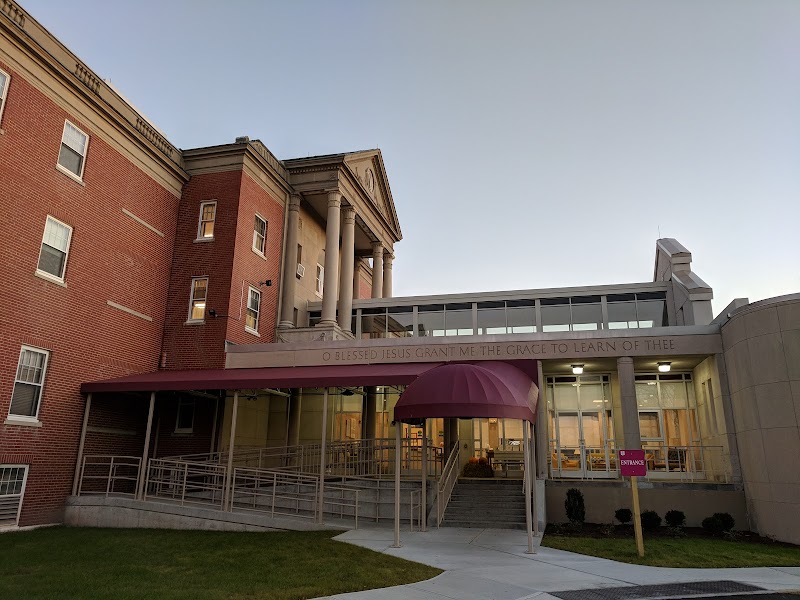
15 Sumner Brown Road, Cumberland, RI 02864 (401) 333-6352
Non profit - Church related 98 Beds COVENANT HEALTH Data: November 2025 1 Immediate Jeopardy citation
Trust Grade
23/100
#41 of 72 in RI
Last Inspection: September 2024

Within standard 12-15 month inspection cycle. Federal law requires annual inspections.

Overview

Mount St Rita Health Centre in Cumberland, Rhode Island has received a Trust Grade of F, indicating significant concerns with care quality. With a state rank of #41 out of 72 facilities, they are in the bottom half of nursing homes in Rhode Island, and #23 out of 41 in Providence County, meaning there are better options available locally. While the facility's trend is improving, having reduced issues from 17 to 5 in the past year, there are still alarming deficiencies including one critical incident involving a resident's fall that resulted in death and serious failures in providing trauma-informed care to vulnerable residents. Staffing is rated at 4 out of 5 stars, which is a strength, but the facility still has a concerning turnover rate of 47% and less RN coverage than 82% of state facilities. Additionally, fines totaling $236,730 are troubling, as this is higher than 94% of Rhode Island facilities, suggesting ongoing compliance issues.

Trust Score
F
23/100
In Rhode Island
#41/72
Bottom 44%
Safety Record
High Risk
Review needed
Inspections
Getting Better
17 → 5 violations
Staff Stability
⚠ Watch
47% turnover. Above average. Higher turnover means staff may not know residents' routines.
Penalties
⚠ Watch
$236,730 in fines. Higher than 75% of Rhode Island facilities, suggesting repeated compliance issues.
Skilled Nurses
○ Average
Each resident gets 35 minutes of Registered Nurse (RN) attention daily — about average for Rhode Island. RNs are the most trained staff who monitor for health changes.
Violations
⚠ Watch
28 deficiencies on record. Higher than average. Multiple issues found across inspections.
★★★☆☆
3.0
Overall Rating
★★★★☆
4.0
Staff Levels
★★☆☆☆
2.0
Care Quality
★★★☆☆
3.0
Inspection Score
Stable
2023: 17 issues
2024: 5 issues

The Good

  • 4-Star Staffing Rating · Above-average nurse staffing levels
  • Full Sprinkler Coverage · Fire safety systems throughout facility
  • No fines on record

Facility shows strength in staffing levels, fire safety.

The Bad

3-Star Overall Rating

Near Rhode Island average (3.1)

Meets federal standards, typical of most facilities

Staff Turnover: 47%

Near Rhode Island avg (46%)

Higher turnover may affect care consistency

Federal Fines: $236,730

Well above median ($33,413)

Significant penalties indicating serious issues

Chain: COVENANT HEALTH

Part of a multi-facility chain

Ask about local staffing decisions and management

The Ugly 28 deficiencies on record

1 life-threatening 2 actual harm
Sept 2024 4 deficiencies
CONCERN (D)

Potential for Harm - no one hurt, but risky conditions existed

Pressure Ulcer Prevention (Tag F0686)

Could have caused harm · This affected 1 resident

Based on record review and staff interview, it has been determined that the facility failed to ensure that a resident with pressure ulcers receives the necessary treatment and services, consistent wit...

Read full inspector narrative →
Based on record review and staff interview, it has been determined that the facility failed to ensure that a resident with pressure ulcers receives the necessary treatment and services, consistent with professional standards of practice, to promote healing, prevent infection and prevent new ulcers from developing for 1 of 1 newly admitted resident reviewed with a pressure ulcer, Resident ID #280. Findings are as follows: 1. Review of a facility document titled, Skin Integrity - Wound Care Protocols states in part, .DOCUMENTATION: 1. A complete wound assessment and documentation will be done weekly on all pressure ulcers until they are healed. The criteria to be included .Site/location .Stage [severity of wound] .Size .Appearance of the wound bed .Undermining/tunneling .Surrounding skin .Drainage . Record review revealed the resident was admitted to the facility in September of 2024 with a diagnosis including, but not limited to, pressure induced deep tissue damage of the left heel (a purple or maroon localized area of discolored intact skin or blood-filled blister due to damage of underlying soft tissue from pressure). Record review of the hospital discharge paperwork dated 9/13/2024 revealed that the resident was receiving daily wound treatment to his/her left heel wound. Review of the admission progress note dated 9/13/2024 revealed that the resident has a pressure ulcer to his/her left heel. Record review failed to reveal evidence that the resident received any wound care to his/her left heel wound until 9/20/2024, 7 days after the resident was admitted . Further record review failed to reveal evidence that the resident had his/her wound assessed to include the appropriate wound documentation and measurements including, but not limited to, size, appearance, surrounding skin, and drainage until the resident's wound was first assessed by the wound physician on 9/24/2024. During surveyor interviews on 9/25/2024 at 11:49 AM and 12:27 PM with the Unit Manager, Registered Nurse, Staff D, she revealed that the resident did not receive any treatment to his/her left heel pressure wound from 9/13 - 9/20/2024 because the treatment order was transcribed incorrectly. Additionally, she revealed that no wound measurements or wound descriptions were completed for his/her left heel wound until 9/24/2024. Further, she revealed that she is the facility's wound nurse and would expect staff to be measuring and describing the wound upon admission and weekly thereafter. During a surveyor interview on 9/25/2024 at 3:33 PM with the Director of Nursing Services, she revealed that she would have expected that the resident's left heel pressure wound to have been addressed and treated, and staff to be measuring and documenting on the condition of the wound weekly.
CONCERN (D)

Potential for Harm - no one hurt, but risky conditions existed

Antibiotic Stewardship (Tag F0881)

Could have caused harm · This affected 1 resident

**NOTE- TERMS IN BRACKETS HAVE BEEN EDITED TO PROTECT CONFIDENTIALITY** Based on record review and staff interview, it has been determined that the facility failed to establish an Infection Prevention...

Read full inspector narrative →
**NOTE- TERMS IN BRACKETS HAVE BEEN EDITED TO PROTECT CONFIDENTIALITY** Based on record review and staff interview, it has been determined that the facility failed to establish an Infection Prevention and Control Program (IPCP) that must include, at a minimum, an antibiotic stewardship program that includes antibiotic use protocols and a system to monitor antibiotic use for 1 of 3 residents reviewed on antibiotics, Resident ID #280. Findings are as follows: Review of a facility policy titled, Antimicrobial Stewardship Program Long Term Care dated 1/1/2024-12/31/2024 states in part, .Nursing staff will receive antibiotic use and infection status information of a patient/resident who is being transferred into the healthcare facility. An antibiotic timeout will be performed within 72 hours of prescribing . Record review revealed that the resident was admitted to the facility in September 2024 with diagnoses including, but not limited to, pressure-induced deep tissue damage of the left heel (a purple or maroon localized area of discolored intact skin or blood-filled blister due to damage of underlying soft tissue from pressure) and peripheral vascular disease (a condition when narrowed arteries reduce blood flow to the arms or legs). Review of a Hospital Discharge summary dated [DATE] revealed an order for Bactroban 2% (topical antibiotic) topically three times a day for 30 days. Further review failed to reveal evidence on where staff should apply the medication. Review of an Internal Medicine Progress Note dated 9/13/2024 revealed Bactroban 2% ordered for a left heel wound. Review of the September 2024 Treatment Administration Record revealed the Bactroban was signed off as administered to the resident's nares three times a day for 11 days. Record review failed to reveal evidence that the facility performed an antibiotic time out. During a surveyor interview with the Infection Preventionist (IP) on 9/25/2024 at 10:24 AM, she acknowledged that the hospital paperwork revealed that the Bactroban was ordered for a left heel wound. Additionally, she acknowledged that there was no indication to apply the Bactroban to the nares. Further, the IP acknowledged that an antibiotic time out was not completed. During a surveyor interview on 9/25/2024 at 3:33 PM with the Director of Nursing Services she acknowledged that the resident received the antibiotic to the nares and not the left heel wound as ordered. Additionally, she acknowledged an antibiotic timeout was not completed for the resident and the Bactroban use.
CONCERN (E)

Potential for Harm - no one hurt, but risky conditions existed

Deficiency F0658 (Tag F0658)

Could have caused harm · This affected multiple residents

**NOTE- TERMS IN BRACKETS HAVE BEEN EDITED TO PROTECT CONFIDENTIALITY** Based on surveyor observation, record review, resident and staff interviews, it has been determined that the facility failed to ...

Read full inspector narrative →
**NOTE- TERMS IN BRACKETS HAVE BEEN EDITED TO PROTECT CONFIDENTIALITY** Based on surveyor observation, record review, resident and staff interviews, it has been determined that the facility failed to ensure that residents receive treatment and care in accordance with professional standards of practice relative to the use of a wanderguard bracelet (an electronic device used to alert staff of a potential elopement attempt) for 1 of 1 resident reviewed, Resident ID #56, and 2 of 2 residents reviewed for a change in condition, Resident ID #s 60 and 280. Findings are as follows: 1. Review of a facility policy titled, Elopement Prevention Policy and Procedure states in part, .Residents with cognitive deficits can be at risk for elopement due to certain behaviors which are exit seeking, wandering or curiosity of their surroundings. There are many interventions that are utilized to prevent elopement .If these interventions are not effective the resident could benefit from a wanderguard alert bracelet. This bracelet will prevent the resident from using the elevators and getting out the front lobby doors. Residents with wanderguard bracelets will have .an order in their medical record for the wanderguard bracelet . Record review revealed Resident ID #56 was admitted to the facility in July of 2023 with a diagnosis including, but not limited to, dementia. Additionally, the resident resides on an unsecured unit. Review of a Minimum Data Set (MDS) assessment dated [DATE] revealed a Brief Interview for Mental Status (BIMS) score of 11 out of 15, indicating moderately impaired cognition. Review of a care plan focus area initiated on 6/26/2024 and last revised on 9/24/2024 revealed that the resident is at risk for wandering/elopement related to dementia and disorientation with interventions including, but not limited to, ensure wanderguard function weekly and placement to the resident's walker. Review of a document titled, Elopement Evaluation dated 3/20/2024 revealed that the resident is at risk for elopement. Review of the following progress notes revealed that the resident was exhibiting wandering and exit seeking behaviors: - 5/28/2024: Resident with increased confusion and wandering - 6/19/2024: Resident continuously wandering and attempting to access the elevator - 6/20/2024: Resident continuously wandering - 6/21/2024: Resident wandering at the beginning of the shift - 7/2/2024: Resident wandered to another floor and was redirected back to his/her floor - 7/24/2024: Resident continues to remove his/her wanderguard and his/her family continues to encourage the resident to keep his/her wanderguard in place to maximize safety due to his/her wandering and occasional exit-seeking behaviors Record review failed to reveal evidence of an order for a wanderguard per the facility policy or orders to check placement and function of the resident's wanderguard per Resident ID #56's care plan. During a surveyor observation and simultaneous interview on 9/24/2024 at approximately 1:00 PM with Licensed Practical Nurse (LPN), Staff A, she acknowledged that the resident has a wanderguard to his/her walker. She revealed that residents with wanderguards have orders to check the wanderguard placement daily and its function weekly. Additionally, she acknowledged that the resident did not have orders in place for a wanderguard or to check placement or function of the wanderguard. During a surveyor interview on 9/24/2024 at 1:20 PM with Director of Nursing Services (DNS), she revealed that residents with wanderguards should have orders in place for the wanderguard and to check placement every shift and check function every week. 2. Review of a facility policy titled, Physician/Representative Notification of Changes states in part, .Changes in a resident's condition must be reported to the MD [Medical Doctor] and Resident Representative (when applicable) in a timely manner .The nurse on during the shift of the resident's change in condition is responsible to make the attempt to notify MD and Representative. Communication to the oncoming nurse shall include the status of the notification and MD (and Representative) response . a) Record review revealed Resident ID #60 was admitted to the facility in December of 2023 with a diagnosis including, but not limited to, Alzheimer's Disease. Record review revealed the following progress notes indicating that the resident had a change in condition: - 9/20/2024: The resident's legs are both noted to have pitting edema (occurs when excess fluid builds up in the body, causing swelling; when pressure is applied to the swollen area, an indentation, will remain). Staff encouraged the resident to elevate his/her legs - 9/22/2024: The resident continues with pitting edema to both of his/her legs and staff continues to encourage him/her to elevate his/her legs Record review failed to reveal evidence that the provider was notified of the resident's pitting edema to his/her legs until brought to the facility's attention by the surveyor. During a surveyor interview on 9/23/2024 at 12:22 PM with the resident, s/he revealed that his/her legs are swollen, and staff continues to encourage the elevation of his/her legs. During a surveyor observation and simultaneous interview on 9/24/2024 at 3:23 PM with LPN, Staff B, he acknowledged that the resident's legs were edematous. He revealed that the resident's legs were not edematous the last time he saw the resident's, which was approximately 2 weeks ago. He further revealed that the edema was a change in condition, and this required a notification to the provider. During a surveyor interview on 9/25/2024 at 9:49 AM with the Physician, he revealed that he would expect staff to have notified him when the edema was first noted. Additionally, he revealed that he implemented new interventions for the resident's edematous legs. During a surveyor interview on 9/25/2024 at 9:25 AM with the DNS, she acknowledged that the resident's leg edema was a change in condition and that the provider should have been notified on 9/20/2024, when the edema was first noted. b) Record review revealed Resident ID #280 was admitted to the facility in September of 2024 with a diagnosis including, but not limited to, iron deficiency anemia (a condition when the body lacks healthy red blood cells). Review of a physician's order dated 9/13/2024 indicated to monitor for bleeding every shift and notify the provider if the resident experiences any signs or symptoms of bleeding. Review a progress note dated 9/16/2024 at 12:09 PM authored by the Physician, revealed that the resident had 4 stents (an implanted device in a blood vessel to help restore blood flow) placed (inserted via wrists and groin) and that the resident had .no bleeding, no easy bruisability . Record review revealed the following progress note indicating that the resident had a change in condition: - 9/16/2024 at 3:42 PM: The resident was noted to have bruising all around his/her genitals and groin area and the bruising was monitored throughout the shift and reported to the oncoming nurse. Record review failed to reveal evidence that a provider was notified of the bruising to his/her genital and groin area. During a surveyor interview on 9/26/2024 at 10:46 AM with LPN, Staff C, she revealed that she was aware that the resident had stents placed through his/her groin. She further revealed that a Nursing Assistant noted the bruising to the resident's groin area and the bruising seemed like it was new. She was unable to recall if she contacted the provider. During a surveyor interview on 9/26/2024 at 10:53 AM with the DNS, she revealed that she would have expected staff to notify the provider when the bruising was first noted. During a surveyor interview on 9/26/2024 at 11:54 AM with the Physician, he revealed that he would expect staff to have notified him when the bruising was first noted.
CONCERN (E)

Potential for Harm - no one hurt, but risky conditions existed

Deficiency F0761 (Tag F0761)

Could have caused harm · This affected multiple residents

**NOTE- TERMS IN BRACKETS HAVE BEEN EDITED TO PROTECT CONFIDENTIALITY** Based on surveyor observation and staff interview, it has been determined that the facility failed to store and label drugs and ...

Read full inspector narrative →
**NOTE- TERMS IN BRACKETS HAVE BEEN EDITED TO PROTECT CONFIDENTIALITY** Based on surveyor observation and staff interview, it has been determined that the facility failed to store and label drugs and biologicals in accordance with currently accepted professional principles for 1 of 3 medication carts reviewed and 3 of 3 medication rooms. Findings are as follows: Review of a facility policy titled, Medication Storage last revised on 9/18 states in part, .refrigerators should be kept clean and frost free .Outdated, contaminated, discontinued or deteriorated medications .are immediately removed from stock . 1. During a surveyor observation of the 1st floor medication cart on [DATE] at 9:40 AM, in the presence of Licensed Practical Nurse (LPN), Staff C, revealed the following: - 1 bottle of vitamin B complex with Vitamin C with a manufacturer's expiration date of 5/2024 - 1 bottle of cranberry supplement with a manufacturer's expiration date of 5/2024 - 1 bottle of ferate 27 milligram (mg) tablets with a manufacturer's expiration date of 6/2024 - 1 bottle of aspirin 81 mg tablets with a manufacturer's expiration date of 7/2024 - 1 bottle of a multivitamin one daily with a manufacturer's expiration date of 8/2024 During a surveyor interview immediately following the observation with Staff C, she acknowledged that the above-mentioned medications were expired and should have been discarded. 2. During a surveyor observation on [DATE] at 10:08 AM of the 2nd floor medication room in the presence of LPN, Staff E, revealed one bottle of liquid Ativan Intensol with a manufacturer's instructions to discard opened bottles after 90 days, with an open date of [DATE] and an expiration date of [DATE]. During a surveyor interview immediately following the above observation with Staff E, she acknowledged that the Ativan Intensol was opened and expired. 3. During a surveyor observation on [DATE] at 10:46 AM of the 3rd floor Medication Room in the presence of LPN, Staff A, revealed one bottle of liquid Ativan Intensol with a manufacturer's instructions to discard opened bottles after 90 days, with an open date of [DATE] and an expiration date of [DATE]. During a surveyor interview immediately following the above observation with Staff A, she acknowledged that the Ativan Intensol was opened and expired. 4. During a surveyor observation on [DATE] at 9:51 AM of the 1st floor medication storage fridge revealed an accumulation of ice in the freezer. During a surveyor interview with Staff C, at the time of the above observation, she acknowledged that there was an accumulation of ice in the freezer. 5. During a surveyor observation on [DATE] at 10:08 AM of the 2nd floor medication storage fridge revealed an accumulation of ice in the freezer During a surveyor interview with Staff E, at the time of the above observation, she acknowledged that there was an accumulation of ice in the freezer. 6. During a surveyor observation on [DATE] at 10:46 AM of the 3rd floor medication storage fridge revealed an accumulation of ice in the freezer. During a surveyor interview with Staff A, at the time of the above observation, she acknowledged that there was an accumulation of ice in the freezer. During a surveyor interview on [DATE] at 12:57 PM with the Director of Nursing Services, she revealed that she would expect the staff to discard medications appropriately when they are expired. Additionally, she revealed that there should not be a accumulation of ice in the freezers and was unsure of the last time they were defrosted.
May 2024 1 deficiency
CONCERN (D) 📢 Someone Reported This

A family member, employee, or ombudsman was alarmed enough to file a formal complaint

Potential for Harm - no one hurt, but risky conditions existed

Deficiency F0760 (Tag F0760)

Could have caused harm · This affected 1 resident

Based on record review and staff interview it has been determined that the facility failed to keep residents free from significant medication errors for 1 of 2 residents reviewed who were receiving mo...

Read full inspector narrative →
Based on record review and staff interview it has been determined that the facility failed to keep residents free from significant medication errors for 1 of 2 residents reviewed who were receiving morphine (a medication used to treat pain), Resident ID #1. Findings are as follows: Review of a community reported complaint submitted to the Rhode Island Department of Health on 5/21/2024, alleged concerns regarding Resident ID #1's end of life medication. Record review revealed that the resident was readmitted to the facility in February of 2018 with diagnoses including, but not limited to, Alzheimer's disease and diabetes. Further review revealed the resident was receiving end of life care. Record review revealed the resident was assessed by hospice on 5/15/2024 and the resident's morphine was increased from 0.125 milliliters (ml) to 0.25 ml of morphine every 6 hours and every 1 hour as needed shortness of breath or severe pain. Review of a physician's order dated 5/15/2024 revealed Morphine Sulfate (Concentrate) Solution 20 milligrams/milliliters. Give 0.25 milliliters by mouth every 1 hours as needed for shortness of breath or severe pain. Review of the Narcotic logbook for Resident ID #1 revealed, on 5/17/2024 the resident was administered 0.125 ml of morphine at 5 PM and 9 PM, which is half of the ordered dose. Further review failed to reveal evidence in the resident's Medical Record that s/he received 0.125 milliliters (ml) of morphine at 5:00 PM and 9:00 PM on 5/17/2024. During a surveyor interview on 5/21/2024 at 11:14 AM with Licensed Practical Nurse, Staff A, who administered the morphine doses on 5/17/2024 at 5:00 PM and 9:00 pm, he acknowledged that he gave 0.125 ml to the resident on 5/17/2024. During a surveyor interview with the Director of Nursing Services on 5/21/2024 at 1:40 PM and 2:02 PM, she acknowledged that the resident received the incorrect amount of morphine on 5/17/2024 at 5:00 PM and 9:00 PM. Additionally, she revealed that she would have expected that the resident receive the correct amount of morphine, per the physician order.
Oct 2023 11 deficiencies 1 Harm
SERIOUS (G)

Actual Harm - a resident was hurt due to facility failures

Deficiency F0699 (Tag F0699)

A resident was harmed · This affected 1 resident

Based on surveyor observation, record review, and staff interview, it has been determined that the facility failed to ensure that residents who are trauma survivors receive trauma informed care in acc...

Read full inspector narrative →
Based on surveyor observation, record review, and staff interview, it has been determined that the facility failed to ensure that residents who are trauma survivors receive trauma informed care in accordance with professional standards of practice and accounting for the resident's experiences and preferences for 1 of 3 residents reviewed, Resident ID #23. Findings are as follows: Review of the resident record revealed s/he was admitted to the facility in August of 2021, with diagnoses including but not limited to: Alzheimer's disease, need for assistance with personal care, major depressive disorder, and anxiety. Review of a Minimum Data Set (MDS) Assessment, dated 8/23/2023, revealed his/her cognitive skills are severely impaired. Review of the care plan, revised on 4/25/2022, revealed s/he is resistive to care at times related to early trauma and states that s/he is scared and please do not hurt me. Further review revealed interventions including but not limited to: two staff for all personal care interaction to help deescalate aggressive behaviors, when s/he is upset staff are to leave and reapproach later, and to use a soft, stuffed companion dog when providing care for his/her comfort. Further review of the care plan revealed s/he is at risk for harm due to stating s/he wants to die and that s/he bruises easily due to aggressive behavior during care. Review of a Social Services note, dated 11/11/2021, revealed that during a care plan meeting the resident's son stated that the resident's behaviors are exacerbated when s/he soils him/herself and recalled that his/her father was abusive. Further review revealed s/he enjoys holding his/her soft, stuffed companion dog. Review of the October 2023 nursing notes revealed in part: - 10/24/2023: .difficult today with care. Combative. Not easy to redirect . - 10/22/2023: .yelling and screaming during care . - 10/19/2023: .small bruise right arm . - 10/19/2023: .screaming during care today. Punching and pinching . - 10/18/2023: .striking out at staff when giving care today . - 8/13/2023: Resident yelled and appeared irritated a few times, during am/incontinent care. Redirected by staff which was not effective at times. Resident appeared better after being left alone most times . While this surveyor was standing in the corridor on 10/24/2023 from 11:47 AM through 12:00 PM the resident was heard repeatedly yelling out from his/her room, Help me! Surveyor observation upon entering his/her room revealed the resident was not wearing any clothes and was lying in bed on his/her right side, as Nursing Assistant (NA), Staff F, was standing behind him/her cleaning his/her buttocks. Further observation revealed the resident was continuously yelling out Help me! while hitting Staff F's right arm/hand off of his/her hip. Additional observation revealed a few stuffed animals were on the bedside chair in the room. During a surveyor interview with Staff F at the time of the observation, she indicated that the resident needs to be cleaned, then continued to provide care to him/her as the resident yelled and hit her. It was further stated that she is helping on the unit today and the other nursing assistants informed her that the resident has yelling and hitting behaviors with care. When questioned by the surveyor as to what interventions are implemented for the resident when s/he has these behaviors, Staff F indicated that the other nursing assistant working on the unit told her to start care and that she would return later to assist her. Additionally, Staff F was unaware of any interventions that should have been utilized to comfort the resident during care. The surveyor attempted to interview the resident immediately following the above observation but the resident stated No, leave me alone. During a surveyor interview with NA, Staff G, on 10/24/2023 at 12:00 PM, she indicated that the resident .always yells and hits . and that these behaviors have been ongoing for as long as she has known him/her. Additionally, it was indicated that the nurse is aware of the resident's behaviors and has stated to Staff G that the resident is on medication, but nothing further is done. During a surveyor interview with Registered Nurse, Staff H, on 10/24/2023 at approximately 12:30 PM, she indicated that she is aware that the resident exhibits behaviors when staff remove his/her brief and that the resident has experienced trauma in his/her past. Furthermore, she acknowledged not giving report to NA, Staff F, before she started her assignments on the unit. Additionally, she was unaware of the care plan interventions to provide the resident a stuffed companion dog for comfort and two staff for all personal care interactions. During a surveyor interview with the Director of Nursing Services on 10/25/2023 at 2:55 PM, she indicated that she would expect that all staff would follow the resident's care plan and implement the trauma informed care interventions. As the facility did not follow the resident's care plan interventions related to his/her history of trauma and abuse, s/he experienced a witnessed episode of increased agitation and aggression which potentially triggered re-traumatization of the resident. The staff's lack of knowledge as evidenced by the interview with Staff G, who indicated these behaviors have been ongoing with this resident and that s/he always hits. Additionally, Staff F and H, were also unaware of any interventions that could have been utilized to comfort the resident during care, are evidence of the facility's failure. See tag F 949
CONCERN (D)

Potential for Harm - no one hurt, but risky conditions existed

Deficiency F0583 (Tag F0583)

Could have caused harm · This affected 1 resident

Based on surveyor observation, record review and staff interview it has been determined that the facility failed to respect the residents right to personal privacy for 1 of 2 residents observed during...

Read full inspector narrative →
Based on surveyor observation, record review and staff interview it has been determined that the facility failed to respect the residents right to personal privacy for 1 of 2 residents observed during a wound dressing change, Resident ID #222 and 1 of 1 resident observed during blood glucose monitoring and insulin administration, Resident ID #223. Findings are as follows: 1. Record review revealed Resident ID #222 was admitted to the facility September of 2023 with diagnoses including but not limited to: Pressure ulcer of the Sacral Region, Stage 4 (sores caused by pressure that extend below the subcutaneous fat into your deep tissues, including muscle, tendons, and ligaments). Surveyor observation on 10/25/2023 at approximately 12:30 PM of Licensed Practical Nurse Staff B performing the dressing change to the resident's sacral pressure ulcer. During the dressing change the resident was rolled onto his/her right side with his/her uncovered buttock facing a large first floor window with an unobstructed view of the parking lot and road, the window blind was wide open. During a surveyor interview on 10/25/2023 immediately following the observation with Staff B, she acknowledged that the window blind was wide open during the dressing change compromising the resident's privacy. 2. Record review revealed Resident ID #223 was admitted to the facility in October of 2023 with diagnoses including but not limited to: Diabetes Mellitus with hyperglycemia (too much sugar in the blood). During a surveyor observation on 10/24/2023 at 9:22 AM of Licensed Practical Nurse, Staff C, revealed the nurse checks the residents blood sugar in his/her room, which is adjacent to the main entrance to the unit. She then administered the resident's ordered insulin into his/her abdomen. The nurse failed to close the privacy curtain or the bedroom door during the above procedures. During a surveyor interview on 10/24/2023 at approximately 9:45 AM with Staff C, she acknowledged that she hadn't closed the privacy curtain when checking the resident's blood sugar and administering his/her insulin. During a surveyor interview on 10/24/2023 at 2:02 PM with the Director of Nursing Services, she revealed that her expectation would be that the residents would be provided privacy during the above procedures.
CONCERN (D)

Potential for Harm - no one hurt, but risky conditions existed

Deficiency F0658 (Tag F0658)

Could have caused harm · This affected 1 resident

Based on surveyor observation, record review and staff interview, it has been determined that the facility failed to meet professional standards of quality relative to failure to follow physician's or...

Read full inspector narrative →
Based on surveyor observation, record review and staff interview, it has been determined that the facility failed to meet professional standards of quality relative to failure to follow physician's orders for 1 of 6 residents reviewed relative to the use of an air mattress, Resident ID #57. Findings are as follows: According to Mosby's 4th Edition, Fundamentals of Nursing, page 314 states in part, .The physician is responsible for directing medical treatment, Nurses are obligated to follow physician's orders unless they believe the orders are in error or would harm the clients . Record review revealed the resident was admitted to the facility in September of 2023 with diagnoses including, but not limited to: cellulitis (infection of the skin) of lower legs and peripheral vascular disease (PVD, poor blood circulation). Record review revealed a physician order dated 9/19/2023 that states ensure air mattress is working by checking air mattress setting is set to 17.5/50 % firm/alternating each shift . During a surveyor interview with the resident on 10/23/2023 at 9:20 AM, s/he revealed, his/her mattress is too firm and uncomfortable. The resident stated, I hate it. Surveyor observation of the setting on the air mattress revealed the firmness indicator light was set to 6 out of 8 bars for firmness on the following dates and times: -10/23/2023 at 9:20 AM -10/24/2023 at 11:02 AM -10/24/2023 at 1:50 PM Record review of the October 2023 Treatment Administration Record revealed the above-mentioned order was signed off as completed by License Practical Nurse, Staff D on the morning shift of 10/24/2023. During a surveyor interview on 10/24/2023 at 2:26 PM, with Staff D and Registered Nurse, Staff E, they were unaware of the setting on the resident's air mattress. Additionally, both nurses acknowledged that the firmness indicator light was set at 6 out of 8 bars for firmness which they would interpret as greater than 50% of firmness. Additionally, Staff D was unable to provide clarification as to why she documented that the air mattress was checked for firmness on 10/24/2023, when it was not set appropriately. She further revealed that she was unaware of how to adjust the setting, stating maintenance does that. During a surveyor interview with the Maintenance Director on 10/25/2023 at 11:52 AM revealed he placed the air mattress on the resident's bed but does not adjust the setting of the air mattress. The Maintenance Director further revealed he does not know how to set up the air mattress and that it is not his responsibility. During a surveyor interview with the Director of Nursing Services on 10/25/2023 at approximately 3:00 PM, she could not explain why the physician's order was not followed relative to the use of an air mattress.
CONCERN (D)

Potential for Harm - no one hurt, but risky conditions existed

Quality of Care (Tag F0684)

Could have caused harm · This affected 1 resident

Based on surveyor observation, record review and staff interview, it has been determined that the facility failed to ensure that a resident receives treatment and care in accordance with professional ...

Read full inspector narrative →
Based on surveyor observation, record review and staff interview, it has been determined that the facility failed to ensure that a resident receives treatment and care in accordance with professional standards of practice and the comprehensive person-centered care plan, for 1 of 1 resident observed relative to non-pressure wounds, Resident ID #57. Findings are as follows: According to Mosby's 4th Edition, Fundamentals of Nursing, page 314 states in part, .The physician is responsible for directing medical treatment, Nurses are obligated to follow physician's orders unless they believe the orders are in error or would harm the clients . 1) Record review revealed the resident was admitted to the facility in September of 2023 with diagnoses including, but not limited to: cellulitis (infection of the skin) of lower legs and peripheral vascular disease (poor blood circulation). Surveyor observation of the resident on 10/23/2023 at 9:20 AM revealed the resident has a dressing below his/her left index finger with no date on it. During a surveyor interview immediately following the observation, the resident revealed s/he has a skin tear and staff applied the dressing on his/her hand. Additional observations of the resident on 10/24/2023 at approximately 9:00 AM and 12:30 PM revealed a dressing below his/her left index finger with no date. Record review failed to reveal evidence that there was an order in place to treat or monitor the wound. Additionally, the record failed to reveal evidence that the resident's physician was notified of the wound. During a surveyor interview on 10/24/2023 at approximately 2:00 PM with Staff D, the surveyor asked if she could observe the dressing change to the resident's left index finger. A surveyor observation of the wound with Staff D, on 10/24/2023 at 2:26 PM, revealed there was an approximately 0.75 centimeters (cm) length x 0.75 cm width wound below the resident's left index finger. The surveyor noted that the wound bed, surrounding area, and old dressing all had a small amount of yellow and brown drainage on them. During a surveyor interview following the above observation, Staff D revealed she usually works on this unit and saw the dressing below the resident's left index finger in the morning, but failed to assess the wound nor notify the resident's physician. 2) Further record review for Resident ID #57 revealed a care plan which was revised on 9/7/2023 for actual impairment to skin integrity of the venous ulcer of the lower legs (wound caused by a problem with blood flow) and has interventions in place including, but not limited to treatment to legs as ordered. Review of the wound evaluation and management summary dated 10/17/2023 revealed the resident has the following wounds: -venous wound of the right shin, measuring 5.7 cm x 14 cm x 0.2 cm with 79.80 cm surface area -venous wound of the left, anterior shin, measuring 2.5 cm x 1.4 cm x 0.1 cm with 3.50 cm surface area -venous wound of the left, posterior calf, measuring 1.5 cm x 4 cm x 0.1 cm with 6 cm surface area Additional record review revealed a physician's order dated 10/19/2023 for venous wounds to left and right lower legs, cleanse with NS (normal saline), pat dry, apply Vashe (wound cleansing solution) to 4 x 4 gauze then placed on wound bed for 5 minutes, remove, apply Silver Sulfadiazine (antibiotic) to wound bed, cover with wound veil (type of dressing), use thin layer of Zinc ointment around wound bed (approximately 2 cm wide), cover with ABD pad (large, extra thick dressing), wrap with gauze roll (Kerlix) and tape, every day shift for venous wounds. During a surveyor observation of Staff D providing would care on 10/25/2023 at 2:17 PM revealed that she failed to apply the Zinc ointment around the wounds on both of the resident's lower legs as ordered. During a subsequent interview with Staff D after she completed the dressing change on 10/25/2023 at approximately 2:45 PM, she acknowledged that she failed to apply the Zinc ointment to the lower legs wounds as ordered. During a surveyor interview with the Director of Nursing Services on 10/25/2023 at approximately 3:00 PM, she was unable to provide evidence of a physician's order for wound care or documentation regarding the wound below the resident's left index finger. Additionally, she was unable to provide evidence that the resident received treatment and care in accordance with the physician's order for his/her lower leg wounds.
CONCERN (D)

Potential for Harm - no one hurt, but risky conditions existed

Tube Feeding (Tag F0693)

Could have caused harm · This affected 1 resident

Based on surveyor observation, record review and staff interview, it has been determined that the facility failed to ensure that residents that are fed through a feeding tube receive the appropriate t...

Read full inspector narrative →
Based on surveyor observation, record review and staff interview, it has been determined that the facility failed to ensure that residents that are fed through a feeding tube receive the appropriate treatment and services to prevent complications for 1 of 1 resident reviewed receiving nutrition and medications via a gastrostomy tube (G-tube-gives direct access to the stomach for supplemental feeding, hydration or medicine), Resident ID #222. Findings are as follows: Record review of a policy titled, Policy and Procedure for G-Tube Feeding revealed in part, .The purpose of this policy is to provide comfort to the resident and avoid complications of enteral feedings .Before initiating the feed, check the tube placement and gastric residual [amount of fluid/feeding left in the stomach from a previous feeding] .Continuous feeding 1. Check placement of tube every shift and measure gastric residual every 4 hours (Once stabilized, residual check can be reduced to once per shift) .Date irrigation set, syringe, and change every 24 hours . Record review revealed the resident was admitted to the facility in September of 2023 with dysphagia (difficulty swallowing) and has a gastrostomy tube. Record review of a physician order dated 10/19/2023 states in part, every shift related to dysphasia [SIC] .give via g-tube continuous at 50 ml/hour (milliliters/ hour) . Surveyor observation on 10/24/2023 at 8:05 AM of a running Jevity 1.2 bottle in the presence of Licensed Practical Nurse, Staff C revealed the following manufacturer's instructions, hang product up to 48 hours after initial connection when clean technique and only one new feeding set are used otherwise hang no longer than 24 hours. Further review revealed that both the tubing and the Jevity 1.2 were undated, having no indication when they were hung. During a surveyor interview at the time of the above observation with Staff C she acknowledged that the Jevity and tubing were not dated. She further revealed that since they run continuously, she wasn't aware of when they were hung. A surveyor observation on 10/24/2023 at 8:05 AM of Staff C attempting to administer medications through the resident's G-tube revealed the following: -Staff C disconnected the tube feed that was being administered and checked residual by connecting a syringe and drawing back. No residual was noted. -Staff C stated the tube must be in the wrong place because there was no residual and began to question this surveyor about if she was checking the residual right. She further revealed that she didn't work with G-tubes often. -Staff C then threw away the prepared medications. -Staff C contacted another nurse via phone and was told that it was ok that there was no residual and was educated that the medications could be administered. -Staff C then repoured the medications and went back to administer them as instructed. During a surveyor interview on 10/24/2023 at approximately 9:45 AM with Staff C, she acknowledged that she had worked with this resident before but revealed that she had not had education related to g-tubes. During a surveyor interview on 10/25/2023 at 11:10 AM with the Director of Nursing Services she acknowledged that the tubing and the Jevity should have a date and time of when they were initially hung. She further acknowledged that since the tubing and Jevity were not labeled there is no way to know if the instructions on the bottle were followed. Additionally, she could not provide evidence that Staff C was aware of how to properly check the residual of the g-tube.
CONCERN (D)

Potential for Harm - no one hurt, but risky conditions existed

Deficiency F0697 (Tag F0697)

Could have caused harm · This affected 1 resident

Based on surveyor observation, record review, and staff interview, it has been determined that the facility failed to ensure that pain management was provided to a resident who required such services,...

Read full inspector narrative →
Based on surveyor observation, record review, and staff interview, it has been determined that the facility failed to ensure that pain management was provided to a resident who required such services, consistent with the comprehensive person-centered care plan, for 1 of 2 residents observed during a dressing change, Resident ID #57. Findings are as follows: Record review revealed the resident was admitted to the facility in September of 2023 with diagnoses including, but not limited to: cellulitis (infection of the skin) of lower legs and peripheral vascular disease (PVD, poor blood circulation). Record review of the resident's care plan dated 9/7/2023 reveals the resident has pain related to PVD and has interventions in place including, but not limited to, anticipate the residents needs for pain relief and respond immediately to any complaint of pain. Review of the wound evaluation and management summary dated 10/17/2023 revealed the resident has the following wounds: -venous wound of the right shin, measuring 5.7 cm (centimeter) x 14 cm x 0.2 cm with 79.80 cm surface area -venous wound of the left, anterior shin, measuring 2.5 cm x 1.4 cm x 0.1 cm with 3.50 cm surface area -venous wound of the left, posterior calf, measuring 1.5 cm x 4 cm x 0.1 cm with 6 cm surface area Further record review revealed the resident has the following orders for pain medications: -MS Contin (Morphine Sulfate) oral tablet, extended released 30 milligrams (mg), give 1 tablet by mouth 2 times a day for chronic pain document refusals, leave order active as resident frequently changes his/her mind -Oxycodone HCL oral tablet 5 mg, give 1 tablet by mouth every 6 hours as needed for mild pain (rated 1-5) -Oxycodone HCL oral tablet 10 mg, give 1 tablet by mouth every 6 hours as needed for severe pain (rated 6-10) -Lidocaine External Gel 5% apply to lower leg wounds topically every 24 hours as needed, may use Lidocaine Gel for wound dressings if needed. Record review of a progress note revealed the resident refused wound dressing changes on the following dates: 10/21/2023, 10/19/2023, and 10/2/2023. Record review of a progress note dated 10/23/2023 revealed the resident spit out the MS Contin 30 mg tablet, stating I don't usually take that. Additional review of a progress note dated 10/17/2023 revealed the resident refused the MS Contin 30 mg tablet, stating I want to be able to see people when they come. During a surveyor interview with Licensed Practical Nurse, Staff D, on 10/25/2023 at approximately 8:30 AM, she revealed that she regularly works on this unit. Staff D further revealed that she anticipates doing the dressing change for the resident in the afternoon, but the resident often refuses wound treatment. A surveyor observation during the dressing change on 10/25/2023 at 2:17 PM revealed the resident has 2 wounds on his/her left lower leg and 1 wound on his/her right lower leg. The resident's lower legs appeared to be red and swollen with a large amount of yellow and brown drainage present on the old dressing. Additionally, during the above observation, it was noted that the resident was wincing in pain. S/he became increasingly more and more visibly uncomfortable as the treatment went on, the resident could be heard saying oh God, oh God, it hurts so bad, help me . During a surveyor interview after the above observation, Staff D stated she offered him/her pain pills, but s/he didn't want them. When asked if she had offered the resident lidocaine gel, Staff D replied no. During a surveyor interview with the resident during his/her dressing change s/he stated his/her pain was a 9 out of 10. Further observation revealed that Staff D continued with the dressing change while the resident whimpered in pain. The surveyor asked Staff D again about the lidocaine gel, and Staff D revealed that she did not offer the lidocaine gel to the resident. During a surveyor interview with the Director of Nursing Services on 10/25/2023 at approximately 3:00 PM, when made aware of the above-mentioned observation, she acknowledged the staff should have offered the resident the lidocaine gel prior to the dressing change.
CONCERN (D)

Potential for Harm - no one hurt, but risky conditions existed

Deficiency F0726 (Tag F0726)

Could have caused harm · This affected 1 resident

Based on surveyor observation, record review and staff interview, it has been determined that the facility failed to ensure nursing staff have the appropriate competencies and skill sets to provide nu...

Read full inspector narrative →
Based on surveyor observation, record review and staff interview, it has been determined that the facility failed to ensure nursing staff have the appropriate competencies and skill sets to provide nursing and related services to assure resident safety as identified in the plan of care for 1 of 1 nurse observed performing blood glucose testing, Licensed Practical Nurse (LPN), Staff C, for 1 of 1 nurse observed administering medications through a g-tube, Staff C, 1 nurse observed related to the setting of an air mattress LPN, Staff D and Registered Nurse, Staff E, and for 1 of 2 nurses observed completing a dressing change, LPN, Staff D. Findings are as follows: Review of a document titled Facility Wide Resource Assessment revealed in part, The purpose of this assessment is to evaluate our resident population and identify the resources needed to provide the necessary care and services to residents require .Diseases and Conditions Identified as Primary/Secondary .Diabetes Types 1 and Type 2 .Wound Care .Tube Feedings .Staff Competencies .Competencies are completed by all staff utilizing The Academy Health Stream system .Resident Care Equipment .G.Tubes .Pain Management .Assessment of pain, utilizing pharmacologic and nonpharmacological (positioning, heat, cold) pain management strategies .Infection control .assessment and intervention related to infections, all body systems, applying interventions as directed by nursing assessment and CDC [Center for Disease Control] protocols and/or RIDOH [Rhode Island Department of Health] .Nutrition .Equipment related to resident dietary needs .Additional Training and Resources for Nurses and CNA's .Additional trainings for Licensed Nurses are held in relation to new products, drugs and processes .All Additional Employee training is documented on a training sheet .HealthStream retains all completed competency based training by employees .Commercial video and in person presentations are also utilized on topics such as skin care, safe resident handling, oral care etc . 1. Review of the Centers for Disease Prevention and Control article titled, Infection Prevention during Blood Glucose Monitoring and Insulin Administration, last reviewed March 2, 2011, states in part: .A simple rule for safe care: If shared, blood glucose meters should be cleaned and disinfected after every use . During a surveyor observation on 10/24/2023 at 7:54 AM of Licensed Practical Nurse, Staff C, she took Resident ID #223's blood sugar via an Assure Platinum Blood Glucose Monitoring System. Upon completion of taking the blood sugar the nurse placed the glucometer back in the medication cart without disinfecting it. During a surveyor observation on 10/24/2023 at 9:22 AM of Staff C, she took Resident ID #223's blood sugar via the Assure Platinum Blood Glucose Monitoring System. Upon completion of taking the blood sugar the nurse placed the glucometer back in the medication cart without disinfecting it. During a surveyor interview on 10/24/2023 at approximately 9:45 AM, Staff C acknowledged that she failed to disinfect the glucometer after use during the above observations. During a surveyor interview on 10/24/2023 at 1:46 PM with the Director of Nursing Services (DNS) she revealed she would expect that the glucometer would be cleaned after use. She was unable to provide evidence that the nurse had completed a competency related to glucometer use prior to the above observations. 2. Record review of a facility policy titled, Administration of Medication via Enteral Feeding[direct access to the stomach for supplemental feeding, hydration or medicine] revealed in part .Training and Competency .All healthcare professionals responsible for administering medications via enteral feeding tubes must receive appropriate training and demonstrate competency in this procedure before performing it independently. Competency should be assessed annually . Record review of a policy titled, Policy and Procedure for G-Tube Feeding revealed in part, .The purpose of this policy is to provide comfort to the resident and avoid complications of enteral feedings .Before initiating the feed, check the tube placement and gastric residual [amount of fluid/feeding left in the stomach from a previous feeding] .Continuous feeding 1. Check placement of tube every shift and measure gastric residual every 4 hours (Once stabilized, residual check can be reduced to once per shift) . During a surveyor observation on 10/24/2023 at 8:05 AM of Staff C attempting to administer medications through resident ID #222's G-tube revealed the following: -Staff C disconnected the tube feed that was being administered and checked residual by connecting a syringe and drawing back. No residual was noted. -Staff C stated the tube must be in the wrong place because there was no residual and began to question this surveyor if she was checking the residual right. She further revealed that she didn't work with G-tubes often. - Staff C then threw away the prepared medications. -Staff C contacted another nurse via phone, and was told that it was okay that there was no residual and was educated that the medications could be administered. -Staff C then repoured the medications and went back to administer them as instructed. During a surveyor interview on 10/24/2023 at 9:45 AM with Staff C, she revealed that she hadn't had education or completed a competency related to G-tubes. During a surveyor interview on 10/25/2023 at 11:10 AM with the DNS she was unable to provide evidence that Staff C had completed a competency related to administration of nutrition and medication through gastrostomy tubes prior to the above observation. 3. Record review revealed that Resident ID #57 was admitted to the facility in September of 2023 with diagnoses including, but not limited to: cellulitis (infection of the skin) of lower legs and peripheral vascular disease (PVD, poor blood circulation). Further record review of the physician order dated 9/10/2023 indicates ensure air mattress is working by checking air mattresses setting is set to 17.5/50% firm. Surveyor observations of the setting on the air mattress revealed the firmness setting setting indicator light was set to 6 out of 8 bars for firmness on the following dates and times: -10/23/2023 at 9:20 AM -10/24/2023 at 11:02 AM -10/24/2023 at 1:50 PM Record review of the October 2023 Treatment Administration Record revealed the above-mentioned order was signed off as completed by Staff D on the morning shift of 10/24/2023. Surveyor interview with Licensed Practical Nurse, Staff D and Registered Nurse, Staff E on 10/24/2023 at approximately 2:30 PM, revealed they were unaware how to adjust or set the air mattress, indicating it was the maintenance department's responsibility. Surveyor a surveyor interview with the DNS on 10/25/2023 at 3:00 PM she revealed her expectation would be that nursing staff would have knowledge of the air mattress settings. The DNS was unable to provide evidence that Staff D and Staff E had education or completed a competency relative air mattress settings. 4. During a surveyor observation of a wound dressing change for Resident ID #57 provided by Staff D on 10/25/2023 at 2:17 PM revealed the following: - Staff D failed to perform hand hygiene immediately after removal of the used gloves and before putting on new ones, for multiple opportunities. - Staff D failed to clean the scissors she used to cut the dirty dressings off both legs before utilizing it to cut the new clean dressing supplies. - Staff D failed to use two different sets of gauze to clean both of the resident's left leg wounds separately to prevent cross contamination in between wound beds. - Staff D repeatedly used one Q-tip applicator to apply Silver Sulfadiazine (a medication used with other treatments to help prevent and treat wound infections in patients with serious burns. Silver sulfadiazine works by stopping the growth of bacteria that may infect an open wound) to the multiple resident's bilateral lower extremity wounds, repeatedly dipping the same Q-tip into the tub of ointment after using the Q-tip to apply the medication directly onto the multiple wound beds. During a surveyor interview with the Director of Nursing Services and the Infection Control Nurse on 10/25/2023 at 3:05 PM, they were unable to provide evidence that Staff D completed a competency related to infection control.
CONCERN (D) 📢 Someone Reported This

A family member, employee, or ombudsman was alarmed enough to file a formal complaint

Potential for Harm - no one hurt, but risky conditions existed

Deficiency F0760 (Tag F0760)

Could have caused harm · This affected 1 resident

Based on surveyor observation, record review and staff interview, it has been determined that the facility failed to ensure that residents are free from any significant medication errors for 1 of 4 re...

Read full inspector narrative →
Based on surveyor observation, record review and staff interview, it has been determined that the facility failed to ensure that residents are free from any significant medication errors for 1 of 4 resident's observed for medication administration during medication pass Resident ID #18. Findings are as follows: Review of a facility policy titled, Administration of Medication revealed in part, .All Personnel authorized to administer medication shall become familiar with the medications they administer by referring to the appropriate reference sources regarding side effects, proper doses, special administration considerations, etc. Drug handbook are available at all nursing stations .In administering oral medications. The following procedures apply .d. Only appropriate meds are crushed and proper crushing technique is used . Record review revealed the resident was admitted to the facility in September of 2021 with diagnoses including but not limited to, anxiety disorder, major depressive disorder, and the presence of a prosthetic heart valve. Record review revealed the following physician's orders: -Duloxetine HCL capsule (a medication used to treat depression and anxiety) 30 mg (milligrams) give one capsule daily with a start date of 12/10/2021. -Duloxetine HCL capsule 60 mg give one capsule daily with a start date of 12/10/2021. -Myrbetriq extended release (a medication used to treat an over active bladder) 25 mg give one tablet once daily with a start date of 9/4/2021. -Potassium Chloride extended release (used to treat low levels of potassium in the body) 20 meq (milliequivalents) give one tablet twice a day with a start date of 5/27/2022. During a surveyor observation on 10/24/2023 at 9:55 AM, revealed that the blister pack cards of all the above medications contained pharmacy instruction stickers stating that the medications should not be crushed or chewed. During a surveyor observation on 10/24/2023 at 9:57 AM, Registered Nurse, Staff H, administered the resident's medication, including the above medications, to the resident whole in applesauce. The resident was noted by the surveyor to chew the medications as they were being administered. During a surveyor interview at the time of the above observation Staff H, revealed that she works with the resident frequently and it is his/her norm to chew his/her medications. When asked if she had notified the Physician that the resident has been chewing the above-mentioned medications, Staff H, stated she has not notified anyone. During a surveyor interview on 10/24/2023 at approximately 2:00 PM, with the Director of Nursing Services she revealed her expectation is that the nurse would have contacted the Physician or the Nurse Practitioner if the resident was chewing medications that should not be chewed or crushed.
CONCERN (E)

Potential for Harm - no one hurt, but risky conditions existed

Infection Control (Tag F0880)

Could have caused harm · This affected multiple residents

Based on surveyor observations, record review, and staff interview, it has been determined that the facility failed to follow standard precautions to prevent the spread of infection for 1 of 2 residen...

Read full inspector narrative →
Based on surveyor observations, record review, and staff interview, it has been determined that the facility failed to follow standard precautions to prevent the spread of infection for 1 of 2 residents observed for wound care, Resident ID #57; 1 of 1 resident observed related to glucometer monitoring, Resident ID #223; and 2 of 2 residents observed on transmission based precautions, Resident ID #s 30 and 222. Findings are as follows: Record review of the Centers for Disease Control and Prevention's (CDC) guidelines for infection prevention and control practices for safe healthcare delivery in all settings, last reviewed on November 29, 2022, states in part: .5a. Hand Hygiene .2. Use an alcohol-based hand rub or wash with soap and water for the following clinical indications: a. Immediately before touching a patient. b. Before performing an aseptic task or handling invasive medical devices. c. Before moving from work on a soiled body site to a clean body site on the same patient. d. After touching a patient or the patient's immediate environment. e. After contact with blood, body fluids or contaminated surfaces. f. Immediately after glove removal . 5f. Reprocessing of Reusable Medical Equipment .Clean and reprocess (disinfect or sterilize) reusable equipment .blood glucose meters .a. Consult and adhere to manufacturers' instructions for reprocessing . .Maintain separation between clean and soiled equipment to prevent cross contamination . 1. Record review revealed Resident ID #57 was re-admitted to the facility in September of 2023 with diagnoses including, but not limited to: peripheral vascular disease (poor blood circulation), and cellulitis (infection of skin). Record review revealed a physician's order dated 10/19/2023 for venous wounds to left and right lower legs, cleanse with NS (normal saline), pat dry, apply Vashe (wound cleansing solution) to 4 x 4 gauze then placed on wound bed for 5 minutes, remove, apply Silver Sulfadiazine to wound bed, cover with wound veil (type of dressing), use thin layer of Zinc ointment around wound bed (approximately 2 cm wide), cover with ABD pad (large, extra thick dressing), wrap with gauze roll (Kerlix) and tape, every day shift for venous wounds. During a surveyor observation of Resident ID #57's left and right lower extremity wound dressing change with Licensed Practical Nurse (LPN), Staff D, on 10/25/2023 at 2:00 PM, revealed the following: -Staff D failed to perform hand hygiene immediately after removal of the used gloves and before putting on new ones, on multiple opportunities. -Staff D failed to clean the scissors she used to cut the dirty dressings off both legs before utilizing it to cut the new clean dressing supplies. -Staff D failed to use two different sets of gauze to clean the resident's 2 left lower extremity wounds separately to prevent cross contamination in between wound beds. -Staff D repeatedly used one Q-tip applicator to apply Silver Sulfadiazine to the resident's multiple bilateral lower extremity wounds, repeatedly dipping the same Q-tip into the tub of ointment after using the Q-tip to apply the medication directly onto the multiple wound beds. During a surveyor interview immediately after the above observation on 10/25/2023 at approximately 2:45 PM, Staff D, acknowledged she did not follow the standard of practice for infection control during the dressing change. During a surveyor interview with the Director of Nursing Services and the Infection Control Nurse on 10/25/2023 at 3:05 PM, they acknowledged that further staff education regarding infection control practices is necessary to provide safe and high-quality patient care. 2. Review of the Centers for Disease Prevention and Control article titled, Infection Prevention during Blood Glucose Monitoring and Insulin Administration, last reviewed March 2, 2011, states in part: .A simple rule for safe care: If shared, blood glucose meters should be cleaned and disinfected after every use . Record review revealed Resident ID #223 was admitted to the facility in October of 2023 with diagnoses including, but not limited to: Type 2 diabetes mellitus. During a surveyor observation on 10/24/2023 at 7:54 AM of Licensed Practical Nurse, Staff C, she obtained Resident ID #223's blood sugar via an Assure Platinum Blood Glucose Monitoring System. Upon completion of obtaining the blood sugar the nurse placed the glucometer back into the medication cart without disinfecting it. During a surveyor observation on 10/24/2023 at 9:22 AM of Staff C, she obtained Resident ID #223's blood sugar via the Assure Platinum Blood Glucose Monitoring System. Upon completion of obtaining the blood sugar the nurse placed the glucometer back into the medication cart without disinfecting it. During a surveyor interview on 10/24/2023 at approximately 9:45 AM, Staff C acknowledged that she failed to disinfect the glucometer after each use. 3. Review of the record for Resident ID #30 revealed s/he was admitted to the facility in October of 2018 with a diagnosis, including but not limited to: urinary tract infection. Further review of the record revealed s/he is currently on precautions due to an Extended Spectrum Beta-Lactamases (ESBL, an infection that is resistant to specific types of antibiotics) infection in the urine. A surveyor observation on 10/23/2023 at approximately 10:25 AM, revealed a contact precaution sign posted outside of the door of Resident ID #30's room; the precaution sign indicated that everyone must clean their hands before entering and when leaving the room. Continued surveyor observation on 10/23/2023 at approximately 10:30 AM, revealed Volunteer #1 entering the room of Resident ID #30, without cleaning her hands first, she then provided the resident with holy communion by placing the Eucharist in his/her mouth. The volunteer was then observed to repeat the process with his/her roommate, Resident ID #32. After exiting the room, the volunteer failed to perform hand hygiene then continued to turn to walk down the corridor. During a surveyor interview immediately following the above-mentioned observations, she acknowledged not performing hand hygiene as indicated on the sign outside of the resident's room. During an interview with the Infection Control Nurse on 10/25/2023 at 10:59 AM, she indicated that she would expect the volunteer to follow the directions provided on the contact precautions sign when entering a transmission-based precaution room. 4. Record review revealed Resident ID #222 was admitted to the facility in September of 2023 with diagnoses including but not limited to the following: Enterocolitis due to clostridium difficile (Multidrug-Resistant Organism causing severe diarrhea). Review of a sign outside the resident's door revealed that staff should be performing hand hygiene, and donning a gown and gloves prior to entering the room. During a surveyor observation on 10/24/2023 at 8:05 AM, Licensed Practical Nurse, Staff C, entered the resident's room without performing hand hygiene, or donning a gown and gloves. She proceeded to touch the bedside table, then without washing her hands came out into the hallway to don gloves and a gown. During a surveyor interview on 10/24/2023 at approximately 9:45 AM, Staff C acknowledged that she failed to perform hand hygiene and put on gloves and a gown before entering the resident's room. During an interview with the Director of Nursing Services on 10/25/2023 at 2:55 PM, she indicated that she would expect the instructions on the contact precaution sign posted outside of the resident's room to be followed.
CONCERN (E)

Potential for Harm - no one hurt, but risky conditions existed

Deficiency F0949 (Tag F0949)

Could have caused harm · This affected multiple residents

Based on record review and staff interview, it has been determined that the facility failed to have sufficient staff who provide direct services to residents with the appropriate behavioral health tra...

Read full inspector narrative →
Based on record review and staff interview, it has been determined that the facility failed to have sufficient staff who provide direct services to residents with the appropriate behavioral health training as determined by the facility assessment. Findings are as follows: Review of a document titled, Facility Wide Resource Assessment, revised on 10/11/2023, revealed in part, .identify the resources needed to provide the necessary care and services the residents require .mental health and behavior .identify and implement interventions to support individuals with issues such as anxiety, care of residents with cognitive impairments, depression, trauma . Record review of a listing of current staff and the staffing schedule during the survey period revealed that the facility has approximately forty-two nursing staff members including nurses, nursing assistants, medication technicians and approximately eighty agency staff. Record review of the facility's staff competencies failed to reveal evidence of a Trauma Informed Care in-service. During a surveyor interview with the Director of Nursing Services on 10/25/2023 at 2:55 PM, she was unable to provide evidence that the Trauma Informed Care in-service was provided to the nursing staff prior to caring for residents with history of trauma and/or post-traumatic stress disorder.
CONCERN (F)

Potential for Harm - no one hurt, but risky conditions existed

Food Safety (Tag F0812)

Could have caused harm · This affected most or all residents

Based on surveyor observation, record review, and staff interview, it has been determined that the facility failed to ensure that food is stored and distributed in accordance with professional standar...

Read full inspector narrative →
Based on surveyor observation, record review, and staff interview, it has been determined that the facility failed to ensure that food is stored and distributed in accordance with professional standards for food service safety, relative to the main kitchen and 2 out of 4 kitchenettes observed. Findings are as follows: 1. Record review of Rhode Island Food Code, 2018 Edition, Section 3-501.17 states in part, .READY -TO-EAT-TIME/TEMPERATURE CONTROL FOR SAFETY FOOD prepared and held in a FOOD ESTABLISHMENT for more than 24 hours shall be clearly marked to indicate the date or day by which the FOOD shall be consumed on the premises, sold, or discarded when held at a temperature of 5 degrees Celsius or 41 degrees Fahrenheit or less for a maximum of 7 days. The day of preparation shall be counted as Day 1 . During a surveyor observation of the main kitchen on 10/23/2023 at approximately 8:30 AM, two packages of raw chicken were in the walk-in refrigerator without identification, use by date, or the date it was removed from the freezer. During a surveyor interview with the Food Safety Director (FSD) immediately following the above observation, he was unable to provide evidence of when the items were placed in the walk-in refrigerator. 2. The Occupational Safety and Health Standards 1910.1030(d)(2)(x) states in part, .Food and drink shall not be kept in refrigerators, freezers .where other potentially infectious materials are present . During a surveyor observation of the 3rd floor kitchenette on 10/24/2023 at 9:49 AM, the following were observed in the freezer food storage: - a red neck wrap - a blue ice wrap - two cold therapy packs During a surveyor interview with the FSD on 10/24/2023 at approximately 2:00 PM, he revealed that nursing has a separate refrigerator for medical items, and that he would expect the kitchenette's refrigerator to contain food contents only. 3. The Rhode Island Food Code 2018 Edition 3-501.16 states in part, (D) .marking the date or day the original container is opened in a FOOD ESTABLISHMENT, with a procedure to discard the FOOD on or before the last date or day by which the FOOD must be consumed on the premises .or sold . During a surveyor observation of the South 2 kitchenette on 10/24/2023 at 9:11 AM, two burger buns with illegible labels were noted in the freezer. They had a sell by date of 6/13/2023. During a surveyor interview with the FSD on 10/24/2023 at approximately 2:00 PM, he was unable to provide a reason why the expired burger buns were left in the freezer. 4. The Rhode Island Food Code 2018 Edition 2-402.11 states in part, .food employees shall wear hair restraints, beard restraints that are designed and worn to effectively keep their hair from contacting exposed food . During a surveyor observation of the 3rd floor lunch meal on 10/23/2023 at 12:14 PM, Dietary Aide, Staff I, was observed wearing her hair restraint covering only her ponytail. The hair restraint did not contain the hair around her face. Further observation of the main kitchen on 10/24/2023 at approximately 11:45 AM revealed Staff I with her hair restraint covering only her ponytail and not containing the hair around her face. During a surveyor interview with Staff I immediately following the above observation, she revealed that she was unaware that hair restraints were supposed to cover all of the hair on her head.
Sept 2023 2 deficiencies
CONCERN (D) 📢 Someone Reported This

A family member, employee, or ombudsman was alarmed enough to file a formal complaint

Potential for Harm - no one hurt, but risky conditions existed

Deficiency F0573 (Tag F0573)

Could have caused harm · This affected 1 resident

Based on record review and staff interview it has been determined that the facility failed to provide a resident with access to personal and medical records pertaining to him or herself, upon an oral ...

Read full inspector narrative →
Based on record review and staff interview it has been determined that the facility failed to provide a resident with access to personal and medical records pertaining to him or herself, upon an oral or written request for 1 of 1 resident reviewed for medical records requests, Resident ID #2. Findings are as follows: Review of the State Operations Manual Appendix PP - Guidance to Surveyors for Long Term Care Facilities last revised 2/3/2023 states in part, The facility must provide the resident with access to personal and medical records pertaining to him or herself, upon an oral or written request, in the form and format requested by the individual, if it is readily producible in such form and format (including in an electronic form or format when such records are maintained electronically), or, if not, in a readable hard copy form or such other form and format as agreed to by the facility and the individual, within 24 hours (excluding weekends and holidays) .The facility must allow the resident to obtain a copy of the records or any portions thereof (including in an electronic form or format when such records are maintained electronically) upon request and 2 working days advance notice to the facility. The facility may impose a reasonable, cost-based fee on the provision of copies . Review of a community reported complaint received by the Rhode Island Department of Health on 9/13/2023 alleges the resident provided verbal consent for release of his/her medical records to be given to his/her daughter. It further revealed that the resident's daughter had attempted to request the records on 8/9, 8/10, 8/17, 8/28 and 9/7/2023 and has still been unable to obtain them. Review of a progress note dated 7/28/2023, authored by the facility Social Worker, revealed that the resident's family requested the medical records on 7/28/2023 during a care plan meeting. Review of a form titled, Authorization for Release of Clinical Information revealed the resident gave verbal permission for his/her medical record to be released to his/her daughter on 7/31/2023 and was signed by the facility Social Worker. During a surveyor interview on 9/14/2023 at approximately 11:45 AM with the Social Worker in the presence of the Administrator and the Director of Nursing Services (DNS), she revealed that the resident and family member requested the medical records at the end of July 2023. Additionally, she revealed that the family has not received the medical records as of 9/14/2023 and indicated that she had 60 days to provide them. During a surveyor interview on 9/14/2023 at approximately 2:00 PM with the Administrator and the DNS, they were unable to provide evidence that they had provided the resident or his/her family member with the medical records requested within three working days per the regulation.
CONCERN (D) 📢 Someone Reported This

A family member, employee, or ombudsman was alarmed enough to file a formal complaint

Potential for Harm - no one hurt, but risky conditions existed

Free from Abuse/Neglect (Tag F0600)

Could have caused harm · This affected 1 resident

**NOTE- TERMS IN BRACKETS HAVE BEEN EDITED TO PROTECT CONFIDENTIALITY** Based on record review and staff interview it has been determined that the facility failed to keep a resident free from physical...

Read full inspector narrative →
**NOTE- TERMS IN BRACKETS HAVE BEEN EDITED TO PROTECT CONFIDENTIALITY** Based on record review and staff interview it has been determined that the facility failed to keep a resident free from physical abuse for 1 of 3 residents reviewed for abuse, Resident ID #1. Findings are as follows: Review of a facility policy titled, Abuse Prohibition states in part, It is the policy of this facility to ensure that all residents are treated with respect and dignity and that all residents are free from abuse . Review of a facility reported incident reported to the Rhode Island Department of Health on 9/7/2023 stated in part, Resident was found to have a bruise of unknown origin on 9/6 in the evening. Bruise is located on [his/her] left forearm . Record review revealed that the resident was admitted the facility in June of 2021 with diagnoses including, but not limited to, dementia and major depressive disorder. Review of a Quarterly Minimum Data Set assessment dated [DATE], revealed a Brief Interview for Mental Status score of 1 out of 15, indicating that the resident has severe cognitive impairment. Review of the resident's progress notes revealed that on 9/6/2023 a Nursing Assistant (NA) reported that the resident had a bruise to his/her left wrist. Additionally, it revealed that the resident reported someone grabbed him/her and then someone burned him/her. Review of a Skin Only Evaluation dated 9/7/2023, revealed the resident had a bruise to his/her left wrist measuring 10.5 centimeters (cm) by 10 cm. Review of the Nursing Facility 5-Day Investigation Report dated 9/11/2023 revealed that NA, Staff A, was the last person to care for the resident prior to identification of the bruise. It further revealed that Staff A has been involved in similar incidents with residents in the past. Additionally, it revealed that Staff A has been counseled several times in the past years and has received abuse, neglect, and dementia training. Review of an Associative Corrective Counseling Form dated 9/11/2023 stated, [Staff A] forced a resident to shower when the resident stated no and became combative. [Staff A] failed to notify the nurse or another CNA [Certified Nursing Assistant] for assistance. The resident sustained a large bruise to [his/her] forearm. Review of the resident's care plan revealed an intervention dated 6/28/2021 that states, If [resident] resists with ADLs [activities of daily living], provide reassurance, leave and return 5-10 minutes later and try again. Review of a statement provided by Staff A stated in part, .[S/he] agree to the shower earlier but changed [his/her] mind .Later [s/he] consented again. I did the shower. Once undressed and very wet s/he started to get very violent while still wet. I finished the shower . During a surveyor interview on 9/14/2023 at 1:08 PM with Staff A, she revealed that she gave the resident a shower on 9/6/2023 and that initially, the resident consented to the shower. Staff A further explained that once the resident was in the shower s/he began to yell no, stop and was flailing his/her arms in the air. Staff A acknowledged that she should have stopped the shower and got help and waited until the resident was calm to continue but indicated that she continued to shower him/her, just to get it over with. During a surveyor interview on 9/14/2023 at approximately 11:00 AM with the Administrator and the Director of Nursing (DNS), they revealed that Staff A had been disciplined in December 2022 and was counseled that if she was involved in another abuse allegation she would be terminated. Additionally, they revealed that the bruise resembled a handprint. The Administrator and the DNS were unable to provide evidence that they kept Resident ID #1 free from physical abuse per the regulation.
Sept 2023 1 deficiency
CONCERN (D) 📢 Someone Reported This

A family member, employee, or ombudsman was alarmed enough to file a formal complaint

Potential for Harm - no one hurt, but risky conditions existed

Pressure Ulcer Prevention (Tag F0686)

Could have caused harm · This affected 1 resident

Based on record review and staff interview, it has been determined that the facility failed to provide care consistent with professional standards of practice to promote wound healing and prevent new ...

Read full inspector narrative →
Based on record review and staff interview, it has been determined that the facility failed to provide care consistent with professional standards of practice to promote wound healing and prevent new ulcers from developing for 1 of 2 residents reviewed who are at risk and who have actual pressure ulcers (localized damage to the skin and/or underlying soft tissue usually over a bony prominence), Resident ID #3. Findings are as follows: Record review for Resident ID #3 revealed s/he was admitted to the facility in September of 2019 with diagnoses including, but not limited to, Alzheimer's Disease and type 2 diabetes mellitus. Record review of a Quarterly Minimum Data Set Assessment, dated 6/14/2023, Section M, revealed the resident had an actual pressure ulcer. Record review of a Wound Evaluation & Management Summary document, dated 8/29/2023, authored by the Wound Physician indicates the resident has a Stage 4 (full thickness tissue loss with exposed bone, tendon or muscle) pressure wound to his/her coccyx and recommendations were made as follows: -Discontinue Collagen Powder and Alginate Calcium with Silver -Add: Iodosorb gel Once daily -Continue Superabsorbent Silicone Border -Continue Skin prep daily Record review of the physician's orders failed to reveal evidence of the the new recommended treatment order for Iodosorb for the resident's coccyx wound. Record review of the August and September 2023 Treatment Administration Records failed to reveal evidence that the recommended treatment for Iodosorb was implemented for the resident's coccyx wound. During a surveyor interview on 9/6/2023 at 1:06 PM with the resident's physician, he revealed that he follows wound recommendations made by the Wound Physician and he would expect that the treatment orders are then entered into the system. During a surveyor interview on 9/6/2023 at approximately 3:00 PM with the Administrator, she acknowledged that the Wound Physician's recommendations were not implemented. Additionally, she would expect that the Wound Physician's recommendations be followed.
Aug 2023 1 deficiency 1 IJ (1 affecting multiple)
CRITICAL (K) 📢 Someone Reported This

A family member, employee, or ombudsman was alarmed enough to file a formal complaint

Immediate Jeopardy (IJ) - the most serious Medicare violation

Quality of Care (Tag F0684)

Someone could have died · This affected multiple residents

**NOTE- TERMS IN BRACKETS HAVE BEEN EDITED TO PROTECT CONFIDENTIALITY** Based on record review and staff interview, it has been determined that the facility failed to provide the necessary treatment a...

Read full inspector narrative →
**NOTE- TERMS IN BRACKETS HAVE BEEN EDITED TO PROTECT CONFIDENTIALITY** Based on record review and staff interview, it has been determined that the facility failed to provide the necessary treatment and care in accordance with professional standards of practice relative to monitoring and obtaining orthostatic vital signs per a physician's order and as part of the post fall evaluation assessments, and completing fall risk assessments for 1 of 1 resident reviewed for a fall resulting in death, Resident ID #1. Additionally the facility failed to complete fall risk assessments and failed to complete post fall evaluation assessments relative to obtaining orthostatic blood pressures for 4 of 4 residents reviewed for falls, Resident ID #s 3, 4, 5, & 6. Findings are as follows: Record review of a facility reported incident submitted to the Rhode Island Department of Health on [DATE] alleges in part, The nurse heard a resident [Resident ID #1] moaning. When checked .found resident lying on [his/her] back on the floor .There was blood from the posterior [back] of [his/her] head, swelling and bruising to the right ankle. Resident was non responsive to verbal or tactile stimuli. 911 was called . Record review of a facility policy titled, Policy and Procedure Falls Prevention Program states in part, .Procedure: 1. Fall risk assessments are performed as a part of the admission assessment, as part of the quarterly review, and as an annual and/or significant change in condition process of care plan review . 1) Record review revealed Resident ID #1 was initially admitted to the facility in February of 2020 and readmitted in May of 2021 with diagnoses including, but not limited to, hypertensive heart disease and myocardial infarction (heart attack). Record review revealed that the resident had only one fall risk assessment completed on [DATE] despite the resident residing at the facility for approximately 3 years and 4 months. Record review of a care plan focus area dated [DATE] indicated that the resident is at risk for falls related to poor safety awareness. Record review revealed that the resident was on the following medications prescribed to lower his/her blood pressure that have the potential to increase the likelihood of a fall. - Losartan Potassium 25 milligrams (mg) daily - Metoprolol Succinate Extended Release 50 mg daily Additionally, the resident was also prescribed an antipsychotic medication, Seroquel, which has a common side effect of orthostatic hypotension (a form of low blood pressure that occurs when you stand up from sitting or lying down. Signs and symptoms may include lightheadedness, dizziness, blurry vision, weakness, fainting, and/or confusion). Record review revealed that Resident ID #1 had sustained a fall on [DATE]. As a result of the fall, post fall evaluation assessments were completed for 3 consecutive days after the fall occurred. Record review of the facility's post fall evaluation assessment includes an assessment of the resident for orthostatic blood pressure changes. After the resident had sustained a fall on [DATE], his/her post fall evaluation assessments for orthostatic blood pressure changes were documented as No on the following dates and times: - [DATE] at 1:25 AM - [DATE] at 12:23 PM - [DATE] at 9:36 PM - [DATE] at 1:28 AM - [DATE] at 2:31 PM - [DATE] at 6:28 AM Record review failed to reveal evidence that orthostatic blood pressures were obtained for the resident on the above-mentioned dates and times despite the post fall evaluation assessments indicating that orthostatic blood pressure changes did not occur. Additional record review of a post fall evaluation assessment dated [DATE] at 2:14 PM, revealed the resident's blood pressure was obtained while the resident was seated and was noted to be abnormally low at 73/48 (normal blood pressure range is 120/80). Record review failed to reveal evidence that the facility reassessed the resident's blood pressure in a timely manner to ensure accuracy or reported the abnormally low blood pressure to the physician. Record review of a pharmacy recommendation for the resident dated [DATE] states in part, Resident has an order for Seroquel which may cause orthostatic hypotension. Please consider periodic checks for possible orthostatic hypotension, by taking BP [blood pressure] reclining and then standing. A drop of 20 points in systolic or 10 points in diastolic [systolic is the first number and diastolic is the second number in a blood pressure reading] indicates orthostatic hypotension which may be a cause of falls. If this is detected, suggest reevaluation of Seroquel use . Record review of a Centers for Disease Control and Prevention STEADI (Stopping Elderly Accidents Deaths and Injuries) Assessment tool titled, Measuring Orthostatic Blood Pressure dated 2017 indicates to follow these 4 steps: 1) Have the resident lie down for 5 minutes 2) Measure the blood pressure and pulse rate 3) Have the resident stand 4) Repeat the blood pressure and pulse rate measurements after standing 1 and 3 minutes Further record review of the pharmacy recommendation revealed that the resident's physician agreed with the recommendation and the document was signed and dated on [DATE] by the physician. Additionally, a handwritten order at the bottom of the document indicated that the physician ordered orthostatic blood pressures to be obtained twice a day, twice weekly. Furthermore, there was a check mark next to the handwritten order initialed by Registered Nurse, Staff A. Record review failed to reveal evidence that the order for orthostatic blood pressure monitoring was transcribed as ordered. Additionally, the record failed to reveal evidence that orthostatic blood pressure monitoring for the resident was initiated. Record review of a progress note dated [DATE], authored by Licensed Practical Nurse (LPN), Staff B, states in part, .At 4:15am heard a resident moaning .Noted door to be slightly ajar and noted blood on the floor. Unable to access room and found [Resident ID #1] lying on the floor wrapped in [his/her] blanket on [his/her] back .Noted blood from posterior head and noted swelling and bruising to right ankle .Resident noted to be non responsive to verbal and tactile stimuli .VS [vital signs] 68/40 . Record review of the hospital documentation dated [DATE] revealed that the resident presented to the emergency department from the nursing facility after being found down and unresponsive on [DATE]. The resident was noted to have significant blood loss from a posterior scalp injury. It further revealed that the resident was hypotensive (blood pressure below 90/60 which may cause dizziness, blurred vision, and/or fainting) and the resident had a systolic blood pressure in the 60s. Furthermore, the resident's pupils were fixed and dilated (indicative of a traumatic head injury). Additionally, the resident was intubated in the field (at the nursing facility) for airway protection and was noted with scattered bruising to all extremities and had left ankle swelling. Lastly, the resident had an extensive intracranial hemorrhage [brain bleed], was placed on comfort measures, and was to be admitted to hospice care. As a result of the fall, the resident experienced an extensive intracranial hemorrhage and subdural hematoma (brain bleed) and subsequently expired on [DATE], one day after the fall. During a surveyor interview on [DATE] at 10:45 AM with Staff B, she revealed she was the nurse on duty the night the resident was found on the floor on [DATE]. She further revealed at approximately 4:15 AM she heard a moan and noted blood coming from beneath the resident's door into the hall. She indicated she was unable to open the door and had to gain entry through the adjoining bathroom and found the resident wrapped in a blanket and unresponsive on the floor. Additionally, she noted the surrounding floor was wet from the resident being incontinent, which s/he usually is not. During a surveyor interview on [DATE] at 12:38 PM with Staff A, she revealed that the check mark and her initials found on the pharmacy recommendation dated [DATE] indicated that she had reviewed the document. Additionally, she stated that she may have forgotten to transcribe the order for the orthostatic blood pressure monitoring into Resident ID #1's medical record. During a surveyor interview on [DATE] at 12:25 PM with the Director of Nursing Services (DNS), she acknowledged that the resident's fall may have been caused by orthostatic blood pressure changes. She was unable to provide evidence that the order to monitor the resident's blood pressure for orthostatic hypotension was transcribed or completed as ordered. During a surveyor interview on [DATE] at 1:20 PM with LPN, Staff C, she revealed that it is not her usual practice to obtain orthostatic blood pressures for a resident who experiences a fall, which is why she documents No for orthostatic blood pressure changes on post fall evaluation assessments. During a surveyor interview on [DATE] at 1:09 PM with the DNS, she revealed that she would expect that staff would have assessed the resident for orthostatic hypotension as part of the post fall evaluation assessment. She further revealed that documenting No on the post fall evaluation assessment specific to orthostatic blood pressure changes indicates that staff obtained orthostatic blood pressure readings and determined that it was not a potential causative factor of the fall. Additionally, the DNS acknowledged that the blood pressure reading of 73/48 documented on Resident ID #1's [DATE] post fall assessment evaluation was low and that she would have expected staff to repeat the blood pressure or report the low blood pressure reading to the physician. During a surveyor interview on [DATE] at 1:50 PM with the physician, he revealed that he would expect that staff would repeat the blood pressure and notify him if the blood pressure was found to be abnormally low. During a subsequent surveyor interview on [DATE] at 2:07 PM with the DNS, she revealed she would expect that the fall risk assessments for the resident to have been completed per the facility policy and was unable to explain why the resident had only one fall risk assessment completed since his/her admission to the facility in over three years. As a result of the facility's failure to follow its own fall policy, notify the physician of the resident's abnormally low blood pressure reading on [DATE], monitor the resident for orthostatic blood pressures after falling on [DATE], as ordered by the physician and per the pharmacy recommendation dated [DATE], placed the resident at risk for serious injury, serious harm or death as evidenced by, the resident sustaining a fall on [DATE]. Per the hospital documentation the resident's blood pressure was noted to be low when s/he arrived following his/her fall on [DATE]. S/he was then diagnosed with an extensive intracranial hemorrhage and subdural hematoma, which led to his/her death the following day. 2a) Record review revealed Resident ID #5 was admitted to the facility in January of 2023 and readmitted in May of 2023 with diagnoses including, but not limited to, schizoaffective disorder - bipolar type (mental health disorder), syncope (fainting), and collapse and falls. Record review revealed a significant change Minimum Data Set (MDS) Assessment was completed for the resident on [DATE]. Record review failed to reveal evidence that a fall risk assessment was completed for the resident following the significant change MDS Assessment per the facility policy. Record review of a care plan focus area dated [DATE] indicated that the resident is at risk for falls related to poor safety awareness with an intervention dated [DATE] for orthostatic blood pressures for 2 days. Record review of a progress note dated [DATE] at 10:38 PM revealed in part, the resident had an increase of the medication Flomax (treats symptoms of an enlarged prostate) and to monitor orthostatic blood pressures every shift for 2 days. Record review failed to reveal evidence that orthostatic blood pressures were obtained for the resident. Additional record review revealed that the resident was prescribed Risperidone 0.5 mg twice daily, an antipsychotic medication, which has a common side effect of orthostatic hypotension and may increase the potential for falls. Further record review revealed that the resident sustained falls on the following dates: [DATE], [DATE], [DATE], and [DATE]. Record review of the post fall evaluation assessments following the above-mentioned falls failed to address orthostatic blood pressure changes as a potential causative factor of the falls or was documented as No despite the record lacking evidence that orthostatic blood pressures were obtained for the resident. During a surveyor interview on [DATE] at 2:07 PM with the DNS, she revealed that she would expect the fall risk assessment for the resident to have been completed. She further revealed that orthostatic blood pressures should have been obtained and documented as part of the post fall evaluation assessments. Additionally, she was unable to provide evidence that the facility obtained orthostatic blood pressures as ordered following the increase in Flomax. 2b) Record review revealed Resident ID #6 was admitted to the facility in October of 2022 with diagnoses including, but not limited to, dementia and hypertension. Additionally, the resident was receiving hospice services. Record review of a care plan revealed a focus area dated [DATE] indicating the resident is at risk for falls. Record review revealed that the resident sustained multiple falls in 2023 on the following dates: [DATE], [DATE], [DATE], [DATE], [DATE], [DATE], [DATE], [DATE], and [DATE]. Further record review revealed that the resident was started on Seroquel 12.5 mg on [DATE] with a dose increase to 25 mg on [DATE]. Additional record review revealed that the resident sustained two falls after the initiation of Seroquel on [DATE] and [DATE]. Record review of the post fall evaluation assessments following the above-mentioned falls in [DATE] failed to address the recently prescribed medication, Seroquel, indicating in the post fall evaluation assessments that recent changes in the resident's medication did not occur. Additional record review of the post fall assessments following the above-mentioned falls failed to address orthostatic blood pressure changes as a potential causative factor or was documented as No despite the record lacking evidence orthostatic blood pressures were obtained for the resident. 2c) Record review revealed Resident ID #4 was admitted to the facility in October of 2022 with diagnoses including, but not limited to, unsteadiness on feet and history of falling. Record review failed to reveal evidence that a quarterly fall risk assessment was completed for the resident in March of 2023. Further record review revealed that the resident sustained 3 falls in 2023 on the following dates: [DATE], [DATE], and [DATE]. Record review of the post fall evaluation assessments following the above-mentioned falls failed to address orthostatic blood pressure changes as a potential causative factor or was documented as No despite the record lacking evidence orthostatic blood pressures were obtained for the resident. 2d) Record review revealed Resident ID #3 was admitted to the facility in September of 2019 with diagnoses including, but not limited to, Alzheimer's disease and muscle weakness. Record review revealed the resident sustained multiple falls in 2023 on the following dates: [DATE], [DATE], [DATE], [DATE], [DATE], [DATE], [DATE], [DATE], [DATE]. Record review of the post fall assessments following the above-mentioned falls failed to address orthostatic blood pressure changes as a potential causative factor or was documented as No despite the record lacking evidence orthostatic blood pressures were obtained for the resident. During a surveyor interview on [DATE] at 2:07 PM with the DNS, she revealed that she would expect that orthostatic blood pressures to have been obtained and documented as part of the post fall evaluation assessments, especially if staff is documenting that orthostatic blood pressure changes did not occur. Additionally, she was unable to provide evidence that the facility provided the necessary monitoring and supervision to prevent accidents.
Jun 2023 1 deficiency
CONCERN (D) 📢 Someone Reported This

A family member, employee, or ombudsman was alarmed enough to file a formal complaint

Potential for Harm - no one hurt, but risky conditions existed

Deficiency F0760 (Tag F0760)

Could have caused harm · This affected 1 resident

Based on record review, resident, and staff interview, it has been determined that the facility failed to ensure that residents are free from any significant medication errors for 1 of 1 resident revi...

Read full inspector narrative →
Based on record review, resident, and staff interview, it has been determined that the facility failed to ensure that residents are free from any significant medication errors for 1 of 1 resident reviewed for medication administration, Resident ID #1. Findings are as follows: Record review of the facility's undated policy titled Administration of Medication page 1 states in part, .each resident is to be identified by name or personal recognition prior to administering medication. All residents are provided with an identification band. Pictures of residents are on the M.A.R [Medication Administration Record] . Record review of a community reported complaint sent to the Rhode Island Department of Health on 6/9/2023 alleges that the resident was given an insulin after his/her blood glucose was checked although the resident is not a diabetic. Record review revealed the resident was admitted to the facility in February 2021. S/he has diagnoses including, but not limited to, muscle weakness and colon cancer. Record review of a progress note dated 6/3/2023 at 9:33 PM revealed in part, Resident was given 14 units of Lantus (medication that treat diabetes) by error that was intended to be given to [his/her] roommate .blood sugar check before the error was 139 .recheck BS [blood sugar] at 9:30 PM was 169. MD [Medical Doctor] and nurse supervisor notified. Order received to check BS every 3 hours and monitor for signs of hypoglycemia (low blood glucose in the bloodstream). During a surveyor interview on 6/12/2023 at approximately 10:05 AM with the resident, s/he revealed that a staff member came into the room, checked his/her blood glucose level, then came back with a syringe and gave him/her a shot in the abdomen. The resident further indicated that s/he called his/her daughter to tell her what happened. Additionally, the resident stated that s/he told Staff A that s/he didn't have an order for a shot. During a surveyor interview on 6/12/2023 at 10:48 AM, with Registered Nurse, Staff A, she acknowledged that on 6/3/2023 at approximately 5:00 PM, she gave Resident ID #1 14 units of Lantus in error, which was ordered for the resident's roommate. Staff A indicated that she didn't follow the facility's policy for residents identification during medication administration. During a surveyor interview on 6/12/2023 at 11:29 AM with the Director of Nursing Services, she revealed that she was made aware that a nurse administered insulin to Resident ID #1 in error. She further indicated that she would have expected the nurse to follow the facility's policy for resident identification during medication administration.
Jan 2023 1 deficiency 1 Harm
SERIOUS (G) 📢 Someone Reported This

A family member, employee, or ombudsman was alarmed enough to file a formal complaint

Actual Harm - a resident was hurt due to facility failures

Deficiency F0692 (Tag F0692)

A resident was harmed · This affected 1 resident

Based on surveyor observation, record review and staff interview, it has been determined that the facility failed to ensure that residents maintain acceptable parameters of nutritional status, such as...

Read full inspector narrative →
Based on surveyor observation, record review and staff interview, it has been determined that the facility failed to ensure that residents maintain acceptable parameters of nutritional status, such as usual body weight or desirable body weight range for 1 of 2 residents reviewed, Resident ID #1. Findings are as follows: Record review of a community reported complaint received by the Rhode Island Department of Health on 1/17/2023 alleges that Resident ID #1 arrived to the emergency department from this facility on 1/16/2023 after his/her family found him/her in bed with a fever and food left in his/her mouth. Additionally, the complaint alleges the resident had a 23 pound (lb) weight loss since his/her admission to the facility in October of 2022, and there were concerns that the resident was not being fed. Review of the facility's Weight Assessment & Interventions policy states in part: .The nursing staff will measure resident weights on admission and weekly X [times] 4 weeks for our post-acute care residents and monthly for our long term care residents unless otherwise ordered by the physician .Any weight change of 5 lbs. or more from the last weight obtained will be retaken to confirm accuracy. If the weight change is verified, nursing will notify the dietician in writing. Any verbal communication still requires written documentation . Significant weight changes are defined as: - Greater than or equal to 5% weight gain/loss within 30 days. - Greater than or equal to 10% weight gain/loss within 6 months. Significant weight loss or gain will be reported to the physician and the resident or the resident representative . According to State Operations Manual Appendix PP - Guidance to Surveyors for Long Term Care Facilities, a significant weight loss is defined as 5% in one month. A severe weight loss is defined as greater than 5% in one month. Review of the resident's medical record revealed that s/he was admitted to the facility in October of 2022 with diagnoses including, but not limited to, Alzheimer's Disease and unspecified dementia with agitation. Record review of the resident's Skilled Observation Notes revealed: - 10/29/2022 at 3:23 PM Poor po [by mouth] intake consuming less than 25% of both breakfast and lunch. - 10/30/2022 at 12:34 AM Poor po intake .Fed thickened apple juice with a spoon, tolerated less than 30 ml [milliliters]. - 10/30/2022 at 2:26 PM Poor po intake consuming less than 25% of breakfast but family was able to assist with lunch and had a great intake. - 10/31/2022 at 11:43 PM Spoke with family member, regarding status of resident. Ate less than 25% of meal with 1:1 [one to one] feed. Review of the resident's weight documentation from October 2022 through January 2023 revealed the following, - 10/2022 No admission weight was obtained - 11/3/2022 158.8 lbs. - 11/8/2022 153.5 lbs. - 11/15/2022 152.8 lbs. - 11/22/2022 150.8 lbs. - 11/29/2022 148.5 lbs. - 12/3/2022 147.3 lbs - 1/5/2023 140.5 lbs. - 1/10/2022 136.1 lbs. Record review failed to reveal evidence that the resident was weighed upon admission per facility policy. Further record review revealed that the resident had a 5.3 pound weight loss from 11/3/2022 to 11/8/2022. Further record review failed to reveal evidence that the resident was reweighed after s/he had a weight change of 5 pounds or more. Additional record review reveals that from 11/3/2022 to 12/3/2022 the resident experienced a 11.5 pound weight loss which is a severe weight loss of 7.24%. Record review reveals an order dated 11/4/2022 for Ensure Clear; Two times a day for poor intake. Record review revealed a Nutrition /Dietary Note dated 11/10/2022 at 1:25 PM indicates that the dietician had a discussion with the Administrator regarding appropriate food items such as yogurt, magic cups, pudding, etc. The note further indicates diet and supplement as ordered. Record review failed to reveal evidence that food items such as yogurt, magic cups or pudding were ordered or added to the resident's plan of care. Further record review revealed a dietary note dated 12/1/2022 at 1:39 PM which states in part, WEIGHT WARNING .6.3% wt [weight] loss x 1 mo [month] . Review of a Dietitian note dated 12/12/2022 at 3:12 PM states in part, noted weight loss 7.2% weight loss times one month .will continue to follow po's, wts and labs. Further record review failed to reveal evidence that after the dietician became aware of the resident's severe weight loss on 12/1 and 12/12/2022 that any modifications were made to the resident's plan of care to ensure s/he maintained acceptable parameters of nutritional status, such as usual body weight or desirable body weight. Additional record review failed to reveal evidence that the resident's physician was made aware of his/her severe weight loss. During a surveyor interview with the Dietitian on 1/19/2023 at 3:00 PM, she was unable to explain why there were not any modifications made to the dietary interventions for this resident, after s/he experienced a severe weight loss from 11/3/2022 to 12/3/2022. Additionally, she acknowledged that the resident was not reweighed per policy. During an interview with the Administrator on 1/18/2023 at approximately 1:30 PM, she acknowledged that nursing had documented the resident's weight loss and failed to document that they notified physician the resident's representative of the weight loss. Additionally, she revealed that she was unaware of the resident's weight loss until a family member called her on 12/12/2022 with concerns that s/he looked thin. She further indicated that she would have expected the staff to follow the facility's policy and weigh him/her upon admission as well as reweigh the resident when there is a weight change of 5 lbs or more from the previous weight.
Jul 2022 6 deficiencies
CONCERN (D)

Potential for Harm - no one hurt, but risky conditions existed

Deficiency F0658 (Tag F0658)

Could have caused harm · This affected 1 resident

Based on surveyor observation, record review, and staff interview, it has been determined that the facility failed to ensure that services provided meet professional standards of quality for 1 of 2 re...

Read full inspector narrative →
Based on surveyor observation, record review, and staff interview, it has been determined that the facility failed to ensure that services provided meet professional standards of quality for 1 of 2 residents reviewed for wounds, Resident ID #480, and for 1 of 5 residents reviewed for medication administration, Resident ID #482. Findings are as follows: 1. According to Wound Source, document titled Wound Management Standard of Care dated May 31st 2022 states in part, It is critical to clean the wound bed surface, periwound area [skin surrounding the wound], and surrounding skin thoroughly . Record review revealed Resident ID #480 was admitted to the facility in July of 2022 with diagnoses which include, but are not limited to, Type II diabetes (high blood sugar), and congestive heart failure. Record review revealed a physician's order dated 7/6/2022 which states in part, R [right] elbow and coccyx wound care- apply santyl [prescription medication, use to remove damaged tissue from wound] to wound bed cover with bordered island dressing . During a surveyor observation on 7/13/2022 at 11:53 AM in the presence of Registered Nurse, Staff A failed to reveal evidence that the resident had a dressing on his/her right elbow. Staff A applied Santyl on the wound bed with an applicator and then covered the wound with a dressing. She then proceeded to remove a dressing from the coccyx wound. The dressing had brown matter on it. She changed her gloves, then applied Santyl on the wound bed with an applicator and covered the coccyx wound with a bordered dressing. During a surveyor interview on 7/13/2022 at 2:40 PM with Staff A she acknowledged that she did not clean the elbow or coccyx wounds prior to applying the Santyl on wound beds. During a surveyor interview on 7/13/2022 at 2:42 PM, with the Director of Nursing Services, she stated she would expect the staff to clean the wound prior to applying the Santyl to the wound beds. During a subsequent interview on 7/14/22 at 11:00 AM with the wound doctor, he revealed that he would expect the staff to clean the wound prior to applying the treatment. 2. Mosby's 4th Edition, Fundamentals of Nursing, page 314 states, The physician is responsible for directing medical treatment. Nurses are obligated to follow physician's orders unless they believe the orders are in error or would harm the clients. Record review revealed Resident ID #482 was admitted to the facility in July of 2022 with diagnoses including but not limited to diverticulitis of intestine without perforation or abscess without bleeding. Record review revealed a physician's order with a start date of 7/7/2022 for ginger root (Ginger Extract) 1 capsule by mouth once daily. During surveyor observation of the medication administration task on 7/13/2022 at approximately 9:00 AM with Staff A, she did not administer the ginger root as it was not available at the facility. Record review of the medication administration record revealed that the ginger root was documented with a number 9 indicating other/see progress notes on the following dates: 7/8, 7/10, 7/11, 7/12 and 7/13/2022. Review of the progress notes for the above dates revealed no mention of the ginger root until 7/13/2022. The progress note from 7/13/2022 at 10:35 PM states, this author received a call from pharmacy r/t [related to] Ginger caps- med on back order, probable refill 7/14/2022. During a surveyor interview with Staff A on 7/13/2022 at approximately 9:00 AM she acknowledged that the facility does not have the ginger root available to administer. During a surveyor interview on 7/14/2022 at approximately 8:45 AM with Staff A, she revealed that she was first aware that the resident did not have the ginger root available on Tuesday 7/12/2022 but acknowledged that she hadn't called the pharmacy until after the surveyor brought it to her attention on 7/13/2022. On 7/13/2022 it was revealed that the medication was unavailable from the pharmacy due to being on back order. She further stated that her expectation would be that the nurse who first identified that the ginger root was unavailable, would have contacted the pharmacy and notified the physician that the medication was unavailable to be administered to the resident.
CONCERN (D)

Potential for Harm - no one hurt, but risky conditions existed

Pressure Ulcer Prevention (Tag F0686)

Could have caused harm · This affected 1 resident

Based on surveyor observation, record review and staff interview, it has been determined that the facility failed to ensure that a resident receives care, consistent with professional standards of pra...

Read full inspector narrative →
Based on surveyor observation, record review and staff interview, it has been determined that the facility failed to ensure that a resident receives care, consistent with professional standards of practice, to promote healing and prevent new pressure ulcers from developing for 1 of 6 residents reviewed for pressure ulcers, Resident ID #480. Findings are as follows: Record review of the resident revealed s/he has diagnoses which include but are not limited to; diabetes mellitus (high blood sugar), and acute kidney failure. Further record review revealed a wound evaluation and treatment summary dated 7/5/2022 indicating the resident has several open areas including but not limited to a 2.0 centimeter (cm) x 0.6 cm x unmeasureable cm, stage 3 9 (full thickness skin loss involving damage or necrosis of subcutaneous tissue that may extend down to, but not through, underlying fascia) on his/her coccyx (tailbone). The summary indicates .Peri Wound Treatment [skin surrounding the wound] skin prep apply once daily for 30 days . During a surveyor observation on 7/13/2022 at 11:53 AM, with Registered Nurse, Staff A, she failed to apply skin prep to the skin surrounding the coccyx wound. During a surveyor interview on 7/14/2022 at 11:36 AM, Staff A acknowledged that the skin prep was not transcribed into the order. She further revealed that she has not been applying the skin prep as recommended. During a phone interview with the resident's attending physician on 7/14/2022 at 11:49 AM, she revealed that she always agrees with the wound recommendation from the wound doctor and would expect the nurse to follow the wound recommendations to apply skin prep to the periwound. During a subsequent interview with the Director of Nurses Services she revealed she would have expected the nurse to transcribe the wound recommendations as approved by the attending physician.
CONCERN (D)

Potential for Harm - no one hurt, but risky conditions existed

Deficiency F0694 (Tag F0694)

Could have caused harm · This affected 1 resident

Based on record review and staff interview, it has been determined that the facility failed to ensure parenteral fluids are administered consistent with professional standards of practice for 1 of 1 r...

Read full inspector narrative →
Based on record review and staff interview, it has been determined that the facility failed to ensure parenteral fluids are administered consistent with professional standards of practice for 1 of 1 resident observed receiving parenteral medication, Resident ID #32. Findings are as follows: Record review of a facility policy titled, Maintaining Patency of Peripheral and Central Vascular Access Devices IV Flush Policy and Procedure revealed in part, .A prescriber's order is needed for all IV flushes . Record review of a facility procedure titled Infusion Therapy Procedures Flush Chart reveals in part: .Flush chart .Midline [an 8 - 12 cm catheter inserted in the upper arm with the tip located just below the axilla] .Pre-use .10 ml Saline .Post use 10ml saline .Minimum Intervals for flushing each lumen .0ml Saline every 8 hours +PRN . Record review revealed the resident was admitted in June of 2015, with a readmit date of May 2022, s/he has a diagnosis including but not limited to, urinary tract infection. Record review of a document titled Checklist for PICC [a form of intravenous access that can be used for a prolonged period of time] and Midline Insertion revealed that the resident had a Midline Catheter placed on 7/8/2022. Record review revealed a physician's order dated 7/8/2022 for Ertapenem Sodium Solution (used to prevent and treat a wide variety of bacterial infections) 1 GM (gram) intravenously at bedtime for ESBL (an enzyme found in some strains of bacteria which can't be killed by many of the antibiotics) and Pseudomonas Aeruginosa (a type of bacterium). Record review failed to reveal evidence of sodium chloride flushes to the midline catheter. During a surveyor interview on 7/14/2022 at 11:34 AM, with Registered Nurse, Staff H, he could not provide evidence that the flushes to the midline catheter were being completed. He further revealed that he has never flushed the midline during his shift. During a surveyor interview on 7/14/2022 at approximately 11:45 AM, with the Director of Nursing Services, she was unable to provide evidence that the midline catheter was being flushed as stated in the flush chart.
CONCERN (D)

Potential for Harm - no one hurt, but risky conditions existed

Laboratory Services (Tag F0770)

Could have caused harm · This affected 1 resident

Based on record review and staff interview, it has been determined that the facility failed to obtain laboratory services to meet the needs of its' residents for 1 of 1 resident reviewed for Warfarin ...

Read full inspector narrative →
Based on record review and staff interview, it has been determined that the facility failed to obtain laboratory services to meet the needs of its' residents for 1 of 1 resident reviewed for Warfarin therapy, Resident ID #483. Findings are as follows: According to the American Heart Association a patient that receives Warfain therapy should have their INR (international normalized ratio) monitored. An INR is measured with a blood test called PT-INR. PT stands for prothrombin time. The test measures how much time it takes for your blood to clot and will determine if you ' re receiving the right dose of warfarin. The testing needs depend on how stable a patient's INR is over time. Patients should be tested at least once a month, but some patients will require testing as often as twice a week. Record review revealed the resident was admitted to the facility in July of 2022 with diagnoses which include, but are not limited to; burst fracture of the first lumbar vertebra (spinal injury where the vertebra breaks due to immediate and severe compression), and atrial fibrillation (irregular rapid heart rate). Record review of a physician's order dated 7/4/2022 that states Warfarin Sodium Oral Tablet 5 MG (milligrams) Give 10 mg by mouth one time a day for anticoagulation therapy [medication that prevents blood from clotting] Take 10 mg by mouth daily at the same time every evening. The record failed to evidence that an INR was ordered for this resident until brought to the facility's attention by the surveyor. During an interview with Registered Nurse, Staff A on 7/13/2022 at 11:59 AM she acknowledged that there was no order for a PT-INR and that she would call the physician to obtain an order. Further record review revealed that a PT-INR was drawn on 7/14/2022 which resulted in a critical high lab value of 6.2 seconds (for patients who are on anticoagulant therapy, the therapeutic INR ranges between 2.0 to 3.0. INR levels above 4.9 are considered critical values and increase the risk of bleeding). During a surveyor interview with the Nurse Practitioner, Staff G on 7/14/2022 at 8:38 AM, she acknowledged that there was no order to monitor the PT-INR for this resident until it was brought to her attention.
CONCERN (E)

Potential for Harm - no one hurt, but risky conditions existed

Food Safety (Tag F0812)

Could have caused harm · This affected multiple residents

Based on surveyor observation, record review, and staff interview, it has been determined that the facility failed to store food in the main kitchen in accordance with professional standards for food ...

Read full inspector narrative →
Based on surveyor observation, record review, and staff interview, it has been determined that the facility failed to store food in the main kitchen in accordance with professional standards for food service safety. Findings are as follows: According to the U.S. Public Health Service, Food Code dated 2013, section 3-501.17 states in part, .FOOD prepared and held in a FOOD ESTABLISHMENT for more than 24 hours shall be clearly marked to indicate the date or day by which the FOOD shall be consumed on the PREMISES, sold, or discarded when held at a temperature of 5ºC (41ºF) or less for a maximum of 7 days. The day of preparation shall be counted as Day 1 . Review of a facility policy titled Use of Leftovers states in part, .A. Leftovers can be used within 72 hours (the day of preparation is counted as day 1) .A leftover is any food that was prepared for service but was not served. 1. During a surveyor observation of the kitchen walk-in refrigerator on 7/11/2022 at approximately 10:00 AM, the following items were observed: -A wrapped package of Hormel Ready to Serve Smoked Ham labeled Sliced deli ham with an opened date of 7/2/2022 -A container of cheesecake mix dated 6/30/2022 -A container of Apple pie filling dated 6/30/2022 -A container of kraut (sauerkraut) dated 6/30/2022 -A container of beets dated 7/4/2022 Review of the USDA (United States Department of Agriculture) recommendations, relative to sliced deli meat, indicate these items should be used within 3-5 days of opening. Review of Hormel Foods, food handling recommendations, states to use within 5-7 days of opening relative to deli ham. During a surveyor interview on 7/11/2022 at approximately 10:30 AM, the Food Service Director (FSD) acknowledged the above mentioned observations. 2. During a follow up surveyor observation of the kitchen on 7/14/2022 at approximately 8:30 AM, a container labeled stewed prunes dated 6/26/2022 was found in the reach-in refrigerator. Manufacturer recommendations for stewed prunes states to discard 7 days after opening. Resident ID #483 was observed to be served the stewed prunes on 7/13/2022 at 12:30 PM. During a surveyor interview on 7/14/2022 at approximately 8:35 AM, Chef, Staff B, , acknowledged the prunes were opened on 6/26/2022, 19 days prior and still in service. During a subsequent surveyor interview on 7/14/2022 at approximately 8:45 AM, the FSD acknowledge the prunes had been retained past the date specified in the facility policy and the federal recommendation.
CONCERN (E)

Potential for Harm - no one hurt, but risky conditions existed

Infection Control (Tag F0880)

Could have caused harm · This affected multiple residents

Based on surveyor observations, record review and staff interview, it has been determined that the facility failed to ensure a sanitary environment to help prevent the development and transmission of ...

Read full inspector narrative →
Based on surveyor observations, record review and staff interview, it has been determined that the facility failed to ensure a sanitary environment to help prevent the development and transmission of communicable disease and infection for 2 of 2 residents observed relative to a glucometer (a device used to monitor blood glucose), Resident ID #'s 480 and 60. Findings are as follows: Record review of a policy titled Glucometer Policy and Procedure that was undated, states in part, Purpose: To prevent the spread of blood borne pathogens that might be present. Policy: All members .who use the glucometer will comply with the following procedure to prevent infections. Good hand hygiene a must. Procedure: 1). Use sanitary wipes .Wipe the glucometer . 2).hands should be cleaned and gloved prior to entering resident's room. 3). After using glucometer, wipe [glucometer] again .Remove gloves and wash or (alcohol) hand rub hands . Surveyor observations on 07/13/2022 at 11:53 AM and 12:03 PM with a Registered Nurse, Staff Nurse A revealed the following: Staff A checked Resident ID #480's blood sugar using a glucometer. The nurse did not clean the glucometer prior to use and did not wash her hands before donning gloves or after using the glucometer and removing gloves. The nurse proceeded to Resident ID #60 and checked his/her blood sugar using the same glucometer. Theglucometer was not cleaned or disinfected in between these two residents and the nurse did not wash her hands before obtaining the blood sugar. The nurse did not cleanse the glucometer after use. The nurse then proceeded to place the used glucometer in a bag and place it in the medication cart. During a surveyor interview with the Infection Control Nurse on 7/14/2022 at 9:25 AM, relative to cleaning of the glucometer, she revealed the staff should be cleaning between each resident with the approved wipes. During a surveyor interview on 7/14/2022 at 10:20 AM, with Staff A she revealed the unit only has one glucometer for all the residents. She further acknowledged that she did not clean or disinfect the glucometer or wash her hands in between residents as per the facility's policy.
Understanding Severity Codes (click to expand)
Life-Threatening (Immediate Jeopardy)
J - Isolated K - Pattern L - Widespread
Actual Harm
G - Isolated H - Pattern I - Widespread
Potential for Harm
D - Isolated E - Pattern F - Widespread
No Harm (Minor)
A - Isolated B - Pattern C - Widespread

Questions to Ask on Your Visit

  • "What changes have you made since the serious inspection findings?"
  • "Can I speak with families of current residents?"
  • "What's your RN coverage like on weekends and overnight?"

Our Honest Assessment

Strengths
  • • Licensed and certified facility. Meets minimum state requirements.
Concerns
  • • Multiple safety concerns identified: 1 life-threatening violation(s), 2 harm violation(s), $236,730 in fines, Payment denial on record. Review inspection reports carefully.
  • • 28 deficiencies on record, including 1 critical (life-threatening) violation. These warrant careful review before choosing this facility.
  • • $236,730 in fines. Extremely high, among the most fined facilities in Rhode Island. Major compliance failures.
  • • Grade F (23/100). Below average facility with significant concerns.
Bottom line: Trust Score of 23/100 indicates significant concerns. Thoroughly evaluate alternatives.

About This Facility

What is Mount St Rita Health Centre's CMS Rating?

CMS assigns Mount St Rita Health Centre an overall rating of 3 out of 5 stars, which is considered average nationally. Within Rhode Island, this rating places the facility higher than 0% of the state's 100 nursing homes. This mid-range rating indicates the facility meets federal standards but may have areas for improvement.
How is Mount St Rita Health Centre Staffed?
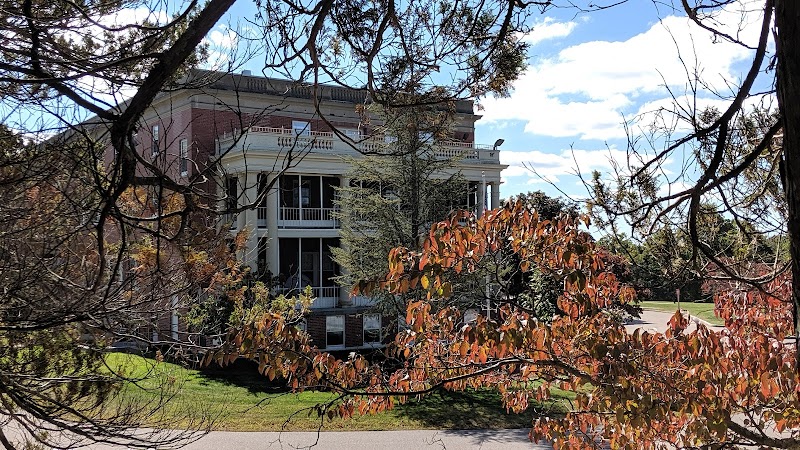
CMS rates Mount St Rita Health Centre's staffing level at 4 out of 5 stars, which is above average compared to other nursing homes. Staff turnover is 47%, compared to the Rhode Island average of 46%.

What Have Inspectors Found at Mount St Rita Health Centre?

State health inspectors documented 28 deficiencies at Mount St Rita Health Centre during 2022 to 2024. These included: 1 Immediate Jeopardy (the most serious level, indicating potential for serious harm or death), 2 that caused actual resident harm, and 25 with potential for harm. Immediate Jeopardy findings are rare and represent the most serious regulatory concerns. They require immediate corrective action.

Who Owns and Operates Mount St Rita Health Centre?

Mount St Rita Health Centre is owned by a non-profit organization. Non-profit facilities reinvest revenue into operations rather than distributing to shareholders. The facility is operated by COVENANT HEALTH, a chain that manages multiple nursing homes. With 98 certified beds and approximately 82 residents (about 84% occupancy), it is a smaller facility located in Cumberland, Rhode Island.

How Does Mount St Rita Health Centre Compare to Other Rhode Island Nursing Homes?

Compared to the 100 nursing homes in Rhode Island, Mount St Rita Health Centre's overall rating (3 stars) is below the state average of 3.1, staff turnover (47%) is near the state average of 46%, and health inspection rating (3 stars) is at the national benchmark.

What Should Families Ask When Visiting Mount St Rita Health Centre?

Based on this facility's data, families visiting should ask: "What changes have been made since the serious inspection findings, and how are you preventing similar issues?" "Can I visit during a mealtime to observe dining assistance and food quality?" "How do you handle medical emergencies, and what is your hospital transfer rate?" "Can I speak with family members of current residents about their experience?" These questions are particularly relevant given the facility's Immediate Jeopardy citations.

Is Mount St Rita Health Centre Safe?

Based on CMS inspection data, Mount St Rita Health Centre has documented safety concerns. Inspectors have issued 1 Immediate Jeopardy citation (the most serious violation level indicating risk of serious injury or death). The facility has a 3-star overall rating and ranks #100 of 100 nursing homes in Rhode Island. Families considering this facility should ask detailed questions about what corrective actions have been taken since these incidents.

Do Nurses at Mount St Rita Health Centre Stick Around?

Mount St Rita Health Centre has a staff turnover rate of 47%, which is about average for Rhode Island nursing homes (state average: 46%). Moderate turnover is common in nursing homes, but families should still ask about staff tenure and how the facility maintains care continuity when employees leave.

Was Mount St Rita Health Centre Ever Fined?

Mount St Rita Health Centre has been fined $236,730 across 5 penalty actions. This is 6.7x the Rhode Island average of $35,446. Fines at this level are uncommon and typically indicate a pattern of serious deficiencies, repeated violations, or failure to correct problems promptly. CMS reserves penalties of this magnitude for facilities that pose significant, documented risk to resident health or safety. Families should request specific documentation of what issues led to these fines and what systemic changes have been implemented.

Is Mount St Rita Health Centre on Any Federal Watch List?

Mount St Rita Health Centre is not on any federal watch list. The most significant is the Special Focus Facility (SFF) program, which identifies the bottom 1% of nursing homes nationally based on persistent, serious quality problems. Not being on this list means the facility has avoided the pattern of deficiencies that triggers enhanced federal oversight. This is a positive indicator, though families should still review the facility's inspection history directly.