Evergreen House Health Center
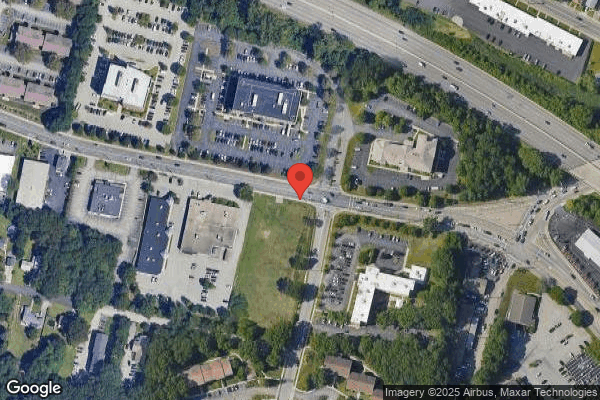
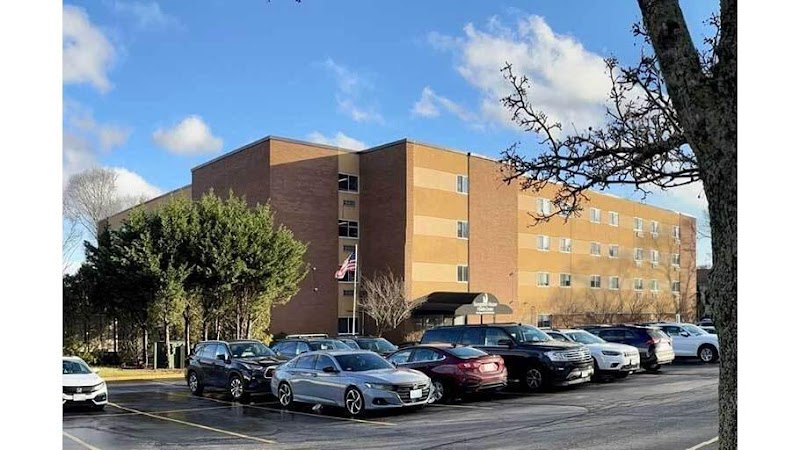
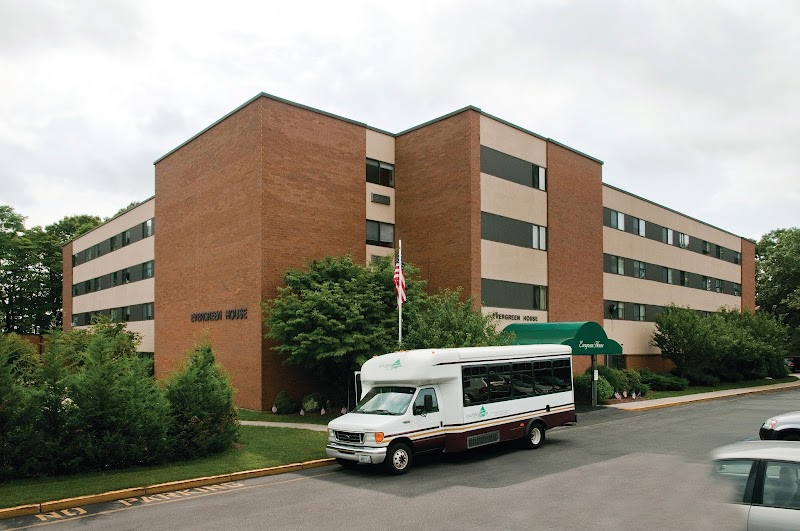
1 Evergreen Drive, East Providence, RI 02914 (401) 438-3250
For profit - Corporation 160 Beds LIFE CARE CENTERS OF AMERICA Data: November 2025 2 Immediate Jeopardy citations
Trust Grade
31/100
#16 of 72 in RI
Last Inspection: July 2025

Inspected within the last 6 months. Data reflects current conditions.

Overview

Evergreen House Health Center has received a Trust Grade of F, indicating significant concerns about the quality of care provided. They rank #16 out of 72 facilities in Rhode Island, placing them in the top half, but their overall trust score of 31 out of 100 raises red flags for potential residents and their families. The facility is showing signs of improvement, with issues reported decreasing from 5 in 2024 to 4 in 2025; however, they have incurred $126,780 in fines, which is more than 75% of facilities in the state, suggesting recurring compliance problems. Staffing is relatively stable with a turnover rate of 32%, which is below the state average, but RN coverage is concerning, as it is less than 87% of facilities, raising questions about the adequacy of medical oversight. Specific incidents of concern include a failure to properly document changes in residents' conditions and a lack of trained staff to manage diabetes care, which could lead to serious health risks for residents.
Trust Score
F
31/100
In Rhode Island
#16/72
Top 22%
Safety Record
High Risk
Review needed
Inspections
Getting Better
5 → 4 violations
Staff Stability
○ Average
32% turnover. Near Rhode Island's 48% average. Typical for the industry.
Penalties
✓ Good
$126,780 in fines. Lower than most Rhode Island facilities. Relatively clean record.
Skilled Nurses
○ Average
Each resident gets 31 minutes of Registered Nurse (RN) attention daily — about average for Rhode Island. RNs are the most trained staff who monitor for health changes.
Violations
⚠ Watch
24 deficiencies on record. Higher than average. Multiple issues found across inspections.
★★★★☆
4.0
Overall Rating
★★★★☆
4.0
Staff Levels
★★★★☆
4.0
Care Quality
★★★★☆
4.0
Inspection Score
Stable
2024: 5 issues
2025: 4 issues

The Good

  • 4-Star Staffing Rating · Above-average nurse staffing levels
  • 4-Star Quality Measures · Strong clinical quality outcomes
  • Full Sprinkler Coverage · Fire safety systems throughout facility
  • No fines on record
  • Staff turnover below average (32%)

    16 points below Rhode Island average of 48%

Facility shows strength in staffing levels, quality measures, fire safety.

The Bad

Staff Turnover: 32%

14pts below Rhode Island avg (46%)

Typical for the industry

Federal Fines: $126,780

Well above median ($33,413)

Significant penalties indicating serious issues

Chain: LIFE CARE CENTERS OF AMERICA

Part of a multi-facility chain

Ask about local staffing decisions and management

The Ugly 24 deficiencies on record

2 life-threatening
Jul 2025 3 deficiencies
CONCERN (D) 📢 Someone Reported This

A family member, employee, or ombudsman was alarmed enough to file a formal complaint

Potential for Harm - no one hurt, but risky conditions existed

Deficiency F0761 (Tag F0761)

Could have caused harm · This affected 1 resident

Based on surveyor observation, record review, and staff interview, it has been determined that the facility failed to store drugs and biologicals in accordance with currently accepted professional pri...

Read full inspector narrative →
Based on surveyor observation, record review, and staff interview, it has been determined that the facility failed to store drugs and biologicals in accordance with currently accepted professional principles for 1 of 2 medication rooms and 2 of 5 medication carts observed. Findings are as follows: Review of a facility policy titled, Storage and Expiration Dating of Medications and Biologicals states in part.Once any medication or biological package is opened, facility should follow manufacturer/supplier guidelines with respect to expiration dates for opened medications. Facility staff should record the date opened on the primary medication container .when the medication has a shortened expiration date once opened .If a multidose vial of an injectable medication has been opened or accessed .the vial should be dated and discarded within 28 days unless the manufacturer specifies a different .date for that opened vial . According to the State Operations Manual Appendix PP - Guidance to Surveyors for Long Term Care Facilities, last revised April 2025 indicates that although medication delivery and labeling systems may vary, the medication label at a minimum includes the medication name (generic and/or brand), prescribed dose, strength, the expiration date when applicable, the resident's name, and route of administration. 1) During a surveyor observation on 7/2/2025 at 10:10 AM, of the first-floor medication room, in the presence of Registered Nurse (RN), Staff A, one bottle of Lorazepam 2 milligrams/milliliter (mg/ml) opened and undated was revealed. The manufacturer's instructions on the box state to discard open bottle 90 days after opening. During a surveyor interview immediately following the observation, Staff A acknowledged that the Lorazepam was opened and undated. 2) During a surveyor observation on 7/2/2025 at 8:15 AM of the second-floor East side medication cart in the presence of RN, Staff B, two 20 ml vials of lidocaine 1% with no resident name, opened and undated were revealed. During a surveyor interview immediately following the observation, Staff B acknowledged that the two vials of lidocaine were opened and undated. She further acknowledged that the vials failed to be labeled with a resident's name. 3) During a surveyor observation on 7/2/2025 at 10:00 AM of the first-floor East side medication cart, in the presence of Staff A, two 20 ml vials of lidocaine 1%, opened and undated were revealed. During a surveyor interview immediately following the observation, Staff A acknowledged that the two vials of lidocaine were opened and undated. During a surveyor interview on 7/3/2025 at 8:51 AM with the Director of Nursing Services, she revealed that the lidocaine vials should have been labeled with a resident's name and all of the above medications should have been dated when opened.
CONCERN (D) 📢 Someone Reported This

A family member, employee, or ombudsman was alarmed enough to file a formal complaint

Potential for Harm - no one hurt, but risky conditions existed

Menu Adequacy (Tag F0803)

Could have caused harm · This affected 1 resident

Based on surveyor observation, record review, and staff interview, it has been determined that the facility failed to provide a dietary menu that meets the nutritional needs of residents, in accordanc...

Read full inspector narrative →
Based on surveyor observation, record review, and staff interview, it has been determined that the facility failed to provide a dietary menu that meets the nutritional needs of residents, in accordance with established national guidelines, as evidenced by a planned menu which failed to follow standardized recipes. Findings are as follows: According to the United States Department of Agriculture, a standardized recipe is defined as one that, . has been tried, adapted, and retried several times for use by a given food service operation and has been found to produce the same good results and yield every time when the exact procedures are used with the same type of equipment and the same quantity of ingredients . Additionally, .a consistent nutrient content ensures that the nutritional values per serving are valid and consistent, because the same products and quantities are being used every time the recipe is produced . Record review of the facility's recipes on file failed to ensure standardized recipes were utilized, as evidenced by handwritten recipes that did not include portion sizes and/or nutritional content of the items prepared. During a surveyor interview on 7/2/2025 at approximately 2:30 PM, with the Food Service Director, she was unable to provide evidence of standardized recipes on file and acknowledged that standardized recipes were not used when preparing menu items.
CONCERN (E) 📢 Someone Reported This

A family member, employee, or ombudsman was alarmed enough to file a formal complaint

Potential for Harm - no one hurt, but risky conditions existed

Food Safety (Tag F0812)

Could have caused harm · This affected multiple residents

Based on surveyor observation, record review, and staff interview, it has been determined that the facility failed to ensure that food is served utilizing professional standards for food service safet...

Read full inspector narrative →
Based on surveyor observation, record review, and staff interview, it has been determined that the facility failed to ensure that food is served utilizing professional standards for food service safety, relative to the main dining room. Record review of The Rhode Island Food Code 2022 edition 3-501.19 reads in part, .Time/Temperature Control For Safety Food shall have an initial temperature of .41 [degrees] F [Fahrenheit] or less when removed from cold holding temperature control .or 135 [degrees] F or greater when removed from hot holding temperature control . During a surveyor observation on 7/1/2025 at approximately 11:44 AM, whole milk had an internal temprature reading of 52 degrees F. During a surveyor observation on 7/2/2025 at 12:15 PM, a tossed salad with a grilled chicken breast had an internal temperature of 125 degrees F. During a surveyor interview on 7/2/2025 at 2:30 PM, with the Food Service Director, she was unable to provide evidence that the temperatures were within the established guidelines for food service safety.
Apr 2025 1 deficiency
CONCERN (D) 📢 Someone Reported This

A family member, employee, or ombudsman was alarmed enough to file a formal complaint

Potential for Harm - no one hurt, but risky conditions existed

Free from Abuse/Neglect (Tag F0600)

Could have caused harm · This affected 1 resident

**NOTE- TERMS IN BRACKETS HAVE BEEN EDITED TO PROTECT CONFIDENTIALITY** Based on record review, resident and staff interview, it has been determined that the facility failed to keep a resident free fr...

Read full inspector narrative →
**NOTE- TERMS IN BRACKETS HAVE BEEN EDITED TO PROTECT CONFIDENTIALITY** Based on record review, resident and staff interview, it has been determined that the facility failed to keep a resident free from abuse for 1 of 3 residents reviewed, Resident ID #1. Findings are as follows: Review of a facility reported incident submitted to the Rhode Island Department of Health on 4/21/2025, revealed in part, Resident ID #2 was observed by Licensed Practical Nurse, Staff A, kissing and inappropriately touching Resident ID #1 on 4/19/2025. Further review revealed Resident ID #2 was alert and aware, whereas Resident ID #1 was not alert and aware. Resident ID #2 was sent to the hospital and the facility changed him/her to a different unit. Review of a facility policy titled, Abuse - Identification of Types reviewed 6/17/2024, states in part, .It is the policy of this facility to identify abuse, neglect, and exploitation of residents .This includes but is not limited to identifying and understanding the different types of abuse and possible indicators .The resident has the right to be free from abuse .Sexual abuse is non-consensual sexual contact of any type with a resident, as defined at have the capacity to consent. Sexual abuse includes, but is not limited to .Unwanted intimate touching of any kind especially of breasts or perineal area .Generally, sexual contact is nonconsensual if the resident either .appears to want to contact to occur, but lacks the cognitive ability to consent; or .does not want the contact to occur . Record review revealed that Resident ID #1, the alleged victim, was admitted to the facility in October of 2023 with a diagnosis including, but not limited to, Alzheimer's disease. Review of a Quarterly Minimum Data Set (MDS) assessment dated [DATE] revealed a Brief Interview for Mental Status (BIMS) score of 5 out of 15, indicating the resident has severely impaired cognition. Record review revealed that Resident ID #2, the alleged perpetrator, was re-admitted to the facility in October of 2024 with a diagnosis including, but not limited to, unspecified intellectual disabilities. Record review of a care plan dated 3/28/2025 for Resident ID #2 reveals s/he is in an intimate relationship with a resident of the opposite sex (not Resident ID #1). Review of Resident ID #2's Annual MDS assessment dated [DATE] revealed a BIMS score of 12 out of 15, indicating the resident has moderately impaired cognition. Record review for Resident ID #2 revealed a progress note dated 4/19/2025 which revealed Resident ID #2 was observed by staff rubbing Resident ID #1's breast and kissing him/her on the lips. Further review revealed the resident stated, [S/he] asked me to do it. Review of a Continuity of Care form dated 4/19/2025 revealed Resident ID #2 was sent to the hospital for a psychiatric evaluation for touching [a] patient that cannot give consent. Record review of a progress note dated 4/21/2025 indicates that Social Services met with Resident ID #1 to see how s/he was doing after the incident that occurred with Resident ID #2 and Resident ID #1 asked if [s/he] was involved. During a surveyor interview on 4/22/2025 at 9:49 AM, with Resident ID #1's family member, s/he revealed that they do not consent to Resident ID #1 being intimate with Resident ID #2, as Resident ID #1 is married and is unable to consent for him/herself. During surveyor interviews on 4/22/2025 at 10:22 AM and 10:50 AM, with Resident ID #2, the alleged perpetrator, s/he revealed that s/he had moved to a new room because another resident was bothering him/her. S/he acknowledged touching and kissing Resident ID #1, and stated. It is not my fault. During a surveyor interview on 4/22/2025 at 11:02 AM with Resident ID #1 s/he was able to hold a conversation but asked the surveyor multiple times what her name was and that s/he liked her hair. S/he was unable to answer detailed questions. During a surveyor interview on 4/22/2025 at 10:56 AM, with Staff A, she revealed that on 4/19/2025, she observed Resident ID #2 approach Resident ID #1 in the day room, where Resident ID #2 touched Resident ID #1's breast and kissed Resident ID #1 on the lips. She further revealed that when she spoke with Resident ID #2, s/he revealed that Resident ID #1 asked him/her to do it. During surveyor interviews on 4/22/2025 at 8:31 AM and 11:09 AM, with the Assistant Director of Nursing Services (ADON), she acknowledged that Resident ID #2 inappropriately touched Resident ID #1 on 4/19/2025. She further revealed that Resident ID #1 is unable to consent for him/herself, due to his/her cognitive impairment, indicating that Resident ID #1's family makes decisions on his/her behalf. During a surveyor interview on 4/22/2025 at 1:28 PM, with the ADON, and the Director of Nursing Services via telephone, they were unable to provide evidence that the facility kept Resident ID #1 free from sexual abuse on 4/19/2025.
Jun 2024 5 deficiencies
CONCERN (D)

Potential for Harm - no one hurt, but risky conditions existed

Deficiency F0658 (Tag F0658)

Could have caused harm · This affected 1 resident

**NOTE- TERMS IN BRACKETS HAVE BEEN EDITED TO PROTECT CONFIDENTIALITY** Based on surveyor observation, record review, resident and staff interview, it has been determined that the facility failed to e...

Read full inspector narrative →
**NOTE- TERMS IN BRACKETS HAVE BEEN EDITED TO PROTECT CONFIDENTIALITY** Based on surveyor observation, record review, resident and staff interview, it has been determined that the facility failed to ensure that services being provided meet professional standards of practice relative to following a physician's order for 1 of 2 residents reviewed with diabetic ulcers and for the use of off-loading boots, Resident ID #87. Findings are as follows: According to Mosby's 4th Edition, Fundamentals of Nursing, page 314 states in part, The physician is responsible for directing medical treatment. Nurses are obligated to follow physician's orders unless they believe the orders are in error or would harm the clients. Record review revealed the resident was admitted to the facility in June of 2024 with diagnoses including, but not limited to, type II diabetes mellitus and non-pressure chronic ulcer of the left foot. Review of a Minimum Data Set assessment dated [DATE] revealed a Brief Interview for Mental Status score of 15 out of 15 indicating intact cognition. Review of a care plan focus area dated 6/14/2024 revealed s/he is at risk for skin breakdown related to a left foot diabetic ulcer with an intervention for heel off-loading boots to bilateral feet while in bed as tolerated. Review of the June 2024 Treatment Administration Record revealed an order for heel off-loading boots to bilateral feet while in bed as tolerated and to check placement. Further review revealed they were signed off as in place daily. During surveyor observations on the following dates and times the resident was observed in bed without heel off-loading boots in place: - 6/18/2024 at 9:38 AM - 6/20/2024 at 11:13 AM - 6/21/2024 at 1:12 PM During a surveyor interview on 6/21/2024 at 1:12 PM with the resident, s/he revealed that s/he would like to wear the heel off-loading boots. Additionally, s/he revealed that staff does not ask if s/he would like to wear the boots. During a surveyor interview on 6/21/2024 at 1:17 PM with Licensed Practical Nurse, Staff A, she acknowledged that the resident did not have the off-loading boots in place and was initially unable to locate the boots in the room. Additionally, she acknowledged that she documented that the boots were in place although they were not. During a surveyor interview on 6/21/2024 at 1:29 PM with the Assistant Director of Nursing Services, she revealed that she would expect the staff to apply the off-loading boots as ordered. Additionally, she was unable to provide evidence that the facility provided services that meet professional standards relative to following physician orders. Cross Reference F 842
CONCERN (D)

Potential for Harm - no one hurt, but risky conditions existed

Deficiency F0692 (Tag F0692)

Could have caused harm · This affected 1 resident

**NOTE- TERMS IN BRACKETS HAVE BEEN EDITED TO PROTECT CONFIDENTIALITY** Based on record review, resident, and staff interview, it has been determined that the facility failed to follow their policy re...

Read full inspector narrative →
**NOTE- TERMS IN BRACKETS HAVE BEEN EDITED TO PROTECT CONFIDENTIALITY** Based on record review, resident, and staff interview, it has been determined that the facility failed to follow their policy relative to weights. Additionally, the facility failed to ensure that residents maintain acceptable parameters of nutritional status, such as usual body weight or desirable body weight range for 1 of 3 residents reviewed for weight loss, Resident ID #28. Findings are as follows: Review of a facility policy titled Weight measurement last revised 8/21/2023 states in part, .Notify the nurse if the weight obtained is significantly different from the prior weight [greater than or equal to] 3 lbs. [pounds] for a weekly weight; [greater than or equal to] 5 lbs. for a monthly weight .Reweigh as needed .The unit manager/designee should review and verify the weights on the day they are obtained to ensure there is no unexplained significant variance from the prior weight by utilizing the weight reports . Record review revealed the resident was admitted to the facility in June of 2024 with diagnoses including, but not limited to, protein-calorie malnutrition and diabetes mellitus. Review of a Minimum Data Set assessment dated [DATE], revealed a Brief Interview for Mental Status score of 14 out of 15, indicating intact cognition. Review of the resident's care plan revealed a focus area initiated on 6/7/2024 and last revised on 6/10/2024, which revealed the resident presents with signs and symptoms of malnutrition and has potential nutrition related issues due to his/her diagnoses of diabetes mellitus and gastroparesis (a delayed emptying of gastric contents into the intestine) with a goal that states, [Resident ID #28] will not sustain any significant, unintentional weight loss through next review. An intervention includes, but is not limited to, report significant weight changes to physician. Review of a Nutrition assessment dated [DATE], authored by the Registered Dietitian, states in part, Malnutrition [related to] physiologic causes as evidenced by decreased appetite PTA [prior to admission], [complaint of] difficulty swallowing, weakness, muscle and fat wasting . Further review of the Nutrition assessment dated [DATE], revealed a summary that indicated the resident appeared frail with temporal and clavicular muscle wasting. Review of a document titled weight summary revealed the resident had a documented weight of 153.8 lbs. on 6/5/2024 and had a documented weight of 143 lbs. on 6/20/2024, which is a weight loss of 10.8 lbs., indicating a 7% weight loss over a 2-week period. Record review failed to reveal evidence that the Physician or Registered Dietitian was notified of the resident's 10.8 lbs. weight loss in a 2-week period. During a surveyor interview on 6/20/2024 at 11:35 AM, with the resident, s/he revealed that s/he gets hungry at night. During a surveyor interview on 6/21/2024 at 10:15 AM, with the Registered Dietitian, she revealed that she was unaware of the resident's 10.8 lbs. weight loss in a two-week period and acknowledged she was not notified of the weight loss. Review of a progress note dated 6/21/2024 at 1:48 PM, authored by the Registered Dietitian, after the concern was brought to the facility's attention by the surveyor, states, Resident reports [s/he] would like larger portions of food at all meals. Recommend: Amend diet order to include 'double portions of protein'. During a surveyor interview on 6/24/2024 at 10:08 AM, with the Assistant Director of Nursing Services, she acknowledged the resident's 10.8 lbs. weight loss in a two-week period and indicated the facility's weight loss policy was not followed. Additionally, she failed to provide evidence that the resident maintained acceptable parameters of nutritional status, such as usual body weight.
CONCERN (D)

Potential for Harm - no one hurt, but risky conditions existed

Medical Records (Tag F0842)

Could have caused harm · This affected 1 resident

Based on surveyor observation, record review, and staff interview, it has been determined that the facility failed to maintain medical records that are accurately documented in accordance with profess...

Read full inspector narrative →
Based on surveyor observation, record review, and staff interview, it has been determined that the facility failed to maintain medical records that are accurately documented in accordance with professional standards and practices for 1 of 8 residents reviewed whose medications were reconciled following the medication administration task, Resident ID #40, and 1 of 2 residents reviewed with diabetic foot wounds requiring offloading boots, Resident ID #87. Findings are as follows: Review of a facility policy titled, Administration of Medications last reviewed on 8/24/2023, states in part, .Staff who are responsible for medication administration will adhere to the 10 Rights of Medication Administration .6. Right Documentation. Make sure to write the time and any remarks on the chart correctly. Medication administrations should be documented timely following the administration to the resident . 1. Record review revealed Resident ID #40 was admitted to the facility in October of 2013 with a diagnosis including, but not limited to, heart failure. Record review revealed the resident has the following physician orders: - Bumex 1 milligram give 1 tablet daily between 8:00 AM - 11:00 AM for congestive heart failure - Fluticasone Propionate Nasal Suspension 50 micrograms per actuation give 2 sprays in both nostrils daily between 8:00 AM - 11:00 AM for allergies During a surveyor observation during the medication administration task on 6/21/2024 at 9:29 AM with Licensed Practical Nurse, Staff B, she provided the nasal spray to the resident to self-administer, however the resident indicated it was empty. Additionally, Staff B failed to administer the Bumex. Record review of the June 2024 Medication Administration Record revealed Staff B had signed off the above medications as administered on 6/21/2024. During a surveyor interview on 6/21/2024 at 12:08 PM with Staff B, she revealed that she had not administered Bumex to the resident and indicated that the resident did not receive his/her Fluticasone or Bumex as ordered. She further revealed that she should not have documented the medications as being administered if they were not administered as ordered to the resident. 2. Record review revealed Resident ID #87 was admitted to the facility in June of 2024 with diagnoses including, but not limited to, type II diabetes mellitus and non-pressure chronic ulcer of the left foot. Review of a physician's order revealed to apply heel off-loading boots to his/her bilateral feet while in bed as tolerated and to check placement. During surveyor observations on the following dates and times the resident was observed in bed without heel off-loading boots in place: - 6/18/2024 at 9:38 AM - 6/20/2024 at 11:13 AM - 6/21/2024 at 1:12 PM Review of the June 2024 Treatment Administration Record revealed the order was documented as completed from 6/5 through 6/21/2024. Further review revealed the order was signed off as completed on 6/21/2024 by Licensed Practical Nurse, Staff A. During a surveyor interview on 6/21/2024 at 1:17 PM with Staff A, she acknowledged that the resident did not have the off-loading boots in place. Additionally, she acknowledged that she documented that the offloading-boots were in place although they were not. During a surveyor interview on 6/21/2024 at 1:29 PM with the Assistant Director of Nursing Services, she revealed that she would expect the staff to be following the physician orders and accurately documenting. Cross Reference F 658
CONCERN (D)

Potential for Harm - no one hurt, but risky conditions existed

Infection Control (Tag F0880)

Could have caused harm · This affected 1 resident

Based on surveyor observation, record review, and staff interview, it has been determined that the facility failed to maintain an infection prevention and control program (IPCP) to help prevent the tr...

Read full inspector narrative →
Based on surveyor observation, record review, and staff interview, it has been determined that the facility failed to maintain an infection prevention and control program (IPCP) to help prevent the transmission of communicable diseases and infections for 2 of 2 residents reviewed for contact precautions, Resident ID #s 32 and 64. Additionally, the facility failed to conduct appropriate infection control practices relative to the storage of a nebulizer mask for 1 of 1 resident reviewed with a nebulizer machine (a device for producing a fine spray of liquid, used for inhaling a medicinal drug), Resident ID #12. Findings are as follows: Review of the Centers for Disease Control and Prevention's (CDC) document titled, Contact Precautions states in part, .Providers and staff must also .Put on gloves before room entry. Discard gloves before room exit. Put on gown before room entry. Discard gown before room exit . Review of a facility policy titled Contact Precautions states in part, .Contact Precautions-Intended to prevent transmission of pathogens that are spread by direct or indirect contact with the resident or environment .requires the use of appropriate PPE [Personal Protective Equipment], including a gown and gloves before or upon entering the room .Contact precautions are also used in situations when a resident is experiencing wound drainage, fecal incontinence or diarrhea, or other discharges from the body that cannot be contained and suggest an increased potential for extensive environment contamination and risk of transmission of a pathogen, even before specific organism has been identified . 1a) Record review revealed that Resident ID #32 was admitted to the facility in January of 2024 with a diagnosis including, but not limited to, Parkinson's Disease. Review of a Physician's order dated 6/17/2024 states in part, .Isolation: Contact Precautions Diagnosis: Vomit . During a surveyor observation on 6/18/2024 at 11:38 AM of the resident's room revealed a sign for contact precautions. The sign states in part, Everyone must put on gloves before room entry .put on a gown before room entry . During a surveyor observation on 6/18/2024 at 11:43 AM of Housekeeper, Staff C, she was observed in the resident's room washing the floor and speaking with the resident without wearing a gown. During a surveyor interview on 6/18/2024 at 11:46 AM with Staff C, she acknowledged that she should have worn a gown as required as the resident is on contact precautions. During a surveyor interview immediately following the above observation on 6/18/2024 at 11:48 AM with Licensed Practical Nurse, Staff D, she acknowledged that the housekeeper should have worn a gown to enter the resident's room as required. Additionally, she acknowledged the resident was on contact precautions for vomiting. During a surveyor interview on 6/20/2024 at 10:06 AM with the Assistant Director of Nursing Services (ADNS), she revealed that the resident was on contact precautions for vomiting and would expect staff to wear a gown when entering the resident's room. 1b) Record review revealed that Resident ID #64 was readmitted to the facility in June of 2024 with a diagnosis including, but not limited to, parainfluenza (a group of viruses that cause common respiratory infections. It is a very contagious type of viral respiratory infection caused by any of the 4 kinds of human parainfluenza viruses). Review of a hospital document dated 6/12/2024, titled Hospital Course, states in part, .+[positive] parainfluenza . Review of a progress note dated 6/17/2024 states in part, .patient continues on precautions for +flu .patient complaints of slight cough . During a surveyor observation on 6/18/2024 at 11:10 AM of the resident's room revealed a sign for contact precautions. The sign states in part, Everyone must put on gloves before room entry .put on a gown before room entry . During a surveyor observation on 6/18/2024 at 11:10 AM of Nursing Assistant, Staff E, in the presence of LPN, Staff F, she entered the resident's room without wearing a gown or gloves. During a surveyor interview immediately following the above observation on 6/18/2024 with Staff E, in the presence of Staff F, she acknowledged that she entered the resident's room to answer his/her call light and to deliver a drink without wearing a gown and gloves as required. Additionally, she revealed that she was unaware of why the resident was on contact precautions. Additionally, Staff F revealed that the resident was on contact precautions related to positive influenza. She further acknowledged that staff are to wear a gown and gloves when entering the room. During a surveyor interview on 6/20/2024 at 10:06 AM with the ADNS, she revealed that the resident was on contact precautions for parainfluenza and would expect staff to wear a gown and gloves when entering the resident's room. 2. Review of a document from the National Heart, Lung and Blood Institute, titled How to use a Nebulizer states in part, .Between uses: Store nebulizer parts in a dry, clean plastic storage bag . Record review revealed that Resident ID #12 was readmitted to the facility in June of 2024 with a diagnosis including, but not limited to, chronic obstructive pulmonary disease. Review of a physician's order dated 6/18/2024 revealed the resident has an order for a nebulizer treatment as needed. During surveyor observations on the following dates and times the resident's nebulizer mask was observed on the resident's bed, and not in a plastic bag. - 6/18/2024 at 10:13 AM - 6/20/2024 at 2:00 PM - 6/21/2024 at 8:42 AM - 6/24/2024 at 11:38 AM During a surveyor interview following the above observation on 6/24/2024 at 11:38 AM with LPN, Staff G, she acknowledged that the mask was on the bed and was not in a bag. She further revealed that the nebulizer mask should be placed in a bag after the treatment is provided to the resident. During a surveyor interview on 6/24/2024 at 11:53 AM with the ADNS, she revealed that the nebulizer mask should be bagged following the treatment by staff. Additionally, she was unable to provide evidence that the facility maintained an infection prevention and control program to help prevent the transmission of communicable diseases and infections.
CONCERN (F)

Potential for Harm - no one hurt, but risky conditions existed

Food Safety (Tag F0812)

Could have caused harm · This affected most or all residents

Based on surveyor observation, record review, and staff interview, it has been determined that the facility failed to ensure that food is stored, prepared, distributed, and served in accordance with p...

Read full inspector narrative →
Based on surveyor observation, record review, and staff interview, it has been determined that the facility failed to ensure that food is stored, prepared, distributed, and served in accordance with professional standards for food service safety, relative to the main kitchen. Findings are as follows: 1. Record review of a product label, Vital Cuisine Mightyshakes reads in part, .store frozen. Use thawed product within 14 days . During a surveyor observation on 6/18/2024 at approximately 8:30 AM, of the walk-in refrigerator unit of the main kitchen, 3 cases of Mightyshakes were observed without a date indicating when they were placed in the refrigerator unit for thawing. During a surveyor interview on 6/18/2024 at approximately 11:30 AM with the Food Service Director (FSD), she acknowledged that the dietary staff failed to date the product when placed in the refrigerator unit for thawing. 2. Record review of the RI Food Code 2018 Edition 8-201.14 Contents of a HACCP (Hazard Analysis and Critical Control Points) Plan reads in part, .TIME/TEMPERATURE CONTROL FOR SAFETY FOODS [food prepared from ingredients at room temperature must be cooled to 41 degrees Fahrenheit (F) or lower within 4 hours], such as salads .follow a flow diagram by specific FOOD identifying CRITICAL CONTROL POINTS [monitoring temperature for food safety over a period of time] . During a surveyor observation on 6/20/2024 at approximately 2:00 PM, revealed chicken salad in a steam table pan, that was sitting on a work table at room temperature in the main kitchen. During a surveyor observation and interview on 6/20/2024 at approximately 2:05 PM, when the FSD was asked for a temperature reading of the chicken salad, the reading was observed at 70 degrees F. During a surveyor interview on 6/20/2024 at approximately 3:00 PM, with the FSD, she revealed that the staff failed to follow policy regarding the taking and recording of the temperature of the chicken salad and following a HCAPP plan.
Sept 2023 1 deficiency
CONCERN (D) 📢 Someone Reported This

A family member, employee, or ombudsman was alarmed enough to file a formal complaint

Potential for Harm - no one hurt, but risky conditions existed

Deficiency F0740 (Tag F0740)

Could have caused harm · This affected 1 resident

**NOTE- TERMS IN BRACKETS HAVE BEEN EDITED TO PROTECT CONFIDENTIALITY** Based on record review and staff interview, it has been determined that the facility failed to ensure each resident receives the...

Read full inspector narrative →
**NOTE- TERMS IN BRACKETS HAVE BEEN EDITED TO PROTECT CONFIDENTIALITY** Based on record review and staff interview, it has been determined that the facility failed to ensure each resident receives the necessary behavioral health care and services to attain or maintain the highest practicable physical, mental, and psychosocial well-being, in accordance with the comprehensive assessment and plan of care for 1 of 3 resident's reviewed, Resident ID #1. Findings are as follows: Record review of a community reported complaint submitted to the Rhode Island Department of Health on 9/14/2023, alleges that the resident was transported to two hospitals due to suicidal ideations and safety concerns. According to the Resident Assessment Instrument (RAI) manual, last revised October 2019, SECTION:D .The items in this section address mood distress, a serious condition that is underdiagnosed and undertreated in the nursing home and is associated with significant morbidity. It is particularly important to identify signs and symptoms of mood distress among nursing home residents because these signs and symptoms can be treatable . Record review revealed the resident was admitted to the facility in May of 2023. S/he has diagnoses, including but not limited to, failure to thrive, cancer, anxiety, and depression. Record review of an admission Minimum Data Set (MDS) assessment dated [DATE], revealed a mood interview score of 0. Record review of a Significant Change MDS assessment dated [DATE], revealed a Brief Interview for Mental Status score of 13 out of 15, indicating intact cognition. Additionally, the Significant Change MDS revealed a mood interview score of 9, indicating mild depression, which is a noted change from the 5/15/2023 MDS score of 0, indicating the resident was not experiencing any signs or symptoms of depression. Further record review revealed a care plan dated 7/11/2023, indicating the resident is at risk for a change in his/her mood or behavior due to medical condition. An intervention includes, psychiatric consult as indicated. Record review revealed the following progress notes: - 7/11/2023 at 4:41 PM, The note indicates that the resident completed the mood interview scoring a 9 due to reporting poor sleep, energy, appetite, concentration, and feeling a little down. - 9/10/2023 at 10:56 AM, .patient reported .'I am not good today, I want to go home, I am going to lose my apartment. If I lose my apartment, I am going to kill myself . The note further indicates that the resident reported feeling depressed while at the facility and locked in his/her room all day. - 9/12/2023 at 3:26 PM, pt [patient] stated to this nurse that [s/he] was not happy and feeling very depressed lately . Additionally, the note indicates that the resident was experiencing visual hallucinations, reported that s/he would be better off dead, and reported previously harming him/herself. - 9/13/2023 at 12:00 PM, The note indicates that the resident was out of the facility at an appointment when s/he made the comment that if s/he were transferred back to the facility, s/he would kill him/herself. Further record review revealed that the resident was transferred to the hospital on 9/13/2023 at 2:46 PM, after making suicidal ideations on 9/10 and 9/12/2023. Additionally, the record revealed that the resident was not admitted to the hospital and returned to the facility the evening of 9/13/2023. Record review of a progress note dated 9/13/2023 at 10:54 PM, indicates the resident returned to the facility during the evening on 9/13/2023 and reported feeling anxious, depressed, and unsafe at the facility. Furthermore, s/he was transferred back to the hospital and remained at the hospital during the time of the investigation. Further record review failed to reveal evidence that the resident was provided with a psychiatric consult after scoring a 9 on the mood interview on 7/11/2023, which was an increase from his/her previous mood interview completed on 5/15/2023 and making suicidal ideations on 9/10/2023 and 9/12/2023. During a surveyor interview on 9/18/2023 at 3:31 PM with the Director of Nursing Services, she was unable to provide evidence that the resident was provided with a psychiatric consult after s/he was assessed as having an increase in his/her mood interview score. She indicated that a psychiatric consult would have been requested if the social worker who completed the mood interview on 7/11/2023 said the resident needed to be seen. She further indicated that the resident was placed on the psychiatric consult list on 9/12/2023, after making suicidal ideations on 9/10 and 9/12/2023. During a surveyor interview on 9/18/2023 at 12:28 PM, with the social worker, Staff A , she indicated that she was not the social worker who completed the mood interview on 7/11/2023. Additionally, she revealed that when a resident's mood interview score increases, she stops in and checks on the resident. She was unable to provide evidence that the resident was provided with a psychiatric consult as indicated on the residents care plan, or answer why the resident was not provided with one after s/he was assessed as having a change in mood score.
Jun 2023 7 deficiencies 2 IJ
CRITICAL (J) 📢 Someone Reported This

A family member, employee, or ombudsman was alarmed enough to file a formal complaint

Immediate Jeopardy (IJ) - the most serious Medicare violation

Quality of Care (Tag F0684)

Someone could have died · This affected 1 resident

**NOTE- TERMS IN BRACKETS HAVE BEEN EDITED TO PROTECT CONFIDENTIALITY** Based on record review and staff interview if has been determined that the facility failed to promptly identify and intervene fo...

Read full inspector narrative →
**NOTE- TERMS IN BRACKETS HAVE BEEN EDITED TO PROTECT CONFIDENTIALITY** Based on record review and staff interview if has been determined that the facility failed to promptly identify and intervene for an acute change in a resident's condition related to a blood sugar and insulin administration for 2 of 3 residents reviewed for diabetes mellitus, Resident ID #s 5 and 7. The facility also failed to document the resident's condition in the medical record for Resident ID #5. 1. Review of the facility policy dated [DATE] titled Nursing Documentation revealed staff must document the resident's medical and non-medical status when any positive or negative condition change occurs, at a periodic reassessment. According to the facility's procedure, charting will be completed every shift for a minimum of 72 hours following an identified change in condition. The policy also indicates resident assessments should include vital signs and system reviews. Record review revealed Resident ID #5 was re-admitted to the facility in September of 2022 with diagnoses of, but not limited to, diabetes mellitus type 2 and cellulitis of left lower limb (skin infection). Record review a physician's order dated [DATE] for Insulin NPH (intermediate-acting) 7 units in the morning and 7 units in the evening. Further review revealed this was an active order on [DATE], when the resident to transferred to the hospital and was admitted due to a left hip abscess. Record review of the hospital Discharge summary dated [DATE] revealed an order for Insulin NPH- insulin regular 70/30 (a mix of rapid-acting and intermediate-acting) 60 units in the morning and 50 units in the evening. Additional review revealed the resident was alert, comfortable and in no acute distress upon discharge from the hospital and readmission to the facility. Record review revealed the above order was not approved by the physician at the facility prior to the first dose administration on [DATE] and was transcribed by the nurse upon admission without question, even though this dose was significantly larger than the 7 units of insulin the resident received twice daily prior to his/her transfer to the hospital. Record review revealed the resident was administered 50 units of NPH- insulin regular 70/30 on the evening of [DATE] and was was found to be lethargic with a blood sugar reading of 49 (according to the Center for Disease Control a normal blood sugar level for a diabetic is 80 - 130) at approximately 4:30 AM on [DATE]. Further review revealed the resident received Glucagon gel (a medication used to rapidly increase low blood sugar). Record review failed to reveal evidence that the resident's physician was successfully notified of the above mentioned low blood sugar or that the resident received glucagon, as the facility indicated they sent the physician a text message but did not receive a response from her. Further record review revealed that following the above incident, the resident then received 60 units of NPH- insulin regular 70/30 in the morning and 50 units of NPH- insulin regular 70/30 in the evening on [DATE]. Record review revealed that on [DATE], the resident only ate 0-25% of his/her dinner. Additional record review revealed the resident expired on [DATE] at 5:51 AM. This death was not reported to the state agency, the medical examiner or investigated by the facility. Record review failed to reveal evidence of documentation or charting after the above incident per the facility's policy and procedure. Further review failed to reveal evidence of an assessment or vital signs obtained on the second shift on [DATE] and third shift on [DATE]. Record review revealed that the resident's blood pressure was last obtained at 9:59 AM, temperature at 1:10 AM, pulse at 9:59 AM, oxygen saturation at 9:59 AM on [DATE] and no record of respiration was obtained on [DATE]. During a surveyor interview on [DATE] at 2:35 PM with the resident's physician, she indicated that she was not notified or made aware of the resident's low blood sugar on [DATE] and if she had been made aware, she would have made adjustments to the resident's insulin orders. Additionally, she indicated that she believed the resident expired due to hypoglycemia (low blood sugar). During a surveyor interview on [DATE] at 9:39 AM with Licensed Practical Nurse, Staff C, she indicated that she was the nurse on the resident's unit on [DATE] from 7:00 PM until [DATE] at 7:00 AM. She further indicated that she failed to obtain vital signs or document a skilled nursing note prior to the resident's expiration on [DATE] at 5:51 AM. During a surveyor interview on [DATE] at approximately 3:00 PM with the Director of Nursing Services (DNS), she was unable to provide evidence that the physician was successfully notified and made aware of the resident's change of condition on [DATE] when s/he experienced a low blood sugar of 49, was found to be lethargic by staff and required glucagon administration to raise his/her blood sugar level. Additionally, she was unable to provide evidence that the nursing staff provided periodic reassessments of the resident following a change in his/her condition on [DATE], prior to the resident's expiration on [DATE]. 2. Record review revealed Resident ID #7 was admitted to the facility in June of 2023 with diagnoses including, but not limited to, diabetes mellitus type 2 and long term use of insulin. Record review of physician orders revealed the following active orders: -Insulin Glargine-aglr (long-acting) 30 units in the morning -Humalog (short acting) per sliding scale (blood sugar checked before meals) Record review of the resident's meal intake revealed the resident ate less than 25% of breakfast, lunch and dinner on [DATE], [DATE] and for the breakfast meal on [DATE]. Record review revealed the resident's blood sugar was 61 on [DATE] at 8:55 AM. Record review of the [DATE] Medication Administration Record revealed the resident was administered his/her 30 units of insulin on [DATE] in the morning as ordered despite his/her blood sugar reading of 61 and not eating breakfast. During a surveyor observation on [DATE] at 10:24 AM of the resident and simultaneous interview with Nursing Assistant, Staff D she revealed that the resident was Spanish speaking only and was not responding to her translation of the surveyors question, How are you feeling. She further indicated this was not the resident's baseline and that the resident was confused. At that time, Staff D notified the unit nurse and the nurse entered the resident's room with a vital sign machine. During a surveyor interview on [DATE] at 10:27 AM with Physical Therapy Assistant, Staff E, he revealed that he had just attempted to assist the resident in sitting up to transfer however the resident was unable to sit up even with assistance and unable to participate in therapy that morning. He further indicated that this was not the resident's baseline as s/he was walking with his assistance in recent days. During a surveyor interview on [DATE] at 11:20 AM with Nurse Practitioner, Staff F, she revealed that she was unaware of the resident's poor intake or change in condition that morning and would expect to be notified of this due to his/her insulin orders. During a surveyor interview on [DATE] at 11:28 AM with Licensed Practical Nurse, Staff G, she indicated that the resident did not eat breakfast that morning and that she administered the resident's insulin as ordered after obtaining his/her blood sugar of 61. She further revealed that the resident was confused when she assessed him/her after Staff D brought the resident's change in condition to her attention. Additionally, she indicated that she failed to obtain the resident's blood sugar at the time of her last assessment and failed to notify the physician of the change in condition for the resident. During a surveyor observation on [DATE] at 11:40 AM in the presence of Staff G, the resident's breakfast tray was untouched on his/her bedside table. Further observations revealed the resident appeared confused with glossy eyes and labored breathing. At that time, Staff G obtained the resident's blood sugar which was 45. During a surveyor interview immediately following the above observation, Staff G revealed she noticed the resident was unable to sit up for breakfast earlier that morning. She further revealed that no interventions had been implemented related to the resident's change in condition because she did not recognize this as a change in the resident's condition or that it could have been related to a low blood sugar. Additionally, she indicated that she thought the resident's behavior was just [his/her] dementia. Additional review revealed a glucagon injection was needed to increase the resident's low blood sugar. During a surveyor interview on [DATE] at 12:38 PM with the DNS, she indicated that she would expect the nurse to identify a change in condition and follow the facility's policy and procedures.
CRITICAL (J) 📢 Someone Reported This

A family member, employee, or ombudsman was alarmed enough to file a formal complaint

Immediate Jeopardy (IJ) - the most serious Medicare violation

Deficiency F0726 (Tag F0726)

Someone could have died · This affected 1 resident

**NOTE- TERMS IN BRACKETS HAVE BEEN EDITED TO PROTECT CONFIDENTIALITY** Based on record review and staff interview, it has been determined that the facility failed to ensure that licensed nurses have ...

Read full inspector narrative →
**NOTE- TERMS IN BRACKETS HAVE BEEN EDITED TO PROTECT CONFIDENTIALITY** Based on record review and staff interview, it has been determined that the facility failed to ensure that licensed nurses have the specific skill sets necessary to care for residents' needs for 2 of 3 resident reviewed relative to diabetes mellitus and changes in condition, Resident ID#s 5 and 7. Findings are as follows: 1.Review of the facility's policy dated [DATE] titled Nursing Documentation revealed staff must document the resident's medical and non-medical status when any positive or negative condition change occurs, at a periodic reassessment. According to the facility's procedure, charting will be completed every shift for a minimum of 72 hours following an identified change in condition. The policy also indicates resident assessments should include vital signs and system reviews. Record review revealed Resident ID #5 was re-admitted to the facility in September of 2022 with diagnoses including, but not limited to, diabetes mellitus type 2 and cellulitis of left lower limb (skin infection). Record review a physician's order dated [DATE] for Insulin NPH (intermediate-acting) 7 units in the morning and 7 units in the evening. Further review revealed this was an active order on [DATE], when the resident transferred to the hospital and was admitted due to a left hip abscess. Record review of the hospital Discharge summary dated [DATE] revealed an order for Insulin NPH- insulin regular 70/30 (a mix of rapid-acting and intermediate-acting) 60 units in the morning and 50 units in the evening. Additional review revealed the resident was alert, comfortable and in no acute distress upon discharge from the hospital and upon readmission to the facility. Record review revealed the above order was not approved by the physician at the facility prior to the first dose administration on [DATE] and was transcribed by the nurse upon admission without question, even though this dose was significantly larger than the 7 units of insulin the resident received twice daily prior to his/her transfer to the hospital. Record review revealed the resident was administered 50 units of NPH- insulin regular 70/30 on the evening of [DATE] and was was found to be lethargic with a blood sugar reading of 49 (according to the Center for Disease Control a normal blood sugar level for a diabetic is 80 - 130) at approximately 4:30 AM on [DATE]. Further review revealed the resident received Glucagon gel (a medication used to rapidly increase low blood sugar). Record review failed to reveal evidence that the resident's physician was successfully notified of the above mentioned low blood sugar or that the resident received glucagon, as the facility indicated they sent the physician a text message but did not receive a response from her. Record review failed to reveal evidence that the resident's physician was successfully notified of the above mentioned low blood sugar or that the resident received glucagon, as the facility indicated they sent the physician a text message but did not receive a response from her. Further record review revealed that following the above mentioned incident, the resident then received 60 units of Insulin 70/30 on [DATE] in the morning and 50 units in the evening. Record review revealed on [DATE], the resident only at 0-25% of his/her dinner. Additional record review revealed the resident expired on [DATE] at 5:51 AM. This death was not reported to the state agency, the medical examiner or investigated by the facility. Record review failed to reveal evidence of documentation or charting after the above incident per the facility's policy and procedure. Further review failed to reveal evidence of an assessment or vital signs being obtained on the second shift on [DATE] or the third shift on [DATE]. Record review revealed that the resident's blood pressure was last obtained at 9:59 AM, temperature at 1:10 AM, pulse at 9:59 AM, oxygen saturation at 9:59 AM on [DATE] and no record of respiration was obtained on [DATE]. During a surveyor interview on [DATE] at 2:35 PM with the resident's physician, she indicated that she was not notified or made aware of the resident's low blood sugar on [DATE] and if she had been made aware, she would have made adjustments to the resident's insulin orders. Additionally, she indicated that she believed the resident expired due to hypoglycemia (low blood sugar). During a surveyor interview on [DATE] at 1:49 PM with Licensed Practical Nurse (LPN), Staff I, she indicated that she was the resident's unit nurse on [DATE] from 7:00 AM until 7:00 PM. She further indicated that she was unaware of the resident's low blood sugar early that morning and gave the insulin as ordered without question. Additionally, she indicated that she was afraid to question the physician's orders and was unaware she could hold the insulin if the order was of concern. During a surveyor interview on [DATE] at 9:39 AM with LPN, Staff C, she indicated that she was the nurse on the resident's unit on [DATE] from 7:00 PM until 7:00 AM on [DATE] . She further indicated that she failed to obtain vital signs or document a skilled nursing note prior to the resident's expiration on [DATE] at 5:51 AM. During a surveyor interview on [DATE] at approximately 3:00 PM with the Director of Nursing Services (DNS), she was unable to provide evidence that the physician was successfully notified and made aware of the resident's change of condition on [DATE] when s/he experienced a low blood sugar of 49, was found to be lethargic by staff and required glucagon administration to raise his/her blood sugar level. Additionally, she was unable to provide evidence that the nursing staff provided periodic reassessments of the resident following a change in his/her condition on [DATE], prior to the resident's expiration on [DATE]. 2. Record review revealed resident ID #7 was admitted to the facility in June of 2023 with diagnoses including, but not limited to, diabetes mellitus type 2 and long term use of insulin. Record review of physician orders revealed the following: -Insulin Glargine-aglr (long-acting) 30 units in the morning -Humalog (short acting) per sliding scale (blood sugar checked before meals) Record review of the resident's meal intake revealed the resident ate less than 25% of breakfast, lunch and dinner on [DATE], [DATE] and for breakfast on [DATE]. Record review revealed the resident's blood sugar was 61 on [DATE] at 8:55 AM. Record review of the [DATE] Medication Administration Record revealed the resident was administered his/her 30 units of insulin on [DATE] in the morning as ordered despite his/her blood sugar reading of 61 and not eating breakfast. During a surveyor observation on [DATE] at 10:24 AM of the resident and simultaneous interview with Nursing Assistant, Staff D, she revealed that the resident was Spanish speaking only and was not responding to her translation of the surveyors question, How are you feeling. She further indicated this was not the resident's baseline and that the resident was confused. At that time, Staff D notified the unit nurse and the nurse entered the resident's room with a vital sign machine. During a surveyor interview on [DATE] at 10:27 AM with Physical Therapy Assistant, Staff E, he revealed that he had just attempted to assist the resident in sitting up to transfer however the resident was unable to sit up even with assistance and unable to participate in therapy that morning. He further indicated that this was not the resident's baseline as s/he was walking with his assistance in recent days. During a surveyor interview on [DATE] at 11:20 AM with Nurse Practitioner, Staff F, she revealed that she was unaware of the resident's poor intake or change in condition that morning and would expect to be notified of this due to his/her insulin orders. During a surveyor interview on [DATE] at 11:28 AM with LPN, Staff G, she indicated that the resident did not eat breakfast that morning and that she administered the resident's insulin as ordered after obtaining his/her blood sugar of 61. She further revealed that the resident was confused when she assessed him/her, after Staff D brought the resident's change in condition to her attention. Additionally, she indicated that she failed to obtain the resident's blood sugar at the time of her last assessment and did not notify the physician of the change in condition for the resident. During a surveyor observation on [DATE] at 11:40 AM in the presence of Staff G, the resident's breakfast tray was untouched on his/her bedside table. Further observations revealed the resident appeared confused with glossy eyes and labored breathing. At that time, Staff G obtained the resident's blood sugar which was 45. During a surveyor interview immediately following the above observation, Staff G revealed she noticed the resident was unable to sit up for breakfast earlier that morning. She further revealed that no interventions had been implemented related to the resident's change in condition because she did not recognize this as a change in the resident's condition or that it could have been related to a low blood sugar. Additionally, she indicated that she thought the resident's behavior was just [his/her] dementia. Additional review revealed a glucagon injection was needed to increase the resident's low blood sugar. During an interview with the Staff Development Coordinator on [DATE] at approximately 3:30 PM, she revealed that an annual skills fair was conducted on [DATE] for all nurses. She further revealed that the skills fair included the following topics: -glucometer competency (a tool for checking blood sugar) -when to report critical labs -SBAR (communication tool) for glycemic (blood sugar) reaction -high risk medications (Insulin pen, Mixed Insulin, Administration Chart) Review of the facility's inservice Attendance Sheet dated [DATE] failed to reveal evidence that LPN, Staff C and I attended the skills fair. During an interview with the Staff Development Coordinator on [DATE] at 3:45 PM, she was unable to provide evidence that the above-mentioned staff attended the skills fair and indicated that her expectation is for all nurses to attend the skills fair. During a surveyor interview on [DATE] at 12:38 PM and at 4:30 PM with the DNS, she indicated that she would expect the nurse to identify a change in condition and follow facility policy and procedures. Additionally, she was unable to provide evidence that the facility ensured licensed nurses have the specific skill sets necessary to care for residents' needs.
CONCERN (D) 📢 Someone Reported This

A family member, employee, or ombudsman was alarmed enough to file a formal complaint

Potential for Harm - no one hurt, but risky conditions existed

Deficiency F0657 (Tag F0657)

Could have caused harm · This affected 1 resident

Based on record review and staff interview, it has been determined that the facility failed to review and revise the resident's care plan, relative to behaviors, for 1 of 1 residents reviewed for beha...

Read full inspector narrative →
Based on record review and staff interview, it has been determined that the facility failed to review and revise the resident's care plan, relative to behaviors, for 1 of 1 residents reviewed for behaviors, Resident ID #1. Findings are as follows: Record review revealed the resident was re-admitted to the facility in May of 2023 with diagnoses of, but not limited to, dementia, bipolar disorder, major depressive disorder and anxiety disorder. Record review of a progress note dated 5/18/2023 authored by a Nurse Practitioner, Staff A, revealed the resident was expressing HI (homicidal ideation) and .was heard saying 'I am going to stab someone. I'm going to stab someone right in the back with a knife,' by another resident . Record review revealed the resident was sent to the hospital for a psychiatric evaluation on 5/18/2023 as ordered by the physician where s/he was admitted from 5/19/2023 until 5/31/2023. Record review of the hospital Psychiatric Initial Evaluation dated 5/19/2023 revealed the resident was brought to the emergency department .due to agitation, aggression, and threatening to stab others with a butter knife . Further review revealed the .Justification for admission: Danger to self, Danger to others . Record review of the resident's care plan failed to reveal evidence that the threatening behaviors were addressed or that interventions were put into place upon return to the facility following the hospital admission. During a surveyor interview on 6/8/2023 at approximately 2:38 PM with Registered Nurse, Staff B, she revealed that she would expect the resident's care plan to reflect his/her threatening and aggressive behaviors. Additionally, she acknowledged the behaviors were not included in the resident's care plan. During a surveyor interview on 6/8/2023 at 2:48 PM with the Director of Nursing Services, she was unable to provide evidence that the care plan was reviewed and revised to address the aggressive and threatening behaviors that the resident was hospitalized for prior to his/her readmission to the facility.
CONCERN (D) 📢 Someone Reported This

A family member, employee, or ombudsman was alarmed enough to file a formal complaint

Potential for Harm - no one hurt, but risky conditions existed

Accident Prevention (Tag F0689)

Could have caused harm · This affected 1 resident

**NOTE- TERMS IN BRACKETS HAVE BEEN EDITED TO PROTECT CONFIDENTIALITY** Based on record review and staff interview, it has been determined that the facility failed to ensure that a residents environme...

Read full inspector narrative →
**NOTE- TERMS IN BRACKETS HAVE BEEN EDITED TO PROTECT CONFIDENTIALITY** Based on record review and staff interview, it has been determined that the facility failed to ensure that a residents environment remains as free from accident hazards as possible for 1 of 3 residents reviewed for falls, Resident ID #4. Findings are as follows: Record review revealed the resident was admitted to the facility in February of 2023 with diagnoses including, but not limited to, history of falling, muscle weakness, and dementia. Record review of the Minimum Data Set (MDS) assessment dated [DATE] revealed s/he was moderately cognitively impaired. Further review revealed the resident required assistance with transfers, ambulation, and activities of daily living. Record review of a care plan dated 2/23/2023 revealed the resident is at risk for falls including an intervention of Pt [physical therapy] evaluate and treat as ordered and PRN [as needed]. Record review revealed a physician's order dated 5/27/2023 for PT/OT [physical therapy/occupational therapy] evaluation related to fall risk. Record review failed to reveal evidence that a PT/OT evaluation was completed as ordered. Record review revealed the resident sustained a fall on 5/29/2023 resulting in pain to his/her right hip, a fall on 6/4/2023 resulting in pain to his/her right knee, and three falls on 6/6/2023. During a surveyor interview on 6/12/2023 at 10:00 AM with the Director of Rehab, she revealed that she was unaware of the above mentioned physician order dated 5/27/2023 for a PT/OT evaluation. She further revealed that she would have expected nursing to transcribe the order and therapy to be notified for an evaluation to be completed. During a surveyor interview on 6/12/2023 at 9:48 AM and 10:33 AM with the Director of Nursing Services, she acknowledged the resident has had multiple recent falls. Additionally, she was unable to provide evidence that a PT/OT evaluation was completed as ordered.
CONCERN (D) 📢 Someone Reported This

A family member, employee, or ombudsman was alarmed enough to file a formal complaint

Potential for Harm - no one hurt, but risky conditions existed

Tube Feeding (Tag F0693)

Could have caused harm · This affected 1 resident

Based on surveyor observation, record review and staff interview, it has been determined that the facility failed to ensure that residents that are fed through a feeding tube receive the appropriate t...

Read full inspector narrative →
Based on surveyor observation, record review and staff interview, it has been determined that the facility failed to ensure that residents that are fed through a feeding tube receive the appropriate treatment and services to prevent complications for 1 of 1 residents reviewed who receive nutrition via a feeding tube, Resident ID #2. Findings are as follows: Review of the facility policy dated 11/28/2022 titled, Enteral tube drug instillation, long-term care revealed in part, .verify proper enteral tube placement by observing for a change in the external tube length .aspirate the tube contents .flush the tube with at least 15 mL [milliliter] of purified water .administer the medication .flush the enteral tube again with at least 15 mL of purified water . Record review revealed the resident was re-admitted to the facility in September of 2022 with diagnoses including, but not limited to, anoxic brain damage and dysphagia (difficulty in swallowing). Record review of the care plan revised, 12/20/2022, revealed in part, .requires tube feeding via G-tube (feeding tube placed directly into the stomach) .Check for tube placement and gastric contents/residual volume per facility protocol and record . Record review revealed a physician's order dated 6/10/2023 to measure the external catheter length of tubing of the G-tube every shift. During surveyor observations on 6/12/2023 at approximately 11:00 AM of a medication pass with Registered Nurse, Staff H, she failed to check the placement or measure the resident's G-tube catheter. Additionally, she failed to aspirate the tube contents for residual, and failed to flush the G-tube prior to medication administration. Further observations revealed that Staff H attempted to push the medication into the G-tube resulting in the resident coughing and the medication along with stomach contents spilling out onto the resident and his/her bed. During a surveyor interview with Staff H immediately following the above observation, she acknowledged that she failed to follow the facility's policy and the physician's orders related to the G-tube medication administration. Additionally, she acknowledged that she could not administer the remaining scheduled medications to the resident at that time, due the amount of residual contents in the resident's stomach. During a surveyor interview on 6/12/2023 at 11:54 AM with the Director of Nursing Services, she revealed that she would expect the facility's policy to be followed.
CONCERN (D) 📢 Someone Reported This

A family member, employee, or ombudsman was alarmed enough to file a formal complaint

Potential for Harm - no one hurt, but risky conditions existed

Deficiency F0944 (Tag F0944)

Could have caused harm · This affected 1 resident

Based on record review and staff interview, it has been determined that the facility failed to ensure that its Quality Assurance and Performance Improvement (QAPI) program, outlines mandatory training...

Read full inspector narrative →
Based on record review and staff interview, it has been determined that the facility failed to ensure that its Quality Assurance and Performance Improvement (QAPI) program, outlines mandatory training and informs staff of the elements and goals of the facility's QAPI program. Additionally, the facility failed to provide mandatory training relative to their QAPI as outlined in the facility assessment for 3 of 9 staff reviewed, Staff I, J and K. Findings are as follows: Review of the facility QAPI program updated on 2/8/2023 failed to reveal evidence that it included mandatory training or an outline on how to inform staff of the elements and goals of the program. During a surveyor interview with the Administrator on 6/15/2023 at 1:30 PM, he acknowledged that their QAPI program did not include the above-mentioned training or a way to communicate the goals and elements of the program to staff. Review of the Facility Assessment revised on 1/17/2023 revealed training will be provided for all staff upon hire and annually, including the facility's QAPI Program and the goals and various elements of the program. 1. Record review revealed Licensed Practical Nurse, Staff I, was hired on 2/2/2022. Further record review failed to reveal evidence that Staff I had received the above mentioned mandatory training since 2/25/2022. 2. Record review revealed Nursing Assistant, Staff J, was hired on 9/24/2019. Further record review failed to reveal evidence that Staff J had received the above mentioned mandatory training since she was hired. 3. Record review revealed Nursing Assistant, Staff K, was hired on 11/23/2021. Further record review failed to reveal evidence that Staff K had received the above mentioned mandatory training since she was hired. During a surveyor interview with the Staff Development Coordinator on 6/15/2023 at 2:45 PM, she failed to provide evidence that Staff I, J, and K have received the above-mentioned training as per the Facility Assessment.
CONCERN (E) 📢 Someone Reported This

A family member, employee, or ombudsman was alarmed enough to file a formal complaint

Potential for Harm - no one hurt, but risky conditions existed

Deficiency F0838 (Tag F0838)

Could have caused harm · This affected multiple residents

Based on record review and staff interview, it has been determined that the facility failed to provide training as outline in the Facility Assessment relative to identification of resident changes in ...

Read full inspector narrative →
Based on record review and staff interview, it has been determined that the facility failed to provide training as outline in the Facility Assessment relative to identification of resident changes in condition, for 4 of 9 staff reviewed, Staff J, K, L, and M. Findings are as follows: The facility assessment updated on 1/17/2023 revealed the following trainings will be provided to all staff upon hire, annually, and quarterly: -Identification of resident changes in condition, including how to identify medical issues appropriately -how to determine if symptoms represent problems in need of intervention -how to identify when medical interventions are causing rather than helping relieve suffering and improve quality of life 1. Record review revealed Nursing Assistant Staff J was hired on 9/24/2019. Further record review failed to reveal evidence that Staff J had received the above mentioned training since she was hired. 2. Record review revealed Nursing Assistant Staff K, was hired on 11/23/2021. Further record review failed to reveal evidence that Staff K had received the above training since she was hired. 3. Record review revealed Nursing Assistant Staff L, was hired on 11/15/2022. Further record review failed to reveal evidence that Staff L had received the above training since she was hired. 4. Record review revealed Nursing Assistant Staff M, was hired on 2/11/2003. Further record review failed to reveal evidence that Staff M had received the above training since she was hired. During a surveyor interview with the Staff Development Coordinator on 6/15/2023 at 3:05 PM, she was unable to provide evidence that Staff J, K, L and M received the above training as outlined in the facility assessment.
Jun 2023 7 deficiencies
CONCERN (D)

Potential for Harm - no one hurt, but risky conditions existed

Pressure Ulcer Prevention (Tag F0686)

Could have caused harm · This affected 1 resident

Based on surveyor observation, record review, and staff interview, it has been determined that the facility failed to provide necessary treatment and services, consistent with professional standards o...

Read full inspector narrative →
Based on surveyor observation, record review, and staff interview, it has been determined that the facility failed to provide necessary treatment and services, consistent with professional standards of practice, to promote wound healing and prevent new ulcers from developing for 1 of 6 residents reviewed for pressure ulcers, Resident ID #93. Findings are as follows: Record review revealed the resident was re-admitted to the facility in May of 2023 with diagnoses including, but not limited to, muscle weakness, cellulitis (infection of the skin) of the left and right lower limbs, and dementia. Record review of the care plan dated 5/31/2023, revealed s/he has an unstageable pressure ulcer (injury to soft tissue resulting from prolonged pressure on the skin) to his/her left heel and is at risk for further break in skin integrity. Further review revealed an intervention for a heel offloading cushion as ordered. Record review of a physician's order dated 5/26/2023 revealed Heel offloading cushion as tolerated every shift. Record review of a Wound Observation Tool-V1 dated 5/31/2023 revealed the resident had an unstageable pressure ulcer to his/her left heel measuring 3.5 centimeters (cm) in length and 4 cm in width. Further review revealed special equipment/preventative measures including, but not limited to, a heel offloading cushion. During surveyor observations on the following dates and times, the resident was observed in bed without the heel offloading cushion: -5/31/2023 at 9:44 AM -6/1/2023 at 10:12 AM -6/2/2023 at 1:24 PM and 2:33 PM During a surveyor interview with the resident on 6/2/2023 at 2:33 PM, s/he revealed that s/he had pain to his/her heels at that time and the pain is relieved when his/her heels are offloaded. During a surveyor interview on 6/2/2023 at 2:34 PM with Nursing Assistant, Staff C, she indicated that she was unaware that the resident had an order for a heel offloading cushion or that s/he had a wound to his/her left heel. Additionally, she acknowledged a heel offloading cushion was not on the bed. During a surveyor interview on 6/2/2023 at 2:36 PM with Licensed Practical Nurse, Unit Manager Staff D, she indicated that the resident had a pressure ulcer to his/her left heel and should have a heel offloading cushion in place. Additionally, she offloaded the resident's heels once it was brought to her attention by the surveyor. During a surveyor interview on 6/2/2023 at 2:53 PM with the resident, s/he indicated that his/her pain was relieved once his/her heels were offloaded by Staff D. During a surveyor interview on 6/2/2023 at 3:00 PM with the Director of Nursing Services, she acknowledged that the resident had a physician's order for a heel offloading cushion. Additionally, she was unable to provide evidence that the resident was unable to tolerate the offloading cushion on the above mentioned dates and times.
CONCERN (D)

Potential for Harm - no one hurt, but risky conditions existed

Deficiency F0688 (Tag F0688)

Could have caused harm · This affected 1 resident

Based on surveyor observation, record review, and staff interview, it has been determined that the facility failed to ensure a resident with limited range of motion receives appropriate treatment and ...

Read full inspector narrative →
Based on surveyor observation, record review, and staff interview, it has been determined that the facility failed to ensure a resident with limited range of motion receives appropriate treatment and services to prevent further decrease in range of motion relative to the use of bilateral hand roll splints for one of three residents reviewed for range of motion, Resident ID #90. Findings are as follows: Record review revealed the resident was admitted to the facility in September of 2020 with diagnoses including, but not limited to, muscle weakness and lack of coordination. Record review of a physician's order dated 5/10/2023 revealed in part, Bilateral hand roll splints: on with AM [morning] care and off with afternoon rounds. Record review of the resident's care plan revealed in part, .[resident] requires total dependence for bed mobility, dressing, toilet use/incontinent care, personal hygiene and bathing .will attain safe and effective positioning .bilateral hand splints a/o [as order] to prevent hand contraction . During surveyor observations on 6/1/2023, the resident was observed without the bilateral hand splints at the following times: - 9:30 AM - 10:00 AM - 11:18 AM - 12:16 PM - 1:00 PM - 1:30 PM - 2:00 PM. During a surveyor interview on 6/1/2023 at approximately 2:10 PM with Nursing Assistant, Staff G, she acknowledged that the resident did not have the bilateral hand splints applied as ordered. During a surveyor interview with the Director of Nursing Services on 6/5/2023 at approximately 1:20 PM, she indicated that the hand splints may have been applied by staff and the resident may have taken the splints off him/herself. Additionally, she was unable to provide evidence that the bilateral hand splints were applied as ordered. During a surveyor interview with the Director of Rehabilitation on 6/5/2023 at approximately 1:30 PM, she revealed that the resident is unable to remove the bilateral hand roll splints independently due to his/her hand contractures. Additionally, she indicated that she would expect the splints to be applied as ordered to prevent further contractures.
CONCERN (D)

Potential for Harm - no one hurt, but risky conditions existed

Medical Records (Tag F0842)

Could have caused harm · This affected 1 resident

Based on record review and staff interview, it has been determined that the facility failed to maintain medical records that are accurately documented in accordance with professional standards and pra...

Read full inspector narrative →
Based on record review and staff interview, it has been determined that the facility failed to maintain medical records that are accurately documented in accordance with professional standards and practices for 1 of 1 residents reviewed for inaccurate documentation, relative to the use of bilateral hand roll splints, Resident ID #90. Findings are as follows: Record review revealed that the resident was readmitted to the facility in September of 2022 with diagnoses including, but not limited to, muscle weakness and lack of coordination. Review the care plan revealed in part, .[resident] requires total dependence for bed mobility, dressing, toilet use/ incontinent care, personal hygiene and bathing .will attain safe and effective positioning .bilateral hand splints a/o [as ordered] to prevent hand contraction . Record review of a physician's order dated 5/10/2023 revealed in part, Bilateral hand roll splints: On with AM [morning] care and off with afternoon rounds . Record review of the June 2023 Medication Administration Record revealed the bilateral hand roll splints were documented as applied on 6/1/2023. During surveyor observations on 6/1/2023, the resident was observed without the bilateral hand splints at the following times: - 9:30 AM - 10:00 AM - 11:18 AM - 12:16 PM - 1:00 PM - 1:30 PM - 1:45 PM - 2:00 PM During a surveyor interview on 6/1/2023 at approximately 2:10 PM with Nursing Assistant, Staff G, she acknowledged that the resident did not have the bilateral hand splints applied as ordered. During a surveyor interview with the Director of Nursing Services on 6/5/2023 at approximately 1:20 PM, she was unable to provide evidence that documentation was accurate relative to bilateral hand roll splint application.
CONCERN (D)

Potential for Harm - no one hurt, but risky conditions existed

Infection Control (Tag F0880)

Could have caused harm · This affected 1 resident

**NOTE- TERMS IN BRACKETS HAVE BEEN EDITED TO PROTECT CONFIDENTIALITY** Based on surveyor observation, staff interview and record review, it has been determined that the facility has failed to follow ...

Read full inspector narrative →
**NOTE- TERMS IN BRACKETS HAVE BEEN EDITED TO PROTECT CONFIDENTIALITY** Based on surveyor observation, staff interview and record review, it has been determined that the facility has failed to follow standard precautions to prevent the spread of infections for 1 of 2 sample residents observed for wound care, Resident ID #48. Findings are as follows: Review of the [NAME] and Nephew Skin and Wound Product Information Sheet revealed in part, to remove [Iodosorb- antimicrobial gel that kills bacteria in wounds] gently cleanse the wound and the peri-wound skin to remove any remaining ointment, paste or powder . Review of a facility policy titled Wound Management, long term care states in part, .Procedure .to mechanically clean the wound, use a moistened gauze pad and start at the center of the wound, working toward the edge of the wound and surrounding skin. Remove loose tissue with the gauze pad .Inspect the wound assess for a foul odor and other signs of infection .Apply treatment as ordered . Record review revealed the resident was admitted to the facility in December of 2022, with diagnoses including, but not limited to, type 2 diabetes mellitus and non-pressure chronic ulcer of the right heel. Record review of a physician's order dated 4/26/2023 revealed in part, right heel: NSW [normal saline wash] f/b [followed by] iodosorb, non-adherent, allevyn heel and Kling. During a surveyor observation on 6/2/2023 at 1:40 PM of the resident's dressing change to the right heel with Staff A, the wound was observed to have serosanguinous drainage(drainage that is thin, like water. It usually has a light red or pink tinge in color) and a foul odor when the soiled dressing was removed. Registered Nurse Staff A failed to mechanically cleanse the wound as indicated in the facility policy. During a surveyor interview immediately following the above observation, Staff A acknowledged that she did not mechanically cleanse the wound, remove the old iodosorb that was in the wound or cleanse the surrounding skin as indicated in the facility policy. She further indicated that she only sprayed the wound before applying the dressing. Additionally, she acknowledged the wound's foul odor. During a surveyor interview on 6/5/2023 at approximately at 1:30 PM with the Director of Nursing Services, she revealed that she expects the nurses to follow the facility's policy for wound care.
CONCERN (D)

Potential for Harm - no one hurt, but risky conditions existed

Deficiency F0919 (Tag F0919)

Could have caused harm · This affected 1 resident

Based on surveyor observation, record review, resident, and staff interview, it has been determined that the facility failed to be adequately equipped to allow residents to call for staff assistance t...

Read full inspector narrative →
Based on surveyor observation, record review, resident, and staff interview, it has been determined that the facility failed to be adequately equipped to allow residents to call for staff assistance through a communication system which relays the call directly to a staff member or to a centralized staff work area for 3 of 26 residents observed to have their call lights placed out of their reach, Resident ID #s 14, 43 and 323. Findings are as follows: Review of a facility policy titled, Resident Call System dated 12/19/2022 states in part, .The call light should be positioned within the reach of the resident .The call system must be accessible to residents while in their bed or other sleeping accommodations within the resident's room . 1. Record review revealed that Resident ID #14 was admitted to the facility in September of 2022 with diagnoses including, but not limited to, chronic kidney disease and chronic obstructive pulmonary disease. During surveyor observations on 5/31/2023 at 9:30 AM, 10:00 AM, 11:00 AM, 11:30 AM, 12:00 PM and 1:30 PM the resident's call light was observed on the floor, out of the residents reach. During a surveyor interview on 5/31/2023 at 1:30 PM with Licensed Practical Nurse, Staff H, she acknowledged that the call light was on the floor and that the resident was unable to reach it. 2. Record review revealed that Resident ID #43 was admitted to the facility in December of 2017 with diagnoses including, but not limited to, heart failure and type II diabetes mellitus. During a surveyor interview on 6/2/2023 at 12:18 PM, with the resident s/he revealed that s/he was thirsty and wanted a drink. Additionally, the resident indicated s/he could not locate his/her call light. During a surveyor interview on 6/2/2023 at 12:30 PM with Nursing Assistant (NA), Staff I, she acknowledged that the resident did not have his/her call light and could not request help. Additionally, she revealed that the resident should always have his/her call light within reach. 3. Record review revealed that Resident ID #323 was admitted to the facility in March of 2023 with diagnoses including, but not limited to, history of falling and right femur fracture. During a surveyor observation on 6/5/2023 at 8:27 AM, Resident ID #323 was observed sitting in a recliner on the right side of his/her bed and the call bell was observed to be attached to the left side rail of the bed. The resident was observed asking his/her roommate for his/her call light. During a surveyor interview on 6/5/2023 at 8:32 AM with NA, Staff J she acknowledged that the resident was unable to reach his/her call light and that the call light is always supposed to be in the residents reach. During a surveyor interview on 6/5/2023 at approximately 1:00 PM with the Director of Nursing Services, she revealed that her expectation would be that all residents' call lights are always within their reach. Additionally, she was unable to provide evidence that the facility adequately equipped residents to call for assistance per the regulation.
CONCERN (E)

Potential for Harm - no one hurt, but risky conditions existed

Deficiency F0658 (Tag F0658)

Could have caused harm · This affected multiple residents

Based on record review and staff interview, it has been determined that the facility failed to ensure the services provided by the facility meet professional standards of quality relative to following...

Read full inspector narrative →
Based on record review and staff interview, it has been determined that the facility failed to ensure the services provided by the facility meet professional standards of quality relative to following physician's orders for 1 of 2 residents reviewed with fluid restrictions, Resident ID #74, and 1 of 5 residents reviewed for weights, Resident ID #116. Findings are as follows: Mosby's 4th Edition, Fundamentals of Nursing, page 314 states, The physician is responsible for directing medical treatment, Nurses are obligated to follow physician's orders unless they believe the orders are in error or would harm the clients. 1. Record review revealed Resident ID #74 was admitted to the facility in March of 2022 with diagnoses including, but not limited to, chronic congestive heart failure (a weakened heart condition that causes fluid buildup), hypo-osmolality (a disorder of fluid and electrolyte balance), and hyponatremia (low sodium blood levels). Record review of a physician's order dated 4/18/2022 revealed a Fluid Restriction of 1250 milliliters (ML) and to document intake every shift. Record review of the May and June 2023 Medication Administration Records (MAR) revealed the resident's fluid intake exceeded the 1250 ML fluid restriction as ordered on the following dates: -5/5/2023 -5/7/2023 -5/7/2023 -5/8/2023 -5/9/2023 -5/10/2023 -5/14/2023 -5/15/2023 -5/17/2023 -5/18/2023 -5/19/2023 -5/21/2023 -5/22/2023 -5/25/2023 -5/26/2023 -5/28/2023 -6/1/2023 -6/3/2023 -6/4/2023 Record review failed to reveal evidence that the physician was notified on the above mentioned 18 dates that the fluid restriction was not followed as ordered. During a surveyor interview on 6/5/2023 at 12:38 PM with Registered Nurse, Staff A, she indicated that the physician should be notified if a fluid restriction is not followed as ordered. During a surveyor interview on 6/5/2023 at 12:44 PM with the Director of Nursing Services (DNS), she indicated that she would expect the physician to be notified if a resident consumes more than their ordered fluid restriction. During a surveyor interview on 6/5/2023 at 2:10 PM with Nurse Practitioner, Staff B, she indicated that she would expect to be notified if the fluid restriction was not maintained as ordered. 2. Review of the facility's policy titled Weight Measure, states in part , .weight provides the best overall picture of fluid status, patients receiving sodium-retaining or diuretic medications require close monitoring of their weight. Rapid weight gain may signal fluid retention; rapid weight loss, diuresis . Record review for Resident ID #116 revealed the resident was admitted to the facility in April of 2023 with diagnoses including, but not limited to acute congestive heart failure, and urinary retention. Record review of physician's orders revealed an order dated 4/21/2023 to obtain daily weights and report a weight gain of 3 pounds (lbs.) in a day or 5 lbs in a week. Record review failed to reveal evidence that daily weights were obtained as ordered on the following dates: 4/23/2023 4/28/2023 4/29/2023 5/1/2023 5/6/2023 5/15/2023 5/17/2023 5/22/2023 6/3/2023 During a surveyor interview on 6/2/2023 at 12:30 PM and on 6/5/2023 at approximately 1:00 PM with the DNS, she revealed that she would expect daily weights are to be obtained as ordered. Additionally, she was unable to provide evidence that the facility provided services that meet professional standards relative to following physician's orders.
CONCERN (F)

Potential for Harm - no one hurt, but risky conditions existed

Food Safety (Tag F0812)

Could have caused harm · This affected most or all residents

Based on surveyor observation and staff interview, it has been determined that the facility failed to ensure that the facility stores, prepares, distributes, and serves food in accordance with profess...

Read full inspector narrative →
Based on surveyor observation and staff interview, it has been determined that the facility failed to ensure that the facility stores, prepares, distributes, and serves food in accordance with professional standards for food service safety relative to the main kitchen. Findings are as follows: 1. During the initial tour of the main kitchen on 5/31/2023 at 9:02 AM, the following items were observed: -Ice machine in the main kitchen with black matter built up on the inside near the door hinge. Immediately following the above observation, the Food Service Director (FSD) acknowledged the build up and indicated she would have it cleaned. 2. According to the 2022 U.S. Food and Drug Administration Food Code 2-402.11, states in part, .FOOD EMPLOYEES shall wear hair restraints such as hats, hair coverings or nets, beard restraints, and clothing that covers body hair, that are designed and worn to effectively keep their hair from contacting exposed FOOD; clean EQUIPMENT, UTENSILS, and LINENS; and unwrapped SINGLE-SERVICE and SINGLE-USE ARTICLES . During surveyor observations on the following dates and times revealed staff members in the kitchen without wearing beard coverings. -5/31/2023 at 11:18 AM Dietary Staff, Staff E in kitchen without beard covering. -6/1/2023 at 10:54 AM Dietary Staff, Staff F in the kitchen without beard covering. -6/2/2023 at 7:46 AM Staff E and Staff F working on the breakfast line plating trays without beard coverings. During a surveyor interview on 6/2/2023 at 8:06 AM with the FSD, she acknowledged the food code related to beard coverings in the kitchen and acknowledged that the staff were not wearing them.
Understanding Severity Codes (click to expand)
Life-Threatening (Immediate Jeopardy)
J - Isolated K - Pattern L - Widespread
Actual Harm
G - Isolated H - Pattern I - Widespread
Potential for Harm
D - Isolated E - Pattern F - Widespread
No Harm (Minor)
A - Isolated B - Pattern C - Widespread

Questions to Ask on Your Visit

  • "What changes have you made since the serious inspection findings?"
  • "Can I speak with families of current residents?"
  • "What's your RN coverage like on weekends and overnight?"

Our Honest Assessment

Strengths
  • • 32% turnover. Below Rhode Island's 48% average. Good staff retention means consistent care.
Concerns
  • • Multiple safety concerns identified: 2 life-threatening violation(s), $126,780 in fines. Review inspection reports carefully.
  • • 24 deficiencies on record, including 2 critical (life-threatening) violations. These warrant careful review before choosing this facility.
  • • $126,780 in fines. Extremely high, among the most fined facilities in Rhode Island. Major compliance failures.
  • • Grade F (31/100). Below average facility with significant concerns.
Bottom line: Trust Score of 31/100 indicates significant concerns. Thoroughly evaluate alternatives.

About This Facility

What is Evergreen House Health Center's CMS Rating?

CMS assigns Evergreen House Health Center an overall rating of 4 out of 5 stars, which is considered above average nationally. Within Rhode Island, this rating places the facility higher than 99% of the state's 100 nursing homes. This rating reflects solid performance across the metrics CMS uses to evaluate nursing home quality.
How is Evergreen House Health Center Staffed?
CMS rates Evergreen House Health Center's staffing level at 4 out of 5 stars, which is above average compared to other nursing homes. Staff turnover is 32%, compared to the Rhode Island average of 46%. This relatively stable workforce can support continuity of care.

What Have Inspectors Found at Evergreen House Health Center?

State health inspectors documented 24 deficiencies at Evergreen House Health Center during 2023 to 2025. These included: 2 Immediate Jeopardy (the most serious level, indicating potential for serious harm or death) and 22 with potential for harm. Immediate Jeopardy findings are rare and represent the most serious regulatory concerns. They require immediate corrective action.

Who Owns and Operates Evergreen House Health Center?

Evergreen House Health Center is owned by a for-profit company. For-profit facilities operate as businesses with obligations to shareholders or private owners. The facility is operated by LIFE CARE CENTERS OF AMERICA, a chain that manages multiple nursing homes. With 160 certified beds and approximately 137 residents (about 86% occupancy), it is a mid-sized facility located in East Providence, Rhode Island.

How Does Evergreen House Health Center Compare to Other Rhode Island Nursing Homes?

Compared to the 100 nursing homes in Rhode Island, Evergreen House Health Center's overall rating (4 stars) is above the state average of 3.1, staff turnover (32%) is significantly lower than the state average of 46%, and health inspection rating (4 stars) is above the national benchmark.

What Should Families Ask When Visiting Evergreen House Health Center?

Based on this facility's data, families visiting should ask: "What changes have been made since the serious inspection findings, and how are you preventing similar issues?" "Can I visit during a mealtime to observe dining assistance and food quality?" "How do you handle medical emergencies, and what is your hospital transfer rate?" "Can I speak with family members of current residents about their experience?" These questions are particularly relevant given the facility's Immediate Jeopardy citations.

Is Evergreen House Health Center Safe?

Based on CMS inspection data, Evergreen House Health Center has documented safety concerns. Inspectors have issued 2 Immediate Jeopardy citations (the most serious violation level indicating risk of serious injury or death). The facility has a 4-star overall rating and ranks #1 of 100 nursing homes in Rhode Island. Families considering this facility should ask detailed questions about what corrective actions have been taken since these incidents.

Do Nurses at Evergreen House Health Center Stick Around?

Evergreen House Health Center has a staff turnover rate of 32%, which is about average for Rhode Island nursing homes (state average: 46%). Moderate turnover is common in nursing homes, but families should still ask about staff tenure and how the facility maintains care continuity when employees leave.

Was Evergreen House Health Center Ever Fined?

Evergreen House Health Center has been fined $126,780 across 1 penalty action. This is 3.7x the Rhode Island average of $34,347. Fines at this level are uncommon and typically indicate a pattern of serious deficiencies, repeated violations, or failure to correct problems promptly. CMS reserves penalties of this magnitude for facilities that pose significant, documented risk to resident health or safety. Families should request specific documentation of what issues led to these fines and what systemic changes have been implemented.

Is Evergreen House Health Center on Any Federal Watch List?

Evergreen House Health Center is not on any federal watch list. The most significant is the Special Focus Facility (SFF) program, which identifies the bottom 1% of nursing homes nationally based on persistent, serious quality problems. Not being on this list means the facility has avoided the pattern of deficiencies that triggers enhanced federal oversight. This is a positive indicator, though families should still review the facility's inspection history directly.