Hattie Ide Chaffee Home
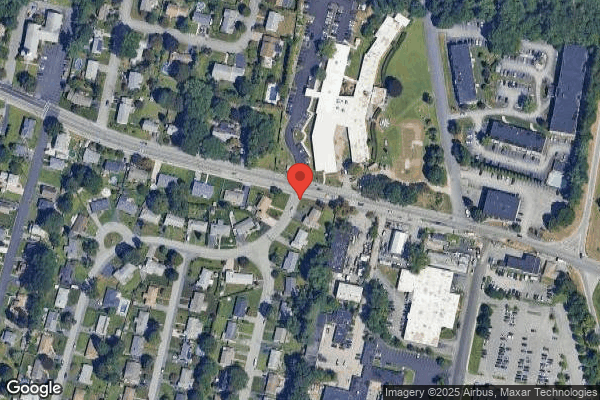
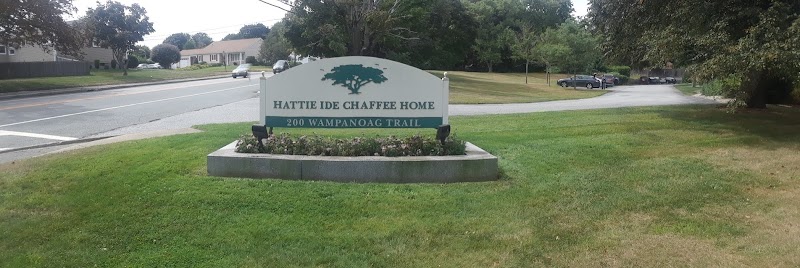
200 Wampanoag Trail, East Providence, RI 02915 (401) 434-1520
Non profit - Corporation 69 Beds Independent Data: November 2025 1 Immediate Jeopardy citation
Trust Grade
58/100
#20 of 72 in RI
Last Inspection: June 2025

Inspected within the last 6 months. Data reflects current conditions.

Overview

Hattie Ide Chaffee Home has a Trust Grade of C, which means it is average and falls in the middle of the pack compared to other nursing homes. It ranks #20 out of 72 facilities in Rhode Island, placing it in the top half, and #13 out of 41 in Providence County, indicating that only a few local options are better. The facility is improving, with issues decreasing from 12 in 2024 to 5 in 2025. Staffing is a strong point, with a 5-star rating and a turnover rate of 34%, which is lower than the state average, suggesting that staff are experienced and familiar with residents. However, the facility has incurred $40,295 in fines, which is concerning and may indicate ongoing compliance issues. In terms of RN coverage, it is average, but it's important to note some specific incidents. For instance, the facility failed to provide adequate supervision for residents with eating difficulties, which could lead to serious risks like aspiration. Additionally, there were concerns about food safety practices in the kitchen, including improper labeling of chemical products. Lastly, the facility did not complete required annual performance reviews for nursing assistants, which is a gap in staff management. Overall, while there are strengths in staffing and care quality, families should be aware of these weaknesses and the facility's recent history of compliance issues.

Trust Score
C
58/100
In Rhode Island
#20/72
Top 27%
Safety Record
High Risk
Review needed
Inspections
Getting Better
12 → 5 violations
Staff Stability
○ Average
34% turnover. Near Rhode Island's 48% average. Typical for the industry.
Penalties
✓ Good
$40,295 in fines. Lower than most Rhode Island facilities. Relatively clean record.
Skilled Nurses
✓ Good
Each resident gets 81 minutes of Registered Nurse (RN) attention daily — more than 97% of Rhode Island nursing homes. RNs are the most trained staff who catch health problems before they become serious.
Violations
⚠ Watch
19 deficiencies on record. Higher than average. Multiple issues found across inspections.
★★★★☆
4.0
Overall Rating
★★★★★
5.0
Staff Levels
★★★★☆
4.0
Care Quality
★★★☆☆
3.0
Inspection Score
Stable
2024: 12 issues
2025: 5 issues

The Good

  • 5-Star Staffing Rating · Excellent nurse staffing levels
  • 4-Star Quality Measures · Strong clinical quality outcomes
  • Full Sprinkler Coverage · Fire safety systems throughout facility
  • No fines on record
  • Staff turnover below average (34%)

    14 points below Rhode Island average of 48%

Facility shows strength in staffing levels, quality measures, fire safety.

The Bad

Staff Turnover: 34%

12pts below Rhode Island avg (46%)

Typical for the industry

Federal Fines: $40,295

Above median ($33,413)

Moderate penalties - review what triggered them

The Ugly 19 deficiencies on record

1 life-threatening
Jun 2025 5 deficiencies
CONCERN (D)

Potential for Harm - no one hurt, but risky conditions existed

Deficiency F0658 (Tag F0658)

Could have caused harm · This affected 1 resident

Based on surveyor observation, record review, and staff interview, it has been determined that the facility failed to ensure that residents receive treatment and care in accordance with professional s...

Read full inspector narrative →
Based on surveyor observation, record review, and staff interview, it has been determined that the facility failed to ensure that residents receive treatment and care in accordance with professional standards of practice, relative to physician's orders for 2 of 3 residents observed, Resident ID #s 42 and 361. Findings are as follows: According to Mosby's 4th Edition, Fundamentals of Nursing, page 314 states in part, The physician is responsible for directing medical treatment. Nurses are obligated to follow physician's orders unless they believe that the orders are in error or would harm the clients. 1. Record review revealed Resident ID #42 was admitted to the facility in November of 2024 with diagnoses including, but not limited to, chronic peripheral venous insufficiency (a condition where the veins in the legs are unable to effectively return blood to the heart, leading to blood pooling in the legs) and localized bilateral lower extremity edema (swelling in both legs). Review of a physician's order dated 2/22/2025 revealed to off load the resident's heels when in bed, every shift. During surveyor observations on 6/18/2025 at 10:00 AM and on 6/20/2025 at 10:05 AM, the resident was observed in bed with his/her heels lying directly on a pillow, instead of being off loaded, as ordered. During a surveyor interview on 6/20/2025 at 12:45 PM with the Director of Nursing Services (DNS), she indicated that she would expect the resident's heels to be off loaded as ordered and not resting directly on a pillow, as observed. 2. Record review revealed Resident ID #361 was admitted to the facility in June of 2025 with a diagnosis including, but not limited to, cellulitis (a bacterial skin infection) of the right lower extremity. Review of a physician's order dated 6/10/2025 revealed to cleanse the right lower extremity wound with Vashe (a wound cleansing solution), apply Santyl (an ointment used to remove damage tissue from a chronic wound), and cover the wound with a gauze and kerlix wrap (a woven gauze bandage) once a day. Record review of a nursing progress note dated 6/17/2025 at 11:05 AM authored by Registered Nurse (RN), Staff A, states in part, .Unable to discern color or consistency d/t [due to] drainage being absorbed by hydrofera blue [a brand of antibacterial foam wound dressing] dressing. Wound cleansed .nickel thick santyl, hydrofera blue and gauze . Record review failed to reveal evidence of a physician's order for hydrofera blue to be applied to the resident's right lower extremity. During a surveyor observation on 6/18/2025 at 9:18 AM during a wound dressing change to the resident's right lower extremity in the presence of Registered Nurses, Staff A and B, Staff A cleansed the wound and proceeded to apply the hydrofera blue when she was stopped by the resident from applying the hydorfera blue treatment to the wound. During a surveyor interview on 6/18/2025 at 9:37 AM with Staff B, she acknowledged that the resident did not have a physician's order in place for the hydrofera blue treatment. During surveyor interviews on 6/20/2025 at 11:33 AM and at 12:45 PM with the DNS, she indicated that she would expect the staff to review the physician's order before performing the dressing change to ensure accuracy and she was unable to provide evidence the physician's order was followed. Additionally, the DNS indicated that she would expect Resident ID #42's heels to be off loaded, as ordered, and not resting directly on a pillow, as observed.
CONCERN (D)

Potential for Harm - no one hurt, but risky conditions existed

Incontinence Care (Tag F0690)

Could have caused harm · This affected 1 resident

Based on surveyor observation, record review, and staff interview, it has been determined that the facility failed to provide appropriate treatment and services for 1 of 3 residents reviewed with an i...

Read full inspector narrative →
Based on surveyor observation, record review, and staff interview, it has been determined that the facility failed to provide appropriate treatment and services for 1 of 3 residents reviewed with an indwelling catheter (a flexible tube that collects urine from the bladder and leads to a drainage bag), Resident ID # 47. Findings are as follows: Review of Lippincott Nursing Procedures Manual, Ninth Edition, last revised in 2023, states in part, .urge the patient to keep the drainage bag lower than the bladder at all times, because urine in the bag is a perfect growth medium for bacteria. Caution the patient also not to go to bed or take long naps while wearing the leg bag . Record review revealed that the resident was admitted to the facility in May of 2023 with diagnoses including, but not limited to, hemiplegia (paralysis, or the inability to move, on one side of the body), hemiparesis (one side muscle weakness), and retention of urine. Record review revealed a physician's order dated 5/20/2025 for an indwelling catheter. Review of a care plan initiated on 5/12/2025 revealed to position the drainage bag below the pubis (the bone that forms the lower and front part of each side of the hip bone). During surveyor observations on 6/17/2025 at 12:33 PM, 12:50 PM and 3:11 PM, the resident was observed resting in bed and the drainage bag was not visible. During a surveyor interview on 6/17/2025 at 3:48 PM with Nursing Assistant, Staff C, the surveyor inquired about the location of drainage bag. Staff C responded that the bag was under the covers. Upon Staff C pulling back the covers, it was observed that the drainage bag was attached to the resident's leg, the bag was lying perpendicular and was not positioned below the level of the bladder. During a surveyor observation on 6/17/2025 at 4:20 PM in the presence of Registered Nurse (RN), Staff D, she acknowledged the bag was not below of the baldder, as required. During a surveyor interview on 6/20/2025 at 11:08 AM with the Director of Nursing Services, she revealed that she would expect the drainage bag to be placed below the bladder, as required.
CONCERN (D)

Potential for Harm - no one hurt, but risky conditions existed

Infection Control (Tag F0880)

Could have caused harm · This affected 1 resident

Based on surveyor observation, record review, and staff interview, it has been determined that the facility failed to maintain an infection prevention and control program to help prevent the transmiss...

Read full inspector narrative →
Based on surveyor observation, record review, and staff interview, it has been determined that the facility failed to maintain an infection prevention and control program to help prevent the transmission of communicable diseases and infection, relative to 1 of 2 residents with wound dressing changes observed, Resident ID #17, for 1 of 1 resident on droplet/contact precautions (an infection control measure that is used when a resident is known or expected to be infected to prevent the spread of germs that can be transmitted through respiratory droplets expelled when a person coughs, sneezes, or speaks), Resident ID #24, and for 1 of 2 residents on contact precautions (an infection control measure used in healthcare settings to prevent the spread of germs that can be transmitted by direct or indirect contact with a resident or their environment) for Clostridioides difficile (C. diff, a bacterium that can cause life-threatening diarrhea), Resident ID #53. Findings are as follows: 1. Review of the facility's policy titled Infection Control Policy and Procedure for Clean Dressing Technique dated May 2019, states in part, .Wash your hands (hand sanitizer may be used at this point) apply clean gloves. Remove old dressing and discard .Remove gloves, wash hand (hand sanitizer may be used at this point) apply clean gloves . Record review revealed Resident ID #17 was admitted to the facility in November of 2023 with a diagnosis including, but not limited to, functional urinary incontinence. Review of a physician's order dated 5/16/2025 revealed to cleanse the coccyx wound with normal saline, apply Medihoney (medicated honey) and apply a clean dry dressing daily. During a surveyor observation of a wound dressing change on 6/18/2025 at 7:51 AM in the presence of Registered Nurse, Staff I, she put on a pair of gloves and removed the resident's soiled dressing. She proceeded to cleanse the wound using the same gloves. Staff I then removed her gloves, without washing her hands or using hand sanitizer she proceeded to put on a new pair of gloves and applied the Medihoney to the wound. Staff I removed her gloves, again did not wash her hands or use hand sanitizer, put on clean gloves, and applied a dry dressing to the wound. During a surveyor interview on 6/18/2025 at 11:34 AM with Staff I, she acknowledged the above-mentioned observation. Staff I indicated that she should have washed her hands or used hand sanitizer each time after removing the soiled gloves and before putting on a clean pair. 2. Review of a facility's policy titled Isolation dated January 2020, states in part, .b. Droplet Precautions .use Droplet Precautions for a resident who is known or suspected to be infected with microorganisms transmitted by droplet .that can be generated by a resident sneezing, coughing, talking .c. Contact Precautions .use Contact Precautions for residents known or suspected to be infected with microorganisms that can be easily transmitted by direct or indirect contact, such as handling environmental surfaces or resident care items .residents colonized with these organisms may also require Contact Precautions .CDiff .Droplet Precautions Procedure .Wear a mask when working within 3 feet of the resident .Contact Precautions Procedure .Wear clean gloves when entering the room .Wear a gown when entering the resident's area if you anticipate that you will have substantial contact with the resident, resident items, or environmental surfaces . 2a. Record review revealed Resident ID #24 was admitted to the facility in July of 2023 with a diagnosis including, but not limited to, dementia. Review of a physician's order dated 6/18/2025 revealed to maintain enhanced droplet precautions until further notice. During a surveyor observation on 6/18/2025 at 12:11 PM revealed, the resident had signage posted on his/her door indicating that s/he was on enhanced droplet/contact precautions. Additionally, the signage indicated that staff should wear a N95 mask (a type of personal protective equipment used to filter out at least 95% of airborne particles) prior to entering the room. During a surveyor observation on 6/18/2025 at 12:15 PM, Certified Medication Technician, Staff J, was observed entering the resident's room without wearing a N95 mask as indicated on the signage at the resident's door. During a surveyor interview immediately following the above-mentioned observation with Staff J, she acknowledged that she did not wear a N95 mask prior to entering the resident's room. 2b. Record review revealed Resident ID #53 was admitted to the facility in March of 2025 with a diagnosis including, but not limited to, C. diff. Review of a care plan dated 5/29/2025 revealed, the resident has C. diff and staff interventions include, but are not limited to, follow contact precautions and practice good infection control. During a surveyor observation on 6/16/2025 at 12:34 PM revealed, the resident had signage posted on his/her door indicating that s/he was on contact precautions. Additionally, the signage indicated that staff should wear a gown and gloves prior to entering the room. During a surveyor observation on 6/16/2025 at 12:56 PM, Dietary Aide, Staff K, was observed entering the resident's room without wearing a gown and gloves, as per the facility' policy. During a surveyor interview immediately following the above-mentioned observation with Staff K, she acknowledged that she did not wear a gown and gloves prior to entering the resident's room. During a surveyor observation on 6/20/2025 at 12:27 PM Nursing Assistant, Staff L, was observed entering the resident's room, assisting the resident in setting up his/her lunch tray, and touching various surfaces in the room without wearing a gown. During a surveyor interview immediately following the above-mentioned observation with Staff L, she acknowledged that she did not wear a gown prior to entering the resident's room. During a surveyor interview on 6/20/2025 at 10:38 AM with the Infection Control Preventionist, she indicated that she would expect the staff to wear a N95 mask prior to entering Resident ID #24's room who is on droplet precautions. During a surveyor interview on 6/20/2025 at 10:40 AM with the Director of Nursing Services, she was unable to provide evidence the infection control precautions were followed by the staff, as required.
CONCERN (D)

Potential for Harm - no one hurt, but risky conditions existed

Deficiency F0940 (Tag F0940)

Could have caused harm · This affected 1 resident

Based on record review and staff interview, it has been determined that the facility failed to develop, implement, and maintain an effective training program for all newly hired employees and annual t...

Read full inspector narrative →
Based on record review and staff interview, it has been determined that the facility failed to develop, implement, and maintain an effective training program for all newly hired employees and annual training for existing employees consistent with their expected roles, relative to education involving abuse, infection control, dementia behavioral health management, trauma informed care and QAPI (Quality Assurance and Performance Improvement) per the facility assessment, for 7 of 11 newly hired or existing employees, Staff M, N, O, P, Q, R, and S. Findings are as follows: Review of the Facility Assessment, last updated January 30, 2025, states in part, .the intent of the facility assessment is for the facility to evaluate it's resident population and identify resources needed to provide the necessary person-centered care and services the residents require . 1. Record review revealed Administration Office worker, Staff M, was hired on 6/1/2021. Review of her training records failed to reveal evidence that she received or completed education regarding the following; Abuse and Neglect, Corporate Compliance, Dementia/Behaviors, Fire Safety/Disaster/SDS, Health Insurance Portability and Accountability ACT of 1996 (protects and ensures the confidentiality of medical records [(HIPAA]), and Trauma Informed Care, for the year 2024. 2. Record review revealed Certified Medication Technician (CMT), Staff N, was hired on 9/24/2023. Review of her training records failed to reveal evidence that she received or completed education regarding the following; Resident Rights or Abuse/Neglect, Infection Control, Bloodborne Pathogens, Quality Assurance and Performance Improvement (QAPI), Communication and Customer Service, Corporate Compliance, Resident Rights, Fire Safety/Disaster/Safety Data Sheets (SDS), and Trauma Informed Care, for the year 2024. 3. Record review revealed Nursing Assistant (NA), Staff O, was hired March of 2024. Review of his training records failed to reveal evidence that he received or completed the above required mandatory education upon hire including; Resident Rights & Elder Justice ACT, Abuse/Neglect, QAPI, Corporate Compliance, Dementia Behaviors, HIPAA, and Trauma Informed Care, for the year 2024. 4. Record review revealed NA, Staff P, was hired 6/25/2019. Review of the staff's training records failed to reveal evidence that they received or completed the above required mandatory education regarding the following; Corporate Compliance, Fire Safety/SDS/ Disaster, Dementia Behaviors, QAPI, and HIPAA, for the year 2024. 5. Record review revealed NA, Staff Q, was hired on 1/3/2021. Review of her training records failed to reveal evidence that she received or completed education regarding Abuse/Neglect and Corporate Compliance, for the year 2024. 6. Record review revealed Registered Nurse (RN), Staff R, was hired on 5/18/2022. Review of her training records failed to reveal evidence that she received or completed education regarding Fire Safety/Disaster/Safety Data Sheets (SDS), for the year 2024. 7. Record review revealed Occupational Therapist, Staff S, was hired on 4/3/2021. Review of her training records failed to reveal evidence that she received or completed education regarding HIPAA and Dementia/Behavior with Dementia, for the year 2024. During a surveyor interview on 6/20/2025 at 10:04 AM, with the Staff Developer, she was unable to provide evidence Staff M, N, O, P, Q, R, and S received all required mandatory training annually in 2024, as required.
CONCERN (F)

Potential for Harm - no one hurt, but risky conditions existed

Food Safety (Tag F0812)

Could have caused harm · This affected most or all residents

Based on surveyor observation, record review, and staff interview, it has been determined that the facility failed to store, prepare, distribute and serve food in accordance with professional standard...

Read full inspector narrative →
Based on surveyor observation, record review, and staff interview, it has been determined that the facility failed to store, prepare, distribute and serve food in accordance with professional standards for food service safety relative to the main kitchen and two of two kitchenettes. Findings are as follows: 1. Record review of the State Operations Manual Appendix PP-Guidance to Surveyors for Long term care Facilities states in part, chemical products and supplies, must be clearly marked . Record review of the Occupational Safety and Health Administration Standard 1910.1200 (f)(1) states in part, .ensure that each container of hazardous chemicals .required to label, tag or mark the following .product identifier, signal word (danger or warning), a statement that the full label information for the chemical is provided on the immediate outside package . During a surveyor observation on 6/16/2025 at approximately 8:45 AM of the main kitchen, a spray bottle filled with a pink colored liquid with the words sanitizing solution was handwritten in black magic marker. During a surveyor interview immediately following the observation with the Food Service Director (FSD), he acknowledged the container was inappropriately labeled. 2. Record review of the Rhode Island Food Code 2022 Edition 4-601.11 reads in part, .nonfood contact surfaces of equipment shall be kept from an accumulation of dust, dirt, food residue and other debris . During a surveyor observation of the main kitchen on 6/18/2025 at 2:40 PM, an accumulation of grease was observed along the inner rim of the hood over the stove and the hood screens. During a surveyor interview on 6/18/2025 at 2:40 PM with the FSD, he was unable to provide evidence that the hood over the stove was on a schedule to be cleaned. 3. Record review of the Rhode Island Food Code 2022 Edition 2-402.11 reads in part, .FOOD EMPLOYEES shall wear hair restraints such as hats, hair coverings or nets, beard restraints, and clothing that covers body hair .to effectively keep their hair from contacting exposed FOOD; clean EQUIPMENT, UTENSILS . During surveyor observations of the dietary employees in the main kitchen on 6/16/2025 at 2:52 PM the following was revealed: - Dietary employee, Staff E, was not wearing a beard covering while working in the main kitchen - Dietary employee, Staff F, was wearing a baseball cap, and her hair was pulled into a braided ponytail and the ponytail was not covered with a hair restraint. During surveyor observations of the dietary employees in the main kitchen on 6/17/2025 at 11:45 AM the following was revealed: - Dietary employee, Staff G, was wearing a baseball cap, and her hair was pulled into a ponytail and the ponytail was not covered with a hair restraint. - Dietary employee, Staff H was wearing a baseball cap and her hair hanging out the back and the hair was not covered with a hair restraint During a surveyor interview on 6/18/2025 at 2:40 PM with the FSD, he was unable to provide evidence that the dietary employees were wearing hair restraints and beard coverings. 4. Record review of the Rhode Island Food Code 4-502.13 reads in part, .single use articles may not be reused . During a surveyor observation on 6/16/2025 at 8:30 AM, breadcrumbs were stored in a single use container, with a cover that had a manufacturer's imprinted wording of Tony's Seafood. During a surveyor interview on 6/18/2025 at 2:40 PM with the FSD, he was unable to provide evidence that the food storage container was a single use container. 5. Record review of the Rhode Island Food Code 2022 Food Code 4-101.11 reads in part, .Materials that are used .Durable .nonabsorbent .Resistant to pitting, chipping, crazing, scratching . During a surveyor observation on 6/18/2025 at 2:40 PM the following was revealed: - a work table with a wooden butcher block top. - eleven red lip plates with scoring and scratches. During a surveyor interview on 6/18/2025 at 2:40 PM with the FSD, he acknowledged the butcher block work surface was a porous surface and that the lip plates were observed with scratches and scoring. 6. Record review of the manufacturer's label for a Vital Cuisine Mighty Shake states in part, .use within 14 days of thawing . During a surveyor observation on 6/17/2025 at 9:30 AM on the North Wing kitchenette, 25 Vital Cuisine Mighty Shakes were observed without a use by date to identify when the product was thawed. Further surveyor observation on 6/17/2025 at 9:35 AM of the South Wing kitchenette, 10 Vital Cuisine Mighty Shakes were observed without a use by date to identify when the product was thawed. During a surveyor interview on 6/18/2025 at 2:40 PM with the FSD, he acknowledged the Vital Cuisine Mighty Shakes mentioned above did not have use by dates to identify when the products were thawed. 7. Record of the Rhode Island Food Code 2022 Food Edition 4-703.11 reads in part, .after being cleaned, equipment food contact surfaces and utensils shall be sanitized in .hot waterr mechanical operations by being cycled through equipment .achieving a UTENSIL surface temperature of 71°C (160°F) as measured by an irreversible registering temperature indicator . During a surveyor observation on 6/17/2025 at 11:45 AM of the main kitchen, the surveyor asked for an irreversible thermometer (a type of temperature-measuring device that permanently changes in appearance or color once a specific temperature is reached or exceeded) to check the surface temperature of the equipment that was being cycled through the dish machine. The FSD acknowledged he did not have the irreversible thermometer on hand and needed to order one.
Sept 2024 1 deficiency
CONCERN (D) 📢 Someone Reported This

A family member, employee, or ombudsman was alarmed enough to file a formal complaint

Potential for Harm - no one hurt, but risky conditions existed

Deficiency F0552 (Tag F0552)

Could have caused harm · This affected 1 resident

Based on record review, and staff interview, it has been determined that the facility failed to inform, in advance, the care to be furnished by the physician or other practitioner or professional, of ...

Read full inspector narrative →
Based on record review, and staff interview, it has been determined that the facility failed to inform, in advance, the care to be furnished by the physician or other practitioner or professional, of the risks and benefits of proposed care, of treatment and treatment alternatives or treatment options and to choose the alternative or option he or she prefers relative to the ordering of and administration of medication for 1 of 1 resident reviewed, Resident ID #1. Findings are as follows: Record review of a community reported complaint submitted to the Rhode Island Department of Health on 9/6/2024 alleges that Resident ID #1 received a new medication, and the complainant was never notified. Review of the facility document titled, Change in Resident's Condition or Status states in part, [Name of facility redacted] will promptly [notify] the resident, the Attending Physician, and the resident's Power of Attorney or representative, of changes in the resident's medical/mental condition and or status .3) Unless otherwise instructed by the resident, the Nurse Supervisor/Charge Nurse will notify the resident's family or representative when .c) There is a need to change the care plan .5) Regardless of the resident's current medical or physical condition the Charge Nurse or DNS [Director of Nursing Services] will inform the resident of any changes in his/her treatment of care . Record review revealed the resident was admitted to the facility in May of 2024 with diagnoses including, but not limited to, encephalopathy (a condition that cause brain dysfunction), generalized muscle weakness, and history of ischemic attack and cerebral infarction (stroke). Review of a discharge Minimum Data Set Assessment completed on 6/2/2024, revealed a Brief Interview for Mental Status score of 4 out of 15, indicating severe impaired cognition. Review of a progress note dated 5/26/2024 revealed that the resident was hallucinating and that the Nurse Practitioner (NP) was contacted and a new order for Trazodone was obtained. Further review of the note failed to reveal evidence that the resident's representative was notified of the new medication change or that resident was experiencing hallucinations. Record review revealed an order dated 5/26/2024 for Trazodone (an antidepressant medication) 25 mg (milligrams) 3 times a day as needed. Record review of the May and June 2024 Medication Administration Records (MARs) revealed the resident received Trazodone on the following dates and times: 5/27/2024 at 8:12 AM, and two doses of the medication were administered at 6:28 PM 5/28/2024 at 6:40 PM and 7:02 PM 5/29/2024 at 11:52 PM 5/31/2024 at 10:04 AM 6/1/2024 at 6:38 PM and 7:22 PM During a surveyor interview on 9/9/2024 at 10:38 AM with the complainant s/he revealed that s/he is the Power of Attorney for Resident ID #1. Additionally, s/he revealed s/he was not consulted regarding the use Trazodone for Resident ID #1 and indicated that the resident is very sensitive to medications and would not have approved this medication's use. During a surveyor interview on 9/9/2024 at 2:45 PM with the DNS, she acknowledged that there was no evidence that the resident representative was made aware of the new order for Trazodone or of the hallucinations. During an additional interview at 3:36 PM, she stated that the expectation is for the nurse to notify the family of the new medication and to document in the record that they have done so.
Jun 2024 1 deficiency
CONCERN (D) 📢 Someone Reported This

A family member, employee, or ombudsman was alarmed enough to file a formal complaint

Potential for Harm - no one hurt, but risky conditions existed

Deficiency F0658 (Tag F0658)

Could have caused harm · This affected 1 resident

Based on record review, resident, and staff interview, it has been determined that the facility failed to ensure that services being provided meet professional standards of practice relative to follow...

Read full inspector narrative →
Based on record review, resident, and staff interview, it has been determined that the facility failed to ensure that services being provided meet professional standards of practice relative to following a physician's order for 1 of 2 residents reviewed for nutrition, Resident ID #1. Findings are as follows: Record review of an anonymous reported complaint submitted to The Rhode Island Department of Health on 6/26/2024, alleges that Resident ID #1 was served food when s/he had an order for nothing by mouth (NPO). The complaint alleges that the resident's family member arrived to find Resident ID #1 choking. According to Mosby's 4th Edition, Fundamentals of Nursing, page 314 states in part, The physician is responsible for directing medical treatment. Nurses are obligated to follow physician's orders unless they believe the orders are in error or would harm the clients. Record review revealed the resident was admitted to the facility in June of 2024 with diagnoses including, but not limited to, cerebral infarction (stroke), flaccid hemiparesis (decreased muscle tone and inability to actively move the muscles of the affected side), dysarthria (a condition that causes problems with the muscles that help produce speech), and dysphagia (difficulty swallowing). Review of a care plan focus area dated 6/25/2024 revealed the resident is at risk for alteration in nutrition secondary to gastrostomy tube (G tube-a tube that is inserted into your stomach through your abdomen to supply nutrition) feeding and dysphagia. Review of the hospital paperwork revealed the resident was NPO with a G-tube feeding order in place for Jevity 1.5, 110 cc/hr. (cubic centimeters per hour) continuously from 6:00PM - 8:00AM. Review of the June 2024 Treatment Administration Record revealed a dietary order with Special Instructions: NPO dated 6/24/2024. Review of a progress notes authored by the Assistant Director of Nursing (ADON), dated 6/22/2024 at 8:46 PM revealed in part, .[S/he] did receive meal tray this a.m. at which time [s/he] did consume a few bites of scrambled eggs. During a surveyor interview on 6/26/2024 at 2:00 PM with Nursing Assistant (NA), Staff A, she acknowledged on the morning of 6/22/2024 Resident ID #1 had a breakfast tray on his/her bedside table. She further revealed that at the same time, the resident's family member arrived and saw that the resident was served breakfast. S/he went directly to the ADON to question why Resident ID #1 was served breakfast when they are NPO. During a surveyor interview on 6/26/2024 at 2:10 PM with NA, Staff B she acknowledged that on the morning of 6/22/2024 Resident ID #1 had a breakfast tray on his/her bedside table. She indicated s/he was unaware of who provided Resident ID #1 the tray. During a surveyor phone interview on 6/26/2024 at 2:30 PM with the resident's family member, s/he revealed that the resident ate some of the scrambled eggs as s/he had eggs on their clothing. She also revealed that the resident was coughing when s/he arrived. Additionally, s/he revealed that when s/he asked the if s/he ate any of the food the resident responded Yes, I did. During a surveyor telephone interview on 6/26/2024 at 4:15 PM with the ADON, she revealed that she observed the resident with a breakfast tray and asked staff to remove it. During a surveyor interview with the Director of Nursing on 6/26/2024 at approximately 4:20 PM, she revealed that the NA taking care of the resident on the morning of 6/22/2024 was unaware the resident had an order for NPO and when the resident was not served a breakfast tray she went to the kitchen and obtained a tray for Resident ID #1.
Jun 2024 9 deficiencies 1 IJ
CRITICAL (J)

Immediate Jeopardy (IJ) - the most serious Medicare violation

Accident Prevention (Tag F0689)

Someone could have died · This affected 1 resident

**NOTE- TERMS IN BRACKETS HAVE BEEN EDITED TO PROTECT CONFIDENTIALITY** Based on surveyor observation, record review, and staff interviews, the facility failed to ensure that each resident receives ad...

Read full inspector narrative →
**NOTE- TERMS IN BRACKETS HAVE BEEN EDITED TO PROTECT CONFIDENTIALITY** Based on surveyor observation, record review, and staff interviews, the facility failed to ensure that each resident receives adequate supervision to prevent an accident for 2 of 3 reviewed who require supervision while eating, Resident ID #s 368 and 55. Findings are as follows: Review of the undated facility policy titled, Aspiration [when food or liquids are inhaled into the airway] Precautions/Managing Dysphagia [difficulty swallowing], which states in part, .It's the policy of this facility to monitor the resident's ability to eat and to do what is reasonable and necessary to treat dysphagia so as to prevent the risk of aspiration .Factors that may place a resident at risk for aspiration .Inappropriate fluid consistency and/or food textures . 1. Record review revealed Resident ID #368 was admitted to the facility in June of 2024 with diagnoses including, but not limited to: dysphagia, Parkinson's disease (a disorder of the nervous system that affects movement, including tremors), and pneumonitis (Inflammation of the lungs) due to the inhalation of food and vomit. Review of a hospital continuity of care document dated 6/4/2024 revealed the resident was assessed by speech therapy during his/her hospital admission. Additionally, the document indicated that the resident requires 1:1 supervision while eating, a slow rate of eating, taking small sips/bites, and alternating liquids and solids. Record review revealed a physician's order dated 6/5/2024 for 1:1 feed for all meals, with aspiration precautions. Additional review of the physician's orders revealed an order dated 6/5/2024 for a house diet, no salt packet, pureed consistency, and nectar thick liquids (thicker than water, falls slowly from a spoon). Review of a document titled, Occupational Therapy Certification, dated 6/5/2024, revealed the resident requires 1:1 supervision with eating, nectar thick consistency liquids, and a puree diet with aspiration precautions. Record review of the Minimum Data Set (MDS) assessment dated [DATE] indicated Resident ID #368's Brief Interview for Mental Status (BIMS) score was 9 out of 15, indicating moderately impaired cognition. Review of the baseline care plan dated 6/7/2024 failed to reveal evidence that the resident required 1:1 supervision with eating. During a surveyor observation on 6/11/2024 from 8:48 AM to 8:59 AM, the resident was observed eating breakfast, without a staff member present in the room. Additionally, at approximately 9:00 AM, the resident was observed coughing, after his/her breakfast tray was removed from the room. During a surveyor observation on 6/12/2024 from 8:33 AM to 8:41 AM, the resident was observed in his/her room, eating breakfast, without a staff member present in the room. Additionally, the resident was noted to be drinking coffee that was not thickened. Further observation revealed there was a carton of milk on his/her breakfast tray which was not thickened. Record review of the daily nursing assistant assignment sheet revealed the resident requires 1:1 supervision with eating. During a surveyor interview on 6/12/2024 at 8:43 AM, with Nursing Assistants (NAs), Staff F and Staff G, they acknowledged that the resident was eating independently in his/her room and that the coffee s/he was drinking was not thickened and not the nectar thick consistency, per the physician's order. Additionally, they revealed that they were unaware that the resident required 1:1 supervision with eating for all meals. During a surveyor interview on 6/12/2024 at 8:52 AM, with Registered Nurse, Staff H, she revealed that she was unaware that the resident requires 1:1 supervision with eating. After reviewing the resident's medical record with her, she acknowledged the physician's order is for 1:1 supervision with eating. During a surveyor interview on 6/12/2024 at 9:52 AM, with Occupational Therapist, Staff I, she revealed that the resident requires 1:1 supervision with all meals due to him/her being at risk for aspiration. During surveyor interviews on 6/12/2024 at 3:20 PM and 6/13/2024 at approximately 2:00 PM, with Speech Therapist, Staff J, she revealed that the resident requires 1:1 supervision with meals, a puree diet, and nectar thick liquids. Additionally, she indicated that she would expect the resident to be supervised by staff while eating and his/her diet order to be followed for safety. During a surveyor interview on 6/12/2024 at 10:57 AM with the Director of Nursing Services, she revealed that she was unaware the resident requires 1:1 supervision with eating. Additionally, she indicated that she would have expected the physician's order to be followed. During a surveyor interview on 6/13/2024 at 9:14 AM with the resident's physician, she revealed that she was unaware that the resident requires 1:1 supervision for all meals. She acknowledged that she signed the physician order for the 1:1 feed on 6/7/2024; however, she does not review each order individually prior to signing them. Additionally, she indicated that she would expect staff to stay with the resident during his/her meals whenever 1:1 supervision is ordered. The failure of the facility to provide 1:1 supervision with meals to Resident ID #368 who has a history of aspiration and remains at risk for aspiration, placed the resident at risk for serious harm, serious injury, serious impairment, or death. 2. Record review revealed Resident ID #55 was admitted to the facility in January of 2024 with diagnoses including, but not limited to, dementia and muscle weakness. Review of a MDS assessment dated [DATE] revealed a BIMS score of 3 out of 15, indicating severe cognitive impairment. Further review revealed the resident has bilateral upper extremity (shoulder, elbow, wrist, hand) impairments. Additionally, record review revealed the resident required supervision or touching assistance with eating. Review of a care plan dated 4/22/2024 revealed the resident is at risk for weight loss related to sporadic intake. Further review of the care plan failed to reveal evidence that the resident required supervision or touching assistance with eating. Record review revealed a physician's order dated 1/13/2024 for soft, bite-sized foods. During the following surveyor observations, the resident was not being supervised while eating nor was the food soft and cut up into bite sized pieces, as ordered: - 6/10/2024 at 9:53 AM during the breakfast meal the resident was served a 1/2 of a muffin and 1 whole sausage link - 6/12/2024 at 1:06 PM during the lunch meal the resident was attempting to eat 3 whole clam cakes, thickly sliced zucchini, and halved roasted potatoes. During this observation the resident was noted to have difficulty chewing the clam cakes and was observed to be coughing when the surveyor entered the room. During a surveyor interview on 6/12/2024 at 1:10 PM with NA, Staff Q, she indicated that the resident should receive soft bite sized foods. She further acknowledged that the resident's food had not been cut into bite sized pieces, and that the resident was having difficulty eating the clam cakes. Staff Q was then observed cutting up the clam cakes into small, bite-sized pieces. During a surveyor interview on 6/12/2024 at 1:16 PM with the Chef, Staff R, he indicated that the NAs are responsible for cutting residents' food to the appropriate size. During an additional surveyor observation on 6/13/2024 at 9:08 AM, the resident was alone in bed with his/her breakfast tray on the table in front of him/her, the meal consisted of a whole sausage link, a piece of French toast, a cheese sandwich cut in half, and a hard piece of bacon. During a surveyor interview on 6/13/2024 at 9:11 AM with Certified Medication Technician, Staff A, she acknowledged that the resident's food had not been cut into bite sized pieces and that the hard bacon should not be served to resident on a soft diet. During a surveyor interview on 6/13/2024 at 9:13 AM with Registered Nurse, Staff S, she indicated that she was unaware of the resident's diet order, as she doesn't usually work on that unit. She then reviewed the resident's tray ticket and acknowledged that the resident should have his/her food cut into bite sized pieces and should be served soft foods, as ordered. During a surveyor interview on 6/13/2024 at 9:29 AM with the Director of Nursing Services (DNS) she indicated that the resident has a physician's diet order for soft, bite-sized foods. Additionally, she could not provide evidence that the resident had been provided soft, bite-sized foods as ordered. During a surveyor interview on 6/13/2024 at 10:28 AM with the MDS Nurse, she indicated that the resident requires supervision and cueing with eating. She was unable to provide evidence that the care plan was updated with this intervention. During a surveyor interview on 6/12/2024 at 10:57 AM with the DNS, she indicated that she would expect the physician's diet order to be followed. She indicated that if the MDS Assessment indicates that a resident requires supervision with eating she would expect this to be reflected on the care plan and for a physician's order to be in place. Cross Reference F 710 and F 805
CONCERN (D)

Potential for Harm - no one hurt, but risky conditions existed

Quality of Care (Tag F0684)

Could have caused harm · This affected 1 resident

Based on surveyor observation, record review, and staff interview, it has been determined that the facility failed to ensure that a resident receives treatment and care in accordance with professional...

Read full inspector narrative →
Based on surveyor observation, record review, and staff interview, it has been determined that the facility failed to ensure that a resident receives treatment and care in accordance with professional standards of practice for 1 of 3 residents reviewed relative to to mood and behaviors, Resident ID #4. Findings are as follows: Record review revealed that the resident was admitted to the facility in January of 2024 with a diagnosis including, but not limited to, major depressive disorder. Review of a care plan dated 4/15/2024 revealed the resident is at risk for changes in mood and behavior secondary to signs and symptoms of anxiety and depression, with a goal of decreased signs and symptoms of anxiety. Review of a document from geriatric psychology dated 4/6/2024, revealed in part, the resident presents with ongoing difficulty with nursing home placement and anxiety. Further review revealed interventions including, but not limited to, .Trazodone 12.5 mg [milligram] daily PRN [as needed] for [increased] anxiety . Record review failed to reveal evidence that the physician was notified of the above-mentioned recommendation or that it was put into place. Record review of the progress notes revealed the following: 4/24/2024 - the resident refused to shower and expressed that s/he feels sad at times. 5/1/2024 - the resident refused to be weighed. 5/3/2024 - Nurse Practitioner follow up visit for dizziness and .increased anxiety/depression .nursing reports today that [the resident] seems to be more anxious/depressed .Increase scheduled Trazodone . During a surveyor interviews on 6/13/2024 at 12:09 PM and at 12:33 PM with Registered Nurse, Staff D, she acknowledged that there was a recommendation for Trazodone 12.5 mg as needed dated 4/6/2024. She further indicated that she documented the recommendation in the progress notes however she could not provide evidence that the recommendation had been reviewed by a provider. During a surveyor interviews on 6/13/2024 at 12:39 PM and at 12:59 PM with Nurse Practitioner, Staff E, she indicated that she could not recall if she was notified of the above-mentioned psychiatry recommendation however, she would have been in agreement and would have provided an order. During a surveyor interview on 6/13/2024 at 12:56 PM with the Director of Nursing Services, she could not provide evidence that the physician was notified of the above-mentioned psychology recommendation.
CONCERN (D)

Potential for Harm - no one hurt, but risky conditions existed

Deficiency F0710 (Tag F0710)

Could have caused harm · This affected 1 resident

Based on record review and staff interview, it has been determined that the facility failed to ensure the medical care of each resident is supervised by a physician for 1 of 3 resident's reviewed for ...

Read full inspector narrative →
Based on record review and staff interview, it has been determined that the facility failed to ensure the medical care of each resident is supervised by a physician for 1 of 3 resident's reviewed for 1:1 feeding assistance, Resident ID #368. Findings are as follows: Record review revealed Resident ID #368 was admitted to the facility in June of 2024 with diagnoses including, but not limited to, dysphagia (difficulty swallowing) and pneumonitis (inflammation of the lung tissue) due to the inhalation of food and vomit. Record review revealed a physician's order dated 6/5/2024 for 1:1 feed for all meals [with] aspiration precautions in place, which was signed by the resident's physician on 6/7/2024. During a surveyor observation on 6/11/2024 from 8:48 AM to 8:59 AM, the resident was observed eating breakfast, without staff present in the room. During a surveyor observation on 6/12/2024 from 8:33 AM to 8:41 AM, the resident was observed eating breakfast, without staff present in the room. During a surveyor interview on 6/13/2024 at 9:14 AM, with the resident's physician, she revealed that she was unaware that the resident requires 1:1 supervision for all meals. She acknowledged that she signed the physician order for the 1:1 feed on 6/7/2024 however, she does not review each order individually prior to signing them. During a surveyor interview on 6/13/2024 at 10:58 AM, with the Director of Nursing Services, she indicated that she would expect the physician to review orders individually before signing off on them. Cross Reference F 689
CONCERN (D)

Potential for Harm - no one hurt, but risky conditions existed

Deficiency F0805 (Tag F0805)

Could have caused harm · This affected 1 resident

**NOTE- TERMS IN BRACKETS HAVE BEEN EDITED TO PROTECT CONFIDENTIALITY** Based on surveyor observation, record review, resident and staff interview, it has been determined that the facility failed to p...

Read full inspector narrative →
**NOTE- TERMS IN BRACKETS HAVE BEEN EDITED TO PROTECT CONFIDENTIALITY** Based on surveyor observation, record review, resident and staff interview, it has been determined that the facility failed to provide food prepared in a form designed to meet individual needs for 1 of 1 resident reviewed for a soft, bite sized diet, Resident ID #55 and 1 of 1 resident reviewed who require nectar thick liquids (thicker than water, falls slowly from a spoon), Resident ID #368. Findings are as follows: 1. Record review revealed Resident ID #55 was admitted to the facility in January of 2024 with diagnoses including, but not limited to, dementia and muscle weakness. Review of a Minimum Data Set (MDS) assessment dated [DATE] revealed a Brief Interview for Mental Status score of 3 out of 15, indicating severe cognitive impairment. Further review revealed the resident has bilateral upper extremity (shoulder, elbow, wrist, hand) impairments. Additionally, record review revealed the resident required supervision or touching assistance with eating. Review of a care plan dated 4/22/2024 revealed the resident is at risk for weight loss related to sporadic intake. Record review revealed a physician's dietary order for soft, bite sized foods. During the following surveyor observations, the resident was not being supervised while eating nor was the food soft and bite sized as ordered: - 6/10/2024 at 9:53 AM during the breakfast meal the resident was served a 1/2 of a muffin and 1 whole sausage link and was unsupervised by staff. - 6/12/2024 at 1:06 PM during the lunch meal the resident was attempting to eat 3 whole clam cakes, thickly sliced zucchini and halved roasted potatoes. During this observation the resident was noted to have difficulty chewing the clam cakes and was observed to be coughing when the surveyor entered the room. During a surveyor interview on 6/12/2024 at 1:10 PM with Nursing Assistant (NA), Staff Q, she indicated that the resident should receive soft bite sized foods. She further acknowledged that the resident's food had not been cut into bite sized pieces, and that the resident was having difficulty eating the clam cakes as they were hard and crunchy. During a surveyor interview on 6/12/2024 at 1:16 PM with the Chef, Staff R, he indicated that the NA's are responsible for cutting the residents' food to the appropriate size as ordered. During an additional surveyor observation on 6/13/2024 at 9:08 AM, the resident was alone in bed with his/her breakfast tray on the table in front of him/her, the meal contained a whole sausage link, a piece of French toast, a cheese sandwich cut in half, and a hard piece of bacon. During a surveyor interview on 6/13/2024 at 9:11 AM with Certified Medication Technician, Staff A, she acknowledged that the resident's food had not been cut into bite sized pieces and that the hard bacon should not be served for resident on a soft diet. During a surveyor interview on 6/13/2024 at 9:13 AM with Registered Nurse, Staff S, she indicated that she was unaware of the resident's diet order as she doesn't usually work on that unit. She then reviewed the resident's tray ticket and acknowledged that the resident should have his/her food cut into bite sized pieces and should be served soft foods as ordered. During a surveyor interview on 6/13/2024 at 9:29 AM with the Director of Nursing Services (DNS) she indicated that the resident has a physician's diet order for soft, bite sized foods. Additionally, she could not provide evidence that the resident had been provided soft, bite sized foods as ordered. 2. Record review revealed Resident ID #368 was admitted to the facility in June of 2024 with diagnoses including, but not limited to, dysphagia, Parkinson's disease, and pneumonitis due to the inhalation of food and vomit. Record review revealed a physician's order dated 6/5/2024 for a house diet, no salt packet, pureed consistency, and nectar thick liquids. Review of a document titled Occupational Therapy Certification, dated 6/5/2024, revealed the resident required a 1:1 supervision with meals, nectar thick liquids, and a pureed diet with aspiration precautions in place. Review of an untitled document, posted in the resident's room, states in part, .IMPORTANT INFO .1:1 feed on nectar [and] puree diet [with] aspiration precautions . During a surveyor observation on 6/12/2024 from 8:33 AM to 8:41 AM, the resident was noted to be drinking coffee which was not thickened as ordered. Further observation revealed there was an unopened carton of unthickened milk on his/her breakfast tray. During a surveyor interview on 6/12/2024 at 8:43 AM, with NAs Staff F and Staff G, they acknowledged that the resident was eating independently in his/her room and that the coffee s/he was drinking and the milk that was on the try were unthickened and not nectar thick as ordered. During a surveyor interview on 6/12/2024 at 3:20 PM, and on 6/13/2024 at approximately 2:00 PM, with Speech Therapist, Staff J, she revealed that the resident requires a puree diet and nectar thick liquids for all meals. She further indicated that due to his/her coughing with fluids, s/he will continue with nectar thick fluids for safety purposes. Additionally, she indicated that she would expect staff to thicken the resident's fluids to nectar thick as ordered. During a surveyor interview on 6/12/2024 at 10:57 AM with the DNS, she indicated that she would expect the physician's diet order to be followed. Additionally, she could not provide evidence that the food was prepared in a form designed to meet the residents' individual needs. Cross Reference F 689
CONCERN (E)

Potential for Harm - no one hurt, but risky conditions existed

Deficiency F0658 (Tag F0658)

Could have caused harm · This affected multiple residents

Based on record review and staff interview, it has been determined that the facility failed to ensure that services being provided meet professional standards of practice related to notifying the phys...

Read full inspector narrative →
Based on record review and staff interview, it has been determined that the facility failed to ensure that services being provided meet professional standards of practice related to notifying the physician of unavailable medications for 2 of 2 residents reviewed, Resident ID #s 6 and 33, and for failing to follow a physician order for 1 of 1 resident reviewed for medication parameters, relative to blood pressure and heart rate, Resident ID #39. Findings are as follows: 1. Record review revealed Resident ID #6 was admitted to the facility in May of 2024 with a diagnosis including, but not limited, to gastro-esophageal reflux disease (GERD, a chronic digestive disease where the liquid content of the stomach refluxes into the esophagus). Record review revealed a physician's order dated 5/23/2024 for Saccharomyces boulardii (a probiotic medication) with instructions to administer twice daily before meals. Review of the May 2024 Medication Administration Record (MAR) revealed the medication was documented as being unavailable on 5/30 and 5/31/2024, indicating the resident had missed 4 doses. Review of the June 2024 MAR revealed the medication was documented as being unavailable on 6/1, 6/2, 6/3, 6/4, and 6/5/2024, indicating the resident had missed 10 doses. Record review failed to reveal evidence that the physician was notified the medication was unavailable or the resident missed 14 doses. 2. Record review revealed Resident ID #33 was readmitted to the facility in March of 2024 with a diagnosis including, but not limited to, urinary tract infection. Record review revealed a physician's order dated 5/23/2024 for Saccharomyces boulardii with instructions to administer once daily. Review of the May 2024 MAR revealed the medication was documented as being unavailable on 5/30 and 5/31/2024, indicating the resident had missed 2 doses. Review of the June 2024 MAR revealed the medication was documented as being unavailable on 6/1, 6/2, 6/3, 6/4, and 6/5/2024, indicating the resident had missed 5 doses. Record review failed to reveal evidence that the physician was notified the medication was unavailable or the resident missed 7 doses. During a surveyor interview on 6/13/2024 at 12:16 PM, with the Director of Nursing Services (DNS), she indicated that she would have expected the Certified Medication Technician (CMT) to notify the nurse of the unavailable medication, so the nurse could have notified the physician. 3. Mosby's 4th Edition, Fundamentals of Nursing page 314 states, The physician is responsible for directing medical treatment. Nurses are obligated to follow physician's orders unless they believe the orders are in error or would harm the clients. Record review revealed Resident ID #39 was admitted to the facility in March of 2023 with a diagnosis including, but not limited to, hypertension (high blood pressure). Record review revealed a physician's order dated 4/5/2024, for metoprolol tartrate (a medication used to treat high blood pressure), 25 mg (milligram) with instructions to administer once daily and hold if systolic blood pressure (pressure when the heart beats) is less than 110 or heart rate is less than 55. Review of the April, May, and June 2024 MARs failed to reveal evidence that the resident's heart rate was obtained prior to administering the medication, per physician order. Record review of the June 2024 MAR revealed the following days the medication was administered outside of the indicated parameters: - 6/1/2024 with a documented systolic blood pressure of 109 - 6/2/2024 with a documented systolic blood pressure of 106 - 6/7/2024 with a documented systolic blood pressure of 109 During a surveyor interview on 6/12/2024 at 10:01 AM, with CMT, Staff A, she acknowledged that the resident's heart rate had not been documented prior to the administration of the above-mentioned medication and indicated that they do not obtain the resident's heart rate before administering the medication. Additionally, she acknowledged the 3 days in June when the resident's systolic blood pressures were outside of the parameter, and the medication was administered. During a surveyor interview on 6/12/2024 at 10:08 AM, with Registered Nurse, Staff B, she acknowledged the resident's heart rate had not been documented prior to the administration of the above-mentioned medication, as ordered. During a surveyor interview on 6/12/2024 at 10:27 AM, with the DNS, she acknowledged that the resident's heart rate should be documented in the MAR, and assessed prior to administering the metoprolol to the resident as ordered. Additionally, she was unable to provide evidence that the resident's metoprolol order was held on 6/1, 6/2, and 6/7/2024, when his/her systolic blood pressure was outside the indicated parameters.
CONCERN (E)

Potential for Harm - no one hurt, but risky conditions existed

Deficiency F0761 (Tag F0761)

Could have caused harm · This affected multiple residents

**NOTE- TERMS IN BRACKETS HAVE BEEN EDITED TO PROTECT CONFIDENTIALITY** Based on surveyor observation, record review and staff interview, it has been determined that the facility failed to store and l...

Read full inspector narrative →
**NOTE- TERMS IN BRACKETS HAVE BEEN EDITED TO PROTECT CONFIDENTIALITY** Based on surveyor observation, record review and staff interview, it has been determined that the facility failed to store and label drugs and biological's in accordance with currently accepted professional principles for 2 of 3 medication carts and 2 of 2 medication storage rooms observed. Findings are as follows: Review of a facility provided document titled, Medication Administration General Guidelines revealed in part, .Medications are to be administered at the time they are prepared .The nurse shall place a 'date opened' sticker on the medication if one is not provided by the dispensing pharmacy and enter the date opened .Certain products or package types such as multi-dose vials and ophthalmic drops have specified shortened end-of -use dating, once opened, to ensure medication purity and potency .Residents are identified before medication is administered using at least two resident identifiers .Note: the resident's room number or physical location is not used as an identifier . Review of a facility provided document titled, Storage of Medications revealed in part, .Outdated, contaminated, discontinued or deteriorated medications and those in containers that are cracked, soiled, or without secure closures are immediately removed from stock . 1) During a surveyor observation on [DATE] at 8:41 AM in the presence of Certified Medication Technician (CMT), Staff O, of the medication cart on the Rehab Unit, revealed the following: - 4 clear plastic 30 cubic centimeters (cc) medication cups, each containing multiple pills. The plastic cups were labeled with room numbers. - 1 bottle of Quality Choice multivitamin and minerals with an expiration date of 3/2024. - 1 bottle of Latanoprost eye drops (used to treat glaucoma), unopened and stored in the medication cart. Manufacturer's instructions on the box state to refrigerate until opened. During a surveyor interview directly following the above-observation with Staff O, she acknowledged that she pre poured the medications. She further acknowledged that she was going to administer the pre poured medications to the residents. Additionally, she acknowledged that the multivitamin and minerals was expired and the Latanoprost should have been stored in the refrigerator. 2) During a surveyor observation on [DATE] at 9:50 AM in the presence of CMT, Staff P, of the medication cart on the North unit, revealed the following: - 2 clear plastic 30 cc medication cups, each containing multiple pills. The plastic cups were labeled with room numbers. During a surveyor interview immediately following the above-observation with Staff P, she acknowledged that the pre poured the medications and labeled with them with residents' room numbers. 3) During a surveyor observation on [DATE] at 10:15 AM in the presence of Registered Nurse, Staff D, of the medication storage room on the North Unit revealed the following: - 1 vial of Tuberculin protein derivative (used to aid in the diagnosis of tuberculosis) dated as opened on [DATE]. Manufacturer's instructions indicate to discard unused portion after 30 days. - A 30 milliliter (ml) bottle of Lorazepam (used for anxiety) 2 milligram/ ml (mg/ml) opened and not dated. Manufacturer's instructions on the box state to discard 90 days after opening. During a surveyor interview directly following the above-observation with Staff D, she acknowledged that the Lorazepam was not dated when opened. She further revealed that the resident had passed away in May. Additionally, she acknowledged that the Tuberculin was expired and should have been discarded. 4) During a surveyor observation on [DATE] at 11:55 AM in the presence of Registered Nurse, Staff H, of the medication storage room on the Rehabilitation unit revealed the following: - 1 vial of Tuberculin protein derivative opened and not dated. Manufacturer's instructions indicate to discard unused portion after 30 days. During a surveyor interview directly following the above-observation with Staff H, she acknowledged that the Tuberculin was opened and not dated. During a surveyor interview on [DATE] at approximately 12:25 PM with the Director of Nursing Services, she revealed that pre-pouring resident medications is not allowed. Additionally, she revealed that she would expect the above medications to be dated when opened and discarded when expired.
CONCERN (F)

Potential for Harm - no one hurt, but risky conditions existed

Deficiency F0730 (Tag F0730)

Could have caused harm · This affected most or all residents

Based on record review and staff interview, it has been determined that the facility failed to complete annual performance reviews for every nurse aide (nursing assistant), at least once every 12 mont...

Read full inspector narrative →
Based on record review and staff interview, it has been determined that the facility failed to complete annual performance reviews for every nurse aide (nursing assistant), at least once every 12 months, for 5 of 5 nursing assistants reviewed, Staff G, K, L, M, and N. Findings are as follows: Record review of the personnel files failed to reveal evidence that an annual performance evaluation within the last 12 months was completed for the following nursing assistants: -Staff G, Date of hire 8/14/2019 -Staff K, Date of hire 6/16/2022 -Staff L, Date of hire 3/24/2022 -Staff M, Date of hire 6/20/2021 -Staff N, Date of hire 7/12/2021 During a surveyor interview on 6/13/2024 at approximately 10:15 AM with the Director of Nursing Services, she was unable to provide evidence of a completed performance evaluation within the last 12 months for the above-mentioned employees.
CONCERN (F)

Potential for Harm - no one hurt, but risky conditions existed

Food Safety (Tag F0812)

Could have caused harm · This affected most or all residents

Based on surveyor observation and staff interview, it has been determined that the facility failed to ensure that food is stored and distributed in accordance with professional standards for food serv...

Read full inspector narrative →
Based on surveyor observation and staff interview, it has been determined that the facility failed to ensure that food is stored and distributed in accordance with professional standards for food service safety, relative to the main kitchen and 1 of 3 kitchenettes observed. Findings are as follows: 1. Record review of the Rhode Island Food Code, 2018 Edition, Section 3-501.17 states in part, .READY -TO-EAT-TIME/TEMPERATURE CONTROL FOR SAFETY FOOD prepared and held in a FOOD ESTABLISHMENT for more than 24 hours shall be clearly marked to indicate the date or day by which the FOOD shall be consumed on the premises, sold, or discarded when held at a temperature of 5 degrees Celsius or 41 degrees Fahrenheit or less for a maximum of 7 days. The day of preparation shall be counted as Day 1 . During the initial tour of the kitchen, on 6/10/2024 at approximately 9:00 AM the following was observed in the walk-in refrigerator: - approximately 15 sour cream 1 ounce (oz) containers with a manufacturer's use by date of 6/3/2024 - one 32 oz container of vanilla yogurt, not labeled or dated - 6 slices of Swiss cheese wrapped in plastic wrap, with a use by date of 6/9/2024 - A one gallon container of French Dressing with a use by date of 3/17/2023 - one piece of salmon in a plastic bag, opened and not dated - Approximately 10 white fish fillets in a covered plastic container, not labeled or dated During the initial tour of the kitchen on 6/10/2024 at approximately 9:00 AM the following was observed in the walk-in freezer: - 6 frozen burgers with noted freezer burn, not labeled or dated. - cut sausage in a plastic container with ripped plastic wrap on top, and noted freezer burn, dated 5/16 - 28 pancakes wrapped in plastic wrap, not labeled or dated During a surveyor observation of the facility's dry storage on 6/10/2024 revealed the following: - A 12 oz container of honey, not dated when opened and discolored - two 11 pound ready to serve frosting spreads opened and not dated During a surveyor observation on 6/10/2024 of the refrigerator in the North unit kitchenette, revealed the following: - An 8 oz Imperial Thickened Dairy drink, opened and not dated During a surveyor interview on 6/10/2024 at the time of the above observations with the Food Service Director (FSD), he acknowledged that the above-mentioned foods were not labeled, dated when opened, or discarded timely. 2. Record review of the Rhode Island Food Code, 2018 Edition, Section 4-301.12 states in part, .Manual Warewashing, Sink compartment Requirements. (A) Except as specified in (C) of this section, a sink with at least 3 compartments shall be provided for manually washing, rinsing, and SANITIZING EQUIPMENT and UTENSILS . During a surveyor observation on 6/12/2024 at approximately 10:00 AM of the main kitchen, failed to reveal evidence of a 3-bay sink for washing, rinsing and sanitizing equipment. During a surveyor interview on 6/12/2024 at 12:23 PM with the FSD, he was aware of the requirement for the 3-bay sink. He further acknowledged that the facility did not have a 3-bay sink.
CONCERN (F)

Potential for Harm - no one hurt, but risky conditions existed

Infection Control (Tag F0880)

Could have caused harm · This affected most or all residents

Based on surveyor observation, record review, and staff interview, it has been determined that the facility failed to maintain an infection prevention and control program to help prevent the transmiss...

Read full inspector narrative →
Based on surveyor observation, record review, and staff interview, it has been determined that the facility failed to maintain an infection prevention and control program to help prevent the transmission of communicable diseases and infections as the facility failed to implement a water management program (WPM) based upon industry standards and/or the Centers for Disease Control and Prevention (CDC) and to perform and document specified testing for the prevention of Legionella disease (a very serious type of lung infection caused by the bacteria called Legionella which can be found in water). Additionally, the facility failed to implement proper hand hygiene for 1 of 1 resident reviewed for Clostridium difficile (C.diff-a bacteria that may cause an infection in the colon), Resident ID #168. Further, the facility failed to conduct appropriate infection control practices relative to the storage of soiled linen for 1 of 1 soiled linen bin observed. Findings are as follows: According to the CDC, C. diff: Facts for Clinicians, dated 3/2024, when caring for a residents who have a diagnosis of C.diff staff should wear gloves because hand sanitizer doesn't kill C. diff. Review of a document titled, Rhode Island Department of Health, Guidelines for the Management of Clostridium difficile in Rhode Island Long Term Care Facilities (2007) states in part, .Isolation and Contact Precautions: Use Contact Precautions for patients with known or suspected C. difficile- associated disease .Hand Hygiene soap and water should be used .Hand hygiene before leaving the resident's room is essential for limiting the spread of the bacteria/spores around the facility . 1a. Record review of the CDC document titled, Toolkit for Controlling Legionella [a bacteria that may cause a very serious type of lung infection] in Common Sources of Exposure, dated January 13, 2023, version 1.1 states in part, .If Legionella growth does not appear well controlled in healthcare facilities or facilities with populations at increased risk for Legionnaires' Disease, consider implementing control measures to protect people from exposure to water aerosols while implementing the guidance .If > [greater than] 1 CFU/mL (colony-forming unit per milliliter) for potable water .conditions may allow for Legionella Growth. Implement Suggested Response Activities . 1. Review sample collection, handling, and testing for potential errors. 2. Confirm that system equipment is in good working order and functioning as intended. 3. Review records to confirm that the WMP was implemented as designed (verification). 4. Review assumptions about operating conditions, such as physical and chemical characteristics of incoming water. 5. Re-evaluate fundamental aspects of the WMP, including analysis of hazardous conditions, cleaning, maintenance procedures, chemical treatment, and other aspects that could affect Legionella testing. 6. Adjust WMP as necessary to address any deficiencies identified. 7. Consider whether remedial treatment is needed only after completion of the above. 8. If remedial treatment was performed, wait at least 48 hours after the system returns to normal operating conditions and retest a set of representative samples to confirm the effectiveness of the response . Record review of laboratory results related to Legionella testing in the facility's drinking water dated 2/21/2024, revealed results of >1 CFU/mL in the following water stations: - Eye wash station in the skilled unit with 520 CFU/100mL (5.2 CFU/mL) - Hot water tank 2 with 102 CFU/100mL (1.02 CFU/mL) During a surveyor interview with the Maintenance Director on 6/10/2024 at approximately 1:00 PM, he revealed that he did not implement any control measures as he was unaware that the above findings were conditions that may allow for Legionella growth. 1b. Record review of the CDC document titled, Developing a Water Management Program to Reduce Legionella Growth & Spread in Buildings, dated June 2021, version 1.1 states in part, .The key to preventing Legionnaires' disease is maintenance of the water systems in which Legionella may grow .Water stagnation: Encourages biofilm growth and reduces temperature and levels of disinfectant. Common issues that contribute to water stagnation include .reduced building occupancy .Stagnation can also occur when fixtures go unused, like a rarely used shower . Record review of the facility's water management binder failed to reveal evidence that the water flow assessment identified areas where legionella could grow and spread. During a surveyor observation and interview on 6/11/2024 at 9:30 AM with the Maintenance Director, he acknowledged that the faucet located inside a storage room between the staff breakroom and the Minimum Data Set Coordinator Room, is still functioning but rarely used. Additionally, he was unable to provide evidence that the sink had been flushed regularly to maintain the water quality. Further record review failed to reveal evidence that the facility was monitoring and flushing infrequently used fixtures, including the unused sick mentioned above. During a subsequent surveyor interview with the Maintenance Director and the Administrator on 6/11/2024 at 3:00 PM, they were unable to provide evidence that the facility implemented any of the suggested control measures when Legionella laboratory results are not indicative of well-controlled growth per the performance indicator. Additionally, they failed to provide evidence of a water flow assessment that identified areas where Legionella could grow and that the sink in the storage room mentioned above was flushed regularly to prevent the growth of Legionella. 2. Record review revealed that Resident ID #168 was admitted to the facility in May of 2024 with a diagnosis including, but not limited to Enterocolitis [inflammation of the intestines] due to C.diff. Review of a hospital continuity of care form dated 6/6/2024 revealed the resident has C. diff with an onset date of 6/1/2024. Record review revealed a physician's order dated 6/6/2024, to maintain Contact Precautions for C. diff every shift. During a surveyor observation on 6/11/2024 at 8:42 AM, Certified Medication Technician (CMT), Staff P, entered Resident #168's room to administer medications and exited without washing her hands with soap and water. During a surveyor interview immediately following the above observation on 6/11/2024 at 8:45 AM with Staff P, she acknowledged that the resident has an active C. diff infection and that she used hand sanitizer after exiting the room, instead of washing her hands with soap and water. During a surveyor observation on 6/11/2024 at 8:48 AM, Speech Therapist, Staff J, was observed next to resident's bed completing an assessment. After completing the assessment, Staff J exited the room and used hand sanitizer. During a surveyor interview immediately following the above observation with Staff J, she revealed that she was unaware that the resident was positive for C. diff. During a surveyor interview on 6/12/2024 at 12:32 PM with Registered Nurse (RN), Staff H, she indicated that she would expect that staff to wash their hands with soap and water after leaving Resident ID #168's room due to his/her C. diff infection. During a surveyor interview on 6/12/2024 at 1:05 PM with the Director of Nursing Services (DNS), she revealed that she would expect staff to be aware of the required precautions. 3. Review of the CDC document titled, Guidelines for Environmental Infection Control in Health-Care Facilities last updated July 2019, states in part, .Collecting, Transporting, and Sorting Contaminated Textiles and Fabrics .Handling contaminated laundry with a minimum of agitation can help prevent the generation of potentially contaminated lint aerosols in patient-care areas .Contaminated textiles and fabrics are placed into bags or other appropriate containment in this location; these bags are then securely tied or otherwise closed to prevent leakage . During a surveyor observation on 6/11/2024 at 11:19 AM, NA, Staff T, was observed in the hallway coming out of a resident's room holding unbagged, soiled towels in her right gloved hand. Additionally, she was observed pressing the soiled towels into an overfilled linen bin. The cart cover was unable to be closed and the soiled linens overflowed the bin. During a surveyor interview on 6/11/2024 at 12:02 PM with Staff T, she acknowledged bringing the unbagged, soiled towels from the resident's room and placing the soiled towels in an over flowing linen bin. Additionally, she acknowledged leaving the bin overflowing with the lid open. During a surveyor interview on 6/11/2024 at 11:28 AM with Licensed Practical Nurse, Staff U, she acknowledged that the soiled linen bin was left open and overflowing. During a surveyor interview on 6/13/2024 at 12:12 PM with the DNS, she indicated that she would expect staff to bag soiled linen in the resident's room prior to bringing it into the hallway. Additionally, she acknowledged that unbagged and overflowing soiled linen bins are an infection control concern.
Jan 2024 1 deficiency
CONCERN (D) 📢 Someone Reported This

A family member, employee, or ombudsman was alarmed enough to file a formal complaint

Potential for Harm - no one hurt, but risky conditions existed

Deficiency F0658 (Tag F0658)

Could have caused harm · This affected 1 resident

Based on surveyor observation, record review, staff, and resident interview, it has been determined that the facility failed to meet professional standards of quality relative to following physician's...

Read full inspector narrative →
Based on surveyor observation, record review, staff, and resident interview, it has been determined that the facility failed to meet professional standards of quality relative to following physician's orders for 1 of 2 residents reviewed for antibiotics, Resident ID #1, and 1 of 1 resident reviewed for utilizing an insulin pump, Resident ID #2. Findings are as follows: 1. Review of Medtronic Insulin pumps Indications, Safety, and Warnings Diabetes states in part, .system is intended for continuous delivery of basal insulin at selectable rates, and the administration of insulin boluses at selectable amounts for the management of type 1 diabetes mellitus in persons seven years of age and older requiring insulin as well as for the continuous monitoring and trending of glucose levels in the fluid under the skin .Potential Risks .Risks related to insulin pump infusion set General risks related to insulin pump infusion set may include: -Localized infection -Skin irritation or redness -Bruising -Discomfort or pain -Bleeding -Irritation -Rash -Occlusions that can interrupt insulin delivery and lead to hyperglycemia or Diabetic Ketoacidosis [DKA, potentially life-threatening complication of diabetes mellitus. Signs and symptoms may include vomiting, abdominal pain, deep gasping breathing, increased urination, weakness, confusion and occasionally loss of consciousness] .Patients should be instructed to follow the provided user guides for insertions and care of infusion sets. If an infusion site becomes irritated or inflamed, the infusion set should be removed and another placed in a new location .Replace the infusion set every 48 to 72 hours according to Centers for Disease Control guidelines, or per your healthcare professional's instructions .Do not use the infusion set for more than 3 days. Insulin is not labeled for more than three days when it is used in an infusion set. If insulin is used in the infusion set for more than three days, it may increase the risk of set occlusions and cause problems with insulin absorption, which may lead to severe hyperglycemia and DKA . Record review revealed that Resident ID #2 was admitted to the facility in December of 2023 with diagnoses that include, but are not limited to, type 1 diabetes mellitus with hyperglycemia and unspecified fracture of lower end of right femur. Review of the resident's admission & Re admission Packet dated 12/1/2023 revealed the resident does not want to self-administer medications. The assessment further failed to reveal evidence that the resident was evaluated as being appropriate to self-administer medications. Review of the physician's orders revealed an order dated 12/1/2023 which states, Novolog FlexPen U-100 Insulin .insulin pen; 100unit/mL [milliliter] (3 mL); amt: Per Sliding Scale; If Blood Sugar is less than 60, call MD. If Blood Sugar is 150 to 200, give 2 Units. If Blood Sugar is 201 to 250, give 4 Units. If Blood Sugar is 251 to 300, give 6 Units. If Blood Sugar is 301 to 350, give 8 Units. If Blood Sugar is 351 to 400, give 10 Units. If Blood Sugar is 401 to 450, give 12 Units. If Blood Sugar is greater than 450, call MD. Subcutaneous Special Instructions: PATIENT HAS INSULIN PUMP THAT IS ABLE TO OBTAIN SUGAR LEVEL AND DISPENSE INSULIN .Three Times A Day . During surveyor interviews with the resident on 1/10/2024 at 12:05 PM and 1:15 PM, s/he revealed that s/he has an insulin pump. S/he further revealed that s/he has had the insulin pump for since 1998 and that s/he manages it his/herself. S/he explained that the pump delivers insulin at a set rate, but s/he is unsure of the rate, but s/he receives additional insulin based on what s/he consumes for his/her meals by programming that into the pump. The resident further revealed that s/he fills the reservoir on the insulin pump containing the insulin, with the Novolog insulin that is kept in his/her room and that s/he changes the setup every 3 days and the sensor every 7 days. Additionally, s/he revealed that the pump does alarm if it was to have an issue such as high or low blood sugars, clogs in the tubing, or when the sensor has an issue with its reading. Additional review of the physician's orders failed to reveal evidence of an order to change the infusion set every 48-72 hours per the manufacture's guidance or to change or replace the sensor when needed. Furthermore, the orders failed to identify the type of insulin pump in use, the type of sensor the resident was wearing, or that the insertion site needed to be rotated. Review of the care plan failed to reveal evidence that the interdisciplinary team documented that the resident was safe to self-administer insulin through the insulin pump, change the infusion set, replace the sensor, and refill the reservoir. During a surveyor interview on 1/10/2024 at 12:16 PM, with Licensed Practical Nurse (LPN), Staff A, she revealed that the resident handles the insulin pump themselves and that the nurses only check the resident's blood sugar three times a day. Additionally, she was unable to provide evidence of an order to change the infusion set every 48-72 hours per the manufacture's guidance or to change or replace the sensor when needed, the type of insulin pump in use and the type of sensor the resident was wearing. During an interview with the Director of Nursing Services (DNS) on 1/10/2024 at 1:28 PM, she could not provide evidence of documentation that determined it was safe for the resident to self-administer the insulin. Additionally, she was unable to provide evidence of an order to change the infusion set every 48-72 hours per the manufacture's guidance or to change or replace the sensor when needed, the type of insulin pump in use and the type of sensor the resident was wearing. 2. Record review revealed that Resident ID #1 was admitted to the facility in November of 2023 with diagnoses that include, but are not limited to, respiratory syncytial virus and urinary tract infection. Record revealed a progress note dated 11/11/2023 at 10:31 PM which states in part, .[Chest X-ray] results reported to [doctor] new order-Augmentin [antibiotic] 875mg [milligrams] twice a day for X [for] 7 days . Record review revealed a physician's order for Augmentin 875 mg, 1 tablet, twice a day administered from 11/12/2023 through 11/19/2023, for a total of 8 days. During a surveyor interview on 1/10/2024 at 12:12 PM with LPN, Staff A, she acknowledged that the resident received his/her antibiotics for a total of 8 days and not 7 days as ordered by the physician. During a surveyor interview on 1/10/2024 at 1:28 PM with the DNS, she was unable to provide evidence that the physicians order for 7 days of Augmentin was followed for Resident ID #1.
May 2023 2 deficiencies
CONCERN (D)

Potential for Harm - no one hurt, but risky conditions existed

Infection Control (Tag F0880)

Could have caused harm · This affected 1 resident

**NOTE- TERMS IN BRACKETS HAVE BEEN EDITED TO PROTECT CONFIDENTIALITY** Based on surveyor observation, record review, and staff interview, it has been determined that the facility has failed to adhere...

Read full inspector narrative →
**NOTE- TERMS IN BRACKETS HAVE BEEN EDITED TO PROTECT CONFIDENTIALITY** Based on surveyor observation, record review, and staff interview, it has been determined that the facility has failed to adhere to standard precautions to prevent the spread of infections for 1 of 1 resident observed for wound care, Resident ID #247. Findings are as follows: Review of a facility policy and procedure titled, Procedure for Clean Dressing Technique dated 5/2019, states in part, .Remove old dressing and discard in plastic bag. Remove gloves. Wash hands. ( Hand sanitizer may be used at this point) Apply clean gloves. Cleanse wound with solution ordered. Use No-Touch technique. Do not directly touch any item that will come in contact with the wound . Record review revealed the resident was admitted to the facility in April of 2023 with diagnosis including but not limited to, open wound of scalp and encounter for surgical aftercare following surgery on the nervous system, craniotomy. Record review revealed a physician's order dated 5/5/2023 to apply Aquaphor then Xeroform (wound dressing) sheet to donor site on left outer aspect of left leg and cover with abdominal pad and secure with tape. Additional record review revealed a physician's order dated 5/5/2023 to apply bacitracin to scalp flap and cover the area with Xeroform daily. Further record review revealed a physician's order dated 5/11/2023 to apply Aquaphor to healed graft and [NAME] site and Silvadene cream (medication is used with other treatments to help prevent and treat wound infections) to dry areas followed by Xeroform sheet directly to wound and cover with gauze or abdominal pad. During a surveyor observation on 5/18/2023 at 12:57 PM of the wound tretament with Licensed Practical Nurse (LPN) Staff D, she was observed removing a dirty dressing from the resident's two skin graft sites left leg and the scalp flap dressing followed by cleaning the skin graft sites and skin flap without changing her gloves or performing hand hygiene. She then removed her gloves and cleaned her hands and applied new gloves. She was then observed opening a jar of Aquaphor and scooped a small amount of the Aquaphor with her finger then applied Aquaphor to the resident's skin graft sites with her gloved index finger. She then was observed scooping the Aquaphor a second time with the same finger and applied the Aquaphor to the second skin graft site. She then was observed to open the Silvadene container and scoop the cream with her middle finger and then applying the Silvadene to skin graft sites with her middle finger and then applied the Silvadene a second time with the same finger and applied the Silvadene to the other skin graft site with her gloved finger, touching the wound directly. During a surveyor interview on 5/19/2023 at 9:43 AM, with LPN Staff D, She acknowledged that she failed to follow the facility policy related to changing her gloves between removing the dressing and utilizing the No-Touch method. During a surveyor interview on 5/19/2023 at 10:26 AM, with the Director of Nursing Services, she revealed she would expect Staff E, to change her gloves and perform hand hygiene after removing the old dressing prior to cleaning the skin graft site and to utilize the No-Touch method per their policy.
CONCERN (E)

Potential for Harm - no one hurt, but risky conditions existed

Quality of Care (Tag F0684)

Could have caused harm · This affected multiple residents

Based on surveyor observation, record review, resident and staff interview it has been determined that the facility failed to ensure that residents receive treatment and care in accordance with profes...

Read full inspector narrative →
Based on surveyor observation, record review, resident and staff interview it has been determined that the facility failed to ensure that residents receive treatment and care in accordance with professional standards of practice and the comprehensive care plan relative to off-loading heels for 2 of 4 residents, Resident ID #'s 4 and 5. Findings are as follows: 1. Record review revealed that resident ID #4 was re-admitted to the facility in May of 2023 with diagnoses including, but not limited to, heart failure and muscle weakness. During a surveyor interview with the resident on 5/16/2023 at 9:54 AM s/he complained of pain to his/her left foot. Review of a progress note dated 5/16/2023 at 10:34 AM, revealed the resident complained of pain to his/her left heel and a new order was initiated for a heel boot as tolerated to left foot while in bed. Review of a physician's order dated 5/16/2023 revealed, offloading boot to left foot while in bed every shift. Review of the care plan revealed that the resident is at risk for alteration in skin integrity due to decreased mobility with an approach dated 3/31/2023, to offload heels while in bed. During surveyor observations of the resident on the following dates and times the resident was observed in bed without heels being offloaded and without offloading boots as ordered: - 5/16/2023 at 9:54 AM - 5/17/2023 at 8:46 AM - 5/17/2023 at 9:01 AM - 5/17/2023 at 12:12 PM - 5/17/2023 at 12:46 PM - 5/17/2023 at 1:29 PM - 5/18/2023 at 9:23 AM - 5/18/2023 at 10:08 AM - 5/18/2023 at 10:26 AM During a surveyor interview on 5/18/2023 at approximately 10:30 AM with the Assistant Director of Nursing (ADNS), she acknowledged that the resident did not have his/her heels offloaded and did not have on a heel offloading boot as ordered while in bed. During the above interview with the ADNS while in the presence of the resident s/he complained of pain to his/her left heel. During a surveyor interview on 5/18/2023 at 10:44 AM with the Director of Nursing Services (DNS) she was unable to provide evidence that the resident utilized offloading boots while in bed and received treatment and care in accordance with professional standards of practice and the comprehensive care plan. 2. Record review revealed that Resident ID #5 was admitted to the facility in April of 2017 with diagnoses of, but not limited to, type 2 diabetes mellitus and muscle weakness. Review of the resident's care plan revealed an approach dated 11/1/2017 to use off loading boots while in bed. Review of a Quarterly Braden Scale for Prediction of Pressure Sore Risk dated 4/13/2023, revealed a score of 12, indicating the resident is at high risk for pressure ulcers. Additionally, it revealed that the plan was to continue with the current plan of care. During surveyor observations of the resident on the following dates and times the resident was observed in bed without heels being offloaded and without offloading boots as the care plan indicated: - 5/17/2023 at 11:10 AM - 5/17/2023 at 12:17 PM - 5/17/2023 at 12:22 PM - 5/18/2023 at 8:39 AM - 5/18/2023 at 8:50 AM - 5/18/2023 at 10:09 AM - 5/18/2023 at 10:32 AM - 5/19/2023 at 9:41 AM - 5/19/2023 at 10:26 AM During a surveyor interview on 5/17/2023 at approximately 12:20 PM, with Nursing Assistant (NA), Staff A, she revealed that the resident should have offloading boots on while in bed. During a surveyor interview on 5/18/2023 at approximately 10:20 AM, with Registered Nurse (RN) Staff B, he acknowledged that the resident did not have on offloading boots or have his/her heels offloaded as the care plan indicates. During a surveyor observation on 5/18/2023 at 10:40 AM with the Unit Manager, Staff C ,of the residents heels she acknowledged that the resident's heels required additional support. Review of a progress note dated 5/18/2023 revealed the resident's heels where boggy (abnormal texture of tissues characterized by sponginess) and a new order was initiated for skin prep to heels twice daily and booties to be worn while in bed. During a surveyor interview on 5/18/2023 at approximatly 10:50 AM with the DNS she revealed that she would expect the staff to utilize offloading boots or pillows to offload the resident's heels as his/her care plan indicates. She was unable to provide evidence that the resident received treatment and care in accordance with professional standards of practice and the comprehensive care plan.
Understanding Severity Codes (click to expand)
Life-Threatening (Immediate Jeopardy)
J - Isolated K - Pattern L - Widespread
Actual Harm
G - Isolated H - Pattern I - Widespread
Potential for Harm
D - Isolated E - Pattern F - Widespread
No Harm (Minor)
A - Isolated B - Pattern C - Widespread

Questions to Ask on Your Visit

  • "What changes have you made since the serious inspection findings?"
  • "Can I speak with families of current residents?"
  • "What's your RN coverage like on weekends and overnight?"

Our Honest Assessment

Strengths
  • • 34% turnover. Below Rhode Island's 48% average. Good staff retention means consistent care.
Concerns
  • • Multiple safety concerns identified: 1 life-threatening violation(s), $40,295 in fines, Payment denial on record. Review inspection reports carefully.
  • • 19 deficiencies on record, including 1 critical (life-threatening) violation. These warrant careful review before choosing this facility.
  • • $40,295 in fines. Higher than 94% of Rhode Island facilities, suggesting repeated compliance issues.
  • • Grade C (58/100). Below average facility with significant concerns.
Bottom line: Mixed indicators with Trust Score of 58/100. Visit in person and ask pointed questions.

About This Facility

What is Hattie Ide Chaffee Home's CMS Rating?

CMS assigns Hattie Ide Chaffee Home an overall rating of 4 out of 5 stars, which is considered above average nationally. Within Rhode Island, this rating places the facility higher than 99% of the state's 100 nursing homes. This rating reflects solid performance across the metrics CMS uses to evaluate nursing home quality.

How is Hattie Ide Chaffee Home Staffed?
CMS rates Hattie Ide Chaffee Home's staffing level at 5 out of 5 stars, which is much above average compared to other nursing homes. Staff turnover is 34%, compared to the Rhode Island average of 46%. This relatively stable workforce can support continuity of care.

What Have Inspectors Found at Hattie Ide Chaffee Home?

State health inspectors documented 19 deficiencies at Hattie Ide Chaffee Home during 2023 to 2025. These included: 1 Immediate Jeopardy (the most serious level, indicating potential for serious harm or death) and 18 with potential for harm. Immediate Jeopardy findings are rare and represent the most serious regulatory concerns. They require immediate corrective action.

Who Owns and Operates Hattie Ide Chaffee Home?

Hattie Ide Chaffee Home is owned by a non-profit organization. Non-profit facilities reinvest revenue into operations rather than distributing to shareholders. The facility operates independently rather than as part of a larger chain. With 69 certified beds and approximately 65 residents (about 94% occupancy), it is a smaller facility located in East Providence, Rhode Island.

How Does Hattie Ide Chaffee Home Compare to Other Rhode Island Nursing Homes?

Compared to the 100 nursing homes in Rhode Island, Hattie Ide Chaffee Home's overall rating (4 stars) is above the state average of 3.1, staff turnover (34%) is significantly lower than the state average of 46%, and health inspection rating (3 stars) is at the national benchmark.

What Should Families Ask When Visiting Hattie Ide Chaffee Home?

Based on this facility's data, families visiting should ask: "What changes have been made since the serious inspection findings, and how are you preventing similar issues?" "Can I visit during a mealtime to observe dining assistance and food quality?" "How do you handle medical emergencies, and what is your hospital transfer rate?" "Can I speak with family members of current residents about their experience?" These questions are particularly relevant given the facility's Immediate Jeopardy citations.

Is Hattie Ide Chaffee Home Safe?

Based on CMS inspection data, Hattie Ide Chaffee Home has documented safety concerns. Inspectors have issued 1 Immediate Jeopardy citation (the most serious violation level indicating risk of serious injury or death). The facility has a 4-star overall rating and ranks #1 of 100 nursing homes in Rhode Island. Families considering this facility should ask detailed questions about what corrective actions have been taken since these incidents.

Do Nurses at Hattie Ide Chaffee Home Stick Around?

Hattie Ide Chaffee Home has a staff turnover rate of 34%, which is about average for Rhode Island nursing homes (state average: 46%). Moderate turnover is common in nursing homes, but families should still ask about staff tenure and how the facility maintains care continuity when employees leave.

Was Hattie Ide Chaffee Home Ever Fined?

Hattie Ide Chaffee Home has been fined $40,295 across 1 penalty action. The Rhode Island average is $33,482. While any fine indicates a compliance issue, fines under $50,000 are relatively common and typically reflect isolated problems that were subsequently corrected. Families should ask what specific issues led to these fines and confirm they've been resolved.

Is Hattie Ide Chaffee Home on Any Federal Watch List?

Hattie Ide Chaffee Home is not on any federal watch list. The most significant is the Special Focus Facility (SFF) program, which identifies the bottom 1% of nursing homes nationally based on persistent, serious quality problems. Not being on this list means the facility has avoided the pattern of deficiencies that triggers enhanced federal oversight. This is a positive indicator, though families should still review the facility's inspection history directly.