Tockwotton on the Waterfront
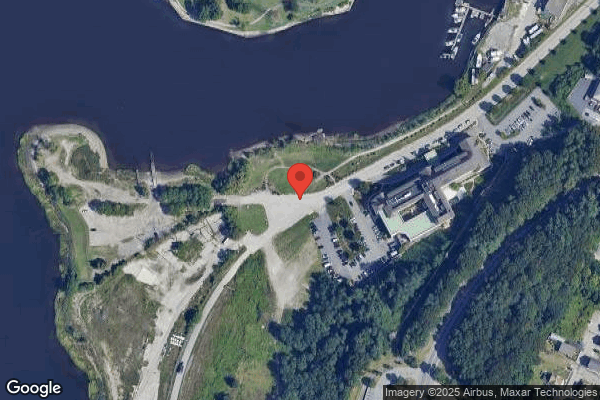

500 Waterfront Drive, East Providence, RI 02914 (401) 272-5280
Non profit - Corporation 52 Beds Independent Data: November 2025
Trust Grade
73/100
#31 of 72 in RI
Last Inspection: February 2025

Within standard 12-15 month inspection cycle. Federal law requires annual inspections.

Overview

Tockwotton on the Waterfront has a Trust Grade of B, indicating it is a good choice, though not the top tier. It ranks #31 out of 72 facilities in Rhode Island, placing it in the top half, and #19 out of 41 in Providence County, which means only a few local options are better. However, the facility's trend is worsening, with issues increasing from 2 in 2024 to 8 in 2025. Staffing is a strength, earning a 5/5 star rating with a turnover rate of 35%, which is lower than the state average. On the downside, there have been concerning incidents, including a serious medication error that led to a resident's hospitalization due to an overdose, and issues with food safety in the kitchen, such as improperly stored foods and cleanliness problems. Overall, while there are strengths in staff stability and a decent Trust Grade, the facility has significant areas that need improvement.

Trust Score
B
73/100
In Rhode Island
#31/72
Top 43%
Safety Record
Moderate
Needs review
Inspections
Getting Worse
2 → 8 violations
Staff Stability
○ Average
35% turnover. Near Rhode Island's 48% average. Typical for the industry.
Penalties
⚠ Watch
$8,278 in fines. Higher than 95% of Rhode Island facilities. Major compliance failures.
Skilled Nurses
✓ Good
Each resident gets 63 minutes of Registered Nurse (RN) attention daily — more than 97% of Rhode Island nursing homes. RNs are the most trained staff who catch health problems before they become serious.
Violations
⚠ Watch
12 deficiencies on record. Higher than average. Multiple issues found across inspections.
★★★★☆
4.0
Overall Rating
★★★★★
5.0
Staff Levels
★★★☆☆
3.0
Care Quality
★★★☆☆
3.0
Inspection Score
Stable
2024: 2 issues
2025: 8 issues

The Good

  • 5-Star Staffing Rating · Excellent nurse staffing levels
  • Full Sprinkler Coverage · Fire safety systems throughout facility
  • No fines on record
  • Staff turnover below average (35%)

    13 points below Rhode Island average of 48%

Facility shows strength in staffing levels, fire safety.

The Bad

Staff Turnover: 35%

11pts below Rhode Island avg (46%)

Typical for the industry

Federal Fines: $8,278

Below median ($33,413)

Minor penalties assessed

The Ugly 12 deficiencies on record

1 actual harm
Feb 2025 2 deficiencies 1 Harm
SERIOUS (G) 📢 Someone Reported This

A family member, employee, or ombudsman was alarmed enough to file a formal complaint

Actual Harm - a resident was hurt due to facility failures

Deficiency F0760 (Tag F0760)

A resident was harmed · This affected 1 resident

Based on record review and staff interview, it has been determined that the facility failed to ensure that residents are free of any significant medication errors for 1 of 1 resident reviewed, Residen...

Read full inspector narrative →
Based on record review and staff interview, it has been determined that the facility failed to ensure that residents are free of any significant medication errors for 1 of 1 resident reviewed, Resident ID #1 relative to Metoprolol use (a medication prescribed to treat high blood pressure and to control heart rate), resulting in hospitalization due to extremely low heart rate from an overdose of Metoprolol which caused bradycardia ((a severely low heart rate) that can deprive the brain and other organs of oxygen in the body from the reduced blood circulation). Findings are as follows: Review of a facility reported incident submitted to the Rhode Island Department of Health on 2/24/2025 revealed that Resident ID #1 received an overdose of Metoprolol and was admitted to the hospital due to cardiac concerns after receiving a dose of 62.5 milligrams (mg), instead of his/her prescribed dose of 37.5 mg on 2/23/2025. Review of a facility policy titled, Administering Medications last revised in April of 2019 states in part, .Medications are administered .as prescribed .The individual administering the medication checks the label THREE (3) times to verify the .right dose .before giving the medication . Review of a facility policy titled, Adverse Consequence and Medication Errors last revised in February of 2023 states in part, .A medication error is defined as the preparation or administration of drugs or biological which is not in accordance with physician's orders .Examples of medication errors include .Wrong dose .A significant medication-related error is defined as .Requiring hospitalization . Record review revealed the resident was admitted in November of 2024 to the facility with diagnoses including, but not limited to, congestive heart failure (when the heart loses the ability to properly pump the blood), high blood pressure, and atrial fibrillation (extremely fast and irregular heart beat). Review of a hospital admission document dated 2/23/2025 revealed that Resident ID #1 was transferred to the hospital after being given 62.5 mg of Metoprolol instead of his/her prescribed dose of 37.5 mg which resulted in an abnormal heart rhythm and an abnormally low heart rate (HR; normal resting heart rate for adults is between 60 and 100 beats per minute [BPM]). The document revealed that the Poison Control Center was contacted and recommended that the resident's heart rhythm and other vital signs should continuously be monitored due to the long-acting formulation of the medication. Record review revealed the following progress notes: - 2/21/2025: a nursing note authored by Registered Nurse, Staff B, indicating that the resident had a HR of 44 and new orders were obtained to decrease his/her current dose of Metoprolol and start 37.5 mg daily. - 2/23/2025: a nursing note authored by Registered Nurse, Staff B, revealed that at approximately 11:30 AM, Certified Medication Technician (CMT), Staff C, indicated that she gave the resident 62.5 mg of Metoprolol instead of his/her prescribed dose of 37.5 mg. The provider was notified and gave new orders to discontinue Metoprolol, initiate vital signs monitoring every 2 hours, and obtain a STAT (immediate) electrocardiogram (EKG; a test that records the electrical signals of the heart). The resident was subsequently transferred to the hospital for evaluation due to his/her abnormally low HR of 37 and abnormal EKG results. During a surveyor interview on 2/25/2025 at 9:40 AM with CMT, Staff C, she revealed that she was aware that the resident's Metoprolol dose was changed and acknowledged that prior to administering the resident's Metoprolol on 2/23/2025, she did not reference the resident's orders or the medication label. During a surveyor interview with the Director of Nursing Services on 2/25/2025 at approximately 2:00 PM, she revealed that the CMT did not properly follow the facility's medication administration protocol. Additionally, the DNS acknowledged that Resident ID #1 received an incorrect dose of his/her Metoprolol that resulted in the resident being transferred to the hospital and subsequently admitted . Cross reference F 658
CONCERN (D) 📢 Someone Reported This

A family member, employee, or ombudsman was alarmed enough to file a formal complaint

Potential for Harm - no one hurt, but risky conditions existed

Deficiency F0658 (Tag F0658)

Could have caused harm · This affected 1 resident

Based on record review and staff interview, it has been determined that the facility failed to follow a physician's order relative to a significant change in condition for 1 of 1 resident reviewed who...

Read full inspector narrative →
Based on record review and staff interview, it has been determined that the facility failed to follow a physician's order relative to a significant change in condition for 1 of 1 resident reviewed whom experienced bradycardia (a low heart rate), Resident ID #1. Findings are as follows: Review of a facility reported incident submitted to the Rhode Island Department of Health on 2/24/2025 revealed that Resident ID #1 received an overdose of Metoprolol (a medication prescribed for high blood pressure and to control heart rate) and was admitted to the hospital after receiving a dose of 62.5 milligrams (mg), instead of his/her prescribed dose of 37.5 mg on 2/23/2025. According to Mosby's 4th Edition, Fundamentals of Nursing page 314, states in part, The physician is responsible for directing medical treatment. Nurses are obligated to follow physicians' orders unless they believe the orders are in error or would harm the clients. Record review revealed the resident was admitted to the facility in November of 2024 with diagnoses including, but not limited to, congestive heart failure (when the heart loses the ability to properly pump the blood), high blood pressure, and atrial fibrillation (extremely fast and irregular heart beat). Review of a progress note dated 1/17/2025 authored by Registered Nurse (RN), Staff A, states in part, Called on call [provider] for PT [patient] low HR [heart rate] and high BP [blood pressure] new orders - Hold Metoprolol reassessment on 1/21 . Record review failed to reveal evidence that the resident was reassessed as ordered on 1/21/2025. During a surveyor interview with the Director of Nursing Services on 2/25/2025 at approximately 1:30 PM, she acknowledged that Resident ID #1 had a low HR and high BP on 1/17/2025 and was to be reassessed on 1/21/2025 per the physician's order. Additionally, she was unable to provide evidence ordered assessment occurred on 1/21/2025, as ordered. Cross reference F 760
Feb 2025 6 deficiencies
CONCERN (D)

Potential for Harm - no one hurt, but risky conditions existed

Pressure Ulcer Prevention (Tag F0686)

Could have caused harm · This affected 1 resident

**NOTE- TERMS IN BRACKETS HAVE BEEN EDITED TO PROTECT CONFIDENTIALITY** Based on surveyor observation, record review, and staff interview, it has been determined that the facility failed to ensure tha...

Read full inspector narrative →
**NOTE- TERMS IN BRACKETS HAVE BEEN EDITED TO PROTECT CONFIDENTIALITY** Based on surveyor observation, record review, and staff interview, it has been determined that the facility failed to ensure that residents with pressure ulcers receive the necessary treatment and services, consistent with professional standards of practice, to promote healing for 1 of 1 resident reviewed with a pressure ulcer (skin and tissue injuries caused by constant pressure to a specific area of the body), Resident ID #250. Findings are as follows: Record review revealed the resident was admitted to the facility in February of 2025 with diagnoses including, but not limited to, dementia and abnormalities of mobility. Review of a Safe Patient Handling assessment dated [DATE] revealed the resident was dependent on staff for bed mobility. Review of a document titled Skin Integrity Events dated 2/5/2025 revealed an unstageable pressure ulcer (characterized by full-thickness tissue loss where the depth cannot be assessed due to the presence of dead tissue) was observed to the resident's right heel measuring 1.5 x [by] 2 x [depth] not measurable. Record review revealed the following physician's orders dated 2/5/2025: -No shoes until right heel blister resolved -Off load bilateral heels while in bed every shift During a surveyor observation on 2/10/2025 at 12:22 PM, the resident was in his/her wheelchair and wearing shoes on both feet. During surveyor observations on the following dates and times, the resident's heels were not offloaded and were resting directly on the mattress while lying in bed: -2/11/2025 at 9:36 AM -2/11/2025 at 3:17 PM -2/12/2025 at 11:26 AM -2/13/2025 at 8:53 AM During a surveyor interview on 2/13/2025 at 9:00 AM with Nursing Assistant, Staff A, she acknowledged that the resident's heels were not offloaded and they were resting directly on the mattress. She further acknowledged that the resident had a wound to his/her right heel. Additionally, she indicated that she was unaware if the resident's heels should be off loaded while in bed. During a surveyor interview on 2/13/2025 at 9:31 AM with Registered Nurse, Staff B, she indicated that the resident had a pressure ulcer to his/her right heel. She further indicated that the resident should not be wearing shoes until the pressure ulcer is healed and that his/her heels should be offloaded while in bed. Additionally, she acknowledged that the resident's heels were not offloaded while in bed at the time of the interview. During a surveyor interviews on 2/13/2025 at 9:55 AM and at 1:13 PM, with the Director of Nursing Services, she indicated that she would expect the resident's heels to be offloaded while in bed, as ordered.
CONCERN (D)

Potential for Harm - no one hurt, but risky conditions existed

Deficiency F0760 (Tag F0760)

Could have caused harm · This affected 1 resident

Based on record review and staff interview, it has been determined that the facility failed to ensure that residents are free from any significant medication errors for 1 of 2 residents reviewed with ...

Read full inspector narrative →
Based on record review and staff interview, it has been determined that the facility failed to ensure that residents are free from any significant medication errors for 1 of 2 residents reviewed with a sliding scale insulin (Insulin dosage based on blood glucose reading), Resident ID #6, and 1 of 4 residents observed during the medication administration task, Resident ID #13. Findings are as follows: Review of a policy titled Administering Medications states in part, .Medications are administered in accordance with prescriber orders, including any required time frame .within one (1) hour of their prescribed time, unless otherwise specified . 1. Record review revealed Resident ID #6 was admitted to the facility in August of 2017 with a diagnosis including, but not limited to, diabetes mellitus. Record review of the physician's orders revealed the following: -11/4/2024- Novolog (insulin) 100 unit/milliliter(ml) administer 6 units three times a day, hold for blood glucose reading less than 65. -11/5/2024-Novolog (insulin) 100 unit/ml to be given three times daily before eating if: -the blood glucose reading is between 0-180- give no insulin -the blood glucose reading is between 181- 250- give two units of insulin -the blood glucose reading is between 251-300- give four units of insulin -the blood glucose reading is between 301-400- give eight units of insulin -the blood glucose reading is above 400 add ten units of insulin Record review of the Medication Administration Record (MAR) for February 2025 failed to reveal evidence that the resident received his/her Novolog as ordered on the following dates and times: -2/7/2025 during the 11:00 AM-1:00 PM dose- the blood glucose reading was documented as 212, and six units of insulin was documented as administered. This is a dosage four units higher than the dosage that should have been administered based on the resident's blood glucose reading. -2/7/2025 during the 4:30 PM- 6:00 PM dose- the blood glucose reading was documented as 94, and six units were documented as administered. This is a dosage six units higher than the dosage that should have been administered based on the resident's blood glucose reading. During a surveyor interview on 2/11/2025 at 3:14 PM with Registered Nurse, Staff C, she acknowledged that she was the nurse who documented that six units were given on 2/7/2025 during the 11:00 AM to 1:00 PM dose. She was unable to provide evidence that she had given the resident the correct dosage of Novolog insulin, as ordered, per the sliding scale. During a surveyor interview on 2/12/2025 at 1:19 PM, with the Director of Nursing Services (DNS), she could not provide evidence that the appropriate dose of Novolog was given based on the resident's blood glucose reading during the above-mentioned times. 2. Record review revealed Resident ID #13 was re-admitted to the facility in November of 2024 with diagnoses including, but not limited to, dementia and hypertension. Record review revealed a physician's order dated 11/26/2024 for Amlodipine (a medication prescribed to treat high blood pressure), 5 milligrams (mg), every morning. Further review revealed the medication was scheduled to be administered before breakfast. Record review of the February 2025 MAR revealed the Amlodipine was charted as Late administration: Charted late on 2/10/2025 at 1:13 PM and on 2/11/2025 at 12:22 PM. During surveyor interviews on 2/11/2025 at 12:09 PM and on 2/12/2025 at 1:58 PM with Certified Medication Technician, Staff D, she indicated that the time charted on the MAR, is the time that she administered the medication. Additionally, she acknowledged the medication was administered late and not before breakfast, as ordered. During a surveyor interview on 2/13/2025 at 11:03 AM with the DNS she indicated that she would expect a medication that is scheduled to be administered prior to breakfast, to be administered prior to eating breakfast.
CONCERN (D)

Potential for Harm - no one hurt, but risky conditions existed

Deficiency F0805 (Tag F0805)

Could have caused harm · This affected 1 resident

Based on surveyor observation, record review, and staff interview, it has been determined that the facility failed to provide and prepare food in a form designed to meet individual needs for 1 of 2 re...

Read full inspector narrative →
Based on surveyor observation, record review, and staff interview, it has been determined that the facility failed to provide and prepare food in a form designed to meet individual needs for 1 of 2 residents reviewed with a physician's order for thickened consistency fluids, Resident ID #301. Findings are as follows: Record review revealed the resident was admitted to the facility in February of 2025 with diagnoses including, but not limited to, dysphagia (difficulty in swallowing), pneumonia (infection of the lungs), and dementia. Record review revealed the following physician's orders: - 2/4/2025: Aspiration precaution (guidelines to prevent food or liquid from entering the airway while eating or drinking) - 2/6/2025: 120 milliliters (ml) of nectar (mildly thick) house supplement (nutritional supplement) once in the morning - 2/10/2025: Diet order for honey thick (moderately thick) liquids Record review of the Medication Administration Record (MAR) for February 2025 revealed the order for the house supplement nectar thick consistency was signed off by the staff on 2/11/2025 and 2/12/2025 as being administered, which is two days after the order had been changed to honey thick consistency on 2/10/2025. Record review failed to reveal evidence that the nectar thick house supplement order was changed on 2/10/2025 to reflect that the resident was now receiving honey thick consistency liquids, instead of the nectar thick consistency liquids that was previously ordered. During a surveyor observation of Certified Medication Technician, Staff E, on 2/13/2025 at 9:48 AM, she was observed measuring the nectar thick house supplement and proceeded to the resident's room to administered it when she was stopped by the surveyor. Staff E acknowledged the resident was on a honey thick consistency liquid diet. She further acknowledged that the house supplement that she had prepared to administer to the resident was a nectar thick consistency, and not honey thick consistency, as ordered. During a surveyor interview on 2/13/2025 at 10:26 AM with the Director of Nursing Services (DNS), she acknowledged that the resident's diet order had been changed from nectar thick consistency liquids to honey thick consistency liquids. Additionally, the DNS acknowledged that the house supplement order should have been changed to honey thick consistency instead of nectar as indicated on the MAR. During a surveyor interview on 2/13/2025 at 12:07 PM with the Medical Director, he indicated that he would have expected the resident to receive honey thick consistency liquids, as ordered.
CONCERN (D)

Potential for Harm - no one hurt, but risky conditions existed

Medical Records (Tag F0842)

Could have caused harm · This affected 1 resident

Based on record review and staff interview, it has been determined that the facility failed to ensure that medical records are accurately documented for 1 of 2 residents reviewed for sliding scale ins...

Read full inspector narrative →
Based on record review and staff interview, it has been determined that the facility failed to ensure that medical records are accurately documented for 1 of 2 residents reviewed for sliding scale insulin (Insulin dosage based on blood glucose reading), Resident ID #6, and for 1 of 4 residents observed during the medication administration task, Resident ID #13. Findings are as follows: 1. Record review revealed Resident ID #6 was admitted to the facility in August of 2017 with a diagnosis including, but not limited to, diabetes mellitus. Record review revealed the following physician's orders dated 11/5/2024: -Novolog (insulin) 100 units/milliliters (u/ml) to be given three times daily before eating if: -the blood glucose reading is between 0-180- give no insulin -the blood glucose reading is between 181- 250- give two units of insulin -the blood glucose reading is between 251-300- give four units of insulin -the blood glucose reading is between 301-400- give eight units of insulin -the blood glucose reading is above 400- add ten units of insulin Record review of the February 2025 Medication Administration Record (MAR) failed to reveal evidence that the resident received his/her Novolog as ordered on 2/7/2025 for the 11:00 AM-1:00 PM dose. The blood glucose reading was documented as 212, and six units of insulin was documented as administered. This dosage is four units higher than the dosage that should have been administered based on the sliding scale. During a surveyor interview on 2/11/2025 at 3:14 PM with Registered Nurse, Staff C, she acknowledged that she was the nurse who documented that six units were administered on 2/7/2025 for the 11:00 AM to 1:00 PM dose. During a surveyor interview on 2/12/2025 at 1:19 PM, with the Director of Nursing Services (DNS), she reviewed the MAR in the presence of the surveyor and revealed that on 2/7/2025 for the 11:00 AM to 1:00 PM dose, 2 units of Novolog were documented as being administered. This surveyor showed the MAR to the DNS that she saved on 2/11/2025, and the DNS acknowledged that six units of insulin was documented as being administered on 2/7/2025 for the 11:00 AM to 1:00 PM dose. The DNS indicated that Staff C must have gone back and edited the MAR to reflect the dosage of the two units. 2. Record review revealed Resident ID #13 was re-admitted to the facility in November of 2024 with diagnoses including, but not limited to, dementia and hypertension. Review of the February 2025 MAR revealed the following physician's orders were documented as administered and charted late on 2/10/2025 at 1:16 PM, and on 2/11/2025 at 12:22 PM: -Amlodipine (a medication prescribed to treat high blood pressure) 5 milligrams (mg) once every morning, pre-breakfast -Eliquis (a blood thinner) 2.5 mg administer twice a day, post-breakfast -Labetalol (a medication prescribed to treat high blood pressure) 100 mg twice a day, post-breakfast During surveyor interviews on 2/11/2025 at 12:09 PM and on 2/12/2025 at 1:58 PM with Certified Medication Technician, Staff D, she indicated that the time charted on the MAR, is the time that she administered the medication. She further acknowledged that she documented that she charted late on the MAR for the Amlodipine, Eliquis, and Labetalol, however the medications were in fact, administered late. During a surveyor interview on 2/13/2025 at 11:03 AM with the DNS, she indicated that she would expect that a medication that is administered later than the scheduled time, would be documented as administered late, and not as charted late.
CONCERN (D)

Potential for Harm - no one hurt, but risky conditions existed

Infection Control (Tag F0880)

Could have caused harm · This affected 1 resident

Based on surveyor observation, record review, and staff interview, it has been determined that the facility failed to maintain an infection prevention and control program to help prevent the transmiss...

Read full inspector narrative →
Based on surveyor observation, record review, and staff interview, it has been determined that the facility failed to maintain an infection prevention and control program to help prevent the transmission of communicable diseases and infection, relative to droplet/contact precautions (utilized when a resident is known or expected to be infected to prevent the spread of germs that can be transmitted through respiratory droplets expelled when a person coughs, sneezes, or speaks) for 1 of 2 residents reviewed on droplet/contact precautions for influenza (a highly contagious respiratory illness caused by the influenza viruses which spreads through respiratory droplets), Resident ID #19. Findings are as follows: Review of the facility's policy titled, Isolation-Categories of Transmission-Based Precautions states in part, Transmission-based precautions are initiated when a resident develops signs and symptoms of a transmissible infection .and is at risk of transmitting the infection to other residents .Contact Precautions: are implemented for residents known or suspected to be infected with microorganisms that can be transmitted by direct contact with the resident or indirect contact with environmental surfaces .Staff wear gloves when entering the room .Droplet Precautions .Gloves, gown and goggles are worn if there is a risk of spraying respiratory secretions . Record review revealed the resident was admitted to the facility in February of 2024 with a diagnosis including, but not limited to, dementia. Record review of a progress note dated 2/6/2025 revealed the resident tested positive for influenza. Record review of a physician's order dated 2/11/2025 to maintain droplet/contact precautions for influenza, every shift. During a surveyor observation on 2/10/2025 at approximately 9:40 AM revealed the resident had signage posted on his/her door indicating that s/he was on droplet/contact precautions. Additionally, the signage indicated that staff should wear a gown, gloves, and eye protection prior to entering the room. During a surveyor observation on 2/10/2025 at 9:43 AM, revealed Nursing Assistant, Staff F, entering the resident's room with a tray of food and placed it on the table without wearing gloves or eye protection. Staff F exited the room, put on a pair of gloves, then reentered the resident's room and assisted him/her with his/her meal and did not wear eye protection. During a surveyor interview immediately following this observation with Staff F, she acknowledged that she did not wear eye protection and gloves prior to entering the resident's room. Staff F further indicated that she only wears eye protection when she is assisting the resident with his/her personal care. During a surveyor interview on 2/13/2025 at 11:01 AM with the Infection Preventionist, she indicated that the staff is expected to wear gloves and eye protection prior to entering the resident's room. During a surveyor interview on 2/13/2025 at 11:03 AM with the Director of Nursing Services, she indicated that she would expect the staff to wear gloves and eye protection prior to entering the resident's room.
CONCERN (F)

Potential for Harm - no one hurt, but risky conditions existed

Food Safety (Tag F0812)

Could have caused harm · This affected most or all residents

Based on surveyor observation, record review, and staff interview, it has been determined that the facility failed to prepare, store, and distribute food according to professional standards of food se...

Read full inspector narrative →
Based on surveyor observation, record review, and staff interview, it has been determined that the facility failed to prepare, store, and distribute food according to professional standards of food service safety, relative to the main kitchen. Findings are as follows: 1. Review of the Rhode Island Food Code, 2018 Edition, section 3-501.17 states in part, .(B) .refrigerated, ready-to-eat time/temperature control for safety food .shall be clearly marked, at the time the original container is opened in a food establishment .and: (1) the day the original container is opened in the food establishment shall be counted as Day 1; and (2) The day or date marked by the food establishment may not exceed a manufacturer's use-by date . During the initial tour of the main kitchen on 2/10/2025 at approximately 8:30 AM of the reach in refrigerator unit 4 was observed with the following: -one 32 ounce jar of Sysco capers with an open date of 1/4/2025 and a use by date of 2/4/2025. -one jar of pepperoncini peppers with an open date of 12/25/2025 and a use by date of 1/25/2025. -six Styrofoam containers containing a white food substance which were unlabeled, without identification of the contents, a preparation date or a use by date. During a surveyor interview at the time of the above observation with the Executive Chef, he indicated that the capers and pepperoncini peppers should have been discarded and the Styrofoam containers should have been labeled with the contents, preparation date and a use by date. Additional observations during the initial tour of the main kitchen, in the presence of the Dietary Manger, of the reach in refrigerator unit 1 was observed with the following: -one squeeze bottle of 32 ounce red wine vinaigrette with an open date of 12/29/2024 and a use by date of 1/29/2025. -one squeeze bottle of 24 ounce ranch dressing with an open date of 12/12/2024 and a use by date of 1/12/2025. During a surveyor interview with the Dietary Manager immediately following the above observations he indicated that the above-mentioned items should have been discarded. 2. Record review of the Rhode Island Food Code, 2018 Edition, section 4-601.11 states in part, .(B) The FOOD-CONTACT SURFACES of cooking EQUIPMENT .shall be kept free of encrusted grease deposits and other soil accumulations. (C) NON-FOOD CONTACT SURFACES of EQUIPMENT shall be kept free of an accumulation of dust, dirt, FOOD residue, and other debris . During the initial tour of the main kitchen on 2/10/2025 at approximately 8:30 AM, in the presence of the Executive Chef, the following was observed: -The walk-in refrigerator's floor had a moderate amount of red liquid pooling below a box which contained a partially opened bag of chicken. -The ceiling of the walk-in freezer had icicles hanging down and accumulating ice on a food storage rack below. During a surveyor interview with the Executive Chef, at the time of the above observations he acknowledged the pooling of the red substance in the walk-in refrigerator and indicated it was blood from the box of chicken. Additionally, he acknowledged the accumulation of icicles in the freezer. During a subsequent observation of the main kitchen on 2/12/2025 at 11:50 AM, two days after the above mentioned observations were brought to the facility's attention, the following was observed: -the walk-in refrigerator floor was observed with a moderate of coagulated red liquid on the floor. -the ceiling of the walk-in freezer had icicles hanging down. -one box of spanakopita (Greek spinich pie) with an accumulation of ice directly under the frozen drips on the ceiling. During a subsequent surveyor interview on 2/12/2025 with the Dietary Manager at the time of the above observations, he acknowledged that walk-in refrigerator had a coagulated red liquid on the floor. He indicated the floor should have been cleaned. During a surveyor observation and simultaneous interview on 2/12/2025 at 12:36 PM, with the Administrator he acknowledged the build up of ice on the walk-in freezer ceiling and on the box of spanakopita.
Feb 2024 2 deficiencies
CONCERN (D)

Potential for Harm - no one hurt, but risky conditions existed

Deficiency F0658 (Tag F0658)

Could have caused harm · This affected 1 resident

Based on record review and staff interview, it has been determined that the facility failed to ensure that services provided meet professional standards of quality, relative to following a physician's...

Read full inspector narrative →
Based on record review and staff interview, it has been determined that the facility failed to ensure that services provided meet professional standards of quality, relative to following a physician's order for 1 of 1 resident reviewed relative to a respiratory diagnosis, Resident ID #19. Findings are as follows: Mosby's 4th Edition, Fundamentals of Nursing page 314 states, The physician is responsible for directing medical treatment. Nurses are obligated to follow physician's orders unless they believe the orders are in error or would harm the clients. Record review revealed the resident was admitted to the facility in January of 2024 with a diagnosis including, but not limited, to Respiratory Syncytial Virus (RSV, a virus that affects the respiratory tract). Record review revealed a physician's order dated 2/1/2024 for Mucinex tablet extended release, 600 milligrams, with instructions to administer 2 tablets, twice a day. Record review of the Medication Administration Record (MAR) for February 2024 revealed, the resident missed 11 out of 14 opportunities for the administration of Mucinex as the facility documented that the medication was unavailable. Record review failed to reveal evidence that the physician had been notified the Mucinex was unavailable and not administered to the resident as per the physician order. During a surveyor interview on 2/28/2024 at approximately 2:30 PM with the Physician, he revealed that he was not notified that the medication was unavailable and not being administered to the resident. During a surveyor interview on 2/28/2024 at approximately 2:40 PM with the Director of Nursing Services, she revealed that her expectation would be that the staff would notify the physician if a medication was unavailable. Additionally, she was unable to provide evidence that the resident received the Mucinex as ordered.
CONCERN (D)

Potential for Harm - no one hurt, but risky conditions existed

Medical Records (Tag F0842)

Could have caused harm · This affected 1 resident

Based on record review and staff interview it has been determined that the facility failed to maintain medical records on each resident that are accurately documented and complete for 1 of 1 resident ...

Read full inspector narrative →
Based on record review and staff interview it has been determined that the facility failed to maintain medical records on each resident that are accurately documented and complete for 1 of 1 resident reviewed for falls, Resident ID #18, and 1 of 1 resident reviewed for a Foley catheter, Resident ID #18. Findings are as follows: 1a) Record review revealed the resident was admitted to the facility in September of 2023 with diagnoses including, but not limited to, cerebral infarction (stroke) and neuromuscular dysfunction of the bladder. Record review of a progress note dated 1/4/2024 at 2:15 PM, revealed that the Nurse Practitioner (NP) entered a new order to remove the resident's Foley catheter and to proceed with a trial void (an assessment of the resident's ability to spontaneously urinate). During a surveyor interview on 2/29/2024 at 10:47 AM with the Unit Manager, Licensed Practical Nurse, Staff A, she revealed that the resident had a successful trial void on 1/4/2024 and s/he no longer has a Foley catheter. Record review revealed the following progress notes: - 1/23/2024 at 11:01 AM authored by the NP, states in part, .Voiding trial failed and patient is back on Foley. Daily Foley care . - 2/27/2024 at 11:03 AM states in part, .Foley patent and draining urine . - 2/29/2024 at 6:55 AM states in part, .Foley patent and draining urine . During a surveyor interview on 2/29/2024 at 10:47 AM with Staff A, she revealed that the progress notes on 2/27 and 2/29/2024 were documented inaccurately. During a surveyor interview on 2/29/2024 at 11:08 AM with the NP, she revealed that her progress note dated 1/23/2024 was documented inaccurately, the Foley was successfully removed on 1/4/2024. 1b) Record review of a care plan problem area dated 10/16/2023, revealed that the resident is at risk for falls. Record review of a progress note dated 2/26/2024 at 5:19 PM, revealed that the resident had slipped and fallen, and was found on the floor next to the door of his/her room. Record review of the fall event report dated 2/26/2024 initiated at 5:15 PM revealed that the fall assessment was incomplete. During a surveyor interview on 2/29/2024 at 11:59 AM with Staff A, she revealed that after a resident has a fall, a fall event report is initiated and completed. She acknowledged that the fall event report dated 2/26/2024 was incomplete. During a surveyor interview on 2/29/2024 at 1:48 PM with the Director of Nursing Services, she revealed that she would expect that staff documents accurately and that assessments are completed in full. Additionally, she was unable to provide evidence that the facility maintained complete and accurate medical records for the resident.
Jan 2023 2 deficiencies
CONCERN (D)

Potential for Harm - no one hurt, but risky conditions existed

Room Equipment (Tag F0908)

Could have caused harm · This affected 1 resident

**NOTE- TERMS IN BRACKETS HAVE BEEN EDITED TO PROTECT CONFIDENTIALITY** Based on surveyor observation, record review, and staff interview it has been determined the facility failed to maintain all mec...

Read full inspector narrative →
**NOTE- TERMS IN BRACKETS HAVE BEEN EDITED TO PROTECT CONFIDENTIALITY** Based on surveyor observation, record review, and staff interview it has been determined the facility failed to maintain all mechanical, electrical, and patient care equipment in safe operating condition for 1 of 3 dryers observed on the the [NAME] unit. Findings are as follows: Review of the manufacturer guidance titled Section 1 Safety Information states in part, .Warning .Failure to install, maintain, and/or operate this machine according to the manufacturer's instructions may result in conditions which can produce serious injury, death and/or property damage . During a surveyor observation on 1/12/2023 at 8:58 AM of the [NAME] unit's laundry room revealed a set of 3 stacked washers and dryers. Additional observation revealed the dryer on the right side of the room failed to have an exhaust hose to allow for proper ventilation. Further observation revealed an accumulation of lint on the wall behind the dryers and on the floor. During a surveyor interview on 1/12/2023 at 9:11 AM with Nursing Assistant, Staff D, she revealed all the dryers on the [NAME] unit were in use. During a surveyor interview on 1/12/2023 at 9:13 AM with the Maintenance Director he revealed that he was unaware of any concerns in the laundry room on the [NAME] unit. During a surveyor observation on 1/12/2023 at 9:22 AM in the presence of the Maintenance Director he acknowledged the dryer's exhaust hose was missing. The Maintenance Director further acknowledged the accumulation of lint on the walls and floor. Additionally, he revealed the dryer should have an exhaust hose from the dryer to the vent for proper ventilation. Record review revealed the last service to the dryer ventilation system was completed in September of 2022. During a surveyor interview on 1/12/2023 at 1:53 PM with the Administrator he acknowledged the dryer should have an exhaust hose attached to the back of the dryer to allow for proper ventilation.
CONCERN (F)

Potential for Harm - no one hurt, but risky conditions existed

Food Safety (Tag F0812)

Could have caused harm · This affected most or all residents

**NOTE- TERMS IN BRACKETS HAVE BEEN EDITED TO PROTECT CONFIDENTIALITY** Based on surveyor observation and staff interview it has been determined that the facility failed to ensure that food is stored ...

Read full inspector narrative →
**NOTE- TERMS IN BRACKETS HAVE BEEN EDITED TO PROTECT CONFIDENTIALITY** Based on surveyor observation and staff interview it has been determined that the facility failed to ensure that food is stored and distributed, in accordance with professional standards for food service safety, relative to the main kitchen and 3 out of 3 kitchenettes. Findings are as follows: 1. During the initial tour of the main kitchen on 1/10/2023 at 8:10 AM revealed the following observations: A. Walk in freezer: - Floor: sticky and contained crumbs along the walls. - Ice crystal accumulation inside 3 freezer lock bags of meatballs: 35 meatballs labeled 11/28, 40 meatballs labeled 12/19, and 65 meatballs labeled 12/26. - Ice accumulation the size of a tennis ball on the floor as well as ice on the ceiling near the condenser fan. B. Walk in refrigerator contained crumbs and blueberries on the floor along the walls. During a follow up visit to the main kitchen on 1/11/2023 at 9:40 AM in the presence of the Assistant Food Service Director (FSD) he observed the above and could not provide evidence that the meatballs were free of freezer burn, that the freezer floor and ceiling were free of ice, and that the walk in freezer and refrigerator floor were kept clean. C. Two ready to use hotel pans had crumbs that were stuck to the pan. During a surveyor interview with the dishwasher, Staff A, on 1/10/2023 at approximately 8:20 AM following the above mentioned observation, he acknowledged the pans were not free of debris and needed to be washed. 2. During the initial tour of the [NAME] unit on 1/10/2023 at 11:35 AM revealed the following observations: A. Dried brown and red matter inside the microwave. B. Built up brown and black debris found stuck to the inside of the toaster. C. Orange juice and apple juice dispenser stained where the juice dispenses as well as dried up liquid substance at the bottom of the dispensers. During a surveyor interview with Certified Nursing Assistant/Homemaker, Staff B, on 1/10/2023 at 11:35 AM she acknowledged that the microwave, toaster, and juice dispensers were not kept clean. 3. During the initial tour of the Bold Point unit on 1/10/2023 at 11:56 AM revealed that the orange juice, apple juice, and citrus peach juice dispenser contained a thick build up inside and on the bottom of the dispensers. During a surveyor interview with the Assistant FSD on 1/10/2023 at 12:41 PM, he acknowledged that the juice dispensers were not kept clean. The State of Rhode Island Food Code 2018 edition, titled 2-301.14 When to Wash stated in part, FOOD EMPLOYEES shall clean their hands and exposed portions of their arms as specified under § 2-301.12 immediately before engaging in FOOD preparation including working with exposed FOOD .(E) After handling soiled EQUIPMENT or UTENSILS .(H) Before donning gloves to initiate a task that involves working with FOOD; and (I) After engaging in other activities that contaminate the hands. A surveyor observation on 1/10/2023 at 12:03 PM, revealed the Assistant FSD was wearing gloves and not changing them or performing hand hygiene before beginning a new task. He was observed for approximately 15 minutes plating the meal onto clean plates, opening a drawer to pull out resident's menus, taking a clean plate and putting hot food on it, opening the refrigerator and serving more food without changing gloves or performing hand hygiene. Additionally, the Assistant FSD was not wearing a hairnet until brought to his attention by the surveyor. Immediately following the above observations the Assistant FSD acknowledged he did not perform hand hygiene between tasks from 12:03 PM-12:18 PM. Additionally, he acknowledged he was not wearing a hair net during this time. A surveyor observation on 1/11/2023 of homemaker Staff C, revealed the following observations while she wore the same gloves without performing hand hygiene: -8:06 AM, made pancakes, tore a piece of saran wrap to cover a dish, touched the food cart and then sliced fresh fruit (strawberries and bananas). -8:12 AM, tore another piece of saran wrap to cover a fruit bowl, took menus out of a drawer and then sliced a bagel. -8:15 AM took a loaf of bread out of the cupboard, took 2 slices of bread out and put the rest back in the cupboard, put the 2 slices of bread in the toaster, touched the menus, retrieved silverware out of a drawer, served eggs on a plate, sliced fresh fruit and retrieved more bread out of the cupboard. -8:28 AM opened the fridge to put the milk away, cleaned the counter with a towel and then poured coffee. During a surveyor interview with Staff C on 1/11/2023 at 8:40 AM, she acknowledged that she did not change gloves or perform hand hygiene between breakfast meal tasks on 1/11/2022 between 8:06 AM and 8:28 AM.
Understanding Severity Codes (click to expand)
Life-Threatening (Immediate Jeopardy)
J - Isolated K - Pattern L - Widespread
Actual Harm
G - Isolated H - Pattern I - Widespread
Potential for Harm
D - Isolated E - Pattern F - Widespread
No Harm (Minor)
A - Isolated B - Pattern C - Widespread

Questions to Ask on Your Visit

  • "Can I speak with families of current residents?"
  • "What's your RN coverage like on weekends and overnight?"

Our Honest Assessment

Strengths
  • • 35% turnover. Below Rhode Island's 48% average. Good staff retention means consistent care.
Concerns
  • • 12 deficiencies on record, including 1 serious (caused harm) violation. Ask about corrective actions taken.
Bottom line: Mixed indicators with Trust Score of 73/100. Visit in person and ask pointed questions.

About This Facility

What is Tockwotton On The Waterfront's CMS Rating?

CMS assigns Tockwotton on the Waterfront an overall rating of 4 out of 5 stars, which is considered above average nationally. Within Rhode Island, this rating places the facility higher than 99% of the state's 100 nursing homes. This rating reflects solid performance across the metrics CMS uses to evaluate nursing home quality.

How is Tockwotton On The Waterfront Staffed?

CMS rates Tockwotton on the Waterfront's staffing level at 5 out of 5 stars, which is much above average compared to other nursing homes. Staff turnover is 35%, compared to the Rhode Island average of 46%. This relatively stable workforce can support continuity of care.

What Have Inspectors Found at Tockwotton On The Waterfront?

State health inspectors documented 12 deficiencies at Tockwotton on the Waterfront during 2023 to 2025. These included: 1 that caused actual resident harm and 11 with potential for harm. Deficiencies causing actual harm indicate documented cases where residents experienced negative health consequences.
Who Owns and Operates Tockwotton On The Waterfront?

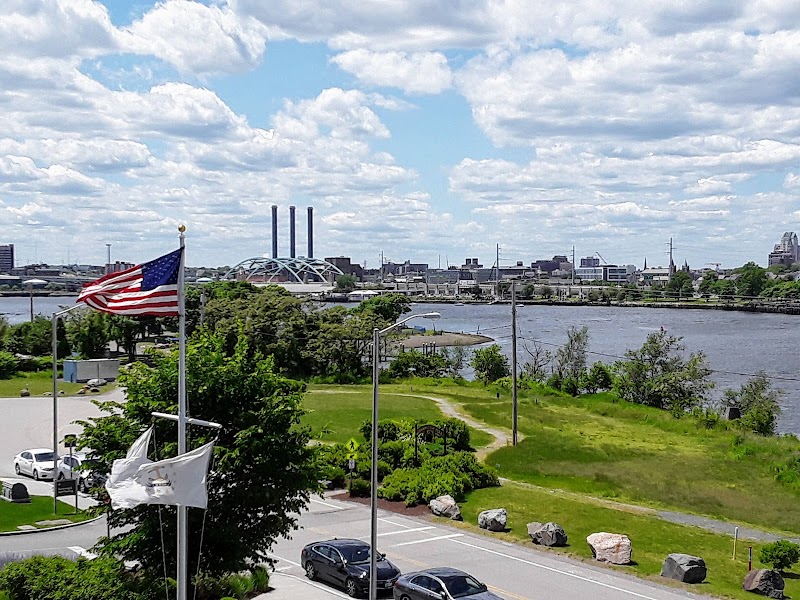
Tockwotton on the Waterfront is owned by a non-profit organization. Non-profit facilities reinvest revenue into operations rather than distributing to shareholders. The facility operates independently rather than as part of a larger chain. With 52 certified beds and approximately 49 residents (about 94% occupancy), it is a smaller facility located in East Providence, Rhode Island.

How Does Tockwotton On The Waterfront Compare to Other Rhode Island Nursing Homes?

Compared to the 100 nursing homes in Rhode Island, Tockwotton on the Waterfront's overall rating (4 stars) is above the state average of 3.1, staff turnover (35%) is significantly lower than the state average of 46%, and health inspection rating (3 stars) is at the national benchmark.

What Should Families Ask When Visiting Tockwotton On The Waterfront?

Based on this facility's data, families visiting should ask: "Can I visit during a mealtime to observe dining assistance and food quality?" "How do you handle medical emergencies, and what is your hospital transfer rate?" "Can I speak with family members of current residents about their experience?"

Is Tockwotton On The Waterfront Safe?

Based on CMS inspection data, Tockwotton on the Waterfront has a clean safety record: no substantiated abuse findings (meaning no confirmed cases of resident harm), no Immediate Jeopardy citations (the most serious violation level indicating risk of serious injury or death), and is not on the Special Focus Facility watch list (a federal program monitoring the lowest-performing 1% of nursing homes). The facility has a 4-star overall rating and ranks #1 of 100 nursing homes in Rhode Island. While no facility is perfect, families should still ask about staff-to-resident ratios and recent inspection results during their visit.

Do Nurses at Tockwotton On The Waterfront Stick Around?

Tockwotton on the Waterfront has a staff turnover rate of 35%, which is about average for Rhode Island nursing homes (state average: 46%). Moderate turnover is common in nursing homes, but families should still ask about staff tenure and how the facility maintains care continuity when employees leave.

Was Tockwotton On The Waterfront Ever Fined?

Tockwotton on the Waterfront has been fined $8,278 across 1 penalty action. This is below the Rhode Island average of $33,162. While any fine indicates a compliance issue, fines under $50,000 are relatively common and typically reflect isolated problems that were subsequently corrected. Families should ask what specific issues led to these fines and confirm they've been resolved.

Is Tockwotton On The Waterfront on Any Federal Watch List?

Tockwotton on the Waterfront is not on any federal watch list. The most significant is the Special Focus Facility (SFF) program, which identifies the bottom 1% of nursing homes nationally based on persistent, serious quality problems. Not being on this list means the facility has avoided the pattern of deficiencies that triggers enhanced federal oversight. This is a positive indicator, though families should still review the facility's inspection history directly.