Royal Middletown Nursing Center
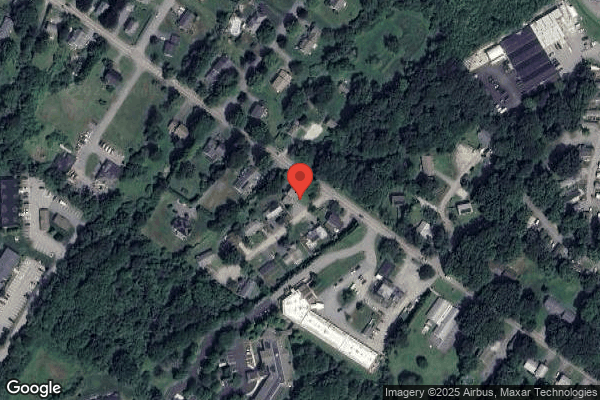
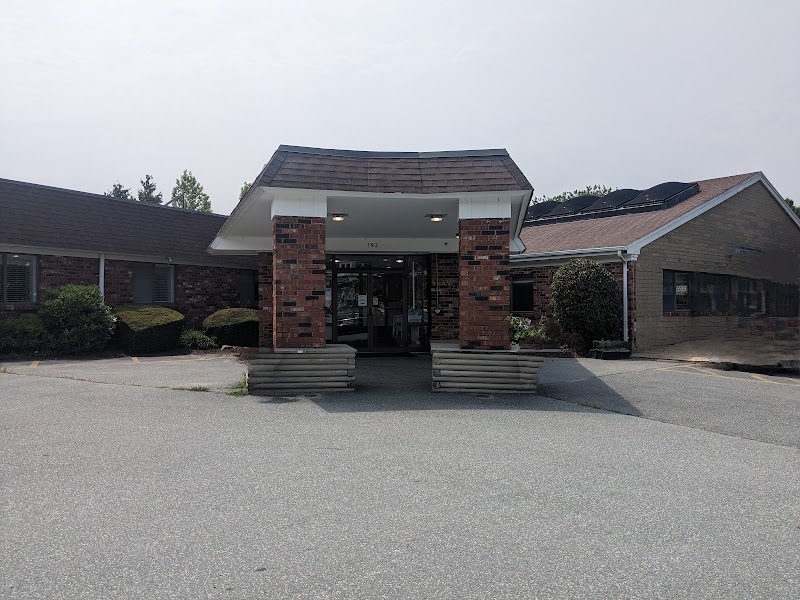
193 Forest Avenue, Middletown, RI 02842 (401) 847-2777
For profit - Partnership 50 Beds ROYAL HEALTH GROUP Data: November 2025
Trust Grade
63/100
#27 of 72 in RI
Last Inspection: April 2025

Within standard 12-15 month inspection cycle. Federal law requires annual inspections.

Overview

Royal Middletown Nursing Center in Middletown, Rhode Island, has a Trust Grade of C+, indicating that it is slightly above average but not without its concerns. It ranks #27 out of 72 facilities in Rhode Island, placing it in the top half, and #2 out of 6 in Newport County, suggesting it is one of the better local options. The facility is showing improvement in its overall performance, with issues decreasing from five in 2024 to four in 2025. However, staffing is a notable weakness, rated at 2 out of 5 stars with a high turnover rate of 78%, significantly above the state average. Additionally, the nursing home has faced some concerning incidents, such as failing to properly store food, which could lead to food safety risks, and not implementing a water management program to prevent Legionella growth, both of which are critical for resident safety. Despite these issues, the facility does have strong RN coverage, exceeding 97% of state facilities, which can help catch problems that nursing assistants might miss.

Trust Score
C+
63/100
In Rhode Island
#27/72
Top 37%
Safety Record
Low Risk
No red flags
Inspections
Getting Better
5 → 4 violations
Staff Stability
⚠ Watch
78% turnover. Very high, 30 points above average. Constant new faces learning your loved one's needs.
Penalties
✓ Good
$13,000 in fines. Lower than most Rhode Island facilities. Relatively clean record.
Skilled Nurses
✓ Good
Each resident gets 62 minutes of Registered Nurse (RN) attention daily — more than 97% of Rhode Island nursing homes. RNs are the most trained staff who catch health problems before they become serious.
Violations
⚠ Watch
18 deficiencies on record. Higher than average. Multiple issues found across inspections.
★★★★☆
4.0
Overall Rating
★★☆☆☆
2.0
Staff Levels
★★☆☆☆
2.0
Care Quality
★★★★☆
4.0
Inspection Score
Stable
2024: 5 issues
2025: 4 issues

The Good

  • Full Sprinkler Coverage · Fire safety systems throughout facility
  • No fines on record

Facility shows strength in fire safety.

The Bad

Staff Turnover: 78%

32pts above Rhode Island avg (46%)

Frequent staff changes - ask about care continuity

Federal Fines: $13,000

Below median ($33,413)

Minor penalties assessed

Chain: ROYAL HEALTH GROUP

Part of a multi-facility chain

Ask about local staffing decisions and management

Staff turnover is very high (78%)

30 points above Rhode Island average of 48%

The Ugly 18 deficiencies on record

Apr 2025 4 deficiencies
CONCERN (D) 📢 Someone Reported This

A family member, employee, or ombudsman was alarmed enough to file a formal complaint

Potential for Harm - no one hurt, but risky conditions existed

Investigate Abuse (Tag F0610)

Could have caused harm · This affected 1 resident

**NOTE- TERMS IN BRACKETS HAVE BEEN EDITED TO PROTECT CONFIDENTIALITY** Based on record review, resident and staff interview, it has been determined that the facility failed to ensure that all alleged...

Read full inspector narrative →
**NOTE- TERMS IN BRACKETS HAVE BEEN EDITED TO PROTECT CONFIDENTIALITY** Based on record review, resident and staff interview, it has been determined that the facility failed to ensure that all alleged violations involving physical abuse are thoroughly investigated for 1 of 1 resident reviewed, Resident ID #31. Findings are as follows: Review of a facility policy titled, .Abuse Policy states in part, .It is the policy of this facility to take appropriate steps to prevent the occurrence of abuse .and ensure that all alleged violations of Federal and State laws .are reported immediately to the Executive Director of the facility .The facility will investigate each alleged violation thoroughly and report the results of the investigations to the Executive Director .Policy and procedure .The supervisor is to initiate the following steps: a. Immediate investigation into the alleged incident. b. Interview staff member implicated. Get a written statement. c. Interview other staff members. Employee should document incident in a written narrative. d. Interview with resident or resident witness. Supervisor to document incident in a written statement from resident (s) . i. Notify the Social Worker who will interview the resident . Definitions .Abuse: Unjustified physical contact, intentional and careless, which is likely to result in physical or psychological harm .The law is: Each resident has the right to be free from abuse .Residents must not be abused by anyone, including staff .Abuse means the willful infliction of injury, unreasonable confinement, intimidation or punishment with resulting physical harm, pain or mental anguish . Review of a facility reported incident sent to the Rhode Island Department of Health on 3/24/2025 alleges that the resident reported that a Nursing Assistant (NA) grabbed his/her right forearm tightly and told him/her that s/he needs to get washed up whether s/he likes it or not. Record review revealed the resident was admitted to the facility in January of 2025 with diagnoses including, but not limited to, dementia, anxiety and depression. Review of a Quarterly Minimum Data Set assessment dated [DATE] revealed a Brief Interview for Mental Status score of 9 out of 15, indicating moderate cognitive impairment. Additional review of the assessment revealed that s/he self-propels with a wheelchair and requires moderate assistance for activities of daily living. Record review of a progress note dated 3/24/2025, authored by Registered Nurse, Staff B, indicates the resident reported that s/he was sitting in his/her wheelchair when NA, Staff A, grabbed [his/her] right forearm tightly and told him/her that s/he needs to get washed up whether [s/he] wants to or not. Staff A then attempted to pull the resident out of the wheelchair. The resident appeared frightened and reported right arm discomfort. Further record review failed to reveal evidence that Staff A was interviewed by the facility after the incident, until it was brought to the facility's attention by the surveyor. Additionally, the record failed to reveal evidence that any interviews were conducted by the facility as part of the investigation, including, but not limited interviewing Staff B. During surveyor interviews on 4/1/2025 at 1:10 PM and approximately 3:00 PM with the Director of Nursing Services (DNS), she revealed that on 3/24/2025 she was made aware that Staff A was behaving strange and appeared impaired, sitting on the floor and not responding to call lights. Additionally, the DNS revealed that she did not conduct an interview with Staff A or any other staff member to investigate the alleged incident. Additionally, the DNS provided the surveyor Staff A's written statement regarding the incident that she had just obtained when the surveyor was present in the building and questioning the incident. Staff A's statement indicated that on the night of the incident, Staff A had grabbed the resident's hand to attempt to provide care, the resident refused care and Staff A never returned to the resident's room. Further the DNS was unable to provide any further documentation relative to the investigation. An attempt was made by the surveyor, to interview Staff A on 4/2/2025, but the surveyor did not receive a return call. \
CONCERN (D)

Potential for Harm - no one hurt, but risky conditions existed

Deficiency F0658 (Tag F0658)

Could have caused harm · This affected 1 resident

**NOTE- TERMS IN BRACKETS HAVE BEEN EDITED TO PROTECT CONFIDENTIALITY** Based on surveyor observation, record review and staff interview, it has been determined that the facility failed to ensure resi...

Read full inspector narrative →
**NOTE- TERMS IN BRACKETS HAVE BEEN EDITED TO PROTECT CONFIDENTIALITY** Based on surveyor observation, record review and staff interview, it has been determined that the facility failed to ensure residents receive treatment and care in accordance with professional standards of practice relative to following physician's orders for 1 of 1 resident with an order for foam boots (cushioned boots use to reduce the risk of developing a pressure ulcer [a wound that develops when soft tissue is compressed between a bony prominence and an external surface for a prolonged period]), Resident ID #14. Findings are as follows: Record review of Resident ID #14's Minimum Data Set assessment dated [DATE] revealed that s/he is at risk of developing pressure ulcers/injuries. Record review revealed s/he has contractures (a condition of shortening or hardening of muscles, tendons or other tissues often leading to deformity and rigidity of joints) to his/her bilateral legs with a care plan intervention to apply pressure relieving foam boots as ordered. Record review revealed a physician's order dated 9/13/2024 to apply bilateral foam boots to both feet at all times. Surveyor observations during the following dates and times revealed the resident did not have his/her foam boots on to his/her bilateral feet: - 3/31/2025 at 9:56 AM, 12:20 PM, 12:37 PM, 1:40 PM, 2:11 PM, and 3:33 PM - 4/1/2025 at 9:17 AM, 11:25 AM, 11:42 AM, 12:56 PM and 1:09 PM During a surveyor interview on 4/1/2025 at 1:26 PM with Nursing Assistant, Staff I, she acknowledged that the resident did not have his/her boots in place. During a surveyor interview on 4/1/2025 at 2:42 PM with the Director of Nursing Services, she was unable to explain why the foam boots were not applied to the resident's bilateral feet on the above dates and times, as ordered.
CONCERN (D)

Potential for Harm - no one hurt, but risky conditions existed

Deficiency F0726 (Tag F0726)

Could have caused harm · This affected 1 resident

**NOTE- TERMS IN BRACKETS HAVE BEEN EDITED TO PROTECT CONFIDENTIALITY** Based on record review and staff interview, it has been determined that the facility failed to ensure that nursing staff have th...

Read full inspector narrative →
**NOTE- TERMS IN BRACKETS HAVE BEEN EDITED TO PROTECT CONFIDENTIALITY** Based on record review and staff interview, it has been determined that the facility failed to ensure that nursing staff have the appropriate competencies and skill sets to provide nursing and related services to assure resident safety, relative to a peripherally inserted central catheter (PICC; a long flexible tube that is inserted into a vein in the arm and threaded through a larger vein leading to the heart, used to administer intravenous (IV) fluids and medications) for 1 of 1 resident reviewed with a PICC line, Resident ID #34. Findings are as follows: A. According to the facility's pharmacy document, dated 7/2020, titled .Infusion Intravenous (IV) Access Line Maintenance Protocol (Appendix B) specifies the flushes that are indicated for a valved or non-valved PICC line. The protocol for an intermittent non-valved PICC line indicates a 10 milliliters (mL) IV flush with a normal saline solution (a sterile fluid containing salt and water) is required before the antibiotic is administered and after the medication is administered, followed by an additional 5 mL flush of Heparin (a flush used for an IV catheter to help prevent blockage in the tube after receiving an IV infusion). Further review of the protocol revealed for an intermittent valved catheter a 10 mL normal saline flush is indicated before and after the medication, but it does not indicate a Heparin flush is needed for a valved PICC line. Record review revealed the resident was readmitted to the facility on [DATE] and again on 3/19/2025 with a diagnosis including, but not limited to, osteomyelitis (an infection of the bone tissue) of the vertebra (series of small bones that form the spine), sacral (bony structure that is located at the base of the vertebrae) and sacrococcygeal (the area where the sacrum and coccyx [bottom portion of the spine below the sacrum] meet) region. Record review of the hospital paperwork revealed the resident had a PICC line placed on 2/19/2025. Further review of the document failed to indicate whether the PICC line was valved or non-valved (to determine the appropriate flushes to administer, you must know if the PICC line is valved or non-valved). Record review revealed the following physician's orders: 3/15/2025, PICC: Flush Catheter lumen and change caps pre and post medication administration (See appendix B) 3/26/2025 Vancomycin (an antibiotic prescribed to treat infections) 1500 milligrams (mg) intravenously twice daily. During a surveyor observation of the medication pass and simultaneous interview on 4/2/2025 at 9:29 AM with Licensed Practical Nurse (LPN), Staff D, she reviewed the resident's flush order for his/her PICC line prior to administering the Vancomycin infusion and revealed to the surveyor that the order failed to indicate the appropriate flushes for the PICC line. When asked by the surveyor what type of PICC line (valved or non-valved) did the resident have, Staff D was unable to determine what type of PICC line the resident has and that she needed to review more of the record. After reviewing the record, Staff D was still unable to obtain the PICC line information, she then asked the Director of Nursing Services (DNS) for assistance. During a surveyor interview with the DNS on 4/2/2025 at 9:18 AM, she was unable to state what type, valved or non-valved, of PICC line the resident has. Additionally, she was unable to provide evidence relative to the type of PICC line the resident had. When further asked what flushes were indicated for the PICC line, she was unable to determine as she did not know the type of PICC line it was and acknowledged that the order did not specify the flushes to administer. During a surveyor interview on 4/4/2025 at 9:40 AM with the Assistant Director of Nursing Services (ADNS), she was unable to indicate if the PICC line was valved or non-valved, and acknowledged that the current flush order says to flush pre and post medication and that the order did not indicate what to flush the PICC line with. During a subsequent surveyor interview on 4/2/2025 at 10:18 AM with the DNS, she revealed that after calling the hospital, she was informed that the PICC line was a non-valved catheter. Additionally, she further revealed that the flush order indicates to refer to Appendix B and that the protocol for a non-valved PICC line is to flush the catheter with normal saline before and after administering medication and then to flush the line with Heparin. B. According to the Lippincott Nursing Procedures Ninth Edition (2023), states in part, .Peripherally Inserted Central Catheter Use .Use a sterile measuring tape or the incremental markings on the catheter to measure the external length [the length of the visible portion of the PICC line outside the body] of the catheter from hub [the connector port on the outside of the catheter where medications or fluids are accessed] to skin entry to make sure that the catheter hasn't migrated .Troubleshooting a PICC .if external PICC migration [unintended movement from its intended position] is greater than 3/4 inches (2 [centimeter] cm), notify the practitioner . Record review of the hospital paperwork revealed the resident had a PICC line placed on 2/19/2025 to his/her right arm and the length of the entire catheter line is 44 cm. Additional review of the document failed to reveal evidence of the external catheter length measurement. Record review revealed a physician's order dated 3/15/2025 which indicates the following: -PICC device type is valved -Total catheter length is 44 cm -External catheter length- (nothing indicated) Further review revealed a physician's order dated 3/15/2025 for the PICC line admission assessment dressing change, measure the external catheter length one time upon admission. Record review of the March 2025 Treatment Administration Record (TAR) revealed that on 3/15/2025 the nurse signed off that the order was completed, but she failed to document any measurements for the external catheter length of the PICC line. Further review revealed a physician's order dated 3/21/2025 for a PICC Assessment dressing change, measure the external catheter length every 7 days with the dressing change. Record review of the March 2025 TAR revealed that on 3/21/2025 the nurse signed off that the order was completed and documented that the external catheter length was 44 cm in length, indicating the entire length of the catheter was visible. During a surveyor interview on 4/2/2025 at 12:51 PM and 1:11 PM with Registered Nurse (RN) Staff C, she revealed that on 3/21/2025 she documented the entire length of the catheter and failed to document the external length portion. Additionally, she was unable to explain why she documented the measurement of the entire catheter length instead of the external catheter length. Staff C revealed that she flushed the PICC line according to the order. Further, she revealed that she has not received any formal training relative to caring for a PICC line. During a surveyor interview on 4/2/2025 at 3:33 PM with LPN Staff D, she revealed that she did not have formal training relative to caring for a PICC line. Staff D revealed she was unfamiliar with Appendix B and would have needed to ask for assistance in locating it. During a surveyor interview on 4/2/2025 at 5:10 PM with RN Staff E, she acknowledged that on 3/31/2025 she administered Resident ID #34's Vancomycin antibiotic via the PICC line. Additionally, she revealed that she only flushed the PICC line with a normal saline flush before and after the Vancomycin infusion. Lastly, she revealed that she has never received any formal training relative to caring for a PICC line. During a surveyor interview on 4/2/2025 at approximately 3:00 PM with the Regional Clinical Nurse in the presence of the DNS and the ADNS, she revealed that she would expect all nurses to be IV Certified. Additionally, they were unable to provide evidence that the above-mentioned nurses were competent in providing PICC line care.
CONCERN (D)

Potential for Harm - no one hurt, but risky conditions existed

Medical Records (Tag F0842)

Could have caused harm · This affected 1 resident

**NOTE- TERMS IN BRACKETS HAVE BEEN EDITED TO PROTECT CONFIDENTIALITY** Based on record review and staff interview, it has been determined that the facility failed to ensure that medical records for e...

Read full inspector narrative →
**NOTE- TERMS IN BRACKETS HAVE BEEN EDITED TO PROTECT CONFIDENTIALITY** Based on record review and staff interview, it has been determined that the facility failed to ensure that medical records for each resident are accurately documented for 2 of 2 residents reviewed relative to a fluid restriction, Resident ID #'s 18 and 25, for 1 of 3 residents reviewed relative to insulin administration, Resident ID #2, and for 1 of 1 resident reviewed relative to pressure relieving devices, Resident ID #14. Findings are as follows: 1a. Record review revealed Resident ID #18 was admitted to the facility in November of 2024 with diagnoses including, but not limited to, end stage renal disease (a condition when the kidneys lose their ability to function properly), and dependence on renal dialysis (a treatment that removes excess fluid and waste products from the blood when the kidneys are unable to do so). Record review revealed the following physician's orders related to fluid intake and monitoring: - 11 PM to 7 AM nurse to total the amount of fluid for the past 24 hours every night shift with a start date of 2/26/2025 - Notify the Medical Doctor (MD) if intake exceeds fluid restriction ordered with a start date of 2/26/2025 with a listing of intake for each shift: 7 AM - 3 PM shift, Dietary 400 milliliter (mL), Nursing 120 mL for a total of 520 mL; 3PM - 11PM shift, Dietary 240 mL, Nursing 120 mL for a total of 360 mL; and 11PM - 7 AM shift, nursing 120 mL. - Fluid intake monitoring every shift with a start date of 2/26/2025 Record review of the March 2025 Medication Administration Record (MAR) revealed that the resident's daily fluid total intake failed to be added together and documented accurately for 30 of 31 opportunities. During a surveyor interview on 4/2/2025 at 11:36 AM with the Director of Nursing Services (DNS), in the presence of the Assistant DNS and the Regional DNS, she stated that she would expect staff to add the fluid intake for each shift daily and document them accurately in the MAR, as ordered. 1b. Record review revealed Resident ID #25 was admitted to the facility in February of 2025 with a diagnosis including, but not limited to, acute diastolic congestive heart failure (a condition where the heart muscle pumps inadequately). Record review revealed the following physician's orders related to fluid intake and monitoring: - 1500 ml fluid restriction, 2/10/2025 - 11 PM to 7 AM nurse to total the amount of fluid for the past 24 hours every night shift with a start date of 2/25/2025. - Notify the Medical Doctor (MD) if intake exceeds fluid restriction ordered with a start date of 2/26/2025 with a listing of intake for each shift: 7 AM - 3 PM shift, Dietary 500 mL (milliliter), Nursing 120 mL for a total of 520 mL; 3PM - 11PM shift, Dietary 240 mL, Nursing 120 mL for a total of 360 mL; and 11 PM - 7AM shift, nursing 120 mL. Record review of the March 2025 MAR revealed that the resident's daily fluid total intake failed to be added together and documented accurately for 26 of 31 opportunities. During a surveyor interview on 4/2/2025 at 5:02 PM with the DNS, she acknowledged that Residents ID #25's daily fluid intake for fluid restrictions was inaccurately documented. 2. Record review revealed Resident ID #2 was readmitted to the facility in January of 2025 with a diagnosis including, but not limited to, type 2 diabetes mellitus. Record review of the Quarterly Minimum Data Set assessment dated [DATE] revealed s/he has a Brief Interview for Mental Status score of 15 of 15, indicating intact cognition. Record review revealed a physician's order to administer Humalog injection solution 100 unit/milliliter (fast acting insulin that lowers blood sugar) per sliding scale (administration of insulin based on the resident's blood sugar level). During a surveyor interview on 4/1/2025 at 11:55 AM with Resident ID #2, s/he revealed that s/he has not received his/her insulin yet. Record review of Resident ID #2's April 2025 MAR on 4/1/2025 at 11:58 AM revealed that his/her insulin was signed off as administered on 4/1/2025 at 11:52 AM, indicating 6 units was administered with a site location of his/her abdomen. During a surveyor interview on 4/1/2025 at 12:04 PM with Registered Nurse, Staff E, she revealed that she has not administered Resident ID #2's 11:00 AM Humalog insulin. Staff E acknowledged that she signed off that she administered the insulin but failed to administer the dose, as ordered. During a surveyor interview on 4/1/2025 at 2:31 PM with the Assistant Director of Nursing Services, she acknowledged that Staff E inaccurately documented that she administered the insulin when she had not. 3. Record review of Resident ID #14's Minimum Data Set assessment dated [DATE] revealed that s/he is at risk of developing pressure ulcers/injuries. Record review revealed a physician order with a start date of 9/13/2024, to apply bilateral foam boots to both feet at all times. Record review of the March and April 2025 Treatment Administration Records revealed that the above order was signed off as completed on 3/31/2025 and 4/1/2025 for the 7:00 AM - 3:00 PM shift. Surveyor observations during the following dates and times revealed the resident did not have his/her foam boots on to his/her bilateral feet: - 3/31/2025 at 9:56 AM, 12:20 PM, 12:37 PM, 1:40 PM, 2:11 PM, and 3:33 PM - 4/1/2025 at 9:17 AM, 11:25 AM, 11:47 AM, 11:55 AM, 12:56 PM, and 1:09 PM During a surveyor interview on 4/1/2025 at 2:42 PM with the Director of Nursing Services, she acknowledged that the order was signed off as completed but was unable to provide evidence that the boots were on at all times for the above-mentioned dates and times.
Nov 2024 1 deficiency
CONCERN (E) 📢 Someone Reported This

A family member, employee, or ombudsman was alarmed enough to file a formal complaint

Potential for Harm - no one hurt, but risky conditions existed

Respiratory Care (Tag F0695)

Could have caused harm · This affected multiple residents

**NOTE- TERMS IN BRACKETS HAVE BEEN EDITED TO PROTECT CONFIDENTIALITY** Based on surveyor observation, record review, and resident and staff interview, it has been determined that the facility failed ...

Read full inspector narrative →
**NOTE- TERMS IN BRACKETS HAVE BEEN EDITED TO PROTECT CONFIDENTIALITY** Based on surveyor observation, record review, and resident and staff interview, it has been determined that the facility failed to provide respiratory care consistent with professional standards of practice for 2 of 3 residents reviewed for oxygen (O2) use, Resident ID #s 1 and 4. Findings are as follows: Review of a facility policy titled, Oxygen Administration via nasal Cannula [(NC), a device that is used to deliver oxygen through a tube in your nose] . states in part, .Verify that there is a physician's order for this procedure. Review the physician's orders or facility protocol for oxygen administration . 1. Record review revealed Resident ID #1 was admitted to the facility in June of 2024 with diagnoses including, but not limited to, chronic obstructive pulmonary disease (COPD; lung disease) and dependence on supplemental O2. Review of a Minimum Data Set assessment dated [DATE] revealed a Brief Interview for Mental Status Score of 15 out of 15, indicating intact cognition. Review of the care plan revealed a focus area dated 6/6/2024 indicating Resident ID #1 is O2 dependent due to COPD with an intervention to administer O2 via NC as ordered. Review of a physician's order dated 8/21/2024 revealed to administer O2 at 1.5 liters (L) via NC every shift for COPD. Record review revealed Resident ID #1 was documented as receiving O2 via NC at 3L on 10/25/2024. Surveyor observations of Resident ID #1 revealed the following: - 11/6/2024 at 11:17 AM s/he was receiving O2 via NC between 3.5 and 4L - 11/6/2024 at 12:42 PM s/he was receiving O2 via NC between 3.5 and 4L During a surveyor interview on 11/6/2024 at 11:17 AM with Resident ID #1, s/he revealed that s/he utilizes O2 and s/he does not adjust the O2 flow rate, only the nursing staff does. During a surveyor observation and simultaneous interview on 11/6/2024 at 12:42 PM with Registered Nurse, Staff A, she acknowledged that Resident ID #1 was receiving O2 via NC at approximately 4L. Staff A immediately adjusted the O2 flow rate to 1.5L and indicated that Resident ID #1's O2 flow rate order is for 1.5L. During a surveyor interview on 11/6/2024 at 1:20 PM with the Interim Director of Nursing Services (DNS), she revealed that she would expect Resident ID #1 to be receiving O2 at 1.5L as ordered. 2. Record review revealed Resident ID #4 was readmitted to the facility in November of 2024 with diagnoses including, but not limited to, stroke and anxiety. Record review failed to reveal evidence of an O2 order including the frequency, flow rate, and method of delivery. Record review revealed Resident ID #4 was documented as receiving O2 via NC on 11/4/2024. Surveyor observations of Resident ID #4 revealed the following: - 11/6/2024 at 11:18 AM s/he was receiving O2 via NC at 2L - 11/6/2024 at 2:34 PM s/he was receiving O2 via NC at 2L During a surveyor observation and simultaneous interview on 11/6/2024 at 2:34 PM with Staff A, she acknowledged that Resident ID #4 was receiving O2 via NC at 2L. She revealed that Resident ID #4 has been receiving O2 via NC at 2L continuously since his/her readmission. Additionally, she acknowledged that Resident ID #4 does not have an order to receive O2 that includes the frequency, flow rate, and method of delivery. During a surveyor interview on 11/6/2024 at 2:47 PM with the Interim DNS, she revealed that she would expect an O2 order to be in place that includes the frequency, flow rate, and method of delivery. During a surveyor interview on 11/7/2024 at 9:22 AM with Resident ID #1 and 4's physician, he revealed that he would expect an order to be in place to administer continuous oxygen for Resident ID #4 that includes the frequency, flow rate, and method of administration. Additionally, he revealed that he would expect Resident ID #1 to be receiving O2 at 1.5L as ordered due to his/her COPD.
Apr 2024 3 deficiencies
CONCERN (E) 📢 Someone Reported This

A family member, employee, or ombudsman was alarmed enough to file a formal complaint

Potential for Harm - no one hurt, but risky conditions existed

Deficiency F0757 (Tag F0757)

Could have caused harm · This affected multiple residents

Based on record review and staff interview, it has been determined that the facility failed to ensure that the resident's drug regimen is free from unnecessary drugs for 1 of 2 residents reviewed with...

Read full inspector narrative →
Based on record review and staff interview, it has been determined that the facility failed to ensure that the resident's drug regimen is free from unnecessary drugs for 1 of 2 residents reviewed with medication parameters, Resident ID #6. Findings are as follows: Record review revealed a physician's order initiated on 3/27/2024 for Carvedilol 12.5 milligrams (mg) (medication to treat high blood pressure and heart failure) one tablet in the morning. The order also has parameters to hold the medication for heart rate < (below) 60 and systolic blood pressure < 100. Record review of the April 2024 Medication Administration Record (MAR) revealed the medication was administered from 4/1/2024 through 4/9/2024 with no evidence of checking the blood pressure or heart rate prior to the administration of the Carvedilol. Record review revealed a physician's order initiated on 6/28/2023 and discontinued on 3/26/2024 for Carvedilol 12.5 mg one tablet in the morning. The order also has parameters to hold the medication for heart rate < 60 and systolic blood pressure < 100. Record review of the March 2024 MAR revealed the medication was administered from 3/1/2024 through 3/31/2024 with no evidence of checking the blood pressure or heart rate prior to the administration of the Carvedilol. During a surveyor interview on 4/10/2024 with the Director of Nursing Services she could not provide evidence that the blood pressure or heart rate were being checked prior to the administration of the resident's Carvedilol.
CONCERN (F) 📢 Someone Reported This

A family member, employee, or ombudsman was alarmed enough to file a formal complaint

Potential for Harm - no one hurt, but risky conditions existed

Food Safety (Tag F0812)

Could have caused harm · This affected most or all residents

Based on surveyor observation, record review, and staff interview, it has been determined that the facility failed to store food in accordance with professional standards of food service safety relati...

Read full inspector narrative →
Based on surveyor observation, record review, and staff interview, it has been determined that the facility failed to store food in accordance with professional standards of food service safety relative to the main kitchen. Findings are as follows: Record review of the Rhode Island Food Code, 2018 Edition, Section 3-501.17 states in part, .READY -TO-EAT-TIME/TEMPERATURE CONTROL FOR SAFETY FOOD prepared and held in a FOOD ESTABLISHMENT for more than 24 hours shall be clearly marked to indicate the date or day by which the FOOD shall be consumed on the premises, sold, or discarded when held at a temperature of 5 degrees Celsius or 41 degrees Fahrenheit or less for a maximum of 7 days. The day of preparation shall be counted as Day 1 . Record review of the Food and Drug Administration Food Code, 2022 Edition, Section 3-602.11 Food Labels states in part, .(B) Label information shall include: (1) The common name of the FOOD, or absent a common name, an adequately descriptive identity statement . During the initial tour of the main kitchen on 4/8/2024 at 9:10 AM, the following was observed in the reach in refrigerator to the right of the stove: -A small square prep pan of red liquid covered in plastic wrap, dated 3/31, without an identifier and stored beyond 7 days -A small rectangular prep pan of a deli salad yellow in color covered in plastic wrap, without an identifier or date -A small rectangular prep pan of a deli salad yellow in color covered in plastic wrap, dated 4/4 without an identifier In the reach in freezer against the windows in the back room: -Frozen protein, wrapped in plastic, dated 4/3/24, without an identifier In the white, reach in freezer in the back room against the back wall: -3 bags of frozen, sliced orange vegetables in clear plastic bags without an identifier or date. During a surveyor interview with the Food Service Director on 4/8/2024 immediately following the above observations, she acknowledged the above-mentioned foods were not labeled with their identifiers, and some without dates. Additionally, she acknowledged that the tomato soup should have been discarded.
CONCERN (F) 📢 Someone Reported This

A family member, employee, or ombudsman was alarmed enough to file a formal complaint

Potential for Harm - no one hurt, but risky conditions existed

Infection Control (Tag F0880)

Could have caused harm · This affected most or all residents

Based on record review and staff interview, it has been determined that the facility failed to implement a water management program based upon industry standards and/or the Centers for Disease Control...

Read full inspector narrative →
Based on record review and staff interview, it has been determined that the facility failed to implement a water management program based upon industry standards and/or the Centers for Disease Control and Prevention (CDC) toolkit and failed to perform and document specified testing for the prevention of Legionella disease (a very serious type of pneumonia (lung infection) caused by the bacteria called Legionella.) Findings are as follows: Record review of the CDC, Developing a Water Management Program to Reduce Legionella Growth & Spread in Buildings, dated June 2021, version 1.1 states in part, .The key to preventing Legionnaires' disease is maintenance of the water systems in which Legionella may grow .Water stagnation: Encourages biofilm growth and reduces temperature and levels of disinfectant. Common issues that contribute to water stagnation include .reduced building occupancy .Stagnation can also occur when fixtures go unused, like a rarely used shower . Record review of the facility's water management binder failed to reveal evidence that flushing maintenance of unoccupied resident rooms were conducted. During a surveyor interview on 4/9/2024 at 10:15 AM with the Maintenance Director, he revealed that he checks the temperature of the water but does not flush the toilets or run the water. Additionally, he acknowledged that he has not been completing the facility's checklist regarding water flushing maintenance. During a surveyor interview on 4/10/2024 at 1:10 PM with the Maintenance Director in the presence of the Administrator and Senior Maintenance Manager, he was unable to provide evidence that the facility maintained or implemented a water management program based upon industry standards and the CDC toolkit for the prevention of Legionella.
Feb 2024 1 deficiency
CONCERN (D) 📢 Someone Reported This

A family member, employee, or ombudsman was alarmed enough to file a formal complaint

Potential for Harm - no one hurt, but risky conditions existed

Deficiency F0757 (Tag F0757)

Could have caused harm · This affected 1 resident

**NOTE- TERMS IN BRACKETS HAVE BEEN EDITED TO PROTECT CONFIDENTIALITY** Based on record review, resident, and staff interview, it has been determined that the facility failed to ensure a resident's dr...

Read full inspector narrative →
**NOTE- TERMS IN BRACKETS HAVE BEEN EDITED TO PROTECT CONFIDENTIALITY** Based on record review, resident, and staff interview, it has been determined that the facility failed to ensure a resident's drug regimen is free from unnecessary drugs, for 1 of 3 residents reviewed for Respiratory Syncytial Virus (RSV, a virus that affects the respiratory tract) vaccine. Findings are as follows: Review of a community reported complaint submitted to the Rhode Island Department of Health on 2/21/2024, alleges that Resident ID #1 received an RSV vaccine at the facility on 2/16/2024 but had previously received an RSV vaccine approximately 6 weeks prior, when s/he was on a leave of absence from the facility with his/her family member. It further alleged the resident told the nurse that s/he had already received the RSV vaccine but was administered a second dose. Record review revealed the resident was admitted to the facility in August of 2021 with diagnoses including, but not limited to, cerebral infarction (stroke) and hypertension. Review of a Minimum Data Set assessment dated [DATE] revealed a Brief Interview for Mental Status score of 15 out of 15, indicating the resident has intact cognition. Record review revealed a progress note dated 12/26/2023 which states, Resident's [family member] reported to this facility that resident received RSV vaccine today. Record review failed to reveal evidence of an RSV vaccine documented in the resident's immunization list from 12/26/2023. Record review revealed a physician's order dated 2/16/2024 for the RSV vaccine, with instructions to inject one dose intramuscularly (in the muscle), for RSV prevention. Review of the February 2024 Medication Administration Record revealed the above medication was documented as being administered on 2/16/2024 in the resident's right arm, by Registered Nurse, Staff A. During a surveyor interview on 2/29/2024 at 9:30 AM, with the resident's family member, s/he revealed the resident received the RSV vaccine on 12/26/2023, while out of the facility. S/he further revealed that when the resident returned to the facility, s/he informed the nurse that the resident had received the RSV vaccine. During a surveyor interview on 2/29/2024 at 10:29 AM with the resident, s/he revealed that s/he received an RSV vaccine while out of the facility with his/her family member. S/he further revealed that on 2/16/2024 when the nurse went to administer another RSV vaccine, s/he told the nurse that s/he had already received one, but indicated the nurse administered the vaccine anyway. During a surveyor interview on 2/29/2024 at 11:08 AM and 11:33 AM, with the Director of Nursing Services (DNS), she acknowledged the resident received a second RSV vaccine at the facility on 2/16/2024. She further revealed that she would have expected the nurse, who was notified that the resident received the RSV vaccine in December of 2023, to add the vaccine to the immunization list in his/her chart. During a surveyor interview on 2/29/2024 at 11:36 AM, with Unit Manager, Staff B, she revealed that she spoke with the resident, following the administration of the RSV vaccine on 2/16/2024, and the resident revealed to her that s/he told the nurse that s/he did not want the vaccine because s/he had already received it, but indicated the nurse still administered the vaccine. She indicated that she would have expected the nurse to not administer the vaccine until the facility could confirm the resident's claim. She further revealed that she would have expected staff to add the RSV to the resident's immunization list when they were notified that the resident received the RSV vaccine in December of 2023. During a surveyor interview on 2/29/2024 at 12:28 PM, with the DNS, she was unable to provide evidence that the facility ensured this resident's drug regimen was free from unnecessary drugs. During a surveyor interview on 2/29/2024 at 1:00 PM with the resident's Physician, he revealed that at the time the second RSV vaccine was ordered for the resident, he was unaware s/he had received the RSV vaccine in December of 2023, and indicated that he would not have ordered another vaccine to be administered if he had been aware. Further, he indicated he would have expected the RSV vaccine, the resident received on 12/26/2023, to be reflected in his/her chart.
Feb 2023 9 deficiencies
CONCERN (D) 📢 Someone Reported This

A family member, employee, or ombudsman was alarmed enough to file a formal complaint

Potential for Harm - no one hurt, but risky conditions existed

Report Alleged Abuse (Tag F0609)

Could have caused harm · This affected 1 resident

Based on record review, resident and staff interview, it has been determined that the facility has failed to ensure that all alleged violations involving abuse are reported immediately, but not later ...

Read full inspector narrative →
Based on record review, resident and staff interview, it has been determined that the facility has failed to ensure that all alleged violations involving abuse are reported immediately, but not later than 2 hours after the allegation is made if the events that cause the allegation involve abuse, to the State Survey Agency and other officials in accordance with State law for 1 of 3 residents reviewed for abuse, Resident ID #10. Findings are as follows: Review of the Facility Policy, titled, Abuse, states in part, .it is the policy of this facility .to ensure that all alleged violations of Federal or State laws which involve mistreatment, neglect, abuse .are reported immediately to the Executive Director. Such violations will also be reported to State agencies in accordance with existing State law . Record review revealed the resident was admitted to the facility in April of 2022 with diagnoses including, but not limited to, depression and anxiety disorder. Review of a quarterly Minimum Data Set Assessment, dated 1/20/2023, revealed a Brief Interview for Mental Status score of 15 out of 15, indicating intact cognition. Review of a written grievance dated 1/16/2023 initiated by the resident, revealed s/he had requested help from Nursing Assistant Staff A. S/he further indicated that s/he felt Staff A's response to his/her request was impolite and made him/her to cry. As a result of this incident, the resident requested to be assigned to another caregiver. Further review of the above-mentioned grievance revealed that it was reviewed by Social Worker Staff B, on 1/20/2023. During a surveyor interview with Staff B, on 2/7/2023 at approximately 4:00 PM, she was unable to provide evidence that the allegation of abuse was reported to the Executive Director per the policy or that the allegation was reported to the State Agency. During a surveyor interview with the Director of Nursing Services on 2/7/2023 at approximately 5:00 PM, she was unable to provide evidence that the allegation of abuse was reported to the State Agency in accordance with Federal and State law. During a surveyor interview with the Administrator, on 2/8/2023 at approximately 4:30 PM she acknowledged that the abuse allegation was not reported as indicated in the facility policy and in accordance with Federal and State law.
CONCERN (D) 📢 Someone Reported This

A family member, employee, or ombudsman was alarmed enough to file a formal complaint

Potential for Harm - no one hurt, but risky conditions existed

Investigate Abuse (Tag F0610)

Could have caused harm · This affected 1 resident

**NOTE- TERMS IN BRACKETS HAVE BEEN EDITED TO PROTECT CONFIDENTIALITY** Based on record review and staff interview, it has been determined that the facility failed to provide evidence that all alleged...

Read full inspector narrative →
**NOTE- TERMS IN BRACKETS HAVE BEEN EDITED TO PROTECT CONFIDENTIALITY** Based on record review and staff interview, it has been determined that the facility failed to provide evidence that all alleged violations are thoroughly investigated for 1 of 3 residents reviewed for allegations of abuse and neglect, Resident ID #10. Findings are as follows: Review of the facility policy, titled, Abuse, states in part, .it is the policy of this facility to take appropriate steps to prevent the occurrence of abuse, neglect .The facility will investigate each alleged violation thoroughly and report the results of all investigations to the Executive Director or his or her designee, as well as to State agencies as required by State and Federal law . The policy also states, .if the suspected perpetrator is an employee, the Executive Director shall place the employee on immediate investigatory suspension while completing the investigation . Record review revealed the resident was admitted to the facility in April of 2022 with diagnoses including, but not limited to, depression, and anxiety disorder. Review of a quarterly Minimum Data Set assessment dated [DATE], revealed a Brief Interview for Mental Status score of 15 out of 15 on a indicating intact cognition. Review of a written grievance dated 1/16/2023 initiated by the resident, revealed s/he had requested help from Nursing Assistant Staff A. S/he further indicated that s/he felt Staff A's response to his/her request was impolite and made him/her to cry. As a result of this incident, the resident requested to be assigned to another caregiver. During a surveyor interview with the resident on 2/8/2023 at approximately 9:00 AM, s/he revealed that the staff failed to address the allegation reported via the grievance with him/her. S/he further revealed that the facility failed to assign him/her another caregiver. During a surveyor interview with Social Worker, Staff B on 2/7/2023 at approximately 4:00 PM, she acknowledged reviewing the grievance on 1/20/2023 and was unable to provide evidence that the resident's grievance was investigated. During a surveyor interview with the Administrator, on 2/8/2023 at approximately 4:30 PM, she acknowledged that the facility failed to investigate the grievance in accordance with facility policy and as required by State and Federal law. Additionally, she acknowledged that Staff A, referred to in the grievance, was not removed from the resident's assignment until 2/7/2023 which was after the grievance was brought to the facility's attention by the surveyor.
CONCERN (D) 📢 Someone Reported This

A family member, employee, or ombudsman was alarmed enough to file a formal complaint

Potential for Harm - no one hurt, but risky conditions existed

Deficiency F0658 (Tag F0658)

Could have caused harm · This affected 1 resident

**NOTE- TERMS IN BRACKETS HAVE BEEN EDITED TO PROTECT CONFIDENTIALITY** Based on surveyor observation, record review, and staff interview, it has been determined that the facility failed to ensure res...

Read full inspector narrative →
**NOTE- TERMS IN BRACKETS HAVE BEEN EDITED TO PROTECT CONFIDENTIALITY** Based on surveyor observation, record review, and staff interview, it has been determined that the facility failed to ensure residents with limited range of motion receive appropriate treatment to prevent further decline in range of motion for 1 of 2 residents reviewed, Resident ID #17. Findings are as follows: According to Mosby's 4th Edition, Fundamentals of Nursing, page 314 states, The physician is responsible for directing medical treatment. Nurses are obligated to follow a physician's order unless they believe the orders are in error or would harm the clients. Record review revealed the resident was admitted to the facility in April of 2022 with diagnoses including, but not limited to, cerebral infarction (a disease process that results in an area of necrotic tissue in the brain) and down syndrome (genetic disorder associated with delays on physical growth and intellectual disability). Record review of the resident's Minimum Data Set assessment dated [DATE] revealed the resident was unable to complete a Brief Interview for Mental Status, indicating severe cognitive impairment. Additionally, s/he was assessed to have an impairment to one side of his/her upper extremity. During a surveyor observation of the resident on 2/6/2023 at 9:57 AM, s/he was observed to have his/her right hand closed and unable to move his/her right hand. Record review revealed a physician's order dated 4/16/2022 for right hand roll (soft) check csm [circulation, sensation, motion], may remove for daily care and prn [as needed]. Surveyor observation on the following dates and times failed to reveal the resident had a right-hand roll applied as ordered: 2/6/2023 at 9:57 AM and 3:20 PM 2/7/2023 at 8:54 AM and 3:30 PM 2/8/2023 at 10:24 AM During a surveyor interview with Licensed Practical Nurse, Staff C on 2/8/2023 at 10:27 AM, she was unable to explain why she did not apply the right-hand roll to the resident as ordered. During a surveyor interview with the Director of Nursing Services on 2/6/2023 at 10:47 AM, she was unable to provide evidence that the resident received the right-hand roll as ordered.
CONCERN (D) 📢 Someone Reported This

A family member, employee, or ombudsman was alarmed enough to file a formal complaint

Potential for Harm - no one hurt, but risky conditions existed

Respiratory Care (Tag F0695)

Could have caused harm · This affected 1 resident

**NOTE- TERMS IN BRACKETS HAVE BEEN EDITED TO PROTECT CONFIDENTIALITY** Based on surveyor observation, record review, resident and staff interview, it has been determined that the facility failed to p...

Read full inspector narrative →
**NOTE- TERMS IN BRACKETS HAVE BEEN EDITED TO PROTECT CONFIDENTIALITY** Based on surveyor observation, record review, resident and staff interview, it has been determined that the facility failed to provide respiratory care consistent with professional standards of practice for 1 of 2 resident reviewed for oxygen therapy, Resident ID #5. Findings are as follows: According to Brunner and Suddarth's textbook, Medical and Surgical Nursing, 10th Edition, 1992, p.524, states in part, as with other medications, oxygen is administered with care, and its effects on each patient are carefully assessed. Oxygen is a drug and except in emergency situations is prescribed by a physician. Record review revealed the resident was re-admitted to the facility in December of 2022 with diagnoses including, but not limited to, respiratory failure, chronic obstructive pulmonary disease (chronic obstruction of airflow from the lungs), and unilateral pulmonary emphysema (shortness of breath due to destruction and dilatation of alveoli in the lungs). Record review of the resident's Minimum Data Set assessment dated [DATE] revealed a Brief Interview for Mental status score of 14 out of 15, indicating intact cognition. Surveyor observations on the following dates and times revealed the resident was receiving oxygen at 2 liters via nasal cannula: 2/6/2023 at 9:43 AM 2/7/2023 at 9:55 AM, 11:17 AM, 12:56 PM, and 4:07 PM 2/8/2023 at 9:31 AM Record review revealed a physician's order dated 12/30/2022, which states, May administer oxygen at 2-4 l/min [liters per minute] via n/c [nasal cannula] for s/s [signs and symptoms] of SOB [shortness of breath] or respiratory distress as needed EVERY SHIFT prn [as needed]. Review of the February 2023 Treatment Administration Record (TAR) failed to reveal evidence that the oxygen PRN order was signed off as administered on 2/6/2023, 2/7/2023 and 2/8/2023 (the day shift). During a surveyor interview with the resident on 2/7/2023 at 11:17 AM, s/he stated, I've had this oxygen [for] a while. I don't remember when I started having this but recently, I can't breathe without it. During a surveyor interview with Licensed Practical Nurse, Staff C on 2/8/2023 at 10:34 AM, she acknowledged that she administered oxygen therapy for the resident during her shift on 2/6/2023 and 2/8/2023 and failed to document that on the TAR. Additionally, she indicated the resident needs an order for continuous administration of oxygen as the resident has been utilizing the oxygen for a while now.
CONCERN (D) 📢 Someone Reported This

A family member, employee, or ombudsman was alarmed enough to file a formal complaint

Potential for Harm - no one hurt, but risky conditions existed

Unnecessary Medications (Tag F0759)

Could have caused harm · This affected 1 resident

Based on surveyor observation, record review, and staff interview, it has been determined that the facility failed to ensure that each resident's medication regimen is free from a medication error rat...

Read full inspector narrative →
Based on surveyor observation, record review, and staff interview, it has been determined that the facility failed to ensure that each resident's medication regimen is free from a medication error rate of 5% or greater. During the medication administration task there were 3 errors out of a possible 26, resulting in an error rate of 11.54% related to Resident ID #s 2 and 13. Findings are as follows: 1. Record review revealed Resident ID #2 had a physician's order dated 2/7/2023 for Viactiv Calcium Plus D Oral Tablet Chewable 650-12.5-40 MG-MCG [milligram-microgram]; (Calcium w/ Vitamins D & K [potassium]) Give 1 gummy by mouth one time a day .8:00am . Further record review revealed a physician's order dated 11/16/2022 for Give one Hair, nails & skin gummy po [by mouth] daily .for vitamin During a surveyor observation on 2/7/2023 at approximately 8:20 AM of the medication administration task with Certified Medication Technician (CMT), Staff D, he administered one tablet of Calcium Citrate 315 mg; with vitamin D 200 IU [international units] to the resident. During an interview at the time of the observation, Staff D revealed he was unable to administer the hair, nails & skin gummy as ordered, due to unavailability. During a subsequent surveyor interview on 2/7/2023 at 11:32 AM with Staff D, he acknowledged that he failed to give the above medications as ordered. 2. Record review revealed Resident ID #13 had a physician's order dated 4/21/2022 for Insulin Aspart Solution Inject as per sliding scale: if 200 - 250 = 2 units; 251 - 300 = 4 units; 301 - 350 = 6 units; 351 - 400 = 8 units; 401 - 450 = 10 units Call MD if BS > 450, subcutaneously with meals for diabetic During an observation of the medication administration task on 2/7/2023 at 12:04 PM with Registered Nurse Staff E, she obtained a blood sugar value of 338 for Resident ID #13. Further observation of the glucometer revealed the blood sugar value was 338, which would require the resident to receive 6 units of Aspart solution per sliding scale. Further observation revealed Staff E returned to the medication cart and entered a blood sugar value of 351 into resident's Medication Administration Record (MAR). Staff E withdrew 8 units of Aspart insulin solution into a syringe and asked if the surveyor wanted to go with her to administer the insulin. At this time, the surveyor asked Staff E to review the blood sugar value that she entered into the MAR, prior to administering the insulin. During a surveyor interview with Staff E at the time of the above observation, she acknowledged that she had documented the wrong blood sugar value in the MAR, causing her to draw up the incorrect dose of insulin. She further acknowledged that she would have administered the wrong dose of insulin to the resident if the error was not brought to her attention by the surveyor.
CONCERN (D) 📢 Someone Reported This

A family member, employee, or ombudsman was alarmed enough to file a formal complaint

Potential for Harm - no one hurt, but risky conditions existed

Laboratory Services (Tag F0770)

Could have caused harm · This affected 1 resident

Based on record review and staff interview, it has been determined the facility failed to obtain laboratory services to meet the needs of its residents for 1 of 4 residents reviewed, Resident ID #4. ...

Read full inspector narrative →
Based on record review and staff interview, it has been determined the facility failed to obtain laboratory services to meet the needs of its residents for 1 of 4 residents reviewed, Resident ID #4. Findings are as follows: Record review revealed the resident was admitted to the facility in November of 2019 with a diagnosis including, but not limited to, type 2 diabetes mellitus. Record review of a document titled, Consultant Pharmacist Note to MD [medical doctor]/Prescriber revealed the provider had responded to recommendations made and further ordered to .check HgbA1C [Hemoglobin A1C, a blood test that shows the average level of blood sugar over the past 2 to 3 months] now and Q [every] 6 months . This document was signed and dated by the provider on 7/18/2022. Review of a physician's order revealed an order dated 7/20/2022 which states in part, HgbA1C .every 6 month(s) starting on the 23rd . Record review of the Medication Administration Record revealed the order to obtain the resident's HgbA1C was signed off as completed on 1/23/2023. Further record review failed to reveal evidence of the HgbA1C results or that the blood work was obtained on 1/23/2023. During a surveyor interview with the Director of Nursing on 2/8/2023 at 2:40 PM, she was unable to provide evidence of the Hemoglobin A1C results.
CONCERN (E) 📢 Someone Reported This

A family member, employee, or ombudsman was alarmed enough to file a formal complaint

Potential for Harm - no one hurt, but risky conditions existed

Deficiency F0698 (Tag F0698)

Could have caused harm · This affected multiple residents

Based on record review and staff interview, it has been determined that the facility failed to ensure that residents who required dialysis receive such services, consistent with professional standards...

Read full inspector narrative →
Based on record review and staff interview, it has been determined that the facility failed to ensure that residents who required dialysis receive such services, consistent with professional standards of practice for 1 of 1 resident reviewed for dialysis, Resident ID #11. Findings are as follows: Record review revealed the resident was admitted to the facility in March of 2021 with diagnoses including, but not limited to, end stage renal disease and dependence on renal dialysis. Review of a dialysis continuity of care document, dated 8/15/2022, states in part, .August labs attached. Recommend Lanthanum Carbonate 1000 mg [milligrams] with meals instead of calcium carbonate to treat hyperphosphatemia [high level of phosphorus in the blood] . Further review of an additional dialysis continuity of care document, dated 8/24/2022, states in part, .Recommend discontinuing Calcium Carbonate and prescribe Auryxia (Ferric Citrate) [used to lower high blood phosphate levels in people who are on dialysis due to severe kidney disease] to treat hyperphosphatemia .recommendation is Renvela (Sevelamer) [used to lower high blood phosphorus levels in patients who are on dialysis due to severe kidney disease] . Review of a document titled. Order Summary Report, revealed a current physician's order, dated 10/6/2022, to give Calcium Carbonate 1,000 mg chewable tablet by mouth with meals for acid build up. Further review of the current orders failed to reveal evidence of orders for Auryxia or Renvela medications, indicating the above dialysis recommendations were not implemented. During a surveyor interview with the Assistant Director of Nursing and the Regional Corporate Nurse on 2/8/2023 at 10:30 AM, they acknowledged that the above-mentioned recommendations were not addressed with the provider. During a telephone interview with the Medical Director on 2/9/2023 at approximately 10:00 AM, he stated that he was unaware of the above-mentioned recommendations from dialysis and revealed that he would have followed those recommendations.
CONCERN (E) 📢 Someone Reported This

A family member, employee, or ombudsman was alarmed enough to file a formal complaint

Potential for Harm - no one hurt, but risky conditions existed

Medical Records (Tag F0842)

Could have caused harm · This affected multiple residents

Based on surveyor observation, record review and staff interview, it has been determined that the facility failed to maintain medical records for all residents that are accurately documented in accord...

Read full inspector narrative →
Based on surveyor observation, record review and staff interview, it has been determined that the facility failed to maintain medical records for all residents that are accurately documented in accordance with professional standards and practices for 1 of 1 resident reviewed with a wander guard, Resident ID #27. Findings are as follows: Record review revealed the resident was admitted to the facility in February of 2022 with diagnoses including, but not limited to anxiety disorder and altered mental status. Review of an Elopement Evaluation dated 4/27/2022 revealed the resident is at risk for elopement. Additional review of the evaluation indicates s/he has a history of elopement, wandering, and s/he has attempted to leave the facility. Record review of the care plan initiated on 4/4/2022 states in part that the resident .has a wander guard in place due to exit seeking behaviors . with interventions including, but not limited to, 1) Check wander guard for placement every shift and functioning every shift . Record review revealed a physician's order dated 4/27/2021 which states in part, Wanderguard: (L [left] wrist)- check placement and function every shift . Review of the resident's February 2023 Treatment Administration Record (TAR) revealed the above-mentioned order was signed off as completed during the day shift on 2/8/2023 by Licensed Practical Nurse, Staff C. During a surveyor interview on 2/8/2023 at 11:10 AM with Staff C, she indicated that although she had documented in the resident's TAR that she had checked the function of the resident's wander guard, she revealed that she did not check its functioning. During a surveyor interview on 2/8/2023 at 11:14 AM with the Director of Nursing, she was unable to explain why Staff C had inaccurately documented in the resident's record that she had checked the functioning of the resident's wander guard, when she had not done so.
CONCERN (F) 📢 Someone Reported This

A family member, employee, or ombudsman was alarmed enough to file a formal complaint

Potential for Harm - no one hurt, but risky conditions existed

Infection Control (Tag F0880)

Could have caused harm · This affected most or all residents

Based on surveyor observation, record review and staff interview, it has been determined that the facility failed to provide a safe and sanitary environment to help prevent the transmission of infecti...

Read full inspector narrative →
Based on surveyor observation, record review and staff interview, it has been determined that the facility failed to provide a safe and sanitary environment to help prevent the transmission of infections related to disinfecting blood glucose meters (Glucometer; a device used to monitor blood glucose) for 1 of 1 resident observed, Resident ID #13. Findings are as follows: According to the untitled policy provided by the facility, .It is the policy of [Facility] to clean the Glucometer after each use to control the spread of disease. The Meter must be kept clean; this is done after each use. If blood gets onto the Test Strip Platform or the Test Window, clean test areas right away. The monitor is maintained in a clean manner to control the spread of bacteria . PROCEDURE . 2. To clean, wipe the outside of your Glucometer thoroughly with a fresh Super Sani-Cloth Wipe or PDI Super Sani-Cloth or Viraguard Wipes or disinfectant with identical ingredients. Repeat if needed and discard used wipe . According to the Assure Prism Multi Blood Glucose Monitoring System User's Guide, under Cleaning and Disinfecting .The meter should be cleaned and disinfected after use on each patient. This Blood Glucose Monitoring System may only be used for testing multiple patients when Standard Precautions and the manufacturer's disinfection procedures are followed .We have validated Clorox Healthcare Bleach Germicidal Wipes, Dispatch Hospital Cleaner Disinfectant Towels with Bleach, CaviWipes1 and PDI Super Sani-Cloth Germicidal Disposable wipe for disinfecting the Assure Prism multi meter .please read the instructions provided by the manufacturer of Clorox Healthcare Bleach Germicidal Wipes, Dispatch Hospital Cleaner Disinfectant Towels with Bleach, CaviWipes1 and PDI Super Sani-Cloth Germicidal Disposable Wipe before using it .Disinfectants were validated separately and only one cleaning/disinfecting solution should be used on the device for the life of the device as the effect of using more than one cleaner/disinfectant interchangeably has not been evaluated . Surveyor observation on 2/7/2023 at 11:57 AM during the medication pass with Registered Nurse, Staff E revealed the following: Staff E obtained Resident ID #13's blood sugar with the Assure Prism multi Blood Glucose Monitoring System. After obtaining the resident's blood sugar, Staff K proceeded to clean the glucometer with an alcohol swab and place the glucometer into the medication cart. During a surveyor interview immediately following the observation with Staff E, she acknowledged that the facility uses the glucometer for more than one resident and that it was the only glucometer in the medication cart. Record review revealed Staff E obtained the resident's blood sugar on the following dates and times: 2/7/2023 at 8:25 AM and 12:01 PM 2/5/2023 at 4:59 PM 2/4/2023 at 5:06 PM 2/2/2023 at 4:57 PM 1/31/2023 at 8:16 AM and 12:37 PM 1/30/2023 at 8:38 AM and 12:53 PM 1/26/2023 at 8:30 AM and 1:04 PM 1/24/2023 at 8:22 AM and 12:35 AM 1/22/2023 at 5:06 PM 1/21/2023 at 5:58 PM 1/18/2023 at 5:17 PM 1/17/2023 at 8:22 AM and 12:17 PM 1/16/2023 at 8:18 AM and 1:04 PM 1/13/2023 at 4:54 PM 1/12/2023 at 8:42 AM and 12:47 PM 1/10/2023 at 8:18 AM and 12:46 PM During a surveyor interview on 2/7/2023 at 12:45 PM with Staff E, she revealed that it is her practice to disinfect the blood glucose meter with an alcohol wipe and not the manufacturer's recommended disinfecting agent. During a surveyor interview on 2/7/2023 at 2:11 PM with the Director of Nursing Services, she was unaware that alcohol wipes were not listed as an appropriate disinfectant per the manufacturer's instructions for the Assure Prism multi Blood Glucose Monitoring System.
Understanding Severity Codes (click to expand)
Life-Threatening (Immediate Jeopardy)
J - Isolated K - Pattern L - Widespread
Actual Harm
G - Isolated H - Pattern I - Widespread
Potential for Harm
D - Isolated E - Pattern F - Widespread
No Harm (Minor)
A - Isolated B - Pattern C - Widespread

Questions to Ask on Your Visit

  • "Why is there high staff turnover? How do you retain staff?"
  • "Can I speak with families of current residents?"
  • "What's your RN coverage like on weekends and overnight?"

Our Honest Assessment

Strengths
  • • No major safety red flags. No abuse findings, life-threatening violations, or SFF status.
Concerns
  • • 18 deficiencies on record. Higher than average. Multiple issues found across inspections.
  • • $13,000 in fines. Above average for Rhode Island. Some compliance problems on record.
  • • 78% turnover. Very high, 30 points above average. Constant new faces learning your loved one's needs.
Bottom line: Mixed indicators with Trust Score of 63/100. Visit in person and ask pointed questions.

About This Facility

What is Royal Middletown Nursing Center's CMS Rating?

CMS assigns Royal Middletown Nursing Center an overall rating of 4 out of 5 stars, which is considered above average nationally. Within Rhode Island, this rating places the facility higher than 99% of the state's 100 nursing homes. This rating reflects solid performance across the metrics CMS uses to evaluate nursing home quality.

How is Royal Middletown Nursing Center Staffed?

CMS rates Royal Middletown Nursing Center's staffing level at 2 out of 5 stars, which is below average compared to other nursing homes. Staff turnover is 78%, which is 32 percentage points above the Rhode Island average of 46%. High turnover can affect care consistency as new staff learn residents' individual needs. RN turnover specifically is 100%, which is notably high. RNs provide skilled clinical oversight, so turnover in this role can affect medical care quality.

What Have Inspectors Found at Royal Middletown Nursing Center?

State health inspectors documented 18 deficiencies at Royal Middletown Nursing Center during 2023 to 2025. These included: 18 with potential for harm.

Who Owns and Operates Royal Middletown Nursing Center?

Royal Middletown Nursing Center is owned by a for-profit company. For-profit facilities operate as businesses with obligations to shareholders or private owners. The facility is operated by ROYAL HEALTH GROUP, a chain that manages multiple nursing homes. With 50 certified beds and approximately 39 residents (about 78% occupancy), it is a smaller facility located in Middletown, Rhode Island.

How Does Royal Middletown Nursing Center Compare to Other Rhode Island Nursing Homes?

Compared to the 100 nursing homes in Rhode Island, Royal Middletown Nursing Center's overall rating (4 stars) is above the state average of 3.1, staff turnover (78%) is significantly higher than the state average of 46%, and health inspection rating (4 stars) is above the national benchmark.

What Should Families Ask When Visiting Royal Middletown Nursing Center?

Based on this facility's data, families visiting should ask: "How do you ensure continuity of care given staff turnover, and what is your staff retention strategy?" "Can you walk me through typical staffing levels on day, evening, and night shifts?" "Can I visit during a mealtime to observe dining assistance and food quality?" "How do you handle medical emergencies, and what is your hospital transfer rate?" These questions are particularly relevant given the facility's high staff turnover rate and the below-average staffing rating.

Is Royal Middletown Nursing Center Safe?

Based on CMS inspection data, Royal Middletown Nursing Center has a clean safety record: no substantiated abuse findings (meaning no confirmed cases of resident harm), no Immediate Jeopardy citations (the most serious violation level indicating risk of serious injury or death), and is not on the Special Focus Facility watch list (a federal program monitoring the lowest-performing 1% of nursing homes). The facility has a 4-star overall rating and ranks #1 of 100 nursing homes in Rhode Island. While no facility is perfect, families should still ask about staff-to-resident ratios and recent inspection results during their visit.

Do Nurses at Royal Middletown Nursing Center Stick Around?

Staff turnover at Royal Middletown Nursing Center is high. At 78%, the facility is 32 percentage points above the Rhode Island average of 46%. Registered Nurse turnover is particularly concerning at 100%. RNs handle complex medical decisions and coordinate care — frequent RN changes can directly impact care quality. High turnover means new staff may not know residents' individual needs, medications, or preferences. It can also be disorienting for residents, especially those with dementia who rely on familiar faces. Families should ask: What is causing the turnover? What retention programs are in place? How do you ensure care continuity during staff transitions?

Was Royal Middletown Nursing Center Ever Fined?

Royal Middletown Nursing Center has been fined $13,000 across 1 penalty action. This is below the Rhode Island average of $33,209. While any fine indicates a compliance issue, fines under $50,000 are relatively common and typically reflect isolated problems that were subsequently corrected. Families should ask what specific issues led to these fines and confirm they've been resolved.

Is Royal Middletown Nursing Center on Any Federal Watch List?

Royal Middletown Nursing Center is not on any federal watch list. The most significant is the Special Focus Facility (SFF) program, which identifies the bottom 1% of nursing homes nationally based on persistent, serious quality problems. Not being on this list means the facility has avoided the pattern of deficiencies that triggers enhanced federal oversight. This is a positive indicator, though families should still review the facility's inspection history directly.