South County Nursing and Rehabilitation
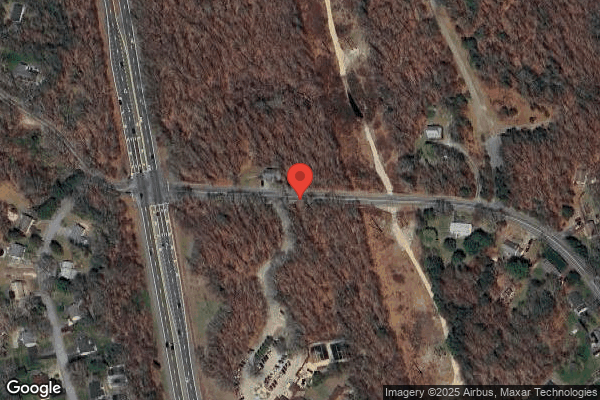
740 Oak Hill Road, North Kingstown, RI 02852 (401) 294-4545
For profit - Limited Liability company 120 Beds EDEN HEALTHCARE Data: November 2025 2 Immediate Jeopardy citations
Trust Grade
26/100
#57 of 72 in RI
Last Inspection: April 2025

Within standard 12-15 month inspection cycle. Federal law requires annual inspections.

Overview

South County Nursing and Rehabilitation has received a Trust Grade of F, indicating significant concerns about the quality of care provided. Ranking #57 out of 72 facilities in Rhode Island places them in the bottom half, and they are last among the nine nursing homes in Washington County. While the facility is showing some improvement, reducing issues from eight in 2024 to four in 2025, there are still serious concerns, including two critical incidents where a resident suffered second-degree burns from an electric heater and another resident received incorrect medication at discharge. Staffing is average with a 52% turnover rate, which is higher than the state average, and while RN coverage is also average, the facility has a concerning $29,045 in fines. Families should weigh these strengths and weaknesses carefully when considering this facility for their loved ones.

Trust Score
F
26/100
In Rhode Island
#57/72
Bottom 21%
Safety Record
High Risk
Review needed
Inspections
Getting Better
8 → 4 violations
Staff Stability
⚠ Watch
52% turnover. Above average. Higher turnover means staff may not know residents' routines.
Penalties
○ Average
$29,045 in fines. Higher than 58% of Rhode Island facilities. Some compliance issues.
Skilled Nurses
○ Average
Each resident gets 35 minutes of Registered Nurse (RN) attention daily — about average for Rhode Island. RNs are the most trained staff who monitor for health changes.
Violations
⚠ Watch
20 deficiencies on record. Higher than average. Multiple issues found across inspections.
★★☆☆☆
2.0
Overall Rating
★★★☆☆
3.0
Staff Levels
★★★☆☆
3.0
Care Quality
★★☆☆☆
2.0
Inspection Score
Stable
2024: 8 issues
2025: 4 issues

The Good

  • Full Sprinkler Coverage · Fire safety systems throughout facility
  • No fines on record

Facility shows strength in fire safety.

The Bad

2-Star Overall Rating

Below Rhode Island average (3.1)

Below average - review inspection findings carefully

Staff Turnover: 52%

Near Rhode Island avg (46%)

Higher turnover may affect care consistency

Federal Fines: $29,045

Below median ($33,413)

Moderate penalties - review what triggered them

Chain: EDEN HEALTHCARE

Part of a multi-facility chain

Ask about local staffing decisions and management

The Ugly 20 deficiencies on record

2 life-threatening
Apr 2025 4 deficiencies
CONCERN (D)

Potential for Harm - no one hurt, but risky conditions existed

Deficiency F0757 (Tag F0757)

Could have caused harm · This affected 1 resident

Based on record review and staff interview, it has been determined the facility failed to ensure that residents are free from unnecessary drugs, for 1 of 4 residents reviewed with recommendations made...

Read full inspector narrative →
Based on record review and staff interview, it has been determined the facility failed to ensure that residents are free from unnecessary drugs, for 1 of 4 residents reviewed with recommendations made by the psychiatric consultant, Resident ID #89. Findings are as follow: Record review for Resident ID #89 revealed a Psychiatric Evaluation and Consultation Report dated 3/4/2025, which indicates that the resident was assessed following a recent medication change. Review of the report revealed the resident continued to have agitation and was difficult to redirect despite consistent attempts by staff. The report further revealed that the resident was currently receiving the following medications: -Trazodone (a medication prescribed to treat depression, insomnia, and/or anxiety) 50 milligrams (mg) at bedtime, and 25 mg every 8 hours as needed -Seroquel (a medication prescribed to treat several mental health conditions) 50 mg twice daily and 75 mg at bedtime -Lorazepam (a medication prescribed to treat anxiety) 0.25 mg twice daily Further review of the report revealed in part, to discontinue the scheduled Trazodone (50 mg at bedtime). Record review of the March 2025 Medication Administration Record revealed that the above-mentioned Trazodone order was not discontinued. Additionally, the resident continued to receive the Trazodone 50 mg at bedtime from 3/5 through 3/10/2025, indicating s/he received 6 additional doses. During a surveyor interview on 4/16/2025 at 12:30 PM with the Director of Nursing Services, she acknowledged that the Trazodone had not been discontinued and the resident received the medication from 3/5/2025 through 3/10/2025.
CONCERN (D)

Potential for Harm - no one hurt, but risky conditions existed

Safe Environment (Tag F0921)

Could have caused harm · This affected 1 resident

Based on surveyor observation, staff and resident interview, it has been determined that the facility failed to provide a safe, functional, sanitary, and comfortable environment for residents, staff, ...

Read full inspector narrative →
Based on surveyor observation, staff and resident interview, it has been determined that the facility failed to provide a safe, functional, sanitary, and comfortable environment for residents, staff, and the public relative to food contact surfaces and non-food contact surfaces of equipment for 1 of 1 juice dispenser and 1 of 2 microwaves observed. Findings are as follows: Record review of the Rhode Island Food Code, 2018 Edition, section 4-601.11 states in part, .(A) equipment food contact surfaces .shall be clean to sight .(B) The FOOD-CONTACT SURFACES of cooking EQUIPMENT .shall be kept free of encrusted grease deposits and other soil accumulations. (C) NON-FOOD CONTACT SURFACES of EQUIPMENT shall be kept free of an accumulation of dust, dirt, FOOD residue, and other debris . 1. During a surveyor observation on 4/14/2025 at 8:35 AM, of the main kitchen in the presence of the Food Service Director (FSD), the juice dispenser nozzle was noted to have an accumulation of dried, dark red and brown residue. During a surveyor interview immediately following the above-mentioned observation, the FSD acknowledged the residue inside the juice dispenser nozzle. Additionally, he revealed that he would expect the nozzle to have been cleaned daily. 2. During a surveyor observation on 4/14/2025 at 9:05 AM, of the North unit kitchenette in the presence of the FSD, the microwave was noted with a thick accumulation of dark matter splattered above the cooking area, and splatters of dark matter on the side walls. Additionally, there was a thick dark brown ring of matter below the glass turn plate. During a surveyor interview on 4/14/2025 at 9:20 AM, with Resident ID #77 in the presence of the FSD, s/he indicated that the microwave located in the North unit kitchenette was used by staff to heat up his/her food. During a surveyor interview with the FSD immediately following the above-mentioned observation, he acknowledged that the microwave needed to be cleaned. Additionally, he revealed that he would expect the microwave to be cleaned daily.
CONCERN (E)

Potential for Harm - no one hurt, but risky conditions existed

Deficiency F0676 (Tag F0676)

Could have caused harm · This affected multiple residents

**NOTE- TERMS IN BRACKETS HAVE BEEN EDITED TO PROTECT CONFIDENTIALITY** Based on record review, staff and resident interviews, it has been determined that the facility failed to provide the necessary ...

Read full inspector narrative →
**NOTE- TERMS IN BRACKETS HAVE BEEN EDITED TO PROTECT CONFIDENTIALITY** Based on record review, staff and resident interviews, it has been determined that the facility failed to provide the necessary services to a resident who is unable to carry out activities of daily living (ADL) for 1 of 1 resident reviewed who requires assistance with ambulation, Resident ID #2. Findings are as follows: Record review revealed the resident was admitted to the facility with diagnoses including, but not limited to, difficulty in walking, generalized osteoarthritis and muscle wasting. Record review of a Quarterly Minimum Data Set assessment dated [DATE], indicates a Brief Interview for Mental Status score is 15 out of 15, indicating s/he is cognitively intact. During a surveyor interview on 4/14/2025 at 1:19 PM with the resident, s/he revealed that s/he wants to walk. When asked how many times a day that s/he walks, the resident stated, zero absolutely zero. Record review revealed the resident received Physical Therapy from 1/3/2025 through 1/24/2025. Additional review of the Physical Therapy Discharge summary dated [DATE], revealed discharge recommendations for ambulation and transfers with assistance for safety. During a surveyor interview on 4/16/2025 at 8:59 AM with the Director of Rehabilitation Services, she revealed that the resident was discharged from therapy in January of 2025 after s/he returned to his/her baseline. She also indicated that the resident was recently readmitted to physical therapy services for decreased ambulation. She further revealed the facility does not have a restorative therapy program (interventions that focus on achieving and maintaining optimal level of functioning). During a surveyor interview on 4/16/2025 at 9:38 AM with Nursing Assistant (NA), Staff A, who has been caring for the resident, he revealed that he does not assist the resident with walking and revealed that he has not received the ok from therapy to assist the resident with walking. During a surveyor interview on 4/16/2025 at 10:49 AM with the Physical Therapist, Staff B, he revealed that the resident has a Safe Patient Handling (SPH) form which is initiated by therapy and the SPH form is placed on the back of the resident's closet door. Staff B further revealed that the resident has had a functional decline while off therapy services and that is why s/he was recently evaluated for Physical Therapy, and is now receiving therapy services again. During a subsequent surveyor interview and observation on 4/16/2025 at 11:14 AM with Staff A, he revealed that he was unaware of what the resident's SPH form indicated. Staff A and the surveyor then observed the resident's SPH form, which was affixed to the back of the resident's closet door, and the form indicated that s/he requires limited assistance of 1 with transfers and ambulation. Staff A revealed he hadn't paid attention to the SPH form. During a surveyor interview on 4/16/2025 at 2:27 PM with Licensed Practical Nurse, Staff C, she revealed that she has not observed staff walking the resident. Additionally, she revealed that staff references the SPH form for each resident's level of assistance required for ADLs. During a surveyor interview on 4/16/2025 at 2:38 PM with NA, Staff D, she revealed that she cares for the resident on the 11:00 PM - 7:00 AM shift, and occasionally will work other shifts. Additionally, she revealed that she does not assist the resident with ambulation. During a surveyor interview on 4/16/2025 at 1:58 PM with the Director of Nursing Services, she acknowledged that the facility does not have a restorative therapy program and she was unable to provide evidence that the resident is assisted with ambulation by staff, to maintain the resident's ADL's.
CONCERN (E)

Potential for Harm - no one hurt, but risky conditions existed

Deficiency F0699 (Tag F0699)

Could have caused harm · This affected multiple residents

**NOTE- TERMS IN BRACKETS HAVE BEEN EDITED TO PROTECT CONFIDENTIALITY** Based on record review, staff and resident interviews, it has been determined that the facility failed to ensure that residents ...

Read full inspector narrative →
**NOTE- TERMS IN BRACKETS HAVE BEEN EDITED TO PROTECT CONFIDENTIALITY** Based on record review, staff and resident interviews, it has been determined that the facility failed to ensure that residents who are trauma survivors, receive culturally competent, trauma-informed care in accordance with professional standards of practice and accounting for residents experiences, and preferences, in order to eliminate, or mitigate triggers that may cause re-traumatization for 3 of 3 residents reviewed with a history of trauma, Resident ID #s 20, 51, and 83, and for 6 of 9 residents reviewed who failed to receive a comprehensive trauma screen that were admitted to the facility within the last year, Resident ID #s 11, 20, 51, 80, 89, and 294. Findings are as follows: Review of the policy dated 11/29/2022 titled Trauma Informed Care states in part, .1. A trauma screening assessment will be done on each resident by the social worker as part of the admission social history. When it is not practical or possible to interview the resident, information will be obtained from family members, previous providers, and other interested parties when they are able and authorized to provide such information .3. The interdisciplinary team will monitor the resident's response to this plan and modify it as necessary .A trauma informed care plan including cultural preferences, will be developed as needed and the resident is monitored accordingly . 1a. Record review revealed Resident ID #20 was admitted to the facility in February of 2025. Record review failed to reveal evidence that a trauma screening assessment was completed upon his/her admission to the facility. Further record review revealed that Resident ID #20 was identified to have a history of trauma related to the loss family members. A comprehensive care plan was developed for the resident after it was brought to the facility's attention by the surveyor on 4/15/2025. b. Record review revealed Resident ID #51 was admitted to the facility in August of 2024 with a diagnosis including, but not limited to, generalized anxiety disorder. Record review failed to reveal evidence that a trauma screening assessment was completed upon his/her admission to the facility. Further record review revealed that Resident ID #51 was identified to have a history of trauma related to a history of sexual assault and a motor vehicle accident. A comprehensive care plan was developed for him/her after it was brought to the facility's attention by the surveyor on 4/15/2025. c. Record review revealed Resident ID #83 was admitted to the facility in December of 2024 with a diagnosis including, but not limited to, adjustment disorder with anxiety. During a surveyor interview on 4/14/2025 at approximately 12:00 PM with the resident, s/he revealed that s/he was in the military and saw one of his/her friends lose both of their legs. Record review of a document titled Comprehensive Trauma Screening dated 1/20/2025 revealed that Resident ID #83 has a history of witnessing traumatic events. Further review of his/her comprehensive care plan failed to include trauma informed care and interventions to eliminate or mitigate triggers that may cause re-traumatization of the resident. During a surveyor interview on 4/16/2025 at 1:18 PM with the Director of Nursing Services (DNS), she was unable to provide evidence that Resident ID #s 20, 51, and 83, had a comprehensive care plan related to trauma informed care, including interventions to eliminate or mitigate triggers that may cause re-traumatization until it was brought to her attention by the surveyor. 2. Record review failed to reveal evidence of a completed trauma screening assessment upon admission for the following residents: - Resident ID #11, admitted [DATE] - Resident ID #20, admitted [DATE] - Resident ID #51, admitted [DATE] - Resident ID #80, admitted [DATE] - Resident ID #89, admitted [DATE] - Resident ID #294, admitted [DATE] During a surveyor interview on 4/15/2025 at 9:45 AM with the DNS, she revealed that resident's are supposed to be assessed for a history of trauma as part of their admission. She further revealed that the social worker completes the assessment. During a surveyor interview on 4/15/2025 at 1:40 PM with the Director of Social Services, he acknowledged that he did not complete the trauma screening admission assessments for the above mentioned residents, as he was unaware that he was responsible for completing the assessments.
Nov 2024 1 deficiency 1 IJ
CRITICAL (J) 📢 Someone Reported This

A family member, employee, or ombudsman was alarmed enough to file a formal complaint

Immediate Jeopardy (IJ) - the most serious Medicare violation

Accident Prevention (Tag F0689)

Someone could have died · This affected 1 resident

**NOTE- TERMS IN BRACKETS HAVE BEEN EDITED TO PROTECT CONFIDENTIALITY** Based on surveyor observation, record review, and staff interview the facility failed to ensure that the resident environment re...

Read full inspector narrative →
**NOTE- TERMS IN BRACKETS HAVE BEEN EDITED TO PROTECT CONFIDENTIALITY** Based on surveyor observation, record review, and staff interview the facility failed to ensure that the resident environment remains free of accident hazards as is possible, for 1 of 1 resident reviewed. Specifically, Resident ID #1 who sustained 2nd degree burns (A partial-thickness burn. This type of burn affects both the epidermis and the second layer of skin, which is called the dermis. It may cause swelling and red, white or splotchy skin) from an electric baseboard heating unit. Findings are as follows: Review of a facility reported incident submitted to the Rhode Island Department of Health on 11/14/2024 revealed Resident ID #1 was found with his/her foot hanging out of the bed and resting directly on the electric baseboard heating unit. Further review revealed the resident sustained a 2nd degree burn to his/her heel. According to the National Fire Protection Association (NFPA) 70, the National Electrical Code, Article 424, Fixed Electric Space-Heating Equipment, states in part, .424.13 Spacing from Combustible Materials. Fixed electric space-heating equipment shall be installed to provide the required spacing between the equipment and adjacent combustible material unless it is listed to be installed in direct contact with combustible material. Record review revealed an electric baseboard heating unit manufacturers booklet, provided to the surveyor by the facility, states in part, .IMPORTANT INSTRUCTIONS .This heater is hot when in use. To avoid burns, do not let bare skin touch hot surfaces. Keep combustible materials, such as furniture, pillows, bedding, papers, clothes, and curtains away from the heater .Maintain at least 12 inches minimum clearance from all objects above and in front of the baseboard, and 6 inches minimum on both sides . Record review revealed the resident was admitted to the facility in October of 2022 with diagnoses including, but not limited to, neurocognitive disorder with Lewy bodies dementia, muscle wasting and atrophy. Review of a Minimum Data Set assessment dated [DATE], revealed a Brief Interview for Mental Status score of 5 out of 15, indicating his/her cognition was severely impaired. Further review revealed the resident required supervision/touching assistance with transfers and required partial to moderate assistance with bed mobility. Review of a progress note dated 11/14/2024 at 5:30 AM, revealed Nursing Assistant (NA), Staff A, found the resident's left foot resting directly on the electric baseboard heating unit. Further review revealed his/her foot was noted to be significantly red, discolored, and swollen, with the following: a burn to his/her left outer heel that measured 15 centimeters (cm) by 7 cm, a burn to the bottom of his/her foot that measured 18 cm by 5 cm, and a burn to his/her left bunion area that measured 10 cm by 5 cm. Additionally, it revealed emergency medical services were called and the resident was transferred to the hospital. During a surveyor interview on 11/15/2024 at approximately 9:00 AM with NA, Staff B, she revealed that at the time of this incident, one side of the resident's bed was pushed up against the wall, where the electric baseboard heating unit was located, with his/her nightstand on the other side of the bed. She further revealed that the majority of residents have their beds pushed up against the walls, where the electric baseboard heating units are located. On 11/15/2024 at approximately 9:30 AM, the surveyor, accompanied by the Maintenance Director, obtained baseboard temperature reading throughout the facility. The readings were taken, utilizing a laser thermometer, registering between 163-190 degrees Fahrenheit. During a surveyor interview on 11/15/2024 with the Maintenance Director, immediately following the above observations of the electric baseboard heating units' temperatures, he acknowledged the above temperature ranges and that they were hot to touch and could only be touched for a few seconds, and further indicated that they get hotter and hotter the longer they are on. He further revealed there should be a 12-inch clearance between the electric baseboard heating units and any furniture. During a surveyor interview on 11/15/2024 at 2:37 PM, with Staff A, she revealed that on 11/14/2024, she had worked the 11:00 PM to 7:00 AM shift. At approximately 2:45 AM, she observed the resident ambulating around his/her room. She further revealed that when she entered the resident's room at approximately 5:00 AM the resident's bed was pushed up against the wall, with his/her left leg hanging off the bed and resting directly on the electric baseboard heating unit. She further revealed that the resident was noted to be in pain as s/he was observed to have facial grimacing but was unable to verbalize the pain. Additionally, she revealed that she was unsure of how long the resident's bed had been placed against the wall. During a surveyor interview on 11/15/2024 at 3:13 PM, with Licensed Practical Nurse, Staff C, she revealed that the resident's bed was positioned up against the wall, near the electric baseboard heating unit. She further revealed that she is unsure how long the resident's bed had been in that position but indicated she had seen the resident's bed up against the wall prior to this incident. She further revealed that the resident did not verbalize any pain, but when his/her foot was being assessed, the resident kept trying to pull it away and was noted to be uncomfortable. Further, she revealed that there are other residents in the facility with their beds pushed up against the walls, near the electric baseboard heating units. Review of hospital documentation dated 11/14/2024 through 11/15/2024 revealed the resident was admitted to the intensive care unit in the hospital with diagnoses including second-degree burns after s/he was found with his/her left foot resting directly on an electric baseboard heating unit at the facility. During a surveyor interview on 11/18/2024 at 1:28 AM, with the Director of Nursing Services, the Regional Infection Control/Wound Nurse, and the Administrator, they were unable to provide evidence that the facility ensured that the resident environment remained as free of accident hazards as possible. The facility failed to ensure that there was a clearance between the resident's bed and the electrical baseboard heating unit which directly placed this resident at risk for serious harm, serious impairment, serious injury or death. Furthermore, as indicated by staff interview there were other beds that were placed up against the walls, where the electrical baseboard heating units are located, which placed these residents at risk serious harm, serious impairment, serious injury or death.
Sept 2024 1 deficiency
CONCERN (D) 📢 Someone Reported This

A family member, employee, or ombudsman was alarmed enough to file a formal complaint

Potential for Harm - no one hurt, but risky conditions existed

Resident Rights (Tag F0550)

Could have caused harm · This affected 1 resident

**NOTE- TERMS IN BRACKETS HAVE BEEN EDITED TO PROTECT CONFIDENTIALITY** Based on record review and staff interview, it has been determined that the facility failed to ensure that each resident is trea...

Read full inspector narrative →
**NOTE- TERMS IN BRACKETS HAVE BEEN EDITED TO PROTECT CONFIDENTIALITY** Based on record review and staff interview, it has been determined that the facility failed to ensure that each resident is treated with respect and dignity in a manner and in an environment that promotes maintenance or enhancement of his or her quality of life, for 1 of 3 residents reviewed, Resident ID #1. Findings are as follows: Review of a community reported complaint submitted to the Rhode Island Department of Health on 9/18/2024 alleged that Nursing Assistant (NA), Staff A, heard Registered Nurse (RN), Staff B, telling Resident ID #1, you're disgusting, get the hell away from me, and I wish I could punch you in the face. Record review revealed Resident ID #1 was readmitted to the facility in September of 2021 with a diagnosis including, but not limited to, dementia. Review of a Minimum Data Set assessment dated [DATE] revealed a Brief Interview for Mental Status score of 9 out of 15, indicating moderately impaired cognition. During a surveyor interview on 9/19/2024 at 10:31 AM, with NA, Staff A, she revealed that on the night of 9/16/2024, during the 3:00 PM to 11:00 PM shift, she heard RN, Staff B telling Resident ID #1 to shut up and get away from me and I'm going to punch you in the face, and indicated that Staff B appeared angry with the resident. Surveyor interviews were attempted with the alleged perpetrator, Staff B, on 9/19/2024 at 9:43 AM and 10:50 AM, but was unsuccessful. A voicemail was left, but the surveyor did not receive a call back. A surveyor interview was attempted on 9/19/2024 at 11:19 AM, with Resident ID #1, but s/he refused to speak with the surveyor. During a surveyor interview on 9/19/2024 at 12:03 PM, with RN, Staff C, she revealed that on 9/16/2024, she saw RN, Staff B standing next to Resident ID #1 and heard Staff B say to the resident shut up and you're disgusting. She further revealed that later in the shift, Staff B told her that Resident ID #1 had made an inappropriate comment that upset her. Review of a progress note dated 9/16/2024 at 9:15 PM, authored by RN, Staff B, states, [Resident ID #1] was very agitated this shift. Racing up and down the hallways alarming other residents with [his/her] rhetoric. [S/he] approached my [medication] cart and was going on about something. I explained that I was passing [medications] and would speak with [him/her] later. [S/he] said, what do I have to do to get your attention, put my head between your legs? I told [him/her] [his/her] comment is inappropriate, locked the med cart and walked away. Review of an emailed witness statement dated 9/19/2024, authored by RN, Staff C, states in part, .I was at the opposite end of hallway passing [medications] when I overheard nurse state 'Shut up [Resident ID #1], your disgusting!' There was some loud conversation between the two but I could not make it out .Later on the nurse did tell me resident had made an inappropriate comment to her. During surveyor interviews on 9/19/2024 at 8:24 AM, 8:57 AM, 12:45 PM, with the Administrator, he revealed that Resident ID #1 made a comment to RN, Staff B, which upset her, and indicated that Staff B told him that she put her hands up in the air and walked away. He acknowledged that RN, Staff C, wrote a witness statement that revealed she heard Staff B telling Resident ID #1, shut up [Resident ID #1] you're disgusting. Further, he revealed that Staff B has been suspended pending investigation.
Aug 2024 1 deficiency
CONCERN (E) 📢 Someone Reported This

A family member, employee, or ombudsman was alarmed enough to file a formal complaint

Potential for Harm - no one hurt, but risky conditions existed

Investigate Abuse (Tag F0610)

Could have caused harm · This affected multiple residents

Based on record review and staff interview, it has been determined that the facility failed to provide evidence that an alleged violation of abuse was thoroughly investigated, relative to staff observ...

Read full inspector narrative →
Based on record review and staff interview, it has been determined that the facility failed to provide evidence that an alleged violation of abuse was thoroughly investigated, relative to staff observing a resident putting another resident's pants on of the opposite sex. Resident ID #s 3 and 8. Findings are as follows: Record review of a facility policy titled Abuse prohibition revealed in part, Examples of abuse include but are not limited to the following .Sexual- includes sexual harassment, coercion or assault .Investigation It is the DNS [Director of Nursing Services]/designee's responsibility to act immediately to .Begin the initial investigation .Obtain statements from witnesses .Notify the appropriate administrative personnel so that a comprehensive internal facility investigation can be carried out .It is also the responsibility Director of Nursing to ensure that .the incident reports are accurately and completely filled out .personnel and witness statements are obtained timely .the investigation is comprehensive and timely and documented appropriately .It is the responsibility of the Nursing Home Administrator to .Notify the appropriate agencies in writing .Submit the report of the allegations and results of the internal investigation to the Department of Health within 5 working days of the original filing . Record review of a facility reported incident submitted to the Rhode Island Department of Health revealed that on 7/3/2024, Resident ID #3 was seen by a staff member with Resident ID # in the dining room putting his/her hands on the shoulders of Resident ID #4 and was gyrating [his/her] hips in an inappropriate manner behind Resident ID #4. While at the facility investigating the above-mentioned incident the following progress note was discovered in the medical record of Resident ID #3: 6-15-2024 at 11:38 AM- CNA [Certified nursing assistant] reported to this writer resident was seen in another resident [Resident ID #8's] room assisting [him/her] put [his/her] pants on. This writer interview [Resident ID # 8's] roommate who stated [s/he] saw [Resident ID #3] helping [Resident ID #8] putting pants [on] and witnessed resident[s] giving a kiss to each other. Resident educated not [to] enter other resident's room. Call placed to on call supervisor to make them aware. [New order] to add both residents on 15 min check .On call [practitioner's name redacted] aware, family [name redacted] aware. Record review revealed Resident ID #3 was admitted to the facility in April of 2023 with diagnoses including, but not limited to, Human Immunodeficiency Virus (virus that damages the immune system), chronic viral Hepatitis B (viral infection that effects your liver), chronic viral Hepatitis C (virus that effects the liver). These viruses can be spread though contact with blood, or through sexual contact. Review of a Minimum Data Set (MDS) Assessment for Resident ID #3 dated 6/1/2024 revealed a Brief Interview for Mental Status (BIMS) score of 15 out of 15, indicating intact cognition. Record review revealed a care plan initiated on 7/17/2023 with a focus area of [Resident ID #3] does exhibit behaviors .change in mental status, cognitive deficits .sexualized comments, sexual gestures in attempt to be humorous . Record review of documents titled Resident Monitoring Sheet 15-minute checks revealed that the facility initiated 15-minute checks on both residents following the above-mentioned incident. Record review revealed Resident ID #8 was admitted to the facility in September of 2020 with diagnoses including, but not limited to, neurocognitive disorder (decreased mental function), dementia, and cognitive communication deficit (difficulties with communication caused by deficits in cognitive processes). Review of a MDS Assessment for Resident ID #8 dated 6/4/2024 revealed a BIMS score of 9 out of 15, indicating moderate cognitive impairment. Record review revealed a care plan initiated on 1/17/2023 with a focus area of [Resident ID #8] has history of poor decision making, issues with personal boundaries-especially in intimate relationships-which put [him/her] at risk of negative outcomes . During a surveyor interview on 8/29/2024 at 3:50 PM with the DNS she was unable to provide evidence that the above incident, where Resident ID #3 was found putting pants on and kissing Resident ID #8, was reported to the Department of Health. She was further unable to provide evidence of a comprehensive investigation, including witness statements from the residents involved in the incident and Resident ID #8's roommate who was said to have been a witness to the incident. Record review of a document received via e-mail on 8/29/2024 at 5:23 PM after the surveyor had exited the facility revealed two handwritten statements by staff who witnessed or were informed of the incident that took place on 6/15/2024 between Resident ID #s 3 and 8.
Apr 2024 5 deficiencies
CONCERN (D)

Potential for Harm - no one hurt, but risky conditions existed

Deficiency F0658 (Tag F0658)

Could have caused harm · This affected 1 resident

Based on surveyor observation, record review, and staff interview, it has been determined that the facility failed to ensure that services provided by the facility meet professional standards of quali...

Read full inspector narrative →
Based on surveyor observation, record review, and staff interview, it has been determined that the facility failed to ensure that services provided by the facility meet professional standards of quality for 1 of 1 resident reviewed relative to following a physician's order for an anxiety medication, Resident ID #18. Findings are as follows: Mosby's 4th Edition, Fundamentals of Nursing, page 314 states, The physician is responsible for directing medical treatment. Nurses are obligated to follow the physician's orders unless they believe the orders are in error or would harm the clients . Record review revealed the resident was admitted to the facility in September of 2019 with diagnoses including, but not limited to, dementia, cognitive communication deficit, conductive hearing loss, glaucoma, and anxiety. Review of the care plan, revised on 8/30/2023, revealed s/he was admitted to hospice services with interventions, including but not limited to, implementing as needed medications for agitation if non-pharmacological interventions are not effective. Review of the Order Summary Report revealed an order, dated 4/8/2024, to administer 0.25 mL (milliliter) of Lorazepam Oral Concentrate (a medication prescribed to treat anxiety) 2 mg (milligrams) per mL every hour as needed for anxiety, restlessness, or agitation. During a surveyor observation on 4/19/2024 at 1:15 PM of Licensed Practical Nurse (LPN), Staff A providing a dressing change, it was revealed that the resident began to become anxious as Staff A began to take off the current dressing. As she continued with the dressing change, the resident repeatedly called out to the nurse to stop and this continued throughout the dressing change. During a surveyor interview with Staff A at the time of the above-mentioned observation, she acknowledged that the resident was anxious and indicated that s/he is usually nervous during dressing changes. When questioned by the surveyor relative to interventions in place to alleviate the resident's anxiety, Staff A indicated that she was unaware of an order for an as needed medication for anxiety until it was brought to her attention by the surveyor. During a surveyor interview with the Assistant Director of Nursing Services on 4/19/2024 at 1:42 PM, she indicated that her expectation is that if the resident is exhibiting anxious behaviors during dressing changes then the nurse would medicate the resident prior to the dressing change, or stop the treatment and administer the anxiety medication per the physician's order.
CONCERN (D)

Potential for Harm - no one hurt, but risky conditions existed

Deficiency F0740 (Tag F0740)

Could have caused harm · This affected 1 resident

Based on record review, resident and staff interviews, it has been determined that the facility failed to ensure that each resident receives and is provided the necessary behavioral health care and se...

Read full inspector narrative →
Based on record review, resident and staff interviews, it has been determined that the facility failed to ensure that each resident receives and is provided the necessary behavioral health care and services to attain or maintain the highest practicable physical, mental, or psychosocial well-being, in accordance with the comprehensive assessment and plan of care, for 1 of 2 residents reviewed, Resident ID #90. Findings are as follows: Review of the facility policy titled, Trauma Informed Care, states in part, .It is the policy of this facility to avoid or minimize re-traumatization of the residents we care for who have been traumatized in the past .all necessary measures will be taken to promote optimal psychosocial outcomes and prevent further trauma . Record review revealed the resident was admitted to the facility in July of 2023 with diagnoses including, but not limited to, post traumatic stress disorder, panic disorder, anxiety, and major depressive disorder. Review of the care plan, initiated on 8/1/2023, revealed the resident experienced trauma in his/her life and has a history of being on the receiving end of resident-to-resident incidents with interventions, including but not limited to, utilizing psych services as needed. Review of the Order Summary Report revealed the following physician orders: - 2/21/2024, for Escitalopram Oxalate 10 mg (milligram), three tablets once daily for depression - 2/22/2024, for Xanax (prescribed to treat anxiety disorders) 0.5 mg three times a day for anxiety - 3/16/2024, for Tylenol PM Extra Strength Oral Tablet 500-25 mg, give two tablets at bedtime for pain and insomnia - 4/5/2024, Trazodone (an antidepressant) give 25 mg as needed for insomnia at bedtime for 14 days - 4/9/2024, Trazodone give 100 mg as needed at bedtime for insomnia for 14 days Review of the April 2024 Medication Administration Record (MAR) revealed the resident received the as needed 25 mg Trazodone twice between 4/4/2024 and 4/8/2024. Further review of the MAR revealed s/he received the as needed 100 mg dose of Trazodone every night from 4/9/2024 through 4/21/2024. Review of the March 2024 notes revealed that on 3/11/2024 s/he was assessed by the (contracted psych services) Advanced Practice Registered Nurse (APRN) and she indicated that the resident may benefit from psychotherapy. Review of a 3/10/2024 document authored by the APRN titled, Med Management Note, revealed in part, .Discussed psychotherapy and resident in agreement with meeting with the [contracted psych services] SW [Social Worker] . Review of the April 2024 notes revealed the following: - 4/1/2024, authored by the facility APRN, Staff B: .c/o [complaints of] insomnia. [S/he] reports that [s/he] cannot sleep because the door is open and [his/her] roommate is loud at night. [S/he] is asking for doxepin [a medication prescribed to treat anxiety or depression and it is also used to treat insomnia] .Patient was offered other solutions such as wearing ear plugs at night . - 4/2/2024 authored by Social Services: .spoke with resident on this day regarding their desire to keep their door closed at night .This writer offered to attempt to obtain ear plugs for resident to aid with sleeping-resident agreeable to this. Review of a 4/4/2024 document authored by APRN, Staff B, titled, Med Management Note, revealed in part, .Follow up visit for mood and medications .I am still not sleeping .Continues with insomnia . Further review of this document revealed that his/her Trazodone medication was increased and the plan of care again indicated that s/he may benefit from psychotherapy. Record review failed to reveal evidence that a psychotherapy consultation was completed. During a surveyor interview with the resident on 4/18/2024 at 12:18 PM, s/he stated that s/he has not been assessed by the [contracted psych services] Social Worker, has not received any ear plugs, and continues to have insomnia. During a surveyor interview on 4/18/2024 at 1:17 PM with the (contracted psych services) APRN, she acknowledged that the psychotherapy recommendations were not followed up on and that psychotherapy services should have been provided to the resident. During a surveyor interview on 4/19/2024 at 10:06 AM with the Director of Nursing Services, she indicated that her expectation would be that nursing would follow up on the psych recommendations and that the Social Worker would have provided ear plugs to the resident.
CONCERN (D)

Potential for Harm - no one hurt, but risky conditions existed

Deficiency F0849 (Tag F0849)

Could have caused harm · This affected 1 resident

Based on surveyor observation, record review, and staff interview, it has been determined that the facility failed to ensure that residents receive treatment and care in accordance with professional s...

Read full inspector narrative →
Based on surveyor observation, record review, and staff interview, it has been determined that the facility failed to ensure that residents receive treatment and care in accordance with professional standards of practice and that the communication process between the facility and the hospice provider meets the needs of the resident for 1 of 2 residents reviewed who are receiving hospice services, Resident ID #18. Findings are as follows: Record review revealed the resident was admitted to the facility in September of 2019 with diagnoses including, but not limited to, dementia and the need for assistance with personal care. Review of the care plan, revised in August of 2023, revealed s/he was admitted to hospice services with an intervention to notify hospice of any change of condition. Further review of the care plan revealed potential for alterations in skin integrity relative to rubbing legs together with interventions to document and report any changes in skin status, appearance, color, or wound healing. During a surveyor observation of the resident's left lower extremity in the presence of Licensed Practical Nurse (LPN), Staff A, on 4/19/2024 at 1:15 PM, revealed that s/he had three dark reddened areas in close proximity to each other on the top of the lower shin and an additional dark, reddened area to the top of his/her foot. During a surveyor interview with Staff A immediately following the above-mentioned observation, she indicated that the skin irregularities had been there .a while ., then stated that she noted the areas to be slightly red on 4/17/2024. Additionally, she acknowledged that she failed to document the skin change or report it to either the physician or the hospice provider. Record review failed to reveal evidence that the skin areas were documented or reported to the provider until after it was brought to the facility's attention by the surveyor. Review of two documents, dated 4/3/2024 and 4/17/2024, titled, Integrated Wound Care, revealed that the resident had bruising to the left shin due to crossing his/her legs and rubbing along the shin with recommendations for a physical therapy consult to help brace his/her legs to prevent further contusions and ulcers and that the plan of care was discussed with the facility staff. During a surveyor interview with the Assistant Director of Nursing Services on 4/19/2024 at 1:42 PM, she indicated that the facility procedure is to first contact hospice services for the approval of the wound care provider's recommendations, then the physician is notified. She acknowledged that she reviewed the wound care physician's recommendations from 4/3/2024 and 4/17/2024 and failed to communicate the recommendations to the resident's hospice service provider for further follow up until it was brought to her attention by the surveyor.
CONCERN (D)

Potential for Harm - no one hurt, but risky conditions existed

Infection Control (Tag F0880)

Could have caused harm · This affected 1 resident

**NOTE- TERMS IN BRACKETS HAVE BEEN EDITED TO PROTECT CONFIDENTIALITY** Based on surveyor observation, record review, and staff interview, it has been determined that the facility failed to maintain a...

Read full inspector narrative →
**NOTE- TERMS IN BRACKETS HAVE BEEN EDITED TO PROTECT CONFIDENTIALITY** Based on surveyor observation, record review, and staff interview, it has been determined that the facility failed to maintain an infection prevention and control program to help prevent the transmission of communicable diseases and infections relative to staff wearing appropriate personal protective equipment (PPE) and handwashing during medication administration for 2 of 5 staff members observed, Staff D and E. Findings are as follows: 1. Record review of the Centers for Disease Control and Prevention (CDC) guidelines regarding MDRO (Multidrug-resistant organisms - microorganisms that are resistant to one or more classes of antimicrobial agents) management in healthcare settings last reviewed on 11/5/2015 revealed the following recommendations: .For ill residents and for those residents who infected secretions or drainage cannot be contained, use of Contact Precautions [utilized for patients with known or suspected infections with increased risk for contact transmission] in addition to Standard Precautions .Because environmental surfaces and medical equipment, especially those in close proximity to the patient, may be contaminated, don [put on] gowns and gloves before or upon entry to the patient's room or cubicle . Record review for Resident ID #50 revealed that s/he was admitted to facility in June of 2023 with a diagnosis including, but not limited to, ESBL (enzymes that have resistance to beta-lactam antibiotics including penicillin, cephalosporin, and the monobactam aztreonam) resistance. Record review for Resident ID #50 revealed the following physician's orders: - Contact precautions for ESBL in the urine every shift for infection control for 10 days with a start date of 4/13/2024 until 4/23/2024 - Ertapenem sodium injection solution reconstituted (antibiotic)1 gram intravenously one time a day for ESBL urinary tract infection for 10 days with a start date of 4/14/2024 until 4/24/2024 Record review of Resident ID #50's Minimum Data Set assessment dated [DATE] revealed that s/he is always incontinent of urine. During a surveyor observation of the medication administration task on 4/18/2024 at 7:56 AM, Registered Nurse, Staff D, was observed entering Resident ID #50's room without wearing gown and gloves when removing an intravenous medication hung in the resident's room and assessing his/her midline access (a intravenous catheter). During a surveyor interview with Staff D following the above observation, she acknowledged that she was supposed to don a gown and gloves before entering and providing care for Resident ID #50. 2. Record review of the CDC guidelines regarding isolation precautions preventing transmission of infection agents in in healthcare settings (2007) last reviewed on 11/5/2015 revealed the following recommendations: .Wear gloves when it can be reasonably anticipated that contact with blood or other potentially infectious materials, mucous membranes, nonintact skin, or potentially contaminated intact skin could occur .Perform hand hygiene in the following clinical situations .After contact with inanimate objects (including medical equipment in the immediate vicinity of the patient .After removing gloves . Record review of the facility policy titled Medication Administration Eye Drops year 2007 states in part, .With a gloved finger, gently pull down lower eyelid to form 'pouch,' while instructing resident to look up . During surveyor observation of the medication administration task on 4/18/2024 at 9:25 AM, Licensed Practical Nurse, Staff E, began to administer eye drops to Resident ID #8 without donning gloves. At this time the surveyor questioned Staff E on why she was not wearing gloves. Staff E then donned gloves and continued with the administration of the eye drops. After she finished Staff E removed her gloves and exited the room without performing hand hygiene. During a surveyor interview with Staff E she acknowledged that she did not don gloves until prompted by the surveyor. Additional she did not perform hand hygiene prior to exiting the room. During a surveyor interview with the Director of Nursing Services, in the presence of the Administrator and the Assistant Director of Nursing Services on 4/18/2024 at 2:35 PM, she was unable to explain why Staff D failed to wear a gown and gloves when entering a contact precaution room. Additionally, she revealed that she would expect nurses to follow the facility's policy related to handwashing and glove use.
CONCERN (F)

Potential for Harm - no one hurt, but risky conditions existed

Food Safety (Tag F0812)

Could have caused harm · This affected most or all residents

Based on record review, surveyor observation and staff interview, it has been determined that the facility failed to properly serve food and maintain equipment in accordance with professional standard...

Read full inspector narrative →
Based on record review, surveyor observation and staff interview, it has been determined that the facility failed to properly serve food and maintain equipment in accordance with professional standards for food safety relative to the serving temperatures of milk and the grease accumulation on the screens over the stove in the main kitchen. Findings are as follows: 1. The State of Rhode Island Food Code 2018 Edition reads in part, .Except during preparation, cooking or cooling .time/temperature control for safety, food shall be maintained at 5 degrees C [Celsius] 41 degrees F [Fahrenheit] or less . Surveyor observations of the whole milk being served at the lunch meal on the following dates and times revealed the serving temperature was greater than 41 degrees F: -4/19/2024 at 11:50 AM Main Dining Room, serving temperature of milk 53.1 degrees F -4/19/2024 12:05 PM Water Street nursing unit, serving temperature of milk 51.6 degrees F -4/19/2024 12:15 PM Canary Street nursing unit, serving temperature of milk 43.1 degrees F 2. The Rhode Island Food Code 2018 Edition 4-601.11 reads in part, NONFOOD-CONTACT SURFACES OF EQUIPMENT shall be kept free of encrusted grease . During surveyor observations of the main kitchen, the screens in the hood above the stove had visible grease accumulation and encrusted grease had accumulated along the inner sides of the hood on the following dates and times: - 4/17/2024 at approximately 9:30 AM - 4/18/2024 at approximately 11:30 AM - 4/19/2024 at approximately 11:45 AM During a surveyor interview on 4/19/2024 at approximately 2:30 PM with the Certified Dietary Manager, he acknowledged the grease accumulation on the screens above the stove and the rim of the hood having accumulated encrusted grease. Additionally, he acknowledged the serving temperatures of the milk were not within the acceptable temperature ranges.
Mar 2023 6 deficiencies
CONCERN (D)

Potential for Harm - no one hurt, but risky conditions existed

Deficiency F0582 (Tag F0582)

Could have caused harm · This affected 1 resident

Based on record review and staff interview, it has been determined that the facility failed to properly provide notice to residents and/or representatives informing where changes in coverage are made ...

Read full inspector narrative →
Based on record review and staff interview, it has been determined that the facility failed to properly provide notice to residents and/or representatives informing where changes in coverage are made to items and services covered by Medicare and/or the medical state plan related to the Skilled Nursing Facility Advanced Beneficiary Notice of Non-coverage (SNFABN) for 2 of 3 residents discharged from Medicare Part A Services, Resident ID #s 18 and 25. Findings are as follows: Review of the Center for Medicare and Medicaid Services (CMS) document (Form CMS-10055), titled, Form Instructions Skilled Nursing Facility Advanced Beneficiary Notice of Non-coverage (SNFABN), states in part: Medicare requires SNFs [Skilled Nursing Facilities] to issue the SNFABN to Original Medicare, also called fee-for-service (FFS), beneficiaries prior to providing care that Medicare usually covers, but may not pay for in this instance because the care is: - not medically reasonable and necessary; - or considered custodial. The SNFABN provides information to the beneficiary so that s/he can decide whether or not to get the care that may not be paid for by Medicare and assume financial responsibility. SNFs must use the SNFABN when applicable for SNF Prospective Payment System services (Medicare Part A) . Record review revealed that Resident ID #18's last covered day of Part A Services was on 10/4/2022. The facility initiated the discharge from Medicare Part A Services when benefit days were not exhausted. The facility failed to provide the SNFABN form to the resident or resident representative. Record review revealed that Resident ID #25's last covered day of Part A Services was on 12/15/2022. The facility initiated the discharge from Medicare Part A Services when benefit days were not exhausted. The facility failed to provide the SNFABN form to the resident or resident representative. During a surveyor interview on 3/2/2023 at 8:18 AM with the Minimum Data Set Nurse, Staff A, she acknowledged that the SNFABN form was not provided to the above residents.
CONCERN (D)

Potential for Harm - no one hurt, but risky conditions existed

Assessment Accuracy (Tag F0641)

Could have caused harm · This affected 1 resident

**NOTE- TERMS IN BRACKETS HAVE BEEN EDITED TO PROTECT CONFIDENTIALITY** Based on surveyor observation, record review, and staff interview, it has been determined that the facility failed to ensure tha...

Read full inspector narrative →
**NOTE- TERMS IN BRACKETS HAVE BEEN EDITED TO PROTECT CONFIDENTIALITY** Based on surveyor observation, record review, and staff interview, it has been determined that the facility failed to ensure that assessments accurately reflect the residents' status for 4 of 8 residents reviewed relative to wandering risk assessments, Residents ID #s 4, 14, 58, and 69. Findings are as follows: Record review of the facility policy titled Wanderguard System; Checks revealed in part, .PROCEDURE .An elopement risk assessment will be done for all residents; upon admission (within 24 hours) and whenever they exhibit behaviors (i.e. increased wandering, increased confusion, verbalizing a desire to leave the building) suggesting they may be a risk . 1) Record review revealed Resident ID #4 was admitted to the facility in September of 2022 with diagnoses including, but not limited to Parkinson's disease, dementia with behavioral disturbance, muscle wasting and atrophy and difficulty in walking. Record review of physician's orders revealed an order dated 5/18/2022 Wanderguard in place to left ankle . Record review of a care plan dated 9/20/2022 revealed a focus area of .at risk of elopement due to h/o [history of] wandering. Record review of a Wandering Risk Assessment dated 12/27/2022 failed to reveal evidence the resident had a history of wandering. Record review of a progress note dated 1/28/2023 at 9:38 PM revealed, .With increased agitation at 8 PM at unit door banging yelling 'help me .I need to see my dad one last time .' Further record review failed to reveal evidence that a Wandering Risk Assessment was completed after the above incident, per the facility policy. 2) 1. Record review for Resident ID #14 revealed that s/he was admitted to the facility in September of 2021 with diagnosis including, but not limited to, dementia. Record review of the Minimum Data Set (MDS) assessment dated [DATE] revealed that s/he has a Brief Interview for Mental Status (BIMS) score of 7 out of 15, indicating moderately impaired cognition. Record review of a care plan revised on 9/29/2022 indicates the resident is at risk for elopement due to delusions, impaired cognition and history of wandering. Interventions on the careplan include to monitor the resident frequently. Record review revealed a physician's order dated 8/31/2022 for a wanderguard. Record review of the resident's wandering risk assessment dated [DATE] revealed a score of 4, indicating the resident had a low risk for elopement. Further review revealed the assessment failed to reflect that the resident had a history of wandering. Record review of a progress note dated 1/8/2023 stated Requiring much redirection all day wanting to leave facility to go to 'beach house'. Self propelling up and down halls. Record review failed to reveal a wandeirng risk assessment was completed following the above behaviors, per facility policy. 3)Record review revealed Resident ID #58 was admitted to the facility in August of 2020 with diagnoses including, but not limited to, cognitive communication deficit, bipolar disorder, difficulty in walking, attention and concentration deficits. Record review revealed a physician's order with a start date of 4/26/2022 for Seroquel (antipsychotic) 12.5 mg at bedtime. Record review of a progress note dated 1/21/2021 revealed in part, Resident found outside by CNA [Certified Nursing Assistant] by the dumpsters attempting to crawl under locked gate .resident confused and could not remember how [s/he] got outside. 15 minute checks initiated and wanderguard placed on left ankle Record review revealed a physician's order with a start date of 8/3/2022, Wanderguard/elopement device to left ankle check [every] shift for placement .for elopement risk . Record review of a care plan dated 1/11/2022 revealed a focus area of .is at risk for wandering/ Elopement Identified from past elopement Hx [history] Record review of the Wandering Risk Assessment dated 1/1/2023 revealed the following errors: -The Medications section failed to indicate the resident was taking antipsychotics. -The History of Wandering section failed to indicate the resident was a Known wanderer/hx of wandering. As a result of the above-mentioned errors the resident was assessed as a low risk for wandering. During a surveyor interview on 3/2/2023 at 9:02 AM with the Director of Nursing Services (DNS), she was unable to provide evidence that the wandering assessment accurately represents the medication and documented history of wandering/ elopement. 4) Record review revealed Resident ID #69 was admitted to the facility in December of 2021 with diagnoses including, but not limited to, Alzheimer's disease, dementia, psychotic and mood disturbance, and anxiety. Record review of a progress note, dated 10/31/2022, revealed in part, .has worsening sundowning symptoms [refers to a state of confusion occurring in the late afternoon and lasting into the night. Sundowning can cause different behaviors, such as confusion, anxiety, aggression or ignoring directions] of wandering and exit seeking, unsafe behavior . Additional record review failed to reveal evidence that a Wandering Risk Assessment was completed after the above incident. Further record review revealed a Wandering Risk Assessment was not completed for this resident until 12/5/2022, 5 weeks after s/he was noted to have exit seeking behavior. During a surveyor interview with the DNS on 3/1/2023 at 3:27 PM, she was unable to provide evidence that Resident ID# 4, 14, and 58's Wandering Risk Assessment accurately reflect the residents' status. Additionally, she indicated that her expectation would be that a Wander Risk Assessment would be completed when a resident displays behaviors as indicated in the facility policy.
CONCERN (D) 📢 Someone Reported This

A family member, employee, or ombudsman was alarmed enough to file a formal complaint

Potential for Harm - no one hurt, but risky conditions existed

Comprehensive Care Plan (Tag F0656)

Could have caused harm · This affected 1 resident

**NOTE- TERMS IN BRACKETS HAVE BEEN EDITED TO PROTECT CONFIDENTIALITY** Based on surveyor observation, record review and staff interview, it has been determined that the facility failed to implement a...

Read full inspector narrative →
**NOTE- TERMS IN BRACKETS HAVE BEEN EDITED TO PROTECT CONFIDENTIALITY** Based on surveyor observation, record review and staff interview, it has been determined that the facility failed to implement a comprehensive person-centered care plan for 1 of 8 residents reviewed, relative to wanderguards, Resident ID #85. Record review revealed the resident was re-admitted to the facility in February of 2023 with diagnoses including, but not limited to, repeated falls, unspecified convulsions, and schizoaffective disorder (chronic mental health disorder characterized by having hallucinations and delusions). Record review of the Minimum Data Set (MDS) assessment dated [DATE] revealed s/he has a Brief Interview for Mental Status (BIMS) score of 10 out of 15, indicating moderately impaired cognition. Record review revealed a physician's order with a start date of 1/24/2023 for Check placement of wanderguard to L [left] ankle . During a surveyor observation on 3/2/2023 at 8:30 AM, the resident was observed to have a wanderguard on his/her left ankle. Record review of the resident's care plan failed to reveal a plan of care related to wanderguard utilization. During a surveyor interview on 3/2/2023 at 11:38 AM with the Director of Nursing Services, she was unable to provide evidence of a plan of care relative to wanderguard utilization for the resident.
CONCERN (D) 📢 Someone Reported This

A family member, employee, or ombudsman was alarmed enough to file a formal complaint

Potential for Harm - no one hurt, but risky conditions existed

Deficiency F0658 (Tag F0658)

Could have caused harm · This affected 1 resident

**NOTE- TERMS IN BRACKETS HAVE BEEN EDITED TO PROTECT CONFIDENTIALITY** Based on record review and staff interview, it has been determined that the facility failed to assure that services being provid...

Read full inspector narrative →
**NOTE- TERMS IN BRACKETS HAVE BEEN EDITED TO PROTECT CONFIDENTIALITY** Based on record review and staff interview, it has been determined that the facility failed to assure that services being provided meet professional standards of quality related to following physician's orders for 2 of 8 residents reviewed for wanderguards, Resident ID #s 9 and 72. Findings are as follows: According to Mosby's 4th Edition, Fundamentals of Nursing, page 314 states, The physician is responsible for directing medical treatment, Nurses are obligated to follow physician's orders unless they believe the orders are in error or would harm the clients. 1.Record review for Resident ID #9 revealed that s/he was originally admitted to the facility in July of 2022 with diagnoses including, but not limited to, cognitive communication deficit and altered mental status. Record review of the resident's Minimum Data Set (MDS) assessment dated [DATE] revealed that s/he has a Brief Interview for Mental Status (BIMS) score of 3 out of 15, indicating severely impaired cognition. Record review revealed an active physician's order with a revise date of 8/16/2021 for Wander guard to left ankle . During a surveyor observation on 3/2/2023 at 9:54 AM, the resident was not wearing a wanderguard. During an interview on 3/2/2023 at 11:38 AM with the Director of Nursing Services (DNS), she acknowledged that the order should have been discontinued upon removal of the wanderguard. 2. Record review for Resident ID #72 revealed s/he was admitted to the facility in February of 2022 with diagnoses including, but not limited to, anxiety, Alzheimer's disease, attention and concentration deficit, syncope and collapse, repeated falls, and psychophysiologic insomnia. Record review of the resident's MDS assessment dated [DATE] revealed that s/he has a BIMS score of 3 out of 15, indicating severely impaired cognition. Record review of a physician order for wanderguard utilization was discontinued on 3/1/2023. During a surveyor observation on 3/2/2023 at approximately 9:45 AM and 12:00 PM, Resident ID #72 was still wearing the wanderguard on his/her left ankle. During a surveyor observation and interview on 3/2/2023 at 12:00 PM with the Director of Nursing Services, she acknowledged the wanderguard was wearing a wanderguard and removed it. Additionally, she revealed that she would expect the wanderguard to be removed when the resident's physician order is discontinued.
CONCERN (D)

Potential for Harm - no one hurt, but risky conditions existed

Safe Environment (Tag F0921)

Could have caused harm · This affected 1 resident

Based on surveyor observation and staff interview, it has been determined that the facility failed to provide a sanitary environment for residents relative to the dispensing of ice and beverages for 4...

Read full inspector narrative →
Based on surveyor observation and staff interview, it has been determined that the facility failed to provide a sanitary environment for residents relative to the dispensing of ice and beverages for 4 of 4 residents observed being served ice from the beverage cart, Resident ID #s 8, 38, 51 and 89. Findings are as follows: Review of the Rhode Island Food Code Edition 2018, revealed 1.5.1 Preventing Contamination from Hands states in Part, .employees may not contact exposed, ready-to-eat food with their bare hands . Further review revealed In-Use Utensils, Between-Use storage states in part, .Ice scoops may be stored handles up in an ice bin . Surveyor observations on 2/28/2023 revealed: At approximately 11:51 AM, Certified Nursing Assistant (CNA), Staff E, reached into the bucket of ice with an ungloved hand, her fingers touched the ice as she picked up the ice scoop and she then placed the ice scoop back into the bucket directly on top of the ice. This practice was repeatedly observed at the following times: At 11:53 AM, Staff E entered Resident ID# 38 and 51's room and served them ginger ale with ice. At 11:54 AM, Staff E entered Resident ID# 8's room to serve him/her a beverage with ice. At 11:56 AM, Staff E entered Resident ID# 89's room to serve him/her a beverage with ice. Additionally, during the above observations Staff E was not wearing gloves nor did she perform hand hygiene before, during, or after each resident encounter. During a surveyor interview on 2/28/2023 at 11:57 AM with Staff E, she acknowledged that she did not perform hand hygiene or have gloves on while serving residents drinks and that the ice scoop was stored in the ice bucket directly on top of the ice. She indicated this is what is usually done when referring to how she passes out beverages from the beverage cart. During a surveyor interview on 3/1/2023 at 1:02 PM with dietary aid, Staff F, she acknowledged that the ice scoop was inside the bucket laying directly on top of the ice. Additionally she revealed her expectations would be that the ice scoop stored on top of the bucket. During a surveyor interview on 3/1/2023 at 3:33 PM with the Director of Nursing Services, she acknowledged that she would expect staff to perform proper hand hygiene techniques during resident encounters, including serving residents beverages.
CONCERN (F)

Potential for Harm - no one hurt, but risky conditions existed

Accident Prevention (Tag F0689)

Could have caused harm · This affected most or all residents

**NOTE- TERMS IN BRACKETS HAVE BEEN EDITED TO PROTECT CONFIDENTIALITY** Based on surveyor observation, record review and staff interview, it has been determined that the facility failed to ensure resi...

Read full inspector narrative →
**NOTE- TERMS IN BRACKETS HAVE BEEN EDITED TO PROTECT CONFIDENTIALITY** Based on surveyor observation, record review and staff interview, it has been determined that the facility failed to ensure residents receives adequate supervision and assistance devices to prevent accidents relative to the failure of staff to respond appropriately to exit door alarms and for 1 of 1 resident at risk for elopement that was observed to be permitted to leave the secured unit unsupervised by staff, Resident ID #14. Findings are as follows: Review of the facility policy titled .Elopement Procedure . states in part, .The charge nurse on each unit is responsible to know the whereabouts of the residents on his/her unit . Record review for Resident ID #14 revealed that s/he was admitted to the facility in September of 2021 with diagnosis including, but not limited to, dementia and history of falling. Record review of Resident ID #14's Minimum Data Set (MDS) assessment dated [DATE] revealed that s/he has a Brief Interview for Mental Status (BIMS) score of 7 out of 15, indicating moderately impaired cognition. Record review revealed a physician's order dated 8/31/2022 for a wanderguard. Record review of a care plan revised on 9/29/2022 indicates the resident is at risk for elopement due to delusions, impaired cognition and a history of wandering. Interventions on the care plan include to monitor the resident frequently. Further review of the care plan revealed the resident .is at risk for falls r/t [related to] Confusion, Gait/balance problems and Wandering . Record review of a progress note dated 1/8/2023 stated Requiring much redirection all day wanting to leave facility to go to 'beach house'. Self propelling up and down halls. During a surveyor observation on 3/1/2023 at 9:32 AM, a Certified Nursing Assistant (CNA), Staff B, was observed to open the secured unit door for Resident ID #14 to leave the unit. Staff B did not notify the nurse that the resident had left the unit. Additionally, at this time the door alarm began sounding. During a surveyor interview with Staff B following the above observation, she revealed that Resident ID #14 can leave the unit and then proceeded to leave the area while the door alarm continued sounding. The alarm continued to sound until the Admissions Director, Staff C, came out of another room and entered the code into the keypad to turn off the alarm at 9:35 AM. Staff C failed to investigate why the alarm was sounding before he disabled it. During a surveyor interview with Licensed Practical Nurse (LPN), Staff D, on 3/1/2023 at 9:38 AM, she revealed that Resident ID #14 can leave the unit because the wanderguard is for going outside of the building and not for leaving the unit. During a surveyor observation of Resident ID #14 on 3/1/2023 at 9:58 AM, s/he was sitting in the hallway outside of the dining room which provides access to exit doors that lead to a fenced outdoor area. Additionally, the area was observed to have limited visibility from the facility. During a surveyor interview with the Administrator following the observation of the resident sitting in the hallway outside of the dining room he revealed that the dining room exit doors that lead to the outdoor fenced area were not equipped with a wanderguard alarm detection system and acknowledged that Resident ID #14 could go outside through those doors unsupervised. Additionally, he indicated that the doors were equipped with an alarm that sounds at both the north and south nursing stations to notify staff when the dining room exit doors were opened. Surveyor observations on 3/1/2023 revealed the following: - 10:24 AM, the dining room doors were opened. - 10:25 AM to 10:30 AM, The surveyors heard the dining room exit door alarm sounding at both the north and south unit nursing stations. Surveyor observations at the time the alarms were sounding revealed staff present on both units failed to respond to the alarms. -10:31 AM, the Administrator closed the dining room exit doors and acknowledged that the staff failed to respond to the exit door alarms. During a surveyor interview with the Director of Nursing Services (DNS) on 3/1/2023 at 3:30 PM, she acknowledged that Staff B should have notified the nurse when Resident ID #14 left the unit. Additionally, she stated that she would have expected the staff to respond to the dining room exit door alarms.
Jan 2023 2 deficiencies 1 IJ
CRITICAL (J) 📢 Someone Reported This

A family member, employee, or ombudsman was alarmed enough to file a formal complaint

Immediate Jeopardy (IJ) - the most serious Medicare violation

Deficiency F0760 (Tag F0760)

Someone could have died · This affected 1 resident

**NOTE- TERMS IN BRACKETS HAVE BEEN EDITED TO PROTECT CONFIDENTIALITY** Based on record review, resident representative interview and staff interview, it has been determined that the facility failed t...

Read full inspector narrative →
**NOTE- TERMS IN BRACKETS HAVE BEEN EDITED TO PROTECT CONFIDENTIALITY** Based on record review, resident representative interview and staff interview, it has been determined that the facility failed to ensure that residents are free of any significant medication errors for 1 of 5 residents reviewed, Resident ID # 1. Findings are as follows: Review of a community reported complaint submitted to the Rhode Island Department of Health on 12/30/2022 by Resident ID #1's provider, alleges that the resident went for his/her follow up appointment on 12/30/2022 and presented the medications cards that s/he was taking since discharged from the facility. S/he went on to say that the medications were given to him/her by the facility at the time of discharge. Upon inspection of the medication cards, it was noted by the provider that five of the medication cards were prescribed for another resident, Resident ID #2 and not Resident ID #1. During a surveyor telephone interview on 12/30/2022 at 2:45 PM with Resident ID #1's primary care provider, to obtain additional information relative to this complaint, she revealed that the resident presented to her office on 12/30/2022 and during the visit the resident's spouse presented the 5 following medication cards that the resident was discharged with from the facility. -Eliquis (blood thinner) 5 mg take one tablet two times per day, used to treat, and prevent blood clots. -Diltiazem extended release 120 mg take 1 capsule in the morning for hypertension, used to treat high blood pressure and to control angina (chest pain). -Duloxetine 30 mg (antidepressant) take one capsule daily, used to treat major depressive disorder, generalized anxiety disorder, fibromyalgia, neuropathic pain and central sensitization. -Isosorbide (heart medication) extended release 24-hour capsule 15 mg daily, used for the management of angina (chest pain) in people who have coronary artery disease. -Rosuvastatin (cholesterol medication) 40 mg once a day at bedtime, used to lower bad cholesterol, (LDL and triglycerides) and raise good cholesterol (HDL). Upon inspection of the medication cards, the provider discovered that the medications belonged to another resident at the facility, Resident ID #2. Additionally, the provider indicated that s/he became concerned when Resident ID #1's blood pressure was low on the day of the visit, 100/50 millimeters of mercury (mm Hg), (120/80 mm Hg or lower, is considered normal. A blood pressure reading under 90/60 mm Hg, is abnormally low and is referred to as hypotension). Review of a facility policy titled Discharge Planning Policy last revised on 3/12/2021, states in part, .information to be included in the post discharge plan, reconciliation of medications . Record review revealed Resident ID #1 was admitted to the facility in December of 2022 following a brief acute hospitalization after falling at home. The resident has diagnoses including, but are not limited to, lung cancer, left pneumonectomy (lung removal) and muscle weakness. Review of Resident ID #1's Minimum Data Set assessment dated [DATE] revealed a Brief Interview for Mental Status score of 13 indicating the resident is cognitively intact. The resident was discharged from the facility to their home 12 days after his/her admission with visiting nurse services. Review of Resident ID #1's discharge Continuity of Care (COC) form from the facility revealed the following list of medications that the resident would be taking at home: -Aspirin 81 milligrams (mg) one time a day at 8AM, taken to prevent heart attack or stroke. -Calcium Carbonate 500 mg one time per day at 8AM, is a dietary supplement used when the amount of calcium taken in the diet is not enough. -Cholecalciferol (vitamin D) 1000 units one time per day at 8AM, a dietary supplement that is used to treat vitamin D deficiency. -Citalopram 20 mg one time per day for depression at 8PM. -Cyanocobalamin (vitamin B12) 2500 micrograms one time per day at 8 AM, a form of vitamin B used to treat vitamin B12 deficiency. -Folic Acid 0.8mg one time per day at 8AM, is a B vitamin. It helps the body make healthy new cells. -Hydroxyurea (medication used to treat types of cancer) 500 mg one time per day at 8AM. -Magnesium Oxide 400 mg one time a day at 8AM, a form of magnesium commonly taken as a dietary supplement. -Metoprolol extended release 25 mg every evening for hypertension at 8PM, used alone or together with other medicines to treat high blood pressure. - Multivitamin one time a day at 8AM, provide nutrients we don't get from our everyday diet. Further record review failed to reveal evidence of any nursing documentation that medication reconciliation was completed with the resident or his/her representative on the day of the resident's discharge, per the facility's policy. During a surveyor interview with the resident's representative on 12/31/2022 at 9:56 AM, s/he revealed that Registered Nurse, Staff A, handed him/her the resident's medication cards at the desk and told them to follow the directions listed on them. Also, s/he revealed in addition to receiving his/her spouses medication cards, there were an additional 2 medications provided to him/her that were prescribed to Resident ID #2. In addition to the 5 medications mentioned in the complaint, the resident was also given: -Metoprolol extended release 100 mg every morning. -Metoclopramide, (used for stomach and esophagus problems) give one tablet four times a day, is used to help stop you feeling or being sick (nausea or vomiting) including: after radiotherapy or chemotherapy (treatment for cancer) sickness you may get with a migraine. if you've had an operation. Of note, this drug has a black box warning. This is the most serious warning from the U.S. Food and Drug Administration (FDA). A black box warning alerts doctors and patients about drug effects that may be dangerous. Metoclopramide can cause a serious movement disorder called tardive dyskinesia. The resident's representative further indicated that Resident ID #1 had been receiving seven medications daily that were not prescribed for him/her, which were provided to him/her upon his/her discharge from the facility since the evening of 12/22/2022 until the morning of 12/30/2022, when s/he presented to Resident ID #1's primary care provider visit, who identified the medication discrepancies. During a surveyor telephone interview with Registered Nurse, Staff A on 12/31/2022 at 11:45 AM and 12:38 PM, she acknowledged that she completed the resident's discharge on [DATE]. Additionally, Staff A revealed that she did not remember pulling any medication cards for the discharge. She further acknowledged that she did not verify each medication card for accuracy against the resident's discharge orders before providing them to the resident's representative. Staff A was unable to explain how Resident ID #1 was provided with medications that were prescribed for Resident ID #2. Additionally, she acknowledged that she did not complete a medication reconciliation on the day of Resident ID #1's discharge per the facility's policy. During a surveyor observation of the medication cart, in the presence of Medication Technician, Staff B, on 12/31/2022 at 2:00 PM revealed that Resident ID #1 and Resident ID #2's medications had been stored in the same medication cart. Resident ID #2's medications were stored in the same row, directly in front of Resident ID # 1's medications. During the above observation, Staff B indicated that she had worked on the day shift on 12/22/2022 with Staff A. Staff B confirmed that she did not remove any of Resident ID #1's medication cards from the medication cart at the time of the resident's discharge, as this was a nursing responsibility. Record review revealed Resident ID #2 is a current resident at the facility and has the following medication orders: -Eliquis 5 mg take one tablet two times per day -Diltiazem extended release 120 mg take 1 capsule in the morning for hypertension -Duloxetine 30 mg take one capsule daily -Isosorbide extended release 24-hour capsule 15 mg daily -Rosuvastatin 40 mg once a day at bedtime -Metoprolol extended release 100 mg every morning -Metoclopramide give one tablet four times a day (which was discontinued on 10/26/2022) During a surveyor interview with the Administrator and Director of Nursing (DON) on 12/31/2022 at 1:30 PM they were unable to provide evidence that a medication reconciliation had been completed for Resident ID #1 upon his/her discharge from the facility. The DON revealed that it is her expectation that upon discharge the medication reconciliation form is completed and signed by the discharge nurse, and each medication card provided to the resident should be checked against the COC for accuracy upon discharge. Additionally, they acknowledged Resident ID #2 is a current resident at the facility and they were unable to explain why Resident ID #1 was provided with Resident ID #2's medications upon discharge. As a result of this failure Resident ID #1 received 7 medications that were not prescribed to him/her including an anticoagulant medication in which s/he has no known blood clotting issues.
CONCERN (D) 📢 Someone Reported This

A family member, employee, or ombudsman was alarmed enough to file a formal complaint

Potential for Harm - no one hurt, but risky conditions existed

Deficiency F0761 (Tag F0761)

Could have caused harm · This affected 1 resident

Based on surveyor observation, resident and staff interview, it has been determined that the facility failed to store all drugs and biologicals in locked compartments for 1 of 1 sample residents revie...

Read full inspector narrative →
Based on surveyor observation, resident and staff interview, it has been determined that the facility failed to store all drugs and biologicals in locked compartments for 1 of 1 sample residents reviewed relative to medications left at the bedside, Resident ID # 3. Findings are as follows: Surveyor observation of the resident's room on 1/4/2023 at 9:05 AM revealed a bedside table containing a plastic cup with a thick liquid inside. The resident was observed sitting in the chair alone in his/her room without staff present. Record review of the resident's medication administration record revealed an order for Patiromer (used to lower potassium level) 8.4 grams daily give at 11:00 AM. During a surveyor interview with the resident, s/he confirmed that the cup on the bedside table was a medication used to lower his/her potassium and that it was delivered to him/her by the Medication Technician (CMT) too early. S/he revealed s/he was informed by the CMT to drink it later. The resident went on to say that the medication needs to be taken alone at least three hours after s/he takes his/her other morning medications. During a surveyor interview with CMT, Staff C, on 1/4/2023 at 9:15 AM, she acknowledged that she left the resident's medication unattended in his/her room. She further acknowledged that she administered the medication too early and stated that she left it so the resident could take it when s/he wanted to. During a surveyor interview with the Director of Nursing Services on 1/4/2023 at 10:41 AM, she acknowledged that the resident does not have a self-administration assessment allowing the resident to administer his/her own medications and that the medication should not have been left in the resident's room. Additionally she revealed her expectations would be for the CMT to remain in the room while the resident takes his/her medication.
Understanding Severity Codes (click to expand)
Life-Threatening (Immediate Jeopardy)
J - Isolated K - Pattern L - Widespread
Actual Harm
G - Isolated H - Pattern I - Widespread
Potential for Harm
D - Isolated E - Pattern F - Widespread
No Harm (Minor)
A - Isolated B - Pattern C - Widespread

Questions to Ask on Your Visit

  • "What changes have you made since the serious inspection findings?"
  • "Can I speak with families of current residents?"
  • "What's your RN coverage like on weekends and overnight?"

Our Honest Assessment

Strengths
  • • Licensed and certified facility. Meets minimum state requirements.
Concerns
  • • Multiple safety concerns identified: 2 life-threatening violation(s), $29,045 in fines. Review inspection reports carefully.
  • • 20 deficiencies on record, including 2 critical (life-threatening) violations. These warrant careful review before choosing this facility.
  • • $29,045 in fines. Higher than 94% of Rhode Island facilities, suggesting repeated compliance issues.
  • • Grade F (26/100). Below average facility with significant concerns.
Bottom line: Trust Score of 26/100 indicates significant concerns. Thoroughly evaluate alternatives.

About This Facility

What is South County Nursing And Rehabilitation's CMS Rating?

CMS assigns South County Nursing and Rehabilitation an overall rating of 2 out of 5 stars, which is considered below average nationally. Within Rhode Island, this rating places the facility higher than 0% of the state's 100 nursing homes. A rating at this level reflects concerns identified through health inspections, staffing assessments, or quality measures that families should carefully consider.

How is South County Nursing And Rehabilitation Staffed?

CMS rates South County Nursing and Rehabilitation's staffing level at 3 out of 5 stars, which is average compared to other nursing homes. Staff turnover is 52%, compared to the Rhode Island average of 46%.

What Have Inspectors Found at South County Nursing And Rehabilitation?

State health inspectors documented 20 deficiencies at South County Nursing and Rehabilitation during 2023 to 2025. These included: 2 Immediate Jeopardy (the most serious level, indicating potential for serious harm or death) and 18 with potential for harm. Immediate Jeopardy findings are rare and represent the most serious regulatory concerns. They require immediate corrective action.

Who Owns and Operates South County Nursing And Rehabilitation?

South County Nursing and Rehabilitation is owned by a for-profit company. For-profit facilities operate as businesses with obligations to shareholders or private owners. The facility is operated by EDEN HEALTHCARE, a chain that manages multiple nursing homes. With 120 certified beds and approximately 91 residents (about 76% occupancy), it is a mid-sized facility located in North Kingstown, Rhode Island.

How Does South County Nursing And Rehabilitation Compare to Other Rhode Island Nursing Homes?

Compared to the 100 nursing homes in Rhode Island, South County Nursing and Rehabilitation's overall rating (2 stars) is below the state average of 3.1, staff turnover (52%) is near the state average of 46%, and health inspection rating (2 stars) is below the national benchmark.

What Should Families Ask When Visiting South County Nursing And Rehabilitation?

Based on this facility's data, families visiting should ask: "What changes have been made since the serious inspection findings, and how are you preventing similar issues?" "Can I visit during a mealtime to observe dining assistance and food quality?" "How do you handle medical emergencies, and what is your hospital transfer rate?" "Can I speak with family members of current residents about their experience?" These questions are particularly relevant given the facility's Immediate Jeopardy citations.

Is South County Nursing And Rehabilitation Safe?

Based on CMS inspection data, South County Nursing and Rehabilitation has documented safety concerns. Inspectors have issued 2 Immediate Jeopardy citations (the most serious violation level indicating risk of serious injury or death). The facility has a 2-star overall rating and ranks #100 of 100 nursing homes in Rhode Island. Families considering this facility should ask detailed questions about what corrective actions have been taken since these incidents.

Do Nurses at South County Nursing And Rehabilitation Stick Around?

South County Nursing and Rehabilitation has a staff turnover rate of 52%, which is 6 percentage points above the Rhode Island average of 46%. Moderate turnover is common in nursing homes, but families should still ask about staff tenure and how the facility maintains care continuity when employees leave.

Was South County Nursing And Rehabilitation Ever Fined?

South County Nursing and Rehabilitation has been fined $29,045 across 2 penalty actions. This is below the Rhode Island average of $33,369. While any fine indicates a compliance issue, fines under $50,000 are relatively common and typically reflect isolated problems that were subsequently corrected. Families should ask what specific issues led to these fines and confirm they've been resolved.

Is South County Nursing And Rehabilitation on Any Federal Watch List?

South County Nursing and Rehabilitation is not on any federal watch list. The most significant is the Special Focus Facility (SFF) program, which identifies the bottom 1% of nursing homes nationally based on persistent, serious quality problems. Not being on this list means the facility has avoided the pattern of deficiencies that triggers enhanced federal oversight. This is a positive indicator, though families should still review the facility's inspection history directly.