St Antoine Residence
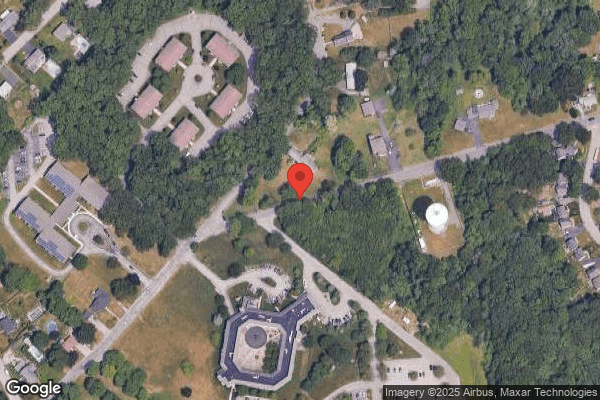
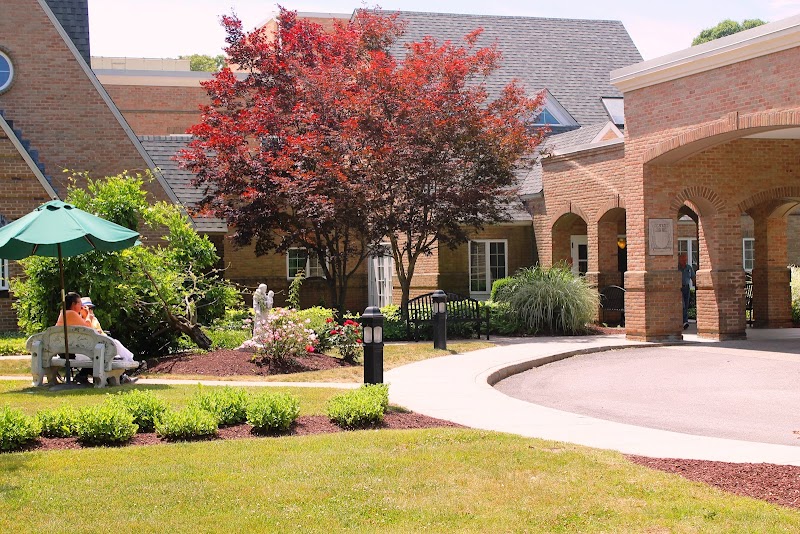
10 Rhodes Avenue, North Smithfield, RI 02896 (401) 767-3500
Non profit - Corporation 260 Beds Independent Data: November 2025 2 Immediate Jeopardy citations
Trust Grade
0/100
#58 of 72 in RI
Last Inspection: October 2024

Within standard 12-15 month inspection cycle. Federal law requires annual inspections.

Overview

St Antoine Residence has received a Trust Grade of F, which indicates significant concerns about the facility's quality of care. It ranks #58 out of 72 nursing homes in Rhode Island, placing it in the bottom half of facilities in the state, and #30 out of 41 in Providence County, suggesting limited local options for better care. Although the trend is improving, with issues decreasing from 13 in 2024 to 6 in 2025, the facility still has a concerning number of deficiencies, including critical issues related to medication management and care for residents with serious medical needs. Staffing is a strength with a 4/5 star rating, but the turnover rate is average at 44%, and the RN coverage is less than 80% of other facilities in the state, which could affect the quality of care. Specific incidents include a failure to monitor a resident's critical medication properly, which could lead to severe health risks, and a resident with a pre-cancerous lesion who was found to have maggots in a wound, indicating serious lapses in care.
Trust Score
F
0/100
In Rhode Island
#58/72
Bottom 20%
Safety Record
High Risk
Review needed
Inspections
Getting Better
13 → 6 violations
Staff Stability
○ Average
44% turnover. Near Rhode Island's 48% average. Typical for the industry.
Penalties
⚠ Watch
$46,420 in fines. Higher than 88% of Rhode Island facilities, suggesting repeated compliance issues.
Skilled Nurses
○ Average
Each resident gets 34 minutes of Registered Nurse (RN) attention daily — about average for Rhode Island. RNs are the most trained staff who monitor for health changes.
Violations
⚠ Watch
31 deficiencies on record. Higher than average. Multiple issues found across inspections.
★★☆☆☆
2.0
Overall Rating
★★★★☆
4.0
Staff Levels
★★★☆☆
3.0
Care Quality
★★☆☆☆
2.0
Inspection Score
Stable
2024: 13 issues
2025: 6 issues

The Good

  • 4-Star Staffing Rating · Above-average nurse staffing levels
  • Full Sprinkler Coverage · Fire safety systems throughout facility
  • No fines on record
  • Staff turnover below average (44%)

    4 points below Rhode Island average of 48%

Facility shows strength in staffing levels, fire safety.

The Bad

2-Star Overall Rating

Below Rhode Island average (3.1)

Below average - review inspection findings carefully

Staff Turnover: 44%

Near Rhode Island avg (46%)

Typical for the industry

Federal Fines: $46,420

Above median ($33,413)

Moderate penalties - review what triggered them

The Ugly 31 deficiencies on record

2 life-threatening 4 actual harm
Sept 2025 1 deficiency 1 Harm
SERIOUS (G) 📢 Someone Reported This

A family member, employee, or ombudsman was alarmed enough to file a formal complaint

Actual Harm - a resident was hurt due to facility failures

Quality of Care (Tag F0684)

A resident was harmed · This affected 1 resident

**NOTE- TERMS IN BRACKETS HAVE BEEN EDITED TO PROTECT CONFIDENTIALITY** Based on record review and staff interview, it has been determined that the facility failed to ensure that a resident receives t...

Read full inspector narrative →
**NOTE- TERMS IN BRACKETS HAVE BEEN EDITED TO PROTECT CONFIDENTIALITY** Based on record review and staff interview, it has been determined that the facility failed to ensure that a resident receives treatment and care in accordance with professional standards of practice for 1 of 1 resident reviewed with a pre-cancerous lesion to the right temple, Resident ID #1.Findings are as follows:Record review of a community reported complaint submitted to the Rhode Island Department of Health on 9/8/2025 alleges that the resident was transferred to an acute care hospital from the facility to be evaluated for a chronic malignant (cancerous) wound on his/her right scalp which was found to have maggots (worm-like creatures that feed on decaying organic matter) in it. Additionally, the report indicated that the resident receives daily wound care to the wound, however, s/he does not allow the staff to clean it.Record review revealed the resident was admitted to the facility in September of 2022 with a diagnosis, including but not limited to, dementia.Record review of a Minimum Data Set assessment dated [DATE] revealed a Brief Interview for Mental Status Score of 0 out of 15, indicating severe cognitive impairment. Record review of a document titled Continuity of care consultation and referral form dated 12/13/2024 revealed that the resident had a dermatology appointment where a total of 11 pre-cancerous lesions were found on his/her scalp including the right temple. Additionally, the consultation form revealed that a follow-up was scheduled to recheck the lesion on the right temple in a month. Record review of a Continuity of care consultation and referral form dated 1/27/2025 revealed that the resident had a follow-up dermatology appointment where s/he was evaluated for a pre-cancerous lesion on his/her right temple. Additionally, the consultation form revealed an order for Aquaphor (an ointment) to be applied to the lesion twice daily for 14 days.Record review of the January and February 2025 Medication Administration Records revealed the Aquaphor was applied as ordered for the 14 days. Record review of an undated facility policy titled Skin Integrity Management states in part . Skin checks are completed and documented by a nurse weekly. Any wound identified is fully assessed, documented in the EMR [Electronic Medical Record] and a treatment order is obtained by the NP [Nurse Practitioner], MD [Medical Doctor] if warranted .Record review of the nursing notes revealed the following:2/6/2025- the dermatology office called the facility and indicated that the resident required a MOHS procedure (Mohs micrographic surgery- a surgical procedure that is completed to treat skin cancer) as the biopsy results indicated squamous cell carcinoma. The MOHS procedure was scheduled for 2/25/2025.2/24/2025- the family member cancelled the MOHS appointment and indicated that s/he no longer wanted the resident going to dermatology appointments.6/26/2025- The facility spoke with the family member, and s/he agreed to allow wound care to assess and treat the wound and s/he felt that the resident would not tolerate going out to the dermatologist for the MOHS procedure.6/28/2025- The facility spoke with family member again, regarding the lesion on right temple, s/he would like wound care to look at it and see if it can be treated in house. S/he does not feel that the resident would tolerate going to dermatology for the MOHS procedure. At this time an order for ointment and Primapore (a non-adherent dressing) to cover area as s/he is picking at it. Record review failed to reveal evidence that the facility monitored or assessed the lesion/wound to the right temple from 2/10/2025 until 6/28/2025 when it was documented that the resident was picking at the lesion/wound. Record review revealed the following physician orders:6/28/2025- an antibiotic ointment to be applied to the open area on the right temple cancer lesion and cover with Primapore.7/15/2025- Imiquimod external cream 5% (a topical medication used to treat certain skin conditions, including basal cell carcinoma apply to right temple every other day.9/4/2025- Metronidazole external gel 0.75 % (an antibiotic medication used to treat various infections caused by bacteria and parasites) apply to the right side of head every other day. Record review of the weekly skin checks from 12/13/2024 through 9/7/2025 failed to reveal evidence that the resident had a right temple wound/lesion. Record review of a nursing progress note dated 9/7/2025 revealed that the resident was sent to the hospital as maggots were found in the right temple wound. The resident was admitted to the hospital with squamous cell carcinoma of right temple with maggots present. Record review of a nursing progress note dated 9/7/2025, authored by Licensed Practical Nurse (LPN), Staff A, indicated that the resident kept picking at the wound. Additionally, the note revealed that Staff A noticed some bloody drainage leaking onto the resident's face and right hand from the wound. When Staff A attempted to clean the wound and the resident's face, she observed some pulsating worms moving inside of the wound, so s/he was transferred to an acute care hospital. Record review of the hospital admission document dated 9/7/2025 revealed that the resident was transferred to the Emergency Department (ED) with a large right-sided wound on the temple which was infested with many maggots. Additionally, the document revealed that the resident was actively picking at the wound while in the ED. Further, it indicated that the wound was irrigated, and many maggots/fly larvae (eggs from the flies) were removed from it.Further hospital documentation revealed that the family member denied MOHS surgery and thought the lesion was being managed conservatively with ointments and topical creams at the nursing home. The note indicates that initially .the patient had a intact skin barrier with no breakage or infestations. But slowly over the course of the last six months the wound marking started to fall out and a full-blown hollow wound was formed . Additional review of this paperwork revealed a 3.5-centimeter lesion with necrotic components at right temporal-parietal region adjacent to the ear and the patient will be referred for resection and skin flap advancement by plastic surgery. During a surveyor interview on 9/9/2025 at 1:39 PM and 9/16/2025 at approximately 12:30 PM with Licensed Practical Nurse, Staff A, she revealed the resident has a cancerous lesion which was found during a dermatology consult a few months ago but got worse over time as the resident kept picking at it. Additionally, Staff A disclosed that the resident had a physician's order to apply Aquaphor ointment to the right temple for two weeks from January to February. However, after the treatment ended, the lesion was left untreated until June, when a topical antibiotic was finally started due to the wound's condition. Further, Staff A revealed on 9/7/2025 she observed maggots in the wound and sent the resident to the hospital. During surveyor interviews on 9/10/2025 at 9:16 AM and on 9/16/2025 at approximately 3:00 PM with the Director of Nursing Services, she acknowledged that the lesion/wound to the resident's right temple had become worse. Additionally, she was unable to provide evidence that the wound was treated or assessed from 2/10/2025 until 6/28/2025. Furthermore, she was unable to provide evidence that the weekly skin checks from 12/13/2024 through 9/7/2025 were accurately completely, as the right temple lesion/wound was not assessed on the weekly skin checks.
Jul 2025 2 deficiencies
CONCERN (D) 📢 Someone Reported This

A family member, employee, or ombudsman was alarmed enough to file a formal complaint

Potential for Harm - no one hurt, but risky conditions existed

Deficiency F0838 (Tag F0838)

Could have caused harm · This affected 1 resident

Based on record review and staff interview, it has been determined that the facility failed to conduct and document a facility-wide assessment to determine what resources are necessary to care for its...

Read full inspector narrative →
Based on record review and staff interview, it has been determined that the facility failed to conduct and document a facility-wide assessment to determine what resources are necessary to care for its residents competently during both day-to-day operations (including nights and weekends) and emergencies. The facility must also review and update this assessment whenever there is, or the facility plans for, any change that would require a substantial modification to any part of this assessment. Findings are as follows: Record review of a community reported complaint submitted to the Rhode Island Department of Health on 6/26/2025, alleges that Resident ID #1 reported that s/he had a wound vac (a medical device that uses suction to help wounds heal faster) and due to improper care provided by the facility, led to the resident requiring his/her toes to be amputated. Record review revealed Resident ID #1 was originally admitted to the facility in April of 2025 with diagnoses including, but not limited to, osteomyelitis (a bone infection), enterococcus (a bacteria that can cause a variety of infections), and encounter for change and removal of surgical wound dressing. Record review revealed that Resident ID #1 was receiving wound vac therapy to his/her left foot. Review of a facility provided document titled, Facility Assessment dated 1/30/2025, states in part, .Special Treatments and Conditions . - Chemotherapy - Radiation - Oxygen Therapy Suctioning - Tracheostomy care - Ventilator or respirator - BiPAP/CPAP - Behavioral health needs - Active/current substance use disorders - IV medications - Injections - Transfusions - Dialysis - Ostomy Care - Hospice Care - Respite Care\Isolation or quarantine for active infectious disease Further review of the Facility Assessment failed to reveal evidence that services provided included wound vac treatment. During a surveyor interview on 7/1/2025 at approximately 12:15 PM with the Administrator, he revealed that the facility does not provide all the special care services listed in the Facility Assessment. Additionally, he could not provide evidence that the Facility Assessment was updated to include services and resources the facility provided to care for wound vac treatments during Resident ID #1's admission to the facility.
CONCERN (D) 📢 Someone Reported This

A family member, employee, or ombudsman was alarmed enough to file a formal complaint

Potential for Harm - no one hurt, but risky conditions existed

Infection Control (Tag F0880)

Could have caused harm · This affected 1 resident

Based on surveyor observation, record review, and staff interview, it has been determined that the facility failed to follow standard precautions to prevent the spread of infection and to ensure a san...

Read full inspector narrative →
Based on surveyor observation, record review, and staff interview, it has been determined that the facility failed to follow standard precautions to prevent the spread of infection and to ensure a sanitary environment to help prevent the transmission of infections for 1 of 1 resident reviewed with a surgical wound, and an indwelling medical device, Resident ID #1. Findings are as follows: Record review of a facility policy titled Enhanced Barrier Precautions [EBP] Policy and Procedure dated March 27, 2024, states in part .EBP are recommended for residents with indwelling medical devices or wounds .a physician order is obtained for EBP for residents with .wounds and/or indwelling medical devices .gown and gloves will be available immediately near or outside the residents room .position a trash can inside the residents room and near the exit to discard PPE [protective personal equipment- such as gown,gloves and masks] after removal and prior to exit of the room . Record review revealed Resident ID #1 was readmitted to the facility in June of 2025 with diagnoses including, but not limited to, osteomyelitis (a bone infection), enterococcus (bacteria that can cause a variety of infections) as the cause of diseases, and encounter for change and removal of surgical wound dressing. Record review of physician's orders revealed the following: - Ceftriaxone sodium (an antibiotic prescribed to treat bacterial infections) 2 grams intravenously once daily for antibiotic treatment. - Vancomycin HCI Intravenous Solution (an antibiotic prescribed to treat serious bacterial infections) 750 milligrams per 150 milliliters solution once daily for osteomyelitis - Cleanse abdominal wound with normal saline, apply Xeroform (a type of wound dressing) and then primapore (a water-resistant adhesive dressing designed for wound care) over wound and change the dressing daily Additional review of physician orders failed to reveal evidence of an order for EBP, as indicated, per the facility policy. Record review of a progress note dated 6/28/2025 at 10:56 PM revealed, the resident was receiving care for a below the ankle amputation. S/he had a peripherally inserted central catheter (PICC, a long, thin, flexible tube inserted into a vein in the arm, usually above the elbow, and guided into a large vein near the heart) on his/her right arm, and receives Vancomycin and Ceftriaxone antibiotic treatments intravenously through the PICC. Surveyor observations on 7/1/2025 failed to reveal evidence that gowns and gloves were immediately available near or outside of the resident's room, or that a trash can was inside the residents room and near the exit to discard PPE after removal and prior to exiting the residents room. During a surveyor interview with the resident on 7/1/2025 at 2:17 PM, s/he revealed that staff have not worn gowns when providing personal care to him/her. During a surveyor interview on 7/1/2025 at approximately 3:40 PM with Registered Nurse, Staff A, she revealed that the resident should have been on EBP due to his/her wounds and the presence of a PICC line. During a surveyor interview on 7/1/2025 at 4:02 PM with the Director of Nursing Services, she revealed it would be her expectation that the resident would have EBP in place as indicated by the presence of wounds and an indwelling medical device.
Apr 2025 1 deficiency 1 Harm
SERIOUS (G) 📢 Someone Reported This

A family member, employee, or ombudsman was alarmed enough to file a formal complaint

Actual Harm - a resident was hurt due to facility failures

Free from Abuse/Neglect (Tag F0600)

A resident was harmed · This affected 1 resident

**NOTE- TERMS IN BRACKETS HAVE BEEN EDITED TO PROTECT CONFIDENTIALITY** Based on record review and staff interview, it has been determined that the facility failed to keep a resident free from abuse f...

Read full inspector narrative →
**NOTE- TERMS IN BRACKETS HAVE BEEN EDITED TO PROTECT CONFIDENTIALITY** Based on record review and staff interview, it has been determined that the facility failed to keep a resident free from abuse for 1 of 3 residents reviewed, Resident ID #1. Findings are as follows: Review of a facility reported incident submitted to the Rhode Island Department of Health (RIDOH) on 3/31/2025, revealed in part, that Resident ID #1 became combative with staff and was escorted to his/her room and that the resident was held down in his/her bed to avoid him/her from falling. Additionally, the incident report dated 3/31/2025, revealed that a follow up call was placed from RIDOH to the facility, where the Director of Nursing Services (DNS), revealed that Registered Nurse (RN), Staff A, and Licensed Practical Nurse (LPN), Staff B, restrained Resident ID #1. Review of the facility policy titled, Abuse Prevention Plan reviewed 10/23 states in part, .Abuse is defined as .the willful infliction of injury, unreasonable confinement, intimidation, or punishment with resulting physical harm, pain or mental anguish .It includes verbal abuse, sexual abuse, physical abuse, and mental abuse .convenience is defined as the result of any action that has the effect of altering a resident's behavior such that the resident requires a lesser amount of effort or care, and is not in the resident's best interest .freedom of movement means any change in place or position for the body or any part of the body that the person is physically able to control .manual method means to hold or limit a resident's voluntary movement by using body contact as a method of physical restraint .physical restraint is defined as any manual method, physical or mechanical device, equipment, or material that meets all the following criteria .Restricts the resident's freedom of movement or normal access to his/her body . Record review revealed Resident ID #1 was readmitted to the facility in January of 2025 with diagnoses that include, but are not limited to, dementia and anxiety disorder. Review of an admission Minimum Data Set assessment dated [DATE] revealed a Brief Interview for Mental Status score of 0 out of 15, indicating the resident has severely impaired cognition. Review of the resident's care plan revealed that s/he is at risk for selfcare deficit related to weakness and deconditioning related to advanced dementia with the following interventions in place; if resistive to care, redirect and reapproach at a later time and approach the resident in a calm friendly manner for daily care. Review of the resident's progress notes revealed that on 3/31/2025, at approximately 7:30 PM, RN, Staff C, was on the unit when Resident ID #1 was noted to be agitated and aggressively attempting to enter the room of another resident. Staff A, was assisting him/her out of the other resident's room and escorted Resident ID #1 to the common area. RN, Staff C, left the unit and was called back for Resident ID #1 being out of control and that s/he was combative and was attempting to fight everyone. Staff C, and Staff B, went back to the unit to assist. Resident ID #1 was found sitting in the common area, extremely agitated and combative, throwing his/her walker at staff, kicking, biting, and punching anyone that was in his/her reach. Staff were told to back away from him/her; however, the resident got up and was attempting to head in the direction of other residents. Staff C removed the other residents from the immediate situation and called Emergency Medical Services (EMS) for assistance. At this time LPN, Staff B, and Nursing Assistants (NA), Staff D and E, escorted Resident ID #1 out of the common area and into his/her bed. The NA's left the room and Staff C stayed behind with the resident while Staff B attempted to keep him/her safe until help arrived. Resident ID #1 began kicking and spitting. Staff C, and Staff B, tried to calm the resident down by offering him/her ice cream and music, to which s/he took a mouthful of and spit it across the room. Police and EMS arrived shortly after and without incident, the resident was transferred to the hospital for a work-up. During a surveyor interview on 4/7/2025 at 11:05 AM, with RN, Staff C, she revealed that on 3/31/2025 she received a call from a staff member on Resident ID #1's unit who indicated that the resident was out of control. She further revealed that she and LPN, Staff B, went to the unit to assist. She revealed that upon arrival to the unit she found Resident ID #1 sitting in a chair in the common area with his/her walker in front of him/her and the resident appeared terrified. She revealed that the resident attempted to throw his/her walker at her, so she removed the other residents from the area. She revealed that when she went back to the resident s/he was being assisted from the chair in the common area to his/her room by NA's, Staff D, E, and ,Staff B. She revealed that while the other staff was assisting Resident ID #1 back to his/her room she left to get the resident an ice cream and mats for the floor in case of a fall and went back to his/her room. Upon entering the resident's room she observed LPN, Staff B, push the resident into bed and held him/her down with her hand on the resident's chest. She revealed that she told Staff B to stop and Staff B responded, No [s/he] is not going to act like that. She further revealed that she continued to tell the Staff B to stop. The resident then began to spit at the staff and she revealed that Staff B, held the resident's head to the side with her palm on the side of the resident's head behind his/her ear. She further revealed that she sent both Staff A and B home on 3/31/2025, following the above incident of witnessed abuse. During a surveyor interview on 4/7/2025 at 12:57 PM with NA, Staff D, she revealed that on 3/31/2025 she witnessed RN, Staff A, dragging Resident ID #1 down the hallway by pulling his/her arm and walker. She then observed Staff A to forcefully push the resident into a chair. She revealed that the resident attempted to hit her with his/her walker and stomp on her foot. She revealed another staff member came over to assist by removing the walker from the resident and then the resident bit that staff member's arm. Staff D, revealed that Staff A, then pushed the resident's head backwards to stop him/her from biting. She revealed that at this point RN, Staff C and LPN, Staff B, arrived on the unit. Staff B, brought the resident to his/her room by pulling the resident towards the room and Staff B, said to the resident, you're going to get hurt more than I will. She revealed that she told the staff to stop and attempted to hold the resident's hands to walk him/her down the hall. However, Staff B, continued to pull the resident aggressively and forced him/her into bed. During a surveyor interview on 4/8/2025 at 9:42 AM, with NA, Staff E, she revealed that on 3/31/2025 she was coming out of the shower room on the unit when she saw RN, Staff A, dragging the resident down the hallway by pulling his/her arm and walker. She indicated that the resident looked scared. She then observed Staff A pick up the resident and tossed [him/her] into the chair. She stated that she told the nurse to walk away and take a break. She revealed that after she completed care on another resident, she returned to the common area to check on Resident ID #1 where she observed LPN, Staff B, dragging the resident to his/her room, and Staff E, told LPN, Staff B, to leave the resident alone. She revealed that Staff B, continued to bring the resident to his/her room and that the resident attempted to pull away and almost fell. She stated when they got into the room Staff B, threw [him/her] into the bed and pinned [him/her] into the bed by [his/her] head. She further revealed that she continued to tell Staff B, that the resident was in a safe space and to leave him/her alone. Review of a document titled, Employee Disciplinary Record dated 4/3/2025 for RN, Staff A, revealed that he was terminated due to his failure to follow appropriate procedure while trying to seat a combative resident by physically moving a resident to the chair with unnecessary force which was witnessed by multiple co-workers. Review of a document titled, Employee Disciplinary Record dated 4/3/2025 for LPN, Staff B, revealed that she was terminated due to failing to follow the appropriate procedure by physically restraining a combative patient. Staff B was witnessed holding a resident's head down while the resident was in bed to prevent him/her from getting up. Record review of the facility investigation report dated 4/1 and 4/2/2025 revealed that the facility substantiated the allegation of abuse and both Staff A and B were terminated. During a surveyor interview on 4/8/2025 at 10:32 AM with the DNS, she revealed that she substantiated the allegation of abuse. She revealed that she would have expected the staff to redirect the resident and monitor him/her from a distance once s/he was safe. She revealed that she was unsure why the staff continued to attempt to move the resident or remove his/her walker once the resident was in a chair in a common area and would have expected the staff to walk away. Additionally, she revealed that she would have expected the staff to not restrain the resident in bed, but rather leave him/her alone as s/he was safe. Furthermore, she acknowledged that Resident ID #1 was abused on 3/31/2025. The survey team concluded that a reasonable person would not want to be dragged down the hallway, tossed into a chair or thrown and pinned into his/her bed and therefore this was cited at a the harm level due to the probability of psychosocial harm.
Mar 2025 2 deficiencies 2 IJ
CRITICAL (J) 📢 Someone Reported This

A family member, employee, or ombudsman was alarmed enough to file a formal complaint

Immediate Jeopardy (IJ) - the most serious Medicare violation

Drug Regimen Review (Tag F0756)

Someone could have died · This affected 1 resident

**NOTE- TERMS IN BRACKETS HAVE BEEN EDITED TO PROTECT CONFIDENTIALITY** Based on record review and staff interview, it has been determined that the facility failed to develop and maintain policies and...

Read full inspector narrative →
**NOTE- TERMS IN BRACKETS HAVE BEEN EDITED TO PROTECT CONFIDENTIALITY** Based on record review and staff interview, it has been determined that the facility failed to develop and maintain policies and procedures for the facility to act on pharmacy identified irregularities marked as Clinical Priority) for 1 of 1 resident reviewed for the use of Clozapine (Clozaril, an atypical antipsychotic medication prescribed for treatment-resistant schizophrenia, recurrent suicidal behavior in schizophrenia), Resident ID #1. Findings are as follows: Review of an article published by the National Library of Medicine, nlm.nih.gov dated 7/1/2019 reveals that abrupt discontinuation of Clozapine has the risk to cause seizures, rebound psychosis, cholinergic rebound (profuse sweating, headache, nausea, vomiting, and diarrhea), serotonin syndrome (agitation, insomnia, high blood pressure, rapid heart rate), and catatonia (a neuropsychiatric syndrome characterized by abnormal movements and behaviors). Review of a community reported complaint submitted to the Rhode Island Department of Health on 3/3/2025 alleged that Resident ID #1 had his/her psychiatric medication stopped without a physician's order and subsequently was admitted to the hospital on [DATE]. Record review revealed that Resident ID #1 was readmitted to the facility in December of 2024 with diagnoses including, but not limited to, Alzheimer's disease and schizophrenia. Record review revealed that the resident was readmitted to the facility from the hospital on [DATE] with the following medication order: - Clozapine (antipsychotic, Clozaril) 400 milligrams (mg) at bedtime for 30 days Review of the January 2025 Medication Administration Record (MAR) revealed that the above noted medication had a discontinue date of 1/19/2025, due to the hospital order being for 30 days rather than ongoing. Further review of the MAR revealed that the resident did not receive the above ordered medication for 11 days. Review of a Pharmacy Consultation Report dated 1/28/2025 revealed, Clinical Priority Recommendation: Prompt Response Requested .Should the resident still be receiving a bedtime dose of Clozaril? Additional review revealed that Nurse Practioner (NP), Staff A, signed this recommendation on 2/3/2025 with a note stating, Resident should continue Clozaril per order . Review of a progress note dated 2/3/2025 states in part, Resident continues with suicidal ideation, medication refusal, and self-injurious behaviors. [S/he] was found in a geri-chair with a blanket over [his/her] face attempting to induce vomiting by shoving [his/her] fingers down [his/her] throat. When asked why [s/he] was trying to make [her/himself] vomit, [s/he] stated [s/he] was trying to get the toxins out. [S/he] was also found to have toilet paper stuffed in both [his/her] ears and was attempting to swallow tissues to absorb the toxins. Resident refused all medications this evening, despite reinforcement .Resident declining, harmful to [him/herself] and unable to safely remain at facility without 1:1 supervision . Record review revealed that the resident was inpatient on the psychiatric unit at the hospital from [DATE] until 3/6/2025. During a surveyor interview on 3/20/2025 at 10:09 AM with Staff A, she revealed that the Clozaril should have continued as ordered. Additionally, she revealed that the 30 day stop date was put in place in error. The NP further acknowledged that she signed the pharmacy recommendation dated 1/28/2025 on 2/3/2025 the same day that the resident had been transferred to the hospital. During a surveyor interview on 3/20/2025 at 11:00 AM with Registered Nurse, Staff B, she revealed that when the pharmacy does a review the nurses on the unit receive the recommendations in a folder for the providers to sign. Per Staff B, there is no system in place to highlight priority recommendations that require a prompt response. During a surveyor interview on 3/20/2025 at 11:16 AM with the Director of Nursing Services (DNS), she revealed that the pharmacy recommendations marked as Clinical Priority should have been reviewed with the provider within 24 hours of the date that the recommendation was made. The DNS was unable to provide evidence that the irregularity report was acted upon within 24 hours of the 1/28/2025 recommendation date. The facility's failure to have a system in place to ensure that pharmacy reports that require a prompt response are acted upon accordingly, places all of the facility's residents at risk for serious injury, serious harm, serious impairment or death. Cross reference F-760
CRITICAL (J) 📢 Someone Reported This

A family member, employee, or ombudsman was alarmed enough to file a formal complaint

Immediate Jeopardy (IJ) - the most serious Medicare violation

Deficiency F0760 (Tag F0760)

Someone could have died · This affected 1 resident

**NOTE- TERMS IN BRACKETS HAVE BEEN EDITED TO PROTECT CONFIDENTIALITY** Based on record review and staff interview it has been determined that the facility failed to keep all residents free from signi...

Read full inspector narrative →
**NOTE- TERMS IN BRACKETS HAVE BEEN EDITED TO PROTECT CONFIDENTIALITY** Based on record review and staff interview it has been determined that the facility failed to keep all residents free from significant medication errors for 1 of 3 residents reviewed, Resident ID #1. Findings are as follows: Review of a policy titled Medication Reconciliation dated 5/13/2019 states in part, .Medication Reconciliation will occur for each patient/resident upon admission/re-admission or re-entry from the hospital to [Facility] to ensure safe and effective administration of medications .For a patient/resident who was sent to the hospital by [Facility] and is re-entering [Facility] after that hospital stay, the admitting nurse will: Review the Continuity of Care Form and clinical record from the discharging hospital and compare that Continuity of Care Form and clinical record with the medications the patient/resident was receiving prior to the hospitalization . Review of an article published by the National Library of Medicine, nlm.nih.gov dated 7/1/2019 reveals that abrupt discontinuation of Clozapine (Clozaril, an atypical antipsychotic medication prescribed for treatment-resistant schizophrenia, recurrent suicidal behavior in schizophrenia) has the risk to cause seizures, rebound psychosis, cholinergic rebound (profuse sweating, headache, nausea, vomiting, and diarrhea), serotonin syndrome (agitation, insomnia, high blood pressure, rapid heart rate), and catatonia (a neuropsychiatric syndrome characterized by abnormal movements and behaviors). Review of a community reported complaint submitted to the Rhode Island Department of Health on 3/3/2025 alleged that Resident ID #1 had his/her psychiatric medication stopped without a physician's order and subsequently was admitted to the hospital on [DATE]. Record review revealed that Resident ID #1 was readmitted to the facility in December of 2024 with diagnoses including, but not limited to, Alzheimer's disease and schizophrenia. Record review revealed that the resident was readmitted to the facility from the hospital on [DATE] with the following medication orders: - Clozapine 400 milligrams (mg) at bedtime for 30 days - Trazadone 50 mg at bedtime for 30 days - Folic Acid 1 mg daily for 30 days - Lasix 20 mg daily for 30 days - Potassium Chloride 20 milliequivalents daily for 30 days Review of an Order Summary Report revealed that the resident was receiving all of the above noted medications prior to his/her hospitalization in December of 2024. Further record review failed to reveal evidence that the facility completed a medication reconciliation upon his/her readmission, including comparing the medications from the hospital, with the medications received prior to hospital admission per the facility's policy. Additionally, the facility failed to further review each medication that indicated a 30-day time frame with the provider and transcribed each ordered medication with a stop date of 30 days without clinical reason. Review of the January 2025 Medication Administration Record (MAR) revealed that the above noted medications had a discontinue date of 1/19/2025, due to the hospital order being for 30 days rather than ongoing. Despite Resident ID #1 being seen by a Psychiatric Practitioner on 1/14/2025 which revealed a recommendation to continue with Clozapine 400 mg and Trazadone 50 mg at bedtime. Additionally, it revealed that the Nurse Practitioner (NP), Staff A, agreed with the recommendations, indicating that the recommendations should have been transcribed as an order. Record review failed to reveal evidence that the end date for the Clozapine and Trazadone were updated for continued administration, as ordered by Staff A. Record review of a progress note dated 1/30/2025 revealed that Resident ID #1 was having increased delusions and paranoia. At that time, a medication review was completed by the nurse, and it was identified that s/he was not receiving his/her prescribed dose of Clozapine 400 mg or Trazadone 50 mg. Further review of the January 2025 MAR revealed that on 1/31/2025 all of the above-mentioned medications were resumed. Review of a progress note dated 2/3/2025 states in part, Resident continues with suicidal ideation, medication refusal, and self-injurious behaviors. [S/he] was found in a geri-chair with a blanket over [his/her] face attempting to induce vomiting by shoving [his/her] fingers down [his/her] throat. When asked why [s/he] was trying to make [her/himself] vomit, [s/he] stated [s/he] was trying to get the toxins out. [S/he] was also found to have toilet paper stuffed in both [his/her] ears and was attempting to swallow tissues to absorb the toxins. Resident refused all medications this evening, despite reinforcement .Resident declining, harmful to [him/herself] and unable to safely remain at facility without 1:1 supervision . Record review revealed that the resident was admitted to the hospital on [DATE] with suicidal ideation, paranoia, visual, olfactory (smell) and auditory hallucinations. S/he was inpatient until 3/6/2025. During a surveyor interview on 3/20/2025 at 10:09 AM with Nurse Practitioner, Staff A, she acknowledged that the resident had been receiving all of the medications noted above prior to his/her hospital admission in December 2024. The NP acknowledged that the orders transcribed with a 30 day stop date upon readmission was an error. Additionally, she revealed that she would have expected the staff to continue the resident's order for Clozapine 400 mg and Trazadone 50 mg, past the 30 days as recommended by the Psychiatric Practitioner and approved by her. During a surveyor interview on 3/20/2025 at 11:16 AM with the Director of Nursing Services (DNS) she acknowledged that the resident's Clozapine, Trazadone, Folic Acid, Lasix and Potassium Chloride were transcribed with a 30 day stop date in error. Additionally, the DNS was unable to provide evidence that a medication reconciliation was completed for the resident per the facility policy. The DNS was unable to provide evidence that the resident was kept free from significant medication errors. The facility's failure to conduct a medication reconciliation upon the resident's re-admission to the facility, resulted in the resident not receiving his/her necessary medications. This failure resulted in the resident's transfer and month long admission to an acute hospital for treatment, after experiencing suicidal ideation's and delusions. these failures placed Resident ID #1 at risk for serious injury, serious harm, serious impairment, or death. Cross Reference F 756
Oct 2024 4 deficiencies
CONCERN (D)

Potential for Harm - no one hurt, but risky conditions existed

Deficiency F0710 (Tag F0710)

Could have caused harm · This affected 1 resident

Based on record review and staff interview, it has been determined that the facility failed to ensure that a Nurse Practioner provide orders for the resident's immediate care and needs for 1 of 1 resi...

Read full inspector narrative →
Based on record review and staff interview, it has been determined that the facility failed to ensure that a Nurse Practioner provide orders for the resident's immediate care and needs for 1 of 1 resident reviewed for physician orders with acute urinary retention (inability to empty the bladder) Resident ID #153. Findings are as follows: Record review revealed Resident ID #153 was admitted to the facility in October of 2023 with diagnoses including, vascular dementia (a type of dementia cause by brain damage from impaired blood flow) and cerebrovascular disease (a term for conditions that affect blood flow to your brain). Record review of a progress note dated 10/21/2024 authored by Nurse Practitioner (NP), Staff J, documented as a late entry for 10/17/2024 states in part, .Patient was noted with abnormal weight gain, increased edema as well as hypotension and at that time last week this writer ordered bladder scans,[s/he] was noted to be retaining urine again and a foley catheter was inserted, unfortunately a urine was not sent to the lab for culture and sensitivity as was ordered, on exam today that patient was slurring words and very disoriented from [his/her] baseline, nursing will need to obtain a urine and send it to the lab for culture and sensitivity as [s/he] is likely has an acute cystitis [bladder infection] . Record review of the physician's orders failed to reveal evidence that an order was written for a urine culture and sensitivity. During a surveyor interview on 10/24/2024 at 1:03 PM, with Licensed Practical Nurse, Staff E she revealed that she was not aware that the resident required a urine culture and sensitivity. During a surveyor interview on 10/24/2024 at 11:46 AM with Staff J, she acknowledged that she failed to provide an order to obtain a urine culture and sensitivity prior to 10/17/2024 or on 10/17/2024 when she noted the resident to have an acute change in condition. During a surveyor interview with the Medical Director on 10/24/2024 at 4:21 PM, he indicated that he would expect the NP to follow up and provide an order for a urine culture and sensitivity for the resident.
CONCERN (E)

Potential for Harm - no one hurt, but risky conditions existed

Pressure Ulcer Prevention (Tag F0686)

Could have caused harm · This affected multiple residents

**NOTE- TERMS IN BRACKETS HAVE BEEN EDITED TO PROTECT CONFIDENTIALITY** Based on surveyor observation, record review, and staff interview, it has been determined that the facility failed to ensure tha...

Read full inspector narrative →
**NOTE- TERMS IN BRACKETS HAVE BEEN EDITED TO PROTECT CONFIDENTIALITY** Based on surveyor observation, record review, and staff interview, it has been determined that the facility failed to ensure that residents with pressure ulcers receive the necessary treatment and services, consistent with professional standards of practice, to promote healing, prevent infection and prevent new ulcers from developing for 2 of 4 residents reviewed for pressure ulcers, Resident ID #s 38 and 153. Findings are as follows: Record review of a facility policy dated May of 2019 titled, Skin Integrity Management states in part, all residents receive care, consistent with professional standards of practice, to prevent pressure ulcers so they do not develop pressure ulcers unless the individual's clinical condition demonstrates that they were unavoidable .the care plan is developed based on the resident assessment .The care plan includes, for a resident who has skin integrity issues or pressure injury or is at risk for pressure injury .skin check are completed and documented by a nurse weekly . 1. Record review revealed that Resident ID #153 was readmitted to the facility in January of 2024 with diagnoses including, but not limited to, stroke with left hemiplegia (a symptom that involves one-sided paralysis) and hemiparesis (one sided muscle weakness). Record review of the Annual Minimum Data Set Assessment (MDS) dated [DATE] revealed a Brief Interview for Mental Status (BIMS) with a score of 7 out of 15, indicating the resident has severe cognitive impairment. Record review of the resident's care plan dated 1/20/2024 revealed the resident is at risk for impaired skin integrity related to incontinence with an intervention including, but not limited to, utilize pressure relieving devices on appropriate surfaces. Record review revealed a physician's order dated 9/3/2024 to offload heels (relieve pressure) at all times. Record review of a Skilled Wound Care Surgical Note dated 10/15/2024 indicated that the resident has a Deep Tissue Pressure Injury (DTI-a purple or maroon localized area of discolored intact skin or blood-filled blister due to damage of underlying soft tissue from pressure) to his/her left heel. Surveyor observations on the following dates and times failed to reveal evidence that the resident's heels were offloaded as ordered: -10/21/2024 at approximately 11:30 AM -10/22/2024 at 9:37 AM -10/23/2024 at 8:59 AM During a surveyor interview on 10/24/2024 at 10:44 AM with Licensed Practical Nurse (LPN), Staff E, she acknowledged that the resident has an order for his/her feet to be off loaded and that the staff failed to off load his/her heels per the physician order. 2. Record review revealed that Resident ID #38 was admitted to the facility in January of 2019 with a diagnosis including, but not limited to, protein calorie malnutrition (a state of inadequate intake of food as a source for protein and calories). Record review of a Braden Scale for predicting pressure sore risk dated 4/29/2024 revealed a score of 15 out of 18, indicating the resident is at risk for the development of pressure injuries. Record review revealed a physician's order dated 8/13/2024 to off load both heels every shift for prevention of skin breakdown. Surveyor observations on the following dates and times failed to reveal evidence that the resident's heels were off loaded as ordered: -10/20/2024 at 10:01 AM and 11:40 AM -10/21/2024 at 9:10 AM and 11:30 AM -10/22/2024 at 9:30 AM and 11:08 AM -10/23/2024 at 9:00 AM During a surveyor interview on 10/23/2024 at 9:12 AM with LPN, Staff F, she acknowledged that Resident ID # 38's heels were not offloaded during the above-mentioned observations. During a surveyor interview on 10/23/2024 at approximately 1:00 PM and on 10/24/2024 at 1:03 PM with the Director of Nursing Services, she indicated that she would expect the staff to follow the physician's orders for offloading heels.
CONCERN (E)

Potential for Harm - no one hurt, but risky conditions existed

Infection Control (Tag F0880)

Could have caused harm · This affected multiple residents

Based on surveyor observation, record review, and staff interview, it has been determined that the facility failed to maintain an infection prevention and control program to help prevent the transmiss...

Read full inspector narrative →
Based on surveyor observation, record review, and staff interview, it has been determined that the facility failed to maintain an infection prevention and control program to help prevent the transmission of communicable diseases and infections relative to 3 of 3 residents reviewed for wound care, Resident ID #s 77,153, and 162. Additionally, the facility failed to maintain Enhanced Barrier Precautions (EBP; an infection control intervention designed to reduce transmission of multidrug-resistant organisms [MDRO] in nursing homes) for 2 of 4 residents reviewed with pressure injuries, Resident ID #s 77 and 146. Findings are as follows: 1. According to the Infection Control Assessment and Response (ICAR) Tool for General Infection Prevention and Control (IPC) Across Settings .Wound Care Facilitator Guide from the Centers for Disease Control and Prevention last revised on 1/27/2023, states in part, .Maintain separation between clean and soiled equipment to prevent cross contamination .Any unused disposable supplies that enter the patient/resident's care area should remain dedicated to that patient/resident or be discarded. They should not be returned to the clean supply area. If supplies are dedicated to an individual patient/resident, they should be properly labeled and stored in a manner to prevent cross-contamination or use on another patient/resident (e.g., in a designated cabinet in the patient/resident's room) .Containers entering patient/resident care areas should be dedicated for single-patient /resident use or discarded after use . 1a. Record review revealed Resident ID #77 was admitted to the facility in August of 2017 with a diagnosis including, but not limited to a pressure ulcer of the sacral region. Record review revealed a physician's order dated 10/9/2024 to clean coccyx area wound with Vashe (an anti-septic cleaner). Apply a collagen dressing with silver into wound and areas of tunneling followed by a Vashe soaked 2x2 dressing. Apply Triad (a cream that is used to absorb moderate levels of wound exudates) to peri wound (surrounding skin of wounds). Apply skin protectant to wound edges followed by a sacral bordered foam dressing and change daily. During a surveyor observation of the coccyx wound dressing on 10/23/2024 at approximately 11:00 AM with Licensed Practical Nurse, (LPN), Staff E, she failed to change her soiled gloves and perform hand hygiene between cleaning the wound and before placing the collagen dressing with silver into the resident's wound. During a surveyor interview with Staff E immediately following the above observation, she acknowledged she did not change her gloves and/or perform hand hygiene after cleaning the wound and before placing the collagen dressing with silver into the resident's wound. 1b. Record review revealed Resident ID #153 was re-admitted to the facility in January of 2024 with diagnoses including, but not limited to, type 1 diabetes mellitus and hemiplegia (a symptom that involves one-sided paralysis) affecting left non-dominant side. Record review revealed a physician's order dated 10/23/2024 to cleanse the left heel with normal saline followed by betadine twice daily. During a surveyor observation of the left heel treatment on 10/23/2024 at 11:26 AM with Staff E, she failed to change her soiled gloves and perform hand hygiene between cleaning the wound with normal saline and prior to the application of the betadine to the wound. During a surveyor interview with Staff E following the above observation, she acknowledged that she failed to change her soiled gloves and perform hand hygiene between cleaning the wound with normal saline and prior to the application of the betadine to the wound. 1c. Record review revealed Resident ID #162 was re-admitted to the facility in June of 2024 with a diagnosis including, but not limited to, cellulitis (skin infection). Record review revealed a physician's order dated 9/17/2024 to cleanse wounds on T-spine proximal, distal (upper back), and right scapula with normal saline followed by calcium alginate, extra protective cream to surrounding skin of the wound followed by a large foam dressing daily. During a surveyor observation of the dressing change on 10/23/2024 at 9:36 AM with LPN Staff H, the following was observed: - Staff H placed the resident's soiled dressing on top of his/her bed instead of discarding it in the trash. - Staff H used his index finger to put a medication into the resident's wound and failed to use an applicator. - Staff H failed to remove his soiled gloves and perform hand hygiene after completing the resident's dressing change then proceeded to touch multiple items in the resident's room including the call light and the bed remote. During a surveyor interview on 10/23/2024 at 9:52 AM with Staff H , he acknowledged that he failed to change his soiled gloves and perform hand hygiene prior to touching the above mentioned items in the resident's room, failed to use an applicator to apply the medication to the resident's wound, and placed the visibly soiled dressing on the residents bed. During a surveyor interview on 10/23/2024 at 11:56 AM with the Director of Nursing Services (DNS), she revealed that she would expect the nurses to follow infection control guidelines and remove their dirty gloves and perform hand hygiene before touching multiple items in the room. 2. Review of the Centers for Medicare and Medicaid Services memorandum dated 3/20/2024 with a subject of Enhanced Barrier Precautions in Nursing Homes to Prevent Spread of MDROs states in part, .EBP are indicated for residents with any of the following: .Wounds .even if the resident is not known to be infected or colonized with MDRO .Has a wound .and secretions or excretions that are unable to be covered and contained and are not known to be infected or colonized with any MDRO . Record review of the facility policy dated 3/27/2024 titled Enhanced Barrier Precautions Policy and Procedure states in part .Enhanced Barrier Precautions involve gown and glove use during high-contact resident care activities for residents known to be colonized or infected with a MDRO as well as those at increased risk of MDRO acquisition .High-contact resident activities include .Wound care: any skin opening requiring a dressing . 2a. Record review for Resident ID #77 revealed s/he has a pressure ulcer to his/her sacrum with current treatment orders. During a surveyor observation on 10/22/2024 at 9:44 AM revealed the facility failed to place Resident ID #77 on EBP precautions. During a surveyor observation on 10/23/2024 at approximately 11:00 AM, LPN Staff E, and Certified Medication Technician (CMT) Staff G failed to wear protective gowns during the coccyx dressing change. During a surveyor interview on 10/23/2024 at approximately 11:20 AM with Staff E, she revealed that she was unaware that the resident was supposed to be on EBP and/or that she needed to wear a protective gown during the resident's coccyx wound dressing change. 2b. Record review revealed Resident ID #146 was re-admitted to the facility in February of 2024 with a diagnosis including, but is not limited to, pressure-induced deep tissue damage of right heel. Record review of a physician's order dated 10/16/2024 states in part, . to cleanse right heel wound with normal saline, pat dry, apply nickel thick Santyl (a medication that removes dead tissue from wounds) followed by a calcium alginate dressing (wound dressing that absorbs moisture and promotes healing), cover with ABD (absorbent dressing), and wrap with Kling. Surveyor observations made on 10/21/2024 at 9:14 AM and 1:30 PM, and on 10/23/2024 at 12:04 PM, failed to reveal evidence that the resident was placed on EBP. During a surveyor interview on 10/23/2024 at 12:06 PM with Staff E, she revealed that she was unaware that Resident ID #146 was supposed to be placed on EBP. During a surveyor interview on 10/24/2024 at 11:16 AM with the Infection Preventionist, she acknowledged that both Resident ID #s 77 and 146 had open wounds and should have been placed on EBP.
CONCERN (F)

Potential for Harm - no one hurt, but risky conditions existed

Food Safety (Tag F0812)

Could have caused harm · This affected most or all residents

**NOTE- TERMS IN BRACKETS HAVE BEEN EDITED TO PROTECT CONFIDENTIALITY** Based on surveyor observation, record review, and staff interview, it has been determined that the facility failed to store, pre...

Read full inspector narrative →
**NOTE- TERMS IN BRACKETS HAVE BEEN EDITED TO PROTECT CONFIDENTIALITY** Based on surveyor observation, record review, and staff interview, it has been determined that the facility failed to store, prepare, distribute, and serve food in accordance with professional standards for food service safety relative to the main kitchen. Findings are as follows: 1. The [NAME] Food Code, 2018 Edition, 4-601.11 states in part, .Nonfood contact surfaces shall be kept free of an accumulation of dirt, dust, food residue, and other debris . During surveyor observations on 10/20/2024 at 8:50 AM, 10/21/2024 at 12:41 PM and 10/23/2024 at approximately 2:00 PM of the main kitchen on the following was observed: -Dust and grease accumulation on the [NAME] hood system, including the spray heads and light fixtures. -Dust and grease accumulation along the sides of the stove. -Dust and grease accumulation along the inner front of the flat top griddle. -Corners of the convection oven with an accumulation of grease and grime. -the floor behind all kitchen equipment, including worktables and the ice machine had an accumulation of dust and debris. 2. The Rhode Island Food Code, 2018 Edition, 2-302.11 Fingernails Maintenance states in part, .unless wearing intact gloves in good repair, a food employee may not wear fingernail polish or artificial fingernails when working with expose food . During surveyor observations on 10/20/2024 at 8:50 AM, 10/21/2024 at 12:41 PM and 10/23/2024 at approximately 2:00 PM of the main kitchen, Dietary Cook, Staff I, was observed with acrylic nails while working in the main kitchen without wearing gloves. 3. The [NAME] Food Code 2018 Edition 5-501.113 Covering Receptacles states in part, .receptacles shall be kept covered .and are not in continuous use . During surveyor observations on 10/20/2024 at 8:45 AM, 10/22/2024 at 12:41 PM and 10/23/2024 at 2:00 PM of the main kitchen the following was observed: -A trash container with refuse that was stored by a bread rack was uncovered and not in use. -A trash container with refuse that was stored by a worktable across from the convection oven was uncovered and not in use. During a surveyor interview on 10/24/2024 at approximately 11:30 AM with the Food Service Director, he acknowledged the large equipment and the hood over the stove was in need of cleaning, that the dietary cook had acrylic nails and was not wearing gloves during any type of food preparation and/or service and that the trash containers were not covered in the main kitchen when they were not in use.
Jan 2024 9 deficiencies 1 Harm
SERIOUS (G)

Actual Harm - a resident was hurt due to facility failures

Accident Prevention (Tag F0689)

A resident was harmed · This affected 1 resident

**NOTE- TERMS IN BRACKETS HAVE BEEN EDITED TO PROTECT CONFIDENTIALITY** Based on record review, resident and staff interviews, it has been determined that the facility failed to ensure that each resid...

Read full inspector narrative →
**NOTE- TERMS IN BRACKETS HAVE BEEN EDITED TO PROTECT CONFIDENTIALITY** Based on record review, resident and staff interviews, it has been determined that the facility failed to ensure that each resident receives adequate supervision to prevent accidents, for 1 of 3 residents reviewed for falls resulting in transfer to a hospital, Resident ID #62. Findings are as follows: Record review of a facility policy titled, FALLS REPORTING last reviewed 11/2023, states in part, POLICY: [Facility] is committed to providing an environment that is free from accident hazards over the which the facility has control and provides supervision and assistive devices to each resident to prevent avoidable accidents by identifying, evaluating and analyzing risks/hazards; implementing interventions to reduce risks/hazards; and monitoring for effect and modifying interventions as necessary. Falls with or without injury will be investigated and reported as follows: PROCEDURE .5. The licensed nurse will completely fill out the Event Report in [the electronic health record] and begin a through investigation as to why the fall occurred, including interview of staff involved .6. Obtain written statements from staff caring for resident that shift .9. The licensed nurse will initiate or revise the care plan as necessary and review with nursing staff .10. Falls will be reviewed Monday-Friday at the daily meeting of the IDT [Interdisciplinary Team] for appropriate follow up .12. Falls will be tracked and trended and reported to the Quality Assurance/Performance Improvement [QAPI] Committee at each quarterly meeting . Record review revealed the resident was admitted to the facility in November of 2021 with diagnoses including, but not limited to, repeated falls, morbid obesity, and generalized muscle weakness. Review of an annual Minimum Data Set assessment dated [DATE] revealed the resident requires extensive assistance of 2 or more people while turning side to side from a lying position. Review of a care plan initiated on 8/14/2022 revealed the resident is at risk for falls/injury related in part to muscle weakness and limited range of motion of his/her right shoulder with interventions that include, but are not limited to, full body mechanical lift (hoyer) with 2 assist and .S/P [status post] fall 10-13-23 shower trolley [A stretcher-like, piece of mechanical equipment that provides support to those bathing who have low mobility] removed from unit maintenance to evaluate., the latter intervention initiated on 10/13/2023, the day of the resident's fall. Further review of the care plan failed to reveal evidence that a shower trolley is used for bathing the resident or how many staff members are required to assist the resident while using it to ensure his/her safety. Review of the Facility Assessment last updated in March of 2023, failed to reveal evidence that a shower trolley is a piece of equipment utilized by the facility. Record review revealed the following progress notes: -10/13/2023 at 11:04 AM states in part, 10:40 AM - Resident had a witnessed fall out of the shower trolley in the shower room onto the floor. Upon entering shower room resident observed with pooling blood from below [his/her] facial area .vertical laceration to mid forehead noted and dressed with pressure dressing by paramedics. Resident transferred out .to [hospital] . -10/14/2023 at 3:15 PM states in part, .returned from [hospital] last night with eleven dissolvable stitches to forehead .observed to have bruising around right eye. Edema [swelling] also observed above laceration and to the sides of laceration .Bruising is also observed above laceration and to bilateral sides of laceration. Right eye is observed red and irritated .partially closed due to swelling .observed to have bruising to right knee also .Resident states that [s/he] is very tired from yesterday's traumatic experience . During a surveyor interview with the resident on 1/8/2024 at 1:11 PM and again on 1/9/2024 at approximately 2:00 PM, the resident revealed that s/he had a fall from a shower trolley when attempting to turn from a lying position to his/her left side. S/he further indicated that when pulling on the side rail, it felt loose and broke, and s/he remembers waking up on the shower floor face down in a pool of blood. Additionally, s/he further revealed that there were initially 2 nursing assistants (NA) assisting him/her on the day the accident happened, but the second NA had left prior to the completion of his/her shower. Furthermore, s/he revealed that the side of the shower trolley that s/he fell from was the side that the other NA was positioned on. During a surveyor interview on 1/9/2024 at 12:53 PM with NA, Staff B, she indicated that she was verbally told during orientation that the shower trolley should not be used for a resident that weighs over 250 pounds. She further revealed that there should definitely be two staff members assisting a resident receiving a shower with a shower trolley. Review of the resident's weights revealed the following entries: -10/6/2023: 249.8 pounds -11/7/2023: 258.8 pounds During a surveyor interview on 1/9/2024 at 1:04 PM with the Staff Development Coordinator, she revealed that there is no formal training or competency for staff regarding the use of the shower trolley, but it is discussed during the orientation process. She revealed that for a resident utilizing the shower trolley, 2 staff members should be present to assist the resident with turning and repositioning. During a surveyor interview on 1/9/2024 at 4:01 PM with Registered Nurse, Staff C, he revealed that he was the nurse who assessed the resident after the fall was reported to him. He indicated that the number of staff members to assist with a shower trolley bath is based on the resident's cognition and mobility and may require one to two staff members to assist. He further indicated that the shower trolleys are currently still being used for other residents. During a surveyor interview on 1/10/2024 at 9:49 AM with NA, Staff D, she revealed that she was the NA assisting the resident at the time s/he fell from the trolley. She revealed the trolley was only discussed during her orientation; however, she was never instructed on how many staff members are required to safely assist the resident with bathing when using a shower trolley. She indicated she always asks for assistance because she feels it's unsafe having only one staff member present. She further revealed that she had asked another NA to assist her with bathing the resident, but that NA had left before the resident's shower was completed. Additionally, she revealed that since the incident, she ensures at least 2 staff members are present for the resident's safety. Furthermore, she indicated that the Director of Nursing Services (DNS) had a verbal conversation with her regarding the incident, however no written statement was obtained, nor education/training's provided for the staff that she is aware of. During a surveyor interview on 1/11/2024 at 3:29 PM with the Director of Therapy, she revealed that she was unsure how many staff members are required to assist a resident receiving a bath using a shower trolley but thinks it would require two. During a surveyor interview on 1/10/2024 at 10:41 AM with the DNS, she revealed that there is probably not a formal training course provided by the facility for staff that utilize the shower trolley. She indicated that there should be two staff members to assist with a shower trolley bath for a resident if the resident is either heavy or immobile. Additionally, she revealed that she only verbally spoke with Staff D after the fall indicating the accident did not require a follow up investigation because she felt the fall was a result of a mechanical equipment failure. Furthermore, she confirmed that the shower trolley the resident fell from was an Arjo Shower trolley, which is also the same model of the two remaining shower trolleys in the facility. Review of the shower trolley manual titled, Arjo Shower trolley 084021/084023 dated 4/1991, states in part, Safety regulations Always make sure that: equipment is handled by trained staff .Check every week that: all hoses, pipes, connections, braking devices and wheels are undamaged. Every month: examine shower and panel hoses so that no leaks occur. These hoses should be replaced every five years .the equipment must be used in accordance with these safety regulations and instructions. Anyone using the equipment must also have read and understood the instructions in this booklet. During a surveyor interview on 1/10/2024 at 2:56 PM with the Maintenance Director, he revealed that he is unaware that the user manual indicates to inspect the shower trolley weekly per the safety regulations. He was unable to provide evidence that the user manuals safety regulations were being followed by the facility. During a surveyor interview on 1/12/2024 at 11:08 AM, with the Administrator and DNS conducted during the QAPI task, they were unable to provide evidence that Resident ID #62's fall on 10/13/2023 was addressed at the last QAPI meeting held on 10/26/2023 as per policy. Additionally, the Administrator revealed that the facility was inconsistent with preventative maintenance of the shower trolleys. Furthermore, the Administrator and DNS acknowledged that the resident's fall was not investigated nor was there follow up education provided to the staff following Resident ID #62's fall. During a subsequent surveyor interview on 1/12/2024 at 9:10 AM with the DNS, she was unable to provide evidence that the facility took appropriate measures to identify avoidable accident hazards and thoroughly investigated Resident ID #62's fall on 10/13/2023 as per policy to help ensure the safety of other residents who continue to use the shower trolley. Additionally, she was unable to provide evidence that the facility ensured that each resident received adequate supervision and assistance to prevent accidents. Refer to F 726 and F 908
CONCERN (D)

Potential for Harm - no one hurt, but risky conditions existed

Investigate Abuse (Tag F0610)

Could have caused harm · This affected 1 resident

Based on record review and staff interview, it has been determined that the facility failed to ensure that all alleged violations are thoroughly investigated for 1 of 1 resident reviewed who was noted...

Read full inspector narrative →
Based on record review and staff interview, it has been determined that the facility failed to ensure that all alleged violations are thoroughly investigated for 1 of 1 resident reviewed who was noted to have bruising to his/her nipple, Resident ID #87. Findings are as follows: According to the State Operation Manual Appendix PP- Guidance to Surveyors for Long Term Care Facilities, last revised 2/3/2023 states in part, .Possible indicators of physical abuse include an injury that is suspicious because the source of the injury is not observed, the extent or location of the injury is unusual .Examples of injuries that could indicate abuse include, but are not limited to .Bruises, including those found in unusual locations . Record review revealed the resident was admitted to the facility in January of 2022 with a diagnosis including, but not limited to, Alzheimer's disease. Record review of a quarterly Minimum Data Set Assessment, dated 10/27/2023, revealed a Brief Interview for Mental Status Assessment was unable to be completed due to his/her severely impaired cognition. Further record review revealed a progress note dated 12/31/2023, which indicates that a Nursing Assistant reported that the resident had a bruise to his/her left nipple and the surrounding area. Further review of the progress note indicates the bruise is from an unknown origin. During a surveyor interview on 1/12/2024 at 9:05 AM, with the Unit Manager, Licensed Practical Nurse, Staff A, he indicated that he was unaware of the bruise and would expect to be notified so that he could conduct an investigation. Record review failed to reveal evidence that an investigation was completed regarding the bruise of an unknown origin to the resident's nipple. During a surveyor interview on 1/12/2024 at approximately 12:00 PM with the Director of Nursing Services, she acknowledged the injury of unknown origin was not reported to the Department of Health or thoroughly investigated by the facility. Additionally, it is her expectation that all injuries of unknown origin should be thoroughly investigated.
CONCERN (D)

Potential for Harm - no one hurt, but risky conditions existed

Deficiency F0691 (Tag F0691)

Could have caused harm · This affected 1 resident

**NOTE- TERMS IN BRACKETS HAVE BEEN EDITED TO PROTECT CONFIDENTIALITY** Based on record review and staff interview, it has been determined that the facility failed to provide care consistent with the ...

Read full inspector narrative →
**NOTE- TERMS IN BRACKETS HAVE BEEN EDITED TO PROTECT CONFIDENTIALITY** Based on record review and staff interview, it has been determined that the facility failed to provide care consistent with the comprehensive care plan for 1 of 1 resident reviewed who required colostomy care, Resident ID #230. Record review revealed the resident was admitted to the facility on [DATE] with a diagnosis including, but not limited to, colostomy status (a surgical procedure in which a piece of the large intestine is diverted to an artificial opening in the abdominal wall). Record review of a hospital document with discharge instructions dated 12/27/2023, states in part, .If your colostomy output is less than 500 ml [milliliters]/day .please call your surgeon . Record review revealed an order dated 1/3/2024 to monitor colostomy output every shift if less than 500 ml daily, contact the surgeon. Record review failed to reveal evidence that the colostomy output was being monitored prior to 1/3/2024. Upon surveyor interview on 1/12/2024 at 9:24 AM with Licensed Practical Nurse Staff E, she was unable to provide evidence that the colostomy output was being monitored prior to 1/3/2024. Additionally, she revealed it was not until the resident's family member brought it to her attention and the order on 1/3/2024 was put in place. She indicated that since being brought to the attention of the facility his/her colostomy output is now being monitored. During a surveyor interview with the Director of Nursing Services on 1/12/2024 at approximately 2:15 PM, she was unable to explain why the resident's colostomy output was not monitored until 1/3/2024.
CONCERN (D)

Potential for Harm - no one hurt, but risky conditions existed

Deficiency F0692 (Tag F0692)

Could have caused harm · This affected 1 resident

**NOTE- TERMS IN BRACKETS HAVE BEEN EDITED TO PROTECT CONFIDENTIALITY** Based on record review and staff interview, it has been determined that the facility failed to ensure that residents maintain ac...

Read full inspector narrative →
**NOTE- TERMS IN BRACKETS HAVE BEEN EDITED TO PROTECT CONFIDENTIALITY** Based on record review and staff interview, it has been determined that the facility failed to ensure that residents maintain acceptable parameters of nutritional status, such as usual body weight or desirable body weight range for 1 of 7 residents reviewed for nutrition, Resident ID #218. Findings are as follows: Review of the facility's policy titled, Weight Management Policy states in part, .The nursing staff will obtain resident weights on all admissions and weekly for a minimum of 4 weeks .weights are recorded in the EMR [electronic medical record] in the 'Wts [weights]/Vitals' tab . Record review revealed the resident was admitted to the facility on [DATE] with diagnoses including, but not limited to, hypomagnesemia (low magnesium level in the blood) and hypokalemia (low potassium in the blood). Record review of the hospital admission paperwork revealed the resident had a documented weight of 131.9 pounds (lbs.) on 1/2/2024. Record review of the resident's weights failed to reveal an admission weight was obtained on 1/2/2024. Further review of the facility weight record revealed the only weight obtained was on 1/9/2024, which was 120 lbs, indicating a 9.02% weight loss from the documented hospital weight and the weight obtained at the facility a week after the resident's admission. Review of a nutrition assessment dated [DATE] revealed s/he is at risk for malnutrition. During a surveyor interview with the Registered Dietitian on 1/11/2024 at 12:31 PM, she acknowledged the resident's admission weight was not obtained and it should have been. During a surveyor interview on 1/11/2024 at 10:50 AM with the Director of Nursing Services, she provided the subsequent weight of 121 lbs. which was obtained early that morning.
CONCERN (E)

Potential for Harm - no one hurt, but risky conditions existed

Dental Services (Tag F0791)

Could have caused harm · This affected multiple residents

Based on record review and staff interview, it has been determined that the facility failed to assist residents in obtaining routine dental care for 4 of 7 residents reviewed for dental services, Resi...

Read full inspector narrative →
Based on record review and staff interview, it has been determined that the facility failed to assist residents in obtaining routine dental care for 4 of 7 residents reviewed for dental services, Resident ID #s 12, 31, 44, 91, and 94. Findings are as follows: 1. Record review revealed Resident ID #12 was admitted to the facility in January of 2022 with diagnoses including, but not limited to, dementia and altered mental status. Review of a Quarterly Minimum Data Set (MDS) Assessment, dated 10/27/2023, revealed a Brief Interview for Mental Status (BIMS-an assessment tool to identify a resident's cognitive function) score of 99, indicating the resident's cognitive function is severely impaired and that an assessment was unable to be completed. Record review failed to reveal evidence of a completed enrollment form or documentation that dental services were declined. 2. Record review for Resident ID #31 revealed s/he was admitted to the facility in April of 2023 with a diagnosis including, but not limited to, dysphagia (difficulty swallowing). Review of a Quarterly MDS Assessment, dated 12/15/2023, revealed a BIMS score of 11 out of 15, indicating s/he has moderately impaired cognition. Record review failed to reveal evidence of a completed enrollment form or documentation that dental services were declined. 3. Record review for Resident ID #44 revealed s/he was admitted to the facility in January of 2019 with diagnoses including, but not limited to, Alzheimer's disease and dementia. Review of a Quarterly MDS Assessment, dated 11/24/2023, revealed a BIMS score of 3 out of 15, indicating s/he has severely impaired cognition. Review of a progress note dated 8/29/2023, revealed his/her son gave verbal consent for him/her to be assessed by dental services and that an enrollment form was completed. Record review failed to reveal evidence of a completed enrollment form or documentation that dental services were declined on or after 8/29/2023. During a surveyor interview on 1/12/2024 at 8:33 AM with Staff H, Accounts Payable and Staff I, Scheduler, they were unable to locate a completed enrollment form and acknowledged that s/he had not been assessed by dental services on or after 8/29/2023. 4. Record review for Resident ID #91 revealed s/he was admitted to the facility in January of 2023 with diagnoses including, but not limited to, dysphagia and feeding difficulties. Review of a Quarterly MDS Assessment, dated 12/27/2023, revealed a BIMS score of 11 out of 15, indicating s/he has moderately impaired cognition. Record review failed to reveal evidence of a completed enrollment form or documentation that dental services were declined. 5. Record review for Resident ID #94 revealed the resident was admitted to the facility in February of 2021 with a diagnosis including, but not limited to, dysphagia. Record review of an Annual MDS Assessment, dated 12/15/2023, revealed a BIMS Assessment was unable to be completed due to his/her severely impaired cognition. Record review failed to reveal evidence of a completed enrollment form or documentation that dental services were declined. During a surveyor interview on 1/11/2024 at 11:11 AM with the Unit Manager, Staff A, he was unable to provide evidence that the resident had been offered or provided dental services. During a surveyor interview on 1/12/2024 at 10:41 AM with the Clinical Services Director and Director of Nursing Services, it was indicated that all residents are offered dental services upon admission and the record should reflect if they accept or decline services. The DNS was unable to provide evidence of a completed enrollment form for ID #44. Additionally, it was indicated that they would expect the above-mentioned residents to have been assessed by dental services, or have a declination form completed in their medical records.
CONCERN (E)

Potential for Harm - no one hurt, but risky conditions existed

Infection Control (Tag F0880)

Could have caused harm · This affected multiple residents

Based on surveyor observations, record review, and staff interview, it has been determined that the facility failed to maintain an infection prevention and control program to help prevent the transmis...

Read full inspector narrative →
Based on surveyor observations, record review, and staff interview, it has been determined that the facility failed to maintain an infection prevention and control program to help prevent the transmission of communicable diseases and infections relative to COVID-19 and enhanced barrier precautions (EBP) for 2 of 4 nursing units, affecting Resident ID #s 8, 11, 52, 59, 84, and 117. Findings are as follows: Record review revealed upon surveyor entrance to the facility that the facility had 7 positive COVID-19 cases throughout the building. 1. Review of a facility policy titled, ISOLATION PRECAUTIONS, CATEGORIES OF, states in part, .Examples of infections requiring Droplet & Contact Precautions include, but are not limited to SARS-CoV2 (COVID-19) .Gloves and Hand Hygiene .wear gloves (clean, nonsterile) when entering the room .Remove gloves before leaving the room and wash hands immediately with an antimicrobial agent . Surveyor observation on 1/8/2024 at approximately 12:30 PM revealed a sign posted outside the door of Resident ID #59 stated, in part, QUARANTINE DROPLET/CONTACT PRECAUTIONS In addition to standard precautions Staff and Providers MUST .Clean hands: when entering and exiting .Eye Protection (Face shield or goggles) .Gloves .and MUST change between residents . Record review revealed Resident ID #59 was diagnosed with COVID-19 on 1/7/2024, his/her roommate, Resident ID #8, is currently negative for COVID-19. Surveyor observation on 1/8/2024 at 12:36 PM, revealed Nursing Assistant (NA), Staff K, entered the room of Resident ID #s 8 and 59 without performing hand hygiene and failed to don the appropriate personal protective equipment (PPE), wearing only a KN95 mask. Continued surveyor observation revealed Staff K moved the bedside table and set up the lunch tray for COVID-19 positive resident, Resident ID #59. She then went to the doorway to obtain Resident ID #8's lunch tray that was handed to her by another staff member. Staff K then delivered the lunch tray to COVID-19 negative resident, Resident ID #8 and cut up his/her lunch meal. Staff K failed to perform hand hygiene after assisting Resident ID #59 and before assisting Resident ID #8. She then exited the room without performing hand hygiene. During a surveyor interview immediately following the above observation with Staff K, she acknowledged that she failed to perform hand hygiene prior to entering the room, wear the appropriate PPE into the resident's room while assisting Resident ID #59, perform hand hygiene prior to assisting Resident ID #8, and before exiting the isolation precaution room. During a surveyor interview on 1/12/2024 at 11:12 AM with the Infection Preventionist (IP), she indicated that her expectation would be that staff wear the appropriate PPE and perform hand hygiene when entering an isolation precaution room. During a surveyor interview on 1/12/2024 at 11:27 AM with the Director of Nursing Services (DNS), she indicated that her expectation would be that staff perform hand hygiene and wear and change gloves between residents as indicated on the isolation precaution sign posted outside of the resident's door. 2. Review of a Rhode Island Department of Health document titled, COVID-19 Information for Nursing Homes, revised on 6/15/2023, states in part, .In addition to standard precautions for infection prevention and control, the CDC [Centers for Disease Control and Prevention] recommends that nursing homes use empiric based precautions to rule out COVID-19 infection for .close contact exposures .Close Contact Exposures Regardless of Vaccination Status .asymptomatic [producing or showing no symptoms] residents .should wear source control for 10 days . Record review revealed Resident ID #117 was admitted to the facility in March of 2021 with diagnoses including, but not limited to, atrial fibrillation and presence of cardiac pacemaker. Further review of the record revealed his/her roommate, Resident ID #78, is positive for COVID-19. Review of the care plan revealed s/he is at risk for COVID-19 with interventions to encourage social distancing of six feet and to encourage use of masks while out of room as tolerated when required. Surveyor observation on 1/10/2024 at 1:29 PM, revealed Resident ID #117 was in a common area not wearing a mask and seated with approximately three other residents who were not socially distanced six feet apart from him/her. During this observation there were no staff members encouraging Resident ID #117 to wear a mask or socially distance. During a surveyor interview on 1/10/2024 at 03:09 PM with the IP, she revealed they offer masks to everyone and encourage close contacts of positive residents to wear a mask if they come out of their rooms. During a surveyor interview on 1/12/2024 at 1:25 PM with the DNS, she acknowledged that she would expect that staff would be following the resident's plan of care and the facility policy for infection control. She was unable to explain why the resident's plan of care or the facility policy relative to wearing a mask for infection source control were not followed. 3. Record review of a facility policy titled, Enhanced Barrier Precautions states in part, .Everyone Must: Clean their hands, including before entering and when leaving the room . Record review revealed Resident ID #11 was admitted to the facility in October of 2023 with a diagnosis including, but not limited to, Extended Spectrum Beta Lactamase (ESBL) resistance. During a surveyor observation on 1/11/2024 at 9:08 AM, revealed Activity Aide, Staff L, entered Resident ID #11's room, an EBP room, without performing hand hygiene. Staff L was then observed touching and rubbing Resident ID #11's hand. Additionally, Staff L did not perform hand hygiene when exiting Resident ID #11's room. Furthermore, Staff L was then observed entering another resident's room, Resident ID #84, without performing hand hygiene. Record review revealed Resident ID #84 was readmitted to the facility in May of 2021 with a diagnosis including, but not limited to, resistance to Vancomycin (antibiotic). The resident's roommate, Resident ID #52, was readmitted to the facility in November of 2022 with a diagnosis including, but not limited to, resistance to Vancomycin. During a surveyor observation on 1/11/2024 at approximately 9:15 AM, revealed roommates, Resident ID #s 84 and 52, were on EBP. Additionally, Staff L was observed entering the room without performing hand hygiene, and shut the door. Furthermore, at approximately at 9:20 AM, Staff L exited the room without performing hand hygiene. During a surveyor interview on 1/11/2024 at approximately 9:20 AM with Staff L, she acknowledged that she did not perform hand hygiene when entering and exiting the above-mentioned resident's rooms and should have. During a surveyor interview on 1/12/2024 at 11:12 AM with the IP, she revealed that her expectation would be for staff to follow the precaution signs that are posted on the resident's doors to prevent the transmission of communicable diseases and infections. During a surveyor interview on 1/12/2024 at 12:27 PM with the DNS, she revealed that her expectation is for staff to wear the appropriate PPE and perform hand hygiene as indicated. Additionally, she was unable to provide evidence that the facility maintained an infection prevention and control program to help prevent the transmission of communicable diseases and infections. Record review revealed that upon surveyor exit from the facility, the facility had 5 new, positive COVID-19 cases throughout the building.
CONCERN (E)

Potential for Harm - no one hurt, but risky conditions existed

Room Equipment (Tag F0908)

Could have caused harm · This affected multiple residents

Based on surveyor observation, record review, resident and staff interviews, it has been determined that the facility failed to maintain all mechanical, electrical, and patient care equipment in safe ...

Read full inspector narrative →
Based on surveyor observation, record review, resident and staff interviews, it has been determined that the facility failed to maintain all mechanical, electrical, and patient care equipment in safe operating condition for 3 of 3 shower trolleys reviewed. Findings are as follows: Review of the shower trolley manual titled, Arjo Shower trolley 084021/084023 dated 4/1991, states in part, Safety regulations Always make sure that: equipment is handled by trained staff .Check every week that: all hoses, pipes, connections, braking devices and wheels are undamaged. Every month: examine shower and panel hoses so that no leaks occur. These hoses should be replaced every five years .the equipment must be used in accordance with these safety regulations and instructions. Anyone using the equipment must also have read and understood the instructions in this booklet. During a surveyor interview with the resident on 1/8/2024 at 1:11 PM and again on 1/9/2024 at approximately 2:00 PM, the resident revealed that s/he had a fall from a shower trolley when attempting to turn from a lying position to his/her left side. S/he further indicated that when pulling on the side rail, it felt loose and broke, and s/he remembers waking up on the shower floor face down in a pool of blood. During a surveyor interview with the Maintenance Director on 1/9/2024 at 2:18 PM, he indicated that there are three shower trolleys in the facility and that he was not aware that one was broken. He further indicated that maintenance performs quarterly inspections of the shower trolleys and that he will provide the reports. During a subsequent interview with the Maintenance Director on 1/9/2024 at 3:43 PM, he was unable to provide the shower trolley inspection reports when requested by the surveyor. Review of multiple shower trolley inspection reports provided to the surveyor by the Maintenance Director on 1/10/2024 at approximately 10:00 AM, reads Patient Lift Inspection, however the words, Patient Lift is crossed off with pen, with the word Trolley handwritten in above it. Additionally, the inspection reports indicate adjustments that were made to mechanical components that do not correlate with the shower trolley, but pertain to a patient lift. During a follow up surveyor interview with the Maintenance Director on 1/10/2024 at 10:03 AM, he revealed that he is aware of the broken shower trolley and was unable to explain how he knows about the broken shower trolley today, but was unaware of it the day before when questioned by the surveyor. He indicated that he has done some maintenance but nothing major mechanically. He further revealed that he doesn't do assessments of the shower trolleys indicating that he doesn't do nuts and bolts. He indicated that the Director of Nursing Services (DNS) brought down the broken shower trolley, and after a discussion between himself, the Administrator, and DNS, it was decided to discard the broken shower trolley. Furthermore, contrary to what he indicated in the above interview on 1/9/2024 at 2:18 PM, he revealed that after the shower trolley incident, it was determined that maintenance conduct more frequent trolley inspections, now performing them quarterly as opposed to annually. Further review of the shower trolley annual inspection reports dating back to 2021 states in part, .Areas to be inspected: 1. Casters Rotate Freely 2. Rear Brakes Lock 3. Examine all moving parts 4. Support legs opening and closing 5. Emergency stop button operates correctly 6. Retighten all bolts that appear to be lose. 7. Scale-If applicable operates and weighs in correctly. Record review of the previously mentioned annual trolley inspection reports are completed and marked as passed. Surveyor observation of the two remaining shower trolleys on 1/9/2024 at 2:56 PM revealed the following: 1. The support shower trolleys do not have support legs that open and close. The lift system for this equipment is a center mounted manually operated hydraulic piston system that connects the bed to the base. 2. The shower trolleys do not have any electrical components and therefore do not have an emergency stop button. 3. The shower trolleys do not have any type of scale attached to them. During a subsequent surveyor interview on 1/10/2024 at 2:56 PM with the Maintenance Director, he revealed that he has not seen a copy of the instruction manual and is unaware that it indicates to inspect the shower trolley weekly per the safety regulations. He was unable to provide evidence that the user manual's safety regulations were being followed by the facility. Refer to F 689 and F 726
CONCERN (F)

Potential for Harm - no one hurt, but risky conditions existed

Deficiency F0726 (Tag F0726)

Could have caused harm · This affected most or all residents

**NOTE- TERMS IN BRACKETS HAVE BEEN EDITED TO PROTECT CONFIDENTIALITY** Based on record review, resident and staff interviews, it has been determined that the facility failed to provide sufficient nur...

Read full inspector narrative →
**NOTE- TERMS IN BRACKETS HAVE BEEN EDITED TO PROTECT CONFIDENTIALITY** Based on record review, resident and staff interviews, it has been determined that the facility failed to provide sufficient nursing staff with the appropriate competencies and skills sets to provide nursing and related services to assure resident safety for 1 of 3 residents reviewed for falls resulting in a hospital transfer, Resident ID #62. Findings are as follows: Record review revealed the resident was admitted to the facility in November of 2021 with diagnoses including, but not limited to, repeated falls, morbid obesity, and generalized muscle weakness. Review of an annual Minimum Data Set assessment dated [DATE] revealed the resident requires extensive assistance of 2 or more people while turning side to side from a lying position. During a surveyor interview with the resident on 1/8/2024 at 1:11 PM and again on 1/9/2024 at approximately 2:00 PM, the resident revealed that s/he had a fall from a shower trolley when attempting to turn from a lying position to his/her left side. S/he further indicated that when pulling on the side rail, it felt loose and broke, and s/he remembers waking up on the shower floor face down in a pool of blood. Additionally, s/he further revealed that there were initially 2 nursing assistants (NA) assisting him/her on the day the accident happened, but the second NA had left prior to the completion of his/her shower. Furthermore, s/he revealed that the side of the shower trolley that s/he fell from was the side that the other NA was positioned on. During a surveyor interview with NA, Staff B, on 1/9/2024 at 12:53 PM, she indicated that she was told back in 2020, during the nursing assistant orientation program, that the shower trolley should not be used for residents over 250 pounds and stated that, definitely two CNA's are to be present when using the shower trolley. During a surveyor interview with the Staff Development Coordinator on 1/9/2024 at 1:04 PM, she revealed that there is no formal training or competency for staff regarding the use of the shower trolley, but it is discussed during the orientation process. She further revealed that the facility does not have a policy in place for use of the shower trolley. Additionally, she indicated that there should be two staff for hoyer transfers into the shower trolley and two staff if turning or repositioning the resident. During a surveyor interview with NA, Staff F, on 1/9/2024 at 2:57 PM, she revealed that two staff should be present at all times when in the shower room. During a surveyor interview with Licensed Practical Nurse, Staff G, on 1/9/2024 at 3:15 PM, she revealed that she does not know how many staff members are required when using the shower trolley. During a surveyor interview on 1/10/2024 at 9:49 AM with NA, Staff D, she revealed that she was the NA assisting the resident at the time the resident fell from the trolley. She further revealed that she has worked at the facility for 5 years and has used the shower trolley before. Further, she indicated that the only training she received on this piece of equipment was when it was mentioned during her orientation training, however, she was never instructed on how many staff members are required to safely assist the resident with bathing when using a shower trolley. Additionally, she revealed that there was not any education/training's provided for the staff after the resident's fall. During a surveyor interview on 1/10/2024 at 10:41 AM with the Director of Nursing Services, she indicated that there should be two staff members to assist with a shower trolley bath for a resident if the resident is either heavy or immobile. Additionally, she was unable to provide evidence that the facility provided sufficient nursing staff with appropriate competencies and skills sets to provide nursing and related services to assure resident safety relative to shower trolleys. Refer to F 689 and F 908
CONCERN (F)

Potential for Harm - no one hurt, but risky conditions existed

Food Safety (Tag F0812)

Could have caused harm · This affected most or all residents

Based on surveyor observation, record review, and staff interview, it has been determined that the facility failed to ensure that food is stored and distributed, in accordance with professional standa...

Read full inspector narrative →
Based on surveyor observation, record review, and staff interview, it has been determined that the facility failed to ensure that food is stored and distributed, in accordance with professional standards for food safety relative to the main kitchen and 2 of 3 kitchenettes. Findings are as follows: 1. Record review of the Rhode Island Food Code 2018 edition, Section 3-602.11 Food Labels states, .(B) Label information shall include: (1) The common name of the food . During the initial tour of the main kitchen on 1/8/2024 at 10:23 AM in the presence of the Assistant Food Service Director (AFSD) revealed the walk-in freezer #3 with the following items not labeled or dated: - 7 chicken breasts in a plastic bag. - Pancakes in an opened bag. - An opened bag of approximately 20 chicken nuggets. - A bag of diced chicken. Further observations revealed the following: - The walk-in refrigerator #2, contained an opened box of packaged muffins, approximately 10 left, with drippings of a brown liquid. The shelf above had a container of sour cream that was lying on its side directly above the muffins. - Flour stored in a bin with the scoop lying on top of the bin. - Approximately 20 clean sheet pans were stored wet. 2. Record review of the Rhode Island Food Code 2018 edition, Section 5-202.13 Backflow Prevention, Air Gap, states, An air gap between the water supply inlet and the flood level rim of the PLUMBING FIXTURE, EQUIPMENT, or nonFOOD EQUIPMENT shall be at least twice the diameter of the water supply inlet and may not be less than 25 mm (1 inch). - The ice machine lacked evidence of an air gap. During a surveyor interview with the AFSD immediately following the above observations, he revealed that the muffins should have been discarded, and the chicken and pancakes should have been labeled and dated. He also indicated that the bag of pancakes should have been enclosed to reduce the risk of contamination. Additionally, he revealed that the scoop for the flour bin should not have been stored on top of it . He acknowledged the ice machine did not have an air gap and that the pans should not have been stored wet. 3. Record review of the Rhode Island Food Code 2018 edition, Section 4-501.112 states in part, Mechanical Warewashing Equipment, Hot Water Sanitization Temperatures. (A) Except as specified in (B) of this section, in a mechanical operation, the temperature of the fresh hot water SANITIZING rinse as it enters the manifold may not be more than 90 o[degrees]C [Celsius] (194 o F [Fahrenheit] . Review of the hot water dish machine log on 1/10/2024 at 1:10 PM revealed the following temperatures: - 1/4/2024, 196 degrees F at supper - 1/7/2024, 196 degrees F at lunch - 1/8/2024, 196 degrees F at breakfast During a surveyor observation of the hot water dish machine on 1/10/2024 at 1:14 PM in the presence of the AFSD, the final rinse cycle reached 195 degrees F. Immediately following the observation the AFSD took out a test strip to show the surveyor that the temperature reached 180 degrees F. During a surveyor interview with the AFSD following the above observation he revealed that the test strips are to ensure that the temperature of the hot water dish machine reaches 180 degrees F for sanitizing. This surveyor revealed to the AFSD that the test strips do not indicate if the temperature reaches above 194 degrees F, which would indicate that the water begins to vaporize at this temperature, reducing its ability to properly sanitize. During an additional surveyor observation of the dish machine on 1/12/2024 at 11:50 AM with the FSD, the final rinse cycle was still over 180 degrees, registering 196 degrees F. During a surveyor interview immediately following the above observation the FSD revealed that he was unaware that the temperature of the final rinse should not exceed 194 degrees F and revealed he would notify maintenance or the dish machine company to service the machine. 4. During a surveyor observation on 1/8/2024 at approximately 12:00 PM of the SCU and TCU units kitchenette refrigerator doors, revealed a sign that stated in part, .when storing food or drinks in this refrigerator for residents (only). Please make sure all items are properly labeled and dated with resident's name and room number. All items will be discarded after the 3rd day (72 hours) from which it was dated. Please refrain from removing items from resident's trays and storing them in this refrigerator . During a surveyor observation inside the SCU kitchenette refrigerator on 1/8/2024 at 12:07 PM revealed a pasta dish that was dated 1/2. During a surveyor interview on 1/8/2024 at 12:19 PM with the Medication Technician, Staff J, she revealed the pasta dish should have been discarded a few days ago. During a surveyor observation on 1/8/2024 at 12:33 PM of the TCU kitchenette refrigerator revealed a tuna sandwich without a label or date and 5 mighty shakes without a color coded sticker to indicate the day that they should be discarded. During a surveyor interview following the above observations, the AFSD acknowledged the above items were not labeled or dated and discarded them.
Mar 2023 1 deficiency 1 Harm
SERIOUS (G) 📢 Someone Reported This

A family member, employee, or ombudsman was alarmed enough to file a formal complaint

Actual Harm - a resident was hurt due to facility failures

Accident Prevention (Tag F0689)

A resident was harmed · This affected 1 resident

Based on surveyor observation, staff interview and record review it has been determined that the facility failed to provide assistance devices to prevent accidents relative to the facility failing to ...

Read full inspector narrative →
Based on surveyor observation, staff interview and record review it has been determined that the facility failed to provide assistance devices to prevent accidents relative to the facility failing to utilize the proper mechanical lift (Mechanical lifts are devices used to assist with transfers and movement of individuals who require support for mobility beyond the manual support provided by caregivers alone), the Hoyer lift, for a transfer, for 1 of 3 residents reviewed, Resident ID #1. Findings are as follows: Record review of a facility reported incident received by the Rhode Island Department of Health on 3/17/2023 states in part, On March 3, 2023, two CNAs [certified nursing assistants; NA] were assisting a resident .Into bed at approximately 10:30p.m. When they started to stand [him/her], [s/he] complained of pain to [his/her] left leg. The aides sat [him/her] back in .chair and reported the incident to the nurse. The nurse assessed the area and there was no bruising or swelling at that time .placed ice on the thigh for comfort. On 11-7 [s/he] began to complain of increased pain. An order was obtained for Tramadol [a narcotic to treat moderate to severe pain]. At 8 a.m. on 3/4/2023, the NP [nurse practitioner] gave the order to obtain x-rays of .tibia, fibula, knee, and femur. Results were all negative for acute fracture. Tramadol continued for pain as well as biofreeze and ice to .thigh .On 3/13/2023, an order for a second set of x-rays was obtained. The left hip, pelvis .were done. These x-rays showed a healing fracture of the distal femur On 3/15/23, the resident reported an increase in [his/her] pain level and was sent to [an acute care hospital] for evaluation and comprehensive imaging. [S/he] underwent imaging and was diagnosed with a femur fracture. [S/he] has been admitted for further treatment . Record review revealed the resident was admitted to the facility in May of 2013 with a diagnosis that included but was not limited to hemiplegia (paralysis of one side of the body) and hemiparesis (weakness on one side of the body), related to the resident having a CVA (cerebral vascular accident; a stroke). Record review of a Brief Interview for Mental Status Assessment was completed in February of 2023 with a score of 15/15, indicating his/her cognition was intact. Record review of a care plan last revised in February of 2023 indicated the resident was at an, increased risk of injury related to h/o [history of] CVA with right sided hemiparesis; poor trunk control and required a mechanical lift for all transfers. Record review of a Physical Therapy PT Evaluation & Plan of Treatment, dated 4/22/2022 indicates the resident is a hoyer lift for all transfers. Record review of a clinical note dated 3/3/2023 revealed the following: .cnas reported to this writer .that they attempted to transfer with EZ lift [a lift used for individuals who have the capacity to lift and support some of their weight when transferring from a seated to a standing position] from WC [wheelchair] to bed .resident reported discomfort and they sat [him/her] back in WC and came to inform this writer .instructed cnas to obtain Hoyer [type of mechanical lift used for individuals who are unable to support their weight when transferring] lift from another unit .resident hovered to bed .assessed extremities .no edema or bruising .no deformities .ice pack applied to left thigh area and elevated on pillow . Record review of clinical notes dated 3/4/2023 indicating the resident c/o [complained of] pain in left knee and posterior thigh, 8/10 pain scale on movement and s/he received scheduled Tylenol 1000mg [milligrams]. Additionally the notes indicate that the NP was notified and new orders for x-rays. Additionally, a one time order Tramadol 25 mg for pain management were given. Record review of a Radiology Results Report dated 3/4/2023 indicated the resident had arthritis in his/her knee, an old fracture of the distal femur and there were no acute fractures or dislocations noted. Additional record review of the clinical notes dated 3/5/2023 through 3/13/2023 revealed the resident continued to experience intermittent pain. Review of a physician's order dated 3/5/2023 revealed a new order for Tramadol 50 mg to be administered every 6 hours as needed for pain. Additional review of the physician orders revealed an order dated 3/13/2023 for x-rays of the left lower leg. Record review of a Radiology Results Report dated 3/13/2023 revealed an old fracture of the distal femur with impaction and the impression was a healing fracture of the distal posterior femur. Record review of a clinical note dated 3/15/2023 indicated the NP was in to see the resident who was continuing to experience increased pain in his/her left leg. Additionally the note indicated the NP reviewed the resident's x-ray results and ordered the resident to be transferred to an acute care hospital to determine if the left femur fracture was old or new. Record review of an ED Hosp-admission Note provided by the emergency department provider dated 3/15/2023 indicated the resident had x-rays and a CT scan (X-Ray technology to produce images of the inside of the body) of his/her left knee that indicated s/he had a transversely oriented and impacted trabecular fracture [horizontal break] involving the supracondylar distal femur [thigh bone that has a break starting at the knee]. During a surveyor interview on 3/20/2023 at approximately 1:05 PM with NA, Staff A, she revealed that Resident ID #1 was a Hoyer lift and that on the day of the incident, the battery for the Hoyer lift was dead and Staff B, who was working with her on the transfer, stated let's use the, EZ Stand. She further revealed that when the resident began to bear some of his/her own weight s/he began complaining of pain. During a surveyor interview on 3/20/2023 at approximately 1:15 PM with NA, Staff B, she stated, I thought we could have lifted [him/her] with the EZ stand, [s/he] slightly began to bear weight on both legs and complained of pain during the transfer. During a surveyor interview on 3/20/2023 at approximately 1:25 PM with Registered Nurse, Staff C, she revealed that she was told by Staff A and B that they used the EZ stand to transfer Resident ID #1 and s/he complained of pain during the transfer. Additionally, she revealed that after the incident, she had instructed Staff A and B to use the Hoyer lift from another nursing unit to transfer the resident to bed. During a surveyor interview on 3/20/2023 at approximately at 2:15 pm with the Director of Nurses, she acknowledged Resident ID #1 should not have been transferred with the EZ stand lift. Additionally, she revealed that the resident has not been able to stand in seven years.
Nov 2022 11 deficiencies
CONCERN (D)

Potential for Harm - no one hurt, but risky conditions existed

Resident Rights (Tag F0550)

Could have caused harm · This affected 1 resident

Based on surveyor observation, record review, and staff interview, it has been determined that the facility failed to care for each resident in an environment that promotes maintenance of his/her qual...

Read full inspector narrative →
Based on surveyor observation, record review, and staff interview, it has been determined that the facility failed to care for each resident in an environment that promotes maintenance of his/her quality of life relative to maintaining residents' dignity during the dining experience relative to 1 of 4 units reviewed, Unit 2A. Findings are as follows: 1) During a surveyor observation of the lunch meal on 11/15/2022, it was observed that Resident ID #134 was sitting at a table with another resident. The resident was served lunch from the first meal truck at approximately 11:55 AM and his/her tablemate was served from the second meal truck at approximately 12:35 PM, 30 minutes later. 2) During a surveyor observation of the lunch meal on 11/16/2022 on Unit 2A at 11:50 AM, Resident ID #134 was sitting at a table eating while Resident ID #104 was at the same table waiting for his/her meal. During a surveyor interview with Resident ID #104 on 11/16/2022 at 12:11 PM, s/he revealed that s/he was hungry while his/her table mate was eating. During a surveyor observation on 11/16/2022 it was observed that Resident ID #104 was served his/her meal at 12:50 PM, approximately 60 minutes after the first resident was served. 3) During a surveyor observation of the lunch meal on 11/17/2022 at 11:47 AM, Resident ID #134 was sitting at a table with Resident ID #104. Resident ID #134 was served his/her meal at approximately 11:48 AM. Resident ID #134 finished his/her meal at approximately 12:33 PM. At this time Resident ID #104 had yet to receive his/her lunch meal. Record review of the facility's meal delivery schedule revealed that the Unit 2A dining room is served between two meal trucks, with an approximate 35-minute gap in between each delivery. During a surveyor interview with the Director of Nursing on 11/17/2022 at approximately 12:41 PM, she acknowledged all residents should be eating at the same time.
CONCERN (D)

Potential for Harm - no one hurt, but risky conditions existed

Assessment Accuracy (Tag F0641)

Could have caused harm · This affected 1 resident

**NOTE- TERMS IN BRACKETS HAVE BEEN EDITED TO PROTECT CONFIDENTIALITY** Based on surveyor observation, record review, and staff interview, it has been determined that the facility failed to ensure tha...

Read full inspector narrative →
**NOTE- TERMS IN BRACKETS HAVE BEEN EDITED TO PROTECT CONFIDENTIALITY** Based on surveyor observation, record review, and staff interview, it has been determined that the facility failed to ensure that the assessment accurately reflected the resident's status for 1 of 5 residents reviewed for wandering, Resident ID #114. Findings are as follows: Review of the CMS [Centers for Medicare and Medicaid Services] RAI [Resident Assessment Instrument] 3.0 Manual, states in part, .Wandering-Presence & [and] Frequency .Steps for Assessment 1. Review the medical record and interview staff to determine whether wandering occurred during the 7-day look-back period .Wandering is the act of moving (walking or locomotion in a wheelchair) from place to place with or without a specified course or known direction .The resident may have a purpose such as searching to find something, but he or she persists without knowing the exact direction or location of the object, person or place. The behavior may or may not be driven by confused thoughts or delusional ideas (e.g., when a resident believes she must find her mother, who staff know is deceased ). 2. If wandering occurred, determine the frequency of the wandering during the 7-day look-back period . Record review revealed Resident ID #114 was admitted to the facility in January of 2022, with a diagnosis that includes, but is not limited to, Alzheimer's disease. Review of a Minimum Data Set (MDS) Assessment, dated [DATE], revealed that the resident was coded 0 for wandering, indicating that s/he did not exhibit wandering behaviors during the 7-day look back period. Review of the resident's progress notes, during the 7-day look back period, revealed the following notes: - [DATE] at 1:37 PM, states in part, .most of the shift propelling self around unit in wheelchair asking for help or for .repeatedly . - [DATE] at 11:04 AM, revealed an Elopement Evaluation, which states in part, .Wanders: Yes .Wanders aimlessly or non-goal directed: Yes .Wandering behavior likely to affect the privacy of others: Yes . During a surveyor interview on [DATE] at 10:29 AM, with Nursing Assistant, Staff A, she indicated that the resident wanders the unit daily, by self-propelling in his/her wheelchair. During a surveyor interview on [DATE] at 11:02 AM, with Social Services, Staff B, she acknowledged completing the [DATE] MDS Assessment, including the section relating to wandering. Additionally, she was unable to provide evidence that she documented the resident's wandering behavior accurately, per the 7-day look back period of the resident's medical record. During a surveyor interview on [DATE] at 11:24 AM, with the Director of Nursing Services, she indicated that she would have expected the resident's [DATE] MDS Assessment to accurately reflect the resident's wandering behaviors.
CONCERN (D)

Potential for Harm - no one hurt, but risky conditions existed

Deficiency F0658 (Tag F0658)

Could have caused harm · This affected 1 resident

Based on surveyor observation, record review, and staff interview, it has been determined that the facility failed to ensure that services provided meet professional standards of quality for ancillary...

Read full inspector narrative →
Based on surveyor observation, record review, and staff interview, it has been determined that the facility failed to ensure that services provided meet professional standards of quality for ancillary feeding supplies for 2 of 2 residents reviewed that require enteral nutrition (tube feeding), Resident ID #'s 91 and 96. Findings are as follows: Record review of an undated facility policy, titled, READY-TO-HANG-FORMULA PROCEDURE, states in part, .Label administration set, and all ancillary [tube] feeding supplies with start date and time. Change all Equipment every 24 - 48 hours accordingly . 1. Record review revealed Resident ID #91 was admitted to the facility in September of 2017 with diagnoses including, but not limited to, gastrostomy (an opening into the stomach from the abdominal wall, made surgically for the introduction of food) and dysphagia (difficulty swallowing). Record review of the November 2022 Treatment Administration Record (TAR) revealed an order dated, 6/2/2021, for Change feeding tube, irrigation kit, label and date Q [every] WED [Wednesday] 11-7 every night shift every Wed. During multiple surveyor observations on the following dates: 11/13/2022, 11/14/2022, 11/15/2022, and 11/16/2022, revealed an irrigation kit (tube feeding supply item) in the resident's room dated 11/10/2022., which should have been discarded per facility policy. 2. Record review revealed Resident ID #96 was admitted to the facility in November of 2017 with diagnoses including, but not limited to, gastrostomy and dysphagia. Record review of the November 2022 TAR revealed an order dated, 6/2/2021, for CHANGE FEEDING TUBE IRRIGATION KIT WEEKLY ON WEDNESDAY 11-7 SHIFT-LABEL AND DATE KIT every night shift every Wed related to GASTROSTOMY STATUS . During a surveyor observation on 11/17/2022 at 2:51 PM revealed an irrigation kit in the resident's room dated 11/10/2022, which should have been discarded per facility policy. During a surveyor interview with the Director of Nursing Services on 11/16/2022 at 2:07 PM, she revealed that she would expect irrigation kits to be replaced every 24 hours.
CONCERN (D)

Potential for Harm - no one hurt, but risky conditions existed

Deficiency F0810 (Tag F0810)

Could have caused harm · This affected 1 resident

Based on surveyor observation, record review, and staff interview, it has been determined that the facility failed to provide special adaptive eating equipment and utensils for residents who need them...

Read full inspector narrative →
Based on surveyor observation, record review, and staff interview, it has been determined that the facility failed to provide special adaptive eating equipment and utensils for residents who need them for 1 of 2 residents reviewed who require special eating equipment, Resident ID #80. Findings are as follows: Record review revealed the resident was admitted to the facility in October 2022 with a diagnosis including, but is not limited to, dysphagia (difficulty in swallowing food or liquid). Record review revealed a care plan dated 11/2/2022 which indicated the resident requires the use of adaptive equipment. During a surveyor observation of the resident's meal on 11/14/2022 at 11:58 AM revealed a tray ticket that indicates the resident requires red foam utensils. Red foam handles were observed on the tray but not applied onto the silverware. During a surveyor interview immediately following the above observation the resident revealed s/he needed help putting the red foam handles onto his/her silverware. Additionally, s/he revealed his/her hands were too swollen and s/he could not put them on him/herself. During an additional surveyor observation of the resident's meal on 11/15/2022 at 12:20 PM revealed the red foam handles were not on the silverware and the resident's family was observed applying them. During a surveyor interview immediately following the above observation, the resident revealed s/he needed help putting on the red foam handles to his/her silverware. Additionally, s/he revealed his/her hands felt fuzzy so s/he could not apply them. During a subsequent surveyor observation of the resident's meal on 11/17/2022 at 12:05 PM, the resident's meal was brought in with the red foam handles on his/her tray but not applied to the silverware. During this observation, the resident's family was heard saying, How would you do this if we weren't here? During a surveyor interview on 11/17/2022 at 12:07 PM with Registered Nurse, Staff C revealed that nursing staff on the floor should put the red foam handles on the residents' silverware. During a surveyor interview on 11/17/2022 at 12:41 PM with the Director of Nursing Services, she revealed that she would have expected the staff to assist the resident with applying the foam handles on the silverware.
CONCERN (E)

Potential for Harm - no one hurt, but risky conditions existed

Comprehensive Care Plan (Tag F0656)

Could have caused harm · This affected multiple residents

Based on surveyor observation, record review and staff interview, it has been determined that the facility failed to implement a comprehensive person-centered care plan for 1 of 5 residents reviewed, ...

Read full inspector narrative →
Based on surveyor observation, record review and staff interview, it has been determined that the facility failed to implement a comprehensive person-centered care plan for 1 of 5 residents reviewed, relative to wandering and elopement risk, Resident ID #114. Findings are as follows: Record review revealed the resident was admitted to the facility in January of 2022, with a diagnosis that includes, but is not limited to, Alzheimer's disease. Review of the Minimum Data Set (MDS) Assessment, dated 9/23/2022, revealed a Brief Interview for Mental Status score of 3, indicating that the resident had severe cognitive impairment. Record review of a progress note dated 9/19/2022, revealed an Elopement Evaluation score of 4, indicating the resident is at risk for elopement. Further review of the resident's progress notes revealed behaviors exhibited by the resident, such as, wandering on the unit, setting off door alarms, and expressing a desire to leave the building. This includes, but is not limited to, the following notes: - 10/30/2022 states in part, .EXIT SEEKING, SET ALARM OFF X 2, AGITATED. - 9/18/2022 states in part, .resident weepy and anxious most of shift propelling self around unit in wheelchair asking for help or for [a person]repeatedly . - 8/30/2022 states in part, .repetitive speech, crying to go home, where do I live, .Asking or repeating the same statements. - 7/23/2022 states in part, .PRN [as needed medication] .was given .for exit seeking behavior. Resident asking the staff to open the doors .Resident stating to the staff that [s/he] would pay them to [let] [him/her] out. Record review of the care plan failed to reveal evidence of any interventions to address the residents behavior's related to wandering and elopement risk. During a surveyor observation on 11/13/2022 at 10:15 AM, the resident was observed self propelling around the unit. During additional surveyor observations on 11/14/2022 at 10:29 AM and 10:33 AM, the resident was observed self propelling around the unit calling out for his/her memere. The resident was also stating, mommy come get me, I don't belong here, and I want to go home. During a surveyor interview on 11/14/2022 at 10:29 AM, with Nursing Assistant, Staff A, she indicated that the resident wanders the unit daily. During a surveyor interview on 11/17/2022 at 11:24 AM, with the Director of Nursing Services, she indicated that she would have expected a care plan to have been initiated for wandering and elopement risk based on the resident's documented behaviors.
CONCERN (E)

Potential for Harm - no one hurt, but risky conditions existed

Deficiency F0676 (Tag F0676)

Could have caused harm · This affected multiple residents

Based on surveyor observation, record review, resident, and staff interview, it has been determined the facility failed to provide the necessary services to a resident who is unable to carry out activ...

Read full inspector narrative →
Based on surveyor observation, record review, resident, and staff interview, it has been determined the facility failed to provide the necessary services to a resident who is unable to carry out activities of daily living relative to eating for 1 of 1 residents reviewed, Resident ID #34. Findings are as follows: Record review revealed the resident was admitted to the facility in November of 2021 with diagnoses which include, but are not limited to, dysphasia (difficulty swallowing) and muscle weakness. Record review of the quarterly Minimum Data Set (MDS) Assessment, dated 10/14/2022, revealed s/he requires set up for eating. Further review of the MDS revealed a Brief Interview for Mental Status assessment with a score of 12, indicating the resident has moderate cognitive impairment. Record review revealed a physician's order dated 6/1/2022 that states in part .Cut up related to dysphasia . Review of the care plan dated 10/7/2022 revealed that s/he is at nutritional risk relative to dysphasia. Interventions include, but are not limited to; .provide supervision, encouragement, cues, assist with cutting foods with all meals . Surveyor observations on the following dates and times revealed: -11/14/2022 at 12:26 PM, it was noted that the resident received an uncut slice of roast beef, tater tots, and green beans. -11/15/2022 at 12:16 PM, it was noted that the resident received an uncut stuffed pepper. -11/16/2022 at 12:10 PM, it was noted that the resident received an uncut baked potato and an cut chicken breast. -11/16/2022 at 12:24 PM the resident refused his/her meal and a replacement meal was offered, which was an uncut grilled cheese sandwich. -11/17/2022 at 12:06 PM, it was noted that the resident received an uncut whole pork chop and carrots. The resident refused the pork chop and then s/he was offered a grilled cheese sandwich which was served cut-up. During a surveyor interview with the resident on 11/17/2022 at 12:25 PM, s/he revealed that the grilled cheese sandwich was even better because it was cut up. S/he further revealed that it was the first time his/her meal has been cut up. S/he stated, I really enjoyed it that way, it was a real treat. During a surveyor interview with the Speech Pathologist on 11/17/2022 at 12:45 PM, she revealed she last evaluated the resident in June of 2022 for dysphasia. She further revealed that she was the one that ordered the resident's food to be cut up due to the resident's decreased safety awareness. During a surveyor interview with the Director of Nursing on 11/17/2022 at 1:15 PM, she acknowledged that the food should have been cut up, per the physician order.
CONCERN (E)

Potential for Harm - no one hurt, but risky conditions existed

Incontinence Care (Tag F0690)

Could have caused harm · This affected multiple residents

**NOTE- TERMS IN BRACKETS HAVE BEEN EDITED TO PROTECT CONFIDENTIALITY** Based on record review and staff interview, it has been determined that the facility failed to ensure that a resident who is con...

Read full inspector narrative →
**NOTE- TERMS IN BRACKETS HAVE BEEN EDITED TO PROTECT CONFIDENTIALITY** Based on record review and staff interview, it has been determined that the facility failed to ensure that a resident who is continent of bladder and bowel receives the appropriate treatment and services to maintain or restore as much normal bowel function as possible for 1 of 4 residents reviewed for bowel continence, Resident ID #79. Record review of a facility policy titled, BOWEL MANAGEMENT POLICY states in part, .Residents are assessed daily for bowel pattern to maintain a normal bowel function .Monitor every shift bowel pattern .Determine pattern that is usual for this resident .Toilet at regular times . Record review of the CMS [Centers for Medicare and Medicaid Services] RAI [Resident Assessment Instrument] 3.0 Manual, Section H, titled: Bladder and Bowel states in part, .gather information .the use of and response to .bowel continence, bowel training programs, and bowel patterns. Each resident who is incontinent or at risk of developing incontinence should be identified, assessed, and provided with individualized treatment .and services to achieve or maintain as normal elimination function as possible . Record review revealed the resident was admitted to the facility in September of 2015 with diagnoses including, but not limited to, mood disorder with depressive features, anxiety disorder, constipation, adult failure to thrive, and cognitive communication deficit. Record review of the Minimum Data Set (MDS) assessment dated [DATE], revealed a Brief Interview for Mental Status score of 12 out of 15, indicating the resident has moderate cognitive impairment. Record review of an annual MDS assessment dated [DATE], and a quarterly MDS assessment dated [DATE] revealed the resident was always continent of bowel. Further record review of the following 2 quarterly MDS assessments dated 7/29/2022 and 10/19/2022 revealed the resident was occasionally incontinent of bowel. Additional record review failed to reveal evidence that a bowel retraining program was initiated to attempt to restore bowel continence or that a care plan was developed for the change in bowel continence status. Further record review of the resident's bowel elimination pattern from 7/15/2022 through 11/14/2022 revealed the resident was incontinent of bowel 13 of 87 times. During a surveyor interview on 11/14/2022 at 1:29 PM with the MDS Coordinator, she was unable to provide evidence that a bowel training program was initiated for this resident when s/he had a change in his/her bowel continence status.
CONCERN (E)

Potential for Harm - no one hurt, but risky conditions existed

Respiratory Care (Tag F0695)

Could have caused harm · This affected multiple residents

Based on surveyor observation, record review, resident and staff interview, it has been determined that the facility failed to provide respiratory care consistent with professional standards of practi...

Read full inspector narrative →
Based on surveyor observation, record review, resident and staff interview, it has been determined that the facility failed to provide respiratory care consistent with professional standards of practice for 4 of 4 residents reviewed for oxygen therapy, Resident ID #'s 4, 29, 61, and 374. Findings are as follows: Review of the facility policy titled, OXYGEN THERAPY PROCEDURE states in part: POLICY: A Licensed Nurse may place the resident on oxygen therapy. A physician's order is required. Emergency oxygen may be administered, and a physician's order obtained within 24 hours .PROCEDURE .Nasal Cannula .Label cannula with time and date opened .Change cannula .weekly and label . 1) Record review revealed Resident ID #4 was readmitted to the facility in October of 2022 with diagnoses including, but not limited to, pneumonia and chronic obstructive pulmonary disease (a lung disease that causes obstructed airflow from the lungs). During surveyor observations on the following dates and times revealed the resident was receiving oxygen therapy at 2 liters via a nasal cannula: - 11/14/2022 at 9:30 AM - 11/15/2022 at 11:30 AM and 3:20 PM Additionally, the observations revealed the oxygen tubing was not labeled with the time and date opened. Further record review revealed a vital report of the following documentation: - 11/14/2022 10:08 AM .Room Air . However, the surveyor observed the resident receiving oxygen therapy on this date at 9:30 AM. - 11/15/2022 1:03 PM .Oxygen via Nasal Cannula . - 11/16/2022 9:06 AM .Oxygen via Nasal Cannula . Further record review failed to reveal evidence of a physician's order or care plan in place for oxygen therapy. 2) Record review revealed Resident ID #29 was readmitted to the facility in October of 2022 with a diagnosis including but not limited to, chronic obstructive pulmonary disease. Record review revealed a physician's order dated 10/20/2022 for oxygen at 2 liters every 1 hour as needed for shortness of breath. During surveyor observations on the following dates and times revealed the resident was receiving oxygen 2 liters via nasal cannula: - 11/13/2022 at 9:19 AM - 11/14/2022 at 9:44 AM - 11/15/2022 at 8:04 AM, 11:30 AM, 11:47 AM and 11:51 AM Additionally, the observations revealed the oxygen tubing was not labeled with the time and date opened. Further record review of the November Treatment Administration Record (TAR) failed to reveal evidence that the oxygen administration was documented. During a surveyor interview with Registered Nurse, Staff C, on 11/15/2022 at 11:51 AM, he acknowledged that Resident ID #29 was receiving oxygen as needed and it was not documented on the TAR. Additionally, he acknowledged that the oxygen tubing was not labeled with the date and time opened. 3) Resident ID #61 was readmitted to the facility in July of 2021 with diagnoses including but not limited to, history of COVID-19 and muscle weakness. Further record review revealed the following physician orders: - 1/19/2022 Apply 2 liters of oxygen at bedtime every 1 hour as needed for shortness of breath. - 1/26/2022 Change oxygen tubing weekly Wednesday 7 AM- 3 PM shift During a surveyor observation on 11/13/2022 at 10:25 AM revealed Resident ID #61 had an oxygen concentrator at his/her bedside with the tubing attached. Additionally, the tubing was observed to have a label dated 11/2. During a surveyor interview with the resident immediately following the observation, s/he indicated that s/he receives oxygen therapy every night. Record review of the November 2022 Medication Administration Record (MAR) revealed that the oxygen tubing was documented as being changed on 11/9/2022 despite the surveyor's above-mentioned observation. During an additional surveyor observation on 11/14/2022 at 10:09 AM, in the presence of Licensed Practical Nurse, Staff D, she acknowledged that the oxygen tubing was not labeled 11/9/2022 as indicated on the MAR. Additionally, she indicated that the oxygen tubing should be changed every Wednesday. 4) Record review revealed Resident ID #374 was admitted to the facility in November of 2022 with a diagnosis including but not limited to, chronic obstructive pulmonary disease. During a surveyor observation on 11/15/2022 at 1:28 PM, it was revealed that the resident was receiving 2 liters of oxygen therapy. Additional record review failed to reveal evidence of a physician's order for oxygen therapy. During surveyor interviews with the Director of Nursing Services on 11/16/2022 at 9:41 AM and on 11/17/2022 at 12:19 PM, she indicated that she would have expected staff to document oxygen use, change and date oxygen tubing as ordered. Furthermore, she was unable to provide evidence of a physician's order for oxygen therapy for Resident ID #s 4 and 374.
CONCERN (E)

Potential for Harm - no one hurt, but risky conditions existed

Deficiency F0757 (Tag F0757)

Could have caused harm · This affected multiple residents

Based on record review and staff interview, it has been determined that the facility failed to ensure that a resident's drug regimen is free from unnecessary drugs for 2 of 5 residents reviewed, Resid...

Read full inspector narrative →
Based on record review and staff interview, it has been determined that the facility failed to ensure that a resident's drug regimen is free from unnecessary drugs for 2 of 5 residents reviewed, Resident ID #'s 32 and 80. Review of the facility policy titled, Insulin Administration Level lll, states in part, Purpose To provide guidelines for the safe administration of insulin to residents with diabetes .Steps in the Procedure .2. Check blood glucose per physician order or facility protocol . 1. Record review for Resident ID #32 revealed s/he was admitted to the facility in March of 2014 with a diagnosis of, but not limited to; type 2 diabetes mellitus (a disease in which the body's ability to produce or respond to the hormone insulin is impaired) with diabetic polyneuropathy (affects sensory and motor nerves that branch out from the spinal cord into the arms, hands, legs, and feet). Record review revealed a physician's order dated 6/13/2022 for Levemir [type of insulin to lower blood sugar] 100 unit/1ml [milliliter] .inject 5 unit subcutaneously [under the skin] at bedtime .hold insulin if CBS [capillary blood sugar] glucometer determination of capillary blood sugar has replaced determination of glucose in venous blood for monitoring and treating inpatient diabetics] is less than 150. Give 5 units of Levemir if blood glucose is 150 or higher . Record review of the 2022 Medication Administration Record (MAR) from 7/1/2022 through 11/17/2022 revealed the resident received Levemir 5 units at bedtime without monitoring of the resident's blood sugar as ordered. During a surveyor interview with the Unit Manager, Registered Nurse, Staff E, on 11/17/2022 at 12:12 PM he was unable to provide evidence the resident's blood sugar was being monitored with the administration of the bedtime insulin as ordered. During a surveyor interview with the Director of Nursing on 11/17/2022 at 1:00 PM, she revealed that she would expect blood sugars to be taken prior insulin administration. 2. Record review for Resident ID #80 revealed s/he was admitted to the facility in October of 2022 with a diagnosis of type 2 diabetes mellitus. Record review revealed a physician's order dated 11/4/2022 for insulin glargine solution 100 unit/ml. Inject 20 units subcutaneously one time a day for diabetes. Hold if CBS is less than 100. Record review of the November 2022 MAR revealed that on 11/9/2022 Resident ID #80 received his/her insulin when his/her CBS was 81. During a surveyor interview with the Director of Nursing on 11/16/2022 at 1:57 PM, she acknowledged that the insulin was administered when the blood sugar was outside of the ordered parameter. During a surveyor interview with the Medical Director on 11/17/2022 at 10:55 AM, he revealed that he would expect this order to be followed.
CONCERN (E)

Potential for Harm - no one hurt, but risky conditions existed

Deficiency F0761 (Tag F0761)

Could have caused harm · This affected multiple residents

Based on surveyor observation, record review, and staff interview, it has been determined that the facility failed to store and label drugs and biologicals in accordance with currently accepted profes...

Read full inspector narrative →
Based on surveyor observation, record review, and staff interview, it has been determined that the facility failed to store and label drugs and biologicals in accordance with currently accepted professional principles for 3 out of 8 medication carts and 2 out of 4 medication rooms reviewed. Findings are as follows: Review of the facility policy titled, .Storage and Expiration of Medications, Biologicals, Syringes and Needles states in part: .Facility should ensure that medications and biologicals .Have an Expiration Date on the label .Have not been retained longer than recommended by manufacturer or supplier guidelines .Once any medication or biological package is opened, Facility should follow manufacturer/supplier guidelines with respect to expiration dates for opened medications. Facility staff should record the date opened on the medication container when the medication has a shortened expiration date once opened .Facility should destroy and reorder medications and biologicals with soiled, illegible, worn, makeshift, incomplete, damaged or missing labels . 1) During a surveyor observation of the Unit 2A nurse medication cart on 11/16/2022 at 8:05 AM, in the presence of Registered Nurse, Staff G, revealed the following: - Sulfate Atropine 1% bottle dated 7/31/2022. Pharmacy's medication storage guidance states in part, .Ophthalmic Products .Date when opened and discard unused portion after 28 days . - Budesonide 0.5 milligrams (mg)/2 milliliters (mL) nebulizer ampules, opened and undated. Pharmacy's medication storage guidance states in part, .Date once the foil envelope is opened and discard after 2 weeks . - Xopenex 1.25 mg/3 mL inhalation solution, opened and undated. Pharmacy's medication storage guidance states in part, .Date after opening foil pouch and discard after 2 weeks . During a surveyor interview with Staff G on 11/16/2022 at approximately 8:10 AM, she acknowledged the above findings. 2) During a surveyor observation of the Transitional Care Unit (TCU), Certified Medication Technician (CMT) medication cart on 11/16/2022 at 9:00 AM, in the presence of CMT, Staff H revealed the following: - Trelegy Ellipta 200-62.5 micrograms (mcg) with dose counter 7, open and undated. Pharmacy's medication storage guidance states in part, .Date when foil tray is opened and discard after 6 weeks or when the dose counter reads [zero] . During a surveyor interview with Staff H at the time of the above observation, she acknowledged the finding. 3) During a surveyor observation of the Unit 2A CMT medication cart with CMT, Staff I on 11/16/2022 at 11:17 AM, revealed the following: - One bottle of Sore Throat Spray with an illegible pharmacy label. During a surveyor interview with Staff I at the time of the observation, she acknowledged the finding. 4) During a surveyor observation of the TCU medication room on 11/16/2022 at 9:30 AM in the presence of Registered Nurse, Staff J, revealed the following: - Tuberculin solution vial in the refrigerator, open and undated. Pharmacy guidance states in part, .Date when opened and discard unused portion after 30 days. - One bottle of Lactinex with an illegible label. - Five bottles of Aspirin Enteric Coated with expiration dates of 10/2022. During a surveyor interview with Staff J immediately following the observations, she acknowledged the findings. 5) During a surveyor observation of the Specialty Care Unit, D (SCU) on 11/16/2022 at 10:05 AM in the presence of Licensed Practical Nurse, Staff K, revealed the following: - One bottle of Loperamide 2 mg, pharmacy label indicated discard after 11/5/2022. - Two bottles of Ocular vitamins with expiration dates of 6/2022 and 7/2022. - One bottle of Vitamin D-3 5000 international units with an illegible label and expiration date. - One bottle of Vitamin B-12 100 mg with an expiration date of 5/2022. - Five bottles of Vitamin B-12 1000 mg with expiration dates of 11/2021. - Three bottles of Daily Multivitamin with expiration dates of 11/2021, 3/2022, and 5/2022. During a surveyor interview with Staff K immediately following the observations, he acknowledged the findings. During a surveyor interview with the Director of Nursing Services on 11/17/2022 at 12:19 PM, she was unable to provide evidence that the above medications and biologicals were stored in accordance with currently accepted professional principles.
CONCERN (F)

Potential for Harm - no one hurt, but risky conditions existed

Food Safety (Tag F0812)

Could have caused harm · This affected most or all residents

Based on surveyor observation and staff interview, it has been determined that the facility failed to ensure that food is served in accordance with professional standards for food service safety, rela...

Read full inspector narrative →
Based on surveyor observation and staff interview, it has been determined that the facility failed to ensure that food is served in accordance with professional standards for food service safety, relative to the main kitchen. Findings are as follows: 1). The Rhode Island Food Code 2018 Edition 3-501.19 Time as a Public Health Control reveals in part; .the food shall have an initial temperature of 5 degrees Celsius (41 degrees Fahrenheit) or less when removed from cold holding temperature control . During a surveyor observation of the lunch meal on 11/14/2022 at approximately 11:45 AM, the following menu items had a cold holding temperature greater than 41 degrees Fahrenheit (F): - Chicken salad sandwich with a cold holding temperature of 46 degrees F - Sliced Roast Beef with a cold holding temperature of 45.8 degrees F - Butterscotch pudding that had been prepared with milk with a cold holding temperature of 46.5 degrees F 2). The Rhode Island Food Code 2018 Edition 2-402.11 revealed in part, .food employees shall wear hair restraints, beard restraints that are designed and worn to effectively keep their hair from contacting exposed food, clean equipment During a surveyor observation on 11/13/2022 at approximately 8:55 AM, Dietary Aide, Staff L was observed without a beard restraint while in the main kitchen area. Further surveyor observations on 11/16/2022 at approximately 11:00 AM revealed Dietary Aides, Staff L and Staff M without beard restraints while in the main kitchen. During a surveyor interview on 11/16/2022 at approximately 11:00 AM with the Food Service Director, he acknowledged the temperatures of the above-mentioned food items were not within the acceptable cold holding temperature ranges. He further acknowledged the dietary aides were not wearing beard restraints while working in the main kitchen area.
Understanding Severity Codes (click to expand)
Life-Threatening (Immediate Jeopardy)
J - Isolated K - Pattern L - Widespread
Actual Harm
G - Isolated H - Pattern I - Widespread
Potential for Harm
D - Isolated E - Pattern F - Widespread
No Harm (Minor)
A - Isolated B - Pattern C - Widespread

Questions to Ask on Your Visit

  • "What changes have you made since the serious inspection findings?"
  • "What safeguards are in place to prevent abuse and neglect?"
  • "Can I speak with families of current residents?"
  • "What's your RN coverage like on weekends and overnight?"

Our Honest Assessment

Strengths
  • • 44% turnover. Below Rhode Island's 48% average. Good staff retention means consistent care.
Concerns
  • • Multiple safety concerns identified: Federal abuse finding, 2 life-threatening violation(s), 4 harm violation(s), $46,420 in fines, Payment denial on record. Review inspection reports carefully.
  • • 31 deficiencies on record, including 2 critical (life-threatening) violations. These warrant careful review before choosing this facility.
  • • $46,420 in fines. Higher than 94% of Rhode Island facilities, suggesting repeated compliance issues.
  • • Grade F (0/100). Below average facility with significant concerns.
Bottom line: This facility has a substantiated abuse finding. Extreme caution advised. Explore alternatives.

About This Facility

What is St Antoine Residence's CMS Rating?

CMS assigns St Antoine Residence an overall rating of 2 out of 5 stars, which is considered below average nationally. Within Rhode Island, this rating places the facility higher than 0% of the state's 100 nursing homes. A rating at this level reflects concerns identified through health inspections, staffing assessments, or quality measures that families should carefully consider.
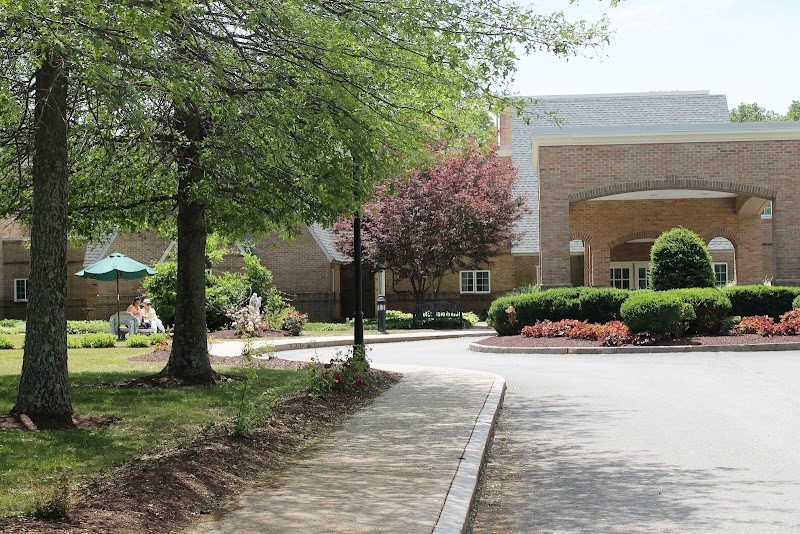
How is St Antoine Residence Staffed?
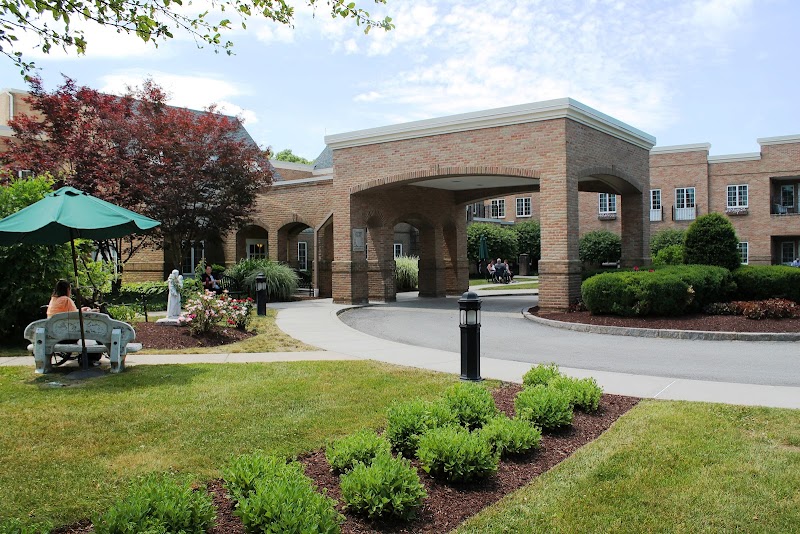
CMS rates St Antoine Residence's staffing level at 4 out of 5 stars, which is above average compared to other nursing homes. Staff turnover is 44%, compared to the Rhode Island average of 46%. This relatively stable workforce can support continuity of care.

What Have Inspectors Found at St Antoine Residence?

State health inspectors documented 31 deficiencies at St Antoine Residence during 2022 to 2025. These included: 2 Immediate Jeopardy (the most serious level, indicating potential for serious harm or death), 4 that caused actual resident harm, and 25 with potential for harm. Immediate Jeopardy findings are rare and represent the most serious regulatory concerns. They require immediate corrective action.

Who Owns and Operates St Antoine Residence?

St Antoine Residence is owned by a non-profit organization. Non-profit facilities reinvest revenue into operations rather than distributing to shareholders. The facility operates independently rather than as part of a larger chain. With 260 certified beds and approximately 171 residents (about 66% occupancy), it is a large facility located in North Smithfield, Rhode Island.

How Does St Antoine Residence Compare to Other Rhode Island Nursing Homes?

Compared to the 100 nursing homes in Rhode Island, St Antoine Residence's overall rating (2 stars) is below the state average of 3.1, staff turnover (44%) is near the state average of 46%, and health inspection rating (2 stars) is below the national benchmark.

What Should Families Ask When Visiting St Antoine Residence?

Based on this facility's data, families visiting should ask: "What changes have been made since the serious inspection findings, and how are you preventing similar issues?" "What safeguards and monitoring systems are in place to protect residents from abuse or neglect?" "Can I visit during a mealtime to observe dining assistance and food quality?" "How do you handle medical emergencies, and what is your hospital transfer rate?" These questions are particularly relevant given the facility's Immediate Jeopardy citations and the substantiated abuse finding on record.

Is St Antoine Residence Safe?

Based on CMS inspection data, St Antoine Residence has documented safety concerns. The facility has 1 substantiated abuse finding (meaning confirmed case of resident harm by staff or other residents). Inspectors have issued 2 Immediate Jeopardy citations (the most serious violation level indicating risk of serious injury or death). The facility has a 2-star overall rating and ranks #100 of 100 nursing homes in Rhode Island. Families considering this facility should ask detailed questions about what corrective actions have been taken since these incidents.

Do Nurses at St Antoine Residence Stick Around?

St Antoine Residence has a staff turnover rate of 44%, which is about average for Rhode Island nursing homes (state average: 46%). Moderate turnover is common in nursing homes, but families should still ask about staff tenure and how the facility maintains care continuity when employees leave.

Was St Antoine Residence Ever Fined?

St Antoine Residence has been fined $46,420 across 4 penalty actions. The Rhode Island average is $33,543. While any fine indicates a compliance issue, fines under $50,000 are relatively common and typically reflect isolated problems that were subsequently corrected. Families should ask what specific issues led to these fines and confirm they've been resolved.

Is St Antoine Residence on Any Federal Watch List?

St Antoine Residence is not on any federal watch list. The most significant is the Special Focus Facility (SFF) program, which identifies the bottom 1% of nursing homes nationally based on persistent, serious quality problems. Not being on this list means the facility has avoided the pattern of deficiencies that triggers enhanced federal oversight. This is a positive indicator, though families should still review the facility's inspection history directly.