Oak Hill Center for Rehabilitation & Health Care
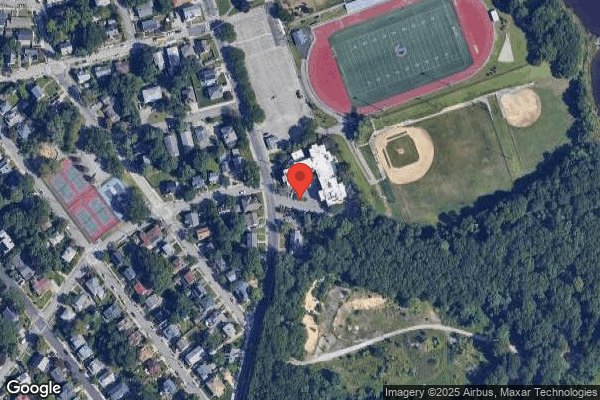
544 Pleasant Street, Pawtucket, RI 02860 (401) 725-8888
For profit - Limited Liability company 129 Beds CENTERS HEALTH CARE Data: November 2025 1 Immediate Jeopardy citation
Trust Grade
18/100
#54 of 72 in RI
Last Inspection: August 2025

Inspected within the last 6 months. Data reflects current conditions.

Overview

Oak Hill Center for Rehabilitation & Health Care has received an F trust grade, indicating poor performance with significant concerns about its operations. It ranks #54 out of 72 facilities in Rhode Island, placing it in the bottom half, and #28 out of 41 in Providence County, meaning there are only a few local options that are better. The facility's trend is improving, having reduced its issues from 11 in 2024 to 7 in 2025, but it still faces serious challenges, including 38 total deficiencies found during inspections. Staffing is a weakness, with only 2 out of 5 stars and concerningly low RN coverage compared to other facilities, which could impact the quality of care. Specific incidents include a cognitively impaired resident going missing due to inadequate supervision and residents not receiving necessary therapy and treatment for their conditions. While there are some improvements, families should be aware of these serious issues and consider them carefully when making decisions.

Trust Score
F
18/100
In Rhode Island
#54/72
Bottom 25%
Safety Record
High Risk
Review needed
Inspections
Getting Better
11 → 7 violations
Staff Stability
⚠ Watch
46% turnover. Above average. Higher turnover means staff may not know residents' routines.
Penalties
✓ Good
$33,151 in fines. Lower than most Rhode Island facilities. Relatively clean record.
Skilled Nurses
⚠ Watch
Each resident gets only 19 minutes of Registered Nurse (RN) attention daily — below average for Rhode Island. Fewer RN minutes means fewer trained eyes watching for problems.
Violations
⚠ Watch
38 deficiencies on record. Higher than average. Multiple issues found across inspections.
★★☆☆☆
2.0
Overall Rating
★★☆☆☆
2.0
Staff Levels
★★☆☆☆
2.0
Care Quality
★★☆☆☆
2.0
Inspection Score
Stable
2024: 11 issues
2025: 7 issues

The Good

  • Full Sprinkler Coverage · Fire safety systems throughout facility
  • No fines on record

Facility shows strength in fire safety.

The Bad

2-Star Overall Rating

Below Rhode Island average (3.1)

Below average - review inspection findings carefully

Staff Turnover: 46%

Near Rhode Island avg (46%)

Higher turnover may affect care consistency

Federal Fines: $33,151

Below median ($33,413)

Moderate penalties - review what triggered them

Chain: CENTERS HEALTH CARE

Part of a multi-facility chain

Ask about local staffing decisions and management

The Ugly 38 deficiencies on record

1 life-threatening 3 actual harm
Aug 2025 5 deficiencies 2 Harm
SERIOUS (G)

Actual Harm - a resident was hurt due to facility failures

Quality of Care (Tag F0684)

A resident was harmed · This affected 1 resident

**NOTE- TERMS IN BRACKETS HAVE BEEN EDITED TO PROTECT CONFIDENTIALITY** Based on surveyor observation, record review, and staff and resident interviews, it has been determined that the facility failed...

Read full inspector narrative →
**NOTE- TERMS IN BRACKETS HAVE BEEN EDITED TO PROTECT CONFIDENTIALITY** Based on surveyor observation, record review, and staff and resident interviews, it has been determined that the facility failed to provide treatment and care in accordance with professional standards of practice for 2 of 3 residents reviewed relative to skin conditions, Resident ID #s 111 and 3.Findings are as follows:1) Record review revealed Resident ID #111 was readmitted to the facility in February of 2024 with diagnoses including, but not limited to, diabetes mellitus type 2, morbid obesity, and osteoarthritis. Review of a Minimum Data Set (MDS) assessment dated [DATE] revealed a Brief Interview for Mental Status (BIMS) score of 13 out of 15, indicating intact cognition. During a surveyor interview on 8/12/2025 at 2:30 PM with Resident ID #111, s/he indicated that s/he had black stuff on his/her toes and that s/he had not been seen by the podiatrist in months. The resident further indicated that his/her feet were painful.Record review of a care plan dated 3/27/2024 revealed the resident had the potential for skin alteration related to decreased mobility with interventions including, but not limited to, complete weekly skin checks and to follow the physician's orders for skin care and treatments. Record review revealed the following physician's orders:-3/3/2025- weekly skin evaluation on Fridays during the evening shift, must complete weekly skin monitoring.-6/9/2025- diabetic foot care every evening shift for monitoring Record review of a Weekly Skin Check assessment dated [DATE] revealed that the resident's skin was intact and without foot concerns.Further record review failed to reveal evidence that a Weekly Skin Check assessment was completed on 8/8/2025 as ordered.During a surveyor interview on 8/13/2025 at 2:20 PM with Nursing Assistant (NA), Staff F, she stated that she cared for Resident ID #111 that day and did not observe anything wrong with the resident's feet. During a surveyor observation of the resident's feet on 8/13/2025 at 2:22 PM in the presence of Staff F, a buildup of dark colored tissue and matter was observed on the left great toe and on the right great and second toes. During this observation, Staff F indicated that the resident's feet appear to be normal and have looked like that for over a week, at least. During a surveyor interview on 8/13/2025 at 2:22 PM with Licensed Practical Nurse (LPN), Staff G, she indicated that she was unaware of any skin alterations with Resident ID #111's feet. During a surveyor observation of the resident's feet on 8/13/2025 at 2:23 PM, in the presence of Staff G, she acknowledged the buildup of dark colored tissue and matter. Staff G indicated that she had not been made aware of the skin alterations of the resident's feet until it was brought to her attention by the surveyor. Record review of a podiatry exam note dated 3/31/2025 revealed the resident's skin color was normal with no ulcers, and house lotion was recommended twice daily to both feet to boost skin integrity. Record review failed to reveal evidence that house lotion was being applied to the resident's feet twice daily. During a surveyor interview on 8/13/2025 at 2:27 PM with the Assistant Director of Nursing Services (ADNS), she indicated that she follows the wounds in the facility and that she was not aware of any areas of concern to Resident ID #111's feet. Additionally, she assessed the resident's feet after the surveyor brought the issue to her attention and she acknowledged the buildup of tissue and matter with dark discoloration. Record review revealed the following physician's orders were obtained after the above-mentioned skin alterations were brought to the facility's attention by the surveyor:-Left first toe- cleanse with normal saline, pat dry, apply bacitracin to wound bed followed by a bordered gauze every evening shift for skin alteration care-Right first toe- cleanse with normal saline, pat dry, apply bacitracin to wound bed followed by a bordered gauze every evening shift for skin alteration care-Soak feet at bedtime with warm water, pat dry followed by lotion to feet every evening shift for foot care. Record review revealed the resident was seen by the podiatrist on 8/14/2025, after the alterations of the resident's feet were brought to the facility's attention. Further review revealed ingrown toenails with pyogenic granuloma (a skin condition characterized by a buildup of immune cells that form a localized raised area) and pain were noted on both of the resident's left and right great toes. Further review revealed red, beefy granulation tissue (new tissue that forms on the surface of wounds during the healing process) was noted to the nail fold. Additionally, silver nitrate (a topical chemical compound that is used to cauterize and remove excess granulation tissue) was applied to both nail folds to cauterize the granuloma.During a surveyor interview and observation of the resident's feet on 8/15/2025 at 1:30 PM with the ADNS, she stated that the buildup on the resident's feet would not have occurred if diabetic foot care had been completed daily as ordered. She further noted that the buildup on the resident's right second toe was able to be removed. Additionally, she reported that after the resident received treatment from the podiatrist, new open areas were identified. The open areas were measured as follows: left great toe, 5 millimeters (mm) by 2 mm; right great toe, 13 mm by 5 mm.During a surveyor interview on 8/15/2025 at 1:36 PM with the Director of Nursing Services (DNS), she was unable to provide evidence that the weekly skin check assessment for 8/8/2025 had been completed as ordered. She also acknowledged that Resident ID #111 was found to have new skin alterations on his/her feet after it was brought to the facility's attention by the surveyor, which required physician intervention and resulted in open areas. 2. Record review revealed Resident ID #3 was admitted to the facility in July of 2025 with diagnoses including, but not limited to, diabetes mellitus type 2, chronic obstructive pulmonary disease (COPD), and morbid obesity. Review of the MDS assessment dated [DATE] revealed a BIMS score of 14 out of 15, indicating the resident's cognition was intact. Record review of a Weekly Skin Check assessment dated [DATE] indicated that the resident's skin was intact with no concerns. During a surveyor interview on 8/15/2025 at 10:45 AM with Resident ID #3, s/he indicated that s/he had a wound on his/her abdomen. The resident further indicated that s/he had picked at an old scar and sometimes they put a bandage on it. During a surveyor observation at the time of the above interview, a superficial wound was observed to the resident's upper left area of his/her abdomen measuring approximately 3 centimeters (cm) by 2 cm. During a surveyor interview on 8/15/2025 at 10:53 AM with LPN, Staff G, she indicated that she was made aware of the open area on the resident's abdomen yesterday, 8/14/2025 on the 7:00 AM to 3:00 PM shift; however, she did not notify the provider for an intervention or complete the skin assessment. During a surveyor interview on 8/15/2025 at 10:57 AM with the DNS, she indicated that she would expect that the provider would be notified of a new open area and that the wound would be reflected on the skin assessment.
SERIOUS (G)

Actual Harm - a resident was hurt due to facility failures

Deficiency F0825 (Tag F0825)

A resident was harmed · This affected 1 resident

**NOTE- TERMS IN BRACKETS HAVE BEEN EDITED TO PROTECT CONFIDENTIALITY** Based on record review, staff and resident interview, it has been determined that the facility failed to provide specialized reh...

Read full inspector narrative →
**NOTE- TERMS IN BRACKETS HAVE BEEN EDITED TO PROTECT CONFIDENTIALITY** Based on record review, staff and resident interview, it has been determined that the facility failed to provide specialized rehabilitation services such as physical therapy and occupational therapy, that are required per the resident's comprehensive plan of care for 2 of 2 residents reviewed with a decline in activities of daily living (ADL) functional abilities, Resident ID #s 8 and 42.Findings are as follows: 1. Record review revealed Resident ID #8 was readmitted to the facility in October of 2024 with diagnoses including, but not limited to, hemiplegia (paralysis) and hemiparesis (weakness) of the left non-dominant side following a stroke and left foot drop (the inability to lift the front part of your foot causing it to drag).During a surveyor interview with the resident on 8/13/2025 at 8:49 AM, the resident reported that they had not received therapy in several months and expressed that they are unable to do as much as they were previously able to.Record review of a Quarterly Minimum Data Set (MDS) assessment dated [DATE], revealed a Brief Interview for Mental Status (BIMS) score of 15 out of 15, indicating s/he is cognitively intact. Further review revealed the resident was coded as a 6 for functional abilities, indicating s/he does not require assistance for eating, oral and personal hygiene, toileting hygiene, shower/bathing, dressing, and putting on footwear.Record review of a subsequent Quarterly MDS assessment dated [DATE] revealed the resident is now coded as a 4 for functional abilities indicating that s/he requires verbal cues and/or touching/steadying and/or contact guard assistance for eating, oral and personal hygiene, toileting hygiene, shower/bathing, dressing, and putting on footwear.Record review of the care plan revised on 8/4/2025, indicates the resident requires assistance with ADL's related to weakness and stroke with a goal that the resident's ADL status will improve through the next review date. Further review revealed interventions, including, but not limited to, providing one staff member for assistance with personal care, personal hygiene and mouth care and to monitor for changes in status. Record review failed to reveal evidence that a screening for therapy services was completed following an identified decrease in ADL functioning.During surveyor interviews on 8/15/2025 at 9:55 AM and 12:25 PM with the Director of Rehabilitation, Staff A, she revealed that the resident was last discharged from Physical Therapy (PT) and Occupational Therapy (OT) services as of 5/20/2025 and has not received therapy services since. Additionally, she indicated that residents are screened for the need for therapy services during the Quarterly and Annual MDS assessment periods and when nursing notices a decline in residents' functional abilities. Staff A was unable to provide evidence that a therapy screen or referral for therapy was completed after a decline was identified in the Quarterly MDS assessment dated [DATE].2. Record review revealed Resident ID #42 was admitted to the facility in October of 2024 with diagnoses including, but not limited to, urinary retention and coronary artery disease. During a surveyor interview with the resident on 8/13/2025 at 8:50 AM s/he revealed that s/he hasn't had therapy in many months and has not walked. The resident further revealed that s/he wants to walk daily.Record review of an Annual MDS assessment dated [DATE], revealed a BIMS score of 14 out of 15, indicating s/he is cognitively intact. Further review of the MDS failed to reveal evidence that the resident ambulated 10, 50, or 150 feet during the assessment period. Record review of the PT Discharge Summary document dated 6/27/2025 revealed the following short and long-term goals: -Increase the ability to stand supported for 15 minutes to initiate gait activities-Once standing, the resident will improve the ability to safely ambulate 50 feet and make two turns with partial/moderate assistance while using a two-wheeled walker-Once standing, the resident will improve the ability to safely ambulate 150 feet in a corridor with partial/moderate assistance while using a two-wheeled walkerFurther review of the discharge summary document revealed the resident met his/her short and long-term goals and has made consistent progress with skilled interventions. The document indicates that the resident and staff were in-serviced relative to ambulation with contact guard assist and a two-wheeled walker. Additionally, the document indicates the resident's prognosis to maintain his/her current level of functioning is excellent with consistent staff support.Record review of an undated in-service document completed for the resident by the Physical Therapist revealed that a skills demonstration was provided to staff to ambulate the resident with contact guard assistance with a two-wheeled walker, up to 150 feet. During a surveyor interview on 8/13/2025 at approximately 9:00 AM with Licensed Practical Nurse, Staff D, she indicated she was unable to recall the last time the resident ambulated with staff. She further revealed that the last time the resident was assisted with ambulating, s/he was unable to ambulate due to being unsteady and shaking. Additionally, Staff D confirmed that the resident has not had physical therapy since 6/27/2025.During a surveyor interview on 8/15/2025 at 1:10 PM with NA, Staff E, she revealed that the resident always asks to walk, but she is unsure if the resident is supposed to walk. During a surveyor interview on 8/15/2025 at 9:55 AM with Director of Rehabilitation, Staff A, she acknowledged that the resident has not received therapy since s/he was discharged on 6/27/2025. She further revealed that on 8/14/2025 the Physical Therapist completed an evaluation for PT services, after the resident's concerns were brought to nursing by the surveyor. Additionally, she acknowledged that the PT evaluation indicated that the resident had a decline in function since s/he was discharged from therapy services on 6/27/2025.Record review of the PT Evaluation and Plan of Treatment dated 8/14/2025, indicates that the resident presented with significant decrease in muscle strength and balance, decreased safety awareness, and a decrease in activity intolerance with prolonged activities. During a surveyor interview on 8/15/2025 at 1:15 PM with the Director of Nursing Services, she revealed that if the MDS indicates a decline in functional abilities, then she would expect that a request for a therapy screen would be completed. Additionally, the DNS was unable to provide evidence Resident ID#'s 8 and 42 were screened or evaluated by physical therapy after a decrease in ADL function.
CONCERN (D)

Potential for Harm - no one hurt, but risky conditions existed

Accident Prevention (Tag F0689)

Could have caused harm · This affected 1 resident

**NOTE- TERMS IN BRACKETS HAVE BEEN EDITED TO PROTECT CONFIDENTIALITY** Based on surveyor observation, record review, and resident and staff interviews, it has been determined that the facility failed...

Read full inspector narrative →
**NOTE- TERMS IN BRACKETS HAVE BEEN EDITED TO PROTECT CONFIDENTIALITY** Based on surveyor observation, record review, and resident and staff interviews, it has been determined that the facility failed to ensure that a resident received adequate supervision for 1 of 1 resident reviewed who was assessed to be at risk for elopement and failed to ensure that a resident is provided assistive devices to prevent accidents relative to smoking for 1 of 1 resident reviewed, Resident ID #31.Findings are as follows:Record review of a facility policy titled Elopement Prevention dated 10/2022, states in part, .The facility maintains a process to assess all residents for risk for elopement, implement prevention strategies for those identified as an elopement risk, Elopement is the ability of a resident who is not capable of protecting himself or herself from harm to successfully leave the facility unsupervised and unnoticed and who may enter harm's way.interventions that may be used for residents identified at risk for elopement includes.frequent monitoring of the resident's whereabouts to assure he or she remains in the facility.utilize a sign out book on units for all activities off unit.disciplines working with residents who are at risk for elopement will take into consideration to alert other staff member when resident is left unattended.Record review revealed the resident was admitted to the facility in June of 2023 with diagnoses including, but not limited to, schizophrenia (a serious mental health condition that affects how people think, feel and behave), anxiety, and tobacco use.Review of the Minimum Data Set assessment dated [DATE] revealed a Brief Interview for Mental Status score of 0 out of 15, indicating s/he has severely impaired cognition.1a. Record review of an elopement evaluation dated 9/6/2024 revealed the resident scored a two; a score value of one or higher indicates the resident is at risk for elopement. Record review revealed a physician's order dated 6/23/2025 to check the resident's wander guard placement (a device used to monitor and prevent individuals from wandering, particularly in environments where safety is a concern. The device is typically worn as a bracelet or ankle band by the individual, and it is equipped with sensors that trigger alarms or alerts if the person moves beyond a designated area. This helps to ensure that people do not accidentally leave a secure environment or wander into potentially dangerous situations) to right wrist, every shift for safety.Review of a care plan, last updated on 4/4/2024, indicates that the resident is at high risk for elopement due to a pattern of wandering behavior. Interventions to address this risk include, but are not limited to, ensuring the resident is always supervised when outside and the use of a wander guard placed on their right wrist.During a surveyor observation on 8/13/2025 at 8:36 AM, the resident was seen entering the 2nd floor elevator with Staff I, a contracted worker performing maintenance on the building.Immediately following the above observation, the resident was observed by the surveyor on the ground floor level outside of the facility in the rear patio area unsupervised by staff. During this observation another resident alerted Nursing Assistant (NA), Staff F, that Resident ID #31 was outside unsupervised. During a surveyor interview on 8/13/2025 at 11:16 AM with Staff F, she acknowledged that another resident brought to her attention that the resident was outside unsupervised and s/he should not have been.During a surveyor interview on 8/13/2025 at 8:54 AM with Licensed Practical Nurse (LPN), Staff J, she acknowledged that the resident was found outside unsupervised and should not have been. During a surveyor interview with Staff I, he indicated that he escorted the resident to the first floor so s/he could smoke. He further indicated that the resident entered the rear patio area after he entered the code into the wander guard keypad system which disabled the alarm to the external door, to allow the resident outside. Additionally, he indicated he was not aware that the resident required supervision while outside of the facility.1b. Review of a facility policy titled Smoking and Safety Evaluation Last revised 10/2022 states in part, An individualized plan of care should be developed for the resident to ensure their smoking safety based on the outcome of their smoking assessment.Safety equipment such as but not limited to smoking apron will be provided as needed based on the outcome of the residents smoking assessment.residents are not permitted to hold their smoking materials.resident smoking materials will be stored by the facility in a locked area.Review of a Smoking and Safety Evaluation dated 8/5/2025 revealed that the resident is a current smoker and requires the use of a smoking apron when s/he smokes tobacco products.Review of a care plan last revised on 7/19/2025 revealed that the resident is a smoker with interventions including, but not limited to, smoking materials to be held by staff, cigarettes and or lighting material to be given by staff at designated times. During a surveyor observation on 8/13/2025 at 8:40 AM the resident was observed sitting outside the facility on the patio with a cigarette and lighter, s/he lit the cigarette, and was observed to be smoking not utilizing a smoking apron per his/her smoking assessment.During surveyor interviews on 8/13/2025 at 8:54 AM and 10:58 AM with LPN, Staff J, she acknowledged that the resident's smoking assessment revealed that the resident should be utilizing a smoking apron and acknowledged the resident had a lighter in his/her procession and should not have.During a surveyor interview on 8/13/2025 at 11:18 AM with the Administrator, she acknowledged that the facility's contracted workers should not have escorted the resident off the unit. Additionally, she indicated that it would be her expectation that the resident would not have been outside unattended, as s/he is an elopement risk. Further, she revealed the resident should not have any smoking implements and requires a smoking apron while smoking.
CONCERN (D)

Potential for Harm - no one hurt, but risky conditions existed

Infection Control (Tag F0880)

Could have caused harm · This affected 1 resident

Based on surveyor observation, record review, and staff interview, it has been determined that the facility failed to maintain an infection prevention and control program to help prevent the transmiss...

Read full inspector narrative →
Based on surveyor observation, record review, and staff interview, it has been determined that the facility failed to maintain an infection prevention and control program to help prevent the transmission of communicable diseases and infections, relative to staff wearing the appropriate personal protective equipment (PPE) for 1 of 1 resident reviewed with an order for contact precautions (infection control measures which require donning a gown and gloves upon entering the resident's room) for Extended-spectrum beta-lactamase producing bacteria (ESBL- an antibiotic resistant bacteria), Resident ID #2.Findings are as follows:Review of a facility policy titled, Isolation Precautions states in part, .Implement Contact Precautions for residents known or suspected to be infected with microorganisms that can be transmitted by direct contact with the resident or indirect contact with environmental surfaces or resident care items in the resident's environment.Place ‘isolation' sign at door of resident's room.Record review revealed Resident ID #2 was readmitted to the facility in June of 2025 with a diagnosis including, but not limited to, ESBL in the urine. Record review revealed a physician's order dated 8/7/2025 for contact precautions every shift related to ESBL in the urine. During a surveyor observation on 8/14/2025 at approximately 12:00 PM revealed signage on Resident ID #2's door stating, Contact Precautions Everyone Must Clean their hands including before entering and when leaving the room. Providers and Staff Must Also: Put on glove before room entry.Put on gown before room entry.During a surveyor observation on 8/14/2025 at 12:10 PM, Nursing Assistant (NA), Staff K, entered Resident ID #2's room without performing hand hygiene and without putting on a gown or gloves. She assisted the resident with his/her glasses then exited the room without performing hand hygiene. She then entered another resident's room across the hall for a short time then reentered Resident ID #2's room again, without performing hand hygiene and without putting on a gown or gloves. While in the room, Staff K went over to Resident ID #2 and was behind the privacy curtain. During a surveyor interview in 8/14/2025 at approximately 12:15 PM with Staff K, she indicated that she was unaware that Resident ID #2 had an order for contact precautions. She further indicated that she did not see the sign on the door indicating contact precautions were in place. Additionally, she acknowledged that the signage on Resident ID #2's door indicates to perform hand hygiene before entering and exiting, and to put on a gown and gloves before entering the room. Furthermore, she indicated that she thought contact precautions only required putting on a gown and gloves when touching the resident. During a surveyor interview on 8/14/2025 at 12:18 PM with Licensed Practical Nurse (LPN), Staff P, she indicated that Resident ID #2 was actively being treated for ESBL and had an order for contact precautions. Additionally, she indicated that she would expect staff to put on a gown and gloves upon entering the resident's room. During a surveyor interview on 8/14/2025 at 12:30 PM with the Assistant Director of Nursing Services and the Infection Preventionist, Staff H, she acknowledged that Resident ID #2 was actively being treated for ESBL in his/her urine and had a physician's order for contact precautions. Additionally, she indicated that she would expect staff to perform hand hygiene before and after entering a resident's room and put on a gown and gloves upon entering a resident's room. Cross reference F-726
CONCERN (E)

Potential for Harm - no one hurt, but risky conditions existed

Deficiency F0726 (Tag F0726)

Could have caused harm · This affected multiple residents

Based on surveyor observation, and staff and resident interviews, it has been determined that the facility failed to have sufficient nursing staff with the appropriate competencies and skill sets to h...

Read full inspector narrative →
Based on surveyor observation, and staff and resident interviews, it has been determined that the facility failed to have sufficient nursing staff with the appropriate competencies and skill sets to help prevent the transmission of communicable diseases and infections for 3 of 4 nursing staff, Staff IDs K, L, and M, interviewed regarding contact precautions (infection control measures which require specific personal protective equipment (PPE)); Resident ID #2 requires the use of infection control measures of donning a gown and gloves when entering the resident's room. Findings are as follows:Review of a facility policy titled, Isolation Precautions states in part, .Implement Contact Precautions for residents known or suspected to be infected with microorganisms that can be transmitted by direct contact with the resident or indirect contact with environmental surfaces or resident care items in the resident's environment.Place ‘isolation' sign at door of resident's room.Record review revealed Resident ID #2 was readmitted to the facility with a diagnosis including, but not limited to, ESBL (a multidrug resistant organism) infection in the urine.Record review revealed a physician's order dated 8/7/2025 for contact precautions every shift related to ESBL in the urine. During a surveyor observation on 8/14/2025 at approximately 12:00 PM signage on the resident's door stated, Contact Precautions Everyone Must Clean their hands including before entering and when leaving the room. Providers and Staff Must Also: Put on glove before room entry.Put on gown before room entry.During a surveyor observation on 8/14/2025 at 12:10 PM, Nursing Assistant (NA) Staff K, entered Resident ID #2's room without performing hand hygiene and without putting on a gown or gloves. She assisted the resident with his/her glasses then exited the room without performing hand hygiene. She then entered another resident's room across the hall for a short time then re-entered Resident ID #2's room, without performing hand hygiene and without putting on a gown or gloves. While in the room, Staff K went over to Resident ID #2 and was behind the privacy curtain.During a surveyor interview on 8/14/2025 at approximately 12:15 PM with Staff K, she indicated that she was unaware Resident ID #2 was on contact precautions. She further indicated that she did not see the sign indicating the need for contact precautions. Additionally, she acknowledged that the signage on Resident ID #2's door indicates to perform hand hygiene before entering and exiting the room, and to put on a gown and gloves before entering the room. Furthermore, she indicated that she thought contact precautions only required putting on a gown and gloves when touching the resident. During a surveyor interview on 8/14/2025 at 12:01 PM with Certified Medication Technician, Staff L, she indicated that you only need to wear a gown and gloves when touching a resident on contact precautions.During a surveyor interview on 8/14/2025 at 12:16 PM with Licensed Practical Nurse (LPN), Staff M, she was unable to answer any questions relative to contact precautions. During a surveyor interview on 8/14/2025 at 12:30 PM with the Assistant Director of Nursing Services and Infection Preventionist, Staff H confirmed that Staff K, L, and M had completed competencies related to infection control practices. However, she was unable provide evidence these staff members were able to demonstrate knowledge of the appropriate competencies and skills for caring for a resident on contact precautions. Cross Reference F 880
Apr 2025 1 deficiency
CONCERN (D) 📢 Someone Reported This

A family member, employee, or ombudsman was alarmed enough to file a formal complaint

Potential for Harm - no one hurt, but risky conditions existed

Deficiency F0658 (Tag F0658)

Could have caused harm · This affected 1 resident

Based on surveyor observation, record review, and staff interview, it has been determined that the facility failed to ensure that services being provided meet professional standards of practice for 1 ...

Read full inspector narrative →
Based on surveyor observation, record review, and staff interview, it has been determined that the facility failed to ensure that services being provided meet professional standards of practice for 1 of 3 residents reviewed for wound treatment orders, Resident ID #2. Findings are as follows: Review of a facility policy titled, Wound Care, last revised in January of 2023, states in part, .Procedure: 1. Verify that there is a physician's order for this procedure .Steps in Procedure .13. Dress wound .Mark tape with initials, time, and date and apply to dressing . Review of the resident's record revealed s/he was admitted to the facility in October of 2022 with diagnoses which include, but are not limited to, dementia and moderate protein-calorie malnutrition. 1. Record review of a Wound Evaluation & Management Summary dated 4/2/2025, authored by the Wound Physician, revealed the resident has a non-pressure wound (open sore caused by poor circulation or other underlying condition other than prolonged pressure) of the left, anterior (top) shin. Further record review of the above document revealed a treatment order recommendation by the wound physician for the above mentioned wound to apply a collagen sheet (wound dressing to promote healing) with calcium alginate (a dressing that absorbs excess exudate [cells and fluid that seep out of blood vessels, pus], creating a moist wound bed to promote healing) followed by a gauze island with bordered dressing twice daily for 30 days. Record review failed to reveal evidence a physician order was in place for the non-pressure wound on the resident's left shin. During a surveyor observation of the resident on 4/7/2025 at 2:40 PM, in the presence of Registered Nurse, Staff A, the resident had a dressing applied to the top of his/her left shin. The dressing was not labeled with a date or initials. During a surveyor interview with Staff A immediately following the above observation, she revealed that she did not apply the dressing to the resident's left shin and was not aware of who did. She acknowledged that the dressing was not dated or initialed and that there was not a physician's order in place for the treatment of the wound on the shin. 2. Record review revealed the resident has an unstageable pressure wound (full thickness pressure injury where the base of the wound is obscured by slough [yellowish tissue] or eschar [brown, leathery tissue] making it impossible to determine depth or stage of the wound) to his/her left posterior (back) calf. Record review revealed a physician order dated 3/13/2025 to apply Santyl (an ointment used to debride wounds) topically to the left posterior calf every day shift. The order was discontinued on 4/3/2025 at 9:44 AM. Record review revealed a physician order dated 4/5/2025 to cleanse the wound on the left posterior calf with normal saline, pat dry, apply a collagen sheet followed by a calcium alginate sheet to the wound bed followed by a gauze island dressing every day and evening shifts. Additional record review of the Wound Evaluation & Management Summary dated 4/2/2025, revealed a treatment order recommendation to discontinue Santyl and begin applying a collagen sheet to the wound followed by calcium alginate and a gauze island dressing twice daily. Record review of the April 2025 Treatment Administration Record failed to reveal evidence that a treatment order for the left posterior calf wound was in place on the following dates/times: - 4/3/2025, evening shift - 4/4/2025, day and evening shift - 4/5/2025, day shift During surveyor interviews with the Wound Nurse in the presence of the Administrator on 4/7/2025 at 2:55 PM and 3:24 PM, she revealed the wound physician's treatment orders are transcribed by the nurse when received. If they are received after hours she completes them herself the following day. She acknowledged that there was not a treatment order in place for Resident ID #2's non-pressure wound on his/her left anterior calf as ordered by the wound physician. Additionally, she would expect the dressing to be dated and initialed, per facility policy. Further, she acknowledged that there was no treatment in place for the resident's unstageable pressure ulcer on his/her posterior calf on the above-mentioned dates and times, as recommended by the wound physician.
Mar 2025 1 deficiency
CONCERN (E) 📢 Someone Reported This

A family member, employee, or ombudsman was alarmed enough to file a formal complaint

Potential for Harm - no one hurt, but risky conditions existed

Safe Environment (Tag F0921)

Could have caused harm · This affected multiple residents

**NOTE- TERMS IN BRACKETS HAVE BEEN EDITED TO PROTECT CONFIDENTIALITY** Based on surveyor observation, record review and staff interview, it has been determined that the facility failed to provide a s...

Read full inspector narrative →
**NOTE- TERMS IN BRACKETS HAVE BEEN EDITED TO PROTECT CONFIDENTIALITY** Based on surveyor observation, record review and staff interview, it has been determined that the facility failed to provide a safe, functional, sanitary, and comfortable environment for residents, relative to 3 of 3 units observed for the condition of resident bathrooms and shower rooms. Findings are as follows: Record review of a community reported complaint submitted to the Rhode Island Department of Health on 3/24/2025 alleges that areas of the nursing home appear to be under construction, but appear to be sitting in a state of disrepair . In addition, the complainant revealed his/her loved one's room smells overwhelmingly of urine, and that s/he mentioned this on 3/14/2025 and was told that they would have housekeeping do a deep cleaning. When s/he returned on 3/21/2025, the room still smelled of urine. 1. Surveyor observations on 3/26/2025 at approximately 9:00 AM of the 1st floor revealed the following: - The 1st floor shower room had black matter inside and around the base in the shower stall to the left. The grout in the corners of the stall had black and pink matter extending halfway up the tile. - The bathroom in resident room [ROOM NUMBER] had an odor of urine. Additionally, the inside of the toilet bowl was discolored with brown stains. 2. Surveyor observations on 3/26/2025 at approximately 9:20 AM of the 2nd floor revealed the following: - The 2nd floor shower room revealed pink and black matter all along the base of the shower stall. The grout in the corners of the stall had pink and black matter extending halfway up the grout in one of the shower stalls. - The bathroom identified in the above mentioned community reported complaint had an odor of urine. Additionally, the inside of the toilet bowel was discolored with brown stains. - The bathroom in resident room [ROOM NUMBER] had an odor of urine. Additionally, the inside of the toilet bowl was discolored with brown stains. - The bathroom in resident room [ROOM NUMBER] had a fairly large hole at the bottom of the wall across from the toilet. It measured approximately 12-15 inches. 3. Surveyor observations on 3/26/2025 at approximately 9:40 AM of the 3rd floor revealed the following: - The 3rd floor shower room had black matter all along the base of the middle shower stall. The grout had black and pink matter extending halfway up the tile. Additionally, when the curtain to the stall was opened, multiple small flies were observed to fly out. - Resident room [ROOM NUMBER] had a strong odor of urine and the bed closest to the window had 2 urinals, half full, hanging off the foot of the bed. - The bathroom in resident room [ROOM NUMBER] had a strong odor of urine. Additionally, the inside of the toilet bowl was discolored with brown stains. - The inside of the toilet bowl in resident room [ROOM NUMBER] was stained with a brown substance. - On the [NAME] unit, a wall was observed to be partially plastered with three visible holes. - Multiple wheelchairs, recliners, a bed frame, and small table were stored in the [NAME] unit common area. During surveyor observations and simultaneous interview with the Administrator, Director of Nursing, and Maintenance Director on 3/26/2025 at approximately 10:00 AM, they acknowledged the above mentioned observations and indicated that they would remedy the issues by replacing toilet bowls, cleaning, and fixing the areas that are in disrepair.
Oct 2024 2 deficiencies 1 Harm
SERIOUS (G) 📢 Someone Reported This

A family member, employee, or ombudsman was alarmed enough to file a formal complaint

Actual Harm - a resident was hurt due to facility failures

Deficiency F0760 (Tag F0760)

A resident was harmed · This affected 1 resident

Based on record review and staff interview, it has been determined that the facility failed to ensure that residents are free of any significant medication errors for 1 of 1 resident reviewed for anti...

Read full inspector narrative →
Based on record review and staff interview, it has been determined that the facility failed to ensure that residents are free of any significant medication errors for 1 of 1 resident reviewed for antibiotic use, Resident ID #1. Findings are as follows: Review of community reported complaint submitted to the Rhode Island Department of Health on 10/1/2024 alleges that the resident was admitted to the facility from the hospital. Additionally, 3 days later the resident had returned to the hospital due to a fever and infection. Record review revealed the resident was admitted to the facility in September of 2024 with diagnoses including, but not limited to, urinary tract infection (UTI), bacteremia (the presence of bacteria in the blood which can be serious and require antibiotics), and sepsis (a life-threatening reaction to an infection). Review of a hospital document titled, Continuity of Care - Post-Acute Facility dated 9/24/2024 revealed that the resident was to continue receiving an antibiotic, Sulfamethoxazole-trimethoprim (Bactrim) 200-40 milligrams (mg)/5 milliliters (mL) oral suspension (liquid), 20mL (to equal 800-160mg) twice daily for 21 days for bacteremia. Additional review of the hospital document revealed that the resident last received his/her Bactrim on 9/24/2024 at 8:39 AM and was scheduled to receive his/her next dose of Bactrim on 9/24/2024 at 8:00 PM. Record review of a progress note dated 9/24/2024 authored by Licensed Practical Nurse, Staff A, revealed that the resident arrived on the unit at 5:30 PM and all medications were verified with a provider without any changes to the resident's medications. Record review revealed a physician's order for Bactrim oral suspension 200-40mg/5mL and to give 20mL (to equal 800-160mg) with a start date of 9/25/2024 at 8:00 PM. Additional review of the order revealed the start date was transcribed incorrectly for 9/25/2024 instead of 9/24/2024 at 8:00 PM which caused the resident to miss 2 doses of his/her Bactrim on 9/24/2024 (evening dose) and 9/25/2024 (morning dose). Review of the September 2024 Medication Administration Record (MAR) revealed that the resident did not receive his/her Bactrim on 9/25 (evening dose) or 9/26 (morning dose), the reasoning documented as other. Review of the progress notes revealed the following relative to the Bactrim: -9/25/2024: .on order -9/26/2024: .waiting for pharmacy. Additional review of the September 2024 MAR revealed that the resident did not receive 4 consecutive doses of his/her Bactrim. Record review failed to reveal evidence that a provider was made aware of the missed Bactrim doses. Review of a progress note authored by the Physician dated 9/26/2024 at 5:22 PM, revealed the resident was to complete a course of Bactrim for bacteremia. Additionally, the resident's vital signs were reviewed and s/he was considered stable at present. Further review of the progress notes revealed that the resident had experienced a change in condition as evidenced by the following: -9/27/2024 at 1:59 PM: The resident complained of severe abdominal pain, increased weakness and fatigue, difficulty urinating, chills, and was noted to have the following abnormal vital signs: Blood pressure (BP):144/89 (Normal BP 120/80) Heart rate (HR): 137 (Normal HR 60-100) Respiratory rate (RR): 24 (Normal RR 12-20) Temperature (T): 103.9 (Normal T 98.6) Additionally, a provider ordered the resident to be transferred to the hospital for an evaluation. Review of the hospital Emergency Department notes dated 9/27/2024 revealed that the resident presented with findings consistent with urosepsis (a serious condition that happens when a UTI spreads to the kidneys causing sepsis). Additionally, the resident required 2 intravenous antibiotics, intravenous fluids, and placement of a urinary catheter (a flexible tube that drains urine from the bladder). During a surveyor interview on 10/2/2024 at 12:49 PM with LPN, Staff B, she revealed that the facility has a Pyxis machine (a machine securely stores an emergency supply of medication) that nursing staff has access to in the event that a resident requires medication that has not been delivered by the pharmacy or if a medication runs out. She further revealed that the Pyxis machine currently has 16 tablets of Bactrim 800-160mg tablets and she indicated that she would have called a provider to ask if the Bactrim tablet form could have been substituted for the liquid Bactrim to prevent the resident from missing a dose. Additionally, she revealed that she would notify a provider if the resident missed a dose of medication, especially an antibiotic, and would also document it. During a surveyor interview on 10/2/2024 at 2:43 PM with Staff A, she was unable to explain why the Bactrim order start date was transcribed incorrectly and revealed that she did not notify the provider to inquire if the Bactrim tablet form, which was available to administer, could be substituted for the Bactrim liquid form (the resident was receiving other medications in tablet form). An attempt to reach the Nurse Practitioner and Physician were made on 10/2/2024 at 2:51 PM and 3:18 PM, respectively, and voice messages were left. No return calls were received. During a surveyor interview on 10/2/2024 at approximately 1:00 PM with the Director of Nursing Services and the Administrator, they revealed that they would have expected the resident to receive his/her Bactrim as ordered or notify a provider if the Bactrim was not administered to the resident.
CONCERN (E) 📢 Someone Reported This

A family member, employee, or ombudsman was alarmed enough to file a formal complaint

Potential for Harm - no one hurt, but risky conditions existed

Deficiency F0658 (Tag F0658)

Could have caused harm · This affected multiple residents

Based on record review and staff interview, it has been determined that the facility failed to provide appropriate treatment and services for 2 of 2 residents reviewed for an indwelling catheter (fole...

Read full inspector narrative →
Based on record review and staff interview, it has been determined that the facility failed to provide appropriate treatment and services for 2 of 2 residents reviewed for an indwelling catheter (foley; a flexible tube that drains urine from the bladder), Resident ID #s 1 and 2. Findings are as follows: 1) According to the 2022 Brunner & Suddarth's Textbook of Medical-Surgical Nursing 15th Edition, page 1542 states, .the average person voids 1-2 L [Liters, equal to 1000 milliiters (mL) - 2000 mL] of urine in 24 hours . Review of a community report complaint submitted to the Rhode Island Department of Health on 10/1/2024 alleges that Resident ID #1 was admitted to the facility and accidentally removed his/her foley the following day. Additionally, Resident ID #1 was transferred to the hospital 3 days after admission to the facility for a fever and infection. Review of a facility policy titled, INTAKE AND OUTPUT last revised 12/2019 states in part, .Record any output as soon as possible after collecting .Resident should be provided a hat [urinary collection device for measuring] for accurate output measurement .At the end of your shift, total the amounts .and any amount of output obtained .Documentation .The date and time the resident's intake and output was measured and recorded . a) Record review revealed Resident ID #1 was admitted to the facility in September of 2024 with diagnoses including, but not limited to, urinary tract infection (UTI), bacteremia (the presence of bacteria in the blood which can be serious and requires antibiotics), and sepsis (a life-threatening reaction to an infection). Record review revealed that the resident was admitted to the facility with a foley. Record review revealed the following progress notes: -9/25/2024 at 6:46 AM the resident removed his/her foley and a provider was made aware -9/25/2024 at 1:22 PM the Nurse Practitioner was notified of the foley removal and ordered staff to monitor urinary output Record review revealed the following physician's orders relative to urinary output monitoring: -9/25/2024 Monitor urinary output every shift -9/26/2024 Monitor urinary output and use a hat to measure every shift due to foley removal Review of the September 25th through September 27th, 2024, Treatment Administration Record (TAR) revealed the following relative to urinary output: -9/25 Evening shift (3:00 PM - 11:00 PM): Documented as completed without a measurement -9/25 Night shift (11:00 PM - 7:00 AM): Documented as completed without a measurement -9/26 Morning shift (7:00 AM - 3:00 PM): Documented as completed (600mL output per a progress note) -9/26 Evening shift: Documented as completed without a measurement -9/26 Night shift: 200 mL output documented -9/27 Morning shift: 200 mL output documented (progress note indicated one wet brief) Additional record review revealed the resident's total urinary output on the following days: -9/25/2024: No output recorded -9/26/2024: 800 mL -9/27/2024: 200 mL (prior to the resident being transferred to the hospital at approximately 2:00 PM) Record review failed to reveal evidence that a provider was made aware of the resident's low urinary output on the above-mentioned dates until the resident had a change in condition and was transferred to the hospital. Review of the hospital Emergency Department notes dated 9/27/2024 revealed that the resident required a foley to be placed for strict urinary intake and output monitoring. During a surveyor interview on 10/2/2024 at 12:49 PM with Licensed Practical Nurse, Staff B, she revealed that she would contact the provider if a resident's urinary output was less than 200-300 mL in one shift (8 hours). b) Record review revealed Resident ID #2 was admitted to the facility in September of 2024 with a diagnosis including, but not limited to, neuromuscular dysfunction of the bladder. Review of a care plan focus area dated 9/13/2024 revealed that the resident has a foley with an intervention to monitor and document intake and output. Record review revealed a physician's order dated 9/13/2024 to monitor urinary output every shift due to a foley catheter. Review of the September 13th through September 25th, 2024, TAR revealed the resident's urinary output was not documented on the following dates and shifts: -9/20 morning shift -9/21 morning shift -9/22 evening shift An attempt to reach the Nurse Practitioner and Physician were made on 10/2/2024 at 2:51 PM and 3:18 PM, respectively. Voice messages were left; however, no return calls were received. During a surveyor interview on 10/2/2024 at approximately 1:00 PM with the Director of Nursing Services (DNS) and the Administrator, they revealed that they would have expected the resident's urinary output to be measured and documented as ordered. Additionally, the DNS would not acknowledge that a provider should have been notified for Resident ID #1's low urinary output.
Jul 2024 8 deficiencies
CONCERN (D)

Potential for Harm - no one hurt, but risky conditions existed

Deficiency F0658 (Tag F0658)

Could have caused harm · This affected 1 resident

Based on surveyor observation, record review, and staff interview, it has been determined that the facility failed to provide treatment and care in accordance with professional standards of practice f...

Read full inspector narrative →
Based on surveyor observation, record review, and staff interview, it has been determined that the facility failed to provide treatment and care in accordance with professional standards of practice for 1 of 1 resident reviewed for assistance with meals, Resident ID #42. Findings are as follows: Record review revealed that the resident was admitted to the facility in October of 2021 with diagnoses including but not limited to Parkinson's disease, dysphagia (difficulty swallowing) and, contractures of both hands (shortening or hardening of the muscles). Record review revealed a care plan, last revised on 8/16/2022, which revealed the resident has a nutritional problem related to obesity and requires the physical assistance of staff for meals and fluids. Record review revealed a physician's order dated 7/16/2022 for one to one assistance with feeding and to position the resident upright at 90 degrees during meals. During surveyor observations of the resident failed to reveal s/he was upright at 90 degrees while being assisted with his/her meal, on the following dates and times: -7/17/2024 at 12:35 PM -7/18/2024 at 8:40 AM -7/18/2024 at 12:37 PM During a surveyor interview on 7/18/2024 at 12:37 PM with Nursing Assistant, Staff C, he acknowledged that the resident was not upright at 90 degrees while being assisted with his/her meal and indicated that s/he should have been. During a surveyor interview on 7/18/2024 at 2:52 PM with Licensed Practical Nurse, Staff D, she acknowledged that the resident has a physician's order to be upright at 90 degrees at mealtimes. She revealed she was not aware that the resident's head of the bed was not at 90 degrees during the above-mentioned mealtimes and indicated s/he should have been. During a surveyor interview with the Director of Nursing Services on 7/18/2024 at 3:37 PM, she was unable to provide evidence that the resident's head of the bed was upright at 90 degrees during mealtimes per the physician's order.
CONCERN (D)

Potential for Harm - no one hurt, but risky conditions existed

Incontinence Care (Tag F0690)

Could have caused harm · This affected 1 resident

**NOTE- TERMS IN BRACKETS HAVE BEEN EDITED TO PROTECT CONFIDENTIALITY** Based on record review and staff interview, it has been determined that the facility failed to provide appropriate treatment and...

Read full inspector narrative →
**NOTE- TERMS IN BRACKETS HAVE BEEN EDITED TO PROTECT CONFIDENTIALITY** Based on record review and staff interview, it has been determined that the facility failed to provide appropriate treatment and services for 1 of 1 resident reviewed with an indwelling foley catheter (a flexible tube that collects urine from the bladder and empties the urine into a drainage bag), Resident ID #11. Findings are as follows: According to Brunner & Suddarth's Textbook of Medical-Surgical Nursing, Volume 2, 10th Edition, page 252 states, .the usual daily urine volume in the adult is 1-2 Liters or 1000-2000 cubic centimeters (cc). Additionally, page 1282 states, For patients with indwelling catheters, the nurse assesses the drainage system to ensure that it provides adequate urinary drainage. The color, odor, and volume of urine are also monitored. An accurate record of fluid intake and urine output provides essential information about the adequacy of renal function and urinary drainage . Record review revealed the resident was readmitted to the facility in July of 2024 with diagnoses including, but not limited to, acute heart failure and obstructive uropathy (a structural or function hindrance of the normal flow of urine). Review of a care plan dated 1/6/2024, revealed the resident requires an indwelling foley catheter with interventions including, but not limited to, monitor, record and report signs and symptoms of a urinary tract infection including no urine output. Record review of a hospital Discharge summary dated [DATE] revealed the resident was discharged following his/her hospitalization with a diagnosis of complicated urinary tract infection with bacteremia (bacertia in the blood), septic shock (life-threatening condition caused by severe localized or system wide infection), and acute kidney injury. Record review of the documented urinary output from 7/1/2024 through 7/17/2024, failed to reveal evidence that the output was measured and recorded each shift for 46 of 51 opportunities. During a surveyor interview with the Director of Nursing Services on 7/19/2024 at approximately 12:15 PM, she revealed it would be her expectation for urinary output to be documented every shift for a resident with a foley catheter. Additionally, she was unable to provide evidence that the facility provided appropriate treatment and services for a resident with a urinary catheter, including documenting the urinary output to assess for adequacy of renal function.
CONCERN (D)

Potential for Harm - no one hurt, but risky conditions existed

Tube Feeding (Tag F0693)

Could have caused harm · This affected 1 resident

Based on surveyor observation, record review, and staff interview, it has been determined that the facility failed to ensure residents that are fed through a feeding tube receive the appropriate treat...

Read full inspector narrative →
Based on surveyor observation, record review, and staff interview, it has been determined that the facility failed to ensure residents that are fed through a feeding tube receive the appropriate treatment and services to prevent complications for 1 of 1 resident reviewed receiving nutrition and medications via a gastrostomy tube (g-tube; (a tube that provides direct access to the stomach for supplemental feeding, hydration or medication), Resident ID #38. Findings are as follows: Review of a facility provided policy titled, Enteral Tube Medication Administration dated 12/2019 states in part, The facility assures the safe and effective administration of enteral formulas and medications via enteral tubes .check for proper tube placement using air and auscultation [listening] .check gastric content for resident feeding. Return residual volumes to the stomach . Record review revealed that the resident was readmitted to the facility in January of 2024 with a diagnosis including, but not limited to, gastrostomy status. Record review revealed a physician's order dated 7/21/2023 to check g-tube placement every shift before and after any feeds and before and after any medication administration. During a surveyor observation of the medication administration task on 7/18/2024 at 8:45 AM with Licensed Practical Nurse, Staff A, she was observed to disconnect the resident's feeding. She then administered the medications and reconnected the tube feeding to the resident. Staff A, failed to check for proper g-tube placement after disconnecting the feeding, prior to administering medications or before reattaching the feeding to the resident. During a surveyor interview on 7/18/2024 at 9:10 AM with Staff A, she acknowledged that she did not check for proper g-tube placement at any time during the medication administration task. Additionally, she acknowledged that she did not follow the physician order to check for placement. During a surveyor interview of 7/18/2024 at 10:35 AM with the Director of Nursing Services she was unable to provide evidence that the resident received the appropriate treatment and services to prevent complications relative to checking for placement of the tube prior to medication administration.
CONCERN (D) 📢 Someone Reported This

A family member, employee, or ombudsman was alarmed enough to file a formal complaint

Potential for Harm - no one hurt, but risky conditions existed

Deficiency F0740 (Tag F0740)

Could have caused harm · This affected 1 resident

Each resident must receive and the facility must provide the necessary behavioral health care and services to attain or maintain the highest practicable physical, mental, and psychosocial well-being, ...

Read full inspector narrative →
Each resident must receive and the facility must provide the necessary behavioral health care and services to attain or maintain the highest practicable physical, mental, and psychosocial well-being, in accordance with the comprehensive assessment and plan of care. Behavioral health encompasses a resident's whole emotional and mental well-being, which includes, but is not limited to, the prevention and treatment of mental and substance use disorders Based on record review and staff interview it has been determined that the facility failed to provide the necessary behavioral health care and services to attain or maintain the highest practicable physical, mental, and psychosocial well-being, in accordance with the plan of care. Behavioral health encompasses a resident's whole emotional and mental well-being, which includes, but is not limited to, the treatment of mental disorders for 1 of 2 residents reviewed for trauma informed care, Resident ID #40. Findings are as follows: Record review revealed that the resident was admitted to the facility in March of 2023 with diagnoses including, but not limited to, post-traumatic stress disorder, bipolar disorder, major depressive disorder, and anxiety disorder. Review of a document titled PSYCHIATRIC EVALUATION & CONSULTATION dated 3/26/2024 revealed that the resident endorses flashbacks and spoke openly about a trigger. It further revealed a plan to increase his/her buspirone 15 milligrams (mg) twice a day (BID) (anxiety medication) and add hydroxyzine 25mg as needed (PRN) for anxiety to manage acute symptoms. Review of a progress note dated 3/26/2024 authored by the Nurse Practitioner (NP), states in part, .agree to increase buspirone to 15mg bid and start hydroxyzine 25mg bid prn for anxiety . Record review revealed a physician's order with a start date of 3/26/2024 for buspirone 15 mg once a day for anxiety. Further review revealed a physician's order for hydroxyzine 25 mg every 12 hours as needed for anxiety with a start date and end date of 3/26/2024. Record review failed to reveal evidence that the resident was receiving buspirone 15mg BID and hydroxyzine 25mg BID PRN for anxiety as ordered. Record review revealed that the resident had a Patient Health Questionnaire (PHQ-9; a tool for screening, diagnosing, monitoring, and measuring the severity of depression) completed on the following dates, which resulted in the following scores: - 1/12/2024 with a score of 9 indicating mild depression - 4/5/2024 with a score of 12 indicating moderate depression - 5/16/2024 with a score of 10 indicating moderate depression - 5/18/2024 with a score of 15 indicating moderately severe depression - 6/10/2024 with a score of 19 indicating moderately severe depression Further review of the progress notes revealed on the following dates the resident was experiencing anxiety or depressive symptoms: -3/4/2024 baseline anxiety present -4/9/2024 I'm having a hard time with sleep, anxiety and depression. [S/he] also scored positive for little interest in doing things, feeling tired, low appetite and feeling bad about [him/herself]. [S/he] states [s/he] feels this way due to [his/her] health and adjustment to the facility. [S/he] also reported ongoing daily flashbacks of the trauma [s/he] has experienced in [his/her] past -5/20/2024 [S/he] is unable to tolerate imaging without medication due to anxiety, has taken Ativan [anxiety medication] in the past for anxiety r/t [related to] imaging -6/7/2024 At 2pm [the resident] called writer into room to state [s/he's] having increased anxiety r/t urine specimen. writer asked [him/her] to elaborate to which [s/he] then stated, 'can you have psych talk to me this week'. writer placed resident on Psych list -6/10/2024 [Social Worker] reached out to supportive care .to inform her of high PHQ9 and .stating [the resident] was having nightmare and panic attacks causing [the resident] not to sleep. She states she will come in tomorrow to see [the resident] . 7/16/2024 .new recommendations Clonidine 0.1 mg BID PRN for anxiety/panic x28days (pt [patient] has taken in past with good effect). reported to .NP with approval of recommendations . During a surveyor interview on 7/18/2024 at 9:40 AM with the Director of Nursing Services, she was unable to explain why the medications were not transcribed as ordered. Additionally, she was unable to provide evidence that the resident was provided with the necessary behavioral health care and services to attain or maintain his/her highest practicable physical, mental, and psychosocial well-being. Review of an additional PSYCHIATRIC EVALUATION & CONSULTATION dated 7/16/2024 revealed that the psychiatric provider documented that the resident was currently receiving buspirone 15 mg twice a day and hydroxyzine 25 mg every 12 hours as needed for anxiety when the resident was not, the resident wasonly receiving buspirone 15 mg once a day. During a surveyor interview with the Psychiatric provider on 7/19/2024 at 9:37 am, she revealed that the resident was started on clonidine on 7/16/2024 as the as needed because the hydroxyzine was ineffective. She was unaware that the order for hydroxyzine was not transcribed correctly, resulting in the resident only receiving it for one day. Additionally, she revealed that she was unaware that the resident was only receiving buspirone 15mg once daily, not twice a day as ordered. A surveyor interview was attempted with the NP on 7/18 and 7/19/2024, but were unsuccessful as the NP did not return the phone calls.
CONCERN (D)

Potential for Harm - no one hurt, but risky conditions existed

Unnecessary Medications (Tag F0759)

Could have caused harm · This affected 1 resident

Based on surveyor observation, record review, and staff interview it has been determined that the facility failed to ensure each resident's medication regimen is free from a medication error rate of 5...

Read full inspector narrative →
Based on surveyor observation, record review, and staff interview it has been determined that the facility failed to ensure each resident's medication regimen is free from a medication error rate of 5% or greater. Based on 30 opportunities for errors observed during the medication administration task, there were 5 errors resulting in an error rate of 16.67% relative to enteral medication administration via gastrostomy tube (g-tube; (a tube that provides direct access to the stomach for supplemental feeding, hydration or medication). Findings are as follows: Review of a facility policy titled, Enteral Tube Medication Administration dated 12/2019 states in part, The facility assures the safe and effective administration of enteral formulas and medications via enteral tubes .Administer each medication separately and flush the tubing between each medication .Pour dissolved/dilute medication in syringe and unclamp tubing, allowing medication to flow by gravity . Record review revealed Resident ID #38 has the following physician orders: - Nortriptyline HCl Oral Capsule 10 milligrams (MG) via g-tube one time a day for depression - Cyanocobalamin Tablet 1000 micrograms (MCG) 1 tablet via g-tube one time a day for supplement - Cholecalciferol Tablet 1000 UNIT Give 2 tablets via g-tube one time a day for supplement - Folic Acid Tablet 1 MG Give 1 tablet via g-tube one time a day for supplement - Metoprolol Tartrate Tablet 25 MG give one tablet via g-tube two times a day for hypertension During a surveyor observation of the medication administration task on 7/18/2024 at 8:45 AM with Licensed Practical Nurse, Staff A, she was observed to crush all of the above mentioned medication together. She was then observed to administer the mixed medications to the resident via his/her g-tube. Staff A, was also observed to push medication with a piston syringe into the g-tube and not via gravity per the facility's policy. During a surveyor interview on 7/18/2024 at 9:10 AM with Staff A, she acknowledged that she did not administer each medication separately and did not flush the tubing between each medication. Additionally, she revealed that she did not let the medication flow via gravity and pushed all the medications. During a surveyor interview of 7/18/2024 at 10:35 AM with the Director of Nursing Services (DNS) she revealed that she would have expected Staff A, to administer each medication separately via the g-tube and allow the medication to run via gravity per the facility policy. The DNS was unable to provide evidence that the facility ensured each resident's medication regimen is free from a medication error rate of 5% or greater.
CONCERN (D)

Potential for Harm - no one hurt, but risky conditions existed

Deficiency F0806 (Tag F0806)

Could have caused harm · This affected 1 resident

Based on surveyor observation, record review, resident and staff interview, it has been determined that the facility failed to accommodate residents' food preferences for 1 of 1 resident reviewed, Res...

Read full inspector narrative →
Based on surveyor observation, record review, resident and staff interview, it has been determined that the facility failed to accommodate residents' food preferences for 1 of 1 resident reviewed, Resident ID #42. Findings are as follows: Record review revealed that the resident was admitted to the facility in October of 2021 with diagnoses including, but not limited to, Parkinson's disease, dysphagia, (difficulty swallowing) and contractures of both hands (shortening or hardening of the muscles). Record review of a care plan, last revised on 8/16/2022, which revealed the resident has a nutritional problem related to obesity and requires physical assistance of staff for meal and fluids. The intervention includes, but is not limited to, identify and honor food preferences. Record review revealed a progress note, authored by the Registered Dietitian, dated 7/18/2024 which revealed, the resident will have soft salad sandwiches offered at lunch and dinner, per the resident's preference. Review of the resident's tray ticket revealed Notes: Soft salad sandwich and large portions. Surveyor observations of the resident during the lunch meals revealed the following: -7/17/2024 at 12:35 PM the sandwich was crossed off of the tray ticket and the resident did not receive a sandwich -7/18/2024 at 12:37 PM the sandwich was listed on the tray ticket, but there was no sandwich on the resident's lunch tray During a surveyor interview on 7/17/2024 at 12:40 PM with Licensed Practical Nurse, Staff B, she acknowledged that the sandwich was not provided to the resident and should have been. Additionally, she could not explain why the sandwich was crossed off of the resident's meal tray ticket. During a simultaneous interview and observation of the resident while being assisted with eating by Nursing Assistant, Staff C, on 7/18/2024 at 12:37 PM revealed with the resident was being fed chicken. The resident revealed s/he likes a sandwich because s/he often does not eat chicken because it does not taste good to him/her. The resident further revealed s/he would like a sandwich and was unaware of why s/he did not receive one for his/her lunch meal that day. Staff C acknowledged that the resident did not receive a sandwich on his/her lunch tray and continued to feed the resident the chicken that was on his/her tray and did not provide him/her with a salad sandwich, although s/he expressed his/her displeasure with the meal. During a surveyor interview with the Registered Dietitian on 7/18/2024 at approximately 1:00 PM, she revealed that the resident prefers sandwiches, and indicated that she added this preference into the meal tray system, to print to his/her meal tray ticket, so s/he would receive the sandwiches. Additionally, she revealed that the facility has sandwiches available for the lunch meal. During a surveyor interview with the Administrator on 7/18/2024 at 2:52 PM, he was unable to provide evidence that the resident received meals according to his/her preference.
CONCERN (E)

Potential for Harm - no one hurt, but risky conditions existed

Assessment Accuracy (Tag F0641)

Could have caused harm · This affected multiple residents

**NOTE- TERMS IN BRACKETS HAVE BEEN EDITED TO PROTECT CONFIDENTIALITY** Based on record review and staff interview, it has been determined that the facility failed to ensure that the assessment accura...

Read full inspector narrative →
**NOTE- TERMS IN BRACKETS HAVE BEEN EDITED TO PROTECT CONFIDENTIALITY** Based on record review and staff interview, it has been determined that the facility failed to ensure that the assessment accurately reflected the resident's status for 4 of 4 residents reviewed for tobacco use, Resident ID #s 26, 40, 44, and 86 and 1 of 3 residents reviewed for limited range of motion, Resident ID #16. Findings are as follows: 1. Review of the Long-Term Care Facility Resident Assessment Instrument 3.0 User's Manual last revised in October 2023 states in part, .Current Tobacco Use .Steps for Assessment 1. Ask the resident if they used tobacco in any form during the 7-day look-back period. 2. If the resident states that they used tobacco in some form during the 7-day look-back period, code 1, yes. 3. If the resident is unable to answer or indicated that they did not use tobacco of any kind during the 7-day look-back period, review the medical record and interview staff for any indication of tobacco use by the resident during the look-back period. Coding Instructions Code 0, no: if there are no indications that the resident used any form of tobacco. Code 1, yes: if the resident or any other source indicated that the resident used tobacco in some form during the look-back period . 1a. Record review revealed Resident ID #26 was readmitted to the facility in September of 2023 with a diagnosis including, but not limited to type two diabetes mellitus, with diabetic neuropathy (nerve damage). Review of a progress note dated 3/12/2024 states in part, Smoking status: Resident uses tobacco products . Review of a facility provided document titled Quality Review - Smoking Program last revised 7/11/2024 revealed Resident ID #26 is an independent smoker. Review of a Minimum Data Set (MDS) assessment dated [DATE], Section J, titled, Health Condition revealed the resident was coded a 0 for tobacco use, indicating they did not use tobacco products during the 7-day look-back period. 1b. Record review revealed Resident ID #40 was readmitted to the facility in May of 2024 with a diagnosis including, but not limited to, type two diabetes mellitus, with diabetic neuropathy. Review of a progress note dated 2/19/2024 states in part, Smoking status: Resident uses tobacco products . Review of a facility provided document titled Quality Review - Smoking Program last revised 7/11/2024 revealed Resident ID #40 is an independent smoker. Review of a MDS assessment dated [DATE], Section J, titled, Health Condition revealed the resident was coded a 0 for tobacco use, indicating they did not use tobacco products during the 7-day look-back period. 1c. Record review revealed Resident ID #44 was readmitted to the facility in September of 2022 with a diagnosis including, but not limited to, chronic obstructive pulmonary disease (COPD, a chronic inflammatory lung disease that causes obstructed airflow from the lungs). Review of a progress note dated 3/27/2024 states in part, Smoking status: Resident uses tobacco products . Review of a facility provided document titled Quality Review - Smoking Program last revised 7/11/2024 revealed Resident ID #44 is an independent smoker. Review of a MDS assessment dated [DATE], Section J, titled, Health Condition revealed the resident was coded a 0 for tobacco use, indicating they did not use tobacco products during the 7-day look-back period. 1d. Record review revealed Resident ID #86 was readmitted to the facility in July of 2024 with a diagnosis including, but not limited to, type one diabetes mellitus with hyperglycemia (high blood sugar). Review of a progress note dated 5/14/2024 states in part, Smoking status: Resident uses tobacco products . Review of a facility provided document titled Quality Review - Smoking Program last revised 7/11/2024 revealed Resident ID #86 is an independent smoker. Review of a MDS assessment dated [DATE], Section J, titled, Health Condition revealed the resident was coded a 0 for tobacco use, indicating they did not use tobacco products during the 7-day look-back period. During a surveyor interview on 7/17/2024 at 2:01 PM, with the MDS Coordinator, she indicated that she does not interview the residents about their smoking status. Additionally, she was unable to provide evidence of why the above-mentioned resident's tobacco use was not accurately coded on the MDS Assessments. 2. Record review revealed Resident ID #16 was admitted to the facility in November of 2023 with a diagnosis including, but not limited to, left hand contracture. Record review revealed a care plan focus area initiated on 6/13/2024 relative to him/her having a left-hand contracture. Review of a MDS assessment dated [DATE], Section GG, titled, Functional Abilities and Goals revealed the resident was documented as having no impairments to his/her range of motion. During a surveyor interview on 7/18/2024 at 8:10 AM, with the MDS Coordinator, she was unable to provide evidence that the 5/21/2024 MDS Assessment for Resident ID #16 was coded accurately, to reflect his/her impaired range of motion, due to his/her left hand contracture. During a surveyor interview on 7/18/2024 at 9:42 AM, with the Director of Nursing Services, she was unable to provide evidence that Resident ID #s 16, 26, 40, 44, and 86's MDS Assessments were completed accurately.
CONCERN (E)

Potential for Harm - no one hurt, but risky conditions existed

Infection Control (Tag F0880)

Could have caused harm · This affected multiple residents

Based on surveyor observation, record review, and staff interview, it has been determined that the facility failed to maintain an infection prevention and control program to help prevent the transmiss...

Read full inspector narrative →
Based on surveyor observation, record review, and staff interview, it has been determined that the facility failed to maintain an infection prevention and control program to help prevent the transmission of communicable diseases and infections for 2 of 2 residents reviewed relative to Multi-drug Resistant Organisms (MDRO), Resident ID #s 17 and 86, 1 of 1 resident reviewed for enhanced barrier precautions Resident ID #38, 2 of 2 residents reviewed for humidified oxygen storage, Resident ID #s 45 and 58, and 1 of 2 residents reviewed for Bilevel positive airway pressure (BiPAP; a treatment that uses mild air pressure to keep your airways open while you sleep) cleaning schedule, Resident ID #11. Findings are as follows: 1. Review of the Center for Disease Control and Prevention (CDC) Implementation of Personal Protective Equipment (PPE) Use in Nursing Homes to Prevent Spread of Multidrug resistant Organisms (MDROs) last updated 7/12/2022 revealed in part, .Enhanced Barrier Precautions expand the use of PPE and refer to the use of gown and gloves during high-contact resident care activities that provide opportunities for transfer of MDROs to staff hands and clothing .MDROs may be indirectly transferred from resident-to-resident during these high-contact care activities .The use of gown and gloves for high-contact resident care activities is indicated, when Contact Precautions [gown and glove upon entering the room] do not otherwise apply, for nursing home residents with wounds and/or indwelling medical devices regardless of MDRO colonization [the bacteria is living on or in the body not causing symptoms but can the bacteria can be spread to others] as well as for residents with MDRO infection or colonization .Summary of Personal Protective Equipment (PPE) Use and Room Restriction When Caring for Residents in Nursing Homes .Enhanced Barrier Precautions .All residents with any of the following .Infection or colonization with an MDRO when Contact Precautions do not otherwise apply . Review of a facility policy titled Enhanced Barrier Precautions states in part, .Enhanced Barrier Precautions is applicable for residents with any of the following: Infection or colonization with a MDRO when contact precautions do not apply . 1a. Record review revealed Resident ID #17 was admitted to the facility in May 2024 with diagnoses including, but not limited to, paraplegia and type 2 diabetes mellitus. Review of Resident ID #17's discharge summary from the hospital dated 5/17/2024 revealed that the resident was on contact isolation precautions related to a diagnosis of Methicillin-Resistant Staphylococcus Aureus (MRSA; a MDRO). Record review failed to reveal evidence that the resident was on Contact Precautions or Enhanced Barrier Precautions related to the diagnosis of MRSA. Surveyor observations on 7/16, 7/17, and 7/18/2024 failed to reveal evidence that the resident was on Contact or Enhanced Barrier Precautions relative to the diagnosis of a MDRO, per the facility policy or CDC. 1b. Record review revealed Resident ID #86 was re-admitted to the facility in July of 2024 with diagnoses including, but not limited to, type 1 diabetes mellitus and adjustment disorder. Record review revealed the resident was hospitalized in May of 2024 and returned from the hospital on contact precautions related to the diagnoses of MRSA and Extended-spectrum beta-lactamase (ESBL; MDRO). Review of the above-mentioned document revealed that the facility was notified that the resident was returning to the facility on MRSA/ESBL precautions. Record review revealed that the resident was hospitalized in June of 2024 and returned to the facility on contact precautions from the hospital. Additionally, it reiterated that the resident received a MRSA diagnosis on 5/14/2024. Review of Resident ID #86's July 2024 hospital documentation revealed that the resident was on contact precautions related to having a MDRO. Further review revealed that the resident was diagnosed with pneumonia with a history of MRSA and was started on antibiotics. Surveyor observations on 7/16, 7/17, 7/18 and 7/19/2024 failed to reveal evidence that the resident was on Contact or Enhanced Barrier Precautions relative to the diagnosis of a MDRO, per the facility policy or CDC. Further record review failed to reveal evidence the facility retested the resident for MRSA or ESBL prior to removing him/her from the precautions that s/he was placed on while in the hospital. During a surveyor interview on 7/18/2024 at 1:14 PM and 7/19/2024 at 10:24 AM with the Director of Nursing Services (DNS), she was unable to provide evidence that the facility maintained an infection prevention and control program to help prevent the transmission of communicable diseases. 2. Review of a facility policy titled Enhanced Barrier Precautions states in part, .Enhanced Barrier Precautions is applicable for residents with any of the following: Infection or colonization with a MDRO when contact precautions do not apply .wounds .and or indwelling medical devices (e.g., central lines, urinary catheter, feeding tube, tracheostomy/ventilator, etc.) regardless of MDRO colonization status. Record review revealed that Resident ID #38 was readmitted to the facility in January of 2024 with a diagnosis including, but not limited to, gastrostomy status (a tube that provides direct access to the stomach for supplemental feeding, hydration or medication). During a surveyor observation on 7/18/2024 at 8:45 AM revealed Licensed Practical Nurse (LPN), Staff A, was administering Resident ID #38's medications via a feeding tube without wearing a gown. Further observation revealed signage posted at the resident's door which indicated to wear a gown during device care or with care of the feeding tube. During a surveyor interview on 7/18/2024 at 9:10 AM with Staff A, she acknowledged that she did not wear a gown while the administration the medications via the feeding tube. During a surveyor interview on 7/18/2024 at 10:35 AM with the DNS, she revealed that she would have expected the nurse to have worn a gown when administering medications via a feeding tube. 3a. Record review revealed that Resident ID #45 was admitted to the facility in March of 2018 with diagnoses including, but not limited to, chronic obstructive pulmonary disease and heart failure. Record review revealed that the resident utilized oxygen via nasal cannula (a device that delivers oxygen through two prongs into your nostrils). During surveyor observations on 7/17 and 7/18/2024 revealed the resident was receiving humidified oxygen via nasal cannula. Further observation revealed that the oxygen humidifier container was placed on the floor instead of the shelf of the oxygen concentrator. During a surveyor interview on 7/18/2024 at 2:52 PM with LPN, Staff D, she acknowledged that the humidifier was on the floor in the resident's room and not on the shelf of the concentrator. Additionally, she revealed that it should not be on the floor. 3b. Record review revealed that Resident ID #58 was admitted to the facility in September of 2022 with diagnoses including, but not limited to, chronic obstructive pulmonary disease and heart failure. Record review revealed that the resident utilized oxygen via nasal cannula. During surveyor observations on 7/17 and 7/18/2024 revealed the resident was receiving humidified oxygen via nasal cannula. Further observation revealed that the oxygen humidifier container was placed on the floor and not on the shelf of the oxygen concentrator. During a surveyor interview on 7/18/2024 at 2:45 PM with Staff D, she acknowledged that the humidifier was on the floor on the resident's room and not on the shelf of the oxygen concentrator. Additionally, she acknowledged that it should not be on the floor. During a surveyor interview on 7/18/2024 at 3:32 PM with the DNS, she revealed that she would expect the humidifier bottles would not be stored on the floor. 4. Review of a facility policy titled Respiratory - Pap Equipment states in part, .Equipment cleaning Daily .place the .BIPAP tubing, nasal mask or pillow and headgear into a sink with warm soapy water. (Use a small amount of mild dish detergent) Agitate these supplies in the water for approximately 5 minutes. Rinse well with warm water and allow to dry until all moisture is gone .humidifier care .clean once weekly with warm soapy water and rinse thoroughly. To disinfect, place vinegar/water solution (1 part vinegar 3-5 parts water) in clean humidifier. Soak for 30 minutes and rinse thoroughly . Record review revealed that Resident ID #11 was readmitted to the facility in July of 2024 with diagnoses including, but not limited to, chronic obstructive pulmonary disease and heart failure. Record review revealed a physician's order with a start date of 6/4/2022 for a BIPAP to be used at night. Record review failed to reveal evidence of an order for daily cleaning of the BIPAP or weekly cleaning of the humidifier. Review of the July 2024 Medication Administration Record revealed that Staff D documented that she performed a cleaning of the BIPAP filter on 7/17/2024. During a surveyor observation on 7/18/2024 at 1:24 PM of the residents BIPAP machine revealed the door that holds the filter in place for the BIPAP was broken and the filter was missing. During a surveyor interview on 7/18/2024 at 3:32 PM with LPN Staff D, She revealed that she documented that she completed the filter cleaning on 7/17/2024 but acknowledged to the surveyor that she did not complete the cleaning. During a surveyor interview on 7/19/2024 at 12:18 PM with the DNS, she revealed that she would have expected the BIPAP machine to be cleaned. Additionally, she was unable to provide evidence that the resident's BIPAP was cleaned to according to the facility policy.
Jun 2024 1 deficiency
CONCERN (D) 📢 Someone Reported This

A family member, employee, or ombudsman was alarmed enough to file a formal complaint

Potential for Harm - no one hurt, but risky conditions existed

Deficiency F0658 (Tag F0658)

Could have caused harm · This affected 1 resident

**NOTE- TERMS IN BRACKETS HAVE BEEN EDITED TO PROTECT CONFIDENTIALITY** Based on record review and staff interview, it has been determined that the facility failed to ensure that services being provid...

Read full inspector narrative →
**NOTE- TERMS IN BRACKETS HAVE BEEN EDITED TO PROTECT CONFIDENTIALITY** Based on record review and staff interview, it has been determined that the facility failed to ensure that services being provided meet professional standards of practice related to notifying the physician of a change in condition and implementing hospice recommendations without physician approval for 1 of 1 hospice residents reviewed, Resident ID #1. Findings are as follows: Review of a community reported complaint submitted to the Rhode Island Department of Health on 6/5/2024 alleged in part, that the resident was found to be in extreme pain, however, due to his/her dementia, s/he was unable to verbalize where the pain was originating from. The complaint further alleges that a bruise was discovered on his/her genital area and thigh, and that the physician had not been notified. Review of a facility policy titled, Change in Condition Notification states in part, .monitor residents for changes in their condition .and to notify the physician .of changes . Record review revealed Resident ID #1 was originally admitted to the facility in February of 2022 with diagnoses including, but not limited to, dementia with behavioral disturbance, thrombophilia (a blood clotting disorder), anxiety disorder, and hypertension (high blood pressure). Review of a Minimum Data Set assessment dated [DATE] revealed the resident had severe cognitive impairment and required maximum assistance from staff for activities of daily living and transfers. Record review revealed a care plan dated 5/2/2022, indicating the resident was at risk for bleeding with interventions including, but not limited to, monitoring for signs and symptoms of abnormal bleeding .(skin bruising .). Record review revealed a physician's order dated 12/15/2022 for Rivaroxaban 20 milligrams daily (an anticoagulant medication). Further review revealed a physician's order dated 3/15/2024 to monitor for side effects of anticoagulant medications including, but not limited to, excessive bruising and if symptoms are observed to notify the physician and document in the progress note. Record review revealed a progress note dated 6/1/2024 at 8:15 PM that bruises were noted on the genital area and inner thigh, Nursing Assistant (NA) noticed during care and the nurse assessed the area, the resident yelled when the area was touched, Tylenol was administered, vital signs were at baseline, and the Director of Nursing Services (DNS), hospice nurse, Staff A, and spouse were made aware. Staff A ordered to hold the anticoagulant medication for 24 hours. Record review of a hospice visit note dated 6/2/2024 and authored by Staff A, revealed .significant bruising to posterior thigh all the way down to behind [his/her] knee .resistance during ROM [range of motion] .Please consider the following .Do not send out to the hospital, mobile X-ray of left hip/pelvis, schedule morphine 5mg Q [every] 8 [hours] for 24 hrs [hours] due to pain at left hip, withhold blood thinner for 24 hrs .call with results of Xray . Record review of the June 2024 Medication and Treatment Administration Records revealed the above-mentioned hospice recommendations were entered as physician's orders and completed. Although, the record failed to reveal evidence that the provider was notified. During a surveyor interview on 6/6/2024 at 1:08 PM with Licensed Practical Nurse, Staff B, she indicated that the NA alerted her to a reddened area to the resident's left leg on 6/1/2024 at approximately 6:30 AM. She further indicated that a bruise was noted to that area on 6/1/2024 on the 3:00 PM - 11:00 PM shift. Additionally, she indicated that she notified the hospice nurse who gave multiple recommendations including to hold the anticoagulant medication however Staff B acknowledged that she did not notify the physician of the bruising or of the hospice recommendations and put these recommendations in the electronic medical record as orders without provider authorization. During a surveyor interview on 6/6/2024 at 1:19 PM with the Nurse Practitioner, Staff C, she indicated that she would have expected the provider to be notified on 6/1 and 6/2/2024 of the resident's condition and the hospice recommendations prior to them being implemented as orders. She further indicated that she was unaware of the resident's condition until 6/3/2024, while she was routinely at the facility. During a surveyor interview on 6/6/2024 at approximately 2:48 PM with the DNS, she was unable to provide evidence that the provider was notified or authorized the hospice recommendations that were entered on 6/2/2024 prior to implementing them. She further indicated that she would consider the injury a change of condition and would expect that the provider to be notified.
Oct 2023 1 deficiency
CONCERN (E) 📢 Someone Reported This

A family member, employee, or ombudsman was alarmed enough to file a formal complaint

Potential for Harm - no one hurt, but risky conditions existed

Safe Environment (Tag F0921)

Could have caused harm · This affected multiple residents

**NOTE- TERMS IN BRACKETS HAVE BEEN EDITED TO PROTECT CONFIDENTIALITY** Based on record review, surveyor observation and staff interview, it has been determined that the facility failed to provide a s...

Read full inspector narrative →
**NOTE- TERMS IN BRACKETS HAVE BEEN EDITED TO PROTECT CONFIDENTIALITY** Based on record review, surveyor observation and staff interview, it has been determined that the facility failed to provide a safe, functional, sanitary, and comfortable environment for residents, relative to 4 of 5 units observed for the condition of floors, ceilings, and walls. Findings are as follows: Record review of an anonymous community reported complaint submitted to the Rhode Island Department of Health on 10/4/2023 alleges in part, .center is 'filthy, abandoned . 1. During a surveyor observation of the 3rd floor Subacute Unit on 10/4/2023 at approximately 11:00 AM revealed, an old worn carpet with extensive dirt build up, brown in color, which was present throughout the unit. 2. During a surveyor observation of the 3rd floor, West Unit on 10/4/2023 at approximately 11:15 AM, the following was observed: -Several floor tiles along the threshold to the unit which were visibly worn. -Several floor tiles adjacent to rooms [ROOM NUMBERS] with extensive cracking. -Four ceiling tiles in the common area noted with gray and brown staining. -On the wall adjacent to the stained tiles, there was a large crack that extended down the wall approximately 6 feet from the ceiling. -On the wall adjacent to the social worker's office the paint was peeling and appeared blistering. During a surveyor interview on 10/4/2023 at approximately 11:48 AM with the Director of Operations (DOO), he revealed that there were no repairs scheduled to be completed to the interior of the building at this time. During an additional surveyor interview on 10/4/2023 at approximately 11:52 AM with the DOO in the presence of the Director of Nursing Services and the Administrator in Training, he acknowledged that the above-mentioned areas on the 3rd floor needed repairs. Additionally, he stated that the condition of the floors and carpet were unacceptable and outdated and needed to be replaced. 3. During a surveyor observation of the 2nd floor T Unit on 10/4/2023 at approximately 12:40 PM revealed, an old warn carpet with visible dirt that extended throughout the unit. 4. During an additional surveyor observation of the 2nd floor Harbor Unit on 10/4/2023 at approximately 12:55 PM revealed the following: -Old carpet throughout the unit was old, worn and visibly dirty. -A heavy accumulation of brown dirt on the carpet adjacent to the threshold to the common area. During a surveyor interview on 10/4/2023 at approximately 2:30 PM, with the Administrator in Training, she acknowledged the above observations on the 2nd floor and indicated that they needed attention.
Sept 2023 1 deficiency
CONCERN (F) 📢 Someone Reported This

A family member, employee, or ombudsman was alarmed enough to file a formal complaint

Potential for Harm - no one hurt, but risky conditions existed

Safe Environment (Tag F0584)

Could have caused harm · This affected most or all residents

**NOTE- TERMS IN BRACKETS HAVE BEEN EDITED TO PROTECT CONFIDENTIALITY** Based on surveyor observation, record review and staff interview, it has been determined that the facility failed to maintain a ...

Read full inspector narrative →
**NOTE- TERMS IN BRACKETS HAVE BEEN EDITED TO PROTECT CONFIDENTIALITY** Based on surveyor observation, record review and staff interview, it has been determined that the facility failed to maintain a safe, clean, comfortable, and homelike environment relative to resident air conditioners for 11 of 19 air conditioners observed on 3 of 3 floors. Findings are as follows: Record review of a community reported complaint submitted to the Rhode Island Department of Health on 9/11/2023, alleges that .The floors are full of dirt and all types of residues on the ground. The place is very dirty and unsanitary. This is not A place for a person fighting several infections . During surveyor observations on 9/13/2023 of the 2nd floor air conditioners (AC) revealed the following observations: - 8:30 AM, room [ROOM NUMBER]'s window AC unit with a buildup of brown matter located on the front grill of the unit. Further observation revealed a buildup of black matter located inside the fan vents on the dampers and along the walls. Lastly the unit had water accumulation located in the vents in front of the damper. -10:43 AM, room [ROOM NUMBER]'s window AC unit with a build up of white matter on the filter located in the front grill of the unit. It further revealed a buildup of white matter located inside the fan vents on the dampers. During surveyor observations on 9/13/2023 of the 3rd floor AC units revealed the following: -9:03 AM, room [ROOM NUMBER]'s window unit with a buildup of black matter located inside the fan vents on the dampers. Further observation revealed a buildup of brown liquid on the windowsill under the air conditioner unit. -9:06 AM, room [ROOM NUMBER]'s window unit with a buildup of black matter located inside the fan vents on the dampers. -9:22 AM, room [ROOM NUMBER]'s window unit with a buildup of black matter located inside the fan vents on the dampers. During surveyor observations on 9/13/2023 of the 1st floor AC units revealed the following: -10:30 AM, room [ROOM NUMBER]'s window unit with a buildup of black matter located inside the fan vents on the dampers. -10:33 AM, 107's window unit with a buildup of black matter located inside the fan vents on the dampers. -10:34 AM, 109's window unit with a buildup of black matter located inside the fan vents on the dampers. -10:35 AM, room [ROOM NUMBER]'s window unit with a buildup of black matter located inside the fan vents on the dampers. Additional observation revealed the front grill with a buildup of fuzzy gray matter and water dripping on the windowsill from the bottom of the unit. -10:38 AM, room [ROOM NUMBER]'s window unit with a buildup of white fuzzy matter on the filter located in the front grill of the unit. Additional observation revealed liquid located in the vents of the unit. -10:39 AM, room [ROOM NUMBER]'s window unit with a buildup of black matter located inside the fan vents on the dampers. During a surveyor interview with the Director of Nursing Services (DNS) and the Administrator on 9/13/2023 at 12:31 PM, they acknowledged that the air conditioners were dirty and needed to be cleaned. They further revealed that the facility cleans the filter of the AC units monthly. Record review of a handwritten document titled AC Filters dated 9/4/2023 revealed that rooms [ROOM NUMBERS] were documented as cleaned. The document further failed to reveal room [ROOM NUMBER] listed as a room on the document. Additional review revealed room [ROOM NUMBER] was documented as being cleaned on 9/4/2023. Furthermore rooms [ROOM NUMBERS] were also documented as being cleaned on 9/4/2023. Further review failed to reveal evidence that the fan vents and dampers were cleaned on 9/4/2023. During a surveyor interview with the Administrator and the DNS on 9/13/2023 at 1:50 PM, they revealed that the cleaning of the matter on the inside of the AC units are housekeeping responsibly. They further acknowledged the above mentioned AC units were dirty and needed to be cleaned. During a surveyor interview on 9/13/2023 at approximately 3:35 PM with the Administrator and Director of Nursing, they was unable to provide evidence that the facility maintained a safe, clean, comfortable, and homelike environment.
Jun 2023 15 deficiencies
CONCERN (D)

Potential for Harm - no one hurt, but risky conditions existed

Deficiency F0569 (Tag F0569)

Could have caused harm · This affected 1 resident

**NOTE- TERMS IN BRACKETS HAVE BEEN EDITED TO PROTECT CONFIDENTIALITY** Based on record review and staff interview, it has been determined that the facility failed, upon a resident's death, to convey ...

Read full inspector narrative →
**NOTE- TERMS IN BRACKETS HAVE BEEN EDITED TO PROTECT CONFIDENTIALITY** Based on record review and staff interview, it has been determined that the facility failed, upon a resident's death, to convey within 30 days the resident's funds and a final accounting of those funds to the individual or probate jurisdiction administering the resident's estate, in accordance with state law for 2 of 5 residents reviewed for personal needs funds handled by the facility, Resident ID #s 425 and 426. Findings are as follows: Rhode Island State Regulation under section 2.4 (H) of the Uniform Accountability Procedures for Title XIX Resident Personal Needs Funds in Community Nursing Facilities, ICF/DD Facilities, and Assisted Living Residences' requires that the facility shall: .(c) Upon the death of a Medicaid resident, a facility shall, within 10 days, transmit a notarized statement (see form available for downloading on the EOHHS website: www.eohhs.ri.gov) indicating the amount of personal needs money on hand after funeral expenses. Funeral expenses are designated to be the first paid. Copies of receipts obtained either from the funeral home or the relative responsible for the funeral should be included . (e) If there is a balance in the Medicaid resident's personal needs account, after payment of the above noted disbursements, a check payable to EOHHS in that amount shall be sent along with the copy of the notarized statement and receipts to EOHHS at the address listed on it's website: www.eohhs.ri.gov . 1. Record review for Resident ID #425 revealed that the resident expired in February of 2023 with a remaining balance of $580.04 in his/her personal needs account. 2. Record review for Resident ID #426 revealed that the resident expired in December of 2022 with a remaining balance of $2,826.78 in his/her personal needs account. The facility failed to provide evidence that the funds held by the facility for the above residents were conveyed as required upon death. During a surveyor interview on [DATE] at approximately 2:15 PM with the Administrator and Business Office Manager, they acknowledged that the facility still had funds for Resident ID #s 425 and 426.
CONCERN (D)

Potential for Harm - no one hurt, but risky conditions existed

Quality of Care (Tag F0684)

Could have caused harm · This affected 1 resident

Based on record review and staff interview, it has been determined that the facility failed to ensure that residents receive treatment and care in accordance with professional standards of practice an...

Read full inspector narrative →
Based on record review and staff interview, it has been determined that the facility failed to ensure that residents receive treatment and care in accordance with professional standards of practice and the comprehensive person-centered care plan, for 1 of 1 residents reviewed with a surgical wound infection, Resident ID #109. Findings are as follows: According to Wound Care Education Institute, 2020, Wound care documentation should be carried out weekly including type of wound, measurements, type of tissue, symptoms of infection, presence of drainage, wound edges, pain, and current treatment. Record review revealed Resident ID #109 was admitted to the facility in May of 2023 with diagnoses including, but not limited to, acute osteomyelitis (bone infection) right ankle and foot, and local infection of the skin and subcutaneous tissue. Record review of a care plan dated 5/15/2023 indicates that the resident has a surgical wound to his/her right ankle and has osteomyelitis at the surgical site. Further review of the care plan reveals an intervention for weekly wound evaluations until resolved. Record review failed to reveal evidence of wound evaluations for the weeks of 5/22/2023, 5/29/2023, 6/5/2023, and 6/12/2023. During a surveyor interview on 6/16/2023 at 11:58 AM with the Director of Nursing Services and Registered Nurse, Staff E, they revealed that the resident was seen by an orthopedic physician weekly except for the week of 6/5/2023. Additionally, they were unable to provide evidence that wound evaluations were being completed for the weeks of 5/22/2023, 5/29/2023, 6/5/2023, and 6/12/2023 per the resident care plan.
CONCERN (D)

Potential for Harm - no one hurt, but risky conditions existed

Deficiency F0694 (Tag F0694)

Could have caused harm · This affected 1 resident

Based on surveyor observation, record review, and staff interview it has been determined that the facility failed to meet professional standards of practice for care related to a peripherally inserted...

Read full inspector narrative →
Based on surveyor observation, record review, and staff interview it has been determined that the facility failed to meet professional standards of practice for care related to a peripherally inserted central catheter (PICC) for 1 of 2 residents reviewed for PICCs, Resident ID #109. Findings are as follows: Review of a facility provided document titled, Infusion Therapy Flowsheet states in part, Dressing care and maintenance .Gauze dressing changes every 48 hours . Record review revealed the resident was admitted to the facility in May of 2023 with diagnoses including, but not limited to, osteomyelitis (bone infection) of the right ankle and foot, and local infection of the skin and subcutaneous (a layer of tissue beneath the skin surface) tissue. Record review revealed an order dated 6/1/2023 to change the dressing to the PICC site every Friday. It further revealed that if gauze is utilized the dressing is to be changed every 48 hours. Record review of the June 2023 Treatment Administration Record (TAR) revealed the PICC dressing was changed on 6/2/2023 and 6/9/2023. During a surveyor observation on 6/14/2023 at approximately 12:35 PM of the resident's PICC line dressing revealed a date of 6/9/2023. Further observation revealed the site of insertion was covered with a gauze dressing, indicating the dressing should be changed every 48 hours. During a surveyor interview on 6/14/2023 at 1:21 PM with Licensed Practical Nurse, Staff F, she acknowledged that there was gauze under the PICC line dressing and that she completed the dressing change on 6/9/2023. She further acknowledged that the dressing was being changed weekly and that the order stated to change the dressing every 48 hours as gauze was being utilized. During a surveyor interview with the Director of Nursing Services she acknowledged that the resident's dressing should be changed every 48 hours if gauze is utilized. Additionally, she was unable to provide evidence that the facility followed the order and protocol related to PICC line care.
CONCERN (D)

Potential for Harm - no one hurt, but risky conditions existed

Medication Errors (Tag F0758)

Could have caused harm · This affected 1 resident

Based on record review and staff interview, it has been determined that the facility failed to ensure residents who use psychotropic drugs receive gradual dose reductions (GDR) unless clinically contr...

Read full inspector narrative →
Based on record review and staff interview, it has been determined that the facility failed to ensure residents who use psychotropic drugs receive gradual dose reductions (GDR) unless clinically contraindicated for 1 of 6 residents reviewed for antipsychotic medications, Resident ID #92. Findings are as follows: Review of the resident's record revealed s/he was admitted to the facility in March of 2023 with diagnoses including, but not limited to, dementia, major depressive disorder, and anxiety disorder. Record review revealed a physician order dated 3/17/2023 for quetiapine fumarate (Seroquel, an anti-psychotic medication) 50 milligrams (mg) three times daily. Record review of a psychiatric consultant note dated 5/22/2023 revealed a medication recommendation to consider a GDR of quetiapine to 50 mg twice daily and 25 mg in the afternoon. Record review of the May and June 2023 Medication Administration Record revealed that quetiapine 50 mg was administered in the afternoon from May 23rd through June 14th, indicating the resident did not receive his/her reduced dose for 23 days. Record review failed to reveal evidence that the GDR for quetiapine was implemented until it was brought to the facility's attention on 6/16/2023. During a surveyor interview with Nurse Practitioner, Staff H, on 6/16/2023 at 2:57 PM, she revealed that she was unaware of the above-mentioned recommendation for a quetiapine GDR. Additionally, she revealed she would agree with the recommendation.
CONCERN (D)

Potential for Harm - no one hurt, but risky conditions existed

Medical Records (Tag F0842)

Could have caused harm · This affected 1 resident

Based on record review and staff interview, it has been determined that the facility failed to maintain medical records that are accurately documented in accordance with professional standards and pra...

Read full inspector narrative →
Based on record review and staff interview, it has been determined that the facility failed to maintain medical records that are accurately documented in accordance with professional standards and practices for 2 of 2 residents reviewed for inaccurate documentation relative to medication administration, Resident ID #s 45 and 109. Findings are as follows: Record review of a facility policy titled, MEDICATION ADMINISTRATION-GENERAL GUIDELINES states in part, .FIVE RIGHTS - Right resident, right drug, right dose, right route and right time, are applied for each medication being administered. A triple check of these 5 Rights is recommended at three steps in the process of preparation of a medication for administration: (1) when the medication is selected, (2) when the dose is removed from the container, and finally (3) just after the dose is prepared and the medication put away .Documentation .The individual who administers the medication dose records the administration on the resident's MAR/eMAR [electronic MAR] directly after the medication is given .the person administering the medications reviews the MAR/eMAR to ensure necessary doses were administered and documented . 1. Record review revealed that Resident ID #45 was admitted to the facility in April of 2023 with a diagnosis including, but not limited to, type 2 diabetes. Record review of the June 2023 Medication Administration Record (MAR) revealed the insulin was documented as administered intramuscularly with each administration. During a surveyor interview on 6/16/2023 at approximately 9:30 AM with Licensed Practical Nurse, Staff C, she revealed insulin is administered subcutaneously (into the fat) not intramuscularly. She further revealed that she administered the insulin to the resident on 6/16/2023 subcutaneously. During a surveyor interview on 6/16/2023 with the Director of Nursing Services (DNS), she revealed insulin is given subcutaneously, not intramuscularly. She acknowledged that staff was inaccurately documenting the route of the insulin administration and was unable to provide evidence that the MAR accurately reflected the route of the insulin administration. 2. Record review revealed Resident ID #109 was admitted to the facility in May of 2023 with diagnoses including, but not limited to, acute osteomyelitis (bone infection) right ankle and foot, and local infection of the skin and subcutaneous tissue. Record review of the May and June 2023 MAR failed to reveal that the Vancomycin (antibiotic) intravenous medication was documented as administered on the following dates and times: - 5/4/2023 at 6:00 AM - 5/6/2023 at 2:00 PM - 5/7/2023 at 10:00 PM - 5/10/2023 at 10:00 PM - 5/18/2023 at 6:00 AM - 6/1/2023 at 12:00 PM - 4:00 PM - 6/9/2023 at 2:00 PM - 6/12/2023 at 10:00 PM During a surveyor interview on 6/15/2023 at 1:06 PM with Licensed Practical Nurse, Staff D, she was unable to explain why there was missed documentation of the Vancomycin medication on the above-mentioned dates and times. During a surveyor interviews on 6/16/2023 at 9:15 AM and 12:00 PM with the DNS, she revealed that the medication was administered to the resident but was not documented in the MAR. She further revealed that the medication was not signed off and was a documentation error. Additionally, she was unable to provide evidence that the resident's MAR was complete and accurate.
CONCERN (E)

Potential for Harm - no one hurt, but risky conditions existed

Deficiency F0658 (Tag F0658)

Could have caused harm · This affected multiple residents

**NOTE- TERMS IN BRACKETS HAVE BEEN EDITED TO PROTECT CONFIDENTIALITY** Based on record review, surveyor observation, resident and staff interview, it has been determined that the facility failed to e...

Read full inspector narrative →
**NOTE- TERMS IN BRACKETS HAVE BEEN EDITED TO PROTECT CONFIDENTIALITY** Based on record review, surveyor observation, resident and staff interview, it has been determined that the facility failed to ensure the services provided meet professional standards of quality for 2 of 2 residents reviewed for offloading heels, Resident ID #s 6 and 174; 1 of 1 resident reviewed for chemotherapy treatments and precautions, Resident ID #45; 1 of 6 residents reviewed for blood glucose monitoring, Resident ID #46; 1 of 1 resident reviewed for receiving expired insulin, Resident ID #48; 1 of 4 residents reviewed for contact precautions for Clostridium Difficile (C-Diff - an infectious bacterium causing diarrhea and inflammation of the colon), Resident ID #111; and 1 of 6 residents reviewed for a completed Abnormal Involuntary Movement Scale (AIMS) assessment, Resident ID #374; 1 of 3 residents reviewed for dialysis and medication administration, Resident ID #52. Findings are as follows: Findings are as follows: Mosby's 4th Edition, Fundamentals of Nursing, page 314 states, The physician is responsible for directing medical treatment, Nurses are obligated to follow physician's orders unless they believe the orders are in error or would harm the clients. Record review of a facility policy titled, SKIN AND PRESSURE INJURY PREVENTION states in part, .General Prevention .For a person in bed .d. When in bed, every attempt should be made to float heels (keep heels off of the bed) . 1. a) Record review revealed Resident ID #6 was admitted to the facility in May of 2023 with a diagnosis including, but not limited to, morbid obesity. Record review of a care plan focus area dated [DATE] revealed the resident has an alteration in comfort related to immobility and wounds on his/her left lower extremity with an intervention dated [DATE] to float heels as tolerated. Record review of multiple wound documents dated [DATE], [DATE], and [DATE] indicate the resident has an active wound with an intervention including, but not limited to, raise heels while in bed. Record review failed to reveal evidence that the resident could not tolerate the his/her heels being offloaded while in bed. During multiple surveyor observations the resident's heels were in direct contact with the mattress on the following dates and times: - [DATE] at 10:42 AM - [DATE] at 3:07 PM - [DATE] at 3:04 PM During a surveyor interview directly following the above observation on [DATE] at 3:04 PM in the presence of Licensed Practical Nurse (LPN), Staff A, she acknowledged that the resident's heels were not offloaded. During a surveyor interview on [DATE] at 3:20 PM with the Director of Nursing Services (DNS), she was unable to explain why the resident's heels were not offloaded. b) Record review revealed Resident ID #174 was admitted to the facility in May of 2023 with a diagnosis including, but not limited to, right femur fracture. Record review of the Minimum Data Set (MDS) assessment dated [DATE] indicated the resident has a facility acquired stage III (full thickness skin loss) pressure wound. Record review of a care plan focus area dated [DATE] revealed the resident has a potential for skin breakdown. Record review revealed a physician's order dated [DATE] to float heels while in bed as tolerated every shift. Further record review failed to reveal evidence the resident could not tolerate his/her heels being floated while in bed. During multiple surveyor observations the resident's heels were in direct contact with the mattress on the following dates and times: - [DATE] at 10:04 AM - [DATE] at 9:57 AM and 1:20 PM - [DATE] at 9:13 AM and 9:21 AM During a surveyor interview directly following the observation on [DATE] at 9:21 AM with LPN, Staff B, she acknowledged that the resident's heels were directly on the mattress. She revealed that the resident's heels should be offloaded per the physician's order. During a surveyor interview on [DATE] at 9:35 AM with the DNS, she revealed she would expect that the resident's heels are not touching the mattress. 2. Record review revealed Resident ID #45 was admitted to the facility in April of 2023 with a diagnosis including, but not limited to, malignant neoplasm of tonsil (tonsil cancer) and has ongoing chemotherapy treatment. Record review of an MDS assessment dated [DATE] revealed a Brief Interview for Mental Status Score of 15 out of 15, indicating intact cognition. Further review of the MDS assessment dated [DATE] revealed the resident is ambulatory and requires no physical assistance for toileting. Record review of a care plan focus area dated [DATE] revealed the resident has a portacath (a surgically implanted device under the skin to easily access veins) with an intervention including, but not limited to, monitoring site for signs and symptoms of infection every shift. Record review failed to reveal evidence that staff was monitoring the portacath site and documenting for signs and symptoms of infection every shift as per the care plan. Record review of a Continuity Of Care document dated [DATE] states in part, into clinic for Day 1 chemo treatment. Port [portacath] accessed +[and] used for treatment .Pt [patient] needs to flush toilet twice after use . During a surveyor interview on [DATE] at 9:11 AM with the resident, s/he revealed s/he was unaware the toilet needs to be flushed twice after use as per the chemotherapy precautions. During a surveyor observation on [DATE] at 9:12 AM revealed the resident had an adjoining bathroom that is shared with two other residents, one of whom is ambulatory and continent. During a surveyor interview on [DATE] at 9:06 AM with LPN, Staff C, she revealed the resident does not require any specific treatment or precautions relative to the chemotherapy treatments. During a surveyor interview on [DATE] at 9:50 AM with the DNS, she revealed the resident's care plan should reflect the need to flush the toilet twice after use relative to the chemotherapy treatments. Additionally, she was unable to provide evidence that the staff is ensuring the resident is flushing the toilet twice after toileting and that staff is monitoring the portacath site and documenting for signs and symptoms of infection every shift as per the care plan. 3. Record review revealed Resident ID #46 was admitted to the facility in October of 2017 with a diagnosis including, but not limited to, type 2 diabetes. Record review revealed a care plan focus area dated [DATE] indicating the resident has diabetes with interventions including, but not limited to, monitoring blood glucose per the physician's orders. Record review revealed a physician's order dated [DATE] that states, F/S [finger stick] twice daily two times a day for Diabetic monitoring Report f/s less then 70 and over 300. Record review failed to reveal evidence that the resident's blood glucose was monitored and documented as ordered for 78 out of 100 opportunities between [DATE] through [DATE]. During a surveyor interview on [DATE] at 2:45 PM with the DNS, she revealed she would expect the resident's blood glucose to be monitored and documented. She was unable to provide evidence that staff were monitoring and documenting the resident's blood glucose as ordered. 4. Record review revealed Resident ID #48 was admitted to the facility in March of 2023 with a diagnosis including, but not limited to, type 2 diabetes. Record review revealed a physician's order dated [DATE] for Lantus (a long acting insulin) to inject 20 units in the morning for diabetes. Record review of the manufacturer's instructions for Lantus revealed that Lantus should be discarded 28 days after opening. During a surveyor observation on [DATE] at 10:27 AM of the first floor nursing medication cart and in the presence of Staff C, during the medication storage task, revealed a used vial of Lantus for the resident that was opened on [DATE] and expired on [DATE]. Record review of the [DATE] MAR revealed the resident received his/her Lantus on the following dates: - [DATE] - [DATE] During a surveyor interview on [DATE] at approximately 10:30 AM with Staff C, she revealed Lantus expires 28 days once it's opened. She further revealed that the Lantus was expired and acknowledged that she administered the expired Lantus to the resident on [DATE]. During a surveyor interview on [DATE] at 11:24 AM with the DNS, she revealed she would expect staff to check the expiration date prior to administering the Lantus. She acknowledged that the Lantus should have been discarded and a new vial of Lantus should have been used. 5. Record review revealed Resident ID #111 was admitted to the facility in May of 2023 with diagnoses including, but not limited to, urinary tract infection and bacteremia (infection in the blood). Record review of a facility policy titled C-DIFF last revised on 12/2019 states in part, .7. Residents with diarrhea and suspected of C. Difficile infection will be placed on Contact Precautions while awaiting laboratory results . Record review of the progress notes revealed the following: - [DATE] Senna-Docusate (medication used to soften stools) sodium was refused - [DATE] Senna-Docusate sodium was refused - [DATE] Senna-Docusate sodium was refused - [DATE] Senna-Docusate sodium was refused - [DATE] Resident complained of loose stools and Senna-Docusate sodium order was changed - [DATE] Resident complained of having diarrhea all week and had a watery yellowish bowel movement - [DATE] Resident complained of loose stool since 6/10 provider was notified and new order was obtained to collect a stool sample to rule out C.Diff. - [DATE] the resident was given loperamide(medication to treat diarrhea) for complaints of loose stool Record review revealed a physician's order dated [DATE] to obtain a stool to rule out C.Diff. During multiple surveyor observations revealed that Resident ID #111 was not on contact precautions related to C.Diff as per policy on the following dates and times: - [DATE] 9:31 AM - [DATE] 10:36 AM - [DATE] 9:17 AM During a surveyor interview on [DATE] at 11:33 AM with LPN, Staff D, revealed that the resident's stool sample was obtained and was sent out to the lab for testing and the results were still pending. During a surveyor interview with the DNS on [DATE] at 1:14 PM she revealed she would expect Resident ID #111 to be placed on contact precautions while being tested to rule out C.Diff. Additionally, she was unable to provide evidence that the facility followed their policy related to C.Diff. 6. Record review revealed that Resident ID #374 was admitted to the facility in June of 2023 with diagnoses including, but not limited to, schizophrenia (mental health disorder) and anxiety disorder. Record review of the facility policy titled, ABNORMAL INVOLUNTARY MOVEMENT- AIMS last revised on 8/2019 states in part, The Abnormal Involuntary Movement Scale (AIMS) is a rating scale that was designed in the 1970s to measure involuntary movement known as tardive dyskinesia (TD). TD is a disorder that sometimes develops as a side effect of long-term treatment with neuroleptic (antipsychotic) medications .Facility to complete AIMs prior to the initiation of Antipsychotic therapy, Baseline on admission if already receiving Antipsychotic medication . Record review revealed a physician's order dated [DATE] for Seroquel 100 milligrams at bedtime for antipsychotic use. Record review of the [DATE] MAR revealed the resident received Seroquel on the following dates: - [DATE] - [DATE] - [DATE] - [DATE] - [DATE] - [DATE] - [DATE] - [DATE] - [DATE] Record review of a document titled CSC-6 LN: Admission/readmission Evaluation Part 2 - V 1 section AIMS dated [DATE] revealed that the resident is not receiving antipsychotic medication. Further review of the AIMS assessment failed to reveal a completed assessment and score to assess for side effects related to antipsychotic use. During a surveyor interview with the DNS on [DATE] at 1:14 PM, she revealed that she would have expected the resident to have a completed AIMS assessment related to the resident receiving an antipsychotic medication. Additionally, she was unable to provide evidence that a baseline AIMS assessment was completed per the facility policy. 6. Record review revealed that the resident was readmitted to the facility in September of 2022 with diagnoses including, but not limited to, chronic heart failure, hypertension, and major depressive disorder. Review of a physician order revealed the resident attends dialysis Tuesday, Thursday, and Saturday every week. Review of the Medication Administration Record for [DATE] revealed the following medications were not administered on 6/1, 6/6, 6/10 and [DATE] for the morning administration: - Aspirin Tablet Chewable 81 milligrams (MG) - Isosorbide Mononitrate (medication used to prevent chest pain) Oral Tablet 20 MG - Norvasc (medication used to treat high blood pressure) Oral Tablet 10 MG - Zoloft (medication used to treat depression) Oral Tablet 50 MG Give 3 tablet by mouth one time a day for give 3 tabs for total dose of 150mg - Demadex (medication used to treat fluid overload) Oral Tablet 20 MG - Doxazosin Mesylate (medication used to treat high blood pressure) Tablet 4 MG - Senna-Docusate Sodium (medication used to treat constipation) Oral Tablet 8.6-50 MG - Timolol Maleate Gel Forming Solution 0.5% (medication used to treat increased eye pressure) Instill 1 drop in left eye - Hydralazine (medication used to treat heart failure) Oral Tablet 100 MG Record review failed to reveal evidence that the facility notified the provider of the missed doses of medication on 6/1, 6/6. 6/10 and [DATE]. During a surveyor interview on [DATE] at 8:54 AM with Registered Nurse (RN), Staff E, she acknowledged that the resident was not administered the above medications on 6/1, 6/6, 6/10 and [DATE] due to the resident being at dialysis. During a surveyor interview on [DATE] at approximately 3:00 PM with the Nurse Practitioner (NP), Staff H, she revealed her expectation is that residents are administered medication following dialysis. Additionally, she revealed that she was not made aware that the resident missed the above medications. During a surveyor interview on [DATE] at approximately 1:00 PM with the Director of Nursing Services in the presence of the Administrator, she was unable to provide evidence that the resident received his/her morning medications as ordered on 6/1, 6/6, 6/10 and [DATE]. Additionally, she was unable to provide evidence that the provider was notified of the missed doses of medication.
CONCERN (E)

Potential for Harm - no one hurt, but risky conditions existed

Deficiency F0698 (Tag F0698)

Could have caused harm · This affected multiple residents

Based on record review and staff interview, it has been determined that the facility failed to ensure that residents who require dialysis receive such services consistent with professional standards o...

Read full inspector narrative →
Based on record review and staff interview, it has been determined that the facility failed to ensure that residents who require dialysis receive such services consistent with professional standards of practice for 2 of 3 residents reviewed for dialysis, Resident ID #s 90 and 35. Findings are as follows: Review of a facility policy titled DIALYSIS MANAGEMENT last revised on 5/2019 states in part, .2. The nurse will obtain orders for monitoring of site, and interventions as appropriate. Orders to include: -Hemodialysis Center, location, contact number and scheduled days. -Access site/type . -Fluid restriction as ordered by physician . -Medication as ordered to dialysis schedule . -Observe shunt for signs and symptoms of infection/inflammation. Observe shunt for thrills and bruit and every shift . 1A. Record review revealed that Resident ID #90 was re-admitted to the facility in June of 2023 and has diagnoses including, but not limited to, end stage renal disease (when your kidneys can no longer support your body's needs),and dependence on renal dialysis. Record review for the resident failed to reveal evidence of an order per the facility policy for the following: -hemodialysis -the center location, contact number and scheduled days -access site/type -to monitor shunt for signs and symptoms of infection/inflammation -to check a thrill and bruit every shift During a surveyor interview on 6/15/2023 at 10:46 AM with the Director of Nursing Services (DNS), she was unable to provide evidence that the facility followed their policy relative to dialysis. 1B. Record review revealed Resident ID #90 is out of the facility at 6:30 AM on Monday, Wednesday, and Friday's for renal dialysis. Record review of the resident's Administration History Report revealed that on 6/14/2023 (Wednesday) the resident was documented as receiving the following medications at 9:50 AM: -Sevelamer (medication for kidney disease) -Trazodone -Nephron -Nepro 8 ounces Record review of the physician's order revealed the above mentioned medication are scheduled for the 7AM-10AM medication pass. During a surveyor interview on 6/14/2023 at 2:18 PM with the Certified Medication Technician, Staff G, she revealed that on the days the resident attends dialysis she documents the medication as administered and then administers the medication when the resident returns from dialysis. Further record review failed to reveal evidence the resident's medication times were scheduled to correlate with the resident's dialysis days per the facility policy. During a surveyor interview on 6/15/2023 at 10:46 AM with the DNS, she was unable to provide evidence the facility followed their policy related to dialysis management and the scheduling of the resident's medication. Additionally, she was unable to provide evidence that accurate documentation of medication administration occurred on the above mentioned date. 2. Review of a facility policy titled FLUID RESTRICTION states in part, POLICY: It is the policy of this center that fluid restrictions ordered by a physician are carried out by the Nursing and Nutrition Services Department .Nursing is responsible for recording the intake of fluids each shift . A. Record review revealed that Resident ID #35 was readmitted to the facility May 2023 with diagnoses including, but not limited to, end stage renal disease and dependence on renal dialysis. Record review revealed a physician's order dated 5/15/2023 for 2000 milliliters (ml) fluid restriction. Further record review revealed the order was revised on 6/2/2023 and 6/10/2023 but the fluid restriction remained 2000 ml. During a surveyor interview on 6/14/2023 at 12:31 PM with Licensed Practical Nurse, Staff D, she revealed that the Nursing Assistants document the fluids consumed during meals each shift and that the nurse documents the resident's fluids given during medication pass in the Medication Administration Record (MAR). Additionally, she revealed that if a resident was to go over their fluid restriction the staff notify the dialysis center, the physician and the dietitian. Record review of the May 2023 fluid consumption documentation revealed that on 5/17/2023 the resident is documented as consuming 49,040 ml and on 5/26/2023 the resident is documented as consuming 3,840 ml. Additional record review of the May and June 2023 fluid consumption documentation revealed several days that fluids were not recorded for all shifts, nor evidence that the physician had been contacted in regards to the resident exceeding the fluid restriction on 5/17 and 5/26/2023. During a subsequent interview on 6/16/2023 at 9:06 AM with Staff D, she acknowledged that there were several days that fluids were not recorded for all shifts therefore she was unable to provide evidence that the resident did not exceed the ordered fluid restriction. Furthermore she was unable to provide evidence that the physician was notified when the resident exceeded his/her fluid restriction. During a surveyor interview on 6/16/2023 at 9:15 AM, with the DNS, she acknowledged that the resident's documentation was inconsistannt and was not documented in it's entirety. Additionally, she was unable to provide evidence that the resident's fluid restriction was maintained per the physician's order and facility policy. B. Record review revealed Resident ID #90 was re-admitted to the facility in June of 2023 and has diagnoses including, but not limited to, end stage renal disease and dependence on renal dialysis. Record review revealed a physicians order dated 5/26/2023 for a 1200 ml fluid restriction. Record review of the documentation titled Additional Fluids Amount Eaten and the MAR revealed the following; 6/1/2023- the resident is documented as receiving 1820 ml, which is 620 ml over the fluid restriction. 6/3/2023- the resident is documented as receiving 1560 ml, which is 360 ml over the fluid restriction 6/5/2023- the resident is documented as receiving 1300 ml, which is 100 ml over the fluid restriction 6/8/2023- the resident is documented as receiving 2640 ml, which is 1440 ml over the fluid restriction During a surveyor interview on 6/15/2023 at 10:46 AM, with the Director of Nursing Services, she was unable to provide evidence the facility followed their policy related to dialysis management. Additionally, she was unable to provide evidence that the resident fluid restriction was maintained per the physician's order.
CONCERN (F)

Potential for Harm - no one hurt, but risky conditions existed

Deficiency F0567 (Tag F0567)

Could have caused harm · This affected most or all residents

Based on record review and staff interview, it has been determined that the facility failed to assure residents who have authorized the facility in writing to manage any personal funds have ready and ...

Read full inspector narrative →
Based on record review and staff interview, it has been determined that the facility failed to assure residents who have authorized the facility in writing to manage any personal funds have ready and reasonable access to those funds, relative to petty cash. Findings are as follows: Review of the State Operations Manual Appendix PP - Guidance to Surveyors for Long Term Care Facilities dated 2/3/2023, states in part, Residents should have access to petty cash on an ongoing basis and be able to arrange for access to larger funds. Although the facility need not maintain $100.00 ($50.00 for Medicaid residents) per resident on its premises, it is expected to maintain petty cash on hand to honor resident requests. Resident requests for access to their funds should be honored by facility staff as soon as possible but no later than: The same day for amounts less than $100.00 ($50.00 for Medicaid residents) . Review of the facility's accounting records revealed the facility handles money for 50 residents. During a surveyor interview on 6/14/2023 at approximately 3:30 PM with the Administrator and the Business Office Manager, they revealed that they do not have petty cash available for the residents but rather a company credit card that can be accessed by the residents to make purchases.
CONCERN (F)

Potential for Harm - no one hurt, but risky conditions existed

Drug Regimen Review (Tag F0756)

Could have caused harm · This affected most or all residents

Based on record review and staff interview, it has been determined that the facility failed to address pharmacy recommendations in a timely manner for 3 of 6 months reviewed, January, February, and Ap...

Read full inspector narrative →
Based on record review and staff interview, it has been determined that the facility failed to address pharmacy recommendations in a timely manner for 3 of 6 months reviewed, January, February, and April of 2023. Findings are as follows: Review of the Quarter 1 2023 Pharmacy Quality Assurance and Performance Improvement (QAPI) review revealed the facility response to recommendations included 29% of recommendations marked as pending and 32% of recommendations marked as no response from the facility. Additionally, it indicates that a response to the recommendations should occur within 30 days. Review of the January 2023 pharmacy recommendations dated 1/12/2023 revealed that 29 recommendations were not addressed until June 2023, 5 months after receiving the recommendations. Review of the February 2023 pharmacy recommendations dated 2/18/2023 revealed that 83 recommendations were not addressed until June 2023, 4 months after receiving the recommendations. Review of the April 2023 pharmacy recommendations dated 4/13/2023 revealed that 33 recommendations were not addressed until June 2023, 2 months after receiving the recommendations. During a surveyor interview on 6/16/2023 at approximately 3:00 PM with the Nurse Practitioner (NP), Staff H, she revealed that her expectation is that medication recommendations are addressed with her within a few days of receipt from the pharmacy. During a surveyor interview on 6/16/2023 at approximately 11:45 AM with the Director of Nursing Services and the Administrator they acknowledged that the pharmacy recommendations had not been completed in their entirety dating back to January 2023 and that the pharmacy recommendations had not been addressed in a timely manner.
CONCERN (F)

Potential for Harm - no one hurt, but risky conditions existed

Deficiency F0804 (Tag F0804)

Could have caused harm · This affected most or all residents

Based on surveyor observation and staff interview it has been determined the facility failed to provide food that is prepared by methods that conserve nutritive value, flavor and appearance for 7 resi...

Read full inspector narrative →
Based on surveyor observation and staff interview it has been determined the facility failed to provide food that is prepared by methods that conserve nutritive value, flavor and appearance for 7 residents on puree textured diets as evidenced by observations of a cook not following a standardized recipe for the preparation of pureed turkey for 7 residents, Resident ID#'s 11, 24, 61,73, 75, 92 and 106. Findings are as follows: During a surveyor observation on 6/15/2023 at approximately 10:00 AM, Cook, Staff I, was observed preparing pureed turkey for the lunch meal. She was pouring an unmeasured amount of thickening agent into the pureed turkey without following a standardized recipe affecting the nutritive value of the item being prepared. During a surveyor interview on 6/15/2023 at approximately 10:15 AM, she revealed she just adds the thickener and when it is thick enough she stops. During a surveyor interview on 6/16/2023 at approximately 1:30 PM, with the Food Service Director he was unable to provide evidence of standardized recipes being used in the production of pureed meal items.
CONCERN (F)

Potential for Harm - no one hurt, but risky conditions existed

Food Safety (Tag F0812)

Could have caused harm · This affected most or all residents

Based on surveyor observations and staff interview, it has been determined that the facility failed to comply with the appropriate requirements of the Rhode Island Food Code. Findings are as follows:...

Read full inspector narrative →
Based on surveyor observations and staff interview, it has been determined that the facility failed to comply with the appropriate requirements of the Rhode Island Food Code. Findings are as follows: 1a. Record review of the manufacturer's instructions for the use of Ready Care Mildy Thick vanilla shakes reads in part .once thawed, refrigerate up to fourteen days . During a surveyor observation on 6/15/2023 at approximately 9:55 AM of a reach in refrigerator in the main kitchen revealed twenty-four Ready Care vanilla shakes, mildly thick without a use by date. b. Record review of the manufacturers label for Hi-Cal (a high calorie nutritional supplement) reads in part, .once opened, label with time and date .use within 48 hours . During a surveyor observation on the first-floor nursing unit kitchenette on 6/13/2023 at approximately 3:15 PM, two bottles of Hi-Cal were identified opened with dates of 6/4/2023 and 6/10/2023. c. Record review of a manufacturers label for Polaner Grape Jelly revealed in part, .refrigerate after opening . During a surveyor observation on 6/13/2023 at approximately 3:15 PM of the third-floor nursing unit kitchenette revealed a 64 oz. jar of Polaner grape jelly, ½ used stored in a cupboard. 2. The Rhode Island Food Code 2018 Edition 2-402.11 reads in part, .food employees shall wear hair restraints, beard restraints that are designed and worn to effectively keep their hair from contacting exposed food . During a surveyor observation on 6/13/2023 at approximately 10:00 AM, Dietary Aide, Staff J, was observed without a beard restraint while performing tasks in the dish room. An additional surveyor observation on 6/15/2023 at approximately 8:39 AM revealed Staff J, was observed without a beard net while working in the dish room. 3. The Rhode Island Food Code 2018 Edition 3-501.16 reads in part, Time/Temperature Control for Safety Food, Hot and Cold Holding .food shall be maintained . 57 degrees C(135 degrees Fahrenheit) .at 5 degrees C (41 degrees Fahrenheit) . During a surveyor observation of the lunch meal in the main kitchen on 6/15/2023 at approximately 11:30 AM the sliced turkey had a hot holding temperature reading of 128.8 degrees Fahrenheit and the egg salad sandwich had a cold holding temperature reading of 45.1 degrees Fahrenheit. During a surveyor interview on 6/15/2023 at approximately 11:45 AM with the Food Service Director he acknowledged the sliced turkey and egg salad sandwich were not within the acceptable temperature ranges. 4. The Rhode Island Food Code 4-703.11 reads in part, Hot Water and Chemical .chemical manual .including the application of sanitizing chemicals .a contact time of at least 30 seconds . During a surveyor observation on 6/13/2023 at approximately 10:00 AM, a diet aide, Staff K, was observed sanitizing two coffee holders and two ¼ stainless steel pans by dipping them in the sanitizing solution, not fully immersing the four items. 5. The Rhode Island Food Code 2018 Edition 3-302.12 reads in part, .working containers holding food or food ingredients removed from their original packages .shall be identified with the common name of the food . During a surveyor observation of the main kitchen on 6/15/2023 at approximately 9:54 AM of a reach in refrigerator unit revealed a plastic storage container with the name, Emile hot sauce . The ingredients were not listed and not a common name of a hot sauce bought from the food distributor. During a surveyor observation on 6/13/2023 at approximately 3:15 PM of the third-floor nursing kitchenette refrigerator, a white food product without a label wrapped in aluminum foil was observed. 6. The Rhode Island Food Code 2018 Edition 3-304-12 reads in part, .food dispensing utensils shall be stored .with their handles above the top of the food and the container. During a surveyor observation on 6/13/2023 at approximately 3:15 PM of the third-floor nursing unit kitchenette a container of Active, a thickening food agent was stored with a scoop lying in the product. 7. The Rhode Island Food Code 2018 Edition 3-304.15 Glove, Use Limitation, reads in part, .if used, single use gloves shall be used for only one task .discarded when soiled . During a surveyor observation on 6/13/2023 at approximately 10:00 AM, Staff, J was observed touching the door frame of the Food Service Director's office door, pulling his cell phone out of his pocket with single use gloves on his hands and did not change them when emptying clean dishes from a dish ware rack. During a surveyor interview with the Administrator on 6/16/2023 at approximately 10:30 AM, he was unaware of the nursing unit kitchenettes that had supplements that should have been discarded, or items not being refrigerated once opened and of the stored frozen items without a product label. During a surveyor interview on 6/16/2023 at approximately 1:30 PM with the Food Service Director, he was unaware that the dietary aides were not following the appropriate procedures for the use of single use gloves and that the labeling of and use by dates on stored food items were not in place. Furthermore, he was unaware that the dietary aide was not following the proper sanitation technique when using the pot and pan sink for sanitizing cooking equipment.
CONCERN (F)

Potential for Harm - no one hurt, but risky conditions existed

Deficiency F0865 (Tag F0865)

Could have caused harm · This affected most or all residents

Based on record review and staff interview, it has been determined that the facility failed to implement and maintain an effective, comprehensive, data-driven, Quality Assurance and Performance Improv...

Read full inspector narrative →
Based on record review and staff interview, it has been determined that the facility failed to implement and maintain an effective, comprehensive, data-driven, Quality Assurance and Performance Improvement (QAPI) program that focuses on indicators of the outcomes of care and quality of life. Additionally, the facility failed to make a good faith attempt to correct the identified concern of pharmacy recommendations not being addressed. Findings are as follows: Review of the QAPI binder for 2023 Quarter One failed to reveal evidence of a good faith attempt to correct processes's for identifying and correcting quality deficiencies, including tracking and measuring performance, and establishing goals and thresholds for performance measurements related to pharmacy recommendations. Record review of pharmacy recommendations for Quarter One for 2023 revealed a response rate of 29% of pharmacy recommendations were pending and 32% had no response related to recommendations. Additionally, this data was not addressed after the Quarter One QAPI until 5/30/2023 when a performance improvement plan was developed. Further review revealed the performance improvement plan was not implemented until after brought to the attention by the surveyor on 6/16/2023. After it was brought to the attention of the facility all outstanding pharmacy recommendations were completed by 6/19/2023. During a surveyor interview on 6/16/2023 at 3:15 PM with the Administrator he was unable to provide evidence of a good faith attempt to correct the identified concern brought forth by the pharmacy and unable to provide the evidence of a comprehensive QAPI program that addressed the criteria to monitor nursing services and care.
MINOR (B)

Minor Issue - procedural, no safety impact

Deficiency F0582 (Tag F0582)

Minor procedural issue · This affected multiple residents

Based on record review and staff interview, it has been determined that the facility failed to properly provide notice to residents and/or representatives informing where changes in coverage are made ...

Read full inspector narrative →
Based on record review and staff interview, it has been determined that the facility failed to properly provide notice to residents and/or representatives informing where changes in coverage are made to items and services covered by Medicare and/or the medical state plan related to the Skilled Nursing Facility Advanced Beneficiary Notice of Non-coverage (SNFABN) for 2 of 5 residents discharged from Medicare Part A Services, Resident ID #s 72 and 107. Findings are as follows: Review of the Center for Medicare and Medicaid Services (CMS) document (Form CMS 100-55), titled Form Instructions Skilled Nursing Facility Advanced Beneficiary Notice of Non-coverage (SNFABN), states in part: Medicare requires SNFs [Skilled Nursing Facilities] to issue the SNFABN to Original Medicare, also called fee-for-service (FFS) beneficiaries prior to providing care that Medicare usually covers, but may not pay for in this instance because the care is: - not medically reasonable and necessary. - or considered custodial. The SNFABN provides information to the beneficiary so that s/he can decide whether or not to get the care that may not be paid for by Medicare and assume financial responsibility. SNFs must use the SNFABN when applicable for SNF Prospective Payment System services (Medicare Part A) . Review of the CMS document (Form CMS-10123), titled, Form Instructions for the Notice of Medicare Non-Coverage (NOMNC) states in part: .A Medicare provider or health plan (Medicare Advantage plans and cost plans , collectively referred to as plans) must deliver a completed copy of the Notice of Medicare Non-Coverage (NOMNC) to beneficiaries/enrollees receiving covered skilled nursing, home health (including psychiatric home health), comprehensive outpatient rehabilitation facility, and hospice services. The NOMNC must be delivered at least two calendar days before Medicare covered services end or the second to last day of service if care is not being provided daily . 1. Record review revealed that Resident ID #72's last covered day of Part A Services was on 1/11/2023. Further record review revealed the NOMNC was dated and signed on 1/11/2023. The facility failed to provide the resident and/or representative with the NOMNC form two calendar days before Medicare covered services ended. 2. Record review revealed that Resident ID #107's last covered day of Part A Services was on 5/26/2023. The facility failed to have the resident and/or representative complete the SNFABN form. During a surveyor interview with the Administrator and Business Office Manager on 6/15/2023 at 2:14 PM, they acknowledged the NOMNC was not provided to Resident ID #72 two calendar days before Medicare covered services ended and that Resident ID #107's SNFABN form was not completed.
MINOR (C)

Minor Issue - procedural, no safety impact

Deficiency F0577 (Tag F0577)

Minor procedural issue · This affected most or all residents

Based on surveyor observation, record review, resident and staff interview, it has been determined that the facility failed to post the results of the most recent survey conducted by federal or state ...

Read full inspector narrative →
Based on surveyor observation, record review, resident and staff interview, it has been determined that the facility failed to post the results of the most recent survey conducted by federal or state surveyors and failed to protect identifying information for 8 residents listed in the facility survey results binder. Findings are as follows: During a resident council meeting with 15 residents on 6/13/2023 at approximately 2:00 PM, several residents revealed that they were unaware that survey results are accessible to them. Furthermore, they revealed they did not know where the results were posted. During a surveyor observation on 6/14/2023 at 1:07 PM, the survey results binder for 2022 was located behind the reception desk, out of sight and inaccessible to residents and the public. Record review of the survey results binder revealed the following: - Survey results for exit date 2/9/2022 with a staff/resident roster attached, identifying 1 resident - Survey results for exit date 2/23/2022 with a staff/resident roster attached, identifying 6 residents - Survey results for exit date 4/4/2022 with a staff/resident roster attached, identifying 1 resident Additional record review of the above survey results binder failed to reveal evidence of the most recent annual survey results which took place from 5/8/2022 through 5/11/2022. During a surveyor interview with the Administrator on 6/14/2023 at 2:35 PM, he revealed that he keeps the results from the last annual survey in his office in addition to surveys conducted in the second half of 2022. He revealed that he was unaware that survey results needed to be accessible to residents and was unable to provide evidence that residents know where to obtain survey information. Furthermore, he acknowledged that the staff/resident rosters should not be in the survey results binder for the above mentioned surveys.
MINOR (C)

Minor Issue - procedural, no safety impact

Deficiency F0625 (Tag F0625)

Minor procedural issue · This affected most or all residents

**NOTE- TERMS IN BRACKETS HAVE BEEN EDITED TO PROTECT CONFIDENTIALITY** Based on record review and staff interview it has been determined the facility failed to provide written information to the resi...

Read full inspector narrative →
**NOTE- TERMS IN BRACKETS HAVE BEEN EDITED TO PROTECT CONFIDENTIALITY** Based on record review and staff interview it has been determined the facility failed to provide written information to the resident or resident representative that specifies the facility's bed-hold and reserve bed payment policy before and upon transfer to a hospital or when taking a therapeutic leave of absence from the facility for 7 of 7 residents transferred to the hospital, Resident ID #s 16, 35, 75, 78, 89, 106, and 123. Findings are as follows: Review of a facility document titled BED HOLD INFORMATION-[NAME] ISLAND states in part, It is the facility's responsibility to inform you upon transfer to the hospital or upon any medical/therapeutic leave of your rights regarding bed hold policies and procedure .Upon transfer to the hospital or any medical/therapeutic leave you will be provided the option to pay to hold your bed . Record review revealed the following residents were transferred to the hospital: - Resident ID #16 was transferred on 3/18/2023. - Resident ID #35 was transferred on 5/30/2023. - Resident ID #75 was transferred on 3/7/2023. - Resident ID #78 was transferred on 3/6/2023. - Resident ID #89 was transferred on 3/6/2023. - Resident ID #106 was transferred on 4/10/2023. - Resident ID #123 was transferred on 3/29/2023. Further record review failed to reveal evidence a bed hold policy was offered upon transfer to the hospital for the above mentioned residents. During a surveyor interview on 6/16/2023 at 9:28 AM, with the Administrator, he was unable to provide evidence the above-mentioned residents were given the opportunity to request a bed hold, as required.
May 2023 2 deficiencies
CONCERN (D) 📢 Someone Reported This

A family member, employee, or ombudsman was alarmed enough to file a formal complaint

Potential for Harm - no one hurt, but risky conditions existed

Deficiency F0760 (Tag F0760)

Could have caused harm · This affected 1 resident

Based on record review and staff interview, it has been determined that the facility failed to ensure that residents are free from any significant medication errors for 1 of 4 residents reviewed for m...

Read full inspector narrative →
Based on record review and staff interview, it has been determined that the facility failed to ensure that residents are free from any significant medication errors for 1 of 4 residents reviewed for medication administration, Resident ID #1. Findings are as follows: Record review revealed that the resident was admitted to the facility in August of 2021 with a diagnosis of, but not limited to, glaucoma (a group of eye conditions that damage the optic nerve, which sends visual information from your eye to your brain). Review of the physician orders revealed an order for, Latanoprost Solution [eye drops used to treat glaucoma] 0.005 %, instill 1 drop in both eyes in the evening for EYE DISORDER related to UNSPECIFIED GLAUCOMA. Review of the May 2023 Medication Administration Record revealed that the resident did not receive the Latanoprost on 5/12, 5/13, 5/14, 5/15, 5/16, 5/17 and 5/18/2023 due to the medication being unavailable. Further review of the record failed to reveal evidence that the practitioner was made aware of the medication being missed for 7 days. During a surveyor interview on 5/24/2023 at 10:30 AM with the resident, s/he revealed that s/he did not receive his/her glaucoma medication for 7 days. Additionally, s/he revealed that when s/he does not get his/her medication it causes eye dryness and pain. During a surveyor interview on 5/24/2023 at 2:30 PM with the Nurse Practitioner (NP) Staff A, she revealed that she was aware the facility was having difficulty obtaining medication from the pharmacy but was unaware specifically that Resident ID #1 did not receive his/her eye drops for 7 days. During a surveyor interview on 5/24/2023 at approximately 1:00 PM with the Director of Nursing Services in the presence of the Administrator she revealed that the medication was delivered by the pharmacy on 5/12/2023 and was delivered to the incorrect unit. They were unable to provide evidence that Resident ID #1 was free from significant medication errors.
CONCERN (E) 📢 Someone Reported This

A family member, employee, or ombudsman was alarmed enough to file a formal complaint

Potential for Harm - no one hurt, but risky conditions existed

Deficiency F0761 (Tag F0761)

Could have caused harm · This affected multiple residents

Based on surveyor observation and staff interview, it has been determined that the facility failed to store and label drugs and biological's in accordance with currently accepted professional principl...

Read full inspector narrative →
Based on surveyor observation and staff interview, it has been determined that the facility failed to store and label drugs and biological's in accordance with currently accepted professional principles for 3 of 3 medication carts reviewed. Findings are as follows: 1. During a surveyor observation of the third-floor medication cart on 5/24/2023 at approximately 10:55 AM, in the presence of Certified Medication Technician (CMT), Staff B there were 3 bottles of Latanoprost Solution [eye drops used to treat glaucoma] 0.005 % open, in use and not dated. Manufacturer's instructions read to discard the eye drops 6 weeks after opening. Further observation revealed 1 bottle of Timolol Maleate Gel Forming Solution 0.5 % (eye drops used to treat high pressure inside the eye) open, in use, and not dated. Manufacturer's instructions read to discard the eye drops 4 weeks after opening. During a surveyor interview immediately following the observation with Staff B, she acknowledged the medication should have been dated when opened. 2. During a surveyor observation of the second-floor medication cart on 5/24/2023 at approximately 11:15 AM, in the presence of CMT, Staff C there were 2 bottles of Travoprost Solution 0.004 % (eye drops used to treat high pressure inside the eye) open, in use and not dated. Manufacturer's instructions read to discard the eye drops 6 weeks after opening. Further observation revealed one bottle of Prednisolone Acetate Ophthalmic Suspension 1% (steroid medicine used to treat eye inflammation) open, in use, and not dated. Manufacturer's instructions read to discard the eye drops 4 weeks after opening. Additional observation revealed one bottle of Artificial Tears Ophthalmic Solution Carboxymethylcellulose Sodium (eye drops used to treat dry eyes) open, in use with a date of 1/10/2023. Manufacturer's instructions read to discard the eye drops 90 days after opening. Staff C acknowledged that the medication should have been discarded 4/10/2023. During a surveyor interview immediately following the observation with Staff C, he acknowledged the medication should have been dated when opened. 3. During a surveyor observation of the first-floor medication cart on 5/24/2023 at approximately 11:25 AM, in the presence of Licensed Practical Nurse (LPN) Staff D, and CMT Staff E there was 1 bottle of Travatan Z Solution (eye drops used to treat high pressure inside the eye) open, in use and not dated. Manufacturer's instructions read to discard the eye drops 6 weeks after opening. Further observation revealed one bottle of GenTeal Mild Solution, Hypromellose (eye drops used to treat dry eyes) open, in use, and not dated. Manufacturer's instructions read to discard the eye drops 4 weeks after opening. During a surveyor interview immediately following the observation with Staff D and E they acknowledged that the medication should have been dated when opened to determine the correct expiration date. During a surveyor interview with the Director of Nursing Services on 5/24/2023 at approximately 11:35 AM she was unable to provide evidence that the facility stored medication in accordance with currently accepted professional principles.
Feb 2023 1 deficiency 1 IJ
CRITICAL (J) 📢 Someone Reported This

A family member, employee, or ombudsman was alarmed enough to file a formal complaint

Immediate Jeopardy (IJ) - the most serious Medicare violation

Accident Prevention (Tag F0689)

Someone could have died · This affected 1 resident

**NOTE- TERMS IN BRACKETS HAVE BEEN EDITED TO PROTECT CONFIDENTIALITY** Based on surveyor observation, record review, staff and resident interview, it has been determined that the facility failed to e...

Read full inspector narrative →
**NOTE- TERMS IN BRACKETS HAVE BEEN EDITED TO PROTECT CONFIDENTIALITY** Based on surveyor observation, record review, staff and resident interview, it has been determined that the facility failed to ensure that a cognitively impaired resident received adequate supervision to prevent elopement from the facility for 1 of 5 resident reviewed for elopement, Resident ID #1. Findings are as follows: Review of a community reported complaint submitted to the Rhode Island Department of Health on 2/7/2023 alleges that a resident went missing between 6:00 AM and 8:00 AM on 2/7/2023. Police contacted and resident still missing as of 1:00 PM on 2/7/2023. Review of an additional community reported complaint submitted to the Rhode Island Department of Health on 2/7/2023 alleges in part, An elderly [resident] .went missing out of this facility which is supposed to be locked down, The [resident] was able to leave the facility and Police were not notified til after 2 hours. Review of a document titled RI EMS (Emergency Medical Services) Patient Care Report dated 2/7/2023 revealed in part, that on 2/7/2023 at approximately 12:47 PM the police called EMS to alert of a resident outside the post office located in Woonsocket that matched the missing resident in Pawtucket with his/her walker and wanderguard attached. Further review revealed the resident was able to state the buses that s/he took to get to Woonsocket. Review of a facility education titled Elopement Prevention states in part, .It is EVERY persons responsibility to respond to a door alarm. Go through the door to ensure a resident has not exited the building DO NOT ASSUME it was a staff member triggering the alarm YOU MUST CHECK!! Record review revealed the resident was readmitted to the facility in February of 2021 with diagnoses including, but not limited to, dementia, diffuse traumatic brain injury (head injury causing damage to the brain), and seizure disorder. Record review of the quarterly Minimum Data Set (MDS) assessment dated [DATE] revealed a Brief Interview for Mental Status (BIMS) score of 9 out of 15, indicating the resident's cognition is impaired. Record review revealed an elopement assessment was completed on 1/9/2023 with a score of 14, indicating the resident was a high risk for elopement. Record review of a care plan dated 2/4/2022 states in part, Resident exhibits potential risk for elopement Exit Seeking,Wandering Behavior .The resident will not leave facility unattended . Record review revealed a physician's order dated 1/9/2023 states in part, Check Wanderguard placement to (walker) Every Shift and functionality daily . documented as administered daily from 2/2/2023 through 2/6/2023. Record review revealed the resident resided on a secured locked unit with a wanderguard system and a wanderguard on his/her walker until 2/1/2023, when the resident tested positive for COVID-19. S/he was then transferred to a non-secured unit that was not equipped with wanderguard sensors on 2/1/2023. Wanderguard remained attached to his/her walker. Record review of the resident progress notes revealed the following entries: -2/4/2023 at 3:04 PM which states in part, Date/Time of actual observation .02/04/2023 8:00 AM Resident was non compliant with quarantine. [S/he] got dressed .walked to the nursing [sic] station stating that [s/he] is going to woonsocket to court. [s/he] got on the elevator and satin [sic] the lobby apparently waiting for transport. This writer tried to redirect [him/her] but was uneffective. This writer called residents [family member] and after [s/he] spoke with her [s/he] decided to com [sic] back to the unit. [S/he] ambulated safetly to [his/her] room and had [his/her] meds and breakfast. [S/he] settled in and satyed [sic] in [his/her] bed. Staff will continue to monitor. - 2/4/2023 at 12:13 PM which states, Date/Time of actual observation .02/04/2023 12:00 PM .[S/he] then got dressed up again and said [s/he] is getting late for court. [S/he] then got on the elevator and sat in the lobby again. Staff was able to bring [him/her] back upstairs. [S/he] had [his/her] lunch and pm medications. No issues at this time -Further review of the progress notes dated 2/5/2023 revealed the resident was having increase aggressive behaviors with the staff and was sent to the emergency room for evaluation. Additionally, the resident returned to the facility around 4:00 PM on 2/5/2023 with a diagnosis from the hospital of a urinary tract infection (UTI) and was started on an antibiotic. - 2/7/2023 at 9:35 AM which states in part, .Resident cant be found in [his/her] room or the unit. An immediate code gray [missing resident] was cold[called]. Residents count on all units done. Facility premises searched. Police notified. NP [Nurse Practitioner] .and family .notified. During a surveyor interview on 2/7/2023 at approximately 12:45 PM with the Administrator he revealed the resident was still missing. During a surveyor interview on 2/7/2023 at 1:24 PM, the Director of Nursing Services notified the surveyor that the resident had been located in Woonsocket and was being transported to the local hospital for evaluation. During a surveyor interview on 2/7/2023 at 1:59 PM with Licensed Practical Nurse (LPN) Staff A, and LPN Staff B, they revealed that at around 7:30 AM on 2/7/2023 the medication technician alerted the nurse that the resident was not in his/her room. They further revealed that they started looking for the resident on the unit and then expanded the search to the entire building. A code gray was called indicating the resident was missing from the building. During a surveyor interview on 2/7/2023 at 2:04 PM with the resident's roommate s/he revealed that on 2/7/2023 s/he was just waking up when s/he saw the roommate grab his/her coat and leave their room. Record review of a hospital document titled After Visit Summary dated 2/7/2023, states in part, .Patient left [his/her] Pawtucket nursing home and was found wandering in [his/her] gown after taking a bus to Woonsocket . During a surveyor interview on 2/8/2023 at 8:16 AM with the resident s/he had no recollection of events of the prior day. During a surveyor interview on 2/8/2023 at 8:42 AM, with the Administrator, he revealed that the time line of events that occurred is as follows; - approximately 6:00 AM the resident received his/her medication - approximately 6:00 AM to 6:30 AM the 11PM to 7AM LPN, Staff C silenced the front door wanderguard alarm - approximately between 7 AM and 8 AM the facility noticed the resident was missing and conducted a search of the building - approximately 8:30 AM to 8:45 AM the Administrator notified the police During a surveyor interview on 2/8/2023 at 11:04 AM with Staff C, she revealed that she silenced the wanderguard alarm on 2/7/2023 after calling the 3rd floor nurse for assistance. Additionally, she revealed she did not go outside per the facility provided education. During a surveyor interview on 2/8/2023 at 11:09 AM with LPN Staff D, she revealed that on 2/7/2023 at approximately 6:00 AM she administered Resident ID #1 his/her medication. She further revealed she received a call from the 1st floor nurse related to the front door wanderguard alarm sounding. She revealed she assisted the staff in silencing the alarm over the phone and did not go downstairs as per the facility provided education. Additionally, SHe revealed that once the resident could not be located on the 3rd floor unit she moved her search to the 2nd floor secured unit where the resident had been going downstairs a lot the last few days. During a surveyor interview on 2/8/2023 at approximately 1:20 PM, with the Administrator, he acknowledged the staff failed to follow the facility provided education resulting in Resident ID #1 leaving the building on 2/7/2023 between 6:00 AM to 6:30 AM and being located approximately 18 miles away in Woonsocket. Resident ID #1 was missing for approximately 6 and a half hours, found at around 12:47 PM. Additionally, he was unable to provide evidence that the facility provided adequate supervision to a cognitively impaired resident resulting in Resident ID #1 leaving the facility. The facility failed to implement interventions after Resident ID #1 wandered off the unsecured unit twice on 2/4/2023. Additionally, facility staff failed to follow the facility education regarding elopement prevention and turned off the wandergaurd alarm without going through the doors to ensure a resident had not exited the building. These failures resulted in a resident who was identified by the facility as a high risk of elopement with a diagnoses of dementia eloping from the facility, taking a bus approximately 18 miles to Woonsocket and being located 6 1/2 hours later by the police.
Understanding Severity Codes (click to expand)
Life-Threatening (Immediate Jeopardy)
J - Isolated K - Pattern L - Widespread
Actual Harm
G - Isolated H - Pattern I - Widespread
Potential for Harm
D - Isolated E - Pattern F - Widespread
No Harm (Minor)
A - Isolated B - Pattern C - Widespread

Questions to Ask on Your Visit

  • "What changes have you made since the serious inspection findings?"
  • "Can I speak with families of current residents?"
  • "What's your RN coverage like on weekends and overnight?"

Our Honest Assessment

Strengths
  • • Licensed and certified facility. Meets minimum state requirements.
Concerns
  • • Multiple safety concerns identified: 1 life-threatening violation(s), 3 harm violation(s), $33,151 in fines. Review inspection reports carefully.
  • • 38 deficiencies on record, including 1 critical (life-threatening) violation. These warrant careful review before choosing this facility.
  • • $33,151 in fines. Higher than 94% of Rhode Island facilities, suggesting repeated compliance issues.
  • • Grade F (18/100). Below average facility with significant concerns.
Bottom line: Trust Score of 18/100 indicates significant concerns. Thoroughly evaluate alternatives.

About This Facility

What is Oak Hill Center For Rehabilitation & Health Care's CMS Rating?

CMS assigns Oak Hill Center for Rehabilitation & Health Care an overall rating of 2 out of 5 stars, which is considered below average nationally. Within Rhode Island, this rating places the facility higher than 0% of the state's 100 nursing homes. A rating at this level reflects concerns identified through health inspections, staffing assessments, or quality measures that families should carefully consider.

How is Oak Hill Center For Rehabilitation & Health Care Staffed?

CMS rates Oak Hill Center for Rehabilitation & Health Care's staffing level at 2 out of 5 stars, which is below average compared to other nursing homes. Staff turnover is 46%, compared to the Rhode Island average of 46%. This relatively stable workforce can support continuity of care.

What Have Inspectors Found at Oak Hill Center For Rehabilitation & Health Care?

State health inspectors documented 38 deficiencies at Oak Hill Center for Rehabilitation & Health Care during 2023 to 2025. These included: 1 Immediate Jeopardy (the most serious level, indicating potential for serious harm or death), 3 that caused actual resident harm, 31 with potential for harm, and 3 minor or isolated issues. Immediate Jeopardy findings are rare and represent the most serious regulatory concerns. They require immediate corrective action.

Who Owns and Operates Oak Hill Center For Rehabilitation & Health Care?

Oak Hill Center for Rehabilitation & Health Care is owned by a for-profit company. For-profit facilities operate as businesses with obligations to shareholders or private owners. The facility is operated by CENTERS HEALTH CARE, a chain that manages multiple nursing homes. With 129 certified beds and approximately 108 residents (about 84% occupancy), it is a mid-sized facility located in Pawtucket, Rhode Island.

How Does Oak Hill Center For Rehabilitation & Health Care Compare to Other Rhode Island Nursing Homes?

Compared to the 100 nursing homes in Rhode Island, Oak Hill Center for Rehabilitation & Health Care's overall rating (2 stars) is below the state average of 3.1, staff turnover (46%) is near the state average of 46%, and health inspection rating (2 stars) is below the national benchmark.

What Should Families Ask When Visiting Oak Hill Center For Rehabilitation & Health Care?

Based on this facility's data, families visiting should ask: "What changes have been made since the serious inspection findings, and how are you preventing similar issues?" "Can you walk me through typical staffing levels on day, evening, and night shifts?" "Can I visit during a mealtime to observe dining assistance and food quality?" "How do you handle medical emergencies, and what is your hospital transfer rate?" These questions are particularly relevant given the facility's Immediate Jeopardy citations and the below-average staffing rating.

Is Oak Hill Center For Rehabilitation & Health Care Safe?

Based on CMS inspection data, Oak Hill Center for Rehabilitation & Health Care has documented safety concerns. Inspectors have issued 1 Immediate Jeopardy citation (the most serious violation level indicating risk of serious injury or death). The facility has a 2-star overall rating and ranks #100 of 100 nursing homes in Rhode Island. Families considering this facility should ask detailed questions about what corrective actions have been taken since these incidents.

Do Nurses at Oak Hill Center For Rehabilitation & Health Care Stick Around?

Oak Hill Center for Rehabilitation & Health Care has a staff turnover rate of 46%, which is about average for Rhode Island nursing homes (state average: 46%). Moderate turnover is common in nursing homes, but families should still ask about staff tenure and how the facility maintains care continuity when employees leave.

Was Oak Hill Center For Rehabilitation & Health Care Ever Fined?

Oak Hill Center for Rehabilitation & Health Care has been fined $33,151 across 3 penalty actions. This is below the Rhode Island average of $33,410. While any fine indicates a compliance issue, fines under $50,000 are relatively common and typically reflect isolated problems that were subsequently corrected. Families should ask what specific issues led to these fines and confirm they've been resolved.

Is Oak Hill Center For Rehabilitation & Health Care on Any Federal Watch List?

Oak Hill Center for Rehabilitation & Health Care is not on any federal watch list. The most significant is the Special Focus Facility (SFF) program, which identifies the bottom 1% of nursing homes nationally based on persistent, serious quality problems. Not being on this list means the facility has avoided the pattern of deficiencies that triggers enhanced federal oversight. This is a positive indicator, though families should still review the facility's inspection history directly.