Bethany Home of Rhode Island
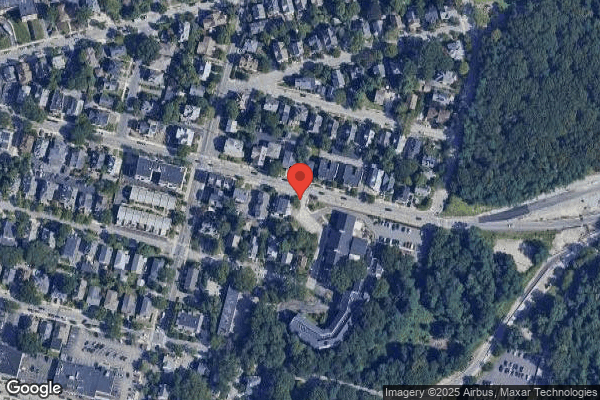
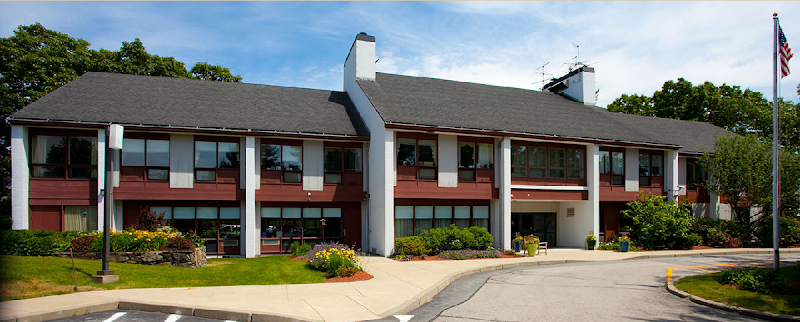
111 South Angell Street, Providence, RI 02906 (401) 831-2870
Non profit - Corporation 33 Beds Independent Data: November 2025
Trust Grade
80/100
#11 of 72 in RI
Last Inspection: September 2024

Within standard 12-15 month inspection cycle. Federal law requires annual inspections.

Overview

Bethany Home of Rhode Island has a Trust Grade of B+, indicating it is above average and recommended for families considering long-term care options. With a state rank of #11 out of 72 facilities, it is in the top half of nursing homes in Rhode Island, and ranks #5 out of 41 in Providence County, suggesting only a few local options are better. However, the facility's trend is worsening, with issues increasing from 4 in 2023 to 8 in 2024, raising concerns about its quality of care. Staffing is a strong point, as it has a 5/5 star rating with only a 13% turnover rate, significantly lower than the state average, and offers more RN coverage than 92% of facilities in Rhode Island. On the downside, there were some concerning incidents, including failure to notify the Long-Term Care Ombudsman about resident transfers and shortcomings in infection control practices, which could risk residents' health and safety.

Trust Score
B+
80/100
In Rhode Island
#11/72
Top 15%
Safety Record
Low Risk
No red flags
Inspections
Getting Worse
4 → 8 violations
Staff Stability
✓ Good
13% annual turnover. Excellent stability, 35 points below Rhode Island's 48% average. Staff who stay learn residents' needs.
Penalties
✓ Good
No fines on record. Clean compliance history, better than most Rhode Island facilities.
Skilled Nurses
✓ Good
Each resident gets 89 minutes of Registered Nurse (RN) attention daily — more than 97% of Rhode Island nursing homes. RNs are the most trained staff who catch health problems before they become serious.
Violations
⚠ Watch
15 deficiencies on record. Higher than average. Multiple issues found across inspections.
★★★★☆
4.0
Overall Rating
★★★★★
5.0
Staff Levels
★★★☆☆
3.0
Care Quality
★★★☆☆
3.0
Inspection Score
Stable
2023: 4 issues
2024: 8 issues

The Good

  • 5-Star Staffing Rating · Excellent nurse staffing levels
  • Low Staff Turnover (13%) · Staff stability means consistent care
  • Full Sprinkler Coverage · Fire safety systems throughout facility
  • No fines on record
  • Staff turnover is low (13%)

    35 points below Rhode Island average of 48%

Facility shows strength in staffing levels, staff retention, fire safety.

The Bad

No Significant Concerns Identified

This facility shows no red flags. Among Rhode Island's 100 nursing homes, only 1% achieve this.

The Ugly 15 deficiencies on record

Sept 2024 8 deficiencies
CONCERN (D)

Potential for Harm - no one hurt, but risky conditions existed

Deficiency F0658 (Tag F0658)

Could have caused harm · This affected 1 resident

Based on surveyor observation, record review, and staff interview, it has been determined that the facility failed to ensure that residents receive treatment and care in accordance with professional s...

Read full inspector narrative →
Based on surveyor observation, record review, and staff interview, it has been determined that the facility failed to ensure that residents receive treatment and care in accordance with professional standards of practice relative to physician's orders for 1 of 1 resident reviewed with a physician's order for a lidocaine patch, Resident ID #179. Findings are as follows: According to Mosby's 4th Edition, Fundamentals of Nursing page 314, which states in part, The physician is responsible for directing medical treatment. Nurses are obligated to follow physician's orders unless they believe the orders are in error or would harm the clients. Record review revealed Resident ID #179 was admitted to the facility in August of 2024 with a diagnosis including, but not limited to, chronic pain syndrome. Record review revealed a physician's order dated 8/26/2024 for a Lidocaine external patch 4% once a day for pain. Record review of the September 2024 Medication Administration Record revealed the Lidocaine was refused on 21 of 24 opportunities. Record review failed to reveal evidence that the physician was notified of the Lidocaine refusals in September 2024. During a surveyor interview on 9/25/2024 at 9:02 AM with Registered Nurse, Staff A, she acknowledged that the resident frequently refuses the Lidocaine patch, and that the physician was not notified. Additionally, she indicated that she would expect the physician to be notified if a resident refuses a medication. During a surveyor interview on 9/25/2024 at 9:13 AM with Director of Nursing Services, he indicated that he would expect the physician to be notified if a medication is refused.
CONCERN (D)

Potential for Harm - no one hurt, but risky conditions existed

Deficiency F0699 (Tag F0699)

Could have caused harm · This affected 1 resident

Based on record review and staff interview, it has been determined that the facility failed to ensure that residents who are trauma survivors, receive culturally competent, trauma-informed care in acc...

Read full inspector narrative →
Based on record review and staff interview, it has been determined that the facility failed to ensure that residents who are trauma survivors, receive culturally competent, trauma-informed care in accordance with professional standards of practice and accounting for residents experiences, and preferences, in order to eliminate, or mitigate triggers that may cause re-traumatization of the resident for 1 of 1 resident reviewed with the history of trauma, Resident ID #21. Findings are as follows: Record review of the facility's policy titled, Trauma Informed Care states in part, .A Trauma Survivor is someone who has been exposed to trauma and may include but is not limited to .Survivors of Abuse (physical, sexual .) .A trauma screening assessment will be done on each resident by the social worker as part of the admission social history .The particular type and extent of the trauma (as best can be determined) will be incorporated when planning culturally competent, resident centered care with the purpose of avoiding re-traumatization . Record review revealed the resident was admitted to the facility in September of 2024 with a diagnosis including, but not limited to, dementia with psychotic disturbance. Record review of an admission preliminary baseline care plan dated 9/3/2024 revealed the resident has a history of trauma related to him/her being abused as a child. Record review of a care plan dated 9/6/2024 revealed the resident has past trauma related to a history of abuse. Further record review revealed a psychiatry progress note dated 9/6/2024 which failed to reveal evidence the resident's history of trauma was addressed by the provider during this evaluation. Additional record review failed to reveal evidence that a trauma screening assessment was completed upon admission by the social worker, as indicated in the facility's policy. During a surveyor interview with the Social Worker on 9/26/2024 at approximately 9:25 AM, she acknowledged that a trauma screening assessment had not been completed by a social worker upon the resident's admission. Additionally, she indicated that she was unaware of the facility's policy related to trauma screening assessments. During a surveyor interview with the Director of Nursing Services on 9/26/2024 at approximately 10:08 AM, he could not provide evidence that a trauma screening assessment was completed by the social worker.
CONCERN (D)

Potential for Harm - no one hurt, but risky conditions existed

Deficiency F0760 (Tag F0760)

Could have caused harm · This affected 1 resident

Based on record review and staff interview, it has been determined that the facility failed to ensure a resident's drug regimen is free from significant medication errors for 1 of 1 resident reviewed ...

Read full inspector narrative →
Based on record review and staff interview, it has been determined that the facility failed to ensure a resident's drug regimen is free from significant medication errors for 1 of 1 resident reviewed with a gradual dose reduction recommendation, Resident ID #7. Findings are as follows: Record review revealed the resident was admitted to the facility in April of 2023 with diagnoses including, but not limited to, major depressive disorder and adjustment disorder with mixed anxiety and depressed mood. Record review of a Psychiatric Consultation Report dated 8/16/2024 revealed the resident was receiving Sertraline 125 milligrams (mg) daily for depression. Further review of the report revealed a recommendation was made to decrease the Sertraline to 100 mg daily. Record review revealed the recommendation for Sertraline 100 mg was implemented on 8/17/2024. Record review of a subsequent Psychiatric Consultation Report dated 9/6/2024 revealed a recommendation was made to decrease the Sertraline to 50 mg daily. Record review of a nursing progress note dated 9/13/2024 revealed the psychiatric recommendations were reviewed with the resident's power of attorney and at that time, she did not want the recommendations implemented for the resident. Therefore, the resident remained on Sertraline 100 mg daily. Further record review revealed that the Sertraline was discontinued on 9/17/2024. Additional record review failed to reveal evidence of why the Sertraline was discontinued on 9/17/2024. During a surveyor interview on 9/24/2024 at 12:56 PM with Registered Nurse, Staff I, she revealed that she was unaware the Sertraline had been discontinued until it was brought to her attention by the surveyor on 9/24/2024. She was unable to explain why the medication was discontinued. During a surveyor interview on 9/24/2024 at 1:03 PM with the Director of Nursing Services, he acknowledged that the Sertraline was discontinued on 9/17/2024 in error. During a surveyor interview on 9/26/2024 at 10:03 AM with the resident's physician, she was unable to explain why the medication was discontinued. Additionally, after the facility notified her that the Sertraline was discontinued in error, she assessed the resident and reinstated the Sertraline as previously ordered seven days after it was discontinued in error.
CONCERN (E)

Potential for Harm - no one hurt, but risky conditions existed

Deficiency F0583 (Tag F0583)

Could have caused harm · This affected multiple residents

**NOTE- TERMS IN BRACKETS HAVE BEEN EDITED TO PROTECT CONFIDENTIALITY** Based on surveyor observation, record review, and staff interview it has been determined that the facility failed to respect the...

Read full inspector narrative →
**NOTE- TERMS IN BRACKETS HAVE BEEN EDITED TO PROTECT CONFIDENTIALITY** Based on surveyor observation, record review, and staff interview it has been determined that the facility failed to respect the residents right of personal privacy for 3 of 3 residents reviewed relative to indwelling medical devices (devices that enter inside the body), Resident ID #s 16, 77 and 179. Findings are as follows: Review of a facility policy titled, Confidentiality of Resident Information states in part, .All facility employees are responsible to maintain the confidentiality of all resident protected health information .Resident health information shall not be left in public areas where unauthorized personnel may see it . 1. Record review revealed that Resident ID #16 was admitted to the facility in March of 2021 with diagnoses including, but not limited to, dysphagia (difficulty swallowing) and gastrostomy (is a surgical procedure to make a hole in the stomach through the abdomen to insert a feeding tube into the stomach). Review of a Minimum Data Set (MDS) assessment dated [DATE], revealed a Brief Interview for Mental Status (BIMS) score of 6 out of 15, indicating that the resident has severe cognitive impairment. Further review of the assessment revealed that the resident has a feeding tube. During a surveyor observation on 9/24/2024 at 11:05 AM, revealed a sign outside the resident's door that stated TF [tube feed] and foley written on the sign. The sign is visible to staff, residents, or visitors that pass by the room. 2. Record review revealed that Resident ID #77 was admitted to the facility in October of 2022 with diagnoses including, but not limited to, history of urinary tract infections and retention of urine. Review of a MDS assessment dated [DATE], revealed a BIMS score of 6 out of 15, indicating that the resident has severe cognitive impairment. Further review of the assessment revealed that the resident has an indwelling catheter (foley catheter- a closed sterile system that drains urine from the bladder). During a surveyor observation on 9/24/2024 at 11:05 AM, revealed a sign outside the resident's door that stated TF [tube feed] and foley written on the sign. The sign is visible to staff, residents, or visitors that pass by the room. 3) Record review revealed that Resident ID #179 was admitted to the facility in August of 2024 with diagnoses including, but not limited to, acute kidney failure and retention of urine. Review of a MDS assessment dated [DATE], revealed a BIMS assessment was unable to be completed due to severe cognitive impairment. Further review of the assessment revealed that the resident has an indwelling catheter. During a surveyor observation on 9/23/2024 at 10:28 AM, revealed a sign outside the resident's door that stated TF [tube feed] and foley written on the sign. The sign is visible to staff, residents, or visitors that pass by the room. During a surveyor interview on 9/25/2024 at approximately 12:15 PM with the Director of Nursing Services, he acknowledged that medical information about the residents' should not be posted outside of resident rooms.
CONCERN (E)

Potential for Harm - no one hurt, but risky conditions existed

Deficiency F0726 (Tag F0726)

Could have caused harm · This affected multiple residents

Based on record review and staff interview, it has been determined that the facility failed to ensure that nursing staff have the appropriate competencies and skill sets to provide nursing and related...

Read full inspector narrative →
Based on record review and staff interview, it has been determined that the facility failed to ensure that nursing staff have the appropriate competencies and skill sets to provide nursing and related services to assure resident safety and attain or maintain the highest practicable physical well-being of each resident, as determined by resident assessments and individual plans of care related to Enhanced Barrier Precautions for 7 of 7 nursing staff reviewed. Findings are as follows: Review of the Centers for Medicare and Medicaid Services (CMS) memorandum dated 3/20/2024, provided to the surveyor by the facility, states in part, .Many residents in nursing home are at increased risk of becoming colonized and developing infections with MDROs [Multidrug-resistant Organisms] .'Enhanced Barrier Precautions' (EBP) refer to an infection control intervention designed to reduce transmission of multidrug-resistant organisms that employs targeted gown and glove use during high contact resident care activities .EBP are indicated for residents with .Infection or colonization with a CDC [Centers for Disease Control]-targeted MDRO .wounds and/or indwelling medical devices even if the resident is not known to be infected or colonized with a MDRO .high contact resident care activities: Dressing, Bathing/showering, Transferring, Providing hygiene, Changing linens, Changing briefs or assisting with toileting, Device care or use .Wound care . Record review failed to reveal evidence that Enhanced Barrier Precaution competencies were completed for the following nursing staff: -Registered Nurse (RN), Staff B -RN, Staff C -Certified Medication Technician (CMT), Staff D -Nursing Assistant (NA), Staff E -NA, Staff F -NA, Staff G -NA, Staff H During a surveyor interview with Staff H, on 9/25/2024 at 12:03 PM, she indicated that she was unaware of what Enhanced Barrier Precautions were or when EPB should be implemented. During a surveyor interview with Staff C, on 9/25/2024 at 1:01 PM, he indicated that he was unaware of the term Enhanced Barrier Precautions and that he had not been educated on what those precautions were and when they were indicated for use. During a surveyor interview with the Director of Nursing Services on 9/25/2024 at 1:06 PM, he indicated that he was unaware of the indications for Enhanced Barrier Precautions and that competencies had not been completed for any of the nursing staff pertaining to Enhanced Barrier Precautions. Cross Reference - F 880
CONCERN (F)

Potential for Harm - no one hurt, but risky conditions existed

Transfer Notice (Tag F0623)

Could have caused harm · This affected most or all residents

Based on record review and staff interview, it has been determined that the facility failed to provide a written notice of transfer or discharge to the Office of the State Long-Term Care Ombudsman for...

Read full inspector narrative →
Based on record review and staff interview, it has been determined that the facility failed to provide a written notice of transfer or discharge to the Office of the State Long-Term Care Ombudsman for 2 of 2 residents who were transferred to the hospital, Resident ID #s 16 and 77. Findings are as follows: 1. Record review revealed Resident ID #16 was initially admitted to the facility in March of 2021 with diagnoses including, but not limited to, history of pneumonia, hemiplegia (partial or total paralysis) and hemiparesis (weakness to one side of the body) following a stroke, chronic obstructive pulmonary disease (a common lung disease that makes it difficult to breath) and gastrostomy status (is a surgical procedure to make a hole in the stomach through the abdomen to insert a feeding tube into the stomach). Record review revealed that the resident was transferred to the hospital on 5/2/2024, 5/30/2024 and 7/2/2024. Record review failed to reveal evidence that the Office of the State Long-Term Care Ombudsman was notified of the hospital transfers for Resident ID # 16. 2. Record review revealed Resident ID #77 was originally admitted to the facility in October of 2022 with diagnoses including, but not limited to, urinary retention, stroke and atrial fibrillation (an irregular often rapid heart rate that commonly causes poor blood flow). Record review revealed that the resident was transferred to the hospital on 7/12/2024 and 7/29/2024. Record review failed to reveal evidence that the Office of the State Long-Term Care Ombudsman was notified of the hospital transfers for Resident ID #77. During a surveyor interview with the Social Worker on 9/25/2024 at 12:52 PM, she was unable to provide evidence that the Office of the State Long-Term Care Ombudsman was notified of Resident ID #'s 16 and 77 transfers to the hospital. Additionally, she revealed that she only sends a notification to the Office of the State Long-Term Care Ombudsman for residents that are discharged from the facility or if a resident is transferred to the hospital and does not return to the facility.
CONCERN (F)

Potential for Harm - no one hurt, but risky conditions existed

Deficiency F0865 (Tag F0865)

Could have caused harm · This affected most or all residents

Based on surveyor observation, record review, and staff interview, it has been determined that the facility failed to implement and maintain an effective, comprehensive, data-driven, Quality Assurance...

Read full inspector narrative →
Based on surveyor observation, record review, and staff interview, it has been determined that the facility failed to implement and maintain an effective, comprehensive, data-driven, Quality Assurance and Performance Improvement (QAPI) program that focuses on indicators of the outcomes of care and quality of life. Additionally, the facility failed to identify that trauma informed care assessments were not being completed, or that enhanced barrier precautions were not being followed appropriately for resident's with multi drug resistant organisms (MDROs) or indwelling medical devices. Findings are as follows: Review of the QAPI binder document titled Quality Assurance and Performance Improvement Projects 2024, revealed that relative to trauma informed care the facility would be reviewing each new admission chart within 24 hours or by the next weekday to ensure that trauma assessments have been completed. Further review failed to reveal evidence of maintenance of the plan, including tracking and measuring performance, and establishing goals and thresholds for performance measurement. Record review revealed that Resident ID #21 was admitted to the facility in September of 2024 with diagnosis including, but not limited to, dementia with psychotic disturbance. Record review of an admission preliminary baseline care plan dated 9/3/2024 revealed the resident has a history of trauma related to him/her being abused as a child. Further record review failed to reveal evidence a trauma screening assessment was completed upon admission by the social worker. Further review of the document titled Quality Assurance and Performance Improvement Projects 2024, revealed that relative to infection control, the facility would be monitoring quarantine and isolation compliance. Further review failed to reveal evidence of implementation or maintenance of the plan, including tracking and measuring performance, and establishing goals and thresholds for performance measurement. During surveyor observations from 9/23/2024 through 9/25/2024, Resident ID #s 17 and 18 failed to reveal evidence of isolation carts or signage posted outside of their rooms to indicate that they require Enhanced Barrier Precautions, due to their history of Extended-spectrum beta lactamases (ESBL-an infection resistant to multiple antibiotics) in the urine. During a surveyor interview on 9/26/2024 at 9:42 AM with the Director of Nursing Services, he acknowledged that Resident ID #21's chart failed to be reviewed within 24 hours or by the next weekday to ensure that a trauma assessment was completed. Additionally, he acknowledged that Resident ID #s 17 and 18 failed to be monitored for quarantine and isolation compliance as outlined in the facility's QAPI plan.
CONCERN (F)

Potential for Harm - no one hurt, but risky conditions existed

Infection Control (Tag F0880)

Could have caused harm · This affected most or all residents

**NOTE- TERMS IN BRACKETS HAVE BEEN EDITED TO PROTECT CONFIDENTIALITY** Based on surveyor observation, record review, and staff interview, it has been determined that the facility failed to maintain a...

Read full inspector narrative →
**NOTE- TERMS IN BRACKETS HAVE BEEN EDITED TO PROTECT CONFIDENTIALITY** Based on surveyor observation, record review, and staff interview, it has been determined that the facility failed to maintain an infection prevention and control program to help prevent the transmission of communicable diseases and infections by failing to place residents on Enhanced Barrier Precautions (EBP; involves using gown and gloves during high-contact resident care activities) for 2 of 2 residents reviewed for a Multi-Drug Resistant Organism (MDRO) infection, Extended Spectrum Beta Lactamase (ESBL-an infection that is resistant to multiple antibiotics) Resident ID #s 17 and 18. Additionally, the facility failed to conduct an annual review of written standards, policies, and procedures and update the infection control program as necessary. Findings are as follows: Review of the Center for Disease Control and Prevention document titled Implementation of Personal Protective Equipment (PPE) Use in Nursing Homes to Prevent Spread of Multidrug-Resistant Organisms (MDROs) last reviewed 8/1/2023, states in part, Enhanced Barrier Precautions expand the use of PPE and refer to the use of gown and gloves during high-contact resident care activities that provide opportunities for transfer of MDROs to staff hands and clothing .MDROs may be indirectly transferred from resident-to-resident during these high-contact care activities .The use of gown and gloves for high-contact resident care activities is indicated, when Contact Precautions do not otherwise apply, for nursing home residents .with MDRO infection or colonization . 1. Record review revealed that Resident ID #17 was readmitted to the facility in March of 2022 with a diagnosis including, but not limited to, urinary tract infection. Record review of the Minimum Data Set assessment dated [DATE] revealed a Brief Interview for Mental Status score of 15 out of 15 indicating intact cognition. Further review revealed that the resident requires extensive assist of two staff members for toileting. Record review of the resident's urine culture results revealed the following: 5/22/2024- revealed that the patient had a urine infection which was positive for ESBL. 7/23/2024- revealed that the patient had a urine infection which was positive for ESBL. During multiple surveyor observations throughout the survey process from 9/23/2024 through 9/25/2024 failed to reveal evidence of an isolation cart or signage posted outside of the resident's room to indicate that s/he requires EBP due to his/her history of ESBL in his/her urine. During a surveyor interview on 9/25/2024 at 10:31 AM with Certified Medication Technician, Staff D, she revealed that the resident was on precautions maybe months ago for an infection in the urine but hasn't been on any precautions for a while. During a surveyor interview on 9/25/2024 at 10:35 AM with Registered Nurse, Staff A, she revealed the resident is not on precautions. During a surveyor interview on 9/25/2024 at 10:45 AM with the Director of Nursing Services (DNS), he acknowledged that the resident was not on precautions for the ESBL. Additionally, he could not provide evidence that a follow up urine culture was completed to test for ESBL. 2. Record review revealed that Resident ID #18 was readmitted to the facility in August of 2023 with diagnoses including, but not limited to, urinary tract infection and ESBL. Record review of the Minimum Data Set assessment dated [DATE] revealed that a Brief Interview for Mental Status score was not able to be completed due to severe cognitive impairment. Further review revealed that the resident is dependent on staff members for toileting. Record review of a care plan dated 6/26/2023 revealed that the resident is colonized with ESBL in his/her urine. During multiple surveyor observations throughout the survey process from 9/23/2024 through 9/25/2024 failed to reveal evidence of an isolation cart or signage posted outside of the resident's room to indicate that s/he requires EBP due to his/her history of ESBL in the urine. During a surveyor interview on 9/25/2024 at approximately 9:30 AM, with the DNS, he acknowledged that the resident was not on Enhanced Barrier Precautions for ESBL. 3. According to the State Operations Manual, Appendix PP, last revised in August of 2024, indicates that the facility will conduct an annual review of its Infection Prevention Control Program (IPCP) and update their program, as necessary. Record review failed to reveal evidence that the facility reviewed their IPCP annually and updated their program to include enhanced barrier precautions. During a surveyor interview on 9/25/2024 at 8:45 AM with the DNS, he acknowledged that the facility failed to review their IPCP annually and updated their program to include enhanced barrier precautions.
Nov 2023 4 deficiencies
CONCERN (D)

Potential for Harm - no one hurt, but risky conditions existed

Deficiency F0658 (Tag F0658)

Could have caused harm · This affected 1 resident

Based on surveyor observation, record review and staff interview, it has been determined that the facility failed to meet professional standards of quality relative to following physician orders for 1...

Read full inspector narrative →
Based on surveyor observation, record review and staff interview, it has been determined that the facility failed to meet professional standards of quality relative to following physician orders for 1 of 3 residents reviewed for wearing [NAME] stockings (stockings that improve blood flow in the legs), Resident ID #22. Findings are as follows: Mosby's 4th Edition, Fundamentals of Nursing, page 314 states, The physician is responsible for directing medical treatment. Nurses are obligated to follow a physician's order unless they believe the orders are in error or would harm the clients. Record review revealed the resident was admitted to the facility in June of 2023 with diagnoses including, but not limited to, congestive heart failure and kidney failure. Further record review revealed a physician's order, dated 6/21/2023 for [NAME] stockings to be placed on the resident daily, in the morning, and removed at bedtime for edema (swelling) prevention. Record review of the November 2023 Treatment Administration Record revealed that the [NAME] stockings order was signed off as being placed on the resident on the mornings of 11/6/2023 and 11/7/2023. Surveyor observations of the resident sitting in his/her room revealed the following: -The resident was noted to be wearing black shoes and no [NAME] stockings on 11/6/2023 at 10:20 AM, 1:44 PM, and 3:51 PM. -The resident was noted to be wearing black shoes and no [NAME] stockings on 11/7/2023 at 8:36 AM, and 12:49 PM. During the above observations the resident was observed with mild edema in both ankles and feet. An additional surveyor observation of the resident on 11/7/2023 at 3:41 PM revealed the resident was noted to be wearing regular black socks which extended up to the middle of his/her lower legs. During a surveyor interview on 11/7/2023 at 3:44 PM with Registered Nurse, Staff A, she revealed that the black socks the resident had on his/her legs, were not [NAME] stockings. Record review failed to reveal evidence that the resident had refused to wear his/her [NAME] stockings as ordered on 11/6 and 11/7/2023. During an interview on 11/8/2023 at 11:43 AM with the Director of Nursing Services (DNS), he indicated that the staff had told him that the resident has been wearing black [NAME] stockings. During a surveyor observation of the resident in the presence of the DNS immediately following the above interview, the resident was observed wearing white [NAME] stockings. The DNS was unable to provide evidence that the resident [NAME] stockings were worn or refused by the resident on 11/6 and 11/7/2023.
CONCERN (D)

Potential for Harm - no one hurt, but risky conditions existed

Deficiency F0699 (Tag F0699)

Could have caused harm · This affected 1 resident

**NOTE- TERMS IN BRACKETS HAVE BEEN EDITED TO PROTECT CONFIDENTIALITY** Based on record review and staff interview, it has been determined that the facility failed to ensure that residents who are tra...

Read full inspector narrative →
**NOTE- TERMS IN BRACKETS HAVE BEEN EDITED TO PROTECT CONFIDENTIALITY** Based on record review and staff interview, it has been determined that the facility failed to ensure that residents who are trauma survivors, receive culturally competent, trauma-informed care in accordance with professional standards of practice and accounting for residents experiences, and preferences, in order to eliminate, or mitigate triggers that may cause re-traumatization of the resident for 3 of 12 residents reviewed for Trauma Informed Care, Resident ID #'s 3, 15, and 16. Findings are as follows: Record review of a policy titled, Trauma Informed Care, states in part, .it is important for those taking care of individuals to be aware of any past trauma that may affect one's ability to care for that individual .it is [NAME] Home's policy to identify, on admission, any past trauma/PTSD [Post Traumatic Stress Disorder-a disorder in which a person has difficulty recovering after experiencing or witnessing a terrifying event] the resident may have experienced in the past so an individualized and specialized care plan can be created .1. Preliminary Baseline Care Plan Assessment (completed on admission) which includes the question about Trauma/PTSD . Review of the Centers for Medicare and Medicaid Services (CMS) State Operations Manual, Appendix PP states in part, .Trauma results from an event, series of events, or set of circumstances that is experienced by an individual as physically or emotionally harmful or life threatening and that has lasting adverse effects on the individual's functioning and mental, physical, social, emotional, or spiritual well-being .Trauma-informed care is an approach to delivering care that involves understanding, recognizing and responding to the effects of all types of trauma. A trauma-informed approach to care delivery recognizes the widespread impact and signs and symptoms of trauma in residents, and incorporates knowledge about trauma into care plans, policies, procedures and practices to avoid re-traumatization . 1) Record review revealed Resident ID #3 was initially admitted to the facility in February of 2020, and readmitted in February of 2021, with diagnoses including, but not limited to, depression and Alzheimer's disease. Record review failed to reveal evidence of a trauma informed care assessment. 2) Record review revealed Resident ID #15 was initially admitted to the facility in March of 2021 and readmitted in October of 2023, with diagnoses including, but not limited to adjustment disorder with mixed anxiety and depressed mood and cerebral infarction (stroke). Record review failed to reveal evidence of a trauma informed care assessment. 3) Record review revealed Resident ID #16 was initially admitted to the facility in April of 2021, and readmitted in December of 2021, with diagnoses including, but not limited to, adjustment disorder with mixed anxiety and depressed mood and stroke. Record review failed to reveal evidence of a trauma informed care assessment. During a surveyor interview on 11/6/2023 at 4:36 PM, with the Director of Nursing Services, he acknowledged that the trauma informed care assessments were not completed on behalf of the above-mentioned residents until it was brought to his attention by the surveyor.
CONCERN (D)

Potential for Harm - no one hurt, but risky conditions existed

Deficiency F0757 (Tag F0757)

Could have caused harm · This affected 1 resident

Based on record review and staff interview, it has been determined that the facility failed to ensure that a resident's drug regimen is free from unnecessary drugs for 1 of 5 residents reviewed relate...

Read full inspector narrative →
Based on record review and staff interview, it has been determined that the facility failed to ensure that a resident's drug regimen is free from unnecessary drugs for 1 of 5 residents reviewed related to pharmacy recommendations, Resident ID #3. Findings are as follows: Record review revealed the resident was admitted to the facility in February of 2020 with a diagnosis including, but not limited to type 2 diabetes mellitus. Record review of a pharmacy recommendation dated 10/4/2023, revealed the physician agreed to reevaluate the resident's Protonix (a medication used to treat certain stomach and esophagus problems) order. The physician documented to decrease Protonix to 20mg (milligrams) daily. This response was signed and dated by the physician on 10/27/2023. Record review of the Order Summary Report revealed an order with a start date of 10/11/2022, for Protonix 40 mg once daily for gastrointestinal bleed (bleeding in the digestive tract). This order failed to be discontinued until 11/7/2023, after the surveyor brought the above pharmacy recommendation with the decreased Protonix order to the attention of the Director of Nursing Services (DNS). Record review of the October and November 2023 Medication Administration Records revealed that the resident continued to receive the Protonix 40 mg (milligram) daily from 10/27/2023 through 11/6/2023. During a surveyor interview on 11/7/2023 at 10:20 AM with the DNS, he acknowledged that the facility failed to decrease the dose of Protonix to 20 mg daily on 10/27/2023, when it was ordered by the physician. This failure to decrease the Protonix dose caused the resident to receive an extra 20 mg of Protonix for 11 days.
CONCERN (F)

Potential for Harm - no one hurt, but risky conditions existed

Food Safety (Tag F0812)

Could have caused harm · This affected most or all residents

Based on surveyor observation, record review, and staff interview, it has been determined that the facility failed to ensure that food is stored and distributed, in accordance with professional standa...

Read full inspector narrative →
Based on surveyor observation, record review, and staff interview, it has been determined that the facility failed to ensure that food is stored and distributed, in accordance with professional standards for food service safety, relative to the main kitchen. Findings are as follows: The United States Food and Drug Administration Food Code 2022 Edition 3-501.13, states in part, .Thawing .TIME/TEMPERATURE CONTROL FOR SAFETY FOOD shall be thawed: (A) Under refrigeration that maintains the FOOD temperature at 5°C (41°F) or less, or (B) Completely submerged under running water: (1) At a water temperature of 21°C (70°F) or below, (2) With sufficient water velocity to agitate and float off loose particles in an overflow . Review of the facility's policy, titled, Food thawing Policy, states in part, .Method #3: thawing in cold water .One way to keep the water cold without having to continuously watch over it is to fill a bowl with cold water and leave the tap running over the food as it thaws. This does require a lot of water, but it will keep the surface temperature of your food from growing bacteria too rapidly . During a surveyor observation upon initially entering the kitchen on 11/6/2023 at approximately 11:45 AM through 12:28 PM failed to reveal evidence that the sink faucet was running tap water over five individually packaged frozen pork tenderloins that were in an empty sink thawing, as indicated in the facility policy. During a surveyor interview on 11/6/2023 at 12:30 PM with the Food Service Manager (FSM), Staff B, she indicated that she pulled the pork tenderloins from the freezer for thawing earlier that morning at 11:00 AM and was unable to provide evidence that the meat was submerged under running water while thawing. During a surveyor interview with the Director of Nursing Services on 11/7/2023 at 2:24 PM, it was indicated that he would expect that the FSM would follow the regulations and facility policy for thawing time/temperature control foods.
Sept 2022 3 deficiencies
CONCERN (D)

Potential for Harm - no one hurt, but risky conditions existed

Deficiency F0658 (Tag F0658)

Could have caused harm · This affected 1 resident

**NOTE- TERMS IN BRACKETS HAVE BEEN EDITED TO PROTECT CONFIDENTIALITY** Based on record review and staff interview, it has been determined that the facility failed to ensure the services provided by t...

Read full inspector narrative →
**NOTE- TERMS IN BRACKETS HAVE BEEN EDITED TO PROTECT CONFIDENTIALITY** Based on record review and staff interview, it has been determined that the facility failed to ensure the services provided by the facility meet professional standards of quality relative to oxygen tubing for 1 of 2 residents, Resident ID #19 and 2 of 2 residents reviewed for physician's orders relative to meal assistance, Resident ID 1 and 2. Findings are as follows: 1. According to the facility policy titled, OXYGEN ADMINISTRATION, which states in part, MAlNTENANCE OF EQUIPMENT .2. Check and clean all equipment as needed and at least weekly. 3. Mask, cannulas, and tubing are to be changed as needed and at least weekly . Record review revealed Resident ID #19 was admitted to the facility in June of 2022 with diagnoses including, but not limited to, pneumonia, pulmonary embolism with acute core pulmonale (sudden blockage in a lung artery), and acute and chronic respiratory failure with hypoxia (below-normal level of oxygen). During a surveyor observation on 9/21/2022 at 9:28 AM, Resident ID #19 was observed receiving oxygen therapy via nasal cannula(device used to deliver oxygen). The nasal cannula tubing was observed with a date of 9/9/2022 on the upper part of the nasal cannula tubing closest to the resident and 9/11/2022 at the end of the tubing near the concentrator. During a surveyor observation on 9/22/2022 at 8:00 AM, the resident was observed receiving oxygen therapy via nasal cannufa. The nasal cannula tubing was observed with a date of 9/9/2022 on the upper part of the nasal cannula tubing closest to the resident and 9/11/2022 at the end of the tubing near the concentrator, indicating the oxygen tubing has not been changed weekly per facility policy. During a surveyor interview on 9/22/2022 at 11:38 AM with the Director of Nursing, he acknowledged the oxygen tubing was dated as stated above. Additionally, he was unable to provide evidence that the tubing was changed per facility policy. 2A. According to Mosby's 4th Edition, Fundamentals of Nursing, page 314 states in part, .The physician is responsible for directing medical treatment, Nurses are obligated to follow physician's orders unless they believe the orders are in error or would harm the clients . Record review revealed Resident ID #1 was admitted to the facility in July of 2020 with diagnoses including, but not limited to, dysphagia pharyngoesophageai phase (a condition with difficulty in swallowing food or liquid. This may interfere in a person's ability to eat and drink) and lack of coordination. Record review of the care plan dated 1/11/2022 states in part, The resident has a h/o [history of] dysphagia requiring modified diet textures .1:1 SUP [supervision] to slow rate. Record review revealed a physician's order dated 7/8/2020 that states in part, .1:1 SUP [supervision] to slow rate. Additional record review of a quarterly Minimum Data Set (MDS) assessment dated [DATE] revealed the resident requires supervision and the support of one staff member for eating. Record review of a speech evaluation dated 7/20/2020 revealed the resident required supervision for oral intake. Additional record review of a document titled, SAFE PATIENT HANDLING a document that the staff utilizes as a guidance for each resident's needs, revealed that Resident ID #1 required assistance with meals. During a surveyor observation of the resident's meal on 9/23/2022 at 8:20 AM, s/he was observed eating while in bed without staff present. During this observation the resident began to cough. Immediately following the observation a surveyor notified a nursing assistant (NA) Staff A, of the resident coughing. During a surveyor interview with Staff A, 9/23/2022 at 11 :45 AM, she acknowledged that Resident ID #1 required assistance with meals. During a surveyor interview on 9/23/2022 at 11 AM with the Medical Director, she revealed that she would follow the speech therapy recommendations pertaining to a resident diet order. 2B. Record review revealed Resident ID #2 was admitted to the facility in July of 2020 with diagnoses including, but not limited to, dysphagia oropharyngeal phase (a condition with difficulty in swallowing food or liquid. This may interfere in a person's ability to eat and drink) and Alzheimer's disease. Record review revealed a physician's order dated 4/13/2021 that states, Honey thick liquids [liquids that are slightly thicker, similar to honey] by teaspoon only every shift for aspiration precaution. Additional record review of a quarterly MDS assessment dated [DATE] revealed the resident is dependent on one staff member for eating. Record review of a speech therapy evaluation dated 8/16/2022 revealed the resident required honey-thick liquids via spoon. Record review of a document titled, SAFE PATIENT HANDLING, revealed Resident ID #2's diet listed as puree/honey. The document failed to reveal the use of a spoon when assisting with fluids. During a surveyor observation of Resident ID #2's meal on 9/22/2022 at 12:24 PM, revealed NA Staff B, assisting Resident ID #2 with his/her lunch meal. The resident was receiving his/her fluids from a plastic cup. After approximately 3 sips the resident began to cough on the fluids. During a surveyor interview immediately following the above-mentioned observation revealed that Staff B acknowledged when assisting the resident with his/her drink she failed to utilize a teaspoon. Additionally, Staff B revealed she was unaware the resident required his/her fluids via spoon as it was not listed on the tray ticket. During a surveyor interview with the Medical Director, on 9/23/2022 at 11:42 AM she revealed that she would expect staff to follow the physicians order and the resident should remain a strict 1:1 and utilize a spoon for fluid intake due to increased aspiration risk. During a surveyor interview on 9/23/2022 at 1:15 PM with the Director of Nursing, he acknowledged that the physician orders were not followed.
CONCERN (D)

Potential for Harm - no one hurt, but risky conditions existed

Deficiency F0805 (Tag F0805)

Could have caused harm · This affected 1 resident

Based on surveyor observation, record review, and staff interview, it has been determined that the facility failed to provide food prepared in a form designed to meet individual needs for 1 of 2 resid...

Read full inspector narrative →
Based on surveyor observation, record review, and staff interview, it has been determined that the facility failed to provide food prepared in a form designed to meet individual needs for 1 of 2 residents reviewed, Resident ID #1. Findings are as follows: Record review revealed the resident was admitted to the facility in July of 2020 with diagnosis including, but not limited to; dysphagia (difficulty swallowing). Record review revealed a physicjans diet order dated 4/19/2021, pureed texture, nectar [easily pourable and is comparable to heavy syrup] consistency. Allowed mechanical soft at breakfast; allow PB&J [peanut butter and jelly] and grilled cheese sandwiches between meals with crusts off, cut into 1 inch pieces . During a surveyor observation of the residents lunch meal on 9/21/2022 at approximately 12:15 PM, it was observed that the resident was being served a sandwich that was cut into pieces that were greater than 1 inch and chopped coleslaw. Further surveyor observation of the above revealed the resident coughing after eating a piece of sandwich and bites of coleslaw. During a surveyor interview with the speech pathologist following the above observation, she sat with the resident to assist with feeding. She cut up the resident's sandwich into smaller pieces and acknowledged the coleslaw was not pureed. During a surveyor observation of the resident's lunch meal on 9/22/2022 at approximately 12:23 PM, the resident received a peanut butter and jelly sandwich that was cut into 8 pieces, each piece was larger than 1 inch. During a surveyor interview with Nursing Assistant, Staff C, on 912212022 at 12:26 PM, she acknowledged the resident's sandwich needed to be cut into smaller pieces, as the pieces were greater than 1 inch. Record review of the resident's meal card for lunch, following the above observation, revealed the resident was supposed to be served a puree diet. During a surveyor interview with the Food Service Director on 9/23/2022 at 1:07 PM, he revealed the resident should not have been served the coleslaw and acknowledged that the resident has not been getting a puree meal at lunch.
CONCERN (E)

Potential for Harm - no one hurt, but risky conditions existed

Food Safety (Tag F0812)

Could have caused harm · This affected multiple residents

Based on surveyor observation, and staff interview, it has been determined that the facility failed to distribute and serve food in accordance with professional standards for food service safety relat...

Read full inspector narrative →
Based on surveyor observation, and staff interview, it has been determined that the facility failed to distribute and serve food in accordance with professional standards for food service safety relative to food service from the steam table. Findings are as follows: The State of Rhode Island Food Code 2018 edition, titled 2-301.14 When-to Wash stated in-part, FOOD EMPLOYEES shall clean their hands and exposed portions of their' arms as specified under S 2-301.12 immediately before engaging in FOOD preparation including working with exposed FOOD .(E) After handling soiled EQUIPMENT or UTENSILS .(H) Before donning gloves to initiate a task that involves working with FOOD; and (D) After engaging in other activities that contaminate the hands. During a surveyor observation on 9/22/2022 at 8:09 AM Dietary Aide, Staff D was observed serving ground pancakes with gloved hands and without the use of a utensil. Additionally, she was observed touching her glasses and the mask on her face several times and continued to serve pancakes with the same gloved hand. The surveyor further observed her picking the electrical steam table plug from the floor and then touching clean plates. She did not change her gloves or sanitize her hands. During a subsequent surveyor observation on 9/22/2022 at 11:51 AM, Staff D was observed pushing the steam table with gloved hands. She then touched clean plates and served pasta with a gloved hand without the use of a utensil. She was also observed wiping her hands on her apron and then using the same gloved hands to pick up and serve pasta and add parsley to a dish. She did not change her gloves or sanitize her hands. During a surveyor interview with Staff D on 9/2212022 at approximately 12:00 PM she acknowledged she touched the steam table and her apron and then used the same gloves to pick up clean plates and serve food. She further acknowledged that she should have sanitized her hands and changed her gloves after touching the equipment and should have utilized utensils to serve both the pancakes and pasta. During a surveyor interview with the Director of Nursing on 9/22/2022 at 1:38 PM, he acknowledged gloves should be changed and hands sanitized when toüching equipment and then handling food.
Understanding Severity Codes (click to expand)
Life-Threatening (Immediate Jeopardy)
J - Isolated K - Pattern L - Widespread
Actual Harm
G - Isolated H - Pattern I - Widespread
Potential for Harm
D - Isolated E - Pattern F - Widespread
No Harm (Minor)
A - Isolated B - Pattern C - Widespread

Questions to Ask on Your Visit

  • "Can I speak with families of current residents?"
  • "What's your RN coverage like on weekends and overnight?"

Our Honest Assessment

Strengths
  • • Grade B+ (80/100). Above average facility, better than most options in Rhode Island.
  • • No major safety red flags. No abuse findings, life-threatening violations, or SFF status.
  • • No fines on record. Clean compliance history, better than most Rhode Island facilities.
  • • 13% annual turnover. Excellent stability, 35 points below Rhode Island's 48% average. Staff who stay learn residents' needs.
Concerns
  • • 15 deficiencies on record. Higher than average. Multiple issues found across inspections.
Bottom line: Generally positive indicators. Standard due diligence and a personal visit recommended.

About This Facility

What is Bethany Home Of Rhode Island's CMS Rating?

CMS assigns Bethany Home of Rhode Island an overall rating of 4 out of 5 stars, which is considered above average nationally. Within Rhode Island, this rating places the facility higher than 99% of the state's 100 nursing homes. This rating reflects solid performance across the metrics CMS uses to evaluate nursing home quality.

How is Bethany Home Of Rhode Island Staffed?

CMS rates Bethany Home of Rhode Island's staffing level at 5 out of 5 stars, which is much above average compared to other nursing homes. Staff turnover is 13%, compared to the Rhode Island average of 46%. This relatively stable workforce can support continuity of care.

What Have Inspectors Found at Bethany Home Of Rhode Island?

State health inspectors documented 15 deficiencies at Bethany Home of Rhode Island during 2022 to 2024. These included: 15 with potential for harm.

Who Owns and Operates Bethany Home Of Rhode Island?

Bethany Home of Rhode Island is owned by a non-profit organization. Non-profit facilities reinvest revenue into operations rather than distributing to shareholders. The facility operates independently rather than as part of a larger chain. With 33 certified beds and approximately 27 residents (about 82% occupancy), it is a smaller facility located in Providence, Rhode Island.

How Does Bethany Home Of Rhode Island Compare to Other Rhode Island Nursing Homes?

Compared to the 100 nursing homes in Rhode Island, Bethany Home of Rhode Island's overall rating (4 stars) is above the state average of 3.1, staff turnover (13%) is significantly lower than the state average of 46%, and health inspection rating (3 stars) is at the national benchmark.

What Should Families Ask When Visiting Bethany Home Of Rhode Island?

Based on this facility's data, families visiting should ask: "Can I visit during a mealtime to observe dining assistance and food quality?" "How do you handle medical emergencies, and what is your hospital transfer rate?" "Can I speak with family members of current residents about their experience?"

Is Bethany Home Of Rhode Island Safe?

Based on CMS inspection data, Bethany Home of Rhode Island has a clean safety record: no substantiated abuse findings (meaning no confirmed cases of resident harm), no Immediate Jeopardy citations (the most serious violation level indicating risk of serious injury or death), and is not on the Special Focus Facility watch list (a federal program monitoring the lowest-performing 1% of nursing homes). The facility has a 4-star overall rating and ranks #1 of 100 nursing homes in Rhode Island. While no facility is perfect, families should still ask about staff-to-resident ratios and recent inspection results during their visit.

Do Nurses at Bethany Home Of Rhode Island Stick Around?

Staff at Bethany Home of Rhode Island tend to stick around. With a turnover rate of 13%, the facility is 33 percentage points below the Rhode Island average of 46%. Low turnover is a positive sign. It means caregivers have time to learn each resident's needs, medications, and personal preferences. Consistent staff also notice subtle changes in a resident's condition more quickly. Registered Nurse turnover is also low at 12%, meaning experienced RNs are available to handle complex medical needs.

Was Bethany Home Of Rhode Island Ever Fined?

Bethany Home of Rhode Island has no federal fines on record. CMS issues fines when nursing homes fail to meet care standards or don't correct problems found during inspections. The absence of fines suggests the facility has either maintained compliance or corrected any issues before penalties were assessed. This is a positive indicator, though families should still review recent inspection reports for the full picture.

Is Bethany Home Of Rhode Island on Any Federal Watch List?

Bethany Home of Rhode Island is not on any federal watch list. The most significant is the Special Focus Facility (SFF) program, which identifies the bottom 1% of nursing homes nationally based on persistent, serious quality problems. Not being on this list means the facility has avoided the pattern of deficiencies that triggers enhanced federal oversight. This is a positive indicator, though families should still review the facility's inspection history directly.