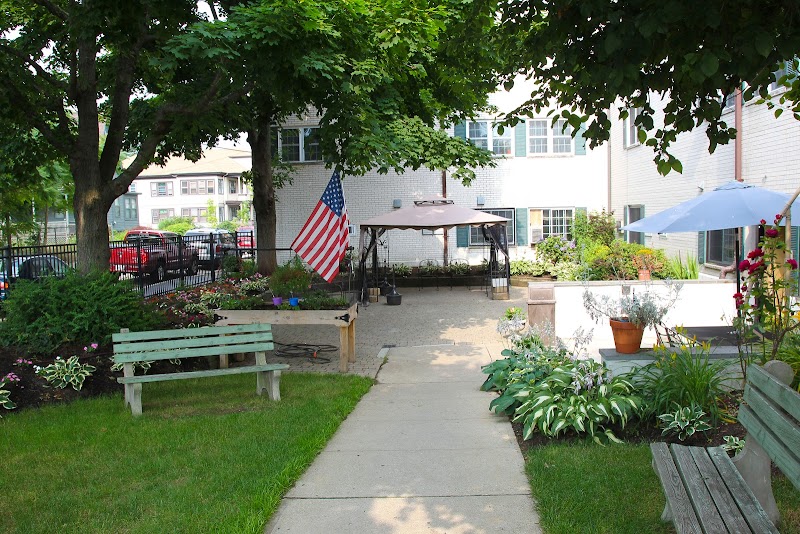
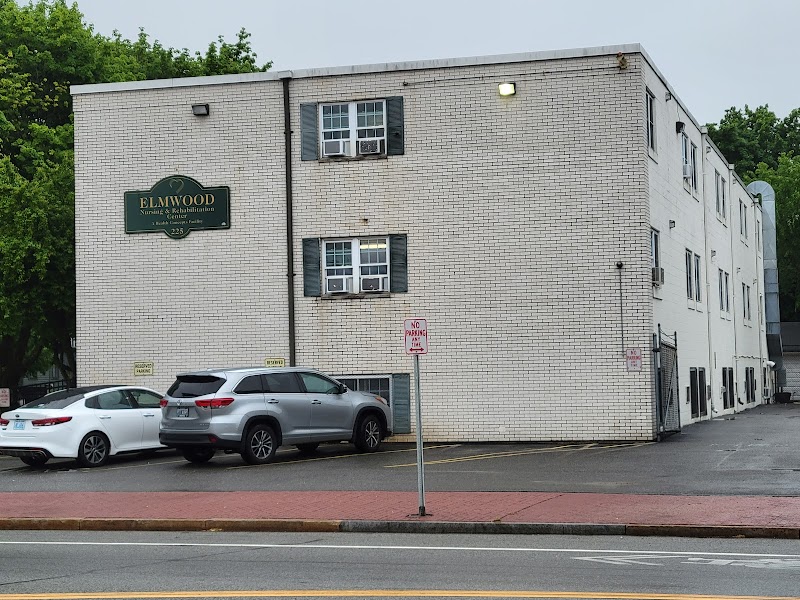
Elmwood Nursing and Rehabilitation Center
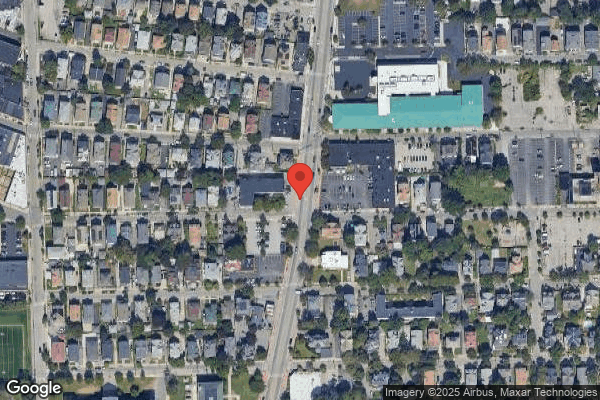
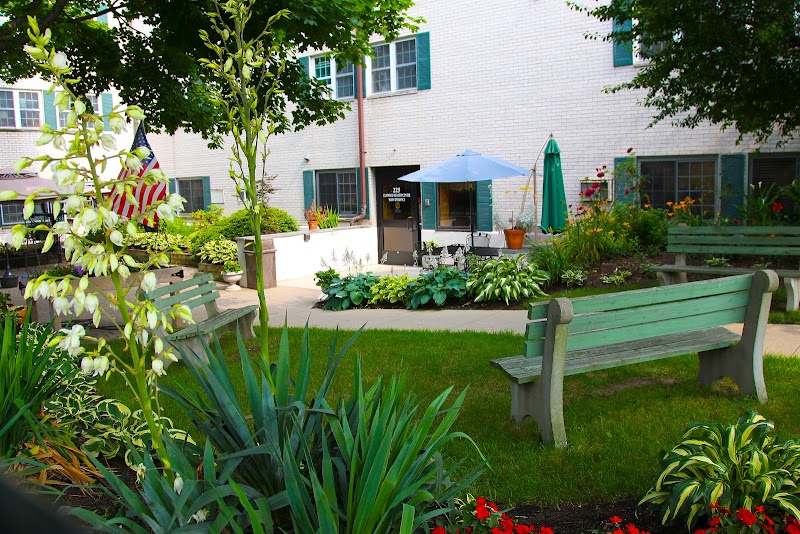
225 Elmwood Avenue, Providence, RI 02907 (401) 272-0600
For profit - Limited Liability company 70 Beds HEALTH CONCEPTS, LTD. Data: November 2025
Trust Grade
75/100
#15 of 72 in RI
Last Inspection: August 2024

Within standard 12-15 month inspection cycle. Federal law requires annual inspections.

Overview

Elmwood Nursing and Rehabilitation Center has a Trust Grade of B, indicating it is a good choice among nursing homes, though not the top tier. It ranks #15 out of 72 facilities in Rhode Island, placing it in the top half and #8 out of 41 in Providence County, suggesting that there are only a few local options that are better. The facility is improving, with issues decreasing from 6 in 2023 to 2 in 2024. Staffing is rated at 4 out of 5 stars, with a turnover rate of 41%, which is average for the state, indicating that while staff retention is decent, there could be room for improvement. Notably, there have been some concerning incidents, such as a failure to ensure staff competencies for nursing services, and inadequate trauma-informed care for residents who are trauma survivors. Overall, while Elmwood has strengths in its staffing and inspection ratings, families should consider these weaknesses when evaluating care options.
Trust Score
B
75/100
In Rhode Island
#15/72
Top 20%
Safety Record
Low Risk
No red flags
Inspections
Getting Better
6 → 2 violations
Staff Stability
○ Average
41% turnover. Near Rhode Island's 48% average. Typical for the industry.
Penalties
✓ Good
No fines on record. Clean compliance history, better than most Rhode Island facilities.
Skilled Nurses
✓ Good
Each resident gets 46 minutes of Registered Nurse (RN) attention daily — more than average for Rhode Island. RNs are trained to catch health problems early.
Violations
⚠ Watch
13 deficiencies on record. Higher than average. Multiple issues found across inspections.
★★★★☆
4.0
Overall Rating
★★★★☆
4.0
Staff Levels
★☆☆☆☆
1.0
Care Quality
★★★★★
5.0
Inspection Score
Stable
2023: 6 issues
2024: 2 issues

The Good

  • 4-Star Staffing Rating · Above-average nurse staffing levels
  • Full Sprinkler Coverage · Fire safety systems throughout facility
  • No fines on record
  • Staff turnover below average (41%)

    7 points below Rhode Island average of 48%

Facility shows strength in staffing levels, fire safety.

The Bad

Staff Turnover: 41%

Near Rhode Island avg (46%)

Typical for the industry

Chain: HEALTH CONCEPTS, LTD.

Part of a multi-facility chain

Ask about local staffing decisions and management

The Ugly 13 deficiencies on record

Dec 2024 2 deficiencies
CONCERN (D) 📢 Someone Reported This

A family member, employee, or ombudsman was alarmed enough to file a formal complaint

Potential for Harm - no one hurt, but risky conditions existed

Deficiency F0658 (Tag F0658)

Could have caused harm · This affected 1 resident

**NOTE- TERMS IN BRACKETS HAVE BEEN EDITED TO PROTECT CONFIDENTIALITY** Based on record review and staff interview it has been determined that the facility failed to ensure that residents receive trea...

Read full inspector narrative →
**NOTE- TERMS IN BRACKETS HAVE BEEN EDITED TO PROTECT CONFIDENTIALITY** Based on record review and staff interview it has been determined that the facility failed to ensure that residents receive treatment and care in accordance with professional standards of practice, relative to oxygen administration during an acute medical event for 1 of 2 residents reviewed, Resident ID #1. Findings are as follows: Record review of a community reported complaint submitted to the Rhode Island Department of Health on 12/13/2024, alleged that the resident was on oxygen and when emergency medical service (EMS) arrived to the facility, the oxygen was not on. The complaint further alleged that the resident was brought to the hospital with hypoxia (low levels of oxygen in your body tissues). According to [NAME] 9th Edition, Nursing Procedures page 621, which states in part, Oxygen administration helps relieve hypoxemia and maintain adequate oxygenation of tissues and vital organs .Indications for oxygen administration include .oxygen saturation .less than 90% on room air .Monitor the patient's oxygen saturation level using pulse oximetry [a noninvasive method for monitoring blood oxygen saturation] to assess the response to oxygen therapy . Record review revealed that the resident was re-admitted to the facility in August of 2024 with diagnoses including, but not limited to, dementia and chronic obstructive pulmonary disease (a lung condition caused by damage to the lungs). Record review of a Nurse Practitioner (NP) encounter note dated 12/12/2024 at 4:00 PM, revealed the resident was assessed to be having acute respiratory failure with hypoxia and presented with signs of mild respiratory distress, tachypnea (increased respiratory rate), tachycardia (increased heart rate), and slight expiratory wheezing. Further review revealed oxygen therapy was initiated for oxygen saturation less that 91%, with a goal of 90 to 97%. Additional review revealed the nursing staff was informed of the plan of care. Record review of a late entry nursing progress note, authored by Registered Nurse (RN), Staff A revealed that on 12/12/2024 at approximately 7:00 PM the resident appeared lethargic with increased weakness, a delayed response and an oxygen saturation of 85% on room air. Further review indicated the nurse put the resident on 2 liters (L) of oxygen via nasal canula (tubing that delivers oxygen through the nose) to improve the resident's breathing. Additional review revealed the resident's family member requested that resident be sent to the hospital for an evaluation, at which time the NP was contacted, and the resident was sent to the hospital via 911. Review of the EMS Patient Care Report dated 12/12/2024 at 7:28 PM revealed that upon arrival to the facility, the resident's oxygen was turned off and his/her oxygen saturation was 84% on room air. Further review revealed the resident's oxygen saturation improved to 95% on 6 L of oxygen and the resident became alert to verbal stimuli. Record review of hospital documentation dated 12/13/2024 revealed the resident was admitted to the hospital on [DATE] with hypoxia and was being evaluated for sepsis (an infection in the blood stream). During a surveyor interview on 12/16/2024 at 10:57 AM with Nursing Assistant (NA), Staff B, she indicated that she was working on the resident's unit on 12/12/2024, 3:00 PM -11:00 PM shift, and saw that the resident was sick and put on oxygen. She further indicated that the concentrator started beeping so she informed the nurse who went into the resident's room to turn the concentrator off and on again. Additionally, she indicated that the concentrator continued beeping and the nurse was aware that it was not working appropriately. Staff B indicated that RN, Staff A stated to her it's okay [s/he] is going to the hospital anyway. During a surveyor interview on 12/16/2024 at 12:26 PM with RN, Staff A, she indicated that she was the resident's nurse on 12/12/2024 and had been made aware of the resident's condition by the resident's family member. She further indicated that she obtained the resident's vital signs including oxygen saturation which was 85% on room air. Additionally, she indicated that she placed the resident on 2 L of oxygen via a concentrator which started beeping but then stopped. Furthermore, she acknowledged that she did not reevaluate the resident after placing the resident on oxygen. During a surveyor interview on 12/16/2024 at 1:44 PM with the Director of Nursing Services, she indicated that she would expect the resident to be placed on oxygen and that the nurse would assess the resident's oxygen saturation after applying the oxygen. Cross reference F-726.
CONCERN (F) 📢 Someone Reported This

A family member, employee, or ombudsman was alarmed enough to file a formal complaint

Potential for Harm - no one hurt, but risky conditions existed

Deficiency F0726 (Tag F0726)

Could have caused harm · This affected most or all residents

Based on record review and staff interview, it has been determined that the facility failed to ensure that nursing staff have the appropriate competencies and skill sets to provide nursing and related...

Read full inspector narrative →
Based on record review and staff interview, it has been determined that the facility failed to ensure that nursing staff have the appropriate competencies and skill sets to provide nursing and related services to assure resident safety to attain or maintain the highest practicable physical, mental, and psychosocial wellbeing of each resident, as determined by resident assessments and individual plans of care and considering the number, acuity and diagnoses of the facility's resident population in accordance with the facility assessment as required for 1 of 1 staff reviewed, Registered Nurse, Staff A . Findings are as follows: Record review of the facility assessment states that the resident population diagnoses include, but are not limited to, chronic obstructive pulmonary disease (a lung condition caused by damage to the lungs) and acute respiratory failure with hypoxia (low levels of oxygen in your body tissues). Further review revealed nurse competencies should be completed upon hire and annually, and as dictated by the care needs of residents. Record review failed to reveal evidence of competencies and skill sets for acute respiratory failure with hypoxia on orientation relative to the use of oxygen therapy for Staff A, with a hire date of 6/25/2024. During a surveyor interview on 12/16/2024 at 2:12 PM with the Director of Nursing Services, she indicated that the facility does not complete education, or competencies specifically related to administering oxygen for any of their nursing staff. Cross reference F-658.
Dec 2023 1 deficiency
CONCERN (D) 📢 Someone Reported This

A family member, employee, or ombudsman was alarmed enough to file a formal complaint

Potential for Harm - no one hurt, but risky conditions existed

Free from Abuse/Neglect (Tag F0600)

Could have caused harm · This affected 1 resident

**NOTE- TERMS IN BRACKETS HAVE BEEN EDITED TO PROTECT CONFIDENTIALITY** Based on record review and staff interview, it has been determined that the facility failed to ensure residents are free from ab...

Read full inspector narrative →
**NOTE- TERMS IN BRACKETS HAVE BEEN EDITED TO PROTECT CONFIDENTIALITY** Based on record review and staff interview, it has been determined that the facility failed to ensure residents are free from abuse related to involuntary seclusion for 1 of 3 residents reviewed, Resident ID #1. Findings are as follows: Record review of a facility reported incident received by the Rhode Island Department of Health on 12/6/2023 states in part, Upon initial investigation of the incident, it appears a nurse [Licensed Practical Nurse, Staff C] involuntarily restrained a resident in [his/her] room . Record review of the facility policy titled Abuse prohibition revealed in part, .Involuntary seclusion = separation of the resident from others or confinement to a room when it is against the resident's wishes . Record review revealed Resident ID #1 was admitted to the facility in August of 2023 with diagnoses including, but not limited to, Alzheimer's disease, and unspecified signs and symptoms involving cognitive functions and awareness. Record review of a Minimum Data Set assessment dated [DATE] revealed that the resident was unable to complete a Brief Interview for Mental Status. Record review of a statement written on 12/6/2023 by the scheduler, Staff A, states in part, I walked up on the floor to talk to [Staff B] about scheduling, heard banging on the door behind me. I saw there was a towel on the door handle that appeared to be holding the resident in the room. I asked [Staff B] what was going on. She said the nurse put it there to keep the resident in room .I reported to DNS [Director of Nursing Services] immediately. During a surveyor interview with Staff A on 12/7/2023 at 10:00 AM, she confirmed the above statement and further indicated that the resident was not able to get out by his/herself. Record review of a statement written on 12/6/2023 by the Nursing Assistant (NA), Staff B, states in part, My nurse [Staff C] asked me for towel on this date, she did not tell me what it was for. I got her a towel. I called [Staff A] as I had to talk to her about an appointment, we heard banging behind us. We both noticed a towel was around a door handle- [NA] from agency walked over immediately and removed the towel . During a surveyor interview with Staff B on 12/7/2023 at 12:45 PM, she confirmed the above statement that she heard Resident ID #1 banging on the door until the agency NA let him/her out of the room. During a surveyor interview with Staff C, on 12/7/2023 at 12:25 PM, she acknowlegded that she held the door closed, preventing the resident from exiting his/her room. Additionally, Staff C, acknowledged that it was not acceptable to prevent residents from leaving their room without their consent. During a surveyor interview with the Administrator, in the presence of the DNS and Assistant DNS on 12/7/2023 at approximately 1:30 PM, they were unable to provide evidence that the resident was kept free from abuse relative to involuntary seclusion.
Sept 2023 5 deficiencies
CONCERN (D)

Potential for Harm - no one hurt, but risky conditions existed

Deficiency F0658 (Tag F0658)

Could have caused harm · This affected 1 resident

**NOTE- TERMS IN BRACKETS HAVE BEEN EDITED TO PROTECT CONFIDENTIALITY** Based on surveyor observation, record review and staff interview, it has been determined that the facility failed to ensure that...

Read full inspector narrative →
**NOTE- TERMS IN BRACKETS HAVE BEEN EDITED TO PROTECT CONFIDENTIALITY** Based on surveyor observation, record review and staff interview, it has been determined that the facility failed to ensure that services provided meet professional standards of quality for 1 of 5 residents reviewed relative to positioning, Resident ID #25. Findings are as follows: Mosby's 4th Edition, Fundamentals of Nursing, page 314 states, The physician is responsible for directing medical treatment. Nurses are obligated to follow physicians' orders unless they believe the orders are in error or would harm the clients. Record review for the resident revealed s/he was admitted to the facility in August of 2017 with diagnoses including, but not limited to dysphasia (difficulty swallowing foods or liquids), Alzheimer's disease with early onset, and Gastro-esophageal reflux disease (a condition where acid from the stomach leaks up into the esophagus). Review of a physician's order dated 7/10/2022, which states, keep the HOB [head of bed] elevated at 45 degrees at all times. Review of a Minimum Data Set (MDS) assessment dated [DATE], revealed the resident is totally dependent on staff for eating and drinking and requires a one person assist with eating and drinking. Review of a care plan dated 8/4/2023, states in part, .potential nutrition risk for aspiration R/T [related to] mechanically altered diet .ensure proper positioning during all PO [oral] intake. Monitor for s/s [signs and symptoms] of aspiration or difficulty chewing or swallowing. During a surveyor observation on 9/21/2023 at 1:50 PM, revealed the head of the resident's bed was not was not elevated at 45 degrees per the physician's order, and s/he was lying flat on his/her back. Additionally, the resident's lips were quivering, and his/her lunch tray was on the bedside table, which had been eaten as evidenced by having minimal food left on the plate. During a surveyor interview on 9/21/2023 immediately following the above observation, with Certified Medication Technician, Staff A, she acknowledged that the resident had eaten lunch and should not be lying flat in bed as observed due to his/her requiring the head of the bed to be elevated as per a physician order. During a surveyor interview on 9/21/2023 at approximately 1:55 PM, with Registered Nurse, (RN), Staff B, she acknowledged the resident's bed was not elevated at 45 degrees as ordered by the physician. Additionally, the RN acknowledged that the resident requires the head of the bed to be elevated at all times due to a diagnoses of dysphasia and a history of aspiration. During a surveyor interview on 9/22/2023 at approximately 10:57 AM, with the Director of Nursing Services, she acknowledged that the resident has a physician's order for the head of the bed to be elevated at 45 degrees at all times.
CONCERN (D)

Potential for Harm - no one hurt, but risky conditions existed

Accident Prevention (Tag F0689)

Could have caused harm · This affected 1 resident

**NOTE- TERMS IN BRACKETS HAVE BEEN EDITED TO PROTECT CONFIDENTIALITY** Based on surveyor observation, record review, and staff interview, it has been determined that the facility failed to ensure tha...

Read full inspector narrative →
**NOTE- TERMS IN BRACKETS HAVE BEEN EDITED TO PROTECT CONFIDENTIALITY** Based on surveyor observation, record review, and staff interview, it has been determined that the facility failed to ensure that residents identified as an elopement risk received adequate supervision for 1 of 4 residents reviewed, Resident ID #516. Findings are as follows: Record review of a facility policy titled Elopement Assessments states in part, .5. If the resident is at risk for elopement, then the necessary and appropriate intervention must be put in place immediately to keep the resident safe, ( .wanderguard bracelet .) . Record review revealed the resident was admitted to the facility in September of 2023 with diagnosis including, but not limited to, schizophrenia (a disease which causes people to interpret reality abnormally). Further record review revealed the resident resides on an unsecured unit. Record review of the Minimum Data Set (MDS) assessment dated [DATE], revealed a Brief Interview for Mental Status (BIMS) score of 3 out of 15, indicating severely impaired cognition. Additionally, s/he was assessed for wandering behavior and was coded as utilizing a wander/elopement alarm daily. Record review of the document titled Elopement/Wander Risk Scale completed on 9/12/2023 revealed a score of 14, which indicates that the resident is at risk for elopement. Record review revealed a physician's order with a start date of 9/12/2023 to monitor placement of wanderguard (elopement alarm) to left wrist every shift. Surveyor observations on the following dates and times revealed the resident was not wearing his/her wanderguard: - 9/19/2023 at 12:16 PM - 9/20/2023 at 9:09 AM - 9/20/2023 at 11:05 AM - 9/20/2023 at 3:55 PM - 9/21/2023 at 10:14 AM - 9/21/2023 at 10:51 AM During a surveyor interview with the Nursing Assistant, Staff C, on 9/21/2023 at 10:51 AM, she acknowledged that the resident is an elopement risk and did not have his/her wanderguard on. During a surveyor interview with the Director of Nursing Services on 9/21/2023 at 1:36 PM, she acknowledged that the resident needs to have the wanderguard on. Additionally, she revealed that she would expect the staff to follow the physician's order and ensure the placement of the wanderguard.
CONCERN (D)

Potential for Harm - no one hurt, but risky conditions existed

Deficiency F0694 (Tag F0694)

Could have caused harm · This affected 1 resident

Based on surveyor observation, record review, and staff interview it has been determined that the facility failed to meet professional standards of practice relative to a peripherally inserted central...

Read full inspector narrative →
Based on surveyor observation, record review, and staff interview it has been determined that the facility failed to meet professional standards of practice relative to a peripherally inserted central catheter (PICC) for 1 of 1 resident observed for intravenous (IV) antibiotic administration via a PICC line, Resident ID #520. Findings are as follows: According to an article in the Journal of Infusion Nursing dated 2021, states in part, .1. During the initial flush, slowly aspirate the VAD [Vascular Access Device] for free-flowing blood return that is the color and consistency of whole blood, an important component of assessing catheter function prior to administration of medications and solutions . Record review revealed that the resident was admitted to the facility in September of 2023 with diagnoses including, but not limited to, subacute osteomyelitis (bone infection) of the right ankle and foot, and type 2 diabetes mellitus. Record review revealed the following physician orders: - 9/6/2023 PICC single lumen right arm. - 9/5/2023 ceftriaxone (antibiotic) to be given intravenously once a day between 11:00 AM and 1:00 PM for 35 days. During a surveyor observation on 9/21/2023 at 11:13 AM of Registered Nurse, Staff D, she was observed flushing the resident's PICC line with 10 milliliters of normal saline and failed to assess for blood return prior to administering the above-mentioned antibiotic medication intravenously. During a surveyor interview on 9/21/2023 at approximately 11:15 AM with Staff D immediately following the above observation, she acknowledged that she did not assess for blood return prior to administering the IV antibiotic medication to the resident. She revealed that the resident's PICC line is a single lumen catheter, and believed it was not necessary. During a surveyor interview with the Director of Nursing Services on 9/21/2023 at 1:55 PM, she revealed she would expect staff to assess the patency of the PICC line by flushing the catheter with normal saline and checking for a blood return. Additionally, she was unable to provide evidence that the facility fully assessed the PICC line function prior to the IV antibiotic medication administration.
CONCERN (D)

Potential for Harm - no one hurt, but risky conditions existed

Medical Records (Tag F0842)

Could have caused harm · This affected 1 resident

**NOTE- TERMS IN BRACKETS HAVE BEEN EDITED TO PROTECT CONFIDENTIALITY** Based on surveyor observation, record review, and staff interview, it has been determined that the facility failed to maintain m...

Read full inspector narrative →
**NOTE- TERMS IN BRACKETS HAVE BEEN EDITED TO PROTECT CONFIDENTIALITY** Based on surveyor observation, record review, and staff interview, it has been determined that the facility failed to maintain medical records that are accurately documented in accordance with professional standards and practices for 1 of 4 residents reviewed for elopement, Resident ID #516. Findings are as follows: Record review revealed the resident was admitted to the facility in September of 2023 with diagnosis including, but not limited to, schizophrenia (a disease which causes people to interpret reality abnormally). Record review of the Minimum Data Set (MDS) assessment dated [DATE], revealed a Brief Interview for Mental Status (BIMS) score of 3 out of 15, indicating severely impaired cognition. Additionally, s/he was assessed for wandering behavior and was coded as utilizing a wander/elopement alarm daily. Record review revealed a physician's order with a start date of 9/12/2023 to monitor placement of the wanderguard (elopement alarm) to his/her left wrist every shift. Surveyor observations on the following dates and times failed to reveal evidence that the resident was wearing his/her wanderguard as ordered: - 9/19/2023 at 12:16 PM - 9/20/2023 at 9:09 AM - 9/20/2023 at 11:05 AM - 9/20/2023 at 3:55 PM Record review of the September 2023 Treatment Administration Record revealed that the order to monitor placement of the wanderguard was signed off as completed despite it not being observed on the resident. During a surveyor interview with the Nursing Assistant, Staff C, on 9/21/2023 at 10:51 AM, she acknowledged that the resident is an elopement risk and did not have his/her wanderguard on as ordered. During a surveyor interview with the Director of Nursing Services on 9/21/2023 at 1:36 PM, she revealed that she would expect the staff to follow the physician's order to ensure the placement of wanderguard and document accordingly.
CONCERN (E)

Potential for Harm - no one hurt, but risky conditions existed

Deficiency F0699 (Tag F0699)

Could have caused harm · This affected multiple residents

**NOTE- TERMS IN BRACKETS HAVE BEEN EDITED TO PROTECT CONFIDENTIALITY** Based on record review and staff interview, it has been determined that the facility failed to ensure that residents who are tra...

Read full inspector narrative →
**NOTE- TERMS IN BRACKETS HAVE BEEN EDITED TO PROTECT CONFIDENTIALITY** Based on record review and staff interview, it has been determined that the facility failed to ensure that residents who are trauma survivors receive trauma informed care in accordance with professional standards of practice and accounting for residents' experiences for 1 of 1 resident reviewed who was re-traumatized relative to water on his/her face, Resident ID #4. Additionally, the facility failed to assess 6 of 17 residents reviewed for Trauma Informed Care, Resident ID #s 1, 2, 4, 25, 28, and 29. Findings are as follows: Record review of a facility policy titled, Trauma Informed Care states in part, .It is the policy of this facility to avoid or minimize re-traumatization of the residents we care for who may have been traumatized in the past .It is through identification and understanding of past traumas that we will be able to plan care in a sensitive manner that eliminates or minimizes these effects .Procedure: 1. A trauma screening assessment will be done on each resident by the social worker as part of the admission social history .4. The trauma assessment tool may be utilized anytime throughout the course of care if indicated. 1. Record review revealed Resident ID #4 was admitted to the facility in March of 2023 with diagnoses including, but not limited to, Alzheimer's disease and mood disorder due to a known physiological condition with depressive features. Record review of a Minimum Data Set (MDS) assessment dated [DATE], revealed a Brief Interview of Mental Status (BIMS) score of 4 out of 15, indicating severely impaired cognition. Record review of a progress note dated 9/18/2023 at 5:42 PM authored by Licensed Practical Nurse (LPN), Staff E, revealed in part, that Resident ID #4 put him/herself on the floor because s/he didn't want to be showered. The resident verbalized to the staff that s/he does not take showers. The note further reveals that the resident's son was notified that the resident had placed themselves on the floor because s/he did not want to be showered and he informed the staff that the resident had a near drowning when s/he was a child and since has a fear of water, especially on his/her face. As a result of this incident the nurse indicated in the progress note that the resident would have a full bed bath to prevent a fall. Record review of the resident's careplan revealed it was updated on 9/19/2023 to include that the resident's preference to not be showered and to only receive bed baths. Record review failed to reveal evidence that a social history assessment and assessment for trauma was completed for the resident. Further record review failed to reveal evidence that a trauma informed care plan was developed for the resident prior to the above-mentioned incident. During a surveyor interview on 9/22/2023 at 10:41 AM with LPN, Staff F, she revealed that the resident often refuses showers and exhibits combative behaviors. Additionally, she revealed that she was unaware of the resident's past childhood trauma until the above-mentioned incident occurred. Furthermore, she revealed if there was any past trauma identified, it would be included in the resident's care plan. During a surveyor interview on 9/22/2023 at 9:11 AM and again at 9:19 AM with Nursing Assistant (NA), Staff G, she indicated that the resident refuses showers sometimes and she doesn't know why. She further revealed she is unaware that the resident does not like showers due to a childhood near drowning experience, despite the care plan having been updated on 9/19/2023 to reflect this information. During a surveyor interview on 9/22/2023 at 9:14 AM with NA, Staff C, she indicated that she continues to offer the resident showers and s/he refused sometimes and she's not sure why, but stated, probably because [s/he] is confused. Additionally when asked by the surveyor if she was aware of the resident's childhood trauma, she acknowledged that she was aware of the resident's fear of water on his/her face. When she was asked by the surveyor why she continues to offer showers to the resident, she was unable to provide an explanation. During a surveyor interview on 9/22/2023 at 9:27 AM with the Social Worker, she revealed she remembers speaking with the resident towards the end of March and one of the first questions she asks about is trauma. She further revealed that the Social History Assessment that includes a screening to identify past trauma, is completed upon admission and should be finalized within the first two weeks. Additionally, she indicated if past trauma was identified, she would include the information in the resident's care plan and notify the nurses and nursing assistants. She was unable to provide evidence that the resident was assessed for past trauma prior to the above-mentioned incident. During a follow up interview on 9/22/2023 at 11:35 AM with the Social Worker, she acknowledged that the Social History Assessment was completed with the resident who was identified as severely cognitively impaired and not with the resident's son, who is actively involved with his/her care. She further revealed that the resident did not identify any past trauma, and if s/he did, it would've been included in the care plan. During a surveyor interview on 9/22/2023 at 11:45 AM with the Director of Nursing Services (DNS), she revealed that she would expect the Social Worker to have completed the Social History Assessment upon admission with the resident's son due to the resident's impaired cognition to obtain an accurate assessment. She further revealed she would expect that all staff involved in providing care to the resident should be made aware of his/her past trauma. Additionally she indicated that she would expect the resident's care plan to be followed. 2. Review of the facility's policy titled, Substance Abuse and Mental Health Services Administration, Trauma Informed Approach, states in part, .without screening, clients' trauma histories and related symptoms often go undetected .screening, early identification, and intervention serves as a prevention strategy .the first two steps in screening are to determine whether the person has a history of trauma and whether he/she has trauma-related symptoms .trauma-informed screening is an essential part of the evaluation and planning process .an assessment determines the nature and extent of the problem and presenting struggles to develop an appropriate treatment plan . 2a. Record review revealed Resident ID #1 was re-admitted to the facility in March of 2023 with diagnoses including, but not limited to, post-traumatic stress disorder (PTSD), and depression. Record review of a care plan dated 7/26/2023 revealed the resident .has a history of traumatic experience .was abused as a child both sexually and verbally . Record review failed to reveal evidence that a trauma screening assessment was completed. 2b. Record review revealed Resident ID #2 was admitted to the facility in February of 2013 with diagnosis including, but not limited to, anxiety. Record review failed to reveal evidence that a trauma screening assessment was completed. 2c. Record review revealed Resident ID #4 was admitted to the facility in March of 2023 with diagnoses including, but not limited to, Alzheimer's disease and mood disorder due to a known physiological condition with depressive features. Record review failed to reveal evidence that a trauma screening assessment was completed. 2d. Record review revealed Resident ID #25 was admitted to the facility in July of 2017 with diagnoses including, but not limited to, psychotic disorder with hallucinations, depression and anxiety. Record review failed to reveal evidence that a trauma screening assessment was completed. 2e. Record review revealed Resident ID #28 was readmitted to the facility in July of 2023 with diagnoses including, but not limited to, schizophrenia and anxiety disorder. Record review failed to reveal evidence that a trauma screening assessment was completed. 2f. Record review revealed Resident ID #29 was admitted to the facility in April of 2022 with diagnoses including, but not limited to, major depressive disorder and anxiety disorder. Record review failed to reveal evidence that a trauma screening assessment was completed. During a surveyor interview with the Social Worker on 9/22/2023 at approximately 9:20 AM, she indicated that she completes a trauma screening assessment within two weeks of a resident's admission. She further revealed that for long term residents who have been living at the facility prior to the Trauma Informed Care Assessment regulatory requirement enforced in November 2019, a trauma screening assessment is completed with the next Minimum Data Set (MDS) Assessment. Additionally, she was unable to explain why the trauma screening assessments had not been completed for the above-mentioned residents. During a surveyor interview on 9/22/2023 at 11:45 AM with the DNS, she revealed that she would expect the Social Worker to have completed the required trauma screenings and social histories for all of the above-mentioned residents. She further revealed that she would expect that all staff involved with resident care to be made aware of the residents' past traumas and would expect that the residents' care plans be developed and followed to reflect their past history.
Aug 2022 5 deficiencies
CONCERN (D)

Potential for Harm - no one hurt, but risky conditions existed

Respiratory Care (Tag F0695)

Could have caused harm · This affected 1 resident

Based on surveyor observation, record review, and staff interview, it has been determined that the facility failed to provide respiratory care consistent with professional standards of practice for 1 ...

Read full inspector narrative →
Based on surveyor observation, record review, and staff interview, it has been determined that the facility failed to provide respiratory care consistent with professional standards of practice for 1 of 4 residents reviewed for oxygen use, Resident ID #7. Findings are as follows: According to Brunner and Sudarth's textbook, Medical and Surgical Nursing, 7th Edition, 1992, p.524, as with other medications, oxygen is administered with care, and its effects on each patient are carefully assessed. Oxygen is a drug and except in emergency situations is prescribed by a physician. Record review for the resident revealed that s/he was admitted to the facility in February of 2018 and has diagnoses which include, but are not limited to, unspecified systolic congestive heart failure (heart muscle doesn't pump blood as well as it should, blood often backs up and fluid can build up in the lungs, causing shortness of breath), and shortness of breath, congestion and cough. During a surveyor observation on 8/3/2022 between 8:47 AM and 8:59 AM revealed the resident in a small room near the nursing station, with a nasal cannula in his/her nose but the oxygen concentrator was not plugged in and had a reading of zero, indicating that the resident was not receiving oxygen. There were no staff members present in the room with the patient during this observation. Record review revealed a physician's order with a start date of 5/16/2022 for oxygen at 2 liters per minute via nasal cannula continuously. During a surveyor interview on 8/3/2022 at 8:59 AM, with Licensed Practical Nurse, Staff B, she revealed that the resident is on hospice and should be receiving oxygen at 2 liters per minute continuously. She acknowledged that the oxygen concentrator was not plugged in and therefore the resident was not receiving the oxygen as ordered. Staff B further revealed that the Nursing Assistant must not have set up the resident's oxygen when they brought him/her into the room. During a surveyor interview on 8/3/2022 at 1:58 PM with the Director of Nursing Services she revealed that she would expect the nurse to ensure that the resident's concentrator was plugged in and that the resident received his/her oxygen as ordered.
CONCERN (D)

Potential for Harm - no one hurt, but risky conditions existed

Deficiency F0761 (Tag F0761)

Could have caused harm · This affected 1 resident

**NOTE- TERMS IN BRACKETS HAVE BEEN EDITED TO PROTECT CONFIDENTIALITY** Based on surveyor observation and staff interview, it has been determined that the facility failed to store drugs and biological...

Read full inspector narrative →
**NOTE- TERMS IN BRACKETS HAVE BEEN EDITED TO PROTECT CONFIDENTIALITY** Based on surveyor observation and staff interview, it has been determined that the facility failed to store drugs and biologicals in accordance with currently acceptable professional principles for 1 of 15 sample residents, Resident ID #17. Findings are as follows: According to Fundamentals of Nursing, 5th edition, August 26, 2002 states in part, .the nurse should remain with the patient and see that the medication is taken, never leave the medication at the bedside for the patient to take at a later time . Record review revealed the resident was admitted to the facility in February of 2018 with diagnoses including, but not limited to, chronic obstructive pulmonary disease (a disease characterized by persistent respiratory symptoms like progressive breathlessness and cough), dementia with behavioral disturbance, dysphagia (difficulty swallowing), and schizoaffective disorder, biploar type (a mental health disorder marked by a combination of schizophrenia symptoms such as hallucinations or delusions, and mood disorder symptoms such as depression and/or mania). Record review of the Minimum Data Set assessment dated [DATE] revealed the resident has a BIMS (brief interview for mental status) score of 9 out of 15, indicating moderately impaired cognition. During a surveyor observation of the resident's room located on the secured unit on 8/2/2022 at 11:35 AM and 2:09 PM, an Anoro Ellipta 62.5 mcg (micrograms)/25mcg inhaler (a prescription medication used to control and prevent symptoms caused by ongoing lung disease) with 28 doses remaining was found on the bedside table of the resident within his/her reach. Record review failed to reveal evidence that the resident can self-administer or keep his/her medications at bedside. During a surveyor interview with the unit Nurse Staff C on 8/2/2022 at 2:20 PM, the medication was observed on the resident's bedside table. Staff C acknowledged that the medication should not be left in the resident's room and should be stored in the medication cart.
CONCERN (D)

Potential for Harm - no one hurt, but risky conditions existed

Medical Records (Tag F0842)

Could have caused harm · This affected 1 resident

Based on record review and staff interview, it has been determined that the facility failed to maintain medical records on each resident in accordance with accepted professional standards and practice...

Read full inspector narrative →
Based on record review and staff interview, it has been determined that the facility failed to maintain medical records on each resident in accordance with accepted professional standards and practices that are complete and accurately documented for 2 of 15 resident's reviewed for medication administration, Resident ID #'s 57 and 262. Findings are as follows: 1. Record review for Resident ID #57 revealed that s/he was admitted to the facility in March of 2022 and has diagnoses including, but not limited to, vascular dementia without behavioral disturbance, insomnia (difficulty sleeping), and cognitive communication deficit. Record review revealed the following physician orders: - Trazodone tablet; 150 mg [milligrams]; amt [amount]: 1 tab po [by mouth]; oral Special Instructions: give with 50mg =150mg at bed time At bedtime 07:00 PM - 09:00 PM with a start date of 7/25/2022 - Trazodone tablet; 50 mg; amt: one tab=50mg; oral Special Instructions: give with 100 mg = 150mg at bed time At bedtime 07:00 PM - 09:00 PM with a start date of 3/31/2022 Review of the Medication Administration Record for the months of July and August 2022 revealed that both Trazodone orders were signed off as being administered to the resident from July 25, 2022 through August 4, 2022. During a surveyor interview with the Unit Manager, Staff Nurse A on 8/4/2022 at approximately 3:20 PM, she acknowledged that the Trazodone orders was inaccurately transcribed. She further revealed that the facility received Trazodoze 150 mg tablets and the the facility failed to delete the special instructions on the first Trazodone order and discontinue the second Trazodone order. 2. Record review for Resident ID #262 revealed that s/he was admitted to the facility in July of 2022 and has diagnoses including, but not limited to, type 2 diabetes mellitus with diabetic neuropathy, and alcohol dependence with alcohol-induced persisting dementia. Record review of a physician's order dated 7/21/2022 transcribed on the resident's laboratory results stated, Start tonight [with] 10 units Lantus QHS [every night at bedtime] Further record review failed to reveal evidence that the resident received the Lantus as ordered by the physician until it was brought to the facilities attention by the surveyor on 8/4/2022. During a surveyor interview on 8/4/2022 at approximately 9:10 AM with the Infection Preventionist, she was unable to provide evidence of a transcribed order for Lantus 10 units every night at bedtime. During a surveyor interview on 8/4/2022 at 1:40 PM with the resident's attending physician, he revealed that he would have expected the nurse to have transcribed the order for Lantus 10 unit from the laboratory results. Additionally, he revealed that writing the order on the laboratory results is his standard of practice, so the facility has documentation of the order with his signature.
CONCERN (E)

Potential for Harm - no one hurt, but risky conditions existed

Infection Control (Tag F0880)

Could have caused harm · This affected multiple residents

Based on surveyor observation, record review, and staff interview, it has been determined that the facility failed to establish and maintain an infection prevention and control program designed to pro...

Read full inspector narrative →
Based on surveyor observation, record review, and staff interview, it has been determined that the facility failed to establish and maintain an infection prevention and control program designed to provide a safe, sanitary, and comfortable environment and to help prevent the development and transmission of communicable diseases and infections for 1 of 1 resident observed for ESBL (extended spectrum beta-lactamases bacteria), Resident ID #32. Findings are as follows: Review of a facility policy titled, Guidelines for management of MDROs [multi-drug resistant organisms], ESBL- Extended spectrum beta- lactamases are bacteria that include MDR- GNB (Multidrug resistant Gram negative bacilli) which produce an enzyme capable of destroying penicillin, cephalosporins and other antimicrobials .Since focusing on residents with only active infection fails to address the continued risk of transmission from residents with MDRO colonization Enhanced Barrier Precautions are to be utilized for those with colonization as well as those who reside in close proximity to those with MDROs .Transmission based isolation precautions are used for those residents who are ill (infected) and totally dependent upon HCWs [Health Care Workers] for activities of daily living or whose secretion or drainage cannot be contained or for those individuals with epidemiologic important MDROs which pose a high risk for transmission .Enhanced Barrier Precautions expand the use of PPE [Personal Protective Equipment] beyond situations in which exposure to blood and body fluids is anticipated and refers to gown and glove use during high- contact with high risk residents for resident care activities that provide opportunities for transfer of MDROs to staff hands and clothing. Examples of resident care activities requiring gown and glove use for Enhanced Barrier Precautions include .Dressing .Bathing/ showering .Providing hygiene .Changing briefs or assisting with toileting .Device care or use: central line, urinary catheter, feeding tube, tracheostomy/ventilator . Record review for the resident revealed that s/he was originally admitted to the facility in July of 2021 and readmitted in October of 2021 and again in December of 2021. S/he has diagnoses which include, but are not limited to, encephalopathy (any brain disease that alters brain function or structure). Additionally, the resident's face sheet includes the following Alert, ESBL URINE. Record review of a urine culture and sensitivity (a test to find germs, such as bacteria or fungus that can cause an infection and will see what kind of medication such as an antibiotic, will work best to treat the illness or infection) dated 10/21/2021 revealed the urine specimen was positive for ESBL which indicates resistance to cephalosporins, all penicillins and aztreonam. Review of a hospital document, provided by email from the facility on 8/9/2022, revealed a urinalysis (a urine test that reveals the appearance, concentration and content of urine) dated 12/11/2021 with abnormal results indicating the need for further medical work-up including a urine culture and sensitivity to evaluate for an infection. Review of the hospital continuity of care paperwork dated 12/15/2021 revealed under the section, Patient Infection Status the documentation, Infection ESBL . Further record review failed to reveal evidence of enhanced barrier precautions being implemented or a repeat urine culture and sensitivity being obtained since his/her last admission to the facility in December of 2021. Surveyor observation for the period 8/2/2022 through 8/5/2022 failed to reveal enhanced barrier precautions were implemented for the resident. During a surveyor interview on 8/5/2022 at approximately 1:30 PM, with the Infection Preventionist she acknowledged that she missed the resident's ESBL infection upon readmission in December of 2021. She further acknowledged that enhanced barrier precautions failed to be implemented since last admission.
CONCERN (F)

Potential for Harm - no one hurt, but risky conditions existed

Deficiency F0888 (Tag F0888)

Could have caused harm · This affected most or all residents

Based on record review and staff interview it has been determined that the facility failed to have a tracking mechanism that identified each staff's role, assigned work area, and how they interact wit...

Read full inspector narrative →
Based on record review and staff interview it has been determined that the facility failed to have a tracking mechanism that identified each staff's role, assigned work area, and how they interact with residents for individuals who provide care, treatment, or other services for the facility and/or its residents, under contract or by other arrangement. Findings are as follows: Review of the facility's Staff COVID-19 vaccination tracking document revealed tracking for direct hire staff. The document failed to reveal evidence of tracking for individuals who provide care, treatment, or other services for the facility and/or its residents, under contract or by other arrangement. Additional record review failed to reveal evidence of a COVID-19 vaccination tracking document for individuals who provide care, treatment, or other services for the facility and/or its residents, under contract or by other arrangement, including, but not limited to the following individuals or contracted companies: 1. Continuum Hospice Registered Nurse 2. Wound Physician 3. Attending Physician 4. Podiatrist 5. Any names of staff members from Preventative Diagnostic ( x-ray company) 6. Any names of staff members from East Side Clinical Laboratory During a surveyor interview on 8/4/2022 at approximately 1:00 PM with the Director of Nursing Services (DNS) and the Infection Preventionist, they revealed the facility does not track any contracted staff or vendors COVID-19 vaccination information. During a surveyor interview with the DNS and the Administrator on 8/4/2022 at approximately 2:40 PM they were unable to provide evidence of a COVID-19 vaccination tracking document for individuals who provide care, treatment, or other services for the facility and/or its residents, under contract or by other arrangement.
Understanding Severity Codes (click to expand)
Life-Threatening (Immediate Jeopardy)
J - Isolated K - Pattern L - Widespread
Actual Harm
G - Isolated H - Pattern I - Widespread
Potential for Harm
D - Isolated E - Pattern F - Widespread
No Harm (Minor)
A - Isolated B - Pattern C - Widespread

Questions to Ask on Your Visit

  • "Can I speak with families of current residents?"
  • "What's your RN coverage like on weekends and overnight?"

Our Honest Assessment

Strengths
  • • No major safety red flags. No abuse findings, life-threatening violations, or SFF status.
  • • No fines on record. Clean compliance history, better than most Rhode Island facilities.
  • • 41% turnover. Below Rhode Island's 48% average. Good staff retention means consistent care.
Concerns
  • • 13 deficiencies on record. Higher than average. Multiple issues found across inspections.
Bottom line: Generally positive indicators. Standard due diligence and a personal visit recommended.

About This Facility

What is Elmwood Nursing And Rehabilitation Center's CMS Rating?

CMS assigns Elmwood Nursing and Rehabilitation Center an overall rating of 4 out of 5 stars, which is considered above average nationally. Within Rhode Island, this rating places the facility higher than 99% of the state's 100 nursing homes. This rating reflects solid performance across the metrics CMS uses to evaluate nursing home quality.
How is Elmwood Nursing And Rehabilitation Center Staffed?

CMS rates Elmwood Nursing and Rehabilitation Center's staffing level at 4 out of 5 stars, which is above average compared to other nursing homes. Staff turnover is 41%, compared to the Rhode Island average of 46%. This relatively stable workforce can support continuity of care.

What Have Inspectors Found at Elmwood Nursing And Rehabilitation Center?

State health inspectors documented 13 deficiencies at Elmwood Nursing and Rehabilitation Center during 2022 to 2024. These included: 13 with potential for harm.
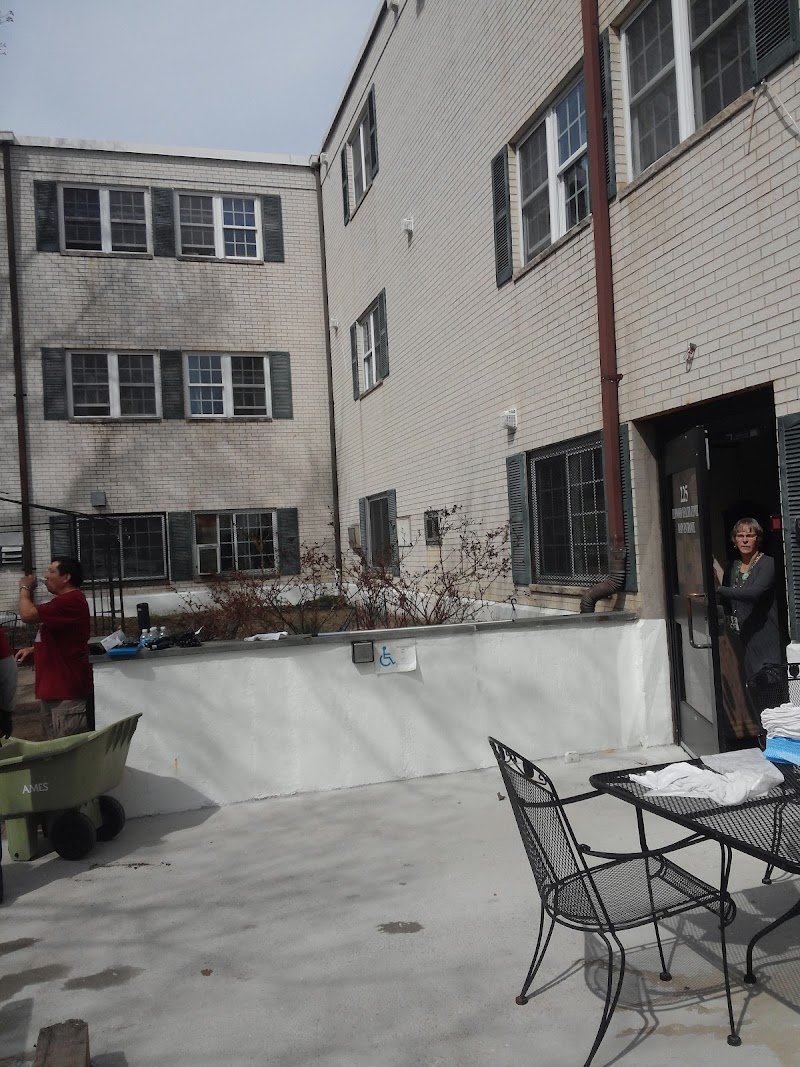
Who Owns and Operates Elmwood Nursing And Rehabilitation Center?

Elmwood Nursing and Rehabilitation Center is owned by a for-profit company. For-profit facilities operate as businesses with obligations to shareholders or private owners. The facility is operated by HEALTH CONCEPTS, LTD., a chain that manages multiple nursing homes. With 70 certified beds and approximately 63 residents (about 90% occupancy), it is a smaller facility located in Providence, Rhode Island.

How Does Elmwood Nursing And Rehabilitation Center Compare to Other Rhode Island Nursing Homes?

Compared to the 100 nursing homes in Rhode Island, Elmwood Nursing and Rehabilitation Center's overall rating (4 stars) is above the state average of 3.1, staff turnover (41%) is near the state average of 46%, and health inspection rating (5 stars) is much above the national benchmark.

What Should Families Ask When Visiting Elmwood Nursing And Rehabilitation Center?

Based on this facility's data, families visiting should ask: "Can I visit during a mealtime to observe dining assistance and food quality?" "How do you handle medical emergencies, and what is your hospital transfer rate?" "Can I speak with family members of current residents about their experience?"

Is Elmwood Nursing And Rehabilitation Center Safe?

Based on CMS inspection data, Elmwood Nursing and Rehabilitation Center has a clean safety record: no substantiated abuse findings (meaning no confirmed cases of resident harm), no Immediate Jeopardy citations (the most serious violation level indicating risk of serious injury or death), and is not on the Special Focus Facility watch list (a federal program monitoring the lowest-performing 1% of nursing homes). The facility has a 4-star overall rating and ranks #1 of 100 nursing homes in Rhode Island. While no facility is perfect, families should still ask about staff-to-resident ratios and recent inspection results during their visit.

Do Nurses at Elmwood Nursing And Rehabilitation Center Stick Around?

Elmwood Nursing and Rehabilitation Center has a staff turnover rate of 41%, which is about average for Rhode Island nursing homes (state average: 46%). Moderate turnover is common in nursing homes, but families should still ask about staff tenure and how the facility maintains care continuity when employees leave.

Was Elmwood Nursing And Rehabilitation Center Ever Fined?

Elmwood Nursing and Rehabilitation Center has no federal fines on record. CMS issues fines when nursing homes fail to meet care standards or don't correct problems found during inspections. The absence of fines suggests the facility has either maintained compliance or corrected any issues before penalties were assessed. This is a positive indicator, though families should still review recent inspection reports for the full picture.

Is Elmwood Nursing And Rehabilitation Center on Any Federal Watch List?

Elmwood Nursing and Rehabilitation Center is not on any federal watch list. The most significant is the Special Focus Facility (SFF) program, which identifies the bottom 1% of nursing homes nationally based on persistent, serious quality problems. Not being on this list means the facility has avoided the pattern of deficiencies that triggers enhanced federal oversight. This is a positive indicator, though families should still review the facility's inspection history directly.