Steere House Nursing and Rehabilitation Center

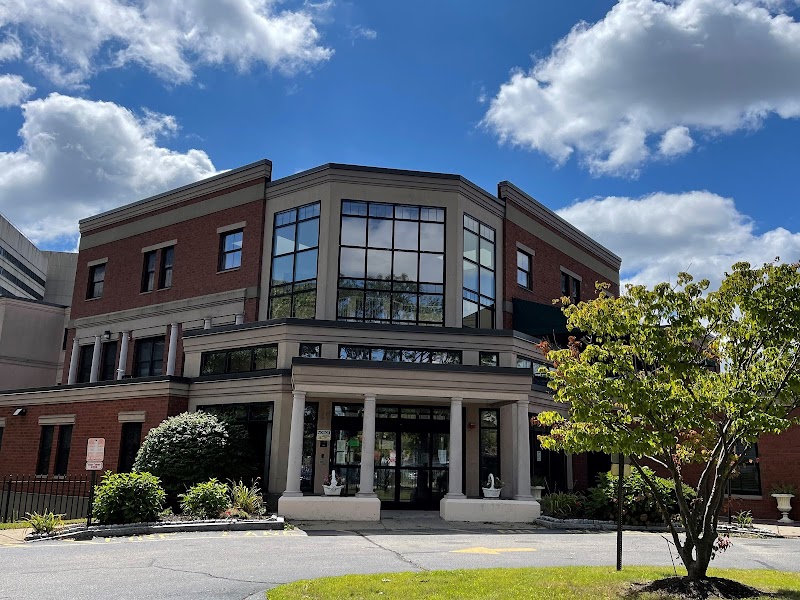
100 Borden Street, Providence, RI 02903 (401) 454-7970
Non profit - Corporation 120 Beds Independent Data: November 2025 1 Immediate Jeopardy citation
Trust Grade
46/100
#29 of 72 in RI
Last Inspection: November 2024

Within standard 12-15 month inspection cycle. Federal law requires annual inspections.

Overview

Steere House Nursing and Rehabilitation Center has a Trust Grade of D, which means it is below average and raises some concerns about care quality. In terms of rankings, it is #29 out of 72 facilities in Rhode Island, placing it in the top half, and #18 out of 41 in Providence County, indicating that there are only a few local options that are better. Unfortunately, the facility is worsening; it went from 2 issues in 2023 to 6 in 2024, reflecting a troubling trend. Staffing is a strength, with a 5/5 star rating and a turnover rate of 26%, which is well below the state average, suggesting that staff is stable and familiar with the residents. However, the facility has faced $85,654 in fines, which is concerning and suggests ongoing compliance issues. There are also several serious incidents to note. One critical finding involved the facility failing to prepare food correctly for residents who needed a ground texture diet, which could impact their health. Additionally, there was a report of resident-to-resident abuse that resulted in significant injury, highlighting concerns about safety. Lastly, a resident was able to exit the facility and subsequently fell from their wheelchair, showing a lapse in monitoring residents who may wander. Overall, while there are some strengths, significant weaknesses and incidents raise important questions for families considering this nursing home.

Trust Score
D
46/100
In Rhode Island
#29/72
Top 40%
Safety Record
High Risk
Review needed
Inspections
Getting Worse
2 → 6 violations
Staff Stability
✓ Good
26% annual turnover. Excellent stability, 22 points below Rhode Island's 48% average. Staff who stay learn residents' needs.
Penalties
⚠ Watch
$85,654 in fines. Higher than 79% of Rhode Island facilities, suggesting repeated compliance issues.
Skilled Nurses
✓ Good
Each resident gets 54 minutes of Registered Nurse (RN) attention daily — more than average for Rhode Island. RNs are trained to catch health problems early.
Violations
○ Average
9 deficiencies on record. Average for a facility this size. Mostly minor or procedural issues.
★★★★☆
4.0
Overall Rating
★★★★★
5.0
Staff Levels
★★★★☆
4.0
Care Quality
★★★☆☆
3.0
Inspection Score
Stable
2023: 2 issues
2024: 6 issues

The Good

  • 5-Star Staffing Rating · Excellent nurse staffing levels
  • 4-Star Quality Measures · Strong clinical quality outcomes
  • Low Staff Turnover (26%) · Staff stability means consistent care
  • Full Sprinkler Coverage · Fire safety systems throughout facility
  • No fines on record
  • Staff turnover is low (26%)

    22 points below Rhode Island average of 48%

Facility shows strength in staffing levels, quality measures, staff retention, fire safety.

The Bad

Federal Fines: $85,654

Well above median ($33,413)

Moderate penalties - review what triggered them

The Ugly 9 deficiencies on record

1 life-threatening 3 actual harm
Nov 2024 3 deficiencies 1 IJ (1 affecting multiple)
CRITICAL (K)

Immediate Jeopardy (IJ) - the most serious Medicare violation

Deficiency F0805 (Tag F0805)

Someone could have died · This affected multiple residents

Based on surveyor observation, record review, and staff interview, it has been determined that the facility failed to provide and prepare food in a form designed to meet individual needs for 3 of 6 re...

Read full inspector narrative →
Based on surveyor observation, record review, and staff interview, it has been determined that the facility failed to provide and prepare food in a form designed to meet individual needs for 3 of 6 residents reviewed with a physician's order for a ground texture diet, Resident ID #s 58, 44, and 365. Findings are as follows: Review of the Unidine diet manual states in part, Mechanically Altered [diet] .Breads need to be slurried/pre-gelled through entire thickness .seeds must be avoided .vegetables with less than 1/2 [inch] pieces Review of the diet manual addendum titled Steere House Approved Diets states in part, Ground - For residents who have difficulty chewing or swallowing. Meats are ground or finely chopped and served moist or with gravy/sauce . Further review of the addendum failed to indicate whether or not breads are to be given to residents prescribed a ground diet. 1. Record review revealed Resident ID #58 was admitted to the facility in March of 2022 with a diagnosis including, but not limited to, dysphagia (difficulty swallowing). Review of a speech therapy progress note dated 8/2/2024 revealed that the resident had a coughing episode while eating an english muffin. Further review revealed it was recommended that the resident's diet be downgraded to ground texture and for his/her food to be cut into bite sized pieces and served with extra gravy. Additional review revealed dysphagia interventions were required to maximize safe intake by mouth. Record review revealed a physician's diet order dated 8/2/2024 for ground texture and to cut food into bite sized pieces with extra gravy. Review of the menu utilized on 10/28/2024 revealed residents on a ground diet were to be served garlic bread. During a surveyor observation on 10/28/2024 at 12:27 PM, the resident was served a piece of toasted garlic bread approximately 3 inches long, and whole dry donut holes with the lunch meal. Further observations failed to reveal evidence that the staff cut the garlic bread of the donut holes into bite sized pieces, as ordered. Additionally, the resident was observed to be coughing while eating. During a surveyor interview on 10/28/2024 at 12:40 PM with Certified Medication Technician, Staff D, she indicated that the resident should not have been served garlic bread or the donut holes. Additionally, she removed the garlic bread and replaced the donut holes with moistened ones that she cut into small pieces. During a surveyor interview on 10/28/2024 at 12:42 PM with Dietary Aide, Staff E, who was plating residents' food, he indicated that he is unaware of what should be served to residents who have an order for a ground diet. Additionally, he indicated that he served garlic bread to the residents with a ground diet order. During a surveyor interview on 10/28/2024 at 12:45 PM with Licensed Practical Nurse (LPN), Staff F, she indicated that residents with a ground diet order should be served something soft that can be cut up and should not be served garlic bread. During a surveyor observation on 10/29/2024 at 9:20 AM, the resident was observed to be eating whole pieces of toast. During a surveyor interview on 10/29/2024 at 10:14 AM with the Food Service Director (FSD), she indicated that the facility follows the Unidine diet manual; however, refers to an addendum for diet orders. She further indicated that a ground diet order would include mechanically altered, soft foods, without seeds or nuts. Additionally, the FSD indicated that she and the dietitian are responsible for creating diets and menus. Furthermore, she indicated that residents on ground diets should not receive garlic bread. She acknowledged that the garlic bread that was served to the residents prescribed a ground diet on 10/28/2024 was an error on the menu. Review of the menu utilized on 10/29/2024 revealed residents on a ground diet were to be served pears, instead of watermelon. During a surveyor observation on 10/29/2024 at 12:36 PM, the resident was served chunks of watermelon with seeds, a dry dinner roll, and cauliflower that was not cut into bite sized pieces with lunch. During a surveyor interview on 10/29/2024 at 12:40 PM with Cook, Staff G, he indicated that the Nursing Assistants (NAs) serve the residents the fruits. He further indicated that he served the residents who were prescribed a ground diet a whole dinner roll and that he refers to the menu that is on the steam tray cart. Additionally, he indicated that residents with a ground diet order should not have received watermelon because it contains seeds. During a surveyor interview on 10/29/2024 at approximately 12:45 PM with Nursing Assistant (NA), Staff H, who was in the dining room serving residents their meal trays, she indicated that she was unaware what the residents' diet orders were or where the information was listed. During a surveyor interview on 10/29/2024 at 12:58 PM with NA, Staff I, she indicated that she served the resident watermelon and that she was unaware of the menu that indicates what should be served for each diet order. Additionally, she indicated that she was unaware that residents prescribed a ground diet should not have received the watermelon. During a surveyor interview on 10/29/2024 at 1:26 PM with the Registered Dietitian, he indicated that he develops the menus with the FSD by referring to the Unidine diet manual and the addendum. During a surveyor interview on 10/29/2024 at 1:45 PM with the Speech Language Pathologist (SLP), she indicated that she evaluates all of the residents on admission and if there is a concern with coughing or choking with eating. She further indicated that residents prescribed a ground diet may have bread, if it is soft, and that garlic bread may or may not be safe depending on how soft it is. When the SLP was questioned on who determines if the bread or garlic bread being served to the residents prescribed a ground diet is soft enough she was unable to provide an answer. Additionally, she indicated that she would expect staff to cut food into approximately 1 inch by 1 inch bite sized pieces if the resident has an order for bite sized foods. During a surveyor interview on 10/29/2024 at 3:27 PM with the Medical Director, he indicated that the dietitian and kitchen staff develop the menu and that the SLP, gives recommendations for the physician ordered diets. He further indicated that he would expect a resident who is prescribed a ground diet order to receive foods that are in small pieces. Additionally, he indicated that he would expect staff that are serving the residents' food to know what the diet order is and what they can and cannot be served. 2. Record review revealed Resident ID #44 was readmitted to the facility in September of 2024 with diagnoses including, but not limited to, acute respiratory failure and end stage renal disease. Record review revealed a physician's order dated 9/12/2024 for a ground texture diet. During a surveyor observation on 10/29/2024 at 9:35 AM in the presence of NA, Staff J, the resident was observed to be eating two whole slices of toasted white bread. During a surveyor interview immediately following the above observation, Staff J, acknowledged that the resident was eating toasted white bread. Additionally, she indicated that the resident eats toasted white bread often and that she was unaware that the resident should not have been served the toasted bread. During a surveyor observation on 10/29/2024 at 12:35 PM, the resident was observed eating two whole grilled cheese sandwiches. During a surveyor interview on 10/29/2024 at approximately 12:40 PM with LPN, Staff C, she acknowledged that the resident was served whole grilled cheese sandwiches. Additionally, she indicated that she thought it was okay for the resident to eat a whole grilled cheese sandwich on a ground diet. During a surveyor interview on 10/29/2024 at 2:40 PM with the SLP, she indicated that she had not recently assessed the resident and that she was unaware that the resident had a physician's order for a ground texture diet. 3. Record review revealed Resident ID #365 was admitted to the facility in October of 2024 with diagnoses including, but not limited to, dementia and dysphagia. Record review of a physician's order dated 10/28/2024 revealed a diet order for ground texture and thin liquids. Record review of a progress note dated 10/28/2024, authored by the SLP, revealed that the resident's diet texture was downgraded to a ground texture, on 10/28/2024 related to dysphagia. During a surveyor observation of the breakfast meal on 10/29/2024 at approximately 9:00 AM the resident was observed eating over medium eggs with 3 pieces of toasted bread. During a surveyor interview on 10/29/2024 at approximately 9:10 AM, with NA, Staff K, she indicated that she was unaware if the resident could have toast. She further indicated that the meal was plated by the kitchen staff. During a surveyor interview on 10/29/2024 at approximately 9:15 AM, with Registered Nurse, Staff L, she acknowledged that the resident was on a ground diet and had been served toasted bread. During a surveyor observation of the lunch meal on 10/29/2024 at approximately 12:40 PM the resident was observed eating a garden salad with 2-3-inch pieces of grilled chicken, sliced tomatoes, sliced strawberries, and chunks of watermelon with seeds. Additionally, the resident's son was observed to be prompting the resident to swallow his/her food several times while eating this meal. During a surveyor interview on 10/29/2024 at approximately 12:50 PM, with the SLP, she revealed that the resident should not have received toast with breakfast or the grilled chicken salad for lunch as s/he was on a ground texture diet. She further revealed on 10/29/2024, after the lunch meal, the resident's diet was further downgraded to a pureed textured diet. During a surveyor interview on 10/30/2024 at approximately 11:00 AM with the Director of Nursing Services, she was unable to provide evidence that the above residents were served a therapeutic diet as prescribed by the physician. The facility's failure to provide and prepare foods in a form designed to meet individual needs for Resident ID #s 58, 44 and 365 placed the residents at risk for more than minimal harm, impairment, or death.
CONCERN (E)

Potential for Harm - no one hurt, but risky conditions existed

Deficiency F0761 (Tag F0761)

Could have caused harm · This affected multiple residents

**NOTE- TERMS IN BRACKETS HAVE BEEN EDITED TO PROTECT CONFIDENTIALITY** Based on surveyor observation, record review, and staff interview, it has been determined that the facility failed to store drug...

Read full inspector narrative →
**NOTE- TERMS IN BRACKETS HAVE BEEN EDITED TO PROTECT CONFIDENTIALITY** Based on surveyor observation, record review, and staff interview, it has been determined that the facility failed to store drugs and biological's in accordance with currently accepted professional principles relative to 1 of 2 medication rooms observed, 2 of 5 medication carts observed, and 1 of 1 resident observed with medications stored at his/her bedside, Resident ID #1. Review of the facility's policy titled Medication Storage states in part, Medications and biological's are stored properly, following manufacturers or provider pharmacy recommendations, to maintain their integrity and to support safe effective drug administration. The medication supply shall be accessible only to licensed nursing personnel .Outdated, contaminated, discontinued, or deteriorated medications are immediately removed from stock, disposed of according to procedures for medication disposal . 1a. During a surveyor observation on [DATE] at 1:37 PM in the presence of Licensed Practical Nurse, Staff C, of the third-floor medication room refrigerator, revealed a bottle of Lorazepam intensol (a medication used to treat anxiety) with an open date of [DATE] and expiration date of [DATE]. During a surveyor interview at the time of this observation with Staff C, she acknowledged the Lorazepam was expired and should have been discarded. 2a. During a surveyor observation on [DATE] at 1:57 PM in the presence of Certified Medication Technician (CMT), Staff M, of the second-floor medication cart the following was revealed: - Latanoprost ophthalmic solution 0.005% eye drop (a medication used to lower pressure in the eyes) with an open date of [DATE] and a discard date of [DATE]. Manufacturer's instruction indicates to discard the eye drops four weeks after opening. - Stye sterile lubricant eye ointment with an open date of [DATE] and discard date of [DATE]. During a surveyor interview at the time of the above observations with Staff M, she acknowledged the eye drops were expired and should have been discarded. 2b. During a surveyor observation on [DATE] at 8:33 AM in the presence of CMT, Staff B, of the third-floor medication cart the following was revealed: - Latanoprost ophthalmic solution 0.005% eye drop with an open date of [DATE] and a discard date of [DATE]. - Brimonidine tartrate 0.2% eye drop (a medication used to lower high fluid pressure in the eye), open and undated. Manufacturer's instruction indicates to discard the eye drop four weeks after opening. During a surveyor interview at the time of the above observations with Staff B, he was unable to provide evidence of when the Brimonidine tartrate eye drops were opened and indicated that both of the eye drops are to be discarded. 3. Record review revealed Resident ID #1 was admitted to the facility in May of 2022 with diagnoses including, but not limited to, dementia and chronic pain. Record review of a quarterly Minimum Data Set assessment dated [DATE] revealed a Brief Interview of Mental Status score of 12 out of 15, indicating the resident has impaired cognition. During surveyor observations on [DATE] at 9:34 AM, [DATE] at 9:30 AM, and on [DATE] at 1:20 PM revealed the following medications were left unattended on the resident's bedside table: - Asper Cream with lidocaine 4.3 ounce (oz) (a medication used to treat pain) - Vaporizing rub 3.4 oz. (a topical ointment used to relieve cough, congestion, and soothe sore muscles) - Arthritis and Sport penetrating heat rub 16 oz (a medication used to treat pain) During a surveyor interview on [DATE] at 1:20 PM with Resident ID #1, s/he indicated that s/he applies the above-mentioned medications by him/herself. Record review failed to reveal evidence that the resident was evaluated to self-administer his/her medications. Additional record review failed to reveal evidence of a physician's order for the Asper Cream, vaporizing rub, or the penetrating heat rub. During a surveyor interview on [DATE] at 1:26 PM with Registered Nurse, Staff N, she acknowledged that the above-mentioned medications were at the resident's bedside. She further indicated that she was unaware that the medications were at the resident's bedside until it was brought to her attention by the surveyor. During a surveyor interview on [DATE] at 3:26 PM and on [DATE] at 9:06 AM with the Director of Nursing Services, she was unable to explain why the eyedrops, eye ointment, and Lorazepam were not discarded appropriately. Additionally, she indicated that she would not expect medications to be left at the resident's bedside without an order or a self-medication administration assessment completed.
CONCERN (E)

Potential for Harm - no one hurt, but risky conditions existed

Infection Control (Tag F0880)

Could have caused harm · This affected multiple residents

**NOTE- TERMS IN BRACKETS HAVE BEEN EDITED TO PROTECT CONFIDENTIALITY** Based on surveyor observation, record review, and staff interview, it has been determined that the facility failed to maintain a...

Read full inspector narrative →
**NOTE- TERMS IN BRACKETS HAVE BEEN EDITED TO PROTECT CONFIDENTIALITY** Based on surveyor observation, record review, and staff interview, it has been determined that the facility failed to maintain an infection prevention and control program to help prevent the transmission of communicable diseases and infections by failing to place residents on Enhanced Barrier Precautions (EBP; involves using gown and gloves during high-contact resident care activities) for 1 of 3 residents reviewed with a Multi-Drug Resistant Organism (MDRO) infection, Extended Spectrum Beta Lactamase (ESBL-an infection that is resistant to multiple antibiotics), Resident ID #27. Additionally, the facility failed to provide a sanitary environment and to help prevent the development of infections for 1 of 2 residents reviewed relative to the use of a Bilevel positive airway pressure device (BIPAP, a device that provides breathing support which is administered through a face mask or nasal mask), Resident ID #44. Furthermore, the facility failed to conduct appropriate infection control practices relative to performing hand hygiene during meal service, for 1 of 3 staff members observed, Dietary Aide (DA), Staff P. Findings are as follows: Review of the Center for Disease Control and Prevention document titled Implementation of Personal Protective Equipment (PPE) Use in Nursing Homes to Prevent Spread of Multidrug-Resistant Organisms (MDROs) last reviewed 8/1/2023, states in part, Enhanced Barrier Precautions expand the use of PPE and refer to the use of gown and gloves during high-contact resident care activities that provide opportunities for transfer of MDROs to staff hands and clothing .MDROs may be indirectly transferred from resident-to-resident during these high-contact care activities .The use of gown and gloves for high-contact resident care activities is indicated, when Contact Precautions do not otherwise apply, for nursing home residents .with MDRO infection or colonization . 1. Record review revealed that Resident ID #27 was readmitted to the facility in September of 2024 with a diagnosis including, but not limited to, urinary tract infection, positive for ESBL. Record review of the Minimum Data Set assessment dated [DATE] revealed a Brief Interview for Mental Status (BIMS) score of 9 out of 15, indicating moderately impaired cognition. Further review revealed that the resident is dependent on staff for toileting and is frequently incontinent of urine. Record review of the resident's urine culture results revealed the following: 8/29/2024- revealed that the patient had a urinary tract infection, which was positive for ESBL. During multiple surveyor observations throughout the survey process from 10/28/2024 through 10/31/2024 failed to reveal evidence of an isolation cart or signage posted outside of the resident's room to indicate that s/he requires EBP due to his/her history of ESBL in his/her urine. During a surveyor interview on 10/30/2024 at 10:31 AM with Licensed Practical Nurse, Staff C, she revealed the resident was not on precautions at that time. During surveyor interviews on 10/30/2024 at approximately 11:00 AM and 10/31/2024 at 11:25 AM, with the Infection Preventionist (IP), she revealed that when a resident with a MDRO completes their antibiotic the facility removes them from contact precautions and does not utilize EBP for ESBL. She further acknowledged that Resident ID #27 was not currently on precautions for the ESBL. Additionally, she could not provide evidence that follow up urine cultures were completed to verify Resident ID #27 was no longer positive for ESBL to ensure that s/he could not transmit the infection to staff or other residents in the facility. 2. Review of the manufacturer's instructions for a BIPAP machine titled Phillips Respironics user manual dated April 2016, states in part, .Hand washing can be performed daily. Dishwashing can be performed once a week .Clean the heated tubing before first use and weekly. Wash the parts of the tank in the dishwasher (top shelf only) or in a solution of warm water and a mild liquid dishwashing detergent. Gently wash the middle seal. Rinse the parts with clean water. Wipe the parts completely on the top and bottom. Allow them to air dry . Record review revealed that Resident ID #44 was readmitted to the facility in September of 2024 with diagnoses including, but not limited to chronic obstructive pulmonary disease and acute respiratory failure. Record review of a Quarterly Minimum Data Set Assessment completed on 10/7/2024, revealed a BIMS score of 12 out of 15, indicating moderately impaired cognition. Review of the October 2024 Treatment Administration Record revealed a physician's order to use a BIPAP machine every night at bedtime. Additional review revealed that the order was signed off as completed every night from 10/1 through 10/29/2024. Record review failed to reveal evidence of documentation or a physician's order to clean the BIPAP machine tubing and mask per the manufacturer's instructions. During a surveyor observation on 10/30/2024 at 8:51 AM in the presence of LPN, Staff C, the resident's BIPAP was noted to have an accumulation of pink and white matter on the inside of the mask. Staff C, acknowledged this observation and revealed that she was unsure of the cleaning process for the equipment. During a surveyor interview on 10/29/2024 at 12:56 PM with the Director of Nursing Services (DNS), she indicated that the facility utilizes an outside company to clean the BIPAP machines weekly and that she would provide documentation that this was being completed. During a subsequent interview on 10/30/2024 at 8:38 AM with the DNS, she revealed that when she called the outside company to obtain documentation for the above BIPAP machine's cleaning schedule, she was informed that they do not clean or maintain the BIPAP machines in the facility. She further acknowledged, the resident does not have an order in place to clean the BIPAP equipment and was unable to provide evidence that the machine was cleaned, as required per the manufacturer instructions. 3. During a surveyor observation of the meal service on 10/28/2024 at 12:35 PM in the TCU unit, kitchenette area, DA, Staff P, was observed plating resident meals from a buffet table. Upon receiving a slip containing an alternative lunch item that was not provided on the buffet table, Staff P then stepped away and used the phone to contact the kitchen, wearing the same glove that he was wearing while plating meals. Following the phone call, Staff P, returned to the buffet table to resume plating resident meals, wearing the same gloves he wore to use the phone. He then picked up a sandwich, removed the protective wrap, touched the sandwich with his gloved hand, and reached into a bin containing lettuce and sliced tomato to add to the sandwich plate. Immediately upon the above observation, the surveyor intervened and questioned Staff P regarding hand hygiene and his knowledge of preventing food contamination. Staff P indicated that he was unaware that the gloves should be changed after using the phone and prior to touching the residents food. Additionally, he left the service area to obtain clean gloves. During a surveyor interview on 10/31/2024 at 8:47 AM with the Food Service Director, she indicated that she would have expected Staff P to change his gloves prior to touching food after using the phone and to have clean gloves readily available at the service area.
Jul 2024 3 deficiencies 2 Harm
SERIOUS (G) 📢 Someone Reported This

A family member, employee, or ombudsman was alarmed enough to file a formal complaint

Actual Harm - a resident was hurt due to facility failures

Free from Abuse/Neglect (Tag F0600)

A resident was harmed · This affected 1 resident

**NOTE- TERMS IN BRACKETS HAVE BEEN EDITED TO PROTECT CONFIDENTIALITY** Based on surveyor observation, record review, and staff interview it has been determined that the facility failed to protect and...

Read full inspector narrative →
**NOTE- TERMS IN BRACKETS HAVE BEEN EDITED TO PROTECT CONFIDENTIALITY** Based on surveyor observation, record review, and staff interview it has been determined that the facility failed to protect and keep residents free from physical abuse relative to an incident that occurred between Resident ID #2 and #3, resulting in significant injury of Resident ID #2. Findings are as follows: Review of a facility policy titled, Abuse prohibition states in part, .It is the policy of this facility to ensure that all residents are treated with respect and dignity and that all residents are free from abuse .Abuse: Willful infliction of injury .resulting in physical harm .Examples of abuse include but are not limited to the following: Physical - Hitting, punching, pinching, kicking . Record review reveals a facility reported incident of resident-to-resident abuse was submitted to the Rhode Island Department of Health on 5/17/2024. The report indicates that Resident ID #2 reported to staff that Resident ID #3 had kicked him/her when s/he was exiting the bathroom. Additionally, Resident ID #2 sustained a skin tear to his/her left leg. Review of the 5-Day Investigation Report dated 5/22/2024, revealed that after the facility's investigation, the allegation of resident-to-resident abuse was substantiated as Resident ID #3 admitted to hitting Resident ID #2 with a trash can. Record review revealed Resident ID #2, the victim, was admitted to the facility in August of 2023 with diagnoses including, but not limited to, adjustment disorder with anxiety and disorders of the brain due to a temporal mass (mass on the temporal lobe of the brain that may affect essential functions including comprehension, emotions, and memory). Review of a quarterly Minimum Data Set (MDS) assessment dated [DATE], revealed a Brief Interview for Mental Status (BIMS) score of 9 out of 15 indicating moderately impaired cognition. Review of a progress note dated 5/17/2024 at 1:30 PM authored by Registered Nurse, Staff A, revealed that Resident ID #2 approached the nurses' station with his/her pant leg rolled up exposing an open area that was not there prior. The progress note further revealed that Resident ID #2 indicated that when s/he was exiting the bathroom, the roommate kicked him/her. Additionally, the open area on Resident ID #2's left shin required it to be cleansed and dressed with wound treatment supplies. Review of a document titled, Event Report dated 5/17/2024 revealed Resident ID #2 sustained a 1.7 centimeter (cm) by 1.4 cm open area to his/her left shin requiring a normal saline cleanse, the application of steri-strips (thin adhesive bandages used to close cuts or wounds), the application of xeroform (sterile wound dressing), and coverage with a clean dry dressing. Further review of the above-mentioned document revealed that Resident ID #2's wound was treated from 5/17/2024 through 6/16/2024, a duration of 31 days. Record review revealed Resident ID #3, the perpetrator, was admitted to the facility in July of 2022 with a diagnosis including, but not limited to, left lower arm fracture. Review of a quarterly MDS assessment dated [DATE] revealed a BIMS score of 14 out of 15 indicating intact cognition. Review of a progress note dated 5/17/2024 at 6:36 PM revealed that Resident ID #3 was in agreement to move to a different room due to the altercation with his/her roommate, Resident ID #2. Record review revealed that Resident ID #3 has had 7 room changes since his/her admission in July of 2022. During a surveyor interview on 7/30/2024 at 1:34 PM with Staff A, she revealed that Resident ID #3 has been moved several times in the past as s/he can be a difficult roommate. She further revealed that Resident ID #2 sustained a wound to his/her left shin and was followed by the provider for his/her left shin wound and required daily dressing changes for approximately 1 month. During a surveyor observation on 7/30/2024 at 1:38 PM of Resident ID #2 in the presence of Staff A, revealed a noticeable discolored scar and indentation to his/her left shin. During a surveyor interview on 7/30/2024 at 1:41 PM with Resident ID #3, s/he revealed that s/he recalled the altercation with Resident ID #2 and indicated that s/he grabbed a trash can and hit Resident ID #2 in the leg with it. Additionally, s/he acknowledged that it was a deliberate act. During a surveyor interview on 7/30/2024 at 2:28 PM with the Director of Nursing Services in the presence of the Administrator, she was unable to provide evidence that Resident ID #2 was kept free from physical abuse.
SERIOUS (G) 📢 Someone Reported This

A family member, employee, or ombudsman was alarmed enough to file a formal complaint

Actual Harm - a resident was hurt due to facility failures

Accident Prevention (Tag F0689)

A resident was harmed · This affected 1 resident

**NOTE- TERMS IN BRACKETS HAVE BEEN EDITED TO PROTECT CONFIDENTIALITY** Based on record review and staff interview it has been determined that the facility failed to ensure that residents receive adeq...

Read full inspector narrative →
**NOTE- TERMS IN BRACKETS HAVE BEEN EDITED TO PROTECT CONFIDENTIALITY** Based on record review and staff interview it has been determined that the facility failed to ensure that residents receive adequate supervision to prevent an accident for 1 of 3 residents reviewed for elopement, Resident ID #1. Findings are as follows: Review of a facility policy titled, Identification of High Risk Elopement Residents states in part, Purpose: To ensure the safety and well being of all residents with a potential for wandering/eloping from the facility .Residents who were not identified to be 'at risk for elopement' on admission, but are demonstrating behaviors such as .accessing the elevator or exit doors are considered to be 'at risk for elopement.' Review of a community reported complaint allegation submitted to the Rhode Island Department of Health on 7/26/2024 revealed that Resident ID #1 was evaluated at the emergency room following a fall from his/her wheelchair. Additionally, Resident ID #1 had wheeled him/herself out the front door of the facility, the wheelchair began to roll downhill, and Resident ID #1 fell out of his/her wheelchair to avoid oncoming traffic. Record review revealed that the resident was admitted to the facility in March of 2022 with diagnoses including, but not limited to, mild cognitive impairment and a history of falling. Additionally, the resident resides on the second floor and has unrestricted access to the second-floor lobby where the main elevator is located, which leads to the main entrance located on the first floor. Review of a quarterly Minimum Data Set assessment dated [DATE], revealed a Brief Interview for Mental Status score of 4 out of 15 indicating severe cognitive impairment. Further review revealed that the resident utilizes a wheelchair for mobility and can independently wheel a minimum of 150 feet in a corridor or similar space. Record review revealed the following progress notes: - 7/26/2024 at 3:48 PM revealed that the resident was found outside of the facility lying on the ground with a bump to his/her forehead with active bleeding and skin tears to his/her left arm, and was extremely confused. Additionally, Nursing Assistant (NA), Staff B, witnessed the resident wheel him/herself out of the facility and the resident was engaging in conversation with another person when his/her wheelchair began to roll. Staff B chased after the resident and witnessed him/her fall from his/her wheelchair onto the ground. Further, Emergency Medical Services was contacted and s/he was transported to the hospital. - 7/26/2024 at 5:17 PM revealed that the resident was administered medication to lower his/her blood pressure in the emergency room as his/her blood pressure was elevated at 210/94 (normal blood pressure is 120/80). - 7/27/2024 at 12:03 AM revealed that the resident returned from the hospital and was noted with a skin tear to his/her head and left arm, a hematoma (abnormal pooling of blood under the skin that can be caused from injury or trauma) to his/her left forehead, and facial bruising. Additionally, the skin tears required treatments that consisted of a normal saline cleanse, the application of steri-strips (thin adhesive bandages used to close cuts or wounds), the application of xeroform (sterile wound dressing), and coverage with a clean dry dressing. Further, the resident was diagnosed with a urinary tract infection and was started on a 7-day course of antibiotic therapy. - 7/29/2024 at 1:35 PM revealed that the resident indicated the above-mentioned injury was still causing him/her discomfort. Review of the July 2024 Medication Administration Record (MAR) revealed that the resident had been receiving Tylenol (medication to treat pain) 1 gram (g) twice daily. Additionally, s/he had an as needed order for Tylenol 1g once a day which had not been utilized prior to the incident that occurred on 7/26/2024. Further review of the MAR revealed the resident received Tylenol on 7/28 and again on 7/30/2024 for complaints of pain. Review of a document titled, Elopement Risk Evaluation dated 6/19/2024, authored by Registered Nurse, Staff C, revealed that the resident was not deemed an elopement risk, however required Supervision - oversight, encouragement or cueing for locomotion off of the unit (how the resident moves to and returns from off-unit locations). Further, the document indicated to refer to the Activities of Daily Living (ADL) flow chart in the Resident Assessment Instrument (RAI) Manual to facilitate accurate coding. Review of the RAI Manual, Version 3.0 dated October 2023, states in part, .Supervision or touching assistance .For example, the resident requires verbal cueing, coaxing, or general supervision for safety to complete the activity . During a surveyor interview on 7/30/2024 at 12:50 PM with Staff C, she acknowledged she was the nurse that completed the Elopement Risk Evaluation. She further revealed that she did not utilize the RAI manual to accurately code the Elopement Risk Evaluation, however the resident is with staff while off the unit and that is why she indicated on the assessment that the resident requires supervision while off the unit. Additionally, she revealed that when the resident is off the unit, s/he is under general supervision by staff and provided the examples of when the resident is participating in activities or watching a movie. During a surveyor interview on 7/30/2024 at 10:24 AM with Staff B, she revealed that she was outside the facility by the main entrance on her break when she observed the resident wheel him/herself out of the front doors. Staff B indicated that no staff was present with the resident. Staff B further revealed that she was on her cell phone and looked up and saw the resident engaged in conversation with a visitor, then resumed looking at her cell phone. Staff B indicated that she heard the resident scream and looked up from her cell phone to see that the resident was rolling down the parking lot and she began to chase him/her but was unable to catch him/her before s/he fell from his/her wheelchair. Further, Staff B indicated to the surveyor the location of where the resident fell, which was at the exit of the parking lot where the parking lot adjoins the street. During a surveyor interview on 7/30/2024 at 1:12 PM with the Director of Nursing Services, she revealed that the resident should be in generally supervised areas. She was unable to explain how the resident was able to exit his/her unit, take the elevator to the 1st floor main lobby, and exit the building without staff properly supervising the resident while off the unit. She was unable to provide evidence that the resident received adequate supervision to prevent an accident.
CONCERN (D) 📢 Someone Reported This

A family member, employee, or ombudsman was alarmed enough to file a formal complaint

Potential for Harm - no one hurt, but risky conditions existed

Comprehensive Care Plan (Tag F0656)

Could have caused harm · This affected 1 resident

Based on record review and staff interview, it has been determined that the facility failed to develop and implement a comprehensive person-centered care plan for 1 of 3 residents reviewed for a urina...

Read full inspector narrative →
Based on record review and staff interview, it has been determined that the facility failed to develop and implement a comprehensive person-centered care plan for 1 of 3 residents reviewed for a urinary tract infection (UTI), Resident ID #1. Findings are as follows: Record review revealed that the resident was admitted to the facility in March of 2022 with diagnoses including, but not limited to, mild cognitive impairment and history of falling. Review of a progress note dated 7/27/2024 at 12:03 AM revealed that the resident returned from the hospital following a fall and was diagnosed with a UTI. Additionally, s/he was started on Cephalexin (an antibiotic) 500 milligrams (mg) every 12 hours for 7 days. Review of a physician's order dated 7/27/2024 revealed Cephalexin 500mg give 1 tablet every 12 hours with an end date of 8/2/2024. Record review failed to reveal evidence that a care plan was developed and implemented for the UTI that the resident is currently being treated for. During a surveyor interview on 7/30/2024 at 10:43 AM with Minimum Data Set Coordinator, Staff D, she acknowledged that the resident's comprehensive care plan was not developed to include a UTI. She revealed that it should have been updated right away to include a UTI. During a surveyor interview on 7/30/2024 at 10:50 AM with Director of Nursing Services, she revealed that she would expect that the resident's comprehensive care plan would have been developed to include a focus area for a UTI. Cross reference F 689
Nov 2023 2 deficiencies 1 Harm
SERIOUS (G)

Actual Harm - a resident was hurt due to facility failures

Deficiency F0726 (Tag F0726)

A resident was harmed · This affected 1 resident

**NOTE- TERMS IN BRACKETS HAVE BEEN EDITED TO PROTECT CONFIDENTIALITY** Based on surveyor observation, record review, resident and staff interview it has been determined that the facility failed to en...

Read full inspector narrative →
**NOTE- TERMS IN BRACKETS HAVE BEEN EDITED TO PROTECT CONFIDENTIALITY** Based on surveyor observation, record review, resident and staff interview it has been determined that the facility failed to ensure that all licensed nurses have the specific skill sets necessary to care for residents' needs for 1 of 1 resident reviewed, relative to the use of a hydrocollator (thermostatically controlled water bath for placing cloth heating pads or hotpacs) resulting in a burn, Resident ID #21. Findings are as follows: According to the State Operation Manual Appendix PP- Guidance to Surveyors for Long Term Care Facilities, last revised 2/3/2023 states in part, .To assure that all nursing staff possess the competencies and skill sets necessary to provide nursing and related services to meet the residents' needs safely and in a manner that promotes each resident's rights, physical, mental and psychosocial well-being .'Competency' is a measurable pattern of knowledge, skills, abilities, behaviors, and other characteristics that an individual needs to perform work roles or occupational functions successfully . Record review of the Hydrocollator Heating Units User Manual revealed in part under Safety Precautions, .Constantly monitor HotPac application to ensure that the skin is not becoming too hot. Damage to skin can occur from exposure to extreme heat or cold. Note instructions for proper use .Never lay or sit on top of the HotPac .DO NOT use HotPac directly over cuts, abrasions or wounds .The water temperature in the Hydrocollator is approximately 71 degrees C [Celsius] (160 degrees F [Fahrenheit]), and the water scalding temperature is approximately 49 degrees C (120 degrees F) . Record review of the facility policy titled, PT [Physical Therapy] Hot Pack Program revealed in part, .Wrap with 8 layers of toweling or additional if necessary for specific resident .Assist resident to position of comfort: Supine [lying face up] with knees flexed over pillow; Side-lying with knees semi-flexed and pillow between knees; Prone [lying face down] is usually difficult for this age group .Place call bell close so resident may call if he/she [has] problems (too warm, etc.) .Check area after 5 minutes (if very red add more toweling) . Record review revealed the resident was admitted to the facility in January of 2021, with diagnoses to include, but not limited to, hemiplegia (paralysis of one side of the body) and hemiparesis (weakness on one side of the body) following a cerebral infarction (stroke) affecting the left non-dominant side, contracture of left hand, chronic back pain, and abnormalities of gait and mobility. Review of the Quarterly Minimum Data Set assessment dated [DATE] revealed a Brief Interview for Mental Status with a score of 14 out of 15 indicating that the resident is cognitively intact. It further reveals that s/he requires extensive assistance of two people for bed mobility. Record review revealed a physician's order dated 8/30/2023 to Apply Hydrocollator Hot pack to upper back 2x [times] day for 20 minutes, then remove Under Special instructions it states, .place multiple layers of towel between residents skin/clothing and the Hydrocollator to prevent skin burns. This order was discontinued on 10/16/2023. Record review of an event report dated 10/12/2023 at 2:24 PM states in part, .Physician notified: Yes .[Physician] in this afternoon saw patient .This shift patient was noted to have a [reddened] area to lower back. Measurements: 5 cm [centimeters] x 3 cm skin appears to have slipped off .Evaluation Notes: Wound to back healing, no abuse suspected, caused by hydrocollator . Record review of a physician's order dated 10/12/2023 revealed a treatment to cleanse the open area to the back with normal saline and cover with allevyn (non-adhesive dressing) daily. This order was discontinued on 10/19/2023. Additional record review of a physician's order dated 10/17/2023 revealed a treatment for Silvadene (topical medication used to treat or prevent serious infection on areas of skin with second- or third-degree burns) to be applied to the lower back wound twice daily. During a surveyor interview on 11/30/2023 at approximately 9:45 AM with Physical Therapist, Staff A, she revealed that the nurses complete the hydrocollator treatment with the resident. She was unaware of how the nurses were trained. She further revealed that she would expect the special terry cloth cover and 6 to 8 towel layers to be used to wrap the HotPac. Additionally, she said if the resident was laying on the HotPac she would expect that the most layers would be used to protect the resident's skin. Record review of the Nurse Medication Administration History for the period 10/1/2023 through 10/31/2023 revealed that Licensed Practical Nurse, Staff B and Registered Nurse, Staff C, had both applied the hydrocollator HotPac to the resident on multiple occasions. During surveyor interviews on 11/30/2023 at 10:35 AM and 11:56 AM with the resident, s/he revealed that they had a burn on their back because the hydrocollator was too hot a couple of times when the nurses applied it. The resident also revealed that s/he would lay on the HotPac in the bed, and once it was set up, the nurses did not stay with him/her to monitor him/her during the treatments. The resident further revealed that s/he would use the call bell if it got too hot, or needed to be repositioned as s/he is unable to fully reposition him/herself. During surveyor interviews on 11/30/2023 at 10:26 and 11:57 AM with Staff B, she revealed that she wraps the hydrocollator HotPac in 3 to 4 towels and the resident lays on it in bed for 20 minutes. She further acknowledged that she does not stay with the resident during the treatment, and that the resident is unable to reposition him/herself. During a surveyor telephone interview on 11/30/2023 at 11:09 AM with Registered Nurse, Staff C, she revealed that she would wrap the HotPac in 4 to 5 towels when she used it on the resident. She acknowledged that she had not received formal education on how to use the hydrocollator, and she did not stay with the resident to provide constant monitoring during the treatments. During a surveyor interview on 11/30/2023 at 11:29 AM with Licensed Practical Nurse, Staff D she revealed that when she received the hydrocollator order she had educated a few of the nurses to use multiple towels, but she was unaware that the nurse should have been providing constant monitoring of the resident during treatment. She further revealed that she was in-serviced years ago by therapy but acknowledged that the facility has not in-serviced the nurses on the use of the hydrocollator since. Additional record review of the facility's PT Hot Pack Program policy failed to reveal evidence of instructions or guidance to constantly monitor the resident during hydrocollator application treatments to ensure the skin does not become too hot as indicated in the Hydrocollator Heating Unit User Manual. The policy also indicated that the resident could lay down in a supine position while using the hydrocollator which does not follow the manufacturer's instructions. During a surveyor interview on 11/30/2023 at 11:19 AM and 1:55 PM with the Director of Nursing Services she revealed that this resident was the only one the nurses applied the hydrocollator HotPac for, because she gets it twice daily. She failed to provide evidence of nursing competencies or education for the use of the hydrocollator. She further revealed that she would expect the staff to follow the facility policy for the hydrocollator. She was unable to provide evidence that the policy was in accordance with the user manual.
CONCERN (D)

Potential for Harm - no one hurt, but risky conditions existed

Infection Control (Tag F0880)

Could have caused harm · This affected 1 resident

Based on surveyor observations, record review, and staff interview, it has been determined that the facility failed to provide a safe and sanitary environment to help prevent the transmission of infec...

Read full inspector narrative →
Based on surveyor observations, record review, and staff interview, it has been determined that the facility failed to provide a safe and sanitary environment to help prevent the transmission of infections relative to disinfecting glucometers (a device used to monitor blood glucose) for 2 of 3 residents observed who require blood glucose monitoring, Resident ID #s 51 and 53; and 1 of 1 resident observed for a wound dressing change, Resident ID #357. Findings are as follows: 1. According to the facility's policy last revised January of 2023 titled, General Infection Control Policies states in part, .All items used for the resident are to be cleaned and disinfected before use and/or are to be designated for the resident's use only .Small non-disposable equipment such as glucometers .are to be cleaned and appropriately disinfected after each use for an individual resident. Manufacturer's guidelines should be followed when cleaning glucometer machines . Review of the glucometer's User Instruction Manual titled, Assure Prism multi, states in part, .For multiple patient use .Cleaning and Disinfecting .The meter should be cleaned and disinfected after use on each patient. This Blood Glucose Monitoring System may be used for testing multiple patients when Standard Precautions and the manufacturer's disinfection procedures are followed. a) Record review revealed Resident ID #51 was readmitted to the facility in October of 2022 with a diagnosis including, but not limited to, type II diabetes. Additionally, his/her blood sugars are monitored four times a day. b) Record review revealed Resident ID #53 was readmitted to the facility in November of 2022 with diagnoses including, but not limited to, type II diabetes and long-term use of insulin. Additionally, his/her blood sugars are monitored once a day on Mondays, Wednesdays, and Fridays. During surveyor observations on 11/29/2023 at 11:02 AM during the medication administration task with Licensed Practical Nurse (LPN), Staff B, the following observations were made: - Staff B was observed obtaining Resident ID #51's blood sugar with a multi-use glucometer. After obtaining Resident ID #51's blood sugar, Staff B then placed the unclean glucometer in a basket of clean, glucose monitoring supplies, and returned to the nurses' cart. Staff B was not observed to have cleaned or disinfected the multi-use glucometer prior to placing it back in the nurses' cart. - Staff B then retrieved the same multi-use glucometer and basket of supplies from the nurses' cart and proceeded to Resident ID #53's room to obtain his/her blood sugar. Staff B was not observed to have cleaned or disinfected the glucometer prior to obtaining Resident ID #53's blood sugar. During a surveyor interview immediately following the above observations on 11/29/2023 at 8:20 AM with Staff B, she acknowledged that she did not clean and disinfect the multi-use glucometer after obtaining Resident ID #51's blood sugar and placed the unclean glucometer back in the nurses' cart with clean supplies. She further acknowledged that she should have cleaned and disinfected the glucometer prior to obtaining Resident ID #53's blood sugar. During a surveyor interview on 11/29/2023 at 12:41 PM with the Director of Nursing Services (DNS), she revealed that Staff B should have cleaned and disinfected the multi-use glucometer in between obtaining blood sugars for Resident ID #s 51 and 53. 2. Review of an undated facility policy titled, Clean Dressing Technique states in part, .Gather and set up necessary supplies in the resident area .Establish a clean field .Open supplies onto clean field .Establish a container for soiled dressings .Wash hands (Hand sanitizer may be used) and put on clean gloves . Record review revealed Resident ID #357 was admitted to the facility in November of 2023 with diagnoses that include, but are not limited to, heart failure and acute respiratory failure. Record review revealed the resident has a stage 2 pressure ulcer (wound with partial thickness skin loss) to his/her coccyx with a physician's order to change the dressing daily and as needed. During a surveyor observation on 11/29/2023 at approximately 9:06 AM of the resident's wound dressing change, LPN, Staff D was observed to establish a clean field on the resident's bed and she placed all of the clean dressing supplies on an unused, disposable barrier. Staff D then went and retrieved a trash can with her bare hands, which had soiled contents within it, brought it to the resident's bedside, and placed it on the floor. Without performing hand hygiene, after just handling the trash container, she began handling contents on the clean field with her bare hands and was observed to open and date the clean dressing that was applied to the resident's wound. During a surveyor interview immediately following the dressing change on 11/29/2023 at 9:23 AM, Staff D acknowledged that she handled the trash can with her bare hands and did not perform hand hygiene prior to handling the clean dressing supplies. She further acknowledged that she should have performed hand hygiene prior to touching the resident's clean dressing. During a surveyor interview on 11/29/2023 at 10:41 AM with the DNS, she revealed she would expect that staff would not handle clean dressing supplies after touching the trash. She acknowledged that Staff D should have performed hand hygiene prior to handling the clean supplies and was unable to provide evidence that the facility provided a safe and sanitary environment to help prevent the transmission of infections.
Sept 2022 1 deficiency
CONCERN (F)

Potential for Harm - no one hurt, but risky conditions existed

Deficiency F0761 (Tag F0761)

Could have caused harm · This affected most or all residents

Based on surveyor observation and staff interview, it has been determined that the facility failed to store all drugs and biologicals in accordance with currently accepted professional principles for ...

Read full inspector narrative →
Based on surveyor observation and staff interview, it has been determined that the facility failed to store all drugs and biologicals in accordance with currently accepted professional principles for 3 of 4 medication carts observed and 4 of 4 medication storage rooms observed. Findings are as follows: Review of a facility's policy titled Storage of Medication dated 5/2016 revealed in part, .PROCEDURES .2. Controlled medications must be stored separately from non-controlled medications. The access system (key, security codes) used to lock Schedule II medications and other medications subject to abuse, cannot be the same access system used to obtain the non-scheduled medications. Schedule II medications and preparations must be stored in a separately locked permanently affixed compartment . 1. A. During a surveyor observation of the 2nd floor Certified Medication Technician (CMT) medication cart on 9/16/2022 at 8:25 AM in the presence of CMT Staff A revealed the following: - A medication cup with 2 white capsules located in the top drawer - 1 Geri-care Milk of Magnesia 16-ounce (oz.) bottle opened and not dated. Manufacturer's instructions state, Use within 6 months of opening During an interview immediately following the observation with Staff A, she revealed that the 2 pills were Acidophilous and that she took them out of the med room refrigerator and placed them in the top draw to give to a resident during her medication pass. She further indicated that she was unaware that the Milk of Magnesia bottle should be dated when opened. B. During a surveyor observation of the 3rd floor CMT medication cart on 9/16/2022 at 9:49 AM with CMT Staff B revealed the following: - 1 Geri-care Milk of Magnesia 16 oz bottle opened and not dated. Manufacturer's instructions state, Use within 6 months of opening During an interview immediately following the observation with Staff B, he indicated that he was unaware that that the Milk of Magnesia bottle should be dated when opened. C. During a surveyor observation of the 3rd floor Nurse's medication cart on 9/16/2022 at 9:54 AM in the presence of Licensed Practical Nurse, Staff C, revealed the following: - 1 bottle of Morphine Sulfate solution labeled with Resident ID #36's information opened and not dated - 1 bottle of Morphine Sulfate solution labeled with Resident ID #81's information opened and not dated - 1 bottle of Morphine Sulfate solution labeled with Resident ID #101's information opened and not dated During an interview immediately following the observation with Staff C, she revealed that she was unaware that the Morphine Sulfate solution bottles should be dated when opened. Review of a document titled Abridged List of Medications with Shortened Expiration Dates from the facility's pharmacy revealed that Morphine Sulfate solution's beyond use date is one year after opening. 2. A. During a surveyor observation of the 2nd floor medication storage room on 9/16/2022 at 8:35 AM in the presence of Licensed Practical Nurse, Staff D, revealed a medication refrigerator not locked with Ativan Intensol (a controlled substance, scheduled medication used to treat anxiety) inside along with non-scheduled medications. During an interview immediately following the observation with Staff D, she revealed that the medication refrigerator does not have a lock but the medication storage room door remains locked. She further revealed that the nurses and CMT's have keys to the medication storage room. B. During a surveyor observation of the 1st floor unit medication storage room on 9/16/2022 at 8:45 AM in the presence of Registered Nurse, Staff E revealed a medication refrigerator not locked with Ativan Intensol inside along with non-scheduled medications. During an interview immediately following the observation with Staff E, she revealed that the medication refrigerator in the medication storage room does not have a lock and that the nurses and CMT's have keys to the medication storage room. C. During a surveyor observation of the 3rd floor medication storage room on 9/16/2022 at 11:36 AM in the presence of Staff C revealed a medication refrigerator not locked with Ativan Intensol inside along with non-scheduled medications. During an interview immediately following the observation with Staff C, she revealed that only nurses and CMT's have keys to the medication storage room and that the medication refrigerator is not locked. D. During a surveyor observation of the TCU (Transitional Care Unit) medication storage room on the 1st floor on 9/16/2022 at 11:38 AM with Licensed Practical Nurse, Staff F revealed a medication refrigerator not locked with a pharmacy narcotic emergency kit (Ekit) inside along with non-scheduled medications. During an interview immediately following the observation with Staff F, she revealed that nurses and CMT's have keys to the medication storage room. During a surveyor interview with the Assistant Director of Nursing Services (ADNS) on 9/16/2022 at 11:53 AM she revealed that there should be no loose pills in the medication cart without a resident's name on the packaging and that she was unaware that Milk of Magnesia and Morphine Sulfate had to be dated when opened. The ADNS further indicated that the facility's pharmacy recently brought to their attention that controlled substances such as Ativan had to be stored by double lock in the medication storage refrigerator Review of a document from the facility's pharmacy titled Controlled Substances Audit dated 8/12/2022 revealed that the Lorazepam (Ativan) liquid was not stored by double lock in the refrigerator and that the Ekit were not stored securely. During a subsequent interview with the ADNS and the Administrator on 9/19/2022 at 10:07 AM, they acknowledged that the double lock containers had not been installed since they were made aware that scheduled medications need to be under double lock by the pharmacy on 8/12/2022.
Understanding Severity Codes (click to expand)
Life-Threatening (Immediate Jeopardy)
J - Isolated K - Pattern L - Widespread
Actual Harm
G - Isolated H - Pattern I - Widespread
Potential for Harm
D - Isolated E - Pattern F - Widespread
No Harm (Minor)
A - Isolated B - Pattern C - Widespread

Questions to Ask on Your Visit

  • "What changes have you made since the serious inspection findings?"
  • "Can I speak with families of current residents?"
  • "What's your RN coverage like on weekends and overnight?"

Our Honest Assessment

Strengths
  • • 26% annual turnover. Excellent stability, 22 points below Rhode Island's 48% average. Staff who stay learn residents' needs.
Concerns
  • • Multiple safety concerns identified: 1 life-threatening violation(s), 3 harm violation(s), $85,654 in fines. Review inspection reports carefully.
  • • 9 deficiencies on record, including 1 critical (life-threatening) violation. These warrant careful review before choosing this facility.
  • • $85,654 in fines. Extremely high, among the most fined facilities in Rhode Island. Major compliance failures.
  • • Grade D (46/100). Below average facility with significant concerns.
Bottom line: Trust Score of 46/100 indicates significant concerns. Thoroughly evaluate alternatives.

About This Facility

What is Steere House Nursing And Rehabilitation Center's CMS Rating?

CMS assigns Steere House Nursing and Rehabilitation Center an overall rating of 4 out of 5 stars, which is considered above average nationally. Within Rhode Island, this rating places the facility higher than 99% of the state's 100 nursing homes. This rating reflects solid performance across the metrics CMS uses to evaluate nursing home quality.

How is Steere House Nursing And Rehabilitation Center Staffed?

CMS rates Steere House Nursing and Rehabilitation Center's staffing level at 5 out of 5 stars, which is much above average compared to other nursing homes. Staff turnover is 26%, compared to the Rhode Island average of 46%. This relatively stable workforce can support continuity of care.

What Have Inspectors Found at Steere House Nursing And Rehabilitation Center?

State health inspectors documented 9 deficiencies at Steere House Nursing and Rehabilitation Center during 2022 to 2024. These included: 1 Immediate Jeopardy (the most serious level, indicating potential for serious harm or death), 3 that caused actual resident harm, and 5 with potential for harm. Immediate Jeopardy findings are rare and represent the most serious regulatory concerns. They require immediate corrective action.
Who Owns and Operates Steere House Nursing And Rehabilitation Center?

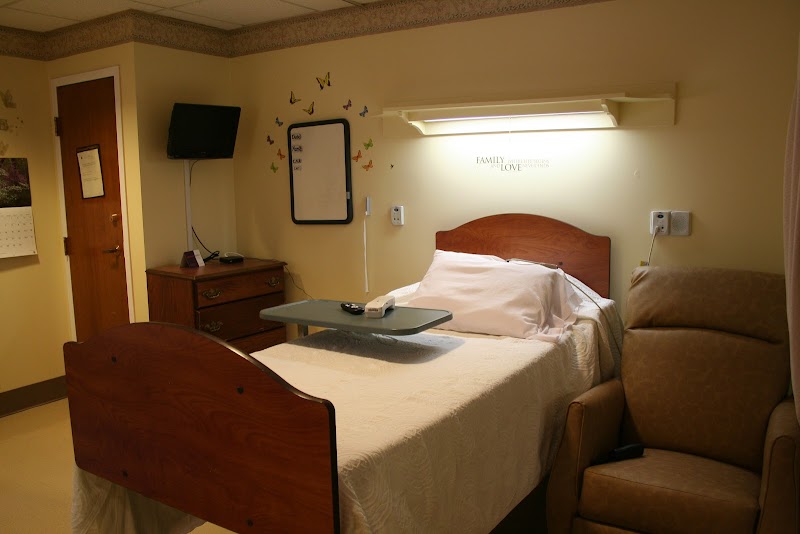
Steere House Nursing and Rehabilitation Center is owned by a non-profit organization. Non-profit facilities reinvest revenue into operations rather than distributing to shareholders. The facility operates independently rather than as part of a larger chain. With 120 certified beds and approximately 104 residents (about 87% occupancy), it is a mid-sized facility located in Providence, Rhode Island.

How Does Steere House Nursing And Rehabilitation Center Compare to Other Rhode Island Nursing Homes?

Compared to the 100 nursing homes in Rhode Island, Steere House Nursing and Rehabilitation Center's overall rating (4 stars) is above the state average of 3.1, staff turnover (26%) is significantly lower than the state average of 46%, and health inspection rating (3 stars) is at the national benchmark.

What Should Families Ask When Visiting Steere House Nursing And Rehabilitation Center?

Based on this facility's data, families visiting should ask: "What changes have been made since the serious inspection findings, and how are you preventing similar issues?" "Can I visit during a mealtime to observe dining assistance and food quality?" "How do you handle medical emergencies, and what is your hospital transfer rate?" "Can I speak with family members of current residents about their experience?" These questions are particularly relevant given the facility's Immediate Jeopardy citations.

Is Steere House Nursing And Rehabilitation Center Safe?

Based on CMS inspection data, Steere House Nursing and Rehabilitation Center has documented safety concerns. Inspectors have issued 1 Immediate Jeopardy citation (the most serious violation level indicating risk of serious injury or death). The facility has a 4-star overall rating and ranks #1 of 100 nursing homes in Rhode Island. Families considering this facility should ask detailed questions about what corrective actions have been taken since these incidents.

Do Nurses at Steere House Nursing And Rehabilitation Center Stick Around?

Staff at Steere House Nursing and Rehabilitation Center tend to stick around. With a turnover rate of 26%, the facility is 19 percentage points below the Rhode Island average of 46%. Low turnover is a positive sign. It means caregivers have time to learn each resident's needs, medications, and personal preferences. Consistent staff also notice subtle changes in a resident's condition more quickly. Registered Nurse turnover is also low at 14%, meaning experienced RNs are available to handle complex medical needs.

Was Steere House Nursing And Rehabilitation Center Ever Fined?

Steere House Nursing and Rehabilitation Center has been fined $85,654 across 3 penalty actions. This is above the Rhode Island average of $33,935. Fines in this range indicate compliance issues significant enough for CMS to impose meaningful financial consequences. Common causes include delayed correction of deficiencies, repeat violations, or care failures affecting resident safety. Families should ask facility leadership what changes have been made since these penalties.

Is Steere House Nursing And Rehabilitation Center on Any Federal Watch List?

Steere House Nursing and Rehabilitation Center is not on any federal watch list. The most significant is the Special Focus Facility (SFF) program, which identifies the bottom 1% of nursing homes nationally based on persistent, serious quality problems. Not being on this list means the facility has avoided the pattern of deficiencies that triggers enhanced federal oversight. This is a positive indicator, though families should still review the facility's inspection history directly.