Woonsocket Health Center
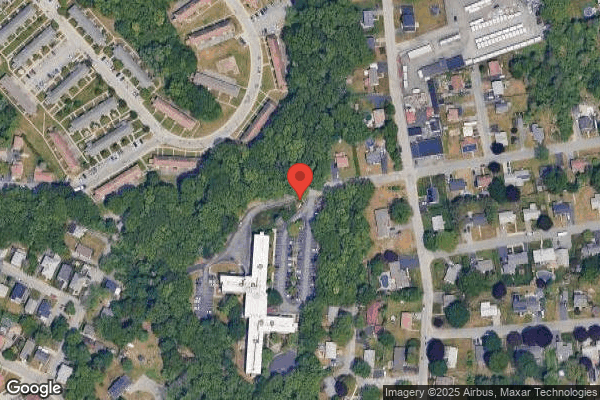

262 Poplar Street, Woonsocket, RI 02895 (401) 765-2100
For profit - Corporation 150 Beds Independent Data: November 2025 2 Immediate Jeopardy citations
Trust Grade
44/100
#9 of 72 in RI
Last Inspection: April 2025

Within standard 12-15 month inspection cycle. Federal law requires annual inspections.

Overview

Woonsocket Health Center has a Trust Grade of D, which means it is below average and raises some concerns about the quality of care. It ranks #9 out of 72 facilities in Rhode Island, placing it in the top half, and #4 out of 41 in Providence County, indicating it is one of the better options locally. The facility is showing improvement, with issues decreasing from 10 in 2024 to 6 in 2025, but it still has significant concerns, including $138,596 in fines, which is higher than 82% of Rhode Island facilities. Staffing is a strength, with a 5/5 star rating and a turnover rate of 27%, well below the state average. However, there have been critical incidents, such as failing to prevent a norovirus outbreak and not ensuring adequate supervision to prevent a resident from leaving the facility, which are serious issues for families considering this home.

Trust Score
D
44/100
In Rhode Island
#9/72
Top 12%
Safety Record
High Risk
Review needed
Inspections
Getting Better
10 → 6 violations
Staff Stability
✓ Good
27% annual turnover. Excellent stability, 21 points below Rhode Island's 48% average. Staff who stay learn residents' needs.
Penalties
✓ Good
$138,596 in fines. Lower than most Rhode Island facilities. Relatively clean record.
Skilled Nurses
○ Average
Each resident gets 41 minutes of Registered Nurse (RN) attention daily — about average for Rhode Island. RNs are the most trained staff who monitor for health changes.
Violations
⚠ Watch
21 deficiencies on record. Higher than average. Multiple issues found across inspections.
★★★★★
5.0
Overall Rating
★★★★★
5.0
Staff Levels
★★★☆☆
3.0
Care Quality
★★★★☆
4.0
Inspection Score
Stable
2024: 10 issues
2025: 6 issues

The Good

  • 5-Star Staffing Rating · Excellent nurse staffing levels
  • Low Staff Turnover (27%) · Staff stability means consistent care
  • Full Sprinkler Coverage · Fire safety systems throughout facility
  • No fines on record
  • Staff turnover is low (27%)

    21 points below Rhode Island average of 48%

Facility shows strength in staffing levels, staff retention, fire safety.

The Bad

Federal Fines: $138,596

Well above median ($33,413)

Significant penalties indicating serious issues

The Ugly 21 deficiencies on record

2 life-threatening
Apr 2025 6 deficiencies
CONCERN (D)

Potential for Harm - no one hurt, but risky conditions existed

Pressure Ulcer Prevention (Tag F0686)

Could have caused harm · This affected 1 resident

Based on record review, surveyor observation, resident and staff interviews, it has been determined that the facility failed to ensure that residents with pressure ulcers receive the necessary treatme...

Read full inspector narrative →
Based on record review, surveyor observation, resident and staff interviews, it has been determined that the facility failed to ensure that residents with pressure ulcers receive the necessary treatment and services, consistent with professional standards of practice, to promote healing for 1 of 3 residents reviewed with pressure ulcers, Resident ID #34. Findings are as follows: Review of a facility policy titled, Low Air Loss System Policy and Procedure states in part, The purpose of the Low Air mattress is to provide therapeutic benefits to the resident at risk for or suffering from pressure ulcers while optimizing comfort . Record review revealed that the resident was readmitted to the facility in November of 2023 with diagnoses including, but not limited to, pressure ulcer of the sacral (the large, triangular bone at the base of the spine) region and pain. Review of a Wound Evaluation and Summary report dated 4/1/2025 revealed, the resident has a stage III pressure ulcer (full-thickness skin loss potentially extending into the subcutaneous tissue layer) to his/her coccyx (tailbone) measuring 0.3 centimeters (cm) by 0.2 cm by 0.4 cm. Record review revealed that the resident's most recent weight on 3/18/2025 was 98.5 pounds (lbs). During surveyor observations on the following dates and times, the resident was observed laying on an air mattress set to firm or 350 lbs and max inflate: - 3/31/2025 at 9:32 AM - 4/1/2025 at 10:30 AM - 4/3/2025 at 8:20 AM During a surveyor interview on 4/3/2025 at 8:25 AM with the resident, s/he revealed that the air mattress s/he was laying on was uncomfortable. Additionally, s/he revealed that the bed is hard and lumpy and that s/he has to constantly reposition him/herself because the wound on his/her back side is painful. Record review failed to reveal evidence of a physician order or care plan in place for the air mattress. During a surveyor interview on 4/3/2025 at 8:45 AM, with Licensed Practical Nurse (LPN), Staff A, he acknowledged that the resident's air mattress was set to max inflate and not to his/her weight. Additionally, he acknowledged that there was no care plan or physician order in place for use of the air mattress. During a surveyor interview on 4/3/2025 at 9:03 AM, with the Director of Nursing Services (DNS) she acknowledged that the resident's air mattress was set to firm or 350 lbs. Additionally, the DNS acknowledged that the resident did not have a care plan or physician order for use of the air mattress, until after it was brought to the facility's attention by the surveyor.
CONCERN (D)

Potential for Harm - no one hurt, but risky conditions existed

Pharmacy Services (Tag F0755)

Could have caused harm · This affected 1 resident

Based on record review and staff interview, it has been determined that the facility failed to ensure that medications and biologicals were ordered by the prescriber for 1 of 3 residents reviewed for ...

Read full inspector narrative →
Based on record review and staff interview, it has been determined that the facility failed to ensure that medications and biologicals were ordered by the prescriber for 1 of 3 residents reviewed for Lorazepam (a medication prescribed for anxiety) administration, Resident ID #30. Findings are as follows: Record review revealed that the resident was admitted to the facility in February of 2025 with diagnoses including, but not limited to, dependence on renal dialysis (a treatment to remove extra fluid and waste when kidneys fail to function effectively), end stage renal disease, and anemia (lack of enough healthy red blood cells to carry oxygen to the body's tissues). Review of a physician order revealed Lorazepam 1 milligram (MG) once a day on Monday, Wednesday, and Friday, prior to dialysis. Review of the March 2025 Medication Administration Record failed to reveal evidence that the Lorazepam was administered, on the following dates: - 3/7/2025 - 3/10/2025 - 3/12/2025 - 3/14/2025 During a surveyor interview on 4/2/2025 at approximately 11:00 AM, with Registered Nurse, Staff B, she revealed that the Lorazepam was ordered due to the resident's increased anxiety related to dialysis. Additionally, Staff B acknowledged that the resident did not receive the medication on the above-mentioned dates before dialysis, as ordered. During a surveyor interview on 4/3/2025 at 10:02 AM, with the Pharmacy Manager, he indicated that the pharmacy was unable to deliver the Lorazepam because a new prescription was not received until 3/14/2025. During a surveyor interview on 4/3/2025 at 1:09 PM with the Director of Nursing Services, she revealed that the resident did not receive the Lorazepam as ordered because the Medication Aide, who administers it, failed to communicate the need for a new prescription to the charge nurse. Additionally, she revealed that she would expect the provider to be notified for a new prescription as soon as possible, and would expect better communication between staff.
CONCERN (E)

Potential for Harm - no one hurt, but risky conditions existed

Deficiency F0698 (Tag F0698)

Could have caused harm · This affected multiple residents

**NOTE- TERMS IN BRACKETS HAVE BEEN EDITED TO PROTECT CONFIDENTIALITY** Based on record review and staff interview, it has been determined that the facility failed to ensure that residents who require...

Read full inspector narrative →
**NOTE- TERMS IN BRACKETS HAVE BEEN EDITED TO PROTECT CONFIDENTIALITY** Based on record review and staff interview, it has been determined that the facility failed to ensure that residents who require dialysis (a treatment that removes excess fluid, waste, and toxins from the blood when the kidneys are no longer functioning properly) receive such services, consistent with professional standards of practice, the comprehensive person-centered care plan, and the residents' goals and preferences for 1 of 1 resident reviewed for peritoneal dialysis (PD, a treatment for kidney failure that uses the lining of the abdomen to filter waste products from the blood), Resident ID #101 and for 2 of 3 residents reviewed for hemodialysis (a type of dialysis that filters blood to remove waste products and excess fluids), Resident ID #s 30 and 76. Findings are as follows: 1. Record review revealed Resident ID #101 was admitted to the facility in August of 2024 with diagnoses including, but not limited to, end stage renal disease and dependence on renal dialysis. Record review revealed a care plan initiated on 8/27/2024 for PD. Interventions include, but are not limited to, administer dialysis solution based off vital signs, as ordered - see chart in room provided by dialysis nurse, monitor for post dialysis complications such as dizziness, fatigue, nausea, hypotension (low blood pressure), discomfort, distress, peritonitis (inflammation of the tissue that lines the inside of the abdominal cavity), monitor PD site for signs or symptoms of infection, tunneling, patency (blockage), leaks and or bleeding at the site, increased edema (swelling), complaints of abdominal pain or signs of dehydration, and to report any complications noted to the provider and dialysis care team. 1a. Review of a policy titled PERITONEAL DIALYSIS POLICY & PROCEDURE states in part, .For the resident receiving PD the Practitioner orders for each individualized prescription must include at least the number of exchanges or cycles to be done during each dialysis session, the volume of fluid for each exchange, duration of fluid in the peritoneal cavity, the concentration of glucose of other osmotic agent [a substance that causes fluid retention and fluid secretion into the lumen] to be used for fluid removal, and the use of an automated, manual or combined technique . Record review revealed the following physician orders with a start date of 8/7/2024: - connect PD at hour of sleep - disconnect PD when completed Record review failed to reveal evidence of an individualized physician order that includes at least the number of exchanges or cycles to be completed during each dialysis session, the volume of fluid for each exchange, duration of fluid in the peritoneal cavity, the concentration of glucose of other osmotic agent to be used for fluid removal, and the use of an automated, manual or combined technique, per the facility policy. During a surveyor interview on 4/1/2025 at 1:51 PM, with the Offsite Dialysis Nurse, she revealed that the resident's current PD prescription includes six cycles with an 1800 fill volume, a run time of 10.5 hours and last fill of 500 cubic centimeters. She further revealed that she will input the prescription into the PD machine remotely and if there are any changes, she will call and inform a nurse at the facility. During a surveyor interview on 4/2/2025 at 11:08 AM, with Registered Nurse (RN), Staff B, she acknowledged that there is not a physician order in the resident's record indicating what the dialysis prescription is and revealed that the PD prescription is monitored by the Offsite Dialysis Nurse. During a surveyor interview on 4/3/2025 at 9:42 AM, with Nurse Practitioner, Staff C, she revealed that the resident's dialysis prescription should be in the resident's medical record, as it is a physician order. 1b. Further review of the policy titled PERITONEAL DIALYSIS POLICY & PROCEDURE states in part, .Before, during and after receiving the PD, the nursing staff must, based on the practitioners' orders and professional standards of practice, obtain VS [vital signs, which include blood pressure, pulse, temperature, heart rate, respiratory rate, and pain], weights, assess the resident's stability level of consciousness, comfort or distress. Monitor for post-dialysis complication and symptoms such as but not limited to dizziness, nausea, fatigue or hypotension. The staff must report identified or suspected complications immediately to the PCP/NP [Primary Care Physician/Nurse Practitioner] and the dialysis staff to enable timely interventions. The resident record must include documentation of ongoing evaluation of the peritoneal catheter, including assessment of catheter related infections and tunnel for condition, monitoring for patency, leaks, infection and bleeding at the site. In addition, staff should monitor for complications such as peritonitis .PROCEDURE .Record resident weight & BP [blood pressure] in appropriate binder located in the resident bedside stand, Review chart to see what solutions will be used .Conduct initial assessment of resident, Note any s/s [signs or symptoms] of increased edema or dehydration and monitor for complaints of abdominal pain or discomfort . Record review revealed the following physician orders: - connect PD at hour of sleep, with instructions to obtain blood pressure, with a start date of 8/7/2024 - disconnect PD when completed, with instructions to obtain blood pressure, with a start date of 8/7/2024 - obtain daily weight at bedtime with a start date of 8/19/2024 Record review failed to reveal evidence that a full set of vital signs were obtained before, during, and after the resident's PD treatment. Record review failed to reveal evidence of completed documentation relative to the resident's stability, level of consciousness, comfort or distress, increased edema, increased dehydration or any complaints of abdominal pain or discomfort prior to his/her PD treatment. Additionally, record review failed to reveal evidence of complete documentation that includes post dialysis complications or symptoms, such as, dizziness, nausea, fatigue or hypotension, per the facility policy. Further record review failed to reveal documentation of an ongoing evaluation of the peritoneal catheter, including assessment of catheter related infections and tunnel for condition, monitoring for patency, leaks, infection, bleeding at the site, or other complications such as peritonitis, per the facility policy. During a surveyor interview on 4/1/2025 at 1:51 PM, with the Offsite Dialysis Nurse, she revealed that staff are obtaining and entering the resident's blood pressure and weight into the PD machine prior to his/her PD treatment and obtaining the resident's blood pressure following his/her PD treatment. She indicated that at times, staff have not obtained vitals, but revealed the machine will work without the vital sign information. During a surveyor interview on 4/1/2025 at 3:59 PM, with RN, Staff D, he revealed that he obtains the resident's blood pressure and weight prior to the resident's PD treatment, indicating he does not obtain a full set of vital signs. During a surveyor interview on 4/2/2025 at 11:08 AM, with Staff B, she revealed that nursing will input the resident's blood pressure and weight in the PD machine before each treatment but revealed that there is no resident binder located in his/her room to document the resident's vital signs, at his/her bedside, per the facility policy. 1c. Further review of the policy titled, PERITONEAL DIALYSIS POLICY & PROCEDURE states in part, .END OF THERAPY .record initial drain volume in resident binder .record total UF [ultrafiltration, the amount of fluid drained] in resident binder .record average dwell time in resident binder . Record review failed to reveal evidence of documentation including the initial drain volume, total UF, or the average dwell time, per the facility policy. During a surveyor interview on 4/2/2025 at 11:08 AM, with RN, Staff B, she revealed that there is not a resident binder located in the resident's room to document the initial drain volume, total UF, or the average dwell time, per the facility policy. 1d. Additional review of the policy titled, PERITONEAL DIALYSIS POLICY & PROCEDURE states in part, .Beginning the Therapy .Attach drain extension line. Remove pull tab from end of drain line, and attach to drain bag . During a surveyor interview on 4/1/2025 at 3:18 PM, with Resident ID #101 and his/her representative, they revealed that staff place a drainage tube into the toilet every night to drain the fluid from the PD machine and indicated that at times, the tubing has touched the fluid in the toilet. During a surveyor interview on 4/1/2025 at 3:59 PM, with RN, Staff D, he revealed that a tube is placed into the toilet, to drain the fluid from the PD machine. He further revealed that they only attach a drain bag when there are concerns, such as high white blood counts (indicates an infection). During a surveyor interview on 4/2/2025 at 8:46 AM, with Staff B, she revealed that the fluid is drained into a bag only if the Offsite Dialysis Nurse needs the fluid for a sample and indicated that it is usually drained directly into the toilet via tubing. She further revealed that once every two weeks the fluid is drained into a bag for collection. During a surveyor interview on 4/3/2025 at 10:29 AM, with the Director of Nursing Services (DNS), she revealed that she did not know what the resident's PD prescription was and indicated that she does not administer the treatment. She revealed that fluid is only drained into a collection bag when it is needed for a sample, although the policy states to drain it into a bag. Moreover, she was unable to provide evidence of an individualized physician order for the PD treatment, completed documentation relative to the resident's stability, level of consciousness, comfort or distress, increased edema, increased dehydration or any complaints of abdominal pain or discomfort prior to his/her PD treatment, a full set of vital signs were obtained before, during, and after the resident's PD treatment, completed documentation of any post dialysis complications or symptoms, such as, dizziness, nausea, fatigue or hypotension post dialysis treatment, evidence of documentation including ongoing evaluation of the peritoneal catheter, including assessment of catheter related infections and tunnel for condition, monitoring for patency, leaks, infection, bleeding at the site, or other complications such as peritonitis, or documentation including the initial drain volume, total UF, or the average dwell time, per the facility policy. 2a. Record review revealed Resident ID #30 was readmitted to the facility in August of 2023 with diagnoses including, but not limited to, end stage renal disease and the dependence of renal dialysis. Record review revealed the resident receives hemodialysis three times a week. Review of the resident's care plan with a problem start date of 9/11/2024 revealed, the resident requires dialysis three times per week with an intervention including, but not limited to, administer medications as ordered. Record review revealed the following physician orders: - cyclobenzaprine (muscle relaxant) 5 milligrams (mg), three times a day, with a start date of dated 2/10/2025 - acetaminophen (pain reliever) 500 mg, three times a day, with a start date of dated 2/10/2025 - sevelamer carbonate (a medication prescribed to lower blood phosphate levels) 2400 mg three time a day, with a start date of dated 2/10/2025 - albuterol sulfate inhaler (a medication prescribed to treat shortness of breath) every four hours, with a start date of dated 2/10/2025 - escitalopram oxalate (antidepressant medication) 10 mg one time a day, with a start date of dated 2/10/2025 - Eliquis (anticoagulant medication) 5 mg twice a day with a start date of 2/10/2025 - linzess (a medication prescribed to treat irritable bowel syndrome) 145 micrograms one time a day, with a start date of 3/13/2025 - Keppra XR (anticonvulsant medication) 500 mg one time a day, with a start date of 2/10/2025 - MiraLAX (a medication prescribed to treat constipation) 17-gram one time a day, with a start date of 2/10/2025 - Nephro Vitamins (a medication prescribed to provide extra water-soluble vitamins needed for kidney health) 0.8 mg one time a day, with a start date of 3/14/2025 - probiotic 60 billion one time a day, with a start date of 2/10/2025 - senna plus (stool softener) 8.6-50 mg one time a day, with a start date of 3/14/2025 - simethicone (a medication prescribed to relive excess gas in the stomach) 80 mg one time a day, with a start date of 2/10/2025 - Symbicort inhaler (a medication prescribed to treat asthma) twice a day, with a start date of 2/10/2025 - Nepro (nutritional supplement), 120 milliliters, to be given to resident if s/he does not eat after coming back from dialysis on Monday, Wednesday, and Friday, with a start date of 2/10/2025 Record review of the Medication Administration Records (MAR) for March of 2025 revealed on the following dates, the cyclobenzaprine, acetaminophen, sevelamer carbonate, and albuterol sulfate were not offered or administered due to the resident being at dialysis: - 3/3/2025 - 3/7/2025 - 3/10/2025 - 3/12/2025 - 3/14/2025 - 3/17/2025 - 3/19/2025 - 3/21/2025 - 3/24/2025 - 3/26/2025 - 3/28/2025 - 3/31/2025 Record review of the MAR for March of 2025 revealed on the following dates, the Nepro was not offered or administered to the resident as ordered, due to the resident being at dialysis: - 3/28/2025 - 3/31/2025 Record review of the MAR for March of 2025 revealed on the following dates, the escitalopram oxalate, Eliquis, linzess, Keppra XR, MiraLAX, Nephro Vitamins, probiotic, senna plus, simethicone, and Symbicort inhaler were not offered or administered to the resident as ordered, due to the resident being at dialysis: - 3/19/2025 - 3/28/2025 - 3/31/2025 Record review failed to reveal evidence that the physician or dialysis center were notified regarding the above missed medications. During a surveyor interview on 4/2/2025 at 10:00 AM, with RN, Staff B, she acknowledged that Resident ID #30 missed the above-mentioned medications and that the providers were not notified of the missed medications. During a surveyor interview on 4/2/2025 at 2:56 PM, with NP, Staff C, she revealed that she was not made aware the resident was missing his/her medications on dialysis days. Additionally, she revealed that she would expect the staff to notify her of missed medications so she could adjust the timing of the medications. 2b. Record review revealed Resident ID #76 was admitted to the facility in May of 2023 with a diagnosis including, but not limited to, end stage renal disease. Record review revealed the resident receives hemodialysis three times a week. Review of the resident's care plan with a problem start date of 5/1/2024 revealed the resident requires dialysis three times per week with an intervention including, but not limited to, administer medications as ordered. Record review revealed a physician order dated 3/3/2025 for velphoro (a medication prescribed to lower high blood phosphate levels) 500 mg, three times a day. Review of the March 2025 MAR revealed on 3/4/2025 at 7:00 AM and 11:30 AM, the resident was not offered or administered the velphoro as ordered, due to the resident being out at dialysis. Record review revealed a physician order dated 3/1/2025 for terranics probiotic capsule (a medication prescribed for digestive support), 60 billion, twice daily. Review of the March 2025 MAR revealed on the following dates, the resident was not offered or administered the terranics probiotic capsule as ordered, due to the resident being out at dialysis: - 3/4/2025 - 3/6/2025 - 3/8/2025 - 3/11/2025 - 3/13/2025 - 3/15/2025 Record review revealed a physician order dated 3/4/2025 for sevelamer carbonate 800 mg, three times a day before meals. Review of the March 2025 MAR revealed on the following dates and times, the resident was not offered or administered the sevelamer carbonate as ordered, due to the resident being out at dialysis: - 3/6/2025 at 7:00 AM and 11:30 AM - 3/8/2025 at 7:00 AM - 3/11/2025 at 7:00 AM Record review revealed a physician order dated 11/12/2024 for Rena Vite tablet (a dietary supplement for individuals on dialysis) 0.8 mg, once daily. Review of the March 2025 MAR revealed on the following dates, the resident was not offered or administered the renal-vitae tablet as ordered, due to the resident being out at dialysis: - 3/1/2025 - 3/4/2025 - 3/6/2025 - 3/8/2025 - 3/13/2025 - 3/15/2025 - 3/18/2025 - 3/27/2025 Record review revealed a physician order dated 3/17/2025 for [NAME], 8 ounces, once daily. Review of the March 2025 MAR revealed on 3/18/2025, 3/20/2025 and 3/26/2025, the resident was not offered or administered the [NAME] as ordered, due to the resident being out at dialysis. Record review revealed a physician order dated 3/12/2025 for lanthanum tablet (a medication prescribed to reduce blood levels of phosphate) 750 mg, three times a day. Review of the March 2025 MAR revealed on the following dates and times, the resident was not offered or administered the lanthanum as ordered, due to the resident being out at dialysis: - 3/13/2025 at 7:15 AM and 11:30 AM - 3/15/2025 at 7:15 AM and 11:30 AM - 3/18/2025 at 7:15 AM and 11:30 AM - 3/20/2025 at 11:30 AM - 3/27/2025 at 7:15 AM - 3/29/2025 at 7:15 AM Record review revealed a physician order dated 11/15/2024 for brimonidine eye drops, twice daily. Review of the March 2025 MAR revealed on the following dates, the resident was not offered or administered the brimonidine eye drops as ordered, due to the resident being out at dialysis: - 3/1/2025 - 3/4/2025 - 3/6/2025 - 3/8/2025 - 3/11/2025 - 3/13/2025 - 3/15/2025 - 3/18/2025 - 3/20/2025 - 3/27/2025 Record review failed to reveal evidence that the physician or dialysis center were notified regarding the above missed medications. During a surveyor interview on 4/2/2025 at 10:00 AM, with Staff B, she acknowledged that Resident ID #76 missed the above-mentioned medications, as s/he was at dialysis and that the providers were not notified of the missed medications. During a surveyor interview on 4/3/2025 at 11:50 AM with Nurse Practitioner, Staff E, she revealed that she was not made aware that Resident ID #76 had missed the above-mentioned medications, while the resident was at dialysis. She further revealed that she would expect the facility to administer the resident's medication around his/her dialysis appointments. During a surveyor interview on 4/3/2025 at 1:09 PM with the DNS, she was unable to provide evidence that the facility effectively communicated with the dialysis center or the resident's provider that the above mentioned medications were not being administered to Resident ID #s 30 and 76, per the physician orders. Surveyor: [NAME], Moulikato
CONCERN (E)

Potential for Harm - no one hurt, but risky conditions existed

Antibiotic Stewardship (Tag F0881)

Could have caused harm · This affected multiple residents

Based on record review and staff interview, it has been determined that the facility failed to establish an Infection Prevention and Control Program (IPCP) that must include, at a minimum, an antibiot...

Read full inspector narrative →
Based on record review and staff interview, it has been determined that the facility failed to establish an Infection Prevention and Control Program (IPCP) that must include, at a minimum, an antibiotic stewardship program which includes antibiotic use protocols and a system to monitor antibiotic use to ensure that residents who require an antibiotic, are prescribed the appropriate antibiotic for 4 of 4 residents reviewed for antibiotic orders, Resident ID #s 2, 101, 114, and 374. Findings are as follows: According to the Centers for Disease Control and Prevention (CDC) document titled, The Core Elements of Antibiotic Stewardship for Nursing Homes states in part, Standardize the practices which should be applied during the care of any resident suspected of an infection or started on an antibiotic. These practices include improving the evaluation and communication of clinical signs and symptoms when a resident is first suspected of having an infection, optimizing the use of diagnostic testing, and implementing an antibiotic review process, also known as an antibiotic time-out, for all antibiotics prescribed in your facility. Antibiotic reviews provide clinicians with an opportunity to reassess the ongoing need for and choice of an antibiotic when the clinical picture is clearer and more information is available .Track the amount of antibiotic used in your nursing home to review patterns of use and determine the impact of new stewardship interventions .Interventions designed to shorten the duration of antibiotic courses, or discontinue antibiotics based on post-prescription review (i.e., antibiotic time-out), may not necessarily change the rate of antibiotic starts, but would decrease the antibiotic DOT [days of therapy] . Review of a facility policy titled ANTIBIOTIC STEWARDSHIP PROGRAM states in part, .Antibiotic therapy should be reassessed in 2-3 days after treatment was initiated by a clinician and answer key questions: does the patient have an infection that will respond to the antibiotic, is it the right antibiotic, is it the right dose, the right route, can a more targeted antibiotic be used and how long should they be on the antibiotic . 1. Record review revealed that Resident ID #2 was readmitted to the facility in August of 2023 with a diagnosis including, but not limited to, cellulitis (infection in the skin) of the left lower limb. Record review revealed a physician order for doxycycline (an antibiotic) tablet 100 milligrams (mg) give 1 tablet by mouth one time a day for cellulitis with a start date of 3/20/2025 and an end date of 4/3/2025. Record review failed to reveal evidence of an antibiotic review or an antibiotic time out. 2. Record review revealed that Resident ID #101 was readmitted to the facility in March of 2025 with a diagnosis including, but not limited to, dependence on renal dialysis (a treatment that removes excess fluid, waste, and toxins from the blood when the kidneys are no longer functioning properly). Record review revealed a physician order for amoxicillin-pot clavulanate (an antibiotic), give 250-125 mg by mouth two times a day for an infection of [site redacted] surgical wound with a start date of 3/3/2025 and an end date of 4/3/2025. Record review failed to reveal evidence of an antibiotic review or an antibiotic time out. 3. Record review revealed that Resident ID #114 was admitted to the facility in March of 2025 with a diagnosis including, but not limited to, elevated white blood cell count. Record review revealed a physician order for doxycycline tablet 100 mg give 1 tablet by mouth one time a day for cellulitis with a start date of 3/11/2025 and an end date of 3/21/2025. Record review failed to reveal evidence of an antibiotic review or an antibiotic time out. 4. Record review revealed that Resident ID #374 was admitted to the facility in March of 2025 with a diagnosis including, but not limited to, acute and subacute endocarditis (an inflammation of the inner lining of the heart chambers and valves, usually caused by a bacterial infection). Record review revealed a physician order for ampicillin sodium (an antibiotic) 2 grams intravenous every 4 hours for acute and subacute endocarditis with a start date of 3/26/2025 and an end date of 5/14/2025. Record review failed to reveal evidence of an antibiotic review or an antibiotic time out. During surveyor interviews with the Infection Preventionist on 4/2/2025 at 10:40 AM and 1:41 PM, she revealed that she does not complete antibiotic time outs. Additionally, she was unable to provide evidence of antibiotic time outs being completed for the above-mentioned residents. During a surveyor interview on 4/2/2025 at approximately 1:59 PM with the Director of Nursing Services, she was unable to provide evidence that antibiotic time outs had been completed for the above-mentioned residents receiving antibiotics.
CONCERN (E)

Potential for Harm - no one hurt, but risky conditions existed

Deficiency F0883 (Tag F0883)

Could have caused harm · This affected multiple residents

**NOTE- TERMS IN BRACKETS HAVE BEEN EDITED TO PROTECT CONFIDENTIALITY** Based on record review and staff interview, it has been determined that the facility failed to ensure the resident's medical rec...

Read full inspector narrative →
**NOTE- TERMS IN BRACKETS HAVE BEEN EDITED TO PROTECT CONFIDENTIALITY** Based on record review and staff interview, it has been determined that the facility failed to ensure the resident's medical record includes documentation that the resident either received the pneumococcal vaccination or did not receive the vaccination due to medical contraindications or refusal, for 4 of 5 residents reviewed, Residents ID #s 3, 4, 39, and 101. Findings are follows: According to the Centers for Disease Control and Prevention (CDC), pneumococcal vaccination for all adults 19 through [AGE] years old who have certain chronic medical conditions or 65 years or older who have only received PPSV23 [type of pneumococcal conjugate vaccination], the PCV15 [type of pneumococcal conjugate vaccine] or PCV20 [type of pneumococcal conjugate vaccine] dose should be administered at least one year after the most recent PPSV23 vaccination. For adults 19 through [AGE] years old who have certain chronic medical indications who have only received PCV13 [type of pneumococcal conjugate vaccine], give 1 dose of the PCV20 at least 1 year after PCV13 or give 1 dose of PPSV23 at least 8 weeks after PCV13. For adults 65 years or older who have only received PCV13, give PPSV23 or PCV20 as previously recommended. 1. Record review revealed that Resident ID #3 was admitted to the facility in July of 2024. Record review of the resident's immunization records failed to reveal evidence that the PCV15, PCV13, PPSV23, or PCV20 was offered, received, or declined. 2. Record review revealed that Resident ID #4 was admitted to the facility in July of 2024. Record review of the resident's immunization records failed to reveal evidence that the PCV15, PCV13, PPSV23, or PCV20 was offered, received, or declined. 3. Record review revealed that Resident ID #39 was readmitted to the facility in October of 2023. Record review of the resident's immunization records failed to reveal evidence that the PCV15, PCV13, or PCV20 was offered, received, or declined. 4. Record review revealed that Resident ID #101 was admitted to the facility in August of 2024. Record review of the resident's immunization records failed to reveal evidence that the PCV13, PCV15, or PCV20 was offered, received, or declined. During a surveyor interview with the Infection Preventionist (IP) on 4/2/2025 at 10:47 AM, she revealed that she usually gives the pneumococcal vaccination as soon as possible or within a few weeks of gaining consent. She indicated that consent is received at time of the admission. Additionally, the IP was unable to provide evidence that Resident ID #s 3, 4, 39, and 101, received the pneumococcal immunization or documentation that they did not receive the pneumococcal immunization due to a medical contraindication or refusal. During a surveyor interview on 4/2/2025 at 1:59 PM, with the Director of Nursing Services, she was unable to provide evidence that Resident ID #s 3, 4, 39, and 101's medical records included documentation that indicates, at a minimum, the residents either received the pneumococcal immunization or did not receive the pneumococcal immunization due to a medical contraindication or refusal, until brought to the attention of the facility by the surveyor.
CONCERN (F)

Potential for Harm - no one hurt, but risky conditions existed

Food Safety (Tag F0812)

Could have caused harm · This affected most or all residents

Based on surveyor observation and staff interview, it has been determined that the facility failed to store, prepare, distribute, and serve food in accordance with professional standards for food serv...

Read full inspector narrative →
Based on surveyor observation and staff interview, it has been determined that the facility failed to store, prepare, distribute, and serve food in accordance with professional standards for food service safety, relative to the main kitchen. Findings are as follows: 1. The Rhode Island Food Code 2018 Edition 2-402.11, states in part, .food employees shall wear .beard restraints .that are designed and worn to effectively keep their hair from contacting exposed food . During surveyor observations of the main kitchen on the following dates and times revealed Dietary Aide, Staff F, who has full facial hair, preparing food without a beard restraint: - 3/31/2025 at approximately 9:45 AM - 4/2/2025 at 10:12 AM During a surveyor interview immediately following the above observation on 4/2/2025 with the Food Service Director (FSD), he acknowledged that Staff F was not wearing a beard restraint and indicated that one is required. 2. Review of the Rhode Island Food Code 2018 Edition 5-202.13 states in part, An air gap between the water supply inlet and the flood level rim of the PLUMBING FIXTURE .may not be less than 25mm [millimeter] (1 inch) . During a surveyor observation on 3/31/2025 at approximately 9:30 AM, of the main kitchen during the initial walk through in the presence of the FSD, the pipe from the ice machine was noted to be inserted into the plumbing fixture (drain) in the floor, and did not have, at a minimum, a one-inch air gap, as required. During a surveyor interview immediately following the above observation with the FSD, he acknowledged that the ice machine pipe was inserted into the floor drain and did not have the required minimum air gap clearance as outlined in the Rhode Island Food Code. 3. Review of the Rhode Island Food Code 2018 Edition 3.202.15 states in part, Food packages shall be in good condition and protect the integrity of the contents so that the food is not exposed to .potential contaminants. During a surveyor observation on 3/31/2025 at approximately 9:30 AM, of the main kitchen during the initial walk through in the presence of the FSD, the walk-in freezer fan blades located within the freezer, was noted to have dripped and formed an accumulation of ice build-up approximately two inches high onto an unsealed box containing an opened package of cheddar cheese omelets, which was directly below the unit. During a surveyor interview immediately following the above observation with the FSD, he acknowledged the leaking fan unit and buildup of ice on the unsealed box of cheddar cheese omelets and revealed that the food should be discarded.
Apr 2024 10 deficiencies
CONCERN (D)

Potential for Harm - no one hurt, but risky conditions existed

Quality of Care (Tag F0684)

Could have caused harm · This affected 1 resident

Based on surveyor observation, record review, and staff interview, it has been determined that the facility failed to promptly identify and intervene for acute changes in a resident's condition for 1 ...

Read full inspector narrative →
Based on surveyor observation, record review, and staff interview, it has been determined that the facility failed to promptly identify and intervene for acute changes in a resident's condition for 1 of 1 resident reviewed, relative to a death in the facility, Resident ID #118. Findings are as follows: Review of a facility policy titled Monitoring for Acute Changes in Condition Policy & Procedure states in part, .To ensure that resident receives prompt care and treatment when overall condition deviates from baseline. To identify and treat subtle changes in condition before they develop or exacerbate into life altering changes .monitor for temperature changes .pulse rate .greater than 100, with symptoms such as .dyspnea [shortness of breath] .respirations .pain .change in level of consciousness .lethargy .unresponsiveness .weakness .significant Lab findings .Protocol prior to sending resident to ER [emergency room] ensure MD [Medical Doctor] or NP [Nurse Practitioner] is notified .have information readily available when calling ER and NP . Closed record review revealed Resident ID #118 was re-admitted to the facility in April of 2015 with diagnoses including, but not limited to, Chronic Obstructive Pulmonary Disease (COPD), heart disease, and a history of gastrointestinal hemorrhage. Record review revealed the resident had a signed advanced care directive with the status of Do Not Resuscitate [DNR]. Review of a progress note from 4/8/2024 at 5:50 PM authored by LPN Staff C on the 7 AM to 3 PM shift reported that the resident exhibited labored breathing with the use of abdominal muscles, a distended abdomen, expiratory wheezing, and expressed discomfort on that day. The note also documented the following abnormal vital signs taken twice but did not specify the times of measurement. -Temperature (T): 97.3 Fahrenheit, 96.5 F (normal temperature 98.6 F) -Blood Pressure (BP): 163/91, 150/94 (normal rage 120/70) -Pulse (P): 100, 108 (normal rage 60-100) -Respiratory Rate (RR): 21, 20 (normal range 12-16) -Pulse Oximetry (Pox- oxygen saturation): 90-91% on room air (RA), 91% RA (normal range 96-99%) Additional review of the progress note revealed the following new orders: -CBC/BMP (Complete Blood Count/Basic Metabolic Panel- blood tests that measure overall health, fluid imbalances and kidney function) -STAT (as soon as possible) CXR (chest Xray) & KUB (Xray of the abdomen) -DuoNeb (breathing treatment) x 1 Now (to be given immediately) -DuoNeb every 6 hours for 3 days and as needed for breathing difficulty Furthermore, the progress note revealed the CXR was positive for pneumonia and indicated the following new orders: -BMP and BNP (B-type Natriuretic Peptide-blood test that measure how the heart is working) in the morning -ST (speech therapy) to rule out aspiration (inhaling food or liquids into the lungs) -Lasix (a medication to treat excess fluid in the body) 40 milligrams (mg) daily for 3 days -KCL (potassium) 20 milliequivalents (meq) daily for 3 days -Augmentin (antibiotic) 875/125 mg twice daily for 7 days During a surveyor interview on 4/25/2024 at approximately 9:50 AM with Nursing Assistant (NA) Staff F, she indicated that on 4/8/2024 just before 7:00 AM she found the resident to be breathing with his/her stomach and was not him/herself. She further indicated that she notified Staff C and he entered the room to assess the resident. During a surveyor interview on 4/25/2024 at 11:50 AM with Staff C, he indicated that he was alerted by Staff F that the resident needed to be assessed on the morning of 4/8/2024. He indicated that the note he authored on 4/8/2024 at 5:50 PM included his assessment from the morning, when the resident appeared to be in respiratory distress. Additionally, he indicated that he did not notify the NP because he expected the NP to complete her routine rounds that day. Record review of the completed chest x-ray dated 4/8/2024 at 1:44 PM revealed the following: -moderate congestive heart failure (fluid buildup around the heart) -moderate interstitial edema (swelling due to increased fluid in the spaces in between the cells) -cardiomegaly (enlarged heart) -acute pulmonary vascular redistribution (change of blood flow in the lungs) -peribranchial cuffing (can be caused by fluid around airway passages to the lungs) -right base infiltrate (substance, such as fluid, in the lung) -right plural effusion (excessive fluid buildup around the lungs) Record review of an Optum provider note completed 4/9/2024, dated 4/8/2024, revealed the resident was seen by the provider on 4/8/2024 for the .nursing complaints of new wheezing and abdominal distention .STAT chest x-ray showed moderate CHF [congestive heart failure], plural effusion, and right base infiltrate .Plan: .diagnosis of aspiration pneumonia per chest X-ray .No dyspnea or respiratory distress on exam .Start Augmentin 875/125 mg twice daily x[for] 7 days. Start Lasix 40 mg daily x 3 days start potassium 20 mEq daily x 3 days .Spoke to PCP [Primary Care Provider] who is in agreement with plan of care .Contingency Plan: Provide supplemental O2 [oxygen] to maintain sat [saturation] > [greater than] 88%. If unable to maintain, would need to send to ER per goals of care .Communicated Care Plan with Facility, Woonsocket Health Center, Done During Rounds, 04/08/2024 . During a surveyor interview on 4/24/2024 at 12:29 PM with NP, Staff G, and in the presence of the Optum NP Supervisor, she revealed that she was not notified by phone of the resident's condition on the morning of 4/8/2024 and was only notified when she entered the unit for her routine visit to the facility at approximately 10:30 AM. She further indicated that after reviewing the CXR results in the afternoon of 4/8/2024, she ordered Lasix, KCL, and Augmentin. Additionally, she indicated that she would have expected the ordered medications to be administered to the resident on the evening of 4/8/2024, if available, due to the resident's condition. Record review failed to reveal evidence that Lasix 40 mg or KCL 20meq was administered to the resident as ordered on 4/8/2024. Record review of the facility's Omnicell (an automated system for medication administration) inventory revealed the above mentioned ordered medications were available for administration to the resident on 4/8/2024. Record review failed to reveal evidence that a full assessment of the resident was completed on the 3:00 to 11:00 PM shift on 4/8/2024 that included; temperature, blood pressure, pulse, respiratory rate, or an abdominal assessment related to the resident's distended abdomen previously noted. During a surveyor interview on 4/29/2024 at 11:14 AM with Registered Nurse (RN), Staff I, she revealed that on 4/8/2024, she was the scheduled nurse on the resident's unit on second shift until 7:00 PM. She further indicated that she did not complete a full assessment of the resident during her shift. During a surveyor interview on 4/24/2024 at 2:52 PM with LPN, Staff J, he revealed that on 4/8/2024 into 4/9/2024 he was the nurse on the resident's unit from 11:00 PM to 7:00 AM. He further revealed that he assessed the resident on 4/8/2024 at approximately 11:45 PM and on 4/9/2024 at approximately 4:30 AM when he administered his/her DuoNeb treatment. He indicated that the resident was very tired and not him/herself as the resident is typically alert and talkative. Additionally, he indicated that he was covering two units during his shift and that there was not a nurse on the resident's unit at all times. Furthermore, he indicated that at approximately 7:00 AM, while he was on the other unit, he observed the Infection Preventionist (IP) Nurse running to the resident's unit because the resident wasn't doing well. He indicated that when he arrived at the resident's room, the nurse was putting a nasal cannula (oxygen tubing that administers oxygen through the nose. The liter (L) flow rate for a nasal cannula is of 1-6 L on the resident. Additionally, he indicated that the resident did not appear to be breathing at that time. Record review of a progress note dated 4/9/2024 at 7:30 AM authored by RN, Education Coordinator, Staff K, revealed that at approximately 7:30 AM she observed the charge nurse, Staff C, exiting the resident's room and stating that we were in a crisis. The note further revealed that Staff K entered the resident's room where the IP nurse was assessing the resident .who appeared to be in and out of consciousness . The IP stated she was having difficulty obtaining the Pox and .ordered [Staff C] to get the O2 tank, she applied a re-breather to the tubing and placed it over [the resident's] face. Additionally, it was revealed that Staff K asked if she should call 911 but was told to call Optum and the ambulatory service. Furthermore, she documented that she called and left a message with Optum to call the facility immediately and left the unit. Record review of the Optum Call Log, provided by Optum, revealed a call or message was not received from the facility on 4/8/2024 or on 4/9/2024 regarding Resident ID #118's status or change in condition. During a surveyor interview on 4/26/2024 at 11:54 AM with the IP, she indicated that a Nursing Assistant had notified her of the resident's change of condition on the morning of 4/9/2024 and when she entered the resident's room she first administered O2 via a concentrator (a machine that separates O2 from the air) then 15 L via a non-rebreather [a medical device used to deliver high concentrations of oxygen in emergency situations] She further indicated that emergency services were not called because she thought that the resident was stable on oxygen. Additionally, she indicated that the resident expired within 7 minutes. Record review of a progress note dated 4/9/2024 at 4:26 PM, authored by Staff C, revealed that at 7:30 AM the resident was .observed cold and clammy, skin pale and non-responsive, had sternal rub [a technique to test an unconscious person's responsiveness] and became responsive to verbal and stimuli. BP 132/60, BS [blood sugar] 223 [normal range= 70-100], pox 68% RA, was placed on non-rebreather mask O2 at 10L via Oxygen bottle. POX was up to 80-81%. Resident thereafter was unresponsive, was given sternal rub [without] effects. Resident was DNR, [Family member] was notified of status [at] 7:41 AM. By 7:40am resident was pronounced dead by RN . Further review revealed the provider was notified only following the resident's death. During a surveyor interview on 4/23/2024 at 1:14 PM with Staff C, he indicated that when Staff G, arrived at the facility on 4/9/2024, she was unaware of the resident's death. He further indicated that he did not call emergency medical services at the time of the resident's acute change in condition on 4/9/2024. During a surveyor interview on 4/25/2024 at 12:15 PM with Staff G, she indicated that she would expect that emergency services be contacted immediately when a resident presents with respiratory distress. Additionally, she indicated that she was not made aware of the resident's change in condition on 4/9/2024 until after the resident expired, when she entered the facility for her routine rounds. During a surveyor interview on 4/26/2024 at 9:12 AM, with the Medical Director, he revealed that if a resident has an O2 saturation of 68% and if the resident had persistent hypoxia, he would expect the resident to be sent to the hospital unless they are do not hospitalize or comfort measures only. He also stated that he would expect the facility to call the provider and if they couldn't be reached, he would expect the resident to be sent to the hospital emergently. Record review failed to reveal evidence that the resident had an advanced directive to not be hospitalized or that the resident was comfort measures only. During a surveyor interview on 4/26/2024 at 9:59 AM with the resident's Primary Care Provider, he indicated that he would expect a NP's note to be written at the time of the visit for an acute change of condition and that the plan of care to be communicated with the facility staff. He further indicated that the in the event of a change in condition, the provider should be contacted immediately and that he would have expected the Lasix to be administered on 4/8/2024. Additionally, he indicated that he would expect a resident with an acute change in condition, and with a Pox of 68%, be sent to the hospital emergently. During a surveyor interview on 4/26/2024 at 11:35 AM with the Director of Nursing Services, she would have expected the Lasix and KCL to be administered as ordered on 4/8/2024. She further indicated that she would expect that the provider to be contacted regarding the resident's change in condition on 4/8/2024 and that emergency services should have been contacted on 4/9/2024 when the change in status was observed. Additionally, she acknowledged that the resident expired on 4/9/2024 at 7:40 AM following an acute change in condition. Furthermore, she could not provide evidence that the facility promptly identified and intervened in a resident's acute change condition.
CONCERN (D)

Potential for Harm - no one hurt, but risky conditions existed

Incontinence Care (Tag F0690)

Could have caused harm · This affected 1 resident

Based on record review and staff interview, it has been determined that the facility failed to provide appropriate treatment and services for 2 of 3 residents reviewed with a suprapubic catheter (a de...

Read full inspector narrative →
Based on record review and staff interview, it has been determined that the facility failed to provide appropriate treatment and services for 2 of 3 residents reviewed with a suprapubic catheter (a device inserted through the abdomen into the bladder to drain urine), Resident ID #s 78 and 115. Findings are as follows: According to Taylor's Textbook of Fundamentals of Nursing, 9th Edition, pages 1368 states in part, Caring for patients with an indwelling catheter .The following is important nursing measures used to care for patients with an indwelling catheter .Note the volume and character of urine .Note and record the amount of urine on the patients .record every 8 hours .Empty the urine into a graduated container that is calibrated accurately for correct determination of output . According to a Cleveland Clinic document titled Suprapubic Catheter states, .How long does a suprapubic catheter stay in .If you need to use a suprapubic catheter long-term, you should change it at least every four weeks . Record review of the facility provided document titled Foley Catheter Care revealed in part, .empty the drainage bag into the urine hat: Replace the stopper or clamp .Record the urinary output . 1. Record review revealed Resident ID #78 was admitted to the facility in November of 2022 with diagnoses including, but not limited to, chronic kidney disease stage 3, urinary tract infection, hematuria (blood in the urine), and obstructive and reflux uropathy (when urine can't flow due to an obstruction or flows in reverse back towards the kidneys). Record review revealed a physician's order dated 3/8/2023 to empty foley drainage bag every shift. Record review of the Medication Administration Record for the time period of 3/29/2024 through 4/29/2024 failed to reveal evidence of documentation of urine output measurements. Record review of the vitals report for urinary output revealed the following for the time period of 3/29/2024 through 4/29/2024: - 27 out of 90 opportunities that the facility failed to document urine output measurements - 17 out of 90 opportunities that the urine output measurements were not accurately measured. The facility was documenting his/her urine output as small, medium or large (urine output is measured in millimeters where as a bowel movement is document as small, medium or large). During a surveyor interview on 4/29/2024 at 11:06 AM with the Director of Nursing Services (DNS), she was unable to provide evidence that the resident's urinary output measurements were documented every shift per facility policy. 2. Record review revealed Resident ID #115 was admitted to the facility in November of 2023 and readmitted in April of 2024, with diagnoses including, but not limited to disorder of the urinary system, urinary tract infection, obstructive and reflux uropathy and retention of urine. Additionally, the resident has a suprapubic catheter in place. Record review of the physician's orders failed to reveal a current order to change the suprapubic catheter. Review of the March Medication Administration Record revealed that the suprapubic catheter was last changed on 3/21/2024. During a surveyor interview on 4/29/2024 at 10:50 AM with Licensed Practical Nurse, Staff C, he acknowledged there was not a current order to change the suprapubic catheter. During a surveyor interview on 4/29/2024 at 10:45 AM with the DNS, she acknowledged that there was not a current order in place to change the suprapubic catheter. Additionally, she acknowledged that she would expect an order to be in place to change Resident ID #115's suprapubic catheter once a month.
CONCERN (D)

Potential for Harm - no one hurt, but risky conditions existed

Tube Feeding (Tag F0693)

Could have caused harm · This affected 1 resident

Based on surveyor observation, record review and staff interview, it has been determined that the facility failed to ensure that residents who are fed by a feeding tube receive the appropriate treatme...

Read full inspector narrative →
Based on surveyor observation, record review and staff interview, it has been determined that the facility failed to ensure that residents who are fed by a feeding tube receive the appropriate treatment and services to prevent complications for 1 of 3 residents reviewed relative to a gastrostomy tube (often called a G tube, which is a surgically placed device used to give direct access to the stomach for supplemental feeding, hydration or medicine) Resident ID #51. Findings are as follows: Review of the policy titled, Administration of G-Tube Feeding Policy & Procedure states in part, .To safely administer tube feeding according to physician orders .Be sure HOB [Head of Bed] is elevated at 30 degrees or more and maintained at all times when receiving feedings . Record review revealed the resident was re-admitted to the facility in January of 2024 with diagnoses including, but not limited to, adult failure to thrive and gastro-esophageal reflux disease. Review of a care plan dated 1/17/2024 revealed the resident has a percutaneous endoscopic gastrostomy (PEG) tube. A PEG tube is a feeding tube that allows an individual to receive nutrition through the stomach. The care plan also indicated to elevate the head of the bed at 30 degrees. Review of the active physician's orders revealed the following: -3/6/2024- Enteral feeding (tube feeding): Elevate HOB 30 degrees, continuous -3/18/2024- Aspiration (accidentally breathing food or fluids into the lungs) Precautions -3/19/2024 Vital 1.2 feeding continuous at 60 milliliters per hour During a surveyor observation on 4/22/2024 at 11:50 AM, the resident was lying flat in his/her bed with the tube feeding running via pump into his/her PEG tube. During a surveyor interview on 4/22/2024 at 11:53 AM with Registered Nurse, Staff E, she acknowledged that the resident was lying flat in his/her bed with the tube feeding running. She immediately raised the head of the bed to 30 degrees as ordered. Additionally, she acknowledged that the head of the bed should continuously remain at 30 degrees or higher to maintain aspiration precautions. During a surveyor interview on 4/23/2024 at 12:46 PM with the Director of Nursing Services, she indicated that she would expect the head of the bed to remain at 30 degrees or more for a resident who is receiving a continuous tube feeding. Additionally, she was unable to provide evidence that the resident received the appropriate treatment to prevent complications relative to tube feedings.
CONCERN (D)

Potential for Harm - no one hurt, but risky conditions existed

Deficiency F0726 (Tag F0726)

Could have caused harm · This affected 1 resident

**NOTE- TERMS IN BRACKETS HAVE BEEN EDITED TO PROTECT CONFIDENTIALITY** Based on record review and staff interview it has been determined that the facility failed to ensure nursing staff have the appr...

Read full inspector narrative →
**NOTE- TERMS IN BRACKETS HAVE BEEN EDITED TO PROTECT CONFIDENTIALITY** Based on record review and staff interview it has been determined that the facility failed to ensure nursing staff have the appropriate competencies and skill sets to provide nursing and related services to assure resident safety as identified in the plan of care for 1 of 1 resident reviewed for a change in condition, Resident ID #118. Findings are as follows: According to the State Operation Manual Appendix PP- Guidance to Surveyors for Long Term Care Facilities, last revised 2/3/2023, which states in part, .To assure that all nursing staff possess the competencies and skill sets necessary to provide nursing and related services to meet the residents' needs safely and in a manner that promotes each resident's rights, physical, mental and psychosocial well-being .'Competency' is a measurable pattern of knowledge, skills, abilities, behaviors, and other characteristics that an individual needs to perform work roles or occupational functions successfully . Record review of the facility provided document titled, Facility Assessment revealed in part, .The purpose of the facility assessment is to determine what resources are necessary to care for its residents competently during both day-to day operations and emergencies .STAFF TRAINING/EDUCATION AND COMPETENCIES .Nurse's competencies include .transcription of orders, lab protocol and radiology protocol .Assessment, early identification of problems/deterioration, management of medical and psychiatric symptoms and conditions such as heart failure, diabetes, COPD [Chronic Obstructive Pulmonary Disease], gastroenteritis, UTI's [urinary tract infections], pneumonia . Record review revealed Resident ID #118 was readmitted to the facility in April of 2015 with diagnoses including, but not limited to, gastrointestinal hemorrhage, hypertensive heart disease without heart failure and COPD. Record review revealed the following progress notes: 4/8/2024 at 5:50 PM revealed in part, .observed with labored breathing with accessory abdominal muscles, abdomen grossly distended with bowel sound positive . 4/9/2024 at 4:26 PM revealed in part, .7:30 AM resident was observed cold and clammy, skin pale and non-responsive, had sternal rub and became responsive to verbal and stimuli .pox [pulse oximetry-measures the amount of oxygen in the blood. Normal range 96-99 %] 68 % RA [room air] was placed on nonrebreather mask O2 [oxygen] at 10 L [liters] via oxygen bottle. Pox was up to 80-81%.Resident there after was unresponsive, was given sternal rub [without] effects. Resident was a DNR [Do not resuscitate] .By 7:40 AM resident was pronounced dead . Record review failed to reveal evidence that the Nurse Practitioner was notified at the time of the above nursing assessments. During surveyor interviews on 4/24/2024 at 12:29 PM and 4/25/2024 at 12:15 PM with the Optum Nurse Practitioner, Staff G, she revealed that she wasn't called and notified of the change in condition that occurred on the morning of 4/8/2024. She further revealed that she was notified only after arriving to the facility for her routine rounds on 4/8/2024, that the resident had been in respiratory distress earlier that morning. Additionally, she revealed that she wasn't notified of the change in condition on the morning 4/9/2024 until after the resident had passed away. Furthermore, she revealed that if the resident was not a do not hospitalize, she would have expected that in an emergency situation, the resident would have been sent out to the hospital via 911. During a surveyor interview on 4/26/2024 at 9:12 AM, with the Medical Director, he revealed if a resident had an O2 saturation of 68% and if the resident had persistent hypoxia, he would expect the resident to be sent to the hospital unless they are a do not hospitalize or comfort measures only. He also stated that he would expect the facility to call the provider and if they couldn't be reached, he would expect the resident to be sent to the hospital emergently. Competencies related to a change in condition were requested for a sample of nurses who had cared for Resident ID #118 on 4/8/2024 and 4/9/2024. The Education Coordinator, Staff K, was unable to provide evidence of education or competencies, related to residents change in conditions, for the nurses listed below: Licensed Practical Nurse (LPN), Staff C Registered Nurse (RN) Education Coordinator, Staff K LPN, Staff J RN, Infection Preventionist RN, Staff I During a surveyor interview on 4/29/2024 at 11:12 AM with Staff K, she revealed that the facility does not provide an education or competency to nurses related to a change in condition. During a surveyor interview on 4/29/2024 at 11:29 AM with the Director of Nursing Services she revealed that she was unaware that assessment, early identification of problems/deterioration was under the STAFF TRAINING/EDUCATION AND COMPETENCIES section of the facility assessment. Further she was unable to provide evidence that education or competencies related to a change in condition was completed with the above mentioned staff.
CONCERN (E)

Potential for Harm - no one hurt, but risky conditions existed

Comprehensive Care Plan (Tag F0656)

Could have caused harm · This affected multiple residents

**NOTE- TERMS IN BRACKETS HAVE BEEN EDITED TO PROTECT CONFIDENTIALITY** Based on record review and staff interview, it has been determined that the facility failed to implement comprehensive person-ce...

Read full inspector narrative →
**NOTE- TERMS IN BRACKETS HAVE BEEN EDITED TO PROTECT CONFIDENTIALITY** Based on record review and staff interview, it has been determined that the facility failed to implement comprehensive person-centered care plans for 3 of 4 residents reviewed for anticoagulation therapy, relative to monitoring for bleeding (anticoagulant side effects), Resident ID #s 48, 62, and 118. Findings are as follows: Record review of the facility policy titled, ANTICOAGULATION/ANTITHROMBOTIC THERAPY MONITORING reveals in part, .Purpose To ensure appropriate anticoagulant/antithrombotic dosing and to reduce the likelihood of resident harm associated with the use of anticoagulant/antithrombotic therapy .PROCEDURE .15. Continue to monitor resident for overt/covert signs of bleeding. The most serious risks associated with oral anticoagulant therapy is hemorrhage in any tissue or organ. Suspected or overt abnormal bleeding ( .appearance of blood in stools, urine .petechiae [non-blanchable small spot that indicated bleeding under the skin], excessive bruising or persistent oozing from superficial injuries), new or excessive vaginal bleeding [or bleeding] from nose or gums, spitting of blood are early manifestations of anticoagulation beyond a safe and satisfactory level . 1. Record review revealed Resident ID #48 was admitted to the facility in February of 2023 and readmitted in April of 2024 with diagnoses including, but not limited to, fracture of shaft of left tibia and hypertension. Record review of a care plan initiated on [DATE] includes a focus area for potential for abnormal bleeding related to the use of anticoagulation therapy. Additionally, it revealed interventions to observe for signs of abnormal bleeding such as unexplained bleeding, nose bleeds and bleeding gums. Record review revealed a physician's order dated [DATE] for heparin (blood thinner) solution 5000 unit/M L(milliliter) 1 ML subcutaneous (injection under the skin) every 8 hours. Record review failed to reveal evidence that the care plan for Resident ID #48 was being implemented relative to observing for signs and symptoms of abnormal bleeding. During a surveyor interview on [DATE] at 3:17 PM with Registered Nurse (RN), Staff A, she was unable to provide evidence that the care plan for Resident ID #48 was being implemented relative to observing for signs and symptoms of abnormal bleeding. 2. Record review revealed Resident ID #62 was admitted to the facility in January of 2024 with diagnoses including, but not limited to, intertrochanteric fracture of right femur, pulmonary embolism (PE- a blood clot that forms inside a deep vein in your leg, arm or pelvis), phlebitis (a condition of inflammation of veins causing pain, discomfort and swelling) and thrombophlebitis (a condition where an inflammation in a vein is caused by a blood clot, affecting normal blood flow) of lower extremities. Record review of a care plan initiated on [DATE] revealed a focus area for potential for abnormal bleeding related to history of a PE with interventions to observe for signs of abnormal bleeding such as, unexplained bruising, nose bleeds, gastrointestinal, genitourinary bleeding, bleeding gums and to report concerns. Record review revealed a physician's order dated [DATE] for Eliquis (blood thinner) 5 mg (milligrams) 1 tablet twice a day. Record review failed to reveal evidence that the care plan for Resident ID #62 was being implemented relative to observing for signs and symptoms of abnormal bleeding. During a surveyor interview on [DATE] at 10:24 AM with Staff A, she was unable to provide evidence that the care plan for Resident ID #62 was being implemented relative to observing for signs and symptoms of abnormal bleeding. 3. Record review of a closed record revealed Resident ID #118 was re-admitted to the facility in April of 2015 with diagnoses including, but not limited to, venous thrombosis and embolism (referring to the development and risk of lodging blood clots in the veins), long term use of anticoagulant and gastrointestinal hemorrhage. Resident ID #118 expired in April of 2024. Record review of the care plan initiated on [DATE] included a focus area for deep vein thrombosis (DVT). Additionally, it revealed interventions including, but not limited to, monitor for signs of abnormal bleeding , observe for redness, swelling or pain to left lower extremity, signs, and symptoms of DVT, monitor labs and to report concerns to Medical Doctor or Nurse Practitioner. Record review revealed a physician's order dated [DATE] for Eliquis 2.5 mg 1 tablet twice a day. Record review failed to reveal evidence that the care plan for Resident ID #118 was being implemented relative to observing for signs and symptoms of abnormal bleeding. During a surveyor interview on [DATE] at 10:58 AM with the Director of Nursing Services (DNS), she acknowledged the above-mentioned residents received anticoagulant medications as well as have comprehensive care plans which include interventions to monitor for signs of abnormal bleeding. Additionally, she was unable to provide evidence that the care plans for Resident ID #s 48, 62, and 118 were being implemented relative to observing for signs and symptoms of abnormal bleeding.
CONCERN (E)

Potential for Harm - no one hurt, but risky conditions existed

Deficiency F0658 (Tag F0658)

Could have caused harm · This affected multiple residents

**NOTE- TERMS IN BRACKETS HAVE BEEN EDITED TO PROTECT CONFIDENTIALITY** Based on surveyor observation, record review and staff interview it has been determined that the facility failed to meet profess...

Read full inspector narrative →
**NOTE- TERMS IN BRACKETS HAVE BEEN EDITED TO PROTECT CONFIDENTIALITY** Based on surveyor observation, record review and staff interview it has been determined that the facility failed to meet professional standards of quality regarding not following the facility's emergency cart equipment procedure for 4 out of 4 emergency carts observed and for 1 of 1 resident reviewed relative to psychiatric consultant orders, Resident ID # 86. Findings are as follows: 1) Record review of the facility's policy titled, Emergency Cart Equipment revealed in part, .Every unit is equipped with an emergency (crash cart). It is located behind the nurse's station. The emergency cart contains the following: Suction machine 2 oxygen connection tubing's 2 suction catheters 1 bottle of normal saline 1 medium airway Gloves 1 each oxygen cannula, mask and non-rebreather 1 ambu bag [self-inflating bag, is a hand-held device commonly used to provide positive pressure ventilation to patients who are not breathing or not breathing adequately] Gowns Infection Control Pack Carry-all containing gloves, 4x4's in zip lock bag, ice pack, and blood spill kit It is the responsibility of the 11-7 nurse to check the emergency cart nightly to ensure all equipment is available and that suction machine is in working order . During a surveyor observation on 4/25/2024 at 1:54 PM in the presence of Licensed Practical Nurse (LPN), Staff B, of the [NAME] Point unit, revealed the emergency cart failed to have a blood spill kit or normal saline. During a surveyrour interview immediately following the abocve observation, Staff B acknowledged that the above findings. During a surveyor observation on 4/25/2024 at 1:44 PM in the presence of LPN, Staff C, of the Park Square unit, revealed the emergency cart failed to have an ambu bag, or a canister for the suction machine. It also revealed the oxygen tank that was kept with the cart was empty. During a surveyrour interview immediately following the abocve observation, Staff C acknowledged that the above findings. During a surveyor observation on 4/25/2024 at 1:41 PM in the presence of Registered Nurse (RN) Staff D, of the Cold Spring unit, revealed the emergency cart failed to have a non-rebreather mask. It also revealed that there were 2 oxygen tanks that were kept with the emergency cart, one was empty and the other was nearly empty. During a surveyrour interview immediately following the abocve observation, Staff D acknowledged that the above findings During a surveyor observation on 4/25/2024 at 1:38 PM in the presence of RN, Staff E, of the [NAME] Hill unit, revealed the emergency cart failed to have a non-rebreather mask. During a surveyrour interview immediately following the abocve observation, Staff E acknowledged that the above findings During a surveyor interview on 4/26/2024 at 11:35 AM with the Director of Nursing Services, she revealed that she would expect the emergency carts to be fully always stocked. Additionally, she was unable to provide evidence that the 11:00 PM to 7:00 PM nurse checks the emergency cart nightly to ensure all equipment is available. 2) Record review revealed Resident ID #86 was admitted to the facility in March of 2024 with diagnoses including, but not limited to, anxiety and depression. Record review of a geriatric psychiatry recommendation dated 3/20/2024 revealed a recommendation to check valproic acid level (VPA- lab work to test the level of valproate in the blood used primarily for patients with epilepsy or bipolar disorder) and liver function tests (LFTs- lab work to test the functioning of the liver) with next blood draw for monitoring. Record review of a progress note dated 3/21/2024 reveals in part, .NP [Nurse Practitioner] .also reviewed psych [psychiatric] report .okay with her recom [recommendation] .VPA level, LFT's Labs booked for tomorrow . During a surveyor interview on 4/26/2024 at 2:09 PM with Licensed Practical Nurse, Staff B, she was unable to provide evidence that the orders for the labs were transcribed, or that the labs were completed. Record review failed to reveal evidence that the VPA level and LFTs were obtained as ordered until it was brought to the attention of the facility on 4/26/2024 by the surveyor. During a surveyor interview on 4/29/2024 at 10:56 AM with the Director of Nursing Services (DNS), she acknowledged that the orders for the labs were missed, and they weren't completed. Record review of a lab report printed on 4/29/2024 at 4:59 PM revealed a valproic acid level of 31 microgram/milliliter (reference values 50-100 microgram/milliliter). Of note the lab slip states the therapeutic range for patients receiving valproic acid for bipolar disorder is 50-125 microgram/milliliter indicating the resident's valproic acid level is not within the therapeutic range. During an additional surveyor interview on 4/30/2024 at 1:58 PM with the DNS, she was unable to provide evidence that the low valproic acid level was reported to the Nurse Practitioner prior to the surveyor brining it to their attention.
CONCERN (E)

Potential for Harm - no one hurt, but risky conditions existed

Drug Regimen Review (Tag F0756)

Could have caused harm · This affected multiple residents

Based on record review and staff interview, it has been determined that the facility failed to ensure that the irregularities identified by the Clinical Consultant Pharmacist during the monthly pharma...

Read full inspector narrative →
Based on record review and staff interview, it has been determined that the facility failed to ensure that the irregularities identified by the Clinical Consultant Pharmacist during the monthly pharmacist Medication Regimen Review (RR) were acted upon for 1 of 1 resident reviewed related to phenytoin (a medication that is used to control seizures) , Resident ID #118. Findings are as follows: Record review revealed Resident ID #118 was re-admitted to the facility in April of 2015 with diagnoses including, but not limited to, vascular dementia and epilepsy. Record review of the document titled [Pharmacy] Consultation Report dated 2/27/2024, revealed a recommendation to monitor phenytoin trough concentration (indicates drug levels in an individual's body) on the next convenient lab day. Further review of this document revealed the resident .does not have a trough concentration documented in the medical record within the previous 6 months. Phenytoin has a narrow therapeutic index and requires close monitoring to help prevent adverse events. Further record review revealed the nurse practitioner accepted and authorized the above laboratory test recommendation on 2/28/2024. Record review of the document titled [Pharmacy] Consultation Report dated 3/27/2024, states in part, .prescriber accepted a pharmacy recommendation to obtain phenytoin concentration on 2/28, but the order has not yet been processed . Record review failed to reveal evidence that the above-mentioned pharmacy recommendation was obtained until 4/1/2024. Additionally, the phenytoin concentration result on 4/1/2024 was 25 micrograms (ug)/milliliter(ml) (normal range 10-20), indicating a high concentration of the medication. During a surveyor interview on 4/24/2024 with Nurse Practitioner, Staff G, she indicated that she would have expected the phenytoin trough level to have been obtained after the order was given on 2/28/2024. During a surveyor interview on 4/26/2024 at 11:35 AM with the Director of Nursing Services, she acknowledged that the ordered phenytoin trough level was not obtained until 4/1/2024 and had revealed a high result. She further indicated that she would expect that the phenytoin trough level would have been obtained the following day after it was ordered on 2/28/2024.
CONCERN (E)

Potential for Harm - no one hurt, but risky conditions existed

Deficiency F0760 (Tag F0760)

Could have caused harm · This affected multiple residents

**NOTE- TERMS IN BRACKETS HAVE BEEN EDITED TO PROTECT CONFIDENTIALITY** Based on record review and staff interview it has been determined that the facility failed to keep residents free from significa...

Read full inspector narrative →
**NOTE- TERMS IN BRACKETS HAVE BEEN EDITED TO PROTECT CONFIDENTIALITY** Based on record review and staff interview it has been determined that the facility failed to keep residents free from significant medication errors for 2 of 2 closed records reviewed, Resident ID #s 118 and 119. Findings are as follows: 1. Closed record review revealed Resident ID #118 was last admitted to the facility in April of 2015 with diagnoses including, but not limited to, hypertensive heart disease and chronic obstructive pulmonary disease. Further review revealed that the resident expired at the facility on [DATE]. Record review of a progress note dated [DATE] at 5:50 PM revealed, that on [DATE] the resident was observed with labored breathing with use of accessory abdominal muscles, his/her abdomen was grossly distended, expiratory wheezing, and verbalized general discomfort. Further review revealed that a STAT (as soon as possible) CXR (chest x-ray) was ordered on [DATE]. Record review of the completed chest x-ray dated [DATE] at 1:44 PM revealed the following: -moderate congestive heart failure (fluid buildup around the heart) -moderate interstitial edema (swelling due to increased fluid in the spaces in between the cells) -cardiomegaly (enlarged heart) -acute pulmonary vascular redistribution (change of blood flow in the lungs) -peribranchial cuffing (can be caused by fluid around airway passages to the lungs) -right base infiltrate (substance, such as fluid, in the lung) -right plural effusion (excessive fluid buildup around the lungs) Record review revealed the following physician's orders dated [DATE]: -Lasix 40 mg (milligrams)(diuretic use to treat excessive fluid accumulation), daily for 3 days. - Potassium 20 mEq (milliequivalent ) (electrolyte that helps with heart contractions) daily for 3 days. Record review of an Optum provider note completed [DATE], dated [DATE], revealed the resident was seen by the provider on [DATE] for the .nursing complaints of new wheezing and abdominal distention .STAT chest x-ray showed moderate CHF [congestive heart failure], plural effusion, and right base infiltrate .Plan .diagnosis of aspiration pneumonia per chest X-ray .No dyspnea or respiratory distress on exam .Start Lasix 40 mg daily x 3 days start potassium 20 mEq daily x 3 days .Communicated Care Plan with Facility, Woonsocket Health Center, Done During Rounds, [DATE] . Record review failed to reveal evidence that Lasix or Potassium were administered to the resident on [DATE], as ordered. During a surveyor interview on [DATE] at 12:29 PM with the Optum Nurse Practitioner (NP), Staff G, and in the presence of the Optum NP Supervisor, she indicated that after reviewing the CXR results on the afternoon of [DATE], she ordered Lasix, Potassium, and Augmentin. Additionally, she indicated that she would have expected the ordered medications to be administered to the resident on the evening of [DATE], if available, due to the resident's condition. Record review of the facility's Omnicell (an automated system for medication administration) inventory revealed that Lasix and Potassium were available in the facility on [DATE]. During a surveyor interview on [DATE] at 11:35 AM with the Director of Nursing Services (DNS), she indicated that she would have expected the Lasix and Potassium to be administered as ordered on [DATE]. Further record review revealed the resident expired at the facility on [DATE]. 2. Closed record review revealed that Resident ID #119 was admitted to the facility in January of 2024 with diagnoses including, but not limited to, hepatic encephalopathy (brain dysfunction due to liver dysfunction), essential tremor, COVID-19, and alcoholic cirrhosis of the liver (chronic liver damage) with ascites (fluid in the abdomen). Record review revealed the following physician's orders: -Benztropine 0.5 mg (milligrams) once a day for essential tremor -Lactulose solution 45 ml (milliliter) three times a day for hepatic encephalopathy -Lagevrio (antiviral) 400 mg two times a day for COVID-19 -Xifaxan (antibiotic) 550 mg two times a day for alcoholic cirrhosis of the liver Review of the January and February 2024 MAR's revealed the following medications were not administered on the following dates: - Xifaxan- [DATE] AM dose, a total of 1 missed dose - Lactulose- [DATE] 9 PM dose, [DATE] 9 AM dose, a total of 2 missed doses - Benztropine- [DATE] AM dose, a total of 1 missed dose - Lagevrio- [DATE] PM dose, [DATE] AM & PM dose, a total of 3 missed doses Record review failed to reveal evidence that the provider was notified of the missed doses of Xifanac, Lactulose and Benztropine. Further record review failed to reveal evidence that the provider was notified of the missing doses of Lagevrio until [DATE]. During a surveyor interview on [DATE] at 11:09 AM with the DNS, she acknowledged that the above-mentioned medications were not administered as ordered. Additionally, she stated that she would have expected the provider to be notified if medications are unavailable and not administered as ordered. Cross reference F 684
CONCERN (F)

Potential for Harm - no one hurt, but risky conditions existed

Deficiency F0841 (Tag F0841)

Could have caused harm · This affected most or all residents

Based on record review and staff interview, it has been determined that the Medical Director failed to implement a resident care policy to coordinate care for residents related to the transcription an...

Read full inspector narrative →
Based on record review and staff interview, it has been determined that the Medical Director failed to implement a resident care policy to coordinate care for residents related to the transcription and implementation of orders by providers. Findings are as follows: Record review of the facility provided document titled Medical Director Agreement revealed in part, .The Medical Director's responsibilities include .Directing and coordinating medical care in the organization .participating in establishing policies, procedures, and guidelines to ensure adequate,comprehensive services .participating in training programs as needed .Consulting with the administrator and Education Director about the organization's ability to meet the resident's needs . This document was signed by the Medical Director on 7/1/2023. Record review of the facility policy titled, Obtaining Physician Orders-Policy and Procedure revealed in part, To ensure orders are accurately completed and put in Matrix for completion .The nurse will receive verbal order from MD [Medical Doctor] or NP [Nurse Practitioner] and will transcribe it in the notepad indicating physician orders. Or .The MD or NP will transcribe the order in the book .The nurse will promptly transcribe the order upon receiving it, then place it on shift report, and in the Progress notes .The oncoming nurse will double check the order and ensure that the order was correctly transcribed and followed through . Record review of the facility policy titled, Transcription of new orders for Non-controlled Substances Policy and Procedure revealed the following, To ensure that all resident information is complete and accurate, has been reconciled and is verified by physician/prescriber before transmitting order to pharmacy .Authorized facility staff should enter new EMAR [Electronic Medication Administration Record] orders as soon as they are received . Record review of the facility assessment states in part, .The Purpose of the facility assessment is to determine what resources are necessary to care for its residents competently during both day-to day operations and emergencies .WORKING WITH MEDICAL PRACTITIONERS .recruits and maintains enough medical practitioners who are adequately trained and knowledgeable in the care of our residents to meet the needs and scope of our population .Medical practitioners are given written guidance with regard to current regulations pertaining to care, as well as any protocols developed by our medical director . During a surveyor interview on 4/25/2024 at 11:50 AM, with Licensed Practical Nurse (LPN), Staff C, he revealed that the practitioner usually writes orders on lab slips, and the Nurse Practitioners from Optum use the verbal/telephone order book to write orders. He further revealed that when verbal orders are given, they are put into the verbal/telephone order book. During a surveyor interview on 4/25/2024 at 11:55 AM with LPN, Staff B, she revealed that if there is a lab slip, the providers write the orders on the lab slip and the nurses transcribe the orders into the EMAR. If the NP comes to the unit and sees the patient, they will verbally tell the nurse the orders or write them in the verbal/telephone orders book. If the doctors come in, they will verbally tell the nurse the orders and the nurse will enter the orders in the EMAR. During a surveyor interview on 4/25/2024 at 12:09 PM with Registered Nurse, Staff D, she revealed that she receives verbal orders from the providers, and she enters the orders into the EMAR. During a surveyor interview on 4/26/2024 at 8:53 AM with Nurse Practitioner (NP), Staff L, she revealed that she gives verbal orders to the nurse, the nurse repeats it back then puts it in the computer. If there is a lab, she revealed that she writes the order on a lab slip. She further revealed that she thinks the nurses have a book where they write down the orders, but she is not exactly sure how they do it. During a surveyor interview on 4/26/2024 at 9:12 AM with the Medical Director, he revealed that the process for communication of orders is that the provider would give a verbal order and the nurse enters the order into the computer. If it is a verbal order, the nurse also writes it down on a piece of paper. During a surveyor interview on 4/26/2024 at 9:59 AM with Physician, Staff H, he indicated that he thinks the Nurse Practitioner communicates orders to the nurse and the nurse enters the orders into the EMAR. During a surveyor interview on 4/26/2024 at 4:20 PM with NP, Staff G, she revealed that if she is at the facility, she will write her orders in the verbal/telephone order book or on a lab slip, if reviewing labs. She will read the order with the nurse or have the nurse read back the orders. She further revealed that occasionally she will give verbal orders that are not transcribed into the verbal/telephone order book. During surveyor interviews on 4/26/2024 at 11:35 AM, and on 4/29/2024 at 2:23 PM, with the Director of Nursing Services, she revealed the provider will communicate the order verbally to the nurse and the nurse should write the order into the verbal/telephone order book, or the provider will write the orders down themselves. She further revealed that the book is the system that the facility utilizes for obtaining orders. Additionally, she was unable to provide evidence that all nurses were educated regarding the use of the verbal/telephone orders book. During a surveyor interview on 4/26/2024 at 11:03 AM with NP, Staff M, she revealed that she verbally communicates orders with the nurses or writes them on lab slips. Additionally, she revealed that she will sometimes write the orders down on a piece of paper. She further revealed that she hasn't seen the verbal/telephone order book lately. During a surveyor interview on 4/26/2024 at 12:43 PM with the Administrator, Staff N, when asked about the Medical Director's oversight of the facility, she revealed that it was his NP, Staff M, that implemented the verbal/telephone orders book, as a good tool for the facility to use. She further revealed that she would expect the Medical Director to have knowledge of the verbal/telephone order book protocol. Additionally, she was unable to provide evidence that the Medical Director effectively implemented the policy related to protocols and ensured education and training's regarding the use of the verbal/telephone order book.
CONCERN (F)

Potential for Harm - no one hurt, but risky conditions existed

Safe Environment (Tag F0921)

Could have caused harm · This affected most or all residents

**NOTE- TERMS IN BRACKETS HAVE BEEN EDITED TO PROTECT CONFIDENTIALITY** Based on surveyor observations and staff interview, it has been determined that the facility failed to maintain a sanitary and c...

Read full inspector narrative →
**NOTE- TERMS IN BRACKETS HAVE BEEN EDITED TO PROTECT CONFIDENTIALITY** Based on surveyor observations and staff interview, it has been determined that the facility failed to maintain a sanitary and comfortable environment relative to 4 of 4 kitchenettes observed. Findings are as follows: During a surveyor observation on 4/22/2024 at 9:28 AM of the 1st floor, [NAME] Point unit kitchenette, revealed a toaster oven with a buildup of food debris in the bottom of the toaster oven. During a surveyor observation on 4/22/2024 at 9:37 AM of the 2nd floor, Cold Spring Place kitchenette, revealed the following: - a freezer with an accumulation of brown debris and a pooling of a dry sticky red substance - a refrigerator with a pooling of a red colored sticky substance in the bottom - a toaster oven with a buildup of food debris in the bottom During a surveyor observation on 4/22/2024 at 9:59 AM of the 2nd floor, Park Square unit kitchenette, revealed the following: - a countertop with an accumulation of a brown sticky substance - a microwave with the top of the inside with an accumulation of brown food debris - flooring with an accumulation of a brown and gray substance - a freezer with an accumulation of brown debris and a pooling of a dry sticky brown substance - a refrigerator with a dry white substance observed along the left bottom drawer and a pooling of a sticky yellow and red substance in the bottom - a toaster oven with a buildup of food debris in the bottom During a surveyor observation on 4/22/2024 at 10:05 AM of the 3rd floor, [NAME] Hill unit kitchenette, revealed the following: - a freezer with a pooling of a dry sticky brown substance - a refrigerator with a clear sticky substance observed along the bottom drawers, shelving, and drawer handle - a toaster oven with a buildup of food debris in the bottom During a surveyor interview on 4/22/2024 at 11:01 AM with the Director of Environmental Services, he acknowledged the above-mentioned observations and indicated that they needed to be cleaned.
Dec 2023 2 deficiencies
CONCERN (E) 📢 Someone Reported This

A family member, employee, or ombudsman was alarmed enough to file a formal complaint

Potential for Harm - no one hurt, but risky conditions existed

Deficiency F0602 (Tag F0602)

Could have caused harm · This affected multiple residents

Based on record review and staff interview, it has been determined that the facility failed to ensure residents were free from misappropriation of property relative to narcotic medications for 4 of 4 ...

Read full inspector narrative →
Based on record review and staff interview, it has been determined that the facility failed to ensure residents were free from misappropriation of property relative to narcotic medications for 4 of 4 units reviewed, including 13 of 24 residents reviewed, Resident ID #s: 2, 4, 8, 9, 11, 13, 16, 17, 19, 21, 22, 24, and 25. Findings are as follows: Review of a community reported complaint submitted to the Rhode Island Department of Health on 12/21/2023 alleges in part that a resident did not receive his/her medication while at the facility for over 24 hours. Review of an undated facility policy titled, Abuse, Mistreatment, Neglect, Misappropriation and Exploitation Policy, states in part, .Another example of misappropriation of resident property is the diversion of a residents medication(s) . Review of a facility policy last updated on 9/2009 titled, MEDICATION ADMINISTRATION SAFETY PROGRAM, states in part, .ADMINISTRATION .[facility] will prepare a dose of identified medication to the resident for whom it was ordered . 1. Record review revealed Resident ID #2 was readmitted to the facility in August of 2023 with a diagnosis that includes, but is not limited to, unspecified convulsions. Review of a physician's order dated 8/19/2023 and discontinued on 8/23/2023, revealed to give Ativan 0.5 milligram (mg) 1 tablet at bedtime. Review of the narcotic log for Resident ID #2 revealed that his/her Ativan was borrowed for administration for other resident(s) on the following dates and times: - 12/1 at 7:32 PM and 8:53 PM - 12/14 at 11:00 AM 2. Record review revealed Resident ID #4 was admitted to the facility in November of 2023 with a diagnosis that includes, but is not limited to, pain, unspecified. Review of a physician's order dated 11/30/2023, revealed to give oxycodone 5 mg 1 tablet three times daily as needed for left hip pain. Review of the narcotic log for Resident ID #4, revealed that the oxycodone was borrowed for administration for other resident(s) on the following dates and times: - 12/2 at 10:30 AM and 2:00 PM - 12/4 at 6:30 PM - 12/5 at 10:15 and 2:25 (both unspecified for AM/PM) - 12/15 at 10:00 PM - 12/16 at 8:00 AM and again at an unspecified time 3. Record review revealed Resident ID #8 was admitted to the facility in October of 2023 with a diagnosis that includes, but is not limited to, generalized anxiety disorder. Review of a physician's order dated 10/20/2023 and discontinued on 10/23/2023, revealed to give Ativan 0.5 mg 1 tablet every 6 hours as needed for anxiety. Review of the narcotic log for Resident ID #8, revealed that the Ativan was borrowed for administration to other resident(s) on the following dates and times: - 11/18/2023 at 6:00 PM - 11/20 at 11:30 AM and 6:00 PM - 11/22 at 6:30 PM - 11/28 at 5:30 PM - 11/29 at 11:00 AM, 7:10 PM, and 8:30 PM 4. Record review revealed Resident ID #9 was readmitted to the facility in November of 2023 with a diagnosis that includes, but is not limited to, pain, unspecified. Review of a physician's order dated 8/3/2023 and discontinued on 8/7/2023, revealed to give Lyrica 25 mg 1 capsule three times daily for pain. Review of the narcotic log for Resident ID #9, revealed that the Lyrica was borrowed for administration to other resident(s) on the following dates and times: - 8/6 at an unspecified time and again at 9:06 PM - 8/7 at 9:00 AM - 8/15 at 8:00 PM - 8/17 at 8:00 AM - 8/20 at 8:30 AM - 9/12 at 10:00 PM 5. Record review revealed Resident ID #11 was readmitted to the facility in November of 2022 with a diagnosis that includes, but is not limited to, anxiety disorder. Review of a physician's order dated 9/7/2023 and discontinued on 9/12/2023, revealed to give Ativan 0.5 mg 1 tablet every 6 hours as needed for agitation. Review of the narcotic log for Resident ID #11 revealed that the Ativan was borrowed for administration to other resident(s) on the following dates and times: - 10/13 at 8:05 PM - 10/14 at 9:00 AM and 8:00 PM - 10/15 at 8:00 AM and 8:00 PM 6. Record review revealed Resident ID #13 was admitted to the facility in October of 2023 with a diagnosis that includes, but is not limited to, pain in unspecified joint. Review of a physician's order dated 11/22/2023, revealed to give morphine sulfate 15 mg 0.5 tablet every 4 hours as needed for pain. Review of the narcotic log for Resident ID #13 revealed that the morphine sulfate was borrowed for administration to other resident(s) on the following dates and times: - 12/1 at an unspecified time 7. Record review revealed Resident ID #16 was readmitted to the facility in February of 2023 with a diagnosis that includes, but is not limited to, anxiety disorder. Review of a physician's order dated 2/15/2023, revealed to give Ativan 0.5 mg 1 tablet daily for anxiety. Review of the narcotic log for Resident ID #16 revealed that Ativan was borrowed for administration to other resident(s) on the following dates and times: - 12/14 at 9:00 AM 8. Record review revealed Resident ID #17 was readmitted to the facility in September of 2023 with a diagnosis that includes, but is not limited to, anxiety disorder. Review of a physician's order dated 9/21/2023 and discontinued on 9/26/2023, revealed to give Ativan 0.5 mg 1 tablet twice a day for anxiety. Review of the narcotic log for Resident ID #17 revealed that the Ativan was borrowed for administration to other resident(s) on the following dates and times: - 10/9 at 8:00 PM - 10/12 at an unspecified time 9. Record review revealed Resident ID #19 was readmitted to the facility in December of 2023 with a diagnosis that includes, but is not limited to, chronic pain. Review of a physician's order dated 12/20/2023, revealed to give oxycodone 5 mg 1 tablet every 8 hours as needed for pain. Review of the narcotic log for Resident ID #19 revealed that the oxycodone was borrowed for administration to other resident(s) on the following dates and times: - 10/10 at an unspecified time 10. Record review revealed Resident ID #21 was readmitted to the facility in September of 2022 with a diagnosis that includes, but is not limited to, other specified anxiety disorders. Review of a physician's order dated 6/30/2023, revealed to give Ativan 1 mg 1 tablet three times daily for anxiety. Review of the narcotic log for Resident ID #21 revealed that the Ativan was borrowed for administration to other resident(s) on the following dates and times: - 12/1 at 8:53 PM - 12/2 at 2:00 PM 11. Record review revealed Resident ID #22 was readmitted to the facility in February of 2021 with a diagnosis that includes, but is not limited to, avoidant personality disorder. Review of a physician's order dated 8/31/2023, revealed to give Ativan 0.5 mg 1 tablet twice daily for avoidant personality disorder. Review of the narcotic log for Resident ID #22 revealed that the resident's Ativan was borrowed for administration to other resident(s) on the following dates and times: - 12/2 at 2:00 AM, 9:00 AM, 9:00 AM, and 2:00 PM - 12/3 at 9:00 AM and 2:00 PM - 12/4 at an unspecified time and 5:45 PM 12. Record review revealed Resident ID #24 was admitted to the facility in November of 2023 with a diagnosis that includes, but is not limited to, generalized anxiety disorder. Review of a physician's order dated 12/4/2023, revealed to give Ativan 0.5 mg 1 tablet as needed for anxiety. Review of the narcotic log for Resident #24 revealed that the Ativan was borrowed for administration to other resident(s) on the following dates and times: - 12/7/2023 at 12:00 AM, 3:00 AM, and 6:00 AM 13. Record review revealed Resident ID #25 was readmitted to the facility in December of 2022 with a diagnosis that includes, but is not limited to, generalized anxiety disorder. Review of a physician's order dated 8/3/2023 and discontinued on 8/16/2023, revealed to give Ativan 0.5 mg 1 tablet twice daily as needed for anxiety. Review of the narcotic log for Resident ID #25 revealed that the Ativan was borrowed for administration to other resident(s) on the following dates and times: - 12/2/2023 at 12:00 AM, 9:00 PM, and 9:00 PM - 12/3/2023 at 12:30 AM, 5:00 AM, 8:00 AM, 5:00 PM, 5:05PM, and 8:00 PM - 12/4/2023 at 1:00 AM, 5:00 AM, and 9:00 AM During a surveyor interview on 12/21/2023 at 4:47 PM with the Director of Nursing Services (DNS), she revealed it is not the facility's common practice to borrow medication from one resident to use for another resident and indicated that staff should not be borrowing medication. During a surveyor interview on 12/22/2023 at 11:08 AM with Registered Nurse, Staff A, she revealed that the facility has an Omnicell (automated medication dispensing system) that has an emergency supply of medications for when a resident needs medication. She further indicated that all nurses have access to the Omnicell, and staff must obtain an authorization code from the pharmacist to retrieve narcotic medications, however she indicated the process takes too long and revealed the facility's common practice is to borrow medication from one resident to use for other residents. During a surveyor interview on 12/22/2023 at 1:27 PM with the Pharmacist, he revealed there is an on-call pharmacist available 24 hours a day. He further revealed that the process to retrieve narcotic medication from the Omnicell takes approximately 30 minutes once the pharmacist is notified. During an additional surveyor interview on 12/22/2023 at approximately 1:00 PM with the DNS, she revealed that she would expect that staff attempts to use the Omnicell to obtain medication for a resident when the medication is unavailable. She was unable to provide evidence that the facility ensured that residents' were free from misappropriation of property relative to narcotic medications. Refer to F761
CONCERN (E) 📢 Someone Reported This

A family member, employee, or ombudsman was alarmed enough to file a formal complaint

Potential for Harm - no one hurt, but risky conditions existed

Deficiency F0761 (Tag F0761)

Could have caused harm · This affected multiple residents

Based on surveyor observation, record review, and staff interview, it has been determined that the facility failed to store and label drugs and biologicals in accordance with currently accepted profes...

Read full inspector narrative →
Based on surveyor observation, record review, and staff interview, it has been determined that the facility failed to store and label drugs and biologicals in accordance with currently accepted professional principles for 1 of 3 medication storage rooms observed and 4 of 4 units observed. Findings are as follows: Review of a community reported complaint submitted to the Rhode Island Department of Health on 12/21/2023 alleges in part that a resident did not receive his/her medication while at the facility for over 24 hours. Review of a facility policy last updated on 9/2009 titled, MEDICATION ADMINISTRATION SAFETY PROGRAM, states in part, .DISCONTINUED MEDICATIONS Discontinued medications are removed [from] the medication cart/room . 1. Record review revealed Resident ID #26 was readmitted to the facility in June of 2023 with a diagnosis that includes, but is not limited to, chronic respiratory failure. Additionally, s/he was discharged from the facility on 6/7/2023. Review of a physician's order dated 6/2/2023 and discontinued on 6/7/2023, revealed to give Ativan Intensol (liquid concentrate) 0.75 milliliters every 4 hours. During a surveyor observation and simultaneous interview on 12/22/2023 at approximately 11:00 AM of the [NAME] Hill medication refrigerator, in the presence of Registered Nurse, Staff A, revealed an opened bottle of Ativan Intensol for Resident ID #26. Staff A acknowledged the medication in the refrigerator and revealed that Resident ID #26 is no longer in the facility, however the Ativan Intensol remains stored in the medication refrigerator on the unit. She further revealed that staff will notify the Director of Nursing Services (DNS) to remove the discontinued medication. Additionally, she revealed that staff has informed the DNS on several occasions to remove the discontinued medications, but she has yet to do it. 2a) Record review revealed Resident ID #2 was readmitted to the facility in August of 2023 with a diagnosis that includes, but is not limited to, unspecified convulsions. Review of a physician's order dated 8/19/2023 and discontinued on 8/23/2023, revealed to give Ativan 0.5 milligram (mg) 1 tablet at bedtime. Review of the narcotic log for Resident ID #2 revealed that his/her Ativan was still on count as of 12/22/2023 and remained in the medication cart despite the medication being discontinued on 8/23/2023. 2b) Record review revealed Resident ID #8 was admitted to the facility in October of 2023 with a diagnosis that includes, but is not limited to, generalized anxiety disorder. Review of a physician's order dated 10/20/2023 and discontinued on 10/23/2023, revealed to give Ativan 0.5 mg 1 tablet every 6 hours as needed for anxiety. Review of the narcotic log for Resident ID #8 revealed that the Ativan was still on count as of 12/22/2023 and remained in the medication cart despite the resident being discharged from the facility on 11/22/2023. 2c) Record review revealed Resident ID #9 was readmitted to the facility in November of 2023 with a diagnosis that includes, but is not limited to, pain, unspecified. Review of a physician's order dated 11/7/2023 and discontinued on 11/22/2023, revealed to give Lyrica 75 mg 1 capsule two times daily for pain. Review of the narcotic log for Resident ID #9 revealed that the Lyrica was still on count as of 12/22/2023 and remained in the medication cart despite the resident being discharged from the facility on 11/22/2023. 2d) Record review revealed Resident ID #11 was readmitted to the facility in November of 2022 with a diagnosis that includes, but is not limited to, anxiety disorder. Review of a physician's order dated 9/7/2023 and discontinued on 9/12/2023, revealed to give Ativan 0.5 mg 1 tablet every 6 hours as needed for agitation. Review of the narcotic log for Resident ID #11 revealed that the Ativan was still on count as of 12/22/2023 and remained in the medication cart despite the resident expiring in the facility on 9/12/2023. 2e) Record review revealed Resident ID #17 was readmitted to the facility in September of 2023 with a diagnosis that includes, but is not limited to, anxiety disorder. Review of a physician's order dated 9/21/2023 and discontinued on 9/26/2023, revealed to give Ativan 0.5 mg 1 tablet twice a day for anxiety. Review of the narcotic log for Resident ID #17 revealed that the Ativan was still on count as of 12/22/2023 and remained in the medication cart despite the resident being discharged from the facility on 9/25/2023. 2f) Record review revealed Resident ID #25 was readmitted to the facility in December of 2022 with a diagnosis that includes, but is not limited to, generalized anxiety disorder. Review of a physician's order dated 8/3/2023 and discontinued on 8/16/2023, revealed to give Ativan 0.5 mg 1 tablet twice daily as needed for anxiety. Review of the narcotic log for Resident ID #25 revealed that the Ativan was still on count as of 12/22/2023 and remained in the medication cart despite the Ativan being discontinued on 8/16/2023. During a surveyor interview on 12/22/2023 at approximately 1:00 PM with the DNS, she was unable to provide evidence that the facility has an effective system in place to remove discontinued medications from the medication carts/storage rooms in a timely manner. Additionally, the facility failed to store and label drugs and biologicals in accordance with currently accepted professional principles. Refer to F602
Oct 2023 1 deficiency
CONCERN (E) 📢 Someone Reported This

A family member, employee, or ombudsman was alarmed enough to file a formal complaint

Potential for Harm - no one hurt, but risky conditions existed

Comprehensive Care Plan (Tag F0656)

Could have caused harm · This affected multiple residents

**NOTE- TERMS IN BRACKETS HAVE BEEN EDITED TO PROTECT CONFIDENTIALITY** Based on record review and staff interview, it has been determined that the facility failed to implement a comprehensive person-...

Read full inspector narrative →
**NOTE- TERMS IN BRACKETS HAVE BEEN EDITED TO PROTECT CONFIDENTIALITY** Based on record review and staff interview, it has been determined that the facility failed to implement a comprehensive person-centered care plan for 3 of 5 residents reviewed, relative to seizures, Resident ID #s 3, 4, and 5. Findings are as follows: 1. Review of a facility reported incident submitted to the Rhode Island Department of Health on 9/18/2023, revealed Resident ID #3 had sustained a fall from a suspected seizure resulting in a hospital admission with a fractured right hip. Record review revealed Resident ID #3 was originally admitted to the facility in April of 2022 and readmitted in September of 2023 with diagnoses including, but not limited to, other seizures, protein-calorie malnutrition, and vascular dementia. Review of the Minimum Data Set Assessment (MDS) dated [DATE] revealed the resident had severe cognitive impairment. Record review revealed on 6/22/2023, the resident sustained a fall and a 6-minute seizure resulting in pain to his/her left arm and bruising to his/her left knee and side of face. Further review revealed the resident was sent to the hospital for an evaluation. Record review failed to reveal evidence that the care plan was updated to include a focus area for seizures. Additionally, it failed to reveal evidence that safety interventions were put into place following the fall and seizure activity. Record review revealed on 9/17/2023, the resident sustained an unwitnessed fall following a suspected seizure. Further review revealed the resident was sent to the hospital for an evaluation. Record review of the hospital documentation revealed the resident sustained a right hip fracture which required surgical intervention. Record review failed to reveal evidence that the care plan was updated to include a focus area for seizures. Additionally, it failed to reveal evidence that safety interventions were put into place following the fall and seizure activity that resulted in a fractured right hip. During a surveyor interview on 10/10/2023 at approximately 9:45 AM with Registered Nurse (RN), Staff A, she revealed that the resident's care plan did not include a focus area for seizures or seizure precautions. During a surveyor interview on 10/10/2023 at approximately 10:30 AM with Nurse Practitioner (NP) Staff B, she revealed that the resident has had several seizures while admitted to the facility. She further revealed she would expect the facility to have seizure precautions in place to maintain safety. During a surveyor interview on 10/10/2023 at approximately 10:07 AM with the Director of Nursing Services (DNS), she could not provide evidence that seizure precautions were put into place for the resident's safety or that the resident's care plan was updated to include a focus area for seizures. 2. Record review revealed Resident ID #4 was admitted to the facility in March of 2023 with a diagnosis of, but not limited to, other seizures. Record review of the care plan with the last care conference date of 7/11/2023, failed to reveal evidence that the care plan included a focus area of, or interventions for, seizures. 3. Record review revealed Resident ID #5 was admitted to the facility in August of 2023 with a diagnosis of, but not limited to, other seizures. Record review of the care plan with the last care conference date of 9/12/2023, failed to reveal evidence that the care plan included a focus area of, or interventions for, seizures. During a surveyor interview on 10/10/2023 at approximately 1:50 PM with RN Staff C, she indicated that Resident ID #4 and #5's care plans failed to include a focus area of, or interventions for, seizures. During a surveyor interview on 10/10/2023 at approximately 2:15 PM with the DNS, she acknowledged a diagnosis of seizures was listed on the residents' face sheets. Additionally, she could not provide evidence a focus of and interventions for seizures were included in the residents' care plans.
Mar 2023 2 deficiencies 2 IJ (1 facility-wide)
CRITICAL (J)

Immediate Jeopardy (IJ) - the most serious Medicare violation

Accident Prevention (Tag F0689)

Someone could have died · This affected 1 resident

Based on record review and staff interview, it has been determined that the facility failed to ensure that a resident received adequate supervision to prevent elopement from the facility for 1 of 4 cl...

Read full inspector narrative →
Based on record review and staff interview, it has been determined that the facility failed to ensure that a resident received adequate supervision to prevent elopement from the facility for 1 of 4 closed records reviewed, Resident ID #127. Findings are as follows: Review of a facility policy titled, Elopement Policy and Procedure states in part, Policy: To determine and safely return residents whom cannot be accounted for .Notify Authorities .call police. Provide picture, description of resident of clothing, advisory such as specific medical conditions, possible destination (i.e. relatives, former residence) .If the resident has not been located within two hours: a. copy resident photograph and prepare for mass distribution b. Call all off-duty supervisory staff to assist in search c. broaden search area. Review of the State Operations Manual Appendix PP - Guidance to Surveyors for Long Term Care Facilities last revised 10/21/2022, states in part, .A situation in which a resident with decision-making capacity leaves the facility intentionally would generally not be considered an elopement unless the facility is unaware of the resident's departure and/or whereabouts . Record review revealed the resident was admitted to the facility in February of 2023 with diagnoses including, but not limited to, endocarditis (inflammation of the inner lining of the heart chambers and valves. Usually caused by bacterial infection) and opioid abuse. Review of a care plan dated 2/22/2023 revealed the resident has a Peripherally Inserted Central Catheter (PICC) line to his/her right upper extremity due to endocarditis and s/he has polysubstance abuse (abuse of 2 or more drugs that cause impairment or distress) with methadone use for addiction. Review of a progress note dated 3/9/2023 at 4:11 AM, revealed that the resident was unable to be found in the facility or on the grounds as of 12 AM. It further revealed that the resident was discharged AMA (against medical advice). During a surveyor interview on 3/21/2023 at 1:54 PM with Registered Nurse (RN), Staff A, he revealed that he was the nurse working on 3/8/2023 when the resident was unable to be located. He revealed that the resident had not been seen at all during his shift that began at 3 PM and he was unsure when the resident left the building or where s/he had gone. Additionally, he revealed that the resident left with an operational PICC line in his/her arm because s/he was receiving antibiotics for endocarditis and that he was aware the resident had a history of IV (intravenous) drug usage prior to admission. He further revealed that he did not call the police or follow the facility's elopement policy. Staff A also revealed that the resident did not request to leave AMA and s/he did not sign the appropriate AMA paperwork. During a surveyor interview on 3/21/2023 at 2:16 PM with RN, Staff B, she revealed that the last time she saw the resident was approximately 3:00 PM on 3/8/2023 and that the resident did not ask to leave AMA and did not say s/he was leaving the facility. Review of a note dated 2/14/2023 written by the Nurse Practitioner (NP), Staff C, revealed that she was aware of the resident's previous drug use and that the resident was educated regarding not administering any forms of drugs in his/her PICC line. Further record review revealed a physician orders for Cefazolin (antibiotic) 2 grams to be administered intravenous every 8 hours. Review of the Medication Administration Record for March 2023 revealed the resident missed 3 doses of the antibiotic being used to treat endocarditis during the time the facility was unaware of his/her whereabouts. During a surveyor interview on 3/21/2023 at 2:23 PM with the Director of Nursing Services (DNS) she acknowledged that the resident left the faciity on 3/8/2023 without the staff being aware. She further revealed that the resident's whereabouts were not known to the facility until the following day at approximately 2:45 PM, which is almost 24 hours since the facility had last seen him/her. She was unable to provide evidence that the staff followed the elopement policy. She further revealed that the resident did not sign out of the facility or request to leave AMA. During a surveyor interview on 3/21/2023 at 2:28 PM with the Social Worker, Staff D, she revealed that she was notified the following day of the resident leaving the facility. She revealed that she had attempted to call the phone number listed in the chart for the resident and his/her emergency contact without success. Additionally, she revealed that Resident ID #127 left on 3/8/2023 with another resident's debit card, Resident ID #95. Resident ID #95 called the police to report his/her card stolen on 3/9/2023. When the police arrived, they were notified of the resident leaving the previous evening and having a PICC line in place. It was at this time that the police revealed they were aware of the resident's whereabouts. During a surveyor interview with the Administrator of Clinical Services, she acknowledged that she was concerned the resident left the facility with a PICC line and a history of IV drug use. She revealed that she was not notified with in two hours of the resident leaving the facility per the policy. She further revealed that the resident left the facility and they were not aware of his/her whereabouts. Additionally, she revealed the police were notified by Resident ID #95 on 3/9/2023, when s/he called to report his/her bank card missing. She indicated that when they police came to speak with Resident ID #95 the DNS spoke with the police for the first time regarding Resident ID #127's whereabouts. Furthermore, she was unable to provide evidence that the facility provided the resident with adequate supervision to prevent elopement.
CRITICAL (L)

Immediate Jeopardy (IJ) - the most serious Medicare violation

Infection Control (Tag F0880)

Someone could have died · This affected most or all residents

⚠️ Facility-wide issue

**NOTE- TERMS IN BRACKETS HAVE BEEN EDITED TO PROTECT CONFIDENTIALITY** Based on surveyor observation, record review, staff and resident interview, it has been determined that the facility failed to m...

Read full inspector narrative →
**NOTE- TERMS IN BRACKETS HAVE BEEN EDITED TO PROTECT CONFIDENTIALITY** Based on surveyor observation, record review, staff and resident interview, it has been determined that the facility failed to maintain an infection prevention and control program to help prevent the transmission of communicable diseases and infections relative to a norovirus outbreak for 4 of 4 units and Extended spectrum beta-lactamases (ESBLs) for 1 of 1 residents reviewed, Resident ID #79. Findings are as follows: During surveyor observations on 3/20/2023 through 3/23/2023 failed to reveal any signage posted indicating that the facility was experiencing a Gastrointestinal Illness Outbreak. 1. Review of a facility provided document titled Norovirus in Healthcare Facilities Fact Sheet revealed that noroviruses are highly contagious and are transmitted by direct person-to-person spread. Additionally, noroviruses can also spread via a droplet route from vomitus. Review of an additional document provided by the facility titled Key Infection Control Recommendations for Control of Norovirus Outbreak in Healthcare Settings states in part, .Place patients with norovirus gastroenteritis on Contact Precautions for a minimum of 48 hours after the resolution of symptoms . Additionally the document revealed, If norovirus infection is suspected, adherence to Personal Protective Equipment (PPE) use according to Contact Precautions for individuals entering the patient care area (i.e., gowns and gloves upon entry). During multiple surveyor tours on 3/20/2023 at approximately 9:10 AM of all 4 units revealed no resident were on contact precautions and one resident on droplet precautions. During a surveyor interview on 3/20/2023 at 9:21 AM on unit [NAME] Hill with Resident ID #128 s/he revealed s/he was not feeling well and was experiencing vomiting today. Record review of Resident ID #128 revealed a progress note dated 3/20/2023 at 5:49 PM which states in part, Resident c/o [complaint of] not feeling well, vomited x [times] 2 this morning with a low grade temp . Additional record review failed to reveal evidence that Resident ID #128 was placed on contact precautions. During a surveyor interview on 3/20/2023 at 10:22 AM on unit Cold Spring Place with Resident ID #71 s/he revealed that s/he had been vomiting and having episode of diarrhea for 2 days. Record review of Resident ID #71 revealed, s/he vomited on 3/18/2023. Further review failed to reveal the resident was placed on contact precautions. During multiple surveyor tours on 3/21/2023 at approximately 8:00 AM of all 4 units, failed to reveal evidence that residents were placed on contact precautions. One resident was on droplet precautions for COVID-19. During a surveyor interview with the Infection Preventionist she revealed that she has been in contact with the Rhode Island Department of Health related to a norovirus outbreak which had started on 3/7/2023 and has received guidance related to what to do to prevent the spread of the virus. Additionally, she revealed that the facility has had 3 stool samples test positive for norovirus on 3/14/2023. Furthermore, she revealed that the facility is not placing the residents on contact precautions. Record review of a facility provided document titled Gastrointestinal Illness Outbreak: Cumulative* Line List for RESIDENTS dated 3/10/2023 revealed the original illness started on 3/7/2023 and had 15 residents on the Park Square Unit with symptoms of norovirus with 3 confirmed positive stool samples for norovirus. Additional review revealed 9 residents on the Cold Spring Unit with norovirus symptoms as of 3/18/2023 and 3 residents on [NAME] Hill unit with norovirus symptoms as of 3/20/2023. During a surveyor tour of all 4 units on 3/22/2023 from approximately 7:55 AM through 8:10 AM failed to reveal resident's on contact precautions. During a surveyor interview on 3/22/2023 at 7:55 AM with Registered Nurse, Staff E, she revealed that she would not use a gown and gloves when caring for resident experiencing nausea, vomiting, and diarrhea. Additionally, she revealed that two residents on the Cold Spring Unit are having additional symptoms of norovirus. Furthermore, she revealed that the two residents with symptoms were not placed on contact precautions. During a surveyor interview on 3/22/2023 at 7:58 AM with Staff F and Staff B they revealed that on [NAME] Hill Unit, they had a resident with nausea today and was vomiting over the weekend and that s/he missed the appointment on Monday related to vomiting. Additionally, they revealed no residents were on contact precautions at this time. During a surveyor interview on 3/22/2023 at 8:10 AM with Licensed Practical Nurse, Staff G, she revealed that on the [NAME] Point Unit, there were two residents complaining of norovirus symptoms and that there were not any residents on contact precautions at this time. Additionally, she states if there was vomit on the ground, I would use gloves. During a surveyor interview at 3/22/2023 at 9:29 AM with the Infection Preventionist she revealed that residents are not placed on Contact Precautions. If a resident was on contact precautions the resident would have an isolation cart and signage outside of the room. Additionally, she revealed that there would be carts everywhere. Furthermore, she revealed the facility was still in a Gastroenteritis outbreak. During a surveyor interview on 3/22/2023 at 12:38 PM with the Administrator of Clinical Services, she was unable to provide evidence the facility implemented contact precautions to help prevent the transmission of the norovirus resulting in facility wide outbreak. 2. Review of a facility policy titled, ISOLATION AND INFECTION PRECAUTIONS CONTACT PRECAUTIONS, states in part, .The purpose of contact Precautions is to reduce the risk of transmission of epidemiologically important microorganisms by direct or indirect contact. Contact precautions apply to specified residents known or suspected to be infected or colonized with epidemiologically important microorganisms which are transmitted by direct or indirect contact, including, but not limited to .Extended Spectrum Beta Lactamase [ESBL] . Record review revealed Resident ID #79 was readmitted to the facility in January of 2023 with diagnoses including, but not limited to, metabolic encephalopathy (abnormalities of the water, electrolytes, vitamins, and other chemicals that adversely affect brain function) and altered mental status. Additional record review revealed a urine culture, obtained on 1/21/2023, which states in part, .CONFIRMATORY TESTING POSITIVE FOR ESBL . Review of a care plan, last revised on 3/8/2023, states in part, ALTERATION IN URINARY ELIMINATION .REQUIRES EXTENSIVE ASSIST WITH INCONTINENCE CARE .ESBL . Review of the February 2023 Medication Administration Record revealed an order for ESBL precautions, with a start date of 1/22/2023 and an end date of 2/2/2023. Surveyor observations on the following dates and times of the resident revealed: - 3/20/2023 at 9:14 AM, no signage or isolation cart outside of the resident's room to indicate the resident is on contact precautions. -3/21/2023 at 11:10 AM, no signage or isolation cart outside of the resident's room to indicate the resident is on contact precautions. -3/23/2023 at 12:12 PM, no signage or isolation cart outside of the resident's room to indicate the resident is on contact precautions. During a surveyor interview on 3/23/2023 at 12:03 PM, with Licensed Practical Nurse, Staff H, he acknowledged that Resident ID #79 was not on contact precautions. During a surveyor interview on 3/23/2023 at 12:15 PM, with the Infection Preventionist, she revealed that residents with ESBL are on contact precautions only for a week and are monitored for symptoms after. Additionally, she was unable to provide evidence that Resident ID #79 was on contact precautions, per the facility policy. During a surveyor interview on 3/23/2023 at 1:08 PM, with the Administrator of Clinical Services, she was unable to provide evidence that Resident ID #79 was on contact precautions, per facility policy.
Understanding Severity Codes (click to expand)
Life-Threatening (Immediate Jeopardy)
J - Isolated K - Pattern L - Widespread
Actual Harm
G - Isolated H - Pattern I - Widespread
Potential for Harm
D - Isolated E - Pattern F - Widespread
No Harm (Minor)
A - Isolated B - Pattern C - Widespread

Questions to Ask on Your Visit

  • "What changes have you made since the serious inspection findings?"
  • "Can I speak with families of current residents?"
  • "What's your RN coverage like on weekends and overnight?"

Our Honest Assessment

Strengths
  • • 27% annual turnover. Excellent stability, 21 points below Rhode Island's 48% average. Staff who stay learn residents' needs.
Concerns
  • • Multiple safety concerns identified: 2 life-threatening violation(s), $138,596 in fines, Payment denial on record. Review inspection reports carefully.
  • • 21 deficiencies on record, including 2 critical (life-threatening) violations. These warrant careful review before choosing this facility.
  • • $138,596 in fines. Extremely high, among the most fined facilities in Rhode Island. Major compliance failures.
  • • Grade D (44/100). Below average facility with significant concerns.
Bottom line: Trust Score of 44/100 indicates significant concerns. Thoroughly evaluate alternatives.

About This Facility

What is Woonsocket Health Center's CMS Rating?

CMS assigns Woonsocket Health Center an overall rating of 5 out of 5 stars, which is considered much above average nationally. Within Rhode Island, this rating places the facility higher than 99% of the state's 100 nursing homes. This rating reflects solid performance across the metrics CMS uses to evaluate nursing home quality.

How is Woonsocket Health Center Staffed?

CMS rates Woonsocket Health Center's staffing level at 5 out of 5 stars, which is much above average compared to other nursing homes. Staff turnover is 27%, compared to the Rhode Island average of 46%. This relatively stable workforce can support continuity of care.

What Have Inspectors Found at Woonsocket Health Center?

State health inspectors documented 21 deficiencies at Woonsocket Health Center during 2023 to 2025. These included: 2 Immediate Jeopardy (the most serious level, indicating potential for serious harm or death) and 19 with potential for harm. Immediate Jeopardy findings are rare and represent the most serious regulatory concerns. They require immediate corrective action.

Who Owns and Operates Woonsocket Health Center?

Woonsocket Health Center is owned by a for-profit company. For-profit facilities operate as businesses with obligations to shareholders or private owners. The facility operates independently rather than as part of a larger chain. With 150 certified beds and approximately 119 residents (about 79% occupancy), it is a mid-sized facility located in Woonsocket, Rhode Island.

How Does Woonsocket Health Center Compare to Other Rhode Island Nursing Homes?

Compared to the 100 nursing homes in Rhode Island, Woonsocket Health Center's overall rating (5 stars) is above the state average of 3.1, staff turnover (27%) is significantly lower than the state average of 46%, and health inspection rating (4 stars) is above the national benchmark.

What Should Families Ask When Visiting Woonsocket Health Center?

Based on this facility's data, families visiting should ask: "What changes have been made since the serious inspection findings, and how are you preventing similar issues?" "Can I visit during a mealtime to observe dining assistance and food quality?" "How do you handle medical emergencies, and what is your hospital transfer rate?" "Can I speak with family members of current residents about their experience?" These questions are particularly relevant given the facility's Immediate Jeopardy citations.

Is Woonsocket Health Center Safe?

Based on CMS inspection data, Woonsocket Health Center has documented safety concerns. Inspectors have issued 2 Immediate Jeopardy citations (the most serious violation level indicating risk of serious injury or death). The facility has a 5-star overall rating and ranks #1 of 100 nursing homes in Rhode Island. Families considering this facility should ask detailed questions about what corrective actions have been taken since these incidents.

Do Nurses at Woonsocket Health Center Stick Around?

Staff at Woonsocket Health Center tend to stick around. With a turnover rate of 27%, the facility is 19 percentage points below the Rhode Island average of 46%. Low turnover is a positive sign. It means caregivers have time to learn each resident's needs, medications, and personal preferences. Consistent staff also notice subtle changes in a resident's condition more quickly. Registered Nurse turnover is also low at 15%, meaning experienced RNs are available to handle complex medical needs.

Was Woonsocket Health Center Ever Fined?

Woonsocket Health Center has been fined $138,596 across 1 penalty action. This is 4.0x the Rhode Island average of $34,465. Fines at this level are uncommon and typically indicate a pattern of serious deficiencies, repeated violations, or failure to correct problems promptly. CMS reserves penalties of this magnitude for facilities that pose significant, documented risk to resident health or safety. Families should request specific documentation of what issues led to these fines and what systemic changes have been implemented.

Is Woonsocket Health Center on Any Federal Watch List?

Woonsocket Health Center is not on any federal watch list. The most significant is the Special Focus Facility (SFF) program, which identifies the bottom 1% of nursing homes nationally based on persistent, serious quality problems. Not being on this list means the facility has avoided the pattern of deficiencies that triggers enhanced federal oversight. This is a positive indicator, though families should still review the facility's inspection history directly.