PruittHealth- Bamberg
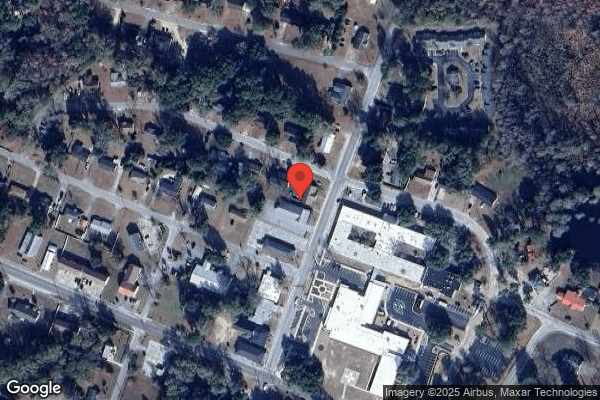
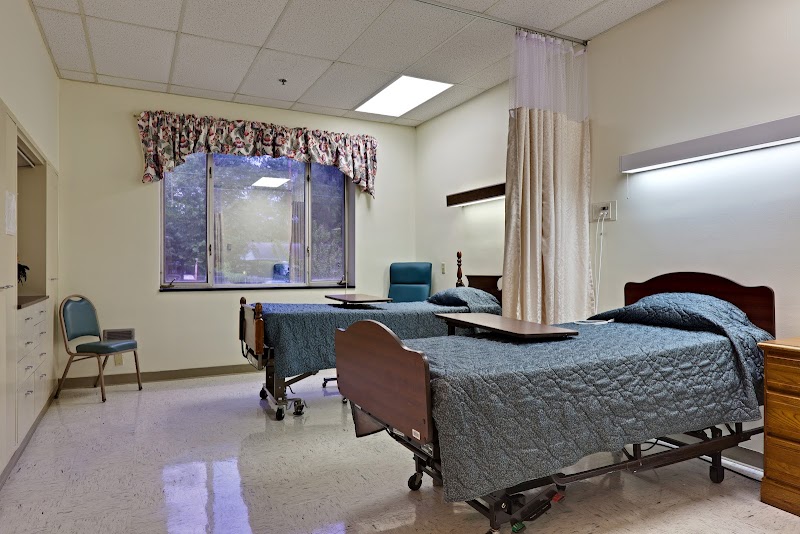
439 North Street, Bamberg, SC 29003 (803) 245-7525
For profit - Individual 88 Beds PRUITTHEALTH Data: November 2025 1 Immediate Jeopardy citation
Trust Grade
36/100
#132 of 186 in SC
Last Inspection: May 2025

Inspected within the last 6 months. Data reflects current conditions.

Overview

PruittHealth-Bamberg has received a Trust Grade of F, indicating significant concerns about the quality of care provided. Ranking #132 out of 186 facilities in South Carolina places it in the bottom half, and as the only option in Bamberg County, families may want to explore alternatives. The facility is currently worsening, with issues increasing from 2 in 2024 to 7 in 2025, which raises alarm about their ability to provide safe care. Staffing is somewhat of a strength with a turnover rate of 39%, lower than the state average, but the overall staffing rating is still only 2 out of 5 stars. However, the facility has concerning fines totaling $22,711, higher than 78% of South Carolina facilities, and there are serious incidents reported, such as a staff member physically abusing a resident and misappropriating another resident's personal funds.

Trust Score
F
36/100
In South Carolina
#132/186
Bottom 30%
Safety Record
High Risk
Review needed
Inspections
Getting Worse
2 → 7 violations
Staff Stability
○ Average
39% turnover. Near South Carolina's 48% average. Typical for the industry.
Penalties
✓ Good
$22,711 in fines. Lower than most South Carolina facilities. Relatively clean record.
Skilled Nurses
⚠ Watch
Each resident gets only 21 minutes of Registered Nurse (RN) attention daily — below average for South Carolina. Fewer RN minutes means fewer trained eyes watching for problems.
Violations
⚠ Watch
18 deficiencies on record. Higher than average. Multiple issues found across inspections.
★★☆☆☆
2.0
Overall Rating
★★☆☆☆
2.0
Staff Levels
★★★☆☆
3.0
Care Quality
★★☆☆☆
2.0
Inspection Score
Stable
2024: 2 issues
2025: 7 issues

The Good

  • Full Sprinkler Coverage · Fire safety systems throughout facility
  • No fines on record
  • Staff turnover below average (39%)

    9 points below South Carolina average of 48%

Facility shows strength in fire safety.

The Bad

2-Star Overall Rating

Below South Carolina average (2.8)

Below average - review inspection findings carefully

Staff Turnover: 39%

Near South Carolina avg (46%)

Typical for the industry

Federal Fines: $22,711

Below median ($33,413)

Minor penalties assessed

Chain: PRUITTHEALTH

Part of a multi-facility chain

Ask about local staffing decisions and management

The Ugly 18 deficiencies on record

1 life-threatening 1 actual harm
Aug 2025 1 deficiency
CONCERN (F) 📢 Someone Reported This

A family member, employee, or ombudsman was alarmed enough to file a formal complaint

Potential for Harm - no one hurt, but risky conditions existed

Pharmacy Services (Tag F0755)

Could have caused harm · This affected most or all residents

**NOTE- TERMS IN BRACKETS HAVE BEEN EDITED TO PROTECT CONFIDENTIALITY** Based on review of facility policy, record reviews, and interviews, the facility failed to properly account for and reconcile co...

Read full inspector narrative →
**NOTE- TERMS IN BRACKETS HAVE BEEN EDITED TO PROTECT CONFIDENTIALITY** Based on review of facility policy, record reviews, and interviews, the facility failed to properly account for and reconcile controlled medications to prevent potential loss, diversion, or accidental exposure. This deficiency is evidenced by the missing controlled drug record sheet for Resident (R)4, 1 of 3 residents reviewed. Review of a facility policy titled, Controlled Substances for Healthcare Centers, last reviewed 04/01/25 revealed, It is the policy of PruittHealth Pharmacy that medications listed as controlled substances (Schedules I-V) under federal or state regulations will be properly stored with maintained accountability. Reconciliation of controlled substances will be performed at the end of each shift by licensed professional nurses. This policy applies to all nursing staff in a healthcare center serviced by PruittHealth Pharmacy. Records . 5. Current Controlled Drug Record forms are maintained in the narcotic book. When completed, the sheets are submitted to the Director of Health Services and kept on file for two (2) years at the healthcare center. Accounting: A physical inventory of all controlled substances is conducted at each shift change by the oncoming and outgoing licensed professional nurses. The inventory is documented on the Controlled Drug Shift Audit Sheet.Review of R4's Face Sheet revealed R4 was admitted to the facility on [DATE] with diagnoses including, but not limited to, paraplegia, pressure ulcer of sacral region, stage 4, neuromuscular dysfunction of bladder and psoriasis.Review of R4's admission Minimum Data Set (MDS) with an Assessment Reference Date of 07/25/25 revealed R4 had a Brief Interview for Mental Status (BIMS) score of 15 out of 15, indicating R4 is cognitively intact.Review of R4's Physician Orders dated July 28- August 22, 2025, revealed Oxycodone - Schedule II tablet, 15 milligram (mg) tablet, take 1 tablet orally every 4 hours per home regimen.R4's Controlled Substance (Narcotic) Sheet for 08/13/25 - 08/15/25 could not be found.During an interview on 08/25/25 at 10:26 AM, R4 stated, They are managing my pain. She didn't have any concerns.During an interview on 08/25/25, at 10:29 AM, the Director of Health Service (DHS) stated, Our policy states we contact the pharmacy to notify if anything is going on with the medications and or if there are any missing doses. We have a sheet where you count the cards and match them to the narcotic sheet. We count the narcotic sheets individually and make sure they match. The Medical Director (MD) was not notified because we did not have any doses missing for R4, just the narcotic sheets. The pharmacy knew that the narcotic sheets were missing, but the MD did not. I found out on Sunday morning when Licensed Practical Nurse (LPN)2 called me.During an interview on 08/25/25 at 10:37 AM, LPN1 stated, I am new. I only worked there for about a month. That day, we had 4 nurses working. One nurse took all her cards off my cart, and she had the medication cart keys. I told her to let me know when she was finished so I could make sure my narcotic count was right. After we counted the next day, I found out the narcotic cards were missing. Another nurse was working on the other hall. We both had a set of the narcotic keys. She had to get the narcotics medications off my cart. She took her resident's cards off my cart and took them to her cart. She placed all the medications and narcotics back in the medication cart at the end of the shift. I don't know the normal practice of removing medications from the medication cart. That was my first day back from being sick. We counted the narcotic sheets. We record the residents' medications by marking them off when we give any narcotics. If we take a narcotic card off or a sheet we highlight the whole sheet for completion. The next day, when I came in to work. I was asked what happened. I was told to write a statement and then I was suspended until further investigation. I am still on suspension.During an interview on 08/25/25 at 10:58 AM, LPN2 stated, I was on the medication cart afterwards. The count was accurate. All the narcotic sheets were accounted for. The narcotic card procedure is we count and make sure the narcotic count validates the count on the narcotic sheet card. Cards are counted every shift. Everything must match on the cards. The day shift forgot to add the new narcotic medications to the narcotic card. We add the cards as they come in at night. The unit manager checks behind us as they are added to the inventory sheet. One nurse counts, and the other nurse counts behind us. The unit manager zeros the other sheet out.During an interview on 08/25/25 at 11:51 AM, LPN3 stated, I don't know much. I was called to write a statement. I heard my signature was used, but I didn't work that day, and I didn't sign for anything because I wasn't there. They implemented the log to count the narcotic cards. We sign a narcotic log sheet where we have to enter the count at each shift.During an interview on 08/25/25 at 02:38 PM, the Administrator stated, The staff have to make sure they are signing narcotics on the paper and the MAR. The nurses check the inventory sheets every shift. The DHS checks the paperwork as well as the unit manager. The DHS is responsible for checking off the narcotic sheets. She has unit managers check the sheets.During an interview on 08/25/25 at 02:56, DHS stated that the unit managers check the narcotic sheets weekly, and I check the narcotic sheets monthly.During an interview on 08/25/25 at 03:13 PM, LPN4 stated, We have 3 nurses working typically. That day we had 4 nurses working. Two of the nurses have to take narcotics off each cart. Me and the other nurse had to get medications off the cart that we needed. About 6 o'clock, the nurse ask me if I was good with the medications, I told her no because I wasn't finished. LPN1 stated she was finished with her work for the day. She started cleaning my cart off. At that time, I pulled the narcotics out of my drawer to review my sheets at the nursing desk. I asked LPN1 if she wanted to come over and verify, but she didn't respond. When I started to check the medication cart LPN1's phone started ringing. She set her keys on the medication cart and told me she had to take that phone call. I kind of hesitated to take her medication cart keys. I wouldn't leave my keys with another nurse. I replaced the medications in her cart. As far as I know, her count and my count were correct. Then, I received a call at 02:00 AM stating narcotic sheets were missing.
May 2025 6 deficiencies
CONCERN (D)

Potential for Harm - no one hurt, but risky conditions existed

Deficiency F0554 (Tag F0554)

Could have caused harm · This affected 1 resident

**NOTE- TERMS IN BRACKETS HAVE BEEN EDITED TO PROTECT CONFIDENTIALITY** Based on observation, interview, record review, and policy review, the facility failed to ensure medications in the resident's r...

Read full inspector narrative →
**NOTE- TERMS IN BRACKETS HAVE BEEN EDITED TO PROTECT CONFIDENTIALITY** Based on observation, interview, record review, and policy review, the facility failed to ensure medications in the resident's room were deemed safe for self-administration for one of 22 Initial Pool residents (Resident (R) 22) observed for medications in the room. This failure placed R22 at risk for medication errors, accidental overdose, or misappropriation of her medications. Findings include: Review of the facility's policy titled, Self-Administration of Medications by Patients/Residents, dated 01/06/25, revealed All nurses and aides are required to report to the Charge Nurse on duty any medications found at the bedside not authorized for bedside storage and to give unauthorized medications to the Charge Nurse for return to the family or responsible party. Families or responsible parties are reminded of this procedure and related policy when necessary .When the interdisciplinary team determines that bedside or in-room storage of medications would be a safety risk to other patients/residents, the medications of patients/ residents .are stored in the central medication cart or medication room. The patient/resident requests each dose from the medication nurse, who provides the medication to the patient/resident. Review of R22's Face Sheet tab of the electronic medical record (EMR) revealed she was admitted to the facility on [DATE] with diagnoses including schizophrenia, dementia, anxiety, depression, delusions, hallucinations, bipolar disorder, and chronic pain. Review of R22's quarterly Minimum Data Set (MDS) with an Assessment Reference Date (ARD) of 02/20/25 and located under the MDS 3.0 tab of the EMR, revealed a Brief Interview for Mental Status (BIMS) score of eight out of 15 which indicated moderately impaired cognition. She exhibited verbal behavioral symptoms directed toward others and rejection of care daily. Review of R22's Care Plan located under the Care Plan tab of the EMR and dated 01/03/23, revealed, Resident has impaired decision making R/T [related to] dx. [diagnosis] of schizophrenia. Resident has pattern of delusional thought processes which impair ability to make safe decisions. Review of R22's Self-Administration of Medication assessment, located under the Observations tab of the EMR and dated 12/11/24, revealed she did not wish to self-administer medications, staff would administer all medications, and her medications would be kept in the nurses' cart. During an observation on 05/06/25 at 1:40 PM in R22's room, R22 was lying in bed. There was a round, red pill that looked as if it had been moistened that was stuck to the front of her gown on her chest. During a concurrent interview, R22 stated she did not know whether the object was a pill or not and did not know where it came from. During an interview on 05/06/25 at 1:56 PM, Licensed Practical Nurse (LPN) 1 stated she always ensured R22 took her pills, and the pill on her gown may be pill from another shift. During a concurrent observation in R22's room, LPN1 stated it was a pill that was stuck to R22's gown and looked like it may be ibuprofen. R22 confirmed she only received ibuprofen at bedtime the night before and LPN1 stated she had not administered ibuprofen on 05/06/25. LPN1 compared the pill to the ibuprofen stored in the nurses' cart and verified the pill on R22's chest was an ibuprofen tablet. She stated the night nurse (LPN3) had administered the medication last night. LPN1 stated the pill looked as if it had been moistened, and it probably fell out of the resident's mouth during administration. Review of R22's May 2025 Medication Administration Record (MAR), located under the Reports tab of the EMR, revealed an order for two tablets of ibuprofen, 200 milligrams (mg) three times a day as needed for pain. The MAR indicated the most recent administration of ibuprofen was on 05/04/25 at 11:52 PM. During an interview on 05/08/25 at 4:15 PM, the Director of Nursing (DON) stated the nurses should watch the residents while taking their pills to ensure all pills were swallowed.
CONCERN (D)

Potential for Harm - no one hurt, but risky conditions existed

Report Alleged Abuse (Tag F0609)

Could have caused harm · This affected 1 resident

**NOTE- TERMS IN BRACKETS HAVE BEEN EDITED TO PROTECT CONFIDENTIALITY** Based on interview, record review, and review of facility policy, the facility failed to ensure that an allegation of injury of ...

Read full inspector narrative →
**NOTE- TERMS IN BRACKETS HAVE BEEN EDITED TO PROTECT CONFIDENTIALITY** Based on interview, record review, and review of facility policy, the facility failed to ensure that an allegation of injury of unknown source was reported to the State Survey Agency (SSA) within two hours of discovery for one of four residents (Resident (R) 2) reviewed for abuse of 25 sample residents. The failure to timely report the incident created a risk for potential further abuse or injury. Findings include: Review of the facility's policy titled, Reporting Patient Abuse, Neglect Exploitation, Mistreatment, and Misappropriation of Property, dated 11/15/24, revealed In accordance with applicable laws and regulations, the Administrator or his or her designee should notify the appropriate state agency (or agencies) .of any allegation or incident .The state survey agency .should be notified in accordance with state law through established procedures of any allegations of abuse, neglect, exploitation or mistreatment, including injuries of an unknown source and misappropriation of patient property, within 2 hours after the allegation is made if the events upon which the allegation is based involve abuse or result in serious bodily injury, and not later than 24 hours if the events upon which the allegation is based do not involve abuse and do not result in serious bodily injury. Review of R2's Face Sheet tab of the electronic medical record (EMR) revealed she was admitted to the facility on [DATE] with diagnoses including vascular dementia, unsteadiness on feet, muscle weakness, and hemiplegia on the right side. Review of R2's quarterly Minimum Data Set (MDS) with an Assessment Reference Date (ARD) of 03/14/25 and located under the MDS 3.0 tab of the EMR, revealed she was unable to complete the Brief Interview for Mental Status (BIMS) and was assessed with long- and short-term memory problems and severely impaired cognition. She did not exhibit any behavioral symptoms. Review of the facility's 24-Hour Initial Report to the SSA, provided on paper in the incident report packet by the Administrator, revealed an injury of unknown source was discovered on 04/22/25 at 3:35 PM. The report indicated R2 had complained of pain in her right knee, an x-ray was done which showed a supracondylar fracture across the femur, and R2 was sent to the emergency department for treatment. The report documented it was sent to the SSA on 04/23/25 at 3:19 PM, almost 24 hours after the fracture was first discovered. Review of R2's x-ray Patient Report, included on paper in the incident report packet, revealed the report was received on 04/22/25 at 3:17 PM and indicated a supracondylar facture across the distal femur with mildly displaced bony edges. Review of R2's Care Plan, located in the Care Plan tab of the EMR and dated 04/24/25, revealed, Resident is s/p [status post] ORIF [open reduction internal fixation] for fracture to right fibula. Review of the facility's Five-Day Follow-Up Report, included in the incident report packet on paper and dated 04/28/25, revealed there was no fall or incident that was witnessed. The injury was substantiated; however, the resident had risk factors for sustaining injury, wheeled herself most of the day over long distances, and had cognitive deficiencies. During an interview on 05/08/25 at 5:23 PM, the Administrator stated she submitted the report to the SSA in 24 hours by mistake, thinking the incident was a fall rather than an injury of unknown source. The Administrator confirmed there was no fall, and it should have been submitted within two hours due to the situation of an injury of an unknown source that resulted in serious bodily harm.
CONCERN (D)

Potential for Harm - no one hurt, but risky conditions existed

Assessment Accuracy (Tag F0641)

Could have caused harm · This affected 1 resident

**NOTE- TERMS IN BRACKETS HAVE BEEN EDITED TO PROTECT CONFIDENTIALITY** Based on interview, record review, and policy review, the facility failed to ensure the Minimum Data Set (MDS) accurately reflec...

Read full inspector narrative →
**NOTE- TERMS IN BRACKETS HAVE BEEN EDITED TO PROTECT CONFIDENTIALITY** Based on interview, record review, and policy review, the facility failed to ensure the Minimum Data Set (MDS) accurately reflected the status of two of 25 sample residents (Resident (R) 32 and R48) whose MDS indicators were reviewed in Initial Pool. These failures created a potential for lack of identification of current problems and resident needs, leading to an incomplete or ineffective plan of care. Findings include: Review of the facility's policy titled, MDS Assessment Accuracy, dated 01/11/24, revealed It is the policy of this healthcare center that each Minimum Data Set (MDS) reflects the acuity and the medical status of each patient/resident in accordance with acceptable professional standards and practices. 1. Review of R32's Face Sheet tab of the electronic medical record (EMR) revealed she was admitted to the facility on [DATE] with diagnoses including bipolar disorder, traumatic brain injury, mood disorder, depression, and anxiety, Review of R32's quarterly MDS with an Assessment Reference Date (ARD) of 03/31/25 and located under the MDS 3.0 tab of the EMR, indicated she did not use antipsychotic medications. Review of R32's Orders tab of the EMR revealed a physician's order, dated 07/13/23, for aripiprazole (an antipsychotic medication), 10 milligrams (mg) every night. Review of the March 2025 Medication Administration Record (MAR), located under the Reports tab of the EMR, revealed R32 received aripiprazole as ordered daily during the MDS lookback period. During an interview on 05/08/25 at 2:47 PM, the Case Mix Director (CMD) stated she originally had marked usage of antipsychotic, but had made corrections to all MDS assessments over the past year to show no antipsychotic use because she thought it was inaccurate. The CMD stated she did not see aripiprazole in the resident's medication list. She stated she would need to correct the assessments again to indicate antipsychotics were received. 2. Review of R48's Face Sheet tab of the EMR revealed he was admitted to the facility on [DATE] with diagnoses including chronic kidney disease. Review of R48's quarterly MDS with an ARD of 02/28/25 and located under the MDS 3.0 tab of the EMR, revealed he was receiving dialysis. Review of R48's Orders tab of the EMR revealed there was no order for dialysis treatment. Review of R48's EMR revealed there was no evidence he received dialysis treatment. During an interview on 05/08/25 at 2:42 PM, the Case Mix Coordinator (CMC) stated R48 had never been on dialysis, and she must have hit that button in error. During an interview on 05/08/25 at 4:15 PM, the Director of Nursing (DON) stated each MDS was reviewed for accuracy by the CMD prior to submission and should reflect an accurate assessment of each resident.
CONCERN (D)

Potential for Harm - no one hurt, but risky conditions existed

Infection Control (Tag F0880)

Could have caused harm · This affected 1 resident

**NOTE- TERMS IN BRACKETS HAVE BEEN EDITED TO PROTECT CONFIDENTIALITY** Based on observation, interview, record review, and policy review, the facility failed to ensure staff, and a visitor used the p...

Read full inspector narrative →
**NOTE- TERMS IN BRACKETS HAVE BEEN EDITED TO PROTECT CONFIDENTIALITY** Based on observation, interview, record review, and policy review, the facility failed to ensure staff, and a visitor used the proper personal protective equipment (PPE) when in contact with one of one resident (Resident (R) 82) who was on transmission-based precautions (TBP) out of a census of 79 residents. This failure had the potential to spread infection among the visitors, staff, and other residents. Findings include: Review of the facility's policy titled, Transmission-Based Isolation Precautions, dated 12/11/23, revealed Personal protective equipment (PPE) is provided for everyone who needs to care for or visit a resident on isolation precautions .Contact Precautions .Personal Protective Equipment (PPE): 1) Gloves: Perform hand hygiene prior to donning gloves. -Wear gloves (clean, non-sterile gloves are adequate) upon entry into the room. -Wear gloves when touching the resident's intact skin, surfaces and items near the resident. 2) Gowns -Perform hand hygiene prior to donning gown. -Don a gown upon entry into the room. -Remove gown before leaving the resident's environment and perform hand hygiene .Visitation with residents on Transmission-based Requirements: While not recommended, residents who are on transmission-based precautions (TBP) or COVID-19 quarantine can still receive visitors . Before visiting residents, who are on TBP or quarantine, visitors should be made aware of the potential risk of exposure by visiting and precautions necessary to visit the resident. Review of R82's Face Sheet tab of the electronic medical record (EMR) revealed he was admitted to the facility on [DATE] with diagnoses including an unstageable pressure ulcer to the right buttock. Review of R82's Nursing note, dated 04/22/25, revealed, Wound culture results received from [lab]. New order for contact precautions. ABT [antibiotic] therapy already in place. RP [responsible party] in room and notified. Review of R82's Orders tab of the EMR revealed an order, dated 04/22/25, for contact precautions due to a wound infection. During an observation on 05/06/25 at 2:12 PM, R82's room had a sign on the door indicating Contact Precautions, which directed to sanitize hands and don (put on) a gown and gloves before entering. R82 was lying in bed, and his Family Member (F) 1 was in the room. F1 was not wearing a gown or gloves. During an observation on 05/07/25 at 12:21 PM, R82 was lying in bed, and F1 was in the room. F1 was not wearing a gown or gloves. The sign indicating Contact Precautions was posted on the door of the room. A PPE cabinet was located across the hall from R82's room; however, it did not contain gowns. There were no other PPE cabinets in the vicinity. During an interview on 05/07/25 at 12:23 PM, Licensed Practical Nurse (LPN) 2 stated R82 was on contact precautions due to a wound infection. During an interview on 05/08/25 at 9:11 AM, F1 stated she did not know R82 was on contact precautions. She stated, I saw the sign on the door and was wondering about it, but nobody has talked to me about it. F1 stated she had never been told to wear a gown or gloves while in contact with objects in the room or with R82. F1 also stated the nursing staff typically did not don a gown while working with R82; however, the therapy staff typically did wear gowns. During an observation on 05/08/25 at 9:49 AM, R82's room door was observed with the sign announcing, Contact Precautions. The PPE cabinet located across the hall from R82's room did not contain gowns and there were no other PPE cabinets in the vicinity. The Unit Manager (UM) entered R82's room. She did not perform hand hygiene or don a gown or gloves before entering. The UM joined Certified Nurse Assistant (CNA) 2 who was also in R82's room. CNA2 was not wearing a gown in the room. The staff closed R82's door and provided care. At 10:03 AM, the room door was opened, and the UM and CNA2 were again observed in the room without wearing gowns. During an interview on 05/08/25 at 10:03 AM, the UM stated she gave R82 a bed bath while in the room and confirmed she did not don a gown while providing care. The UM stated R82 was on contact precautions because of a wound infection, and she should have donned a gown and gloves prior to entering the room. The UM added there was no reason why she did not don the appropriate PPE; it was just an oversight. During an interview on 05/08/25 at 10:03 AM, CNA2 stated she had given R82 a bed bath while in his room. She stated she did not wear a gown while providing care. CNA2 stated she should have donned a gown and gloves prior to entering the room because the resident was on contact precautions and stated there was no reason why she did not don the appropriate PPE; it was just an oversight. During an observation on 05/08/25 at 10:06 AM, CNA2 again entered R82's room without first performing hand hygiene or donning a gown and gloves. During an interview on 05/08/25 at 1:23 PM, the Infection Preventionist (IP) stated R82 was on contact precautions due to a wound infection. She stated the staff should wash their hands, don a gown and gloves before entering the room, and dispose of PPE and wash hands when leaving the room. The IP stated F1 was always in R82's room and could decide whether to wear PPE or not after being educated on what's going on and the recommendations. The IP stated she had not talked to F1 about contact precautions even though she interacted with F1 frequently. The IP stated it was her responsibility to ensure PPE was available in the carts on the halls; however, she typically only checked them once a week. The IP stated she had not done any recent training with the staff on transmission-based precautions and did not know how often the education was provided.
CONCERN (E)

Potential for Harm - no one hurt, but risky conditions existed

Deficiency F0804 (Tag F0804)

Could have caused harm · This affected multiple residents

**NOTE- TERMS IN BRACKETS HAVE BEEN EDITED TO PROTECT CONFIDENTIALITY** Based on observations, record review, and interviews, the facility failed to ensure food was at appropriate temperature and pala...

Read full inspector narrative →
**NOTE- TERMS IN BRACKETS HAVE BEEN EDITED TO PROTECT CONFIDENTIALITY** Based on observations, record review, and interviews, the facility failed to ensure food was at appropriate temperature and palatable for four of five residents (Resident (R) 22, R26, R81, and R35) reviewed for the food palatability of 25 sample residents. This failure had the potential for residents who disliked a meal to experience nutritional problems or dissatisfaction with their meals. Findings include: 1. Review of R22's quarterly Minimum Data Set (MDS) with an Assessment Reference Date (ARD) of 02/20/25 and located under the MDS 3.0 tab of the electronic medical record (EMR), revealed she was admitted to the facility on [DATE] and had a Brief Interview for Mental Status (BIMS) score of eight out of 15 which indicated moderately impaired cognition. During an interview on 05/06/25 at 1:40 PM, R22 stated the food sucks, adding that it was too salty and was always cold. 2. Review of R26's quarterly MDS assessment with an ARD of 04/23/25 and located under the MDS 3.0 tab of the EMR, revealed she was admitted to the facility on [DATE] and had a BIMS score of 15 out of 15 which indicated intact cognition. During an interview on 05/06/25 at 2:23 PM, R26 stated she did not like the food, and felt the food was unrecognizable at times. She stated, It's stuff you wouldn't even feed your dog. 3. Review of R81's admission MDS assessment with an ARD of 02/24/25 and located under the MDS 3.0 tab of the EMR, revealed he was admitted to the facility on [DATE] and had a BIMS score of 13 out of 15 which indicated intact cognition. During an interview on 05/06/25 at 3:16 PM, R81 stated the food was not great and stated most of the food was too dry and didn't contain sufficient gravy to keep them moist. 4. Review of R35's quarterly MDS assessment with an ARD of 03/10/25 and located under the MDS 3.0 tab of the EMR, revealed he was admitted to the facility on [DATE] and had a BIMS score of 15 out of 15 which indicated intact cognition. During an interview on 05/06/25 at 1:22 PM, R35 stated the food was not good and was not served hot. 5. Review of the undated lunch menu Daily Spreadsheet, provided by the facility for 05/08/25 documented the following for a regular diet: Turkey Ala King, rice, and sweet peas. During observation of the steam table on 05/08/25 at 12:26 PM, the turkey was 190 degrees F. (Fahrenheit), the rice was 196 degrees F., and the peas were 200 degrees F. During observation on 05/08/25 at 1:10 PM, the Dietary Manager (DM) took the temperature of the food on a test tray of the turkey, rice, and sweet peas and confirmed the temperatures were 110 degrees F. During the evaluation of the test try, the regular turkey: Dry and bland, cool to palate; the regular rice: Flavorful but cool to the palate; the peas: Flavorful but cool to the palate; the puree turkey: Unseasoned, cool; the puree vegetable: Very garlicky, did not taste like peas, cold; the puree rice: Unseasoned cream of rice, no flavor and gluey, cool. During an interview on 05/09/25 at 1:13 PM, the [NAME] Dietary Aide (CDA)1 stated the food temperatures on the resident's plate before serving should be at least 165 degrees. During an interview on 05/09/25 at 1:14 PM, CDA2 stated the food temperatures on the resident's plate before serving should be at least 165 degrees. During an interview on 05/09/25 at 1:17 PM, the DM stated the food temperatures on the resident's plate before serving should be at least 165 degrees. The DM also stated the kitchen staff tasted each meal after it had been cooked every day.
CONCERN (F)

Potential for Harm - no one hurt, but risky conditions existed

Food Safety (Tag F0812)

Could have caused harm · This affected most or all residents

Based on observation, interview, and review of facility policy, the facility failed to store, prepare, and serve food in accordance with professional standards for food service safety, in 1 of 1 kitch...

Read full inspector narrative →
Based on observation, interview, and review of facility policy, the facility failed to store, prepare, and serve food in accordance with professional standards for food service safety, in 1 of 1 kitchen. Findings include: Review of the facility policy titled Dietary Partner Hygiene and Dress Code last revised on 06/14/16, revealed, It is policy of the facility for partners working in the Dietary Department to dress in a manner appropriate for preparing, handling, and serving food that prevents contamination and spread of bacteria. This applies to all dietary partners, and any person(s) who handles and served food employed by the facility. Hygiene: hair is covered with hair net and or/cap. Facial hair is completely covered with a hair net or beard guard. Review of the facility policy titled Labeling, Dating, and Storage last revised on 11/11/22, revealed, It is policy of the facility for all partners who assist in handling, preparing, and serving food and beverage items to follow the proper procedures for labeling, dating, and storage to ensure proper food safety. Food and beverage items will have an identifying label as well as a received date and opened date, as applicable, for items prepared onsite, a 'use by' date will also be indicated. Foods will be stored in their original or approved container and, if opened shall be wrapped tightly with film, foil, etc. Review of the facility policy titled Dish Room Sanitation last revised 03/22/16, revealed, It is policy of the facility that the dish room must be maintained in a clean and sanitary condition. Dishwashing and sanitizing procedures will be available in the Dietary Department. Procedures include both full and empty dish racks are to be stored on a dish dolly, cart, or under a shelf in the dish room at all times. Keep dish room work surfaces in a clean and sanitary condition. Wash the soiled dish table, exterior of machine and other work surfaces with detergent, rinse thoroughly, and then sanitize. Review of the facility policy titled Cleaning Schedule Policy last revised on 09/29/22, revealed, It is policy of the facility that the Dietary Manager prepares a list of all cleaning tasks and posts them in the Dietary Department. It is the Dietary Manager's responsibility to develop and enforce the cleaning schedules and to monitor the completion of assigned cleaning tasks to promote a sanitary environment. The cleaning schedule: daily, weekly, and monthly lists all cleaning tasks. Review of the facility policy titled Food Temperatures last revised on 02/24/23, revealed, It is policy of the facility that the Dietary Manger or designee be responsible for ensuring that all food has reach and continues to maintain proper temperature prior to tray assembly. Procures include how to take temperatures: remove thermometer from sleeve and place it into the side clip, thermometer should be held by the sleeve, calibrate thermometer before using. Clean the thermometer shaft with an alcohol pad prior to use. The thermometer shaft must be cleaned with an alcohol pad prior to temping each food item. During an observation and interview on 07/03/25 at 10:18 AM, revealed the facility's Kitchen Manager (KM) without a hair net and standing near food being prepped for meal service. The KM stated it is expected that dietary staff put on a hair net when entering the kitchen. During an observation on 07/03/25 at 10:20 AM, of a drying rack near food preparation, revealed a plastic tray underneath with a sticky substance on 3 of 4 shelves. During an observation and interview on 07/03/25 at 10:21 AM, of a drying rack near the 3 compartment sink, revealed plastic totes/bins stacked on top of each other and visibly wet. The KM stated that wet items should not be stack on top each other so it can dry freely. During an observation and interview on 07/03/25 at 10:24 AM, of the cooler revealed an opened gallon of milk with an expiration date of 07/14/25. The gallon of milk was in a grocery store bag and was not dated. The KM stated that staff had brought that milk from the store earlier this morning. During an observation on 07/03/25 at 10:27 AM, of the freezer revealed an opened bag of ready to bake cookies not labeled/dated when opened. During an observation and interview on 07/03/25 at 12:06 PM, of food items being temped on the steam table revealed the [NAME] was reusing the same sanitizer wipe for sanitizing the thermometer. The [NAME] stated that she should have gotten more wipes to sanitize the thermometer, and those wipes are to be discarded after single use. During an observation on 07/03/25 at 12:10 PM, revealed personal items (car keys) on two separate food preparation tables/ areas. A follow up interview on 07/03/25 at 1:06 PM, with the KM and Cook, revealed the [NAME] admitted to using the same sanitizer wipe by folding it in smaller portions to tempt the last 3 food items on the steam table. The KM agreed that after temping each food item the thermometer should be cleaned with a new sanitizer wipe. During a phone interview on 07/03/25 at 2:05 PM, the Registered Dietitian (RD) revealed that their expectation is that all staff should have on hair nets/beard guards when entering the kitchen. Wet bins/trays and other kitchen equipment should not be stacked on top of each other while wet, to allow items to dry without the potential of bacterial build-up. The RD further stated all food items should labeled/dated after opening or removed from their original packaging. The RD concluded that when testing the temperature of the food on the tray line, the thermometer should be cleaned with a new sanitizer wipe after each food item is temped.
Jan 2024 2 deficiencies
CONCERN (D)

Potential for Harm - no one hurt, but risky conditions existed

Comprehensive Care Plan (Tag F0656)

Could have caused harm · This affected 1 resident

**NOTE- TERMS IN BRACKETS HAVE BEEN EDITED TO PROTECT CONFIDENTIALITY** Based on observation, record review, interview, and policy review, the facility failed to ensure care plan interventions were im...

Read full inspector narrative →
**NOTE- TERMS IN BRACKETS HAVE BEEN EDITED TO PROTECT CONFIDENTIALITY** Based on observation, record review, interview, and policy review, the facility failed to ensure care plan interventions were implemented for one of three sampled residents (Resident (R) 22) reviewed for pressure ulcers. Specifically, the facility failed to implement the interventions of off-loading to a pressure ulcer on the left heel as indicated in the care plan. This failure had the potential for the resident to not receive the necessary care needed to promote healing of a pressure ulcer. Findings include: Review of the facility's undated policy titled, Pressure Injury Assessment and Documentation revealed, . Manage tissue loads: Positioning techniques and use of support surfaces . The goal of load management is to create an environment that enhances soft tissue viability and promotes healing of the pressure ulcer(s) . Avoid positioning residents on a pressure ulcer; avoid donut-type devices .Use devices such as pillows or foam to elevate the heels off the bed, and keep knees and ankles from touching or rubbing together . Review of R22's Face Sheet, located in the electronic medical record (EMR) under the Resident tab, revealed R22 was admitted to the facility on [DATE] with diagnoses that included Alzheimer's disease and unstageable pressure ulcer of the left heel. Review of R22's quarterly Minimum Data Set (MDS), with an Assessment Reference Date (ARD) of 01/02/24 and located under the RAI (Resident Assessment Instrument) tab of the EMR revealed R22 was severely cognitively impaired, dependent for bed mobility, and had a stage IV pressure ulcer. Review of R22's Care Plan, dated 01/03/24, located in the EMR under the RAI tab, revealed R22 had a left heel pressure ulcer with interventions that included turning and reposition resident as tolerated, float heels or use heel protectors as tolerated. Review of R22's Wound Management documentation dated 01/24/24, located in the EMR under the Wound Documentation tab revealed a stage IV pressure ulcer on the left heel that measured 1.0 centimeter (cm) by 1.5 cm by 0.2 cm. There was moderate serous exudate, 70% granulation tissue, 5% eschar tissue and the wound were improving. Observation on 01/24/24 at 10:00 AM, 12:00 PM, and 4:00 PM revealed R22 was in bed with the left heel resting on the mattress and was without the benefit of off-loading. A heel boot was observed on the nightstand and a wedge cushion was leaning against the wall. Observation on 01/25/24 at 10:30 AM, 12:00 PM, and 3:00 PM revealed R22 was in bed and did not have off-loading of the left heel. A heel boot was observed on the nightstand and a wedge cushion was leaning against the wall. Observation on 01/26/24 at 9:30 AM, with Certified Nursing Assistant (CNA)1, assigned to provide care to R22, revealed R22 was in the bed with the left heel resting on the mattress and was without the benefit of off-loading. CNA1 opened R22's closet and removed a heel boot from the top shelf. During an interview at the time, CNA1 stated she would put the heel boot on R22's left heel after she was finished providing care. CNA1 said when she came on duty that morning and checked the resident, the heel boot was not on, and R22's heels were resting on the mattress. During an interview on 01/26/24 at 9:40 AM, Licensed Practical Nurse (LPN)1, the charge nurse, stated the resident should have the left heel boot on at all times or some type of off-loading of the heel. LPN1 stated she did not know why R22 did not have the left heel boot on. During an interview on 01/26/24 at 10:00 AM, the Director of Health Services (DHS) stated R22 should have some type of off-loading provided to the left heel to promote healing when in bed. The DHS confirmed the resident did not have off-loading of the left heel.
CONCERN (E)

Potential for Harm - no one hurt, but risky conditions existed

Deficiency F0919 (Tag F0919)

Could have caused harm · This affected multiple residents

**NOTE- TERMS IN BRACKETS HAVE BEEN EDITED TO PROTECT CONFIDENTIALITY** Based on observation and interview, the facility failed to have adequate equipment to allow residents to call for staff assistan...

Read full inspector narrative →
**NOTE- TERMS IN BRACKETS HAVE BEEN EDITED TO PROTECT CONFIDENTIALITY** Based on observation and interview, the facility failed to have adequate equipment to allow residents to call for staff assistance through a communication system which relays the call directly to a staff member or to a centralized staff work area. Specifically, the call light system did not function in residents' rooms 102, 103, 108, 109, 111, 113, 117, 128, 210, 215 and the facility did not provide residents in these rooms an alternate means to communicate with nursing staff, such as a manual bell to ring when the resident's required assistance from nursing staff. The facility also failed to have a policy and procedure to direct staff when call lights malfunction, and to ensure that another method to call for assistance was implemented. Findings include: During an interview on 01/24/24 at 11:01 AM, the Maintenance Director revealed that he was aware on 12/11/23 that rooms 103, 108, 111, and 202 call light systems were not functioning. The Maintenance Director stated that not all ordered parts have been received to fix the nonfunctioning call lights. Observation of these rooms on 01/24/24 starting at 10:30 AM until 12:00 PM revealed that only room [ROOM NUMBER] had an alternate means of obtaining staff assistance. room [ROOM NUMBER] was provided with a manual bell to ring for assistance. A call light audit of the entire facility was conducted on 01/24/24 at 11:45 AM and revealed rooms 102, 103, 108, 109, 111, 113, 117, 128, 202, 210, and 215 each had at least one resident in the room and the call lights were nonfunctioning. Of these 11 rooms, only three rooms [ROOM NUMBER] were given an alternate means to summon nursing staff in that the residents in these rooms were provided with a manual bell. Interview on 01/24/24 at 10:45 AM, the resident in room [ROOM NUMBER] stated that the call light had been nonfunctioning for one week The resident stated that in order to receive assistance from staff, she would have to yell out for help and that the facility did not provide another means of calling for assistance. Interview on 01/24/24 at 3:21 PM, the Director of Health Services (DHS) revealed, It is everyone's responsibility to notify maintenance of nonfunctioning call lights and to provide another means of calling for assistance. This is to be communicated during daily walking rounds. I only knew of two rooms, 109 and 202, where the call light system were not functioning properly. Interview on 01/24/24 at 12:05 PM, Certified Nursing Assistant (CNA) 6 revealed, I do not know of any call lights not working in the building. Interview on 01/24/24 at 12:11 PM, Licensed Practical Nurse (LPN) 3 revealed, I only know of room [ROOM NUMBER] where the call light stays on continuously. The two residents in that room do not have a bell to ring. Interview on 1/24/24 at 12:12 PM, CNA7 revealed, room [ROOM NUMBER]'s call light stays on continuously. That is the only room that I know where the call light was not working properly. Interview on 01/24/24 at 12:14 PM, LPN5 revealed, I work both the 100 and 200 halls and I only know of room [ROOM NUMBER] where the call light was not working, and that room has a hand bell. Interview on 01/24/24 at 12:36 PM, CNA8 revealed, room [ROOM NUMBER]'s call light does not work, and room [ROOM NUMBER]'s call light stays on continuously. I am not sure why they do not have a hand bell to use. Interview on 01/26/24 at 10:03 AM, the Administrator revealed, We need to have a system to check call lights and then a way to alert staff about the issue. Now, staff enter a work order to maintenance when there is an issue, but no one else knows about the issue. We need a temporary solution for residents to get assistance until the issue is resolved.
Sept 2023 2 deficiencies 1 Harm
SERIOUS (G) 📢 Someone Reported This

A family member, employee, or ombudsman was alarmed enough to file a formal complaint

Actual Harm - a resident was hurt due to facility failures

Deficiency F0602 (Tag F0602)

A resident was harmed · This affected 1 resident

**NOTE- TERMS IN BRACKETS HAVE BEEN EDITED TO PROTECT CONFIDENTIALITY** Based on interview, record review, and review of facility policy, the facility failed to protect and prevent misappropriation of...

Read full inspector narrative →
**NOTE- TERMS IN BRACKETS HAVE BEEN EDITED TO PROTECT CONFIDENTIALITY** Based on interview, record review, and review of facility policy, the facility failed to protect and prevent misappropriation of Resident (R)1's personal funds. Findings include: Review of facility policy titled Prevention of Patient Abuse, Neglect, Exploitation, Mistreatment, and Misappropriation of Property last revised 10/27/20, revealed It is the policy of the facility and its affiliated entities to actively preserve each patient's right to be free from verbal, sexual, physical, and mental abuse, corporal punishment, involuntary seclusion, neglect, exploitation, mistreatment, and misappropriation of patient property. Misappropriation of property means the deliberate misplacement, exploitation, or wrongful, temporary or permanent use of a patient's belongings or money without the patient's consent. Review of R1's Face Sheet revealed R1 was admitted to the facility on [DATE] with diagnoses including, but not limited to: congestive heart failure, cognitive communication deficit, hypertension, and type 2 diabetes. Review of R1's annual Minimum Data Set (MDS) with an Assessment Reference date of 08/14/23, revealed R1 had a Brief Interview of Mental Status (BIMS) score of 15 out of 15, which indicates that R1 is cognitively intact. During an interview on 09/21/23 at 12:20 PM, R1 revealed that Certified Nursing Assistant (CNA)1 had stolen about $1,000 from his bank account. R1 stated that he would give CNA1 his bank card to get food but CNA1 was withdrawing money at a nearby automated teller machine (ATM). R1 further stated that he pressed charges against CNA1 and she has been arrested for fraud. Review of a Police Incident Report dated 09/02/23 revealed, Officers were dispatched to the facility for an individual stating one of the workers stole his money. [R1] informed the officer that his bank app alerted him about a withdrawal from a ATM for $200 plus the $2.75 ATM fee total, as well as a $1 ATM fee from [R1's] bank for using ATM other than their institution totaling $204.75. [R1] told the officer that this was not the first time this has happened but the third. The officer asked [R1] if he had his debit card and he stated yes she brought it back to me. [R1] and the Officer called [R1's] bank and they alerted the officer which ATM [CNA1] withdrew the money from [R1's] debit card. [R1] told the officer's that he wanted to press charges against [CNA1] for fraud. The Officer spoke with the nurse supervisor and informed them that [CNA1] violated facility policy and procedures by accepting the debit card from the resident. The officer was able to retain footage of [CNA1] at a local gas station withdrawing money from a ATM with [R1's] bank card. Review of a Witness Statement dated 09/02/23 written by CNA1 revealed, [R1] asked me to bring him something from a nearby fast-food restaurant. He gave me his bank card and every time I go out for him with his bank card or cash I bring back his receipt. Review of a Witness Statement written by the Director of Nursing (DON) revealed, On Saturday 09/02/23 I spoke with [CNA1] related to the situation with [R1] and taking money. She [(CNA1)] stated that her and [R1] had a conversation about her getting money from him. She stated he gave her his ATM pin and she got money out of the ATM on Saturday and withdrew $200. She also stated that when she goes to get him food on other occasions that he gave her permission to get gas with his bank card, and she has been getting gas on other occasions. She stated that she thought that their conversation was private and that nobody else would know. An attempted phone interview with CNA1 on 09/21/23 at 12:45 PM was unsuccessful due to the phone no longer being in service. During an interview with the DON on 09/21/23 at 1:38 PM, revealed that CNA1 was terminated from the facility for misappropriation of R1's bank account and law enforcement has charged CNA1 with fraud. The DON further stated that all staff have been re-educated on the misappropriation of resident property and that the resident has been re-educated on how to use food delivery apps instead of facility staff.
CONCERN (D) 📢 Someone Reported This

A family member, employee, or ombudsman was alarmed enough to file a formal complaint

Potential for Harm - no one hurt, but risky conditions existed

Deficiency F0554 (Tag F0554)

Could have caused harm · This affected 1 resident

**NOTE- TERMS IN BRACKETS HAVE BEEN EDITED TO PROTECT CONFIDENTIALITY** Based on review of facility policy, observation, interview, and record review, the facility failed to assess and administer Resi...

Read full inspector narrative →
**NOTE- TERMS IN BRACKETS HAVE BEEN EDITED TO PROTECT CONFIDENTIALITY** Based on review of facility policy, observation, interview, and record review, the facility failed to assess and administer Resident (R)4's medications in a clinically appropriate manner, for 1 of 1 resident reviewed for medication. Findings include: Review of facility policy titled, Medication Administration: General Guidelines, last revised 04/10/19, revealed, Medications are administered as prescribed, in accordance with good nursing principles and practices and only by persons legally authorized to do so. Patient/residents are allowed to self-administer medications when specifically authorized by the attending physician and in accordance with procedures for self-administration of medications. Review of R4's Face Sheet revealed R4 was admitted to the facility on [DATE] with diagnoses including, but not limited to: dementia without behaviors, depression, seizures, and type 2 diabetes. Review of R4's quarterly Minimum Data Set (MDS) with an Assessment Reference Date (ARD) of 07/20/23, revealed R4 had a Brief Interview of Mental Status (BIMS) score of 3 out of 15, which indicates R4 is severely cognitively impaired. Review of R4's Physician Orders for September 2023, revealed no order to allow R4 to self administer medications. Review of R4's Care Plan, last revised 09/14/23, revealed, Resident has impaired decision making related to diagnosis of dementia, refuses medications at times. Interventions include, reapproach the resident when he refuses care; encourage him to verbalize feelings, concerns, and fears to clarify misconceptions; respect the resident right to make decisions; and provide cues and supervision for daily decision-making. During an observation and interview on 09/21/23 at 10:40 AM, there were two medications in a cup on a bedside table in front of R4. R4 stated that his nurse at times will leave medications for him to take later, R4 then took the medications with water. During an interview on 09/21/23 at 1:52 PM, Licensed Practical Nurse (LPN)1 and the Administrator revealed that LPN1 had left medications with R4 to take later because he refused. LPN1 stated that they were unsure of the facility's policy for residents to self-administer medications. During an interview on 09/21/23 at 2:00 PM, the Director of Nursing (DON) revealed that R4 does not have the decision-making capacity to self-administer his medications. The DON stated that residents must have a physicians order and a high cognitive ability to self-administer their medications.
Aug 2023 1 deficiency 1 IJ
CRITICAL (J) 📢 Someone Reported This

A family member, employee, or ombudsman was alarmed enough to file a formal complaint

Immediate Jeopardy (IJ) - the most serious Medicare violation

Free from Abuse/Neglect (Tag F0600)

Someone could have died · This affected 1 resident

**NOTE- TERMS IN BRACKETS HAVE BEEN EDITED TO PROTECT CONFIDENTIALITY** Based on record review, interviews, and review of the facility's policy, the facility failed to protect 1 of 6 residents, from p...

Read full inspector narrative →
**NOTE- TERMS IN BRACKETS HAVE BEEN EDITED TO PROTECT CONFIDENTIALITY** Based on record review, interviews, and review of the facility's policy, the facility failed to protect 1 of 6 residents, from physical abuse by a staff member. Specifically, Certified Nursing Assistant (CNA)1 admitted to local law enforcement that she pinned Resident (R)7's arms to her chest, put her hands over R7's mouth and hit her multiple times. On 08/29/23 at approximately 10:00 AM, the State Agency (SA) determined that the facility's non-compliance with one or more federal health, safety, and/or quality regulations has caused or was likely to cause serious injury, serious harm, serious impairment, or death. On 08/29/23 at approximately 10:30 AM the Administrator was notified that the failure to protect R7 from physical abuse by CNA1 constituted Immediate Jeopardy at F600. On 08/29/23 at 10:30 AM, the survey team provided the Administrator with a copy of the CMS Immediate Jeopardy (IJ) Template and informed the facility IJ existed as of 02/20/23. The IJ was related to 42 CFR 483.12 Freedom from Abuse, Neglect, and Exploitation. On 08/29/23 at 2:11 PM, the facility provided an acceptable IJ Removal Plan. On 08/29/23 at 6:00 PM, the survey team validated the facility's corrective actions were completed as of 02/22/23 and determined the IJ was at Past Non-Compliance. An extended survey was conducted in conjunction with the Complaint Survey for non-compliance at F600, constituting substandard quality of care. Findings include: Review of the facility's policy titled Prevention of Patient Abuse, Neglect, Exploitation, Mistreatment, and Misappropriation of Property last revised on 10/27/20 documented, It is the policy of PruittHealth and its affiliated entities (collectively, the Organization) to actively preserve each patient's right's to be free from verbal, sexual, physical, and mental abuse, corporal punishment, involuntary seclusion, neglect, exploitation, mistreatment, and misappropriation of patient property, (refereed to collectively in this policy as abuse, neglect, mistreatment, and exploitation). The Organization and its partners should assure that best efforts are made to prevent any occurrences of any form of abuse, neglect, and exploitation. Review of R7's Face Sheet revealed R7 was admitted to the facility on [DATE] with diagnoses including but not limited to, unspecified dementia with behavioral disturbances, cognitive communication dysfunctions, hemiplegia and hemiparesis, type 2 diabetes mellitus, urinary retention, and dysphasia. Review of R7's Quarterly Minimum Data Set (MDS) with an Assessment Reference Date of 08/07/23 documented a Brief Interview for Mental Status (BIMS) score of 99 out of 15 indicating R7 was not cognitively intact. Review of a Local Police Department Incident Report with an incident date of 02/20/23, documented, Assault Battery 3rd . arrived on scene and spoke to the manager who stated that an employee [CNA2] came to her and stated that the subject station had told her that the victim was combative and calling her a [N******] and that she took care of her. The manager stated that the victim does have a black eye. [Officer] contacted the witness [CNA2] she stated that the subject came up to her and told her that the victim was combative and calling her a N***** and that she took care of her. [Officer] asked if she told her how she took care of her, she stated yes that she told her that she had hit her in the face . [Officer] asked [CNA1] about the situation and at first she denied putting her hands on the subject except for changing her. As [Officer] asked more questions she changed her statement to say that the victim was fighting her while trying to change the victim and that she pinned her arms to her chest. Further review of the incident report revealed under section Visible Injury indicated Yes and documented Apparent Minor Injur. Review of R7's Observation Detail List Report with an observation date of 02/20/23 at 8:15 PM documented in the comments section, resident has small darkened area to the bridge of nose. Review of R7's undated Care Plan revealed the following, Behaviors: [R7] has a hx. of removing her dirty brief, throws it on the floor/wall, only after she has put her hands in the brief and made a mess on herself, the covers, the walls, etc. Dx. include: Altered mental status, mood disorder, dementia, depression, anxiety, hx. of UTI. 2/21/22 [R7] has periods of swinging arms around, waving arms around, sticking arms through side rails, flailing/moving around in bed 12/24/22 yelling out fusing meds, hitting staff, knocking food out of staff hands, complaints from roommates' family. N.O. for medication received 2/19/23-res pulling off brief, fighting and swinging at staff, yelling and calling staff derogatory names, hitting at lab tech and refusing blood draw and u/a. This Care Plan included the following approach, u/a c/s for increased behaviors. Medication as ordered and monitor for adverse reactions every shift. pad siderails to aid in protecting res skin from bruising when she hits her arms and other body parts on side rails. to be up out of bed daily as tolerated, frequent check on [R7] to make sure she is not soiled and playing or digging in feces, take [R7] to activities daily as tolerated. Add to behavior management program, PRN. Attempt to keep [R7] covered, keep the privacy curtain pull, so as to protect her privacy. Explain to [R7], so that she may understand, her behavior is inappropriate. Keep [R7] clean and dry. Review of R7's progress note [Recorded as Late Entry on 02/19/23 7:00 PM] revealed, [R7] heard from nurse's station yelling at CNA and calling her N*****, get out my room. CNA stated that [R7] had BM everywhere with her brief off, when she attempted to change [R7], she became combative. During an attempted phone interview on 08/14/23 at 4:59 PM, CNA1's telephone was not in service. During an interview on 08/14/23 at 4:56 PM, CNA2 reported that CNA1 told her that R7 called her the N word and said CNA1 hit R7. During an interview on 08/14/23 at 12:30 PM, the Director of Nursing (DON) stated that R7 is not verbal and one staff told another staff member that someone had abused the resident. When that staff was asked by the police, she admitted to abusing the resident and the facility fired the CNA1. On 08/29/23 at 2:11 PM, the facility provided an acceptable IJ Removal Plan which included the following: 1. Immediate Corrective Action: On 2/20/2023 CNA#2 reported to administration that CNA#1 had stated to her R7 was being combative and calling her a n******, and she just had beat R7 a**, stated that she hit her in the face. Administration immediately began an investigation, notifying local law enforcement, medical director, resident representative, and reports submitted per state and federal regulation. The partner was also immediately placed on suspension pending investigation. The partner initially denied the allegation to administration and law enforcement, however when meeting with the responding officer CNA#2 [sic] did admit to putting her hands on the resident. CNA#2 [sic] was charged with assault battery under city ordinance and was terminated by the facility. CNA#2 [sic] was also reported to the board of certification by facility administration. R7 had a body audit conducted on 02/20/2023 and recorded in the resident record by a licensed nurse. R7 was also referred for a psych services visit, which was conducted on 02/28/2023. Social Services interviewed all resident to determine if any other residents were affected, with no negative responses. Body audits were conducted on all residents who could not be interviewed by a licensed nurse and recorded in the resident's records, with no negative findings. Education to all staff on abuse, neglect, and exploitation was initiated and completed on 02/22/2023. A meeting was held and conducted by the Administrator on 02/21/2023 regarding the event with all department managers as an Interdisciplinary team discussion. The facility's date of compliance was 02/22/2023. 2. Methods to identify any other residents who might be affected: All residing residents had the potential to be affected by the alleged deficient practice. 3. Systemic Changes: All staff received education by the Director of Health Services, Clinical Competency Coordinator and/or licensed nurse designee on resident Abuse, Neglect, and exploitation. Education was completed on 02/22/2023. The facility Administrator and/or Director of Health Services will continue to follow all state and federal guidelines regarding investigating, reporting and concluding reportable events. The facility Administrator will retain a log to record all reportable events. 4. Monitoring: The Administrator and/or Director of Health Services will present any new investigations and results of those investigations to the QAPI Committee monthly x 3 months and/or until substantial compliance achieved.
Oct 2021 6 deficiencies
CONCERN (D)

Potential for Harm - no one hurt, but risky conditions existed

Resident Rights (Tag F0550)

Could have caused harm · This affected 1 resident

Based on observation, record review and interview, the facility failed to promote and maintain the dignity of Resident #11, 1 of 1 sampled residents reviewed for Dignity. Resident #11 was observed dre...

Read full inspector narrative →
Based on observation, record review and interview, the facility failed to promote and maintain the dignity of Resident #11, 1 of 1 sampled residents reviewed for Dignity. Resident #11 was observed dressed in a hospital gown on multiple days of the survey. The findings included: The facility admitted Resident #11 on 7/22/21 with diagnoses including, but not limited to, Vascular Dementia, Heart Failure, Aphasia and Dysphagia. Resident #11 was observed in bed, dressed in a hospital gown on 10/25/21 at 11:30 AM and 3:30 PM; 10/26/21 at 2:20 PM; 10/27/21 at 11:09 AM and 1:51 PM. Record review of the care plan, on 10/27/21 at 10:35 AM, revealed no documentation to indicate it was the resident's preference to spend the day dressed in a hospital gown. During an interview with Registered Nurse #1, on 10/27/21 at 3:33 PM, RN #1 confirmed the resident was dressed in a hospital gown and the care plan did not indicate this was the resident's preference. RN #1 stated the resident was a newer resident in the facility and had come from another facility. RN #1 stated the resident did not have any clothes of her/his own and that was the reason s/he had been dressed in hospital gowns. RN #1 stated the social worker is new here, but is getting the resident some clothes of her/his own today. During an interview with the Social Worker (SW), on 10/28/21 at 12:20 PM, the SW stated s/he was unaware the resident had admitted to the facility with no clothes. The SW stated s/he was not made aware of this until yesterday. Apparently, the SW stated, the resident was admitted to the facility with 1 or 2 night gowns and no other clothing. The SW stated if it is not a resident's preference to wear a gown all day, then this is a dignity concern.
CONCERN (D)

Potential for Harm - no one hurt, but risky conditions existed

Transfer Notice (Tag F0623)

Could have caused harm · This affected 1 resident

**NOTE- TERMS IN BRACKETS HAVE BEEN EDITED TO PROTECT CONFIDENTIALITY** R27 was admitted to the facility on [DATE] with diagnoses including, but not limited to, end stage renal disease (ESRD) requirin...

Read full inspector narrative →
**NOTE- TERMS IN BRACKETS HAVE BEEN EDITED TO PROTECT CONFIDENTIALITY** R27 was admitted to the facility on [DATE] with diagnoses including, but not limited to, end stage renal disease (ESRD) requiring hemodialysis, paroxysmal atrial fibrillation, hemiparesis, and dysarthria. Review of resident record on 10/26/21 at approximately 9:49 AM revealed the resident was transferred to hospital on [DATE] related to altered mental status (AMS). Review of resident record on 10/26/21 at approximately 2:10 PM revealed there was no notification to the ombudsman of resident transfer to hospital. Interview with RN1 on 10/26/21 at approximately 2:33 PM confirmed there was no notification to the Ombudsman of resident transfer to hospital, nor was it facility practice to notify the ombudsman of every resident transfer to hospital. Based on record review, interview and review of facility policy, the facility failed to provide transfer notices to the State Long-Term Care Ombudsman for Residents (R) 40 and R27, 2 of 4 sampled residents reviewed for Hospitalizations. The residents had been transferred to the hospital and the Ombudsman was not notified. The findings included: The facility admitted R40 with diagnoses including, but not limited to, left femur fracture, hypertension, muscle weakness and visual loss. Record review of nurse's notes, on 10/26/21 at 1:42 PM, revealed R40 was transferred to the hospital on [DATE] due to a suspected femur fracture. The resident was admitted to the hospital and returned to the facility on 8/13/21, per the nurse's notes. Further review of nurse's notes and social worker notes revealed no documentation to indicate the facility sent a copy of the transfer notice to the State Long-Term Care Ombudsman. During an interview with Registered Nurse (RN)1, on 10/26/21 at 2:45 PM, RN1 stated it is facility policy to notify the Ombudsman when residents are transferred to the hospital. RN1 stated the Ombudsman was not notified of R40's transfer to the hospital. RN1 stated the facility's social worker was new to the job and was unaware the Ombudsman needed to be notified when residents were transferred to the hospital. During an interview with the Social Worker (SW) on 10/26/21 at 3:14 PM, the SW stated s/he had been sending notification to the Ombudsman only when residents were discharged from the facility. The SW stated s/he had not been sending notification to the Ombudsman when residents were transferred to the hospital. The SW stated going forward s/he would be sending a list of all transfers and discharges to the Ombudsman on a monthly basis, per facility policy. Review of the facility's Involuntary Transfers and Discharges policy revealed: Administrator/Social Worker maintain a list of patients/residents temporarily transferred on an emergency basis to an acute care facility using the Emergency Transfers Log. Fax log to the Office of the State Long-Term Care Ombudsman on a monthly basis.
CONCERN (D)

Potential for Harm - no one hurt, but risky conditions existed

Comprehensive Care Plan (Tag F0656)

Could have caused harm · This affected 1 resident

**NOTE- TERMS IN BRACKETS HAVE BEEN EDITED TO PROTECT CONFIDENTIALITY** Based on record review, observations, and interviews, and facility policy review, the facility failed to develop a comprehensive...

Read full inspector narrative →
**NOTE- TERMS IN BRACKETS HAVE BEEN EDITED TO PROTECT CONFIDENTIALITY** Based on record review, observations, and interviews, and facility policy review, the facility failed to develop a comprehensive care plan for one (1) Resident (R) 53 of five (5) residents reviewed for unnecessary psychotropic medication use. Specifically, R53 was prescribed Quetiapine and Risperidone (antipsychotic medications) without developing and identifying specific target behavior/s and non-pharmacological interventions for the use of the medications. The failure to identify and monitor the resident's targeted behavior/s related to the use of the psychotropic medications and offer non-pharmacological interventions could result in the resident unnecessarily medicated and/or subjected to adverse side effects which could cause injury or harm. In addition, the facility failed to implement care plan interventions to prevent accidents/hazards for R48, 1 of 3 reviewed for accidents. Specifically, the facility failed to ensure devices where in place to prevent falls. The findings include: A review of the facility's policy titled, Care Plans, dated 12/31/1996 revealed, It is the policy of the health care center for each patient/resident to have a person centerer baseline care plan followed by a comprehensive care plan developed following completion of the Minimum Data Set (MDS) and Care Area Assessment (CAA) portions of the comprehensive assessment according to the Resident Assessment Instrument (RAI)Manual and the patient/resident choice. The policy further revealed, The comprehensive person-centered care plan is developed to include measurable goals and timeframes to meet a patient/resident's medical, nursing, and psychological needs, the services that are to be furnished to attain or maintain the resident's highest practicable physical, mental and psychosocial needs that are identified in the comprehensive assessment. A review of R53'sFace Sheet in the electronic medical record (EMR) revealed R53 was admitted on [DATE] with diagnoses of unspecified dementia without behavioral disturbance, cerebral infarction, and unspecified psychosis not due to a substance or known physiological condition. Review of R53's EMR admission Minimum Data Set (MDS) assessment, with an Assessment Reference Date (ARD) of 03/19/21, revealed R53 had a Brief Interview for Mental Status (BIMS) score of four out of 15, which indicated R53 was severely cognitively impaired. Further review of the MDS assessment revealed R53's behavior did not have an impact on other residents nor did R53 reject care. It was documented R53 had no behaviors or psychosis. Further review of the MDS assessment revealed R53 received routine antipsychotics seven (7) days of the ARD period. Review of R53's EMR quarterly MDS assessment, with an ARD of 06/30/21, revealed R53 had a BIMS score of 04 out of 15, which indicated R53 was severely cognitively impaired. Further review of the MDS assessment revealed R53's behavior did not have an impact on other residents nor did R53 reject care. It was documented R53 had no behaviors or psychosis. Further review of the MDS assessment revealed R53 received antipsychotics routinely for seven (7) days. Physician attempted a gradual dose reduction (GDR) on 06/13/21, however, there was no documentation of the kind of GDR attempted located in R53's EMR. Review of R53's EMR annual MDS assessment, with an ARD of 09/30/21, revealed R53 had a BIMS score of four out of 15, which indicated R53 was severely cognitively impaired. Further review of the MDS assessment revealed R53's behavior did not have an impact on other residents nor did R53 reject care. It was documented R53 had no behaviors or psychosis. Further review of the MDS assessment revealed R53 received routine antipsychotics for seven (7) days. Review of R53's EMR Clinical Physician Orders dated from 03/01/2021 through 10/28/2021, under the Orders tab revealed R53 was prescribed Quetiapine and Risperidone (antipsychotic medications) routine daily starting 03/25/21 and continued to the current active medication orders dated for the month of October 2021. Review of R53's current EMR Care Plan under the Care Plan tab with various dates revealed R53 had a care plan for the use of an antipsychotic medication. The care plan problem and goal were as follows; .04/06/21 Resident is at risk for adverse consequence R/T [related to]receiving antipsychotic medication .the goal R53 will not exhibit signs of drug related side effects or adverse drug reaction and the target date was 01/06/22. The care plan interventions were as follows: 10/27/21 AIMS as ordered 10/27/21 GDR when appropriate 10/27/21 Pharmacy to review meds 04/06/21 Meds as ordered 04/06/21 Monitor resident's behavior and response to medication such as drowsiness, dizziness, dry mouth, upset stomach, blurred vision, low bp, uncontrollable movements, or any other change in condition. 04/06/21 Monitor resident's functional status as ordered . Observation conducted on 10/26/21 at 02:43 PM revealed R53 was up awake in bed watching television. Observations on 10/27/21 at 09:37 AM revealed R53 was observed near the sunroom with other residents. No behaviors were noted. On 10/27/21 at 01:24 PM R53 was observed asleep in bed. Observation on 10/28/21 at 10:06 AM revealed R53 was asleep and resting in bed. During an interview on 10/28/21 at 2:47 PM, with the Regional Consultant Nurse (RCN) confirmed R53's care plan should have been developed to reflect specific target behavior/s and non-pharmacological interventions related to the use of psychotropic medications specifically, an antipsychotic medication and should have been documented in R53's EMR. R48 was admitted to the facility on [DATE] with diagnoses including, but not limited to, unspecified dementia, muscle weakness, lack of coordination, and a history of falling. Review of R48 care plan on 10/27/21 at approximately 11:43 AM revealed the resident was care planned for fall risks related to abnormalities of gait and mobility, muscle weakness, dementia, and a history of falling. Care planned interventions included, a fall mat beside resident bed and a Dycem to wheelchair. Observation of R48 on 10/28/21 at approximately 10:28 AM revealed the fall mat was not in place while the resident was in bed. This was confirmed by the Director of Nursing (DON) and Certified Nursing Aide (CNA)1. Interview with CNA1 on 10/28/21 at approximately 10:30 AM revealed the mat had been beside the bed as care planned when she was last with R48 ten minutes prior. Since the mat was dirty, she had informed housekeeping who may have moved it while cleaning. Observation of R48 on 10/28/21 at approximately 12:21 PM revealed the resident was with family in her wheelchair. There was no Dycem to the wheelchair. Family was uncertain whether it was supposed to be there, but interview with CNA1 at this time revealed she believed the mat had been discharged by therapy. Interview with Certified Occupational Therapy Assistant (COTA) at approximately 12:30 PM revealed she was unsure of whether R48 required a Dycem. Interview with the Administrator and Registered Nurse 1 at approximately 1:39 PM confirmed that, as far as the record was concerned, the resident was still care planned to have a Dycem to the wheelchair while out of bed.
CONCERN (D)

Potential for Harm - no one hurt, but risky conditions existed

Medication Errors (Tag F0758)

Could have caused harm · This affected 1 resident

**NOTE- TERMS IN BRACKETS HAVE BEEN EDITED TO PROTECT CONFIDENTIALITY** Review of the facility's policy titled, Monitoring of Antipsychotics dated 07/20/2020, revealed the policy stated .Patients/resi...

Read full inspector narrative →
**NOTE- TERMS IN BRACKETS HAVE BEEN EDITED TO PROTECT CONFIDENTIALITY** Review of the facility's policy titled, Monitoring of Antipsychotics dated 07/20/2020, revealed the policy stated .Patients/residents receive antipsychotic medications only when medically necessary. Every effort is made for patients/residents who use antipsychotics to receive the intended benefit of the medications and to minimize the unwanted effects of the antipsychotic medications. The policy further revealed patients/residents receive an antipsychotic medication if one of the following three psychiatric diagnosis are documented in the medical record: Schizophrenia, Huntington's Chorea, Tourette's Syndrome. Patient/residents may also receive an antipsychotic medication if one of the following dementia related diagnoses are documented in the medical record. These patients/residents will be placed on behavior management at the center and dose reductions will be carried out with the goal of placing the patient/resident on the lowest possible dose or discontinuance of the antipsychotic medication: Schizo-affective disorder, Delusional Disorder, Psychotic Mood Disorder, Acute psychotic episodes, Brief reactive psychosis, atypical psychosis . Review of Centers for Medicare and Medicaid S&Q Memo Ref 13-35-NH dated May 24, 2013 revealed: . The problematic use of medications, such as antipsychotics, is part of a larger, growing concern. This concern is that nursing homes and other settings (i.e., hospitals, ambulatory care) may use medications as a quick fix for behavioral symptoms or as a substitute for a holistic approach that involves a thorough assessment of underlying causes of behaviors and individualized, person-centered interventions . When antipsychotic medications are used without an adequate rationale, or for the purpose of limiting or controlling behavior of an unidentified cause, there is little chance that they will be effective. In addition, they commonly cause complications such as movement disorders, falls, hip fractures, cerebrovascular adverse events (cerebrovascular accidents and transient ischemic events) and increased risk of death . A review of R53's Face Sheet in the electronic medical record (EMR) revealed R53 was admitted on [DATE] with diagnoses of unspecified dementia without behavioral disturbance, cerebral infarction, and unspecified psychosis not due to a substance or known physiological condition. Review of R53's EMR admission Minimum Data Set (MDS) assessment, with an Assessment Reference Date (ARD) of 03/19/21, revealed R53 had a Brief Interview for Mental Status (BIMS) score of 04 out of 15, which indicated R53 was severely cognitively impaired. Further review of the MDS assessment revealed R53's behavior did not have an impact on other residents nor did R53 reject care. It was documented R53 had no behaviors or psychosis. Further review of the MDS assessment revealed R53 received routine antipsychotics seven (7) days of the ARD period. Review of R53's EMR quarterly MDS assessment, with an ARD of 06/30/21, revealed R53 had a BIMS score of 04 out of 15, which indicated R53 was severely cognitively impaired. Further review of the MDS assessment revealed R53's behavior did not have an impact on other residents nor did R53 reject care. It was documented R53 had no behaviors or psychosis. Further review of the MDS assessment revealed R53 received antipsychotics routinely for seven (7) days. Physician attempted a gradual dose reduction (GDR) on 06/13/21, however, there was no documentation of the kind of GDR attempted located in R53's EMR. Review of R53's EMR annual MDS assessment, with an ARD of 09/30/21, revealed R53 had a BIMS score of 04 out of 15, which indicated R53 was severely cognitively impaired. Further review of the MDS assessment revealed R53's behavior did not have an impact on other residents nor did R53 reject care. It was documented R53 had no behaviors or psychosis. Further review of the MDS assessment revealed R53 received routine antipsychotics for seven (7) days. Review of R53's EMR Medication Administration Record (MAR) dated for the months of March 2021 through October 2021 under the Orders tab confirmed R53 had received the antipsychotic medications Quetiapine and Risperidone daily during the MDS ARD of 03/19/21, 06/30/21, and 09/30/21 and for the entire months of April 2021 through September 2021. Review of R53's EMR Clinical Physician Orders dated from 03/01/2021 through 10/28/2021, under the Orders tab revealed R53 was prescribed Quetiapine and Risperidone (antipsychotic medications) routine daily starting 03/25/21 and continued to the current active medication orders dated for the month of October 2021. Review of R53's pharmacy Consultation Report for GDR recommendations dated May 27, 2021, revealed documentation that the pharmacy reviewed the following medications: Quetiapine 100mg [milligrams] QHS [every night at bedtime] and Risperidone 0.5mg BID [two times daily]. It was documented the physician noted that duplicate agents were being used due to differing mechanisms of action that resulted in augmentation in managing behavior symptoms. Further documentation revealed on 06/21/2021, that the pharmacy reviewed the following medications: Risperidone 0.5mg BID for psychosis/dementia related to alcohol abuse (written: 03/25/21), : Quetiapine 100mg HS [at bedtime] for psychosis/dementia related to alcohol abuse (written: 03/25/21), Donepezil 5mg HS for dementia (03/25/21), and Memantine 10mg BID for dementia (written 03/30/21). It was documented to the physician a suggestion to review the medications for a GDR the medications. The physician response was: An attempted GDR is likely to result in impairment of function or increased distressed behavior; and the clinical benefits outweigh the risks. Review of R53's physician Psychotherapy progress notes dated, 08/05/21, 08/12/21, 08/26/21, 09/16/21, 10/07/21, and 10/21/21 located in the EMR revealed R53 had a diagnosis of major depressive disorder moderate, recurrent episode and generalized anxiety disorder. The report revealed R53 has no new issues or concerns at this time and denied having any auditory/visual hallucinations. The physician noted R53 was currently receiving psychiatric medication and was currently doing well without having side effects. The physician further stated no recommendations at this time. No GDR was recommended or attempted. Review of R53's physician psychiatry note dated, 10/18/21 located in the EMR revealed R53 was seen by the physician for follow up assessment and evaluation of psychiatric medications. Documentation revealed that physician reviewed R53's current medications, Quetiapine 100mg QHS and Risperidone 0.5mg BID. A physician note stated a dose reduction attempted and/reduction would cause decompensation of patient. However, there was no documentation of when the GDR was attempted and what the outcome was in the EMR. The physician further stated the following recommendations: Consider increasing Seroquel to 150 mg po [by mouth] qd [every day] for increases depression and anxiety; monitor and document any associated side effects, evidence of psychosis and/or changes in mental status, mood, behavior, sleep, or appetite; facility to monitor AIMS due to antipsychotic use; Continue psychotherapy services. However, there was no documentation of R53 exhibiting increased behaviors or depression and/or anxiety. During an interview on 10/28/21 at 9:50 AM with the Medical Director (MD) via phone revealed he stated, he understood about antipsychotic medications and the use of them in long term care according to the regulations. The MD stated, he knew the antipsychotic medications were contraindicated in residents with a diagnosis of dementia, however, if the resident was admitted on psychotropic medications, he would not discontinue them until he was familiar with the resident and why the resident would be on them. The MD stated, he referred residents who came in on psychotropic medications to psychiatric services for medication review and management. The MD stated the medical rationale for the use of the psychiatric medication would be documented most of the time, however, a lot of the times things happen over the phone and would not get documented. The MD stated, he does not like to and typically does not start residents on antipsychotic medications. The MD failed to document a clinical rationale for the continued use of antipsychotic medications after R53 was admitted . Based on interview, record review, and facility policy review the facility failed to ensure residents who were prescribed psychotropic medications received gradual dose reduction (GDR) and/or had a physician documented clinical rationale for the continued use of psychotropic medications for two Residents (R) 62 and R53 of five residents reviewed for unnecessary psychotropic medication. These failures placed the residents at risk for receiving psychotropic medications at a higher dose for a longer period of time and/or without adequate indications of use. The findings include: R62 was admitted to the facility on [DATE] with diagnoses including, but not limited to, unspecified dementia without behavioral disturbances, anxiety disorder, and altered mental status (AMS). Review of the Physician orders on 10/27/21 at approximately 9:45 AM revealed R62 received Seroquel (antipsychotic) 100 mg twice daily, but there was no diagnosis indicated on the order. Review of R62's record on 10/28/21 at approximately 10 AM revealed there was no documented Abnormal Involuntary Movement Scale (AIMS) assessment in the resident's chart. Interview with Registered Nurse (RN) 1 on 10/27/21 at approximately 12:28 PM revealed the original order, signed by the Medical Director on 10/18/21, had no diagnosis The physician had, as of 10/27/2021, added a rationale of psychosis to the order. Furthermore, the resident had not had an AIMS assessment with initiation of the antipsychotic. The AIMS assessment was done on 10/27/2021. Review of Monitoring of Antipsychotics policy on 10/27/2021 at approximately 12:30 PM revealed the following: Patients / residents receive an antipsychotic medication if one of the three psychiatric diagnoses are documented in the medical record: schizophrenia, Huntington's chorea, or Tourette's syndrome. Patients / residents may also receive an antipsychotic medication if one of the following dementia related diagnoses are documented in the medical record: schizo-affective disorder, delusional disorder, psychotic mood disorder, acute psychotic episodes, brief reactive psychosis, atypical psychosis, schizophreniform disorder, or organic mental disorder (including dementia) with associated psychosis or agitated features. Upon initiation of antipsychotic medication therapy and twice a year thereafter, the Dyskinesia Identification System Condensed User Scale (DISCUS) or similar test is administered to the patient / resident. The results, and actions taken in response to the results, are recorded in the patient / resident's medical record. Interview with Licensed Practical Nurse (LPN) 1 on 10/27/21 at approximately 1:05 PM revealed it was unclear what specific medical pathology was the cause of the resident's psychosis or intended to be treated by the antipsychotic. The resident had difficult and combative behaviors that were being targeted by the medication, but the underlying condition responsible for those behaviors was unclear. Prior to initiation of the antipsychotic, the only nonpharmaceutical intervention that seemed to have effect was 1:1 supervision, but she did not consider this a reasonable long-term solution for the resident. Interview with LPN2 on 10/27/21 at approximately 1:13 PM confirmed what LPN1's interview. The underlying diagnosis being targeted by Seroquel was unclear, though the resident did have combative and eloping behaviors prior to drug therapy. Interview with the Medical Director on 10/27/21 at approximately 1:18 PM confirmed the statements of LPNs 1 and 2. The resident had kicking, spitting, wandering, eloping behaviors prior to start of drug therapy. Dementia with psychosis was the Medical Director's medical rationale for initiation of treatment. Interview with the Psychiatric-Mental Health Nurse Practitioner on 10/28/2021 at approximately 11:45 AM revealed psychiatry had not been able to properly evaluate R62 prior to initiation of drug therapy.
CONCERN (D)

Potential for Harm - no one hurt, but risky conditions existed

Deficiency F0760 (Tag F0760)

Could have caused harm · This affected 1 resident

Based on observation, interview, review of facility policy and review of manufacturer's instructions , the facility failed to keep Resident (R) 51 free of significant medication errors, 1 of 1 residen...

Read full inspector narrative →
Based on observation, interview, review of facility policy and review of manufacturer's instructions , the facility failed to keep Resident (R) 51 free of significant medication errors, 1 of 1 residents observed for insulin administration. The nurse failed to give an airshot prior to injecting R51 with insulin. This failure had the potential to deliver less than the required amount of Insulin. In addition, the airshot is required to ensure the insulin pen is functioning properly. The findings included: The facility admitted R51 with diagnoses including, but not limited to, Diabetes. On 10/27/21 at 11:48 AM, R51 was observed for Insulin administration. Sliding Scale Insulin orders were reviewed with Licensed Practical Nurse (LPN)1. R51 was due to receive 4 units of Insulin based on finger stick blood sugar results. LPN1 removed the NovoLog FlexPen and supplies from the medication cart and entered R51's room. LPN1 set the dose on the NovoLog FlexPen to 4 units. LPN1 then administered the 4 units of Insulin to the resident. LPN1 did not give an airshot before the injection. During an interview with LPN1, on 10/27/21 at 12:01 PM, LPN1 was asked what step is required before administering Insulin with the NovoLog FlexPen. LPN1 gave no answer. LPN1 was informed the manufacturer's instructions require an airshot be given prior to administering Insulin with the NovoLog FlexPen to ensure the device is functioning properly and the resident gets the required amount of Insulin. LPN1 stated s/he did not know that and nobody had ever told her/him that was a required step in the procedure. LPN1 went on to say s/he had been observed by the facility pharmacist, multiple times in the past, administering Insulin using the NovoLog FlexPen. LPN1 stated s/he was never instructed by the pharmacist to give an airshot prior to administering Insulin with the NovoLog FlexPen. Review of the facility's Medication Administration: Insulin Injections policy revealed: Prime insulin pen by dialing up 2 units on the pen and pressing the button on the end of the pen. Repeat priming procedures until insulin secretes from the needle. Review of the manufacturer's instructions revealed an airshot was required before each injection: Before each injection small amounts of air may collect in the cartridge during normal use. To avoid injecting air and to ensure proper dosing: Turn the dose selector to select 2 units. Hold the pen with the needle pointing up and tap the cartridge with your finger a few times to make any air bubbles collect at the top of the cartridge. Keep the needle pointing upwards and press the push-button all the way in. The dose selector returns to 0. A drop of Insulin should appear at the needle tip. If not, change the needle and repeat the procedure no more than 6 times.
CONCERN (E)

Potential for Harm - no one hurt, but risky conditions existed

Deficiency F0625 (Tag F0625)

Could have caused harm · This affected multiple residents

**NOTE- TERMS IN BRACKETS HAVE BEEN EDITED TO PROTECT CONFIDENTIALITY** Review of the facility's policy titled Bed Hold Authorization Form: South Carolina dated 05/30/18, revealed any patient/resident...

Read full inspector narrative →
**NOTE- TERMS IN BRACKETS HAVE BEEN EDITED TO PROTECT CONFIDENTIALITY** Review of the facility's policy titled Bed Hold Authorization Form: South Carolina dated 05/30/18, revealed any patient/resident who was transferred or discharged from the healthcare center was allowed to be re-admitted , in accordance with applicable regulations, including determining that there were no medical care issues that the medical staff believed the healthcare center would not be unable to treat. Two notices related to the healthcare center's bed policy would be issued. The first notice of bed hold policy was given during admission, well in advance of any transfer. The second notice specified the duration of the bed hold policy would be issued at the time of any transfer. Review of R223's electronic medical record (EMR) Face Sheet revealed an admission date of 09/27/21 and the diagnoses included: acute respiratory failure with hypoxia, gastrointestinal hemorrhage, and gastrostomy status. Review of R223's quarterly Minimum Data Set (MDS) assessment dated [DATE], revealed the R223 had a Brief Interview for Mental Status (BIMS) score of 00 out of 15 indicating R223 was severely cognitively impaired. Review of R223's electronic medical record (EMR) clinical record revealed R223 was transferred to the hospital on [DATE] and returned on 10/17/21. Further review of the R223's clinical record located in the Documents section of the EMR clinical record revealed there was no documentation that the facility provided the Ombudsman's Office with the notification of R223's discharge to the hospital. Interview with the Regional Consultant Nurse (RCN) on 10/26/21 at 02:45 PM revealed the process for when a resident goes out to hospital was that the bed hold policy was to be sent with the resident. The RCN stated the facility had not been doing that. The RCN stated that the nurses had not been sending the bed hold notification at time of discharge. The RCN continued stating the Social Worker (SW) had only sent the discharges and not the notification of the transfers to the Ombudsman's office. Based on interview and record review, the facility failed to provide bed hold policies to residents or representatives at time of discharge for 3 of 4 residents reviewed for hospitalization. Residents (R)27, R223, and R40 received no notification of bed hold policy at time of transfer to hospital, nor did their representatives. The findings include: R27 was admitted to the facility on [DATE] with diagnoses including, but not limited to, end stage renal disease (ESRD) requiring hemodialysis, paroxysmal atrial fibrillation, hemiparesis, and dysarthria. Review of resident record on 10/26/21 at approximately 9:49 AM revealed R27 was transferred to the hospital on [DATE] related to altered mental status (AMS). Review of resident record on 10/26/21 at approximately 2:10 PM revealed there was no notification of bed hold policy to resident or representative at time of transfer to hospital. Interview with Registered Nurse (RN)1 on 10/26/21 at approximately 2:33 PM confirmed there was no notification to R27 or representative of bed hold policy at time of transfer to hospital. The facility did not routinely provide that policy at time of transfer to hospital. The facility admitted R40 with diagnoses including, but not limited to, left femur fracture, hypertension, muscle weakness and visual loss. Record review of nurse's notes, on 10/26/21 at 1:42 PM, revealed R40 was transferred to the hospital on [DATE], due to a suspected femur fracture. The resident was admitted to the hospital and returned to the facility on 8/13/21, per the nurse's notes. Further review of the notes and resident documents revealed no documentation to indicate the resident or resident representative had been provided a copy of the facility's bed hold policy at the time of the transfer. During an interview with RN1, on 10/26/21 at 2:45 PM, RN1 stated when a resident is transferred to the hospital, the bed hold policy is sent to the hospital with the resident. RN1 stated the nurses have not been doing this for all transfers and did not provide the bed hold notice to R40 or to R40's representative. Review of the facility's bed hold policy revealed a bed hold policy will be issued at the time of any transfer. The requirement is met if the resident's copy of the policy is sent with the resident to the hospital.
Understanding Severity Codes (click to expand)
Life-Threatening (Immediate Jeopardy)
J - Isolated K - Pattern L - Widespread
Actual Harm
G - Isolated H - Pattern I - Widespread
Potential for Harm
D - Isolated E - Pattern F - Widespread
No Harm (Minor)
A - Isolated B - Pattern C - Widespread

Questions to Ask on Your Visit

  • "What changes have you made since the serious inspection findings?"
  • "Can I speak with families of current residents?"
  • "What's your RN coverage like on weekends and overnight?"

Our Honest Assessment

Strengths
  • • 39% turnover. Below South Carolina's 48% average. Good staff retention means consistent care.
Concerns
  • • Multiple safety concerns identified: 1 life-threatening violation(s), 1 harm violation(s). Review inspection reports carefully.
  • • 18 deficiencies on record, including 1 critical (life-threatening) violation. These warrant careful review before choosing this facility.
  • • $22,711 in fines. Higher than 94% of South Carolina facilities, suggesting repeated compliance issues.
  • • Grade F (36/100). Below average facility with significant concerns.
Bottom line: Trust Score of 36/100 indicates significant concerns. Thoroughly evaluate alternatives.

About This Facility

What is Pruitthealth- Bamberg's CMS Rating?

CMS assigns PruittHealth- Bamberg an overall rating of 2 out of 5 stars, which is considered below average nationally. Within South Carolina, this rating places the facility higher than 0% of the state's 100 nursing homes. A rating at this level reflects concerns identified through health inspections, staffing assessments, or quality measures that families should carefully consider.
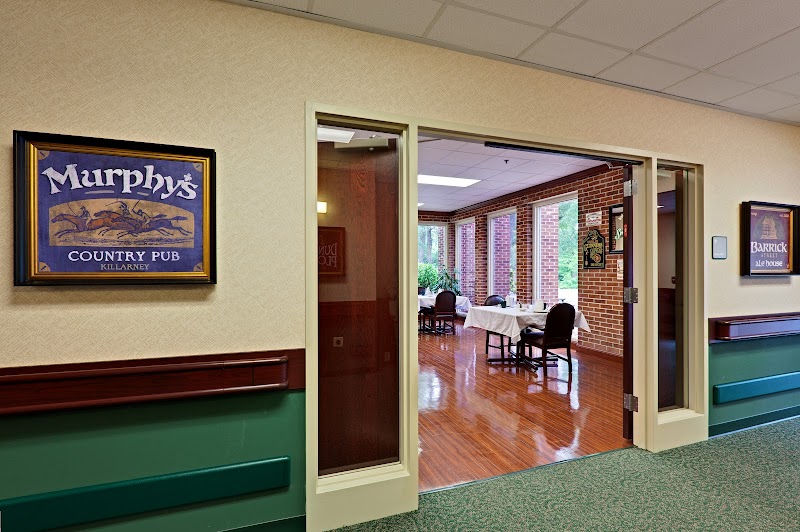
How is Pruitthealth- Bamberg Staffed?

CMS rates PruittHealth- Bamberg's staffing level at 2 out of 5 stars, which is below average compared to other nursing homes. Staff turnover is 39%, compared to the South Carolina average of 46%. This relatively stable workforce can support continuity of care.

What Have Inspectors Found at Pruitthealth- Bamberg?

State health inspectors documented 18 deficiencies at PruittHealth- Bamberg during 2021 to 2025. These included: 1 Immediate Jeopardy (the most serious level, indicating potential for serious harm or death), 1 that caused actual resident harm, and 16 with potential for harm. Immediate Jeopardy findings are rare and represent the most serious regulatory concerns. They require immediate corrective action.
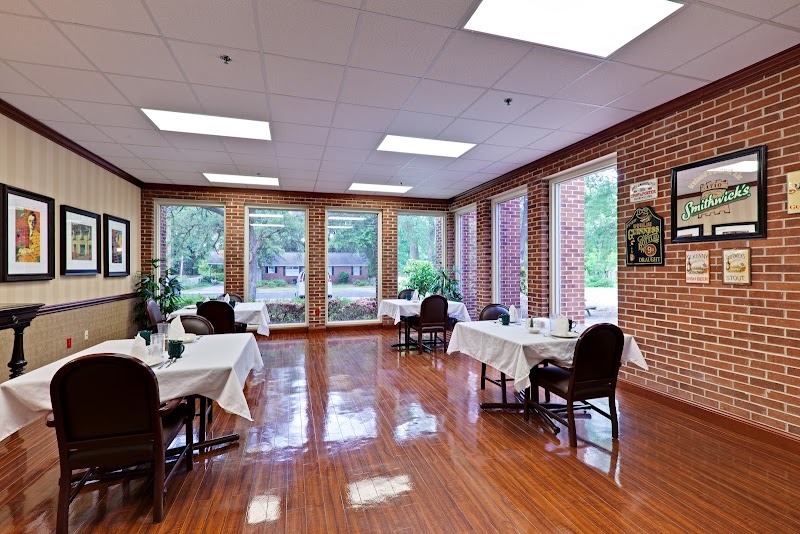
Who Owns and Operates Pruitthealth- Bamberg?

PruittHealth- Bamberg is owned by a for-profit company. For-profit facilities operate as businesses with obligations to shareholders or private owners. The facility is operated by PRUITTHEALTH, a chain that manages multiple nursing homes. With 88 certified beds and approximately 79 residents (about 90% occupancy), it is a smaller facility located in Bamberg, South Carolina.

How Does Pruitthealth- Bamberg Compare to Other South Carolina Nursing Homes?

Compared to the 100 nursing homes in South Carolina, PruittHealth- Bamberg's overall rating (2 stars) is below the state average of 2.8, staff turnover (39%) is near the state average of 46%, and health inspection rating (2 stars) is below the national benchmark.

What Should Families Ask When Visiting Pruitthealth- Bamberg?

Based on this facility's data, families visiting should ask: "What changes have been made since the serious inspection findings, and how are you preventing similar issues?" "Can you walk me through typical staffing levels on day, evening, and night shifts?" "Can I visit during a mealtime to observe dining assistance and food quality?" "How do you handle medical emergencies, and what is your hospital transfer rate?" These questions are particularly relevant given the facility's Immediate Jeopardy citations and the below-average staffing rating.

Is Pruitthealth- Bamberg Safe?

Based on CMS inspection data, PruittHealth- Bamberg has documented safety concerns. Inspectors have issued 1 Immediate Jeopardy citation (the most serious violation level indicating risk of serious injury or death). The facility has a 2-star overall rating and ranks #100 of 100 nursing homes in South Carolina. Families considering this facility should ask detailed questions about what corrective actions have been taken since these incidents.

Do Nurses at Pruitthealth- Bamberg Stick Around?

PruittHealth- Bamberg has a staff turnover rate of 39%, which is about average for South Carolina nursing homes (state average: 46%). Moderate turnover is common in nursing homes, but families should still ask about staff tenure and how the facility maintains care continuity when employees leave.

Was Pruitthealth- Bamberg Ever Fined?

PruittHealth- Bamberg has been fined $22,711 across 2 penalty actions. This is below the South Carolina average of $33,306. While any fine indicates a compliance issue, fines under $50,000 are relatively common and typically reflect isolated problems that were subsequently corrected. Families should ask what specific issues led to these fines and confirm they've been resolved.

Is Pruitthealth- Bamberg on Any Federal Watch List?

PruittHealth- Bamberg is not on any federal watch list. The most significant is the Special Focus Facility (SFF) program, which identifies the bottom 1% of nursing homes nationally based on persistent, serious quality problems. Not being on this list means the facility has avoided the pattern of deficiencies that triggers enhanced federal oversight. This is a positive indicator, though families should still review the facility's inspection history directly.