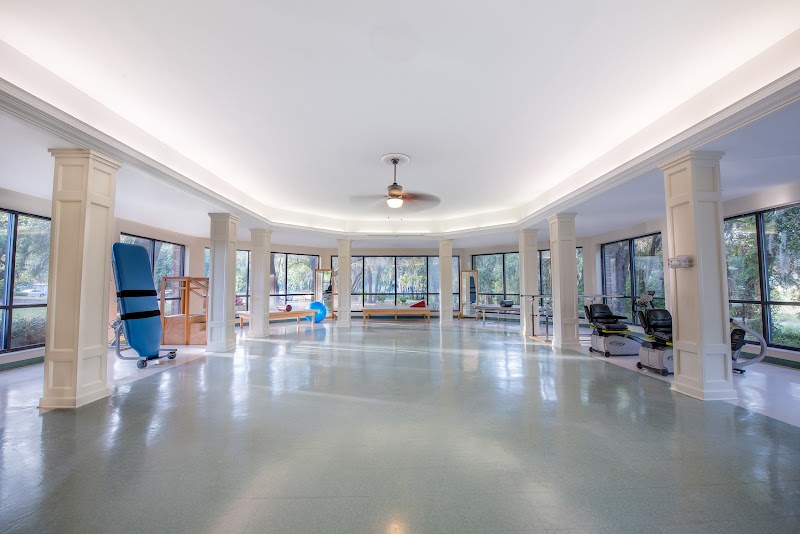
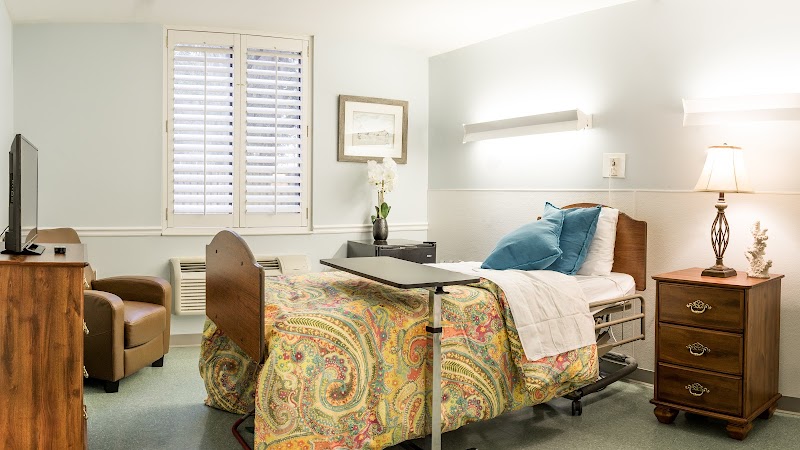
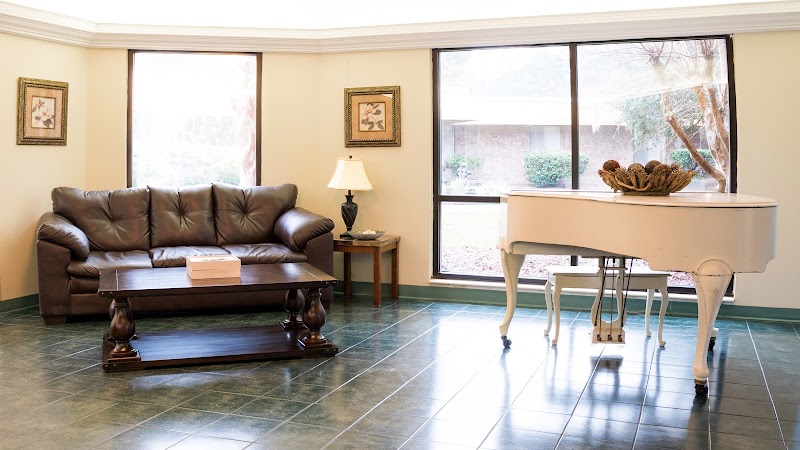
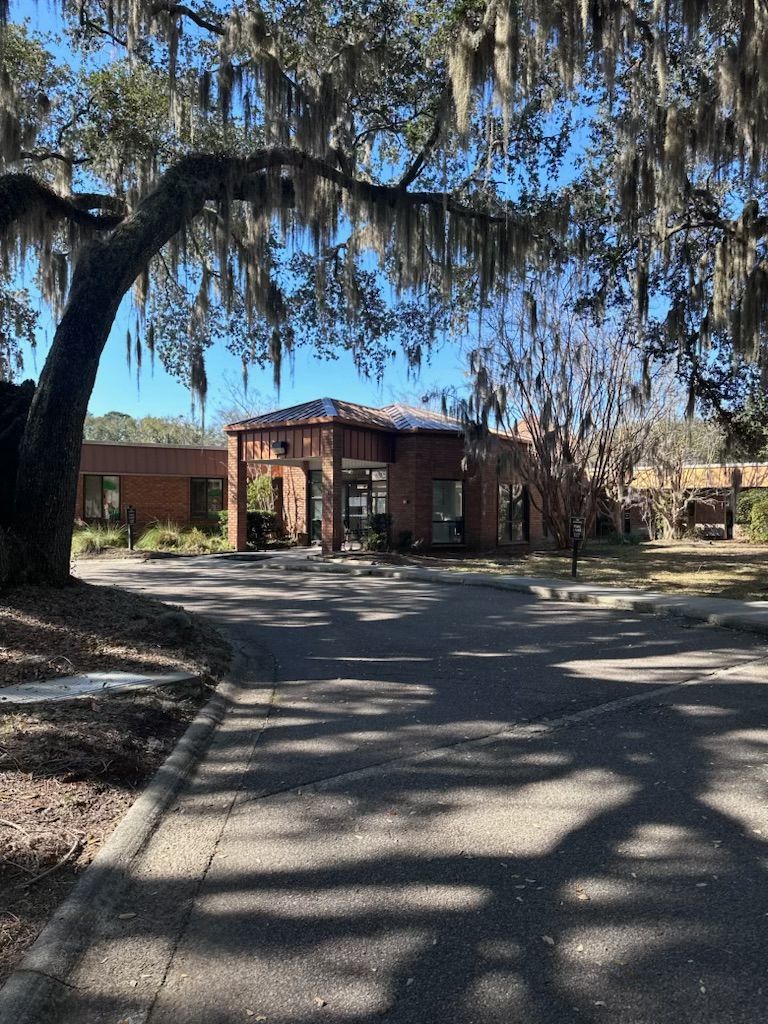
Resorts at Beaufort

11 Todd Drive, Beaufort, SC 29901 (843) 524-8911
For profit - Limited Liability company 170 Beds THE ROSENBERG FAMILY Data: November 2025 2 Immediate Jeopardy citations
Trust Grade
1/100
#169 of 186 in SC
Last Inspection: January 2025

Within standard 12-15 month inspection cycle. Federal law requires annual inspections.

Overview

Resorts at Beaufort has received a Trust Grade of F, indicating significant concerns about the facility's care and operations. They rank #169 out of 186 nursing homes in South Carolina, placing them in the bottom half of facilities in the state and #6 out of 7 in Beaufort County, meaning there is only one local option that performs better. The situation appears to be worsening, with the number of reported issues increasing from 6 in 2023 to 11 in 2025. Staffing is rated average with a turnover rate of 60%, which is concerning compared to the state average of 46%, suggesting instability among staff. While the facility has not incurred any fines, there have been serious incidents, such as failing to allow residents to refuse transfers and not providing proper supervision for fall prevention, which raises important questions about the quality of care.

Trust Score
F
1/100
In South Carolina
#169/186
Bottom 10%
Safety Record
High Risk
Review needed
Inspections
Getting Worse
6 → 11 violations
Staff Stability
⚠ Watch
60% turnover. Above average. Higher turnover means staff may not know residents' routines.
Penalties
✓ Good
No fines on record. Clean compliance history, better than most South Carolina facilities.
Skilled Nurses
○ Average
Each resident gets 31 minutes of Registered Nurse (RN) attention daily — about average for South Carolina. RNs are the most trained staff who monitor for health changes.
Violations
⚠ Watch
21 deficiencies on record. Higher than average. Multiple issues found across inspections.
★☆☆☆☆
1.0
Overall Rating
★★★☆☆
3.0
Staff Levels
★★★☆☆
3.0
Care Quality
★☆☆☆☆
1.0
Inspection Score
Stable
2023: 6 issues
2025: 11 issues

The Good

  • Full Sprinkler Coverage · Fire safety systems throughout facility
  • No fines on record

Facility shows strength in fire safety.

The Bad

1-Star Overall Rating

Below South Carolina average (2.8)

Significant quality concerns identified by CMS

Staff Turnover: 60%

14pts above South Carolina avg (46%)

Frequent staff changes - ask about care continuity

Chain: THE ROSENBERG FAMILY

Part of a multi-facility chain

Ask about local staffing decisions and management

Staff turnover is elevated (60%)

12 points above South Carolina average of 48%

The Ugly 21 deficiencies on record

2 life-threatening 2 actual harm
Aug 2025 2 deficiencies
CONCERN (D) 📢 Someone Reported This

A family member, employee, or ombudsman was alarmed enough to file a formal complaint

Potential for Harm - no one hurt, but risky conditions existed

Comprehensive Care Plan (Tag F0656)

Could have caused harm · This affected 1 resident

Based on interview, record review, and facility policy review, the facility failed to ensure staff implemented the care plan for 1 (Resident (R)5) of 3 sampled residents reviewed for falls. Specifical...

Read full inspector narrative →
Based on interview, record review, and facility policy review, the facility failed to ensure staff implemented the care plan for 1 (Resident (R)5) of 3 sampled residents reviewed for falls. Specifically, on 07/19/2025, a staff member attempted a bed-to-chair transfer for R5 with a mechanical lift, with only one staff member present. The mechanical lift malfunctioned, and the resident fell to the floor. Findings include: Review of a facility policy titled Care Plans, Comprehensive Person-Centered, dated 03/2022, indicated, A comprehensive, person-centered care plan that includes measurable objectives and timetables to meet the resident's physical, psychosocial and functional needs is developed and implemented for each resident. Review of an admission Record revealed the facility admitted R5 on 09/26/24. According to the admission Record, the resident had a medical history that included, but was not limited to, diagnoses of hemiplegia and hemiparesis following cerebral infarction affecting left non-dominant side, other specified disorders of bone, morbid (severe) obesity due to excess calories, transient cerebral ischemic attack, and chronic diastolic congestive heart failure. Review of a quarterly Minimum Data Set (MDS) with an Assessment Reference Date (ARD) of 07/10/25 revealed R5 had a Brief Interview for Mental Status (BIMS) score of 15 out of 15, which indicated the resident had intact cognition. The MDS indicated the resident was dependent on staff assistance to come to a standing position from sitting in a chair, wheelchair, or on the side of the bed and for transferring to and from a bed to a chair. Review of R5's Care Plan Report included a problem statement initiated on 10/03/24 that indicated the resident had an activity of daily living (ADL) self-care performance deficit related to lack of coordination, weakness, and a cerebrovascular accident (CVA) history. An intervention initiated on 10/03/24 directed the staff to provide two-person assistance with a mechanical lift for transfers. Review of R5's Visual/Bedside Kardex Report (a documentation system used by nursing staff that directs patient care), dated 08/20/25, indicated the resident required substantial/maximal assistance of two staff for bed mobility. The report also indicated the resident required a mechanical lift with the assistance of two staff for transfers with a large sling. Review of a Progress Note dated 07/19/25 at 3:58 PM and signed by Registered Nurse (RN)1, revealed Certified Nursing Assistant (CNA)2 notified the nurse that R5 fell from the mechanical lift during a transfer from the bed to the wheelchair. The Progress Note revealed that when RN1 entered the room, R5 was observed seated on the floor with the mechanical lift pad beneath the resident. The Progress Note revealed the sling attachment bar was lying across the resident's body. The Progress Note indicated R5 was conscious but did not verbally respond to questions and could not give any details concerning the fall. The Progress Note indicated R5 was assessed and showed no signs of pain or obvious injury. Per the progress note, CNA2 was directed to call 911 for emergency response services, emergency medical services (EMS) arrived, and the resident was transported to the hospital. Review of a document titled [Facility name] Witness Interview/Statement Form signed by CNA2 on 07/19/25 revealed that CNA2 was in the hall when CNA3 asked her to come to R5's room. Per the statement, when CNA2 entered the room, R5 was lying on the floor with part of the mechanical lift on the resident's stomach. The statement indicated CNA2 got RN1, and RN1 directed the CNA to call 911. Review of a document titled [Facility name] Witness Interview/Statement Form signed by CNA3 on 07/19/25 revealed that on 07/19/25 at approximately 10:30 AM, CNA3 was assisting R5 with a transfer using the mechanical lift. The statement indicated, During the transfer process, I noticed that the lift appeared to malfunction (the bar dislodged). As a result of the malfunction, the resident slipped to the floor while still inside the sling. During an interview on 08/19/25 at 9:11 AM, R5 stated there was only one staff member present for the transfer on 07/19/25. R5 stated the aide knew how to use the mechanical lift, and she tried to get another person to assist, but no one was available. R5 stated the resident fell straight down and tipped to the left and had no fractures from the incident. During an interview on 08/19/25 at 1:18 PM, the Director of Nursing (DON) stated she was notified of R5's fall during a transfer with a mechanical lift. She stated she came to the facility the day of the incident and saw the resident when the resident returned from the hospital. CNA3 told her she was aware R5 was a two-person assist for transferring, but everyone was busy, and she did not want to bother anyone. During an interview on 08/19/25 at 3:24 PM, RN1 stated the CNAs had access to the Kardex to determine the care needs for a resident. During a phone interview on 08/20/25 at 1:46 PM, CNA3 stated she did not look at the resident's Kardex. CNA3 stated that during Coronavirus disease (COVID) they had a lack of CNAs, and she got accustomed to doing a mechanical lift by herself, and she knew that was a no, no. CNA3 stated, I do take responsibility for that. She stated R5 wanted to get up out of bed, and she looked in the hallway and did not see anyone to assist her, so she gave the resident a bed bath, got the resident dressed, placed the mechanical lift pad under the resident, positioned the resident onto the machine, and lifted the resident. During a follow-up interview on 08/20/25 at 2:44 PM, the DON stated the care plan was patient-focused, and she expected the care plan to be followed. During an interview on 08/20/25 at 3:11 PM, the Administrator stated her expectation was for staff to have two people per the care plan and per the Kardex for a mechanical lift. During an interview on 08/20/25 at 4:10 PM, the MDS Director stated care plan interventions were updated quarterly and as needed. She stated care plan interventions were included on the Kardex for staff to reference
CONCERN (D) 📢 Someone Reported This

A family member, employee, or ombudsman was alarmed enough to file a formal complaint

Potential for Harm - no one hurt, but risky conditions existed

Accident Prevention (Tag F0689)

Could have caused harm · This affected 1 resident

Based on interview, record review, and review of the owner's manual for Model: F600B Bariatric Full Body Patient Lift, the facility failed to ensure staff safely transferred 1 (Resident (R)5) of 3 sam...

Read full inspector narrative →
Based on interview, record review, and review of the owner's manual for Model: F600B Bariatric Full Body Patient Lift, the facility failed to ensure staff safely transferred 1 (Resident (R)5) of 3 sampled residents reviewed for falls. Specifically, on 07/19/25, a staff member failed to follow the resident's care plan and ignored the noises emitted from the mechanical lift when she assisted the resident with a transfer from their bed to their wheelchair. During the transfer, the mechanical lift malfunctioned, and R5 fell to the floor. Findings include: Review of a document titled Competency Assessment Lifting Machine, Using a Mechanical, revised on 07/2017, revealed, The purpose of this procedure is to establish the general principles of safe lifting using a mechanical lifting device. It is not a substitute for manufacturer's training or instructions. The Steps in the Procedure section revealed, 8. Make sure that all necessary equipment (slings, hooks, chains, straps and supports) is on hand and in good condition.An Owner's Manual for the Model: F600B Bariatric Full Body Patient Lift, undated, under the section titled, Operating Instructions, revealed, Double check all assemblies for tightness and read operating instructions carefully prior to use. The section titled, Maintenance & Inspection, revealed, The operator of the lift shall inspect the [name brand] lift before each use. Check all bolts for tightness. Make sure the base can be easily widened, and that all lift parts are in place.Review of an admission Record revealed the facility admitted R5 on 09/26/24. According to the admission Record, the resident had a medical history that included but was not limited to diagnoses of hemiplegia and hemiparesis following cerebral infarction affecting left non-dominant side, other specified disorders of bone, morbid (severe) obesity due to excess calories, transient cerebral ischemic attack, and chronic diastolic congestive heart failure.Review of a quarterly Minimum Data Set (MDS), with an Assessment Reference Date (ARD) of 07/10/25, revealed R5 had a Brief Interview for Mental Status (BIMS) score of 15 out of 15, which indicated the resident had intact cognition. The MDS indicated the resident was dependent on staff assistance to come to a standing position from sitting in a chair, wheelchair, or on the side of the bed and for transferring to and from a bed to a chair.Review of R5's Care Plan Report, included a problem statement initiated on 10/03/24 that indicated the resident had an activity of daily living (ADL) self-care performance deficit related to lack of coordination, weakness, and a cerebrovascular accident (CVA) history. An intervention initiated on 10/03/24 directed the staff to provide two-person assistance with a mechanical lift for transfers.Review of R5's Visual/Bedside Kardex Report (a documentation system used by nursing staff that directs patient care), dated 08/20/25, indicated the resident required substantial/maximal assistance of two staff for bed mobility. The report also indicated the resident required a mechanical lift with the assistance of two staff for transfers with a large sling.Review of an Incident Log, dated 08/18/25, indicated R5 had a fall on 07/18/25 at 11:00 AM.Review of a Progress Note, dated 07/19/25 at 3:58 PM and signed by Registered Nurse (RN)1, revealed Certified Nursing Assistant (CNA)2 notified the nurse that R5 fell from the mechanical lift during a transfer from the bed to the wheelchair. The Progress Note revealed that when RN1 entered the room, R5 was observed seated on the floor with the mechanical lift pad beneath the resident. The Progress Note revealed the sling attachment bar was lying across the resident's body. The Progress Note indicated R5 was conscious but did not verbally respond to questions and could not give any details concerning the fall. The Progress Note indicated R5 was assessed and showed no signs of pain or obvious injury. Per the progress note, CNA2 was directed to call 911 for emergency response services, emergency medical services (EMS) arrived, and the resident was transported to the hospital.Review of a hospital report, dated 07/19/25, under the section titled History of Present Illness, indicated R5 sustained a fall while being transferred by a mechanical lift. The section titled Activity Restrictions or Additional Instructions revealed the resident's trauma workup was negative for acute fracture or traumatic injury, and a lytic lesion was identified that was concerning for malignancy versus metastatic disease.Review of a typed document, dated 07/19/25 and signed by the Director of Nursing (DON), revealed they received a phone call from RN1 at 12:01 PM. The document indicated RN1 reported R5 fell from a mechanical lift, and the RN was sending the resident to the hospital. Per the document, RN1 reported the mechanical lift malfunctioned, causing the fall. The document further revealed that CNA3 reported that when she was lifting the resident up from the bed, she noticed the mechanical lift was making a funny noise but did not think anything about it because mechanical lifts make noises (which was normal). The document revealed the facility concluded the incident was attributed to poor judgement made by CNA3. The report revealed CNA3 was removed from the facility, not to return.Review of a document titled [Facility name] Witness Interview/Statement Form, signed by CNA2 on 07/19/25, revealed that CNA2 was in the hall when CNA3 asked her to come to R5's room. Per the statement, when CNA2 entered the room, R5 was lying on the floor with part of the mechanical lift on the resident's stomach. The statement indicated CNA2 got RN1, and RN1 directed the CNA to call 911.Review of a document titled [Facility name] Witness Interview/Statement Form, signed by CNA3 on 07/19/25, revealed that on 07/19/25 at approximately 10:30 AM, CNA3 was assisting R5 with a transfer using the mechanical lift. The statement indicated, During the transfer process, I noticed that the lift appeared to malfunction (the bar dislodged). As a result of the malfunction, the resident slipped to the floor while still inside sling.During an interview on 08/19/25 at 9:11 AM, R5 stated there was only one staff member present for the transfer on 07/19/25. R5 stated the aide knew how to use the mechanical lift, and she tried to get another person to assist, but no one was available. R5 stated the resident fell straight down and tipped to the left and had no fractures from the incident. R5 stated the mechanical lift broke, and if they had two staff on that day assisting, the resident thought it still would have happened.During an interview on 08/19/25 at 1:18 PM, the DON stated she was notified of R5's fall during a transfer with a mechanical lift. She stated she came to the facility the day of the incident and saw the resident when the resident returned from the hospital. CNA3 told her she was aware R5 was a two-person assist for transferring, but everyone was busy, and she did not want to bother anyone.During a phone interview on 08/20/25 at 1:46 PM, CNA3 stated that during Coronavirus disease (COVID) they had a lack of CNAs, and she got accustomed to doing a mechanical lift by herself, and she knew that was a no, no. She stated, I do take responsibility for that. She stated she did not look at the resident's Kardex. She stated that when she was lifting R5 up, she did not notice anything. Then, she stated, when she was backing up the mechanical lift, it started to squeak and made a funky noise, and she did not pay it any mind, but it was noticeable. She stated she thought a piece fell out or dislodged because the bar dislodged from the machine itself, and the resident slipped to the floor.During a follow-up interview on 08/20/25 at 2:44 PM, the DON stated she expected the staff to make sure they had two people with them, the appropriate sling, and make sure the mechanical lift was functioning and pins were in place and sturdy. She stated if something seemed wrong with the mechanical lift during the transfer, staff should put the resident back down.During an interview on 08/20/25 at 3:11 PM, the Administrator stated her expectation was for staff to use the lift per protocol and how they had been taught. She stated if the staff heard the mechanical lift making noises, they were to stop what they were doing and notify a supervisor.
May 2025 4 deficiencies 1 Harm
SERIOUS (G) 📢 Someone Reported This

A family member, employee, or ombudsman was alarmed enough to file a formal complaint

Actual Harm - a resident was hurt due to facility failures

Accident Prevention (Tag F0689)

A resident was harmed · This affected 1 resident

Based on observation, interview, record review, and facility document and policy review, the facility failed to provide one-to-one (1:1) supervision as needed in accordance with Resident (R)1's fall p...

Read full inspector narrative →
Based on observation, interview, record review, and facility document and policy review, the facility failed to provide one-to-one (1:1) supervision as needed in accordance with Resident (R)1's fall prevention care plan and failed to recognize and address all potential accident hazards in the resident's environment for 1 (R1) of 3 residents reviewed for falls. Specifically, on 01/25/2025, approximately five to ten minutes after the resident was assisted into bed by staff, who placed a reclined geriatric chair along the side of the resident's bed, R1 was seen coming down the hallway yelling that their eye hurt, and the resident's right eye was noted to be redder and more irritated than their left eye. While in the hallway, the resident became too weak to support their weight and was lowered to the floor by a nurse for an assisted fall. During the early morning hours of 01/26/2025, it was noted that the resident cried out in pain when trying to move their neck, and the resident was sent to the hospital for further evaluation. Hospital records reflected that the resident had a history of frequent falls and fell during the night of 01/25/2025 while trying to climb over a geriatric chair; the hospital diagnosed R1 with a type II fracture of the odontoid process and a contusion of the face. When investigating the circumstances of the resident's injuries and the assisted fall, the facility failed to consider all causal factors and did not identify that the manner in which staff were using the resident's geriatric chair posed a risk for accident or injury. The facility concluded that the resident's injuries were a result of being lowered to the floor by the nurse. Additionally, during the survey, staff left a rolling computer chair in the resident's room when it was not in use, which also posed a risk of additional accidents or injuries. Findings included: An undated facility policy titled, Fall-Clinical Protocol revealed, 1. As part of the initial assessment, individual residents with a history of falls and risk factors for subsequent falling will be identified. The section of the policy titled, Assessment specified, 2. If the cause of a fall is unclear, root cause analysis should be used to attempt to determine the cause(s) or related issues that may have precipitated the fall. The section of the policy titled, Treatment/Management specified, 1. Based on assessment, the staff in conjunction with the physician will review pertinent interventions and modify existing interventions when appropriate to try to prevent subsequent falls and to address risks of serious consequences of falling. R1's admission Record indicated the facility admitted the resident on 03/29/2024. According to the admission Record, the resident had a medical history that included diagnoses of cauda equina syndrome (a condition that occurs when the cauda equina, the bundle of nerves at the base of the spinal cord, become compressed); other mechanical complication of internal fixation device of vertebrae; history of falling; lack of coordination; muscle weakness; dementia; bipolar disorder, current episode manic severe with psychotic features; unspecified mood disorder; anxiety disorder; low back pain; spondylosis (degeneration of the vertebral column); other intravertebral disc degeneration of the lumbar region; and posterior displaced type II dens fracture (a break in the odontoid process in the cervical spine). A quarterly Minimum Data Set (MDS), with an Assessment Reference Date (ARD) of 01/04/2025, revealed R1 had a Brief Interview for Mental Status (BIMS) score of 4, which indicated the resident had severe cognitive impairment. The MDS indicated R1 did not use a mobility device and required supervision or touching assistance with bed mobility; chair/bed-to-chair transfers; toilet transfers; when walking 10 feet, 50 feet with two turns, and 150 feet; and when transitioning from a seated position to lying down, from lying down to a seated position, and from a seated position to standing. R1's Care Plan Report revealed the resident's care plan was last reviewed by the facility on 04/30/2025. The Care Plan Report included a focus area, initiated on 04/08/2024, that indicated the resident had an activities of daily living (ADL) self-care performance deficit. Another focus area, initiated 04/08/2024, indicated R1 was at risk for falls related to gait/balance problems, incontinence, poor communication/comprehension, psychoactive drug use, history of falls and being unaware of safety needs. An intervention initiated on 06/25/2024 directed staff to provide Supervision of 1:1 caregiver as needed, and an intervention initiated on 09/21/2024 indicated the resident may use a geriatric recliner for rest periods. An event report, dated 01/25/2025 at 10:01 PM, indicated R1 was heard repeatedly yelling from the hallway, My eye hurts. The event report indicated a nurse responded and saw the resident walking down the hallway while holding the handrails. The event report further indicated R1 had a bruise on their face. According to the event report, the resident could not bear their own weight, and the nurse assisted the resident to control slide to the floor for an assisted fall. The event report revealed, Resident unable to describe why or how [his/her] eye hurts. A Nursing Note, dated 01/25/2025 at 10:44 PM, indicated R1 was placed into bed approximately five to ten minutes prior to the incident due to the resident falling asleep in their geriatric chair. According to the note, the resident was heard yelling that their eye hurt and upon quick assessment, the resident's right eye was more irritated and redder than the left eye, which was not noted before the resident was placed in bed. The note also indicated, unknown how bruise was accrued but hit to gerichair [geriatric chair], which was beside the head of the bed is possible. A Nursing Note, dated 01/26/2025 at 7:10 AM, revealed R1 began having complaints of neck pain during the morning while the nurse was checking the resident's vitals. The note indicated the resident would only follow movement with their eyes, and when attempting to move their head, the resident cried out in pain. According to the note, the resident was sent to the hospital for further evaluation. An Emergency Physicians report, dated 01/26/2025, revealed R1 had a history of frequent falls and fell during the night on 01/25/2025 while trying to climb over a geriatric chair. The report indicated R1 was diagnosed with a type II fracture of the odontoid process and a contusion of the face. During an interview on 05/12/2025 at 11:32 AM, Nurse Aide (NA) #12 stated she recalled working at the facility on the evening of 01/25/2025 but was not assigned to R1. NA12 recalled that she was not present when the resident fell but after returning to the unit following a short break, she saw R1 on the floor, and Licensed Practical Nurse (LPN)1 and NA2 were with the resident. NA12 stated LPN1 and NA2 transferred R1 from the floor to the resident's geriatric chair, and LPN1 asked NA12 and NA2 to check the resident's vital signs (blood pressure, pulse, temperature, and respirations). NA12 stated she and NA2 wheeled R1 to the dayroom, which was near the nurses' station, and obtained the requested vital signs before she left R1 with NA2 and continued with her assigned duties for the shift. NA12 stated a geriatric chair was routinely used for R1 during the night shift when she worked. NA12 further stated the resident's geriatric chair was placed next to the resident's bed during the night shift, and the resident had a history of attempting to climb out of their geriatric chair when seated in it and also had a history of attempting to climb out of their bed and over the geriatric chair (when the geriatric chair was positioned along the side of the resident's bed). During a follow-up interview on 05/13/2025 at 8:23 AM, NA12 stated staff usually put R1 to bed between 8:00 PM and 9:00 PM and routinely placed the resident's geriatric chair in the reclined position along the length of the resident's bed, with the footrest of the geriatric chair positioned towards the bottom of the resident's bed. During an interview on 05/12/2025 at 12:53 PM, LPN1 stated she worked night shift on R1's unit. LPN1 stated that R1 was at high risk for falls, stayed up all night most of the time, and required 1:1 supervision for periods of increased agitation; however, LPN1 stated the facility was not staffed to provide 1:1 supervision on most occasions, since only two aides were normally scheduled to work during the night shift. LPN1 stated that on the evening of 01/25/2025, NA2 put R1 to bed around 9:00 PM. LPN1 stated that generally, during the night shift, when R1 was put to bed, the resident's geriatric chair was placed at the head of the right side of the bed facing the foot of the bed. LPN1 stated the geriatric chair was routinely placed next to the resident's bed in a reclined position in an attempt to prevent the resident from getting up without staff's knowledge. LPN1 further explained that the resident's geriatric chair made noise when the resident's legs hit it, which alerted staff that the resident was trying to get up. LPN1 stated that on the evening of 01/25/2025 after the resident was put to bed, she was in a room directly behind the nurses' station and not in direct visual sight of R1's room, but she heard R1 repeatedly complaining that their eye hurt, so she exited the room behind the nurses' station and proceeded towards the resident. She stated that when she reached R1 in the hallway, she noticed the resident's eye was reddened. LPN1 stated at about that same time, R1 could no longer maintain their weight and grabbed onto LPN1. LPN1 further stated she was unable to hold R1's weight, so she yelled for NA2 to retrieve R1's geriatric chair from the resident's room to assist her. LPN1 stated she then repositioned herself behind R1 and lowered the resident to the floor by sliding the resident down her legs. During an interview on 05/12/2025 at 2:53 PM, NA2 stated that she arrived at work on 01/25/2025 around 7:00 PM. She stated she put R1 to bed during her first set of rounds sometime around 8:30 PM or 9:00 PM. She stated that after she put the resident to bed, she provided incontinence care, and she thought the resident was asleep, so she left R1 in bed to complete her rounds. She stated that after completing her rounds and about 45 minutes after putting R1 to bed, she heard the resident scream, Owww. She stated she saw the resident at the end of the hallway holding onto the handrails, and she and the nurse both went to the resident. NA2 stated the nurse asked her to get the resident's geriatric chair, and as she was exiting the resident's room with the chair, she saw the nurse lower the resident to the floor in a seated position. NA2 stated the resident was complaining their eye hurt, so they transferred the resident into the geriatric chair, took the resident to the dayroom, and assessed their vital signs. NA2 further stated R1 remained in the day room for the remainder of the night, and she went into the day room throughout the night to keep a periodic watch over the resident. NA2 stated R1 was sent to the hospital for evaluation the following morning. NA2 further stated that when she put R1 to bed during the night shift, including the night of 01/25/2025, she normally put the resident to bed, then placed their geriatric chair along the side of the resident's bed in a reclined position with the wheels locked and the footrest of the geriatric chair positioned beside the head of the resident's bed, because the resident was always trying to get out of bed. NA2 stated she knew that the resident had tried climbing over the geriatric chair from their bed many times, but staff usually heard the resident when they started to get out of bed, as long as they had the geriatric chair placed next to the bed. During an interview on 05/12/2025 at 9:28 AM, Registered Nurse (RN) #14 stated she was familiar with R1 and routinely worked on the resident's unit. RN #14 stated R1 was normally cooperative with care until about lunchtime, at which point the resident became increasingly agitated and at times became combative with staff. During an interview on 05/12/2025 at 2:21 PM, NA #16 stated she normally worked dayshift and was familiar with R1. NA #16 stated R1 liked to ambulate a lot during the daytime but needed someone with them for balance and safety. NA #16 further stated R1 could become combative in the afternoons if staff did not allow the resident to walk around, but the resident normally calmed down quickly if staff walked with the resident or kept the resident engaged with something. NA #16 stated R1 did not typically use a geriatric chair during the daytime, but staff tried to have chairs available for the resident to sit in when the resident needed a rest break. She said she was not on duty on the night of R1's 01/25/2025 fall; however, she recalled that when she arrived to work on the morning of 01/26/2025, she was notified the resident had a fall during the night and was being transferred to the hospital for evaluation after complaining of neck pain. NA #16 did not know if night shift staff placed the resident's geriatric chair along the side of the resident's bed when the resident was in bed, but she stated she did know the resident had a history of climbing out of their geriatric chair when it was used during the day. A concurrent observation and interview on 05/12/2025 beginning at 3:56 PM revealed R1 was seated in a reclined geriatric chair in the dayroom area when the resident was observed to kick their legs over the left side of the geriatric chair in an attempt to rise to a standing position. NA #16 and another aide responded to the resident. NA #16 stated R1 had a known history of attempting to stand from their geriatric chair and indicated that when the resident wanted to get up, the resident would get up whether staff were there or not. During an interview on 05/12/2025 at 4:22 PM, NA21 stated she only worked at the facility occasionally, but she knew R1 often tried to get up from their geriatric chair without staff assistance. NA21 did not know where staff placed the resident's geriatric chair when the resident was put to bed. During an interview on 05/12/2025 at 4:25 PM, NA20 stated she was familiar with R1. She stated the resident had a long history of falls, attempted to get up from their geriatric chair without assistance from staff, and at times attempted to climb out of their geriatric chair. NA20 stated that during the day shift, staff tried to keep the resident up and walking when possible and allowed the resident to rest in standard chairs when needed. She stated she was not working on 01/25/2025 when R1 fell. During an interview on 05/14/2025 at 11:46 AM, NA #19 stated she primarily worked on R1's unit and was familiar with the resident. She recalled that she worked with R1 on 01/25/2025 during the day shift, and the resident was on 1:1 supervision during the day. She stated she and another aide provided 1:1 to the resident by rotating out during breaks. During a follow-up interview on 05/16/2025 at 10:10 AM, NA #19 stated staff knew they were assigned 1:1 responsibilities because it was listed on their assignment sheets. NA #19 said that R1 had various behaviors, including combativeness and getting up without assistance, and was sometimes difficult to redirect. NA #19 stated there had been times when a staff member called out that they did not have the staff available to provide 1:1 but in those situations, they usually took R1 to the hallway or a common area so everyone could keep a watch on the resident. During an interview on 05/15/2025 at 3:45 AM, LPN #23 stated she worked night shift but had not routinely worked on R1's unit until after the fall on 01/25/2025. LPN #23 stated she was unsure if R1 required 1:1 prior to the fall on 01/25/2025 but indicated that staff knew whether 1:1 was needed by reviewing the schedule, which indicated when a staff member was assigned 1:1 responsibilities. During an interview on 05/15/2025 at 4:15 AM, NA24 stated she worked the night shift, primarily on R1's unit but was not working the night of 01/25/2025 when the resident fell. NA24 stated that sometimes R1's geriatric chair was left in the hallway outside their room, and other times, it was left in the resident's room. She said that when the geriatric chair was left in the resident's room, it was placed against the resident's bed to prevent the resident from being able to get up from the bed easily in hopes the resident would not fall. NA24 reported that staff knew if a resident required 1:1 because it was listed on the schedule. During an interview on 05/13/2025 at 10:50 AM, RN #3, the Risk Management Nurse, stated that upon reviewing R1's electronic medical record (EMR), she determined the resident had sustained 16 falls since their admission to the facility in 03/2024. RN #3 stated the facility implemented 1:1 supervision as needed following a fall on 06/24/2024; however, she stated there was no documentation available for when 1:1 was provided. She further stated the resident had another fall in 09/2024 while in their room, and the facility added an intervention to use a geriatric chair for rest periods. RN #3 verified that the facility did not have any documentation for 1:1 supervision and stated she was unable to validate when 1:1 was provided for R1 or its effectiveness. During an interview on 05/13/2025 at 2:27 PM, the Director of Nursing (DON) stated that on 01/25/2025, a nurse slid R1 to the floor for an assisted fall. She stated the resident sustained a bruise (to the eye/face), but the facility was unable to determine if another fall may have occurred prior to the nurse lowering the resident to the floor or what may have happened to cause the fracture that was later identified in the emergency room. She stated she did not recall knowing that the resident's geriatric chair was used in a reclined position up against the resident's bed. She further stated that it was not determined during the facility's investigation that R1 had a history of climbing out of their geriatric chair or over the geriatric chair from their bed. During an interview on 05/14/2025 at 2:45 PM with RN #3, the DON, the Assistant Director of Nursing (ADON), the Administrator, and the MDS Coordinator present, the DON stated that the nurse management team determined when 1:1 was needed for R1. She further stated they put 1:1 in place periodically when the resident was more agitated and then discontinued it once any behaviors had calmed down for 24 hours or so. RN #3 stated the resident used to work night shift and had their days and nights mixed up. The DON stated that when 1:1 was needed for the resident, they added an additional person to the schedule. During an interview on 05/14/2025 at 6:11 PM, the Administrator stated she first learned of the incident involving R1 when she arrived to work early on Monday, 01/27/2025, and noticed that R1 was at the nurses' station sitting in a standard wheelchair. The Administrator stated it was not R1's normal routine to use a standard wheelchair, so she asked staff what was going on with the resident. She stated she was informed that the resident had an assist fall and had started complaining of neck pain and was transferred to the ER for evaluation. The Administrator stated that the facility determined that they thought R1's injuries occurred as a result of the assisted fall. During an interview on 05/16/2025 at 8:45 AM, the facility's Former Scheduler stated she currently worked as a nurse aide but was the facility's scheduler from 04/2024 until 04/2025. The Former Scheduler stated that R1's unit usually only required two nurse aides during the night shift, but a third nurse aide was added if 1:1 was needed. The Former Scheduler stated she was unsure how it was determined when 1:1 was needed. She stated that for the night of 01/25/2025, if no one informed her 1:1 was needed, then she did not schedule anyone to provide 1:1 during the night shift. She further stated she only assigned someone the responsibility of 1:1 when instructed to do so by the DON. She stated she documented a 1:1 with a circle around it beside the staff member's name on the schedule to indicate they were responsible for providing the 1:1. R1's 01/2025 Documentation Survey Report revealed staff were monitoring for the presence of the following behaviors every shift: physical behavioral symptoms directed toward others, verbal behavioral symptoms directed towards others, other behavioral symptoms not directed toward others, wandering, and rejection of care. According to the Documentation Survey Report, staff documented the presence of the following behaviors in the days leading up to 01/25/2025: -01/19/2025 evening shift: verbal behavioral symptoms directed towards others and other behavioral symptoms not directed towards others -01/20/2025 day shift: physical behaviors directed towards others, verbal behaviors directed towards others, other behaviors not directed towards others, rejection of care, and wandering -01/21/2025 day shift: physical behaviors directed towards others, verbal behaviors directed towards others, other behaviors not directed towards others, rejection of care, and wandering -01/22/2025 night shift: other behavioral symptoms not directed towards others -01/23/2025 evening shift: wandering -01/24/2025 evening shift: other behavioral symptoms not directed towards others -01/25/2025 day shift: wandering R1's 01/2025 Medication Administration Record (MAR) revealed the transcription of an order dated 01/13/2025 for lorazepam 1 milligram (mg) every eight hours as needed for anxiety and agitation. According to the MAR, the resident's as-needed lorazepam was administered due to increased anxiety and agitation twice on 01/20/2025; twice on 01/21/2025; and once on 01/22/2025, 01/23/2025, and 01/24/2025. The facility's Daily Schedule Breakdown revealed that 1:1 was noted on R1's unit during the dayshift on 01/25/2025; however, there was no indication 1:1 was in place during the evening or night shifts on 01/25/2025. During an interview on 05/16/2025 at 7:19 PM, the DON and Administrator were referred to the prior interview in which the DON stated 1:1 was initiated for R1 periodically when agitation was increased then was discontinued after the resident's behaviors had calmed down for 24 hours or so. They were then provided copies of the Daily Schedule Breakdown for 01/25/2025 that reflected 1:1 was initiated during the dayshift but not evening or night shifts. After reviewing the Daily Schedule Breakdown, the DON and Administrator both stated they would not have done 1:1 on just day shift, but they requested time to look at documentation they referred to as a breakdown sheet and come back and answer the question further. On 05/16/2025 at 9:10 PM, the DON, RN #3, and the Administrator returned to the conference room, and the DON stated they were unable to find the documentation they were looking for. RN #3 stated that during the time of R1's fall on 01/25/2025, they were only doing 1:1 during the 7:00 AM-7:00 PM shift because the resident was sleeping better at night. The surveyor then referred the DON, RN #3, and the Administrator to the resident's medical record, including the 01/2025 MAR that reflected the resident's as-needed lorazepam was administered multiple days leading up to 01/25/2025 and the 01/2025 Survey Documentation Report that indicated the resident had been experiencing behaviors leading up to 01/25/2025. After reviewing the information in the resident's record, the DON stated there had been no period of time where R1's behaviors and agitation resolved completely, but they had lessened during the timeframe of the resident's fall on 01/25/2025. The DON stated the administration of as-needed lorazepam for agitation was not considered when evaluating whether 1:1 was needed. The DON further stated the facility did not have any documentation of when 1:1 was provided for the resident, no documentation of how the facility evaluated for the effectiveness of 1:1 supervision, no documentation of what information nurse management considered when making the determination as to whether 1:1 was needed for the resident, and no documentation regarding how or when the decision was made 1:1 was no longer needed. The DON and Administrator both stated that having a resident on 1:1 for one shift but not the next was not the facility's normal practice. During an interview on 05/14/2025 at 9:28 AM, the Medical Director (MD) stated he was aware R1 had an incident on 01/25/2025 that resulted in a cervical neck fracture. He stated he was also aware the resident had an initial bruise noted to their eye from an unknown source. He stated he did not see how injuries such as the neck fracture and eye bruising could have occurred from the assist fall or control slide by the nurse. The MD stated he was not made aware that staff were placing the resident's geriatric chair along the side of the bed to prevent falls or that the resident had a history of climbing out of their geriatric chair or over their geriatric chair from the bed. The MD stated that in his professional opinion, the injuries sustained by the resident on the night of 01/25/2025 could have occurred as a result of the resident climbing out of their bed and over the geriatric chair if the resident fell while doing so or if they hit their head or neck in the process. During a follow-up interview on 05/16/2025 at 1:26 PM, the MD stated R1 should have required 1:1 supervision at the time of the incident on 01/25/2025. He further stated 1:1 should have been provided until the resident's behaviors were fully managed and controlled effectively. The MD stated it was the facility's responsibility to keep the residents safe at all times. He stated when investigating the circumstances of R1's injuries, the facility should have assessed environmental factors and conducted extensive interviews with staff, other residents if applicable, and anyone else that could have witnessed something in an attempt to determine root cause so that they could implement appropriate and effective interventions. An observation on 05/13/2025 beginning at 9:39 AM revealed R1 was lying in bed with their eyes closed without staff present in the room. A rolling computer chair was observed positioned against the bed on the resident's right side. While the surveyor remained in the room with R1, NA #16 entered the room. NA #16 stated the rolling computer chair was in R1's room for use by staff while providing 1:1 care, although the resident was not currently assigned to 1:1 care at the time of the observation. During an interview on 05/14/2025 at 2:45 PM with RN #3, the DON, the ADON, the Administrator, and the MDS Coordinator present, RN #3 and the DON stated the rolling computer chair was for staff to sit in when providing 1:1 to R1. The DON stated she hoped staff were removing the rolling computer chair from the resident's room when it was not in use. During an interview on 05/14/2025 at 6:11 PM, the Administrator stated she had made rounds on multiple days and saw the rolling computer chair in R1's room but had not thought about the chair being a hazard. During an interview on 05/16/2025 at 5:17 PM, the DON stated that having a rolling computer chair in R1's room when not in use by staff would be an accident hazard. She stated the rolling computer chair should not be in the resident's room if staff were not using it.
CONCERN (D) 📢 Someone Reported This

A family member, employee, or ombudsman was alarmed enough to file a formal complaint

Potential for Harm - no one hurt, but risky conditions existed

Deficiency F0604 (Tag F0604)

Could have caused harm · This affected 1 resident

Based on observation, record review, interview, and facility document and policy review, the facility failed to ensure staff did not utilize a geriatric chair without assessing whether the use of the ...

Read full inspector narrative →
Based on observation, record review, interview, and facility document and policy review, the facility failed to ensure staff did not utilize a geriatric chair without assessing whether the use of the geriatric chair was considered a restraint for 1 (Resident (R)1) of 3 residents reviewed for falls. Specifically, despite a known history of climbing out of the side of their geriatric chair and a history of climbing from their bed over their geriatric chair when staff positioned it by the resident's bed, staff placed R1 in a geriatric chair in a reclined position and also utilized the geriatric chair positioned along the side of the resident's bed while the resident was in bed to prevent the resident from getting up without staff's knowledge. Findings included: A facility policy titled, Use of Restraints, revised 04/2017, indicated, Restraints shall only be used for the safety and well-being of the resident(s) and only after other alternatives have been tried unsuccessfully. Restraints shall only be used to treat the resident's medical symptom(s) and never for discipline or staff convenience, or for the prevention of falls. The policy specified, 1. 'Physical Restraints' are defined as any manual method or physical or mechanical device, material or equipment attached or adjacent to the resident's body that the individual cannot remove easily, which restricts freedom of movement or restricts normal access to one's body. The policy further specified, 4. Practices that inappropriately utilize equipment to prevent resident mobility are considered restraints and are not permitted, including: a. using bedrails to keep a resident from voluntarily getting out of bed as opposed to enhancing mobility when in bed; and c. placing a resident in a chair that prevents the resident from rising. The policy indicated, 6. Prior to placing a resident in restraints, there shall be a pre-restraining assessment and review to determine need for restraints and 9. Restraints shall only be used upon the written order of a physician and after obtaining consent from the resident and/or representative (sponsor). R1's admission Record indicated the facility admitted the resident on 03/29/2024. According to the admission Record, the resident had a medical history that included diagnoses of cauda equina syndrome (a condition that occurs when the cauda equina, the bundle of nerves at the base of the spinal cord, become compressed); other mechanical complication of internal fixation device of vertebrae; history of falling; lack of coordination; muscle weakness; dementia; bipolar disorder, current episode manic severe with psychotic features; unspecified mood disorder; anxiety disorder; low back pain; spondylosis (degeneration of the vertebral column); other intravertebral disc degeneration of the lumbar region; and posterior displaced type II dens fracture (a break in the odontoid process in the cervical spine). A quarterly Minimum Data Set (MDS), with an Assessment Reference Date (ARD) of 01/04/2025, revealed R1 had a Brief Interview for Mental Status (BIMS) score of 4, which indicated the resident had severe cognitive impairment. The MDS indicated R1 did not use a mobility device and required supervision or touching assistance with bed mobility; chair/bed-to-chair transfers; toilet transfers; when walking 10 feet, 50 feet with two turns, and 150 feet; and when transitioning from a seated position to lying down, from lying down to a seated position, and from a seated position to standing. R1's Care Plan Report revealed the resident's care plan was last reviewed by the facility on 04/30/2025. The Care Plan Report included a focus area, initiated on 04/08/2024, that indicated the resident had an activities of daily living (ADL) self-care performance deficit. Another focus area, initiated 04/08/2024, indicated R1 was at risk for falls related to gait/balance problems, incontinence, poor communication/comprehension, psychoactive drug use, history of falls and being unaware of safety needs. An intervention initiated on 06/25/2024 directed staff to provide Supervision of 1:1 caregiver as needed, and an intervention initiated on 09/21/2024 indicated the resident may use a geriatric recliner for rest periods. The Care Plan Report did not indicate that any type of restraint should have been utilized for R1. An event report, dated 01/25/2025 at 10:01 PM, indicated R1 was heard repeatedly yelling from the hallway, My eye hurts. The event report indicated a nurse responded and saw the resident walking down the hallway while holding the handrails. The event report further indicated R1 had a bruise on their face. According to the event report, the resident could not bear their own weight, and the nurse assisted the resident to control slide to the floor for an assisted fall. The event report revealed, Resident unable to describe why or how [his/her] eye hurts. A Nursing Note, dated 01/25/2025 at 10:44 PM, indicated R1 was placed into bed approximately five to ten minutes prior to the incident due to the resident falling asleep in their geriatric chair. According to the note, the resident was heard yelling that their eye hurt and upon quick assessment, the resident's right eye was more irritated and redder than the left eye, which was not noted before the resident was placed in bed. The note also indicated, unknown how bruise was accrued but hit to gerichair [geriatric chair], which was beside the head of the bed is possible. A Nursing Note, dated 01/26/2025 at 7:10 AM, revealed R1 began having complaints of neck pain during the morning while the nurse was checking the resident's vitals. The note indicated the resident would only follow movement with their eyes, and when attempting to move their head, the resident cried out in pain. According to the note, the resident was sent to the hospital for further evaluation. An Emergency Physicians report, dated 01/26/2025, revealed R1 had a history of frequent falls and fell during the night on 01/25/2025 while trying to climb over a geriatric chair. The report indicated R1 was diagnosed with a type II fracture of the odontoid process and a contusion of the face. An observation on 05/12/2025 at 9:15 AM revealed R1 was seated in the dining room in a reclined geriatric chair. The geriatric chair was pushed up to a dining table with no other individuals at the table. A concurrent observation and interview on 05/12/2025 beginning at 3:56 PM revealed R1 was seated in a reclined geriatric chair in the dayroom area when the resident was observed to kick their legs over the left side of the geriatric chair in an attempt to rise to a standing position. Nurse Aide (NA)16 and another aide responded to the resident. NA16 stated, R1 has a known history of attempting to stand from their geriatric chair. During an interview on 05/12/2025 at 11:32 AM, NA12 stated a geriatric chair was routinely used for R1 during the night shift when she worked. NA12 further stated the resident's geriatric chair was placed next to the resident's bed during the night shift, and the resident had a history of attempting to climb out of their geriatric chair when seated in it and also had a history of attempting to climb out of their bed and over the geriatric chair (when the geriatric chair was positioned along the side of the resident's bed). During a follow-up interview on 05/13/2025 at 8:23 AM, NA12 stated staff usually put R1 to bed between 8:00 PM and 9:00 PM and routinely placed the resident's geriatric chair in the reclined position along the length of the resident's bed, with the footrest of the geriatric chair positioned towards the bottom of the resident's bed. During an interview on 05/12/2025 at 12:53 PM, Licensed Practical Nurse (LPN)1 stated she worked night shift on R1's unit. LPN1 stated that R1 was at high risk for falls and stayed up all night most of the time. LPN1 stated that generally, during the night shift, when R1 was put to bed, the resident's geriatric chair was placed at the head of the right side of the bed facing the foot of the bed. LPN1 stated the geriatric chair was routinely placed next to the resident's bed in a reclined position in an attempt to prevent the resident from getting up without staff's knowledge. LPN1 further explained that the resident's geriatric chair made noise when the resident's legs hit it, which alerted staff that the resident was trying to get up. During an interview on 05/12/2025 at 2:53 PM, NA2 stated that she arrived at work on 01/25/2025 around 7:00 PM. She stated she put R1 to bed during her first set of rounds sometime around 8:30 PM or 9:00 PM. NA2 further stated that when she put R1 to bed during the night shift, including the night of 01/25/2025, she normally put the resident to bed, then placed their geriatric chair along the side of the resident's bed in a reclined position with the wheels locked and the footrest of the geriatric chair positioned beside the head of the resident's bed, because the resident was always trying to get out of bed. NA2 stated she knew that the resident had tried climbing over the geriatric chair from their bed many times, but staff usually heard the resident when they started to get out of bed, as long as they had the geriatric chair placed next to the bed. During an interview on 05/15/2025 at 4:15 AM, NA24 stated she worked the night shift, primarily on R1's unit but was not working the night of 01/25/2025 when the resident fell. NA24 stated that sometimes R1's geriatric chair was left in the hallway outside their room, and other times, it was left in the resident's room. She said that when the geriatric chair was left in the resident's room, it was placed against the resident's bed to prevent the resident from being able to get up from the bed easily in hopes the resident would not fall. NA24 stated she was taught that the definition of a restraint was when something prevented a resident's movement and that they were not to use restraints in the facility; however, NA24 acknowledged the geriatric chair would have been an attempt to restrain the resident from getting up from their bed. During an interview on 05/12/2025 at 5:00 PM, the Administrator stated that during the course of the facility's investigation into the injuries sustained by R1 on 01/25/2025, the facility had not elicited information from staff that they had placed the resident's geriatric chair up against the bed as a barrier to prevent the resident from getting up. During a follow-up interview on 05/16/2025 at 2:30 PM, the Administrator stated that the use of the geriatric chair for R1 was initiated for rest periods and was not intended to be used at all times. The Administrator said that although she knew the definition of a restraint was something that restricted movement, she did not feel she had the expertise to determine if utilizing the resident's geriatric chair in a reclined position would be considered a restraint. The Administrator stated that if a geriatric chair was pushed up close to a bed while a resident was in bed, then the geriatric chair would not be appropriate. During an interview on 05/15/2025 at 9:05 AM, Registered Nurse (RN)3, the Risk Management Nurse, stated restraints were not allowed to be used in the facility. She stated a restraint was anything that prevented the resident from rising based on the resident's ability to stand and walk independently. RN3 provided an example of a restraint to be something that prevented a resident from getting up, such as a chair in the locked position next to their bed; however, she indicated she did not consider it a restraint when staff placed the resident's geriatric chair next to R1's bed, because she believed the resident could push the geriatric chair out of the way to get up. RN3 then acknowledged that if the geriatric chair was positioned in that manner and the wheels were locked, it could possibly be considered a restraint. RN3 stated she also did not consider having R1 in the common area in a reclined geriatric chair a restraint unless the resident was pushed up to a table, which would prevent them from rising. RN3 said that in her opinion, R1 could still throw their legs over the side of the chair and get up if they wanted to, even if the chair was in the reclined position. She said she did not think the geriatric chair in a reclined position would prevent R1 from getting up. RN3 further stated the facility had not completed assessments for geriatric chair use for any resident in the facility and had not assessed R1's use of the geriatric chair as a potential restraint until after the survey began. She said she did not consider geriatric chair use a restraint as geriatric chairs were primarily used for positioning and comfort and not confinement. During an interview on 05/16/2025 at 5:17 PM, the Director of Nursing (DON) stated the use of the geriatric chair for R1 was initiated by the interdisciplinary team (IDT), and they had discussed the appropriateness for the resident during rest periods, because R1 was always go-go-go and needed the geriatric chair to use when the resident became fatigued. She said the facility did not evaluate residents for geriatric chair usage or the potential for a geriatric chair to be identified as a restraint. The DON stated she would not consider the geriatric chair a restraint when in use by R1 and in a reclined position or when the geriatric chair was placed in a locked, reclined position next to the resident's bed for the resident, because R1 was able to move the chair by pushing it. She was not aware the resident had a history of climbing out of or over their geriatric chair. During an interview on 05/14/2025 at 9:28 AM, the Medical Director (MD) stated he was aware R1 had an incident on 01/25/2025 that resulted in a cervical neck fracture. He stated he was also aware the resident had an initial bruise noted to their eye from an unknown source. He stated he did not see how injuries such as the neck fracture and eye bruising could have occurred from the assist fall or control slide by the nurse. The MD stated he was not made aware that staff were placing the resident's geriatric chair along the side of the bed to prevent falls or that the resident had a history of climbing out of their geriatric chair or over their geriatric chair from the bed. He stated that in his opinion, using the geriatric chair in this manner was not a good thing and was at least an attempt at a restraint. The MD stated that in his professional opinion, the injuries sustained by the resident on the night of 01/25/2025 could have occurred as a result of the resident climbing out of their bed and over the geriatric chair if the resident fell while doing so or if they hit their head or neck in the process. During a follow-up interview on 05/16/2025 at 1:26 PM, the MD stated that a geriatric chair should not be initiated as an intervention until the resident was assessed for its appropriateness, and the continued use of the geriatric chair should be monitored to determine if it remained appropriate. He stated that a resident placed in a reclined geriatric chair who was normally mobile and ambulatory, safe or not, would be considered a restraint.
CONCERN (D) 📢 Someone Reported This

A family member, employee, or ombudsman was alarmed enough to file a formal complaint

Potential for Harm - no one hurt, but risky conditions existed

Assessment Accuracy (Tag F0641)

Could have caused harm · This affected 1 resident

Based on interview, record review, and facility policy review, the facility failed to ensure Minimum Data Set (MDS) assessments accurately reflected falls and resulting injuries for 1 (Resident (R)1) ...

Read full inspector narrative →
Based on interview, record review, and facility policy review, the facility failed to ensure Minimum Data Set (MDS) assessments accurately reflected falls and resulting injuries for 1 (Resident (R)1) of 3 sampled residents. Findings included: A facility policy titled, MDS 3.0 Completion, reviewed/revised on 09/30/2024, revealed, According to federal regulations, the facility conducts initially a periodically a comprehensive, accurate and standardized assessment of each resident's functional capacity, using the RAI [Resident Assessment Instrument] specified by the State. The section of the policy titled, Care Plan Team Responsibility for Assessment Completion, 1. Interdisciplinary Responsibility for Completion of MDS Sections specified, c. Persons completing part of the assessment must attest to the accuracy of the section they completed. R1's admission Record indicated the facility admitted the resident on 03/29/2024. According to the admission Record, the resident had a medical history that included diagnoses of cauda equina syndrome (a condition that occurs when the cauda equina, the bundle of nerves at the base of the spinal cord, become compressed); other mechanical complication of internal fixation device of vertebrae; history of falling; lack of coordination; muscle weakness; dementia; bipolar disorder, current episode manic severe with psychotic features; unspecified mood disorder; anxiety disorder; low back pain; spondylosis (degeneration of the vertebral column); other intravertebral disc degeneration of the lumbar region; and posterior displaced type II dens fracture (a break in the odontoid process in the cervical spine). R1's Care Plan Report included a focus area, initiated 04/08/2024, that indicated the resident was at risk for falls. An event report, dated 01/25/2025 at 10:01 PM, revealed R1 was heard yelling from the hallway, and a nurse responded and saw the resident walking down the hallway while holding the handrails. According to the event report, the resident could not bear their own weight, and the nurse assisted the resident to control slide to the floor for an assisted fall. An Emergency Physicians report, dated 01/26/2025, revealed R1 was seen in the emergency room for a fall the night before. The report indicted the resident injured their right eye, and a computed tomography (CT) scan revealed the resident had a type II odontoid fracture with dorsal displacement. A modified significant change in status MDS, with an Assessment Reference Date (ARD) of 02/03/2025, revealed R1's most recent admission/entry or reentry to the facility was on 03/29/2024. The MDS was coded to reflect that R1 had not had any falls since admission/entry, reentry, or their prior assessment. A Fall event report, dated 04/18/2025, revealed R1 pushed a staff member and fell backwards onto [his/her] bottom. The event report indicated the fall was witnessed and no injuries were observed at the time of the incident. A quarterly MDS, with an ARD of 05/06/2025, revealed R1's most recent admission/entry or reentry to the facility was on 03/29/2024. The MDS was coded to reflect that R1 had not had any falls since admission/entry, reentry, or their prior assessment. During an interview on 05/15/2025 at 2:15 PM, the MDS Coordinator reviewed R1's modified significant change in status MDS, with an ARD of 02/03/2025, and stated the assessment was coded to reflect that the resident had not sustained any falls since admission/entry, reentry, or their prior assessment. After reviewing R1's medical record, the MDS Coordinator stated the resident sustained a fall that resulted in a cervical neck fracture on 01/26/2025. She stated the MDS should have reflected that the resident had sustained a fall since admission/entry, reentry, or their prior assessment and also should have specified that the resident had no falls without injury, no falls with minor injury, and one fall with major injury. The MDS Coordinator also reviewed R1's quarterly MDS, with an ARD of 05/06/2024, and stated the assessment was coded to reflect that the resident had not sustained any falls since admission/entry, reentry, or their prior assessment. After reviewing R1's medical record, the MDS Coordinator stated that the resident sustained a fall without injury on 04/18/2025. She stated the MDS should have reflected that the resident had sustained a fall since admission/entry, reentry, or their prior assessment and also should have specified that the resident had one fall without injury, no falls with minor injury, and no falls with major injury. During an interview on 05/16/2025 at 5:17 PM, the Director of Nursing (DON) stated she expected MDS assessments to be complete and accurate, and the MDS Coordinator should have reviewed the medical record when completing the assessments. During an interview on 05/16/2025 at 7:19 PM, the Administrator stated she expected all MDS assessments to be completed timely and accurately.
CONCERN (D) 📢 Someone Reported This

A family member, employee, or ombudsman was alarmed enough to file a formal complaint

Potential for Harm - no one hurt, but risky conditions existed

ADL Care (Tag F0677)

Could have caused harm · This affected 1 resident

Based on interview, record review, and facility policy review, the facility failed to ensure staff checked for incontinence and/or provided incontinence care during routine rounds for 1 (Resident (R)1...

Read full inspector narrative →
Based on interview, record review, and facility policy review, the facility failed to ensure staff checked for incontinence and/or provided incontinence care during routine rounds for 1 (Resident (R)1) of 3 residents reviewed for falls. Specifically, on the evening 01/25/2025, after the resident experienced an assisted fall to the floor, staff placed the resident in a geriatric chair and did not check to see if the resident required incontinence care until sometime between 5:00 AM to 6:00 AM the following morning. Findings included: R1's admission Record indicated the facility admitted the resident on 03/29/2024. According to the admission Record, the resident had a medical history that included diagnoses of cauda equina syndrome (a condition that occurs when the cauda equina, the bundle of nerves at the base of the spinal cord, become compressed); other mechanical complication of internal fixation device of vertebrae; history of falling; lack of coordination; muscle weakness; dementia; bipolar disorder, current episode manic severe with psychotic features; unspecified mood disorder; anxiety disorder; low back pain; spondylosis (degeneration of the vertebral column); other intravertebral disc degeneration of the lumbar region; and posterior displaced type II dens fracture (a break in the odontoid process in the cervical spine). A quarterly Minimum Data Set (MDS), with an Assessment Reference Date (ARD) of 01/04/2025, revealed R1 had a Brief Interview for Mental Status (BIMS) score of 4, which indicated the resident had severe cognitive impairment. The MDS indicated the resident was always incontinent of bowel and bladder. R1's Care Plan Report included a focus area, initiated 04/08/2024, that indicated the resident had bowel and bladder incontinence. An intervention dated 04/08/2024 directed staff to check the resident for incontinence during rounds and as required. An event report, dated 01/25/2025 at 10:01 PM, revealed R1 was heard yelling from the hallway, and a nurse responded and saw the resident walking down the hallway while holding the handrails. According to the note, the resident could not bear their own weight, and the nurse assisted the resident to control slide to the floor for an assisted fall. The event report indicated the resident was transferred to a geriatric chair following the fall. A Nursing Note, dated 01/25/2025 at 10:44 PM, indicated that after the assisted fall, R1 was resting in the recreational room, so staff could keep a close eye on the resident. R1's 01/2025 Documentation Survey Report revealed no documentation of bladder activity, bowel activity, toileting transfer, or toileting hygiene provided to the resident during the evening or night shift on 01/25/2025. During a telephone interview on 05/12/2025 at 11:32 AM, Nurse Aide (NA) #12 stated she recalled that on 01/25/2025, after R1 had an assisted fall, the resident was placed into their geriatric chair, and she and NA2 took the resident to the dayroom (common area on the unit where meals and activities were provided) to check the resident's vital signs. NA12 stated that after obtaining the resident's vital signs, she returned to her assignment on the unit, and R1 remained in the day room with NA2. NA12 further stated she did see the resident for the remainder of the night, but she knew the resident remained in their geriatric chair in the day room until the next morning. NA12 stated that R1 was incontinent of bowel and bladder and always wore a brief. NA12 confirmed she did not assist with any transfers or provide toileting or incontinence care to the resident after their fall on 01/25/2025. During a telephone interview on 05/12/2025 at 2:53 PM, NA2 stated she recalled working the night shift on 01/25/2025. She stated that around 8:30 PM - 9:00 PM on the evening of 01/25/2025, she placed R1 in bed and provided incontinence care before the resident went to sleep. She said she then left the resident and completed rounds on other residents. NA2 stated that about 45 minutes later, R1 had a fall and was placed in their geriatric chair for assessment and taken to the day room. NA2 stated she made incontinence rounds for the remainder of the residents on the hall around midnight but left R1 in their geriatric chair in the day room for the remainder of the night until approximately 5:00 AM-6:00 AM the following morning, when she took the resident to their room and placed them in bed to provide incontinence care. NA2 stated that she did not put R1 back to bed or provide incontinence care (check or change) during the remainder of the shift after the fall, because the resident was sleeping and they did not want to wake them up for incontinence care. During an interview on 05/12/2025 at 12:53 PM, Licensed Practical Nurse (LPN)1 stated that following the assisted fall on 01/25/2025, R1 went to sleep in their geriatric chair, and staff only woke the resident up when performing neurological checks, after which the resident went right back to sleep. LPN1 stated R1 was always incontinent of bowel and bladder and always wore a brief. She stated the staff did not put the resident to bed or check the resident for incontinence during the remainder of the shift after the fall, because the resident was resting peacefully. During an interview on 05/14/2025 at 5:35 PM, the Assistant Director of Nursing (ADON) stated that staff should check residents for incontinent episodes every two hours and provide incontinence care, if indicated. During an interview on 05/16/2025 at 2:30 PM, the Administrator stated she expected staff to make rounds and provide resident care, including incontinence care, every two hours.
Jan 2025 5 deficiencies
CONCERN (D)

Potential for Harm - no one hurt, but risky conditions existed

Deficiency F0557 (Tag F0557)

Could have caused harm · This affected 1 resident

**NOTE- TERMS IN BRACKETS HAVE BEEN EDITED TO PROTECT CONFIDENTIALITY** Based on observations, interviews, and facility policy, the facility failed to maintain the dignity for 1 of 3 residents reviewe...

Read full inspector narrative →
**NOTE- TERMS IN BRACKETS HAVE BEEN EDITED TO PROTECT CONFIDENTIALITY** Based on observations, interviews, and facility policy, the facility failed to maintain the dignity for 1 of 3 residents reviewed for dignity and infection control. Specifically, the facility did not provide a privacy bag for Resident (R)33's catheter bag. Furthermore, the catheter bag was found on the resident's floor during multiple observations. Cross-reference F880. Findings include: Review of the policy titled, Resident Rights, revised on 10/01/24, states: Employees shall treat all residents with kindness, respect and dignity. 3. Our facility will make every effort to assist each resident in exercising his/her rights to assure that the resident is always treated with respect, kindness, and dignity. Review of CDC Infection Control Summary of Recommendations with a revised date of 03/25/24 states, III.B.2. Keep the collecting bag below the bladder. Do not rest the bag on the floor. Review of R33's face sheet revealed she was admitted to the facility on [DATE] with diagnoses including, but not limited to, Cerebral Palsy, neuromuscular dysfunction of bladder, retention of urine, and lack of coordination. Review of R33's Quarterly Minimum Data Set (MDS) Assessment, with an Assessment Reference Date (ARD) of 12/04/24 revealed R33 had a Brief Interview of Mental Status (BIMS) score of 10 out of 15, indicating that the resident has moderate cognitive impairment. R33 is always incontinent of bowel and bladder and has an indwelling catheter. Review of R33's Care Plan with a start date of 08/21/24, revealed R33 prefers some activities out of room as well as all things Catholic. It also includes, R33 has a suprapubic catheter related to urinary retention and neurogenic bladder. Interventions include: The resident has a (16Fr) indwelling catheter, position catheter bag and tubing below the level of the bladder and away from entrance room door, check tubing for kinks during rounds each shift initiated on 08/12/24. Review of R33's Progress Note dated 11/05/24 revealed, Resident is s/p antibiotic therapy, completed Keflex r/t urinary tract infection (UTI) on 11/02/24. No adverse reactions noted at this time. RR e/u w/o any distress noted. No concerns or complaints at this time. Resident resting in bed with call light in reach. Plan of care ongoing. During an observation on 01/06/25 at 12:00 PM, R33 was in bed watching television. Her foley bag was full of urine and lying on the floor. There was no privacy cover over the foley catheter bag. During an observation on 01/07/25 at 4:30 PM, R33 was sitting in her wheelchair in her room watching television. Her foley catheter bag was on the floor behind her wheelchair with no privacy covering. During an interview on 01/07/25 at 4:44 PM, with the Unit Manager (UM), revealed R33's catheter bag was on the floor behind her wheelchair and did not have a privacy covering. UM stated the privacy catheter bag wasn't present and she is aware that the catheter bag should not be on the floor because that could cause infection, and the covering is a dignity issue for the patient. The UM stated that she will take care of this matter now. During an interview on 01/08/25 at 9:21 AM, the Director of Nursing (DON), stated that staff uses stat locks in place on residents to keep catheter tubing from kinking. DON stated that her staff visually observes the foley catheters to see whether it is kinking as well. She stated that the foley catheter bag should never be on the floor and should have a privacy bag covering to protect the patient and prevent infection. The DON states she has never witnessed the foley bag being on the floor in R33's room.
CONCERN (D)

Potential for Harm - no one hurt, but risky conditions existed

Deficiency F0637 (Tag F0637)

Could have caused harm · This affected 1 resident

**NOTE- TERMS IN BRACKETS HAVE BEEN EDITED TO PROTECT CONFIDENTIALITY** Based on observations, interviews, and facility policy, the facility failed to identify and complete a Significant Change in Sta...

Read full inspector narrative →
**NOTE- TERMS IN BRACKETS HAVE BEEN EDITED TO PROTECT CONFIDENTIALITY** Based on observations, interviews, and facility policy, the facility failed to identify and complete a Significant Change in Status Assessment (SCSA) for 2 of 2 residents reviewed for significant change in condition. Specifically Resident (R)42's comprehensive assessment was not updated after the election of hospice services, or a major decline within the fourteen-day status change requirement. Findings include: Review of the facility policy titled, Policy-MDS 3.0 Completion, revised 09/30/24, states: According to federal regulations, the facility conducts initially and periodically a comprehensive, accurate and standardized assessment of each resident's functional capacity, using the RAI specified by the State. 2c. Significant Change Assessment- completed within fourteen (14) days of the identification of a status change that meets the requirements outlined in Chapter 2 of the 3.0 Version RAI Manual. i. A significant change is defined, according to the RAI Manual, MDS version 3.0, as a decline or improvement in a resident's status that: 1) will not normally resolve itself without intervention by staff or by implementing standard disease-related clinical interventions, is not self-limiting (for declines only); 2) Impacts more than one area of the resident's health status; AND 3) requires interdisciplinary review and/or revision of the care plan. ii. A SCSA is required when a resident enrolls in a hospice program and remains in the facility, or a resident in the facility receiving hospice services discontinues those services (known as revocation of hospice care) and remains in the facility. Review of R42's face sheet revealed he was admitted to the facility on [DATE] with diagnoses including, but not limited to, Alzheimer's disease, weakness, abnormalities of gait and mobility, and history of falling. Review of R42's Quarterly Minimum Data Set (MDS) Assessment, with an Assessment Reference Date (ARD) of 12/19/24 revealed R42 had a Brief Interview of Mental Status (BIMS) score of 00 of 15, indicating that the resident was unable to complete the interview. The MDS did not reveal an update of a significant change of a hip fracture on 12/06/24. The hip fracture was documented on 01/07/24 as a modified significant change. R42 was admitted to Hospice on 11/20/24. The MDS reflects a significant change for hospice 12/20/24. Review of R42's Care Plan with a start date of 12/06/24 revealed a focus that a fall occurred on 12/06/24 and a right hip fracture occurred. Care plan with a start date of 11/20/24 revealed a focus that resident has a terminal prognosis related to Alzheimer's Disease. The Resident elected to Amedisys Hospice. During an interview on 01/07/25 at 2:12 PM, with the MDS2 stated the significant change for R42 should have been updated when the hip fracture occurred and when he was admitted to hospice services. MDS2 was unsure why it wasn't updated. MDS2 updated the MDS on 01/07/24 with the significant change for the hip fracture that occurred on 12/06/24. During an interview on 01/08/25 at 9:51 AM, with MDS1, she states the significant change for R42 was the hip fracture that occurred on 12/06/24 but has been since modified on 01/08/25 by MDS2. MDS1 explains that the MDS should be updated in less than 14 days and when any major changes occur. MDS1 explains that the MDS was not updated in the correct timeframe and admits, it was a mistake. During an interview on 01/08/25 at 10:25AM, the Administrator stated the policy on MDS is to ensure that the facility follows the regulations. She states the importance of documenting in the MDS is that they are completed timely. It depends on the issue that is being addressed when the MDS needs to be updated. She ensures her staff are following the regulation by viewing monthly validation reports. During an interview on 01/08/25 at 10:18 AM with the Director of Nursing (DON), the DON states that she couldn't verbalize the MDS policy, unless she is looking at it. She states, the MDS is used to update the patients' health condition. During an interview on 01/08/25 at 10:28 AM with the Risk Manager (RM) revealed the RM states the minimum data assessment tool is used to evaluate a resident's condition and provide guidelines. She states the MDS needs to be updated quarterly and with any change in the residents' condition, whether it's an improvement or a decline in resident's condition.
CONCERN (D)

Potential for Harm - no one hurt, but risky conditions existed

Unnecessary Medications (Tag F0759)

Could have caused harm · This affected 1 resident

**NOTE- TERMS IN BRACKETS HAVE BEEN EDITED TO PROTECT CONFIDENTIALITY** Based on observations, record reviews and interview, the facility failed to ensure it is free of medication error rate of 5 % (p...

Read full inspector narrative →
**NOTE- TERMS IN BRACKETS HAVE BEEN EDITED TO PROTECT CONFIDENTIALITY** Based on observations, record reviews and interview, the facility failed to ensure it is free of medication error rate of 5 % (percent) or greater. The error rate was 7.14 % based on 1 of 5 residents observed during med pass. There were two observed errors related to Resident (R)46, who was admitted to the facility on [DATE] with diagnoses including, but not limited to vitamin deficiency and essential (primary) hypertension. Findings: The facility policy entitled Medication Administration - General Policies and Procedures revised 11/1/2015 states Medications are administered as prescribed in accordance with good nursing principle and practices Personnel authorized to administer medications do so only after they have familiarized themselves with the medication. On 01/07/25 at approximately 09:58 AM, LPN (Licensed practical Nurse)1 administered the following medications to R46: -Vitamin D3 125 mg (milligram) (5,000 IU (International Units) ) x 1 -Metoprolol Tartrate 25 mg x 1 On 1/7/25 at approximately 11:10 AM, during medication reconciliation, a review of the January 2025 physician's orders for R46, provided by the (DON) Director of Nursing, revealed: -an order dated 8/12/2024 for Vitamin D2 Oral Tablet (Ergocalciferol) Give 1250 mcg (microgram) orally one time a day every Tue (Tuesday) related to VITAMIN DEFICIENCY. -an order dated 6/10/2024 for Metoprolol Tartrate Oral Tablet 25 mg (Metoprolol Tartrate) Give 1 tablet by mouth two times a day for HTN (hypertension) Hold if SBP (systolic blood pressure) less than 100 or dbp (diastolic blood pressure) less than 80. On 1/7/25 at approximately 11:15 AM, a review of the January 2025 medication administration record provided by the DON revealed that Metoprolol Tartrate Oral Tablet 25 mg had been also been administered when the dbp was less than 80 on 1/1/2025 and 1/2/2025. On 01/07/25 at approximately 11:26 AM, during an interview, LPN1, after reviewing the physician's orders, acknowledged the two errors and stated I'm not used to having orders read less than 80 dystolic.
CONCERN (D)

Potential for Harm - no one hurt, but risky conditions existed

Deficiency F0761 (Tag F0761)

Could have caused harm · This affected 1 resident

Based on observations, record reviews, interviews and manufacturer package inserts, the facility failed to ensure that 1 of 3 medication room refrigerators, containing refrigerated medications, were o...

Read full inspector narrative →
Based on observations, record reviews, interviews and manufacturer package inserts, the facility failed to ensure that 1 of 3 medication room refrigerators, containing refrigerated medications, were operative. Findings include: Review of the facility policy entitled Storage of Medications revised 11/1/2015 states Medications and biologicals are stored safely, securely, and properly, following manufacturer's recommendations or those of the supplier. Manufacturer package inserts for insulin recommend storage for not in-use (unopened) insulin be stored in a refrigerator at approximately 36-46 degrees F. On 1/07/25 at approximately 10:49 AM, inspection of the Hall A Medication Room revealed the refrigerator thermometer reading was 48 degrees F (Fahrenheit) and plastic bags of insulin for approximately three residents were lying on shelves in standing water with thawed ice packs in the freezer compartment. The temperature log affixed to the refrigerator door had a recorded temperature on 1/6/25 of 38 degrees with numerous prior entries reading 38 degrees. On 1/07/25 at approximately 10:54 AM, Registered Nurse (RN)1 confirmed the refrigerator thermometer reading was 48 degrees F, started cleaning water from the refrigerator and stated the 3rd shift was responsible for checking and recording refrigerator temperatures. On 1/07/25 at approximately 11:30 AM, the Administrator stated maintenance had found that the refrigerator wasn't working and was being replaced.
CONCERN (D)

Potential for Harm - no one hurt, but risky conditions existed

Infection Control (Tag F0880)

Could have caused harm · This affected 1 resident

**NOTE- TERMS IN BRACKETS HAVE BEEN EDITED TO PROTECT CONFIDENTIALITY** Based on observations, interviews, and facility policy, the facility failed to maintain the dignity for 1 of 3 residents reviewe...

Read full inspector narrative →
**NOTE- TERMS IN BRACKETS HAVE BEEN EDITED TO PROTECT CONFIDENTIALITY** Based on observations, interviews, and facility policy, the facility failed to maintain the dignity for 1 of 3 residents reviewed for dignity and infection control. Specifically, the facility did not provide a privacy bag for Resident (R)33's catheter bag. Furthermore, the catheter bag was found on the resident's floor during multiple observations. Cross-reference F880. Findings include: Review of the policy titled, Resident Rights, revised on 10/01/24, states: Employees shall treat all residents with kindness, respect and dignity. 3. Our facility will make every effort to assist each resident in exercising his/her rights to assure that the resident is always treated with respect, kindness, and dignity. Review of R33's face sheet revealed she was admitted to the facility on [DATE] with diagnosis including, but not limited to, Cerebral Palsy, neuromuscular dysfunction of bladder, retention of urine, and lack of coordination. Review of R33's Quarterly Minimum Data Set (MDS) Assessment, with an Assessment Reference Date (ARD) of 12/04/24 revealed R33 had a Brief Interview of Mental Status (BIMS) score of 10 of 15, indicating that the resident has a moderate cognitive impairment. Resident 33 is always incontinent of bowel and bladder and has an indwelling catheter. Review of R33's Care Plan with a start date of 08/21/24, revealed R33 prefers some activities out of room as well as all things Catholic. It also includes, R33 has a suprapubic catheter related to urinary retention and neurogenic bladder. Interventions include: The resident has a (16Fr) indwelling catheter, position catheter bag and tubing below the level of the bladder and away from entrance room door, check tubing for kinks during rounds each shift initiated on 08/12/24. Review of R33's Progress Note dated 11/05/24 revealed, Resident is s/p antibiotic therapy, completed Keflex r/t urinary tract infection (UTI) on 11/02/24. No adverse reactions noted at this time. RR e/u w/o any distress noted. No concerns or complaints at this time. Resident resting in bed with call light in reach. Plan of care ongoing. During an observation on 01/06/25 at 12:00 PM, R33 was in bed watching television. Her foley bag was full of urine and lying on the floor. There was no privacy cover over the foley catheter bag. During an observation on 01/07/25 at 4:30 PM, R33 was sitting in her wheelchair in her room watching television. Her foley catheter bag was on the floor behind her wheelchair with no privacy covering. During an interview on 01/07/25 at 4:44 PM, with the Unit Manager (UM), revealed R33's catheter bag was on the floor behind her wheelchair and did not have a privacy covering. UM stated the privacy catheter bag wasn't present and she is aware that the catheter bag should not be on the floor because that could cause infection, and the covering is a dignity issue for the patient. The UM stated that she will take care of this matter now. During an interview on 01/08/25 at 9:21AM, with the Director of Nursing (DON), stated that staff uses stat locks in place on residents to keep catheter tubing from kinking. DON stated that her staff visually observes the foley catheters to see whether it is kinking as well. She stated that the foley catheter bag should never be on the floor and should have a privacy bag covering to protect the patient and prevent infection. The DON states she has never witnessed the foley bag being on the floor in R33's room.
Feb 2023 6 deficiencies
CONCERN (D)

Potential for Harm - no one hurt, but risky conditions existed

Comprehensive Care Plan (Tag F0656)

Could have caused harm · This affected 1 resident

**NOTE- TERMS IN BRACKETS HAVE BEEN EDITED TO PROTECT CONFIDENTIALITY** Based on observation, record review, review of the facility policy, and interviews, the facility failed to implement a Care Plan...

Read full inspector narrative →
**NOTE- TERMS IN BRACKETS HAVE BEEN EDITED TO PROTECT CONFIDENTIALITY** Based on observation, record review, review of the facility policy, and interviews, the facility failed to implement a Care Plan established for Resident (R)41, 1 of 1 resident reviewed for Care Plans, to assist with meals, presenting challenging efforts of using fine motor skills, resulting in decreased will to eat. Findings Include: Review of the facility's policy titled, Care Plans, Comprehensive Person-Centered, with a revision date of March 2022 states, A comprehensive, person-centered care plan that includes measurable objectives and timetables to meet the resident's physical, psychosocial and functional needs is developed and implemented for each resident. 4. Each resident's comprehensive person-centered care plan is consistent with the resident's rights to participate in the development and implementation of his or her care plan, including the right to: g. receive the services and/or items included in the plan of care. 7. The comprehensive, person-centered care plan: b. describes the services that are to be furnished to attain or maintain the resident's highest practicable physical, mental, and psychosocial well-being Review of the facility's policy titled, Activities of Daily Living (ADL), Supporting with a revision date of March 2018 states, Residents will be provided with care, treatment and services as appropriate to maintain or improve their ability to carry out activities of daily living (ADLs). Residents who are unable to carry out activities of daily living independently will receive the services necessary to maintain good nutrition, grooming and personal and oral hygiene. 1. Residents will be provided with care, treatment and services to ensure that their activities of daily living (ADLs) do not diminish unless the circumstances of their clinical condition (s) demonstrate that diminishing ADLs are unavoidable .2. Appropriate care and services will be provided for residents who are unable to carry out ADLs independently, with the consent of the resident and in accordance with the plan of care, including appropriate support and assistance with . Review of R41's Face Sheet revealed R41 was admitted with an initial date of 01/09/2017 and a re-entry date of 01/21/2021 with diagnoses including, but not limited to, cerebral palsy, displaced bimalleolar fracture of right lower leg, contracture of muscle right upper arm, lack of coordination, and muscle weakness. Review of R41's Care Plan dated 11/21/2022, reveals a focus that R41 has Cerebral Palsy with limited mobility, upper extremity spasticity, and requires extensive assist of at least one with ADLs. She has a contracture of her right hand. Interventions include: EATING: The resident requires is able to feed self with set up. Additionally, R41 is at risk for weight loss r/t (related to) mobility deficits, risk of chewing difficulties. Has a history of less than required calories and protein. Weight can fluctuate related to lower extremity edema and use of diuretics. Interventions include: Set up tray and assist as needed uses divided plate per order. Review of the annual Minimum Data Set (MDS) with an Assessment Reference Date (ARD) of 11/27/2022 revealed R41 had a Brief Interview of Mental Status (BIMS) score of 13, indicating that the resident is cognitively intact. The MDS indicated the resident rejected care one to three times during the assessment as it relates to providing necessary services related to the resident's care plan. Further review of the MDS revealed that R41 requires Extensive assistance with bed mobility, transfer, toilet use and personal hygiene with one staff member for assistance. The MDS also revealed that the resident needed limited assistance, required for eating with one staff member needed for assistance. According to the MDS, the resident had limited range of motion, as there is impairment to the upper and lower extremity. Review of a Task Documentation Survey Report for eating, dated 01/01/2023 through 01/31/2023 notated three times a day for thirty-one days revealed that R41 only received limited assistance or was totally dependent on staff, 15 of 93 opportunities for the month. The report documents the other eating times as being independent or supervision by staff. During an observation of R41 on 01/08/2023 at 12:12 PM, she was observed preparing for lunch in her room due to COVID restrictions for the facility. A disposable take out plate was provided with utensils in a plastic pack. Beverages to include juice and water were provided on the tray, of which was just placed on her over-the-bed tray, as she was in a lying position in her bed. R41 spent an extensive amount of time attempting to open the utensil pack to begin eating her lunch. Observation of R41 on 01/09/2023 at approximately 12:30 PM revealed R41 was provided with a lunch tray of which was placed on her table and the resident had to make her way to the table and adjust herself to be able to reach the items that were provided on her tray. No setup was observed, as the staff delivered the tray and exited the room and did not return. During an interview with Licensed Practical Nurse (LPN)2, MDS Coordinator, on 01/08/23 at 2:42 PM revealed that R41 completes more upper body than lower body activities but movements fluctuate because sometimes she is shaky and then she can tell when she is need of more assistance. LPN2 also included R41's eating capabilities requires her to need help with setup because she does not have the dexterity to open things, to include condiment type things that is consistent with her MDS. During an interview with 01/08/23 at 2:51 PM with LPN3, Unit Manager D wing, revealed that she is familiar with R41's care and she just needs setup, but they like to provide as much independence as possible. LPN3 describes setup as taking the lid off the tray and opening the residents' drinks and utensils. She also included that they ensure that staff are following/implementing care plans by following up behind them and rounds are completed every one to two hours, if the staff is not sure what the resident's care plan consists of, they can ask or look up in the [NAME].
CONCERN (D)

Potential for Harm - no one hurt, but risky conditions existed

Respiratory Care (Tag F0695)

Could have caused harm · This affected 1 resident

**NOTE- TERMS IN BRACKETS HAVE BEEN EDITED TO PROTECT CONFIDENTIALITY** Based on review of the facility policy, observations, interviews, and record review, the facility failed to label the oxygen tub...

Read full inspector narrative →
**NOTE- TERMS IN BRACKETS HAVE BEEN EDITED TO PROTECT CONFIDENTIALITY** Based on review of the facility policy, observations, interviews, and record review, the facility failed to label the oxygen tubing for 1 of 1 Resident (R)43 reviewed for respiratory care. Findings include: Review of the facility's policy titled,Departmental (Respiratory Therapy)-Prevention of Infection dated (revised) November 2011, revealed,It is policy's general guidelines distilled water used in respiratory therapy must be dated and initiated when opened and discarded after twenty-four hours. Under Steps in the Procedure- Infection Control Consideration related to Oxygen Administration lists: (3) [NAME] bottle with date and initials upon opening and discard after twenty four (24) hours. (4) Change the reservoir every forty-eight hours and disinfect with 2% alkaline glutaraldehyde or sterilize. R43 was admitted to the facility on [DATE] with diagnoses including but not limited; dementia, absence of right leg below knee, cerebral infarction due to stenosis, and adult failure to thrive. Review of R43's Quarterly Minimum Data Set (MDS) with an Assessment Reference Date (ARD) of 01/27/23 documented R43 had a Brief Interview for Mental Status (BIMS) score of 02 out of 15, indicating R43 is severely cognitively impaired. Review of R43's Physician orders dated 01/27/21 revealed an order that read, Medication of O2 via nasal canula; Vimpat oral solution. Observation on 02/07/23 at approximately 11:45 AM revealed R43 lying in bed with oxygen tube in his nose, body was rolled in the fetal position facing his bedroom wall. Oxygen tube was not labeled with a date nor initials indicating when it had been changed. Observation on 02/07/23 at approximately 12:00 PM revealed staff placed the red Oxygen in Room sign on the door casing of R43's room. Observation on 02/08/23 at approximately 12:15 PM revealed R43's Oxygen tubing had not been labeled with a date to indicate the date it had been changed. During an interview with Certified Nursing Assistant (CNA)1 at approximately 10:20 AM on 02/09/23 revealed R43 required total care. CNA1 stated the nurse does the changing of the oxygen tube, but the CNA will check it to make sure it's clean. During an interview with Registered Nurse (RN)1 at approximately 10:39 AM on 02/09/23 revealed, when asked when to change the tubing and when cleaning or checking occurs? He stated he believes every shift; every day at night.When asked where is it documented? He stated in Point Click Care (PCC) but could not locate the documentation in the system. He stated he would change the oxygen tube. At approximately 10:43 AM on 02/09/23, RN1 went into R43's room and noted a date on the tubing for 02/08/23. He stated it should state 02/09/23 from the changing of tubing on night shift. When asked what is the protocol according to your policy for oxygen administration? He stated he believes it is every day; but will check with the manager to verify when.
CONCERN (D)

Potential for Harm - no one hurt, but risky conditions existed

Deficiency F0761 (Tag F0761)

Could have caused harm · This affected 1 resident

Based on review of the facility policy titled, Storage of Medications, observations, and interviews, the facility failed to ensure expired medications were removed and not stored with other medication...

Read full inspector narrative →
Based on review of the facility policy titled, Storage of Medications, observations, and interviews, the facility failed to ensure expired medications were removed and not stored with other medications in use by residents in 2 of 4 medication carts and 1 of 2 medication rooms. Findings include: Review of the facility policy titled, Storage of Medications, states, The facility stores all drugs and biological's in a safe, secure and orderly manner. The Policy Interpretation and Implementation, states under number five, Discontinued, outdated, or deteriorated drugs or biological's are returned to the dispensing pharmacy or destroyed. An observation on 02/07/23 at 10:45 AM of the A Wing, Hall 1 medication cart 1 for Rooms 1 through 12 revealed 29.75 milliliters of Morphine Sulfate 100 milligrams per 5 milliliters with Lot #AB3265C expired, December 2022. During an interview on 02/07/23 at 10:47 AM with Licensed Practical Nurse (LPN)1 confirmed the expired medication that was locked on the medication cart with narcotics in use for residents. She then called the Director of Nursing (DON) and locked the medication back in the narcotic drawer in the medication cart and stated, that the DON would come and get the medication to be destroyed. An observation on 02/07/23 at 11:05 AM of the A Wing medication storage room revealed 2 bottles of Major Stress Formula, High Potency Stress Formula Vitamins, 120 tablets with Lot #194370 expired, 11/22. Additionally, Habitrol Nicotine Patch 21 milligrams, 10 patches with Lot #C3019151A expired, 12/22. LPN1 confirmed the expired medications. An observation on 02/09/23 at 8:45 AM of the D Wing medication cart 1 revealed a bottle of Artificial Tears, Manufactured by Geri-Care with Lot #20P04, expired 12/22. An interview on 02/09/23 at 8:45 AM with Registered Nurse (RN)1 confirmed the eye drops was expired 12/22.
CONCERN (D)

Potential for Harm - no one hurt, but risky conditions existed

Infection Control (Tag F0880)

Could have caused harm · This affected 1 resident

Based on observations, interviews, and review of the facility policy titled, Handwashing/Hand Hygiene, Personal Protective Equipment (PPE)-Using Gloves, and Laundry and Bedding, Soiled, the facility f...

Read full inspector narrative →
Based on observations, interviews, and review of the facility policy titled, Handwashing/Hand Hygiene, Personal Protective Equipment (PPE)-Using Gloves, and Laundry and Bedding, Soiled, the facility failed to ensure gloves were worn to administer Resident (R)54 eye drops during medication administration by Registered Nurse (RN)1. The facility also failed to ensure hand hygiene/washing was completed after administering eye drops on D Wing. Additionally the facility failed to remove the PPE inside the soiled utility room after collecting soiled linen and wash hands. The PPE was removed at the nurse's desk on A Wing, without the completion of handwashing. The deficient practice was observed on 1 of 2 units where soiled linen was picked up by a laundry worker and 1 of 2 units where eye drops were administered during med pass. Findings include: Review of the facility policy titled, Handwashing/Hand Hygiene, states, This facility considers hand hygiene the primary means to prevent the spread of infections. The Policy Interpretation and Implementation, number 2 states, All personnel shall follow the handwashing/hand hygiene procedures to help prevent the spread of infection to other personnel, residents and visitors. Number 3 states, Hand hygiene products and supplies (sinks, soap, towels, alcohol-based hand rub, etc.) shall be readily accessible and convenient for staff use to encourage compliance with hand hygiene policies. Number 8 states, Hand hygiene is the final step after removing and disposing of personal protective equipment. Number 9 states, The use of gloves does not replace hand washing/hand hygiene. Integration of glove use along with routine hand hygiene is recognized as the best practice for preventing healthcare-associated infections. Number 10 states, Single use disposable gloves should be used: a. before aseptic procedures. b. when anticipating contact with blood or body fluids; and c. when in contact with a resident, or the equipment or environment of a resident, who is on contact precautions. Review of the facility policy titled, Personal Protective Equipment - Using Gloves. To guide the use of gloves. 1. To prevent the spread of infection and 3. To protect hands from potentially infectious material. When to use gloves 1. When touching excretions, secretions, blood, body fluids, mucous membranes or non-intact skin. Review of the facility policy titled, Laundry and Bedding, Soiled. The policy statement, Soiled laundry/bedding shall be handled, transported and processed according to best practices for infection prevention and control. An observation and interview during medication administration on 02/08/23 at 8:42 AM revealed, RN1 preparing to administer eye drops to R54. RN1 cleaned his hands with hand sanitizer and went into R54's room. He proceeded to administer the eye drops, but did not apply gloves prior to the administration of the eye drops. He administered the eye drops and then left the room. He did not wash his hands after administering the eye drops. This surveyor asked about not wearing gloves and he stated, there are no gloves here that fit me. He then placed the eye drops back in a drawer on the med cart. He then used the hand sanitizer on the med cart and moved on to the next resident. An observation and interview on 02/09/23 at 10:10 AM of laundry worker #2 revealed he was picking up soiled linen from the A Wing soiled linen room. He went to the nurse's desk and applied PPE (gown, gloves). He then went into the soiled utility room and removed bags of soiled linen from the soiled linen cart, and then replaced the large bag that contained all the small bags. He then proceeded to leave the soiled linen room and went back to the nurse's desk and went behind the desk and removed the PPE. This surveyor asked is that the usual process of removing PPE at the nurse's desk and he stated, I should have removed it in the soiled utility room and washed my hands before leaving. He placed the soiled PPE in the cart with the bags of soiled linen in the cart and did not wash his hands.
CONCERN (D)

Potential for Harm - no one hurt, but risky conditions existed

Room Equipment (Tag F0908)

Could have caused harm · This affected 1 resident

Based on observations, interviews and review of the facility policy titled, Fire Safety and Prevention, the facility failed to ensure an excessive amount of lint was removed from 2 of 2 clothes dryers...

Read full inspector narrative →
Based on observations, interviews and review of the facility policy titled, Fire Safety and Prevention, the facility failed to ensure an excessive amount of lint was removed from 2 of 2 clothes dryers and from the backs of the clothes dryers in the vicinity of the gas flame. Findings include: Review of the facility policy titled, Fire Safety and Prevention, states, All personnel must learn methods of fire prevention and must report condition(s) that could result in a potential fire hazard. The Policy Interpretation and Implementation, states, number 2, Whoever identifies a fire hazard, or other conditions that could develop into a fire hazard, must report the situation to the department director of Maintenance Director as soon as practical. An observation on 02/09/23 at 7:30 AM of the two clothes dryers revealed an excessive amount of lint on the floor, in and on the lint basket around wiring and on the upper 3 sides, inside the dryers. Further observation revealed an excessive amount of lint was noted on the backs of the clothes dryers, on wiring and exhausts pipes and in the vicinity of the gas flames. An interview on 02/09/23 at 7:35 AM with Laundry Worker #1 confirmed the excessive amount of lint and stated that the night shift laundry worker that left at 11:00 PM had not cleaned the lint from the clothes dryers, before leaving. During an interview on 02/09/23 at 7:40 AM with the Housekeeping/Laundry and Maintenance Director, he stated, I know, and confirmed that the lint had built up in the dryers and on the backs of the dryers, but he had not gotten to the task of removing the lint. He did not provide a cleaning log.
CONCERN (F)

Potential for Harm - no one hurt, but risky conditions existed

Food Safety (Tag F0812)

Could have caused harm · This affected most or all residents

Based on a review of facility policy, observation, and interview, the facility failed to ensure the removal of expired foods from the cooler in 1 of 1 kitchen. Findings include: Review of the facili...

Read full inspector narrative →
Based on a review of facility policy, observation, and interview, the facility failed to ensure the removal of expired foods from the cooler in 1 of 1 kitchen. Findings include: Review of the facility's policy and procedure titled, Food Receiving and Storage revised on July 2014, revealed: Foods shall be received and stored in a manner that complies with safe food handling practices. Procedure: Policy interpretation and Implementation to be followed: 8.) All foods Stored in the refrigerator or freezer will be covered, labeled, and dated (use by date). During the initial kitchen tour on 02/07/23 at 10:33 AM, an observation of Cooler 1 revealed, a clear plastic bag containing six heads of lettuce, each containing pink and brown spots on each. The bag had no opening date or expiration date. Interview with the CDM (Certified Dietary Manager) on 02/09/23 at 9:00 AM confirmed the findings.
Nov 2022 3 deficiencies 2 IJ (2 affecting multiple)
CRITICAL (K) 📢 Someone Reported This

A family member, employee, or ombudsman was alarmed enough to file a formal complaint

Immediate Jeopardy (IJ) - the most serious Medicare violation

Resident Rights (Tag F0550)

Someone could have died · This affected multiple residents

**NOTE- TERMS IN BRACKETS HAVE BEEN EDITED TO PROTECT CONFIDENTIALITY** Based on interview, record review, and facility policy, the facility failed to allow residents to exercise their right to refuse...

Read full inspector narrative →
**NOTE- TERMS IN BRACKETS HAVE BEEN EDITED TO PROTECT CONFIDENTIALITY** Based on interview, record review, and facility policy, the facility failed to allow residents to exercise their right to refuse transfer/discharge without interference or coercion, for 14 of 20 Residents (R) reviewed for residents' rights. During [DATE] - [DATE] Residents were transferred to another skilled nursing facility (SNF) due to the facility closing units of the facility for staffing purposes. R1, R2, R3, R4, R5, R6, and R15 were discharged to Ridgeland Nursing Center in Ridgeland, South Carolina. R7, R8, R9, R10, R11, R12, and R13 were discharged to The Palms Nursing and Rehab at Orange Park in Orange Park, Florida, approximately 3 hours from Bayview Manor in [NAME], South Carolina. Four (4) out of the 14 Residents that were discharged from the facility have a Brief Interview of Mental Status (BIMS) score of 9 or below which indicates cognitive impairment, (R1, R5, R7, R12). Facility failure to allow residents their right to exercise his or her rights without interference or coercion has potential adverse outcome on resident's psycho/social wellbeing due to residents being discharged from a familiar environment and away from family members in the nearby community. On [DATE] at 6:03 PM, the facility Administrator and Director of Nursing (DON) were provided a copy of the Centers for Medicare and Medicaid Services (CMS) Immediate Jeopardy (IJ) Template, notifying the facility IJ existed at F550 due to facility's failure to allow residents to exercise their right of choice without interference or coercion as of [DATE]. On [DATE] at 12:59 PM the Administrator provided an acceptable IJ removal plan related to F550. The immediacy of the IJ was removed as of [DATE] at 2:30 PM. The IJ was lowered to scope and severity of an E. Additionally, this failure constituted substandard quality of care, warranting an extended survey which was completed on [DATE]. Findings include: Review of facility policy titled, Resident Rights last revised, 12/2016 revealed, Federal and state laws guarantee certain basic rights to all residents of this facility. These rights include the resident's right to self-determination; be supported by the facility in exercising his or her rights; and exercise his or her rights without interference, coercion, discrimination or reprisal from the facility. An interview on [DATE] at 1:20 PM with the Administrator and DON revealed during a Resident Council Meeting the facility explained to the residents in attendance that the B-Wing of the facility would be closing due to staffing. The facility would like to close that unit because it would decrease the amount of money going toward staffing agencies. Residents were discharged and transferred to a facility located in Florida which is about 3 hours away, and the facility would cover the cost of the resident's stay until their Medicare and Medicaid transferred. The Administrator provided the name of the facility the residents were sent to: The Palms at Orange Park. The Administrator and the DON were asked if Bayview Manor was in the process of being sold and or closing and they stated No, the facility is trying to use less agency staff for staffing purposes. The Administrator was asked if the facility provided any of the residents that were transferred a notice of transfer and she replied, We did not have to since they requested to move. The Administrator also stated the facility in Florida reached out to them (Bayview Manor) asking if they had residents who wanted to move. She stated they were told by the facility in Florida, that until insurances could be switched from South Carolina to Florida, the facility in Florida would eat the costs of the residents moving there. An interview on [DATE] at 1:45 PM with the DON revealed only the residents with a high BIMS were asked about transferring to another skilled nursing facility, and they were not sure if a 30-day notice was provided or if resident were informed about their right to refuse transfer. Review on [DATE] of the Resident Council Minutes dated [DATE] at 3:00 PM revealed Administrator, Social Services, and the DON was in meeting and explained about C Wing closing, and was asking about volunteers that might want to go to a Florida facility. A phone interview on [DATE] at 2:06 PM with R10's Resident Representative (RR) revealed she was notified of R10's discharge/move to Florida the day of his transfer. The RR reported that R10 did not want to go to Florida, and she was not provided any notice of his move. The RR reported that R10 is not happy in Florida, he is acting out and has told her he was kidnapped and taken to Florida against his will. An interview on [DATE] at 12:30 PM with the Social Worker (SW) revealed, they did not provide residents or their RRs with written notification of transfer discharge because the residents approached them (staff) about transferring to a facility closer to their families. The SW further stated that several residents had families that lived in Florida, other residents had family in other areas of South Carolina and that they would like to be closer as well. The SW further stated that the facility did not approach the residents about being discharged from the facility and that all the residents that were discharged had requested to be transferred and that is why the facility did not provide residents with a 30-day discharge notice. The SW reported that medical records will have the signed discharge instructions. When asked how the facility would ensure the resident would receive the same level of care she replied, I assume they would get the same level of care since they are licensed nursing homes. She was asked if the facility documented the transfer/discharge in each residents care plan, she replied yes. R10 was admitted to the facility on [DATE] with diagnoses including, but not limited to: chronic kidney disease, alcohol abuse, type 2 diabetes, and hypertension. Review of the R10's Quarterly Minimum Data Set (MDS) with an Assessment Reference Date (ARD) of [DATE] revealed R10 has a BIMS score of 12 out of 15 which indicates he is mildly cognitively intact. Review on [DATE] of R10's Social Services Progress note dated [DATE] revealed, Social Worker spoke with Resident Representative this AM. She feels that Resident has community influences in [NAME] County that affect his addiction and recovery. She requested that he be moved to The Palms in Orange Park, Florida. Resident to be transferred today. R1 was admitted to the facility on [DATE] with diagnoses including, but not limited to: seizure, fragile chromosome Autism Spectrum Disorder, hypertension, and aphasia. Review of R1's Quarterly MDS with an ARD of [DATE] revealed R1 has a BIMS score of 6 out of 15 which indicates mild cognitive impairment. A phone interview on [DATE] at 12:42 PM with R1's Resident Representative (RR) revealed [R1] has Autism and did not handle changes very well, which is why they visited often before being transferred. When [R1] arrived at this facility his health began to decline. R1's RR further stated that they had no choice but to move R1 because the unit he was on was closing. The only choice I had was if [R1] went to a facility in Florida or in South Carolina, so I chose the South Carolina facility because it was closer, and we could still get to visit. R1's RR further stated R1expired soon after transferring to the facility in Ridgeland. Review on [DATE] of R1's Progress Note dated [DATE] revealed Social Worker contacted RP to review plan of care. Resident is a [AGE] year-old, African American male. He is a Full Code. He is rarely never understood. Staff must anticipate needs. His PHQ-9 score is a 6. He has a diagnosis of Fragile Chromosome X (Autism). RP stated that he would like to consider Ridgeland Rehab. He feels that he and his brother would be able to visit more frequently. Record review on [DATE] of R1's Progress Note dated [DATE] revealed resident discharged to another facility. R2 was admitted to the facility on [DATE] with diagnoses including, but not limited to dysphagia, cerebral infarction affecting right dominant side, mild cognitive impairment, and hypertension. Review of R2's Quarterly MDS with an ARD of [DATE] revealed R2 has a BIMS score of 15 out of 15, indicating intact cognition. An attempted phone interview with R2 and their RR on [DATE] was unsuccessful. Review on [DATE] of R2's progress note dated [DATE] revealed Family requested that Resident's paperwork be sent to a facility in Ridgeland. She has been accepted. She will be admitted to that facility on [DATE]. R3 was admitted to the facility on [DATE] with diagnoses including, but not limited to type 2 diabetes, dementia without behavioral disturbances, psychotic disturbance, Alzheimer's disease, and anxiety. Review R3's Quarterly MDS with an ARD of [DATE] revealed R3 has a BIMS score of 15 out of 15, indicating intact cognition. An interview on [DATE] at 2:20 PM with R3's RR revealed they were unaware that R3 had been discharged from the facility until the new facility called them to let her know. R3's RR further stated that they spoke with the SW at Bayview and was not treated with respect and concerns related to R3's discharge were dismissed by staff. Record review on [DATE] of R3's progress note dated [DATE] revealed Resident came to Social Worker's office. She wanted to be sure that she would be moving to Ridgeland. She stated that she had lived in Ridgeland previously. She wanted to be back there. She would feel more at home just being in the town. Record review on [DATE] of R3's progress note dated [DATE] revealed Resident transported to Ridgeland facility at 2:30 PM via transportation, belongings and medications sent with transportation. Record review on [DATE] of R3's progress note dated [DATE] revealed Resident's daughter called facility today. Social Worker returned her call. She stated that Resident does not have the right to move to a facility of her choice because she has Power of Attorney (POA). Social Worker explained that a POA goes into effect when Resident is unable to make her decisions. Resident's BIMS is a 15. Daughter stated that Resident still does not have the right to make her own decisions. Even though it was the resident's choice for her own psychosocial well-being to return to a town that she felt was home and she would feel at home. R4 was admitted to the facility on [DATE] with diagnoses including, but not limited to hypertension, insomnia, hearing loss, and need for assistance with personal care. Review R4's Quarterly MDS with an ARD of [DATE] revealed R4 has a BIMS score of 13 out 15, indicating intact cognition. A phone interview with R4 and their RR on [DATE] was attempted but was unsuccessful. Review on [DATE] of R4's progress note dated [DATE] revealed Resident's daughter requested that her paperwork be sent to be reviewed by another long-term care facility. She will be admitted to Ridgeland on [DATE]. Review on [DATE] of R4's progress note dated [DATE] revealed Social Worker met 1:1. Resident asked Social Worker if she could move back to Ridgeland. Social Worker faxed paperwork to Ridgeland. She was accepted. To be admitted on [DATE]. Review on [DATE] of R4's progress note dated [DATE] revealed resident was transferred to another facility with all medications. R5 was admitted to the facility on [DATE] with diagnoses including, but not limited to intellectual disabilities, adult failure to thrive, g-tube placement, and major depressive disorder. Review of R5's Quarterly MDS with an ARD of [DATE] revealed, R5 has a BIMS score of 1 out of 15, indicating cognitive impairment. Review on [DATE] of R5's progress note dated [DATE] revealed Social Worker spoke with RR, he will be transferred to Ridgeland Healthcare tomorrow. He is missing the friends that he visited with in the lobby. Review on [DATE] of R5's progress note dated [DATE] revealed Resident transferred to Ridgeland facility by Bayview staff. A phone interview on [DATE] at 11:45 AM with R5's RR revealed they were contacted by the facility on the same day the resident was discharged . When the SW called me, they told me that the resident was being discharged to a facility in Florida and I told the SW that I was not in agreement with that, because it is too far. When the SW called me back later, she told me that they were moving the resident to Ridgeland and I told her that I was still not in agreement, but then it was explained to me that he was already in transport to the new facility. Since the [R5] has moved, I have only been able to see him once because I have my own health issues and I can't drive far anymore. R5's RR further stated they knew another resident (R3) that had also been moved and their family didn't know about the discharge until the day of. R6 was admitted to the facility on [DATE] with diagnosis including but not limited to chronic obstructive pulmonary disease, Alzheimer's disease, and dementia without behaviors. Review of R6's Annual MDS with an ARD of [DATE] revealed R6 has a BIMS score of 13 out of 15, indicating intact cognition. Review on [DATE] of R6's progress note dated [DATE] revealed Resident has a friend that is being transferred to a facility in Ridgeland. He requested that his paperwork be sent there today. He will be admitted to that facility on [DATE]. Review on [DATE] of R6's progress note dated [DATE] revealed Social Worker met with Resident 1:1. He stated that he wants to be transferred on Wednesday, [DATE]. Social Worker will arrange for transportation and contact Ridgeland. Review on [DATE] of R6's progress note dated [DATE] revealed Resident discharged to Ridgeland Rehab. A phone interview on [DATE] was attempted with R6 and their RR but was unsuccessful. R7 was admitted to the facility on [DATE] with diagnoses including, but not limited to hemiplegia and hemiparesis following cerebral infarction, personal history of traumatic brain injury, and major depressive disorder. Review of R7's Annual MDS with an ARD of [DATE] revealed R6 has a BIMS score of 9 out of 15, indicating mild cognitive impairment. Review on [DATE] of R7's progress note dated [DATE] revealed Resident transfer to The Palms Nursing and Rehab at Orange Park via The Palms facility van. Resident alert with no s/s [signs and symptoms] of distress noted. Resident denies any pain or discomfort. Resident was transported with all personal belongings including his TV with remote, and right prosthetic leg. No problems or concerns noted upon discharge. Record review on [DATE] of R7's progress note dated [DATE] revealed Late entry [DATE]. Social Worker met with Resident 1:1. He make his decisions. [sic] He felt that he would like to discharge to another long-term care facility in Orange Park, Florida. A phone interview on [DATE] with R7 and their representative was attempted, but unsuccessful. Record review and interview on [DATE] of R7's Face Sheet revealed R7's does not have a RR listed. RR is the facility, since they are not cognitively intact. R8 was admitted to the facility on [DATE] with diagnoses including, but not limited to major depressive disorder, adult failure to thrive, and insomnia. Review of R8's Quarterly MDS with an ARD of [DATE] revealed R8 has a BIMS score of 12 out of 15, indicating mild cognitive intactness. Review on [DATE] of R8's progress notes dated [DATE] revealed Late entry [DATE]. Social Worker contacted RP. She lives in Florida. Resident would benefit from transferring to a facility near her daughter. An interview on [DATE] at 11:49 AM with Licensed Practical Nurse (LPN)2 revealed They worked at the facility on the day of the Florida resident discharge (7 residents). LPN2 stated that 3 of the residents were given their belongings, medications, discharge paperwork on the day of discharge. LPN2 further stated that the facility had plans to move to an 88-bed facility to decrease the budget. LPN2 stated R8 and R12 had family in Florida and are now closer to them since the transfer, R9 was also moved, and Bayview Manor was his RR because he had no family. When asked if residents were informed of their rights as a resident to refuse discharge and if 30-day notices were provided to residents, LPN2 stated she was unsure. R9 was admitted to the facility on [DATE] with diagnoses including, but not limited to schizophrenia disorder, anxiety disorder, hypertension, and age-related cataract. Review of R9's Quarterly MDS with an ARD of [DATE] revealed R9 has a BIMS score of 14 out of 15, indicating intact cognition. Review of R9's progress note dated [DATE] revealed Social Worker met with Resident and spoke with RR. Resident feels that she would benefit from transferring to a facility in Orange Park, Florida. R11 was admitted to the facility on [DATE] with diagnoses including, but not limited to dementia, major depressive disorder, anxiety disorder, and mood disturbance. Review of R11's Discharge MDS with an ARD of [DATE] revealed R11 has a BIMS score of 10 out of 15, indicating mild cognitive impairment. Review on [DATE] of R11's progress note dated [DATE] revealed Late entry for [DATE]. Social Worker spoke with RP and Resident. Resident has been refusing medications and having some behaviors. RP thought that Resident would benefit from a change in environment. Resident to transferred to The Palms in Orange Park, Florida. Review on [DATE] of R11's progress note dated [DATE] revealed Administration Note-Note Text: pt. discharged to another facility. A phone interview on [DATE] was attempted to R11 and their RR but was unsuccessful. R12 was admitted to the facility on [DATE] with the diagnosis including but not limited to dementia with behavioral disturbances, generalized epilepsy, anxiety disorder, and congestive heart failure. Review of R12's Discharge MDS with an ARD of [DATE] revealed R12's BIMS score is 2 out of 15, indicating cognitive impairment. Review on [DATE] of R12's progress note dated [DATE] revealed RP came to speak with Social Worker. She requested that Resident's information be faxed to The Palms in Florida. She says that is close to family. She met with the rest of her family and feels that this is the best for Resident. She will be able to have more interaction with family. Review on [DATE] of R12's progress note dated [DATE] revealed Social Worker contacted RP. Resident's family lives in Florida. They have requested that she be moved to a facility near them. The Palms at Orange [NAME] can take resident on 9/15. Family is still in agreement. Review on [DATE] of R12's progress note dated [DATE] revealed Resident being transferred to The Palms Nursing and Rehab at Orange Park. Resident, and belongings was assisted to receiving facility van. No s/s of distress noted. Resident took all personal belongings including television with remote, and hangers. RP called and asked to be notified when resident left the building. Staff notified RP, and report was called in to [staff member] at receiving facility. A phone interview on [DATE] with R12's RR revealed, The facility called and told me that they had plans to close the unit R12 was on, and the resident would be getting discharged to another facility in Florida. I was not in agreement with this decision because I live close by and visit with the resident often but was not given a choice in this transfer and was not provided any discharge paperwork. R13 was admitted to the facility on [DATE] with diagnoses including, but not limited to peripheral vascular disease, acquired absence of left leg, surgical aftercare, and cognitive communication deficit. Review of R13's Discharge MDS with an ARD of [DATE] revealed R13 has a BIMS score of 15 out of 15, indicating they are cognitively intact. Review on [DATE] of R13's progress note dated [DATE] revealed Resident had requested to move to a facility in Florida. They called with approval and can transport on 9/16. Social Worker notified Resident's son. Review on [DATE] of R13's progress note dated [DATE] revealed medications administered as ordered this morning. Medications reviewed and sent with transportation; paperwork also sent with transportation. Resident transported via wheelchair with the palms facility transportation. A phone interview was attempted on [DATE] with R13 and their RR with no success. R15 was admitted to the facility on [DATE] with diagnoses including, but not limited to major depressive disorder, hypertension, hemiplegia, hypertension, and muscle weakness. Review of R15's Annual MDS with an ARD of [DATE] revealed R15 has a BIMS score of 15 out of 15, indicating intact cognition. Review on [DATE] of R15's progress note dated [DATE] revealed Resident came to visit Social Worker. He requested to move to Ridgeland Nursing and Rehab. Social Worker faxed information and he was accepted. To be admitted on [DATE]. Review on [DATE] of R15's progress note dated [DATE] revealed Resident discharged to Ridgeland Rehab today. A phone interview on [DATE] at 3:54 PM with R15's RR, revealed they were not informed about the resident being discharged from the facility and they only knew the resident was leaving because R15 called them. RR further stated that resident was told by the facility that they wanted him to transfer to the facility in Florida because it was nicer, and the resident would receive better care but disagreed so facility transferred him to Ridgeland in South Carolina which they did not agree with but it was closer. RR stated that the facility did not provide them with any transfer or discharge paperwork and has not been able to get in contact with anyone at the facility (Bayview Manor) since the resident was discharged . As a result, RR had to get in contact with R15's health insurance company because they were not sure how to make payments to the resident's new facility in South Carolina. R20 was admitted to the facility on [DATE] with the diagnosis including but not limited to acute chronic respiratory failure, type 2 diabetes, hypertension, and seizures. Review of R20's Quarterly MDS with an ARD of [DATE] revealed R20 has a BIMS score of 15 out of 15, indicating intact cognition. An interview on [DATE] at 4:34 PM with R20 revealed During the COVID-19 pandemic the facility had to use a lot of agency staff and the facility staff came into a resident council meeting in August. Staff informed them that a facility in Florida had reached out to them and asked if any resident was interested in a move to their facility. R20 further stated that the facility asked who wanted to move and they spoke with the resident and their family. R21 was admitted to the facility on [DATE] with diagnoses including, but not limited to adult failure to thrive, post-traumatic seizures, and major depressive disorder. Review of R21's MDS with an ARD of [DATE] revealed R21 has a BIMS score of 14 out of 15, indicating intact cognition. An interview on [DATE] at 4:19 PM with R21 revealed R21 was in the resident council meeting when the facility told them they had budget issues and the facility wanted to know if anyone was interested in a move to another facility in Florida. R21further stated that she was asked if she wanted to move, and she told them she did not want to move to Florida or any other facility. R21 stated, staff kept pressuring her to discharge, but she continued to tell them no because her family is nearby. A phone interview on [DATE] at 11:45 AM with the local Ombudsman revealed they received multiple complaints from residents and their families related to being discharged from the facility. The Ombudsman further stated they spoke with the Administrator and DON related to the discharges and was told the facility had no plans to close the facility or reduce the bed size they are just reducing the census to decrease the amount of agency staff in use. The Ombudsman stated that they were unaware that residents were being discharge out of state until residents and their families contacted them with complaints related to being discharged from the facility. The Ombudsman concluded that there are two (2) residents in house that has recently spoke with them in relation to the facility attempting to discharge them from the facility R20 and R21. An interview on [DATE] at 11:52 AM with LPN1 revealed they have been working at the facility since August and the Administrator and DON informed her and other staff that the facility is down-sizing due to staffing and budget issues. LPN1 further stated that several residents were getting sent out weekly to different facilities. An interview on [DATE] with Certified Nursing Assistant (CNA)1 revealed they have been employed by the facility for several years and knows that the facility transferred several residents to Florida. CNA1 further stated that the facility told her that they were short-staffed and trying to get the staffing under control. An interview on [DATE] at 11:49 AM with CNA2 revealed they have been working at the facility for over a year and that the facility is discharging residents due to staffing issues but were unsure if residents had a choice on being transferred or were provided discharge paperwork. An interview on [DATE] at 11:50 AM with the Risk Manager revealed she has been with the facility for two years. She stated that several residents were transferred to Florida and Ridgeland. She stated they were given a choice and she met with them at a Resident Care Meeting. On [DATE] at 12:59 PM the facility provided an acceptable Allegation of Compliance which included the following: 1) R2, R3, R4, R5, R6, R7, R8, R9, R10, R11, R12, R13, and R15 no longer resident in the facility, and are not able to be contacted as they reside in an alternate skilled nursing facility. R1 is now deceased and R14 no longer resides in the facility per a planned resident and RP initiated transfer to an alternate skilled nursing facility that occurred 56 days prior to the facilities agency elimination plan. 2) The DON has reviewed all current residents to validate any with plans to transfer or discharge were given the right to choose their transfer/discharge destination. This was completed on [DATE] and no current facility residents have plans to transfer/discharge at this time. 3) The Regional Nurse Consultant has educated the Administrator, DON, Risk Manager, and Social Services on the resident's right or RP right to choose their transfer/discharge plan as per federal regulation F 550, this was completed on [DATE]. 4) An additional Quality Assurance and Performance Improvement (QAPI) committee meeting was held on [DATE] to present information stated by the state agency via phone regarding F550. 5) Future, non-emergent, resident transfers, and discharges will be reviewed by the Risk Manger prior to occurrence to validate resident and or RP choices are honored for 3 months. 6) The Risk Manager will monitor all resident transfers and discharged for the choice of planning, if applicable, for the next 3 months. 7) Results of the monitoring will be presented to the QAPI committee by the Risk Manager for recommendations for a period of 3 months. Any concerns identified will be addressed at time of discovery. 8) Allegation of compliance date is [DATE].
CRITICAL (K) 📢 Someone Reported This

A family member, employee, or ombudsman was alarmed enough to file a formal complaint

Immediate Jeopardy (IJ) - the most serious Medicare violation

Transfer Notice (Tag F0623)

Someone could have died · This affected multiple residents

**NOTE- TERMS IN BRACKETS HAVE BEEN EDITED TO PROTECT CONFIDENTIALITY** Based on interview, record review, and facility policy, the facility failed to provide transfer/discharge agreements prior to di...

Read full inspector narrative →
**NOTE- TERMS IN BRACKETS HAVE BEEN EDITED TO PROTECT CONFIDENTIALITY** Based on interview, record review, and facility policy, the facility failed to provide transfer/discharge agreements prior to discharge or transfer for 14 of 20 Residents (R) reviewed for residents rights. During [DATE] - [DATE] Residents were transferred to another skilled nursing facility (SNF) due to the facility closing units of the facility for staffing purposes. R1, R2, R3, R4, R5, R6, and R15 were discharged to Ridgeland Nursing Center in Ridgeland, South Carolina. R7, R8, R9, R10, R11, R12, and R13 were discharged to The Palms Nursing and Rehab at Orange Park in Orange Park, Florida, approximately 3 hours from Bayview Manor in [NAME], South Carolina. 4 out of 14 Residents that were discharged from the facility have a Brief Interview of Mental Status (BIMS) score of 9 or below which indicates cognitive impairment, (R1, R5, R7, R12). Facility failure to allow residents their right to exercise his or her rights without interference or coercion has potential adverse outcome on resident's psycho/social wellbeing due to residents being discharged from a familiar environment and away from family members in the nearby community. On [DATE] at 6:03 PM, the facility Administrator and Director of Nursing (DON) were provided with a copy of the Centers for Medicare and Medicaid Services (CMS) Immediate Jeopardy (IJ) Template, notifying the facility IJ existed at F623 due to facility's failure to allow residents to exercise their right of choice without interference or coercion as stated in facility policy as of [DATE]. On [DATE] at 12:59 PM the Administrator provided an acceptable IJ removal plan related to F623 . The immediacy of the IJ was removed as of [DATE] at 2:30 PM. The IJ was lowered to scope and severity of an E. Findings include: Record review on [DATE] of facility policy titled Transfer/Discharge revealed the facility must provide resident and the resident representative notice of transfer or discharge and the reasons for the move in a writing and language and manner they understand. And, the facility must send a copy of the notice to the Ombudsman. The reason allowable for transfer or discharge are A) the safety of individuals in the facility would be endangered. B) The health of individuals in the facility would be endangered. C) The resident's health improves sufficiently or D) An immediate transfer or discharge is required by the resident's urgent medical needs. Additionally, the notice must include the reason for transfer/discharge, the effective date of transfer or discharge, and the location to which the resident is transferred or discharged . An interview on [DATE] at 1:20 PM with the Administrator and DON revealed during a Resident Council Meeting the facility explained to the residents in attendance that the B-Wing of the facility would be closing due to staffing. The facility would like to close that unit because it would decrease the amount of money going toward staffing agencies. Residents were discharged and transferred to a facility located in Florida which is about 3 hours away, and the facility would cover the cost of the resident's stay until their Medicare and Medicaid transferred. The Administrator provided the name of the facility the residents were sent to: The Palms at Orange Park. The Administrator and the DON were asked if Bayview Manor was in the process of being sold and or closing and they stated No, the facility is trying to use less agency staff for staffing purposes. The Administrator was asked if the facility provided any of the residents that were transferred a notice of transfer and she replied, We did not have to since they requested to move. The Administrator also stated the facility in Florida reached out to them (Bayview Manor) asking if they had residents who wanted to move. She stated they were told by the facility in Florida, that until insurances could be switched from South Carolina to Florida, the facility in Florida would eat the costs of the residents moving there. An interview on [DATE] at 1:45 PM with the DON revealed only the residents with a high BIMS were asked about transferring to another skilled nursing facility, and they were not sure if a 30-day notice was provided or if resident were informed about their right to refuse transfer. Review on [DATE] of the Resident Council Minutes dated [DATE] at 3:00 PM revealed Administrator, Social Services, and the DON was in meeting and explained about C Wing closing, and was asking about volunteers that might want to go to a Florida facility. A phone interview on [DATE] at 2:06 PM with R10's Resident Representative (RR) revealed she was notified of R10's discharge/move to Florida the day of his transfer. The RR reported that R10 did not want to go to Florida, and she was not provided any notice of his move. The RR reported that R10 is not happy in Florida, he is acting out and has told her he was kidnapped and taken to Florida against his will. An interview on [DATE] at 12:30 PM with the Social Worker (SW) revealed, they did not provide residents or their RRs with written notification of transfer discharge because the residents approached them (staff) about transferring to a facility closer to their families. The SW further stated that several residents had families that lived in Florida, other residents had family in other areas of South Carolina and that they would like to be closer as well. The SW further stated that the facility did not approach the residents about being discharged from the facility and that all the residents that were discharged had requested to be transferred and that is why the facility did not provide residents with a 30-day discharge notice. The SW reported that medical records will have the signed discharge instructions. When asked how the facility would ensure the resident would receive the same level of care she replied, I assume they would get the same level of care since they are licensed nursing homes. She was asked if the facility documented the transfer/discharge in each residents care plan, she replied yes. R10 was admitted to the facility on [DATE] with diagnoses including, but not limited to: chronic kidney disease, alcohol abuse, type 2 diabetes, and hypertension. Review of the R10's Quarterly Minimum Data Set (MDS) with an Assessment Reference Date (ARD) of [DATE] revealed R10 has a BIMS score of 12 out of 15 which indicates he is mildly cognitively intact. Review on [DATE] of R10's Social Services Progress note dated [DATE] revealed, Social Worker spoke with Resident Representative this AM. She feels that Resident has community influences in [NAME] County that affect his addiction and recovery. She requested that he be moved to The Palms in Orange Park, Florida. Resident to be transferred today. R1 was admitted to the facility on [DATE] with diagnoses including, but not limited to: seizure, fragile chromosome Autism Spectrum Disorder, hypertension, and aphasia. Review of R1's Quarterly MDS with an ARD of [DATE] revealed R1 has a BIMS score of 6 out of 15 which indicates mild cognitive impairment. A phone interview on [DATE] at 12:42 PM with R1's Resident Representative (RR) revealed [R1] has Autism and did not handle changes very well, which is why they visited often before being transferred. When [R1] arrived at this facility his health began to decline. R1's RR further stated that they had no choice but to move R1 because the unit he was on was closing. The only choice I had was if [R1] went to a facility in Florida or in South Carolina, so I chose the South Carolina facility because it was closer, and we could still get to visit. R1's RR further stated R1expired soon after transferring to the facility in Ridgeland. Review on [DATE] of R1's Progress Note dated [DATE] revealed Social Worker contacted RP to review plan of care. Resident is a [AGE] year-old, African American male. He is a Full Code. He is rarely never understood. Staff must anticipate needs. His PHQ-9 score is a 6. He has a diagnosis of Fragile Chromosome X (Autism). RP stated that he would like to consider Ridgeland Rehab. He feels that he and his brother would be able to visit more frequently. Record review on [DATE] of R1's Progress Note dated [DATE] revealed resident discharged to another facility. R2 was admitted to the facility on [DATE] with diagnoses including, but not limited to dysphagia, cerebral infarction affecting right dominant side, mild cognitive impairment, and hypertension. Review of R2's Quarterly MDS with an ARD of [DATE] revealed R2 has a BIMS score of 15 out of 15, indicating intact cognition. An attempted phone interview with R2 and their RR on [DATE] was unsuccessful. Review on [DATE] of R2's progress note dated [DATE] revealed Family requested that Resident's paperwork be sent to a facility in Ridgeland. She has been accepted. She will be admitted to that facility on [DATE]. R3 was admitted to the facility on [DATE] with diagnoses including, but not limited to type 2 diabetes, dementia without behavioral disturbances, psychotic disturbance, Alzheimer's disease, and anxiety. Review R3's Quarterly MDS with an ARD of [DATE] revealed R3 has a BIMS score of 15 out of 15, indicating intact cognition. An interview on [DATE] at 2:20 PM with R3's RR revealed they were unaware that R3 had been discharged from the facility until the new facility called them to let her know. R3's RR further stated that they spoke with the SW at Bayview and was not treated with respect and concerns related to R3's discharge were dismissed by staff. Record review on [DATE] of R3's progress note dated [DATE] revealed Resident came to Social Worker's office. She wanted to be sure that she would be moving to Ridgeland. She stated that she had lived in Ridgeland previously. She wanted to be back there. She would feel more at home just being in the town. Record review on [DATE] of R3's progress note dated [DATE] revealed Resident transported to Ridgeland facility at 2:30 PM via transportation, belongings and medications sent with transportation. Record review on [DATE] of R3's progress note dated [DATE] revealed Resident's daughter called facility today. Social Worker returned her call. She stated that Resident does not have the right to move to a facility of her choice because she has Power of Attorney (POA). Social Worker explained that a POA goes into effect when Resident is unable to make her decisions. Resident's BIMS is a 15. Daughter stated that Resident still does not have the right to make her own decisions. Even though it was the resident's choice for her own psychosocial well-being to return to a town that she felt was home and she would feel at home. R4 was admitted to the facility on [DATE] with diagnoses including, but not limited to hypertension, insomnia, hearing loss, and need for assistance with personal care. Review R4's Quarterly MDS with an ARD of [DATE] revealed R4 has a BIMS score of 13 out 15, indicating intact cognition. A phone interview with R4 and their RR on [DATE] was attempted but was unsuccessful. Review on [DATE] of R4's progress note dated [DATE] revealed Resident's daughter requested that her paperwork be sent to be reviewed by another long-term care facility. She will be admitted to Ridgeland on [DATE]. Review on [DATE] of R4's progress note dated [DATE] revealed Social Worker met 1:1. Resident asked Social Worker if she could move back to Ridgeland. Social Worker faxed paperwork to Ridgeland. She was accepted. To be admitted on [DATE]. Review on [DATE] of R4's progress note dated [DATE] revealed resident was transferred to another facility with all medications. R5 was admitted to the facility on [DATE] with diagnoses including, but not limited to intellectual disabilities, adult failure to thrive, g-tube placement, and major depressive disorder. Review of R5's Quarterly MDS with an ARD of [DATE] revealed, R5 has a BIMS score of 1 out of 15, indicating cognitive impairment. Review on [DATE] of R5's progress note dated [DATE] revealed Social Worker spoke with RR, he will be transferred to Ridgeland Healthcare tomorrow. He is missing the friends that he visited with in the lobby. Review on [DATE] of R5's progress note dated [DATE] revealed Resident transferred to Ridgeland facility by Bayview staff. A phone interview on [DATE] at 11:45 AM with R5's RR revealed they were contacted by the facility on the same day the resident was discharged . When the SW called me, they told me that the resident was being discharged to a facility in Florida and I told the SW that I was not in agreement with that, because it is too far. When the SW called me back later, she told me that they were moving the resident to Ridgeland and I told her that I was still not in agreement, but then it was explained to me that he was already in transport to the new facility. Since the [R5] has moved, I have only been able to see him once because I have my own health issues and I can't drive far anymore. R5's RR further stated they knew another resident (R3) that had also been moved and their family didn't know about the discharge until the day of. R6 was admitted to the facility on [DATE] with diagnosis including but not limited to chronic obstructive pulmonary disease, Alzheimer's disease, and dementia without behaviors. Review of R6's Annual MDS with an ARD of [DATE] revealed R6 has a BIMS score of 13 out of 15, indicating intact cognition. Review on [DATE] of R6's progress note dated [DATE] revealed Resident has a friend that is being transferred to a facility in Ridgeland. He requested that his paperwork be sent there today. He will be admitted to that facility on [DATE]. Review on [DATE] of R6's progress note dated [DATE] revealed Social Worker met with Resident 1:1. He stated that he wants to be transferred on Wednesday, [DATE]. Social Worker will arrange for transportation and contact Ridgeland. Review on [DATE] of R6's progress note dated [DATE] revealed Resident discharged to Ridgeland Rehab. A phone interview on [DATE] was attempted with R6 and their RR but was unsuccessful. R7 was admitted to the facility on [DATE] with diagnoses including, but not limited to hemiplegia and hemiparesis following cerebral infarction, personal history of traumatic brain injury, and major depressive disorder. Review of R7's Annual MDS with an ARD of [DATE] revealed R6 has a BIMS score of 9 out of 15, indicating mild cognitive impairment. Review on [DATE] of R7's progress note dated [DATE] revealed Resident transfer to The Palms Nursing and Rehab at Orange Park via The Palms facility van. Resident alert with no s/s [signs and symptoms] of distress noted. Resident denies any pain or discomfort. Resident was transported with all personal belongings including his TV with remote, and right prosthetic leg. No problems or concerns noted upon discharge. Record review on [DATE] of R7's progress note dated [DATE] revealed Late entry [DATE]. Social Worker met with Resident 1:1. He make his decisions. [sic] He felt that he would like to discharge to another long-term care facility in Orange Park, Florida. A phone interview on [DATE] with R7 and their representative was attempted, but unsuccessful. Record review and interview on [DATE] of R7's Face Sheet revealed R7's does not have a RR listed. RR is the facility, since they are not cognitively intact. R8 was admitted to the facility on [DATE] with diagnoses including, but not limited to major depressive disorder, adult failure to thrive, and insomnia. Review of R8's Quarterly MDS with an ARD of [DATE] revealed R8 has a BIMS score of 12 out of 15, indicating mild cognitive intactness. Review on [DATE] of R8's progress notes dated [DATE] revealed Late entry [DATE]. Social Worker contacted RP. She lives in Florida. Resident would benefit from transferring to a facility near her daughter. An interview on [DATE] at 11:49 AM with Licensed Practical Nurse (LPN)2 revealed They worked at the facility on the day of the Florida resident discharge (7 residents). LPN2 stated that 3 of the residents were given their belongings, medications, discharge paperwork on the day of discharge. LPN2 further stated that the facility had plans to move to an 88-bed facility to decrease the budget. LPN2 stated R8 and R12 had family in Florida and are now closer to them since the transfer, R9 was also moved, and Bayview Manor was his RR because he had no family. When asked if residents were informed of their rights as a resident to refuse discharge and if 30-day notices were provided to residents, LPN2 stated she was unsure. R9 was admitted to the facility on [DATE] with diagnoses including, but not limited to schizophrenia disorder, anxiety disorder, hypertension, and age-related cataract. Review of R9's Quarterly MDS with an ARD of [DATE] revealed R9 has a BIMS score of 14 out of 15, indicating intact cognition. Review of R9's progress note dated [DATE] revealed Social Worker met with Resident and spoke with RR. Resident feels that she would benefit from transferring to a facility in Orange Park, Florida. R11 was admitted to the facility on [DATE] with diagnoses including, but not limited to dementia, major depressive disorder, anxiety disorder, and mood disturbance. Review of R11's Discharge MDS with an ARD of [DATE] revealed R11 has a BIMS score of 10 out of 15, indicating mild cognitive impairment. Review on [DATE] of R11's progress note dated [DATE] revealed Late entry for [DATE]. Social Worker spoke with RP and Resident. Resident has been refusing medications and having some behaviors. RP thought that Resident would benefit from a change in environment. Resident to transferred to The Palms in Orange Park, Florida. Review on [DATE] of R11's progress note dated [DATE] revealed Administration Note-Note Text: pt. discharged to another facility. A phone interview on [DATE] was attempted to R11 and their RR but was unsuccessful. R12 was admitted to the facility on [DATE] with the diagnosis including but not limited to dementia with behavioral disturbances, generalized epilepsy, anxiety disorder, and congestive heart failure. Review of R12's Discharge MDS with an ARD of [DATE] revealed R12's BIMS score is 2 out of 15, indicating cognitive impairment. Review on [DATE] of R12's progress note dated [DATE] revealed RP came to speak with Social Worker. She requested that Resident's information be faxed to The Palms in Florida. She says that is close to family. She met with the rest of her family and feels that this is the best for Resident. She will be able to have more interaction with family. Review on [DATE] of R12's progress note dated [DATE] revealed Social Worker contacted RP. Resident's family lives in Florida. They have requested that she be moved to a facility near them. The Palms at Orange [NAME] can take resident on 9/15. Family is still in agreement. Review on [DATE] of R12's progress note dated [DATE] revealed Resident being transferred to The Palms Nursing and Rehab at Orange Park. Resident, and belongings was assisted to receiving facility van. No s/s of distress noted. Resident took all personal belongings including television with remote, and hangers. RP called and asked to be notified when resident left the building. Staff notified RP, and report was called in to [staff member] at receiving facility. A phone interview on [DATE] with R12's RR revealed, The facility called and told me that they had plans to close the unit R12 was on, and the resident would be getting discharged to another facility in Florida. I was not in agreement with this decision because I live close by and visit with the resident often but was not given a choice in this transfer and was not provided any discharge paperwork. R13 was admitted to the facility on [DATE] with diagnoses including, but not limited to peripheral vascular disease, acquired absence of left leg, surgical aftercare, and cognitive communication deficit. Review of R13's Discharge MDS with an ARD of [DATE] revealed R13 has a BIMS score of 15 out of 15, indicating they are cognitively intact. Review on [DATE] of R13's progress note dated [DATE] revealed Resident had requested to move to a facility in Florida. They called with approval and can transport on 9/16. Social Worker notified Resident's son. Review on [DATE] of R13's progress note dated [DATE] revealed medications administered as ordered this morning. Medications reviewed and sent with transportation; paperwork also sent with transportation. Resident transported via wheelchair with the palms facility transportation. A phone interview was attempted on [DATE] with R13 and their RR with no success. R15 was admitted to the facility on [DATE] with diagnoses including, but not limited to major depressive disorder, hypertension, hemiplegia, hypertension, and muscle weakness. Review of R15's Annual MDS with an ARD of [DATE] revealed R15 has a BIMS score of 15 out of 15, indicating intact cognition. Review on [DATE] of R15's progress note dated [DATE] revealed Resident came to visit Social Worker. He requested to move to Ridgeland Nursing and Rehab. Social Worker faxed information and he was accepted. To be admitted on [DATE]. Review on [DATE] of R15's progress note dated [DATE] revealed Resident discharged to Ridgeland Rehab today. A phone interview on [DATE] at 3:54 PM with R15's RR, revealed they were not informed about the resident being discharged from the facility and they only knew the resident was leaving because R15 called them. RR further stated that resident was told by the facility that they wanted him to transfer to the facility in Florida because it was nicer, and the resident would receive better care but disagreed so facility transferred him to Ridgeland in South Carolina which they did not agree with but it was closer. RR stated that the facility did not provide them with any transfer or discharge paperwork and has not been able to get in contact with anyone at the facility (Bayview Manor) since the resident was discharged . As a result, RR had to get in contact with R15's health insurance company because they were not sure how to make payments to the resident's new facility in South Carolina. R20 was admitted to the facility on [DATE] with the diagnosis including but not limited to acute chronic respiratory failure, type 2 diabetes, hypertension, and seizures. Review of R20's Quarterly MDS with an ARD of [DATE] revealed R20 has a BIMS score of 15 out of 15, indicating intact cognition. An interview on [DATE] at 4:34 PM with R20 revealed During the COVID-19 pandemic the facility had to use a lot of agency staff and the facility staff came into a resident council meeting in August. Staff informed them that a facility in Florida had reached out to them and asked if any resident was interested in a move to their facility. R20 further stated that the facility asked who wanted to move and they spoke with the resident and their family. R21 was admitted to the facility on [DATE] with diagnoses including, but not limited to adult failure to thrive, post-traumatic seizures, and major depressive disorder. Review of R21's MDS with an ARD of [DATE] revealed R21 has a BIMS score of 14 out of 15, indicating intact cognition. An interview on [DATE] at 4:19 PM with R21 revealed R21 was in the resident council meeting when the facility told them they had budget issues and the facility wanted to know if anyone was interested in a move to another facility in Florida. R21further stated that she was asked if she wanted to move, and she told them she did not want to move to Florida or any other facility. R21 stated, staff kept pressuring her to discharge, but she continued to tell them no because her family is nearby. A phone interview on [DATE] at 11:45 AM with the local Ombudsman revealed they received multiple complaints from residents and their families related to being discharged from the facility. The Ombudsman further stated they spoke with the Administrator and DON related to the discharges and was told the facility had no plans to close the facility or reduce the bed size they are just reducing the census to decrease the amount of agency staff in use. The Ombudsman stated that they were unaware that residents were being discharge out of state until residents and their families contacted them with complaints related to being discharged from the facility. The Ombudsman concluded that there are two (2) residents in house that has recently spoke with them in relation to the facility attempting to discharge them from the facility R20 and R21. An interview on [DATE] at 11:52 AM with LPN1 revealed they have been working at the facility since August and the Administrator and DON informed her and other staff that the facility is down-sizing due to staffing and budget issues. LPN1 further stated that several residents were getting sent out weekly to different facilities. An interview on [DATE] with Certified Nursing Assistant (CNA)1 revealed they have been employed by the facility for several years and knows that the facility transferred several residents to Florida. CNA1 further stated that the facility told her that they were short-staffed and trying to get the staffing under control. An interview on [DATE] at 11:49 AM with CNA2 revealed they have been working at the facility for over a year and that the facility is discharging residents due to staffing issues but were unsure if residents had a choice on being transferred or were provided discharge paperwork. An interview on [DATE] at 11:50 AM with the Risk Manager revealed she has been with the facility for two years. She stated that several residents were transferred to Florida and Ridgeland. She stated they were given a choice and she met with them at a Resident Care Meeting. The facility's removal plan for F623 included: 1) R2, R3, R4, R5, R6, R7, R8, R9, R10, R11, R12, R13, and R #15 no longer resident in the facility, and are not able to be contacted as they reside in an alternate skilled nursing facility. R1 is now deceased and R14 no longer resides in the facility per a planned resident and RP iniated transfer to an alternate skilled nursing facility that occurred 56 days prior to the facilities agency elimination plan. 2) The DON has reviewed all current residents to validate any with plans to transfer or discharge were given the right to choose their transfer/discharge destination. This was completed on [DATE] and no current facility residents have plans to transfer/discharge at this time. 3) The Regional Nurse Consultant has educated the Administrator, DON, Risk Manager and Social Services Director on providing the resident and the resident representative notice of transfer or discharge and the reasons for the move in a writing and language and manner they understand. And, the facility must send a copy of the notice to the Ombudsman. The reason allowable for transfer or discharge are A) the safety of individuals in the facility would be endangered. B) The health of individuals in the facility would be endangered. C) The resident's health improves sufficiently or D) An immediate transfer or discharge is required by the resident's urgent medical needs. Additionally, the notice must include the reason for transfer/discharge, the effective date of transfer or discharge, and the location to which the resident is transferred or discharged . Lastly, a discharge summary must be sent to the receiving entity. This education was completed on [DATE]. 4) An additional Quality Assurance and Performance Improvement (QAPI) committee meeting was held on [DATE] to present identified corresponding information. An additional QAPI committee was held on [DATE] to present newly obtained pertinent information regard F623. 5) Future, non-emergent, resident transfers and discharge will be reviewed by the Risk Manger prior to occurrence to validate the required notice is provided per the regulatory requirements for F623. 6) The Risk Manager will monitor all resident transfers and discharged to confirm the required notice was given for the next 3 months. 7) Results of the monitoring will be presented to the QAPI committee by the Risk Manager for recommendations for a period of 3 months. Any concerns identified will be addressed at time of discovery. 8) Allegation of compliance date is [DATE].
SERIOUS (G) 📢 Someone Reported This

A family member, employee, or ombudsman was alarmed enough to file a formal complaint

Actual Harm - a resident was hurt due to facility failures

Medication Errors (Tag F0758)

A resident was harmed · This affected 1 resident

**NOTE- TERMS IN BRACKETS HAVE BEEN EDITED TO PROTECT CONFIDENTIALITY** Based on observations, interview, record review, manufacturer ' s guidelines for medication use, and facility policy; the facili...

Read full inspector narrative →
**NOTE- TERMS IN BRACKETS HAVE BEEN EDITED TO PROTECT CONFIDENTIALITY** Based on observations, interview, record review, manufacturer ' s guidelines for medication use, and facility policy; the facility failed to ensure Resident (R)3 was free from unnecessary psychotropic medication Olanzapine (Zyprexa) for 1 of 1 resident reviewed for unnecessary medications. Specifically, an antipsychotic medication was used by the facility without proper medical rationale and proper indication for usage. Findings include: Review of the facility ' s policy titled Psychoactive Drug Monitoring last revised [DATE], revealed Residents who receive antidepressant, hypnotic, anti-anxiety, or anti-psychotic medications are monitored to evaluate the effectiveness of the medication. Every effort is made to ensure that residents receiving these medication obtain the maximum benefit with the minimum of untoward effects. 1) Residents receive a psychoactive medication only if designated medically necessary by the prescriber. The medical necessity is documented in the residents ' medical record. 2) Non- pharmacological interventions such as behavior modification or social services and their effects are documented as part of the care planning process and are utilized by the prescriber in assessing the continued need for psychoactive medications. 3) Initiation and dosing of the psychoactive medication follows recommendations from the medial literature, clinical practice guidelines, and regulations and standards. 4) All of the following conditions are satisfied prior to initiation and/or continuation of therapy: possible reversible causes for the resident ' s distress have been ruled out; use results in maintenance or improvement in the resident ' s functional status; long-term daily use has been accompanied by unsuccessful gradual dosage reductions; the need for the response to therapy are monitored and documented in the residents medical record. 5) Antipsychotics are given only if the residents have been diagnosed with one the following indications as defined by the Diagnostic and Statistical Manual of Mental Disorder (DSM-IV) or subsequent editions and the diagnosis is documented in the medical or for a diagnosis not included on the list: schizophrenia, schizo-affective disorder, delusional disorder, psychotic mood disorder, organic mental syndromes (dementia, delirium, and cognitive disorder). 6) Residents receive antipsychotic mediation only for behaviors that are quantitatively and objectively documented through the use of behavioral monitoring charts or a similar mechanism. 7) Residents receive antipsychotic medication only for behaviors that are persistent, that are not caused by preventable reasons, and are impairing personal functioning (physical aggression, verbal aggression, or socially inappropriate behaviors). 8) Antipsychotics are not used solely for the following conditions if there is no other indication: wandering; poor-self-care; restlessness; anxiety; insomnia; agitated behaviors that do not represent danger to the resident or others. Review on [DATE] of the manufacturer's prescribing information for Zyprexa (Olanzapine) revealed WARNING: INCREASED MORTALITY IN ELDERLY PATIENTS WITH DEMENTIA-RELATED PSYCHOSIS See full prescribing information for complete boxed warning. Elderly patients with dementia-related psychosis treated with antipsychotic drugs are at an increased risk of death. ZYPREXA is not approved for the treatment of patients with dementia-related psychosis . ZYPREXA Intra-Muscular is indicated for the treatment of acute agitation associated with Schizophrenia and Bipolar I Mania. 'Psychomotor agitation' is defined in DSM-IV as 'excessive motor activity associated with a feeling of inner tension.' Patients experiencing agitation often manifest behaviors that interfere with their diagnosis and care, e.g., threatening behaviors, escalating or urgently distressing behavior, or self-exhausting behavior, leading clinicians to the use of intramuscular antipsychotic medications to achieve immediate control of the agitation [see Clinical Studies (14.3)]. R3 was admitted to the facility on [DATE] with diagnoses including but not limited to, dementia with behavioral disturbances, type 2 diabetes, Alzheimer ' s disease, psychosis not due to substance or known physiological condition, and anxiety disorder. Review of the Quarterly Minimum Data Set (MDS) with an Assessment Reference Date (ARD) of [DATE] revealed R3 has a Brief Interview of Mental Status (BIMS) score of 3 out of 15, which indicates they are not cognitively intact and had no significant mood or behaviors during this assessment period. Record review on [DATE] of a Discharge MDS dated [DATE] revealed R3 has a BIMS score of 3 out of 15 which indicates they are not cognitively intact. Further review revealed R3 had no significant mood or behaviors during this assessment period. Record review on [DATE] of R3 ' s Physician Orders revealed Zyprexa 5 MG tablet ordered by Psychiatric Physician #1 on [DATE] for unspecified psychosis. Record review on [DATE] of R3 ' s Progress Notes revealed a Nursing Note dated [DATE] which stated, resident started on new medication today olanzapine mg (Zyprexa). Resident was pleasant this morning when administering medications around lunch time in dining area, resident had an unresponsive episode with no appropriate response to pain. Resident sent to hospital for evaluation/treatment, Medical Director (MD) and Resident Representative (RP) made aware of transfer. Record review on [DATE] of R3 ' s Progress Notes revealed a Nursing Note dated [DATE], which read resident to remain in the hospital, follow up call to RP in regards to bed hold, RP verbalized understanding, telephone number to hospital provide to RP. Record review on [DATE] of R3 ' s Progress Notes revealed a Nursing Note dated [DATE], which read resident returned to facility on stretcher via transportation. Resident is alert to self, verbally responsive, confusion noted. Resident talking unintelligibly and rambling, no acute distress note and no signs of pain or discomfort noted. Resident can ambulate independently, abdomen soft, non-distended, resident is incontinent of bowel and bladder wear adult briefs. MD called and made aware of residents return. Record review on [DATE] of R3 ' s Progress Notes revealed a Nursing Note dated [DATE] order received by Nurse Practitioner (NP) to discontinue olanzapine (Zyprexa) use. Record review on [DATE] of R3 ' s Progress Notes revealed a follow-up encounter dated [DATE] revealing R3 is an [AGE] year-old black or African American female admitted for syncope (fainting) on [DATE]. R3 has advanced dementia patient at Bayview Nursing Center who was coming back from the sitting room walking with assistance when she experienced a syncopal episode. Syncopal episode lasted about 2 minutes and the staff could not feel a pulse and started Cardiopulmonary Resuscitation (CPR) for roughly 2 minutes. On arrival fire and rescue she alert and with a low blood pressure 80/4- but she was almost back at baseline. While spending a few hours in the hospital she is now back to baseline and her blood pressure is better. She has little ecchymosis (bruise) of the left eye imaging is currently pending. Will follow closely this patient is unable to give me any history due to advanced dementia. Record review on [DATE] of R3 ' s Progress Notes revealed a Nursing Note dated [DATE], which read staff reports that resident was having some increased pacing and was started on Zyprexa, which was later discontinued related to possible adverse effects and non-responsive episode in which CPR was initiated. Since re-admission from hospital staff reports restless behaviors. Antihypertensives were also adjusted, gait is unsteady, resident able to ambulate independently and is re-directed as needed, encourage rest periods. Record review on [DATE] of R3 ' s Progress Notes revealed a Nursing Note dated [DATE], which read resident was assisted to bed by staff but would not lie down, resident preferred to sit in Geri chair and stay at nurse ' s station with staff. Resident did allow staff to put her back in bed around 3 am, no other complaints were observed. Record review on [DATE] of R3 ' s Progress Notes revealed a Nursing Note dated [DATE], which read resident was unresponsive, 911 was called and transported to hospital. MD was notified of transfer, on call nurse and RP notified of transfer, will continue to monitor. Record review on [DATE] of R3 ' s Progress Notes revealed a Nursing Note dated [DATE], which read resident returned via personnel care via stretcher, resident returned with order for Keflex 500 mg four times daily for Urinary Tract Infection (UTI), will continue to monitor. Record review on [DATE] of R3 ' s Psych Progress Note dated [DATE] revealed Patient is a [AGE] year-old female that is being seen today for initial psychiatric evaluation. Per provider records patient has a past psychiatric history of anxiety and psychosis. Patient is currently on Buspar (Anxiety medication), Zyprexa recently stopped after what appears to be potential allergic reaction per NP today. Patient currently being treated for UTI, has been restless per staff. On exam patient is sitting up, awake and alert, calm and in no distress. Speech is coherent, regular rate and tone, fair eye contact, thought process is confused. Oriented to person only, mood is good, affect is appropriate. Record review of R3 ' s Medication Administration Record (MAR) for the month of [DATE] revealed no documentation of inappropriate behaviors for behavior monitoring. Record review of R3 ' s MAR for the month of [DATE] revealed no documentation of inappropriate behaviors for behavior monitoring. Record review of R3 ' s MAR for the months of November and [DATE] revealed the medication Zyprexa was administered on [DATE], [DATE], and [DATE]. An observation of R3 on [DATE] at 10:15 AM revealed her asleep in a Geri-chair near other residents, appropriately dressed. Upon attempt, it was determined she was non-interviewable. A phone interview on [DATE] at 1:22 PM with R3 ' s Resident Representative revealed I was notified that R3 went to the hospital and when she returned to the facility. They (the facility) never explained to me why she went to the hospital. I thought something was off (R3), but he didn ' t know exactly what was wrong. The facility has contacted me twice, but I can ' t remember the dates, but both were about her going to the hospital. I live hours away, so I don ' t get to see her often and have not been able to visit since the recent hospitalizations. An interview on [DATE] at 12:51 PM with Certified Nursing Assistant (CNA)1 revealed It is not normal for R3 to sleep all day, however since she returned from the hospital last week she sleeps a lot. Staff wakes up the resident every two hours and takes her to be changed. Resident prior to her hospital stay she was eating on her own and walking on her own. She now is fed prior to a week ago she was eating feeding herself. An interview on [DATE] at 1:01 PM with Licensed Practical Nurse (LPN)1 revealed I have worked at the facility for many years and have been working with R3 since her admission. Staff use music as a non-pharmacological approach for R3. The electronic system is the monitoring tool that is used. For psychotropic medications, the MAR is utilized to monitor and assess behaviors. The resident had been running down the hall prior to receiving the medication Zyprexa. The Zyprexa was ordered when I was off, and the nurse practitioner discharged it because of the side effects. Resident now is in the [NAME]-chair most days and prior to the new medication, she was not. A phone interview on [DATE] at 2:25 PM with the Director of Nursing (DON) revealed non-pharmacological approaches are first used prior to the administration of psychotropic medication to attempt to re-direct the behavior. If behaviors are occurring with a resident we expect staff to document the behavior in the MAR. With R3 we are unsure that the medication Zyprexa was the cause of the resident's fainting and having to be hospitalized . R3 had a hospitalization days after the medication (Zyprexa) was discharged from her physician's orders and was last administered. Because R3 is on our dementia unit we utilize a Psychiatrist for residents that have dementia with behaviors rather than our Medical Director or Nurse Practitioner all interventions are discussed within the IDT and QAPI team. A phone interview on [DATE] at 3:51 PM with the Psychiatrist for the facility revealed I go to the facility about once a week to visit the residents under my care. A lot of the residents have dementia with behaviors. I spoke with the Nurse Practitioner, and he informed me that the resident had to have a hospitalization and they (the facility) were wondering to the medication Zyprexa had anything to do with it. I was aware and that the NP had discharged the medication after the hospitalization. I prescribed this medication because of the resident ' s psychosis because she was being combative with care and with staff and paranoid when staff attempted to give her care. We tend to undertreat psychosis in long-term care facilities (hallucinations) as long as they aren ' t harming themselves or others it is fine, but if it is and they are having negative consequences (paranoid behavior) then we attempt non-pharmacological approaches. But when the facility finally calls us (for treatment) we look into psychotropic medications and we look at the risk-benefit ratio. We consider diagnoses during the risk-benefit ratio along with black box warnings. The risk is there but the risk of not treating the psychosis is harmful as well. I was aware of the black box warning and contradiction for the medication Zyprexa when I prescribed the medication to R3. It is not true that the medication Zyprexa is not licensed for use for patients with dementia. It has a warning that you clinically take into account prior to prescribing, it is something that you take into the risk-benefit ratio. I was aware that there is a higher risk of mortality when this medication is prescribed to older adults with dementia however, there is a risk of mortality when you don ' t treat psychosis as well. I was aware of the facilities' policies and federal regulations related to antipsychotic medication usage in adults with dementia.
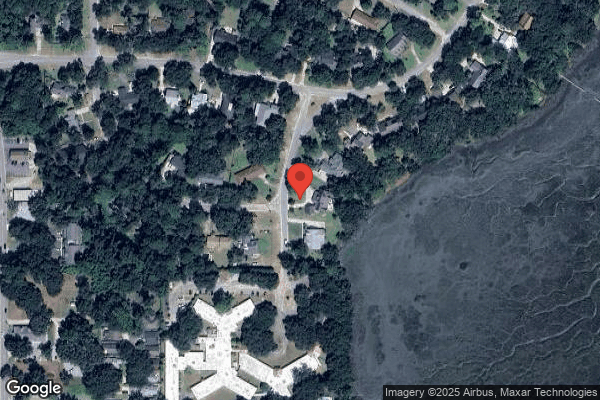
May 2021 1 deficiency
CONCERN (F)

Potential for Harm - no one hurt, but risky conditions existed

Food Safety (Tag F0812)

Could have caused harm · This affected most or all residents

Based on observation, interview, record review and review of the 2017 Food Code, the facility failed to store, prepare, and serve food under sanitary conditions for 133 out of 136 residents who receiv...

Read full inspector narrative →
Based on observation, interview, record review and review of the 2017 Food Code, the facility failed to store, prepare, and serve food under sanitary conditions for 133 out of 136 residents who received food prepared in the kitchen. Observations on 5/4/21 and 5/5/21 in the kitchen revealed cracked and peeling walls; air vents covered in dust and dirt; window cooler unit had cracked and missing seals; cracked caulking around the hand sink; holes in walls and ice build-up in the walk-in freezer. Findings include: A review of the 2017 Food Code revealed the following regulations: 6-101.11 Indoor Surface Characteristics (A) Except as specified in (B) of this section, materials for indoor floor, wall, ceiling for surfaces under conditions of normal use shall be: (1) Smooth, durable and easily cleanable for areas where food establishment operations are conducted. 6-501.11 Repairing Physical Facilities shall be maintained in good repair. Poor repair and maintenance compromises the functionality of the physical facilities. This requirement is intended to ensure that the physical facilities are properly maintained in order to serve their intended purpose. 6-501.14 Cleaning Ventilation Systems (A) Intake and exhaust air ducts shall be cleaned, and filters changed so they are not a source of contamination by dust, dirt, and other materials. The initial tour of the kitchen on 5/4/21 at 1:47 p.m. revealed the following: The large vent above the cook's prep area was covered in dust and dirt. The paint around the vent was cracked and peeling. The paint around two (2) small vents over the pot sink was cracked and peeling. The paint on the wall above the pot sink and pot storage rack was cracked and peeling. The wall above the reach-in freezer was cracked and the paint was peeling. There was frozen condensation buildup on the ceiling of the walk-in freezer and ice buildup around the door of the walk-in freezer. The caulking around the hand sink was cracked and discolored and pulling away from the wall leaving a gap. A follow-up inspection conducted on 5/5/21 at 11:50 a.m. revealed the following: The door into the dish room had paint missing in several areas, exposing the rusty metal door. The wall behind the door to the dining room had a chunk missing exposing the plaster interior. The wall in the cart storage area was broken, leaving a hole in the wall, exposing the plaster interior. The window unit cooler seal was broken and missing in several areas, the exposed area was black and unable to be cleaned properly. In an interview with the Dietary Manager (DM) on 5/5/21 at 11: 55 a.m. he/she stated that he/she saw the issues with the walls and other environmental concerns in the kitchen but couldn't fix them himself/herself. He/she stated it did make cleaning those areas difficult and knew they really couldn't clean the areas that were damaged. He /she stated that there were no work orders submitted for repairs. In an interview with the Administrator on 5/7/21 at 9:10 a.m. he/she stated that he/she had been with this facility for 14 months and knew they had lots of environmental challenges. He/she stated that they had on-going plans for repairs in the building in the different units. He/she produced a map showing what repairs had been completed and the on-going plans for repairs in the facility. However, the kitchen was not listed on the past plan or scheduled for repairs. The Administrator stated that they did develop a reporting plan for the kitchen staff to report needed repairs and implemented it on 5/6/21. Kitchen staff were in-serviced on the new logbook on 5/6/21. In an interview with the Maintenance Director on 5/7/21 at 12:35 pm., he/she stated that he/she in-serviced the kitchen staff about the use of the new maintenance log. Techs would monitor logs daily for repairs needed and they would plan accordingly for the repairs that would need to be done after the kitchen was closed. He/she stated that they had issues with the freezer and ice buildup off and on. He/she stated that he/she had done some repairs but had problems with the paint continuing to flake off. He/she stated that he/she would schedule the needed repairs in the kitchen.
Understanding Severity Codes (click to expand)
Life-Threatening (Immediate Jeopardy)
J - Isolated K - Pattern L - Widespread
Actual Harm
G - Isolated H - Pattern I - Widespread
Potential for Harm
D - Isolated E - Pattern F - Widespread
No Harm (Minor)
A - Isolated B - Pattern C - Widespread

Questions to Ask on Your Visit

  • "What changes have you made since the serious inspection findings?"
  • "Why is there high staff turnover? How do you retain staff?"
  • "Can I speak with families of current residents?"
  • "What's your RN coverage like on weekends and overnight?"

Our Honest Assessment

Strengths
  • • No fines on record. Clean compliance history, better than most South Carolina facilities.
Concerns
  • • Multiple safety concerns identified: 2 life-threatening violation(s), 2 harm violation(s). Review inspection reports carefully.
  • • 21 deficiencies on record, including 2 critical (life-threatening) violations. These warrant careful review before choosing this facility.
  • • Grade F (1/100). Below average facility with significant concerns.
  • • 60% turnover. Above average. Higher turnover means staff may not know residents' routines.
Bottom line: Trust Score of 1/100 indicates significant concerns. Thoroughly evaluate alternatives.

About This Facility

What is Resorts At Beaufort's CMS Rating?

CMS assigns Resorts at Beaufort an overall rating of 1 out of 5 stars, which is considered much below average nationally. Within South Carolina, this rating places the facility higher than 0% of the state's 100 nursing homes. A rating at this level reflects concerns identified through health inspections, staffing assessments, or quality measures that families should carefully consider.

How is Resorts At Beaufort Staffed?

CMS rates Resorts at Beaufort's staffing level at 3 out of 5 stars, which is average compared to other nursing homes. Staff turnover is 60%, which is 14 percentage points above the South Carolina average of 46%. High turnover can affect care consistency as new staff learn residents' individual needs.

What Have Inspectors Found at Resorts At Beaufort?

State health inspectors documented 21 deficiencies at Resorts at Beaufort during 2021 to 2025. These included: 2 Immediate Jeopardy (the most serious level, indicating potential for serious harm or death), 2 that caused actual resident harm, and 17 with potential for harm. Immediate Jeopardy findings are rare and represent the most serious regulatory concerns. They require immediate corrective action.

Who Owns and Operates Resorts At Beaufort?

Resorts at Beaufort is owned by a for-profit company. For-profit facilities operate as businesses with obligations to shareholders or private owners. The facility is operated by THE ROSENBERG FAMILY, a chain that manages multiple nursing homes. With 170 certified beds and approximately 115 residents (about 68% occupancy), it is a mid-sized facility located in Beaufort, South Carolina.

How Does Resorts At Beaufort Compare to Other South Carolina Nursing Homes?

Compared to the 100 nursing homes in South Carolina, Resorts at Beaufort's overall rating (1 stars) is below the state average of 2.8, staff turnover (60%) is significantly higher than the state average of 46%, and health inspection rating (1 stars) is much below the national benchmark.

What Should Families Ask When Visiting Resorts At Beaufort?

Based on this facility's data, families visiting should ask: "What changes have been made since the serious inspection findings, and how are you preventing similar issues?" "How do you ensure continuity of care given staff turnover, and what is your staff retention strategy?" "Can I visit during a mealtime to observe dining assistance and food quality?" "How do you handle medical emergencies, and what is your hospital transfer rate?" These questions are particularly relevant given the facility's Immediate Jeopardy citations and the facility's high staff turnover rate.

Is Resorts At Beaufort Safe?

Based on CMS inspection data, Resorts at Beaufort has documented safety concerns. Inspectors have issued 2 Immediate Jeopardy citations (the most serious violation level indicating risk of serious injury or death). The facility has a 1-star overall rating and ranks #100 of 100 nursing homes in South Carolina. Families considering this facility should ask detailed questions about what corrective actions have been taken since these incidents.

Do Nurses at Resorts At Beaufort Stick Around?

Staff turnover at Resorts at Beaufort is high. At 60%, the facility is 14 percentage points above the South Carolina average of 46%. High turnover means new staff may not know residents' individual needs, medications, or preferences. It can also be disorienting for residents, especially those with dementia who rely on familiar faces. Families should ask: What is causing the turnover? What retention programs are in place? How do you ensure care continuity during staff transitions?

Was Resorts At Beaufort Ever Fined?

Resorts at Beaufort has no federal fines on record. CMS issues fines when nursing homes fail to meet care standards or don't correct problems found during inspections. The absence of fines suggests the facility has either maintained compliance or corrected any issues before penalties were assessed. This is a positive indicator, though families should still review recent inspection reports for the full picture.

Is Resorts At Beaufort on Any Federal Watch List?

Resorts at Beaufort is not on any federal watch list. The most significant is the Special Focus Facility (SFF) program, which identifies the bottom 1% of nursing homes nationally based on persistent, serious quality problems. Not being on this list means the facility has avoided the pattern of deficiencies that triggers enhanced federal oversight. This is a positive indicator, though families should still review the facility's inspection history directly.