Bennettsville Health And Rehabilitation Center
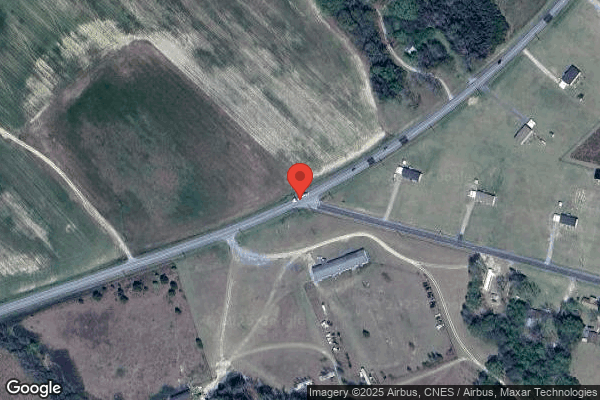
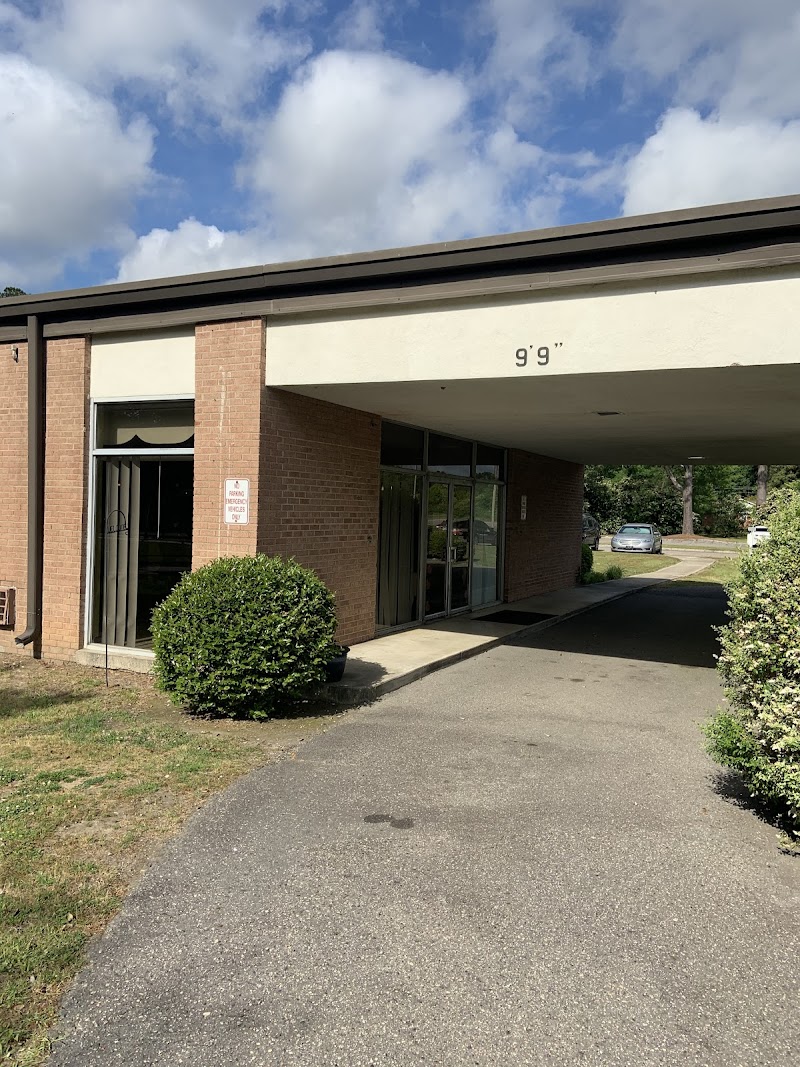
710 15-401 Bypass, West, Bennettsville, SC 29512 (843) 479-6251
For profit - Limited Liability company 110 Beds FUNDAMENTAL HEALTHCARE Data: November 2025 3 Immediate Jeopardy citations
Trust Grade
0/100
#143 of 186 in SC
Last Inspection: April 2025

Within standard 12-15 month inspection cycle. Federal law requires annual inspections.

Overview

Bennettsville Health and Rehabilitation Center has received a Trust Grade of F, indicating significant concerns about the facility's care and management. It ranks #143 out of 186 nursing homes in South Carolina, placing it in the bottom half of the state's facilities, but it is the only option in Marlboro County. Although the facility's trend is improving, having reduced issues from 5 in 2024 to 1 in 2025, it still faces ongoing problems, including critical incidents where proper care plans were not developed for residents, leading to severe consequences such as maggots developing in a wound. Staffing appears to be a relative strength here, with a turnover of only 32%, which is lower than the state average, but the overall staffing rating is still below average at 2 out of 5 stars. While the facility has incurred fines of $15,646, which is average, the care quality is concerning, particularly given the critical deficiencies found during inspections.

Trust Score
F
0/100
In South Carolina
#143/186
Bottom 24%
Safety Record
High Risk
Review needed
Inspections
Getting Better
5 → 1 violations
Staff Stability
○ Average
32% turnover. Near South Carolina's 48% average. Typical for the industry.
Penalties
✓ Good
$15,646 in fines. Lower than most South Carolina facilities. Relatively clean record.
Skilled Nurses
⚠ Watch
Each resident gets only 24 minutes of Registered Nurse (RN) attention daily — below average for South Carolina. Fewer RN minutes means fewer trained eyes watching for problems.
Violations
⚠ Watch
29 deficiencies on record. Higher than average. Multiple issues found across inspections.
★☆☆☆☆
1.0
Overall Rating
★★☆☆☆
2.0
Staff Levels
★☆☆☆☆
1.0
Care Quality
★★☆☆☆
2.0
Inspection Score
Stable
2024: 5 issues
2025: 1 issues

The Good

  • Full Sprinkler Coverage · Fire safety systems throughout facility
  • No fines on record
  • Staff turnover below average (32%)

    16 points below South Carolina average of 48%

Facility shows strength in fire safety.

The Bad

1-Star Overall Rating

Below South Carolina average (2.8)

Significant quality concerns identified by CMS

Staff Turnover: 32%

14pts below South Carolina avg (46%)

Typical for the industry

Federal Fines: $15,646

Below median ($33,413)

Minor penalties assessed

Chain: FUNDAMENTAL HEALTHCARE

Part of a multi-facility chain

Ask about local staffing decisions and management

The Ugly 29 deficiencies on record

3 life-threatening
Apr 2025 1 deficiency
CONCERN (E)

Potential for Harm - no one hurt, but risky conditions existed

Food Safety (Tag F0812)

Could have caused harm · This affected multiple residents

Based on review of facility observation, interview, and record review, the facility failed to store food and utensils properly, and to ensure residents ate their meals in a clean and sanitary manner. ...

Read full inspector narrative →
Based on review of facility observation, interview, and record review, the facility failed to store food and utensils properly, and to ensure residents ate their meals in a clean and sanitary manner. Specifically, the facility failed to maintain clean storage containers for ready-to-use serving utensils; failed to remove dented cans from food service for 1 of 1 kitchen; and failed to offer hand hygiene to residents during meal service for 1 of 2 dining rooms. Findings include: 1. Failure to maintain clean storage containers for ready-to-use serving utensils; and failure to remove dented cans from food service. Review of the facility's policy titled, NUTRITION POLICIES AND PROCEDURES revised 6/20/23, documented under the SAFE FOOD HANDLING and Food/Beverages Prepared and Served by Facility Staff for Patients or resident portion of the policy: .6. Food is served with clean, sanitized utensils. 7. The food preparation area and utensils used to prepare food are cleaned and sanitized prior to each use, using approved washing and sanitizing techniques. Review of the facility's policy titled, NUTRITION POLICIES AND PROCEDURES' revised 6/20/23, documented under the FOOD SAFETY IN RECEIVING AND STORAGE and Receiving Guidelinesportion of the policy: .5. Inspect food when it is delivered to the facility and prior to storage for signs of contamination. Food packages shall be in good condition to protect the integrity of the contents so that the food is not exposed to adulteration or potential contaminants. Examples of signs of contamination include: A. Cans with badly swollen sides or ends, flawed seals or seams, rust, dents, or leaks. On 04/08/25 at 6:50 AM, during an initial tour of the facility kitchen, ready-to-use serving spoons in various sizes were observed stored in translucent bowls, placed directly on a shelf, under a metal countertop next to the ice machine. The bowls were not in contact with the floor. The ready-to-use serving spoons were stored such that a combination of serving spoons of the same size were stored together. Specifically, several ready-to-use serving spoons of different measurements including two (2), three (3), four (4), six (6), and eight (8) ounce serving spoons were stored in separate translucent bowls as described above. The bowls were greasy to the touch, consistent with a buildup of oil, and had visible multi-colored (blackish, greenish, brownish, and yellowish) debris in sizes smaller than breadcrumbs stuck on the edges, surrounding areas, as well as the base of the storage bowls. In addition, an observation conducted in the dry storage room within the kitchen, revealed dented cans, including a can of Sysco Classic Chili Con Carne with Beans and Allens Baked Beans Seasoned with Bacon and [NAME] Sugar stored on the shelf ready to use. During an interview, on 04/08/25 at 6:59 AM, [NAME] 1 stated the serving spoons observed in the bowls were washed and ready to use. He/She observed the bowls and stated they were dirty and needed to be cleaned. [NAME] 1 added that the serving spoons stored in the bowls were possibly contaminated as well due to their direct contact with surfaces within the bowl and needed to be re-washed prior to use. However, [NAME] 1 was observed as he/she selected serving spoons of various sizes from the identified bowls, and without re-washing them, placed them into different breakfast menu items on the steam table. During an interview, on 04/08/25 at 7:15 AM, the Dietary Manager stated that all utensils should be stored in clean containers and that any utensil storage that appeared soiled, should be immediately addressed. The Dietary Manager stated the serving spoons should have been re-washed before use since the containers were visibly soiled. The Dietary Manager further stated dietary staff were trained in proper sanitation procedures, however, he/she clarified that the observed practice with [NAME] 1 warranted a need to provide better oversight and retraining. Regarding the dented cans, the Dietary Manager stated the facility's policy required that all dented cans be separated and returned to the vendor or discarded. The Dietary Manager stated that dented cans posed a food safety risk as the seal may be compromised, potentially allowing bacterial contamination. The Dietary Manager further stated that the identified dented cans should have been removed during inventory receipt and should not have been available for use on the basis that the practice represented a significant breakdown in the facility's kitchen sanitation protocols and food safety standards. During an interview, on 04/08/25 at 1:45 PM, the Director of Nursing stated, Food safety is essential to prevent foodborne illness, especially in our vulnerable population. The kitchen staff should follow proper sanitation procedures at all times, which includes proper utensil storage and removal of potentially unsafe food items, like dented cans. During an interview, on 04/08/25 at 2:31 PM, the Administrator stated the facility acknowledged the deficient practices and had started immediate re-education to dietary staff about the facility's expectations. 2. Failure to offer hand hygiene to residents during meal service. Review of the facility's policy titled INFECTION PREVENTION AND CONTROL POLICIES AND PROCEDURES, revised 05/15/23, documented under the SUBJECT portion of the policy, HAND HYGIENE/HANDWASHING: Hand Hygiene/Hand washing is the most important component for preventing the spread of infection. Maintaining clean hands is important for patients/residents/visitors as well as staff. During a dining observation on 04/09/25 at 12:39 PM, during the noon meal service. The observation focused on one annex of the facility's two (2) dining rooms. The observed dining room was accessible from a door directly across from the administrative staff's office. The observation revealed a group of nine (9) residents who sat at the dining table waiting to receive their meals. Eight (8) of the residents propelled themselves in wheelchairs, while one of the residents ambulated with a walker. The residents were settled at the dining table ready to be served their meals. At approximately 12:43 PM, facility staff started passing the residents' meal trays. The observation revealed that while the staff performed hand hygiene in between passing meal trays to the residents, none of the nine (9) residents was offered a hand hygiene opportunity. The residents had touched different surfaces, which included but not limited to, the wheels on the wheelchairs and other residents while waiting to be served. During an interview, on 04/09/25 at 1:03 PM, Licensed Practical Nurse (LPN)1 acknowledged that no residents were offered hand hygiene after having touched different surfaces, which failed to ensure the residents ate their meals with clean hands. LPN1 verified that there was no provision in the dining area for a hand hygiene opportunity for the residents. He/She stepped out of the dining room to retrieve an alcohol-based hand sanitizer, which was then used to sanitize the residents' hands after they had already started eating their meals. During an interview, on 04/09/25 at 1:11 PM, Nursing Assistant (NA)1 stated, We are supposed to offer residents hand hygiene before all meals. I didn't think about it this time because we were trying to get everyone served quickly. There should be hand sanitizer stations in each dining area, but ours was empty and nobody had replaced it. During an interview, on 04/09/25 at 1:17 PM, Certified Nursing Assistant (CNA)1 stated, I know we're supposed to help residents clean their hands before eating. It's something we discuss in our training, but sometimes during busy mealtimes it gets overlooked. CNA1 clarified that he/she did not offer hand hygiene to any of the residents that he/she served. During an interview, on 04/09/25 at 1:21 PM, CNA2 stated, Hand hygiene is important before meals, especially since many of our residents use their wheelchairs to get to the dining room and touch lots of surfaces. It's our responsibility to offer them a way to clean their hands before eating. Today, I had to assist a resident to the toilet and was not in the dining room when the tray service started initially hence the missed opportunity for hand hygiene with the residents. During an interview, on 04/09/25 at 2:38 PM, the Director of Nursing stated, Our policy requires that all residents be offered hand hygiene before meals. This is a basic infection control practice. Each dining area should have accessible hand hygiene supplies, and staff should be ensuring that every resident has an opportunity to clean their hands before eating. This represents a breakdown in our infection control practices that needs immediate correction.
Nov 2024 1 deficiency
CONCERN (D) 📢 Someone Reported This

A family member, employee, or ombudsman was alarmed enough to file a formal complaint

Potential for Harm - no one hurt, but risky conditions existed

Deficiency F0602 (Tag F0602)

Could have caused harm · This affected 1 resident

**NOTE- TERMS IN BRACKETS HAVE BEEN EDITED TO PROTECT CONFIDENTIALITY** Based on review of facility policy, interview, and record review, the facility failed to ensure Resident (R)1 and R2 were free f...

Read full inspector narrative →
**NOTE- TERMS IN BRACKETS HAVE BEEN EDITED TO PROTECT CONFIDENTIALITY** Based on review of facility policy, interview, and record review, the facility failed to ensure Resident (R)1 and R2 were free from misappropriation of a narcotic medication, for 2 of 2 residents. Findings include: Review of the undated facility policy titled, Abuse, Neglect, Exploitation, or Mistreatment documented, Misappropriation of resident property means the deliberate misplacement, exploitation, or wrongful, temporary, or permanent use of a resident's belongings or money without the resident's consent. Review of the facility policy titled, Controlled Substances with a revision date of 04/17/24, documented, All scheduled controlled medications removed from the storage for the purpose of administering doses to the resident will be entered onto the residents controlled drug receipt/record/disposition form. Additionally, the 8 rights for administering medication; #4. the right time, and Medications are administered no more than one hour before to one hour after the designated medication pass time. Review of R1's Facesheet revealed R1 was admitted to the facility on [DATE], with diagnoses that included but are not limited to: dementia, chronic pain, hypothyroid and atherosclerotic heart disease. Review of R1's Minimum Data Set (MDS) with an Assessment Reference Date (ARD) of 11/14/24, revealed R1 had a Brief Interview for Mental Status (BIMS) score of 5 out of 15, indicating severe cognitive impairment. Review of R1's Physician Orders revealed an order for hydrocodone/acetaminophen (narcotic pain medication) 10 milligrams (mg)/325 mgs, give 1 tablet 4 times a day, with a start date on 06/20/23. Review of R1's Medication Administration Record (MAR) dated 11/01/24 - 11/13/24, recorded R1's hydrocodone/acetaminophen is ordered to give at 12:00 AM, 6:00 AM, 12:00 PM and 6:00 PM. Review of R1's Controlled Drug Receipt/Record/Disposition Form for hydrocodone/acetaminophen 10/325 (generic for Norco) revealed on 11/09/24 at 6:00 PM, Licensed Practical Nurse (LPN)1 signed the Norco medication from the narcotic box. There was an additional signature also dated 11/09/24 at 6:00 PM, by Registered Nurse (RN)1, that signed out the medication Norco for R1 from the narcotic box. Review of R2's Facesheet revealed R2 was admitted to the facility on [DATE], with diagnoses that include but are not limited to: unspecified dementia, pain unspecified, Type 2 diabetes mellitus, hypertention and anemia. Review of R2's MDS with an ARD of 09/07/24, revealed R2 had a BIMS score of 14 out of 15, indicating R2 was cognitively intact. Review of R2's Physician Orders revealed an order for hydrocodone/acetaminophen 5mg/325mg, take 1 tablet twice a day for pain with a start date of 02/24/24. Review of R2's MAR dated 11/01/24 - 11/13/24, revealed hydrocodone/acetaminophen is ordered to give at 8:00 AM and 8:00 PM. Review of R2's Controlled Drug Receipt/Record/Disposition Form for hydrocodone/acetaminophen 5/325 (generic for Norco) revealed LPN1 recorded an incorrect date for 11/09/24. LPN1 signed the norco on 11/08/24 at 8:00 AM and 8:00 PM, although the previous date was also 11/08/24, which is consistent with the dates previously recorded in sequence of the dates the norco was ordered for. On 11/09/24 at 9:00 PM the norco was again signed as removed from the narcotic box by LPN2. Review of Drug Enforcement Administration (DEA) form 106, Report of Theft or Loss of Controlled Substances signed on 11/15/24 by the Director of Nurses (DON), to report 2 narcotic medications. Further review of this record revealed it reported 2 hydrocodone/acetaminophen, one a 10/325 mg replaced with a white oblong tablet scored with imprint M367 was replaced with oblong white tablet unscored and imprinted E. Additionally, 5/325 mg tablet replaced with a white oblong tablet scored with imprint M365 was replaced with oblong white tablet unscored and imprinted E. Review of a statement written by Registered Nurse (RN)1 revealed he was the assigned nurse on 11/09/24, 400 hall, from 2:00 PM until 7:00 PM. RN1 reported the narcotic count was correct when he counted the narcotics with LPN1, before she left. RN1 further stated, discovered a basket with pre-pulled medications with residents name in the medication cart. I informed the DON that these medications were prepulled and they were locked up in the DON office as directed. I was unaware that these prepulled medications were narcotics. Review of a statement dated 11/09/24, signed by Licensed Practical Nurse (LPN)2, revealed, When counting the narcotics prior to [RN1] leaving, the count was correct. I pulled all my medications for all residents as ordered, including narcotics. I was unaware of any prepulled medication of any kind. I did notice that the narcotic medication I was scheduled to administer was signed out by [LPN1] with the correct medication times, even though she was not present in the facility at any time during my shift. During an observation and interview on 11/20/2024 at 11:36 AM, R1 was up in a wheelchair and had no complaints of pain and showed no physical signs of pain. During an observation and interview on 11/20/2024 at 11:45 AM , R2 was laying in bed and had no complaints of pain and showed no physical signs of pain. During an interview on 11/20/24 at 2:23 PM, LPN3 stated, I worked with [LPN1] on that date 11/09/24. Around 11 AM -12 PM, I noticed she was standing at the 400 cart. She was kind of swaying back and forth. Her eyes were closed. She appeared to be falling asleep. She looked wild eyed when she was awake with her eyes open. I notified my supervisor and DON. The on-call supervisor was [RN1]. He was on call that day. Somebody asked me, What's wrong with her? I can't remember who that was. Between 12-12:30 PM I notified them (supervisor and DON). It was about 20-30 minutes before they came in. They took [LPN1] privately off to speak to her. She left soon thereafter. She counted off with [RN1]. During an interview on 11/20/24 at 3:14 PM, LPN1 stated, I worked that Saturday 11/09/24 and was scheduled to work 16 hours that day. My DON came in around 2-3 PM. She said someone had reported I was inebriated or something. I clocked out around 3 PM. Pre-pouring meds is normal if you are working that kind of schedule. The DON called a few days later to say she found pre-pulled meds and she also said 2 Norco's were replaced with Excedrin. I don't know where the Excedrin came from. I did pre-pour narcotics that were ordered along with the evening medications. During an interview on 11/20/24 at 3:25 PM, the DON stated, I sent [LPN1] home because of a call I got earlier from the nurse who works on the 500 unit. She reported something was wrong with [LPN1]. [LPN1] was scheduled to work 16 hours and [RN1] took over until 7:00 PM and [LPN2] took the cart after [RN1] left. It was not until Tuesday that I looked at those meds. When he went to do med pass, there was a basket of medications he found in the cart. [RN1] called me between 3:30 PM - 4:00 PM. I left around 2-2:30 PM. When he called me, he only said their were pre-pulled meds, no mention of narcotics. I didn't know there were narcotics at that time. When [RN1] left that day at 7:00 PM, he only signed out [R1's] Norco. He didn't realize [LPN1] had signed out for the med earlier, for the same time. It was [LPN2] who came in afterward to relieve [RN1]. She called me about 8 PM or so to tell me the narcotics she was scheduled to give were already signed out by [LPN1]. When I reviewed the meds, the Nurse Practitioner was with me. She was able to use her drug identifier to identify the medication, that the Norco was not a Norco but an Excedrin. During an interview on 11/20/24 at 5:27 PM, the Administrator stated, The employee was terminated. She pulled pills and narcotics too early. With the Excedrin replacing the narcotic, she was the obvious person, the only one with the narcotic keys.
Mar 2024 3 deficiencies 3 IJ
CRITICAL (J) 📢 Someone Reported This

A family member, employee, or ombudsman was alarmed enough to file a formal complaint

Immediate Jeopardy (IJ) - the most serious Medicare violation

Comprehensive Care Plan (Tag F0656)

Someone could have died · This affected 1 resident

**NOTE- TERMS IN BRACKETS HAVE BEEN EDITED TO PROTECT CONFIDENTIALITY** Based on review of facility policy, record review, and interview, the facility failed to develop a care plan for 2 of 3 resident...

Read full inspector narrative →
**NOTE- TERMS IN BRACKETS HAVE BEEN EDITED TO PROTECT CONFIDENTIALITY** Based on review of facility policy, record review, and interview, the facility failed to develop a care plan for 2 of 3 residents, Resident (R)1, R2. Specifically, there were no care plan giving staff instructions on providing care to R1 and R2. R1 was sent to the local hospital concerning wounds and R2 developed maggots in a wound. On 3/12/24 at 4:35 PM, the Administrator and Director of Nursing (DON) were notified that the failure to develop a comprehensive care plan for R2 regarding wound care of the left foot constituted IJ at F656. On 03/13/24 at approximately 4:55 PM, the survey team provided the Administrator with a copy of the CMS Immediate Jeopardy (IJ) Template and informed the facility IJ existed as of 08/04/23. The IJ was related to 42 CFR 483.21 - Comprehensive Resident Centered Care Plan. On 3/13/24 at approximately 4:45 PM, the facility provided an acceptable IJ Removal Plan for F656. On 3/14/24 at 11:00 AM the survey team validated the facility's corrective actions and removed the IJ. The facility remained out of compliance at F656 at a lower scope and severity of D. Findings include: Review of the facility policy dated 05/05/23 titled Care Plan Process, Person Centered-Care revealed, Policy: The facility will develop and implement a baseline and comprehensive care plan for each resident that includes the instructions needed to provide effective and person-centered care of the resident . Procedures: 3.develop and implement a comprehensive person-centered care plan that includes measurable objectives and timeframes to meet a resident's medical, nursing, and mental psychosocial needs . 11. The person-centered care plan includes: A. Date B. Problem C. Resident goals for admission and desired outcomes . E. Interventions, discipline specific services, and frequency . Review of R1's Face Sheet revealed R1 was admitted to the facility on [DATE] with diagnoses including but not limited to: second degree burn left foot, Stage 4 Chronic Kidney Disease, unstageable pressure ulcers on the left and right feet that developed into stage 4 pressure ulcers, and a stage 4 pressure ulcer on the left buttock/sacrum area. Further review of the Face Sheet reveled R1 was discharged to the hospital on [DATE]. Review of R1's admission Minimum Data Set (MDS) with an Assessment Reference Date (ARD) of 12/27/23 revealed R2 had a Brief Interview of Mental Status score of 5 out of 15, indicating R1 was severely cognitively impaired. Further review of the MDS revealed under section M, 1 unstageable and a foot wound (burn), resident had 2 unstageable DTI's at the time the MDS assessment was completed. Review of R1's Physician Orders revealed the following active orders, Air mattress to bed for pressure reduction. Clean area to left buttock with dwc apply santyl cover with calcium alginate and secure with optifoam dressing once daily and prn until resolved. Geo mattress to bed for pressure reduction. Pressure reduction cushion to chair when out of bed. Elevate/Float Heels while in bed. Apply betadine to right heel pad with gauze and wrap with kerlix once daily. Apply skin prep to area to left inner ankle once daily. Apply skin prep to top of left foot once daily for protection. Elevate/Float Heels while in bed. Review of R1's Baseline Care Plan dated 12/06/23 and edited on 12/14/23, revealed the Baseline Care Plan wasn't complete and R1's wounds/ulcers were not addressed. Review of R1's Care Plan dated 12/28/23, revealed, Problem: Pressure Ulcer Risk for Injury r/t abnormalities of mobility. Further review of the care plan revealed, no care plan or interventions for providing care/treatment to any of R1's wounds/ulcers. Review of R1's Progress Note dated 03/01/24 at 5:29 PM, documented, Resident's family in house at bedside states resident's wound has a foul smelling odor, and request resident be sent to ER for further evaluation. Resident sent to [local hospital] per family request. Review of R2's Face Sheet revealed R2 was admitted to the facility on [DATE], with diagnoses including but not limited to: amputation of great toe. Review of R2's admission MDS with an ARD of 07/26/23 revealed R2's BIMS score of 15 out 15 indicating R2 was cognitively intact. Further review of the MDS under section M revealed, 2 unstagable DTI PU upon admission. Review of R2's Physician Orders dated 08/04/23, revealed the following order, Clean surgical site to left great toe with DWC apply non adherent dressing pad with gauze wrap loosely with kerlix and then apply ace wrap once daily and PRN. Clean surgical site to right great toe with DWC apply non adherent dressing cover with bordered gauze daily and PRN. Review of R2's Care Plan revealed no care plan to provide care/services, for R2's amputation. Review of R2's Progress Notes revealed R2 was discharged on 09/11/23 to the doctor's office and was directly admitted to the hospital. R2 did not return to the facility. Review of R2's Progress Notes dated 08/22/23 at 2:51 PM revealed, Resident return from [local orthorpedic] md states wound care nurse to address both l/r great toe amputation sites needs heels protectors l heel. wound care nurse made aware bilateral heels floated. copy of consultation given to wound nurse. Review of R2's Progress Notes dated 09/11/23 at 10:30 AM revealed, Nurse went in room to do drsg changes. started on left foot when i took the drsg off maggots was on resident wound bed. odor noted vs 97.9 57 128/60 r 18 spoke with [physician] states to get resident to [NAME] ortho asap drsg placed on left foot and bhrc transport took resident to [NAME] ortho . During an interview on 03/12/24 at 12:30 PM, the Minimum Data Set (MDS) Nurse stated, Our system turned over on 06/01/23 when we were bought by a new company. We had to manually input all of our care plans and they hired other nurses to help. They completed them remotely, but we got delayed. There were multiple residents that discharged before we had a change to get to the care plans. I never had a chance to see [R2]. I didn't go back to see who didn't have a care plan because I just haven't had the time. We hired another person here part time, but she quit. During an interview on 03/12/24 at 3:00 PM, the Administrator stated, I knew MDS was still catching up on the care plans. The computers changed last year on June 1, we were taken over by a new company. I didn't realize [R2] was affected by that turnover process and didn't have the care plans in place. During an interview on 03/13/24 at 11:45 AM, MDS Nurse revealed, [R1] had 3 stage 4 pressure ulcers when I completed his Discharge Minimum Data Set (MDS) on 03/01/24. I didn't know he had those wounds. He had a stage 4 on each heel and a stage 4 on his left buttock/sacrum. Two of those he acquired here. I reviewed his care plan and he does not have a care plan addressing any of those pressure ulcers. The MDS Nurse further stated, The wounds were not communicated to me. I went to the Administrator and told her I wasn't getting the information on the wounds. Since then, we now discuss all new wounds and healed wounds in the morning meeting. During an interview on 03/13/24 at 12:20 PM, the Wound Nurse stated, [R1] had 3 stage 4 pressure ulcers, to his sacral area and both heels. When he first admitted , he had a burn to his left foot and a dry area on the back of his left foot. Then when returned after the fall with fracture, he had an unstageable to his left foot. He then acquired new pressure ulcers on the right heel and left buttock that developed into stage 4 pressure ulcers. We had wound care see him and his family knew about the wounds. I do not complete the care plans for wounds, so I don't know why he didn't have care plans on those areas. During an interview on 03/13/24 at 12:32 PM, the Director of Nurses (DON) stated, [R1] should have care plans addressing each of his wounds. I do not see a care plan for them, only a risk for pressure ulcer care plan. We discuss them now every morning in the morning meeting after reviewing all the notes from the previous day or from the weekend, it was hit or miss before, but now it's daily. On 03/13/24 at approximately 4:45 PM, the facility presented a removal plan, which included the following: Resident 1 and Resident 2 identified no longer resides in the facility. A audit was completed to validate comprehensive care plans have been developed and implemented on residents with wounds by the Director of Nursing and Nurse Assessment Coordinator on 3/13/24. Care plans for the identified residents with wounds were updated on 3/13/24 by the Nurse Assessment Coordinator. The Administrator will reeducate the Interdisciplinary Team (IDT) on comprehensive care plan on 3/13/24 to include: Updating or developing comprehensive care plans when the resident the resident's clinical status or change in condition dictates the need. Development of comprehensive care plans no more than 21 days after admission. Any member of the Interdisciplinary Team not receiving this reeducation on 3/13/24 will receive prior to their next scheduled shift. The Director of Nursing will review comprehensive care plans for residents with wounds weekly to validate accuracy and completion. The Director of Nursing will review comprehensive care plans weekly following the Minimum Data Set quarterly assessments to validate completion and accuracy. The Medical Director was notified of the Immediate Jeopardy on 3/13/24. An Ad Hoc Quality Assurance and Performance Improvement Meeting was held on 3/13/24.
CRITICAL (J) 📢 Someone Reported This

A family member, employee, or ombudsman was alarmed enough to file a formal complaint

Immediate Jeopardy (IJ) - the most serious Medicare violation

Quality of Care (Tag F0684)

Someone could have died · This affected 1 resident

**NOTE- TERMS IN BRACKETS HAVE BEEN EDITED TO PROTECT CONFIDENTIALITY** Based on review of the facility policy, record review, and interview, the facility failed to ensure wound care was completed on ...

Read full inspector narrative →
**NOTE- TERMS IN BRACKETS HAVE BEEN EDITED TO PROTECT CONFIDENTIALITY** Based on review of the facility policy, record review, and interview, the facility failed to ensure wound care was completed on days when Resident (R)2 went out to dialysis, subsequently R2 developed maggots in the wound of her left foot, for 1 of 2 residents reviewed for foot care. On 3/12/24 at 4:35 PM, the Administrator and the Director of Nursing (DON) were notified that the failure to follow physicians orders to ensure wound care was completed on days when Resident (R)2 went out to dialysis, constituted Immediate Jeopardy (IJ) at F687. Furthermore, the Administrator and DON were notified that the failure to develop a comprehensive care plan for R2 regarding wound care of the left foot constituted IJ at F656. On 3/12/24 at approximately 4:45 PM, the survey team provided the Administrator with a copy of the CMS Immediate Jeopardy (IJ) Template and informed the facility IJ existed as of 08/04/23. The IJ was related to 42 CFR 483.25 - Quality of Care. On 3/13/24 at approximately 11:59 AM, the facility provided an acceptable IJ Removal Plan for F687. On 03/13/24 at 1:00 PM, the survey team validated the facility's corrective actions and removed the IJ. The facility remained out of compliance at F687 at a lower scope and severity of D. An extended survey was conducted in conjunction with the Complaint Survey for non-compliance at F687 constituting substandard quality of care. Findings include: Review of the facility policy revised on 05/05/23, titled Physician Orders, states, Procedures: 3. Upon admission, the facility has physician orders for the resident's immediate care to include but not limited to: C. Routine Care orders to maintain or improve the resident's functional abilities . Review of R2's Face Sheet revealed R2 was admitted to the facility on [DATE], with diagnoses including but not limited to: amputation of great toe. Review of R2's Care Plan revealed no care plan related to care/treatment of R2's amputation. Review of R2's Wound Note dated 07/20/23, documented, Resident with surgical wound to right great toe from amputation. Resident stated amputation was performed approximately a month ago and she has not f/u with MD who performed operation. Facility will reach out to [physician] for f/u. Sutures are still intact with 10 visible sutures. There is an area that has some seropurulent drainage present with small open area measuring 0.8x0.2cm. Area cleaned with calcium alg. with silver applied to open area. MD and RR aware. Review of R2's Progress Notes dated 09/11/23, revealed, Maggots was on [R2] wound bed, odor noted. Review of R2's Progress Notes dated 09/11/23, revealed R2 was discharged to the doctor's office and was directly admitted to the hospital. R2 did not return to the facility. Review of R2's Physician Order dated 08/04/23, revealed an order to clean surgical site to left great toe with Dermal Wound Care (DWC) apply non adherent dressing pad with gauze, wrap loosely with kerlix and then apply ace wrap once daily and as needed (PRN). Review of R2's Treatment Administration Record (TAR) revealed missing signatures for the following days, 08/09/23, 08/18/23 and 08/30/23, indicating the treatment was not completed as R2 was at dialysis or not available. During an interview on 03/12/24 at 12:13 PM, the Director of Nurses (DON) stated, [signatures on the TAR] indicate that the nurse did not complete the dressing changes for [R2], but she has PRN orders so the nurses should have completed the dressing changes sometime later and would have given a report to the on-coming nurses that the dressings needed to be changed. [R2] received dialysis on Monday,Wednesday and Friday. The DON further stated, [R2] had maggots in her wound. We have never had maggots in a wound before, nor have we since seen maggots. She was sent to the doctor and then went to the hospital. She did not return. During an interview on 03/12/24 at 1:43 PM, Licensed Practical Nurse (LPN)1 stated, The odor was very foul, so I removed the dressing on [R2] left foot to look. I saw little white insects, I thought my eyes were deceiving me. They were falling out of her wound. I went and got my Administrator. She came immediately and said they were maggots, but they were tiny. It scared me, I had never seen them before. We cleaned the wound and called her doctor. [R2] was sent to her orthopedic physician and from there, he admitted her to the hospital. During an interview on 03/12/24 at 12:13 PM, the Administrator confirmed there were maggots in R2's left foot wound. The Administrator stated, [LPN1] came to me early that morning and told me to come see the wound. I saw the maggots in her wound. We cleaned it really well and applied the dressing. [LPN1] called her orthopedic doctor and she was sent out that day. He direct admitted her to the hospital. During an interview on 03/12/24 at 1:57 PM, the Wound Nurse stated, I have never seen maggots in a wound. I was not here that day they found them, I had requested that day off. On 03/12/24 at approximately 7:30 PM, the facility submitted a removal plan, which included the following: License Nurses that were working on 9/11/23 at the time maggots were found, were educated and on how maggots form, and that it takes 5-7 days for them to appear after a fly has lit on would and laid eggs. they were able to visualize what the maggots look like when they first hatch. This education was completed by the administrator. License Nurses staff completed ordered treatments for all other wounds in the facility on this date, September 11, 2023, and there were no other maggots present. Resident identified no longer resides in the facility, and has not since 09/11/23. Residents with wound care orders have the potential to be affected by the alleged deficit practice. An audit of residents with wound care orders will be completed by the Director of Nursing on 3/12/24 validating treatments are completed as ordered. There were no missing treatments identified. Licensed Nurses will be reeducated by the Director of Nursing on 3/12/24 on following physician orders including: - Wound care orders - When a resident is out of the facility and wound care is not completed as ordered, it should be completed upon the residents return - Documentation will reflect explanation to why wound care was not completed at time ordered and when it is completed upon residents return Any licensed nurse not receiving this education by this date will received prior to their next scheduled shift. This will be presented in New Hire orientation. Director of Nursing will validate daily in clinical morning meeting treatment for wound care is completed as ordered. Areas of concern will be addressed upon discovery. Medical Director was notified of this Immediate Jeopardy on 3/12/24. An Ad Hoc QAPI will be held on 3/12/24. AOC 3/12/24
CRITICAL (J) 📢 Someone Reported This

A family member, employee, or ombudsman was alarmed enough to file a formal complaint

Immediate Jeopardy (IJ) - the most serious Medicare violation

Deficiency F0687 (Tag F0687)

Someone could have died · This affected 1 resident

**NOTE- TERMS IN BRACKETS HAVE BEEN EDITED TO PROTECT CONFIDENTIALITY** Based on review of the facility policy, record review, and interview, the facility failed to ensure wound care was completed on ...

Read full inspector narrative →
**NOTE- TERMS IN BRACKETS HAVE BEEN EDITED TO PROTECT CONFIDENTIALITY** Based on review of the facility policy, record review, and interview, the facility failed to ensure wound care was completed on days when Resident (R)2 went out to dialysis, subsequently R2 developed maggots in the wound of her left foot, for 1 of 2 residents reviewed for foot care. On 3/12/24 at 4:35 PM, the Administrator and the Director of Nursing (DON) were notified that the failure to follow physicians orders to ensure wound care was completed on days when Resident (R)2 went out to dialysis, constituted Immediate Jeopardy (IJ) at F687. Furthermore, the Administrator and DON were notified that the failure to develop a comprehensive care plan for R2 regarding wound care of the left foot constituted IJ at F656. On 3/12/24 at approximately 4:45 PM, the survey team provided the Administrator with a copy of the CMS Immediate Jeopardy (IJ) Template and informed the facility IJ existed as of 08/04/23. The IJ was related to 42 CFR 483.25 - Quality of Care. On 3/13/24 at approximately 11:59 AM, the facility provided an acceptable IJ Removal Plan for F687. On 03/13/24 at 1:00 PM, the survey team validated the facility's corrective actions and removed the IJ. The facility remained out of compliance at F687 at a lower scope and severity of D. An extended survey was conducted in conjunction with the Complaint Survey for non-compliance at F687 constituting substandard quality of care. Findings include: Review of the facility policy revised on 05/05/23, titled Physician Orders, states, Procedures: 3. Upon admission, the facility has physician orders for the resident's immediate care to include but not limited to: C. Routine Care orders to maintain or improve the resident's functional abilities . Review of R2's Face Sheet revealed R2 was admitted to the facility on [DATE], with diagnoses including but not limited to: amputation of great toe. Review of R2's Care Plan revealed no care plan related to care/treatment of R2's amputation. Review of R2's Wound Note dated 07/20/23, documented, Resident with surgical wound to right great toe from amputation. Resident stated amputation was performed approximately a month ago and she has not f/u with MD who performed operation. Facility will reach out to [physician] for f/u. Sutures are still intact with 10 visible sutures. There is an area that has some seropurulent drainage present with small open area measuring 0.8x0.2cm. Area cleaned with calcium alg. with silver applied to open area. MD and RR aware. Review of R2's Progress Notes dated 09/11/23, revealed, Maggots was on [R2] wound bed, odor noted. Review of R2's Progress Notes dated 09/11/23, revealed R2 was discharged to the doctor's office and was directly admitted to the hospital. R2 did not return to the facility. Review of R2's Physician Order dated 08/04/23, revealed an order to clean surgical site to left great toe with Dermal Wound Care (DWC) apply non adherent dressing pad with gauze, wrap loosely with kerlix and then apply ace wrap once daily and as needed (PRN). Review of R2's Treatment Administration Record (TAR) revealed missing signatures for the following days, 08/09/23, 08/18/23 and 08/30/23, indicating the treatment was not completed as R2 was at dialysis or not available. During an interview on 03/12/24 at 12:13 PM, the Director of Nurses (DON) stated, [signatures on the TAR] indicate that the nurse did not complete the dressing changes for [R2], but she has PRN orders so the nurses should have completed the dressing changes sometime later and would have given a report to the on-coming nurses that the dressings needed to be changed. [R2] received dialysis on Monday,Wednesday and Friday. The DON further stated, [R2] had maggots in her wound. We have never had maggots in a wound before, nor have we since seen maggots. She was sent to the doctor and then went to the hospital. She did not return. During an interview on 03/12/24 at 1:43 PM, Licensed Practical Nurse (LPN)1 stated, The odor was very foul, so I removed the dressing on [R2] left foot to look. I saw little white insects, I thought my eyes were deceiving me. They were falling out of her wound. I went and got my Administrator. She came immediately and said they were maggots, but they were tiny. It scared me, I had never seen them before. We cleaned the wound and called her doctor. [R2] was sent to her orthopedic physician and from there, he admitted her to the hospital. During an interview on 03/12/24 at 12:13 PM, the Administrator confirmed there were maggots in R2's left foot wound. The Administrator stated, [LPN1] came to me early that morning and told me to come see the wound. I saw the maggots in her wound. We cleaned it really well and applied the dressing. [LPN1] called her orthopedic doctor and she was sent out that day. He direct admitted her to the hospital. During an interview on 03/12/24 at 1:57 PM, the Wound Nurse stated, I have never seen maggots in a wound. I was not here that day they found them, I had requested that day off. On 03/12/24 at approximately 7:30 PM, the facility submitted a removal plan, which included the following: License Nurses that were working on 9/11/23 at the time maggots were found, were educated and on how maggots form, and that it takes 5-7 days for them to appear after a fly has lit on would and laid eggs. they were able to visualize what the maggots look like when they first hatch. This education was completed by the administrator. License Nurses staff completed ordered treatments for all other wounds in the facility on this date, September 11, 2023, and there were no other maggots present. Resident identified no longer resides in the facility, and has not since 09/11/23. Residents with wound care orders have the potential to be affected by the alleged deficit practice. An audit of residents with wound care orders will be completed by the Director of Nursing on 3/12/24 validating treatments are completed as ordered. There were no missing treatments identified. Licensed Nurses will be reeducated by the Director of Nursing on 3/12/24 on following physician orders including: - Wound care orders - When a resident is out of the facility and wound care is not completed as ordered, it should be completed upon the residents return - Documentation will reflect explanation to why wound care was not completed at time ordered and when it is completed upon residents return Any licensed nurse not receiving this education by this date will received prior to their next scheduled shift. This will be presented in New Hire orientation. Director of Nursing will validate daily in clinical morning meeting treatment for wound care is completed as ordered. Areas of concern will be addressed upon discovery. Medical Director was notified of this Immediate Jeopardy on 3/12/24. An Ad Hoc QAPI will be held on 3/12/24. AOC 3/12/24
Jan 2024 1 deficiency
CONCERN (D) 📢 Someone Reported This

A family member, employee, or ombudsman was alarmed enough to file a formal complaint

Potential for Harm - no one hurt, but risky conditions existed

Free from Abuse/Neglect (Tag F0600)

Could have caused harm · This affected 1 resident

**NOTE- TERMS IN BRACKETS HAVE BEEN EDITED TO PROTECT CONFIDENTIALITY** Based on review of the facility policy, record review, and interviews, the facility failed to protect 1 Resident (R)1 out of 1 r...

Read full inspector narrative →
**NOTE- TERMS IN BRACKETS HAVE BEEN EDITED TO PROTECT CONFIDENTIALITY** Based on review of the facility policy, record review, and interviews, the facility failed to protect 1 Resident (R)1 out of 1 resident reviewed from verbal abuse by Certified Nursing Assistant (CNA)1. Findings include: Review of the facility's policy titled, Abuse, Neglect, Exploitation or Mistreatment undated indicated: Abuse is the willful infliction of injury, unreasonable confinement, intimidation, or punishment with resulting physical harm, pain or mental anguish. R1 was admitted to the facility on [DATE] with diagnoses including but not limited to, dementia, depression, anxiety, heart failure and chronic obstructive pulmonary disease. Review of R1's quarterly Minimum Data Set (MDS) with an Assessment Reference Date (ARD) of 11/17/23 revealed R1 has a Brief Interview of Mental Status (BIMS) score of 12 out of 15, indicating R1 is cognitively intact. An observation of R1 on 01/25/23 at 1:52 PM revealed her sitting in her wheelchair, watching TV in her room. In an interview on 01/25/24 at 1:52 PM, R1 revealed she had asked CNA1 a question and she stated the CNA replied, What the F___you doing tending to her business and to stay the F___ out of her business. In an interview on 01/25/24 at 12:38 PM, Social Services Director revealed she was sitting in the office, and Human Resources came in. She stated she looked like she was upset and told her she heard CNA1 cursing at a resident. I told her to report it to the Unit Manager, and she left and made a report. After HR left, I went to check on R1 and R1 stated she was fine, but her feelings were hurt from what CNA1 said to her. In an interview on 01/25/24 at 12:46 PM, HR revealed she was coming from 200 hall to the time clock. She observed R1 at door and stated she needed help, and called out to CNA1. When CNA1 approached R1, CNA1 started cursing, and went to another room and didn't proceed to help R1. She stated she went to Social Services to report the incident. In an interview on 01/25/24 at 2:11 PM, CNA1 revealed she was working a 12-hour shift and had been switched from another hall. She stated she was in the middle of feeding another resident and she told R1 she would take her out to smoke when she had the time. She stated while she was sitting at the desk filling out notes, R1 was screaming at her. She stated, she only said to R1 Can you please mind your business? She stated she did not say what they said, she said. She stated she said something to the other staff member, but she didn't curse at R1. She stated she was terminated after her shift. In an interview on 01/25/24 at 2:31 PM, the Administrator revealed her expectations of staff when dealing with stressful situations is to walk away and ask for assistance. She stated HR reported accordingly and because of the profanity spoken by staff in the presence of other staff and R1, the CNA1 was terminated and the abuse was substantiated.
Aug 2023 1 deficiency
CONCERN (D) 📢 Someone Reported This

A family member, employee, or ombudsman was alarmed enough to file a formal complaint

Potential for Harm - no one hurt, but risky conditions existed

Deficiency F0761 (Tag F0761)

Could have caused harm · This affected 1 resident

Based on review of facility policies and interviews, the facility failed to ensure a resident's medication was properly accounted for during each shift. Failure to provide accurate count of medication...

Read full inspector narrative →
Based on review of facility policies and interviews, the facility failed to ensure a resident's medication was properly accounted for during each shift. Failure to provide accurate count of medication as it is properly stored in a narcotic box resulted in the medication to not be located in the facility. Specifically, not adhering to the company's policy increased the opportunity for medication diversion. Findings include: Review of the facility policy titled, Controlled Substances, Section 2.5 Receipt of Controlled Substances with a complete revision date of 04/01/22 states, The facility shall ensure the security of Controlled Substances and follow State and Federal record-keeping requirements for accountability of controlled substances. Section 2.6 Storage and Reconciliation of Controlled Substances states, The facility will systems in place to ensure the safe and secure storage of Controlled Substance Medications. 4. A scheduled reconciliation of controlled substance inventory should be completed at every nursing shift change and documented as required by state regulations. A. At the end of every shift the nurse/authorized staff member reporting on duty and the nurse/authorized staff member reporting off duty meet at the designated medication cart or storage area to count all Controlled Substance drugs. An interview on 08/29/23 at 12:20 PM with the Director of Nursing (DON) revealed that she received a call from the facility that a card of narcotics was missing, and the Administrator notified her that they were starting an investigation. The medication was revealed to have gone missing between the dates of 07/20/23 and 07/23/23. She revealed the resident was out of the facility for greater than ten days, at the hospital, and he was then discharged . His medications should have then been removed from the cart. When the resident returned, an electronic prescription was sent to be filled but the pharmacy stated they had already filled the prescription. She explains they attempted to determine who signed for the medication, but the medication sheet was missing from the narcotic book as well. The DON stated, The sheet was gone, and the pills were gone. They completed an investigation and narrowed it down to three nurses, but they were not able to determine who could have potentially misappropriated the medication. An interview on 08/29/23 at 1:04 PM with the Administrator revealed, that she doesn't like to see medication missing and that was the first time a whole sheet had been missing. She concluded that one of the staff members removed it as if they were taking it to turn in, but didn't. She stated she doesn't expect to have any medication diversion, there were three nurses and there was no way to narrow down from those three and there could have been no one else. The Administrator revealed that her expectations are to not tolerate drug diversion and as soon as a resident is discharged , all narcotics should be turned into the DON or the Administrator. During a followup interview on 08/29/23 at 1:28 PM, the Administrator further revealed that the medications should have been turned in by July 17, 2023, by the nursing staff, according to their policy. This would have stopped the opportunities from staff and prevention of diversion of narcotics. An interview on 08/29/23 at 1:11 PM with Licensed Practical Nurse (LPN)1 revealed she worked the weekend shift and Friday and Saturday she didn't notice any medication missing. On that Sunday morning, she and the night shift nurse were counting medications and realized they didn't put the cards back in the right way and that is what prompted her to check the medications with the other nurse. They were using the narcotic log to double check the medications and don't recall calling out Resident (R)1's name. She received a call from a nurse that said that R1's medications were missing, and she stated she knew for fact on Sunday it was there, but she does not remember for Friday or Saturday. LPN1 stated that basic protocol is to sign off with the oncoming nurse at the end of each shift. She included there wasn't a protocol that was used, they only used the cards that were in the box and used the sign-off sheets. LPN1 stated she worked the day shift on July 21-23, 2023. An interview on 08/29/23 at 2:02 PM with LPN2 revealed that she witnessed the medication in the card on Thursday, during her entire shift. She also counted off to the next shift nurse, but she doesn't remember who that nurse was. She was aware that R1 was not in the building and was at the hospital. She stated she assumed that when medication for a discharged resident is on their cart that it is given to the DON, but she works as needed and doesn't get many discharges. She also was included in in-services after the incident transpired. An interview on 08/29/23 at 2:15 PM with the Registered Nurse (RN)1 revealed if narcotics need to be discarded then the protocol is to wait until the DON is there and you provide them with the medication and sheets. On the weekends they leave the medication on the cart and continue to count as if the resident is still here. Each nurse counts the medication on the cart and doesn't leave the cart until the next nurse receives it. She included that she is aware that R1 was not there, but it was her understanding that he was returning. If nursing staff knows that a resident has been discharged , or no longer coming back then they would give the medication to the DON or the Administrator. An interview on 08/29/23 at 4:00 PM with LPN3 revealed that if there are medications for a discharged resident, she would leave them on the cart for the DON to dispose of them, being that she works night shift. She included that once she relieves another nurse, she is then responsible for everything that is on the cart. She was also aware the R1 was not currently in the facility. She explained that she is not familiar with discharges and during her shift, she counted what was on the cart and was not informed to remove any medications.
May 2023 6 deficiencies
CONCERN (D)

Potential for Harm - no one hurt, but risky conditions existed

Resident Rights (Tag F0550)

Could have caused harm · This affected 1 resident

**NOTE- TERMS IN BRACKETS HAVE BEEN EDITED TO PROTECT CONFIDENTIALITY** Based on observations, interviews, and facility document and policy review, the facility failed to ensure privacy curtains were ...

Read full inspector narrative →
**NOTE- TERMS IN BRACKETS HAVE BEEN EDITED TO PROTECT CONFIDENTIALITY** Based on observations, interviews, and facility document and policy review, the facility failed to ensure privacy curtains were sufficient in length to provide visual privacy in 2 (room [ROOM NUMBER] and room [ROOM NUMBER]) of 23 sampled rooms. Findings include: Facility policy titled, Resident Rights, with a revised date of February 2021, indicated, 1. Federal and State laws guarantee certain basic rights to all residents of the facility. The policy also indicated the rights included, t. privacy and confidentiality. During an observation on 05/08/2023 at 10:23 AM, the curtain in room [ROOM NUMBER] that separated the A bed from the B bed was observed to be approximately 18 inches too short to reach from the wall to the curtain that went across the foot of both beds. This made it impossible to provide visual privacy between the A and B beds. Residents were observed in both beds. During an observation on 05/08/2023 at 11:06 AM, the curtain in room [ROOM NUMBER] that separated the A bed from the B bed was observed to be approximately 18 inches too short to reach from the wall to the curtain that went across the foot of both beds. This made it impossible to provide visual privacy between the A and B beds. Residents were currently assigned to both beds. On 05/09/2023 at 12:12 PM, an interview was completed with Certified Nursing Assistant (CNA) #1. CNA #1 said curtains were pulled to completely enclose residents to provide privacy when care was being provided. If the curtain did not reach far enough to provide privacy, she would report it to the Environmental Services Director (ESD) or the Director of Maintenance (DMT). CNA #1 acknowledged the gap in the curtains in room [ROOM NUMBER] and room [ROOM NUMBER]. She said she noticed the gap in room [ROOM NUMBER] just today and that she had not had a chance to report it yet. CNA #1 said she was not aware of the gap in the curtain of room [ROOM NUMBER] prior to surveyor notification. An interview was completed with the Environmental Services Director (ESD) on 05/09/2023 at 12:28 PM, the ESD said he took privacy curtains down when they needed cleaned or were in disrepair and then hung cleaned or new privacy curtains. The ESD acknowledged the privacy curtains in room [ROOM NUMBER] and room [ROOM NUMBER] were not long enough to provide visual privacy. The ESD noted there were not enough hooks in the curtain tracks for every grommet in the curtains, so he folded the curtain so two grommets were on one hook. This caused an overall shortening of the curtain. ESD said he had reported the need for more curtain hooks to the DMT verbally, and there was a work order book where maintenance issues were relayed to maintenance staff and it may have been written there within the last month. The curtain in room [ROOM NUMBER] was noted to have four hooks with double curtain grommets attached. On 05/09/2023 at 12:43 PM, an interview was completed with the DMT. The DMT said staff wrote maintenance requests in a work order book. He reviewed the work order book each morning and prioritized any needed repairs. The DMT said there were no pending work orders related to privacy curtains. He acknowledged the privacy curtains in room [ROOM NUMBER] and room [ROOM NUMBER] were not long enough to ensure visual privacy. The DMT said he was not aware of any issues with the curtains in room [ROOM NUMBER] and room [ROOM NUMBER] prior to surveyor notification. The DMT did acknowledge the doubling of grommets on existing hooks and said he had extra hooks to install to allow the curtains to be spread out. The DMT said he performed a routine inspection of three resident rooms per week, looking for items that needed repair. He would fill out a checklist, noting any issues found. He said curtains were looked at, but he did not extend them to see if they provided privacy. An interview was completed with the Administrator (ADM) on 05/09/2023 at 12:52 PM. The ADM said privacy curtains had been replaced in a portion of the building, and curtains for the rooms on the 400 Hall were going to be ordered soon. The ADM said she was not aware that the curtains in room [ROOM NUMBER] and room [ROOM NUMBER] were not long enough to provide visual privacy. A follow-up interview was completed with the DMT on 05/10/2023 at 8:46 AM. The DMT had been requested to provide room inspection documentation for March 2023 through May 2023. The DMT provided the Maintenance Inspection Checklist Resident Rooms for March and April 2023. The forms contained a section titled Cubicle Curtains and had a single line drawn through it. Three rooms were identified as being inspected for those two months. There was no form provided for May 2023. The DMT acknowledged the rooms documented on the forms were the only rooms that had been inspected in March and April 2023. An interview was completed with the Director of Nurses (DON) on 05/10/2023 at 3:45 PM. The DON stated if any staff noticed anything in disrepair, they completed a work order that was located at each nurses' station. The DON stated, Maintenance checks the work order book daily. He evaluates it [and] makes a plan to fix it. The DON said she expected staff to complete the written work order, and issues with privacy curtains would be included in the things that would get recorded on a work order. A follow-up interview was completed with the ADM on 05/10/2023 at 4:49 PM. The ADM said if staff saw any items in disrepair, it should be reported to the DMT. This report could be verbal or written in a work order book. The ADM said she would expect reported issues would be fixed. The ADM said the DMT was responsible for inspecting three resident rooms per week for any repair needs but had been busy dealing with other maintenance repairs and may not be getting that done.
CONCERN (D)

Potential for Harm - no one hurt, but risky conditions existed

Deficiency F0604 (Tag F0604)

Could have caused harm · This affected 1 resident

Based on observations, interviews, record review, and facility policy review, the facility failed to identify a mattress bolster as a physical restraint for 1 (Resident (R)52) of 2 residents reviewed....

Read full inspector narrative →
Based on observations, interviews, record review, and facility policy review, the facility failed to identify a mattress bolster as a physical restraint for 1 (Resident (R)52) of 2 residents reviewed. Findings included: The facility policy titled, Use of Restraints, with a revision date of April 2017, noted, Restraints shall only be used for the safety and well-being of the resident(s) and only after other alternatives have been tried unsuccessfully. Restraints shall only be used to treat the resident's medical symptom(s) and never for discipline or staff convenience, or for the prevention of falls. A Face Sheet dated 05/10/23 indicated the facility admitted R52 on 06/14/2017 with diagnoses including cerebral infarction (stroke), gastrostomy tube, and schizophrenia. Review of R52's Comprehensive Care Plan(s) dated 09/17/2020 revealed a care plan goal indicating Will minimize the risk of fall related injury. The comprehensive care plan was updated on 06/19/2022 to add Bolsters [a long, narrow, tubular pillow] to bed to aid in maintaining boundaries. Review of a Minimum Data Set (MDS) assessment, with an Assessment Reference Date (ARD) of 05/03/2023, indicated R52 had no restraints in use. Per the MDS, R52 required extensive assistance of one person for bed mobility and extensive assistance of two staff for transferring. Review of a Physical Therapy Discharge Summary, dated 06/05/2019, noted R52 met the goal of reposition self in bed with stand-by assistance. During an observation on 05/08/2023 at 9:44 AM, R52 had bolsters down each side of the bed. The bolsters were approximately 12 inches wide and 30 inches long each. There was approximately 20 inches of space between the bolsters for R52. During an interview on 05/10/2023 at 10:29 AM, Certified Nursing Assistant (CNA)1 stated she was familiar with R52. CNA #1 stated, [R52] can stand and pivot. We have the pads [bolsters] on the bed because sometimes [R52] is being aggressive and trying to get out of bed. CNA #1 said R52 could throw their legs off the side of the bed and slide off onto the floor. She said R52 could use the side rail to turn. CNA #1 said the head of the resident's bed was kept elevated, which made it easier for R52 to sit up and get their legs off the side of the bed. CNA #1 said when the bolsters were not in place, she saw R52 sit up on the side of the bed and put their feet on the floor. CNA #1 said that had not happened since the bolsters were put in place. During an interview on 05/10/2023 at 3:05 PM, CNA #7 said she was familiar with R52. She stated R52 could get their leg off the side of the bed and bolsters were in place because R52 tries to get out of bed. CNA #7 stated, If the bolster isn't there, [R52] could sit up and hang [their] leg off the bed. CNA #7 said the bolsters kept R52's hips from coming out of the bed. During an interview on 05/10/2023 at 10:49 AM, Licensed Practical Nurse (LPN)3 said she was familiar with R52. She reported R52 could move around in the bed by holding the siderail. She said R52 could throw their legs off the side of the bed, but the bolsters prevented that from happening. She said if the bolsters were not on the bed keeping R52 centered, R52 could scoot to the side of the bed and fall off the bed. LPN3 said she was not aware of any restraints in the facility. LPN3 said she received training related to restraints, but restraints were not used because it inhibits the resident from trying to do things. LPN3 could not recall a definition of a restraint but said the floor nurses would not determine device use or restraints. She said that would be done in the morning management meeting. During an interview on 05/10/2023 at 11:53 AM, Unit Manager (UM)4 said the facility did not have any restraints. She said wedges were used to help position a resident and keep them on their side. UM4 said, We haven't had any training on restraints. We don't use them. She defined a restraint as anything that would confine them [the resident] physically or chemically to one space. UM4 said she was not aware of a facility process to evaluate devices to determine if they were restraints. UM4 said she was familiar with R52, but she was not sure why the bolsters were on the bed and was not aware that R52 would put their legs off the side of the bed. UM4 said R52 did not turn without help or using the siderails and could not sit up on the side of the bed. During an interview on 05/10/2023 at 12:39 PM, the Director of Nurses (DON) stated if residents continuously try to get out of bed with the bed low and locked and the mat on the floor, we would use a bolster. It will show them [the resident] the boundary. They [residents can still get over them. She said a device added to the bed for residents at risk for falls was a nursing judgement. The DON noted nurses could add them, and if it were an intervention after a fall, it would be discussed by the management team in the morning meeting. The DON stated We do restraint training during competencies. I do it or the risk manager does it. We don't have any restraints in the building. A restraint is something that intentionally restricts access or something specific occurring. The DON said R52 had bolsters because there was a history of falls where R52 used the siderails to pull up and sit on the side of the bed then fell to the floor. The DON said R52 could still sit on the side of the bed, but it would be on top of the bolsters. During an observation on 05/10/2023 at 2:40 PM, R52 was lying in bed between bolsters. The upper quarter rails were raised, and the head of the bed was elevated approximately 35 degrees. There was a bolster on each side of the bed that extended past the bottom of the side rails, leaving no gap. The area between the bolsters was approximately 24 inches. During an interview on 05/10/2023 at 2:54 PM, the MDS assessment nurse said if a resident had a restraint, she would verify there was a consent form signed, but she was not responsible for assessing devices to determine if they were a restraint. She said she was familiar with R52, and R52 could move independently around in bed. During an interview on 05/10/2023 at 5:01 PM, the Administrator said the use of mattresses, bolsters, and wedges would be a nursing judgement. The Administrator said there were currently no restraints in use at the facility, and a restraint would be something that impedes them [residents] from getting up or moving. The Administrator also said the facility did not have a process to evaluate devices to determine if they were restraints.
CONCERN (D)

Potential for Harm - no one hurt, but risky conditions existed

ADL Care (Tag F0677)

Could have caused harm · This affected 1 resident

Based on observations, interviews, record review, and facility policy review, the facility failed to shave and keep fingernails trimmed and clean for 1 (Resident (R)45) of 4 residents reviewed for act...

Read full inspector narrative →
Based on observations, interviews, record review, and facility policy review, the facility failed to shave and keep fingernails trimmed and clean for 1 (Resident (R)45) of 4 residents reviewed for activities of daily living. Findings included: A review of a facility policy titled, Activities of Daily Living (ADL), Supporting, revised March 2018, indicated, Residents who are unable to carry out activities of daily living independently will receive the services necessary to maintain good nutrition, grooming and personal and oral hygiene. A review of a Face Sheet for R45, dated 05/10/2023, revealed the facility readmitted the resident on 10/28/2022 with diagnoses that included quadriplegia (incomplete or complete paralysis affecting all or part of the trunk, legs, and pelvic organs). A review of a Minimum Data Set (MDS), with an Assessment Reference Date (ARD) of 04/18/2023, indicated R45 had a score of 15 on the Brief Interview for Mental Status (BIMS) assessment, which indicated the resident had no cognitive deficits. The MDS also revealed R45 required extensive or total assistance with all ADLs, including personal hygiene. Per the MDS, R45's vision was revealed to be highly impaired, which indicated that object identification was in question, but the resident's eyes appeared to follow objects. The assessment indicated R45 had no behaviors or rejection of care. A review of an ADL Care Plan for R45, with a start date of 05/12/2022, indicated R45 was totally dependent on staff for ADL tasks, including personal hygiene, and would have all needs met by staff. After interviews were completed on 05/10/2023 about the resident's lack of shaving and nail care, an additional focus was added to the Care Plan, dated 05/10/2023, that indicated R45 would not have an increase in behaviors and would understand the importance of ADL care. On 05/08/2023 at 9:34 AM, R45 was observed with fingernails extending beyond the tip of the finger and a black substance underneath the nails. R45 stated staff had not offered to clean or trim the nails. When asked if the fingernails needed to be trimmed, R45 replied, Look at them. Facial hair was also present, and R45 stated the staff would not allow independent shaving. On 05/09/2023 at 1:45 PM, R45 was observed in bed being fed by staff. The resident remained with facial hair, and the resident's nails remained long, with a black substance underneath the nails. During an interview on 05/09/2023 at 3:22 PM, Certified Nursing Assistant (CNA)8 stated he worked both day and evening shifts and added that R45 was unable to do much independent care. He stated the resident ate finger foods, but was unable to use utensils. On 05/10/2023 at 10:13 AM, R45 was observed unshaven, and the resident's nails extended at least ¼ inch beyond the tip of the finger, with a black substance underneath the nails. During an interview on 05/10/2023 at 10:48 AM, CNA9 stated the CNAs were responsible for shaving residents and cleaning and trimming nails. The CNA stated her assigned residents that day included R45 and added no residents had refused shaving or nail care thus far that day. CNA9 stated she had not provided care for R45 for the day. An observation was made of R45 with CNA9 on 05/10/2023 at 11:04 AM. CNA9 stated R45's facial hair looked fine to her, and she added she had seen the resident's facial hair looking worse. CNA9 stated R45 had been shaven one day last week when the resident received a shower. CNA9 observed the resident's fingers and stated R45's nails needed to be cut and the black matter under the nails needed to be removed. Aside from not providing care that day, on 05/10/2023, the CNA had no reason nail care and shaving had not been provided to R45. An observation was made of R45 with Licensed Practical Nurse (LPN)3 on 05/10/2023 at 11:08 AM. LPN3 asked R45 if the resident thought a shave was needed, and the resident replied, I want a shave. LPN3 observed R45's fingernails and stated the resident's fingernails needed to be trimmed and cleaned. LPN3 stated she was unsure how often residents were expected to receive a shave, adding Maybe a couple of times a week. LPN3 stated the CNAs were responsible for nail care, noting nail care should be provided on an individual basis. The LPN stated the expectation was for the nurse on the hall to make observations of the residents related to personal hygiene and then direct the CNAs regarding what was needed. The nurse stated this was her first time on the hall that week. The Director of Nursing (DON) was interviewed on 05/10/2023 at 1:17 PM. The DON stated the CNAs were responsible for keeping the residents clean shaven and for providing nail care. The DON stated on days the residents were given a shower, the shower team was responsible for shaving residents and cleaning nails. The DON stated she expected the residents to be clean, neat, and well groomed. During an interview on 05/11/2023 at 9:50 AM, the Administrator stated the expectation was for all residents to receive shaving, nail care, bathing, and oral care.
CONCERN (E)

Potential for Harm - no one hurt, but risky conditions existed

Deficiency F0565 (Tag F0565)

Could have caused harm · This affected multiple residents

Based on interviews, facility policy review, and facility document review,the facility failed to document and ensure corrective action related to grievances was communicated to the Resident Council. T...

Read full inspector narrative →
Based on interviews, facility policy review, and facility document review,the facility failed to document and ensure corrective action related to grievances was communicated to the Resident Council. This had the potential to affect all residents. Findings include: A review of the facility's policy titled, Grievances/Complaints, Recording and Investigating, with a revised date of April 2017, indicated that All grievances and complaints filed with the facility will be investigated and corrective actions will be taken to resolve the grievance(s). The policy further indicated that The Grievance Officer will record and maintain all grievances and complaints on the [Resident Grievance Complaint Log]. Furthermore, the policy indicated that information entered on the Resident Grievance Complaint Log included, The date the resident, or interested party, was informed of the findings; and the disposition of the grievance. A review of Resident Council Minutes from 12/07/2022 through 05/23/2023 indicated on 01/04/2023 and 02/01/2023, under the heading of old business, that CNA's still not introducing selves at beginning of shift. On 05/03/2023, new business included clothing getting mixed up in other people's closets and staff not introducing themselves at the beginning of shifts. There was no indication in the minutes of how or when grievances were resolved. A review of the Grievance/Complaint Log from 10/06/2022 through 02/13/2023 indicated two events related to personal possessions, dated 10/06/2022 and 01/29/2023. An interview was held with Resident (R)12 on 05/08/2023 at 1:27 PM, and the resident reported clothing, including pants and shirts, had been lost. The resident stated the lost clothing was reported at the Resident Council meeting. An interview was held with Certified Nursing Assistant (CNA)9 on 05/10/2023 at 10:56 AM. The CNA stated there was a huge problem with clothes coming back from the laundry and being placed in the wrong closet. She stated she had gone to look for a resident's clothing and would be unable to find clothing in the residents' closets. The CNA stated when a resident reported lost clothing, she reported it to the nurse and then would go to the laundry and look for the clothing. During a group meeting on 05/10/2023 at 2:00 PM, attending residents included Resident #40, who was the Resident Council president, and Residents #153, #47, #24, and #154. During the meeting, Resident #47 and Resident #153 stated if a grievance was not resolved, they were not told by the facility why the grievance was not resolved. Resident #40 stated staff still would not introduce themselves but added they gave their names after they were asked. Resident #40 stated the resident had vision problems and introductions were important. Resident #40 stated staff continued to wait for residents to ask their names, and Resident #154 stated they read the staff name from the name tag. During the meeting, Resident #24 and Resident #40 stated new clothes were always getting lost. Resident #24 stated the last time they remembered reporting lost clothing was four to five months ago, and nothing more had had been heard about the lost clothing. The residents agreed no one from administration had been back to the Resident Council meeting to inform the group of a plan to decrease missing clothing or plans to resolve the issue of staff not introducing themselves. Resident #40 stated that new issues would be discussed almost monthly, but there were no resolutions to the issues. Resident #24 added the Activity Director (AD) would invite the Administrator to the meeting, and the Administrator would talk about what was going to happen, but it seemed the Administrator could not get the rest of the staff to do what was needed to resolve the issues. The Activity Director (AD) was interviewed on 05/10/2023 at 2:56 PM and stated whether the grievance was a personal grievance or a group grievance, a form was completed and given to the Director of Nursing (DON) or the department that was responsible for the resident's complaint. The AD stated there should be an entry in the grievance log for everything the Resident Council had concerns with. The AD stated that once she gave the grievances to the DON or the related department manager, she received nothing back to present to the group. The AD stated some department managers spoke to the residents during the meeting, and some did not. The AD stated staff not introducing themselves had come up as an issue more than once, and she had not received any plan or resolution from the DON. She acknowledged missing clothing was an issue, but she had not received a plan or resolution for that, either. During an interview on 05/10/2023 at 4:13 PM, the Environmental Services Director (ESD) stated he received concerns about missing clothing from individual residents and from the Resident Council. The last concern he had received regarding lost clothing was two days ago, from Resident #40. The ESD stated staff searched for the missing clothing, and the clothing was found and placed in the resident's closet. The ESD stated a grievance form was filled out by whoever received the concern, and then the grievance form was sent to him. The ESD stated he hung the grievance form in the laundry, so all laundry staff knew what clothing was missing and looked for the clothing. The ESD stated once the clothing was found, he threw the grievance away. He stated he had received a grievance from the Resident Council about missing clothing and clothing in other people's closets. He stated he did go back to the Resident Council and spoke as a group about his plans to prevent the clothing from being placed in another closet or lost. The ESD stated he had not kept a copy of the plan presented to the Resident Council members, but the plan was to make sure residents' names were on the clothing and to hold on to the clothing until the owner was found. The ESD stated he had in-serviced laundry staff on missing/misplaced clothing since receiving the grievance from the Resident Council and presented a sign-in sheet, dated 03/15/2023. The ESD stated the in-service focused on sanitation of hands, infection control, and missing clothing/wrong spot for clothing. The ESD stated he had not given any written resolution to the residents or the Resident Council members for the missing and/or misplaced clothing. An interview was held with the DON on 05/11/2023 at 9:23 AM. The DON stated when concerns were received from the Resident Council, the concerns were communicated to the specific department. The DON stated the concerns were usually communicated verbally. The DON stated if the grievance involved a specific resident, the concern was addressed individually but was not placed on a grievance form. The DON added the plan to fix the problem was also communicated verbally. She stated there were not normally too many Resident Council complaints and added if there were a group complaint, the issue was fixed and that was it. The DON stated she was aware the Resident Council had an issue about staff not introducing themselves and the Resident Council wanting introductions. She stated she had not gone back to the Resident Council to explain the plan to fix the issue. The DON reviewed the regulation about how to handle grievances, which included written decisions about the plan to correct the grievance and stated she had not given the Resident Council a written conclusion or plan of correction. She stated she was unaware grievances had a specific way they had to be resolved. The DON stated she included the need of introducing self in the monthly in-services held and had observed shift change and then would ask alert and oriented residents if staff introduced themselves. She stated some residents would say yes, the staff had introduced themselves. The Administrator was interviewed on 05/11/2023 at 9:52 AM. The Administrator stated she kept the grievance book and followed up to make sure grievances were resolved. She said she was responsible for mailing the decision to the family and/or resident. The Administrator said the AD wrote up the concerns from the Resident Council on a grievance form and gave those grievances to the appropriate department manager. The Administrator said if a grievance occurred three times in six months, as the staff introduction had been, then that grievance needed to be addressed. The Administrator stated she expected the grievance process to be the same for the Resident Council as it was for individuals, which including a written decision.
CONCERN (E)

Potential for Harm - no one hurt, but risky conditions existed

Safe Environment (Tag F0584)

Could have caused harm · This affected multiple residents

**NOTE- TERMS IN BRACKETS HAVE BEEN EDITED TO PROTECT CONFIDENTIALITY** Based on observations, interviews, facility document review, and facility policy review, the facility failed to repair peeling p...

Read full inspector narrative →
**NOTE- TERMS IN BRACKETS HAVE BEEN EDITED TO PROTECT CONFIDENTIALITY** Based on observations, interviews, facility document review, and facility policy review, the facility failed to repair peeling paint and an unattached vanity sink or clean substances from doors and door frames for 3 (Rooms 405, 704 and 718) of 23 rooms on 2 of 7 halls reviewed for the physical environment. The facility also failed to repair a couch containing a hole and missing fabric in 1 (700 Hall) of 1 halls containing a common area with common furniture. Findings included: Review of a facility policy titled, Quality of Life - Homelike Environment, revised 05/2017, revealed, Residents are provided with a safe, clean, comfortable and homelike environment and encouraged to use their personal belongings to the extent possible and 2. The facility staff and management shall maximize, to the extent possible, the characteristics of the facility that reflect a personalized, homelike setting. These characteristics include: a. Clean, sanitary, and orderly environment. 1. An observation on 05/08/2023 at 9:51 AM revealed the wall on the left side of room [ROOM NUMBER] had peeling paint, stained brown and tan streaks, and tan and brown dried substances. The entry door frame to room [ROOM NUMBER] had peeling paint and brown and black dried sticky substances. Approximately three feet from the bottom of room [ROOM NUMBER]'s entry door frame were thick layers of peeling paint and sharp and protruding pieces of paint sticking out of the frame. There were brown and tan sticky and dried substances around the doorknob extending to approximately one foot above the doorknob. An observation on 05/08/2023 at 10:33 AM revealed the day room located on the 700 Hall contained a green couch with peeling and missing fabric on the right arm and left arms. The green couch contained a hole in the front of the left arm about two inches long. An observation on 05/10/2023 at 10:07 AM revealed the environmental concerns found in room [ROOM NUMBER] remained. An observation on 05/10/2023 at 10:17 AM revealed the entry door to room [ROOM NUMBER] had brown and tan stains and dried substances. The doorframe, approximately 3.5 feet in length from the bottom half of the door frame, had peeling paint that was jagged and protruding. During an interview on 05/10/2023 at 10:54 AM, Housekeeping Employee (HK)10 stated the resident rooms on the 700 Hall were cleaned at least one time a day, with some rooms requiring two cleanings a day. She stated her job responsibilities included wiping the bed, dresser, mirror, window, blinds, and pictures in a room, as well as sweeping and mopping the floors. She stated she did not normally wipe down the resident entry doors daily. She stated she did not notice the dirty doors or dirty door frames in room [ROOM NUMBER]. HK #10 stated she expected the building to be clean. She said wiping dirty substances that were removable with a cloth should be done daily but she acknowledged they were not done for either room [ROOM NUMBER] or room [ROOM NUMBER]. She stated she was not required to document the rooms she cleaned daily. During an interview on 05/10/2023 at 11:07 AM, HK10 stated she simply did not notice the dirty doors, dirty door frames, dirt above the doorknob, or dirt on the wall by the bed in room [ROOM NUMBER]. She acknowledged the door, door frames, and walls were dirty and needed cleaning. During a concurrent observation and interview on 05/10/2023 at 12:32 PM, the Environmental Services Director (ESD) stated he did not have cleaning logs for the rooms on the 700 Hall to show where cleaning was completed except for the current week's rooms. He acknowledged nothing was documented on a Quality Housekeeping Inspection sheet except the date and room number. He stated he once kept a daily cleaning log but had stopped because he had been pulled to correct issues in the laundry. He stated he was responsible for completing the housekeeping inspection forms but that was not being done for the last couple of months until 05/10/2023. He stated he expected the housekeepers to check each room daily and clean the bed, bed boards, mattresses, dressers, pictures, walls, doors, doorknobs, items in the room, and door frames daily. He indicated he made rounds on the 700 Hall about three times a day and checked the rooms again before the housekeepers left for the day to identify cleaning concerns. The ESD then went to room [ROOM NUMBER] and room [ROOM NUMBER] and acknowledged the rooms needed cleaning and repair. The ESD stated he only noticed the dirty doors and door frames when HK #10 mentioned it today. He indicated his focus had been on the laundry facilities for the prior two months. He indicated he was aware the green couch was peeling and had holes, noting the Administrator told him she was going to replace it with another couch. He stated he expected a safe, clean, and sanitary environment. During an interview on 05/10/2023 at 1:13 PM, the Director of Maintenance (DMT) stated he had been employed by the facility for four months. He indicated the door frames to room [ROOM NUMBER] and room [ROOM NUMBER] needed to be sanded down and repainted. He stated there were layers of unsightly paint on the door frames, and the surface of the door frames for room [ROOM NUMBER] and room [ROOM NUMBER] were rough. He indicated he had not noticed the doorframes being rough because he had been so busy with other tasks and did not normally look that low on the door frames. He indicated and acknowledged that room [ROOM NUMBER] had paint that was peeling by the bed and had wipeable substances that needed to be cleaned. He acknowledged the doors and door frames for room [ROOM NUMBER] and room [ROOM NUMBER] were dirty. He stated he expected the facility to be maintained in a safe, sanitary, and orderly manner, but it was not. During an interview on 05/10/2023 at 3:46 PM, the Director of Nursing (DON) indicated that when something was not working or was in disrepair, staff were required to write the concern in the maintenance log, and the DMT was required to check the log daily and fix the concern, or make plans to fix the issue. She indicated the DMT was responsible for maintaining the building and had been employed by the facility for a couple of months. She stated the housekeeping staff were responsible for cleaning resident rooms daily. She stated certain rooms were scheduled to be deep cleaned daily as well. She indicated she made only clinical rounds daily, and the ESD was responsible for the cleanliness of the facility. She stated she believed the couch with peeling fabric and a hole was not homelike and was aware of the couch's condition. She stated the doorframes should be smooth, with no peeling or dirty substances. She stated she expected the environment to be clean, safe, and homelike. During an interview on 05/10/2023 at 4:40 PM, the Administrator stated she made daily walking rounds. She indicated the DMT was responsible for maintaining the building, and the ESD was responsible for the environment. She stated the ESD had been in the laundry area more as of late to fix issues. She stated the facility had maintenance logbooks at each nurses' station, and they were checked daily by the DMT. She noted she expected the DMT to check daily the maintenance logbooks and devise a plan to fix documented issues. She indicated she got rid of one couch on the 700 Hall and wanted to purchase another one, but the facility had no funds for that. She stated she expected the building to be safe, clean, and homelike. 2. On 05/08/2023 at 2:15 PM, an observation of room [ROOM NUMBER] revealed the sink vanity was pulled away from the wall approximately one inch. The sink top was not secured to the vanity. During an interview on 05/10/2023 at 11:08 AM, Certified Nursing Assistant (CNA)1 said she was aware on 05/08/2023 that the vanity was pulled away from the wall in room [ROOM NUMBER]. She said she took the Director of Maintenance (DMT) to the room to show him the issue. During an interview on 05/10/2023 at 11:15 AM, the DMT said there were no pending work orders for the vanity. The DMT noted the work order book prior to 04/29/2023 could not be located. During a follow-up interview on 05/10/2023 at 11:24 AM, the DMT said he was told about the vanity and stated, I looked at it this past week and it was secure. I must have gone to the wrong room. The DMT said he remembered seeing a work order to repair the vanity. During an observation of the vanity, the DMT acknowledged the sink top was not secured to the vanity, or the wall and the vanity base would normally be secured to the wall with brackets, but it was not. During an interview on 05/10/2023 at 11:31 AM, CNA2 said she became aware the vanity in room [ROOM NUMBER] was not attached to the wall two to three weeks ago. She said she told the DMT, took him to the room to show him, and put a work order in the work order book. CNA #2 said the last time she was in room [ROOM NUMBER] was on 05/08/2023, and the vanity was still pulled away from the wall. During an interview on 05/10/2023 at 3:45 PM, the DON stated if any staff noticed anything in disrepair, they completed a work order that was located at each nurse's station. The DON stated, Maintenance checks the work order book daily. He evaluates it [and] makes a plan to fix it. The DON said she expected staff to complete the written work order for anything that needed repair and would expect the maintenance staff to complete the repairs. During an interview on 05/10/2023 at 4:49 PM, the Administrator said if staff saw any items in disrepair, it would be reported to the DMT. Per the Administrator, this report could be verbal or written in a work order book. The Administrator said she would expect that reported issues would be fixed. The Administrator also said the DMT was responsible for inspecting three resident rooms per week for any repair needs but had been busy dealing with other maintenance repairs and may not be getting that done. The Administrator stated there was no specific policy regarding maintenance repairs.
CONCERN (E)

Potential for Harm - no one hurt, but risky conditions existed

Menu Adequacy (Tag F0803)

Could have caused harm · This affected multiple residents

Based on observation, interview, and facility document and policy review, the facility failed to follow the planned menu and, specifically, failed to serve foods to residents in the amount indicated o...

Read full inspector narrative →
Based on observation, interview, and facility document and policy review, the facility failed to follow the planned menu and, specifically, failed to serve foods to residents in the amount indicated on the menu for 2 of 2 meals observed. Findings included: Review of a facility policy titled, Menus, with a revision date of 10/2017, revealed, Menus are developed and prepared to meet resident choices including religious, cultural, and ethnic needs while following established national guidelines for nutritional adequacy. The policy also indicated, 1. Menus meet the nutritional needs of residents in accordance with the recommended dietary allowances of the Food and Nutrition Board (National Research Council and National Academy of Sciences) and 8. Menus provide a variety of foods from the basic daily food groups and indicate standard portions at each meal. Review of a facility policy titled, Kitchen Weights and Measures, with a revision date of 04/2007, revealed, Food Services staff will be trained in proper use of cooking and serving measurements to maintain portion control. The policy also indicated, 1. Cooks and Food Services staff will be trained in weights and measures, volume and weights, appropriate utensil use, and food can sizes, 3. Staff will be trained in size conversion of food cans to improve accurate measurements, 6. Staff will be trained in appropriate measurement and type of serving utensil to use for each food, and 7. The Food Service Supervisor will ensure cooks prepare the appropriate amount of food for the numbers of servings required. Review of a Cycle: [Facility Name] FW17-18 2nd Week - Day Number: 9 revealed menu items for breakfast, lunch, and dinner and various texture preparations, including regular, mechanical soft chopped meat, and mechanical soft ground meat. The menu indicated, for lunch, a diet of eight cut chicken, 1/2 cup of parsley buttered rice, 2 fluid ounces (oz.) of poultry gravy, 1/2 cup of seasoned green beans, one dinner roll, one (each) margarine, 1/2 cup of scalloped peaches, 8 oz. of milk, 8 oz. of beverage of choice, and one each of salt/pepper/sugar. The day number 9 menu indicated a puree diet of pureed chicken, 1/2 cup of mashed potatoes, 2 ounces (oz.) of poultry gravy, 1/2 cup of lima beans, 1/4 cup of dinner roll, one margarine, 1/2 cup of scalloped peaches, 8 oz. of milk, 8 fluid oz. of beverage of choice, and one (each) salt/pepper/sugar. Review of a Cycle: [Facility Name] FW17-18 2nd Week - Day Number: 10, revealed a regular lunch diet of 2 oz. of liver and onions, 1/2 cup of whipped potatoes, 1/2 cup of green peas, one (each) dinner roll, 1 (each) margarine, 1/2 cup of cherry gelatin parfait, 8 oz. choice of milk, 8 fluid oz. of beverage of choice, and one (each) salt and pepper. A review of a corresponding 2nd week cycle sheet revealed a mechanical soft chopped meat and mechanical soft ground meat diet of 2 oz. of liver and onions, 1/2 cup of whipped potatoes, 1/2 cup of green peas, one (each) dinner roll, one (each) margarine, 1/2 cup of cherry gelatin parfait, 8 fluid oz. of 2% milk, 8 fluid oz. of a beverage of choice, and one (each) salt/pepper/sugar. The sheet also revealed a puree diet called for 4 fluid oz. of pureed beef liver, ½ cup of whipped potatoes, 1/2 cup green peas, ¼ cup pureed dinner roll, one (each) margarine, one ice cream, 8 fluid oz. of 2% milk, 8 fluid oz. of a beverage of choice, and one (each) salt/pepper/sugar. During a concurrent observation and interview on 05/08/2023 from 12:10 PM to 12:51 PM, Dietary [NAME] (DC) #5 was observed plating lunch menu items for the resident lunch meal trays from a steam table. DC5 was observed plating regular diets of chicken, parsley rice using a #8 scoop (4 oz.), gravy using a 2 oz. ladle, green beans using a 3 oz. ladle, and a dinner roll. DC5 was observed plating mechanical soft chopped meat diets of chicken using a 3 oz. ladle, parsley rice using a #8 scoop (4 oz.), gravy using a 2 oz. ladle, green beans using a 3 oz. ladle, and a dinner roll. DC5 was observed plating pureed diets of pureed chicken using a 3 oz. ladle, mashed potatoes using a #8 scoop (4 oz.), gravy using a 2 oz. ladle, lima beans using a 3 oz. ladle, and no pureed dinner roll. DC5, while standing on the serving line plating the resident trays, stated the above serving sizes were used for the lunch meal service and that no pureed bread was made. During a concurrent observation and interview on 05/09/2023 from 12:25 PM to 12:53 PM, DC6 was observed plating regular lunch menu items of 2 oz. of liver and onions, whipped potatoes using a #8 scoop, green beans using a 4 oz. ladle, and one dinner roll. DC6 was observed plating mechanical soft chopped meat and mechanical soft ground meat diets of 2 oz. of liver and onions, 1/2 cup of whipped potatoes, green peas using a 3 oz. ladle, and one dinner roll. DC6 was observed plating pureed diets of 2 oz. of liver and onions, 1/2 cup of whipped potatoes, green peas using a 3 oz. ladle, and dinner roll using 2 oz. ladle. DC6 identified the serving sizes listed during the plating of the trays. During an interview on 05/10/2023 at 8:35 AM, DC6 stated she was not aware regular meal trays were served green beans on 05/08/2023 and 05/09/2023. She stated she thought she used the correct portion size for the vegetable but after checking the menu, she realized she used a 3 oz. ladle instead of a 4 oz. ladle. She stated she had been trained to look at the menu and serving sizes indicated on the menu. She stated she expected the menu and serving sizes to be followed. During an interview on 05/10/2023 at 8:43 AM, DC5 stated the facility only had the smaller serving utensils so that was what she used. DC5 acknowledged certain residents did not get the correct portion of pureed chicken, chopped chicken, regular green beans, and pureed lima beans. She indicated puree diets received no pureed bread. She acknowledged puree diets did not get bread on Monday because it was not made. She stated she had been trained to look at menu and serving sizes. She stated she was expected to follow the menu and serving sizes. During an interview on 05/10/2023 at 8:56 AM, the Certified Dietary Manager (CDM) stated that, for the lunch meal on Monday, DC5 did not make any pureed bread. He indicated the regular diets during the lunch meal on Tuesday were supposed to get green peas, but they got green beans again by mistake. He stated he was not aware the correct serving sizes were not used for the lunch meal on Monday and Tuesday because he was in and out of the kitchen. He stated he expected the menu and serving sizes to be followed to meet the nutritional adequacy of all residents. He noted he expected residents to be served all menu items indicated on the menu. He stated he expected the menu to be varied, and for residents to not receive the same food two days in a row. He indicated he performed spot checks on the serving line periodically but did not have those spot checks documented. During an interview on 05/10/2023 at 3:37 PM, the Director of Nursing (DON) revealed she was not responsible for the kitchen or what was served. She indicated the Registered Dietician (RD) visited and audited the menu. She stated that residents on puree diets should be served the same or comparable items according to the planned menu. She stated she expected the menu and serving sizes to be followed, and residents should be provided with a variety of different meats, fruits, and vegetables in accordance with the menu. During an interview on 05/10/2023 at 4:32 PM, the Administrator stated menus should be followed, including serving/portion sizes. She stated the potential negative outcomes of residents not receiving what was indicated on the menu were weight loss and skin breakdown. She stated the RD visited weekly and monitored the line monthly. She stated the same menu items should not be served two days in a row. She stated she expected residents on a puree diet to receive the same or comparable food items as other diets as indicated on the menu. During an interview on 05/11/2023 at 8:04 AM, the Registered Dietician stated he visited the facility weekly and monitored dietary staff on the serving line. He stated he expected the menus, including serving sizes, to be followed. He noted he expected residents on puree diets to be served the same or comparable items and should be served a variety of food items and not the same menu items back-to-back.
Aug 2021 16 deficiencies
CONCERN (D)

Potential for Harm - no one hurt, but risky conditions existed

Deficiency F0578 (Tag F0578)

Could have caused harm · This affected 1 resident

Based on record reviews, interviews, and review of the facility policy titled, Advance Directive, the facility failed to ensure Resident #29, #23 and Resident #87, whom were deemed competent to make t...

Read full inspector narrative →
Based on record reviews, interviews, and review of the facility policy titled, Advance Directive, the facility failed to ensure Resident #29, #23 and Resident #87, whom were deemed competent to make their own healthcare decisions were afforded the right to formulate their own Advance Directive for 3 of 3 residents reviewed for Advance Directives. The findings included: The facility admitted Resident #29 with diagnoses including, but not limited to, End Stage Renal Disease, Dialysis, Adult Failure to Thrive, Depression, Mood Disorder and Fluid Overload. Review on 8/10/2021 at 1:02 PM of the medical record for Resident #29 revealed a form titled, Code Status Clarification, in which Resident #29 was deemed able to make his/her own health care decisions by the attending physician. A Personal Representative signed the decision sheet for Resident #29. The facility admitted Resident #23 with diagnoses including, but not limited to, Nutritional Deficiency, Depression, Bipolar Disorder, Seizures and History of Falls. Review on 8/11/2021 at 9:00 AM of the medical record for Resident #23 revealed a form titled, Code Status Clarification, in which Resident #23 was deemed able to make own health care decisions and the Personal Representative signed the decision sheet for Resident #23. The facility admitted Resident #87 with diagnoses including, but not limited to, Hypertension, Chronic Kidney Disease, Depression, Morbid Obesity and Chronic Atrial Fibrillation. Review on 8/11/2021 at 9:15 AM of the medical record for Resident #87 revealed a form titled,Code Status Clarification, in which Resident #87 is deemed able to make his/her own health care decisions but the personal representative had signed for Resident #87 with no documented permission to do so. An interview on 8/11/2021 at 9:40 AM with the Administrator confirmed the findings, and stated, if the resident is deemed competent then they should have signed for themselves. Review on 8/11/2021 at 9:50 AM of the facility policy titled, Advance Directives, under, Purpose: states, To respect the resident's rights for self determination in the course of treatment when his/her condition is terminal and to comply with the wishes of incapacitated residents regarding health care as provided by advance directives executed in accordance with South Carolina Law. Under Procedure number 2. states, If the resident does no have a living will or health care power of attorney and is deemed unable to make healthcare decisions due to dementia or other diagnosis/disease process, an Inability to Consent, will be initiated by the Social Service Director or designee and signed by the attending physician and a second physician to allow the responsible party to make these decisions on the resident's behalf.
CONCERN (D)

Potential for Harm - no one hurt, but risky conditions existed

Safe Environment (Tag F0584)

Could have caused harm · This affected 1 resident

**NOTE- TERMS IN BRACKETS HAVE BEEN EDITED TO PROTECT CONFIDENTIALITY** Based on observation, interview and review of facility policy and procedure, the facility failed to ensure that three of three r...

Read full inspector narrative →
**NOTE- TERMS IN BRACKETS HAVE BEEN EDITED TO PROTECT CONFIDENTIALITY** Based on observation, interview and review of facility policy and procedure, the facility failed to ensure that three of three resident rooms observed had a safe and comfortable homelike environment. Resident (R 68) had exposed wiring from a call system and R 81 had a working air conditioner unit and sink. This failure had the potential to cause patient harm, uncomfortable temperature levels for the resident, and unsanitary conditions. Findings include: Review of the facility's undated policy titled, Maintenance: Work Order System Procedures, revealed, .Fill out a work order for maintenance problems you observe that need the attention of Maintenance and submit a request through Work Order Form . Review of R 68's EMR Face Sheet dated 07/08/20 revealed R 68 was admitted to the facility with the following diagnoses: type 2 diabetes mellitus with diabetic neuropathy unspecified, other abnormalities of gait and mobility, acquired absence of right leg below knee, and functional dyspepsia. Review of R 68's annual Minimum Data Set (MDS) (a standardized assessment tool for long term care residents), dated 06/29/21 revealed R 68 scored a 15 on the Brief Interview for Mental Status (BIMS) which was consistent for cognitively intact. An observation on 08/09/21 at 1:15 PM revealed a call light system box located on the wall next to the resident's oxygen concentrator was hanging off of wall with exposed wiring form the system visible. An observation on 08/11/21 at 9:15 AM revealed the call light system on the wall had three pieces of black tape across it holding it to the wall. An observation on 08/12/21 at 08:55 AM revealed the three strips of black tape located over the call system had been removed. On 08/09/21 at 1:15 PM in an interview with R 68 it was revealed that It (The call system box) falls off quite often and he/she has to ask for a work order to be put in for the repair. R 68 stated that it is held on the wall with velcro. On 08/11/21 at 9:15 AM in an interview with R 68 it was revealed that maintenance came in and repaired the call system on the wall. On 08/11/21 at 1:28 PM in an interview with the maintenance director he/she revealed that work orders are placed on a job work order notepad by staff that he/she look at every morning or the staff will just tell me know about it. On 08/11/21 at 2:07 PM in an interview with the maintenance director he/she revealed that he/she was notified about the issue with the call light system after the surveyor and the nurse were in the room. He/she stated that the call system is older and the new system would not fit on the old system. So he/she built an area to extend around it and add a foamed area to get it to stay on the wall and placed the tape over it to hold it in place under it could set. The findings included: An observation on 08/09/21 at 12:48 PM during initial tour of the facility revealed room [ROOM NUMBER] on the 400 Hall with broken air conditioner and not in good repair. Further observation also revealed a broken bathroom sink which had white tape on it and in need of repair. An observation on 08/09/21 at 01:12 PM of the 400 Hall revealed room [ROOM NUMBER] with a broken air conditioner unit in need of repair. An interview on 08/09/21 at 01:02 PM during the tour with Resident #81 revealed the air condition unit had not been working for about six (6) weeks. Resident #81 stated the facility used an air condition in the hallway which blew air into their room. Resident #81 stated they could not remember how long the bathroom sink has been like that but think it has been like that for a while. An interview on 08/09/21/2021 at 1:09 PM during a tour with the Maintenance Director confirmed the findings. The Maintenance Director stated the facility had a work order for the bathroom sink and a price quote for air condition units. The Maintenance Director stated the air condition units were on order. The Maintenance Director did not provide a work order for the repairs on the bathroom sink or a quote for the air condition units.
CONCERN (D)

Potential for Harm - no one hurt, but risky conditions existed

Transfer Notice (Tag F0623)

Could have caused harm · This affected 1 resident

**NOTE- TERMS IN BRACKETS HAVE BEEN EDITED TO PROTECT CONFIDENTIALITY** Based on interview, record review and review of the facility policy and procedure, the facility failed to ensure that one (Resid...

Read full inspector narrative →
**NOTE- TERMS IN BRACKETS HAVE BEEN EDITED TO PROTECT CONFIDENTIALITY** Based on interview, record review and review of the facility policy and procedure, the facility failed to ensure that one (Resident (R) 68) of four residents reviewed for hospitalization had documentation in the resident's medical record the reason for the transfer. This failure had the potential to cause a gap in the continuity of care for the resident. Findings include: Review of the facility's undated policy titled, Bed-Holds and Returns revealed 1. Residents may return to and resume residence in the facility after hospitalization or therapeutic leave as outlined in this policy . Review of R 68's EMR Face Sheet dated 07/08/20 revealed R 68 was admitted to the facility with the following diagnoses: type 2 diabetes mellitus with diabetic neuropathy unspecified, other abnormalities of gait and mobility, acquired absence of right leg below knee, and functional dyspepsia. Review of R 68's annual Minimum Data Set (MDS) (a standardized assessment tool for long term care residents), dated 06/29/21 revealed R 68 scored a 15 on the Brief Interview for Mental Status (BIMS) which was consistent for cognitively intact. Review of the medical chart Physician's Telephone Orders dated between 07/20/21 and 08/04/21 revealed no documentation of a verbal or handwritten physician order to transfer the resident to the hospital and the reason. Review of the Electronic Medical Record (EMR) Departmental Notes revealed from 07/21/21 to 08/11/21 there was no documentation of when R 68 was transferred to the hospital and the reason for the transfer. Review of the EMR Departmental Notes on 08/02/21 at 1:23 PM revealed R 68 Returned to the facility after 2 day stay at hospital for altered mental status and UTI (urinary tract infection) . On 08/13/21 at 2:35 PM in an interview with Licensed Practical Nurse (LPN) 5 revealed the resident went to the hospital on [DATE] for altered mental status. Our process is to notify the physician and with the order to send the resident to the emergency room. LPN 5 verified no physician order was in the resident medical chart to send the resident to the hospital.
CONCERN (D)

Potential for Harm - no one hurt, but risky conditions existed

Assessment Accuracy (Tag F0641)

Could have caused harm · This affected 1 resident

**NOTE- TERMS IN BRACKETS HAVE BEEN EDITED TO PROTECT CONFIDENTIALITY** Based on interviews, record reviews, and the facility's policy and procedures, the facility failed to complete an accurate asses...

Read full inspector narrative →
**NOTE- TERMS IN BRACKETS HAVE BEEN EDITED TO PROTECT CONFIDENTIALITY** Based on interviews, record reviews, and the facility's policy and procedures, the facility failed to complete an accurate assessment for 1 of 1 resident (Resident (R) 46) reviewed for Activities of Daily Living (ADLs). The failure to assess transfers potentially placed the resident at risk for potential falls. Findings Include: Review of R46's undated Face Sheet revealed the resident was admitted to the facility on [DATE] and readmitted on [DATE] with diagnoses of abnormal posture, difficulty walking, other abnormalities of gait and mobility, and other lack of coordination. Review of R46's Minimum Data Set (MDS) yearly assessment, with an Assessment Reference Date (ARD) of 06/16/21, revealed that R46 needed extensive assistance for transfers with two plus person's physical assist. Resident had a Brief Interview for Mental Status (BIMS) of 13 out of 15, indicating s/he is cognitively intact (not damaged or impaired in any way; complete). Review of the facility's Activity of Daily Living (ADL) Safety Care Plan and Communication Tool, documentation that staff use to communicate the needs of the residents, undated, revealed R46 transfers using assistance from one person. Review of PT's Rehabilitation Screening, dated 06/17/21 revealed that R46 should be transferred using two staff members. Review of Occupational Therapy (OT), OT Evaluation and Plan of Treatment, dated 06/17/21 revealed R46 was demonstrating decreased ability to stand and transfer and that staff was using the mechanical lift with the resident over the last month or two. During an interview with R46 on 08/9/21 at 11:37 AM it was revealed that s/he was unable to get out of bed today due to the sit and stand (mechanical lift used for transfers) not working. During an interview with R46 on 08/10/21 at 2:09 PM revealed resident was assisted by two Certified Nursing Assistants (CNA) for transferring from the bed to her wheel chair due to the sit and stand lift still being broken. During an interview with R46 on 08/11/21 at 8:44 AM revealed resident was assisted by two CNAs for transferring from the bed to the wheel chair and that the sit to stand lift was still broke. During an interview with Registered Nurse (RN) 3 on 08/11/21 at 8:51 AM revealed that maintenance was over fixing the sit to stand lift. During an interview with RN 2, on 08/11/21 at 9:32 AM revealed therapy evaluates residents to be able to use the sit to stand lift. During an interview with Director of Nursing (DON) on 08/11/21 at 9:39 AM revealed therapy evaluates residents to be able to use the sit to stand lift and staff also checks the resident's cardex to know how to transfer residents. DON also revealed that maintenance is notified about broken lifts and that therapy lets the staff know other methods for getting a resident out of bed when the lifts are broken. DON also shared that staff should not be transferring residents using methods for which the resident was not evaluated for. During an interview with CNA 2 on 08/11/21 at 1:42 PM revealed s/he had transferred R46 from the bed to the wheel chair with the help of another CNA and that the resident stood and pivot to help with this transfer, CNA 2 shared s/he has always used a two person assist for transfer with R46 since the sit to stand lift broke and that s/he does not use the card-ex to see how a resident should be transferred. During an interview with Physical Therapy (PT), on 08/11/21 at 2:12 PM, revealed therapy does not screen residents for using sit to stand lifts, because the lifts are mainly for dependent residents. Review of the facility's policy titled, Safe Transfer from Bed to Chair, undated, revealed that appropriate techniques and devices to lift and move residents will be used in order to protect the safety and well being of staff and residents and to promote quality of care.
CONCERN (D)

Potential for Harm - no one hurt, but risky conditions existed

Deficiency F0657 (Tag F0657)

Could have caused harm · This affected 1 resident

**NOTE- TERMS IN BRACKETS HAVE BEEN EDITED TO PROTECT CONFIDENTIALITY** Based on interviews, record reviews, and the facility's policy and procedures, the facility failed to assure care plans were rev...

Read full inspector narrative →
**NOTE- TERMS IN BRACKETS HAVE BEEN EDITED TO PROTECT CONFIDENTIALITY** Based on interviews, record reviews, and the facility's policy and procedures, the facility failed to assure care plans were revised for 1 of 2 residents (Resident (R) 46) reviewed for care plans. Failure to revise the care plans places the residents at risk for potential harm. Findings Include: Review of R46's undated Face Sheet revealed the resident was admitted to the facility on [DATE] and readmitted on [DATE] with diagnoses of abnormal posture, difficulty walking, other abnormalities of gait and mobility, and other lack of coordination. Review of R46's Minimum Data Set (MDS) yearly assessment, with an Assessment Reference Date (ARD) of 06/16/21, revealed that R46 needed extensive assistance for transfers with two plus person's physical assist. Resident had a Brief Interview for Mental Status (BIMS) of 13 out of 15, indicating s/he is cognitively intact (not damaged or impaired in any way; complete). Review of the facility's Activity of Daily Living (ADL) and Safety Care Plan and Communication Tool documentation staff use to communicate resident's needs, undated, revealed R46 is an assist time's one for transfers. Review of R46's care plan dated 09/16/2020 revealed R46 required assistance for all ADLs related to Cerebrovascular Accident and Stroke (CVA) with left Hemiplegia (paralysis of one side of the body). The pertinent interventions directed staff to notify the physician of changes in mobility and to monitor, and to use a one person extensive assistance for transfers. Review of Physical Therapy's (PT) Rehabilitation Screening dated 06/17/21 revealed that R46's transfers be conducted with a two person assist. Review of Occupational Therapy's (OT) Occupational Therapy (OT) Evaluation and Plan of Treatment, dated 06/17/21 revealed R46 was demonstrating decreased ability to stand and transfer and that staff was using the mechanical lift with the resident over several months. During an interview with R46 on 08/10/21 at 2:09 PM revealed that staff used a two person assist to get him/her out of bed and into their wheel chair. During a second interview with R46 on 08/11/21 at 8:44 AM revealed that staff used a two person assist to get [NAME]/her out of bed and into their wheel chair. During an interview with the Director of Nursing (DON) on 08/11/21 at 1:51 PM revealed that the Unit managers (UM) are responsible for updating the resident's card-ex with their current needs and the information to update the card-ex comes from the residents MDS, care plan, and assessments. During an interview with MDS Nurse on 08/11/21 at 1:58 PM revealed that physical therapy (PT) verbally tells staff when a resident's transfer status has changed so s/he can update the care plan and MDS, but s/he was not told about R46's status of going from a one person assist to a two person assist. During an interview with PT on 08/11/21 at 2:12 PM, revealed therapy does verbally communicate with MDS with resident's changes and that she does not believe she updated the MDS on R46 going from a one person assist to a two person assist. Review of the facility's policy titled Communication, revealed that the interdisciplinary team will communicate regarding the resident's condition and response to care and that objective observations, changes in the resident's condition, and progress toward or changes in the care plan goals and objectives will be documented in the resident's medical record which may be electronic, manual, or a combination. Review of facility policy titled, Care Plans dated 04/08 revealed .3. The Interdisciplinary Care Plan Team develops the Care Plan in coordination with the attending physician's plan of medical care .5. The Care Plan is reviewed and updated as necessary, but not less than quarterly or when there is a change in the resident's condition .
CONCERN (D)

Potential for Harm - no one hurt, but risky conditions existed

ADL Care (Tag F0677)

Could have caused harm · This affected 1 resident

**NOTE- TERMS IN BRACKETS HAVE BEEN EDITED TO PROTECT CONFIDENTIALITY** Based on observations, interviews, record reviews, and the facility's policy and procedures, the facility failed to provide oral...

Read full inspector narrative →
**NOTE- TERMS IN BRACKETS HAVE BEEN EDITED TO PROTECT CONFIDENTIALITY** Based on observations, interviews, record reviews, and the facility's policy and procedures, the facility failed to provide oral care for 1 of 2 residents (Resident (R) 96) reviewed for assistance with Activities of Daily Living (ADLs). Failure to provide oral care places the resident at potential risk for tooth and gum disease and illness. Findings Include: Review of R96's undated Face Sheet revealed the resident was readmitted to the facility on [DATE] with diagnoses of cerebral infarction and visuospatial. Review of R96's Minimum Data Set (MDS) assessment, with an Assessment Reference Date (ARD) of 07/22/21, revealed R96's had a Brief Interview for Mental Status (BIMS) score of three out of 15, which indicated the resident was severely cognitively impaired. R96 received supplemental nutrition and hydration via a gastrostomy tube (a surgically placed device used for direct stomach access to provide supplemental feeding and fluids). R96 required total assistance from staff for personal hygiene. Review of R96's Activities of Daily Living (ADL) and Safety Care Plan and Communication Tool undated, revealed R96 was dependent on staff for mouth care. Review of R96's care plan dated 08/27/2019 revealed R96 had some missing and broken teeth and some teeth with a coating (a thin layer or covering of something). R96 had an NPO (nothing by mouth) status and relied on staff for oral hygiene care. The pertinent interventions directed staff to perform mouth care every shift, three times a day, and as needed and to keep R96's mouth and lips moist using moistened swabs as needed. On 08/10/21 (during the survey), the facility revised the care plan indicating R96 resisted oral care at times by clinching his mouth closed during care. Observation on 08/09/21 at 11:45 AM revealed R96 was lying in bed with his/her mouth open. R96 had an unknown white substance built up in the corners of the mouth. Observation on 08/09/21 at 1:41 PM revealed R96 was resting in their room. R96 had an unknown thick white substance in the corners of the mouth. Observation on 08/11/21 at 8:38 AM revealed R96 was lying in bed in their room. R96 had an unknown white substance in the corners of the mouth, and their tongue was dry. Observation on 08/11/21 at 11:23 AM revealed R96 was resting in bed, and their lips were dry. Review of R96's Certified Nursing Assistant (CNA) ADL Flow Record, revealed resident did not receive personal hygiene care on 08/09/21 and 08/10/21 during the 11-7 and 3-11 shifts. Review of R96's Nursing Notes, dated 08/09/21 and 08/10/21, did not reveal R96 refused oral care. During an interview with Licensed Practical Nurse (LPN) 4 on 08/09/21 at 11:51 AM, LPN4 stated staff performs mouth care on residents with tube feedings every two hours. LPN4 said the last time staff provided mouth care on R96 was around 8:15 AM and not documented anywhere. During an interview with CNA2 on 08/10/21 at 2:15 PM, CNA2 said mouth care is done in the AM (morning) before breakfast and at least twice during the shift. During an interview with Registered Nurse (RN) 2, who is also the Unit Manager (UM) on 08/11/21 at 11:46 AM, RN2 stated s/he did not know why personal hygiene care was not completed on R96 on 08/09/21 and 08/10/21 during the 11 PM to 7 AM and 3 PM to 11 PM shifts. During an interview with the Director of Nursing (DON) on 08/11/21 at 12:00 PM, the DON stated s/he did not know why R96 did not receive personal hygiene care on two out of three shifts on 08/09/21 and 08/10/21. The DON said s/he did not have a chance to talk with staff. The DON indicated that if a resident refuses care, staff are to document the resident's refusal in the nurse's notes and the resident's care plan. During a second interview with the DON on 08/12/21 at 11:46 AM, the DON stated one of the Personal Care Assistance (PCA) came in on 08/11/21 to fill in their portion of the CNA ADL Flow Record. The DON said s/he called the CNA who went home sick after working the night of 08/09/21 until the morning of 08/10/21 to come in and fill in the portion of the CNA ADL Flow Record. The DON stated that s/he (the DON) should have filled out the remaining portion of the CNA ADL Flow Record, because s/he relieved the CNA. Review of the facility's policy titled Mouth Care, last revised February 2018, revealed staff is to review the resident's care plan to assess for any resident's special needs. Staff is to document the date and time mouth care was provided, the name and title of the individual(s) who provided the mouth care, and all assessment data obtained concerning the resident's mouth in the resident's clinical record. Review of the facility's policy titled Activities of Daily Living (ADL), Supporting, undated, revealed residents who are unable to carry out activities of daily living independently will receive the services necessary to maintain good nutrition, grooming, and personal and oral hygiene.
CONCERN (D)

Potential for Harm - no one hurt, but risky conditions existed

Respiratory Care (Tag F0695)

Could have caused harm · This affected 1 resident

Based on observation, interviews, record review and review of the facility policy titled, Oxygen Therapy, the facility failed to ensure Resident #29 was receiving oxygen continuously as ordered by the...

Read full inspector narrative →
Based on observation, interviews, record review and review of the facility policy titled, Oxygen Therapy, the facility failed to ensure Resident #29 was receiving oxygen continuously as ordered by the physician for 1 of 2 residents reviewed with orders of oxygen. The findings included: The facility admitted Resident #29 with diagnoses including, but not limited to, Congestive Heart Failure, Fluid Overload, Morbid Obesity, Generalized Muscle Weakness, Generalized Edema, and Chest Pain. An observation on 8/10/2021 at approximately 9:25 AM revealed a oxygen tank on the back of Resident #29's wheel chair as s/he was propelling himself/herself down the hallway. This surveyor asked the resident if s/he was to be wearing the nasal cannula for oxygen administration that was tucked into the side of the wheel chair. Resident #29 stated, s/he was to wear the oxygen (02) at all times. This surveyor assisted in helping Resident #29 to locate the tubing and s/he was able to put it in place for themselves. Once the nasal cannula was in place Resident #29 stated that s/he was breathing better. This surveyor observed the oxygen tank and the tank was empty and not turned to the on position to the 2 liters that was ordered by the physician for Resident #29. During an interview on 8/10/2021 at approximately 9:25 AM with the Director of Nursing, s/he confirmed the findings. Review on 8/10/2021 at approximately 2:15 PM of the medical record for Resident #29 revealed a physician's order dated 4/8/2021 which read, 02 at 2 liters via nasal cannula continuously to keep sats greater than 90 percent. Further review on 8/10/2021 at approximately 2:15 PM of the medical record for Resident #29 revealed a Medication Administration Record (MAR) dated August 2021. Each day is documented that Resident #29 is receiving the oxygen as ordered. The 02 sat checks on the MAR were last checked at 1:00 AM and documented. The 02 sats are checked each day at 1:00 AM and this is the only time they are documented as checked. Review on 8/10/2021 at approximately 3:20 PM of the facility policy titled, Oxygen Therapy, states under Policy: This facility will provide oxygen to residents upon the order of a physician or as a nursing measure. The Purpose is, To administer low flows of oxygen to residents with conditions where insufficient oxygen is carried by the blood to the tissues.
CONCERN (D)

Potential for Harm - no one hurt, but risky conditions existed

Deficiency F0712 (Tag F0712)

Could have caused harm · This affected 1 resident

Based on interview and review of facility policy and procedure, the facility failed to ensure two (Residents (R) 62 and 71) of three residents reviewed for care plans had physician participation (cros...

Read full inspector narrative →
Based on interview and review of facility policy and procedure, the facility failed to ensure two (Residents (R) 62 and 71) of three residents reviewed for care plans had physician participation (cross reference F 657). Findings include: Review of undated facility policy titled, Physician Services revealed, 1. The resident's attending physician participates in the resident's assessment and care planning, monitoring changes in resident's medical status, providing consultation or treatment when called by the facility, and overseeing a relevant plan of care for the resident . Review of R 62's EMR Care Conference dated 07/08/21 revealed R 62's care conference participants consisted of the minimum data set coordinator, licensed practical nurse, registered nurse, clinical dietary manager, social worker, nurse practitioner, and certified nursing assistant, and resident. Review of R 62's EMR Physician Orders revealed no acknowledgement by the Medical Director for approval of R 62's care plan dated 07/08/21. Review of R 71's EMR Care Conference dated 07/08/21 revealed R 71's care conference participants consisted of the minimum data set coordinator, registered nurse, certified nursing assistant, social worker, clinical dietary manager, registered nurse, physical therapist, nurse practitioner and the resident. Review of R 71's EMR Physician's Orders revealed no acknowledgement by the Medical Director for approval of R 71's care plan dated 07/08/21. On 08/11/21 at 11:50 AM interview with the minimum data set (MDS) coordinator revealed the nurse practitioner (NP) attends the care plan meetings and reports off to the attending physician. The care calendar is provided to the NP and the physician so they are aware of upcoming resident conferences. The NP serves as the attending physician since he/she is in the building more often than the physician. The NP signs the resident's order for care plan approval.
CONCERN (D)

Potential for Harm - no one hurt, but risky conditions existed

Infection Control (Tag F0880)

Could have caused harm · This affected 1 resident

**NOTE- TERMS IN BRACKETS HAVE BEEN EDITED TO PROTECT CONFIDENTIALITY** Based on observations, record review and interview, the facility failed to ensure a wound dressing was removed, the wound assess...

Read full inspector narrative →
**NOTE- TERMS IN BRACKETS HAVE BEEN EDITED TO PROTECT CONFIDENTIALITY** Based on observations, record review and interview, the facility failed to ensure a wound dressing was removed, the wound assessed and a clean dressing replaced in a timely manner for Resident #29 for 1 of 1 residents observed with a non pressure related wound. The facility also failed to have staff conduct appropriate hand hygiene during meal times for 1 of 2 meals observed. The findings included: The facility admitted Resident #29 with diagnoses including, but not limited to, Right Forearm Abscess, Congestive Heart Failure, Fluid Overload, Morbid Obesity, Generalized Muscle Weakness, Generalized Edema, and End Stage Renal Disease on Dialysis. An observation on 8/10/2021 at 9:25 AM of Resident #29's right forearm revealed a dressing applied to an area with a date of 8/6/2021 and was initialed by a caregiver. A second observation on 8/10/2021 at 10:30 AM revealed the same dressing, still intact on the right forearm abscess of Resident #29. An interview on 8/10/2021 at approximately 10:45 AM with the Director of Nursing confirmed the findings and s/he stated that the dressing had been placed by the Dialysis nurse on 8/6/2021. Review on 8/10/2021 at approximately 9:40 AM of the medical record for Resident #29 revealed a physician's order dated 8/2/2021 to administer Clindamycin HCL 300 milligram capsule by mouth three times daily related to an abscess-like area on right forearm for 10 days. Review on 8/10/2021 at approximately 2:15 PM of the Plan of Care for Resident #29 revealed a care plan description which reads, Right Forearm Abscess, dated 8/3/2021. An intervention listed included, Notify physician of no signs of healing after completion of antibiotic as needed. The right arm forearm abscess had not been assessed since 8/6/2021 for healing or worsening. A new physician's order was written on 8/10/2021 which reads, Clean area to right outer forearm with DWC and apply a dry dressing daily. Additional findings include: An observation on 08/09/21 at 12:34 PM revealed during lunch time meal dining, certified nursing assistant (CNA) 3 passed out the lunch tray to the resident in room [ROOM NUMBER] B and assisted the resident with tray set-up. CNA 3 then went to room [ROOM NUMBER] and passed out the meal tray to resident A without any hand hygiene. An observation on 08/09/21 at 12:44 PM revealed CNA 3 carried a lunch tray to the resident in room [ROOM NUMBER] B and assisted the resident with tray set-up with no hand hygiene observed leaving the room. An observation on 08/09/21 at 1:05 PM revealed the Minimum Data Set (MDS) Coordinator carried a lunch tray to the resident in room [ROOM NUMBER] A. The resident was assisted with tray set-up and no hand hygiene performed prior to or after leaving the room. On 08/11/21 at 1:20 PM in an interview with CNA 3, s/he revealed I sanitize my hands after every second person. I'll use the sanitizer on the walls or if I have it in my pocket. Then I give out trays from one room to the next. I will assist residents making sure they are set up and ensure they have everything they need.
CONCERN (D)

Potential for Harm - no one hurt, but risky conditions existed

Room Equipment (Tag F0908)

Could have caused harm · This affected 1 resident

**NOTE- TERMS IN BRACKETS HAVE BEEN EDITED TO PROTECT CONFIDENTIALITY** Based on observation, interview and review of facility policy and procedure, the facility failed to ensure that one (Resident (R...

Read full inspector narrative →
**NOTE- TERMS IN BRACKETS HAVE BEEN EDITED TO PROTECT CONFIDENTIALITY** Based on observation, interview and review of facility policy and procedure, the facility failed to ensure that one (Resident (R) 68) of three residents reviewed for patient care equipment had a bed control with exposed wiring and not operating in a safe condition. This had the potential to cause harm to the resident by not operating properly. Findings include: Review of R 68's Electronic Medical Record (EMR) Face Sheet dated 07/08/20 revealed R 68 was admitted to the facility with diagnoses including but not limited to: type 2 diabetes mellitus with diabetic neuropathy, other abnormalities of gait and mobility, acquired absence of right leg below knee, and functional dyspepsia. Review of R 68's annual Minimum Data Set (MDS) (a standardized assessment tool for long term care residents), dated 06/29/21 revealed R 68 scored a 15 on the Brief Interview for Mental Status (BIMS) which was consistent for being cognitively intact. An observation on 08/09/21 at 11:41 AM revealed R 68's bed control cord with exposed wires. An observation on 08/11/21 at 9:15 AM revealed paper tape wrapped around the exposed wires. On 08/09/21 at 11:41 AM in an interview with R 68 it was revealed that the control will not raise the head of the bed. On 08/11/21 at 1:20 PM in an interview with R 68 it was revealed that the bed control was not working again. On 08/11/21 at 1:28 PM in an interview with the Maintenance Director, it was revealed that the bed control would have to be taken to the shop to be repaired. Staff place orders on a job work order notepad that s/he looked at every morning or staff would just tell him/her about it. Review of undated facility policy titled, Maintenance: Work Order System Procedures, revealed, .Purpose: To provide an orderly means of communication between Facilities Maintenance and [NAME] Manor team to report and track needed maintenance work .Fill out a work order for maintenance problems you observe that need the attention of Maintenance and submit a request through Work Order Form .
CONCERN (D)

Potential for Harm - no one hurt, but risky conditions existed

Deficiency F0919 (Tag F0919)

Could have caused harm · This affected 1 resident

**NOTE- TERMS IN BRACKETS HAVE BEEN EDITED TO PROTECT CONFIDENTIALITY** Based on observation, interview, and record review, the facility failed to ensure accessibility to reach the call light for Resi...

Read full inspector narrative →
**NOTE- TERMS IN BRACKETS HAVE BEEN EDITED TO PROTECT CONFIDENTIALITY** Based on observation, interview, and record review, the facility failed to ensure accessibility to reach the call light for Resident #42, 1 of 1 residents reviewed for call lights. The findings included: Resident #42 was admitted to the facility on [DATE] with the diagnoses including but not limited to; Cerebral infarction, Major depressive disorder, Anxiety disorder, Bipolar disorder, and Dementia without behavioral disturbances. Resident #42 has a Brief Interview Mental Status (BIMS) of 3, indicating cognitive impairment. During an observation and interview on 8/12/2021 at 9:02 AM, Resident #42 stated I have to go out to dialysis today and nobody has come to get me up, sometimes I go to dialysis wet because they don't get me up in time. An observation of the call light revealed that it was wrapped around the side rail and not accessible to the resident. An interview with Certified Nursing Assistant (C.N.A.) #1 on 8/12/2021 at 9:05 AM revealed that they were unaware that Resident #42 could not reach their call light. C.N.A #1 attempted to move Resident #42 bed over closer to the call light but was still unsuccessful. C.N.A #1 then provided care for Resident #42. An interview and observation on 08/12/21 at 9:36 AM with Registered Nurse (R.N.) #1 revealed, s/he attempted to untie the call light to make it closer to the resident but Resident #42 was still unable to use their call light. R.N. #1 found an extension to make the call light longer after the issue of the unreachable call light being bought to his/her attention by the surveyor. A record review on 8/12/2021 at 11:00 AM of facility policy titled Call Light, Answering revealed Call lights will be answered in a timely manner. Assist residents as indicated and position call light within reach.
CONCERN (E)

Potential for Harm - no one hurt, but risky conditions existed

Deficiency F0761 (Tag F0761)

Could have caused harm · This affected multiple residents

Based on observation, interview, and review of facility policy and procedure, the facility failed to ensure opened vials of insulin were dated, timed, and removed from floor stock after opened and exp...

Read full inspector narrative →
Based on observation, interview, and review of facility policy and procedure, the facility failed to ensure opened vials of insulin were dated, timed, and removed from floor stock after opened and expired medication removed from patient access area. This failure had the potential to cause patient harm due to expired medications. Findings include: Review of undated facility policy titled, Storage of Medications revealed, .4. The facility shall not use discontinued, outdated, or deteriorated drugs or biologicals. All such drugs shall be returned to the dispensing pharmacy or destroyed .9. Medications requiring refrigeration must be stored in a refrigerator located in the drug room at the nurses' station or other secured location. Medications must be stored separately from food and must be labeled accordingly . An observation on 08/12/21 at 10:40 AM revealed the medication refrigerator located at the nurses station for Halls 100, 200, and 300 had the following medications in the emergency stat box with no date or time when opened: a. Humulin 70/30 vial b. Admelog 100 unit/ml (milliter) vial c. Humulin R U-100 (unit) On 08/12/21 at 10:45 AM in an interview with Licensed Practical Nurse (LPN) 3 revealed We are supposed to remove the meds from the floor stock when we use it for a resident and notify the pharmacy so they can replace it with a new vial. The opened vial is used for that resident only who it was opened for. On 08/12/21 at 10:55 AM in an interview with registered nurse (RN) 6 revealed the insulin is a part of the emergency stat box. It is used for new orders for a resident or the pharmacy has not sent medications yet for a resident. Findings Include: Reviewed the facility's policy titled Storage of Medications, revised April 2007, revealed the facility shall not use discontinued, outdated, or deteriorated drugs or biological, all such drugs shall be returned to the dispensing pharmacy or destroyed. On 08/12/21 at 8:55 AM all mediations stored in the medication room located on the 400, 500, and 600 halls in the nursing station were checked for compliance. During the inspection of the medications located in the medication room there was one bottle of unopened Guaifenesin tablets 200 milligrams (mg) with expiration date of 03/21, LOT # P114298, and manufacture Major found. During an interview with the Nurse Consultant on 08/12/21 at 9:36 AM, revealed the nurses account for medications in the medication room, s/he was also shown the bottle of expired Guaifenesin. During an interview on 08/12/21 at 11:46 AM with Director of Nursing (DON), revealed central supply is responsible for checking dates on stored medications, but s/he did not know how often the dates are checked. The DON also stated the facility discarded expired medication in the cat litter or the drug buster.
CONCERN (E)

Potential for Harm - no one hurt, but risky conditions existed

Deficiency F0883 (Tag F0883)

Could have caused harm · This affected multiple residents

**NOTE- TERMS IN BRACKETS HAVE BEEN EDITED TO PROTECT CONFIDENTIALITY** Based on interview, record review, facility policy review, and review of the Centers for Disease Control and Prevention (CDC) gu...

Read full inspector narrative →
**NOTE- TERMS IN BRACKETS HAVE BEEN EDITED TO PROTECT CONFIDENTIALITY** Based on interview, record review, facility policy review, and review of the Centers for Disease Control and Prevention (CDC) guidelines, the facility failed to offer three (Resident (R) 67, 68, and 71) out of five residents reviewed for immunizations the pneumococcal vaccine (PCV 13). The systemic failure to offer a recommended pneumococcal vaccination had the potential to affect all 103 residents residing in the facility. Findings include: Review of the Centers for Disease Control and Prevention (CDC) website titled, Pneumococcal Vaccine Recommendations revealed For adults 65 (sixty-five) years or older who do not have an immunocompromising condition, cerebrospinal fluid leak, or cochlear implant and want to receive PCV (Prevnar 13), and PPSV 23 (Pneumovax 23) Administer 1 (one) dose of PCV 13 first then give 1 dose of PPSV 23 at least 1 year later. If the patient already received PPSV 23, give the dose of PCV 13 at least 1 year after they received the most recent dose of PPSV 23. Anyone who received any doses of PPSV 23 before age [AGE] should receive 1 final dose of the vaccine at age [AGE] or older . Review of undated facility policy titled, Vaccination of Residents revealed, All residents will be offered vaccines that aid in preventing infectious diseases unless the vaccine is medically contraindicated or the resident has already been vaccinated .1. Prior to receiving vaccinations, the resident or legal representative will be provided information and education regarding the benefits and potential side effects of the vaccinations. (See current vaccine information statements at https://www.cdc.gov/vaccines/hcp/vis/index.html for educational materials.) . 1. Review of R 67's Electronic Medical Record (EMR) Face Sheet dated 10/17/19 revealed R 67 was admitted to the facility with the following diagnoses: Alzheimer's disease, primary osetoarthritis, other specified site, thoracic aortic aneurysm, without rupture, and hypothyroidism. The resident was 65 or older at the time of admission. Review of R 67's Consent Immunization revealed no evidence that the resident and/or the resident's representative were educated about or offered the PPSV (pneumococcal polysaccharide vaccine) 23 or PCV 13 a year later. 2. Review of R 68's EMR Face Sheet dated 07/08/20 revealed R 68 was admitted to the facility with the following diagnoses: type 2 diabetes mellitus with diabetic neuropathy unspecified, other abnormalities of gait and mobility, acquired absence of right leg below knee, and functional dyspepsia. The resident was 65 or older at the time of admission. Review of R 68's Consent Immunization revealed no evidence that the resident and/or the resident's representative were educated about or offered the PPSV (pneumococcal polysaccharide vaccine) 23 or PCV 13 a year later. 3. Review of R 71's EMR Face Sheet dated 07/17/19 revealed R 71 was admitted to the facility with the following diagnoses: metabolic encephalopathy, diabetes mellitus, essential hypertension, and rheumatoid arthritis, unspecified. Review of R 71's Consent Immunization revealed no evidence that the resident and/or the resident's representative were educated about or offered the PPSV (pneumococcal polysaccharide vaccine) 23 or PCV 13 a year later. On 08/12/21 at 12:06 PM in an interview with Registered Nurse (RN) 5 it was revealed that the PPSV 23 is the only vaccination offered by the facility. It is offered every five years. If they desire information on PCV 13 then we can provide it but we don't offer it. On 08/12/21 at 12:20 PM in an interivew with the Director of Nursing (DON) it was revealed that we mailed the consents to the resident representatives or it was given to the one's competent enough to sign or we had telpephone consents which would be on the form. A BIMS of 12-15 is deemed competent. DON verified that the first consent for the residents was not signed.
CONCERN (F)

Potential for Harm - no one hurt, but risky conditions existed

Food Safety (Tag F0812)

Could have caused harm · This affected most or all residents

Based on observation and interview, the facility failed to store, prepare, distribute, and serve food in accordance with professional standards for food service safety. 91 of 102 residents received a ...

Read full inspector narrative →
Based on observation and interview, the facility failed to store, prepare, distribute, and serve food in accordance with professional standards for food service safety. 91 of 102 residents received a diet and food from the kitchen. For 1 of 1 kitchen observed, food trays were not labeled or dated, air vents were not cleaned, and canned goods were compromised. The findings included: On 08/09/2021 at 11:00 am, a brief initial tour of the kitchen with the Dietary Manager (DM), observation of the kitchen revealed various kinds of food particles on the floor beneath and behind kitchen equipment, and in corners of the kitchen, along with grease-like substances on the kitchen floor. Observation of the kitchen also revealed dirty air vents above the two-compartment sink. The DM was asked how long the air vents have been in bad conditions and when will the filters be replaced. S/he stated, I can't remember how long the vents been like that, but I will get them cleaned and replaced. Observation of the dry storage room revealed two (2) canned goods: one (1) 108oz Sysco Classic Cut Sweet Potatoes and (1) 6.75lbs Sysco Classic Apple Sauce, which have been compromised or punctured. The DM confirmed the findings and that they should be placed with the dented cans during interview. Observation of the walk-in cooler revealed two (2) trays of meat which was not labeled or dated, and a pan/container of chicken, which did not have a label or date indicating when it was prepared. The DM stated the meat in each pan was pork sausage and the chicken was being prepared for today. Review of the facility undated policy titled, Food Dating and Labeling, stated Food and Nutrition Staff will know how to correctly date and label foods from receiving through storing. Refer to F812: 483.60(i)(2) Store, prepare, distribute, and serve food in accordance with professional food standards for food service safety . 1. All foods, unless clearly labeled, must be labeled with a. Common name of the food or a statement that clearly identifies it .3. Ready to eat TCS foods must be labeled and dated if held longer than 24 hours with the name and the date the food must be used by.
CONCERN (F)

Potential for Harm - no one hurt, but risky conditions existed

Deficiency F0887 (Tag F0887)

Could have caused harm · This affected most or all residents

**NOTE- TERMS IN BRACKETS HAVE BEEN EDITED TO PROTECT CONFIDENTIALITY** Review of R 62's Electronic Medical Record (EMR) Face Sheet dated 06/13/16 revealed the R 62 was admitted to the facility with t...

Read full inspector narrative →
**NOTE- TERMS IN BRACKETS HAVE BEEN EDITED TO PROTECT CONFIDENTIALITY** Review of R 62's Electronic Medical Record (EMR) Face Sheet dated 06/13/16 revealed the R 62 was admitted to the facility with the following diagnoses: type 2 diabetes mellitus, sequelae of protein-calorie malnutrition, gastro-esophageal reflux, and other chronic pain. Review of R 62's annual Minimum Data Set (MDS) (a standardized assessment tool for long term care residents), dated 04/05/21, revealed R 62 scored a 15 on the Brief Interview for Mental Status (BIMS) which was consistent for cognitively intact. Review of R 62's undated Covid Vaccine Intake Consent Form revealed R 62 was administered the Covid 19 vaccination without a signature by the resident and/or the resident representative. Review of R 62's Covid Vaccine Intake Consent Form dated 02/09/21 revealed R 62 was administered the Covid 19 vaccination with the facility's DON signature as the signature of patient to receive vaccine (or parent, guardian, or authorized representative). On 08/12/21 at 12:38 PM in an interview with R 62 he/she stated that he/she gave permission to his/her daughter to sign the consent for the vaccination. Review of R 67's Electronic Medical Record (EMR) Face Sheet dated 10/17/19 revealed R 67 was admitted to the facility with the following diagnoses: Alzheimer's disease, primary osetoarthritis, other specified site, thoracic aortic aneurysm, without rupture, and hypothyroidism. Review of R 67's MDS dated [DATE] revealed R 67 scored an 11 on the BIMS which was consistent for moderately impaired cognition. Review of R 67's undated Covid Vaccine Intake Consent Form revealed R 67 was administered the Covid 19 vaccination without a signature by the resident and/or the resident representative. Review of R 67's Covid Vaccine Intake Consent Form dated 02/09/21 revealed R 67 was administered the Covid 19 vaccination with the facility's DON signature as the signature of patient to receive vaccine (or parent, guardian, or authorized representative). On 08/12/21 at 12:38 PM in an interview with R 67 he/she stated that he/she signed the consent for him/herself for the vaccination. Review of R 68's EMR Face Sheet dated 07/08/20 revealed R 68 was admitted to the facility with the following diagnoses: type 2 diabetes mellitus with diabetic neuropathy unspecified, other abnormalities of gait and mobility, acquired absence of right leg below knee, and functional dyspepsia. Review of R 68's annual MDS dated [DATE] revealed R 68 scored a 15 on the BIMS which was consistent for cognitively intact. Review of R 68's undated Covid Vaccine Intake Consent Form revealed R 68 was administered the Covid 19 vaccination without a signature by the resident and/or the resident representative. Review of R 68's Covid Vaccine Intake Consent Form dated 02/09/21 revealed R 68 was administered the Covid 19 vaccination with the facility's Director of Nursing (DON) signature as the signature of patient to receive vaccine (or parent, guardian, or authorized representative). On 08/12/21 at 12:37 PM in an interview with R 68 revealed R 68 stated that he/she signed the consent for the Covid 19 vaccine for him/herself. Review of R 70's Electronic Medical Record (EMR) Face Sheet dated 02/01/19 revealed R 70 was admitted to the facility with the following diagnoses: non-st elevation myocardial infarction, other specified glaucoma, end stage renal disease, and dependence on renal dialysis. Review of R 70's Minimum Data Set (MDS) dated 01/08/21 revealed R 70 was cognitively intact and scored a 15 on the Brief Interview for Mental Status (BIMS) assessment. Review of R 70's undated Covid Vaccine Intake Consent Form revealed R 70 was administered the Covid 19 vaccination without a signature by the resident and/or the resident representative. Review of R 70's Covid Vaccine Intake Consent Form dated 02/09/21 revealed R 70 was administered the Covid 19 vaccination with the facility's DON signature as the signature of patient to receive vaccine (or parent, guardian, or authorized representative). On 08/12/21 at 12:35 PM in an interview with R 70 revealed R 70 stated that he/she did not remember giving the DON permission to sign the consent for the Covid 19 vaccine for him/herself. Review of R 71's EMR Face Sheet dated 07/17/19 revealed R 71 was admitted to the facility with the following diagnoses: metabolic encephalopathy, diabetes mellitus, essential hypertension, and rheumatoid arthritis, unspecified. Review of R 71's annual MDS dated [DATE] revealed R 71 scored a 10 on the BIMS which was consistent with moderate impairment. Review of R 71's undated Covid Vaccine Intake Consent Form revealed R 71 was administered the Covid 19 vaccination without a signature by the resident and/or the resident representative. Review of R 71's Covid Vaccine Intake Consent Form dated 02/09/21 revealed R 71 was administered the Covid 19 vaccination with the facility's DON signature as the signature of patient to receive vaccine (or parent, guardian, or authorized representative). On 08/12/21 at 12:30 PM in an interview with R 71 revealed R 71 stated that he/she gave permission to his/her sister to sign the consent for the Covid 19 vaccine for him/her. Findings Include: Review of R46's undated Face Sheet revealed the resident was admitted to the facility on [DATE] and readmitted on [DATE] with diagnoses : Cerebral infract, hemiplegia, type 2 diabetes with hyperglycemia, allergic rhinitis, abnormal posture, cognitive communication deficit, contact with and exposure to other viral communicable disease, difficulty walking, dysphasia, essential hypertension, other abnormalities of gait and mobility, pain, anxiety, candidiasis of vulva and vagina, encephalopathy, hyperkalemia, hyperlipidemia, hypokalemia, major depressive disorder, other lack of coordination, other specified depressive episodes. Review of R46's Minimum Data Set (MDS) yearly assessment, with an Assessment Reference Date (ARD) of 06/16/21, revealed that R46 had a Brief Interview for Mental Status (BIMS) of 13 out of 15, indicating she is cognitively intact (not damaged or impaired in any way; complete). Review of the facility's policy titled, Covid-19 Vaccine, revised 07/02/21, revealed before offering the Covid-19 vaccine education is provided, in situations where there will be multiple doses, the current information regarding the additional dose is provided before requesting consent for administration and residents and resident representatives have the opportunity to accept or refuse a Covid-19 vaccine and change their decision. Review of R46 consents for vaccination for Covid-19 on 08/12/21 at 1:15 PM revealed, the consent for the first dose of Covid-19 vaccine was signed by the resident without a date, the second Covid-19 vaccination consent form was signed by Director of Nursing (DON) on 02/09/21. During an interview with R46 on 08/12/21 at 1:32 PM revealed the resident signed the consent form for the first dose of the Covid-19 vaccine, but did not sign the consent form for the second dose of the Covid-19 vaccine and that she was not provided any education on the vaccination. The findings included: The facility admitted Resident #81 with diagnoses including, but not limited to Pruritus, , Chronic kidney disease, stage 3, Constipation, Morbid (severe) obesity due to excess calories, Gout, Pain, Anxiety disorder due to unknown physiological condition, insomnia not due to a substance or known physiological conditions. Review of Resident ' s #81 Minimum Data Sheet (MDS) , Assessment Reference Date (ARD) 07/12/21, for Resident #81 revealed Resident #81 Brief Interview for Mental Status (BIMS) is 14/15, which represents cognitive intact. Resident #81 is alert and orient. Resident #81 does not exhibit behavioral symptoms. Review of medical record for Resident #81 revealed documents indicating Resident #81 had received both doses of the Covid-19 vaccination. Resident #81 had signed documents giving consent to receive the second vaccination; however, there was not a date when Resident #81 signed the consent form. There was no document showing where Resident #81 gave consent for the facility to administer the first dosage of the vaccine. On 08/12/21 at 3:35 PM, an interview with Resident #81 revealed Resident #81 remembered signing some kind of form. Resident #81 stated they was hesitant at first because they were watching the news and saw that some people had some side effects from the vaccination. Some people were dying and that kind of scare me, you know. They did not want to take the vaccination after seeing that. The administrator came and explained to me the reason for the getting the vaccination to me and I went ahead and took it. Resident #81 could not remember signing the form. Resident #81 don ' t know if it was the first or second consent form. The only form they remembered signing was the one I signed when they took me upstairs to get my shot. Resident #81 remembered receiving a lot of papers to look over and sign. They didn't tell me what it was for. I just signed my name to get it over with. An interview on 8/12/2021 at 3:45 PM with the Administrator confirmed that there were no signed consents in the medical record for Resident #81 to receive the Covid-19 vaccine but there was documentation to confirm that Resident #81 had received both Covid-19 vaccines without consent. Review on 8/12/2021 at 3:18 PM of the facility policy titled, Covid-19 Vaccine, states under Policy Statement, All residents and employees who have no medical contraindications or if they have not been immunized will be offered the Covid-19 vaccine. Number 2, under the Policy Interpretation and Implementation, stated, Before offering the Covid-19 vaccine, all residents and staff will be provided with education regarding the benefits and risks and potential side effects associated with the vaccine. Number 4 stated, The resident, resident representative, or the staff member has the opportunity to accept or refuse a Covid-19 vaccine and change their decision. The facility admitted Resident #87 with diagnoses including, but not limited to, Hypertension, Chronic Kidney Disease, Depression, Morbid Obesity and Chronic Atrial Fibrillation. Review on 8/12/2021 at approximately 2:01 PM of the medical record for Resident #87 revealed documents indicating Resident #87 had received both doses of the Covid-19 vaccination. No documentation could be found to ensure Resident #87 had signed giving consent to receive the vaccinations. Based on interview and record review, the facility failed to obtain adequate consent for COVID-19 vaccinations for 9 of 9 residents reviewed. The failure had the potential to affect all residents residing in the facility. Resident #57 was admitted on [DATE] to the facility with the diagnosis including but not limited to Chronic atrial fibrillation, Abnormal weight loss, Generalized Anxiety disorder, Dementia with behavioral disturbances, Chronic kidney disease, hyperlipidemia, and Alzheimer's disease. Resident #57 has a Brief Interview Mental Status (BIMS) of 9. A record review on 8/10/21 at 9:45 AM revealed that Resident #57 COVID-19 consent form for the first and second dosage of the vaccine was left blank. A review of Resident #57 Nurses Notes revealed no evidence of contacting their Resident Representative for consent to administer the vaccine. A phone interview on 8/10/21 at 1:00 PM with Resident #57 Resident Representative revealed that the facility contacted them in the earlier part of the year but could not remember when for consent to administer the vaccine to Resident #57 and that they had no issue with it. An interview with the Director of Nursing (DON) and the Administrator on 8/12/2021 at 1:30 PM revealed that that the Administrator printed out a census of the facility at that time and contacted the Resident Representatives for consent for the COVID-19 vaccination and put yes or no next to each resident's name. The DON and Administrator further revealed that they did not chart this in the medical record for residents at the facility. An interview and record review with Nurse Consultant #6 on 8/12/2021 at 3:30 revealed a Centers for Disease Control and Prevention (CDC) print out regarding COVID-19 Vaccination consent. The printout stated Explain that consent or assessment for vaccination will be obtained from residents (or persons appointed to make medical decisions on their behalf) and documented in their charts per your facility's stand practice. In addition, residents who receive vaccine (or their medical proxies) will also receive an Emergency Use Authorization (EUA) Fact Sheet before vaccination. The EUA Face Sheet explains the risks and benefits of COVID-19 vaccination. Some COVID-19 vaccination providers may require written, email, or verbal consent from recipients before vaccination. This is at their discretion; written consent is not required by federal law of COVID-19 vaccination in the United States. Lastly, residents (or thier medical proxies) will receive a vaccination record card or printout that tells them what COVID-19 vaccine they received and the date they received it. This should also be recorded in their medical chart. Review on 8/12/2021 at approximately 2:30 PM of the facility policy titled, Covid-19 Vaccine, states under Policy Statement, All residents and employees who have no medical contraindications or if they have not been immunized will be offered the Covid-19 vaccine. Number 2, under the Policy Interpretation and Implementation, states, Before offering the Covid-19 vaccine, all residents and staff will be provided with education regarding the benefits and risks and potential side effects associated with the vaccine. Number 4 states, The resident, resident representative, or the staff member has the opportunity to accept or refuse a Covid-19 vaccine, and change their decision, Number 5 states, The resident's medical record includes documentation that indicates at a minimum, the following: a. The resident or the resident representative was provided education, regarding the benefits, and potential risks associated with the Covid-19 vaccine; and b. Each dose of Covid-19 vaccine administered to the resident, or c. If the resident did not receive the Covid-19 vaccine due to medical contraindications or refusal.
CONCERN (F)

Potential for Harm - no one hurt, but risky conditions existed

Deficiency F0925 (Tag F0925)

Could have caused harm · This affected most or all residents

Based on observations and interviews, the facility failed to maintain an effective pest control program to ensure the facility is free of pests and rodents. 91 of 102 residents received a diet and foo...

Read full inspector narrative →
Based on observations and interviews, the facility failed to maintain an effective pest control program to ensure the facility is free of pests and rodents. 91 of 102 residents received a diet and food from the kitchen. For 1 of 1 kitchen observed, the food storage, preparation, and service area were not free of visible signs of insects. The findings included: An observation on 08/09/21 at 11:03 AM during the initial tour of the kitchen revealed evidence of pests in the food storage, preparation, and service areas. Insects were visible in the corners of the kitchen floor and dry foods storage room. An interview on 08/09/21 at 11:37 AM during the initial tour with the Dietary Manager confirmed the findings. The dietary manager stated they would have some come in and clean out the dry storage area and would have someone clean the kitchen floor. Review of the facility policy dated, 2001 (Revised May 2008) titled Pest Control, stated Our Facility shall maintain an effective pest control program . This facility maintains an on-going pest control program to ensure that the building is kept free of insects and rodents.
Understanding Severity Codes (click to expand)
Life-Threatening (Immediate Jeopardy)
J - Isolated K - Pattern L - Widespread
Actual Harm
G - Isolated H - Pattern I - Widespread
Potential for Harm
D - Isolated E - Pattern F - Widespread
No Harm (Minor)
A - Isolated B - Pattern C - Widespread

Questions to Ask on Your Visit

  • "What changes have you made since the serious inspection findings?"
  • "What safeguards are in place to prevent abuse and neglect?"
  • "Can I speak with families of current residents?"
  • "What's your RN coverage like on weekends and overnight?"

Our Honest Assessment

Strengths
  • • 32% turnover. Below South Carolina's 48% average. Good staff retention means consistent care.
Concerns
  • • Multiple safety concerns identified: Federal abuse finding, 3 life-threatening violation(s). Review inspection reports carefully.
  • • 29 deficiencies on record, including 3 critical (life-threatening) violations. These warrant careful review before choosing this facility.
  • • $15,646 in fines. Above average for South Carolina. Some compliance problems on record.
  • • Grade F (0/100). Below average facility with significant concerns.
Bottom line: This facility has a substantiated abuse finding. Extreme caution advised. Explore alternatives.

About This Facility

What is Bennettsville Health And Rehabilitation Center's CMS Rating?

CMS assigns Bennettsville Health And Rehabilitation Center an overall rating of 1 out of 5 stars, which is considered much below average nationally. Within South Carolina, this rating places the facility higher than 0% of the state's 100 nursing homes. A rating at this level reflects concerns identified through health inspections, staffing assessments, or quality measures that families should carefully consider.
How is Bennettsville Health And Rehabilitation Center Staffed?
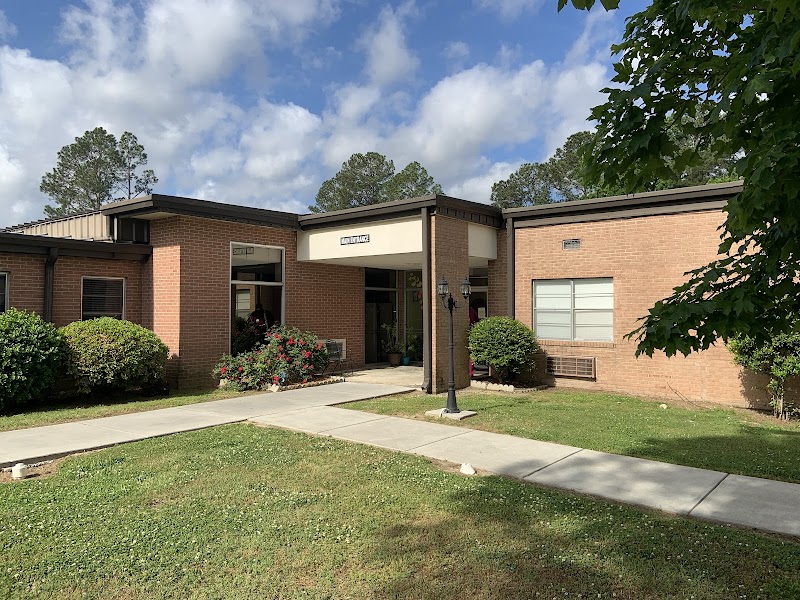
CMS rates Bennettsville Health And Rehabilitation Center's staffing level at 2 out of 5 stars, which is below average compared to other nursing homes. Staff turnover is 32%, compared to the South Carolina average of 46%. This relatively stable workforce can support continuity of care.

What Have Inspectors Found at Bennettsville Health And Rehabilitation Center?

State health inspectors documented 29 deficiencies at Bennettsville Health And Rehabilitation Center during 2021 to 2025. These included: 3 Immediate Jeopardy (the most serious level, indicating potential for serious harm or death) and 26 with potential for harm. Immediate Jeopardy findings are rare and represent the most serious regulatory concerns. They require immediate corrective action.
Who Owns and Operates Bennettsville Health And Rehabilitation Center?

Bennettsville Health And Rehabilitation Center is owned by a for-profit company. For-profit facilities operate as businesses with obligations to shareholders or private owners. The facility is operated by FUNDAMENTAL HEALTHCARE, a chain that manages multiple nursing homes. With 110 certified beds and approximately 102 residents (about 93% occupancy), it is a mid-sized facility located in Bennettsville, South Carolina.

How Does Bennettsville Health And Rehabilitation Center Compare to Other South Carolina Nursing Homes?

Compared to the 100 nursing homes in South Carolina, Bennettsville Health And Rehabilitation Center's overall rating (1 stars) is below the state average of 2.8, staff turnover (32%) is significantly lower than the state average of 46%, and health inspection rating (2 stars) is below the national benchmark.

What Should Families Ask When Visiting Bennettsville Health And Rehabilitation Center?

Based on this facility's data, families visiting should ask: "What changes have been made since the serious inspection findings, and how are you preventing similar issues?" "What safeguards and monitoring systems are in place to protect residents from abuse or neglect?" "Can you walk me through typical staffing levels on day, evening, and night shifts?" "Can I visit during a mealtime to observe dining assistance and food quality?" These questions are particularly relevant given the facility's Immediate Jeopardy citations, the substantiated abuse finding on record, and the below-average staffing rating.

Is Bennettsville Health And Rehabilitation Center Safe?

Based on CMS inspection data, Bennettsville Health And Rehabilitation Center has documented safety concerns. The facility has 1 substantiated abuse finding (meaning confirmed case of resident harm by staff or other residents). Inspectors have issued 3 Immediate Jeopardy citations (the most serious violation level indicating risk of serious injury or death). The facility has a 1-star overall rating and ranks #100 of 100 nursing homes in South Carolina. Families considering this facility should ask detailed questions about what corrective actions have been taken since these incidents.

Do Nurses at Bennettsville Health And Rehabilitation Center Stick Around?

Bennettsville Health And Rehabilitation Center has a staff turnover rate of 32%, which is about average for South Carolina nursing homes (state average: 46%). Moderate turnover is common in nursing homes, but families should still ask about staff tenure and how the facility maintains care continuity when employees leave.

Was Bennettsville Health And Rehabilitation Center Ever Fined?

Bennettsville Health And Rehabilitation Center has been fined $15,646 across 2 penalty actions. This is below the South Carolina average of $33,235. While any fine indicates a compliance issue, fines under $50,000 are relatively common and typically reflect isolated problems that were subsequently corrected. Families should ask what specific issues led to these fines and confirm they've been resolved.

Is Bennettsville Health And Rehabilitation Center on Any Federal Watch List?

Bennettsville Health And Rehabilitation Center is not on any federal watch list. The most significant is the Special Focus Facility (SFF) program, which identifies the bottom 1% of nursing homes nationally based on persistent, serious quality problems. Not being on this list means the facility has avoided the pattern of deficiencies that triggers enhanced federal oversight. This is a positive indicator, though families should still review the facility's inspection history directly.