SPRINGDALE HEALTHCARE CENTER
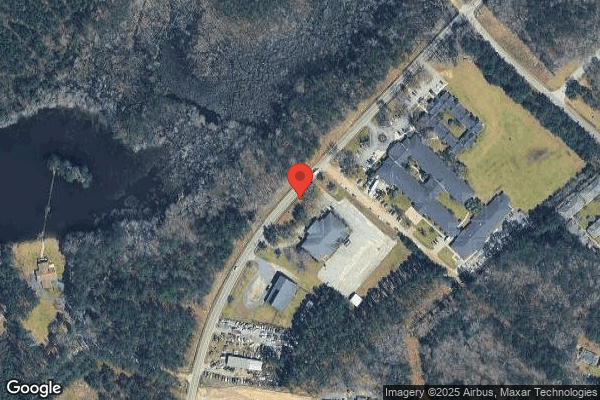
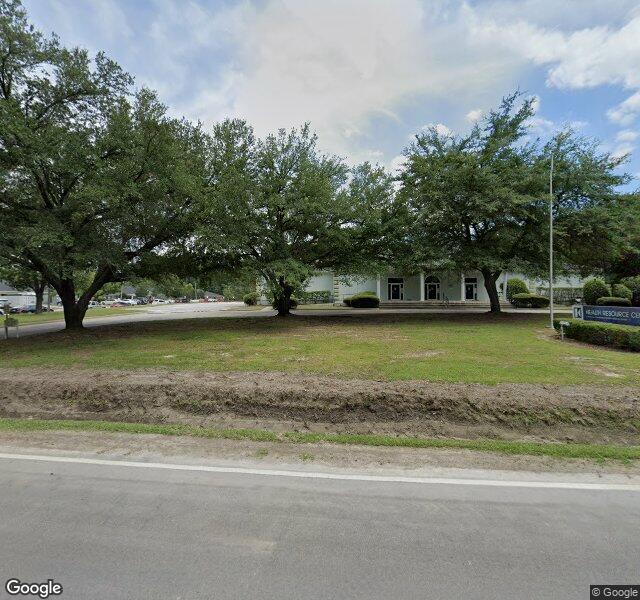
146 BATTLESHIP ROAD, CAMDEN, SC 29020 (803) 432-3741
For profit - Limited Liability company 148 Beds FUNDAMENTAL HEALTHCARE Data: November 2025 2 Immediate Jeopardy citations
Trust Grade
0/100
#174 of 186 in SC
Last Inspection: March 2025

Within standard 12-15 month inspection cycle. Federal law requires annual inspections.

Overview

Springdale Healthcare Center in Camden, South Carolina has received a Trust Grade of F, indicating significant concerns regarding its care quality. It ranks #174 out of 186 facilities in the state, placing it in the bottom half, and #2 out of 2 in Kershaw County, meaning there is only one other local option that is better. The facility is worsening, with issues increasing from 2 in 2024 to 10 in 2025, which is alarming for potential residents and their families. Staffing is a concern, with a rating of 2 out of 5 and turnover at 66%, significantly higher than the state average, suggesting instability among caregivers. The facility has incurred $109,366 in fines, indicating serious compliance issues, and while RN coverage is average, serious incidents such as a resident experiencing seizures due to missed medication and instances of physical and sexual abuse among residents highlight critical safety failures. Overall, families should weigh these significant weaknesses against the facility's limited strengths when considering care options.

Trust Score
F
0/100
In South Carolina
#174/186
Bottom 7%
Safety Record
High Risk
Review needed
Inspections
Getting Worse
2 → 10 violations
Staff Stability
⚠ Watch
66% turnover. Above average. Higher turnover means staff may not know residents' routines.
Penalties
○ Average
$109,366 in fines. Higher than 51% of South Carolina facilities. Some compliance issues.
Skilled Nurses
⚠ Watch
Each resident gets only 24 minutes of Registered Nurse (RN) attention daily — below average for South Carolina. Fewer RN minutes means fewer trained eyes watching for problems.
Violations
⚠ Watch
35 deficiencies on record. Higher than average. Multiple issues found across inspections.
★☆☆☆☆
1.0
Overall Rating
★★☆☆☆
2.0
Staff Levels
★★☆☆☆
2.0
Care Quality
★☆☆☆☆
1.0
Inspection Score
Stable
2024: 2 issues
2025: 10 issues

The Good

  • Full Sprinkler Coverage · Fire safety systems throughout facility
  • No fines on record

Facility shows strength in fire safety.

The Bad

1-Star Overall Rating

Below South Carolina average (2.8)

Significant quality concerns identified by CMS

Staff Turnover: 66%

19pts above South Carolina avg (46%)

Frequent staff changes - ask about care continuity

Federal Fines: $109,366

Well above median ($33,413)

Significant penalties indicating serious issues

Chain: FUNDAMENTAL HEALTHCARE

Part of a multi-facility chain

Ask about local staffing decisions and management

Staff turnover is elevated (66%)

18 points above South Carolina average of 48%

The Ugly 35 deficiencies on record

2 life-threatening 1 actual harm
May 2025 1 deficiency 1 IJ
CRITICAL (J) 📢 Someone Reported This

A family member, employee, or ombudsman was alarmed enough to file a formal complaint

Immediate Jeopardy (IJ) - the most serious Medicare violation

Deficiency F0760 (Tag F0760)

Someone could have died · This affected 1 resident

**NOTE- TERMS IN BRACKETS HAVE BEEN EDITED TO PROTECT CONFIDENTIALITY** Based on review of facility policy, record review and interview, the facility failed to ensure Resident (R)5 was free from signi...

Read full inspector narrative →
**NOTE- TERMS IN BRACKETS HAVE BEEN EDITED TO PROTECT CONFIDENTIALITY** Based on review of facility policy, record review and interview, the facility failed to ensure Resident (R)5 was free from significant medication errors. Specifically, R5 was discharged from the hospital and admitted to the facility on [DATE], with physicians orders for seizure medications, the facility failed to administer the medication as ordered resulting in the resident experiencing seizure activity and being sent to the hospital, for 1 of 1 resident reviewed for significant medication errors. On 05/21/25 at 10:35 AM, the survey team provided the Administrator with a copy of the CMS Immediate Jeopardy (IJ) Template and informed the facility IJ existed as of 05/06/25. The IJ was related to 42 CFR 483.45 - Pharmacy Services. On 05/21/25 at 11:32 AM, the facility presented an acceptable plan of removal. On 05/21/25 at 1:30 PM, the survey team validated the facility's corrective actions and determined that the facility showed due diligence in addressing the noncompliance. The SA is considering this IJ at Past Non-compliance effective 05/08/25. An extended survey was conducted in conjunction with the Complaint Survey for non-compliance at F760, constituting substandard quality of care. Findings include: Review of the facility policy titled, Medication Management Program (email revision 01/15/2025), states, B. The facility will ensure the schedules for administering medications: 1. Maximize the effectiveness of the medications. 4. Authorized staff must understand: A. Indications or reason for therapy. B. Effectiveness for drug, achieving the therapeutic goal. C. Drug actions. D. The 8 rights for administering medication: 2. The right drug, 3. The right dose, 4. The right time. Review of R5's Face Sheet revealed the facility admitted R5 on 05/06/25, with diagnoses including, but not limited to: metabolic encephalopathy, seizure disorder and status epilepticus. R5 was discharged to the hospital on [DATE] at 8:40 PM due to seizure activity. Review of R5's Physician's Orders revealed the following orders: Keppra 500 milligrams per 5 milliliters (mls) and R5 is to receive 10 mls 2 times daily at 06:00 AM and 06:00 PM. Lacosamide (Vimpat) 100 milligrams (mgs) 1 tablet 2 times daily at 06:00 AM and 06:00 PM. Zonisade 100 mgs per 5 mls and R5 is to receive 15 mls at 10:00 PM. Review of R5's Medication Administration Record (MAR) for May 2025, revealed that R5 did not receive one dose of Keppra, three doses of Vimpat and two doses of Zonisade. Review of the admission Baseline Care Plan for R5 revealed, Services and treatments to be administered by the facility will be identified, Target date of 05/14/2025. Review of R5's Progress Note dated 05/07/25 at approximately 8:40 PM, revealed, At approximately 8:40 PM. This nurse was notified by family member that resident was having a seizure. Upon entering the room resident was lying in bed in supine position having unresponsive with seizure like activity. She was repositioned to right side. Vital signs obtained was Bp -179/76, P- 130, RR-22, SPO2 -98% on room air. Supervisor notified and 911 was called. Resident had a total of 6 seizures with duration of 1-3 minutes. Onset was between of 3-4 minutes. She was transported by EMS via stretcher to [local hospital]. Accompanied by her brother. During an interview on 05/20/25 at 1:22 PM, Licensed Practical Nurse (LPN) Unit Manager stated, there was no order from the hospital, so she had to get a hard script and call the provider to let them know they do not have the medication here at the facility. LPN Unit Manager further stated that was on 05/06/25. A call was placed to the Medical Director to see if she wanted to change the medication, discontinue the medication, or give something else. LPN Unit Manager stated, The resident missed maybe 3 doses. Her expectation was, the nurses should have called the physician. During an interview on 05/20/25 at 6:20 PM, LPN2, the night shift supervisor, stated that the Vimpat was not delivered by the pharmacy and no hard script was sent from the hospital. LPN2 stated the Zonisade was not delivered and the pharmacy did not contact us and let us know this medication was on backorder. LPN2 continued that the Keppra was delivered but the pharmacy does not deliver until 9:00 PM or 9:30 PM. LPN2 concluded that the resident was fine on 05/06/25. I reported to work at 8:00 PM on 05/07/25 and the resident started seizing shortly after I reported to work. During an interview on 05/20/25 at 6:30 PM, the Director of Nursing (DON) stated the nurses should go by the discharge summary from the hospital. They should put the orders into Matrix Care. The DON stated that the Vimpat was not in the emergency box, the hospital did not send a hard script and the resident did not receive Vimpat, but did receive Keppra and the Zonisade. The DON further stated that the floor nurse does the assessments and observations and the Unit Manager does the admissions by putting the orders in the computer. The facility realized there was no hard script for the Vimpat the evening of 05/06/25, and no one notified the physician until 05/07/25 in the AM. The resident was discharged to the hospital with seizure activity at 8:40 PM on 05/07/25. The DON further stated the resident had missed the morning dose and the evening dose of Vimpat. After reviewing the Medication Administration Record (MAR) on 05/20/25 at 7:15 PM, the DON confirmed that the resident did not receive 1 dose of Keppra, 3 doses of Vimpat and 2 doses of Zonisade. The DON concluded that she was not aware that the resident missed that many doses of her antiseizure medications. During an interview on 05/21/25 at 8:30 AM, the Nurse Practitioner (NP) revealed she was in the facility in the AM on 05/07/25, she is on call from 6:00 AM until 6:00 PM and after 6:00 PM, calls go to an on-call service. The NP stated, I received no calls and the on-call service received no calls from the facility pertaining to hard scripts or R5 not receiving her seizure medications. I was told by the Unit Manager on 05/07/25 between 8:00 AM and 9:00 AM, that the resident needed a hard script for Vimpat. The Unit Manager apologized and stated that with everything going on, she had forgotten to call me the previous day. I E'scribed the script at that time. The NP stated she expects the nurse to notify her if they do not have a medication that the resident needs. She stated there were no triage notes from the on-call to let her know the resident was sent out to the hospital. The NP stated that she was not aware that R5 did not receive the Vimpat nor the Zonisade, Missing several medication doses for seizures could have been detrimental to this resident. She ended up on life support. On 05/21/25 at 11:32 AM, the facility presented an acceptable plan of removal, which included the following: The following measures were immediately implemented upon notification of the facility: 1. Corrective action for residents found to have been affected by the deficiency: a. R5 was found to be affected by the alleged deficient practice. b. On 05/08/2025 a review of all residents admitted on seizure medications since 05/05.2025 was completed to validate orders for seizure medications and that medicatios were available. No discrepancies were identified. c. On 05/08/2025, the Director of Nursing was re-educated by the Clinical Consultant on the following: Medication Management policy specifically medications that are unavailable. Validate the Medication Reconciliation is completed at admission with providers. Medications that are unavailable, specifically seizure medications-process for notifying the provider for scripts, and utilization of the in house stat box. The below process regarding admission medication reconciliation. The following process will be implemented: 1. Director of Nursing or designee will review new admission medication reconciliation for completion Monday through Friday for four weeks. Concerns to be addressed at time of discovery. 2. Director of Nursing and or designee will review medication administration report for unavailable medication and interventions. Monday through Friday for four weeks. Concerns to be addressed at the time of discovery. 3. Licensed nurses will complete medication reconciliation upon admission and communicated to the provider for additional orders if indicated. Any unavailable medications (those not available in stat safe/emergency box) will require a call to the pharmacy to have the medication delivered. The after-hours pharmacy may be need to be contacted to have a medication delivered quickly. If the medication that will be delivered, will result in a late medication administration, the provider must be notified for further orders. d. Licensed nurse in the facility will be re-educated by 05/08/2025. Staff not re-educated by 05/08/2025 will be educated prior to next scheduled shift. New hires will receive education during new hire orientation. Licensed nurses will be educated on the following: Medication Management policy specifically medications that are unavailable. Validate the Medication Reconciliation is completed at admission with providers. Medications that are unavailable, specifically seizure medications- process for notifying the provider for scripts, and utilization of the in house stat box. The below process regarding admission medication reconciliation. The following process will be implemented: 1. Director of Nursing or designee will review new admission medication reconciliation for completion Monday through Friday for four weeks. Concerns to be addressed at time of discovery. 2. Director of Nursing and or designee will review medication administration report for unavailable medication and interventions. Monday through Friday for four weeks. Concerns to be addressed at the time of discovery. 3. Licensed nurses will complete medication reconciliation upon admission and communicated to the provider for additional orders if indicated. Any unavailable medications (those not available in stat safe/emergency box) will require a call to the pharmacy to have the medication delivered. The after-hours pharmacy may be need to be contacted to have a medication delivered quickly. If the medication that will be delivered, will result in a late medication administration, the provider must be notified for further orders. e. Ad hoc QAPI held on 05/08/2025. f. Medical Director was notified of the incident and plan for improvement on 05/08/2025. g. The process will be reviewed in QAPI for a minimum of 3 months. 2. Corrective action for residents that may be affected by the deficiency: a. The Medical Director was notified of the IJ on 05/08/2025. b. All residents on antiseizure medications have the potential to be affected by the alleged deficient practice. Compliance Date: 05/08/2025
Mar 2025 8 deficiencies
CONCERN (D) 📢 Someone Reported This

A family member, employee, or ombudsman was alarmed enough to file a formal complaint

Potential for Harm - no one hurt, but risky conditions existed

Notification of Changes (Tag F0580)

Could have caused harm · This affected 1 resident

Based on interviews, record reviews, and facility policy review, the facility failed to notify the physician for 1 resident's (Resident (R) 134) change in condition out of a sample of 33 residents. Th...

Read full inspector narrative →
Based on interviews, record reviews, and facility policy review, the facility failed to notify the physician for 1 resident's (Resident (R) 134) change in condition out of a sample of 33 residents. This failure delayed the physician in treating pressure ulcers. Findings include: Review of the facility's policy titled Documentation- Licensed Nursing revised 05/05/23 and provided by the facility indicated, . The initial evaluation of the patient/resident will be completed as soon as possible, but no later than 24 hours following admission or re-admission. Review of the facility's policy titled Wound care policies and procedures revised 06/01/15, and provided by the facility indicated, . Licensed Nurse performs a head to toe check of the patient's/resident's skin, . 2. Any significant abnormal findings are reported to the patient's/resident's physician . Review of the facility's policy titled Wound care policies and procedures reference revised 09/07/17, provided by the facility stated . Staff should remain alert to potential changes in the skin condition and should evaluate, report and document changes as soon as identified . Review of R134's undated Face Sheet located in the electronic medical record (EMR) under the Resident tab revealed an admission date of 01/26/25, with diagnoses including but not limited to: protein-calorie malnutrition, dysuria, localized edema, and an unspecified open wound to left lower leg. Review of the Hospital Discharge summary packet dated 01/26/25, did not include orders for wound care to the buttocks/sacrum. Review of R134's admission Minimum Data Set (MDS) with an Assessment Reference Date (ARD) of 02/11/25, revealed R134 had a Brief Interview for Mental Status (BIMS) score of 13 out of 15, which indicated she was cognitively intact. The MDS also included two unstageable pressure ulcers due to coverage of wound bed by slough and/or eschar and both were present upon admission/reentry. Review of R134's Baseline Care Plan dated 02/04/25, located in the EMR under the Care Plan tab did not identify the pressure ulcers to the sacrum with no interventions for prevention. Review of R134's Care Plan located in the EMR under the Care Plan tab revised 02/10/25, indicated that R134 was admitted to the facility with cellulitis to bilateral legs and pressure area to buttocks. Interventions included wound care to buttocks as ordered and wound team to evaluate wound(s), treatments, and healing status weekly. Review of R134's Focused Observation located in the EMR under the Observations tab and dated 02/04/25, by Licensed Practical Nurse (LPN)4 indicated upon admission R134 had a wound to the sacrum measuring four centimeters (cm) by five cm. Review of R134's Progress Note dated 02/04/25 indicated she was admitted to the facility with excoriated areas to the sacrum and a barrier cream was applied. Review of R134's Orders located in the EMR under the Orders tab revealed the facility did not obtain physician orders for wounds to the sacrum/buttocks until 02/10/25 (clean area to bilateral buttocks with wound cleanser, apply collagen powder and apply bordered gauze daily and as needed). During an interview on 02/04/25 at 10:05 AM, the Director of Nursing (DON) confirmed that LPN4 assessed R134 upon admission and noted excoriation to her bottom, applied barrier cream, however, did not notify the physician, and did not obtain any orders for wound care treatment to the buttocks/sacral area. The DON stated that it was her expectation that the admitting nurse would notify the physician immediately of any abnormal skin condition and obtain orders for treatment, as necessary.
CONCERN (D) 📢 Someone Reported This

A family member, employee, or ombudsman was alarmed enough to file a formal complaint

Potential for Harm - no one hurt, but risky conditions existed

Investigate Abuse (Tag F0610)

Could have caused harm · This affected 1 resident

**NOTE- TERMS IN BRACKETS HAVE BEEN EDITED TO PROTECT CONFIDENTIALITY** Based on observation, interview, record review, and policy review, the facility failed to complete a thorough investigation of a...

Read full inspector narrative →
**NOTE- TERMS IN BRACKETS HAVE BEEN EDITED TO PROTECT CONFIDENTIALITY** Based on observation, interview, record review, and policy review, the facility failed to complete a thorough investigation of an altercation for 2 of 7 residents (Resident (R)59 and R0) reviewed for abuse out of a total sample of 33 residents. Findings include: The Leadership Policies and Procedures addressing the Subject: Abuse, Neglect, Exploitation or Mistreatment, revised [DATE]. Under the subheading Component V: Reporting/ Response 2.) An analysis is completed to determine what changes are needed if appropriate, to prevent further occurrences. Component VI: Investigation, states The facility maintains that all allegations of abuse, neglect, misappropriation of property, etc Are thoroughly investigated and appropriate actions are taken. Under 4.) Investigations are prompt, comprehensive, and responsive to the situation and contain founded conclusions. Review of R59's Face Sheet located in the electronic medical record (EMR) revealed R59 was admitted to the facility on [DATE], with multiple diagnoses including but not limited to: dementia and bipolar disease. Review of a Quarterly Minimum Data Set (MDS) with an Assessment Reference Date (ARD) of [DATE], under the Resident Assessment Instrument (RAI) tab revealed R59 had displayed behaviors which were not directed towards others and would wander in the living unit. R59 used a wheelchair and could independently move throughout the unit for short distances. Review of R0's Face Sheet EMR, revealed an admission date of [DATE], with multiple diagnosis including schizoaffective disorder and dementia with agitation. Review of the admission MDS, with an ARD date of [DATE], under the RAI tab in the EMR revealed a discharge notification, dated [DATE], that reported R0 died at the facility. Review of an Investigation Worksheet (IW), dated [DATE], documented R59 was approached in the dining room by R0 and after yelling at R59 not to take off her shoes. R59 responded by kicking her shoes off towards R0. R0 got angry and responded by slapping R59 across the left cheek. The IW, dated [DATE], documented the two residents involved were separated and were checked for injury. The facility reported the incident as required within two hours and initiated an investigation of the incident. Statements from the staff who observed, heard, or responded to the altercation were completed. However, there was no evidence any one interviewed residents seated in the dining room, to determine if other residents were negatively impacted by the incident and/or had been abused by R0. The facilities investigation concluded that the incident was abuse and documented that the staff could not reach R0 to prevent him from slapping R59. On [DATE] at 9:30 AM, the Administrator was asked if interviews were completed to ensure residents who observed the incident felt safe in the facility or if the incident had an impact on their psycho-social wellbeing and/or had been abused by R0. The Administrator stated the Social Services Director (SSD) should have completed interviews. On [DATE] at 11:00 AM, SSD reported he had not completed any safety check interviews with residents on the 300 unit after the altercation between R59 and R0 which occurred in the dining room.
CONCERN (D) 📢 Someone Reported This

A family member, employee, or ombudsman was alarmed enough to file a formal complaint

Potential for Harm - no one hurt, but risky conditions existed

Comprehensive Care Plan (Tag F0656)

Could have caused harm · This affected 1 resident

**NOTE- TERMS IN BRACKETS HAVE BEEN EDITED TO PROTECT CONFIDENTIALITY** Based on observations, interviews, record reviews, and facility policy review, the facility failed to implement care plans for 2...

Read full inspector narrative →
**NOTE- TERMS IN BRACKETS HAVE BEEN EDITED TO PROTECT CONFIDENTIALITY** Based on observations, interviews, record reviews, and facility policy review, the facility failed to implement care plans for 2 residents (Resident (R)80 and R93) out of a sample of 33 residents. This failure placed the residents to be at risk for unmet care needs. Findings include: Review of the facility's policy titled, Care Plan Process, Person-Centered Care revised 05/05/23 and provided by the facility stated, .The services provided or arranged by the facility, as outlined by the comprehensive person- centered care plan, will meet professional standards of quality .Thru ongoing assessment, the facility will initiate person-centered care plans when the resident's clinical status or change of condition dictates the need such as but not limited to falls . Review of the facility's policy titled, Person-Centered Care Plan revised 06/09/23 and provided by the facility stated, .The person-centered care plan is interdisciplinary and created to guide facility staff in providing the treatment, care, and services necessary for the patient/resident to obtain and maintain the highest physical, mental, and psychosocial well-being possible . Review of R80's Face Sheet located in the Electronic Medical Record (EMR) under the Resident tab indicated R80 was admitted to the facility on [DATE], with a primary diagnosis of dysphagia and dementia. Review of R80's Quarterly Minimum Data Set (MDS) with an Assessment Reference Date (ARD) of 12/23/24, and a Brief Interview for Mental Status (BIMS) score of 99 which indicated R80 had severe cognitive impairment and was unable to participate in the assessment. Review of R80's Care Plan located in the EMR under the Care Plan tab revised 01/28/25 included medical review for neurology consult and referrals for memory care. Review of R80's Fall Investigation provided by the facility indicated R80 sustained a fall on 01/22/25, resulting in a laceration to the forehead. Review of R80's Social Services Progress Notes located in the EMR under the Progress Notes tab and dated 01/23/25, 01/27/25, 02/12/25, and 02/27/25, did not include any documentation related to a referral to a memory care unit. Review of R80's Five-Day Follow-Up Report dated 01/28/25, included, Interventions by facility to prevent future injury/alleged abuse: Referrals to be sent to facilities with memory care unit and additional services for severely cognitively impaired. Fall intervention updated on care plan. Medical review and neurology consult added for follow up . During an interview on 03/01/25 at 10:24 AM, the Director of Nursing (DON) stated that after R80 fell and hit his head, the Interdisciplinary Team (IDT) put in a request for a neurology consultation. The DON confirmed that she was not able to locate the order for a neurology consultation and that the provider would have written the order for the referral. The medical records department would be responsible for scheduling the appointment once the referral was received. Additionally, the referral to a memory care unit was also to be made due to wandering behaviors. The DON stated that it was the Social Services department's responsibility to make these referrals. It was her expectation that the IDT follow up to ensure that consultations and referrals are made. During an interview on 03/01/25 at 11:09 AM, the Social Services Director (SSD) stated that if a neurology consultation had been received there would be an order in the EMR. The SSD was unable to locate the order and confirmed that the facility should have followed up on the neurology consultation request. Additionally, the SSD confirmed that the IDT had agreed to submit a referral to a facility with a memory care unit due to R80's wandering behaviors. The SSD stated that he thought that he had sent a referral to [name of facility] at the end of January 2025, or the beginning of February 2025 but was unable to locate documentation confirming the referral had been sent. The SSD confirmed that he had not followed up on the referral but should have. 2. Review of the EMR Face Sheet revealed R93's admission date of 05/03/24, with multiple diagnosis including but not limited to end stage renal disease. Review of the EMR admission Minimum Data Set (MDS) with an Assessment Reference Date (ARD) of 08/29/25, under the Resident Assessment Instrument (RAI) tab, revealed R93 required dialysis (a treatment provided through a surgically placed tube into the circulatory system). Review the Care Plan (CP) to address dialysis, initiated on 08/24/24, in the EMR under the tab for the Resident Assessment Instrument (RAI) revealed a directive dated 11/18/24, stating Do not take BP on the arm of dialysis fistula (LUA Left Upper Arm). Observation on 02/26/25 at 10:30 AM, revealed R93 in his room seated on the edge of the bed and dressed. R93 stated he was getting ready for an appointment outside the facility and stated the nurse was coming back to finish a treatment. On 02/26/25 at 10:35 AM, Unit Manager (UM) 2 entered the room to complete a wound dressing. On 02/26/25 at 10:40 AM, Certified Nursing Assistant (CNA)4 entered R93's room to assist. UM2 asked CNA4 to obtain R93's blood pressure. CNA4 began to apply the BP cuff to the left arm. When asked where the dialysis site was located, CNA4 did not respond. UM2 checked for the site and found it was located on the left interior side of the upper arm (the same location CNA4 was applying the BP cuff.) UM2 then directed CNA4 to test the BP on right arm. Prior to leaving the room on 02/26/25 at 10:50 AM, a sign was observed, posted to the right of the head of the bed. It stated, do not take blood pressure or complete blood draws on the left arm.
CONCERN (D) 📢 Someone Reported This

A family member, employee, or ombudsman was alarmed enough to file a formal complaint

Potential for Harm - no one hurt, but risky conditions existed

Deficiency F0657 (Tag F0657)

Could have caused harm · This affected 1 resident

**NOTE- TERMS IN BRACKETS HAVE BEEN EDITED TO PROTECT CONFIDENTIALITY** Based on interviews, record reviews, and facility policy review, the facility failed to ensure that care conferences were held f...

Read full inspector narrative →
**NOTE- TERMS IN BRACKETS HAVE BEEN EDITED TO PROTECT CONFIDENTIALITY** Based on interviews, record reviews, and facility policy review, the facility failed to ensure that care conferences were held for 2 of 4 residents (Resident (R)72, and R86) reviewed for care conferences of 33 sampled residents. The failure increased the risk of the resident's preferences and concerns not being included in the plan of care. Findings include: Review of the facility policy titled Care Plan Process, Person-Centered Care revised 05/05/23 indicated, .Person-centered care means the facility focuses on the resident as the center of control and supports each resident in making his or her own choices. Person-centered care includes trying to understand what each resident is communicating, verbally and nonverbally, identifying what is important to each resident with regard to daily routines and preferred activities, and understanding the resident's life before coming to reside in the nursing home .The IDT [Interdisciplinary Team] will invite participation from the resident and the resident's legal representative (if applicable). The IDT will document an explanation in the resident's medical record of the invitation, participation, or lack of participation of the resident and their representative . 1. Review of R72's undated Face Sheet located in the electronic medical record (EMR) under the Resident tab revealed an original admission date of 08/23/24 and re-admission on [DATE]. Review of R72's admission Minimum Data Set (MDS) with an Assessment Reference Date (ARD) of 08/30/24 revealed R72 had a Brief Interview for Mental Status (BIMS) score of 15 out of 15 indicating she was cognitively intact. Review of R72's Quarterly MDS with an ARD of 11/30/24 revealed R72 had a BIMS score of 11 out of 15 indicating she had moderate cognitive impairment. Review of R72's undated Care Conference Report located in the EMR under the Care Plan tab did not include any care conferences. Review of Social Services progress notes and documents did not indicate that any care conferences were scheduled, no invitations were sent, and the resident/family did not attend any care conferences. Review of R72's Documents located in the EMR under the Documents tab did not include any Social Services care conference documentation. Review of R72's Social Services Progress Notes located in the EMR under the Progress Notes did not include documentation of care conferences being held or offered. During an interview on 02/27/25 at 6:14 PM, R72 stated that she was recently hospitalized and would like to speak with the team regarding her care. R72 stated that she had not been invited or attended any care conferences but would like to attend so she could be more aware of her care regarding gastroenterology consult. 2. Review of R86's undated Face Sheet located in the EMR under the Resident tab, revealed an original admission date of 10/19/23 and re-admission on [DATE] with a primary diagnosis of congestive heart failure. Review of R86's quarterly MDS with an ARD of 01/26/25 revealed R86 had a BIMS score of 15 out of 15 indicating that he was cognitively intact. Review of R86's Care Conference Report located in the EMR under the Care Plan tab did not include any care conferences after the quarterly MDS assessment on 01/26/25. Review of R86's Documents located in the EMR under the Documents tab did not include any Social Services care conference related documentation since 10/25/24 which was to invite the resident/responsible party to the care conference to be held on 11/07/24. Review of R86's Social Services Progress Notes located in the EMR under the Progress Notes did not include documentation of care conferences being held or offered since 11/07/24. During an interview on 02/26/25 at 10:22 AM with R86 he stated that he would like to attend his care conference meetings due to concerns he had with his room placement at the facility. During an interview on 02/27/25 at 4:07 PM, the Social Services Director (SSD) confirmed that it was the expectation that long term residents have quarterly care conferences in coordination with their MDS assessments. SSD was not aware that R72 had not had any care conferences since she was admitted and confirmed that he was not able to locate any documentation that would indicate that a care conference had been held. SSD confirmed that R86's most recent MDS assessment was 01/26/25 and that the care conference should have been held by 02/16/25. SSD stated that from 12/27/24 - 02/17/25 he was the only SW and was behind on care conferences. The expectation was for care conferences to be held per the Resident Assessment Instrument (RAI) Manual. During an interview on 03/01/25 at 3:51 PM, the Director of Nursing (DON) and Administrator stated that the Social Services department sends out invitations to care conferences. It was their expectation that care conferences be held in coordination with the MDS assessment schedule. The DON and Administrator were not aware that R72 did not having any care conferences since she was admitted to the facility or that R86's care conference had not been held for his last MDS assessment.
CONCERN (D) 📢 Someone Reported This

A family member, employee, or ombudsman was alarmed enough to file a formal complaint

Potential for Harm - no one hurt, but risky conditions existed

Deficiency F0692 (Tag F0692)

Could have caused harm · This affected 1 resident

Based on observations, interviews, record reviews, and facility policy review, the facility failed to assess and monitor the nutritional status of 1 of 4 residents (Resident (R)46) reviewed for weight...

Read full inspector narrative →
Based on observations, interviews, record reviews, and facility policy review, the facility failed to assess and monitor the nutritional status of 1 of 4 residents (Resident (R)46) reviewed for weight loss in a total sample of 33 residents. Findings include: Review of the facility policy titled Weighing the resident, revised on 02/26/24 stated .If the month-to-month weight shows more than a five-percent gain or loss, the patient/resident is reweighed in the presence of licensed personnel. 3. Record all weights per facility protocol. 4. If there is an actual 5% or more gain or loss in one month, notify the patient/resident/family, physician, and the Registered Dietician. Document this notification per facility protocol .9. Unplanned and undesired weight variance will be evaluated for significance utilizing the following guidelines: 3% in one week, 5% in 30 days, 7.5% in 90 days, and 10% in 180 days . Review of R46's undated Face Sheet located in the electronic medical record (EMR) under the Resident tab, revealed an admission date of 12/27/18 with a primary diagnosis of heart failure. Review of R46's Quarterly Minimum Data Set (MDS) with an Assessment Reference Date (ARD) of 12/12/24 revealed R46 had a Brief Interview for Mental Status (BIMS) score of 0 out of 15, which indicated he was severely cognitively impaired. The MDS assessment indicated R46 had weight loss and was not on a physician-prescribed weight-loss regimen, as well as received a mechanically altered diet. Review of R46's Care Plan located in the EMR under the Care Plan tab and revised on 01/31/24, indicated he was at risk nutritionally related to multiple comorbidities. Interventions included obtaining weights per protocol, giving diet as ordered, registered dietitian to evaluate nutritional needs, offer snacks, and notifying medical doctor of significant weight change. Additionally, R46 required feeding assistance by staff during all meals. Review of R46's Care Conference Report located in the EMR under the Care Plan tab indicated that a meeting was held on 12/31/24 discussing a dietary texture of pureed food, nectar thick liquids, double portions with super potatoes, and meal consumptions of 75-100%. No mention of ongoing weight loss was included in the discussion. Review of R46's Orders located in the EMR under the Orders tab, included orders for house supplement 120 milliliters (ml) three times daily (TID) (01/23/25), eating with assistance of resident by staff (03/04/24), monthly weights (09/02/24), and nectar thick liquids/pureed/double portions/super potatoes at lunch/dinner (08/01/24). Review of weight monitoring located in the EMR under the Vitals tab, revealed R46 weighed 117 lbs. (pounds) on 02/27/25, 126.8lbs. on 01/06/25, 133.8lbs. on 12/05/24, 140.2lbs. on 10/02/24, and 141.2lbs on 07/08/24. Weight loss from July to January was 10.2%. Review of R46's dietary Progress Notes located in the EMR under the Progress Notes tab, revealed a dietary note dated 01/23/25 indicating R46 had a weight loss of five percent in one month, weight loss of 10% in the past three and six months. The Dietitian (RD) noted request of further weight to validate changes and an increase in house supplement administration. Weekly weights were recommended, along with house supplements 120 ml TID. Review of orders included an increase in the house supplements which the resident consumed 25-75%, but weekly weights were not performed. Review of R46's Progress Note provided by the facility and written by the Medical Director dated 02/17/25, did not address weight loss. Review of R46's Progress Note written by the Nurse Practitioner (NP1) provided by the facility, and dated 12/04/24, 02/07/25, and 02/14/25 did not include mention of weight loss. Review of R46's Meal Intake located in the EMR under the Vitals tab revealed he ate at least 25% of all documented meals and snacks. Review of R46's Supplement consumption located in the EMR under the Reports tab indicated he consumed 75% most of the time. During an interview on 02/27/25 at 10:22 AM the Registered Dietitian (RD) stated that on 01/23/25 she reviewed his records and noted that he had varying appetite, eating greater than 50% of most meals, was on supplements, staff assist with meals, and she had increased the supplements to three times per day. Further weights were requested but not provided to her so she could validate the weight changes/loss. The RD stated that she did not attend weight meetings. During an interview on 02/27/25 at 3:13 PM, the Unit Manager (UM)3 stated that either the nurse or a Certified Nursing Aide (CNA) does the weights monthly and as prescribed. UM3 was not aware of R46's weight loss and was not aware of the need for weekly weights as of 01/23/25. During an interview on 03/01/25 at 9:28 AM, the Director of Nurses (DON) stated that on 02/27/25 the RD recommended PEG (percutaneous endoscopic gastrostomy) tube placement. Additionally, the DON stated that the RD sends out a Medical Nutrition Therapy Log addressing residents with weight gain/loss, the RD assessment, and a provider signed off for any RD recommendations. The DON stated that a while back the facility had concerns about weight variances. No in-services were located to indicate re-education of staff on weight monitoring. During an interview on 03/01/25 at 12:33 PM the DON confirmed that no Medical Physician or Nurse Practitioner had initiated frequent weight monitoring, and no in-services were located on re-weighing residents. Additionally, the DON confirmed that she was unable to locate documentation of either nursing staff or RD notifying the MD of identified weight loss.
CONCERN (E) 📢 Someone Reported This

A family member, employee, or ombudsman was alarmed enough to file a formal complaint

Potential for Harm - no one hurt, but risky conditions existed

Pharmacy Services (Tag F0755)

Could have caused harm · This affected multiple residents

Based on interview, record review, and facility policy review, the facility failed to ensure residents received their medications in a timely manner according to physician's orders for 6 residents (Re...

Read full inspector narrative →
Based on interview, record review, and facility policy review, the facility failed to ensure residents received their medications in a timely manner according to physician's orders for 6 residents (Resident (R)34, R46, R72, R97, R102, and R107). This failure had the potential to lead to unwarranted medication side effects or improperly treated medical conditions. Findings include: Review of the facility policy titled Medication Management Policy last revised 01/15/25 revealed Preparing for the Medication Pass .7. Medications are administered no more than one (1) hour before to one (1) hour after the designated the medication pass time . 11. Immediately after administering the medication to the resident, the authorized staff or licensed nurse will return to the medication cart and document medication administration with initials on the MAR. If a medication is not administered, the authorized staff or licensed nurse must explain why it was not given. During an observation on 02/27/25 at 5:54 PM, revealed Registered Nurse (RN)1 on the 200-hall medication cart preparing to administer medications. Observation of RN1's computer screen revealed nine resident profiles in red. During an interview on 02/27/25 at 5:54 PM, RN1 stated the red resident profiles indicated those residents' medications were late. RN1 stated she had been behind on medication administration all day. During an interview on 02/27/25 at 5:58 PM, Licensed Practical Nurse (LPN)2 and Unit Manager (UM)1 stated RN1 was late on medication administration and had been late with medication administration that morning as well so LPN2 had helped RN1 late morning to navigate the electronic medication administration system to catch her up. Review of the electronic Medication Administration Records (MAR) located in the Electronic Medical Record (EMR) under the Orders tab for 02/27/25 revealed RN1 administered the following late medications: 1. R34: Gabapentin (antiepileptic for pain) 400 milligrams (mg) ordered for 3:00 PM and administered at 7:05 PM. Carvedilol (antihypertensive) 6.25 mg ordered for 5:00 PM and administered at 7:05 PM. Acetaminophen (analgesic) 325 mg give two tablets ordered for 6:00 PM and administered at 7:05 PM. 2. R46: Hiprex (urinary anti-infective) 1 gram ordered for 5:00 PM and administered at 6:55 PM. Metoprolol tartrate (antihypertensive) 25 mg ordered for 5:00 PM and administered at 6:55 PM. Calcium 600 + Vitamin D3 tablet (vitamin) ordered for 5:00 PM and administered at 6:55 PM. House supplement (nutritional supplement) 120 mL ordered for 3:00 PM and administered at 6:55 PM. 3. R 64: Gabapentin (antiepileptic for pain) 400 mg ordered for 3:00 PM and administered at 6:51 PM. 4. R72: Hydralazine (antihistamine for itching)100 mg ordered for 5:00 PM and administered at 7:03 PM. 5. R102: Tizanidine (muscle relaxant) 6 mg ordered for 3:00 PM and administered at 6:57 PM. 6. R107: Alprazolam (antianxiety/hypnotic) 0.5 mg ordered for 5:00 PM and administered at 7:02 PM. Creon (lipase-protease-amylase digestive enzymes) capsule ordered for 5:00 PM and administered at 7:02 PM. Gabapentin 100 mg administer 2 tablets ordered for 3:00 PM and administered at 7:02 PM. Sodium bicarbonate (antacid) 650 mg ordered for 3:00 PM and administered at 7:02 PM. During a follow up interview on 03/01/25 at 9:42 AM, the Director of Nursing (DON) stated staff have one hour before and after to administer timely; if a medication was late staff should notify physician to verify if the late medication can be given, and make family aware of the late medication, and monitor resident for medication response after administration.
CONCERN (E) 📢 Someone Reported This

A family member, employee, or ombudsman was alarmed enough to file a formal complaint

Potential for Harm - no one hurt, but risky conditions existed

Infection Control (Tag F0880)

Could have caused harm · This affected multiple residents

**NOTE- TERMS IN BRACKETS HAVE BEEN EDITED TO PROTECT CONFIDENTIALITY** Based on observations, interviews, record review, and review of facility policy, the facility failed to ensure: 1. staff used pr...

Read full inspector narrative →
**NOTE- TERMS IN BRACKETS HAVE BEEN EDITED TO PROTECT CONFIDENTIALITY** Based on observations, interviews, record review, and review of facility policy, the facility failed to ensure: 1. staff used proper personal protective equipment (PPE) and/or performed hand hygiene with residents who required enhanced barrier precautions (EBP) for 2 residents (Resident (R)65 and R93), 2. proper sanitization of patient care equipment between uses for 2 (R35 and R1) residents, 3. Housekeeping staff used appropriated PPE and performed hand hygiene while cleaning rooms under EBP, and 4. immunization and education regarding the risks and benefits of the COVID-19 immunization was offered to 3 of 5 residents (Resident (R)62, R65, and R93) reviewed for COVID-19 immunizations out of a total sample of 33 residents. Failure to perform adequate infection control practices increased the risk of cross contamination and spread of infection. Findings include: 1. The facility staff failed to wear all required PPE and/or perform hand hygiene when caring for residents under EBP. Review of the facility's policy titled Infection Prevention and Control last revised 05/15/23 indicated 1. Enhanced Barrier Precautions expend the use of PPE (gowns and gloves) during high-contact resident care activities that provide opportunities for transfer of MDROs (multidrug resistance organisms) to staff hands and clothing. A. EBP will be implemented for all residents with the following: 1) Infection or colonization with an MDRO when contact precautions do not otherwise apply 2) Wounds and/or indwelling medical devices (central lines, urinary catheter, feeding tube, tracheostomy/ventilator) regardless of MDRO colonization status. B. EBP will be implemented during the following high-contact resident care activities: .4) Providing hygiene. a. Review of R65's Face sheet located in the electronic medical record (EMR) under the Face sheet tab revealed R65 was admitted on [DATE] with diagnoses including but not limited to obstructive and reflux uropathy. Review of R65's Orders found in the EMR under the Orders tab revealed an order dated 02/26/25 for Enhanced barrier precaution r/t foley catheter. Review of R65's Care Plan located in the EMR under the Care Plan tab revealed a focus area for enhanced barrier precaution d/t foley catheter with an intervention that Staff to wear appropriate PPE when providing personal care. Observation on 02/26/25 at 11:06 AM revealed Certified Nurse Aide (CNA)3 provided personal hygiene to R65 including a brief change wearing only gloves and no gown. Observation revealed signage on R65's door which indicated that gowns and gloves were required for direct care including dressing, bathing, changing linens, transferring, providing hygiene, changing briefs, device care, toileting, wound care for any open wounds. Hanging on R65's door were gowns, gloves, and masks. During an interview on 02/26/25 at 11:10 AM, CNA3 was observed to exit R65's room with a bag of trash from toileting and stated she did not know which resident required EBP (R65 or roommate) and stated she was wearing gloves. CNA3 confirmed she did not wear a gown while providing care to R65. During an interview on 02/26/25 at 11:45 AM Unit Manager (UM)1 stated staff know which residents required EBP based on information in the Point of Care system located on the wall down each hall. She stated R65 had a catheter and required EBP, and staff should wear a gown and gloves for direct care. She stated staff received EBP training, and EBP signage was provided on resident doors for guidance. During an interview on 03/01/25 at 9:42 AM the Director of Nursing (DON) stated for a resident with a catheter she expected staff to wear gloves and a gown for direct care. During an interview on 03/01/25 at 1:20 PM the Infection Preventionist (IP) stated staff should wear gowns and gloves for EBP. b. Review of R93's face sheet, found in EMR revealed an admission date of 05/03/24, with multiple diagnosis including but not limited to end stage renal disease. Review of the admission Minimum Data Set (MDS) with an Assessment Reference Date (ARD) of 08/29/24 revealed R93 was on dialysis (a treatment requiring a shunt to access the blood circulatory system for kidney failure) and had a gastrostomy tube (a tube placed in the abdomen for delivering nutritional supplements into the stomach.) During an observation on 02/26/25 at 10:30 AM, revealed R93 in his room seated on the edge of the bed dressed. The right foot did not have a sock in place (the left foot did), and a wound with blood was observed on the base of the nail bed along the cuticle on the right great toe. R93 stated he was getting ready for an appointment outside the facility and stated the nurse was going to put a dressing on the toe wound. Further observation on 02/26/25 at 10:35 AM, Unit Manager (UM)2 entered the room to complete the dressing on the wound on R93's right toe. UM2 applied a gown, and mask, and obtained a pair of gloves and applied them but did not complete hand hygiene prior to putting on the gloves. When asked about the reason for the Enhanced Barrier Precaution's (EBP) posting outside the room UM2, explained R93 was on dialysis, and then approached the resident to provide wound care. When asked if hand hygiene was completed prior to placing the gloves UM2 discarded the gloves and went to the bathroom sink and washed her hands. After applying new gloves, the UM2 sprayed a wound cleaner on the area, wiped the area with a gauze pad, and discarded it. UM 2 then applied antibiotic cream to the area then began to bandage the toe. After the dressing was placed, UM2 washed her hands, obtained a new pair of gloves, and explained that another dressing would be applied to the gastrostomy tube. UM2 did not complete hand hygiene or change gloves after handling the soiled gauze used to clean the wound. During an observation on 02/26/25 at 10:40 AM, revealed Certified Nursing Assistant (CNA)4 entered R93's room to assist. UM2 asked CNA4 to obtain R93's blood pressure (BP). CNA4 exited and then reentered the room with a cart containing testing equipment. CNA4 began to apply the BP cuff but was only wearing gloves, no gown or mask, which according to the notice posted on the door were needed when providing care for R93. UM2 then asked CNA4 to assist with reposition R93, and directed CNA4 to place a gown, new gloves, and a mask. On 02/26/25 at 11:15 AM, during a follow up interview UM2 verified the failure to complete hand hygiene as needed and CNA4 not wearing a gown and mask required for EBP. 2. The facility failed to sanitize resident equipment between residents. The facility did not provide a policy related to sanitizing patient care equipment. Review of R35's Face sheet located in the EMR under the Face sheet tab revealed R35 was admitted on [DATE] with diagnosis including but not limited to essential (primary) hypertension. Review of R35's Orders located in the EMR under the Orders tab revealed an order dated 10/07/24 for Vital signs twice a day. Review of R1's Face sheet located in the EMR under the Face sheet tab revealed R1 was admitted on [DATE] with a diagnosis including but not limited to essential (primary) hypertension. Review of R1's Orders located in the EMR under the Orders tab revealed an order dated 09/24/24 for midodrine tablet 5 mg (milligram) 1 tablet oral three times a day. Hold for SBP (systolic blood pressure) > 130. Task to record: Blood Pressure. Observations on 02/27/25 at 9:21 AM during medication administration for R35 revealed Registered Nurse (RN)2 measured R35's blood pressure using a blood pressure (BP) machine. RN2 then removed the BP machine out of R35's room and parked it next to the medication cart on 100 hall without sanitizing it and then documented R35's medication and BP reading. Licensed Practical Nurse (LPN)4 walked up from the other side of 100 hall and took the BP machine. This writer asked RN2 if she had sanitized the machine. RN2 said she had not. RN2 then realized she did not have sanitizing wipes or spray on her medication cart, so she took the machine down towards the nurses' station to get cleaning supplies. RN2 then took wipes from LPN4's medication cart and sanitizing spray from the nurses' station and took the machine to LPN4 and began to clean the machine and BP cuffs. At this same time, R1 was observed waiting in the hall to have his BP checked so RN2 proceeded to measure R1's BP, first using the small cuff and then changing it to the larger cuff. RN2 gave the BP measurement to LPN4, then walked back to her medication cart, leaving the BP machine with LPN4 without sanitizing the machine again. RN2 confirmed that she had not sanitized the BP machine. During an interview on 02/27/25 at 9:41 AM UM1 stated staff should sanitize the BP machine and cuffs between each resident use and make sure the medication cart had wipes. During an interview on 03/01/25 at 9:42 AM the DON stated staff should sanitize patient care equipment such as BP cuffs before and after each use. During an interview on 03/01/25 at 1:20 PM the IP stated staff should sanitize BP equipment between uses. 3. Housekeeping staff failed to wear PPE and/or perform hand hygiene between cleaning resident rooms. Observation on 02/26/25 at 10:20 AM, revealed Housekeeper (HK)1 was exiting a room in the 300 hall, that had EBP posted outside the door. HK1 completed cleaning the room and had a wet floor mop in her hand and placed it on the cart. Removed and discarded their gloves. The staff then placed one glove on the right hand and stripped a soiled cloth from the head of the mop, which was discarded in a bag of soiled laundry and the glove on the right hand was discarded. The staff then picked up key to the cart and locked it. HK did not complete hand hygiene after discarding the soiled mop head. When asked about the observation, HK1 stated she should have washed her hands after handling the soiled mop head but did not. Observation on 02/27/25 at 9:45 AM, revealed HK2 cleaning rooms in the 300 hallway. HK2 was cleaning room [ROOM NUMBER] which housed a resident on EBP, was first observed with a broom and dustpan sweeping, the staff member approached the cart and emptied the dustpan, however he was not observed wearing any gloves. HK2 repeatedly entered and exited the room for supplies, to clean different areas in the room. The last task completed was using a wet mop to clean the floor. The staff member was not wearing gloves and did not complete hand hygiene after exiting the room. EBP precautions were posted outside the door of room [ROOM NUMBER]. Further observation revealed HK2 going directly to room [ROOM NUMBER] across the hallway and began cleaning without any hand hygiene or changing the wet mop head. During an interview on 02/27/25 at 10:03 AM, when asked about the use of gloves HK2 stated that the facility did not have gloves that fit him. When asked when hand hygiene should be completed, he stated after completing each room. On 02/28/25 at 5:05 PM, the Maintenance Director (MD) (who was also the HK supervisor) was interviewed about expectations for handwashing and glove use. The MD stated gloves should be worn when cleaning rooms and stated they should be washing and/or sanitizing hands between resident rooms. 4. The facility failed to offer education of risk and benefits and immunization with COVID-19 vaccine. Review of the facility's policy titled, Infection Prevention and Control Policies subject Immunization recommendations for patients, residents and health care workers (HCWs) revised 08/02/23 stated, .The facility will track all staff and resident vaccination status for the COVID-19 vaccine. Resident vaccination status will be documented in their medical record and include: 1) Education provided to the resident or resident representative regarding the benefits and potential risks associated with the COVID-19 vaccine (including date and name of representative) AND 2) Each dose of the COVID-19 vaccine administered to the resident 3) If the resident did not receive the COVID-19 vaccine due to medical contraindication or refusal . a. Review of R62's Face Sheet located in the electronic medical record (EMR) under the Resident tab revealed she was admitted to the facility on [DATE] with a primary diagnosis of acute kidney failure. Review of R62's Quarterly Minimum Data Set (MDS) with an Assessment Reference Date (ARD) of 02/04/25 revealed a Brief Interview for Mental Status (BIMS) score of 12 out of 15, which indicated the resident was cognitively intact. Review of R62's undated Preventive Health Care report located in the EMR under the Preventive Health tab did not include any information related to COVID-19 immunization. During an interview with R62 on 02/26/25 at 11:44 AM stated, I do not want to talk. b. Review of R65's Face Sheet located in the EMR under the Resident tab revealed he was admitted to the facility on [DATE] with a primary diagnosis of dementia without behavioral disturbance. Review of R65's Quarterly MDS with an ARD of 01/31/25, R65 had a BIMS score of 4 out of 15, which indicated the resident was severely cognitively impaired. Review of R65's undated Preventive Health Care report located in the EMR under the Preventive Health tab did not include any information related to COVID-19 immunization. Resident R65 was not interviewed related to COVID-19 immunization due to severe cognitive impairment. Review of R93's Face Sheet located in the EMR under the Resident tab revealed he was admitted to the facility on [DATE] with a primary diagnosis of end stage renal disease. Review of R93's Quarterly MDS with an ARD of 11/29/24 had a BIMS score of 3 out of 15, which indicated the resident was severely cognitively impaired. Review of R93's undated Preventive Health Care report located in the EMR under the Preventive Health tab did not include any information related to COVID-19 immunization. Resident R93 was not interviewed related to COVID-19 immunization due to severe cognitive impairment. During an interview on 03/01/25 at 2:38 PM, the Infection Prevention Nurse (IP) stated that she did not have documentation of COVID-19 immunizations being offered to R62, R65, or R93 or their representatives. The IP confirmed that all residents should be offered the COVID-19 immunization and be offered education on the risks and benefits of the immunization. The IP stated that she was not aware that she did not have documentation on their COVID-19 immunization status but should have. During an interview on 03/01/25 at 3:23 PM, the Director of Nurses (DON) stated that it was her expectation that all residents be offered the COVID-19 immunization and offered education. If the resident was not cognitively intact, then their responsible party (RP) should be contacted to obtain immunization consent or declination. The DON confirmed that if the resident or RP declined the immunization it should be entered in the EMR under the Preventive Health tab and indicate offered and declined.
CONCERN (F) 📢 Someone Reported This

A family member, employee, or ombudsman was alarmed enough to file a formal complaint

Potential for Harm - no one hurt, but risky conditions existed

Food Safety (Tag F0812)

Could have caused harm · This affected most or all residents

Based on observations, interviews, kitchen cleaning schedule review, and facility policy review, the facility failed to ensure the kitchen floor was free of debris and kept clean in a sanitary conditi...

Read full inspector narrative →
Based on observations, interviews, kitchen cleaning schedule review, and facility policy review, the facility failed to ensure the kitchen floor was free of debris and kept clean in a sanitary condition and failed to ensure the kitchen deep fryer was kept clean in 1 of 1 kitchen. The deficient practice had the potential to affect all 143 residents in the facility who receive meals prepared in and served from the facility's kitchen. Findings include: Review of the facility's policy titled, Nutrition Policies and Procedures Sanitation & Food Safety in Food and Nutrition Services, dated 06/20/23, revealed The Certified Dietary Manager (CDM) will assume responsibility for the food safety and sanitation . The policy indicated, The CDM develops, implements, and monitors a cleaning schedule that assigns specific cleaning responsibilities to specific individuals. Cleaning tasks are initialed as they are completed .The CDM provides a cleaning schedule for each area and piece of equipment in the kitchen. During the initial kitchen observation on 02/25/25 at 6:00 PM, the entire kitchen floor was observed to be sticky and dirty. The floor directly located under the food prep area was observed to be dirty with crumbs of food on the floor. The flooring where the kitchen deep fryer machine was observed to be very dirty, littered with splatters of grease and food crumbs. During this observation, the deep fryer machine was observed to be very dirty and littered with splatters of grease on the front, bottom, sides, top, inside of the top with thick yellow/brownish pieces of caked dried grease inside and on the front covering. The top inside of the deep fryer was observed to have a very large thick buildup of dried clumps of yellow/brown grease pieces on it. The bottom front wheels of the deep fryer were also observed to have a heavy buildup of grease on them. The flooring on the bottom of the deep fryer was dirty, greasy, and had food crumbs near the wheels. During an interview on 02/25/25 at 6:15 PM, the Dietary Assistant (DA) indicated the staff were just completing dinner being served and acknowledged the floor to be dirty and sticky. During an observation made on 02/27/25 at 11:30 AM, the lunch meal was observed as prepared, and food was placed on the tray line. At this time, the entire kitchen floor was again observed to be sticky and dirty. The flooring where the kitchen deep fryer machine was, was observed again to be very dirty littered with splatters of grease and food crumbs. The deep fryer machine was again observed to be very dirty with the same splatters of caked grease on the front, bottom, sides, top as before. The same splatters of thick yellow/brownish pieces of caked dried grease were again observed to be on the front covering and the top inside of the deep fryer was observed to have the same thick buildup of dried clumps of yellow/brown grease pieces on it. The bottom front wheels of the deep fryer were also observed with the heavy buildup of grease on them. The flooring on the bottom of the deep fryer was also observed to be dirty and greasy. During an interview on 02/27/25 at 11:45 AM, the Dietary Manager (DM) was asked how often the deep fryer and flooring were cleaned. She stated, Every week. The DM indicated she had only been the DM at the facility for three weeks. During an observation of the kitchen deep fryer and interview on 02/27/25 at 11:47 AM, the Dietary Assistant (DA) confirmed the heavy buildup of grease splatters on the deep fryer machine top, sides, inside, wheels and stated, It's been like this for a while. The DA then stated, We just need a new one. We have a brush to clean it out. It could use good cleaning. During an observation of the kitchen deep fryer and interview on 02/27/25 at 11:49 AM, the DM confirmed the heavy buildup of grease splatters on the deep fryer machine top, heavy buildup of the clumps of yellow/brown dried grease on the inside and front of the machine, sides, and grease splatters on the wheels and dirty floor. The DM stated, I will have to see when the last time it was cleaned. I see it could use some tender love and care. It could use some cleaning. Yes. When the DM was asked how often the kitchen floors were cleaned, she stated, Every night. At this time, the cleaning schedules were requested. Review of the facility's February 17, 2025 - February 23, 2025, and February 24, 2025 - March 2, 2025, Nutrition Policies and Procedures Cleaning Schedules, labeled Aides revealed sweep and mop was to be completed daily Monday through Friday by the PM [evening] cook. There was no documentation of it being completed daily Monday through Friday for the week of February 17, 2025 - February 23, 2025, and initialed only once as being completed on 02/25/25. The Nutrition Policies and Procedures Cleaning Schedules also revealed the cleaning of the Deep Fryer was to be completed on Sundays by the PM cook. There was no documentation on the cleaning schedule as being completed by the aides on February 17, 2025 - February 23, 2025, cleaning schedule and only once as being completed by the PM cook. During an observation of the kitchen floors and cleanliness of the deep fryer machine and interview on 02/27/25 at 1:00 PM, the Administrator observed the heavy buildup of splatters of grease on the deep fryer top, bottom, sides, wheels and inside still with the same heavy buildup of dried yellow/brown grease and stated, I would not consider this to be clean. No. I would expect the staff to be cleaning it [referring to the deep fryer] and the floors as well.
Jan 2025 1 deficiency
CONCERN (D) 📢 Someone Reported This

A family member, employee, or ombudsman was alarmed enough to file a formal complaint

Potential for Harm - no one hurt, but risky conditions existed

Accident Prevention (Tag F0689)

Could have caused harm · This affected 1 resident

**NOTE- TERMS IN BRACKETS HAVE BEEN EDITED TO PROTECT CONFIDENTIALITY** Based on the facility policy, record reviews and interviews, the facility failed to ensure 2 topical medications for wounds, wer...

Read full inspector narrative →
**NOTE- TERMS IN BRACKETS HAVE BEEN EDITED TO PROTECT CONFIDENTIALITY** Based on the facility policy, record reviews and interviews, the facility failed to ensure 2 topical medications for wounds, were not left unattended in a dementia resident's room. Specifically, Dakin's Solution full strength and Remedy Barrier Creme were left in Resident (R)1's room unattended for an unknown amount of time for 1 of 2 residents reviewed for neglect. Findings include: Review of the facility policy titled, Medication Storage, General Guidelines for Storage of Medication and Biological's, states: Policy: 1. Medications and biological's are stored safely, securely and properly following manufacturer's recommendations or those of the supplier. In accordance with State and Federal laws, the facility will store all drugs and biological's in locked compartments under proper temperatures and other appropriate environmental controls to preserve their integrity. 2. The Medication and biological supply is only accessible to licensed nursing personnel, pharmacy personnel or authorized staff members. The facility admitted R1 on 12/11/2024 and readmitted on [DATE], with diagnoses including, but not limited to metabolic encephalopathy, vascular dementia, cognitive communication deficit and weakness. Review of the Minimum Data Set (MDS) assessment dated [DATE] revealed for a Brief Interview for Mental Status (BIMS) was not scored. The facility was not able to conduct the interview due to R1's mental capacity. Review on 01/02/2025 at 10:45 AM of the physician order report dated 01/01/2025 through 01/02/2025 included the medication Quetiapine (Seroquel) ordered 12/11/2024 for 25 milligrams to be administered orally at bedtime. R1 is not currently receiving any other antipsychotic medications or any other psychotropic medications. During an interview on 01/02/2025 at 11:32 AM, the facility Administrator stated that she received a call from the night nurse on 12/27/2024 at around 06:50 PM. The nurse stated that R1's roommate alleged that R1 had ingested Dakin's Solution. At that time, the nurse did not mention the Remedy barrier creme. No one knows why or who left the medications, belonging to R1's roommate in the room and unattended. She stated that it could not be confirmed if the bottle of Dakin's or the barrier creme containers were empty or not. During an interview on 01/02/2025 with Licensed Practical Nurse (LPN)1, she stated she was an agency nurse and was at the nurses station charting when a Certified Nursing Assistant (CNA) happened to pass by the resident's room and said that the resident's roommate stated that R1 had drank the bottle of Dakin's Solution. LPN1 stated, I immediately went to the resident's room and I actually saw white barrier creme in the corners of R1's mouth. There was no Dakin's Solution left in the bottle, so I cannot say whether or not that there was any in the bottle at all. She stated, The Dakin's Solution for wound care and the Remedy barrier creme were for R1's roommate and not for R1 himself. LPN1 stated that she took the resident's vitals and assessed him and call the physician and obtained an order to send him to the emergency room for evaluation. During an interview on 01/02/2025 at 12:07 with LPN2, she stated that she was not working the evening shift and that she had worked the day shift. She stated that she had gone in and out of R1's room many times during the day, and the Dakin's Solution and the Remedy barrier creme were not in the room. She stated that the nurses only take into the room exactly what they are going to use, and this particular day (12/27/2024), R1's roommate had refused wound care and the barrier creme. She stated the wound care supplies had not been taken into R1's room during the day shift. During an interview on 01/02/2025 at 12:15 PM with CNA1, she stated, She was walking by the room just checking on residents, that the CNA taking care of the group of residents that R1 and his roommate were in, had gone to break and she was just checking to make sure they were alright or if they needed anything. I had started passing out dinner trays and I saw R1 with the tube of barrier creme and I saw the white creme on his tongue and around his mouth, I took the creme and attempted to clean any that I saw in his mouth out and at the same time I called for the nurse. The Dakin's Solution bottle was empty and I have no idea if it had any in it before I got there or not. During an interview on 01/02/2025 at 12:45 PM, the Director of Nursing stated that the roommate for R1 will fabricate stories at times and he is care planned for it. She said, We do not know who left the medications at the bedside, or even if there was any of the Dakin's Solution in the bottle. So we sent R1 out to the emergency room for evaluation. Review of the documentation from the emergency room, did not indicate that R1 could have drank the Dakin's Solution. All tests performed in the emergency room were within normal limits and R1 had no ill side effects from the alleged incident.
Apr 2024 2 deficiencies
CONCERN (D) 📢 Someone Reported This

A family member, employee, or ombudsman was alarmed enough to file a formal complaint

Potential for Harm - no one hurt, but risky conditions existed

Report Alleged Abuse (Tag F0609)

Could have caused harm · This affected 1 resident

Based on interviews, record review, document review, and facility policy review, the facility failed to timely report an allegation of physical abuse to the state survey agency for 1 (Resident (R)3) o...

Read full inspector narrative →
Based on interviews, record review, document review, and facility policy review, the facility failed to timely report an allegation of physical abuse to the state survey agency for 1 (Resident (R)3) of 3 sampled residents reviewed for abuse. Findings include: The facility policy titled, Abuse, Neglect, Exploitation, or Mistreatment, revised on 10/23/19, revealed, 2. The Facility shall report immediately, but not later than 2 hours after the allegation is made, if the events that cause the allegation involved abuse or result in serious bodily injury, or not later than 24 hours if the events that cause the allegation do not result in serious bodily injury to the administrator of the facility and to other officials (including to the State Survey Agency and adult protective services where state law provides for jurisdiction in long-term care facilities) in accordance with State law through established procedures. A review of R3's Resident Face Sheet revealed the facility admitted the resident on 01/10/22, with diagnoses that included chronic pain syndrome, osteoarthritis, and anxiety disorder. A review of R3's annual Minimum Data Set (MDS), with an Assessment Reference Date (ARD) of 01/14/24, revealed R3 had a Brief Interview for Mental Status (BIMS) score of 15, which indicated the resident was cognitively intact. The MDS revealed the resident was dependent on staff for toileting hygiene and was always incontinent of bowel and bladder. A review of an undated Patient/Resident Incident/Accident Investigation Worksheet, completed by Registered Nurse (RN)12, revealed on 02/02/24, R3 reported Certified Nursing Assistant (CNA)10 had been rough during care on 02/02/24. Per the document, the resident sustained a skin tear to their left arm. The document revealed the CNA stated when the resident tried to swing at her, she put her arm up to keep her from being hit. The document revealed the resident acknowledged they swung at the CNA because the CNA tossed them during incontinence care. A review of the Initial Report, revealed R3 alleged a staff member exerted excessive force during incontinence care. Per the Initial Report, the state survey agency was notified of the abuse allegation on 02/06/24 at 5:07 PM, which was not submitted to the state survey agency timely. During a telephone interview on 04/08/24 at 4:13 PM, RN12 stated she did not witness the event, but it occurred on 02/02/24. She stated R3 informed her that the CNA scratched them. Per RN12, the CNA stated that she went in to provide incontinence care and when she rolled R3 over, the resident swung at them, and they put up their arm to block the swing. RN12 stated she removed the CNA from the room and assigned another aide to work with R3. RN12 stated she cleaned the skin tear and applied ointment and a covering. She stated there was no bruising to the area when assessed, only the skin tear. During an interview on 04/08/24 at 12:12 PM, the Administrator stated RN12 did not report the incident that occurred on 02/02/24 until 02/06/24 because she felt it was more resident behavior than abuse. The Administrator stated once she became aware, the allegation was reported to the state agency. The Administrator acknowledged the allegation of abuse should have been reported to the state agency 02/02/24. think the incident was abuse, but more of a resident behavior. During an interview on 04/08/24 at 1:06 PM, the previous Director of Nursing stated the allegation of abuse should have been reported to the state agency on 02/02/24.
CONCERN (E) 📢 Someone Reported This

A family member, employee, or ombudsman was alarmed enough to file a formal complaint

Potential for Harm - no one hurt, but risky conditions existed

Free from Abuse/Neglect (Tag F0600)

Could have caused harm · This affected multiple residents

Based on interviews, record reviews, document reviews, and facility policy review, the facility failed to protect the residents' right to be free from physical and verbal abuse perpetrated by staff fo...

Read full inspector narrative →
Based on interviews, record reviews, document reviews, and facility policy review, the facility failed to protect the residents' right to be free from physical and verbal abuse perpetrated by staff for 2 (Resident (R)1 and R3) of 3 sampled residents reviewed for abuse. Findings included: A review of the facility policy titled, Abuse, Neglect, Exploitation, or Mistreatment, revised on 10/23/2019, revealed, 1. The facility's Leadership prohibits neglect, mental, physical and/or verbal abuse, use of a physical and/or chemical restraint not required to treat a medical condition, involuntary seclusion, corporal punishment and misappropriation of patient's/resident's property and/or funds and ensures that alleged violations involving abuse, neglect, exploitation or mistreatment, including injuries of unknown source and misappropriation of resident property, and are reported immediately. The policy specified, 1. Abuse. Abuse is the willful infliction of injury, unreasonable confinement, intimidation, or punishment with resulting physical harm, pain or mental anguish. Abuse also includes the deprivation by an individual, including a caretaker, of goods or services that are necessary to attain or maintain physical, mental, and psychosocial well-being. Instances of abuse of all residents, irrespective of any mental or physical condition, cause physical harm, pain or mental anguish. It includes verbal abuse, sexual abuse, physical abuse, and mental abuse including abuse including abuse facilitated or enabled through the use of technology. Willful, as used in this definition of abuse, means the individual must have acted deliberately, not that the individual must have intended to inflict injury or harm. 1. A review of R1's Resident Face Sheet revealed the facility admitted the resident on 06/27/2023, with diagnoses that included diabetes mellitus, neuropathy, and paraplegia. A review of R1's quarterly Minimum Data Set (MDS), with an Assessment Reference Date (ARD) of 01/04/2024, revealed R1 had a Brief Interview for Mental Status (BIMS) score of 15, which indicated the resident was cognitively intact. A review of the Five-Day Follow-Up Report dated 01/26/2024, revealed R1 alleged that during the night shift on 01/21/2024, Certified Nursing Assistant (CNA)3 made offensive and inappropriate comments to them and began to curse and yell at them after they requested their coffee to be heated up. Per the Five-Day Follow-Up Report, the resident's allegation of verbal abuse was substantiated as Licensed Practical Nurse (LPN)2 stated she did witness CNA3 yell and argue back and forth with the resident but did not recall what was said by CNA3. The Five-Day Follow-Up Report revealed the facility terminated the employment of CNA3. During an interview on 04/08/2024 at 8:33 AM, R1 stated there had been a CNA that worked in the facility in January 2024, and they felt the CNA was just a mean individual. R1 stated they could not really state why the altercation occurred, but acknowledged they shouted at each other. R1 stated the facility resolved the issue when they got rid of (terminated the employment of) the CNA. During a telephone interview on 04/08/2024 at 2:29 PM, LPN2 stated R1 and CNA3 had a verbal disagreement as she could hear both the resident and CNA3. LPN2 stated she did not hear what was being said, but both were loud. LPN2 stated she pulled CNA3 from the resident's room and asked the resident to calm down. According to LPN2, the resident was upset over a cup of coffee. During a telephone interview on 04/08/2024 at 4:28 PM, CNA3 stated she usually fixed the resident two cups of coffee and that night she was orienting another CNA. CNA3 stated R1 yelled and screamed that they wanted their coffee, so she informed the resident that it would be a minute because she was orienting a new employee. CNA3 stated the nurse, LPN2, came down to the room because she heard the yelling, and she left the room. According to CNA3, the resident cursed at her. CNA3 stated she did not curse at the resident and the facility terminated her employment due to unprofessionalism. During an interview on 04/08/2024 at 11:45 AM, the Administrator stated CNA3 had a bad attitude and was terminated for being unprofessional. During an interview on 04/08/2024 at 2:03 PM, R1's roommate, R4, stated they recalled R1 hollering, but they could not tell what any of it was about or who said what. R4 stated R1 and the CNA were both loud. R4's quarterly MDS with an ARD of 01/13/2024, revealed the resident had a BIMS score of 13, which indicated the resident was cognitively intact. 2. A review of R3's Resident Face Sheet revealed the facility admitted the resident on 01/10/2022, with diagnoses that included chronic pain syndrome, osteoarthritis, and anxiety disorder. A review of R3's annual Minimum Data Set (MDS), with an Assessment Reference Date (ARD) of 01/14/2024, revealed R3 had a Brief Interview for Mental Status (BIMS) score of 15, which indicated the resident was cognitively intact. The MDS revealed the resident was dependent on staff for toileting hygiene and was always incontinent of bowel and bladder. A review of an undated Patient/Resident Incident/Accident Investigation Worksheet, completed by Registered Nurse (RN)12, revealed on 02/06/2024, R3 reported Certified Nursing Assistant (CNA)10 had been rough during care on 02/02/2024. Per the document, the resident sustained a skin tear to their left arm. The document revealed the CNA stated when the resident tried to swing at her, she put her arm up to keep her from being hit. The document revealed the resident acknowledged they swung at the CNA because the CNA tossed them during incontinence care. A review of the Five-Day Follow-Up Report, dated 02/09/2024, revealed upon investigation, the facility found that the CNA did grab the resident by their arm to stop the resident from hitting her and did not willfully inflict injury to the resident. The Five-Day Follow-Up Report revealed, the resident had evidence of discoloration to their left forearm as related to the incident. Per the Five-Day Follow-Up Report, the CNA would not return to the facility. During an interview on 04/08/2024 at 1:57 PM, R3 stated when the CNA turned them over during incontinence care, they felt the CNA was rough when they turned them in bed. R3 acknowledged the CNA grabbed their forearm as they swung their arm back at the CNA. According to R3, the nurse applied some cream on their arm, the CNA did not work anymore that evening, and had not provided care to them since. R3 stated they were fine, and the incident did not make them feel bad or anything. The surveyor attempted to interview CNA10 on 04/08/2024 at 12:59 PM, 04/08/2024 at 2:38 PM, and 04/08/2024 at 4:12 PM. Each time there was a fast busy signal and no voicemail. During a telephone interview on 04/08/2024 at 4:13 PM, RN12 stated she did not witness the event, but it occurred on 02/02/2024. She stated R3 informed her that the CNA scratched them. Per RN12, the CNA stated that she went in to provide incontinence care and when she rolled R3 over, the resident swung at them, and they put up their arm to block the swing. RN12 stated she removed the CNA from the room and assigned another aide to work with R3. RN12 stated she cleaned the skin tear and applied ointment and a covering. She stated there was no bruising to the area when assessed, only the skin tear. During an interview on 04/08/2024 at 12:12 PM, the Administrator stated she would expect residents to be protected from any type of abuse. During an interview on 04/08/2024 at 1:06 PM, the previous Director of Nursing (DON) stated once the incident was reported an investigation was started. The previous DON stated the CNA was removed from direct resident care, placed on suspension pending the investigation, and once the investigation was completed, the CNA was not allowed back in the facility.
Apr 2023 8 deficiencies 1 Harm
SERIOUS (G) 📢 Someone Reported This

A family member, employee, or ombudsman was alarmed enough to file a formal complaint

Actual Harm - a resident was hurt due to facility failures

Free from Abuse/Neglect (Tag F0600)

A resident was harmed · This affected 1 resident

**NOTE- TERMS IN BRACKETS HAVE BEEN EDITED TO PROTECT CONFIDENTIALITY** Based on observation, interview, record review, facility document and policy review, the facility failed to protect seven (Resid...

Read full inspector narrative →
**NOTE- TERMS IN BRACKETS HAVE BEEN EDITED TO PROTECT CONFIDENTIALITY** Based on observation, interview, record review, facility document and policy review, the facility failed to protect seven (Resident (R)230, R44, R70, R91, R26, R37, and R39) of ten residents reviewed for abuse, from physical and/or psychosocial abuse perpetrated by another resident and/or staff member. Specifically, residents were not free from resident-to-resident physical abuse. Residents were slapped, hit, and/or pushed to the ground, with one resident (R91) being transported to the hospital for facial abrasions and chest wall tenderness, after being physically abused by another resident, who had previously physically abused two other residents. In addition, residents were not free from psychosocial abuse perpetrated by a Licensed Practical Nurse (LPN) who used a telephone to film and share images of cognitively impaired residents who could not give consent. Findings include: Review of the facility policy titled, Abuse, Neglect, Exploitation, or Mistreatment, revised [DATE], revealed, The facility leadership prohibits neglect, mental, physical and/or verbal abuse, use of physical and/or chemical restraints .involuntary seclusion, corporal punishment, and misappropriation of resident's property. Further review of the policy included definitions per CMS [Centers for Medicaid and Medicare Services], section 483.5: Abuse is the willful infliction of injury, unreasonable confinement, intimidation, or punishment with resulting physical harm, pain, or mental anguish .instances of abuse of all residents, irrespective of any mental or physical condition, cause physical harm, pain or mental anguish. It includes verbal abuse, sexual abuse, physical abuse, and mental abuse, including abuse facilitated or enabled through the use of technology. 1. Review of R379's undated Face Sheet located in the Electronic Medical Record (EMR), under the Profile tab, revealed that R379 was admitted to the facility on [DATE] with diagnoses of psychotic disorder, bipolar, and schizophrenia. Review of R379's admission Minimum Data Set (MDS) with an Assessment Reference Date (ARD) of [DATE] revealed a Brief Interview of Mental Status (BIMS) score of 14/15, indicating R379 was cognitively intact. Further review of the MDS revealed a history of substance abuse with borderline/antisocial personality disorder. a. Review of R44's undated Face Sheet located in the EMR, under the Profile revealed that R44 was admitted to the facility on [DATE] with diagnoses including multiple sclerosis, diabetes, and depression. Review of R44's admission MDS with an ARD of [DATE], located in the EMR under the MDS tab, R44 had a BIMS score of 14/15, indicating R44 was cognitively intact. Review of the Facility Reported Incident (FRI) dated [DATE], provided by the facility, revealed a resident-to-resident altercation occurred between R379 and R44. R44 was in her room when R379 entered and sat on the opposite bed while a resident was sleeping in the bed and tried to wake them up. R44 told R379 to leave the room, and that they should not be in there. R379 got up off the bed and began striking R44 several times in the head. R379 was removed from the room by staff and moved to another room on the opposite side of the facility with one-on-one supervision. No injuries were noted to R44 after a body audit was completed. The Medical Director was notified, and the Sheriff's Department issued a report. Interview on [DATE] at 10:04 AM with R44 revealed that they did not want to discuss the incident. Interview on [DATE] at 09:45 AM with Certified Nursing Assistant (CNA)3 revealed I heard R44 screaming get off of me and when I entered the room, R379 was beating R44 in the head. R379 was pulled off R44 and moved out of the room. b. Review of R70's undated Face Sheet located in the EMR, under the Profile tab revealed R70 was admitted to the facility on [DATE] with diagnoses including acute respiratory distress, psychotic disorder with hallucinations, schizoaffective disorder, and bipolar. Review of R70's quarterly MDS, with an ARD dated [DATE], located in the EMR under the MDS tab, revealed R70 had a BIMS score of 9/15, indicating R70's cognition was moderately impaired. Review of the FRI dated [DATE], provided by the facility, revealed a resident-to-resident altercation occurred between R379 and R70. R70 was in her wheelchair and was wheeling past the couch where R379 was sitting with her one-on-one sitter. R379 suddenly lunged at R70 and grabbed her hair. The residents were separated and R379 continued to show aggression against other residents nearby. R379 laid on the floor in an attempt to not go back to her room. When R379 finally calmed down, the sitter took her back to her room. R70 was not injured, and a body audit was completed. The Medical Director was notified of the incident, along with the Sheriff's Department, and a report was issued. Interview on [DATE] at 2:30 PM with R70 revealed that R70 did not recall the incident. Interview on [DATE] at 2:45 PM with Licensed Practical Nurse (LPN)3 stated I was at the nurse's desk and R379 was sitting on the couch with her sitter and without warning, jumped up and grabbed R70's hair as she was wheeling past the couch. The sitter jumped up and immediately separated the two residents. c. Review of R91's undated Face Sheet located in the EMR, under the Profile tab, revealed R91 was admitted to the facility on [DATE] with diagnoses including dementia with behavioral disturbance and anxiety. Review of R91's admission MDS with an ARD of [DATE] revealed a BIMS score of 0/15, indicating severe cognitive impairment. Review of the FRI dated [DATE], provided by the facility, revealed R379 assaulted R91 as the resident was walking out of their room into the hall. R91 was pushed to the ground and hit several times. R379 was pulled off R91, and R91 was transported to the emergency room with facial abrasions, and chest wall tenderness. R91 returned to the facility with a black scab over the left eyebrow, and redness and scab to the left nares. R379 was transported to the emergency room, and then taken to jail by the Sheriff's Department and discharged from the facility. Per R379's hospital history and physical indicated that since admission, R379 has struggled with behavioral/mental health issues. Alternative living situations and inpatient psychiatric care was aggressively pursued without avail .behaviors to include hypersexuality, aggression towards staff, and residents, yelling out and making animal noises, and having delusions of being pregnant . seen extensively by psychiatry who was able to titrate medications resulting in improved behavior. Interview on [DATE] at 11:02 AM with the Activities Assistant (AA) stated I had walked out of the activity office and heard yelling. Staff were pulling R379 off R91 who was on the floor. R379 was yelling I don't care if I go to jail. R91 had blood on his face and was taken to his room. R379 was on her way back to her room when she attempted to go back to R91's room and hurt him again. R379 had to be carried to her room. 2.Review of an undated Face Sheet, found in the profile tab of R79's EMR, revealed R79 was admitted to the facility on [DATE] with diagnoses including unspecified dementia, bipolar disorder with psychotic features, and schizophrenia. Review of R79's quarterly MDS, with an ARD of [DATE], located in R79's EMR under the MDS tab, revealed the resident a had a BIMS score of 10/15 which indicated R79 had moderate cognitive impairment. The resident was ambulatory and required minimal staff assistance and supervision for physical activities and Activities of Daily Living (ADLs). Observations of R79 on [DATE] at 3:30 PM, and on [DATE] at 8:30 AM and 2:15 PM, revealed the resident was in her room in bed. R79 looked up when spoken to but did not respond verbally and pulled her blanket over her head. Review of Facility Reported Incident, dated [DATE], revealed on [DATE] at 7:30 AM, R79 walked out of her room and towards the nurse's station on the 100-hall. She told CNA1 that she slapped her roommate (R230) because she would not stop yelling out last night. CNA1 alerted the Unit Manager (UM)1 who responded and removed R79 from the area. CNA1 went to assist R230 and noted redness on the right side of her face. At that time R230 stated She hit me. The victim in this incident was R230, who was admitted on [DATE] with diagnoses including unspecified dementia and aftercare of a fractured left hip. R230 was severely cognitively impaired with a BIMS of 99 indicating she was unable to participate in mental status assessment. R230 expired in the facility on [DATE] while under hospice care and could not be interviewed. Review of the witness/staff statements, rendered during the facility's investigation, initiated immediately following the incident on [DATE], revealed R230 remained in her room, and R79 was moved immediately. R230 was upset initially and had confirmed she was slapped when asked by staff. R230 did not remember the abusive act in subsequent staff interviews/follow-ups with her by nursing and social services the following day. R79 was moved to another room with no roommate, and R230 remained in the room. The appropriate notifications were made, and no new orders were received at that time. Further review of the witness statements and interviews conducted at the time of the incident revealed no-one saw R79 strike R230, but there was no reason not to believe them when they both reported the same thing immediately following the abuse. In an interview on [DATE], at 12:15 PM, with UM1, who was in the hall as R79 stormed by immediately following the 'slap,' revealed CNA1 was the first to respond to the incident when R79 stormed out of her room and said she slapped her (R230) in the face for screaming all night. CNA1 went to R230's aid, assured her safety, and called out for help. The UM responded, initiated the facility investigation, and all employees present on that shift were questioned and provided written statements on [DATE] as per the facility's investigation. These were reviewed with UM1, who confirmed the events as described. CNA1 was interviewed on [DATE] at 1:00 PM, and confirmed she remembered the incident, and she responded first to ensure R230 was safe. CNA1 said R230 knew she had been slapped immediately after it happened, but not later. R230 did have redness on the right side of her face but that faded quickly. During a follow-up interview with the Unit Manager (UM)1 on [DATE] at 1:05 PM, the UM1 stated that she was aware of R79's history and stated, [R79's name] had been sent out for a gero-psych exam hoping to stabilize her in some way, but they changed her meds and that was it - then sent her back here the same night - where she refuses to take her medications and treatments. UM1 stated they discontinued R79's meds last week because she would not take them, and they get spit out or wasted by R79. R79's Care Plan revised [DATE], includes poor safety awareness and poor impulse control and the potential to act impulsively and abusively towards other residents and staff. The comprehensive EMR review, Nursing and CNA Progress Notes located under the Progress Notes tab of the EMR, and lookback period of [DATE] to present revealed R79 is ambulatory, and noncompliant with medications, treatments, and ADL care, making her unstable, unpredictable and an elevated abuse risk to other residents if her behaviors are triggered. 3. Review of the Facility Reported Incident (FRI) dated [DATE], provided by the facility, revealed an Agency Licensed Practical Nurse (LPN), was observed by staff members on the 300 unit during the day shift, to enter in and out of resident's rooms while on Facetime (via cellphone) with an unknown person, unrelated to the facility, or the resident. The Agency LPN was investigated and asked questions by the previous Administrator, who completed the investigation. The Agency LPN denied all allegations. However, staff members were interviewed and provided written statements verifying the Agency LPN was observed to be showing the residents to the person on the Facetime call. The staff members could not confirm who the Agency LPN was on the phone with but did confirm the Agency LPN was on the phone with a friend of hers. Other residents throughout the facility were interviewed and denied any staff members recording them or having a phone around them. Responsible Parties (RP) for R26, R37, and R39 were called and notified of the incident. The allegation of abuse was substantiated by the facility's Administrator, employed during the time of the incident. Per interviews with DON and CNA2 these were the only three residents voiced by staff to be impacted. a. Review of R26's Face Sheet located in the EMR under the Profile tab, revealed an admission date of [DATE], with diagnoses including cognitive communication deficit, Alzheimer's disease with late onset, and need for assistance with personal care. Review of R26's Care Plan dated [DATE], located in the EMR under the Care Plan tab indicated R26 is at risk for alteration in psychosocial well-being related to allegation of abuse. Review of the R26's quarterly MDS located the EMR under the MDS tab, with an ARD date of [DATE], revealed R26 had a BIMS) of 99 indicating resident's cognition assessment could not be completed. R26 is assessed as being dependent on staff with one person assistance, dressing is extensive assistance, and one-person physical assist. b. Review of R37's Face Sheet located in the EMR under the Profile tab, revealed an admission date of [DATE] with diagnoses including dementia without behavioral disturbance, psychotic disturbance, mood disturbance, anxiety, and Alzheimer's disease. Review of R37's Care Plan dated [DATE], located in the EMR under the Care Plan tab included is at risk for alteration in psychosocial well-being related to allegation of abuse. Review of R37's quarterly MDS located in the EMR under the MDS tab, with an ARD date of [DATE] revealed R37 had a BIMS score of 03/15 indicating the resident is severely cognitively impaired. Further review of the MDS for R37 revealed the resident is limited assistance with one-person physical assist for bed mobility, transfer, locomotion on unit. Extensive Assistance with one person assists for dressing and personal hygiene, total dependence one-person physical assist and supervision for eating. c. Review of R39's Face Sheet located in the EMR under the Profile tab revealed an admission date of [DATE] with diagnoses including hemiplegia and hemiparesis following cerebral infarction affecting right dominant side, cerebral infarction, unspecified sequelae of cerebral infarction. Review of R39's Care Plan dated [DATE], located in the EMR under the Care Plan tab indicated R39 is at risk for alteration in psychosocial well-being related to allegation of abuse. Review of R39's quarterly MDS located in the EMR under the MDS tab, with an ARD date of [DATE], revealed R39 had a BIMS score of 99, indicating resident's cognition assessment could not be completed. Further review of R39's MDS revealed resident is limited assistance one-person physical assist for bed mobility, transfer, dressing, eating and toilet use. Extensive assistance with two people for personal hygiene. Interview on [DATE] at 1:08 PM with the Social Services Director (SSD1) confirmed the perpetrator was an Agency LPN. Interview on [DATE] 11:44 AM with Director of Nursing 1 (DON 1), DON1 stated the perpetrator was asked to complete a written statement and is now on the facility's do not come back list. She confirmed the allegation was substantiated after it was investigated and a follow up with the police was completed. Interview on [DATE] at 4:44 PM with CNA2 revealed he observed the alleged perpetrator go in and out of R26's, R37's, and R39's rooms with her cell phone on facetime. On [DATE] from 09:00 AM - 02:00 PM, attempts to call additional witnesses no answer and no return phone call.
CONCERN (D)

Potential for Harm - no one hurt, but risky conditions existed

Deficiency F0578 (Tag F0578)

Could have caused harm · This affected 1 resident

**NOTE- TERMS IN BRACKETS HAVE BEEN EDITED TO PROTECT CONFIDENTIALITY** Based on interviews, record review, and facility policy review, the facility failed to ensure for one Resident(R)46 of two resid...

Read full inspector narrative →
**NOTE- TERMS IN BRACKETS HAVE BEEN EDITED TO PROTECT CONFIDENTIALITY** Based on interviews, record review, and facility policy review, the facility failed to ensure for one Resident(R)46 of two residents reviewed for advanced directives had the decision-making capacity when explaining and signing the full code status. Findings include: Review of the facility's policy titled Advance Directives, dated [DATE], indicated This policy and procedure provides instructions to facility staff for obtaining, honoring, and implementing advance directives to the fullest extent of the law .Advanced Care Planning is a process of communication between individuals and their healthcare agents to understand, reflect on, discuss, and plan for future healthcare decisions for a time when individuals are not able to make their own healthcare decisions .Healthcare decision making refers to possessing the ability to make decisions regarding health care and related treatment choices .Upon admission to the facility and throughout the resident stay, the facility will determine the resident's decision-making capacity and identify the resident's primary decision maker. Review of R46's admission Record, located in the electronic medical record (EMR) under the Profile tab, indicated an admission date of [DATE]. R46 had diagnoses which included compression fracture of the thoracic spine, hallucinations, and dementia with anxiety. Review of the admission Minimum Data Set (MDS) with an Assessment Reference Date (ARD) of [DATE] revealed a Brief Interview for Mental Status (BIMS) score of 0 out of 15 which indicated R46 had severe cognitive impairment. Review of the admission Authorizations, Consents and Acknowledgements dated and signed by R46 on [DATE], the paperwork revealed I acknowledge that I have received, read or have had read to me, and understand the facility's policy and state requirements for Advance Directives and have elected NOT to execute any advance directive at this time, including Do Not Resuscitate (DNR) identification. I understand that facility staff will respond to medical emergencies with Cardiopulmonary Resuscitation (CPR) measures and a full code will be instituted. During an interview on [DATE] at 4:26 PM with the Admissions Director (AMD) stated, Upon admission, the admission paperwork was initialed electronically by the resident and Advance Directives were discussed and that the resident wanted to be a Full Code. When asked how the resident could comprehend the information presented to her when she is cognitively impaired? The AMD stated R46 does not have a Power of Attorney (POA) and came to the facility unaccompanied. Interview with the Administrator on [DATE] at 4:00 PM revealed If the resident does not have the capacity to make an informed decision, then it needs to be discussed and if there is no family or POA, a guardianship is started, and the resident will be a full code.
CONCERN (D)

Potential for Harm - no one hurt, but risky conditions existed

Deficiency F0625 (Tag F0625)

Could have caused harm · This affected 1 resident

**NOTE- TERMS IN BRACKETS HAVE BEEN EDITED TO PROTECT CONFIDENTIALITY** Based on record review, interview, and facility policy review, the facility failed to ensure one Resident (R)112) of one residen...

Read full inspector narrative →
**NOTE- TERMS IN BRACKETS HAVE BEEN EDITED TO PROTECT CONFIDENTIALITY** Based on record review, interview, and facility policy review, the facility failed to ensure one Resident (R)112) of one resident reviewed for hospitalization, received a written bed hold policy upon emergent transfer to the hospital. Findings include: Review of the facility's policy titled Facility's Policy and State Requirements for Temporary Leave Bed-Hold, dated 06/2009, stated If a resident leaves the facility for temporary hospitalization or therapeutic leave, the resident or his/her representative may ask the facility to hold the resident's bed until the resident is ready to return (bed-hold). The resident and/or his/her representative will be given a copy of the facility's bed-hold policy before the resident actually leaves for his/her temporary leave or hospitalization. In the case of an emergency hospitalization, the bed hold policy may accompany the resident to the hospital or will be given to the resident or his/her legal representative within 24 hours of the resident's hospitalization. Review of R112's Electronic Medical Record (EMR) under the Profile tab, showed a facility admission date of 06/02/22. Review of R112's Progress Notes located in the EMR under the Progress Notes tab revealed on 03/21/23 at 6:05 PM, the resident went out to the emergency room for profuse bleeding of the right breast nipple. A pressure bandage was applied, and the nipple continued to bleed. R112 takes Eliquis (an anticoagulant used to treat and prevent blood clots) due to atrial fibrillation (an irregular heart rhythm that can lead to blood clots.) R112 had a fall on 03/20/23 with no injuries. On 03/23/23, R112 was admitted to the hospital for washout and removal of the right breast implant. R112 discharged from the hospital on [DATE]. Interview with the Business Office (BO) on 04/19/23 at 1:13 PM revealed that the bed-hold was not sent with the resident to the hospital. BO stated,R112 is her own responsible party, and the business office mails out bed-hold notifications to residents' responsible party. The bed-hold would have come back to the facility since R112 is her own responsible party and this is her residence. Interview with the Administrator on 04/19/23 at 1:34 PM revealed R112 was not given a bed-hold notification. If it is after normal working hours or on the weekend, then nursing is responsible for sending the bed-hold notification and transfer papers with the resident to the hospital. This was not done for this resident.
CONCERN (D)

Potential for Harm - no one hurt, but risky conditions existed

ADL Care (Tag F0677)

Could have caused harm · This affected 1 resident

Based on interview and record review, the facility failed to ensure residents who were independent on staff for oral care, received services for one resident (R)53) of five residents reviewed for Acti...

Read full inspector narrative →
Based on interview and record review, the facility failed to ensure residents who were independent on staff for oral care, received services for one resident (R)53) of five residents reviewed for Activities of Daily Living (ADL) assistance. Findings include: Observation and interview on 04/17/23 at 12:36 PM of R53, resident stated he does not like the care he receives and has not received a shower in a couple of months, R53 could not specify a date. Observation of the R53 fingernails revealed they were long with brown color debris underneath. Observation on 04/19/23 at 9:44 AM of R53, the resident was observed with hair uncombed, and nails were long with dark color debris underneath. Review of R53's undated, Electronic Diagnosis List located in the electronic medical record (EMR), under the Diagnoses tab, included need for assistance with personal care, unspecified lack of coordination, and generalized muscle weakness. Review of R53's quarterly Minimum Data Set (MDS) located in the EMR under the MDS tab, with an Assessment Reference Data (ARD) dated 04/11/23 revealed R53's Brief Interview for Mental Status (BIMS) is an 11 indicating R53'scognition is moderately impaired. Further review of the MDS revealed R53 requires extensive one person assistance for personal hygiene and dressing and requires total dependence and two-person assistance for bathing. Review of R53's Care Plan dated 04/17/23, located in the EMR under the Care Plan tab revealed R53 had an increased need for assistance with bed mobility, transfers, and bathing. Requires assist with ADL's r/t [related to] weakness, and decreased mobility with need for assist with bathing, dressing, and toileting. Review of the Nursing Policies and Procedures Activities of Daily Living (ADL)Optimal Function dated 08/30/17 revealed 2. Facility staff to monitor conditions which may cause an unavoidable decline in the resident's ability to perform ADLs: C. Resident's or his/her representative's decision care and treatment offered to restore/maintain functional abilities after the facility has informed and educated about the benefit/risks of the proposed care and treatment. 3. Facility staff development interventions in accordance with the resident's assessed needs, goals, goals for care, preferences and recognized standards of practice that address the identified limitations in ability to perform ADLs. Interview on 04/19/23 at 9:44 AM with R53 stated that he would like to have his nails and toenails cut. He stated he still has not had a shower and would like one. Interview with CNA2 on 04/19/23 at 9:45 AM, stated he asked the resident yesterday about a shower and the resident declined. He stated the Certified Nursing Assistant (CNA2) does not cut fingernails and toenails. He stated the nurses will do this for the residents. Interview on 04/19/23 at 9:48 AM with Licensed Practical Nurse (LPN2) stated R53's shower days are Monday, Wednesday, and Friday. She stated she did not document the resident refusing ADL care yesterday because it was not the resident's shower day.
CONCERN (D)

Potential for Harm - no one hurt, but risky conditions existed

Medication Errors (Tag F0758)

Could have caused harm · This affected 1 resident

**NOTE- TERMS IN BRACKETS HAVE BEEN EDITED TO PROTECT CONFIDENTIALITY** Based on observation, interviews, and record reviews, the facility failed to ensure that one of five residents (R69), reviewed f...

Read full inspector narrative →
**NOTE- TERMS IN BRACKETS HAVE BEEN EDITED TO PROTECT CONFIDENTIALITY** Based on observation, interviews, and record reviews, the facility failed to ensure that one of five residents (R69), reviewed for unnecessary medications, was free from unnecessary psychotropic medication use. R69's current medication orders included an as needed (PRN) anti-anxiety medication (Ativan) for more than 14 days without a stop date for reassessment of the resident's mental stability and continued need for the psychoactive medication. Findings include: Review of R69's quarterly Minimum Data Set (MDS) found under the MDS tab of the Electronic Medical Record (EMR), with an Assessment Reference Date (ARD) date of 02/23/23, revealed R69 had a Brief Interview for Mental status (BIMS) score of 15/15, indicating the resident is cognitively intact. R69 required supervision and minimal staff assistance with Activities of Daily Living (ADLs). The MDS documented zero behaviors exhibited by R69 for the seven-day assessment period. Additionally, the MDS documented R69 received antianxiety and antipsychotic medications for seven of seven days in the assessment window. Review of R69's April 2023 Physician's Order Report under the Order tab of the Electronic Medical Record (EMR) revealed R69 was admitted on [DATE] with diagnoses of schizoaffective disorder- bipolar type and anxiety disorder. Further review of the physician orders included an as needed (PRN) anti-anxiety medication (Ativan) 0.5mg (milligrams) TID (three times daily) PRN. The medication was ordered on 03/25/23 with no stop date as required. Observations of, and interview with R69 on 04/17/23 at 3:30PM, and on 04/18/23 at 10:30 AM, the resident was observed in her room watching tv and socializing with her roommate. R69 was very pleasant and stated she was her own representative for healthcare decisions. R69 said she is aware of her medication orders but the Ativan order didn't ring a bell with her. She stated she has a history of panic attacks and was pretty sure she had something ordered just in case that happened . When asked if she had experienced recent panic attacks she stated, no-not lately thank goodness. In an interview with the Director of Nursing (DON) on 04/19/23 at 9:30 AM, the DON confirmed the facility policy/procedure for psychoactive medications was to assess, review and re-order, if necessary, every 14 days, if the medication is not a routine/scheduled medication. The DON stated she wasn't sure if there was a facility policy that spoke directly to the 14-day stop date but would look. She later stated she could not locate a policy specifically addressing this concern but added, we know to do it . prior to the survey exit on 04/19/23. In a phone interview with the DON and attending Nurse Practitioner (NP) on 04/19/23 at 11:10 AM, the NP confirmed the need for a stop date for reassessment of this type of medication and stated she would review and discontinue the medication if it was not needed daily.
CONCERN (E)

Potential for Harm - no one hurt, but risky conditions existed

Safe Environment (Tag F0584)

Could have caused harm · This affected multiple residents

Based on observations and staff interviews, the facility failed to maintain a clean homelike environment for 11(R118, R53, R36, R26, R115, R119, R39, R27, R59, R49, and R110) of 24 resident rooms tour...

Read full inspector narrative →
Based on observations and staff interviews, the facility failed to maintain a clean homelike environment for 11(R118, R53, R36, R26, R115, R119, R39, R27, R59, R49, and R110) of 24 resident rooms toured during the survey conducted from 04/17/23 through 04/19/23. Findings include: During observations conducted on 04/17/23 through 04/19/23 from at 9:00 AM - 6:30 PM revealed: *R118's room the base boards were missing. *R53's walls were bare and not homelike, there was chipped paint, and patches of missing paint on walls and dirty curtains. *R36's walls were bare and not homelike, there was chipped paint, and patches of missing paint on walls, a long hole in wall, and dirty privacy curtains. *R26's walls were bare and not homelike, there was chipped paint, and patches of missing paint on walls, *R115's walls were bare, and not homelike. *R119's walls were bare, and not homelike, there was chipped paint, and patches of missing paint on walls. *R39's walls were bare, and not homelike, there was chipped paint, and patches of missing paint on walls. *R27's walls were bare, and not homelike, there was chipped paint, and patches of missing paint on walls with scratches. *R59's walls were bare, and not homelike, there was chipped paint and patches of missing paint on the walls. *R49's walls were bare, and not homelike, there were areas of paint missing on walls; and *R110's walls were bare, and not home like. During observations, and subsequent interview on 04/19/23 at 3:00 PM with the housekeeping supervisor, Administrator, and maintenance director (MD) confirmed the resident rooms listed above were not homelike, and the walls were either missing paint, had scratches and/or chipped paint. Interview on 04/19/23 at 3:13 PM with MD confirmed the walls were patched, but not painted. Interview on 04/19/23 at 3:13 PM with housekeeping supervisor confirmed his department was responsible for removing and cleaning the privacy curtains.
CONCERN (F)

Potential for Harm - no one hurt, but risky conditions existed

Food Safety (Tag F0812)

Could have caused harm · This affected most or all residents

Based on observations, interview, and review of facility policy, the facility failed to ensure foods stored in the refrigerator, freezer, and dry storage were labeled, dated, and sealed shut after ope...

Read full inspector narrative →
Based on observations, interview, and review of facility policy, the facility failed to ensure foods stored in the refrigerator, freezer, and dry storage were labeled, dated, and sealed shut after opening. This failure had the potential to affect all 138 residents in the facility who consumed food from the kitchen. Findings include: Review of the facility's policy titled, Food Safety in Receiving and Storage, dated 08/01/2020, stated Place food that is repackaged in a leak-proof, pest-proof, non-absorbent, sanitary container with a tight-fitting lid. Label both the container and its lid with the contents, the date, and discard date .Refrigerated foods are to be properly covered, labeled, dated with a use-by date. On 04/17/23 at 10:13 AM, the following observations in the kitchen were made with and verified by the Dietary Manager (DM): 1. The dry storage room contained two bags of pasta, cereal, and confectionary sugar, which were not labeled when opened and/or dated with a use-by date. 2. The walk-in freezer contained one bag of chocolate chips and one bag of beef patties that were not sealed shut. It also contained French fries that were not in the original wrapper, and that were not labeled and dated with a use-by date. 3. The walk-in refrigerator contained American cheese that was not labeled and dated with a use-by date. There was a container of macaroni and cheese that was not sealed shut, and a bag of cut-up lettuce that was brown and runny with no label or use-by date. 4. A rolling cart that contained clean dishes was dirty with crumbs on the surface, food debris, and water. There were also six large metal pans and five small metal pans that were stacked wet. 5. The air conditioning vent over the food tray line was dirty with what looked like pieces of loose fill substance ready to fall out of the grooves. The food on the tray line had lid coverings that were greasy with food particles on them. 6. The deep fryer was covered in light yellow substance and a large sheet tray that functioned as the lid to cover the grease. The tray was dripping with grease and the two fryer baskets had food stuck to the baskets. 7. The kitchen had two dust covered fans blowing on clean stacked dishes and across the tray line. Kitchen workers were sweeping the floor when food was out on the tables and tray line. The floors were dirty with food, debris, and water. 8. The kitchen microwave had grease on the outside of it, and the inside of the microwave had dried food all over the inside. 9. The trays that the residents receive their meals on were old with cracked and missing edges. Interview with the DM on 04/17/23 at 11:00 AM revealed that she agreed with all the findings. The DM stated This kitchen is small, and we are short staffed. The kitchen should be cleaner. On 04/18/23 at 1:26 PM, observation and interview with the Administrator revealed The kitchen is dirty. My expectation of this kitchen is for it to be clean, and to serve appetizing food that is nutritious. This needs to be a well-functioning kitchen. I have only been here three weeks, and it is quite obvious that the kitchen is in need of help.
CONCERN (F)

Potential for Harm - no one hurt, but risky conditions existed

Infection Control (Tag F0880)

Could have caused harm · This affected most or all residents

Based on observations, interview and review of the facility's policy and procedures, the facility failed to ensure that the laundry room provided space for separation of processing clean and dirty lau...

Read full inspector narrative →
Based on observations, interview and review of the facility's policy and procedures, the facility failed to ensure that the laundry room provided space for separation of processing clean and dirty laundry; was free of trash on the floor, and that clean linen was properly covered from environmental contaminations from the open window and dusty fan. Findings include: During an observation of the laundry room on 04/19/23 at 11:45 AM to 12:15 PM, accompanied by the Housekeeping Supervisor, Laundry Aide and Maintenance Director the following conditions of the laundry room were noted and verified. The laundry room entrance door was not locked and was accessible from the 200 hall. One of the three resident halls. The laundry room had 5-6 open bins with clear plastic bags of dirty laundry to be processed. The two washing machines were located beside the binds. Clean clothing, that was uncovered, was hanging on a rack directly in front of the washing machines. There was a large trash bin 10-15-gallon size filled to the top, uncovered with disposable gowns, gloves and other items located beside the second washing machine. The trash bin was located by the open window beside the washer. There was an open window without a screen located approximately 2 feet from the clean laundry area. There were two non-functional wall air conditioner units located near the floor. One was near the washers and the other was near the dryers, both were dirty and dusty. The two dyers had a dusty oscillating fan located in the area that was blowing on the dryer, and clean clothes. On a table in from of the two dryers were stacks of clothing. There were three piles of uncovered clothing, piled 3-4 feet high. The Laundry Aide stated the clothing would be placed on racks and distributed to the residents by halls. The laundry room contained bags of unidentified clothing stacked on the floor, mop heads in plastic bags on the floor and clutter. The hand washing sink was dirty and bins placed in front of it. Socks, wipes, and trash on the floor. Shelves with chemicals for the washing process are located by the bins for processing the dirty laundry. Floor baseboard missing in parts of the laundry room where clean and unidentified clothing is stored. The Facility's policy Maintenance/Housekeeping Policies and Procedures, Laundry, dated 3/2006. All linens: .1. Linens are to be handled in a safe manner to prevent contamination of the linen, the personnel, and the environment. Physical Laundry Facilities .3. If laundry facilities are on-site, these should be away from patient care areas, food preparation areas, clean linen processing area, and away from clean supplies and equipment storage. 4. On-site facilities should have the soiled area separated from other areas in of the following ways: C. Physical barrier segregation. 5. Handwashing facilities are readily available. Housekeeping of Laundry Facilities: 1. The Laundry facilities is to be kept clean and debris free 3 Only appropriate personnel have access to the laundry area. The facility should be locked and patients, visitors, family members or volunteers do not have access to the laundry area. On 4/19/23 at approximately 2:00 PM the findings were discussed with the Infection Preventionist, and she confirmed that the findings were not acceptable for the laundry and infection control practices for the facility.
Nov 2022 1 deficiency 1 IJ
CRITICAL (J) 📢 Someone Reported This

A family member, employee, or ombudsman was alarmed enough to file a formal complaint

Immediate Jeopardy (IJ) - the most serious Medicare violation

Free from Abuse/Neglect (Tag F0600)

Someone could have died · This affected 1 resident

**NOTE- TERMS IN BRACKETS HAVE BEEN EDITED TO PROTECT CONFIDENTIALITY** Based on review of the facility policy, interview and record review, the facility failed to protect 1 of 5 residents reviewed fo...

Read full inspector narrative →
**NOTE- TERMS IN BRACKETS HAVE BEEN EDITED TO PROTECT CONFIDENTIALITY** Based on review of the facility policy, interview and record review, the facility failed to protect 1 of 5 residents reviewed for sexual abuse. Resident (R)2 was discovered by staff in R1's bed in room [ROOM NUMBER] on 11/09/22 at approximately 8:25 PM. R2's hand was on R1's breast, and his leg was over her. R2 was clothed, but R1's gown was lifted. Her brief was intact. The incident caused R1 significant emotional distress, as she did not consent to sexual contact and was unable to call for help. On 11/17/22 at approximately 2:30 PM, the facility was notified of an Immediate Jeopardy (IJ) at past noncompliance was identified related to F600-Sexual Abuse. At this time, the facility presented a credible plan of action after identifying their own deficiency. Review of this plan revealed the facility had taken the proper steps prior to the survey date to remove the immediacy, effective 11/11/22. The facility's failure to protect R1 constituted substandard quality of care, warranting the completion of an extended survey, which was completed on 11/17/22. Findings Include: Review of the facility policy titled, Abuse, Neglect, Exploitation, or Mistreatment with a revision date of 10/01/20 revealed, The facility's leadership prohibits neglect, mental, physical and/or verbal abuse, use of a physical and/or chemical restraint not required to treat a medical condition, involuntary seclusion, corporal punishment and misappropriation of a patient's/resident's property and/or funds. Under the section titled, Definitions, the policy states, Sexual abuse is non-consensual sexual contact of any type with a resident. R1 was admitted to the facility on [DATE] with diagnoses including, but not limited to, cerebral infarction, hemiplegia, and generalized anxiety disorder. Review of an unspecified Minimum Data Set (MDS) Assessment with an Assessment Reference Date (ARD) of 11/07/22 revealed R1 had a brief interview for mental status (BIMS) score of 99/15, indicating she was unable to complete the assessment. R2 was admitted to the facility on [DATE] with diagnoses including, but not limited to, diabetes mellitus type 2, vascular dementia, schizophrenia, and major depressive disorder. Review of an unspecified MDS with an ARD of 10/06/22 revealed R2 had a BIMS score of 15/15, indicating he was cognitely intact. Review of facility witness statements on 11/17/22 revealed, On 11/09/22 at 8:25 PM, Certified Nursing Aide (CNA)1 entered room [ROOM NUMBER] to find R2 lying with his leg across R1. Her gown was up, and his hand was on her left breast with his face over her face. R2 asked the CNA What are you doing? and rolled to the right side of the bed. He removed his hand from the breast. CNA1 asked R1 if she was okay, to which she replied, I'm so glad you came; I couldn't talk because he had his tongue down my throat. R1 stated she was frightened and did not want to stay in her room. CNA1 and the nurse removed the resident's gown and put on pants and a shirt. She was moved to the nursing station where she could be observed. Review of facility witness statements on 11/17/22 revealed that on 11/9/22, Licensed Practical Nurse (LPN)1 was called to room [ROOM NUMBER] where R2 was lying beside R1 with her gown up. R2 exited without saying anything. R1 was moved to the desk where she expressed, I'm scared to staff. Three attempts were made to contact both CNA1 and LPN1 via telephone, with no success. Review of the Post Traumatic Stress Disorder (PTSD) screening tool for R1 dated 11/10/22 revealed, R1 displayed tearfulness and increased anxiety. She was unable to answer questions related to the incident, but repeated I'm scared, He scared me, and I don't want to be here to staff. During an interview with R1 on 11/17/22 at approximately 12:20 PM, R1 stated she wished to leave the facility. She was unable or refused to answer questions regarding the incident of sexual assault. Review of the discharge note dated 11/11/22 for R2 revealed a psychiatry evaluation indicating he was competent and understood the decisions he was making. Review of an email, with an unspecified date, from Licensed Independent Social Worker (LISW)1 revealed she interviewed R2 after the incident. R2 described the incident as totally two consenting adults. When asked if it would happen again, he replied, Can't say right now what will make me approach someone. He then continued, I have been here a while and have needs. He further clarified that he had no relationship with the lady from last night. An interview with the Director of Nursing and Administrator on 11/11/22 at approximately 5:15 PM revealed R2 was emergency discharged , as he was a sexual predator. Review of facility in-services revealed the facility provided ongoing abuse and neglect education on 11/10/22 and 11/11/22. Review of R1's chart revealed a laser alarm was placed in R1's room on 11/11/22. Observation revealed R1's room was alarmed so that visitors could not enter or exit without the resident's and staff's awareness. Review of the facility's timeline/removal plan revealed: On November 9, 2022 at approximately 8:25 PM, CNA1 noted male R2 lying on the right side of female R1's bed with his left leg over her right leg. R2 was clothed, but R1's gown was raised with her brief intact. CNA1 called LPN1 to the room. LPN1 entered and R2 went back to his room. Body audit of R1 showed no abnormal findings. At 8:39 PM, the Administrator, Director of Nursing (DON), and Social Services Director (SSD) were notified of the incident. At approximately 8:45 PM, R1 was changed into a shirt and pants and placed at the nurse's station for direct supervision. She was made comfortable by the staff. At approximately 9:40 PM, the facility initiated investigation. On November 10, 2022 at approximately 12:30 AM the police arrived at the facility. At 11:30 AM, SSD conducted PTSD screenings for R1. Facility provided ongoing education regarding abuse and neglect throughout November 10, 2022 and November 11, 2022. The facility also placed a Laser alarm in the room of R1 to alert her when someone entered or exited her room, providing safety reassurance to the resident. On November 10, 2022 at approximately 2:30 PM, Psych evaluations were completed by CHE Services for both residents. On November 11, 2022 at approximately 10 AM, R1 was sent to the ER for evaluation. On November 11, 2022 at approximately 7:30 PM, R2 was discharged from the facility. On November 11, 2022 at approximately 9:30 PM, R1 returned from the ER. There were no negative findings from her evaluation.
Jul 2021 14 deficiencies
CONCERN (D)

Potential for Harm - no one hurt, but risky conditions existed

Comprehensive Care Plan (Tag F0656)

Could have caused harm · This affected 1 resident

**NOTE- TERMS IN BRACKETS HAVE BEEN EDITED TO PROTECT CONFIDENTIALITY** Findings include: Based on the review of R97's admission Minimum Data Set (MDS) assessment, with an Assessment Reference Date (...

Read full inspector narrative →
**NOTE- TERMS IN BRACKETS HAVE BEEN EDITED TO PROTECT CONFIDENTIALITY** Findings include: Based on the review of R97's admission Minimum Data Set (MDS) assessment, with an Assessment Reference Date (ARD) of 06/18/21, the resident was admitted on [DATE]. According to the assessment, the resident was admitted with diagnoses, including but not limited to, vascular dementia and anxiety. The resident's Brief Interview for Mental Status (BIMS) score was 05, indicating severe cognitive impairment. Further review of the above assessment revealed R97 was assessed as .feeling tired and has little energy . occurring several days a week. The resident had trouble falling and staying asleep, as well as sleeping too much. According to the assessment R97 had no delusions or hallucinations. R97 received antipsychotic and antidepressant medications routinely seven days a week. A Physicians Order, dated 06/16/21, was written for Benadryl (diphenhydramine) 25 milligrams (mg) at bedtime for Insomnia. A review of R97's Medication Record, dated 06/11/21, revealed the resident received the medication on 06/16/21, 06/17/21, 06/21/21, 06/22/21, 06/23/21, 06/24/21, 06/25/21, 06/26/21, and 06/30/21. A review of R97's Medication Record, dated 07/01/21, revealed the resident received the medication on 07/03/21, 07/06/21, and 07/12/21. Review of a Care Plan, dated 06/24/21, found in R97's electronic medical record (EMR) under the Care Plan tab, revealed there was no care plan and/or interventions for side effects related to Benadryl (diphenhydramine). In an interview on 07/21/21 at 3:30 PM with the Director of Nursing (DON), it was confirmed there was no care plan for the side effects for R97's Benadryl. A reference used for prescribing medications for elderly residents, agsjournals.onlinelibrary.[NAME].com/doi/pdf/10.1111/jgs.1370, titled Beers Criteria for Potentially Inappropriate Medication Use in Older Adults revealed Benadryl (diphenhydramine) has noticeable effects such as risk of confusion, dry mouth, constipation, and severe cognitive decline; other anticholinergic effects or toxicity. It is recommended to strongly avoid. A facility policy titled, Person Centered Care Plan Process, dated 10/19/17, revealed .baseline and comprehensive care plan for each resident that includes the instructions needed to provide effective and person-centered care of the resident that meet professional standards of quality of care .develop and implement a comprehensive person-centered care plan that includes measurable objectives and timeframes to meet a resident's medical, nursing . needs that are identified in the comprehensive assessment. A document titled, Note to Attending Physician/Prescriber, dated 07/07/21, revealed a recommendation made on 07/07/21 for diphenhydramine. The recommendations included .diphenhydramine is on the BEERS criteria as a potentially inappropriate medication in geriatric residents related to pronounce anticholinergic effects such as constipation, urinary retention, dizziness, and falls. Additional comments included . resident also has an active order for Melatonin. The resident's Physician/Nurse Practitioner did not agree noting, .continue Benadryl for sleep, patient doing well. Benefits outweigh the risk. Based on observations, record reviews, and interviews, the facility failed to ensure care plans were implemented for catheter care for 1 resident (R) (R73) of 2 residents reviewed with urinary catheters. The failure to develop approaches to address catheter care potentially placed the resident at risk for potential infections and invasion of the resident's privacy. Additionally, the facility failed to develop and implement a care plan for side effects related to Benadryl (diphenhydramine) for one of five residents (R) (R97) reviewed for unnecessary medications. This failure had the potential to impact R97's physical and emotional well-being. Findings include: Record review of R73's undated Face Sheet revealed the resident was admitted to the facility on [DATE] with diagnoses to include urinary tract infection. Review of R73's Minimum Data Set (MDS) assessment, with an Assessment Reference Date (ARD) of 05/31/21, revealed that R73 had no bowel or bladder devices. R73 had a Brief Interview for Mental Status (BIMS) score of 99, indicating s/he was not able to answer questions related to her/his cognitive status. Review of R73's care plan titled, [R73] requires an indwelling catheter to help promote wound healing . The document revealed the care plan start date was 03/06/21. The care plan interventions included, .Do not allow tubing or any part of the drainage system to touch the floor .Store collection bag inside a protective dignity pouch . On 07/20/21 at 9:43 AM, R73's catheter was attached to the resident's bed, facing the door towards the hallway. R73's dark reddish urine was exposed to any hallway traffic. There was no privacy cover, as directed in the care plan. On 07/21/21 at 10:19 AM, observations revealed R73's catheter was resting on the floor of the room without the privacy bag or cover. During an interview on 07/22/21 with R73's assigned aide, Certified Nursing Assistant (CNA) 1, at 10:45 AM, revealed that CNA 1 did not receive catheter care training at the facility. The aide shared that s/he used skills s/he learned from working in another state, however, after reviewing CNA 1's personnel file revealed the aide had received the training in June 2021 by the facility. On 07/22/21 at 2:35 PM, R73's catheter was observed on the floor. Licensed Practical Nurse (LPN) 11 was working in the room with the resident. LPN 11 looked at the catheter bag, but did not adjust it to lift it off the floor. Record review of the facility's policy located in Fundamentals of Nursing, the eighth edition, published by [NAME], [NAME], Stockert, and Hall, copyrighted 2013, identified by the Administrator as containing the facility's catheter care policy, revealed no instructions related to appropriate positioning or assuring privacy of the catheter.
CONCERN (D)

Potential for Harm - no one hurt, but risky conditions existed

Deficiency F0657 (Tag F0657)

Could have caused harm · This affected 1 resident

**NOTE- TERMS IN BRACKETS HAVE BEEN EDITED TO PROTECT CONFIDENTIALITY** Based on observation, interview, and record review, the facility failed to review and revise the care plan related to Oxygen use...

Read full inspector narrative →
**NOTE- TERMS IN BRACKETS HAVE BEEN EDITED TO PROTECT CONFIDENTIALITY** Based on observation, interview, and record review, the facility failed to review and revise the care plan related to Oxygen use for Resident #21. Findings Include: Record review of resident (R) (R21) undated Face Sheet revealed the resident was admitted to the facility on [DATE] with diagnoses to include acute and chronic respiratory failure. Record review of R21's admission Minimum Data Set (MDS) assessment, with an Assessment Reference Date (ARD) of 04/29/21, revealed the resident had a Brief Interview for Mental Status (BIMS) score of 15, indicating the resident was cognitively intact. The assessment further revealed the resident had received oxygen both while not a resident of the facility and while as a resident of the facility. Review of R21's care plan, dated 04/21/21, revealed R21 had a diagnosis of respiratory failure. The pertinent care plan interventions directed staff to .Administer oxygen as ordered . Review of R21's physician orders dated 06/18/21; revealed R21's continuous oxygen was discontinued by the physician. On 07/20/21 at 9:30 AM, observations revealed R21 received 4 Liters (L) of oxygen while the resident was asleep. On 07/21/21, at 8:50 AM, observations revealed R21 was receiving oxygen via nasal cannula set at 4 L. Interview with R21's assigned aide, certified nursing assistant (CNA) 2, revealed that CNA 2 looked at the oxygen tank and stated R21 was on 4 L. On 07/21/21 at 11:35 AM, interview with Licensed Practical Nurse (LPN) 9, revealed the physician orders for R21's oxygen was discontinued. During an interview with R21 on 07/21/21, around 12:00 PM, the resident stated he/she wore the oxygen because he/she was short of breath.
CONCERN (D)

Potential for Harm - no one hurt, but risky conditions existed

Quality of Care (Tag F0684)

Could have caused harm · This affected 1 resident

**NOTE- TERMS IN BRACKETS HAVE BEEN EDITED TO PROTECT CONFIDENTIALITY** Based on observations, record reviews, and interviews, the facility failed to follow physician orders to remove oxygen that had ...

Read full inspector narrative →
**NOTE- TERMS IN BRACKETS HAVE BEEN EDITED TO PROTECT CONFIDENTIALITY** Based on observations, record reviews, and interviews, the facility failed to follow physician orders to remove oxygen that had been discontinued for 1 resident (R) (R21) of 1 resident reviewed for oxygen. This failure placed the resident at potential risk for oxygen toxicity from breathing too much supplemental oxygen. Findings Include: Record review of R21's undated Face Sheet revealed the resident was admitted to the facility on [DATE] with diagnoses to include acute and chronic respiratory failure. Record review of R21's admission Minimum Data Set (MDS) assessment, with an Assessment Reference Date (ARD) of 04/29/21, revealed the resident had a Brief Interview for Mental Status (BIMS) score of 15, indicating the resident was cognitively intact. The assessment further revealed the resident had received oxygen both while not a resident of the facility and while as a resident of the facility. Review of R21's care plan, dated 04/21/21, revealed R21 was at risk for respiratory complications related to a diagnosis of respiratory failure. The care plan interventions directed staff to .Administer oxygen as ordered . Review of R21's Telephone Order, dated 06/18/21, revealed R21 continuous oxygen was discontinued. On 07/20/21 at 9:30 AM, R21 was observed in bed sleeping, receiving 4 Liters (L) of oxygen per minute, via nasal cannula. On 07/21/21 at 8:50 AM, observations revealed R21 was wearing oxygen via nasal cannula again set at 4 L per minute. During an interview with Certified Nursing Assistant (CNA) 2 on 07/21/21 at 8:50 AM, CNA 2 stated R21 was receiving 4 L of oxygen per minute. On 07/21/21, at 11:35 AM, an interview with Licensed Practical Nurse (LPN) 9 revealed the physician discontinued R21's oxygen and R21 should no longer be receiving supplemental oxygen.
CONCERN (D)

Potential for Harm - no one hurt, but risky conditions existed

Pharmacy Services (Tag F0755)

Could have caused harm · This affected 1 resident

Based on observations, records reviews, interviews and Facts and Comparisons, the facility failed to ensure a medication error rate of less than 5% (percent) during medication pass observation. The me...

Read full inspector narrative →
Based on observations, records reviews, interviews and Facts and Comparisons, the facility failed to ensure a medication error rate of less than 5% (percent) during medication pass observation. The medication error rate was 16.7% based on 5 of 30 observations for 2 of 3 residents. The findings include: On 07/19/21 at 10:37 AM, LPN (Licensed Practical Nurse) # 4 crushed medications to be administered to Resident #123, including Omeprazole DR (delayed release) 40 mg (milligram). LPN # 4 confirmed that all medications had been crushed, except Carvedilol 6.25mg which did not crush and stated the resident could take the whole pill in since it was small. LPN # 4 proceeded to administer medications to Resident # 123. During medication reconciliation, a review of the physicians orders and MAR (medication administration record) revealed that the MAR entry for Omeprazole DR 40 mg read Swallow whole. Do not chew or crush. The Facts and Comparison Do Not Crush list includes Omeprazole DR 40mg. On 07/20/21 at 9:51 AM, LPN #5 stated that Lidoderm Patch was not in the medication cart and administered medications including Budesonide-Formoteril Inhaler 160 mcg (microgram)/4.5 mcg two puffs and failed to have the resident rinse with water and spit after administration, one Mucus Relief 400 mg tablet and one Magnesium Oxide 500 mg tablet to Resident #230. On 7/20/21 at 10:11 AM, during medication pass reconciliation, a review of the physician's orders for July, 2021 revealed orders for Mucinex 600 mg po (by mouth) bid (two times daily) and Magnesium Oxide 400 mg 2 tablets (800mg) bid and on 7/13/21 Lidoderm Patch 5% to thoracic region q (every) 12 (hours) on/off x 10 days for chronic back pain had been ordered. The manufacturer package insert for Budesonide-Formoteril 160/4.5 Inhaler states Rinse out mouth after each use. Do not swallow the rinse water. Spit it out. Lidoderm Patch 5% had been ordered by the physician on 7/13/21 for chronic back pain. On 7/20/21 at 10:11 AM LPN # 5 confirmed that he/she had given the wrong dose of these medications, did not have the resident rinse and spit after administration of the inhaler and would need to contact the Nurse Practitioner about the missing Lidoderm Patch. On 7/20/21 at 1:25 PM, LPN #3 was unable to find a delivery record for the Lidoderm Patch.
CONCERN (D)

Potential for Harm - no one hurt, but risky conditions existed

Medication Errors (Tag F0758)

Could have caused harm · This affected 1 resident

**NOTE- TERMS IN BRACKETS HAVE BEEN EDITED TO PROTECT CONFIDENTIALITY** Based on interviews, record reviews, and observations, the facility failed to ensure psychotropic pro re nata (PRN) orders were ...

Read full inspector narrative →
**NOTE- TERMS IN BRACKETS HAVE BEEN EDITED TO PROTECT CONFIDENTIALITY** Based on interviews, record reviews, and observations, the facility failed to ensure psychotropic pro re nata (PRN) orders were limited to 14 days, then re-evaluated by the physician for its extended use, for one resident (R) (R48), out of a sample of five residents reviewed for unnecessary medications. This failure had the potential to result in adverse effects for the resident. Findings include: In a review of R48's quarterly Minimum Data Set (MDS), with an assessment reference date (ARD) of 05/25/21, revealed R48 was admitted on [DATE] with diagnoses including but not limited to, altered mental status, hallucinations, dementia without behavioral disturbances, cognitive communication deficit, and major depressive disorder. The resident's Brief Interview for Mental Status (BIMS) score was 03, indicating severe cognitive impairment. R48's Physicians Order, dated 06/02/21, revealed an order for Klonopin (clonazepam), a benzodiazepine, .5 milligram (mg) two times per day for anxiety. Note: Klonopin is a benzodiazepine, which is not recommended for use in the elderly because of adverse side effects, according to The Beers Criteria for Potentially Inappropriate Medication Use in Older Adults, agsjournals.onlinelibrary.[NAME].com/doi/pdf/10.1111/jgs.1370. Documentation in R48's Medication Record, dated 06/01/21, revealed the medication was documented as administered on 06/03/21, 06/04/21, 06/05/21, 06/06/21, 06/07/21 (two times), 06/08/21, 06/11/21, 06/12/21, 06/14/21, 06/15/21, 06/16/21, 06/17/21, 06/24/21, 06/25/21, 06/27/21, 06/29/21, and 06/30/21. In a review of the R48's behavior monitoring on Medication Record, dated 06/01/21, it was unclear as to what behaviors were being monitored. It was also unclear if there were any side effects, of the medication, assessed during this time. On the Medication Record, dated 07/01/21, revealed the order was documented as administered on 07/01/21, 07/03/21 (two times), 07/04/21 (two times), 07/06/21 (two times), 07/09/21 (two times), 07/10/21, 07/11/21, 07/19/21. In a review of the R48's behavior monitoring on Medication Record, dated 07/01/21, it was unclear as to what behaviors were being monitored. It was also unclear if there were any side effects, of the medication, assessed during this time A document titled MDS, ARD of 05/25/21, revealed R48 received antipsychotics six days of the last seven days or since admission. Additionally, R48 has physical symptoms such as hitting or scratching self, pacing, rummaging . This can occur one to three days a week. R48 is noted to have this behavior four to six days a week. A review the Provider Progress Notes in R48's medical chart, notes dated 05/26/21 stated .staff states pt. continue with increased anxiety, agitation; wandering in other pt's room; urinating on floor; notes dated 06/02/21 revealed .seen to f/u anxiety, agitation on BID Klonopin .sleeping more but easily aroused .; and notes dated 6/23/21, revealed resident was having visual hallucinations. In an interview with R48 on 07/21/21 at 10:30 AM, R48 appeared to be sleeping however, was easily aroused when her/his name was said. R48 was not able to answer any questions, as s/he only gave nonsensical answers. S/he displayed no signs of distress. R48 was observed in her/his bed, with her/his eyes closed, no signs of distress on 07/21/21 at 1:30 PM In an interview with Licensed Practical Nurse (LPN) 10 on 07/21/21 at 10:38 AM, s/he stated R48 can get agitated and has anxiety. S/he stated s/he will try to get up and walk around; s/he is unstable on her/his feet so staff tries to make sure s/he does not walk alone. The first couple of days, s/he was on this unit were hard. However, s/he went on to say s/he has calmed down a lot since s/he moved to the unit. S/he said s/he is easily redirected and calms down when staff bring her/him out to the common area and get her/him a snack. In an interview with the Director of Nursing (DON) on 07/21/21 at 3:30 PM, it was confirmed they follow what the physician prescribes, adding there was no record of a pharmacy recommendation for R48's Klonopin (clonazepam). In a review of the facility's policy titled Pharmacy Services Policies and Procedures, Section 1 Consultant Pharmacist, subject 1.2 Medication Regimen Review, revised 07/02/20, reveals, any irregularities found will be presented by the Consultant Pharmacist. Action will then be taken to address any irregularity or concern. In a review of the facility's agreement titled Pharmacy Services Agreement, signed and dated 07/23/19, revealed, in the section titled Schedule D Pharmacy Consulting Services, On a monthly basis, Pharmacy shall . conduct a medication regimen review for Facility Residents and provide a written report to facility, noting any irregularities or other areas of concern.
CONCERN (D)

Potential for Harm - no one hurt, but risky conditions existed

Deficiency F0760 (Tag F0760)

Could have caused harm · This affected 1 resident

Based on record review, interviews, and review of the facility policy titled, Medication Procurement, the facility failed to ensure Resident #98 was free from a significant medication error related to...

Read full inspector narrative →
Based on record review, interviews, and review of the facility policy titled, Medication Procurement, the facility failed to ensure Resident #98 was free from a significant medication error related to Antibiotic therapy for 1 of 5 residents reviewed for Unnecessary Medication. The findings included: The facility admitted Resident #98 with diagnoses including, but not limited to, Dementia, Acute Renal Failure, Chronic Back Pain and a Urinary Tract Infection. Review on 7/20/2021 at 3:16 PM of the medical record for Resident #98 revealed a physician's ordered dated 7/19/2021 at 9:00 AM which states, Discontinue Amoxicillin. A new order was written for Doxycycline 100 milligrams, by mouth, 2 times daily for 10 days and to start today which would be 7/19/2021. Further review of the Medication Administration Record (MAR) for Resident #98 dated 7/19/2021 revealed that Resident did not receive the Doxycycline at 9:00 AM nor the 9:00 PM dose. The first dose was not documented as given until 7/20/2021 at 9:00 AM therefore missing 2 doses of the antibiotic and not following physician's orders. An interview on 7/20/2021 at 3:30 PM with Registered Nurse (RN) #1 confirmed that Resident #98 had not received the antibiotic Doxycycline 100 milligrams on 7/19/2021 as ordered by the physician. Registered Nurse #1 confirmed that this medication was in the stat box and kept on the unit, and was not given. Review on 7/20/2021 at 3:45 PM of the facility policy titled Medication Procurement, states, Once orders are verified, staff should promptly transmit medication orders to Pharmacy. And under, Acquisition Of Routine Medication Orders, states number 3. Orders must be submitted to the pharmacy immediately, and number 4. states, Be sure that the order is completely and accurately transcribed to all the necessary medical records, MARs.
CONCERN (E)

Potential for Harm - no one hurt, but risky conditions existed

Safe Environment (Tag F0584)

Could have caused harm · This affected multiple residents

**NOTE- TERMS IN BRACKETS HAVE BEEN EDITED TO PROTECT CONFIDENTIALITY** Based on observations and interview, the facility failed to ensure a safe, clean, comfortable and homelike environment, on 2 of ...

Read full inspector narrative →
**NOTE- TERMS IN BRACKETS HAVE BEEN EDITED TO PROTECT CONFIDENTIALITY** Based on observations and interview, the facility failed to ensure a safe, clean, comfortable and homelike environment, on 2 of 3 halls observed. The findings included: An observation on 7/19/2021 at 10:15 AM during initial tour of the facility revealed the 200 Hall with resident care equipment lining both sides of the hallway. Further observation on 7/19/2021 at 1:04 PM of resident room [ROOM NUMBER] revealed the walls and the baseboards in need of paint and repair. The bathroom of room [ROOM NUMBER] has a leaking faucet, the commode was leaking a puddle of water on the floor, and the grab bar at the commode is loose. There is also a rusty bar behind the commode on the wall. An additional observation on 7/22/2021 at 2:15 pm of the 200 Hall revealed room [ROOM NUMBER] with scuffed and gouged areas on the walls entering the room. In room [ROOM NUMBER], the walls and the baseboards are in need of paint and repair. In room [ROOM NUMBER], the wall entering the room was scuffed and gouged and the baseboards are in need of repair and paint. In room [ROOM NUMBER], there were scuffed and gouged walls in the room and in the bathroom, the walls are in need of repair. room [ROOM NUMBER] had baseboards and walls in need of repair and paint. In room [ROOM NUMBER], the bathroom has missing baseboards, missing molding and the flooring is missing around the commode. An interview on 7/22/2021 at 3:00 PM during a tour with the Maintenance Director confirmed the findings.
CONCERN (E)

Potential for Harm - no one hurt, but risky conditions existed

Deficiency F0692 (Tag F0692)

Could have caused harm · This affected multiple residents

Resident #91 was admitted into the facility on 6/3/21 with diagnoses to include but not limited to: Seizure Disorder, Dementia, Constipation, Hyperlipidemia, Major depressive disorder and Insomnia. Re...

Read full inspector narrative →
Resident #91 was admitted into the facility on 6/3/21 with diagnoses to include but not limited to: Seizure Disorder, Dementia, Constipation, Hyperlipidemia, Major depressive disorder and Insomnia. Review of the admission minimum data set (MDS) indicated s/he has a Brief Interview of Mental Status (BIMS) score of 0, indicating severe cognitive impairment. Medical record review on 7/21/21 at 2:41 pm indicate Resident #91 had a significant weight loss of -6.6% within a month. S/he had an admission weight of 116 pounds and a documented weight of 109 pounds in July. Review of the nutrition assessment indicated s/he was recommended to receive 120 milliliters of med pass, a nutritional supplement, twice daily to promote weight gain. Review of the care plan on 7/21/21 at 3:18 pm indicated Resident #91 was at risk for weight loss due to a self-feeding deficit, needing cueing and assistance with meals. The goal was to have no significant weight loss until the next review date. The interventions were to follow diet as ordered, give supplement as ordered, Registered Dietitian to evaluate nutritional and fluid status as needed and to weigh per protocol. During an interview on 7/21/2021 at 3:45 PM with the Registered Dietician (RD), s/he confirmed that the facility failed to obtain weights timely and failed to document meal intake in the medical records. Based on record review, interviews and review of the facility policy titled, Nutritional Policies and Procedures, Preventing or Mitigating Undesirable Weight Loss, the facility failed to ensure Resident #63, #69, and Resident #91 have interventions in place to prevent further weight loss, and interventions in place to aid in gaining lost weight for 3 of 5 residents reviewed for Nutrition. The findings included: The facility admitted Resident #63 with diagnoses including, but not limited to, Dementia, Anemia, Dehydration, and Depression. The facility admitted Resident #69 with diagnoses including, but not limited to, Pressure Ulcer, Vitamin Deficiency, Gastroesophageal Reflux Disease and Cerebrovascular Accident. Review on of the medical record for Resident #63 revealed a 34 pound weight loss from 3/15/2021 through 6/1/2021 with no interventions to prevent further weight loss or to decrease weight loss. Review on 7/21/2021 at approximately 9:29 PM of the meal intake sheets for July 1, 2021 through 7/20/21 revealed: No documented dinner intake on 7/2/2021. No documented lunch intake on 7/5/2021. No documented dinner intake on 7/6/2021. No documented dinner intake on 7/7/2021. No documented dinner intake on 7/10/2021. No documented breakfast or lunch intake on 7/13/2021. No documented dinner intake on 7/17/2021. No documented dinner intake on 7/19/2021. No documented dinner intake on 7/20/2021. For all the non documented meal intake there was no documentation to ensure Resident #63 was offered anything that he/she may like to eat. During an interview on 7/21/2021 at approximately 9:50 AM with Registered Nurse #1, he/she stated that if a resident refuses to eat, then they are offered an alternative meal. Registered Nurse #1 went on to say that a note is placed in the communication book for the physician or the nurse practitioner to address. No documentation could be found in the communication book to indicate that Resident #63 nor #69 had refused meals. Review on 7/21/2021 at approximately 9:34 AM of the medical record for Resident #69 revealed no weights to ensure no weight loss. Further review on 7/21/2021 at approximately 11:09 AM of the meal consumption sheets for Resident #69 from 7/1/2021 through 7/21/2021 revealed the following: No documentation of the dinner meal on 7/10/2021, 7/11/2021, 7/12/2021. No documentation of the meal intake for the entire day on 7/13/2021. No lunch and dinner documentation for 7/14/2021, 7/16/2021 No documentation of meal intake on 7/17/2021 No documentation of the dinner meal on 7/19/2021 nor 7/20/202. During an interview on 7/21/2021 at approximately 10:05 AM with the Licensed Practical Nurse #3 (LPN) confirmed that there were no weights documented for Resident #69, and no documentation in the medical record to ensure Resident #69 was served meals three times daily and what portion of the meal was consumed by Resident #69. During an interview on 7/21/2021 at approximately 10:35 AM with the Registered Dietician, confirmed that the facility failed to obtain weights timely and failed to document meal intake in the medical records. Review on 7/21/2021 at approximately 11:45 AM of the facility policy titled, Nutritional Policies and Procedure -Preventing or Mitigating Undesirable Weight Loss, states, The Registered Dietician Nutritionist/Designee will review the patient/resident's nutrition and status to prevent and control undesirable weight loss.
CONCERN (E)

Potential for Harm - no one hurt, but risky conditions existed

Unnecessary Medications (Tag F0759)

Could have caused harm · This affected multiple residents

Based on observations, records reviews, interviews, manufacturer package insert and Facts and Comparisons (updated daily), the facility failed to ensure a medication error rate of less than 5% (percen...

Read full inspector narrative →
Based on observations, records reviews, interviews, manufacturer package insert and Facts and Comparisons (updated daily), the facility failed to ensure a medication error rate of less than 5% (percent) during medication pass observation. The medication error rate was 16.7% based on 5 of 30 observations for 2 of 3 residents. The findings include: Error # 1 On 07/19/21 at 10:37 AM, LPN (Licensed Practical Nurse) # 4 crushed medications to be administered to Resident #123, including Omeprazole DR (delayed release) 40 mg (milligram). LPN # 4 confirmed that all medications had been crushed, except Carvedilol 6.25 mg which did not crush and stated the resident could take the Carvedilol pill since it was small. LPN # 4 proceeded to administer medications to Resident # 123. On 7/19/21 at approximately 10:50 AM, during medication reconciliation, a review of the physicians orders and MAR (medication administration record) for July, 2021 revealed that the MAR entry for Omeprazole DR 40 mg read Swallow whole. Do not chew or crush. The Facts and Comparison Do Not Crush list includes Omeprazole DR 40 mg. Errors # 2, 3, 4, 5 On 07/20/21 at approximately 9:51 AM, LPN # 5 stated while preparing 9:00 AM medications for Resident # 230 that a Lidoderm Patch was not in the medication cart and proceeded to administered other medications including Budesonide-Formoteril Inhaler 160 mcg (microgram)/4.5 mcg two puffs in succession without separation, failing to have the resident rinse and spit after administration, one Mucus Relief 400 mg tablet and one Magnesium Oxide 500 mg tablet. On 7/20/21 at approximately 10:11 AM, during medication reconciliation, a review of the physician's orders for July, 2021 revealed orders for Mucinex 600 mg po (by mouth) bid (two times daily) and Magnesium Oxide 400 mg 2 tablets (800 mg) bid and on 7/13/21 Lidoderm Patch 5% to thoracic region q (every) 12 hr (hours) on/off x 10 days for chronic back pain. had been ordered by the physician. Facts and Comparisons and the manufacturer package insert for Budesonide-Formoteril 160/4.5 Inhaler state: Rinse out mouth after each use. Do not swallow the rinse water. Spit it out. and Wait at least 30 seconds prior to the second inhalation dose. and the Facility Nursing Policies and Procedures, Subject Medication Management Program, 12.K states If multiple puffs of the same medication or multiple medications are ordered, wait approximately 1 minute between puffs or according to manufacturer's specification. On 7/20/21 at 10:45 AM, LPN # 5 confirmed that he/she had given the wrong dose of Mucinex and Magnesium Oxide, did not separate the two puffs administered from the Budesonide-Formeteril Inhaler and did not have the resident rinse and spit after administration of the Budesonide-Formeteril Inhaler. On 7/20/21 at 11:05 AM, LPN # 5 stated that the Nurse Practitioner had prescribed Aspercreme Lidocaine Patch 4% and that it had been applied to the resident's back approximately 1 hour late Subsequently, this order was verified by the Surveyor. On 7/20/21 at 1:25 PM , LPN # 5, who had been previously asked to determine when the 7/13/21 order for Lidocaine Patch 5% had been delivered, stated that he/she was unable to find a delivery record for the Lidoderm Patch.
CONCERN (E)

Potential for Harm - no one hurt, but risky conditions existed

Infection Control (Tag F0880)

Could have caused harm · This affected multiple residents

**NOTE- TERMS IN BRACKETS HAVE BEEN EDITED TO PROTECT CONFIDENTIALITY** Based on observations, record reviews, and interviews it was determined the facility failed to assure proper infection control t...

Read full inspector narrative →
**NOTE- TERMS IN BRACKETS HAVE BEEN EDITED TO PROTECT CONFIDENTIALITY** Based on observations, record reviews, and interviews it was determined the facility failed to assure proper infection control techniques were maintained during wound care for one resident (R) (R73) out of 3 residents and during catheter care for 1 R (R73) of 2 residents. The failure to maintain proper techniques potentially placed the resident at risk for potential cross-contamination and infection. The facility also failed to ensure proper sanitization techniques were followed in 1 of 1 laundry room. Findings Include: Record review of R73's undated Face Sheet revealed the resident was admitted to the facility on [DATE] with diagnoses to include urinary tract infection. Review of R73's Minimum Data Set (MDS) assessment, with an Assessment Reference Date (ARD) of 05/31/21, revealed that R73 had no bowel or bladder devices. Resident had a Brief Interview for Mental Status (BIMS) of 99, indicating she/he was not able to answer questions related to her/his cognitive status. MDS indicated resident has pressure ulcers, one pressure ulcer documented as a stage 3 and two pressure ulcers documented as a stage 4. On 07/22/21 at 11:03 AM an observation was made of Licensed Practical Nurse (LPN) 11 performing wound care on resident R73's sacrum and left buttock area. LPN 11, along with LPN 12 positioned the resident to provide care. LPN 11 appropriately washed her hands and applied clean gloves. LPN 11 removed the soiled dressings from R73's buttocks and sacral wounds. LPN 11 did not wash her hands or apply clean gloves prior to cleaning the buttocks and sacral wounds, packing, the wounds with calcium alginate, and covering the wounds with a clean dressing as ordered. An interview on 07/22/21, at 11:25AM, with LPN 11 revealed, she/he forgot to change her/his gloves between removing the soiled dressings, cleaning the wounds, packing the wounds with calcium alginate, and applying clean dressings. On 07/22/21 at 11:52AM an observation was made of R73's assigned aide, Certified Nursing Assistant (CNA) 1, performing catheter care on R73. CNA 1 placed dirty towels used to clean R73's catheter on the resident's bedside table. During an interview on 07/22/21 at 12:05PM with CNA 1, CNA 1 stated she did not read a policy on catheter care and had not received any catheter care training since starting to work at the facility. However, review of CNA 1's personnel file revealed the aide had received the training in June 2021. Review of the facility's Wound Care Policies and Procedures dated 2017 and in catheter care policy located in Fundamentals of Nursing, the eighth edition, published by [NAME], [NAME], Stockert, and Hall, copyrighted 2013, revealed no instructions related to the handling of soiled items. Additional findings include: An observation on 7/22/2021 at 7:00 AM of the facility laundry revealed, 5 large bins of resident clothes and soiled linen waiting to be laundered. The bins were beside the washers and in front of the hand washing and rinsing sink. The bins had to be moved to wash hands or to rinse extremely soiled linen and clothes. The soiled linen carts were within 2 feet of the clean clothes that were being folded on a small table. Clothes were stacked in piles on the folding table, in chairs, and in bags throughout the small laundry on top bags and clothes that were believed to be clean. An interview on 7/22/2021 at 9:20 AM with the Housekeeping Supervisor confirmed the findings and offered no solution for the laundry room.
CONCERN (F)

Potential for Harm - no one hurt, but risky conditions existed

Deficiency F0761 (Tag F0761)

Could have caused harm · This affected most or all residents

**NOTE- TERMS IN BRACKETS HAVE BEEN EDITED TO PROTECT CONFIDENTIALITY** Based on observations, record reviews and interviews, the facility failed to ensure that expired medications and lab supplies we...

Read full inspector narrative →
**NOTE- TERMS IN BRACKETS HAVE BEEN EDITED TO PROTECT CONFIDENTIALITY** Based on observations, record reviews and interviews, the facility failed to ensure that expired medications and lab supplies were removed from stock, medications were stored at the proper temperature, refrigerator temperatures were being monitored and that Hall 200 medication room was unattended by authorized personnel when unauthorized personnel were making repairs on 2 of 3 medication rooms, 5 of 6 medication carts and 3 of 3 treatment carts. The findings include On 7/19/21 at 10:26 AM inspection of the 100 Hall Medication Room revealed: -18 x 0.7 ml (milliliter) syringes of Fluzone High-Dose Lot UJ467AB expired 6/30/21, soaking wet and sitting in a tray full of water inside the refrigerator -Refrigerator temperature log had not been checked on 7/17 PM (afternoon), 7/18 AM (morning) and PM, 7/19 AM. -5 x 100s [NAME]-Vite Tablets Lot 192186 expired 6/21 On 07/19/21 at 10:35 AM, these findings were confirmed by LPN (Licensed Practical Nurse) # 3 who stated that it is the responsibility of the nurse to assure temperature checks and storage conditions. On 7/19/21 at 11:02 AM inspection of the 200 Hall Medication Room revealed: -20 x 0.7 ml syringes of Fluzone High-Dose Lot UJ467AB expired 6/30/21 in the medication refrigerator -1 x 5 ml vial of Afluria Quadrivalent MDV (multiple dose vial) expired 6/26/21 in the medication refrigerator -2 x 1 ml opened, approximately 3/4 full and not dated vials of Tuberculin Purified Protein Derivative, Aplisol Diluted 5 TU (test units)/01.ml (milliliter) (10 tests), dispensed 6/15/21 in the refrigerator -10 COPAN FLOQ Swabs Lot L201803476 expired 5/2021 stored in a drawer beneath counter On 07/19/21 at 12:17 PM, these findings were confirmed by RN (Registered Nurse) # 1 who stated it is the responsibility of each nurse to check medication storage condition each shift and to date medications when opened. On 7/19/21 at 12:36 PM inspection of the 300 Hall Medication Room revealed: 1 BD Vacutainer Buff. (buffered) Na (sodium) citrate 0.109M (molar), 3.2% (percent) Lot 0184337 expired 4/30/21 1 Vacuette 5ml Lot B20033B3 expired 6/27/21 1 Vacuette Lot B2001377 expired 7/13/21 stored in a drawer beneath counter top On 7/19/21 at 12:45 PM, these findings were confirmed by RN # 1 . On 7/20/21 at 9:05 AM inspection of the 100 Hall Medication Cart 2 (back hall) revealed: 1 opened, in use bottle of Acetylcysteine Solution USP (United States Pharmacopeia) 20 % (percent) (200 mg (milligram)/ml) 30ml container 3/4 empty manufacturer Fresenius Kabi label stored in the bottom right drawer of the medication cart with manufacturer label stating: Store in refrigerator 2-8 degrees C (Celsius)) (36-46 degrees F (Fahrenheit)) after opening. A pharmacy label applied to the dispensing box stated: Follow the storage instructions provided with this medicine. The manufacturer package insert states does not contain an antimicrobial agent, and care must be taken to minimize contamination of the sterile solution. If only a portion of the solution in a vial is used, store the remainder in a refrigerator and use for inhalation only within 96 hours. On 7/20/21 at 9:17 AM, this finding was confirmed by LPN # 1. On 7/20/21 at 9:21 AM inspection of the 100 Hall Med Cart 1 (front hall) revealed: - ten packages of Arginase (arginine powder) Orange 9.2 Gm (gram) per packet expired 2/20/2020 On 7/20/21 at 9:28 AM, this finding was confirmed by LPN # 1. On 7/20/21 at 9:35 AM inspection of the 100 Hall Treatment Cart revealed: -one opened TheraHoney Gel 1.5 oz (ounce) tube by Medline dated as opened 7/3/21 labelled Sterile in unopened undamaged package Single Use Only -one opened not dated bottle of Sterile 0.9% Normal Saline, USP 100ml approximately 3/4 empty by Medline labeled No antimicrobial or other substance added. Contents sterile unless container is opened or damaged. On 07/20/21 at 9:41 AM, this finding was confirmed by LPN # 1. On 7/20/21 at 2:36 PM inspection of the 200 Hall Medication Cart 2 revealed: 1 - 70% Isopropyl Rubbing Alcohol 32 oz. 3/4 full by PL Developments Lot CA64921 expired 4/2018 On 7/20/21 at 02:42 PM, this finding was confirmed by RN # 1. On 7/20/21 at 2:48 PM inspection of the 300 Hall Medication Cart 1 revealed: 1- Fluticasone Propionate/Salmeterol Diskus Inhalation Powder 100/50 mcg (microgram) dated as opened 6/1; Manufacturer package insert states Safely throw away Fluticasone Propionate/Salmeterol Diskus in the trash 1 month after you open the foil pouch or when counter reads zero, whichever comes first. Pharmacy had applied the following label Discard 30 days after opening pouch. On 07/20/21 at 2:54 PM, this finding was confirmed by LPN # 6. On 7/20/21 at 2:58 PM inspection of the 300 Hall Medication Cart 2 revealed: 1- E-Z Lubricating Jelly 0.09 oz. (ounce), expired 9/2020 On 7/20/21 at 3:04 PM, this finding was confirmed by LPN # 7. On 7/20/21 at 3:08 PM inspection of the 300 Hall Treatment Cart revealed: 1- Sterile 0.9% Normal Saline, USP 100ml, approximately 3/4 full and labeled No antimicrobial or other substance added. Contents sterile unless container is opened or damaged. 1- TheraHoney Gel 1.5 oz. opened and approximately 1/3 full and labeled Sterile in unopened undamaged package Single Use Only 78 - Lubricating Jelly 0.09 oz. expired 6/2021 2 - Lubricating Jelly 0.09 oz. expired 12/2019 On 7/20/21 at 3:19 PM, this finding was confirmed by LPN # 7. On 7/21/21 at 1:37 PM, LPN #1 unlocked the Hall 200 medication room and allowed two maintenance personnel to enter the room for a repair. The medication room door was closed during the repair and no one with authorized access watched what occurred behind the locked door during the approximately 30 minutes they were in the medication room. On 07/22/21 at 8:48 AM, LPN # 1 confirmed that the maintenance personnel were not monitored during the time they were in the medication room. Review of the Facility Policy, 4.1 General Guidelines for Medication Storage, Procedure: states; 2. Medication rooms, carts and medication supplies are locked or attended by persons with authorized access. 9. Medications requiring refrigerator or temperatures between 2 degrees C (36 degree F) and 8 degrees C (46degrees F) ae kept in a secured refrigerator with a thermometer to allow temperature monitoring. 11. Outdated, contaminated, or deteriorated medications and those in containers that are cracked, soiled, or without secure closures are immediately removed from stock, disposed of according to procedure3s for medication destruction, and reordered from the Pharmacy, if replacements are needed.
CONCERN (F)

Potential for Harm - no one hurt, but risky conditions existed

Food Safety (Tag F0812)

Could have caused harm · This affected most or all residents

Based on observations, interviews, and record reviews, the facility failed to conduct kitchen operations in a safe and sanitary manner for one of one kitchen. This failure placed 113 residents receivi...

Read full inspector narrative →
Based on observations, interviews, and record reviews, the facility failed to conduct kitchen operations in a safe and sanitary manner for one of one kitchen. This failure placed 113 residents receiving food from the kitchen at risk for potential food-borne illness (cross reference Tag F908). Findings include: During the brief initial kitchen tour, on 07/19/21 at 10:15 AM, the following observations were made: 1. Refrigerator: A facility storage container of a peanut butter and jelly mixture did not have a use by date. An aerosol can of whipped cream did not have a lid and did not have a date opened and use by date. A sealed bag of uncooked raw eggs did not have a used by date. An opened bag of shredded lettuce did not contain a date opened and a use by date. 2.Freezer: A box of breaded zucchini did not contain a date received and a use by date. A box of folded cheese omelets did not have a date received or use by date on it. 3. Dry Goods Storage: A gallon size bag with two smaller bags containing a half sandwich in each was in a box of individually packaged ketchups. The bag was improperly stored and did not have a description, date prepared, or use by date on it. A review of the facility's policy titled, Nutrition Policies and Procedures, revised 08/01/20, the Safe Food Handling Section revealed .leftover foods are properly covered, labeled and dated with use by date. The policy also included a chart that listed specific timeframes for certain frozen foods. 4. The door frame of the ice maker was dirty with a wet, brown liquid. The ice maker was leaking, causing water to pool on the floor. The floor near the ice maker was covered with three collapsed boxes. 5. The tile floor near the dishwasher was missing ten tiles. Black water pooled in the space of the missing tiles. 6. There was wet food debris on the floor near the dishwasher. 7. On the floor near the steam table, an outlet box currently in use was no longer attached to the mount on the floor, exposing covered wires. The wires appeared to be covered in food debris and food debris was imbedded in the broken floor mount. During an interview with the Certified Dietary Manager (CDM) and Kitchen Supervisor (KS) on 07/20/21 03:22 PM, it was confirmed the ice maker was leaking. The CDM stated maintenance had been notified. S/he said the kitchen tile was also gradually getting replaced; it had just been a very slow process. According to the CDM, the collapsed boxes were on the floor to soak up the water. The CDM confirmed some dates (on food items) were missing in the freezer and refrigerator. The expectation was to ensure everything was dated when it was received, made, and/or opened. If it was drinks or deserts on a tray, the tray should have one label with the date and description. Additionally, the KS stated s/he did find the bag of sandwiches and threw them away. S/he did not know why it was there. A review of undated documents titled, Maintenance Log, revealed the following requests: .tile coming up by broken disposal; .ice machine leaking, 6/17/21; request for tile repair on 6/24/21; .ice machine leaking 6/29/21. There were no dates in completed box throughout the log.
CONCERN (F)

Potential for Harm - no one hurt, but risky conditions existed

Medical Records (Tag F0842)

Could have caused harm · This affected most or all residents

**NOTE- TERMS IN BRACKETS HAVE BEEN EDITED TO PROTECT CONFIDENTIALITY** Based on Medical Record Review and Interviews, the facility failed to ensure accurately documented, readily accessible and syste...

Read full inspector narrative →
**NOTE- TERMS IN BRACKETS HAVE BEEN EDITED TO PROTECT CONFIDENTIALITY** Based on Medical Record Review and Interviews, the facility failed to ensure accurately documented, readily accessible and systematically organized Medical Records on resident weights identifying significant weight losses on 7 of 7 residents (# 91, #4, #63, #62, #25, #32, and #69) reviewed for weights. In addition, Resident #98 medical record did not accurately reflect his/her code status for 1 of 1 residents reviewed for code status. Findings Include: Resident #91 was admitted to facility on 6/3/21. Medical record review on 7/22/21 at 10:00 a.m. revealed that Resident #91 had a significant weight loss of -6.03 % within 2 months. Resident #4 was admitted to the facility on [DATE]. Medical Record Review on 7/22/21 at 10:15 a.m. revealed that Resident #4 had a significant weight loss of -11% within the last 6 months. Resident #63 was admitted to facility on 6/2/19. Medical Record Review on 7/22/21 at 10:30 AM revealed that Resident #63 had a significant weight loss of -17% within the last 6 months. Resident #62 was admitted to the facility on [DATE]. Medical Record Review on 7/22/21 revealed that Resident #62 had a significant weight loss of -26.36%. Resident # 25 was admitted to the facility on [DATE]. Medical Record review on 7/22/21 at 10:45 a.m. revealed that Resident #25's weight was down -4.75% from June to July 2021, with no weights documented in February 2021 or May 2021. Resident #25 weighed 87 pounds in January 2021. Record Review of Resident #32 on 7/19/21 at 4:01 PM revealed that s/he has had a significant weight loss of -36.15%. Additional review showed February and May 2021 weights were not recorded. Resident #69 was admitted to the facility on [DATE]. Medical Record Review on 7/22/21 at 10:50 revealed no weights were documented for review. Interview with the Registered Dietician (RD) on 7/21/21 at 2:05 p.m. confirmed that there was an issue with the weight program. RD states that s/he was hired in February of this year and things have gotten better, but s/he knows that there is a great deal of work that needs to be done. Interview with the Administrator on 7/22/21 at 2:30 p.m. revealed that s/he was hired in May 2021 and the weight program in currently being reviewed to try to get things back on track. The facility admitted Resident #98 with diagnoses including, but not limited to, Dementia, Acute Renal Failure, Chronic Back Pain and a Urinary Tract Infection. Review on 7/20/2021 at approximately 3:16 PM of the medical record for Resident #98 revealed a Physician's Order and signed Advance Directive by Resident #98's personal representative for a Do Not Resusitate (DNR) code status. Further review on 7/20/2021 at approximately 3:16 of the medical record for Resident #98 revealed a copy of the monthly Physician's Order Sheet for July 2021 with the Advance Directive listed as Full Code. An interview on 7/20/2021 at approximately 3:30 PM with Registered Nurse (RN) #1 confirmed the findings.
CONCERN (F)

Potential for Harm - no one hurt, but risky conditions existed

Room Equipment (Tag F0908)

Could have caused harm · This affected most or all residents

Based on observation, interviews, and record review, the facility failed to ensure all kitchen equipment was in a safe operating condition, affecting one of one kitchen. This failure caused the kitche...

Read full inspector narrative →
Based on observation, interviews, and record review, the facility failed to ensure all kitchen equipment was in a safe operating condition, affecting one of one kitchen. This failure caused the kitchen to consistently remain in an unsanitary condition. This placed 113 residents that receive food from the kitchen at risk for food borne illnesses (cross reference Tag F812). Findings include: During the initial kitchen tour on 07/19/21 at 10:15 AM, the following observations were made: The door frame of the ice maker was dirty with a wet, brown liquid. The ice maker was leaking causing water to pool on the floor. The floor near the ice maker was covered with three collapsed boxed. The boxes were soggy from the water absorbed from the floor. The tile floor near the dishwasher was missing ten tiles. Black water was pooled where the missing tiles were supposed to be. There were various levels of water pooled on the floor throughout the kitchen. On the floor near the steam table, an outlet box, currently in use, was no longer attached to the mount on the floor, exposing covered wires. During an interview with the Certified Dietary Manager (CDM) and Kitchen Supervisor (KS) on 07/20/21 3:22 PM, it was confirmed the ice maker was leaking. The CDM stated maintenance had been notified, multiple times. The kitchen tile was also gradually getting replaced; it had just been a very slow process. The boxes were on the floor to soak up the water. During an interview with the Maintenance Department Director on 07/22/21 at 11:40 AM, s/he stated the expectation was for his/her assistant to ensure the maintenance logs were checked daily and initialed when the work was completed. S/He revealed s/he was just told about the leaking ice freezer that day. In an interview with Maintenance Assistant, on 07/22/21 at 11:35 AM, s/he stated s/he checks the logs daily and initials the log when the work is completed. S/He did not know anything about the issues with the ice makers. A review of undated documents titled, Maintenance Log, revealed the following requests: .tile coming up by broken disposal; .ice machine leaking, 6/17/21; . request for tile repair on 6/24/21; .ice machine leaking 6/29/21. There were no dates in completed box throughout the log. A review of the facility's policy titled, Maintenance/Housekeeping Policies and Procedures, revised 08/19, section titled Preventative Maintenance Program revealed, .develop, implement and maintain a preventative Maintenance Program, which establishes procedures and schedules for the suggested maintenance of equipment, facilities ., .extend equipment life, reduce down time, prevent breakdowns on equipment and curtail need for major repairs to building . In the same document, with subject title Routine Maintenance, dated 03/06, revealed .center performs routine maintenance on floors .and equipment. Under Procedures, revealed, .a work order log is maintained by the Maintenance Department.
Understanding Severity Codes (click to expand)
Life-Threatening (Immediate Jeopardy)
J - Isolated K - Pattern L - Widespread
Actual Harm
G - Isolated H - Pattern I - Widespread
Potential for Harm
D - Isolated E - Pattern F - Widespread
No Harm (Minor)
A - Isolated B - Pattern C - Widespread

Questions to Ask on Your Visit

  • "What changes have you made since the serious inspection findings?"
  • "Why is there high staff turnover? How do you retain staff?"
  • "Can I speak with families of current residents?"
  • "What's your RN coverage like on weekends and overnight?"

Our Honest Assessment

Strengths
  • • Licensed and certified facility. Meets minimum state requirements.
Concerns
  • • Multiple safety concerns identified: 2 life-threatening violation(s), 1 harm violation(s), $109,366 in fines. Review inspection reports carefully.
  • • 35 deficiencies on record, including 2 critical (life-threatening) violations. These warrant careful review before choosing this facility.
  • • $109,366 in fines. Extremely high, among the most fined facilities in South Carolina. Major compliance failures.
  • • Grade F (0/100). Below average facility with significant concerns.
Bottom line: Trust Score of 0/100 indicates significant concerns. Thoroughly evaluate alternatives.

About This Facility

What is Springdale Healthcare Center's CMS Rating?

CMS assigns SPRINGDALE HEALTHCARE CENTER an overall rating of 1 out of 5 stars, which is considered much below average nationally. Within South Carolina, this rating places the facility higher than 0% of the state's 100 nursing homes. A rating at this level reflects concerns identified through health inspections, staffing assessments, or quality measures that families should carefully consider.

How is Springdale Healthcare Center Staffed?

CMS rates SPRINGDALE HEALTHCARE CENTER's staffing level at 2 out of 5 stars, which is below average compared to other nursing homes. Staff turnover is 66%, which is 19 percentage points above the South Carolina average of 46%. High turnover can affect care consistency as new staff learn residents' individual needs. RN turnover specifically is 57%, which is notably high. RNs provide skilled clinical oversight, so turnover in this role can affect medical care quality.

What Have Inspectors Found at Springdale Healthcare Center?

State health inspectors documented 35 deficiencies at SPRINGDALE HEALTHCARE CENTER during 2021 to 2025. These included: 2 Immediate Jeopardy (the most serious level, indicating potential for serious harm or death), 1 that caused actual resident harm, and 32 with potential for harm. Immediate Jeopardy findings are rare and represent the most serious regulatory concerns. They require immediate corrective action.

Who Owns and Operates Springdale Healthcare Center?

SPRINGDALE HEALTHCARE CENTER is owned by a for-profit company. For-profit facilities operate as businesses with obligations to shareholders or private owners. The facility is operated by FUNDAMENTAL HEALTHCARE, a chain that manages multiple nursing homes. With 148 certified beds and approximately 137 residents (about 93% occupancy), it is a mid-sized facility located in CAMDEN, South Carolina.

How Does Springdale Healthcare Center Compare to Other South Carolina Nursing Homes?

Compared to the 100 nursing homes in South Carolina, SPRINGDALE HEALTHCARE CENTER's overall rating (1 stars) is below the state average of 2.8, staff turnover (66%) is significantly higher than the state average of 46%, and health inspection rating (1 stars) is much below the national benchmark.

What Should Families Ask When Visiting Springdale Healthcare Center?

Based on this facility's data, families visiting should ask: "What changes have been made since the serious inspection findings, and how are you preventing similar issues?" "How do you ensure continuity of care given staff turnover, and what is your staff retention strategy?" "Can you walk me through typical staffing levels on day, evening, and night shifts?" "Can I visit during a mealtime to observe dining assistance and food quality?" These questions are particularly relevant given the facility's Immediate Jeopardy citations, the facility's high staff turnover rate, and the below-average staffing rating.

Is Springdale Healthcare Center Safe?

Based on CMS inspection data, SPRINGDALE HEALTHCARE CENTER has documented safety concerns. Inspectors have issued 2 Immediate Jeopardy citations (the most serious violation level indicating risk of serious injury or death). The facility has a 1-star overall rating and ranks #100 of 100 nursing homes in South Carolina. Families considering this facility should ask detailed questions about what corrective actions have been taken since these incidents.

Do Nurses at Springdale Healthcare Center Stick Around?

Staff turnover at SPRINGDALE HEALTHCARE CENTER is high. At 66%, the facility is 19 percentage points above the South Carolina average of 46%. Registered Nurse turnover is particularly concerning at 57%. RNs handle complex medical decisions and coordinate care — frequent RN changes can directly impact care quality. High turnover means new staff may not know residents' individual needs, medications, or preferences. It can also be disorienting for residents, especially those with dementia who rely on familiar faces. Families should ask: What is causing the turnover? What retention programs are in place? How do you ensure care continuity during staff transitions?

Was Springdale Healthcare Center Ever Fined?

SPRINGDALE HEALTHCARE CENTER has been fined $109,366 across 2 penalty actions. This is 3.2x the South Carolina average of $34,173. Fines at this level are uncommon and typically indicate a pattern of serious deficiencies, repeated violations, or failure to correct problems promptly. CMS reserves penalties of this magnitude for facilities that pose significant, documented risk to resident health or safety. Families should request specific documentation of what issues led to these fines and what systemic changes have been implemented.

Is Springdale Healthcare Center on Any Federal Watch List?

SPRINGDALE HEALTHCARE CENTER is not on any federal watch list. The most significant is the Special Focus Facility (SFF) program, which identifies the bottom 1% of nursing homes nationally based on persistent, serious quality problems. Not being on this list means the facility has avoided the pattern of deficiencies that triggers enhanced federal oversight. This is a positive indicator, though families should still review the facility's inspection history directly.