Ashley River Healthcare
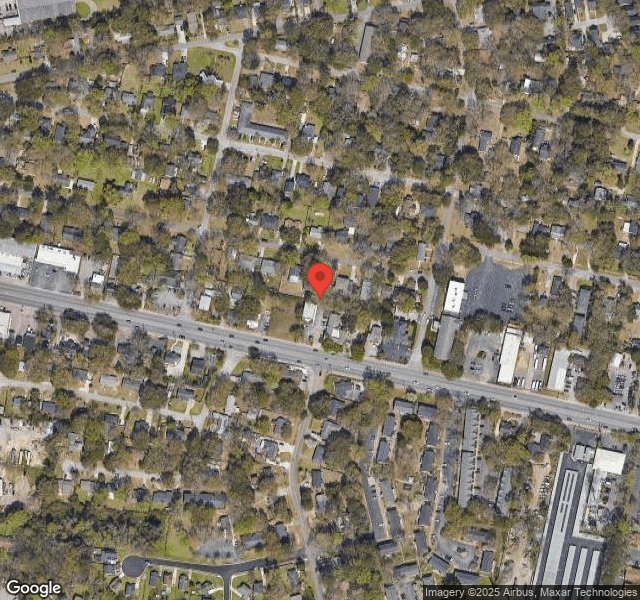
1137 Sam Rittenburg Blvd., Charleston, SC 29407 (843) 763-0233
For profit - Limited Liability company 125 Beds THE ENSIGN GROUP Data: November 2025 4 Immediate Jeopardy citations
Trust Grade
0/100
#104 of 186 in SC
Last Inspection: April 2025

Within standard 12-15 month inspection cycle. Federal law requires annual inspections.

Overview

Ashley River Healthcare in Charleston, South Carolina, has a Trust Grade of F, indicating significant concerns about the facility's operations and care quality. Ranking #104 out of 186 facilities statewide places it in the bottom half, while it ranks #7 out of 11 in Charleston County, suggesting limited local options with only one facility performing better. The facility's trend is improving, with issues decreasing from 8 in 2024 to just 1 in 2025. Staffing is average with a 3-star rating and a turnover rate of 38%, which is better than the state average. However, it has received concerning fines totaling $146,834, higher than 97% of facilities in South Carolina, and has less RN coverage than 81% of state facilities, which may impact resident care. Specific incidents include critical failures in pest control, with rodents and bugs found in resident areas, and serious financial mismanagement that jeopardized care for all residents. While the facility has some strengths, such as a good staffing turnover rate, these significant weaknesses raise concerns for families considering this home.
Trust Score
F
0/100
In South Carolina
#104/186
Bottom 45%
Safety Record
High Risk
Review needed
Inspections
Getting Better
8 → 1 violations
Staff Stability
○ Average
38% turnover. Near South Carolina's 48% average. Typical for the industry.
Penalties
⚠ Watch
$146,834 in fines. Higher than 80% of South Carolina facilities, suggesting repeated compliance issues.
Skilled Nurses
⚠ Watch
Each resident gets only 23 minutes of Registered Nurse (RN) attention daily — below average for South Carolina. Fewer RN minutes means fewer trained eyes watching for problems.
Violations
⚠ Watch
35 deficiencies on record. Higher than average. Multiple issues found across inspections.
★★☆☆☆
2.0
Overall Rating
★★★☆☆
3.0
Staff Levels
★★★★★
5.0
Care Quality
★☆☆☆☆
1.0
Inspection Score
Stable
2024: 8 issues
2025: 1 issues

The Good

  • 5-Star Quality Measures · Strong clinical quality outcomes
  • Full Sprinkler Coverage · Fire safety systems throughout facility
  • No fines on record
  • Staff turnover below average (38%)

    10 points below South Carolina average of 48%

Facility shows strength in quality measures, fire safety.

The Bad

2-Star Overall Rating

Below South Carolina average (2.8)

Below average - review inspection findings carefully

Staff Turnover: 38%

Near South Carolina avg (46%)

Typical for the industry

Federal Fines: $146,834

Well above median ($33,413)

Significant penalties indicating serious issues

Chain: THE ENSIGN GROUP

Part of a multi-facility chain

Ask about local staffing decisions and management

The Ugly 35 deficiencies on record

4 life-threatening 4 actual harm
Apr 2025 1 deficiency
CONCERN (D)

Potential for Harm - no one hurt, but risky conditions existed

Deficiency F0657 (Tag F0657)

Could have caused harm · This affected 1 resident

**NOTE- TERMS IN BRACKETS HAVE BEEN EDITED TO PROTECT CONFIDENTIALITY** Based on review of the facility policy, record review and interviews, the facility failed to ensure Resident (R)1 was invited to...

Read full inspector narrative →
**NOTE- TERMS IN BRACKETS HAVE BEEN EDITED TO PROTECT CONFIDENTIALITY** Based on review of the facility policy, record review and interviews, the facility failed to ensure Resident (R)1 was invited to attend care planning meetings and to have input on focused care areas, goals and interventions recognized by the facility for 1 of 2 residents reviewed. The findings include: A review of the facility policy titled Comprehensive Person- Centered Care Planning, with a revision/review date of December 2023 states, 7. The facility will provide the resident and resident representative, if applicable, advance notice of care planning conference to encourage resident and/or resident representative participation. Care conference may be in the form of face-to-face meeting, conference calls or video conferencing. If not practicable, the reason will be documented in the medical record. A review of R1's Face Sheet revealed that R1 was admitted to the facility on [DATE] with diagnoses including, but not limited to, chronic obstructive pulmonary disease, chronic pain syndrome, major depressive disorder, insomnia, anxiety disorder, chronic kidney disease, stage 4, adult failure to thrive and heart failure. A Review of R1's Significant Change Minimum Data Set (MDS) with an Assessment Reference Date (ARD) date of 03/30/25 revealed a Brief Interview for Mental Status (BIMS) score of 13 out of 15, indicating R1 had intact cognition. During an interview on 04/08/25 at approximately 1:58 PM with R1, revealed that she has not had care planning in the two years that she has been in the facility. Review on 04/09/25 of the medical record for R1 revealed a care plan attendance sheet dated 06/13/23 that did include R1 and a care plan review form dated 03/21/25 that did include R1. There was no other documentation that confirmed that R1 had been included in the care planning process. During an interview on 04/10/25 at 1:33 PM, the Director of Nursing (DON) revealed that Social Services handles the care plan invitations and attendance. During an interview on 04/10/25 at 1:43 PM, the Social Services Supervisor revealed, I look at the MDS schedule and call the responsible party. Letters are sent to the responsible party informing them of the time, date and location of the care plan meeting. If the resident alert and oriented, I notify them as well by visiting them in their room. During an interview on 04/10/25 at 1:47 PM, the MDS Director revealed that the resident also receives a copy of the care plan notification if they are alert and oriented. She stated, We are in between social workers, we had social workers from other facilities helping. I don't know what the previous social worker did with the previous care plan notification information. I looked back from April of 2024 to April of 2025. I was unable to locate any care plan notifications to residents or responsible parties. I am not saying R1 did not have a care plan meeting, but I cannot confirm that she did. If it is not documented, it is assumed it is not done. The only care plan review sheet in R1's record is the one dated 03/21/25. During a phone interview on 04/10/25 at 2:01 PM, R1's responsible party revealed that she has never been informed or invited to attend a care plan meeting for her mother. During an interview on 04/10/25 at 3:16 PM with the Administrator, she stated, My expectation is that we notify the family or responsible party in writing either through a letter or email, depending on the family's preference. If the resident is alert and oriented, they are notified in writing via letter as well. This will be done every quarter. There should be no exceptions to that policy. I do not know why resident's were not invited to the care plan meeting, I just know that it did not happen. We have a new social worker that started on the 31st and she is being trained in that process. Care plan meetings should occur quarterly and residents and families or responsible parties should be invited quarterly. An interview on 04/10/25 at 4:04 PM with the Regional MDS Resource revealed that the previous social worker kept all of the care plan information in a binder in her office. The former social worker took the binder with her. She stated, We have attempted to contact the former social worker with no success. This information was not uploaded into the electronic medical record. We have a new care plan review form that we are now using, so that they have a way to take credit for what they do. We have been using this form for about two weeks.
Jan 2024 8 deficiencies 1 IJ (1 facility-wide)
CRITICAL (L)

Immediate Jeopardy (IJ) - the most serious Medicare violation

Deficiency F0925 (Tag F0925)

Someone could have died · This affected most or all residents

⚠️ Facility-wide issue

**NOTE- TERMS IN BRACKETS HAVE BEEN EDITED TO PROTECT CONFIDENTIALITY** Based on review of the facility policy, observations, record review, and interviews, the facility failed to maintain an effectiv...

Read full inspector narrative →
**NOTE- TERMS IN BRACKETS HAVE BEEN EDITED TO PROTECT CONFIDENTIALITY** Based on review of the facility policy, observations, record review, and interviews, the facility failed to maintain an effective, ongoing pest control program after the identification of rodents and bugs in the facility. Specifically, (1) roach like bugs were observed in 1 residents bathroom. Additionally, (2) evidence of rodents were found in the facility's dry food storage room. On 01/07/24 at 3:23 PM, the Administrator was notified that the failure to implement interventions after the identification of rodents in the dry food storage room constituted Immediate Jeopardy (IJ) at F925. On 01/07/24 at 3:23 PM, the survey team provided the Administrator with a copy of the CMS Immediate Jeopardy (IJ) Template and informed the facility IJ existed as of 01/05/24. The IJ was related to 42 CFR 483.90 - Physical Environment. On 01/08/24, the facility provided an acceptable IJ Removal Plan. On 01/08/24, the survey team, validated the facility's corrective actions and removed the IJ. The facility remained out of compliance at F925 at a lower scope and severity of F. Findings include: Review of the facility policy titled Pest Control Policy for Skilled Nursing Facility with an effective date of 01/01/24 revealed, This policy establishes guidelines and procedures for the prevention and control of pests . The objective is to maintain a safe, clean, and pest-free environment conducive to the well-being of residents, staff, and visitors. Scope: This policy applies to all areas within the skilled nursing facility, including resident rooms, common areas, kitchens, storage rooms, and outdoor spaces. Policy Overview: 1. Responsibility: The Maintenance is responsible for overseeing the facility's pest control program. All staff members share responsibility in reporting signs of pest activity promptly. 2. Prevent Measures: Implement preventive measures, including proper sanitation practices, waste management, and routine cleaning, to minimize conditions favorable to pests. Ensure that food storage areas, dining areas, and kitchens adhere to stringent hygiene standards. 3. Regular Inspections: Conduct regular inspections of the facility, focusing on potential entry points of pests, water leaks, and areas with high humidity. Document any inspection findings and promptly address any identified issues. 4. Prompt Reporting: Establish a reporting system for staff member to report any signs of pest activity immediately. 5. Professional Pest Control Services: Contract with licensed and qualified pest control professionals to conduct routine inspections and treatments. Ensure that pest control measures are safe for residents and compliant with regulatory standards. 7. Use of Pesticides: Pesticides should only be used by licensed professionals following approved protocols. 8. Documentation: Maintain detailed records of pest control activities, including inspections, treatments, and follow-up measures. Review of the United States Environmental Protection Agency (USEPA) website (https://www.epa.gov/rodenticides/about-rats-and-mice) revealed, Each year, rodents cause significant damage to property, crops, and food supplies across the United States. In addition to damaging property, rodents may also spread diseases, posing a serious risk to public health. Rodent-borne diseases can be transferred directly to humans through: Bite wounds. Consumption of food and/or water or breathing dust contaminated by rodent droppings and other waste products. Indirectly by way of ticks, mites, and fleas that transmit the infection to humans after feeding on infected rodents. The USEPA website further documents, Rats and mice are known to carry many diseases. These diseases can spread to people directly, through handling of rodents; contact with rodent feces (poop), urine, or saliva (such as through breathing in air or eating food that is contaminated with rodent waste); or rodent bites. Rodents can also carry ticks, mites, or fleas that can act as vectors to spread diseases between rodents and people. Review of the USEPA Label Amendment dated 08/11/20, revealed, Difethialone Block . Kills Norway Rats, Roof Rats, House Mice . Active Ingredient: difethialone 0.0025%. Further review revealed, NOTE TO PHYSICIAN OR VETERINARIAN: Contains the anticoagulant difethialone. If swallowed, this material may reduce the clotting ability of blood and cause bleeding. For humans or animals ingesting bait and/or showing obvious poisoning symptoms (bleeding or prolonged prothrombin times), give Vitamin K1 intramuscularly or orally. Repeat as necessary based on monitoring of prothrombin times . PRECAUTIONARY STATEMENTS Hazard to Humans and Domestic Animals CAUTION: Harmful if swallowed or absorbed through the skin. Causes moderate eye irritation. Avoid contact with eyes, skin or clothing. Keep away from children, domestic animals and pets . STORAGE AND DISPOSAL: Do not contaminate water, food or feed by storage or disposal . USE RESTRICTIONS: . Do not contaminate water, food, feed, food or feed handling equipment, or milk or meat handling equipment. Do not apply directly to food or feed crops. Selection of Treatment Areas: Determine areas where rats and/or house mice [when optional species are claimed: rats, mice, and/or meadow voles] will most likely find and consume bait . Remove as much alternative food as possible. (1) During an observation on 01/07/24 at 11:40 AM, revealed four roach like bugs crawling on the sink, around a denture cup in the bathroom of room [ROOM NUMBER]. Further observation revealed two roach like bugs crawling along the wall. This was brought to the unit manager's attention and she was observed taking a hand sprayer into the bathroom to spray where the bugs were still crawling. During an observation on 01/08/24 at 9:25 AM, revealed a roach like bug was crawling around the base of the commode in the bathroom of room [ROOM NUMBER]. During an interview on 01/10/24 at 10:30 AM, the Administrator stated the exterminator came and sprayed for roaches and pests quarterly. The last receipt was dated 09/26/23. The exterminator had not been to inspect for pests since 09/26/23 and no documentation was provided that they had been notified of crawling pests. (2) During the initial kitchen tour on 01/07/24 at 10:50 AM, the following observations were made in the dry food storage room: 3 pest control rodent traps stored on the shelf with food items, 2 clear plastic bags, containing a powdered substance. On top and between the bags were dark pellets which resembled droppings from a rodent, 3 bags of 40 percent bran flakes, with holes in the bag that appeared to be chewed through, 1 bag of graham cracker crumbs, with holes in the bag that appeared to be chewed through and inside the bag contained dark pellets which resembled droppings from a rodent, 3 bags of 5 pound (lbs) white cake mix, surrounded by dark pellets that appeared to be rodent droppings and the bags had holes which appeared to be chewed through, 1 5 lbs bag of biscuit mix, with holes in the bag that appeared to be chewed through. Multiple shelves contained food debris and dark pellets that appeared to be rodent droppings. Review of Pest Control Invoice dated 01/05/24 revealed the following services: Rodent Control, Rodent Station Content Generation Mini Blocks (Difithialone [sic] 0.0025%), Station placement (kitchen). Difithialone [sic] 0.0025% is a second-generation anticoagulant designed to kill rodents after one feeding and are more toxic and have much longer half-lives than warfarin. During an interview on 01/07/24 at 11:38 AM, the Food Service Manager (FSM) stated, we have traps set because we found evidence of rats, droppings and chewed up bags. The FSM stated he was surprised that the representative from pest control put the traps on the shelf with the food. The FSM further stated, I took his expertise as he knew what he was doing. The FSM revealed the shelves in dry storage get cleaned once a month. There is no log or documentation, I just do it myself. The FSM went on to say, The dry storage was not cleaned after the traps were installed, it was my task for this week. There was evidence of rat droppings and chewed bags when pest control came in. I just didn't get to cleaning it yet. I was going to do it tomorrow. The FSM concluded that the kitchen staff were still using food items from the dry storage to prepare foods. The kitchen staff were instructed, not to use food that was chewed up. During an interview on 01/07/24 at 12:25 PM, the Maintenance Director (MD) stated, he had been told a day or two ago that we (the facility) had a few mice and we called pest control. The MD further stated he had not seen pests in other parts of the facility. During an interview on 01/07/24 at 1:00 PM, the [NAME] stated, I haven't seen any [rodents]. I have seen some evidence that they are in there [dry storage room]. I have not received any instructions on what to do in the dry storage room. During an interview on 01/07/24 at 1:04 PM, the Head [NAME] stated, I've seen rats in the dry storage, we would still use the foods as long as there were no bite marks. I just really noticed it a day or two ago. It's just one [rat], I come in to work in the morning and I can hear it running around and when I check the boxes, he runs away. During an interview on 01/07/24 at 1:14 PM, the Administrator stated, We had an instance when we had a new roof put on a couple of months ago and it bought about some pest control issues. Most recently they saw a mouse and we had [pest control] come out on Friday. I did not know the extent of it. On 01/08/24 the facility presented a removal plan which included: Corrective action(s) accomplished for those residents found to have been affected by the alleged deficient practice: All food from dry storage was discarded. All Difethialone was removed from the facility. The dry storage area was deep cleaned. Pest control was called to start new treatment plan that does not involve the use of Difethialone or any toxic chemical to humans. Plastic storage totes were purchased to house new dry food deliveries expected. Opening to ceiling in dry storage area was patched. Dry storage area was temporarily moved to another location. Identify other residents who have the potential to be affected by the same deficient practice and what corrective action taken: All residents have the potential to be affected by this deficient practice. Measures/systematic changes put in place to ensure that the deficient practice does not reoccur: All dry food will be placed in plastic storage bins upon delivery by the dietary staff. A validation form, to verify all dry food, is immediately placed in plastic storage bins, will be completed by the dietary department staff upon delivery and documented on the ''Dry food Storage Procurement Log. All dry food/totes/dry storage rooms will be checked by the Administrator, Dietary manager, or dietary staff daily for evidence of rodent activity and documented on the Pest Control Rounding Tool. The dry food storage area was temporarily moved to another location. Dry food storage will be maintained in this location until on or before 01/19/2024 when the dry food will return to the original dry food storage room following the criteria outlined. Education will be provided to the Pest Control company regarding safe and effective pest control management in long term care settings with emphasis on the dangers of toxic chemicals around dry food storage. The pest control visit frequency will increase to once weekly for a minimum of six week. All residents will be monitored for a minimum of seven days for signs and symptoms of diarrhea, fever, and abdominal pain. If present the Physician will be notified immediately and the facility will follow the change of condition protocol. Education will be provided to all staff working in the facility today regarding the process for reporting rodent sightings and how to report by the Administrator, Director of Nursing, or the Dietary Manager. Staff who have not received education will not be able to work until their education is complete. Monitoring of corrective action to ensure the deficient practice will not reoccur: A validation form, to verify all dry food, is immediately placed in plastic storage bins, will be completed by the dietary department staff upon delivery and documented on the Dry Food Storage Procurement Log, upon each delivery for six weeks. All dry food/ totes/dry storage rooms will be checked by the Administrator, Dietary manager, Maintenance Director or dietary staff daily for evidence of rodent activity and documented on the Pest Control Rounding Tool. Pest control visits will be increased to weekly. Proof of these visits will be maintained in the plan of correction binder weekly x 6 weeks. The Director of Nursing, Assistant Director of Nursing, or the Staff Development Coordinator will review the 24 hour report for the seven days of monitoring to ensure any residents with a noted change of condition have been reported to the Physician. A report of findings will be reported to the facility Quality Assurance Committee consisting of Director of Nursing, Medical Director, Nursing Home Administrator, MOS, Social Services Director, Dietary Manager, by the Director of Nursing x 3 months to review the need for continued intervention or amendment of plan. Date of facility compliance: 01/08/2024
CONCERN (D)

Potential for Harm - no one hurt, but risky conditions existed

Tube Feeding (Tag F0693)

Could have caused harm · This affected 1 resident

**NOTE- TERMS IN BRACKETS HAVE BEEN EDITED TO PROTECT CONFIDENTIALITY** Based on review of the facility's policy, record review, observation, and interview, the facility failed to ensure that the nurs...

Read full inspector narrative →
**NOTE- TERMS IN BRACKETS HAVE BEEN EDITED TO PROTECT CONFIDENTIALITY** Based on review of the facility's policy, record review, observation, and interview, the facility failed to ensure that the nursing staff had a physician's order related to the care of Resident (R) 44's peg tube site, for one of one resident reviewed for tube feeding. Findings include: Review of the facility's policy titled, Gastrostomy Tube Care and Management, revised 12/2023 stated, Clean all stoma sites daily, per MD orders. Resident (R) 44 was admitted to the facility on [DATE] with diagnoses including, but not limited to, malignant neoplasm of tongue, malignant neoplasm of upper lobe, right bronchus or lung, type 2 diabetes and hyperlipidemia. A Review of R44's Minimum Data Set (MDS) with an Assessment Reference Date (ARD) of 11/02/23, indicated the resident had a Brief Interview of Mental Status (BIMS) score of 15, indicating there was no cognitive impairment. Review of R44's care plan dated 11/01/23 revealed a problem area for nutritional problem or potential nutritional problem related to (r/t) Tongue and Lung Cancer . Interventions in place indicated: Provide local care to Feeding Tube site as ordered and monitor for s/sx (symptoms) of infection with an initiation date of 12/06/23. Review of R44's January 2024 Medication Administration Record (MAR) dated 1/1/2024-1/31/2024 revealed there was no order referenced for cleaning of the peg tube site. Review of the December 2023 Treatment Administration Record (TAR) reviewed on 1/9/2024 and dated 12/1/2023-12/31/2023 revealed there was an absence of a treatment order to provide care to the peg tube site. During an interview on 01/09/24 at 12:19 PM with Licensed Practical Nurse (LPN)3, she stated she cleans the peg site every shift. When asked how she knows how to clean it, she looked at the MAR and TAR. When verifying there was not an order present, she stated, I take normal saline and clean with gauze. During an interview with the Director of Nursing (DON) on 01/10/24 at 5:00 PM she was asked, If a resident has a peg tube, what is the expectation for care? She replied, to follow physician orders and facility policy. When the DON was asked, how does staff know how to clean the peg tube site? The DON replied, it should be in the care plan or chart and the physician orders should indicate the care of the site in the chart. The DON was then asked, If there is no order, how should staff proceed? She responded, There usually is an order, but sometimes the physician doesn't add an order. She continued to say, I don't know the patient. The patient's name was given, and the DON's response was I don't know, I don't take care of her personally, I can look at her chart. She was asked what the general procedure was related to peg tube care and she responded, Use a dry dressing, just know the monitor the site for redness.
CONCERN (D)

Potential for Harm - no one hurt, but risky conditions existed

Respiratory Care (Tag F0695)

Could have caused harm · This affected 1 resident

**NOTE- TERMS IN BRACKETS HAVE BEEN EDITED TO PROTECT CONFIDENTIALITY** Based on review of facility policy, observations, interviews, and record review, the facility failed to administer oxygen per ph...

Read full inspector narrative →
**NOTE- TERMS IN BRACKETS HAVE BEEN EDITED TO PROTECT CONFIDENTIALITY** Based on review of facility policy, observations, interviews, and record review, the facility failed to administer oxygen per physician ' s orders for 1 of 1 resident reviewed for respiratory care, Resident (R)21. Findings include: Review of the facility's policy titled, Policy/Procedure-Nursing Clinical. Subject: Oxygen Administration (Mask, Cannula, Catheter) undated revealed, Policy: It is the policy of this facility that oxygen therapy is administered as ordered by the physician or as an emergency measure until the order can be obtained. Review of R21's Electronic Medical Record (EMR) revealed R21 was admitted to the facility on [DATE] with diagnoses including but not limited to, acute and chronic respiratory failure with hypoxia, pneumonia due to other specified infectious organisms, dependence on supplemental oxygen, chronic obstructive pulmonary disease, and chronic bronchitis. Review of R21's Quarterly Minimum Data Set (MDS) with an Assessment Reference Date (ARD) date of 11/10/23 revealed a Brief Interview for Mental Status (BIMS) score of 6 out of 15, indicating R21 has severe cognitive impairment. Review of R21's Care Plan documented, Has Oxygen Therapy r/t Respiratory related dx. Further review of the Care Plan revealed the following approach, OXYGEN SETTINGS: per orders. Change tubing/ humidifier per facility protocols. Care plan also documented, Resident has dx. of COPD. Further review of Care Plan revealed the following approach, Give oxygen therapy as ordered by the physician. Review of R21's Physician Order documented, O2 @ 3 liters per minute continuous via nasal cannula every shift Notify MD if o2sat <90% and Change & date oxygen tubing & humidifier bottle 1xwk Wed PM every night shift every Wed, Sun for Oxygen use. During an observation of R21's room on 01/07/24 at 12:10 PM, R21 was noted with oxygen via nasal canula set at 2L/min on concentrator. Tubing noted without date and water bottle to humidify oxygen is noted empty and without date. During an observation of R21's room on 01/08/24 at 10:33 am, the O2 Concentrator in room set to 2L/min. Bag for tubing noted labeled with date 01/08/23 and water bottle labeled 01/07/23. During an observation of R21's room on 01/08/24 10:37 am Resident noted in therapy gym with oxygen tank set at 2L/min. During an observation of R21's room on 01/08/24 at 9:38 am Resident was observed in therapy gym with oxygen tank using nasal cannula and tubing observed to not be labeled. During an interview on 01/09/24 at 10:37 AM, Licensed Practical Nurse (LPN)1 was asked what the oxygen orders were for R21. She stated it was reported to be 3L/min, while looking in the computer at the electronic health record. During an staff interview and observation on 01/09/24 at 10:41 AM, this surveyor entered R21's room with LPN1 and asked LPN1 to verify the oxygen flow rate on the concentrator. LPN1 stated, It's on two.
CONCERN (D)

Potential for Harm - no one hurt, but risky conditions existed

Unnecessary Medications (Tag F0759)

Could have caused harm · This affected 1 resident

Based on the facility policy titled, Medication Errors and Adverse Reactions, and Medication Administration: Insulin Injections, the facility failed to ensure an error rate of less than 5% during medi...

Read full inspector narrative →
Based on the facility policy titled, Medication Errors and Adverse Reactions, and Medication Administration: Insulin Injections, the facility failed to ensure an error rate of less than 5% during medication administration. Specifically 2 errors were observed out of 26 opportunities for error for a medication error rate of 7.69 percent. Findings include: Review of the facility policy titled, Medication Errors and Adverse Reactions, states a medication error is described as the observed or identified preparation or administration of medications or biological's which is not in accordance with: 1) The prescriber's order; 2) Manufacturer's specifications (not recommendations) regarding the preparation and administration of the medication or the biological, or; 3) Accepted professional standards and principles which apply to professionals providing services. Accepted professional standards principles include the various practice regulations in each state, and current commonly accepted health standards established by national organizations, boards, and councils. An observation during medication administration on 01/09/2024 at 08:40 AM revealed Licensed Practical Nurse (LPN)1 administering Symbicort 160-4.5 micrograms inhaled one time daily. The physician's order clearly stated to, Shake Well. LPN1 administered the Symbicort, but failed to shake the medication before administering it. LPN1 confirmed that she had not shaken the inhaler prior to administering it. Review of the facility policy titled, Medication Administration: Insulin Injections, states, It is the policy of this facility that procedures outlined in this policy must be followed to aid oxidation and utilization of blood sugar by the tissues and to control the blood sugar levels in residents/patients with diabetes mellitus through the correct administration of insulin. For Insulin Pens: 1) Remove the cover from the pen and swab with an alcohol swab. Screw on a new needle and remove cap. 2) Prime pen by dialing up 2 units on the pen and pressing the button on the end of the pen. Repeat priming procedure until insulin secretes from the needle. 3) turn the knob on the end of the pen (or dial) to the number of units. 4) Insert the needle under the skin at a 90 degree angle. 5) Press the button on the end of the pen. 6) Count to 10 and remove the pen. 7) Recap the pen. An observation on 01/09/2024 at 11:10 AM revealed LPN1 preparing to administer a Humalog Insulin Pen. LPN1 took the cap from the pen, wiped off the hub to attach the needle, but primed the pen with 2 units and pushed the button on the end, the pen was not primed. LPN1 did not apply the needle, and did not hold the pen upright to prime the pen before administering the 4 units with the needle attached. She then went into the resident's room, dialed up the 4 units and administered the Insulin. LPN1 confirmed that she had not applied the needle before priming the pen, therefore the Insulin was not administered correctly.
CONCERN (E)

Potential for Harm - no one hurt, but risky conditions existed

Deficiency F0760 (Tag F0760)

Could have caused harm · This affected multiple residents

**NOTE- TERMS IN BRACKETS HAVE BEEN EDITED TO PROTECT CONFIDENTIALITY** Based on the facility policy titled, Medication Errors and Adverse Reactions, the facility failed to ensure there were no signif...

Read full inspector narrative →
**NOTE- TERMS IN BRACKETS HAVE BEEN EDITED TO PROTECT CONFIDENTIALITY** Based on the facility policy titled, Medication Errors and Adverse Reactions, the facility failed to ensure there were no significant medication errors during medication administration. Additionally, the facility failed to ensure medications were given as ordered and held when parameters were met as documented. Findings include: Review of the facility policy titled, Medication Errors and Adverse Reactions, with a revision date of 1/2022 states that a significant medication error means one that causes the residents discomfort or jeopardizes his or her health and safety. Significance may be subjective or relative depending on the individual situation and duration. The observed or identified preparation or administration of medications or biological's which is not in accordance with: 1) The prescriber's order; 2) Manufacturer's specifications (not recommendations) regarding the preparation and administration of the medication or biological; or 3) Accepted professional standards and principles which apply to professionals providing services. Accepted professional standards principles include the various practice regulations in each state, and current commonly accepted health standards established by national organizations, boards, and councils. An observation during medication administration on 01/09/2024 at 08:40 AM revealed Licensed Practical Nurse (LPN)1 administering Symbicort 160-4.5 micrograms inhaled one time daily. The physician's order clearly stated to, Shake Well. LPN1 administered the Symbicort but failed to shake the medication before administering it. Due to the deficient practice it cannot be determined that the resident received the correct dose. LPN1 confirmed that she had not shaken the inhaler prior to administering it. Review of the facility policy titled, Medication Administration: Insulin Injections, states, It is the policy of this facility that procedures outlined in this policy must be followed to aid oxidation and utilization of blood sugar by the tissues and to control the blood sugar levels in residents/patients with diabetes mellitus through the correct administration of insulin. For Insulin Pens: 1) Remove the cover from the pen and swab with an alcohol swab. Screw on a new needle and remove cap. 2) Prime pen by dialing up 2 units on the pen and pressing the button on the end of the pen. Repeat priming procedure until insulin secretes from the needle. 3) turn the knob on the end of the pen (or dial) to the number of units. 4) Insert the needle under the skin at a 90 degree angle. 5) Press the button on the end of the pen. 6) Count to 10 and remove the pen. 7) Recap the pen. An observation on 01/09/2024 at 11:10 AM revealed LPN1 preparing to administer a Humalog Insulin Pen. LPN1 took the cap from the pen, wiped off the hub to attach the needle but primed the pen with 2 units and pushed the button on the end, the pen was not primed. LPN1 did not apply the needle, and did not hold the pen upright to prime the pen before administering the 4 units with the needle attached. She then went into the resident's room dialed up the 4 units and administered the insulin. LPN1 confirmed that she had not applied the needle before priming the pen, therefore the insulin was not administered correctly and it could not be determined that the resident received the correct dose of Humalog Insulin. Additional findings revealed: Review of the facility ' s policy titled, Medication Errors and Adverse Reactions, with a revision date of 1/2022 states it is the policy of this facility ([NAME] River Healthcare) that medication errors and adverse drug reactions must be reported to the resident ' s attending physician. Review of Resident (R)51's Electronic Medication Administration Record (MAR) dated December 1-31, 2023, revealed the order Metoprolol Tartrate 25 milligrams (mg) tablet- 1 tab by mouth twice daily *Hold for HR (heart rate) < 60 or SPB < 110. Review of the MAR revealed R51 received doses on 12/17/23 and 12/23/23. Review of R51's MAR dated December 1-31, 2023, revealed the order for Norvasc 5 mg tab-give 2.5 mg by mouth one time a day for HTN (hypertension) hold if sBP (systolic blood pressure) < 110 and/or dBP (diabolic blood pressure) < 60. Review of the MAR revealed Norvasc was administered vs Held on 12/13, 12/17, 12/23, and 12/24/23. Review of R51 ' s November 2023 MAR revealed Norvasc was administered vs Held on 11/19/23 and 11/25/23. During an interview with Registered Nurse (RN)1 on 1/10/24 at 4:37 PM, she stated that she knows the parameters of Norvasc & Metoprolol. She stated, sometimes it's a glitch in the system. When asked about the medication errors, she pulled up R51's MAR and stated, I don't know how that happened; I always check her BP to make sure her systolic blood pressure is above 110. She further stated the the Assistant Director of Nursing (ADON) usually checks behind the nurses to ensure there are no medication errors. If med errors occur, they have an in-service. During an interview with the Unit Manager on 1/10/24 at 4:52 PM, she stated The ADON runs the report, and the unit managers give in-services to ensure corrections of med errors. During a phone interview conducted on 1/10/24 at 5:00 PM with LPN6, she stated She is not aware of the parameters of Norvasc or Metoprolol. She stated, she goes by the MAR when she is at work. An interview with the DON was conducted on 1/10/24 at 5:28 PM. When questioned about the medication errors, she nodded in understanding, but did not offer a response.
CONCERN (E)

Potential for Harm - no one hurt, but risky conditions existed

Deficiency F0761 (Tag F0761)

Could have caused harm · This affected multiple residents

**NOTE- TERMS IN BRACKETS HAVE BEEN EDITED TO PROTECT CONFIDENTIALITY** Based on observations and interviews, the facility failed to ensure that multiple medications and biological's that were expired...

Read full inspector narrative →
**NOTE- TERMS IN BRACKETS HAVE BEEN EDITED TO PROTECT CONFIDENTIALITY** Based on observations and interviews, the facility failed to ensure that multiple medications and biological's that were expired and or outdated were removed from use and not stored with medications and biologicals in use for residents in 3 of 4 medications carts and 3 of 3 medication storage rooms. Findings include: An observation on 01/09/2024 at 11:06 AM of the 2 South Medication Cart revealed: One Bottle of Plus Pharma, Folic Acid 400 Micrograms (mcgs) with Lot #59555 was expired on 10/2023. Eleven tablets of Phenazopyridine 200 milligrams (mgs) with Lot #22FP2213 were expired on 12/2023. One Insulin Aspart Pen 100 units/ml in use with no open date and no expiration date. The expired medications were confirmed by Licensed Practical Nurse (LPN)1 on 01/09/2024 at 11:10 AM and removed from the 2 South medication cart where other medications in use for residents were stored. An observation on 01/09/2024 at 11:20 AM of the 1 South Medication Cart revealed: One bottle of Covid 19 AG Reagent with Lot #103188832, 7.5 ml's was expired on 10/24/2023. Advair Diskus, 100 micrograms (mcg)/50mgs with RX #63339436, with no open date, and states to discard one month after opening. The medications were confirmed by LPN1 and removed from storage with other medications in use for residents. An observation on 01/10/2024 at 01:50 PM of the 1 East Hall medication room revealed: One V.A.C. Freedom 300 milliliters (mls) Canister with Gel with Lot #60138327 was expired on 06/30/2021. One Stream Med Dressing Change Tray with Lot #221798452 was expired on 11/19/2023. One [NAME] Toothbrush, Lot #10867A was expired on 07/2018. One [NAME] Suction Swab, Lot #10839A was expired on 06/2016. One V.A.C. Granufoam Dressing, Lot #8961894V009 was expired on 12/31/2023. Optimum - Probiotic Supplement, 50 caps with Lot #364212, was expired on 12/2023 The above listed biological's were confirmed by LPN3 and removed from storage. One Medline - Non Conductive Connecting Tubing 20 & 6 ft length, 3/16 Diameter with Lot (10): 48618110001 was expired (17): 2022-11-01. One box, 6 packs, Covidien, Curity Cotton Tipped Applicators, 3 (7.6 cm) with Lot #02515, was expired 2020-05. On 01/10/2024 at 02:20 PM the expired biological's and medication was confirmed by LPN3 and removed from storage. An observation on 01/10/2024 at 2:15 PM of the 1 East Medication Cart revealed: One Lantus 100 units/milliliter (ml) Prefilled Insulin Pen with Lot #2F8509A in use with no open date and no expiration date. One bottle of Gericare, Iron Supplement Liquid, Ferrous Sulfate, 220 milligrams (mg's)/5mls, 16 ounces (473mls) with Lot K740 was expired on 11/2023. The Lantus and the Iron Supplement were confirmed at this time by LPN3 and removed from storage with other medications in use for residents. An observation on 01/10/2024 at 02:30 PM of the 1 North Hall medication room revealed: Two Medline Urinary Drainage Bags, Lot #692011H011 were expired 10/28/2023. The urinary drainage bags were confirmed as expired and removed from storage by LPN4.
CONCERN (F)

Potential for Harm - no one hurt, but risky conditions existed

Food Safety (Tag F0812)

Could have caused harm · This affected most or all residents

**NOTE- TERMS IN BRACKETS HAVE BEEN EDITED TO PROTECT CONFIDENTIALITY** Based on review of facility policy, observations, and interviews, the facility failed to store food in accordance with professio...

Read full inspector narrative →
**NOTE- TERMS IN BRACKETS HAVE BEEN EDITED TO PROTECT CONFIDENTIALITY** Based on review of facility policy, observations, and interviews, the facility failed to store food in accordance with professional standards for food service safety in 1 of 1 main kitchen. Specifically, the facility failed to label and date food being stored in the [NAME] refrigerator, [NAME] freezer, and dry storage. Additionally, the facility failed discard expired and spoiled foods. This had the potential to affect all residents who receive food from the kitchen. Findings include: Review of the facility policy titled, Food Storage Policy for Skilled Nursing Facility with an effective date of 01/01/24 documented, Policy Statement: This policy establishes guidelines and procedures for the proper storage of food . The objective is to maintain food safety, prevent contamination, and ensure that residents are provided with nutritionally sound and safe meals. Scope: This policy applies to all areas within the skilled nursing facility where food is stored, including kitchens, pantries, refrigerators, freezers, and storage rooms. Policy Overview: 1. Storage Areas: . Ensure that storage areas are cleans . 3. First In, First Out (FIFO) System: Implement a FIFO system to ensure that food items are used in the order they are received. Rotate stock regularly to minimize the risk of expired or spoiled products. 4. Proper Packaging: Store food items in their original, sealed packaging, or in airtight containers to prevent contamination. 6. Regular Inspections: Conduct regular inspections of food storage areas to identify and address any signs of pest activity, leaks, or other issues and take corrective actions promptly. 7. Cleaning and Sanitization: Regularly clean and sanitize food storage areas, including shelves, bins, and containers. During the initial kitchen tour on 01/07/24 at 10:50 AM, the following observations were made: [NAME] Refrigerator: 1 - 135 ounce (oz) bottle of mild enchilada sauce, with what appeared to be mold growing on the outside of the bottle and on the lid. 1 - 128 fl oz (fluid ounce) bottle of soy sauce, with what appeared to be mold growing on the outside of the bottle. 1 - 1 gallon bottle of Worcestershire sauce, with what appeared to be mold growing on the outside of the bottle. 1 - 10 pound (lbs) tub of hard boiled eggs, with a use by date of 10/26/23. 1 - pack of sliced yellow cheese and 1 - pack of shredded white cheese, not labeled or dated. 3 - trays containing small bowls of pineapple, not labeled or dated. 24 - small containers of Dannon yogurt, with an expiration date of 01/06/23. Dry Storage: Multiple packets of individual tartar sauce, with a sticky substance on the outside. 2 - 1 gallon bottles of white vinegar, with a best by date of 11/07/23. 1 - 1 gallon bottle of apple cider vinegar, with a best by date of 01/06/24. 1 - case of individual peanut butter, with a best by date of 06/18/22. 1 - case containing 2 bags of a powdered substance, not labeled or dated. 3 - bags of 40 percent bran flakes, dated 05/26/23. 1 - 2 lbs bag of raisins, with a best by date of 06/02/23. 1 - 5 lbs bag of Hershey cocoa, with a best by date of 03/20/22. [NAME] Freezer: 1 - 4 quart (qt) container of an unknown food item, not labeled or dated. 1 - piece of grilled chicken, not wrapped or sealed, sitting on top of a box. During an interview on 01/07/24 at 11:00 AM, the Head [NAME] stated everything should be dated and proceeded to remove and discard the items. The Kitchen Manager was not available for interview during the initial kitchen tour.
CONCERN (F)

Potential for Harm - no one hurt, but risky conditions existed

Infection Control (Tag F0880)

Could have caused harm · This affected most or all residents

**NOTE- TERMS IN BRACKETS HAVE BEEN EDITED TO PROTECT CONFIDENTIALITY** Based on observation, record review, interview and review of the facility policy, the facility failed to handle, store, process,...

Read full inspector narrative →
**NOTE- TERMS IN BRACKETS HAVE BEEN EDITED TO PROTECT CONFIDENTIALITY** Based on observation, record review, interview and review of the facility policy, the facility failed to handle, store, process, provide laundry services and transport of laundry using safe and sanitary techniques to prevent the transmission and spread of infection. Findings include: Review of the facility's policy titled Infection Control Policy/Procedure, revised on 1/2021 stated in section titled Procedures: General: The supervisor of laundry services will implement effective systems for laundry sanitation, including a regular cleaning schedule for all linen areas.5 Special procedures will be observed for safe handling of infected of contaminated linen.9 The laundry supervisor will act jointly or with the infection control designee representatives in making periodic facility inspections.10 the laundry department will supply a sufficient quantity of linen or proper resident care and comfort. Laundry Area: .3 clean machines and worktables with disinfectant cleaners. Transportation of Linen: .1 All clean linens should be stored and transported in carts used exclusively for this purpose, or in linen carts that have been decontaminated after being used for soiled laundry. Separating Clean from Dirty Linen in the Laundry: .1 In the laundry, dirty linen should be moved from the dirtiest to the cleanest area as it is being processed.2 Dirty linen should be clearly separated from areas where clean linen is handled. Protecting Personnel who Sort Laundry: 2 Laundry personnel should wash their hands and remove barriers before going into clean linen area. Hot water Washing: .2 Linens should be washed with a detergent in water hotter than 160°F (71°C) for a minimum of twenty-five (25) minutes since this is an effective method for cleaning and killing vegetative bacteria, when specific manufacture guidance is not available. Contract Laundry Services: .1 Laundry services outside the hospital should handle laundry in a manner acceptable to the infection control committee after consideration of the above recommendations. Alternate Laundry Services: .2 If laundry mat services are utilized - a. soiled laundry will be transported in black bags. b. clean laundry will be transported in clear trash bag. c. vehicle to be sanitized between soiled and clean process. D. continued use of facility chemicals to be utilized during laundry. During an observation of the laundry room on 01/08/24 at approximately 11:20 AM revealed, 2 of 2 washing machines were not in service. Additional observation revealed multiple large black garbage bags of soiled laundry/linen stacked in the soiled side of laundry area. During an observation on 01/08/24 at approximately 11:30 AM, the Director of Housekeeping and Laundry Services (DLS) removed soiled laundry from a bin, while holding contaminated laundry bags close to her body. She did not sanitize the bin after laundry removal or doff (take off) gown post pick up. DLS then transported the soiled laundry back to laundry through clean side of laundry room. During an interview on 01/08/24 at approximately 11:45 AM, the DLS revealed the facility has two washers. She stated the newer washer has been broken since Friday, 01/05/24, while the older washer has been broken for a while. The DLS stated she's been taking laundry to a local laundromat in a van, she borrows from a friend. The DLS stated, I get monies from petty cash to pay for laundering. I took 22 bags yesterday in his (friends) van. The DLS further stated she uses Clorox spray and Clorox wipes for cleaning the washers and van before/after she does laundry at the public laundromat. The DLS stated she uses 1-2 cups of laundry additives from the Ecolab washer additives, the facility has in stock, when she takes laundry to the laundromat. During an interview on 01/08/24 at approximately 11:50 AM, the Industrial Laundry Services Repairman revealed the newer washer had been down for approximately 1 week, while the 2nd older washer had been down for several months. The Repairman stated he was only going to do a temporary fix to one of the washers, while waiting on another part to arrive. Repair was made to the newer washer and the older washer remains inoperable. During an interview on 01/08/24 at approximately 4:15 PM, the Administrator revealed the policy states there does not have to be a log of amount of detergent used for sanitation log is a paper attestation of what she said she did. During a follow up interview on 01/08/24 at approximately 4:17 PM, the DLS revealed she used 2 cups of laundry detergent and 2 cups of bleach. She states washers at the laundromat are just like the facility washers and lets you know when the soak/wash/rinse cycles are on, just like the washer here. The DLS further stated there is no documentation of her cleaning/sanitizing the areas she uses at the public laundromat. During a follow up interview on 01/08/24 at approximately 4:20 PM, the Administrator revealed for sanitation and separation of soiled from clean items when using the public laundry mat; large black garbage bags are used for soiled laundry, and white clear bags for clean laundry. The van used to transport the laundry has driver seat and front passenger seat only with a hard shell on inside. During an interview on 01/08/24 at approximately 5:24 PM, the owner of the van revealed he lets the facility borrow his [NAME] Sprinter Van to transport soiled/clean laundry to and from the laundry mat. The van owner stated, the DLS used the van this past weekend and then stated, she (DLS) can use the van for transporting laundry at any time.
Apr 2023 3 deficiencies 2 IJ (2 facility-wide)
CRITICAL (L) 📢 Someone Reported This

A family member, employee, or ombudsman was alarmed enough to file a formal complaint

Immediate Jeopardy (IJ) - the most serious Medicare violation

Administration (Tag F0835)

Someone could have died · This affected most or all residents

⚠️ Facility-wide issue

**NOTE- TERMS IN BRACKETS HAVE BEEN EDITED TO PROTECT CONFIDENTIALITY** Based on review of facility policy, record review, and interviews, the facility failed to be administered in a manner that enabl...

Read full inspector narrative →
**NOTE- TERMS IN BRACKETS HAVE BEEN EDITED TO PROTECT CONFIDENTIALITY** Based on review of facility policy, record review, and interviews, the facility failed to be administered in a manner that enabled it to use its financial resources effectively and efficiently. Specifically, the facility failed to have a system in place to ensure all financial obligations are met to guarantee care and services are provided to the residents. This failure has the potential to affect 89 of 89 residents in the facility. On 04/13/23 at 1:30 PM the Administrator was notified that the failure to keep up to date with payment to vendors, utility services, and critical services provided to the residents of the facility constituted Immediate Jeopardy (IJ) at F835. The facility was unable to present an acceptable plan of removal of the immediate jeopardy. Therefore the survey team was not able to validate that the IJ was removed. The facility remained out of compliance at F835 at a scope and severity of L (widespread immediate jeopardy to residents health and safety). The survey team exited the facility on 04/13/23 with an ongoing IJ. On 04/13/23 at 1:30 PM, the survey team provided the Administrator with a copy of the CMS Immediate Jeopardy (IJ) Template and informed the facility IJ existed as of 04/05/23. The IJ was related to 42 CFR 483.70 - Administration. On 04/13/23 the survey team exited the facility with an ongoing IJ. The facility was not able to provide an acceptable IJ Removal Plan. Findings Include: Review of a facility policy titled, Administrative Management (Governing Board) with a revision date of October 2017 revealed, The governing board shall be responsible for the management and operation of the facility. 2. The Administrator is appointed by and accountable to the governing board. 3. The governing board is responsible for, but not limited to: a. Oversight of facility care and services in accordance with professional standards of practice and principles; g. Provision of a safe physical environment equipped and staffed to maintain the facility and services;. Review of a facility policy titled, Vendor Selection with a revision date of November 2009 revealed, All vendors have an equal opportunity to bid or quote on supplies and equipment used by the facility. 1. The selection of vendors is the responsibility of the Purchasing Agent in cooperation with department supervisors. 4. All vendors must be referred to the Purchasing Agent. Review of two emails from Electric Company #1 to the Administrator, dated 04/05/23 at 10:43 AM revealed the following: 1. Final Notice Good Morning, Your electric/gas meter will be disconnected 4/6/23 for the Past Due Amount - $58,773.44. Account Balance: $66,208.48 Electric#[xxxxxxxxx] 2. Final Notice Good Morning, Your electric/gas meter will be disconnected 4/6/23 for the Past Due Amount - $7,379.94. Account Balance: $10,913.91 Gas#[xxxxxxxxx] Review of a spreadsheet printed through Stampli (software that keeps track of vendor invoices), provided by the Administrator on 04/12/23 at approximately 11:00 AM revealed the following outstanding balances due to vendors: Acme Linen (Demand Letter) - $8,127.57 Allstate Medical Supplies - $11,238.01 American Health Associates - $9,734.05 Ashpa Management - $3,682.06 Atlantic Respiratory Services - $20,180.00 Bristol - $62,706.41 Carolina Chillers - $1,958.15 Carolina Services Inc - $7,950.00 [NAME] Water System - $19,414.94 Cleaning Solutions and Supplies - $5,254.46 [NAME] Dizzia LLP - $2,005.00 CrownCare - $5,400.00 CSI - $7,950.00 [NAME] - $1,969.56 Curana Health - $47,207.66 Direct Supply - $3,486.49 Docusystems - $277.98 Ecolab - $3,892.03 Transport Company - $13,329.17 Guardin - $7,942.64 [NAME] - $2,514.15 ImageOne - $13,460.57 Industrial Chem Labs - $102.86 Innovative Supply Group - $10,821.53 Joerns Healthcare - $2,105.54 KCI - $23,597.09 L&S Electronics - $108.00 [NAME] $40,270.89 Lowcountry Lawn - $2,025.00 MAS Medical Staffing - $10,588.94 Medpass - $107.55 Mobilex usa - $11,224.25 NurseSpring - $9,236.93 Personal Care Ambulance - $41,424.28 Pharmerica - $33,487.70 Pioneer Technologies - $9,843.82 [NAME] Clean - $3,065.89 Roto Rooter - $569.44 Sapphire Background Check - $20,215.47 Stericycle - $1,655.90 TK Elevator - $8,001.42 Trident USA - $7,001.73 Vital Records Control - $3,351.26 WellSky - $5,995.00 Review of a Notice Of Motion And Motion For Appointment Of Receiver Expedited Hearing Requested with an electronic filing date of 03/28/23 revealed, [NAME] Sc Property Holdings, LLC, And [NAME] Sc Property Holdings, LLC, Plaintiffs, vs. [NAME] Op LLC, [NAME] Op LLC [NAME] Capital Management LLC, Sc Two Op Holdings LLC, And [Owner], Defendants noted: A. Defendants Are In Breach of Contract and Are Insolvent. 1. Plaintiffs are the owners of the real property located at 1137 [NAME] Boulevard, [NAME], South Carolina 29407 and 1800 Eagle Landing Boulevard, [NAME], South Carolina 29410, the legal descriptions of which appear in Exhibit A and B attached to the Verified Complaint and incorporated herein (collectively, the Properties). The Lessees lease these Properties from Plaintiffs and manage two skilled nursing facilities thereon known as Viviant Healthcare of [NAME] (the [NAME] Facility) and Viviant Healthcare of [NAME] (the [NAME] Facility, collectively, the Facilities). (Ex. A, [NAME] Aff., ¶ 4.) 3. Starting in October 2022, Defendants began failing to make timely payments of Rent under the Lease and have continued to fail to make timely Rent payments in November 2022, December 2022, January 2023, February 2023, and March 2023. The total amount that is currently past due and owing under the Lease is a sum of at least $2,250,436.13. 14. At least 3 staffing agencies have sued the Lessees in [NAME] County and [NAME] County for breach of contract and failure to pay the agencies, which raises very serious concerns and doubts as to whether the Facilities are adequately staffed to provide proper care for the residents. The following is a listing of the lawsuits filed by the staffing agencies, 1. [NAME] Medical Staffing, LLP v. [NAME] OP, LLC d/b/a Viviant Healthcare of [NAME], [NAME] County, Case # 2023-CP-08- 0067, filed Summons & Complaint on 3/1/2023. 2. [NAME] Medical Staffing, LLP v. [NAME] OP, LLC d/b/a Viviant Healthcare of [NAME], [NAME] County, Case # 2023-CP-10- 01057, filed Summons & Complaint 3/2/2023. 3. A&G Healthcare Staffing Agency, LLC v. [NAME] OP LLC d/b/a Viviant Healthcare of [NAME], [NAME] County, Case # 2022- CP-08-02853, filed Summons & Complaint on 11/22/2022. 4. Prime Staffing, LLC v. [NAME] OP LLC d/b/a Viviant Healthcare of [NAME] f/k/a [NAME] Rehabilitation and Nursing Center-[NAME], SC, LLC, [NAME] County, Case # 2022-CP-10-02774, filed Summons and Complaint 6/21/2022. 24. Therefore, not only do Lessees lack the money to pay Plaintiffs, Lessees also lack money to pay vendors providing medical supplies and services to the residents at the Facilities, which is a particularly dangerous situation. 26. As such, Defendants ' insolvency puts the residents at the Facilities in serious risk. Review of an Order Appointing Receiver with an electronic filing date of 04/14/23 revealed, [NAME] Sc Property Holdings, LLC, And [NAME] Sc Property Holdings, LLC, Plaintiffs, Vs. [NAME] Op LLC, [NAME] Op LLC, [NAME] Capital Management LLC, Sc Two Op Holdings LLC, And [Owner], Defendants. Based on the record in this case, the Court finds and concludes: 2. Under South Carolina's Receivership Act, the Court has the statutory power to order the appointment of a receiver to protect a party's business and property interests in commercial real property and personal property related to or used to operate the business. 4. Plaintiffs have met their burden to appoint a receiver for the Lessees, the Facilities, and the Personal Property, which includes the assets and Operations described in the Motion. 6. Good cause exists for issuing this Order, appointing a receiver over the Lessees, the Facilities, and the Personal Property and Operations. Defendants have failed to meet their obligations under the Lease, and Plaintiffs are entitled to enforce their rights and remedies, including, without limitation, the right to have a receiver appointed. A receiver is necessary to protect both the residents of the Facilities and the rights of Plaintiffs because the Facilities and the Personal Property are being subjected to or are in danger of impairment, waste, loss, substantial diminution in value, misappropriation, and dissipation, and a further delay would cause an injustice to the Plaintiffs and the residents. Moreover, the Lessees appear to be insolvent or in imminent danger of insolvency. Based upon the foregoing, it is hereby, ORDERED AND ADJUDGED: 1. The Motion is GRANTED. 2. Appointment. [Receiver] is qualified to act as Receiver in this action and is appointed Receiver over the Lessees, the Facilities and the Personal Property and Operations. The appointment of the Receiver is effective as of April 17, 2023 and continues until further order of this Court. As previously ordered by the Court on April 6, and pending the April 17, 2023 Effective Date for the appointment of the Receiver, the parties shall not dispose of any property or do anything adverse with any property, real, financial, or otherwise, except such actions as would occur during the normal course and scope of business. The Receiver shall schedule weekly meetings with Plaintiffs to provide information on the status of the receivership. 3. [NAME] of Receiver. As of the Effective Date, and ending upon termination of such appointment by further Order of the Court, Receiver is authorized to take possession, custody and control of the Facilities and Lessees' business operations, assets, and property, of whatever nature, including, without limitation, the Personal Property (collectively, the Personal Property and Operations), and is authorized, but not required, to perform all services and take all actions necessary or advisable to oversee, carry on, manage, care for, maintain, repair, insure, protect, and preserve the Personal Property and Operations, without further order of the Court, including, but not limited to, the following: a. To take immediate possession of, custody of, and control over the Facilities and all of the Personal Property and Operations and all other property and assets of Lessees. For the avoidance of doubt, the Personal Property and Operations shall include all business operations and all personal property of any kind owned by the Lessees used in connection with the Facilities, including all intellectual property, fixtures, equipment, inventory, books and records, bank accounts, keys, combinations for locks, passwords or other access to information, and intangibles. d. To direct Defendants and their officers, agents, employees or other representatives immediately to turn over and deliver or cause to be delivered to the Receiver or his designee all personalty which is owned by the Defendants and relates in any manner to the Facilities or the Personal Property and Operations including, without limitation, all keys, combinations for looks, passwords or other access codes, books, records, accounts, operating statements, reserve accounts and the like pertaining to the Personal Property and Operations. e. To negotiate all bills, drafts, loan documents (with Plaintiff or others), notes or other instruments in the name of the Lessees. g. To retain and pay professionals to advise and assist Receiver with the Facilities and the management and administration of the Personal Property and Operations . h. To collect and receive all earnings, rents, issues, income, profits, and other revenues of the Facilities and Lessees' Personal Property and Operations now due and unpaid or that may be earned after entry of this Order. i. To (a) continue to maintain and utilize Lessees' deposit accounts, which shall be used exclusively for deposits and disbursements of the Revenues and (b) direct payors to deposit funds due and owing to Defendants in the bank accounts related to the Facilities. Receiver shall be expressly authorized to operate the Facilities as a single business enterprise, including commingling the revenues generated from both Facilities and to use such revenues to pay the liabilities incurred by both Facilities during the course of the Receivership. m. To maintain existing or open new accounts with, or negotiate, compromise or otherwise resolve Lessees' existing obligations to utility companies or other service providers or suppliers of goods and services to Lessees or to otherwise enter into such agreements, contracts or understandings with such utility companies or other service providers or suppliers as are necessary to maintain, preserve and protect the Personal Property and Operations. During an interview with the Administrator on 04/12/23 at 10:35 AM revealed, the facility does not have access to Point Click Care (PCC) (software system that manages the residents electronic medical record), this is due to non payment. The Administrator further stated, At the facility level we are doing everything we can. We approve the invoices to be paid, but we don't have control over cutting the check. The owner should be locked up. During an interview with the Ombudsman on 04/12/23 at 10:45 AM revealed, This has been going on since last year. We've been aware and its been reported. We knew there was a lot debt but we didn't know how much it was. The Ombudsman further stated, A lot of the facilities in the [NAME] region are close to capacity. During a virtual meeting with the Viviant Leadership team which included; Chief Executive Office (CEO), Nurse Consultant (NC), Administrator of Viviant of [NAME], and the Administrator of Viviant of [NAME] (Heartland of [NAME]), on 04/12/23 at 1:00 PM revealed, It is a Jewish holiday, holy week, and we have no corporate staff or management to provide the information requested. All the previous invoices have been paid except for the transportation company. There were some invoices that needed to be approved and submitted this last Sunday. I sent approval but there is no one that I can call to get this information facilitated. We are current on payroll, there is no invoice for agency staff, we don't use agency staff. There are no services that are currently shut off. Since there are no documents to review, you can see the supplies that we have on hand. A PCC representative is working on facility access to the system (PCC). I received an email stating PCC was down. I will provide the survey team with the contact information for the technician helping us get PCC back up. Not all the invoices have been paid. The electric bill is current. I don't have access to provide the information showing the electricity bills have been paid. I don't have the ability to see anything, invoices. The accounts that I said were paid was only transportation. I didn't find out about the transportation until yesterday. We have payment agreements with other vendors who are pass due but I don't have documentation to show we have payment plans set up with them. My intentions to the past due vendors is to reimburse them, decisions to move on to new vendors is done by our quality team and at the facility level. We never dropped a new vendor because of an outstanding balance. Switching of vendors was before my time. The utility company is not going to provide us with a letter saying the services are not going to be cut off. During an interview with the Administrator on 04/12/2023 at 2:21 PM revealed the Administrator has been at this facility since January 23, 2023. The Administrator stated, Financially it has always been a struggle. Part of the problem was the initial purchase of the building was unable to bill for a while. Paying there vendors, I have found out about this as time has gone on. We have never missed payroll. The last time we using a staffing agency was probably October or November of last year. I am not aware of any past due balances for staffing agency, but I am sure there are some. Dominion energy does provide services to this facility. We have 2 accounts for this facility and I don't know why. Both accounts are outstanding. Both accounts are billed monthly and go straight to corporate. Dominion energy was escalated to the CEO and they took care of payment. I don't know if there are any outstanding balances currently. [NAME] Water (provides water to the facility) is still outstanding. Mobile X (imaging services) was paid enough to resume services, not sure if there is still an outstanding balance, I think it was about $1,50000. [NAME] foods provides our food, I haven't seen any invoices for [NAME] foods, I believe they are up to date. Rya services provides our laundry services, and I don't know if they are pass due. Our monthly expenses are usually around 1 million dollars. Ecolab provides laundry and dishwasher chemical services and there is an outstanding balance. In my professional experience as an Administrator its usually clinical issues that I have to deal with, I have never had to worry about financial issues. It's a big concern here. I voice my concerns to upper management regularly. My direct line is to the CEO and he pushes things up when he can. I hope there is an operational change. I have never had these types of problems before. During a phone interview with the Medical Director (MD) on 04/13/23 at 2:35 PM revealed, the MD was unaware of the financial status of the facility. The MD stated she felt like her orders were being followed regarding residents being transported for appointments. The MD concluded, I work for SC House Calls which Viviant has contracted with and SC House Calls pays me. During a phone interview with a PCC Representative (PCCRep) on 04/14/23 at 3:44 PM (returned call after survey exit) revealed, the facility has an outstanding balance of $42,657.95 dating back to June 2022. The PCCRep stated multiple notices were sent to the facility to include; Demand of Payment Notice, Termination of Services Notice, and Disablement of Login Notice. A request was made for documentation related to the notices and outstanding balance, the PCCRep replied she would have to check with her supervisor and get back to me. No documentation was provided.
CRITICAL (L) 📢 Someone Reported This

A family member, employee, or ombudsman was alarmed enough to file a formal complaint

Immediate Jeopardy (IJ) - the most serious Medicare violation

Deficiency F0837 (Tag F0837)

Someone could have died · This affected most or all residents

⚠️ Facility-wide issue

**NOTE- TERMS IN BRACKETS HAVE BEEN EDITED TO PROTECT CONFIDENTIALITY** Based on review of facility policy, record review, and interviews, the facility failed to have an effective governing body in pl...

Read full inspector narrative →
**NOTE- TERMS IN BRACKETS HAVE BEEN EDITED TO PROTECT CONFIDENTIALITY** Based on review of facility policy, record review, and interviews, the facility failed to have an effective governing body in place to ensure proper management and operation of the facility's financial resources. Specifically, the facility's governing body failed to have a system in place to ensure all financial obligations were met to guarantee care and services are provided to the residents. This failure had the potential to 89 of 89 residents residing in the facility. On 04/13/23 at 1:30 PM the Administrator was notified that the failure to keep up to date with payment to vendors, utility services, and critical services provided to the residents of the facility constituted Immediate Jeopardy (IJ) at F837. The facility was unable to present an acceptable plan of removal of the immediate jeopardy. Therefore, the survey team was not able to validate that the IJ was removed. The facility remained out of compliance at F837 at a scope and severity of L (widespread immediate jeopardy to residents' health and safety). The survey team exited the facility on 04/13/23 with an ongoing IJ. On 04/13/23 at 1:30 PM, the survey team provided the Administrator with a copy of the CMS Immediate Jeopardy (IJ) Template and informed the facility IJ existed as of 04/05/23. The IJ was related to 42 CFR 483.70(d) - Governing Body. On 04/13/23 the survey team exited the facility with an ongoing IJ. The facility was not able to provide an acceptable IJ Removal Plan. Findings Include: Review of a facility policy titled, Administrative Management (Governing Board) with a revision date of October 2017 revealed, The governing board shall be responsible for the management and operation of the facility. 1.The facility's governing board is the supreme authority and has all legal authority and responsibility for the management and operation of our facility. 2. The Administrator is appointed by and accountable to the governing board. 3. The governing board is responsible for, but not limited to: a. Oversight of facility care and services in accordance with professional standards of practice and principles; b. Delineation of the powers and duties of the officers and committes of the governing board; d. Establishment and ongoing review of all administrative programs governing facility management and operations, including: (1) Corporate Compliance Program; (3) Quality Assurance and Performance Improvement program; g. Provision of a safe physical environment equipped and staffed to maintain the facility and services; j. Establishment of a system whereby the Administrator reports to the governing body . 5. The Governing Board, with the assistance of the Administrator and legal/medical consultants, have developed bylaws/medical practices that outline specific responsibilities, privileges and authority assigned to designated individuals. 7. Copies of the Articles of Incorporation, bylaws, agreements and other legal documents pertaining to the ownership and operation of the facility are on file in the administrative office, and a copy of such information has been provided to appropriate federal and state agencies. Review of two emails from Dominion Energy to the Administrator, dated 04/05/23 at 10:43 AM revealed the following: 1. Final Notice Good Morning, Your electric/gas meter will be disconnected 4/6/23 for the Past Due Amount - $58,773.44. Account Balance: $66,208.48 Electric#[xxxxxxxxx] 2. Final Notice Good Morning, Your electric/gas meter will be disconnected 4/6/23 for the Past Due Amount - $7,379.94. Account Balance: $10,913.91 Gas#[xxxxxxxxx] Review of a spreadsheet printed through Stampli (software that keeps track of vendor invoices), provided by the Administrator on 04/12/23 at approximately 11:00 AM revealed the following outstanding balances due to vendors: Acme Linen (Demand Letter) - $8,127.57 Allstate Medical Supplies - $11,238.01 American Health Associates - $9,734.05 Ashpa Management - $3,682.06 Atlantic Respiratory Services - $20,180.00 Bristol - $62,706.41 Carolina Chillers - $1,958.15 Carolina Services Inc - $7,950.00 [NAME] Water System - $19,414.94 Cleaning Solutions and Supplies - $5,254.46 [NAME] Dizzia LLP - $2,005.00 CrownCare - $5,400.00 CSI - $7,950.00 [NAME] - $1,969.56 Curana Health - $47,207.66 Direct Supply - $3,486.49 Docusystems - $277.98 Ecolab - $3,892.03 Guardin - $7,942.64 [NAME] - $2,514.15 ImageOne - $13,460.57 Industrial Chem Labs - $102.86 Innovative Supply Group - $10,821.53 Joerns Healthcare - $2,105.54 KCI - $23,597.09 L&S Electronics - $108.00 [NAME] $40,270.89 Lowcountry Lawn - $2,025.00 MAS Medical Staffing - $10,588.94 Medpass - $107.55 Mobilex usa - $11,224.25 NurseSpring - $9,236.93 Personal Care Ambulance - $41,424.28 Pharmerica - $33,487.70 Pioneer Technologies - $9,843.82 [NAME] Clean - $3,065.89 Roto Rooter - $569.44 Sapphire Background Check - $20,215.47 Stericycle - $1,655.90 TK Elevator - $8,001.42 Trident USA - $7,001.73 Vital Records Control - $3,351.26 WellSky - $5,995.00 Review of a Notice Of Motion And Motion For Appointment Of Receiver Expedited Hearing Requested with an electronic filing date of 03/28/23 revealed, [NAME] Sc Property Holdings, LLC, And [NAME] Sc Property Holdings, LLC, Plaintiffs, vs. [NAME] Op LLC, [NAME] Op LLC [NAME] Capital Management LLC, Sc Two Op Holdings LLC, And [Owner], Defendants noted: A. Defendants Are In Breach of Contract and Are Insolvent. 1. Plaintiffs are the owners of the real property located at 1137 [NAME] Boulevard, [NAME], South Carolina 29407 and 1800 Eagle Landing Boulevard, [NAME], South Carolina 29410, the legal descriptions of which appear in Exhibit A and B attached to the Verified Complaint and incorporated herein (collectively, the Properties). The Lessees lease these Properties from Plaintiffs and manage two skilled nursing facilities thereon known as Viviant Healthcare of [NAME] (the [NAME] Facility) and Viviant Healthcare of [NAME] (the [NAME] Facility, collectively, the Facilities). (Ex. A, [NAME] Aff., 4.) 3. Starting in October 2022, Defendants began failing to make timely payments of Rent under the Lease and have continued to fail to make timely Rent payments in November 2022, December 2022, January 2023, February 2023, and March 2023. The total amount that is currently past due and owing under the Lease is a sum of at least $2,250,436.13. 14.At least 3 staffing agencies have sued the Lessees in [NAME] County and [NAME] County for breach of contract and failure to pay the agencies, which raises very serious concerns and doubts as to whether the Facilities are adequately staffed to provide proper care for the residents. Review of an Order Appointing Receiver with an electronic filing date of 04/14/23 revealed, [NAME] Sc Property Holdings, LLC, And [NAME] Sc Property Holdings, LLC, Plaintiffs, Vs. [NAME] Op LLC, [NAME] Op LLC, [NAME] Capital Management LLC, Sc Two Op Holdings LLC, And [Owner], Defendants. Based on the record in this case, the Court finds and concludes: 2. Under South Carolina's Receivership Act, the Court has the statutory power to order the appointment of a receiver to protect a party's business and property interests in commercial real property and personal property related to or used to operate the business. 4. Plaintiffs have met their burden to appoint a receiver for the Lessees, the Facilities, and the Personal Property, which includes the assets and Operations described in the Motion. 6. Good cause exists for issuing this Order, appointing a receiver over the Lessees, the Facilities, and the Personal Property and Operations. Defendants have failed to meet their obligations under the Lease, and Plaintiffs are entitled to enforce their rights and remedies, including, without limitation, the right to have a receiver appointed. A receiver is necessary to protect both the residents of the Facilities and the rights of Plaintiffs because the Facilities and the Personal Property are being subjected to or are in danger of impairment, waste, loss, substantial diminution in value, misappropriation, and dissipation, and a further delay would cause an injustice to the Plaintiffs and the residents. Moreover, the Lessees appear to be insolvent or in imminent danger of insolvency. Based upon the foregoing, it is hereby, ORDERED AND ADJUDGED: 1. The Motion is GRANTED. 2. Appointment. [Receiver] is qualified to act as Receiver in this action and is appointed Receiver over the Lessees, the Facilities and the Personal Property and Operations. The appointment of the Receiver is effective as of April 17, 2023 and continues until further order of this Court. As previously ordered by the Court on April 6, and pending the April 17, 2023 Effective Date for the appointment of the Receiver, the parties shall not dispose of any property or do anything adverse with any property, real, financial, or otherwise, except such actions as would occur during the normal course and scope of business. 3. [NAME] of Receiver. As of the Effective Date, and ending upon termination of such appointment by further Order of the Court, Receiver is authorized to take possession, custody and control of the Facilities and Lessees' business operations, assets, and property, of whatever nature, including, without limitation, the Personal Property (collectively, the Personal Property and Operations), and is authorized, but not required, to perform all services and take all actions necessary or advisable to oversee, carry on, manage, care for, maintain, repair, insure, protect, and preserve the Personal Property and Operations, without further order of the Court, including, but not limited to, the following: a. To take immediate possession of, custody of, and control over the Facilities and all of the Personal Property and Operations and all other property and assets of Lessees. For the avoidance of doubt, the Personal Property and Operations shall include all business operations and all personal property of any kind owned by the Lessees used in connection with the Facilities, including all intellectual property, fixtures, equipment, inventory, books and records, bank accounts, keys, combinations for locks, passwords or other access to information, and intangibles. b. To engage Legacy Healthcare Financial Services, or such other management company as Receiver may select in consultation with Plaintiffs, to manage the Facilities on terms and condition acceptable to Plaintiffs and Receiver. d. To direct Defendants and their officers, agents, employees or other representatives immediately to turn over and deliver or cause to be delivered to the Receiver or his designee all personalty which is owned by the Defendants and relates in any manner to the Facilities or the Personal Property and Operations including, without limitation, all keys, combinations for looks, passwords or other access codes, books, records, accounts, operating statements, reserve accounts and the like pertaining to the Personal Property and Operations. e. To negotiate all bills, drafts, loan documents (with Plaintiff or others), notes or other instruments in the name of the Lessees. g. To retain and pay professionals to advise and assist Receiver with the Facilities and the management and administration of the Personal Property and Operations . h. To collect and receive all earnings, rents, issues, income, profits, and other revenues of the Facilities and Lessees' Personal Property and Operations now due and unpaid or that may be earned after entry of this Order. i. To (a) continue to maintain and utilize Lessees' deposit accounts, which shall be used exclusively for deposits and disbursements of the Revenues and (b) direct payors to deposit funds due and owing to Defendants in the bank accounts related to the Facilities. Receiver shall be expressly authorized to operate the Facilities as a single business enterprise, including commingling the revenues generated from both Facilities and to use such revenues to pay the liabilities incurred by both Facilities during the course of the Receivership. k. To conduct discovery, provide notice, pursue claims, cooperate, negotiate, and otherwise take all steps necessary to recover or obtain coverage from any entity relating to: (a) the acts, conduct, property, liabilities, or financial condition of the Defendants, (b) the claim policies, or (c) any other matter or item that may affect the Receiver ' s administration of the Personal Property and Operations. m. To maintain existing or open new accounts with, or negotiate, compromise or otherwise resolve Lessees' existing obligations to utility companies or other service providers or suppliers of goods and services to Lessees or to otherwise enter into such agreements, contracts or understandings with such utility companies or other service providers or suppliers as are necessary to maintain, preserve and protect the Personal Property and Operations. r. To hire and terminate Lessees ' personnel, and to adjust the salaries or compensation of any such personnel, in Receiver ' s discretion (and with Plaintiff ' s written approval, which approval shall not be unreasonably withheld). During an interview with the Administrator on 04/12/23 at 10:35 AM revealed, At the facility level we are doing everything we can. We approve the invoices to be paid, but we don't have control over cutting the check. The owner should be locked up. During an interview with the Ombudsman on 04/12/23 at 10:45 AM revealed, This has been going on since last year. We've been aware and it's been reported. We knew there was a lot debt but we didn't know how much it was. During a virtual meeting with the Viviant Leadership team which included Chief Executive Office (CEO), Nurse Consultant (NC), Administrator of Viviant of [NAME], and the Administrator of Viviant of [NAME] (Heartland of [NAME]), on 04/12/23 at 1:00 PM revealed, It is a Jewish holiday, holy week, and we have no corporate staff or management to provide the information requested. There were some invoices that needed to be approved and submitted this last Sunday. I sent approval but there is no one that I can call to get this information facilitated. Since there are no documents to review, you can see the supplies that we have on hand. The electric bill is current. I don't have access to provide the information showing the electricity bills have been paid. I don't have the ability to see anything, invoices. We have payment agreements with other vendors who are pass due, but I don't have documentation to show we have payment plans set up with them. During an interview with the Administrator on 04/12/2023 at 2:21 PM revealed, Financially it has always been a struggle. Part of the problem was the initial purchase of the building was unable to bill for a while. Paying their vendors, I have found out about this as time has gone on. The last time we are using a staffing agency was probably October or November of last year. I am not aware of any past due balances for staffing agency, but I am sure there are some. Dominion Energy does provide services to this facility. We have 2 accounts for this facility, and I don't know why. Both accounts are outstanding. Both accounts are billed monthly and go straight to corporate. Dominion Energy was escalated to the CEO and they took care of payment. I don't know if there are any outstanding balances currently. [NAME] Water (provides water to the facility) is still outstanding. Mobile X (imaging services) was paid enough to resume services. In my professional experience as an Administrator its usually clinical issues that I have to deal with, I have never had to worry about financial issues. It's a big concern here. I voice my concerns to upper management regularly. My direct line is to the CEO, and he pushes things up when he can. I hope there is an operational change. I have never had these types of problems before. During a phone interview with the Medical Director (MD) on 04/13/23 at 2:35 PM revealed, the MD was unaware of the financial status of the facility.
CONCERN (D) 📢 Someone Reported This

A family member, employee, or ombudsman was alarmed enough to file a formal complaint

Potential for Harm - no one hurt, but risky conditions existed

Incontinence Care (Tag F0690)

Could have caused harm · This affected 1 resident

**NOTE- TERMS IN BRACKETS HAVE BEEN EDITED TO PROTECT CONFIDENTIALITY** Based on observation, facility policy review, record review, and interviews, the facility failed to provide adequate, routine in...

Read full inspector narrative →
**NOTE- TERMS IN BRACKETS HAVE BEEN EDITED TO PROTECT CONFIDENTIALITY** Based on observation, facility policy review, record review, and interviews, the facility failed to provide adequate, routine incontinent care for 1 of 1 Resident (R)1, who was reviewed for bowel/bladder incontinence. This failure resulted in the resident acquiring multiple urinary tract infections, with the potential of causing skin irritation, rashes or developing a pressure sore. Findings Include: Review of the undated facility policy titled, Activities of Daily Living revealed, The facility will, based on the resident's comprehensive assessment and consistent with the resident's needs and choices, ensure a resident's abilities in ADLs do not deteriorate unless deterioration is unavoidable. Care and services will be provided for the following activities of daily living: 3. Toileting. Policy Explanation and Compliance Guidelines: 2. The facility will provide a maintenance and restorative program to assist the resident in achieving and maintaining the highest practicable outcome based on the comprehensive assessment. 3. A resident who is unable to carry out activities of daily living will receive the necessary services to maintain good nutrition, grooming, and personal and oral hygiene. 5. The facility will maintain individual objectives of the care plan and periodic review and evaluation. Review of the undated facility policy titled, Incontinence revealed, Based on the resident's comprehensive assessment, all residents that are incontinent will receive appropriate treatment and services. Policy Explanation and Compliance Guidelines: 4. Residents that are incontinent of bladder or bowel will receive appropriate treatment to prevent infections and to restore continence to the extent possible. Review of the medical record revealed the facility admitted R1 on 10/14/22, with diagnoses including, but not limited to, hemiplegia and hemiparesis following cerebral infarction affecting right dominant side, post traumatic seizures, muscle weakness, difficulty in walking, and hypertension. Review of R1's Quarterly Minimum Data Set (MDS) with an Assessment Reference Date (ARD) of 04/06/23 revealed, R1 had a Brief Interview for Mental Status (BIMS) score of 12/15, indicating R1 had moderate cognitive impairment. R1 displayed no physical or verbal behaviors and did not reject any form of care. R1 required extensive assistance with bed mobility, transfers, locomotion on and off unit, dressing, toilet use, and personal hygiene. The MDS also revealed that R1 has frequent incontinence for urinary and bowels and is not on a toileting program. R1 is also at risk of developing pressure ulcer/injuries. Review of the physician's orders dated 11/29/22 indicated a laboratory order for UA C&S (a lab test to check for bacteria or other germs in a urine sample); one time only for urinary incontinence for 1 day. An order dated 12/02/22 indicated Macrobid capsule 100MG, give 1 capsule by mouth two times a day for dysuria for 7 days. A laboratory culture for UA C&S; one time only for burning with urination for 1 day. An order on 01/10/23 for Cephalexin Oral Capsule 500MG; give 1 capsule by mouth every 12 hours for burning with urination until 01/14/2023. An order on 2/27/23 for Cephalexin Oral Tablet 500MG; give 1 tablet by mouth every 12 hours for acute dysuria, painful urination with foul smell for 7 days. A laboratory culture ordered on 02/27/23 for a urine culture, okay to straight cath for urine specimen; one time only for acute dysuria, foul smell with painful urination for 3 days. A urinalysis completed on 03/06/23 prescribed for one time only for UTI for 1 day. A lab order on 03/06/23 for C&S of urine; one time only for UTI f/u for 1 day. Review of R1's care plan dated 03/31/23 indicates R1 has an ADL self-care performance deficit related to history of cerebrovascular accident with a goal to maintain/improve level of functioning and interventions to include, staff assistance to the extent needed to accomplish task. R1's care plan further reveals R1 is at risk for pressure areas related to impaired mobility and bladder incontinence, with a goal to have decreased risk for pressure areas with staff monitoring and interventions. Interventions include observing resident's skin with all care provided and notify nurse, medical doctor, or designee of abnormal findings, assisting with incontinent care per standards of care and prn, as needed. Review of an interdisciplinary note dated 12/22/22 at 4:13 AM revealed, Resident c/o having odor to urine with some discomfort. Concern placed in nurse/provider communication book for further eval. Review of R1's ADL task sheet from 03/15/23 to 04/13/23 (30) days, for Bowel and Bladder Elimination revealed that nine of thirty days, R1 was only provided incontinent care one to two times within a 24-hour period. Review of R1's Daily Skilled Evaluation with an effective date of 04/05/23 revealed, R1 has had an UTI within the last 30 days, including that there was, Foul odor, and an UA was collected and put in specimen fridge for AM pickup. During an interview with R1 on 04/13/23 at 11:42 AM, R1 states that she is not getting enough assistance from staff, and they don't have enough staff to provide appropriate care. R1 includes that she rings her call bell, and no one will answer for hours on end. R1 further stated that one day her brief was not changed from that morning until 11:00 PM. She is a heavy wetter, right now she doesn't have any sores that she is aware of but sometimes it stings, and she has had a couple of UTI's. R1 concluded that she contacted the South Carolina Department of Health and Environmental Control (SCDHEC) today with a complaint and she didn't realize that the surveyor would respond that fast, but she is thankful. During an interview with Certified Nursing Assistant (CNA)1 on 04/13/23 at 12:55 PM revealed, CNA1 has been employed at this facility for seven months and usually works the 100 unit, where R1 resides. CNA1 states that she knows how to provide ADL care to residents by checking the care plan in the [NAME] system. She includes that if there is an issue or concern with a resident receiving care, she would notify the nurse or check to see if the ADL care was refused or omitted. CNA1 also explains that incontinent, toileting care is provided every two hours or as needed. Each time care is provided, it is documented in the resident's chart. CNA1 concluded that she doesn't recall there being any issues with R1 not receiving any care per R1's request. During an interview with the Director of Nursing (DON) on 04/13/22 at 1:09 PM revealed, residents can complete a grievance if they feel they are at harm or not receiving the care that they need. The DON states that she gets involved if the Unit Manager reports anything to her and she typically follows up with the complaint the next day. The DON further states incontinent care should be provided frequently during the nurses rounding and it's not a certain number of hours. She adds that she has not had a complaint from R1 and most of the grievances that she receives are about call lights not being responded to in a timely manner. The DON concluded that a resident that is incontinent and is a heavy wetter would probably need changing more than twice a day and care should be provided as needed, no specific amount of time. Her expectation of the nursing staff would be to address requests for care within a reasonable time frame. During an interview with Licensed Practical Nurse (LPN)1 on 04/13/23 at 2:37 PM, LPN1 states that she has been employed with this facility for about a year. She includes that if a resident makes a complaint about not receiving care she would go and see if she can help with what they need or contact the SSD, DON, or any CNA's. LPN 1 further states that rounding is completed every two hours and there are typically three CNA's on the 100 hall. She includes that R1 would have occasional complaints, twice out of five days, but she didn't have any adverse reactions. LPN1 concluded to assist in providing incontinent care, she would make sure that the resident is drinking plenty of fluids, that they are dry, check for any adverse reactions, and check on the resident more frequently.
Mar 2023 2 deficiencies
CONCERN (D) 📢 Someone Reported This

A family member, employee, or ombudsman was alarmed enough to file a formal complaint

Potential for Harm - no one hurt, but risky conditions existed

Quality of Care (Tag F0684)

Could have caused harm · This affected 1 resident

**NOTE- TERMS IN BRACKETS HAVE BEEN EDITED TO PROTECT CONFIDENTIALITY** Based on observation, record reviews, interviews, and the review of the facility' policy, the facility failed to provide wound c...

Read full inspector narrative →
**NOTE- TERMS IN BRACKETS HAVE BEEN EDITED TO PROTECT CONFIDENTIALITY** Based on observation, record reviews, interviews, and the review of the facility' policy, the facility failed to provide wound care treatment per physician orders for 1 of 1 residents reviewed for quality of care. Findings include: Review of the facility's policy titled, Wound Treatment Management, dated 2019, revealed Treatments will be documented on the Treatment Administration record. R1 admitted to the facility on [DATE] with diagnoses including, but not limited to; dysphasia, type 2 diabetes, hypertension and dusyria. Review of R1's Physician order dated 1/13/23 revealed R1 had an order dated 1/13/23 that stated, Clean the area between the forth and fifth toes on the left foot with wound cleanser or Dakins solution, pat dry, apply cadexomer iodine gel followed by adaptive and dry dress one time a day for diabetic wounds. R1's Treatment Administration Record for the month of January 2023 was observed to have no initials for staff that provided wound care on 1/17/23 and 1/20/23. During an interview on 03/07/23 at 12:14 PM, the Director Of Nursing (DON) reported she was not familiar with R1 but knows when she came back today from a physician appointment, she had an order to discontinue the wound vac and she had those orders since 2/23. The DON was asked what her expectation from staff when it comes to MD orders and she replied, make sure they are following physician orders. During an interview on 03/07/23 at 12:23 PM, the Wound Care Nurse replied she just started here at the facility on 03/01/23 and when R1 returned from an appointment with the physician, she had orders to discontinue the wound vac. She reported the order is to check R1's dressing to check drainage and if there is not much drainage, the wound vac can stay off and apply a dressing to area. During an interview on 03/07/23 at 12:28 PM, the Social Worker reported R1 had an amputation to her foot, but her family brings in a lot of food from home she is not to have, and they respond they will continue to bring R1 food from home. R1's family was advised R1 having certain foods have contributed negatively to diabetes and contributes to her need to have toes amputated. The family brings enough food to feed lots of people. The SW denied knowing anything about any complaints of activities of daily living, wounds and medications.
CONCERN (F) 📢 Someone Reported This

A family member, employee, or ombudsman was alarmed enough to file a formal complaint

Potential for Harm - no one hurt, but risky conditions existed

Administration (Tag F0835)

Could have caused harm · This affected most or all residents

Based on interview and record review, the facility failed to administer in a manner that enables its resources to use its resources effectively and efficiently to attain the highest practicable physic...

Read full inspector narrative →
Based on interview and record review, the facility failed to administer in a manner that enables its resources to use its resources effectively and efficiently to attain the highest practicable physical, mental, and psychosocial well-being of each resident. Findings include: Review of the facility policy titled, Facility Responsibilities with a revision date of October 2022 revealed, It is the policy of this facility to uphold and comply with the facility responsibilities. The facility will ensure that staff members are educated on the rights of the residents and the responsibilities of a facility to properly care for its residents. Review of the undated facility policy titled, AP Escalation Process revealed, 4. Communicating with Administrators and AP Specialist at the facility level regarding [NAME] Pay Updates when said updates are received. 5. All regular AP functions need to be completed at the Facility Level as far as uploading invoices into the AP System. a. Administrators still need to be approving the invoices. Interview with Administrator on 03/08/23 at approximately 2:50 PM revealed vendor and utility bills go straight to the corporate office. The facility does not handle the payment. Review of an email from the Chief Executive Officer (CEO) of Viviant revealed the facility was behind on several payments for key services and vendors. The facility had an agreement with Family Medical Transport to pay them $7500 weekly. The facility also had a forbearance agreement with PharMerica, with whom they were over 79,000 in debt for pharmacy services. Review of PharMerica invoice for 01/01/2023 - 01/31/2023 revealed the previous balance was $67,967.88, and the current period invoice was $11,411.13 Review of a February 23, 2023 facility forbearance agreement with PharMerica revealed PharMerica and the settling party agreed to a temporary forbearance by PharMerica of exercising certain rights and remedies under Forbearance Agreement relating to defaults thereunder by the settling parties. The facility has failed to make certain payments and PharMerica has amended the agreement as to the payment terms for which the facility defaulted. Review of American Health Association (AHA) 03/01/2023 invoice revealed the balance due was $16,617. Interview with the Business Office Manager on 03/09/2023 at approximately 11:28 AM revealed she only enters the invoices into the accounts payable system (Stampli). The corporate office is meant to pay off the invoice. She's also unable to retrieve invoices from the system. She continued that the services/vendors will call the office regarding the delayed payments. The facility is behind a few months payments for PharMerica and AHA. Review of Dominion Energy invoices revealed the facility had two accounts with Dominion. The account number 0-2101-2985-3272 owed an amount of $7,380.32 due on 03/09/2023. Of that sum, $4,239.52 was past due. Facility receipts indicated the past due sum was paid off on 03/08/2023 but the current charge ($3,140.80) remained. Review of Dominion Energy invoices revealed the facility had two accounts with Dominion. The account number 0-2101-2992-3680 owed an amount of $58,773.82 due on 03/09/2023. Of that sum, $50,485.85 was past due. Facility receipts indicated the past due sum was paid off on 03/08/2023 but the current charge ($8,287.97) remained.
Nov 2022 8 deficiencies 1 IJ
CRITICAL (J) 📢 Someone Reported This

A family member, employee, or ombudsman was alarmed enough to file a formal complaint

Immediate Jeopardy (IJ) - the most serious Medicare violation

Pressure Ulcer Prevention (Tag F0686)

Someone could have died · This affected 1 resident

**NOTE- TERMS IN BRACKETS HAVE BEEN EDITED TO PROTECT CONFIDENTIALITY** Based on observations, interviews, record reviews, facility policy review, and facility document review, the facility failed to ...

Read full inspector narrative →
**NOTE- TERMS IN BRACKETS HAVE BEEN EDITED TO PROTECT CONFIDENTIALITY** Based on observations, interviews, record reviews, facility policy review, and facility document review, the facility failed to monitor and assess residents' skin and pressure ulcers/injuries, failed to provide pressure ulcer treatment and prevention measures as ordered by the physician, and failed to implement measures to prevent pressure ulcers for 3 (Resident (R)9, R1, and R8) of 5 sampled residents reviewed for wounds. The failure resulted in non-healing and/or deterioration of pressure ulcers and had the potential to affect any resident who had or was at risk for pressure ulcers. It was determined the facility's non-compliance with one or more requirements of participation caused, or was likely to cause, serious injury, harm, impairment, or death to residents. The Immediate Jeopardy (IJ) was related to State Operations Manual, Appendix PP, 483.25 (Quality of Care) at a scope and severity of J. The IJ began on [DATE], when a physician ordered a treatment for a healing sacral wound for R9 and the facility subsequently failed to conduct and document weekly assessments of the wound and the resident's overall skin condition; failed to consistently provide treatment to the resident's pressure ulcers/injuries as ordered by the physician; and failed to obtain devices/equipment to treat and prevent pressure ulcers/injuries. On [DATE], R9, a hospice resident, expired in the facility with a Kennedy ulcer on the sacrum and deep tissue injuries (DTI) to both heels and the right hip. The Administrator and Director of Nursing (DON) were notified of the IJ and provided with the IJ template on [DATE] at 3:24 PM. A Removal Plan was requested. The State Survey Agency accepted the facility Removal Plan on [DATE] at 6:28 PM. The IJ was removed on [DATE] after the survey team performed onsite verification that the Removal Plan had been implemented. Noncompliance remained at a lower scope and severity of isolated harm that was not immediate jeopardy at F686. Findings include: A review of an undated facility policy titled, Pressure Injury Prevention and Management, revealed, This facility is committed to the prevention of avoidable pressure injuries and the promotion of healing of existing pressure injuries. 'Pressure Ulcer/Injury' refers to localized damage to the skin and/or underlying soft tissue usually over a bony prominence or related to a medical or other device. 'Avoidable' means that the resident developed a pressure ulcer/injury, and that the facility did not do one or more of the following: evaluate the resident's clinical condition and risk factors, define and implement interventions that are consistent with resident needs, resident goals, and professional standards of practice, monitor and evaluate the impact of the interventions, or revise the interventions as appropriate. The policy also indicated The facility shall establish and utilize a systematic approach for pressure injury prevention and management, including prompt assessment and treatment; intervening to stabilize, reduce or remove underlying risk factors, monitoring the impact of the interventions, and modifying the interventions as appropriate. The policy indicated c. Licensed nurses will conduct a full body skin assessment on all residents upon admission/re-admission, weekly, and after newly identified pressure injury. Findings will be documented in the medical record. Continued review of the policy revealed, Evidence-based interventions for prevention will be implemented for all residents who are assessed at risk or who have a pressure injury present. Basic or routine care interventions could include but are not limited to: i. Redistribute pressure (such as repositioning, protecting and/or offloading heels, etc.) ii. Minimize exposure to moisture and keep skin clean, especially of fecal contamination; iii. Provide appropriate, pressure-redistributing, support surfaces; iv. Maintain or improve nutrition and hydration status, where feasible. A review of an undated facility policy titled, Documentation of Wound Treatments revealed, Wound assessments are documented upon admission, weekly, and as needed if the resident or wound condition deteriorates. 2. The following elements are documented as part of a complete wound assessment: a. Type of wound (pressure injury, surgical, etc.) and anatomical location b. Stage of the wound, if pressure injury (stage 1, 2, 3, 4, deep tissue injury, unstageable pressure injury) or the presence of skin loss if non-pressure (partial or full thickness) c. Measurements: height, width, depth, undermining, tunneling d. Description of wound characteristics: i. Color of the wound bed ii. Type of tissue in the wound bed (i.e., granulation, slough, eschar, epithelium) iii. Condition of the peri-wound skin (dry, intact, cracked, warm, inflamed, macerated) iv. Presence, amount, and characteristics of wound drainage/exudate v. Presence or absence of odor vi. Presence or absence of pain 3. Wound treatments are documented at the time of each treatment. If no treatment is due, an indication on the status of the dressing shall be documented each shift (i.e., clean, dry intact). 4. Additional documentation shall include, but is not limited to: a. Date and time of wound management treatments b. Weekly progress towards healing and effectiveness of current intervention c. Any treatments for pain, if present d. Modification of treatments or interventions e. Notifications to physician or responsible party regarding wound or treatment changes. Review of a facility policy titled Pressure Injury Prevention Guidelines, revised [DATE], revealed 1. Interventions will be implemented in accordance with physician orders, including the type of prevention devices to be used and, for tasks, the frequency of performing them. 4. In the absence of prevention orders, the licensed nurse will utilizing [sic] nursing judgment in accordance with pressure injury prevention guidelines to provide care, and will notify [the] physician to obtain orders. The policy further indicated, When physician orders are present, the facility will follow the specific physician orders. 1. A review of R9's admission Record revealed the facility admitted the resident on [DATE] with diagnoses that included syncope and collapse, disease of the spinal cord, difficulty walking, muscle wasting and atrophy, xerosis cutis (abnormally dry skin), tinea pedis (athlete's foot), vitamin D deficiency, and orthostatic hypotension. A review of an All-Inclusive admission with Baseline Care Plans assessment, dated [DATE] at 11:15 AM, revealed the facility admitted R9 from a hospital. The resident was alert and oriented upon admission and, according to the assessment, had a non-pressure skin condition and was at moderate risk for pressure ulcer development. A review of R9's care plan, dated as initiated [DATE] and revised [DATE], revealed the facility identified the resident had skin impairment related to the diagnosis of xerosis cutis. R9's care plan directed staff to encourage good nutrition and hydration to promote healthier skin; keep the skin clean and dry; monitor/document the location, size, and treatment of skin injury; and report abnormalities including failure to heal, signs and symptoms of infection, and maceration (softening and breaking down of skin resulting from prolonged exposure to moisture). A review of an admission Minimum Data Set (MDS) with an Assessment Reference Date (ARD) of [DATE], revealed R9 had a Brief Interview for Mental Status (BIMS) score of 14, which indicated the resident was cognitively intact. The MDS indicated the resident did not reject care necessary to achieve the resident's goals for health and well-being. Further review of the MDS revealed R9 required extensive assistance of staff with bed mobility, transfers, dressing, toilet use, and personal hygiene and was dependent on staff for walking and locomotion. The MDS indicated R9 was always incontinent of bowel and bladder. The resident had complaints of difficulty or pain with swallowing, was on a mechanically altered diet, and weighed 96 pounds. Although the admission assessment indicated R9 had a non-pressure skin condition and there was no documented evidence a pressure ulcer was being treated, according to the MDS, R9 had one stage 2 pressure ulcer that was present upon admission and was at risk of developing pressure ulcers/injuries. A review of a Daily Skilled Evaluation dated [DATE], 12 days after admission, revealed the resident had moisture-associated skin damage (MASD). There was no description of the location or extent of the skin damage. A review of R9's physician orders and the resident's Treatment Administration Record (TAR) revealed no evidence the MASD was being treated. Further, a review of the resident's care plan revealed there was no indication the resident had MASD and no interventions to treat or heal the MASD. A review of R9's physician orders revealed an order dated [DATE] to cleanse a sacral (lower part of the back above the tail bone) wound with wound cleanser, pat the area dry, cover the wound bed with calcium alginate (an absorbent dressing), then apply a Derma [NAME] dressing (an absorbent, waterproof foam dressing) one time per day. A review of nurse's Progress Notes dated [DATE], revealed the wound care nurse documented that the dressing to R9's sacrum was changed, and the physician's order was clarified as a daily dressing change. According to the note, the sacral wound was healing well with minimal serous drainage. The note indicated the wound had 10% slough (dead skin tissue that may have a yellow or white appearance) and 80% granulation tissue (new skin tissue). According to the note, the wound care physician was going to see the resident in one week. The facility had no documented evidence of when the sacral wound was initially identified, nor were there any measurements of the wound, as required by the facility's policy. The resident's care plan was not revised to address the development of a pressure ulcer to the sacrum, with interventions to treat the pressure ulcer and prevent new pressure ulcers from developing. Review of R8's TAR revealed facility staff documented a treatment was provided to the sacral wound daily from [DATE] through [DATE]; however, there was no documentation the ordered treatment was provided on [DATE], [DATE], [DATE], and [DATE]. A review of a wound physician's Initial Wound Evaluation & Management Summary, dated [DATE], revealed the resident was seen for diaper dermatitis [irritation of skin in contact with an incontinence brief] of unknown duration. According to the physician's examination, the resident had irritated dermatitis to the buttocks and groin/perineal area and a wound was present. A review of the wound examination revealed the resident had a pressure wound to the sacrum that was unstageable due to the presence of necrotic tissue. The pressure ulcer covered a surface area of 10.50 centimeters (cm), measuring 3.0 cm long by (x) 3.5 cm wide x 0 cm deep, and had a moderate amount of serous exudate. The physician surgically debrided (removed damaged tissue) the pressure sore. The physician's treatment plan was to apply calcium alginate and Santyl to the wound and cover the area with a gauze island dressing with a border daily for 30 days. The wound care physician also recommended keeping pressure off the wound, repositioning the resident per facility protocol, and providing a Group-2 mattress (a low air loss mattress used to relieve pressure). In addition, the wound care physician recommended a barrier cream to treat diaper dermatitis. Further, the wound care physician indicated the resident should follow up with a wound care specialist within seven days. There was no documented evidence in the resident's medical record that the facility ensured the resident saw a wound care specialist again. In addition, review of R9's physician orders and TAR revealed there was no documentation that a barrier cream was provided for the resident. The ordered treatment for the pressure ulcer to the sacrum was not updated until [DATE], approximately 10 days after the wound physician's recommendation. Further, there was no evidence in the medical record that a group 2 mattress was acquired and provided for the resident. The care plan was not updated to address the pressure ulcer and include the wound physician's recommended interventions. A review of the wound physician's Progress Note dated [DATE] revealed the physician was signing off on R9, who remained at the facility. Again, there was no documented evidence that the resident saw another wound care specialist as recommended. A review of a Total Body Skin Assessment dated [DATE] revealed R9 had one new wound. The location of the wound was not documented and there was no assessment (stage, size, drainage, description, etc.) of the wound. A review of the resident's physician orders and TAR revealed no evidence treatment was provided to the new wound. The new wound was not addressed on the resident's care plan. According to a nurse's Progress Note nine days later, on [DATE] at 3:54 PM, the wound care nurse documented a new area had been reported to R9's left heel as a deep tissue injury (DTI - an injury to the tissue below the skin from prolonged pressure, which appears as an unopened wound that looks purple or dark red). The note indicated the left heel DTI was measured and recorded and skin prep was ordered to be applied by nursing every shift. Review of R9's physician orders and TAR revealed no evidence this treatment was ordered or provided to the left heel on [DATE]. In addition, the note revealed there was improvement noted to the sacrum, as evidenced by a decrease in size and the amount of exudate. However, there was no documented assessment of the wound's size, stage, or appearance as required by the facility's policy. The note also indicated staff were educated on the importance of repositioning per protocol and elevating the resident's heels off the mattress; however, the resident's care plan did not include this information and was not revised. A review of a Head to Toe Skin Assessment dated [DATE] revealed the resident now had DTIs to both heels. There was no documentation of the size or appearance of the injuries. The assessment indicated staff (no signature documented) notified the nurse practitioner on [DATE] and a new treatment order was obtained for skin prep to both heels, and to cover the heels with ComfiTel (a silicone wound dressing that adheres to intact skin, not wounds) and Tegaderm (a transparent dressing). The assessment indicated the resident would wear heel booties while in bed and that the resident's care plan was reviewed/revised; however, review of the resident's care plan revealed it was not revised to address the DTIs to both heels, nor were the interventions to treat the DTIs and relieve pressure addressed. A review of nurse's Progress Notes dated [DATE] at 6:52 PM revealed the wound care nurse assessed the progress of R9's sacral wound and recent DTI to the left heel. The wound care nurse indicated in the note that the sacral wound continued to slowly improve as evidenced by a decrease in wound size and the amount of exudate. The note indicated the wound bed was clean with 100% granulation with some maceration to the wound edges. The left heel had some notable evidence of improvement with a decrease in size. Further review of the note revealed the area to the right heel was in the early stages of DTI. There was no documented assessment of the pressure ulcer/injuries to include the stage/measurements or other descriptive information. The note indicated the staff and the resident were reminded of the importance of keeping the resident's heels off the bed. The care plan still did not address pressure ulcer treatment nor prevention. Further review of the note revealed the wound care nurse documented that she sent an email to the supply coordinator to order heel protecting boots and possibly an air mattress, more than one month after the wound care physician recommended an air mattress for R9. Further review of R9's Head to Toe Skin Evaluations, Skin and Wound Evaluations, Total Body Skin Assessments, and Progress Notes for August and [DATE] revealed the facility had no documented evidence skin assessments were conducted weekly, and there was no evidence the pressure ulcer to the resident's sacrum and DTIs to both heels were assessed weekly to track healing progress or promptly identify any potential deterioration. Review of a nurse's Progress Note dated [DATE] at 5:34 PM revealed the wound care nurse documented that the pressure ulcer to the resident's sacrum continued to slowly heal. The note indicated the pressure ulcer continued to have 100% granulation tissue and a moderate amount of serous drainage. According to the wound care nurse's note, the treatment for the sacral pressure ulcer was changed from Santyl (breaks down damaged tissue) to collagen paste (encourages new tissue growth) daily. The note indicated that the right heel continued to improve; however, the left heel wound edges were not attached and treatment to the left heel was changed. According to the note, Heel protectors are being shipped and air mattress order is in. There was no assessment of the pressure ulcers/injuries to include measurements, presence or absence of pain, or other descriptive information. Two days later, on [DATE], the wound care nurse completed another Progress Note for R9. A review of the note revealed the wound bed of the sacral pressure ulcer was beefy red in color, the edges were attached, and the peri-wound was improving. The right heel was also showing signs of improvement. The nurse documented that no drainage or odor was noted, and the area was less painful for resident during the dressing change. The left heel also continued to improve and a decrease in wound size was evident. No measurements or other assessment information were documented. The note indicated a new physician's order was placed to use collagen paste in place of Santyl for treatment of the sacral pressure ulcer; however, review of R9's physician orders revealed the treatment order was not changed to collagen paste until seven days later, on [DATE], and then was discontinued on [DATE]. A review of a nurse's Progress Note dated [DATE] at 9:01 PM revealed the wound care nurse noted the pressure ulcer to R9's sacrum was deteriorating. However, there was no documented assessment of the pressure ulcer that included the stage, size, pain, drainage, or appearance of the wound. The note indicated the air mattress and heel boots that were requested previously were not available. According to the note, the treatment to the sacrum was changed to a wet-to-dry dressing. A review of R9's physician orders revealed a new order was entered on [DATE] to pack the sacral wound with packing strips soaked in 0.5% Dakin's solution (an antiseptic used to cleanse wounds and prevent infection) twice daily. A review of a Skin & Wound Evaluation dated [DATE] at 9:13 PM revealed the resident had developed a hematoma to the right heel that had been present for one week (The exact date was not documented; however, the wound care nurse had documented on [DATE] that the right heel was showing signs of improvement). The area measured 4.7 cm long x 3.2 cm wide x 2.1 cm deep. The wound bed was described as 100% eschar (dead tissue) with no exudate and the edges attached. The evaluation indicated the resident had pain during dressing changes/treatment and that a calcium alginate dressing was in place. According to the evaluation, progress (healing) was stalled. Further review revealed the resident was refusing to eat, which was unusual. In addition, according to the note, the air mattress had not been installed and the resident was up sitting in the same position in a wheelchair by the nurse's station every day. A review of the resident's care plan revealed it was not revised with interventions to prevent worsening of the resident's pressure ulcers/injuries nor to prevent new ulcers/injuries from developing. A review of a Skin & Wound Evaluation dated [DATE], revealed the sacral wound was a stage 2 pressure ulcer (partial thickness skin loss with exposed dermis) that covered 9 cm of surface area and was 4.7 cm long x 2.8 cm wide x 0.2 cm deep, with 1.0 cm undermining (erosion of the tissue beneath the visible wound margins). The assessment did not address where the pressure ulcer was acquired (in the facility or present on admission), how long the pressure ulcer had been present, the appearance of the wound bed, whether there were signs of infection, whether drainage was present and if so, a description of the drainage, the appearance of the peri-wound and surrounding tissue, nor whether there was swelling, pain, or the temperature of the skin around the wound. Further there was no documentation of the progress of the wound (improving, stable, deteriorating). The devices/interventions that were noted as being in place were an air flow pad, incontinence management, moisture barrier, moisture control, and a turning/repositioning program. According to the evaluation, neither a foot cradle nor a mattress with a pump was in use. Further review revealed a Skin &Wound Evaluation, was completed on [DATE] for the hematoma to the left heel. The evaluation revealed the wound was acquired at the facility but did not specify the date it was identified. The wound measured 0.8 cm long x 0.4 cm wide with eschar covering 100% of the wound bed. There was no drainage, and the edges of the wound were attached, with dry/flaky skin surrounding the wound. No swelling was present, and the resident's pain during wound treatment was indicated to be four on a scale of zero to 10, with zero indicating no pain and 10 indicating the most severe pain. A review of a nurse's Progress Notes dated [DATE] at 4:40 AM revealed R9 complained of pain and discomfort to their bottom (sacrum). The nurse documented the dressing was changed and there was an odor from the pressure ulcer. The note indicated the nurse would continue to monitor the resident. Further review of the progress notes and a review of the physician orders revealed there was no evidence the physician was consulted regarding the odor from the wound. There was no further documentation regarding the resident's wounds until [DATE]. A review of a nurse's Progress Note dated [DATE] at 5:07 PM revealed a nurse spoke with R9's family about hospice and palliative care. According to a Progress Note dated [DATE] at 3:57 PM, R9 was admitted to hospice. A review of Progress Notes dated [DATE] at 2:41 PM, revealed a nurse completed a skin assessment which noted wounds to both heels, the right hip (this was the first reference to a wound on the right hip), and the sacrum. The note indicated the wounds to the heels were previously categorized as hematomas; however, based on the nurse's assessment and discussion with the provider, the wounds were re-categorized as unstageable wounds. The treatment for both heels was discontinued and new orders were received to apply betadine to the wound beds and cover with a foam dressing daily. The sacral wound remained categorized as a pressure ulcer and treatment orders remained for a Dakin's damp to dry dressing twice daily. Further review revealed Resident had a pressure ulcer to the right hip that was categorized as a DTI, and orders were received to treat the wound with betadine and cover with a bordered foam dressing. Review of Skin & Wound Evaluation forms dated [DATE] revealed the following: - R9 had a deep tissue injury to the right trochanter (hip) that was acquired at the facility on [DATE]. The surface area was 19.4 cm and the wound measured 4.9 cm long x 4.7 cm wide x 0 cm deep. - R9's left heel had a pressure area that was unstageable due to slough and/or eschar. The area measured 1.1 cm long x 1.3 cm wide, which was an increase in size according to the last measurements completed on [DATE]. The wound bed was described as 100% eschar. - R9's right heel had a pressure area that was unstageable due to slough and/or eschar. The area measured 3.0 cm long x 4.4. cm wide. The wound bed was described as 100% eschar. - R9's sacral wound was identified as a Kennedy terminal ulcer (a wound results from underlying skin failure associated with the dying process). According to the evaluation, the area was unstageable due to the presence of slough and eschar in the wound bed. The wound covered a surface area of 47.7 cm and measured 7.6 cm long x 7.9 cm wide x 0.4 cm deep, with 3.0 cm undermining, which was an increase in size since the last measurements were obtained on [DATE] (4.7 cm long x 2.8 cm wide x 0.2 cm deep, with 1.0 cm undermining). The wound bed was described as containing 40% slough. The wound was further described as bleeding, with? moderate sanguineous/bloody exudate and had a faint odor. On [DATE] at 8:15 AM, the Administrator, Director of Nursing (DON), and current wound care nurse approached the surveyor and stated R9 was actively dying and in too much pain to conduct wound care. Consequently, R9's wounds/wound care were not observed during the survey process. Continued review of Progress Notes dated [DATE] at 2:20 AM revealed staff found R9 at 1:50 AM, unresponsive and without respirations, breath sounds, nor a pulse. The resident's physician and hospice were notified of the resident's death. The wound care nurse who managed R9's wounds was no longer employed by the facility and was not available for interview. The Director of Nursing (DON) who was active in the care of R9's wounds was no longer employed by the facility and was not available for interview. The nursing staff who had documented the skin assessments for R9 were no longer employed by the facility and were not available for interview. During an interview on [DATE] at 9:35 AM, Licensed Practical Nurse (LPN) #2 stated the wound care nurse assessed residents' skin on admission. In the wound care nurse's absence, the staff nurse accepting the admission would conduct the skin assessment. If there were skin concerns, a treatment was entered into the computer system and the wound care nurse was notified of the findings. The resident's name was added to a list for the wound care nurse to manage the treatments and continue skin assessments. LPN #2 stated he was not sure how the ongoing weekly assessments were conducted for residents who did not have a pressure ulcer on admission. LPN #2 stated treatments and interventions for wounds were listed on the resident's TAR. LPN #2 indicated he had seen a nurse practitioner look at R9's wounds about a month ago because the wounds were getting worse, and the wound care nurse was not responding to the concerns expressed by the nursing staff. LPN #2 stated the wound care nurse was not providing the resident's treatments as ordered, and nursing staff tried to take care of the resident if they discovered the treatments had not been completed. The wound care nurse had been reported to the DON and the Administrator but always came up with excuses. LPN #2 stated all the wounds in the building worsened because the wound care nurse did not do her job. LPN #2 stated that at the end of [DATE], R9 had a small Stage 2 on the sacrum. LPN #2 moved to work on another hallway for a few weeks and when he returned to R9's hallway, the wound was horrible, undermined, tunnelling, and it was much bigger. LPN #2 indicated at that time, the resident also started to decline, and no one was assessing the wounds, and the wounds just got worse. According to LPN #2, R9 did not get an air mattress because the wound care nurse did not ensure a mattress was ordered. During an interview on [DATE] at 10:39 AM, LPN #4 stated she conducted a body audit (skin assessment) when a resident was admitted to the facility and normally had a second nurse assist with the assessment, so as not to miss any wounds. LPN #4 further stated body audits were required to be completed weekly, and if there was a pressure ulcer, another form was initiated so the location of the concern could be documented, and a description entered. When new skin concerns were found, they were entered into the physician's book and the wound care nurse was notified. The wound care nurse entered treatment orders and when she was not available, nursing staff would cover the wound with a foam dressing. LPN #4 stated nursing staff did not stage pressure ulcers and the wound care nurse was responsible for managing the treatments/interventions for all wounds. However, LPN #4 stated the wound care nurse had not been assessing wounds and was very inconsistent on how she managed the wounds. LPN #4 stated she did not normally provide care for R9 and had not seen the resident until right before the resident was admitted to hospice. She stated a Certified Nursing Assistant (CNA) told her the wound to R9's sacrum had not started out bad but became much worse. LPN #4 stated she had changed the dressing to the sacral wound and packed the wound per the physician's order but really did not have a reference point for the wound other than what the CNAs had told her. During an interview on [DATE] at 11:26 AM, CNA #2 stated nursing staff directed CNA staff on resident care, if there were any changes, and which residents needed frequent turning/repositioning. CNA #2 stated R9 had suffered for a long time. CNA #2 stated they tried to position R9 off the wound, but the wound just kept getting worse. According to CNA #2, she did not think anyone was addressing the resident's sacral wound because it was draining a lot and the dressing became soaked and needed more frequent changes. NA #2 stated R9's sacral wound was deeper and started to smell, beginning about two months ago. CNA #2 stated she went to nursing staff, but they told her it was the wound care nurse's job. During an interview on [DATE] at 2:47 PM, LPN #5 stated she had changed R9's wound dressings and thought the resident's wounds had worsened. According to LPN #5, after the wounds worsened, the resident's physical condition worsened. During an interview on [DATE] at 1:14 PM, the Plant Operations Director (POD) stated staff contacted him when an air mattress was needed. He stated if the facility had one in stock, the request would be fulfilled immediately. If they had to get an air mattress, they could get one within 24 hours from a rental company, and it took two to three days to get an air mattress if the facility had to purchase one. The POD reviewed documentation to see if a bed had been provided to R9 when requested between [DATE] and [DATE]. According to the POD, he had not rented or purchased an air mattress during that time, which would mean the facility had an air mattress available in stock. However, the POD did not keep records regarding fulfilment of a mattress order if one was already available. He stated he did not remember any concerns obtaining an air mattress for R9. During an interview on [DATE] at 11:07 AM, the Nurse Practitioner (NP) stated she had recently returned to the facility after taking leave between [DATE] and [DATE]. The providers who had attended to R9 during her absence were no longer employed with the facility. In addition, the NP stated there was not a wound care physician available to assess and monitor residents' wounds. During an interview on [DATE] at 12:08 PM, the current wound care nurse (WCN) stated her first day at t[TRUNCATED]
SERIOUS (G) 📢 Someone Reported This

A family member, employee, or ombudsman was alarmed enough to file a formal complaint

Actual Harm - a resident was hurt due to facility failures

Comprehensive Care Plan (Tag F0656)

A resident was harmed · This affected 1 resident

**NOTE- TERMS IN BRACKETS HAVE BEEN EDITED TO PROTECT CONFIDENTIALITY** Based on facility policy review, record review, and interviews, the facility failed to develop a care plan to address pressure u...

Read full inspector narrative →
**NOTE- TERMS IN BRACKETS HAVE BEEN EDITED TO PROTECT CONFIDENTIALITY** Based on facility policy review, record review, and interviews, the facility failed to develop a care plan to address pressure ulcer risk for 1 Resident (R)9 of 5 sampled residents reviewed for wounds. The facility admitted R9 with no pressure ulcers. According to the Minimum Data Set (MDS), R9 was identified as at risk for pressure ulcers; however, the facility failed to develop a care plan to address the resident's pressure ulcer risk, and R9 developed four pressure ulcers/injuries. Findings include: Review of a facility policy titled, Comprehensive Care Plans, implemented 10/01/22 and reviewed/revised on 10/25/22, indicated, It is the policy of this facility to develop and implement a comprehensive person-centered care plan for each resident, consistent with resident rights, that includes measurable objectives and timeframes to meet a resident's medical, nursing and mental and psychosocial needs that are identified in the resident's comprehensive assessment. Further review of the policy revealed 3. The comprehensive care plan will describe, at a minimum, the following: a. The services that are to be furnished to attain or maintain the resident's highest practicable physical, mental, and psychosocial well-being. According to the care plan policy, 6 The comprehensive care plan will include measurable objectives and timeframes to meet the resident's needs as identified in the resident's comprehensive assessment. The objectives will be utilized to monitor the resident's progress. Alternative interventions will be documented, as needed. A review of the facility's undated policy titled, Pressure Injury Prevention and Management, revealed Evidence-based interventions for prevention will be implemented for all residents who are assessed at risk or who have a pressure injury present. Basic or routine care interventions could include, but are not limited to: i. Redistribute pressure (such as repositioning, protecting and/or offloading heels, etc.) ii. Minimize exposure to moisture and keep skin clean, especially of fecal contamination; iii. Provide appropriate, pressure-redistributing, support surfaces; iv. Maintain or improve nutrition and hydration status, where feasible. 1. A review of R9's admission Record indicated the facility admitted the resident on 08/04/22 with diagnoses that included syncope and collapse, disease of the spinal cord, difficulty walking, muscle wasting and atrophy, xerosis cutis (abnormally dry skin), tinea pedis (athlete's foot), vitamin D deficiency, and orthostatic hypotension (blood pressure drops with changes in posture/position). A review of an All-Inclusive admission with Baseline Care Plans assessment dated [DATE] at 11:15 AM revealed the facility admitted R9 from a hospital. The resident was alert and oriented. According to the assessment, R9 had a non-pressure skin condition and was at moderate risk for pressure ulcers. Review of an admission MDS with an Assessment Reference Date (ARD) of 08/10/22, revealed R9 had a Brief Interview for Mental Status (BIMS) score of 14, which indicated the resident was cognitively intact. The MDS indicated the resident did not reject care that was necessary to achieve the resident's goals for health and well-being. Further review of the MDS revealed R9 required extensive assistance of staff with bed mobility and transfers and was dependent on staff for walking and locomotion. The MDS also indicated R9 was always incontinent of bowel and bladder. The resident had complaints of difficulty or pain with swallowing, was on a mechanically altered diet, and weighed 96 pounds. According to the MDS, R9 had one stage II pressure ulcer that was present upon admission and was at risk of developing pressure ulcers/injuries. Review of R9's care plan, dated as initiated on 08/05/22 and revised on 08/22/22, revealed the facility identified the resident had skin impairment related to diagnoses of tinea pedis and xerosis cutis. The goal was for the resident to have no complications related to the alteration of skin integrity. The facility developed interventions for skin impairment including to encourage good nutrition and hydration to promote healthier skin; keep the skin clean and dry; monitor/document the location, size, and treatment of skin injury; and to report abnormalities including, failure to heal, signs and symptoms of infection, and maceration. There was no evidence that the facility developed a care plan related to the resident's risk for pressure ulcer development or the development of a pressure ulcer to the sacrum, with interventions to prevent new pressure sores/injuries from developing. Review of a nurse's Progress Note dated 08/18/22, revealed R9 had a wound to the sacrum (lower part of the back above the tail bone) that was healing well with minimal serous drainage. The note indicated the wound had 10% slough (dead skin tissue that may have a yellow or white appearance) and 80% granulation tissue (new skin tissue) present. According to the note, the wound care physician was going to see the resident in one week. A review of a wound physician's Initial Wound Evaluation & Management Summary, dated 08/24/22, revealed the wound to R9's sacrum was an unstageable pressure area due to necrotic tissue (dead tissue). According to the wound care physician's note, R9's pressure ulcer covered a surface area of 10.50 centimeters (cm), measuring 3.0 cm long by (x) 3.5 cm wide x 0 cm deep, and had a moderate amount of serous exudate (clear, thin drainage). The physician surgically debrided the pressure sore, removing the dead tissue. The physician's treatment plan was to apply calcium alginate and Santyl to the area and cover the area with a gauze island dressing with a border daily for 30 days. The wound care physician also recommended keeping pressure off the wound, repositioning the resident per facility protocol, and providing a Group-2 mattress (a low air loss mattress used to relieve pressure). In addition, the wound care physician recommended a barrier cream to treat dermatitis caused by incontinence/incontinence briefs. Further, the wound care physician indicated the resident should follow up with a wound care specialist within seven days. Review of a nurse's Progress Note dated 09/15/22 at 3:54 PM, revealed R9 had a new pressure injury to the left heel, a deep tissue injury (DTI - an unopened wound that looks purple or dark red and is an injury to the tissue below the skin from prolonged pressure). The note indicated staff were educated on the importance of repositioning the resident per protocol and elevating the resident's heels off the mattress. A review of a Head to Toe Skin Assessment for R9, dated 09/29/22, revealed the resident had developed a deep tissue injury (DTI) to the right heel. The assessment indicated the resident would wear heel booties while in bed and that the resident's care plan was reviewed/revised. However, a review of the resident's care plan revealed no documented evidence the facility developed a care plan to address the resident's risk for pressure ulcers, the pressure ulcer to the sacrum, nor the deep tissue injuries to both heels. A review of a nurse's Progress Note, dated 10/15/22 at 9:01 PM, revealed the wound care nurse noted the pressure ulcer to R9's sacrum was deteriorating. The note indicated an air mattress and heel boots that were requested previously were not available. The facility continued to have no evidence of a care plan for R9 to address the treatment/healing of the resident's pressure ulcers, nor interventions to prevent new pressure ulcers/injuries from developing. A review of a nurse's Progress Note, dated 10/27/22 at 4:40 AM, revealed R9 complained of pain and discomfort to her bottom (sacrum). The nurse documented the dressing was changed and there was an odor from the pressure ulcer. Review of Skin & Wound Evaluations, dated 11/04/22, revealed the following: - R9 had a deep tissue injury to the right trochanter that was acquired at the facility on 11/02/22. The evaluation indicated the surface area of the injury was 19.4 cm, and the wound measured 4.9 cm long x 4.7 cm wide x 0 cm deep. - R9's left heel had an unstageable pressure area due to slough and/or eschar. The area measured 1.1 cm long x 1.3 cm wide, which was an increase in size according to the last measurements completed on 10/19/22. The wound bed was described as 100% eschar. - R9's right heel had an unstageable pressure area due to slough and/or eschar. The area measured 3.0 cm long x 4.4. cm wide. The wound bed was described as 100% eschar. - R9's sacral wound was identified as a Kennedy terminal ulcer (a type of ulcer that develops during the final weeks of life and results from underlying skin failure associated with the dying process). According to the evaluation, the area was unstageable due to the presence of slough and eschar in the wound bed. The wound covered a surface area of 47.7 cm and measured 7.6 cm long by 7.9 cm wide x 0.4 cm deep, with 3.0 cm undermining, which was an increase in size since the last measurements were obtained on 10/19/22 (4.7 cm long x 2.8 cm wide x 0.2 cm deep, with 1.0 cm undermining). The wound bed was described as containing 40% slough and 10% eschar. The wound was further described as bleeding, with moderate sanguineous/bloody exudate and had a faint odor. Review of Progress Notes dated 11/05/22 at 2:20 AM revealed staff found R9 at 1:50 AM, unresponsive and without respirations, breath sounds, and pulse. The resident's physician and hospice were notified of the resident's death. During an interview on 11/04/22 at 12:21 PM, the MDS Coordinator stated she had worked at the facility since 08/29/22 in this role. She stated she initiated a 48-hour care conference and was also responsible for developing residents' care plans in the facility. The MDS Coordinator acknowledged there was no care plan for R9's pressure ulcers/injuries. The MDS Coordinator stated the previous wound care nurse was supposed to update care plans based on her findings, the interventions she implemented, and the treatment provided; however, the wound care nurse had not been completing residents' care plans. According to the MDS Coordinator, she was in the process of auditing all care plans, and stated care plans should reflect pressure injury and be updated. During an interview on 11/05/22 at 12:30 PM, the Director of Nursing (DON) and Administrator stated wounds should be addressed in the care plan.
SERIOUS (G) 📢 Someone Reported This

A family member, employee, or ombudsman was alarmed enough to file a formal complaint

Actual Harm - a resident was hurt due to facility failures

Quality of Care (Tag F0684)

A resident was harmed · This affected 1 resident

**NOTE- TERMS IN BRACKETS HAVE BEEN EDITED TO PROTECT CONFIDENTIALITY** Based on facility policy review, record review, interviews, and facility document review, the facility failed to provide treatme...

Read full inspector narrative →
**NOTE- TERMS IN BRACKETS HAVE BEEN EDITED TO PROTECT CONFIDENTIALITY** Based on facility policy review, record review, interviews, and facility document review, the facility failed to provide treatment and care in accordance with professional standards of practice for 2 Residents (R3 and R5) of 13 sampled residents reviewed for appropriate treatment/care. Specifically, R3 underwent a surgical procedure to repair an ankle fracture, after which the facility admitted the resident. Approximately six weeks after admission, the facility obtained orders to provide daily treatments to wounds on the resident's ankle and foot. The facility failed to ensure assessments of the wounds were completed and documented. During a follow-up appointment with the orthopedic physician on 06/14/22, it was discovered that screws from the surgically installed hardware were protruding through the skin, which had not been reported to the orthopedic physician. R3 required a second surgical procedure to remove the hardware. Additionally, the facility admitted R5 with orders to administer intravenous antibiotics following a surgical procedure to the knee. The ordered antibiotics were not administered for three days, resulting in the resident requiring hospitalization to receive the antibiotic treatment after the resident was noted to have swelling and pain to the knee. Findings include: A review of a facility policy titled, Provision of Physician Ordered Services, reviewed/revised 10/25/22, revealed the purpose of the policy was to provide a process for provision of physician ordered services according to professional standards of quality. The policy defined Professional Standards of Quality as care and services are provided according to accepted standards of clinical practice. 1. A review of an admission Record revealed the facility originally admitted R3 on 04/15/22 and readmitted the resident on 05/19/22 with diagnoses that included ankle fracture, chronic obstructive pulmonary disease (COPD), reduced mobility, and dementia. The resident was discharged from the facility on 06/13/22. A review of Progress Notes revealed an admission summary dated [DATE] that indicated R3 arrived at the facility via ambulance and had no skin issues present. The note further indicated the resident's left ankle was in a cast due to a fracture. Review of an admission Minimum Data Set (MDS) with an Assessment Reference Date (ARD) of 04/21/22, revealed R3 had a Brief Interview for Mental Status (BIMS) score of 12, which indicated moderate cognitive impairment. The MDS indicated the resident required extensive assistance for bed mobility, transfers, dressing, toilet use, and personal hygiene and was dependent for locomotion. The MDS did not indicate that the resident had a surgical wound or received surgical wound care. Review of a care plan, dated as initiated 04/15/22, revealed the resident was at risk for developing pressure ulcers related to limited mobility. The care plan also indicated the resident had a self-care deficit related to a left ankle fracture and dementia with an intervention initiated on 04/19/22 to complete a left leg cast check and monitor for circulation and edema every shift. Review of physician's orders in R3's electronic medical record revealed admission orders dated 04/18/22 directing staff to check the resident's left leg cast for circulation each shift. Review of orthopedic follow-up visit notes dated 04/27/22 revealed R3's left lower extremity splint was removed to expose, Well healed incisions medial and laterally. The note also indicated, No boot or brace for now as [resident] has area of denuded skin [area of abrasion or removed skin] medially from fracture blister. Review of physician's orders in R3's medical record revealed an order dated 05/30/22 dated 05/30/22 directing the staff to clean areas to the left outer ankle, left posterior ankle, left inner ankle, and the top of the left foot with wound cleanser, apply bacitracin (an anti-infective ointment used to treat minor cuts and scrapes), cover the open areas with non-stick gauze, and wrap the foot with kerlix (roll gauze). A review of R3's Treatment Administration Record (TAR) for June 22 revealed the 05/30/22 physician-ordered treatments to the left outer ankle, left inner ankle, left posterior ankle, and the top of the left foot were scheduled for 9:00 AM daily. Nurses' initials were documented to indicate the treatments were provided as ordered daily, except on 06/05/22, 06/06/22, and 06/13/22. The designated space for the nurse to initial that the treatment was completed was left blank on 06/05/22 and 06/06/22. The space for 06/13/22 had a code of 9 documented, which indicated, Other / See Progress Notes. Review of a Progress Note, dated 06/13/22 at 1:30 PM revealed the resident was discharged . Review of Head to Toe Skin Evaluation forms revealed the question Any new skin issues identified? was answered as, No on 04/19/22, 05/20/22, 05/25/22, 06/01/22, and 06/08/22. There was no documentation regarding any open areas/wounds on any of the skin evaluation forms and no reference to wounds in the Progress Notes dated between 05/30/22 (when the wound treatment orders were initiated) and the resident's discharge from the facility on 06/13/22. There was no documentation to indicate any wounds were observed or evaluated by a physician or nurse practitioner (NP) during that timeframe. Review of a Progress Note, dated 06/07/22 and signed by the NP, revealed the resident had a dressing to the left ankle that, needs to be changed today, discussed with nursing and says will change today. There was no indication the dressing was removed to allow visualization of the ankle/foot wounds during this visit. A review of a Discharge Note dated 06/10/22 and signed by the NP, indicated the resident was to discharge to an assisted living facility. The note indicated the resident, has been receiving wound care for [gender] wounds at left ankle. The note indicated the left ankle was wrapped and that the dressing was clean, dry, and intact. There was no documentation to indicate the dressing was removed to allow visualization of the ankle/foot wounds during this visit. Review of R3's orthopedic follow-up note, dated 06/13/22, revealed the resident's ankle had exposed hardware laterally, which would require removal to prevent infection. Review of an operative note dated 06/14/22 revealed the two exposed screws, plus two distal screws and lateral plate, were surgically removed. The resident did not return to the facility. During an interview on 11/03/22 at 1:33 PM, Certified Nursing Assistant (CNA)2 stated she remembered R3 and had accompanied the resident to a follow-up orthopedic visit on 04/27/22, at which time the physician removed the cast from the resident's left leg. CNA2 recalled there was some bruising around the ankle at the time of the follow-up visit, but there was no open skin, skin tears, or any concerns. She stated she did not take care of the resident after that, so could not speak to any concerns that occurred after that date. During an interview on 11/03/22 at 2:30 PM, Licensed Practical Nurse (LPN)1 stated she did not recall much about R3 and did not normally provide care to the resident. LPN1 did recall that she did not change the wound dressing on 06/13/22 because the resident was being discharged , and the family member was there early to take the resident to the orthopedic doctor and then home. LPN1 indicated that when wounds were identified, a wound sheet was completed and given to the wound nurse, the Director of Nursing (DON), or the NP. She stated body audits and weekly evaluations were completed. LPN1 stated if a pressure ulcer was found, an incident report was completed, either by the nurse or the wound nurse. LPN1 asserted that if she had seen open wounds, she would have called the NP and/or the physician and completed an assessment. During an interview on 11/03/22 at 5:44 PM, R3's family member stated the resident was picked up by family and taken to the orthopedic doctor on the date of discharge, 06/13/22, for a scheduled follow-up visit. The family member indicated they were unaware, prior to the visit, that there were orders in place at the facility for treatment of four open wounds. The family member indicated the orthopedic doctor said he was shocked to find hardware protruding out of the ankle and a large blackened area on the side of the foot. During an interview on 11/04/22 at 9:00 AM, after being asked to facilitate interviews with nursing staff who had provided care to R3, the Administrator revealed those staff were no longer employed by the facility. During an interview on 11/04/22 at 11:07 AM, the NP stated she did not remember R3. The NP reviewed her progress notes and stated she would not have unwrapped the ankle dressing if it looked clean, dry, and was dated. The NP further stated no one had asked her to look at the resident's ankle or expressed any concerns about the condition of the ankle. The NP stated she thought the wound doctor was still coming to the facility at that time. During an interview on 11/04/22 at 4:00 PM, the Administrator stated she was aware there had been a concern with wound management and stated this was why the former wound nurse was no longer employed with the facility. The Administrator stated her leadership team was all new to the facility. During an interview on 11/05/22 at 11:25 AM, the Medical Director (MD) stated she was not working at the facility when R3 was admitted or discharged and could not contribute any information regarding the resident's wounds. The physician and nurse practitioner who attended the facility between April '22 and June '22 were no longer affiliated with the facility and refused to speak with the surveyor. During an interview on 11/05/22 at 12:30 PM, with both the Administrator and Director of Nursing (DON) in attendance, revealed the DON was a new employee and was not familiar with the resident but stated if new wounds were identified, an assessment along with staging and management of the wounds should be completed. The DON stated the attending physician and nurse should both assess the wounds, and that the physician had a responsibility to look at the wounds and ensure the treatments were working. The Administrator stated her expectation was for the nursing staff to perform skin assessments weekly and, when wounds were discovered, to report them. She indicated she was unaware R3 had wounds to the ankle and stated, Nobody brought it to our attention. 2. A review of an admission Record indicated the facility admitted R5 on 09/28/22 with diagnoses that included orthopedic aftercare, infection, osteoarthritis of the knee, pain in the left knee, and presence of a left artificial knee joint. The record further indicated that R5 was discharged from the facility on 10/01/22. Review of an admission MDS with an ARD of 10/01/22 revealed R5 had a BIMS score of 13, which indicated the resident was cognitively intact. The MDS indicated the resident required supervision with bed mobility and limited assistance with dressing, toilet use and personal hygiene. The MDS revealed the resident had a surgical wound and indicated the resident did not receive antibiotics during the previous 7 days. Review of R5's care plan, dated as initiated 09/28/22, revealed interventions related to the resident receiving antibiotic therapy. The interventions directed staff to administer antibiotic medications as ordered by the physician and monitor/document the side effects and effectiveness every shift. Review of R5's hospital Discharge summary dated [DATE] revealed an order for the resident to receive cefazolin (an antibiotic) 2 grams to be administered every eight hours for six weeks. Review of R5's physician orders revealed an order dated 09/28/22 at 5:03 PM for cefazolin sodium solution reconstituted 2 grams to be administered to the resident intravenously (IV) every eight hours for six weeks. The order was signed as confirmed by Licensed Practical Nurse (LPN1). Review of R5's physician orders revealed an order dated 09/30/22 at 12:47 PM for cefazolin sodium solution reconstituted 2 grams to be given IV every eight hours for six weeks. The order was signed by the physician and LPN2. Review of R5's Medication Administration Record (MAR) dated September '22 revealed the resident did not receive the IV Cefazolin. Review of R5's Progress Notes dated 09/29/22 at 2:24 PM and written by LPN1, revealed that per the pharmacy, the ordered Cefazolin was out for delivery. The note indicated the nurse practitioner (NP) was informed. Review of R5's Provider Notes revealed the resident was seen by the NP on 09/29/22. The note revealed the resident was, still on antibiotics for the infection in the left knee and that upon assessment, the left knee was normal temperature and color, and the wound was bandaged with a dressing that was dry and intact with no signs or symptoms of infection. The nurse practitioner who signed the note no longer worked at the facility and was not willing to speak with the surveyor. Review of R5's Progress Notes revealed a tele-medicine encounter on 10/01/22 at 4:25 PM with Medical Doctor (MD)3 related to the resident's complaint of knee pain. MD3 documented the resident had not received intravenous antibiotics since admission to the facility and had complaints of increased swelling to the affected knee and increased pain. The note indicated the resident's knee was swollen and warm to the touch. The resident was sent to the hospital on [DATE] at 5:00 PM. The surveyor team attempted to contact R5 via telephone on 11/03/22 at 8:10 AM. There was no response. The surveyor attempted to acquire contact information for MD3, but was unable to obtain a current telephone number. During an interview on 11/03/22 at 2:30 PM, LPN1 stated the nurses entered orders for new admissions electronically and the orders were automatically transmitted to the pharmacy to be filled. LPN1 indicated staff could also fax an order sheet to the pharmacy and that orders for IV antibiotics had to be faxed. LPN1 stated she had processed R5's orders for antibiotics and was not aware the pharmacy had not received the order. LPN1 stated she did not work after the order was submitted and does not know what happened. She indicated she had spoken with someone at the pharmacy who told her the medication was on the delivery truck. During an interview on 11/03/22 at 3:00 PM, LPN2 stated he took care of R5 for the first time on 09/29/22, the day of Hurricane [NAME]. LPN2 stated the facility lost power that day and the pharmacy stated a delivery would not be made that day because of the storm. The pharmacy promised delivery on 10/01/22 in the afternoon. LPN2 stated he re-faxed the Cefazolin order, and the order was received and scheduled for delivery the next day. LPN2 stated he informed the physician and was directed to hold the order until the medication was available. LPN2 indicated he was unaware of the cruciality of the medication. During an interview on 11/04/22 at 1:00 PM, the Pharmacy Director (PD) stated orders were mostly received by fax from facilities, and the pharmacy was able to receive orders electronically, but that all orders for intravenous medications had to be faxed. The pharmacy had specific cut off times for delivery, which were noon and 5:00 PM Monday through Friday, and the facilities would receive the deliveries approximately four hours later. The PD indicated there was only one delivery on Saturdays and Sundays, and the cut-off time was noon on those days. The PD stated although they were a 24/7 (available 24 hours a day, 7 days a week) network, intravenous medications could not be sent through a retail pharmacy and had to be processed according to the cut-off times. The PD stated R5's order for intravenous antibiotics never reached the pharmacy, that it was not faxed, and the pharmacy was unaware the order was out there to be filled. When the nurse called the pharmacy asking where the medication was, the PD indicated, we asked for a faxed copy of the order. The PD stated that 09/30/22 at 12:37 PM was the first time they received a fax, and it was signed by LPN2. The request missed the cut-off, and the pharmacy could not get another delivery out that evening because of Hurricane [NAME], so transportation was not working until the next afternoon, 10/01/22. Review of the order received by the pharmacy, time stamped 09/30/22 at 12:52 PM, evidenced the order was not received prior to the cut-off time of noon. Handwritten at the bottom of the order was, new start date 10/01/22. During an interview on 11/05/22 at 11:25 AM, MD2 stated she had not seen R5 and that the resident was seen by another provider upon admission and was discharged before she saw the resident. The other provider, a nurse practitioner, had resigned from the facility and was unwilling to answer questions. During an interview on 11/05/22 at 12:30 PM with both the Administrator and the Director of Nursing (DON) in attendance, the Administrator stated they were aware of the situation with R5. The DON indicated she was not employed with the facility at the time of R5's stay. The DON stated the staff were aware that all orders, especially antibiotics, had to be faxed to the pharmacy. The expectation of the administrative staff was for the nursing staff to follow physician orders.
SERIOUS (G) 📢 Someone Reported This

A family member, employee, or ombudsman was alarmed enough to file a formal complaint

Actual Harm - a resident was hurt due to facility failures

Deficiency F0710 (Tag F0710)

A resident was harmed · This affected 1 resident

Based on interview, record review, facility document review, and facility policy review, the facility failed to ensure pressure ulcer treatment plans were consistently supervised by a physician, to in...

Read full inspector narrative →
Based on interview, record review, facility document review, and facility policy review, the facility failed to ensure pressure ulcer treatment plans were consistently supervised by a physician, to include regular evaluation of the condition of wounds to determine if the currently ordered treatment plan was effective or required alteration for 2 (Resident (R)9 and R1) of 5 sampled residents reviewed for wound care management. Findings included: A review of the facility's Medical Director Agreement revealed the Medical Director would review individual resident cases to evaluate the quality of care or problematic situations and take appropriate steps to resolve the situation, as necessary. Review of an undated facility policy titled, Pressure Injury Prevention and Management, revealed the attending physician will be notified of the presence of a new pressure injury upon identification; progression towards healing, or lack of healing, of any pressure injuries weekly; any complications (such as infection, development of a sinus tract, etc.) as needed. 1. Review of R9's medical record revealed R9 developed four pressure injuries during their stay in the facility, including a sacral wound and deep tissue injuries (DTIs) to the right hip and both heels. Further review of R9's clinical record revealed the resident was assessed by a consulting wound care physician on 08/24/22, during which the physician evaluated a necrotic pressure ulcer to the sacrum and provided treatment recommendations. There was no evidence the resident's wounds were evaluated by a physician after 08/24/22, prior to the resident's death in the facility on 11/05/22, at which time the resident's record indicated the resident continued to have a sacral wound (which was noted to be a Kennedy terminal ulcer) and DTIs to the right hip and both heels. Refer to F686 for further details. During an interview on 11/04/22 at 11:07 AM, the Nurse Practitioner (NP) stated she had recently returned to the facility after taking leave between 07/24/22 and 10/15/22. The providers who had attended during her absence were no longer employed with the facility. The NP further stated there was not a wound care doctor in the facility to assess and monitor wounds after 08/25/22. During an interview on 11/05/22 at 11:25 AM, Medical Director (MD)2 stated she started working at the facility on 08/27/22. MD2 stated she had not seen R9's wounds. The MD indicated she was aware the facility had been having problems with wounds, and she depended on the NP to oversee wounds and notify her if there were problems. MD2 stated R9 was never on her list to see and indicated she did not know what was happening with the resident's wounds and had not been asked to look at the wounds. During an interview on 11/05/22 at 12:30 PM, the Administrator stated she was not aware the physician was not looking at R9's wounds, and her expectation was the Medical Director and providers would lay eyes on the wounds. The Administrator stated she was made aware of R9's wounds on or around 09/07/22 and became more aware of the concerns/challenges with the resident's wounds on 10/12/22. The Administrator did not believe the former Director of Nursing (DON) or former wound care nurse brought the wounds to the attention of the attending providers. During an interview on 11/09/22 at 12:31 PM, the NP stated if she had written an order for a wound treatment, she would pass that care over to a specialist, such as a wound care nurse or wound doctor. The NP further stated she would expect that person to monitor the wound. During an interview on 11/09/22 at 2:14 PM, MD2 confirmed she had never seen R9's wounds and did not know how the wound nurse determined the status of a wound other than through experience. MD2 stated she had just accepted the wound care nurse's assessment that the sacral wound was a Kennedy terminal ulcer and had signed off on that diagnosis. 2. Review of R1's Physician Orders revealed a physician order dated 04/14/22 for a wound care consult for a Stage 2 wound on toes at right and left foot, second toe. The order was signed by the Nurse Practitioner (NP) on 04/14/22. The order was confirmed by a Licensed Practical Nurse (LPN) that was no longer employed at the facility. Review of the resident's medical record revealed on 05/10/22, R1 was assessed by Medical Doctor (MD)1 while at dialysis. MD1 documented the resident had a right great toe ulcer with purulent drainage, and there were no reports from the facility regarding the wound. MD #1 further documented she would notify the facility and request the resident be sent to vascular surgery and receive a consult for wound care. Review of a Progress Note dated 05/10/22 by the NP revealed no reference to the wound. The resident's medical record contained no documented wound evaluations by the NP or attending physician. The resident was discharged from the facility on 05/17/22. Refer to F686 for further details. During an interview on 11/04/22 at 11:07 AM, the NP stated her role was to evaluate and assess residents and write orders. The NP stated she did not do skin assessments, as she could not roll people, and she did not look at feet every visit. The NP stated if a nurse mentioned something to her about a resident's feet she would look. With all new admits she checked pulses, but she did not look at the skin on the feet. The NP further stated there was no wound doctor in place at the facility to look at wounds. The NP stated R1 was on dialysis and was having a significant medical decline. The NP confirmed she had written the order dated 04/14/22 for a wound care consult. The NP indicated in April 22, there was a wound care doctor coming to the facility one to two times each week, and her expectation was if she had written an order for a wound care consult, the wound doctor would have been asked to see the resident. The NP stated she did not follow up on the wound, and she had not received anything from the dialysis doctor about the worsening condition of the toe. The NP stated she had not looked at R1's toe because the resident was not in the building the day she wrote the note. She assumed the wound care doctor saw the resident on his next visit to the facility. During an interview on 11/04/22 at 2:00 PM, MD1 stated that whenever there were concerns regarding wounds or wound care, she would have the dialysis center's nursing staff contact the facility. MD1 stated R1 had multiple ulcerations, including a decubitus ulcer, and was unsure if they were taken care of by the facility. MD1 stated she did not have the resident information readily available and was unable to provide specifics. During an interview on 11/05/22 at 11:25 AM, an interview was conducted with MD2, the attending physician and acting Medical Director at the facility. MD2 stated she had started working at the facility the end of August 22 and there had been an issue with wound care for a while. MD2 was unable to contribute any information about R1's wounds. The attending physician and other providers who may have provided care to R1 between 04/12/22 and 05/17/22 no longer worked for the facility and would not speak with the surveyor. During an interview on 11/05/22 at 12:30 PM, with both the Administrator and the Director of Nursing (DON) in attendance, the DON stated she had been in her role for about three weeks. The DON stated if there were wounds, there should be an assessment with staging and a plan for management of the wounds with treatments. The Administrator stated the attending nurse and the doctor should both look at any wounds. The attending physician was responsible for looking at the wounds to ensure the orders were appropriate based on the staging of the wounds and to promote wound healing. The Administrator further stated there should have been documentation scanned into R1's clinical record to evidence the resident had been seen by the wound doctor as ordered, but the provider should still have observed the wound to assess the progress of healing.
SERIOUS (G) 📢 Someone Reported This

A family member, employee, or ombudsman was alarmed enough to file a formal complaint

Actual Harm - a resident was hurt due to facility failures

Administration (Tag F0835)

A resident was harmed · This affected 1 resident

**NOTE- TERMS IN BRACKETS HAVE BEEN EDITED TO PROTECT CONFIDENTIALITY** Based on interviews, record reviews, document reviews, and facility policy review, the facility failed to provide oversight and ...

Read full inspector narrative →
**NOTE- TERMS IN BRACKETS HAVE BEEN EDITED TO PROTECT CONFIDENTIALITY** Based on interviews, record reviews, document reviews, and facility policy review, the facility failed to provide oversight and leadership that ensured effective prevention, monitoring, and assessments of pressure injuries and that ensured physicians/providers provided ongoing supervision of plans of treatment for pressure wounds. The Administrator was aware that the wound care nurse was not completing wound/skin assessments for residents per facility policy; however, the wound care nurse continued to be responsible for wound care management without oversight. R9 developed multiple pressure ulcers/injuries that worsened from admission on [DATE] through 11/02/22. (Refer to F686 and F710 for further details). Findings include: Review of an undated facility policy titled, Pressure Injury Prevention and Management, revealed, Licensed nurses will conduct a full body skin assessment on all residents upon admission/re-admission, weekly, and after newly identified pressure injury. Findings will be documented in the medical record. A review of an undated facility policy titled Documentation of Wound Treatments, revealed, Wound assessments are documented upon admission, weekly, and as needed if the resident or wound condition deteriorates. 2. The following elements are documented as part of a complete wound assessment: a. Type of wound (pressure injury, surgical, etc.) and anatomical location b. Stage of the wound, if pressure injury (stage 1, 2, 3, 4, deep tissue injury, unstageable pressure injury) or the presence of skin loss if non-pressure (partial or full thickness) c. Measurements: height, width, depth, undermining, tunneling d. Description of wound characteristics: i. Color of the wound bed ii. Type of tissue in the wound bed (i.e., granulation, slough, eschar, epithelium) iii. Condition of the peri-wound skin (dry, intact, cracked, warm, inflamed, macerated) iv. Presence, amount, and characteristics of wound drainage/exudate v. Presence or absence of odor vi. Presence or absence of pain 3. Wound treatments are documented at the time of each treatment. If no treatment is due, an indication on the status of the dressing shall be documented each shift (i.e., clean, dry intact). 4. Additional documentation shall include, but is not limited to: a. Date and time of wound management treatments b. Weekly progress towards healing and effectiveness of current intervention c. Any treatments for pain, if present d. Modification of treatments or interventions e. Notifications to physician or responsible party regarding wound or treatment changes. A review of the facility's Wound Care Nurse job description revealed the major duties and responsibilities included, Identifies, manages, and treats specific skin conditions, such as pressure injuries, diabetic, venous, or arterial ulcers and traumatic or complicated wounds. Provides wound care on assigned residents, in accordance with physician orders, following manufacturer recommendations and appropriate techniques. Completes a thorough and accurate wound assessment upon notification of wound. Completes follow-up assessments weekly and as needed. Documents all assessments in the medical record. A review of a Personnel Consultation Form for a date of occurrence of 09/07/22, revealed the facility counseled the wound care nurse on 10/11/22 for failure to do an admission body audit for a resident who had a wound. The form indicated the resident's family was upset. The corrective action was for the wound care nurse to complete and document a body audit for all residents on admission and notify the resident's family of any findings. A review of a Performance Improvement Plan Action Plan dated 10/11/22 revealed the areas of concern for the wound care nurse were wound monitoring, documentation, consistent treatment regimen, weekly reporting, and monthly Quality Assessment Performance Improvement documentation. Improvement goals included All new admissions will have a body audit, orders, care plans, evaluations and documentation noted when appropriate. These tasks will be completed within 24 hours. Any new wound noted by staff will be followed up on by the wound care nurse to include evaluations, care plans, treatment orders and documentation within 24 hours. All wound care notes with measurements will be completed in [facility's electronic medical record program] and reported to DON/ADM [Director of Nursing/Administrator] weekly. Further review revealed the wound care nurse had an improvement goal to establish a form of communication for floor nurses to know which wounds were the wound care nurse's responsibility versus the floor nurses' responsibility. A review of an All-Inclusive admission with Baseline Care Plans assessment dated [DATE] at 11:15 AM revealed R9 had no pressure ulcers on admission to the facility but was at moderate risk for pressure ulcers. A review of nurse's Progress Notes revealed R9 had a sacral wound that was healing. The facility had no documented evidence as to when the sacral wound developed, nor measurements/assessment of the wound as required by facility policy. However, a review of a wound physician's Initial Wound Evaluation & Management Summary dated 08/24/22 revealed the sacral wound was an unstageable pressure area due to necrotic (dead) tissue to the sacrum. The pressure ulcer covered a surface area of 10.50 centimeters (cm), measuring 3.0 cm long by (x) 3.5 cm wide x 0 cm deep, and had a moderate amount of serous exudate. The physician surgically debrided the necrotic tissue from the pressure sore. Further review of Progress Notes revealed R9 developed a deep tissue injury (DTI) (an injury to the tissue below the skin from prolonged pressure which appears as an unopened wound that looks purple or dark red) to the left heel on approximately 09/15/22, a DTI to the right heel on approximately 09/29/22, and a DTI to the right trochanter (hip) on 11/02/22. A review of a Skin & Wound Evaluation dated 11/04/22, revealed the DTI to the right trochanter (hip) measured 4.9 centimeters (cm) long by (x) 4.7 cm wide x 0 cm deep, on 11/02/22. Further, a wound evaluation dated 11/04/22, revealed the pressure ulcer to the sacrum had increased in size to a surface area of 47.7 cm and measured 7.6 cm long x 7.9 cm wide x 0.4 cm deep with 3.0 cm undermining. In addition, another wound evaluation dated 11/04/22 revealed the DTI to the left heel had also increased in size. The facility had no documented evidence that full body audit (skin assessments) were completed for R9 weekly and no evidence that R9's pressure ulcers were assessed and measured at least weekly in accordance with facility policy. During an interview on 11/04/22 at 11:07 AM, the Nurse Practitioner (NP) stated she had recently returned to the facility after taking leave between 07/24/22 and 10/15/22. The NP stated the providers who had attended during her absence were no longer employed with the facility and the facility did not have a wound care physician to assess and monitor wounds. During an interview on 11/05/22 at 11:25 AM, the Medical Director (MD)2 stated she started working at the facility on 08/27/22. MD2 stated she had not seen R9's wounds but was aware the facility had been having problems with wounds. She stated she did not know what was happening with the resident's wounds and had not been asked to look at them. During an interview on 11/05/22 at 12:30 PM, the Administrator stated she was notified of concerns with the wound care nurse on approximately 09/07/22 and became more aware of the concerns/challenges with R9's wounds on 10/12/22. The Administrator stated she did not believe the DON nor wound care nurse at that time brought the wounds to the attention of the attending physician. Despite the Administrator's knowledge of the wound care nurse, no action was taken, and the wound care nurse continued to work autonomously.
CONCERN (D) 📢 Someone Reported This

A family member, employee, or ombudsman was alarmed enough to file a formal complaint

Potential for Harm - no one hurt, but risky conditions existed

Notification of Changes (Tag F0580)

Could have caused harm · This affected 1 resident

**NOTE- TERMS IN BRACKETS HAVE BEEN EDITED TO PROTECT CONFIDENTIALITY** Based on facility policy review, record review, interviews, and facility document review, the facility failed to notify the resp...

Read full inspector narrative →
**NOTE- TERMS IN BRACKETS HAVE BEEN EDITED TO PROTECT CONFIDENTIALITY** Based on facility policy review, record review, interviews, and facility document review, the facility failed to notify the responsible party of the need to alter treatment for 1 (Resident (R)3) of 13 residents reviewed for a change in condition. On 05/30/22, the facility received new orders to provide care to four open areas on R3's left foot and ankle, and the facility failed to notify the responsible party of the need to initiate treatment to the new open wounds that were identified. Findings include: Review of a facility policy titled, Notification of Changes, dated 01/07/22, specified The purpose of this policy is to ensure the facility promptly informs the resident, consults the resident's physician; and notifies, consistent with his or her authority, the resident's representative when there is a change requiring notification. Circumstances requiring notification include new treatment. A review of an admission Record revealed the facility originally admitted R3 on 04/15/22 and readmitted the resident on 05/19/22 with diagnoses that included ankle fracture, chronic obstructive pulmonary disease (COPD), reduced mobility, and dementia. The record indicated the resident was discharged from the facility on 06/13/22. A review of Progress Notes revealed an admission summary dated [DATE] which indicated R3 arrived at the facility via ambulance and had no skin issues present. The note further indicated the resident's left ankle was in a cast due to a fracture. Review of an admission Minimum Data Set (MDS) with an Assessment Reference Date (ARD) of 04/21/22, revealed R3 had a Brief Interview for Mental Status (BIMS) score of 12, which indicated moderate cognitive impairment. The MDS indicated the resident required extensive assistance for bed mobility and transfer and was dependent for locomotion. The MDS indicated the resident was at risk for developing pressure ulcers/injuries, but did not indicate the presence of a surgical wound. Review of a care plan, dated as initiated 04/15/22, revealed the resident was at risk for developing pressure ulcers related to limited mobility. The care plan further indicated the resident had a self-care deficit related to a left ankle fracture and dementia with an intervention initiated on 04/19/22 to complete a left leg cast check and monitor for circulation and edema every shift. Review of an orthopedic follow-up visit note revealed on 04/27/22 that the left lower extremity splint was removed, and that the resident had, Well healed incisions medial and laterally. The note also indicated, No boot or brace for now as [the resident] has area of denuded skin [area of abrasion or removed skin] medially from fracture blister. A review of physician's Progress Notes, dated 05/20/22, revealed the facility readmitted R3 on 05/19/22 after the resident was admitted to the hospital on [DATE] due to worsening shortness of breath and was treated for an acute exacerbation of COPD and was also treated for a urinary tract infection (UTI). The note indicated the resident had surgery to the left ankle on 04/12/22 and that staff were to monitor incision. A review of physician's orders in R3's medical record revealed an order dated 05/30/22 directing the staff to clean areas to the left outer ankle, left posterior ankle, left inner ankle, and the top of the left foot with wound cleanser, apply bacitracin (an anti-infective ointment used to treat minor cuts and scrapes), cover the open areas with non-stick gauze, and wrap the foot with kerlix (roll gauze). A review of R3's Treatment Administration Record for June '22 revealed the physician-ordered treatments for the left outer ankle, left inner ankle, left posterior ankle, and the top of the left foot were scheduled for 9:00 AM daily. Nurses' initials were documented to indicate the treatments were provided as ordered daily, except on 06/05/22, 06/06/22, and 06/13/22. Further review of R3's clinical record revealed no documented evidence the resident's responsible party was made aware of the need for wound treatments related to open areas on the resident's left foot and ankle. During an interview on 11/03/22 at 3:00 PM, Licensed Practical Nurse (LPN)2 stated if there were new findings on the skin, a skin tear, or skin breakdown, he would contact the wound care nurse and let the family know. During an interview on 11/03/22 at 5:44 PM, R3's family member stated the resident was picked up by family and taken to the orthopedic doctor on the date of discharge, 06/13/22, for a scheduled follow-up. The complainant indicated they were unaware the resident had open wounds on the foot/ankle and that treatment had been initiated for the wounds. The family member stated that the orthopedic doctor expressed that he was shocked to find hardware protruding out of the resident's ankle and a large blackened area on the side of the foot. Review of R3's orthopedic follow-up note, dated 06/13/22, revealed the resident's ankle had exposed hardware laterally, which would require removal to prevent infection. During an interview on 11/05/22 at 12:30 PM, the Director of Nursing (DON) stated she was a new employee and was not familiar with R3. The DON indicated a resident's family and physician were to be notified of any new actions or interventions. If the resident functioned as their own responsible party, she expected the staff to ask the resident if they wanted their family members to be notified. The Administrator was in attendance during the interview and concurred with the DON's statement and stated she was unaware of R3's wounds.
CONCERN (D) 📢 Someone Reported This

A family member, employee, or ombudsman was alarmed enough to file a formal complaint

Potential for Harm - no one hurt, but risky conditions existed

Deficiency F0657 (Tag F0657)

Could have caused harm · This affected 1 resident

Based on facility policy review, record review, and interviews, the facility failed to revise residents' care plans to address actual skin breakdown for 2 Residents (R)3 and R1 of 5 sampled residents ...

Read full inspector narrative →
Based on facility policy review, record review, and interviews, the facility failed to revise residents' care plans to address actual skin breakdown for 2 Residents (R)3 and R1 of 5 sampled residents reviewed for wounds. Findings include: A review of a facility policy titled, Care Plan Revisions Upon Status Change reviewed/revised 10/25/22, revealed, The purpose of this procedure is to provide a consistent process for reviewing and revising the care plan for those residents experiencing a status change. 1. The comprehensive care plan will be reviewed, and revised as necessary, when a resident experiences a status change. The policy also indicated the following: - b. The MDS [Minimum Data Set] Coordinator and the Interdisciplinary Team will discuss the resident condition and elaborate on interventions options. - d. The care plan will be updated with the new or modified interventions. - f. Care plans will be modified as needed by the MDS Coordinator or other designated staff member. 1. A review of an admission Record revealed the facility originally admitted R3 on 04/15/22 and readmitted the resident on 05/19/22 with diagnoses that included ankle fracture, chronic obstructive pulmonary disease (COPD), reduced mobility, and dementia. The resident was discharged from the facility on 06/13/22. Review of an admission Minimum Data Set (MDS) with an Assessment Reference Date (ARD) of 04/21/22, revealed R3 had a Brief Interview for Mental Status (BIMS) score of 12, which indicated moderate cognitive impairment. The MDS indicated the resident required extensive assistance for bed mobility and transfer and was dependent for locomotion. The MDS indicated the resident was at risk for developing pressure ulcers/injuries. A review of R3's Care Plan, dated as initiated 04/15/22, revealed the resident was at risk for developing pressure ulcers related to limited mobility and had an activities of daily living (ADL) self-care deficit related to a left ankle fracture and dementia. Interventions included checking the left leg cast and monitoring for circulation and edema every shift (initiated on 04/19/22) and turning/repositioning as indicated, shifting weight to enhance circulation (initiated on 04/17/22). Review of R3's orthopedic follow-up visit notes revealed on 04/27/22, the splint to the resident's left lower extremity was removed to reveal, Well healed incisions medial and laterally. The notes indicated, No boot or brace for now as [the resident] has area of denuded skin (area of abrasion or removed skin) medially from fracture blister. Review of R3's Physician Orders revealed an order dated 05/30/22 directing the staff to clean areas to the left outer ankle, left posterior ankle, left inner ankle, and top of left foot with wound cleanser, to apply bacitracin (an anti-infective ointment used to treat minor cuts and scrapes) and to cover the open areas with non-stick gauze, and wrap the foot with kerlix (a type of dressing). A review of physician's orders in R3's medical record revealed an order dated 05/30/22 which directed the nursing staff to clean areas to the left outer ankle, left posterior ankle, left inner ankle, and the top of the left foot with wound cleanser, apply bacitracin (an anti-infective ointment used to treat minor cuts and scrapes), cover the open areas with non-stick gauze, and wrap the foot with kerlix (roll gauze). There was no evidence the resident's care plan was revised to include the care, assessments and treatment necessary for the actual skin breakdown referenced in the physician's orders dated 05/30/22. During an interview on 11/04/22 at 12:21 PM, the MDS Coordinator stated she had worked at the facility since 08/29/22 in this role. She stated she initiated the 48-hour care conference, setting the schedules for the MDS submissions, and completing the MDS assessments. The MDS Coordinator stated she was also responsible for developing, reviewing, and revising the care plans in the facility, and she obtained the information for updates through clinical meetings and as situations occurred. For long-term care residents, the MDS Coordinator stated she would look at the computer to review any changes in therapy or treatments and communicate with staff, then update the care plans accordingly. The MDS Coordinator further stated that for wounds, the previous wound care nurse would update the care plans based on her findings, what interventions she put in place, and the treatments provided, but it was not getting done. The MDS Coordinator stated she was in the process of auditing all the care plans, and the care plans were to be updated to reflect wounds. The new wound care nurse would take over the revisions once they were up to date. The MDS Coordinator acknowledged there was no care plan for R3's wounds. During an interview on 11/05/22 at 12:30 PM, the Director of Nursing (DON) and Administrator stated wounds should be addressed in the care plan and any changes in condition should also be documented. 2. A review of R1's admission Record revealed the resident had diagnoses that included rheumatoid arthritis, osteoarthritis, end stage renal disease, systemic lupus (a chronic disease that causes inflammation), dependence on dialysis, and anemia. A review of R1's admission MDS with an ARD of 11/12/21 revealed the resident had a BIMS score of 15, which indicated the resident was cognitively intact. According to the MDS, the resident required extensive assistance of two or more people for bed mobility and transfer. Further review of the MDS revealed the resident was always incontinent of urine and frequently incontinent of bowel. The MDS also indicated R1 was at risk for developing pressure ulcers/injuries and had a pressure reducing device for the chair and bed. At the time of the assessment, the resident had no foot problems or other wounds/skin problems identified. Review of R1's care plan, dated as initiated 02/02/22, revealed the resident was at risk for pressure ulcers related to a decline in mobility. Interventions included that staff were to observe the resident's skin daily during care for any redness, breakdown, blisters, bruises, discolorations, open areas, scratches and/or rashes; minimize pressure over bony prominences; and report changes in skin status to the physician. A review of a provider's Progress Note, dated 04/12/22 revealed nursing alerted the provider that R1 had a callused area on top of the second toe on the right foot. The note revealed the area appeared to be a callus with some sloughing off. The provider's assessment and plan indicated a diagnosis of an acute, new foot callus of the second toe, a hammer toe with a referral to wound care, and an order to apply a barrier cream. There was no documented evidence the facility revised R1's care plan to address care/treatment of the resident's toe. Review of a hospital Discharge Summary, dated 04/21/22 for R1, revealed an order to apply Betadine twice per day to the second toe on the right foot for an open, dry bunion. There was no documented evidence the facility revised R1's care plan to address treatment of the resident's toe. A review of a dialysis provider note dated 05/10/22 revealed Medical Doctor (MD)1 identified that R1's right great toe had an ulcer with purulent drainage (drainage containing pus, a sign of infection). During an interview on 11/04/22 at 12:21 PM, the MDS Coordinator stated she had worked at the facility since 08/29/22 in this role. The MDS Coordinator stated was also responsible for developing, reviewing, and revising residents' care plans in the facility. She stated she obtained the information for care plan revisions/updates during clinical meetings and as situations occurred. She stated she also reviewed the computer for any changes in therapy or treatments and communicated the changes with staff and updated residents' care plans accordingly. The MDS Coordinator further stated the previous wound care nurse was supposed to update care plans based on her findings, the interventions she implemented, and the treatments provided; however, the wound care nurse had not been doing updates/revisions. During an interview on 11/05/22 at 12:30 PM, the Director of Nursing (DON) and Administrator stated wounds and any change in condition should be reflected in a resident's care plan.
CONCERN (D) 📢 Someone Reported This

A family member, employee, or ombudsman was alarmed enough to file a formal complaint

Potential for Harm - no one hurt, but risky conditions existed

Deficiency F0698 (Tag F0698)

Could have caused harm · This affected 1 resident

Based on interviews, record review, facility document review, and facility policy review, the facility failed to ensure there was ongoing and consistent communication and collaboration between the fac...

Read full inspector narrative →
Based on interviews, record review, facility document review, and facility policy review, the facility failed to ensure there was ongoing and consistent communication and collaboration between the facility and the dialysis clinic in accordance with professional standards of practice for 1 (Resident (R)1) of 3 sampled residents reviewed for dialysis services. Findings included: A review of an undated facility policy titled Hemodialysis, revealed The facility will assure that each resident receives care and services for the provision of hemodialysis and/or peritoneal dialysis consistent with professional standards of practice. This will include: ongoing communication and collaboration with the dialysis facility regarding dialysis care and services. The policy also indicated, The licensed nurse will communicate to the dialysis facility via telephonic communication or written format, such as a dialysis communication form. 1. A review of an admission Record revealed R1 had diagnoses that included rheumatoid arthritis, osteoarthritis, end stage renal disease, lupus (a chronic disease that causes inflammation and pain in any part of the body), dependence on dialysis, and anemia. The admission record indicated the facility discharged the resident on 05/20/22. Review of a quarterly Minimum Data Set (MDS) with an Assessment Reference Date (ARD) of 05/12/22, revealed R1 had a Brief Interview for Mental Status (BIMS) score of 12, which indicated moderate cognitive impairment. The MDS indicated the resident received dialysis while a resident at the facility. Review of a care plan, dated as initiated 02/01/22, revealed R1 required hemodialysis. The interventions included monitoring the resident for side effects and signs of renal insufficiency. Review of R1's clinical record revealed no evidence of any post-dialysis communication with the dialysis center. During an interview on 11/03/22 at 2:30 PM, Licensed Practical Nurse (LPN)1 stated the nursing staff did not usually receive communication back from dialysis. The LPN indicated the facility would send a pre-communication form to the dialysis center but never received it back. During an interview on 11/05/22 at 8:40 AM, LPN6 stated the night shift prepared a folder to send to dialysis that included a pre-communication form. The LPN stated when a resident would return from dialysis, the form should come back completed by the dialysis center. LPN6 further stated the returned forms were to be placed in a binder at the nursing station. Review of the binder at this time revealed there were only two completed forms. LPN6 stated this was normal. During an interview on 11/05/22 at 12:30 PM, the Director of Nursing (DON) and the Administrator both stated it was their expectation that communication would go both ways between the facility and the dialysis center. The DON stated dialysis should send back their information and any orders they would need to initiate.
Feb 2022 13 deficiencies
CONCERN (D)

Potential for Harm - no one hurt, but risky conditions existed

Deficiency F0655 (Tag F0655)

Could have caused harm · This affected 1 resident

Based on record review, interview and review of facility policy, the facility failed to develop and implement a baseline care plan with the minimum healthcare information to properly care for Resident...

Read full inspector narrative →
Based on record review, interview and review of facility policy, the facility failed to develop and implement a baseline care plan with the minimum healthcare information to properly care for Resident (R) 377. R377 was admitted with a urinary catheter that was not included in the baseline care plan. Findings include: The facility admitted R377 on 1/24/22, with diagnoses including, but not limited to, right hip fracture and urinary retention. Record review of the hospital discharge summary, on 2/1/22 at 2:08 PM, revealed a diagnosis of acute urinary retention. The resident was unable to void post surgery. After several in and out catheterizations, an indwelling Foley catheter was placed with planned voiding trial in the skilled rehab setting. Review of the baseline care plan, on 2/1/22 at 3:50 PM, revealed the indwelling Foley catheter was not listed in the baseline care plan. In addition, no interventions related to the care of the Foley catheter were listed in the baseline care plan. During an interview with the Nursing Home Administrator (NHA), on 2/2/22 at 12:24 PM, the NHA confirmed the baseline care plan did not reflect the resident's use of an indwelling Foley catheter. The NHA stated it was the responsibility of nursing to develop a baseline care plan at admission that addresses the basic care needs of the resident. The NHA stated the catheter should have been included in the baseline care plan. The NHA also stated the baseline care plan should be reviewed by the Director of Nursing or the Minimum Data Set nurse to ensure the baseline care plan is complete and accurate. Review of the facility's Baseline Care Plan policy revealed- The baseline care plan will Include the minimum healthcare information necessary to properly care for a resident.
CONCERN (D)

Potential for Harm - no one hurt, but risky conditions existed

Pressure Ulcer Prevention (Tag F0686)

Could have caused harm · This affected 1 resident

Based on record review, interviews, and facility policy review, the facility failed to follow physician orders to prevent/heal pressure ulcers for (Resident (R) 70) for one of three residents reviewed...

Read full inspector narrative →
Based on record review, interviews, and facility policy review, the facility failed to follow physician orders to prevent/heal pressure ulcers for (Resident (R) 70) for one of three residents reviewed with pressure ulcers. Findings include: R70's 01/8/21 admission Record documented he had diagnoses which included history of stroke with residual right side paralysis and contracture, dementia, arthritis, and osteoporosis. The annual Minimum Data Set (MDS) assessment, with an assessment reference date (ARD) of 01/14/22, indicated the resident had a Brief Interview for Mental Status (BIMS) score of nine, showing moderately impaired cognition (Section C: Cognitive Patterns). The MDS documented R70 was totally dependent in bed mobility, transfers, and dressing with assistance from one to two staff (Section G: Functional Status). He had no behavior issues. R70 is at risk for 1 or more pressure ulcers. R70 had two stage 3 pressure ulcers that were facility acquired and 1 stage 4 pressure ulcer that was facility acquired (Section M: Skin Conditions) Interventions in place was a pressure reducing chair, pressure reducing bed, application of dressings, nutrition intervention and no turning/reposition program. Per the September 29, 2021 wound care notes, R70 had the following wounds: 1. Right elbow stage 4 wound acquired on 6/16/21 measurement of 1.6 X 1.6 X 0.4 cm. 2. Right medial malleolus unstageable acquired on 5/26/21. 3. Left hip stage 4 wound acquired on 9/9/20 measurement of 2.8 X 3 X 0.5 cm. 4. Right lateral heel stage 3 wound acquired on 6/16/21 measurement of 1 X 1.2 X 0.5 cm Per the 2/1/22 Wound evaluation and management summary VOHRA Wound physicians. R70 had the following wounds: 1. Right elbow stage 3 measurement of 2.5 X 2.5 X 0.3 cm. 2. Right medial malleolus (ankle) stage 3 measurement 5.0 X 3.5 X 0.3 cm. 3. Left hip stage 4 measurement 2.9 X 2.0 X 0.3 cm. 4. Right lateral heel healed. An 1/28/22 electronic Care Plan documented: R70 is ADL Self care deficit as evidenced by needs assistance w/ ADLs related to weakness, encephalopathy, history of CVA with hemiparesis: Pillows for positioning to promote comfort and skin integrity (Revised on 8/19/21); 2 person assist w/ bed mobility and transfers (8/19/21). Resident has chronic R ankle malleolar ulcer Date Initiated: 10/29/19: administer treatment per physician orders and Report evidence of infection such as purulent drainage, swelling, localized heat, increased pain, etc. Notify physician PRN. Resident is at risk for alteration in skin integrity related to decreased mobility, incontinence. Resident has skin alteration in R elbow Date Initiated: 11/25/19: Administer treatment per physician orders. Resident has general and soft tissue Pain evidenced by verbal and nonverbal expression d/t decreased mobility, contractures, L hip and feet wounds Date Initiated: 01/05/21: Encourage and assist as needed to turn and reposition; use assistive devices as needed Date Initiated: 09/10/20: specialty mattress in place. Date Initiated: 11/02/21, Resident has Pressure ulcer in Left hip Date revised: 01/10/21: administer treatment per physician orders and Use pillows and/or positioning devices as needed. Resident has Pressure ulcer in Right elbow Date Initiated: 01/10/21: administer treatment per physician orders. Resident has Pressure ulcer in Right lateral heel Date Initiated: 01/27/21: administer treatment per physician orders. Resident has Pressure ulcer in Right lateral foot Date Initiated: 09/15/21: Treatment to wound as per orders. The 2/1/22 electronic Physician's Order Listing included wound treatment orders and the following pressure ulcer prevention measures: 1. L Hip- cleanse with NS or wound cleanser. Apply silver alginate and cover with clean dry dressing. Off load wound for every day shift for wounds dated 1/6/22. 2. R lateral foot cleanse with NS or wound cleanser. Apply hydrogel and silver alginate. Cover with clean dry dressing every QD and PRN for every day shift for wounds dated 12/17/21. 3. R ankle cleanse with NS or wound cleanser. Apply hydrogel and silver alginate. Cover with clean dry dressing. Every QD and PRN for every day shift wounds dated 12/16/21. 4. R elbow cleanse with NS or wound cleanser. Apply hydrogel and silver alginate to wound bed. Cover with clean dry dressing. Offload wound, reposition per facility protocol for every day shift for wounds dated 12/17/21. 5. Reposition every 2 hours while in bed for every shift dated 12/2/21. 6. Provide wedges under right elbow, and between legs at all times dated 1/11/21. 7. Air mattress for offloading dated 1/11/21. The January 2022 treatment administration record (TAR) was observed with blanks. The Director of Nursing stated that documentation from nursing staff is lacking and needs improvement. Education and monitoring with each nurse are implemented, however, it is harder with agency nurses. Wound care is not done by hospice care, but by the nurses of the facility. Hospice care was there just to provide comfort care. So the blanks on the TAR is done by the lack of documenting however the treatment was administered to R70. Several blanks on the dates of 1/12/22, 1/13/22, 1/19/22, 1/21/22 and 1/23/22 were observed for the treatment orders L Hip- cleanse with NS or wound cleanser. Apply silver alginate and cover with clean dry dressing. Off load wound for every day shift for wounds dated 1/6/22; R ankle cleanse with NS or wound cleanser. Apply hydrogel and silver alginate. Cover with clean dry dressing. Every QD and PRN for every day shift wounds dated 12/16/21; R elbow cleanse with NS or wound cleanser. Apply hydrogel and silver alginate to wound bed. Cover with clean dry dressing. Offload wound, reposition per facility protocol for every day shift for wounds dated 12/17/21; and R lateral foot cleanse with NS or wound cleanser. Apply hydrogel and silver alginate. Cover with clean dry dressing every QD and PRN for every day shift for wounds dated 12/17/21. The facility's Pressure Injury Prevention Guidelines policy, revised 1/27/22, documented under policy explanation and Compliance guidelines for procedures 1, 3 and 8 that 1. Individualized interventions will address specific factors identified int eh resident ' s risk assessment, skin assessment, and any pressure injury assessment. 3. Interventions will be implemented in accordance with physician orders, including the type of prevention devices to be used and, for tasks, the frequency for performing them. 8. Compliance with interventions will be documented in the medical record: For at-risk residents: treatment or medication administration records. For residents who have a pressure injury present: treatment or medication administrations records; weekly wound summary charting.
CONCERN (D)

Potential for Harm - no one hurt, but risky conditions existed

Deficiency F0688 (Tag F0688)

Could have caused harm · This affected 1 resident

Based on observation, record review, interviews, and facility policy review, the facility failed to provide the necessary care and services to address contractures in the right knee, elbow, and hand f...

Read full inspector narrative →
Based on observation, record review, interviews, and facility policy review, the facility failed to provide the necessary care and services to address contractures in the right knee, elbow, and hand for one (Resident (R) 70) of one sampled resident reviewed for range of motion. This failure had the potential to contribute to skin breakdown and further contractures for R70. Findings include: R70's 01/8/21 admission Record documented he had diagnoses which included history of stroke with residual right side paralysis and contracture, dementia,arthritis, and osteoporosis. The annual Minimum Data Set (MDS) assessment, with an assessment reference date (ARD) of 01/14/22, indicated the resident had a Brief Interview for Mental Status (BIMS) score of nine, showing moderately impaired cognition. The MDS documented R70 was totally dependent in bed mobility, transfers, and dressing with assistance from one to two staff. The resident was totally dependent with range of motion for one arm and both legs. R70 received hospice care and did not receive restorative nursing service for range of motion or splinting. He had no behavior issues. R70's Care Plan, dated 12/02/21, located in the resident's medical record, documented interventions to apply a soft arm splint to the right upper extremity and remove for skin checks or hygiene. Positioning interventions also included use soft foot boot (green) on right lower extremity and foot boot (blue) on left lower extremity, place wedge pillow between knees, and turn every two hours. Review of R70's Occupational Therapy Discharge Summary, dated 11/29/21, revealed recommendations for a right soft hand splint up to 23 hours per day, to be removed for hygiene and skin checks. Review of the February 2022 Physician Orders indicated an order for R70 to wear the right hand soft palm protector splint up to 23 hours per day dated 11/10/21. There was an additional order for an upper extremity splint dated 4/15/21, without any additional instruction. There were also orders for the application of boots, dated 04/15/21, and for wedges under his right elbow and between his legs at all times, dated 01/11/21. On 01/31/22 at 2:58 PM, 02/01/22 at approximately 9:00 AM to 10:30 AM, 02/02/22 from approximately 8:50 AM to 11:15 AM and 2:00 PM to 3:30 PM, and 02/03/22 from approximately 9:00 AM to 10:00 AM, R70 was observed without boots, a soft right hand splint, or a wedge under his right elbow. He was lying in bed on his right side during all observations. R70's legs and right arm and hand were severely contracted and twisted, so that he was only able to lay on his right side. During an interview on 01/31/22 at 2:58 PM with R70, he stated he was most comfortable on his right side and was turned onto his left side only when necessary for wound care. R70 stated he was unable to move his legs or right arm due to a stroke. On 02/02/2022 at 10:44 AM, Certified Nursing Assistant (CNA) 2 stated that staff encouraged R70 to be repositioned, but he refused. CNA2 was unaware R70 had orders and a care plan for a soft right hand splint, wedge under his elbow, or boots and has never seen any of these items on him. CNA2 stated staff would use a towel for a wedge for his arm if he did not refuse; however, this intervention was not offered to R70 during the above observations. The facility's Prevention of Decline in Range of Motion policy and procedure, revised 01/27/22, documented, the facility in collaboration with the medical director, director of nurses and as appropriate, physical/occupational consultant shall establish and utilize a systematic approach for prevention of decline in range of motion, including the assessment, appropriate care planning and preventive care. the facility will provide treatment and care in accordance with professional standards of practice. This includes, but it not limited to: appropriate equipment (braces and splints).
CONCERN (D)

Potential for Harm - no one hurt, but risky conditions existed

Incontinence Care (Tag F0690)

Could have caused harm · This affected 1 resident

Based on record review, interview, and review of facility policy, the facility failed to initiate orders for a resident with a urinary catheter. Resident (R) 377 was admitted with a urinary catheter a...

Read full inspector narrative →
Based on record review, interview, and review of facility policy, the facility failed to initiate orders for a resident with a urinary catheter. Resident (R) 377 was admitted with a urinary catheter and there were no orders related to the care of the urinary catheter. In addition, the resident stated facility staff were not providing catheter care on a consistent basis. Findings include: The facility admitted R377 on 1/24/22, with diagnoses including, but not limited to, right hip fracture and urinary retention. Record review of the hospital discharge summary, on 2/1/22 at 2:08 PM, revealed a diagnosis of acute urinary retention. The resident was unable to void post surgery and a urinary catheter was initiated. Record review of the physician's orders, on 2/1/22 at 3:58 PM, revealed no orders for catheter care, the size of the catheter, or the frequency to change the catheter. During an interview with Certified Nursing Assistant (CNA)1, on 2/2/22 at 8:38 AM, CNA1 stated she provides catheter care for the resident during morning care. When asked if catheter care was on the resident's care plan or if she documents completion of catheter care, CNA1 stated it was not on the care plan and there was nowhere in the record for her to document catheter care. CNA1 stated it was policy to do catheter care every shift for a resident with a catheter. During an interview with R377, on 2/2/22 at 8:45 AM, R377 stated she had been in the facility about a week and wasn't having any problems with her urinary catheter. R377 was asked if the nurses were checking and cleaning her catheter at least daily. R377 stated they were not doing this daily and she was cleaning the catheter herself on days they were not. During an interview with Registered Nurse (RN)1, on 2/2/22 at 12:57 PM, RN1 confirmed there were no orders for the care of the resident's urinary catheter. RN1 stated orders should have been entered at, or near, the time of admission for the correct size of the catheter, how often to change the catheter and catheter care every shift. RN1 stated the clinical team should have reviewed the resident's admission the next business day after admission to the facility. RN1 stated one of the purposes of the meeting is to ensure all appropriate orders are entered for the resident. Review of the facility's Catheter Care policy revealed catheter care will be performed every shift and as needed by nursing personnel.
CONCERN (D)

Potential for Harm - no one hurt, but risky conditions existed

Respiratory Care (Tag F0695)

Could have caused harm · This affected 1 resident

Based on review of the facility's policy, observation, record review, and interview, the facility failed to ensure Resident (R) 47's oxygen nasal cannula and humidifier bottle were dated. The oxygen n...

Read full inspector narrative →
Based on review of the facility's policy, observation, record review, and interview, the facility failed to ensure Resident (R) 47's oxygen nasal cannula and humidifier bottle were dated. The oxygen nasal cannula and humidifier bottle are to be changed weekly, as per the facility policy. Findings include: A review of the facility's policy titled Oxygen Administration Oxygen is administered to residents who need it, consistent with professional standards of practice, the comprehensive person-centered care plans, and the resident's goal and preferences. 5. Staff shall perform hand hygiene and don gloves when administrating oxygen or when in contact with oxygen equipment. Other infection control measures include: b. Change oxygen tubing and mask/cannula weekly and as needed if it becomes soiled or contaminated. C. Changed humidifier bottle when empty, every 72 hours or per facility policy, or as recommended by the manufacturer The facility admitted R47 on 06/22/21 with diagnoses including but not limited to; inclusion body myositis, pain, depression, altered mental status, dementia, anxiety, and chronic obstructive pulmonary disease. During the initial tour of the facility on 01/31/22 at 11:56 AM, it was observed that R47's oxygen was set at 4L/min. The nasal cannula and water bottles (humidifier) did not have a date on them. During a follow-up observation on 02/01/22 at 02:18 PM, R47's oxygen remained set at 4L/min. The nasal cannula and water bottles (humidifier) did not have a date on them. A third follow-up observation was conducted on 02/02/22 at 01:40 PM, R47's oxygen was set at 4L/min. The nasal cannula and water bottles (humidifier) did not have a date on them. In an interview with Certified Nursing Assistant (CNA)6 on 02/02/22 at 2:30 PM, she confirmed R47's oxygen was at 4L/min and oxygen nasal cannula and water bottle were not dated. In an interview with Licensed Practical Nurse (LPN)3 on 02/02/22 at 2:35 PM, she confirmed R47's oxygen nasal cannula and humidifier bottler were not dated.
CONCERN (D)

Potential for Harm - no one hurt, but risky conditions existed

Deficiency F0727 (Tag F0727)

Could have caused harm · This affected 1 resident

Based on record review and interview, the facility failed to provide the services of a registered nurse (RN) for at least eight consecutive hours a day for seven days a week. Findings include: A revi...

Read full inspector narrative →
Based on record review and interview, the facility failed to provide the services of a registered nurse (RN) for at least eight consecutive hours a day for seven days a week. Findings include: A review of the daily nurse staffing sheets revealed that the services of an RN were not provided on November 07, 14, 21, and 28 of 2021. In an interview with the Administrator on 02/03/22 at 11:25 AM, she stated that she could not find any documentation indicating that the services of an RN were provided for November 07, 14, 21, and 28.
CONCERN (D)

Potential for Harm - no one hurt, but risky conditions existed

Medication Errors (Tag F0758)

Could have caused harm · This affected 1 resident

Based on record review and interview, the facility failed to ensure an end date for a PRN (as needed) psychotropic medication and documentation of non-pharmacological interventions for psychotropic me...

Read full inspector narrative →
Based on record review and interview, the facility failed to ensure an end date for a PRN (as needed) psychotropic medication and documentation of non-pharmacological interventions for psychotropic medications for 1 of 5 residents reviewed for unnecessary medications. Findings include: The facility admitted Resident (R) 47 on 06/22/21 with diagnoses including but not limited to; inclusion body myositis, pain, depression, altered mental status, dementia, anxiety, and chronic obstructive pulmonary disease. A review of R47's physician's order on 02/02/22 at 10:08 AM revealed two orders for Lorazepam 0.5mg 1 tablet by mouth (PO) twice per day as needed for anxiety. The first order was written on 9/27/21 and was open-ended with no stop date, but discontinued on 01/29/22. The second order was written on 01/29/22 and remains in effect. The care plan, revised on 12/13/21 and reviewed on 2/3/22 at 11:00 AM revealed R47 is care-planned for psychotropic medication use. The care plan indicated that R47 has periodical hallucinations with a date of 6/30/21 and has changes in mood related to depression and periodical panic attacks with a date of 6/28/21. R47 also has expressions of grief at times related to the recent death of his wife, dated 6/29/21. A review of the monthly drug regimen on 02/02/22 at 2:00 PM revealed the Pharmacist reported the following: R47 is currently on PRN Lorazepam without a stop date. Please evaluate current diagnosis, behaviors, and usage patterns and evaluate continued need. PRN psychotropic orders cannot exceed 14 days with the exception that the prescriber documents their rationale in the resident's medical record and indicate the duration for the PRN order. The Disagree box was checked, but no rationale was given. On 2/3/22 at approximately 10: 35 AM, a review of the medical record revealed the following: Lorazepam 0.5 mg 1/2 tablet had been signed out on 11/17/21 (no time indicated) one 1/2 of a 0.5 mg tablet had been signed out with the space for signature left blank, on 1/19/22 at 0100 (1:00 AM), one 1/2 of a 0.5 mg tablet had been signed out by an LPN (Licensed Practical Nurse) whose name was not decipherable, on 1/23/22 at 0815 (8:15 AM) one 1/2 of a 0.5 mg tablet had been signed out by LPN4, and on 1/29/22 at 1700 (5:00 PM) two one-halves of a 0.5 mg tablet had been signed out by LPN3. Further review of the Medication Administration Records (MAR) for R47 revealed that none of these doses had been recorded on the MAR as having been administered. This finding was reviewed and confirmed by the Director of Nursing on 2/3/22 at approximately 11:24 AM . In an interview with the Nurse Consultant on 02/03/22 at 11:30 AM, she stated that the Physician said R47 needed the Lorazepam, but did not explain why he did not put a stop date, reassessed the resident, or extend the duration of mediation with rationale, the nurse consultant could not explain. The physician was not available for an interview.
CONCERN (D)

Potential for Harm - no one hurt, but risky conditions existed

Medical Records (Tag F0842)

Could have caused harm · This affected 1 resident

Based on record review and interview, the facility failed to ensure medical records were complete and accurate for 1 of 6 sampled residents reviewed for unnecessary medications. Resident (R)47 had bla...

Read full inspector narrative →
Based on record review and interview, the facility failed to ensure medical records were complete and accurate for 1 of 6 sampled residents reviewed for unnecessary medications. Resident (R)47 had blanks noted on the Medication Administration Record (MAR). Findings include: The facility admitted R47 on 06/22/21 with diagnoses including, but not limited to; inclusion body myositis, pain, depression, altered mental status, dementia, anxiety, and chronic obstructive pulmonary disease. Physician's order review on 02/01/22 at 02:19 PM revealed R47 had a physician order for a Lidocaine patch 4% related to pain. The patch was to be applied to the affected area topically one time. The order had a start date of 11/09/21 and end date of 01/29/22. R47's care plan, revised on 12/13/21 and reviewed on 2/3/22 at 11:00 AM revealed R47 is care-planned for at risk for general pain related to decreased mobility and expressed by the resident through verbal and non-verbal expression. On 02/02/22 at 10:08 AM, a review of the MARs revealed the order for Lidocaine patch 4%: apply to affected area topically one time a day for pain. May apply up to 3 patches as needed and recommend per schedule was left blank for the following days: 11/12/21, 11/19/21, 11/20/21, 11/26/21, 12/06/21, 12/17/21, 12/20/21, 01/07/22, and 01/08/22. R47's order for Lorazepam 0.5mg, one tab twice per day as needed for anxiety, with a start date of 09/27/21 was left blank on 11/17/21. R47 also had an order to maintain 16F Foley Catheter every shift for urinary retention, with a start date of 11/05/21 and end date of 11/11/21 was left blank on 11/7/21 for the evening and night shifts. In an interview with Licensed Practical Nurse (LPN) 3 on 02/02/22 at 11:15 AM, she stated she was not able to explain the blanks on the MARs for the listed days.
CONCERN (E)

Potential for Harm - no one hurt, but risky conditions existed

Transfer Notice (Tag F0623)

Could have caused harm · This affected multiple residents

**NOTE- TERMS IN BRACKETS HAVE BEEN EDITED TO PROTECT CONFIDENTIALITY** Based on record reviews, interviews and review of the facility policies, the facility failed to notify the resident and/or resid...

Read full inspector narrative →
**NOTE- TERMS IN BRACKETS HAVE BEEN EDITED TO PROTECT CONFIDENTIALITY** Based on record reviews, interviews and review of the facility policies, the facility failed to notify the resident and/or resident's responsible party of the transfer/discharge in writing for three (Resident (R) 6, R18, and R47) of three residents reviewed for Hospitalization. This created a potential for the resident or their representative to misunderstand the reason and process for discharge for residents discharged to the hospital. The findings include: Review of the facility's policy dated 01/27/22 titled, Transfer and Discharge under section 7: i and j titled Emergency Transfers/Discharges revealed a policy to provide a notice of the resident's bed hold policy to the resident and representative at the time of transfer, as soon as possible, but no later than 24 hours of the transfer and to provide transfer notice as soon as practicable to resident and representative. Review of the facility's policy dated 01/27/22 titled, Bed Hold Prior to Transfer under section 3 titled, Notice before Transfer: revealed the facility will provide written information about these policies to residents and/or resident representatives prior to and upon transfer for such absences. Review of R18's 01/18/21 Nursing Note revealed, this Nurse went to obtain resident's pulse for BP [blood pressure] medication before administering medications to resident. This Nurse observed resident not responding per her usual. Resident is usually alert and oriented 2-3. This Nurse obtained residents vitals. Resident is still positive for Covid-19. Notified NP [Nurse Practitioner] via telephone. Received order to send resident out to be evaluated. Notified Son via telephone. Son would like for resident to be sent to Medical University of South Carolina (MUSC). Called EMS [ambulance] for transportation. Further review of the Nursing Notes revealed R18 was in the hospital from [DATE] to 01/21/22 and then readmitted back into the nursing facility. No documentation could be found in the medical record indicating R18 and/or the personal representative received written notice of the discharge at the time of transfer as soon as possible, but no later than 24 hours of the transfer. The facility admitted R47 on 06/22/21 with diagnoses including, but not limited to; inclusion body myositis, pain, depression, altered mental status, dementia, anxiety, and hypertension. Review of R47's progress notes revealed: On 09/25/21, the facility transferred R47 to the emergency room (ER) for evaluation and treatment after R47 was found lying on the floor and complaining of right hip pain. On 10/7/21, R47 was found lying on his right side on the floor beside his bed. R47 reported that he was sitting on the side of his bed and he moved forward and fell. The facility transferred R47 to ER for evaluation and treatment. On 11/2/21, the facility transferred R47 to the ER related to a complaint of pain in the right hip, femur, and knee. On 1/23/22, the facility transferred R47 to the ER due to agitation, cold extremities, and low urine output. On 01/24/22, the facility transferred R47 to the ER related to shortness of breath (O2 saturations of 55-82% at 5 L/min). The facility did not provide the resident and/or the resident representative with the bed-hold notices upon any of the above hospital transfers. The facility admitted R6 on 10/27/21 with diagnoses including but not limited to; obstructive and reflux uropathy, the opening of urinary tract status, and gastrostomy status. R6's progress notes review revealed that on 01/25/22, the facility transferred the resident to the ER related to coughing and vomiting. The facility did not provide the resident and/or the resident representative with the bed-hold notices upon the above hospital transfer. In an interview with the Administrator on 02/03/22 at 10:35 AM, she stated the staff responsible for providing the resident and/or resident representative with written hospital transfer notices and behold policy no longer works at the facility. She added that the system is broken and she is trying to fix it.
CONCERN (E)

Potential for Harm - no one hurt, but risky conditions existed

Deficiency F0625 (Tag F0625)

Could have caused harm · This affected multiple residents

**NOTE- TERMS IN BRACKETS HAVE BEEN EDITED TO PROTECT CONFIDENTIALITY** Based on record reviews, interviews, and review of the facility policies , the facility failed to notify the resident and/or res...

Read full inspector narrative →
**NOTE- TERMS IN BRACKETS HAVE BEEN EDITED TO PROTECT CONFIDENTIALITY** Based on record reviews, interviews, and review of the facility policies , the facility failed to notify the resident and/or resident's responsible party of the bed hold policy for three (Resident (R)18, 47, and 6) of three residents reviewed for hospitalization. This failure had the potential to contribute to possible denial of re-admission following a hospitalization for residents discharged emergently to the hospital. Findings include: Review of the facility's policy dated 01/27/22 titled, Transfer and Discharge under section 7: i and j titled Emergency Transfers/Discharges revealed a policy to provide a notice of the resident's bed hold policy to the resident and representative at the time of transfer, as soon as possible, but no later than 24 hours of the transfer and to provide transfer notice as soon as practicable to resident and representative. Review of the facility's policy dated 01/27/22 titled, Bed Hold Prior to Transfer under section 3 titled, Notice before Transfer revealed the facility will provide written information about these policies to residents and/or resident representatives prior to and upon transfer for such absences. 1. Review of R18's 01/18/21 Nursing Note revealed, this Nurse went to obtain resident's pulse for BP [blood pressure] medication before administering medications to resident. This Nurse observed resident not responding per her usual. Resident is usually alert and oriented 2-3. This Nurse obtained residents [sic] vitals . Resident is still positive for COVID-19. Notified NP [Nurse Practitioner] via telephone. Received order to send resident out to be evaluated. Notified Son via telephone. Son would like for resident to be sent to [name of hospital]. Called EMS [ambulance] for transportation. Further review of the Nursing Notes revealed R18 was in the hospital from [DATE] to 01/21/22 and then readmitted back into the nursing facility. No documentation could be found in the medical record to indicate R18 and/or the personal representative received the Bed Hold Policy at the time of transfer, as soon as possible, but no later than 24 hours of the transfer. During an interview with the Director of Admissions on 02/03/22 at approximately 11 AM, she stated a bed hold policy was given to the resident or resident's responsible party at admission, but the facility was not sending one out to the resident or representative upon discharge to the hospital. The facility admitted R47 on 06/22/21 with diagnoses including, but not limited to; inclusion body myositis, pain, depression, altered mental status, dementia, anxiety, and hypertension. Review of R47's progress notes revealed: On 09/25/21, the facility transferred R47 to the emergency room (ER) for evaluation and treatment after R47 was found lying on the floor and complaining of right hip pain. On 10/7/21, R47 was found lying on his right side on the floor beside his bed. R47 reported that he was sitting on the side of his bed and he moved forward and fell. The facility transferred R47 to ER for evaluation and treatment. On 11/2/21, the facility transferred R47 to the ER related to a complaint of pain in the right hip, femur, and knee. On 1/23/22, the facility transferred R47 to the ER due to agitation, cold extremities, and low urine output. On 01/24/22, the facility transferred R47 to the ER related to shortness of breath (O2 saturations of 55-82% at 5 L/min). The facility did not provide the resident and/or the resident representative with the bed-hold notices upon any of the above hospital transfers. The facility admitted R6 on 10/27/21 with diagnoses including but not limited to; obstructive and reflux uropathy, the opening of urinary tract status, and gastrostomy status. R6's progress notes review revealed that on 01/25/22, the facility transferred the resident to the ER related to coughing and vomiting. The facility did not provide the resident and/or the resident representative with the bed-hold notices upon the above hospital transfer. In an interview with the Administrator on 02/03/22 at 10:35 AM, she stated the staff responsible for providing the resident and/or resident representative with written hospital transfer notices and behold policy no longer works at the facility. She added that the system is broken and she is trying to fix it.
CONCERN (E)

Potential for Harm - no one hurt, but risky conditions existed

Pharmacy Services (Tag F0755)

Could have caused harm · This affected multiple residents

**NOTE- TERMS IN BRACKETS HAVE BEEN EDITED TO PROTECT CONFIDENTIALITY** Based on record reviews, interviews and facility policies and procedures, the facility failed to assure accuracy of Controlled S...

Read full inspector narrative →
**NOTE- TERMS IN BRACKETS HAVE BEEN EDITED TO PROTECT CONFIDENTIALITY** Based on record reviews, interviews and facility policies and procedures, the facility failed to assure accuracy of Controlled Substance (CSR) and Medication Administration (MAR) records for 3 of 6 records records reviewed for unnecessary medications. Inaccuracies were found in the records for R8, who was admitted on [DATE] with diagnoses including, but not limited to cerebral infarct, R12 who was admitted [DATE] with diagnoses including, but not limited to rheumatoid arthritis and R47 who was admitted on [DATE] with diagnoses including, but not limited to congestive heart failure. Findings include: On 2/03/22 at approximately 10:21 AM, a review of the MARs and CSRs for R8 revealed that on 1/21/22 at 2115 (9:15 PM), a Licensed Practical Nurse (LPN) (unable to decipher name) dropped and wasted one tablet of Tramadol 50 mg without being co-signed by another nurse. On 2/03/22 at approximately 10:44 AM, the Director of Nursing (DON) confirmed the finding and stated that a wasted controlled substance should be witnessed by another nurse. On 02/03/22 at 10:30 AM, a review of the MARs and CSRs for R12 revealed that on 11/23/21, time and signature illegible, one tablet of Tramadol 50 mg had been signed out, but had not charted on the MAR. On 2/03/22 at approximately 10:56 AM, this finding was confirmed by the Nurse Consultant. On 2/03/22 at approximately 10: 35 AM, a review of the MARs and CSR for Lorazepam 0.5 mg 1/2 tablet for R47 revealed on the CSR that on 11/17/21 (no time indicated) one 1/2 of a 0.5 mg tablet had been signed out with the space for signature was left blank, on 1/19/21 at 0100 (1:00 AM) one 1/2 of a 0.5 mg tablet had been signed out by LPN (Licensed Practical Nurse) whose name was not decipherable, on 1/23/22 at 0815 (8:15 AM) one 1/2 of a 0.5 mg tablet had been signed out by LPN4, and on 1/29/22 at 1700 (5:00 PM) two one-halves of a 0.5 mg tablet had been signed out by LPN3. Further review of the MARs for R47 revealed that none of these doses had been recorded on the MAR as having been administered. This finding was reviewed and confirmed by the DON on 2/3/22 at approximately 11:24 AM. On 02/02/22 at approximately 1:44 PM, a review of the PharMerica Pharmacy Services Agreement dated 5/20/21 revealed: Schedule 2, 3. Additional Services (d) Perform random quarterly audits of medication carts or audit medication storage areas for controlled and non-controlled medications. (e) perform on-cite audits of Medical Records, contents of medication carts and/or resident treatment charts, if provided by Pharmacy. On 02/03/22 at approximately 1:46 PM, a review of the facility Controlled Substance Administration & Accountability Policy revealed: It is the policy of this facility to promote safe, high quality patient care, compliant with state and federal regulations regarding monitoring the use of controlled substances. The facility will have safeguards in place in order to prevent loss, diversion or accidental exposure. Further review revealed under 1. General Protocols: i. The Controlled Drug Record is a permanent medical record document and in conjunction with the MAR is the source for documenting any patient-specific narcotic dispensed from the pharmacy. j. The charge nurse or other designee conducts a daily visual audit of the required documentation of controlled substances. , 5. Obtaining/Removing/Destroying Medications; a. the entire amount of controlled substances obtained or dispensed is accounted for. d. Two licensed staff must witness any disposal or destruction of a controlled substance and document same on the Drug Disposition Record, Controlled Drug Record, or via automated dispensing system. and 10. Discrepancy Resolution: q. Any discrepancy in the count of controlled substances or disposition of the narcotic keys is resolved by the end of the shift during which it is discovered.
CONCERN (F)

Potential for Harm - no one hurt, but risky conditions existed

Deficiency F0761 (Tag F0761)

Could have caused harm · This affected most or all residents

**NOTE- TERMS IN BRACKETS HAVE BEEN EDITED TO PROTECT CONFIDENTIALITY** Based on observations, record reviews, interviews, drug manufacturer package inserts and labeling and facility policies and proc...

Read full inspector narrative →
**NOTE- TERMS IN BRACKETS HAVE BEEN EDITED TO PROTECT CONFIDENTIALITY** Based on observations, record reviews, interviews, drug manufacturer package inserts and labeling and facility policies and procedures, the facility failed to ensure that medications, intravenous supplies, sterile products and nutritional supplements were properly stored, labeled and that expired medications were removed from active storage in 3 of 4 medication rooms, 3 of 4 medication carts, 2 of 4 crash carts and 4 of 4 treatment carts. The findings include: Medication rooms- On 2/01/22 at approximately 11:06 AM, inspection of the Medication room [ROOM NUMBER] North revealed the following: -Vital 1.5 CAL (1500 calories/1000 ml) nutritional supplement suspension by [NAME] Nutrition 33.8 fl. oz. (fluid ounce) expired December 1, 2021. -Refrigerator: Tuberculin, Purified Protein Derivative (Mantoux) Tubersol 5 TU ( test units)/0.1 ml (milliliter), 10 tests by Sanofi Pasteur, vial opened and approximately 3/5 full, not dated as to date opened, labeled by manufacturer Discard opened product after 30 days. Failed to record lot #. On 2/01/22 at approximately 11:14 AM, LPN (Licensed Practical Nurse) 3 verified the findings and stated every nurse is supposed to check the medication room. On 2/01/22 at approximately 1:35 PM, inspection of the Medication room [ROOM NUMBER] East revealed the following: -VITAL 1.5 CAL by nutritional supplement by [NAME] Nutrition 33.8 fl. oz. expired December 1, 2021. -Peptamen 1.5 (1.5 Kcal (kilocalorie's)/ml) by Nestle 1000 ml labeled use by January 7, 2022 -3 x BD ([NAME]) Culture Swab Plus Lot 191096700, expired 3/3/2021. On 2/01/22 at approximately 1:47 PM, this finding was confirmed by LPN 4. On 2/01/22 at approximately 3:22 PM, inspection of the Medication room [ROOM NUMBER] South revealed the following: -Refrigerator: Tuberculin, Purified Protein Derivative (Mantoux) Tubersol 5 TU/0.1 ml, 10 tests by Sanofi Pasteur, vial opened and approximately 1/2 full, dated as opened 11/19/21, labeled by manufacturer Discard opened product after 30 days. On 2/01/22 at approximately 3:26 PM, this finding was confirmed by LPN 1. Medication carts- On 2/01/22 at approximately 12:41 PM, inspection of the Medication Cart on 1 North revealed the following: -Lantus Insulin Rx (prescription) 1415794.00 belong to R3 dispensed 10/17/21 opened, in use, not dated. -Insulin Aspart Rx 1423365.02 belonging to R3 dispensed 11/16/21 opened, in use, not dated. -Two Levemir Flextouch Rx 1438693.00 belonging to R3 dispensed 1/28/22 opened, in use, not dated. -Novolog Flexpen Rx number not legible belonging to R64 dispensed 7/25/21 dispensed 7/25/21 opened, in use dated as opened 12/18/21. -Breo-Ellipta 100/25 Inhalation Rx not legible belonging to R64 opened, in use with 24 of 30 total doses remaining on counter, not dated. -Wixela 500-50 Inhalation (fluticasone/salmeterol) (generic for Symbicort) R38 and labeled by the facility as opened 12/15/21 and to be discarded 1/15/21. -Acidophilus Probiotic 1B (billion) floor stock bottle by Geri-Care opened, in use and approximately 1/4 full labeled Refrigerate after opening by Geri-Care. On 2/01/22 at approximately 12:52 PM, this finding verified by LPN3. On 2/01/22 at approximately 2:28 PM, inspection of the Medication Cart on 1 South revealed the following: -Levemir Flextouch with no resident name, labeled as opened 12/not legible/21, expired 1/14/22. -Enteric Coated Aspirin 325 mg 1000's 7/8 full by Geri-Care, expired 7/21 (7/31/21). -Iron tablets (ferrous sulfate) 325 mg 1000's 1/2 full by Geri-Care best by 11/21 (11/30/21). -Fluticasone Propionate and Salmeterol by HIKMA Rx 1391802.04 belonging to R26 dispensed 12/23/21 not dated as to opening, in use and labeled by the manufacturer Discard the inhaler 1 month after opening the foil pouch or when counter reds 0 (after all blisters have been used), whichever comes first. -Trilegy Ellipta 100 mcg (microgram)/62.5 mcg/25 mcg Rx 1401577.09 dispensed 1/5/22 belonging to R22 in use, not dated and labeled by the manufacturer Discard the inhaler 6 weeks after opening the moisture protective tray. -Meloxicam 15 mg Rx 1016158 belonging to R12 with no cap on bottle and a paper towel stuffed in the opening. On 2/01/22 at approximately 2:47 PM, this finding was confirmed by LPN2. On 2/01/22 at approximately 2:52 PM, inspection of the Medication Cart on 1 East revealed the following: -Combivent Respimat by Boehringer Ingelheim RX 1436517.00 belonging to R41 with a cartridge inserted, not dated as to when the cartridge was inserted and labeled by the manufacturer Discard 3 months after insertion of cartridge into inhaler. -Insulin Aspart Flexpen Rx 14278991.00 belonging to R32 dated as opened 12/2/21, discard after 12/29/21. -Novolog Flexpen Rx 1417572.00 belonging to R67 dated as opened 12/8/21, discard after 1/6/22. -Humalog Mix 75-25 Kwikpen Rx1400376.02 belonging to R55 opened, but not dated. -Humalog Mix 75-25 Kwikpen with pieces of white particulate matter floating in the cartridge, no name on the pen. -Basalgar Kwikpen Rx 416123.08 belonging to R11 opened, in use and not dated. On 2/01/22 at approximately 3:16 PM, these findings were confirmed by LPN4 who stated that R67, R55, and R32 did not have active orders for insulin. Crash Carts- On 1/31/22 at approximately 10:20 AM, inspection of the 1 East Crash Cart revealed the following: -an integrity seal not attached in such as way as to secure the crash cart. -Purrell Advanced Alcohol Gel 4 oz., approximately 4/5 full, expired 12/2021 (12/31/21) On 1/31/22 at approximately 10:27 AM, this finding was confirmed by LPN 4. On 1/31/22 at approximately 3:16 PM, inspection of the 2 South Crash Cart revealed the following: -An integrity seal not attached in such as way as to secure the crash cart. -The log book atop the crash cart was signed and dated as having been each day in January, 2022 including 1/31/22. -Two 0.9% (percent) Sodium Chloride Injection, USP (United States Pharmacopoeia) Lot Y334099 expired August 21 (August 31, 2021). -Two Lubricating Jelly 0.09 oz. Lot 26018040003 expired 03/21 (3/31/21). -Two Introcan Safety 24 G (gauge) x 3/4 (inch) Reference 4252500-02, Lot 16M02G8320 expired 11/1/21. -Two BD Insyte Autoguard (Shielded IV Catheter) 10 Ga (gauge) 1.88 inch, 95 ml/min (minute) Lot 8124723 expired 4/30/21. On 1/31/22 at approximately 3:38 PM, this finding was confirmed by LPN1, who stated that the night shift nurse was supposed to check the cart. Treatment Carts- On 2/01/22 at approximately 8:52 AM, inspection of the 1 South Treatment Cart revealed the following: -The cart was unlocked. -Silvasorb Gel by Medline 0.25 fl oz (7.4 ml) expired 12/2020 (12/31/2020). On 2/01/22 at approximately 11:15 AM, LPN 2 confirmed the findings and stated she was having to work two halls. 02/02/22 09:29 AM, inspection of the 1 East Treatment Cart revealed the following: -Two Silvasorb Gel by Medline 0.25 fl oz (7.4 ml) expired 12/2020. -One Triple antibiotic Ointment by [NAME] opened, 1/4 full expired 6/2020 (6/30/2020). -One Medihoney 3.5 fl. oz./103 ml Sterile dated by the facility as opened 10/26/21, labeled by manufacturer Tube sterility guarantied in unopened, undamaged package. Single Use Only. On 2/02/22 at approximately 9:44 AM, this finding was confirmed by LPN 5. 02/02/22 09:47 AM, inspection of the 1 North Treatment Cart -One Iodoform Packing Strip by Curad 1/4 (inch) x 5 yd (yard) lot 02824, expired 2/2021 (2/28/21). On 02/02/22 09:53 AM, this finding was confirmed by CNA (Certified Nursing Assistant)1. 02/02/22 09:58 AM, inspection of 2 South Treatment Cart -2 x Sterile Plain Packing Strip 1/4x 5 yd by Dukal corporation, dated by facility as opened 1/21/22, labeled by the manufacturer Sterility guaranteed unless package is damaged or opened. On 2/02/22 at approximately 10:05 AM, this finding was confirmed by LPN6. On 2/02/22 at approximately 2:02 PM, a review of the Facility Policy dated 8/16/21, revised 1/27/22 revealed: It is the policy of this facility to ensure all medications housed on our premises will be stored in the pharmacy and/or medication rooms according to the manufacturer's recommendations and sufficient to ensure proper sanitation, temperature, light , ventilation, moisture control, segregation, and security. Policy Explanation and Compliance guidelines state under 1. General Guideline: a. All drugs will be stored in locked compartments i.e., medication carts, cabinets, drawers, refrigerators, medication rooms) under proper temperature controls. and 8. Unused Medications: the pharmacy and all medication rooms are routinely inspected by the consultant pharmacist for discontinued, outdated, defective, or deteriorated medications with worn, illegible, or missing labels. These medications are destroyed in accordance with our Destruction of Unused Drugs Policy. On 2/03/22 at approximately 10:59 AM, the Director of Nursing and Nurse Consultant confirmed that medications or supplies found expired, improperly stored and labeled should be removed immediately from active storage by the person making the discovery.
CONCERN (F)

Potential for Harm - no one hurt, but risky conditions existed

Food Safety (Tag F0812)

Could have caused harm · This affected most or all residents

Based on observations, record reviews, food menus, and interviews, the facility failed to store, prepare, distribute, and serve food in accordance with professional standards for food service safety i...

Read full inspector narrative →
Based on observations, record reviews, food menus, and interviews, the facility failed to store, prepare, distribute, and serve food in accordance with professional standards for food service safety in one of one kitchen, which served all 81 residents of the facility. Specifically, the facility failed to properly label and date opened food items, discard food items on or before the use by date, ensure the ice machine and ceiling vents were cleaned, and serve hot foods at holding temperatures above 135 degrees Fahrenheit (F). This deficient practice had the potential to propagate an outbreak of foodborne illness. Findings include: 1. Unlabeled/Undated/Expired Food Items During an observation of the kitchen on 01/31/22 at 10:40 AM with the Dietary Manager (DM), the walk-in pantry contained a bag of breadcrumbs, a bag of gravy mix, a bag of powdered sugar, and a bag of pecan halves that were opened and not labeled or dated when first opened. The walk-in cooler contained jars of relish and pickles that were not labeled or dated when first opened. A silver pan of frozen chicken wrapped in plastic and an opened bag of frozen French fries were observed not labeled or dated. The DM removed the above items and stated he expected the kitchen staff to label and date foods when they were opened. The DM stated that he will have an in-service training on date labeling with his staff. 2. Food shall be safe, unadulterated, and honestly presented. During an observation of the kitchen on 01/31/22 at 10:40 AM with the DM, the walk-in cooler contained two containers of feta cheese, a container of sweet and sour sauce, a can of ripe olives, and a container of apple cider that were observed with a black substance and fuzzy white substance around the outside of the containers. In addition, a jug of salsa had a fuzzy white substance on the inside. Sliced cheese in zip locked bags were observed opened and not fully sealed. The DM removed the above items and stated he expected the kitchen staff to routinely monitor for mold and discard anything that appeared to be moldy. He also stated the staff should be sealing zip locked bags for proper food storage. The DM added that he will have in-service training with his kitchen staff on proper cleaning of food items. 3. Ice Machine/Microwave/Ceiling vents During an observation of the kitchen on 01/31/22 at 10:40 AM with the DM, two ceiling vents located above the preparation table were observed with a heavy accumulation of dust. An accumulation of a black and pink substance was observed inside and behind the ice machine chute. A black substance was observed on the vents inside the sides of the microwave. The DM stated that maintenance staff did not get a chance to clean the ceiling vents on last month and added he would clean the microwave and ice machine. 4. Hand washing sink not provided with a supply of hand soap. During an observation of the kitchen on 01/31/22 at 10:40 AM with the DM, there was no soap observed at the hand washing sink near the three-compartment sink. Kitchen staff were observed using hand sanitizer in between duties as they discovered the absence of soap. The DM stated the soap had just run out and would be replaced as soon as possible. 5. Cross contamination During an observation of the kitchen on 02/02/22 at 11:25 AM, Kitchen Staff 2 was observed on the serving line using the same gloves serving and preparing the residents' meals along with opening and closing the oven handles, touching the buttered dinner rolls and placing on residents ' plates, and touching her facial mask. Kitchen Staff 2 also was observed separating the dinner rolls from the package before placing them onto residents ' plates with her gloved hands. Utensil handles were observed falling into the steel dishes, touching the prepared food. Kitchen Staff 2 was observed picking the utensil handles out of the food (oven browned potatoes and sliced roast beef) with her gloved hands and continued to serve the food onto the residents plates. During an observation of the kitchen on 02/02/22 at 11:42 AM, Kitchen Staff 1 was observed taking a food cart out of the kitchen to the designated hall. She re-entered the kitchen without performing hand washing at the sink; rather, she used hand sanitizer and continued her job duties. On 02/03/22 at approximately 4:30 PM, the DM stated the kitchen staff should be changing their gloves anytime a potentially contaminated surface was touched and using utensils instead of their hands to serve ready-to-eat foods. 6. Hot holding food temperatures During an observation of the kitchen on 02/02/22 at 11:25 AM, Kitchen Staff 2 took a pan of chopped roast beef out of the oven and did not take the temperature of the food item to ensure that it was above 135 degrees F. After the last tray was prepared on the serving line, Kitchen Staff 2 took temperatures of the oven browned sliced potatoes that was measured at a temperature of 107 degrees F and chopped roast beef at a temperature of 104 degrees F.
Understanding Severity Codes (click to expand)
Life-Threatening (Immediate Jeopardy)
J - Isolated K - Pattern L - Widespread
Actual Harm
G - Isolated H - Pattern I - Widespread
Potential for Harm
D - Isolated E - Pattern F - Widespread
No Harm (Minor)
A - Isolated B - Pattern C - Widespread

Questions to Ask on Your Visit

  • "What changes have you made since the serious inspection findings?"
  • "Can I speak with families of current residents?"
  • "What's your RN coverage like on weekends and overnight?"

Our Honest Assessment

Strengths
  • • 38% turnover. Below South Carolina's 48% average. Good staff retention means consistent care.
Concerns
  • • Multiple safety concerns identified: 4 life-threatening violation(s), 4 harm violation(s), $146,834 in fines, Payment denial on record. Review inspection reports carefully.
  • • 35 deficiencies on record, including 4 critical (life-threatening) violations. These warrant careful review before choosing this facility.
  • • $146,834 in fines. Extremely high, among the most fined facilities in South Carolina. Major compliance failures.
  • • Grade F (0/100). Below average facility with significant concerns.
Bottom line: This facility has 4 Immediate Jeopardy findings. Serious concerns require careful evaluation.

About This Facility

What is Ashley River Healthcare's CMS Rating?

CMS assigns Ashley River Healthcare an overall rating of 2 out of 5 stars, which is considered below average nationally. Within South Carolina, this rating places the facility higher than 0% of the state's 100 nursing homes. A rating at this level reflects concerns identified through health inspections, staffing assessments, or quality measures that families should carefully consider.
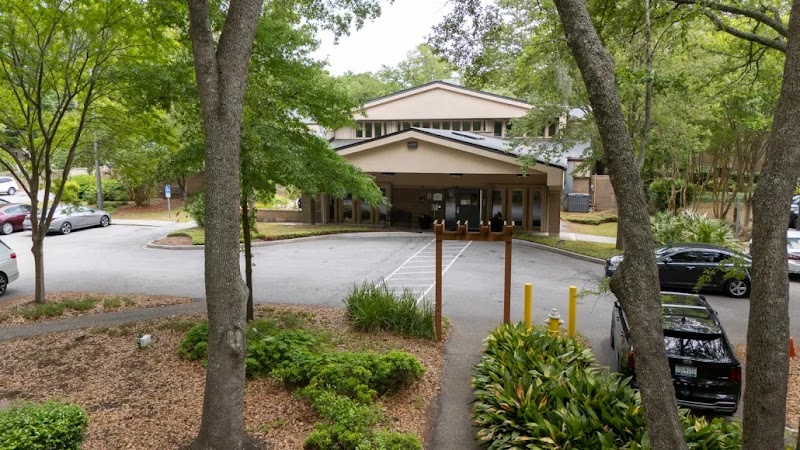
How is Ashley River Healthcare Staffed?
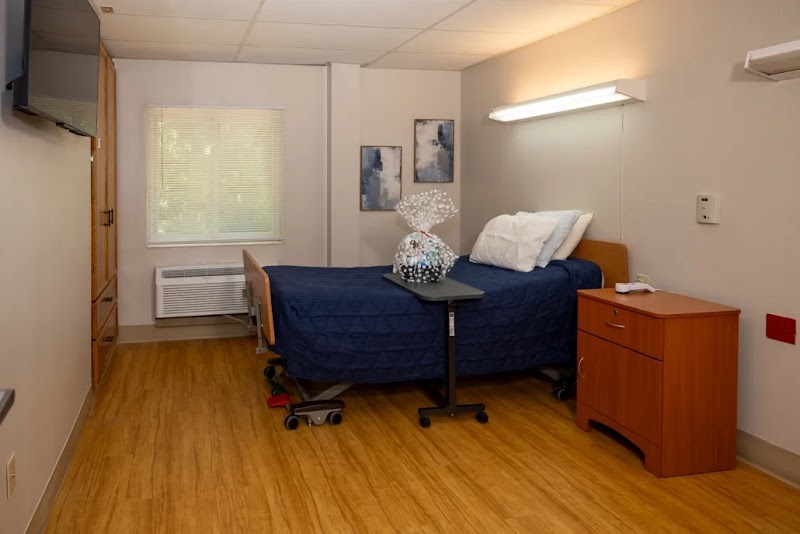
CMS rates Ashley River Healthcare's staffing level at 3 out of 5 stars, which is average compared to other nursing homes. Staff turnover is 38%, compared to the South Carolina average of 46%. This relatively stable workforce can support continuity of care. RN turnover specifically is 58%, which is notably high. RNs provide skilled clinical oversight, so turnover in this role can affect medical care quality.

What Have Inspectors Found at Ashley River Healthcare?

State health inspectors documented 35 deficiencies at Ashley River Healthcare during 2022 to 2025. These included: 4 Immediate Jeopardy (the most serious level, indicating potential for serious harm or death), 4 that caused actual resident harm, and 27 with potential for harm. Immediate Jeopardy findings are rare and represent the most serious regulatory concerns. They require immediate corrective action.

Who Owns and Operates Ashley River Healthcare?

Ashley River Healthcare is owned by a for-profit company. For-profit facilities operate as businesses with obligations to shareholders or private owners. The facility is operated by THE ENSIGN GROUP, a chain that manages multiple nursing homes. With 125 certified beds and approximately 93 residents (about 74% occupancy), it is a mid-sized facility located in Charleston, South Carolina.

How Does Ashley River Healthcare Compare to Other South Carolina Nursing Homes?

Compared to the 100 nursing homes in South Carolina, Ashley River Healthcare's overall rating (2 stars) is below the state average of 2.8, staff turnover (38%) is near the state average of 46%, and health inspection rating (1 stars) is much below the national benchmark.

What Should Families Ask When Visiting Ashley River Healthcare?

Based on this facility's data, families visiting should ask: "What changes have been made since the serious inspection findings, and how are you preventing similar issues?" "Can I visit during a mealtime to observe dining assistance and food quality?" "How do you handle medical emergencies, and what is your hospital transfer rate?" "Can I speak with family members of current residents about their experience?" These questions are particularly relevant given the facility's Immediate Jeopardy citations.

Is Ashley River Healthcare Safe?

Based on CMS inspection data, Ashley River Healthcare has documented safety concerns. Inspectors have issued 4 Immediate Jeopardy citations (the most serious violation level indicating risk of serious injury or death). The facility has a 2-star overall rating and ranks #100 of 100 nursing homes in South Carolina. Families considering this facility should ask detailed questions about what corrective actions have been taken since these incidents.

Do Nurses at Ashley River Healthcare Stick Around?

Ashley River Healthcare has a staff turnover rate of 38%, which is about average for South Carolina nursing homes (state average: 46%). Moderate turnover is common in nursing homes, but families should still ask about staff tenure and how the facility maintains care continuity when employees leave.

Was Ashley River Healthcare Ever Fined?

Ashley River Healthcare has been fined $146,834 across 3 penalty actions. This is 4.3x the South Carolina average of $34,547. Fines at this level are uncommon and typically indicate a pattern of serious deficiencies, repeated violations, or failure to correct problems promptly. CMS reserves penalties of this magnitude for facilities that pose significant, documented risk to resident health or safety. Families should request specific documentation of what issues led to these fines and what systemic changes have been implemented.

Is Ashley River Healthcare on Any Federal Watch List?

Ashley River Healthcare is not on any federal watch list. The most significant is the Special Focus Facility (SFF) program, which identifies the bottom 1% of nursing homes nationally based on persistent, serious quality problems. Not being on this list means the facility has avoided the pattern of deficiencies that triggers enhanced federal oversight. This is a positive indicator, though families should still review the facility's inspection history directly.