WHITE OAK MANOR - CHARLESTON


9285 MEDICAL PLAZA DR, CHARLESTON, SC 29406 (843) 797-8282
For profit - Corporation 176 Beds WHITE OAK MANAGEMENT Data: November 2025
Trust Grade
75/100
#64 of 186 in SC
Last Inspection: August 2025

Inspected within the last 6 months. Data reflects current conditions.

Overview

White Oak Manor in Charleston, South Carolina, has a Trust Grade of B, indicating it is a good choice for families looking for care options. It ranks #64 out of 186 facilities in the state, placing it in the top half, and #4 out of 11 in the county, showing only three local facilities perform better. The facility's performance is stable, with two issues reported in both 2023 and 2025. Staffing is average with a rating of 3 out of 5 stars, and an annual turnover of 42%, which is below the state average, suggesting staff familiarity with residents. However, there is concerning RN coverage, as it has less RN presence than 91% of similar facilities, which could impact the quality of care. While there have been no fines recorded, which is a positive sign, there are some serious concerns reflected in recent inspector findings. For example, one incident involved a resident being transferred improperly without the necessary lift, leading to a fall and a fractured arm. Additionally, there were issues with expired medications being present in the medication cart, and one resident developed a pressure ulcer due to inadequate preventive care. These incidents highlight areas where the facility needs to improve, despite its overall good standing.

Trust Score
B
75/100
In South Carolina
#64/186
Top 34%
Safety Record
Moderate
Needs review
Inspections
Holding Steady
2 → 2 violations
Staff Stability
○ Average
42% turnover. Near South Carolina's 48% average. Typical for the industry.
Penalties
✓ Good
No fines on record. Clean compliance history, better than most South Carolina facilities.
Skilled Nurses
⚠ Watch
Each resident gets only 21 minutes of Registered Nurse (RN) attention daily — below average for South Carolina. Fewer RN minutes means fewer trained eyes watching for problems.
Violations
○ Average
8 deficiencies on record. Average for a facility this size. Mostly minor or procedural issues.
★★★★☆
4.0
Overall Rating
★★★☆☆
3.0
Staff Levels
★★☆☆☆
2.0
Care Quality
★★★★☆
4.0
Inspection Score
Stable
2023: 2 issues
2025: 2 issues

The Good

  • Full Sprinkler Coverage · Fire safety systems throughout facility
  • No fines on record
  • Staff turnover below average (42%)

    6 points below South Carolina average of 48%

Facility shows strength in fire safety.

The Bad

Staff Turnover: 42%

Near South Carolina avg (46%)

Typical for the industry

Chain: WHITE OAK MANAGEMENT

Part of a multi-facility chain

Ask about local staffing decisions and management

The Ugly 8 deficiencies on record

1 actual harm
Aug 2025 1 deficiency
CONCERN (D)

Potential for Harm - no one hurt, but risky conditions existed

Deficiency F0761 (Tag F0761)

Could have caused harm · This affected 1 resident

**NOTE- TERMS IN BRACKETS HAVE BEEN EDITED TO PROTECT CONFIDENTIALITY** Based on review of the facility policy, observation, and interview, the facility failed to ensure an insulin pen (in use) contai...

Read full inspector narrative →
**NOTE- TERMS IN BRACKETS HAVE BEEN EDITED TO PROTECT CONFIDENTIALITY** Based on review of the facility policy, observation, and interview, the facility failed to ensure an insulin pen (in use) contained the open date and the expiration date in Medication Cart 1 on [NAME] Hall. The facility further failed to ensure an expired medication on Medication Cart 2, on the [NAME] Hall, was removed from and not stored on the cart with medications currently in use for residents, in 2 of 8 medication carts reviewed.Findings include: Review of the facility policy titled, Medication Storage in the Facility, states as the policy: Medications and biological's are stored safely, securely, and properly following manufacturer's recommendations or those of the supplier.The Procedure: . 9. Outdated, contaminated, or deteriorated medications and those in containers that are cracked, soiled, or without secure closures are immediately removed from stock, disposed of according to procedures for medication destruction, and reordered from the pharmacy, if a current order exists . 11. Multi-dose vials, ophthalmics, otics, and other sterile products will be dated and initialled with the first puncture of the vial or opening. Multi-dose vials including insulin may be used after opening for 28 days unless the manufacturer has data to support longer dating. During an observation on [DATE] at 7:40 AM, of Medication Cart 1, on [NAME] Hall, revealed a Humalog Insulin Pen Lot #R2FJ826, with no open date, no expiration, and no use-by date. The findings were confirmed by Licensed Practical Nurse (LPN)1, and the insulin pen was removed from storage. During an observation on [DATE] at 11:41 AM, of Medication Cart 2, on [NAME] Hall, revealed one bottle of Nasal Allergy Spray, manufactured by [NAME], Lot #4FK1249 was expired on [DATE]. The nasal spray was confirmed as expired by LPN2 and removed from the medication cart.
May 2025 1 deficiency 1 Harm
SERIOUS (G) 📢 Someone Reported This

A family member, employee, or ombudsman was alarmed enough to file a formal complaint

Actual Harm - a resident was hurt due to facility failures

Accident Prevention (Tag F0689)

A resident was harmed · This affected 1 resident

Based on facility policy review, resident record review, facility document review and staff interviews, the facility failed to ensure staff adhered to a resident ' s individualized transfer plan as re...

Read full inspector narrative →
Based on facility policy review, resident record review, facility document review and staff interviews, the facility failed to ensure staff adhered to a resident ' s individualized transfer plan as recommended by Physical Therapy for 1 of 3 residents Resident (R)4 reviewed for accidents. Specifically, on 05/06/25, Licensed Practical Nurse (LPN) 1 transferred R4 without using the required sit-to-stand lift. As a result of this improper transfer, R4 fell and sustained a fractured arm, necessitating surgical intervention. Findings include: Review of an undated facility policy titled Safe Resident Handling Program revealed, Purpose: To provide residents with the safe assistance of mechanical lifts as indicated by their condition; to eliminate unnecessary manual repositioning and lifting by employees. Policy: 1. Each resident will be assessed for the need for mechanical list assistance, the type of mechanical lift indicated, the number of staff needed to use the lift, and the appropriate size sling. Review of an undated untitled facility document revealed, INTRODUCTION: To attempt to provide an environment as free from accidental hazards as possible and provide adequate supervision and assistive devices to attempt to reduce the risk for occurrences. Further review revealed, CLINICAL PRACTICE, RISK FACTORS, OTHER, Falls may occur while residents are being cared for by staff during transfers, and while lifting or using mechanical lift devices. Review of R4's Face Sheet indicated the facility admitted R4 on 10/02/23 with diagnoses that including but not limited to: age-related osteoporosis without pathological fracture, muscle weakness, other reduced mobility, unsteadiness on feet, abnormal posture, dementia, restless leg syndrome, macular degeneration, functional quadriplegia, and primary osteoporosis of the right shoulder. Review of R4's quarterly Minimum Data Set (MDS), with an Assessment Reference Date (ARD) of 03/10/25, revealed a Brief Interview for Mental Status (BIMS) score of 13, indicated the R4 was cognitively intact. Further review noted, R4 was dependent on staff for going from a sitting position to standing and for chair/bed-to chair transfers. Review of R4's Care Plan initiated on 10/20/23 revealed the following: 1. R4 was at risk for recurrent fractures due to osteoporosis and had interventions to monitor the placement of the resident's extremities during transfers (initiated 07/17/24) and assist with transfers per the Safe Handling Tool Form. 2. R4 required various levels of assistance with activities of daily living (ADLs) due to osteoarthritis of the right shoulder, glaucoma, weakness, and macular degeneration. Interventions directed staff to assist with all ADL care tasks for completion (initiated 10/20/23). 3. R4 as at risk for recurrent falls related to impaired mobility and weakness. Interventions directed staff to transfer the resident per safe handling tool (initiated 05/07/25). Review of R4's Physical Therapy [PT] Discharge Summary, dated 07/04/24, revealed discharge recommendations included to use a sit-to-stand lift for transfers with nursing staff. Review of R4's Progress Note dated 05/06/25 electronically signed by Nurse Practitioner (NP)9, revealed she was called by nursing staff emergently to examine R4. The note indicated that upon evaluation, R4's arm appeared to be internally rotated at the right shoulder joint. The note indicated the R4's shoulder ball joint did not appear to be at the clavicle joint, and although it could not be felt by the NP9 as a fracture, the resident was sensitive to touch. Per the note, 911 was called and Emergency Medical Services (EMS) personnel transported the resident to the emergency room (ER). Review of an Event Report dated 05/06/25 and created by LPN1, indicated that R4 had a fall with injury. The report indicated that R4 exhibited or complained of pain to their right arm related to the fall, rating their pain at a 3, on a scale of 0-10, with 10 being the worst possible pain. The report indicated that at 12:10 PM the resident had a fall into their recliner when transferring from their wheelchair to the recliner. The report indicated the resident was sent to the hospital with complaints of right arm pain. Review of R4's Hospitalist History Physical dated 05/06/25 indicated R4 arrived at the ER following a transfer from bed to wheelchair and developed excruciating pain. The record indicated that while in the ER, R4 was found to have a dislocation and an acute fracture of the proximal (situated close to the center of the body or to the point of attachment of a limb) humeral (referred as the humerus, the largest and only bone in the upper arm) diaphysis (in the shaft) near the distal (situated away from the center of the body or from the point of attachment) tip of the humeral component (used to replace the humeral head during a total shoulder arthroplasty) of the resident's prior shoulder arthroplasty (a surgical procedure that restored the function of a joint by replacing, remodeling, or realigning the articular surface of a musculoskeletal joint). The record indicated R4 had an open reduction internal fixation (ORIF, a type of surgery used to stabilize and heal a broken bone) on 05/14/25. Review of a Confidential Occurrence Statement or Interview signed by LPN1 indicated that on 05/06/25, R4 was in the hallway crying, so LPN1 went to see what was wrong. The statement indicated that R4 had complaints of pain in their lower left leg, to which LPN1 applied ordered pain-relieving cream. LPN1 sat with the resident and asked the resident why they did not sit in their recliner. R4 voiced that the recliner was not working. Per the statement, LPN1 plugged the recliner's power cord into an outlet, and R4 propelled herself from her wheelchair to the recliner. LPN1 thought R4 was reaching to get into the recliner, so LPN1 attempted to assist the resident with transferring to the recliner by grabbing the back of the resident's pants. R4's legs began to buckle like they were going to fall, so LPN1 grabbed R4 with both hands on the resident's hips to keep the resident from falling while she yelled for assistance. Certified Nurse Aide (CNA)2 entered the room and assisted with completing the transfer to the recliner. After R4 was in their recliner, LPN 1 and CNA2 noticed the resident's arm was injured. Per the statement, LPN 1 left CNA 2 with the resident and got a supervisor. Review of a Confidential Occurrence Statement or Interview signed by CNA2 indicated that on 05/06/25 at approximately 12:30 PM, she was at a linen closet when she heard a noise that sounded like a resident calling out, and she asked nearby staff if they had heard the sound and from what direction the sound was coming. The statement indicated that as CNA2 approached R4's room, she heard a nurse calling for assistance. Upon entering R4's room, she observed the resident seated on the edge of the recliner with the LPN1 positioned on the resident's left, appearing distressed. CNA2 then instructed the LPN1 to get additional help and proceeded to assist the resident back into the recliner. The statement indicated that upon observation, CNA2 noticed the resident's right arm appeared deformed. Review of a facility document titled, Review Discussion Form dated 05/09/25, indicated that an Educational/Counseling/Warning Notice was provided to LPN1. The document revealed that on 05/06/25, [LPN1] did not use a lift to transfer a resident to a chair. This resulted in a fall into the recliner resulting in a fractured arm to the resident. This is a final warning for [LPN 1]. She must check the outside of the door before assisting a resident with transfer. The document was signed by the Director of Nursing (DON) and indicated that the document was sent to LPN1 via email. During an interview on 05/20/25 at 1:32 PM, the Therapy Director stated she was familiar with R4 and recalled that the resident required one person to assist with transfers awhile back but had a decline, so they changed it to requiring two people to assist with transfers. The Therapy Director stated that then, sometime during the previous year, it was changed to indicate the resident required a sit-to-stand lift, but she did not recall the exact date. During an interview on 05/20/25 at 3:23 PM, CNA2 stated she was in the hallway near the linen cart on when she heard someone yelling. CNA2 stated she initially could not identify where the voices were coming from; however, as she approached R4's room, she saw the resident sitting sideways in the recliner on their right side, and R4's lower body barely in the chair, with their buttocks almost sliding off the chair. She stated the nurse asked her to come stay with the resident while she contacted the doctor. CNA2 stated she thought the resident was going to come out of the chair if she did not get the resident repositioned but realized there was no place for her or the nurse to grab the resident in order to move the resident more safely in the chair, so she stayed with the resident until the nurse returned, to ensure the resident did not further slip off the chair to the floor. She stated she could immediately tell something was wrong with the resident's arm by the way it was placed, and stated the R4's arm was kind of limp and flaccid. She stated R4 was yelling they were afraid they were going to fall out of the chair. During an interview on 05/21/25 at 11:00 AM, LPN1 stated she had been taught that the resident's transfer status was listed on the outside of the resident's room door, or they could ask a nurse aide. LPN1 stated that on 05/06/25, R4 was observed upset and crying in the hallway. She stated that when she approached the resident, R4 complained of pain to their lower extremities, so she applied ordered pain relief cream to the resident's lower extremities, then participated in an art activity with the resident. LPN1 stated she asked R4 why the resident never used their recliner. LPN1 stated that she plugged the recliner's cord in to an outlet and attached a battery cord and it then worked. She stated R4 became excited and propelled their wheelchair to the recliner and reached out to touch the recliner. LPN1 stated she thought the resident wanted in the recliner, so she approached the resident and grabbed the back of the resident's pants and tried to assist the resident to their recliner. She stated that during the transfer, the resident's legs buckled, and LPN1 did her best to get the resident into the recliner, but the resident's buttocks did not fully land on the recliner. LPN1 stated the resident landed on their arm in the recliner. She stated she noticed the resident's shoulder had a large, raised area, and the arm appeared slightly flaccid. LPN1 stated she left an aide with the resident while she notified her supervisor and the medical provider, who was in the building at that time. She stated that the resident was sent to the ER after the provider thought the resident's shoulder was dislocated. She stated that she was aware the resident required a sit-to-stand lift for transfers, but she forgot in the moment. She stated she should have gotten assistance. During an interview on 05/21/25 at 2:55 PM, the Medical Director (MD) stated NP9 evaluated R4 on the date the injury occurred (05/06/25). She stated the nurse should have sought assistance from other staff members and used a sit-to-stand lift to transfer R4. She stated that with the resident's comorbidities, R4 was at very high risk for falls if the proper lifting technique was not utilized. During an interview on 05/21/25 at 3:41 PM, NP9 stated she evaluated R4 on 05/06/25. She stated that when she arrived at the resident's room, R4's right arm was observed to be internally rotated, and as she felt down the arm in an attempt to assess for a fracture. She stated that she thought the resident's shoulder was dislocated. NP9 stated that not using the correct transfer placed R4 at higher risk injuries from falls. During an interview on 05/21/25 at 4:20 PM, the DON stated she completed the investigation for R4's fall with injury. She stated that R4 required the use of a sit-to-stand lift for transfers. She stated she discovered LPN1 transferred R4 to the recliner without the use of a sit-to-stand lift and by herself, and the resident landed on their right arm when the resident reached the chair. She stated the nurse had been trained on how to identify the proper transfer status, which was posted on the outside of the resident's door, and the nurse should have transferred the resident with a sit-to-stand lift.
Jun 2023 2 deficiencies
CONCERN (D) 📢 Someone Reported This

A family member, employee, or ombudsman was alarmed enough to file a formal complaint

Potential for Harm - no one hurt, but risky conditions existed

Pressure Ulcer Prevention (Tag F0686)

Could have caused harm · This affected 1 resident

**NOTE- TERMS IN BRACKETS HAVE BEEN EDITED TO PROTECT CONFIDENTIALITY** Based on observations, interviews, and record review, the facility failed to prevent a pressure ulcer from developing. This prac...

Read full inspector narrative →
**NOTE- TERMS IN BRACKETS HAVE BEEN EDITED TO PROTECT CONFIDENTIALITY** Based on observations, interviews, and record review, the facility failed to prevent a pressure ulcer from developing. This practice affected one (1) of six (6) sampled residents (Resident (R)1). The findings include: Review of R1's clinical record revealed the resident was admitted to the facility on [DATE] with diagnoses that included but were not limited to: Hemiplegia and Hemiparesis following Cerebral Infarction affecting right dominant side, dementia, hypertension and benign prostatic hyperplasia. Review of the Minimum Data Set (MDS) with an Assessment Reference Date (ARD) of 4/26/23 revealed a Brief Interview for Mental Status (BIMS) score was done and coded a two (2) out of 15, which indicated severe cognitive impairment. Additional review of the MDS revealed bed mobility was coded three (3), which indicated the resident required extensive assistance to move from a lying position, turn side to side, and positioning body while in bed, and required one (1) person for physical assistance. The MDS transfer was coded four (4) which indicated the resident required total dependence when moving between surfaces including to and from bed, chair, and standing position. Review of the Care Plan, dated 10/27/22, revealed: Care Plan Description - Resident is at risk for skin impairments related to poor safety awareness. Care Plan goal read: resident will be at reduce risk for skin impairments with staff monitoring and interventions through next review. Interventions include monitor skin with all care for new area/changes and report to licensed nurse and medical doctor as needed. Review of Care Plan dated 10/27/22 revealed, Care Plan Description - Resident is at risk for skin breakdown related to incontinence and impaired mobility. Care Plan goal read: Resident will be at reduced risk for skin breakdown with staff monitoring and interventions through next review. Interventions included to monitor skin for changes/new areas with all care, body audit per orders, turn and reposition every two (2) hours and as needed, and incontinent care per standards of care. Review of Care Plan dated 1/19/23 revealed, Care Plan Description - Resident has actual pressure area on left buttocks. Care Plan goal read: Pressure area will continue to heal/resolve with staff monitoring and interventions through next review. Interventions read: Turn and position every two (2) hours and as needed, body audit as ordered, treatment to pressure area as ordered, and precautions as ordered. Review of a Licensed Practical Nurse (LPN) note dated 1/14/23 at 3:13 p.m. revealed, Deep issue injury, possible stage two (2) pressure ulcer to left buttock measuring 3 x 2.7 cm (centimeter), open wound with small amount of serosanguineous drainage. Review of pressure ulcer report dated 1/16/23, completed by the Wound Care Nurse (WCN) read: 1cm x 1 cm suspected deep tissue injury to right inner buttock measuring 1 cm x 1 cm with peri wound denuded. Left buttocks noted with intact maceration. A deep tissue injury is considered a localized area of discoloration that resulted from pressure and /or shear. Maceration occurs when the skin is in contact with moisture for a long period of time. Denuded skin is loss of epidermis, caused by prolonged moisture or friction. Record review revealed the resident was transferred to Trident Medical Center on 2/11/23 via a call to 911 and ambulance transportation for respiratory difficulties. He was diagnosed with a Pulmonary Emboli. The resident returned to the facility on 2/21/23 and was placed on hospice care. An observation of R1 on 6/22/23 at approximately 9:30 AM revealed an open wound to the left buttock. Pressure ulcer documentation dated 6/14/23 revealed, Stage lV (4) left buttocks 7.8 cm X 6 cm, depth 2 cm. During an interview with the WCN on 6/22/23 at 12:10 PM, she confirmed that R1's wound was acquired in the facility and was identified on 1/14/23 (Saturday). When asked about the facility's policy on prevention of pressure ulcers and reporting changes in residents' skin condition, she stated there was no official policy, however, Certified Nurse Aides (CNAs) were supposed to report changes in a resident's skin condition, such as redness, to the licensed nurse. Changes should also be documented on the resident's bath sheets when changes are observed during bathing. When asked if documentation was noted on the bath sheets, she stated, I don't remember. In an interview with the Directory of Nursing (DON) on 6/23/23 at approximately 9:45 AM, she confirmed that there was not a specific policy for wound prevention. She stated the CNAs usually do a good job reporting changes in skin condition to the nurse. The surveyor was unable to view R1's bath record for the months of December 12/2022 or 1/2023. The facility destroys records after three (3) months.
CONCERN (D) 📢 Someone Reported This

A family member, employee, or ombudsman was alarmed enough to file a formal complaint

Potential for Harm - no one hurt, but risky conditions existed

Infection Control (Tag F0880)

Could have caused harm · This affected 1 resident

Based on observations, interviews, and facility policy review, the facility failed to follow facility infection control protocol by not wearing designated personal protective equipment (PPE) when ente...

Read full inspector narrative →
Based on observations, interviews, and facility policy review, the facility failed to follow facility infection control protocol by not wearing designated personal protective equipment (PPE) when entering a resident's room to provide care for one (1) of six (6) residents (R (R)3). The findings include: Review of the facility policy titled, Novel or Targeted Multidrug Resistance Organisms to Prevent the Spread of Novel or Targeted Multidrug Resistant Organisms (MDROs) approved 10/2019, read Implement Enhanced Barrier Precautions [EBP] for all residents residing in the same neighborhood who have .feeding tube, or open wound. Wear gloves and a gown for the following high-contact resident care activities . changing linens, proving hygiene, changing briefs, or assisting with toileting. An email titled, New Centers for Disease Control (CDC) Guidance on Enhanced Barrier Precautions dated 7/19/22 at 2:47 p.m. read: . Enhanced Barrier precautions should be followed for any resident in the facility with . an open wound requiring dressing change. The enhanced barrier precautions require the use of gown and gloves during high-contact resident care activities . On 6/22/23 at approximately 11:30 a.m., on Unit C (Colony) in the presence of the Wound Care Nurse (WCN), the surveyor observed three (3) Certified Nurse Assistants (CNAs) (CNAs 1, 2 and 3) inside R3's room. The CNAs did not put on (don) gowns as stated in the Infection Control Policy. Instructions in the door signage attached to R3's door indicated gown and gloves must be worn for all high contact resident care activities. The WCN stated the staff was providing peri-care. Peri-care, also known as perineal care, involved washing the genital and rectal areas of the body. Staff were observed exiting R3's room with soiled linen and soiled incontinent items in clear plastic bags, which indicated that high contact resident care was performed. On 6/22/23 at approximately 11:40 a.m. on Unit C (Colony) during pressure ulcer wound dressing change, CNA2 assisted the WCN with dressing change and did not don a gown, as was indicated as a necessary component of wound care in facility's Infection Control protocol. On 6/22/23 at 12:10 p.m, the Infection Control Nurse (ICN) confirmed that staff who provided perineal care for residents on EBP should don gowns and gloves to prevent the spread of infection. The ICN stated the facility implemented the Infection Control policy on 7/19/22. On 6/22/23 at 3:10 p.m. the Staff Development Coordinator confirmed that staff should don PPE when providing perineal care on residents who are on EBP.
Oct 2022 4 deficiencies
CONCERN (D)

Potential for Harm - no one hurt, but risky conditions existed

Notification of Changes (Tag F0580)

Could have caused harm · This affected 1 resident

Based on record review and interviews, the facility failed to ensure a resident was notified of changes to the medication regimen for 1 Resident (R)60 of 7 sampled residents reviewed for notification ...

Read full inspector narrative →
Based on record review and interviews, the facility failed to ensure a resident was notified of changes to the medication regimen for 1 Resident (R)60 of 7 sampled residents reviewed for notification of changes in condition/treatment. Findings included: The survey team requested the facility's policy regarding resident/responsible party (RP) notification of changes in condition/treatment on 10/07/22; no policy was provided by the end of the survey. Review of a Face Sheet revealed R60 had diagnoses which included anxiety, depression, and gastroesophageal reflux disease (GERD - acid reflux). Review of a quarterly Minimum Data Set (MDS) with an Assessment Reference Date (ARD) of 08/09/22, revealed R60 had a Brief Interview for Mental Status (BIMS) score of 14, indicating the resident was cognitively intact. The MDS indicated the resident received antianxiety and antidepressant medications on seven days during the seven-day assessment period. Review of a Care Plan, dated 05/13/22, revealed R60 was at risk for adverse side effects related to psychotropic medication usage for diagnoses of anxiety, depression, and insomnia. Interventions included: - Monitor for any adverse side effects of medication, record, and report to the physician, as necessary. - Administer medication as ordered. Further review of the care plan dated 05/13/22 revealed the resident was at risk for gastrointestinal (GI) distress related to the diagnosis of GERD. Interventions included: - Monitor for signs and symptoms of GI distress such as abdominal discomfort, pain, bloating, nausea, vomiting, and heart burn. - Administer medication as ordered for diagnosis of GERD and monitor for adverse effects. - Encourage resident to remain in upright position at least 30 minutes after meals. During an interview on 10/10/22 at 1:25 PM, R60 stated the facility staff did not let them know when there were changes in the medication or treatment regimen. Review of Physician Orders for the month of: October 2022 revealed R60 had physician's orders for the following: - Omeprazole (an acid reducer) DR (delayed release) 20 milligrams (mg) take one capsule by mouth daily, ordered 09/16/22. - Fluoxetine (an antidepressant) 40 mg take one capsule by mouth daily along with 10 mg to equal 50 mg total, ordered 10/05/22. Review of Medication Administration Records (MARs) revealed R60 received omeprazole 40 mg daily beginning 05/09/22 and continuing until the dose was changed to 20 mg daily on 09/16/22. Review of the electronic health record (EHR) revealed no documentation to indicate R60 was notified of the 09/16/22 omeprazole dose reduction. Further review of the MARs revealed R60 received Fluoxetine 40 mg daily beginning on 07/21/22 and continuing until the dose was changed to 50 mg daily on 10/05/22. Review of the EHR revealed no documentation to indicate R60 was notified of the 10/05/22 Fluoxetine dose increase. There was no progress note from the physician to indicate why the dose was changed. During an interview on 10/13/22 at 8:56 AM, Licensed Practical Nurse (LPN)3 stated if a resident had a medication change, they were put on acute charting, which would trigger a prompt asking if notifications were made. She stated if she was not able to complete the necessary notification on her shift, it would be passed on to the next shift to complete. She indicated the notification should be documented in the progress notes. During an interview on 10/13/22 at 9:16 AM, Unit Manager (UM)1 stated if a resident had a medication change, the family and the resident should be notified by the nurse who received the order, and the notification should be documented. She stated she was not sure if R60 was notified of the medication changes. During an interview on 10/13/22 at 11:43 AM, the Director of Nursing (DON) stated medication changes should be discussed with the resident by the nurse who took the order, and the notification should be documented in a nurse's note. The Administrator was unavailable for an interview.
CONCERN (D)

Potential for Harm - no one hurt, but risky conditions existed

ADL Care (Tag F0677)

Could have caused harm · This affected 1 resident

**NOTE- TERMS IN BRACKETS HAVE BEEN EDITED TO PROTECT CONFIDENTIALITY** Based on facility policy review, record review, observations, and interviews, the facility failed to promptly assist residents w...

Read full inspector narrative →
**NOTE- TERMS IN BRACKETS HAVE BEEN EDITED TO PROTECT CONFIDENTIALITY** Based on facility policy review, record review, observations, and interviews, the facility failed to promptly assist residents with activities of daily living (ADLs) for 2 Residents (R)79 and R112 of 4 dependent residents reviewed for ADLs. Specifically, the facility failed to provide timely incontinent care and repositioning for R79 and R112. Findings included: Review of a facility policy titled, Perineal Care, dated 10/10/2014, revealed, Peri-care [sic] usually considered a basic standard of care performed with bathing and after each incontinence. 1. Review of a Face Sheet revealed R79 had diagnoses which included dementia, muscle weakness, unsteadiness on feet, lack of coordination, and stiffness of the right knee, left knee, right hand, and right shoulder. Review of a quarterly Minimum Data Set (MDS) with an Assessment Reference Date (ARD) of 08/23/22, revealed R79 was severely impaired in cognitive skills for daily decision-making per a staff assessment of mental status. The MDS indicated the resident was totally dependent on one to two people for all activities of daily living (ADLs). According to the MDS, the resident was always incontinent of bowel and bladder. Review of a Care Plan, dated 02/11/2019, revealed R79 required various levels of assistance with ADLs related to weakness and cognitive deficits. Interventions included that the resident had incontinences episodes and was to be provided with incontinence care per standard of care. Continuous observations on 10/12/22 from 9:30 AM until 12:27 PM revealed the following: - At 9:30 AM, R79 was sitting in a Broda (reclining wheelchair) chair in their room with their feet touching the floor. The resident was wearing a clothing protector. The resident was leaning forward and had their chin resting on their chest. - At 9:53 AM, an unidentified staff walked into the room and told R79 to lean back, then assisted the resident to recline the back of the Broda chair slightly. - At 10:27 AM, Licensed Practical Nurse (LPN)3 and another nurse who was being trained by LPN3 entered the room to administer R79's medications. - At 11:07 AM, R79 was leaning over in the chair. No staff had entered the room to check R79 for incontinence. The only repositioning that had been provided was when the unidentified staff member slightly reclined the back of the chair at 9:53 AM. - At 11:30 AM, an Activity Staff walked into the room and read to R79 for approximately eight minutes. The resident was unable to keep their head up but would look up briefly and then put their head back down. - At 12:03 PM, Certified Nursing Assistant (CNA)11 entered the room and asked R79 if they were okay and spoke to the resident for a moment. The CNA was in the room for less than a minute. - At 12:27 PM, an unidentified staff member delivered a lunch tray to R79 and sat down to feed the resident after pulling the privacy curtain. The resident had not been toileted or checked for incontinence since observations began almost three hours earlier. During an interview on 10/12/22 at 12:24 PM, CNA12 stated residents should be checked, changed, and repositioned every two hours, or more often if needed. She stated she was not assigned to care for R79. During an interview on 10/12/22 at 2:09 PM, CNA9 stated she was assigned to care for R79. She stated the resident should be checked, changed, and repositioned every two hours, or more often if needed. She stated R79 was toileted after breakfast and after lunch, because CNA9 was busying helping the other CNAs with other residents. During an interview on 10/13/22 at 8:56 AM, LPN3 stated incontinence care and repositioning should be done every two hours, which was standard, or sooner depending on whether the resident was a heavy wetter (indicating they urinated frequently or in large volumes). She stated R79 was total care and should be provided care at least every two hours. LPN3 stated she was not aware the resident did not receive incontinence care timely the previous day because she was focused on training the new nurse. During an interview on 10/13/22 at 9:08 AM, CNA13 stated residents should be toileted and repositioned every two hours or as needed (PRN). She stated R79 required total assistance and should be repositioned every two hours. She stated R79 would refuse at times and want to be on a certain side, but it should be documented if the resident refused. During an interview on 10/13/22 at 9:13 AM, CNA14 stated residents should be checked for incontinence, changed if needed, and repositioned every two hours. During an interview on 10/13/22 at 9:16 AM, Unit Manager (UM)1 stated dependent residents should be checked and changed every two hours and as needed. During an interview on 10/13/22 at 11:43 AM, the Director of Nursing stated the standard for providing ADL care, including toileting and repositioning, was every two hours. She stated R79 required total care and should be provided ADL care every two hours. The Administrator was unavailable for an interview. 2. Review of a Face Sheet revealed R112 had diagnoses which included multiple sclerosis (a disease that affects the central nervous system and causes communication problems between the brain and the rest of the body), dementia, stiffness of bilateral knees and hips, contractures of muscles, and muscle spasms. Review of a quarterly Minimum Data Set (MDS), dated [DATE], revealed R112 scored 5 on a Brief Interview for Mental Status (BIMS), indicating severe cognitive impairment. The MDS indicated the resident was totally dependent on one to two people for all ADLs and was always incontinent of bowel and bladder. Review of a Care Plan, dated 04/06/22, revealed the resident required various levels of assistance with ADLs related to a diagnosis of multiple sclerosis. Interventions included that the resident was incontinent of bowel and bladder and was to be provided with incontinence care per standard of care and as needed. Continuous observations on 10/12/22 from 9:30 AM until 12:27 PM revealed the following: - At 9:30 AM, R112 was lying in bed; the resident's hair was uncombed, and the resident had not been shaved. The resident was lying on their back, tilted slightly to the right with a hospital gown on. - At 9:53 AM, an unidentified staff walked into the room and spoke to R112's roommate but did not address R112. - At 10:27 AM, LPN3 and another nurse who was being trained by LPN3 entered the room to administer medications to R112's roommate. They did not address R112. - At 11:07 AM, no staff had entered the room to check R112 for incontinence care or repositioning. - At 11:30 AM, an Activity Staff walked into the room and read to R112's roommate for approximately eight minutes. The staff did not address R112. - At 12:03 PM, Certified Nursing Assistant (CNA)11 entered the room and spoke with R112's roommate but did not address R112. - At 12:38 PM, CNA11 delivered a lunch tray to R112. The CNA set the tray down and walked out of the room. CNA11 returned at 12:41 PM with a clothing protector and sat down to feed R112. The resident had not been repositioned or checked for incontinence since continuous observations began over three hours earlier. During an interview on 10/12/22 at 12:24 PM, CNA12 stated residents should be checked, changed, and repositioned every two hours, or more often if needed. She stated she was not assigned to care for R112. During an interview on 10/12/22 at 2:09 PM, CNA9 stated she was assigned to care for R112. She stated the resident should be checked, changed, and repositioned every two hours, or more often if needed. She stated R112 was toileted after breakfast and after lunch, because CNA9 was busying helping the other CNAs with other residents. During an interview on 10/13/22 at 8:56 AM, LPN3 stated incontinence care and repositioning should be done every two hours, which was standard, or sooner, depending on whether the resident was a heavy wetter (indicating they urinated frequently or in large volumes). She stated R112 required total care and should be provided care at least every two hours. LPN3 stated she was not aware the resident did not receive incontinence care timely the previous day because she was focused on training the new nurse. During an interview on 10/13/22 at 9:08 AM, CNA13 stated residents should be toileted and repositioned every two hours or as needed (PRN). She stated R112 required total assistance and should be repositioned every two hours. During an interview on 10/13/22 at 9:13 AM, CNA14 stated residents should be checked for incontinence and changed if needed and repositioned every two hours. During an interview on 10/13/22 at 9:16 AM, Unit Manager (UM)1 stated dependent residents should be checked and changed every two hours and as needed. During an interview on 10/13/22 at 11:43 AM, the Director of Nursing stated the standard for providing ADL care, including toileting and repositioning, was every two hours. She stated R112 required total care and should be provided ADL care every two hours. The Administrator was unavailable for an interview.
CONCERN (D)

Potential for Harm - no one hurt, but risky conditions existed

Tube Feeding (Tag F0693)

Could have caused harm · This affected 1 resident

**NOTE- TERMS IN BRACKETS HAVE BEEN EDITED TO PROTECT CONFIDENTIALITY** 2. Review of a facility policy titled, Tube Flush - Continuous Feeding, dated 05/10/18, revealed, 5. After checking for placemen...

Read full inspector narrative →
**NOTE- TERMS IN BRACKETS HAVE BEEN EDITED TO PROTECT CONFIDENTIALITY** 2. Review of a facility policy titled, Tube Flush - Continuous Feeding, dated 05/10/18, revealed, 5. After checking for placement, instill/flush by gravity with amount of water as ordered by the physician to assure patency. Key Points - Head of bed elevated at all times. The policy did not specify to what degree the head of bed should be elevated during tube feedings. Review of ASPEN Safe Practices for Enteral Nutrition Therapy, Journal of Parenteral and Enteral Nutrition, Volume 41, Number 1, dated January 2017, Page 62, revealed a practice recommendation to prevent enteral nutrition-related pulmonary aspiration was to, Keep the HOB [head of bed] elevated at 30° [degrees] to 45° at all times during the administration of gastric enteral feedings. Review of a Diagnosis/History revealed R52 had diagnoses which included gastrostomy tube, Huntington's disease (a condition that leads to progressive degeneration of nerve cells in the brain, which affects movement, cognitive functions, and emotions), feeding difficulties, dysphagia (difficulty swallowing), muscle spasms, and convulsions. Review of a quarterly MDS, dated [DATE], revealed R52 was severely impaired in cognitive skills for daily decision-making per a staff assessment of mental status. The MDS indicated the resident was totally dependent on the assistance of one person for eating. According to the MDS, the resident had a feeding tube, through which the resident received 51% or more of the total daily caloric intake. Review of Physician Orders, revealed R52 had a physician's order dated 10/13/21 to receive nothing by mouth (NPO). Additionally, a physician's order dated 01/31/22 revealed the resident was to receive Jevity 1.5 via percutaneous endoscopic gastrostomy (PEG) tube at 45 milliliters per hour (mL/hr) continuously via feeding pump. The orders did not address the need to elevate the head of the bed during feedings. Review of a Care Plan, dated 06/29/21, revealed R52 was at risk for aspiration, dehydration, and fluid overload related to dependence on tube feedings related to dysphagia. Interventions included: - Monitor for signs and symptoms of aspiration such as coughing, cyanosis, and shortness of breath and notify the physician - Wedge under mattress as ordered. - Monitor for signs and symptoms of dehydration or fluid overload and notify the physician. The care plan did not instruct staff on the appropriate elevation of the head of the bed (HOB) during tube feedings. Review of the Physician's Assistant's (PA's) provider notes revealed on 07/07/22, the resident had a choking episode and cough. Review of Physician's notes revealed the following: - On 04/03/22, there were no wheezes, no rhonchi, and no crackles in the resident's lungs; however, the resident, obviously is high risk for aspiration and aspiration pneumonia due to the existing G-tube [gastrostomy tube]. - On 05/08/22, the resident's lungs were clear; however, the resident, obviously is high risk for aspiration and aspiration pneumonia due to the existing G-tube. - On 09/04/22, the resident had diminished breath sounds in both lung bases and, obviously is high risk for aspiration and aspiration pneumonia due to the existing G-tube. Observation on 10/10/22 at 10:40 AM revealed R52 in bed asleep, with an enteral feeding being administered via pump. The head of the bed (HOB) was elevated approximately 20 degrees. During an observation of medication administration by LPN1 on 10/11/22 at 8:32 AM, LPN1 lowered the HOB, so R52's legs/feet were higher than the resident's head. The LPN administered medications through the resident's G-tube with the resident in this position. During an interview on 10/12/22 at 2:06 PM, Certified Nursing Assistant (CNA)7 stated for a resident receiving a G-tube feeding, the HOB should be elevated to about 90 degrees or as close to it as possible. The CNA stated the goal was to prevent aspiration. During an interview on 10/12/22 at 2:12 PM, CNA2 stated a resident receiving a G-tube feeding had to be turned every two hours and staff should keep the head of the bed elevated to keep the resident from aspirating. The CNA did not define how high the bed should be elevated. During an interview on 10/12/22 at 2:19 PM, CNA4 stated she was trained to turn residents with a G-tube feeding from side to side every two hours and to keep a cushion under the mattress with the head of bed elevated at 90 degrees almost so the resident would not choke on the formula. During an interview on 10/12/22 at 2:21 PM, CNA5 stated she was trained to not block the tube, make sure not to kink it, to keep an eye on the G-tube site, and to keep the residents more upright so they would not throw up when they were getting a tube feeding. During an interview on 10/12/22 at 2:22 PM, CNA6 stated she was supposed to turn a resident with a G-tube every two hours side to side and use pillows to help keep the resident in position, like using a wedge under the resident's back. She stated she was taught to keep the resident's HOB upright because the resident could throw up and choke and suffocate. During an interview on 10/12/22 at 2:22 PM, LPN2 stated that for a tube-fed resident, the HOB should be elevated between 45 and 90 degrees to prevent choking and aspiration. During an interview on 10/12/22 at 2:27 PM, LPN1 stated the HOB for a resident receiving tube feedings should be elevated 30 to 45 degrees, including during medication administration. She stated she should have kept R52's HOB higher during med pass, and that the resident's feet should not have been above the level of the resident's head. She stated she monitored the CNAs and reminded them to keep the HOB elevated because the resident could not do it alone and tended to slump over. During an interview on 10/12/22 at 2:51 PM, Unit Manager (UM)1 stated the resident should have the HOB elevated 30 to 45 degrees to prevent aspiration. For medication administration, the nurse should have raised the HOB. UM1 stated she expected the nurses on the floor to monitor the CNAs by doing rounds and observe during medication pass if the residents were being repositioned. She stated all staff on the unit should round every two hours. During an interview on 10/12/22 at 3:06 PM, the Director of Nursing (DON) stated she thought the HOB should be at least 30 degrees for a tube-fed resident. She stated it was how she was taught, and it was a nursing standard of practice. The HOB should be elevated because that prevented the resident from aspirating. The DON stated the resident's bed had a wedge under the mattress so the mattress could not go completely flat. For medication administration, the HOB should be elevated to 30 degrees, and the resident's feet should not be higher than the head. The DON stated she expected the nurses to check for positioning during med pass, morning rounds, and periodic rounds during the shift, and at least every couple of hours. During an observation and interview with the DON in R52's room on 10/12/22 at 3:22 PM, there was a wedge on the bed, which the DON stated was to prevent the resident from ever lying flat. The DON agreed the wedge would not elevate the HOB to 30 degrees. During an observation on 10/13/22 at 9:49 AM, the head of R52's bed was elevated approximately 45 degrees; however, the resident had slid down in the bed to the point their head was not elevated. During an interview on 10/13/22 at 10:24 AM, the Speech Language Pathologist (SLP) stated that for a resident with a tube feeding (TF), aspiration precautions should include the HOB elevated at least at 30 degrees and a bed wedge should be placed so the resident did not lie completely flat. The SLP stated the bed wedge alone absolutely does not prevent aspiration. The SLP indicated the goal for the wedge was to prevent a new staff person or agency staff from allowing the resident to lie flat. The SLP stated other interventions to prevent aspiration might be for staff to monitor the resident more frequently because the resident did have body movements from the Huntington's and to include Occupational Therapy for positioning ideas. She stated tube fed residents got food directly into the abdomen, so reflux could happen, but those interventions could help prevent aspiration. Based on observations, interviews, record review, and facility policy review, the facility failed to ensure enteral feedings (tube feedings) were administered in accordance with physician's orders and accepted standards of nursing practice for 2 (R52 and R77) of 4 sampled residents reviewed for enteral feedings. Specifically, the facility: - failed to ensure a feeding was administered continuously for 20 hours as ordered by the physician to maintain adequate nutrition for R77. - failed to ensure the head of the bed was elevated during an enteral feeding to prevent potential aspiration for R52. Findings included: 1. Review of a facility policy, Tube Flush - Continuous Feeding, dated 05/10/2018, did not indicate how nursing staff were to ensure the physician's enteral feeding orders were correctly implemented. Review of a Face Sheet revealed R77 had diagnoses including dysphagia (difficulty swallowing), protein-calorie malnutrition, multiple sclerosis (a disease of the central nervous system that causes communication problems between the brain and the rest of the body), and chronic pain syndrome. Review of a quarterly Minimum Data Set (MDS), dated [DATE], revealed R77 had a Brief Interview for Mental Status (BIMS) score of 9, indicating moderate cognitive impairment. The MDS indicated the resident was totally dependent on the assistance of one person for eating. According to the MDS, the resident received greater than 50% of nutrition via feeding tube while a resident at the facility and had not experienced weight loss of greater than 5% in the past month or 10% in the past six months. Review of Physician Orders revealed R77 had a physician's order dated 05/09/22 for Jevity 1.5 to be administered at 55 milliliters (ml) per hour (mL/hr) via percutaneous endoscopic gastrostomy (PEG) tube over 20 hours daily from 4:00 PM to 12:00 PM (noon). Review of the medical record revealed R77 had no significant weight loss over the past six months. On 10/10/22 at 10:19 AM, an observation was made of R77 lying in bed with their eyes closed. A tube feeding pump was observed beside the bed. The pump was disconnected and there was no tubing or tube feeding present. On 10/10/22 at 12:30 PM, an observation was made of R77 lying in bed. The tube feeding pump was observed to be in the same position as the previous observation, disconnected, with no tubing or tube feeding present. On 10/10/22 at 4:00 PM, an observation was made of R77 lying in bed. The tube feeding pump remained disconnected beside the resident's bed, and there was no tubing or tube feeding present. The surveyor observed the door to the resident's room continuously from 4:00 PM to 4:30 PM, and no staff entered the room to initiate a tube feeding for R77. Review of the October 22 Medication Administration Record (MAR) revealed on 10/10/22, a check mark and a nurse's initials were documented, indicating the tube feeding was stopped at 12:00 PM and started at 4:00 PM as ordered, although the surveyor's observations revealed otherwise. On 10/11/22 at 7:35 AM, an observation was made of R77 lying in bed. A tube feeding of Jevity 1.5 was infusing at 55 mL/hr via a feeding pump connected to the resident's PEG tube. Approximately 350 mL remained in the bottle of Jevity. The label on the Jevity bottle did not include the initials of the nurse who started the feeding, nor the date/time the feeding was initiated. During an interview on 10/11/22 at 3:05 PM, Licensed Practical Nurse (LPN)2 stated when administering tube feedings, she referred to the order and administered the feedings per the order. LPN2 indicated R52 received tube feedings until 12:00 PM each day, but it was usually done by 11:00 AM. She was unable to state why the tube feeding ended at 11:00 AM and believed it was the way the pump was set. She stated the pump cut off even when there was tube feeding remaining to be delivered. LPN2 stated the order was written for continuous feeding to be delivered for 20 hours, and the feedings were started at 4:00 PM daily. She stated her process was to gather supplies and get everything ready at 3:30 PM so the feeding could be started at 4:00 PM. LPN2 stated she was the nurse who had hung the tube feeding at 4:00 PM on 10/10/22, but there was a lot going on so she could not be sure of what time it was hung. LPN2 stated if the tube feeding ended early (before 12:00 PM) and was started late (after 4:00 PM), the resident was not receiving the tube feeding as ordered by the physician. During an interview on 10/11/22 at 3:32 PM, the Registered Dietitian (RD) stated she made the recommendations for tube feedings based on the nutritional needs of the resident. The RD stated her expectation was for the resident to receive the feedings as scheduled, and if not administered as ordered, there was a risk for the resident not to receive the needed nutrition, which could lead to weight loss. The RD further stated R77 should be getting the full 20 hours of tube feeding due to the resident's past nutritional decline. During an interview on 10/13/22 at 8:35 AM, LPN6 stated that when administering tube feedings, the nurse must follow the orders, and when the tube feeding was completed, check the pump and ensure the right amount was administered per the order. LPN6 further stated she would do the math to make sure the amount given on the machine matched the order. During an interview on 10/13/22 at 10:10 AM, the Director of Nursing agreed R77 did not receive the tube feeding as ordered on 10/10/22, and it was her expectation that the nurses follow the physician orders and administer tube feedings as ordered. The Administrator was not available for interview.
CONCERN (D)

Potential for Harm - no one hurt, but risky conditions existed

Respiratory Care (Tag F0695)

Could have caused harm · This affected 1 resident

**NOTE- TERMS IN BRACKETS HAVE BEEN EDITED TO PROTECT CONFIDENTIALITY** Based on observations, record review, interviews, and facility policy review, the facility failed to ensure proper infection con...

Read full inspector narrative →
**NOTE- TERMS IN BRACKETS HAVE BEEN EDITED TO PROTECT CONFIDENTIALITY** Based on observations, record review, interviews, and facility policy review, the facility failed to ensure proper infection control practices for 1 (R38) of 2 sampled residents reviewed for respiratory therapy. Specifically, the facility failed to clean and store R38's nebulizer equipment after each use to prevent potential respiratory infections. Findings include: Review of a facility policy titled, Handheld Nebulizer Machine, dated 09/30/2019, revealed, Care and Maintenance Guidelines: 1. Mask may be cleaned with a moist towelette as needed, or per manufacturer's guidelines. 2. Tubing and mask to be changed weekly, or per manufacturer's guidelines. Review of a Face Sheet revealed R38 had diagnoses which included acute respiratory failure with hypoxia (low oxygen level in the blood) and pneumonia. Review of a significant change Minimum Data Set (MDS), dated [DATE], revealed R38 had a Brief Interview for Mental Status (BIMS) score of 9, indicating moderate cognitive impairment. The MDS indicated the resident required extensive assistance with bed mobility and transfer. Review of a care plan, dated 09/26/22, revealed R38 was at risk for respiratory distress secondary to a history of chronic obstructive pulmonary disease (COPD). Interventions included: - Monitor for signs and symptoms of respiratory distress such as wheezing, shortness of breath (SOB), and cyanosis (bluish skin color due to decreased oxygen) and notify the physician. - Monitor vital signs per standards of care and notify the physician of abnormal readings. - Administer medications as ordered for SOB/wheezing and observe for adverse effects/effectiveness. - Head of bed (HOB) elevated related to SOB if lying flat; the care plan indicated the resident could adjust the height of the HOB independently. Review of October 22 Physician Orders revealed R38 had physician's orders dated 09/26/22 for ipratropium bromide/albuterol sulfate (DuoNeb) 2.5 milligrams (mg) per 3 milliliter solution -give contents of one vial via handheld nebulizer (HHN) every six hours as needed (PRN) for SOB/wheezing. Change HHN and tubing every seven days and PRN, ordered 09/26/22. Review of the October 22 Medication Administration Record (MAR) revealed R38 received the DuoNeb nebulizer treatments on 10/03/22 at 9:54 PM and 10/04/22 at 7:24 AM. Observations on 10/10/22 at 10:45 AM revealed a nebulizer machine on the nightstand in R38's room, with the tubing and cannister still connected. The cannister and mouthpiece were lying on top of a dirty shirt that was on top of packaged nebulizer equipment. The tubing and cannister were not dated. Observations on 10/11/22 at 9:42 AM revealed the nebulizer tubing was attached to the machine with the cannister and mouthpiece lying on top of packages of nebulizer equipment. Observations on 10/12/22 at 9:30 AM revealed the nebulizer machine in R38's room was on the nightstand, with the canister and tubing connected to the machine lying on top of packaged nebulizer equipment. There was dried brown debris on the mouthpiece. R38 stated they used the machine occasionally and had to use it the previous day after dialysis. The resident stated the staff took care of the machine and equipment and the resident did not know what was supposed to be done to take care of it. Observations on 10/13/22 at 8:40 AM revealed R38's nebulizer equipment was in the same position with brown debris on the mouthpiece. During an interview on 10/13/22 at 8:56 AM, Licensed Practical Nurse (LPN)3 stated after the resident completed a nebulizer treatment, the mouthpiece or mask should be wiped off and stored in a bag. She stated she was not aware R38 was using a nebulizer machine. During an interview on 10/13/22 at 9:16 AM, Unit Manager (UM)1 stated that after a resident completed a nebulizer treatment, the resident should rinse their mouth to prevent thrush, and the equipment, including the mouthpiece and tubing, should be cleaned and placed in a bag. She stated it was the nurse's responsibility to change the equipment. During an interview on 10/13/22 at 11:43 AM, the Director of Nursing (DON) stated the nebulizer equipment should be bagged when not in use. She stated she was not sure about rinsing it out but stated the mouthpiece and tubing should be changed weekly. The Administrator was unavailable for interview.
Understanding Severity Codes (click to expand)
Life-Threatening (Immediate Jeopardy)
J - Isolated K - Pattern L - Widespread
Actual Harm
G - Isolated H - Pattern I - Widespread
Potential for Harm
D - Isolated E - Pattern F - Widespread
No Harm (Minor)
A - Isolated B - Pattern C - Widespread

Questions to Ask on Your Visit

  • "Can I speak with families of current residents?"
  • "What's your RN coverage like on weekends and overnight?"

Our Honest Assessment

Strengths
  • • No fines on record. Clean compliance history, better than most South Carolina facilities.
  • • 42% turnover. Below South Carolina's 48% average. Good staff retention means consistent care.
Concerns
  • • 8 deficiencies on record, including 1 serious (caused harm) violation. Ask about corrective actions taken.
Bottom line: Generally positive indicators. Standard due diligence and a personal visit recommended.

About This Facility

What is White Oak Manor - Charleston's CMS Rating?

CMS assigns WHITE OAK MANOR - CHARLESTON an overall rating of 4 out of 5 stars, which is considered above average nationally. Within South Carolina, this rating places the facility higher than 99% of the state's 100 nursing homes. This rating reflects solid performance across the metrics CMS uses to evaluate nursing home quality.
How is White Oak Manor - Charleston Staffed?

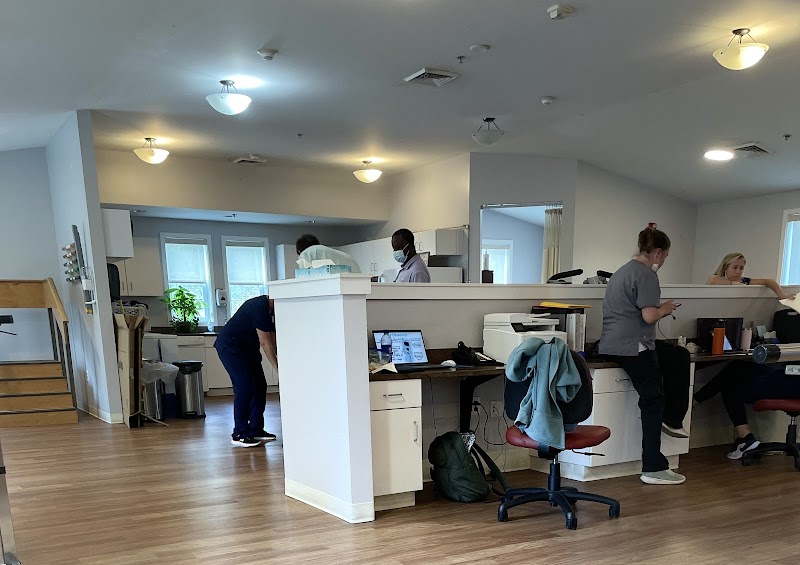
CMS rates WHITE OAK MANOR - CHARLESTON's staffing level at 3 out of 5 stars, which is average compared to other nursing homes. Staff turnover is 42%, compared to the South Carolina average of 46%. This relatively stable workforce can support continuity of care.

What Have Inspectors Found at White Oak Manor - Charleston?

State health inspectors documented 8 deficiencies at WHITE OAK MANOR - CHARLESTON during 2022 to 2025. These included: 1 that caused actual resident harm and 7 with potential for harm. Deficiencies causing actual harm indicate documented cases where residents experienced negative health consequences.
Who Owns and Operates White Oak Manor - Charleston?

WHITE OAK MANOR - CHARLESTON is owned by a for-profit company. For-profit facilities operate as businesses with obligations to shareholders or private owners. The facility is operated by WHITE OAK MANAGEMENT, a chain that manages multiple nursing homes. With 176 certified beds and approximately 159 residents (about 90% occupancy), it is a mid-sized facility located in CHARLESTON, South Carolina.

How Does White Oak Manor - Charleston Compare to Other South Carolina Nursing Homes?

Compared to the 100 nursing homes in South Carolina, WHITE OAK MANOR - CHARLESTON's overall rating (4 stars) is above the state average of 2.9, staff turnover (42%) is near the state average of 46%, and health inspection rating (4 stars) is above the national benchmark.

What Should Families Ask When Visiting White Oak Manor - Charleston?

Based on this facility's data, families visiting should ask: "Can I visit during a mealtime to observe dining assistance and food quality?" "How do you handle medical emergencies, and what is your hospital transfer rate?" "Can I speak with family members of current residents about their experience?"

Is White Oak Manor - Charleston Safe?

Based on CMS inspection data, WHITE OAK MANOR - CHARLESTON has a clean safety record: no substantiated abuse findings (meaning no confirmed cases of resident harm), no Immediate Jeopardy citations (the most serious violation level indicating risk of serious injury or death), and is not on the Special Focus Facility watch list (a federal program monitoring the lowest-performing 1% of nursing homes). The facility has a 4-star overall rating and ranks #1 of 100 nursing homes in South Carolina. While no facility is perfect, families should still ask about staff-to-resident ratios and recent inspection results during their visit.

Do Nurses at White Oak Manor - Charleston Stick Around?

WHITE OAK MANOR - CHARLESTON has a staff turnover rate of 42%, which is about average for South Carolina nursing homes (state average: 46%). Moderate turnover is common in nursing homes, but families should still ask about staff tenure and how the facility maintains care continuity when employees leave.

Was White Oak Manor - Charleston Ever Fined?

WHITE OAK MANOR - CHARLESTON has no federal fines on record. CMS issues fines when nursing homes fail to meet care standards or don't correct problems found during inspections. The absence of fines suggests the facility has either maintained compliance or corrected any issues before penalties were assessed. This is a positive indicator, though families should still review recent inspection reports for the full picture.

Is White Oak Manor - Charleston on Any Federal Watch List?

WHITE OAK MANOR - CHARLESTON is not on any federal watch list. The most significant is the Special Focus Facility (SFF) program, which identifies the bottom 1% of nursing homes nationally based on persistent, serious quality problems. Not being on this list means the facility has avoided the pattern of deficiencies that triggers enhanced federal oversight. This is a positive indicator, though families should still review the facility's inspection history directly.