Edgefield Post-Acute
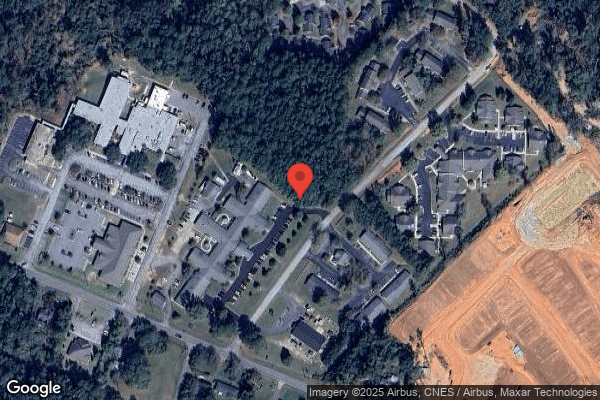
226 WA Reel Drive, Edgefield, SC 29824 (803) 637-5312
For profit - Limited Liability company 120 Beds PACS GROUP Data: November 2025
Trust Grade
90/100
#5 of 186 in SC
Last Inspection: March 2025

Within standard 12-15 month inspection cycle. Federal law requires annual inspections.

Overview

Edgefield Post-Acute in Edgefield, South Carolina, has a Trust Grade of A, indicating it is an excellent facility that is highly recommended. It ranks #5 out of 186 nursing homes in the state, placing it in the top tier of facilities. The trend is improving, as the number of reported issues decreased from three in 2023 to none in 2025. However, staffing is a concern, with a below-average rating of 2 out of 5 stars, despite a commendable turnover rate of 36%, which is better than the state average. While there have been no fines, recent inspections revealed some issues, such as residents not receiving proper grooming care, including long and dirty fingernails, and failures in cleaning medical equipment, which could pose health risks. Overall, the facility has strengths in its excellent ratings and improving trend, but there are areas needing attention in personal care and adherence to hygiene protocols.

Trust Score
A
90/100
In South Carolina
#5/186
Top 2%
Safety Record
Low Risk
No red flags
Inspections
Getting Better
3 → 0 violations
Staff Stability
○ Average
36% turnover. Near South Carolina's 48% average. Typical for the industry.
Penalties
✓ Good
No fines on record. Clean compliance history, better than most South Carolina facilities.
Skilled Nurses
⚠ Watch
Each resident gets only 28 minutes of Registered Nurse (RN) attention daily — below average for South Carolina. Fewer RN minutes means fewer trained eyes watching for problems.
Violations
✓ Good
Only 4 deficiencies on record. Cleaner than most facilities. Minor issues only.
★★★★★
5.0
Overall Rating
★★☆☆☆
2.0
Staff Levels
★★☆☆☆
2.0
Care Quality
★★★★★
5.0
Inspection Score
Stable
2023: 3 issues
2025: 0 issues

The Good

  • Full Sprinkler Coverage · Fire safety systems throughout facility
  • No fines on record
  • Staff turnover below average (36%)

    12 points below South Carolina average of 48%

Facility shows strength in fire safety.

The Bad

Staff Turnover: 36%

Near South Carolina avg (46%)

Typical for the industry

Chain: PACS GROUP

Part of a multi-facility chain

Ask about local staffing decisions and management

The Ugly 4 deficiencies on record

Sept 2023 2 deficiencies
CONCERN (D)

Potential for Harm - no one hurt, but risky conditions existed

ADL Care (Tag F0677)

Could have caused harm · This affected 1 resident

**NOTE- TERMS IN BRACKETS HAVE BEEN EDITED TO PROTECT CONFIDENTIALITY** Based on observations, interviews, record review, and facility policy review, the facility failed to provide services to residen...

Read full inspector narrative →
**NOTE- TERMS IN BRACKETS HAVE BEEN EDITED TO PROTECT CONFIDENTIALITY** Based on observations, interviews, record review, and facility policy review, the facility failed to provide services to residents who were unable to carry out activities of daily living (ADLs) that were necessary to maintain good grooming and personal hygiene for 2 (Resident #59 and Resident #8) of 3 sampled residents reviewed for ADL care. Specifically, Resident #59 and Resident #8 had fingernails that were long, jagged, and dirty. Findings included: A review of a facility policy titled Fingernails/Toenails, Care of, revised in February 2018, indicated, The purposes of this procedure are to clean the nail bed, to keep nails trimmed, and to prevent infections. Further review revealed, 1. Nail care includes daily cleaning and regular trimming. 2. Proper nail care can aid in the prevention of skin problems around the nail bed. 3. Unless otherwise permitted, do not trim the nails of diabetic residents or residents with circulatory impairments. 4. Trimmed and smooth nails prevent the resident from accidentally scratching and injuring his or her skin. 5. Watch for and report any changes in the color of the skin around the nail bed, blueness of the nails, any signs of poor circulation, cracking of the skin between the toes, any swelling, bleeding, etc. 6. Stop and report to the nurse supervisor if there is evidence of ingrown nails, infections, pain, or if nails are too hard or too thick to cut with ease. 1. A review of Resident #59's quarterly Minimum Data Set (MDS), with an Assessment Reference Date (ARD) of 07/26/2023, revealed the resident was admitted to the facility on [DATE]. Per the MDS, Resident #59 had a Brief Interview for Mental Status (BIMS) score of 1, which indicated the resident had severe cognitive impairment. The MDS revealed the resident was totally dependent on staff for dressing, personal hygiene, and bathing. During this assessment period, Resident #59 had an active diagnosis to include cerebral palsy. A review of Resident #59's care plan, initiated on 12/12/2021, indicated the resident required assistance with ADLs related to communication problems and limited range of motion due to spastic quadriplegic CP and weakness. A review of Resident #59's Progress Notes dated from 09/27/2022 to 09/06/2023, revealed no evidence of documentation which indicated the resident's fingernails were checked or if any nail care was provided to the resident. A review of Resident #59's Documentation Survey Report for September 2023 revealed the resident received a bed bath on 09/05/2023, 09/06/2023, 09/08/2023, 09/11/2023, 09/12/2023, 09/13/2023, 09/14/2023, 09/15/2023, 09/16/2023, 09/17/2023, 09/19/2023, 09/20/2023. 09/21/2023, 09/23/2023, 09/24/2023, 09/26/2023, and 09/27/2023. During an observation on 09/26/2023 at 10:15 AM, Resident #59 was observed lying in their bed in their room. The resident smiled when spoken to but could not answer questions. The resident's hands were contracted, with fingernails that were long and jagged with a brown substance underneath them. During an interview on 09/26/2023 at 1:37 PM, Resident Representative (RR) #9 stated they would, at times, assist Resident #59 with ADL care when they visited the resident at the facility. RR #9 stated they visited weekly and would provide nail care to the resident during visits and were unsure if the certified nurse aides (CNA) provided nail care to the resident. During an observation on 09/27/2023 at 11:43 AM, Resident #59's fingernails were long and jagged and had a brown substance underneath the nails. During an interview on 09/27/2023 at 2:18 PM, CNA #4 stated she assisted residents with bed baths or showers, meal assistance, and dressing and would take residents outside. CNA #4 stated she did not provide nail care to residents during ADLs. She stated the activity department held a nail group every Friday that residents could attend to have their nails cared for. CNA #4 stated she assisted Resident #59 with bed baths, oral care, and feeding assistance. She stated the resident did not refuse care from staff. CNA #4 stated she did not provide nail care to Resident #59. During an interview on 09/27/2023 at 2:41 PM, CNA #5 stated CNAs assisted residents with ADLs, including nail care, which should be provided during bed baths. She stated activities held a nail group weekly. She stated Resident #59 attended the nail activity group every Friday for nail care. CNA #5 stated if the nail group was not held weekly, the CNAs would trim and clean the resident's nails. During a telephone interview on 09/28/2023 at 9:52 AM, Licensed Practical Nurse (LPN) #6 stated Resident #59 was very pleasant and required total assistance from staff for ADLs. He stated the resident's fingernails were long the last time he saw them on 09/25/2023 during the night shift. LPN #6 stated day shift CNAs should provide nail care to the residents, keeping them trimmed and cut. He stated Resident #59 was not a diabetic, so the CNAs should provide nail care to the resident. LPN #6 stated the resident had contractures but could open and stretch out their hand. During an observation on 09/28/2023 at 10:36 AM, Resident #59's fingernails were long and jagged and had a brown substance underneath the nails. During an interview on 09/28/2023 at 1:05 PM, the Activity Assistant (AA) #8 stated the activities department held a nail group every Friday, but they only removed nail polish and repainted residents' nails in the group. She stated they did not trim or file the residents' nails in the group. AA #8 stated Resident #59 received one-on-one activities in their room and had frequent visitors. She stated the activity associates did not provide nail care to Resident #59; their CNAs were to provide nail care to the resident. During an interview on 09/28/2023 at 1:33 PM, the Assistant Director of Nursing (ADON) stated resident nail care should be provided by the CNAs and that the weekly nail group was just polishing of nails. She stated the CNAs should check residents' fingernails during baths and showers, which were provided at least three times a week. The ADON stated fingernails should be checked for cleanliness, trimmed, and filed for safety. She stated Resident #59 had frequent visitors who assisted them with nail care, but the CNAs should check their nails on bath days and providing nail care on bath days if needed. During an observation on 09/28/2023 at 1:35 PM with the ADON, Resident #59 was lying in bed in their room. The ADON went to the resident and asked to see their fingernails, and the resident offered their hand. As the ADON examined Resident #59's fingernails, the ADON stated the resident's fingernails were jagged and needed to be filed or trimmed. During an interview on 09/29/2023 at 9:47 AM, the Director of Nursing (DON) stated fingernail care should be provided by the CNAs on bath days. She stated nails should be checked, trimmed, and cleaned, especially if residents scratched or dug at themselves. The DON stated CNAs provided nail care to residents who were not diabetic. She stated diabetic residents received nail care from nurses or podiatrist. The DON stated Resident #59 received bed baths and required total assistance from staff with ADLs, and she expected CNAs to evaluate the resident's fingernails and hands every bath day. The DON stated the resident had contractures but could open their hand. She stated the resident's fingernails should be short and trimmed to protect the resident's skin and hands. During an interview on 09/29/2023 at 12:15 PM, the Administrator stated non-diabetic nail trimming and filing should be provided by the CNAs. He stated the activity department held a nail polishing group every week, but nail trimming and filing were not provided during that group. He stated nail care could be provided at bedside for residents, but the beauty shop could also be used. The Administrator stated nail care needed to be an assignment for the CNAs and was a good task for CNAs on light duty. He stated Resident #59 did have contractures, so their fingernails should be short and filed to prevent injury. 2. A review of Resident #8's admission Record revealed the facility admitted the resident on 08/18/2017. Per the admission Record, on 08/23/2017, Resident #8 was diagnosed with type 2 diabetes mellitus. A review of Resident #8's quarterly Minimum Data Set (MDS), with an Assessment Reference Date (ARD) of 08/17/2023, revealed Resident #8 had a Brief Interview for Mental Status (BIMS) score of 15, which indicated the resident was cognitively intact. The MDS revealed the resident required extensive assistance from staff for personal hygiene and total assistance from staff with bathing. The MDS revealed the resident did not refuse care during the MDS assessment period. A review of Resident #8's care plan, revised on 08/02/2021, indicated the resident had a self-care deficit related to generalized weakness, decreased mobility, obesity, altered mood, bowel and bladder incontinence, and chronic pain. Interventions specified the resident preferred bed baths, required assistance from staff with bath/showers as needed, and required staff assistance with personal hygiene as needed. A review of Resident #8's Progress Notes dated from 09/29/2022 to 09/26/2023, revealed no evidence of documentation the resident refused assistance with their activities of daily living (ADLs). A review of Resident #8's Documentation Survey Report for September 2023, revealed the resident received a bed bath on 09/02/2023, 09/05/2023, 09/06/2023, 09/09/2023, 09/11/2023, 09/12/2023, 09/13/2023, 09/14/2023, 09/15/2023, 09/18/2023, 09/19/2023, 09/20/2023, 09/21/2023, 09/23/2023, 09/24/2023, 09/26/2023, and 09/27/2023. During an observation on 09/26/2023 at 9:03 AM, Resident #8 was observed in bed in their room. The resident's fingernails were long, jagged, and had a brown substance under the fingernails and around their cuticles. During an observation and interview on 09/27/2023 at 2:02 PM, Resident #8 was observed in bed in their room. The resident's fingernails were long, jagged, and had a brown substance under the fingernails and around their cuticles. Resident #8 stated the brown substance under their nails could have been from when they scratched a scab they had on their arm. Resident #8 stated no one helped them trim their nails at the facility. Resident #8 stated they had not requested their nails be trimmed, and no staff had offered. Resident #8 stated it would be nice to have their nails trimmed. During an interview on 09/27/2023 at 2:41 PM, Certified Nurse Aide (CAN) #5 stated CNAs assisted residents with ADLs, including nail care, which should be provided during bed baths. She stated activities held a nail group weekly. She stated if the resident were a diabetic, their nail care would be done by the nurse. CNA #5 stated she did not provide nail care to Resident #8 as they were diabetic but would assist the resident with their bed baths. During an observation and interview on 09/28/2023 at 10:39 AM, Resident #8 was observed in bed playing on their tablet. The resident's fingernails were long and jagged with a brown substance underneath. Resident #8 stated the nurses had not offered them nail care during their visits or when they were assessed and did not offer nail care on bath days. During an observation and interview on 09/29/2023 at 8:32 AM, Resident #8 was observed in bed in their room. Licensed Practical Nurse (LPN) #7 knocked on the door and approached the resident and asked to see their fingernails. The resident obliged, and after examination, LPN #7 stated the resident's nails needed to be trimmed as they were not jagged and long. LPN #7 stated the resident's fingernails also needed to be cleaned. She stated the nurses should check residents' nails during skin assessments, and CNAs should check and report any concerns to the nurses on bath days. LPN #7 stated Resident #8 picked at their skin, so their fingernails should be short to prevent injury and infection. LPN #7 stated the nurses assisted with fingernail care for diabetic residents, but toenail care was usually referred to the podiatrist. She stated she did trim and tended to the fingernails of the diabetic residents because it was important to protect the resident's skin and prevent infections, especially if residents picked at their skin. LPN #7 stated she worked with Resident #8, and the resident had never requested nail care from her, but the resident did pick at their skin, and the resident was a diabetic. During an interview on 09/29/2023 at 9:47 AM, the Director of Nursing (DON) stated fingernail care should be provided by the CNAs on bath days. She stated nails should be checked, trimmed, and cleaned, especially if residents scratched or dug at themselves. The DON stated CNAs provided nail care to residents who were not diabetic. She stated diabetic residents received nail care from nurses or podiatrist. She stated Resident #8 received bed baths and required total assistance from staff with ADLs and would refuse care and be argumentative with staff. The DON stated the resident would also dig and pick at their skin and would also be found scratching their skin in their sleep, so it was important to offer nail care to the resident and encourage their participation in care. The DON stated the resident's nails should be short and trimmed, and the nurses should offer nail care frequently in the event the resident accepted care. During an interview on 09/29/2023 at 12:15 PM, the Administrator stated non-diabetic nail trimming and filing should be provided by the CNAs, unless the resident was a diabetic, then finger and toenail care should be provided by the podiatrist. He stated Resident #8 would be found scratching their skin while they slept. The Administrator stated he witnessed this sleep scratching as he passed by the resident's room. He stated Resident #8 accepted care on their own terms. The Administrator stated since the resident was a diabetic and their name would be placed on the podiatrist list for nail care.
CONCERN (D)

Potential for Harm - no one hurt, but risky conditions existed

Infection Control (Tag F0880)

Could have caused harm · This affected 1 resident

Based on observation, record review, interview, and facility policy review, the facility failed to ensure that a glucose meter (a device used to monitor blood glucose levels) was cleaned with an appro...

Read full inspector narrative →
Based on observation, record review, interview, and facility policy review, the facility failed to ensure that a glucose meter (a device used to monitor blood glucose levels) was cleaned with an approved disinfectant wipe. This affected 1 (Resident #2) of 2 residents observed for blood glucose testing during the medication pass observation. Findings included: A review of a facility policy titled Blood Sampling - Capillary (Finger Sticks), revised in September 2014, revealed, The purpose of this procedure is to provide guidelines for cleaning a glucometer used for blood sugars [glucose] and to prevent the introduction of bacteria. Further review revealed Steps in the procedure included 1. Wash hands with soap and water, dry thoroughly. 2. Apply gloves. 3. To clean and disinfect the meter, clean the meter with an approved disinfecting wipe (bleach wipe) before and after use. 4. Wipe all external areas of the meter including both front and back surfaces until visibly clean. 5. Allow the surface of the meter to remain wet at room temperature for the contact time of five minutes by leaving wipe wrapped around meter. 6. Allow the meter to air dry. 7. Discard disinfecting wipe. 8. Remove gloves. 9. Wash hands with soap and water, dry thoroughly. A review of the blood glucose monitoring system operator's manual, undated, revealed one of the products recommended for use for cleaning the glucose meter was bleach germicidal wipes. A review of Resident #2's admission Record indicated the facility admitted Resident #2 on 06/28/2017. On 11/01/2017, Resident #2 was diagnosed with type 2 diabetes mellitus. On 06/09/2020, Resident #2 was diagnosed with long-term use of insulin. A review of Resident #2's annual Minimum Data Set (MDS), with an Assessment Reference Date (ARD) of 07/24/2023, revealed Resident #2 had a Brief Interview for Mental Status (BIMS) score of 15, which indicated the resident was cognitively intact. The MDS indicated the resident had received insulin injections seven days during the seven-day lookback period. A review of Resident #2's care plan, revised 08/09/2023, revealed the resident had a potential for hypoglycemia or hyperglycemia related to diabetes mellitus and a history of pancreatitis. Interventions included to obtain blood glucose levels as ordered. A review of Resident #2's physician's orders revealed an order revised on 04/05/2021 for blood glucose checks to be completed four times daily for diabetes mellitus. During an observation on 09/27/2023 at 11:20 AM, Registered Nurse (RN) #1 was observed as she prepared to check Resident #2's blood glucose level. RN #1 used a 70% isopropyl alcohol swab to clean the glucose meter before entering the resident's room. After the blood glucose check was completed, RN #1 again used a 70% isopropyl alcohol swab to clean the glucose meter. During an interview on 09/27/2023 at 2:32 PM, the Director of Nursing (DON) stated RN #1 had come to them after the surveyor had left the medication cart following the observation of the blood glucose check for Resident #2 and admitted they had used the wrong wipe to disinfect the glucose meter. During an interview on 09/27/2023 at 3:21 PM, RN #1 stated the facility's policy for disinfection of a glucose meter was to use bleach germicidal wipes that were located in the bottom drawer of the medication cart. RN #1 acknowledged she had used alcohol wipes to clean the glucose meter before and after checking Resident #2's blood glucose level. During an interview on 09/27/2023 at 5:06 PM, RN #1 stated she always used bleach wipes to clean a glucose meter and did not know why she used alcohol swabs to clean the glucose meter earlier in the day. During an interview on 09/27/2023 at 5:55 PM, RN #1 stated the glucose meter used for Resident #2 was used only for Resident #2. The RN stated all residents who received blood glucose checks had their own glucose meter, which was stored in separate plastic bags in the bottom drawer of the medication cart. During an interview on 09/28/2023 at 10:40 AM, the DON stated she expected staff to disinfect a glucose meter with the bleach germicidal wipes that were in the bottom drawer of each medication cart. During an interview on 09/28/2023 at 10:47 AM, the Administrator stated he expected staff to disinfect a glucose meter with the bleach germicidal wipes.
Jul 2023 1 deficiency
CONCERN (D) 📢 Someone Reported This

A family member, employee, or ombudsman was alarmed enough to file a formal complaint

Potential for Harm - no one hurt, but risky conditions existed

Deficiency F0602 (Tag F0602)

Could have caused harm · This affected 1 resident

**NOTE- TERMS IN BRACKETS HAVE BEEN EDITED TO PROTECT CONFIDENTIALITY** Based on review of facility policy, record review, and interviews, the facility failed to ensure resident property was kept safe...

Read full inspector narrative →
**NOTE- TERMS IN BRACKETS HAVE BEEN EDITED TO PROTECT CONFIDENTIALITY** Based on review of facility policy, record review, and interviews, the facility failed to ensure resident property was kept safe from loss or theft for 1 resident (R)1 of 1 resident reviewed for misappropriation of property. Specifically, the facility failed to ensure $750.00 of R1's personal money was kept safe from loss or theft. Findings include: Review of the facility's policy titled, Investigating Incident of Theft and/or Misappropriation of Resident Property last revised April 2021 revealed: Residents have the right to be free from exploitation, theft and/or misappropriation of personal property. Our facility exercises reasonable care to protect the resident from property loss or theft, including a. implementing policies that strictly prohibit, and pursue to the full extent of the law, staff or employee theft or misappropriation of resident property; b. providing measures to safeguard resident valuables from easy public access. R1 was admitted to the facility on [DATE] with diagnoses including, but not limited to, bipolar disorder, anxiety, hypertensive heart disease with heart failure, and depression. Review of R1's Scheduled 5-day Minimum Data Set (MDS) with an Assessment Reference Date (ARD) of 5/17/23 revealed R1 had a Brief Interview of Mental Status (BIMS) score of 15 out of 15 indicating the resident was cognitively intact. A review of R1's Discharge Summary from the local hospital dated 03/01/23 revealed, Here is a [AGE] year-old lady who was brought in through ambulance from the skilled nursing facility when she was in ER she was obtunded, unable to communicate she is in septic shock with altered mental status. She has been unresponsive and diaphoretic. An interview with R1 on 7/19/23 at 12:22 PM in R1's Room revealed that R1 went out to the hospital in late February due to Septic Shock. R1 stated that she asked for her phone while at the hospital and the hospital told her she did not come with her cell phone. R1 stated upon return to the facility, she asked for her phone and the staff did not know where her phone was.The Social Services Director tried to convince her that she had taken the cellphone with her to the hospital. R1 stated that the phone had been lost for approximately a month and the facility Administrator convinced R1's mother to purchase a new phone, which she did from Amazon. R1 stated that 2 weeks later after having her new phone, a CNA (Certified Nursing Aide) asked her if she had found her phone and asked her what the phone looked like. R1 stated the CNA told her she would be right back and returned with the resident's missing phone, which was a Samsung Galaxy and the phone was dead. CNA told R1 that the phone was located on the other side of the facility at the nurse's station on the counter. R1 stated that she put the phone on the charger and when the phone cut on she checked the phone to see if it had been messed with and noticed three $250.00 transactions totaling the amount of $750 that was sent to a lady named (XXX) on 02/28/23, while she was hospitalized . R1 stated that the only person with that name is the housekeeper that used to clean her room daily, and the housekeeper quit before R1 returned from a hospital stay. R1 stated that the same day she got her phone back, the Housekeeper called her asking if she had found her phone which R1 stated she found strange and asked her(housekeeper) if she sent herself money from her phone and housekeeper hung up the phone and changed her number. R1 stated that she told the Facility Administrator and she is still awaiting reimbursement. An interview with Social Services (SS) on 07/19/23 at 12:55 PM revealed the SS stated that R1 went out to the hospital in late February, and stated that R1 told her that staff could not locate her phone upon return to the facility. SS stated that R1's mother purchased the phone from Amazon and returned the phone a week or two later because the resident's missing phone was located. SS stated that the facility did not pay for the phone because the phone was returned and R1's mother had received a refund from Amazon. SS stated that when R1 regained access to her phone she notified staff that she had three (3) $250.00 charges equaling to 750 dollars during the time she was hospitalized . SS stated the Ombudsman and police were notified and that the police sent the case up to the Attorney General's office. SS stated that she is not sure if the facility reimbursed R1 the total amount of $750.00, and that's a question for the Administrator. An interview with CNA1 on 07/19/23 at 1:15 PM revealed that R1 is a patient of hers and she provides daily ADL care. CNA1 stated that R1 mentioned to her that she was missing her phone when R1 returned from the hospital. CNA1 stated that after approximately a month she saw a phone in the Peach unit on top of a med cart that matched the description of the resident's phone after asking R1 what her phone looked like and the phone was dead. CNA1 asked the staff who the phone belonged to and since nobody claimed the phone, CNA1 brought the R1 which confirmed it was her phone and put the phone on the charger for her. CNA1 stated that once the phone turned on, the resident unlocked it, and stated that her money was missing. CNA1 stated that she and the resident reported to Facility Administrator and Social Services, and they stated they would Take care of it. In an interview with the Facility Administrator (FA) on 07/19/23 at 1:58 PM in the conference room, FA stated that R1 went out to the hospital on [DATE], and returned on 03/01/23. FA stated that upon return from the hospital, R1 told staff and FA that she could not locate her phone. FA stated that staff assumed that R1 had taken her phone with her, however, she had not. The search did not locate the phone and R1's mother replaced the phone. FA stated on 04/19/23 the facility located the old phone in a drawer at the nurse's station and it was returned to R1. FA stated that once the resident charged the phone, R1 informed staff that she got on her mobile banking app and there had been a few withdrawals from R1's account on 02/28/23 totaling $750.00 ,which R1 was hospitalized during those transactions, and Police were notified and R1 notified her bank that she did not make those transactions because she had been in the hospital and the phone was not with her. FA stated bank refused to refund the money to R1 and he typed a letter stating R1 did not have the phone in her possession during hospitalization for the resident's bank. FA stated that he is unsure who would have been able to access R1's account as her phone was locked and at the time it was found it was dead. FA stated that all staff who had been working were interviewed and had no knowledge of when the phone was put at the nurse's station or any knowledge that it had not been with R1. FA stated that the facility could not substantiate the allegation and he did not feel it was his obligation to refund the resident her money back. FA stated that he encouraged R1 to obtain a lock box at her bedside for personal belonging and valuables. FA stated that he uses agency staff for housekeeping duties and confirmed that the housekeeper in question's middle name is XXX, and that the housekeeper quit on her own prior to the resident's return which was odd, she had given no reason why she just quit, so FA discontinued the contract with the agency. Interview with FA also revealed that there was no schedule or sign-in sheets for housekeeping the day the transactions were made, only nursing staff. Multiple attempts for a phone interview with Housekeeper on 07/19/23 were unsuccessful.
Aug 2021 1 deficiency
CONCERN (E)

Potential for Harm - no one hurt, but risky conditions existed

Food Safety (Tag F0812)

Could have caused harm · This affected multiple residents

Based on observations, interviews, and review of facility policies the facility failed to store food in accordance with professional standards for food service safety; food items were not dated and la...

Read full inspector narrative →
Based on observations, interviews, and review of facility policies the facility failed to store food in accordance with professional standards for food service safety; food items were not dated and labeled on two (2) of two (2) units. The findings include: Review of the facility policy entitled Food: Safe Handling for Foods from Visitors dated 7/2019 revealed facility staff will 4. Ensure that foods are in a sealed container to prevent cross contamination. Label foods with the resident's name and the current date. 5. Refrigerators/freezers for storage of foods brought in by visitors will be properly maintained . During an observation on 8/26/21 at 12:10 p.m. in the kitchen on the 200 Unit revealed an open box of doughnuts with no label, three (3) frozen meals with no labeling, crumbs in bins of refrigerator, dried brown substance covering bottom of refrigerator, pitcher of ice in freezer with no cover and no labeling. The observation was confirmed by the Registered Nurse (RN) Supervisor for the 200 Unit and the Kitchen Manager (KM). During an observation on 8/26/21 at 12:25 p.m. in the kitchen on the 100 Unit revealed a gallon-sized plastic bag with a disposable ice pack with no labeling, a partial drink from a restaurant on the counter with no labeling, juice box drink in the refrigerator with no label, and crumbs in the bins of the refrigerator. Licensed Practical Nurse (LPN) #1 confirmed the observation. In an interview on 8/26/21 at 12:30 p.m. the KM stated the refrigerators should not had any unlabeled, uncovered items that were observed as well as no food belonging to employees. The KM reported that s/he had checked the refrigerators that day, They should have not been in the condition in which they were observed.
Understanding Severity Codes (click to expand)
Life-Threatening (Immediate Jeopardy)
J - Isolated K - Pattern L - Widespread
Actual Harm
G - Isolated H - Pattern I - Widespread
Potential for Harm
D - Isolated E - Pattern F - Widespread
No Harm (Minor)
A - Isolated B - Pattern C - Widespread

Questions to Ask on Your Visit

  • "Can I speak with families of current residents?"
  • "What's your RN coverage like on weekends and overnight?"

Our Honest Assessment

Strengths
  • • Grade A (90/100). Above average facility, better than most options in South Carolina.
  • • No major safety red flags. No abuse findings, life-threatening violations, or SFF status.
  • • No fines on record. Clean compliance history, better than most South Carolina facilities.
  • • Only 4 deficiencies on record. Cleaner than most facilities. Minor issues only.
Concerns
  • • No significant concerns identified. This facility shows no red flags across CMS ratings, staff turnover, or federal penalties.
Bottom line: Generally positive indicators. Standard due diligence and a personal visit recommended.

About This Facility

What is Edgefield Post-Acute's CMS Rating?

CMS assigns Edgefield Post-Acute an overall rating of 5 out of 5 stars, which is considered much above average nationally. Within South Carolina, this rating places the facility higher than 99% of the state's 100 nursing homes. This rating reflects solid performance across the metrics CMS uses to evaluate nursing home quality.

How is Edgefield Post-Acute Staffed?

CMS rates Edgefield Post-Acute's staffing level at 2 out of 5 stars, which is below average compared to other nursing homes. Staff turnover is 36%, compared to the South Carolina average of 46%. This relatively stable workforce can support continuity of care.

What Have Inspectors Found at Edgefield Post-Acute?

State health inspectors documented 4 deficiencies at Edgefield Post-Acute during 2021 to 2023. These included: 4 with potential for harm.

Who Owns and Operates Edgefield Post-Acute?

Edgefield Post-Acute is owned by a for-profit company. For-profit facilities operate as businesses with obligations to shareholders or private owners. The facility is operated by PACS GROUP, a chain that manages multiple nursing homes. With 120 certified beds and approximately 110 residents (about 92% occupancy), it is a mid-sized facility located in Edgefield, South Carolina.

How Does Edgefield Post-Acute Compare to Other South Carolina Nursing Homes?

Compared to the 100 nursing homes in South Carolina, Edgefield Post-Acute's overall rating (5 stars) is above the state average of 2.9, staff turnover (36%) is near the state average of 46%, and health inspection rating (5 stars) is much above the national benchmark.

What Should Families Ask When Visiting Edgefield Post-Acute?

Based on this facility's data, families visiting should ask: "Can you walk me through typical staffing levels on day, evening, and night shifts?" "Can I visit during a mealtime to observe dining assistance and food quality?" "How do you handle medical emergencies, and what is your hospital transfer rate?" "Can I speak with family members of current residents about their experience?" These questions are particularly relevant given the below-average staffing rating.

Is Edgefield Post-Acute Safe?

Based on CMS inspection data, Edgefield Post-Acute has a clean safety record: no substantiated abuse findings (meaning no confirmed cases of resident harm), no Immediate Jeopardy citations (the most serious violation level indicating risk of serious injury or death), and is not on the Special Focus Facility watch list (a federal program monitoring the lowest-performing 1% of nursing homes). The facility has a 5-star overall rating and ranks #1 of 100 nursing homes in South Carolina. While no facility is perfect, families should still ask about staff-to-resident ratios and recent inspection results during their visit.

Do Nurses at Edgefield Post-Acute Stick Around?

Edgefield Post-Acute has a staff turnover rate of 36%, which is about average for South Carolina nursing homes (state average: 46%). Moderate turnover is common in nursing homes, but families should still ask about staff tenure and how the facility maintains care continuity when employees leave.

Was Edgefield Post-Acute Ever Fined?

Edgefield Post-Acute has no federal fines on record. CMS issues fines when nursing homes fail to meet care standards or don't correct problems found during inspections. The absence of fines suggests the facility has either maintained compliance or corrected any issues before penalties were assessed. This is a positive indicator, though families should still review recent inspection reports for the full picture.

Is Edgefield Post-Acute on Any Federal Watch List?

Edgefield Post-Acute is not on any federal watch list. The most significant is the Special Focus Facility (SFF) program, which identifies the bottom 1% of nursing homes nationally based on persistent, serious quality problems. Not being on this list means the facility has avoided the pattern of deficiencies that triggers enhanced federal oversight. This is a positive indicator, though families should still review the facility's inspection history directly.