Carlyle Senior Care of Fountain Inn
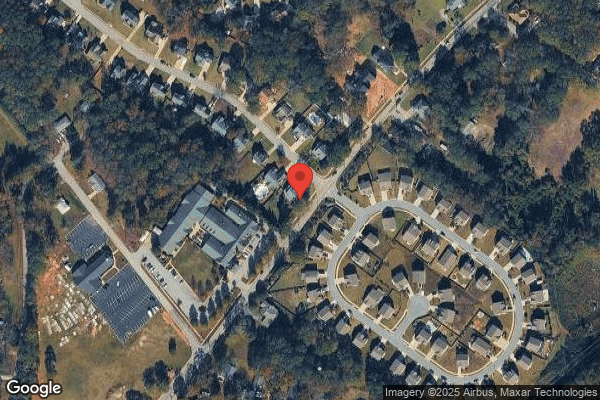

501 Gulliver St, Fountain Inn, SC 29644 (864) 862-2554
For profit - Limited Liability company 60 Beds CARLYLE SENIOR CARE Data: November 2025
Trust Grade
55/100
#107 of 186 in SC
Last Inspection: September 2024

Within standard 12-15 month inspection cycle. Federal law requires annual inspections.

Overview

Carlyle Senior Care of Fountain Inn has a Trust Grade of C, which means it is average, sitting in the middle of the pack among nursing homes. In South Carolina, it ranks #107 out of 186 facilities, placing it in the bottom half, and #12 out of 19 in Greenville County, indicating that only a few local options are better. The facility is currently worsening, as the number of reported issues increased from one in 2022 to six in 2024. Staffing is a notable weakness, with a poor rating of 1 out of 5 stars and a high turnover rate of 67%, well above the state average of 46%. While the facility has no fines on record, which is good, there have been concerning incidents such as staff failing to perform adequate hand hygiene, which could lead to infection risks, and issues with food storage and medication labeling, raising potential safety concerns for residents.
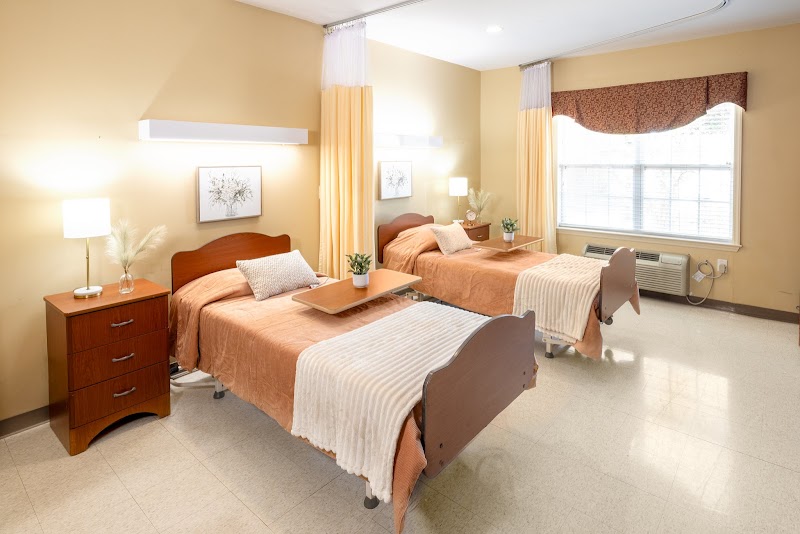
Trust Score
C
55/100
In South Carolina
#107/186
Bottom 43%
Safety Record
Low Risk
No red flags
Inspections
Getting Worse
1 → 6 violations
Staff Stability
⚠ Watch
67% turnover. Above average. Higher turnover means staff may not know residents' routines.
Penalties
✓ Good
No fines on record. Clean compliance history, better than most South Carolina facilities.
Skilled Nurses
○ Average
Each resident gets 30 minutes of Registered Nurse (RN) attention daily — about average for South Carolina. RNs are the most trained staff who monitor for health changes.
Violations
○ Average
10 deficiencies on record. Average for a facility this size. Mostly minor or procedural issues.
★★☆☆☆
2.0
Overall Rating
★☆☆☆☆
1.0
Staff Levels
★★★★☆
4.0
Care Quality
★★★☆☆
3.0
Inspection Score
Stable
2022: 1 issues
2024: 6 issues

The Good

  • 4-Star Quality Measures · Strong clinical quality outcomes
  • Full Sprinkler Coverage · Fire safety systems throughout facility
  • No fines on record

Facility shows strength in quality measures, fire safety.

The Bad

2-Star Overall Rating

Below South Carolina average (2.8)

Below average - review inspection findings carefully

Staff Turnover: 67%

20pts above South Carolina avg (46%)

Frequent staff changes - ask about care continuity

Chain: CARLYLE SENIOR CARE

Part of a multi-facility chain

Ask about local staffing decisions and management

Staff turnover is elevated (67%)

19 points above South Carolina average of 48%

The Ugly 10 deficiencies on record

Sept 2024 6 deficiencies
CONCERN (D)

Potential for Harm - no one hurt, but risky conditions existed

ADL Care (Tag F0677)

Could have caused harm · This affected 1 resident

**NOTE- TERMS IN BRACKETS HAVE BEEN EDITED TO PROTECT CONFIDENTIALITY** Based on observation, interview, and facility policy the facility failed to offer/provide Activities of Daily Living (ADL) care ...

Read full inspector narrative →
**NOTE- TERMS IN BRACKETS HAVE BEEN EDITED TO PROTECT CONFIDENTIALITY** Based on observation, interview, and facility policy the facility failed to offer/provide Activities of Daily Living (ADL) care to Resident (R)12 and R27. 2 of 3 reviewed for ADL care. Findings include: Review of facility policy titled, ADLs Supporting revealed Residents will be provided with care, treatment and services as appropriate to maintain or improve their ability to carry out ADLs. Residents who are unable to carry out ADLs independently will receive necessary services to maintain good nutrition, grooming, personal, and oral hygiene. Policy interpretation and implementation include residents will be provided with care, treatment, and services to ensure that ADL do not diminish unless the circumstances of their clinical condition (s) demonstrate that diminishing ADLs are unavoidable. Appropriate care and services will be provided for residents who are unable to carry out ADLs independently, with the consent of the resident and in accordance with the plan of care, including appropriate support and assistance with: hygiene (bathing, dressing, grooming, and oral care). If residents with cognitive impairment or dementia resist care, staff will attempt to identify the underlying cause of the problem and not just assume the resident is refusing or declining care. Approaching the resident in a different way or at a different time or having another staff member speak with the resident may be appropriate. R12 was admitted to the facility on [DATE] with diagnoses including but not limited to Alzheimer's disease, legal blindness, mental disorder, and major depressive disorder. Review of a Quarterly Minimum Data Set (MDS) with an Assessment Reference Date (ARD) of 08/20/24, revealed R12 has a Brief Interview of Mental Status (BIMS) score of 03 out of 15, which indicates that she is not cognitively intact. Further review of the Quarterly MDS revealed R12 is dependent on staff for shower/bathing and personal hygiene. An observation on 09/24/24 at 9:30 AM revealed R12 in bed in her night wear, in need of facial care, oral care, and dry hair with dandruff build-up. A second observation on 09/25/24 at 8:02 AM revealed R12 in bed in her night wear, with dry hair and dandruff build-up. An observation and interview on 09/25/24 at 8:06 AM with Licensed Practical Nurse (LPN)5 revealed that the resident is legally blind, but if staff introduce themselves appropriately prior to giving her care that the resident is more agreeable to ADL care. LPN5 further stated that the resident has an order for Anti-Dandruff External Shampoo 1 % (Selenium Sulfide) that is to be applied by the Certified Nursing Assistants (CNA) on the resident's shower days. LPN5 observed R12's hair and agreed the resident has dandruff in her hair. Record review on 09/25/24 at 8:30 AM of R12's Physician Orders for September 2024 revealed that R12 has an order for Anti-Dandruff External Shampoo 1 % (Selenium Sulfide) to be applied on shower days (Tuesday, Thursday, Saturday). Record review on 09/25/24 at 8:33 AM of the Paper CNA Shower Sheet for the 300 Unit for the period 08/24/24-09/24/24 revealed no CNA Shower Sheet documentation for R12. Record review on 09/25/24 at 8:34 AM of the Electronic Medical Record (EMR) Bathing ADL Documentation for the period 08/27/24 - 09/24/24 revealed 1 shower for R12 on 09/19/24 and was completed at 10:11 PM. Further review of R12's ADL documentation revealed that R12 received bed baths on 08/30/24, 08/31/24, 09/3/24, 09/11/24, 09/13/24, 09/14/24, and 09/17/24. Record review on 09/25/24 at 8:37 AM of R12's Nurses Notes revealed no documentation of refusal of ADL care during the period of 08/27/24 - 09/24/24. Record review on 09/25/24 at 8:40 AM of R12's Care Plan, last revised 07/07/24, revealed Resident needs assistance with ADLs related to legal blindness, debility, and protein calorie malnutrition. Interventions include assist with AM and PM care as needed, bed mobility assist with one person, dressing with one assist. An interview with the Director of Nursing (DON) on 09/25/24 at 12:34 PM revealed that she expects residents to be offered/provided a shower at least twice a week and be offered/provided a bed bath every day other than shower days. The DON further stated that she expects for staff to document when residents refuse ADL care. R27 was admitted to the facility on [DATE] with diagnoses including but not limited to; vascular dementia without behaviors, congestive heart failure, and major depressive disorder. Review of the Annual MDS with an ARD date of 08/06/24 revealed R27 has a BIMS score of 14 out of 15, which indicates that he is cognitively intact. Further review of the annual MDS revealed R27 requires set up or clean up assistance with personal hygiene and partial/moderate assistance with shower and bathing. An observation and interview on 09/22/24 at 1:27 PM revealed R27 in bed without a shirt and with body odor. R27 stated that he prefers to stay in bed without a shirt most days. An observation on 09/24/24 at 8:20 AM revealed R27 in bed without a shirt on, eating snacks with a body odor still present. Record review on 09/24/24 at 09:10 AM of R27's ADL Documentation for the last 30 days (08/26/24 - 09/24/24) revealed Type of Bath and R27 received bed baths on the following dates - 08/31/24, 09/04/24, 09/14/24, and 09/24/24). There was no documentation of the resident receiving a shower during this period. Record review on 09/24/24 at 09:23 AM of R27's ADL Documentation for the last 30 day (08/26/24 - 09/24/24) Comments revealed on 09/24/24 at 02:23 AM and 02:25 PM, R27 He needs a good shower asap. An interview on 09/24/24 at 9:30 AM with CNA1 revealed that the resident receives showers on Wednesday's and Saturday's but often refuses. On the days in between the resident's shower days, he receives bed baths when he allows staff to provide care. CNA1 further stated that when residents refuse, they will offer 3 times and inform the nursing staff. ADL refusals are to be documented in the Electronic Medical Record (EMR) by both CNAs and Nursing Staff. A phone interview on 09/24/24 with CNA2 revealed they wrote in the ADL Documentation that R27 needs a good shower due to his body odor. CNA2 stated that showers are provided during the day shift, but they provided R27 a bed bath last night (09/23/24) after he had a bowel movement. CNA2 stated that R27 can be resistive to care, but they are able to redirect the resident after a few attempts, and eventually he is agreeable to ADL care. An interview with the Director of Nursing (DON) on 09/24/24 at 5:05 PM revealed the 300 Unit Shower Documentation Sheets and that staff are required to document on the shower sheets and in the medical record when showers/bed baths are completed. Review of the shower documentation sheets revealed one shower/bed bath during the period 08/24/24 - 09/24/24 dated 09/04/24, resident received a bed bath on that date. An observation and interview on 09/25/24 at 8:06 AM with LPN5 revealed that the resident can be resistive to ADL care and specifically receiving showers at times. LPN5 further stated that the CNAs are responsible for ensuring residents receive ADL care and if a resident refuses they should inform the nurse of the situation so they can document the refusal in the resident's EMR. During an observation, this surveyor and LPN5 spoke with resident, and exited room. LPN5 stated that R27 did have body odor and would follow up with his CNA for the day related to his ADL care and shower schedule. Record review of R27's Care Plan, last revised 08/11/24, revealed R27 requires assistance with ADLs related to congestive heart failure, vascular dementia, and major depressive disorder. Interventions include assist resident with bathing with one assist, resident has history of refusal of baths, incontinent care, and getting out of bed. Record review of R27's Nurses Notes for September 2024 revealed no documentation of refusal of ADL care.
CONCERN (D)

Potential for Harm - no one hurt, but risky conditions existed

Unnecessary Medications (Tag F0759)

Could have caused harm · This affected 1 resident

**NOTE- TERMS IN BRACKETS HAVE BEEN EDITED TO PROTECT CONFIDENTIALITY** Based on review of the facility policy, observation, record review and interview, the facility failed to ensure the medication e...

Read full inspector narrative →
**NOTE- TERMS IN BRACKETS HAVE BEEN EDITED TO PROTECT CONFIDENTIALITY** Based on review of the facility policy, observation, record review and interview, the facility failed to ensure the medication error rate was 5% or less. The medication error rate was 7.69%. Findings include: Review of the facility policy, dated 2001 and titled, Administering Medications records under the policy, Medications are administered in accordance with prescriber orders, including any required time frame. An observation was conducted on 09/23/24 at 9:17 AM of Licensed Practical Nurse (LPN)1 during medication administration for Resident (R)4. During medication administration LPN1 stated, There are 2 medications that I do not have available to give him right now. I will make the Unit Manager (UM) and Nurse Practitioner (NP) aware. The medications that were not available included Floraster oral capsules and Donepezil 10 milligrams (mg). Record review for R4 revealed he was admitted to the facility on [DATE] with diagnoses to include the following; acute respiratory failure with hypoxia, Type 2 diabetes, morbid obesity, sick sinus syndrome, atrial fibrillation, chronic kidney disease and hypertension. Record review of R4's physician orders revealed Floraster Oral Capsule- give 1 capsule by mouth two times a day, order date 08/18/24 and Donepezil Tablet 10 mg- 1 tablet by mouth one time a day, order date 08/19/24. Record review of R4's medication administration record (MAR) revealed on 09/23/24, LPN1 signed the Florastor at 0900 and Donepezil 0900 medication with a code of 9, which indicated other, see nurses notes. On 09/24/24 at 10:27 AM, during an interview with LPN1, she stated, I called the pharmacy yesterday to have the 2 medications delivered for R4. I also told my UM and the NP. There was not an order to hold the medication for 1 day or until the medication arrived from pharmacy, I looked for it. I didn't document it in the nurses notes. On 09/25/24 at 11:54 AM, during an interview with the Director of Nurses (DON), she stated, For medications not available, contact the physician (MD) or NP, tell them, usually they will order for the medications to be placed on hold. Then notify the residents representative and resident that the medication is not available. Once it comes in, then notify MD to release the hold. The DON confirmed LPN1 did not follow these steps.
CONCERN (D)

Potential for Harm - no one hurt, but risky conditions existed

Staffing Data (Tag F0851)

Could have caused harm · This affected 1 resident

Based on interview, record review, and review of the facility policy, the facility failed to accurately submit the Payroll Based Journal (PBJ) for Quarter Three (April 1st - June 1st), 2024 to reflect...

Read full inspector narrative →
Based on interview, record review, and review of the facility policy, the facility failed to accurately submit the Payroll Based Journal (PBJ) for Quarter Three (April 1st - June 1st), 2024 to reflect Registered Nurse (RN) hours. 15 of 19 days reviewed for RN coverage. Findings include: Review of facility policy titled, Reporting Direct Care Staffing Information (PBJ) last revised August 2022, revealed Direct care staffing is reported electronically to CMS through the PBJ System. Policy Interpretation and Implementation include complete and accurate direct care staffing information is reported electronically to CMS through the PBJ system in a uniform format specified by CMS. Direct care staff are those who, through interpersonal contact with residents or resident care management provide care and services to allow residents to attain or maintain their highest practicable physical, mental, and psychosocial well being. Record review prior to the entrance of the survey of the PBJ Staffing Data Report for Quarter 3 (April 2024 - June 2024) revealed the following dates with missing RN Coverage: 05/02/24; 05/15/24; 05/20/24; 05/22/24; 05/23/24; 05/29/24; 06/03/24; 06/05/24; 06/10/24; 06/12/24; 06/17/24; 06/19/24; 06/24/24; 06/26/24; 06/27/24. A phone interview on 09/22/24 at 2:13 PM with the Administrator revealed that the previous staff member that was responsible for submitting the PBJ Staffing submitted the data incorrectly by failing to include RN hours in the staffing report. Record review on 09/25/24 at 12:01 PM for May 2024, June 2024, July 2024, August 2024, and September 2024 revealed the facility did have adequate RN coverage. The facility is a 60 bed facility and utilized the Director of Nursing (DON) as their RN coverage most week days. A follow up phone interview with the Administrator on 09/25/24 at 12:45 PM revealed that the facility had an error with submitting the PBJ data related to the unit managers and the DON being salary employees. The previous person that was submitting the PBJ did not include their hours, which made the facility reflect not having RN hours.
CONCERN (D)

Potential for Harm - no one hurt, but risky conditions existed

Deficiency F0868 (Tag F0868)

Could have caused harm · This affected 1 resident

Based on interview, facility policy, and federal regulation the facility failed to provide documentation that the Medical Director (MD) attended the quarterly Quality Assurance and Performance Improve...

Read full inspector narrative →
Based on interview, facility policy, and federal regulation the facility failed to provide documentation that the Medical Director (MD) attended the quarterly Quality Assurance and Performance Improvement (QAPI) Program. 1 of 2 Quarters reviewed. Findings include: Review of facility policy titled, QAPI Program revealed This facility shall develop, implement and maintain an ongoing, facility wide, data driven QAPI Program that is focused on indicators of the outcomes of care and quality of life for our residents. Policy interpretation and implementation include the Administrator is responsible for assuring that this facility's QAPI Program complies with federal, state and local regulatory agency requirements. A phone interview on 09/25/24 at 12:45 PM with the Administrator revealed that have recently been hired at the facility, during interview the Administrator revealed he was unable to find sign in sheets to verify that the previous Medical Director (MD) attended the quarterly QAPI meetings. An interview on 09/25/24 at 1:39 PM with the current MD for the facility revealed that they attended QAPI meeting in July, but a sign in sheet was not available.
CONCERN (D)

Potential for Harm - no one hurt, but risky conditions existed

Infection Control (Tag F0880)

Could have caused harm · This affected 1 resident

Based on review of the facility policy, observation, and interviews, the facility failed to follow proper infection control practices to clean the glucometer for 1 of 1 resident (R) reviewed for gluco...

Read full inspector narrative →
Based on review of the facility policy, observation, and interviews, the facility failed to follow proper infection control practices to clean the glucometer for 1 of 1 resident (R) reviewed for glucometer cleaning. Findings include: Review of the facility's policy dated 05/25/2019, and titled, Glucometer Cleaning revealed The purpose of this procedure are to provide guidelines for cleaning a glucometer used for blood sugars and to prevent the introduction of bacteria. If residents use individual glcometers, clean prior to use or when visibly soiled. On 09/24/2024 at 8:19 AM, an observation of Registered Nurse (RN)1 performing an accu check revealed the following: RN1 stated, All the glucometers are individual. She then removed the glucometer from the medication cart. She was asked if she cleaned the glucometer, RN1 said, No, it should be clean since it was in the container for the resident. She placed a barrier on an overbed table and placed the glucometer on the barrier. RN1 donned gloves, cleaned the finger with an alcohol prep pad, and pricked it with a lancet. After obtaining the blood glucose reading, RN1 exited the room without handwashing or sanitizing, placed the accu check machine back into the container, without cleaning it, and placed into the medication cart. She then went back to the room to wash her hands. On 09/24/2024 at 8:40 AM, an interview with RN1 revealed, The blood glucometer should still be cleaned after each use. I'll go back and clean it. On 09/24/2024 at 2:00 PM, an interview with the Director of Nurses (DON) revealed, If residents use individual glucometers, clean prior to use or when visibly soiled. On 09/24/2024 at 2:50 PM, a second interview with the DON revealed, I was incorrect, we clean the glucometers after use, not before.
CONCERN (E)

Potential for Harm - no one hurt, but risky conditions existed

Deficiency F0761 (Tag F0761)

Could have caused harm · This affected multiple residents

**NOTE- TERMS IN BRACKETS HAVE BEEN EDITED TO PROTECT CONFIDENTIALITY** Based on review of the facility policy, observation and interview, the facility failed to ensure medications were free of expira...

Read full inspector narrative →
**NOTE- TERMS IN BRACKETS HAVE BEEN EDITED TO PROTECT CONFIDENTIALITY** Based on review of the facility policy, observation and interview, the facility failed to ensure medications were free of expiration and properly labled for 2 of 3 medication carts and 1 of 1 treatment carts. Findings include: Review of the facility policy dated 2001, titled, Medication Labeling and Storage, revealed under the policy, If the facility has discontinued , outdated or deteriorated medications or biologicals, the dispending pharmacy is contacted for instructions regarding returning or destroying these items. Labeling of medications and biolagicals dispensed by the pharmacy is consistant with applicable federal and state requirements and currently accepted pharmceutical practices. The medication label includes, at a minimum: medication name, prescribed dose, strength, expiration date, when applicable, residents name, route of administration and appropriate instructions and precautions. An observation of the treatment cart on [DATE] at 9:41 AM revealed the following: Nystation cream for Resident (R) 47 with a label for 7 days, dated [DATE]. There was no lot number. Mupirocin 2% with a label for R27 to apply to left lower leg; one time day for skin infection until [DATE]- Lot #291044. Greers [NAME] with an open date of [DATE], and expiration date of [DATE], Lot number 1988939.02. Minerin Cre'me- discard date of [DATE], Lot # 62647981. On [DATE] at 10:03 AM, an interview with Licensed Practical Nurse (LPN)3 revealed, The medications were expired and should have been discarded. LPN3 then stated, I usually go through the carts once a week, and the nurses also go through them. An observation of Medication 300 Cart, on [DATE] at 3:41 PM with LPN2 revealed the following; A bottle of Oyster Shell Calcium 500 milligram (mg) stock with expiration date of 8/24. Lot # none. EV0822BA number was on the label. Levemir Flex Pen, Lot # 4F9602A Date open [DATE], discard after 28 days. LPN2 confirmed today was day 30. Even Care G3 Test Strips Glucose Control, not dated with open date. Lot# 168321133103/203. Refresh Tears opened, not dated. room [ROOM NUMBER] B. Geri Care Iron Supplement, with date rubbed off. LPN2 could not identify the date, this writer cannot identify the date and the lot number was also rubbed off. An observation of medication cart 200 with LPN1 on [DATE] at 4:05 PM revealed the following; Tresiba Flex Touch Pen Insulin Degludec- no open date or expiration date. Discard after 28 days. LPN1 said she will look it up to see when it was ordered. Insulin Lispro kwik Pen open date [DATE]. Date expired [DATE]. Discard after 28 days. Lot#D707988A Novolin Lot # PZFAG68, opened, discard date after 28 days. There was no open date or expiration date. Liquid Protein 30 fluid Ounces, Lot# X1050124 . About 1/4 remains in the bottle. There was no open date. LPN1 confirmed the medications were either not dated or expired. On [DATE] at 1:11 PM, an interview with the Director of Nurses (DON) revealed, The unit managers (UM) are supposed to complete weekly audits on the medication carts. The nurses are ultimately responsible for their cart, checking dates and discarding expired items or discontinued medications. The UM are to keep the treatment carts clean, discard if out of date, or if anyone has been discharged or passed.
Jul 2022 1 deficiency
CONCERN (F)

Potential for Harm - no one hurt, but risky conditions existed

Infection Control (Tag F0880)

Could have caused harm · This affected most or all residents

Based on review of facility policy, observations, and interviews, the facility failed to ensure staff performed adequate hand hygiene for three of three survey days. Failure to perform adequate hand h...

Read full inspector narrative →
Based on review of facility policy, observations, and interviews, the facility failed to ensure staff performed adequate hand hygiene for three of three survey days. Failure to perform adequate hand hygiene can lead to cross contamination. Findings include: Review of the facility's policy titled, Hand Hygiene Policy and Table, dated 05/20/19, revealed, Staff will perform hand hygiene when indicated, using proper technique consistent with accepted standards of practice . Hand hygiene is indicated and will be performed under the conditions listed in, but not limited to, the attached hand hygiene table . Between resident contacts . [and] after handling contaminated objects . The use of gloves does not replace hand hygiene if your task requires gloves, perform hand hygiene prior to donning gloves, and immediately after removing gloves. Observation on 07/25/22 at 1:15 PM revealed Certified Nursing Assistant (CNA)3 already in room feeding resident (R) 35 with gloves on. After feeding R35, CNA3 took off her gloves and left R35's room briefly to talk with someone in the hallway. CNA3 was not observed performing hand hygiene before returning to R35's room. CNA3 wiped R35's mouth with a washcloth and packed up the food tray. When asked if she performed hand hygiene after taking off her gloves and before returning to the room, CNA3 stated, No. Observation during medication administration on 07/26/22 at 8:56 AM revealed Registered Nurse (RN)1 donned gloves before pulling a medication. RN1 did not perform hand hygiene before donning the gloves. Further observation on 07/26/22 at 11:40 AM during medication administration with RN1, RN1 donned a pair of gloves before pulling a medication and doffed the gloves thereafter. RN1 did not perform hand hygiene before donning and after doffing the gloves. RN1 then placed medications and a pair of gloves on a tray and proceeded to R38's room. RN1 touched the curtains in the room with bare hands and performed no hand hygiene before donning gloves to administer medications to R38. RN1 returned to medication cart, picked up a pen and documented on the cart. RN1 still performed no hand hygiene. On 07/26/22 at 11:48 AM, RN1 donned gloves to pull more medications without performing hand hygiene. RN1 performed hand hygiene at 11:56 AM for the first time since observation began at 11:40 AM. In an interview with RN1 at 11:56 AM, RN1 was told that she had been observed not performing hand hygiene between several glove changes and that she did not have hand sanitizer on her cart. RN1 stated that she could use the sanitizer on the wall and that she had hand sanitizer in her pocket. She pulled a small bottle of sanitizer from her pocket. RN1 admitted that she had not used either source of sanitizer between several glove changes. Observation on 07/27/22 at 8:21 AM, during medication administration, revealed RN2 donning gloves without first performing hand hygiene. RN2 removed the gloves and picked up the water pitcher on the cart, poured some water in a cup and then performed hand hygiene. On 07/27/22 at 8:35 AM, RN2 accidentally dropped a pill. RN2 located the pill on the floor behind the medication cart and picked it up with bare hands. RN2 did not perform hand hygiene before proceeding to R47's room to check R47's blood pressure. Interview with the Administrator on 07/27/22 at 11:39 AM revealed that her expectation was that staff should adhere to the facility's hand hygiene policy. The Administrator confirmed that the facility's handwashing policy required hand hygiene before donning gloves and immediately after undonning gloves. Interview on 07/27/22 at 2:55 PM with the Assistant Director of Nursing/Infection Preventionist (ADON/ICP) revealed that her expectation was that staff perform hand hygiene before entering a resident's room, before and after putting on gloves, and after rest room use. She further confirmed that hand hygiene should be performed immediately after taking off gloves. On 07/25/22 at 12:25 PM, the Speech and Language Pathologist (SLP) was observed in the 300-hall dining room assisting R20 to eat while sitting at the table between R20 and R45. The SLP was using her right hand to assist R20 to eat using the resident's fork. The SLP then picked up a cracker off R45's plate with her bare right hand and put the cracker in R45's mouth. She had not performed hand hygiene before picking up the cracker. The SLP then continued to assist R20 to eat using her right hand without any hand hygiene performed. The SLP then picked up R45's fork with her right hand and assisted the resident to eat a bite without performing hand hygiene. The SLP then used her right hand to touch her bangs and forehead, then used her right hand to feed R20 another bite of food without performing hand hygiene. The SLP was unavailable for interview the remainder of the survey. On 07/27/22 at 2:55 PM, interview with the ADON/ICP revealed staff were expected to perform hand hygiene, either hand washing if the hands were visibly soiled or using hand sanitizing gel, between assisting different residents to eat or after touching their hair or face. The IP stated the dining room had recently been re-opened after a closure due to COVID-19, and she knew the staff would need some reminders on protocols in the dining room. The IP stated training would be done on hand hygiene in the dining room for all staff.
Jan 2021 3 deficiencies
CONCERN (D)

Potential for Harm - no one hurt, but risky conditions existed

Comprehensive Care Plan (Tag F0656)

Could have caused harm · This affected 1 resident

Based on observations, record reviews and interviews, the facility failed to adhere to Care Plan Interventions by not monitoring Side Effects and Mood/Behavior daily for psychotropic drug use for 1 ou...

Read full inspector narrative →
Based on observations, record reviews and interviews, the facility failed to adhere to Care Plan Interventions by not monitoring Side Effects and Mood/Behavior daily for psychotropic drug use for 1 out of 5 residents charts reviewed for unnecessary medications. Findings include: On 1/26/21 at approximately 2:35 p.m., a review of Care Plan for resident # 3 revealed that interventions were in place to observe resident for side effects and mood and behavior status and record behaviors as applicable, notify physician as needed. Medication Administration Records revealed that resident # 3 is currently receiving Escitalopram 5 mg daily for depression and Mirtazapine 7.5mg at bedtime Appetite stimulant/Anti-depressant. Medication Administration Record did not reveal that resident was being monitored for side effects or mood and behaviors. An interview on 1/27/20 at 2:25 p.m. with the Director of Nursing states that the physicians order for monitoring of psychotropic drugs is usually transferred over on the Medication Administration Record, but the new system it must be inputted manually and some of the nurses were not aware of the change. The DON stated the corrections have been made, the staff has been educated, and all medical records will be assessed to ensure all residents on psychotropic drugs are being monitored.
CONCERN (D)

Potential for Harm - no one hurt, but risky conditions existed

Infection Control (Tag F0880)

Could have caused harm · This affected 1 resident

**NOTE- TERMS IN BRACKETS HAVE BEEN EDITED TO PROTECT CONFIDENTIALITY** Based on observation, interview, review of facility policy, and manufacturer ' s instructions, the facility failed to provide sa...

Read full inspector narrative →
**NOTE- TERMS IN BRACKETS HAVE BEEN EDITED TO PROTECT CONFIDENTIALITY** Based on observation, interview, review of facility policy, and manufacturer ' s instructions, the facility failed to provide sanitary insulin administration during 1 of 1 insulin injections observed during the survey. The nurse failed to clean the Novolog Flexpen rubber seal prior to insulin administration to Resident #28. The findings include: The resident was admitted to the facility on [DATE] with diagnoses including but not limited to, Type 2 Diabetes Mellitus with diabetic chronic kidney disease, Dementia in Other diseases without behavioral disturbances, Acute posthemorrhagic anemia, Anemia, unspecified, Bipolar disorder, unspecified, Major depressive disorder, recurrent, unspecified, Essential hypertension, Chronic atrial fibrillation, and Chronic systolic (congestive) heart failure. On 01/27/2021 at 11:30 AM, Registered Nurse (RN) # 2 was observed preparing insulin via Novolog Flexpen for administration. RN #2 removed the Novolog Flexpen, the pen needle, and 2 alcohol pads from the medication cart and proceeded to the room of resident #28. RN #2 removed the pen cap and cleaned the site on resident #28 ' s left abdomen in preparation for injection. RN #2 then attached the pen needle to the rubber seal of the Flexpen and administered the medication to the resident ' s left abdomen. RN #2 did not clean the rubber seal with alcohol prior to administering the injection. In an interview with RN #2 on 01/27/2021 at 11:46 AM, RN # 2 confirmed she/he failed to clean the rubber seal with alcohol before attaching the pen needle and stated I forgot and even took 2 alcohol swabs in. Review of the facility ' s policy and procedure for the use of Insulin Pen, Date Reviewed/Revised 10-20-20 revealed the procedure for use of insulin pens, 11. Procedure: . g. Attach safety pen needle: i. Remove the pen cap from the insulin pen. ii. Wipe the rubber seal with an alcohol pad. iii. Twist open and remove outer cover from the safety pen needle. iv. Screw the pen safety needle onto the insulin pen. Review of the Novolog Flexpen Manufacturer ' s instructions revealed prior to attaching the needle, Prepare your pen Remove the cap Pull off the pen cap and wipe the rubber stopper with an alcohol swab.
CONCERN (F)

Potential for Harm - no one hurt, but risky conditions existed

Food Safety (Tag F0812)

Could have caused harm · This affected most or all residents

Based on observations, staff interviews and review of facility policy, the facility failed to store, distribute, and serve food in accordance with professional standards for food service safety for 1 ...

Read full inspector narrative →
Based on observations, staff interviews and review of facility policy, the facility failed to store, distribute, and serve food in accordance with professional standards for food service safety for 1 of 1 kitchen observed. The facility also failed to ensure foods are held and used by date of expiration for 1 of 1 nursing units observed. The findings included: On 01/25/2021 at 11:15 AM, the brief initial tour with Dietary Aide revealed: (1). Two (2) blocks of sliced American cheese and one (1) block of sliced Swiss cheese were in the walk-in refrigerator not properly covered or labeled. (2). One (1) slab of ribs, a zip lock bag of pork chop patties, and a block of ham loosely wrapped in the walk-in freezer not properly covered or labeled. (3). A bag of hamburger buns not properly covered or labeled. (4). Black mold-like substance on the walls behind the dishwasher and the baseboards surrounding the three-compartment sink An interview with the Dietary Aide at 11:25 AM confirmed the sliced American cheese, sliced Swiss cheese, slab of rib, pork chop patties, block of ham, and the hamburger buns were stored without a date or label the items were opened. An interview with the Administrator at 11:47 AM confirmed the black mold substance on the walls behind the dish washer and baseboards surrounding the three-compartment sink. At 12:35 PM, a random observation of the nursing unit revealed: (1). Four (4) bags of Lays classic potato chips with a use by date of 01/12/2021. An interview with Registered Nurse #1 confirmed the chips had expired on 01/12/2021. On 01/25/2021 at 3:00 PM, a follow up visit with the Dietary Manager revealed: (1). Black mold like substance on the walls behind the dishwasher and the baseboards surrounding the three-compartment sink. An interview with the Dietary Manager at 3:17 PM confirmed the black mold substance on the walls behind the dish washer and baseboards surround the three-compartment sink. A review of the facility's policy titled Food Safety- Manual Pot and Pan Washing stated, 8. The pot and pan area (including the floor and walls) should be completely cleaned and sanitized after the procedure has been completed. Also, the facility's policy on Dietary Department Infection Control stated, Food is purchased, prepared, stored, transported and served in ways that minimize contamination by microorganisms and dangerous chemicals.
Understanding Severity Codes (click to expand)
Life-Threatening (Immediate Jeopardy)
J - Isolated K - Pattern L - Widespread
Actual Harm
G - Isolated H - Pattern I - Widespread
Potential for Harm
D - Isolated E - Pattern F - Widespread
No Harm (Minor)
A - Isolated B - Pattern C - Widespread

Questions to Ask on Your Visit

  • "Why is there high staff turnover? How do you retain staff?"
  • "Can I speak with families of current residents?"
  • "What's your RN coverage like on weekends and overnight?"

Our Honest Assessment

Strengths
  • • No major safety red flags. No abuse findings, life-threatening violations, or SFF status.
  • • No fines on record. Clean compliance history, better than most South Carolina facilities.
Concerns
  • • Grade C (55/100). Below average facility with significant concerns.
  • • 67% turnover. Above average. Higher turnover means staff may not know residents' routines.
Bottom line: Mixed indicators with Trust Score of 55/100. Visit in person and ask pointed questions.

About This Facility

What is Carlyle Senior Care Of Fountain Inn's CMS Rating?

CMS assigns Carlyle Senior Care of Fountain Inn an overall rating of 2 out of 5 stars, which is considered below average nationally. Within South Carolina, this rating places the facility higher than 0% of the state's 100 nursing homes. A rating at this level reflects concerns identified through health inspections, staffing assessments, or quality measures that families should carefully consider.
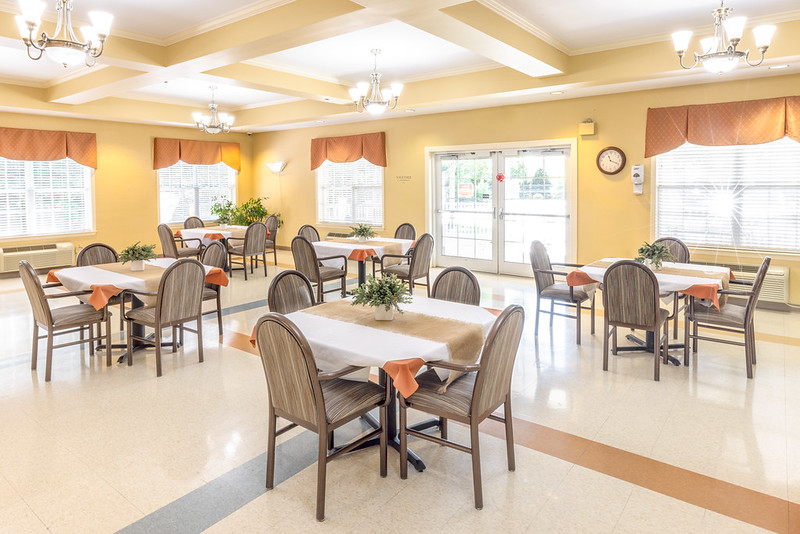
How is Carlyle Senior Care Of Fountain Inn Staffed?

CMS rates Carlyle Senior Care of Fountain Inn's staffing level at 1 out of 5 stars, which is much below average compared to other nursing homes. Staff turnover is 67%, which is 20 percentage points above the South Carolina average of 46%. High turnover can affect care consistency as new staff learn residents' individual needs. RN turnover specifically is 75%, which is notably high. RNs provide skilled clinical oversight, so turnover in this role can affect medical care quality.

What Have Inspectors Found at Carlyle Senior Care Of Fountain Inn?

State health inspectors documented 10 deficiencies at Carlyle Senior Care of Fountain Inn during 2021 to 2024. These included: 10 with potential for harm.
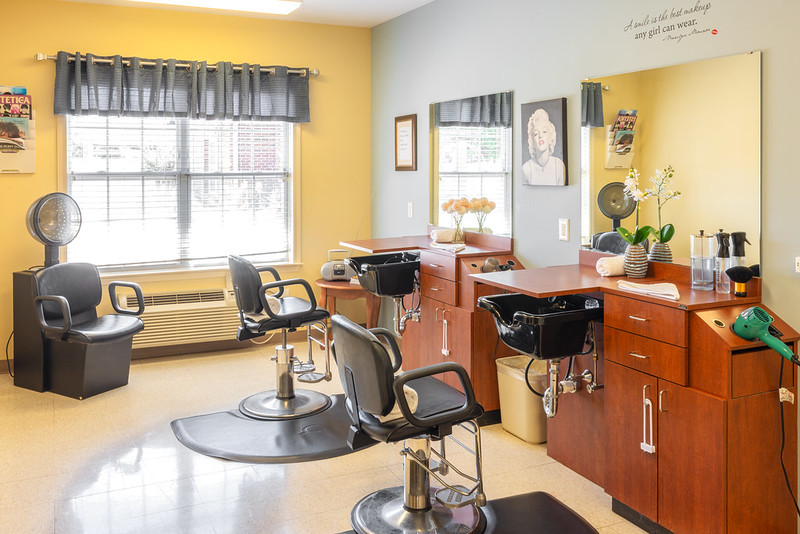
Who Owns and Operates Carlyle Senior Care Of Fountain Inn?

Carlyle Senior Care of Fountain Inn is owned by a for-profit company. For-profit facilities operate as businesses with obligations to shareholders or private owners. The facility is operated by CARLYLE SENIOR CARE, a chain that manages multiple nursing homes. With 60 certified beds and approximately 56 residents (about 93% occupancy), it is a smaller facility located in Fountain Inn, South Carolina.

How Does Carlyle Senior Care Of Fountain Inn Compare to Other South Carolina Nursing Homes?

Compared to the 100 nursing homes in South Carolina, Carlyle Senior Care of Fountain Inn's overall rating (2 stars) is below the state average of 2.8, staff turnover (67%) is significantly higher than the state average of 46%, and health inspection rating (3 stars) is at the national benchmark.

What Should Families Ask When Visiting Carlyle Senior Care Of Fountain Inn?

Based on this facility's data, families visiting should ask: "How do you ensure continuity of care given staff turnover, and what is your staff retention strategy?" "Can you walk me through typical staffing levels on day, evening, and night shifts?" "Can I visit during a mealtime to observe dining assistance and food quality?" "How do you handle medical emergencies, and what is your hospital transfer rate?" These questions are particularly relevant given the facility's high staff turnover rate and the below-average staffing rating.

Is Carlyle Senior Care Of Fountain Inn Safe?

Based on CMS inspection data, Carlyle Senior Care of Fountain Inn has a clean safety record: no substantiated abuse findings (meaning no confirmed cases of resident harm), no Immediate Jeopardy citations (the most serious violation level indicating risk of serious injury or death), and is not on the Special Focus Facility watch list (a federal program monitoring the lowest-performing 1% of nursing homes). The facility has a 2-star overall rating and ranks #100 of 100 nursing homes in South Carolina. While no facility is perfect, families should still ask about staff-to-resident ratios and recent inspection results during their visit.

Do Nurses at Carlyle Senior Care Of Fountain Inn Stick Around?

Staff turnover at Carlyle Senior Care of Fountain Inn is high. At 67%, the facility is 20 percentage points above the South Carolina average of 46%. Registered Nurse turnover is particularly concerning at 75%. RNs handle complex medical decisions and coordinate care — frequent RN changes can directly impact care quality. High turnover means new staff may not know residents' individual needs, medications, or preferences. It can also be disorienting for residents, especially those with dementia who rely on familiar faces. Families should ask: What is causing the turnover? What retention programs are in place? How do you ensure care continuity during staff transitions?

Was Carlyle Senior Care Of Fountain Inn Ever Fined?

Carlyle Senior Care of Fountain Inn has no federal fines on record. CMS issues fines when nursing homes fail to meet care standards or don't correct problems found during inspections. The absence of fines suggests the facility has either maintained compliance or corrected any issues before penalties were assessed. This is a positive indicator, though families should still review recent inspection reports for the full picture.

Is Carlyle Senior Care Of Fountain Inn on Any Federal Watch List?

Carlyle Senior Care of Fountain Inn is not on any federal watch list. The most significant is the Special Focus Facility (SFF) program, which identifies the bottom 1% of nursing homes nationally based on persistent, serious quality problems. Not being on this list means the facility has avoided the pattern of deficiencies that triggers enhanced federal oversight. This is a positive indicator, though families should still review the facility's inspection history directly.