Greenville Post Acute
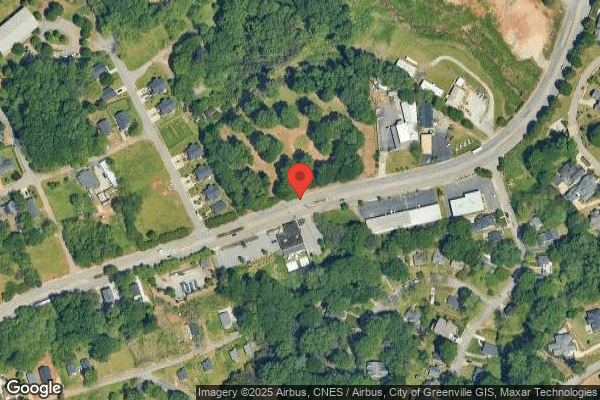

661 Rutherford Rd, Greenville, SC 29609 (864) 232-2442
For profit - Limited Liability company 132 Beds PACS GROUP Data: November 2025
Trust Grade
63/100
#75 of 186 in SC
Last Inspection: April 2025

Within standard 12-15 month inspection cycle. Federal law requires annual inspections.

Overview

Greenville Post Acute has a Trust Grade of C+, indicating it is slightly above average among nursing homes. It ranks #75 out of 186 facilities in South Carolina, placing it in the top half, and #8 out of 19 in Greenville County, meaning only seven local options are better. However, the facility is experiencing a worsening trend, with issues increasing from 5 in 2023 to 8 in 2025. Staffing is a mixed bag; while the turnover rate is a relatively low 33%, indicating staff stability, the facility has concerning RN coverage, being below 90% of state facilities. Families should also be aware of specific incidents such as inconsistent serving sizes and cold food temperatures, which could negatively impact residents' nutritional well-being. Overall, while there are strengths in staffing stability, the facility has room for improvement in service quality and infection control measures.

Trust Score
C+
63/100
In South Carolina
#75/186
Top 40%
Safety Record
Low Risk
No red flags
Inspections
Getting Worse
5 → 8 violations
Staff Stability
○ Average
33% turnover. Near South Carolina's 48% average. Typical for the industry.
Penalties
✓ Good
$5,831 in fines. Lower than most South Carolina facilities. Relatively clean record.
Skilled Nurses
⚠ Watch
Each resident gets only 18 minutes of Registered Nurse (RN) attention daily — below average for South Carolina. Fewer RN minutes means fewer trained eyes watching for problems.
Violations
⚠ Watch
19 deficiencies on record. Higher than average. Multiple issues found across inspections.
★★★☆☆
3.0
Overall Rating
★★☆☆☆
2.0
Staff Levels
★★★★★
5.0
Care Quality
★★☆☆☆
2.0
Inspection Score
Stable
2023: 5 issues
2025: 8 issues

The Good

  • 5-Star Quality Measures · Strong clinical quality outcomes
  • Full Sprinkler Coverage · Fire safety systems throughout facility
  • No fines on record
  • Staff turnover below average (33%)

    15 points below South Carolina average of 48%

Facility shows strength in quality measures, fire safety.

The Bad

3-Star Overall Rating

Near South Carolina average (2.8)

Meets federal standards, typical of most facilities

Staff Turnover: 33%

13pts below South Carolina avg (46%)

Typical for the industry

Federal Fines: $5,831

Below median ($33,413)

Minor penalties assessed

Chain: PACS GROUP

Part of a multi-facility chain

Ask about local staffing decisions and management

The Ugly 19 deficiencies on record

Apr 2025 8 deficiencies
CONCERN (D)

Potential for Harm - no one hurt, but risky conditions existed

Deficiency F0563 (Tag F0563)

Could have caused harm · This affected 1 resident

**NOTE- TERMS IN BRACKETS HAVE BEEN EDITED TO PROTECT CONFIDENTIALITY** Based on record review, interview, observation, and review of facility policy, the facility failed to allow immediate family or ...

Read full inspector narrative →
**NOTE- TERMS IN BRACKETS HAVE BEEN EDITED TO PROTECT CONFIDENTIALITY** Based on record review, interview, observation, and review of facility policy, the facility failed to allow immediate family or other relatives the right to visit at any time for one (Resident (R) 122), reviewed for visitation of 31 sample residents. This had the potential for the resident to experience a decreased quality of life. Findings include: Review of the facility's policy titled Visitation with a revision date of 08/22 revealed, Our facility permits residents to receive visitors subject to the resident's wishes and the protection of the rights of other residents in the facility. Policy Interpretation and Implementation: Residents are permitted to have visitors of their choosing at the time of their choosing. The facility provides 24-hour access to individuals visiting with the consent of the resident. Review of R122's admission Record located under the Profile tab in the electronic medical record (EMR), indicated that R122 was admitted to the facility on [DATE]. Review of R122's admission Minimum Data Set (MDS) with an Assessment Reference Date (ARD) of 04/09/25 and located under the MDS tab in the EMR revealed R122 had a Brief Interview for Mental Status (BIMS) score of 13 out of 15, which indicated she was cognitively intact. During an interview on 04/22/25 at 11:09 AM with R122, she stated that she did not like the fact that her parents have to leave at a certain time and she wanted them to be able to stay in the room and visit. She stated, My friends have been asked to leave, and my parents. During an on 04/22/25, at 11:09 AM with Family Member (FM)2 stated that the visitation hours are difficult because they want us to leave by 7:00 PM. FM2 stated, I work during the day, so when I get off and get here, I don't have much time. They have moved us to the common room, and we were able to stay until 9:00 PM once. My husband likes to eat breakfast with her and spend some time during the day, because she gets a little anxious when we are not here. So, we try to be here for her, but the visitation hours make it difficult. During an observation on 04/23/25 and 04/24/25, there were signs posted throughout the facility that revealed, Visitation Hours are currently 8:00 AM - 7:00 PM for patients in semi-private rooms. Residents have the option of visiting with their guest(s) in a public sitting area from 7:00 PM until 9:00 PM. All visitors must exit the building by 9:00 PM unless specific orders have been given/approved by MD [physician] or Hospice. Each unit is responsible for enforcing this policy!! During an interview on 04/23/25 at 6:33 PM with the Social Service Director (SSD), the SSD stated that visitation is from 8:00 AM - 7:00 PM, in a shared room, visitors can stay until 9:00 PM at night. If someone needs to set up a time outside those hours, they will need to speak with the Administrator. The signs that explain the visitation hours are posted throughout the facility. During an interview on 04/23/25 at 7:06 PM with FM3 revealed that they could stay in the room with R122 until 9:00 PM. FM3 stated, I would also come early in the morning so I could eat breakfast with her. R122 is experiencing anxiety about the visitation times because she is used to my wife and me being there with her. During an interview on 04/24/25 at 8:31 AM with the Director of Nursing (DON), the DON stated, R122 was very young, and the family is very protective. They are always in her room, from 5:30 AM till late at night. The dad is always in the room, and the roommate feels that she cannot get proper activities of daily living (ADLs) care with the dad in the room. We explained to the dad that he has to stay in the lobby until 8:00 AM so the roommate can get morning care. During an interview on 04/24/25 at 5:10 PM with the Administrator, the Administrator revealed We always want to make sure that it is a safe environment, and residents are protected. In referring to the signs that are posted in the facility about visitation, the Administrator did not reply.
CONCERN (D)

Potential for Harm - no one hurt, but risky conditions existed

Report Alleged Abuse (Tag F0609)

Could have caused harm · This affected 1 resident

**NOTE- TERMS IN BRACKETS HAVE BEEN EDITED TO PROTECT CONFIDENTIALITY** Based on interview, record review, and review of facility policy, the facility failed to ensure that an allegation of staff to r...

Read full inspector narrative →
**NOTE- TERMS IN BRACKETS HAVE BEEN EDITED TO PROTECT CONFIDENTIALITY** Based on interview, record review, and review of facility policy, the facility failed to ensure that an allegation of staff to resident verbal abuse for one (Resident (R) 89) reviewed for abuse was reported to the state agency (SA) within two hours of knowledge of the alleged verbal abuse. The failure to timely report allegations of abuse put the resident at risk for further abuse. Findings include: Review of the facility policy titled, Abuse, Neglect, Exploitation and Misappropriation - Reporting and Investigating with a revision date 04/21, indicated, All reports of resident abuse (including injuries of unknown origin), neglect, exploitation, or theft/misappropriation of resident property are reported to local, state, and federal agencies (as required by current regulations) . If resident abuse (staff to resident and/or resident to resident), neglect, exploitation, misappropriation of resident's property or injury of unknown source is suspected, the suspicion must be reported immediately to the administrator . All allegations of staff-to-resident abuse must be reported immediately, but no later than 2 hours. Review of R89's admission Record located under the Profile tab in the electronic medical record (EMR), indicated that R89 was admitted to the facility on [DATE]. Review of R89's admission Minimum Data Set (MDS) with an Assessment Reference Date (ARD) of 03/11/25 and located under the MDS tab in the EMR revealed R89 had a Brief Interview for Mental Status (BIMS) score of 12 out of 15, which indicated the resident was moderately impaired in cognition. During an interview on 04/22/25 at 11:35 AM, R89 reported that Certified Nursing Assistant (CNA)4 called his mother an [expletive]. R89 said he informed his son, Family Member (FM)1 about these issues, who then discussed the situation with the Administrator. R89 was unable to remember when the alleged verbal abuse occurred. Review of R88's (R89's roommate) annual MDS with an ARD of 03/29/25, revealed that R88 had a BIMS score of 15 out of 15, which indicated the resident had intact cognition. During an interview on 04/22/25, at 11:35 AM, R88 reported an incident involving CNA4 and R89. According to R88, R89 used an offensive term to describe her (CNA4), and in response, CNA4 directed the same inappropriate language about R89's mother. During an interview on 04/23/25, at 10:14 AM, FM1 indicated that he had met two weeks ago with the Administrator to discuss several concerning incidents involving R89. FM1 stated, We discussed a staff member using abusive language to describe his grandmother, and his father being left unattended in the shower room for 40 minutes. Review of the facility provided Long-term Care (LTC) Reportable Event did not list any report for R89 identifying any incident of abuse and/or neglect being reported. During an interview on 04/23/25, at 2:28 PM, the Administrator confirmed that R89's son had previously discussed an incident where the resident was left unattended in the shower room for over 40 minutes. This concern was forwarded to the Director of Nursing (DON) for investigation. The Administrator recalled that the son's primary complaints focused on his father being placed in isolation and encountering a nurse with poor communication skills. Regarding the alleged verbal abuse from CNA4 to R89 about his mother, the Administrator stated he had no prior knowledge of this situation. During an interview on 04/23/25, at 3:17 PM, the DON acknowledged that R89's son had expressed concern about his father being left in the shower room for over 45 minutes. The DON stated she reviewed security camera footage but found no evidence of this occurrence, and when questioned, the CNAs denied the incident. When asked about the reported incident involving abusive language from CNA4 towards R89's mother, the DON claimed no prior knowledge until the Administrator inquired about it earlier today. During an interview on 04/24/25 at 5:10 PM with the Administrator, the Administrator confirmed he was made aware yesterday (04/23/25) of the allegation made by R89 regarding CNA4 using abusive language about R89's mother. The Administrator confirmed he did not report the allegation to the SA on 04/23/25 when he became aware, nor has he reported as of 04/24/25.
CONCERN (D)

Potential for Harm - no one hurt, but risky conditions existed

Investigate Abuse (Tag F0610)

Could have caused harm · This affected 1 resident

**NOTE- TERMS IN BRACKETS HAVE BEEN EDITED TO PROTECT CONFIDENTIALITY** Based on interview, record review, and review of facility policy, the facility failed to ensure that an allegation of staff to r...

Read full inspector narrative →
**NOTE- TERMS IN BRACKETS HAVE BEEN EDITED TO PROTECT CONFIDENTIALITY** Based on interview, record review, and review of facility policy, the facility failed to ensure that an allegation of staff to resident verbal abuse for one (Resident (R)89) reviewed for abuse out of a total of 31 sampled, was thoroughly investigated. The failure to thoroughly investigate allegations of abuse had the potential for further abuse to the resident. Findings Include: Review of the facility's policy titled, Abuse, Neglect, Exploitation and Misappropriation Prevention Program with a revision date 04/21, indicated, Residents have the right to be free from abuse, neglect, misappropriation of resident property, and exploitation. This includes but is not limited to . verbal abuse. Identifying barriers such as fear of retaliation or causing trouble for someone and implementing interventions to remove barriers and promote a culture of transparency and reporting, investigating, and reporting any allegations within the timeframes required by federal requirements, and protecting residents from any further harm during investigations. Review of R89's admission Record located under the Profile tab in the electronic medical record (EMR), indicated that R89 was admitted to the facility on [DATE]. Review of R89's admission Minimum Data Set (MDS) with an Assessment Reference Date (ARD) of 03/11/25 and located under the MDS tab in the EMR revealed R89 had a Brief Interview for Mental Status (BIMS) score of 12 out of 15, which indicated the resident was moderately impaired in cognition. During an interview on 04/22/25 at 11:35 AM, R89 reported that Certified Nursing Assistant (CNA) 4 called his mother an expletive. The resident expressed concerns to this surveyor about CNA4's abusive words and mentioned that while CNA4 had previously been reassigned to a different hall, she has since returned to working in his area. The resident informed his son, Family Member (FM)1 about these issues, who then discussed the situation with the Administrator. R89 was not able to remember when this allegation of verbal abuse occurred. Review of R88's annual MDS with an ARD of 03/29/25 located under the MDS tab in the EMR, revealed that R88 had a BIMS score of 15 out of 15, which indicated the resident was cognitively intact. During an interview on 04/22/25, at 11:35 AM, R88 reported an incident involving CNA4 and R89. According to R88, R89 used an offensive term to describe CNA4 and in response, CNA4 directed the same inappropriate language toward R89's mother. During an interview on 04/23/25, at 10:14 AM, FM1 indicated that he had met two weeks ago with the Administrator to discuss several concerning incidents involving R89. We discussed a staff member using abusive language to describe his grandmother, and his father being left unattended in the shower room for 40 minutes. FM1stated that while the Administrator promised to investigate these incidents and provide follow-up information, no communication has been received in the two weeks since the meeting. During an interview on 04/23/25, at 2:28 PM, the Administrator confirmed that Resident 89's son had previously discussed an incident where the resident was allegedly left unattended in the shower room for over 40 minutes. This concern was forwarded to the Director of Nursing (DON) for investigation. The Administrator recalled that the son's primary complaints focused on his father being placed in isolation and encountering a nurse with poor communication skills. Upon inquiry about the facility's documentation procedures, the Administrator acknowledged that this family-reported concern was not documented as a formal grievance in the facility's recorded formal grievance log, and had no documentation of the investigation. Regarding the reported incident where CNA4 allegedly made inappropriate comments about Resident 89's mother, the Administrator stated he had no prior knowledge of this situation. During an interview on 04/24/25 at 8:05 AM with the Administrator, the Administrator indicated that the investigation was still ongoing. Messages were left for CNA4, but calls have not been returned. During an interview on 04/24/25 at 8:31 AM with the DON, the DON stated that she and a Unit Manager took R89 to a private place and talked on 04/23/25. R89 indicated that a couple of weeks ago, a black CNA with braids was nasty and had a bad attitude, called his momma an expletive, kicked the door, and bumped his chair. He said that he had seen her a couple of weeks ago, she had braids, but he did not know her name. The DON further indicated on 04/15/25 when FM1 came and talked with me and the Administrator, all he discussed was moving R89 around and being left in the shower for 40 minutes, however in reviewing the video this did not occur.
CONCERN (D)

Potential for Harm - no one hurt, but risky conditions existed

Transfer Notice (Tag F0623)

Could have caused harm · This affected 1 resident

**NOTE- TERMS IN BRACKETS HAVE BEEN EDITED TO PROTECT CONFIDENTIALITY** Based on record review, interview, and policy review, the facility failed to ensure a written transfer notice that contained all...

Read full inspector narrative →
**NOTE- TERMS IN BRACKETS HAVE BEEN EDITED TO PROTECT CONFIDENTIALITY** Based on record review, interview, and policy review, the facility failed to ensure a written transfer notice that contained all required information was provided to three of three residents and/or their representative (Resident (R) 87, R113, and R83) reviewed for facility initiated emergent hospital transfer out of 31 sample residents. This failure has the potential to affect the resident and their Resident Representative (RR) by not having the knowledge of where and why a resident was transferred and/or how to appeal the transfer, if desired. Findings include: Review of the facility's policy titled Transfer or Discharge, Emergency, dated December 2016, revealed .(4) should it become necessary to make an emergency transfer or discharge to a hospital or other related institution, our facility will implement the following procedures: .(d) prepare a transfer form to send with the resident. 1. Review of the admission Record located under the Profile tab of the electronic medical record (EMR) revealed (R)87 admitted on [DATE] with diagnoses of chronic obstructive pulmonary disease, major depressive disorder, muscle weakness, bipolar disorder, and fibromyalgia. Review of the significant change Minimum Data Set (MDS) located under the MDS tab of the EMR with and Assessment Reference Date (ARD) of 02/01/25 revealed R87 had a Brief Interview for Mental Status (BIMS) of 15 out of 15 indicating she was cognitively intact. Review of the Nurse's Note dated 01/26/25, located under the Progress Notes tab in the EMR revealed Resident returned to facility from weekend LOA [leave of absence]. Resident reports falling last night while at the Best Western with her male friend. Resident reports severe pain in L[eft] shoulder and ROM [range of motion] is restricted. Reports pain at 9/10. Body assessment completed. Bruising to chin, L[eft] breast, and R[ight] elbow. Dried blood under nose. [The] Resident reports she hit her mouth on the L[eft] side. Multiple teeth [were]chipped. [The] Resident reports missing some teeth before fall. Third eye NP notified of change in condition. New orders for pain control. L[eft] shoulder x-ray ordered. DON [Director of Nursing] notified. [The] Resident is [her] own RR, aware of new orders. Resident [is] lying in bed at this time with call light in reach. Review of the EMR did not reveal evidence that a written transfer/discharge notice was provided to R87 on 01/26/25. 2.Review of the admission Record located under the Profile tab in the EMR revealed R113 admitted on [DATE] with diagnoses of cystitis, unspecified without hematuria, muscle weakness, dependence on renal dialysis, acute on chronic diastolic heart failure, and essential hypertension. Review of the Medicare 5-day MDS located under the MDS tab in the EMR revealed R113 had a BIMS of 15 of 15 indicating he was cognitively intact. Review of the Nurse's Note dated 03/15/25, located under the Progress Notes tab in the EMR revealed [The] nurse was completing [the] pre-dialysis assessment. Pt [patient] presented with low bp [blood pressure] high hr [heart rate] [and] low-grade fever with c/o [complaints of] pain to RLE [right lower extremity]. On call [was] contacted. [The] nurse [was] concerned [the patient] pt would not be [able to] receive dialysis r/t [related to] fever and complications with low bp. ON call advised for pt to be sent to hospital for HLC. [The] nurse initiated EMS [emergency medical services] and [the] pt was transported via stretcher to [the hospital]. Review of the EMR did not reveal evidence that the resident received a transfer/discharge notice on 03/15/25. During an interview on 04/23/25 at 3:20 PM, Licensed Practical Nurse (LPN)2 stated she was not aware of a transfer/discharge form that should be given to the resident and their representative explaining why the resident was being sent to the hospital. During an interview on 04/23/25 at 3:22 PM, LPN3 stated a transfer discharge form should be sent with the residents but, she did not know if this facility provided them to the residents and their representatives upon discharge. During an interview on 04/23/25 at 3:33 PM, R87 stated the EMS personnel received all paperwork when she was transferred. She stated the staff verbally told her why she was being sent to the hospital on [DATE], and she did not receive a written transfer/discharge notice. During an interview on 04/23/25 at 4:15 PM, the Director of Nursing (DON) stated she was not aware the residents and their representative were supposed to receive a written copy of the transfer/discharge notice explaining why they were being sent out of the facility. She stated residents and families were verbally notified of why they were being transferred to the hospital. During an interview on 04/23/25 at 4:24 PM, R113 stated he did not receive a written transfer/discharge notice when he was sent to the hospital. 3. Review of the admission Record located under the Profile tab of the EMR revealed R83 was admitted on [DATE] with diagnoses of anoxic brain damage, respiratory failure, congestive heart failure, and tracheostomy. Review of the admission MDS with an ARD of 03/04/25 located under the MDS tab of the EMR revealed R83 had memory issues and severely impaired cognition. Review of the Nurse Progress Note dated 03/29/25, located in the EMR under the Progress Note tab in the EMR revealed R83 had shortness of breath, and the staff transferred the resident to the Emergency Department (ED). Although R83's Family Member was notified of her transfer to the hospital via telephone, there was no documentation that a written notice for R83's transfer to the hospital with the reason for her hospitalization was sent to the family. Review of the Nurse Progress Note dated 04/16/25, located in the EMR under the Progress Note tab of the EMR revealed R83 had a copious amount of respiratory secretions seeping out from pts HME (heat moisture exchanger). Nurse initiated care HME discarded, inner cannula changed and commenced suctioning. Nurse noticed consistency to be frothy and green with a foul order. Nurse then placed aerosol mask per respiratory order. Nurse started to prepare medications and bolus feed in that amount of time nurse noticed aerosol mask full of respiratory secretions. Nurse had to suction pt several times within the hour, she notified the medical staff, and R83 was transferred to the ED. Although R83's Family Member was notified of her transfer to the hospital via telephone, there was no documentation that a written notice for R83's transfer to the hospital with the reason for her hospitalization was sent to the family. During an interview with the Social Worker Director on 04/23/25 at 3:43 PM, she was asked for documentation to show that R83's family received written notification upon a R83's transfer/discharge to the hospital on [DATE] and 04/16/25 and the reason for the transfer/discharge. She stated the facility did not provide written notices to R83's family for the above discharges from the facility. The Social Worker Director said the staff notified family members by telephone about resident transfers to the hospital and did not send written notices to the family members/representatives regarding the date and reasons for their transfers/discharges to the hospital. During an interview on 04/25/25 at 10:20 AM, Unit Manager (UM)3 said at one time, the Ums sent written notification of the reason for a resident's discharge to a resident's family/representative. She said she had not sent written notices related to R83's hospital admissions and said the DON had assumed this task.
CONCERN (D)

Potential for Harm - no one hurt, but risky conditions existed

Accident Prevention (Tag F0689)

Could have caused harm · This affected 1 resident

**NOTE- TERMS IN BRACKETS HAVE BEEN EDITED TO PROTECT CONFIDENTIALITY** Based on record review, interview, review of maintenance documentation, and review of facility policy, the facility failed to en...

Read full inspector narrative →
**NOTE- TERMS IN BRACKETS HAVE BEEN EDITED TO PROTECT CONFIDENTIALITY** Based on record review, interview, review of maintenance documentation, and review of facility policy, the facility failed to ensure one siderail was securely attached to the bed for one Resident (R)33) of one resident reviewed for side rails, which resulted in a fall, which required hospitalization out of a sample of 31 residents. After the fall, R33 developed a hematoma and pain to the right leg. This had the potential for other residents to have side rail safety issues that had the potential for residents to fall or sustain injuries. Findings include: Review of the facility's policy titled, Bed Safety and Bed Rails Program, revised in August 2022, revealed: Maintenance staff routinely inspect all bed and related equipment to identify risks and problems including potential entrapment risks. Any worn or malfunctioning bed system components are repaired or replaced using components that meet manufacturer specifications. Review of the admission Record located under the Profile tab of the electronic medical record (EMR) revealed R33 was admitted on [DATE] with diagnoses of congestive heart failure, chronic kidney disease, acute and chronic respiratory failure, and morbid obesity. Review of the Bed Rail and Entrapment Risk Observation/Assessment dated 09/24/24 and 12/24/24, located under the Evaluation tab of the EMR revealed R33 used a side rail on the left and right upper bed rail to enhanced mobility related to her balance and generalized weakness or frailty. The bed rail enhances R33's freedom of movement, moving from a lying to a sitting position, and turning and repositioning. Review of the quarterly Minimum Data Set (MDS) with and Assessment Reference Date (ARD) of 12/23/24 located under the MDS tab of the EMR revealed R33 had a Brief Interview for Mental Status (BIMS) score of 15 out of 15 indicating she was cognitively intact, and was dependent and/or required maximal staff assist for positioning, transfer, and activities of daily living. Review of the Care Plan dated 01/09/25 located in the EMR under the Care Plan tab of the EMR revealed R33 was at risk for injury related to use of siderail/bedrail and required a ¼ siderail on both sides of the bed as an enabler related to promoting bed mobility and positioning. Interventions included: Inspect residents' skin for potential complications or injury related to bedrail/siderail use. Review of R33's weight dated 03/10/25 located in the EMR under the Wts/VS tab of the EMR documented R33's weight was 465.8 pounds. During an interview on 04/22/25 at 11:18 AM, R33 stated the Certified Nursing (CNA) was providing care, she as she began to turn on her left side holding the left grab bar (side rail) with her right hand, the grab bar came apart from the bed frame, and she fell to the floor. She said she sustained a bruise on her right hip, which was painful. R33 said the grab bar was replaced shortly after she fell. Review of the Nurse's Note dated 03/13/25 under the Progress Note tab of the EMR documented the CNA called the nurse to room and the resident was observed lying on stomach between bed and air conditioner. The CNA stated when the resident rolled over on left side for CNA to perform perineal care, Resident grabbed bedrail and bedrail broke, and resident rolled out of bed. Review of the Witness Statement provided by the Director of Nurses (DON) dated 03/13/25, documented CNA went to help R33 with rolling to the side to remove her dress. As soon as she rolled to the side, CNA heard something break and the resident rolled out of bed onto the floor. R33's leg hit the air conditioner unit causing the bruise on her upper right leg. During an interview on 04/24/25 at 10:31 AM, CNA3 said on 03/13/25, she was removing R33's shirt to provide personal care. She said R33 held the left side rail with her right hand and when turning toward the left side of the bed, the side rail came off the bed, R33 rolled to the floor, and her right leg hit the air conditioner. CNA3 said prior to the incident, R33 had no issues with their side rails. Review of the Nurse Practitioner (NP) Progress Note dated 03/13/25 located under the Progress Note tab in the EMR documented R33's left side rail broke or became loose, and the resident rolled on the floor. R33 had no changes in her mental status and denied injury or pain. Review of the Nurse's Note dated 03/14/25 located under the Progress Note in the EMR documented R33 had slight bruising to the right thigh and no complaints of pain. Review of the NP Progress Note dated 03/14/25 located under the Progress Note tab in the EMR documented R33 had right leg pain and left foot pain. The Progress Note documented R33 had right anterior lateral thigh pain , decreased range of motion, and swelling. There was no decreased range of motion, swelling or pain on palpation to the left foot. The plan was to obtain X-rays of the right hip femur and knee to rule out any acute fractures or dislocations. Review of the evening shift Nurse's Note dated 03/14/25 documented, Resident could not receive an Xray to her right lower extremity due to her weight exceeding 400 pounds. Resident must be sent out for Xray. Review of the Nurse's Note, dated 03/15/25 documented R33 had right leg pain and was at the hospital for an Xray. During an interview on 04/24/25 at 2:21 PM, the NP said R33 had comorbidities and anemia. The NP said on 03/14/25, she assessed R33 and her bruising had increased and she had pain. She said R33 received anticoagulant medication and was at risk for bleeding. The NP said she was concerned about a fracture and/or a hematoma (a localized collection of blood outside of blood vessels, typically caused by an injury or trauma, can appear as a bruise or lump), and ordered x-rays at the facility. The NP said the swelling in R33's right thigh was soft and not hard. The NP said the staff notified her after 5:00 PM that due to her weight, the Xray could not be completed at the facility. She stated she told the staff to transfer R33 to the hospital for the Xray. The NP said the hospital completed Xrays and a Cat Scan, which confirmed hematoma, R33 returned to the facility on [DATE]. The NP said she was R33's fall was due to the pins not being placed back in the side rail. Review of the hospital Discharge Summary dated 03/18/25 revealed R33 sustained a fall from her bed at the facility. The Discharge Summary documented R33's right hip, right femur, and right knee x-rays revealed no fractures. The Discharge Summary documented R33 was transferred back to the facility on [DATE]. Review of the facility provided document titled Work History Report dated 02/07/24 documented the Assistant Maintenance Director inspected all residents' bed mattresses/beds, and bed rails and no issues were identified. Review of the User-Service Manual that included information about the side rail used on R33's bed, provided by the DON revealed Visually inspect the bed and accessories for broken welds or creaks and check for loose hardware on a monthly basis .lubricate pivot point, pins, and bolts as required. During an interview on 04/23/25 at 9:49 AM, the Maintenance Assistant said beds, mattresses, and bed rails are assessed for each resident every month. The Maintenance Assistant said on 02/07/25, she assessed R33's bed, mattress, and side rails. She stated there were two pins on each side rail that were secure and there was no safety issues observed. She stated the March 2025 bed/mattress/side rail audit for safety had not yet been completed. The Maintenance Assistant said on 03/13/25 after the incident, she assessed R33's bed, which was a bariatric bed and was to have a ¼ side rail on each side of the upper bed. She stated the left side rail was on the floor, the two pins that held the siderail to the bed frame were not located, which had caused the side rail to become unattached from the bed. During further interview on 04/23/25 at 7:02 PM, the Maintenance Director said prior to 03/13/25, all residents' beds/mattresses/side rails were checked each month and there were never any issues. He said the Maintenance Director told him the pins that secured R33's bed to the bed frame were not in place at the time of her fall. The Maintenance Director said R33 was very heavy and he believed the force of her pushing or holding onto the left side rail and having no pins in that side rail to stabilize the side rail caused the saddle of the side rail (part of side rail that resident would hold) to bend, and the side rail became unattached to the bed, which caused her fall. He said 03/13/25, he corrected the side rail issue on R33's bed before R33 was transferred back to her bed. He confirmed that having no pins to secure the left side rail to the bed frame was a safety risk for R33. During an interview on 04/24/25 at 10:15 AM, with UM3 and on 04/24/25 at 12:49 PM with UM2, both stated that the UMs are responsible for doing weekly checks on resident's side rails, which includes assessing the correct side rail is on the bed and there are no safety issues. They said they shake and pull on the side rails to ensure they are not loose and are secure and sturdy. UM3 said on 03/12/25, she assessed R33's bed and side rails and the side rails were not loose and appeared safe and secure. UM2 and UM3 said they do not assess whether a side rails' pins are in place. During an interview on 04/23/25 at 10:05 AM, the DON, the Administrator, the Maintenance Director, and the Maintenance Assistant, the DON was asked about R33's fall. The DON said the Maintenance Director told her the bedrail became loose, R33 fell out of bed. The Maintenance Director said he told the DON the pins holding the side rail to the bed were not placed in the side rail, the side rail became loose, and R33 fell. The DON said she was not aware there were issues with missing pins on the side rail of R33's bed and the missing pins were the cause of R33's fall.
CONCERN (D)

Potential for Harm - no one hurt, but risky conditions existed

Deficiency F0847 (Tag F0847)

Could have caused harm · This affected 1 resident

**NOTE- TERMS IN BRACKETS HAVE BEEN EDITED TO PROTECT CONFIDENTIALITY** Based on record review, interview, and facility policy review, the facility failed to ensure that facility's Binding Arbitration...

Read full inspector narrative →
**NOTE- TERMS IN BRACKETS HAVE BEEN EDITED TO PROTECT CONFIDENTIALITY** Based on record review, interview, and facility policy review, the facility failed to ensure that facility's Binding Arbitration Agreement (BAA) was explained to residents in a manner that they understood for three out of three (Residents (R)68, R117, and R276) out of a total sample of 31 residents. The facility further failed to ensure the BAA informed residents and/or representative they had the right to rescind the agreement within 30 days. This failure placed the 122 residents at risk of signing an agreement they did not understand. Findings include: Review of the facility policy titled Binding Arbitration Agreements dated November 2023 revealed, Residents (or representatives) are informed of the nature and implications of any proposed binding arbitration agreements so as to make informed decisions on whether to enter into such agreements . 1. Residents (or their representatives) have the right to make informed decisions about important aspects of their health, welfare, and safety . 5. The terms and conditions of a binding arbitration agreement are explained to the resident (or representative) in a way that ensures his or her understanding of the agreement, including that the resident may be giving up his or her right to have a dispute decided in a court proceeding (i.e., litigation). 6. The terms and conditions of a binding arbitration agreement are explained to the resident (or representative) in a form and manner that he or she understands, taking into consideration the resident's (or representative's) language, literacy and stated preference for learning . a. A signature alone is not sufficient acknowledgement of understanding. Review of the facility's Arbitration Agreement revealed, 12.0 BINDING ON PARTIES AND OTHERS 12.1 The Parties intend that this Agreement shall benefit and bind the Facility and its owners, directors, administrators, employees, and agents and shall benefit and bind the Resident (as defined in 2.2) and the Resident's spouse, children, next of kin, heirs, administrator, executor, power of attorney, guardian, legal representative, responsible party, trustee, successors, assigns, and agents, all to the fullest extent allowable by law . 16.0 ACKNOWLEDGMENT OF UNDERSTANDING 16.1 BY SIGNING BELOW, THE RESIDENT CONFIRMS THAT: (1) The Resident has read this Agreement or had it read to him/her; (2) The Agreement has been explained to the Resident in a form and manner the Resident understands, including in a language the Resident understands, and the Resident has had an opportunity to ask questions of a Facility representative and receive answers to any questions about the terms and conditions of this Agreement. 1.Review of R68's Face Sheet located under the Profile tab of the Electronic Medical Record (EMR) revealed R68 was initially admitted to the facility on [DATE] and readmitted on [DATE] with a diagnosis of cognitive communication deficit. Review of the Brief Interview for Mental Status (BIMS) dated 01/16/25 performed by the facility located under the Evaluations tab of the EMR revealed a BIMS score of nine out of 15, which indicated R68 had moderate cognitive impairment. The EMR indicated that R68 signed a BAA with no representative on 01/16/25. 2.Review of R117's Face Sheet located under the Profile tab of the EMR revealed R117 was admitted to the facility on [DATE]. Review of the BIMS dated 12/30/25 performed by the facility located under the Evaluations tab of the EMR revealed no score and indicated R117 had severe cognitive impairment. R117 signed a BAA with no representative on 12/30/24. 3.Review of R276's Face Sheet located under the Profile tab of the EMR revealed R276 was initially admitted to the facility on [DATE] and readmitted on [DATE] with a diagnosis of cognitive communication deficit. Review of R276's admission Minimum Data Set (MDS) located under the MDS tab of the EMR with an Assessment Reference Date (ARD) of 01/06/25 revealed R276 had a BIMS score of 10 out of 15, which indicated R276 had moderate cognitive impairment. R276 signed a BAA with no representative on 12/09/24. During an interview on 04/24/25 at 1:57 PM, the Director of Admissions (DA) stated Arbitration is if for any reason residents or their family want to take legal action against the facility, there is a choice to meet within the cooperation and not have to pay legal fees out of their own pocket. We can come to an agreement. When asked how she determined the residents signing the agreement by themselves had the capacity to understand the complex legal terms in the arbitration agreement, the DA stated she would first see what their BIMS was. If they did not have the capacity, she would reach out to the representative. The DA stated with a BIMS of 12 or lower, she would consider a resident incapable of understanding the facility's arbitration agreement. When asked if she explained to residents that they have a right to a neutral arbitrator, the DA stated either party can choose the arbitrator, and either party can demand arbitration. When asked if she explained to residents that they have the option to rescind the agreement after signing, the DA did not know the number of days the BAA provided for the residents to rescind the agreement. When asked if R68 was cognitively capable of understanding the BAA with a BIMS score of nine at admission, the DA stated R68 seemed to understand everything and signed it all after it was explained. DA further explained that when R68 was initially admitted , she signed the agreement on 01/16/25. The resident subsequently went to the hospital, and when she returned, she was no longer cognitively able to sign, so her responsible party which was her brother signed it. The DA stated, we have them sign the BAA more than once, that is what corporate wants. The DA further stated that R68 had a BIMS of nine at her initial admission and was only moderately impaired and understood everything. When asked how R68 could understand when the DA herself could not understand and explain the contents of the BAA, the DA had no response. During an interview on 04/24/25 at 5:00 PM with the Administrator, the Administrator stated the BAA was only for a duration of five years. When asked if this was reflected in the BAA that residents signed, the Administrator stated the time limitation was in the facility's Arbitration policy. When asked what his expectations were regarding the BAA process, the Administrator stated he would look into the arbitration agreement. During an interview 04/24/25 at 5:05 PM, R276 stated he did not recall signing a BAA, or anyone explaining what a BAA was, and did not know what this was. R276 stated he signed many documents at admission and did not remember what he signed. R68 was not available for interview. During an interview with R117 on 04/24/25 at 5:11 PM, the resident was neither able to verbalize nor demonstrate understanding of signing a BAA. The resident responded with unintelligible words.
CONCERN (F)

Potential for Harm - no one hurt, but risky conditions existed

Menu Adequacy (Tag F0803)

Could have caused harm · This affected most or all residents

Based on observation, interview, and facility policy review, the facility failed to ensure that menus were followed in regard to serving sizes. This had the potential to affect 120 of 124 residents wh...

Read full inspector narrative →
Based on observation, interview, and facility policy review, the facility failed to ensure that menus were followed in regard to serving sizes. This had the potential to affect 120 of 124 residents who consumed meals from the facility's kitchen and placed them at nutritional risk. The facility identified four resident who were nothing by mouth (NPO). Findings include: Review of policy titled Diet Accuracy with a revision date 2/23, revealed Tray cards are to be used on the tray line for service and checked prior to leaving the kitchen for accuracy. Proper portions are to be served according to menu extensions. During an observations on 04/24/25 at 11:30 AM of the serving line in the kitchen revealed the menu being served was, honey glazed turkey with poultry gravy, mashed potatoes, roasted brussels sprouts, cornbread square, margarine, and pumpkin cheesecake bar. Resident's meal tickets indicated they were to get anywhere from two ounces (oz) to six oz of turkey. While watching the serving line, some slices of turkey were large and some were small; there was no consistency to the size of the turkey slices and the turkey was not weighed to ensure the appropriate amount of turkey was served. Close to the end of the serving line, the turkey that residents were receiving was broken pieces of turkey that were being scooped out and placed on trays. During an interview on 04/24/25 at 12:50 PM with the Dietary Manager (DM), the DM revealed that the meat slicer was broken and the turkey had to be cut by hand, so some of the slices were different sizes. The DM revealed for the portion sizes, six oz was two slices of turkey, four oz was 1 ½ slices of turkey, and three oz was one slice of turkey. When questioned about not knowing the amount of turkey the residents were getting, the DM did not reply. During an interview on 04/24/25 at 2:03 PM with the Registered Dietician (RD) revealed she did not know that the meat slicer was out of commission, and said there should be a way to measure portion sizes. Food is a big thing and is effective for the quality of life.
CONCERN (F)

Potential for Harm - no one hurt, but risky conditions existed

Deficiency F0804 (Tag F0804)

Could have caused harm · This affected most or all residents

Based on observation, interview, and test tray sample, the facility failed to provide food that was palatable and at the proper temperature. This had the potential to affect 120 of 124 residents who c...

Read full inspector narrative →
Based on observation, interview, and test tray sample, the facility failed to provide food that was palatable and at the proper temperature. This had the potential to affect 120 of 124 residents who consumed food from the kitchen and for them to be at nutritional risk. The facility identified four residents who were nothing by mouth. (NPO). Findings include: 1.Review of R89's admission Minimum Data Set (MDS) with an Assessment Reference Date (ARD) of 03/11/25 and located under the MDS tab in the electronic medical record (EMR) revealed R89 had a Brief Interview for Mental Status (BIMS) score of 12 out of 15, which indicated the resident was moderately impaired in cognition. During an interview on 04/22/25 at 11:15 AM with R89, R89 indicated that the food was served cold. 2. Review of R88's annual MDS with an ARD of 03/29/25 located under the MDS tab in the EMR, revealed that R88 had a BIMS score of 15 out of 15, which indicated the resident was cognitively intact. During an interview on 04/22/25 at 11:35 AM with R88 indicated that the food was usually served cold, and the bread was always soaked in whatever vegetable that was on the plate. During a test tray sample on 04/24/25 at 1:16 PM, the Dietary Manager (DM) took the temperatures of the test tray. The mechanical turkey was at 94.5 degrees Fahrenheit (F). The DM and the surveyor tasted the mechanical chicken, the DM agreed that the chicken was cold. The DM indicated that the plate warmers were broken, and the pellet warmer was broken as well. During an interview on 04/24/25 at 3:03 PM with the Registered Dietitian (RD), revealed the RD was not aware that the plate warmers were not functioning. When putting food on a cold plate, the food is going to get cold. Food is a big thing, and it is effective for the quality of life.
Aug 2023 5 deficiencies
CONCERN (D)

Potential for Harm - no one hurt, but risky conditions existed

Comprehensive Care Plan (Tag F0656)

Could have caused harm · This affected 1 resident

**NOTE- TERMS IN BRACKETS HAVE BEEN EDITED TO PROTECT CONFIDENTIALITY** Based on observation, record review, interview, and facility policy review, the facility failed to implement the Care Plan by no...

Read full inspector narrative →
**NOTE- TERMS IN BRACKETS HAVE BEEN EDITED TO PROTECT CONFIDENTIALITY** Based on observation, record review, interview, and facility policy review, the facility failed to implement the Care Plan by not using the proper number of staff during a mechanical lift/transfer for 1 (Resident (R)19) of 40 residents reviewed for Care Plans. This had the potential to cause an injury to the resident. Findings include: Review of the facility policy titled, Lift Machine-Using a Mechanical, with a revised date of 2017, read in pertinent part, the mechanical lift must be utilized with two staff members. Review of R19's electronic medical record (EMR) under the Diagnosis tab revealed the resident was admitted to the facility on [DATE]. Review of R19's Nursing Comprehensive Assessment located in the EMR under the Assessment tab, dated 07/10/23, revealed the resident required total assistance of two persons for all aspects of Activities of Daily Living (ADLs). Review of R19's admission Minimum Data Set (MDS) located under the MDS tab with an Assessment Reference Date (ARD) of 07/10/23, revealed the resident had a Brief Interview for Mental Status (BIMS) score of 15 out of 15 indicating the resident was cognitively intact. The MDS also indicated R19 required two-person assistance with a lift device for all transfers. Review of R19's Care Plan located under the Care Plan tab in the EMR dated 07/10/23, revealed the resident had risk related to impaired mobility and required total assistance with two persons were needed for all aspects of Activities of Daily Living. During an observation and interview on 08/04/23 at 10:15 AM, revealed Certified Nursing Assistant (CNA)1 entered R19's room with a mechanical lift and closed the door. No other staff member was observed to go into the room. CNA1 confirmed she transferred R19 from her bed to the shower chair with the mechanical lift by herself. During an interview on 08/04/23 at 11:18 AM, the Director of Nursing (DON) confirmed that R19 required two-person assistance with all transfers. During an interview on 08/04/23 at 11:25 AM, CNA1 confirmed that R19's Care Plan instructed two staff to transfer the resident and she transferred the resident by herself.
CONCERN (D)

Potential for Harm - no one hurt, but risky conditions existed

Accident Prevention (Tag F0689)

Could have caused harm · This affected 1 resident

Based on observations, interviews, and review of the facility policy, the facility failed to ensure a potential hazard was secured and not accessible to vulnerable residents. Specifically, scissors we...

Read full inspector narrative →
Based on observations, interviews, and review of the facility policy, the facility failed to ensure a potential hazard was secured and not accessible to vulnerable residents. Specifically, scissors were observed on 1 of 2 units and on top of 2 of 2 unattended medication carts. Findings include: Review of the facility policy titled, Hazardous Areas, Devices and Equipment states in the policy statement, All hazardous areas, devices, and equipment in the facility will be identified and addressed appropriately to ensure resident safety and mitigate accident hazards to the extent possible. Identification of Hazards, states, A hazard is defined as anything in the environment that has the potential to cause injury or illness. Examples of environmental hazards include, but are not limited to: a. Equipment and devices that are left unattended or are malfunctioning. c. Sharp objects that are accessible to vulnerable residents. An observation on 09/14/23 at 10:05 AM, revealed 2 of 2 medication carts outside a resident room in the hallway. A pair of silver colored, straight, sharp pointed scissors was noted on the top of an unattended medication cart. A resident was noted shuffling down the hall, holding onto the hand rail on the right hand side of the hall, coming towards the medication carts. The resident was also noted mumbling as she came closer to the medication carts with the scissors. A Certified Nursing Assistant walked out of a room and walked over toward the resident and walked with her back to her room. An interview on 09/14/23 at an unspecified time, Licensed Practical Nurse (LPN)3 confirmed the scissors and removed it from the top of the cart. LPN3 looked over at the second cart and removed a pair of scissors from the top of it which were also accessible to residents. LPN3 stated she did not know where they came from or why they were unsecured on the medication carts.
CONCERN (D)

Potential for Harm - no one hurt, but risky conditions existed

Medication Errors (Tag F0758)

Could have caused harm · This affected 1 resident

**NOTE- TERMS IN BRACKETS HAVE BEEN EDITED TO PROTECT CONFIDENTIALITY** Based on review of facility policy, record review, and interview, the facility failed to ensure the medical necessity of psychot...

Read full inspector narrative →
**NOTE- TERMS IN BRACKETS HAVE BEEN EDITED TO PROTECT CONFIDENTIALITY** Based on review of facility policy, record review, and interview, the facility failed to ensure the medical necessity of psychotropic medication administration for 1 out of 5 residents reviewed for Psychotropic Medication Administration. The facility failed to ensure informed consent for the administration of psychotropic medications and failed to track accurate behaviors for Resident (R)102, who was receiving multiple psychiatric medications. A total of 40 residents were reviewed in the sample. Findings include: Review of the facility's Behavioral Assessment, Intervention and Monitoring Policy dated 03/2019 read, in pertinent part, The facility will provide and residents will receive behavioral health services as needed to attain or maintain the highest practicable physical, mental and psychosocial well being in accordance with the comprehensive assessment and plan of care; and If the resident is being treated for altered behavior or mood, the IDT (Inter-disciplinary team) will seek and document any improvements or worsening of the individual's behavior, mood, and function. Review of R102's admission Record, dated 08/04/23 and found in the electronic medical record (EMR) under the Profile tab, indicated the resident was admitted to the facility on [DATE] with diagnoses including psychotic disorder, homicidal ideations, hallucinations, unspecified, anxiety, and depression. Review of R102's significant change Minimum Data Set (MDS) located in the EMR with an Assessment Reference Date (ARD) of 06/20/23 indicated a Brief Interview for Mental Status (BIMS) score of 6 out of 15 indicating the resident was severely cognitively impaired. The assessment indicated the resident was receiving anti-psychotic, anti-anxiety, and anti-depressant medication on seven of seven days during the assessment period. The assessment indicated the resident was not exhibiting any behavioral symptoms during the assessment period. Review of R102's Psychotropic Medication Care Plan; dated 07/10/23 and found in the EMR under the Care Plan Tab, indicated the resident was receiving psychotropic medications related to her diagnoses of depression, homicidal ideation, and anxiety. Interventions included give medication as ordered, observe for side effects of medication, when gradual dose reduction or increase in psychotropic medication is attempted observe for changes and document/notify provider, and monitor for behaviors such as combativeness, wandering, suicidal/homicidal ideation, exit seeking, delusional thought processes, PTSD (Post-Traumatic Stress Disorder), and ruminations related to childhood abuse (per family). Review of R102's Medication Review Report; dated 08/04/23 and found in the EMR under the Orders Tab, indicated orders for Lexapro (an antidepressant medication)10 milligrams (MG) by mouth at bedtime for depression, Depakote Sprinkles Delayed Release Sprinkle (a mood stabilizing medication) 125 MG in the afternoon and 375 MG twice daily by mouth for manic behaviors, Zyprexa (an anti-psychotic medication) 2.5 MG by mouth at bedtime for Acute mania related to dementia with behaviors and psychosis, and lorazepam (an anti-anxiety medication) 0.5 MG by mouth one time a day and 0.5 MG as needed every 12 hours for anxiety and acute mania. Review of R102's Medication Administration Record (MAR) dated 07/01/23 through 08/04/23 indicated behaviors being tracked for the resident were agitation, being angry, being noisy, crying, combativeness, restlessness, and being withdrawn. The behavior tracking did not include the specific behaviors R102 was known to demonstrate related to her plan of care, including suicidal/homicidal ideation, exit seeking, delusional thought process, or ruminations related to her childhood abuse. Review of R102's Psychoactive Informed Consent document for the use of the resident's Depakote, dated 02/08/23 and reviewed 03/15/23, 04/06/23, and 05/02/23 and found in the resident's paper chart, was signed by a facility representative but never signed by the resident's Responsible Party (RP). There was no indication on the document that the consent was reviewed with the resident's RP, and he provided verbal consent for the medication. Comprehensive review of R102's EMR and paper record revealed nothing to indicate informed consent had been obtained for the administration of the resident's Ativan or Lexapro. During an interview with the Social Services Director (SSD) on 08/04/23 at 9:34 AM, she indicated consent was expected to be obtained for the use of all psychotropic medications. She further indicated behaviors specific to the resident were to be tracked, rather than generic behaviors, to ensure the appropriate administration of psychiatric medications. During an interview with the Administrator on 08/04/23 at 1:13 PM, she confirmed the behavior tracking for R102 was generic and not related to her specific behaviors were to be monitored for psychotropic medications and informed consent was to be obtained for each psychotropic medication a resident was receiving. She stated, We'll just have to fix it (the system).
CONCERN (D)

Potential for Harm - no one hurt, but risky conditions existed

Unnecessary Medications (Tag F0759)

Could have caused harm · This affected 1 resident

Based on record review, observations, staff interviews, review of an on-line drug resource guide (Medline), and facility policy review, the facility failed to ensure a medication error rate of less th...

Read full inspector narrative →
Based on record review, observations, staff interviews, review of an on-line drug resource guide (Medline), and facility policy review, the facility failed to ensure a medication error rate of less than 5%. Five errors were observed with a total of 35 opportunities for error, resulting in an 14.2% error rate. The errors involved one Resident (R)47 of eight residents observed for medication administration. Findings include: The facility's Administering Medications Policy revised 04/2019 read, in pertinent part, Medications are to be administered in a safe and timely manner, and as prescribed. Review of information related to the administration of Ferrous Sulfate (iron), Sodium Chloride, and Metoprolol Tartrate on Medline (an on-line drug resource guide), revealed, Swallow medication tablets whole. Do not crush. Review of R47's Order Summary Report, dated 08/04/23 and found in the EMR under the Orders tab, indicated orders for Ferrous Sulfate (Iron) give 325 milligrams (MGs) by mouth once daily for anemia (low iron), Metoprolol Tartrate 12.5 MG by mouth twice daily for high blood pressure, NACL (Sodim Chloride) 1 gram (GM) by mouth daily for supplemental sodium, Azathioprine 50 MG by mouth twice daily for abnormal immunological findings in blood, and Salonpas Patch 3.1-6-10% apply to lower mid back in morning and remove in evening for back pain. Observation of Licensed Practical Nurse (LPN)3 revealed the LPN was administering R47's medication on 08/04/23 at 7:32 AM. LPN3 was observed to crush the resident's sodium chloride, Metoprolol Tartrate, and Iron together with the rest of the resident's administered oral medications prior to administering them. The resident's Azathioprine was unable to be located in the medication cart or in the facility's medication storage room and so was not administered to R47. In addition, R47's Salonpas Patch was observed to be applied to the resident's lower mid back without being labeled with the date and LPN3's initials prior to administration. During an interview with LPN3 on 08/04/23 at 8:27 AM, she indicated she thought there was a Do Not Crush List somewhere in the facility but did not think she had one on her medication cart. She stated she was not aware the iron, sodium chloride, and metoprolol tartrate could not be crushed. She stated she knew liquid versions of the medication could be obtained but stated she had been crushing all of R47's medications. LPN3 indicated she was usually the staff member to remove R47's Salonpas patch at the end of the day and so that is why it was not labeled. She stated she would order the resident's Azathioprine from the pharmacy. During an interview with the Regional Nurse Consultant (RNC) on 08/04/23 at 2:17 PM, she indicated the facility had just obtained a new pharmacy earlier that week and R47's Azathioprine was likely in a plastic bag in the facility's medication room due to the change-over. She stated her expectation was medications was to be ordered ahead of time to allow enough time for medication to be delivered before running out. She stated R47's Salonpas patch should have been labeled with the nurse's initials and dated. The DON further confirmed the sodium chloride, iron and metoprolol tartrate were not to be crushed.
CONCERN (D)

Potential for Harm - no one hurt, but risky conditions existed

Deficiency F0760 (Tag F0760)

Could have caused harm · This affected 1 resident

**NOTE- TERMS IN BRACKETS HAVE BEEN EDITED TO PROTECT CONFIDENTIALITY** Based on record review and interview, the facility failed to ensure a significant medication error did not occur for one (Reside...

Read full inspector narrative →
**NOTE- TERMS IN BRACKETS HAVE BEEN EDITED TO PROTECT CONFIDENTIALITY** Based on record review and interview, the facility failed to ensure a significant medication error did not occur for one (Resident (R)2) of six residents reviewed for unnecessary medications. Specifically, the facility failed to capture an admission order for an antibiotic and the medication was never administered as ordered. Findings include: Review of the undated Face Sheet, found in the Profile tab of the electronic medical record (EMR) review revealed R2 was admitted to the facility on [DATE]. Review of a physician's order found in the Order Summary Report in the Orders tab of the EMR revealed an order for Cefdinir (antibiotic) oral capsules 300 mg (milligrams) twice daily for acute cystitis (urinary tract infection/UTI) for five days. The order was written on 04/24/23 and to end on 04/29/23. Review of the Medication Administration Record (eMAR) located in the EMR for April 2023 revealed there was no record of the antibiotic Cefdinir having been administered. In an interview with the Director of Nursing (DON) on 08/03/23 at 3:00 PM, she revealed she was unaware of missed doses of R2's antibiotic in April. The DON confirmed the order was missed. The DON stated that it was her expectation that all physician's orders were administered as ordered. The DON further revealed the facility did not have a policy related to missed medications.
Nov 2021 6 deficiencies
CONCERN (D)

Potential for Harm - no one hurt, but risky conditions existed

Resident Rights (Tag F0550)

Could have caused harm · This affected 1 resident

Based on observation, record review, interview, and facility policy review, the facility failed to maintain dignity, specifically by leaving a urinary catheter bag uncovered for one of three residents...

Read full inspector narrative →
Based on observation, record review, interview, and facility policy review, the facility failed to maintain dignity, specifically by leaving a urinary catheter bag uncovered for one of three residents (Resident (R) 216) sampled for dignity. Findings include: Review of the facility's policy titled, Catheter Care, Urinary, revised September 2014, indicated, Place drainage bag into a cover bag while in bed or w/c [wheelchair]. Observation on 11/08/21 at 5:50 PM, revealed R216 in bed with a urinary catheter bag hanging on the left side of the bed, uncovered, with clear yellow urine visible. Further observations on 11/9/21 at 8:45 AM, 11/9/21 at 5:00 PM, and on 11/10/21 at 8:00 AM revealed R216 lying in bed with the uncovered urinary catheter bag hanging from the right side of the bed with urine visible in the bag. Review of R216's admission Record, located in the electronic medical record (EMR) under the Profile tab, revealed an initial admission date of 10/23/21 and a current admission date of 11/08/21. Review of nursing Admission note, located under the Progress Notes tab in the EMR and dated 11/08/21, revealed that R216 was admitted with an indwelling catheter and draining to bag. Review of R216's Care Plan, located under the Care Plan tab in the EMR and dated 10/27/21, revealed the following interventions: Privacy cover to catheter bag as indicated to promote dignity. During an interview on 11/10/21 at 8:30 AM, Certified Nursing Assistant (CNA)19 confirmed that urinary catheters should have privacy covers. During an interview on 11/10/21 at 8:42 AM, Unit Coordinator (UC)11 stated her expectation was for R216's catheter bag to be covered for dignity immediately upon admission to the facility. UC11 confirmed that staff are trained to protect residents' dignity by covering catheter bags.
CONCERN (D)

Potential for Harm - no one hurt, but risky conditions existed

Deficiency F0638 (Tag F0638)

Could have caused harm · This affected 1 resident

Based on record review and staff interview, the facility failed to complete a quarterly review assessment in a timely manner for one of 29 residents sampled (Resident (R) 2). Findings include: Review...

Read full inspector narrative →
Based on record review and staff interview, the facility failed to complete a quarterly review assessment in a timely manner for one of 29 residents sampled (Resident (R) 2). Findings include: Review of R2's admission Record, located in the electronic medical record (EMR) under the Profile tab, revealed an admission date of 06/16/21. Review of R2's Minimum Data Set (MDS), located in the EMR under the MDS tab revealed the most recent completed MDS with an Assessment Reference Date (ARD) of 06/23/21. During an interview on 11/10/21 at 1:38 PM, MDS Manager7 and MDS Nurse8 confirmed the quarterly MDS for R2 was late and should have been completed on 09/21/21. During an additional interview on 11/10/21 at 2:22 PM, MDS Manager7 stated the facility did not have a specific MDS policy. MDS Manager7 stated the facility abides by Centers for Medicare and Medicaid Services (CMS) guidelines and the Resident Assessment Instrument (RAI) Manual.
CONCERN (D)

Potential for Harm - no one hurt, but risky conditions existed

ADL Care (Tag F0677)

Could have caused harm · This affected 1 resident

**NOTE- TERMS IN BRACKETS HAVE BEEN EDITED TO PROTECT CONFIDENTIALITY** Based on review of facility policy and procedure, record review, observations, and resident and staff interviews, the facility f...

Read full inspector narrative →
**NOTE- TERMS IN BRACKETS HAVE BEEN EDITED TO PROTECT CONFIDENTIALITY** Based on review of facility policy and procedure, record review, observations, and resident and staff interviews, the facility failed to ensure one of five residents (Resident (R) 57) reviewed for Activities of Daily Living (ADLs) received showers/baths consistently per her plan of care. Findings include: The facility's Activities of Daily Living (ADLs), Supporting Policy Procedure, dated 03/2018 and provided directly to the survey team, read in pertinent part, Policy Statement: Residents who are unable to carry out activities of daily living independently will receive the services necessary to maintain good nutrition, grooming and personal and oral hygiene; and Appropriate care and services will be provided for residents who are unable to carry out ADLs independently, with the consent of the resident and in accordance with the plan of care, including appropriate support and assistance with: a. Hygiene (bathing, dressing, grooming, and oral care). Review of the Shower List for the 200 Hallway indicated residents on that unit were to receive showers twice weekly, and R57 was to receive showers on Wednesdays and Saturdays on the evening shift. Review of the undated Resident Face Sheet, found in the electronic medical record (EMR) under the Admissions tab, revealed R57 was admitted to the facility on [DATE]. Review of the Minimum Data Set (MDS) with an Assessment Reference Date (ARD) of 09/21/21, indicated R57 was cognitively intact with a Brief Interview for Mental Status (BIMS) score of 15 out of 15 and required physical assist from one staff member to complete her bathing/showering ADLS. Review of ADL Care Plan, dated 06/29/21 and found in the EMR under the Care Plan tab, indicated R57 required assistance to complete all her ADLs. Approaches included: Bathing assist x 1 [staff member]. Review of the Point of Care ADL Documentation Survey Report, dated 09/01/21 through 11/10/21 and provided directly to the survey team, indicated R57 was not bathed per her plan of care between 09/19/21 and 10/12/21 (a period of 24 days) and was again not bathed per her plan of care between 10/24/21 and 10/30/21 (a period of six days). During an interview on 11/09/21 at 9:28 AM, R57 indicated she was not receiving help with bathing and had not received baths for long periods of time during her admission to the facility and stated, They [staff] are supposed to give me baths . bed baths. I can't get to my backside. I'm not getting cleaned. During an interview on 11/10/21 at 1:35 PM, Certified Nursing Assistant (CNA) 18 indicated she worked with R57 frequently and did not know why R57 was not receiving her showers/baths per her plan of care and stated, We weren't giving showers for a couple of months, until about a week ago, because of an outbreak of COVID. We should have been giving bed baths, though. During an interview on 11/10/21 at 2:04 PM, Licensed Vocational Nurse (LVN) 6, the 200 Hallway Unit Manager (UM), indicated some of the residents' bathing schedules had recently gotten mixed up, and when R57 had a room change in September some of the resident's bathing days may have been missed. LVN6/UM stated, They [staff] should be documenting baths. No one was getting showers during lock-down [the recent facility COVID-19 outbreak], but everyone was still supposed be getting the bed baths. During a follow-up interview on 11/10/21 at 2:41 PM, with LVN6/UM confirmed she was unable to find documentation of R57 receiving baths/showers between 09/19/21 and 10/12/21 (a period of 24 days) and between 10/24/21 and 10/30/21 (seven days) and stated, If the resident is refusing [bathing services] the staff should indicate refusal on the POC [on the bathing record]. During an interview on 11/10/21 at 3:16 PM, the Director of Nursing (DON) stated her expectation was that if a resident refused bathing services, the CNA staff was to notify the nurse and then make a second attempt to get the resident to bathe. The DON stated after a second or third attempt was made to get the resident to bathe, staff was to document the resident's refusal in the medical record. The DON stated, If a resident wants their baths, he/she should be getting them.
CONCERN (D)

Potential for Harm - no one hurt, but risky conditions existed

Respiratory Care (Tag F0695)

Could have caused harm · This affected 1 resident

Based on observation, record review, staff interview, and facility policy review, the facility failed to have backup tracheostomy supplies readily available for one of one resident (Resident (R) 5) sa...

Read full inspector narrative →
Based on observation, record review, staff interview, and facility policy review, the facility failed to have backup tracheostomy supplies readily available for one of one resident (Resident (R) 5) sampled for tracheostomy care. This failure of not having tracheostomy supplies readily available resulted in an immediate jeopardy due to the increased likelihood to cause serious harm or death in the event R5's airway was compromised. This failure also constituted substandard quality of care. On 11/08/21 at 4:30 PM, the Administrator was notified of an immediate jeopardy (IJ) at F695-J Respiratory Care, the IJ template was provided to him at this time. The immediate jeopardy began on 11/08/21 when the survey team identified that tracheostomy supplies were not readily available for R5. The facility provided an acceptable removal plan on 11/10/21 at 2:15 PM. The removal plan included placing tracheostomy supplies at the bedside in the resident's room and at the nurses' station, and in-servicing staff on location of tracheostomy supplies and tracheostomy care. Through interviews with nursing staff, the survey team could not verify that the inservice education had been provided and therefore could not remove the IJ. On 11/10/21 at 5:45 PM, the survey team notified the Administrator, Director of Nursing (DON), and the Administrator in Training, that the IJ would be ongoing until the IJ removal plan implementation could be verified. The survey team exited the facility on 11/10/21 at 7:15 PM with the IJ ongoing. Findings include: Review of the facility's policy titled, Tracheostomy Care, revised August 2013, indicated, A replacement tracheostomy tube must be available at the bedside at all times. The policy further stated, A suction machine, supply of suction catheters, exam and sterile gloves, and flush solution, must be available at the bedside at all times. An initial observation on 11/08/21 at 9:42 AM, revealed R5 seated in his wheelchair outside of his bedroom, with his tracheostomy intact. A tracheostomy is a surgical procedure in which a tube is inserted through an incision in the neck into the windpipe to help an individual breathe. At the time of observation on 11/08/21 at 9:42 AM, R5 was crying and hitting himself on his forehead with his palm. Initial tour on 11/08/21 at 9:42 AM of R5's room indicated no backup tracheostomy or tracheostomy supplies, including a manual resuscitator or suction supplies, were available at R5's bedside. Review of R5's admission Record, located in the electronic medical record (EMR) under the Profile tab, revealed an admission date of 08/07/18. Review of R5's Minimum Data Set (MDS), located in the EMR under the MDS tab with an Assessment Reference Date (ARD) of 07/30/21 revealed a Brief Interview for Mental Status (BIMS) score of 12 out of 15, indicating R5 was cognitively intact. Review of R5's Order Summary Report, located in the EMR under the Orders tab, revealed the following order dated 02/18/21: Keep #6 Shiley [a brand name of tracheostomy tube] backup trach [tracheostomy tube] @ bedside. Review of R5's Care Plan, located in the EMR under the Care Plan tab and with a review date of 08/19/21, revealed a tracheostomy care plan, to Provide an extra tracheostomy tube and obturator [device used to insert a tracheostomy tube] at my bedside. During an interview on 11/08/21 at 11:31 AM, Licensed Vocational Nurse (LVN) 13 stated she was the day shift nurse normally assigned to R5. LVN13 stated backup tracheostomy tubes and supplies were normally kept in R5's nightstand. At the time of interview, LVN13 and the survey team went into R5's room. LVN13 searched for the backup tracheostomy and supplies in R5's bedside nightstand, drawers, closet, and closet drawers. LVN13 additionally searched in R5's roommate's area. LVN13 was not able to locate the tracheostomy supplies in the room. LVN13 stated backup tracheostomy and supplies should be located at the bedside or would have to get additional supplies from the central supply office. During an interview on 11/08/21 at 11:55 AM, Central Supply Clerk (CSC) 9 revealed backup tracheostomy supplies should be in the drawer next to the bed. At the time of interview, CSC9 and the survey team went into R5's room. CSC9 searched for the backup tracheostomy tubes and supplies in R5's bedside nightstand, drawers, closet, and closet drawers and was not able to locate the tracheostomy supplies in the room. CSC9 additionally stated a manual resuscitator normally hangs on the wall above the bed but was not there. CSC9 stated backup tracheostomy tubes and supplies were kept in her office, the central supply room. CSC9 stated the central supply room was kept locked and administration staff has the code to get into the room when she was not available. CSC revealed that she was routinely available in the supply room Monday through Friday from 8:00 AM to 5:00 PM. During an interview on 11/08/21 at 12:20 PM, the Director of Nursing (DON) revealed R5 pulls at his tracheostomy and has poor and declining cognition. The DON stated backup tracheostomy tubes and supplies should be kept in the resident's room, near the bedside. The DON stated there should be a backup tracheostomy tube of the same size, a tube a size smaller, suction equipment, and a manual resuscitator at the resident's bedside. The DON stated staff would have to get a backup tracheostomy tube and supplies from the central supply room if the supplies are not at the resident's bedside. The DON stated if an item were needed from central supply during hours when CSC9 and/or the administrative staff were not in the building, staff would have to call the on-call nurse to get a code to get into the central supply room where the backup tracheostomy supplies were located. During an additional interview on 11/08/21 at 1:57 PM, the DON stated R5's daily tracheostomy care was completed during the overnight shift and was the responsibility of the night shift nurses on the unit to check directly before tracheostomy care to ensure backup tracheostomy supplies were available at bedside. During an interview on 11/09/21 at 2:27 PM, LVN12 stated she was the overnight shift nurse normally assigned to R5. LVN12 revealed R5 often takes out his tracheostomy and puts it back in himself. LVN 12 stated the backup tracheostomy and supplies should be kept in the drawer at R5's bedside and some at the nurses' station. LVN12 stated she was not aware that the backup tracheostomy and supplies were not in the bedside drawer. LVN12 stated that if R5 needed a backup tracheostomy tube during the overnight shift, she would have to call a nurse who has access to the central supply room. LVN12 stated overnight nurses do not have access to the central supply room.
CONCERN (D)

Potential for Harm - no one hurt, but risky conditions existed

Deficiency F0760 (Tag F0760)

Could have caused harm · This affected 1 resident

**NOTE- TERMS IN BRACKETS HAVE BEEN EDITED TO PROTECT CONFIDENTIALITY** Based on review of facility policy and procedure, record review, and staff interviews, the facility failed to ensure one of six ...

Read full inspector narrative →
**NOTE- TERMS IN BRACKETS HAVE BEEN EDITED TO PROTECT CONFIDENTIALITY** Based on review of facility policy and procedure, record review, and staff interviews, the facility failed to ensure one of six residents (Resident (R) 96) reviewed for urinary catheter care out of a total sample of 29 residents received timely antibiotic treatment for a urinary tract infection (UTI). Findings include: Review of the facility's Lab and Diagnostic Test Results- Clinical Protocol, dated 09/2012 and provided directly to the survey team, read in pertinent part, Physician Responses: 1. Time Frames: A physician will respond within an appropriate time frame, based on the request from nursing staff and the clinical significance of the information. A. A physician should respond within one hour regarding a lab test requiring immediate notification, and by the end of next office day to a non-emergency message regarding non-immediate lab test notification with a request for response (for example, by late Wednesday afternoon for a call made on Tuesday). B. If the Attending or Covering Physician does not respond to immediate notification within an hour, the nursing staff should contact the Medical Director for Assistance. Review of the undated Resident Face Sheet found in the electronic medical record (EMR) under the Admissions tab, revealed R96 was admitted to the facility on [DATE]. Review of the Minimum Data Set (MDS) with an Assessment Reference Date (ARD) of 10/07/21, indicated R96 was severely cognitively impaired with a Brief Interview for Mental Status (BIMS) score of 99, which indicated the assessment could not be administered due to the resident's cognitive deficits. Review of R96's Urinary Tract Infection Care Plan, dated 11/04/21 and found in the EMR under the Care Plan tab, indicated R96 had a current UTI. Approaches included: Give antibiotic therapy as ordered; and Obtain and monitor lab/diagnostic work as ordered. Report results to MD [Medical Doctor] and follow up as indicated. Review of R96's Order Recap Report, dated 10/27/21 and provided directly to the survey team, revealed a physician's order for a UA (urinalysis) with C and S (culture and sensitivity) one time only. Review of R96's Molecular UTI Lab Report, dated 10/28/21 and provided directly to the survey team, indicated three bacteria were detected in the resident's urine, including B. fragilis, E. coli, and Proteus Mirabilis. This report indicated recommended antibiotic treatment for the infection based on the bacteria's susceptibility to each antibiotic. Review of the Order Entry Reports, dated 11/04/21 (six days after the Molecular UTI Lab Report indicated R97 had a UTI) and provided directly to the survey team, revealed physician's orders for R96 to receive Cephalexin (an antibiotic) 500 MG (milligrams) every six hours for seven days and Metronidazole (an antibiotic) 500 MG every six hours for seven days to treat the UTI. Review of R96's Progress Notes/Infection Notes, dated 11/04/21 and found in the EMR under the Notes tab, revealed, U/A collected and resulted. Orders from [Nurse Practitioner] to start 2 [NAME] [antibiotics] r/t [related to] UTI x 7 days. Will continue to monitor for adverse reactions. RR [Resident Representative] notified. Review of R96's Physician's Progress Note, dated 11/04/21 and provided directly to the survey team, read, in pertinent part, Urine PCR test performed 10/27/21 for dysuria and foul odor to urine. Results came back positive for urinary tract infection with 3 bacteria's [sic]. Will start Flagyl and Keflex and recheck urine in 14 days. During an interview on 11/10/21 at 2:46 PM, Licensed Vocational Nurse (LVN) 6/Unit Manager (UM) stated R96's antibiotic treatment was delayed for almost a week because the new lab being used by the facility provided results via paper rather than via the facility's EMR system, and the medical provider was the only one who received the results (the facility did not receive the results directly). LVN6/UM stated R96's UA results were available on Thursday 10/28/21, but the person responsible to obtaining the results (the physician's Medical Assistant MA) was not working on Friday 10/29/21 and so did not receive the paper UA/C and S results. LVN6/UM further indicated the resident's physician did not realize the lab results had been completed until 11/04/21 when the physician contacted the lab to inquire about the status of the UA. The provider received the results at that time, and antibiotics were then ordered for the resident's UTI on 11/04/21 (8 days after the UA results revealed that R96 had a UTI). During an interview on 11/10/21 at 03:22 PM, the Director of Nursing (DON) confirmed the provider's MA wasn't working on Friday 10/29/21 and did not retrieve R96's UA and C and S results. The DON verified that the physician contacted the lab, received the results, and ordered antibiotics to treat R96's UTI on 11/04/21. The DON stated her expectation was lab reports be received and reviewed and antibiotic treatments be ordered timely. The survey team requested to speak with R96's physician related to the resident's UTI and antibiotic treatment, however the team was not able to interview the provider prior to survey exit.
CONCERN (F)

Potential for Harm - no one hurt, but risky conditions existed

Infection Control (Tag F0880)

Could have caused harm · This affected most or all residents

Based on observations, staff interviews, and record reviews, the facility failed to ensure its Infection Prevention and Control Program (IPCP) included adequate surveillance for COVID-19 monitoring up...

Read full inspector narrative →
Based on observations, staff interviews, and record reviews, the facility failed to ensure its Infection Prevention and Control Program (IPCP) included adequate surveillance for COVID-19 monitoring upon entrance to the facility. This failure had the potential to increase the spread of infections to 122 residents within the facility. Findings include: Review of the facility policy titled, Coronavirus Disease 2019 (COVID-19) Mitigation Plan for Greenville Post-Acute, indicated .Infection Prevention and Control .The facility screens and documents every individual entering the facility (including staff) for COVID-19 symptoms and temperature. Further review of this policy revealed no policy or procedure to ensure the screening forms were being reviewed. On 11/08/21 at 07:30 AM, four surveyors entered the facility through the front entrance. Observation of the entrance revealed to the left of the front entrance a table that contained COVID-19 visitor screening and employee screening paperwork. The screening questionnaire asked if you have any signs and symptoms of COVID such as cough, sneeze, runny nose, shortness of breath or difficulty breathing, along with sore throat, loss of taste or smell, vomiting, diarrhea, or in contact with anyone who has exhibited any of those symptoms. Once filled out, an automatic temperature machine took your temperature. The staff or visitor were to record their temperature on the paperwork. Interview on 11/10/21 at 1:00 PM with the Admissions Assistant, who sits at the front desk, revealed that she does not review the COVID paperwork for completeness and/or for answers or temperature readings. The Admissions Assistant stated, that usually the afternoon shift assistant will look at the forms and then store them in a cabinet. When asked when a visitor and/or staff comes into the facility and answers yes to one of the screening questions such as a cough, was anyone reviewing the screening forms to prevent the individual from entering the facility, the Admissions Assistant stated, no. The Admissions Assistant verified that the following screening forms had not been reviewed: Forms completed on 11/08/21 at 7:30 AM, 12:06 PM, and 4:30 PM. Forms completed on 11/09/21 at 8:00 AM and 1:22 PM. Forms completed on 11/10/21 at 6:45 AM and 6:00 PM. Interview on 11/10/21 at 1:10 PM with the Admissions Director revealed that she was responsible for making sure that the proper screening paperwork was on the table to be filled out by staff and visitors. The Admissions Director stated, that no one is monitoring the paperwork after it is filled out. When asked if she agrees that screening is not taking place and she stated, yes. The Admissions Director stated, that it does not make any sense to have someone fill out the COVID form if no one is looking at it. Interview on 11/10/21 at 2:15 PM with the Infection Preventionist (IP), revealed that she was not responsible for COVID screening at the front desk. When asked who was responsible, the IP stated, the Admissions Director and Assistant. The IP stated, that screening is not taking place if no one is reviewing the forms. During an interview on 11/10/21 at 2:32 PM, the Director of Nursing (DON) revealed that she did not realize that the COVID screening forms were not being monitored for signs and symptoms of COVID upon entrance to the facility. The DON stated, that if no one is monitoring the forms, then surveillance is not being completed.
Understanding Severity Codes (click to expand)
Life-Threatening (Immediate Jeopardy)
J - Isolated K - Pattern L - Widespread
Actual Harm
G - Isolated H - Pattern I - Widespread
Potential for Harm
D - Isolated E - Pattern F - Widespread
No Harm (Minor)
A - Isolated B - Pattern C - Widespread

Questions to Ask on Your Visit

  • "Can I speak with families of current residents?"
  • "What's your RN coverage like on weekends and overnight?"

Our Honest Assessment

Strengths
  • • No major safety red flags. No abuse findings, life-threatening violations, or SFF status.
  • • 33% turnover. Below South Carolina's 48% average. Good staff retention means consistent care.
Concerns
  • • 19 deficiencies on record. Higher than average. Multiple issues found across inspections.
Bottom line: Mixed indicators with Trust Score of 63/100. Visit in person and ask pointed questions.

About This Facility

What is Greenville Post Acute's CMS Rating?

CMS assigns Greenville Post Acute an overall rating of 3 out of 5 stars, which is considered average nationally. Within South Carolina, this rating places the facility higher than 99% of the state's 100 nursing homes. This mid-range rating indicates the facility meets federal standards but may have areas for improvement.

How is Greenville Post Acute Staffed?

CMS rates Greenville Post Acute's staffing level at 2 out of 5 stars, which is below average compared to other nursing homes. Staff turnover is 33%, compared to the South Carolina average of 46%. This relatively stable workforce can support continuity of care.

What Have Inspectors Found at Greenville Post Acute?

State health inspectors documented 19 deficiencies at Greenville Post Acute during 2021 to 2025. These included: 19 with potential for harm.

Who Owns and Operates Greenville Post Acute?

Greenville Post Acute is owned by a for-profit company. For-profit facilities operate as businesses with obligations to shareholders or private owners. The facility is operated by PACS GROUP, a chain that manages multiple nursing homes. With 132 certified beds and approximately 125 residents (about 95% occupancy), it is a mid-sized facility located in Greenville, South Carolina.

How Does Greenville Post Acute Compare to Other South Carolina Nursing Homes?

Compared to the 100 nursing homes in South Carolina, Greenville Post Acute's overall rating (3 stars) is above the state average of 2.8, staff turnover (33%) is significantly lower than the state average of 46%, and health inspection rating (2 stars) is below the national benchmark.

What Should Families Ask When Visiting Greenville Post Acute?

Based on this facility's data, families visiting should ask: "Can you walk me through typical staffing levels on day, evening, and night shifts?" "Can I visit during a mealtime to observe dining assistance and food quality?" "How do you handle medical emergencies, and what is your hospital transfer rate?" "Can I speak with family members of current residents about their experience?" These questions are particularly relevant given the below-average staffing rating.

Is Greenville Post Acute Safe?

Based on CMS inspection data, Greenville Post Acute has a clean safety record: no substantiated abuse findings (meaning no confirmed cases of resident harm), no Immediate Jeopardy citations (the most serious violation level indicating risk of serious injury or death), and is not on the Special Focus Facility watch list (a federal program monitoring the lowest-performing 1% of nursing homes). The facility has a 3-star overall rating and ranks #1 of 100 nursing homes in South Carolina. While no facility is perfect, families should still ask about staff-to-resident ratios and recent inspection results during their visit.

Do Nurses at Greenville Post Acute Stick Around?

Greenville Post Acute has a staff turnover rate of 33%, which is about average for South Carolina nursing homes (state average: 46%). Moderate turnover is common in nursing homes, but families should still ask about staff tenure and how the facility maintains care continuity when employees leave.

Was Greenville Post Acute Ever Fined?

Greenville Post Acute has been fined $5,831 across 1 penalty action. This is below the South Carolina average of $33,137. While any fine indicates a compliance issue, fines under $50,000 are relatively common and typically reflect isolated problems that were subsequently corrected. Families should ask what specific issues led to these fines and confirm they've been resolved.

Is Greenville Post Acute on Any Federal Watch List?

Greenville Post Acute is not on any federal watch list. The most significant is the Special Focus Facility (SFF) program, which identifies the bottom 1% of nursing homes nationally based on persistent, serious quality problems. Not being on this list means the facility has avoided the pattern of deficiencies that triggers enhanced federal oversight. This is a positive indicator, though families should still review the facility's inspection history directly.