Magnolia Manor - Greenville

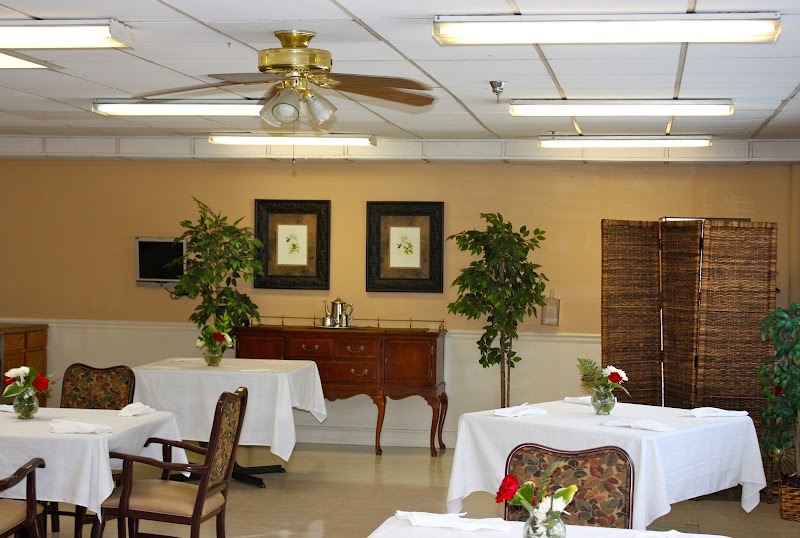
411 Ansel St, Greenville, SC 29601 (864) 232-5368
For profit - Limited Liability company 99 Beds FUNDAMENTAL HEALTHCARE Data: November 2025
Trust Grade
58/100
#121 of 186 in SC
Last Inspection: July 2025

Inspected within the last 6 months. Data reflects current conditions.

Overview

Magnolia Manor in Greenville, South Carolina has a Trust Grade of C, indicating it is average and in the middle of the pack for nursing homes. It ranks #121 out of 186 facilities in the state, placing it in the bottom half, and #13 out of 19 in the county, meaning only a few local options are better. The facility is improving, as it reduced its issues from 6 last year to 4 this year. Staffing is a strong point, with a rating of 4 out of 5 stars and a turnover rate of 43%, which is lower than the state average. However, there are some concerns, including a failure to ensure proper food storage and sanitation procedures, as well as issues with laundry handling and pest control, which indicates room for improvement in safety and hygiene practices.

Trust Score
C
58/100
In South Carolina
#121/186
Bottom 35%
Safety Record
Low Risk
No red flags
Inspections
Getting Better
6 → 4 violations
Staff Stability
○ Average
43% turnover. Near South Carolina's 48% average. Typical for the industry.
Penalties
✓ Good
$4,271 in fines. Lower than most South Carolina facilities. Relatively clean record.
Skilled Nurses
✓ Good
Each resident gets 49 minutes of Registered Nurse (RN) attention daily — more than average for South Carolina. RNs are trained to catch health problems early.
Violations
⚠ Watch
11 deficiencies on record. Higher than average. Multiple issues found across inspections.
★★☆☆☆
2.0
Overall Rating
★★★★☆
4.0
Staff Levels
★★☆☆☆
2.0
Care Quality
★★☆☆☆
2.0
Inspection Score
Stable
2024: 6 issues
2025: 4 issues

The Good

  • 4-Star Staffing Rating · Above-average nurse staffing levels
  • Full Sprinkler Coverage · Fire safety systems throughout facility
  • No fines on record
  • Staff turnover below average (43%)

    5 points below South Carolina average of 48%

Facility shows strength in staffing levels, fire safety.

The Bad

2-Star Overall Rating

Below South Carolina average (2.8)

Below average - review inspection findings carefully

Staff Turnover: 43%

Near South Carolina avg (46%)

Typical for the industry

Federal Fines: $4,271

Below median ($33,413)

Minor penalties assessed

Chain: FUNDAMENTAL HEALTHCARE

Part of a multi-facility chain

Ask about local staffing decisions and management

The Ugly 11 deficiencies on record

Jul 2025 4 deficiencies
CONCERN (E)

Potential for Harm - no one hurt, but risky conditions existed

Deficiency F0761 (Tag F0761)

Could have caused harm · This affected multiple residents

**NOTE- TERMS IN BRACKETS HAVE BEEN EDITED TO PROTECT CONFIDENTIALITY** Based on review of the facility policy, observations, and interviews, the facility failed to 4 of 4 insulin prefilled syringes w...

Read full inspector narrative →
**NOTE- TERMS IN BRACKETS HAVE BEEN EDITED TO PROTECT CONFIDENTIALITY** Based on review of the facility policy, observations, and interviews, the facility failed to 4 of 4 insulin prefilled syringes were labeled with an open date and 3 of 3 unopened prefilled insulin syringes were refrigerated, 2 of 2 medication carts were reviewed.Review of the facility's policy titled Medication Management: 6.4 Medication Labeling last revised [DATE] revealed, Policy . 2. The Facility shall ensure that all medications are labeled appropriately. Procedures 1. Ensure that all drugs and biologicals used in the facility are labeled in accordance with professional standards, including expiration dates and with appropriate accessory and cautionary instructions.Review of the facility's policy titled, Staff Education/Orientation Policies and Procedures last revised [DATE] stated, [sic] preparing the pen inspect expiration date on pen. If opening a new pen, writes date opened on the body of the pen being careful not to cover the manufacturer's expiration date or resident name. If pen is already opened, inspects date opened to ensure pen use within established parameters. (Max days 28 days or less depending on product).During an observation on [DATE] at 3:41 PM, the following was noted on the [NAME] Hall Medication Cart A:1. A Glargine SoloStar pen (Lantus) in use with no open/expiration date documented.2. A Glargine SoloStar pen opened on [DATE] with 160 units remaining was expired as of [DATE].3. A NovoLog FlexPen opened on [DATE] was expired as of [DATE].4. A Lantus SoloStar pen with no open/expiration date with 80 units remaining.5. Two NovoLog FlexPen prefilled syringes and one Lantus SoloStar pen were found unopened and unrefrigerated.During an interview on [DATE] at 03:55 PM, Registered Nurse (RN)1 stated, When pharmacy comes and checks the cart they place medications in the refrigerator. Once we get the keys to the cart, we make sure it is labeled and dated. RN1 disposed expired insulin syringe in the needle box.During an observation on [DATE] at 4:08 PM, the following was noted on the East Hall Medication Cart B, one unopened Lantus SoloStar insulin pen not refrigerated.During an interview on [DATE] at 04:10 PM, Licensed Practical Nurse (LPN)1 stated, We will have to get rid of the new insulin syringe. If you pull it out and do not use it and due to me not knowing, I will have to get rid of it. I'll give it to the Director of Nursing (DON). He will dispose of it.During an interview on [DATE] at 04:40 PM, the DON stated, The Interventionist Nurse educates the nurses on insulin medications. Currently, she is out on leave. The unit manager also educates the nurses on the floor. It is the unit manager and the nurses on the medication cart responsibility to check the carts. The pharmacy comes every two months to refill and check the medication carts.
CONCERN (F)

Potential for Harm - no one hurt, but risky conditions existed

Food Safety (Tag F0812)

Could have caused harm · This affected most or all residents

**NOTE- TERMS IN BRACKETS HAVE BEEN EDITED TO PROTECT CONFIDENTIALITY** Based on review of the facility policy, review of an Ecolab Manual, observations and interviews, the facility failed to ensure f...

Read full inspector narrative →
**NOTE- TERMS IN BRACKETS HAVE BEEN EDITED TO PROTECT CONFIDENTIALITY** Based on review of the facility policy, review of an Ecolab Manual, observations and interviews, the facility failed to ensure foods that are stored in the freezer, coolers and dry food storage were appropriately sealed, labeled, dated with an open or use by date, and/or discarded by the use by day in 1 of 1 walk in freezer, 1 of 1 walk in cooler, 1 of 1 reach in cooler and 1 of 1 Dry Food storage, reviewed. In addition, the facility failed to ensure that the dietary staff properly monitored the dishwasher ensuring that it reached the required temperature for safe/proper sanitation of the dishes.Review of facility policy titled, Food Safety in Receiving and Storage, last revised 6/20/23, revealed General Food Storage Guidelines. 3) Place food that is repacked in a leak-proof, pest-proof, nonabsorbent, sanitary container with a tight fitting lid. Label both the container and its lid with the common name of the contents, the date, it was transferred to the new container, and the discard date. Dry storage Guidelines, 2) Tightly seal open packages to prevent contamination or place food in covered containers. Refrigerated Storage Guidelines: 12) Refrigerated, ready to eat Time/Temperature Control for Safety Foods (TCS) are properly covered, labeled, dated with use-by date, and refrigerated immediately. [NAME] them clearly to indicate the date by which the food shall be consumed or discarded. The day of preparation or day original container is opened shall be considered day 1. Follow USDA guidelines for food storage.; 14) Refrigerated condiments and salad dressings are properly covered, labeled, and clearly marked to indicate a use by date two months from the date opened.Review of facility policy, titled Warewashing using Dishwashing Machine, last revised last revised 6/20/23, revealed Utensils and dishes washed by a mechanical dishwasher will be clean and sanitized. Procedures: 1) .Check the temperature of the wash and rinse cycles, verifying that both meet the temperatures posted on the dishwashing machine. If using a low temp machine, check the sanitizer lever at contact times specified in accord with the product label. Record data on the Temperature and Sanitizer Log Form .Review of an Ecolab [NAME] Installation & Operation Manual dated March 9 2022 revealed, Section 1: Specification Information, ES-4000 Series Specifications: Temperatures: wash --- F (minimum) 120, wash --- F (recommended) 140, Rinse --- F 120, rinse --- F (recommended) 140; water requirements: inlet temperature (minimum) 120 F, inlet temperature (recommended) 140 F, minimum chlorine required (PPM) (parts per million) 50.Review of the dishwashing machine date plate revealed, Ecolab model ES-4000CDL Minimum wash temperature 120 F, minimum rinse temperature 120 F, recommended incoming water temperature, minimum chlorine 50 PPM (parts per million).During an initial kitchen tour on 07/27/25 at 10:38 AM, the dry food storage revealed: 1 - 5 pound (lb.) box of gold metal buttermilk biscuit mix open without a open or use by date and not properly sealed; 2 - 24 ounce (oz) peppered old fashioned biscuit gravy mix with no open or use by date; 2 bags of spiral pasta noodles open with no clear open or use by date; 2 bags of elbow pasta noodles open with no open or use by date; 1 - 10 lb. bag of penne pasta with no open or use by date; 1 bag of tortilla chips with no open or use by date; 1 - 18 quart (qt) storage container labeled cornmeal with a Styrofoam cup inside container; 1 - 22 qt storage container labeled panko with a Styrofoam cup inside; 1 - 16 qt storage container labeled sugar with a Styrofoam cup inside; 1 - 22 qt container labeled flour with a Styrofoam cup inside; 1 - 25 lb. box imperial instant food thickener open with no open or use by date; 1 - 5 lb. bag of devil's food cake mix open with no open or use by date; 1 - 5 lb. bag of white cake mix open with no open or use by date; 1 - 12 oz bag of Hersey's chocolate chips open with no open date or use by date. During the initial kitchen tour on 07/27/25 at 11:14 AM, the walk-in freezer revealed:1 unlabeled Ziploc bag of bread sticks, identified by Dietary Manager (DM) with an illegible label, unsure of open or use by date; 1 Ziploc bag of unlabeled mac cheese bites,1 Ziploc bag of cooked bacon; 1 Ziploc bag of frozen okra with no open date and marked with use by date 05/15/25.During the initial kitchen tour on 07/27/25 at 12:13 PM, the walk-in cooler revealed: 1 - 5 lb. packaged of sliced American cheese not dated with an open or use by date; 1 - 5 lb. package of Mozzarella cheese not labeled with an open or use by date; 1 box of slimy cucumbers, 1 Ziploc bag with 6 cucumbers in a white cloudy liquid; 1 - 1 qt apple juice open not labeled with an open or use by date.During the initial kitchen tour on 07/27/25 at 12:23 PM the reach in cooler revealed: 1- 2 qt container of ground turkey sausage unlabeled, identified by DM; 1 - 2 qt container marked cream of chicken with no prep/open or use by date; 1 - 2 qt container of pureed squash, identified by DM, not labeled with contents or prep/open or use by date; 1 - 1 gal container of dill pickle chips with no open date or use by date; 1 - 4 qt of egg salad marked with a prep date 07/21/25 and a use by date of 07/24/25; 1 - 4qt container prepared oatmeal not labeled with contents or prep/open or use by date; 1 - 2qt container of oatmeal not labeled with contents or prep/open or use by date; 4 boiled eggs loosely wrapped in plastic wrap with no prep/open date and no use by date; 2 - 1 - gal containers of mayonnaise open with no open date or use by date; 1- 1 gal container of prepared yellow salad mustard open, with no open date and no use by date; 1 - 1 gal of sweet pickle relish open with no open date no use by date;During a follow up tour of the kitchen on 07/28/25 at 9:10 AM the DM was observed testing the dishwashing machine. The DM had to run the machine four times for the chlorine to reach 50 ppm. During the observation the thermometer affixed to the top of the machine revealed that the temperature line started at 60 F and went to 120 F, showing no color below 60 F.During an interview on 07/27/25 at 10:56 AM the Dietary Manager (DM) revealed that she just finished her Certified Dietary Manager (CDM) courses about 3 weeks ago and that she just needs to take exams. The DM states that none of her dietary staff are Servsafe certified and that their dietitian is contacted in and comes once a month. The DM explains that her expectation is for food items in the dry food storage to be labeled with the date it's received, and once the item is opened it should be labeled with a 30 day use by date.During an interview on 07/28/25 at 9:21AM the DM revealed that it often takes the dishwashing machine several runs to get up to temperature and the proper sanitation. The DM confirmed that the reading on the thermometer at the back of the machine started at 60 F and went up to 120 F with there being no color indicator from zero to 60 F. The DM states that this thermometer is what is used to ensure that the dishwashing machine gets up to the proper temp. The DM further states that the thermometer is broken. The DM continues to reveal that Ecolab usually comes to check the machine once monthly and are usually accompanied by the facility's maintenance director however they did not come last month and that they had not been here for this month.During an interview on 07/28/25 at 9:40 AM the Maintenance Director (MD) revealed that he accompanies the Ecolab tech when they come to service the dishwashing machine, but he is not certified to work on the machine. The MD states that the thermometer attached to the top back of the machine is broken. The MD states he is unsure how the dietary staff can ensure that the dishwashing machine gets to the required temperature to properly sanitize the dishes.During a brief telephone interview on 07/28/25 at 10:10 AM the Ecolab Tech (ELT) revealed that the correct gauge to monitor the temperature of the dishwasher is a circular gauge located at the bottom of the machine near the drain rather than the top. The ELT explains that the gauge at the top is an original part of the machine, but it does not work. The ELT continues to explain that he usually comes to service the machine once a month, but he has not always been the rep. The ELT states that he was at the facility in either May or June, however, he could not confirm that he serviced the machine last month.During a follow up interview on 07/28/25 at approximately 10:15 AM the DM revealed that she normally refers to the thermometer at the top of the machine and is unaware of the gauge mentioned by the ELT at the bottom of the machine. The DM states that she uses the thermometer/gauge that the top of the machine and use to it reading 120 . The DM states that she knows that the machine is getting to temp due to the heat coming from the machine and seeing the steam as well as the sanitation strips showing 50 ppm.During an interview on 07/28/25 at 11:02 AM Dietary Aide (DA)3 revealed that when she is using the dishwashing machine, she uses the gauge at the bottom of the machine. DA3 states that she often must run the machine up to four times for it to get to temp. DA3 states that she monitors both the gauge at the bottom and the top to make sure they both are reading the same temperature.During an interview on 07/28/25 at 11:07 AM DA1 revealed that he has been employed with the facility for about a year and that he has performs various tasks in the kitchen, including washing the dishes. DA1 explains that his process for washing the dishes is the first spray them down and them send them through the dishwasher. DA1states that he often forgets what the temperature the water should be during the wash and rinse process and must ask the DM. DA1 also states that he often forgets to document the temperature and the sanitation on the log. DA1 further revealed that he was taught how to use and work the dishwashing machine by his supervisor in which he named the current DM. DA1 states that the DM has also instructed him that if the machine is not working properly to notify maintenance.During an interview on 07/28/25 at 11:53 AM, DA2 revealed that she has been working at the facility for 19 years and she often train other employees. DA2 states that when washing the dishes she refers the gauge at the bottom left of the machine. DA2 states that the gauge is hard to see and you would not know it was there if you weren't looking for it. DA2 explains that the machine broke down several years ago under another DM, and when it was replaced by Ecolab gauge was put at the bottom of the machine. DA2 states that the temperature of the water should be between 120-140 for washing and rinsing and that the chlorine should be 50-100 to sanitize the dishes. DA2 continues explains that the gauge never starts at zero, but it usually starts at 90, and it usually takes the machine running for three cycles before it reaches 120. DA2 further explains that after the machine is stated a rack is sent though and it the dishes are not clean, she sends them back through a second time, and she monitors the gauge to ensure the machine is keeping its temperature. DA2 states that she documents the temperature and the sanitation level on the log. DA2 further reveals that she cannot recall if the current DM was made aware that the gauge was moved to the bottom of the machine after it was replaced.During an interview on 07/28/25 at 12:10 PM DA4 revealed that she has been employed at the facility for two years and that she helps the morning shift when she comes on shift in the afternoon. DA4 stated yes when asked if she assisted with washing the dishes and if she checked the temperature of the dishwasher. DA4 repeatedly stated it be different prices, when asked what the wash and rinse temperature should be. When the question was repeated, DA4 states that the rinse temperature should be 50 and the wash temperature is 100 and something. DA4 states that parts per million (ppm) should be 60 but it's different. DA4 further revealed that she does document the temperature and sanitation on the thing on the wall, and stated she did not know the correct name for the documentation.During a follow up interview on 07/28/25 at 12:18 PM the ELT revealed that he became the service representative for the facility in January 2025. The ELT explains that the temperature gauge at the bottom of the machine will never start at zero because the gauge is reading at room temperature until the machine is started. The ELT continues to explain that the gauge that the top of the machine is not connected to the machine and does not provide any assistance with the recording the temperature. The ELT further explains that he usually comes once a month to service the machine, however he was unable to find the documentation to show that he was at the facility in June. The ELT states that he changes the tubes every six months because over time the tubing bends more and can cause the chemicals not to flow properly. The ELT points to the sticker on the front of the machine stating that he had not changed the tubes since 12/12/2024, therefore he would change them today.During a brief interview on 07/28/25 at 1:01 PM the Administrator revealed that the Registered Dietitian (RD)is part time and comes to the facility the recommended hours required, however she comes as much as needed. During follow up interview, the Administrator revealed her expectation is for the dietary staff to follow the facility's policy, procedures and guidelines that have been set forth related to food in the dry food storage, coolers and freezers. The Administrator states that the staff should make sure food items are labeled and discard any items that are beyond the use by or expiration date. The Administrator further revealed that her expectation is for staff to follow the policy, procedures and guidelines related to the sanitation of the dishes.During an interview on 07/28/25 at 2:21PM the RD revealed that her services to the facility are contracted. The RD explains that between her business partner and herself they contract approximately 25 hours to the facility a month. The RD continues to explain that her partner works remotely on the clinical side, and with she comes in and goes through the kitchen sanitation and meal service following a checklist with the DM, as well as assessing new admission and seeing other residents as needed. The RD further explains that in relation to the sanitation checklist she observes the dish room looking at how clean the area is, how the flatware is stored, look at the dishwasher, checking the ppm and the water temperature. The RD stated that the ppm is important to ensure that the dishes are sanitized. The RD was unable to explain or describe where the gauge is located that she observes to ensure that the water reaches the correct temperature. The RD states that in the dry food storage she checks the room for organization, where condiments are not mixed together, open items are sealed and dated with an open date and ensures that all expired items are discarded. The RD states that she checks the temperature of the outside thermometer for both the freezer and cooler, but she goes by the thermometer inside of them. The RD states that she is also looking for organization in freezer and cooker as well as making sure open items are date labeled.During a follow up interview on 07/28/25 at 2:51 PM the DM revealed that her Servsafe certification expired in 2023. The DM states that she just finished her CDM classes about a week ago and that she is waiting on that certificate of completion which may take 7-14 days. The DM states that once she receives her certificate, she can schedule her exam.
CONCERN (F)

Potential for Harm - no one hurt, but risky conditions existed

Infection Control (Tag F0880)

Could have caused harm · This affected most or all residents

Based on review of the facility policy and procedures, observations and interviews, the facility failed to ensure proper handling and processing of resident laundry during observation of laundry servi...

Read full inspector narrative →
Based on review of the facility policy and procedures, observations and interviews, the facility failed to ensure proper handling and processing of resident laundry during observation of laundry services. Review of the facility policy titled, Maintenance/Housekeeping Policies and Procedures Subject: Laundry states: Policy: Laundry services will comply with appropriate guidelines to assure that measures are implemented to provide pro effective laundry service. Procedures: 5. Personnel in the laundry services are properly garbed at all times. When handling soiled linens, gowns, and gloves, at a minimum will be donned. These are removed as soon as possible after completing of duties involving soiled linens. Personal protective equipment is not necessary when handling clean linens through uniforms or personal clothing should be clean. All Linens: 1. Linens are to be handled in a safe manner to prevent contamination of the linen, the personnel and the environment. 2. All soiled laundry is to be considered contaminated and handled in the same safe manner. This precludes the use of isolation or different procedures for soiled linen handling. During an observation on 07/28/25 at 10:00AM, the Housekeeping Supervisor was observed donning goggles, latex gloves and rubber gloves. No gown was donned. The soiled linen was separated, and the clear bags were thrown away. The soiled linen cart was pushed to the washing machine and the soiled linen was loaded into the washing machine. The Housekeeping Supervisor failed to don a gown while handling the soiled linen.During an interview on 07/29/2025 at 3:12 PM, the Housekeeping Supervisor stated, I just got nervous. I know I should always wear a gown. I looked up and saw the gown after I got started, I just forgot. During an interview on 07/29/2025 at 5:10 PM, the Administrator revealed, my expectation is for the laundry staff to apply and wear the correct PPE the way they are supposed to when sorting laundry.
CONCERN (F)

Potential for Harm - no one hurt, but risky conditions existed

Deficiency F0925 (Tag F0925)

Could have caused harm · This affected most or all residents

Based on review of facility policy, record review, observations and interviews, the facility failed to maintain an effective pest control program to ensure the facility remained free of pests. Review ...

Read full inspector narrative →
Based on review of facility policy, record review, observations and interviews, the facility failed to maintain an effective pest control program to ensure the facility remained free of pests. Review of the facility policy titled, Pest Control last revised on 09/19/24, documented, Policy: The hospital will maintain an effective pest control program to prevent or eliminate infestation of pests and rodents. Procedures: 6. Pest management decisions will be based on the results of regular inspections. If a pesticide is needed, the least hazardous pesticide is selected that will effectively control the pest problem. Pesticides used at this hospital will be applied by certified pesticide applicators or registered technicians that have working knowledge of IPM principles and practices. 8. Facility staff will: A. Note and report any evidence of pest activity (i.e. rodent droppings). All documentation/reports shall be as detailed as possible with reporting this information. B. Report sightings of live pests immediately to the Integrated Pest Management Coordinator to request emergency service to provide additional, unscheduled treatment as necessary. During an observation on 07/28/25 at approximately 10:30AM, of the conference room in the front of the building, a large amount of small, light brown antlike insects were observed on the walls, floor and in the personal belongings of the survey team. The maintenance man was notified. He treated the area with an over-the-counter insect spray called Home Defense. The survey team was relocated to the Activities room.During an observation on 07/28/25 at 12:00 PM, there were four brown bugs crawling in resident's bathroom. During an interview on 07/28/25 at 12:09 PM, the Unit Manager verified the presence of the bugs. She stated that she would get maintenance to spray for the bugs.During an interview on 07/28/25 at 12:18 PM, Certified Nursing Assistant (CNA)1 stated she has worked at this facility for 10 years. She stated, this is an old building in the summer. There are going to be roaches. During an interview on 07/29/25 at 5:00 PM, the Administrator stated Regarding the pest control program. Ecolab sprays monthly. My expectation when staff have a pest sighting is that staff will notify myself, the Director of Nursing or Maintenance of the pest sighting. Whoever staff notifies they will call Ecolab. Ecolab knows that they must come out either that same day or the next day.
Oct 2024 1 deficiency
CONCERN (D) 📢 Someone Reported This

A family member, employee, or ombudsman was alarmed enough to file a formal complaint

Potential for Harm - no one hurt, but risky conditions existed

Deficiency F0744 (Tag F0744)

Could have caused harm · This affected 1 resident

**NOTE- TERMS IN BRACKETS HAVE BEEN EDITED TO PROTECT CONFIDENTIALITY** Based on review of the facility policy, record review and interviews, the facility failed to provide Resident (R)2 with appropri...

Read full inspector narrative →
**NOTE- TERMS IN BRACKETS HAVE BEEN EDITED TO PROTECT CONFIDENTIALITY** Based on review of the facility policy, record review and interviews, the facility failed to provide Resident (R)2 with appropriate behavioral/mental health services as requested by their physician in a timely manner for 1 of 5 reviewed for behavioral health services. Findings include: Review of the facility policy titled, Social Services Policies and Procedures Assessment and Analysis of Behavioral Health Needs last revised 06/09/23 revealed Staff will utilize a knowledge and understanding of mental illness, trauma, substance abuse, diseases process and cultural diversity to assess the potential needs of each resident. The staff will incorporate behavior management techniques and cultural knowledge to assist patients/residents in reaching and maintaining their highest practical physical, mental, and psychosocial wellbeing in accordance with the comprehensive assessment and care plan. The treatment of mental and substance abuse disorders. Social services or designated staff will facilitate community referrals to meet the needs of the resident related to mood, behavior, mental illness, or cultural identity. Procedures include evaluate for and identify potential issues related to mental illness, substance abuse, disease process, trauma, and cultural diversity to assist in completing a comprehensive assessment related to mood, behavior, quality of life and personal preferences. Social Services or designee will make referrals for further evaluation, treatment, or support in a timely manner. The assessment will be completed within seven days of admission to the facility and periodically, as needs are identified. Review of R2's medical record revealed R2 was admitted to the facility on [DATE] with diagnoses including but not limited to; restlessness and agitation, anxiety disorder, major depressive disorder, and dementia with mood disturbances. Review of the Quarterly Minimum Data Set (MDS) with an Assessment Reference Date (ARD) of 09/26/24 revealed R2 has the Brief Interview of Mental Status (BIMS) score of 10 out of 15, which indicates that she has mild cognitive impairment. Further review of the Quarterly MDS revealed R2 during the assessment period exhibited physical behavioral symptoms towards others 1-3 days, had other behavioral symptoms not directed towards others 1-3 days, and rejection of care 1-3 days during the lookback period. Record review of R2's Physician Orders revealed an order dated 07/01/24 and discharge date d 09/10/24, which read please consult psychiatric services for history of psychiatric impairment related to dementia, anxiety, depression. Record review of a Physician Progress Note dated 08/09/24 revealed Nurse paged me yesterday and reported that patient was attempting to exit the building and when staff attempted to redirect her she started to swing and hit staff. Nurse reported that they tried to call her daughter who speaks Spanish did not help calm her down but made it worse. Nurse asked to send patient to emergency room for psychiatric evaluation, advised to give one dose of Haldol and call back if it does not help her (R2). Patient has known dementia with behaviors, she is observed today and appears calm and cooperative. She is frequently ambulating in the hallways with steady gait using her walker. She speaks to other residents in Spanish and appears that she tries to engage with them but due to language barrier and dementia it is difficulty for other residents to communicate with her She is also followed by in-house psychiatric services, patient is examined today and appears to be at baseline, I used Google translate to talk to her and she kept saying she is wanting to go home. She is observed ambulating with walker. She tells me that she has a headache today, will schedule her Tylenol as twice a day as she may not be able to let nursing staff known that she needs medicine. Nurse tried to give her medicine but resident refused and stated she will take them mana (tomorrow), will ask psychiatric services to see patient on next visit. Record review of a Physician Progress Note dated 08/14/24 revealed Nurse asked me evaluate patient for concern regarding altercation with another roommate/resident. Nurse reported that patient was standing over her roommate and scratched her left arm and struck her in the face with a shoe. Patient was given as needed Haldol injection due to behavioral disturbances. Patient is a Spanish-speaking only and difficult to redirect. Patient is evaluated today and appears to be stable in no altered distress. She is observed ambulationg with her walker around the hallways. Unable to obtain meaning hisotyr due to language barrier, she often stated she wants to go to casa (home). Patient does have history of dementia with history of agitation and restlessness. Other patient was removed from the incident to another unit, Director of Nursing (DON) was notified of the incident, will have psychiatric services evaluate patient on next visit. Record review of a Physician Progress Note dated 08/19/24 revealed Patient is a Spanish-speaking female long term care resident who is unable to provide any meaningful history due to dementia. Patient also has behaviors and recently had an aggressive behavior towards another resident was started on Haldol as needed. Per the Medication Administration Record (MAR), it appears that she received two (2) doses so far. Nursing has not reported any other incidents, patient needs frequent monitoring and redirecting as she is attempting to elope per nursing. Psychiatric referral has been placed and is pending, we will continue to monitor and follow up in one to two weeks. Record review of a Physician Progress Note dated 09/03/24 revealed Patient seen today for acute concern, cough and hostility. Nursing reports that patient becomes hostile when she is trying to be redirected. Patient tends to wander around the in the hallways, recently was attempting to leave the building and had all of her belonging and when nursing was trying to redirect her, she became hostile to staff. Patient does have a history of dementia with behaviors, she is closely followed by psychiatric services. Patient is clinically alert and oriented however is difficult to obtain history due to language barrier. She is Spanish speaking only, patient uses walker and ambulates through the hallway frequently and needs redirecting at times. Record review of R2 Nursing Note dated 10/12/24 at 2:00 PM revealed Resident continues to wander without purpose, enter other residents rooms, and attempting to push another resident off the unit in her [NAME] chair. Record review of R2 Nursing Note dated 10/12/24 at 3:49 PM revealed Resident brought from dayroom from nursing desk. R2 attempted to push another resident's [NAME] chair off of the unit. Numerous attempts to redirect the resident (R2) by nursing staffing and Certified Nursing Assistants (CNA)s to no available. Resident became angered, verbally hostile, and attempted to look for item to use to throw. R2 picked up a broom and fellow charge nurse intervened. Director of Nursing (DON) updated on resident's current behaviors, Nurse Practitioner notified via log of current behaviors and possible interventions for acute episodes. Record review of R2 Nursing Note dated 10/12/24 at 4:12 PM Alerted to resident by staff on another unit in the facility, resident continuously setting off door alarm to exit facility, writer and male CNA on duty retrieved resident and redirected her to appropriate unit. Ambulatory with rolling walker with secure guard bracelet in place and operational, Assistant Director of Nursing (ADON) consulted by phone to aid in communication with resident. Record review of R2 Nursing Note dated 10/12/24 at 4:53 PM ADON and Resident Representative on scene and spoke with resident which seemed to help calmed her down for the moment. , ADON explained to R2 that other resident was a woman and not a nino (boy child) and that her needs would be meet by nursing staff. Resident currently sitting in dayroom on couch awaiting meal. Record review of R2 Nursing Note dated 10/12/24 at 6:50 PM Alerted by another resident that R2 was attempting to change brief of another resident in the facility. Attempts to redirect the resident to no availability, resident is verbally hostile, resisting removal from room and argumentative in Spanish. An observation and attempted interview on 10/22/24 at 4:47 PM with R2 was unsuccessful. R2 did not have the attention span/cognitive ability to speak via Google translator app. R2 was observed wandering on unit, but not attempting exit seek at this time. A phone interview on 10/22/24 at 5:13 PM with Licensed Practical Nurse (LPN)1 revealed that R2 has had two situations with other residents at the facility. The first incident involved her first former roommate where R2 hit her with a shoe, and they had to be separated. The second and most recent incidents have been involved with another resident that R2 believes to be her nino/son and she attempts to take care of the resident by trying to feed and at times trying to change the resident's briefs (R2 was not successful with attempts). LPN1 further stated that they communicate to R2 with the Google translator app but when that is not successful they use cards that have pictures to help determine what the resident is trying to communicate. LPN1 finally stated that they were unsure if R2 was being followed by psychiatric services at this time. An interview with the ADON on 10/23/24 at 11:39 AM revealed that the resident is not currently being followed by psychiatric services at this time and the referral is pending. ADON further stated that they are unsure of how long the referral has been pending and Social Services is responsible for contacting the company. An interview with the Social Services Director (SSD) on 10/24/24 at 11:52 AM revealed that the resident is not currently being followed by Psychiatric services at this time and that they were unsure of what date they made the referral for services. The SSD was unable to provide documentation related to when they made the referral to psychiatric services. An interview on 10/24/24 at 1:05 PM with the Nurse Practitioner (NP) revealed that they requested/ordered the resident be followed by psychiatric services in July 2024 and was unaware that the resident had not yet been evaluated by psych and was under the impression that R2 was being followed. During interview with the NP, they stated that this evaluation should have been completed in a timely manner.
Jun 2024 5 deficiencies
CONCERN (D) 📢 Someone Reported This

A family member, employee, or ombudsman was alarmed enough to file a formal complaint

Potential for Harm - no one hurt, but risky conditions existed

Deficiency F0658 (Tag F0658)

Could have caused harm · This affected 1 resident

Based on observation, record review, review of the facility policy titled Enteral Feeding-Administering Medications, and staff interviews, the facility failed to ensure that medications were given acc...

Read full inspector narrative →
Based on observation, record review, review of the facility policy titled Enteral Feeding-Administering Medications, and staff interviews, the facility failed to ensure that medications were given according to standards of practice via enteral feeding tube by one (1) Licensed Practical Nurse (LPN) for one (1) Resident (R)66. The findings include: Review of the Nursing Policy and Procedures titled Enteral Feeding-Administrating Medications dated 5/5/2023 revealed that The licensed nurse will administer medication prescribed by the physician to be given by enteral tube, using the appropriate method according to recognized standards of practice. Equipment: Prescribed medication, fluid-impermeable pad or towel, clean enteral syringe (20 milliliters (ml) or larger, water, medicine cup (s), gloves, gown and crushed medications. Implementation: Verify the practitioner's order, gather and prepare the necessary equipment, supplies, and prescribed medication, put on gloves and other personal protective equipment, flush the enteral tube with a least 15 ml of water, repeat the procedure wit the next medication, flush the enteral tube one (1) final time with at least 15 ml of water. Clamp the enteral tube and detach the syringe, re-attach the feeding if continuous. Special considerations: If the patient's gastrostomy tube becomes clogged, flush the tube with water. Notify the practitioner if flushing with water is unsuccessful. Review of R66's Physician Orders revealed an order to flush tube with 30 ml of warm water before and after medication administration. Check residual every shift and placement verification air bolus instillation with auscultation every shift. Review of R66's Physician orders revealed orders for Jevity at 80 cc (cubic centimeters which is equal to ml) from 4:00 a.m. to 6:00 p.m. via gastric tube with water flush of 55 ml per hour continuous. Special Instructions on at 4:00 a.m. and off at 7:00 p.m. Medications ordered, per gastric tube, were Lactulose solution 10 gram/15 ml-give 30 ml once daily, fluoxetine 20 milligram (mg) capsule once daily, lorazepam 1 mg one tablet every 12 hours, midodrine 10 mg one tablet, Nexium packet granules delayed release, 40 mg, dissolve one packet in 15 ml of water, allow to stand 2-3 minutes and thicken, and take per peg-tube within 30 minutes once daily. Observation of Licensed Practical Nurse (LPN)1 on 6/19/24 beginning at 9:26 a.m. the medications were pulled from the medication cart, placed in a separate medicine cup, the lorazepam was signed out from the narcotic box and signed off (the count was correct), then the fluoxetine 20 mg capsule was opened into a separate medication cup, the midodrine and lorazepam were crushed separately and place in separate medication cups. The Nexium packet was poured into a small cup with water added and stirred. At 9:40 a.m. LPN1 put the medication cups and solution cups onto the bottom of a tissue box and brought them into the resident's room. Additional water for flush was not brought into the room or additional medicine cups for measuring the water flush. The medication cups, with the medication in them were taken to the resident bathroom and water was added to the medications. The tube feeding pump was stopped and the tubing was disconnected from the gastric tube. A clean 60 ml syringe was connected to the gastric tube and the capsule with water was then poured into the syringe to drain via gravity, then the next medication was given, and repeated. The Nexium solution was then poured into the syringe which caused the tubing to become clogged. LPN1 massaged the tubing repeatedly until the clog finally dislodged and the final amount of Nexium was administered, followed by the lactulose solution. LPN1 then re-attached the tubing to the gastric tube, set the pump to flush for 2-3 minutes then restarted the Jevity. LPN1 did not flush the gastric tube prior to medication administration, or between the medications. LPN1 then changed gloves, rinsed the syringe in the resident's sink, and left the room. An interview with the Administrator and the Regional Clinical Manager, after reviewing the Enteral Feeding-Administrating medication policy, on 6/19/24 at 2:35 p.m. revealed that the policy does call for water flushes before, between medications and when medication administration is complete for gastric tube medication administration.
CONCERN (D) 📢 Someone Reported This

A family member, employee, or ombudsman was alarmed enough to file a formal complaint

Potential for Harm - no one hurt, but risky conditions existed

ADL Care (Tag F0677)

Could have caused harm · This affected 1 resident

**NOTE- TERMS IN BRACKETS HAVE BEEN EDITED TO PROTECT CONFIDENTIALITY** Based on observations, record reviews and interviews with staff and resident the facility failed to provide Activities of Daily ...

Read full inspector narrative →
**NOTE- TERMS IN BRACKETS HAVE BEEN EDITED TO PROTECT CONFIDENTIALITY** Based on observations, record reviews and interviews with staff and resident the facility failed to provide Activities of Daily Living (ADL) care for one (1) resident out of 20 sampled residents. The findings included: The facility's Nursing Policies and Procedures titled Activities of Daily Living, Optimal Function dated 5/5/23 stated The facility provides necessary care to all residents that are unable to carry out activities of daily living on their own to ensure they maintain proper nutrition, grooming, and hygiene. Review of Resident (R)20's clinical record revealed the resident was admitted to the facility on [DATE] with diagnoses which included Hypertension, Cerebrovascular Accident (CVA), Contracture of Joint: Multiple, Chronic Pain Syndrome, Osteoarthritis, Age-Related Debility, and Left-sided Hemiparesis. Review of R20's Quarterly Minimum Data Set (MDS) dated [DATE] revealed the resident was dependent on staff to meet his/her personal hygiene needs. Review of R20's Progress Note dated 10/27/24 revealed R20 was seen for follow up for onychomycosis. R20 was sent out to dermatology to possibly assist with trimming down the resident's significantly thickened fingernail to the resident's right thumb and other fingernails that needed to be trimmed down R20's podiatrist reported that they were unable to trim the resident's fingernails. R20 was referred to the Dermatologist, who recommended topical ciclopirox and terbinafine cream for three (3) months and then referred the resident to an outpatient podiatry. R20 had been wanting his/her fingernails trimmed due to soreness. Review of R20's Progress Note dated 11/28/23 revealed .(R20) is telling me that he/she wants his/her fingernails cut down. The resident had significant onychomycosis to fingernails and was recently seen by dermatology who started him on ciclopirox polish and tropical terbinafine cream. We have sent the resident out to multiple specialists and requested to trim his/her fingernail, but they have declined. The resident reports that he/she has pain all over his/her lower extremities and to his/her fingernails, he/she currently on Tramadol for pain. Review of R20's Progress Note dated 1/11/24, revealed The resident is complaining of his/her right fungal fingernail, he/she is currently getting topical terbinafine polish, states that it does not seem to be helping him/her. Observation of R20 on 6/20/24 at 12:20 p.m. revealed the resident's fingernails, on his/her left hand revealed the following: the thumb and pinky nails were both about an inch long, his/her third finger had a nail that was approximately a quarter inch long; and on the right hand his/her fingernails were observed to be the following: the thumb was about two inches long, the index finger was about one inch long, and his/her fourth finger had approximately a one half inch nail. During an interview on 6/20/24 at 11:15 a.m., R20 stated I want my nails cut. It hurts. This has been going on since November. They brought me to the doctor, and they didn't do anything. During an interview on 6/20/24 at approximately 11:15 a.m., the Unit Nurse Manager (UNM) stated, the facility did not have the equipment to cut R20's left hand nails because of his/her hand being contracted. R20 will only let the wound nurse cut his/her nails and even then, the wound care nurse will not cut the resident's nails all the way down. The UNM further stated, normally nail care was done once a week when the Certified Nursing Assistants (CNAs) do a full body audit. During an interview on 6/20/24 at approximately 1:20 p.m., the Nurse Practitioner (NP) stated, I have tried sending the resident out. My supervising physician suggested removing the nail, but because of co-morbidities the resident is not a good candidate for surgery. Ciclopirox was prescribed but the supervising physician said that it was ineffective. Cutting the nails causes pain. During an interview on 6/20/24 at approximately 1:45 p.m. during an interview, the Wound Care Nurse (WCN) stated anyone can cut the resident's nails but sometimes R20 would let them cut their nails. The WCN stated that they cut the resident's nails because they felt bad for the resident.
CONCERN (D) 📢 Someone Reported This

A family member, employee, or ombudsman was alarmed enough to file a formal complaint

Potential for Harm - no one hurt, but risky conditions existed

Unnecessary Medications (Tag F0759)

Could have caused harm · This affected 1 resident

Based on observation, record review, review of the facility policy titled Enteral Feeding-Administering Medications, and staff interviews, the facility failed to ensure that medications were given acc...

Read full inspector narrative →
Based on observation, record review, review of the facility policy titled Enteral Feeding-Administering Medications, and staff interviews, the facility failed to ensure that medications were given according to standards of practice via enteral feeding tube by one (1) Licensed Practical Nurse (LPN)1 for one (1) resident (R)66). LPN1 failed to flush the gastric tube prior to administering five (5) medications, after each medication and when the medication administration. There were 26 medication opportunities and five (5) errors resulting a medication error rate of 19%. The findings include: Review of the Nursing Policy and Procedures titled Enteral Feeding-Administrating Medications dated 5/5/2023 revealed that The licensed nurse will administer medication prescribed by the physician to be given by enteral tube, using the appropriate method according to recognized standards of practice. Equipment: Prescribed medication, fluid-impermeable pad or towel, clean enteral syringe (20 milliliters (ml) or larger, water, medicine cup (s), gloves, gown and crushed medications. Implementation: Verify the practitioner's order, gather and prepare the necessary equipment, supplies, and prescribed medication, put on gloves and other personal protective equipment, flush the enteral tube with a least 15 ml of water, repeat the procedure wit the next medication, flush the enteral tube one (1) final time with at least 15 ml of water. Clamp the enteral tube and detach the syringe, re-attach the feeding if continuous. Special considerations: If the patient's gastrostomy tube becomes clogged, flush the tube with water. Notify the practitioner if flushing with water is unsuccessful. Review of R66's Physician Orders revealed an order to flush tube with 30 ml of warm water before and after medication administration. Check residual every shift and placement verification air bolus instillation with auscultation every shift. Review of R66's Physician orders revealed orders for Jevity at 80 cc (cubic centimeters which is equal to ml) from 4:00 a.m. to 6:00 p.m. via gastric tube with water flush of 55 ml per hour continuous. Special Instructions on at 4:00 a.m. and off at 7:00 p.m. Medications ordered, per gastric tube, were Lactulose solution 10 gram/15 ml-give 30 ml once daily, fluoxetine 20 milligram (mg) capsule once daily, lorazepam 1 mg one tablet every 12 hours, midodrine 10 mg one tablet, Nexium packet granules delayed release, 40 mg, dissolve one packet in 15 ml of water, allow to stand 2-3 minutes and thicken, and take per peg-tube within 30 minutes once daily. Observation of Licensed Practical Nurse (LPN) #1 on 6/19/24 beginning at 9:26 a.m. the medications were pulled from the medication cart, placed in a separate medicine cup, the lorazepam was signed out from the narcotic box and signed off (the count was correct), then the fluoxetine 20 mg capsule was opened into a separate medication cup, the midodrine and lorazepam were crushed separately and place in separate medication cups. The Nexium packet was poured into a small cup with water added and stirred. At 9:40 a.m. LPN1 put the medication cups and solution cups onto the bottom of a tissue box and brought them into the resident's room. Additional water for flush was not brought into the room or additional medicine cups for measuring the water flush. The medication cups, with the medication in them were taken to the resident bathroom and water was added to the medications. The tube feeding pump was stopped and the tubing was disconnected from the gastric tube. A clean 60 ml syringe was connected to the gastric tube and the capsule with water was then poured into the syringe to drain via gravity, then the next medication was given, and repeated. The Nexium solution was then poured into the syringe which caused the tubing to become clogged. LPN1 massaged the tubing repeatedly until the clog finally dislodged and the final amount of Nexium was administered, followed by the lactulose solution. LPN1 then re-attached the tubing to the gastric tube, set the pump to flush for 2-3 minutes then restarted the Jevity. LPN1 did not flush the gastric tube prior to medication administration, or between the medications. LPN1 then changed gloves, rinsed the syringe in the resident's sink, and left the room. An interview with the Administrator and the Regional Clinical Manager, after reviewing the Enteral Feeding-Administrating medication policy, on 6/19/24 at 2:35 p.m. revealed that the policy does call for water flushes before, between medications and when medication administration is complete for gastric tube medication administration.
CONCERN (D) 📢 Someone Reported This

A family member, employee, or ombudsman was alarmed enough to file a formal complaint

Potential for Harm - no one hurt, but risky conditions existed

Infection Control (Tag F0880)

Could have caused harm · This affected 1 resident

Based on observation, review of the facility policy titled Infection Prevention and Control Policy and Procedures for Enhanced Barrier Precaution, and staff interviews the facility failed to ensure th...

Read full inspector narrative →
Based on observation, review of the facility policy titled Infection Prevention and Control Policy and Procedures for Enhanced Barrier Precaution, and staff interviews the facility failed to ensure that one (1) Licensed Practical Nurse (LPN) followed personal protective equipment (PPE) requirement while administering medication via a gastric tube to one (1) resident (R)66) to prevent the transfer of infectious organisms during high-contact procedures. The findings include: Review of the facility policy titled Infection prevention and control policies and procedures dated 5/15/23, revealed Procedures: Enhanced Barrier Precautions (EBP) 1. Enhanced Barrier Precautions expand the use of PPE (gowns and gloves) during high-contact resident care activities that provide opportunities for transfer of MDROs (Multidrug-resistant organism) to staff hands and clothing. A. 2) Wounds and/or indwelling medical devices (central lines, urinary catheter, feeding tubes, tracheostomy/ventilator) regardless of MDRO colonization. B. EBP will be implemented during the following high-contact resident care activities: 7. Device care or use: central lines, urinary catheter, feeding tube, tracheostomy/ventilator. Observation of Licensed Practical Nurse (LPN)1 on 6/19/24 beginning at 9:26 a.m. revealed that he/she entered the room of R66, (with three beds in the room with all resident's having a gastric tube) with a sign on the door stating EBP precautions. LPN1 did not put a gown on prior to the administration of medication via a gastric tube or at any time during the medication administration. An interview with LPN1 on 6/19/24 at 10:21 a.m. revealed that he/she should have worn a gown and just forgot. An interview with the Administrator and the Regional Clinical Manager, after reviewing the Enteral Feeding-Administrating medication policy, on 6/19/24 at 2:35 p.m. revealed that EBP went into effect on 4/1/24 and that LPN1, who is on a prn (as needed) basis has received training regarding the requirements for EBP. The Administrator revealed it has been challenging for staff although the facility has provided frequent education to the staff.
CONCERN (E) 📢 Someone Reported This

A family member, employee, or ombudsman was alarmed enough to file a formal complaint

Potential for Harm - no one hurt, but risky conditions existed

Deficiency F0698 (Tag F0698)

Could have caused harm · This affected multiple residents

**NOTE- TERMS IN BRACKETS HAVE BEEN EDITED TO PROTECT CONFIDENTIALITY** Based on interview and record review, the facility failed to ensure the dialysis communication sheets were completed to ensure o...

Read full inspector narrative →
**NOTE- TERMS IN BRACKETS HAVE BEEN EDITED TO PROTECT CONFIDENTIALITY** Based on interview and record review, the facility failed to ensure the dialysis communication sheets were completed to ensure ongoing communication between the facility staff and the dialysis center for three (3) of four (4) sampled residents (R)13, R24, and R237). Portions of several of the Dialysis Communication Sheets were left blank including the section where staff should be checking the shunt for bruit post dialysis care. The findings include: Review of the facility's Dialysis - Hemodialysis Policy and Procedure revised 9/22/17 revealed .3. The facility staff will participate in ongoing communication with the dialysis center by using the Dialysis Communication Form which is filed in the resident's medical record. Review of the facility's Shunt Care - Arteriovenous (A.V.) Policy and Procedure revised 5/5/23 revealed .3. Post Dialysis Care: .C. Check for bruit upon return from dialysis and then once per shift. Review of R13's clinical record revealed the resident was admitted to the facility on [DATE] with diagnoses which included End-Stage Renal Disease, Chronic Kidney Disease, and Dependence on Renal Dialysis. Further review revealed the resident had a central venous catheter (CVC) to the right femoral artery. Review of R13's Dialysis Communication Sheets dated 5/20/24, 5/30/24, 6/3/24, 6/5/24, and 6/12/24 revealed documentation of the shunt site was not completed in the pre- and post-dialysis sections. The staff failed to document if they checked the CVC for thrills and bruits. Review of R13's Dialysis Communication Sheet dated 4/29/24 revealed documentation of the shunt site was not completed in the pre-dialysis section. The post-dialysis section was not completed due to the resident refusing dialysis. Review of R13's Dialysis Communication Sheet dated 4/24/24 revealed documentation of the shunt site was not completed in the pre-dialysis section. The post-dialysis section was completely blank. Review of R24's clinic record revealed the resident was admitted to the facility on [DATE] with diagnoses which included End-Stage Renal Disease, Type 2 Diabetes Mellitus and Hypertensive Chronic Kidney Disease (Stage 5). Further review revealed the resident had an Arteriovenous (AV) Fistula for Dialysis. Review of R24's Dialysis Communication Sheets dated 11/18/23, 3/2/24, 4/27/24, 5/28/24, 5/30/24, 6/8/24, and 6/14/24 revealed the Dialysis Center Section was not completed. Further review revealed the facility received the dialysis report from the dialysis center for all the dates but failed to complete the document. Review of R24's Dialysis Communication Sheet dated 6/11/24 revealed the post-dialysis section was not completed. Review of R24's Dialysis Communication Sheet dated 6/13/24 revealed the Dialysis Center Section and the post-dialysis documentation of the shunt site were not completed. Further review revealed the facility received the dialysis report from the dialysis center for this date but failed to complete the document. Review of R24's Dialysis Communication Sheets dated 11/18/23, 12/9/23, 1/16/14, 2/27/24, and 1/16/24 revealed in the pre-dialysis section staff failed to document regarding the shunt site. The staff failed to document on checking the thrill and bruit. Review of R237's clinical record revealed the resident was admitted to the facility on [DATE] with diagnoses which included End-Stage Kidney Disease, Dependence on Renal Dialysis, Malignant Neoplasm of Prostate, Diabetes Mellitus Type 2 and Chronic Kidney Disease. Review of R237's Dialysis Communication Sheets dated from 6/9/24 to present revealed the sheet was not completed by the dialysis center on 6/13/24, 6/15/24, 6/18/24, and 6/20/24. During an interview on 6/21/24 at 10:30 a.m., the Director of Nursing (DON) stated the facility was having a hard time getting the dialysis center to complete their section. He/she stated when the Dialysis Communication Sheet's dialysis center section was returned incomplete or blank, staff was to call and have the center send the dialysis report for that day. During an interview on 6/21/24 at 12:30 p.m., the DON verbalized that he/she understood that if the facility was going to use the Dialysis Communication Sheet for ongoing communication between the facility and dialysis center, the form had to be totally completed. He/she stated the facility will revisit how they communicated with the dialysis center and possibly change the policy. The Regional Clinical Nurse stated some of the nurses were writing Progress Notes regarding checking the shunt site, but it was not being documented on the Dialysis Communication Sheet. Once again, this Surveyor reiterated to the Administrative staff present that if the Dialysis Communication Sheets were being used for ongoing communication between the facility and the dialysis center, the forms had to be complete.
May 2022 1 deficiency
CONCERN (F)

Potential for Harm - no one hurt, but risky conditions existed

Food Safety (Tag F0812)

Could have caused harm · This affected most or all residents

Based on observation, interview, and policy review, the facility failed to ensure floors, walls, ceiling, cold storage, dry storage, furniture, and equipment were kept clean and/or in good repair. Fi...

Read full inspector narrative →
Based on observation, interview, and policy review, the facility failed to ensure floors, walls, ceiling, cold storage, dry storage, furniture, and equipment were kept clean and/or in good repair. Findings include: Observation of the kitchen on 05/04/22 at 9:03 AM, and on 05/05/22 at 1:45 PM, with the Dietary Manager (DM) revealed the following: 1.The dry food storage room had floor made of vinyl-type tile, which was in poor condition due to scuff marks, stains, build-up of dark wax-like substance around the walls, broken and chipped tile pieces, and rust spots throughout the room. The wire shelves, which stored food products located in the back right side of the room were rusted. The lower shelf on the long metal table located against the wall on the right side of the room was noted to have a significant amount of worn finish and severely rusted. 2. The wire shelves in the reach-in refrigerator were stocked with a variety of perishable food products. The metal shelves were heavily rusted. 3. The walk-in refrigerator was stocked with a variety of perishable food products. The walk-in refrigerator was in disrepair and unable to be sanitized due to the interior conditions. The metal floor throughout the unit was heavily rusted. A section of the flooring, approximately four inches in length, in the center of the entrance way was missing. The edges around the missing section were jagged. Underneath the missing section was an accumulation of dark particles and debris. The outside entrance of the walk-in refrigerator also had a build-up of dark particles and debris in the crevice where there was a gap. The interior left and right lower walls of the walk-in refrigerator contained extensive rust and a heavy collection of black spots that had a fuzzy appearance which also extended onto the pipes. A stream of standing water was noted under the black spots on the right side along the wall. The interior of the door was rusted as were the shelves. 4. The front metal facing of the steamtable contained a collection of long dried drips and rusted spots. 5. The lower shelf and poles to the metal production table, which stored condiments and the metal production table adjacent the three-compartment sink contained a heavy amount of rust spots. 6. The hand sink was observed with peeled and worn paint on the wall and around the sink caulking. 7. The ceiling tiles against the wall adjacent the hand sink contained a half moon shaped stain about one foot long in length. 8. The ceiling tiles in and around the cooking station needed replacement due to cracks, holes, gaps, and stains. The ceiling area between the cooking station and the three- compartment sink was especially damaged with very dark stains, gaps, and sagging tiles. 9. The interior of the convection oven contained a heavy coating of baked-on residue, small pieces of foil, and chard food particles. 10. The two-compartment sink was noted to have a heavy stream of leaking water from the faucet. During an interview on 05/04/22 at 9:15 AM, the DM stated that she was aware of the conditions in the kitchen and had reported them through TELS (electronic maintenance system) which was where the work orders were posted. She stated she brought staff in after hours to clean. However, rust on the metal furniture was hard to clean and remove, and that moisture made the rust worse. During an interview on 05/05/22 at 2:00 PM, the DM stated the sagging ceiling tiles was a result of a past leak. She stated it leaked when it rained but repairs had been completed on the roof but not to the ceiling. The DM also stated she conducted weekly sanitation check list, which included items that needed to be addressed. The DM stated the oven was cleaned monthly. Observation of the kitchen was conducted on 05/06/22 at 10:20 AM with the maintenance assistant (MA) revealed the same concerns as identified on 5/4/22 and 5/5/22 with the DM. During an interview on 05/06/22 at 10:30 AM, the MA stated the black spots in the walk-in refrigerator appeared to be mold. He confirmed the ceiling tiles in and around in the kitchen were damaged and should be replaced. He stated the wire shelves in the reach-in refrigerator were not fixable and therefore, should be replaced. The rust on the metal preparation table and steamtable could be scrubbed off, but the metal preparation table in the food storage room was too extensive and would have to be replaced. During an interview on 05/06/22 at 10:45 AM, the Administrator observed the conditions of the walk-in refrigerator. At 11:43 AM, the Administrator stated her expectation for the walk-in refrigerator and kitchen sanitation would be to clean, sanitize and repair so food can be stored under sanitary conditions. Review of the TELS report revealed that the tile in the walk-in cooler coming up was listed as a high priority and was entered into the system on 11/23/21 and again on 12/13/21, tile in stockroom lifting and cracking, faucet still dripping was listed as a high priority and entered on 01/26/22. Review of the May 2022 cleaning schedule included preparation tables, shelves, steamtable, and walls, but not the convection oven. Review of the undated Sanitation Check List revealed Floors, walls, ceiling, tiles in place and not cracked, leak free pipes, faucets and hoses had a score of zero next to them. A comment was included that revealed .tile in stockroom lifting and cracking and walk in cooler. The DM stated on 05/05/22 at about 4:00 PM the zero indicated these items had not been addressed. Review of the nutrition policy titled, Nutrition Policies and Procedures dated 08/01/20, revealed Stationary equipment and work surfaces will be cleaned and sanitized appropriately after use .Ovens will be clean and free of build-up of grease or spills .Stainless steel surfaces will be maintained as clean, shiny surfaces without damaging the finish .The walls will be maintained in a clean condition and in good repair .Walk-in refrigerator will be maintained in a clean, sanitary condition free of odors The floors will be maintained in a clean and safe condition.
Understanding Severity Codes (click to expand)
Life-Threatening (Immediate Jeopardy)
J - Isolated K - Pattern L - Widespread
Actual Harm
G - Isolated H - Pattern I - Widespread
Potential for Harm
D - Isolated E - Pattern F - Widespread
No Harm (Minor)
A - Isolated B - Pattern C - Widespread

Questions to Ask on Your Visit

  • "Can I speak with families of current residents?"
  • "What's your RN coverage like on weekends and overnight?"

Our Honest Assessment

Strengths
  • • No major safety red flags. No abuse findings, life-threatening violations, or SFF status.
  • • $4,271 in fines. Lower than most South Carolina facilities. Relatively clean record.
  • • 43% turnover. Below South Carolina's 48% average. Good staff retention means consistent care.
Concerns
  • • 11 deficiencies on record. Higher than average. Multiple issues found across inspections.
  • • Grade C (58/100). Below average facility with significant concerns.
Bottom line: Mixed indicators with Trust Score of 58/100. Visit in person and ask pointed questions.

About This Facility

What is Magnolia Manor - Greenville's CMS Rating?

CMS assigns Magnolia Manor - Greenville an overall rating of 2 out of 5 stars, which is considered below average nationally. Within South Carolina, this rating places the facility higher than 0% of the state's 100 nursing homes. A rating at this level reflects concerns identified through health inspections, staffing assessments, or quality measures that families should carefully consider.
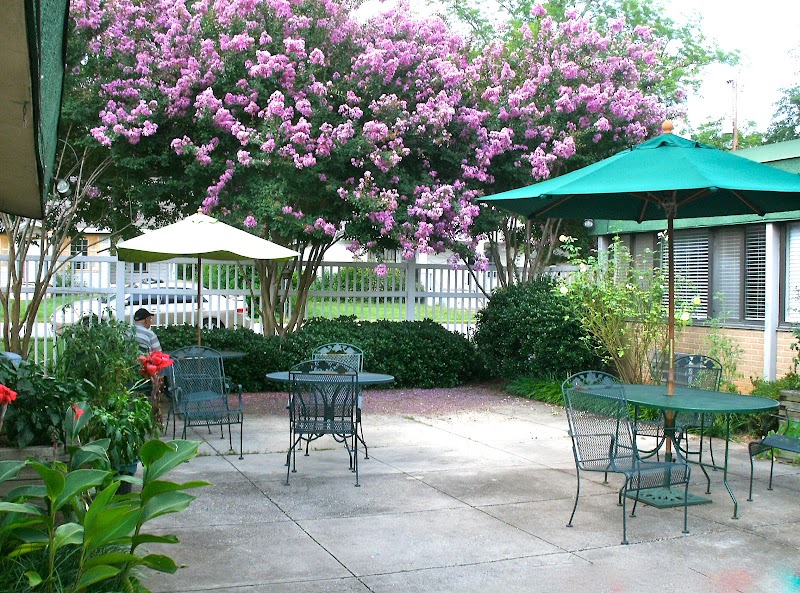
How is Magnolia Manor - Greenville Staffed?
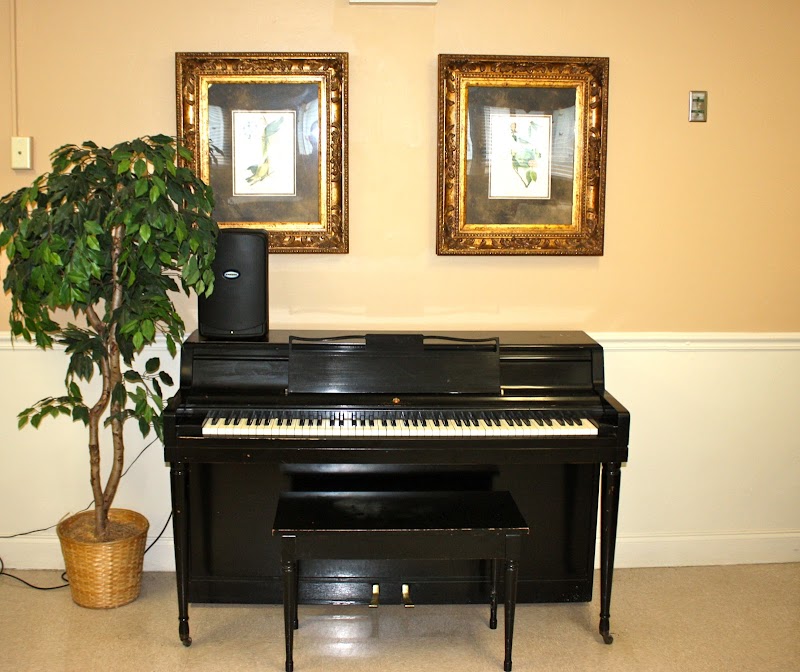
CMS rates Magnolia Manor - Greenville's staffing level at 4 out of 5 stars, which is above average compared to other nursing homes. Staff turnover is 43%, compared to the South Carolina average of 46%. This relatively stable workforce can support continuity of care.

What Have Inspectors Found at Magnolia Manor - Greenville?

State health inspectors documented 11 deficiencies at Magnolia Manor - Greenville during 2022 to 2025. These included: 11 with potential for harm.
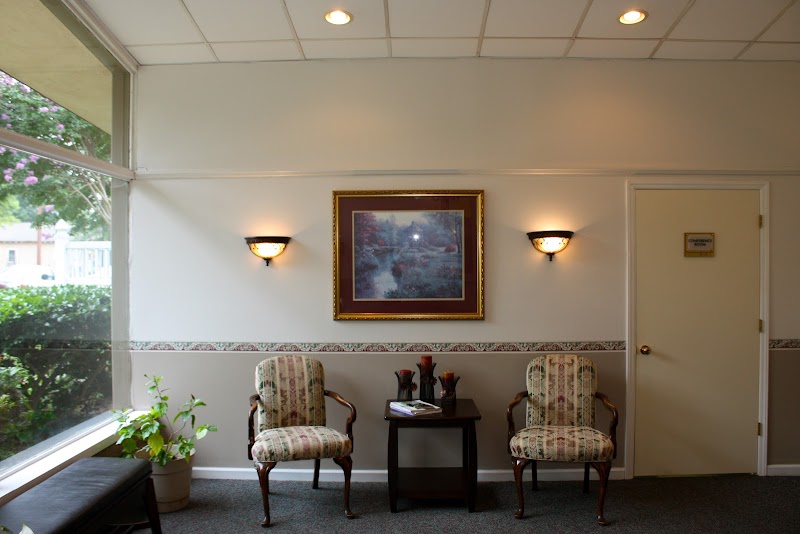
Who Owns and Operates Magnolia Manor - Greenville?

Magnolia Manor - Greenville is owned by a for-profit company. For-profit facilities operate as businesses with obligations to shareholders or private owners. The facility is operated by FUNDAMENTAL HEALTHCARE, a chain that manages multiple nursing homes. With 99 certified beds and approximately 93 residents (about 94% occupancy), it is a smaller facility located in Greenville, South Carolina.

How Does Magnolia Manor - Greenville Compare to Other South Carolina Nursing Homes?

Compared to the 100 nursing homes in South Carolina, Magnolia Manor - Greenville's overall rating (2 stars) is below the state average of 2.8, staff turnover (43%) is near the state average of 46%, and health inspection rating (2 stars) is below the national benchmark.

What Should Families Ask When Visiting Magnolia Manor - Greenville?

Based on this facility's data, families visiting should ask: "Can I visit during a mealtime to observe dining assistance and food quality?" "How do you handle medical emergencies, and what is your hospital transfer rate?" "Can I speak with family members of current residents about their experience?"

Is Magnolia Manor - Greenville Safe?

Based on CMS inspection data, Magnolia Manor - Greenville has a clean safety record: no substantiated abuse findings (meaning no confirmed cases of resident harm), no Immediate Jeopardy citations (the most serious violation level indicating risk of serious injury or death), and is not on the Special Focus Facility watch list (a federal program monitoring the lowest-performing 1% of nursing homes). The facility has a 2-star overall rating and ranks #100 of 100 nursing homes in South Carolina. While no facility is perfect, families should still ask about staff-to-resident ratios and recent inspection results during their visit.

Do Nurses at Magnolia Manor - Greenville Stick Around?

Magnolia Manor - Greenville has a staff turnover rate of 43%, which is about average for South Carolina nursing homes (state average: 46%). Moderate turnover is common in nursing homes, but families should still ask about staff tenure and how the facility maintains care continuity when employees leave.

Was Magnolia Manor - Greenville Ever Fined?

Magnolia Manor - Greenville has been fined $4,271 across 1 penalty action. This is below the South Carolina average of $33,122. While any fine indicates a compliance issue, fines under $50,000 are relatively common and typically reflect isolated problems that were subsequently corrected. Families should ask what specific issues led to these fines and confirm they've been resolved.

Is Magnolia Manor - Greenville on Any Federal Watch List?

Magnolia Manor - Greenville is not on any federal watch list. The most significant is the Special Focus Facility (SFF) program, which identifies the bottom 1% of nursing homes nationally based on persistent, serious quality problems. Not being on this list means the facility has avoided the pattern of deficiencies that triggers enhanced federal oversight. This is a positive indicator, though families should still review the facility's inspection history directly.