NHC Healthcare - Mauldin

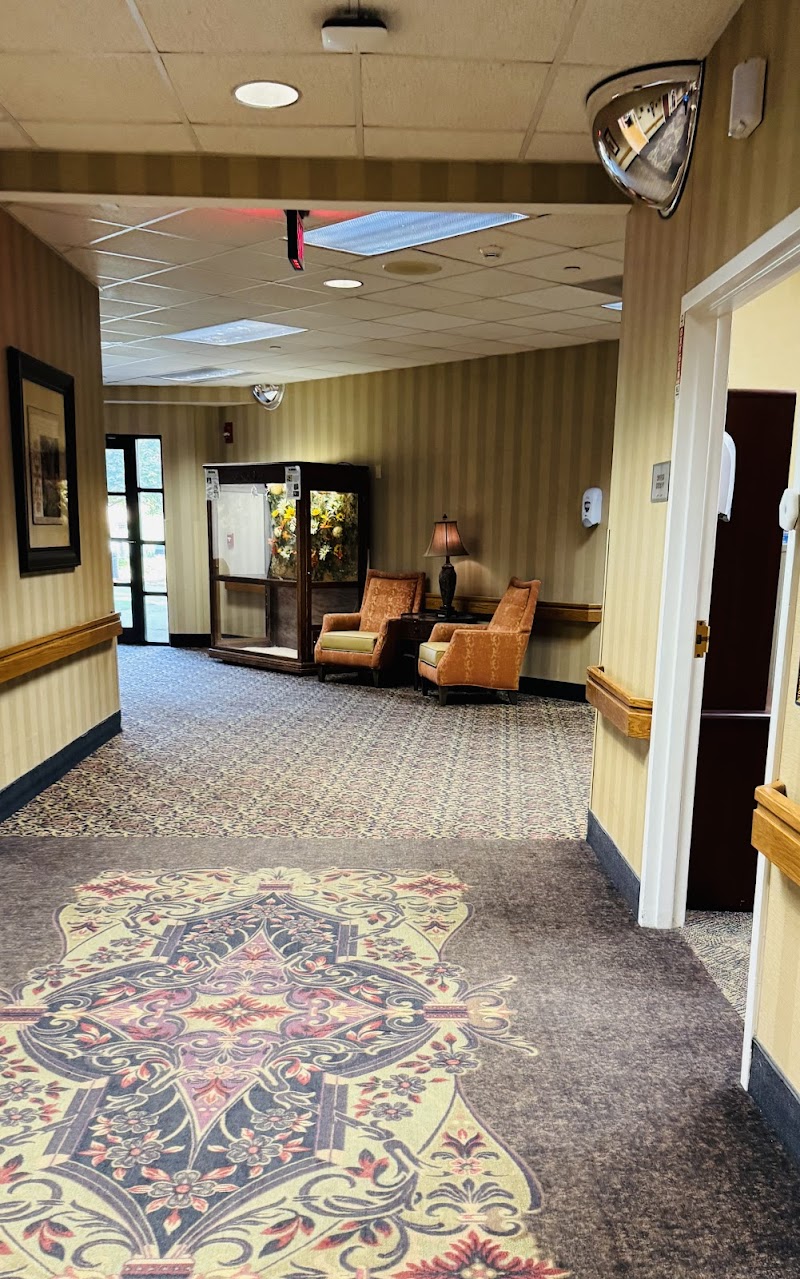
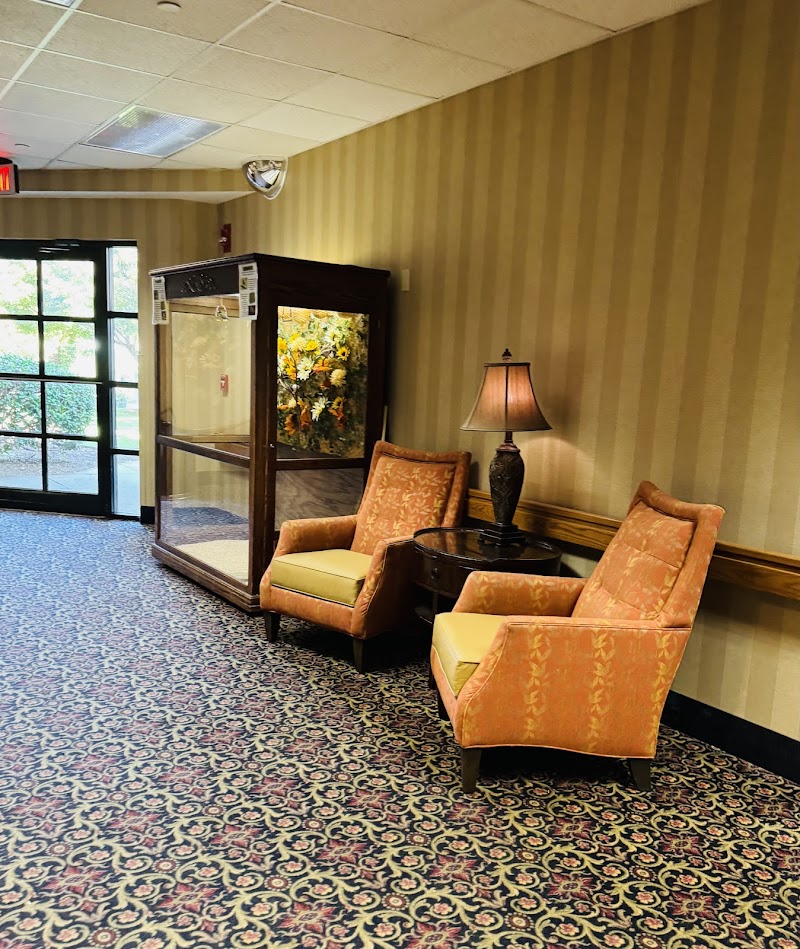
850 E. Butler Rd., Greenville, SC 29607 (864) 675-6421
For profit - Corporation 180 Beds NATIONAL HEALTHCARE CORPORATION Data: November 2025
Trust Grade
58/100
#127 of 186 in SC
Last Inspection: March 2025

Within standard 12-15 month inspection cycle. Federal law requires annual inspections.

Overview

NHC Healthcare - Mauldin has a Trust Grade of C, which means it is average and sits in the middle of the pack among nursing homes. In South Carolina, it ranks #127 out of 186 facilities, placing it in the bottom half, and #14 out of 19 in Greenville County, indicating limited local competition. The facility's trend is worsening, with issues increasing from 3 in 2024 to 5 in 2025. Staffing is a strength, rated 4 out of 5 stars with a turnover rate of 44%, which is slightly below the state average. However, the facility has faced $10,615 in fines, which is concerning and suggests ongoing compliance problems. Notably, there have been incidents such as expired medications found on medication carts and treatment carts, which poses a risk to residents. Additionally, the food storage practices were not up to professional standards, potentially exposing residents to food-borne illnesses. While staffing is good, these issues highlight areas for significant improvement in resident care and safety.
Trust Score
C
58/100
In South Carolina
#127/186
Bottom 32%
Safety Record
Low Risk
No red flags
Inspections
Getting Worse
3 → 5 violations
Staff Stability
○ Average
44% turnover. Near South Carolina's 48% average. Typical for the industry.
Penalties
⚠ Watch
$10,615 in fines. Higher than 78% of South Carolina facilities, suggesting repeated compliance issues.
Skilled Nurses
○ Average
Each resident gets 37 minutes of Registered Nurse (RN) attention daily — about average for South Carolina. RNs are the most trained staff who monitor for health changes.
Violations
○ Average
8 deficiencies on record. Average for a facility this size. Mostly minor or procedural issues.
★★☆☆☆
2.0
Overall Rating
★★★★☆
4.0
Staff Levels
★★★★☆
4.0
Care Quality
★★☆☆☆
2.0
Inspection Score
Stable
2024: 3 issues
2025: 5 issues

The Good

  • 4-Star Staffing Rating · Above-average nurse staffing levels
  • 4-Star Quality Measures · Strong clinical quality outcomes
  • Full Sprinkler Coverage · Fire safety systems throughout facility
  • No fines on record
  • Staff turnover below average (44%)

    4 points below South Carolina average of 48%

Facility shows strength in staffing levels, quality measures, fire safety.

The Bad

2-Star Overall Rating

Below South Carolina average (2.8)

Below average - review inspection findings carefully

Staff Turnover: 44%

Near South Carolina avg (46%)

Typical for the industry

Federal Fines: $10,615

Below median ($33,413)

Minor penalties assessed

Chain: NATIONAL HEALTHCARE CORPORATION

Part of a multi-facility chain

Ask about local staffing decisions and management

The Ugly 8 deficiencies on record

Mar 2025 5 deficiencies
CONCERN (D)

Potential for Harm - no one hurt, but risky conditions existed

Deficiency F0554 (Tag F0554)

Could have caused harm · This affected 1 resident

**NOTE- TERMS IN BRACKETS HAVE BEEN EDITED TO PROTECT CONFIDENTIALITY** Based on observation, interview, record, and policy review, it was determined the facility failed to conduct medication self-adm...

Read full inspector narrative →
**NOTE- TERMS IN BRACKETS HAVE BEEN EDITED TO PROTECT CONFIDENTIALITY** Based on observation, interview, record, and policy review, it was determined the facility failed to conduct medication self-administration assessments and have physician orders for self-administration of medications for one of one resident (Resident (R) 63) reviewed for self-administration of medications out of a total sample of 33. This had the potential to cause harm to R63 through medication administration errors. Findings include: Review of the facility's policy titled, Self-Administration of Medications, revised 02/25/25, revealed, . If a resident desires to self-administer medications, a physician's order should be obtained then an assessment is conducted by a member of the interdisciplinary team of the resident's cognitive (including orientation to time), physical and visual ability to carry out the responsibility. For those residents who self-administer, a member of the interdisciplinary team verifies the resident's ability to self-administer medications by means of a skill assessment on a quarterly basis or if needed when there is a significant change in condition. If the resident demonstrates the ability to self-administer medications, a further assessment of the safety of bedside medication storage is conducted . Review of R63's Face Sheet, located in the Face Sheet tab of the electronic medical record (EMR), revealed R63 was admitted to the facility on [DATE] with diagnoses including but not limited to: chronic respiratory failure with hypoxia, centrilobular emphysema, dependence on supplemental oxygen, long-term current use of inhaled steroids, hypertensive heart and chronic kidney disease, insomnia, and dry eye syndrome of bilateral lacrimal glands. Review of R63'sSelf-Administration of Medication Assessment, dated 09/29/22 and provided by the facility, revealed the resident was appropriate for self-administration of lubricating eye drops as ordered. Review of the clinical record revealed no further medication self-administration assessments. Review of R63's Orders, located under the Orders tab of the EMR, revealed no physician's order for the self-administration of medications. Review of R63's quarterly Minimum Data Set (MDS), with an Assessment Reference Date (ARD) of 02/19/25 and located under the RAI (Resident Assessment Instrument) tab of the EMR, revealed R63 had a Brief Interview for Mental Status (BIMS) score of 15 out of 15, which indicated the resident was cognitively intact. During an observation and interview on 03/05/25 at 9:30 AM, R63 was sitting in a recliner by her bed. The bed had several items on it within the resident's reach. A small rectangular open top box was on the resident's bed and contained medications with pharmacy labels/tags affixed to the outside of the containers. The resident's living space in the room was closest to the room's entry door, and the medications were visible upon entering the room. R63 stated she kept the items on the bed so she could easily reach them. During a follow-up observation on 03/05/25 at 1:50 PM, the medications were still in the rectangular open-top box on R63's bed. The medications observed were: Fluticasone propionate (a steroid medication) nasal spray 50 micrograms (mcg), with an expiration date of August 2026. The preparation was labeled with instructions for two sprays at 9:00AM and 9:00 PM; Mometasone, with a pharmacy label and directions to use three drops to the scalp two times daily as needed, with an expiration date of 03/2026; Major Deep-Sea Saline Spray (used to treat a stuffy nose and dryness inside the nose), dated as opened on 07/25/2024, but with an expiration date of 01/2026; Ocusoft hypochlor 0.02% eyelid wash, with an expiration date, 01/2026; and X [NAME] Nasal Spray (used to alleviate nasal congestion), with an expiration date of 05/20/27. The preparation had a pharmacy label with directions to use two sprays in each nostril three times a day. During an interview on 03/05/2025 at 3:12 PM, Registered Nurse (RN)3 stated the resident self-administered the medications when he cued her to do so. During an observation and interview on 0 3/06/25 at 3:15 PM with Unit Manager (UM) 2, the medications were still in the open-top box on R63's bed. UM2 stated her concern would be that the resident might use more of the medications than prescribed, but that the resident was alert, oriented, and able to make her own decisions. UM2 stated she was unsure if R63 had a current Self-Administration of Medications Assessment on file, but she would look for one. UM2 stated R63 had a recent discussion with her about keeping the Ocusoft Hypochlor Solution at her bedside. She stated R63's eye doctor told her if she did not want to use Ocusoft Hypochlor, she could use baby shampoo to cleanse her eyes. UM2 stated that the resident thought if she could keep baby shampoo in her room, then she should be able to keep the Ocusoft Hypochlor Solution in her room at the bedside. UM2 stated she could not recall exactly when she and the resident had that discussion. UM2 observed R63's medications and stated the Deep-Sea saline spray was dated as being opened on 07/25/24 and was way too old, but the expiration date listed was acceptable. She stated she was not familiar with Mometasone. UM2 stated all the medications observed in the box had been issued by the facility's contracted pharmacy service. During an interview on 03/06/25 at 4:30 PM, UM2 stated R63 had not been assessed for keeping the medications at her bedside within the past 90 days, but she was completing an assessment today. She stated the Director of Nursing (DON) found one Self-Administration of Medication Assessment in R63's clinical record, but it was not current. During an interview on 03/07/25 at 9:53 AM, UM2 stated after observing the medications in R63's room, she contacted the medical provider and obtained authorization for R63 to keep the medications in her room. During an interview on 03/07/25 at 11:15 AM, the DON stated she could not find evidence of routine quarterly Self-Administration of Medication Assessments for R63; only the one dated 09/29/22. She stated UM2 had just completed a current Self-Administration of Medication Assessment for R63 which showed the resident was assessed to be able to self-administer nasal spray, eye drops, topical medications, and eye wash spray. The DON stated R63 should have been reassessed quarterly for her appropriateness to self-administer medications if she was keeping medications at the bedside. The DON stated R63 had a lockable box in her room for medication storage, but she had not been using it. She stated the resident had said it was not convenient to get up and go to the other side of the room and get the medications from the lockable box. The DON stated she was going to re-visit the matter with R63 and would assist her with moving the box closer so she could make use of it for storing her bedside medications.
CONCERN (D)

Potential for Harm - no one hurt, but risky conditions existed

Assessment Accuracy (Tag F0641)

Could have caused harm · This affected 1 resident

**NOTE- TERMS IN BRACKETS HAVE BEEN EDITED TO PROTECT CONFIDENTIALITY** Based on interview, record review, and review of the Resident Assessment Instrument (RAI) manual, the facility failed to ensure ...

Read full inspector narrative →
**NOTE- TERMS IN BRACKETS HAVE BEEN EDITED TO PROTECT CONFIDENTIALITY** Based on interview, record review, and review of the Resident Assessment Instrument (RAI) manual, the facility failed to ensure the Minimum Data Set (MDS) was coded accurately for three of 33 residents (Residents (R) 95, R74, R42) whose clinical records were reviewed. The facility failed to accurately code a quarterly assessment for hospice services for R95 and for therapy services for R42. In addition, the facility failed to accurately code the use of antipsychotic medication for R74. These failures placed the residents at risk of unmet care needs and a diminished quality of life. Findings included. Review of the October 2024 RAI manual, page 1-5 revealed, . An accurate assessment requires collecting information from multiple sources, some of which are mandated by regulations . It is important to note here that information obtained should cover the same observation period as specified by the MDS (minimum data set) items on the assessment, and should be validated for accuracy (what the resident's actual status was during the observation period) by the IDT (interdisciplinary team) completing the assessment . Review of R95's Face Sheet, located in the Face Sheet tab of the electronic medical record (EMR), revealed R95 was admitted to the facility on [DATE] with diagnoses including but not limited to: dementia and malignant neoplasm of the bladder wall. Review of R95's significant change MDS, located in the RAI tab of the EMR and with an Assessment Reference Date (ARD) of 07/10/24, revealed R95 had a Brief Interview of Mental Status (BIMS) score of seven out of 15, which indicated she was severely impaired in cognition. It was recorded R95was receiving hospice services. Review of R95's quarterly MDS, located in the RAI tab of the EMR and with an ARD of 12/26/24, revealed R95 was coded for dialysis and not for hospice services. During an interview on 03/06/25 at 4:26 PM, the Minimum Data Set Coordinator (MDSC) and the Director of Nursing (DON) were asked if R95 was receiving dialysis now instead of hospice services. The DON stated, [R95] has never been on peritoneal or hemodialysis, but she is on hospice. This was an error in coding as it was coded in the wrong place. Review of R74's Face Sheet, located in the Face Sheet tab of the EMR, revealed R74 was admitted to the facility on [DATE] with diagnoses including but not limited to: stroke and bipolar disorder (a disorder associated with episodes of mood swings ranging from depressive lows to manic highs). Review of R74's Physician Orders, located in the Orders tab of the EMR and dated 01/23/25, revealed R74 was to receive aripiprazole, an antipsychotic medication, 10 milligrams (mg) every day. Review of R74's admission MDS, located in the RAI tab of the EMR and with an ARD of 01/29/25, revealed R95 had a BIMS score of nine out of 15, which indicated R95 was moderately impaired in cognition. It was recorded R74 had received an antipsychotic medication daily during the observation period; however, the MDS further recorded that R74 had not received an antipsychotic during the observation period. During an interview on 03/06/25 at 4:19 PM, the MDSC was asked why R95 was coded to have received an antipsychotic in one area and in another area was coded as not having been administered an antipsychotic. The MDSC stated, That was an error in coding. [R95] is receiving an antipsychotic.Review of R42's Resident Face Sheet, located in the Face Sheet tab of the EMR, revealed R42 was admitted to the facility on [DATE] with diagnoses including but not limited to: hypertensive chronic kidney disease, type 2 diabetes mellitus, glaucoma, difficulty walking, lack of coordination, history of falling, and presence of left artificial hip joint. Review of R42's quarterly MDS, with an ARD of 12/16/24 and located under the RAI tab of the EMR, revealed R42 had a BIMS score of 12 out of 15, which indicated the resident was moderately cognitively impaired. It was recorded that R42 did not receive any physical or occupational therapies. During an interview on 03/06/25 at 9:29 AM, R42 stated she received therapy about four times per week and sometimes twice a day. She stated she thought she had been in therapy services since June 2024. The resident stated she received therapy on her right shoulder and that she also rode a stationary bicycle while in therapy. During an interview, on 03/07/25 at 8:46 AM, the Director of Therapy Services revealed R42 was currently on Medicare Part B, in a maintenance program and received services from skilled therapists. She stated the resident received Physical Therapy (PT) two times per week and Occupational Therapy (OT) two times per week. She stated the resident was admitted to the OT maintenance program on 08/09/24 and to the PT maintenance program on 08/15/24. During an interview on 03/07/2025 at 9:17AM, the MDSC stated the therapy department staff was responsible for coding minutes of therapy completed for the resident during the seven-day look-back of each assessment period. She stated MDS staff used a scrubber software program to identify anything that seemed inaccurate, incomplete, or anything that triggered as a concern with sections of the assessment. She stated that if an error was identified, they would contact the department responsible for completing the specific MDS Assessment section and ask them to fix the discrepancy. The MDSC stated they would run the scrubber program again to ensure all sections of the MDS were completed before signing off on the assessment. The MDSC stated on our end, everything pulled through successfully, so the scrubber would not have triggered a discrepancy. During an interview on 03/07/25 at 9:42 AM, the Director of Therapy reviewed R42's therapy notes and stated that she had found that the resident had completed minutes of PT and OT during the MDS assessment look-back period of 12/09/24-12/16/24. She stated the therapy department transitioned to a new data collection system around October-November 2024, and it was possible that R42's minutes in therapy did not pull through as they should have.
CONCERN (D)

Potential for Harm - no one hurt, but risky conditions existed

Safe Environment (Tag F0921)

Could have caused harm · This affected 1 resident

**NOTE- TERMS IN BRACKETS HAVE BEEN EDITED TO PROTECT CONFIDENTIALITY** Based on review of the facility policy, observation and interview, the facility failed to ensure a specialized wheelchair was cl...

Read full inspector narrative →
**NOTE- TERMS IN BRACKETS HAVE BEEN EDITED TO PROTECT CONFIDENTIALITY** Based on review of the facility policy, observation and interview, the facility failed to ensure a specialized wheelchair was clean and sanitary for one of one resident (Resident (R) 131) reviewed for specialized wheelchairs in a total sample of 33. This failure placed the resident at risk for a diminished quality of life and dignity. Findings include: Review of an undated facility policy titled, Noncritical Patient Care Equipment-Cleaning Procedure Summary revealed, . Dedicated equipment-when dedicated to a particular patient during their stay . Frequency . Consistent with cleaning frequency for patient area, and as needed . Person Responsible . Cleaning Partners . Clean and disinfect with a rapid multi surface disinfectant and cleaner or disinfecting wipes . Review of R131's Face Sheet, located in the Face Sheet tab of the electronic medical record (EMR), revealed R131 was admitted to the facility on [DATE] with diagnoses including but not limited to: multi-system degeneration of the autonomic nervous system. Review of R131's significant change Minimum Data Set (MDS), located in the RAI (Resident Assessment Instrument) tab of the EMR and with an Assessment Reference Date (ARD) of 02/19/25, revealed R131 had a Brief Interview of Mental Status (BIMS) score of 9 out of 15, which indicated R131 was moderately impaired in cognition. It was recorded R131 used a wheelchair for mobility. Review of R131's ADL [activity of daily living]/Mobility Care Plan, dated 01/06/25 and located in the RAI tab of the EMR, revealed, . Limited function ADLs and mobility due to impaired mobility and debility . Approaches included the use of a specialty chair as needed for comfort and positioning. During a family interview on 03/05/25 at 11:32 AM, Family Member (FM)1 was asked if R131's needs were being accommodated by the facility. FM1 stated, Yes, however, there is food all down in the wheelchair, and there is hair on the wheels. The wheelchair has been like this since she first was provided with the specialized chair, and it's still here today. During an observation on 03/06/25 at 9:27 AM, R131's Broda chair (specialized wheelchair) was observed to have a large amount of dried debris from the front to the back on each side of the seat cushion. In addition, the two small wheels in the back of the chair had blonde hair wrapped around the inner portion of wheels and was heavy enough to be sticking out of the wheel attachments. R131 did not have blonde hair. During an interview on 03/06/25 at 9:28 AM, Unit Manager (UM1) was asked when wheelchairs were cleaned and by whom. UM1 stated, [R131]'s chair is to be cleaned on the night shift, by the CNA [certified nurse aide] every Tuesday. UM1 was shown R131's Broda chair and was asked if the chair was clean and sanitary. UM1 confirmed that it was not clean and sanitary. During an interview on 03/07/25 at 12:22 PM, the Administrator confirmed that resident care equipment should be cleaned.
CONCERN (E)

Potential for Harm - no one hurt, but risky conditions existed

Menu Adequacy (Tag F0803)

Could have caused harm · This affected multiple residents

Based on observation, interview, and review of facility menus and meal cards, the facility failed to follow menus for seven of 167 residents (Resident (R) 145, R13, R29, R80, R135, R149, and R67) whos...

Read full inspector narrative →
Based on observation, interview, and review of facility menus and meal cards, the facility failed to follow menus for seven of 167 residents (Resident (R) 145, R13, R29, R80, R135, R149, and R67) whose meal service was observed. This failure had the potential to cause increased blood sugar levels and/or affect the residents' cardiac status. Findings include: 1. Review of the facility's menu for the noon meal on 03/06/25, provided by the facility, revealed residents with diet orders of a consistent carbohydrate diet were to receive one half-piece of frosted peanut butter sheet cake for dessert. During an observation on 03/06/25 at 11:52 AM, R145's meal card was noted to read the resident was to receive a consistent carbohydrate diet. R145 was observed to receive one whole piece of frosted peanut butter sheet cake. During an observation on 03/06/25 at 12:25 PM, R13's meal card was noted to read the resident was to receive a consistent carbohydrate diet. R13 was observed to receive one whole piece of frosted peanut butter sheet cake. During an observation on 03/06/25 at 12:45 PM, R29's meal card was noted to read the resident was to receive a consistent carbohydrate diet. R29 was observed to receive one whole piece of frosted peanut butter sheet cake. 2. Review of the facility's menu for the noon meal on 03/06/25, provided by the facility, revealed residents with diet orders for a heart-healthy diet were to receive baked okra. During an observation on 03/06/25 at 12:08 PM, R80's diet card read the resident was to receive a heart-healthy diet. It was noted that the resident received fried okra instead of baked okra. During an observation on 03/06/25 at 12:18 PM, R135's diet card read the resident was to receive a heart-healthy diet. It was noted that the resident received fried okra instead of baked okra. During an observation on 03/06/25 at 12:21 PM, R149's diet card read the resident was to receive a heart-healthy diet. It was noted that the resident received fried okra instead of baked okra. During an observation on 03/06/25 at 12:52 PM, R67's diet card read the resident was to receive a heart-healthy diet. It was noted that the resident received fried okra instead of baked okra. During an interview on 03/06/26 at 12:25 PM, Food Service Director (FSD) 1 revealed that staff did not serve or prepare baked okra for the noon meal. FSD1 stated the diet listed on the meal card was what the resident was served. FSD1 confirmed staff did not separate and serve half pieces of frosted peanut butter sheet cake on the tray line. During an Interview on 03/06/25 at 12:30 PM, [NAME] 4 stated she did not prepare or serve the baked okra as indicated on the menu and menu/diet cards. She stated she had forgotten to prepare and serve the item. During an Interview on 03/06/25 at 1:30 PM, [NAME] 1 stated she cut the cake after baking it. She stated that while she cut all the pieces into regular sections, some were smaller than others. She stated she did not separate the smaller servings. [NAME] 1 confirmed staff were randomly selecting the cake and placing it on the tray line without separating pieces for the Consistent Carbohydrate diets. During an interview on 03/07/25 at 8:30 AM, the Registered Dietician (RD) confirmed she approved and was involved with developing the menu. She stated the menu included baked okra, a heart-healthy option that should have been served, along with a half-size portion of frosted peanut butter sheet cake.
CONCERN (F)

Potential for Harm - no one hurt, but risky conditions existed

Food Safety (Tag F0812)

Could have caused harm · This affected most or all residents

Based on review of facility policy, observation and interview, the facility failed to store, prepare and distribute food under professional standards of food safety. This had the potential to affect 1...

Read full inspector narrative →
Based on review of facility policy, observation and interview, the facility failed to store, prepare and distribute food under professional standards of food safety. This had the potential to affect 167 of 167 residents who resided at the facility and increased the risk of food-borne illnesses. Findings include: Review of the facility's policy titled, Safety & Sanitation Best Practice Guidelines, under the subtitle Sanitation, Manual Warewashing, dated 11/2017 revealed, on item b A chemical sanitizing solution at the proper concentration and at the correct temperature for the sanitizer used. The policy goes onto to state (see chemical sanitizing on page C28-C29). These policy/pages were not available to the surveyor during the survey. Review of the facility's policy titled, Safety & Sanitation Best Practice Guidelines, dated 11/2017, revealed no process for loading and unloading the dishwasher and only referenced to the state food code for further instruction. Observations on 03/06/25 at 8:30 AM with Food Service Director (FSD)1 revealed [NAME] 2 washing dishes in the three-compartment sink in the main kitchen. The wash reservoir was to her far right, the rinse was in the center, and the slightly red solution/water or sanitizing solution was to the far left. A 2000 ML pitcher (half gallon) pitcher was standing in the sanitizing solution, with its top third above the waterline. The pitcher had been used to mix puree foods that were served at breakfast earlier. FSD1 confirmed the pitcher lacked proper sanitization. FSD1 immediately submerged the pitcher and left it there after questioning. Further Observations on 03/06/25 at 9:10 AM,revealed Cook2 in the same location, washing, rinsing, and sanitizing dishes. A one-gallon pitcher was observed in the sanitizing solution, with one-third of the pitcher above the sanitizing solution water line and not properly sanitized. Cook2 confirmed that neither pitcher had been submerged in the sanitizing solution. Cook2 stated that the items should remain in the sanitizing solution for three to five minutes. FSD1 submerged the pitcher in the sanitizing solution. He then explained to the surveyor that Cook2 was new. He later told Cook2 that sanitizing requires complete submersion of all items for proper sanitization. Observation on 03/06/25 at 11:10 AM through 11:30 AM revealed Cook1 washing dishes at the dish machine in the main kitchen with a scrubbing device by hand and wearing gloves, putting the rack of scrubbed dishes into the dishwasher, running the dishwasher and removing the dishes from the washer by placing her dirty gloved hands onto the clean dishes. Cook1 was noted to do this four times during this period, with four racks of dishes. The racks of dishes contained two cookie sheets in separate racks, an assortment of utensils and lid, and the plastic container and blades of the Robot Coupe used to process pureed and chopped foods. Each time, Cook1 placed dirty gloved hands on the clean objects as she moved them from the dishwasher to the clean side of the dishwasher. During an interview on 03/06/25 at 11:45 AM, FSD1 stated she knows better and was not sure what happened. Cook1 confirmed she had touched clean dishes with soiled gloves and stated she had a lot of different jobs to do in the kitchen and she was in a hurry to clean the items.
Feb 2024 3 deficiencies
CONCERN (D)

Potential for Harm - no one hurt, but risky conditions existed

Infection Control (Tag F0880)

Could have caused harm · This affected 1 resident

**NOTE- TERMS IN BRACKETS HAVE BEEN EDITED TO PROTECT CONFIDENTIALITY** Review of the facility policy titled Handwashing, revised 02/2010, revealed, Purpose: Medical asepsis to control infection, To r...

Read full inspector narrative →
**NOTE- TERMS IN BRACKETS HAVE BEEN EDITED TO PROTECT CONFIDENTIALITY** Review of the facility policy titled Handwashing, revised 02/2010, revealed, Purpose: Medical asepsis to control infection, To reduce transmission of organisms from resident to resident. General instructions: [NAME] hand-washing techniques must be followed at all times. During an observation on 01/29/24 at 5:15 PM, Certified Nursing Assistant (CNA)1 was assisting R59 with her meal, in the 200 hall dining room. CNA1 gave R59 a bite of food, then touched her face mask and proceeded to pick up the spoon and continue to feed the resident without sanitizing her hands. CNA1 than covered the resident's plate with the plate warmer lid without sanitizing her hands. CNA1 than transferred the resident's straw from one cup to another and proceeded to give R59 a drink from the straw. During an interview on 01/29/24 at approximately 5:30 PM, CNA1 stated that she should have washed her hands before and after feeding the residents. CNA1 further stated CNAs should wash their hands after touching the face mask and when touching a straw, they should clean their hands before or use a napkin. During an interview on 01/31/24 at 11:06 AM, the Infection Control Nurse (ICN) stated that the protocol is for staff to use hand sanitizer before and after feeding. The ICN explained that they encourage staff to not touch anything while feeding residents, but If staff touches their face mask the expectation is for them the sanitize their hands before they go back to feeding the resident. During an interview on 01/31/24 at 1:25 PM, the Director of Nursing (DON) stated that the protocol and her expectation is for staff to clean their hands with hand sanitizer before passing trays, and feeding residents. The DON stated that staff should sanitize their hands if they get soiled and if staff touch their face masks they should stop feeding and sanitize their hands before continuing. All staff receive training on hand washing during orientation, annually, and as needed. Based on observations, interviews, record reviews, review of facility policy and review of manufacturer's guidelines, the facility failed to clean and disinfect a blood glucose meter per device and manufacturer's instructions before and after use for 1 of 1 resident, Resident (R)146. Additionally, the facility failed to ensure that its staff demonstrated proper hand hygiene while assisting a resident during meal time. Findings include: Review of the facility's policy titled, Blood Glucose Monitoring Technique revised 11/13/18, revealed, 15. Clean glucometer with alcohol wipe and place on barrier to air dry. 18. Place clean meter into storage box and return the storage box to the drawer or closet. Review of the Manufacturer's Guidelines titled, Cleaning and Disinfecting the Assure® Prism multi-Blood Glucose Monitoring System (BGMS) revised September 2019, revealed, The meter will be cleaned and disinfected after use on each patient. Review of R146's Medication Administration Record (MAR) dated 01/31/24 revealed orders for Insulin Lispro (a fast-acting blood sugar lowering medication) 100 unit/milliliters; per sliding scale, if blood sugar is 250 to 450 give 2 units. If blood sugar is greater than 450, give 4 units. Subcutaneous. During an observation on 01/31/24 at 8:08 AM revealed Registered Nurse (RN)5 removing the BGMS (which was intended for use only by the resident) from R146's nightstand, RN5 proceeded to insert a test strip into the BGMS, then pricked R146's finger and collected her blood to check her blood sugar. RN5 then removed the used test strip and placed the BGMS back into the nightstand of R146. No cleaning or disinfection of the BGMS was observed. During an interview with the Director of Nursing (DON) on 01/31/24 at 2:04 PM, the DON states that it is her expectations that nursing staff are to follow policies and procedures as written when providing care for residents.
CONCERN (F)

Potential for Harm - no one hurt, but risky conditions existed

Deficiency F0761 (Tag F0761)

Could have caused harm · This affected most or all residents

Based on review of the facility policy, observations and interviews, the facility failed to ensure the removal of expired supplies from 3 of 6 medications carts, 1 of 1 treatment cart and 1 of 2 stora...

Read full inspector narrative →
Based on review of the facility policy, observations and interviews, the facility failed to ensure the removal of expired supplies from 3 of 6 medications carts, 1 of 1 treatment cart and 1 of 2 storage rooms. Findings include: Review of the facility's policy titled, Medication Storage in The Facility revised January 2019, revealed, Outdated, contaminated, or deteriorated medications and those in containers that are cracked, soiled, or without secure closures are immediately removed from stock and returned to pharmacy if appropriate or disposed of on the units. During an observation on 01/31/24 at 11:44 AM of the Medication Cart #3 on Unit 3 revealed: 1 expired BinaxNOW COVID test kit with expiration date of 06/07/23. During an observation on 01/31/24 at 11:50 AM of the Treatment Cart on Unit 3 revealed: 2 boxes of Sureprep Rapid Dry No Sting - Barrier wipes with an expiration date of July 2023, 1 package of Calcium Alginate dressing with an expiration date of 06/28/23, 1 Telfa Non-Adherent dressing with an expiration date of October 2023 and 1 opened package of sterile gauze. During an observation on 01/31/24 at 12:05 PM of the Medication Storage Room on Unit 2 revealed: 7 boxes of BinaxNOW COVID test with an expiration date of 06/07/23. During an observation on 01/31/24 at 12:50 PM of Medication Cart #A on Unit 2 revealed: 1 opened and used vial of single use Sterile Water with an open date of 01/30/24. During an interview on 01/31/24 at 12:55 PM, LPN2 stated that she did not know she could not keep it because the bottle was labeled and thought it could be multi-use, LPN2 then properly disposed of vial. During ab observation on 01/31/24 at 1:25 PM of Medications Cart #1 on Unit 1 revealed: 1 package of PDI Lubricating Jelly with an expiration date of 01/01/24. During an interview on 01/31/24 at 12:31 PM, Licensed Practical Nurse (LPN)4 stated that it is the responsibility of the unit manager and central supply to check and discard any expired supplies/medications. During an interview on 01/31/24 at 2:04 PM, the Director of Nursing (DON) stated that it is her expectations that expired medications/supplies be removed and discarded.
CONCERN (F)

Potential for Harm - no one hurt, but risky conditions existed

Food Safety (Tag F0812)

Could have caused harm · This affected most or all residents

Based on observations, interviews, and review of the facility policy, the facility failed to ensure foods that are stored in the freezer and 2 of 3 unit refrigerators were labeled, dated with a use by...

Read full inspector narrative →
Based on observations, interviews, and review of the facility policy, the facility failed to ensure foods that are stored in the freezer and 2 of 3 unit refrigerators were labeled, dated with a use by date and/or discarded after the manufacturer's expiration date. Findings include: Review of the facility's policy titled, Safety and Sanitation Best Practices Guidelines-Refrigerator and Freezer storage, dated 11/2017 indicated: 9a. Foods will be stored in their original container, or an NSF approved container or wrapped tightly in moisture-proof film, foil, etc. Clearly labeled with the contents and the use by date. (Food Code 3-501.17). During an observation and interview on 01/29/23 at 12:03 PM, of the kitchen freezer revealed: a 32 ounce (oz) bag of [NAME] Shrimp unlabeled without a use by date and a 7 pound (lbs) bag of Cold-Water Shrimp unlabeled without a use by date. The Dietary Manager (DM) acknowledged the shrimp were not in their original package and did not have a use by date. Further observation of the freezer revealed: a bag of whole cranberries dated 2017. The Dietary Manager Assistant (DMA) acknowledged the date on the packaging had expired. Further observation in the freezer revealed: a brown box of Churro Donuts dated with manufacturer's expiration date 07/03/23, a container of Wisconsin Style Cheese unlabeled without a use by date, a bag of English muffins unlabeled with expiration date or use by date, a roll of pureed Travisco sausage unlabeled without a use by date, three bags of crushed crackers unlabeled without a manufacturer's expiration date. The DM and DMA discarded the items that were unlabeled and without a use by date. During an observation on 01/30/24 at 10:14 AM, the Unit 100 resident refrigerator revealed: a 14 gram container of cottage cheese unlabeled, an 8 oz container of cream cheese unlabeled, and a 15 oz Lays ranch dip with a use by date of 2023. During an observation on 01/30/24 at 10:24 AM, the Unit 200 resident refrigerator revealed: two 7.5 oz Cokes unlabeled; three 12 oz diet cokes unlabeled, one pint of Blue Bell Dr. Pepper ice cream and one pint oatmeal creme pie ice cream (both) with an expired manufacturer's date, and a brown liquid spill in the refrigerator. During an interview on 01/30/24 at 10:21 AM, Registered Nurse (RN)1 (Unit 100) acknowledged the unlabeled items and removed them from the refrigerator. RN1 stated the procedure for items brought in by family is for staff to receive the items and label/date them prior to placing them in refrigerator. During an interview on 01/30/24 at 10:37 AM, RN2 (Unit 200) acknowledged the expired items and the brown liquid spill in refrigerator. RN2 stated she would clean the spill up and continued that she did not know the refrigerator and freezer storage policy. During an interview on 02/01/24 at 11:44 AM, the Administrator stated his expectations of staff when it comes to food storage, is to follow policy.
Understanding Severity Codes (click to expand)
Life-Threatening (Immediate Jeopardy)
J - Isolated K - Pattern L - Widespread
Actual Harm
G - Isolated H - Pattern I - Widespread
Potential for Harm
D - Isolated E - Pattern F - Widespread
No Harm (Minor)
A - Isolated B - Pattern C - Widespread

Questions to Ask on Your Visit

  • "Can I speak with families of current residents?"
  • "What's your RN coverage like on weekends and overnight?"

Our Honest Assessment

Strengths
  • • No major safety red flags. No abuse findings, life-threatening violations, or SFF status.
  • • 44% turnover. Below South Carolina's 48% average. Good staff retention means consistent care.
Concerns
  • • $10,615 in fines. Above average for South Carolina. Some compliance problems on record.
  • • Grade C (58/100). Below average facility with significant concerns.
Bottom line: Mixed indicators with Trust Score of 58/100. Visit in person and ask pointed questions.

About This Facility

What is Nhc Healthcare - Mauldin's CMS Rating?

CMS assigns NHC Healthcare - Mauldin an overall rating of 2 out of 5 stars, which is considered below average nationally. Within South Carolina, this rating places the facility higher than 0% of the state's 100 nursing homes. A rating at this level reflects concerns identified through health inspections, staffing assessments, or quality measures that families should carefully consider.
How is Nhc Healthcare - Mauldin Staffed?

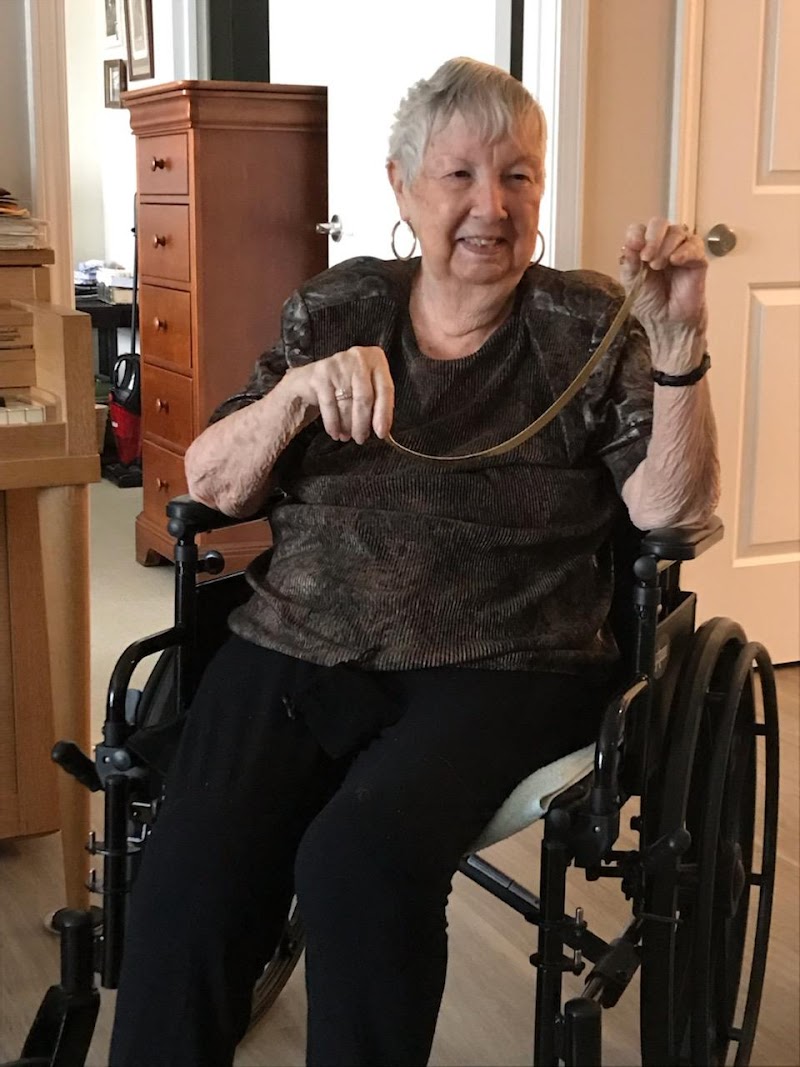
CMS rates NHC Healthcare - Mauldin's staffing level at 4 out of 5 stars, which is above average compared to other nursing homes. Staff turnover is 44%, compared to the South Carolina average of 46%. This relatively stable workforce can support continuity of care.

What Have Inspectors Found at Nhc Healthcare - Mauldin?

State health inspectors documented 8 deficiencies at NHC Healthcare - Mauldin during 2024 to 2025. These included: 8 with potential for harm.
Who Owns and Operates Nhc Healthcare - Mauldin?

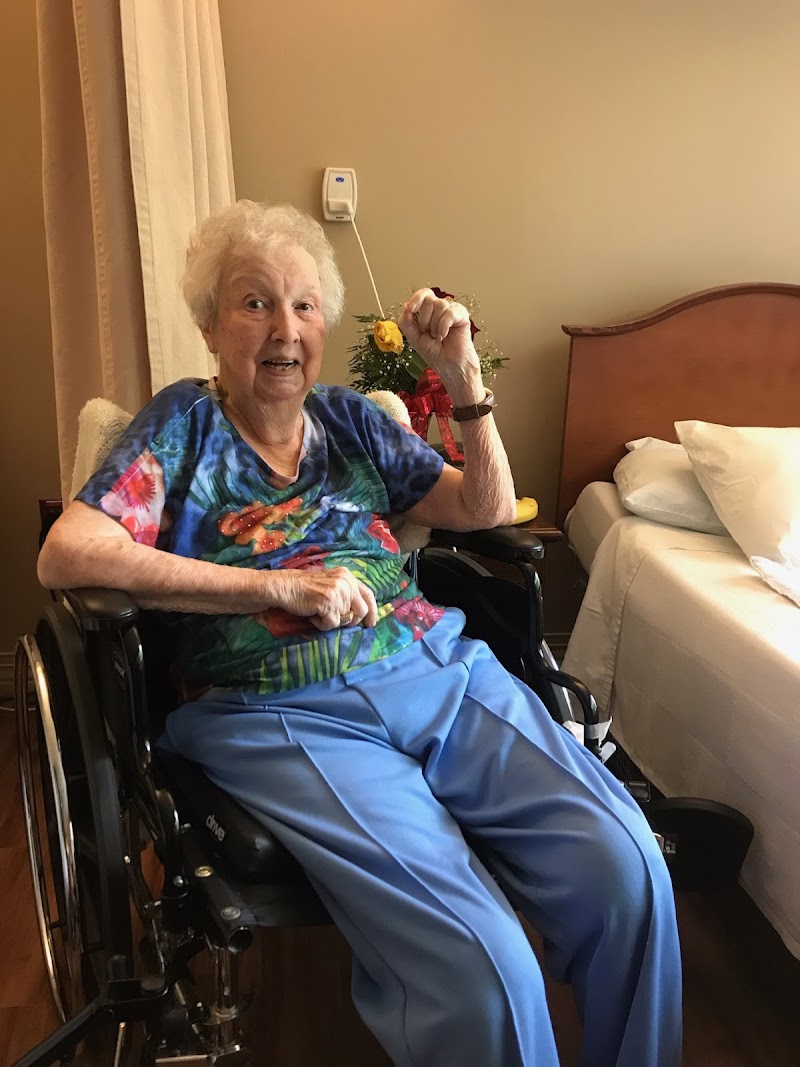
NHC Healthcare - Mauldin is owned by a for-profit company. For-profit facilities operate as businesses with obligations to shareholders or private owners. The facility is operated by NATIONAL HEALTHCARE CORPORATION, a chain that manages multiple nursing homes. With 180 certified beds and approximately 167 residents (about 93% occupancy), it is a mid-sized facility located in Greenville, South Carolina.

How Does Nhc Healthcare - Mauldin Compare to Other South Carolina Nursing Homes?

Compared to the 100 nursing homes in South Carolina, NHC Healthcare - Mauldin's overall rating (2 stars) is below the state average of 2.8, staff turnover (44%) is near the state average of 46%, and health inspection rating (2 stars) is below the national benchmark.

What Should Families Ask When Visiting Nhc Healthcare - Mauldin?

Based on this facility's data, families visiting should ask: "Can I visit during a mealtime to observe dining assistance and food quality?" "How do you handle medical emergencies, and what is your hospital transfer rate?" "Can I speak with family members of current residents about their experience?"

Is Nhc Healthcare - Mauldin Safe?

Based on CMS inspection data, NHC Healthcare - Mauldin has a clean safety record: no substantiated abuse findings (meaning no confirmed cases of resident harm), no Immediate Jeopardy citations (the most serious violation level indicating risk of serious injury or death), and is not on the Special Focus Facility watch list (a federal program monitoring the lowest-performing 1% of nursing homes). The facility has a 2-star overall rating and ranks #100 of 100 nursing homes in South Carolina. While no facility is perfect, families should still ask about staff-to-resident ratios and recent inspection results during their visit.

Do Nurses at Nhc Healthcare - Mauldin Stick Around?

NHC Healthcare - Mauldin has a staff turnover rate of 44%, which is about average for South Carolina nursing homes (state average: 46%). Moderate turnover is common in nursing homes, but families should still ask about staff tenure and how the facility maintains care continuity when employees leave.

Was Nhc Healthcare - Mauldin Ever Fined?

NHC Healthcare - Mauldin has been fined $10,615 across 1 penalty action. This is below the South Carolina average of $33,185. While any fine indicates a compliance issue, fines under $50,000 are relatively common and typically reflect isolated problems that were subsequently corrected. Families should ask what specific issues led to these fines and confirm they've been resolved.

Is Nhc Healthcare - Mauldin on Any Federal Watch List?

NHC Healthcare - Mauldin is not on any federal watch list. The most significant is the Special Focus Facility (SFF) program, which identifies the bottom 1% of nursing homes nationally based on persistent, serious quality problems. Not being on this list means the facility has avoided the pattern of deficiencies that triggers enhanced federal oversight. This is a positive indicator, though families should still review the facility's inspection history directly.