Promedica Skilled Nursing And Reh- Greenville West
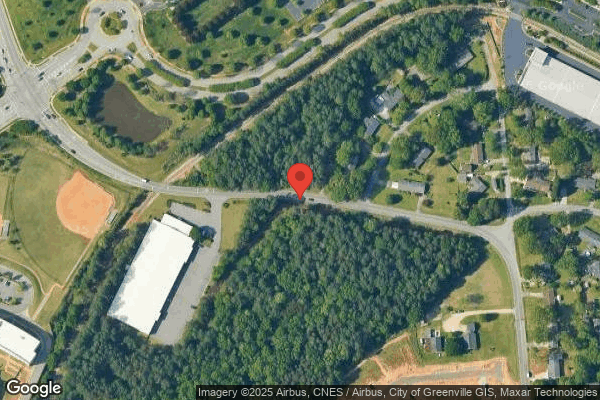

600 Sulphur Springs Road, Greenville, SC 29611 (864) 246-2721
For profit - Limited Liability company 88 Beds PACS GROUP Data: November 2025 1 Immediate Jeopardy citation
Trust Grade
56/100
#91 of 186 in SC
Last Inspection: October 2024

Within standard 12-15 month inspection cycle. Federal law requires annual inspections.

Overview

Promedica Skilled Nursing and Rehabilitation - Greenville West has a Trust Grade of C, which means it is average and sits in the middle of the pack compared to other nursing homes. It ranks #91 out of 186 facilities in South Carolina, placing it in the top half of state facilities, but at #10 out of 19 in Greenville County, only one local option is better. The facility is worsening, with issues increasing from 2 in 2023 to 4 in 2024. Staffing is rated 2 out of 5 stars, which is below average, and has a turnover rate of 47%, similar to the state average. Notably, the facility has been fined $9,318, which is average but indicates some compliance issues. Recent inspections highlighted serious concerns, including a lack of emergency tracheostomy supplies for residents who needed them, which could lead to life-threatening situations. Additionally, there were issues with food safety and medication storage, where food was not properly labeled and medications were not secured correctly. While the facility does have some strengths, like a quality measure rating of 5 out of 5 stars, these incidents raise significant concerns about the safety and well-being of residents.

Trust Score
C
56/100
In South Carolina
#91/186
Top 48%
Safety Record
High Risk
Review needed
Inspections
Getting Worse
2 → 4 violations
Staff Stability
⚠ Watch
47% turnover. Above average. Higher turnover means staff may not know residents' routines.
Penalties
○ Average
$9,318 in fines. Higher than 59% of South Carolina facilities. Some compliance issues.
Skilled Nurses
⚠ Watch
Each resident gets only 26 minutes of Registered Nurse (RN) attention daily — below average for South Carolina. Fewer RN minutes means fewer trained eyes watching for problems.
Violations
○ Average
6 deficiencies on record. Average for a facility this size. Mostly minor or procedural issues.
★★★☆☆
3.0
Overall Rating
★★☆☆☆
2.0
Staff Levels
★★★★★
5.0
Care Quality
★★☆☆☆
2.0
Inspection Score
Stable
2023: 2 issues
2024: 4 issues

The Good

  • 5-Star Quality Measures · Strong clinical quality outcomes
  • Full Sprinkler Coverage · Fire safety systems throughout facility
  • No fines on record

Facility shows strength in quality measures, fire safety.

The Bad

3-Star Overall Rating

Near South Carolina average (2.8)

Meets federal standards, typical of most facilities

Staff Turnover: 47%

Near South Carolina avg (46%)

Higher turnover may affect care consistency

Federal Fines: $9,318

Below median ($33,413)

Minor penalties assessed

Chain: PACS GROUP

Part of a multi-facility chain

Ask about local staffing decisions and management

The Ugly 6 deficiencies on record

1 life-threatening
Oct 2024 4 deficiencies
CONCERN (D)

Potential for Harm - no one hurt, but risky conditions existed

Comprehensive Care Plan (Tag F0656)

Could have caused harm · This affected 1 resident

**NOTE- TERMS IN BRACKETS HAVE BEEN EDITED TO PROTECT CONFIDENTIALITY** Based on review of facility policy, record review, observation and interview, the facility failed to develop and implement Resid...

Read full inspector narrative →
**NOTE- TERMS IN BRACKETS HAVE BEEN EDITED TO PROTECT CONFIDENTIALITY** Based on review of facility policy, record review, observation and interview, the facility failed to develop and implement Resident (R)71's Comprehensive Care Plan, to include the usage of a Continuous Positive Airway Pressure (CPAP) machine for treatment of obstructive sleep apnea. Findings include: Review of the facility policy titled Care Planning with a revised date of 03/2022, states, 1. Resident care plans are developed according to the timeframes and criteria established by 483.21. The facility must develop and implement a baseline care plan for each resident that includes the instructions needed to provide effective and person-centered care of the resident that meet professional standards of quality care. The facility must develop and implement a comprehensive person-centered care plan for each resident, consistent with the resident rights set forth at § 483.10(c)(2) and § 483.10(c)(3), that includes measurable objectives and timeframes to meet a resident's medical, nursing, and mental and psychosocial needs that are identified in the comprehensive assessment. Comprehensive, person-centered care plans are based on resident assessments and developed by an interdisciplinary team. Review of R71's Face Sheet revealed R71 was admitted to the facility on [DATE], with diagnoses including, but not limited to: obstructive sleep apnea, hypertension, iron deficiency, neoplasm rectum, neoplasm of prostate, morbid obesity, pulmonary nodule, tobacco use (smoker), and type 2 diabetes mellitus without complications. Review of R71's Quarterly Minimum Data Set (MDS) with an Assessment Reference Date (ARD) of 08/07/24, revealed R71 had a Brief Interview for Mental Status (BIMS) score of 15 out of 15, indicating R71 was cognitively intact. Further review of the MDS revealed R71 did not exhibit signs of rejecting care. Review of R71's Physician Orders revealed R71 had no order for Continuous Positive Airway Pressure (CPAP) treatment. Review of R71's Care Plan revealed no care plan to instruct staff how to provide effective and person-centered care of the resident, regarding CPAP treatment. During an observation and interview on 10/21/24 at 1:04 PM, revealed R71 had a CPAP machine on the nightstand with a gallon of distilled water next to the CPAP machine. R71 stated he used the CPAP machine last night. During an observation and interview on 10/22/24 at 9:05 AM, revealed R71 had a CPAP machine on the nightstand, with the CPAP mask behind the nightstand. R71 stated he used the machine until 4:30 AM, because it ran out of distilled water. During an interview on 10/23/24 at 9:10 AM, the Unit Manager revealed that R71's CPAP machine showed up to the facility and she had no orders. The Unit Manager stated the resident will be care planned to reflect the treatment. During an interview on 10/24/24 at 9:22 AM, the Director of Nursing (DON) revealed that she spoke about R71's CPAP machine being at the facility with no instructions for two days. R71 went to the physician and there were no orders for the CPAP machine. The DON further stated, The patient had went to the front and got the device himself, I'm assuming. The distilled water came from the nurses. The DON concluded, I expect my nurses to follow physician orders. The CPAP machine should not have been in his room until we got the order. The proper orders would have been in, and the equipment would have been stored properly and proper documentation. We review orders in the morning with MDS, treatments are expected to be care planned. During an interview on 10/24/24 at 10:21 AM, the Operations Manager revealed that staff are to follow process and procedures to ensure that it has an order and appropriately care planned.
CONCERN (D)

Potential for Harm - no one hurt, but risky conditions existed

Deficiency F0806 (Tag F0806)

Could have caused harm · This affected 1 resident

**NOTE- TERMS IN BRACKETS HAVE BEEN EDITED TO PROTECT CONFIDENTIALITY** Based on review of facility policy, observations, record review, and interviews, the facility failed to ensure Resident (R)56 wa...

Read full inspector narrative →
**NOTE- TERMS IN BRACKETS HAVE BEEN EDITED TO PROTECT CONFIDENTIALITY** Based on review of facility policy, observations, record review, and interviews, the facility failed to ensure Resident (R)56 was not served food based on allergies/preference, for 1 of 24 residents reviewed. Findings include: Review of the facility's policy titled Nutrition Assessment dated 2001, revealed, Policy Statement: As part of the comprehensive assessment, a nutritional assessment, including current nutritional status and risk factors for impaired nutrition, shall be conducted for each resident. Policy Interpretation and Implementation: 1. The dietitian, in conjunction with the nursing staff and healthcare practitioners, will conduct a nutritional assessment for each resident upon admission (within current baseline assessment timeframes) and as indicated by a change in condition that places the resident at risk for impaired nutrition. 3. (a. 11) Food restrictions, including food allergies and cultural or religious practices affecting food choices; and . Review of R56's Face Sheet revealed R56 was admitted to the facility on [DATE], with diagnoses including but not limited to: end stage renal disease, type two (2) diabetes mellitus with diabetic chronic kidney disease, dependence on renal dialysis, peripheral vascular disease unspecified, and acquired absence of left leg below knee. Review of R56's admission Minimum Data Set (MDS) with an Assessment Reference Date (ARD) of 09/21/24, revealed a Brief Interview for Mental Status (BIMS) score of 15 out of 15, indicating R56's cognition is intact. Review of R56's Meal Ticket for 10/22/24, revealed Allergies: Eggs and Notes: NO EGGS. Review of R56's Care Plan with a start date of 09/18/24, documented, Problem, Allergy: Risk for allergic reaction due to Ibuprofen, Onion, Bactrim, Egg-derived Products. Documented goal, Will remain free from signs or symptoms of allergic reaction. Documented approach, Monitor for signs/symptoms of allergic reaction such as rash, hives, itching and notify physician promptly if reaction occurs. During an interview on 10/21/24 at 2:24 PM, R56 stated in reference to the food served at the facility, It's ok, no flavor in potatoes. R56 further stated that the facility will bring things that is on the dislikes lists and gave him an egg salad sandwich once, on the day of dialysis, although eggs were on the dislike list. However, R56 stated there are alternatives. During an observation and interview on 10/22/24 at 8:30 AM, R56 finished his breakfast and the tray was observed without a meal ticket. R56 stated the Admissions Director had spoken to him and took the meal ticket because a correction was made. R56 stated they served him eggs and had to get it fixed. During an interview on 10/22/24 at 8:51 AM, the Admissions Director stated there were eggs on R56's tray. The Admissions Director further stated dietary was notified of the allergy to eggs and the meal ticket was left with dietary. A request was made for the meal ticket. During an interview and record review on 10/22/24 at 9:00 AM, the Director of Nursing (DON) presented the meal ticket from 10/22/24 and documented on the meal ticket was eggs as an allergy highlighted in red and in the notes it stated, NO EGGS. During an interview on 10/22/24 at 9:01 AM, the Dietitian stated the Admissions Director came to report that R56 had eggs on their breakfast tray and the resident had an allergy to eggs. The Dietitian stated R56 was given bacon, a cinnamon roll, and [NAME] Krispies. The Dietitian further stated that an apology was given to R56 for the incident. In addition, the [NAME] was made aware of the incident and reported to the Dietitian that they did not see the allergy on the meal ticket. The Dietitian also made the Dietary Manager aware of the incident. During an interview on 10/22/24 at 9:07 AM, the Admissions Director stated they knew it was a liability to leave the eggs in the room so they removed the eggs from the plate and left the cinnamon roll on the plate for R56 to eat while they went to dietary to make the correction. During an interview on 10/24/24 at 9:31 AM, the Dietary Manager reported that their role was to check allergies on meal ticket. Normally they will handwrite an alternative provided if allergens are being served for that meal.
CONCERN (E)

Potential for Harm - no one hurt, but risky conditions existed

Deficiency F0761 (Tag F0761)

Could have caused harm · This affected multiple residents

**NOTE- TERMS IN BRACKETS HAVE BEEN EDITED TO PROTECT CONFIDENTIALITY** Based on observations, record reviews, interviews, review of facility policy and review of manufacturer labeling, the facility f...

Read full inspector narrative →
**NOTE- TERMS IN BRACKETS HAVE BEEN EDITED TO PROTECT CONFIDENTIALITY** Based on observations, record reviews, interviews, review of facility policy and review of manufacturer labeling, the facility failed to ensure that medications were properly stored in 2 of 3 medication rooms and 5 of 10 medication carts. Findings include: Review of the facility's policy titled Storage of Medications revised on [DATE], documented, Drugs and biologicals used in the facility are stored in locked compartments . and Discontinued, outdated, or deteriorated drugs or biologicals are returned to the dispensing pharmacy or destroyed. During an observation on [DATE] at approximately 11:10 AM, of the 200 Hall medication room and an open storage area behind the nursing station revealed the following: -One bottle Sterile 0.9% (percent) Normal Saline, USP (United States Pharmacopeia) by Medline 100 ml (milliliter) opened, approximately one-half full and dated by facility [DATE], manufacturer label stated: Contents sterile unless container is opened or damaged. Do not reuse. -One tube of Skintegrity Hydrogel 4 oz. (ounce) by Medline opened, approximately 1/4 full with manufacturer expiration date 7/24. -One unopened package of Lubricating Jelly by Medline 0.09 oz. with manufacturer expiration date [DATE]. On [DATE] at approximately 11:25 AM, these finding were confirmed by Licensed Practical Nurse (LPN)1. During an observation on [DATE] at approximately 11:31 AM, of the 300 Hall Medication Room revealed the following: -One bottle of Ready Prep PVP 4 oz. 3/4 full, with expiration date of 5/24. -One tube of Sting Free Liquid Skin Prep and Shield by Dermalite 2 oz. 1/4 full with manufacturer expiration date [DATE]. -One package of Curad Xerofoam Dressing 4 x 4 (inch) with manufacturer expiration [DATE]. On [DATE] at approximately 11:40 AM, these findings were confirmed by LPN2. During an observation on [DATE] at approximately 10:17 AM, of the 300 Hall medication cart 2, 300 Hall revealed the following: -One opened, not dated, in use container of Breyna 80 mcg (microgram)/4.5 mcg. -One opened, not dated, in use container of Spiriva Respimat 2.5-2.5 mcg. -One opened, not dated, in use container of Symbicort 80 mcg/4.5 mcg. -One opened, not dated, in use container of Arnuity Ellipta 100 mcg. On [DATE] at approximately 10:20 AM, these findings were confirmed by LPN3. During an observation on [DATE] at approximately 10:25 AM, of the 300 Hall Treatment cart revealed: -Eleven packages of Sani-Cloth Large wipe, expired 1/2023. On [DATE] at approximately 10:31 AM, this finding was confirmed by LPN2. During an observation on [DATE] at approximately 10:35 AM, of the 200 Hall Treatment cart revealed the following: -Two tubes of Skintegrity Hydrogel 4 oz. (ounce) expired 7/2024. -One bottle Sterile 0.9% Normal Saline 100ml, 4/5 full dated as opened [DATE], labeled Sterile until opened, single use only. On [DATE] at approximately 10:39 AM, these finding was confirmed by LPN1. During an observation on [DATE] at approximately 10:41 AM, of the Hall 100 Treatment cart revealed the following: -One single use packet Hibiclens 15ml expired 4/2024. -One package Aplicare Alcohol Swabsticks 3's expired 2/2024. On [DATE] at approximately 10:50 AM, these finding was confirmed by RN2. During an observation on [DATE] at approximately 10:44 AM, of the house wide treatment cart stored on Hall 100, revealed the following: -One unopened bottle [NAME] Sterile Water by Coviden, 100 ml expired [DATE]. On [DATE] at approximately 10:52 AM, this finding was confirmed RN3. Review of the Consultant Pharmacist QI Summary dated April - [DATE], revealed expired and undated meds identified and reported to facility for further action.
CONCERN (F)

Potential for Harm - no one hurt, but risky conditions existed

Food Safety (Tag F0812)

Could have caused harm · This affected most or all residents

**NOTE- TERMS IN BRACKETS HAVE BEEN EDITED TO PROTECT CONFIDENTIALITY** Based on observations, interviews, and facility policy review, the facility failed to ensure foods that were are stored in the f...

Read full inspector narrative →
**NOTE- TERMS IN BRACKETS HAVE BEEN EDITED TO PROTECT CONFIDENTIALITY** Based on observations, interviews, and facility policy review, the facility failed to ensure foods that were are stored in the freezer, refrigerators, and dry food storage were appropriately sealed, labeled, dated with a use by date, and/or discarded after the manufacturer's expiration date in 1 of 1 kitchen, and 1 of 3 nourishment rooms. This had the potential to affect all residents who received food from the kitchen. Findings include: Review of the facility's policy dated 05/28/15, titled Food Safety Requirements documented, . all food, non-food items, and supplies used in food preparation shall be stored in such a manner as to maintain safety and sanitation of the food or supply for human consumption as set forth in the Federal Drug Administration Food Code, state regulations and city/county health codes. Labeling and rotating food supply: 1. For food products that are opened and not completely used or prepared at facility and stored, the product should be labeled as to its contents and use-by dates. During an initial observation of the kitchen on 10/21/24 at 11:02 AM, revealed the following in the dry storage: 1 - 5 pound (lb) bag of yellow cake mix with a dead bug on top of the bag. 7 - 4 lb boxes of Iodized Salt contents hard, boxes stained with an unknown liquid. 1 - Box of 12 - 5 once (oz) packages of chocolate instant pudding, stained with black substance on all individual packages. 1 - 10 lb box of pasta open and not dated, not labeled, and not sealed properly. 1 - 8 oz bottle Ensure best by date of 10 [DATE]. 9 - 8 oz bottles of Nepro shakes covered with an unknown tan colored substance. Freezer revealed the following: 2 - 10 lb bags of pepperoni with no open date. 3 - Bags of frozen biscuits, open, with no open date. 2 - Bags of dinner rolls, open, with no open date. 1 - 3 lb box Cibatta breadsticks, open, with no open date. 1 - Package of hash browns, open, with no open date. 1 - 13.5 lb box of frozen cooked french toast, open, with no open date, the contents inside the box were all open, with no open date. 1 - Bag of yeast rolls, open, no date, not labeled. 1 - Bag of dumplings, open, no date, not labeled. 1 - 5 lb bag of chicken wings, open, no date, not labeled. 1 - 64 oz bag of vegetable blend, open, no date, not labeled. 1 - Bag of carrots, open, no date, not labeled. 1 - 20 lb bag of vegetable stew blend, open, no date, not labeled. 1 - Box of funnel cake, open, no open date. 4 - Bags of hash browns, open, no date, not labeled. 1 - Bag of frozen chicken, open, no date, not labeled. During an interview on 10/21/24 at 11:15 AM, the Dietary Manager (DM), who was present during the initial kitchen tour, observed the dead bug on bag of cake mix and revealed that when they find insects in the area of the dry food storage they would discard all the items in the area and have the area fogged. The DM stated that for items that are opened they should be labeled with the date it was opened. During an observation of the Unit 1 Nourishment Room on 10/23/24 at 12:05 PM revealed the following: 1 - 33.8 Fl oz. TwoCal HN with a use by date of 1 [DATE]. During an interview on 10/23/24 at 12:05 PM, the DM revealed the nurses are responsible for checking the dates on the supplies once they are on the floor. The DM further reveals that they, including kitchen staff, checked the dates on the snacks before they bring snacks to the floor but they do not check the dates on the items already in the drawers of nourishment rooms. During an interview on 10/24/24 at approximately 10:30 AM, the Operations Manager (OM) revealed that there is a management team including themselves that are constantly in the kitchen completing audits to ensure that food is properly stored. The OM states that labels may sometimes come off in the freezer but it's their expectations that food items that are open are properly dated and labeled.
Feb 2023 2 deficiencies 1 IJ
CRITICAL (J)

Immediate Jeopardy (IJ) - the most serious Medicare violation

Respiratory Care (Tag F0695)

Someone could have died · This affected 1 resident

**NOTE- TERMS IN BRACKETS HAVE BEEN EDITED TO PROTECT CONFIDENTIALITY** This deficient practice has two Deficient Practice Statements A. Based on observations, record reviews, interviews, and policy r...

Read full inspector narrative →
**NOTE- TERMS IN BRACKETS HAVE BEEN EDITED TO PROTECT CONFIDENTIALITY** This deficient practice has two Deficient Practice Statements A. Based on observations, record reviews, interviews, and policy review, the facility failed to ensure that 2 of 2 residents (Residents (R) 14 and R32) reviewed for tracheostomy (trach) care in the sample of 23 residents had the necessary supplies at the bedside in the event of a life-threatening emergency, and failed to train staff on appropriate emergency tracheostomy care in the event that a resident's airway was compromised, which placed residents with a tracheostomy at increased likelihood of serious harm or death. On [DATE] at 9:05 PM, the Administrator and the Regional Director of Operations were informed of an Immediate Jeopardy (IJ) at F695-J: Respiratory/Tracheostomy Care and Suctioning. The Immediate Jeopardy began on [DATE] when the survey team identified the concerns related to the facility not having readily available emergency tracheostomy supplies and the facility failed to train staff on what to do in the event the resident's trach was dislodges from the airways for R14 and R32. The facility provided an acceptable removal plan on [DATE] at 1:15 PM. On [DATE] at 05:20 PM, the Administrator was notified that the IJ was removed but the deficient practice existed at F695-D. Findings include: Review of the facility's policy titled, Skills and Techniques Evaluation revised 10/21 revealed .The Skills and Techniques Evaluation is completed during job-specific orientation revalidated annually .documents skill validation and or return demonstration of skills and techniques identified as necessary to care for patient' needs . Reviewed of an untitled binder provided by the Administrator for clinical staff competencies for 08/22 revealed there were no training or return demonstrations of emergency tracheostomy care in the event the tracheostomy tube was dislodged provided by the facility. Review of the facility's policy titled, Tracheostomy tube cannula and stoma care dated [DATE] revealed, .To prevent infection, perform tracheostomy care using sterile technique .unintentional decannulation Be prepared for emergency replacement by keeping at the bedside a new tracheostomy tube with obturator that is the same size as originally placed tube and a new tracheostomy tube with an obturator that's one size smaller . replace the tube .follow .steps .start with the same size tracheostomy tube .If you encounter problems with reinserting switch to a tube that is one size smaller .using sterile technique . Review of the facility's policy titled, Laryngectomy stoma and tube care dated 12/22 revealed, .It is important to know what type of laryngectomy, particularly if the resident requires emergency care or an airway intervention. Patients who have undergone total laryngectomy require bag-mask ventilation over the stoma .because there is no communication between the trachea and upper airway . surgeon .bringing the trachea to the opening created in the neck .When the stoma heals, the patient can use a baseplate or laryngectomy tube .Coughing up or clearing mucous must occur through the stoma . Proper laryngectomy stoma care is crucial to maintain stoma patency and prevent complications, such as fistula, stomal stenosis, peristomal skin irritation, stomal crusting, and airway obstruction . Inspect all equipment and supplies. If a product is expired is defective, or has compromised integrity, remove it from patient use, label it as expired or defective, and report the expiration or defect as directed by your facility . verify the practitioner's order . 1. Review of R14's undated admission Record Report, located in the hard chart, revealed R14 was admitted to the facility on [DATE] with a trach and a diagnosis of brain damage. Review of R14's annual Minimum Data Set (MDS), located in the EMR, under the MDS tab, with an Assessment Reference Date (ARD) of [DATE], revealed the Brief Interview for Mental Status (BIMS) was incomplete. The MDS revealed R14 had a trach. Review of R14's comprehensive Care Plan, under the Care Plan tab located in the EMR and revised on [DATE], revealed .Has/At risk for respiratory impairment related to tracheostomy . Further review of the care plan revealed no information for emergency management of tracheostomy, no style, size, or cuff or uncuffed tracheostomy information, and no intervention related to emergency management of R14's tracheostomy. Review of R14's Order Summary Report, dated [DATE], located in the EMR under the Orders revealed the following: .Change trach collar weekly and as needed . dated [DATE]. .Change Trach Inner Canula . dated [DATE] without specific information about the inner cannula [it should be noted that there can be significant differences between the different manufacturer's tubes]. Suction PRN or ___ (frequency) every day shift for Maintain patent airway . .Trach care daily and PRN [as needed]: For disposable: remove and dispose of inner cannula. Replace with new inner cannula. every day shift for Reduce risk of infection . dated [DATE] and without specific information about the inner cannula [it should be noted that there can be significant differences between the different manufacturer's tubes]. Further review of the physician orders in the EMR under the Orders tab revealed no order for an emergency tracheostomy kit at the bedside. The orders did not include patient specific tracheostomy details (brand, style, cuffed or uncuffed). Review of R14's Treatment Administration Record (TAR), located in the EMR under the Orders tab and dated 02/23, revealed: .Suction PRN or ___ (frequency) every day shift for Maintain patent airway . staff's initials documented the procedure was performed from [DATE] through [DATE]. .Trach care daily and PRN: For disposable: remove and dispose of inner cannula. Replace with new inner cannula . with no specific direction for cleaning the skin around the stoma and assessing for complications. Review of the TAR revealed staff initials documented for [DATE] through [DATE] indicating care was provided. During an interview on [DATE] at 8:05 PM, Licensed Practical Nurse (LPN)1 verified R14's physician orders did not include patient specific tracheostomy details. During an observation on [DATE] at 12:20 PM, R14 was lying in bed with a suction machine at her bedside. Emergency tracheostomy supplies were not visible at her bedside. R14 did not have an ambu bag or replacement tracheostomy tube at her bedside. During an observation on [DATE] at 1:53 PM, R14 did not have an ambu bag, a visible spare tracheostomy or an emergency kit at her bedside. R14 had a suction catheter machine at her bedside. During an interview on [DATE] at 3:40 PM, Certified Nurse Aide (CNA)1 stated that she assisted with R14's care. She stated the facility had not provided training for trach or any emergency trach management training. CNA1 stated if R14's trach came out it was her responsibility to notify the charge nurse. During an observation and interview on [DATE] at 3:47 PM, LPN1 verified R14 did not have an ambu bag or emergency trach kit at R14's bedside. LPN1 pointed at R14's supply of inner cannulas and identified them as R14's replacement tracheostomy tube. She said her responsibility was to replace the trach if it came out. LPN1 stated that she was not sure what size trach R14 required or had in her stoma. LPN1 looked at R14's trach and stated she could not see the brand, type or size. She stated R14 had an order to receive suction as needed. She stated the facility had not provided training for trach or any emergency trach management training and had not been asked to show skills or knowledge with emergency management of a trach or any trach care. During an observation and interview on [DATE] at 4:03 PM, the MDS Coordinator verified R14 did not have an ambu bag at her bedside and stated she did not understand what an emergency trach care kit included. The MDS Coordinator stated it was her responsibility to put R14's trach back in if it came out. The MDS Coordinator identified R14's supply of inner cannulas as R14's replacement tracheostomy tube. She said she was not sure what size trach R14 required or had in her stoma. The MDS Coordinator looked at R14's trach and stated she could not see the brand, type or size. She stated R14 had an order to receive suction as needed. She stated the facility had not provided training for trach or any emergency trach management training. During an observation and interview on [DATE] at 4:11 PM, Registered Nurse (RN)1 verified R14 did not have an ambu bag, replacement trach or emergency trach kit at her bedside. RN1 identified a bag that read manual emergency resuscitator she verified the bag was empty and stated an ambu bag should be in that bag. RN1 stated it was the nurses' responsibility to replace R14's trach immediately if it came out. She said the trach should be replaced with the same size trach or one smaller. RN1 stated replacement trachs were kept in the storage room on 300. During an observation of the 300-hall storage room on [DATE] at 4:30 PM, RN1 verified there were no replacement tracheostomy tubes in the storage room. RN1 stated she had not received training regarding trach care or emergency management of a tracheostomy. Review of Basic Crash Cart Checklist located on the 100 hallway (provided by LPN1) and 200 hallway (provided by RN2) revealed no tracheostomy supplies listed. During an interview on [DATE] at 8:00 PM with LPN1 and on [DATE] at 8:05 PM with RN2, both stated trach supplies were not on the crash cart. During an observation and interview on [DATE] at 4:21 PM, the Unit Manager-RN (UM-RN) stated if R14's trach came out the nurse would attempt to reinsert it. The UM-RN identified R14's supply of inner cannulas as R14's spare trach. She said the ambu bag was down the hallway on the crash cart. The UM-RN stated she thought R14's trach tube was an uncuffed Shiley brand but did not know the size. The UM-RN verified trach sizes were specific to each resident. The UM-RN stated R14's trach dislodging would be an emergency. The UM-RN stated she had not received training regarding emergency trach care and had not been required to demonstrate trach competencies. During an interview on [DATE] at 6:03 PM, the Medical Director stated she expected nurses to be trained, be able to identify emergency situations and have equipment to address emergency situations at the bedside of a resident with a trach. She stated she expected the facility should follow their policy regarding emergency supplies needed at the bedside. 2. Review of R32's undated admission Record located in the EMR revealed R32 was admitted to the facility on [DATE] and readmitted on [DATE] with multiple diagnoses to include malignant neoplasm of larynx and, chronic obstructive pulmonary disease. Review of R32's admission MDS with an ARD of [DATE] revealed a BIMS score of 14 out of 15 indicating she was cognitively intact. The MDS indicated that R32 was not provided tracheostomy care or suctioning. Review of R32's Physician's Orders under Orders tab located in the EMR revealed .Laryngeal [Laryngectomy stomas are formed following excision of the larynx, usually for the treatment of an underlying malignancy. This is a permanent stoma in which the trachea is separated from the esophagus and brought to an opening in the neck] tube care BID [twice a day] Cleanse with soap and water pat dry . dated [DATE]. There was no order for emergency management of laryngeal tube (trach stoma), no suctioning information and no specific information for brand, type, or size of laryngeal tube. Review of R32's TAR dated 02/23 revealed .Laryngeal tube care BID Cleanse with soap and water pat dry . [DATE]. There was no order for emergency management of laryngeal tube (trach stoma), no suctioning information and no specific information for brand, type, or size of laryngeal tube. Review of R32's comprehensive Care Plan revealed .Maintain and use artificial larynx .Maintain patent airway Date Initiated: [DATE] . Maintain replacement laryngeal tube and Ambu [A bag valve mask (BVM), sometimes referred to as an Ambu bag, is a handheld tool that is used to deliver positive pressure ventilation to any subject with insufficient or ineffective breaths. It consists of a self-inflating bag, one-way valve, mask, and an oxygen reservoir] bag at bedside Date Initiated: [DATE] . The Care Plan did not indicated emergency management of trach/laryngeal tube, no suctioning intervention, and no patient specific information of laryngeal tube replacement (brand, type or size). During an observation on [DATE] at 12:36 PM, R32 was sitting on the bed and did not have an emergency kit, laryngeal replacement tube or ambu bag at her bedside. During an observation on [DATE] at 2:03 PM, R32 still had no emergency trach kit, no laryngeal replacement tube, and no ambu bag was at her bedside. During an observation and interview on [DATE] at 4:32 PM, R32 was in her room with UM1. The UM1 stated R32 had a [NAME] [laryngeal] tube and it was rubber material and was clean. The UM1 stated R32 had facial paralysis and the [NAME] tube maintained her airway. The UM1 stated R32 did not have a spare laryngeal tube at her bedside and should have. UM1 stated she expected the nurses to replace R32's laryngeal tube. UM1 stated R32 did not have an emergency kit at her bedside or an Ambu bag. UM1 stated she could not remember when the last training for tracheostomies was provided by the facility, but knew it was over a year ago. During an observation and interview on [DATE] at 4:34 PM, R32 was in her room with RN2 who stated he provided care for R32, and she had a [NAME] tube. RN2 stated R32's [NAME] tube was used for breathing. RN2 stated he did not provide a demonstration of his competency skills or knowledge of how to care for a resident with a [NAME] tube to the facility. RN2 stated R32 did not have an ambu bag or emergency kit trach tube, replacement laryngeal tube, or sterile kit for suctioning at her bedside. RN2 stated if R32's laryngeal tube came out it was an immediate life situation for R32. RN2 stated he would put R32's laryngeal tube in with whatever supplies that were readily available even the used one that was dislodged. RN2 stated he would clean it up and put it back in. RN2 stated if R32's same size laryngeal tube would not go back in her stoma, he would attempt to reinsert a smaller size. RN2 stated residents with a trach or laryngeal tube required two replacement trachs, one the same size and one smaller at the bedside. RN2 stated he didn't know where the facility stored the replacement trachs or laryngeal supplies. During an interview on [DATE] at 4:44 PM, CNA3 stated if a resident's decannulated or dislodged tracheostomy/laryngeal tube occurred was to get the nurse. CNA3 stated a resident's trach/laryngeal tube dislodgement was an emergency. CNA3 stated she was not provided training for trach/laryngeal tube emergency management by the facility. During an interview on [DATE] at 4:54 PM, CNA6 stated she was not responsible for trach care. CNA6 stated she doesn't remember if the facility had provided her with training for trach care. CNA6 stated she was not sure what to do for a resident with a trach/laryngeal tube while providing the resident with a shower. CNA6 stated the facility should have provided her trach/laryngeal tube training. During an interview on [DATE] at 5:22 PM, LPN2 stated the facility had not provided any training for suctioning, trach care, replacing a trach, or any emergency trach care. LPN2 stated if a resident's trach came out, she would use sterile technique to reinsert it. LPN2 stated it would be considered an emergency if a resident's trach came out. During an interview on [DATE] at 6:01 PM, the Administrator confirmed the facility used [NAME] hospital procedures for their resource for policies and procedures. The Administrator confirmed the DON was responsible for ensuring the clinical staff were competent with trach care. During an interview on [DATE] at 6:32 PM, the Administrator stated it was leadership's (Administrator and the DON) responsibility to ensure the facility central supply clerk and unit managers ordered and provided resident's medical supplies at the facility. During an interview on [DATE] at 6:21 PM, the DON verified R32 did not have a physician's order to suction her laryngeal tube and should have had an order. The removal plan included physician order revisions, placing tracheostomy supplies at the bedside in each resident's room, in-servicing nursing staff regarding tracheostomy care, revising residents' care plans and physician order revisions, placement of emergency supplies in the supply room. Following interviews with facility staff, observation of tracheostomy supplies, clinical record review of revised care plans and physician orders, and review of staff in-services for emergent trach care, the survey team verified implementation of the Removal Plan and removed the IJ on [DATE] at 5:18 PM. B. Based on observation, record review, interview and policy review, the facility failed to ensure oxygen concentrators currently used by residents, had clean filters for 2 of 2 Residents (R17 and R49) reviewed for oxygen use. Findings include: Review of the facility's policy, Oxygen Administration dated 06/2021 indicated, .Preparation of Equipment .2. For oxygen concentrator . If using concentrator: Clean filter weekly: Remove filter from back or sides of concentrator Rinse filter with water Shake off excess water. Air dry. Replace filter . 1. Review of the EMR revealed R17 was admitted to the facility on [DATE] with diagnoses which included congestive heart failure, heart disease and pulmonary hypertension Review of R17's EMR under the Orders tab revealed a Physician's order dated [DATE], which indicated, Oxygen via nasal cannula 2 LM [Liters per minute] every shift for hypoxia to keep O2 [oxygen] over 90%. During an observation on [DATE] at 12:20 PM, R17 was in her bed wearing a nasal cannula attached to the oxygen concentrator. The filter on the side of the machine was coated with an off-white layer of dust. Review of the EMR under Face Sheet, revealed R49 was admitted to the facility on [DATE] with diagnoses which included congestive heart failure, chronic and obstructive pulmonary disease, 2. Review of R49's EMR under the Orders tab revealed a Physician's order dated [DATE], which indicated, Oxygen 3 LM via nasal cannula to keep O2 sat greater than 92%. During an observation on [DATE] at 1:05 PM, R49 was in her bed wearing a nasal cannula attached to the oxygen concentrator. The filter on the back of the machine was coated with a thick layer of off-white dust. During an interview on [DATE] at 12:50 PM, the Administrator was shown R17 and R49's oxygen concentrator filters. The Administrator agreed the filters were dirty and the expectation was to have a clean filter. The Administrator stated the filters should be cleaned weekly by the nursing staff. During an interview on [DATE] at 3:30 PM, LPN1 stated she thought maintenance was responsible for cleaning the oxygen concentrator filters. During an interview on [DATE] at 3:33 PM, LPN4 stated she thought maintenance was responsible for cleaning the oxygen concentrator filters. During an interview on [DATE] at 3:55 PM with Maintenance Director (MD), he stated he has never been asked to clean the oxygen concentrator filters. MD said he thought cleaning the oxygen concentrator filters was a nursing staff responsibility.
CONCERN (D)

Potential for Harm - no one hurt, but risky conditions existed

Incontinence Care (Tag F0690)

Could have caused harm · This affected 1 resident

**NOTE- TERMS IN BRACKETS HAVE BEEN EDITED TO PROTECT CONFIDENTIALITY** Based on observations, interviews, record review and review of the facility policy, the facility failed to ensure 1 Resident ((R...

Read full inspector narrative →
**NOTE- TERMS IN BRACKETS HAVE BEEN EDITED TO PROTECT CONFIDENTIALITY** Based on observations, interviews, record review and review of the facility policy, the facility failed to ensure 1 Resident ((R) 56) of 2 sampled residents' urinary catheter collection bag was positioned above the level of R56's bladder. The facility's deficient practice increased R56's risk of urinary tract infections. Findings include: Review of the facility's undated policy titled, Catheter Care: Indwelling Cather-Resident Services revealed, .catheter care hygiene for residents with indwelling catheter .check that tubing is not looped, kinked, clamped or positioned above the level of the bladder . Review of R56's undated admission Record located on the Electronic Medical Record (EMR) revealed admitted to the facility on [DATE] with diagnosis acute kidney failure. Review of R56's admission Minimum Data Set (MDS) with an Assessment Reference Date (ARD) of 02/01/23 and located in the EMR under the MDS tab, revealed a Brief Interview for Mental Status (BIMS) score of 15 out of 15, indicating she was cognitively intact. The MDS indicated R56 had an indwelling catheter with renal insufficiency with urinary tract infection in the last 30 days and no neurogenic bladder diagnosis. Review of R56's Physician's Orders dated 02/13/23 under Orders tab located on the EMR revealed .Maintain Foley catheter .for urinary retention every shift . Review of R56's Treatment Administration Record (TAR) dated 02/23 under the Orders tab located on her EMR revealed .Maintain Foley catheter . Review of R56's comprehensive Care Plan under Care Plan tab located on the EMR revealed .Use of indwelling urinary catheter needed due to urinary retention . Maintain drainage bag below bladder level Date Initiated: 01/28/2023 . During an observation on 02/14/23 at 11:46 AM, two facility staff members (Speech Therapist (ST) and the Rehab Director (RBD)) escorted R56 to her room in her wheelchair. R56's urinary collection bag was attached to the left side of the wheelchair, near her arm rest and above the level of her bladder. RBD and ST stated at the time of the observation, the facility did not provide them with catheter care training. RBD confirmed R56's indwelling catheter collection bag was above the level of her bladder and should not be positioned there. Cloudy yellow urine was observed in the tubing and the urinary catheter collection bag. During an interview on 02/14/23 at 2:53 PM, the Nurse Practitioner (NP) stated R56 had an indwelling urinary catheter and that the urinary catheter collection bag should be positioned below the level of the bladder due to assistance with drainage and prevent back flow into the bladder. NP stated it was not best practice to transport R56 to her room with the collection bag above the level of her bladder. During an interview on 02/14/23 at 5:37 PM, the Director of Nursing (DON) stated the indwelling catheter collection bag should remain below the level of the bladder for infection control practices. DON stated resident's urinary catheter collection bag should not be attached to the arm of their wheelchair during transport. The DON stated urine back flow into the bladder could cause infections.
Understanding Severity Codes (click to expand)
Life-Threatening (Immediate Jeopardy)
J - Isolated K - Pattern L - Widespread
Actual Harm
G - Isolated H - Pattern I - Widespread
Potential for Harm
D - Isolated E - Pattern F - Widespread
No Harm (Minor)
A - Isolated B - Pattern C - Widespread

Questions to Ask on Your Visit

  • "What changes have you made since the serious inspection findings?"
  • "Can I speak with families of current residents?"
  • "What's your RN coverage like on weekends and overnight?"

Our Honest Assessment

Strengths
  • • Licensed and certified facility. Meets minimum state requirements.
Concerns
  • • Multiple safety concerns identified: 1 life-threatening violation(s). Review inspection reports carefully.
  • • 6 deficiencies on record, including 1 critical (life-threatening) violation. These warrant careful review before choosing this facility.
  • • Grade C (56/100). Below average facility with significant concerns.
Bottom line: Mixed indicators with Trust Score of 56/100. Visit in person and ask pointed questions.

About This Facility

What is Promedica Skilled Nursing And Reh- Greenville West's CMS Rating?

CMS assigns Promedica Skilled Nursing And Reh- Greenville West an overall rating of 3 out of 5 stars, which is considered average nationally. Within South Carolina, this rating places the facility higher than 99% of the state's 100 nursing homes. This mid-range rating indicates the facility meets federal standards but may have areas for improvement.

How is Promedica Skilled Nursing And Reh- Greenville West Staffed?

CMS rates Promedica Skilled Nursing And Reh- Greenville West's staffing level at 2 out of 5 stars, which is below average compared to other nursing homes. Staff turnover is 47%, compared to the South Carolina average of 46%.

What Have Inspectors Found at Promedica Skilled Nursing And Reh- Greenville West?

State health inspectors documented 6 deficiencies at Promedica Skilled Nursing And Reh- Greenville West during 2023 to 2024. These included: 1 Immediate Jeopardy (the most serious level, indicating potential for serious harm or death) and 5 with potential for harm. Immediate Jeopardy findings are rare and represent the most serious regulatory concerns. They require immediate corrective action.

Who Owns and Operates Promedica Skilled Nursing And Reh- Greenville West?

Promedica Skilled Nursing And Reh- Greenville West is owned by a for-profit company. For-profit facilities operate as businesses with obligations to shareholders or private owners. The facility is operated by PACS GROUP, a chain that manages multiple nursing homes. With 88 certified beds and approximately 117 residents (about 133% occupancy), it is a smaller facility located in Greenville, South Carolina.

How Does Promedica Skilled Nursing And Reh- Greenville West Compare to Other South Carolina Nursing Homes?

Compared to the 100 nursing homes in South Carolina, Promedica Skilled Nursing And Reh- Greenville West's overall rating (3 stars) is above the state average of 2.8, staff turnover (47%) is near the state average of 46%, and health inspection rating (2 stars) is below the national benchmark.

What Should Families Ask When Visiting Promedica Skilled Nursing And Reh- Greenville West?

Based on this facility's data, families visiting should ask: "What changes have been made since the serious inspection findings, and how are you preventing similar issues?" "Can you walk me through typical staffing levels on day, evening, and night shifts?" "Can I visit during a mealtime to observe dining assistance and food quality?" "How do you handle medical emergencies, and what is your hospital transfer rate?" These questions are particularly relevant given the facility's Immediate Jeopardy citations and the below-average staffing rating.

Is Promedica Skilled Nursing And Reh- Greenville West Safe?

Based on CMS inspection data, Promedica Skilled Nursing And Reh- Greenville West has documented safety concerns. Inspectors have issued 1 Immediate Jeopardy citation (the most serious violation level indicating risk of serious injury or death). The facility has a 3-star overall rating and ranks #1 of 100 nursing homes in South Carolina. Families considering this facility should ask detailed questions about what corrective actions have been taken since these incidents.

Do Nurses at Promedica Skilled Nursing And Reh- Greenville West Stick Around?

Promedica Skilled Nursing And Reh- Greenville West has a staff turnover rate of 47%, which is about average for South Carolina nursing homes (state average: 46%). Moderate turnover is common in nursing homes, but families should still ask about staff tenure and how the facility maintains care continuity when employees leave.

Was Promedica Skilled Nursing And Reh- Greenville West Ever Fined?

Promedica Skilled Nursing And Reh- Greenville West has been fined $9,318 across 1 penalty action. This is below the South Carolina average of $33,172. While any fine indicates a compliance issue, fines under $50,000 are relatively common and typically reflect isolated problems that were subsequently corrected. Families should ask what specific issues led to these fines and confirm they've been resolved.

Is Promedica Skilled Nursing And Reh- Greenville West on Any Federal Watch List?

Promedica Skilled Nursing And Reh- Greenville West is not on any federal watch list. The most significant is the Special Focus Facility (SFF) program, which identifies the bottom 1% of nursing homes nationally based on persistent, serious quality problems. Not being on this list means the facility has avoided the pattern of deficiencies that triggers enhanced federal oversight. This is a positive indicator, though families should still review the facility's inspection history directly.