West Village Post Acute
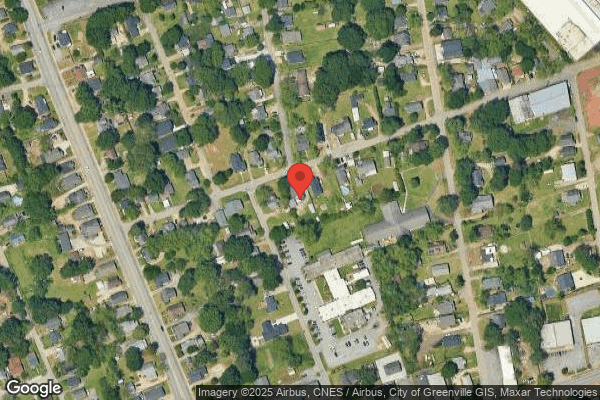
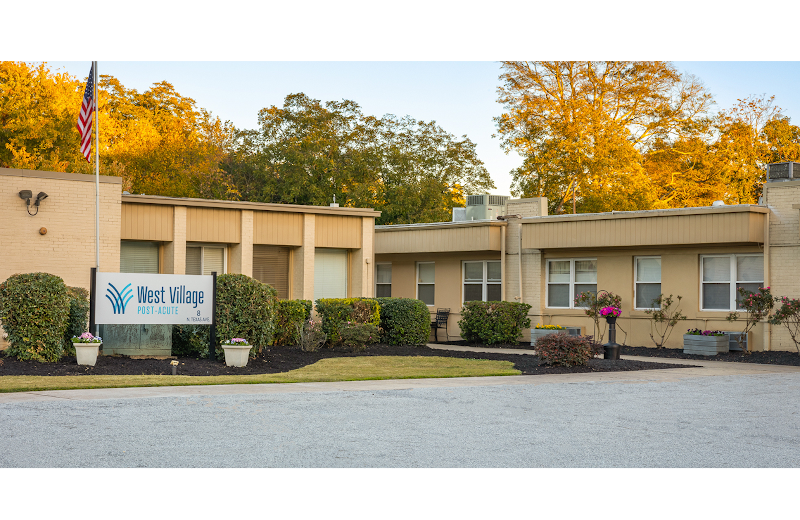
8 North Texas Avenue, Greenville, SC 29611 (864) 295-1331
For profit - Limited Liability company 132 Beds PACS GROUP Data: November 2025
Trust Grade
50/100
#101 of 186 in SC
Last Inspection: November 2024

Within standard 12-15 month inspection cycle. Federal law requires annual inspections.

Overview

West Village Post Acute in Greenville, South Carolina has a Trust Grade of C, which means it is average and falls in the middle of the pack. It ranks #101 out of 186 nursing homes in South Carolina, placing it in the bottom half of facilities in the state, and #11 out of 19 in Greenville County, indicating only a few local options are better. The facility is showing an improving trend, having reduced its issues from three in 2024 to one in 2025. Staffing is a concern here, with a rating of 2 out of 5 stars and a high turnover rate of 66%, significantly above the state average of 46%. However, it has no fines on record and boasts better RN coverage than 86% of state facilities, which helps ensure more thorough oversight and care. That said, there are notable weaknesses. A serious incident occurred when a resident was physically harmed by another resident, resulting in fractures, which raises concerns about resident safety. Additionally, there were concerns about kitchen sanitation practices that could lead to foodborne illnesses, and a failure to uphold residents' rights regarding voting in the Presidential Election was also reported, indicating lapses in resident advocacy. Overall, while there are strengths in nurse staffing and compliance with fines, these incidents highlight areas that need immediate attention and improvement.
Trust Score
C
50/100
In South Carolina
#101/186
Bottom 46%
Safety Record
Moderate
Needs review
Inspections
Getting Better
3 → 1 violations
Staff Stability
⚠ Watch
66% turnover. Above average. Higher turnover means staff may not know residents' routines.
Penalties
✓ Good
No fines on record. Clean compliance history, better than most South Carolina facilities.
Skilled Nurses
○ Average
Each resident gets 41 minutes of Registered Nurse (RN) attention daily — about average for South Carolina. RNs are the most trained staff who monitor for health changes.
Violations
⚠ Watch
23 deficiencies on record. Higher than average. Multiple issues found across inspections.
★★★☆☆
3.0
Overall Rating
★★☆☆☆
2.0
Staff Levels
★★★☆☆
3.0
Care Quality
★★★☆☆
3.0
Inspection Score
Stable
2024: 3 issues
2025: 1 issues

The Good

  • Full Sprinkler Coverage · Fire safety systems throughout facility
  • No fines on record

Facility shows strength in fire safety.

The Bad

3-Star Overall Rating

Near South Carolina average (2.8)

Meets federal standards, typical of most facilities

Staff Turnover: 66%

20pts above South Carolina avg (46%)

Frequent staff changes - ask about care continuity

Chain: PACS GROUP

Part of a multi-facility chain

Ask about local staffing decisions and management

Staff turnover is elevated (66%)

18 points above South Carolina average of 48%

The Ugly 23 deficiencies on record

1 actual harm
Mar 2025 1 deficiency
CONCERN (D) 📢 Someone Reported This

A family member, employee, or ombudsman was alarmed enough to file a formal complaint

Potential for Harm - no one hurt, but risky conditions existed

Report Alleged Abuse (Tag F0609)

Could have caused harm · This affected 1 resident

**NOTE- TERMS IN BRACKETS HAVE BEEN EDITED TO PROTECT CONFIDENTIALITY** Based on interview, record review, facility document review, and facility policy review, the facility failed to report an allega...

Read full inspector narrative →
**NOTE- TERMS IN BRACKETS HAVE BEEN EDITED TO PROTECT CONFIDENTIALITY** Based on interview, record review, facility document review, and facility policy review, the facility failed to report an allegation of abuse to the state survey agency timely for 1 (Resident #1) of 3 residents reviewed for abuse/neglect. Findings included: A facility policy titled, Abuse, Neglect, Exploitation or Misappropriation-Reporting and Investigating, revised 08/2022, indicated, All reports of resident abuse (including injuries of unknown origin), neglect, exploitation, or theft/misappropriation of resident property are reported to local, state, and federal agencies (as required by current regulations) and thoroughly investigated by facility management. Findings of all investigations are documented and reported. The policy further indicated, If resident abuse (staff to resident and/or resident to resident), neglect, exploitation, misappropriation of resident property or injury of unknown source is suspected, the suspicion must be reported immediately to the administrator. a. All allegations of staff to resident abuse must be reported immediately but no later than 2 hours. 2. The administrator or the individual making the allegation immediately reports his or her suspicion to the following persons or agencies: a. the state licensing/certification agency responsible for survey/licensing the facility. The policy also specified the term, immediately was defined as, a. within two hours of an allegation involving abuse or result [sic] in serious bodily injury. b. within 24 hours of an allegation that does not involve abuse or result in serious bodily injury. An Initial Report, dated 01/25/2025, indicated Resident #1 stated a certified nursing assistant (CNA) on third shift was rough during care. The report indicated Resident #1 named CNA #11 as the staff member who had been rough, and the CNA was suspended pending the investigation. The police, physician, and responsible party were notified. The report indicated the operations manager was notified of the allegation on 01/25/2025 at 9:00 AM. An e-mail dated 01/25/2025 revealed the facility sent the initial report to the state survey agency on 01/25/2025 at 1:48 PM, a period of four hours and 48 minutes after being informed of the allegation, which was not in compliance with the required two-hour reporting timeframe. During an interview on 03/13/2025 at 5:21 PM, the Operations Manager stated he currently was the only one who could complete allegation submissions to the state agency. He indicated most of the facility's weekend staff were agency, and they did not have the same access as facility staff did. He stated he understood that the reports needed to be submitted within two hours and that when he got to the facility on [DATE], he immediately started gathering all of the information before sending the report to the state. During a follow-up interview on 03/14/2025 at 12:35 PM, the Operations Manager stated he tried to send the initial report in via fax, but it did not go through. He stated he did not have fax confirmation sheets to show those attempts. The Operations Manager stated when the report was faxed, it showed up in the queue, but by the time he got home, he remembered staff saying that the fax had failed. The Operations Manager stated he had staff continue to try to fax the report but they ultimately had to submit it via eFax, which was the e-mail documentation dated 01/25/2025 that he had previously provided. During an interview on 03/14/2025 at 3:55 PM, the Operations Manager stated that moving forward, he would have a manager on duty who would be able to send in an initial allegation report and he would communicate with staff to make sure they reported abuse immediately.
Nov 2024 3 deficiencies
CONCERN (D) 📢 Someone Reported This

A family member, employee, or ombudsman was alarmed enough to file a formal complaint

Potential for Harm - no one hurt, but risky conditions existed

Deficiency F0583 (Tag F0583)

Could have caused harm · This affected 1 resident

**NOTE- TERMS IN BRACKETS HAVE BEEN EDITED TO PROTECT CONFIDENTIALITY** Based on record review, observation and interviews, the facility failed to ensure Resident (R)79's Protected Health Information ...

Read full inspector narrative →
**NOTE- TERMS IN BRACKETS HAVE BEEN EDITED TO PROTECT CONFIDENTIALITY** Based on record review, observation and interviews, the facility failed to ensure Resident (R)79's Protected Health Information (PHI) was maintained in a private manner, for 1 of 9 residents observed during medication administration. Findings included: Review of the facility policy titled Confidentiality of Information and Personal Privacy with a revision date of February 2021, documented, Our facility will protect and safeguard resident confidentiality and personal privacy . 1. The facility will safeguard the personal privacy and confidentiality of all resident personal and medical records . 4. Access to resident personal and medical records will be limited to authorized staff and business associates. Review of R79's Face Sheet revealed R79 was admitted to the facility on [DATE], with diagnoses including but not limited to: paraplegia, diabetes mellitus type two, morbid obesity, post traumatic stress disorder, schizoaffective disorder, and major depressive disorder. During an observation on 11/14/24 at 10:18 AM, revealed the Unit Two Medication Cart (A) was unattended, while R79's Electronic Medication Administration Record (EMAR) was visible on the computer screen. Additionally, there were two cups of a white topical cream on the medication cart. The Unit Two Medication Cart (A) was located at the far end of the hall, away from the nurses station. The nurse assigned to the Unit Two Medication Cart (A) was not in sight. R79's EMAR was visible to other residents, staff, visitors and anyone else who walked by the medication cart. During a second observation on 11/14/24 at 10:27 AM, revealed R79's EMAR still open to view and the cart unattended. Registered Nurse (RN)2 was observed going to the treatment cart located next to nurse's station while the medication cart was still located at the end of the hall. During an interview on 11/14/24 at 10:36 AM, RN2 revealed that it is expected that the nurse hit the lock button to hide the screen. RN2 further stated, It is done for HIPPA purposes, so no-one can see residents' information. RN2 stated that she was in a rush due to patient care. RN2 concluded that treatment medications should not be left on the medication cart unattended for no length of time. During an interview on 11/15/24 at 8:57 AM, the Director of Nursing (DON) stated, this is an issue, and, in the past, I have grabbed their cart, make them come and explain to me why the screen was not hidden. The DON stated, My expectation is if you pull a medication give the medication, and in an emergency lock up the medication. Pull one, give and then pull the other, not two treatments for different patients at one time. During an interview on 11/15/24 at 2:02 PM, RN1 revealed the expectation to use the system, to lock your screen, or use control, alt, delete so no one can have access to the resident's medical records. RN1 further stated, I have seen this being an issue currently and I have been reminding staff to not have private information exposed.
CONCERN (D) 📢 Someone Reported This

A family member, employee, or ombudsman was alarmed enough to file a formal complaint

Potential for Harm - no one hurt, but risky conditions existed

Deficiency F0761 (Tag F0761)

Could have caused harm · This affected 1 resident

Based on review of facility policy, observation, and interviews, the facility failed to remove expired medication cards in 1 of 6 medication carts reviewed. Findings include: Review of the facility p...

Read full inspector narrative →
Based on review of facility policy, observation, and interviews, the facility failed to remove expired medication cards in 1 of 6 medication carts reviewed. Findings include: Review of the facility policy titled, Storage of Medications revised on November 2020, documents, The facility stores all drugs and biologicals in a safe, secure, and orderly manner. 3. The nursing staff is responsible for maintaining medication storage and preparation areas in a clean, safe, and sanitary manner. 4. Drug containers that have missing, incomplete, improper, or incorrect labels are returned to the pharmacy for proper labeling before storing. Discontinued, outdated, or deteriorated drugs or biologicals are returned to dispensing pharmacy or destroyed. During an observation on 11/14/24, of the Medication Cart B on Unit 3, revealed three cards of expired Tramadol 50 mg (milligram) half tablets. Card one had an expiration date of 8/2024 and had 13 half tablets remaining, card two (full card) had an expiration date of 10/2024 and card three (full card) had an expiration date of 10/2024. During an interview on 11/14/24 at 11:07 AM, Licensed Practical Nurse (LPN)1 revealed that the nurse is responsible for ensuring the medications are in date. LPN1 stated, As I am doing the medication administration, I review the dates on the medications. I check mostly the scheduled and as needed medications. When I encounter expired narcotics or expired medications, I take it out the cart and take them to the Director of Nursing (DON) or the Unit Manager. I then get a new script from the physician. I check medication's dates every shift I work, but I did not do it today. I did not see these expired narcotics and I did not give them my shift. The last time I worked on this cart was around three weeks ago because I am as needed (PRN) staff. During an interview on 11/14/24 at 11:12 AM, LPN2 revealed the unit does monthly audits on medications and the pharmacy also perform monthly audits. Pharmacy came about two weeks ago and went through the narcotic book for expired medications and issues with medications. Medication reconciliation is also done at that time by the pharmacy. We also update the medication as it is changed. Thursdays are the medication reconcile date for Unit 3, to ensure that changes promptly noted, and medications are ordered. This ensures medications are accessible throughout. LPN2 stated, The three cards of Tramadol 50 mg half tablets are expired, they will be taken off the cart and given to the DON to return safely. I will contact the Nurse Practitioner to get an order so the patient can have them when needed. During an intervention on 11/15/24 at 8:49 AM, the DON revealed going forward the facility will continue to do medication cart audits on Thursdays. The DON stated since there is an identified issue, we will now be color coding medication cards to ensure there is no further issue with expired narcotic medications. We do not want any expired medications given.
CONCERN (E) 📢 Someone Reported This

A family member, employee, or ombudsman was alarmed enough to file a formal complaint

Potential for Harm - no one hurt, but risky conditions existed

Resident Rights (Tag F0550)

Could have caused harm · This affected multiple residents

Based on review of facility policy, record reviews and interviews, the facility failed to ensure resident rights were upheld related to voting in the Presidential Election, for 8 of 8 residents review...

Read full inspector narrative →
Based on review of facility policy, record reviews and interviews, the facility failed to ensure resident rights were upheld related to voting in the Presidential Election, for 8 of 8 residents reviewed for Resident Rights. Finding include: Review of the undated facility policy titled, Resident Rights documented, 1. Federal and state laws guarantee certain basic rights to all residents of this facility. These rights include the resident's right to: g. Exercise his or her rights as a resident of the facility and as a resident or citizen of the United States; h. Be supported by the facility in exercising his or her rights. i. Exercise his or her rights without interference, coercion, discrimination or reprisal from the facility, j. Be informed about his or her rights and responsibilities. During interviews with residents at a Resident Council Meeting at an unspecified date and time, three residents verbalized that they did not get the opportunity to vote in the Presidential Election on 11/05/24. The residents also stated that they filled out the voter registration form, but never got to vote. Review of the South Carolina Voter Registration Forms dated 10/21/24, revealed eight resident completed the South Carolina Voter Registration Forms and the forms were emailed to the Greenville County Voter Registration office 7 days after the deadline of 10/14/24. During an interview on 11/14/24 at 9:35 AM, the Social Service Director (SSD) stated that residents have been coming to her upset because they did not get to vote. The SSD further stated that the forms for registration to vote were completed on the last day and they should have been completed sooner. During an interview on 11/14/24 at 10:30 AM, the Administrator stated he was upset that the residents that wanted to vote did not get to. The Administrator stated that he spoke with the Activity Director (AD) months before the voter registration form was to be completed, if the residents were going to vote. They were completed after the cut off date. During an interview on 11/14/24 at 11:00 AM, the AD provided signed voter registration forms for eight residents. The eight residents are still residing in the facility and signed the South Carolina Voter Registration form on 10/16/24, 2 days after the deadline to complete registration to vote.
Jul 2023 1 deficiency
CONCERN (D) 📢 Someone Reported This

A family member, employee, or ombudsman was alarmed enough to file a formal complaint

Potential for Harm - no one hurt, but risky conditions existed

Comprehensive Care Plan (Tag F0656)

Could have caused harm · This affected 1 resident

**NOTE- TERMS IN BRACKETS HAVE BEEN EDITED TO PROTECT CONFIDENTIALITY** Based on record review, interview, and review of facility policy, the facility failed to ensure that a care plan with interventi...

Read full inspector narrative →
**NOTE- TERMS IN BRACKETS HAVE BEEN EDITED TO PROTECT CONFIDENTIALITY** Based on record review, interview, and review of facility policy, the facility failed to ensure that a care plan with interventions related to smoking and wandering/elopement was developed for 1 (Resident (R)1) of 2 residents. This failure had the potential for staff to not provide appropriate care and supervision to R1's needs. Findings include: Review of the facility's policy titled, Care Plans, Comprehensive Person-Centered, with a revised date of March 2023, read in part: A comprehensive, person-centered care plan should include measurable objectives and timetables to meet the resident's physical, psychosocial and functional needs. Review of the facility's policy titled, Smoking Policy - Residents, with a revised date of August 2022, read in part: Policy Interpretation and Implementation 8. Any smoking-related privileges, restrictions, and concerns (for example, need for close monitoring) shall be noted on the care plan, and all personnel caring for the resident shall be alerted to these issues. Review of the facility's policy titled, Wandering and Elopements, with a revised date of March 2019, read in part: Policy Interpretation and Implementation 1. If identified as at risk for wandering, elopement, or other safety issues, the resident's care plan will include strategies and interventions to maintain the resident's safety. Review of R1's Face Sheet located in the Electronic Medical Record (EMR) revealed, R1 was admitted to the facility on [DATE] and discharged on 07/07/23. R1 was admitted to the facility with diagnosis that included but were not limited to; major depressive disorder, epilepsy, suicide attempt, unspecified symptoms and signs involving cognitive functions and awareness. Review of R1's admission Minimum Data Set (MDS) with an Assessment Reference Date (ARD) of 06/15/23 revealed R1 had a Brief Interview for Mental Status (BIMS) score of 11 out of 15, indicating R1 had moderately impaired cognition. Review of R1's Smoking Observation/assessment dated [DATE] revealed, Resident is a smoker or user of tobacco products, resident smokes 2-5 times per day, and the resident smokes throughout the day. Review of R1's Wandering Risk Observation/assessment dated [DATE] revealed, R1 was at risk to wander. During an interview on 07/10/23 at 4:03 PM the MDS Coordinator stated, This is something I would have to speak with my lead about. When questioned about R1 not having a care plan related to smoking and wandering/elopement. During an interview on 07/11/23 at 10:52 AM the Registered Nurse MDS (RNMDS) stated, We care plan on the orders. I didn't care plan him [R1] for elopement/wandering because he never showed any signs or the need for interventions. It's not until he actually tries to elope then I would create a care plan, even though he [R1] had an assessment that indicated he was at risk for elopement. Anyone can put in a care plan. Normally, our social services department does the smoking care plans. During an interview on 07/11/23 at 11:30 AM the Social Services Director (SSD) and Social Services Assistant (SSA) revealed, the smoking care plan was an oversight. It was missed because we are trying to reinforce the safety of smoking and in all our audits and we just missed him. The Director of Nursing (DON) was not available for interview. During an interview on 07/11/23 at 12:15 PM the Administrator stated, Not going to get any excuses about his [R1] care plans. We are fixing it as we speak.
Oct 2022 12 deficiencies 1 Harm
SERIOUS (G)

Actual Harm - a resident was hurt due to facility failures

Free from Abuse/Neglect (Tag F0600)

A resident was harmed · This affected 1 resident

**NOTE- TERMS IN BRACKETS HAVE BEEN EDITED TO PROTECT CONFIDENTIALITY** Based on review of facility policy, record review, and interviews, the facility failed to ensure 1 Resident (R)59 of 8 residents...

Read full inspector narrative →
**NOTE- TERMS IN BRACKETS HAVE BEEN EDITED TO PROTECT CONFIDENTIALITY** Based on review of facility policy, record review, and interviews, the facility failed to ensure 1 Resident (R)59 of 8 residents reviewed for abuse was free from abuse. This deficient practice resulted in physical harm to R59 when R274 entered R59's room, while the resident was in bed, and punched her in the face. R59 sustained fractures of the zygomatic arch (cheekbone) and orbital area (eye socket). Findings include: Review of the facility policy titled Abuse a Neglect - Clinical Protocol, dated 03/18 indicated .Residents have the right to be free from abuse, neglect. misappropriation of resident property and exploitation. This includes but is not limited to freedom from.physical abuse.Protect residents from abuse. neglect. exploitation or misappropriation of property by anyone including, but not necessarily limited to .other residents. 1. Review of R59's electronic medical record (EMR) titled admission Record, located under the Profile tab indicated the resident was admitted to the facility on [DATE] with a diagnosis of cognitive communication deficient. Review of R59's quarterly Minimum Data Set (MDS) in the EMR under the MDS tab with an Assessment Reference Date (ARD) of 07/26/22 indicated the resident had a Brief Interview for Mental Status (BIMS) score of 2 out of 15, which revealed the resident was severely cognitively impaired. This assessment revealed the resident was ambulatory and had no behaviors, such as physical aggression towards others during this assessment period. Review of R59's EMR Care Plan located under the Care Plan tab indicated the resident had cognitive impairment due to her diagnosis of dementia. 2. Review of R274's EMR titled admission Record located under the Profile tab indicated the resident was admitted to the facility on [DATE] with a diagnosis of Alzheimer's disease. Review of R274's admission MDS with an ARD of 07/19/22 indicated the resident had a BIMS score of 1 out of 15, which revealed the resident was severely cognitively impaired. Review of R274's EMR Care Plan, located under the Care Plan tab dated 07/25/22 indicated the resident had cognitive impairment related to Alzheimer's disease. The care plan revealed the resident had a history of a resident-to-resident altercations prior to his admission. The goal was to not permit the resident from wandering and no more than one altercation of a resident-to-resident by the next care plan review. Review of documents provided by the facility, referred to as the facility's investigation, revealed on 08/18/22, a Certified Nursing Assistant (CNA) heard yelling and went to R59's room and found R274 next to R59's bed. CNA overheard R59 saying don't hit me. The CNA was able to redirect R274 back to his room. The police were notified. The residents' representatives were notified. The medical provider was notified and ordered R274 to be sent to the emergency room for evaluation and treatment. R274 did not return to the facility. R59 was sent to the hospital for evaluation and treatment. The facility investigation revealed R59 was returned back to the facility after being identified with facial injuries. Review of documents provided by the facility titled CT [computed tomography] Head without Contrast dated 08/18/22 indicated the resident was punched in the face and as a result the resident sustained a mildly depressed right zygomatic arch fracture. The resident also sustained a left medial blowout fracture of the orbital wall. During an interview on 10/12/22 at 1:06 PM, the Director of Social Services (DSS) stated she defined abuse as anything that was perceived as unwanted. The DSS stated there were no prior issues with R274 while he was living at the facility. During an interview on 10/13/22 at 10:30 AM, the Administrator confirmed the resident-to-resident with R274 and R59 was abuse. The Administrator stated R274 was not brought back to the facility since he was a danger to himself and to others. This deficiency was cited based on complaint intake #SC00052806 and SC0052780.
CONCERN (D)

Potential for Harm - no one hurt, but risky conditions existed

Resident Rights (Tag F0550)

Could have caused harm · This affected 1 resident

**NOTE- TERMS IN BRACKETS HAVE BEEN EDITED TO PROTECT CONFIDENTIALITY** Based on review of facility policy, record review, obsevations, and interview, the facility failed to ensure residents received ...

Read full inspector narrative →
**NOTE- TERMS IN BRACKETS HAVE BEEN EDITED TO PROTECT CONFIDENTIALITY** Based on review of facility policy, record review, obsevations, and interview, the facility failed to ensure residents received care and services in a dignified manner for 1 of 2 residents reviewed for dignity (Resident (R) 119). Staff entered R119's room on two occasions and turned off his call light without addressing R119 or attempting to determine what he needed. Findings include: Review of the undated facility policy titled Dignity read, 1. Residents are treated with dignity and respect at all times .8. Staff speak respectfully to residents at all times, including addressing the resident by his or her name of choice .13. Staff are expected to treat cognitively impaired residents with dignity and sensitivity . R119's Order Summary Report located in the electronic medical record (EMR) under the orders tab, indicated R119 was admitted [DATE] with diagnoses including multiple sclerosis, and cognitive communication disorder. R119's quarterly Minimum Data Set (MDS) with an Assessment Reference Date (ARD) of 09/28/22 located in the EMR under the MDS tab, indicated R119 had short- and long-term memory problems and was rarely or never understood. The MDS indicated R119 required total care with all his activities of daily living. During an observation on 10/11/22 at 11:48 AM, R119 was laying on his left side in bed. R119 did not respond verbally, however, he made eye contact when spoken too and he tracked movement in the room with his eyes. R119's call light was a flat round pad which was activated by light pressure. The call light was located close to the back of R119's right shoulder. R119 activated his call light and Certified Nurse Aide (CNA)18 entered R119's room and turned off his call light then left the room. She did not speak to R119 at all while she was in the room. During an observation and interview on 10/11/22 at 11:50 AM, R119 again activated his call light. CNA18 entered R119's room and walked to his call light reset box located on the wall beside R119's bed. R119 tracked CNA 18's movement with his eyes. After turning R119's call light off, CNA 18 turned to leave the room without addressing R119. CNA 18 stated that R119's call light was placed behind resident at his shoulder so he could roll back on it if he needed something. She stated that R119 was not able to talk so she did not know what he wanted. Review of R119's care plan last revised 9/20/22, located in the EMR under the care plan tab, indicated R119 had impaired communication related to his cognitive deficits. The care plan indicated he was sometimes able to communicate yes/no but at most other times he was unable to answer adequately. The care plan goal was for R119 to have his needs met. Care plan interventions included, ask me simple, direct questions. Try to use questions that require only a yes or no answer when possible. Ask me to repeat important information to ensure understanding. Minimize/eliminate distractions as much as possible when communicating with me. Face me when speaking. Speak clearly and slowly. During an observation on 10/12/22 at 12:02 PM, R119 was laying in bed. He made eye contact and attempted to answer questions when spoken too. He followed movement in the room with his eyes. During an interview on 10/12/22 at 12:46 PM, the Social Services Director stated that staff should always address residents when entering their room. She stated that if a resident could not verbalize their needs, but their call light was on, staff should investigate why the call light was on. During and interview on 10/12/22 at 1:44 PM, CNA18 stated that R119 scooted around a lot so his call light came on frequently. She stated that she did not think he ever intentionally turned it on. She stated that she should verify if a resident did need anything prior to leaving the room. She stated that she did not do that with R119 because she had already been in the room several times. During an interview 10/12/22 at 3:58 PM, the Director of Nursing (DON) stated that she expected staff to always. attempt to find out what a resident wanted when they turned on their call light. She stated that if a resident was unable to express what they wanted, she expected staff to investigate every time. The DON stated that she expected staff to talk to every resident when they entered their room regardless of if the resident could answer. She stated that it was not appropriate to enter a resident's room and turn the call light off without addressing the resident.
CONCERN (D)

Potential for Harm - no one hurt, but risky conditions existed

Deficiency F0558 (Tag F0558)

Could have caused harm · This affected 1 resident

Based on review of facility policy, observations, record review, and interview, the facility failed to ensure 1 of 1 resident (Resident (R) 82) had their call light within reach. Findings include: Re...

Read full inspector narrative →
Based on review of facility policy, observations, record review, and interview, the facility failed to ensure 1 of 1 resident (Resident (R) 82) had their call light within reach. Findings include: Review of undated facility policy titled, Signal System Policy revealed, Call light shall be placed within the reach of the resident. During an observation on 10/11/22 at 1:03 PM; 10/11/22 at 4:45 PM; 10/12/22 at 7:35 AM; 10/12/22 at 8:25 AM; 10/12/22 at 12:37 PM and 10/13/22 at 7:35 AM, R82's call light was on the floor on the right side, at the head of the bed. Review of R82's Face Sheet located in the electronic medical record (EMR) under the Profile tab, revealed an admission date of 03/08/22 with medical diagnoses that included acute respiratory failure and speech and language deficits following cerebral infarction. Review of R82's quarterly Minimum Data Set (MDS) located in the EMR under the MDS tab with an Assessment Reference Date (ARD) of 09/09/22 revealed a Brief Interview for Mental Status (BIMS) score of 11 out of 15, which indicated the resident was moderately impaired. During an interview on 10/12/22 at 12:45 PM, CNA22 stated when she assists a resident into bed, the call light should always be in place. During an interview on 10/13/22 at 5:35 PM, the Director of Nursing (DON) and the Administrator stated, all staff are trained to put call lights within reach. The DON stated, I would think they would pick it up and put it within reach. The DON and the Administrator both agreed R82 needed to have her call light within reach.
CONCERN (D)

Potential for Harm - no one hurt, but risky conditions existed

Deficiency F0563 (Tag F0563)

Could have caused harm · This affected 1 resident

Based on review of the facility policy, record review, and interviews, the facility failed to ensure residents were allowed to have visitors of their choosing for 1 of 1 Resident (R)121 reviewed for v...

Read full inspector narrative →
Based on review of the facility policy, record review, and interviews, the facility failed to ensure residents were allowed to have visitors of their choosing for 1 of 1 Resident (R)121 reviewed for visitation. R121 was not allowed visits from his responsible party. Findings include: Review of the facility's undated policy titled Visitation read, .Policy interpretation and implementation: 1. Residents are permitted to have visitors of their choosing at the time of their choosing .Reasonable Clinical and Safety Restrictions: 1. Some visitation may be subject to reasonable clinical and safety restrictions that protect the health, safety, security and/or rights of the facility's residents such as: .b. denying access or providing limited and supervised access to an individual if that individual is suspected of abusing, exploiting, or coercing a resident until an investigation into the allegation has been completed or has been found to be abusing, exploiting, or coercing a resident . Review of R121's face sheet, located in the electronic medical record (EMR) under the profile tab, indicated R121 was admitted to the facility 05/07/15 with diagnoses including cerebral palsy, profound intellectual disabilities, and cognitive communication deficit. Review of R121's quarterly Minimum Data Set (MDS) located in the EMR under the MDS: tab, with an Assessment Reference Date (ARD) of 09/29/22 indicated R121's Brief Interview of Mental Status (BIMS) score indicated that he was rarely or never understood. During a telephone interview on 10/11/22 at 3:51 PM, R121's stepfather stated that he was R121's responsible party. He stated that he was the only person who came to visit R121. He stated that a facility representative told him several years ago that he wasn't allowed to visit R121 anymore. He stated that he had not been allowed to visit R121 since that time. During an interview on 10/12/22 at 1:30 PM Certified Nurse Aide (CNA)18 stated that she had worked with R121 for over a year and had never seen anyone visit R121. During an interview on 10/12/22 at 1:53 PM, the Social Services Director (SSD) stated that R121 never had visitors. She verified R121's responsible party was not allowed to visit. She stated that she heard from other staff that R121's responsible party had a history of doing inappropriate things in front of R121. She stated that all the history occurred prior to her employment. During an interview on 10/12/22 at 4:17 PM, the Social Services Assistant (SSA) stated that R121 was placed in the facility by Department of Social Services (DSS). She stated that R121's stepfather became his responsible party when DSS closed his case. She stated it was reported that R121's responsible party would come to visit at 11:00 PM at night. She stated that it was reported that R121's stepfather was standing at the foot of R121's bed and did inappropriate things. The SSA stated that this occurred several years ago and R121's stepfather had not been allowed to visit since that time. She stated she thought it was the Administrator at the time of the incident who told R121's responsible party he could not come back to the facility. The SS assistant stated that she was not sure if the incident was reported to police, DSS, or the State agency. She confirmed R121's stepfather was R121's responsible party and no steps had been taken to legally prevent him from visiting R121. She stated there had not been any action taken to revisit the issue. During an interview on 10/13/22 at 9:41 AM, the SSD stated that the incident involving R121's stepfather occurred several years ago and that there was no documentation regarding the incident that caused R121's visitation with his stepfather to be removed. Review of R121's care plan dated 07/15/22 indicated R121 was at risk for alterations in mood and behaviors r/t [related to] complicated family relationships and previous experiences with family members. The care plan goal was for visits with family/friends to take place in open, safe, supervised public areas and for R121 to remain free from any adverse situations during visits from family/friends. Care plan intervention was to establish an alert and intervention system with staff to observe family/friend visits. During an interview on 10/13/22 at 1:22 PM, the Administrator stated that he did not know there was an issue with R121's responsible party visiting and that the issue should be revisited, and possible supervised visitation could be arranged.
CONCERN (D)

Potential for Harm - no one hurt, but risky conditions existed

Grievances (Tag F0585)

Could have caused harm · This affected 1 resident

Based on review of facility policy, record review, and interviews, the facility failed to act upon a grievance for 1 of 2 Residents (R)6 reviewed for personal property. Findings include: Review of fa...

Read full inspector narrative →
Based on review of facility policy, record review, and interviews, the facility failed to act upon a grievance for 1 of 2 Residents (R)6 reviewed for personal property. Findings include: Review of facility policy titled, Resident Council, dated 12/31/15 revealed, Follow up to resident concerns shall be documented in the Resident Council Meeting minutes the following month .The Administrator/designee shall review and respond to all resident issues. Review of facility policy titled, Grievances/Complaints, Filing, dated 04/01/17 revealed, Any resident may file a grievance or complaint . regarding his or her stay at the facility. Review of R6's Face Sheet located in the electronic medical record (EMR) under the Profile tab revealed an admission date of 06/28/22 with diagnoses that included chronic obstructive pulmonary disease and anxiety disorder. Review of R6's quarterly Minimum Data Set (MDS) located in the EMR under the MDS tab with an Assessment Reference Date (ARD) of 10/03/22, revealed a Brief Interview for Mental Status (BIMS) score of 15 out of 15, which indicated the resident was cognitively intact. Review of Resident Council Minutes dated 09/29/22, included R6 was in attendance in the meeting and stated her headphones are missing. During an interview on 10/11/22 at 3:36 PM, R6 stated when she moved to another room her earphones were missing. She stated that she had informed both the Social Service Director (SSD) and the Administrator. She stated that no one in the facility had done anything about her missing earphones and she had purchased another pair. During an interview on 10/13/22 at 9:32 AM, the SSD stated that she did not know the earphones were missing and could not confirm R6 had earphones upon admission because they were not on her inventory list. During an interview on 10/13/22 at 1:33 PM, the Activities Director (AD) stated that she would handle grievances and complete grievance paperwork and if a resident had something missing, she would notify the SSD and the Administrator but usually did not put anything in writing about a missing item. She stated that she had notified the Administrator and the SSD about R6's missing earphones. During an interview on 10/13/22 at 1:43 PM, the Administrator stated that he would normally review the resident council minutes but did not review the 09/29/22 minutes. He stated that if a resident had something missing, he would notify the SSD so she could work on replacing it. He stated that R6 had come to him about the missing earphones, but a few days later saw R6 wearing earphones so I assumed they had been found. He stated he had not talked to the SSD or the resident to confirm they had been found.
CONCERN (D)

Potential for Harm - no one hurt, but risky conditions existed

Deficiency F0604 (Tag F0604)

Could have caused harm · This affected 1 resident

**NOTE- TERMS IN BRACKETS HAVE BEEN EDITED TO PROTECT CONFIDENTIALITY** Based on review of the facility policy, record review, observation, and interviews, the facility failed to ensure the right to b...

Read full inspector narrative →
**NOTE- TERMS IN BRACKETS HAVE BEEN EDITED TO PROTECT CONFIDENTIALITY** Based on review of the facility policy, record review, observation, and interviews, the facility failed to ensure the right to be free from restraints was exercised for 1 of 1 Resident (R)175 reviewed for restraints. Specifically, staff physically restrained (restrict freedom of movement) of R175 when she was placed in a geri-chair. The facility's deficient practice had potential to inflict mental anguish and/or physical harm to R175. Findings include: Review of the facility policy titled Use of Restraints, dated 04/17 indicated, Restraints shall only be used for the safety and well-being of the resident(s) and only after other alternatives have been tried unsuccessfully. Review of R175's electronic medical record (EMR) titled admission Record, located under the Profile tab indicated the resident was admitted to the facility on [DATE] with a diagnosis of unspecified dementia without behavioral disturbances. Review of R175's admission Minimum Data Set in the EMR under the MDS tab with an Assessment Reference Date of 10/10/22 revealed the staff could not determine a Brief Interview of Mental Status (BIMS) score and indicated the resident had short-and-long-term memory problems. The assessment indicated the resident would wander. The assessment revealed the resident required extensive assistance of one staff member for bed mobility and limited assistance of one staff member for transfers. The assessment indicated the resident was unstable without staff assistance for walking and that the resident did not utilize a restraint. Review of R175's EMR Care Plan, located under Care Plan, tab dated 10/12/22 that the resident was at risk for falls related to attempts to stand, transfer or to walk alone. The care plan revealed the contributing factors were related to her diagnosis of dementia and the resident had impaired judgement. During an observation on 10/12/22 at 5:43 AM, R175 was observed sleeping in a geri-chair. The resident was in the 500/600 hallway main dining room. The geri-chair was reclined all the way down. During this observation and interview was conducted at 5:45 AM, Licensed Practical Nurse (LPN)45 stated the resident was wandering on the night shift and was place in the geri-chair so she could rest. On 10/12/22 at 5:50 AM, Certified Nursing Assistant (CNA)4 was interviewed and she stated she took the resident to the bathroom prior to placing her in the geri-chair. During an interview on 10/12/22 at 1:40 PM, CNA1 stated she has never seen R175 placed or use a geri-chair. CNA1 stated the resident did not like to use a wheelchair since she liked to get up and move. CNA1 stated a restraint would prevent a resident from doing what they wanted. During an interview on 10/13/22 at 9:42 AM, MDS Coordinator58 stated a restraint prevents a resident from free movement. During an interview on 10/13/22 at 10:38 AM, the Nurse Clinical Consultant stated she heard about the use of a geri-chair with R175. The Nurse Clinical Consultant stated she would have expected an attempt to place the resident in bed first and could not locate a restraint assessment for R175 prior to the survey team exiting the facility.
CONCERN (D)

Potential for Harm - no one hurt, but risky conditions existed

Deficiency F0679 (Tag F0679)

Could have caused harm · This affected 1 resident

Based on review of the policy review, record review, observations, and interviews, the facility failed to provide a program of ongoing activities for 1 of 3 Residents (R)121 reviewed for activities. ...

Read full inspector narrative →
Based on review of the policy review, record review, observations, and interviews, the facility failed to provide a program of ongoing activities for 1 of 3 Residents (R)121 reviewed for activities. Findings include: The facility policy titled Room Visit Program date 12/31/15 indicated, It is the policy of this facility to provide recreational opportunities for the residents who cannot or choose not to leave their room. The Activity Director will develop an individualized activity plan based on each resident's needs, interest, and abilities. Residents will be visited on a regularly scheduled basis. POLICY Purpose: To assure all residents receive an opportunity for socialization and stimulation .3. Residents who cannot or choose not to leave their rooms will be seen three times per week, more frequently if time allows .8. The activity staff will maintain a record of what activities are provided for each resident. This is based on previously enjoyed leisure pursuits and new interests the resident may have developed . Review of R121's face sheet, located in the electronic medical record (EMR) under the profile tab, indicated R121 was admitted to the facility 05/07/2015 with diagnoses including cerebral palsy, profound intellectual disabilities, and cognitive communication deficit. Review of R121's quarterly Minimum Data Set (MDS) with an Assessment Reference Date (ARD) of 09/29/22, located in the EMR under the RAI tab, indicated R121 was rarely or never understood and short- and long-term memory problems. The MDS indicated R121 was totally dependent on staff for all activity of daily living needs. During an observation on 10/11/22 at 11:41 AM, R121 was lying awake in bed. He tracked movement in the room with his eyes and looked at people talking to him. He was not engaged in any activities. The TV, mounted close to the ceiling on the opposite side of the room, was not on. During an observation on 10/11/22 at 2:35 PM, R121 was lying awake in bed. His torso was bent so that the top of his head was pointed toward the TV. He was not engaged in any activities. During an observation on 10/12/22 at 12:03 PM, R121 was lying awake in bed. The TV in the room was on a western show. R121's face was looking away from the TV. He was not engaged in any activities. During an interview on 10/12/22 at 12:14 PM, Certified Nursing Assistant (CNA)18 stated that R121 was always in bed and did not participate in any activities. During an observation on 10/12/22 at 4:11 PM, R121 was lying awake in bed. The TV on the opposite side of the room was on a western show. He was not engaged in any activity. During an interview on 10/12/22 at 6:01 PM, the Activity Director (AD) stated that R121 was not able to participate in activities and that he required in room activities. She stated, We mainly just do greetings, hand massages and music. She stated that if any activities were done with R121 they would be documented in the EMR under the tasks tab. During an observation on 10/12/22 at 6:17 PM, R121 was lying in bed with his eyes open. The top of his head was pointed toward the TV. The TV was on a western show. R121 was not involved in an activity. During an observation on 10/13/22 at 9:53 AM, R121 was lying in bed with his eyes open. He was not involved in any activity. R121's care plan last updated 07/18/22, located in the EMR under the care plan tab, indicated R121's Social/physical participation in activities is limited related to communication, cognitive, and self-care deficit with impaired mobility and may interfere with enjoyment/participation with activities of choice. The care plan goal read, .will attend group activities as tolerated. Care plan interventions included: Likes: stuffed animals, lights, cartoons Observe for any nonverbal cues used by resident Use touch, facial expressions, eye contact, tone of voice and posture to enhance nonverbal communication. Offer one to one basics during activities Help transport to activities Offer sensory stimulation type activities. Review of R121's care plan progress notes dated 04/14/22, located in the EMR under the progress notes tab, read, He continues to receive 1:1 activity visit, due to his mental and physical deficits. And expresses he (sic) enjoyment in stuffed animals; cartoons, and music . Review of R121's Activity Participation Review dated 06/22/22, located in the EMR under the evaluations tab, Section B read, Rare attendance in activities. Needs staff to bring him to more group activities throughout each week. The review indicated R121's Activity-Related Focus(es) including Needs, Strengths and Preferences: remain appropriate/current as per care plan. Section C, number 4 read, Staff will improve attendance in group activities or begin offering 1:1. Review of R121's activity participation note dated 07/08/22, located in the EMR under the progress notes tab, read, Activity staff will conduct one on one sessions with resident as needed. Review of R121's Activity Assessment dated 09/02/22, located in the EMR under the evaluations tab indicated under section C that R121 liked listening to music, being around animals such as pets, doing things with groups of people and participating in his favorite activities. Other interests included stuffed animals, cartoons, and lights. Section D indicated R121's preferred activity settings were the activity room, in the facility anywhere, and in his room. Review of R121's POC Response History for group activities, located in the EMR under the tasks tab dated 09/12 to 10/12/22 had no participation documented during the entire date range. Review of R121's POC Response History for one-on-one visits, located in the EMR under the tasks tab dated 09/12 to 10/12/22 had no visits documented during the entire date range. During an interview on 10/13/22 at 1:28 PM, the Administrator agreed R121 required one on one activities. He stated that the expected the Activity department to provide one on one activities for those residents who were not able to participate in activities on their own.
CONCERN (D)

Potential for Harm - no one hurt, but risky conditions existed

Deficiency F0688 (Tag F0688)

Could have caused harm · This affected 1 resident

**NOTE- TERMS IN BRACKETS HAVE BEEN EDITED TO PROTECT CONFIDENTIALITY** Based on review of the facility policy, record review, observation, and interviews, the facility failed to ensure 3 Residents (R...

Read full inspector narrative →
**NOTE- TERMS IN BRACKETS HAVE BEEN EDITED TO PROTECT CONFIDENTIALITY** Based on review of the facility policy, record review, observation, and interviews, the facility failed to ensure 3 Residents (R)91, R118, and R120 had therapy ordered splints applied to prevent the development of contractures. Findings include: Review of the facility policy titled Resident Mobility and Range of Motion, dated 07/17 indicated .Residents will not experience an avoidable reduction in range of motion (ROM).Residents with limited range of motion will receive treatment and services to increase and/or prevent a further decrease in ROM . 1. Review of R91's electronic medical record (EMR) titled admission Record, located under the Profile tab indicated the resident was admitted to the facility on [DATE] with a diagnosis of nontraumatic intracerebral hemorrhage. Review of a document provided by the facility titled Visual/Bedside [NAME] Report, dated 06/08/22 failed to identify R91 required the use of splints. Review of R91's admission Minimum Data Set (MDS) in the EMR under the RAI tab with an Assessment Reference Date, dated 06/15/22, and quarterly MDS with an ARD of 9/13/22 indicated the resident had a Brief Interview for Mental Status (BIMS), score could not be determined by staff. This assessment indicated the resident had short-and-long-term memory problems. This assessment indicated the resident was totally dependent on two staff for bed mobility and transfers. Review of R91's EMR Care Plan, located under the Care Plan tab dated 06/25/22 indicated the resident required assistance with all activities of daily living (ADL) due to chronic illness and weakness. Review of R91's EMR Clinical Physician Orders, located in the EMR under the Order tab dated 07/21/22 indicated the resident was to wear a right upper extremity elbow brace and a resting hand splint. These devices were to be placed on the resident daily as tolerated. Review of a document provided by the facility titled OT (Occupational) Therapist Progress & Discharge Summary, dated 07/21/22 revealed R91 was discharged from therapy services and therapy ordered to assist the resident with a resting hand splint and elbow flexion splint. During an observation on 10/11/22 at 2:18 PM, R91 was in bed. The resident had no resting hand splint or elbow splint on the resident's right arm. During an observation on 10/11/22 4:54 PM, R91 was in bed. The resident had no resting hand splint or elbow splint on the resident's right arm. During an interview on 10/12/22 at 1:45 PM, the Director of Rehabilitation (DOR) confirmed therapy department worked previously with R91 and trained staff on how to apply and take off the resting hand splint and right elbow brace. The DOR stated at the time, the resident was discharged from skilled therapies on 07/21/22 the resident tolerated up to four hours with the use of the devices. During an interview on 12/12/22 at 1:45 PM, Certified Nursing Assistant (CNA)128 stated when she worked with R91 she would place an elbow brace and resting hand device on the resident. CNA128 stated she was not caring for the resident on today's shift. CNA128 went to the resident's dresser and looked for the two devices. CNA128 confirmed the elbow brace, and the resting hand splint were not in the resident's dresser. During this observation, R91 was asked if the staff ever placed splints on him and he mouthed the word no. At 2:13 PM, CNA128 went to the computer attached to the hallway wall and opened up a program called Plan of Care (POC), an electronic program that directs resident care for the CNAs. CNA128 confirmed there was no direction to apply elbow brace and the resting hand splint on the resident's right arm. During an interview on 10/12/22 at 2:38 PM, the DOR confirmed R91 was required to use the resting hand splint and elbow brace. The DOR stated it was important to place the devices on R91 to prevent contractures. During an interview on 10/13/22 at 10:38 AM, the Nurse Clinical Consultant stated her expectation would be to follow the order to apply the splints on R91 and this would be a preventative measure to reduce the development of contractures. 2. Review of the undated facility policy titled Splint Application revealed, Therapy assesses the resident for the appropriate splint and sets up a program for application (donning and doffing), and then all residents who are currently wearing splints for upper or lower extremities will be monitored by Restorative Nursing Assistants to ensure correct usage and optimal splint condition. Review of R120's Face Sheet located in the EMR under the Profile tab, revealed an admission date of 08/02/18 with diagnoses that included contracture right elbow, contracture right wrist, contracture right hand. Review of R120's quarterly MDS located in the EMR under the RAI tab with an ARD of 09/29/22, revealed a BIMS score 14 out of 15, which indicated the resident was cognitively intact. R120 was totally dependent on staff for all Activities of Daily Living (ADL). The MDS revealed no restorative nursing program was performed in the last seven days. Review of R120's Care Plan located in the EMR under the Care Plan tab revised on 06/07/22, revealed R120 was at risk for skin breakdown. The goal for the resident was to not have skin breakdown during the ninety-day review period. Interventions included wearing a RUE (Right Upper Extremity) resting hand splint as tolerated per CNA. Review of R120's Orders located in the EMR under the Orders tab revealed the following orders: 06/06/22 - patient to wear RUE resting hand splint as tolerated per CNA. Check skin integrity each shift per CNA. During an observation and interview with R120, on 10/11/22 at 11:08 AM, R120 did not have a splint on her right hand. R120 stated she had a splint at one time but thought it was in her closet. During an interview on 10/11/22 at 1:15 PM, family member (F)1 stated, she was not aware R120 had a splint. During an observation 10/12/22 at 8:21 AM, R120 was observed not wearing a splint on her right hand. During an observation 10/13/22 at 1:45 PM, R120 was observed not wearing a splint on her right hand. Review of R120's Rehab - Screening Form located in the EMR under the Evaluations tab revised on 01/05/22, revealed R120 had a contracture on her right elbow and hand and patient declines elbow splint and has RNP (Restorative Nursing Program) for hand splint. Review of R120's Occupational Therapy Plan of Care start of care 05/10/22, revealed Address contractures in R (right) hand. CNA and nursing training on splint wear of R hand. The Short Term Goal revealed Caregiver will be able to assist patient to don and doff R hand splint with supervision (needs verbal cueing but no physical assist). Review of R120's OT Therapist Progress provided by the Director of Rehab (DOR), dated 06/02/22, revealed The patient has shown gains in splint wear tolerance which allowed for decreased risk for further hand contracture. Review of R120's OT Therapist Progress and Discharge Summary provided by the DOR, dated 06/06/22, revealed Goal Met on 06/06/22, Caregiver will be able to assist patient to don/doff splint with independence. During an interview on 10/13/22 at 9:54 AM, CNA22 stated she was aware R120 had a contracture on the right side and remembered she had a splint in the past. She stated she did not know what had happened to the splint. During an interview on 10/13/22 at 10:00 AM, Licensed Practical Nurse (LPN)129 stated R120 had contractures in her elbows and hands. She stated R120 did not have any type of device for the contractures. During an interview on 10/13/22 at 11:05 AM, DOR stated he had worked with R120 in June and R120 was Tolerating three hours with splint. He stated he had completed staff training and staff were aware R120 should wear the splint three hours per day. During an interview on 10/13/22 at 1:00 PM, the DOR stated R120 was able to self-range in the past but currently has declined. He stated he did not know how long it had been since the splint had been used with R120. 3. Review of R118's Face Sheet located in the EMR under the Profile tab, revealed an admission date of 06/22/22 with medical diagnoses that included anoxic brain damage, Review of R118's quarterly MDS located in the EMR under the RAI tab with an ARD of 09/27/22, revealed a BIMS score was not completed by staff because R118 was rarely/never understood. R118 was totally dependent on staff for all Activities of Daily Living (ADL). The MDS revealed no restorative nursing program was performed in the last seven days. Review of R118's Care Plan located in the EMR under the Care Plan tab revised on 07/18/22, did not indicate R118 had contractures. Review of R118's OT Therapist Progress and Discharge Summary provided by the DOR, dated 07/20/22, revealed Goal Met on 07/20/22, Patient will tolerate resting hand splint orthotic to BUE (Bilateral Upper Extremity) for >4 hours for effective joint protection, contracture prevention, and skin breakdown prevention. Review of R118's Occupational Therapy Plan of Care start of care 06/23/22, revealed Therapy necessary for joint mobility, skin integrity, and orthosis management. Without therapy patient at risk for contractures, skin breakdown, and increased caregiver burden. The Short Term Goal, revealed Caregiver is able to assist patient to don/doff BUE resting hand splint and elbow splints with maximum assistance (76% 99% assist). R hand splint with supervision (needs verbal cueing but no physical assist). The Long Term Goal, revealed Patient will tolerate resting hand splint orthotic to BUE for >4 hours for effective joint protection, contracture prevention, and skin breakdown prevention. During an observation 10/11/22 at 12:08 PM and 10/12/22 at 4:59 PM, R118 was observed not wearing splints. During an interview on 10/12/22 at 5:28 PM, CNA22 and CNA12 stated they were aware R118 had elbow splints and would place them on R118 at varied times. CNA12 stated she knew other CNAs, specifically agency CNAs, were not aware that R118 had the splints. CNA22 and CNA12 retrieved R118's elbow splints from the closet and placed them both of R118's arms. During an interview on 10/12/22 at 5:44 PM, DOR stated R118 had bilateral hand contractures and had recommended splints when he had worked with R118 in the past. He said if splints are recommended, but not used it could cause worsened contractures, skin breakdown, and increased pain. He said with elbow splints there would need to be reeducation because there was a hinge on the splints. During an interview on 10/13/22 at 5:13 PM, the Administrator confirmed that there was no longer a RNP within the facility.
CONCERN (D)

Potential for Harm - no one hurt, but risky conditions existed

Deficiency F0692 (Tag F0692)

Could have caused harm · This affected 1 resident

Based on observation, interview, and record review, the facility failed to prevent weight loss for 1 of 4 residents reviewed for nutrition (Resident (R) 60). The facility failed to ensure R60 was prov...

Read full inspector narrative →
Based on observation, interview, and record review, the facility failed to prevent weight loss for 1 of 4 residents reviewed for nutrition (Resident (R) 60). The facility failed to ensure R60 was provided with physician ordered built up utensils and nursing staff assist the resident at mealtimes. R60 had a 7.72% weight loss from 09/05/22 to 10/13/22. Findings include: Review of R60's quarterly Minimum Data Set (MDS) assessment with an Assessment Reference Date (ARD) of 08/24/22, located in the electronic medical record (EMR) under the MDS tab, indicated she was admitted to the facility 09/11/20 with diagnoses including Parkinson's Disease and dementia. The MDS indicated R60 weighed 99 pounds. According to the MDS, R60 had a significant weight loss and was not on a physician prescribed weight loss plan. Review of R60's Order Summary Report dated 10/13/22 revealed physicians orders for: Large portions at meals with a start date 10/20/21; Mighty shake three times a day for nutrition with a start date of 4/21/22; and Regular diet, with built up utensils and a handled cup with all meals, with a start date of 9/21/20. Review of R60's meal ticket dated 10/11/22 indicated R60 was to have built up handled utensils and a two handled cup for drinks. During an observation on 10/11/22 at 1:07 PM, R60 was at the dining room table with her lunch plate of a hamburger and regular portions of tater tot, coleslaw, and fruit cocktail. R60 had tea in a double handled cup and Shasta in a can, and mighty shake in the carton. She had regular eating utensils. R60 attempted to pick up her hamburger several times without success. Staff did not intervene until R60 asked for help. Half of the hamburger was placed in R60's hand. Once in her hand R60 was able to take a bite and chew the hamburger. R60 then attempted to pick up her fork and after several attempts she was able to get the fork into her hand. She attempted to feed herself tater tots and fruit cocktail. She was only able to get small amounts of tater tots on the fork and to her mouth. She was unable to get fruit cocktail on her fork and after three attempts appeared frustrated and stopped trying. R60 then attempted to pick up the Shasta served in the can and the mighty shake served in the carton but was unable to do so. Throughout the meal R60 had difficulty holding the fork and dropped it several times. Other than placing the hamburger in R60's hand staff did not attempt to assist R60 with her meal. Throughout the meal R60 had difficulty holding the fork and dropped it several times. During an interview on 10/11/22 at 2:25 PM, R60 stated that she usually had problems holding utensils because of Parkinson's. During an observation on 10/12/22 at 8:39 AM, Certified Nurse Aide (CNA)18 served R60 her breakfast tray while in bed. Her breakfast meal consisted of a bowl of cornflakes with milk, a biscuit, orange juice and a mighty shake. Her orange juice was poured into a double handled cup, but her mighty shake was served in the carton. R60 did not have a built-up spoon. After setting up the breakfast for R60, CNA18 left the room. R60 was able to pick up the regular spoon after several attempts. Throughout the meal R60 dropped the spoon five times. She was able to get small amounts of cereal on the spoon and from the bowl to her mouth three times. Throughout the meal R60 consumed ½ biscuit and three small bites of cornflakes. She did not drink her mighty shake. During an interview on 10/12/22 at 12:56 PM, the Rehab Director stated that R60 was last on case load from March 22, 2022, to May 22, 2022 for self-feeding difficulties. He stated that R60 should have been screened for her significant weight loss. During an interview on 10/12/22 at 1:37 PM, CNA18 stated that R60 should have built up utensils to eat and that she was supposed to get larger portions. During an observation on 10/12/22 at 6:45 PM, R60 was sitting at the dining table with her dinner meal in front of her. She had a plastic fork to eat with. She leaned forward toward her plate with her head approximately eight inches from table attempting to get her food from her plate to her mouth. During the observation R60 dropped her fork several times. There was one staff member in the dining room seated at a table across the room assisting another resident. The staff member asked across the dining room you alright? but did not attempt to assist R60. During an interview 10/13/22 at 11:41 AM, the Certified Dietary Manager (CDM) stated that he was notified about R60's weight loss 10/12/22. The CDM verified R60 was supposed to have built up utensils. During an interview on 10/13/22 at 1:03 PM, the Director of Nursing (DON) stated that weights are reviewed with the RD during the Nutritional Therapy Recommendations (NAR) meeting weekly. She stated that R60's weight loss had been reviewed at the 10/5/22 NAR meeting. She stated that the recommendation was for R60 to receive weekly weights for four weeks for weight monitoring. The DON stated that if built up utensils was on the resident's meal ticket but not on the tray, she would expect staff to get built up utensils. She stated that if a resident was having trouble, she would expect staff to assist the resident and notify the nurse. During an interview on 10/13/22 at 1:33 PM, the Speech Language Pathologist stated that she evaluated R60 and that R60 told her she had a problem getting the food from her plate to her mouth. During an interview on 10/13/22 at 3:07 PM, the RD stated that he was aware of R60's weight loss. He stated that he had recommended the resident receive weekly weights for four weeks and to use built up utensils. Review of R60's weight records located in the EMR under the wt/vitals tab indicated the following: On 09/05/22, R60 weighed 101 pounds On 10/03/22, R60 weighed 88.6 pounds which is a -12.28 % Loss. During an interview on 10/13/22 at 5:03 PM, R60's primary care physician stated that other than Parkinson's and dementia, R60 did not have any underlying conditions that would contribute to her weight loss. He stated that modified silverware and assistance with eating was an important intervention. He stated that it was hard for R60 to feed herself, and that staff should make sure these interventions were in place. R60's physician stated that R60's Body Mass Index (BMI) of 13 would step it up for more immediate intervention. On 10/13/222 at 5:18 PM, R60 was weighed, and the weight was 93.2 pounds which was a 7.72 % weight loss from her 09/05/22 weight of 101 pounds. Review of R60's care plan found in the EMR under the care plan' tab dated 4/12/22 indicated she was at risk for weight changes due to variable intakes and adaptive eating equipment. Interventions included providing adaptive eating device as ordered: built-up utensils and handled cup at all times.
CONCERN (D)

Potential for Harm - no one hurt, but risky conditions existed

Deficiency F0883 (Tag F0883)

Could have caused harm · This affected 1 resident

**NOTE- TERMS IN BRACKETS HAVE BEEN EDITED TO PROTECT CONFIDENTIALITY** Based on policy review, review of Centers for Disease Control and Prevention (CDC) guidelines, and interview, the facility faile...

Read full inspector narrative →
**NOTE- TERMS IN BRACKETS HAVE BEEN EDITED TO PROTECT CONFIDENTIALITY** Based on policy review, review of Centers for Disease Control and Prevention (CDC) guidelines, and interview, the facility failed to revise their pneumococcal vaccine policy to current pneumococcal vaccination guidelines. This failure increased the risk for residents not vaccinated per guidelines to contract pneumonia. The facility also failed to offer one (Resident (R) 107) out of a survey sample of five reviewed for pneumococcal vaccination, who received the PPSV [Pneumococcal Polysaccharide Vaccine] 23, but there was no evidence the resident received the PCV13 [Pneumococcal conjugate vaccine] prior to the updated guidance from the CDC for pneumococcal vaccinations. Findings include: Review of the CDC website titled Pneumococcal Vaccination: Summary of Who and When to Vaccinate, effective 01/28/22, indicated . CDC recommends pneumococcal vaccination for all adults 65 years or older . For adults 65 years or older who have not previously received any pneumococcal vaccine, CDC recommends you . Give 1 dose of PCV [Pneumococcal Conjugate Vaccine] 15 or PCV20 . If PCV15 is used, this should be followed by a dose of PPSV 23 at least one year later. The minimum interval is 8 weeks and can be considered in adults with an immunocompromising condition, cochlear implant, or cerebrospinal fluid leak . If PCV20 is used, a dose of PPSV23 is NOT indicated . For adults 65 years or older who have only received a PPSV23, CDC recommends you . May give 1 dose of PCV15 or PCV20 . The PCV15 or PCV20 dose should be administered at least one year after the most recent PPSV23 vaccination. Regardless of if PCV15 or PCV20 is given, an additional dose of PPSV23 is not recommended since they already received it. For adults 65 years or older who have only received PCV13, CDC recommends you . Give PPSV23 as previously recommended . For adults who have received PCV13 but have not completed their recommended pneumococcal vaccine series with PPSV23, one dose of PCV20 may be used if PPSV23 is not available. If PCV20 is used, their pneumococcal vaccinations are complete . Review of the facility policy titled Pneumococcal Vaccine, dated 10/19, indicated .All residents will be offered pneumococcal vaccines to aid in preventing pneumonia /pneumococcal infections. Under a section on this document titled Other References, revealed . Centers for Disease Control and Prevention 20 t4. Use of l3-valent pneumococcal conjugate vaccine and 23-valent pneumococcal polysaccharide vaccine among adults (greater than):65 years: Recommendations of the Advisory Committee on Immunization Practices (ACIP). Under a section on this document titled Related Documents indicated . Vaccine Information Statement - Pneumococcal Conjugate Vaccine (PCVl3) Vaccine Information Statement - Pneumococcal Polysaccharide Vaccine. Review of R107's electronic medical records (EMR) titled admission Record located under the Profile tab revealed the resident was admitted to the facility on [DATE]. The resident was over the age of 65 upon admission to the facility. Review of a document provided by the facility titled Medication Administration Record, dated 10/20/20 indicated R107 was administered PPSV23. During an interview on 10/13/22 at 1:19 PM, the Infection Control Preventionist (ICP) 61 stated she was unaware of the newest CDC guidelines for pneumococcal vaccinations. ICP 61 confirmed R107 did not receive the PCV13 or any of the updated vaccination per CDC guidance. During an interview on 10/13/22 at 1:40 PM, the Nurse Clinical Consultant stated she realized the pneumococcal vaccination policies were outdated as of yesterday and was in the process of developing an updated policy which reflected current guidance.
CONCERN (E)

Potential for Harm - no one hurt, but risky conditions existed

Deficiency F0804 (Tag F0804)

Could have caused harm · This affected multiple residents

Based on observation, interview, record review, and policy review, the facility failed to ensure palatable food was served to 5 of 64 sampled residents (Resident (R)1, R81, R102, R66, and R76). Reside...

Read full inspector narrative →
Based on observation, interview, record review, and policy review, the facility failed to ensure palatable food was served to 5 of 64 sampled residents (Resident (R)1, R81, R102, R66, and R76). Residents complained foods were not flavorful and were not hot when they received their meals. Findings include: Review of the facility's policy titled, Food: Quality and Palatability dated September 2017 revealed, Food will be prepared by methods that conserve nutritive value, flavor, and appearance. Food will be palatable, attractive and served at a safe and appetizing temperature . Food palatability refers to the taste and/or flavor of the food. During an interview on 10/12/22 at 8:56 AM, R1 stated the breakfast was cold and she would not eat it. She had been served grits, scrambled eggs, and beverages. R1 stated she was not provided butter for the grits, and she did not like grits without it. Observation revealed she did not have butter or margarine on her tray. Review of R1's annual Minimum Data Set (MDS) with an assessment reference date (ARD) of 10/05/22, located in the electronic medical record (EMR) under the MDS tab revealed R1 was intact in cognition with a Brief Interview for Mental Status (BIMS) score of 15 out of 15 (score of 13 - 15 indicates intact cognition). During an interview on 10/11/22 at 10:12 AM, R81 stated the food was of poor quality, was typically cold, and not very good. Review of R81's quarterly MDS with an ARD of 09/08/22 in the EMR under the MDS tab, revealed R81 was intact in cognition with a BIMS score of 15 out of 15. During an interview on 10/11/22 at 10:32 AM, R102 stated the food was lousy and nasty. Review of R102's quarterly MDS located in the EMR under the MDS tab with an ARD of 08/04/22 revealed, R102 had a BIMS score of 15 out of 15, indicating R102 was cognitively intact. During an interview on 10/11/22 at 5:05 PM, R66 stated the food was shit and reported she had previously worked as a chef. R66 stated the food was lukewarm. Review of R66's annual MDS located in the EMR under the MDS tab with an ARD of 08/29/22 revealed, R66 had a BIMS score of 15 out of 15, indicating R66 was cognitively intact. During an interview on 10/11/22 at 1:56 PM, R76 stated that sometimes the food was cold. Review of R76's quarterly MDS located in the EMR under the MDS tab with an ARD of 09/01/22 revealed, R76 had a BIMS score of 15 out of 15, indicating R76 was cognitively intact. Review of the undated Mealtimes document revealed meals were served from 7:15 AM - 8:15 AM and there were two carts sent to each station (1, 2, and 3) for a total of six meal carts. According to the Mealtimes document, the last two carts were scheduled for delivery to Station 1 at 8:05 AM and 8:15 AM. Observations of the tray line meal service and distribution of meals to residents in their rooms was made on 10/12/22 from 07:40 AM - 9:02 AM. Observation of the tray line revealed foods included scrambled eggs, grits, toast, and pureed bread and pureed eggs. There were also small pans with a few servings of bacon, sausage, and fried eggs. The majority of residents were served grits or cold cereal, scrambled eggs, and beverages. The following concerns were noted: The residents' beverages, individual serving sized cartons or cups (milk, Mighty Shakes, and juices), had been placed in bins on a cart. There was no ice or refrigeration in place to keep the beverages cold during meal service. Beverages were at room temperature in the kitchen from at least 7:40 AM when the surveyors entered the kitchen (meal service had started prior to this time) until 8:22 AM when the last meal cart was delivered from the kitchen to the Unit 1. There was no visible cheese in the scrambled eggs. The eggs were spongy in appearance. The last two carts for Station 1 were not enclosed carts. They were sheet pan racks that were open to air and had no mechanism in place to keep the hot foods hot. The first cart for Station 1 was wheeled out of the kitchen at approximately 8:07 AM. The second cart for Station 1 was wheeled out of the kitchen at 8:22 AM. A test tray of a regular diet with an assortment of beverages was the last tray dished up and placed onto the second cart for Station 1. When the second cart arrived near the nursing station on Station 1 at 8:22 AM, the first cart for Station 1 was also located at the nursing station, without the meals having been served. There were 18 meals on the first cart and 17 on the second cart for Station 1. There was a total of 24 residents' rooms on Station 1, with one to four residents residing in each room. At 8:26 AM a Certified Nursing Assistant (CNA) 18 removed the first tray from the second cart to deliver to the first resident. None of the trays on the first cart had been served. At 8:29 AM CNAs were serving trays from both carts and 13 trays remained on the second cart. At 8:38 AM there were nine trays remaining on the first cart. At 8:41 AM, five trays remained on the second cart. At 8:49 AM, there were nine trays remaining on the first cart. At 8:53 AM, there were four trays on the first cart and two trays on the second cart. At 8:56 AM there were three trays on the first cart and two trays on the second cart. At this time CNA 18 served R1 her breakfast tray consisting of grits, scrambled eggs, and beverages. R1's tray was taken from the first cart for Station 1 that had been taken to the nursing station at approximately 8:07 AM. R1 told the surveyors the meal was cold, and she was not going to eat it. R1 invited the surveyors to take the temperature of the hot foods. The temperature of the grits was 96.6 degrees Fahrenheit (F), and the scrambled eggs were 97.1 degrees F. At 9:02 AM the last tray from the Station 1 carts was served. It took approximately 55 minutes to serve all the trays on the first cart to Station 1 and 40 minutes to serve the second cart to Station 1. At this time, the temperature of the test tray was measured, and the temperatures were verified by CNA 12. The eggs were 102.6 degrees F, grits were 112.2 degrees F, orange juice was 62.6 degrees F, thickened cranberry juice was 64.5 degrees F, thickened milk was 62.8 degrees F, and two percent milk was 57.3 degrees F. The surveyors tasted the scrambled eggs, and they were spongy in texture and cool to the palate. The grits were congealed and when placing the tines of the fork into the grits the entire congealed piece stuck together on the fork. The grits were lukewarm. The thickened milk was lukewarm, and the two percent milk was cool but not cold. During an interview on 10/13/22 at 2:27 PM with Regional Certified Dietary Manager (CDM) and the Dietary Account Manager, they stated they had three insulated carts for distributing residents' meal trays to the units. They verified two of the carts, for Station 1, were sheet pan racks and were not enclosed and had no mechanism in place to keep the meals warm. They stated the temperature of the foods served to residents for hot foods should be between 120 - 130 degrees Fahrenheit (F) when the residents received their trays. They verified the beverages should be kept cold during meal service, on ice for example, and should not be at room temperature while trays were being dished up and served. The Dietary Account Manager verified he had received some complaints about food temperatures.
CONCERN (F)

Potential for Harm - no one hurt, but risky conditions existed

Food Safety (Tag F0812)

Could have caused harm · This affected most or all residents

Based on observation, interview, record review, and policy review, the facility failed to ensure the kitchen was maintained in a sanitary manner and hygiene and food handling standards were followed t...

Read full inspector narrative →
Based on observation, interview, record review, and policy review, the facility failed to ensure the kitchen was maintained in a sanitary manner and hygiene and food handling standards were followed to prevent the potential spread of foodborne illness to 115 of 123 total residents (eight residents received nutrition via feeding tubes). Specifically, concerns were noted with the dishwasher water temperatures, hand hygiene when touching ready to eat foods, cleanliness of kitchen surfaces, labeling and dating of foods, wearing hair coverings, cross contamination when handwashing, and food storage. Findings include: Review of the dietary policy titled, Environment dated September 2017 revealed, All food preparation areas, food service areas, and dining areas will be maintained in a clean and sanitary condition . The Dining Services Director will ensure that the kitchen is maintained in a clean and sanitary manner, including . walls . The Dining Services Director will ensure that a routine cleaning schedule is in place for all cooking equipment, food storage areas, and surfaces . All trash will be contained in covered, leak-proof containers that prevent cross contamination. Review of the dietary policy titled, Authorized Kitchen Personnel dated September 2017 revealed, All authorized personnel must wear appropriate head covering while in the kitchen or production area. Review of the dietary policy titled, Staff Attire dated September 2017 revealed, All staff members will have their hair off the shoulders, confined in a hair net or cap, and facial hair properly restrained . All staff will exhibit appropriate personal hygiene. Review of the dietary policy titled, Equipment dated September 2017 revealed, All equipment will be routinely cleaned and maintained in accordance with manufacturer's directions and training materials . All non-foods contact equipment will be clean and free of debris. Review of the dietary policy titled, Food Preparation dated October 2017 revealed, All staff will practice proper hand washing techniques and glove use . All staff will use serving utensils appropriately to prevent cross contamination. Review of the dietary policy titled, Warewashing dated September 2017 revealed, All dishwaher, serviceware, and utensils will be cleaned and sanitized after each use . All dish machine water temperatures will be maintained in accordance with manufacturer recommendations for high temperature or low temperature machines . Temperature and/or sanitizer concentration logs will be completed . 1. During the initial kitchen inspection with the Dietary Account Manager on 10/11/22 from 10:02 AM - 10:44 AM, the following concerns were noted: a. The garbage can in the handwashing area had a lid covering the can. The garbage can did not have a hands-free mechanism to open the can for disposal of paper towels after handwashing. The surveyors had to touch the potentially contaminated garbage can lid with clean hands to dispose of the used paper towels after handwashing. There was a pitcher in the handwashing sink that the Dietary Account Manager removed so the surveyors could wash their hands. The wall on which the hand washing sink was mounted, was soiled with several beige drips running down the wall approximately four feet from top to bottom. b. The reach in refrigerator was observed and there were unlabeled/undated contents as follows: -There was a container of a brown food (identified by the Dietary Account Manager as gravy) that was not labeled to identify the contents. -There was a Styrofoam food container that was not labeled with the item or date. The container was opened, and it contained a green salad. The Dietary Account Manager stated (during the inspection 10/11/22 from 10:02 AM - 10:44 AM) that the label should document the name of the food and when it was placed in the refrigerator. -There was a transparent plastic gallon bag with a bagged sandwich within that was not labeled with the name of the food; a date of 10/12 was documented on the bag. The Dietary Account Manager said (during the inspection on 10/11/22 from 10:02 AM - 10:44 AM) the sandwich was egg salad and verified the date of 10/12/22 was incorrect as the date of 10/12/22 had not occurred yet. c. The walk-in refrigerator contained a large bin of approximately 15 individual cartons of Mighty Shakes. There was also a partially full box of Mighty Shakes on the shelf. Neither the bin, the individual cartons, nor the box identified when the shakes were placed into the walk-in refrigerator. The label on the shakes revealed the shakes should be used within 14 days once refrigerated. The Dietary Account Manager verified (during the kitchen inspection on 10/11/22 from 10:02 AM - 10:44 AM) there was no date documented when the shakes were pulled from the freezer and placed into the walk-in refrigerator. The Dietary Account Manager stated the shakes should be used within 14 days from when they were placed into the walk-in and there should be a date to indicate when they were placed into the walk-in. d. The dry storage area contained bulk bins of flour and sugar. The scoops were located within the bins. The Dietary Account Manager stated (during the inspection on 10/11/22 from 10:02 AM - 10:44 AM) the scoops should not be stored in the bins. e. In the food preparation area near the stove, there was a windowsill located directly below a window air conditioning unit that was noted with accumulated black residue. f. The sides of the fryer and stove (located next to each other with a gap of approximately eight inches in between) had accumulated grease/black build up covering a substantial portion of the surfaces. g. There was a beverage in a cup with an opened lid that was on the bottom shelf of a cart located next to the stove. The Dietary Account Manager moved the cart and the beverage spilled onto the floor. The Dietary Account Manager stated (during the inspection on 10/11/22 from 10:02 AM - 10:44 AM) the drink should not be in a food preparation area. h. Staff members were washing dishes in the commercial dishwasher. The manufacturer's name plate revealed it was a low temperature machine with a minimum temperature of 120 degrees Fahrenheit (F) required for both wash and rinse and 50 parts per million (ppm) of chlorine to sanitize dishes. A cycle of dishwashing was observed, and the wash temperature was 96 degrees F, and the rinse temperature was 100 degrees F; the chlorine level was 100 ppm. The Dietary Account Manager verified (during the inspection 10/11/22 from 10:02 AM - 10:44 AM) staff were near the end of washing the breakfast dishes and that the temperatures were inadequate to sanitize the dishware. The Dietary Account Manager stated he was not aware the wash and rinse temperatures had not been hot enough. The Dish Machine Log from 10/01/22 - lunch 10/11/22 was reviewed during the initial inspection and there were significant discrepancies in the temperatures of the wash and rinse cycles between breakfast/lunch and dinner. For the dinner meal the wash and rinse temperatures were inadequate every day of the month. Findings from the log were: Temperatures were noted between 160 - 161 degrees F for the wash cycle on the breakfast and lunch shifts. The rinse temperature for the breakfast and lunch shift was documented between 140 - 145 degrees. Both the wash and rinse temperatures for the dinner shifts were documented at 110 degrees F consistently (below the minimum required temperature of 120 degrees F) each day of the month, indicating the temperatures had been out of range for at least 10 days. The recorded dish machine temperatures for both breakfast and lunch on 10/11/22 were already recorded and were 161 for wash and 140 for rinse for breakfast and 160 for wash and 141 for rinse for lunch (which had not yet been served when the log was reviewed). The Dietary Assistant Manager stated (during the initial kitchen inspection 10/11/22 from 10:02 AM - 10:44 AM) the lunch temperature should not be logged yet since staff were washing breakfast dishes and lunch had not been served. The Dietary Account Manager stated (during the initial kitchen inspection on 10/11/22 from 10:02 AM - 10:44 AM) he was not aware of the abnormal temperatures on the dish machine log for October. The Regional Certified Dietary Manager (CDM) stated (during the initial kitchen inspection 10/11/22 from 10:02 AM - 10:44 AM) the dishes would be washed using the three-sink method and they would serve meals on disposable dishware until the dish machine was serviced and water temperatures were at acceptable levels. 2. During a second kitchen inspection conducted on 10/12/22 at 9:24 AM with the Regional CDM, the following concerns were noted: a. There was a Styrofoam container without a label identifying the contents or date located in the reach-in refrigerator. Inside the container was a chef salad. There was also a large clear storage container of beans in the reach in refrigerator without a label identifying the contents and date. The Regional CDM verified the lack of labels and stated the containers should be labeled and dated with the item name and date. b. On the windowsill, under the air conditioning unit, the black residue continued to be present and there was also a spider web noted with small bugs entrapped. There were rolls of foil and plastic wrap located below the windowsill. c. There was a personal beverage in a cup with a straw on the cart located by the stove. The Regional CDM stated on 10/12/22 at 9:28 AM the drink should not be stored there. d. The sides of the fryer and stove (located next to each other with a gap of approximately eight inches in between) continued to have accumulated grease/black build up covering a substantial portion of the surfaces. The Regional CDM stated on 10/12/22 at 9:30 AM the area needed to be cleaned. 3. During an observation of tray line meal service for breakfast on 10/12/22 starting at 7:45 AM, two dietary aides (DA) were observed without their hair completely covered while assisting with breakfast meal service. DA 115 was wearing a hairnet but her bangs were not contained within the hair net. DA 118 had multiple small braids down her back were not covered by a hairnet. During an interview on 10/12/22 at 9:24 AM, the Dietary Account Manager stated the water heater was broken and although the dish machine temperatures reached 120 degrees, the water temperature fluctuated and dropped lower than 120 degrees F periodically. The Dietary Account Manager stated the hot water heater would be repaired on 10/13/22 and until that time, disposable dishware would be used, and all dishware, pots, and pans would be washed manually using the three-sink method. During an interview on 10/12/22 at 6:36 PM, the Maintenance Director stated the water heater went out on Friday (10/07/22) and the CDM notified him at that time of low water temperatures. . During an interview on 10/13/22 at 11:15 AM, the Regional CDM verified there should be, but was not, a garbage can that was foot operated so the person washing their hands did not contaminate their hands when discarding the used paper towels. The Regional CDM verified the garbage can for disposing of paper towels had a lid on it and the lid had to be touched to dispose of the used paper towels. . The cleaning schedule (10/03/22 - 10/10/22) September and October 2022 were reviewed. Review of the Cleaning Assignment Sign-off assignments from 09/01/22 - 10/10/22 revealed: Clean wall behind and around the dish room sink and handwashing sink was assigned to be completed once each month: on 09/08/22, and on 10/11/22. There was no documentation to show this monthly cleaning assignment was completed for September 2022 or October 2022. Wipe down, organize, and date all items in reach in refrigerator was assigned to be completed once each month: on 09/05/22 (not done), and on 10/15/22. This assignment was not completed on 09/05/22. It was not due in October 2022 until 10/15/22 (after completion of the survey). -For the 32 assigned cleaning tasks from 10/03/22 - 10/10/22, 12 assignments were not documented as having been completed. 10. During an interview on 10/13/22 at 2:27 PM with the Regional CDM and the Dietary Account Manager, . verified the dishwasher temperature logs documented unrealistic temperatures such as wash temperatures of 160 degrees F. They stated the logs should be monitored by the Dietary Account Manager at least once a week and staff should notify the manager of potential problems right away. The Regional CDM and Dietary Account Manager stated scoops should not be in the bulk food bins. The Regional CDM stated the sides of the oven and fryer had way too much grease. The Regional CDM verified the presence of drips down the wall where the handwashing sink was mounted on the wall. Both the Regional CDM and Dietary Account Manager verified the presence of a lot of holes in the cleaning schedule sign off. They stated designated positions were responsible for specific cleaning assignments. The Regional CDM and Dietary Account Manger stated an area, away from food preparation, was needed for staff's beverages. The Regional CDM and Dietary Account Manager stated staff's hair should be totally covered when working in the kitchen.
Apr 2021 6 deficiencies
CONCERN (D)

Potential for Harm - no one hurt, but risky conditions existed

Grievances (Tag F0585)

Could have caused harm · This affected 1 resident

**NOTE- TERMS IN BRACKETS HAVE BEEN EDITED TO PROTECT CONFIDENTIALITY** Based on interview, record review and facility policy review, the facility failed to ensure one (1) (Resident #84) of one (1) re...

Read full inspector narrative →
**NOTE- TERMS IN BRACKETS HAVE BEEN EDITED TO PROTECT CONFIDENTIALITY** Based on interview, record review and facility policy review, the facility failed to ensure one (1) (Resident #84) of one (1) residents who reported a grievance, received a prompt resolution of that grievance out of 20 sampled residents. Findings include: Review of facility policy titled Grievance Procedure with an effective date of August 2019 revealed the statement It is the policy of this facility to ensure prompt resolution of all grievances regarding residents' rights. Residents or responsible parties may file grievances orally or in writing and may be anonymous. The document stated in the section Procedure #3. Once a grievance is filed within the facility the grievance officer or designee will work to resolve the concern promptly. The grievance officer and/or designee will also take immediate action to prevent further potential concerns of any resident right while the voice concern is being reviewed. #4. A grievance concern form will be completed. Form will contain date of grievance, summary statement of residents' grievance, steps taken to investigate the grievance, a conclusion or summary of findings, indication whether or not grievance was confirmed or not confirmed, any corrective action to be taken as a result of the grievance, effectiveness of the interventions, date in which concern was resolved and whether the resident or responsible representative is satisfied with the resolution. Review of the Resident Grievance Log for the months of January 2021, February 2021, March 2021, and April 2021 revealed there was no listing for a grievance filed by Resident #84. Review of the Resident's Council Meeting minutes for the months of January 2021, February 2021 and March 2021 revealed in the section titled Personal Property: Are you missing any items? Have any missing items been replaced? there was a note regarding missing clothing items for Resident #84. The meeting notes dated January 29, 2021 identified that Resident #84 is missing two (2) shirts, one (1) purple and one (1) dark blue. The meeting notes dated February 25, 2021 identified that Resident #84 said he/she is still missing two (2) shirts, one (1) dark blue and one (1) purple. The meeting notes dated March 26, 2021 identified that Resident #84 states that he/she is still missing two (2) t-shirts, dark blue and purple. Review of the facility Grievance Form dated 1/29/21 noted it was initiated by the Activities Director (AD). The nature of the grievance was identified that Resident #84 was missing shirts. The form identified Resident #84 and his/her room number. The remainder of the form was blank. A second Grievance Form was initiated by the Social Services Director (SSD) and was dated 4/29/21. The nature of this grievance was Resident #84 reports he/she is missing two (2) shirts, dark purple and dark blue and a brown blanket. This grievance identified Resident #84 and included his/her room number. The Findings of Investigation noted Notified child of missing items, agreed to look at home since they do laundry. Closet searched items not found. Laundry notified. Interventions included Sign posted on closet door stating family does laundry. Staff re-educated about process for items/clothes when resident's family does laundry. The section for notification of results to resident/involved party when indicated were blank. The grievance had not been signed as completed by Social Services or the Administrator. Review of the medical record for Resident #84 revealed he/she was admitted to the facility on [DATE], was readmitted on [DATE], and most recently readmitted on [DATE]. Resident #84's diagnoses, dated 1/30/16, included but were not limited to Chronic Obstructive Pulmonary Disease (COPD), Persistent Mood (Affective) Disorders, Heart Failure, Major Depressive Disorder, and Retention of Urine. The diagnoses of Anxiety Disorder and Hypertension were added on 6/21/16. A diagnosis of Bipolar Disorder was added on 6/5/17. Review of Resident #84's Annual Minimum Data Set (MDS) assessment dated [DATE], noted in Section C, that Resident #84 had a Brief Interview for Mental Status (BIMS) score of 15, indicating he/she is cognitively intact and able to make his/her own decisions. On 4/28/21 at 2:30 p.m., during resident council meeting, Resident #84 reported he/she had filed a grievance at the resident council meeting in January 2021 for missing clothing. He/she stated no one ever got back to him/her about his/her missing clothes. Interview with Resident #84 on 4/29/21 at 9:30 a.m. revealed he/she said he/she had reported to the AD every month during the resident council meeting that he/she had two (2) missing shirts, a purple one and a blue one. He/she stated no one had ever gotten back with him/her about what happened to his/her clothes. On 4/29/21 at 10:20 a.m. an interview with the SSD and the AD revealed they were both aware that Resident #84 had been missing clothing since January 2021. The AD stated Resident #84 reported it during resident council meeting each month since January 2021. The AD stated a grievance had been filed. The SSD stated he/she would investigate and get back with answers. At 11:00 a.m. the SSD stated he/she spoke with the child of Resident #84, who does laundry for Resident #84 and he/she stated he/she was aware their parent had been missing the shirts but he/she did not have them but would look for them again at home. The SSD stated a grievance had been started but had not been completed or followed up on as required. He/she stated the missing shirts had not been located but he/she would file a new grievance and make sure it was completed. The SSD and the AD both confirmed the grievance had not been completed or followed up on as required. On 4/30/21 at 12:00 p.m. an interview with Laundry Aide #1 revealed he/she had a procedure for lost items. He/she stated if he/she had a clothing item that was not labeled, the item would be placed in a special storage location for unlabeled clothing. He/she stated each nursing unit is maintained separately so it makes it easier to locate which nursing station unlabeled items should go. He/she indicated he/she had received a grievance for missing clothing items for Resident #84 on 4/29/21. He/she stated he/she had gone through all the unlabeled clothing items in the laundry department but had not been able to locate shirts matching the description of Resident #84's missing shirts.
CONCERN (D)

Potential for Harm - no one hurt, but risky conditions existed

PASARR Coordination (Tag F0644)

Could have caused harm · This affected 1 resident

**NOTE- TERMS IN BRACKETS HAVE BEEN EDITED TO PROTECT CONFIDENTIALITY** Based on interview and record review, the facility failed to coordinate assessments with the Preadmission Screening and Resident...

Read full inspector narrative →
**NOTE- TERMS IN BRACKETS HAVE BEEN EDITED TO PROTECT CONFIDENTIALITY** Based on interview and record review, the facility failed to coordinate assessments with the Preadmission Screening and Resident Review (PASARR) program by failing to update a Level I screening when a new diagnosis of a mental disorder was added after admission which resulted in a Level II evaluation not being completed for one (1) (Resident #84) of one (1) residents reviewed for PASARR out of 20 sampled residents. Findings include: Review of the medical record for Resident #84 revealed he/she was admitted to the facility on [DATE], readmitted on [DATE], and most recently readmitted on [DATE]. Resident #84's diagnoses, dated 1/30/16, included but were not limited to Chronic Obstructive Pulmonary Disease (COPD), Persistent Mood (Affective) Disorders, Heart Failure, Major Depressive Disorder, and Retention of Urine. Diagnoses of Anxiety Disorder and Hypertension were added on 6/21/16. A diagnosis of Bipolar Disorder was added on 6/5/17. Review of the Physician's Orders for April 2021 revealed medication orders which included Aripiprazole (anti-psychotic used to treat Bipolar Disorder and Depression) 20 mg (milligrams) one (1) time a day for Depression, Buspirone (anxiety agent) 10 mg three (3) times a day for Anxiety Disorder, and Cymbalta (anti-depressant used to treat Anxiety and Depression) 30 mg every morning and 60 mg at bedtime for Major Depressive Disorder. Review of the Level I PASARR Screening and Results document, titled South Carolina Department of Health and Human Services PASARR Level I Screening Form for Resident #84 revealed it was completed 1/28/16 by hospital staff prior to admission. This screening did not note a diagnosis of a mental disorder or intellectual disability. The document determined there was no need for a Level II evaluation. Review of the medical record for Resident #84 revealed diagnoses of Mood Disorder and Major Depressive Disorder were present on 1/30/16. A diagnosis of Anxiety Disorder was added on 6/21/16 and a diagnosis of Bipolar was added on 6/5/17 after admission to the facility. There was no updated Level I PASARR completed after the diagnosis of Bipolar Disorder was added to the medical diagnoses list for Resident #84. A Level II evaluation was not completed for Resident #84 after the diagnosis of Bipolar Disorder was added after admission. Review of the diagnoses list for Resident #84 revealed mental illness diagnoses of Persistent Mood (Affective) Disorder (Unspecified), Anxiety Disorder (Unspecified), and Bipolar Disorder. This would require a Level II evaluation to determine eligibility for services for the resident with mental disorders and intellectual disabilities. Review of Resident #84's medical record revealed the Annual Minimum Data Set (MDS) assessment dated [DATE], noted in Section C, that Resident #84 had a Brief Interview for Mental Status (BIMS) score of 15, indicating he/she was cognitively intact and able to make his/her own decisions. Section I of the assessment was coded for Psychiatric/Mood Disorder diagnoses of Anxiety Disorder, Depression (other than Bipolar) and Manic Depression (Bipolar Disease). On 4/29/21 at 11:00 a.m. during an interview with the Social Services Director, he/she revealed the diagnoses of mental illness for Resident #84 was not included on the PASARR Level I when it was completed by the hospital. He/she stated it should have been caught by facility staff upon admission. He/she confirmed an updated Level I had not been completed when the diagnosis of Bipolar Disorder was clarified and added to the diagnosis in June 2017. He/she confirmed a Level II evaluation for services was not completed for Resident #84. The Social Services Director confirmed Resident #84 did not have a diagnosis of Dementia. On 4/29/21 at 2:30 p.m. during an interview with the Administrator, he/she stated the facility had no policy for PASARR screening and evaluation.
CONCERN (D)

Potential for Harm - no one hurt, but risky conditions existed

Comprehensive Care Plan (Tag F0656)

Could have caused harm · This affected 1 resident

**NOTE- TERMS IN BRACKETS HAVE BEEN EDITED TO PROTECT CONFIDENTIALITY** Based on observation, interview, record review and review of the CMS RAI User's Manual, the facility failed to follow the dental...

Read full inspector narrative →
**NOTE- TERMS IN BRACKETS HAVE BEEN EDITED TO PROTECT CONFIDENTIALITY** Based on observation, interview, record review and review of the CMS RAI User's Manual, the facility failed to follow the dental care plan for one (1) out of 20 sampled residents, Resident #13. Findings include: The Director of Nursing (DON) provided a document on 4/30/21 at 2:37 p.m. which stated, We do not have a care plan policy. We followed (sic) the RAI [Resident Assessment Instrument] Manual. The Centers for Medicare and Medicaid Services (CMS) RAI 3.0 User's Manual Version 1.17.1 dated October 1, 2019 directed for care planning: 11. Depending upon the conclusions of the assessment, types of goals may include improvement goals, prevention goals, palliative goals, or maintenance goals. 12. Specific, individualized steps or approaches that staff will take to assist the resident to achieve the goal(s) will be identified. These approaches serve as instructions for resident care and provide for continuity of care by all staff. Short and concise instructions, which can be understood by all staff, should be written .The care plan must be oriented toward 1. Preventing avoidable declines in functioning or functional levels. 2. Managing risk factors. 4. Using current standards of practice in the care planning process .The information gleaned from the assessment should be used to identify the oral/dental issues/conditions and to identify any related possible causes and contributing and/or risk factors. The next step is to develop a resident-specific care plan based directly on these conclusions. Resident #13 was admitted to the facility on [DATE] with diagnoses including Fracture of Lumbar Vertebra, Fracture of Right Femur, Intracranial Injury, Traumatic Subdural Hemorrhage, Quadriplegia, Depression, Anxiety Disorder, Polyneuropathy, Epilepsy, Dysphasia, Neurogenic Bowel, Insomnia, Contracture of Right Upper Arm, Elbow and Hand, and Contracture of Left Upper Arm, Elbow and Hand. The Quarterly Minimum Data set (MDS) dated [DATE] recorded the resident's Brief Interview for Mental Status (BIMS) score of 15 out of 15 indicating intact cognition. The MDS recorded the resident as totally dependent on staff for bed mobility, transfers, locomotion, dressing, eating, toilet use, personal hygiene, and bathing. The MDS recorded the resident had, Obvious or likely cavity or broken natural teeth. Review of the ADL Care Plan dated 8/7/2020 and updated 2/19/21 directed, Personal hygiene: I am totally dependent on one staff member for personal hygiene and oral care, and Assist me with oral care daily and as needed. Review of the dental Care Plan dated 8/19/2020 and updated 2/19/21 directed, I have the potential for alteration in my oral cavity related to poor dentition and dental caries, and Assist me with oral hygiene daily and as needed. Review of the Resident ADL Record for February 2021 revealed a recording key which described the level of assistance required to complete each portion of resident hygiene each shift, How the resident maintains personal hygiene (ex. mouth care, hair, nails and shave). One key described, N/A [Not Applicable], the ADL did not happen on your shift. Review of the document revealed out of the 90 shifts, hygiene assistance was provided a total of 10 times for the month. Review of the Resident ADL Record for March 2021 revealed out of the 93 shifts, hygiene assistance was provided a total of eight (8) times for the month. Review of the Resident ADL Record for April 2021 revealed out of the 90 shifts, hygiene assistance was provided a total of 10 times for the month. During interview on 4/28/21 at 9:09 a.m., Resident #13 stated the facility did not brush his/her teeth, and one (1) tooth fell out already. Observation at that time revealed the resident's teeth appeared caked with plaque and were a yellowish color and one of the front teeth had a black spot of decay visible. The resident's mouth and around his/her mouth contained debris from food residue and when s/he spoke, thick mucus stuck to both lips. During interview on 4/29/21 at 1:31 p.m., Certified Nursing Assistant (CNA) #2 stated s/he took care of Resident #13 Monday through Thursday. CNA #2 stated s/he performed oral care after the resident's bed bath every day. CNA #2 then stated s/he did not always get his/her teeth brushed because the s/he was busy with other residents. CNA #2 stated, I get it [tooth brushing] done about twice a week. During interview on 4/30/21 at 11:00 a.m., the DON stated his/her preference for resident oral care would be for tooth brushing in the morning, after meals, before bed and as needed. The DON stated the bare minimum number of tooth brushing/oral care a resident needed would be once per shift. The DON stated the Resident ADL Record was where the hygiene assistance/oral care was documented by CNAs but thought the CNAs had recorded incorrectly or inadequately for Resident #13. The DON stated according to the ADL Record, the resident had not received the amount of oral care needed, and the care plan was not fully followed.
CONCERN (D)

Potential for Harm - no one hurt, but risky conditions existed

ADL Care (Tag F0677)

Could have caused harm · This affected 1 resident

**NOTE- TERMS IN BRACKETS HAVE BEEN EDITED TO PROTECT CONFIDENTIALITY** Based on observation, interview, and record review, the facility failed to provide oral care for one (1) totally dependent resid...

Read full inspector narrative →
**NOTE- TERMS IN BRACKETS HAVE BEEN EDITED TO PROTECT CONFIDENTIALITY** Based on observation, interview, and record review, the facility failed to provide oral care for one (1) totally dependent resident, out of 20 sampled residents (Resident #13). Findings include: On 4/30/21 at approximately 2:30 p.m., the Director of Nursing (DON) stated the facility lacked a policy on Activities of Daily Living (ADLs) or oral care. Review of the facility's procedure titled Teeth Brushing dated 4/2021 which directed, Purpose of this procedure are (sic) to clean and freshen the resident's mouth, to prevent infections of the mouth, to maintain the teeth and gums in a healthy condition, to stimulate the gums, and to remove food particles from between the teeth. Key Procedural Points 1. A resident should be assisted with brushing his or her teeth based on his or her individual needs . Resident #13 was admitted to the facility on [DATE] with diagnoses including Fracture of Lumbar Vertebra, Fracture of Right Femur, Intracranial Injury, Traumatic Subdural Hemorrhage, Quadriplegia, Depression, Anxiety Disorder, Polyneuropathy, Epilepsy, Dysphasia, Neurogenic Bowel, Insomnia, Contracture of Right Upper Arm, Elbow and Hand, and Contracture of Left Upper Arm, Elbow and Hand. The Quarterly Minimum Data set (MDS) dated [DATE] recorded the resident's Brief Interview for Mental Status (BIMS) score of 15 out of 15 indicating intact cognition. The MDS recorded the resident as totally dependent on staff for bed mobility, transfers, locomotion, dressing, eating, toilet use, personal hygiene, and bathing. The MDS recorded the resident had, Obvious or likely cavity or broken natural teeth. Review of the ADL Care Plan dated 8/7/2020 and updated 2/19/21 directed, Personal hygiene: I am totally dependent on one staff member for personal hygiene and oral care, and Assist me with oral care daily and as needed. Review of the dental Care Plan dated 8/19/2020 and updated 2/19/21 directed, I have the potential for alteration in my oral cavity related to poor dentition and dental caries, and Assist me with oral hygiene daily and as needed. Review of the Resident ADL Record for February 2021 revealed a recording key which described the level of assistance required to complete each portion of resident hygiene each shift, How the resident maintains personal hygiene (ex. mouth care, hair, nails and shave). One key described, N/A [Not Applicable], the ADL did not happen on your shift. Review of the document revealed out of the 90 shifts, hygiene assistance was provided a total of 10 times for the month. Day shift ADL hygiene was provided eight (8) times, and evening shift ADL grooming was provided twice. N/A was recorded on 24 shifts, and there were 55 blank spaces on the form where no ADL hygiene was provided. Review of the Resident ADL Record for March 2021 revealed out of the 93 shifts, hygiene assistance was provided a total of eight (8) times for the month. Day shift ADL hygiene was provided six (6) times, and evening shift hygiene was provided twice. N/A was recorded for 45 shifts, and there were 40 blank spaces on the record where no ADL hygiene was provided. Review of the Resident ADL Record for April 2021 revealed out of the 90 shifts, hygiene assistance was provided a total of 10 times for the month. Day shift ADL hygiene was provided eight (8) times, and evening shift hygiene was provided twice. N/A was recorded for 25 shifts, and there were 55 blank spaces on the record where no ADL hygiene was provided. During interview on 4/28/21 at 9:09 a.m., Resident #13 stated the facility did not brush his/her teeth, and one (1) tooth fell out already. Observation at that time revealed the resident's teeth appeared caked with plaque and were a yellowish color and one of the front teeth had a black spot of decay visible. The resident's mouth and around his/her mouth contained debris from food residue and when s/he spoke, thick mucus stuck to both lips. During interview on 4/29/21 at 1:31 p.m., Certified Nursing Assistant (CNA) #2 stated s/he took care of Resident #13 Monday through Thursday. CNA #2 stated s/he performed oral care after the resident's bed bath every day. CNA #2 then stated s/he did not always get his/her teeth brushed because s/he was busy with other residents. CNA #2 stated, I get it [tooth brushing] done about twice a week. During interview on 4/29/21 at 2:09 p.m., the Social Services Director (SSD) stated Resident #13 was on the list to be seen by the dentist who just started visits again after lockdown for about a year. The SSD stated Resident #13 was dependent on the facility to provide oral care and made remarks that his/her teeth weren't getting brushed. The SSD stated s/he informed the educator and they both re-educated nurses and CNAs, including CNA #2 to brush his/her teeth after meals. During interview on 4/29/21 at 2:28 p.m., Licensed Practical Nurse (LPN) #1 stated Resident #13 had not complained about a lack of tooth brushing and s/he had not received any recent education regarding tooth brushing. LPN #1 further stated s/he did not monitor if the CNAs did oral care and trusted they did what they were supposed to do. LPN #1 stated teeth should be brushed in the mornings and after meals. During interview on 4/29/21 at 2:31 p.m., LPN #2 stated the nurses did oral assessments with the body audits once per week, but s/he did not monitor that the CNAs did tooth brushing for every resident every day. LPN #2 stated CNAs should brush the resident's teeth every day with care in the morning and at night, and if asked. LPN #2 further stated s/he did not receive any recent education regarding tooth brushing for residents.
CONCERN (D)

Potential for Harm - no one hurt, but risky conditions existed

Infection Control (Tag F0880)

Could have caused harm · This affected 1 resident

Based on observation, interview, record review, and facility policy review, the facility failed to prevent possible cross contamination in a Transmission Based Precaution room and failed to practice s...

Read full inspector narrative →
Based on observation, interview, record review, and facility policy review, the facility failed to prevent possible cross contamination in a Transmission Based Precaution room and failed to practice sanitary practices during dining for two (2) residents out of 20 sampled residents (Resident #13, and Resident #38). Findings include: The facility provided policy titled Isolation Precautions dated 10/2019 directed, Contact Precautions must be implemented for residents known or suspected to be infected with microorganisms that can be transmitted by direct contact with the resident or indirect contact with environmental surfaces or patient-care items in the resident's environment. B. 1) Wear gloves when entering the room. C. Wear a gown when entering the room if you anticipate that your clothing will have substantial contact with the patient, environmental surfaces or items in the patient's room. Observation of Certified Nursing Assistant (CNA) #5 on 4/27/21 at 11:00 a.m. revealed s/he was in Resident #38's room wearing a face mask, eye shield and gloves without a gown on. CNA #5 stated s/he was performing morning care and hygiene for Resident #38. Resident #38's room door contained a sign stating the room was designated as Droplet/Contact Precautions and staff was to wear a gown, gloves, mask and eye shield. A cart stood next to the door containing Personal Protective Equipment (PPE). CNA #5 stated s/he did see the sign, but assumed the resident's precautions were finished, but when s/he went out to the hall, a nurse directed him/her to also put on a gown. Tract Infection (UTI) containing ESBL (extended spectrum beta-lactamase). Review of the Inservice Training dated 11/25/2020 included training for donning and doffing PPE, and In droplet/contact precaution rooms staff/visitors must have on proper PPE for infection control. The training was signed by CNA #5. During interview on 4/29/21 at 2:28 p.m., Licensed Practical Nurse (LPN) #1 stated the CNAs should wear the appropriate PPE according to the sign on the door and the PPE cart in the hallway. In addition, LPN #1 reported verbally to the direct care CNAs which residents were on precautions during morning report when the CNAs arrived to the unit. During interview on 4/30/21 at 10:50 a.m., the Director of Nursing (DON) who was also the Infection Control Preventionist stated s/he expected staff to observe door cues, visual cues such as the precautions sign and the PPE cart. In addition, if the staff had a question if the resident continued precautions, they should speak to the charge nurse. The DON stated the system in the facility was for direct care staff to receive the information during verbal report, so the CNAs should use the report information, the visual cues on/near the resident's room and finally ask the nurse if there were additional questions. Observation of the noon meal in the Station 3 dining room on 4/27/21 at 12:27 p.m. revealed CNA #2 placed two (2) pieces of bread on a napkin with his/her bare hands, spread peanut butter and jelly on one slice and then placed the other slice on top. CNA #2 proceeded to feed Resident #13 the sandwich, continuously touching the bread with his/her bare hands. Observation of the noon meal in the Station 3 dining room on 4/29/21 at 12:37 p.m. revealed CNA #2 removed a peanut butter sandwich from a plastic bag from Resident #13's tray with his/her bare hands and fed the resident the sandwich, continuously touching the bread with bare hands. During interview on 4/29/21 at 1:21 p.m., LPN #1 stated staff should use gloves when making or feeding a sandwich to a resident and should use utensils to feed the resident; cut the sandwich up and use a fork to feed the resident. LPN #1 stated the CNAs had been trained and should know the basic sanitary practices and skills they learned when becoming a CNA. LPN #1 stated, It's unsanitary to use bare hands on the resident's food. During interview on 4/29/21 at 1:31 p.m., CNA #2 stated s/he had never been trained not to use bare hands on the resident's food, I just wash my hands and use it (feed a sandwich) with my hands. During interview on 4/30/21 at 11:05 a.m., the DON who was also the Infection Preventionist stated his/her expectation for staff would be that they wear gloves to prevent possible infection and cross contamination during dining.
CONCERN (E)

Potential for Harm - no one hurt, but risky conditions existed

Resident Rights (Tag F0550)

Could have caused harm · This affected multiple residents

**NOTE- TERMS IN BRACKETS HAVE BEEN EDITED TO PROTECT CONFIDENTIALITY** Based on observation, interview and record review, the facility failed to ensure each resident was treated with respect and dign...

Read full inspector narrative →
**NOTE- TERMS IN BRACKETS HAVE BEEN EDITED TO PROTECT CONFIDENTIALITY** Based on observation, interview and record review, the facility failed to ensure each resident was treated with respect and dignity for 15 out of 58 sampled residents (Resident #4, #10, #12, #22, #39, #45, #56, #72, #75, #76, #77, #82, #83, #86, and #100). Observations on 4/27/21, 4/28/21 and 4/29/21 revealed staff did not provide privacy for three (3) residents (Resident #75, #77 and #83) who were exposed to staff and other residents. Additionally, observations on 4/27/21 and 4/29/21 revealed staff entered 12 resident's rooms without knocking on the door prior to entering (Resident #4, #10, #12, #22, #39, #45, #56, #72, #76, #82, #86, and #100). Findings include: Review of the undated Facility admission Packet Resident Rights Section revealed that as a resident of a skilled nursing facility (SNF), s/he had all the same rights and protections as all U.S. citizens. SNF residents had certain rights and protections under the law. At a minimum, federal law specified that a SNF's resident's rights include: Respect (S/he had the right to be treated with dignity and respect in a manner that promotes or enhances your quality of life). During the initial tour of the facility on 4/27/21 at 9:37 a.m. Resident #75 was observed in his/her room laying on his/her bed undressed from the waist down and in full view from the doorway. The door to the room was open and the curtain was not drawn. Resident #75 was agitated and yelled out. Further observation revealed housekeeping staff passed by and glanced into the room and Certified Nursing Assistant (CNA) #1 stopped at the door holding a meal tray and exclaimed Oh lordy then walked away without alerting staff and without closing the door. The Staff Development Coordinator (SDC) was observed walking to the doorway then walking away to talk to another staff at the medication cart. The SDC did not shut the door or draw the curtain. In an interview with the SDC on 4/27/21 at 9:45 a.m. he/she stated that he/she did observe Resident #75 without clothing, and he/she notified the staff at the medication cart. When asked if there was anything else, he/she could have done he/she stated that he/she would usually notify Resident #75's CNA. In an interview on 4/27/21 at 9:45 a.m. with Unit 3 Manager who was passing medication, he/she stated that the SDC had alerted him/her that Resident #75 needed assistance. He/she stated he/she had notified Resident #75's CNA who would attend to Resident #75 as soon as he/she finished with another resident. He/she stated that Resident #75 was known to remove his/her clothing and if he/she saw it he/she would take care of it because he/she knew it was a dignity issue and needed to be taken care of when it was observed. CNA #1 was observed to enter Resident #75 room at 9:46 a.m. and close the door. An observation was made of Resident #75 on 4/27/21 at 10:00 am. He/she was lying in bed fully clothed watching TV with no distress noted. Further observations of Unit 3 on 4/27/21 at 10:00 a.m. revealed Resident #77 lying in bed with his/ her legs up in the air exposing his/her briefs. His/her clothing was gathered up around the top of his/her torso. He/she was yelling out. The Unit 3 Manager was observed to enter and exit his/her room without closing the privacy curtain or door. In an interview with CNA #1 on 4/27/21 at 12:10 p.m. he/she stated that he/she worked as the CNA for Unit 3 and was very familiar with Resident #75's care. He/she stated that Resident #75 was non-verbal and became agitated and would yell out when something wasn't right, or he/she was upset about something. He/she stated that Resident #75 did disrobe on occasion and if he/she saw it, he/she would take care of it right away. CNA #1 also stated staff could alert him/her but would expect any staff to close the door or curtain until he/she could assist the resident. An observation on 4/28/21 at 9:30 a.m. revealed Resident #77 laying in his/her bed with his/her legs raised in the air. The door and the privacy curtain were open. There was no staff in the hall. In a phone interview with the family member of Resident #77 on 4/29/21 at 4:50 p.m. he/she stated that the resident was deaf and had declined in his/her health. He/she stated that this behavior was not uncommon and felt the staff worked very well with Resident #77. During interview with Resident #56 on 4/27/21 at 10:25 a.m., he/she stated that staff do not knock before walking into his/her room, and this happened all the time. Continued interview revealed that this made him/her feel like a piece of meat, laying on a steal table, waiting to die. Resident #56 stated that he/she had brought this up to the Director of Nursing (DON); however, nothing had ever been done about it. Observation, during resident interview, on 4/27/21 at 10:25 a.m., revealed the Physical Therapy (PT) staff opened the resident's bedroom door without knocking and walked into his/her room, toward the window and turned around, and walked out of the room. All of this was done without saying anything to either the resident and/or surveyor. The PT staff did not knock and did not wait for a response from Resident #56 prior to entering his/her room. During another observation on 4/27/21 at 10:35 a.m., revealed an unknown staff member opened the bedroom door after knocking; however, did not wait for an answer from Resident #56, and entered the room with Resident #56's roommate. Interview with the PT on 4/30/21 at 1:55 p.m., revealed that he/she had started working at the facility in 2017, then left and returned in August 2020. Continued interview revealed that the therapy department was contracted through an agency and he/she worked part time on the day shift usually four (4) hours in the morning. The PT stated that there was an on-line training program that their department used called CEU-360 which provided different in-services monthly. He/she said that he/she believed that there was an in-service on dignity about a few months ago but could not recall the exact date. Further interview revealed when entering a resident's room staff are expected to knock and wait to be invited in and that privacy is to be provided by pulling the curtain and/or closing the resident's door. Resident #56 was admitted to the facility on [DATE] with diagnoses of Encephalopathy, Mood Disorder, Major Depressive Disorder (MDD), and Anxiety. Review of the Significant Change Minimum Data Set (MDS) assessment dated [DATE] revealed a Brief Interview for Mental Status (BIMS) score of a nine (9) of 15, which meant the resident was moderately impaired in cognition. Review of the Grievance Log dated January 2021 through April 2021 revealed no concerns were reported related to dignity. During an observation on the 200 hall on 4/27/21 at 12:40 p.m., Resident #83 was observed coming up the hallway in his/her wheelchair when he/she stopped to speak with the surveyor. Continued observation revealed that the resident had on no socks and/or shoes, only bare feet, and a hospital gown, which was tied around his/her neck. The hospital gown covered only the front of the resident, which left the back and sides of the resident's body exposed, showing bare skin. Resident #83 sat in his/her wheelchair speaking with the surveyor while five (5) staff members passed him/her in the hallway without offering to dress the resident. Continued observation revealed at 12:46 p.m., Resident #83 removed him/herself from the 200 hall to a spot across from the main entrance door. At this time, two (2) staff members passed him/her without offering to take the resident to his/her room to apply more clothing. At 12:50 p.m., the Social Service Director (SSD) came out of his/her office and asked the resident to return to his/her room, so that he/she could put on some more clothing. Resident #83 was admitted to the facility on [DATE] with diagnoses including Paranoid Schizophrenia, and Major Depressive Disorder (MDD). Review of Resident #83's Care Plan dated 11/25/19 and revised 3/25/21 revealed that the resident refused to wear socks, shoes, and sometimes other articles of clothing, such as shirts, pants, and/or briefs. During a meeting of the Resident Council on 4/27/21 at 2:30 p.m., the following residents were in attendance: Residents #6, #15, #28, #55, #65, #78 and #94. During a discussion regarding dignity, all seven (7) residents expressed being offended by a partially naked resident (Resident #83) who lived in the facility. Resident #28 stated, There is a resident in a wheelchair who goes to the front door and wears a gown that doesn't cover him/her, so when he/she sits down, you can see all his/her business. I am offended. Resident #94 stated, We have spoken to him/her, but he/she says he/she doesn't have any clothes. Resident #65 stated he/she donated clothes to the resident. During an observation on the 500 hall between 12:50 p.m. and 1:05 p.m. on 4/29/21 revealed that Certified Nursing Assistant (CNA) #4 went into Resident #76's, Resident #86's, Resident #4's, Resident #72's, Resident #45's, Resident #12's, and Resident #100's bedroom after knocking; however, the CNA didn't wait for a response from the resident prior to entering, before picking up the finished lunch trays. Interview with CNA #4 on 4/29/21 at 1:06 p.m., he/she revealed that they are agency staff and have been working at this facility since 2009. Continued interview revealed that staff were supposed to knock on the door prior to entering a resident's room, and wait for the resident to invite staff in. He/she stated that if a resident could not invite staff in, then staff should wait a few minutes, announce themselves then walk into the room. CNA #4 said that he/she gets in-serviced by the facility staff and was unsure when the last in-service was held on dignity. Resident #100 was admitted to the facility on [DATE] with a diagnosis of Schizophrenia. Review of Resident 100's Quarterly Minimum Data Set (MDS) assessment dated [DATE] revealed a Brief Interview for Mental Status (BIMS) score of 12 of 15, meaning the resident was cognitively intact. However, attempted interview on 4/30/21 at 9:00 a.m., revealed the resident was alert yet confused and couldn't understand the surveyor's questions. Resident #12 was admitted on [DATE] with diagnoses of Dementia, and Schizoaffective Disorder. Review of Resident 12's Significant Change MDS assessment dated [DATE] revealed a BIMS score of nine (9) of 15, meaning the resident was moderately impaired in cognition. However, an interview was attempted on 4/30/21 at 9:03 a.m., he/she was alert yet confused. Resident #86 was admitted to the facility on [DATE] with diagnoses of Bipolar Disorder and Dementia. Review of Resident #86's Annual MDS assessment dated [DATE] revealed a BIMS score of 15, which indicated the resident was cognitively intact. During an interview with Resident #86 on 4/30/21 at 8:47 a.m., he/she revealed he/she had no issues with knocking from the staff. Resident #4 was admitted to the facility on [DATE] with a diagnosis of Cognitive Communication Deficit. Review of his/her Annual MDS dated [DATE] revealed a BIMS score of 15, which indicated the resident was cognitively intact. Attempted interview on 4/30/21 at 9:10 a.m., and resident refused. Resident #72 was admitted to the facility on [DATE] with an Adjustment Disorder diagnosis. Review of Resident #72's Quarterly MDS assessment dated [DATE] revealed a BIMS score of 15, which meant the resident was intact cognitively; however, on 4/30/21 at 9:11 a.m., an interview was attempted, and the resident was alert yet confused and mumbling. Resident #45 was admitted to the facility on [DATE] with diagnoses of Multiple Sclerosis, and Anxiety. Review of his/her Quarterly MDS assessment dated [DATE] revealed a BIMS score of 15, which indicated the resident was cognitively intact. During an interview with Resident #45 on 4/30/21 at 9:06 a.m., he/she confirmed that there were no concerns with staff knocking before entering his/her room. Resident #76 was admitted on [DATE] with diagnoses of Encephalopathy, and Dementia. Review of Resident #76's Quarterly MDS assessment dated [DATE] revealed a BIMS score of nine (9) of 15, which meant the resident was moderately impaired. During observations on the 100 and 200 halls between 1:10 p.m. and 1:15 p.m. on 4/29/21 revealed that CNA #3 entered Resident #39's, Resident #10's, Resident #82's, and Resident #22's bedroom after knocking, but did not wait for a response from the resident prior to entering the room to pick up the finished lunch trays. Interview with CNA #3 on 4/29/21 at 1:16 p.m., revealed that staff should knock prior to entering a resident's room and wait for a response. Continued interview revealed that if the resident could not respond then staff should wait a few minutes and make eye contact before entering and announcing themselves. CNA #3 stated that the last in-service was around three (3) months ago. Resident #82 was admitted to the facility on [DATE] with diagnoses of Parkinson's Disease, Schizoaffective Disorder, Major Depressive Disorder (MDD), and Dementia. Review of Resident #82's Quarterly MDS assessment dated [DATE] revealed a BIMS score of 15, which meant the resident was cognitively intact; however, on 4/30/21 at 8:56 a.m., during an attempted resident interview, Resident #82 was alert yet mumbling. Resident #10 was admitted to the facility on [DATE] with a diagnosis of Dementia. Review of Resident #10's Quarterly MDS assessment dated [DATE] revealed a BIMS score of four (4) of 15, meaning the resident was cognitively impaired. Attempted interview on 4/30/21 at 8:58 a.m., revealed the resident was confused. Resident #39 was admitted to the facility on [DATE] with a diagnosis of Psychosis. Review of Resident #39's Quarterly MDS assessment dated [DATE] revealed a BIMS score of nine (9) of 15, meaning that Resident #39 was moderately impaired in cognition. However, during an attempted resident interview on 4/30/21 at 9:05 a.m., the resident was alert yet stared into space and non-verbal. Resident #22 was admitted to the facility on [DATE] with diagnoses of Encephalopathy, and Vascular Dementia. Review of Resident #22's Quarterly MDS dated [DATE] revealed a BIMS score of one (1) of 15, which meant the resident was severely cognitively impaired. Interview with the SDC on 4/29/21 at 2:02 p.m., he/she stated that there was a quarterly in-service calendar that came from the corporate office that he/she did in-services from. Continued interview revealed that the last in-service on dignity was held on 11/1/2020. The SDC confirmed that staff are to knock, wait to be invited in by the resident, and if the resident cannot respond then wait for 10 seconds before opening the door and announcing themselves. Also, he/she confirmed that staff are to maintain privacy of residents by pulling curtains, encouraging residents to keep clothing on and by reminding residents about their own privacy. He/she stated that the facility had a couple of residents who do tend to keep their clothes off, of which, the staff encouraged these residents throughout the day to keep clothing on. Interview with the DON on 4/29/21 at 1:58 p.m., he/she confirmed that staff are to knock on a resident's door prior to entering the room and wait for the resident to respond. Continued interview revealed that if a resident cannot respond then the staff should wait before entering and announcing themselves. During another interview on 4/30/21 at 12:30 p.m., he/she confirmed there is no policy regarding dignity. Review of the Corporate Quarterly In-Service Training Calendar for 2021 revealed resident rights was to be trained in the first quarter, which was January-March. Review of the In-Service dated 11/1/2020 revealed staff were in-serviced on ways to promote dignity for residents such as upholding resident rights, maintaining privacy, promoting self-respect and respect to others. Continued review revealed that CNA #3 attended this in-service; however, CNA #4 did not attend. Review of the undated South Atlantic Health Care (SAHC) New Hire Orientation Section: 2-Compliance (Topic: Customer Service) revealed that staff are to knock prior to entering a room. Interview with the Administrator on 4/30/21 at 1:37 p.m., he/she revealed that there is no policy and/or procedure on dignity. Continued interview revealed that he/she expected staff to knock and enter the resident's room after the resident responded. If the resident could not respond, then staff would knock, announce themselves and ask if they could come in. Also, he/she said that he/she expected staff to provide privacy by closing the resident's doors, and/or pulling their curtains.
Understanding Severity Codes (click to expand)
Life-Threatening (Immediate Jeopardy)
J - Isolated K - Pattern L - Widespread
Actual Harm
G - Isolated H - Pattern I - Widespread
Potential for Harm
D - Isolated E - Pattern F - Widespread
No Harm (Minor)
A - Isolated B - Pattern C - Widespread

Questions to Ask on Your Visit

  • "Why is there high staff turnover? How do you retain staff?"
  • "Can I speak with families of current residents?"
  • "What's your RN coverage like on weekends and overnight?"

Our Honest Assessment

Strengths
  • • No fines on record. Clean compliance history, better than most South Carolina facilities.
Concerns
  • • 23 deficiencies on record, including 1 serious (caused harm) violation. Ask about corrective actions taken.
  • • Grade C (50/100). Below average facility with significant concerns.
  • • 66% turnover. Above average. Higher turnover means staff may not know residents' routines.
Bottom line: Mixed indicators with Trust Score of 50/100. Visit in person and ask pointed questions.

About This Facility

What is West Village Post Acute's CMS Rating?

CMS assigns West Village Post Acute an overall rating of 3 out of 5 stars, which is considered average nationally. Within South Carolina, this rating places the facility higher than 99% of the state's 100 nursing homes. This mid-range rating indicates the facility meets federal standards but may have areas for improvement.
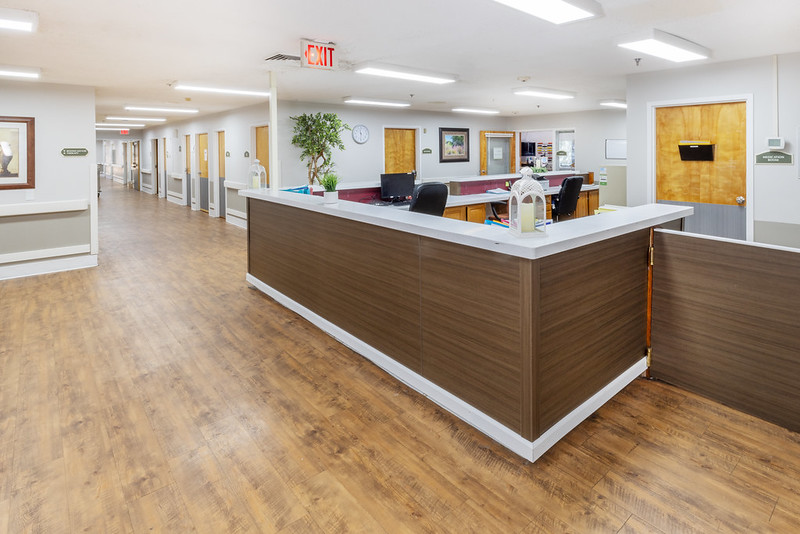
How is West Village Post Acute Staffed?
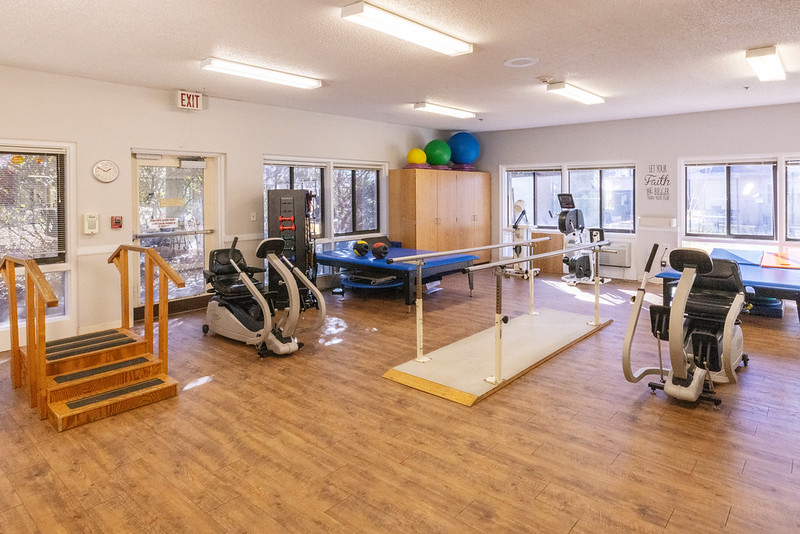
CMS rates West Village Post Acute's staffing level at 2 out of 5 stars, which is below average compared to other nursing homes. Staff turnover is 66%, which is 20 percentage points above the South Carolina average of 46%. High turnover can affect care consistency as new staff learn residents' individual needs. RN turnover specifically is 78%, which is notably high. RNs provide skilled clinical oversight, so turnover in this role can affect medical care quality.

What Have Inspectors Found at West Village Post Acute?

State health inspectors documented 23 deficiencies at West Village Post Acute during 2021 to 2025. These included: 1 that caused actual resident harm and 22 with potential for harm. Deficiencies causing actual harm indicate documented cases where residents experienced negative health consequences.

Who Owns and Operates West Village Post Acute?

West Village Post Acute is owned by a for-profit company. For-profit facilities operate as businesses with obligations to shareholders or private owners. The facility is operated by PACS GROUP, a chain that manages multiple nursing homes. With 132 certified beds and approximately 123 residents (about 93% occupancy), it is a mid-sized facility located in Greenville, South Carolina.

How Does West Village Post Acute Compare to Other South Carolina Nursing Homes?

Compared to the 100 nursing homes in South Carolina, West Village Post Acute's overall rating (3 stars) is above the state average of 2.8, staff turnover (66%) is significantly higher than the state average of 46%, and health inspection rating (3 stars) is at the national benchmark.

What Should Families Ask When Visiting West Village Post Acute?

Based on this facility's data, families visiting should ask: "How do you ensure continuity of care given staff turnover, and what is your staff retention strategy?" "Can you walk me through typical staffing levels on day, evening, and night shifts?" "Can I visit during a mealtime to observe dining assistance and food quality?" "How do you handle medical emergencies, and what is your hospital transfer rate?" These questions are particularly relevant given the facility's high staff turnover rate and the below-average staffing rating.

Is West Village Post Acute Safe?

Based on CMS inspection data, West Village Post Acute has a clean safety record: no substantiated abuse findings (meaning no confirmed cases of resident harm), no Immediate Jeopardy citations (the most serious violation level indicating risk of serious injury or death), and is not on the Special Focus Facility watch list (a federal program monitoring the lowest-performing 1% of nursing homes). The facility has a 3-star overall rating and ranks #1 of 100 nursing homes in South Carolina. While no facility is perfect, families should still ask about staff-to-resident ratios and recent inspection results during their visit.

Do Nurses at West Village Post Acute Stick Around?

Staff turnover at West Village Post Acute is high. At 66%, the facility is 20 percentage points above the South Carolina average of 46%. Registered Nurse turnover is particularly concerning at 78%. RNs handle complex medical decisions and coordinate care — frequent RN changes can directly impact care quality. High turnover means new staff may not know residents' individual needs, medications, or preferences. It can also be disorienting for residents, especially those with dementia who rely on familiar faces. Families should ask: What is causing the turnover? What retention programs are in place? How do you ensure care continuity during staff transitions?

Was West Village Post Acute Ever Fined?

West Village Post Acute has no federal fines on record. CMS issues fines when nursing homes fail to meet care standards or don't correct problems found during inspections. The absence of fines suggests the facility has either maintained compliance or corrected any issues before penalties were assessed. This is a positive indicator, though families should still review recent inspection reports for the full picture.

Is West Village Post Acute on Any Federal Watch List?

West Village Post Acute is not on any federal watch list. The most significant is the Special Focus Facility (SFF) program, which identifies the bottom 1% of nursing homes nationally based on persistent, serious quality problems. Not being on this list means the facility has avoided the pattern of deficiencies that triggers enhanced federal oversight. This is a positive indicator, though families should still review the facility's inspection history directly.