Chandler Creek Post Acute
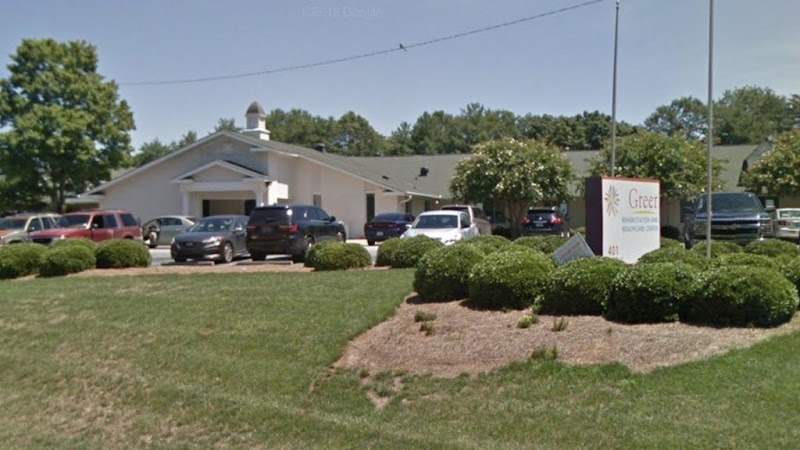
401 Chandler Rd, Greer, SC 29651 (864) 879-1370
For profit - Limited Liability company 133 Beds PACS GROUP Data: November 2025 1 Immediate Jeopardy citation
Trust Grade
48/100
#72 of 186 in SC
Last Inspection: May 2025

Inspected within the last 6 months. Data reflects current conditions.

Overview

Chandler Creek Post Acute in Greer, South Carolina, has a Trust Grade of D, indicating below-average performance with some concerns. It ranks #72 out of 186 facilities in the state, placing it in the top half overall, but there are significant issues to consider. The facility's trend is worsening, with problems increasing from 2 in 2024 to 11 in 2025. Although staffing has a 3/5 rating and a turnover rate of 42%, which is slightly below the state average, the health inspection score is only 2/5, suggesting areas needing improvement. Recent inspections revealed critical issues, including dangerously high hot water temperatures that could pose a burn risk to residents and failures in maintaining proper food safety practices, which could affect all residents' health. Additionally, the facility was cited for not consistently using regular dishware during meal service, which detracts from a homelike environment. While there are some strengths, such as zero fines and excellent quality measures, families should weigh these against the significant weaknesses in health and safety practices.

Trust Score
D
48/100
In South Carolina
#72/186
Top 38%
Safety Record
High Risk
Review needed
Inspections
Getting Worse
2 → 11 violations
Staff Stability
○ Average
42% turnover. Near South Carolina's 48% average. Typical for the industry.
Penalties
✓ Good
No fines on record. Clean compliance history, better than most South Carolina facilities.
Skilled Nurses
○ Average
Each resident gets 31 minutes of Registered Nurse (RN) attention daily — about average for South Carolina. RNs are the most trained staff who monitor for health changes.
Violations
⚠ Watch
22 deficiencies on record. Higher than average. Multiple issues found across inspections.
★★★☆☆
3.0
Overall Rating
★★★☆☆
3.0
Staff Levels
★★★★★
5.0
Care Quality
★★☆☆☆
2.0
Inspection Score
Stable
2024: 2 issues
2025: 11 issues

The Good

  • 5-Star Quality Measures · Strong clinical quality outcomes
  • Full Sprinkler Coverage · Fire safety systems throughout facility
  • No fines on record
  • Staff turnover below average (42%)

    6 points below South Carolina average of 48%

Facility shows strength in quality measures, fire safety.

The Bad

3-Star Overall Rating

Near South Carolina average (2.8)

Meets federal standards, typical of most facilities

Staff Turnover: 42%

Near South Carolina avg (46%)

Typical for the industry

Chain: PACS GROUP

Part of a multi-facility chain

Ask about local staffing decisions and management

The Ugly 22 deficiencies on record

1 life-threatening
May 2025 10 deficiencies
CONCERN (D)

Potential for Harm - no one hurt, but risky conditions existed

Deficiency F0558 (Tag F0558)

Could have caused harm · This affected 1 resident

Based on review of facility policy, observation, interview, and record review, the facility failed to ensure the call light was within reach for Resident (R)107, for 1 of 1 resident reviewed. Finding...

Read full inspector narrative →
Based on review of facility policy, observation, interview, and record review, the facility failed to ensure the call light was within reach for Resident (R)107, for 1 of 1 resident reviewed. Findings include: A review of the facility policy titled Signal System Policy with no revision date, revealed the following: 1. Be sure the call light is always plugged in. 2. The call light shall be placed within the reach of the resident. 3. Any call light not working appropriately will be reported immediately to the supervisor. 4. Call lights will be answered as soon as possible. 5. For residents unable to utilize the call light, staff will monitor these residents frequently by making rounds. 6. If the call light system becomes inoperable at any time, bells will be distributed to each resident for use to signal staff of needed assistance. Review of R107's Face Sheet revealed an admission date of 04/10/25, with diagnoses including but not limited to: Alzheimer's disease, cognitive communication deficit, other lack of coordination, and Parkinson's disease without dyskinesia. Review of R107's Minimum Data Set (MDS) with an Assessment Reference Date (ARD) of 05/08/25, revealed a Brief Interview for Mental Status (BIMS) score of 5 out of 15, which indicated the resident was severely cognitively impaired. Further review of the MDS revealed R107 required substantial/maximal assistance for transfers and toileting. Review of R107's Care Plan revealed, ADL/Mobility [R107] has actual ADL/mobility decline and requires assistance related to fluctuating ADLs, recent hospitalization, weakness, abnormalities of gait and mobility Date Initiated: 05/02/2025 Revision on: 05/15/2025. Intervention: Encourage to use call light for assistance . Falls: [R107] is at risk for falls with or without injury related to decreased muscular coordination, seizure disorder, poor safety awareness. Date Initiated: 05/15/2025. Intervention: Educate/remind resident to call for assistance with all transfers. During an observation and interview on 05/18/25 at 11:44 AM, revealed no call light cord observed on R107's side of the room. R107 stated he didn't have one. During an observation and interview on 05/18/25 at 12:00 PM, revealed no call light cord observed on R107's side of the room. R107's roommate revealed, R107 has had no call light for a few days and the roommate would push his call light if R107 needed help. R107's roommate stated if he leaves his room, R107 would have to wait for assistance until he gets back or wait for a staff member to come in and check on him. During an observation on 05/19/25 at 8:58 AM and 10:37 AM, revealed no call light cord on R107's side of the room. During an interview with Certified Nursing Assistant (CNA)1 on 05/19/25 at 1:40 PM, CNA1 confirmed being R107's aide. CNA1 states from the time she clocks in she receives report from the previous shift aides and check on the residents to ensure they have their morning ADL care, and ensure they have their call lights on them or within reach. CNA1 states call lights are also supposed to be checked during rounds, which is every 2 hours or as needed. CNA1 then confirmed R107 had no call light cord on his side of the room, and stated she didn't realize he didn't have one. CNA1 stated that in the case of emergency, he wouldn't be able to voice his needs. During an observation and interview with License Practical Nurse (LPN)5 on 05/19/25 at 1:47 PM, LPN5 confirmed R107 didn't have a call light cord in his room, and he should have had one. LPN5 stated they were unsure why or how long R107 didn't have one. During an interview with the Maintenance Director (MD) on 05/19/25 at 1:50 PM, revealed the MD utilizes an electronic system called TELS (work order system for repairs). The MD stated all department heads have access to place a work order if something needs repair or as simple as an extra call light cord. The MD explains CNAs are to communicate to their nurse, and their nurse is to place a work order in, once received, he follows up on it. The MD further stated there has been no work order requesting an extra call light cord. During an interview with the Director of Nursing (DON), in the presence of the Facility Administrator, on 05/19/25 at 2:07 PM, revealed they were unaware of R107 not having a call light. Both the DON and Facility Administrator agreed call light cords should be accessible, and everyone should have a cord. Both agreed that their expectation is to check it while doing rounds.
CONCERN (D)

Potential for Harm - no one hurt, but risky conditions existed

Safe Environment (Tag F0584)

Could have caused harm · This affected 1 resident

**NOTE- TERMS IN BRACKETS HAVE BEEN EDITED TO PROTECT CONFIDENTIALITY** Based on review of facility policy, observation, interview and record review, the facility failed to ensure a clean, sanitary ho...

Read full inspector narrative →
**NOTE- TERMS IN BRACKETS HAVE BEEN EDITED TO PROTECT CONFIDENTIALITY** Based on review of facility policy, observation, interview and record review, the facility failed to ensure a clean, sanitary homelike environment was provided for Resident (R)30, for 1 of 1 residents reviewed for homelike environment. Findings include: Review of the facility policy dated 2001, titled, Homelike Environment revealed in the policy statement, Residents are provided with a safe, clean, comfortable and homelike environment . The facility staff and management maximizes, to the extent possible, the characteristics of the facility that reflect a personalized, homelike setting. These characteristics include: a clean, sanitary and orderly environment; pleasant, neutral scents. Review of R30's Face Sheet revealed he was admitted to the facility on [DATE], with diagnosis including, but not limited to: personal history of transient ischemic attacks, type 2 diabetes mellitus, epilepsy and atherosclerotic heart disease. Review of R30's Annual Minimum Data Set (MDS) with an Assessment Reference Date (ARD) of 05/05/25, revealed he had a Brief Interview of Mental Status (BIMS) score of 14 out of 15, indicating he was cognitively intact. Review of R30's Care Plan, revealed a problem area of refusing showers and refuses to request assistance, however there was no care plan addressing the foul odor in the room or interventions to minimize the odor/cleanliness of the room or of R30's person. Review of the Wheelchair Washing Schedule revealed, 11p-7a CNA's are responsible for washing wheelchairs (W/C). Review of the Wheelchair Washing Sign-Off Log dated May 2025 recorded 2 days that R30's room was scheduled and signed as the wheelchair being washed. During an observation on 05/18/25 at approximately 2:10 PM, a foul odor was noted in R30's room and the hallway leading up to the room. During an observation on 05/19/25 at 9:19 AM, the same foul odor was noted near R30's. Licensed Practical Nurse (LPN)6, who was at her medication cart a room away, confirmed it was from R30 and stated, It always smells like that. During an observation on 05/19/25 at 9:20 AM, R30's room still had the same foul odor, which resemble the odor of a bowel movement. R30 was lying in bed with his eyes closed and the blanket pulled up covering his head. An attempt to speak to him, but was unsuccessful. An observation of a pair of slippers located on the cushion seat of his wheelchair (W/C), appeared to have dried bowel movement, embedded inside both slippers. The W/C was beside R30's bed. When standing closer to the W/C with the slippers, the same foul odor was even stronger and permeated throughout the room, and was the same odor noted during previous observations. An observation of 2 plastic water pitchers at R30's bedside, the plastic clear straws had black debris on each straw. Inside one water pitcher the liquid was pink, in the other water pitcher the liquid was dark brown, both were full. There was debris along the baseboard of the room, dried substance on the wall by the air conditioner and heavy coating of dust on belongings on the resident's table and on a radio. On 05/19/25 at 2:03 PM, an interview with the Maintenance and Environmental Director revealed R30 smears BM (bowel movement) on the walls. He can't help it, it's his disease. Upon walking towards the room, the foul odor was noted before entering room. Upon entering the room they confirmed the black debris on the residents 2 water pitcher straws. They confirmed how dirty the residents things were on his bedside table and the radio on the floor covered in dust, debris on the wall by the air conditioning unit and around the baseboards. They confirmed the dried substance in the residents slippers that were located in his W/C seat. They said my housekeepers go in to clean, but he refuses for them to touch his things. On 05/19/25 at 2:35 PM, an interview with Certified Nurse Assistant (CNA)8, confirmed she was R30's CNA and stated, R30 doesn't ask for help. His room always smells foul. We do an ice round in the mornings or afternoon. CNA8 confirmed the 2 water pitchers at his bedside, she said those have probably been there a while. One had brown liquid the other had pink liquid. CNA8 confirmed the straws each had a black substance on both of them at the tip. She said if it's their own personal cup, we will clean it ourselves, rinse it out with soap and hot water. She said someone will take care of that, possibly throw them away and get him clean ones as she walked away. On 05/19/25 at 2:40 PM, an interview with Licensed Practical Nurse (LPN)6, confirmed there was bowel movement in R30's slippers and also confirmed the foul odor in the room. LPN6 stated, We wash them multiple times, its a daily thing. She also confirmed the black substance on the tip of both straws. On 05/20/25 at 10:47 AM, an observation revealed dried bowel movement on R30's W/C seat cushion. Also, his slippers, located on his W/C seat appeared to have dried bowel movement embedded in them with a strong odor emanating from them. Additionally, the 2 water pitchers at bedside with black debris on both straws was observed, it appeared to be the same drink as the previous day, a pink drink and a dark brown drink. R30's room still had a foul odor of bowel movement. On 05/20/25 at 10:51 AM, an interview with LPN7 revealed, The straws in [R30's] drink pitchers in the room are dirty, BM is on his seat, and I could smell BM stronger when you stand over his slippers. His W/C is soiled all the time. On 05/20/25 at 12:50 PM, an interview with the Director of Nurses (DON) revealed the CNA's should go in the room every 2 hours, ensure residents have fresh water available. The DON stated, I interact with [R30] often, he always had that odor on him. I'm not aware his slippers may have BM in them. The W/C's are cleaned on night shift. If the straws have deposit on it, they should have been thrown out. [R30] is care planned for refusal and non compliance. I'm not aware of anyone going in and speaking to him about his hygiene and odor, but I will. On 05/20/25 at 1:15 PM, an interview with the Administrator revealed they deep clean rooms, I'm not sure of the frequency. I feel staff come in with the mentality that I'll do the least amount of work if they know a resident refuses, I feel they may take advantage and not clean like they should. The Administrator confirmed he was not aware of the odors from R30's room. On 05/20/25 at 2:56 PM, a follow up interview with the Maintenance/Environmental Director and the Administrator. The Maintenance/Environmental Director stated R30 refuses, they just have to work around that. He stated, If he doesn't want them to touch his items, they clean around it. Nothing you can do with baseboard. I don't have records that I can show you for deep cleaning. It takes about 2 weeks before you get back to deep cleaning the same room again.
CONCERN (D)

Potential for Harm - no one hurt, but risky conditions existed

Assessment Accuracy (Tag F0641)

Could have caused harm · This affected 1 resident

Based on observation, interview, record review, and review of the facility policy, the facility failed to identify and assess Resident (R)43's skin wounds located on the bilateral lower extremities, f...

Read full inspector narrative →
Based on observation, interview, record review, and review of the facility policy, the facility failed to identify and assess Resident (R)43's skin wounds located on the bilateral lower extremities, for 1 of 2 resident reviewed. Findings include: Review of the undated facility policy titled, Skin Assessment documents, Skin Assessment-Inspect the skin on a daily basis when performing or assisting with personal care or ADLs . Monitoring-1. Evaluate, report, and document potential changes in the skin. 2. Review the interventions and strategies for effectiveness on an ongoing basis. Review of R43's Progress Note dated 05/16/25 with a timestamp of 10:29 AM, confirmed no indication of any skin wounds. Specifically, no information was provided under Section C (Skin). Items 1C (Current Skin Condition), 2C (Progress), and 3C (Comments) were all blank. Review of R43's Minimum Data Set (MDS) with an Assessment Reference Date (ARD) of 05/02/25, revealed under Section M-Skin Conditions, no wounds, no injuries, nor any ulcers were documented. During an observation and interview on 05/18/25 at 11:19 AM, the son of R43 reported bilateral bruises on the front of his mother's shins. R43's son proceeded to ask his mother's permission to expose her leg bruises. Upon observation and after being granted permission, the bruises appeared to be in the healing process with a thick crusted scab on top of a slightly reddened area approximately a nickel size in diameter on the front shin of both of her legs. R43's son stated that the staff was unable to verify how the wounds came about. He further commented that no further information nor any updates have since been provided. During an interview on 05/19/25 at 3:44 PM, the Floor Unit Nurse Manager, Licensed Practical Nurse (LPN)4, was unable to verify how R43 acquired her bilateral shin wounds. When advised that there was no record and/or documentation of a skin wound charted, LPN4 provided no further response. During an interview on 05/19/25 at approximately 2:00 PM, an unspecified Certified Nursing Assistant (CNA) stated that the wounds had been there for an extended period (at least a couple of months) and had been reported previously. During an interview on 05/19/25 at 4:54 PM, with the facility's former Wound Care Nurse and current Assistant Director of Nursing (ADON), LPN3. The ADON stated that the bilateral leg wounds on R43 was brought to her attention today 05/19/25. The ADON further stated that once inspected, she believed upon her observation that the wounds were most closely associated with what appeared to be venous stasis ulcers. Additionally, LPN3 stated that the wounds, in her opinion, were associated with an initial unknown impact that caused bruising and was not associated with any superficial scratches. LPN3 stated, Venous ulcers start as open lesions that open up quick and when treated will get smaller. The ADON stated that skin assessments are done every week and believed the wounds formed 3-4 days ago.
CONCERN (D)

Potential for Harm - no one hurt, but risky conditions existed

Accident Prevention (Tag F0689)

Could have caused harm · This affected 1 resident

**NOTE- TERMS IN BRACKETS HAVE BEEN EDITED TO PROTECT CONFIDENTIALITY** Based on review of facility policy, record review, observation, and interview, the facility failed to assess Resident (R)26 and ...

Read full inspector narrative →
**NOTE- TERMS IN BRACKETS HAVE BEEN EDITED TO PROTECT CONFIDENTIALITY** Based on review of facility policy, record review, observation, and interview, the facility failed to assess Resident (R)26 and R270 for self administration of medication, for 2 of 3 residents reviewed. Findings include: Review of the facility policy titled, Self-Administration of Medications with a revised date of February 2021, documented, Residents have the right to self-administer medications if the interdisciplinary team has determined that it is clinically appropriate and safe for the resident to do so. Policy Interpretation and Implementation 1. As part of the evaluation comprehensive assessment, the interdisciplinary team (IDT) assesses each resident's cognitive and physical abilities to determine whether self-administering medications is safe and clinically appropriate for the resident . 3. If it is deemed safe and appropriate for a resident to self-administer medications, this is documented in the medical record and the care plan . 4. If the team determines that a resident cannot safely self-administer medications, the nursing staff administer the resident's medications . 1. Review of R26's Face Sheet revealed R26 was admitted to the facility on [DATE], with diagnoses including but not limited to: encephalopathy, hemiplegia and hemiparesis following cerebral infarction affecting right dominant side, dyshagia, bipolar disorder, contracture of right shoulder and right hand, manic episode, sever with psychotic symptoms, and seizures. Review of R26's Annual Minimum Data Set (MDS) with an Assessment Reference Date (ARD) of 03/12/25, revealed R26 had a Brief Interview for Mental Status (BIMS) score of 5 out of 15, which indicated R26 had severe cognitive impairment. Review of R26's Care Plan revealed the following problem areas: Self Care Deficit R/T impaired mobility, including oral care, debility, weakness, hx. of CVA with hemiparesis, contracture right hand, DM, incontinent of B&B, copd, neuropathy d/t pvd, onchomycosis, hx tia, convulsions, VITAMIN D DEF., VITAMIN B DEF. RESIDNT WITH RIGHT HAND SPLINT Date Initiated: 07/29/2016 and ALTERATION IN THOUGHT PROCESS-AEB SHORT TERM MEMORY LOSS, LONG TERM MEMORY LOSS, PROBLEMS WITH RECALL AND IMPAIRED DECISION MAKING R/T CVA, Encephalopathy Date Initiated: 03/12/2024 Revision on: 03/12/2024. Further review of the Care Plan did not revealed a Care Plan related to self administration of medications. Review of R26's Physician Orders, did not reveal an order for self administration of medication. Review of R26's Electronic Medical Record (EMR) did not reveal documentation that R26 was assessed for self administration of medication. During an observation and interview on 05/18/25 at 11:36 AM, R26 was laying in bed, with the bed side table over his midsection. Observation of the bed side table revealed a pill cup containing 1 white oblong pill labeled G12 and another triangle shaped pill labeled UU. R26 stated he does not know what the pills are. R26 further stated he takes his own medications everyday, they (nurse) drop it off and he takes it when he wants. During an observation on 05/20/25 at 9:26 AM, R26 was eating breakfast, with the breakfast tray on the bed side table over the resident midsection. Further observation revealed a pill cup on the breakfast tray, the pill cup contained multiple pills and 1 oblong pill was directly on the breakfast tray. As this surveyor asked R26 about the pill cup, R26 grabbed the pill cup, and loose pill, off the breakfast tray and wrapped both hands around the cup, in order to hide the contents from this surveyor. R26 began shaking his head. This surveyor exited the room in order to prevent R26 from becoming agitated. During an interview on 05/20/25 at 9:29 AM, Licensed Practical Nurse (LPN)1 stated, He is able to self administer, he used to be a pharmacist and he is adamant about taking his own meds. I tried to stay in there and watch him take it. When I tried to take them away he grabbed the pills. I explained that he needed to take the meds because DHEC was here. During an interview on 05/20/25 at 9:50 AM, LPN2 who is also the Unit Manager, stated, He should not be self administering. He can be difficult sometimes with taking his meds. When we try to take it away he'll snatch them. We should not be leaving the meds in his room for him to self administer. During an interview on 05/20/25 at 10:00 AM, the Director of Nursing (DON) revealed medications should be administered while the nurse is in there. The DON concluded the resident should swallow the meds before the nurse leaves. During an interview on 05/20/25 at 10:00 AM, the Administrator stated even if he was able to self administer the medications, the nurse should have watched. Surveyor: [NAME], [NAME] 2. Review of R270's Face Sheet revealed he was admitted to the facility on [DATE], with diagnoses including, but not limited to hypertension, Type 2 diabetes mellitus with diabetic polyneuropathy (nerve damage), major depressive disorder and foot drop. Review of R270's Baseline Care Plan did not revealed a Care Plan addressing R270's self administration of medication. During an observation on 05/18/25 at 10:13 AM, medication was observed on the over bed table in R270's room, 2 pills were observed, each in an individual med cup. R270 was not in the room. During an interview on 05/18/25 at 10:14 AM, Registered Nurse (RN)1 confirmed the medications were on R270's overbed table. RN1 stated the medications should not be in the room at bedside. RN1 stated he handed the med's to R270 and he was getting ready to go to therapy. RN1 concluded R270 must have sat them down and forgot to take them. Review of R270's Assessments revealed there was no assessment for self administration of medication. Review of R270's Physician Order did not revealed an order for R270 to self administer medication. During an interview on 05/19/25 at 1:12 PM, R270 confirmed the nurse did give him 2 medications yesterday. R270 stated, Therapy came in and took me from the room before he had a chance to take them. R270 concluded he was going to take them when he came back. During an interview on 05/20/25 at 12:01 PM, the DON stated, Medications are never left at bedside. I expect the nurse to watch that the medication is taken when they are giving it.
CONCERN (D)

Potential for Harm - no one hurt, but risky conditions existed

Respiratory Care (Tag F0695)

Could have caused harm · This affected 1 resident

**NOTE- TERMS IN BRACKETS HAVE BEEN EDITED TO PROTECT CONFIDENTIALITY** Based on review of the facility policy, record review, observation, and interview, the facility failed to follow Physician Order...

Read full inspector narrative →
**NOTE- TERMS IN BRACKETS HAVE BEEN EDITED TO PROTECT CONFIDENTIALITY** Based on review of the facility policy, record review, observation, and interview, the facility failed to follow Physician Order for the administration of oxygen to Resident (R)95, for 1 of 3 residents reviewed for oxygen therapy. Findings include: Review of the facility policy titled Oxygen Administration with a revision date of August 2022, documented, The purpose of this procedure is to provide guidelines for safe oxygen administration. Preparation 1. Verify that there is a physician's order for this procedure. Review the physician's orders for oxygen administration. 2. Review the resident's care plan to assess for any special needs of the resident. Review of R95's Face Sheet revealed R95 was admitted to the facility on [DATE], with diagnoses including but not limited to: hemiplegia and heiparesis following nontraumatic intracerebral hemorrhage affecting right dominant side, systolic (congestive) heart failure, chronic obstructive pulmonary disease, respiratory failure whether with hypoxia or hypercapnia, encephalopathy, and acute and chronic respiratory failure. Review of R95's Quarterly Minimum Data Set (MDS) with an Assessment Reference Date (ARD) of 04/10/25, revealed R95 had a Brief Interview for Mental Status (BIMS) score of 14 out of 15, which indicated R95 was cognitively intact. Review of R95's Physician Order with a start date of 12/12/24, and a revision date of 04/14/25, revealed, Oxygen at 2 liters at all times. every shift for supplement. Review of R95's Care Plan with an initiated date of 04/02/25, revealed the following problem area, [R95] requires pulmonary hygiene r/t respiratory condition related to Chronic Obstructive Pulmonary Disease (COPD), CHF URI. Interventions with a date initiated of 10/30/23, and a revision date of 11/20/24, directed staff to, Oxygen therapy as ordered. 2l per min via n/c-keep sats above 90% . During an observation on 05/18/25 at 11:40 AM, revealed R95 was laying in bed, observation of R95's oxygen concentrator revealed an oxygen flow rate of 8 Liters Per Minute (LPM), further observation revealed R95 was receiving oxygen via nasal cannula. During an observation on 05/20/25 at 8:20 AM, revealed R95 was laying in bed, observation of R95's oxygen concentrator revealed the oxygen flow rate still set at 8 LPM. During an interview on 05/20/25 at 9:33 AM, Licensed Practical Nurse (LPN)1 revealed R95's oxygen should be between 2 LPM and 4 LPM. LPN1 observed R95's oxygen concentrator and verified the flow rate was set to 8 LPM. LPN1 than adjusted R95's flow rate to 2 LPMs. During an interview on 05/20/25 at 9:50 AM, LPN2 who is also the Unit Manager, stated, He [R95] tends to be noncompliant and we try to coach him. He gets regular breathing treatments. I'll make sure that we are checking it (oxygen flow rate) to make sure it is taken care of. He can be noncompliant but we will make sure that the rate is correct. During an interview on 05/20/25 at 10:00 AM, the Director of Nursing (DON) revealed her expectation is for nursing staff to get at eye level with the concentrator and match the flow rate with the physician order.
CONCERN (D)

Potential for Harm - no one hurt, but risky conditions existed

Unnecessary Medications (Tag F0759)

Could have caused harm · This affected 1 resident

**NOTE- TERMS IN BRACKETS HAVE BEEN EDITED TO PROTECT CONFIDENTIALITY** Based on review of facility policy, observation, interview and record review, the facility failed to ensure the medication error...

Read full inspector narrative →
**NOTE- TERMS IN BRACKETS HAVE BEEN EDITED TO PROTECT CONFIDENTIALITY** Based on review of facility policy, observation, interview and record review, the facility failed to ensure the medication error rate was less than 5 percent (%) on 1 of 3 units reviewed for medication administration. The medication error rate was 12.12% with 33 opportunities, for 1 of 5 residents observed for medication administration. Findings include: Review of the facility policy dated 2001, titled, Administering Medications documented, Medications are administered in accordance with prescriber, including any required timeframe. #10. The individual administering the medication checks the label three times to verify the right resident, right medication, right dosage, right time and right method of administration before giving the medication. Review of R103's Face Sheet revealed she was admitted to the facility on [DATE], with diagnoses including but not limited to: fracture left femur, osteoporosis, anxiety, Gastroesophageal Reflux Disease (GERD), Rhinitis (stuffy nose), and depression. Review of R103's Physician Orders revealed an order for the following: Nasacort Allergy 24 HR Nasal Aerosol 55 microgram (mcg), (Triamcinolone Acetonide (Nasal), 1 spray in both nostrils in the morning for Rhinitis with a start date of 04/23/24. Esomeprazole Magnesium Oral Tablet Delayed Release 20 milligram (mg) (Esomeprazole Magnesium), give 1 tablet by mouth in the morning for GERD with a start date of 06/21/24. And Calcium Carbonate Tablet 600 mg, give 1 by mouth one time a day for calcium deficiency with a start date of 02/08/25. Review of R103's Medication Administration Record (MAR) dated May 2025, recorded Nasacort Allergy 24 HR Nasal Aerosol 55 MCG/ACT, (Triamcinolone Acetonide (Nasal), 1 spray in both nostrils in the morning for Rhinitis was initialed by Licensed Practical Nurse (LPN)8, and a code of 9 above her initials. It also recorded Esomeprazole Magnesium Oral Tablet Delayed Release 20 MG (Esomeprazole Magnesium), give 1 tablet by mouth in the morning for GERD was also initialed by LPN8, and a code of 9 above her initials. The chart codes on the MAR states, 9 = Other/See nurses Notes. Review of R103's Progress Notes recorded the following: MAR May 2025 on 05/20/2025 at 10:43 eMar - Medication Administration Note. Note Text: Somersaulted Magnesium Oral Tablet Delayed Release 20 MG Give 1 tablet by mouth in the morning for GERD, ordered. Nursing 05/20/2025 at 10:41 eMar - Medication Administration Note. Note Text: Nasacort Allergy 24 HR Nasal Aerosol 55 MCG/ACT 1 spray in both nostrils in the morning for Rhinitis, ordered, notified pharmacy. During an observation and interview of Licensed Practical Nurse (LPN)8 on 05/20/25 at 8:20 AM, during medication administration for R103. LPN8 stated, her Esomeprazole is not available, I will place an order for it from the pharmacy. I think it's just out. LPN8 also stated she couldn't find R103's nasal spray. LPN8 stated she will also place an order to the pharmacy for this medication. LPN8 crushed all medication in applesauce, and placed the Calcium Carbonate 500 mg tablet in a separate medication cup. Upon entering the room, after verifying resident, LPN8 placed the Calcium Carbonate (Tums) 500 mg tablet on R103's bedside table and proceeded to give all the other medication. Upon exiting room, the Calcium Carbonate remained in the med cup at bedside. LPN8 returned to the med cart, did not sanitize her hands, reviewed the MAR and said I still have a few medications to give her. After drawing up those medications, LPN8 reentered R103's room. The Calcium Carbonate was still in the med cup at bedside. After administering the remaining medication, LPN8 exited the room, left the Calcium Carbonate at the bedside again. LPN8 failed to wash or sanitize her hands again and proceeded to the MAR to sign the medication as given. During an interview with LPN8 on 05/20/25 at 8:58 AM, she confirmed she was supposed to sanitize her hands afterward and that she left the Calcium Carbonate in the room, twice. During a follow up interview on 05/20/25 at 3:28 PM, LPN8 revealed she verified the order for the Calcium Carbonate 600 mg, however she pulled the Calcium Carbonate from the med cart and stated, the mg are not the same. This says 500 mg and the order is for 600 mg. LPN8 stated she called the pharmacy and let the Unit Manager and Nurse Practitioner know about the meds being missing. LPN8 stated, I ordered them from the pharmacy. She confirmed she did not get an order to hold them. During an interview on 05/20/25 at 12:09 PM, the Director of Nurses (DON) stated the nurse is supposed to ensure the resident has swallowed the medication before they leave the room. The nurse should wash their hands or use hand sanitizer when passing meds. Wash hands after every 2 residents. If meds aren't available, we would ask if coming from the pharmacy, or we may have it on hand or we contact the pharmacy to reorder it. The DON further stated we need to notify the provider and the pharmacy, ask why it is not available and never document the medication was not available. Let the resident know that the meds weren't available and tell them we are working on getting the meds as soon as possible. We will place a hold on the order. The nurse should never leave a medication on the med cart and walk away, leaving the medication unattended. During a follow up interview with the DON on 05/20/25 at 4:30 PM, she stated, The dosage was not correct, the Calcium Carbonate order is 600 mg, and we have 500 mg, we will change the order.
CONCERN (E)

Potential for Harm - no one hurt, but risky conditions existed

Resident Rights (Tag F0550)

Could have caused harm · This affected multiple residents

Based on observation, interview, and review of facility policy, the facility failed to provide regular dishware during meal service, in order to promote a homelike environment for all residents in the...

Read full inspector narrative →
Based on observation, interview, and review of facility policy, the facility failed to provide regular dishware during meal service, in order to promote a homelike environment for all residents in the facility. Findings include: Review of the undated facility policy titled, Food and Nutrition Services Manual revealed, 5. Disposable Dishware and Utensils-Disposable items shall be used only under circumstances where reuse of standard dishware is not feasible or safe. Single-use items (plates, cups, utensils) are permitted during: Dish machine malfunction, Infection Control isolation, and Resident-specific dietary restrictions or requests . During a dining observation on 05/18/25 at 12:43 PM, Certified Nursing Assistants (CNA)s were observed applying hand sanitizers to their hands and shortly thereafter removing lunch trays from a tall, silver bin in the hallway. Some meal trays were being served using regular dishware, while some meal trays were being served using styrofoam containers. During an interview on 05/19/25 at 10:00 AM, with the Resident Council, R60 stated that no condiments are received with meals, and they are served in styrofoam boxes that cause soup to spill and make their sandwiches soggy. R13, who is the Resident Council President, stated that food is their number one problem, sometimes we will be given plates with no dividers. Last night we had stale bread with one slice of cheese, and tomato soup in a container. R13 proceeded to show a picture of the soup and a sandwich meal he was provided a styrofoam container. R46 stated, We get plastic utensils. During an interview on 05/19/25 at 1:47 PM, the Registered Dietician (RD) stated that he is only here once a week and unsure of the reasoning for the use of styrofoam containers. While speaking with the RD, a loud crash was heard coming from the dishwasher area of the kitchen. In response to the loud noise, the RD stated, As you can hear we are constantly breaking dishware. The RD further explained that he is mainly responsible for assessing the nutritional needs of residents and therefore has a very limited role on the service side of the kitchen. During an interview on 05/19/25 at 2:02 PM, the Kitchen Manager (KM) stated that styrofoam containers and disposable eating utensils are used due to a lack of regular dishware supplies. He further stated, Dishes often get broken, and silverware gets missing. We are constantly having to purchase replacement dishware. During an observation and interview on 05/20/25 at 7:19 AM, the Lead [NAME] stated that there were no current issues with the dishwasher and that they have continued to use styrofoam containers and plastic utensils because they keep breaking plates.
CONCERN (E)

Potential for Harm - no one hurt, but risky conditions existed

Deficiency F0565 (Tag F0565)

Could have caused harm · This affected multiple residents

Based on observation, interview, and review of the facility policy, the facility failed to provide privacy during Resident Council meeting for 5 residents who attended, Resident (R)13, R46, R20, R60, ...

Read full inspector narrative →
Based on observation, interview, and review of the facility policy, the facility failed to provide privacy during Resident Council meeting for 5 residents who attended, Resident (R)13, R46, R20, R60, R21. Findings include: Review of the facility policy titled Resident Council dated September 2018, revealed that the policy does not address privacy during resident council meetings. On 05/19/25 at 10:00 AM, a Resident Council Meeting was held in the Veterans room located outside of the dining room of the facility. In the Veterans room were 2 (two) doors, that led to staff offices. In attendance was 2 (two) surveyors conducting the meeting and 1 (one) surveyor observing. The current Resident Council President was in attendance, with four (4) other residents in attendance. The door to the Veterans room was closed with a sign posted on the outside of the door indicating Resident Council Meeting including the date and time. Observations during the meeting revealed staff coming and going through the Veterans' room during the Resident Council meeting. During observation of the Resident Council meeting held on 05/19/25 at 10:00 AM, the meeting was interrupted multiple times by staff entering the Veterans room where the meeting was being held. During interviews on 05/19/25 at 10:00 AM, R13, R20, and R60, all stated that staff always come in out of the room during the Resident Council Meetings. During an interview on 05/19/25 at approximately 10:15 AM, R60 stated, The Resident Council Meetings are normally held in the main dining room which there are continuous staff interruptions and lots or noise coming from the kitchen staff, and the meetings are never private. During an interview on 05/20/25 at 10:14 AM, the Activity Director stated, Resident Council meetings are held in the main dining room. Privacy is ensured by closing the door to the dining room. The staff know not to interrupt during the meetings. There is a sign that gets posted on the dining room door indicating the Resident Council meeting is in process. During an interview on 05/20/25 at 10:29 AM, R13 (resident council president) stated, The resident council meetings are not private. The meetings are held in the dining room. The staff are constantly coming and going in and out of the room during the meeting. There is no signage on the door indicating the Resident Council meeting is in progress. The Activity Director leads the meeting. The Administrator has been present at the meetings he has attended. The residents are in fear of retaliation, so they are intimidated to speak during the meeting because they are too busy watching the staff coming and going during the Resident Council meetings. During an interview on 05/20/25 at 10:55 AM, the Administrator stated he attended 3 Resident Council meetings. The Administrator further stated his expectation of the Resident Council meetings is for privacy during the meetings and no interruptions. Meetings are always held in the main dining room. When there is a Resident Council meeting it is announced in the morning staff meetings for the staff to know. The signage of the Resident Council meeting has not been posted, far as he has seen.
CONCERN (E)

Potential for Harm - no one hurt, but risky conditions existed

Deficiency F0761 (Tag F0761)

Could have caused harm · This affected multiple residents

**NOTE- TERMS IN BRACKETS HAVE BEEN EDITED TO PROTECT CONFIDENTIALITY** Based on review of facility policy, observation and interview, the facility failed to ensure medications were free of expiration...

Read full inspector narrative →
**NOTE- TERMS IN BRACKETS HAVE BEEN EDITED TO PROTECT CONFIDENTIALITY** Based on review of facility policy, observation and interview, the facility failed to ensure medications were free of expiration, failed to ensure narcotic boxes were permanently affixed, failed to discard medication after discontinuation of medication, failed to ensure treatment carts were locked when unattended, and failed to sign narcotics out from narcotics sheet for 2 of 3 unit medication rooms and 2 of 3 medication carts. Findings include: Review of the undated facility policy titled, Storage of Medications states in the policy heading, The facility stores all drugs and Biologicals in a safe, secure . manner. The policy also states, #4. discontinued drugs or biologicals are returned to the dispensing pharmacy . #6. Compartments (including but not limited to, drawers, cabinets, rooms, refrigerators, carts and boxes) containing drugs and biologicals are locked when not in use. Unlocked medication carts are not left unattended. #8. Schedule II-V controlled medications are stored in separately locked, permanently affixed compartments. Review of the facility policy dated 2001, titled, Administering Medication states in the policy, #12. The expiration date on the medication label is checked prior to administering. During an observation on [DATE] at 10:55 AM, revealed an unlocked treatment cart on the unit by the nurses station and unattended. There were no nurses at the nursing station. During an observation on [DATE] at 9:10 AM, revealed an unlocked treatment cart by the nurses station. All nurses were passing medication. No nurses were in the vincity of the unlocked cart. During an observation on [DATE] at 1:20 PM, revealed an unlocked treatment cart by the nurses station. There were no nurses at the nurse station. Upon opening the treatment cart, the following contents were observed: Metronidazole Gel USP 0.75%, Apply gel topically twice daily for 14 days, dated [DATE]. An open tube of triple antibiotic ointment, missing a cap was also in the cart. The Assistant Director of Nurses (ADON) was walking past the unit, and walked over when called. She stated, it should have a cap on it, I will discard it. During an interview on [DATE] at 1:25 PM, the Assistant Director of Nursing (ADON) stated the treatment cart should not be unlocked unless they are using it. The ADON confirmed the date on the Metronidazole Gel USP 0.75 % was [DATE]. The ADON stated the Metronidazole is finished as of [DATE]. It should not be in the treatment cart. During an observation and interview on [DATE] at 9:00 AM, of the [NAME] Medication (Med) Room with Licensed Practical Nurse (LPN)2, revealed the narcotic lock box was kept in the refrigerator and was locked. The narcotic lock box was not permanently affixed. The narcotic lock box contained 3 vials of Ativan. LPN2 stated, we've not had the narcotic box attached to the refrigerator. During an observation on [DATE] at 9:15 AM, of the TCU Med Room with LPN5 Unit Manager, revealed the narcotic lock box was kept in the refrigerator and was locked. The narcotic lock box was not permanently affixed. The narcotic lock box contained 10 vials of Ativan. LPN5 confirmed the narcotic lock box was not permananetly attached to the refrigerator. On [DATE] at 9:30 AM an interview with the Director of Nurses (DON). She said she ordered clear narcotic boxes for all the nurses, and said we will superglue them to the refrigerator. On [DATE] at 10:57 AM an observation of A Medication Cart [NAME] Unit with LPN 7. An open bottle of Acidophilus was in the stock drawer. The label states to store in refrigerator after opening. LPN 7 said we leave the acidophilus on the med cart and she confirmed it was open. She stated, I did not know it was supposed to be refrigerated. A bottle of Geri Care Vitamin E 160 milligram (mg) (400 international unit (IU) with best by dated 4/2025. LPN 7 confirmed it was expired. 2 bottles of Refresh tears were observed without open dates, but confirmed by LPN 7 to be open, as well as 4 Nasacort Allergy spray bottles, without an open date but confirmed to be open. LPN 7 confirmed they are good for 60 days after opening. On [DATE] at 11:25 AM an interview with LPN 2, Unit Manager. She said the eye drops and Nasacort need to be dated. We can't confirm when they were open to follow the expiration date after opening. On [DATE] at 11:28 AM an observation of TCU Unit Medication Cart B with LPN 8. During a narcotic count of medication, 2 cards of narcotic medication did not match what was on hand on the cards. One narcotic sheet recorded Oxycodone 5 mg tablet, 15 remaining. The matching Narcotic card had 14 tablets of Oxycodone 5 mg tablet remaining. Additionally, the second narcotic sheet recorded 26 tablets of Tramadol 50 mg, however the card of Tramadol had 25 tablets on hand. On [DATE] at 11:30 AM LPN 8 and LPN 5, Unit Manager confirmed the narcotic cards and narcotic medication records do not match. LPN 5, UM stated, The narcotics should match. On [DATE] at 12:01 PM an interview with the Director of Nurses (DON). She stated, If any meds are expired or discontinued or changed, I expect them to remove them from the cart to avoid potential errors. Unit Managers (UM) are to check the Med Room daily, checking the cart for loose pills, everything labeled, with an expiration date, and resident names on the meds. For a narcotic cart, one nurse checks the cart, the other the sheet, both visualize the med card and count sheet together. If there is a discrepancy, they let me or the Assistant DON know. Then we will investigate. The med sheets are to match the narcotic count sheet. The narcotic boxes are counted with the off going and oncoming nurse together. The med cart and treatment cart should be locked when not attended. Medications are never left at bedside. I expect the nurse to watch that the medication is taken when they are giving it.
CONCERN (F)

Potential for Harm - no one hurt, but risky conditions existed

Food Safety (Tag F0812)

Could have caused harm · This affected most or all residents

**NOTE- TERMS IN BRACKETS HAVE BEEN EDITED TO PROTECT CONFIDENTIALITY** Based on observation, interview, and review of the facility policy, the facility failed to ensure proper food safety practices r...

Read full inspector narrative →
**NOTE- TERMS IN BRACKETS HAVE BEEN EDITED TO PROTECT CONFIDENTIALITY** Based on observation, interview, and review of the facility policy, the facility failed to ensure proper food safety practices related to the maintenance and documentation of refrigerator and freezer temperatures, these failures had the potential to affect all residents who eat from the kitchen. Findings include: Review of the facility policy titled, Food and Nutritional Services Manual documented, 10. Food Receiving and Storage-All food and supplies received at [NAME] Creek Post Acute must be from approved sources and stored under conditions that prevent spoilage and contamination. Dry storage areas are clean, ventilated, and items are stored [greater than or equal to] 6 inches off the floor. Refrigerators maintain [less than or equal to] 41 deg F; freezers maintain a frozen state at 0 deg F or below. Thermometers are placed in all refrigeration units and temperatures are recorded daily. 17. Refrigerators and Freezers-Refrigeration and freezer units are maintained at safe temperatures to prevent spoilage and foodborne illness. Refrigerator temps are maintained at or below 41 deg F; freezers at 0 deg F or below. Internal thermometers are present in all cold storage units and checked daily. Logs are maintained and reviewed weekly by the food service manager. 25. Daily/Weekly/Monthly Log Templates-Documentation tools are maintained to support compliance, monitoring, and quality improvement. Logs include but are not limited to: Refrigerator/Freezer Temp Logs, Dish Machine Temperature/PPM Logs, Substitution Logs, Daily Assigned Cleaning Checklist. During an observation and interview during the initial brief kitchen tour on 05/18/25 at 10:48 AM, revealed there was no internal temperature gauge in the freezer. Further observation revealed the external thermometers for the refrigerator and freezer were not working properly. Additional observation revealed, there were incomplete temperature logs for the refrigerator and freezer. During the initial brief kitchen tour on 05/18/25 at 10:48 AM, a request was made for temperature logs for the refrigerator and freezer, the Kitchen Manager stated that he had not started the temperature logs for the month of May 2025. Subsequently, temperature logs were only provided for April 2025. During an interview on 05/19/25 at approximately 2:00 PM, the Kitchen Manager was asked to provide any additional refrigerator and freezer temperature logs. The Kitchen Manager provided temperature logs for November 2024 to March 2025 and May 1, 2025 to May 19, 2025. When the Kitchen Manager was asked how the temperatures were acquired for May 2025, the Kitchen Manager admitted to falsifying the temperatures for May 1st to May 18th, 2025.
Jan 2025 1 deficiency
CONCERN (D) 📢 Someone Reported This

A family member, employee, or ombudsman was alarmed enough to file a formal complaint

Potential for Harm - no one hurt, but risky conditions existed

Pharmacy Services (Tag F0755)

Could have caused harm · This affected 1 resident

**NOTE- TERMS IN BRACKETS HAVE BEEN EDITED TO PROTECT CONFIDENTIALITY** Based on review of the facility policy, record review, and interview, the facility failed to administer ordered medication to Re...

Read full inspector narrative →
**NOTE- TERMS IN BRACKETS HAVE BEEN EDITED TO PROTECT CONFIDENTIALITY** Based on review of the facility policy, record review, and interview, the facility failed to administer ordered medication to Resident (R) 2 for 1 of 1 residents reviewed for medication administration. Findings include: Review of the facility policy titled, Administering Oral Medications dated 200, revealed under the policy, to prepare the correct dose of medication. Record review of R2's admission facesheet revealed R2 admitted to the facility on [DATE] with diagnoses that include, but not limited to insomnia, anxiety, bipolar disorder and depression. Record review of R2's Quarterly Minimum Data Set (MDS) assessment with an assessment reference date (ARD) of 10/03/2024 revealed R2's Brief Interview for Mental Status (BIMS) score was recorded as 15 of 15, indicating she was cognitively intact. Record review of R2's Physician's order dated December 2024 revealed an order for Restoril Oral Capsule 22.5 mg (milligrams), give 1 by mouth at bedtime for insomnia. The start date for the Restoril was December 2, 2024. Record review of R2's Medication Administration Record (MAR) dated December 2024 revealed Restoril Oral Capsule 22.5 mg, give 1 by mouth at bedtime for insomnia was signed on the record as follows; December 22, 2024 was initialed by the nurse, with a 9 above her initials. There was not a check mark indicating the medication was given. December 24, 2024 was initialed by the nurse, with a 5 above her initials. There was not a check mark indicating the medication was given. December 25, 2024 was initialed by the nurse, with a 9 above her initials. There was not a check mark indicating the medication was given. December 27, 2024 was initialed by the nurse, with a 5 above her initials. There was not a check mark indicating the medication was given. December 28, 2024 was initialed by the nurse, with a 5 above her initials. There was not a check mark indicating the medication was given. December 29, 2024 was initialed by the nurse, with a 9 above her initials. There was not a check mark indicating the medication was given. Record review of the MAR Chart Code revealed the number 5, as hold/see nurses notes. Record review of the MAR Chart Code revealed the number 9, as other/see nurses notes. Record review of R2's Medication Administration Note dated 12/23/2024 did not record that the Restoril was on hold or not given. Record review of R2's Medication Administration Note dated 12/24/2024 recorded the Restoril was on order. There was not Medication Administration Note on December 25, 2024. Record review of R2's Medication Administration Note dated 12/26/2024 recorded Restoril, awaiting refill from pharmacy. Record review of R2's Medication Administration Note dated 12/27/2024 recorded Restoril, insurance will not cover, awaiting new medication order. Record review of R2's Medication Administration Note dated 12/28/2024 recorded Restoril, on order. Record review of R2's Medication Administration Note dated 12/29/2024 recorded Restoril, awaiting confirmation. On 01/24/2025 at 10:45 AM, an interview with R2 was conducted. She stated, There were 7 days my Restoril was not here. They told me it will be here at 2 pm, it went on and on. I called the pharmacy myself; they said my insurance wouldn't pay for it. On 01/24/2025 at 12:25 PM, an interview was conducted with Licensed Practical Nurse (LPN)1. She was asked to explain the codes on R2's MAR. She stated, The check indicates it was given, if it has a number, it may indicate it was held or refused. 9 indicates other, see nurses note. 5 is a hold, they held it for some reason. The only medication that was missing was her Temazepam/Restoril, her insurance wasn't going to cover it. On 01/24/2024 at 3:25 PM, an interview was conducted with R2's daughter. She stated, My mom called me at work. She said she wasn't getting her medication, specifically her sleep medication. She kept asking for it, and each night she didn't' get it, it went on for a while. I called up there after mom complained about it. I was told that the pharmacy wasn't paying for it, it was her insurance. I called the insurance company. They said it wasn't an issue. They winded up changing it back to a medication she was on before, it was about a week later. On 01/24/2025 at 5:30 PM, an interview was conducted with the Director of Nurses (DON). He reviewed R2's MAR and stated, The checks indicate the medication administration/documentation was completed. If it does not have a check, I would think that it was not administered. The pharmacy will let us know, send a fax. It will state a medication is not covered. It may take a few days to get that process. We should have asked for a hold or discontinue.
May 2024 2 deficiencies
CONCERN (D)

Potential for Harm - no one hurt, but risky conditions existed

Deficiency F0554 (Tag F0554)

Could have caused harm · This affected 1 resident

**NOTE- TERMS IN BRACKETS HAVE BEEN EDITED TO PROTECT CONFIDENTIALITY** Based on observation, record review, interview, and facility policy review, the facility failed to ensure that a resident was as...

Read full inspector narrative →
**NOTE- TERMS IN BRACKETS HAVE BEEN EDITED TO PROTECT CONFIDENTIALITY** Based on observation, record review, interview, and facility policy review, the facility failed to ensure that a resident was assessed for self-administration of medications prior to medications being left at bedside and that the correct dose was given for one of five residents (Resident (R) 8) reviewed for medication administration of 23 sampled residents. Findings include: Review of the facility's policy titled, Self-Administration of Medications, dated February 2021, revealed as part of the evaluation comprehensive assessment, the interdisciplinary team assess each resident to determine whether self-administering of medications is safe and appropriate. If it is determined safe and appropriate, this is documented in the medical record and care plan. Self-administered medications are stored in a safe and secure place, which is not accessible to other residents. Review of R8's ''admission Record'' located in the ''Profile'' tab of the electronic medical record (EMR), revealed R8 was admitted to the facility on [DATE] with diagnoses including chronic obstructive pulmonary disease. Review of R8's quarterly ''Minimum Data Set (MDS)'' with an Assessment Reference Date (ARD) of 03/06/24 revealed a Brief Interview for Mental Status (BIMS) score of 15 out of 15, which indicated intact cognition. Review of R8's Care Plan located under the ''Care Plan'' tab of the EMR and dated 09/25/23, revealed the resident was not care planned for self-administration of medications. Review of R8's Physician Orders located under the Orders tab of the EMR and dated 05/06/24, revealed no order for inhaler or self-administration of medications. During an observation 05/30/24 at 11:51 AM and 05/31/24 at 8:31 AM, R8 was lying in bed with nasal cannula. The bedside table right beside the bed had an inhaler, Albuterol Sulfate 90 mcg (microgram). R8 stated it was his emergency inhaler and that it was always in his possession. R8 stated the staff gave it to him and they had always allowed him to keep it in his possession. He stated he always had it with him. During an interview on 05/31/24 at 8:58 AM, Licensed Practical Nurse (LPN)2 stated she checked in on R8 earlier in the morning, but she had not administered any medications to him or the roommate yet this morning. She observed the inhaler on R8's bedside table and stated the resident did not have an order for it and should not have it in his possession. She stated she was not aware he had it and that it had to be someone on the 3rd shift that must have provided it to him. She stated she was unsure if the resident had been assessed to self-administer and she took the inhaler with her. During an interview on 05/31/24 at 2:32 PM, the Director of Nursing (DON) stated for a resident to be able to self-administer medications, they must have been assessed for self-administration, and they would be provided a lock box to have it locked up, or it could be kept on the cart. He stated the Nurse Practitioner (NP) would write an order for self-administration. He stated staff would be unaware of medications that a family may have brought in. He stated he would need to check into it and come back. At 3:08 PM, the DON stated the inhaler belonged to R8's roommate, who had an order to self-administer medications. But he agreed it should not have been in the possession of R8, who did not have a prescription for it or was assessed to safely self-administer medications.
CONCERN (D)

Potential for Harm - no one hurt, but risky conditions existed

Deficiency F0625 (Tag F0625)

Could have caused harm · This affected 1 resident

**NOTE- TERMS IN BRACKETS HAVE BEEN EDITED TO PROTECT CONFIDENTIALITY** Based on record review and interview, and facility policy review, the facility failed to issue one of three residents (Resident ...

Read full inspector narrative →
**NOTE- TERMS IN BRACKETS HAVE BEEN EDITED TO PROTECT CONFIDENTIALITY** Based on record review and interview, and facility policy review, the facility failed to issue one of three residents (Resident (R) 123) or their responsible party out of 23 sampled residents a bed hold notice when R123 was sent to the emergency room. This had the potential to affect the resident's return to the facility. Findings include: Review of R123's admission Record located in the Profile tab of the electronic medical record (EMR) revealed she was initially admitted on [DATE] for long-term care with diagnoses that included diabetes and muscle weakness. Review of R123's annual ''Minimum Data Set (MDS)'' with an ''Assessment Reference Date (ARD) of 03/07/24, revealed R123 had a ''Brief Interview for Mental Status (BIMS)'' score of one out of 15, which indicated the resident was severely cognitively impaired. Review of the facility's investigation related to a self-reported accident, provided by the facility, revealed the document for a bed hold, signed by R123 with an X when she was sent out on 03/15/24 for an evaluation of a laceration to her left cheek area. There was no documentation located in R123's EMR that reflected R123's responsible party, her son, had been informed of the bed hold policy. Review of R123's Progress Notes, dated 03/15/24 and located in the Progress Notes tab of the EMR, revealed R123's responsible party was notified the facility was sending R123 to the emergency room (ER), but did not inform them of the bed hold policy. During an interview on 05/31/24 at 1:10 PM with the Administrator, he presented a copy of the [Facility Name] Bed Hold Policy, revised on 12/26/23, which was the same form completed at the time of a transfer which contained information regarding pricing and bed hold status. When the Administrator was asked if the facility had any additional policies for bed hold, he stated the form provided was all they had. He also stated that residents could sign the form themselves, if cognitively able, but if they are not cognitively able, the responsible party was to be notified and then documented on the bed hold form. During a second interview on 05/31/24 at 1:30 PM, the Administrator provided an additional policy, Bed Holds and Returns policy, revised March 2017, which revealed .Prior to a transfer, or as timely as possible, written information will be given to the residents and the resident representatives that explains in detail: the rights and limitations of the resident regarding bed-holds . The Administrator also stated a resident signing the bed hold form with an X was appropriate for cognitively intact residents. He further stated R123, who had a BIMS of one out of 15, should not have signed the form and her responsible party should have been notified.
Jan 2023 1 deficiency
CONCERN (D) 📢 Someone Reported This

A family member, employee, or ombudsman was alarmed enough to file a formal complaint

Potential for Harm - no one hurt, but risky conditions existed

Report Alleged Abuse (Tag F0609)

Could have caused harm · This affected 1 resident

**NOTE- TERMS IN BRACKETS HAVE BEEN EDITED TO PROTECT CONFIDENTIALITY** Based on review of the facility policy, record review, and interviews, the facility failed to report an allegation of neglect. S...

Read full inspector narrative →
**NOTE- TERMS IN BRACKETS HAVE BEEN EDITED TO PROTECT CONFIDENTIALITY** Based on review of the facility policy, record review, and interviews, the facility failed to report an allegation of neglect. Specifically, 1 Resident (R)3, inadvertently was found to have Fentanyl in her urine drug screening. The Fentanyl was not listed as one of R3's prescribed medications. Findings include: Review of the facility's policy titled, Unusual Occurrence Reporting, last revised December 2007 states: Our facility will report the following events to appropriate agencies: g. Allegations of abuse, neglect and misappropriation of resident property . R3 was admitted to the facility on [DATE] with diagnoses including but not limited to, multiple sclerosis, gout, major depressive disorder, dementia and hypertension. Review of an unspecified Minimum Data Set (MDS) with an undefined Assessment Reference Date (ARD) revealed R3 had a Brief Interview of Mental Status (BIMS) score of 13 out of 15, indicating she is cognitively intact. R3 needs assistance with activities of daily living. Review of R3's care plan showed she is at risk for pain due to multiple sclerosis. Goals in place were R3 will voice pain tolerable after intervention through the next review. Interventions put in place included R3 will not have any undetected adverse effects from medications through the next review, R3 will not experience any undesired effects from medication through next review and R3 will not have any symptoms of unrelieved pain through the next review. Review of R3's Physician orders revealed the following: an order with a start date of 04/04/22 for Gabapentin Capsule 300 mg, prescribed for neuropathy, to be given every 8 hours. An order with a start date of 08/26/22 revealed an order for Norco Tablet 10-325 mg to be given every 8 hours for pain. Additional instructions were to hold the Norco if R3 showed to be sedated. An additional order dated 10/12/22 revealed an order for Tizanidine HCL 2 mg, to be given by mouth every 8 hours PRN (as needed) for pain. An observation of R3 on 01/24/23 at 10:30 AM revealed her in her room sitting in her wheelchair. She appeared well groomed and properly dressed. Review of R3's progress notes revealed a note dated 12/09/22 at 0425 which revealed, R3 c/o (complaint of) muscle rigidity. Patient was rubbed with Biofreeze that was in rub. F/U (follow-up) patient was incoherent and c/o pain and tensing. On-call Provider called and order to be sent out. Vitals obtained x1 162/107 178 pulse, x2 133/72 75 pulse. Fire depart [sic] arrived at 345. EMS arrived transferred pt to stretched. Emergency contact called. Pt sent to hospital downtown. The Licensed Practical Nurse (LPN) who authored the above note was unable to be reached for interview. Review of R3's initial hospital work-up in the ER showed a urine drug screen (UDS) positive for Opiates and Fentanyl. During an interview on 01/24/23 at 10:30 AM, R3 reported she could not recall what occurred and what caused her to go to ER for evaluation. She was unable to recall if she had been given medications and denies having a visitor during the event. R3 revealed she feels she is getting good care and denied any concerns. During an interview on 1/24/23 at 10:36 AM, LPN/Unit Manager (LPNUM) reported she was working from home on the day R3 was transported to the ER. Per conversations with staff, R3 was not acting like herself and was very lethargic and they got orders to send her out. R3's blood pressure and pulse were elevated. R3 was hospitalized 12/9 - 12/12/22. The LPNUM revealed when Emergency Medical Services (EMS) arrived to R3's room, one EMT stated R3 appeared to look like she was having a Fentanyl Overdose, prior to being provided with documentation on R3. LPNUM confirmed that R3 was not currently prescribed any narcotic medications. When asked if anyone in the facility was receiving Fentanyl, LPNUM revealed no one in the facility was currently prescribed Fentanyl by mouth, however there are 3 residents currently on Fentanyl patches under Hospice care in the facility. During an interview on 1/24/23 at 11:00 AM, the Operations Manager (OM) revealed the facility had conducted a thorough investigation to include looking through visitor logs with R3's family to see if any names were recognizable. The family could not identify any visitors that had signed in to visit R3. R3's daughter had requested a drug test be performed on her mother, which she had also done in the past previously. The OM confirmed the incident was not reported to SCDHEC or the police due to the facility's regional office feeling they had completed their own investigation and felt they did not have a need to report. During an interview with the Director of Nursing (DON) on 1/24/23 at 11:31 AM, he reported that R3's family member came to the facility due to being contacted of R3's status not being at baseline. R3's family requested she have a drug test and reported she has had to do so in the past. The DON could not confirm if R3 has had a drug problem in the past. The DON revealed the only Fentanyl that the facility used is patches. The DON reported they facility reviewed narcotic sheets, interviewed staff, and looked at visitor logs and they were not able to find how R3 had Fentanyl in her system. The DON then revealed that one of the problems is not everyone will sign in or list whom they are visiting on the visitor log, so it may not always be accurate. He reported R3 was administered Narcan and then drug tested, and this could be the reason the UDS was positive. During an interview on 01/24/23 at 11:52 AM, the facility's Medical Director (MD) revealed the facility looked at R3 and looked for a medication error. However, from what he could recall during the time of the incident, there was only 1 person in the facility prescribed a Fentanyl patch. R3 is non-ambulatory, and he did not feel she was able to place a patch on her skin or ingest from a patch. The MD stated the facility questioned R3's daughter on the possibility of a someone bringing the Fentanyl into the facility to her mother, in which there was no response given. The MD reported he did not know how or why the UDS was positive for Fentanyl other than the test possibly being a false positive. During an interview on 01/24/23 at 1:47 PM, the Complainant reported at 04:00 AM, date unspecified, she received a call from the facility reporting R3 was given Fentanyl and assessed for signs of a stroke. She stated the staff revealed R3 was not responding right, so they had obtained orders to send her out for evaluation. The Complainant revealed while at the ER, R3 was given a dose of Narcan a 2nd time. During this time period, the Complainant stated she met with the OM, Nurse and MD of the facility and was told that only patches were used at the facility. The complainant was asked if this was the first incident of medication concerns with R3, in which she replied, No, when she was first admitted , she was given a medication that had caused her to be really sleepy, but there were no other concerns. The Complainant stated she does not feel R3 is safe in the facility and is seeking additional care for her.
Mar 2022 8 deficiencies 1 IJ (1 affecting multiple)
CRITICAL (K)

Immediate Jeopardy (IJ) - the most serious Medicare violation

Accident Prevention (Tag F0689)

Someone could have died · This affected multiple residents

**NOTE- TERMS IN BRACKETS HAVE BEEN EDITED TO PROTECT CONFIDENTIALITY** Based on observation, staff interview, resident interview, and review of the facility policy, the facility failed to maintain sa...

Read full inspector narrative →
**NOTE- TERMS IN BRACKETS HAVE BEEN EDITED TO PROTECT CONFIDENTIALITY** Based on observation, staff interview, resident interview, and review of the facility policy, the facility failed to maintain safe hot water temperatures within non-hazardous ranges for 12 of 121 (R) residents (R31, R272, R52, R75, R22, R9, R74, R55, R93, R103, R81, R100). The assistance of the facility's Maintenance Director was requested and on 02/28/22 at 8:28 PM, water temperatures were measured by the Maintenance Director, utilizing the facility's Raytek noncontact thermometer. Temperatures above 120 degrees Fahrenheit (F) were discovered for the following resident conjoined bathrooms: 131-133 degrees F in rooms [ROOM NUMBERS], 131 degrees F in rooms [ROOM NUMBERS] (where steam was observed rising from the sink), 132 degrees F in rooms [ROOM NUMBERS], and 132 degrees F in rooms [ROOM NUMBERS] (steam was observed rising from the sink). The Maintenance Director stated he had been using the thermometer, which was provided by the facility, for a year. He said he calibrates it every month and records the water temperatures for each unit. The Maintenance Director further stated he documents the temperatures in the facility system called The Equipment Lifecycle System (TELS). He also stated that there were nine water heater units for the whole facility, with two water heaters on the Transitional Care Unit (TCU) unit. On 02/28/22 at 11:20 PM, the Administrator and the Director of Nursing (DON) were notified that the facility neglected to provide the residents with safe water temperatures. The temperatures from the bathroom sink for the conjoined rooms [ROOM NUMBERS](occupied by R9, R74, & R100), 9 and 10 (occupied by R75, R22, & R81) , 11 and 13 (occupied by R31, R55, & R93), and 12 and 14 (occupied by R272, R152, & R103), and one of three shower rooms were above 120 degrees Fahrenheit. The facility's failure to provide safe water temperatures to the above rooms had the potential for serious injury, serious harm, serious impairment, or death. The IJ existed on 02/28/22. On 03/01/22 at 4:57 PM, the facility presented an allegation of compliance indicating the removal of the immediacy. The survey team validated the allegation of the compliance plan and the facility remained out of compliance with an F689 at a lower scope and severity of E (pattern with potential for minimal harm) following the removal of the IJ. Findings include: Review of the facility's policy titled Water Temperatures, Safety of, dated December 2009 reads the following: .water heaters that service resident room, bathrooms, common area, and tub/shower areas shall be set to temperatures of no more than 120 degrees F. (Fahrenheit) or the maximum allowable temperature per state regulation. Maintenance staff shall conduct periodic tap water temperature checks and record the water temperatures in a safety log. During the initial tour on 02/28/22 at 6:15 PM, hot water temperatures were checked in residents' rooms to determine if there were any extreme hot water temperatures. The water was initially tested by touching, but after detecting uncomfortable temperatures, thermometers were used for testing. The assistance of the facility's Maintenance Director was requested and on 02/28/22 at 8:28 PM, water temperatures were measured by the Maintenance Director, utilizing the facility's Raytek noncontact thermometer. Temperatures above 120 degrees Fahrenheit (F) were discovered for the following resident conjoined bathrooms: 131-133 degrees F in rooms [ROOM NUMBERS], 131 degrees F in rooms [ROOM NUMBERS] (where steam was observed rising from the sink), 132 degrees F in rooms [ROOM NUMBERS], and 132 degrees F in rooms [ROOM NUMBERS] (steam was observed rising from the sink). The Maintenance Director stated he had been using the thermometer, which was provided by the facility, for a year. He said he calibrates it every month and records the water temperatures for each unit. The Maintenance Director further stated he documents the temperatures in the facility system called The Equipment Lifecycle System (TELS). He also stated that there were nine water heater units for the whole facility, with two water heaters on the Transitional Care Unit (TCU) unit. According to TELS Logbook Documentation, the water temperature measured 100 to 115 degrees F. on the dates of 8/2/21- 8/6/21, 8/30/21-9/3/21, 9/27/21-10/1/21, 11/8/21-11/12/21, 11/15/21-11/19/21, 12/6/21-12/10/21, and 12/27/21-12/31/21 for the front offices, [NAME] unit, TCU unit, and [NAME] unit. According to TELS Logbook Documentation, the water temperature measured 100 to 120 degrees F. on the dates of 1/3/22-1/7/22, 1/10/22-1/14/22, 1/17/22-1/21/22, and 1/24/22-1/28/22 for the front offices, [NAME] unit, Trans unit, and [NAME] unit. According to the TELS Logbook Documentation, the water temperature measured 100 to 115 degrees F. on the dates of 2/21/22-2/25/22 for the front offices, [NAME] unit, Trans unit, and [NAME] unit. On 02/28/22 at 9:16 PM, during a telephone interview with the Maintenance Director, he stated that there had been no concerns from the residents or staff members regarding the hot water. He confirmed there was no outside company that would come in to adjust the temperature on the water heaters. The Maintenance Director stated he did it himself. He stated that the two heaters on the TCU unit were about two or three years old. He can boost up the water heater where the gauge is between 100 to 160 degrees F. He states TCU unit is set to 115 degrees F. He stated that the right temperature for the residents is between 100 to 120 degrees F. He said it would alarm him if the hot water temperatures measured 130 degrees F or above. On 02/28/22 at 10:00 PM, the surveyors walked with the Maintenance Director to test the water temperatures in the following areas: [NAME] Unit shower room: 99 degrees F; [NAME] Unit shower room: 99 degrees F. The Maintenance Director did a video call with the surveyors while he went to the COVID unit. Hot water temperatures for the TCU shower room measured 140-141 degrees F, room [ROOM NUMBER] - 157 degrees F, room [ROOM NUMBER] - 110 degrees F, and room [ROOM NUMBER] -120 degrees F. On 02/28/22 10:48 PM, the surveyor asked the Maintenance Director to explain the difference between the temperature degrees from the TELS Logbook Documentation for the date of 02/25/22 being between the temperatures of 100-115 degrees F. to on the date of survey 2/28/22 with temperatures being at or higher than 130 degrees F. The Maintenance Director stated that he was not sure how the changes occurred over the three days. On 03/01/22 the following water temperatures were observed as the corporate Maintenance Director measured the readings: 1:25 AM, conjoined rooms [ROOM NUMBERS] measured at 97.2 degrees F 1:27 AM, conjoined rooms [ROOM NUMBERS] measured at 98.5 degrees F 1:32 AM, conjoined rooms [ROOM NUMBERS] measured at 99.5 degrees F 1:35 AM, conjoined rooms [ROOM NUMBERS] measured at 99.0 degrees F 1:40 AM, COVID-19 shower room was measured at 94-95 degrees F 1:43 AM, private room [ROOM NUMBER] was measured at 94-95 degrees F
CONCERN (D)

Potential for Harm - no one hurt, but risky conditions existed

Deficiency F0645 (Tag F0645)

Could have caused harm · This affected 1 resident

Based on record review and interviews the facility failed to ensure Resident (R) 113 was properly screened for a mental disorder (MD) or intellectual disability (ID) prior to admission to the facility...

Read full inspector narrative →
Based on record review and interviews the facility failed to ensure Resident (R) 113 was properly screened for a mental disorder (MD) or intellectual disability (ID) prior to admission to the facility. The facility's failure to ensure R113 was screened properly prior to admission places the residents with a serious mental illness at risk for inadequate care and inappropriate healthcare placement for one of three sampled residents reviewed for preadmission screening and resident review (PASRR). Findings include: The facility admitted R113 on 01/19/22 with diagnoses including but not limited to encephalopathy, chronic obstructive pulmonary disease, bipolar disorder, anxiety, and post-traumatic stress disorder. Review of the R113's electronic health record (EHR) revealed the physician ordered 4.5mg of Risperdal one tablet at bedtime for bipolar. Review of R113's electronic record and paper chart on 03/01/22 at 11:05 AM, revealed there were no PASRR Level I or a PASRR Level II available for review. An interview with the Social Worker (SW) on 03/02/22 at 10:35 AM, she revealed R113 had a PASRR Level I and that she was going to locate it. The SW was able to locate R113's PASRR Level I dated 12/16/21. However, the PASRR Level I did not indicate that R113 had a mental illness. The SW confirmed the PASRR was incomplete and that no further evaluation was recommended. During an interview with the Unit Manager (UM) and Director of Nursing (DON) on 03/03/22 at 12:00PM, the DON stated the SW reviews the PASRRs and makes sure the resident has the appropriate level PASRR before admission. She confirmed that R113 was admitted to the facility with diagnoses of bipolar and anxiety and did not have a PASRR indicating these conditions.
CONCERN (D)

Potential for Harm - no one hurt, but risky conditions existed

Incontinence Care (Tag F0690)

Could have caused harm · This affected 1 resident

**NOTE- TERMS IN BRACKETS HAVE BEEN EDITED TO PROTECT CONFIDENTIALITY** Based on observations, record reviews, interviews, and facility policy review it was determined the facility failed to assure ca...

Read full inspector narrative →
**NOTE- TERMS IN BRACKETS HAVE BEEN EDITED TO PROTECT CONFIDENTIALITY** Based on observations, record reviews, interviews, and facility policy review it was determined the facility failed to assure catheter care for one resident (R) 9 out of a sample of 24 residents. R9 had an indwelling catheter that was not secured to his leg to prevent potential dislodgement during his daily episodes of restlessness. This failure placed the resident at risk of improper removal of the catheter during erratic movements and possible injury related to the accidental removal resulting in potential urethral damage. Findings include: Record review of R9's admission Minimum Data Set (MDS) with an Assessment Reference Date (ARD) of 08/12/22, which was a re-entry after an acute hospital stay, revealed diagnoses to include seizure disorder, gastroesophageal reflux disease (GERD), renal insufficiency, cerebrovascular accident, and post-traumatic stress disorder (PTSD), The assessment revealed the resident also had a stage three pressure ulcer. On 03/02/22 at 8:57 AM, in the resident's room, R9 was observed lying in bed with a sheet over him. Licensed Practical Nurse (LPN) 2 was asked to assist with observing R9's catheter tubing, which was under the resident's sheet. Observations at that time revealed the catheter drainage tubing was not anchored to R9's thigh, to prevent accidental removal and was not positioned for proper drainage of urine from the resident's bladder, without pooling in the tube. Note: urine pooling in the drainage tubing had the potential to allow urine to backflow into the resident's urethra and bladder placing the resident at potential risk of developing a urinary tract infection. LPN 2 adjusted the catheter, which was inside the resident's incontinent brief, and directed it and the connected drainage tubing over the mattress and on the side of the bed to allow the urine to drain into the collection bag. On 3/2/22 at 11:29 AM, Certified Nurse Aide (CNA) 1 was observed in R9's room. The aide revealed the resident's catheter tubing and noted the tubing was extending out of the top of the resident's incontinent brief, stalling the flow of urine. Again, there was no leg strap to secure the tubing. CNA 1 described how to provide catheter care for the resident and said after the care the catheter would come out of the brief and attach to the resident's leg. She stated the resident had a leg strap two days ago. She revealed R9 would roll around a lot in the bed. CNA 1 repositioned the tubing to aid in the drainage. On 3/03/22 at 3:01 PM, CNA 1 was in R9's room. The resident was again in bed with a sheet over him. CNA 1 revealed the resident's catheter and noted it was over the resident leg, but no strap was observed securing the tubing to R9's leg. Record review of R9's Nursing Notes dated 12/22/21 revealed that R9 was sent to [NAME] memorial emergency room related to uncontrolled Abdominal pain, increased dysuria, discoloration of drainage from penile area with patient unable to void. A nurses note dated 12/23/21 revealed R9 returned from hospital at 12:40 AM with new orders for ABT for urinary tract infection (UTI), was given medication via IM injection ABT and pain medication. Catheter was replaced. Will follow up with nurse practitioner on 12/23 and speak with RR. Record review of R9's care plan dated 02/22/22 revealed that resident has a foley catheter related to neuromuscular dysfunction of the bladder (Date Initiated: 11/23/21). Interventions included to use a foley catheter strap to secure the catheter. The intervention noted this was to keep the foley catheter anchored to the resident's thigh for security and to prevent trauma. Record review of the facility's policy titled, Catheter Care, Urinary, dated 09/2014, revealed standard precautions should be used when handling or manipulating the drainage system. The policy further instructed staff to secure the catheter with a leg band.
CONCERN (D)

Potential for Harm - no one hurt, but risky conditions existed

Respiratory Care (Tag F0695)

Could have caused harm · This affected 1 resident

Based on observation, record review, and interview the facility failed to ensure Resident (R) 12's oxygen nasal cannula and humidifier bottle were dated. In addition, the facility failed to ensure the...

Read full inspector narrative →
Based on observation, record review, and interview the facility failed to ensure Resident (R) 12's oxygen nasal cannula and humidifier bottle were dated. In addition, the facility failed to ensure the humidifier bottle contained water and that the oximeter's filter was properly cleaned. The oxygen nasal cannula and humidifier bottle are be changed weekly as per the facility policy. This failure placed the resident at risk for infection and increases the likelihood of bacterial growth. Findings include: The facility admitted R12 on 11/22/16 with diagnoses including but not limited to shortness of breath, protein-calorie malnutrition, adult failure to thrive, elevated C-reactive protein, osteoporosis, anorexia, and pain. An observation on 02/28/22 at 7:45 PM revealed R12's oxygen tubing and the humidifier bottle were not dated. An observation on 03/03/22 at 2:30 PM revealed R12's oxygen tubing and humidifier bottle were not dated. There was no water in the humidifier, and the oxygen concentrator's filter was dirty. A review of R12's care plan revealed that she has altered respiratory status/difficulty in breathing related to shortness of breath. Interventions included to date and to replace the O2 tubing weekly. Administer the O2 as ordered: O2 at 2L via nasal cannula. Clean the O2 concentrator filter as needed and elevate the head of her bed as needed. The physician's order review revealed R12 was put on DuoNeb solution 0.5-2.5 (3) mg/3ml-3ml inhale orally every 6 hours as needed for shortness of breath, oxygen (O2) at 2L/minute via nasal cannula. Tubing/Humidifier dated every seven days every night shift on Wednesday. Clean the oxygen filter every night shift. During an interview with Licensed Practical Nurse (LPN) 4 on 03/04/22 at 11:45 AM, LPN 4 confirmed R12's oxygen tubing and the humidifier's bottler were not dated, the humidifier bottle had no water, and the concentrator filter was dirty.
CONCERN (D)

Potential for Harm - no one hurt, but risky conditions existed

Drug Regimen Review (Tag F0756)

Could have caused harm · This affected 1 resident

The facility failed to assure the physician documented a rationale for not following the pharmacy consultants' recommendations related to PRN (as needed) psychotropic medications, for one resident (R)...

Read full inspector narrative →
The facility failed to assure the physician documented a rationale for not following the pharmacy consultants' recommendations related to PRN (as needed) psychotropic medications, for one resident (R) 9 out of a sample of five residents reviewed for unnecessary medications. The consultant pharmacist recommended R9's physician follow the Centers for Medicare and Medicaid Services (CMS) guidelines for a 14 day stop date when prescribing PRN psychotropic's. The guidelines required an evaluation after 14 days, then a decision as to whether to re-order the medication for another 14 days and subsequent re-evaluation. This failure potentially placed the resident at risk for possible adverse reactions from the medication. Findings include: Review of R9's admission Minimum Data Set (MDS) with an Assessment Reference Date (ARD) of 08/12/22, which was a re-entry after an acute hospital stay, revealed diagnoses to include post-traumatic stress disorder (PTSD) and depression. The assessment further revealed the resident's brief interview of mental status (BIMS) score could not be measured because the resident was unable to complete the review. Record review of R9's Physician's Orders, dated 11/01/21, revealed an order for Vistaril capsule (hydroxyzine pamoate) 25 milligrams (mg) give one capsule via percutaneous endoscopic gastrostomy tube (PEG) every six hours as needed for anxiety. The stop dated was noted as indefinite. According to a review of the consultant pharmacist Consultation Report, dated October 12, 2021, through October 13, 2021, revealed a recommendation to Please discontinue PRN Hydroxyzine. If the medication cannot be discontinued at this time, current [Centers for Medicaid and Medicare Services] CMS requires that PRN orders for non-antipsychotic psychotropic drugs be limited to 14 days unless the prescriber documents the diagnosed specific condition being treated, the rationale for the extended time period, and the duration for the PRN order. The physician's response documented on the form was, I decline the recommendation(s) above and do not wish to implement any changes due to the reasons below. Rationale: dependent for ADL's [activities of daily living], eval [re-evaluate] in 6 months. This was dated 10/19/21. A review of the physician's Progress Notes, for R9, dated 08/12/21, 08/13/21, 08/27/21, 09/27/21, 10/29/21, and 12/20/21 did not indicate specific behaviors being monitored related to the resident's anxiety, and any non-pharmacological interventions being used and their outcome. The notes made no reference to any evaluation of R9's anxiety or his need for the continued use of the PRN Vistaril for anxiety. During an interview with R9's physician, who was also the facility Medical Director, on 03/04/22 at 10:15 AM, he said he was not aware of the CMS requirements for the 14 days stop on PRN psychotropic and antipsychotic medications. He said he thought it was only for Benzodiazepines.
CONCERN (D)

Potential for Harm - no one hurt, but risky conditions existed

Medication Errors (Tag F0758)

Could have caused harm · This affected 1 resident

Based on interviews, record reviews, and facility policy review, it was determined the facility failed to assure as needed (PRN) psychotropic medications were not ordered for more than 14 days, withou...

Read full inspector narrative →
Based on interviews, record reviews, and facility policy review, it was determined the facility failed to assure as needed (PRN) psychotropic medications were not ordered for more than 14 days, without an evaluation of the resident and a restart of another 14 days, if necessary, for one resident (R9) out of five residents reviewed for unnecessary medications. Failure to follow these guidelines placed elderly residents at possible risk for adverse side effects up to and including death. Findings include: Record review of R9's admission Minimum Data Set (MDS) with an Assessment Reference Date (ARD) of 08/12/22, which was a re-entry after an acute hospital stay, revealed diagnoses to include post-traumatic stress disorder (PTSD) and depression. The assessment further revealed the resident's brief interview of mental status (BIMS) score could not be measured because the resident was unable to complete the review. Review of R9's physician's Progress Notes, dated 08/12/21, revealed the resident had a diagnosis of anxiety. Record review of R9's Physician's Orders, dated 11/01/21, revealed an order for Vistaril capsule (hydroxyzine pamoate) 25 milligrams (mg) give one capsule via percutaneous endoscopic gastrostomy tube (PEG) every six hours as needed for anxiety. The stop dated was noted as indefinite. According to a review of the consultant pharmacist Consultation Report, dated October 12, 2021, through October 13, 2021, revealed a recommendation to Please discontinue PRN Hydroxyzine. If the medication cannot be discontinued at this time, current [Centers for Medicaid and Medicare Services] CMS require that PRN orders for non-antipsychotic psychotropic drugs be limited to 14 days unless the prescriber documents the diagnosed specific condition being treated, the rationale for the extended time period, and the duration for the PRN order. The physician's response documented on the form was, I decline the recommendation(s) above and do not wish to implement any changes due to the reasons below. Rational: dependent for ADL's, eval [re-evaluate] in 6 months. This was dated 11/19/21. During an interview with the Director of Nursing (DON) on 03/03/22 at 11:19 AM when asked about the consultant's report and the physician's response she said it was up to the physician to determine if he goes forward with the recommendations. When asked about the clinical indications for the use of R9's Vistaril (hydroxyzine pamoate) she said she did not know and would have to review the record to answer. On 03/03/22 at 3:37 PM, an interview was conducted with the consultant pharmacist revealed he had a hard time convincing the physician to follow the CMS guidelines (related to psychotropic medications). During an interview with R9's physician, who was also the facility's Medical Director, on 03/04/22 at 10:15 AM, revealed he was not aware of the CMS requirements for the 14 day stop on PRN psychotropic and antipsychotic medications. He said he thought it was only for Benzodiazepines. According to the facility's policy titled, Psychotropic Drug Policy, dated 12/2016, it revealed .5. PRN orders for psychotropic drugs are limited to 14 days. The resident will be monitored for the behavior, non-pharmacological interventions and outcome, and use of the psychotropic drug to report to physician. If the physician believes that the PRN order should be extended beyond the 14 days, the physician must document rationale in the medical record . A review of the physician's Progress Notes, for R9, dated 08/12/21, 08/13/21, 08/27/21, 09/27/21, 10/29/21, and 12/20/21 did not indicate specific behaviors being monitored related to the resident's anxiety, and any non-pharmacological interventions being used and outcome. The notes made no reference to any evaluation of R9's anxiety or his need for the continued use of the Vistaril for anxiety.
CONCERN (D)

Potential for Harm - no one hurt, but risky conditions existed

Infection Control (Tag F0880)

Could have caused harm · This affected 1 resident

Based on observations, record reviews, and facility policy review, the facility failed to ensure staff followed infection control procedures to prevent potential cross contamination for one (R9) of on...

Read full inspector narrative →
Based on observations, record reviews, and facility policy review, the facility failed to ensure staff followed infection control procedures to prevent potential cross contamination for one (R9) of one resident observed during catheter care. Staff failed to wash hands prior to assisting with the resident's catheter tubing. This failure had the potential to result in cross contamination of bacteria, causing potential infections. Findings include: Record review of R9's admission Minimum Data Set (MDS) with an Assessment Reference Date (ARD) of 08/12/22, which was a re-entry after an acute hospital stay, revealed diagnoses to include seizure disorder, gastroesophageal reflux disease (GERD), renal insufficiency, cerebrovascular accident, and post-traumatic stress disorder (PTSD), The assessment revealed the resident also had a stage three pressure ulcer. On 03/02/22 at 8:57 AM, in the resident's room, R9 was observed lying in bed with a sheet over him. Licensed Practical Nurse (LPN) 2 was asked to assist with observing R9's catheter tubing, which was under the resident's sheet. After retrieving gloves from the medication cart in the hallway, LPN 2 donned the gloves and proceeded to remove the sheet from the resident's catheter. LPN 2, still wearing the gloves contaminated by the catheter, extending from the resident's penis, lying inside the resident's brief and on the resident's pubic area, proceeded to touch the percutaneous endoscopic gastrostomy tube (PEG) tubing, which was a tube inserted into the resident's stomach for nutrition. LPN 2 additionally, while continuing to wear the contaminated gloves, touched the feeding pump, to turn it off, then caressed the resident's hands and face to talk to the resident. LPN 2 removed her gloves prior to leaving the resident's room, then applied hand sanitizer from a dispenser located in the hallway outside the resident's room. Record review of the facility's policy titled, Catheter Care, Urinary, dated 09/2014, revealed standard precautions should be used when handling or manipulating the drainage system. Noted in the steps to caring for the catheter, staff were to discard disposable items then wash and dry their hands thoroughly. The next step in the procedure was to reposition the covers and make the resident comfortable. LPN 2 did not remove the soiled gloves prior to adjusting the R9's drainage tube, covers, nor did she remove the contaminated gloves prior to touching the peg tube tubing or feeding pump. She then touched the resident with the same contaminated gloves. According to the facility's Handwashing/Hand Hygiene policy, dated August 2019, .facility considers hand hygiene the primary means to prevent the spread of infections . The policy further notes .7. Use an alcohol-based hand rub containing at least 62% alcohol; or, alternatively, soap (antimicrobial or on-antimicrobial) and water for the following situations .h. Before moving from a contaminated body site to a clean body site during resident care . 9. The use of gloves does not replace hand washing/hand hygiene .
CONCERN (E)

Potential for Harm - no one hurt, but risky conditions existed

Comprehensive Care Plan (Tag F0656)

Could have caused harm · This affected multiple residents

**NOTE- TERMS IN BRACKETS HAVE BEEN EDITED TO PROTECT CONFIDENTIALITY** Record review of R9's MDS with an ARD of 08/12/22, which was a re-entry after an acute hospital stay, revealed diagnoses to incl...

Read full inspector narrative →
**NOTE- TERMS IN BRACKETS HAVE BEEN EDITED TO PROTECT CONFIDENTIALITY** Record review of R9's MDS with an ARD of 08/12/22, which was a re-entry after an acute hospital stay, revealed diagnoses to include seizure disorder, renal insufficiency, and post-traumatic stress disorder (PTSD), On 03/02/22 at 8:57 AM, in the resident's room, R9 was observed lying in bed with a sheet over him. Licensed Practical Nurse (LPN) 2 was asked to assist with observing R9's catheter tubing, which was under the resident's sheet. Observations at that time revealed the catheter drainage tubing was not anchored to R9's thigh, to prevent accidental removal and was not positioned for proper drainage of urine from the resident's bladder, without pooling in the tube. Note: urine pooling in the drainage tubing had the potential to allow urine to backflow into the resident's urethra and bladder placing the resident at potential risk of developing a urinary tract infection. LPN 2 adjusted the catheter, which was inside the resident's incontinent brief, and directed it and the connected drainage tubing over the mattress and on the side of the bed to allow the urine to drain into the collection bag. On 3/2/22 at 11:29 AM, Certified Nurse Aide (CNA 1) was observed in R9's room. The aide revealed the resident's catheter tubing and noted the tubing was extending out of the top of the resident's incontinent brief, stalling the flow of urine. Again, the catheter drainage tubing was not anchored to R9's thigh. CNA 1 described how to provide catheter care for the resident and said after the care the catheter would come out of the brief and attach to the resident's leg. She stated the resident had a leg strap two days ago. She revealed R9 would roll around a lot in the bed. CNA 1 repositioned the tubing to aid in the drainage. On 3/03/22 at 3:01 PM CNA 1 was in R9's room. The resident was again in bed with a sheet over him. CNA 1 revealed the resident's catheter and noted it was over the resident leg, but no strap was observed securing the tubing to R9's leg. According to R9's care plan for his foley catheter, dated 02/22/22, R9 had a foley catheter related to neuromuscular dysfunction of the bladder. Interventions included to use a foley catheter strap to secure the catheter. Another intervention in the care plan, initiated on 11/23/21, noted to keep the foley catheter anchored to the resident's thigh for security and to prevent trauma. Record review of the facility's policy titled, Catheter Care, Urinary, dated 09/2014, revealed instructions to .18. Secure catheter utilizing a leg band . Findings include: Review of the facility's policy titled Proper Use of Side Rails (no date) revealed, The purposes of these guidelines are to ensure the safe use of side rails as resident mobility aids and to prohibit the use of side rails as restraints unless necessary to treat a resident's medical symptoms. General Guidelines: 2. Side rails are only permissible if they are used to treat a resident's medical symptoms or to assist with mobility and transfer of residents. 3. An assessment will be made to determine the resident's symptoms, risk of entrapment and reason for using side rails . 5. The use of side rails as an assistive device will addressed in the resident's care plan. 6. Consent for side rail use will be obtained from the resident or legal representative . 10. The resident will be checked periodically for safety relative to side rail use. Review of the facility's policy titled Use of Restraints with a revised date of April 2017 revealed, Restraints shall only be used for the safety and well-being of the resident(s) and only after other alternatives have been tried unsuccessfully. Restraints shall only be used to treat the resident's medical symptoms(s) and never for discipline or staff convenience, or for the prevention of falls. Policy Interpretation and Implementation: 4. Practices that inappropriately utilize equipment to prevent resident mobility are considered restraints and are not permitted . Review of the Medical Diagnoses located in the electronic medical record (EMR), indicated that R27 was admitted to the facility on [DATE] with diagnosis including but not limited to; multiple sclerosis, cellulitis of left upper limb, muscle weakness, abnormal posture, idiopathic neuropathy, contracture: right shoulder, right wrist, left wrist, right elbow, left shoulder, right hand, left hand, unspecified elbow, contracture of muscle multiple sites. Review of the EMR annual MDS with an ARD of 11/05/19 revealed that a BIMS was not conducted due to R27 being rarely/never understood. It was also documented that R27 required extensive assistance with one person physical assist with activities of daily living (ADL). Review of the Order Summary Report located in the EMR showing all active orders as of 09/01/21, revealed an order for 1/4 side rails x2 for positioning and bed mobility with an order date of 07/21/19. Review of R27's care plan with the focus Resident requires total assist of adl's and mobility, including oral care r/t (relating to) MS, contractures, foot drop, non ambulatory, muscle spasms, osteoporosis, leg spasms, balance disturbance, anemia, poor safety awareness, dysphagia, polyneuropathy, rarely/never understood/understands. with an initiation date 09/26/16 and a revision date of 02/14/19 revealed an intervention/tasks for 1/2 side rails times 2 for positioning and bed mobility with an initiation date of 09/20/18 and a revision date of 11/17/21. Review of the ADL-Mobility 02/19/22 thru 03/04/22 revealed that R27 was total dependence and needed full staff performance for bed mobility self performance (how resident moves to and from lying position, turns side to side, and positions body while in bed or alternate sleep furniture). Review of R27's Fall Risk Observation/assessment dated [DATE] reveal that the resident was a high risk for falls based on a score of 18.0. Review of R27's Device Evaluation dated 06/01/21 revealed in section Side Rail Usage Determination: B. 1/2 Partial Rail a. Left Upper c. Right Upper K. Device Necessary at this time? Yes K2. Type of Device: side rails. Review of the Safety Device Consent dated 08/19/19 revealed that R27's representative was notified and gave consent for the use of side rails. Review of the facility's annual inservice and annual inservice attendance dated 02/16/22 revealed that nursing staff received inservice on: Resident Rights, Quality Care, Handwashing, Abuse/Neglect, Fingernail Policy, Early Warning Tool and Accepted Meds from Pharmacy. Review of the inservice revealed restraints and side rails were included in the Residents Rights and Quality of Care inservice. Observation on 03/01/22 at 10:51 AM revealed that R27 was laying in bed, appeared to be sleeping with full side rails in place. In an interview with LPN3 and LPN4 on 03/02/22 at 12:15 PM, LPN4 indicated that R27 is not able to move and that the side rails are set at 1/4 rails. R27 recently received a new bed (I think on Monday) and that's how the rails were set. LPN3 (also the Unit Manager) proceeded to the R27's room to discover that the side rails were in the full position. LPN3 than proceeded to lower the bottom rails. LPN4 observed LPN3 lower the bottom half of the rails and stated that she did not know that the bottom half of the rails could go down. LPN3 also educated LPN4 on the potential risks for side rails to be used as restraints. In an interview with the Regional Director of Clinical Services on 03/03/22 at 9:14 AM, revealed that a Device Evaluation was completed for the use of side rails. She stated she contacted the corporate office regarding a Restraint or Side Rail Assessment and they had not activated that assessment in Point Click Care (PCC) (the software system used to store resident medical records). Regional Director of Clinical Services also stated the corporate office activated that option last night and the facility will be completing a Restraint/Side Rail Assessment for R27. In an interview with the Administrator on 03/03/22 at 9:19 AM, the Administrator verifies that the facility will be receiving new beds due to an increase in the censes and some of the current beds are rentals. The Administrator went on to say that new beds were ordered and are coming in today. The full bed rails on the resident beds were an oversight. In an Interview with the Director of Nursing (DON) on 03/03/22 at 9:23 AM revealed that the nursing staff receive competency training on side rails and restraints yearly. In an interview with the Director of Staff Development (DSD) on 03/03/22 at 2:52 PM, the DSD stated that she can not remember when the last time the facility held an inservice for staff regarding restraints, bedrails/siderails usage. She further stated that she will look it up and provide copies of the inservice along with attendance logs. Later that day, the DSD was able to provide the annual inservice for all nursing staff. Based on record review, interviews, and facility policy, the facility failed to develop and implement a comprehensive person-centered care plan for 3 out of 3 Residents (R) 93, 27 and 9 reviewed in a total sample of 37 residents. The facility's policy titled, Care Plans, Comprehensive Person-Centered, last revised 12/2016, revealed that this facility's policy is to develop and implement a comprehensive, person-centered care plan that includes measurable objective to meet the resident's physical, psychosocial and functional needs that is developed and implemented for each resident. Review of the admission Minimum Data Set (MDS) assessment, with an Assessment Reference Date (ARD) of 01/13/22, reveled the facility admitted R93 to the facility 01/11/22. R 93 was cognitively intact, as evidenced by a Brief Interview for Mental Status (BIMS) score of 14 out of 15. R93's pertinent diagnosis included end-stage renal disease, and R 93 received dialysis services. Review of the Treatment Administration Record (TARs) dated 1/13/22 revealed physician orders directing staff to remove pressure dressing off dialysis port check for bleeding, pain post dialysis treatment. Review of 93's comprehensive Care Plans, initiated on 1/13/21, revealed the facility did not develop a comprehensive patient-centered care plan to address 93's dialysis needs. During an interview with Registered Nurse (RN) 2 on 3/3/22 at 1:29 PM, RN 2 stated that the R 93 attends dialysis Tuesday, Thursday, and Saturdays and the care plan is updated by the management team. When asked if 93's care plan addressed the resident's dialysis needs, RN 2 stated she was not sure. During an interview with RN 1 on 3/3/22 at 1:34 PM, RN 1 stated, I am not aware of who is responsible for updating care plans. During an interview with Licensed Practical Nurse (LPN) 2 on 3/3/22 at 1:36 PM, LPN 2 stated she did not know who was responsible for updating care plans. When asked if 93's care plan addressed the resident dialysis needs, LPN 2 replied, I do not know. During an interview with the MDS coordinator on 3/3/22 at 1:37 PM, the MDS coordinator revealed she was responsible for updating the residents care plan. When asked if 93's care plan addressed 93's dialysis needs, she stated R93 refuses to attend dialysis. The MDS coordinator was asked to provide at copy of 93's care plan. On 3/3/22 at 1:54 PM, the MDS coordinator provided a copy of 93's care plan dated 3/3/22 (revised during the survey). The review of the care plan dated 1/12/22 revealed that the facility did not develop a comprehensive patient-centered care plan for dialysis. Review of the care plan dated on 3/3/22 revealed that the facility updated 93's are plan (after inquiry) to include 93's dialysis needs.
Understanding Severity Codes (click to expand)
Life-Threatening (Immediate Jeopardy)
J - Isolated K - Pattern L - Widespread
Actual Harm
G - Isolated H - Pattern I - Widespread
Potential for Harm
D - Isolated E - Pattern F - Widespread
No Harm (Minor)
A - Isolated B - Pattern C - Widespread

Questions to Ask on Your Visit

  • "What changes have you made since the serious inspection findings?"
  • "Can I speak with families of current residents?"
  • "What's your RN coverage like on weekends and overnight?"

Our Honest Assessment

Strengths
  • • No fines on record. Clean compliance history, better than most South Carolina facilities.
  • • 42% turnover. Below South Carolina's 48% average. Good staff retention means consistent care.
Concerns
  • • Multiple safety concerns identified: 1 life-threatening violation(s). Review inspection reports carefully.
  • • 22 deficiencies on record, including 1 critical (life-threatening) violation. These warrant careful review before choosing this facility.
  • • Grade D (48/100). Below average facility with significant concerns.
Bottom line: Trust Score of 48/100 indicates significant concerns. Thoroughly evaluate alternatives.

About This Facility

What is Chandler Creek Post Acute's CMS Rating?

CMS assigns Chandler Creek Post Acute an overall rating of 3 out of 5 stars, which is considered average nationally. Within South Carolina, this rating places the facility higher than 99% of the state's 100 nursing homes. This mid-range rating indicates the facility meets federal standards but may have areas for improvement.

How is Chandler Creek Post Acute Staffed?

CMS rates Chandler Creek Post Acute's staffing level at 3 out of 5 stars, which is average compared to other nursing homes. Staff turnover is 42%, compared to the South Carolina average of 46%. This relatively stable workforce can support continuity of care.

What Have Inspectors Found at Chandler Creek Post Acute?

State health inspectors documented 22 deficiencies at Chandler Creek Post Acute during 2022 to 2025. These included: 1 Immediate Jeopardy (the most serious level, indicating potential for serious harm or death) and 21 with potential for harm. Immediate Jeopardy findings are rare and represent the most serious regulatory concerns. They require immediate corrective action.

Who Owns and Operates Chandler Creek Post Acute?

Chandler Creek Post Acute is owned by a for-profit company. For-profit facilities operate as businesses with obligations to shareholders or private owners. The facility is operated by PACS GROUP, a chain that manages multiple nursing homes. With 133 certified beds and approximately 122 residents (about 92% occupancy), it is a mid-sized facility located in Greer, South Carolina.

How Does Chandler Creek Post Acute Compare to Other South Carolina Nursing Homes?

Compared to the 100 nursing homes in South Carolina, Chandler Creek Post Acute's overall rating (3 stars) is above the state average of 2.8, staff turnover (42%) is near the state average of 46%, and health inspection rating (2 stars) is below the national benchmark.

What Should Families Ask When Visiting Chandler Creek Post Acute?

Based on this facility's data, families visiting should ask: "What changes have been made since the serious inspection findings, and how are you preventing similar issues?" "Can I visit during a mealtime to observe dining assistance and food quality?" "How do you handle medical emergencies, and what is your hospital transfer rate?" "Can I speak with family members of current residents about their experience?" These questions are particularly relevant given the facility's Immediate Jeopardy citations.

Is Chandler Creek Post Acute Safe?

Based on CMS inspection data, Chandler Creek Post Acute has documented safety concerns. Inspectors have issued 1 Immediate Jeopardy citation (the most serious violation level indicating risk of serious injury or death). The facility has a 3-star overall rating and ranks #1 of 100 nursing homes in South Carolina. Families considering this facility should ask detailed questions about what corrective actions have been taken since these incidents.

Do Nurses at Chandler Creek Post Acute Stick Around?

Chandler Creek Post Acute has a staff turnover rate of 42%, which is about average for South Carolina nursing homes (state average: 46%). Moderate turnover is common in nursing homes, but families should still ask about staff tenure and how the facility maintains care continuity when employees leave.

Was Chandler Creek Post Acute Ever Fined?

Chandler Creek Post Acute has no federal fines on record. CMS issues fines when nursing homes fail to meet care standards or don't correct problems found during inspections. The absence of fines suggests the facility has either maintained compliance or corrected any issues before penalties were assessed. This is a positive indicator, though families should still review recent inspection reports for the full picture.

Is Chandler Creek Post Acute on Any Federal Watch List?

Chandler Creek Post Acute is not on any federal watch list. The most significant is the Special Focus Facility (SFF) program, which identifies the bottom 1% of nursing homes nationally based on persistent, serious quality problems. Not being on this list means the facility has avoided the pattern of deficiencies that triggers enhanced federal oversight. This is a positive indicator, though families should still review the facility's inspection history directly.