NHC Healthcare - Greenville
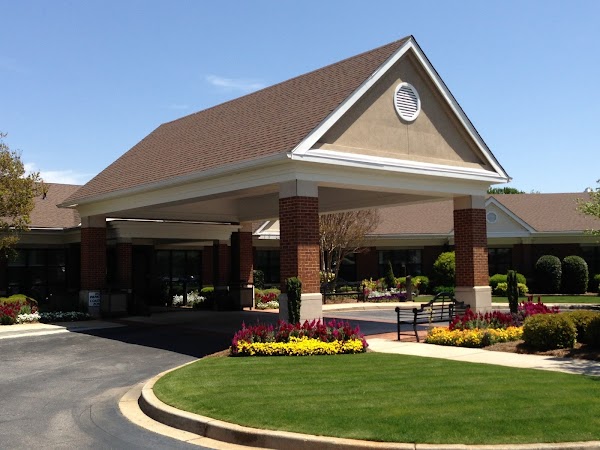
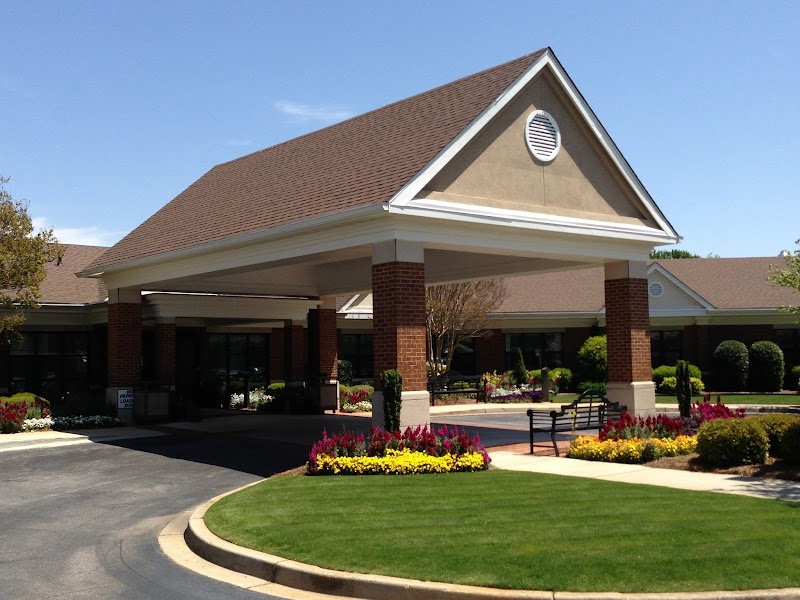
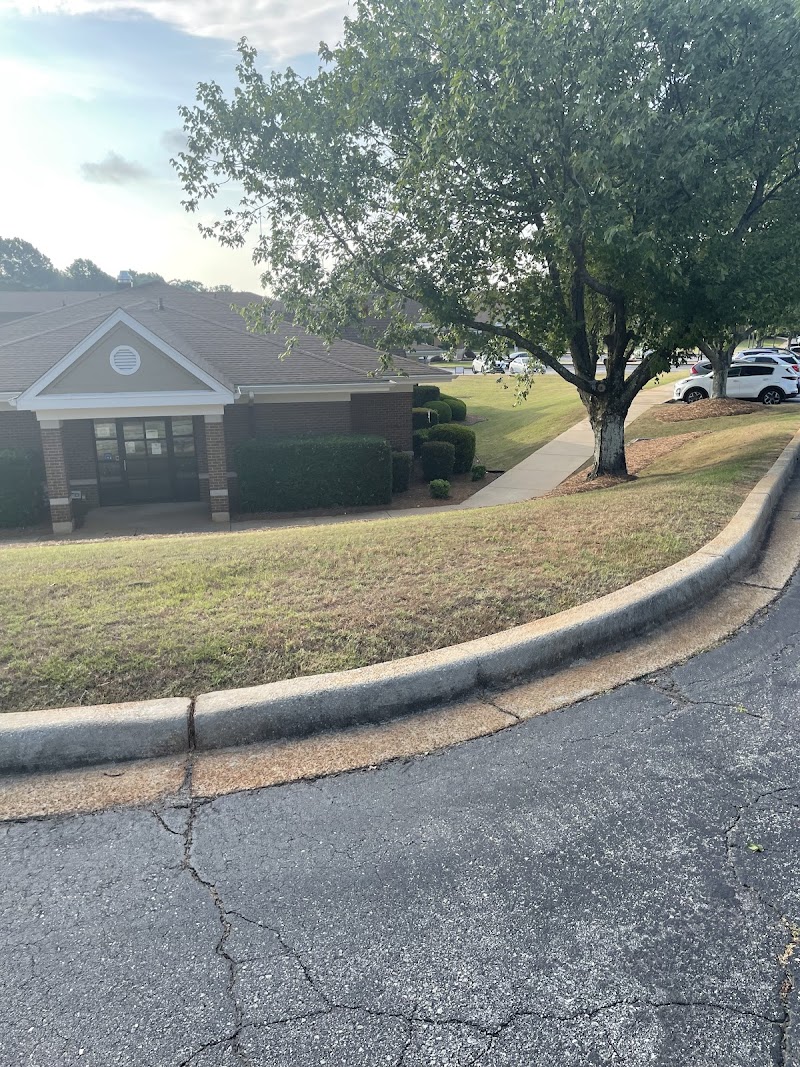
1305 Boiling Springs Road, Greer, SC 29650 (864) 458-7566
For profit - Limited Liability company 132 Beds NATIONAL HEALTHCARE CORPORATION Data: November 2025
Trust Grade
90/100
#15 of 186 in SC
Last Inspection: September 2025

Inspected within the last 6 months. Data reflects current conditions.

Overview

NHC Healthcare in Greenville has received a Trust Grade of A, which indicates it is an excellent facility and highly recommended. It ranks #15 out of 186 nursing homes in South Carolina, placing it in the top half of facilities statewide, and #2 out of 19 in Greenville County, meaning only one local option is better. The facility's trend is improving, having reduced issues from 1 in 2024 to none in 2025. Staffing is rated 4 out of 5 stars, with a turnover rate of 52%, which is average for the state. There have been no fines reported, which is a positive sign. However, there are some concerns. The facility has had three identified issues related to resident care, including failing to implement care plan interventions for a resident at risk of falls and not thoroughly investigating previous falls for another resident. Additionally, there was a failure to recognize and respond appropriately during a COVID outbreak, which could have posed a risk to residents. Overall, while NHC Healthcare has many strengths, including excellent health inspections and quality measures, families should be aware of these concerns when considering the facility for their loved ones.

Trust Score
A
90/100
In South Carolina
#15/186
Top 8%
Safety Record
Low Risk
No red flags
Inspections
Getting Better
1 → 0 violations
Staff Stability
⚠ Watch
52% turnover. Above average. Higher turnover means staff may not know residents' routines.
Penalties
✓ Good
No fines on record. Clean compliance history, better than most South Carolina facilities.
Skilled Nurses
✓ Good
Each resident gets 44 minutes of Registered Nurse (RN) attention daily — more than average for South Carolina. RNs are trained to catch health problems early.
Violations
✓ Good
Only 3 deficiencies on record. Cleaner than most facilities. Minor issues only.
★★★★★
5.0
Overall Rating
★★★★☆
4.0
Staff Levels
★★★★☆
4.0
Care Quality
★★★★★
5.0
Inspection Score
Stable
2024: 1 issues
2025: 0 issues

The Good

  • 4-Star Staffing Rating · Above-average nurse staffing levels
  • 4-Star Quality Measures · Strong clinical quality outcomes
  • Full Sprinkler Coverage · Fire safety systems throughout facility
  • No fines on record

Facility shows strength in staffing levels, quality measures, fire safety.

The Bad

Staff Turnover: 52%

Near South Carolina avg (46%)

Higher turnover may affect care consistency

Chain: NATIONAL HEALTHCARE CORPORATION

Part of a multi-facility chain

Ask about local staffing decisions and management

The Ugly 3 deficiencies on record

Jun 2024 1 deficiency
CONCERN (D) 📢 Someone Reported This

A family member, employee, or ombudsman was alarmed enough to file a formal complaint

Potential for Harm - no one hurt, but risky conditions existed

Comprehensive Care Plan (Tag F0656)

Could have caused harm · This affected 1 resident

**NOTE- TERMS IN BRACKETS HAVE BEEN EDITED TO PROTECT CONFIDENTIALITY** Based on observation, record review, interview, and facility policy review, the facility failed to implement care plan intervent...

Read full inspector narrative →
**NOTE- TERMS IN BRACKETS HAVE BEEN EDITED TO PROTECT CONFIDENTIALITY** Based on observation, record review, interview, and facility policy review, the facility failed to implement care plan interventions for 1 (Resident (R)3) of 3 sampled residents reviewed for falls. Findings include: Review of an undated facility policy titled, Fall Safety indicated, Purpose: To assess resident for risk of falls and initiate appropriate interventions. The policy further indicated, Review situation regarding the fall and initiate the appropriate intervention as necessary. Review of a Resident Face Sheet revealed the facility admitted R3 on 11/27/23. Per the Resident Face Sheet, the resident had a hospital stay from 04/28/24 through 05/02/24. According to the Resident Face Sheet, R3 had diagnoses including but not limited to: fracture of the right femur, a history of falling, and dementia. Review of a Resident Census form revealed, when R3 returned to the facility from the hospital on [DATE], the resident was moved to a different room/unit of the facility. Review of R3's admission Minimum Data Set (MDS) with an Assessment Reference Date (ARD) of 05/08/24, revealed R3 had a Brief Interview for Mental Status (BIMS) score of 00 out of 15, which indicated the resident had severe cognitive impairment. The MDS indicated the resident utilized a wheelchair for mobility, required substantial/maximal assistance to stand from a sitting position, and was dependent on staff for transfers to/from a chair. The assessment further revealed that R3 had a fall in the month prior to admission and a fall resulting in a fracture in the six months prior to admission. Review of R3's Care Plan included a problem area, with a start date of 11/28/23, that indicated the resident was at risk for falls/injury due to a history of falls with injury, decreased mobility, cerebrovascular accident (stroke) with right side hemiplegia and hemiparesis, a history of diuretic therapy, aspirin therapy, incontinence, and a right hip fracture. Per the care plan, the resident sustained falls on 04/27/24 and 04/28/24. The care plan further indicated R3's bed was moved against the wall for space following the fall on 04/27/24, and Anti rollbacks were added to the resident's wheelchair after the fall on 04/28/24. These interventions were created by Licensed Practical Nurse (LPN)6, who documented the problem area for falls was reviewed on 05/01/24. During an observation on 06/12/24 at 12:20 PM, R3 was in a wheelchair in the hallway of the facility. R3's wheelchair was observed without an anti-rollback device. Staff transported the resident into their room for the lunch meal, locked the wheelchair brakes, and left the room. The resident remained in the wheelchair without an anti-rollback device in place. R3's bed was not against the wall. During an interview on 06/12/24 at 2:12 PM, Certified Nursing Assistant (CNA)3 stated R3 was at risk for falls due to having a history of a fall with a fracture. CNA3 stated maintenance staff positioned the bed, and the CNA did not know how they determined the best position for the bed in the room. CNA3 observed R3's wheelchair and confirmed the resident's wheelchair did not have an anti-rollback device. During an interview on 06/12/24 at 2:25 PM, CNA4 stated R3 was a risk for falls and wore a yellow bracelet to indicate the risk. CNA4 stated she did not know the resident's bed needed to be against the wall or that the resident needed an anti-roll back device on their wheelchair. CNA4 stated therapy staff placed anti-roll back devices on wheelchairs and confirmed R3's wheelchair did not have a device in place. During an interview on 06/12/24 at 2:35 PM, Licensed Practical Nurse (LPN)2 stated R3's bed was not against the wall. According to LPN2, LPN6 took care of interventions to prevent falls. During an interview on 06/12/24 at 3:25 PM, the Assistant Director of Nursing (ADON) stated R3 was at risk for falls and had sustained a fall with major injury. The ADON stated nursing and therapy staff had access to care plans and should review them. The ADON stated the facility had a nurse who also monitored fall prevention interventions (LPN6). During an interview on 06/12/24 at 3:37 PM, LPN6 stated she and the CNAs monitored to ensure care plan interventions were implemented. LPN6 stated when R3 was readmitted from the hospital, they were admitted to another unit in the facility, and their bed was not against the wall and the anti-rollback device was not on their wheelchair. LPN6 said these interventions were not carried forward when the resident changed rooms, and no one noticed.
Jul 2022 2 deficiencies
CONCERN (D)

Potential for Harm - no one hurt, but risky conditions existed

Accident Prevention (Tag F0689)

Could have caused harm · This affected 1 resident

**NOTE- TERMS IN BRACKETS HAVE BEEN EDITED TO PROTECT CONFIDENTIALITY** Based on observations, interviews, record review, and facility policy review, the facility failed to thoroughly investigate two ...

Read full inspector narrative →
**NOTE- TERMS IN BRACKETS HAVE BEEN EDITED TO PROTECT CONFIDENTIALITY** Based on observations, interviews, record review, and facility policy review, the facility failed to thoroughly investigate two falls and conduct a thorough root cause analysis to identify potential environmental hazards and resident-specific interventions to reduce and/or eliminate falls for 1 Resident (R)29 in a sample of 22 residents. Findings include: Review of the undated facility policy titled, Falls Safety: Purpose: To assess resident for risks of falls and initiate appropriate interventions. Procedure: When a fall occurs assess the resident. Assess position of resident immediately after fall. Notify MD and responsible party of fall. Review situation and initiate appropriate interventions as necessary. Review of R29's undated Face Sheet located in the Electronic Medical Record (EMR) revealed the resident was admitted on [DATE] with diagnoses of Alzheimer's Disease and hemiplegia and hemiparesis following cerebral infarction. Further review of the medical record revealed repeated falls for R29, with five falls documented in the EMR since January 2022. The resident had not incurred any serious injuries as a result of falling. Review of R29's annual Minimum Data Set (MDS) assessment dated [DATE] revealed the resident's functional status as requiring assistance of at least one staff for all transfers and mobility. R29 was assessed as unsteady on his feet and ambulatory by wheelchair. R29 was assessed in the falls section of the MDS as having a fall without injury since admission. Review of R29's Care Plan revealed the facility had implemented interventions as well as updated the care plan for three falls for R29 in 2022. The documented falls occurred on 05/07/22, 06/05/22, and 07/02/22. The investigations were reviewed for these falls and new interventions were implemented to reduce falls for R29 after each investigation. Review of a nurse's note found in the EMR's progress note tab, dated 01/22/22, revealed the night shift Licensed Practical Nurse (LPN) documented, Resident found lying on fall mat at 5:30 AM. ROM [Range of Motion] WNL [within normal limits] alert, no injuries noted No additional documentation found related to this fall. There was no documented fall investigation. Review of a nurse's note in the EMR's progress note tab, dated 06/26/22, revealed another night shift LPN documented, .1:25 AM resident called out, get me out of this bed. Went to resident room and he was sitting on the floor on the side of his bed. Bed in low position, fall mat in place, resident had slid to floor with wedge behind his back. ROM WNL for resident he denied pain, no apparent injury. No additional documentation or investigation could be located in the review. In an interview on 07/15/22 at 9:20 AM, with the 300 hall Unit Manager (UM)1, the Fall Nurse/(LPN1) and the Assistant Director of Nursing (ADON) all confirmed that none of the three nurses present had any additional documentation or investigations related to the 01/22/22 and 06/26/22 falls. LPN1 said, they [nursing staff] are supposed to report all falls in the MD Book so it makes it to the Inter-Disciplinary Team (IDT) stand up meeting each morning to discuss any new concerns. In an interview with the DON on 07/15/22 at 9:35 AM, it was confirmed there was no investigation for the falls on 01/22/22 and 06/26/22. It was further confirmed that the facility failed to: 1.) assess R29's falls on 01/22/22 and on 06/26/22. 2.) failed to investigate to determine the root cause of the fall, and 3.) failed to implement new interventions to prevent future falls for R29. Interview with the Administrator on 07/15/22 at 10:20 AM stated this was the facility fall policy in its entirety.
CONCERN (F)

Potential for Harm - no one hurt, but risky conditions existed

Infection Control (Tag F0880)

Could have caused harm · This affected most or all residents

**NOTE- TERMS IN BRACKETS HAVE BEEN EDITED TO PROTECT CONFIDENTIALITY** Based on interview, record review, and review of the Center for Medicare and Medicaid Services Memo QSO 20-38 -NH, the facility ...

Read full inspector narrative →
**NOTE- TERMS IN BRACKETS HAVE BEEN EDITED TO PROTECT CONFIDENTIALITY** Based on interview, record review, and review of the Center for Medicare and Medicaid Services Memo QSO 20-38 -NH, the facility failed to recognize a COVID outbreak and implement Centers for Disease Control (CDC) guidance regarding: 1.) the testing of all residents and staff when a resident and/or staff test positive for COVID; and 2.) enhanced isolation and Personal Protective Equipment Precautions for residents and staff. Specifically, Certified Nurse Aide (CNA)1 tested positive for COVID-19 on 07/11/22 and Resident (R)153 tested positive for COVID on 07/14/22. The census at the time of the survey was 109. Findings include: Review of QSO 20-38 -NH memo, revised 03/10/22, indicated, Testing of Staff and Residents During an Outbreak Investigation states: A new COVID-19 infection in any staff or any nursing home-onset COVID-19 infection in a resident triggers an outbreak investigation. In an outbreak investigation, rapid identification and isolation of new cases is critical in stopping further viral transmission. Upon identification of a single new case of COVID-19 infection in any staff or residents, testing should begin immediately. Facilities have the option to perform outbreak testing through two approaches, contact tracing or broad-based (e.g., facility-wide) testing. If the facility has the ability to identify close contacts of the individual with COVID-19, they could choose to conduct focused testing based on known close contacts. If a facility does not have the expertise, resources, or ability to identify all close contacts, they should instead investigate the outbreak at a facility-wide or group-level (e.g., unit, floor, or other specific area(s) of the facility). Broader approaches might also be required if the facility is directed to do so by the jurisdiction's public health authority, or in situations where all potential contacts are unable to be identified, are too numerous to manage, or when contact tracing fails to halt transmission. Review of the facility's undated policy titled, Infection Control Manual Volume 1 updated and reviewed June 2022, under the 904 - COVID-19 section (page135-160) indicated, .3. Determining the time period when the patient, visitor, or HCP (Health Care Personnel) with confirmed COVID infections could be infectious: a.) For individuals with confirmed COVID who develop symptoms, consider the exposure window to be 2 days before symptom onset through the time period when the individual meets criteria for discontinuation of Transmission Based Precautions. b.) For individuals,.who never developed symptoms, determining the infectious period can be challenging. During the initial pool screening on 07/13/22 at 9:40 AM, R153 was observed and interviewed in her room. At approximately 3:00 PM on 07/13/22, R153 was noted to be in the day room with eight other residents for an activity. The staff wore surgical masks and the residents had no personal protective equipment on at all. Some residents were socially distanced and some residents were seated at tables together. The Licensed Practical Nurse (LPN)3 working the hall that day assisted with identifying the residents in the room, which included R153 and R95. Interview with the Director of Nursing (DON) and Infection Prevention (IP) Nurse on 07/15/22 at 9:50 AM revealed that the facility follows the manual named above and the cdc.gov web site for testing criteria. Both stated the facility was currently PCR testing unvaccinated staff twice weekly. Review of the facility's testing revealed Certified Nurse Aid (CNA)1 failed to report for the PCR test twice on 07/05/22 and on 07/08/22. The facility performed a rapid test and allowed the CNA to work despite not following their stated testing policy. CNA1 tested positive on 7/11/2022. The positive result was reported to the facility on [DATE]. On 07/11/22, CNA1 tested positive for COVID. CNA1 was asymptomatic and reported to the facility for routine testing of unvaccinated staff (twice a week). Review of the nursing staff schedules revealed that CNA1 had worked in the facility on 07/04/22 on the 400 hall; on 07/06/22 on the 300 hall; 07/07/22 on 300 hall; 07/08/22 on 300 hall; 07/09/22 on 400 hall; and 07/10/22 and 07/11/22 on the 300 hall. CNA1 was assigned to care for 12 residents on 07/11/22 which was the day prior to her positive test. The affected residents were R12, R26, R35, R47, R48, R54, R57, R95, R153, R154, R155, and R307. In an interview on 07/15/22 at 8:10 AM the DON stated that on 07/13/22 the 12 residents were tested with no positive results. The DON stated that on 07/14/22, R153's son called and asked the Unit Manager (UM) on 300 Hall to test his mother because she sounded stuffy. That test result was positive for COVID. Unit Manager (UM) 1 was interviewed on 07/15/22 at 10:10 AM and stated R153 had no other signs or symptoms of respiratory distress. In an interview with the Administrator on 07/15/22 at 12:05 PM, the Administrator stated that they completed contact tracing for the CNA1 to include the residents on her assignment. The Administrator stated he talked to R153 on 07/14/22. R153 was cognitively intact and in a room with no roommate. They did not continue contact tracing to residents on the hall related to potential exposures by CNA1 or R153. The Administrator stated, .we are doing all we can and we made notifications within 24 hours as required. Evidence of the notifications was requested. When asked the Administrator stated the facility reported the positive staff member to the health department and they had not called to tell them they were in outbreak status. Review of a Human Infection with 2019 Novel Coronavirus Report Form for reporting new cases to the local South Carolina Health Department, reported by the IP revealed that the date identified as CNA1's last day worked was erroneous. The form documented her last day worked as 08/06/21. Approximately a year ago. When the reporting form was reviewed with the DON on 07/15/22 at 12:15 PM it was noted that the erroneous date related to potential exposures could have been the reason they (facility) were not provided updated guidance about outbreak status and implementation of enhanced precautions. The DON confirmed the report was wrong and she would get it corrected immediately and send it back to the health department. On 07/15/22 at 1:43 PM, the Administrator notified the survey team that a second resident (R95) tested positive for COVID. R95 was in the group assigned to CNA1 and resided on the same hall as R153. An interview with the Physician (rounding for Medical Director's group) on 07/15/22 at 4:00 PM revealed the physician stated the facility should have started testing as soon as possible; of course, it can't all happen at once, due to different shifts and things, but they need to test promptly to get things going. He further stated, .isolation and contact tracing, as well as treating the relatively mild symptoms, is about all we can do.
Understanding Severity Codes (click to expand)
Life-Threatening (Immediate Jeopardy)
J - Isolated K - Pattern L - Widespread
Actual Harm
G - Isolated H - Pattern I - Widespread
Potential for Harm
D - Isolated E - Pattern F - Widespread
No Harm (Minor)
A - Isolated B - Pattern C - Widespread

Questions to Ask on Your Visit

  • "Can I speak with families of current residents?"
  • "What's your RN coverage like on weekends and overnight?"

Our Honest Assessment

Strengths
  • • Grade A (90/100). Above average facility, better than most options in South Carolina.
  • • No major safety red flags. No abuse findings, life-threatening violations, or SFF status.
  • • No fines on record. Clean compliance history, better than most South Carolina facilities.
  • • Only 3 deficiencies on record. Cleaner than most facilities. Minor issues only.
Concerns
  • • No significant concerns identified. This facility shows no red flags across CMS ratings, staff turnover, or federal penalties.
Bottom line: Generally positive indicators. Standard due diligence and a personal visit recommended.

About This Facility

What is Nhc Healthcare - Greenville's CMS Rating?

CMS assigns NHC Healthcare - Greenville an overall rating of 5 out of 5 stars, which is considered much above average nationally. Within South Carolina, this rating places the facility higher than 99% of the state's 100 nursing homes. This rating reflects solid performance across the metrics CMS uses to evaluate nursing home quality.
How is Nhc Healthcare - Greenville Staffed?

CMS rates NHC Healthcare - Greenville's staffing level at 4 out of 5 stars, which is above average compared to other nursing homes. Staff turnover is 52%, compared to the South Carolina average of 46%.

What Have Inspectors Found at Nhc Healthcare - Greenville?

State health inspectors documented 3 deficiencies at NHC Healthcare - Greenville during 2022 to 2024. These included: 3 with potential for harm.
Who Owns and Operates Nhc Healthcare - Greenville?

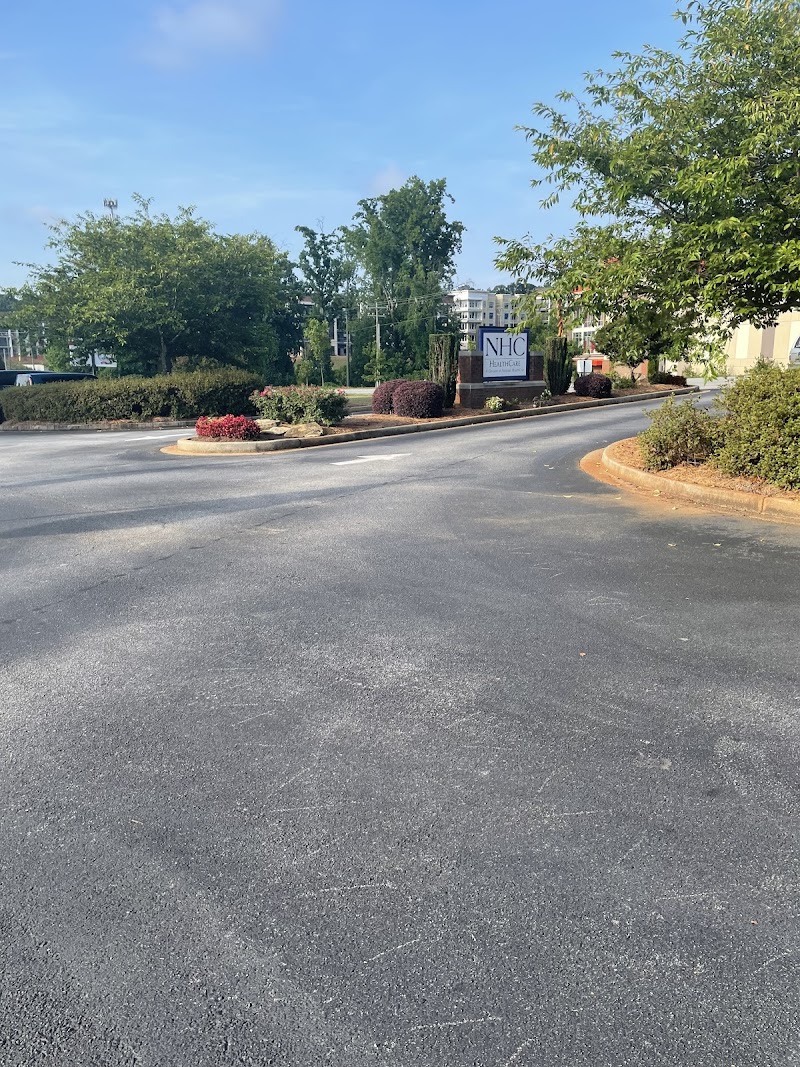
NHC Healthcare - Greenville is owned by a for-profit company. For-profit facilities operate as businesses with obligations to shareholders or private owners. The facility is operated by NATIONAL HEALTHCARE CORPORATION, a chain that manages multiple nursing homes. With 132 certified beds and approximately 125 residents (about 95% occupancy), it is a mid-sized facility located in Greer, South Carolina.
How Does Nhc Healthcare - Greenville Compare to Other South Carolina Nursing Homes?

Compared to the 100 nursing homes in South Carolina, NHC Healthcare - Greenville's overall rating (5 stars) is above the state average of 2.9, staff turnover (52%) is near the state average of 46%, and health inspection rating (5 stars) is much above the national benchmark.

What Should Families Ask When Visiting Nhc Healthcare - Greenville?

Based on this facility's data, families visiting should ask: "Can I visit during a mealtime to observe dining assistance and food quality?" "How do you handle medical emergencies, and what is your hospital transfer rate?" "Can I speak with family members of current residents about their experience?"

Is Nhc Healthcare - Greenville Safe?

Based on CMS inspection data, NHC Healthcare - Greenville has a clean safety record: no substantiated abuse findings (meaning no confirmed cases of resident harm), no Immediate Jeopardy citations (the most serious violation level indicating risk of serious injury or death), and is not on the Special Focus Facility watch list (a federal program monitoring the lowest-performing 1% of nursing homes). The facility has a 5-star overall rating and ranks #1 of 100 nursing homes in South Carolina. While no facility is perfect, families should still ask about staff-to-resident ratios and recent inspection results during their visit.

Do Nurses at Nhc Healthcare - Greenville Stick Around?

NHC Healthcare - Greenville has a staff turnover rate of 52%, which is 6 percentage points above the South Carolina average of 46%. Moderate turnover is common in nursing homes, but families should still ask about staff tenure and how the facility maintains care continuity when employees leave.

Was Nhc Healthcare - Greenville Ever Fined?

NHC Healthcare - Greenville has no federal fines on record. CMS issues fines when nursing homes fail to meet care standards or don't correct problems found during inspections. The absence of fines suggests the facility has either maintained compliance or corrected any issues before penalties were assessed. This is a positive indicator, though families should still review recent inspection reports for the full picture.

Is Nhc Healthcare - Greenville on Any Federal Watch List?

NHC Healthcare - Greenville is not on any federal watch list. The most significant is the Special Focus Facility (SFF) program, which identifies the bottom 1% of nursing homes nationally based on persistent, serious quality problems. Not being on this list means the facility has avoided the pattern of deficiencies that triggers enhanced federal oversight. This is a positive indicator, though families should still review the facility's inspection history directly.