Life Care Center of Hilton Head
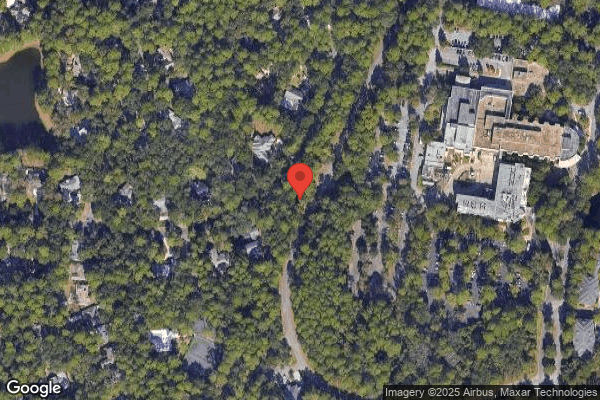
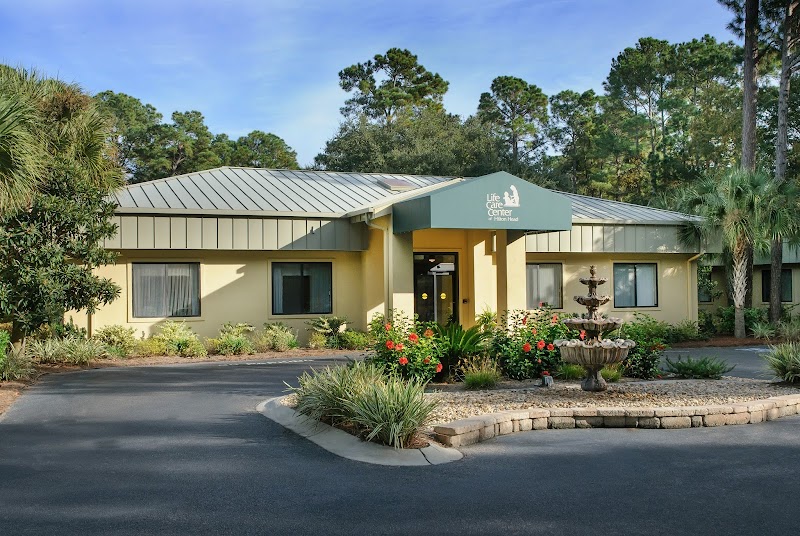
120 Lamotte Drive, Hilton Head Island, SC 29926 (843) 681-6006
For profit - Corporation 88 Beds LIFE CARE CENTERS OF AMERICA Data: November 2025 1 Immediate Jeopardy citation
Trust Grade
36/100
#79 of 186 in SC
Last Inspection: June 2024

Within standard 12-15 month inspection cycle. Federal law requires annual inspections.

Overview

Life Care Center of Hilton Head has a Trust Grade of F, which indicates serious concerns about the quality of care provided. Ranking #79 out of 186 nursing homes in South Carolina places it in the top half, while being #5 out of 7 in Beaufort County suggests that there are better local options available. The facility is on an improving trend, having reduced its issues from 6 in 2024 to 2 in 2025. Staffing is a relative strength, with a 4 out of 5-star rating and a turnover rate of 32%, which is lower than the state average. However, there are significant concerns, including a critical finding regarding the failure to protect a resident from sexual abuse and delays in reporting abuse allegations, which indicate serious lapses in safety measures.
Trust Score
F
36/100
In South Carolina
#79/186
Top 42%
Safety Record
High Risk
Review needed
Inspections
Getting Better
6 → 2 violations
Staff Stability
○ Average
32% turnover. Near South Carolina's 48% average. Typical for the industry.
Penalties
✓ Good
$12,740 in fines. Lower than most South Carolina facilities. Relatively clean record.
Skilled Nurses
✓ Good
Each resident gets 47 minutes of Registered Nurse (RN) attention daily — more than average for South Carolina. RNs are trained to catch health problems early.
Violations
⚠ Watch
13 deficiencies on record. Higher than average. Multiple issues found across inspections.
★★★☆☆
3.0
Overall Rating
★★★★☆
4.0
Staff Levels
★★★★★
5.0
Care Quality
★★☆☆☆
2.0
Inspection Score
Stable
2024: 6 issues
2025: 2 issues

The Good

  • 4-Star Staffing Rating · Above-average nurse staffing levels
  • 5-Star Quality Measures · Strong clinical quality outcomes
  • Full Sprinkler Coverage · Fire safety systems throughout facility
  • No fines on record
  • Staff turnover below average (32%)

    16 points below South Carolina average of 48%

Facility shows strength in staffing levels, quality measures, fire safety.

The Bad

3-Star Overall Rating

Near South Carolina average (2.8)

Meets federal standards, typical of most facilities

Staff Turnover: 32%

14pts below South Carolina avg (46%)

Typical for the industry

Federal Fines: $12,740

Below median ($33,413)

Minor penalties assessed

Chain: LIFE CARE CENTERS OF AMERICA

Part of a multi-facility chain

Ask about local staffing decisions and management

The Ugly 13 deficiencies on record

1 life-threatening
Jul 2025 2 deficiencies 1 IJ
CRITICAL (J) 📢 Someone Reported This

A family member, employee, or ombudsman was alarmed enough to file a formal complaint

Immediate Jeopardy (IJ) - the most serious Medicare violation

Free from Abuse/Neglect (Tag F0600)

Someone could have died · This affected 1 resident

**NOTE- TERMS IN BRACKETS HAVE BEEN EDITED TO PROTECT CONFIDENTIALITY** Based on review of the facility policy, record review, and interviews, the facility failed to ensure Resident (R)26 was free fro...

Read full inspector narrative →
**NOTE- TERMS IN BRACKETS HAVE BEEN EDITED TO PROTECT CONFIDENTIALITY** Based on review of the facility policy, record review, and interviews, the facility failed to ensure Resident (R)26 was free from sexual abuse by R56. Due to both residents' cognitive status and diagnoses, the survey team utilized The Reasonable Person Approach when addressing this noncompliance.On 07/15/2025 at 8:38 PM, the State Agency determined that the facility's non-compliance with one or more federal health, safety, and/or quality regulations had caused or was likely to cause serious harm, psychosocial harm, serious impairment or death.On 07/15/2025 at 8:38 PM, the Administrator was notified that the failure to protect Resident (R)26 from sexual abuse by R56 constituted Immediate Jeopardy (IJ) at F600.On 07/15/2025 at 8:38 PM, the survey team provided the Administrator with a copy of the CMS Immediate Jeopardy (IJ) Template and informed the facility IJ existed as of 07/09/2025. The IJ was related to 42 CFR 483.12 - Freedom from Abuse, Neglect, and Exploitation.On 07/16/2025 at 5:41 PM, the facility provided an acceptable IJ Removal Plan. On 07/17/2025, the survey team validated the facility's corrective actions and removed the IJ. The facility remained out of compliance at F600 at a lower scope and severity of D.An extended survey was conducted in conjunction with the Recertification Survey and Complaint Survey for non-compliance at F600, constituting substandard quality of care.Findings Include:Review of the facility's policy, with a reviewed date of 05/06/2025, titled, Abuse-Prevention, states, It is the policy of this facility to prevent and prohibit all types of abuse, neglect, misappropriation of resident property and exploitation. Establishing a safe environment that supports, to the extent possible, a resident' consensual sexual relationship and by establishing policies and protocols for preventing sexual abuse, such as the identify when, how, and by whom determinations of capacity to consent to a sexual contact will be made and where this documentation will be recorded; and the resident's right to establish a relationship with another individual, which may include the development of or the presence of an ongoing sexually intimate relationship . Identify, assess, care plan for appropriate interventions, and monitor residents with needs and behaviors which might lead to conflict or neglect, such as: Sexually aggressive behavior, and residents that require extensive nursing care and/or totally dependent on staff for the provision of care. Review of R56's Face Sheet revealed R56 was admitted to the facility on [DATE] with a readmission date of 02/17/25, with diagnoses including, but not limited to, metabolic encephalopathy, vascular dementia, and adult failure to thrive. Review of R56's Quarterly Minimum Data Set (MDS) with an Assessment Reference Date (ARD) of 06/24/25, revealed he had a Brief Interview for Mental Status (BIMS) of 5 out of 15, indicating he had severe cognitive impairment. Review of R56's Progress Note dated 07/09/25 at 9:13 PM revealed, Observed this resident masturbating in front of a female resident, (room [ROOM NUMBER]-A) in the hallway. Resident was standing beside the female resident, his penis visible and actively masturbation actions movement observed. Instructed the male resident to return to his room. Questioned the female resident, did he, (male resident), touch you? The female resident said, No, he was showing me his penis. Regional Director of Clinical Services was notified at 08:30 PM. Review of R56's Progress Note dated 07/10/25 at 3:06 AM revealed, Resident on 1:1 supervision per care plan intervention related to inappropriate behavior. No acute change in mental status/mood. Cooperative. Review of R26's Face Sheet revealed R26 was admitted to the facility on [DATE], with diagnoses including but not limited to, Huntington's Disease, depression, anxiety, and insomnia. Review of R26's Quarterly MDS with an ARD of 04/16/25, indicated she had a BIMS score of 7 out of 15, indicating she had severe cognitive impairment. During an interview on 07/15/25 at 3:12 PM, Registered Nurse (RN)1 revealed, there was an incident on [NAME] of Tuesday or Wednesday last week where a gentleman, R56, came out of his room and started playing with his genitals and was standing beside another resident, R26.RN1 stated that R56 did not touch R26 and he did not have his genitals in the direction of her.There were no other residents in the hall at the time.The event was intercepted by the nurse on duty, and I was considered a witness.We all had to complete a witness statement and there was an incident report written for the incident. RN1 further stated that R26 was not affected and did not know anything about it or was not in distress, as she has a debilitating disease, Huntington's, and she doesn't remember things sometimes. During an interview on 07/15/25 on 4:34 PM, with the Regional Director of Clinical Services revealed, R56 is confused, and she was notified by the charge nurse on 07/09/25 at 8:30 PM, that he went into R26's room and exposed himself.They both stated that R56 did not touch R26.She stated that they immediately completed a skin assessment and did not identify any new areas.It was a head-to-toe assessment of which we paid close attention to genital areas for any bruising or scratches. They put R56 on 1 to 1 supervision and frequent monitoring, but unsure for how long. During an interview on 07/15/25 at 6:30 PM, the Social Services Director (SSD) stated that to her knowledge she does not know of anyone that has an assessment for consensual sexual activity in this facility. She stated that R26 was, very with it and she could make her needs known, and that she understands and is sometimes understood. The SSD stated that the facility does a Mini Mental State Exam, on every resident every three months. I asked about the assessment for sexual activity again and she stated, she knows they have to provide a space for residents that verbalize they want to participate in sexual activity but did not provide a copy of the assessment that is completed for each resident that wishes to participate. During an interview on 07/15/25 at 7:16 PM, Licensed Practical Nurse (LPN)1 stated she was familiar with both R56 and R26. She stated she was coming out of another resident's room and R56 was standing beside R26, actively masturbating. R26 was laying in her Broda chair reclined, and R56 was standing by her face. LPN1 immediately told R56, Go to your room and asked R26 if R56 had touched her. R26 stated, No, he was showing me his penis. She then called the Corporate Director of Nursing (DON) and they took care of it. She was given two sheets of paper for the witness statements and then they began interviewing the residents to see if they had been touched or had any trauma. A Certified Nursing Assistant (CNA) was placed with R56 for 1:1 observation. She stated it would be classified as sexual abuse because R56 was exposing his private parts. She stated it was not classified as sexual during the in-services, it was only stated as abuse. LPN1 stated the incident wasn't consensual, but R26 was aware of what R56 was doing. During an interview on 07/15/25 at 7:50 PM with the Executive Director (ED) revealed she received a call from her Regional Clinical Director, and she came right over to the facility. At that time, they completed questionnaires and an investigation about the incident that occurred between R56 and R26. R26 stated R56 had came in her room and exposed himself. During the investigation, they provided education about abuse, but this incident was not classified as abuse because both residents stated they were fine and were not abused.On 07/16/2025 at 5:41 PM, the facility provided an acceptable IJ Removal Plan, which included the following:On 7 /9/25, the Licensed Practical Nurse (LPN) immediately separated Resident (R) 56 and Resident (R) 26.On 7/9/25, the Licensed Practical Nurse (LPN) completed a risk management on (R) 56. Notification was made to the Executive Director (ED), Regional Director of Clinical Services (RDCS), physician/Medical Director. A new intervention for 1:1 observation was initiated. No new orders were received from the physician.On 7/9/25, the Regional Director of Clinical Services (RDCS) completed risk management on (R) 26. Notifications were made to the Executive Director (ED), Regional Director of Clinical Services (RDCS), and physician/Medical Director.On 7/9/25, the Social Services Director completed a psychosocial interview with Resident (R) 26 and the resident did not appear to be in distress or anxious. Notification to resident representative was attempted by leaving a voicemail for a return call. On 7/10/25, the Social Services Director notified the resident representative about the incident. On 7/16/25, the Social Services Director completed a PHQ2to9 Psychosocial assessment and Resident ( R) 26 did not appear to have any anxiety, changes in mood or distress.On 7/9/25, the Director of Nursing (DON) completed a skin assessment on (R) 26. **No new skin issues were identified and no signs of abuse identified.On 7/9/25, the Regional Director of Clinical Services completed a Pain assessment on (R) 26. **No pain identified.On 7/11 /25, Resident (R) 56 was assessed by the physician. A new order received for Paxil for depression.On 7/15/25, the licensed practical nurse (LPN) received an order from the physician for Resident (R) 56 to be sent to the emergency room for evaluation. **No new orders were received. No indication for further psychiatric evaluation.On 7 /15/25, the Social Services Director reviewed and updated Resident (R) 56's behavior care plan.On 7/15/25, the Regional Director of Clinical Services (RDCS) added the intervention for Resident (R) 56 to be placed on 1:1 observation when he returns from the Emergency Room.On 7/16/25, Resident (R) 56's room was changed to the other Unit (Boyd Hall). Notifications were made to the following local and state agencies: The Medical Director was notified of the incident again by the Executive Director on 7/15/25. The local ombudsman was notified of the incident by the Executive Director on 7/16/25 The local police department was notified of the incident by the Executive Director on 7/16/25. The state survey agency was completed by the Executive Director on 7/16/25.The Executive Director (ED), Director of Nursing (DON), and Interdisciplinary Team completed a Root Cause Analysis (RCA) on 7/16/2025. The Root Cause Analysis identified: **The facility associates require re-education on Abuse policies and procedures, and behavior management policies to ensure the safety of residents from non-consensual sexual advances and potential of psychological harm related to unwanted sexual advances.All residents have the potential to be affected by the alleged deficient practice.All residents on [NAME] with a BIMS of 9 or higher were interviewed for any allegations of abuse/Neglect/Misappropriation by the Social Services Director and/or the Executive Director on 7/9/25. **No allegations of Abuse were identified.All residents on [NAME] with BIMS of 8 or less had a skin assessment completed to identify any potential unreported abuse by the Regional Director of Clinical Services (RDCS) and/or the Director of Nursing (DON) on 7/9/25. **No allegations of Abuse were identified.All resident Comment and Concern cards for the past 90 days were reviewed for any allegations of abuse/Neglect/Misappropriation by the Executive Director on 7/15/25. **No allegations of Abuse were identified.All resident council minutes for the past 90 days were reviewed for any concerns regarding allegations of abuse/neglect/misappropriation by the Executive Director on 7/10/25. **No allegations of Abuse were identified.The Regional Director of Nursing (RDCS) and Licensed Registered Nurse (RN) identified all residents with behaviors and ensured behavior Care Plans/Kardex were updated as indicated. This was completed on 7/16/25.On 7/16/2025, the Regional Director of Clinical Services provided education to the Executive Director (ED), Director of Nursing (DON), Staff Development Coordinator, and Social Services Director (SSD) on the following policies to ensure the safety of residents from non-consensual sexual advances and potential of psychological harm related to unwanted sexual advances:-Abuse - Identification of Types-Protection of Residents: Reducing the threat of Abuse and Neglect-Abuse Prevention-Abuse - Coordination with the QAPI Program and QAA Committee -Elder Justice Act Fact Sheet-Incident and Reportable Event Management-Person Centered Care Planning-Behavioral Health ServicesThe Director of Nursing (DON), Staff Development Coordinator (SOC), and/or licensed nurse will provide education to all associates on the following to ensure the safety of residents from non-consensual sexual advances and potential of psychological harm related to unwanted sexual advances:-Abuse - Identification of Types-Protection of Residents: Reducing the threat of Abuse and Neglect-Abuse Prevention-Abuse - Coordination with the QAPI Program and QAA Committee-Elder Justice Act Fact Sheet-Incident and Reportable Event Management-Person Centered Care Planning-Behavioral Health ServicesEducation was initiated on 7/9/25.As of 7/15/25, the facility has educated 81 out of 82 associates. *Any associate who has not completed training by (07/16/2025) will not be allowed to provide direct resident care until training is completed. The Executive Director (ED), Director of Nursing (DON), Staff Development Coordinator (SOC), and/or licensed nurse will provide education to all new associates upon hire during orientation, annually, and as needed.The Executive Director (ED) provided abuse and abuse reporting education to the resident council on 7/10/25. This education included sexual abuse education.Signage was posted by time clock identifying all allegations are to be reported to the Executive Director (ED) immediately, with her contact number. It also included a second person, the Director of Nursing (DON), and her contact number to be notified, when Executive Director (ED) cannot be reached. This was completed on 7/10/25.The Director of Nursing (DON) and/or licensed nurse will review (audit) (Audit #4 A Changes in behavior) all residents with changes in behavior during clinical grand rounds to identify potential causative factors, notify the physician and resident representative, and update the care plan/ Kardex as indicated to ensure the safety of residents from non-consensual sexual advances and potential of psychological harm related to unwanted sexual advances, five (5) times a week for four (4) weeks, then three (3) times a week for four (4) weeks, then one (1) time a week for four (4) weeks.The Medical Director reviewed and agreed with this plan of removal on 7/16/2025.The Acceptance of Compliance completion date is 7/16/2025.AD Hoc QAPI meeting was held on 7/16/25 regarding this plan of removal. Attendees were Executive Director (ED), Medical Director, Director of Nursing (DON), Staff Development Coordinator/Infection Preventionist Nurse (SDC/IPN), Social Services Director (SSD), Director of Rehab (DOR), and Health Information Manager (HIM).
CONCERN (D) 📢 Someone Reported This

A family member, employee, or ombudsman was alarmed enough to file a formal complaint

Potential for Harm - no one hurt, but risky conditions existed

Report Alleged Abuse (Tag F0609)

Could have caused harm · This affected 1 resident

**NOTE- TERMS IN BRACKETS HAVE BEEN EDITED TO PROTECT CONFIDENTIALITY** Based on review of facility policy, record review, and interviews, the facility failed to ensure an allegation of abuse was repo...

Read full inspector narrative →
**NOTE- TERMS IN BRACKETS HAVE BEEN EDITED TO PROTECT CONFIDENTIALITY** Based on review of facility policy, record review, and interviews, the facility failed to ensure an allegation of abuse was reported in a timely manner. Specifically, the facility was notified of an allegation of sexual abuse on 07/09/25 and did not report the allegation of abuse to the State Agency until 07/16/25.Findings include:Review of the facility's policy, with a reviewed date of 09/05/24, titled, Incident and Reportable Event Management, states, Ensure that all alleged violations involving abuse, neglect, exploitation or mistreatment, including injuries of unknown source and misappropriation of resident property, are reported immediately, but not later than 2hours after the allegation is made, if the events that cause the allegation involve abuse or result in serious bodily injury, or not later than 24 hours if the events that cause the allegation do not involve abuse and do not result in serious bodily injury, to the administrator of the facility and to other officials (including to the State Survey Agency and adult protective services where state law provides for jurisdiction in long-term care facilities) in accordance with State law through established procedures.Review of R56's Face Sheet revealed R56 was admitted to the facility on [DATE], with a readmission date of 02/17/25, with diagnoses including, but not limited to, metabolic encephalopathy, vascular dementia, and adult failure to thrive.Review of R56's Quarterly Minimum Data Set (MDS) with an Assessment Reference Date (ARD) of 06/24/25 revealed he has a Brief Interview of Mental Status (BIMS) of 5 out of 15, indicating he had severe cognitive impairment.Review of R56's Progress Note dated 07/09/25 at 9:13 PM revealed, Observed this resident masturbating in front of a female resident (room [ROOM NUMBER]-A) in the hallway. Resident was standing beside the female resident, his penis visible and actively masturbation actions movement observed. Instructed the male resident to return to his room. Questioned the female resident, did he, (male resident), touch you? The female resident said, No, he was showing me his penis. Regional Director of Clinical Services was notified at 08:30 PM. Review of R26's Face Sheet revealed R26 was admitted to the facility on [DATE] with diagnoses including but not limited to, Huntington's Disease, depression, anxiety, and insomnia. Review of R26's Quarterly MDS with an ARD of 04/16/25 indicated she had a BIMS score of 7 out of 15, indicating severe cognitive impairment. During an interview on 07/15/25 at 3:12 PM, Registered Nurse (RN)1 revealed that there was an incident on [NAME] on Tuesday or Wednesday last week where a gentleman, R56, came out of his room and started playing with his genitals and was standing beside another resident, R26. RN1 stated that R56 did not touch R26 and he did not have his genitals in the direction of her. There were no other residents in the hall at the time. The event was intercepted by the nurse on duty, and I was considered a witness. RN1 stated that R26 was not affected and did not know anything about it or was not in distress, as she has a debilitating disease, Huntington's, and she doesn't remember things sometimes. During an interview on 07/15/25 at 4:34 PM, the Regional Director of Clinical Services revealed R56 is confused, and she was notified by the charge nurse on 07/09/25 at 8:30 PM that R56 went into R26's room and exposed himself. They both stated that R56 did not touch R26. She stated that they immediately completed a skin assessment and did not identify any new areas. It was a head-to-toe assessment of which we paid close attention to genital areas for any bruising or scratches. They put R56 on 1 to 1 supervision and frequent monitoring but were unsure for how long. The Regional Director of Clinical Services stated that since they did not touch each other, they opted to not report the incident to the state. They had completed a thorough investigation which was completed by 3:00 AM, and the findings were unsubstantiated. She further stated that she is aware that abuse reporting is within two hours or immediately, but since they had completed an investigation, they opted not to report the incident.During an interview on 07/15/25 at 7:16 PM, Licensed Practical Nurse (LPN)1 stated she was familiar with both R56 and R26. She stated she was coming out of another resident's room, and R56 was standing beside R26, actively masturbating. R26 was lying in her Broda chair reclined, and R56 was standing by her face. LPN1 immediately told R56, Go to your room, and asked R26 if R56 had touched her. R26 stated, No, he was showing me his penis. LPN1 stated she then called the Corporate Director of Nursing (DON), and they took care of it. LPN1 further stated it would be classified as sexual abuse because R56 was exposing his private parts. LPN1 stated the incident wasn't consensual, but R26 was aware of what R56 was doing. LPN1 concluded that management is responsible for reporting once they are made aware. During an interview on 07/15/25 at 7:50 PM the Executive Director (ED) revealed she received a call from her Regional Clinical Director, and she came right over to the facility. At that time, they completed questionnaires and an investigation about the incident that occurred between R56 and R26. During the investigation, they provided education about abuse, but this incident was not classified as abuse because both residents stated they were fine and were not abused.
Jun 2024 6 deficiencies
CONCERN (D)

Potential for Harm - no one hurt, but risky conditions existed

Deficiency F0578 (Tag F0578)

Could have caused harm · This affected 1 resident

**NOTE- TERMS IN BRACKETS HAVE BEEN EDITED TO PROTECT CONFIDENTIALITY** Based on review of facility policy, record review, and interview, the facility failed to accurately document Resident (R)510's a...

Read full inspector narrative →
**NOTE- TERMS IN BRACKETS HAVE BEEN EDITED TO PROTECT CONFIDENTIALITY** Based on review of facility policy, record review, and interview, the facility failed to accurately document Resident (R)510's advance directives, for 1 of 2 residents. Specifically, R510 had orders and signed documentation requesting Do Not Resuscitate (DNR), however R510's Care Plan documented Full Code. Findings include: Review of the facility policy titled, Advance Directives and Advance Care Planning with a reviewed date of [DATE], documented, Residents have the right to self-determination regarding their medical care. This includes the right of an individual to direct his or her own medical treatment, including the right to execute or refuse to execute an advance directive . Procedure 15. Documentation in the Minimum Data Set (MDS) should reflect the appropriate advance directives . 16. Do Not Resuscitate (DNR) - . all Life Care Centers of America's residents receive full resuscitative measures unless a DNR is written in the resident's medical record and is identified in the resident's advance directive . The following procedures are to be enforced: c. DNR order is flagged appropriately on the resident's chart to alert staff as to status. f. The DNR order is incorporated into the resident's care plan . Review of R510's Face Sheet revealed R510 was admitted to the facility on [DATE], with diagnoses including but not limited to: Dementia, hyperlipidemia, and erythematous condition. Further review of the Face Sheet revealed R510's code status was documented as Do Not Resuscitate/Comfort Measures Only. Review of R510's admission Minimum Data Set (MDS) with an Assessment Reference Date (ARD) of [DATE], revealed R510 had a Brief Interview for Mental Status Score (BIMS) of 3 out of 15, indicating R510 had severe cognitive impairment. Review of R510's Physician Orders revealed an order with a start date of [DATE] which documented Do Not Resuscitate/Comfort Measures Only. Review of R510's Hard Chart (binder containing paper copies of medical records) revealed a document titled SC Physician Orders for Scope of Treatment dated [DATE], revealed code status of R510 was DNR, comfort measures only. Review of R510's Hard Chart revealed a document titled SC Emergency Medical Services dated [DATE] indicated R510's code status was DNR. Review of R510's Hard Chart revealed a written order dated [DATE], which documented, Resident's son request DNR/Comfort Measures Only. Review of R510's Baseline Care Plan signed on [DATE], indicated Advance Directives: Full Code. Review of R510's Care Plan initiated on [DATE], revealed, Resident has Advance Directives . CPR - Full Code, with a goal indicating, Resident's Advance Directives will be honored. Intervention in this Care Plan with a date initiated of [DATE], revealed, Code status will be reviewed on a quarterly basis and PRN (as needed). Another intervention with a date initiated of [DATE] and a revision date of [DATE], revealed, Resident has decided to remain a Full Code. During an interview on [DATE] at 2:17 PM, Licensed Practical Nurse (LPN)1 stated, Her family never came back to complete the admission process. I didn't do her care plan. If something were to happen and we did the opposite of what was documented, it would not be good. During an interview on [DATE] at 2:26 PM, the Director of Nursing (DON) stated, She has dementia and is a wanderer. When a patient is first admitted they will automatically be full code, until we verify their code status. If the family is not present, then we have to wait until we can confirm. The staff doesn't follow the care plan when it comes to advance directives. If someone is coding, we run and get the hard chart to verify the status. Care plans get updated quarterly and as needed. The care plan should have been updated immediately when the DNR was verified. During an interview on [DATE] at 3:08 PM, Registered Nurse MDS Coordinator (RN)1 revealed, At that time we had a care plan meeting with the family, the family decided to do the DNR. The care plan meeting was done on Monday. Baseline, I do within 48 hrs. If the family is not available, we make a note of that. Quarterly, Annual and as needed, significant change. Advance directives should be updated immediately, this was my mistake.
CONCERN (D)

Potential for Harm - no one hurt, but risky conditions existed

Deficiency F0657 (Tag F0657)

Could have caused harm · This affected 1 resident

**NOTE- TERMS IN BRACKETS HAVE BEEN EDITED TO PROTECT CONFIDENTIALITY** Based on observation, interview, record review, and review of facility policy, the facility failed to revise Resident (R)4's Car...

Read full inspector narrative →
**NOTE- TERMS IN BRACKETS HAVE BEEN EDITED TO PROTECT CONFIDENTIALITY** Based on observation, interview, record review, and review of facility policy, the facility failed to revise Resident (R)4's Care Plan to reflect refusal of Activities of Daily Living (ADL) care in a timely manner, for 1 of 3 residents reviewed for Care Plans related to ADL Care. Findings include: Review of the facility policy titled Comprehensive Care Plans and Revisions last revised on 08/22/23 revealed, The facility will ensure the timeliness of each resident's person-centered, comprehensive care plan, and to ensure the comprehensive care plan is reviewed and revised by an interdisciplinary team composed of individuals who have knowledge of the resident and his/her needs, and that each resident and resident representative, if applicable, is involved in developing the care plan and making decisions about his or her care. Procedure includes: the facility should monitor the resident over time to help identify changes in the resident condition that may warrant an update to the person-centered plan of care. When these changes occur, the facility should review and update the plan of care to reflect the changes to care delivery this can include; additional interventions on existing problems; updating goal or problem statements; adding a short-term problem, goal, and interventions to address a time limited condition. Review of R4's Face Sheet revealed R4 was admitted to the facility on [DATE], with diagnoses including but not limited to: Dementia with psychotic disturbance, muscle weakness, anxiety disorder, and major depressive disorder. Review of R4's Quarterly Minimum Data Set (MDS) with an Assessment Reference Date (ARD) of 04/17/24, revealed R4 had a Brief Interview for Mental Status (BIMS) score of 8 out of 15, which indicates R4 had moderate cognitive impairment. Review of R4's Care Plan last revised on 12/06/23 revealed, [R4] has an ADL self-care performance deficit related to limited mobility, dementia, impaired balance, non-ambulatory status, depression, anxiety, anemia, and morbid obesity. Interventions include the resident is to be up and dressed, and in her wheelchair after lunch for two hours daily. During an observation on 06/04/24 at 10:47 AM, revealed R4 was asleep in her bed in a night gown with facial hair noted to the resident's upper lip. An attempted interview was declined by R4. During an observation on 06/04/24 at 12:15 PM, revealed R4 in bed asleep, in night gown, with facial hair noted to her upper lip. During an observation on 06/04/24 at 2:24 PM, revealed R4 in bed asleep, in night gown, with facial hair noted to her upper lip. During an interview on 06/04/24 at 3:51 PM, R4's Resident Representative revealed that R4 has been sleeping more during the day but would like the resident to get out of bed and dressed appropriately at least for a few hours during the day when possible. During an observation and interview on 06/05/24 at 8:50 AM, revealed R4 still had facial hair noted to her upper lip. R4 was awake and in bed, in night gown alert but pleasantly confused. An attempted interview with R4 revealed that she has cognitive impairment, during the attempted interview R4 began to pick at her facial hair when questioned about it. During an observation on 06/06/24 at 8:15 AM, revealed R4 with facial hair noted to her upper lip, R4 was finished with breakfast and laying in bed in a nightgown. During an interview on 06/06/24 at 1:20 PM, Certified Nursing Assistant (CNA)4 revealed that R4 often refuses to get out of bed during the day and is awake during the morning most days but likes to go back to sleep after lunch. CNA4 stated that she was unaware that R4's Care Plan states that she is to be dressed after lunch and out of bed in her wheelchair. During an interview on 06/06/24 at 3:14 PM, CNA6 revealed they are the resident's assigned CNA for today and was the resident's CNA on 06/05/24, and provided R4 with a shower on 06/05/24. CNA6 stated that the resident is often resistive to care but was able to redirect the resident on 06/05/24 and make her more agreeable to a shower. CNA6 stated that they have nowhere to document if a resident refuses to be shaved in their system, so they tell nursing staff and it is documented in the nurses notes. During an interview on 06/06/24 at 3:39 PM, the Director of Nursing (DON) revealed staff are required to update changes with resident within 7 days after the comprehensive assessment and as needed with resident changes. The DON further stated that she expects staff to document refusal in the EMR within 48 hours so that the MDS coordinator and IDT team can revise the resident care plan to reflect their behaviors. The IDT team also involve family and make them agreeable with the plan of care before finalizing the care plan, but care plans are updated on a as needed basis.
CONCERN (D)

Potential for Harm - no one hurt, but risky conditions existed

ADL Care (Tag F0677)

Could have caused harm · This affected 1 resident

**NOTE- TERMS IN BRACKETS HAVE BEEN EDITED TO PROTECT CONFIDENTIALITY** Based on observations, interview, record review, and review of facility policy, the facility failed to offer/provide Resident (R...

Read full inspector narrative →
**NOTE- TERMS IN BRACKETS HAVE BEEN EDITED TO PROTECT CONFIDENTIALITY** Based on observations, interview, record review, and review of facility policy, the facility failed to offer/provide Resident (R)4, a dependent resident, with Activities of Daily Living (ADL) care related to facial hair, for 1 of 3 residents reviewed for ADL care. Findings include: Review of facility policy titled Activities of Daily Living: last revised 02/12/24 revealed The resident will receive assistance as needed to complete ADLs. Any change in the ability to perform ADLs will be reported to the nurse. Based on the comprehensive assessment of a resident and consistent with the resident's needs and choices, the facility must provide the necessary care and services that ensure that a resident's abilities in activities of daily living do not diminish unless circumstances of the individual clinical condition demonstrate that such diminution was unavoidable. This includes the facility ensuring that a resident who is unable to carry out ADLs receives the necessary services to maintain good nutrition, grooming, personal and oral hygiene. Review of R4's Face Sheet revealed R4 was admitted to the facility on [DATE], with diagnoses including but not limited to: Dementia with psychotic disturbance, muscle weakness, anxiety disorder, and major depressive disorder. Review of R4's Quarterly Minimum Data Set (MDS) with an Assessment Reference Date (ARD) of 04/17/24, revealed R4 had a Brief Interview for Mental Status (BIMS) score of 8 out of 15, which indicates R4 had moderate cognitive impairment. Review of R4's Care Plan last revised on 12/06/23 revealed, [R4] has an ADL self-care performance deficit related to limited mobility, dementia, impaired balance, non-ambulatory status, depression, anxiety, anemia, and morbid obesity. Interventions include the resident is to be up and dressed, and in her wheelchair after lunch for two hours daily. During an observation on 06/04/24 at 10:47 AM, revealed R4 was asleep in her bed, in a night gown, with facial hair noted to the resident's upper lip. An attempted interview was declined by R4. During an observation on 06/04/24 at 12:15 PM, revealed R4 in bed asleep, in night gown, with facial hair noted to her upper lip. During an observation on 06/04/24 at 2:24 PM, revealed R4 in bed asleep, in night gown, with facial hair noted to her upper lip. During an interview on 06/04/24 at 3:51 PM, R4's Resident Representative revealed that R4 has been sleeping more during the day but would like the resident to get out of bed and dressed appropriately at least for a few hours during the day when possible. During an observation and interview on 06/05/24 at 8:50 AM, revealed R4 with facial hair noted to her upper lip, awake in bed, in night gown, alert but pleasantly confused. An attempted interview with R4 revealed that she has cognitive impairment, during the attempted interview R4 began to pick at her facial hair when questioned about it. During an observation on 06/06/24 at 8:15 AM, revealed R4 with facial hair noted to her upper lip, R4 was finished with breakfast and laying in bed in a nightgown. During an interview and observation on 06/06/24 at 1:20 PM, Certified Nursing Assistant (CNA)4 revealed that CNA's are responsible for trimming residents facial hair, and it is completed on an as needed basis. CNA4 further stated that they trim facial hair when it reaches a certain length, and agreed that R4 had enough facial hair for staff to trim at this time. During an interview on 06/06/24 at 2:42 PM, the Director of Nursing (DON) revealed that CNA's are responsible for providing residents with ADL care such as shaving/grooming residents on an as needed basis and should be offered to residents at least two times a week during their shower days. The DON further stated that if a resident refuses to have ADL care performed, the CNA's are responsible for informing nursing staff so it can be documented in the resident's record. During an interview on 06/06/24 at 3:14 PM, CNA6 revealed they are the resident's assigned CNA for today and was the resident's CNA on 06/05/24, and provided R4 with a shower on 06/05/24. CNA6 stated that the resident was resistive to care yesterday but she eventually was able to redirect the resident and make her agreeable to take a shower, due to the resident's agitation CNA6 did not offer to trim R4's facial hair but told the nurse. CNA6 stated that they have nowhere to document if a resident refuses to be shaved in their system, so they tell nursing staff and it is documented in the nurses notes.
CONCERN (D)

Potential for Harm - no one hurt, but risky conditions existed

Accident Prevention (Tag F0689)

Could have caused harm · This affected 1 resident

**NOTE- TERMS IN BRACKETS HAVE BEEN EDITED TO PROTECT CONFIDENTIALITY** Based on observation, interview, record review, and review of facility policy, the facility failed to ensure that medications we...

Read full inspector narrative →
**NOTE- TERMS IN BRACKETS HAVE BEEN EDITED TO PROTECT CONFIDENTIALITY** Based on observation, interview, record review, and review of facility policy, the facility failed to ensure that medications were properly stored and secured for Resident (R)15, for 1 of 1 residents reviewed. Findings include: Review of facility policy titled, , Storage and Expiration Dating of Medication, Biologicals with an effective date of 12/01/07, revealed, Facility should ensure that medications and biologicals are stored in an orderly manner in cabinets, drawers, carts, refrigerators/freezers of sufficient size to prevent crowding. Facility should ensure that all medications and biologicals, including treatment items, are securely stored in a locked cabinet/cart or locked medication room that is inaccessible by residents and visitors. Facility should store bedside medications or biologicals in a locked compartment within the resident's room. Facility should ensure that only Facility representatives and the appropriate resident maintains the keys, access cards, electronic codes, or combinations which open the locked compartment. Review of R15's Face Sheet revealed R15 was admitted to the facility on [DATE], with diagnoses including but not limited to: type 2 diabetes, chronic obstructive pulmonary disease, hypertension, and heart disease. Further review of R15's Face Sheet documented, Special Instructions: Please do not order medications from Omnicare. Resident will receive medications from CHAMPVA Med-By-Mail East- 1(866)229-7389. Medications will be mailed to son and he will deliver them to the facility. Medications will come in 3 month supply. Fax number to CHAMPVA (MBM) 1-(303) [PHONE NUMBER] for medication changes or any new medications. PLEASE CALL CHAMPVA WHEN MEDICATIONS ARRIVE AND LET THEM KNOW WE RECEIVE MEDICATIONS AND THEY WILL START REFILL PROCESS. Review of R15's Minimum Data Set (MDS) with an Assessment Reference Date (ARD) of 03/26/24, revealed R15 had a Brief Interview for Mental Status (BIMS) score of 15 out of 15, indicating R15 was cognitively intact. Review of R15's Medication Self Administration Review with an agreement date of 04/18/22, revealed R15 is capable of self administering the following medications: Tylenol 325 Q6H PRN (every 6 hours as needed), hair skin and nails vitamin 2 tabs daily, stopain extra strength roll for muscle pain, menthol 2.5% muscle rub cream. Further review of the Self Administration Review revealed a comment stating, only the medications listed above . During an observation & interview on 06/04/24 at 11:25 AM, revealed R15's room contained two plastic bins containing medications. The plastic bins were stored above a wardrobe closet in R15's room. Observation of the plastic bins revealed the bins were not locked or secured. The plastic bins contained the following medications: Meclizine HCL 25 MG Chew TAB 90 Lisinopril 20 MG Tab 60 Metoprolol Succinate 100 MG SA Tab 90 Gabapentin Capsules USP 300 MG 270 Pantoprazole NA 40 MG EC Tab 90 Losartan 25 MG Tab 90 Dapagliflozin 10 MG Tab 8 bottles 30 Amlodipine Besylate 10 MG Tab 90 Loperamide HCL 2 MG Cap 2 bottles 30 Furosemide 20 MG Tab 5 bottles 90 Albuterol Inhaler 90 mcg-1 box Premarin 0.625mg-1 box Combivent Inhaler 100 20mcg-9 boxes Fluticasone 100/50-1 box Finger stick lancets-3 boxes R15 stated, They didn't have enough room in the drawer to keep all my meds, so they keep it in here. During an interview on 06/06/24 at 8:53 AM, the Director of Nursing (DON) revealed, R15 gets her meds delivered from Veterans Administration (VA), R15's son is a physician and he is scared that she will run out of medication. R15's son put them (medications) up there where R15 couldn ' t reach it. The DON further stated, We do room rounds every day and the staff never mentioned it. Based on our policy, the medication has to be stored in a secured location, and it was up high to where she couldn't reach it. The bins are clipped shut. The resident is a special case and she gets anxiety. We did what we thought was fit, by keeping it up high and clipping them shut. During an interview on 06/06/24 at 8:57 AM, License Practical Nurse (LPN)1 revealed, R15's son always comes in bringing stuff. And he wont tell us what he bringing in. During an interview on 06/06/24 at 9:04 AM, Certified Nursing Assistant (CNA)5 stated, I never paid attention to it. There was medication inside the closet. The medication was in boxes. During a follow up interview on 06/06/24 at 9:06 AM, R15 stated, I keep my meds in here for about 8 months. They [facility staff] said they didn't have anywhere to put it [medications]. It used to be in paper boxes, my son bought the plastic bins. They never had zip ties or locks on it.
CONCERN (D)

Potential for Harm - no one hurt, but risky conditions existed

Deficiency F0710 (Tag F0710)

Could have caused harm · This affected 1 resident

Based on National Pressure Injury Advisory Panel, record review, interview, and observation, the facility failed to failed to provide physician supervision of a pressure ulcer for Resident (R)49's rig...

Read full inspector narrative →
Based on National Pressure Injury Advisory Panel, record review, interview, and observation, the facility failed to failed to provide physician supervision of a pressure ulcer for Resident (R)49's right foot, for 1 of 4 residents reviewed for pressure ulcers. Findings include: Review of the National Pressure Injury Advisory Panel, titled, Prevention and Treatment of Pressure Ulcers/Injuries Quick Reference Guide, dated 2019 revealed under recommendation, Stage 2 Pressure Injury: Partial-thickness skin loss with exposed dermis. Partial-thickness loss of skin with exposed dermis. The wound bed is viable, pink or red, moist, and may also present as an intact or ruptured serum-filled blister. Adipose (fat) is not visible and deeper tissues are not visible. Granulation tissue, slough and eschar are not present. Stage 3: Full-thickness skin loss. Full-thickness loss of skin, in which adipose (fat) is visible in the ulcer and granulation tissue and epibole (rolled wound edges) are often present. Slough and/or eschar may be visible. The depth of tissue damage varies by anatomical location; areas of significant adiposity can develop deep wounds. Undermining and tunneling may occur. Fascia, muscle, tendon, ligament, cartilage and/or bone are not exposed. If slough or eschar obscures the extent of tissue loss this is an Unstageable Pressure Injury. Stage 4 Pressure Injury: Full-thickness skin and tissue loss. Full-thickness skin and tissue loss with exposed or directly palpable fascia, muscle, tendon, ligament, cartilage or bone in the ulcer. Slough and/or eschar may be visible. Epibole (rolled edges), undermining and/or tunneling often occur. Depth varies by anatomical location. If slough or eschar obscures the extent of tissue loss this is an unstageable Pressure Injury. Review of R49's Face Sheet revealed the facility admitted R49 on 02/07/24, with diagnoses including but not limited to: hip fracture, pressure ulcer of right heel unstageable, weakness, and orthostatic hypotension. Review of R49's skin/wound note dated 02/07/24 at 3:14 PM, revealed, [R49] admitted today with a dehisced surgical wound on his left buttock due to a debridement of a wound as well as a abscess. Resident also has a DTI on right heel measuring 5x6.4cm. and is dry eschar with some granulation tissue noted on the dorsal side. Medical Doctor (MD) is aware of present treatments for these wounds. Review of Nursing Wound Observation dated 02/07/24, recorded R49's right heel as an unstageable pressure ulcer with necrotic tissue to 75% of the wound bed. Review of Nursing Wound Observation dated 03/20/24, recorded R49's right heel as unstageable deep tissue injury improving with 60% necrotic tissue. Review of Nursing Wound Observation dated 04/24/24, recorded R49's right heel as a stage 2 after surgeon debrided the wound. Review of Nursing Wound Observation dated 05/08/24, recorded R49's right heel as a stage 2 improving with granulation tissue present. No slough was recorded. Review of Nursing Wound Observation dated 05/15/24, recorded R49's right heel as a stage 2 improving, with slough 10% and granulation tissue. Serous drainage was noted. Apply aquacell AG (an absorbant dressing with ionic silver, a proven broad spectrum antimicrobial) to right heel, cover with mepore dressing Monday, Wednesday, Friday. Review of Nursing Wound Observation dated 05/29/24, recorded R49's right heel as a stage 2, unchanged with 10% slough noted. Apply gauze moistened with Dakins solution to right heel wound, apply mepore dressing and float heels when in bed. Review of Nursing Wound Observation dated 06/05/24, recorded R49's right heel as a stage 2 unchanged, with 10% slough. Apply gauze moistened with Dakins solution to right heel wound, apply mepore dressing and float heels when in bed. During an observation on 06/05/24 at 11:41 AM, of R49's right heel wound with Licensed Practical Nurse (LPN)2, revealed the heel presents as a large open wound, observed with thick black necrotic tissue covering approximately 60% of the open area. There was also tan slough, throughout the remaining area with some red beefy tissue. No odor was noted. The heel had redness and some inflammation. Review of Physician Progress Notes, since R49's admission revealed the following: 02/12/24 with diagnosis cellulitis left buttock, continue Augmentin and doxycycline for wound infection. Seen by wound nurse, discussed case with her. 02/23/2024 cellulitis left buttock, Seen by wound nurse, discussed case with her. 02/14/2024 cellulitis left buttock, Seen by wound nurse, discussed case with her. 02/15/2024 cellulitis left buttock, Seen by wound nurse, discussed case with her. 02/19/2024 cellulitis left buttock, Seen by wound nurse, discussed case with her. 02/20/2024 sacral decubitus ulcer improving, no infection, I examined [R49] with [LPN2], his wound is improving, look clean. Continue Augmentin and doxycycline for wound infection. Seen by wound nurse, discussed case with her. 02/21/24 sacral decubitus ulcer improving, no infection. I examined [R49] with [LPN2], his wound is improving, look clean 02/21. Continue Augmentin and doxycycline for wound infection. Seen by wound nurse, discussed case with her. 02/22/24 sacral decubitus ulcer improving, no infection. I again discussed with [R49] that his sacral wound would not heal unless he spent more time of the bed offloading his weight off of the wound. I examined [R49] with [LPN2], his wound is improving, look clean 2/21. Continue Augmentin and doxycycline for wound infection. Seen by wound nurse, discussed case with her. 02/23/24 sacral decubitus ulcer improving, no infection. I remind [R49] and nursing staff and therapy to offload his weight from the wound, I again discussed with [R49] that his sacral wound would not heal unless he spent more time of the bed offloading his weight off of the wound. I examined [R49] with [LPN2], his wound is improving, look clean 2/21. Continue Augmentin and doxycycline for wound infection. Seen by wound nurse, discussed case with her. 02/26/24 sacral decubitus ulcer improving, no infection. MRSA in the buttock wound. I remind [R49] and nursing staff and therapy to offload his weight from the wound, I again discussed with [R49] that his sacral wound would not heal unless he spent more time of the bed offloading his weight off of the wound. I examined [R49] with [LPN2], his wound is improving, look clean 2/21. I asked [R49] to spend the day in his chair, bed only to sleep. Explained this will help his wound healing. Continue Augmentin and doxycycline for wound infection. Seen by wound nurse, discussed case with her. 02/27/24 sacral decubitus ulcer improving, no infection. I remind [R49] and nursing staff and therapy to offload his weight from the wound, I again discussed with [R49] that his sacral wound would not heal unless he spent more time of the bed offloading his weight off of the wound. I examined [R49] with [LPN2], his wound is improving, look clean 2/21. I asked [R49] to spend the day in his chair, bed only to sleep. Explained this will help his wound healing. Continue Augmentin and doxycycline for wound infection. Seen by wound nurse, discussed case with her. 02/28/24 sacral decubitus ulcer improving, no infection. I debrided his sacral wound at bedside 2/28, 20 min. Continue to speand more time off the bed to help offloading weight from his wound. I remind [R49], nursing staff and therapy to offload his wound. 02/29/24 sacral decubitus ulcer improving, no infection. I debrided his sacral wound at bedside 2/28, 20 min. Continue to speand more time off the bed to help offloading weight from his wound. I remind [R49], nursing staff and therapy to offload his wound. 03/01/24 sacral decubitus ulcer improving, no infection. I debrided his sacral wound at bedside 2/28, 20 min. Continue to speand more time off the bed to help offloading weight from his wound. I remind [R49], nursing staff and therapy to offlaod his wound. 03/04/24 sacral decubitus ulcer improving, no infection. I debrided his sacral wound at bedside 2/28, 20 min. Continue to speand more time off the bed to help offloading weight from his wound. I remind [R49], nursing staff and therapy to offlaod his wound. 03/05/24 sacral decubitus ulcer improving, no infection. I debrided his sacral wound at bedside 2/28, 20 min. Continue to speand more time off the bed to help offloading weight from his wound. I remind [R49], nursing staff and therapy to offlaod his wound. 03/06/24 sacral decubitus ulcer improving, no infection. I debrided his sacral wound at bedside 2/28, 20 min. Continue to speand more time off the bed to help offloading weight from his wound. I remind [R49], nursing staff and therapy to offlaod his wound. 03/22/24 sacral decubitus ulcer improving, no infection. I started Augmentin twice a day for 7 days. I will send him back to surgery for an incision and drainage. Continue to speand more time off the bed to help offloading weight from his wound. I remind [R49], nursing staff and therapy to offlaod his wound. 04/01/24 sacral decubitus ulcer improving, no infection. Cellulitis left buttock. I started Augmentin twice a day for 7 days. I will send him back to surgery for an incision and drainage. Continue to speand more time off the bed to help offloading weight from his wound. I remind [R49], nursing staff and therapy to offlaod his wound. [R49] had a recent sacral abcess. Went to went to outside physician who felt abcess resolved, completed course of ABT. Spoke with LPN 2 from wound care. 04/24/24 I will send him back to surgery for an incision and drainage. Continue to speand more time off the bed to help offloading weight from his wound. I remind [R49], nursing staff and therapy to offlaod his wound. [R49] had a recent sacral abcess. Went to went to outside physician who felt abcess resolved, completed course of ABT. Spoke with [LPN2] from wound care. 04/25/24 Status post IV fluids for dehydration, no dizziness. I will send him back to surgery for an incision and drainage. Continue to speand more time off the bed to help offloading weight from his wound. I remind [R49], nursing staff and therapy to offlaod his wound. [R49] had a recent sacral abcess. Went to went to outside physician who felt abcess resolved, completed course of ABT. Spoke with[LPN2] from wound care. 04/29/24 Status post normal saline 1 Liter 4/25. I will send him back to surgery for an incision and drainage. Continue to speand more time off the bed to help offloading weight from his wound. I remind [R49], nursing staff and therapy to offlaod his wound. [R49] had a recent sacral abcess. Went to went to outside physician who felt abcess resolved, completed course of ABT. Spoke with [LPN2] from wound care. 04/30/24 Status post normal saline 1 Liter 4/25. I will send him back to surgery for an incision and drainage. Continue to speand more time off the bed to help offloading weight from his wound. I remind [R49], nursing staff and therapy to offlaod his wound. [R49] had a recent sacral abcess. Went to went to outside physician who felt abcess resolved, completed course of ABT. Spoke with [LPN2] from wound care. 05/01/24 Status post normal saline 1 Liter 4/25. I will send him back to surgery for an incision and drainage. Continue to speand more time off the bed to help offloading weight from his wound. I remind [R49], nursing staff and therapy to offlaod his wound. [R49] had a recent sacral abcess. Went to went to outside physician who felt abcess resolved, completed course of ABT. Spoke with [LPN2] from wound care. 06/06/24 a noted was added, written as a late entry from 06/03/24. Saw [R49] wound rounds. Has a left heel wound stage two. 60% necrotic, 20% slough 20% granulation. Wound is improving. During an interview on 06/06/24 at 10:54 AM, the Medical Doctor (MD) stated, When I round, I round with [LPN2], the wound nurse. [R49] has 2 wounds, one on his sacrum and one on his left heel. I saw the heel either earlier this week or last week. The wound on his heel is fairly new to me, I was told about it a week ago. I said it is a stage 2. A stage 2 is a wound that is past the superficial skin into the dermis, typically, it depends. [R49] has some necrosis to the wound. I may not have documented on the heel because I've been observing his sacral wound. All the notes that are written are for the sacrum. It may be that the wound on the heel has got worse recently. [LPN2] mentioned the wound to me yesterday but I did not see it yesterday.
CONCERN (D)

Potential for Harm - no one hurt, but risky conditions existed

Infection Control (Tag F0880)

Could have caused harm · This affected 1 resident

Based on review of the facility policy, observation, and interview, the facility failed to follow infection control standards during wound care of Resident (R)49, for 1 of 4 residents reviewed for pre...

Read full inspector narrative →
Based on review of the facility policy, observation, and interview, the facility failed to follow infection control standards during wound care of Resident (R)49, for 1 of 4 residents reviewed for pressure ulcers. Findings include: Review of the undated facility policy titled, Wound Care Treatment Clean Dressing Change Skills Evaluation revealed under policy, Wound Care; gently remove the old dressing and place in the trash, discard soiled gloves, clean hands. Hand hygiene; hand washing or hand sanitizer per policy. Review of R49's Face Sheet revealed the facility admitted R49 on 02/07/24, with diagnoses including but not limited to: hip fracture, pressure ulcer of right heel unstageable, weakness and orthostatic hypotension. During an observation of a dressing change for R49 on 06/05/24 at 11:41 AM, Licensed Practical Nurse (LPN)2 gathered all the supplies needed for the dressing change and placed them on a clean tray, lined with a barrier. LPN2 knocked on the door and entered the room and closed the door. R49 gave consent for an observation of the dressing change. R49 was positioned on his right side facing the door. LPN2 explained the procedure to R49 and after placing the tray on his overbed table, she washed her hands at the sink. LPN2 donned gloves and proceeded to remove the soiled dressing from R49's right heel. LPN2 removed the gloves and donned another pair of gloves. LPN2 did not wash her hands or sanitize her hands before donning the second pair of gloves. The wound was observed with thick hard black eschar covering approximately 60% of the wound bed, with additional tan slough marbled with beefy red tissue. The was also inflammation and some redness on the outer portion of the heel. There was no odor present. LPN2 then cleaned the wound with normal saline and applied Calmoseptine with a q-tip on the outer perimeter of the wound, as she stated, To protect the outer skin. LPN2 removed her gloves, sanitized her hands from the hand sanitizer located on the wall in the room. After donning a 3rd pair of gloves, LPN2 used a skin prep pad and applied it outside the perimeter of the Calmoseptine. LPN2 then applied a 2x2 dressing soaked in Dakin's solution (a diluted hypochlorite solution used as an antiseptic) directly on the wound bed. LPN2 then applied the outer dressing, and dated and initialed it. During an interview on 06/05/24 at 11:55 PM, LPN2, after R49's dressing change of his right heel, stated, I thought I sanitized my hands after removing the soiled dressing and changing gloves, but I cannot remember. I know I sanitized after applying the Calmoseptine with the q-tip. During an interview on 06/06/24 at 12:25 PM, the Director of Nurses (DON)stated, For a dressing change, remove the old dressing, remove gloves, hand sanitize, then put gloves on.
Apr 2023 1 deficiency
CONCERN (D) 📢 Someone Reported This

A family member, employee, or ombudsman was alarmed enough to file a formal complaint

Potential for Harm - no one hurt, but risky conditions existed

Report Alleged Abuse (Tag F0609)

Could have caused harm · This affected 1 resident

Based on record review, observations, interviews, and facility policy reviews, the facility failed to report an allegation of abuse timely for 1 of 1 allegation of abuse reviewed involving two residen...

Read full inspector narrative →
Based on record review, observations, interviews, and facility policy reviews, the facility failed to report an allegation of abuse timely for 1 of 1 allegation of abuse reviewed involving two residents (Resident #4 and Resident #5). Findings included: The facility's policy, titled, Abuse- Identification of Types, dated 10/04/2022, indicated the Risk Factors that May Provoke Reactions in Residents, Staff, or Visitors revealed, The risk for abuse may increase when a resident exhibits a behaviors(s) that may provoke a reaction by staff, residents, or others, such as: Physically aggressive behavior, such as hitting, kicking, grabbing, scratching, pushing/shoving, biting, spitting, threatening gestures, throwing objects; Taking, touching or rummaging through other's property. The facility's policy, titled, Abuse - Reporting and Response - Suspicion of a Crime, dated 10/04/2022, Reporting Procedures 4. Written notification to the State Survey Agency and Law Enforcement must then also be made within the specified timeframes. A review of Resident #4's admission Record revealed the facility admitted the resident on 09/11/2020 with diagnoses that included dementia without behavioral disturbances, bipolar disorder, and rhabdomyolysis (when damaged muscle tissue releases its proteins and electrolytes into the bloodstream). A review of the quarterly Minimum Data Set (MDS), with an Assessment Reference Date (ARD) of 10/13/2022, revealed Resident #4 had a Brief Interview for Mental Status (BIMS) score of 15, indicating the resident was cognitively intact. Resident #4 had no behaviors, was independent with activities of daily living (ADLs), had no range of motion limitations, was steady on their feet, and used no mobility devices. A review of Resident #4's Care Plan, revised on 07/01/2020, indicated Resident #4 had staff assistance with planning and initiating activities of choice daily. Interventions included that the resident enjoyed watching television with their headphones on. Resident #4 had no care plan related to behaviors prior to 12/24/2022. A review of Resident #5's admission Record revealed the facility admitted the resident on 11/28/2022 with diagnoses that included hemiplegia and hemiparesis following cerebral infarction affecting the right dominant side, dysarthria muscle weakness (difficulties with speech), and unsteadiness on their feet. A review of the admission MDS, with an ARD of 12/05/2022, revealed Resident #5 had a Brief Interview for Mental Status (BIMS) score of 15, indicating the resident was cognitively intact. Resident #5 had no behaviors and was independent or required set up help only for all ADLs. The resident had no range-of-motion impairment to the upper or lower extremities and used a walker for ambulation. A review of Resident #5's Care Plan revealed Resident #5 did not have a care plan for behaviors prior to 12/24/2022. Review of the incident report, dated 12/24/2022, revealed that at 6:10 PM, Resident #4 exited their room yelling. Resident #5 was the roommate. Resident #4 was bleeding from their lip, and Resident #5 was sitting on the floor and could not get up on their own. Resident #5 was assisted up off the floor to a standing position. Resident #5 was alert, oriented, and calm. The resident denied any pain or discomfort. A full physical was then performed, only to find a small abrasion to the left knee; no bleeding or bruising was noted. The right knee was abnormal when walking, but the resident stated this happened with their stroke and that was why they used a walker. Resident #5 stated that Resident #4 had misplaced his/her TV remote for (a paid streaming application), and Resident #4 stated the remote belonged to him/her. Resident #5 had found the remote and Resident #4 slapped Resident #5 on their left shoulder, so Resident #5 hit Resident #4 with their hand. When Resident #5 hit Resident #4, Resident #5 fell backwards, and Resident #4 was on top of Resident #5. Resident #5 then rolled Resident #4 off them, and Resident #4 grabbed the remote and walked out of the room. Both residents declined to go to the emergency room for further assessment. Resident #4 was asked to remain out of the room, and Resident #5 was asked to remain in the room. The Director of Nursing (DON) and the Executive Director were called. The sheriff's office was also called and arrived at 6:50 PM. Both residents were interviewed. The residents' physicians were notified. Resident #5 was moved to another room, and Resident #4 remained in the same room. Review of the County Sheriff's Office incident report, dated 12/24/2022, revealed officers were dispatched to the facility related to two residents who engaged in a verbal and physical altercation (Resident #4 and Resident #5). The residents were interviewed separately. During the interview with Resident #5, the resident stated that Resident #4 accused them of stealing their remote. Resident #5 stated they did not steal it, and that was when Resident #4 attempted to punch Resident #5 and missed. Resident #5 then punched Resident #4, causing Resident #4's lip to bleed. Resident #4 was interviewed and stated their roommate, Resident #5, tried to snatch the TV remote from their hand. Resident #4 moved to prevent this from happening, and they both fell to the floor. Resident #4 believed Resident #5 accidently struck them. Neither party wished to file any charges. A review of the Accident/Incident Reporting Form Bureau of Health Facilities Licensing, dated 12/25/2022, indicated the state survey agency was notified of the abuse allegation on 12/25/2022 at 1:26 PM, which was not submitted to the state survey agency within the required 2-hour timeframe. Review of the Progress Notes, dated 12/26/2022, revealed Resident #5 had an altercation with Resident #4 over the roommate's television remote control, both putting the blame on each other. The residents were moved to separate rooms and all personal remote controls were labeled to reflect proper ownership. A (brand name) remote was provided in the general day room for all residents to use. Review of the Progress Notes, dated 12/27/2022, revealed Resident #5 was moved to another room as requested. The resident was happy about the move. During an interview on 04/24/2023 at 7:48 PM with Registered Nurse (RN) #4, she stated that on 12/24/2022 around 6:00 PM, Resident #5 had the television remote and Resident #4 stated the remote belonged to him/her because they went to the day room and paid for (brand name streaming service) to be able to watch. She stated both residents had different stories of who started what, but Resident #5 was on the floor and Resident #4 was on top of him/her. Resident #4 had a bloody lip. Neither resident wanted to go to the emergency room for evaluation. The staff separated the residents right away, and Resident #5 was moved to another room. The sheriff's office was called and interviewed both residents. She further stated neither resident had any history of this type of behavior, and they got along well. During an interview with RN #1 on 04/24/2023 at 11:25 AM, she stated the residents had an altercation about the TV remote, and Resident #5 hit Resident #4. Neither was seriously hurt, and both refused to go to the emergency room for evaluation. They were separated, and Resident #5 was moved to another room. During an interview with the Executive Director on 04/25/2023 at 8:39 AM, she stated there was an argument about a TV remote and it resulted in a fall. She stated the remote belonged to Resident #4, and Resident #5's remote was missing. Resident #5 grabbed Resident #4's remote to change the channels, and they both fell in the process. She stated, Had they not fallen we would not have even submitted a concern because it was a misunderstanding and we replaced Resident #5's remote. The staff moved the resident to another room to ensure there would not be any further misunderstandings. Resident #4 had a skin tear to the lip. She said there was no intent to hurt each other. The Executive Director sated there was no serious bodily injury; therefore, the incident was not reported within the two hours but within 24 hours.
Feb 2022 4 deficiencies
CONCERN (D)

Potential for Harm - no one hurt, but risky conditions existed

Deficiency F0678 (Tag F0678)

Could have caused harm · This affected 1 resident

**NOTE- TERMS IN BRACKETS HAVE BEEN EDITED TO PROTECT CONFIDENTIALITY** Based on interview, record review, and policy review, the facility failed to ensure accurate resuscitation code status documenta...

Read full inspector narrative →
**NOTE- TERMS IN BRACKETS HAVE BEEN EDITED TO PROTECT CONFIDENTIALITY** Based on interview, record review, and policy review, the facility failed to ensure accurate resuscitation code status documentation was maintained in both the electronic medical record (EMR) and paper medical record for one resident (Resident (R) 98) of 24 sampled residents. Findings include: Review of a policy provided by the facility titled Advance Directives and Advance Care Planning, dated 10/20/21, indicated . The ability of a person to control decisions about medical care and daily routines has been identified as one of the key elements of quality of care at the end of life. The process of advance care planning is ongoing and affords the resident, family, and others on the resident's interdisciplinary health care team as opportunity to reassess the resident's goals and wishes as the resident's medical condition changes . Review of a document provided by the facility titled Emergency Medical Services Do Not Resuscitate (a directive not to perform cardiopulmonary resuscitation and to allow natural death) Order, dated 06/09/21, indicated R98 requested no resuscitative measures were to be provided to her. Review of a document provided by the facility titled Informed Decision Regarding Nursing Facility admission and Acknowledgement of admission Agreement, dated 02/10/22, was signed by R98's representative and indicated an Advance Directive was executed and a copy of the Do Not Resuscitate (DNR) was on file with the facility. Review of R98's EMR undated admission Record, located under the Profile tab, indicated R98 was admitted on [DATE]. Review of R98's EMR Clinical Physician Orders, located under Orders tab and dated 02/10/22, indicated R98 was a Full Code (to implement chest compressions, intubation [placement of a tube into windpipe], and possible defibrillation [electric shock to the heart]). During an interview on 02/15/22 at 11:17 AM, the Director of Nursing (DON) stated the code status was addressed during the admission process. The DON stated R98 had been in and out of the facility for respite care. During a subsequent interview on 02/16/22 at 8:27 AM, the DON stated R98 was admitted on a Friday, code status needed to be confirmed through review of R98's Medical Records, and all residents were considered Full Code until the facility could verify the code status from the resident's previous admissions.
CONCERN (D)

Potential for Harm - no one hurt, but risky conditions existed

Deficiency F0726 (Tag F0726)

Could have caused harm · This affected 1 resident

**NOTE- TERMS IN BRACKETS HAVE BEEN EDITED TO PROTECT CONFIDENTIALITY** Based on observations, interviews, and policy review, the facility failed to ensure one Certified Nursing Assistant (CNA)9 was p...

Read full inspector narrative →
**NOTE- TERMS IN BRACKETS HAVE BEEN EDITED TO PROTECT CONFIDENTIALITY** Based on observations, interviews, and policy review, the facility failed to ensure one Certified Nursing Assistant (CNA)9 was provided needed competency training for oxygen administration and maintenance. As a result, CNA9 failed to recognize that an oxygen canister required for care of a resident (Resident (R)9) was empty and needed to be replaced. This failure had the potential to cause physical and/or psychosocial harm to residents requiring oxygen therapy administration. Findings include: Review of a document provided by the facility titled Oxygen Administration/ Safety/ Storage/ Maintenance, reviewed on 08/02/21, reflected under Training Requirements: All facility staff will be educated on Oxygen Administration, Safety and Storage upon hire, annually, and as indicated thereafter. The same policy noted Procedure: This facility will utilize the following Lippincott procedures: Oxygen Administration Procedure: Oxygen Administration Competency Skills Checklist: with embedded links to the Lippincott Manual (the standard manual of care for nursing procedures). During an observation on 02/14/22 at 12:55 PM, CNA9 was observed assisting R9 in the resident's bathroom. Further observation revealed R9 had in place a nasal cannula/oxygen tubing that was attached to an oxygen tank that was on a wheelchair in the resident's bathroom. R9 was complaining that she was not getting enough air, and CNA9 did not recognize that R9's oxygen canister regulator said empty. CNA9 assisted R9 to her bed and CNA10 came into the room, stated that the canister was empty, and immediately moved R9's oxygen line to the oxygen concentrator at the resident's bedside. During an observation and interview on 02/14/22 from 1:02 PM until 1:10 PM, after CNA10 connected the oxygen tubing to the oxygen concentrator, R9 stated that she felt better and was receiving enough air. Review of R9's Profile, located in the electronic medical record (EMR) revealed that R9 was admitted to the facility on [DATE] with diagnoses including acute respiratory failure with hypoxia (low blood oxygen) and chronic obstructive pulmonary disease (COPD). Review of R9's admission Minimum Data Set (MDS) with Assessment Reference Date (ARD) of 12/02/21 reflected a Brief Interview for Mental Status (BIMS) score of 11 indicating R9 had impaired cognition. This MDS revealed that R9 required extensive to total assistance with one person support with Activities of Daily Living (ADLs) and daily oxygen administration. Review of R9's Care Plan, located in the facility EMR Care Plan section, reflected that R9 was care planned for oxygen therapy on 12/02/21 with interventions including Oxygen Settings: O2 [oxygen] via n c [nasal cannula] at four [4] liters [L] continuously. Review of R9's Orders, dated 11/25/21 and located in the facility EMR Orders section reflected physician orders including continuous administration of oxygen four (4) liters/minute (lpm) by nasal cannula (n/c). During an interview on 02/14/22 at 1:16 PM, CNA10 stated that she had been trained on oxygen administration and oxygen canisters. During an interview on 02/15/22 at 2:00 PM, CNA9 stated that she had received training on oxygen cylinders on 02/14/22. During an interview on 02/15/22 at 4:15 PM, the Director of Nursing (DON) stated that CNA9 had been trained on oxygen cylinders on 02/14/22 and that all CNAs were to be retrained on oxygen cylinders. During an interview on 02/16/22 at 1:30 PM, CNA4 stated that she was still in orientation and that she had been trained on oxygen canisters. Review of CNA9's employee file indicated she was hired on 01/27/22 as a CNA. There was no evidence included in CNA9's employee file indicating she had been trained in oxygen administration or maintenance prior to 02/14/22. During an interview on 02/16/22 at 10:00 AM, the DON confirmed that all trainings were in the employee files. Review of a document provided by the facility titled Staff Development and Education, revised 11/08/21, reflected A staff development program consisting of a planned and organized system of training begins with orientation and continues throughout the duration of employment for all associates . A facility must develop, implement, and maintain an effective training program for all new and existing staff . consistent with their expected roles . A facility must ensure that staff members are educated on the rights of the resident and the responsibilities of the facility to properly care for its residents . The Staff Development Coordinator (SDC) [sic] or designee plans and directs an effective orientation, training, and evaluation program, which includes, but is not limited to, resident care policies specific to resident's identified care needs, resident care requirements based upon assignments and duties including types of services and treatments required for each resident, and other interventions necessary to meet residents' needs . The training programs include orientation for new associates and in-service education for all associates as required by Federal and State guidelines . The Staff Development Coordinator or designee maintains records of all training classes . an individual training record is maintained for each associate to include date of each training class attended . subject of the class . instructor of the class . All training records will be made available to Federal and State surveyors upon request. During an interview on 02/16/22 at 1:45 PM, the Assistant Director of Nursing (ADON) stated that she had previously been the SDC, and that the facility did quarterly trainings with rotating clinical subjects. The ADON said that there had been skills checkoffs during orientation that included oxygen canisters. The ADON stated that she no longer was the SDC and that she did not know where training records were kept.
CONCERN (D)

Potential for Harm - no one hurt, but risky conditions existed

Drug Regimen Review (Tag F0756)

Could have caused harm · This affected 1 resident

**NOTE- TERMS IN BRACKETS HAVE BEEN EDITED TO PROTECT CONFIDENTIALITY** Based on interview, record review, and policy review, the facility failed to ensure one of five residents (Resident (R) 30) revi...

Read full inspector narrative →
**NOTE- TERMS IN BRACKETS HAVE BEEN EDITED TO PROTECT CONFIDENTIALITY** Based on interview, record review, and policy review, the facility failed to ensure one of five residents (Resident (R) 30) reviewed for unnecessary medications had a documented rationale for declining pharmacy recommendations. Findings include: Review of the facility policy Pharmacy Services and Medication Regimen Review, dated 11/18/21, revealed, Procedure: Unless otherwise required, the facility will utilize the Omnicare 09.01 Medication Regimen Review procedures for handling Drug Regimen Reviews. Review of Omnicare 9.1 Medication Regimen Review, dated 11/28/16, revealed Applicability: This Policy 9.1 sets forth procedures relating to the medication regimen review (MRR). Procedure: 7. Facility should encourage Physician/Prescriber or other Responsible Parties receiving the MRR and the Director of Nursing to act upon the recommendation contained in the MRR. 7.1 For those issues that require Physician/Prescriber intervention, Facility should encourage Physician/Prescriber to either accept and act upon the recommendations contained within the MRR or reject all or some of the recommendations contained in the MRR and provide an explanation as to why the recommendation was rejected. 7.2 The attending physician should document in the residents' health record that the identified irregularity has been reviewed and what, if any, action has been taken to address it. 7.2.1 If the attending physician has decided to make no change in the medication, the attending physician should document the rationale in the residents' health record. Review of the monthly pharmacy reviews for R30 for October 1, 2021, through October 31, 2021, and December 28, 2021, revealed pharmacy recommendations to Please consider reevaluating continued use if appropriate of Meclizine (an antihistamine). Further review of the recommendation revealed I decline the recommendation(s) above and do not wish to implement any changes due to the reasons below being marked by the physician. There was no documented rationale from the physician for declining the recommendation. Review of R30's undated admission Record, located in R30's electronic medical record (EMR) under the Profile tab, revealed R30 was admitted to the facility on [DATE] and readmitted on [DATE]. On 02/15/21 at approximately 2:30 PM an interview with the Director of Nursing (DON) was conducted. The DON stated, the physician does not like doing the monthly pharmacy reviews, doesn't understand the purpose of the review. The Medical Director has not addressed the reviews with him. They [the physicians] don't always provide a reason for declining the recommendation from the pharmacist. On 02/16/22 at 9:50 AM an interview was conducted with the Attending Physician (AP). The AP stated, the resident is a long-term resident who knows his medications and refuses to have de-escalation of his medications. Since he had been here so long, I made an assumption that everybody knew the reasoning for declining the recommendation.
CONCERN (D)

Potential for Harm - no one hurt, but risky conditions existed

Infection Control (Tag F0880)

Could have caused harm · This affected 1 resident

**NOTE- TERMS IN BRACKETS HAVE BEEN EDITED TO PROTECT CONFIDENTIALITY** 2. Review of the facility policy Urinary Incontinence and Indwelling Urinary Catheter (Foley) Management, dated 07/17/2021, reve...

Read full inspector narrative →
**NOTE- TERMS IN BRACKETS HAVE BEEN EDITED TO PROTECT CONFIDENTIALITY** 2. Review of the facility policy Urinary Incontinence and Indwelling Urinary Catheter (Foley) Management, dated 07/17/2021, revealed Policy: Each resident will be identified and assessed for urinary incontinence and/or indwelling catheter upon admission, quarterly, and with significant change in urinary status . This facility will utilize the Lippincott procedures: Incontinence management, urinary, long-term care. Clinical alert: Keep the drainage bag below the level of the patient's bladder to prevent backflow of urine into the bladder, which increases the risk of CAUTI (catheter-associated urinary tract infection). However, don't place the drainage bag on the floor to reduce the risk of contamination and subsequent CAUTI. Observation of R19 on 02/15/22 at 1:50 PM, revealed R19 in his room, lying supine (on his back) in bed sleeping, with the bed in its lowest position. R19's catheter bag was observed lying on the floor next to his bed. The catheter bag was covered by a fall mat which was next to the bed. On 02/15/22 at 2:00 PM, an interview with Licensed Practical Nurse (LPN) 2 was conducted. LPN2 stated, the catheter bag is on the floor and the fall mat is lying on top of it. The bag should not be on the floor. Review of R19's undated admission Record, located in R19's electronic medical record (EMR) under the Profile tab, revealed R19 was admitted to the facility on [DATE]. Review of R19's admission Minimum Data Set (MDS) assessment with an Assessment Reference Date (ARD) of 01/31/22 indicated R19 had a Brief Interview Mental Status (BIMS) score of 11 out of 15, which indicated moderately impaired cognition. This MDS assessment documented R19 had a prognosis of six months or less and was receiving hospice services. Based on observation, interview, policy review, and review of Center for Disease Control and Prevention (CDC) guidance, the facility failed to ensure: 1. one of one resident (Resident) R99 reviewed for new admissions was placed under quarantine. R99 was unvaccinated for COVID-19. and 2. a catheter bag was kept off the floor for one of one resident (Resident (R) 19) in a total sample of 24 residents. The failure to quarantine an unvaccinated new admission increased the risk of transmission of COVID-19 to other residents. The failure to keep a catheter bag off the floor increased the risk for R19 developing a urinary tract infection. Findings include: 1. Per CDC website titled Interim Infection Prevention and Control Recommendations to Prevent SARS-CoV-2 Spread in Nursing Homes, updated February 2, 2022, revealed Manage Residents with Suspected or Confirmed SARS-CoV-2 Infection indicated . HCP (healthcare personnel) caring for residents with suspected or confirmed SARS-CoV-2 infection should use full PPE (personal protective equipment) (gowns, gloves, eye protection, and a NIOSH-approved N95 or equivalent or higher-level respirator) . Ideally, a resident with suspected SARS-CoV-2 infection should be moved to a single-person room with a private bathroom while test results are pending . In general, it is recommended that the door to the room remain closed to reduce transmission of SARS-CoV-2. This is especially important for residents with suspected or confirmed SARS-CoV-2 infection being cared for outside of the COVID-19 care unit. However, in some circumstances (e.g., memory care units), keeping the door closed may pose resident safety risks and the door might need to remain open. If doors must remain open, work with facility engineers to implement strategies to minimize airflow into the hallway. In general, all residents who are not up to date with all recommended COVID-19 vaccine doses and are new admissions and readmissions should be placed in quarantine, even if they have a negative test upon admission . COVID-19 vaccination should also be offered . Review of policies provided by the facility titled Coronavirus (COVID-19) (SARS-CoV-2) dated 02/07/22, . Residents who are not up to date with all recommended COVID-19 vaccine doses and who have had close contact with someone with SARS-CoV-2 infection should be placed in quarantine after their exposure, even if viral testing is negative. HCP caring for them should use full PPE (gowns, gloves, eye protection, and N95 or higher-level respirator) . Residents can be removed from Transmission-Based Precautions after day 10 following the exposure (day 0) if they do not develop symptoms . In general, all residents who are not up to date with all recommended COVID-19 vaccine doses and are new admissions and readmissions, should be placed in quarantine, even if they have a negative test upon admission, and should be tested as outlined in the COVID-19 Resident Testing Policy; COVID-19 vaccination should also be offered . All recommended COVID-19 PPE should be worn during care of residents under quarantine, which includes use of an N95 or higher-level respirator (or facemask if a respirator is not available), eye protection (i.e., goggles, or a disposable face shield that covers the front and sides of the face). gloves, and gowns . Review of R99's electronic medical records (EMR) indicated R99 was admitted to the facility on [DATE]. Review of R99's EMR revealed R99 was not vaccinated against COVID-19 prior to his admission to the facility. Observation on 02/14/22 at 10:56 AM, revealed no PPE (personal protective equipment) or posting of transmission-based precautions on the outside of R99's room. Observation on 02/14/22 at 4:47 PM, revealed R99 entered the main dining room of the facility. R99 was not wearing a face mask. At 5:06 PM, the Director of Nursing (DON) entered the dining area and spoke with kitchen staff and then left at 5:07 PM. Observation continued until 5:41 PM and revealed R99 remained seated at a table in the main dining room and completed his meal. During this observation staff continued to pass meal trays to the other residents in the dining room. No staff member approached R99 to remind him to go back to his room or to don (put on) a face mask. Further observation on 02/14/22 at 6:00 PM, revealed no PPE outside of R99's room. In addition, there was no transmission-based precaution sign posted to instruct visitors and staff what PPE was required when entering R99's room. During an interview on 02/14/22 at 5:57 PM, the Assistant Director of Nursing (ADON), who was also the Infection Control Preventionist (ICP), stated if a resident was unvaccinated the resident was to be offered the COVID-19 vaccine. The ADON/ICP stated the resident was then to be placed under a 14-day quarantine and monitored for signs and symptoms. The ADON/ICP confirmed R99 was admitted within the past 14 days. During an interview on 02/14/22 at 5:53 PM, the Administrator confirmed R99 was unvaccinated for COVID-19. During an interview on 02/14/22 at 6:03 PM, the ADON/ICP confirmed R99 was unvaccinated for COVID-19. During an observation on 02/15/22 at 8:15 AM, Personal Protective Equipment (PPE) was noted to be in a cart and Transmission Based Precautions (TBP) signage was on the open door of R99's room. Certified Occupational Therapy Assistant (COTA) 8 walked into R99's room, said hello, shook the resident's hand, and said good morning. COTA 8 did not don PPE before going in R99's room. Observation on 02/15/22 at 9:00 AM, R99 was quarantined to his room, had PPE stored on the outside of his room, and had a sign posted on his door for transmission-based precautions. During an interview on 02/15/22 at 9:02 AM, the Physical Therapist Assistant (PTA) 11 confirmed R99 was not under quarantine when he was admitted and therefore PTA11 did not don a gown or a N95 mask when entering R99's room. PTA 11 stated he first screened R99 for therapy services on 02/11/22 and did not wear a gown or N95 mask. During an interview on 02/15/22 at 9:04 AM, the Certified Occupational Therapist Assistant (COTA) 8 stated he has seen R99 walk the hallways and he had redirected the resident back to his room. COTA 8 confirmed he previously had entered the room of R99 without first donning a gown and a N95 mask. COTA 8 stated he followed the direction provided by the facility. During an interview on 02/15/22 at 8:30 AM, Registered Nurse (RN) 5 stated residents who are newly admitted and are unvaccinated are to stay in their rooms. RN5 stated that new unvaccinated admissions were tested for COVID the first day and again the fifth day of the stay. RN5 stated R99 was the only resident currently on TBP. During an interview on 02/15/22 at 9:42 AM, Certified Nursing Assistant (CNA) 1 confirmed she provided care to R99 without first donning a gown and a N95 mask. During an interview on 02/15/22 at 9:44 AM, the Director of Rehabilitation Services (DRS) confirmed she screened R99 and did not wear a gown or N95 mask. The DRS verified R99 wandered. During an interview on 02/15/22 at 9:49 AM, the Director of Nursing (DON) stated it would be detrimental to R99 to remain in his room. The DON stated the facility did a risk verse benefit on R99 since he wandered and was at risk for falls and [the DON] did not want R99 to break a hip. When the DON was asked about R99 and dining during the dinner meal on 02/14/22, the DON stated R99 was at risk for nutrition and needed to eat and did not want to disrupt him. The DON was unable to provide any information regarding a risk verses benefit assessment for not placing R99 under quarantine and not requiring staff to wear full PPE while providing care to R99. During an interview on 02/15/22 at 12:39 PM, COTA8 stated that he went into R99's room that morning without PPE because he had seen R99 trying to get up from his recliner, and COTA8 was concerned that R99 would fall. COTA8 stated that if he were doing therapy, he would have donned full PPE. During an observation on 02/15/22 at 12:41 PM, R99's room door was closed, and the PPE cart was by the door. The Minimum Data Set (MDS) coordinator (MDSC) was at the nurse's station and stated that R99 was in the room.
Understanding Severity Codes (click to expand)
Life-Threatening (Immediate Jeopardy)
J - Isolated K - Pattern L - Widespread
Actual Harm
G - Isolated H - Pattern I - Widespread
Potential for Harm
D - Isolated E - Pattern F - Widespread
No Harm (Minor)
A - Isolated B - Pattern C - Widespread

Questions to Ask on Your Visit

  • "What changes have you made since the serious inspection findings?"
  • "What safeguards are in place to prevent abuse and neglect?"
  • "Can I speak with families of current residents?"
  • "What's your RN coverage like on weekends and overnight?"

Our Honest Assessment

Strengths
  • • 32% turnover. Below South Carolina's 48% average. Good staff retention means consistent care.
Concerns
  • • Multiple safety concerns identified: Federal abuse finding, 1 life-threatening violation(s). Review inspection reports carefully.
  • • 13 deficiencies on record, including 1 critical (life-threatening) violation. These warrant careful review before choosing this facility.
  • • $12,740 in fines. Above average for South Carolina. Some compliance problems on record.
  • • Grade F (36/100). Below average facility with significant concerns.
Bottom line: This facility has a substantiated abuse finding. Extreme caution advised. Explore alternatives.

About This Facility

What is Life Care Center Of Hilton Head's CMS Rating?

CMS assigns Life Care Center of Hilton Head an overall rating of 3 out of 5 stars, which is considered average nationally. Within South Carolina, this rating places the facility higher than 99% of the state's 100 nursing homes. This mid-range rating indicates the facility meets federal standards but may have areas for improvement.
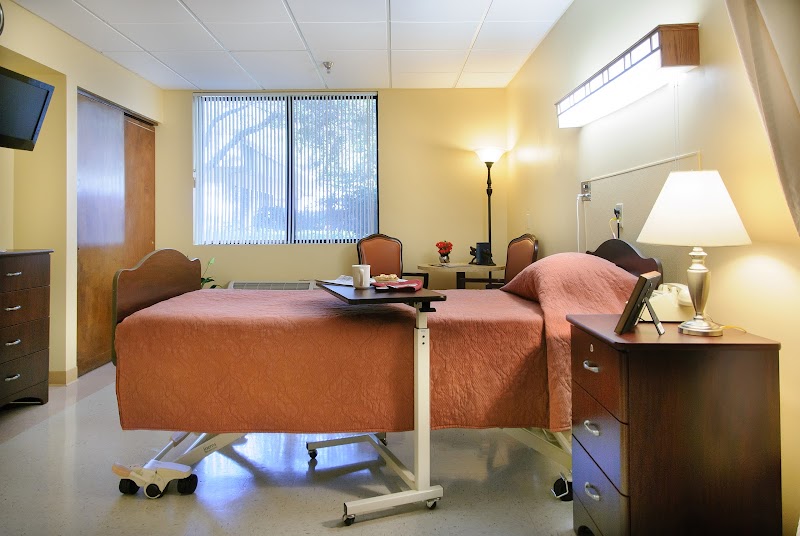
How is Life Care Center Of Hilton Head Staffed?

CMS rates Life Care Center of Hilton Head's staffing level at 4 out of 5 stars, which is above average compared to other nursing homes. Staff turnover is 32%, compared to the South Carolina average of 46%. This relatively stable workforce can support continuity of care.

What Have Inspectors Found at Life Care Center Of Hilton Head?

State health inspectors documented 13 deficiencies at Life Care Center of Hilton Head during 2022 to 2025. These included: 1 Immediate Jeopardy (the most serious level, indicating potential for serious harm or death) and 12 with potential for harm. Immediate Jeopardy findings are rare and represent the most serious regulatory concerns. They require immediate corrective action.
Who Owns and Operates Life Care Center Of Hilton Head?

Life Care Center of Hilton Head is owned by a for-profit company. For-profit facilities operate as businesses with obligations to shareholders or private owners. The facility is operated by LIFE CARE CENTERS OF AMERICA, a chain that manages multiple nursing homes. With 88 certified beds and approximately 59 residents (about 67% occupancy), it is a smaller facility located in Hilton Head Island, South Carolina.

How Does Life Care Center Of Hilton Head Compare to Other South Carolina Nursing Homes?

Compared to the 100 nursing homes in South Carolina, Life Care Center of Hilton Head's overall rating (3 stars) is above the state average of 2.8, staff turnover (32%) is significantly lower than the state average of 46%, and health inspection rating (2 stars) is below the national benchmark.

What Should Families Ask When Visiting Life Care Center Of Hilton Head?

Based on this facility's data, families visiting should ask: "What changes have been made since the serious inspection findings, and how are you preventing similar issues?" "What safeguards and monitoring systems are in place to protect residents from abuse or neglect?" "Can I visit during a mealtime to observe dining assistance and food quality?" "How do you handle medical emergencies, and what is your hospital transfer rate?" These questions are particularly relevant given the facility's Immediate Jeopardy citations and the substantiated abuse finding on record.

Is Life Care Center Of Hilton Head Safe?

Based on CMS inspection data, Life Care Center of Hilton Head has documented safety concerns. The facility has 1 substantiated abuse finding (meaning confirmed case of resident harm by staff or other residents). Inspectors have issued 1 Immediate Jeopardy citation (the most serious violation level indicating risk of serious injury or death). The facility has a 3-star overall rating and ranks #1 of 100 nursing homes in South Carolina. Families considering this facility should ask detailed questions about what corrective actions have been taken since these incidents.

Do Nurses at Life Care Center Of Hilton Head Stick Around?

Life Care Center of Hilton Head has a staff turnover rate of 32%, which is about average for South Carolina nursing homes (state average: 46%). Moderate turnover is common in nursing homes, but families should still ask about staff tenure and how the facility maintains care continuity when employees leave.

Was Life Care Center Of Hilton Head Ever Fined?

Life Care Center of Hilton Head has been fined $12,740 across 1 penalty action. This is below the South Carolina average of $33,206. While any fine indicates a compliance issue, fines under $50,000 are relatively common and typically reflect isolated problems that were subsequently corrected. Families should ask what specific issues led to these fines and confirm they've been resolved.

Is Life Care Center Of Hilton Head on Any Federal Watch List?

Life Care Center of Hilton Head is not on any federal watch list. The most significant is the Special Focus Facility (SFF) program, which identifies the bottom 1% of nursing homes nationally based on persistent, serious quality problems. Not being on this list means the facility has avoided the pattern of deficiencies that triggers enhanced federal oversight. This is a positive indicator, though families should still review the facility's inspection history directly.