Dr Ronald E McNair Nursing & Rehabilitation Center
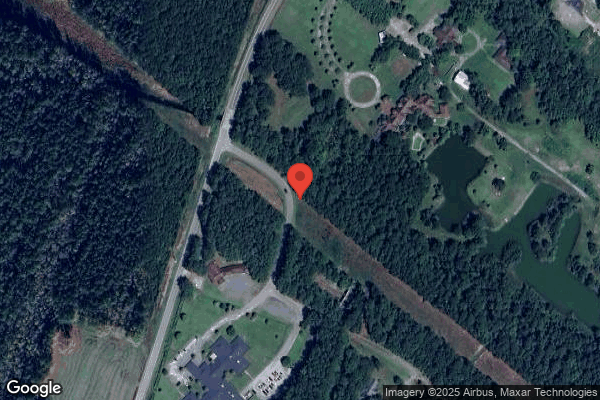

56 Genesis Drive, Lake City, SC 29560 (843) 389-3685
For profit - Individual 88 Beds Independent Data: November 2025
Trust Grade
50/100
#109 of 186 in SC
Last Inspection: November 2024

Within standard 12-15 month inspection cycle. Federal law requires annual inspections.

Overview

Dr. Ronald E. McNair Nursing & Rehabilitation Center has a Trust Grade of C, which means it is average and sits in the middle of the pack compared to other facilities. Ranked #109 out of 186 in South Carolina, it falls in the bottom half of nursing homes in the state, and it is the second best option out of two in Williamsburg County. The facility is currently worsening, with the number of reported issues increasing from 2 in 2022 to 6 in 2024. Staffing is a relative strength, with a 3 out of 5 star rating and a turnover rate of 35%, which is below the state average, indicating that staff members tend to stay longer and build relationships with residents. While there have been no fines reported, concerns were raised during inspections, including improper food labeling that could lead to foodborne illnesses and inadequate sanitization practices in the kitchen. Overall, families should weigh these strengths and weaknesses carefully when considering this facility for their loved ones.

Trust Score
C
50/100
In South Carolina
#109/186
Bottom 42%
Safety Record
Low Risk
No red flags
Inspections
Getting Worse
2 → 6 violations
Staff Stability
○ Average
35% turnover. Near South Carolina's 48% average. Typical for the industry.
Penalties
✓ Good
No fines on record. Clean compliance history, better than most South Carolina facilities.
Skilled Nurses
○ Average
Each resident gets 34 minutes of Registered Nurse (RN) attention daily — about average for South Carolina. RNs are the most trained staff who monitor for health changes.
Violations
⚠ Watch
24 deficiencies on record. Higher than average. Multiple issues found across inspections.
★★☆☆☆
2.0
Overall Rating
★★★☆☆
3.0
Staff Levels
★★☆☆☆
2.0
Care Quality
★★☆☆☆
2.0
Inspection Score
Stable
2022: 2 issues
2024: 6 issues

The Good

  • Full Sprinkler Coverage · Fire safety systems throughout facility
  • No fines on record
  • Staff turnover below average (35%)

    13 points below South Carolina average of 48%

Facility shows strength in fire safety.

The Bad

2-Star Overall Rating

Below South Carolina average (2.8)

Below average - review inspection findings carefully

Staff Turnover: 35%

11pts below South Carolina avg (46%)

Typical for the industry

The Ugly 24 deficiencies on record

Nov 2024 6 deficiencies
CONCERN (D)

Potential for Harm - no one hurt, but risky conditions existed

Deficiency F0553 (Tag F0553)

Could have caused harm · This affected 1 resident

**NOTE- TERMS IN BRACKETS HAVE BEEN EDITED TO PROTECT CONFIDENTIALITY** Based on review of the facility policy and resident rights, record reviews, and interviews, the facility failed to ensure Reside...

Read full inspector narrative →
**NOTE- TERMS IN BRACKETS HAVE BEEN EDITED TO PROTECT CONFIDENTIALITY** Based on review of the facility policy and resident rights, record reviews, and interviews, the facility failed to ensure Resident (R)47 and R58 were afforded the right to participate in the planning process of their care and to ensure each resident was invited to the care plan conferences for 2 of 2 residents that expressed their desire to be included in the care planning process. Findings include: Review of the facility policy titled, Care Pan Invitations, states the, MDS (Minimum Data Set) assessment nurse notified the Resident and/or Resident Representative of scheduled Care Plan dated and adjusts dates as indicated. The purpose is, To provide a means of communicating scheduled care plan meeting and reviews. The procedure is as follows: 1. The MDS Nurse schedules Care Plan meetings and notifies Resident and/or Resident Representative as indicated. 2. The MDS Nurse documents Resident/Resident Representative Notifications as indicated. 3. The Care Plan is reviewed with Resident/Representative with input and updates as indicated. 4. The MDS Nurse electronically documents attendance in care plan meeting. Review of the, Resident's [NAME] Of Rights, states, As a resident of this facility, You have or legal guardian has, the right to; 7a. Participate in planning treatment: Resident shall have the right to participate in the planning of their health care. This right includes the opportunity to discuss treatment and alternatives with individual caregivers, the opportunity to request and participate in formal care conferences, and the right to include a family member or other chosen representative. In the event that the resident cannot be present, a family member or other representative chosen by the resident may be included in such conferences. The facility admitted R47 on 01/23/2023 and readmitted her on 05/01/2024. The admitting diagnoses include viral pneumonia, neurogenic shock, major depressive disorder, anxiety disorder and chronic osteomyelitis. Review of the quarterly MDS assessment dated [DATE], revealed the Brief Interview for Mental Status (BIMS) score of 14 out of 15. The score of 14 indicated that R47 has no cognitive deficits and is able to be understood and to understand others. Section D of the MDS for mood is scored a (0) as having no mood disorders and Section E for behavior is scored a (0) as having no behaviors. During an interview on 11//24/2024 with R47, she voiced her wishes to be included in the care planning process for her care. Review on 11/25/2024 of a Care Conference Report revealed R47 attended one care plan conference on 01/12/2024. No documentation could be found to ensure R47 has been invited to any other care planning conference. Review on 11/25/2024 of a progress note dated 10/20/2024 at 02:45 AM states, the resident's responsible party was made aware of the upcoming care plan meeting. The RP will attend in person. Under Notes: Resident will attend care plan meeting. R47 again stated that she had not been invited to care plan conferences would would like to be included. The facility admitted R58 on 08/06/2024 with diagnoses including but not limited to, polyneuropathy, pain, chronic vial hepatitis, respiratory failure with hypoxia, and congestive heart failure. Review of the quarterly MDS assessment dated [DATE] revealed a BIMS score of 9 out of 15 indicating mild cognitive deficits. R58 is coded in section B as understood and understands. R58 is coded (0) for section D and E as having no mood disturbance or behaviors. During an interview on 11/24/2024 with R58, he voiced his concern of not being included in the care planning process for his care. During an interview on 11/25/2024 with the MDS Coordinator, she provided a Care Conference Report, dated 03/11/2024, 03/29/2024, 06/28/2024 and 09/26/2024. R58 was not listed as attending the care plan conferences. Review on 11/25/2024 of a progress note provided by the MDS Coordinator dated 09/01/2024 at 09:07 AM that states, The resident's responsible party was made aware of the upcoming care plan meeting, and the responsible party will attend via a telephone conference. There was not documentation to ensure R58 was also invited or included in the care planning process for his care.
CONCERN (D)

Potential for Harm - no one hurt, but risky conditions existed

Deficiency F0557 (Tag F0557)

Could have caused harm · This affected 1 resident

**NOTE- TERMS IN BRACKETS HAVE BEEN EDITED TO PROTECT CONFIDENTIALITY** Based on resident observation, interview and record review, the facility failed to promote dignity related to facial hair for Re...

Read full inspector narrative →
**NOTE- TERMS IN BRACKETS HAVE BEEN EDITED TO PROTECT CONFIDENTIALITY** Based on resident observation, interview and record review, the facility failed to promote dignity related to facial hair for Resident (R)1, for 1 of 1 resident(s) reviewed for dignity. Findings include: Review of the facility undated policy titled, Dignity Policy indicated, Compliance Guidelines: 1. Staff members involved in providing care to residents to promote and maintain resident dignity. 3. Groom and dress residents according to resident preference. Review of the facility undated policy titled, ADL Policy indicated, Policy: The facility will, based on the resident's comprehensive assessment and consistent with the resident's needs and choices, promote as much independent functionality as possible. Care and services will be provided for the following activities of daily living: 1. Bathing, dressing, grooming, and oral care Policy Explanation and Compliance Guidelines: 2. A resident who is unable to carry out activities of daily living will receive the necessary services to maintain good nutrition, grooming, and personal and oral hygiene. Review of a Face Sheet revealed R1 was admitted to the facility on [DATE] with diagnoses including but not limited to; anxiety disorder due to known physiological condition, dementia with other behavioral disturbance, and Schizoaffective disorder, bipolar type. Review of R1's Quarterly Minimum Data Set (MDS) with an Assessment Reference Date (ARD) date of 10/20/24 revealed a Brief Interview for Mental Status (BIMS) score of 06 out of 15, indicating R1's cognition is severely impaired. Review of section E- Behavior of R1's Quarterly Minimum Data Set (MDS) revealed the following: E0200 Behavioral Symptoms- Presence and Frequency A-C code -0- Behavior not exhibited. E0800- Rejection of Care - Presence and Frequency code -0- Behavior not exhibited. Review of section GG- Functional Abilities of R1's Quarterly MDS revealed the following: GG0130 Self-Care: C. Toileting hygiene- code 04 I. Personal hygiene- code 04 Code 04 indicates: R1 requires supervision or touching assistance- Helper provides verbal cues and/or touching/steadying and/or contact guard assistance as resident completes activity. Assistance may be provided throughout the activity or intermittently. Review of R1's Care Plan with a start date of 02/09/24 revealed requires limited assistance with bathing, dressing. Extensive assistance needed for incontinent care, feeds self with tray set up. Medications taken whole. Review of R1's Activity of Daily Living-Point of Care History dated 10/28/24- 11/25/24 with no specific resident care documented. An observation on 11/25/24 at approximately 9:00 AM revealed R1 sitting in the day room, fully dressed, with her hair combed. R1 presented with facial hair on the chin area and above lip. During an additional interview on 11/25/24 at approximately 9:35 AM, R1 stated, She does not like the hair being on her face. R1 reported she used to shave her facial hairs in the past. During an interview on 11/25/24 AM at approximately 9:39 AM, Licensed Practical Nurse (LPN)6 stated, R1 is just a setup for ADLs. LPN6 reported, Sometimes when staff attempts to shave or remove R1's facial hair, R1 sometimes refuses. LPN6 stated, R1 has certain CNAs she will let shave her. R1 has a diagnosis of schizophrenia, and can be very vocal. LPN6 stated she would offer R1 to have facial hair removed today and see if she agrees. An observation and interview on 11/25/24 at approximately 2:48 PM revealed R1 lying on bed in her room. When asked if she preferred facial hair, R1 stated she would like to have the facial hair removed. During an interview on 11/25/24 at 2:50 PM, CNA1 stated, R1 sometimes will only let certain staff remove facial hair and sometimes she is non-compliant. CNA1 reported R1's mood varies. At this time, the surveyor and CNA1 observed R1 sitting on the edge of her bed. CNA1 asked R1 who she preferred to remove her facial hair, pointing at CNA1 and then another CNA. R1 stated she wanted and pointed at CNA1 to remove the facial hair. An observation on 11/25/24 at approximately 3:27 PM revealed R1 sitting in activities. R1stated, Her face felt much better now that facial hairs were removed. R1 stated she preferred Certified Nursing Assistant (CNA)1 to remove the facial hairs.
CONCERN (E)

Potential for Harm - no one hurt, but risky conditions existed

Deficiency F0727 (Tag F0727)

Could have caused harm · This affected multiple residents

Based on interviews, review of staff daily postings, registered nurse (RN) time sheets reviews, and the Payroll Based Journal (PBJ), the facility failed to ensure an RN was scheduled for 8 hours on we...

Read full inspector narrative →
Based on interviews, review of staff daily postings, registered nurse (RN) time sheets reviews, and the Payroll Based Journal (PBJ), the facility failed to ensure an RN was scheduled for 8 hours on weekends as reported on the PBJ for 3 out of 4 weekends reviewed. Findings include: Review of facility daily postings for May 2024 revealed the following: May 12th - (1) RN coverage 8AM- 5PM May 26th - (1) RN coverage 8am -5PM May 31st - (2) RN coverage 8AM- 5PM Review of facility daily postings for June 2024 revealed the following: June 9th - (1) RN coverage 8AM-5PM Review of RN Time sheets for May 2024 revealed there was no RN coverage on the following dates: 11th, 12th, 19th, 25th, 26th, 27th, 30th. Review of RN Time sheets for June 2024 revealed there was no RN coverage on the following dates: 2nd, 8th and 9th. During an interview on 11/24/24 at approximately 10:00 AM, Licensed Practical Nurse (LPN)5 revealed the facility did not have a charge nurse on weekends, but the facility has a nurse on call. LPN5 stated the facility does not have RNs on weekends. During an interview on 11/26/24 at approximately 10:00 AM, the Director of Nursing (DON) revealed the following, Management looks at staffing patterns daily, and what is going on with the residents. The DON stated, Staffing sheets are done daily and staff requirements and assignments are made according to residents' needs and diagnoses to ensure the facility has staff to meet resident needs. The DON also stated, We have 12-hour Licensed Practical Nurses (LPNs) in the building every day and at least 8-hour RN coverage. The DON stated, The facility staffs coverage according to resident census with a nurse on each unit and RN coverage may be a 12-hour coverage. When asked about call-ins, DON stated, Management will make calls to replace staff by calling other regular staff or on-call nurses who will cover the shift. During an interview on 11/26/24 at approximately 10:16 A, the Administrator stated, There is no temporary or contract staffing used in facility. The facility cannot afford contract staffing. However, the facility has a group of nurses that take incentives and work overtime.
CONCERN (E)

Potential for Harm - no one hurt, but risky conditions existed

Deficiency F0761 (Tag F0761)

Could have caused harm · This affected multiple residents

**NOTE- TERMS IN BRACKETS HAVE BEEN EDITED TO PROTECT CONFIDENTIALITY** Based on observations, record keeping, interviews, facility policy, manufacturer and pharmacy labeling, the facility failed to e...

Read full inspector narrative →
**NOTE- TERMS IN BRACKETS HAVE BEEN EDITED TO PROTECT CONFIDENTIALITY** Based on observations, record keeping, interviews, facility policy, manufacturer and pharmacy labeling, the facility failed to ensure that out-of-date medications were removed from active stock and medications were properly stored in 2 of 2 medication rooms and 3 of 6 medication carts. Findings Include: Review of the facility policy related to Medication Storage copyright 2024 states: 'It is the policy of this facility to ensure all medications housed on our premises will be stored in the pharmacy and/or medication rooms according to the manufacturer' recommendations and sufficient to ensure proper sanitation, temperature, light, ventilation, moisture control, segregation, and security. and Refrigerated Products: .Temperatures are maintained within 36-40 degrees F (Fahrenheit). On 11/24/24 at approximately 10:16 AM inspection of the Hall 200 Medication Room revealed one Equate Therapeutic Shampoo 6 oz. (ounce) 7/2024 and one T/Gel Therapeutic Shampoo 8.5 oz. expired 8/2024 both located on a metal storage shelf. The refrigerator thermometer read 28 degrees F at 10:18 AM. On 11/24/24 at approximately 10:19 AM, Licensed Practical Nurse (LPN)1 inspected and acknowledged the expired medications. On 11/24/24 at approximately 10:56 AM, the Surveyor rechecked the refrigerator thermometer with both the Surveyor's calibrated thermometer and both thermometers read 30 degrees F. On 11/24/24 at approximately 10:58 AM, LPN1 confirmed the 30 degrees F reading on both thermometers and was asked to contact the Maintenance Director to bring the facility thermometer to recheck the refrigerator's temperature. On 11/24/24 at approximately 11:16 AM, the Maintenance Director inspected the Hall 200 Medication Room refrigerator and read 30 degrees F on the refrigerator thermometer, but did not have a facility thermometer available to check the temperature. On 11/24/24 at approximately 10:46 AM, inspection of the Hall 100 Medication Room revealed the following: one bottle of Hydrogen Peroxide 32 oz. with expiration of 01/22 located on a metal storage shelf and two urine specimen containers with dark yellow liquid, inside biohazard bags, were stored in the medication room refrigerator alongside medications. One urine specimen container was labeled as having been collected 11/07. On 11/24/24 at approximately 10:53 AM, LPN2 acknowledged these findings stating those should not be in there. On 11/25/24 at approximately 1:41 PM, inspection of 200 Hall Treatment Cart revealed one opened, in use tube of MediHoney 1.5 fl oz (fluid ounce) by Derma Science labeled Tube sterility guaranteed in unopened, undamaged package Single Use Only and one bottle of Hydrogen Peroxide 16 oz. by CVS Health expired 9/2024. On 11/25/24 at approximately 1:49 PM, inspection of 200 Hall Medication Cart 2 revealed one Breyna 160 mcg/4.5 mcg Inhaler by [NAME] opened, in use, not dated. The inhaler had been labeled by the manufacturer Discard the inhaler when labeled # (number) of inhalations have been used or within 3 months of opening the foil pouch and Pharmacy had applied a label leaving space for opened date which had not been filled in. On 11/25/24 at approximately 1:54 PM, LPN3 confirmed the findings for both the treatment cart and the medication cart after reading manufacturer labeling. On 11/25/24 at approximately 2:04 PM, inspection of the Hall 100 Treatment Cart revealed two opened, in use tubes of MediHoney 1.5 fl oz by Derma Science labeled Tube sterility guaranteed in unopened, undamaged package Single Use Only. On 11/25/24 at approximately 2:09 PM, LPN4 read the manufacturer labeling and confirmed the finding.
CONCERN (F)

Potential for Harm - no one hurt, but risky conditions existed

Food Safety (Tag F0812)

Could have caused harm · This affected most or all residents

**NOTE- TERMS IN BRACKETS HAVE BEEN EDITED TO PROTECT CONFIDENTIALITY** Based on observation, interviews, and review of the facility policy, the facility failed to ensure that food items were correctl...

Read full inspector narrative →
**NOTE- TERMS IN BRACKETS HAVE BEEN EDITED TO PROTECT CONFIDENTIALITY** Based on observation, interviews, and review of the facility policy, the facility failed to ensure that food items were correctly labeled and dated in the freezer and dry storage areas. This deficiency has the potential to increase the risk of foodborne illnesses. Findings include: Review of the facility policy titled, Labeling and Dating Foods (Date Marking), dated 2020 reveals, All foods stored will be labeled according to the following guidelines. Guidelines outlined include but are not limited to the following. 1. Date marking for dry storage food items. The exception to dating individual dry storage food items includes individually packaged food items stored in bulk containers such as packets of hot chocolate, tea bags, saltine crackers, packets of sugar, packets of individual cookies, etc. The Dining Services Manager is to ensure that these bulk items are rotated with old items used first. New product is never to be placed on top of old product. Expiration dates on commercially prepared, dry storage food items will be followed. Additionally, the policy guidelines for dating marking freezer storage food items reveal the following, Once a package is opened, it will be re-dated with the date the item was opened and shall be used by the safe storage guidelines or by the manufacturer's expiration date. Based on initial observation of facility walk in freezer on 11/24/24 at 10:16 AM with [NAME] 1 (C1) revealed: 1.) 2 Ziplog bags of precooked item which was not labeled with its contents, preparation date, or expiration date. 2.) 1 Box of Stampede Boneless Beef Ribeye Steak (5 Count) - Expired 4/15/24 3.) 1 Box of Hormel Deli Bread Ready Premium Buffet Ham (12 lbs) - Expired 01/04/24 Based on initial observation of facility dry storage on 11/24/24 at 10:50 AM, observations revealed: 1.) 7 Bottles of [NAME] Creek Chocolate Flavored Syrup 24 ounces (oz) - No labeled expiration date. 2.) 6 cans of 66.5 oz Skipjack Chunk Light Tuna - No labeled expiration date. 3.) 10 Cans of 16oz [NAME] Mushroom Pieces and stems - No labeled expiration date. During an interview with C1 at approximately 11/24/24 at 10:30 AM, C1 revealed that The kitchen manager (KM) and dietary staff try and check the refrigerators and freezers routinely throughout the week in order to ensure expired food items are thrown away. C1 also revealed, If a food item is cooked and is to be frozen for future consumption, the facility expects the team to label what the food item is, the date it was prepared, and the date it expires. C1 was unaware of and did not realize that there was an unlabeled precooked food item in the freezer and was unaware of the expired food items in the freezer. During an interview with Dietary Aide, (DA)1 on 11/24/24 at 10:59 AM, he revealed the following; The kitchen manager is typically the one responsible for the intake of food delivery. DA1 also stated, Without the expiration date of food items in the dry storage room, they could not indicate surely whether or not food items were safe to serve to residents. DA1 could not identify expiration dates on the tuna cans and mushroom cans. During an interview with KM1 on 11/26/24 at 09:50 AM revealed she is primarily responsible for the inventory, intake, and of inventory of food items. KM1 stated that she typically do not label dry storage items with a receive by date or an expiration date when receiving delivered dried goods prior to survey. KM1 revealed that typically kitchen staff will call her if they have any issues with dates regarding food items. KM1 revealed she understands how their current way of labeling dry storage items can lead to potential issues for residents and she is also responsible for completing an inventory of the facility refrigerator and freezer to ensure that expired items are discarded. She stated that she does this at least 3 times a day. KM1 also stated, Cooked food that needed to be frozen or refrigerated needs to be labeled with what it is, when it was made, and an expiration date. KM1 confirmed that food items were not labeled based on facility expectations. KM1 was unaware of the expired food items in the freezer and unlabeled items in the dry storage room. During an interview with Certified Dietary Manager (CDM)1 on 11/26/24 at 10:00 AM, she stated that it is her expectation of her dietary/kitchen staff to discard of expired food items in the facility and that all food items are to be labeled with an expiration date. CDM1 revealed that she was unaware of the expired food items in the freezer. CDM1 revealed that they will work on immediate interventions and conduct full inventories of all food items to ensure food items are properly labeled and dated. During an interview with the Administrator on 11/26/24 at 10:30 AM, she reveals that when it comes to food storage and labeling practices it is her expectation that the dietary team follow the facility policy. She stated it is her expectation of the KM to do daily audits of storage areas checking for expired food items. If expired food items are found, it is her expectation that kitchen staff discard expired food items. The Administrator also revealed that any food item that must be re-refrigerated or re-frozen needs to be labeled with what the food item is and to date food items with the date it was prepared and the date it needs to be discarded.
CONCERN (F)

Potential for Harm - no one hurt, but risky conditions existed

Room Equipment (Tag F0908)

Could have caused harm · This affected most or all residents

Based on the facility policy, observations and interviews, the facility failed to ensure an excessive amount of lint was removed from the top of the lint basket and around the wiring in 1 of 3 clothes...

Read full inspector narrative →
Based on the facility policy, observations and interviews, the facility failed to ensure an excessive amount of lint was removed from the top of the lint basket and around the wiring in 1 of 3 clothes dryers. Findings include: Review of the facility policy titled, Lint Removal in Laundry, states, The facility removes lint from Dryers to prevent transmission of pathogens and hazards. 4. Laundry equipment will be used and maintained. 5. Lint trap is checked frequently and cleaned by Laundry Staff at least hourly while the machine is in use. The logs reviewed did not contain any documentation to ensure the lint had been removed since the start of the shift. An observation on 11/26/2024 at 07:51 AM revealed an excessive amount of lint in 1 of 3 clothes dryers. The lint was noted above the lint basket and hanging in a mass from the wiring where it was difficult to see the wiring for the lint. During an interview on 11/26/2024 at 08:05 AM with Maintenance he confirmed the excessive amount of lint. Maintenance did not provide logs to ensure he or the laundry workers were removing the lint after each load.
Oct 2022 2 deficiencies
CONCERN (D)

Potential for Harm - no one hurt, but risky conditions existed

Assessment Accuracy (Tag F0641)

Could have caused harm · This affected 1 resident

**NOTE- TERMS IN BRACKETS HAVE BEEN EDITED TO PROTECT CONFIDENTIALITY** Based on interview, record review, and policy review, the facility failed to ensure the accuracy of Minimum Data Set (MDS) asses...

Read full inspector narrative →
**NOTE- TERMS IN BRACKETS HAVE BEEN EDITED TO PROTECT CONFIDENTIALITY** Based on interview, record review, and policy review, the facility failed to ensure the accuracy of Minimum Data Set (MDS) assessments for 2 residents (Resident (R)23 and R1) of 19 residents reviewed for MDS. The facility failed to ensure significant weight loss was accurately documented for R23 and to ensure R1's diagnoses were accurate. These failures placed the residents at risk for unmet care needs. Findings include: Review of the RAI Manual 3.0, dated 10/19, revealed, . If an MDS assessment is found to have errors that incorrectly reflect the resident's status, then that assessment must be corrected . Review of the facility policy titled MDS Assessment, dated 01/01/22, revealed Residents are assessed using a comprehensive assessment process in order to identify care needs and to develop an interdisciplinary care plan . Quarterly Assessment- completed using an ARD no >92 days from the most recent prior quarterly or comprehensive assessment (counting ARD to ARD). Significant Change in Status Assessment (SCSA)- a comprehensive assessment completed within 14 days of the identification of a status change that meets the requirements outlined in Chapter 2 of the 3.0 Version RAI Manual. A significant change is a major decline or improvement in a resident's status that: (l) will not normally resolve itself without intervention by staff or by implementing standard disease-related clinical intervention (is not self-limiting, if a decline); (2) impacts more than one area of the president's health status, and (3) requires interdisciplinary review and/or revision of the care plan . 1. Review of the admission Record, located in the Profile tab of the electronic medical record (EMR), revealed R23 was admitted to the facility on [DATE]. A review of the most recent quarterly MDS, located under the RAI (Resident Assessment Instrument) tab of the EMR, with an Assessment Reference Date (ARD) of 08/18/22 failed to reveal documentation of R23's significant weight loss of over 10% in the previous 180 days. Review of R23's weights for the previous 180 days located under the Vitals tab of the EMR revealed as follows: 09/28/2022 - 107 lbs 09/14/2022 - 102 lbs 09/13/2022 - 109 lbs 08/29/2022 - 107 lbs 08/15/2022 - 106 lbs 08/07/2022 - 110 lbs 08/01/2022 - 110 lbs 07/18/2022 - 114 lbs 07/08/2022 - 118 lbs 07/04/2022 - 118 lbs 06/08/2022 - 122 lbs 05/10/2022 - 129 lbs 04/19/2022 - 128 lbs Review of the Progress Notes, located in the Progress Notes tab of the EMR, revealed a note on 08/19/22 by the RD (Registered Dietician) that R23 had a BMI (Body Mass Index) of 18.8 and was underweight. RD noted the following weights: 08/07/22 - 110# (pounds) 08/01/22 - 110# 07/2022 - 114# 05/2022 - 129# 02/2022 - 130# The RD noted that the weights indicated a 19% weight loss in 180 days. Interview with the MDS (Minimum Data Set Coordinator - MDSC) on 10/11/22 at 10:10 AM revealed the MDSC was the one who entered the data in the MDS and would review and correct the entry. In an interview on 10/12/22 at 12:03 PM, the Administrator stated the MDS entry was incorrect and would be corrected. 2. Review of R1's undated Face Sheet, located in R1's EMR under the Face Sheet tab, indicated R1 was admitted to the facility on [DATE], with diagnoses including dementia without behavioral disturbance, psychotic disturbance, mood disturbance, and anxiety. Review of the R1's quarterly MDS with an Assessment Reference Date (ARD) of 07/01/22, located in R1's EMR under MDS tab, revealed a Brief Interview of Mental Status (BIMS) score of five out of 15, indicating R1's cognitive status was severely impaired. Further review of R1's MDS revealed the resident's active diagnoses included schizophrenia but not dementia. During an interview conducted on 10/13/22 at 1:17 PM, the MDSC was asked to review R1's quarterly MDS for behavioral diagnoses. The MDSC stated, the resident has a diagnosis of schizophrenia. When asked how R1 received the diagnosis of schizophrenia and where to find the documentation for the diagnosis, the MDSC stated it must have been put there from the previous MDS coordinator and that I just copied and pasted what she had done, but I take full responsibility of not double checking my work. During an interview conducted on 10/13/22 at 10:00 AM, after reviewing R1's MDS and Face Sheet, the Administrator confirmed the discrepancy between the two documents.
CONCERN (D)

Potential for Harm - no one hurt, but risky conditions existed

Comprehensive Care Plan (Tag F0656)

Could have caused harm · This affected 1 resident

**NOTE- TERMS IN BRACKETS HAVE BEEN EDITED TO PROTECT CONFIDENTIALITY** Based on review of facility policy, record review, and interview, the facility failed to develop and implement a person-centered...

Read full inspector narrative →
**NOTE- TERMS IN BRACKETS HAVE BEEN EDITED TO PROTECT CONFIDENTIALITY** Based on review of facility policy, record review, and interview, the facility failed to develop and implement a person-centered comprehensive plan of care for 2 residents (Resident (R) 23 and R1). Findings include: A review of the policy titled, Care Plans,' dated 01/01/22, revealed It is the policy of this facility to develop and implement a comprehensive person-centered care plan for each resident, consistent with resident rights, which includes measurable objectives and timeframes to meet a resident's medical, nursing, and mental and psychosocial needs that are identified in the resident's comprehensive assessment. Review of R23's Face Sheet, located in the electronic medical record (EMR) under the Profile tab, documented the resident was admitted to the facility on [DATE] with diagnoses including eating disorder, abnormal weight loss, nausea with vomiting, iron deficiency anemia, other specified nutritional deficiencies, and bipolar disorder. Review of R23's weights for the previous 180 days located under the Vitals,' tab of the EMR revealed as follows: 09/28/2022 - 107 lbs 09/14/2022 - 102 lbs 09/13/2022 - 109 lbs 08/29/2022 - 107 lbs 08/15/2022 - 106 lbs 08/07/2022 - 110 lbs 08/01/2022 - 110 lbs 07/18/2022 - 114 lbs 07/08/2022 - 118 lbs 07/04/2022 - 118 lbs 06/08/2022 - 122 lbs 05/10/2022 - 129 lbs 04/19/2022 - 128 lbs Review of these weights revealed R23 had lost weight as follows: On 04/19/22, the resident weighed 128 lbs. On 09/28/22, the resident weighed 107 pounds which is a -16.41 % loss. Review of the Progress Notes, located in the Progress Notes tab of the EMR revealed a note on 08/19/22 by the RD (Registered Dietician) that R23 had a BMI (Body Mass Index) of 18.8 and was underweight. Further review revealed the RD noted a significant weight loss in 180 days and stated nutritional diagnoses of involuntary weight loss and inadequate energy intake. Review of the Care Plan, located under the Care Plan tab in the EMR, failed to reveal a care plan developed with interventions for significant weight loss of more than 10% in 180 days. A review of the most recent quarterly Minimum Data Set (MDS), located under the RAI (Resident Assessment Instrument) tab of the EMR, with an Assessment Reference Date (ARD) of 08/18/22 failed to reveal documentation of R23's significant weight loss of over 19% in the previous 180 days. In an interview on 10/11/22 at 10:32 AM, the Director of Nursing (DON) confirmed the weights for R23 were correct as recorded in the EMR and that the care plan needed to be written to reflect the resident's significant weight loss. In an interview with the Administrator on 10/12/22 at 12:03 PM, the Administrator verified the Care Plan for weight loss had not been developed but that interventions had been implemented to address R23's weight loss. 2. Review of R1's undated Face Sheet, located in R1's electronic medical record (EMR) under the Face Sheet tab, indicated R1 was admitted to the facility on [DATE], with diagnoses including dementia with behavioral disturbance, hallucinations, and psychotic disturbances. Review of R1's quarterly MDS with an ARD of 07/12/22, located in R1's EMR under the MDS tab, revealed a Brief Interview for Mental Status (BIMS) score of five out of 15 indicating R1's cognition was severely impaired. Further review of R1's MDS did not indicate R1 had been assessed as having dementia. Review of R1's Care Plan, reviewed and revised 07/21/22, located in R1's EMR under the MDS tab, revealed there was no care plan developed for R1's diagnoses of dementia. During an interview on 10/12/22 at 1:14 PM, the MDS Coordinator (MDSC) responded that she does the care planning and the social worker reviews and signs off on the care plan. The MDSC verified there was no care plan for R1's diagnoses of dementia and stated, I must have overlooked it, because I mis-coded the MDS with diagnoses of schizophrenia and not [R1's] diagnoses of dementia.
Jul 2021 16 deficiencies
CONCERN (D)

Potential for Harm - no one hurt, but risky conditions existed

Resident Rights (Tag F0550)

Could have caused harm · This affected 1 resident

**NOTE- TERMS IN BRACKETS HAVE BEEN EDITED TO PROTECT CONFIDENTIALITY** Findings include: Review of the facility Face Sheet revealed Resident 1 (R)1 was admitted to the facility on [DATE] with a diagn...

Read full inspector narrative →
**NOTE- TERMS IN BRACKETS HAVE BEEN EDITED TO PROTECT CONFIDENTIALITY** Findings include: Review of the facility Face Sheet revealed Resident 1 (R)1 was admitted to the facility on [DATE] with a diagnosis of unilateral primary osteoarthritis, anxiety disorder, chronic pain, primary hypertension, chronic obstructive pulmonary disease, and constipation. Review of the quarterly Minimum Data Set (MDS) assessment, with an assessment reference date (ARD) of 06/30/21, revealed R1 had a Brief Interview for Mental Status (BIMS) score of 12 out of 15, which indicated R1 was moderately cognitively impaired. Observations conducted of R1 on 07/26/21 at 11:33 AM, 07/26/21 at 12:33 PM, 07/26/21 at 3:17 PM, and 07/27/21 at 10:00 AM revealed Certified Nursing Assistant (CNA) #1 and Licensed Practical Nurse (LPN) #1 entered R1's room without knocking and waiting for permission to enter. During an interview with CNA #1 and LPN #1 on 07/27/21 at 1:13 PM, CNA #1 stated that if a resident was alert and verbal, then staff were supposed to knock and wait for permission to enter from the resident. LPN #1 stated the only time staff could enter a resident's room without waiting for permission was in the event of an emergency. During an interview with eight resident council members on 07/27/21 at 3:15 PM, six out of eight members stated staff usually do not knock and wait for permission before entering their rooms. During an interview with the Director of Nursing (DON) on 07/28/21 at 10:55 AM, the DON stated staff were supposed to knock, state their name, and wait for permission from the resident before entering a resident room. The DON stated that staff who had been at the facility for a while probably did not knock before entering resident rooms because they knew which resident were verbal and non-verbal. The DON also stated that it was a constant battle to get staff to follow the facility policy on residents' rights, but staff should still follow the policy unless in an emergency. Review of the facility policy titled, Resident's [NAME] of Rights, revealed, (16). Personal Privacy- Facility staff shall respect the privacy of a resident's room by knocking on the door and seeking consent before entering, except in an emergency or where clearly inadvisable. Based on observations, interviews and review of the facility policy titled, Dignity, the facility failed to ensure staff knocked on resident room doors before entering during observations on 1 of 2 units. The facility further failed to ensure residents were asked if they would like to have a clothing protector applied before applying them during 1 of 2 dining observations. The findings included: An observation on 7/26/2021 at 12:30 PM revealed multiple staff placing clothing protectors on residents without first asking if they would like to have one applied. Interviews on 7/27/2021 at 12:45 PM with random staff, confirmed the findings and agreed they should first ask residents before applying clothing protectors. Review on 7/29/2021 at 8:50 AM of the facility policy titled, Dignity, states, Each resident shall be care for in a manner that promotes and enhances quality of life, dignity, respect and individuality. Policy Interpretation and Implementation, states under number 1. Residents shall be treated with dignity and respect at all times. Number 8 states, Procedures shall be explained before they are performed. Number 10. states, Staff shall promote, maintain and protect resident privacy.
CONCERN (D)

Potential for Harm - no one hurt, but risky conditions existed

Deficiency F0568 (Tag F0568)

Could have caused harm · This affected 1 resident

Based on interview, record review, and review of facility policy and procedure the facility failed to ensure one (Resident (R) 21) of twenty four residents financial records were available to the resi...

Read full inspector narrative →
Based on interview, record review, and review of facility policy and procedure the facility failed to ensure one (Resident (R) 21) of twenty four residents financial records were available to the resident quarterly. This failure had the potential to cause distress to the resident who was unsure how much money was available in his/her account. The findings include: Review of the facility's undated policy titled, Quarterly Accounting of Resident Funds, revealed, 1. Each resident with personal funds entrusted to the facility will receive an individual quarterly accounting of funds managed by the facility. Upon his/her request, the resident may also receive an accounting of such funds from the business office . Review of R-21's Electronic Medical Record (EMR) Face Sheet dated 10/26/20 revealed R21 was admitted to the facility with the following diagnoses malignant neoplasm of descending colon, hematuria, epilepsy, hypokalemia, and insomnia. Review of R21's admission Minimum Data Set (MDS), (a standardized assessment tool for long term care residents), dated 05/20/21, revealed under section C for cognition, R 21 scored a 11 on the Brief Interview for Mental Status (BIMS) which was consistent with mild impairment. Interview with R 21 on 07/26/21 at 10:58 AM revealed R21 stated that he/she did not know how much money he/she had. On 07/26/21 at 3:14 PM in an interview with the Business Office Manager revealed she/he stated that Residents are provided a copy of their statement if they request it. Subsequent interview revealed that the residents or their representatives are provided a statement if requested. Statements were sent to the representative via regular mail and if returned, then I call to verify address and if no return then I assume that they have gotten it. I don't have any other documentation for verification.
CONCERN (D)

Potential for Harm - no one hurt, but risky conditions existed

Deficiency F0582 (Tag F0582)

Could have caused harm · This affected 1 resident

Based on record review and staff interviews, the facility failed to issue the required, Centers for Medicare and Medicaid Services (CMS) Notice of Medicare Non-Coverage (NOMNC)/ CMS 10123 form for 1 o...

Read full inspector narrative →
Based on record review and staff interviews, the facility failed to issue the required, Centers for Medicare and Medicaid Services (CMS) Notice of Medicare Non-Coverage (NOMNC)/ CMS 10123 form for 1 of 3 sampled residents (Resident (R) 355) reviewed for beneficiary notifications. There was no evidence the facility attempted to acquire the signature of R355's representative after verbally issuing the NOMNC. This had the potential of the resident's representative not being informed of appeal rights for Medicare part A services. Findings include: Review of R355's NOMNC/CMS 10123 form on 07/27/21 at 11:50 AM revealed R355's Medicare A services began on 04/12/21 and ended 05/18/21. The NOMNC/ CMS 10123 form documented, talk w/ resident 355's representative via telephone, dated 05/06/21. During an interview with the Administrator and Business Office Manager (BOM) on 07/27/21 at 12:39 PM, the BOM revealed staff did not send a certified letter in the mail to attempt to get a signature of notification. The Administrator stated because of COVID-19, they only spoke with the resident representative via telephone. The Administrator stated s/he did not have any other documentation to show proof of contact with R355's representative. Review of the facility policy titled, Advance Beneficiary Notices, revealed it did not address confirmation of telephone contact by written notice mailed on the same date of the receipt of notice.
CONCERN (D)

Potential for Harm - no one hurt, but risky conditions existed

Assessment Accuracy (Tag F0641)

Could have caused harm · This affected 1 resident

**NOTE- TERMS IN BRACKETS HAVE BEEN EDITED TO PROTECT CONFIDENTIALITY** Based on record review and staff interviews, the facility failed to ensure the accuracy of Minimum Data Set (MDS) assessments fo...

Read full inspector narrative →
**NOTE- TERMS IN BRACKETS HAVE BEEN EDITED TO PROTECT CONFIDENTIALITY** Based on record review and staff interviews, the facility failed to ensure the accuracy of Minimum Data Set (MDS) assessments for 2 of 5 sampled residents (Resident (R) 1 and 24) reviewed for unnecessary medications. This failure had the potential to lead to a lack of care planning or further assessment of the residents' medication regimen. Findings include: 1. Review of the facility Face Sheet revealed R1 was admitted to the facility on [DATE] with a diagnosis of anxiety disorder due to known physiological condition. Review of the quarterly (MDS) assessment, with an assessment reference date (ARD) of 06/30/21 revealed, R1 antidepressant medications during the last seven days coded as none. Instructions under Medications in Section N of the MDS assessment noted, indicate the number of days the resident received the following medications by pharmacological classification, not how it is used. Review of R1's Physician Orders dated 06/25/2021, revealed orders for Lexapro 10mg Take 1 tablet once a day for anxiety disorder due to known physiological condition. Review of the Medication Administration Record (MAR) for June 2021 revealed R1 was administered Lexapro 10mg (an antidepressant medication) on the days of 06/25/21, 06/26/21, 06/27/21, 06/28/21, 06/29/21, and 06/30/21. During an interview with the MDS Coordinator on 07/29/21 at 10:25 AM, s/he revealed Lexapro 10mg should have been coded as received six out of the seven days on the MDS assessment. The MDS Coordinator stated that Lexapro was an antidepressant. 2. Review of the facility Face Sheet revealed R24 was admitted to the facility on [DATE] with a diagnosis of pain in unspecified joint. Review of the quarterly MDS assessment, with an ARD of 05/24/21, revealed R24's use of opioid medications during the last seven days was coded as none. Review of R24's Physician Orders dated 05/13/2021, revealed an order for Hydrocodone-acetaminophen 5-325mg Take 1 tablet every 6 hours PRN. Review of the MAR for May 2021 revealed R24 was administered hydrocodone-acetaminophen 5-325mg (an opioid pain medication) on 05/19/21, 05/20/21, 05/22/21, 05/23/21, and 05/24/21. During an interview with the MDS Coordinator on 07/28/21 at 2:21 PM, s/he revealed hydrocodone-acetaminophen 5-325mg should have been coded as received five of the seven days on the MDS assessment. The MDS Coordinator stated hydrocodone-acetaminophen was an opioid. Review of the facility policy titled, Conducting an Accurate Resident Assessment, revealed, 3.- The appropriate qualified health professional will correctly document the resident's medical, functional, and psychosocial problems and identifies resident strengths to maintain or improve medical status, functional abilities, and psychosocial status.
CONCERN (D)

Potential for Harm - no one hurt, but risky conditions existed

Comprehensive Care Plan (Tag F0656)

Could have caused harm · This affected 1 resident

**NOTE- TERMS IN BRACKETS HAVE BEEN EDITED TO PROTECT CONFIDENTIALITY** --Review of the facility Face Sheet revealed R1 was admitted to the facility on [DATE] with diagnosis unilateral primary osteoar...

Read full inspector narrative →
**NOTE- TERMS IN BRACKETS HAVE BEEN EDITED TO PROTECT CONFIDENTIALITY** --Review of the facility Face Sheet revealed R1 was admitted to the facility on [DATE] with diagnosis unilateral primary osteoarthritis, hypothyroidism, nutritional deficiency, anxiety disorder due to known physiological condition, chronic pain, and long-term use of antithrombotic/antiplatelets. Review of the quarterly Minimum Data Set (MDS) assessment, with an assessment reference date (ARD) of 06/30/21, revealed R1 had a Brief Interview for Mental Status (BIMS) score of 12 out of 15, which indicated R1 was moderately cognitively impaired. Observations conducted of R1 on 07/26/2021 at 3:37 PM, 07/27/2021 at 8:35 AM, and 07/27/2021 at 12:00 PM revealed R1 did not have a green armband in place. During an interview with R1 on 07/27/21 at 12:06 PM, R1 stated that s/he was not given a green armband to wear. Review of R1's Physician Orders dated 04/11/21, revealed R1 was at risk for falls and documented, Falling Star: Check green armband every shift. Review of R1's Medication Administration Record (MAR) for July 2021, revealed staff were to check the green armband every shift. There were no blank spaces indicating staff did not check green armband every shift. Review of R1's admission Assessment dated 03/26/21, revealed R1's fall risk of 14. A score of 10 or higher represented a higher risk for falls. Further review of the admission assessment revealed R1 was referred to the falling star program and physical therapy (PT)/ occupational therapy (OT). R1's Care Plan dated 04/06/21, did not address R1's risk for falls, the green armband, or the falling star program. On 07/28/21 at 1:13 PM in the presence of CNA #1, LPN #1 stated according to R1's physician orders, s/he was a risk for falls. LPN #1 confirmed R1 did not have a green armband in place. CNA #1 stated R1 probably took his arm band off and that s/he would get another one. LPN #1 checked R1 room and confirmed R1 did not have a green armband. During an interview with the MDS Coordinator on 07/28/21 at 11:19 AM, the MDS Coordinator stated according to R1 fall risk admission assessment, s/he should have been care planned for fall risk. Review of the facility policy titled, Comprehensive Care Plans, revealed, 6.- The comprehensive care plan will include measurable objectives and timeframes to meet the resident's needs as identified in the resident's comprehensive assessment. The objectives will be utilized to monitor the resident's progress. Alternative interventions will be documented, as needed. Based on observation, record review, and interviews, the facility failed to develop a comprehensive care plan addressing bowl and bladder incontinence and accidents for 2 of 15 residents (Resident (R) #42, and 21) reviewed for comprehensive care planning. The findings include: Review of the facility's Face Sheet revealed R42 was admitted to the facility on [DATE] with the latest return to the facility on [DATE]. R42 was admitted with diagnoses including but not limited to: epilepsy, pain, hypertension, chronic obstructive pulmonary disease and obesity. Review of the Minimum Data Set (MDS) dated [DATE], revealed that R42 had a Brief Interview for Mental Status (BIMS) Score 8 out of 15, which indicated the resident was moderately cognitively impaired. Further review of the MDS, revealed that R42's urinary and bowel continence was noted as always incontinent. Review of the facility's policy and procedure titled Bladder and Bowel Management indicated The purpose of the bladder and bowel management program is to: 1. Address resident's individual needs with respect to continence of the bladder and bowel. 2. Initiate appropriate strategies and interventions. 3. Provide learning opportunities. 4. Monitor and evaluate resident outcome. The interdisciplinary team will: Initiate a written plan of care upon completion of the bladder and bowel continence assessment and update as necessary. Review of the physician's General Orders dated 04/04/2019 (open ended), directed staff to monitor bowel movements (bm) daily, if no bm x3 days laxative as ordered. Review of R42's care plan revealed that the resident was care planned for extensive assistance with activities of daily living (ADL) care which included the approach to assist the resident with toileting as needed. However, R42 was not care planned for bowel and bladder incontinence. During an interview with the MDS Coordinator on 07/28/2021 at 3:05 pm, the MDS Coordinator stated that the resident does not have a care plan for bladder and bowel incontinence, but the resident should have a care plan for incontinence for bowel and bladder related to skin breakdown. The MDS Coordinator also states the order for monitor bowel and bladder movements daily was not completed because the order was placed in the wrong order set and was not being documented by staff. Review of the Medications Administration History dated 07/01/2021 - 07/28/2021 verified that physician orders to monitor bowel movements daily were not being documented. Observation conducted on 07/26/2021 at 2:34 pm, revealed that there was a linen cart blocking the entry to R42's room with the door closed. 2 staff members eventually exited the room with what appeared to be soiled linens. There was a foul odor coming from the resident's room that resembled the smell of feces. After speaking with one the staff members, they verified that R42 had an accident on themselves.
CONCERN (D)

Potential for Harm - no one hurt, but risky conditions existed

Deficiency F0657 (Tag F0657)

Could have caused harm · This affected 1 resident

The facility admitted Resident #46 with diagnoses included, but not limited to, Left Heel Pressure Ulcer, Dementia, Anemia, Pain and a Local Skin Infection. Review on 7/27/2021 at 1:41 PM revealed wou...

Read full inspector narrative →
The facility admitted Resident #46 with diagnoses included, but not limited to, Left Heel Pressure Ulcer, Dementia, Anemia, Pain and a Local Skin Infection. Review on 7/27/2021 at 1:41 PM revealed wound care and assessments by the physician. On 6/18/2021 the pressure ulcer of the left heel was changed from unstageable to a Stage 4 with a dressing treatment plan. Review on 7/27/2021 at 2:00 PM of the Plan of Care for Resident #46 revealed no updates to the care plan to reflect the change from the unstageable status to the Stage 4 status nor did it include interventions to care for the Stage 4 pressure ulcer. During an interview on 7/27/2021 at approximately 2:15 PM with the Registered Nurse, Minimum Data Set and Care Plan Coordinator confirmed the findings. Review on 7/27/2021 at approximately 2:25 PM of the facility's policy titled, Comprehensive Care Plans, states, under number 6. The comprehensive care plan will include measurable objectives and timeframe's to meet the resident's needs as identified in the resident's comprehensive assessment. The objectives will be utilized to monitor the resident's progress. Alternative interventions will be documented, as needed. Number 8. states, Qualified staff responsible for carrying out interventions specified in the care plan will be notified of their roles and responsibilities for carrying out the interventions, initially and when the changes are made. Based on observation, interview, record review, review of facility policy and procedure, and review of the Resident Assessment Instrument (RAI) Manual 3.0, the facility failed to ensure two (Residents (R) 17 and 21) of fifteen residents reviewed for care planning involved the Interdisciplinary team members. Subsequently, there was no documentation of involvement and/or approval of the care plan by the medical director. In addition, one (Resident (R) 46) of three resident care plans was not reviewed and revised for pressure ulcers. These failures had the potential to prevent the residents from experiencing their highest practicable physical, mental, and psychosocial well-being. The findings include: Review of the facility's undated policy titled, Comprehensive Care Plans revealed .4. The comprehensive care plan will be prepared by an interdisciplinary team, that includes, but is not limited to: a. The attending physician. b. A registered nurse with responsibility for the resident. c. A nurse aide with responsibility for the resident. d. A member of the food and nutrition services staff. e. The resident and the resident's representative, to the extent practicable. f. Other appropriate staff or professionals in disciplines as determined by the resident's needs or as requested by the resident . 1. Review of R 17's Electronic Medical Record (EMR) Face Sheet dated 03/23/21 revealed R17 was admitted to the facility with the following diagnoses acute pain due to trauma, abnormal weight loss, hypertension, and sick sinus syndrome-bradycardia. Review of R17's EMR Care Conference Report dated 05/11/21 revealed that R17's interdisciplinary team meeting consisted of the dietary manager, licensed practical nurse, social worker, registered nurse, lead certified nursing assistant, activity director, and infection control preventionist. Review of R17's EMR Physician Orders revealed no acknowledgement by the Medical Director for approval of R17's care plan dated 05/11/21. 2. Review of R 21's (EMR) Face Sheet dated 10/26/20 revealed R21 was admitted to the facility with the following diagnoses malignant neoplasm of descending colon, hematuria, epilepsy, hypokalemia, and insomnia. Review of R21's EMR Care Plan dated 05/28/21 revealed that R21's interdisciplinary team meeting consisted of the dietary manager, lead certified nursing assistant, licensed practical nurse, registered nurse, and infection control preventionist. Review of R21's EMR Physician Orders revealed no acknowledgement by the Medical Director for approval of R21's care plan dated 05/28/21. On 07/27/21 at 1:25 PM in an interview with the Minimum Data Set Coordinator he/she revealed that If there's a need to contact the doctor on the meeting then I will call him/her. He/she is involved if something arises. The Medical Director makes rounds during new admissions and long timers. S/He (Medical Director) comes monthly but s/he does come weekly but just rounds on acute residents. Care plan meetings are every 90 days. If family can't attend we would do the care plan and then make them aware of it. Their attendance is documented and charted in the progress notes.
CONCERN (D)

Potential for Harm - no one hurt, but risky conditions existed

Deficiency F0679 (Tag F0679)

Could have caused harm · This affected 1 resident

Based on observation, interview, review of the activity calendar, and review of facility policy and procedure, the facility failed to ensure one resident (Resident (R) 21) of three residents reviewed ...

Read full inspector narrative →
Based on observation, interview, review of the activity calendar, and review of facility policy and procedure, the facility failed to ensure one resident (Resident (R) 21) of three residents reviewed for activities received an ongoing program of activities to meet the individual needs and interest, which had the potential to negatively affect the well-being of the resident. The findings include: Review of the facility's undated policy titled, Activities revealed, 1. Each resident's interest and needs will be assessed on a routine basis .4. Activities may be conducted in different ways: a. One-to-One Programs. b. Person Appropriate-activities relevant to the specific needs, interests, culture, background, etc for the resident they are developed for. c. Program of Activities-to include a combination of large and small groups, one-to-one and self-directed as the resident desires to attend . Review of the facility's resident activity calendar for the month of July 2021 revealed the following activities: 07/26/21: Sittercise 9:45 am, Daily Chronicle 10:00 am, Sing Along 2:30 pm, Local News 6:00 pm. 07/27/21: Exercise 9:45 am, Devotion 10:00 am, Art/crafts 2:30 pm, Local news 6:00 pm. 07/28/21: Exercise 9:45 am, Women social 10:00 am, This was the year 1970 2:30 pm, Local news 6:00 pm. Review of R21's admission Minimum Data Set (MDS) dated 05/20/21 revealed R21 scored a 11 on the Brief Interview for Mental Status (BIMS) which was consistent with mild impairment. Review of R 21's EMR Annual Assessment dated 11/21/2020 revealed under Section F Customary Routine and Activities that R 21 identified listening to music and to go outside and get air is very important to him/her. He/she also identified keeping up with the news, doing favorite activities, participating in religious activities, and do things with groups of people as somewhat important. Review of R21's EMR Care Plan dated 05/28/11 revealed R21 was care planned for: a. Activity calendar in room and throughout facility b. Inquire about R21's preferences and things he enjoys doing c. Introduce R21 to other residents d. Observe and document resident response to groups e. Staff will invite him to all group activities Interview with R21 on 07/26/21 at 10:52 AM it was revealed that the facility had not been offering any activities. R21 stated that No one comes to the room to do anything with me. They have never asked me if I want to do anything. I like to play spades or something else. An observation on 07/26/21 at 1:25 PM revealed R21 was laying in the bed with no activities observed. An observation on 07/26/21 at 4:14 PM revealed R21 was laying in the bed with no activities observed. An observation on 07/27/21 at 9:04 AM revealed R21 laying in bed asleep. An observation on 07/27/21 at 12:24 PM revealed R21 observed sitting up in a reclining wheelchair in the dining room eating lunch. An observation on 07/27/21 at 02:05 PM revealed R21 observed in the dayroom watching television with other residents with no activities observed. An observation on 07/28/21 at 8:46 AM revealed R21 observed asleep in his/her bed with the head of the bed elevated. An observation on 07/28/21 at 10:35 AM revealed R21 still asleep at this time. An observation on 07/28/21 at 12:30 PM revealed R21 observed laying in the bed watching television with no activities observed. On 07/28/21 at 2:25 pm, an interview with the activity director revealed he/she stated Residents who are unable to do or come to the activities, I go to their room and do one to one with them with sensory or orientation activities. Sensory activities like playing music, watching TV, talking to them, coloring pages. Orientation like the date, time, or year. During Covid-19 I was doing one to one visits and I didn't document anything. Currently since we have started back meeting, I haven't been documenting. Those refusing activities I will wait and go back again at least three times and if they refuse, then I will leave them alone. Staff CNA's (certified nursing assistants) will help when they can, and they are available.
CONCERN (D)

Potential for Harm - no one hurt, but risky conditions existed

Pressure Ulcer Prevention (Tag F0686)

Could have caused harm · This affected 1 resident

Based on observation, interview and review of the facility policy titled, Wound Care, the facility failed to ensure proper wound care for Resident #46 for 1 of 3 residents reviewed for Pressure Ulcers...

Read full inspector narrative →
Based on observation, interview and review of the facility policy titled, Wound Care, the facility failed to ensure proper wound care for Resident #46 for 1 of 3 residents reviewed for Pressure Ulcers. The findings included: The facility admitted Resident #46 with diagnoses including, but not limited to, Pressure Ulcers, Left Heel Decubitus, Local Skin Infection, Pain, Anemia and Dementia. Observation on 7/27/2021 at 11:30 AM of wound care went as follows: Registered Nurse (RN) #1 knocked on Resident #46's door and asked permission to enter. The resident did not answer, and this surveyor asked permission to observe the nurse performing the wound care and again the resident did not answer. A Certified Nursing Assistant (CNA) was assisting with wound care. At this time, the CNA provided privacy for Resident #46. The CNA and the RN washed their hands and applied gloves. Both the RN and the CNA pulled the covers down, and removed the boot (a pressure relieving device) from Resident #46's left foot. RN#1 removed scissors from his/her pocket and cut the soiled Kerlix dressing and unwrapped the foot using wound cleanser spray to loosen the 4 x 4 soiled dressing from the wound. Then RN #1 removed his/her gloves and went to the treatment cart to get a cup. Then s/he washed his/her hands and applied 4x4's in the cup and sprayed them with the wound cleanser, then took a 4 x 4 from the cup and cleaned the wound inside out. After cleaning the wound the RN did not removed his/her gloves or clean his/her hands, the opened the calcium alginate with silver and placed it on a 4 x 4 and opened the Kerlix wrap, tore a piece of tape and stuck it on the foot of the bed, then placed the dressing on the wound and proceeded to wrap the foot with the Kerlix and then secured it with tape, took a pen from his/her pocket and wrote the date and time on the tape. The RN did not clean the scissors and cleaned, dried, applied the clean dressing, wrapped the wound using the same gloved hands. S/he did not remove his/her gloves and cleanse his/her hands. RN #1 then applied the pressure relieving boot using the same gloved hands and helped the CNA to position Resident #46 on his/her right side. Still using the same gloved hands RN #1 removed the brief, and removed the soiled dressing from the sacral wound. RN #1 removed his/her gloves and did not wash or cleanse his/her hands before applying clean gloves and then took more 4x4s and placed them in a cup and sprayed them with the wound cleanser. Using the same gloves hands the RN took the soaked 4x4s and cleaned the sacral wound inside out x 3. Using the same gloved hands dried in and around the wound. Then using the same gloved hands, opened the dressings. Using the same gloved hands applied the calcium alginate to the wound bed and took the foam dressing and applied it over the wound and then took the pen from his/her pocket and dated and initialed the dressing and then helped the CNA make the resident comfortable. The RN had cleansed, dried, placed the packing and covered the wound without cleansing his/her hands. An interview on 7/28/2021 at approximately 3:25 PM with RN #1 agreed and confirmed that s/he had not changed the gloves and cleaned his/her hands as they should have while doing the wound care. Review on 7/29/2021 at approximately 8:50 AM of the facility policy titled, Wound Care, states under Purpose,The purpose of this procedure is to provide guidelines for the care of wounds to promote healing. Steps in the Procedure: 1. Place all items on the clean field to be used during the procedure arranging the supplies so they can be easily reached. 2. Wash and dry your hands thoroughly. 3. Position resident and adjust clothing to provide access to affected area. 4. Wash and dry hands thoroughly 5. Pull the glove over the dressing and discard into appropriate receptacle. Wash and dry your hands thoroughly. 6. Put on gloves. Loosen tape and remove the soiled dressing. 7. Open dry, clean dressings. 8. Label tape or dressing with date, time and initials. Place on the clean field. 9. Wash and dry your hands thoroughly. 10. Put on clean gloves. 11. Assess the wound and surrounding skin for edema, redness, drainage, tissue healing progress and wound stage. 12. Cleanse the wound with the ordered cleanser. If using gauze, use clean gauze for each cleansing stroke. Clean from the lease contaminated areas to the most contaminated area, (usually from the center outward). 13. Use clean gauze to pat the wound dry. 14. Apply the ordered dressing and secure with tape or bordered dressing per order. Label with date and initials. 15. Remove gloves and discard then wash and dry you hands thoroughly. 16. Reposition the resident and make the resident comfortable. Place the call light within reach. 17. Clean the bedside table. 18. Wash and dry your hands thoroughly.
CONCERN (D)

Potential for Harm - no one hurt, but risky conditions existed

Deficiency F0698 (Tag F0698)

Could have caused harm · This affected 1 resident

**NOTE- TERMS IN BRACKETS HAVE BEEN EDITED TO PROTECT CONFIDENTIALITY** Based on observations, record reviews, interviews, and a review of the facility's policy and procedure, the facility failed to f...

Read full inspector narrative →
**NOTE- TERMS IN BRACKETS HAVE BEEN EDITED TO PROTECT CONFIDENTIALITY** Based on observations, record reviews, interviews, and a review of the facility's policy and procedure, the facility failed to follow physician's orders to remove the pressure dressing for 1 of 1 resident (Resident (R) 34) observed for dialysis treatment. This failure placed the resident at risk for access clotting and infection. The findings Include: Review of the admission Minimum Data Set (MDS) date 06/13/2021 revealed R34 admitted to the facility on [DATE] with the latest return date of 08/18/2020. R34's pertinent diagnosis included End-Stage Renal Disease (ESRD). R34 had a Brief Interview for Mental Status (BIMS) score 1 out of 15, which indicated that the resident was severely cognitively impaired. Review of the facility's policy and procedure titled Dr. [NAME] E. [NAME] Nursing Center Hemodialysis indicated This facility will provide the necessary care and treatment, consistent with professional standards of practice, physician orders, the comprehensive person-centered care plan, and the resident's goals and preferences, to meet the special medical, nursing, mental, and psychosocial needs of residents receiving hemodialysis., The facility will assure that each resident receives care and services for the provision of hemodialysis and/or peritoneal dialysis consistent with professional standards of practice. This will include: The ongoing assessment of the resident's condition and monitoring for complications before and after dialysis treatments received at a certified dialysis facility. Ongoing assessment and oversight of the resident before, during and after dialysis treatments, including monitoring of the resident's condition during treatments, monitoring for complications, implementation of appropriate interventions, and using appropriate infection control practices . , the nurse will ensure that the dialysis access site (e.g. AV shunt or graft) is checked before and after dialysis treatments and every shift . , the nurse will monitor and document the status of the resident's access site(s) upon return from the dialysis treatment to observe for bleeding or other complications. Review of the physician's General Orders dated 06/28/2019 - open ended, directed staff to check thrill and bruit every shift, day shift and night shift. General Orders dated 07/05/2021 - open ended, directed staff to remove the pressure dressing (for the diagnosis of renal disease) once a day on Monday, Wednesday, and Friday, 09:00 PM - 12:00 PM. Review of R34's care plan, dated 06/17/2021, revealed that R34 was at risk for potential fluid overload related to a diagnosis of end stage kidney disease. The pertinent care plan intervention directed staff to assess bruit and thrill per physician's orders and dialysis per physician's orders. Review of the facility's Dialysis Communication Form dated 07/21/2021, 07/05/2021 and 08/22/2020, revealed a note from the dialysis center to the facility which stated, 07/21/2021: Remove gauze after 4 hrs. Bandages were left on all weekend long. This will result in access clotting. 07/05/2021: Please remove drsg from (L) arm in 4-6 hrs. Was still in place. 08/22/2020: Removing the dressing is vital to protect pt's access (he arrived with our dressing from 08/20/2020 still in place today). Review of the Treatment Administration Report (TAR) dated 07/15/2021 - 07/28/2021 revealed that staff was to remove R34's pressure dressing once a day on Monday, Wednesday and Friday from 9:00 PM - 12:00 PM. Further review revealed that Licensed Practical Nurse (LPN) 19 signed off that s/he changed R34's pressure dressing on Monday, 07/26/2021. However, observations on 07/27/2021 at 8:45 AM and 07/28/2021 at 9:08 AM revealed that the pressure dressing was in place on R34's upper left arm. During an interview with LPN2 on 07/28/2021 at 9:11 AM, LPN2 stated the resident (R34) gets transported by First Choice around 11:00 AM - 11:30 AM to the dialysis center. The resident (R34) receives early lunch before leaving for dialysis treatment. LPN2 verifies and confirms that there is an active order to remove R34's pressure dressing, but LPN2 is not sure how the orders are logged after treatment is provided. During a follow-up observation of R34 on 07/28/2021 at 9:38 AM, it was discovered that the pressure dressing was removed from the upper right arm of R34. During an interview with the Director of Nursing on 07/28/2021 at 10:08 AM, the DON sated I already know what happened. The only thing I can do is tell you the truth. The nurse was an agency nurse. I called LPN19 and spoke to them about the situation. Unfortunately, I cannot reprimand them, but I did reeducate on following the orders and not signing off on treatment if it has not been performed. I expect my nurses to take it (pressure dressing) off to avoid infection. Follow the orders. If it is bleeding, clean the site. I know there is not an order for that. But that is what I expect. The next shift's nurse should have done some research and found out why the dressing was not removed. I expect the nurse from the next shift to inquire about why that dressing is still in place.
CONCERN (D)

Potential for Harm - no one hurt, but risky conditions existed

Infection Control (Tag F0880)

Could have caused harm · This affected 1 resident

**NOTE- TERMS IN BRACKETS HAVE BEEN EDITED TO PROTECT CONFIDENTIALITY** Based on observation, interview, and review of the facility policy, the facility failed to ensure proper hand sanitization occur...

Read full inspector narrative →
**NOTE- TERMS IN BRACKETS HAVE BEEN EDITED TO PROTECT CONFIDENTIALITY** Based on observation, interview, and review of the facility policy, the facility failed to ensure proper hand sanitization occurred during meals. During the dining observation on 7/26/2021 at 12:30 PM revealed staff not cleaning hands while delivering trays in resident's rooms, and not cleansing their hands after raising the height of the bed, adjusting the over bed table and before opening the residents food items on the lunch tray. Staff were observed not cleaning their hands between serving residents lunch trays in their rooms. An observation on 7/26/2021 at 12:40 PM of a nurse pushing a meal cart in the hallway then removed a tray and went into a resident room and placed the tray on the over bed table. Then the nurse used a crank at the foot of the bed and turned it several times to raise the head of the bed to the sitting position and then set up the tray for the resident to began eating without cleansing his/her hands . An observation on 7/26/2021 at 12:45 PM of a Certified Nursing Assistant carried a try into room [ROOM NUMBER]A and 118B and place the tray on the over bed table. Then taking the bed control in hand raised the head of the bed, removed the resident's covers and and pulled the resident up in bed, then set up the meal tray and grabbed a chair from against the wall and fed the resident without first cleaning his/her hands. Review on 7/28/2021 at 1:50 PM of the facility policy titled, Assistance with Meals, states under, Residents Requiring Full Assistance, 2C states, Staff to clean hands in between serving trays to residents. Under, All Residents, number 3 states, All employees who provide resident assistance with meals will be trained and shall demonstrate competency in the prevention of foodborne illness, including personal hygiene practices and safe food handling.
CONCERN (D)

Potential for Harm - no one hurt, but risky conditions existed

Antibiotic Stewardship (Tag F0881)

Could have caused harm · This affected 1 resident

**NOTE- TERMS IN BRACKETS HAVE BEEN EDITED TO PROTECT CONFIDENTIALITY** Based on record review and staff interviews, the facility failed to follow physician orders to obtain a Culture and Sensitivity ...

Read full inspector narrative →
**NOTE- TERMS IN BRACKETS HAVE BEEN EDITED TO PROTECT CONFIDENTIALITY** Based on record review and staff interviews, the facility failed to follow physician orders to obtain a Culture and Sensitivity lab test prior to or upon initiation of an antibiotic for one of five (Resident (R) 1) residents reviewed for unnecessary medications. This failure had the potential to affect R1's resistance to antibiotic medications or result in ineffective treatment of the resident's infection. The Findings include: Review of the facility Face Sheet revealed R1 was admitted to the facility on [DATE] with a diagnosis of unilateral primary osteoarthritis, hypothyroidism, nutritional deficiency, anxiety disorder due to known physiological condition, chronic pain, long-term use of antithrombotic/antiplatelets. Further review of the facility Face Sheet revealed R1 was diagnosed with a urinary tract infection (UTI) on 07/22/21. Review of the quarterly Minimum Data (MDS) assessment, with an assessment reference date (ARD) of 06/30/21, R1 had a Brief Interview for Mental Status (BIMS) score of 12 out of 15, which indicated R1 was moderately cognitively impaired. Review of R1's Progress Note dated 06/28/21 at 3:41 PM, revealed new order to draw labs. Blood samples collected. Resident tolerated well. Review of R1's Progress Notes revealed on 06/28/21 at 8:18 PM, the resident was having confusion and hallucinations, and the physician ordered labs to rule out a UTI. Review of R1's Culture and Sensitivity lab report dated 06/28/21, revealed, mixed growth, more than 3 organisms present: Please Recollect. Review of R1's Care Plan dated 07/22/21, revealed R1 had a diagnosis of UTI with use of antibiotic. The Care Plan interventions directed staff to Administer Labs as ordered. Review of R1's Physician Orders dated 07/22/21, revealed an order for Bactrim DS (an antibiotic medication), 800-160 milligram (mg) tablet twice a day for seven days to treat a UTI. Review of R1's medical record revealed there was no indication the Culture and Sensitivity lab specimen had been recollected to determine which antibiotic would be effective to treat R1's UTI. During an interview with the Director of Nursing (DON) on 07/29/21 at 11:37 AM, the DON stated R1 currently had a UTI. S/he stated the culture and sensitivity (CNS) result indicated mixed growth and should have been re-collected. The DON stated s/he did not have any documentation showing the CNS was recollected. During an interview with the Infection Preventionist (IP) on 07/29/21 at 11:51 AM, the IP stated the first CNS was collected on 06/28/21 and the results indicated the specimen should be re-collected. The IP stated a urine sample should have been re-collected according to the lab reports, but s/he did not re-collect the sample. Review of the facility policy titled, Culture and Sensitivity Lab Results, revealed, 4. Procedures for monitoring and reporting of culture and sensitivity lab results: b. The 24-hours shift report may be used by nursing staff, nurse leaders, and the Infection Preventionist to identify residents who have pending lab results. Monitor for receipt of lab results and take action as needed when results have not been received in a timely manner. This includes monitoring for receipt of culture results obtained elsewhere, such as ER, clinic, or specialist's office.
CONCERN (E)

Potential for Harm - no one hurt, but risky conditions existed

Accident Prevention (Tag F0689)

Could have caused harm · This affected multiple residents

**NOTE- TERMS IN BRACKETS HAVE BEEN EDITED TO PROTECT CONFIDENTIALITY** Based on observation, interview, record review, review of facility policy and procedure, and manufacturer's guidelines, the fac...

Read full inspector narrative →
**NOTE- TERMS IN BRACKETS HAVE BEEN EDITED TO PROTECT CONFIDENTIALITY** Based on observation, interview, record review, review of facility policy and procedure, and manufacturer's guidelines, the facility failed to ensure three (Residents (R) 17, 36, and 43) of three residents with wander prevention devices were checked daily per manufacturer's guidelines for wander prevention usage and two (R) 1 and 17) of three residents reviewed for falls were provided fall risk identification armbands per physician orders. The findings include: Review of manufacturer's guidelines for the wander prevention device titled, Secure Care Transmitter User Guide, dated 03/31/20, revealed, .Section 3 Strap Instructions, A documented test of each transmitter at the facility must be made each day. This testing should also include those transmitters not currently in use. The procedure involves using the #A07390900 transmitter Tester and/or the Exit Panel on the wall by the exit, and documenting the performance of the transmitter . 1. Wander Prevention Devices A. Review of R 17's Electronic Medical Record (EMR) Face Sheet dated 03/23/21 revealed R17 was admitted to the facility with the following diagnoses undifferentiated schizophrenia, adjustment disorder with mixed disturbance of emotions and conduct, unspecified dementia with behavior disturbances, and acute pain due to trauma. Review of R-17's EMR Physician Orders revealed orders dated June 2020 to current Monitor wander guard placement q (every) shift .Wander guard alarm checks weekly on Monday . Review of R-17's EMR Care Plan dated 05/11/21 revealed, Hx (history) of wandering with the potential for elopement .Wander guard checks as ordered . Review of R-17's admission Minimum Data Set (MDS) dated 05/04/21 revealed under Section E Behavior, R-17 exhibited wandering behavior that occurred daily. Review of R-17's EMR revealed no documentation of the wander prevention device checks for function as required per the manufacturer's guidelines. B. Review of R 36's EMR Face Sheet dated 02/25/19 revealed R36 was admitted to the facility with the following diagnoses essential primary hypertension, vascular dementia with behavior disturbances, major depressive disorder, and mood disorder due to known physiological conditions. Review of R36's EMR Physician Orders revealed orders dated 06/24/20 to current to Monitor wander guard placement q (every) shift .Wander guard alarm checks weekly on Monday . Review of R36's Care Plan dated 07/01/20 revealed R36 Exhibits wandering with the potential for elopement . Review of R36's MDS dated [DATE] revealed under Section E Behavior that R36 has not exhibited wandering behavior. Review of R 36's EMR revealed no documentation of the wander prevention device alarm checks. C. Review of R 43's EMR Face Sheet dated 04/01/21 revealed R43 was admitted to the facility with the following diagnoses chronic obstructive pulmonary disease, sensorineural hearing loss bilateral, disorganized schizophrenia, and unspecified dementia with behavior disturbance. Review of R 43's EMR Physician Orders revealed orders dated 06/24/2020 to current Monitor wander guard placement q (every) shift .Wander guard alarm checks weekly on Monday . Review of R 43's EMR Care Plan dated 04/08/21 revealed R43 Wear wander guard due to high elopement risk . Review of R 43's MDS dated [DATE] revealed under Section E Behavior that R 43 has not exhibited wandering behavior. On 7/28/21 at 11:50 AM an interview with the Administrator, she stated the wander guards are usually checked by one of the lead CNA's. They are probably not documenting it (alarm checks) . On 07/28/21 at 12:25 PM an interview with Lead CNA 1 revealed he/she stated that he/she checks the wander guards. We had a handheld, but we sent it back for repair and we haven't gotten it back since last year. So, we check the bracelet at the front and back doors. We do it once a week. We take the patient to the doors and check. I usually let the QA (Quality Assurance) nurse and the resident's nurse know if it doesn't work. 2. Fall Prevention Intervention Review of the facility's policy titled, Falls-Clinical Protocol dated 09/2012 revealed no documentation for placement of a green armband as a part of the falls protocol. Review of R17's EMR Face Sheet dated 03/23/21 revealed R17 was admitted to the facility with the following diagnoses undifferentiated schizophrenia, adjustment disorder with mixed disturbance of emotions and conduct, unspecified dementia with behavior disturbances, and acute pain due to trauma. Review of R17's EMR Physician Orders from 02/11/20 to current revealed Falling Star: Check green armband every shift. Special instructions: At risk for fall. Every shift; 07:00 AM-11:00 AM, 07:00 PM-11:00 PM . Review of R17's EMR 14 Day Administration History dated 07/15/21 to 07/28/21 revealed nursing documentation indicating the green armband was intact twice daily. An observation of R17 on 07/26/21 at 4:47 PM revealed R17 was observed in his/her room with no green arm band on. An observation of R17 on 07/27/21 at 9:00 am revealed R17 was observed in his/her room with no green armband on. An observation of R17 on 07/27/21 at 12:23 PM revealed R17 was observed in the dining room eating with no green armband on. An observation of R17 on 07/27/21 at 2:05 PM revealed R17 was observed in the dayroom on hallway with a green armband on. On 07/27/21 at 1:25 PM an interview with the Minimum Data Set Coordinator, he/she revealed that, Initially when interventions are put into place, I inform the floor nurse, family, and information is put into the computer. The nurse will check off if something is completed. Information should be documented on the EMR. We removed the green armbands and placed it under the physicians' orders because it was too much on the task list for the nurses to complete. Some residents refuse to wear the bands. Those who refuse are alert and oriented and we tend to learn their preferences and be mindful to them that we work in their homes. On 07/28/21 at 10:47 am an interview with the Licensed Practical Nurse (LPN) 3 revealed he/she stated The green armband identifies that the resident needs a wander guard. The physician will document the resident needing one and then we (nurses) document whether or not it's on and this is done two times a day, AM and PM. The area to document automatically appears for the nurse to document in it. Wander guards are located on the ankles or the wrists of the residents.
CONCERN (E)

Potential for Harm - no one hurt, but risky conditions existed

Deficiency F0727 (Tag F0727)

Could have caused harm · This affected multiple residents

Based on interview, registered nurse time card report, review of nursing staff resident census sheets, and review of facility policy and procedure, the facility failed to ensure a registered nurse was...

Read full inspector narrative →
Based on interview, registered nurse time card report, review of nursing staff resident census sheets, and review of facility policy and procedure, the facility failed to ensure a registered nurse was staffed for at least eight consecutive hours a day, seven days a week. This failure had the potential to affect provision of registered nursing assessments and services to all 55 residents in the facility. The findings include: Review of the facility undated policy titled, Staffing revealed, 1. Licensed nurses and certified nursing assistants are available 24 hours a day to provide direct resident care services . Review of registered nursing timecard reports revealed the following days of no registered nurse on staff for at least eight consecutive hours with the resident census each day: 6/5/21 -56 (census) 6/6/21-56 (census) 6/12/21-54 (census) 6/13/21-54 (census) 6/19/21-56 (census) 6/20/21-56 (census) 6/23/21-56 (census) 6/25/21-58 (census) 6/26/21-57 (census) 6/27/21-56 (census) 6/29/21-56 (census) 6/30/21-56 (census) 7/3/21-57 (census) 7/5/21-56 (census) 7/6/21-56 (census) 7/7/21-57 (census) 7/8/21-57 (census) 7/9/21-57 (census) 7/10/21-57(census) 7/11/21-57(census) 7/12/21-57 (census) 7/16/21-56 (census) 7/19/21-56 (census) 7/21/21-56 (census) On 07/27/21 at 1:10 PM, in an interview with the Director of Nursing, he/she revealed that, We are short staffed due to Covid-19 and we were using Agency nurses and if they call out then that left me short. It's very difficult to get an RN (registered nurse) to come here. The agency we use they were not very reliable and unfortunately there was no repercussions for them calling out. I was aware that we were short for the month of June. I don't count in the census so if myself or the Administrator is gone or on vacation then we didn't have any coverage. The staffing agency we use is the only one in the area. Our RN's take call more than they want to. They take call every three weeks. They work what we need them to do. We've been to job fairs to try and recruit there. This is not an area where nurses flourish. Our Emergency Staffing Plan is myself or my Administrator will cover. On 07/27/21 at 1:16 PM, in an interview with the Administrator, he/she revealed that, We have two (Agency) contracts that we utilize. We have even advertised. There are no repercussions for call outs from Agency staff. Our Emergency staffing plan is to go to the management team. They (nurses) come in on off shifts when the agency (nurse) isn't here. They (nurses) may split shifts to get through it. CNA's (certified nursing assistants) are automatically posted for over time. The nurses may do any extra 12 hour shifts a day to help with the nursing shortages. At some point we talked about it (staffing shortage) in our QA meeting. No documentation was provided by the facility related to staffing in the QA minutes.
CONCERN (E)

Potential for Harm - no one hurt, but risky conditions existed

Deficiency F0761 (Tag F0761)

Could have caused harm · This affected multiple residents

**NOTE- TERMS IN BRACKETS HAVE BEEN EDITED TO PROTECT CONFIDENTIALITY** Based on observations, interviews, and record review, the facility failed to safely store medications in 2 of 2 medication stora...

Read full inspector narrative →
**NOTE- TERMS IN BRACKETS HAVE BEEN EDITED TO PROTECT CONFIDENTIALITY** Based on observations, interviews, and record review, the facility failed to safely store medications in 2 of 2 medication storage rooms and 2 of 4 medication carts. Expired medication was found in the medication storage rooms and in the medication carts. The findings Included: Observation of the medication storage room on Unit 100 ([NAME] Wing), on 07/26/2021 at 3:48 PM, revealed the storage room contained 2 bottles of Nutricia UTI-Stat 30 fl oz which had an expiration date of 07/15/2021. Observation of the medication storage room on Unit 200 (Challenger Wing), on 07/27/2021 at 11:50 AM, revealed the following medication and/or supplies expired: 1 bottle Nutricia Pro-Stat wild Cherry Punch - 07/15/2021, 4 bottles GeriCare Bisacodyle - 06/2021, 1 box (containing 1 blister pack of 20 tablets) Mucinex - 06/2021, 2 Monoject Blood Collection/Infusion Set - 07/2020, 3 BD Vacutainer C&S Transfer Straw Kit - 04/2021, 1 Kangaroo Epump ENPlus Spike with Flush Bag - Open and not sealed (per Manufacture Instructions: Do not use if package is opened or damaged.) Tubing and bag sitting in drawer not packed with other bags that were packaged and sealed. 1 Humidifier Elbow Connector with 10in tubing - 07/15/2020 (not sealed) Observation of 2 medication carts located on the Challenger Wing on 07/27/2021 at 11:50 AM, revealed the following medications expired: Medication cart 1 of 2: 1 Bottle of Nutricia UTI-Stat Cranberry - 07/22/2021, 1 Vial of Timolol Eye Drops - 03/21/2021. Medication cart 2 of 2: 1 Bottle of Nutricia Pro-State Wild Cherry Punch - 07/15/2021. Interview with LPN1 on 07/26/2021 at 4:15 PM and LPN2 on 07/27/2021 at 12:45 PM confirmed the expired medications which were then removed. Review of the Narcotics Control Count sheet on 07/27/2021 revealed no issues or concerns. Review of the facility's policy and procedure for medication storage on 07/27/2021 at 1:30 PM, revealed the facility should ensure that medications and biologicals have not been retained longer than recommended by manufacturer or supplier guidelines. Review of the Pharmacy Medications Storage Audit dated 06/16/2021, 05/26/2021 and 04/27/2021, revealed issues with expired medication in the storage units.
CONCERN (E)

Potential for Harm - no one hurt, but risky conditions existed

Medical Records (Tag F0842)

Could have caused harm · This affected multiple residents

Based on record reviews and interviews, the facility failed to ensure Resident #38 received bolus tube feedings as ordered to ensure little or no weight loss for 1 of 1 residents reviewed for Nutritio...

Read full inspector narrative →
Based on record reviews and interviews, the facility failed to ensure Resident #38 received bolus tube feedings as ordered to ensure little or no weight loss for 1 of 1 residents reviewed for Nutrition. The facility further failed to provide documentation to ensure the bolus feedings were administered for a meal intake of less than 50%. The findings included: The facility admitted Resident #38 with diagnoses including, but not limited to, Moderate Protein Calorie Malnutrition, Abnormal Weight Loss, Protein Deficiency Anemia, Anxiety Disorder, Reflux and Hypothyroidism. Review on 7/26/2021 at 3:22 PM of the medical record for Resident #38 revealed a gradual weight loss from 3/5/2021 of 87 pounds until 6/8/2021 a weight of 79 pounds. A feeding tube was placed on approximately 6/16/2021 followed by an order to administer a bolus of Jevity 1.5 240 milliliters via the feeding tube if Resident #38 ate less than 50% of meals and to flush the tube with 210 milliliters of water. Further review on 7/26/2021 at 3:30 PM of the Medication Administration Record for Resident #38 dated 6/16/2021 through 7/28/2021 revealed Resident #38 eating less than 50% of the breakfast meal on 6/27/2021, 7/2/2021, 7/15/2021. No documentation could be found to ensure the percentage of lunch was recorded and no documentation to ensure Resident #38 required or received any bolus feeding of Jevity from 6/24/2021 through 7/15/2021. On 7/23/2021 the lunch intake was recorded as less that 50%, but no documentation could be found in the medical record for Resident #38 to ensure she received the bolus feeding as ordered by the physician for a meal intake of less than 50%, and again on 7/23/2021. An interview on 7/28/2021 at 3:51 PM with Registered Nurse #1 confirmed that there was no documentation to ensure Resident #38 received the bolus feeding of Jevity when he/she consumed less than 50% of meals. During an interview on 7/28/2021 at 3:56 PM with the Administrator, provided the same documentation and stated the bolus tube feedings are given because the order was written by the physician, but there is no documentation to ensure Resident #38 was receiving the bolus feedings as ordered by the physician for a meal intake of less than 50%.
CONCERN (F)

Potential for Harm - no one hurt, but risky conditions existed

Food Safety (Tag F0812)

Could have caused harm · This affected most or all residents

Based on observation, interviews and review of facility's policy on Chemical Hand Dishwashing procedures, the facility failed to provide the proper amount of chemical hand sanitizing solution required...

Read full inspector narrative →
Based on observation, interviews and review of facility's policy on Chemical Hand Dishwashing procedures, the facility failed to provide the proper amount of chemical hand sanitizing solution required in the 3-compartment hand dishwashing sink to ensure that foods are stored, prepared and served in sanitary conditions, 1 of 1 kitchen observed for proper sanitization levels. Findings include: On 7/27/21 at 2:15 pm, the Dietary Supervisor (DS) was observed performing the procedure of testing hand sanitizing solution in the 3-compartment chemical hand dishwashing sink. The DS dipped the chemical test strip into the third sink of the compartment for 30 seconds. The Dietary Manager compared the color of the test strip to the colors on the chart to verify a 200 ppm solution. The strip registered 0 ppm solution. The Dietary Manager proceeded to attempt the test again with a new test strip and compared the color of the test strip to the colors on the chart to verify a 200 ppm solution. The strip registered 0 ppm. The Dietary Manager then pushed the button on the dispenser to allow more solution into the water. S/he proceeded to attempt the test again with a new test strip and compared the color of the test strip to the colors on the chart to verify a 200 ppm solution. The strip registered 0 ppm. The Dietary Manager removed the container with the chemical solution which was connected to the sink and discovered it was empty. It was observed that no chemical solution was in the container. S/he confirmed. During an interview with the Administrator on 7/27/21 at 3:13 pm, s/he stated that there was a small amount of solution in the container.
Understanding Severity Codes (click to expand)
Life-Threatening (Immediate Jeopardy)
J - Isolated K - Pattern L - Widespread
Actual Harm
G - Isolated H - Pattern I - Widespread
Potential for Harm
D - Isolated E - Pattern F - Widespread
No Harm (Minor)
A - Isolated B - Pattern C - Widespread

Questions to Ask on Your Visit

  • "Can I speak with families of current residents?"
  • "What's your RN coverage like on weekends and overnight?"

Our Honest Assessment

Strengths
  • • No major safety red flags. No abuse findings, life-threatening violations, or SFF status.
  • • No fines on record. Clean compliance history, better than most South Carolina facilities.
  • • 35% turnover. Below South Carolina's 48% average. Good staff retention means consistent care.
Concerns
  • • 24 deficiencies on record. Higher than average. Multiple issues found across inspections.
  • • Grade C (50/100). Below average facility with significant concerns.
Bottom line: Mixed indicators with Trust Score of 50/100. Visit in person and ask pointed questions.

About This Facility

What is Dr Ronald E Mcnair Nursing & Rehabilitation Center's CMS Rating?

CMS assigns Dr Ronald E McNair Nursing & Rehabilitation Center an overall rating of 2 out of 5 stars, which is considered below average nationally. Within South Carolina, this rating places the facility higher than 0% of the state's 100 nursing homes. A rating at this level reflects concerns identified through health inspections, staffing assessments, or quality measures that families should carefully consider.

How is Dr Ronald E Mcnair Nursing & Rehabilitation Center Staffed?

CMS rates Dr Ronald E McNair Nursing & Rehabilitation Center's staffing level at 3 out of 5 stars, which is average compared to other nursing homes. Staff turnover is 35%, compared to the South Carolina average of 46%. This relatively stable workforce can support continuity of care.

What Have Inspectors Found at Dr Ronald E Mcnair Nursing & Rehabilitation Center?

State health inspectors documented 24 deficiencies at Dr Ronald E McNair Nursing & Rehabilitation Center during 2021 to 2024. These included: 24 with potential for harm.

Who Owns and Operates Dr Ronald E Mcnair Nursing & Rehabilitation Center?

Dr Ronald E McNair Nursing & Rehabilitation Center is owned by a for-profit company. For-profit facilities operate as businesses with obligations to shareholders or private owners. The facility operates independently rather than as part of a larger chain. With 88 certified beds and approximately 66 residents (about 75% occupancy), it is a smaller facility located in Lake City, South Carolina.

How Does Dr Ronald E Mcnair Nursing & Rehabilitation Center Compare to Other South Carolina Nursing Homes?

Compared to the 100 nursing homes in South Carolina, Dr Ronald E McNair Nursing & Rehabilitation Center's overall rating (2 stars) is below the state average of 2.8, staff turnover (35%) is significantly lower than the state average of 46%, and health inspection rating (2 stars) is below the national benchmark.

What Should Families Ask When Visiting Dr Ronald E Mcnair Nursing & Rehabilitation Center?

Based on this facility's data, families visiting should ask: "Can I visit during a mealtime to observe dining assistance and food quality?" "How do you handle medical emergencies, and what is your hospital transfer rate?" "Can I speak with family members of current residents about their experience?"

Is Dr Ronald E Mcnair Nursing & Rehabilitation Center Safe?

Based on CMS inspection data, Dr Ronald E McNair Nursing & Rehabilitation Center has a clean safety record: no substantiated abuse findings (meaning no confirmed cases of resident harm), no Immediate Jeopardy citations (the most serious violation level indicating risk of serious injury or death), and is not on the Special Focus Facility watch list (a federal program monitoring the lowest-performing 1% of nursing homes). The facility has a 2-star overall rating and ranks #100 of 100 nursing homes in South Carolina. While no facility is perfect, families should still ask about staff-to-resident ratios and recent inspection results during their visit.

Do Nurses at Dr Ronald E Mcnair Nursing & Rehabilitation Center Stick Around?

Dr Ronald E McNair Nursing & Rehabilitation Center has a staff turnover rate of 35%, which is about average for South Carolina nursing homes (state average: 46%). Moderate turnover is common in nursing homes, but families should still ask about staff tenure and how the facility maintains care continuity when employees leave.

Was Dr Ronald E Mcnair Nursing & Rehabilitation Center Ever Fined?

Dr Ronald E McNair Nursing & Rehabilitation Center has no federal fines on record. CMS issues fines when nursing homes fail to meet care standards or don't correct problems found during inspections. The absence of fines suggests the facility has either maintained compliance or corrected any issues before penalties were assessed. This is a positive indicator, though families should still review recent inspection reports for the full picture.

Is Dr Ronald E Mcnair Nursing & Rehabilitation Center on Any Federal Watch List?

Dr Ronald E McNair Nursing & Rehabilitation Center is not on any federal watch list. The most significant is the Special Focus Facility (SFF) program, which identifies the bottom 1% of nursing homes nationally based on persistent, serious quality problems. Not being on this list means the facility has avoided the pattern of deficiencies that triggers enhanced federal oversight. This is a positive indicator, though families should still review the facility's inspection history directly.