L.M.C.- Extended Care
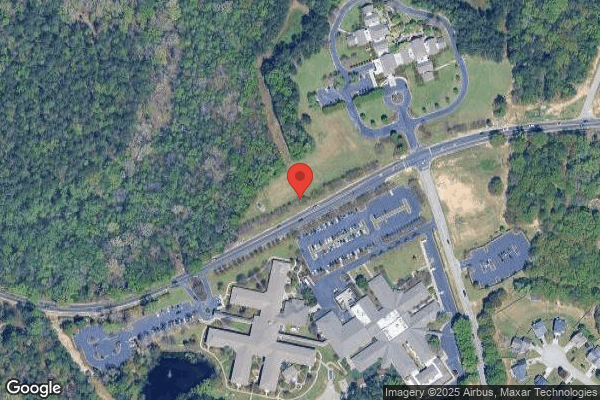
815 Old Cherokee Road, Lexington, SC 29072 (803) 359-5181
Non profit - Corporation 352 Beds Independent Data: November 2025 3 Immediate Jeopardy citations
Trust Grade
0/100
#151 of 186 in SC
Last Inspection: July 2025

Inspected within the last 6 months. Data reflects current conditions.

Overview

L.M.C. Extended Care in Lexington, South Carolina holds a Trust Grade of F, which indicates significant concerns about the quality of care provided at this facility. Ranking #151 out of 186 in South Carolina places it in the bottom half of nursing homes in the state, and #5 out of 7 in Lexington County means there are only two local options deemed better. The facility is showing signs of improvement, with the number of issues decreasing from 7 in 2024 to 5 in 2025. Staffing is a relative strength with a rating of 4 out of 5 stars and a turnover rate of 45%, which is slightly below the state average. However, the facility has been fined $51,945, which is concerning and suggests there have been compliance problems. Specific incidents raise serious red flags: a critical medication error occurred when a resident did not receive her prescribed medications, leading to a dangerous drop in blood pressure that required hospitalization. Additionally, another critical incident involved a dialysis resident who died after not receiving necessary care for a serious medical condition. While the staffing levels are good, the poor overall and health inspection ratings highlight significant weaknesses that families should consider carefully.

Trust Score
F
0/100
In South Carolina
#151/186
Bottom 19%
Safety Record
High Risk
Review needed
Inspections
Getting Better
7 → 5 violations
Staff Stability
⚠ Watch
45% turnover. Above average. Higher turnover means staff may not know residents' routines.
Penalties
○ Average
$51,945 in fines. Higher than 71% of South Carolina facilities. Some compliance issues.
Skilled Nurses
○ Average
Each resident gets 34 minutes of Registered Nurse (RN) attention daily — about average for South Carolina. RNs are the most trained staff who monitor for health changes.
Violations
⚠ Watch
16 deficiencies on record. Higher than average. Multiple issues found across inspections.
★☆☆☆☆
1.0
Overall Rating
★★★★☆
4.0
Staff Levels
★★☆☆☆
2.0
Care Quality
★☆☆☆☆
1.0
Inspection Score
Stable
2024: 7 issues
2025: 5 issues

The Good

  • 4-Star Staffing Rating · Above-average nurse staffing levels
  • Full Sprinkler Coverage · Fire safety systems throughout facility
  • No fines on record

Facility shows strength in staffing levels, fire safety.

The Bad

1-Star Overall Rating

Below South Carolina average (2.8)

Significant quality concerns identified by CMS

Staff Turnover: 45%

Near South Carolina avg (46%)

Higher turnover may affect care consistency

Federal Fines: $51,945

Above median ($33,413)

Moderate penalties - review what triggered them

The Ugly 16 deficiencies on record

3 life-threatening
Jul 2025 4 deficiencies
CONCERN (D) 📢 Someone Reported This

A family member, employee, or ombudsman was alarmed enough to file a formal complaint

Potential for Harm - no one hurt, but risky conditions existed

Report Alleged Abuse (Tag F0609)

Could have caused harm · This affected 1 resident

Based on review of facility policy, record reviews, and interviews the facility failed to submit an initial report of an allegation of staff-to-resident abuse to the state survey agency within two hou...

Read full inspector narrative →
Based on review of facility policy, record reviews, and interviews the facility failed to submit an initial report of an allegation of staff-to-resident abuse to the state survey agency within two hours for 1 Resident (R)21 of 6 sampled residents reviewed for abuseReview of a facility policy titled, Standard Policy/Procedure, approved 10/21/22, revealed the section titled, DHEC [Department of Health and Environmental Control] Certification and the facility Administrator shall be notified immediately but not later than 2 hours after alleged violations involving abuse, neglect, exploitation or mistreatment, including injuries of unknown source or misappropriation of resident property are made if the events that cause the allegation involve abuse or result in serious bodily injury. Review of R21's Face Sheet revealed the facility admitted R21 on 11/22/24. According toR21's Face Sheet, the resident had a medical history that included diagnoses of depression, cognitive communication deficit, transient ischemic attack, cerebral infarction, and malignant neoplasm of the left breast and brain.Review of R21's quarterly Minimum Data Set (MDS), with an Assessment Reference Date (ARD) of 05/31/25, revealed R21 had a Brief Interview for Mental Status (BIMS) score of 9, which indicated the resident had moderate cognitive impairment. The MDS indicated the resident required substantial assistance with most activities of daily living (ADLs) except the resident required partial/moderate assistance with upper body dressing and set-up help with eating.R21's Care Plan included a problem statement dated 07/09/25, that indicated the resident required the use of psychotropic/psychoactive medications for diagnoses of depression and glioblastoma brain cancer. Interventions initiated 03/11/25 directed staff to observe and document any changes in cognitive status, which included changes in mood and behavior (i); provide support and monitor for psychosocial concerns; and schedule a psychological consult as needed.R21's Care Plan, included a problem statement dated 06/16/25, that indicated the resident had the potential for behaviors related to a diagnosis of glioblastoma, which included refusal of baths/showers, refusal of meals, making sexual comments about themself and their spouse, delusions, and fabricated stories about staff. Interventions directed staff to approach the resident in a calm and non-threatening manner (initiated 02/17/25); do not place the residentnear another resident who may increase agitation, behavior, and mood (initiated 02/17/25); redirect the resident if they express sexual comments or are aggressive or combative and try to channel the resident in constructive physical and social activities as needed (initiated 03/05/25); two staff members to assist with ADL care (initiated 06/06/25); and redirect and reassure the resident when the resident states, Make sure that resident doesn't get in my bed, when nobody was in their room (initiated 06/13/25).Review of a Five-Day Follow-Up Report, dated 06/10/25, revealed R21 had reported allegations of physical and sexual abuse. The Five-Day Follow-Up Report indicated Certified Nursing Assistant (CNA)1 and Licensed Practical Nurse (LPN)2 were the alleged perpetrators. The Report indicated that on 06/06/25 R21 reported some concerns to Social Worker (SW)12, and SW12 brought LPN8 with her to hear what the resident had to say. R21 stated that they had been talking to a staff member's boyfriend, everyone was talking about it, the staff member learned that R21 was talking to the staff member's boyfriend, and the staff member pinched R21 while providing care. During the investigation of physical abuse, the Assistant Director of Nursing (ADON) 5, who was the Abuse Coordinator, and the Staff Development Director interviewed R21, where R21 repeated the physical abuse allegation and added an allegation of sexual abuse. During this interview, R21 stated that a week or two prior, when the resident used their call light for assistance to be changed, the boyfriend came to their room and while changing the resident's brief fondled the resident. When ADON5 asked R21 the boyfriend's name the resident was unable to state the name; however, R21 described the boyfriend and stated he was a nurse. LPN2 was suspended.The facility's investigation file for R21 did not include an initial report related to the allegation of sexual abuse that was made on 06/09/25. During an interview on 07/24/25 at 11:50 AM, ADON5 stated that she did not submit an initial report regarding R21's second allegation of sexual abuse involving LPN2. ADON5 stated R21 made the allegation on 06/09/25 during the follow-up interview for the Five-day Report, and she considered it to be part of the original allegation. During an interview on 07/25/25 at 4:01 PM, the Administrator stated that usually the initial report was completed immediately within two hours, but they had combined the second allegation of abuse with the first allegation and considered them one investigation. The Administrator stated the Ombudsman was at the facility on the day the Five-Day Report was sent in, and the Ombudsman thought that it was acceptable to mention the second allegation on the Five-Day Report. During an interview on 07/25/25 at 4:44 PM, the Director of Nursing (DON) stated the initial report should be sent within two hours.
CONCERN (D)

Potential for Harm - no one hurt, but risky conditions existed

Investigate Abuse (Tag F0610)

Could have caused harm · This affected 1 resident

Based on review of facility policy, record reviews, and interviews the facility failed to complete a thorough investigation for allegations of staff-to-resident abuse for 1 Resident (R)21 of 6 sampled...

Read full inspector narrative →
Based on review of facility policy, record reviews, and interviews the facility failed to complete a thorough investigation for allegations of staff-to-resident abuse for 1 Resident (R)21 of 6 sampled residents reviewed for abuse. Specifically, the facility investigation did not include staff interviews from the unit where the resident resided.Review of a facility policy titled, Standard Policy/Procedure, approved 10/21/22, revealed the section titled, DHEC [Department of Health and Environmental Control] Certification and the facility Administrator shall be notified immediately but not later than 2 hours after alleged violations involving abuse, neglect, exploitation or mistreatment, including injuries of unknown source or misappropriation of resident property are made if the events that cause the allegation involve abuse or result in serious bodily injury.Review of R21's Face Sheet revealed the facility admitted R21 on 11/22/24. According toR21's Face Sheet, the resident had a medical history that included diagnoses of depression, cognitive communication deficit, transient ischemic attack, cerebral infarction, and malignant neoplasm of the left breast and brain. Review of R21's quarterly Minimum Data Set (MDS), with an Assessment Reference Date (ARD) of 05/31/25, revealed R21 had a Brief Interview for Mental Status (BIMS) score of 9, which indicated the resident had moderate cognitive impairment. The MDS indicated the resident required substantial assistance with most activities of daily living (ADLs) except the resident required partial/moderate assistance with upper body dressing and set-up help with eating. R21's Care Plan included a problem statement dated 07/09/25, that indicated the resident required the use of psychotropic/psychoactive medications for diagnoses of depression and glioblastoma brain cancer. Interventions initiated 03/11/25 directed staff to observe and document any changes in cognitive status, which included changes in mood and behavior (i); provide support and monitor for psychosocial concerns; and schedule a psychological consult as needed. R21's Care Plan, included a problem statement dated 06/16/25, that indicated the resident had the potential for behaviors related to a diagnosis of glioblastoma, which included refusal of baths/showers, refusal of meals, making sexual comments about themself and their spouse, delusions, and fabricated stories about staff. Interventions directed staff to approach the resident in a calm and non-threatening manner (initiated 02/17/25); do not place the resident near another resident who may increase agitation, behavior, and mood (initiated 02/17/25); redirect the resident if they express sexual comments or are aggressive or combative and try to channel the resident in constructive physical and social activities as needed (initiated 03/05/25); two staff members to assist with ADL care (initiated 06/06/25); and redirect and reassure the resident when the resident states, Make sure that resident doesn't get in my bed, when nobody was in their room (initiated 06/13/25). Review of a Five-Day Follow-Up Report, dated 06/10/25, revealed R21 had reported allegations of physical and sexual abuse. The Five-Day Follow-Up Report indicated Certified Nursing Assistant (CNA)1 and Licensed Practical Nurse (LPN)2 were the alleged perpetrators. The Report indicated that on 06/06/25 R21 reported some concerns to Social Worker (SW)12, and SW12 brought LPN8 with her to hear what the resident had to say. R21 stated that they had been talking to a staff member's boyfriend, everyone was talking about it, the staff member learned that R21 was talking to the staff member's boyfriend, and the staff member pinched R21 while providing care. During the investigation of physical abuse, the Assistant Director of Nursing (ADON) 5, who was the Abuse Coordinator, and the Staff Development Director interviewed R21, where R21 repeated the physical abuse allegation and added an allegation of sexual abuse. During this interview, R21 stated that a week or two prior, when the resident used their call light for assistance to be changed, the boyfriend came to their room and while changing the resident's brief fondled the resident. When ADON5 asked R21 the boyfriend's name the resident was unable to state the name; however, R21 described the boyfriend and stated he was a nurse. LPN2 was suspended. The facility's investigation file for R21's allegations of abuse included statements from the two alleged perpetrators, CNA1 and LPN2, and written statements from SW12 and LPN8 related to the interview they conducted with the resident. The facility's investigation included 20 signed statements from the residents who lived on the same unit as R21. The facility's investigation file did not include any interviews from other staff who had recently worked on the unit where R21 lived. During an interview on 07/24/25 at 11:50 AM, ADON5 stated as far as staff interviews, she only interviewed the alleged perpetrators, CNA1 and LPN2. ADON5 stated SW12 and LPN8 wrote statements about what R21 reported to them concerning the allegation. During an interview on 07/24/25 at 2:16 PM, SW12 revealed she wrote a statement about her interview with R21. During an interview on 07/25/25 at 4:01 PM, the Administrator stated that after an allegation they normally interviewed the staff who were present on the shift. The Administrator stated she felt some staff interviews may have been missing. During an interview on 07/25/25 at 4:44 PM, the Director of Nursing (DON) stated she expected the staff to be interviewed who worked on the unit where the allegation was made.
CONCERN (D)

Potential for Harm - no one hurt, but risky conditions existed

PASARR Coordination (Tag F0644)

Could have caused harm · This affected 1 resident

Based on interview and record review, the facility failed to refer Resident (R)4 for a Preadmission Screening and Resident Review (PASARR) Level II, after the resident received a new diagnosis of a se...

Read full inspector narrative →
Based on interview and record review, the facility failed to refer Resident (R)4 for a Preadmission Screening and Resident Review (PASARR) Level II, after the resident received a new diagnosis of a severe mental illness, for 1 of 2 residents reviewed for PASARR.Review of R4's Face Sheet indicated the facility admitted R4 on 09/30/2019. According to the Face Sheet, the R4 had a diagnosis of bipolar disorder, dated 07/30/21. Review of R4's significant change in status Minimum Data Set (MDS), with an Assessment Reference Date (ARD) of 06/04/25, revealed R4 had a Brief Interview for Mental Status (BIMS) score of 2, which indicated the resident had severe cognitive impairment. The MDS indicated R4 had a diagnosis of bipolar disorder. Review of R4's Care Plan, included a problem statement started 12/12/2023, that indicated the resident had diagnoses of a cardiovascular accident (CVA), bipolar disorder, anxiety, and dementia that required the use of psychotropic/psychoactive medications. Interventions directed staff to administer medications as ordered; approach the resident in a calm, non-threatening manner; observe and document any changes in cognitive status, including changes in mood and behavior necessitating medications; observe for side effects; provide comfort measures and distractions prior to administering as-needed medications; provide support and monitor for psycho-social concerns; schedule psychiatric consultations as needed and follow-up as indicated; and review medications monthly and as needed, provide medication trial reductions every six months and as needed. A South Carolina Department of Health and Human Services PASARR Level I Screening Form, dated 09/23/19, indicated R4 had no diagnosis of a mental illness. During an interview on 07/24/25 at 11:00 AM, the Director of Nurses (DON) stated the hospitals were responsible for completing the Level I PASARRs, and if they needed to be updated the facility's social services took care of that. During a follow-up interview on 07/25/25 at 11:59 AM, the DON stated R4's original admission date was 09/30/19, and their mental illness diagnosis after admission should have been updated on the Level I PASARR and resubmitted to the state. The DON indicated that she had a new Director of Social Services who was responsible for the process currently. During an interview on 07/25/25 at 12:10 PM, the Administrator stated the Level I PASARR for R4 should have been updated with the new mental illness diagnosis and resubmitted to the state.
CONCERN (D)

Potential for Harm - no one hurt, but risky conditions existed

Deficiency F0883 (Tag F0883)

Could have caused harm · This affected 1 resident

Based on review of facility policy, record reviews and interviews, the facility failed to ensure Resident (R)191's medical record included documentation they were offered the pneumonia vaccine for 1 o...

Read full inspector narrative →
Based on review of facility policy, record reviews and interviews, the facility failed to ensure Resident (R)191's medical record included documentation they were offered the pneumonia vaccine for 1 of 5 sampled residents reviewed for immunizations.Review of a facility policy titled, Immunization, dated 05/1123, specified, [Facility Name] will offer the pneumonia immunization at admission if there is no history of prior immunization; and immunize against pneumonia unless medically contraindicated or immunization is refused by the resident or the resident's legal representative. Review of R191's Face Sheet revealed the facility admitted R191on 02/23/24. According to R191's Face Sheet, the resident had a medical history that included diagnoses of dementia and chronic obstructive pulmonary disease. Review of R191's quarterly Minimum Data Set (MDS), with an Assessment Reference Date (ARD) of 06/01/25, revealed R191had a Brief Interview for Mental Status (BIMS) score of 8, which indicated the resident had moderate cognitive impairment. Review of R191's Continuity of Care Document, created 07/25/25, revealed no indication the resident had a pneumococcal immunization. During an interview on 07/25/25 at 11:26 AM, the Infection Preventionist (IP) stated she looked at the immunization record of residents when they were admitted to the facility and paid close attention to the Centers for Disease Control (CDC) guidance about pneumonia vaccines. The IP stated she did not have the pneumonia vaccine consent for R191 as the consent was mailed out. The IP stated that R191 not receiving the pneumonia vaccine was a significant failure. During an interview on 07/25/25 at 1:07 PM, the Director of Nursing (DON) stated that a consent or a refusal for a vaccine came from the resident or the responsible party if the resident was not their own person. The DON stated a letter, and education was sent to the responsible party, and the responsible party would either mail the consent back to the facility or drop it off when they visited the resident. The DON stated the facility would continue to try to reach out to R191's responsible party to obtain the consent. The DON stated her expectation was for the consent to be done and the follow-up to be completed.
Apr 2025 1 deficiency
CONCERN (D) 📢 Someone Reported This

A family member, employee, or ombudsman was alarmed enough to file a formal complaint

Potential for Harm - no one hurt, but risky conditions existed

Resident Rights (Tag F0550)

Could have caused harm · This affected 1 resident

**NOTE- TERMS IN BRACKETS HAVE BEEN EDITED TO PROTECT CONFIDENTIALITY** Based on review of the facility policy, record reviews and interviews, the facility failed to ensure Resident (R)3 was treated w...

Read full inspector narrative →
**NOTE- TERMS IN BRACKETS HAVE BEEN EDITED TO PROTECT CONFIDENTIALITY** Based on review of the facility policy, record reviews and interviews, the facility failed to ensure Resident (R)3 was treated with respect and dignity when Licensed Practical Nurse (LPN)2, used profanity in and/or around the resident's presence. Findings include: Review of the facility policy titled Abuse/Neglect/Misappropriation/Elder Abuse, last revised 10/21/22, states: .All staff is expected to be in control of their own behavior, behave professionally and appropriately, and understand how to work with the nursing home population. Any substantiated incident will result in employee discipline, which may include termination from the job. Review of R3's Face Sheet revealed, R3 was admitted to the facility on [DATE] with diagnoses including but not limited to: dementia, severe with agitation, osteoarthritis, anxiety disorder, type 2 diabetes mellitus with hyperglycemia, and disorientation. Review of R3's quarterly Minimum Data Set (MDS) with an Assessment Reference Date (ARD) of 12/17/24 revealed R3's Brief Interview for Mental Status (BIMS) could not be assessed due to being rarely/never understood. Review of R3's care plan with a revision date of 03/27/25, revealed, Potential for behavior problems [Related to] r/t dx unspecified dementia with behaviors as evidenced by [History] hx eloping from home, altercation with other residents, combative with staff, packs up her belongings, declines [Activities of Daily Living] adls and weights .02/09/23- Resident has become aggressive and combative every morning with staff providing care. Review of Certified Nurse Aide (CNA)1's Witness Statement Form dated 03/02/25 revealed, I was giving care to another resident when I heard some noise next door. I step in the doorway and see the nurse (LPN2) fighting with the resident (RM120) . He then mumbled something about her children, and she said if he messed with me or my children, she was going to f--- him up. I called [CNA2] to witness what was going on, and we both checked on the resident to see if she was alright and she said again that if he messed with her kids (her dolls), she was going to f--- him up, and she was breathing hard and was upset. We wrote statements and reported to the supervisor . Two attempts were made to contact CNA1 on 04/08/25 at 11:09 AM and 11:18 AM, which were unsuccessful. A detailed message was left for a return phone call. Review of LPN1's Witness Statement Form dated 03/02/25 revealed, To whom it may concern: This morning during shift change, CNA2 came into the supervisor's office and handed me 2 handwritten statements. I read the statements, then asked CNA2 to tell me what he saw aloud, he stated the same as his statement that he overheard the nurse LPN2, call the resident [R3] a b----. I called the unit LPN2 was assigned to, Palmetto Lane, to find out if he was still in the building. He was handing his assignment over to the oncoming shift. I instructed him to come to the supervisor's office immediately. When he came in the office, the oncoming supervisor and I questioned him about the alleged events, he stated he may have said something under his breath. We informed him that he was suspended pending the investigation and that he would have to leave the building immediately. He signed his suspension paperwork and wrote his statement then exited the facility. The [Director of Nursing] DON and [Assistant Director of Nursing] ADON were notified via phone. The dayshift supervisor and I went to the patient's room to ensure her safety and interview her r/t the alleged events. Resident was sitting up in bed eating her breakfast in pleasant mood. Body Audit completed. Notes collected. [Resident Representative] RP was notified via phone call. On call [Medical Director] MD notified, no new orders. Public safety notified and case number requested. During a phone interview on 04/08/25 at 2:11 PM, LPN1 confirmed her witness statement. According to LPN1, the resident could not recall the incident and was unable to describe exactly what happened. Review of CNA2's Witness Statement Form dated 03/03/25, revealed, At around 0600, on Palmetto Lane, I was waived over to RM120 due to some commotion between the resident and the assigned nurse [LPN2]. I didn't hear the entire conversation, but I clearly heard him call the resident a b---- because he was trying to wrassle her arm for blood sugar, and she refused. Followed up with the resident for her safety . During a phone interview on 04/08/25 at 3:24 PM CNA2 confirmed her witness statement. CNA2 stated that was the first occurrence he witnessed with LPN2 and the resident. CNA2 stated that LPN2 sounded annoyed because he could not obtain a finger stick. Review of LPN2's staff file revealed a Suspension Anecdotal Record for Misconduct dated 03/02/25 revealed, supporting details: report of possible abuse situation, witnessed by 2 staff members. Supervisor Recommendation: Immediate suspension, pending investigation. Review of LPN2's Discharge Anecdotal Record for Misconduct dated 3/13/25 revealed, [LPN2], on 03/02/25, you were suspended pending investigation of an alleged abuse. During the seek to understand, you stated that you may have used profanity words in the presence of the residents; two witnesses overheard you cursing at or around a resident. To ensure all employees share in their responsibility for keeping the facility in full compliance with all applicable laws, regulations, and policies governing business practices. You have violated this code of conduct by not keeping with the basic principles and standards of behavior expected in the workplace. This is a violation of our Service Expectations policy. [LPN2] is being released from Lexington Medical Center Extended Care immediately for violation of policy. During an interview on 04/08/25 at 11:40 AM, RN1 stated, the perpetrator (LPN2) was asked what happened and was informed he was going to be suspended pending investigation. RN1 stated that LPN2 made a broad statement and stated he was attempting to get a blood sugar on the resident and that she had spilled juice on him. RN1 stated that LPN2 was dumbfounded and was unaware of what the situation was. RN1 further stated the resident was assessed, she was fine, no injuries, and didn't remember what the situation was. RN1 stated she was unsure what happened to the perpetrator, and to her knowledge, he did not return. During an interview on 04/08/25 at 11:53 AM, the DON stated, on 03/02/25, staff reported an alleged abuse to the supervisor, stating a nurse called a resident b----. The DON stated she spoke with the alleged perpetrator, and he stated the resident became resistant and combative and was grabbing and pulling on his lab coat. LPN2 stated he was trying to encourage her to be compliant with her blood sugar and offered her apple juice to distract her. The resident slapped the juice out of the LPN2's hand, knocking it all over him causing a startled reaction mumbling Son of a B---- under his breath. The DON stated she spoke to the witnesses, and both stated they heard the perpetrator call her b---. [LPN2] was suspended and let go for customer service concerns. During an interview on 4/08/25 at 4:24 PM, the Facility Administrator (FA) stated, LPN2 could not recall what he mumbled under his breath in front of a resident, LPN2 thought he said, Son of a b----. The FA stated that either way, staff overheard him use the word' b----. FA stated they were unsure if [LPN2] directed it at [R3] or said it aloud. Regardless, he should not use that language in front of residents. He was terminated for customer service concerns. During an interview on 04/08/25 at 4:29 PM, the Social Worker (SW) revealed she had knowledge of the event. The SW stated the Unit Manager and supervisor told her that a reportable was made, and she needed to follow up on it. The SW stated she followed up with the resident for three days. The resident is not alert and oriented, and she stated she was doing well and spoke with staff but didn't report anything new. The SW stated she asked the resident what occurred, and she could not recall for all three days what happened with the staff member. Three attempts were made to contact LPN2 on 04/08/25 at 12:32 PM, 12:37 PM and 1:10 PM, all which were unsuccessful. A detailed message was left for a return phone call.
Jul 2024 7 deficiencies
CONCERN (D)

Potential for Harm - no one hurt, but risky conditions existed

Resident Rights (Tag F0550)

Could have caused harm · This affected 1 resident

**NOTE- TERMS IN BRACKETS HAVE BEEN EDITED TO PROTECT CONFIDENTIALITY** Based on observations, interviews, record review, and facility policy review, the facility failed to ensure a privacy bag was pr...

Read full inspector narrative →
**NOTE- TERMS IN BRACKETS HAVE BEEN EDITED TO PROTECT CONFIDENTIALITY** Based on observations, interviews, record review, and facility policy review, the facility failed to ensure a privacy bag was provided to Resident (R)178's catheter bag, for 1 of 5 residents reviewed. The deficiency disregarded the resident's privacy, dignity, and respect and had the potential to cause psychosocial harm. Findings include: Review of the facility's policy titled, Standard Policy/Procedure with Subject: Catheterization of Female/Male with an approved by date of 07/13/12, revealed, Procedure- 4. Explain the procedure to the patient. Perform hand hygiene. Maintain the patient's privacy and dignity. Review of R178's Face Sheet revealed R178 was admitted to the facility on [DATE], with diagnoses including but not limited to: paroxysmal atrial fibrillation, depression, chronic combined systolic (congestive) and diastolic (congestive) heart failure, retention of urine, acute respiratory failure with hypoxia, atherosclerotic heart disease of native coronary artery with other forms of angina pectoris, and essential (primary) hypertension. Review of R178's admission Minimum Data Set (MDS) with an Assessment Reference Date (ARD) of 06/16/24 revealed a Brief Interview for Mental Status (BIMS) score of 15 out 15, indicating R178 is cognitively intact. Review of R178's Physician Orders dated 06/12/24, indicated, Indwelling catheter/suprapubic, 18 FR/10 ml, for urinary retention. During an observation on 06/18/24 at 12:21 PM, R178's foley catheter bag was observed without a privacy bag in R178's room. During an observation on 06/20/24 at 10:14 AM, R178's foley catheter bag, still did not have a privacy bag. During an interview on 06/20/24 at 10:16 AM, Certified Nursing Assistant (CNA)9 revealed the bag should be covered when the resident is up in the chair. CNA9 did not know if the foley catheter bag should be covered when the resident is in the bed. CNA9 confirmed that R178's foley catheter bag was not covered. During an interview on 06/20/24 at 10:19 AM, Licensed Practical Nurse (LPN)9 verified that to maintain dignity for a resident with a foley catheter a privacy bag would be used. This would be used no matter where the resident is located, either in their room or outside their room. During an interview on 06/20/24 at 10:22 AM, LPN9 verified that R178's foley catheter bag was not covered. During an interview on 06/20/24 at 10:49 AM, Registered Nurse (RN)3 stated that to provide dignity to a resident with a foley catheter, the bag should be covered. During an interview on 06/20/24 at 11:02 AM, the Assistant Director of Nursing (ADON) stated staff expectations would be to provide a dignity bag for any residents with a foley catheter. It was confirmed that the dignity bag for privacy should be in place whether the resident is inside or outside of their room.
CONCERN (D)

Potential for Harm - no one hurt, but risky conditions existed

Deficiency F0578 (Tag F0578)

Could have caused harm · This affected 1 resident

**NOTE- TERMS IN BRACKETS HAVE BEEN EDITED TO PROTECT CONFIDENTIALITY** Based on record review, facility policy review, and interviews, the facility failed to ensure Resident (R)73 and R96 had a physi...

Read full inspector narrative →
**NOTE- TERMS IN BRACKETS HAVE BEEN EDITED TO PROTECT CONFIDENTIALITY** Based on record review, facility policy review, and interviews, the facility failed to ensure Resident (R)73 and R96 had a physician's order for the code status of 2 of 5 residents reviewed for Advance Directives. Findings include: Review of the facility's policy titled, Do Not Resuscitate (DNR) with an approved by date of 09/08/23, revealed, Procedure: 1. On admission, the Social Worker will determine the desires of the resident and responsible party related to the DNR status. 2. The Social Worker/Speech Therapist will establish resident cognitive status by completing the BIMs tool. 3. If the resident or his/her legal representative wishes to initiate a DNR order, the Code Status form and Emergency Medical Services DNR order will be initiated. 4. If the resident is not considered their own responsible party and has a BIMS score of =<12, then the responsible party as well as two physician signatures are required to establish DNR status. 5. If the resident is considered competent and has a BIMS score of =>13 then only one physician's signature is required. 6. A written order will be obtained from the physician. The physician will sign the Code Status form at this time. 1. Review of R73's Face Sheet revealed R73 was admitted to the facility on [DATE], with diagnoses including but not limited to: acute respiratory failure with hypoxia and generalized anxiety disorder. Review of R73's Physician Order initially revealed no order for Code Status. Further review of R73's Physician Order revealed an order with a start date of 06/19/24, which documented, CODE STATUS: DNR. The order for code status was updated during the survey. 2. Review of R96's Face Sheet revealed R96 was admitted to the facility on [DATE], with diagnoses including but not limited to: depression. Review of R96's Physician Order initially revealed no order for Code Status. Further review of R96's Physician Order revealed an order with a start date of 06/19/24, which documented, CODE STATUS: DNR. The order for code status was updated during the survey. During an interview on 06/19/24 at 9:26 AM, the Assistant Director of Nursing (ADON)1 stated all residents are considered full code upon admission until a code status can be determined. Orders should be completed on the same day as the Code Status form. The ADON1 reviewed R73's chart and did not see the DNR order listed, although there was a signed Code Status Form and the banner indicated DNR. The ADON1 asked Licensed Practical Nurse (LPN)2 to review the orders section and LPN2 stated I don't see it. During an interview on 06/19/24 at 10:57 AM, the ADON1 stated she had spoken to the Director of Nursing (DON), who was out sick, and no order is written for full code residents. The Administrator stated that the Code Status form served as the physician's order and Medical Doctor (MD) had 30 days to write the order. The Administrator then reported that the order for R73 was able to be found, but in review, the order was created on 06/19/24 at 10:23 AM (during the survey).
CONCERN (D) 📢 Someone Reported This

A family member, employee, or ombudsman was alarmed enough to file a formal complaint

Potential for Harm - no one hurt, but risky conditions existed

Free from Abuse/Neglect (Tag F0600)

Could have caused harm · This affected 1 resident

Based on review of facility policy, record review, and interview, the facility failed to ensure Resident (R)20 was free from verbal abuse for 1 of 4 residents reviewed for abuse. Findings include: Rev...

Read full inspector narrative →
Based on review of facility policy, record review, and interview, the facility failed to ensure Resident (R)20 was free from verbal abuse for 1 of 4 residents reviewed for abuse. Findings include: Review of the facility policy dated 10/21/22 and titled Alleged Abuse/Incident of Unknown Origin/Accident-Injury Complaint Responsibilities/Obligation to Report revealed under the policy, Verbal abuse is defined as the use of oral, written or gestured language that willfully includes disparaging and derogatory terms to residents or their families or within hearing distance, regardless of their age, ability to comprehend or disability. Examples include threats of harm or saying things to frighten a resident. Review of the facility Customer Service Training, no date, titled, Excellent Customer Service Matters, Internal vs. External revealed under the training, Going above and beyond to ensure customers are happy and satisfied with their products and services. It involves being timely, pleasant, and efficient, and building strong relationships with customers. It also means exceeding expectations, rather than just meeting them. Residents were listed as the first customers in a list of who are our customers. Under Customer Service Attitude, revealed under the training, Your voice, tone, word usage. It's not what you say, but how you say it, and body language. Review of R20's Face Sheet revealed the facility admitted R20 on 09/09/22 with diagnoses including but not limited to: essential hypertension, muscle weakness, anemia, chronic systolic congestive heart failure, and mild dementia. Review of R20's Minimum Data Set (MDS) with an Assessment Reference Date (ARD) of 03/18/24, revealed R20 had a Brief Interview for Mental Status (BIMS) score of 9 out of 15, indicating moderate cognitive impairment. Review of R20's Progress Note dated 04/17/24 at 5:15 PM, revealed, Nurse Supervisor: Notified by daughter that resident called her and was upset. During an interview on 06/19/24 at 1:55 PM, R20's daughter stated, My mom called me and she was mad. She told me an aid told her, She wished she would go home and die. I called the facility right after and I think I spoke to the head nurse. I don't remember the facility calling me back with their findings. During an interview on 06/19/24 at 2:20 PM, the Interim Director of Nursing (IDON) stated, The CNA no longer works here due to customer service. She was not reported for abuse. During an interview on 06/19/24 at 3:00 PM, the Social Worker (SW) stated, I remember this. Something happened with the CNA saying some words to [R20]. I also interviewed [R20], she was able to tell me what the staff member said and what she looked like, I knew who the perpetrator was by her description. A few days later, [R20] was still able to recall what the CNA had said to her. This was verbal abuse, demoralization, and putting the resident down. During an interview on 06/19/24 at 4:24 PM, Licensed Practical Nurse (LPN)1 stated, I took the call that day, it was [R20's] daughter. She asked for the nurse manager. She said, my mom called me and said someone came in her room and said, I wish you would go home and die. I put her on hold and went to [R20's] room. [R20] repeated what her daughter said. I came back up the hall, spoke to her daughter and told her that her mom repeated what she had told her. I then contacted the nursing supervisor who was still here, so I transferred the phone to her. The resident said, I think its the CNA who was behind me when I went to her room. I've not known [R20] to complain like that. During an interview on 06/20/24 at 11:45 AM, IDON stated, We do not tolerate abuse. We have to report to our supervisor, ensure the patient is safe. We would remove the person from the building and immediately begin in-services and investigation. We will call the board if the person is found guilty, we report to the agency responsible for licensing. During an interview on 07/03/24 at 2:03 PM, the Director of Nursing (DON) stated, The 3-11 supervisor got a phone call from [R20's] daughter. It was reported to her the CNA said she should just die and get out of here. We went ahead and decided it was a reportable and I decided to send the CNA home. [R20] had never reported anything to that extent. After reviewing her file, I noted this is a trend here with poor customer service. So we decided to go ahead and terminate her. It's hard to say if it happened, but there was a trend here. I don't know if she was just burned out or what. She was terminated for poor customer service. During an interview on 07/03/24 at 2:28 PM, Supervisor Registered Nurse (RN) stated, I got a phone call from [R20's] daughter. She said she had a few concerns. One was they were trying to get her (mom) in bed and get her in her pajama's and she did not want to change into them then. She went on to say her mom said, the CNA told me Why don't you just leave and die. I went down to the unit and spoke to [R20]. She was laying on the bed, she again repeated what her daughter said, almost verbatim, Why don't you just leave and die. It occurred at 5-5:30 PM. I discussed this with my DON. The CNA was suspended. The CNA told me she had gone to the resident, to put her in her pajama's and she refused and she put her in bed without changing into her pajama's. The CNA did not know it, but I had already spoke to [R20], she told me the exact same thing, it matched exactly. [R20] was so clear about it. For her to tell me almost verbatim says something. During an interview on 07/03/24 at 3:10 PM, R20 stated she could not remember what happened, but said, The facility took care of it. During an interview on 07/03/24 at 2:58 PM, the CNA stated she was terminated for customer service, and also stated, I did not say that to her.
CONCERN (D)

Potential for Harm - no one hurt, but risky conditions existed

Accident Prevention (Tag F0689)

Could have caused harm · This affected 1 resident

**NOTE- TERMS IN BRACKETS HAVE BEEN EDITED TO PROTECT CONFIDENTIALITY** Based on observations, record review, interviews, and facility policy review, the facility failed to ensure medications were pro...

Read full inspector narrative →
**NOTE- TERMS IN BRACKETS HAVE BEEN EDITED TO PROTECT CONFIDENTIALITY** Based on observations, record review, interviews, and facility policy review, the facility failed to ensure medications were properly stored for Resident (R)73 for 1 of 2 residents reviewed. Findings include: Review of the facility policy titled, Subject: Medication Guidelines with an approved by date of 04/25/23 revealed, Policy: Medications are given per physician's order to treat resident's acute and chronic illness. Handling of Non-Controlled Medication: 28. Residents may self-administer a medication based upon physician order, self-administration assessment completed by nurse and review and approval by the interdisciplinary team which determines appropriateness. Review of the undated facility policy titled, Self-Administration of Medications revealed, A. Policy: The facility shall permit residents who are competent and physically able to self-administer their medications if the following conditions are met: 1. Self-administration of medications by residents is permitted only on the specific written orders of the resident's physician or other legally authorized prescriber and documented in the resident's medical record . B. Procedure: 1. Residents who request approval to self-administer shall be assessed by the interdisciplinary team to determine if the resident is competent. 2.The interdisciplinary team will assess the resident's cognitive, physical, and visual ability to carry out this responsibility. Facility staff may use the medication self-administration form (Form #161) or a facility developed mechanism to document this assessment. If the team determines that the resident is competent, the attending physician shall be contacted to request a specific order for self-administration of the medication. 3. If the resident demonstrates the ability to self-administer medications, a further assessment of the safety of the bedside medication storage shall be done. Bedside medication storage is only permitted when it does not present a risk to confused residents who wander into the rooms of or who room with residents who self-administer. 5. Medications stored at bedside shall be secure from other residents. The medications provided to the residents for bedside storage are kept in containers dispensed by the provider pharmacy. Self-administration of medications by residents is verified by direct contact with the resident by a licensed nurse and recorded on the MAR by that same person. Verification and documentation shall occur at the same frequency as the medication is taken. The MAR will reflect self-administration orders and will be addressed in the care plan. Facilities may elect to prohibit self-administration. The facility shall not allow residents to self-administer controlled substances. Review of R73's Face Sheet revealed R73 was admitted to the facility on [DATE], with diagnoses including but not limited to: acute respiratory failure with hypoxia and generalized anxiety disorder. Review of R73's admission Minimum Data Set (MDS) with an Assessment Reference Date (ARD) date of 06/05/24, revealed a Brief Interview for Mental Status (BIMS) score of 15 out of 15, indicating R73's cognition is intact. During an observation on 06/18/24 at 1:29 PM, Systane Hydration drops (a medication is used to relieve dry, irritated eyes) was on the overbed table in the emesis basin. During an interview on 06/18/24 at 1:39 PM, Licensed Practical Nurse (LPN)10 verified there were no order for the Systane Hydration drops. LPN10 also verified the medication in R73's room and stated, It's eye drops. R73 stated, I have no idea where it came from. You can buy them over the counter at the drug store. LPN10 removed the medication and asked if the resident would allow her to check the drawers. Upon opening the top drawer, LPN10 retrieved Tums Chewy Bites Assorted Berries Extra Strength 750 mg. During an interview on 06/20/24 at 12:38 PM, the Assistant Director of Nursing (ADON)1 stated medications should not be left at the bedside. If the resident is able to self-administer medications, they must be assessed to ensure self-administration is appropriate. Next, the physician would be notified for an order. The ADON1 confirmed that even over the counter (OTC) medications should not be left at bedside even if they are not ordered for the resident. It was confirmed that it is not acceptable for the family to leave medications at the bedside and if observed the nurse should check the drawers in the resident's room as an intervention. The medications would need to be removed and education would be needed for the resident and or family.
CONCERN (D)

Potential for Harm - no one hurt, but risky conditions existed

Respiratory Care (Tag F0695)

Could have caused harm · This affected 1 resident

**NOTE- TERMS IN BRACKETS HAVE BEEN EDITED TO PROTECT CONFIDENTIALITY** Based on review of facility policy, record review, observation, and interview, the facility failed to proper store and label res...

Read full inspector narrative →
**NOTE- TERMS IN BRACKETS HAVE BEEN EDITED TO PROTECT CONFIDENTIALITY** Based on review of facility policy, record review, observation, and interview, the facility failed to proper store and label respiratory equipment for 3 of 5 residents reviewed for respiratory care, Resident (R)73, R99, R263. Findings include: Review of the facility's policy titled, Subject: Oxygen Therapy Protocol with an approved by date of 05/12/11, revealed, Protocol: 1. The Oxygen Protocol will be initiated on residents by a written order from the physician for any type of oxygen therapy . Routine Oxygen Administration and Documentation: .Documentation will be done by nursing on the Medication Administration Record . Review of R73s Face Sheet revealed R73 was admitted to the facility on [DATE], with diagnoses including but not limited to: acute respiratory failure with hypoxia and generalized anxiety disorder. Review of R73's admission Minimum Data Set (MDS) with an Assessment Reference Date (ARD) date of 06/05/24, revealed a Brief Interview for Mental Status (BIMS) score of 15 out of 15, indicating R73 was cognitively intact. Review of R73's Medication Administration Record (MAR) for 06/01/24 - 06/18/24, revealed an order: O2 @ 2L VIA NASAL CANNULA at rest and may increase to 3L with activity D/T HYPOXIA and Shortness of Breath and Change O2 tubing and humidifier bottle weekly on Sunday. Review of R73's Care Plan with a start date of 05/30/24, documented, Problem: Potential for alteration in respiratory status r/t hypoxia. Documented goal, Will be free of complications r/t disease process through next review. Documented approach revealed, O2 as ordered. Monitor O2 sats and keep above 90%. Review of R73's Physician Order with a start date of 06/04/24 documented, O2 @ 2L VIA NASAL CANNULA at rest and may increase to 3L with activity D/T HYPOXIA and Shortness of Breath and another physician order with a start date of 05/30/24, documented, Change O2 tubing and humidifier bottle weekly on Sunday. During an observation on 06/18/24 at 1:29 PM, R73 was observed with oxygen at 3L/min via NC, however the oxygen tubing was not labeled. An oxygen tank was also observed across from the bed in a holder with tubing that was not covered. During an observation and interview on 06/18/24 at 1:39 PM, Licensed Practical Nurse (LPN)10 confirmed that oxygen tubing was not labeled. LPN10 also confirmed that the oxygen tank in its holder should not have tubing hanging from the holder but instead should be covered. During an interview 06/20/24 at 12:36 PM, the Assistant Director of Nursing (ADON)1 stated the oxygen tubing is changed every week on Sunday and tubing should be dated. Review of R99's Face Sheet revealed R99 was admitted to the facility on [DATE], with diagnoses including but not limited to: acute respiratory failure with hypoxia pulmonary hypertension, chronic diastolic (congestive) heart failure, unspecified atrial fibrillation, anxiety disorder, other specified chronic obstructive pulmonary disease, and obstructive sleep apnea. Review of R99's admission MDS with an ARD of 06/12/24, revealed a BIMS score of 14 out of 15, indicating R99 was cognitively intact. Review of R99's MAR for 06/01/24 - 06/20/24, revealed an order for O2 2L via NC at HS for hypoxia with an order date of 06/06/24. Review of R99's Care Plan with a start date of 06/06/24 documented, Problem: Potential for alteration in respiratory status r/t acute on chronic resp failure, pna, copd, osa and pulmonary htn. Documented goal revealed, Will be free of complications r/t disease process through next review. Documented approach revealed, O2 AS ORDERED. MONITOR O2 SATS AND KEEP ABOVE 90%. Review of R99's Physician Order with a start date of 06/06/24 documented, O2 2L via NC at HS for hypoxia. During an observation on 6/18/24 at 1:45 PM, R99's oxygen was at 2L/min. via NC. Oxygen tubing was observed not dated. During an observation and interview on 06/18/24 at 1:52 PM, oxygen was observed at 2 L/min via nasal canula, and tubing was not dated. LPN10 confirmed that tubing was not dated. R99 stated that oxygen tubing was changed on Sunday night. LPN10 confirmed that the tubing should have been dated when changed. During an interview 06/20/24 at 12:36 PM, ADON1 stated the oxygen tubing is changed every week on Sunday and tubing should be dated. Review of R263s Face Sheet revealed R263 was admitted to the facility on [DATE], with diagnoses including but not limited to: chronic obstructive pulmonary disease, chronic respiratory failure with hypoxia, and shortness of breath. Review of R263's admission MDS with an ARD of 05/13/24, revealed a BIMS score of 15 out of 15, indicating R263 was cognitively intact. Review of R263's MAR for 06/01/24 - 06/20/24, revealed an order for Change nebulizer tubing and administration set every Sunday. Special Instructions: on night shift; ensure machine is covered with a bag when not in use. Review of R263's Care Plan with a start date of 06/10/24 and target date of 06/30/24 documented, problem Potential for alteration in respiratory status r/t COPD, asthma, OSA, emphysema. Documented goal revealed, will be free of complications r/t disease process through next review. o2 at 2L min via NC. Documented intervention revealed, o2 as ordered. Monitor o2 sats and keep above 90%. Review of R263's Physician Order with a start date of 06/07/24 documented, Change nebulizer tubing and administration set every Sunday. Special Instructions: on night shift; ensure machine is covered with a bag when not in use. During an observation on 06/18/24 at 11:30 AM, the nebulizer mask was observed to be dated for 06/09/24 and in a bag. During an observation on 06/20/24 at 10:24 AM, the nebulizer mask was observed to be dated for 06/09/24 and not in bag. During an interview on 06/20/24 at 10:26 AM, LPN8 verified that the resident had an order for nebulizer treatments and the medication had been administered this morning. LPN8 stated that the mask should be kept in a bag daily and tubing and mask was to be changed weekly. The mask should be rinsed after each use then placed in a bag. LPN8 verified order to change nebulizer mask weekly on Sunday. During an interview and observation on 06/20/24 at 10:40 AM, Registered Nurse (RN)3 reported that nebulizer masks and tubing is changed on Sundays on nightshift. Staff should take a new mask/tubing set to the room and be sure to dispose of the previous mask/tubing set to complete the ordered task. Once the new mask/tubing is replaced the nurse performing the task should date the tubing. RN3 stated that the date should reflect either 06/16/24 or 06/17/24 depending on the time the task was completed on nightshift. Upon entering the room, RN3 confirmed that the mask was not in the bag and the date on the mask was 06/09/24. RN3 stated that it looked like the mask/tubing was not changed on last Sunday. RN3 verified on the administration history that a nurse signed on 06/16/24 as completing the task. During an interview on 06/20/24 at 11:05 AM, the Assistant Director of Nursing (ADON)1 and ADON2 verified that the nebulizer mask/tubing is changed weekly usually on Sunday and as needed. ADON1 confirmed that during the task of changing the mask/tubing, the staff is to write the date on the mask.
CONCERN (D)

Potential for Harm - no one hurt, but risky conditions existed

Deficiency F0761 (Tag F0761)

Could have caused harm · This affected 1 resident

**NOTE- TERMS IN BRACKETS HAVE BEEN EDITED TO PROTECT CONFIDENTIALITY** Based on facility policy review, observation, and interview, the facility failed to label/store and ensure medications were not ...

Read full inspector narrative →
**NOTE- TERMS IN BRACKETS HAVE BEEN EDITED TO PROTECT CONFIDENTIALITY** Based on facility policy review, observation, and interview, the facility failed to label/store and ensure medications were not expired for 3 of 4 units observed for medication storage. Findings include: Review of the facility policy titled, Nursing Medication Guidelines dated [DATE], revealed under the policy, Medication labels must be correct and legible, check medications for expiration dates and return to the pharmacy. Review of the facility policy titled, Medication Storage dated 09/20, revealed under the policy, The temperature of the refrigerators containing medication shall be maintained between 36-46 degrees F. On [DATE] at 9:10 AM, an observation of [NAME] Place Unit Medication Room with Registered Nurse (RN)2 revealed the medication refrigerator checklist dated [DATE] had 5 days that the refrigerator temperature was not checked, they were blank. The blank dates were [DATE], [DATE], [DATE], [DATE] and [DATE]. RN2 confirmed the dates were blank. RN2 stated, I was off on some of these dates. I am the one who checks these. Further observation revealed the treatment cart located in the medication room was observed to have Cotton Tipped Applicator with an expired date of 04/2024, Lot #92499, 5 packets of 2 in each packet. Stock medication Vitamin D with an expiration date of 01/24, lot #133353, of 3 bottles. RN2 confirmed the expiration dates and stated these should have been pulled from the medication room and destroyed or sent back. On [DATE] at 9:30 AM, an observation on Crews Pointe Unit Medication Room with RN1 revealed a bottle of Tuberculin Purified Protein Derivative Dilute Aplisol, 5 TU/0.1 ml in the original box with an open date of [DATE]. RN1 stated, This expires 30 days after opening it. RN1 agreed it was expired and removed it from the refrigerator to discard. Additionally, on top of the treatment cart located in the medication room revealed, 5 vacutainers with Lot #3111759 with expiration date of [DATE], a Light Blue Top vacutainers with Lot #3111759 expired on [DATE], Purple Top Vacutainers x2 with Lot #2259029 with expiration date [DATE]. An opened bottle containing an unknown substance without a label, no name, date or lot number. RN1 stated, This appears to be betadine, this should be labeled with something. RN1 removed the opened bottle from the treatment cart. On [DATE] at 10:15 AM, an observation on Lexington Place Unit with Licensed Practical Nurse (LPN)3 revealed, Assure Dose Control Solution, Lot #00523A with no open date. LPN3 confirmed there was not a date and stated it should be dated when opened. During an interview on [DATE] at 11:45 AM, the Interim Director of Nurses stated, All medication and treatments should have a label to identify what is in the bottle, or else how would you know what is in it. All of the medication and treatment carts supplies have to be within date, or else if it is expired and it needs to be discarded. I expect the nurses to check for expired meds daily. Everything should be dated after opened as well. The med room refrigerators should be checked daily for the temperature. We have a range to be sure the temperature in within that range, if not, if it's low, what did you do and who did you tell, the same for the high temperatures, what did you do and who did you tell? I expect the nurses to tell someone, the unit managers, so we can get someone to look at it. Medications have to be in a certain range and we need to ensure we are meeting that range.
CONCERN (D)

Potential for Harm - no one hurt, but risky conditions existed

Infection Control (Tag F0880)

Could have caused harm · This affected 1 resident

**NOTE- TERMS IN BRACKETS HAVE BEEN EDITED TO PROTECT CONFIDENTIALITY** Based on facility policy review, observation, and interview, the facility failed to ensure staff served meal trays under sanitar...

Read full inspector narrative →
**NOTE- TERMS IN BRACKETS HAVE BEEN EDITED TO PROTECT CONFIDENTIALITY** Based on facility policy review, observation, and interview, the facility failed to ensure staff served meal trays under sanitary conditions to prevent the spread of disease and infection. Findings include: Review of the facility policy dated 12/23/20, titled, Nursing Hand Hygiene: Staff and Residents revealed under the policy, Situations that require staff hygiene; before and after handling food, after performing your own personal hygiene, before and after assisting a resident with meals. Review of the facility policy dated 10/01/97, titled, Nursing Uniforms revealed under the policy, Hair of any length must be neatly trimmed, hair must not contaminate the work environment. During an observation on 06/18/24 at 12:07 PM, Certified Nursing Assistant (CNA)5 was passing meal trays, on the lower number 200 hall. While CNA5 took trays from the food cart, her hair touched the tops of the items on each of the meal trays. This continued for all the meal trays CNA5 delivered to the rooms. CNA5 touched her hair after sanitizing her hands, then took the meal tray into room [ROOM NUMBER]. CNA5 needed assistance with pulling the resident up in bed. CNA5 put on gloves to assist. After the resident was assisted up in the bed, CNA5 kept the gloves on and began to feed the resident. During an interview on 06/18/24 at 12:25 PM, CNA5 stated, I'm supposed to tie my hair back, but my rubber band broke. I'm supposed to sanitize my hands after I touch my hair. During an interview on 06/18/24 at 12:32 PM, Registered Nurse (RN)1 stated, It is not ok for [CNA5]'s hair to touch and fall into the meal trays as she is passing trays. She should also sanitize her hands after she touches the meal trays. I will educate her on that. During an interview on 06/20/24 at 3:55 PM, the Interim Director of Nurses stated, The staff are supposed to pull their hair up when they are passing meal trays or providing care. They should wash their hands after they touch their hair, before they pull another meal tray.
Sept 2023 1 deficiency 1 IJ
CRITICAL (J) 📢 Someone Reported This

A family member, employee, or ombudsman was alarmed enough to file a formal complaint

Immediate Jeopardy (IJ) - the most serious Medicare violation

Deficiency F0760 (Tag F0760)

Someone could have died · This affected 1 resident

**NOTE- TERMS IN BRACKETS HAVE BEEN EDITED TO PROTECT CONFIDENTIALITY** Based on interviews, record reviews, and review of the facility policy, the facility failed to ensure a significant medication e...

Read full inspector narrative →
**NOTE- TERMS IN BRACKETS HAVE BEEN EDITED TO PROTECT CONFIDENTIALITY** Based on interviews, record reviews, and review of the facility policy, the facility failed to ensure a significant medication error did not occur for 1 of 3 residents reviewed for medication administration. Specifically, Resident (R)1 received the medications intended for R6. R1 did not receive any of her prescribed medications. This resulted in R1 experiencing a drop in blood pressure which required hospitalization. On 09/26/23 at 2:00 PM, the State Agency (SA) determined that the facility's non-compliance with one or more federal health, safety, and/or quality regulations has caused or was likely to cause serious injury, serious harm, serious impairment, or death. On 09/26/23 at 2:00 PM, the survey team provided the Administrator and Director of Nursing (DON) with a copy of the CMS Immediate Jeopardy (IJ) Template and informed the facility IJ existed as of 09/17/23. The IJ was related to 42 CFR 483.45 - Pharmacy Services. On 09/26/23 at 2:00 PM, the Administrator and DON were notified that the failure to ensure a resident received the correct medications per physician orders constituted IJ at F760. On 09/26/23 at 4:27 PM, the facility provided an acceptable IJ Removal Plan. The survey team, validated the facility's corrective actions and determined the facility put forth good faith attempts to address the non-compliance. The IJ is considered at past non-compliance dating back to 09/18/23. An extended survey was completed in conjunction with the Complaint Survey for noncompliance at F760, constituting substandard quality of care. Findings include: Review of the facility policy titled, Handling of Non-Controlled Medication, Number 20 states, Identify each resident by name and picture in MAR (Medication Administration Record). Administer medication in accordance with the six (6) rights of Medication Administration: RIGHT RESIDENT, RIGHT DRUG, RIGHT DOSE, RIGHT FORM, RIGHT TIME AND RIGHT ROUTE. Review of R1's, Face Sheet, revealed the facility admitted R1 on 02/06/23, with diagnoses including, but not limited to, urinary retention, cognitive communication deficit, neurogenic bladder, congestive heart failure and chronic kidney disease. Per the medical record, R1 no longer had a diagnosis of hypertension and was receiving Hospice Care and Services for a diagnoses of congestive heart failure. R1 was admitted to hospice on 02/27/23. Review of R1's Physician Orders revealed R1 was supposed to receive the following medications: Zofran disintegrating 4mg 1 po q6 hours prn, Zoloft 50mg 1 po qd, Lorazepam 0.5mg 1 po q6 hours prn, Melatonin 10mg 1 po qhs, Glycopyrrolate 1mg 1 po qid prn, Bisacodyl Suppository 10mg qd as needed, Artificial Tears tid prn, Acetaminophen 650 suppository q4 hours PRN, Albuterol Sulfate duo nebs q4 hours PRN, Hydrocodone - acetaminophen 5-325mg 1 po q6 hors prn. Review of R6's MAR dated 09/17/23 revealed R1 was administered, Acetaminophen 500 mgs, Amlodipine 10 mgs, Aspirin 81 mgs, Carvedilol 6.25 mgs, Gabapentin 400 mgs, Hemocyte Plus 106 mgs, Miralax 17 grams, Plavix 75 mgs, Potassium Chloride 20 milliequivalents (meqs), Prozac 20 mgs, Torsemide 20 mgs and Zyrtec 10 mgs. These medications were intended for R6 and not R1. Review of R1's vital signs recorded on 09/17/23 at 09:30 AM revealed a blood pressure of 101/61. At 9:45 AM revealed a blood pressure of 96/58 and a heart rate of 75. At 10:00 AM the blood pressure was 89/50 and the heart rate was 74. There was no blood pressure charted at 10:15 AM but the heart rate was documented as 68. At 10:30 AM the blood pressure was 92/56 and the heart rate was 65. At 10:33 AM the blood pressure was 85/55 and the heart rate was 65. Review of R1's Progress Notes dated 09/17/23 at 11:40 AM states, Ambulance came to pick up resident at 10:50 AM. Resident is alert and oriented x3, vital signs were taken every 15 minutes and documented, and fluids were pushed prior to leaving via ambulance. Review of R1's hospital records indicated that R1 was received in the emergency room on [DATE] at 11:16 AM. R1 was eventually sent to the Intensive Care Unit (ICU). The reason for admission is listed as hypotension and the report states, A [AGE] year old female presents to the emergency department for evaluation of medication ingestion. Further review of the hospital record revealed R1's blood pressure was recorded as 85/48 with a heart rate of 67. During an interview on 09/26/23 at 10:58 AM, the Director of Nursing (DON) stated that when the nurse reported the incident we started taking the vital signs every 15 minutes and after 45 minutes we sent her out to the hospital. The DON stated that the nurse is a new nurse. The next day we put arm bands on all residents unless they refused to wear them. Residents are care planned for the arm bands and the refusals. During an interview on 09/26/23 at 11:25 AM, LPN1, the nurse that administered the medications in error, stated, I was working on the unit and I did not know the residents. [R1] required her medications to be crushed, so I gave [R1's] roommate her medications first, she takes them whole. So to save time, I pulled [R6']s medications and when I went back to the medication cart, I saw [R1's] picture still green on the screen, indicating that she was to receive the medications I had pulled. So I crushed the medications and carried them into [R1]. I was looking at [R1] on the report sheet. [R1] received the medications that were meant for the resident next door [R6]. I recognized the error immediately, and panicked and called the nursing supervisor. We started taking the vital signs every 15 minutes. The supervisor contacted the physician and the resident's personal representative and then assisted me with taking the vitals and monitoring the resident. When the blood pressure dropped down the supervisor made the decision to send the resident to the hospital. During an interview on 09/26/23 at 2:00 PM, the Administrator stated that the resident had received the wrong medication. She also stated at this time, we have done all the in services and things were put into place to ensure this does not happen again. During an interview on 09/26/23 at 3:35 PM, the Medical Director (MD) stated, I do not know how this resident could have received the wrong medication. I ordered for the staff to monitor her closely and if her blood pressure started to drop to send her to the emergency room. On 09/26/23 at 4:27 PM, the facility provided the following removal plan: Allegation of Compliance 09/26/2023 Medication Administration Error Action Plan 09/18/2023 Root Cause Analysis: New Grad Nurse assigned to a new unit for the first time on Sunday. Following a consecutive line of medication administration/failed to identify resident using the 5 (five) rights. 1. Nurse was provided orientation on hire. (Start Date 06/12/2023) on orientation until 07/14/2023 (1:1). Nurse was re-educated on 09/17/2023 on the 5 Rights and Medication Administration and received a written anecdotal related to her missing patient identification prior to administering medications. a. Nurse will be provided with a re-education action plan where she receives additional orientation from the Nurse Manager/Pharmacy Consultant related to medication administration. (Continues, complete 09/27/2023) b. Supervisor was notified by nurse, MD was notified, RP was notified. Orders obtained to do vital signs Q15 minutes x 2 hours as well as push fluids. (send to ER if condition worsens) c. Resident was sent to the ED related to a BP of 85 systolic. 2. All resident location verified by admissions related to census and ensured door signs accurate 09/18/2023. 3. All nurses received remedial education related to Medication Administration started 09/18/2023. 4. Pharmacy Consultant to continue periodic Med Pass Observations with Nurses. a. Nurse Manager will conduct Med Pass Audits on each unit weekly x 4 weeks (results of those audits will be reviewed by leadership and nurse specific education will be provided to address any concerns.) 5. Pictures in the EMAR were verified by the Unit Secretary. 6. Audits were conducted on all current residents 09/18/2023 to ensure that door labels were correct as well as arm bands were in place. (Completed by Admissions on 09/18/2023) 7. Audit of existing residents for accurate door signs, and picture in the EMAR weekly x 4 weeks by ADON and Unit Managers. 8. Orientation updated to include med pass observation skill check off for new nurses. (Staff Development)
May 2023 1 deficiency 1 IJ
CRITICAL (J) 📢 Someone Reported This

A family member, employee, or ombudsman was alarmed enough to file a formal complaint

Immediate Jeopardy (IJ) - the most serious Medicare violation

Free from Abuse/Neglect (Tag F0600)

Someone could have died · This affected 1 resident

**NOTE- TERMS IN BRACKETS HAVE BEEN EDITED TO PROTECT CONFIDENTIALITY** Based on review of the facility policy, record review, and interviews, the facility failed to provide necessary care and service...

Read full inspector narrative →
**NOTE- TERMS IN BRACKETS HAVE BEEN EDITED TO PROTECT CONFIDENTIALITY** Based on review of the facility policy, record review, and interviews, the facility failed to provide necessary care and services for a dialysis resident that was diagnosed with pseudo-aneurysm (a leakage of arterial blood from an artery into the surrounding tissue). Specifically, on [DATE] at 5:15 AM Resident (R)1 was found by Nurse (N)1 lying in bed surrounded by blood with a large amount of blood observed on floor. R1 had no pulse and was unresponsive. Cardiopulmonary Resuscitation (CPR) was initiated and 911 was called. R1 was pronounced dead at 5:54 AM by Emergency Medical Services (EMS). On [DATE] at 4:40 PM, the Administrator was notified that the failure to provide necessary care and services to a resident diagnosed with pseudo-aneurysm constituted Immediate Jeopardy (IJ) at F600. On [DATE] at 4:40 PM, the surveyor provided the Administrator with a copy of the CMS Immediate Jeopardy Template and informed the Administrator that IJ existed as of [DATE]. On [DATE], at 7:40 PM, the facility provided an acceptable IJ removal plan. The immediacy of the IJ was removed on [DATE]. The IJ was lowered to a scope and severity of D (no actual harm with potential for more than minimal harm that is not immediate jeopardy). An extended survey was conducted in conjunction with the Complaint Survey for non-compliance at F600, constituting substandard quality of care. Findings include: Review of the Facility's policy titled Abuse/Neglect/Misappropriation/ Elder Justice Act with a prepared by date of [DATE] revealed, Residents has the right to be free from abuse, neglect . This also includes the deprivation by an individual, including caretaker, of goods or services that are necessary to attain or maintain physical, mental, and psychosocial well-being. Review of the Facility's policy titled Care of the Resident Receiving Hemodialysis with a prepared by date [DATE] revealed, To provide optimal maintenance and preventive care for the resident who is receiving Hemodialysis. Procedure 2. Inspect the access site daily . 4. Upon Return (Post-Treatment) from Dialysis: Review of Residents condition. a. Note information sent from Dialysis Center. b. Document required information on Dialysis Resident Communication Report form. c. Note resident's condition/complaints. e. Check Vascular Access site (Shunt or Central Line): Observe site for bleeding, pain, tenderness, discharge . Review of R1's Face Sheet revealed R1 was admitted to the facility on [DATE] with diagnoses including, but not limited to: End Stage Renal Disease, hypertension, major depression, Type 2 Diabetes Mellitus, hypothyroidism and morbid obesity. Further review of R1's Face Sheet revealed, R1 has a Full Code advance directive. Review of R1's unspecified Minimum Data Set (MDS) with an Assessment Reference Date (ARD) of [DATE] revealed a Brief Interview for Mental Status (BIMS) score of 8 out of 15, indicating R1 had mildly impaired cognitive status. Review of R1's Physician Orders revealed R1 receives dialysis three times weekly, on Tuesdays, Thursdays, and Saturdays for diagnosis of End Stage Renal Disease. Review of R1's Dialysis Resident Communication Report dated [DATE] revealed, Questions, Problems, Concerns, New Orders: pseudoaneurysm on LUA (Left Upper Arm) access . Physicians office was notified on [DATE]. Further review revealed, R1 was stable, alert and oriented, and access site was clear. Review of R1's Nurses Progress Note dated [DATE] at 5:15 AM revealed, Approximately at 5:15 am, during rounds patient was found lying in bed full of fresh blood, blood on the floor on the left side of the bed and shirt full of blood with blood sitting on her chin; Patient was checked, and the patient was not breathing or responding to name being called or to touch. An interview with Certified Nursing Assistant (CNA)1 on [DATE] at 11:31 AM revealed, CNA1 last checked on R1 around 3:30 AM and gave her a peanut butter and jelly sandwich and a blanket because R1 stated she was hungry and cold. An interview with Registered Nurse (RN)1 on [DATE] at 11:47 AM revealed, RN1 heard the code being called, she got the crash cart, pulled out the back board and began CPR. RN1 further revealed, when she arrived in the room, she observed a lot of blood in R1's bed and on the floor. An interview with the Director of Nursing (DON) on [DATE] at 2:47 PM revealed, the DON did not know what a pseudo- aneurysm was. The DON stated she follows the standard procedures when residents return from dialysis. An interview with Licensed Practical Nurse (LPN)1 on [DATE] at 2:52 PM revealed, LPN1 did not work with R1 the night in question but as an ex-dialysis nurse if she had seen the concern for a pseudo-aneurysm, she knew that was bad and she would have sent the resident to emergency room. An interview with LPN2 on [DATE] at 4:23 PM revealed, LPN2 checked R1 in from dialysis on [DATE]. LPN2 stated she read the concerns on the communication report and was aware pseudo-aneurysm was noted, but she was not aware of anything else that she could do. LPN2 further stated she saw where the dialysis clinic was making a doctor's appointment, so she did not know if there was any monitoring other than what she had already done for the resident. The Facility's Removal Plan included the following: Supplies: Location of Crash Carts - The team evaluated the current location of all facility crash carts which are located at . After discussion the crash cart from [NAME] will be relocated to Crews Point. 1. Units without a crash cart - An adult back board and ambu bag containing a small and adult mask will be placed on those units. These will be placed in a bag within the nursing station. 2. Tourniquet - Will discuss with medical director the recommendation of placing a tourniquet on the crash cart. A. Orders 1. Revise Order Set 2. Revise communication tool between facility/dialysis agency. B. Communication 1. Revised Communication Tool to be between facility and dialysis agency. 2. Communication books to be uniform. A. Notebooks to be with cover to include resident's name, dialysis center, schedule, transport company with pick up time, chair time. B. Content 1. Face Sheet 2. Code Status 3. Physician Order to include dialysis agency, days/week. 4. Daily Communication tool with most recent document forward. D. Education 1. Revised Order Set 2. Revised Communication Tool 3. Location of Crash Carts 4. Care of the dialysis patient a. Observation of AV site daily and after dialysis b. Review of communication forms and orders/Diagnosis/MD consults. E. All current Dialysis patients were reviewed for diagnosis of Dialysis site complications for the past 30 days: a. [R2] no complications b. [R3] no complications c. [R4] no complications d. [R5] no complications e. [R6] no complications f. [R7] no complications g. [R8] no complications F. Dialysis communication sheets and Site assessments will be reviewed weekdays in IDT meeting to ensure no Site complications are evident.
Mar 2023 1 deficiency 1 IJ
CRITICAL (J) 📢 Someone Reported This

A family member, employee, or ombudsman was alarmed enough to file a formal complaint

Immediate Jeopardy (IJ) - the most serious Medicare violation

Accident Prevention (Tag F0689)

Someone could have died · This affected 1 resident

**NOTE- TERMS IN BRACKETS HAVE BEEN EDITED TO PROTECT CONFIDENTIALITY** Review of the facility policy titled, Standard Policy/Procedure: Fall Prevention Program last revised 2/14/23, revealed The fac...

Read full inspector narrative →
**NOTE- TERMS IN BRACKETS HAVE BEEN EDITED TO PROTECT CONFIDENTIALITY** Review of the facility policy titled, Standard Policy/Procedure: Fall Prevention Program last revised 2/14/23, revealed The facility will endeavor to reduce resident falls through a comprehensive fall evaluation and prevention program. Residents at risk for accidents and/or falls shall be identified and have care plans and procedures in place to reduce the falls and injuries related to falls. Fall risk observations are to be completed on new admissions, re-admissions, quarterly and annually. R8 was admitted to the facility on [DATE] with diagnoses including; but not limited to; fracture of right femur, unsteadiness on feet, type 2 diabetes, and dementia with behavioral disturbances. Review of the Quarterly MDS with an ARD of 12/6/22, revealed R8 has a BIMS score of 13 out of 15, which indicates she is cognitively intact. R8 requires extensive assistance with most activities of daily living (ADL). Further review revealed R8 has a bed alarm in use daily during this assessment period. An observation and interview on 3/15/23 at 8:30 AM revealed R8 in her room, at the end of the unit, with slight confusion, fall mats noted on both sides of the bed. R8 was attempting to get out of bed during the interview, but was easily redirected. Record review on 3/14/23 at 1:00 PM of a Progress Note dated 12/12/22 at 3:30 AM revealed while in another resident's room, yelling heard from the end of the hall. A Certified Nursing Assistant (CNA) checked on the resident and resident was noted on the floor. I enter the room and noted resident on knees leaning against the bed. Resident stated she was trying to get her pillow, knees red, no open skin. Resident denies hitting contact with head, supervisor called to assess resident. Resident then placed back in bed and personal care provided, bed in the lowest position and call light within reach. Resident Representative notified with voice message and Medical Director. Review of a Care Plan with a revision date of 3/9/23 revealed At increased risk for falls/injury related to history of falls at previously while living at an assisted living facility with a left femoral neck fracture. 12/12/22 fall with no injury; 2/6/23 in room injury; 3/7/23 noted sitting on floor mat. A phone interview on 3/15/23 at 10:00 AM with Resident Representative (RR) for R8 revealed the resident has had numerous falls and has a history of falls. Prior to being admitted to this facility the resident was in assisted living and had fallen there as well, when the resident gets anxious she believes that she is still able to walk and normally falls and hurt herself. When R8 was admitted , I expressed these concerns about her prior history of falling with staff. I visit the resident fairly often and have not witnessed the resident with a fall mat or the bed lowered until the resident broke her femur in February (2/6/23). I don't know why they didn't make any interventions or put any fall mats/protection next to her bed to prevent her from injuring herself until it actually happened. An interview on 3/15/23 at 10:21 AM with RN1 revealed, I assessed R8 after her fall on 2/6/23 and on that day the resident had no complaints of pain at that time. The next day the resident told other staff that she was having knee pain and was later sent and it was determined the resident had a right femur fracture. RN1 further stated our policy for fall prevention is that we start with smaller interventions at first such as lowering the bed or maybe adding a bed alarm then move to bigger interventions such as bed mats or moving the residents' room closer to the nurse's station for more observation. RN1 stated she was not familiar with R8 and was unsure if R8 had previous falls. Review of R8's Progress Note dated 02/06/23 at 5:40 PM revealed, resident found of the floor on the left side of the bed. Per resident, she was attempting to clean crumbs on the nightstand. Fall was not witnessed by staff; resident was assessed, and no visible signs of injuries were noted. Resident noted with no pain or injury and Range of Motion (ROM) is normal for this resident. Fall vital with head contact ordered due to being unwitnessed, supervisor and RR notified. Review of R8's Progress Note dated 02/06/23 at 5:58 PM revealed ,Nurse supervisor called to assess resident in bed after fall, denies any pain and is able to move extremities to her personal limits. States knees hurt, but that they always hurt, respirations even, no sign of distress. Review of R8's Progress Note dated 02/07/23 at 11:13 AM revealed, resident complaining of right knee pain, slight redness noted to the right knee, resident had a fall at 5:15 AM this morning. Resident noted with increased confusion and is a high fall risk due to decreased safety awareness related to dementia. Xray of right knee ordered will obtain urine analysis (UA) and bilateral floor mats have been initiated. RR and Medical Director (MD) notified related to new orders. Review of R8's Progress Note dated 02/07/23 at 5:14 PM revealed, MD notified of Xray results showing fracture of right femur supracondylar (thigh bone broken at the knee) with 14-millimeter displacement. New orders received to send to hospital for further evaluation and treatment. Review of a Progress Note dated 03/07/23 at 10:45 AM revealed, resident found on floor, upon entering the resident's room bed [NAME] [sic] alarming. Observation revealed resident on floor mats on the side of the bed closest to the door. Resident stated I can't get up, and unable to recall how they had fallen or if she hit her head. Resident noted to be incontinence with stool, resident placed back in bed and incontinence care provided. Resident sent to hospital per MD due to unable to complete right femur and right knee Xray, RR notified. Review of a Progress Note dated 03/08/23 at 11:40 AM revealed, resident will be transported back to the facility via transportation, Xray for right knee and right hip results negative of any fractures. An interview on 03/15/23 at 10:35 AM with RN2 revealed, I was not here when the resident fell, but staff reported to me that they found her kneeling by her bedside, but when staff assessed her the resident had no major complaints of pain at the time. The next day when I came to work, the resident complained of knee pain, so we ordered a X-RAY for the resident and confirmed the resident broke her right femur. Interventions we use to prevent a resident from falls with injury is discussed as a team and with family members during care plan meetings We also start with small interventions, such as; more supervision then move other interventions such as floor mats, bed alarms, or room changes for closer supervision o reduce the number of falls with injury. Amended 04/07/23 Based on review of the facility policy, record review, observations, and interviews, the facility failed to ensure adequate supervision was provided to prevent accidents/hazards for 1 of 3 Residents (R)14, reviewed. On 03/12/23, R14 had a successful elopement from the facility. On 03/12/23, at approximately 7:00 AM, R14 eloped from the facility through a gated courtyard between the [NAME] Circle Unit and Camelia Court Unit. At approximately 7:42 AM on 03/12/23, R14 was found alongside the back of the facility, and returned unharmed. R14 was dressed in full street clothing, to include a long-sleeved shirt, pants, and shoes. The weather was noted to be overcast at about 50-60 Degrees Fahrenheit. On 03/14/23, at 12:52 PM, the Administrator was presented with an Immediate Jeopardy (IJ) template indicating IJ existed at F689 with a start date of 03/12/23 and an end date of 03/14/23. The facility presented an acceptable removal plan on 03/14/23. Implementation of the plan was verified through observation, staff interviews, and record reviews. Observation verified that all door alarms were functioning successfully. Documentation review revealed staff was educated on wandering/elopement policy and procedures and immediacy on responding to door alarms. This failure constituted substandard quality of care, resulting in the completion of an extended survey. Additional review revealed the facility failed to provide adequate supervision to protect 1 of 4 Residents, R8 from sustaining injuries during falls within the facility. Findings include: Review of the facility's policy titled, Missing Resident Plan: Code Purple revised on 03/14/23 revealed It is the policy of this facility to respond immediately with emergency procedures when a resident has been identified as missing. R14 was admitted to the facility on [DATE] with diagnoses including but not limited to vascular dementia, muscle weakness and unsteadiness on feet. Review of R14's admission Minimum Data Set (MDS) with an Assessment Reference Date (ARD) of 03/01/23 revealed R14 has a Brief Interview of Mental Status (BIMS) score of 12, indicating mild cognitive impairment. Review of Section E of the MDS related to Behaviors indicated R14 had not exhibited any behaviors of wandering. Review of Section G of the MDS indicated R14 required limited to extensive assistance with locomotion on the unit with the assist of one person, physically. Review of R14's admission Elopement Assessment completed on 02/23/23 revealed R14 to be evaluated as not an elopement risk. Following his successful elopement, a second assessment was completed on 03/13/23, indicating he is now an elopement risk. Review of R14's Physician Orders indicated an order dated 03/14/23 revealing, Secure care bracelet and move to secure unit due to elopement, dementia and per family phone call 3/12, history of wandering. Review of R14's progress notes indicated a nursing note timed and dated 03/12/23 at 7:10 AM which revealed, Nurse supervisor: Notified by staff that resident cannot be found and that it was noted that gate between [NAME] Circle and Camellia Court was open. Code purple immediately called. Administrator called. Public safety at LMC called and 911 called. Additional nursing notes revealed on 03/12/23 at 7:42 AM, Nurse supervisor: Resident has been located at the back of the facility. Pant legs were wet. Resident easily assisted back to his room. Nurse at bedside. An additional note on 03/12/23 at 7:58 AM read, Assess resident. No new injuries noted. Peg tube noted to abd. Dsg to sacrum in placed [sic]. Wet shoes and wet pants to shin noted. Resident stated he accidently stepped in the pond. Took off wet socks and replaced with dry socks. Resident refused to change pants and didn't want hospital pant. An additional note in the medical record dated and timed as 03/12/23 at 08:07 AM read, Resident stated he's going to wait until the sun is up to go outside near the pond to get his car tire air in [sic]. Secure bracelet placed on L ankle. During an interview with the Lead Floor Technician (LFT) on 03/14/23 at 11:34 AM revealed on 03/12/23 at approximately 7:00 AM, he clocked in to work. Shortly after, the nursing supervisor called a code purple. He immediately began searching and later found R14 near the trash compactor, time was unknown/undocumented, but he thinks it was around 8:00 AM. The LFT stated he calmly approached R14 and asked him where he was going. R14 stated to him that he was trying to get back to his shop, but everything was locked up. The LFT stated he then noticed R14's pants to be wet and asked him what happened. R14 stated he was near the pond and stepped in a hole. At this time, R14 began walking back towards the facility with the LFT and he was handed off to the nursing staff, who helped him into the facility and assessed him. During an interview with the Director of Facilities and Property Services (DOFPS) on 03/14/23 at 11:45 AM, he led a tour of the believed trail R14 took to exit and return to the facility. The tour revealed areas that included parking lots, rugged traverse, and muddy areas. The DOFPS revealed he was able to map out the trail due to cameras that were placed alongside the buildings on the facility's property. He also provided copies of the video surveillance to the survey team. During an observation and interview on 03/15/23 at 9:52 AM with R14 revealed him sitting up in his bed with staff present. R14 appeared clean and calm. He stated he was getting ready to go to his shop. When asked where his shop was, he stated, It's down the street, but they have it locked up. When asked if he remembered the incident of the elopement and what happened, he stated, I walked out the building to get to my shop, but every door I went to was locked. I need to go and get back to work, because people are going to be waiting for their cars. He stated he did not get hurt, but he did remember stepping in the pond and when he got back to the facility, they gave him clean and dry clothes. During an interview with Licensed Practical Nurse (LPN)1 on 03/15/23 at 9:58 AM, LPN1 stated he was R14's nurse for today. He stated R14 had not expressed to him any concerns or ideas related to wanting to leave the building at this time. During an interview on 03/15/23 at 10:15 AM, Registered Nurse (RN)1 revealed she was the nurse in charge when the incident occurred. It was right at shift change when she received a call from the unit that said R14 was not in his room. At that time, 2 night shift supervisors got up to assist in locating R14. RN1 stayed in the room to complete the staffing sheets for shift change. She then received a call saying the gate was open. At that time, she immediately activated a Code Purple, called the Administrator, Public Safety and 911. When she remembered she had access to the facility's surveillance cameras, she returned to the office so that she could pinpoint a timeframe of when R14 left. Using the cameras, she was able to determine R14 had gotten out of the building. RN1 stated some staff members had gotten in their cars to drive along the roads to see if they had seen R14. When the staff alerted R14 had been found, a wheelchair was taken to the nearest door to assist in returning R14 to his room to be assessed. RN1 stated after the assessment and when no injuries were noted, the Physician was called to give an update. At that time, she (RN1) received a PRN (as needed) for Ativan. She then began conducting in-services immediately on Code Purple and Elopements. RN1 stated the weather that morning was a little warmer, around the 50s possibly and it was not raining. She stated R14 was properly dressed in a long-sleeved shirt and long pants with sneakers, but he did not have on a jacket. During an interview with the Administrator on 03/15/23 at 10:45 AM, she confirmed again that staff had acted properly upon the facility's policies. She stated she herself had walked the area and path taken by R14 and could not understand how he was able to maneuver without getting hurt. She stated the facility maintains ongoing in-services to ensure this does not happen again to any other residents. The facility's plan revealed: A. Equipment a. Exits- Check all gates daily prior to leaving- started 3/12/23. i. Log to be completed daily by Maintenance. b. Cameras- Aided in locating resident. (Resident located ~40 minutes after he exited the facility) Resident never left the Extended Care property. B. Environment a. Fencing- Ensure fence integrity around body of water- Vendor assessment completed 3/13/23 by Maintenance. C. People a. Code Purple was called 3/12/23 at 6:58 AM, Administrator notified. b. Search conducted-all available staff assisted in the search (~30 people, 911, LMC Public Safety, Medical Director and RP notified). c. Resident- hx of elevated ammonia- repeated labs 3/14/23 completed by Nursing. i. Body audit completed 3/12/23 ~8:07 AM ii. Will repeat Braden skin risk assessment once weekly x 4 weeks. iii. Review activities programming for resident provide 1:1 as needed iv. Code Purple education provided to all staff starting on 3/12/23. v. Staff present during the incident were educated about recognizing residents at risk for elopement where to search, and how to page the alert on 3/12/23. vi. Admin staff were educated on and used the Fishbone Diagram to identify root causes analysis of the incident. Completed on 3/13/23. d. Policy i. Update Code Purple Policy to include LYNX notifications. ii. Elopement risk assessment completed at admission and quarterly and as needed. iii. New admissions for the past 30 days will be re-assessed for elopement risks. This began on 3/14/23. e. Process i. Admissions assessments BIMS score=12 (No indication of elopement risk). Alert and oriented x2, chair alarm implemented due to fall risk. ii. admission Elopement assessment did not indicate a need for wander guard bracelet. (No exit seeking or verbalization of wanting to leave). iii. Care Plan- New process to include assessment of resident during admission for prior substance use, prior elopement history. Completed by Social Services Director iv. Change type of elopement assessment by 3/17/23 to more clearly establish elopement risk f. Other i. Enable staff to enter and exit with a card reader through Camelia Court to ensure they are not using undesignated exits throughout the facility. Completed by Maintenance ii. Continue to use wanderguard notebooks for each unit and both visitor exits to better identify residents who are at risk for elopement. Completed by Nurse Managers and HIM on 3/12/23.
May 2022 1 deficiency
CONCERN (D)

Potential for Harm - no one hurt, but risky conditions existed

Deficiency F0688 (Tag F0688)

Could have caused harm · This affected 1 resident

**NOTE- TERMS IN BRACKETS HAVE BEEN EDITED TO PROTECT CONFIDENTIALITY** Based on observations, interviews, and record review the facility failed to provide care and services for one resident (R)197 of...

Read full inspector narrative →
**NOTE- TERMS IN BRACKETS HAVE BEEN EDITED TO PROTECT CONFIDENTIALITY** Based on observations, interviews, and record review the facility failed to provide care and services for one resident (R)197 of five residents reviewed for limited range of motion out of the sample of 78 residents. The failure to apply splints to the resident's contractures has the potential for increased contractures and/or pain. Findings include: Review of R197's undated Face Sheet located in R197's electronic medical record (EMR) under the Face Sheet tab, indicated R197 was initially admitted to facility on 01/25/10 with a readmission on [DATE] with diagnoses of persistent vegetative state, anoxic brain damage, and hand contractures. Review of R197's quarterly Minimum Data Set (MDS) located in R197's EMR under the Resident Assessment Instrument (RAI), tab with an Assessment Reference Date (ARD) of 04/20/22, revealed R197's Brief Interview for Mental Status (BIMS) was not attempted due to resident is rarely/never understood. R197 is dependent for all activities of daily living (ADLs). R197, according to the MDS assessment look back period, did not receive any restorative nursing programs, to include the application of splints or braces. Review of R197's Orders located in R197's EMR under the Orders tab revealed an open-ended order dated 06/20/19 which indicated, .resident to wear bilateral small carrot hand positioned as tolerated to prevent further contracture and promote hand hygiene. Nursing to remove for hand hygiene and skin checks per policy. Review of R197's Care Plan dated 11/05/19, located in R197's EMR under the RAI tab instructed staff to apply bilateral small carrot hand positioned splint as tolerated to prevent further contracture .provide appropriate personal hygiene daily every shift. Hand rolls bilaterally every (sic) except for hygiene check heels every shift. Observations of R197 conducted on 05/25/22 at 2:28 PM, on 05/26/22 at 3:15 PM, and on 05/27/22 at 12:02 PM revealed R197 has bilateral hand contractures which did not have the small carrot devices in the palms of both of her hand contractures. During an interview on 05/27/22 at 12:11 PM, Certified Nurse Aide (CNA)1 and Licensed Practical Nurse (LPN)2 were questioned if R197 is supposed to have small carrot devised placed in the palms of her hands. Both CNA1 and LPN2 responded, they were not sure if R197 is supposed to have splints in her hands. During an interview conducted on 05/27/22 at 12:12PM, Registered Nurse Unit Manager (RNUM)1 was questioned if R197 is supposed to have small carrot devices placed in the resident's contracted hands? RNUM1 responded she was unsure what was ordered for the resident. RNUM1 searched R197's room for the small carrot devices and confirmed that she could not locate the small carrot devices in the R197's room. RNUM1 confirmed that R197 did not have small carrot devices in the palms of her hands. An interview on 05/27/22 at 12:31 PM, the Director of Nursing (DON) stated the facility did not have the small carrot device in the palms of R197's contracted hands. The DON was asked what her expectations was related to the application of the small carrot devices for R197. The DON responded if it is ordered and care planned, it should be done. The facility was unable to provide a policy related to the application of splints for contractures.
Understanding Severity Codes (click to expand)
Life-Threatening (Immediate Jeopardy)
J - Isolated K - Pattern L - Widespread
Actual Harm
G - Isolated H - Pattern I - Widespread
Potential for Harm
D - Isolated E - Pattern F - Widespread
No Harm (Minor)
A - Isolated B - Pattern C - Widespread

Questions to Ask on Your Visit

  • "What changes have you made since the serious inspection findings?"
  • "Can I speak with families of current residents?"
  • "What's your RN coverage like on weekends and overnight?"

Our Honest Assessment

Strengths
  • • Licensed and certified facility. Meets minimum state requirements.
Concerns
  • • Multiple safety concerns identified: 3 life-threatening violation(s), $51,945 in fines. Review inspection reports carefully.
  • • 16 deficiencies on record, including 3 critical (life-threatening) violations. These warrant careful review before choosing this facility.
  • • $51,945 in fines. Extremely high, among the most fined facilities in South Carolina. Major compliance failures.
  • • Grade F (0/100). Below average facility with significant concerns.
Bottom line: This facility has 3 Immediate Jeopardy findings. Serious concerns require careful evaluation.

About This Facility

What is L.M.C.- Extended Care's CMS Rating?

CMS assigns L.M.C.- Extended Care an overall rating of 1 out of 5 stars, which is considered much below average nationally. Within South Carolina, this rating places the facility higher than 0% of the state's 100 nursing homes. A rating at this level reflects concerns identified through health inspections, staffing assessments, or quality measures that families should carefully consider.
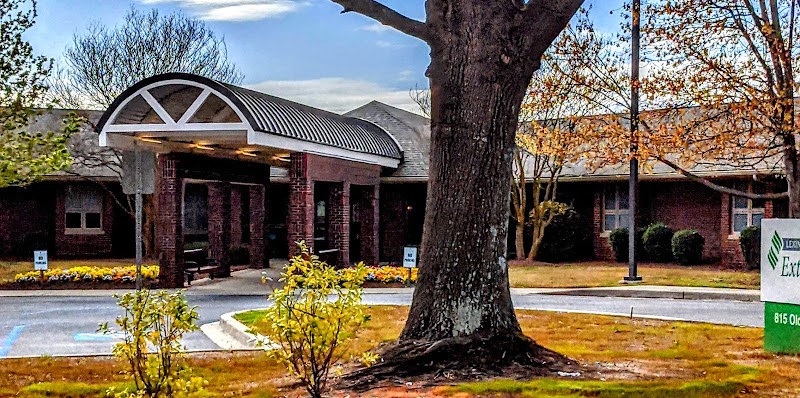
How is L.M.C.- Extended Care Staffed?
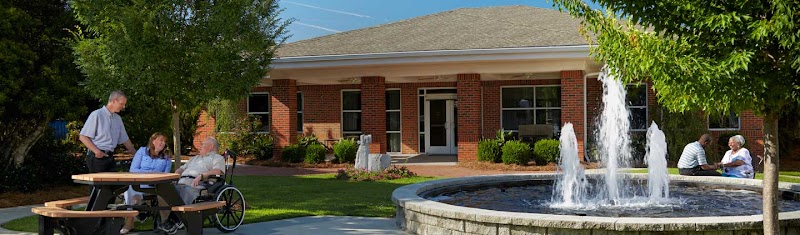
CMS rates L.M.C.- Extended Care's staffing level at 4 out of 5 stars, which is above average compared to other nursing homes. Staff turnover is 45%, compared to the South Carolina average of 46%. This relatively stable workforce can support continuity of care.

What Have Inspectors Found at L.M.C.- Extended Care?

State health inspectors documented 16 deficiencies at L.M.C.- Extended Care during 2022 to 2025. These included: 3 Immediate Jeopardy (the most serious level, indicating potential for serious harm or death) and 13 with potential for harm. Immediate Jeopardy findings are rare and represent the most serious regulatory concerns. They require immediate corrective action.
Who Owns and Operates L.M.C.- Extended Care?

L.M.C.- Extended Care is owned by a non-profit organization. Non-profit facilities reinvest revenue into operations rather than distributing to shareholders. The facility operates independently rather than as part of a larger chain. With 352 certified beds and approximately 275 residents (about 78% occupancy), it is a large facility located in Lexington, South Carolina.

How Does L.M.C.- Extended Care Compare to Other South Carolina Nursing Homes?

Compared to the 100 nursing homes in South Carolina, L.M.C.- Extended Care's overall rating (1 stars) is below the state average of 2.8, staff turnover (45%) is near the state average of 46%, and health inspection rating (1 stars) is much below the national benchmark.

What Should Families Ask When Visiting L.M.C.- Extended Care?

Based on this facility's data, families visiting should ask: "What changes have been made since the serious inspection findings, and how are you preventing similar issues?" "Can I visit during a mealtime to observe dining assistance and food quality?" "How do you handle medical emergencies, and what is your hospital transfer rate?" "Can I speak with family members of current residents about their experience?" These questions are particularly relevant given the facility's Immediate Jeopardy citations.

Is L.M.C.- Extended Care Safe?

Based on CMS inspection data, L.M.C.- Extended Care has documented safety concerns. Inspectors have issued 3 Immediate Jeopardy citations (the most serious violation level indicating risk of serious injury or death). The facility has a 1-star overall rating and ranks #100 of 100 nursing homes in South Carolina. Families considering this facility should ask detailed questions about what corrective actions have been taken since these incidents.

Do Nurses at L.M.C.- Extended Care Stick Around?

L.M.C.- Extended Care has a staff turnover rate of 45%, which is about average for South Carolina nursing homes (state average: 46%). Moderate turnover is common in nursing homes, but families should still ask about staff tenure and how the facility maintains care continuity when employees leave.

Was L.M.C.- Extended Care Ever Fined?

L.M.C.- Extended Care has been fined $51,945 across 4 penalty actions. This is above the South Carolina average of $33,598. Fines in this range indicate compliance issues significant enough for CMS to impose meaningful financial consequences. Common causes include delayed correction of deficiencies, repeat violations, or care failures affecting resident safety. Families should ask facility leadership what changes have been made since these penalties.

Is L.M.C.- Extended Care on Any Federal Watch List?

L.M.C.- Extended Care is not on any federal watch list. The most significant is the Special Focus Facility (SFF) program, which identifies the bottom 1% of nursing homes nationally based on persistent, serious quality problems. Not being on this list means the facility has avoided the pattern of deficiencies that triggers enhanced federal oversight. This is a positive indicator, though families should still review the facility's inspection history directly.