Presbyterian Home Of South Carolina-Columbia
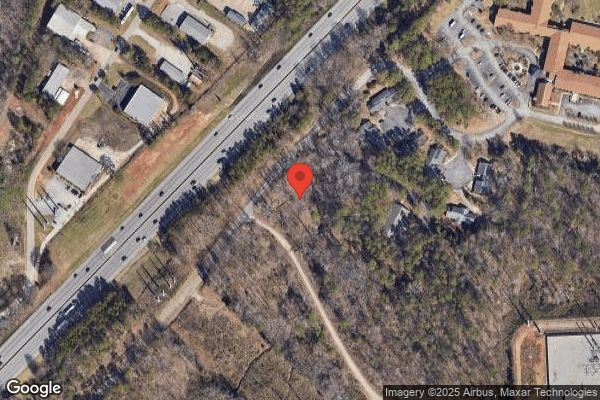
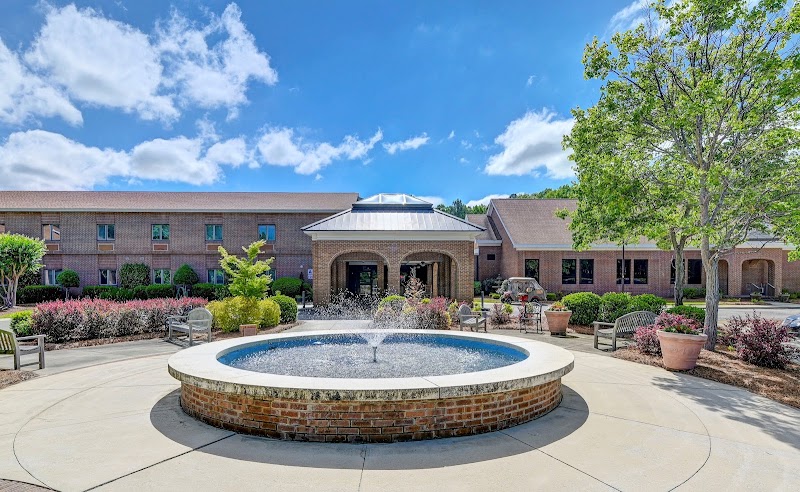
700 Davega Drive, Lexington, SC 29073 (803) 796-8700
For profit - Corporation 22 Beds PRESBYTERIAN COMMUNITIES OF SOUTH CAROLINA Data: November 2025
Trust Grade
80/100
#51 of 186 in SC
Last Inspection: June 2025

Inspected within the last 6 months. Data reflects current conditions.

Overview

The Presbyterian Home of South Carolina-Columbia has a Trust Grade of B+, indicating it is above average and recommended for families considering care options. It ranks #51 out of 186 facilities in South Carolina, placing it in the top half, and is the top-ranked facility among 7 options in Lexington County. However, the facility is experiencing a worsening trend, with issues increasing from 2 in 2024 to 3 in 2025. Staffing is a strength, with a rating of 4 out of 5 stars and good RN coverage, suggesting dedicated staff who are knowledgeable about residents, although the turnover rate is average at 54%. While there have been no fines, which is positive, the facility has faced some concerns, including improper food storage practices and medication errors, such as failing to prime an insulin pen correctly. Overall, while there are strengths in staffing and no fines, families should be aware of the recent increase in issues and specific incidents that could impact resident safety.

Trust Score
B+
80/100
In South Carolina
#51/186
Top 27%
Safety Record
Low Risk
No red flags
Inspections
Getting Worse
2 → 3 violations
Staff Stability
⚠ Watch
54% turnover. Above average. Higher turnover means staff may not know residents' routines.
Penalties
✓ Good
No fines on record. Clean compliance history, better than most South Carolina facilities.
Skilled Nurses
✓ Good
Each resident gets 114 minutes of Registered Nurse (RN) attention daily — more than 97% of South Carolina nursing homes. RNs are the most trained staff who catch health problems before they become serious.
Violations
○ Average
10 deficiencies on record. Average for a facility this size. Mostly minor or procedural issues.
★★★★☆
4.0
Overall Rating
★★★★☆
4.0
Staff Levels
★★★★☆
4.0
Care Quality
★★★★☆
4.0
Inspection Score
Stable
2024: 2 issues
2025: 3 issues

The Good

  • 4-Star Staffing Rating · Above-average nurse staffing levels
  • 4-Star Quality Measures · Strong clinical quality outcomes
  • Full Sprinkler Coverage · Fire safety systems throughout facility
  • No fines on record

Facility shows strength in staffing levels, quality measures, fire safety.

The Bad

Staff Turnover: 54%

Near South Carolina avg (46%)

Higher turnover may affect care consistency

Chain: PRESBYTERIAN COMMUNITIES OF SOUTH C

Part of a multi-facility chain

Ask about local staffing decisions and management

The Ugly 10 deficiencies on record

Jun 2025 3 deficiencies
CONCERN (D)

Potential for Harm - no one hurt, but risky conditions existed

Deficiency F0760 (Tag F0760)

Could have caused harm · This affected 1 resident

Based on review of the facility policy, manufacturer's recommendation, observation, and interview, the facility failed to ensure Resident (R)68 was free from a significant medication error. Specifical...

Read full inspector narrative →
Based on review of the facility policy, manufacturer's recommendation, observation, and interview, the facility failed to ensure Resident (R)68 was free from a significant medication error. Specifically, Registered Nurse (RN)2 failed to correctly prime an insulin kwik pen prior to administering the insulin, for 1 of 1 residents observed receiving insulin via an insulin pen. Findings include: Review of the facility policy titled Insulin Pen implemented on 04/15/25, states as the policy, It is the policy of this facility to use insulin pens in order to improve the accuracy of insulin dosing, provide increased resident comfort, and serve as a teaching aid to prepare residents for self-administration of insulin therapy upon discharge. Policy Explanation and Compliance Guidelines: . 6. Insulin pens will be primed prior to each use to avoid collection of air in the insulin reservoir . 11. Procedure: g. Attach pen needle: i. Remove the pen cap from the insulin pen. ii. Wipe the rubber seal with an alcohol pad. iii. Screw the pen needle onto the insulin pen. iv. Twist open and remove outer cover from the pen needle. h. Prime the insulin pen: i. Dial 2 units (or other amount if indicated depending on medication) by turning the dose selector clockwise. ii. Push the plunger, and watch to see that at least one drop of insulin appears on the tip of the needle. If not, repeat until at least one drop appears. Review of the manufacturer's recommendations for administering Insulin using an Insulin Pen revealed, How to Use . 7. Wipe the tip of the pen where the needle will attach with an alcohol swab or a cotton ball moistened with alcohol. 8. Remove the protective pull tab from the needle and screw it onto the pen until snug (but not too tight). 9. Remove both the plastic outer cap and inner needle cap. 10. Look at the dose window and turn the dosage knob to 2 units. 11. Holding the pen with the needle pointing upwards, press the button until at least one drop of insulin appears. This will prime the needle and remove any air from the needle. Repeat this step if needed until a drop appears. 12. Dial the number of units ordered. During an observation on 06/04/25 at 12:02 PM, of insulin administration went as follows: R68 required 2 units of insulin related to a blood glucose level of 218, RN2 retrieved the insulin pen from the medication cart and wiped off the hub. She then applied a covered needle. Then holding the insulin pen horizontal she dialed up the 2 units for priming the pen, leaving the cover on the needle, she pushed the injection button. RN2 did not indicate that she saw the insulin escape the needle as the cap was still over the needle. She then dialed up the 2 units for the blood glucose level of 218 and proceeded to R68's room to administer the insulin. During an interview on 06/04/25 at 12:15 PM, RN2 confirmed that she had held the insulin pen horizontal and stated that was how she was taught in nursing school to prime the insulin pens. She indicated that she was not in-serviced by the facility or checked off at time of hire on priming insulin pens.
CONCERN (D)

Potential for Harm - no one hurt, but risky conditions existed

Deficiency F0761 (Tag F0761)

Could have caused harm · This affected 1 resident

**NOTE- TERMS IN BRACKETS HAVE BEEN EDITED TO PROTECT CONFIDENTIALITY** Based on review of facility policy, observation and interview, the facility failed to ensure expired biological's and medication...

Read full inspector narrative →
**NOTE- TERMS IN BRACKETS HAVE BEEN EDITED TO PROTECT CONFIDENTIALITY** Based on review of facility policy, observation and interview, the facility failed to ensure expired biological's and medications were removed from storage and not stored with other medications and biological in use, for 1 of 1 treatment cart and in 1 of 2 medication carts. Findings include: Review of the facility policy titled Storage of Medications states, It is the policy of this facility to store all drugs and biological's in a safe, secure, and orderly manner. The Policy Interpretation and Implementation states, 4. The facility shall not use discontinued, outdated, or deteriorated drugs or biological's. All such drugs shall be returned to the dispensing pharmacy or destroyed. During an observation on [DATE] at 8:45 AM, revealed 3 packets of Lubricating Jelly, manufactured by [NAME] with Lot #CLTBB05-01, was expired on [DATE]. Licensed Practical Nurse (LPN)1 confirmed the expiration date and removed the packets of Lubricating Jelly from the treatment cart. During an observation on [DATE] at 8:25 AM, of Medication Cart 1 revealed a bottle of Prostat AWC, the bottle with Lot #2400690 was expired on [DATE]. Additionally, the bottle was stuck to the bottom of the storage bin and difficult to pick up due to dried spillage in the bottom of the drawer and on the sides of the bottle. The expired medication was confirmed by Registered Nurse (RN)1 and removed from storage in the medication cart and discarded in the trash bin.
CONCERN (F)

Potential for Harm - no one hurt, but risky conditions existed

Food Safety (Tag F0812)

Could have caused harm · This affected most or all residents

Based on review of facility policy, observation, and interview, the facility failed to ensure proper storage of food items in 1 of 1 main kitchens. Findings include: Review of the facility policy tit...

Read full inspector narrative →
Based on review of facility policy, observation, and interview, the facility failed to ensure proper storage of food items in 1 of 1 main kitchens. Findings include: Review of the facility policy titled Food Storage (Dry, Refrigerated, and Frozen) dated 2020, documented, 1a. All food items will be labeled. The label must include the name of the food and the date by which it should be sold, consumed, or discarded . c. Discard food that has passed the expiration date . During an observation on 06/03/25 at approximately 10:09 AM, of the main kitchen, with Certified Dietary Manager (CDM), the following was observed in the freezer: An opened bag of lobster was wrapped in cellophane and unlabeled, and an opened bag of gluten multigrain sandwich bread was labeled and dated 11/17/24. During an interview on 06/03/25 at approximately 10:09 AM, the CDM revealed that the Executive Chef oversees ensuring all food that is received in the kitchen is stored, labeled and discarded. The CDM further stated it is the duty of all staff to make sure all food items are rotated, labeled and discarded. During an interview on 06/03/25 at approximately 10:48 AM, the Executive Chef revealed that it is facility policy that all opened food items must be labeled with both an open date and an end (discard) date. He further stated that labeling and rotation are checked daily, and any expired or unlabeled items must be discarded immediately. During an interview on 06/03/25 at approximately 10:51 AM, the Lead [NAME] explained that she supports the Executive Chef in ensuring all food items are properly labeled, stored, and discarded in accordance with facility policy. She emphasized that all expired food items must be discarded immediately, with no exceptions. During a follow-up interview on 06/05/25 at 8:22 AM, the CDM confirmed the facility policy requires all food to be labeled with receive, open, and discard dates, and that expired/unlabeled items must be discarded immediately.
May 2024 2 deficiencies
CONCERN (D)

Potential for Harm - no one hurt, but risky conditions existed

MDS Data Transmission (Tag F0640)

Could have caused harm · This affected 1 resident

Based on review of the Resident Assessment Instrument (RAI) manual, report review, and interviews, the facility failed to ensure an Omnibus Budget Reconciliation Act (OBRA) assessment was transmitted ...

Read full inspector narrative →
Based on review of the Resident Assessment Instrument (RAI) manual, report review, and interviews, the facility failed to ensure an Omnibus Budget Reconciliation Act (OBRA) assessment was transmitted timely for 3 of 5 residents (Resident (R)267, R268 and R269). Findings Include: Review of the RAI 3.0 manual section 5.2, dated 10/19, revealed Timeliness Criteria indicated .Transmitting Data: Submission files are transmitted to the Quality Improvement and Enhancement System (QIES) Assessment Submission and Processing (ASAP) system using the CMS wide area network. Providers must transmit all sections of the MDS 3.0 .Transmission requirements apply to all MDS 3.0 records used to meet both federal . requirements . Assessment Transmission .All other MDS assessments must be submitted within 14 days of the MDS Completion Date . Review of an MDS 3.0 NH Final Validation Report revealed that Minimum Data Set (MDS) submissions for R267, R268 and R269 were submitted more than 14 days after the completion date. During an interview on 05/09/24 at 12:22 PM with the MDS coordinator, she stated that she was responsible for transmitting the MDS and takes responsibility for not submitting the data in a timely manner. During an interview on 05/09/24 at 12:57 PM with the Director of Nursing (DON), she stated that it is her expectations that the MDS coordinator follow regulatory guidelines concerning submission of MDS data.
CONCERN (D)

Potential for Harm - no one hurt, but risky conditions existed

Medication Errors (Tag F0758)

Could have caused harm · This affected 1 resident

**NOTE- TERMS IN BRACKETS HAVE BEEN EDITED TO PROTECT CONFIDENTIALITY** Based on interview, record review, and facility policy the facility failed to provide an appropriate clinical rationale for indi...

Read full inspector narrative →
**NOTE- TERMS IN BRACKETS HAVE BEEN EDITED TO PROTECT CONFIDENTIALITY** Based on interview, record review, and facility policy the facility failed to provide an appropriate clinical rationale for indication of use for Resident (R)5's antipsychotic medication. 1 of 5 reviewed for antipsychotic medications. Findings include: Review of the facility's policy titled, Facility Pharmacy Services and Procedures Manual Psychotic Medication Use last revised 10/24/22, revealed Psychotropic drugs include but are not limited to anti-anxiety, antidepressants, or sedative-hypnotics that affect brain activities associated with mental process and behavior. Procedures include: psychotropic medication is prescribed for a diagnosed condition and noted being used for convenience or discipline. Facility should comply with the Psychopharmacologic Dosage Guidelines created by the Centers for Medicare and Medicaid Services (CMS), the State Operations Manual, and all other Applicable Law relating to the use of psychopharmacologic medications. Psychotropic medications may be used to address behaviors only if non-drug approaches and interventions were attempted prior to their use. All medications used to treat behaviors must have a clinical indication and be used in the lowest possible dose to achieve the desired therapeutic effect. All medications used to treat behaviors should be monitored for efficacy; risks; benefits; and harm or adverse consequences. Antipsychotic medications used to treat behaviors or psychological conditions of dementia must be clinically indicated, be supported by an adequate rationale for use, and may not be used for a behavior with an unidentified cause. R5 was admitted to the facility on [DATE] with diagnoses including but not limited to Alzheimer's Disease, major depressive disorder (recurrent) with psychotic symptoms, and dementia with behaviors. According to the admission Minimum Data Set (MDS) assessment dated [DATE] revealed R5 had no behaviors during the assessment period and receives antipsychotic medications on a routine basis. Review of the Manufacturer Warning for the medication, Risperidone, revealed Elderly patients with dementia-related psychosis treated with antipsychotic drugs are at an increased risk of death. RISPERDAL® is not approved for use in patients with dementia-related psychosis. Record review on 05/08/24 at 01:26 PM of R5's Medication Administration Record (MAR) for March 2024 revealed Risperidone 0.5 MG (milligrams) for dementia with behavioral disturbance with an order dated of 03/28/24 was administered as ordered 03/29/24-03/31/24. Record review on 05/08/24 at 01:34 PM of R5's MAR for March 2024 revealed Risperidone oral tablet 0.5 MG for dementia with an order date of 03/21/24 and discharge date of 03/28/24 was administered 03/22/24-03/28/24. Record review on 05/08/24 at 01:41 PM of R5's MAR for March 2024 revealed Risperidone Oral Tablet 0.5 MG for dementia - give one tablet by mouth in the evening for dementia with an order date of 03/21/24 and discharge date of 03/28/24 revealed the medication was administered 03/22/24 - 03/27/24. Record review on 05/08/24 at 01:45 PM of R5's MAR for March 2024 revealed Risperidone 0.5 MG with an order date of 03/28/24. The medication was administered 03/28/24 - 03/31/24. Record review on 05/08/24 at 01:49 PM of R5's MAR for March 2024 revealed R5 had no behaviors when assessed from 03/21/24 - 03/31/24. Record review on 05/08/24 at 01:55 PM of R5's April MAR revealed an order for Risperidone 0.5 MG with a start date of 03/28/24 for dementia with behavioral disturbances. R5 received this medication each day in April (04/01/24 - 04/30/24.) R5 also had an order to receive Risperidone 0.5 mg at bedtime. The April MAR revealed it was received each day in the month of April. Record review on 05/08/24 at 02:01 PM of R5's May 2024 MAR revealed an order for Risperidone 0.5 MG, give one tablet by mouth one time a day for dementia with behavioral disturbance with a start date of 03/28/24. R5 received this medication 05/01/24 - 05/08/24. Record review on 05/08/24 at 02:05 PM of R5's May 2024 MAR revealed an order for Risperidone 0.5 MG, give at bedtime with a start date of 03/28/24. R5 received this medication 05/01/24 - 05/07/24. Review on 05/09/24 at 09:34 AM of a Consultation Pharmacy Report dated 03/22/24 revealed R5's medical record listed a potentially inappropriate supporting diagnosis or indication for the following: Risperdal (2 orders) please change diagnosis to F02.818 Dementia in other disease classified elsewhere, unspecified severity with other behavioral disturbance. Recommendation: please clarify the appropriate supporting diagnosis and document accordingly. Director of Nursing Comments: none A phone interview on 05/09/24 at 9:50 AM with the Physician Assistant (PA) revealed that the resident was prescribed Risperdal while in a memory care unit prior to being admitted to this facility related to her major depressive disorder, that is recurrent with psychotic features. During the resident's most recent hospital stay, she was having psychotic features, and they increased her dosage. When the resident was admitted to the facility, her psychiatric hospital discharge summary included an order for Risperidone 0.5 MG taken daily by mouth. The PA further stated that when the Pharmacist reviewed the resident's medication on 03/22/24, they flagged the order for Risperdal due to having an inappropriate diagnosis of dementia with behavioral disturbances, which should have been updated to major depressive disorder with psychotic symptoms. Due to the resident being admitted with this medication and being on this medication since December (when they started to review resident medications), the resident is not due to for a gradual dose reduction (GDR) at this time. A phone interview on 05/09/24 at 12:37 PM with the Consultant Pharmacist revealed that they flagged the resident medication because there was no diagnosis attached to this medication, which is why they added dementia with behaviors as diagnosis because that was on the resident's face sheet and hospital summary. The Consultant Pharmacist further stated that they were unaware that dementia with behaviors is not an appropriate diagnosis for this medication. Further interview revealed that the Consultant Pharmacist did not have a clinical rationale for the resident being on this medication.
Apr 2023 1 deficiency
CONCERN (D) 📢 Someone Reported This

A family member, employee, or ombudsman was alarmed enough to file a formal complaint

Potential for Harm - no one hurt, but risky conditions existed

Abuse Prevention Policies (Tag F0607)

Could have caused harm · This affected 1 resident

**NOTE- TERMS IN BRACKETS HAVE BEEN EDITED TO PROTECT CONFIDENTIALITY** Based on observation, interview, record review and review of facility policy, the facility failed to ensure all training of empl...

Read full inspector narrative →
**NOTE- TERMS IN BRACKETS HAVE BEEN EDITED TO PROTECT CONFIDENTIALITY** Based on observation, interview, record review and review of facility policy, the facility failed to ensure all training of employees was completed after an allegation of staff to resident abuse was reported and investigated. Resident (R)5 alleged that Certified Nursing Assistant (CNA)3 had physically abused him/her. The facility investigated the allegation, contacted law enforcement, and provided mandatory training to staff related to the abuse allegation. Review of facility training records revealed CNA3 had not attended the training and had worked at least 21 shifts without having attended the mandatory in-service training on abuse. Findings include: Review of the facility's policy Abuse Prevention Program, with revision date 11/28/17 revealed, Preface - It is the policy of the community to maintain an environment where residents are free from abuse, neglect, exploitation and misappropriation of resident property from all residents, staff, families, visitors and volunteers. When the incident or suspected incident of abuse is reported, the Administrator or designee will investigate the incident. All staff must cooperate during the investigation to assure the resident is fully protected. The community must develop and implement written policies and procedures that include training as required. Update training for orientation, annual, agency staff, as needed. Review of R5's clinical record revealed the resident was admitted to the facility on [DATE]. The resident's diagnosis included unspecified Sequelae of Cerebral Infarction, Hemiplegia and Hemiparesis of Right Dominant Side and Adjustment Disorder with Mixed Disturbance of Emotions Conduct. Review of Physician Order's last updated 1/24/23 revealed the resident did not have medications and/or behavioral therapy ordered to address the diagnosis of mixed disturbance of emotions. R5's annual Minimum Data Set (MDS) assessment dated [DATE] indicated the resident's cognitive status was intact with a Brief Interview for Mental Status (BIMS) score of 14. The resident exhibited physical behaviors directed toward others one (1) to three (3) days of the assessment period which put the resident at risk for physical illness or injury, significantly interfered with resident's care, put others at risk for significant risk of physical injury and intruded on the privacy of others. The assessment also documented the resident exhibited wandering behaviors daily which intruded on the privacy of others. The Care Area Assessment (CAA) for behavioral symptoms indicated the resident made poor decisions based on interactions with other residents and staff. The resident wandered, would strike out at others, occasionally refused care from staff, and had placed self in unsafe areas unassisted. Review of R5's Care Plan with revision date 1/31/23 revealed the resident had the potential to be physically aggressive related to a history of striking others and exhibited poor impulse control. The goal of the Care Plan was for the resident to demonstrate effective coping skills and the resident would not harm self or others through the next review date. Interventions listed on the Care Plan included the resident's triggers for physical aggression were unusually unpleasant remarks from other residents and/or occasionally staff or reason(s) was unknown. The resident's behaviors are de-escalated by redirection by staff. Analyzed times of day, places, circumstances, triggers and what de-escalated behavior and document. Provide physical and verbal cues to alleviate anxiety and give positive feed-back. Monitor daily and document observed behavior and attempted interventions on behavior log. Monitor and document any signs or symptoms of the resident when he/she posed a danger to self or others. When the resident became agitated, staff were to intervene before the agitation escalated. Guided the resident away from the source of distress and engaged calmly in conversation. If the resident's response was aggressive, staff were to walk calmly away and re-approach later. Review of a Health Progress Note dated 2/6/23 at 8:22 PM documented the resident made an allegation of abuse. The administrator was notified. An interview with CNA3 on 4/18/23 at 9:50 a.m. revealed he/she was assigned to provide care to R5 on 2/6/23 on the second shift. The CNA said he/she was getting the resident ready for bed and the resident spat on the gown that had been placed beside the resident. He/she said the resident just kept spitting on the gown and toward the CNA, so he/she put on the brief, pulled the blanket over the resident and went to get the nurse. He/she said a hospital type gown was left at the bottom of the bed and the resident was told someone would be back to put the gown on him/her. The CNA said when he/she reported to the Licensed Practical Nurse (LPN) the LPN immediately went into the resident's room, and Resident # 5 reported that he/she had been beaten up by the CNA. CNA3 said he/she did not hit the resident and had never been accused of abuse before. He/she said the facility put him/her on suspension during the investigation. The CNA stated he/she had abuse training in the past, at least once a year, but had not received any recent training from the facility. A telephone interview on 4/19/23 at 7:20 p.m. with LPN5 revealed he/she was working on second shift on 2/6/23 and was assigned to provide care to R5. He/she said CNA3 came out of R5's room and informed him/her that the resident was spitting all over the place and the CNA could not get a night gown on the resident. The LPN said when he/she entered the resident's room the resident was attempting to put on hospital gown, and that he/she assisted the resident with putting on the gown. The LPN said the resident immediately said the staff that had just left the room had beaten him/her up all over. He/she said the resident was asked to describe how he/she was beaten up and the resident kept saying that he/she was beaten all over. The LPN said he/she examined the resident and there was no redness or discoloration of the resident's skin, and the resident did not appear to be upset. The LPN said he/she left the resident's room and immediately called the administrator and informed him/her of the allegation of abuse. CNA3 sat at the nurse's station until the administrator came to begin the investigation. Review of the facility's investigation dated 2/11/23 revealed there was no evidence CNA3 had physically abused R5 on 2/6/23. Assessment of the resident revealed no evidence of physical abuse and interviews with staff indicated no suspected abuse occurred. Review of the Education In-service training provided to staff on 2/9/23 revealed 44 staff had attended the training on Dementia which included preventing and responding to abuse, however, CNA3's name was not on the list of staff that had attended the training. An interview with the Administrator on 4/19/23 at 1:20 p.m. revealed the facility's investigation did not substantiate R5 had been physically abused by CNA3. He/she stated R5 did not want to be in the facility and had been discharged . He/she said during the investigation the resident indicated he/she wanted the police called and the police came out and took a report from the resident. The Administrator said that anytime there is an allegation of abuse in the facility, it is facility policy that there was a facility wide training for reeducation on the facility's abuse policies and procedures and that it was mandatory for all staff to attend. He/she said CNA3 should have attended the mandatory training on abuse, but there was no evidence the CNA had received the training. The Administrator said it was the former Director of Nursing's (DON's) responsibility to ensure all staff had attended mandatory training on the facility's abuse policy after allegation of abuse occurred on 2/6/23. Review of the PRN (as needed) schedule for CNA3 provided by the Administrator revealed CNA3 worked providing direct care to residents six (6) shifts in February 2023, 13 shifts March 2023, two (2) shifts April 2023. The CNA worked providing direct resident care for at least 21 shifts without attending the facility's mandatory training on Dementia which included preventing and responding to abuse.
Dec 2022 2 deficiencies
CONCERN (D) 📢 Someone Reported This

A family member, employee, or ombudsman was alarmed enough to file a formal complaint

Potential for Harm - no one hurt, but risky conditions existed

Report Alleged Abuse (Tag F0609)

Could have caused harm · This affected 1 resident

**NOTE- TERMS IN BRACKETS HAVE BEEN EDITED TO PROTECT CONFIDENTIALITY** Based on review of the facility policy, interview and record review, the facility failed to report the resident - resident alter...

Read full inspector narrative →
**NOTE- TERMS IN BRACKETS HAVE BEEN EDITED TO PROTECT CONFIDENTIALITY** Based on review of the facility policy, interview and record review, the facility failed to report the resident - resident altercation between Residents (R)2 and 3 in a timely manner. The alleged altercation occurred on 09/09/22 at approximately 10:42 PM but was not reported until 10/07/22. Findings include: Review of facility abuse policy revealed that If an incident or allegation is considered reportable, the Administrator or designee will make an initial (immediate or within 24 hours) report to the State Agency. R2 was admitted to the facility on [DATE] with diagnoses including - but not limited to - heart disease, chronic obstructive pulmonary disease, vascular dementia with behavioral disturbances, and anxiety. R3 was admitted to the facility on [DATE] with diagnoses including - but not limited to - dementia, anxiety, restlessness and agitation, and repeated falls. Review of facility reportable for the 09/09/22 incident between R2 and R3 revealed the 24-hour report was submitted to on 10/07/22 and the 5-day report was submitted on 10/12/22. Interview with Administrator on 12/07/22 revealed the previous Director of Nursing (DON) was fired due to the delayed reporting of this resident - resident incident.
CONCERN (D) 📢 Someone Reported This

A family member, employee, or ombudsman was alarmed enough to file a formal complaint

Potential for Harm - no one hurt, but risky conditions existed

Investigate Abuse (Tag F0610)

Could have caused harm · This affected 1 resident

**NOTE- TERMS IN BRACKETS HAVE BEEN EDITED TO PROTECT CONFIDENTIALITY** Based on review of the facility policy, record review, and interviews, the facility failed to thoroughly investigate two residen...

Read full inspector narrative →
**NOTE- TERMS IN BRACKETS HAVE BEEN EDITED TO PROTECT CONFIDENTIALITY** Based on review of the facility policy, record review, and interviews, the facility failed to thoroughly investigate two resident - resident altercations. On 09/09/22, Residents (R)2 and R3 had an altercation that was not thoroughly investigated. Similarly, on 10/21/22, R4 and R5 were involved in an altercation that was not thoroughly investigated. For both incidents, there were no witness statements taken, and interview attempts with the residents involved were not documented. Findings include: Review of facility's undated policy titled, Abuse revealed, the investigation will include Residents' statements. If residents are unable to give statements, the facility will complete an evaluation of the resident's behavior, affect, and response to interaction and document findings. The investigation must also include involved staff and witness statements of events. R2 was admitted to the facility on [DATE] with diagnoses including,but not limited to; heart disease, chronic obstructive pulmonary disease (COPD), vascular dementia with behavioral disturbances, and anxiety. R3 was admitted to the facility on [DATE] with diagnoses including, but not limited to, dementia, anxiety, restlessness and agitation, and repeated falls. R4 was admitted to the facility on [DATE] with diagnoses including, but not limited to, COPD, muscle wasting, and diabetes mellitus type 2. R5 was admitted to the facility on [DATE] with diagnoses including, but not limited to, dementia, behavioral disturbances, psychotic disturbances, and anxiety. Review of an 09/09/22 Incident Report for R3 on 12/07/22 revealed that R3 was slapped by R2. The incident report was written by Licensed Practical Nurse (LPN)1. Review of an 09/09/22 progress note for R2 on 12/07/22 revealed a resident hit R3 in the face multiple times. The progress note was written by LPN2. Review of an 09/09/22 progress note for R3 on 12/07/22 revealed R3 had been slapped in the face by R2. Both residents were immediately separated. The progress note was written by LPN1. Review of an 09/09/22 Incident Report for R2 on 12/07/22 revealed R2 and another resident slapped each other in the face. The progress note was written by Registered Nurse (RN)1. Review of the facility investigation of the 09/09/22 incident between R2 and R3 on 12/07/22 revealed there were no witness statements attached to the facility investigation. Multiple unsuccessful attempts were made to reach LPN1, LPN2, and RN1 to clarify the details of the incident as written in their notes. Interview with Administrator on 12/07/22 at approximately 12:00 PM revealed a delayed reporting for the incident between R2 and R3. As a result of the delayed reporting, the previous Director of Nursing was terminated. The facility had no timely investigation, and no witness statements or documentation of interview attempts with the involved residents. Review of a 10/21/22 progress note for R4 on 12/07/22 revealed the resident had an outburst and began yelling at another resident. Review of the facility 5-day report of the 10/21/22 incident between R3 and R4 on 12/07/22 revealed a Certified Nursing Aide (CNA) reported a resident kicked another resident in the day room. Both R3 and R4 were attached to the reportable, but it was unclear who was the perpetrator, victim, and witness was. There were no witness statements taken, and there was no documentation of interview attempts with the residents involved. Interview with the Current Director of Nursing on 12/07/22 at approximately 11:21 AM revealed that there was no paper record of what the primary witness (identified as CNA1) observed. Interview attempt with CNA1 on 12/07/22 at approximately 11:27 PM revealed she did not witness the incident. She identified the primary witness as CNA2. Multiple unsuccessful attempts were made to reach CNA2 by phone.
Feb 2022 2 deficiencies
CONCERN (D)

Potential for Harm - no one hurt, but risky conditions existed

Deficiency F0561 (Tag F0561)

Could have caused harm · This affected 1 resident

Based on record review and interviews, the facility failed to address resident preferences in regards to bathing for two of three residents reviewed for Choices. Resident (R) 70 and R16 were not offer...

Read full inspector narrative →
Based on record review and interviews, the facility failed to address resident preferences in regards to bathing for two of three residents reviewed for Choices. Resident (R) 70 and R16 were not offered the opportunity to choose their bathing preferences or bathing schedules. The findings included: The facility admitted R70 on 1/24/2022 with diagnoses including, but limited to, heart failure, hypertension, arthritis, osteoporosis, muscle weakness and difficulty in walking. During an interview with R70, on 2/7/2022 at 2:54 PM, R70 was asked if she received a bath or a shower as often as she liked. R70 stated she preferred a shower but had not had one since admission. R70 stated she had been getting a sponge bath and no one had asked her if she would like a shower. During an interview with the Director of Nursing (DON), on 2/8/2022 at 1:48 PM, the DON stated prior to 2/8/2022 no one had asked the resident about her bathing preferences and a bathing schedule had not been set up for R70. The DON stated the resident's preferences had since been addressed and a shower schedule was created for the resident. The DON stated the nurse aides will give any resident a shower if they ask for one, but had no documentation the resident had received, or been offered a shower. The DON stated it's on me to ensure all residents have a shower schedule based on their preferences. During an interview with R70, on 2/10/2022 at 9:41 AM, R70 stated staff had addressed her bathing preferences with her and a shower schedule had been set up on 2/8/2022. R70 stated she still had not received a shower. R70 stated she was a retired nurse and had been giving herself a sponge bath daily since admission to the facility. R70 was asked if she received any assistance with this and she stated she was able to do so with out assistance. During an interview with the DON, on 2/10/2022 at 10:10 AM, the DON stated a bath or shower schedule is to be set up for all residents by the day of or day after admission to the facility. The DON stated this was not done for R70 and R16. The DON stated this is done by her or the Assistant Director of Nursing (ADON). The DON stated the facility did not currently have a ADON. The DON stated she has since confirmed all residents have a bathing schedule based on their preference. The DON stated there was no policy addressing resident bathing preference or bathing schedules. She stated she had added this to her admission checklist, though. Record review of the resident's care plan, on 2/7/2022 at 3:33 PM revealed the resident's bathing preference for a bath or shower, or frequency of such was not indicated on the care plan. The facility admitted R16 on 1/10/2022 with diagnoses including, but not limited to, multiple rib fractures, pain in right shoulder, muscle weakness, difficulty in walking, osteoarthritis and pain in left lower leg. During an interview with R16, on 2/7/2022 at 2:03 PM, R16 stated she had been in the facility for four weeks and had only received two showers. She stated she was not offered those showers but was given the showers when she asked for them. R16 stated she had not been asked about her bathing preferences. She also stated no one had talked to her about a shower schedule or how often she would like a shower. During an interview with the Director of Nursing (DON), on 2/8/2022 at 1:48 PM, the DON confirmed R16 did not have a shower schedule set up for her prior to 2/8/2022. The DON stated R16's preferences had been addressed and a shower schedule was created. In addition, the DON stated R16 would receive a shower today (See above DON interviews). During an interview with R16, on 2/10/2022, she stated she had received a shower since the last interview. She stated a staff person had come to talk with her about her bathing preferences on 2/8/2022, offered her a shower and set up a shower schedule for her. R16 recalled a week or so after admission to the facility she had asked one of the staff when she was going to get a shower. R16 stated the staff person told her they weren't sure when and would check the schedule. R16 stated no one ever followed up with her about this. R16 stated she had been washing herself up at the sink without staff assistance due to the lack of showers. Record review of the resident's care plan, on 2/9/2022 at 3:01 PM, revealed Shower with bed bath on alternate days scheduled as requested.
CONCERN (D)

Potential for Harm - no one hurt, but risky conditions existed

Deficiency F0761 (Tag F0761)

Could have caused harm · This affected 1 resident

**NOTE- TERMS IN BRACKETS HAVE BEEN EDITED TO PROTECT CONFIDENTIALITY** Based on observation, interviews, and review of facility policy the facility failed to remove expired items from active storage ...

Read full inspector narrative →
**NOTE- TERMS IN BRACKETS HAVE BEEN EDITED TO PROTECT CONFIDENTIALITY** Based on observation, interviews, and review of facility policy the facility failed to remove expired items from active storage in 1 of 1 treatment carts. 19, expired, iodine swabs were observed in the treatment cart. The findings include: On [DATE] at 10:10 AM, observation of the treatment cart, on the Medicare certified unit, revealed 20, individually packaged, [NAME] Providone - Iodine USP Swab Sticks. 19 of the 20 Swab Sticks had an expiration date of [DATE]. During an interview with the Director of Nursing (DON), on [DATE] at 10:15 AM, the DON confirmed the 19 Swab Sticks were expired on [DATE]. The DON stated it was the responsibility of the nurses and pharmacist to ensure the treatment cart was free of expired items. The DON also stated the pharmacist had been in the facility yesterday checking storage areas for any expired items, but must not have checked the treatment cart. Review of the facility's policy titled Storage and Expiration Dating of Medications, Biologicals revealed: 4. Facility should ensure that medications and biologicals that: (1) have an expired dated on the label; (2) have been retained longer than recommended by manufacturer or supplier guidelines; (3) have been contaminated or deteriorated, are stored separate from other medications until destroyed or returned to the pharmacy or supplier.
Understanding Severity Codes (click to expand)
Life-Threatening (Immediate Jeopardy)
J - Isolated K - Pattern L - Widespread
Actual Harm
G - Isolated H - Pattern I - Widespread
Potential for Harm
D - Isolated E - Pattern F - Widespread
No Harm (Minor)
A - Isolated B - Pattern C - Widespread

Questions to Ask on Your Visit

  • "Can I speak with families of current residents?"
  • "What's your RN coverage like on weekends and overnight?"

Our Honest Assessment

Strengths
  • • Grade B+ (80/100). Above average facility, better than most options in South Carolina.
  • • No major safety red flags. No abuse findings, life-threatening violations, or SFF status.
  • • No fines on record. Clean compliance history, better than most South Carolina facilities.
Concerns
  • • No significant concerns identified. This facility shows no red flags across CMS ratings, staff turnover, or federal penalties.
Bottom line: Generally positive indicators. Standard due diligence and a personal visit recommended.

About This Facility

What is Presbyterian Home Of South Carolina-Columbia's CMS Rating?

CMS assigns Presbyterian Home Of South Carolina-Columbia an overall rating of 4 out of 5 stars, which is considered above average nationally. Within South Carolina, this rating places the facility higher than 99% of the state's 100 nursing homes. This rating reflects solid performance across the metrics CMS uses to evaluate nursing home quality.

How is Presbyterian Home Of South Carolina-Columbia Staffed?

CMS rates Presbyterian Home Of South Carolina-Columbia's staffing level at 4 out of 5 stars, which is above average compared to other nursing homes. Staff turnover is 54%, compared to the South Carolina average of 46%. RN turnover specifically is 67%, which is notably high. RNs provide skilled clinical oversight, so turnover in this role can affect medical care quality.

What Have Inspectors Found at Presbyterian Home Of South Carolina-Columbia?

State health inspectors documented 10 deficiencies at Presbyterian Home Of South Carolina-Columbia during 2022 to 2025. These included: 10 with potential for harm.
Who Owns and Operates Presbyterian Home Of South Carolina-Columbia?

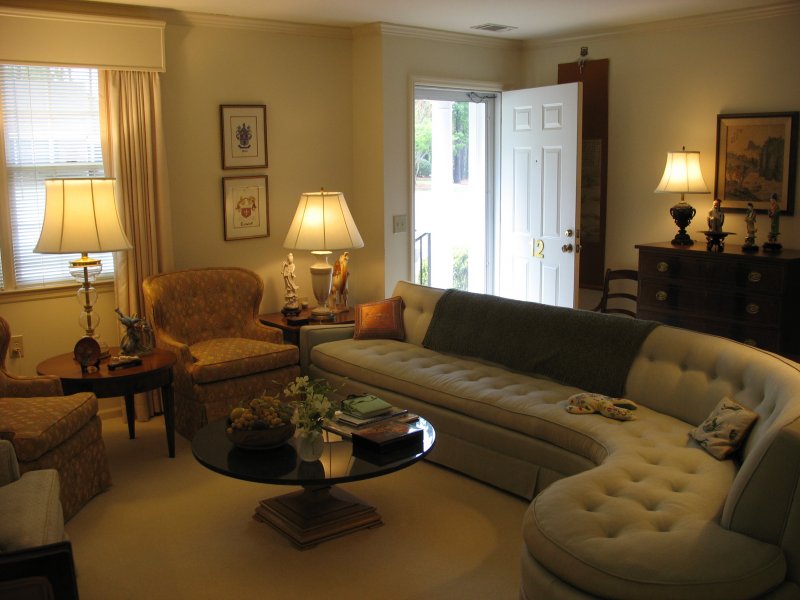
Presbyterian Home Of South Carolina-Columbia is owned by a for-profit company. For-profit facilities operate as businesses with obligations to shareholders or private owners. The facility is operated by PRESBYTERIAN COMMUNITIES OF SOUTH CAROLINA, a chain that manages multiple nursing homes. With 22 certified beds and approximately 16 residents (about 73% occupancy), it is a smaller facility located in Lexington, South Carolina.

How Does Presbyterian Home Of South Carolina-Columbia Compare to Other South Carolina Nursing Homes?

Compared to the 100 nursing homes in South Carolina, Presbyterian Home Of South Carolina-Columbia's overall rating (4 stars) is above the state average of 2.9, staff turnover (54%) is near the state average of 46%, and health inspection rating (4 stars) is above the national benchmark.

What Should Families Ask When Visiting Presbyterian Home Of South Carolina-Columbia?

Based on this facility's data, families visiting should ask: "Can I visit during a mealtime to observe dining assistance and food quality?" "How do you handle medical emergencies, and what is your hospital transfer rate?" "Can I speak with family members of current residents about their experience?"

Is Presbyterian Home Of South Carolina-Columbia Safe?

Based on CMS inspection data, Presbyterian Home Of South Carolina-Columbia has a clean safety record: no substantiated abuse findings (meaning no confirmed cases of resident harm), no Immediate Jeopardy citations (the most serious violation level indicating risk of serious injury or death), and is not on the Special Focus Facility watch list (a federal program monitoring the lowest-performing 1% of nursing homes). The facility has a 4-star overall rating and ranks #1 of 100 nursing homes in South Carolina. While no facility is perfect, families should still ask about staff-to-resident ratios and recent inspection results during their visit.

Do Nurses at Presbyterian Home Of South Carolina-Columbia Stick Around?

Presbyterian Home Of South Carolina-Columbia has a staff turnover rate of 54%, which is 8 percentage points above the South Carolina average of 46%. Moderate turnover is common in nursing homes, but families should still ask about staff tenure and how the facility maintains care continuity when employees leave.

Was Presbyterian Home Of South Carolina-Columbia Ever Fined?

Presbyterian Home Of South Carolina-Columbia has no federal fines on record. CMS issues fines when nursing homes fail to meet care standards or don't correct problems found during inspections. The absence of fines suggests the facility has either maintained compliance or corrected any issues before penalties were assessed. This is a positive indicator, though families should still review recent inspection reports for the full picture.

Is Presbyterian Home Of South Carolina-Columbia on Any Federal Watch List?

Presbyterian Home Of South Carolina-Columbia is not on any federal watch list. The most significant is the Special Focus Facility (SFF) program, which identifies the bottom 1% of nursing homes nationally based on persistent, serious quality problems. Not being on this list means the facility has avoided the pattern of deficiencies that triggers enhanced federal oversight. This is a positive indicator, though families should still review the facility's inspection history directly.